Day 7 and we’re off to Portugal for a heady blend of documentary and drama. As is often the case, the films that I’ve not heard of by directors I’ve not encountered turn out to be the best…

Maria do Mar (1930; Pt.; Leitão de Barros)
So then, the plot. Part 1 establishes place (Nazaré and its beach) and characters: Falacha, skipper of the boat Maria do Mar; his wife and his daughter Maria (named after the boat); Ilheu and his wife Aurelia (known as “Ilhôa”) and their son Manuel; the fishermen “Peru” (“the Turkey”) and “Lacraio” (“Scorpio”). Part 2 starts with news that the sea has broken the lines to the nets. Falacha decides his crew must set out in dangerous conditions. The local population gathers on the shore to urge them back, but it is too late: the Maria do Mar is wrecked. Part 3 reveals that Falacha is the sole survivor. He is dragged from the waves but then set upon by the families of the lost crew: they blame him for their unnecessary deaths. He goes to pray, but the widows pursue him: “God will never forgive you!” In despair, Falacha walks into the sea and drowns himself. In Part 4, Maria is now working in the fields and sells her produce in the market of Leira. Thanks to his mother’s intervention, Manuel avoids being conscripted and goes to celebrate with his friends. In Part 5, Maria and her friends from the fields encounter Manuel and his friends on the beach. Maria gets into trouble while swimming, but Manuel rescues her. The incident enflames local tensions, with Ilhôa clashing with Falacha’s widow. Ilhôa consults Patareca, a midwife conversant in witchcraft who places a “curse” on her rival’s doorstep. Falacha’s widow and Ilhôa fight in the street, only to be separated by Manuel and Maria. Part 6 sees Maria defy her mother’s ban and thank Manuel. They meet again, and then every day. Part 7, and the lovers marry. Manuel takes Maria home, but his mother ignores her. “She is the daughter of the man who killed your father! You can keep her – I’m leaving!” In Part 8, Maria’s mother in turn ejects the lovers. They find their own place and transform it into a home. Whereupon, in Part 9, Maria gives birth to a girl. Months later, when both parents are working, the infant is attacked by a rabid dog. Ilhôa refuses to care for it, as does Maria’s mother. At the same time, a girl of the same age is being buried, and the two rivals see the tiny casket being borne past them. Manuel and Maria rush home to find their mothers and all their neighbours gathered in prayer around the cot. The child was not harmed, and a “miracle” of reconciliation takes place. FIM.

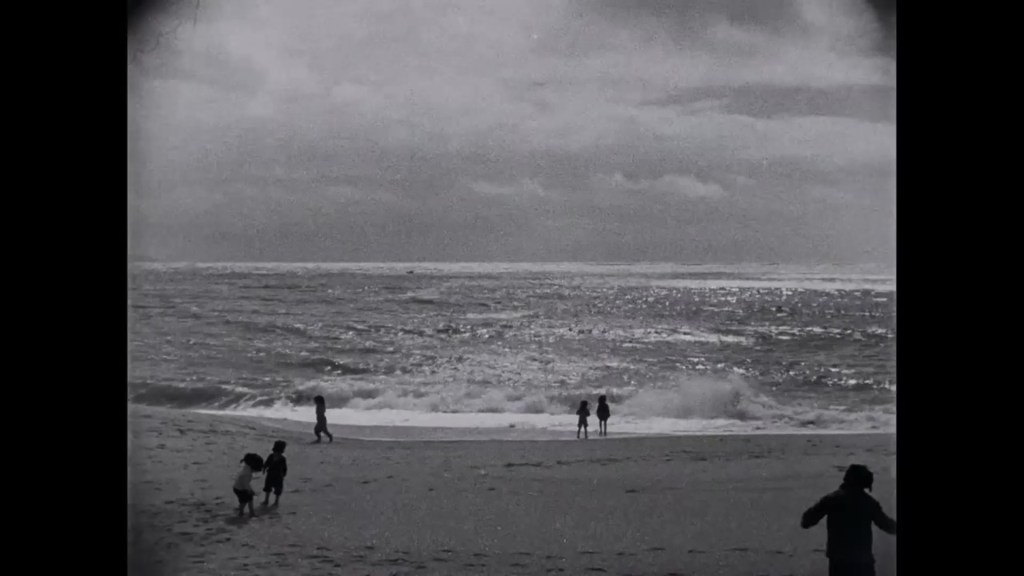


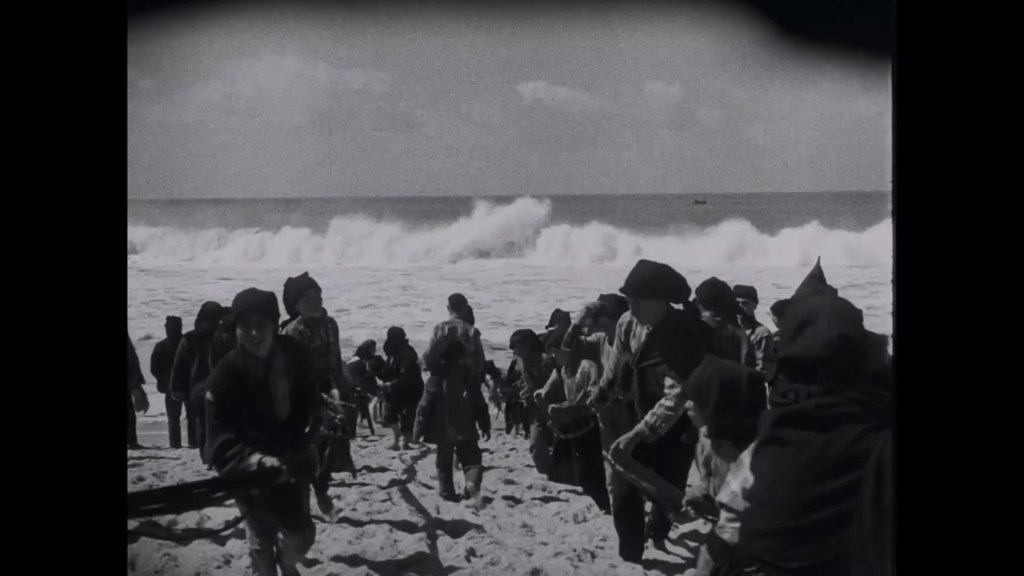


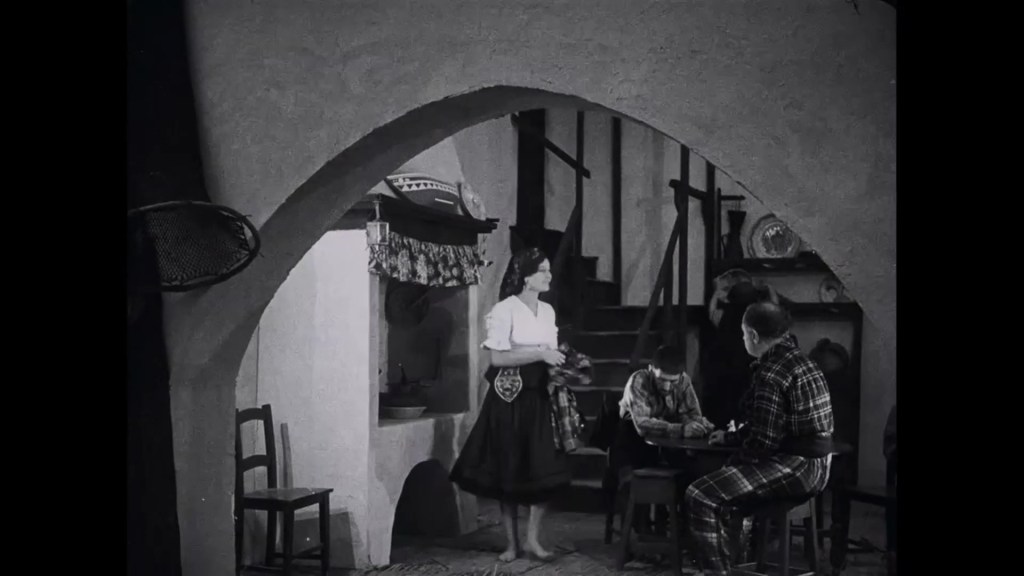


This was a superb film. A masterpiece, in fact. It’s a document of a time and a place, and of a people – and it’s a romance, a fable, a beautiful fiction. Filmed entirely on location and featuring numerous extras drawn from the local population, this was an absolute joy to watch. It has a documentary-like sense of life and movement, plenty of handheld camerawork, enhanced with some dynamic editing – from overlapping dissolves to rapid cutting. The opening shots of the town and sea are hypnotically beautiful. I loved seeing the town and the beach, the physical effort of fishing, the manual labour of pulling in the boat, the sweat and sun-darkened skin of the people. When Falacha’s boat heads out into the storm, there are stunning shots of locals, all dressed in black, standing on the cliffs. And when the rescue mission begins, there is an extreme long shot, looking down at the paths toward the beach. The inhabitants of Nazaré are tiny specks against the spectacle of coast and sea. We see them pouring down the hillside, rushing along the beaches, dark silhouettes against the vast white waves.


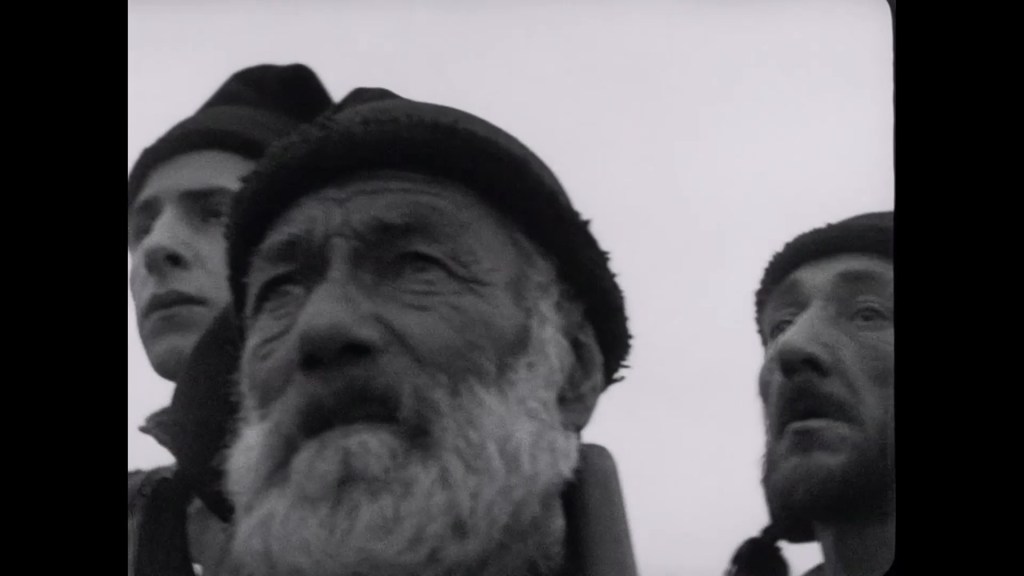


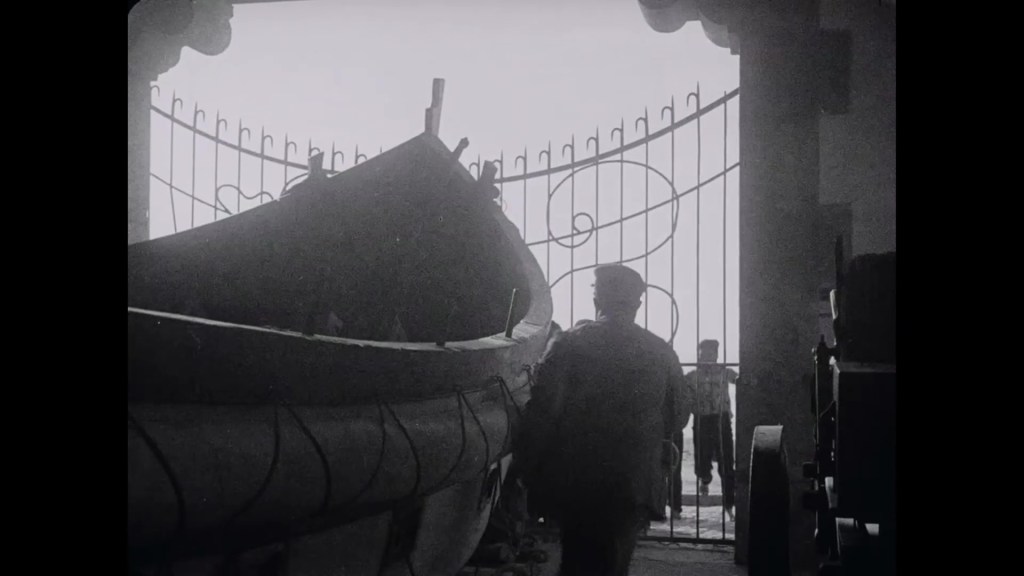


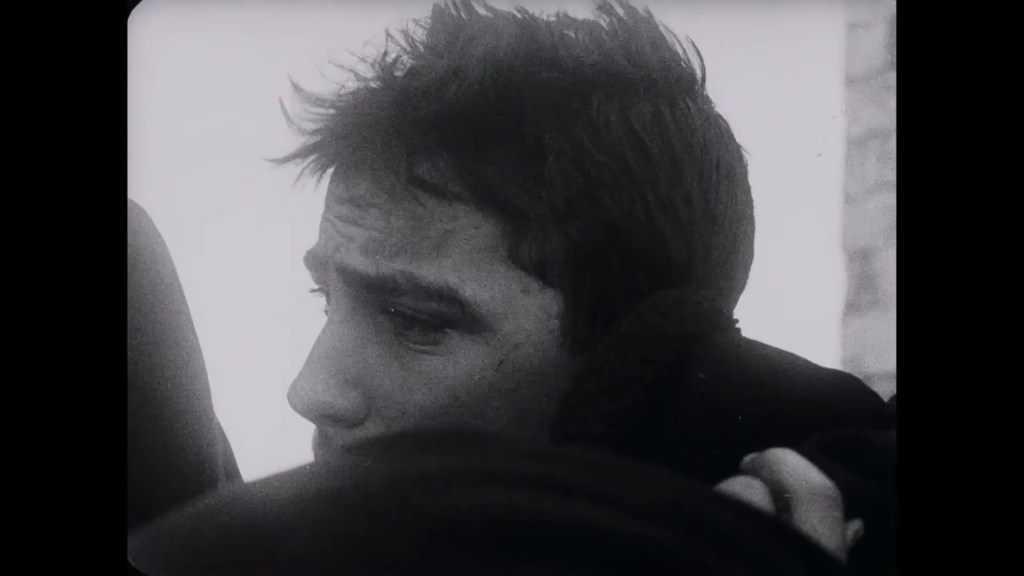


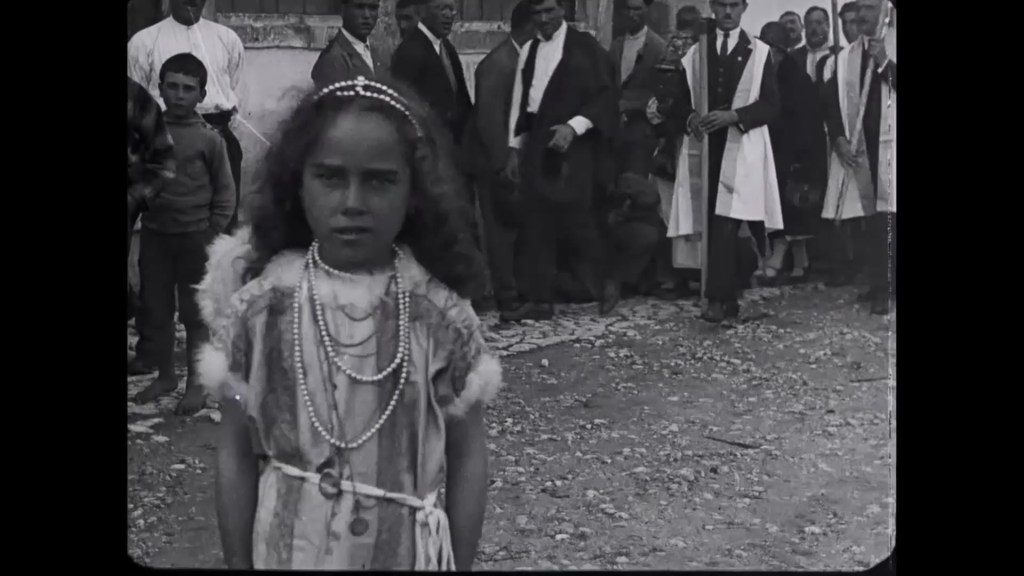
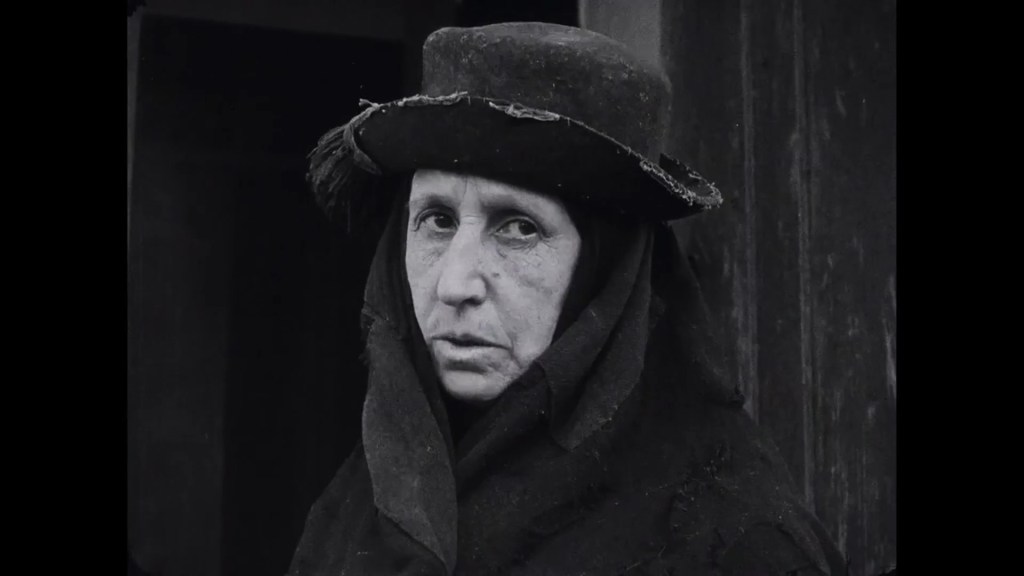
But Maria do Mar plants us right in the middle of the population, not just at a distance. During the day of the fiestas, for example, we mingle among the crowds for the fireworks, dances, bullfighting. Though the film boasts some sequences of complex montage, here there is a spontaneity to the way the cameras move among the crowd. Barros isn’t afraid to record the shadows cast by the camera or crew, just as he allows some of the children to walk right up to the camera and grin into the lens. Here, and throughout, it’s the faces that are most striking. Ordinary working people, young and old, populate the film – you can read the lives in their clothing, on their faces.


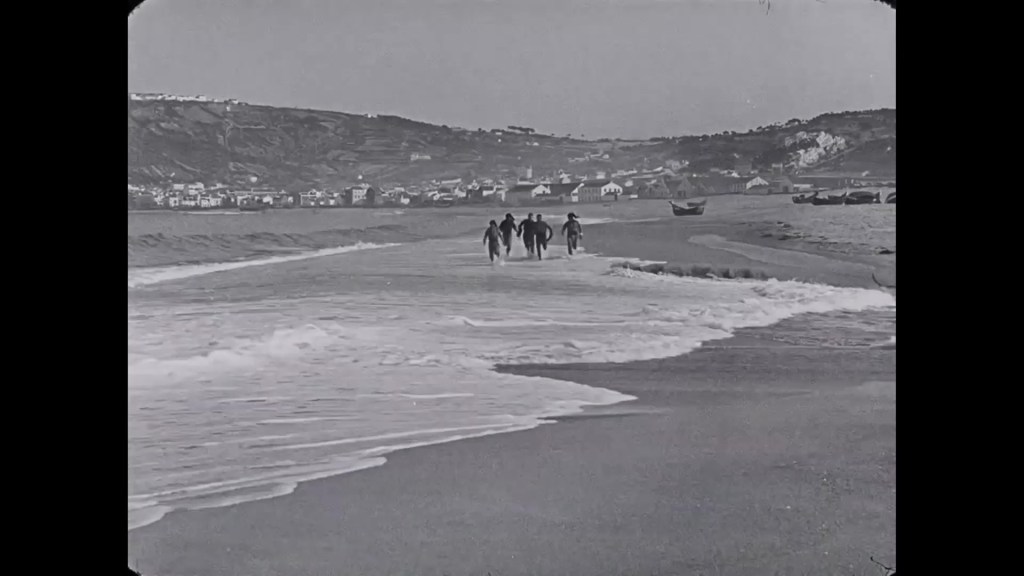


The central cast – mostly professional actors – are plunged into a sea of reality. Such is the lack of artifice in the costuming and make-up that the actors hardly resemble actors. And the way they interact with each other strikes me as being true to life, surprisingly so. For example, when Falacha observes that his daughter “is a woman now”, he touches her breasts and gives her a playful flick around the cheeks, asking her if she has a boyfriend. It’s a startling moment but has the potency of a particular time and place. (I hesitate to say “custom”, but “culture” might fit the behaviour – the way the men touch the women, both in familial and familiar terms.) It also lends the tragedy an air of reality. I believed, absolutely, in the way Falacha prays for forgiveness – and in the furious reaction of the grieving widows – and in the way Falacha kills himself. The latter scene is like something out of ancient tragedy, of myth. Falacha walks towards the sea as his wife and daughter try to grab hold of him by the legs. He wrenches free, the camera hurls itself at the women, screaming, lying in the sand, imploring, and then watches Falacha walk into the surf. The whole town watches. It’s a grim spectacle. No-one stops him, yet everyone grieves – seems to look on in awe at the gesture, at the sacrifice. It’s like a scene from Greek tragedy.


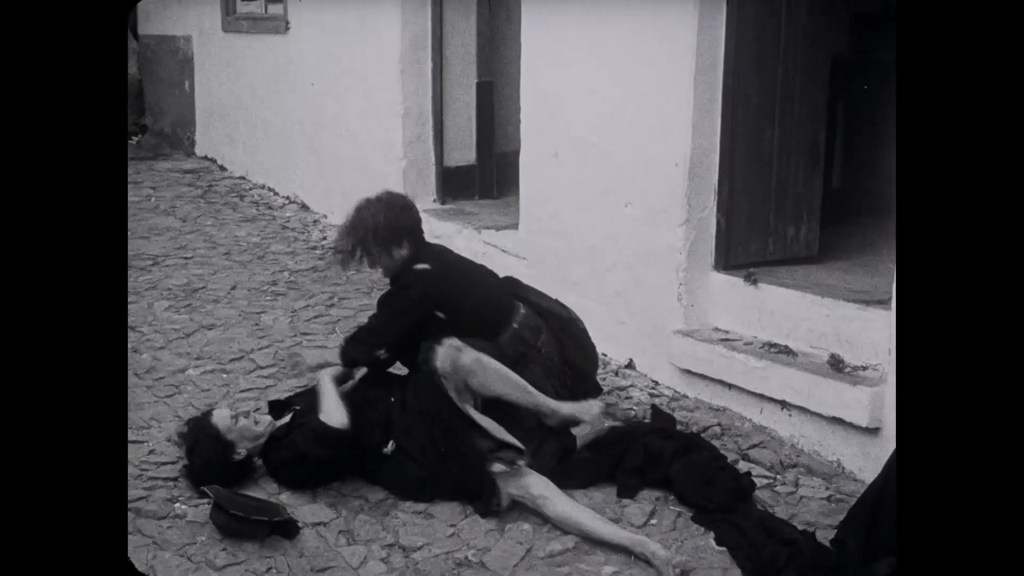


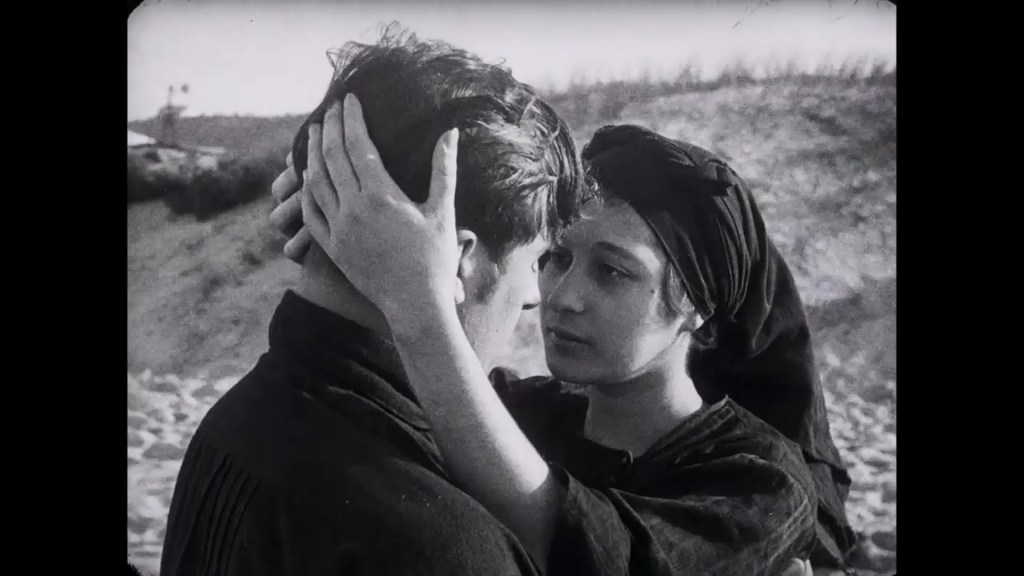


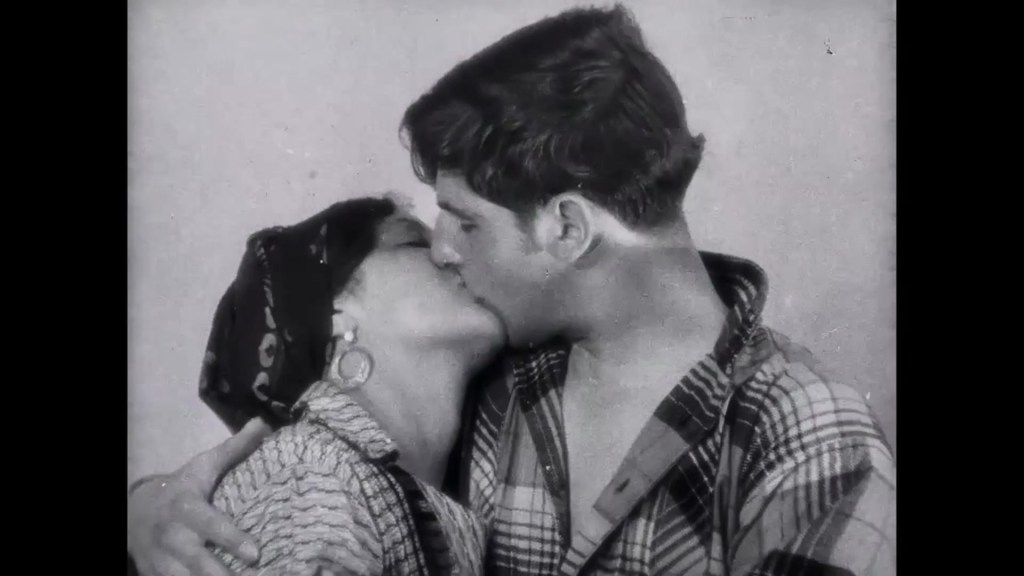
It’s quite something that a film that starts like this can turn into a romance, or that a romance can burgeon from this kind of despair – and that it does so organically, realistically. It helps that the two leads, Maria and Manuel, are such naturalistic, unpretentious performers. They are very striking on screen, without any sense of artificiality – the aesthetic whiff of stardom. The sequence in which they meet is extraordinary. Already the women have stripped off to their underlayer of plain linen skirts and top, while the men have rolled up their trousers and jettisoned their tops. In the women’s boat, the camera emphasizes the labour of rowing while also drawing attention to the sweat and bared skin of the rowers. When Manuel rescues Maria, the sense of danger quickly becomes erotic. He is half naked, and her top is half torn away, by the time he carries her out of the water. The film eroticizes them equally, perhaps him a little more – for the camera lingers on his wet, glistening torso as he pants. Their first encounter is both a brush with death and a kind of physical consummation. It points to the violence that their relationship triggers between their respective mothers, and is even reflected in their domestic life. Their first argument ends with Manuel giving Maria a slap: Manuel clearly embodies the way we have seen other men treat their women. But all their scenes together have a kind of physicality, a touchiness, that builds a strong sense of their relationship. Their kisses are real, their embraces strong. We see Manuel pull down Maria’s top to plant a long kiss on her back – and their final, lingering kiss at the end of the film sets the seal on this physical closeness.




The music, by Stephen Horne (piano, accordion, flute) and Elizabeth-Jane Baldry (harp) was the most striking thus far among the streamed films from Bonn. I love the sonorities of the harp, the way it can produce such a range of textures and tones. Working in the company of the other (solo) instruments, it produced a lovely soundworld – evocative, dramatic, touching. The film was, it seems, originally released with a synchronized soundtrack, since the opening credits mention the two featured songs being available for purchase via Columbia records. I wonder if that version survives? Not that I have much fondness for synchronized soundtracks of this period, but I’d be curious what kind of tone it struck.




A final word on the restoration of Maria do Mar, which was completed by the Cinemateca Portuguesa in 2000 – and subsequently digitized. The print was damaged in placed in places but looked very good overall. However, I did think that it was transferred here at slightly too slow a speed. (I have seen online databases give this same 2000 restoration a shorter runtime.) Regardless of this slight reservation, this was a very pleasing film to watch – just the kind of wonderful discovery you hope to make at a festival. I’d love to see more by the same director…
Paul Cuff

 The Realm of Silence
2 thoughts on “Bonn from afar (2024, day 7)”