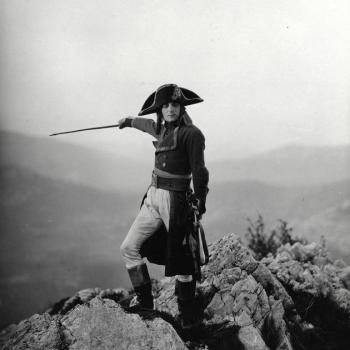
Day 7 takes us to North America: first, to the Canadian border for a display of childish derring-do, then to the louche confines of a yacht to test the strength of a marriage…
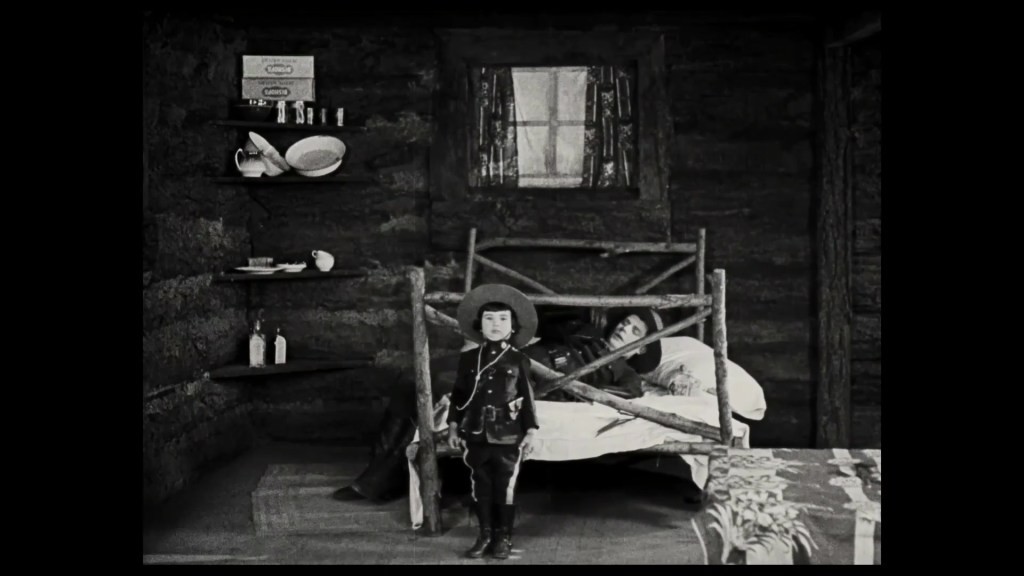
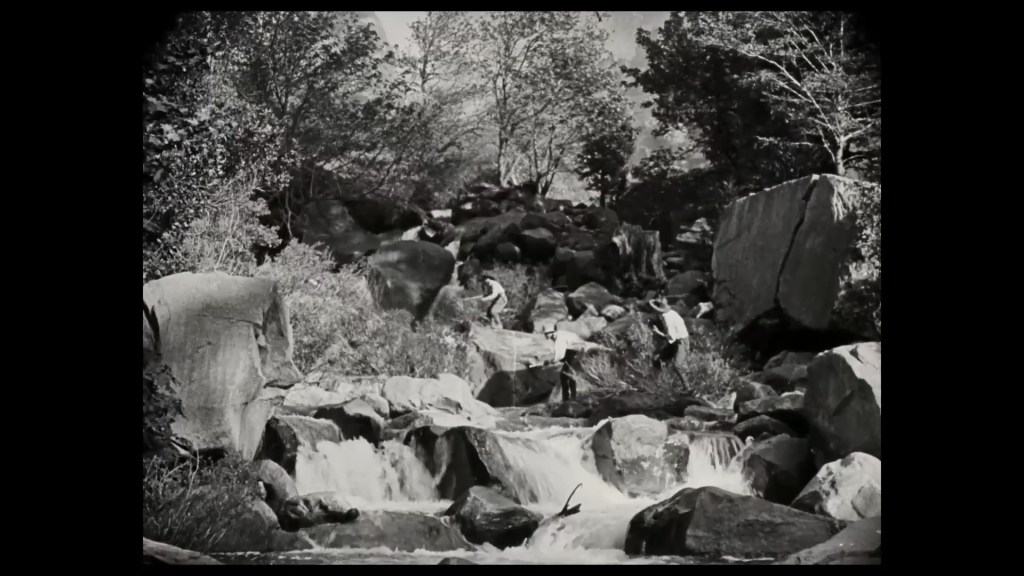
We begin with Peg o’ the Mounted (1924; US; Alfred J. Goulding). Any film where two of the lead cast are credited as “Baby Peggy” and “Tiny Tim the Pony” is sure to raise alarm bells… So, alone in a tiny cabin, Peg, a tiny child, encounters a wounded member of the Canadian Mounted Police. She tries to nurse him back to health, but when this fails, she tracks down, fights, and arrests the gang of smugglers. Nothing more about the plot need be said. The child was charming, I suppose, but it takes a lot for me to be won over by a child performer on screen. I suppose I should be thankful we never had to hear her voice, which I imagine to be unbearably irritating. There is something about the wholesomeness of a particular kind of screen child that makes me instantly take against them. So it’s something of a miracle that I could stomach the sight of Peg in this film for so long. I even found her performance impressive, especially her “speech” at the end. There are some charming enough touches, but it’s such a vapid little film I don’t know what else I can say about it as a drama. What I can say it that the photography is simply superb – the Rockies(?) look absolutely stunning, and the exterior scenes are beautiful, really amazingly beautiful. (Just incredibly pictorial beauty for such a throwaway film!) What are less beautiful are those few titles that have been digital recreated: they stick out a mile from the originals, their style and font looking far too new, too crisp, too digital.


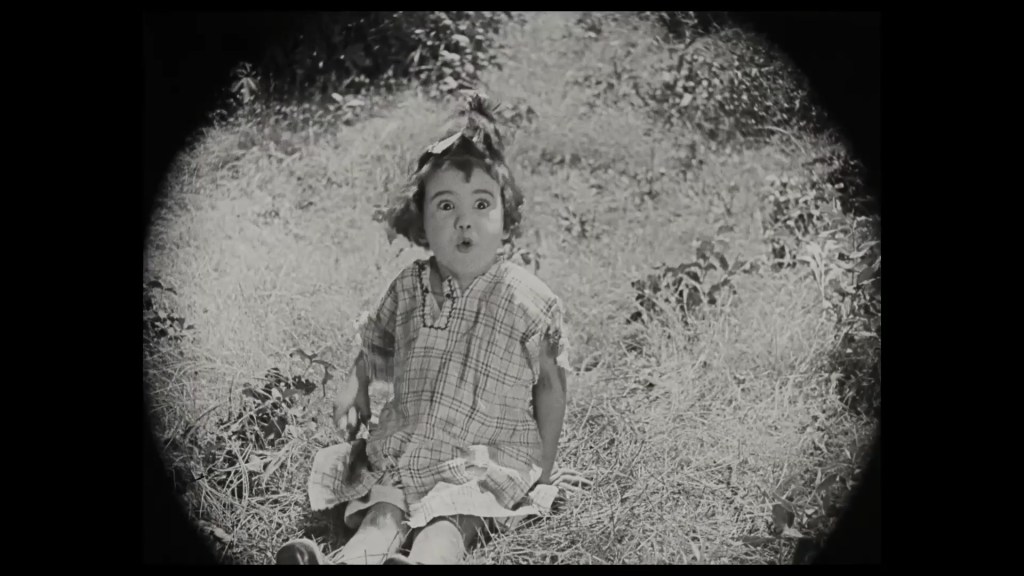
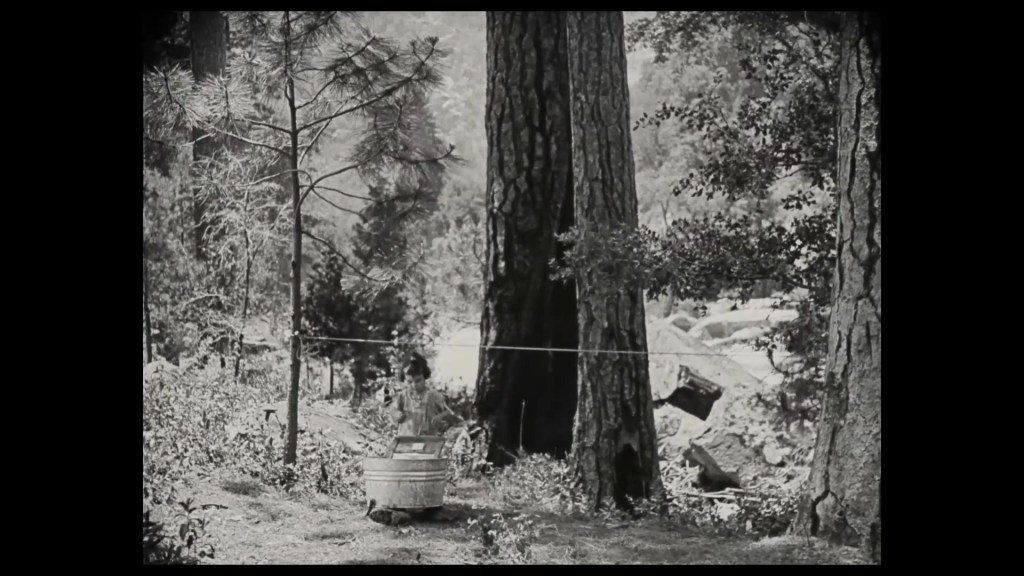

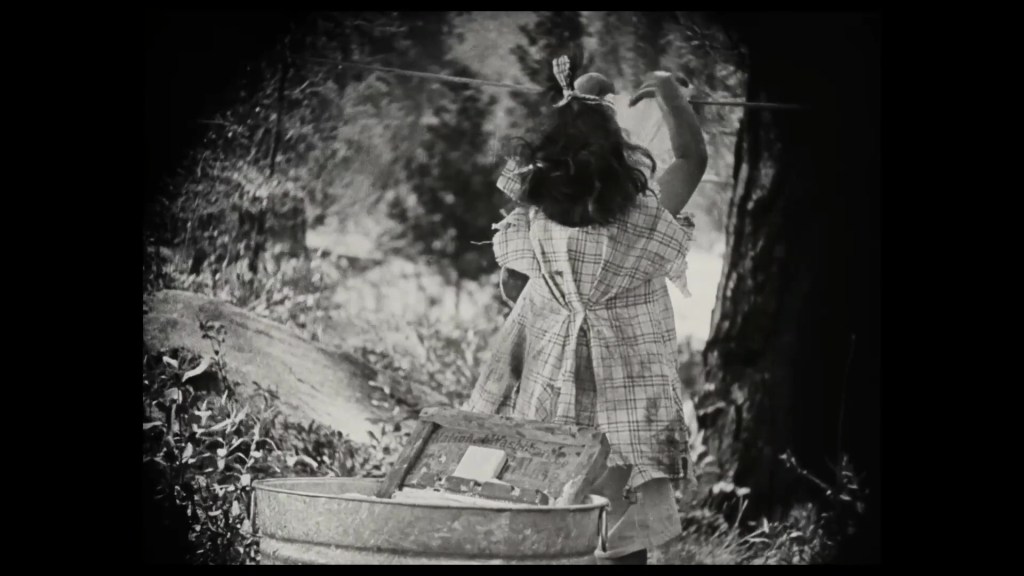
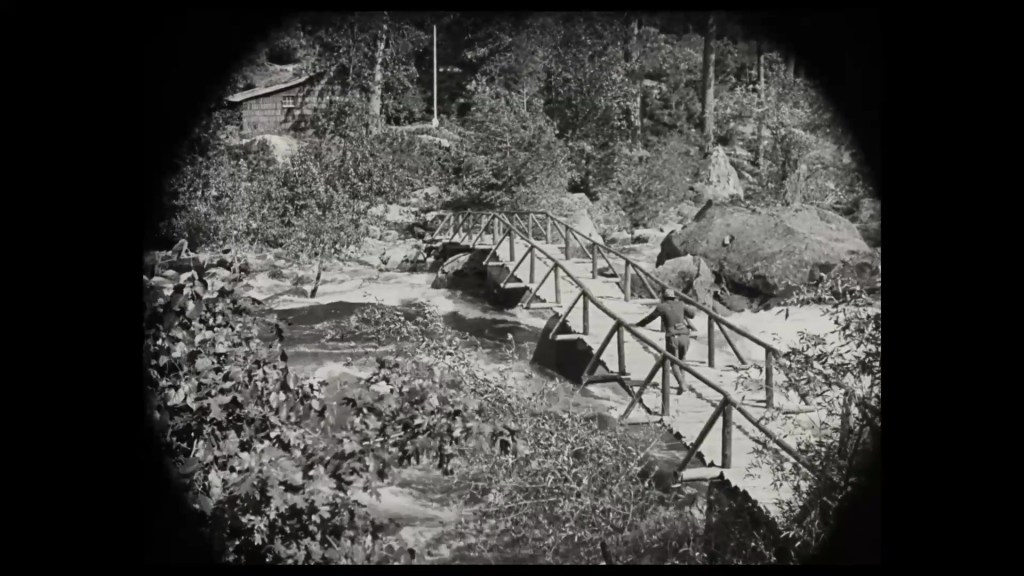
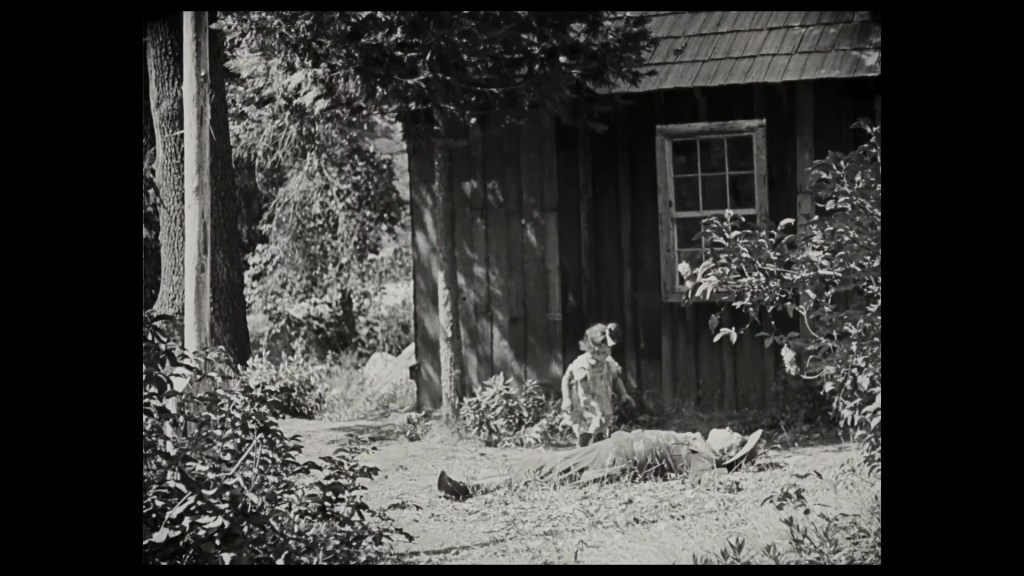

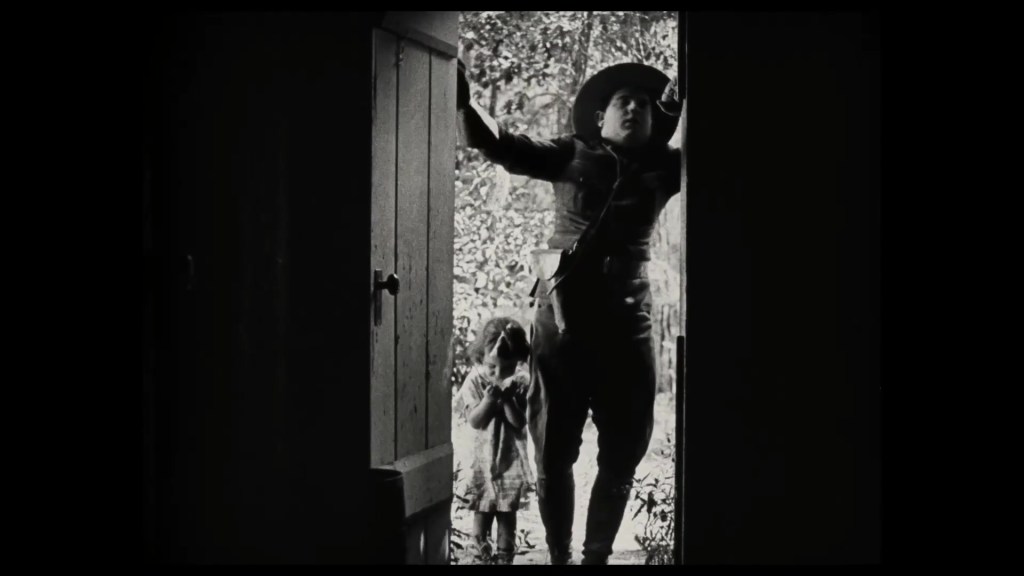

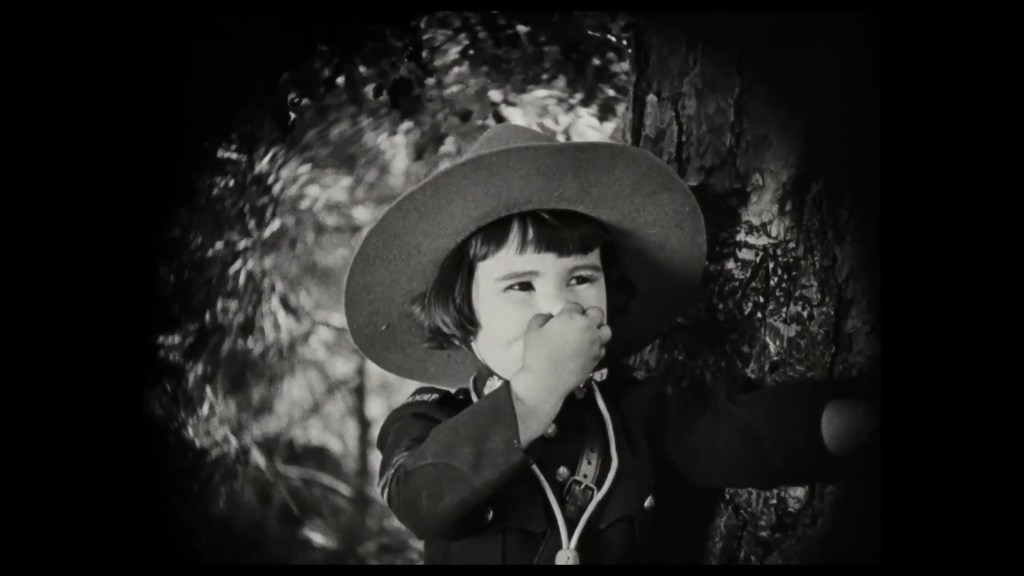
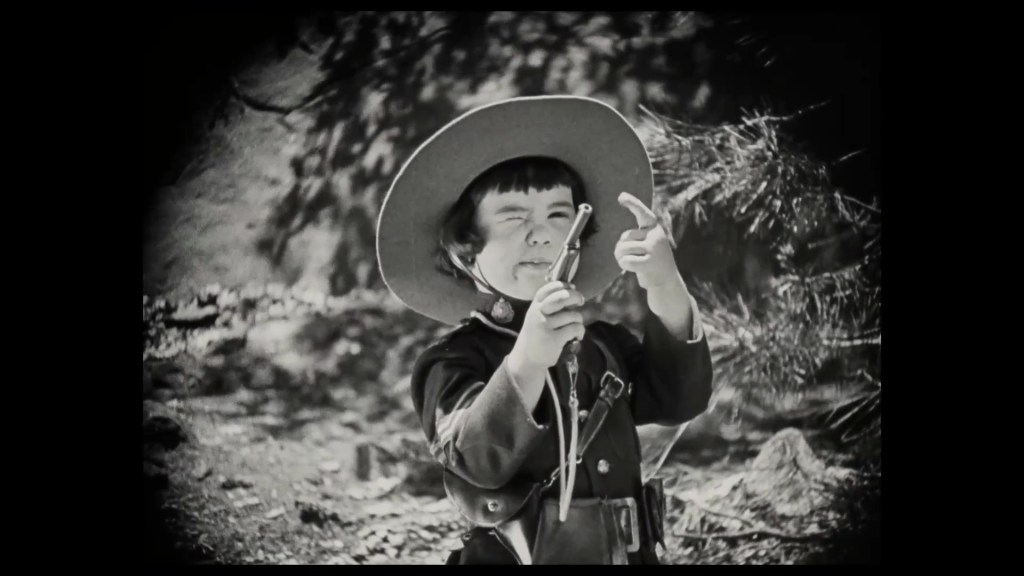
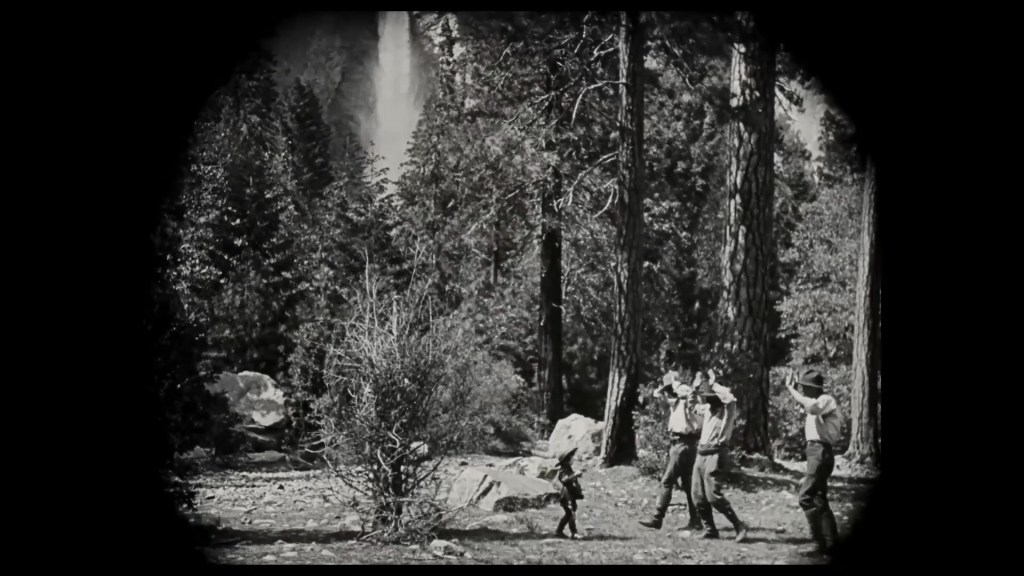

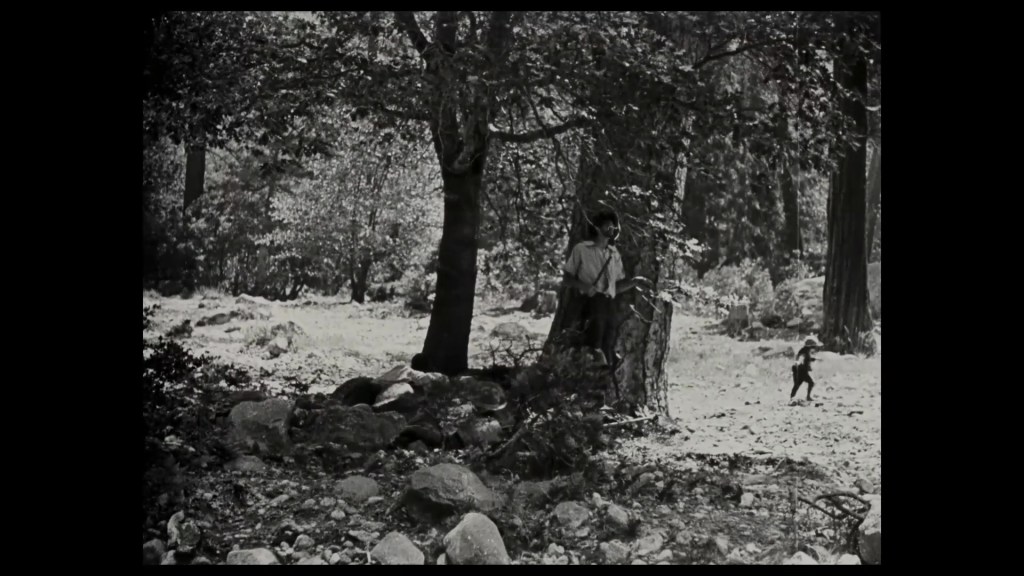

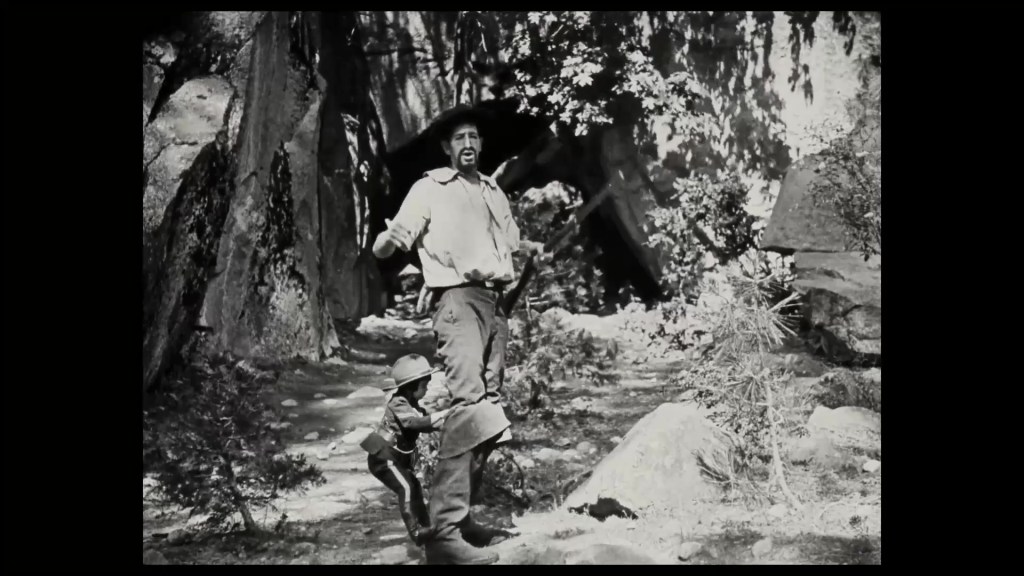
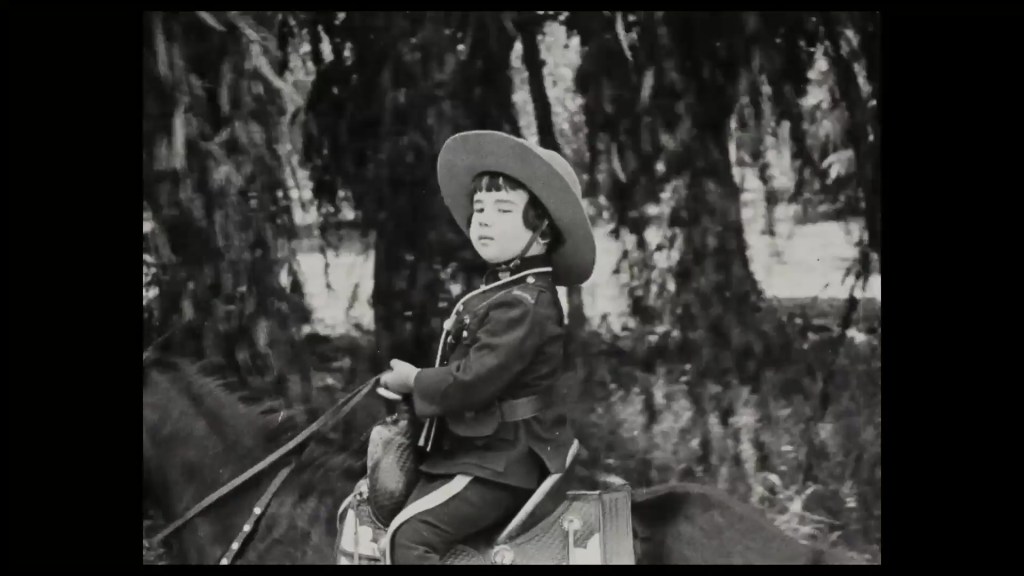
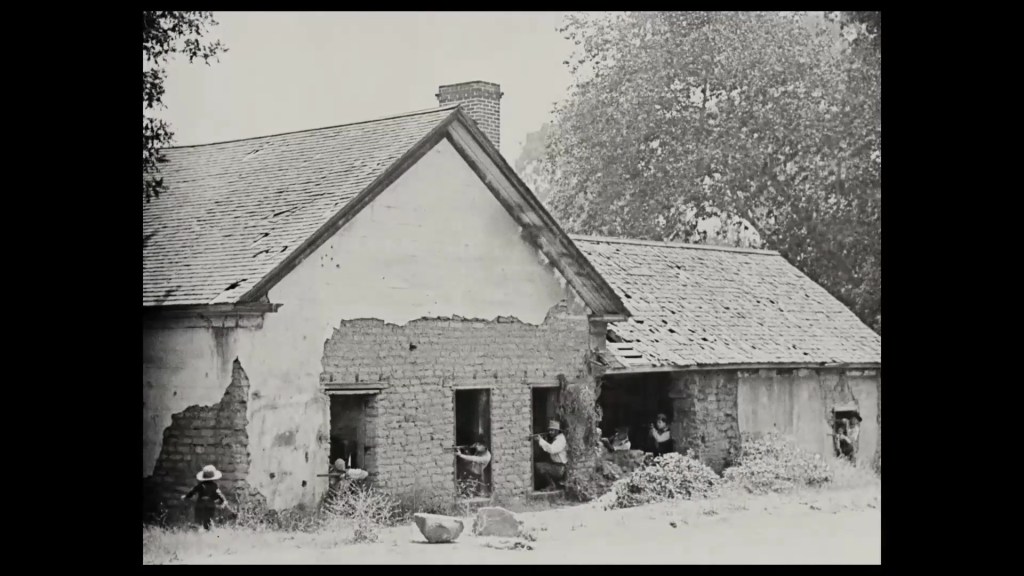

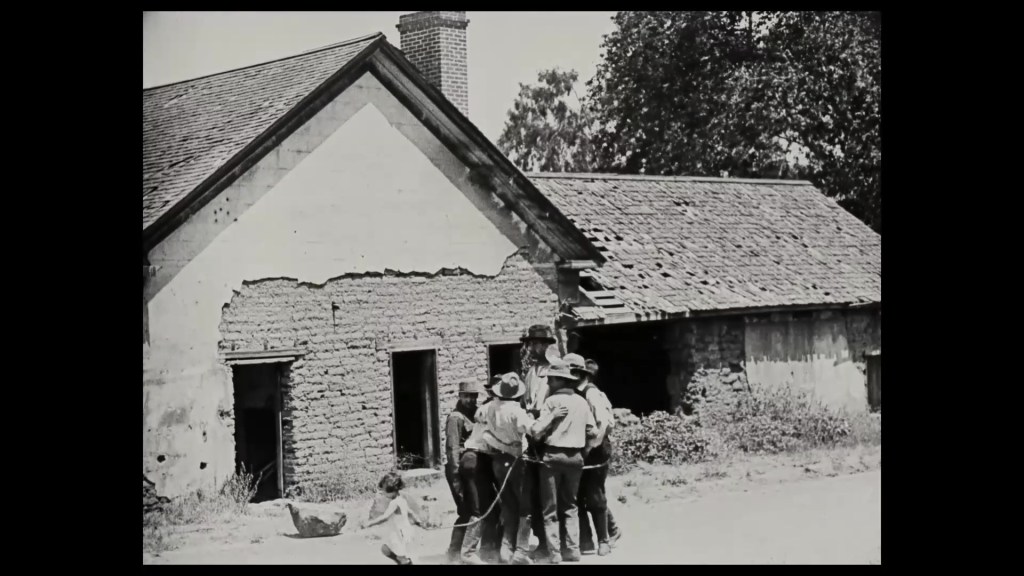


I’ve mentioned it before, but why is it so difficult for restorers to match the style of inverted commas or apostrophes to those given in the original titles? (This seems, overwhelmingly, to be a North American issue.) Clear from the original titles in Peg o’ the Mounted is that all inverted commas (for speech or for apostrophe) should be typographic and not neutral. (Sadly, the format of this blog doesn’t permit me to demonstrate “neutral” inverted commas. In this instance, it’s irritating – but otherwise I’m glad, as they look awful.) Why can’t such a simple thing be got right? Oh well. The photographic images looked beautiful, so I suppose that’s what matters.
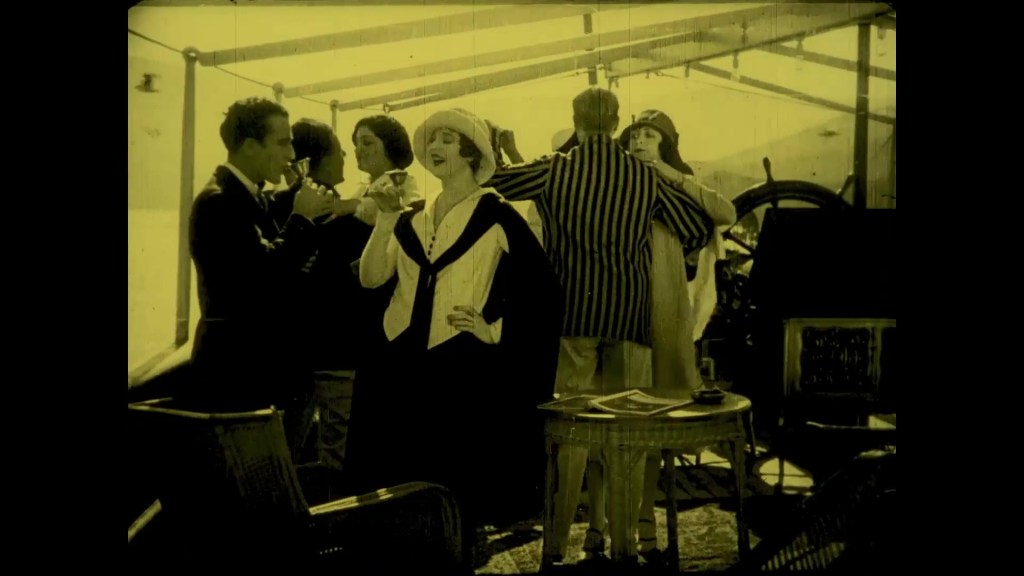
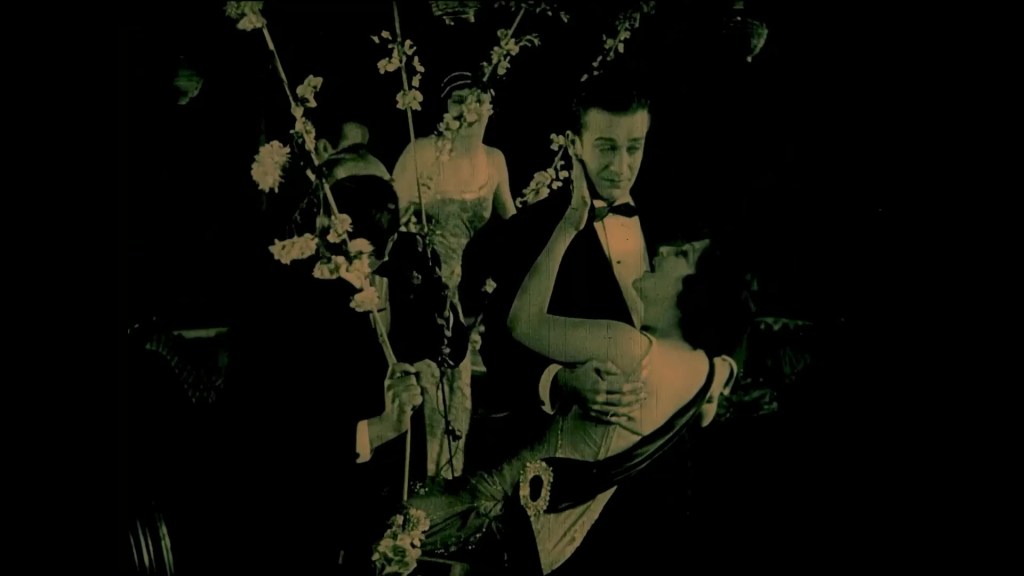
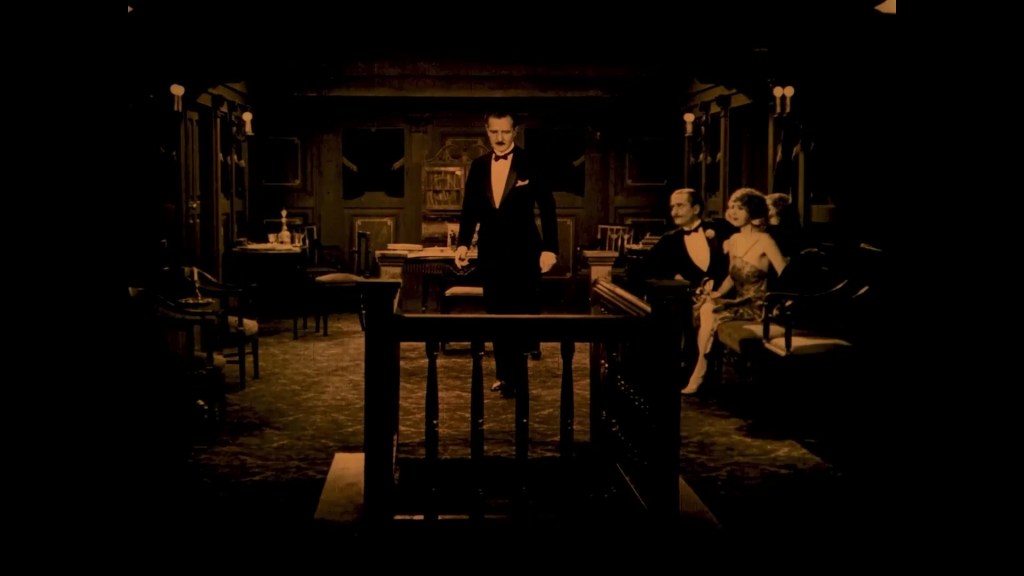
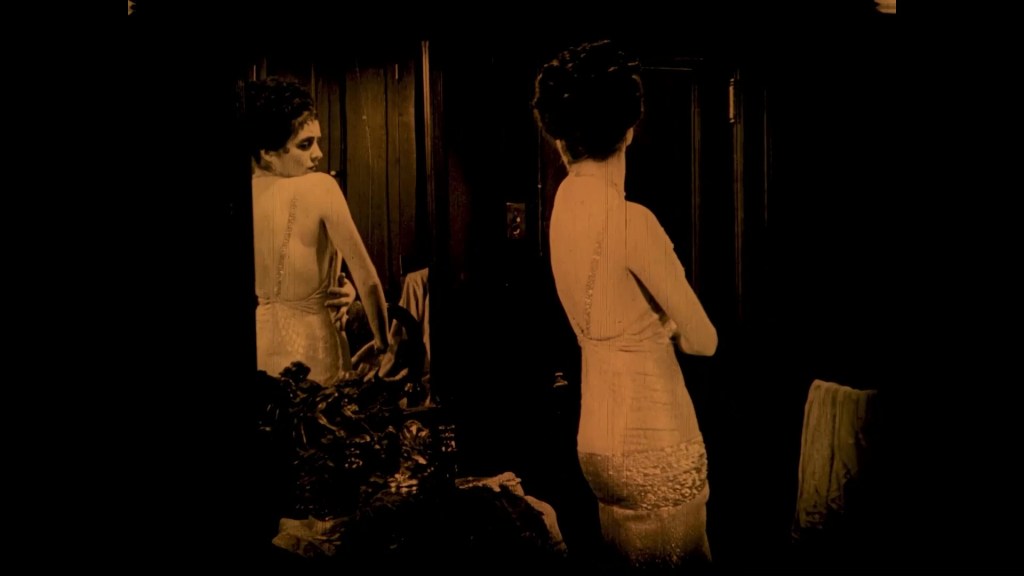
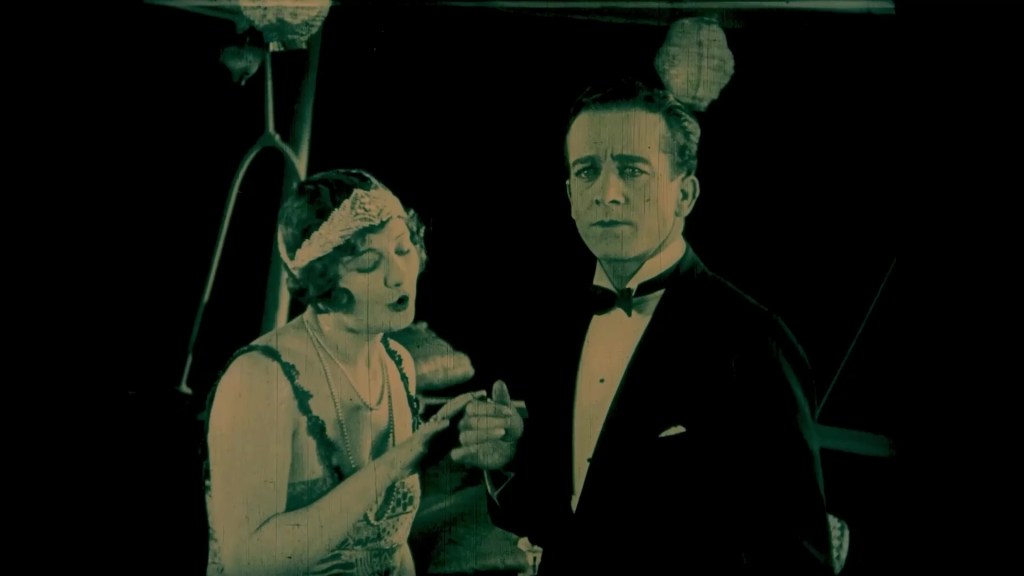
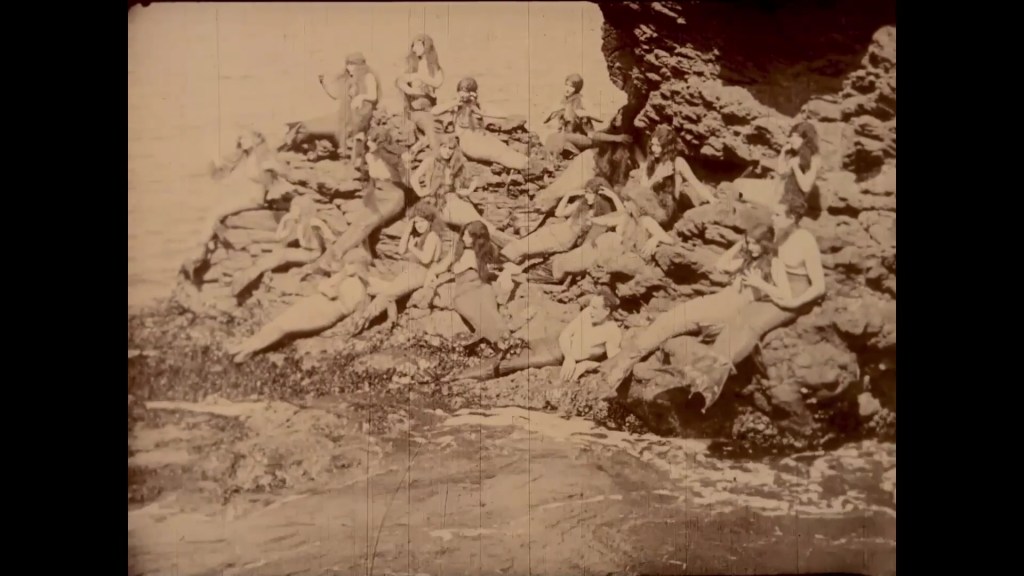
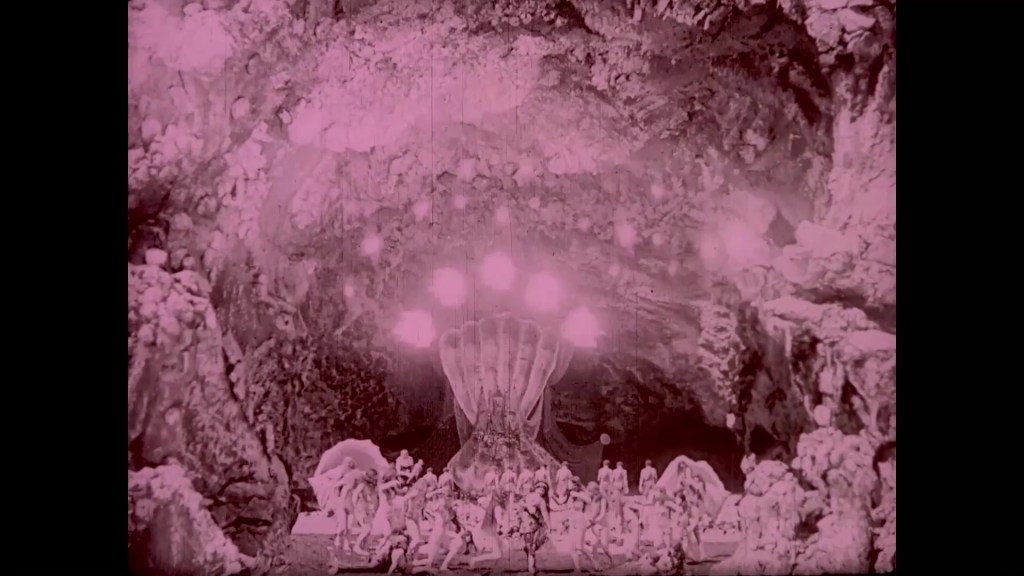
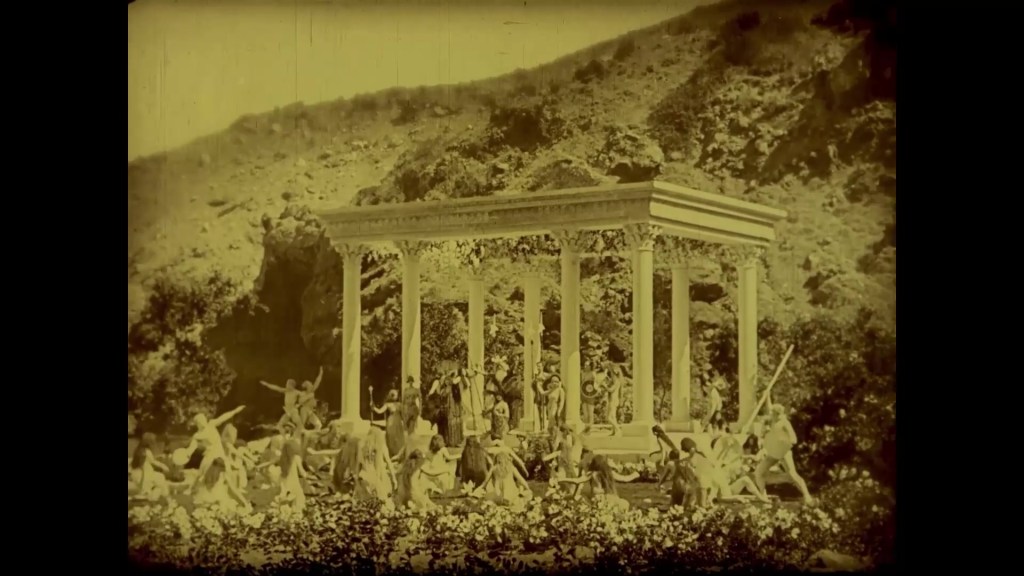
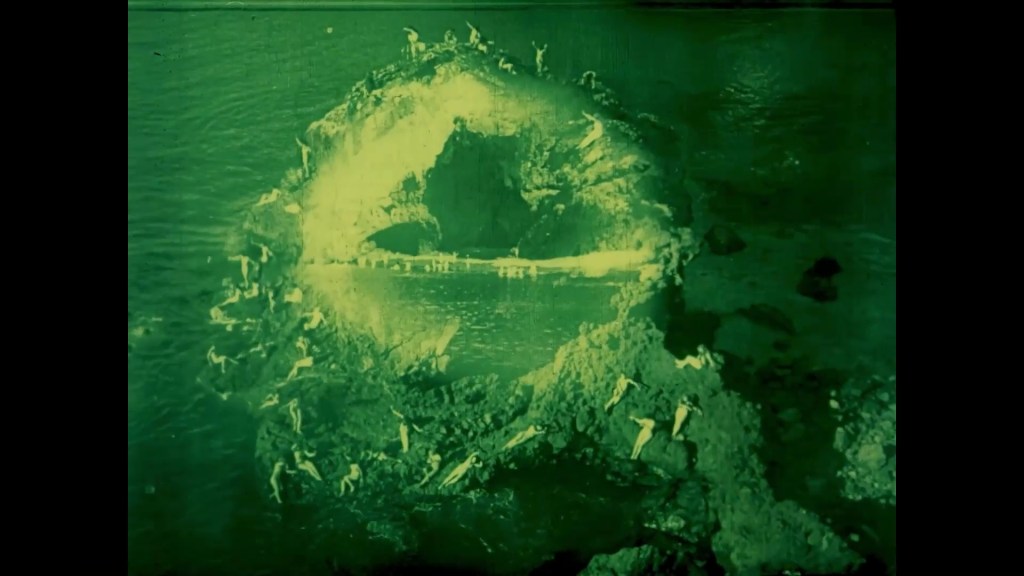
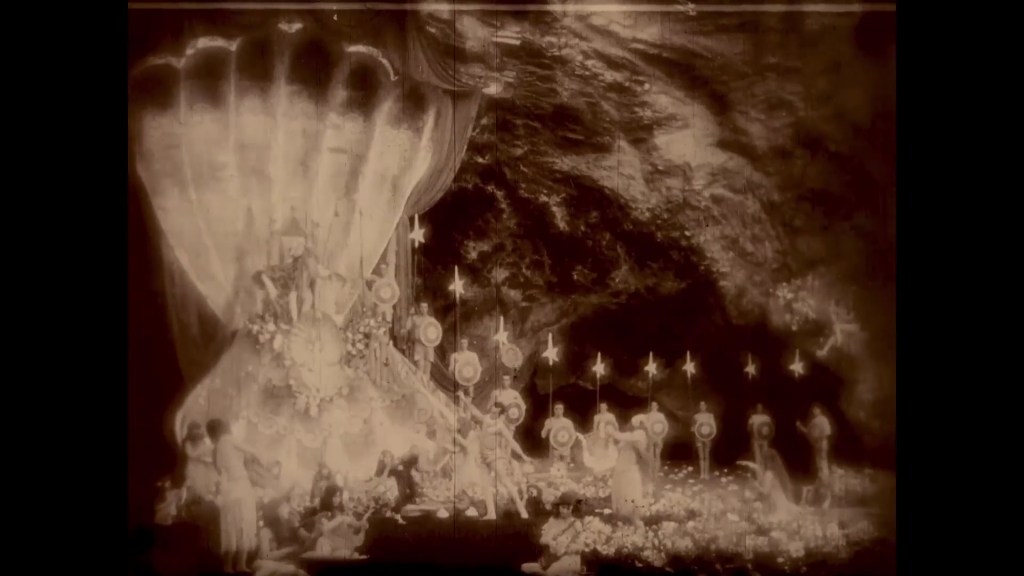
Now we’ve got Peggy out the way, on to our more adult feature presentation: Folly of Vanity (1925; US; Maurice Elvey/Henry Otto). Newlyweds Alice (Billie Dove) and Robert Blaine (Jack Mulhall) host Stanley Ridgeway (John Sainpolis), Robert’s client, the famous pearl collector. Alice loves pearls but cannot afford them, so she has bought a fake necklace. Robert begs her not to wear the fake in front of Ridgeway, but she can’t resist doing so. Ridgeway compliments the necklace, but his sidelong looks reveal his sniffy attitude. Ridgeway invites them to a small party, but Robert makes up an excuse not to go. Alice calls him a tyrant. They argue, and she ends up getting it her way. Ridgeway’s party turns out to be a raucous affair, with Bella Howard (a rich widow) at the heart of it. A tableau vivant, frolics, flirtation… Robert shows Alice his collection of pearls, which she tries on. He asks her to wear them for a few days so that they regain their faded lustre. She does so, not telling Robert of the exchange. On Mrs Howard’s yacht the next day, the same cast reassemble. Alice and Robert are given separate rooms, the door numbers of which are damaged. (Hmm…) The yacht descends into drunken flirtation between Bella/Robert and Ridgeway/Alice. Bella and Ridgeway observe the couple bickering over the cut of her dress. Alice retreats to her room, leaving Robert at the mercy of Bella. Ridgeway gets drunk alone and bursts into Alice’s room. She flees to the deck, where she falls overboard. Alice descends to the Kingdom of Neptune (no, I’m not drunk: this is what happens. I know, right?). A series of rather tedious displays of semi-nude bathing (discreetly, from a distance) and diving (from clifftops) in Alice’s honour. But when Alice sees herself in the mirror, both she and one of Neptune’s court see this “symbol of vanity” and Neptune banishes her forever. Alice wakes up in her own bed, sees the necklace around her neck – and returns them to Ridgeway. Owing to the damaged room number, she returns by mistake to her husband’s room and not her own. The newlyweds are reconciled, and Bella and Ridgeway agree to marry. THE END.
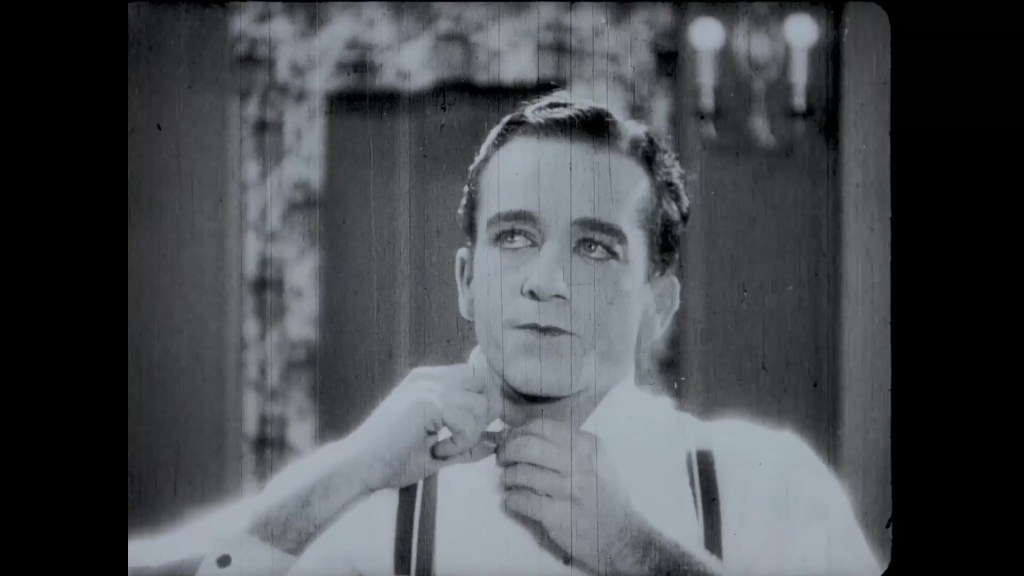
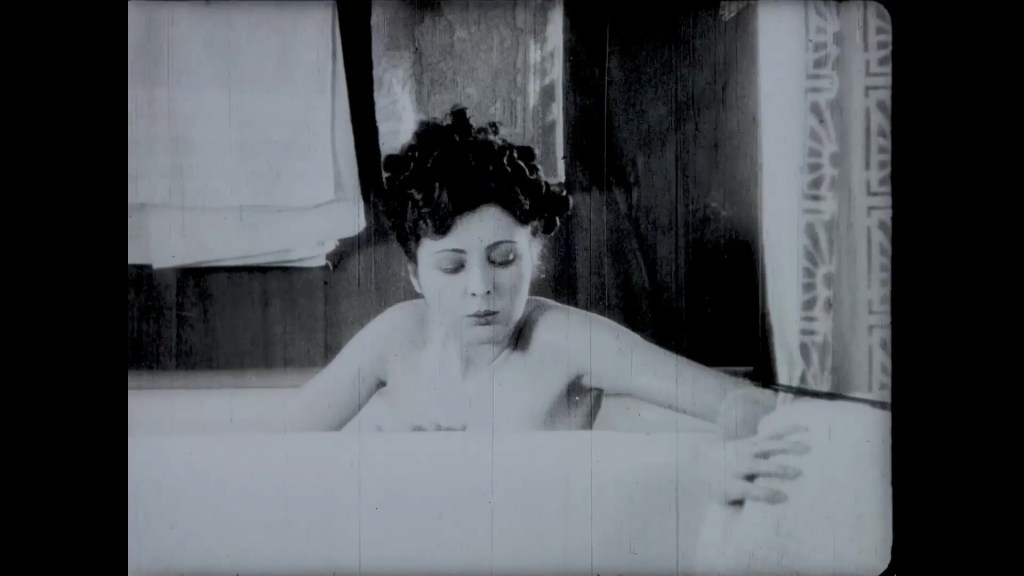

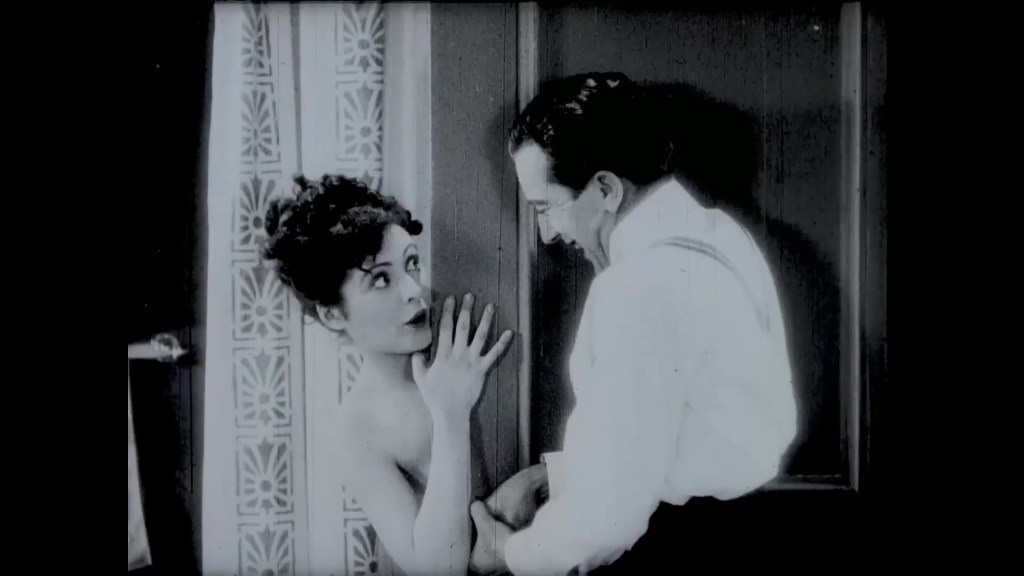
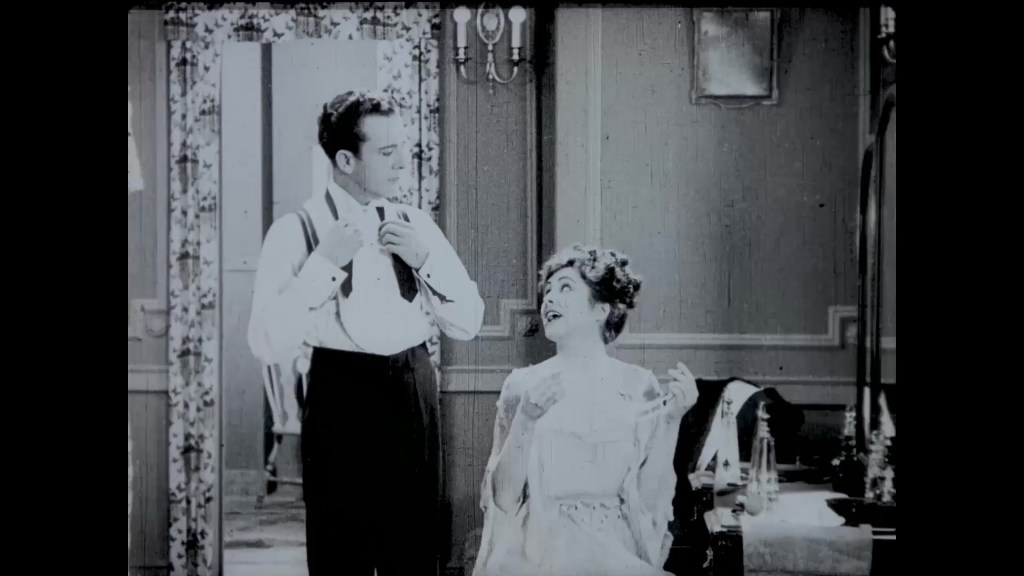
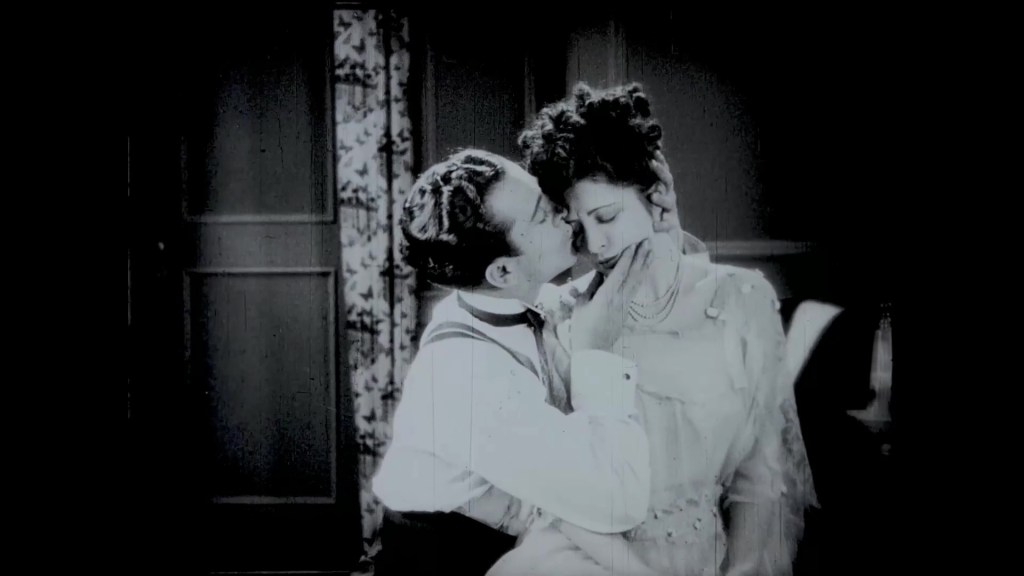
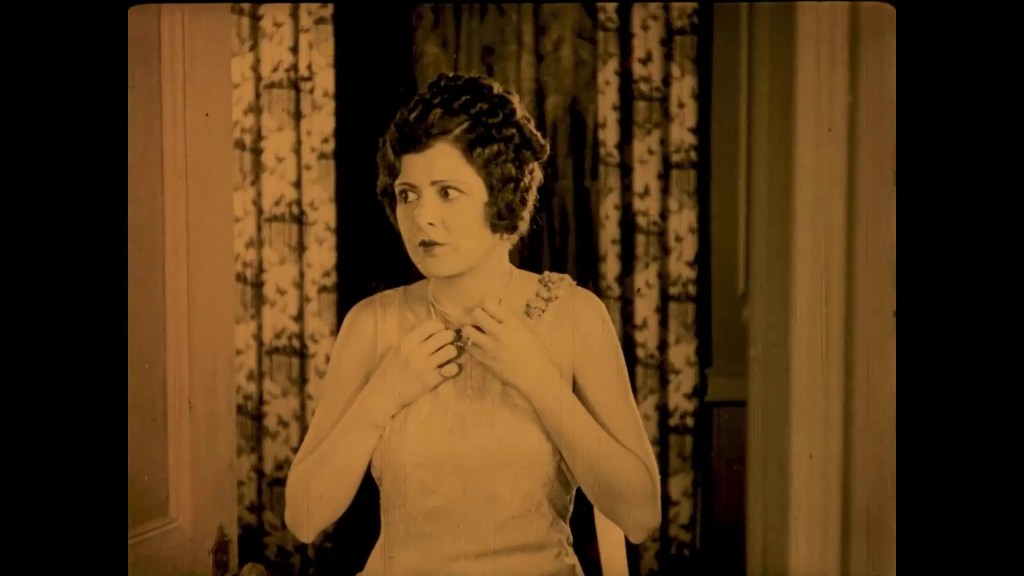


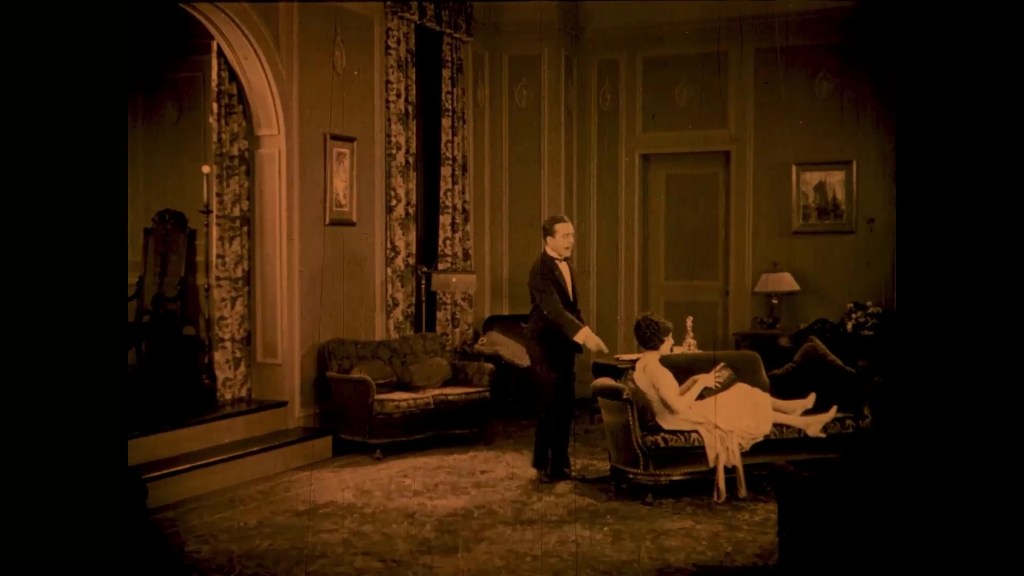
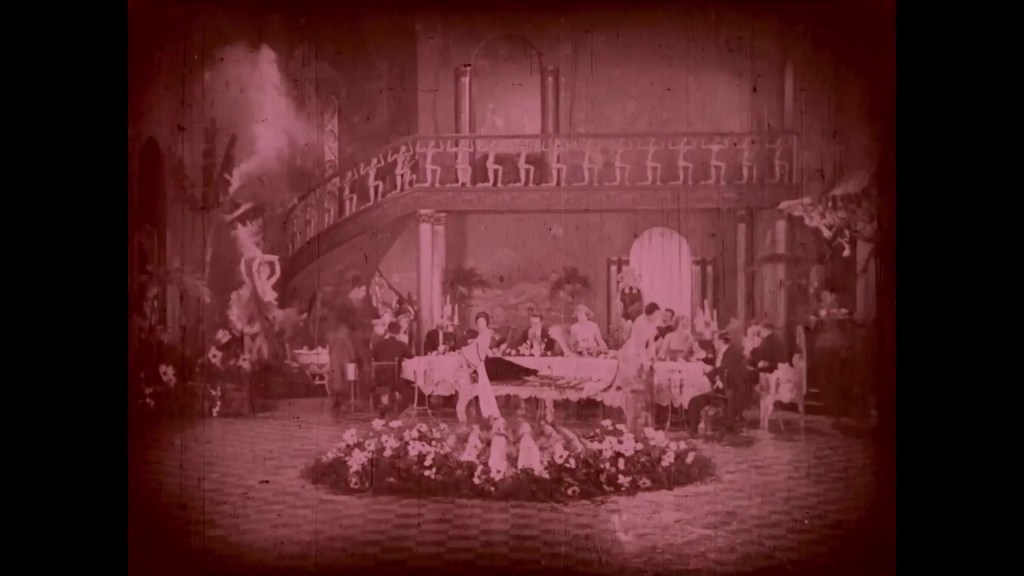
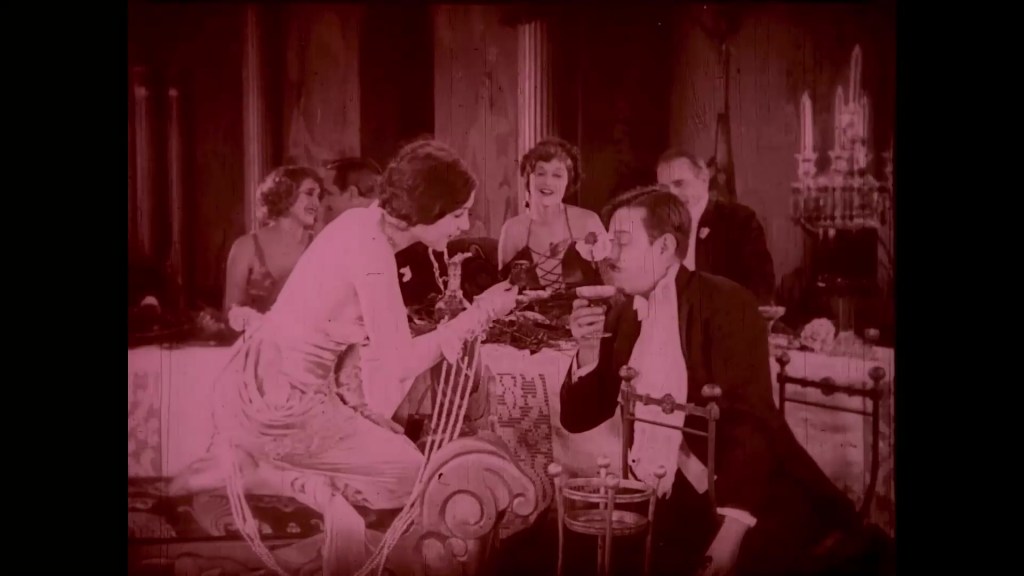
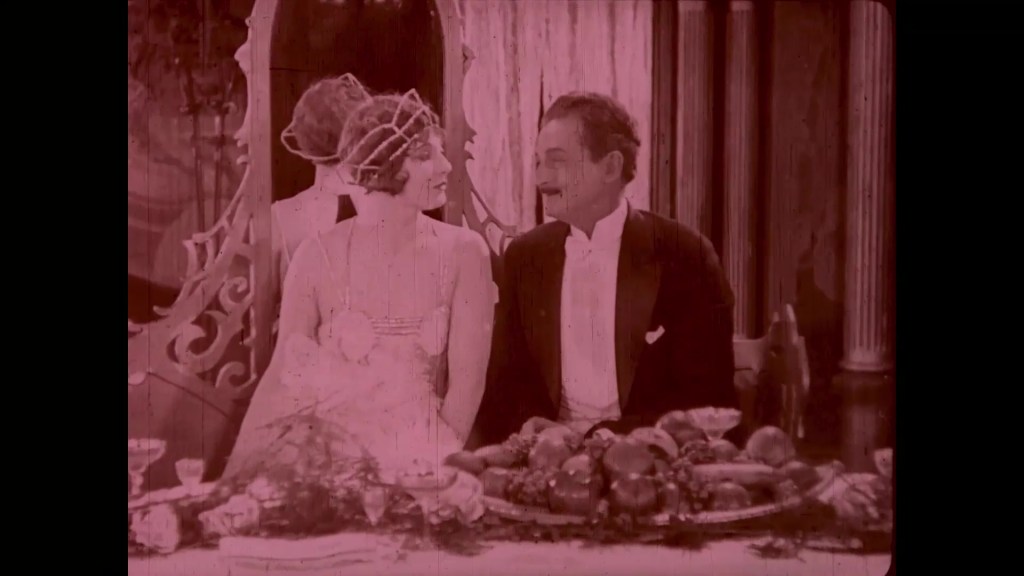
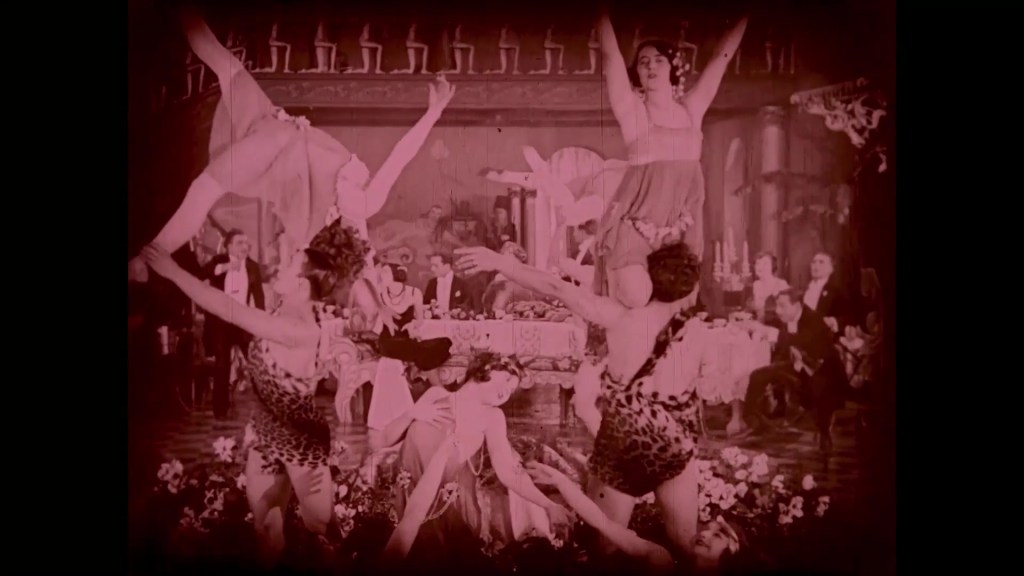
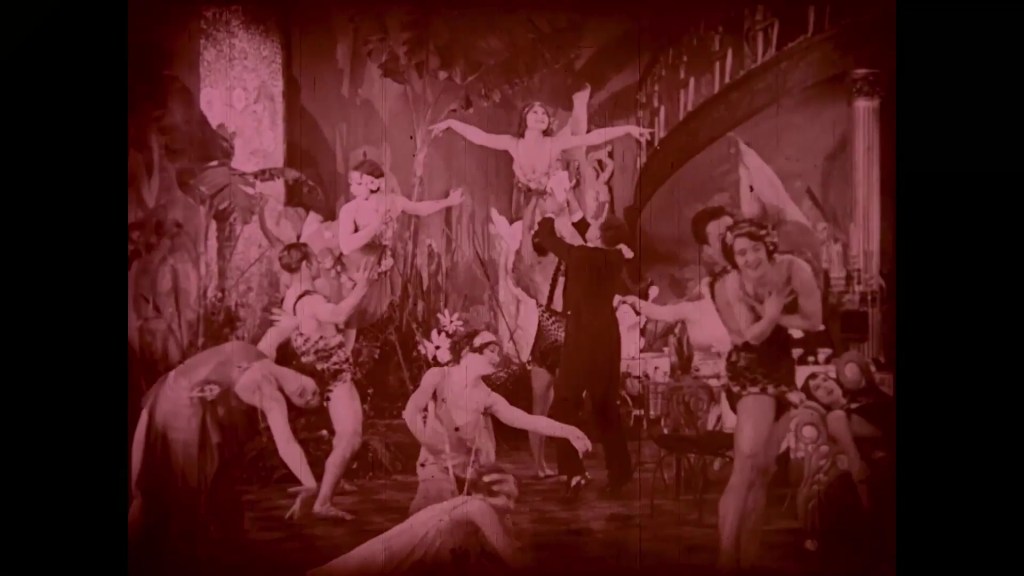

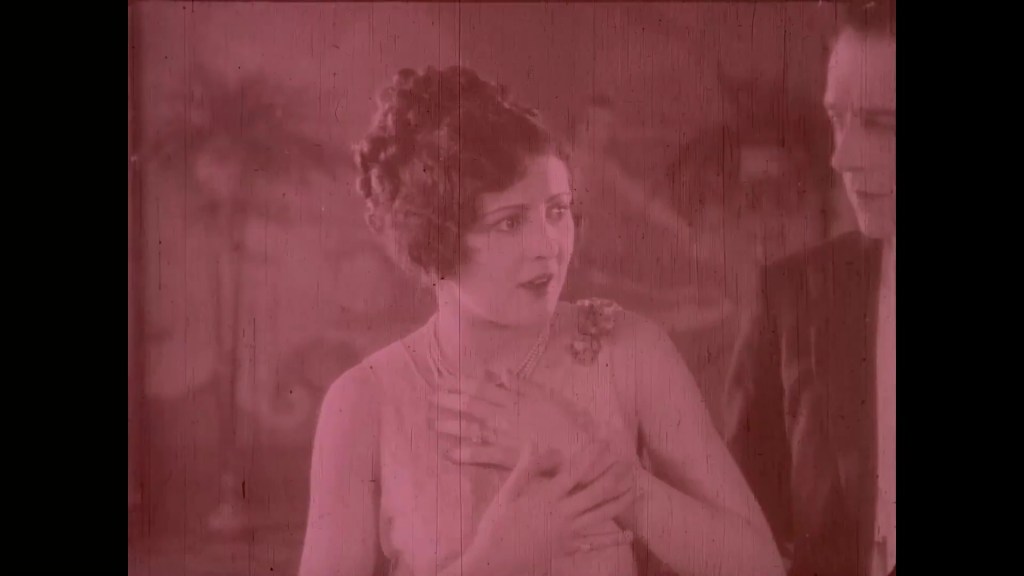
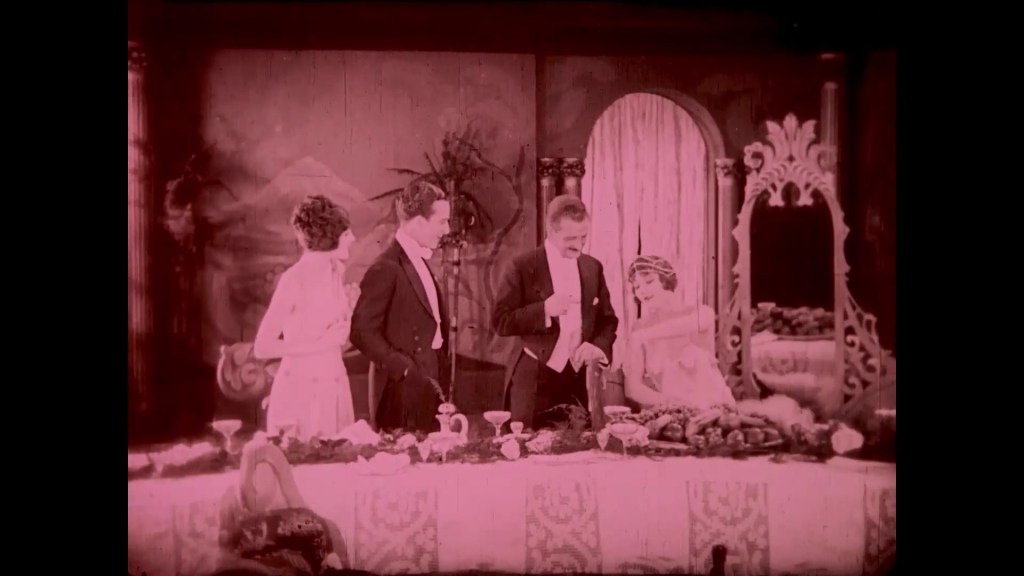
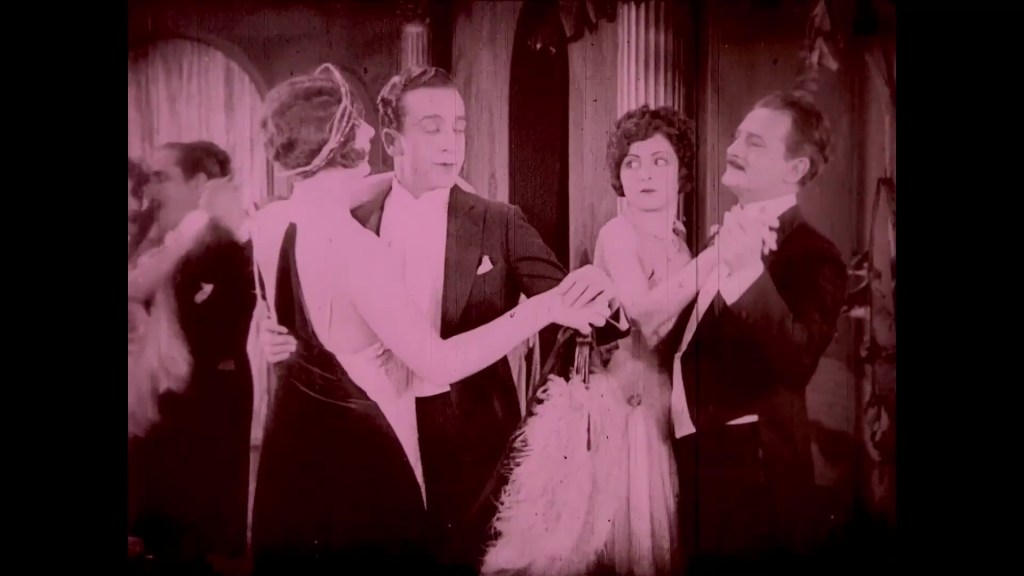
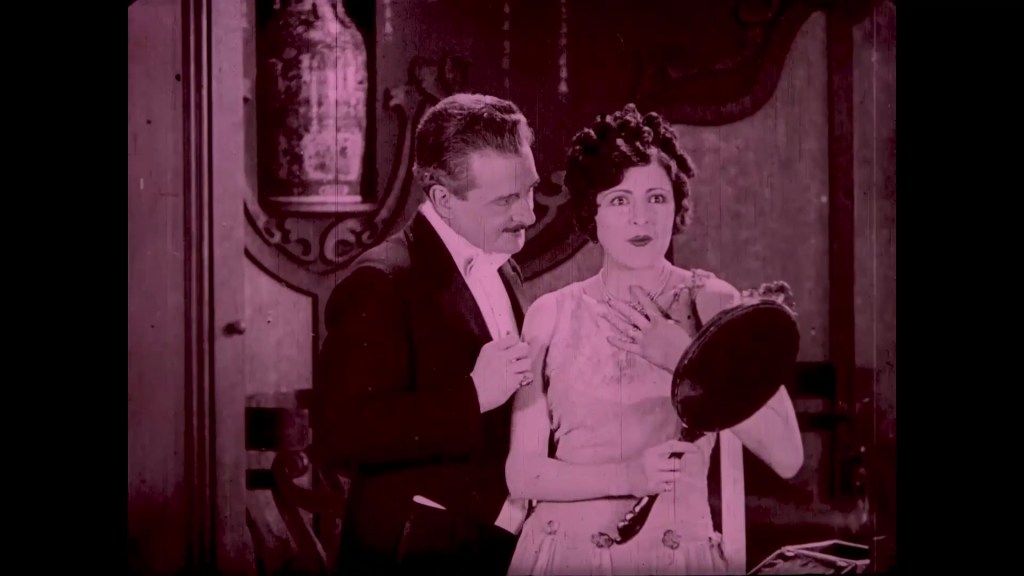


What a tedious film. I can’t honestly say I enjoyed any of it in a meaningful way. It has a sense of humour, but it’s rather slight. And it clearly has a desire to titillate, but it’s rather lame. I honestly don’t know if it’s meant to be dramatic, but it wasn’t – nor was it funny enough to be a comedy or charming enough to be a farce. I came close to enjoying the opening scenes between Alice and Robert, but the slightly saucy byplay never went anywhere, either in this sequence or in the rest of the film. She is coy and modest with her husband, but her refusal to show him her body is really for the censor’s sake not his. In a vague sort of way, I could believe in their marriage – but the film pussyfooted around what exactly was at stake. Is it sex? The couple finally end up in bed together (or at least, on it) in the last scene, but sex never quite seems the point – and is even the object of scorn and fear aboard the yacht. Robert remains prudish throughout, and Alice isn’t interested in bodies so much as what they can display, i.e. their jewellery – and this interest is morally dismissed by the film as “vanity”. What is this film actually about?
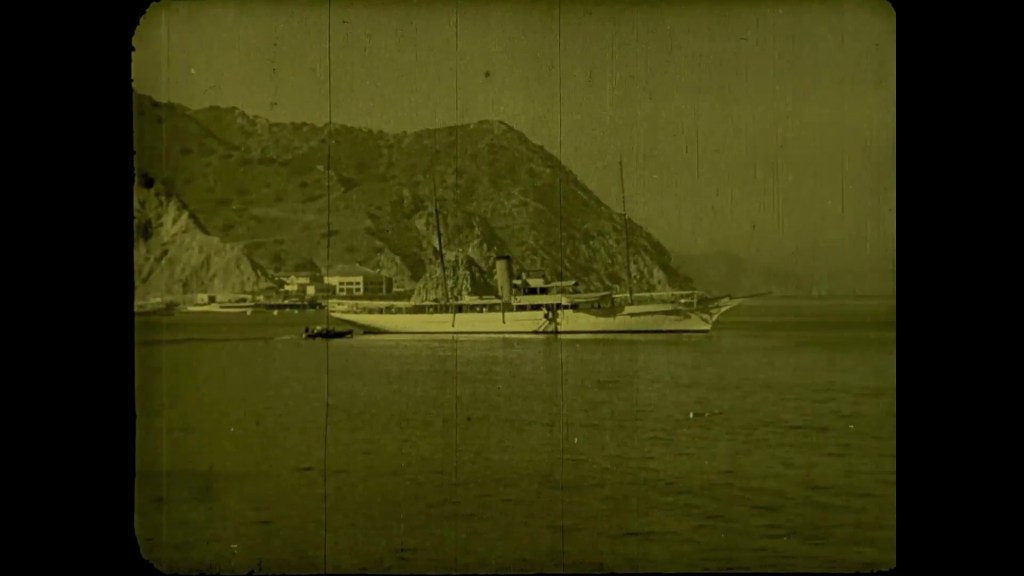



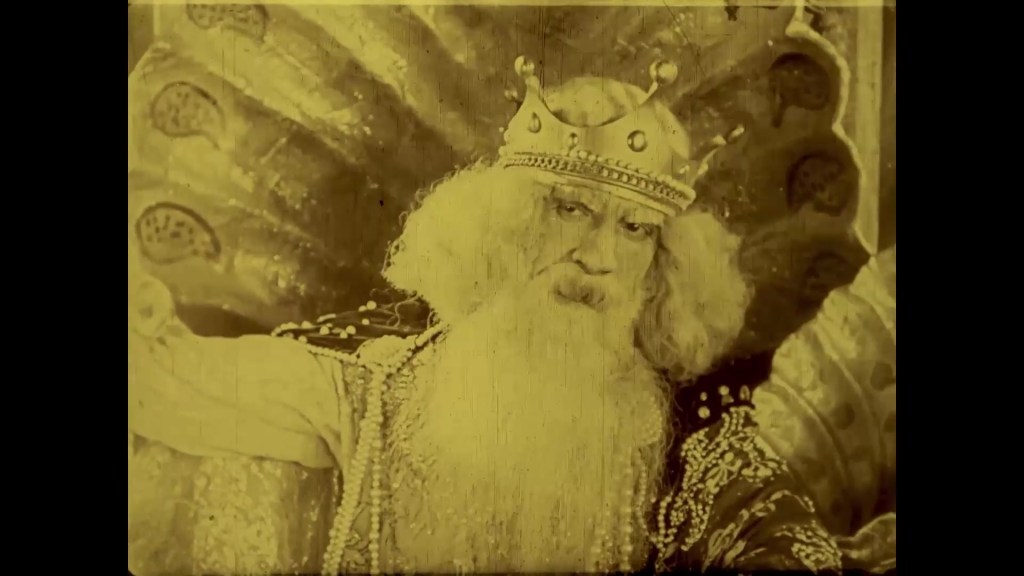
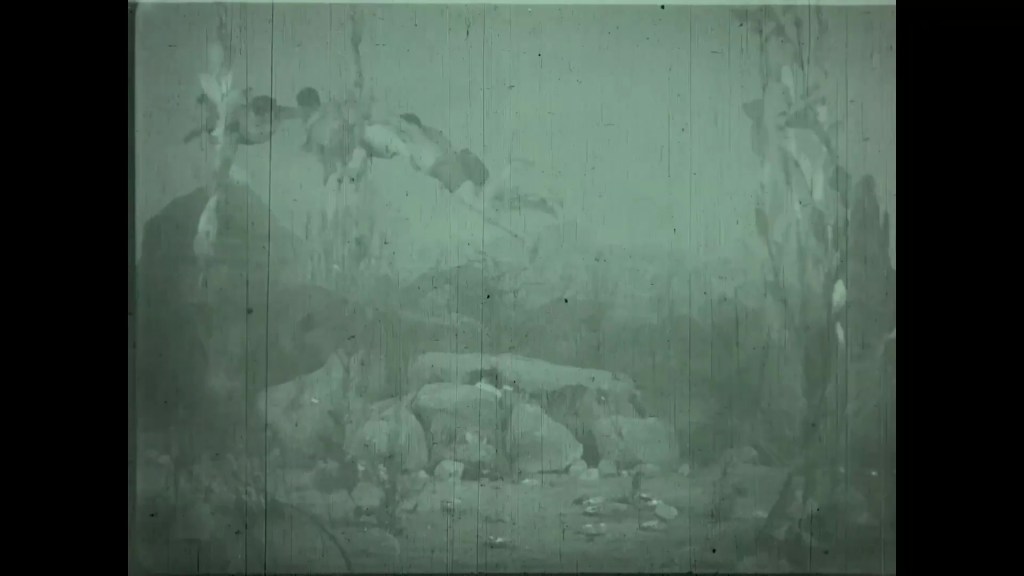
I admit that the descent to Neptune was unexpected, but the mythical kingdom’s appearance quickly outstayed its welcome. Its coy long shots of nude bathers and soft-focus gymnastics, its pantomime beards and watery wizards… I remember watching the short film La Légende du fantôme (1908), produced by Segundo de Chomón. In that film, we also visit the seabed for a mythical array of gods and goblins. De Chomón’s film has no pretensions whatsoever, no desire to moralize or patronize its audience; it uses two-dimensional sets and fake beards and greasepaint and any number of other nineteenth-century theatrical staples. Yet it has more integrity, majesty, and sheer bloody visual and dramatic impact than anything in Folly of Vanity. In fact, as I wrote at the time, there is something quite terrifyingly strange and surreal about de Chomóns world that will likely remain lodged in my brain for as long as I retain my senses. I promise you that I will soon forget Folly of Vanity and its tepid world of underwater theatrics. Nothing in this sequence is either dramatic enough or funny enough to hold sway.









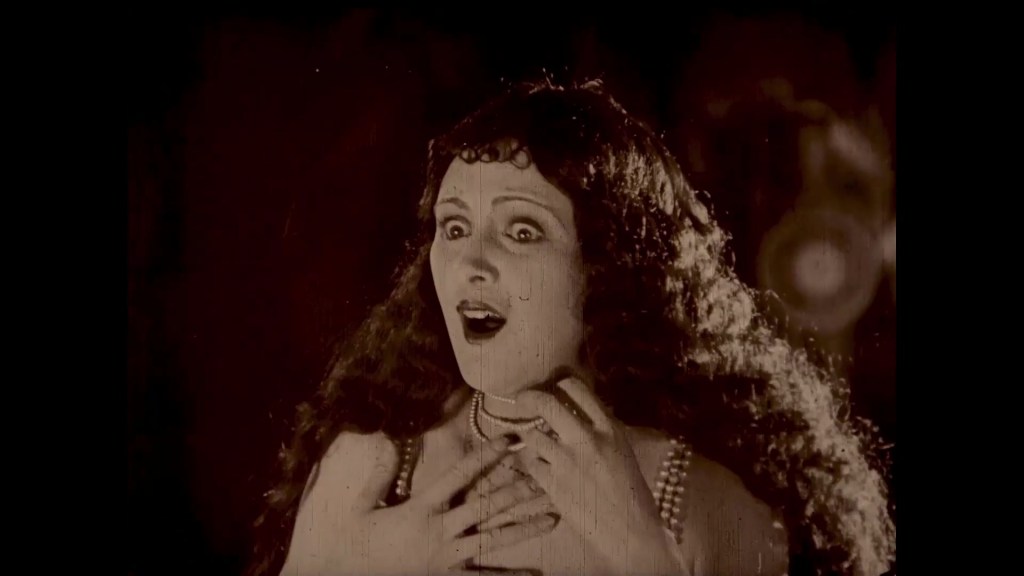
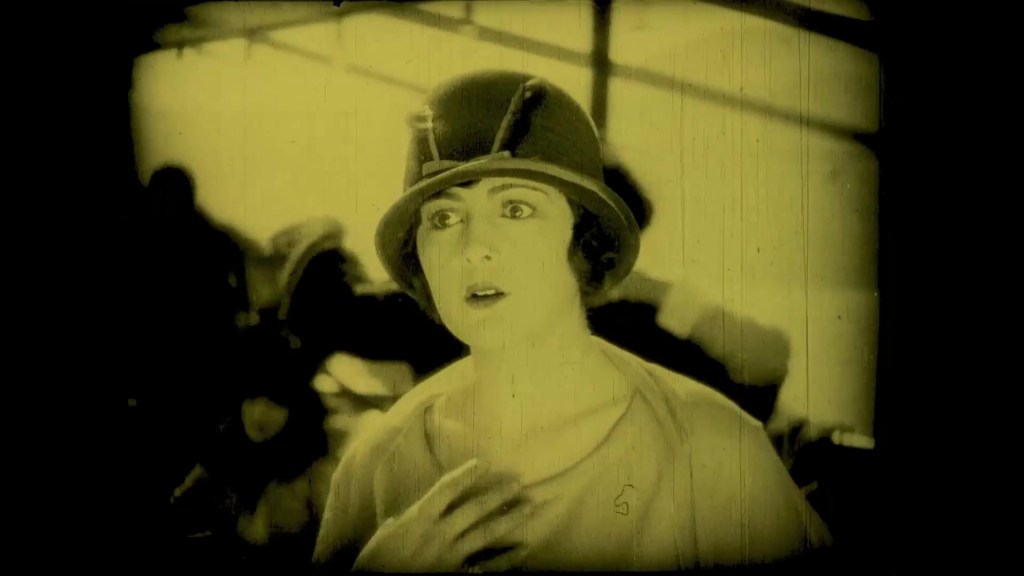
As for the cast, I can’t honestly express great enthusiasm either. Aside from her fleeting (and uncredited) appearance in The Mysterious Lady (1928), I don’t think I’ve ever knowingly seen Betty Blythe in anything other than stills from the lost J. Gordon Edwards production The Queen of Sheba (1921). I must say that she didn’t leap off the screen as any kind of star in Folly of Vanity. I much preferred Billie Dove, who has the kind of open face and round eyes that immediately draw your attention. It’s an utterly depthless character, but Dove gives her some kind of life. Jack Mulhall has a faint spark with Dove, both nothing that made me care for him, for her, or for them as a couple. John Sainpolis normally has gravitas on the screen, but his character here was neither charming nor threatening. There was so little bite anywhere in this film or its characters.

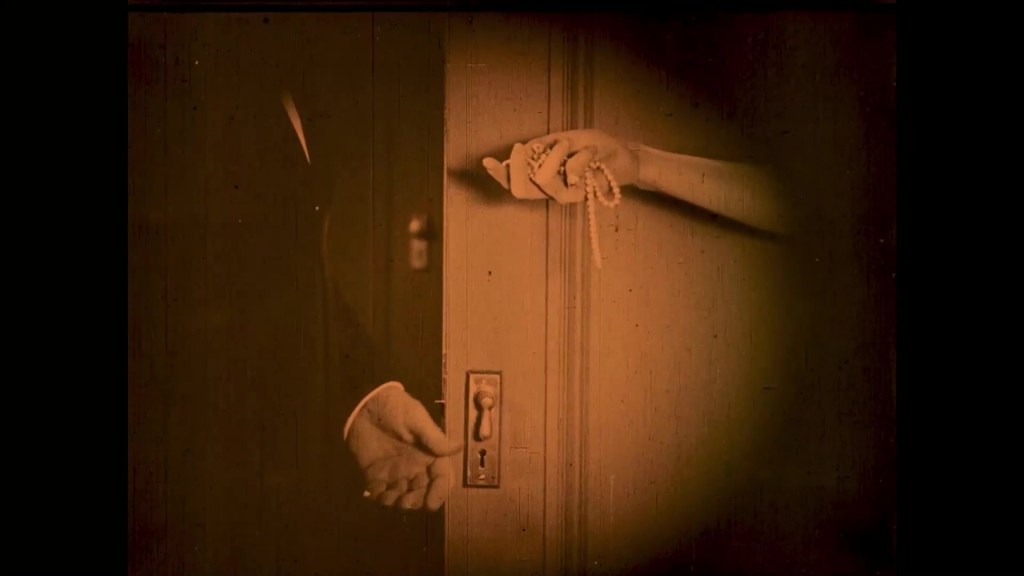

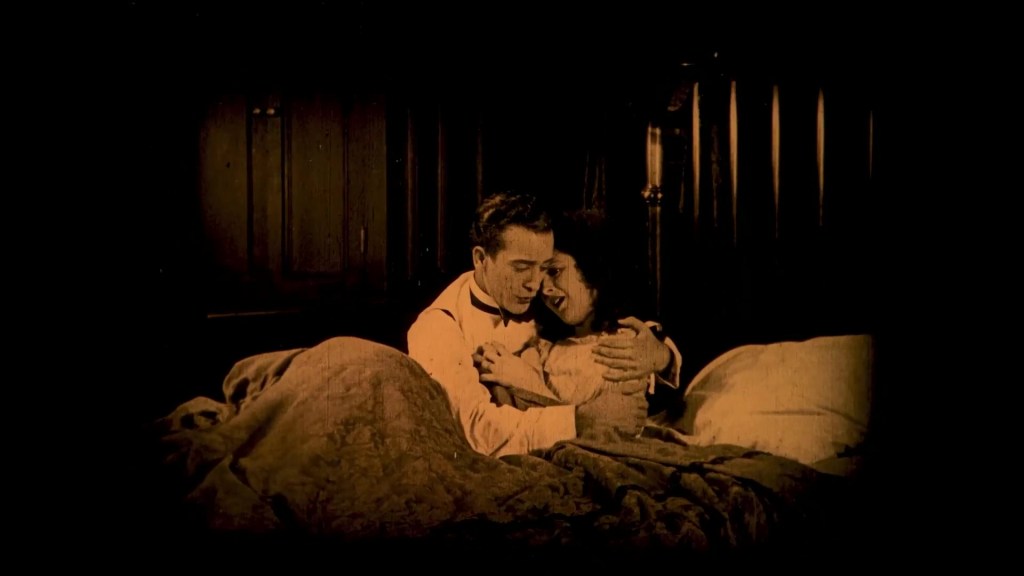
Aesthetically, the film is decent enough. This copy, clearly based on an abridged export print (with Czech titles), is nicely tinted and toned and it’s interesting to watch the weird shifts in quality from colour to colour, sometimes from scene to scene. Some of the gleaming soft-focus visions of the shores of Neptune are gorgeous bits of photography. But really, the drama was by this point so unutterably naff that it sucked much of the pleasure from the images.
Well, that was Day 7. A strange day. A day that I’ll probably not remember in a few years’ time. A day that began with a silly comedy and ended with an even sillier drama. These are both films that I would never have seen, nor made an effort to see, if it weren’t for Pordenone. So I am, genuinely, thankful for the chance to watch them. But beyond that, I look forward to the final day of features tomorrow – and the prospect of something more substantial for my eyes and the brain…
Paul Cuff

 The Realm of Silence