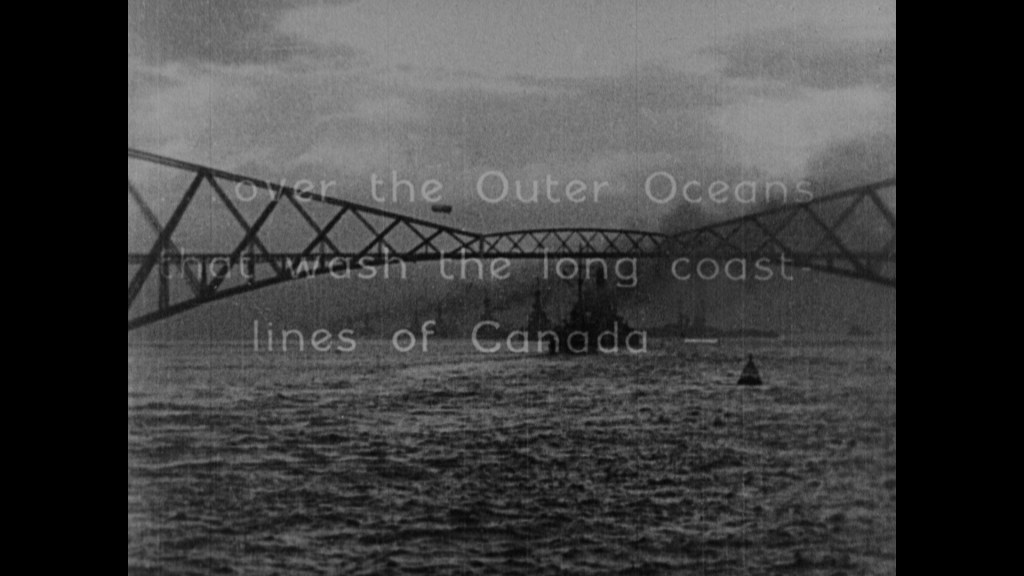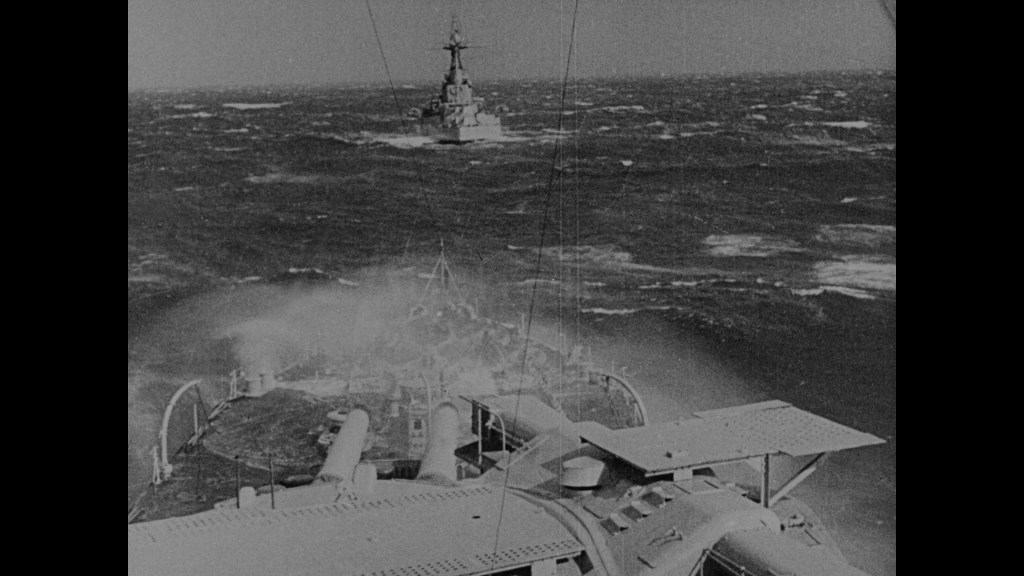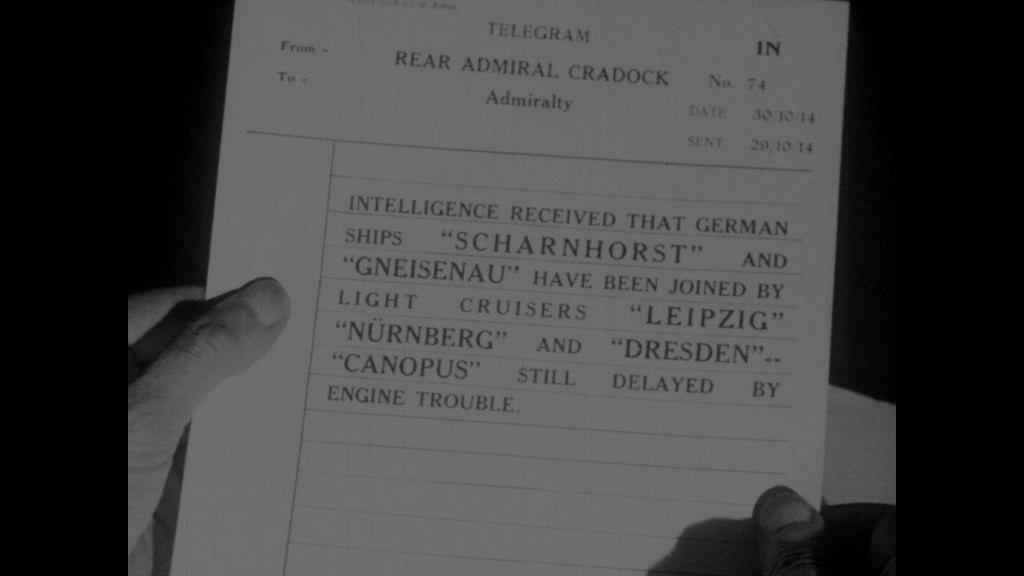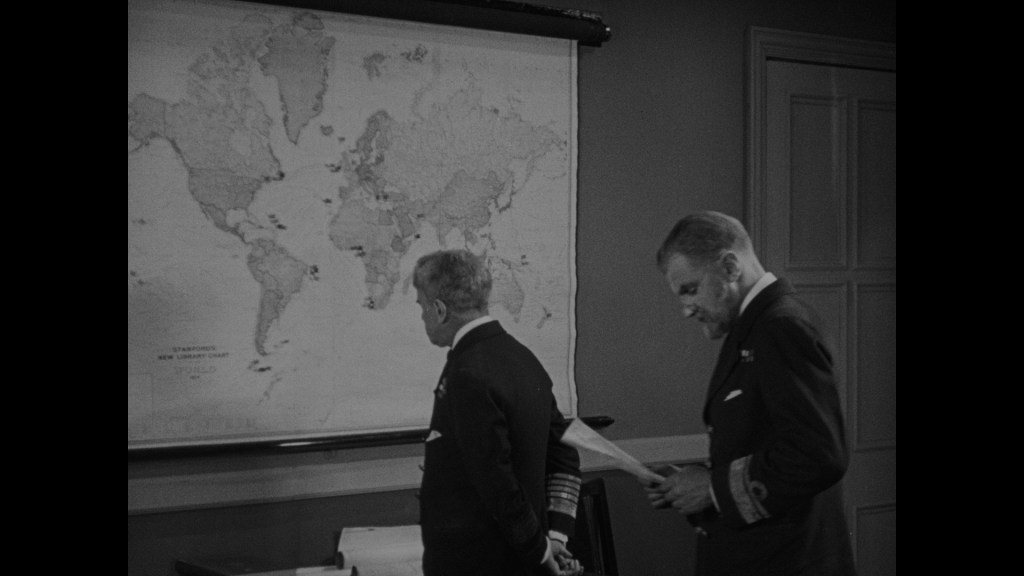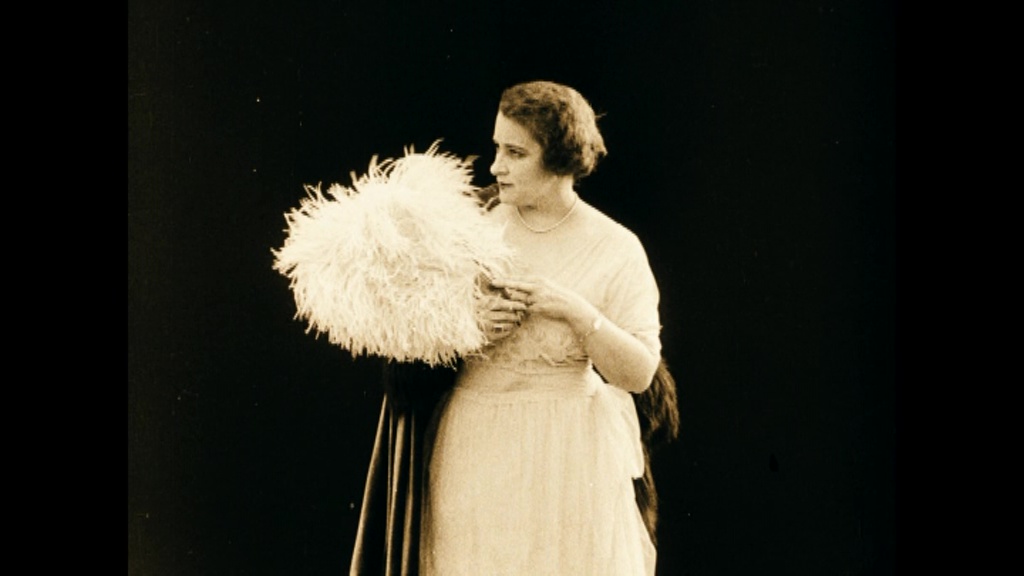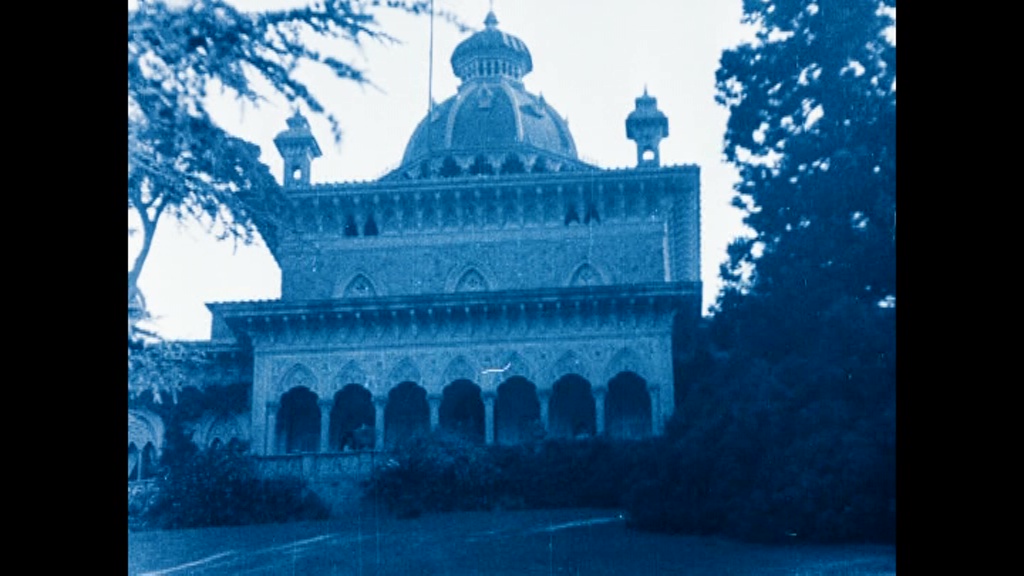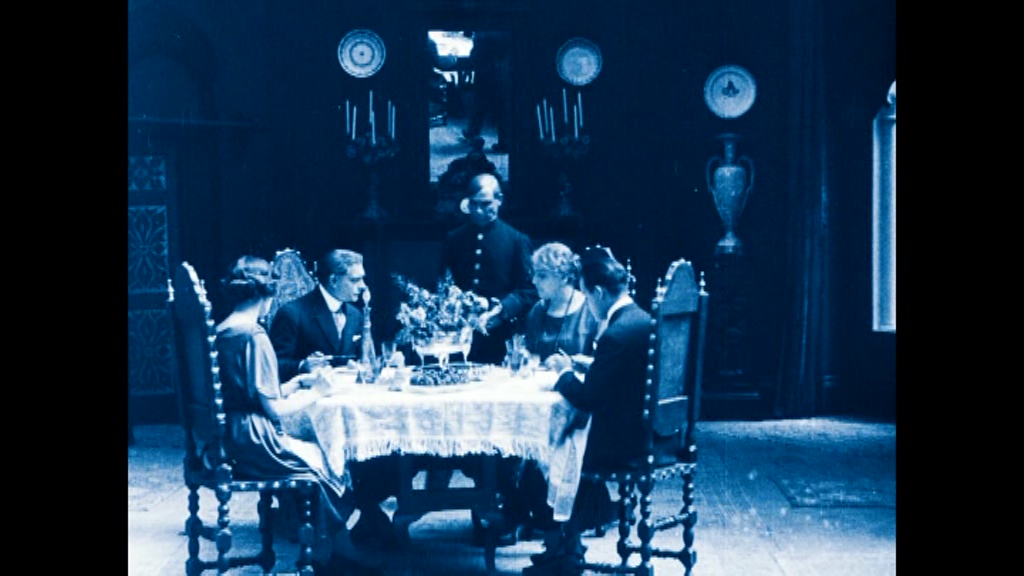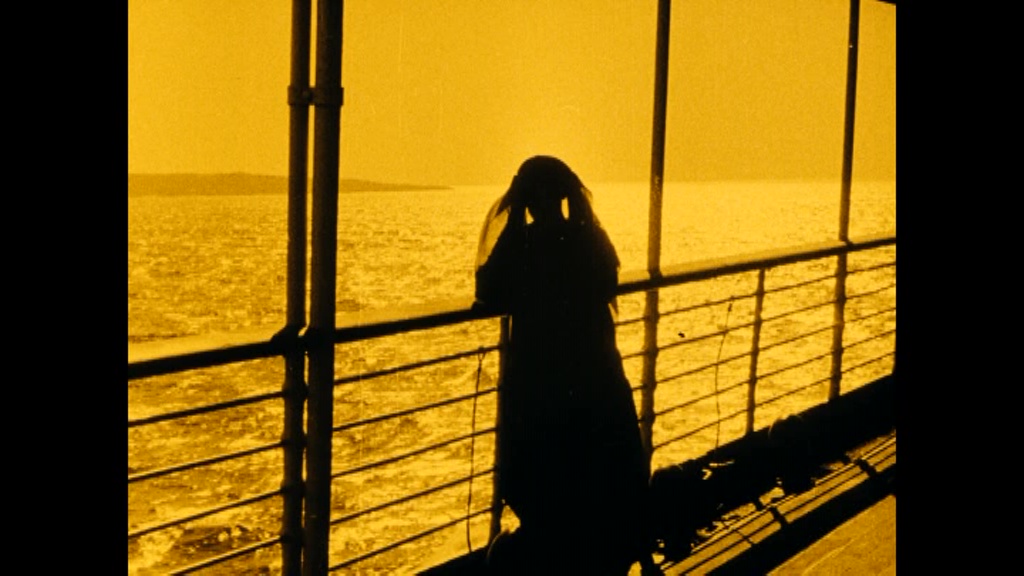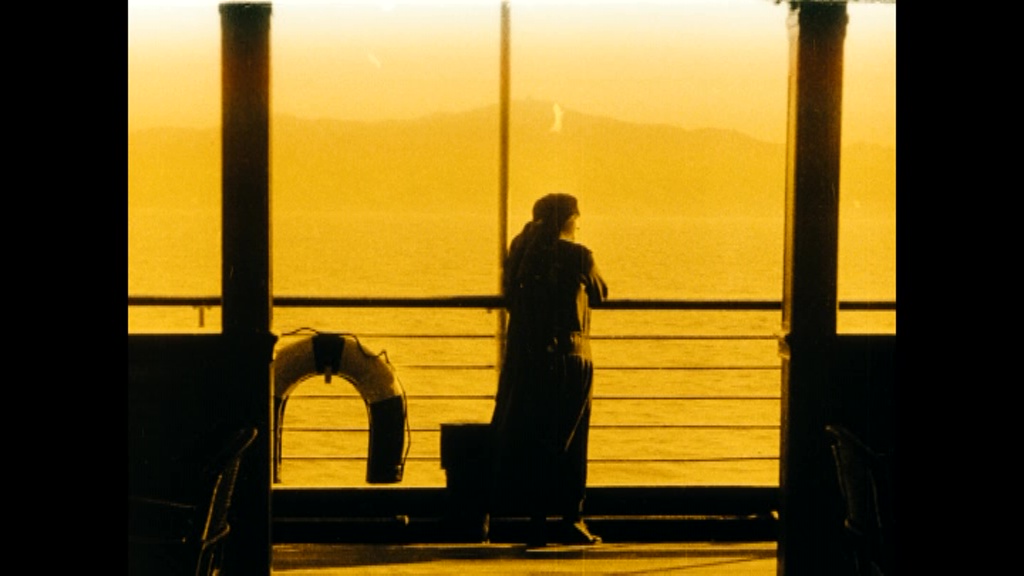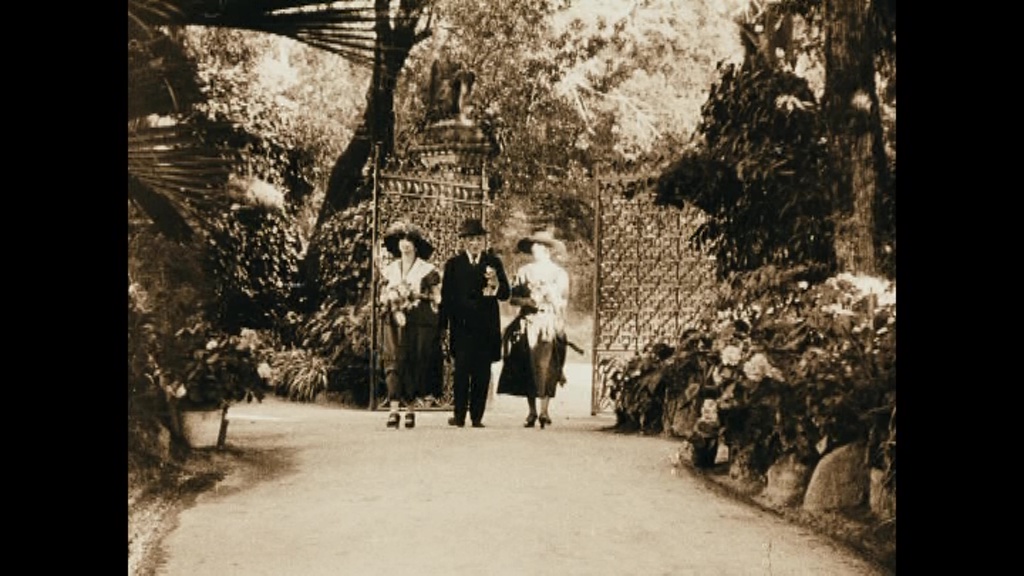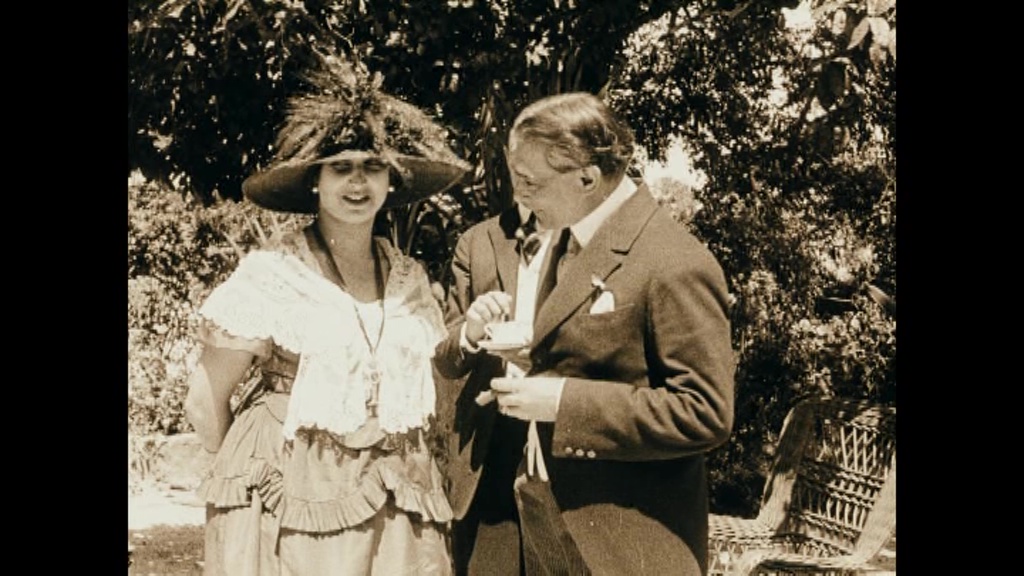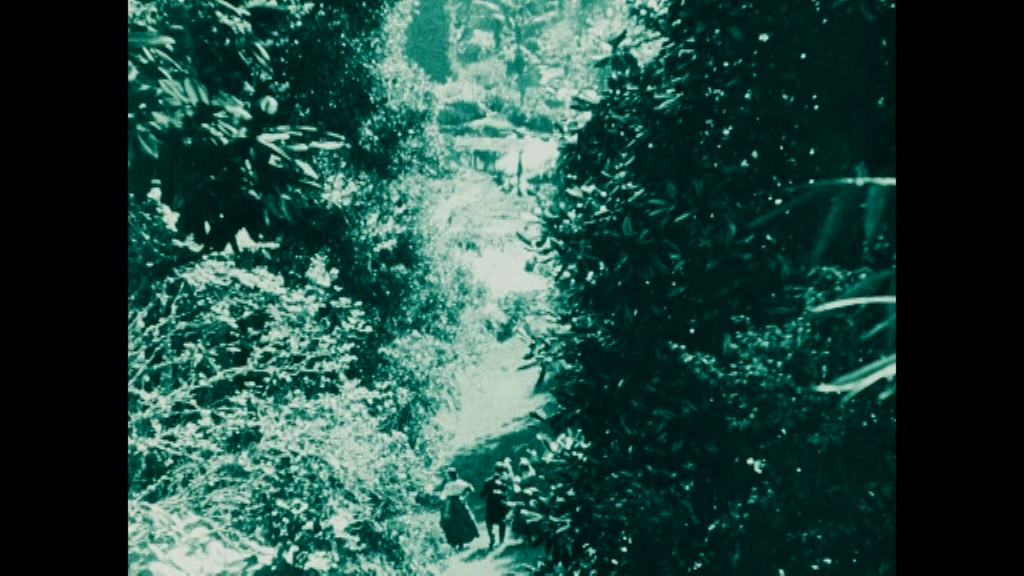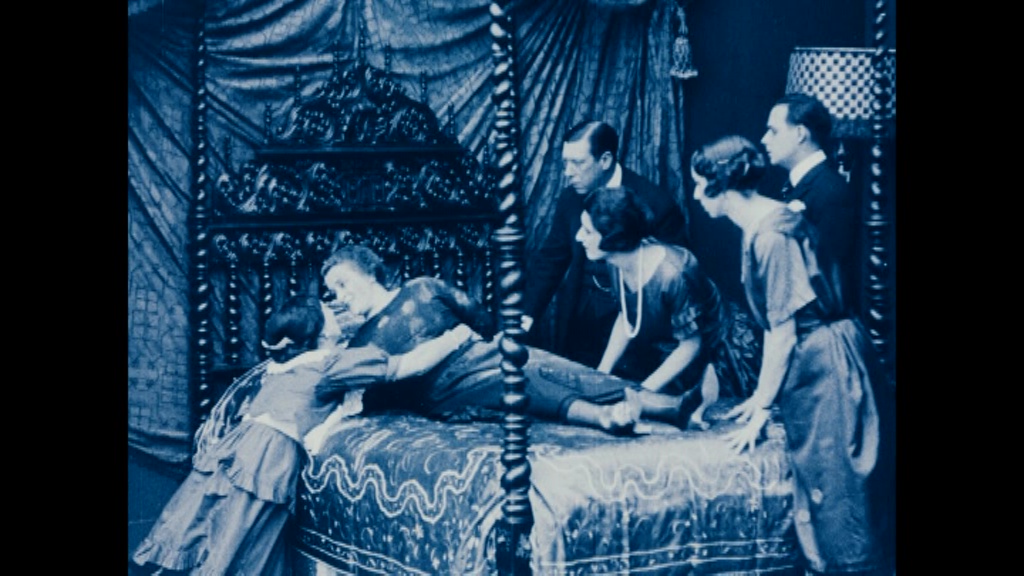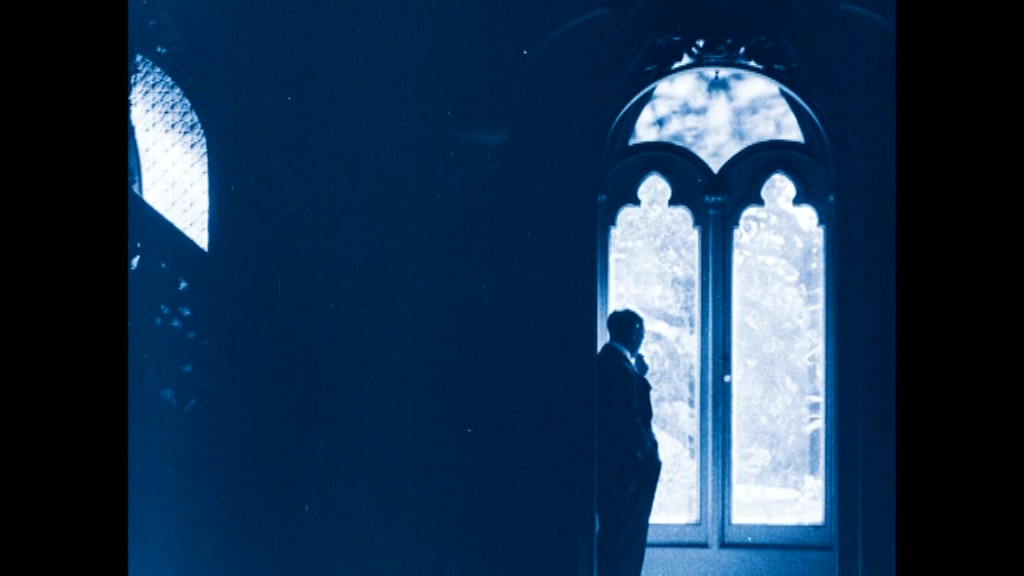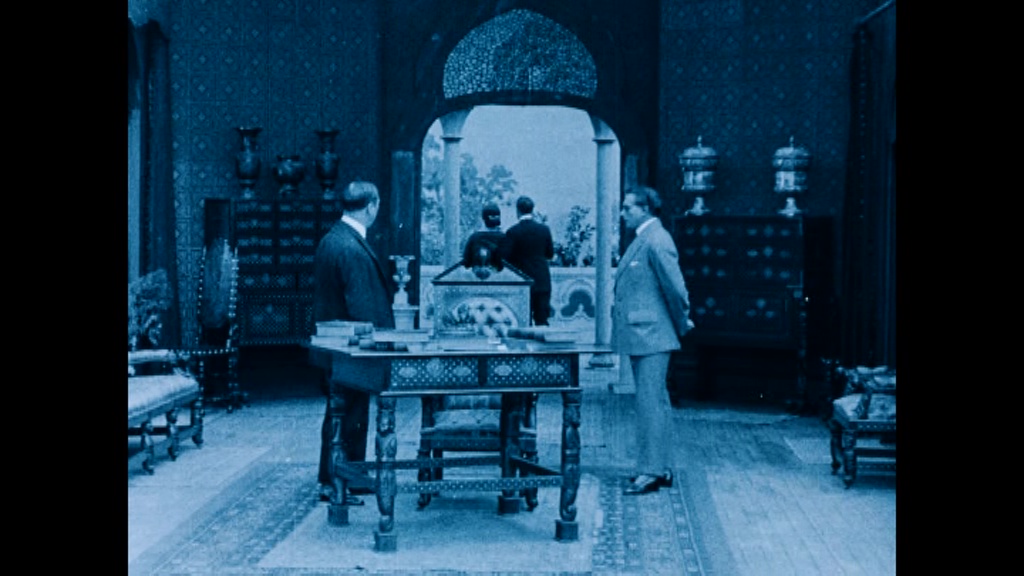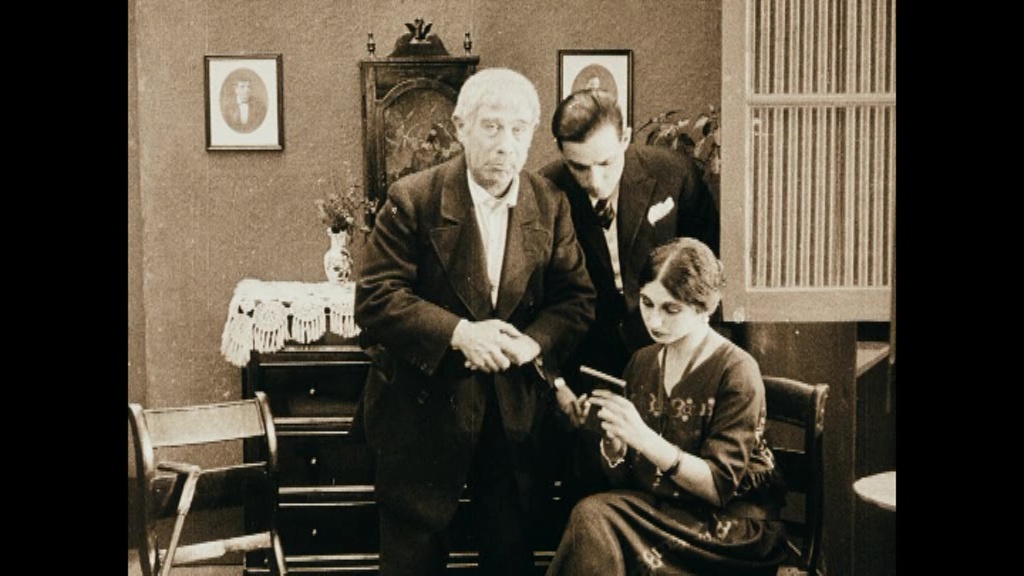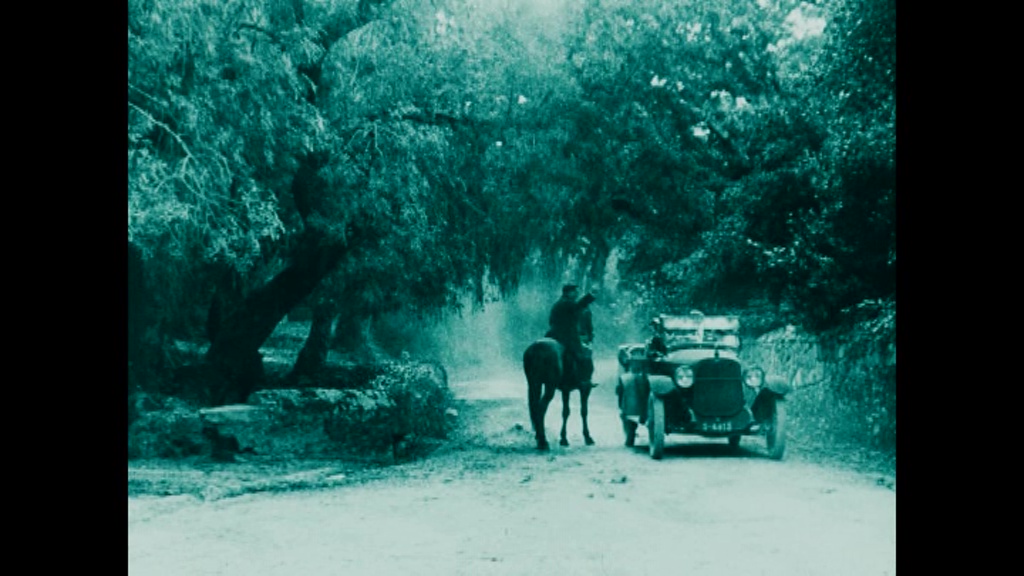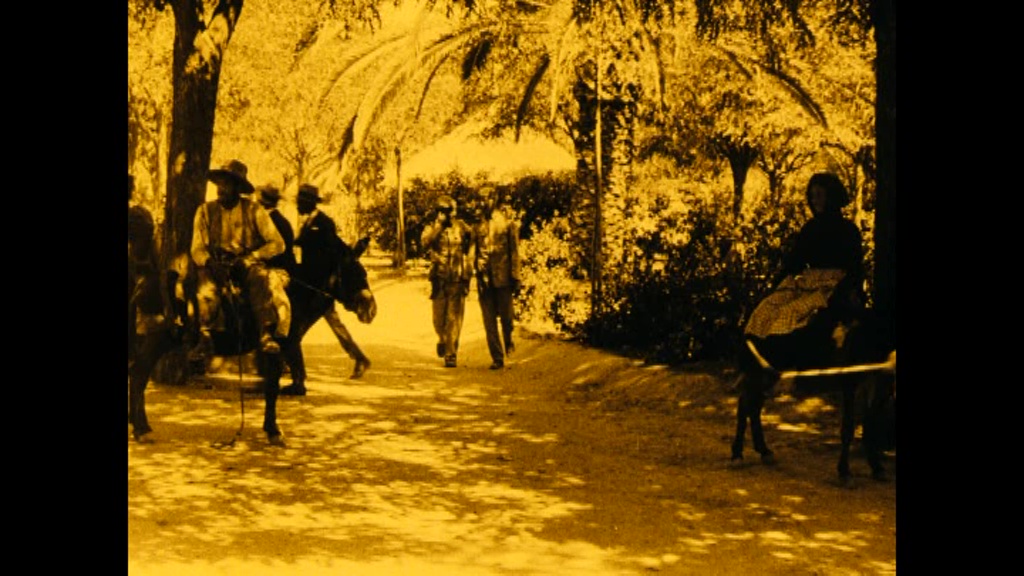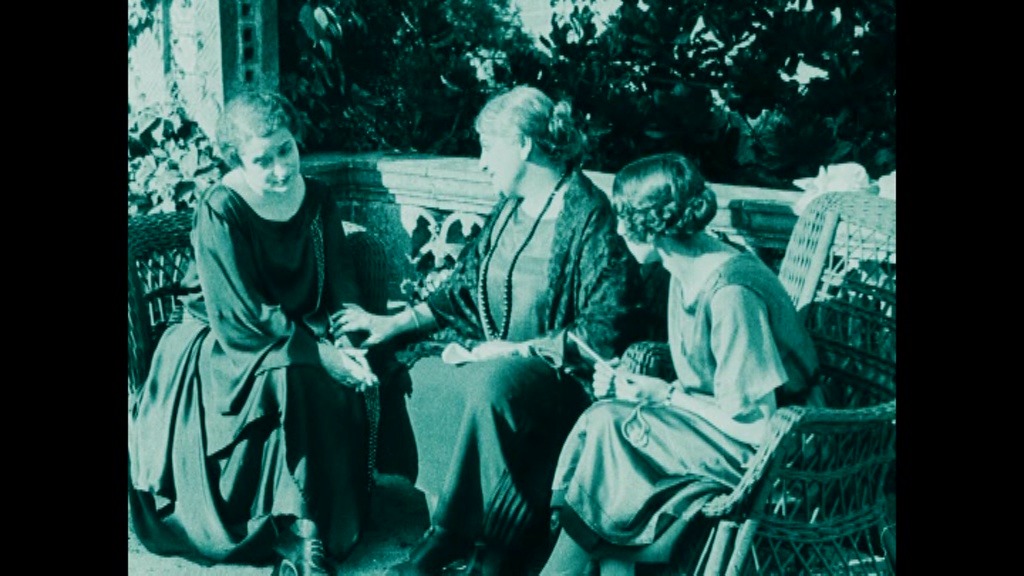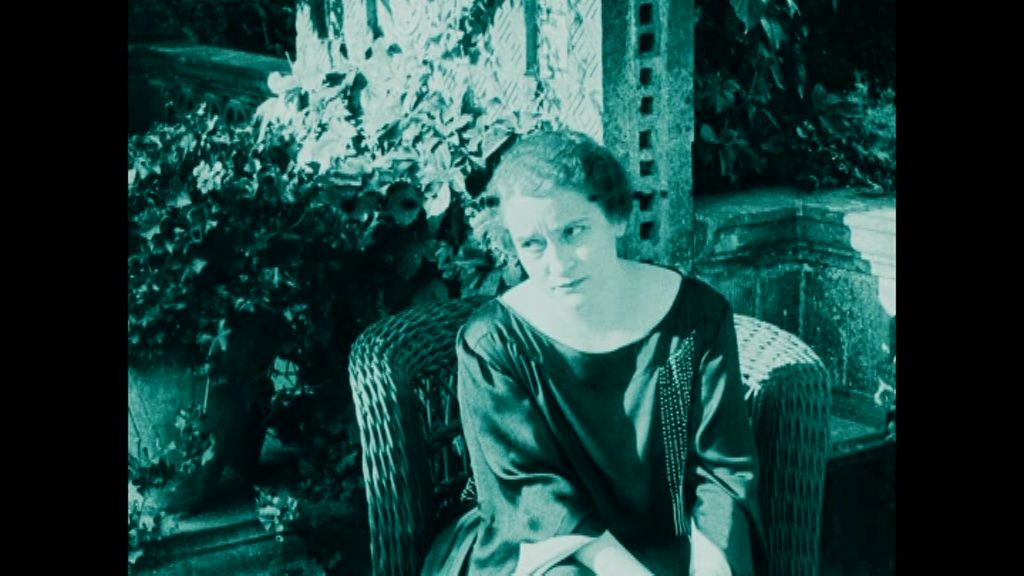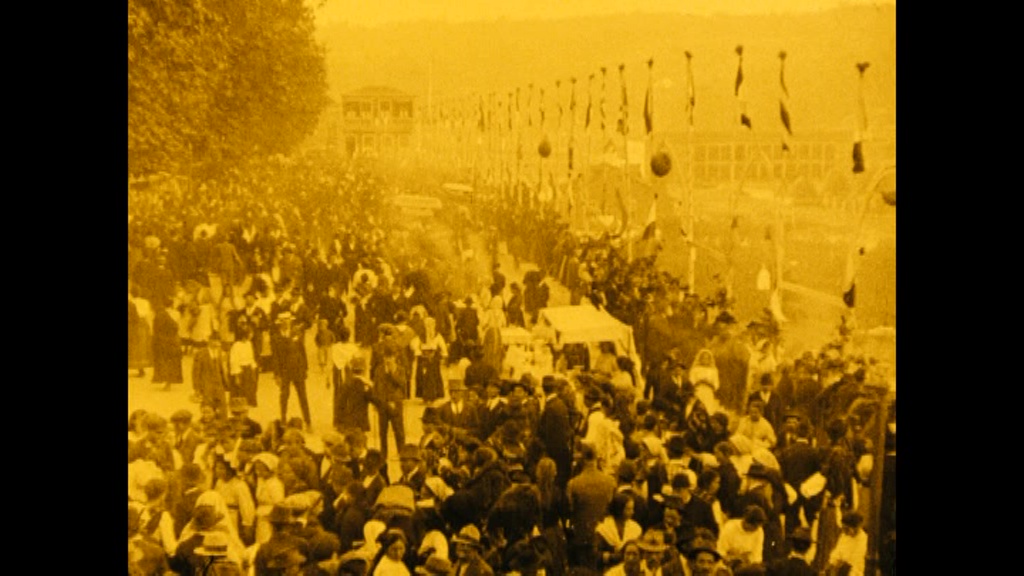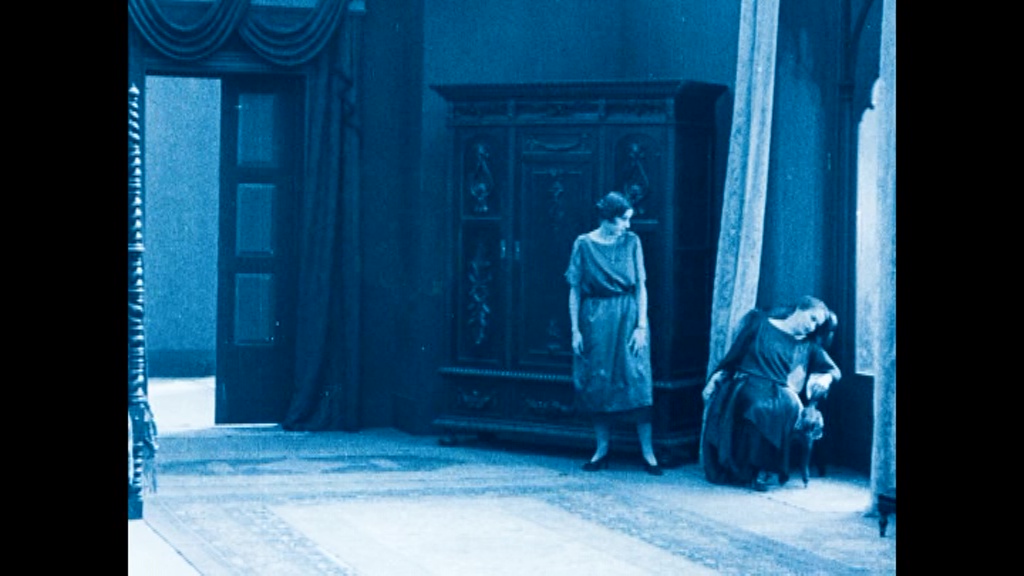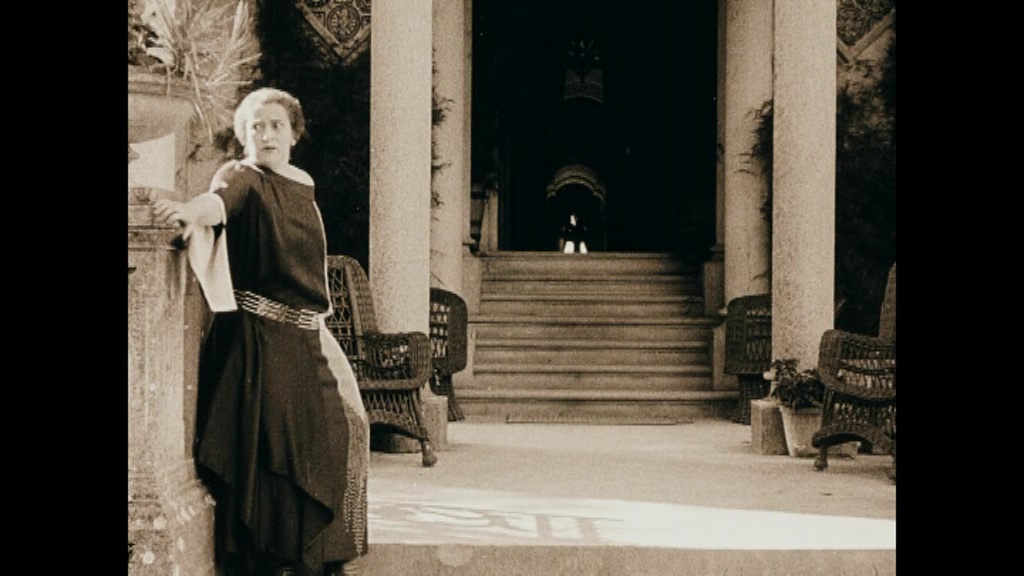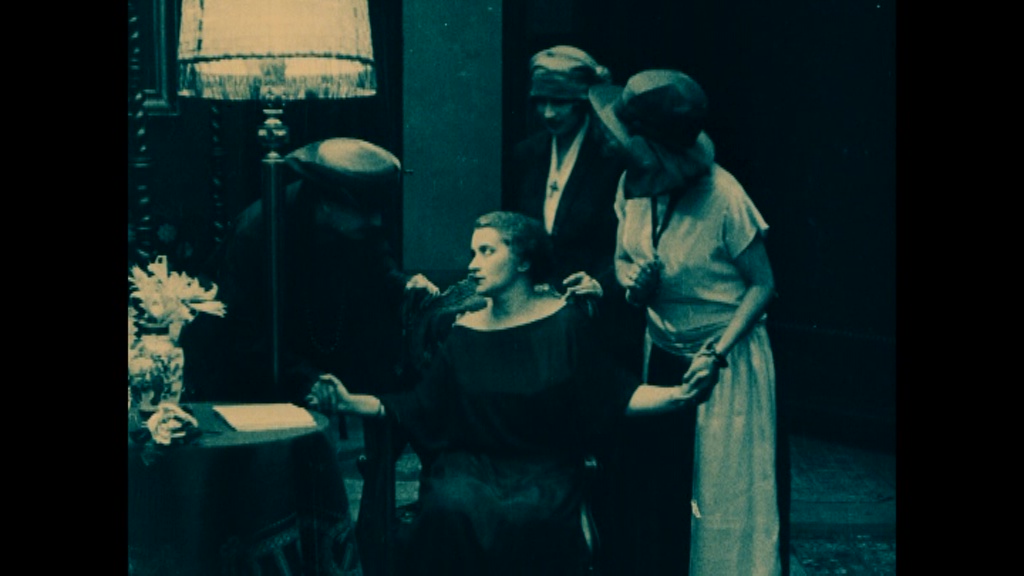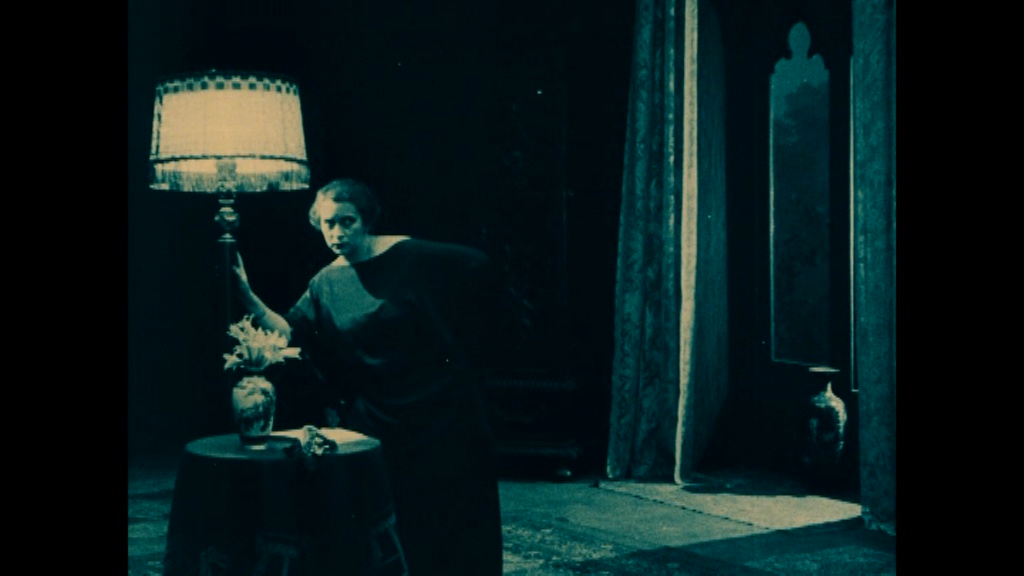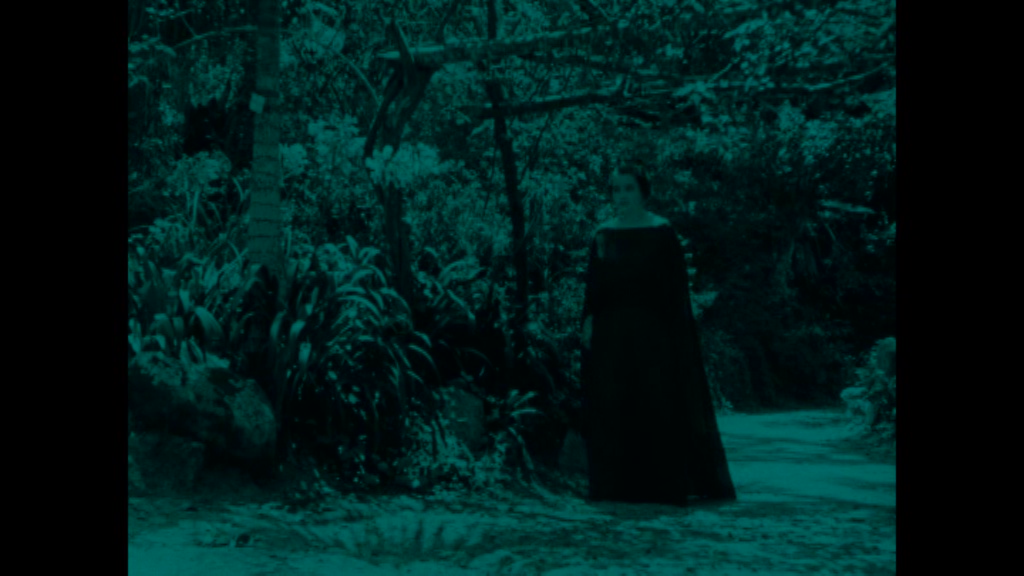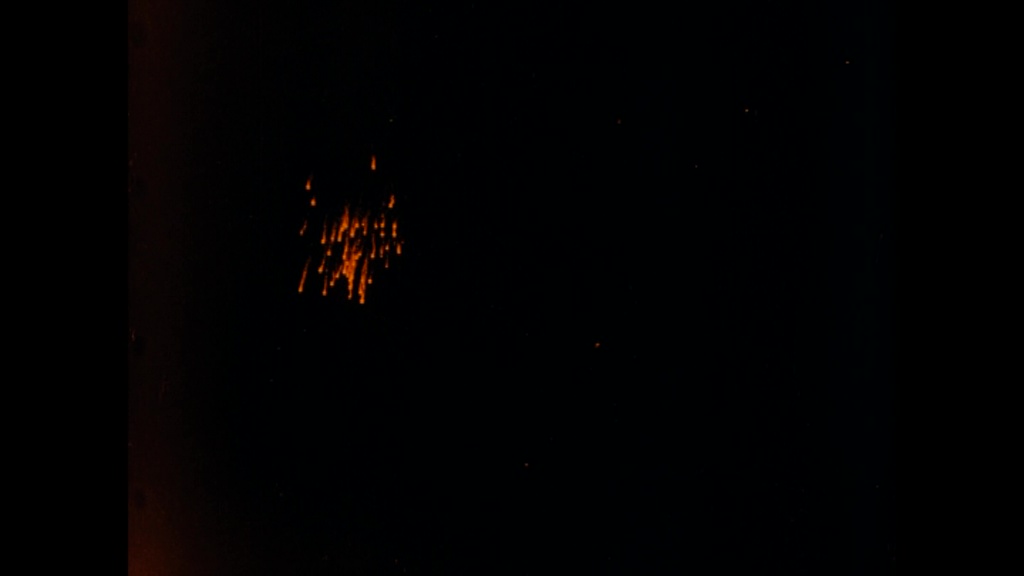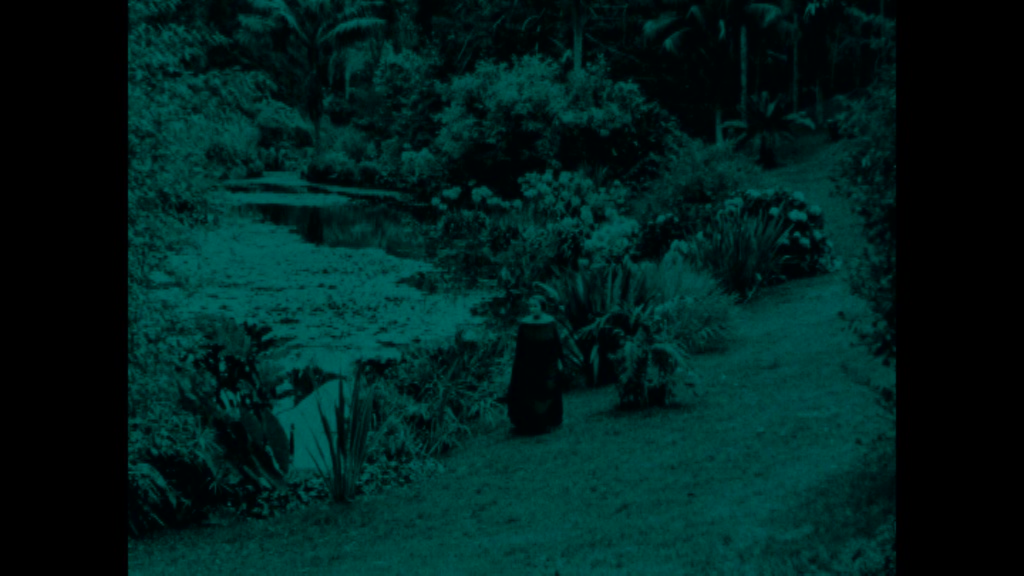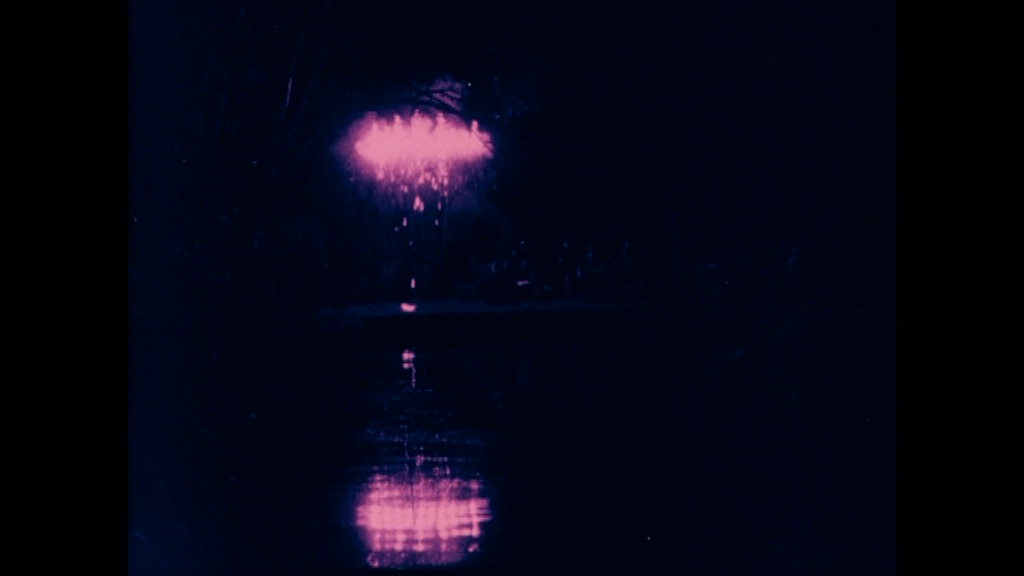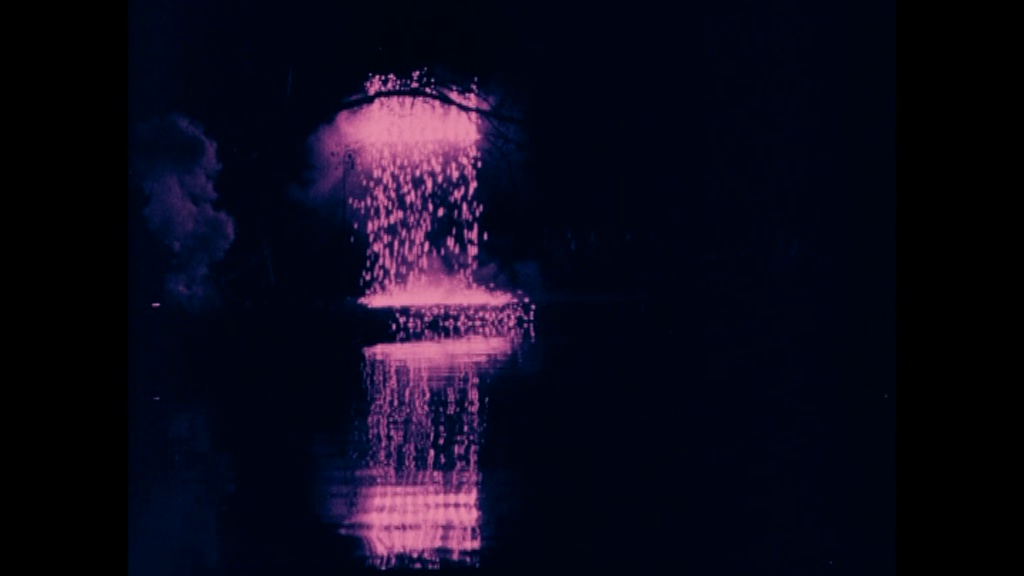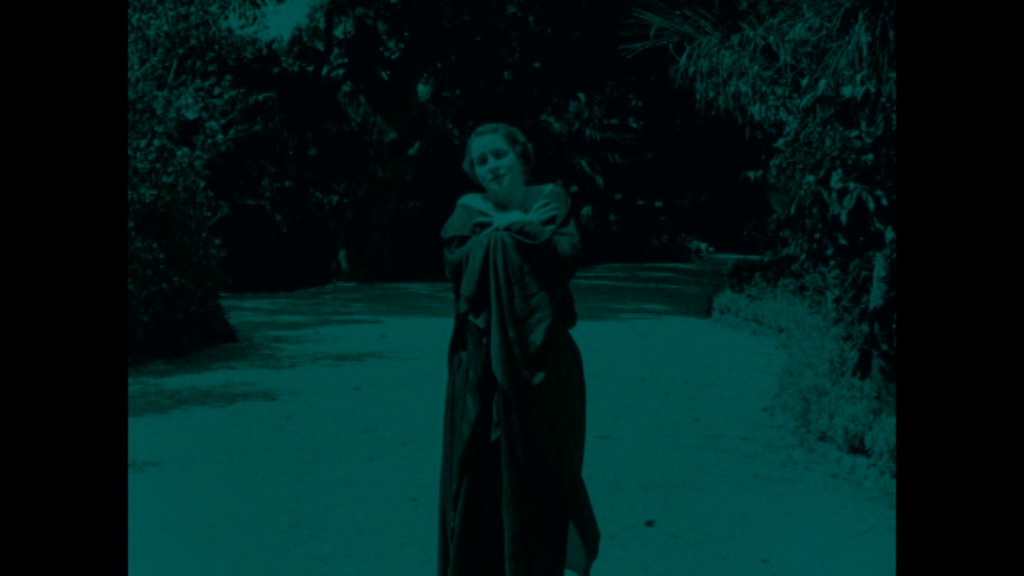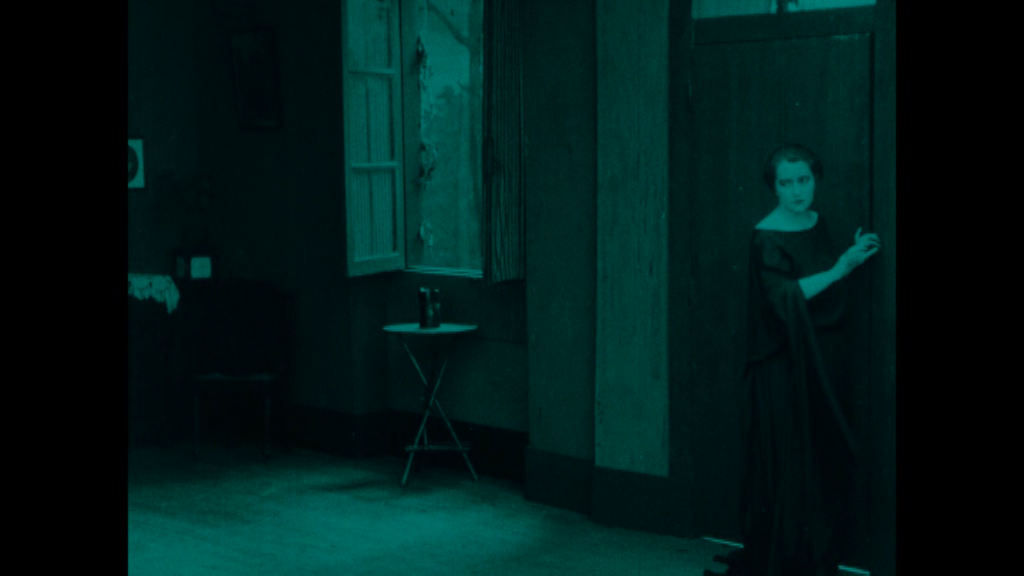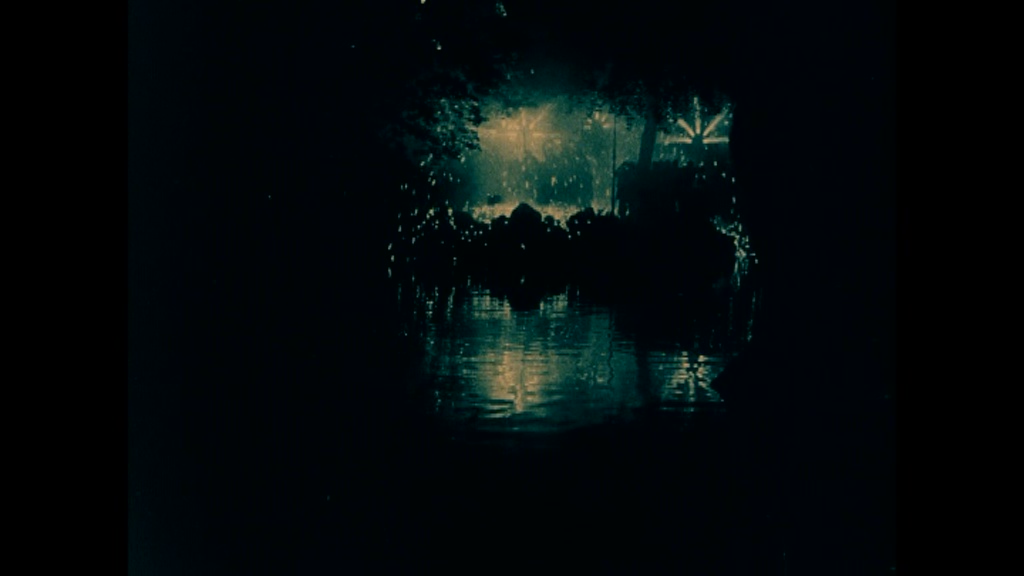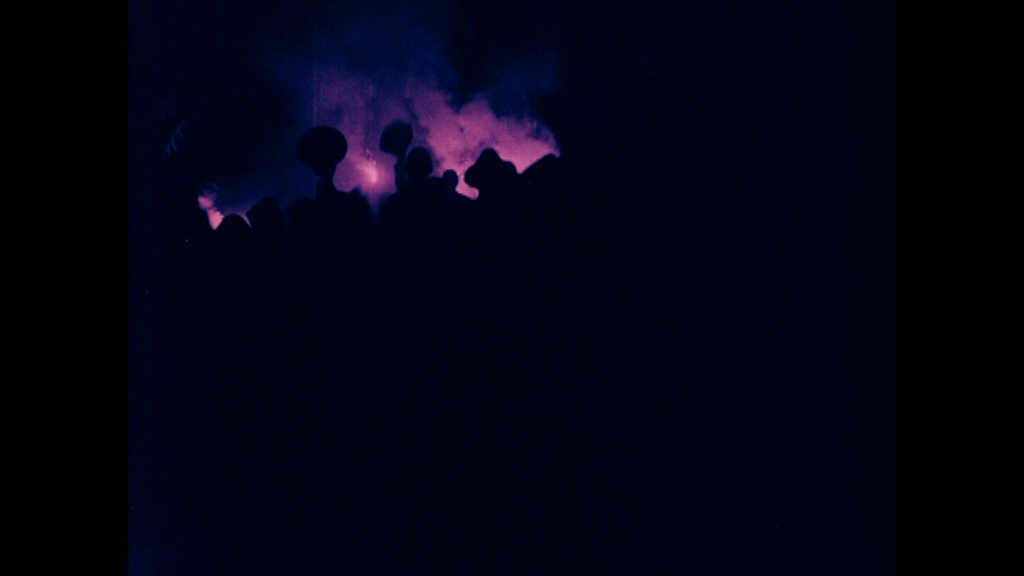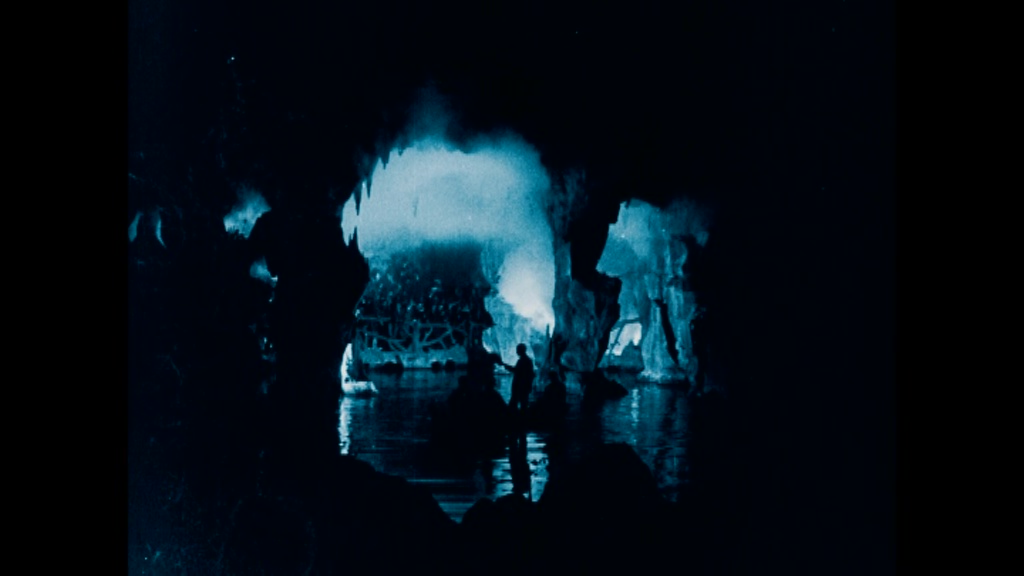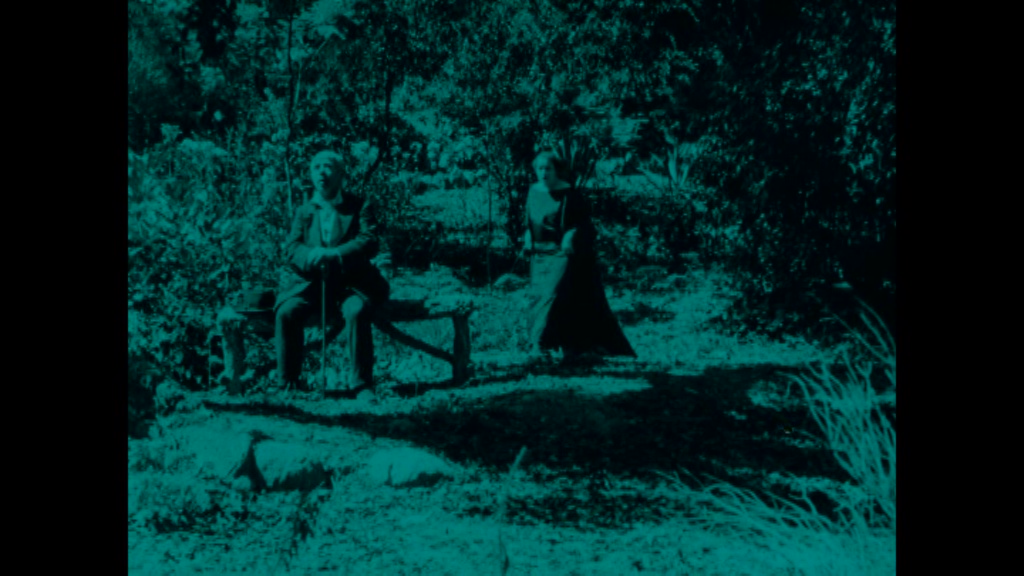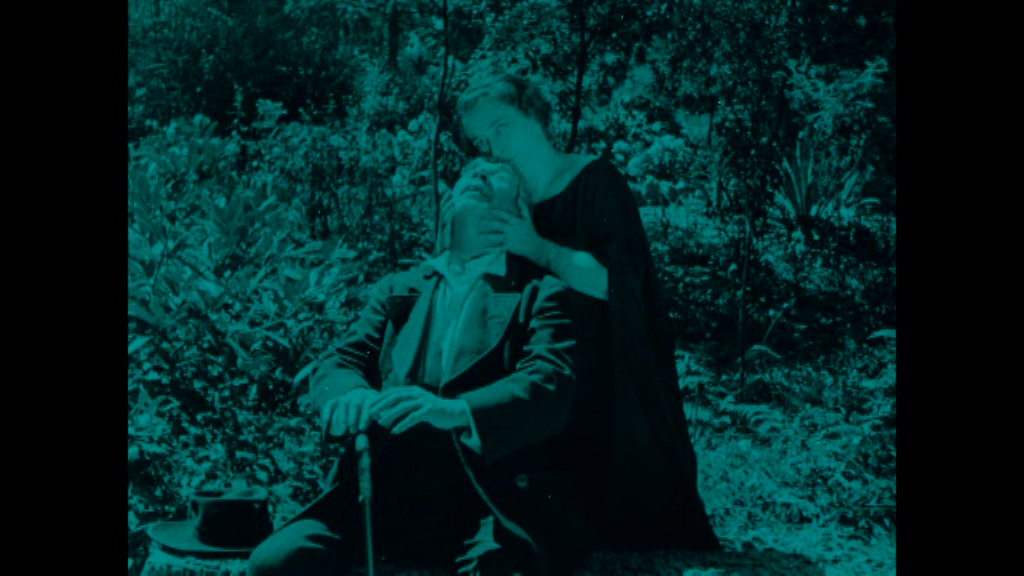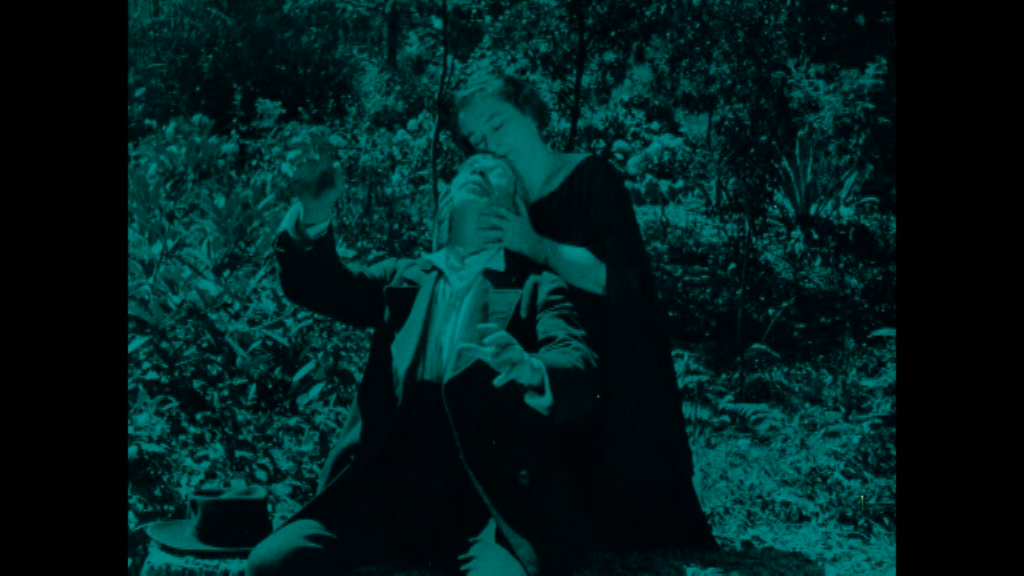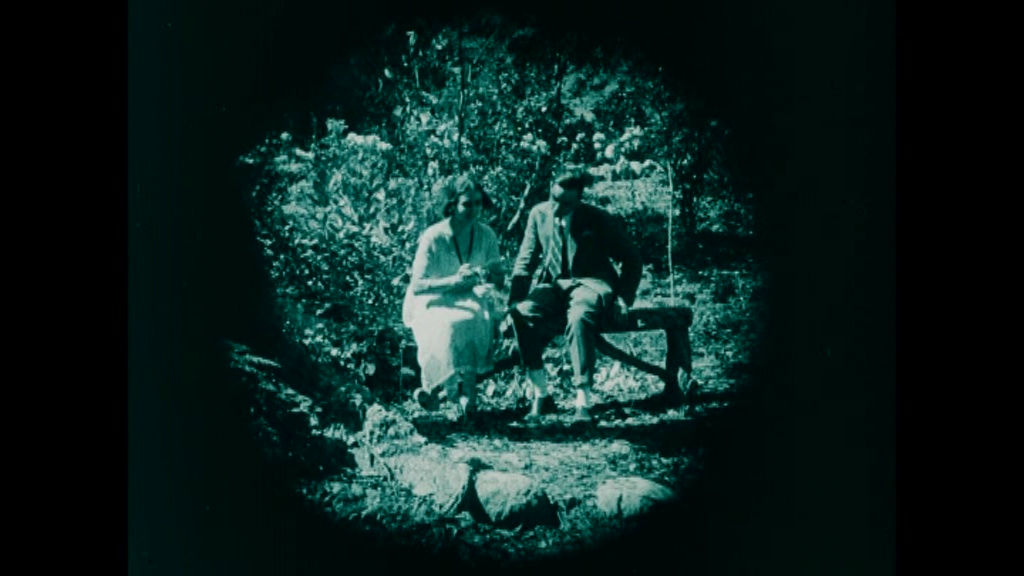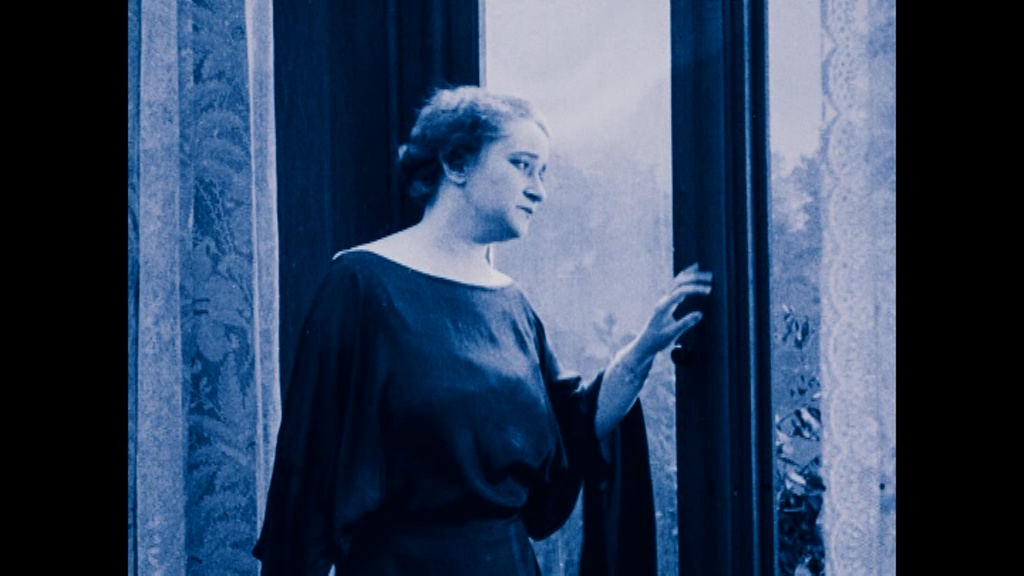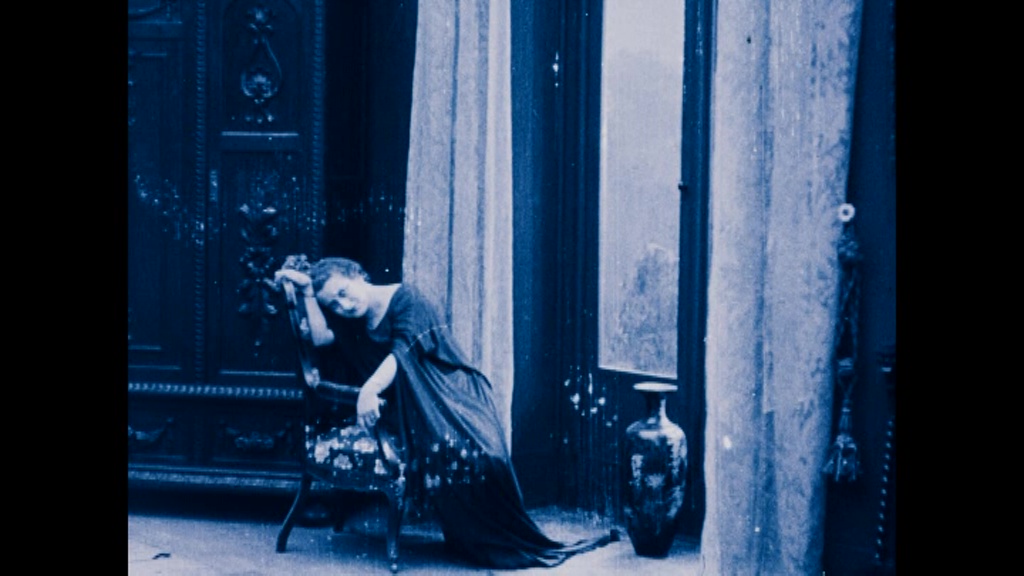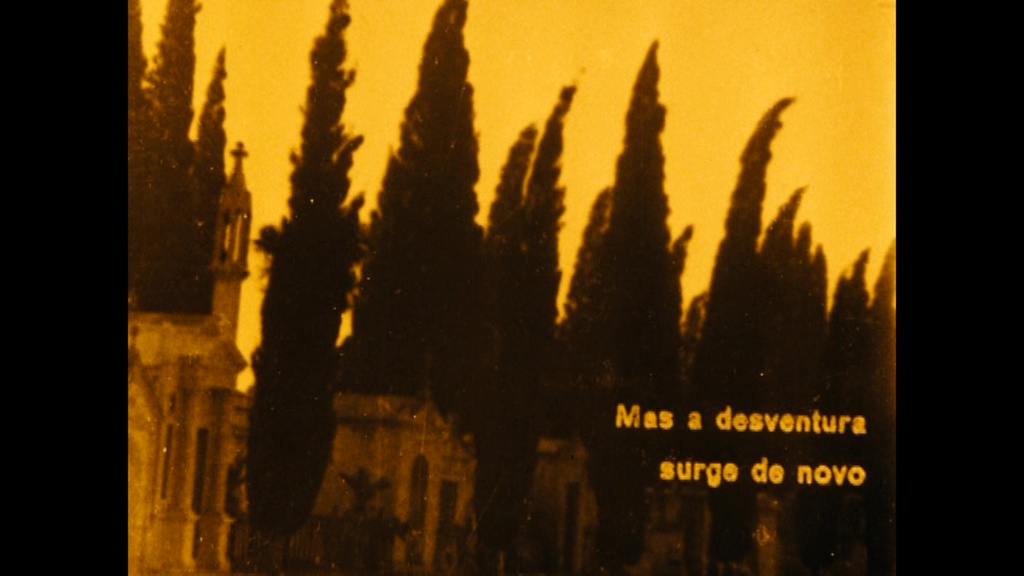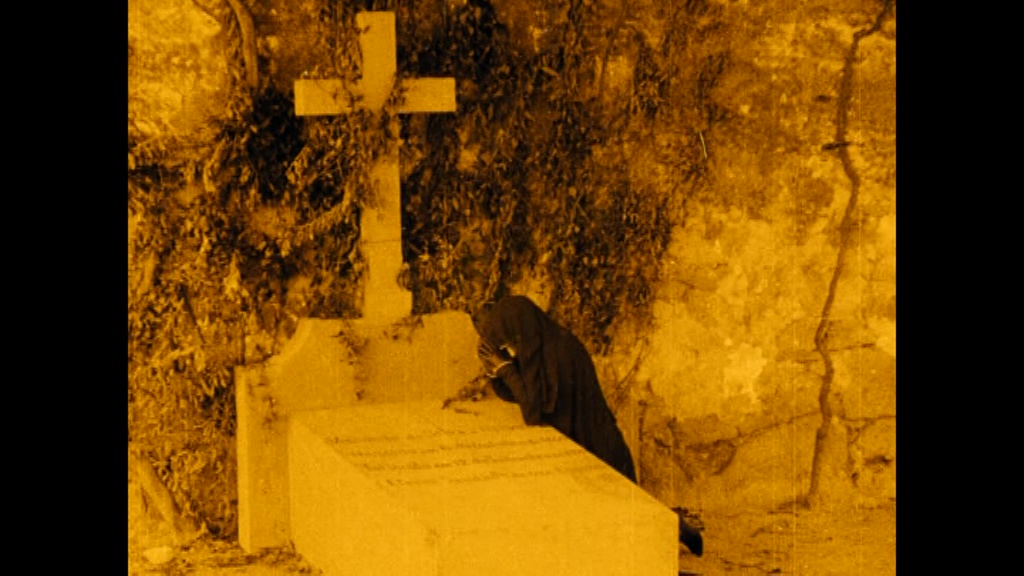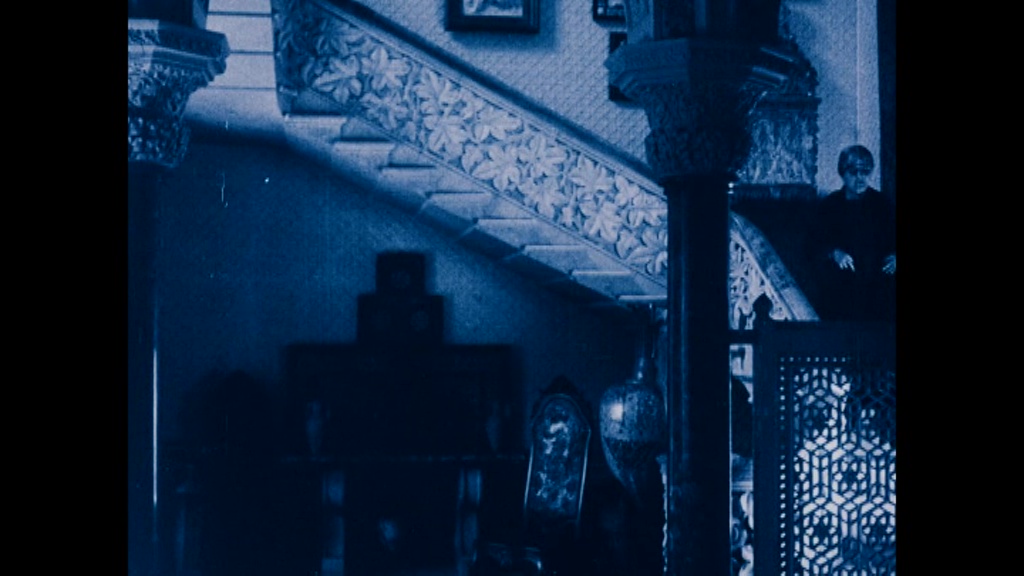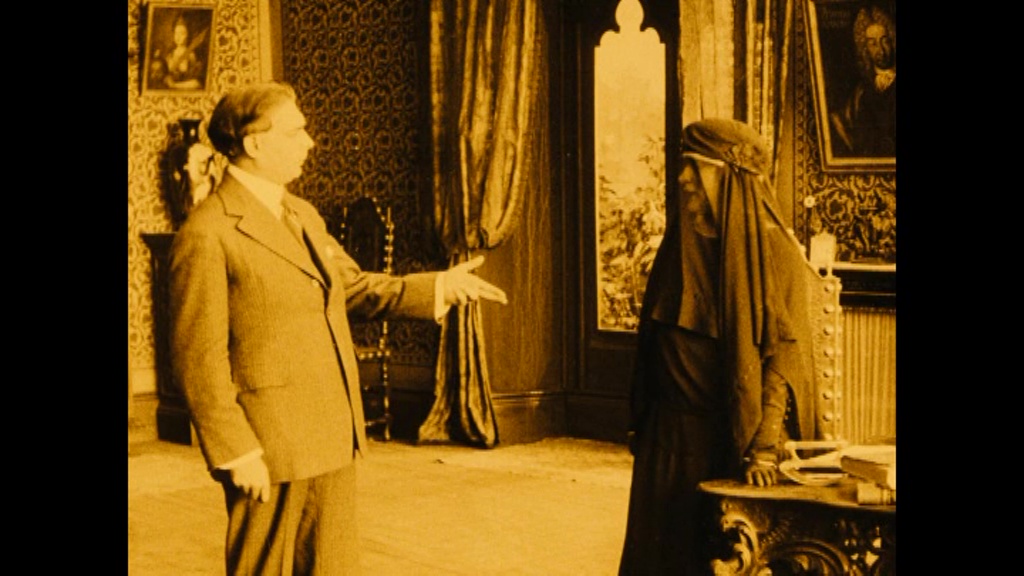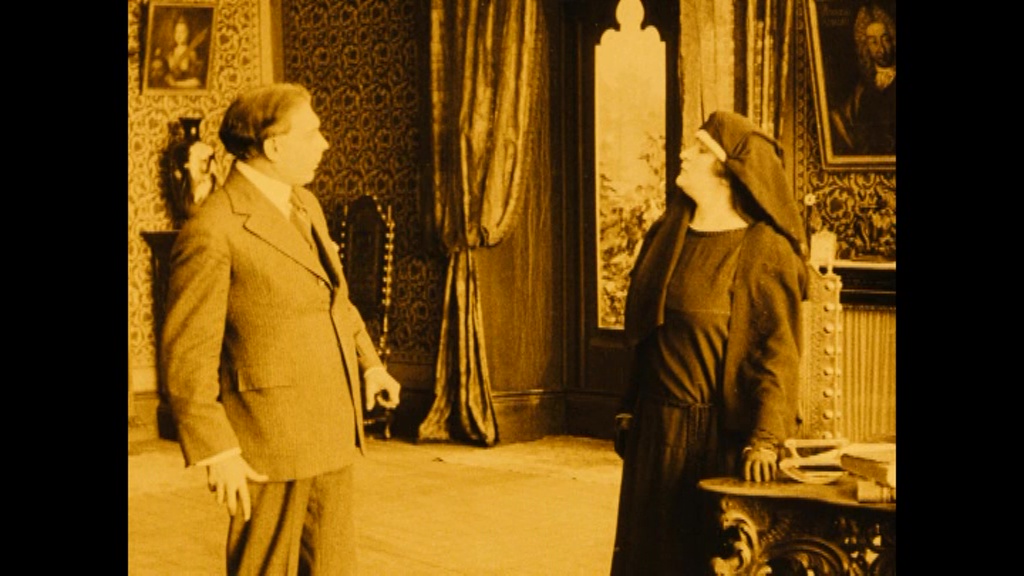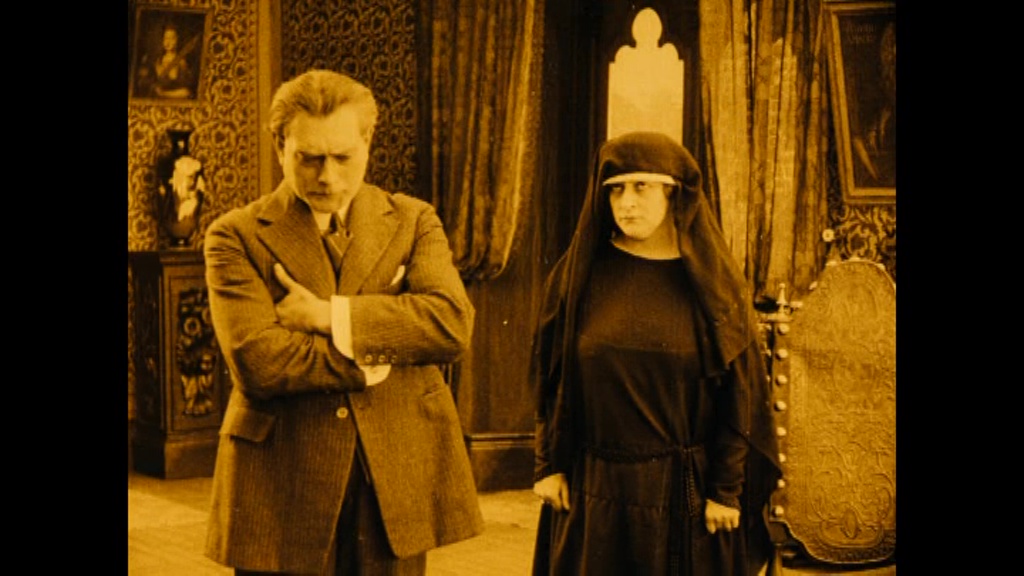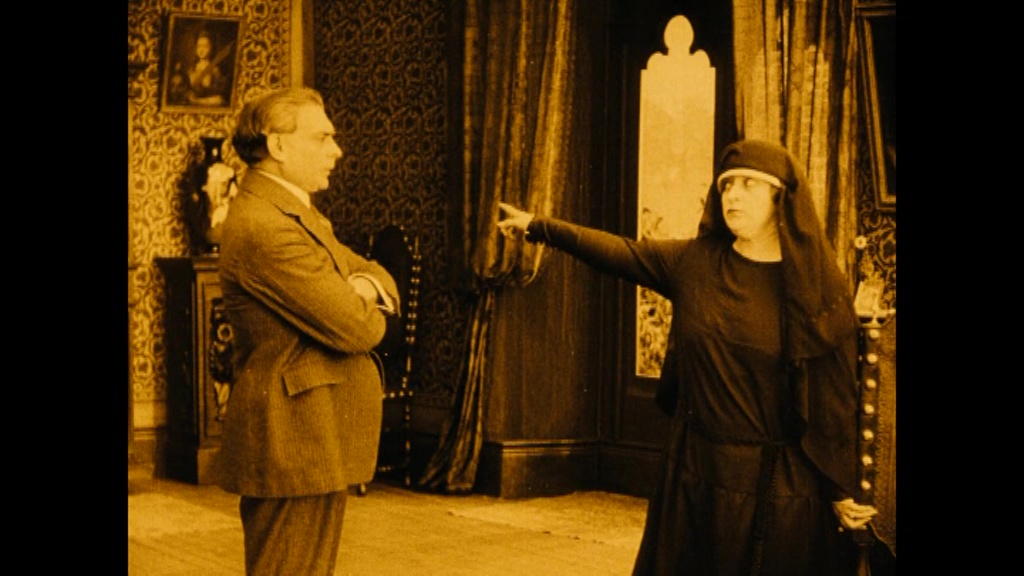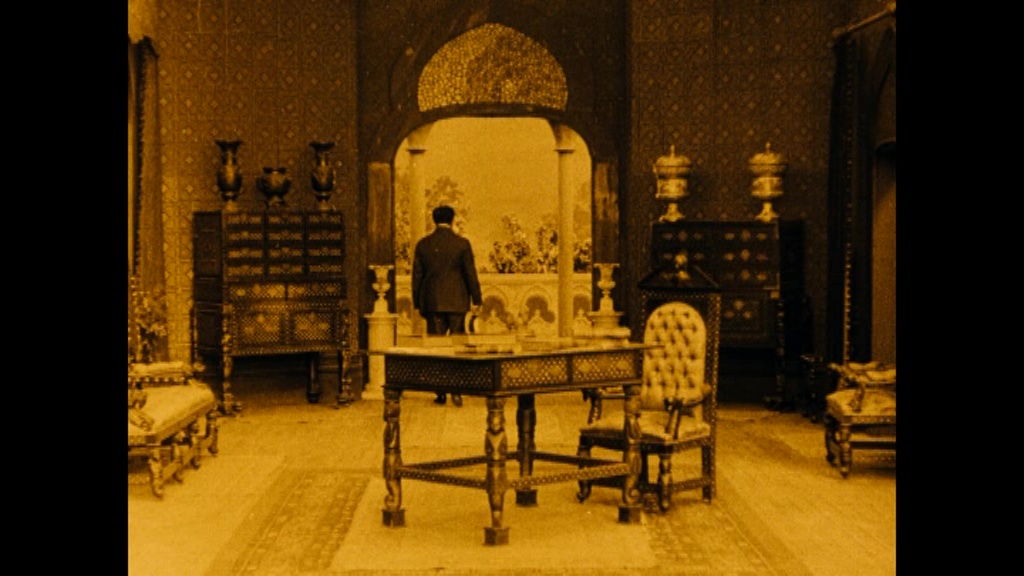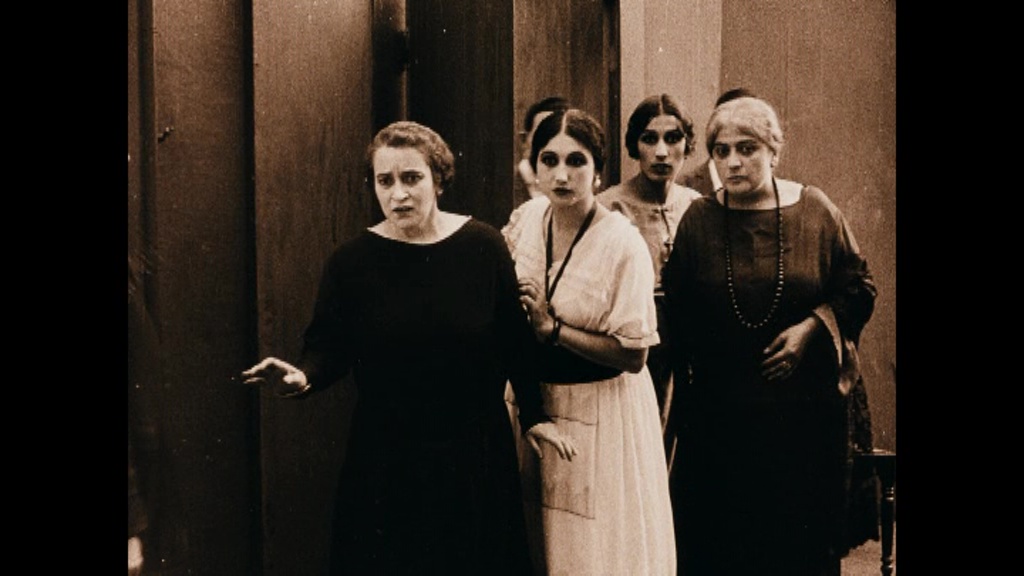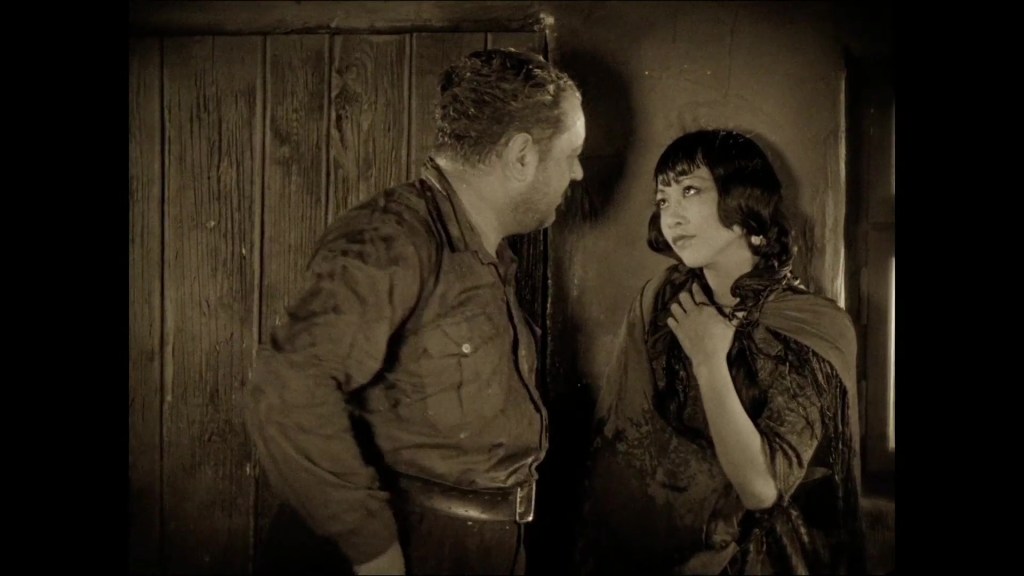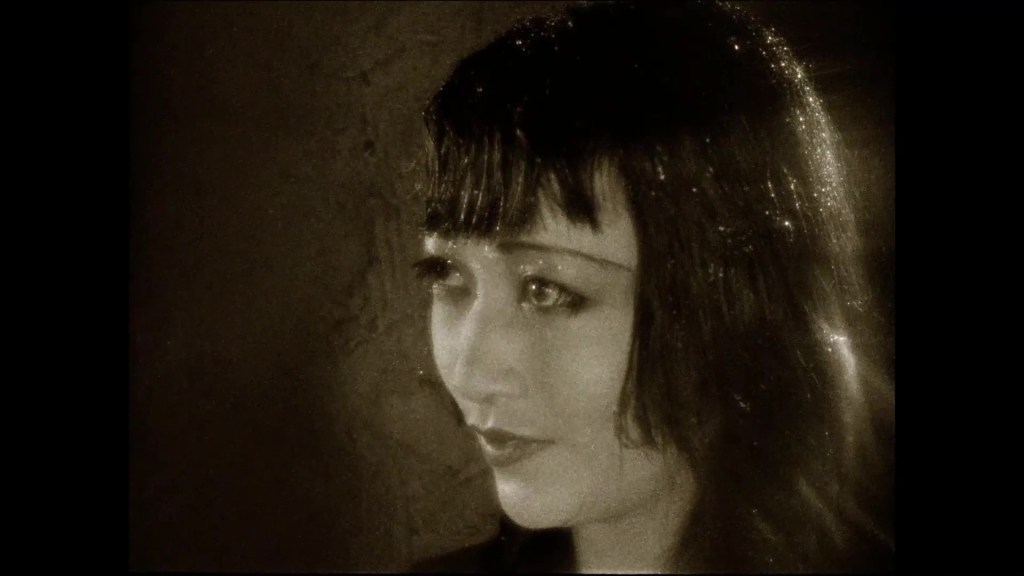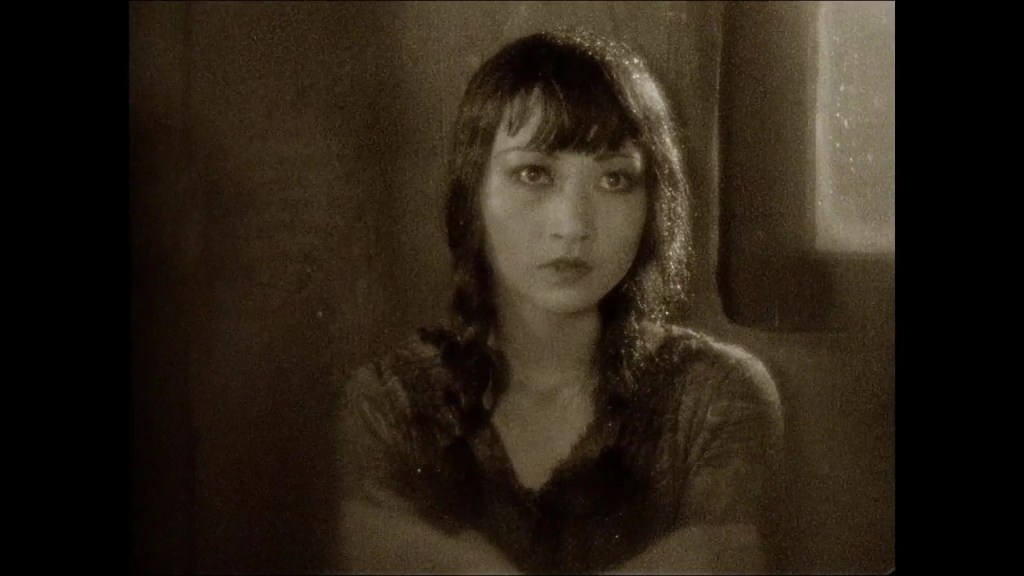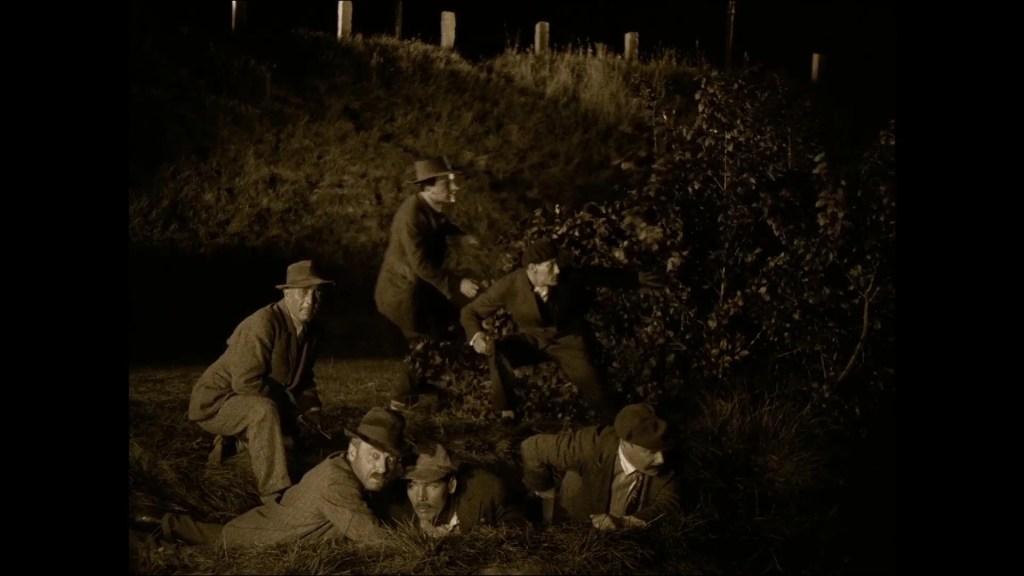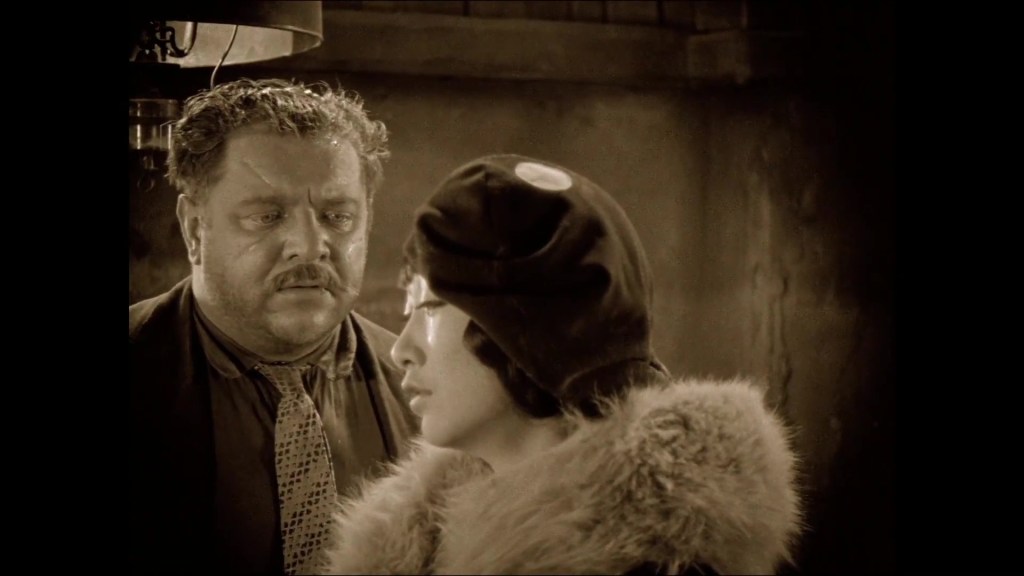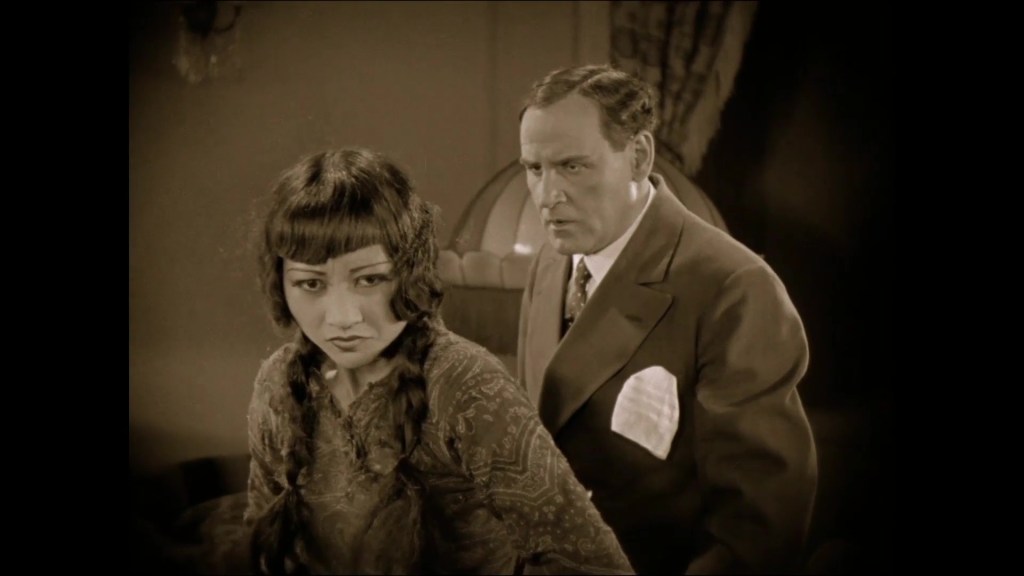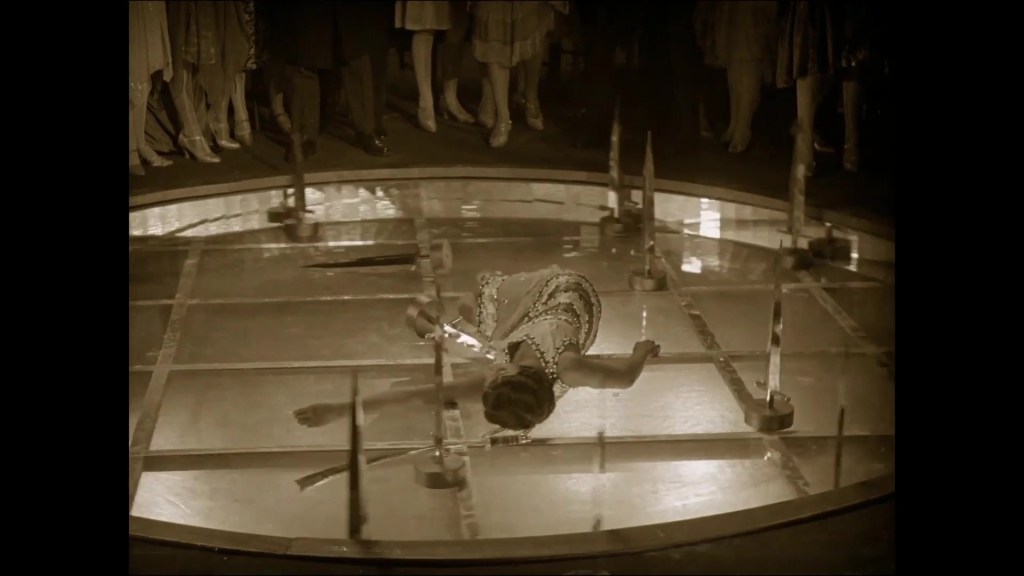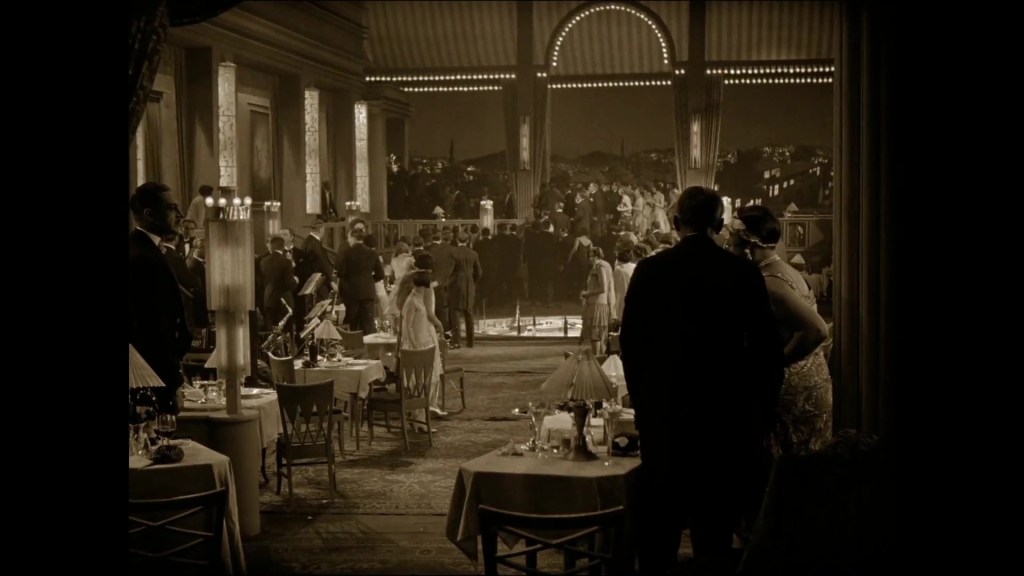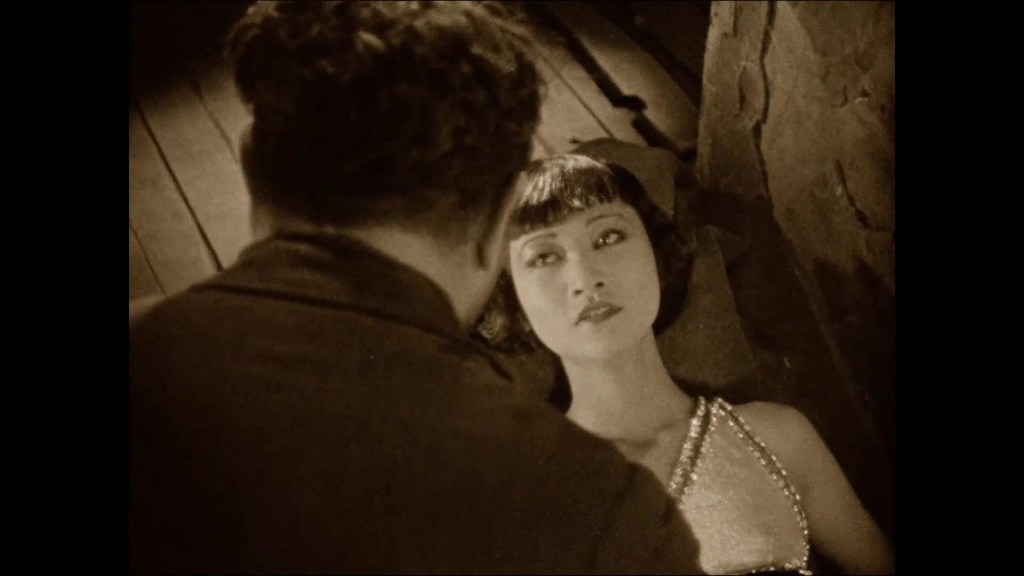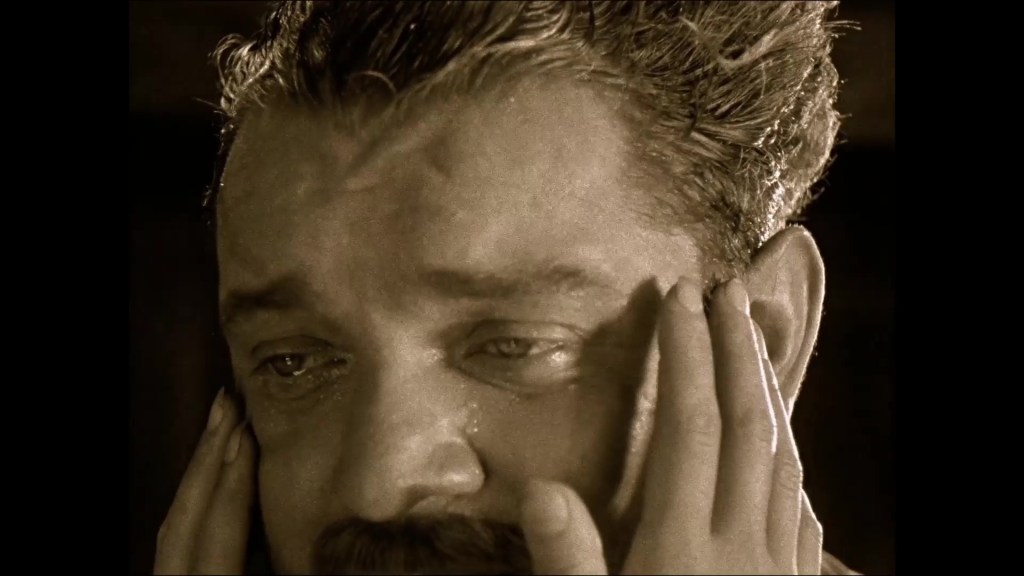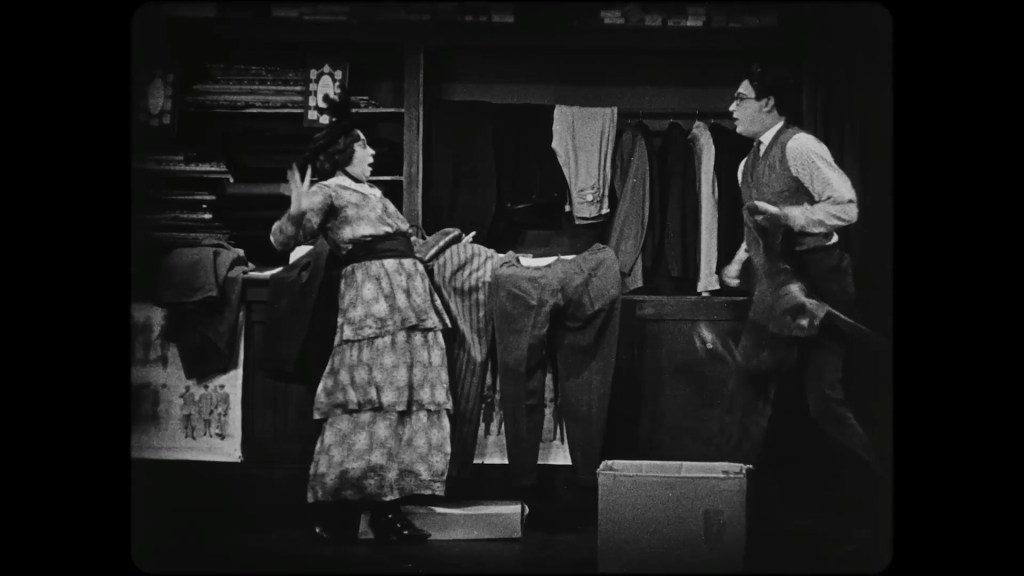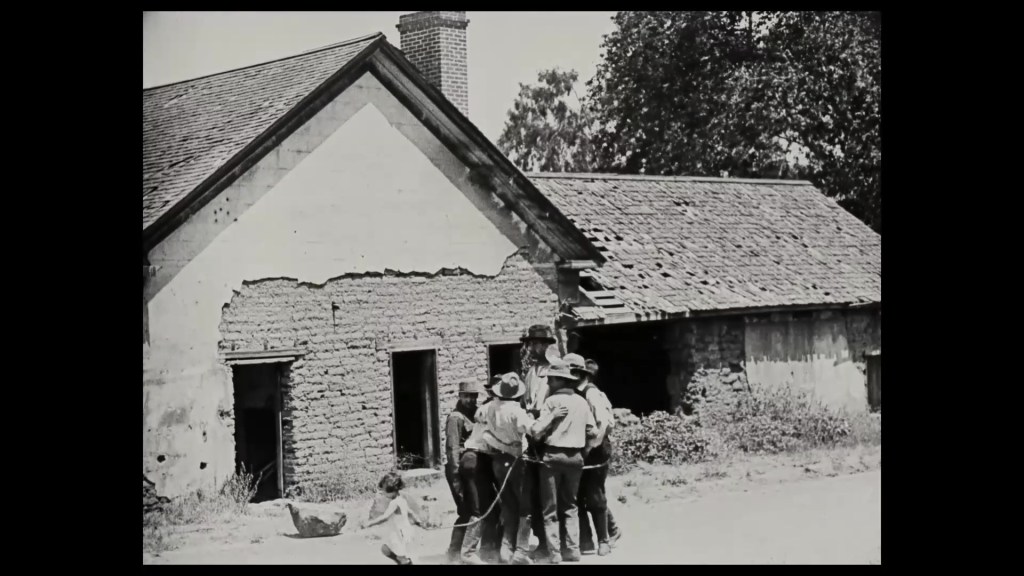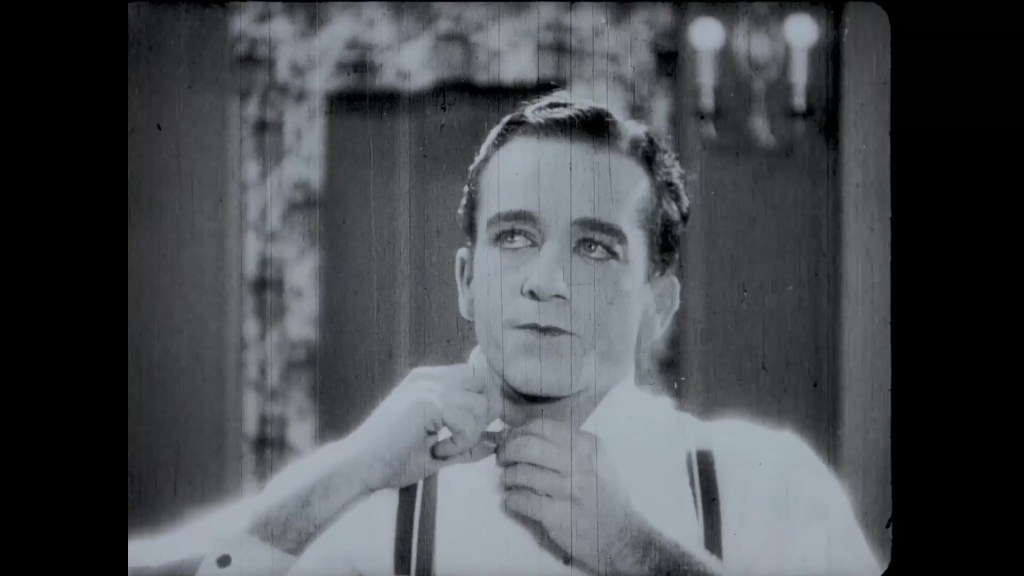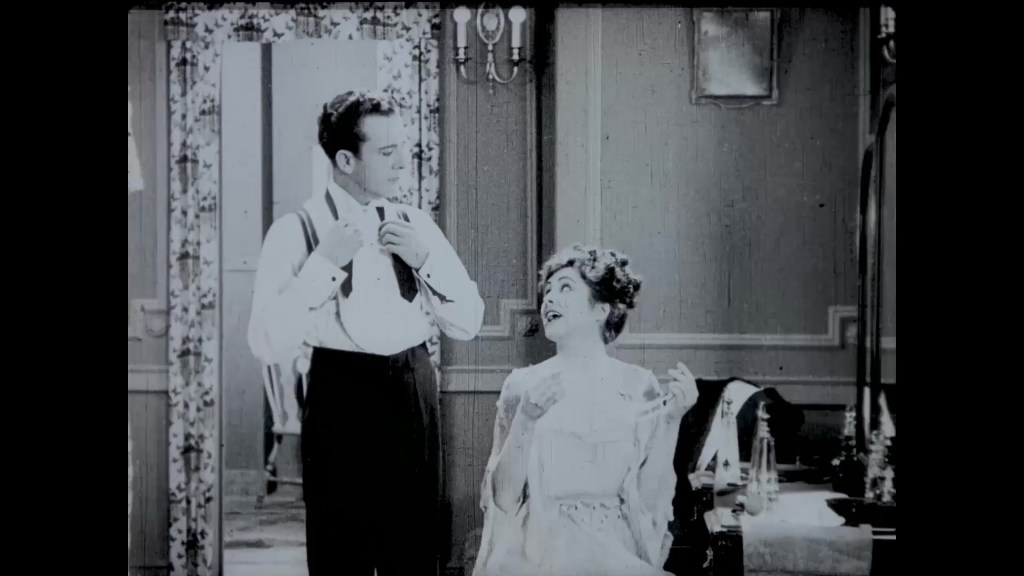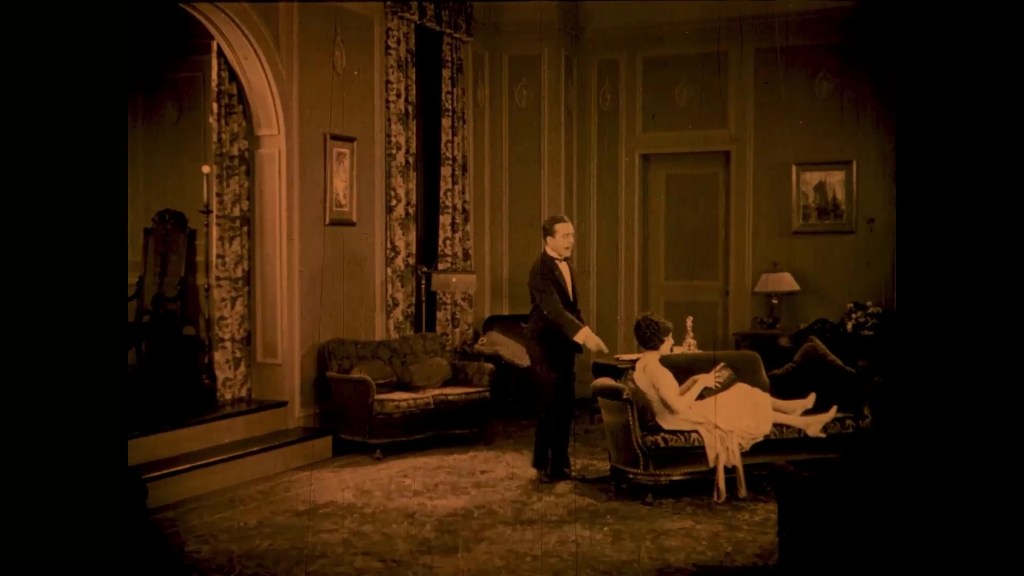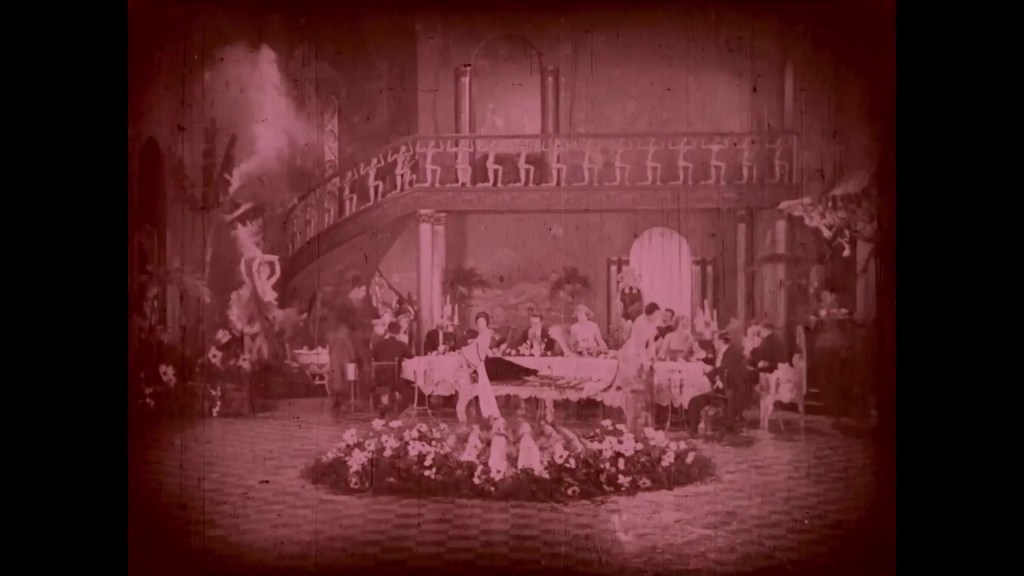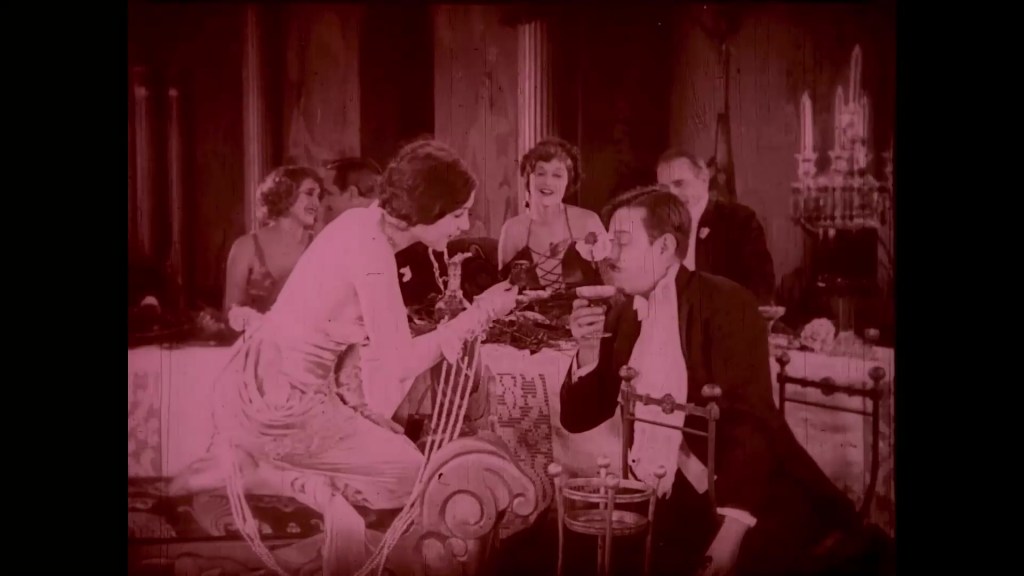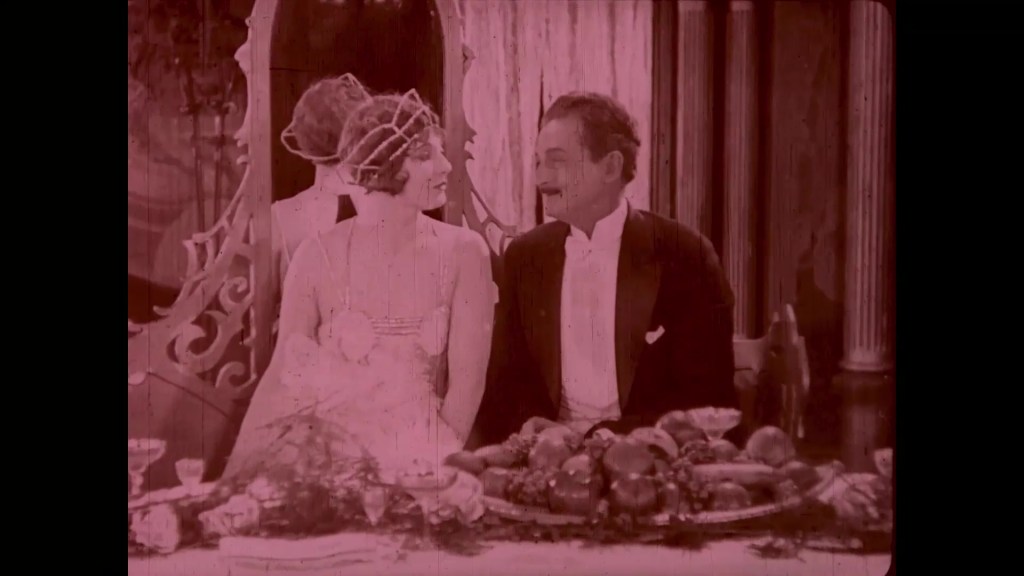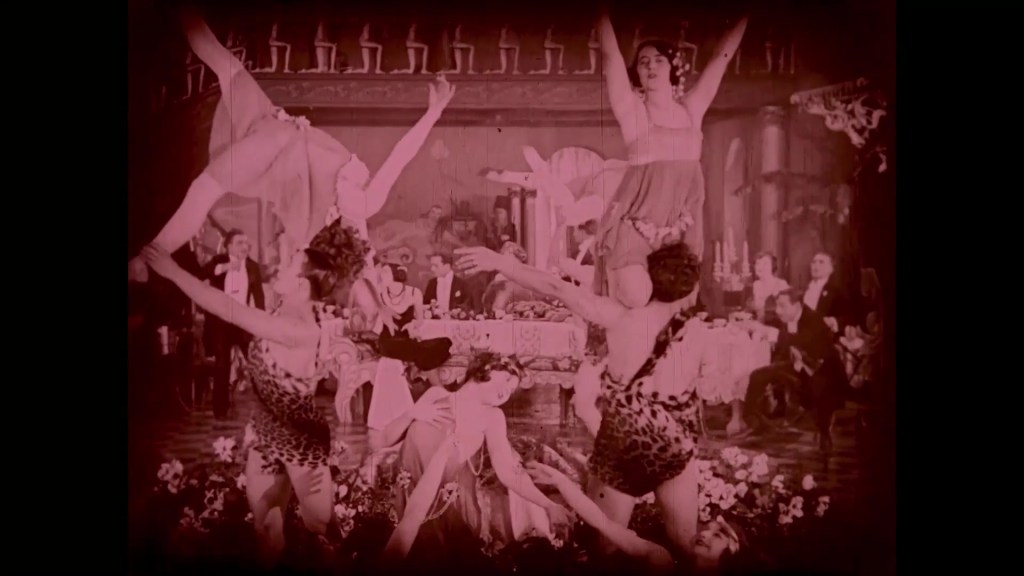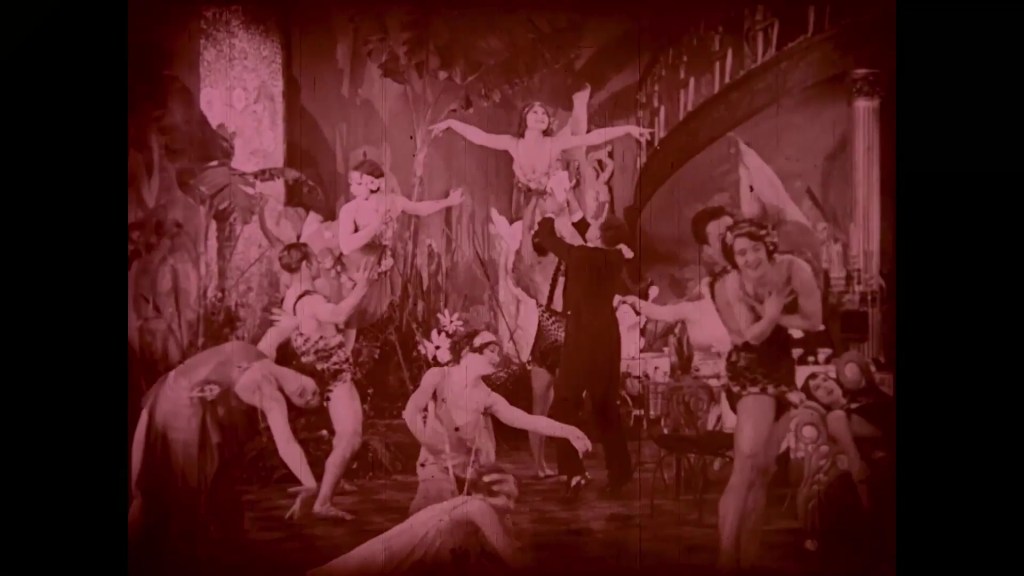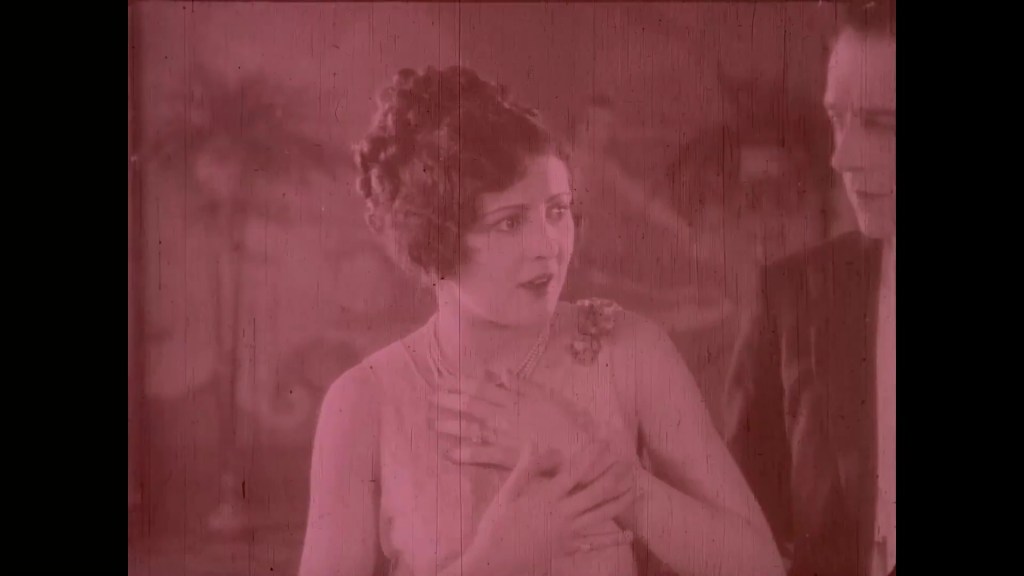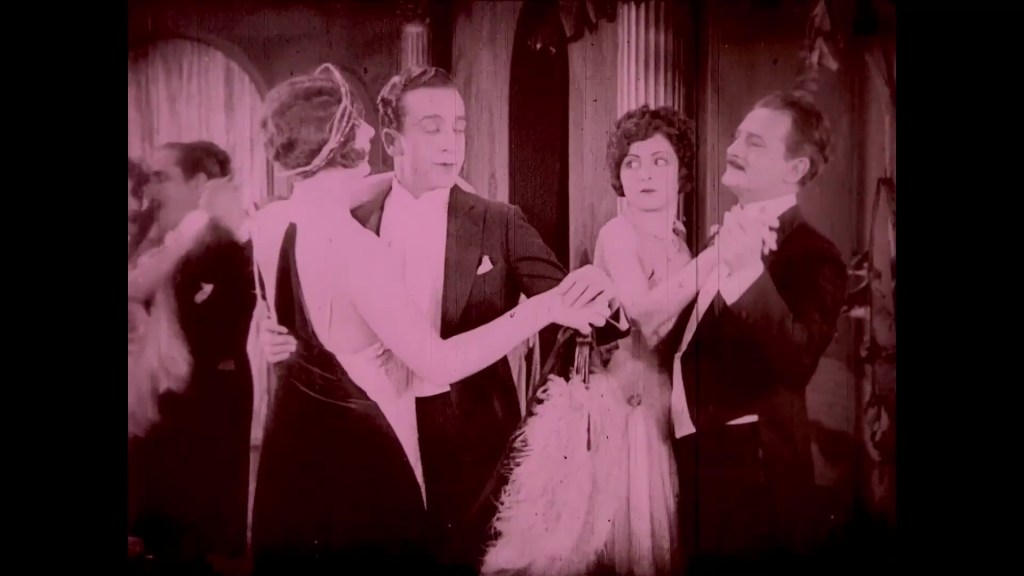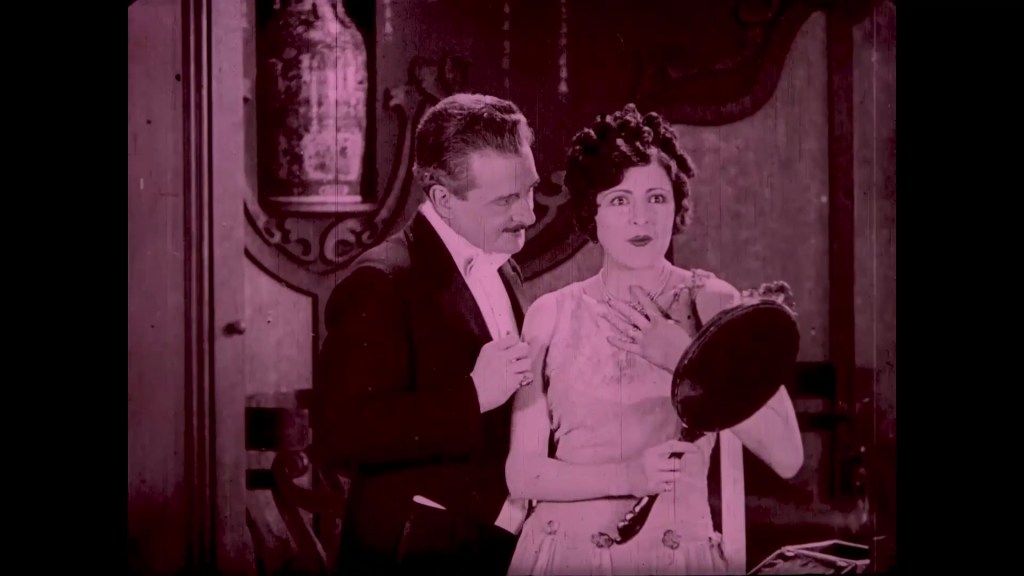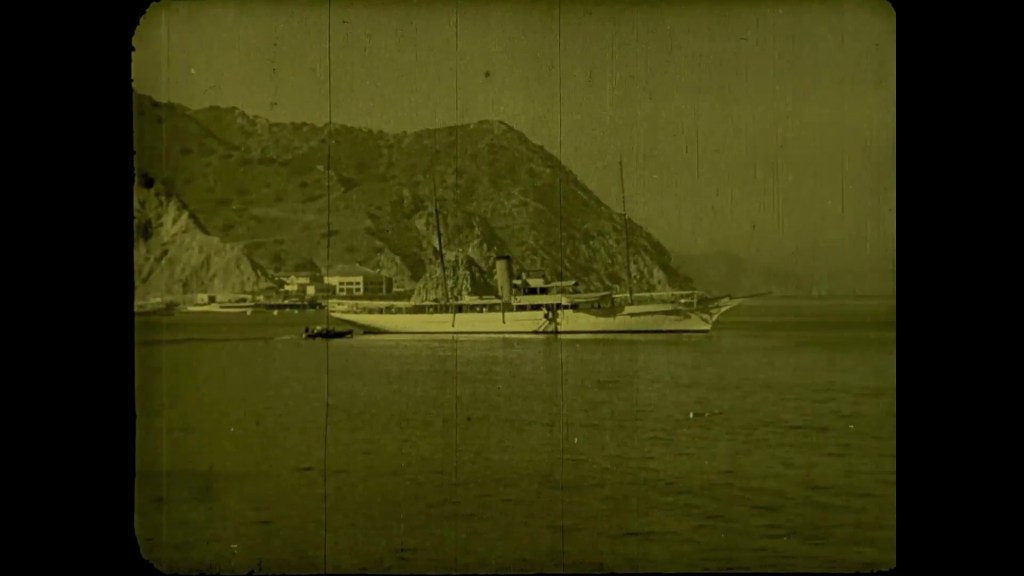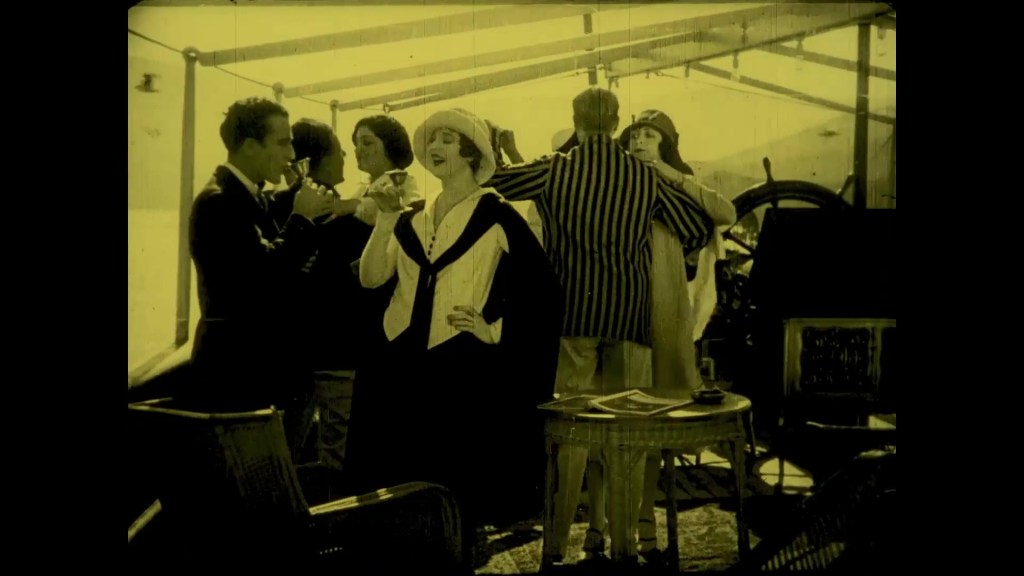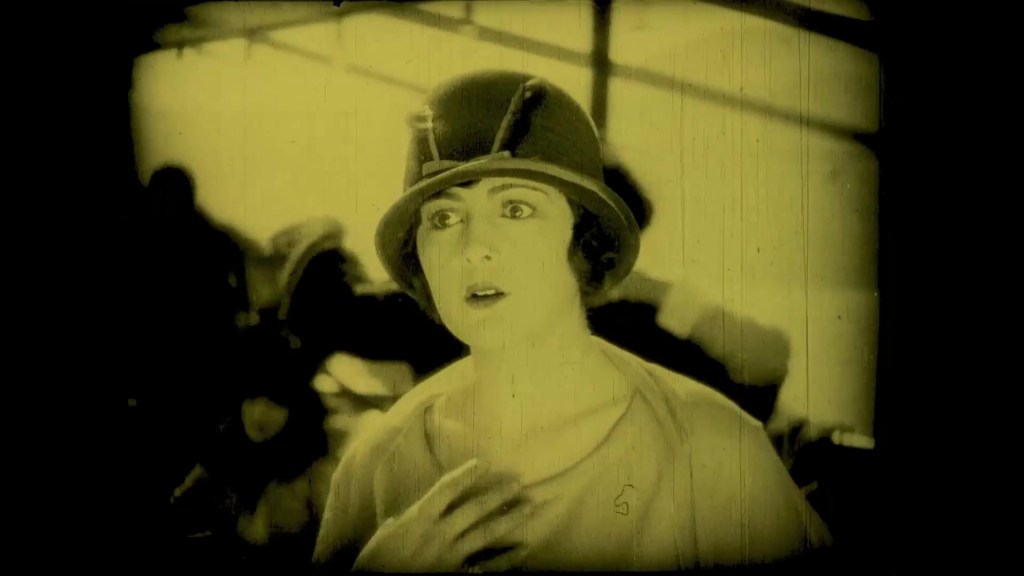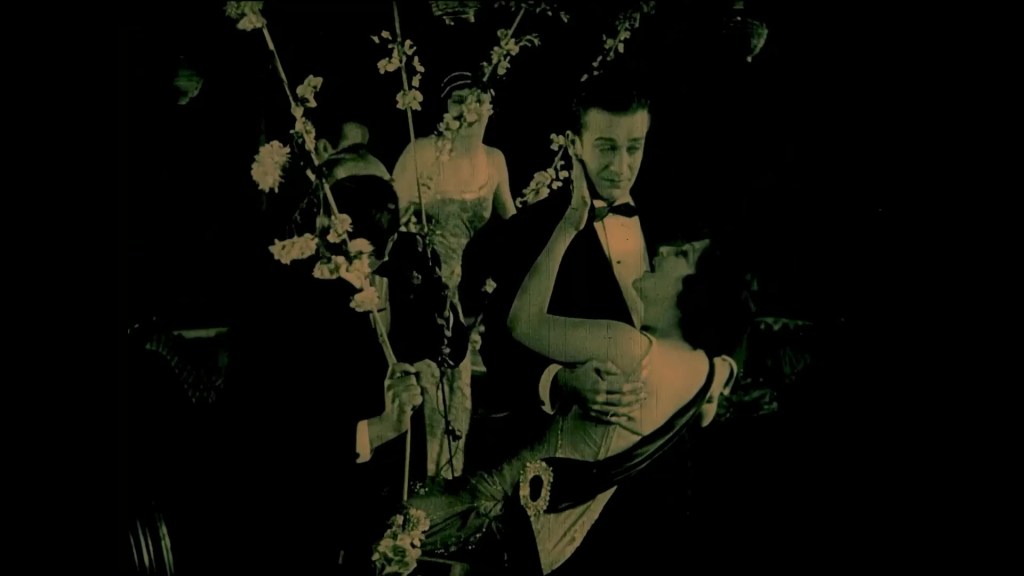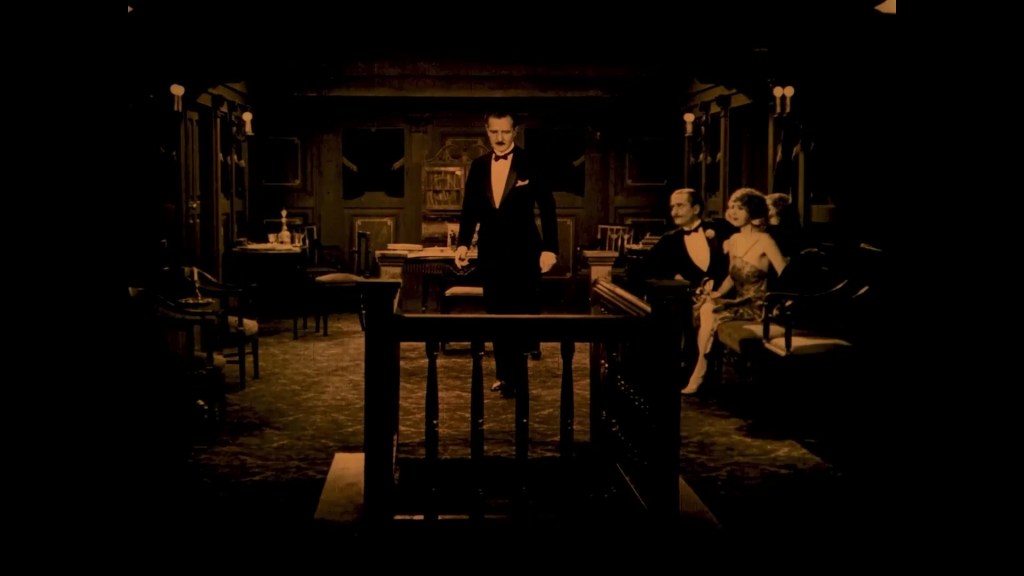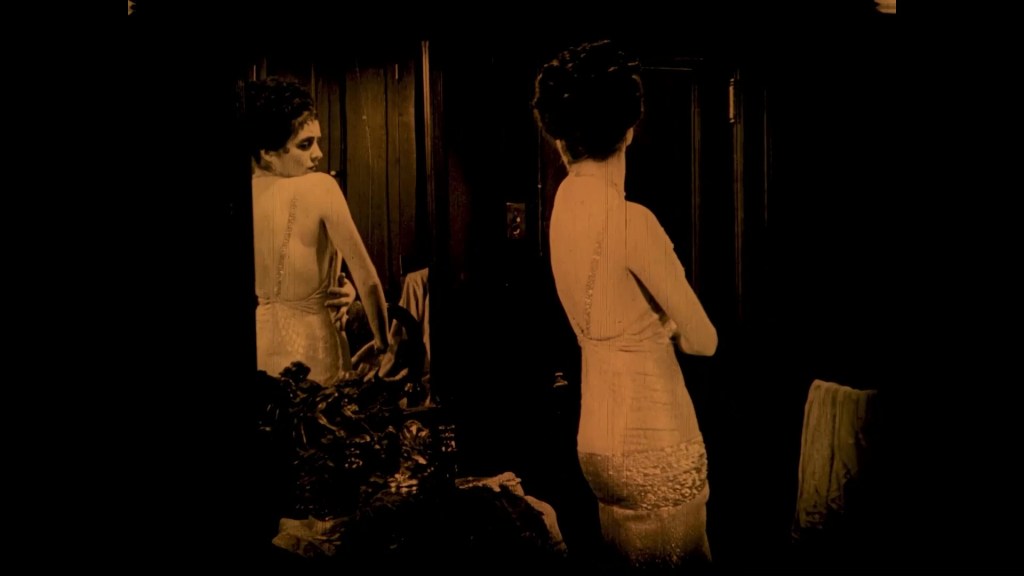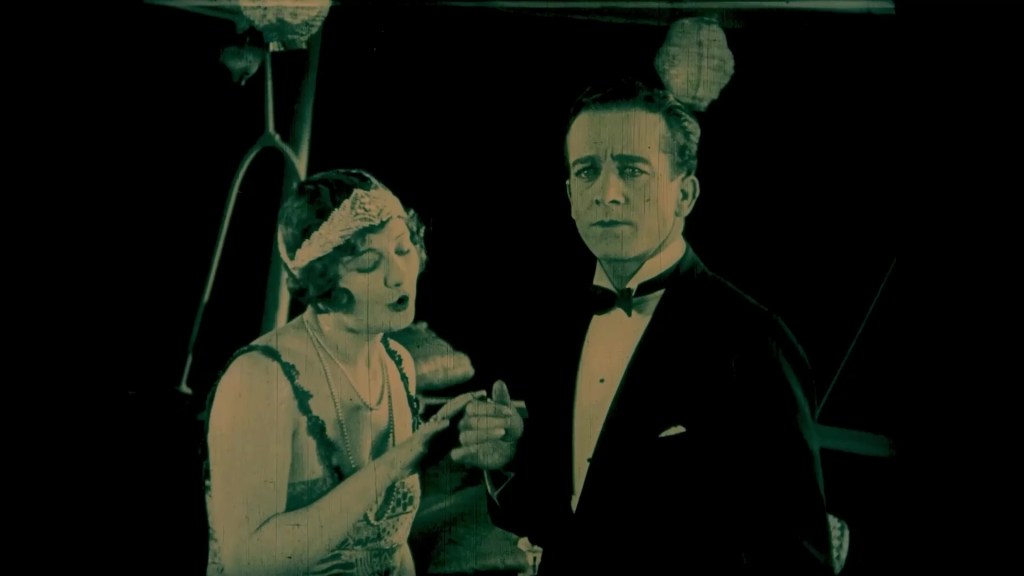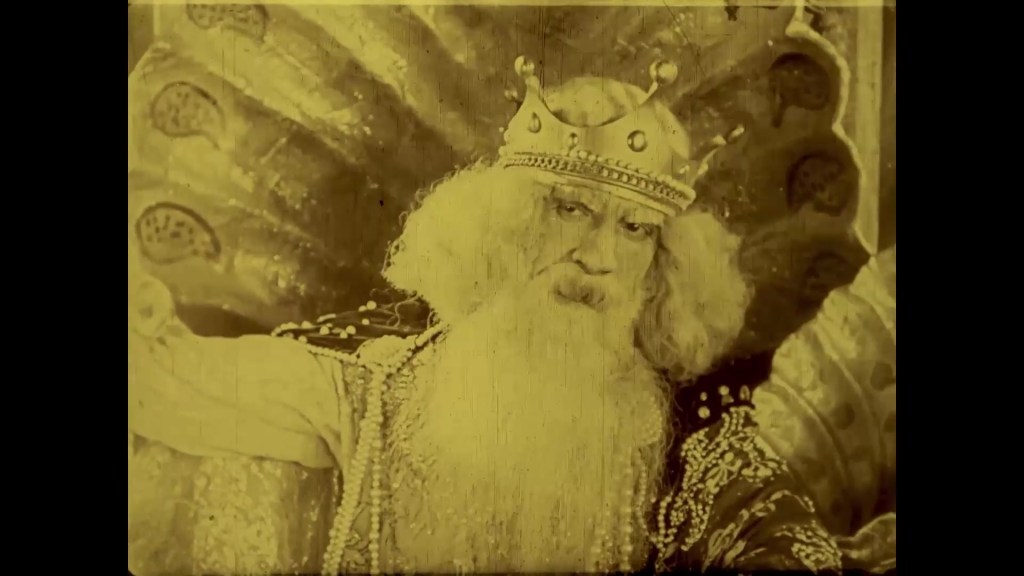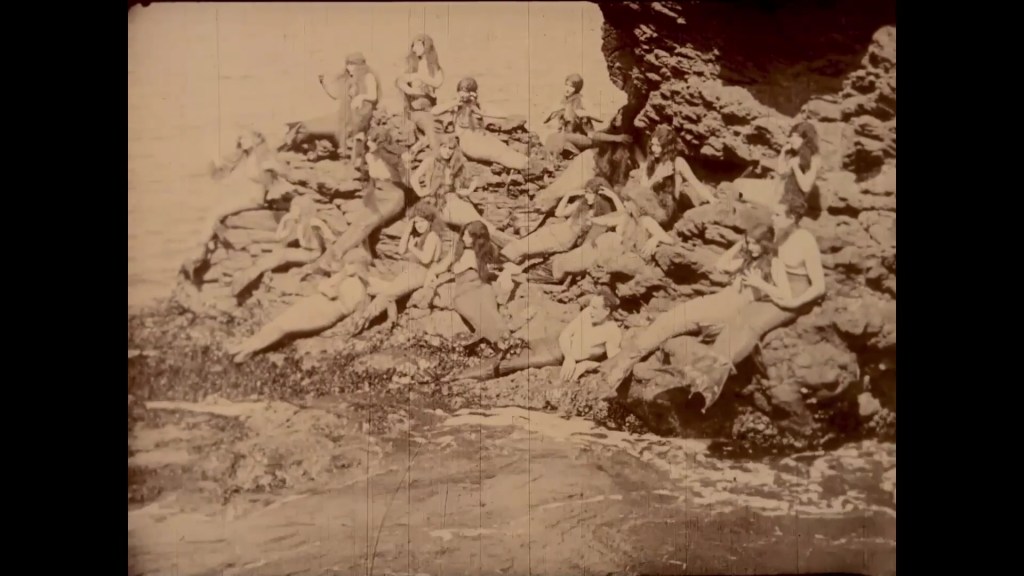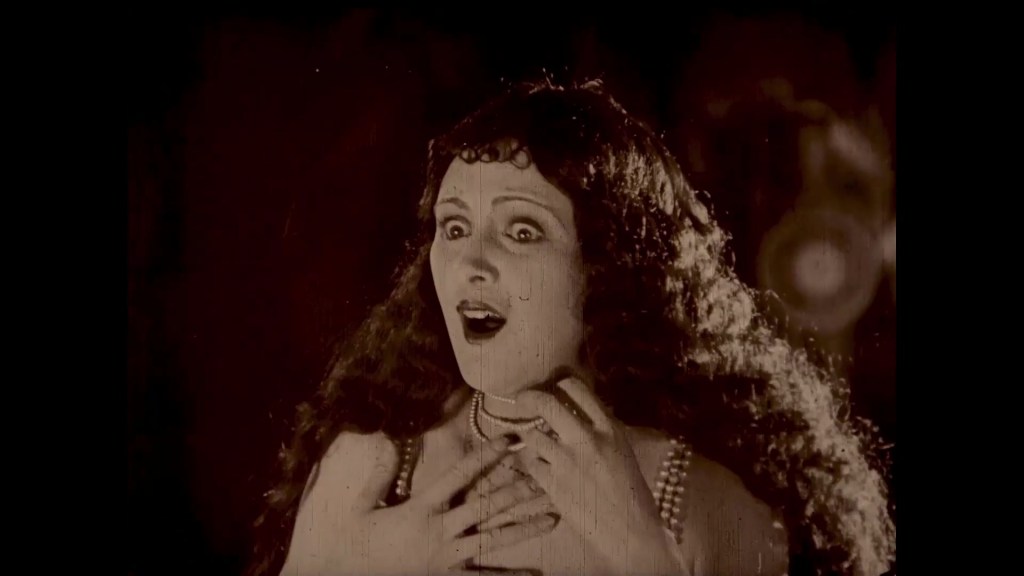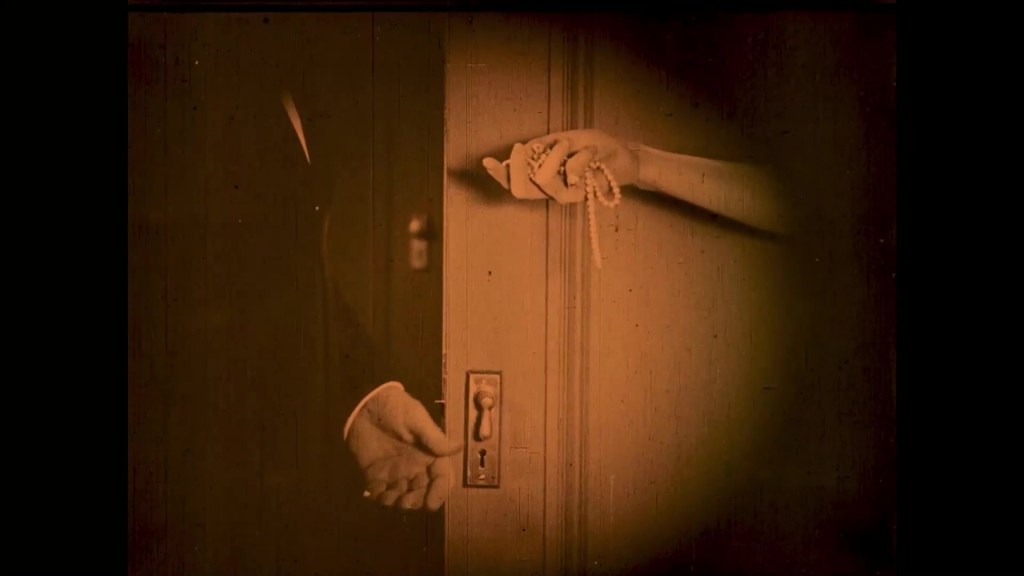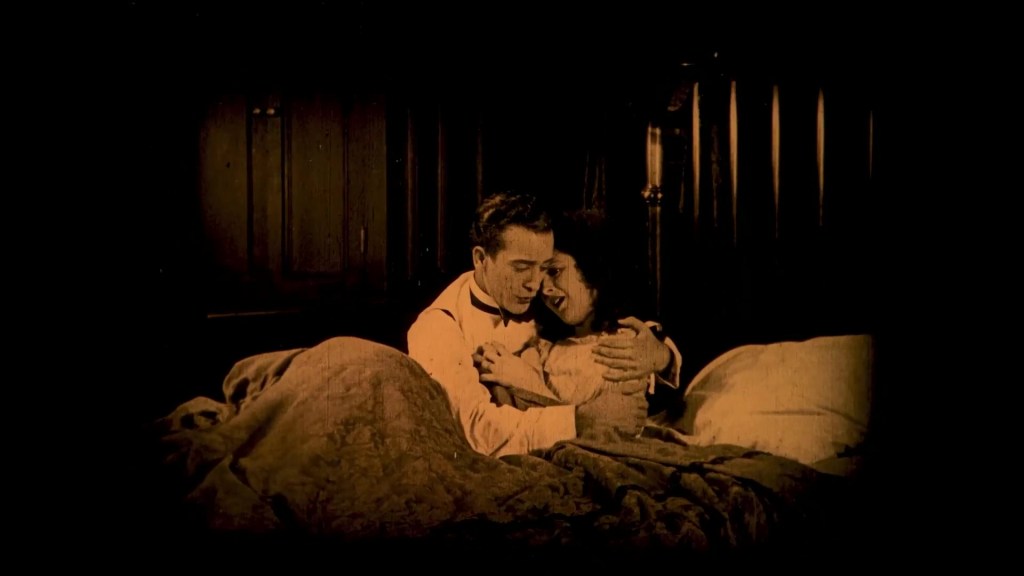
The Battles of Coronel and Falkland Islands (1927; UK; Walter Summers)

To begin, a confession: the Blu-ray of The Battles of Coronel and Falkland Islands has been sat on my shelf for ten years. Yes, ten years of being shuffled from house to house, from shelving unit to shelving unit. Ten years of being saved for tomorrow. Well, tomorrow has arrived – today! I’m not sure why the existence of the film and its convenient BFI home media edition slipped my mind for so long, nor why the notion of watching it suddenly popped back into my brain. But regardless of why, I have now watched it.

The Battles of Coronel and Falkland Islands was directed by Walter Summers for British Instructional Films (BIF), a company that made documentaries and features through the 1920s. Among their larger productions were a series of historical recreations of battles from the Great War. Alongside naval dramas like Zeebrugge (1924) and The Battles of Coronel and Falkland Islands were others about the western front like Ypres (1925), Mons (1926), and The Somme (1927). The Battles of Coronel and Falkland Islands is the only one of these films to be fully restored, though others are available via the BFI streaming service. Summers’s film is the flagship production (forgive the pun) among this series because of the scale of its recreation and because it has been seen as a companion piece to Sergei Eisenstein’s Battleship Potemkin (1925). I will discuss this more later, as the discourse around this comparison is almost more interesting than the act of comparing the films itself.

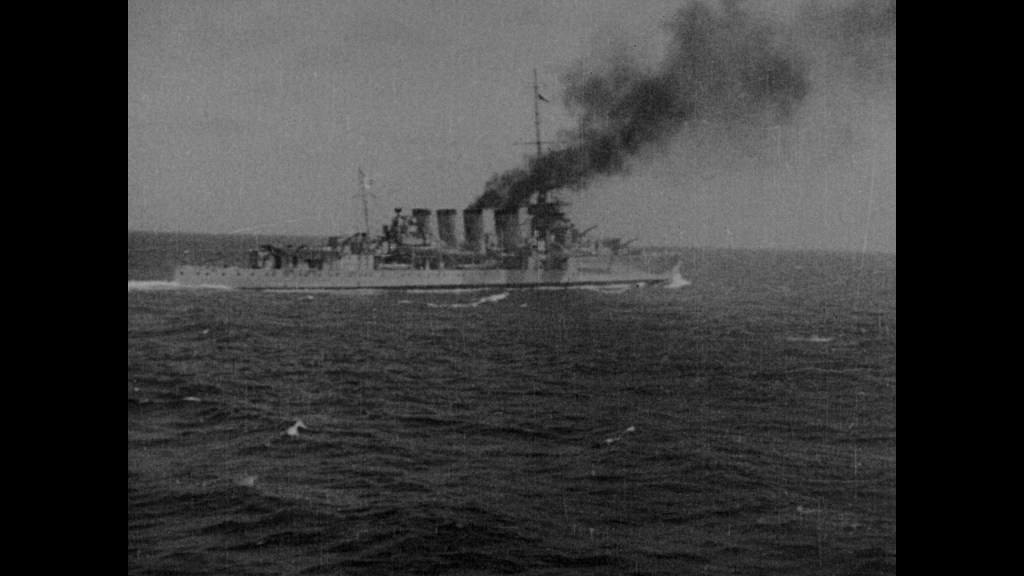
The Battles of Coronel and Falkland Islands is set in 1914 and recreates two successive battles in the Pacific and Atlantic, fought by British forces against the German fleet under Admiral Graf Maximilian von Spee. The Battle of Coronel, in November 1914, was a defeat for the outclassed British ships, during which the Germans lost three wounded against British losses of 1600 killed (and two ships sunk). The Battle of the Falklands, in December 1914, was a total reverse of fortunes: for only a handful of casualties, the British sunk four German ships – killing over 1800 men and capturing another 200. The opening narrational title of Summers’s film puts it this way: “This is the story of the Sea fights of Coronel and the Falkland Islands – of a victory, and a defeat as glorious as victory – a story of our Royal navy, which through storm and calm maintained for us the Freedom of the Seas.”

The tone of this summary is revealing. Yes, the credits thank the Royal Navy for their cooperation, and boast of the many resources put at the production’s disposal; but it is not just historical recreation, it is a depiction of “glory” and empire. Rather sweetly, the credits list which (historical) ships are played by which (real) ships of the Royal Navy. None of the human cast get mentioned, which epitomizes the balance between the recreational/historic aspects of the film and its dramatic/human aspect. For while Summers takes care to humanize the leading protagonists, especially the various commanders, it is in the naval operations themselves that the film is principally concerned – and best at handling.

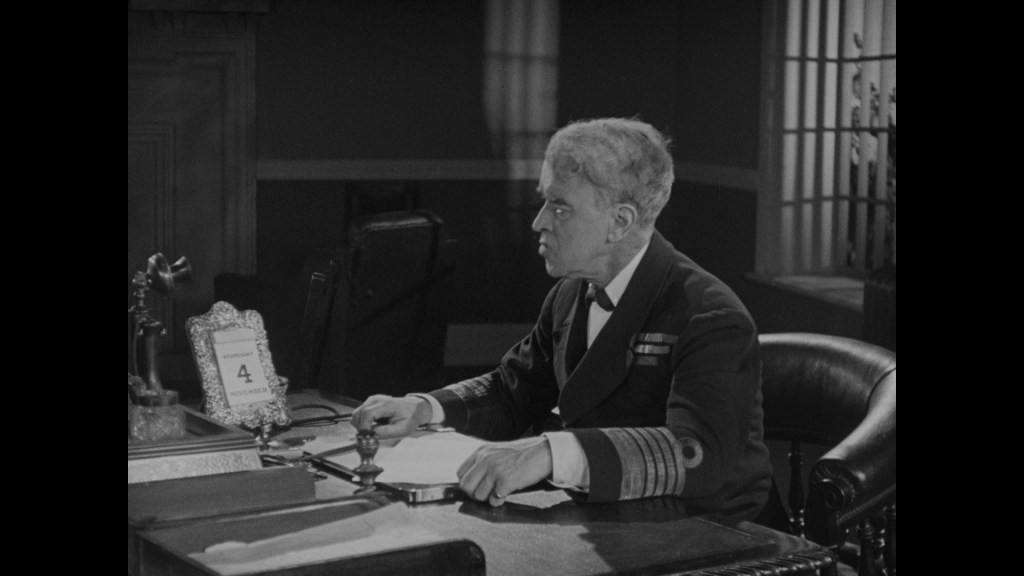
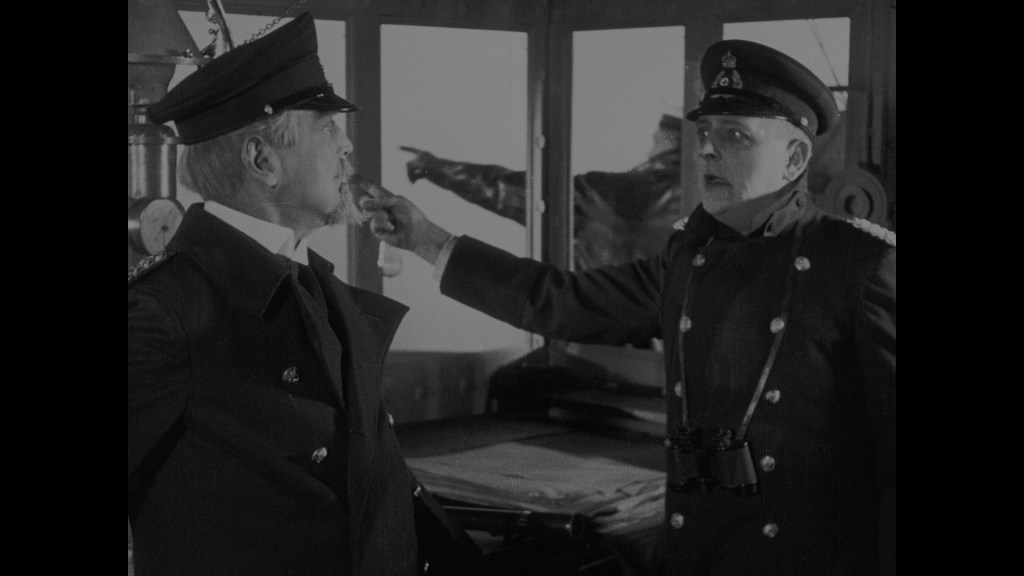
Here, he has an impressive array of ships and materiel to play with. Most obviously, he has several Royal Navy ships to film – from sea, from land, from high on deck, from the depths of the hold. He finds lots of interesting angles, though the commanders at their respective helms are always framed in the same way. In part this helps anchor the spaces, as well as draw parallels between the opposing commanders – all of whom are treated sympathetically.

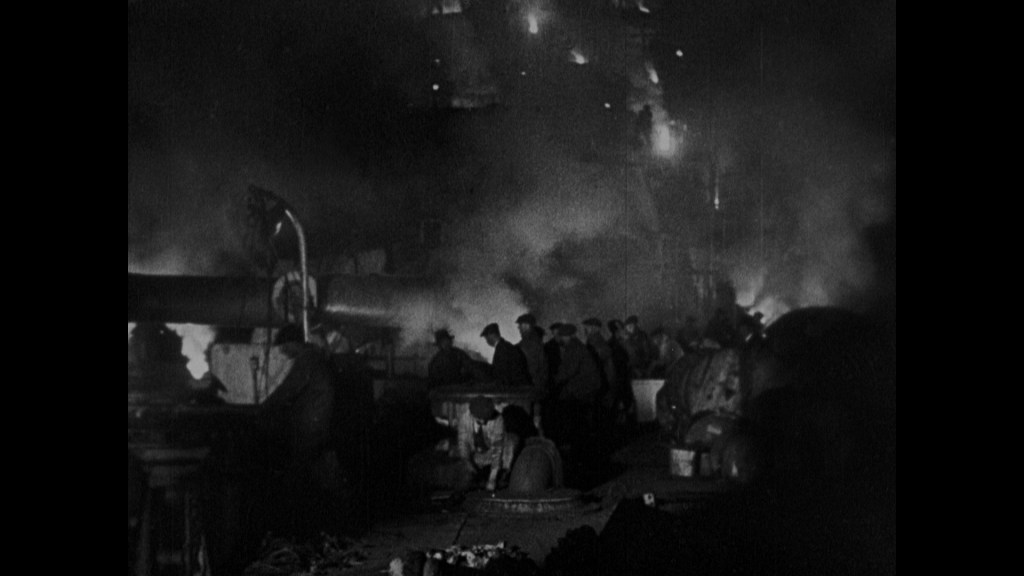
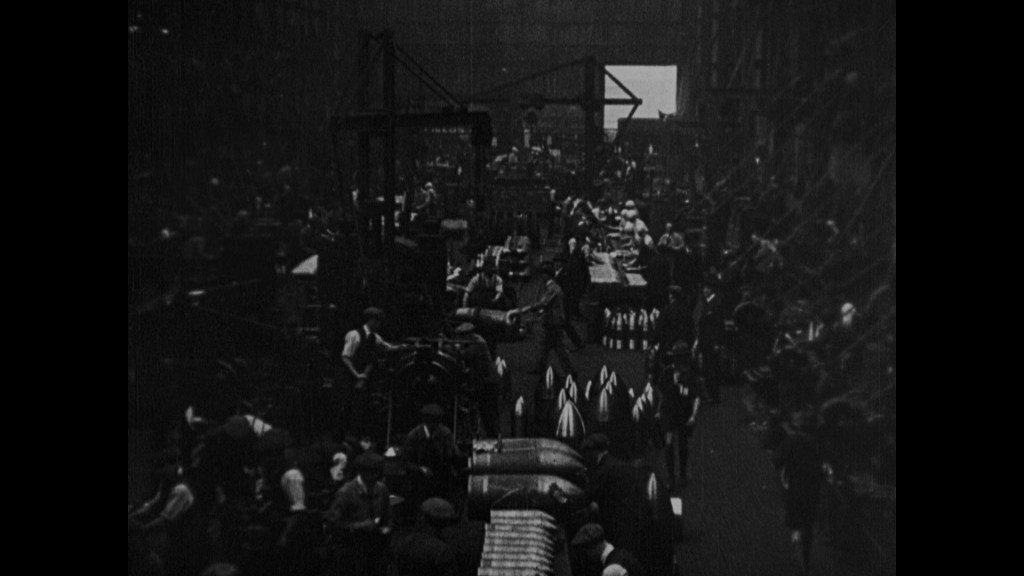
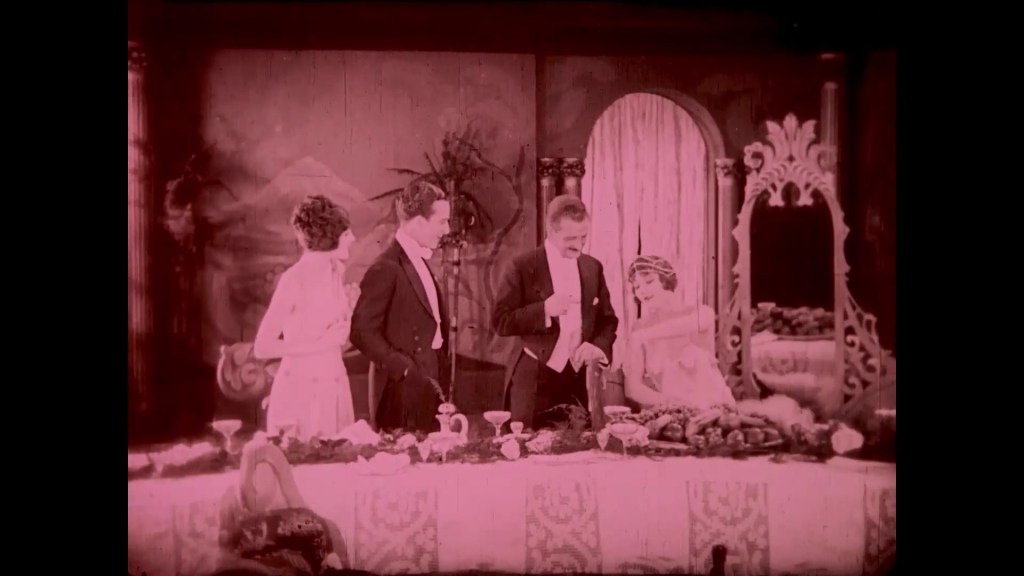
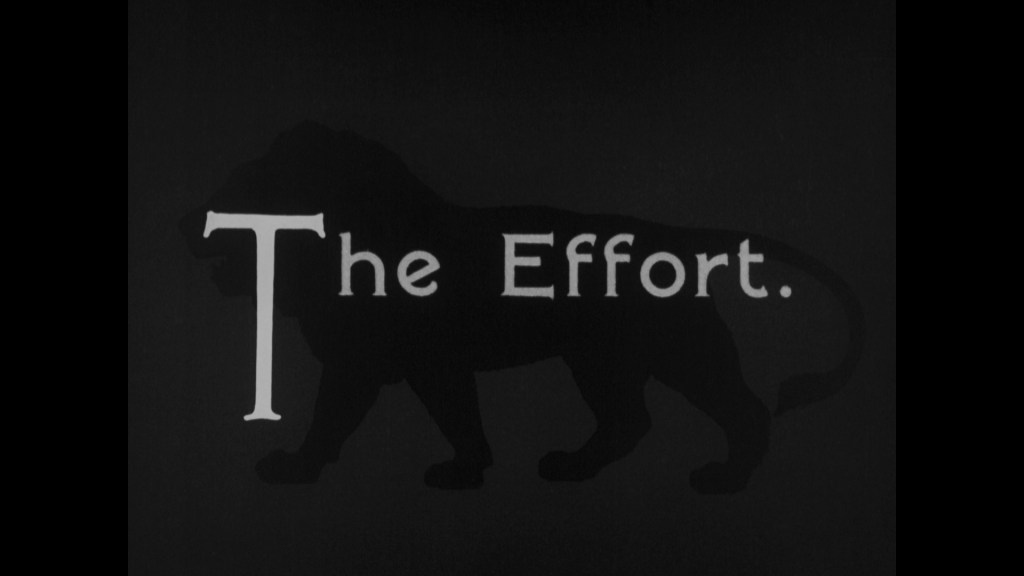
Most impressive, however, is the sequence (called “The Effort”) in which the British prepare their ships to sail out to the Falklands to intercept the German fleet. There is a long montage (about seven minutes) of preparations. We see a dock’s worth of activity: moving equipment, welding iron, stockpiling ammunition, loading supplies. Since the crew is working day and night, there are some striking scenes in the dark of the activity illuminated by flashes of light. There is also a marvellous tracking crane shot, filmed (I presume) from one of the dock’s mobile platforms suspended over the loading bay. It’s a great shot and I wish there had been more moments of such camera movement. But Summers reserves one of his very few other mobile shots for a similar tracking shot that moves up the food-loaded expanse of von Spee’s victory banquet table in Valparaiso. This is one of the only moments in the entire film that struck me as a truly incisive, analytical use of camerawork, for it is not used simply to show-off space but to comment on the action. A contrast is being drawn between the parallel preparation of both sides: while the British are working night and day to rebuild their fleet, the Germans are feasting and drinking. It’s a nice touch, but noteworthy for the rarity of its… well, stylishness. It’s the move of a dramatic director rather than a documentary reconstructionist.
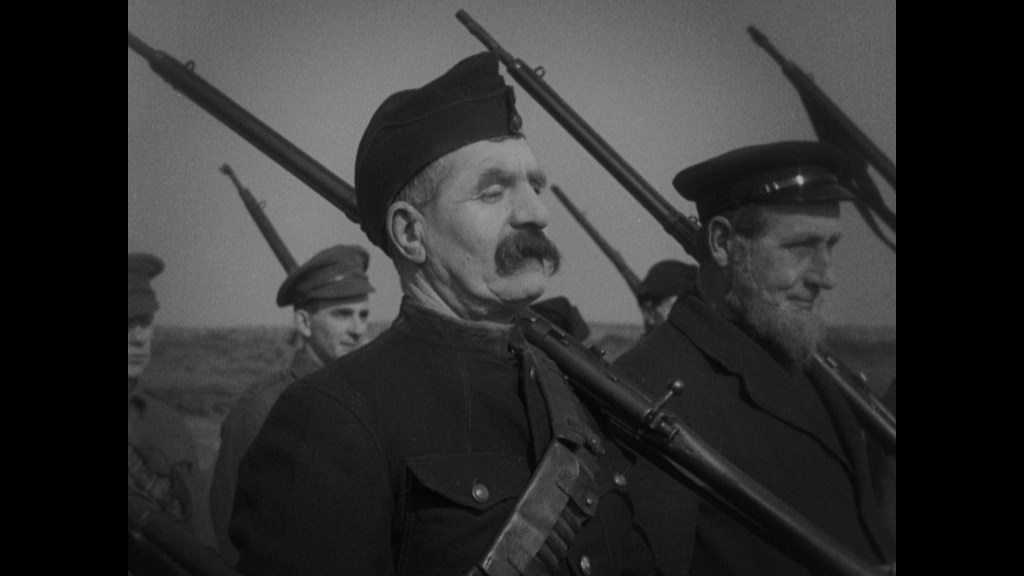
Indeed, I am tempted to say that Summers is better at directing objects, and cutting between spaces, than he is at directing people. His choreography of the various crowd scenes is quite repetitive: too often, everyone on screen is doing exactly the same thing. Thus when the militia at Port Stanley spot the German navy approaching, they all go to the cliff edge and they all point at it. When the Royal Navy closes in on the disabled German vessels at the end of the film, the curious crew all go to the railing, and they all point at the vessels. Summers is a bit better in the action scenes, with crews rushing around or dying. But even here, at the end of the battle, when the Gneisenau is scuttled, there is a shot of the German crew all gathered in various degrees of stiff, unnatural poses. (Really, what are those gestures supposed to be? Are they mimicking Mr Muscle?)

Beyond the crowds of sailors, Summers also tries to humanize his set pieces by having little vignettes of individuals or pairs among the crew. Thus, we see HMS Canopus being painted by a comic sailor who gets paint on his comrade; or we overhear conversations of sailors in-between or just after bits of action, making comic asides. I say, “comic”, but what I really mean is “tedious”. The performances are stiff, the rhythm is slow, the supposedly colloquial dialogue clunky and contrived. I suspect the humour may have gone down better in Britain in 1927 but suffice it to say that a century later these scenes do not work. (Thinking back, I recall similar scenes in Powell and Pressburger’s naval war drama The Battle of the River Plate (1956), which are likewise cringeworthy efforts to show jolly working-class sailor folk maintaining their plucky British spirits.)

All of which brings me back to the comparison with Battleship Potemkin. There are striking parallels and striking contrasts. Both films alternate between drama on land and sea, depicting history as a kind of spectacle. But while both films don’t have characters so much as collective groups, there is a vast difference in its attitude toward hierarchy. Summers has a great respect for officers of both sides – they are all represented in strikingly similar ways, with an emphasis on calmness, stoicism, and honour. This is a striking contrast to the sadistic, violent officers and priests of Battleship Potemkin. Summers is very much invested in the class system as embodied in military ranks. Eisenstein is interested in revolution, Summers in the maintenance of class and Empire.

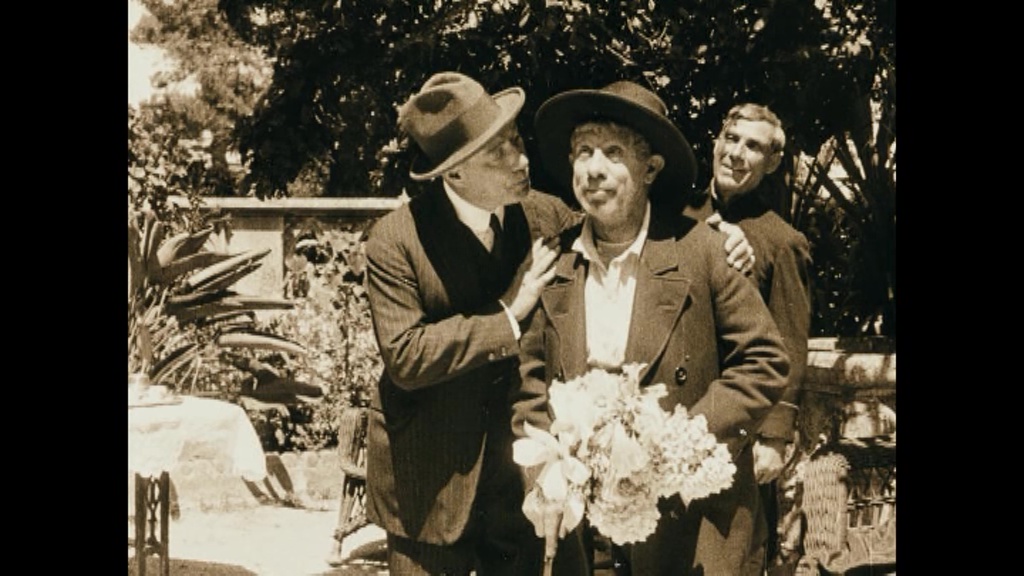
In this sense, Summers’s film is as implicitly propagandistic as Eisenstein’s is explicitly so. The Battles of Coronel and Falkland Islands is a defence of British imperialism: the film begins and ends with references to the defence and glory of Empire, with Britain as the guardian (if not the owner) of the “seven seas”. But Summers is also careful not to dehumanize, let alone demonize, his enemy. Though there are plenty of sneering, triumphalist looks among the German officers, Spee himself is a very sympathetic (one might also say tragic) figure. He refuses to gloat or condemn the British at the victory feast, and his acceptance of the bouquet is tinged with a self-conscious defeatism: Spee says the flowers must be kept in case they should prove useful at his own funeral. (Summers makes sure to show Spee brooding on them later in the film, as defeat looms.) The film clearly admires stoicism and bravery on both sides: the suicidal courage and flag-waving defiance of the British ships in the opening battle are echoed in the actions of the doomed German crews in the second battle. There is nothing like this in Eisenstein’s depiction of the tsarist military of any rank in Battleship Potemkin.

In terms of naval spectacle, Summers’s film boasts greater resources. While Eisenstein makes do with what is clearly a single docked ship, Summers has a small fleet that is clearly filmed at sea. The scenes in which the refitted ships set sail to the Falklands are excellent and I wish there had been more scenes like this. Summers seems very concise, which is to say limited, in his use of this footage. He does not explore the interior of the ships in much detail (a cabin, a canteen, a galley), and the upper deck is likewise limited to a small number of set-ups (a couple of gun positions, the bridge). What is missing is the sense of a ship as a lived-in space, occupied by a real crew. I wonder if it was either difficult or even prohibited to show too much detail onboard the Royal Navy vessels. (I wish he had used more mobile camerawork to explore these spaces. Apart from one very brief tracking shot in the canteen when action stations are called, the camera remains static.) Nor does his montage, or his image-making, ever quite produce a true sense of drama. (The best sequence is one of preparation, not of action.) Not only does Summers explain what’s about to happen in his narrational titles, but I always feel that he is at one remove from the reality being depicted. For all its recreational efforts, you feel that The Battles of Coronel and Falkland Islands is ultimately history in the past tense. Battleship Potemkin has a far greater sense of events happening before your eyes, disorienting you, sometimes terrifying you. And, it should go without saying, Summers does not have Eisenstein’s extraordinary eye for composition, for sudden bursts of impactful imagery – nor for his playful subversiveness. The Battles of Coronel and Falkland Islands is very effectively composed and edited, but I suspect that I will struggle to remember its imagery. But with each shot of Battleship Potemkin, Eisenstein seems to smack you round the head – every image is gripping, dramatic, dynamic. (Even the slogan-like text of the titles is punchily effective.) For all Summers’s resources and skill, and for all the similarities between these films, Battleship Potemkin is in a different league than The Battles of Coronel and Falkland Islands.

On this theme, I find myself thinking about the first time I heard of The Battles of Coronel and Falkland Islands. This was a reference and clip in Mathew Sweet’s feature documentary Silent Britain (BBC Four, 2007). I have very mixed feelings about this documentary. On the plus side, it offers a valuable trove of clips from a host of interesting films, many of which are still not publicly available. On the downside, the tone of Sweet’s narration is sneeringly dismissive of anyone who has ever dared to doubt the glory of British cinema in this period.

When I first saw Silent Britain in 2007, I felt that the countless digs at “some historians” was aimed (at least in part) at Kevin Brownlow, whose episode on British cinema in Cinema Europe (1995) (“Lost Opportunity”) offered a very sober account of this same period and subject. Comparing the two documentaries, it’s striking how many of the films and historic interviews used by Brownlow are also used by Sweeney. But Sweeney doesn’t discuss the struggles of the British film industry, nor reflect on the fact that many of the films he cites from the late 1920s were not only influenced by continental filmmakers but directed by them. Brownlow’s focus, as the title of Cinema Europe indicates, is to offer a wider perspective on the relationship between national cinemas across Europe – and to highlight their successes and struggles to compete with Hollywood. As such, Brownlow’s is a more complex project than simply rediscovery – although it is also one of the great documentaries on (re)discovering silent cinema. This is not to say that Sweet is wrong to champion the films he chooses (they are too little seen), but that he offers an incredibly one-sided interpretation of the period. Watching it again, nearly twenty years later, I find Sweet’s endless sniping about critics and historians incredibly irritating. (I sincerely hope that I never strike my readers this way.) The content of the documentary is superb, but the tone of the narration is too much like tabloid journalism.

In addressing (and criticizing) the Film Society (1925-39), where otherwise rare or censored films were shown to paid subscribers, Sweet mentions Battleship Potemkin and The Battles of Coronel and Falkland Islands together:

Everyone at the Film Society was astounded by the technique of Eisenstein’s film, but it wasn’t really so far removed from what a director called Walter Summers was doing closer to home. […] For all Summers’s ambition in a field we would now call “drama documentary”, this film would have been passed over by the Film Society. It was certainly given a rough ride by the cinema intellectuals writing in the influential magazine Close Up. Close Up’s critics wrote gushy fan letters to foreign directors while dismissing the work of British filmmakers as third-rate and uninspired.

Well, excuse me! I’d forgotten how snide Sweet was in addressing one of the most important English-language film publications of the period, and their wide-ranging efforts to engage with and analyse foreign cinema. I’m well aware of the reputation of Close Up as a hotbed of snobbishness, not to mention sexual experimentation, and I know some people who have little time for their writers and editors as a whole. But I can only roll my eyes at Sweet’s setting up of these straw figures to knock down with such contemptuous ease. The point of the Film Society was not to show big commercial hits like The Battles of Coronel and Falkland Islands, a film that was readily accessible in cinemas across the land, but films that were otherwise censored, cut, or prohibited. This inevitably meant an emphasis on foreign films and those of the avant-garde. And as for the way Sweet sneers at the notion of “cinema intellectuals” and their continental tastes…

Anyway, noting that Sweet didn’t bother quoting what Close Up actually wrote about Summers’s film, I bothered to look it up. The review (“The War from more angles”, from October 1927) is written by Bryher, one of the most interesting figures in British modernism of the interwar years. (I could write much on Bryher, but this is not the space…) Bryher states at the outset that she doesn’t think The Battles of Coronel and Falkland Islands is a bad film, but she does take issue with its tone – and that of similar recreations of the Great War. “The trouble is not so much what they represent as the way they represent it”, she says. “What I and many others (according to reviews) object to in the Somme [the BIF film of 1927] and the Battle of The Falklands is that war is presented entirely from a romantic boy-adventure book angle, divorced from everyday emotions”. Sensitive to the growth of fascism across Europe in the late 1920s, Bryher worries that “the ‘We Want War’ crowd psychology may destroy a nation” – and that films ought not to encourage it:

By all means let us have war films. Only let us have war straight and as it is; mainly disease and discomfort, almost always destructive […] in its effects. Let us get away from this nursery formula that to be in uniform is to be a hero; that brutality and waste are not to be condemned, provided they are disguised in flags, medals and cheering.

For Bryher, The Battles of Coronel and Falkland Islands repeated a trend common to other BIF films: “there was not a single suggestion that war was anything other than an elaborate and permissible adventure; or that there were thousands of men and women whose lives were broken and whose homes were destroyed.” She then offers her own vision of what a more sensitive film might convey, conjuring a kind of impressionistic montage in prose. In Summers’s film, the Scilly Isles stand in for the Falklands, and Bryher uses this as a springboard for her own memories of the war there:

[N]o gigantic spectacle is needed but a central theme worked out perhaps in a little outpost and related to the actual experience of people during those awful, hungry years. Scilly for instance (as I saw it in 1917) with the long black lines of the food convoy in the distance. A liner beached in the Sound with a hole as large as a room where a torpedo had hit it; the gun on its deck trained seawards in case a submarine dodged the patrol. Old men watching on the cliffs. An old fisherman rowing in slowly with a cask of brandy—wreckage—towing behind his boat and a smuggler’s smile on his lips. (How he must have enjoyed bringing it in legitimately in broad daylight.) Shipwrecked sailors from a torpedoed boat stumbling up the beach. Letters: —“If the petrol shortage continues it is doubtful how long the country can hold out” and down at the wharf the motor launches letting the petrol hose drip into the water because, between filling tanks, they were too bored to turn it off. The war as it affected just one family. Rations, rumours, remoteness.  A film could be made of trifling impressions seen through the eyes of any average person. It would be valuable alike as picture and as document. But this glorification of terrible disaster is frankly a retrogression into the infantile idea of warfare, as a kind of sand castle on a beach where toy soldiers are set up, knocked down, and packed up in a pail in readiness for the next morning.

Bryher also contrasts BIF productions with The Big Parade (1925), which she sees as a far more honest depiction of war – and the dangerous lure of false notions of what war is. In the BIF films, war is “[h]eroic and nicely tidied up”, “[p]leasant to watch but completely unreal”:

There are plenty of guns and even corpses in the British pictures but the psychological effect of warfare is blotted away; men shoot and walk and make jokes in the best boy’s annual tradition and that some drop in a heap doesn’t seem to matter because one feels that in a moment the whistle will sound and they will all jump up again; a sensation one never had for a minute in The Big Parade.

Bryher praises the extensive dock montage sequence in The Battles of Coronel and Falkland Islands precisely because it was more honest:

Here the director touched reality, and the different machines, the darkness, the hurrying feet, and the long yard gave a feeling of preparation and activity that marked a great advance on anything previously seen in an English film. That was authentic England. Dirty and full of noise and right. The men were working the right way. Directly the atmosphere of the picture changed and the attention held.

To return to the comparison with Battleship Potemkin, it’s worth noting that Bryher never mentions Eisenstein in her review of Summers’s film: the British censors had banned it from being exhibited in the UK and it was only shown by the Film Society in November 1929. She places The Battles of Coronel and Falkland Islands in the context of other contemporary war films, especially those by BIF. Bryher sees it as part of a genre, and criticizes it as such. For all Sweet’s outlandishness, I can’t help but take his comment (I can’t call it an argument) that Battleship Potemkin “wasn’t really so far removed” from The Battles of Coronel and Falkland Islands as quite a cautious statement. Even he knows it’s absurd to claim it as a work equal cinematic, let alone cultural or historic, significance. Claiming it as “not really so far removed” is about as far as one might reasonably push it, though even here I would say that this is a gross simplification. As Bryher suggests, it’s not a matter of setting but of tone and style that distinguishes the BIF films from films like The Big Parade or Battleship Potemkin. The essays in the BFI booklet that accompanies the Blu-ray of The Battles of Coronel and Falkland Islands are rather more balanced than Sweet, arguing that it is a great film within its particular context. Bryony Dixon says that the dockyard montage is surely “one of the best pieces of filmmaking in British cinema” (Bryher says something similar), though she is also careful to shield the film from the kind of outlandish comparison that Sweet is keen to make.

Finally, a word on the score for the 2014 restoration of The Battles of Coronel and Falkland Islands. This was written by Simon Dobson and performed by the Band of the Royal Marines, together with the strings of the Elysian Quartet. Dobson uses the brass, winds, and percussion of the Band to create a marvellous sonic world – it has a great variety of rhythm, texture, and tone. I was curious to hear the way the strings are used to underscore certain parts of the film. They sounded to my ears more like the way a synthesizer is sometimes used to create a kind of acoustic wash beneath a dominant rhythm. The liner notes to the Blu-ray reveal that these strings were recorded separately from the Band and later mixed in to the soundtrack. This perhaps helps explain my sense of their slightly artificial placement. This is not a complaint, however, as the effect is certainly novel on my ear – and the whole score must rank as one of the more interesting and imaginative uses of orchestration that I’ve heard for a silent film. It sounds both akin to its period and genre, as well as sounding original. A perfect balance, and an enjoyable soundscape.

After going through the above, I feel some nagging sense of guilt that I should do more homework. Sweet’s complaint about most historians not being as familiar with British silent cinema as with foreign productions is surely true of me, if not others. In terms of availability, the situation Sweet observed in 2007 is rather better in 2025, but many important British silents are still maddeningly difficult to see. Half of the BFI’s “10 Great British Silent Films” (compiled in 2021) are not available either on DVD/Blu-ray or on the institute’s streaming service (and the DVD for Hindle Wakes (1927) is long out of print). And this list, of course, is but a tiny selection. Nevertheless, can we start by getting releases of The Lure of Crooning Water (1920) and The First Born (1928)? In the meantime, I promise to do my patriotic duty and watch not one, not two, but all three available British Instructional Films on the BFI Player service. None of this continental muck for me, just good ol’ British fare. (But after that, can I please resume writing “gushy fan letters to foreign directors”?)

Paul Cuff

Live cinema at the BFI: Gösta Berlings saga (1924; Sw.; Mauritz Stiller)

On Sunday I went to London to the BFI Southbank. The reason? To see the UK premiere of the new(ish) restoration of Mauritz Stiller’s Gösta Berlings saga. Having known the film only on its old DVD incarnation, I was excited to see the differences that extra material and tinting/toning would make. I also have memories of being mildly irritated by the Matti Bye score present on the old restoration, so looked forward to hearing the live piano accompaniment from John Sweeney. Delightfully, the presentation took place in NFT1 – Stiller deserves the biggest screen on offer! With an excellent view in the centre of the auditorium, I took my seat…

Where to begin? I suppose with a synopsis. But with Gösta Berlings saga this is something of an undertaking. As he had done with Gunnar Hedes saga (1923), Stiller simplified the Selma Lagerlöf novel on which the film is based – by my god it’s still a complex affair with a shedload of characters. Later I will discuss a few aspects of the plot through its characters, but a brief summary might go as follows: Gösta Berling is a defrocked priest who joins a band of revelling “cavaliers” on the Ekeby estate. He variously attracts and is attracted to a series of women, resulting in much heartbreak and ruin – including to the Ekeby estate. Can Gösta Berling rebuild his reputation and restore the estate to its rightful owner?

The new Svenska Filminstitut restoration was completed in 2022 and adds some sixteen minutes’ worth of footage to the longest previous edition, though it is still another fourteen minutes (approx.) short of the original two-part version from 1924. The restoration credits at least acknowledge this history, unlike those of the recent Svenska Filminstitut version of Stiller’s Sången om den eldröda blomman (1919), which (as I wrote when I saw it) omits any mention of the significant amount of material that remains missing. In terms of viewing the film, the missing scenes from Sången om den eldröda blomman cause less of a problem than the material missing from Gösta Berlings saga. With the latter, the plot is so complex that a summary of what happens in missing scenes (if this information is available) would have enhanced the experience. I remain entirely unclear as to whether the narrative gaps are an issue with Stiller’s skill as a screenwriter or with the gaps in the restoration. (More on this issue later.) As the restoration credits also admit, the pictorial designs for the intertitles of Gösta Berlings saga were not able to be recreated even if the text and font have been. This is a shame, but entirely understandable – and at least the credits flag this absence. But the most obvious difference to the new restoration is the revival of tinting (for the film) and toning (for the intertitles). The film colours are based on a positive copy of the film preserved in Portugal, and the intertitle colour on a contemporary written description, so the overall scheme is likely not identical to the copies presented in Sweden – but this is not a major issue. The main point is that the tinting, in combination with the picture quality, looks stunning. Gösta Berlings saga is a fabulous film to look at. As I’ve written on previous posts about Stiller films, one of the main reasons to watch them is the photography. For Gösta Berlings saga, Julius Jaenzon captures the landscapes in winter and in spring with equal skill. The level of detail, the subtlety of the lighting, the richness of the textures, the artfulness of the composition – it all makes for a great watch. Though I always prefer Stiller when he’s outside, the interiors of this film are also excellent. The well-appointed rooms of the big houses are grand in scale, but more interesting and more complex are the ramshackle spaces of the cavaliers’ “wing” and the various poor houses in which characters end up at various stages.

The cast of Gösta Berlings saga is led by Lars Hanson, who is superb in the title role. As well as being a strikingly handsome star, Hanson is an engaging and sympathetic screen presence – and Stiller knows just how to frame him, to light him, to capture his performance to its best. His character swings wildly from mood to mood, but Hanson can also be disarmingly reflective and vulnerable. It is these moments of stillness, often at the end of a sequence, that win you over to him. I must say that I find Hanson’s Don Juan-ish character in Sången om den eldröda blomman more comprehensible, and thus his highs and lows more moving than in Gösta Berlings saga. But Hanson is still striking on screen, and committed in his every scene of Gösta Berlings saga – whether channelling divine inspiration, drinking himself half to death, making promises he can’t keep, leaping into blazing buildings, or riding across frozen lakes. He has a lot to do and does it all with great aplomb.

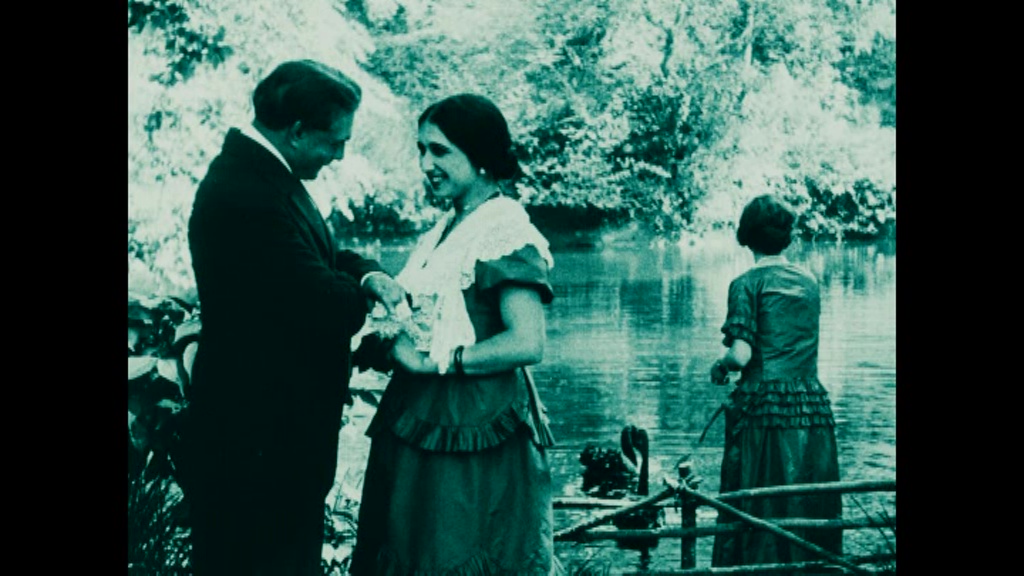
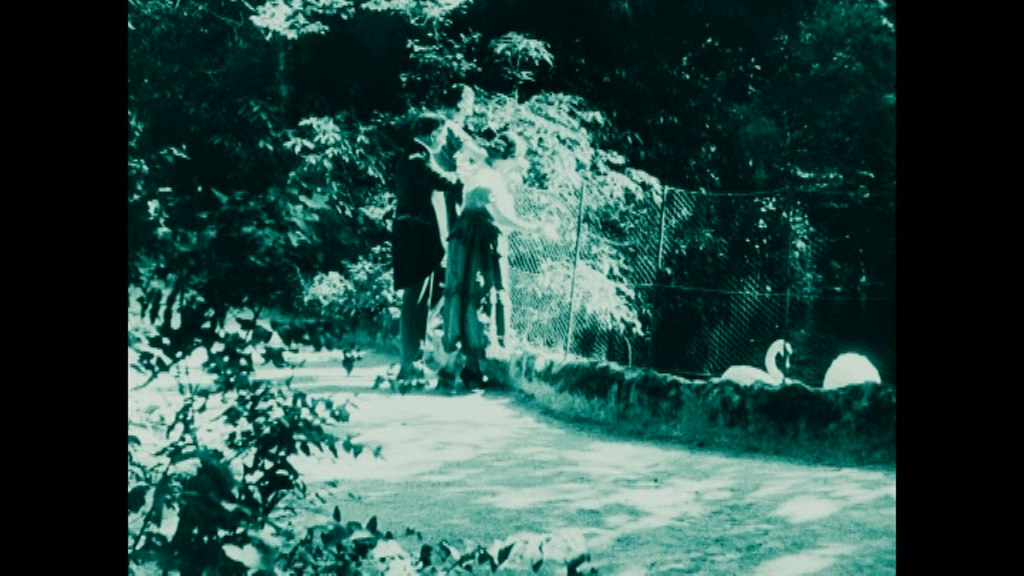
Then there is Greta Garbo as Elizabeth, his Italian love interest and the not-quite-for-legal-reasons wife of the comic Henrik Dohna. I must be honest and say that I never really understood or engaged with Garbo’s character. This is partly an issue of performance, or of direction of performance. Stiller doesn’t quite know how to get the best out of Garbo, either in terms of her look or her gestures – and thus nor does Garbo. For me, Garbo is the least successful of the film’s major performances. But I think that the real issue is that her character is not well developed, and her relationship with Gösta a little unconvincing. We never see Elizabeth meeting Gösta for the first time, nor do we learn that he was tutoring her until later in the film, when we get a flashback to her Swedish lessons with him in the park. We see this same scene in flashback twice, but never the original scene or its context. I imagine this is a matter of missing material from the restoration, but if this is the case couldn’t we get a “missing scene” title to help explain? But even with this theoretical scene in place, I remain uncertain about the development of Elizabeth’s love for Gösta – and vice versa. Everything points to Gösta ending up with Marianne (they are attracted to each other, they clash, he rescues her from the snow, then from the fire), and Jenny Hasselqvist’s outstanding performance as Marianne makes her a far more appealing and comprehensible character than Elizabeth. Marianne’s smallpox aside (and are we to assume that a night out in the snow is the cause of this viral disease?), I was confused by the fact that she and Elizabeth are (so a title claims) good friends at the end of the film. This seems like a title doing a lot of work to fix quite a glaring dramatic tension, and to help us overcome any doubts about Marianne getting hard done by. The result of all this is that Garbo may look beautiful, but her character often doesn’t provide her with a clear and convincing set of motives or emotions to express or shape into a coherent performance. Don’t get me wrong, it’s still fascinating to see Garbo so young and not-quite-there-yet, but this is absolutely not her film.

For me, the real star is Gerda Lundequist as Margaretha Samzelius. When she has her first major scene with Gösta in the “wing” of the cavaliers, she suddenly brings a degree of emotional depth and complexity that the film has not yet plumbed. She narrates her past, puts his troubles in perspective, and sets up the personal trauma that comes back to haunt her later in the film. It’s a great scene, and she commands attention in everything she does. She is both naturalistic and expressive, superbly controlled without ever seeming mannered. What a great screen presence she is – you really can’t take your eyes of what she’s doing. This is the case even when the saga around her gets confusing. Dramatically, her relationship with the “cavaliers” that live on her estate goes through several total reversals of attitude that I find hard to comprehend. It’s an issue with the cavaliers more than with Margaretha, but she must bear the brunt of the dramatic topsy-turviness. Her most devoted cavalier (for reasons I don’t fully grasp) suddenly turns on the woman he has repeatedly said he loves, then feels devastated with guilt, then calls her an old witch, then (at the end of the film) feels remorseful once more. But whatever strange twists the film puts in the path of her character, Lundequist is there to embody the emotional resonance of the consequences. It’s a great performance.

Around the leads are a host of other strong, characterful performances. I have no reservations about any of the rest of the cast, but in discussing them I must work through some of my reservations about how the film knits together their various characters. For example, there is the scheming Märtha Dohna (played with relish by Ellen Hartman-Cederström). I can grasp her desire to disinherit her stepdaughter Ebba by (mis)allying her to Gösta: the film explains that this will enable Märtha’s natural son Henrik to inherit the Borg estate. But why at the end of the film does Märtha start taunting her prospective daughter-in-law, Elizabeth? Having tried so hard to get Elizabeth to sign the documents that would finalize the marriage, why does she suddenly turn on her and imply that the marriage would be a mistake? Seriously – why is she doing this? She also starts an argument with Gustafva Sinclaire about the history of her family and the identity of Henrik’s father. Given that the film has produced a dozen paintings (portraits of historic owners of Borg) to show on the walls of this very set, the faces of which are all clearly based on the features of the actor playing Henrik (Torsten Hammarén), we are given a clear visual answer (and a marvellous piece of design) – if no verbal answer in the dialogue of the scene. But this does not clarify the history of Märtha and her deceased(?) husband, nor the context of Henrik’s conception – nor the legal standing between the legitimate Ebba and the illegitimate(?) Henrik. God, what a confusing plotline – couldn’t the film make this clearer? Or at least not throw in last-second complications to make something relatively simple unnecessarily confusing?

I do not feel that I am merely nitpicking. It’s not unreasonable to want to know what is at stake in a drama and what motivates characters to act in the way that they do. For such a long and convoluted film, which has ample time to create complex narrative strands, I honestly don’t think Gösta Berlings saga is as coherent as it could be. At some point I will read the Lagerlöf novel, but my suspicion is that the film doesn’t go far enough in simplifying the original story. I often get the sense that far more has happened, and needs to be known, than I am being told in the film. Stiller creates a marvellously rich world on screen – but as impressive as the enormous sets and set-pieces are, I’m not wholly convinced in the coherence of the drama and its characters.

But I regret having to spend so much time on my reservations about this film. Despite all the above, I still think Gösta Berlings saga is tremendously pleasurable to watch – especially on a big screen with a full house and live music. In these circumstances, the film absolutely works. Indeed, one of the remarkable things about Gösta Berlings saga is that the way scenes can by be baggy or confusing yet somehow pack an emotional punch. Again and again, Stiller finds a way of pulling things together and providing you with a pay-off that works – even if the preceding material doesn’t.

In Act 2, the long flashback to Berling’s time as a priest is a case in point. The chapel scene, in which the hungover Gösta Berling delivers a knock-out sermon, doesn’t quite work on screen: intertitles have to do too much summarizing, to convey too much dramatic weight, to be convincing. (Stiller cannot quite find the cinematic means of expressing the content of the speech. Even Hanson’s performance, committed though it is, isn’t enough to substitute for what I presume is a lengthy chunk of prose in the novel.) Yet if the scene doesn’t quite come off, it is followed by a truly excellent realization of the aftermath of the sermon, as Gösta insults his parishioners and is run out of town. (We’ll pass over quite why he does this.) There follows a simply stunning image of him at night on a snowy, tree-lined road. It’s an image of amazing resonance, the very picture of dejection, isolation, loneliness, defeat. It’s beautiful to look at, with amazing low-level lighting, and expresses everything you need to know in a single shot. Perfect. Absolutely perfect. And it somehow redeems the rather uneven earlier part of the act. It gives you the emotional pay-off to what preceded it so effectively that the whole act makes more sense. This kind of thing happens many times across the film. Though I wasn’t convinced by Garbo as the main love interest, I was still moved when she got together with Gösta at the end. As I said, Stiller finds a way of ending things so effectively that your reservations (or at least mine) melt away.

Another factor must be mentioned, which is the terrific musical accompaniment by John Sweeney at the BFI screening. He kept up an amazing stream of lush, beautiful musical scenes and sequences that knitted together the drama into an effective whole. The race across the ice sequence in the penultimate act of the film, for example, was wonderfully handled. As elsewhere, I found the character motivation in this scene, and even the basic plotting, very confusing. (Dramatically, the whole sequence is oddly organized. Elizabeth heads off across the ice from Borg to Ekeby because she believes that her father will attack Gösta, but the audience has already been shown the father forgiving Gösta entirely. Fine – at least we know, even if it makes her journey less dramatically effective. But then why does Gösta seem to overtake Elizabeth rather than encounter her? The point of the scene is that they should meet each other coming from opposite directions, yet here he is catching up with her from behind. This isn’t just a matter of a different continuity pattern in Stiller’s editing, but a matter of dramatic staging. And when Gösta gives Elizabeth a lift, why does he steer away from Borg and admit that he is abducting her – not just from Borg but from Sweden? A fit of pique? Genuine passion? If so, from whence has it sprung? Only when Elizabeth asks him what the hell he’s doing does he mention the fact that they’re being chased by wolves. When did he realize this?) Yet during the screening, when Sweeney started pounding out a terrific refrain for the race across the ice, all these questions faded away: you’re left to marvel at the technical brilliance of the way the race is filmed, and the mad melodrama of it all. Even the faint sense of incoherence or (at least) incomprehension is somehow suspended, or transcended, in the thrill of such a gloriously cinematic scene. Later, when Ekeby has been rebuilt (but how?! and by what means?!), and Gösta and Elizabeth enter their new home, Sweeney’s grand, pealing chords were the perfect way to end the film. The final notes had hardly faded when the audience burst into applause: for the film, for the stars, for the music. Bravo!

I do hope this new restoration is released on DVD/Blu-ray, or at least made available online per other Swedish silents via the Svenska Filminstitut digital archive. Sadly, there is no guarantee that even the most important restorations ever get a commercial release. I still find it staggering that Sången om den eldröda blomman is not available on home media: you can buy the complete recording of Armas Järnefelt’s beautiful score on CD, but you cannot buy the film on DVD! Let’s hope something more happens to Gösta Berlings saga. I imagine that the old Matti Bye score will be expanded/reworked for any media release, but I do wish any original arrangement from 1924 would be investigated. Evidence of the music clearly survives, as Ann-Kristin Wallengren (in her thesis on music in Swedish silent film) mentions some of the cues used. (This included parts of Järnefelt’s score for Sången om den eldröda blomman, as well as of the Louis Silvers/William F. Peters score for Griffith’s Way Down East (1920).) It’s curious that the musical legacy of Swedish silent cinema has received so little attention, especially compared to the numerous original scores and arrangements that have been researched and restored for films elsewhere in Europe and in Hollywood.

Gösta Berlings saga is a big, baggy, beautiful film. I’m so glad I saw it in such wonderful circumstances at the BFI. And as much as I would welcome it on DVD/Blu-ray, I also cannot help think that I wouldn’t have been as moved – nor would my reservations have been so effectively overcome – if I had seen it on a small screen instead. Live cinema allows silent film to attain its maximum impact: audiences and music are an essential element of exhibition, and thus of understanding, that cannot be replicated at home. So if you ever get the chance to see Gösta Berlings saga this way, seize it!

Paul Cuff
Programming silent cinema: An interview with Oliver Hanley (3/3)

This final part of my conversation with Oliver Hanley covers the role of music in silent film festivals, both onsite and online.

Paul Cuff: We’ve talked so far about the processes of researching, locating, and scheduling material from archives, i.e. the work involved in curating the films themselves. But organizing a festival for silent cinema involves a whole other aspect of presentation: live music. How does the relationship between curators and musicians work?

Oliver Hanley: I’m curating for two festivals that have a long tradition. This year we had the fortieth edition of the Bonn festival, and Bologna is also approaching forty. Both festivals have been screening silent films for several decades, so I, as a curator, have “inherited” a roster of musicians, as it were. In Bonn, it’s usually a given that we will include most if not all of the “regulars” – not just for the sake of their past involvement and long relationship with the festival, but because they’re all great musicians. Neil Brand and Stephen Horne from Britain, for example, or the Aljoscha Zimmermann Ensemble or Richard Siedhoff from Germany. Richard is from a younger generation, but he’d already been playing for the Bonn festival for a good ten years when Eva and I took over curatorial duties.

PC: You’ve talked about wanting to expand the range of films shown at Bonn. Does this hold true about the musical aspect?

OH: Since Eva and I became involved with the Bonn festival in 2021, we’ve been working with the team to expand the range of musicians, particularly with an eye to increasing the number of female musicians. We also wanted to give younger musicians a chance and to involve more musicians who are based locally. In 2024, I think we had the highest turnover since I’ve done this festival.

PC: How do you organize who does what?

OH: When we divvy up the films, we make sure to have every musician or group play no less than twice as a rule, unless there are reasons why they can’t. For example, the Cologne-based group M-cine (comprising pianist Dorothee Haddenbruch and saxophonist Katharina Stashik) performed an original score for Thora van Deken [1920] for our 2024 edition. Since this was an 85-minute feature, and the score was meticulously composed note-for-note in advance, this was a lot of work for them, and it was understandable that they didn’t accompany another film in that year’s programme. The same with Filmsirup, the local group who accompanied The Black Pirate [1926] at the end of the festival. They have quite a complicated set-up because they use electronic instruments as well, so we usually have them play just once. Everyone else played twice, usually a feature and a short. We already found that we were pushing our limits in terms of how many individual musicians and groups we could incorporate with only twenty-one films to go around. We couldn’t include everyone who had previously played at the festival in recent years, and we had no possibility to bring “new” people in.

PC: How do you think you will approach this in future?

OH: I don’t know the answer. I’m sure it will be a discussion point for next year’s festival. In terms of gender balance, I’m quite happy with what we’ve achieved in Bonn so far. We had twenty-one film screenings in our main programme this year. Nine of these (so almost half) had at least one woman playing, which is not bad – though obviously, there’s still room for improvement. I don’t think you should do things purely by numbers, but you should at least have an awareness and try to do better.

PC: Is it difficult having to reject musicians?

OH: It’s very tricky. It’s always unpleasant having to turn down new people, but it’s just as unpleasant, if not more so, when we have to break the news to veterans that they can’t play in a particular year. It’s not the same as having to tell an archive that we can’t screen one of their new restorations in this year’s programme. With musicians it’s much tougher – they’re living people, and this is their livelihood.

PC: Do you choose the films first, or the musicians?

OH: In Bonn, the film selection is usually decided upon first, then we work out who should play for what film in a dialogue between the curators and the management team.

PC: And how do you decide which musician gets which film?

OH: Assigning musicians to films is as much a logistical issue as it is an artistic decision. Of course, we look at who would be suited to what film, and sometimes it’s just super obvious. This year, for example, we knew from the start that Maria do Mar [1930] would be perfectly suited to Stephen Horne and Elizabeth-Jane Baldry. So, to schedule the screening, you need to know when Stephen and Elizabeth-Jane are available. Since we’re bringing them in from abroad, their two performances should ideally be on consecutive nights. This means we can then economize on hotel costs etc. Socially, of course, this is less fun for the musicians. It’s always nice to stay longer and hang out with people and so on, but we always have to compromise. This year I think it all worked out pretty well, and I was very happy with the combinations. There were a couple of films where maybe we should have swapped the order or something, but generally I was very pleased.

PC: Does your timetable allow much flexibility for the sake of live performance?

OH: To a certain degree, we can adjust the screening schedule of our festival in Bonn to fit the musicians’ schedules, but there are limitations. For example, we only have “double features” on Fridays and Saturdays, so there are certain films that can only be screened on those days. Likewise, the films for the opening and closing night screenings tend to be set in stone. For other films in the programme, we’re usually not tied down to a specific date, just as long as the two films are screened the same evening. So, there’s a certain degree of flexibility. For mid-week screenings, we try to remain roughly within a two-hour total runtime, because we’re an open-air festival taking place in summer, so we start very late. When we have introductions to the films beforehand, that automatically extends the duration of the event. Midweek, it’s nice if we can aim to be done before midnight, because then we always have to run tests for the next day and so on. On the weekends, we feel we can afford to go on a bit longer.

PC: Do you try to think of the shape of the week as a whole?

OH: It’s nice if there’s a kind of progression that you can somehow sense, but it isn’t essential. Sometimes, for example, we might pose ourselves the question, what could liven up a quiet Tuesday during the week at Bonn? Then we say, well, maybe let’s put a film by a well-known director that might bring a few people in. With a festival like Bologna, however, programming and scheduling are a bit trickier because there’s much more to consider. You are one piece of a giant jigsaw puzzle. The difference there is that we essentially have all the musicians available more or less all the time. So, then it’s more a case of making sure that the performances are evenly and broadly distributed, making sure that as many different musicians play each day, that no one musician has too much and others in turn too little, and that everyone has a day off at some point.

PC: Do you need to negotiate with other curators at Bologna?

OH: Yes, of course. All the silent film screenings are held in the same venues. But there are several different strands. There’s my “One Hundred Years Ago” strand, and there’s the early cinema strand “A Century of Cinema”, and then there are the new restorations and the rediscoveries, and so on. Many of the issues involved are the same as the ones we have to deal with in Bonn, but on a completely different scale and level of complexity.

PC: At Bologna, there are also larger shows, where silent films are performed with a full orchestra. Are these kinds of events divorced from the rest of kind of programming? I imagine that planning for these performances is very different from what you do when recruiting smaller groups or individual musicians.

OH: Exactly. Those orchestral shows are usually defined way in advance. This is because they involve far more logistics, preparation, and so on.

PC: Beyond these larger aspects of timetabling, do you have a relatively free hand, as far as music goes?

OH: What I personally like about the musical aspect of silent film programming is that it can be seen as a bit of a playground. We can try stuff out and if it doesn’t work, then we know for next time. So-and-so might not be so good with experimental films, so-and-so isn’t very good with challenging psychological dramas, so-and-so isn’t so good with comedy. You learn this kind of thing through experience. Often, it’s just a case of the instrumentation, when you think that a particular kind of sound would be decisive for a particular film. To an extent that predefines who you need – but it doesn’t always mean you get it right. I’m always the first to admit when I was wrong about something, especially when it comes to either the accompaniment or the film itself not working as well as I thought.

PC: Do musicians ever pitch themselves?

OH: Yes, they do. We don’t always bite, sometimes because we know from the outset that it wouldn’t work out logistically (i.e. if the musician or musicians lives too far away for us to be able to cover the necessary travel expenses). What I often find is that people pitch themselves as a package deal, i.e. “here is a film for which I have recently composed a score”. Then we usually have to write back and say that that’s great, but the film was screened too recently at the festival to justify screening it again – or that we’re not interested in screening that film, but would they be interested in doing something else? A notable exception was the screening of Navesni [In Spring, 1929] in Bonn in 2023. We brought over these two Ukrainian musicians, Roksana Smirnova and Misha Kalinin, who had written to us the previous year and had performed their soundtrack to the film at several festivals and venues (they’ve since composed soundtracks for some other Ukrainian silent films). It was a great screening, and they’re great musicians and wonderful people, but like I said it’s the exception rather than the rule.

PC: Do the regular musicians also pitch specific films?

OH: Yes, this can happen from time to time. For example, Maud Nelissen was the one who pitched us Varhaník u sv. Víta [1929] because she had already played for it on several occasions, including HippFest and the San Francisco Silent Film Festival. She contacted us really late on, just as the 2024 programme was nearing completion, but we happened to be one feature short, so it was almost serendipitous. In such cases, it’s clear it would be a massive faux pas to take the film but offer the musical accompaniment to someone else! As a curator, you always want to have good relations with the musicians. Not that we had any cause to even begin to consider the possibility of having anyone else play for this film: Maud’s accompaniment was great, and she (and the film) got a huge ovation at the live screening. was really pleased for her, because silent film audiences can be quite particular, and you can never really be certain in advance how they’re going to react to a specific film or performance, particularly if the film is not well known.

PC: Is that an added pressure?

OH: Oh, yes, and not just for the musicians, also for the curators. The audience always knows best, of course! So when people come up to you after the screenings, it’s always interesting to learn who liked – or, more importantly, didn’t like – what. I always say that if just one person comes up to me after the screening and says something positive, then that’s enough to make me happy. This year, Jûjiro [1928] didn’t go down so well at the live screening in Bonn, I felt, but someone later came and told me it was the best film at the festival. Thank god, I thought! We do it for you, you know.

That was the last of the three parts of my interview with Oliver Hanley. My great thanks to Oliver for taking the time to talk to me, and for correcting the drafts of the transcript of our conversation.

Paul Cuff
Programming silent cinema: An interview with Oliver Hanley (2/3)

This second part of my conversation with Oliver Hanley covers his work as a curator at the film festivals in Bonn and Bologna.

Paul Cuff: Since 2021, you’ve worked alongside Eva Hielscher as co-curator of the Stummfilmtage Bonn. How did you get involved with this festival?

Oliver Hanley: I had a good connection to the festival already. I had attended every year since 2008, and had even brought films to the festival during my time at the Austrian Film Museum in Vienna. So, I was familiar with the programming at Bonn, and when Eva and I took over the curatorship, we tried – and still try – to follow the tradition of our predecessor, Stefan Drößler, whose curatorial work we admired very much. But of course, we also try to bring something new and to show films that would not have been shown previously.

PC: And when did you become involved with Il Cinema Ritrovato in Bologna?

OH: It was already after I became co-curator of the festival in Bonn. In late 2022, I got the offer to curate the “One Hundred Years Ago” strand at Bologna. I was a bit anxious at first at the thought of taking it on, especially being already involved in the Bonn festival at this point, but it seemed like a once in a lifetime opportunity, so I thought: just go for it!

PC: Is doing these two festivals, both taking place during the summer, difficult?

OH: It can be strenuous doing both. There’s about a six-week gap between them, so the preparation for one runs parallel to the other. But in a way, the work is complementary. When I watch films for my Bologna research, I come across films that I think could work in Bonn. Or I take films to Bologna that were shown in Bonn because I know they will work there as well. Besides, I know that my experience at Bonn and Bologna is very privileged. It might be a lot of work, but at the end of the day, I’m programming for two festivals that are approximately a week or ten days long. There are people curating film programmes for film archive cinematheques throughout the entire year! They have to create three shows a day, every day, maybe with a summer break. I can understand that you can’t devote the same amount of care and attention to detail with those programmes that I can when working for the two festivals.

PC: I presume Bonn and Bologna have distinct identifies and aims. Do you need to bear this in mind when curating the material being shown?

OH: Yes. While the festivals have some similarities, they also have their differences and this in turn affects the programming. Bologna, I feel, is very much a festival for cinephiles and specialists, while Bonn is aimed at a much wider and predominantly local public. Bonn is free, it’s all outdoors, and anyone who comes knows it has this forty-year tradition. People will come and watch all the films, but in some cases, these might be the only silent film screenings they attend across the year. In others, you have the obsessive silent film fans from the region who come over to see what they can. At Bonn, we try to go against the grain a little, which has always been the ethos of the festival – but ultimately it must appeal to a wider public. In Bologna, however, I can show things that I would never show in Bonn. For the “One Hundred Years Ago” strand, I need to show newsreel footage for the historical context. At Bonn we sometimes show documentary feature films, but newsreels are very difficult to accommodate. The same goes for things like fragments or incomplete films. The makeup of Bologna, and the existing form of the strand I curate, allows me to incorporate this kind of material more easily. But I essentially apply the same kind of the same curatorial approach to both Bonn and Bologna. You can’t just randomly throw stuff together: you need to have a clear reason for your selections. The films need to work in a kind of dialogue with each other.

PC: Do you always hope to provide clear through-lines across a festival?

OH: This year, more than in previous years, I think it was very obvious in the Bonn programme. Sometimes we made exceptions where we couldn’t really find a connection between the two films we wanted to show each evening and combined them according to other, more pragmatic criteria like running time. But in my Bologna programme the thematic connections between the individual films in the individual screening slots were very evident as well this year.

PC: What kind of programmes work best?

OH: Very simple themes work best because I think they give you the most freedom as a curator to explore things. And it makes the programme varied enough that you don’t have the feeling you’re watching the same film or variations on the same film. In Bonn this year, for example, we had films themed around the mountains or the sea, or films about filmmaking. On the first Friday we had two feature films where one of the main characters is blind, at least for part of the film. Just finding these little connections allows you to put very disparate films together. And in Bologna I had a couple of country-based programmes. For example, I combined a Swiss feature film, which picked up on the hype of the very first Winter Olympics, with an Arnold Fanck short film that was shot in Switzerland, and with a newsreel showing the last Turkish caliph in Swiss exile. I also did a Russian-themed programme, where I started with newsreel footage of the funeral of Lenin in 1924, then some rare footage of Anna Pavlova dancing for Douglas Fairbanks, and finally a completely obscure Russian film, Dvorec i krepost’ (The Palace and the Fortress, 1924). The latter wasn’t an exceptionally good film, but it was very successful in its day. Another major reason to show it was because a pristine print of the German version survived here at the Federal Archives. It was a nitrate print, tinted and toned, which you almost never see in Soviet cinema. So, just because a film may not be particularly good, this doesn’t mean there still isn’t a good reason to show it. The experience is what counts. And I am always grateful when people talk about how well the programme worked afterwards.

PC: Do you always have to consider the specific copies of films you want to show?

OH: Yes. It’s not just a question of curating film titles. You’re really curating film prints. There can be any number of good reasons to show a film. It could be we just really like the film. Or we know that where a particularly good print is located. Or we have determined the film to be in the public domain, so we didn’t have to pay any exorbitant fees to third-party copyright holders to show it. The list goes on.

PC: Does this aspect of organization differ between festivals?

OH: My experiences as a curator are very different for Bologna and for Bonn. Bologna is probably the most important film heritage festival in Europe, if not the world, and I’m just one of many curators. And there are other people on staff that take care of specific things. So, here I don’t book the prints or clear the screening rights myself because there are other people who take care of that. Whereas in Bonn, where we are a comparatively small team, we curators also liaise with archival loans departments or distributors, and negotiate with the rights holders directly. So, while programming for both festivals has a lot of similarities on the one hand, there are also differences. In the case of Bonn, this is particularly because of the hybrid format, live and streamed, which means we are very conscious about finding films that we can stream online without any issues. This form of digital accessibility is very important for the festival because it brings our programme to a much larger audience.

PC: Does digital technology pose extra problems for you, or are there advantages?

OH: There are pros and cons in every case. I’m not one of these dogmatic people who say film must always be shown on film. I think digital is a fantastic tool for making films available. And digital technology has enabled restorations of films that would never have been possible solely through analogue means. So I’m very grateful for that. From a technical perspective for us as a festival, the great thing about digital projection is this ability to record music live, because you’re guaranteed that at the end of the process it will sync up with the image perfectly. Whereas with an analogue projection you never know. So, we haven’t risked it yet – yet! Anything we screen on 35mm, we pre-record the music for the streamed version in the theatre auditorium at the cultural centre where our festival office is based. This usually takes place in the afternoon before the screening.

PC: You mentioned the rights issue being another complicating factor. What are the challenges this aspect poses for curatorship?

OH: For Bonn, we will focus a lot on films that are deemed out of copyright or in the public domain, which can simplify matters somewhat. But we have made good experiences with some copyright holders such as the Friedrich-Wilhelm-Murnau-Stiftung (e.g. for Der Berg des Schicksals [1924]) or the Fondation Jérôme Seydoux-Pathé (e.g. for La Femme et le pantin [1929]). The point is that we need to ensure that we have great films on our programme, but it often takes time until we know for definite that we can present a film on-site and online without any big repercussions. There are always exceptions. This year we closed the on-site festival with The Black Pirate [1926] in MoMA’s beautiful new restoration. We didn’t pass up on it even though it wasn’t possible for us to stream it in the end, because we knew it would work perfectly for our open-air format with the huge screen and live music. Thinking about it pragmatically, I’m sure there will be a Blu-ray release of MoMA’s restoration at some point in time, and people can see it at home then.

PC: As a curator, how do you see the relationship between the festival as offered on-site and the festival presented online?

OH: It’s a difficult balance. This year we streamed ten of the twenty-one films we screened at our on-site festival, so one each day, which I think is manageable, both for us organizers as well as for the viewers. We’ve had more films online in past editions, but at some point it just becomes too much for people to actually sit and follow at home. I think we made a good call when we decided not to stream any of the short films. Because you also want to make sure people come to the live shows, and that only at the live festival do you get the full programme. And of course, online and on-site are just very, very different experiences.

PC: Does the hybrid format of a festival change how the films are received?

OH: Yes. It’s always fascinating when live and online audiences have totally different opinions of the same films. For example, last year we screened Pozdorovljaju z perechodom [Congratulation on your Promotion, 1932], a very obscure Ukrainian children’s movie. We chose it for various reasons, including to show our solidarity with the Ukrainian people. But it’s the work of a completely unknown female director, Їvha Hryhorovyč, so it was a real rediscovery. It also isn’t a great film. Our live screening wasn’t one of the better attended, and the reception was rather lukewarm, but we still had comparatively strong streaming figures. This year, both yourself and Paul Joyce wrote very positive reviews about Jûjiro [1928], the Japanese film that we screened. But I had people coming up to me after the screening in Bonn who couldn’t fathom why we had screened it. Maybe it was just the vibe of the live screening, or maybe the film was just too intense for them. So, I was so glad to read your reviews later where you really praised the film.

PC: Since the easing of restrictions after the various lockdowns, some festivals have cut back on the amount of online content they offer. For example, the Ufa-Filmnächte festival in Berlin streamed their films for free during the pandemic and beyond, until 2023 – but now this service has ceased. What do you think the future is for the streaming of festivals more generally? Is it a sustainable model for the future?

OH: Well, it’s hard to give a kind of all-encompassing answer to that question. I think from the outset that were very different attitudes from festivals toward streaming. For example, on one extreme you had festivals which took the attitude of waiting until the pandemic was over so they could take place as on-site events as normal. Then you had others that went completely virtual. And others which tried to offer the best of both worlds while still respecting the increased health and safety restrictions that were in place at the time. When the restrictions were eventually lifted, several festivals that had been quick to offer virtual solutions just as quickly gave that up.

PC: Pordenone is one of the few major festivals to have continued a major streaming service.

OH: Yes. I think what festivals like Pordenone experienced with the streaming was that it tapped into potential new audiences. When Pordenone staged its “online limited edition” as a replacement for that year’s on-site festival, which couldn’t take place because of the pandemic, they ended up with something like twice as many subscribers as they would normally have accredited guests.

PC: And the Bonn model?

OH: At Bonn, of course, we’re somewhat different to, say, Pordenone, because no one pays any money to see the films, either at the on-site festival or online. This not only means we don’t have any revenue, but can also lead to other obstacles. For example, some people are concerned about piracy, and there’s an attitude that if something is made available for free then that also makes it easier to steal. On the one hand, I can understand the concern, as a lot of money goes into restoring the films and the institutions might be under pressure to try to recoup some of that money, but I also think it’s a bit of a shame as it restricts access to cultural heritage. And, of course, it’s not free for us to make the films available for free. On the contrary. The streaming platform is a major cost factor, but it’s just one of several. There’s also the additional cost of the sound recordist, for example, which we wouldn’t have if we were a purely on-site festival.

PC: Do you hope to be able to keep your hybrid format in the future?

OH: Bonn is maybe a relatively small silent film festival compared to the likes of Pordenone, but our hybrid approach has got us on people’s radars, and this is why we will continue to offer films for free streaming online as long as we can. But there may come a point in time where it won’t be feasible anymore.

PC: Is there a tension between wanting to promote film heritage and the need to restrict access to content?

OH: This is the irony. Just because more and more things are available digitally doesn’t make it easier for us. Actually, it can sometimes feel like the contrary. In addition to the aforementioned concerns about piracy, the additional costs for the provision of streaming materials and rights can sometimes be prohibitive. In others, it’s just not possible to license worldwide. While we strive to make everything we stream available worldwide, we’ve had to make exceptions in a limited number of cases where we could only be granted streaming rights for Germany. In the case of one film we were very keen to show in Bonn last year, we were compelled to drop it in the end because the archive which held the film had just signed a Blu-ray deal with a distributor in the US. This deal ruled out the possibility for us to stream the film. Nowadays, Blu-ray companies are very savvy about acquiring streaming rights for their territories as well.

PC: Given all these factors, I presume that offering a streaming service puts added pressure on the staff and resources of festivals. Is that your experience at Bonn?

OH: It’s a massive strain, not only in terms of the additional man-power and know-how required, but also because it all has to be carried out within the existing budgetary framework, which is still based on pre-pandemic times before streaming became a thing. That’s why for a number of years we had to forego a printed brochure. We only brought it back this year because we ran a successful crowdfunding campaign to finance it. Costs are forever going up, while funding for cultural endeavours is constantly at risk of being reduced or cut altogether.

PC: How does the actual process, the workflow, function for streaming films? Who handles it all?

OH: In the first place, we don’t do live streaming. Films are not streamed online simultaneous to live screening. We have everything planned out and prepared in advance, and when the music recording is ready, I put audio and video together and we upload the films to the streaming platform’s back-end server. It helps that I had a background working a lot with digital file wrangling and AV mastering and so on. I do all that myself, which I suppose is a bit crazy. But it’s also a bit of a guilty pleasure, so I don’t complain about it too much! It’s also positive in the sense that it helps build trust with the lending institutions. I can guarantee them that the video files don’t leave my hands until the point in time when they are uploaded to the platform’s server. The musicians and the subtitler receive heavily compressed screeners with a big fat time code rendered into them. No-one gets the clean video image apart from the server. So, it’s useful, particularly when we were dealing with new institutions, to be able to show them the workflow and demonstrate that we take active steps to restrict the possibilities of things being pirated as much as we can.

PC: From a different perspective, there are now major archives – like the Danish Film Institute or the Swedish Film Institute – that offer a lot of their holdings for free online. But these versions are often entirely without soundtrack or accompanying material. They’re not offering a full aesthetic experience, they are just offering access. Is this an entirely different model to that of festival streaming?

OH: What these institutes offer online is an unmediated form of access, at least in comparison to a cinema or festival screening. Of course, as a research tool, these platforms can be considered veritable goldmines, and I have benefitted a LOT from them in my own curatorial work. It’s a fantastic service, but not always a pleasurable viewing experience due to the lack of music or English subtitles in applicable cases. Putting silent films online without music might be good for certain formats – non-fiction, short form – but not for features. My dream would be that we make as many of the films that we have presented in the Bonn programme available online permanently – with the music. The problem is that, while the films have already been digitized and the soundtracks have already been recorded, there are still additional expenses involved in making the films available online outside of the festival streaming period. And unfortunately there are next to no funding opportunities for such endeavours.

PC: Again, I wonder how satisfying this model would be. Do you feel Bonn should have this kind of permanent presence, this recorded archive of live events? Isn’t there something uncapturable about a festival? How do you look back at what you achieved each year?

OH: As soon as the festival’s over, your mind is usually already pre-occupied with the next festival. But there’s a period of a couple of weeks where I do the digital housekeeping, backing up the master audio files and deleting all the huge video files amassed in the run up to and during the festival, but not before running off low quality reference videos to send to the musicians and to the archives for posterity. Doing this puts me back in the festival for a little while. I listen to the music again and think how nice it was, and that it’s really a pity that this material can only be experienced by audiences for a fleeting moment – and then it’s gone. But that’s cinema, right?

Programming silent cinema: An interview with Oliver Hanley (1/3)

To start off the new year, I’m doing something a little different. At the end of August 2024, I watched the streamed content of the Stummfilmtage Bonn. In the wake of my series of posts, I was contacted by Oliver Hanley, the co-curator of the festival. He wrote to answer the question I posed about the legal limitations of streaming, and his response encouraged me to ask more questions. Oliver was kind enough to have a longer conversation with me, the transcript of which is the basis of the three pieces that I will post across this week. We spoke about his background, his work at Bonn and Bologna, and about the difficulties and pleasures of curating a silent film festival. In this first part, we talk about Oliver’s route into curatorship…

Paul Cuff: I want to start with a quite basic question. How did you get involved in festivals and programming, and did you always have an interest in silent cinema in particular?

Oliver Hanley: We have to go a bit back to answer that question. I’ve always been interested in things from the past, from before my time. I think I first got into silent film through comedy, the big names like Chaplin and Keaton, etc. Then from there, I somehow progressed to German expressionism. I’m not entirely sure if that came from an interest in German culture or it was the other way around.

PC: Were you aware of silent cinema in broader culture when you were growing up?

OH: Being born in the mid-1980s and growing up in the UK, I was fortunate enough to catch the last of the Channel 4 silents on UK television. I remember the first one I watched was The Phantom of the Opera [1925/1929] in 1995. And then they brought out Nosferatu [1922] the following year with the James Bernard score. I was lucky to see these films when I was reaching my late teens, which also corresponded with more and more silent films being available on DVD in decent quality. For example, I’d already known Metropolis from truly, truly awful VHS copies, so when I got a chance to see the (then) most recent restoration [from 2001], it was really a revelation for me.

PC: And at what point did you realize that you wanted to become actively involved with film culture?

OH: It was clear I wanted to devote my professional life to cinema. Naïvely, I initially wanted to be a filmmaker and thought I would become rich and famous. And either through ignorance or lack of good advice, I came to the conclusion that if you wanted to be a filmmaker, you need to do film studies! That’s how I ended up in Canterbury at the University of Kent doing the film studies programme there.

PC: Did experiences at university shape your ideas about a career?

OH: It was a combination of different factors. In the first instance, I didn’t have a good experience in the practical courses that I was doing. They put me off that for life. Second was that I volunteered at the campus cinema, which gave me the opportunity to see films there for free. They would show a lot of the BFI touring packages, for example new prints of Visconti and Fellini films, and a big Michael Powell season on the occasion of the centenary of his birth. But I was quite surprised that I would very rarely see my fellow film studies students at the repertory screenings. They would all go to see the contemporary art house stuff that was all the rage at the time. Films like Donnie Darko and Mulholland Dr. would be quite well attended, but not older stuff. I remember sitting in this empty theatre, watching masterpieces in beautiful prints, and wondering why no one was there. I really thought that this was a shame.

PC: Did you experience any silent films through these kinds of screenings?

OH: No, there was very little silent programming. But I had a very sympathetic lecturer on one of the courses who was also passionate about silent cinema. At this point in time, my main outlet for exploring silent cinema was DVD, and I would collect them like mad.

PC: Did this also give you an interest in the archival side of things?

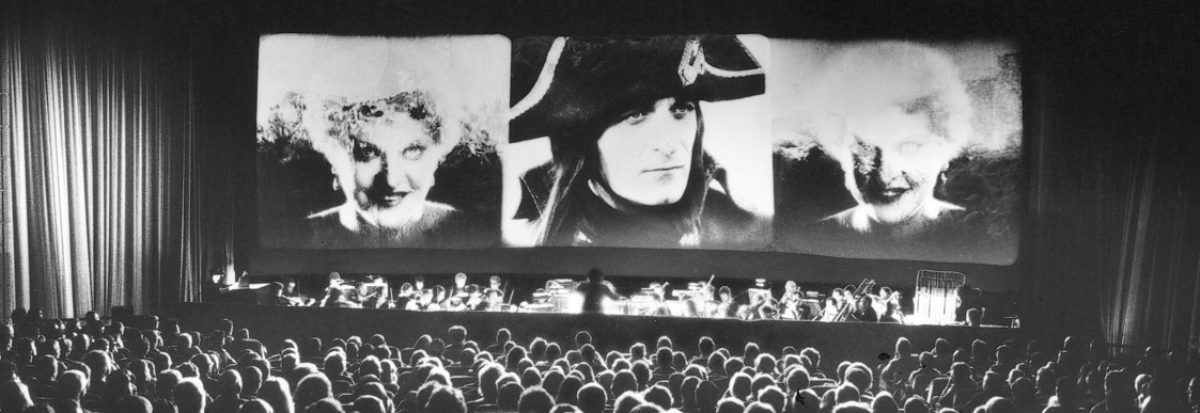
OH: Yes, I read and watched a lot about how complicated it can be to restore film. I loved the idea of scouring the whole world and tracking down all the different elements and putting them together. I was fascinated by what Robert A. Harris did for Lawrence of Arabia, for example, and by what Photoplay Productions was doing for silent films. That was really what I wanted to do. But there was always that element of wanting to do it so that people would actually see the final result. Like you, I was at the screening of Napoléon [1927] in the Royal Festival Hall in December 2004. That was really, really something!

PC: After your undergraduate degree, what did you decide to do?

OH: All these early experiences shifted my focus towards wanting to devote myself more to making sure that the film heritage – especially the silent film heritage – would survive. It was the lecturer at the university who pushed me to do what was then the relatively new specialist course at the University of Amsterdam: the professional masters in Preservation and Presentation of the Moving Image. This was my stepping stone to continental Europe. I had said that I really wanted to focus on German film and asked if there would be a way I could do an internship or some unpaid volunteer work at a film archive somewhere. She recommended me to do the masters programme instead, because that’s where people will be sought after. I can’t necessarily say that this was exactly how it turned out, because jobs in this field are few and far between. Certainly, it’s an advantage to have this kind of background, but you still have to fight. Every year there are new graduates on the market, and the market is always getting smaller.

PC: If Amsterdam was your stepping stone, where did you go from there?

OH: Via the Amsterdam programme I ended up interning in Frankfurt at the Deutsches Filminstitut and helped with various tasks in the film archive, including a restoration project, and various contributions to DVD editions. What was important for me was that it changed my perspective. Before, I had been what you might call very canon-oriented: Lang, Murnau etc. This is all great, but my experience in Frankfurt opened my eyes to what was beyond the canon. I learned to appreciate the unknown, what film history really has to offer. At this point, I changed tack and started questioning why we are so focussed on the classics, when there is all this great other stuff around. This is something that continues to influence me in my work right up to this day, for example in our Bonn programming. Particularly with German films, we try to push the lesser-known works rather than the big names. This can also tie in with the restorations being done by certain institutions.

PC: Did your time at the Deutsches Filminstitut encourage you towards curatorship?

OH: Actually, I wanted to go more into the technical side of things and do laboratory training. This didn’t work out, which I think was for the best because I’m not really a technician. I understand a lot of the technical processes and have been quite fortunate to get into the scene before analogue was being phased out. When I started, digital technology was up and coming in the archival and restoration fields, but no archive could really afford it. The big studios were going digital, but no one else. Now it’s completely different. At the time, I gained background experience with analogue, which is good because I think it’s important to know both.

PC: If you didn’t end up going into laboratory work, where did you want to go?

OH: After graduating from my Masters studies, I moved to Berlin and managed to get on board a project at the Deutsche Kinemathek. I came expecting to stay only three months – and ended up staying three years, moving from project to project wherever there was funding and work needing doing, but my dream was to become a film restorer. Back then,I think my idea of a film restorer was still Kevin Brownlow, who is actually more of a historian who restores films. But that is still what interests me most about the process: the research, comparing different versions, putting together what might be a representative edition of a film. When it moves into the technical procedure, I’m a bit more hands off. Obviously, I supervise the grading and transfer etc, but the most exciting part is over for me.

PC: After your experiences in Germany, you went to Vienna. How did that happen?

OH: At that time, there was very little money for film restoration in Germany. In 2011, I got an offer to start working at the Film Museum in Vienna. I was brought in to take over the task of curating their DVD series, which was something that had always fascinated me. DVDs had been my gateway to the film heritage, and I loved watching the extras. So, the Vienna job was a dream come true. But I also helped build up the museum’s streaming presence. We had very, very limited means, so we were looking to see how to get parts of the collection online without it costing any money. For example, we digitized newsreels that had been transferred to U-matic video tape in the 1980s. You didn’t have to worry about it being 4K or anything like that, it was just a case of dusting off our old U-matic tape player to get these films transferred and put online for the sake of access.

PC: Did you envision doing this kind of work permanently?

OH: I was more and more keen on getting into the restoration process. The museum had a complete digital post-production workflow in house. It was very small, very artisan level – we were just doing a couple of projects each year. But it enabled me to become more involved in selecting some of the films or supervising projects at a managerial level. The museum had quite an interesting collection of nitrate prints of obscure German silents, but the films didn’t really fit the museum’s curatorial profile. (They have a very strong connection to the avant-garde experimental film scene, to Soviet cinema, to American independent cinema, and so on.) Nevertheless, we were able to do some very cool projects at that time, including one with funding from the World Cinema Project, and some of these restorations then ended up on the DVDs I was producing. At the same time, whenever I could, I would investigate their nitrate collection. But it was difficult for the museum itself to restore this material. By this period, around 2015-16, money was finally being made available in Germany to digitize the German film heritage.

PC: So there more opportunity for the kind of work you wanted to do in Germany?

OH: I was in Vienna for five years. By the end of my time there, I had reached a point where I had done everything that I could with the means that were available. I was worried that I was just going to start repeating myself. But in 2016, I got the offer to come to work at the Film University in Babelsberg, where I still live, just outside of Berlin and home to the famous film studio. The Film University – Germany’s oldest film school – had set up a heritage programme at the end of 2015, modelled somewhat on the one I had taken in Amsterdam, and I was brought in to teach at Babelsberg in 2016.

PC: After all your experiences in archives and museums, was it strange going back to teaching?

OH: I felt like a change. And years of being involved with practical work, I felt – in an idealistic way – that I was returning to teach the next generation. I was able to bring my experience into teaching, but also my network that I had built up over many years.

PC: How did your earlier experiences shape your teaching?

OH: In the first instance, we did visits to archives and yearly excursions to Il Cinema Ritrovato in Bologna. But I also got some wonderful people in the industry to come to us and do guest lectures: Jay Weissberg, who runs the Pordenone Silent Film Festival, for example.

PC: It sounds like a very rewarding combination!

OH: Of course, working for the university also had its less glamorous side, and there were several administrative duties. I did the website, the newsletter, and so on. But you had a lot of freedom and a lot of access to resources, especially for academic events and various collaborations. We have our own film museum here, Filmmuseum Potsdam, with its own cinema, and we would regularly do events together. These were linked to my classes, so it was a requirement for students to attend.

PC: What kind of events were these?

OH: In my case, it was almost always a silent film event. I would get the funding through the “ZeM”, the Brandenburg Centre for Media Studies, and that would cover the cost to do a silent film screening with live music, and a guest speaker who would then do a lecture during the day. The first such event we did was Das Cabinet des Dr. Caligari [1920]. We brought over the restorer, Anke Wilkening, to talk about her work on the film, and Olaf Brill, a German film historian. Brill’s book about the film, Der Caligari Komplex [2012], does an amazing job using primary written sources to try to quash the legends that had built up over time, and to reconstruct who was responsible for what during the writing and production.  Yes, the film is a German classic, we’ve seen it a million times, and we all think we know it inside out. But both his research and her restoration enabled us in different ways to see the film in a completely new light. That was kind of the focus, and every second semester we would repeat this concept as much we could.

PC: What other events stick out for you?

OH: The year after Dr Caligari, we did Der Golem [1920]. This was a curious case because two different institutions in Germany, the Friedrich-Wilhelm-Murnau-Stiftung and the Filmmuseum München, were doing two different restorations concurrently. But that was extremely interesting because the two restorations followed completely different concepts. Filmmuseum München’s restoration benefitted from the major discovery of the film’s original score by Hans Landsberger. Landsberger only did four film scores, and I think all of them were at that time considered lost. But Richard Siedhoff, a silent film accompanist over here, came across the score for Der Golem in a German archive (seemingly no-one had thought to look before!). It wasn’t the complete orchestral score, but a reduced conductor’s score that Siedhoff then re-orchestrated. This version was shown recently on German television.

PC: How did you try to use archival material – familiar or otherwise – to engage your students with film history?

OH: Just before Covid hit, we did our biggest event – a series of lectures and screenings in about five parts. It took a completely alternative approach to the idea of the canon. We’re completely oversaturated with these “definitive” restorations, so I wanted us to look at the (by now) lesser known and – in some cases – quite bizarre re-release versions of German silent classics from different periods in German history. For example, we showed Die zwölfte Stunde [1930], which is a re-release of Nosferatu essentially as a sound film. The soundtrack doesn’t survive, but the rest of the film remains complete. We showed this version because it contains interesting changes, including some extended sequences with footage that was shot for the re-release. When you watch it as a silent film – and we showed it with live music – it can be a bit weird, but it still works. Something else we showed was from 1932-33, the crossover from the Weimar Republic to Nazi Germany. At this time, they re-released the first part of Die Nibelungen [1924] with a soundtrack. The significant thing about that soundtrack is that Gottfried Huppertz, who did the original score for Nibelungen, for Metropolis [1927], and for Zur Chronik von Grieshuus [1925], personally rearranged and conducted the recorded version for the re-release. The other interesting thing about it is that it was created not as a precursor to what was going to happen in Germany, but to mark the fiftieth anniversary of the death of Wagner. And so Huppertz incorporated Wagner’s themes into his original composition. It’s a bit of a mix of Wagner and Huppertz, but it’s a fascinating document.

PC: How easy was it to get hold of prints of these non-canonical versions?

OH: We had to put a lot of effort into screening Die Nibelungen because there’s no screenable print available of the 1932-33 version. The FWMS had done a preservation on film, but they had not made a screenable print. But we convinced them to send the preservation negative to our university to be scanned (since we were working for a state-of-the-art film school, naturally we had our own film scanner!). From the raw scan files, I then prepared the digital version for our little screening, knowing that it wasn’t restored – or even graded properly – but at least we could see the film this way. We also showed Die weiße Hölle vom Piz Palü [1929] in its “talkie” re-release version of 1935.

PC: What about more recent re-releases? Did they feature in this series?

OH: Yes. There was this company called Atlas in the 1960s that began by distributing art house films in Germany (Bergman, Antonioni, etc.). But they also re-released old films and they did a series of silent films in the mid-1960s with synchronized scores. We showed one of these because they’re very of their time, especially with the music. There is a version of Dr Mabuse [1922] with music by Konrad Elfers, from 1964, which you could imagine being a score to a kind of Euro James Bond rip-off! We also showed a television version of Dr Caligari from the 1970s with a score by Karl-Ernst Sasse, a very well-known composer who scored a lot of DEFA films, among other things. Inevitably, we crowned the series with Giorgio Moroder’s Metropolis [1984], which – I must admit – is a guilty pleasure of mine. And not just mine, it seems, as there wasn’t an empty seat in the house!

PC: Did organizing this series influence what you subsequently did at festivals?

OH: In my professional career, I had always straddled the preservation and access side of archival work, but up until this point I had mainly focused on providing access through digital media, DVDs, online. When I started doing these live cinema screening events, it was the shape of things to come for me, because it’s more or less what I do now with the festivals. I still have one foot in the preservation side of things, because I supervise a limited number of digital restorations. It’s good to be on both sides of the process.

PC: Do you think you would always have ended up as a programmer of films for festivals?

OH: In a way, I think it’s very logical that I’ve ended up where I am. From that early experience in the university cinema, right the way through to Bonn and Bologna – it’s all been about getting films to people. It was a long time before I got to where I am now. What’s the famous phrase? It took me fifteen years to become an overnight success! But I’ve been very fortunate.

O Destino (1922; Pt.; Georges Pallu)

This week, I return to Portugal. Having been exceedingly impressed by Maria do mar (1930) at the Stummfilmtage Bonn in August, I tracked down the DVD of the film from the Cinemateca Portuguesa. Finding that the Cinemateca has produced a whole series of DVDs of recent silent restorations, many with the original scores, and all with English subtitles, I took the plunge and placed a large order… Within a few days, I had a mouthwatering pile of films in beautiful presentations. Where to start? Why not with the film that the notes describe as “the most beautiful use of colour tinting and toning in Portuguese silent cinema”? A bold claim. But having watched O Destino, I can well believe it…

Let’s begin with the plot. (Yes, obviously, there will be spoilers.) The bereaved Maria da Silva de Oliveira returns from Brazil to her native home of Sintra to visit her daughter, who is also called Maria. After a road accident knocks her unconscious, she wakes in the palace of the Marquesa de Souzel. Here, the scheming Luís de Noronha has recently become the Conde de Grazil and thus has taken charge of the family estate. He has his eyes on Maria’s daughter, but so does his young nephew André. Meanwhile, the old housekeeper, who went blind with grief after his daughter was “disgraced” and left home twenty years earlier, wanders the estate mourning his past. These two stories are brought together when it becomes clear that Maria is the lost daughter, and that the man who disgraced her was none other than Luís. Maria decides to confront Luís, whom she – with the aid of the supportive de Souzel family – finally exile, enabling the engagement of her daughter Maria with André. FIM.

O Destino is directed by Georges Pallu, a French director whose five years in Portugal makes him one of the major figures of Portuguese cinema of this era. This film marks the only cinematic appearance of Palmira Bastos, a celebrated theatre actor. I had only the sketchiest knowledge of Pallu as a name, and none of Bastos as a performer. I therefore went into O Destino blind and was intrigued by the dramatic set up of the opening half hour or so. Pallu lets most scenes play out in long takes, with sparing use of medium and medium-close shots – and no true close-ups. I wondered if there were some missing titles in the opening, since only a couple of the characters were properly introduced – so it took a while for their relationship to sink in. What intrigued me was the fact that, despite minimal editing during scenes, Pallu kept longer sequences interesting by parallel cutting. In the opening reel, the family tensions of the de Souzels take place parallel to Maria’s arrival by steamer from Brazil. Pallu cuts between the estate and the approach of Maria (by boat, by car, and ultimately by foot) – building a kind of slow-burning tension as to when the two stories will finally meet. They do in marvellous fashion – quite literally colliding on screen when Maria’s taxi smashes into a truck, hurling her into the road. She is then carried into the palace, and she wakes up in the very site of her childhood. It’s a terrific way of introducing Maria into the drama.

That said, I found the first half of the film dramatically slow going. The relationships are carefully established, but I was never gripped by the emotional tenor of the drama. Maria spends too much of the film inert in bed, carefully avoiding contact with the man who impregnated and then abandoned her twenty years ago – and with her father. This means that the only on-screen conflict is between uncle and nephew over Maria’s daughter, which is a little uninteresting.

What saves this half of the film, lifts it indeed into the realm of the extraordinary, is the photography. Seen on my television screen, I thought the exterior scenes in O Destino among the most beautiful I have seen in years. Every new shot brings some astoundingly lovely vista of backlit trees, sparkling water, sun-dappled road, or rich parkland. The lighting is equally impressive in the large interior of the house, where Pallu allows natural light to create superb, rich, shadowy spaces inside the architecture. The lush pictorial beauty is enhanced by the tinting and toning, which creates a new mood for every scene. It’s stunning, just stunning. The cameraman was Maurice Laumann, whom I had not heard of – whoever he was, he did grand work here. I longed to see this film on a big screen. It’s simply wonderful to look at.

(A small footnote to this enthusiasm is that the lighting looks less effective when I went through the film and took captures from the DVD. The settings on my monitor are surely different from that on the television. I have the latter on “cinema” mode, so the contrast is not too exaggerated – but it has clearly made a difference. This clearly raises all sorts of questions about home viewing, but I must be loyal to my initial reaction: I was incredibly impressed by the way the landscapes looked on screen.)

As I said, I confess that I wasn’t much gripped by the drama of O Destino until about halfway through. At this point, Maria is alone in the palace and, instead of joining the household at the fireworks in the park, she decides to walk round the gardens of the estate. It is here, in the still, dim light – tinted a kind of dusky green – that we see her truly express herself, and where the film really taps into the emotional depths of her character and past. As she wonders alone through the gardens, Pallu once again uses parallel cutting to heighten the effect of Maria’s loneliness. We see her slow, quiet walk intercut with the sudden bursts of colour (pink, gold, green) of the fireworks, together with the boisterous crowds. These scenes are magnificently tinted and toned, enhancing the amazing chiaroscuro lighting of the dark park. But they also function to make Maria’s scenes seem quieter, more isolated. The film has much in common with the kind of “diva” films produced in Italy in the 1910s, and these scenes of a female protagonist walking in black veils through gorgeous surroundings had very much the same aesthetic feel. Bastos’s performance grows in stature across the film. I didn’t quite get the fuss over her status to start with, but by now her control and dignity on screen attained its full emotional weight. I found this sequence, and the climactic encounter between father and long-lost daughter, very moving. It also helps that the motif in Nicholas McNair’s piano score is a slow, gorgeous, memorable sequence of romantic chords. The whole sequence has a magical, dreamlike effect, which the music captures and enhances perfectly. What a gorgeous piece of cinema this is. Even the sudden way it ends – with Maria planting a kiss on her father’s head, his gesture of astonishment, and the end of the reel – is perfect. It’s a great, great sequence – and from this point to the end, the film really works.

One of the reasons it works is that Maria assumes greater agency. She finally deals with the legacy of the past, confronts Luís, and speaks to her father. The way she lifts her veil to reveal herself to Luís is a fabulous moment. It’s one of the many scenes that belongs in an opera by Verdi. I could easily picture scenes and sequences being transposed into arias and duets. The fact that it gives this sense of big emotion through such economic, silent pictorial means, is a marker of the film’s success. I love the way the film ends, too, with Luís being cast into exile. The film begins and ends with lone figures, silhouetted against the dazzling waves. That Maria is now at the heart of her family, and Luís is banished from Portugal, is deeply satisfying.

If O Destino is slow to get going, by the end I was totally absorbed by it. I can see why this was “the biggest commercial success” in the silent era in Portugal. It looks preposterously good. I can’t emphasize enough how hypnotically beautiful these exteriors look. The depth of shadow, the lustre of the light. I think I would be overwhelmed by this on a big screen. Nicholas McNair’s piano score was very good, and he brought out some lovely themes for Maria’s scenes. As I say, by the halfway point I was won over. Bravo to all involved in restoring this film. I can’t wait to dig into the rest of the Cinemateca Portuguesa DVDs – including more films by Pallu…

Paul Cuff
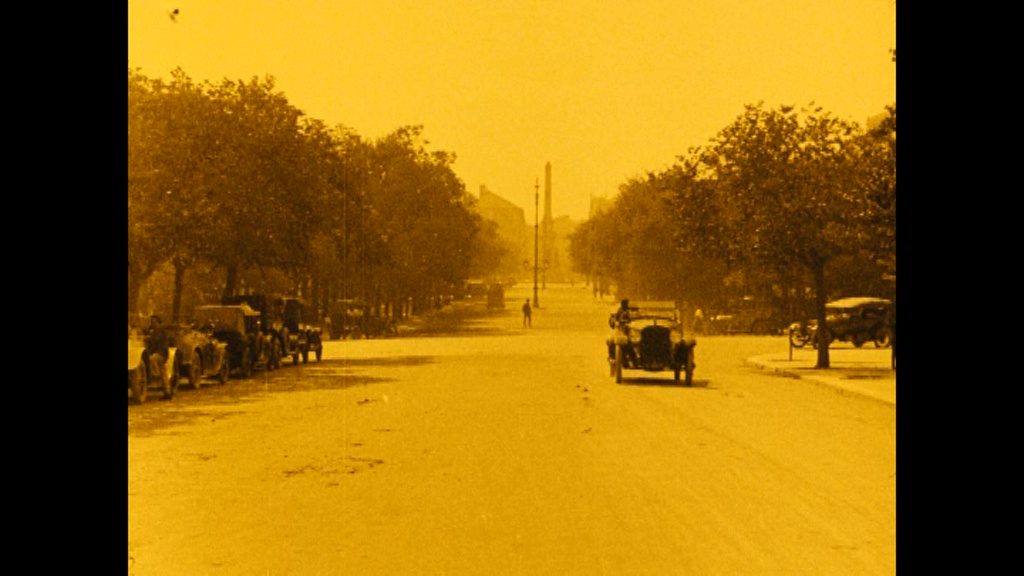
The Coronation of King Peter the First (1904; UK/Srb.; Arnold Muir Wilson/Frank S. Mottershaw)

Having written last time about films featuring the Emperor Franz Joseph I of Austria-Hungary, this week we turn to a rival power in the Balkans: Serbia. In 1904, Peter Karađorđević was crowned as King Peter I of Serbia. His reign is seen as a kind of golden age of Serbian development in the region, as well as the locus of tragedy and triumph in the Great War. I had seen plenty of images from Serbia in the war, but the existence of footage taken at the time of Peter’s coronation was new to me. Thanks to a DVD from the Yugoslav film archive, we can see the surviving material filmed by Frank S. Mottershaw in 1904. Mottershaw’s father, confusing also named Frank Mottershaw, had founded his Sheffield Photo Company in 1900 and the spent the next decade making a number of inventive short films that experimented with new forms of editing, especially the “chase” format – as exemplified by the marvellous A Daring Daylight Burglary (1903). In 1904, Frank’s son journeyed to Serbia in the company of Arnold Muir Wilson, a lawyer and journalist – and honorary Consul of the Kingdom of Serbia. They went to film events around the coronation of Peter I. Though the film’s title implies a record of the actual coronation, Mottershaw and Wilson did something rather more interesting. The film’s subtitle in more accurate, and more revealing: “a Ride through Serbia, Novi-Bazaar, Montenegro, and Dalmatia”. This, then, is what we get…

Street views of Belgrade, April 1904. The past walks past us, gazes back at us. Children, as they do everywhere in the past, stop and stare, grinning, waving, poking their noses into the frame. Here is the world as it was before the Great War, populated by the faces of those who would live through it. There are soldiers and officers and priests and march pasts. But there are also ordinary people, civilians going about their business, or waiting, or mooching aimlessly.

The royal procession, captured at an arrestingly odd angle: the camera is tilted, as though craning its neck to see the dignitaries. There they go, in splendid full-dress uniforms: caped, and plumed, and epauletted. There are carriages of women in big hats. Men raise their own hats in salute. Dignitaries in top hats, in bicornes. There is no view of the coronation, not even a glimpse of the cathedral. We wait outside, in the streets, with the crowd. We see the parade returning from the cathedral. It is less grand, and curious dogs, oblivious to the progress of state history, dart out amid the lines of slow-marching men and horses. There are long shadows and pennants and musicians (and lumps of horseshit on the cobbled street). A man who may be the king rides past. Others are more arresting, since they pass close by to the camera, momentarily filling the frame with their presence. Who are they? What became of them? More carriages roll past. The crowd mills about. The pleasures are slow. No-one is in a hurry. It’s a free show. Just stop and stare at it all. The cavalry glance guardedly to their right. The musicians are no longer playing, they examine their instruments as they pass. Now the crowd breaks up and the street fills with the bustle of everyday life.

Another parade, this time celebrating the “development of the Serbian army” across history. So a historical parade about the history of historical parades. The camera watches as it passes. Rank after rank, often just gaggle after gaggle, of soldiers in historical dress, growing more modern. Here comes the first artillery, then marching bands, then modern guns, smarter ranks, better-drilled ranks.

Views of Belgrade port and fortress. The past seeped in a golden haze, the haze of a distant spring, a spring of empty expanses, cold light. Now views of the Serbian army on parade. The army has room to stretch its formations, out across the muddy plains. The camera watches. There they go, the men, the horses – and the little dogs who once more run after the moving ranks. Odd figures wander in front of the camera then vanish. The past stops and restarts and vanishes. The guns roll along, but there is no chronology here, just a series of unending and thens… And then the officers dismount. And then the carriages appear. And then the priests scratch their beards. And then…

And then, Žiča monastery. A beautiful snapshot of an eastern Europe I know from innumerable books and photographs of the war-torn century. Here are the whitewashed walls (a little greyed), the Romanesque arches, the rounded cupolas topped with Orthodox crosses, the priests in their long dark robes and tall hats. (And the curious youths.)

Studenica monastery. The camera turns its head to follow the progress of a carriage. A stunning valley stretches out toward the hazy horizon. The walls, the doors, the shadows. I can see spring warming up. The sun is brighter, casting darker shadows across the forested valley and steep slopes. Horses stand around. The world is sometimes stunningly empty, sometimes observed only by us.

Kraljevo market. Pigs and sheep, an array of carts. The camera pans nearly 360-degrees, and everywhere it turns are people who stop and stare. Is this the first moving picture camera they have seen? Novi-Bazaar, and everyone stares again. The camera turns on its axis, and every frame is filled with curious life, streets I want to walk down, houses where the past resides. The people on the streets here are more casual, just as curious, more liable to smile, to mill around, to ask questions – finally, to bring their wives and children and approach. (The children are smoking.)

The Montenegrin army. I recognize their uniforms from the endless books about the Great War that I collected as a child. (Yes, this corner of the world is somehow more familiar to me in its past form, more known to me in its old clothes, as this generation and the next.)

Views of Šibenik. A large ship, the dock, and smaller sailboats. Women carry huge barrels on their heads. The water glimmers in the sun. the camera turns to marvel at the houses, shoulder-to-shoulder, then suddenly floats aboard a ship. We go to Zadar, we float past ancient walls, we drift… THE END.

This film is on DVD via the Yugoslav film archive, and its material history – passing from the UK to Serbia in 1937, being shown sporadically until its restoration in 1995 – is summarized in the opening titles. The main intertitles were based on Wilson’s notes, so are a modern interpolation into the film. It has no soundtrack, but the images speak for themselves – or rather, they remain stubbornly, eternally silent. As such, they are all the more evocative. I’d love to know more about how and when it was shown in Serbia, and what kind of audiences saw it. The opening credits inform us that the film was exhibited in the UK as part of Wilson’s lecture series on Serbia, then in April 1905 shown at the National Theatre in Belgrade in the presence of King Peter, royal family, and other dignitaries. How was it presented there? With music? With narration? And was it shown outside of this one projection? Where? And when? Did the people on screen, the men and women and children who gaze back at us, ever get to gaze back at themselves?

The Coronation of King Peter the First is a great curiosity. It’s not in great shape, it shows its age, it bears the marks of its material history. It’s awkward and faintly shabby. But it’s also very beautiful and very suggestive. It has a tremendous aura of its past, of Serbia’s past, of Europe’s past.

Paul Cuff
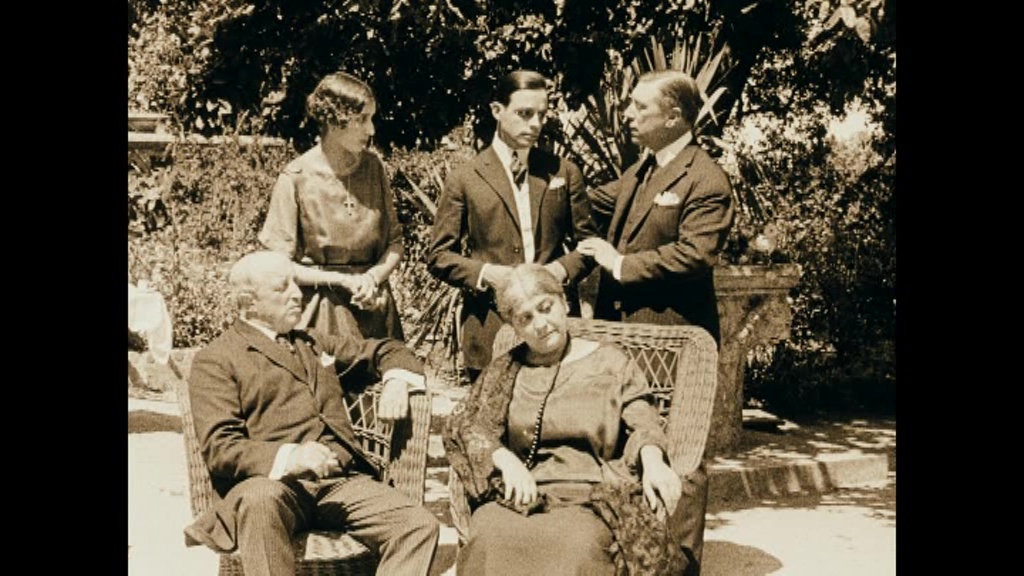
Kaiser im Kino: Franz Joseph I. in historic film documents (1903-16)

It’s been a few weeks since my last post, for which I apologize. I have been busy writing, but for a book project that is wresting control of my schedule. Having just finished a chunky chapter, I take a thematic break by revisiting a DVD released by Film Archiv Austria in 2016 to coincide with the centenary of the death of Emperor Franz Joseph I. This edition, called Kaiser im Kino: Franz Joseph I. in Historischen Filmdokumenten, is a nicely produced DVD with English subtitles and plenty of details about the sources for its selection of films. (There is also a musical soundtrack, of which more later.) There are twenty-four films, mostly produced during the Emperor’s lifetime, together with some that postdate his death. The programme is 75 minutes long, enough time to glimpse a vanished world…

The first film in this collection does not feature the Emperor. Entrée du cinématographe (1896) is a Lumière film shot to advertise the presence of their films in Vienna. It was at the cinema on Krugerstrasse on 18 April 1896 that the Emperor first encountered moving images. “Ah, c’est magnifique!” he marvelled. He was already advanced in years. Born in August 1830, he ascended to the throne in the tumultuous year of 1848. He was thus nearly 66 when he saw his first film. As an icon of the old world, and heir to the Habsburg monarchy that dated to the thirteenth century, there is something poignant about this encounter. What films did he see that day? How did eyes that had seen most of the nineteenth century react to the medium that would define the twentieth? The month Franz Joseph was born, the last Bourbon monarch of France was entering exile; when he died in November 1916, Russia was on the brink of revolution.

But here he is in 1903, a flickering patch of white, beyond ranks of dignitaries. Head down, he is annunciating a speech. In silence we watch. But the film skips this speech, untranslatable, in favour of the reaction. Umbrellas are thrust into the air. Top hats are hoisted in salute. Children curtsy. The old world goes about its awkward choreography. The Emperor shuffles off. Though he had been filmed first in 1899, Der Besuch Kaiser Franz Josephs in Braunau am Inn (1903) is the earliest surviving footage of him. As the short essay in the DVD’s liner notes highlights, the Emperor rarely gets close to the camera. For the most part, he is seen from afar. Per the liner essay, is this is a “respectful distance maintained between rulers and the ruled” – even a “quasi-religious distance”? Perhaps, yes. It is also the awkwardness of early technology, the awkwardness of etiquette. How close could a camera operator – often a foreign employee of the Lumières or Gaumont – hope to stand in public events? There are no other photographers on screen, no suggestion in these few metres of gathered reporters. Just the crowds, the dignitaries, the dusty past. We are awkward eavesdroppers, stood on tiptoe, craning to catch a glimpse. For all the talk of “quasi-religious distance”, the camera setups often speak of an ordinariness that is quite charming. These events are partially staged, but not rigorously so – not quite, it seems, for the camera. Too often we are jostled or struggle to keep the Emperor in view. He’s not a god, just an old man liable to get swallowed by the crowd. At the end of Der Besuch Kaiser Franz Josephs in Braunau am Inn, the Emperor and his little retinue come closer to the camera. It seems for a moment that he might confront the lens directly, but this impression is swiftly quashed. Instead, he ignores us entirely and marches off to our right. Saluting arms get in the way of the frame and the camera hastily pans to the right to try and keep the Emperor in view. But the old man is too fast: he disappears entirely, leaving the camera with a view blocked by the leaves of a small tree. A final shot pans around the faces of the crowd and the uniformed police presence. A man strokes his beard. Dignitaries clutch limp speeches. People mill around. The film ends.

Years pass. Enthüllungsfeierlichkeiten des Kaiserin Elisabeth Denkmals (1907) – the “unveiling of the Empress Elisabeth monument” – alerts us to the recent past. In 1898, Franz Joseph’s wife Elisabeth was assassinated in Geneva by an Italian anarchist. Informed of her death, he initially assumed it was suicide, since Elisabeth (“Sisi”) had long since been mentally and physically unwell. She herself had never recovered from the death of their only son, Rudolf, who perished in a murder-suicide pact with his mistress in 1889. (In the space of ten years, she had lost both parents, two sisters, and her son.) So Franz Joseph and Elisabeth were never to appear on film together, just the image of her as the statue in the Vienna Volksgarten. In Enthüllungsfeierlichkeiten des Kaiserin, the trees flutter in the breeze. The Emperor does his rounds, saluting almost constantly. Dozens of uniformed men and hatted women follow in his trail. The statue of Elisabeth is too pale for the celluloid. Over-exposed, she is doubly absent in this film. In the sunlight of a previous century, she is rendered almost blank.

In Unser Kaiser eröffnet das neue Kinderheim in Gersthof (1910), the weather has turned. Umbrellas gleam with ancient rain. The greatcoated Emperor walks unperturbed as dignitaries with sodden shoulders introduced him to a series of tailcoated officials. Gowned priests bob around in the background. A throng stands and waits in the storm.

Here is Kaiser Franz Joseph in Sarajevo (1910), and the Emperor walks the streets where four years later his nephew Franz Ferdinand would be assassinated, triggering the Great War. Carriages pass. The Emperor walks up some steps. The camera is not privy to the interior, nor the passage of time therein. Immediately, therefore, the Emperor is outside. The carriage return. He mounts. A man walks in front of the camera and is ushered out the way. Parades of children in fezzes. The Emperor stands. The film skips past another speech, then realizes there is no more to be seen, so stops.

In Der Kaisertag in St. Pölten am 21.6.1910 (1910), the Emperor receives raised hats and salutes. Plumed gentlemen bob around him. The camera struggles to focus on its moving target. A woman anxiously looks over her shoulder, waiting for her cue to curtsy. Crowds of young girls wave their arms under instruction from their guardian. Older girls perform a floral dance. The camera glimpses faces, backs, gestures, odd looks. The operator stops turning now and then, anxious not to waste celluloid. The past skips along, slips away between frames.

The Emperor is absent from Kundgebung für den kaiser vor dem Brigittenauer-Kino (c.1910), but we see a poster bearing his image on the cinema wall. Two children in the corner of the frame, keenly peering towards us. Someone has issued instructions, for now a crowd of children cheers the image of the Emperor. But they would clearly rather look at the camera. Facing the wall, they demonstrate their fealty. Turning sneakily to us, they grin more gleefully. And how do we feel when we see these smiles of long-dead children?

Enthüllung des Denkmals “Franz Joseph als Weidmann” am Laufener Wald bei Ischl am 24 August 1910 (1910) is the first of two films recording the Emperor as huntsman. This film shows him milling as part of a crowd before his own image. He is only slightly more animated than his metalled self. In the background, a train passes – and I wonder about the travellers, and their view of us through the frames of their windows. Se. Majestät Kaiser Josef I. auf der Gemsjagd bei Ischl (1910) is the main event, though, and among the most substantial of the shorter films. The imperial villa at Bad Ischl. The Emperor emerges, smoking a cigarette. He takes a last puff, flicks the butt onto the driveway. He turns, sees the camera, pauses for a moment, then turns away. Is this the first time he has looked directly at us? It is from a distance. The connection is fleeting, for the carriages arrive. The Emperor is off into the hills, the woods. We see him striding slowly through the trees. There is something touching about his ensemble: pale knees showing between lederhosen and thick woollen socks. The Alpine hat and plume, the grand white whiskers. A horse’s tail, in perfect focus, flicks behind the blurred image of the Emperor gesturing to an assistant. Now they are higher up. A beautiful image of the throng of hunters at the bases of a slope. Sunlight streaks through the pines, highlights the white rocks. It’s a superbly composed image, perhaps the first moment of something with real vision in these films. The Emperor hunts, shoots. Dark chamois hurtle across the pale scree. Bodies are lugged uphill.

The sight of death prepares us for Unser Kaiser am Flugfelde in Wr. Neustadt (1910). Spectacularly elaborate and flimsy-looking planes await the Emperor’s inspection. Even the roller-coaster ride shown in Kaiserhuldigung im Wiener k.k. Prater (1911) feels more secure than the sight of those planes.

Vermählung des künftigen Thronfolgers (1911) shows the celebration of the marriage of the Emperor’s heir apparent Archduke Charles Franz Joseph and Princess Zita of Parma at Schwarzau castle. And of all the films in this collection, this is the most intimate. We see the various titled guests arrive, and I find it enormously endearing to see men decked out in extraordinarily elaborate military costumes puffing away at cigarettes and chuckling at private jokes. When the guests gather on the terrace, there is an amazing jostling of nobles. There is the groom, grinning and flashing a glance at the camera. There is Franz Ferdinand, lurking behind the Emperor, pulling at his collar. Children peep from behind adults, old women drift curiously past the lens. Is that the Emperor smiling?

Vue de Vienne et ces principaux monuments (1912) and Bilder aus Bad Ischl (1913) are interludes of postcard views of pre-war Vienna and Bad Ischl, and there is something touching (as always) about the past going about its business, the everyday fabric of life. And the eerie sense of emptiness in the shots of parks, the views of landscapes, the slow turn of the camera’s head to take in a present that is now long gone.

Then there is the public life of the Emperor on the brink of war. A slow parade of waiting: waiting for carriages, waiting for footmen, waiting for doors, waiting, waiting, waiting. Films like Kaiser Franz Joseph I. eröffnet die Adria-Ausstellung in Wien (1913), Geburtstagsfeierlichkeiten S.M. Kaiser Franz-Josef I. (1913), Kaiser Franz Fosef I. kehrte aus Bad Ischl zurück (1913), Kaiser Franz Joseph Denkmal-enthüllung in Mürzzuschlag (1913), and Einweihung der neuen Kaiser Franz Josef-Gedächtniskirche (1913) bear titles that take as long to pronounce are they do to watch. The Emperor is glimpsed for real and in bust form, taking salutes, stepping into or off of various forms of transport. In Wien. Platzweihe der Eucharistischen Gedächtniskirche (1913) he mounts a carriage and is handed a greatcoat to place over his legs. A reminder of the cold that we cannot feel, and of the age of his bones. In Jahrhundertfeier am Schwarzenbergplatz in Wien (1913) a crowd in greatcoats occupies a square. The wintry gloom, the cobbled streets, the silent façade of the buildings all carry an aura of premonition. How many such cities of the early twentieth-century will we see crowded, for good and ill? The Emperor walks slowly. He is old. He takes a salute. Horseshit peppers the cobbles.

Already history has caught up with him. The very title of Aus den letzten Lebensjahren wieland Sr. Majestät (1916) evokes the inevitability of Franz Joseph’s death. By far the most evocative glimpse of the past in this film is the procession of Corpus Christi. The image, the uniforms, the ranked crowds – it is the very sight that Erich von Stroheim recreates in the centrepiece sequence of The Wedding March (1928). The film of 1916 is already looking back to the past, just as Stroheim did in 1928, and we do now in 2024. The slow march of the past. Die Trauerfeierlichkeiten für Kaiser Franz Josef I. (1916) shows us the Emperor’s funeral. Photographers await the pall. Children carrying immense candles. A world dressed in black, the dim winter light, the grey streets. Already Austro-Hungarian forces had lost two million men in the fighting.

In Kaiser Franz Joseph I. als Regent und als Mensch (1930), the empire – the very idea of Austria-Hungary – is already a distant memory. A grandfather tells his two grandsons about the Emperor. Here is his image again, this time as a small figurine. Flashbacks take the form of newsreels, newsreels that are not included in the preceding selection on this DVD. So we see more parades – soldiers and civilians wearing the uniforms of past centuries – and more formal greetings at railway stations. And army manoeuvres, wherein the soldiers that would be so appallingly led during the war are seen – still alive – forming up in line, advancing, reconnoitring, charging on horseback. It’s a messy, incoherent picture of the past. The poor quality of the newsreel, as preserved for its inclusion in the 1930 assembly, makes it all the more dim and distant. A final image of the Emperor, once more cheered by a crowd. His carriages moves off, into the past. The Emperor, the people, the world around them. All gone, all gone, all gone.

This DVD has more than general interest for me. Late-nineteenth and early twentieth-century Austria-Hungary is a subject of deep fascination. So many of my favourite writers, artists, and composers occupy the culture of this period. Even the disasters that befell the empire and its eastern neighbours after 1914 are compellingly interesting. And the later worlds of Stroheim and Lubitsch owe much to the very idea of the shambolic, charming, precarious state of middle-European history.

One of my most cherished writers is Joseph Roth (1894-1939), whose fiction obsessively revisits the end of the Austro-Hungarian empire. Sensing, then experiencing firsthand, the horrific modes of nationalism that erupted after the Great War, Roth looked back on the pre-war world with a sense of deep regret and longing. While Roth’s prose is as evocative as any of the twentieth century, I was intrigued by the idea of watching images from the era of Franz Joseph. There is something silly and sad and mournful about the entire collection of films on this DVD. (I pause to note that the soundtrack for the disc is a rather weird mishmash of electronic sounds and snatches of Schubert and Beethoven, played too fast. At the moment we see the bride and groom on the terrace at Schwarzau, the soundtrack delivers an amazingly rapid blast of synthesized fanfare that was so surreal that I burst out laughing.)

If looking back at these films in 2024 is strange, a century ago it was stranger still. In late 1925, Roth went to the cinema and saw a short film juxtaposing an old newsreel of Tsar Nicholas II with the new Bolshevik leaders. Watching the Tsar, murdered seven years earlier, was an uncanny experience for Roth. He wrote a piece called “The Opened Tomb”, where he reflects on a past that is both incredibly recent and indelibly lost. The fashions are gone, the people are gone, the world is gone. There is something in the quality of the newsreel, even its brevity, that makes it so potent for him. I cannot possibly match Roth’s prose, so I end this piece with his final paragraph, written almost exactly 99 years ago:

It’s all over in three minutes. It’s no more than one of the numerous terrible moments of world history that show crowned heads at play. This one happened to have been caught by a camera and handed down to posterity. The film is a little worn, the pictures flicker, but one can’t say whether it is punctures made in it by the tooth of time, or molecules of natural dust that have shrouded these seemingly living subjects. It is the most terrible irreality that film has ever shown; a historical dance of death, an opened tomb that once looked like a throne…

Paul Cuff
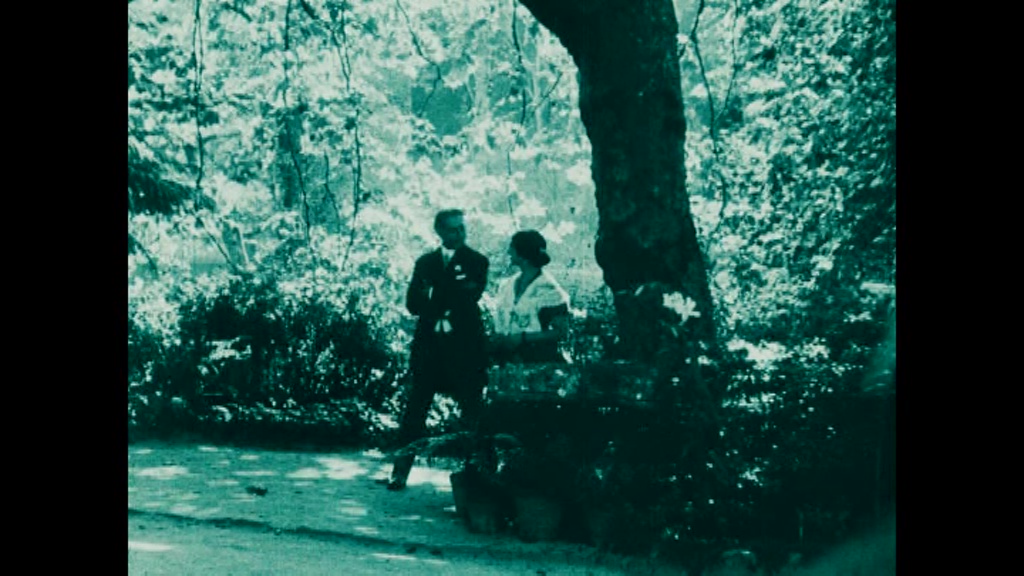
Pordenone from afar (2024, Day 8)

Our last day of streaming from Pordenone. We begin in Germany (or possibly Istanbul) for an Anna May Wong vehicle, then make our way to America for some Harold Lloyd. Two chunky features to digest, so here goes…

Song. Die Liebe eines armen Menschenkindes (1928; Ger./UK; Richard Eichberg). On the outskirts of an “eastern” town. John Houben (Heinrich George) encounters Song (Anna May Wong), one of “Fate’s castaways”, and rescues her from a gang of roughs. He leaves, but she follows him back to his poor home in town. He is a knife-thrower and, after some initial hesitation, she moves in with him and joins his variety troupe. Posters advertise the arrival of Gloria Lee (Mary Kid) to the city. We see her with James Prager (Hans Adalbert Schlettow), a rich patron. Meanwhile, we see in flashback that John once fought and killed a man over Gloria – and John was presumed lost overboard, but survived when washed up on the beach where he met Song. At the Blue Moon café, Gloria sees Song dance and John throw knives. Gloria offers John money, while Prager flirts with Song. The next night, John goes to see Gloria at the ballet and visits her backstage – and confesses his love. Prager arrives and the two men exchange violent looks. John wants more money to impress Gloria so joins a gang of train robbers. The plan goes awry and Song rescues John from the rail tracks. But his sight has been damaged by the accident and during his knife-throwing act he wounds Song. John suspects Song of having betrayed the gang to the police. He attacks her and falls in a stupor: he is now blind. Song goes to Gloria to ask for help. Only Doctor Balji can help, but this will be expensive. Song comes again to beg for money but is offered only Gloria’s old clothes. Song sees money in her dressing room, so steals a couple of notes and leaves. Song returns to John in Gloria’s clothes. Blind, he mistakes her for Gloria, which devastates the lovelorn Song. She lies and says the money was from Gloria, so they go to the doctor. Gloria leaves the city, but Prager stays. He once more crosses paths with Song and says he knows she stole the money. He promises her a big engagement in one of his shows. She accepts and some time later she is star performer at more upmarket venues. Meanwhile, John is cured but must not remove his bandages for three days. He asks after Gloria, so Song says she will go to fetch her. She re-enters dressed in Gloria’s clothes. He rips off his bandages, sees Song, and furiously hurls her from the house. She mournfully heads off, while John discovers that Gloria long ago left the city. Song returns to Prager, who is angry she has been with John. He tries to force himself upon her and says she must decide between John and him. Song performs a sword dance, just as John enters. Started, she falls onto a blade. He takes her home. She opens her eyes in time to see that he is recovered and has brought her back – then dies. THE END.

An odd film. Made in Germany with a mostly German cast, Song was released as “Show Life” in the UK, and this English-language print is the one that survives. The restoration, by the Filmmuseum Düsseldorf, relied on what the credits tells us was a very limited amount of original 35mm material. But the result, while missing a small amount of material, is gorgeous to look at. The photography is superb, the tinting adding a lovey atmosphere to the exteriors of Istanbul, the cramped sets of John’s house, and the elaborate stage sets for the café, ballet, and salon. In particular, the opening shots of the coast around Istanbul (or wherever, doubtless, substituted for it) are gorgeous.

George and Wong are also captivating presences on screen. This was one of Anna May Wong’s most successful silents, and the film lavishes lots of close-ups on her. She is clearly a star, magnetic and fascinating, and even if the psychology of her character in this film is very sketchy, she gives a committed performance. But I was equally taken with Heinrich George, who made such an impression in Manolescu (shown at Pordenone in 2022). The man is a hulking physical presence – always gruff, always strong, always dangerous. When his character tries to be charming, he exudes a kind of over-keenness that threatens to become violence. He’s a fierce, brooding, never-quite-pitiable figure.

All that said, I don’t think this is a great film. As much as I like all the above aspects, the film as a drama is less than the sum of its parts. I simply didn’t care enough about the characters, or believe in the depth of the feelings they supposedly had for each other. Everyone feels rather like a stock character, which the performers all do their best with – but there’s only so far you can go with such a thin story. There are plenty of intensely concentrated shots (especially some close-ups of George and Wong), but these images don’t add up to anything of psychological depth or dramatic conviction. It’s lovely to look at, but I was underwhelmed with the drama. And although I like Wong and George, I never bought her love for him. (I think back to Manolescu, where George’s love-hate relationship with Helm was visceral on screen.) I can imagine that, looking just at the image captures here, Song may well look like a better film than in fact it is. It really does look good, but it needs more than that.

And so, to our final film: Girl Shy (1924; US; Fred Newmeyer/Sam Taylor). What can I say? This is a masterpiece. I’ve not been so moved and so delighted by a comedy feature in years. My god, where has this film been all my life?!

In the obscure small town of Little Bend, trainee tailor Harold Meadows (Harold Lloyd) lives with his uncle, Jerry Meadows (Richard Daniels). Harold is “girl shy”, helplessly stammering whenever he talks to a woman and recoiling at any intimacy. But he is also fascinated by women and has written a novel – “The Secret of Making Love” – in which (as we see via fantasy scenes) he imagines himself dominating them and winning their devoted admiration. On his way to the publisher with his manuscript, he encounters the heiress of the Buckingham Estate, Mary (Jobyna Ralston), and rescues (and then hides) her dog on the train. He describes the novel, and she is fascinated by it and by him. In Los Angeles, they must part – but Mary soon keeps driving through Little Bend in the hope of encountering Harold. However, she is being pursued by the louche Ronald DeVore (Carlton Griffin), a womanizer with a cynical eye for money. When Mary and Harold meet on the river in Little Bend, their romance is interrupted by Ronald, who also clashes with Jerry. The young couple are parted once more but agree to meet in town when Harold goes back to the publisher. In town, Harold is laughed at by the publisher and the entire publishing staff. He leaves, utterly crestfallen, convinced he is unworthy of Mary. When he meets her, he pretends that their romance was all an act for the sake of his new chapter. They part, and soon Mary reluctantly accepts Ronald’s proposal. But the publisher realizes that he can sell Harold book not as a drama but as a comedy: he sends a $3000 cheque. Harold, believing this to be the rejection note promised by the publisher, tears it up without looking – only for Jerry to spot the error. Realizing he is now able to marry Mary, and being told that Ronald is already married to another woman, he hurries to break up the marriage ceremony in town. After a madcap chase from Little Bend to Los Angeles, he arrives in time to rescue Mary and propose. THE END.

I’ll say it again: this film is a masterpiece. For a start, it looks beautiful. The photography is superb, the lighting excellent. The scene by the river, where Mary re-encounters Harold, is absolutely perfect: the evening light, the gentle softening of the background, the framing and composition of the bridge and reflections… oh my word, what a beautiful scene. It’s charming and funny and deeply touching. It’s rare in a comedy feature to be quite this moved, and not to feel grossly manipulated, but Lloyd somehow keeps the emotional tone perfectly balanced. His character is a foolish fantasist, but he is also capable of real kindness. When the publisher tells him to his fact that he’s a complete failure, I confess that my heart broke a little. The extended close-up of Lloyd offers enough time to let the impact of the words sink in for the viewer while we watch it sink in for Harold. His performance isn’t sentimental, it’s realistic – and that’s why its so effective. It lets you believe in him as a real person, and the memory of his fantasies of domination are left far behind. I cared for him here, just as I cared for Mary in the scene where Harold lies to her and breaks her heart. Again, the moment is so well pitched, so restrained, it’s simply heartbreaking.

It’s also a film of incredibly subtle visual rhymes and gestures. See how the uncle has on his knees a child whose trouser rear he’s mending; then how Harold is introduced likewise (rear first) through being bent over backwards; then how the gesture of sewing/intimacy is carried into Harold’s first encounter with the girl with the split tights. In these moments, the easy intimacy of the uncle for the child is awkwardly mirrored in the hoped-for-but-rebuffed intimacy of the girl and Harold. Harold is figuratively childlike but – unlike the actual child – cannot cope with the adult implications of intimacy. His introduction, bent over backwards, is a kind literal rendering of how he’s got things all backwards. (More crudely, you might say he’s introduced as an arse.) Then see how, in the novelistic fantasy, Harold spanks the flapper in the same posture that the uncle repairs the trousers. Here, Harold enacts a comically violent revenge on his inability to feel easy around women and their bodies: far beyond his real self’s shunning of all contact, this is not the consensual middle ground of intimacy but the extreme of physical possession. It’s funny, certainly, but a little unsettling. Here is the loner fantasizing about smacking a woman for pleasure.

But the film’s visual rhymes also signal that Harold knows in principle, and will learn in practice, how not to treat women. In the first novelistic fantasy, we see Harold put his hat and cane over the outstretched arm of the vamp; in the real world, we see Ronald put his hat and cane over the arm of the Buckingham’s maid. The latter situation reminds us of the callowness of Harold’s alter ego, but in reality, the situation is more sinister. For Ronald’s gesture with the hat conceals (to the lady of the house) the fact that he’s groping the maid’s hand. So too, the placement of the cane over her arm makes it an extension of his own touch. The maid clearly feels uncomfortable and so, surely, do we. It’s a marvellous indication of how the fantastical scenario of Harold and the vamp becomes troubling when we see it enacted in real life. The maid, unlike the vamp, is a woman without power or recourse to self-defence. Then see how the gesture with the cane appears again as Harold, seeing Mary’s beloved dog left behind off the train, uses his cane to hook the animal from the ground onto the moving train. Here the cane is used for comic effect, but it’s also a gesture of sympathy, of kindness: he’s performing a good deed, a selfless one. (Perhaps there is an unconscious desire to use this act to make contact with the girl – but Harold is too shy to follow through, and spends the next scene desperately trying to avoid Mary.)

The rhymes are also there with Mary and Harold. They are forced to sit next together when the train takes a bend and Harold falls into place next to her, just as (later) on the river Mary falls into Harold’s boat. Their two treasured mementos of the train journey, the box of biscuits (hers) and the box of dog biscuits (his) are objects of veneration, things to hold in the absence of the real person. On the river, seeing the other person with their token of love indicates to the pair that their feelings are reciprocated, just as – in the first variation on this rhyme – the devaluation of the token is a rupture of their relationship. This occurs when Harold, having been rejected by the publisher, decides it’s best that someone destined to be a failure should not disappoint Mary. He breaks up with her and claims that all his words were a mere scenario for his book. He immediately hooks up with a passing girl, who had shown interest in him a few minutes earlier. They link arms and he then buys her a box of biscuits – the same brand as he had given to Mary on the train. The replication of this gesture is deliberately hurtful, a kind of parodic rhyme that devalues (while also re-emphasizing) the initial parallel of the lovers’ tokens. Later, when Harold receives the publisher’s cheque but (believing it to be the promised rejection note) tears it up unopened, the very next scene creates a poignant rhyme. Here, Mary contemplates the cover of the biscuit box that she has torn up and now reassembles. The rhyme between torn cheque and torn box suggests the inopportune rupture of something that would bring success and happiness – and (in Mary’s scene) the desire to repair the damage. Harold will soon piece together the cheque, matching the image of Mary’s reassembled package. With both halves of this parallel repairing achieved, Harold sets off on his race to the rescue. It’s such a brilliantly organized, beautifully staged use of props and gestures. God, what a good film this is.

Of course, I’ve hardly said just how funny a film this is. The long sequence on the train, when Harold first avoids Mary then has to sit next to her, is exquisite. I particularly loved the series of gags involving his (real) stammer and (feigned) cough. Lloyd manages to make these essentially acoustic jokes work perfectly for the silent screen. His stammer involved him contorting his mouth: first his mouth hardly opens, he purses his lips, the breath fills his cheeks; then his mouth his fully open, stuck in a different register, and still no sound emerges. It’s the physical movement of speech, its physical articulation, that works so well: here is speech visually arrested in its various stages. The coughing gag – where Harold has to mask the sound of the dog’s barking – works so well because Lloyd must express the cough purely visually: he has to attract the guard’s visual attention, not just aural attention, so his whole body performs the cough. The sheer extension of this sequence is part of the delight: it runs and runs, forcing Harold to keep finding new ways of doing the same thing. (In this, it foreshadows the far greater physical effort of his race to the rescue, where he must once again keep finding new ways to overcome essentially the same problem.)

The final sequence – all thirty minutes of – is astonishing. I can’t possibly go through all the gags, but the one that made me laugh the most was the “Road closed: diversion” gag. Lloyd’s car goes over a bumpy road that makes the vehicle buck and bounce. The particular framing of the medium-close shot of Harold at the wheel, bouncing helplessly along, is wonderful – but it’s the moment when the car finally regains the main road that rendered me helpless with delight. Here, the car has been shaken so badly that the entire vehicle is now a shaking wreck. Like the sensation of seasickness after returning to dry land, it’s like the car and its driver are now unable to cope with the smooth tarmac. Within the wider context of the chase – in simple terms, one damn thing after another – it’s such a bizarre image, and such an unexpected twist, that I was rendered almost insensible with laughter.

The major stunts – Harold unwinding the fire hose, hanging off the cable car cable, the near-crash of the horses – are superb. The moment when one of the horses slips and slides along the road is genuinely breathtaking, and the tracking shot of Harold riding hell-for-leather are as remarkable in their own way as some of the chariot race footage from Ben-Hur (1925) – Lloyd’s film even foreshadows many of the same dazzling camera positions. And to conclude this finale with Harold’s inability to actually say why the marriage is invalid is such a brilliant pay-off to the preceding derring-do, I was won over again by his character, and by the film’s sense of comic timing. What an astonishing sequence, and what a brilliant film.

The music for the film was the first and only orchestral soundtrack offered for the streamed Pordenone programmes. The Zerorchestra provides a jazzy beat throughout. It keeps things moving along, although its default mode of extreme busyness sometimes lost interest in the very precise, varied rhythms of the scenes. What I admired most was the way the score knew when to keep quiet and reduce its forces for the piano alone, or even silence. The moment when Harold is rejected by the publisher was rendered all the more moving by the pause in the music. The feeling of dejection sinks in so perfectly here, the choice to pare the music back to virtually nothing works so well. The (I think , entirely necessary) use of sound effects – for the whistle, the typewriter, the dog – are subtly done, becoming a part of the music rather than intrusions into the silent world. A strong score, well executed. (Since seeing the film yesterday [actually, by the time you read this, the day before yesterday], I have dug out the version released on DVD some twenty years ago, which features an orchestral score by Robert Israel. This is a more traditional score than the Zerorchestra’s, as the latter mode of jazz certainly postdates the era of the film. I also confess that my own taste leans more toward the kind of orchestral tone painting that Israel compiles. He also has the benefit of a full symphony orchestra, so the sound is lovely and rich. I hope the film gets a Blu-ray release, perhaps with both scores as optional soundtracks. This is a film I want to watch again and again.

So that was Pordenone, as streamed in 2024. As ever, I emerge from this week-and-a-bit exhausted, without even having left my house. (Having in fact been practically housebound because of fitting in a festival around work.) Having followed a little of the writing and photographic record of the on-site festival, I am also very much aware that those who went to Pordenone saw an entirely different festival. It’s quite possible that someone there could have missed many, most, or all of the films that I saw streamed. My memory of the content of Pordenone 2024 (streamed) will be entirely distinct to the memory of Pordenone 2024 (live) for those who attended in person. I have quite literally experienced a different festival to those at Pordenone. I also regret that I have not had time (or have not made time) to watch Jay Weissberg’s video introductions, or the book launch discussions, all of which are a significant chunk of the material made available online. I suppose these, in particular, offer a more tangible sense of the festival on location. My relationship with streamed content remains very much limited by time. I fix onto the films and abandon the rest, “the rest” being precisely that content which offers contact with the people and places of Pordenone in situ. But without taking the time off to entirely devote myself to the festival, I cannot see this changing. And why take a week off when all I’m doing is standing before a screen? Oh, the ironies…

Nevertheless, I remain exceedingly glad to have seen what I have seen. Thirty euros for ten generous programmes, shorts and features, is good value, especially given the rarity of most of the material. It’s a further irony that my favourite film of the whole festival – Girl Shy – was the most readily available of all of the ones I saw. But I welcome the chance to see anything and everything, even the passing curiosities and stolid duds, simply because it’s good to explore any culture with which you are not familiar. One day I will go to Pordenone in person, whereupon I’ll probably regret not being able to take image captures and have the time to write. The irony abounds.

Paul Cuff
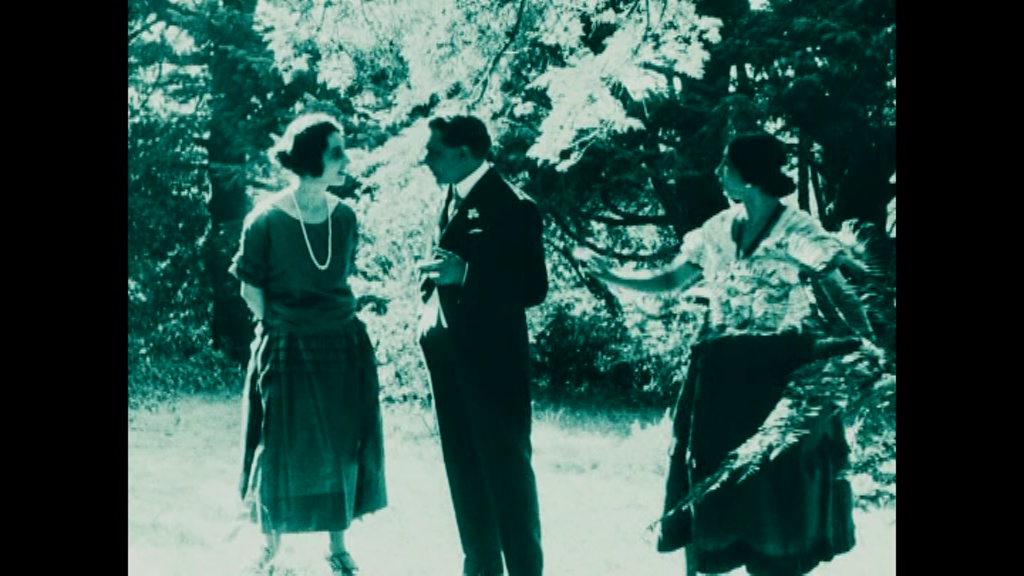
Pordenone from afar (2024, Day 7)

Day 7 takes us to North America: first, to the Canadian border for a display of childish derring-do, then to the louche confines of a yacht to test the strength of a marriage…

We begin with Peg o’ the Mounted (1924; US; Alfred J. Goulding). Any film where two of the lead cast are credited as “Baby Peggy” and “Tiny Tim the Pony” is sure to raise alarm bells… So, alone in a tiny cabin, Peg, a tiny child, encounters a wounded member of the Canadian Mounted Police. She tries to nurse him back to health, but when this fails, she tracks down, fights, and arrests the gang of smugglers. Nothing more about the plot need be said. The child was charming, I suppose, but it takes a lot for me to be won over by a child performer on screen. I suppose I should be thankful we never had to hear her voice, which I imagine to be unbearably irritating. There is something about the wholesomeness of a particular kind of screen child that makes me instantly take against them. So it’s something of a miracle that I could stomach the sight of Peg in this film for so long. I even found her performance impressive, especially her “speech” at the end. There are some charming enough touches, but it’s such a vapid little film I don’t know what else I can say about it as a drama. What I can say it that the photography is simply superb – the Rockies(?) look absolutely stunning, and the exterior scenes are beautiful, really amazingly beautiful. (Just incredibly pictorial beauty for such a throwaway film!) What are less beautiful are those few titles that have been digital recreated: they stick out a mile from the originals, their style and font looking far too new, too crisp, too digital.

I’ve mentioned it before, but why is it so difficult for restorers to match the style of inverted commas or apostrophes to those given in the original titles? (This seems, overwhelmingly, to be a North American issue.) Clear from the original titles in Peg o’ the Mounted is that all inverted commas (for speech or for apostrophe) should be typographic and not neutral. (Sadly, the format of this blog doesn’t permit me to demonstrate “neutral” inverted commas. In this instance, it’s irritating – but otherwise I’m glad, as they look awful.) Why can’t such a simple thing be got right? Oh well. The photographic images looked beautiful, so I suppose that’s what matters.

Now we’ve got Peggy out the way, on to our more adult feature presentation: Folly of Vanity (1925; US; Maurice Elvey/Henry Otto). Newlyweds Alice (Billie Dove) and Robert Blaine (Jack Mulhall) host Stanley Ridgeway (John Sainpolis), Robert’s client, the famous pearl collector. Alice loves pearls but cannot afford them, so she has bought a fake necklace. Robert begs her not to wear the fake in front of Ridgeway, but she can’t resist doing so. Ridgeway compliments the necklace, but his sidelong looks reveal his sniffy attitude. Ridgeway invites them to a small party, but Robert makes up an excuse not to go. Alice calls him a tyrant. They argue, and she ends up getting it her way. Ridgeway’s party turns out to be a raucous affair, with Bella Howard (a rich widow) at the heart of it. A tableau vivant, frolics, flirtation… Robert shows Alice his collection of pearls, which she tries on. He asks her to wear them for a few days so that they regain their faded lustre. She does so, not telling Robert of the exchange. On Mrs Howard’s yacht the next day, the same cast reassemble. Alice and Robert are given separate rooms, the door numbers of which are damaged. (Hmm…) The yacht descends into drunken flirtation between Bella/Robert and Ridgeway/Alice. Bella and Ridgeway observe the couple bickering over the cut of her dress. Alice retreats to her room, leaving Robert at the mercy of Bella. Ridgeway gets drunk alone and bursts into Alice’s room. She flees to the deck, where she falls overboard. Alice descends to the Kingdom of Neptune (no, I’m not drunk: this is what happens. I know, right?). A series of rather tedious displays of semi-nude bathing (discreetly, from a distance) and diving (from clifftops) in Alice’s honour. But when Alice sees herself in the mirror, both she and one of Neptune’s court see this “symbol of vanity” and Neptune banishes her forever. Alice wakes up in her own bed, sees the necklace around her neck – and returns them to Ridgeway. Owing to the damaged room number, she returns by mistake to her husband’s room and not her own. The newlyweds are reconciled, and Bella and Ridgeway agree to marry. THE END.

What a tedious film. I can’t honestly say I enjoyed any of it in a meaningful way. It has a sense of humour, but it’s rather slight. And it clearly has a desire to titillate, but it’s rather lame. I honestly don’t know if it’s meant to be dramatic, but it wasn’t – nor was it funny enough to be a comedy or charming enough to be a farce. I came close to enjoying the opening scenes between Alice and Robert, but the slightly saucy byplay never went anywhere, either in this sequence or in the rest of the film. She is coy and modest with her husband, but her refusal to show him her body is really for the censor’s sake not his. In a vague sort of way, I could believe in their marriage – but the film pussyfooted around what exactly was at stake. Is it sex? The couple finally end up in bed together (or at least, on it) in the last scene, but sex never quite seems the point – and is even the object of scorn and fear aboard the yacht. Robert remains prudish throughout, and Alice isn’t interested in bodies so much as what they can display, i.e. their jewellery – and this interest is morally dismissed by the film as “vanity”. What is this film actually about?

I admit that the descent to Neptune was unexpected, but the mythical kingdom’s appearance quickly outstayed its welcome. Its coy long shots of nude bathers and soft-focus gymnastics, its pantomime beards and watery wizards… I remember watching the short film La Légende du fantôme (1908), produced by Segundo de Chomón. In that film, we also visit the seabed for a mythical array of gods and goblins. De Chomón’s film has no pretensions whatsoever, no desire to moralize or patronize its audience; it uses two-dimensional sets and fake beards and greasepaint and any number of other nineteenth-century theatrical staples. Yet it has more integrity, majesty, and sheer bloody visual and dramatic impact than anything in Folly of Vanity. In fact, as I wrote at the time, there is something quite terrifyingly strange and surreal about de Chomóns world that will likely remain lodged in my brain for as long as I retain my senses. I promise you that I will soon forget Folly of Vanity and its tepid world of underwater theatrics. Nothing in this sequence is either dramatic enough or funny enough to hold sway.

As for the cast, I can’t honestly express great enthusiasm either. Aside from her fleeting (and uncredited) appearance in The Mysterious Lady (1928), I don’t think I’ve ever knowingly seen Betty Blythe in anything other than stills from the lost J. Gordon Edwards production The Queen of Sheba (1921). I must say that she didn’t leap off the screen as any kind of star in Folly of Vanity. I much preferred Billie Dove, who has the kind of open face and round eyes that immediately draw your attention. It’s an utterly depthless character, but Dove gives her some kind of life. Jack Mulhall has a faint spark with Dove, both nothing that made me care for him, for her, or for them as a couple. John Sainpolis normally has gravitas on the screen, but his character here was neither charming nor threatening. There was so little bite anywhere in this film or its characters.
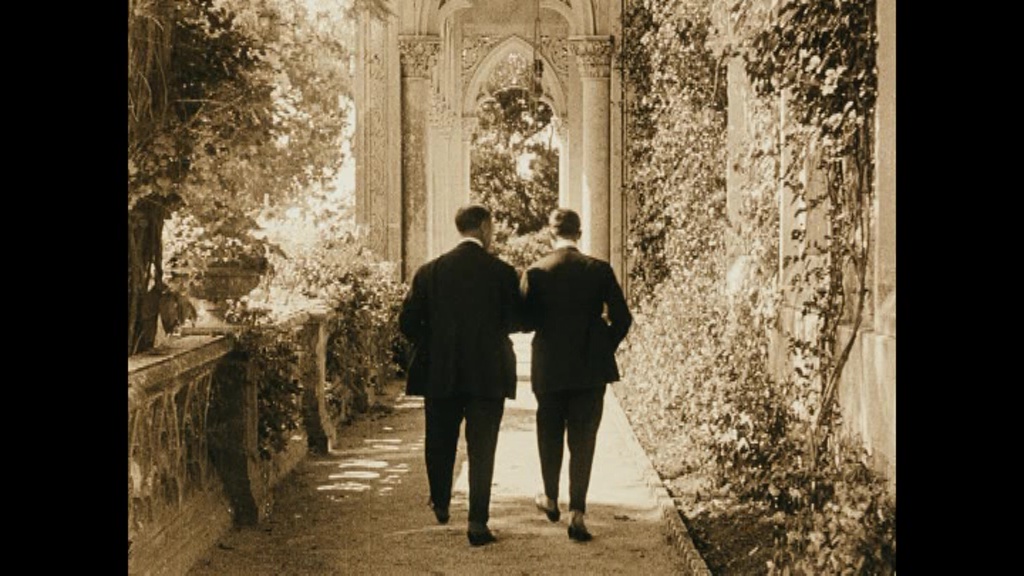
Aesthetically, the film is decent enough. This copy, clearly based on an abridged export print (with Czech titles), is nicely tinted and toned and it’s interesting to watch the weird shifts in quality from colour to colour, sometimes from scene to scene. Some of the gleaming soft-focus visions of the shores of Neptune are gorgeous bits of photography. But really, the drama was by this point so unutterably naff that it sucked much of the pleasure from the images.
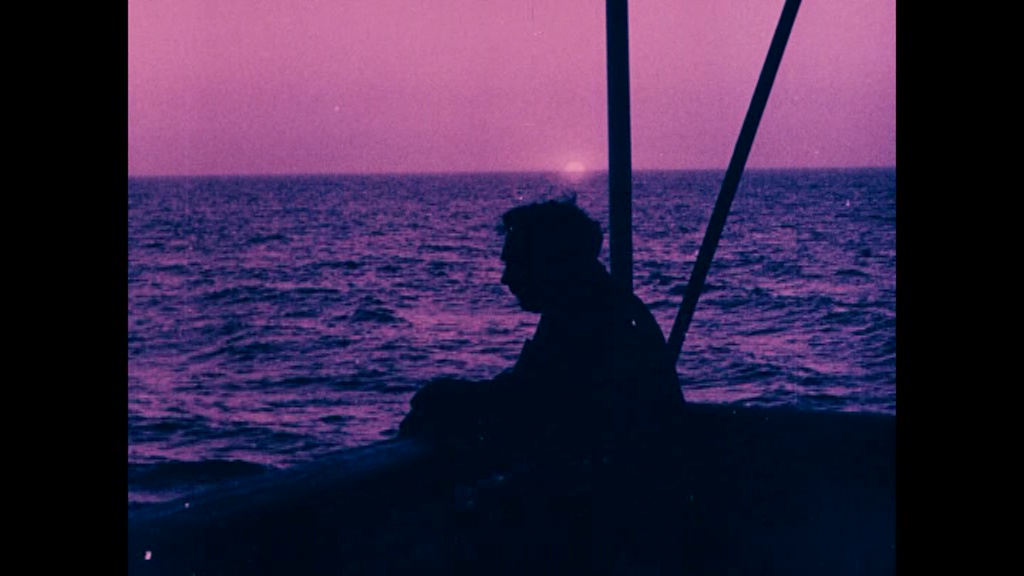
Well, that was Day 7. A strange day. A day that I’ll probably not remember in a few years’ time. A day that began with a silly comedy and ended with an even sillier drama. These are both films that I would never have seen, nor made an effort to see, if it weren’t for Pordenone. So I am, genuinely, thankful for the chance to watch them. But beyond that, I look forward to the final day of features tomorrow – and the prospect of something more substantial for my eyes and the brain…

Paul Cuff