Conan Doyle killed off Sherlock Holmes in 1893. But although he professed no interest in writing more stories about his famous character, he didn’t mind making more money from him. A play based on Holmes was mooted, planned, then put off. It was then taken up by the American actor and dramatist William Gillette. Seeking to make the stories more appealing to audiences, Gillette took plenty of liberties with the source material. Concerned over the denouement he was planning, he cabled Conan Doyle and asked: “May I marry Holmes?” Conan Doyle replied: “You may marry him, murder him, or do anything you like to him.” So Gillette did. His play Sherlock Holmes (1899) was ludicrously successful, and Gillette had played Holmes over 1,300 times by the time a film version of the play was produced by Essanay Studios in 1916. Long considered lost, the film was rediscovered nearly a hundred years after it was made. It offers the unique opportunity to see the early twentieth century’s most successful Holmes…
Sherlock Holmes (1916; US; Arthur Berthelet)
“This film is an exact reproduction of the play that has been performed to great acclaim for the past five years throughout America and England. The actors in the film are the same ones from the play.” So says the opening title. For whatever reason (did they count only the most recent run of performances?), the play in its various guises had been running for 17 years by 1916. Perhaps saying “This play has been running for 17 years” would make it sound rather passé?
Here is William Gillette as Holmes. He’s given his own introduction on screen. Holmes is in his den, surrounded by scientific equipment. He’s even wearing a full lab coat. A phrenological skull sits on a ledge. It’s a great image, and Gillette looks every inch the character: the face, the posture, the build.
And now for the plot. Oh dear. Well, it’s a chunk of “A Scandal in Bohemia”, rendered more respectable. Instead of Irene Adler bearing the letters written to her personally by a prince, the equivalent character is killed off before we even start the film. Her innocent sister Alice Faulkner possesses them, but is pursued by the prince’s agents (again, the writer of anything “indiscreet” is pushed out of sight). But it’s the Larrabees and their compatriot Sid who muscle in on the act to capture Alice and her letters first. Cue endless opening and shutting of doors, listening through keyholes, standing up and professing innocence, opening and shutting more doors, clasping hands, putting on and taking off coats.
But here’s Holmes again, in Baker Street. We aren’t shown the outside of his quarters, yet; indeed, this film tries not to show us too much of the world outside at all: for Chicago is clearly not London. The apartment is small, simple; there’s a small table, a comfy chair, a fireplace. But who else is around? Mrs Hudson? No. Watson? No. But Billy’s here! Yup, Billy. You remember Billy, right? (Uh, no.) Well, here he seems to be a servant. He ushers in… Watson! Finally, here’s Watson. In the role, Edward Fielding looks as Watsony as one might wish: good-natured, smart, moustached. He goes upstairs. Holmes welcomes him, shows him the plan of the Larrabee house he’s about to enter. They talk. Holmes dresses. Watson stays behind. “Let me recommend these books while you wait for me”, says Holmes. And in one of the most dramatically pointless scenes in the film, he looks for a book, finds one, lights a cigarette, and sits to read.
Cut to the Larrabees, trying to find the letters. Sid turns up. More walking into rooms, looking through secret windows. While they scheme, their servant Forman watches. Forman is an agent of Holmes. More intrigue. Upstairs, Alice is locked in her room. Another ancillary character, the French maid Thérèse (why French?) “feels sympathetic toward unfortunate Alice”. So she lets Alice out of her room. Alice comes down. More professions of innocent outrage.
But here’s Holmes! Look at the way he holds himself as he comes to inspect the exterior of the house. Gillette is tall, upright, domineering. Look at the way he holds his cane. The character has a past in this body, in these gestures. It’s a pleasure to see him just stand there, making himself prominent. He also spends most of this film in impeccable clothes. Almost too impeccable. No wonder he needs a servant in Baker Street to help dress him.
When Holmes appears at the door, one of the gang describes him as “A tall, thin man… about forty, with a smooth face… wearing a long coat and carrying an ebony cane.” The description is almost accurate (Gillette was already in his sixties by this time); but why are we bothering to read it? We’ve just seen what she sees, after all. This first part of the film wastes a lot of time. The gang now spend forever working out what to do. People open and shut doors, whisper, wring hands.
Forman lets Holmes in (a full two minutes after he has rung the doorbell). Holmes comes in. When the others are out, he examines the room. The camera tracks from right to left to follow him, then dissolves to a medium shot as he examines door, piano, safe. It’s about the only scene in the film where the camera moves: it’s quite a nice move, allowing Gillette’s performance the space to unfold, to (quite literally) track his movements across the scene. But the film has scant close-ups, either of faces or (more significant in a detective drama) of details (clues!). Holmes confers with Forman, while upstairs one of the Larrabbees dresses as Alice to try and fob him off. The scene drags on so long there’s a reel-change halfway through, as Holmes waits for something to happen. Holmes gets Forman to start a fire and thus reveal where Alice has hidden the letters. But he is so moved by her tearful reaction that he lets her keep the letters. (Gillette plays this emotion very subtly, with a simple downward dip of the head.) Holmes leaves, having neither rescued the girl nor the letters. There’s yet another pointless scene of Sid being caught trying to nab the letters as Holmes leaves. We’re 38 minutes into the film, and essentially nothing has happened. All the characters are where they started, with little having been achieved.
Pity poor Watson, who’s still reading a book. He leaves, as he “really can’t wait any longer”. (I know the feeling, doctor.) The Larrabees say they will contact Moriarty, “the Emperor of crime”, to help them.
Holmes returns to Baker Street. Billy helps him disrobe and put on a spectacular smoking jacket. He lights a pipe and reflects. Alice, meanwhile, is reflecting too. A superimposed vision of Holmes appears. She goes goofy, dreamy. He, too, “starts to dream” back in Baker Street: “Through the blue haze, he sees the sweet figure of Alice Faulkner.” Oh dear, oh dear.
Now to Moriarty (Ernest Maupain), in his underground lair. It’s a chiaroscuro scene, dark apart from a few patches of light, the faces of Moriarty and his henchman. Moriarty keeps “a small burner” built into his desk, “to keep his papers safe from prying eyes”. It’s an absurd device, which characters have to make great effort to lean into to pretend it’s effective. Its real function is an excuse for Moriarty to be lit from below and appear more sinister. Moriarty tells them to get rid of Forman and that he will deal with Holmes.
So Forman is set upon, but the French maid sees this and rushes to tell Holmes. But here is Forman, who is still not dead. But he’s immediately set upon—again!—when he goes outside, as Moriarty makes his way over. This encounter (much revisited in later adaptations) eventually turns into a crude, tedious melodrama as a fight between Billy and Moriarty’s sidekick goes on downstairs, and the professor quizzes Holmes upstairs—then tries and fails to wield a gun. Even the slow dissolves to details—Moriarty pausing to take off his scarf, Billy later confiscating his gun—are weirdly portentous without real purpose. Moriarty tries to shoot Holmes yet again, but Holmes has arranged for the bullets to be removed. Yet again a great deal of coming and going has happened for little purpose.
Next comes a famous sequence from the stage play: the escape from the Stepney Gas Chamber. All the criminals show up, shadowed by Alice (wasn’t she supposed to be imprisoned in the Larrabees’ house?). Yet another unnecessarily longwinded series of people coming and going. A whole gang, including Moriarty are crammed into the scene. Everything is gone over time and again, which makes their plan’s failure when Holmes turns up all the more absurd. It all takes so long: Holmes wanders around; Larrabee smokes; Holmes wanders around; then they don’t speak. Larrabee is literally tapping his fingers with boredom on his leg. Holmes finds Alice tied up (but apparently unguarded) and is then ineffectually set upon by some roughs: rather, just one rough, as the others prefer to stand back and gurn sinisterly rather than help. Next comes something that I imagine worked very well in the theatre: the lights go out, leaving only Holmes’ glowing cigar end to guide the thugs. But the cigar is perched on a ledge, and Holmes is already outside. Holmes sends Alice off in a cab, then gets the police to arrest the gang. (He himself stays outside to look smug—but Moriarty has escaped.)
Now for a scene with Watson in his office. “221B Baker Street had been set on fire, so Holmes has been seeing his clients in Dr Watson’s office.” That the film makes no effort to explain this event, let alone show it, is baffling. Baffling too is when Sid turns up to make a signal at the window. Why? All that happens (eventually) is that one of the Larrabees turns up. Did that really need all Sid’s antics to set up? But here is Holmes in disguise (the camera dissolves to a closer view to admire his ridiculous false nose). More coming and going. The Larrabee again signals at the window, but why is still not clear. Moriarty is disguising himself as a cab driver (with a ridiculous moustache and eye patch), but Billy has spied this and lets Holmes know. With the aid of Forman (who is apparently still not dead), Moriarty is caught and led away.
Watson and Holmes talk. Holmes sets up yet another elaborate scheme for being overheard, this time by Alice. Watson smiles. “You’re in love!” he says. Gillette makes this utterly un-Holmesian scene touching: he reaches out and clasps Watson’s pocket, nodding. He plays it so subtly—his eyebrows tensing, his mouth pursing a little—that you almost forget what a garble is the surrounding drama. So there’s more coming and going with the prince’s agents, and Alice eventually enters and gives Holmes the letters—which he then gives back to her, and she gives them back to the agents. Holmes reveals that it’s all been a trick to get her to do this. He says he will “say goodbye and leave forever”. But she asks him to stay, for “we still have many things to say to each other”. They go to the fireplace. “And Holmes stayed”, states an intertitle. THE END.
Lord, what a mess of a drama. It’s what Watson (if he’d been given a proper scene) would have called “ineffable twaddle”. Endlessly elaborate set-ups, endless minor characters, endless comings and goings—all for the inanest of results. I still can’t believe Watson spends the first TWO REELS of this film sat in a chair, reading, waiting for Holmes to speak to him. It’s symptomatic of how many early Holmes adaptations side-line Watson’s character. The Anglo-French series made by the Éclair Company (eight films, 1912-13), for example, or the German series Der Hund von Baskerville (six films, 1914-20), each do without Watson altogether. Gillette’s 1916 film at least includes Watson, but he serves no dramatic purpose whatsoever. The tiny moment when Holmes reaches out to Watson near the end of the film: that’s the only moment of genuine friendship, of believable feeling, in the entire film. I know I’m writing from a point of view in time when the Holmes-Watson relationship has been the mainstay of most adaptations from the Basil Rathbone/Nigel Bruce films onwards, but even so—this 1916 version is so contrived, so filled with uninteresting minor characters, that it misses the chance to develop the one genuine relationship it has on screen.
But for all its ludicrous clunkiness as drama, this film does have one great facet: William Gillette really is a superb Holmes. His cool, reserved performance is marvellously subtle and understated. It’s a reminder that such performers and performances could and did exist at the dawn of the twentieth century. When the word “theatrical” is used to describe early film performances, it’s usually a criticism. Here is a performance honed 1,300 times on stage since 1899, and it’s the most naturalistic, convincing thing in the film. It’s fantastic to see all the trademarks of later Holmeses here: the smoking jacket, the pipe, the deerstalker, the magnifying glass. Even if they serve a stupid plot (or have nothing to do with it), the scenes where he’s mucking about with test tubes or stalking about a room are superbly played. Clearly, Gillette’s understanding of Holmes—his imagining and/or adapting of Holmes—chimes with that of our own era over a century later. Not only this, it’s almost certainly helped define the look and mood of many subsequent Holmeses. Gillette’s play would be readapted for John Barrymore as Sherlock Holmes (1922) and influence countless other versions later. (Other writers have surely asked even bolder questions than Gillette’s: “May I marry Holmes?”—and had no need to wait for Conan Doyle’s reply.) It’s strange that Gillette’s dramatic construction—the excess of characters, of melodramatic bustle—is so at odds with his performance. On screen, he’s so calm, cool, collected. He can command a scene even by doing nothing. Which is not to say he’s without humour or wit. There’s a very pleasing smirk (nothing more than a turn of the lips) that we see whenever he has outwitted one of the villains. (Strangely, these moments reminded me of Rupert Everett as Holmes in the one-off BBC drama Sherlock Holmes and the Case of the Silk Stocking (2004). Something about the height, presence, and control of Gillette—coupled with the hint of cool smugness—brought Everett to mind.) So, here’s to William Gillette the actor—but not the dramatist.
The version released by Flicker Alley is the restoration from 2015. This was based on the only surviving version of the film, a print found in Paris of the French serialized version from 1920. Strange that this should be the only copy that survives. For as a serial, the film surely doesn’t work: it’s so meandering, it lacks the structure or cliff-hanger endings of a true multi-part drama. Next to the contemporary serials of Feuillade, Sherlock Holmes is a pale crime thriller indeed. By 1920, the time of its release in France, it must have seemed rather old fashioned. But in its favour is that the print is gorgeous to look at. The film is richly photographed: the textures are thick, deep, and enhanced by the tinting. The images have real presence. But the drama does not.
It’s 1929 and Erich Pommer has just returned to Germany from Hollywood. He’s keen to introduce sound to the Ufa productions, and he has earmarked the talented Austrian director Hanns Schwarz to direct the sound musical Melodie des Herzens (1929). But first, the pair embark on Ufa’s last big silent release…
Die wunderbare Lüge der Nina Petrowna (1929; Ger.; Hanns Schwarz)
Over the opening credits, the waltz plays. Look how the music seems to match the style of the titles, their sense. The font is a little old-fashioned, elaborate. But the text manages to flow, a feeling enhanced by the way each title dissolves into the next. It’s already an elegant world, a graceful one. But it’s also sad, transient. The waltz slows, becomes a kind of elegy.
The opening shot is of a clock. It’s old fashioned. Figures of a man and woman twirl. Elsewhere, a bath is being run. The camera tracks backward and pans to reveal a series of details; we see the elaborate breakfast table, the silk sheets recently vacated, the curtained walls, the spacious reception room (and yes, I love that the camera wobbles just the smallest amount as it moves in-between rooms: it speaks of the heaviness of the equipment, the effort of moving it, the determination to complete this fabulous shot); still moving, the camera finds the inhabitant. Her back to the camera, here is Brigitte Helm. The music brings in the main theme. It’s a glorious moment.
There is a cut. We see Helm from the front. There is a rose at her lips. She looks dreamy. She is dreaming, a daydream of someone we have yet to meet. When she looks to her left, we see her in profile. Is it my imagination, or is Helm even more beautiful than usual? She looks vulnerable in a way I’ve not seen before. I associate her with those pencil-thin eyebrows, raised in determined desire. Fritz Lang made her a star in Metropolis, but that film is such an oddity, filled with cold formality, with exaggerated tableaux and exaggerated performances—and all exacerbated by the faster-than-life framerate (seemingly in accord with its makers’ intentions)—that it’s difficult to get over, to get past. Even in some of Pabst’s films, Helm can relapse into a kind of archness that is very pleasing and striking on screen, but doesn’t always engage you in a complex, emotional way. But here, in Nina Petrowna, from this very first moment, it’s like she’s a different person, a different presence on screen. And it’s a private moment, this scene of her on the balcony. She’s not putting on a show for someone, or for the camera. The music dies away. Nina looks up.
The cavalry is on parade. The orchestra strikes up a march. But look at how Schwarz frames this scene. The horses and men are behind a high, dark, imposing fence. Who is being held off from whom? (As the narrative unfolds, we realize that both our lead characters are limited by the roles this society gives them: the confines of army life are as imprisoning as the confines of Nina’s apartment.)
On the balcony, Nina appears curious, but only mildly so. For she turns away to walk back inside—only, she cannot. Her silk throw is caught upon the balcony rail. She turns round and struggles to free it. The parade continues below. And now she looks more carefully at the men. Look at the way her face changes. She breaks into a kind of smile. But again, it’s a private smile. She’s not smiling for someone, but for herself. There is a vulnerability here. A delicious touch of backlighting haloes her uncombed hair. She throws the rose at one of the cavalrymen. It lands in his lap; surprised, he looks up and sees Nina. In each of their faces, we see a kind of childish delight. His wide-eyed surprise becomes a boyish grin. Her smile is almost a giggle, and the way she raises her hands up to her face is so gauche, it’s the gesture of a much younger girl. As if to underscore the innocence, Schwarz cuts from these close-ups to a wider shot of the parade disappearing round the corner—all overlooked up a stone cherub, who looks like he’s reaching out to touch one of the men. It’s an arresting image, sweet and sad. Sweet, because it’s an image of innocence; sad, because the men are out of reach—and because the glitter of armour makes them impregnable, cold, brittle. (Sad, also, because I’ve seen this film before, and I know what it all means.)
Nina shakes her head a little and goes back inside. Cue: the man of the house. A rich man, from the cut of his tunic; an important man, from the emblems on his shoulders; a wealthy man, from the way he is so at ease in the luxurious apartment, from the way he strides up the staircase. He has instant access to the inner rooms, to Nina’s hand, offered to his lips from the privacy of the bathroom. (His name is Colonel Beranoff, but the film purposefully denies us this for the moment.)
In the off-duty rooms of the barracks, we see the cavalrymen at ease. But the music tells us this is a military space: snare drum, marching rhythm, brass footsteps. The cavalryman we recognize from the parade is introduced—but not by name (more on this, later). He is merely “this young’un”, newly arrived in St Petersburg. His comrades (all moustached, unlike the cleanshaven youth) will show him the town. They take him to a nightclub.
The night club. Schwarz begins with a shot of fish in a shallow pond. It’s a curious image to begin the scene. It’s another image of entrapment, the fish behind their glass wall. The camera tracks back to reveal the luxury around them. The music is elegant, easy; another waltz, softer, sadder. The soldiers enter. The elder men show their innocent comrade the ropes. He kisses the hand of a woman, who seems to have been waiting for soldierly company. But as he lifts his head from her hand, his eyes catch sight of movement above him. In a balcony overlooking the hall, Nina and her companions are settling down. The cadet is all wide-eyed surprise again and, as in his first sight of Nina, breaks into a boyish smile. He is caught by surprise, by desire—by a desire not sought, but happened upon. (His comrades knew they’d find company; he was not looking for Nina.) His comrades look up to see who he’s seen. A fabulous shot through the jets of water from the fountain: the images is neatly divided so that we see distinct the two balconies, one with Nina, the other with a stranger. And oddly it’s the stranger who gives a Brigitte Helm-like look of desire back down at the soldiers (the raised eyebrow, the narrowed eyes; it really is very “Helm”). The soldiers mistake her as the object of their friend’s look. And it’s now that they name him: Michael Andrejewitsch. It’s one of only two times that he’s named in the film, and this first time is in the context of mistaken identity and desire.
Michael orders a rose, which he now holds to his lips—just as Nina spots him. The high/low spatial dynamic of their initial encounter is recreated: Nina again on a balcony, Michael below. But this time Nina is not alone. Her look of desire is seen by the man next to her: her lover, Colonel Beranoff. It’s a revealing shot: for it shows us the source for Nina’s (literally and metaphorically) “high” position. It’s not her table, it’s Beranoff’s; it wasn’t her apartment balcony, either: it was his. It’s another sad moment. And look how the two people falling in love are framed: she overlooked by the man who effectively owns her, he overlooked by the fountain, framed by water, looking small and vulnerable and out of his depth (socially, yes; romantically, yes; and, most certainly, financially).
And, oh goodness, yes, please look at Helm’s face in this scene. She starts to convey her desire—less girlish than in that first encounter; it’s more of the look we associate with Helm from other films: the eyebrows, the tilt of the head. But no sooner as she expressed this look—a look of desire, certainly; but, more than that, a look of agency, of will—than she relinquishes it. It’s a beautiful moment of performance. Just see how that clear sense of wanting drains from her face. It’s not that she ceases to desire Michael, but that she realizes that the man sat next to her will not allow it. She cannot express her longing, for her longing is prescribed. So she immediately adopts her casual, disinterested persona for Beranoff—you can see her shake off her self and become another. “Is he a good friend of yours?” the colonel asks, nodding down to the tiny figure below. Oh, just a childhood friend, she says—she lies. (As I rewatch this scene, I’m almost convinced Helm is speaking in English. It would make sense, as she’s speaking to the English actor Warwick Ward. How interesting that this first “lie” is itself spoken, albeit silently on screen, in a second tongue.) Nina is performing, and Beranoff knows it. Ward’s performance is excellent: so knowing, so charmed in his lover, yet so unbelieving. “A charming lie”, he says. “Are you jealous?” No, he isn’t—and to prove it, he invites the cadet up to their private room. (There are two other men at their table, but the camera and Nina hardly concern themselves with their presence. Nina is worried what’s happening down below.)
The exchange between them is overlooked by the colonel. He’s almost amused—almost. But he leans against the wall, casting a shadow—occupying space. He doesn’t have to say anything for his presence to be felt. And look at Helm’s face: hiding her emotion from Beranoff, resenting his presence, and falling for Michael. They waltz, and the camera moves. The piano is being played on screen, and all that’s left in the theatre is the piano below the screen. One of the colonel’s companions turns off the light. It’s ostensibly to make the effect of the punch flambee more noticeable, but it has the effect of giving the illusion (only the illusion) of intimacy in the room. Nina and Michael are in silhouette against the balcony; Beranoff becomes a dark shadow against the wall. (The scene also presages the electricity going off in the lovers’ flat, later in the film.)
The colonel quickly tires of their dance and turns on the light: the waltz ends. The young couple looks embarrassed. Nina’s face falls: once more she must hide her feelings, play the game. She dons her fur coat; she looks extraordinary. We see Michael’s eyes on her, then they fall away to the floor. What is he thinking? Well, we surely know: it’s like her downcast eyes just now, it’s the feeling of desire creeping up on him, and the sadness of unfulfillment. But Nina gives him a knowing look. Their farewell is brief. We don’t see what’s happened, initially, for Schwarz cuts to a close-up of Michael. It’s another marvellous little moment, this look on his face—and Francis Lederer’s performance is pitch-perfect. It’s innocence and expectation mingled, longing and trepidation at the same time. The camera follows his eyes as he looks down: Nina has placed a key in his hand. (And oh, the music—it’s just perfect. The waltz ebbs and flows below the image, romantic and melancholy. It’s drifting above the image, sympathetic but distanced, knowing but detached.)
This same mood is carried into the next scene, when Michael havers outside Nina’s villa before using the key to enter. The music here is cautious, almost anxious. Michael’s entry is the opposite of Beranoff’s: the colonel swept upstairs, but Michael hesitates at every step.
And here is Nina, opening the door. She, too, is half knowing, half hesitant. She knows what they both want but is not sure the hows and wherefores—and what it might mean. Michael is all boyish hesitancy. Nina offers him a seat, a closer seat. Why not sit next to her? She goes to him.
“You must have wondered about my strange invitation—” she says. He coyly shakes his head, grinning like a child whose smugness gets the better of him. Cut to Nina, whose smile fades, slowly, who looks away. This is a perfect scene, a perfect performance. You know everything about Nina’s life in the way her smile fades, right here. You know that she likes Michael, that she desires him physically, but that she hoped for more than just physical love. And the look on Michael’s face—that suggests he is not as innocent as he seems, that he assumes she is a certain kind of woman—hurts her. She worries that he thinks he has won the right to her body, that she is no more than a body to him. And the slowness of this realization, the way it imbues first the close-up of her face, then the shot of them sat together, says so much about her life. Surely now we understand her relations with the colonel, which is more of a transaction than a relationship? Surely we can fill in the blanks of how she has had to get by until now. We have not seen her in the company of friends, only the colonel’s friends. Does she have friends? What has happened to her family? The fading smile here, it seems to me, is a very lonely thing indeed. She thought she might have been connecting to someone, only for this connection to be another transaction. (It was this moment that made me fall in love with the film. Suddenly, a whole stratum of feeling is revealed beneath the surface.)
“I think it’s better if you were to leave”, she says. Now it’s Michael’s turn to realize what’s going on, how much his little grin and his little shake of the head has hurt her, wronged her. They shake hands, and as they touch the clock chimes. The montage of the clock from the opening scene begins again, and the film changes once more. Nina moves close to Michael, and they dance to the music of the clock. What are we to make of this? It’s a delightful scene, but it’s something else. Schwarz cuts from the clockwork man and woman twirling to the dance of the human couple. Is Nina simply fulfilling Michael’s expectations? Does she lead her life with a kind of mechanical drive, an ingrained habit?
“Actually, you could spend the night here”, she tells him. She goes for champagne (seeing and hiding a picture of Beranoff en route); they drain their glasses; he refills the glasses and she looks at him. The music moves from tension to something tender. Nina lies back on the bed. She’s putting on a seductive face (more Helm-like). Michael looks at her. “You must be very tired, Madame— —?” (That double extended hyphen is a lovely touch in the original title. I love a good hyphen, it’s so gestural.) The question makes Nina cease her seductive performance and sit up. She agrees it’s bedtime. He makes to leave, and we see Nina shake her head. Is he so innocent? She makes excuses about him not being about to leave: what would the neighbours say? The villa is large. She leads him by the hand to the next room. Michael looks around, in wonder. It’s clearly the nicest bedroom he’s ever been in. Nina says goodnight and leaves. But she goes only to the other side of the door. Each one listens to the other through the door, hesitant. Nina stands. The clock ticks. She quietly opens the door. Michael is asleep in a chair. He hadn’t dared even go into the bed. She looks at him sleep, almost shaking her head.
The camera finds them the next morning. She has slept on the floor by the door, and he finds her there. They are suddenly both children, innocently waking and then picnicking their breakfast on the floor.
Beranoff walks in. The colonel makes the immediate assumption that Nina has slept with Michael. “I hope, officer, that you are as pleased with her as I’ve been!” he says. (Incidentally, Michael is addressed by his rank of “Kornett”, the lowest rank of commissioned officer in the cavalry. He is, technically, an officer—but only just.) He leads Michael out, warning him that “Women and officers should have only one master!” It’s a line that reveals just what he thinks of Nina, and women in general. Beranoff next shouts at Nina, asking her to invent some new lie to explain herself. So she tells him that she cannot lie, since she loves Michael—and says he spent the whole night with her, sleeping apart. The colonel laughs and applauds her “lie”. Just as Michael made assumptions, so does Beranoff. He offers Nina the chance to leave, but she must also leave “his” diamonds, “his” furs. The full extent of her position, her lack of power, is revealed.
Michael, meanwhile, is caught by a superior officer coming back to the barracks late. “Women, no doubt the reason for your being late, are worth nothing”, the officer explains.
Nina arrives at the barracks, and of course Michael gets into her carriage. There is a long, long moment as they say nothing—until she puts her hand in his. She takes him to her apartment—her apartment. It is bare, dark, small. Michael looks around him. “You live here now, Nina Petrowna?” It’s the first time anyone in the film has spoken her name, and it comes now—when Michael realizes what she has given up, and what kind of life she has led until now. You can see him realizing it on his face. He looks adult, for once, and when he smiles it’s out of respect—an adult emotion. They kiss, and there is a propulsion to their embrace. It’s like an obstacle has been overcome, they are ready for one another.
They are living together. Nina is peeling spuds. There is clock on the wall, a simpler clock: instead of the elaborate mechanics, a small bird pops out to call the hour. There is no wine, they don’t have enough money. But Nina lays the table and looks truly happy. And Michael can afford to buy only one flower to bring home for her; but he looks happy. Nina plays their waltz. It’s a lovely scene, for the orchestra in the theatre must stop and wait: the solo piano takes over and mimics the attempts of Michael to learn the tune on screen. It’s lovely, too, for the way it’s played. The lovers are still having fun, enjoying being next to one another, giggling, joshing. Their bodies are in synch. Michael wears his uniform in a casual way (you sense he’s wearing the hardy coat for warmth in a cold apartment) and Nina’s hair is loose. So there’s a touch of studentish-ness about them, a little shambly, a little boisterous. Nina is called to the door. The orchestra resumes its accompaniment, only for the piano to try—and fail—to play with it, as Michael fluffs his playing.
Nina must lie again, a well-intentioned lie. For the electricity is about to be cut off, and she can’t bear to tell Michael how much money is owed. The lights go off as Michael fumbles with the piano. The scene harks back to their first dance in the dark. There, the piano waltz was stopped by the lights going on; here, it’s stopped by the lights going off. Nina pretends the outage is for Michael’s sake: a surprise dinner with candles. “Isn’t it beautiful?” They kiss, and Michael accidentally breaks her bracelet. Wanting more light, he goes to the switch and the truth is out. There is a long close-up of Michael, realizing what’s happening. Nina looks at him (another tender, sad close-up of Helm) and Michael promises to make enough money once he’s promoted. He sees her battered shoes, and the scene ends with his eyes in thought and hers looking away in contentment as she strokes her hair.
The officers’ casino. Michael joins a table. His face is boyish enthusiasm, excitement. Beranoff comes over, sits. Drinks are poured. The night goes on, turns to morning. It’s a scene out of Joseph Roth: the young officer trying to keep up with his peers, being out-played and out-drunk. So Michael cheats, and Beranoff sees him. Beranoff makes to leave. He puts on a fabulous coat, a fabulous hat. His status is on show (immaculate frockcoat, medals, buttons, aiguillette, sabre), as is Michael’s low rank (simple tunic, unembellished). He confronts Michael with a pre-written question that he only has to sign. It’s the first time we see Michael’s simplified name: M. Rostof. He has signed his own suicide note, for this is “the only solution possible for an officer”. But Beranoff makes him an offer: report to his flat tonight…
Cut to Nina, joyfully expecting Michael’s return. The phone rings, and Beranoff makes an unspecified threat about Michael’s career. So Nina arrives chez Beranoff. She is cold, dignified. But she tries to hide her shoes from Beranoff’s gaze. But in every scene with Nina, we know Beranoff to be knowing, shrewd, observant. He plays his hand perfectly: shows Nina the confession, the card. She looks at him harshly, but then goes to the window and cannot hide her tears. So Nina makes the deal Beranoff has forced her to make: she will save Michael by giving him up, and report back to the villa. When Michael comes in, Nina has left, and he accepts Beranoff’s apparent change of heart with that same, boyish expression that he had when he thinks luck is on his side. And on his way home, he goes into a shoe shop.
We know what will happen next, but it’s still hard to watch. Nina is alone. Their plates have already been laid out on the table. She has decorated Michael’s with sprigs of flowers. She strokes his empty chair. She extinguishes the candles. Now she must lie again. But first Michael presents her with a gift. The look on Nina’s face—wiping away tears when Michael cannot see… She unwraps the box. Look at her face, her hands—she is so happy. And Michael too grins with satisfaction. She cradles the shoes, strokes them; but her face hardens. She swallows. The music slows, turns to a minor key. “It’s very nice of you, Michael, that you’ve bought me a pair of shoes…” (and we see her face again; her eyebrows arching, something like forced cruelty taking hold of her—a performance taking shape) “…but do you think that I would wear such common shoes?” She stands, chucks the shoes onto the chair, and walks away. It’s such a devastating moment, to watch her break his heart—and to know that hers is already broken. There is a close-up of Michael, clearly hurt, clearly very hurt—hurt in such a way that he can hardly move; it’s all in the eyes, the slightly open mouth, not knowing what to say. “That’s not all Michael!” Nina adds, spinning round. And her face is almost disbelieving, almost surprised at her own performance. “I must finally be honest with you. I’m tired of living in this poverty.” Her arms swing, she arches her back. Michael comes over. “I need the wealth, the splendour, the villa…” It would be too easy to feel more for Michael in this scene, were it not for what he does next: he shoves Nina, shakes her against the cabinet. It’s the act of a child, not a man. It shows how immature he is. It tempers our sympathy with him and switches the emotional focus of the film back onto Nina. This is her film, after all. And it’s her performance here, in this scene, that we realize the “wonderful lie” she’s telling. You can tell how much it’s taking out of her: she’s almost lopsided, leaning on the sideboard for support while lurching her shoulders forward and throwing back her head. She says she’ll sell off everything she’s given him—she means Michael to think this refers only to her body, but we know it’s far more than that. Michael rushes out, and Nina is left at the shut door, leaning against it to keep her from collapsing. Cut to the cheap clock on the wall, with its little bird emerging to cry the hour.
And Schwarz dissolves from this clock to the clock we recognize from the opening shot of the film. If the clock seemed charming or silly when it first appeared, it now feels tragic. For the image has now attained its true significance, its full weight of meaning. We know the clock belongs to Beranoff more than to Nina: it is Beranoff who has determined the rhythm of Nina’s days, the timeframe of her life. The mechanical lovers are condemned to repeat their dance, which can never alter. Time is prescribed, movement is predetermined. So we see the mechanical couple waltzing once more, and the camera once more tracks back across the villa’s interior space to find Nina at the balcony, once again with a rose in her hand. Snow lines the streets. Here comes the cavalry. She looks for Michael, finds him, throws the rose. He ignores it, ignores her. We see the cherub, once more reaching out for the receding column of men. Nina turns, slowly, almost limping back inside.
The image of the discarded rose, lying on the snow, dissolves onto a huge bunch of fresh roses—and the camera tracks back to reveal them in Beranoff’s hand. He runs upstairs, bursts into Nina’s room and sees her lying on the couch. He’s all smiles. He throws the roses one by one over Nina—and now his face changes. There is a close-up of Nina, eyes closed. In the score, the solo violin was playing over a few sparse, pizzicato chords in the strings; now the music simply stops. Beranoff sees the empty vial on the floor. He drops the roses. The camera moves up from the vial on the floor, up along the line of Nina’s hand and arm, drooping from the couch, up to her face, then tracks left along the line of her body; we realize she is wearing black, and the roses strewn over her unwittingly fulfil the funerary rites. The camera still moves along her body, as the orchestra resumes its course—playing now a slow, funereal march. The camera reaches Nina’s feet and stops: she is wearing the shoes that Michael gave her. A slow, slow fade to black. ENDE.
I was very taken by this film the first time I saw it, and rewatching it has reinforced my appreciation. Most of all, I admire the performances. Francis Lederer gets his role as the young officer just right: it’s a perfect rendering of someone of that age, of that rank. He’s keen but gauche, clumsy but tender, greedy but shy. The performance could easily be silly, exceeding in any one of the conflicting emotions; but Lederer keeps everything in check, nothing is overdone. Warwick Ward plays the colonel with every bit of charm, superiority, and knowingness the character demands. He never has to emote, to shout or scream: the point of such a figure, of a man of this rank and wealth, is that he never has to emote or shout or scream to get what he wants.
And of course, there’s Brigitte Helm. I never thought I’d be moved like this by her on screen. Fascinated, yes. Enticed, yes. Delighted, enthralled, yes. But really moved, no. This film shows Helm at her most subtle, most empathetic. Of all the films of hers that I have seen, this is her most nuanced performance—aided by the superb direction. Those early scenes with Michael in the club and then in Nina’s apartment are so, so touching. It’s almost like we watch the star persona (her “role” as kept woman) fall away to reveal the young woman beneath. Several of the contemporary reviews I’ve read compare her unfavourably to Greta Garbo. It’s true that Nina is a role Garbo would have taken had the screenplay been realized in Hollywood. But I’m glad it wasn’t, and I don’t think (as some German critics did) it does Helm discredit to take it on. Though Garbo was only a few months older than Helm, somehow I can’t quite think of Garbo being the child-like host of Michael for their picnic in her apartment. Rather, I can’t imagine being surprised by the transformation in the way that I was with Helm. It’s a subtle, sophisticated performance, by turns fierce and vulnerable.
Of course, the whole film looks stunning. The sets are gorgeous, the costumes exquisite. It’s a rich, complete world on screen. Nina’s apartment, the nightclub, the barracks, and the snowy streets outside are all coherent spaces, each suggesting their own context and history. And the way the camera glides through these spaces, or glances from one space into another, is fluent, expressive, articulate, meaningful. The cameraman was Carl Hoffmann, one of the great names of German filmmaking in the 1920s and beyond. If he had shot nothing else, Hoffmann would be renowned for being the chief cameraman on E.A Dupont’s Varieté (1925) and Murnau’s Faust (1926) (to say nothing of his earlier work with Fritz Lang). If Nina Petrowna does not have the spectacle or scale of these earlier films, its images are nevertheless as stylish and delicious as anyone could want. I particularly love the dark limits of the film’s frame, the way the iris gently shapes the images. It’s most visible in the darker interior scenes, further excluding everything beyond the frame from our eyes. The outside world seems less interesting. And I’m more than happy to forget what’s beyond the screen, the scene, the performers. (Most especially, that first time they dance, or their first night together.)
In all this, it might be easy to forget the director: Hanns Schwarz. Lots of reviewers dismissed him as a merely superficial, decorative director. But it’s unfair to think the film would work merely by dint of its sets or camera movement, as if the performances fall into place without someone human directing them. So, yes, I credit the film’s success to the guiding power of Schwarz. And although the story might be a variation on a familiar theme from literature or cinema, it’s still moving and well realized. I wouldn’t argue that the film is “great” in the sense that other films of the late 20s are great. It’s not setting out to change the world or revolutionize camerawork and editing. It’s not what it sets out to do, but how it does it that makes it great. I can’t imagine it being done better.
Saying how good the film looks, I should say (as my images suggest) that I was watching Nina Petrowna via a version broadcast on Swiss television many years ago. On a smallish screen, it looks fine—and certainly shows how good it should look. (I also have a friend who saw the film on 35mm when it was shown in London in 1999-2000, who confirms that it does indeed look superb on the big screen.) A newer restoration of the film was completed in 2014-15, which is listed as being slightly longer than the version I’ve seen. (Although this always depends on the framerate of either version.) To finish, I can at least show one frame from the new restoration. Interestingly, you can see more information in the frame from the broadcast copy: the still from the DCP has slightly cropped the image to lose the rounded corners of the original aperture. Shame. Give me my rounded corners! Give me more Nina Petrowna!
One of the other great pleasures of the broadcast copy I saw is the original orchestral score by Maurice Jaubert. The soundtrack was recorded in 2000 for its broadcast on ARTE, Dominique Rouits conducting the Orchestre de Massy. Interestingly, the Jaubert score was not the one performed in cinemas for its Berlin premiere in 1929. There, the score was by Willy Schmidt-Gentner—and contemporary reviews all say how wonderful it was. I’m curious to know if it survives, but the Jaubert score is so good that the film can thrive without the “premiere” music. This was Jaubert’s first film score, and his only one for silent film. It’s built around a few melodic themes, all of which are instantly memorable and which vary and develop over the course of the film. It’s wonderful the way it wrings so much out of a simple set of melodies, by the way it changes instrumentation—moving from the full orchestral sound to smaller groups of strings, and even down to solo piano. Like so many scores of the period, it doesn’t try to hug the images too close: the music drifts over the film, creating mood, filling out the emotional resonance of the scenes. I catch myself humming bits of it very often. I hope a new recording is made for the new restoration—and that the film gets a proper release on Blu-ray someday. It’s very much worth it.
I couldn’t summon the will to write about something “seasonal” (i.e. Christmassy) this week, so I went back to revisit something I saw earlier this year. (Although I suppose, as the central section of the film is a party scene, it might have some vague seasonal rhyme with New Year.) We’re in Germany in the late 1920s, so it’s odds on that whatever we see will be a quality production. We’re in the hands of G.W. Pabst, which suggests directorial excellence, and we’re in the company of Brigitte Helm, which promises…. well, ahem, good things.
Abwege (1928; Ger.; G.W. Pabst)
The opening title makes it clear whose picture this is: “Brigitte Helm in Abwege”. It’s a matter-of-fact style font, spelled out in a cool blue. I’m used to a certain kind of green for German intertitles of an earlier period (1910s-early 20s), but I like this blue.
The first shot shows us Brigitte Helm, or rather, her image. The artist Walter is drawing Irene (Helm) in profile: she’s the star, the central concern, and here she is. Walter is fond of Irene and doesn’t hide it. Irene knows it and demurs, just a little; but Liane, her friend, enjoys sitting in on their unspoken flirtation. Walter invites her to his studio. Liane seems keen for Irene to accept. There’s something curious about Liane (Herta von Walther). Her short, black hair, her dark, eyes, always narrowed in—how to put it?—receptivity. It’s not as though she’s sinister; but there’s something about her that makes her look as though she has a scheme on the go. With the cigarettes, short hair, and chic dark look there’s also a touch of the “intimate female companion” visible in other characters from films of this period (think Augusta in Pabst’s Die Büchse der Pandora, 1929). It’s like she’s seducing Irene through Walter.
There is a close-up of Irene, mulling over the idea of seeing Walter—imagining it, and perhaps its possibilities; but her face suddenly changes, her eyes widen with delight, and we realize she’s seen something at the other end of the room. Yes, indeed: her husband arrives home, and for the first time the camera gives us an establishing shot of the whole interior space. Up till now, it seemed as though we were in a sitting room. But the long shots reveal its context. First, we see the huge space extending to the glass doors that mark the entrance. Second, the camera looks back at the reception area where Irene and friends are sat. It’s dwarfed by the space around it, by the grand staircase extending over it. The furniture is huddled into this far corner; the rest of the space is empty. Apart from the curtains in the snug corner, the walls are bare, the space free of “soft” furnishing. Floor and walls are tiled. It looks like a medical facility.
Irene’s husband arrives. He kisses her, but when their lips meet Pabst cuts back to Liane lighting a cigarette. It’s a rhyme on their rival lips, a play of rival habits. The film has offered us no introductory titles to anyone so far. The only list we’ve seen is the opening credits. So although we’ve read there that Irene’s husband is “Dr Thomas Beck”, and presumably therefore a professional doctor or academic, the film makes us work out—visually, silently—what this means in terms of the relations on screen. So here is Liane, offering a cigarette to the doctor; he refuses, but a look from his wife (of hurt, disappointment, embarrassment) makes him take one out of politeness. The history of this group, the internal tensions, is all here for us to see in a few well-chosen, economic gestures of set design, performance, and editing. Even the doctor’s sense of detachment, or superiority, is here: for Pabst frames the doctor taking the cigarette from a slightly low angle, almost akin to Liane’s point of view. He’s all profile, and behind him is the well-machined, well-designed staircase, angling away to the top of the frame. It’s all very cool, reserved. Smoke drifts from the bottom of the frame. He looks away from its source, from Liane. When finally he takes a cigarette and smokes, he is still looking away from Liane. But Pabst doesn’t look away: he cuts back to Liane, amid the cushions and comfort of the only soft-furnished corner of the room, grinning in her small, but significant, moment of triumph. (My word, this film really is well directed.)
Liane has invited them to a part at the Eldorado, but the doctor has asked Irene “a hundred times” not to “associate with that woman”—and does so again now. Irene goes to say goodbye, sadly, to her friends. At the door, she shakes her head: she can’t come out tonight. Walter kisses Irene’s hand, a little too long. Liane asks Irene “why do you allow yourself to be locked away like this?”, and the words are made all the stronger for taking place at the glass doors of the entrance. Earlier, I said the interior looked like a medical facility, and now my impression is reaffirmed: the glass doors mean that Irene, inside, can be observed from outside. A space that offers scant comfort (in terms of furniture, homeliness, the bustle of everyday life) also offers scant privacy. Irene withdraws. She stands at the glass doors and it’s as if she is under observation in a facility.
But Pabst again does something interesting. As Irene stands at the doors, the film cuts back to her husband finding Walter’s drawing of Irene. He looks at her profile, and the viewer (if not the husband) realizes that Irene is caught between the roles given to her by two men. From the square sheet of paper on which Irene’s face is framed, Pabst cuts back to the square frame of the glass door behind which Irene stands. Both are frames through which Irene is observed (and, of course, we too observe her through the frame of the cinema screen). If she is trapped at home by her husband, the alternative is to be trapped in her admirer’s designs.
Irene herself picks up this theme in the next scene, accusing her husband of “locking me away”. The phone rings, and it’s more work for the doctor. He talks and examines his files, while Irene sits on his desk and glares at him. The camera cuts between close-ups of the files, the husband, and Irene. You might call the cutting here a kind of “free indirect” style, whereby the film shows us the character’s thoughts and feelings without ever quite being subjective. “This is where our marriage is!” Irene roars at the end of this little montage: has the editing prompted her cry, or were was the editing prompted by her feelings? Still he ignores her, so off she runs.
In Walter’s studio, we see more images of Irene: her face is being crafted, improved, ready to be fed into the rack of the printing press. It’s a faintly threatening image: that it precedes Irene’s arrival suggests she doesn’t quite know what’s coming. Nor does she know what’s following her: a cab with her husband. He is in his own frame now, the jealous husband, behind the glass cab window. His fur-collared coat is dark, brooding. It’s the only thing “soft” about him, even his house. It might be a sign of tenderness, of a desire for something soft and yielding, but the coat makes him look threatening: his clean-cut profile and slicked-back hair brooding over his tall, black form. He’s in marked contrast to Walter, the artist, who has donned his white studio coat. In his room, the large canvas and papers are matched by the pale sheets over the large skylight. His whole room is dominated by his craft. Irene’s face is being pressed onto a sheet. Now Irene enters. She sees her image strewn about the room. She is flattered, pleased; she demurely hides her emotion from Walter in the background, but Pabst captures the look in the foreground. When Irene sits beside Walter, she gives vent to her anger—but Pabst offers no title to translate her emotion; Helm can say it all with her performance, her face, her hands, her shoulders tensing and untensing, her body writhing even while sitting. Walter seizes his chance, and suggests they escape together to Vienna. Irene writhes into—and then out of—Walter’s embrace. (Truly, no-one writhes like Brigitte Helm.) For the first time, she’s showing off the clingy sheen of her dress—and the fact that she has the sensuality to wear it like it’s meant to be worn.
But the doctor watches still. And now he’s up in Walter’s studio, and hears him ordering the train tickets (the “sleeper” service is as suggestive a kind of ticket as any scriptwriter might cite). His entrance sends papers blowing across the room. It’s the first time the doctor seems more than merely morally assertive: here we realize he’s physically powerful, and the artist Walter looks weedy when he stands to confront him. The doctor walks stiffly, upright. He takes off his hat. Will he punch him? Pabst fades to black. (The film cannot yet show us the doctor doing something physically assertive. Throughout the film, it’s as if we’re supposed to take him as a virgin, as someone never quite capable of a physical act of intimacy with his wife. Is that it? Does she just want him to desire her physically?)
Irene is alone at the station; but not quite alone. Her husband arrives. It’s cold. It’s cold not merely because it’s evidently winter (the light, the trees, the clothes); it’s cold because suddenly the tinting has gone. This is the great advantage of tinting—and here it’s a subtle range of colours (sepia, yellow, pink, turquoise), almost like inky washes over the image: warmth and cold can be added to the tonal range, or created by transitioning from colour to monochrome.
The interior confrontation scene is introduced via the glass doors: first, Thomas steps through them to deliver Walter’s letter to Irene (the letter is a meek apology, presumably dictated to him by the husband); then, Irene goes through another set of sliding glass doors to read it, and presses her body against the wall, fists raised in anger. The husband looks guilty. But what will he do? She—well, we—are crying out for him to be human, warm. Go and kiss her, man! Show her you love her! Come on! He comes to the sliding doors. She runs to them. An embrace? No! He’s got his massive coat on again. “You’re going out now?” Irene asks, as incredulous as we are. A chance for tenderness is gone. Both regret it. The husband doesn’t go to his club, but slinks upstairs. As with the moment Irene reads the letter and presses herself against the wall, Pabst here uses a handheld camera to show the husband going upstairs. In both cases, it’s just for a moment: the camera pans, but clearly trembles a little as it does so. It’s a moment—two moments, in a visual rhyme—that introduces uncertainty, disequilibrium. Both characters are about to go off the rails.
Upstairs, the husband is alone with his shadow in the bedroom: the tinting is gone again, it looks extra bleak and cold. Downstairs, Irene descends in an astonishing dress (more on this in a moment), only to find a friend of her husband (councillor Möller) at the door. So surprised is he by her appearance and dress (and the doorman has already convinced him that Dr Beck has already left), that he allows her to invite him along to a nightclub. The doctor observes from the upstairs window, leaving it open as he slumps back onto a comfy seat.
The Eldorado is in full swing. It’s tinted a gentle pink, suggestive of warmth, and this is the first time we’ve seen crowd of people, the sense of this being a city, and the specific city of Berlin in the late 1920s. It would be a delight if it weren’t for the two sad figures on the side-lines: Walter, already drunk, and an anonymous woman (later identified as Anita), who looks not only intoxicated but world-weary to the point of moral collapse. We also glimpse two well-dressed, slightly effete, men smoking and drinking together; I say “men”, but one looks to be in his mid-teens; are they a couple? This nightclub is an ambiguous space. It’s joyful but sad, it’s a place where men and women meet, but also a place where other couplings are possible.
Enter Irene. Now let’s talk about what she’s wearing. You can glimpse the pale, silky something beneath her equally silky, fur-lined jacket, itself a kind of show-offy cut. She looks like a kind of dark-furred powder puff. And look at her hat! It’s a kind of glittering skull-cap, with two large fluffy tassels dropping like dogears on either side. It’s a mad ensemble, and Irene looks faintly frightened to wear it all as she crosses the dance floor.
It’s an amazing sequence, for Pabst now fully utilizes the handheld camera. (I say “handheld”, but it’s more likely to have been a chest-mounted camera, such was the weight of the apparatus and the difficulty of having to hand-crank it.) As Irene pushes her way through the throng, the camera struggles to keep her in focus; it’s buffeted by the crowd, it tries to keep steady while showing us the effort needed to do so. Irene is trying to reach Liane, who is dancing in the heart of the crowd. When they go and sit at a table, Irene looks calmer. Her coat is removed, and she brushes back her hair: behold, Brigitte Helm. The silky something is now seen: a sleeveless dress, with a triple-wound pearl neckless and substantial, bejewelled wristlet to compliment it.
The nightclub sequence that follows is remarkable for intercutting lots of complex little subplots and characters. We see councillor Möller, for example, assailed by bob-cut flappers and embarrassed to be recognized elsewhere by someone he knows. Drink steadies his nerves, but also introduces him to other forms of temptation. When he joins Irene and co., he sees something fall down the back of Liane’s low-cut black dress and fears to go to the rescue—before letting something else drop there so he can have a rummage (much to Liane’s amusement). Meanwhile, at a neighbouring table, the boxer Sam Taylor observes the cool profile of Irene and begins throwing streamers over her. And on the fringes, Anita tries to score a hit (or hit it off—for money?) with various shady characters moving between various groups of people.
While all these little dramas play out, Pabst resumes the main drama of the night: Irene’s flirtation with Walter. When she first sees him, it’s as if Irene remembers that she’s Brigitte Helm. From across the room, she goes what you might call full-Helm: the slightly squinting eyes, the arched eyebrow, the power-pout, the arched back. It’s a glorious moment. To cap it off, she drains her glass—and then grabs Liane’s friend to dance and make Walter jealous.
Things start to get strange. Vendors are selling sinister child-size puppets at the tables. (We see Sam Taylor playfight with a half-naked, hairy-chested puppet version of himself.) Anita crosses Irene’s path and Liane explains that she’s after “a magic potion that carries souls up to heaven”. As Liane’s friend kisses her arm, Pabst cuts back to the doctor at home, shivering in the blowy room. At the party, Anita slips a note to gain some of her potion. Irene wanders off to sample the “potion” that Anita offers. They disappear into a curtained chamber. We see Möller, happily but unstably drunk; he’s there to make us a smile a little, and to contrast with the more serious events unfolding around him. For here is Irene, emerging through the curtains, her head slumped onto her chest. It’s like the familiar Helm writhe has been arrested halfway through and her body is stuck in a twisted shape. Her head lolls, but she tries to dance again—until she passes Walter. The two, now equally addled, stare at each other for a moment before Irene grabs another man (a stunted, almost expressionless old man with a Prussian moustache) and launches into a wild, twirling dance. When she swirls into her seat again, her mannerisms are the familiar Helm-isms, rendered even more mannered. A moment of sobriety comes as Anita passes in the arms of a dancer. It’s as if we see Irene in the future. To underscore the notion of this possibility, Irene finally asks Liane who is this woman. Only now, many scenes into the sequence, are we told: “She was the wife of the banker Haldern… who shot himself when she left him”. Irene runs out, horrified.
At home, she finds her husband immobile in the freezing room. She fears he’s dead, so is hugely relieved when he opens his eyes. She closes the window, warms his hands, takes off his coat. The film might end here, surely—if only he’d take her in his arms. But when they prepare for bed, and Irene slips invitingly between the sheets, the doctor finds the weird doll of the boxer and storms out angrily.
Irene collapses in a torpor, then wakes the next morning to find the gang from the club serenading her bedside. The room fills with liqueur and cigarette smoke, and the sight of Möller in Liane’s arms. Irene looks upset, more so when her husband walks in. The doctor tells them (sarcastically) to act as if they were in their own home. Irene stands and yells at him: “You’re no man!” (Still he refuses to assert himself physically, and the sexual connotations of these moments of refusal/reticence speak volumes about the marriage.) “You’re sick, my girl”, the doctor explains, to Irene’s fury. Sick? She’ll show him “sick”…
Pabst cuts from the limp boxer-doll on the floor to the real boxing ring. (More handheld camerawork here as Sam fights a black boxer. It’s as if the dance floor and boxing ring are equally spaces of dangerous thrills.) Irene is there with Liane, looking on. Irene’s dress is now a silky black cape, her headpiece a kind of false black bob, with glittery brow. (She’s turning the Helm-dial up to about 8 at this point.)
Irene takes Sam up to Walter’s studio: ostensibly for a portrait, but really to engage in complex flirtation and jealousy. (Meanwhile, Liane warns the doctor that his wife may be about to do “something silly”.) In the empty studio, it is Sam who is the cause of danger: he carries Irene to a bed and looms menacingly over her. Irene ceases her performative flirtation and becomes genuinely frightened. Pabst again uses the handheld camera to make the threat real, a kind of extension of the danger of the dancefloor or boxing ring. (And the unsteadiness of the frame reminds the viewer of those first scenes that set the plot in motion: the reading of the letter, the retreat of the husband to the room.) Walter arrives just in time. Irene is dishevelled, in tears. But Walter is too petty to go and comfort her. He petulantly throws his portraits of her on the floor. Irene blames him for what’s happened, only for him, in self-pity, to explain that he can’t offer her the lifestyle of her rich husband. Irene forces herself into his arms and—for the first time in the film—presses a kiss on him. But just as Pabst interrupted Irene’s marital kiss in the film’s first scene, so now the extramarital kiss is interrupted by the husband at the door. Walter is afraid, but Irene can’t suppress a smile. She quickly strips down to her chemise and makes Walter open the door. It’s a striking, candid moment of her longing for him: her eyes say it all, as she stares intently at him. As I said before, it’s as if her marriage is yet unconsummated; she’s stood there waiting for Thomas to… well, do something. But again he refuses, walking out of the scene.
Time passes between scenes. Walter has been asked to appear as a witness in the Becks’ divorce hearing. Irene wears a black veil, as though in mourning. Her eyes are sad, sincere, even if she can’t speak. Finally, outside, in the corridor, the couple approach each other. She swears she was not unfaithful, but the court has already ruled: they are divorced. But the pair are happy. Alone together in the hall, they sit on a bench. She rests her head on his shoulder. He tells her he loves her. When they kiss now, it has passion in it. It’s a kind of first kiss. When will they get married? “As soon as possible!” Irene exclaims. ENDE.
A very, very good film. Helm embodies her character’s emotions: she’s caught between wanting to express her sexuality (the desire for sex itself) and the fear of losing a marriage that might yet be saved; she’s alluring and unsatisfied, daring and timid; she wears astonishing clothes, but only intermittently knows how to mobilize their effect. As her husband, Gustav Diessl likewise manages to be both physically imposing and emotionally reticent: we spend the film waiting for him to align both body and brain with his wife. And though the narrative might seem conservative—the (un)married couple (re)united at the end, the idea of marriage itself reaffirmed—there are so many interesting, unsettling things bubbling away through the film. Even if it reassures us that husband and wife should stick together, the film is also quite clear about the need for appetites to be tested and satisfied.
The title itself—“Abwege”—might translate literally as “Mistakes” or “Wrong Ways”; when released in Anglophone markets, it was retitled “Crisis” or “The Devious Path”. Yet the word “Abwege” is one of those suggestive, faintly enigmatic German compound words. “Ab” is a preposition, a kind of directional prefix (“from” or “off”), and “Wege” the plural of “Weg”, i.e. “path/track” (hence the English word “way”). The illustrative phrase you find in dictionaries is “auf Abwege geraten”, to “go astray”. Both the official English titles for the film fumble with the subtle sense of movement, of deviation, implied in the German original. I’ll bet whoever came up with “The Devious Path” was quite pleased with themselves; but it sounds too much like the title of some government-sponsored anti-drugs film. Abwege is not a salacious or moralistic film in that way; this is Pabst, after all, not DeMille. The film’s first intertitle, “Brigitte Helm in Abwege”, is almost an extension of the film’s name: something akin to “Brigitte Helm is going astray”. Again, it’s an instance where reading a subtitle doesn’t evoke the same sense as the original title.
But my word, the film looks fabulous. It’s not a huge studio spectacular, but the sets are superbly designed and always expressive. The Beck household is big and cold; the nightclub set a swirling nest of bustle. Pabst lets performers, sets, and editing tell the story: there are remarkably few intertitles. After the opening credits, all the relationships between the characters are told entirely visually—Pabst sees no need to reintroduce anyone with a title. He trusts us to be intelligent, to see—and interpret—what’s being shown.
The restoration notes also mention that the film was tinted when first released in 1928, so the restorers have added tints in line with “the conventions of that time”. How many films of the period are still shown in monochrome prints when they were intended to be tinted? It’s a frustration that even new releases on home media (I’m thinking especially of the Feuillade serials from the 1910s) forego tinting altogether. In the case of the Feuillade serials, the restorers not only have plentiful evidence of the “conventions of that time”, but even incomplete tinted copies of the serials at their disposal—yet still they choose to release a monochrome restoration. (If you’re not going to tint your restored version, at least show us an extract of the tinted copy/copies as part of your extras—don’t hide the evidence!) So it was nice to see a restoration where a little conjecture is used to enhance the image as it would have been enhanced in the period it was made and released.
Finally, the music. I watched this film via the restoration shown (and streamed) at Pordenone in 2020. This had music for piano by (I believe) Mauro Colombis. Which was fine. Like most semi-improvised piano scores, it was perfectly acceptable. It was… just… well… fine. But I longed for an orchestra, for something as rich as the photography, as supple as the performances, as enticing as the characters. Unless it’s a through-composed score with striking melodies or invention, you’re never going to remember a piano score. You might remember it being good, it suiting the film, but in all my years of watching silent films I can only remember one piano score— Neal Kurz’s for the English-language restoration of Dreyer’s Michael (1924)—and that was because it was through-composed, and cited numerous classical works with which I was already familiar (Schubert, Tchaikovsky etc), pieces which were already great before appearing in the film. It’s always the case when I watch a great film, I want a great score to go with it and do it justice. Imagine my delight when I found that there was an excellent, a really excellent, chamber orchestra score for Abwege written by Elena Kats-Chemin—and that it was on YouTube for me to see and hear. (Notably, it was written in 1999 for a broadcast of the film on ARTE, a version that uses different titles than the newer restoration.) The music is everything it should be: it follows the film, but not so closely that it feels cloying—it floats carefully above the images. It’s restless, rhythmic, but still melodic; with its lilt and dance-inflected feel, it fits the setting and the period. It’s also emotionally intelligent; it moves you when it need to. I love the cool, reverberating sheen of the glockenspiel—most especially when Irene emerges from the curtained room, filled with chemical heaven. (The ARTE soundtrack must have been recorded live, for there are plenty of coughs and acoustic shifting and shuffling that a proper studio recording would have avoided. But there is good atmosphere, and perhaps the performance benefits from being live and engaging with its audience.) If the film gets a proper release on Blu-ray, I do hope the best score is reunited with the best image. Without an official release on home media, there’s only so much patience I can muster to resynch the video of one rip with the audio of another…
What else to say about Abwege? Pabst’s great, Helm’s great. It’s a really, really good film.
Well, it’s been cold lately, so I thought I’d watch something icy. I’m a sucker for anything that calls itself (or has retrospectively been called) a “mountain film”, and the fact that this one is subtitled “an Alpine Symphony” makes it even more appealing for me—as does the fact that the original orchestral score is part of the film’s restoration. And (spoilers alert) I was very, very happy with my choice.
Im Kampf mit dem Berge (1921; Ger.; Arnold Fanck)
Two climbers, a man and a woman, ascend towards the Liskamm mountain in the Alps. And that’s all the plot outline you need…
The film announces itself as “An Alpine Symphony in pictures / By Arnold Fanck”. Fanck is aiming high, even before the first image hits the screen. Richard Strauss’s tone poem Eine Alpensinfonie (1915) was still a recent cultural phenomenon in 1921, and quite the most famous work with that title. That, too, is a depiction of the ascent and descent of a mountain, starting at dawn and finishing at nightfall. (Though Strauss also saw it as a philosophical allegory of man’s post-Christian moral evolution, planning initially to call the work “Der Antichrist”, after Nietzsche.) Fanck’s film is likewise both a literal depiction of an ascent and a rumination on the power of nature. Like Strauss’s tone poem, Fanck’s film is divided into movements (six “Acts”) and has its own score, by Paul Hindemith (of which, more later).
Many silent films begin by introducing us to its cast via close-ups and written credits. Fanck does the equivalent for mountains (“The Giants of Zermatt”). Each is given an introductory title (i.e. “Weisshorn 4511m” / “Breithorn 4171m” etc), followed by a majestic shot of the peak. It’s a brilliant series of shots, each one carefully framed (sometimes with masking), with clouds and mist speeding by the summits. The music swells and thunders in conjunction with the images, articulating in sound the sense of visual threat, of material might. The mountain at the heart of the film is the last to be named: “Liskamm, called the ‘devourer of men’, 4538m”. Yes, here is the star of our film.
Such is the film’s relative interest in humans and mountains that the only two characters in the film go unnamed, and are merely introduced with a shared introductory title (“Players: Hannes Schneider, Ilse Rohde”). Indeed, the humans are never once given a close-up in the whole film: Fanck is interested in them only as a means to construct his “symphony in pictures” of the mountains. They provide us with a narrative and (at various intervals) a means to reflect on the process of filmmaking on location.
Perhaps this is why the “dialogue” (such as it is) is so perfunctory. I say perfunctory, it’s actually very lengthy—but it’s a kind of narrative guide more than a real conversation. The first such title sets the tone: “I’m going to the Betemps Hut. Do you see over there at the foot of Monte Rosa? I’m staying there by myself. No-one comes up here so late in the Autumn. One shouldn’t go climbing in the mountains alone. It is too dangerous. But it is beautiful.” He’s clearly not trying to chat her up. As if to confirm this, his follow-up is: “There, through this wild glacier full of crevasses, the path leads up to the Liskamm. There one looks down from a height of more than 4000m into Italy. Would you like to come with me up to such heights? But the air is thin up there.” See what I mean? It’s not exactly flirtatious. He then invites her to join him in the morning for the trek, following it up with an intertitle so long that it has to scroll down the text to fit it all in a single screen: “Do you see how the Liskamm is smoking? The Föhn wind is blowing over from Italy. I’m afraid it will be a stormy passage tomorrow morning. The Ice Giant isn’t as harmless as it looks. Many who have encroached upon its giant crevasses and icy walls have never returned. Thus Liskamm is known as the devourer of men. The ascent of Liskamm is attained more infrequently than all the other mountains in this area.” Just as Fanck shows the visual “conversation” between the two climbers in a single shot, so the textual “conversation” is really just a monologue. The film has no interest in either figure as a character, and Fanck offers no attempt at a visual dynamic between them: this scene has no close-ups, indeed no cutting at all.
So what is the film interested in? The scenery. My god, yes, the scenery. I’m not sure how much more I can say about the film’s narrative, save for the fact that its imagery is unendingly mesmerizing. I could easily have taken a capture of every single shot of this film. From the moment the journey starts, the screen is filled with wonderful, striking images. The woman traverses a glacier to reach the hut, and we see the expanse of undulating snow and ice with the dark mountain flanks growing in the background. Daylight is a glowing, golden yellow tint. That evening, we see their destination glowering red. When they set off together, the moonlight makes the world turquoise.
Given that the views are entirely dominated by ice and snow (i.e. white) and rock (i.e. black), it’s worth reflecting on why the entire film is tinted and toned this way. In the first instance, there is a practical advantage in colouring monochrome images: in the context of endless white vistas, tinting reveals subtle nuances in tone that the eye might miss in pure black-and-white. (Fanck’s later films would overcome this partly by being shot on more sensitive filmstock.) Then there is the need to demonstrate the passage of the day, which has a narrative purpose (the added drama of the climbers having to spend a night in the mountains). But the main reason is, I think, more poetic than practical. A film that calls itself an “alpine symphony” clearly has ambitions beyond documentation: Fanck wants to show what it feels like to climb a mountain. The film’s titles move between very practical explanations of what we are being shown (placenames, altitudes, technical equipment) and evocative descriptions. Thus, when the climbers set off the title introduces the sequence: “The shine of the alpine moonlight lies magical and unreal over the frozen world of the eternal ice.” Even the titles are tinted green: typical of many German films of the period, but also integrating Fanck’s text into the coloured world of the film.
So, we watch the climbers negotiate the fissures and rock, wending slowly across the screen, shot-by-shot up the mountain. Sometimes Fanck lets the whole manoeuvre unfold in a single, unadulterated shot. Other times, he will subtly remove a section from the middle of a scene to speed up the climbers’ progress. It’s an utterly absorbing process. Not only the danger and daring of the climbers, but the means of their climb is fascinating. It’s extraordinary how little equipment they have: just some goggles, a length of rope, spiked boots, and an ice pick that doubles as a walking stick. Much of the time they aren’t wearing gloves, and one can only marvel at the hardiness (and leatheriness) of these mountainfolk. (It’s only when the storm descends late in the film that anyone even bothers to put on a scarf.)
What are we watching? Is this a documentary? Is it fiction? The question seems to be raised by Fanck, too. For although he creates a kind of dramatic narrative, he is also interested in the process of filming what we are watching. About halfway through the film, we suddenly see a man lugging a camera and tripod on his shoulder. He climbs an icy peak, sets up the camera, and begins turning. Fanck’s own camera pans right to show what the camera is filming. It’s such a strange, delightful moment to step out of the fictional world—only to realize that the camera is itself part of that world. You realize that we are seeing one scene of precarious filming via a second scene of precarious filming. Fanck makes us realize the difficulties of filming the very scenes we are watching. (According to his own account, Sepp Allgeier was exhausted after three days of carrying his camera up the mountain. Perhaps it’s not surprising that he wanted some record of their collective exertions within the film itself.) A title then announces: “Shadow play in a crevasse” and we see the silhouette of cameraman and climbers united within the same frame. The shadows of the climbers wave for our benefit (or is it for the cameraman?). I’m still unsure quite what to make of the scene, other than to say Fanck clearly liked the image and thought “why not, I’ll include it in the film”. It turns the film into a meditation on its own making, and (I think) very effectively makes us even more impressed by the logistics of what we see. The very next scene involves the climbers hacking steps into the ice up the side of a frozen cliff face: every metre must be carved to traverse it. And thanks to the previous scenes, we immediately think of the difficulty of carrying two cameras up the same path—and of trying to film the process while suspended over an abyss.
Soon, we are offered extraordinary views of cloud-filled valleys and gleaming peaks. The figures become Caspar-David Friedrich’s “wanderer above a sea of fog”, only the tangible danger of the setting makes the image even more compelling. It’s both romantic vision and practical achievement: tiny figures stand in the thrilling, terrifying context of nature. It’s the real world and it’s sublime.
On the descent, Fanck is (or tries to be) dramatic by showing one of the climbers fall into a crevasse. But it’s done in a single take, in a long shot, and the drama is only achieved by an explanatory intertitle. It’s actually difficult to tell whether anything untoward has actually happened, or if it’s been staged for the camera. It’s less impressive than the very real leaps we see both figures make across ravines, and the extraordinary ascents and descents along sheer cliffs of frozen rock. Similarly, when the storm comes and the two climbers are forced to spend the night in a small rocky ledge, it’s not very dramatic. Even if it’s real, Fanck does not have the interest (or the filmmaking ability) to make the scene more troubling, thrilling, frightening, or even comic. The camera simply records their actions in a single take, with titles doing the rest of the work. It’s difficult not to see such scenes in the light of his later—explicitly fictional—work, where the personal drama of his characters is forced to become more complex, even if on the basic level of more complex (which is to say, any) editing.
Where Fanck does try to ramp things up is in the descriptive titles. Thus, when they descend we are told: “In the last rays of the sinking sun the pair are locked in a struggle with the terrible wall of ice which they must conquer before nightfall.” And then we are asked to view the surrounding shots of the landscape with a poetic sensibility: “Shadows of storm-driven clouds flit like ghosts through the nightmarish Labyrinth of jagged ice walls and dark, gaping fissures.” When the climber falls, we are told that “only the rope saves them from certain doom in the dark abyss of the eternal ice.” And at night, the world beyond the ledge is described through words before being shown through images: “Above them the Föhn roars over the icy peak and whips the endless masses of clouds normally encamped like a lurking monster over Italy, over the mountain tops. Woe betide the mountaineer who is caught by this storm high up on the exposed ridge.”
What also makes the film more dramatic, more poetic, more evocative is the music. The score—for chamber orchestra, augmented by piano (and, I think, harmonium)—is by no less a personage than Paul Hindemith. I admit that Hindemith is not normally my cup of tea, but this is a delightful score. It’s got a small set of melodic themes, not leitmotifs, exactly (the film’s dramatic structure and characterization are not developed enough for a truly integrated musical design), but variations that come and go according to the overall mood of the scenes. What’s delightful about the way it functions is the freedom Fanck’s images give the composer. This isn’t a feature fiction film, it’s an “alpine symphony in images”. The music is thus detached from the images; or, at least, the music is not obliged to follow an intricate series of narrative happenings on screen. Scenes of climbers slowly traversing a landscape, of equipment being tested, of passing of clouds—these are not quite “events” in the usual, dramatic sense. So the music moves like a weather system over the images: floating above them, sometimes innocuous, sometimes playful, sometimes threatening. The musical texture builds, thickens into a storm of sound; then ebbs away, thinning until the images are left to carry the heft of the drama on their own merit. The fact that the music of this “alpine symphony in pictures” is on an entirely different scale to Strauss’s purely musical “alpine symphony” is to its great advantage. Unlike Strauss, Hindemith doesn’t have to bombard the cinemagoer with sonic torrents; he can suggest them, carrying enough weight of sound to make an impact at the right moments (the opening titles, the sights of mountains, the scenes of genuine danger) while at other times pulling back to sparse textures that are more like a hum, a distant sound carried on the breeze. (In these moments, I treasure his use of the harmonium; it’s like a kind of musical wheeze, a squeeze of sound blown through an alpine fissure.)
In the final act of the film, the climbers descend successfully, of course, and then bid goodbye with a disarming casualness. (Again, Fanck’s later work would go all-out to provide more dramatic pay-offs to the same basic plot devices of climbing and descending a mountain.) But then the film ends with an astonishing series of images, preceded by an equally extraordinary title: “And the clouds surge around the lonely summit of the Matterhorn, from time immemorial onwards into gloomy infinities, until someday its giant body is gnawed and corroded by ice, cold, and storm and it falls into ruins.” Fanck hurls us forward in time to the disintegration of the very rock on which he stands to film the scenes. He also speeds forward through time on screen: the clouds surge in time-lapse photography, washing and breaking like waves around the peak, until finally the mountain seems to wrap itself in a shroud and disappear. THE END.
This is a tremendously good film. The photography is exceptional, the pace never hurried. We follow the progress of the climb with an appropriately measured tread. The music is superb, floating across the visual landscapes in a way that enhances the images without ever trying to outdo them. I also think the lack of characterization is one of the film’s strengths. In Fanck’s later films (I think especially of Der Heilige Berg, 1926), we get characters who are sometimes more symbolic than real, or else so banal they might as well be cardboard cut-outs. At either extreme, they occupy so much screen time that their symbolism or their banality becomes wearying. But with Im Kampf mit dem Berge, we never have to take the climbers as anything more than climbers. There is a pleasing matter-of-factness that allows the viewer to become entirely absorbed in the procession of images, in the depth and richness of the screen landscapes. Frankly, I’m happy that the stars of this film are the mountains. There is a scene right at the end of Act V, and the start of Act VI, after the climbers spend the night on the mountain, where we watch the morning sun slowly spread over the mountainside. It’s time traversing an unpopulated world; unpopulated save for the camera, that is. The music creeps into life, building from the wheeze and rumble of harmonium and piano up to the bright blaring of brass. It happens so slowly, and with so little regard for any sense of human life: it’s slow time, deep time, caught on camera. It’s simply fabulous. When everything looks—and sounds—this good, I can do without characters entirely.
I saw the film via the streaming service of the Bonn International Silent Film Festival this summer. I didn’t make many notes “live”, so what follows is not as detailed as previous entries…
Gunnar Hedes saga (1923; Swe.; Mauritz Stiller)
Gunnar Hedes wants to be a musician, but his father dies and his mother wants him to go into business to save the family house. But when Gunnar falls for the orphan Ingrid, he decides to choose music over business and embarks on a wild scheme to win a fortune by herding reindeer…
The opening titles tell us the film is “freely adapted” from Selma Lagerlöf’s novel by Mauritz Stiller. It’s always interesting to see the way a filmmaker can insert their name into the credits when adapting a literary text. Given the tense relationship between these two authors, it’s no wonder that Stiller had to emphasize his artistic license from the outset. It’s a boast and an excuse.
Little Gunnar dreams of his grandfather the fiddler and legendary reindeer-rustler, whose portrait hangs on the wall of the Munkhyttan estate house. Miss Stava, the family’s old housemaid—who almost stands in for a kind of Lagerlöf -style female narrator—tells Gunnar the tale of his grandfather. The picture on the wall comes alive: within the inner frame, the grandfather plays his violin; beyond the inner frame, a vision of reindeer fills the rest of the film’s frame. It’s a neat encapsulation of Stiller’s art: exterior spaces flooding into the interior world of the boy’s physical and imaginative space. It also encapsulates the functions of the film’s music: bringing to life pictures in the frame. If the boy longs for an escape from reality, we soon understand why. For Gunnar’s reality is a world where the bourgeois adults (as exemplified by his mother) are cold, judgemental, and restrictive. “Gunnar is not going to be a violin player and a dreamer, but a practical man, who can one day take over Munkhyttan!”
Cut to the adult Gunnar (Einar Hansson), who is forced to study mining instead of his beloved music. A letter arrives, dragging him back home: his father is dying. We see the father die, but the following scenes are missing—so the restoration gives us just the titles, which survive without a visual context. There is something moving in the way the film offers just these intertitles. We read, then, that the father has left debts, and that the estate must get rid of some of its staff. The falling apart of Munkhyttan is given a kind of reconstructive equivalent by the missing footage.
The Blomgrens—travelling performers—arrive with an orphan they have taken in. She is Ingrid (Mary Johnsson). The Blomgrens are the antidote to the Hedes: free-talking, freewheeling, artistic. Even their horse, Lady Hamilton, has personality: she doesn’t budge without a musical soundtrack, so the Blomgrens must take it in turn to play the harmonica while they travel.
When the performers arrive in the courtyard of Munkhyttan, Gunnar is daydreaming of his grandfather playing the violin: his tiny figure appears superimposed on the desk. But he is woken by reality: it is Ingrid playing the violin. Gunnar races downstairs and joins in, playing the waltz from Gounod’s Faust and nicknaming Ingrid “Marguerite”. He explains that she was “a young girl who loved Faust and saved his soul with her love.” (Hint, hint.)
Gunnar’s mother comes outside and smashes the violin. Not just that, she stamps on it. It’s a great scene, and a brutal assertion of parental power. Realizing it was Ingrid’s violin and not her son’s, she instead gifts Gunnar’s violin in its stead: an act of spite disguised as an act of charity. Mother and son have a furious argument. Ingrid enters, hoping to return the violin to Gunnar, but falls in a faint at the family’s feet. She is taken in by the estate’s old steward, while Gunnar’s mother ejects him from Munkhyttan without a penny.
Gunnar takes up as a strolling musician and, on a train, ends up entering into a business deal with strangers to herd reindeer in order to make a quick profit. There follows a long section of the film in which we follow the reindeer herd across stunning landscapes. The film’s main set piece takes place when a snowstorm strikes and the lead reindeer makes a dash for it, dragging Gunnar across the frozen landscape and depositing him in a snow drift. When he wakes, he hallucinates a vision in the horns of a deer. The vision is, frankly, confusingly rendered via superimposition: it represents a fire at Munkhyttan, where Gunnar’s mother is trying to beat Ingrid. I wonder if this scene is in the novel (Lagerlöf liked her premonitions, so it strikes me as possible): it feels shoehorned into the scene. It didn’t relate convincingly to the rest of the film.
Ingrid’s own vision in the next scene is more interesting: the vision of an old woman as the personification of sorrow gives Stiller the chance to play with interior/exterior spaces. The woman and her bear-drawn sled appear to dissolve as a vision into Ingrid’s room, but (in reality, as a production still suggests) the bed has surely been relocated into the exterior space itself. (The wall dissolving away is an exceedingly brilliant effect.) Stiller cuts between a medium shot of Ingrid with the sled in the background to close-ups of Ingrid with the bedroom behind her: she is weirdly in these two spaces at the same time. The sled then appears inside the room itself, and slides out of frame as if further into the house, completing this strange transformation of spaces.
As elsewhere in the film (and in Lagerlöf’s work, and Stiller’s adaptations thereof), the vision is a premonition. As Gunnar is revealed being borne by misfortune, so Gunnar returns to Munkhyttan in a state of mental derangement. He refuses to sleep in the main house and soon escapes into the countryside. There is a lovely scene where he stares at his reflection in a river, and where he is found by Ingrid—the only person he seems to trust. Together they gather some gleaming rocks, which Gunnar believes are coins. He hopes to buy back Munkhyttan, which is being sold off by his distraught mother for want of funds.
But despite the time he spends with Ingrid, Gunnar is divorced from reality. In despair, as Munkhyttan is about to be sold, Ingrid tries to drown herself—but is rescued by the Blomgrens, who are once more on their summer tour. The scene is set for a return to the start of the film: this time it is Ingrid who plays the music from Faust, and it is this music which awakens Gunnar from his mental torpor. Gunnar’s mother finally blesses bother her son and Ingrid, and the Munkhyttan estate is miraculously saved: the rocks Gunnar gathered when mad are in fact valuable, and enable a new mining operation to bring them a fortune. The End.
A good film? Yes, but not a great one. If my description of Gunnar Hedes saga is less lengthy than with previous posts, it’s because I found the film less interesting than many I’ve watched recently. Perhaps it would make a difference if more of the film survived: only 70 minutes remain from the original 100. Would the various premonitions/visions have made more sense with more scenes around them? Perhaps, but I don’t think my wider reservations would be solved with more plot. I didn’t find the story especially engaging, and I was moved only occasionally. Likewise, I found the performances only occasionally moving. This film was Einar Hansson’s first leading role, and he only got it because Lars Hanson proved unavailable for the film. Perhaps this was a happy accident, for Einar Hansson is a much more boyish Gunnar than Hanson would have been. (The former was thirteen years younger than the latter.) Through Hansson, I can believe in Gunnar’s youthful enthusiasms, and he has a kind of sad, silly charm when playing mad in the latter half of the film. But I find Mary Johnsson rather stiff and doll-like. Her way of holding a gesture for too long, even her stilted way of playing the violin, inhibited rather than evoked feeling. Her performance often made it difficult to feel for her, or to believe in her inner life and emotions. I don’t think it’s her fault: she’s clearly been asked to perform this way. The sheer beauty of the way she is filmed almost underlines the limitations of the performance: the cinematography is lavishing so much attention on her face and hair that it forgets that more is needed to move the viewer.
But I should spend more time on the cinematography, which is stunning. Julius Jaenzon was the great cameraman of Sweden’s “golden era” of the 1910s-20s, and his work here is superb. I’ve mentioned the close-ups of Johnsson, which are often breathtakingly beautiful (aesthetically, yes, but not emotionally engaging for the drama itself). But the real stars of the film are the landscapes. The reindeer herding scenes contain some extraordinarily beautiful exteriors. Jaenzon captures the light shining off water, snow, and rock in an almost unearthly way. The tinting makes everything gleam and glow, while also enhancing the texture of the elements. I’d love to see these scenes on a big screen.
And I’d love to know what music was intended to accompany the film. The Bonn performance I saw streamed featured excellent music for violin and piano, as played by Günther Buchwald and Neil Brand. Sadly, the only soundtrack to accompany the film in its official online life (on the Swedish archive site www.filmarkivet.se) is by Helmer Alexandersson, which is more of an acoustic wash than a composed score. It’s reverbed to the max, leaving you with a dreamy, echoey drowsiness that quickly disintegrates in the memory. It’s like musical mulch. Not even the blizzard sequence awakens the soundtrack into more than a few deeper washes of sound. More to the point is that the music specifically cited by the film (and played on screen) is not used in the Alexandersson score. Buchwald/Brand carefully cite Gounod’s melody when required, and work the piece into their score in a very effective way. Why couldn’t Alexandersson? It’s not as if Gounod presents a copyright issue. (It’s a bugbear of mine when new scores ignore the music on screen. For example, the TCM restoration of The Mysterious Lady (1928) issued on DVD has a score by Vivek Maddala that ignores the music from Puccini’s Tosca that is shown being performed on screen, first in a theatrical performance and later on the piano. The opera is a thematic touchpoint of the film and to substitute it with something else—not to mention something infinitely blander—is baffling. I’m lucky to have seen the film performed with Carl Davis’s score, which quotes from Tosca and is by far and away musically superior.)
But one point to raise is with the choice of Gounod itself. A brief search in the text of the original novel seems to suggest that Lagerlöf made no mention of Faust, so perhaps the musical motif was one invented by Stiller. (Lagerlöf was unhappy with Stiller’s changes to her text, to the point of threatening to publicly disown her involvement with the film. Not having read the novel, I am unable to say which changes are obvious.) Gounod’s melody is a famous one, but also superficial: it’s a repetitive dance motif. It’s famous enough to be recognizable when played in the scene (and in the cinema) but it’s not a piece with any emotional weight. Indeed, Gounod’s opera had become a sort of joke for bourgeois taste: by the end of the nineteenth century, it was one of the most-performed operas ever written. In Germaine Dulac’s La Souriante Madame Beudet (1923), the artistic wife plays Debussy at the piano while her boorish husband wants to go and hear Gounod’s Faust in the theatre. (Dulac even gives us a visual parody of the singers belting out tunes that were by now a kind of cultural cliché.) The kind of cultural division between Gounod (bourgeois, populist) and Debussy (refined, modernist) is a key marker of the divide between husband and wife in Dulac’s film. (And yes, Madame Beudet is another film where the new score, by Manfred Knaak, doesn’t bother citing the music being played on screen.) Stiller’s film was released in the same year at Dulac’s, and it’s curious to observe the way these films use Gounod in very different ways. The fact that the climactic emotional scene in Gunnar Hedes saga is achieved through the citing of a banal piece of music seems odd, and contributes to the reasons why I wasn’t as moved as I felt I could and should have been. The idea of a Marguerite saving Gunnar’s soul was cited rather than developed, and the well-worn melody seemed to suit the facile way the film wrapped itself up.
So, in sum, a film worth seeing—but mostly for the exteriors, where Stiller (like Gunnar) seems freer to express himself, and where Julius Jaenzon’s cinematography is at its very best.
To begin, a confession: I’ve never got on with Bizet’s Carmen. I think I’ve listened to Bizet’s Ivan IV more times than to Carmen. Even for exotic scoring, I’ve more often revisited Djamileh, the one-act opera Bizet wrote immediately prior to Carmen. (In general, I can live my life without castanets and tambourines, thanks.) That I simply don’t find Carmen moving, that I find the music all verve and no magic, is, I know, an absurd, sacrilegious view. It’s why I’ve never been tempted to go and read the Mérimée novella on which the opera is based, and why I have no great investment in pursuing all the cinematic renderings of the story. That said, I have seen Cecil B. DeMille’s Carmen (1915), which lives in my memory only as being beautifully lit and tinted; and also the Chaplin parody of DeMille’s film, Burlesque on Carmen (1915), which I remember being tiresome even at two reels. I’d be curious to see the Raoul Walsh adaptation from 1915, starring Theda Bara, but alas it is lost—presumably forever when Bara’s back catalogue went up in flames at the Fox studios vault fire in 1937. Jacques Feyder’s version from 1926 is on my “you really should watch this” list, though I have listened to the original orchestral score by Ernesto Halffter (which is very nice, and not based on Bizet). All of which is to say that I had never done more than speed through a very grotty print of the US version of Ernst Lubitsch’s film adaptation of Carmen on youtube. However, when a new restoration of the original German version of the film was shown, I thought I would revisit my impressions (and prejudices). So here goes…
Carmen (1918; Ger.; Ernst Lubitsch)
The story is French, the setting Spanish, but here is CARMEN spelt out in German titles. And here is Pola Negri as Carmen, introduced in the credits with a wonderful shot of her in the half-light, as if just emerged from the curtains in our darkened cinema. She is half facing the inner world of the film, half looking out at us. She’s smiling, or is she smirking? Already she is the self-confident, knowing gypsy figure—alluring, teasing, self-assured. But just as the image beings to fade away, her mouth straightens; the teeth still gleam, but it’s no longer quite a smile. What is that look? As if in answer, here is the next title: Harry Liedtke as Don José. His introductory image has none of the playful ambiguity of Negri as Carmen. José stares fixedly beyond us, away from us. His chin is almost tucked into his neck. He frowns. He looks pissed off. He’s less dynamic. He seems stuck in his expression. In her introduction, Negri seems capable of movement; her very pose suggests she’s ready to issue a sarcastic comment or give us a pinch. Liedtke seems fixed, unyielding. His is the last on-screen character introduced, for next we are given a shot of the director himself, Ernst Lubitsch. He’s in his study, smoking. He doesn’t look up from his script, but he knows we’re there. Lubitsch the comedian and actor is quietly promoting his dramatic credentials: the serious author, the well-read filmmaker. (Some day, I will write a post on silent directors who open/end their films with images of themselves: it’s an interesting device.)
So to the drama. José arrives home from leave to his fiancée Dolores. We are dumped into the plot immediately. (Though it’s already changed aspects of Mérimée’s novella, making José more respectable at the outset; even Bizet’s opera doesn’t show us José’s home life.) Lovely warm tinting: brighter yellow for exteriors, warmer amber for interiors. It’s a way of making northern Europe look like southern Europe.) The household is full of laughs and smiles and kisses; but a huge crucifix looms over them on the wall (José looks at it briefly as he stretches and grins). The lovers are supposed to be watching the stove, but are too busy kissing; the mother smells burning and rushes over. (A comic scene, but the setting of the stove is darkly mirrored later in the film when Carmen and José melt lead.)
“José is the darling of the village”, we are told: everyone gathers around to hear his tales. He’s a different figure from the one we have seen in the credits: for now, he is animated, laughing, smiling. But a message arrives announcing his promotion and demanding his immediate presence with his regiment. “Will you stay faithful to me, José?” asks Dolores. He and his mother laugh, but—well, we know what story this is. Even the question implies an alternate answer.
We cut straight to Seville, where José is on guard—and Lubitsch is showing off the size of his sets and numbers of extras. A grand parade of children precedes the adults, then a military band. Impressive scenes of bustle and crowds around the tobacco factory that overlooks square. (The scene goes on a while with marching back and forth: it’s ostensibly for the on-screen crowd’s benefit, but it’s for ours too.)
There’s Carmen, at the heart of a group of women on the balcony of the factory. Lubitsch cuts immediately to José reading a letter from Dolores, warning him about local women. From the balcony, Carmen drops her comb and is swiftly surrounded by men wanting to help. In the orchestral score, her theme strikes up like a slap—the same slap she gives to a man who tries to flirt too much with her. Now she’s beside José. Did I say “beside him”? No, she’s more than that: she’s overlooking him, right up against him. She drops a flower from her garland so that it tumbles over his arm onto the floor. He picks it up (but only when he thinks he’s unobserved) and inhales it, stuffs it into his face, then into his tunic. He’s lost already.
Inside the factory. Another huge crucifix on the wall, overlooking the rows of women along the work benches. Carmen receives a note from “her cavalier” asking her to meet him at night. The note is snatched by another woman. Carmen is furious, more so when the woman says everyone knows what sort of woman she is. Carmen clambers over a table, hurls herself into the fray. Lubitsch cuts to the exit: women pour from the factory door. It’s comic how long the camera stays to watch them. (The music too is an endless repetitive flow.) They plea for help from the guards. Carmen is being tussled between women and half undressed by their clutches. She’s ordered by José to follow him. “I’m happy to follow you!” she says, her face opening into a hungry smile.
The holding cell. Carmen calls José “her golden officer”. When José comes to take her to gaol, she presses herself against him. It’s a fabulous performance, the way she flirts with him as her hands are tide, as she bites the flower from his tunic. “Let me slip away and I will love you unto death!” It’s as much a threat as a bargain.
Carmen runs away, down endless sets of steps, ahead of the guards. The locals guide the pursuers the wrong way. (Another divergence from book and opera, where Carmen is freed by José; in Lubitsch’s film, she escapes by her own cunning.) Hands still tied, Carmen removes the barricade to a gate with her teeth. She enters the den of Garcia. (He has bedraggled long hair, a huge black eye.) The den is tinted a murky pink—a pink that’s hardly pink, that might once have been pink. The wash of colour suggests old warmth, sweaty warmth.
José is reprimanded. How could “a strapping fellow” like him be given the run around by a mere girl? (The officer hasn’t met Carmen, clearly.) He is stripped of his rank.
Carmen thinks it worth helping José in prison. The news of his arrest is brought by a street urchin, a young girl whom Carmen kisses and cuddles brusquely. (It’s one of the few moments in the film where Carmen exchanges a kiss without any kind of bargain or ulterior motive.) At the prison, Carmen flirts her way past the guard, with cat-like rubbing and winks. Negri’s performance is big. She gets laughs from the sheer glee of her characterization: it’s outrageous what she, what Carmen, can get away with. Already she’s inside the guard’s room, climbing all over him. A wonderfully silly close-up of the guard who is left open-mouthed at being kissed by Carmen. Besotted, he dutifully delivers a package to José from Carmen. José opens it and inside cake finds note to use file included to saw through bars. Carmen has laid out all the directions for his escape, disguise, and flight to safehouse, while she distracts his guard.
That night, more comic antics with the guard and Carmen. She smothers him, bounces on his knee. It’s a ludicrous scene, but the performances sell it: Negri starts as a kitten clambering over her master, but by the end of the scene the guard is the kitten and she’s feeding him bits of food. (Meanwhile, in the cell, a superimposed vision of José’s fiancée, who appears and then dissolves away; she gently reaches for his sleeve; it’s unexpected and oddly moving. José too is shaken.) The guard returns to Carmen and reports that José snores like a rat. Carmen reacts and the whole tone of the scene is changed: she hurls him aside, throws his papers in the air, storms out. She is angry with him, but also at José for ignoring her plan for his escape.
Back in José’s hometown, Dolores tells José’s mother that she will visit Seville, from whence they have had no news from José. The scene is again dominated by the crucifix on the wall behind the women.
Carmen is summoned to dance before Colonel Rodrigues at his headquarters. Garcia’s wife drags her from bed, winks and nudges her—they’ll be well paid.
The night of the feast: a tracking shot back from the heart of crowd (the Colonel) across the boisterous scene—but not much more is made of the camera move. (The camera can afford to be static when Carmen herself dominates the film.) José has been released and is now on duty for first time; on the way in, Carmen sees him and mocks his low rank. Her smile is beginning to carry more meaning than mere comedy. The prison guard was a comic figure and her insults to him can be discarded; but what of her slights to José? Carmen performs her dance: it’s a whirlwind of gestures. She occupies the frame, stretching her limbs as if to touch every part of it. Legs spread, arms spread, twirling, standing on a table above the crowd. An officer takes her away into corner where they embrace. But Carmen tells his fortune: “beware of back haired girls for they will bring you death”. (The orchestra slides into a strange harmonic no-man’s-land.) José sees her leave under amorous eyes of another man.
Later, José is disappointed to discover a woman waiting for him at the gate is his fiancée, Dolores. He’s guarded, fobs her off.
A tavern, filled with smugglers. Carmen will be part of their plan to smuggle goods past the city gates.
Meanwhile, José is reluctant to meet his fiancée—and now it’s Carmen’s turn to appear in superimposed vision, smiling next to him; he ducks out of his meeting with Dolores—and goes to the smugglers’ tavern. Carmen approaches and launches herself onto his face. It’s a kiss like a slap. She’s sat on the table and she dominates the scene, as ever. The way she throws her head back in laughter is exhilarating. (See how Lubitsch makes the dynamics of the scene more interesting by cutting back to the lonely-looking Dolores in the other tavern.) Now Carmen resists the advances of José, bending her back. But the call to barracks sounds, and Carmen now wants him to stay—a wonderful fanfare from the orchestra, it’s as threatening and weird as the push-and-pull of their physical back-and-forth on screen. Carmen says José might “get a spanking” if he’s late, and laughs: but he takes it seriously as an insult. Look at the way their arms wrench back and forth: a suppressed sexual violence in their gestures. Carmen is triumphant with her gang, as Lubitsch cuts back to José’s sweetheart, still waiting in the other tavern. An older soldier tells her that José is on guard at the gates this night.
By the gates, Dolores approaches and José looks dead behind the eyes when she kisses him. Carmen and the smugglers approach. Carmen laughs from the undergrowth, approaches hands on hips—taking up space within the frame again. She mocks his sweetheart; José grabs Carmen by the wrist. The smugglers look on, amused by Carmen’s game. The couple half-fight, half-embrace. José is on his knees, kissing her feet. She has won. And so the smugglers approach. José spots the danger, but Carmen wrestles him away, forcing herself upon him in a rocky alcove. “I am no longer an honourable soldier, Carmen!” “Sweets regards await you tomorrow”, she says, running away.
(Meanwhile, Carmen’s place in town has been found by a soldier, who reports this to the officer from the feast.)
In the market the next day, José struggles to pay for some food for Carmen. She loads him up like a camel (a crescent helmet instead of a hump) and takes him back to her place with the Garcia clan. Carmen gives the old woman a bottle of spirits and chucks her out. A game of cat and mouse. But who is the prey? Their kisses are violent. She wants to read his fortune, prising open his fingers to paw his palm. (Outside, the officer is on his way.) But instead she decides to pour lead to read the future in its shape. They go to the stove. The tinting is red. It shows us fire but foretells blood. They pour a portion of lead into water. They reach into the bucket to retrieve the resultant shape: it’s a gleaming conglomerate of bones, a cross stuck in its side, a skull grinning at its centre. Carmen and José each hold one end of the lump of portentous metal. They share a close-up, each looking in trepidation at each other. Carmen says the signs bode ill and warns him not to die because of her. It’s uncomfortably intimate, this sharing of fate. But now José says he’s so happy he doesn’t care and makes Carmen dance. She leads him about the room; he gives up playing his guitar, he cannot keep up with her. The camera takes in her weird dance as the officer approaches from the street, passing the drunk old woman on the steps. He walks in on their embrace. She says the good little doggie must beg before its master, which infuriates José. Carmen lifts the sword into his hand. The soldiers fight, and she too aides José in the blows exchanged. The officer falls. It is unclear who issues the fatal blow.
Carmen and José flee. He is wounded. They go to the smugglers. The corner he is given is dingy, dark; the wall looks as though it has spatters of dark mould or blood upon it. Is the smuggling life not good enough for him? What do you expect, Carmen says, given that he’s a murderer now. And the close-up of her saying this, cool, detached, is chilling. (The score hushes to a rumbling bass note, to sparkling shards of Carmen’s melody.) Carmen is so cool, smoking her cigarette. “So go” she says, opening the gate to José, who says they should go their separate ways if they cannot lead a different kind of life together. But he pauses in the gateway. His arms open wide, his performance so unlike her coolness—so much less convincing than her when going “big” in performative terms. (But this makes sense on screen: José is always a weaker character, less reliable, than Carmen.) Negri’s naturalistic now, walking with a manly swing of the shoulders. She goes back to the smugglers, smokes a cigarette, plays cards with them. Cool as anything.
At night, the seashore. Packages being brought onto the land. A marvellous sea, spilling over the rocks. A thin line of smugglers carrying boxes and barrels. It looks genuinely dangerous. There is Pola Negri, wading through the angry, milky tide. (An extra glances at the camera—and surely those behind it—as she passes, as if to say she only just made it, or even to chide the director for making them risk their lives.) Lovely silhouettes of the smugglers against the cave entrance and rocky path up the hillside.
Here is Carmen. And there is José, lying in a stupor. Carmen says she must go to Gibraltar on business. (José is so desperately uninteresting; you can see why Carmen is only after his utility; how could he ever match up to her?) They walk a little way over shards of rock. José begs, clenches his hands. “I am a free gypsy child”, says Carmen, and anyone who tries to force her hand “has lost the game”. José reminds of his sacrifices: an abandoned mother and fiancée. Carmen shows annoyance, but concern too: where will this game end?
The bay of Gibraltar. Carmen in a brilliant little hat, waist sash. Carmen is flirting with another officer, getting him to light her cigarette. Back to José, lying on a rock, looking not bored but boring. Carmen is flirting with the officer. She shoves his face down toward her feet and smokes her cigarette: it’s a fabulous moment.
Later (and what has happened in between?), Carmen is outside with the officer. She exchanges amorous glances with the champion bullfighter, Escamillo. A close-up of each: frank inspection. (In the orchestra, the woodwinds purr.) She approaches, lets her eyes linger, then walks on by. She gets Escamillo to follow her. She’s dressed up. Is she a little too vulnerable like this? Yes, she looks almost nervous in his company. The score flutters, ghosts its themes, her theme. There is something off with the music, and with her.
In a rocky pass, the smugglers shoot down riders. The passengers emerge from the carriage. It’s Carmen and her officer beau, now her victim. He is led away. José leaps in to kiss her. Her arms go limp. He’s such a drag now. He handles her briskly, going off to defend the officer. A pathetic burst of fellow-feeling toward a soldier? He ties his hands, places on the blindfold. But the offer finds his way to one side, cuts the ropes on a rock, escapes, brings reinforcements. The soldiers arrive in numbers. A gunfight. Carmen takes aim, fires. In the fight, José is wounded. The smugglers flee. One hurls himself to his death rather than surrender. (The stakes are being raised in the drama. It’s no longer a case of flirtation with danger, or choices leading to future danger: Lubitsch’s film shows us banditry, whereas Bizet’s opera merely suggests it in dialogue.)
Seville, the day of the bullfights. José is scraggy, groggy, in his stained corner bed. Where is Carmen? She is dressed up to the nines. Escamillo has invited her to ride in his carriage. There is a medium close-up of José: he finally looks convincingly deranged, dangerous. He grabs her and plonks her down onto his grotty bed. A short of the two of them: he is at his worst, she at her best. She looks bored with him. He knows she’s betraying him with a bullfighter. “Yes!!” she shouts. He threatens her with a gun. “Shoot!!” she cries, stretching herself out across the door: occupying space again. He grovels like a dog burying his head into the corner of the room.
The bullfighters’ parade. Carmen triumphant in Escamillo’s carriage. Lubitsch cuts between Escamillo and Carmen in church, keeling before an altar, and José and a smuggler in his grotty corner. The smuggler says he can’t stand seeing Carmen “betray” José. Carmen looks vulnerable (yes, vulnerable) in Escamillo’s embrace. “May the Madonna protect you”, she says, and promises to meet him here after the right. She totters. She’s become a schoolgirl. The bullfight, intercut with José stumbling into witness Carmen at the ringside. Escamillo victorious. He salutes the crowd, salutes Carmen, is given her fan.
José is by the curtains at the rear of the stands. (Think back to the opening credits: there, too, he was stood in front of black curtains.) There is Carmen. José peeps out from behind the black curtains. Now she must go from vulnerable to—what? Defiant? Yes, but she looks afraid. Even her angry rebuttal of his embraces is nervous. She trembles. She looks round. “Yes, I love him—as I never loved before!” Their last embrace, José and Carmen. The knife appears from behind her back. We watch her face as she receives it. It’s a horrible, protracted scene: we watch her life ebb out of her body across the duration of the shot. She falls. Even in her last moments, she’s occupying space; her death is a slow-motion dance, her arms stretching out to fill the frame. (Even the sight of Carmen’s armpit hair here is itself a kind of marker of her kind of femininity.) On the floor, on a heap of dirt, her eyes are open but twitching. José hurls himself onto her body and weeps. ENDE.
This was a film that I wasn’t expecting to find gripping, but gripped I was by the end. I aim to re/watch more Lubitsch silents for this blog, but I’d cautiously say that this is my favourite of his silent German dramas (as opposed to comedies). As with Anna Boleyn (1920), it’s a film where Lubitsch’s “touch” is visible in the way it highlights drama through comic touches, by allowing heightened performances to dominate. In Anna Boleyn, it’s the smile of the King (Emil Jannings) that spells doom for his subjects: his desires dominate his world and its inhabitants. In Carmen, it’s the sheer expressive freedom of Pola Negri that will bring about her character’s death. The chief pleasures of both films are these central performers, for which Lubitsch allows space to develop. In Carmen, Negri’s fabulous expressiveness totally dominates the film. It’s fun to watch her having fun, fun to watch her manipulate others. (Describing it as such, you can see how the narrative might have been recrafted into a comedy.) That no-one else can get close to Negri’s on-screen panache is fitting. José’s rising fury is a reaction against her own self-assertion of independence; it highlights his own reliance on her, his weakness and vacillation.
I must also mention the new score for this restoration, by Tobias Schwencke. It is more than merely “fitting”. Though it uses the main themes from Bizet’s Carmen, it accentuates the film’s differences with Bizet’s opera and makes it an independent work. Over the restoration credits at the start, the music gently rises—whispering the main theme, as though it were a memory, or a foreshadowing. And over the end credits, after the brutal ending, the music is a strange, gentle lullaby, a music box rendering of Carmen’s theme. I found it weirdly moving. And moving in a way that I have never found the Bizet opera: perhaps I need to see an operatic Carmen to appreciate her presence? Thanks to Pola Negri, I have an interest in Carmen.
Once more I find myself literarily immersed in E.T.A. Hoffmann, and when it came to a select a silent film for this week the most thematically relevant seemed to be…
Der Student von Prag (1913; Ger.; Hanns Heinz Ewers)
Hard-up student and swordsman Balduin agrees to receive a fortune from the sinister Scapinelli, who takes as his price the reflection of Balduin. Enriched, Balduin pursues the Countess Margit, but he is shadowed both by the besotted Lyduschka, and by his own doppelganger…
The film has a theatrical set of introductions to the main players: they appear in front of sets of curtains, their names displayed on large painted panels that bar us from them. This is not unusual for a feature film of 1913, when the cinema was foregrounding its cultural respectability and boasting of its artistic abilities. After all, the author, Ewers, was a well-known author and Wegener a well-known stage star. But the film immediately takes us by surprise with the final credit: here are the lead actor, Paul Wegener, and the film’s writer-director, Hanns Heinz Ewers, discussing the film on location in Prague. Wegener is smoking a cigarette, pointing with his stick. But it is the author who looks most showy: wearing a huge broadbrimmed hat and smoking a pipe, he seems to flirt both with Wegener and with us. And in the background, resting in a tinted haze, is the city of Prague. If the theatrical trappings of the first credits promised a studio-bound literary adaptation, the film immediately corrects our expectations with this real exterior space.
Akt 1. Get used to this: a single shot, carefully arranged and composed in depth, that only occasionally pans right or left to follow a particular action. Otherwise, everything that happens does so within this restricted circumstance. The only cuts to will be to intertitles or information in the form of documents. (Thus far, so Bordwell.) But what is the effect of this style on this particular story, this particular setting? For a start, the uncanny enters in plain sight. The opening scene/shot shows the students gathered in the background among the tables and chairs of a café. In the foreground, a single table and two chairs. Balduin refuses to join in the revelry or admire the dancing of Lyduschka. He sits on one chair. Who will occupy the other? The dancing reaches a crescendo. Then in the midground horses and black carriage appear: they divide Balduin from the background, driving (quite literally) through the middle of the scene. Scapinelli—old, grey-bearded, slightly stooped, wearing clothes that may once have been smart—descends and sits next to Balduin. The carriage departs. In the background, the students drift away. They are uninterested in the action in the foreground, but Lyduschka lingers. In the rear of the shot, she lurks—curious, concerned, observant,—visually placed between the two figures in the foreground. She sees—as we do—Scapinelli tap Balduin on the arm. Balduin says he is ruined: he wants a lottery ticket or a rich wife. Scapinelli says something: we do not know what. (How perfect is the fact of silence here: the words of a stranger are all the more sinister for being unheard. Despite our proximity, we are in the same position as Lyduschka in that we cannot hear what is being said.) This single shot encapsulates the whole film: the distanced student, the devilish stranger, the ignored lover. And listen to the music. The music does a lot of the work here, building tension as well as atmosphere across the length of this otherwise static scene. It is boisterous for the students and Lyduschka’s dance; it is sinister for Scapinelli; it leaves the consequences of the scene hanging in the air, a few little leaps on the piano and woodwind…
Now to Countess Margit and her fiancé, the Baron von Waldis-Schwarzenberg. It’s another static shot, a studio set this time—or so it appears. But when the servant opens a door in the background we are in the midst of a wood. Pale birch trees occupy the frame of the door. It’s fabulously unexpected, almost dreamlike in its apparition. It’s like one of Klimt’s woodscapes: nothing but pale-limbed birches, surrounded by leafmeal (here, the tinting makes the dim forest floor a shadowy, rich sepia). Figures exit into the woods. We glimpse them through the doorway: they are walking into the dim trees. It’s a beautiful image, made mysterious by the distance the camera keeps between us and them, by the stillness of the frame-within-the-frame. It’s like they’ve wondered off into a painting. (And yes, frames within frames become an important feature in this film…)
Now to the hunt. What gripped me about this sequence? The way it has no stated goal or narrative shape. There are no titles to give it (to give us) a clear sense of direction. Shot: the estate’s gates, the gleaming track, the great pack of dogs at the horses’ feet, dust rises (the piano rumbles and scales up and down). Shot: the lake’s edge, dogs and horses running rear-left to mid-right (the piano is having a field day). Shot: the woods, a path, the horses and pack moving from rear to front, now just at walking pace, but huge clouds of dust rising to engulf the camera (the tempo of the piano line increasing, growing almost wild). Shot: hounds, scampering from rear-right to front-left, pursued by horses. Shot: the same scene, moments later, a kind of jump cut (familiar from the very earliest films, where the “view” is subtly edited to remove some anomaly or section of inaction), the horses riding past. Where are we going? What is the object of the hunt? The music is bustling, bristling: does it know what is about to happen? There is a line in a Hoffmann tale (“The Stranger Child”) where two children are being pursued by sinister spirits in the woods; they follow a path leading home: “but somehow—they didn’t know why—instead of getting out of the wood, they seemed to keep getting farther and farther into it”. That is how I felt about this sequence. Anything might be about to happen. The hunt might go on forever, or end in sudden triumph or catastrophe.
Finally, a clear narrative emerges. Shot: the countess and cousin, on their own. (The piano burnishes the scene with romance, with threat.) The countess will obey familial wishes to marry but does not love her cousin. She rides away. She passes Balduin and Scapinelli. The student runs in her wake, Scapinelli lopes with sinister, comic steps in his wake. We are back at the lake: the countess falls into the water. (The pianist is rushing up and down the keys.) Balduin leaps to the rescue, and the countess slips him an amulet in thanks. (Still the film gives no close-ups, so the title must pre-explain the action for us to comprehend: it adds to the sense of foreshadowing, foretelling.)
Balduin in his study. On the right of frame, a great mirror, against which he practices fencing. Outside we see Lyduschka. (The accordion joins the piano and strings.) She gives Balduin a bouquet of flowers. But Balduin is visiting the countess. The same set with the woods in the background: Balduin is ignored by the Baron and Margit’s father, shoved to the right of the frame. He is made to look and feel out of place. He lingers in the doorway. We see the countess’s interest, the count’s jealousy.
We return to Balduin’s study. The mirror is placed at such an angle that the reflection appears a moment sooner than we might expect: the reflection is further inside the room than Balduin. Just as, now that Scapinelli enters, his reflection lopes further into the room than the man himself. Scapinelli is smiling (the piano issues sinister chords). He spreads endless streams of money across the table. There is cinematic trickery here: hidden joins that supply the miraculous riches. But the best trick of all is yet to come, and it is better hidden. Scapinelli produces a contract: 100,000 gulden in exchange for whatever Scapinelli can take from Balduin’s meagre study. Balduin signs eagerly, not thinking what Scapinelli could take. Scapinelli lingers. They watch each other in the mirror. Scapinelli gestures, looks at the contract. We see the document again. Scapinelli gestures about the mirror, much like Méliès gestured to audiences in his earliest films—emphasizing the impossibility of what he was about to do. After the shot of the text, we return to the scene: Balduin drops the contract, as does his reflection. But then the reflection steps slowly of the frame and into the room. Technically, the shot is absurdly brilliant. First, the left of the lens was masked and the right half of the scene filmed; then, the film strip was rewound and the left half of the scene filmed with the right of the lens masked. (This way round, so that the camera could be unmasked halfway through the scene to record the rest of the scene, when Balduin must cross the frame from left to right to again gesture with bewilderment at the now empty frame of the mirror.) So the same strip of celluloid bears two strips of time, seamlessly joined by the camera operator’s skill—and by the immaculate timing of Wegener’s performance (just imagine the difficulty of getting a piece of paper to drop to the floor twice in the same way). This is where the static camera has such a rewarding role: to provide an apparently stable reality, then to break it. Per Freud’s reading of the uncanny (“unheimlich” in German, literally the “unhomely”), the “unhomely” rests against and may coexist with the “homely”: here, the stable “reality” on screen (static camera, long takes, deep staging) may itself hide a sinister “unreality”. As if in acknowledgement of the trick and its magnificent execution, Scapinelli doffs his hat and bows before leaving the room in the wake of Balduin’s reflection. End of Akt 1.
Akt 2. A ball at the palace of the count. Lyduschka follows. We see her clambering up precipitous exteriors of the palace walls and gardens, up seemingly endless staircases. The interior of the ball is a stage set, but these exteriors are gloriously real: Balduin and the princess walk along moonlit colonnades, beset with shadows (and with a waltz theme that becomes a kind of sinister march). Then the colonnade is shown to overlook the old city, and the lovers’ conversation is observed by Lyduschka. (Her climbing of the exterior walls is almost vampiric: what kind of a person is she? Are her intentions “homely” or “unhomely”?) She sees Balduin write a note to the countess, who has been taken away by the baron. But who is this? Leaning against a column is Balduin’s double, his reflection come to life, his doppelganger. There is a sinister quotation that names the double as a kind of “brother”. (The very appearance of the note is as inexplicable as the double himself: where is this “voice” of the film?)
After the ball, the countess in her salon, before a mirror: another mirror that offers an odd angle for the reflection. It is while inspecting herself in the mirror that she finds Balduin’s note, asking her to meet him in the Jewish cemetery the next night. She then reclines on her chaise longue and seems to happily imagine their meeting. But the scene lingers. Why? Well, look at the framing, which changes subtly over the length of the shot: the camera gently pans to the right, re-emphasizing the mirror in its composition, as well as (beyond it, to the right) the dark space of the balcony door and the night beyond it. Recall also that we’ve seen the countess on that chair before: in the credit sequence, where we were introduced to the character. Visually, her role was foretold and is now fulfilled. Also, the mirror (obviously) refers back to Balduin and his reflection, who will keep disturbing their romance. Finally, the dark space of the night outside foreshadows the two invasions of her salon later in the film: very soon, Lyduschka will climb the walls and steal Balduin’s note; later, Balduin himself will inveigle his way in to plea with the countess in person. Again, much is being suggested by comparatively simple devices. So Lyduschka enters and steals the note, leaving through one frame (the balcony door) while the mirror stands empty in the centre of the frame. End of Akt 2.
At this point there is a “Musical interlude”, the very presence of which is interesting: the film itself acknowledges its score, and the role music plays in shaping the film for its audience. It’s only a brief interlude, but it gives you a moment to reflect and ponder what might happen next…
What happens next is Akt 3. The countess is outside, descending the steps. She passes very close to the camera, which gently tilts and pans to the right to keep her in the frame: it’s the closest we get to a close-up, making her movement seem all the more furtive. In the next shot, she is ambushed by Lyduschka, who then creeps along after her.
In the cemetery, bathed in delicious blue tinting, the countess wanders slowly past the grand monuments to the dead. Lyduschka still lurks. She is like a pale wraith, preying upon the lovers. She hugs the walls, hides in doorways. And here is Scapinelli, who bows to the countess and makes as if to follow her. But we don’t see him again in the scene. Rather, we see Balduin among the Jewish tombstones. He is nervous of who—or what—might appear from the rear of frame, and so are we. That it is the countess who appears is not reassuring: for we are already anticipating another. (The music is romantic, dreamy, but hesitant—something is hovering in the wings.) And then we see it: the other. Balduin’s doppelganger appears from behind a giant tombstone. The lovers are afraid. Though the apparition doesn’t follow them, they run from it. (Again, the technical quality of the shot is superb: the apparition appears in the midst of dimly glowing wild grass and weeds, gently swaying in the breeze. That the masking and matching technique doesn’t show in the more uncontrolled environment of this exterior space is amazing.)
Meanwhile, Lyduschka shows Balduin’s note to the baron—who soon plans to fight a duel with his rival. Just look at Balduin’s newly-furnished apartment. We see the former student surrounded by a mise-en-scène full of telling details: look at the two sets of candelabra, the two silhouette portraits on the wall, the two chairs laid out. While he cannot see his reflection in a hand mirror, we can see the doubling all around him: we can see what he cannot. The duel, too, is a kind of mirrored combat. The count brings news of the baron’s decision to duel and begs Balduin to refuse the fight. The next day Balduin goes to the duel (we assume to turn it down), but en route we are given a title: “His act, which he would not commit, committed by another.” In another beautiful exterior woodland scene, we see the two Balduins pass one another. The real Balduin stumbles away in fright. In the next shot, he sees from a distance what has happened: people are gathered in a meadow, someone is bending over a fallen figure. The timespan of these few shots confused me on first viewing, and on second it does so again. How much time has passed? Didn’t the doppelganger pass by only a moment ago? The tense of the titles suggest that the duel has yet to happen, but Balduin discovers it is already too late: time is weirdly displaced, in this film where the uncanny keeps sneaking up on you. End of Akt 3.
Akt 4 begins with more text, which this time reveals itself to be a quotation from Alfred de Musset. The mysterious “brother”, dressed in black, sits beside the poem’s narrator. Even when footnoted, the content of the text is still unsettling. Who is doing the quoting? Who is reading the text? It’s the filmmakers speaking to us, of course, but because this is a text and because there is no obvious authorial “voice” elsewhere in the film, the quotation is strangely detached from its source. Its deployment makes sense (it comments upon the film’s theme) but the way it is deployed leaves the viewer faintly uneasy. (This needs more thought… for another day.)
Balduin wishes to visit the countess but is refused. In the next scene, he has “surrendered” to drink and frivolity. A dance scene that mirrors the opening scene: Balduin in the foreground at a table with two chairs, while in the background the dancers revel. And here is Lyduschka. But this time she comes over to him, tries to get him to dance, and when he refuses she dances anyway.
Next, an incredible scene: a gambling table. Chiaroscuro lighting. Balduin with endless luck. The faces retreat into the darkness. Only Balduin is left. But the doppelganger appears and sits opposite him. It’s the first time they exchange words: “Dare you also play against me?” They sit, Balduin transfixed, until he finally retreats into the shadows like the others before him.
Balduin sneaks back to the countess’s estate. It is now that he climbs up to her salon. His journey is through real locations: fabulously sinister gateways, overgrown, swathed in blue moonlight; glowing night-time gardens; shadowy paths along dappled walls. The way Balduin carries his cloak makes it look like a second skin, a black shadow, thrown over his arm. In the salon, there is that mirror again: placed at such an angle that it is prominent throughout the scene while revealing no reflection. At the rear of the shot, the open balcony doorway—like the unoccupied mirror frame—suggests an imminent arrival, another “guest” waiting in the shadows. Finally, the countess steps into the mirror—and realizes Balduin casts no reflection. (There is no trick here: the mirror is angled precisely to achieve this effect.) Now the doppelganger appears, not through the doorway but inexplicably next to it: it is Balduin who now flees through the doorway.
Similarly, as he flees the estate it is the doppelganger who can slide through a side gate while Balduin laboriously climbs over the main gates. There follows a brilliant series of shadowy exteriors around an abandoned Prague: Balduin racing along empty lanes, down empty steps, beneath dark arches. The cloak over his arm looks like his shadow, his double. A view across the city, and Balduin still flees—and now back into the birch-lined road through the woods. As with the changing views of the hunt sequence, any clear sense of geography or direction is lost in this section of the film. (Remember Hoffmann: “but somehow—they didn’t know why—instead of getting out of the wood, they seemed to keep getting farther and farther into it”.) We might be blundering about in these mysterious landscapes forever. Frantic, Balduin hails a passing carriage; it is driven by his double. The way the doppelganger turns to greet his passenger is wonderful: as unsettlingly comic and frightening as the similar scene (when Hutter is greeted by his coachman in Transylvania) in Murnau’s Nosferatu (1922) that it may have inspired. And when Balduin reaches his home, his double is already there, stepping out of the shadows: as in the duel sequence, the doppelganger seemingly precedes his actions. Think back to the way the reflection in Balduin’s study seemed to precede the real Balduin stepping across the room: it’s the same thing, taken to its uncanny conclusion.
Finally, Balduin is in his rich apartment. He takes out a box from a cupboard, and from this a pistol. He is poised—perhaps—to kill himself, but the doppelganger appears again—stepping slyly into frame from the left. (From whence has he stepped? There is no answer.) Balduin takes aim, fires. The apparition is gone. But after a moment of triumph, racing around the empty room, Balduin realizes his reflection is still absent from a mirror. And when he reaches into his pocket, we realize he himself seems to have a bloodstained wound upon his chest. He falls to the floor, dead. And in comes Scapinelli. That loping gait of his, it’s marvellous. He sees the body, gets out the contract and rips it up. He bows to the corpse and stalks merrily out.
There is another quote from Musset. The text takes up the voice of the double, who promises to sit upon his brother’s tomb. And that’s just what we see next. There is the doppelganger, sat upon Balduin’s tomb. The branches of a weeping willow wave in the breeze. There is the raven, and you realize you’ve seen it somewhere before: it was sat on Scapinelli’s shoulder in the credit sequence. That it reappears here now is a brilliant touch, bringing the film to its inevitable conclusion. The visual design of the credits, like the Musset poem, pre-ordain (pre-write) the protagonists. The first image of the film was Wegener as Balduin, his name spelled out on a board; so too, the last image is of Wegener as “Balduin”, accompanied by his name written on a sign.
What a superb film. Atmospheric, mysterious, technically brilliant. I was looking for something Hoffmannesque and I got it: a Hoffmannesque world of Old Europe in the 1820s, complete with Hoffmannesque students pursuing Hoffmannesque romances, shadowed by Hoffmannesque doppelgangers. (Yes yes yes, I know the film is inspired by the work of Poe, Musset, and Goethe, but Hoffmann remains my go-to German Romantic for all things sinister and beguiling.) Whilst I’m talking about authors, I should add that the director of Der Student von Prag is variously credited as being Hanns Heinz Ewers and/or Stellan Rye and/or Paul Wegener. This rather suggests a collaborative effort, principally shaped by Ewes. I must also say that the Edition Filmmuseum DVDs (released by the Filmmuseum München) are exemplary: the set contains two complete versions of the film, one with Josef Weiss’s music in the surviving piano score (with optional audio description) and another with an orchestrated version of Weiss’s music by Bernd Thewes. (I will undoubtedly devote a future post to praising the silent film scores of Bernd Thewes.) It also boasts the shortened English export version of the film, together with a short film made by Ewers in 1913. I hope to watch the 1926 version of Der Student von Prag (with Conrad Veidt) to see how it compares—and (though it falls beyond the remit of this blog) the 1935 version with Anton Walbrook. But the memory of this 1913 version is already lingering in my imagination, and I’m exceedingly glad to have seen it in such a wonderful edition.
I watched Henri Pouctal’s Alsace because I had about an hour to spare, and the film is about an hour long. This copy, from the EYE Filmmuseum is preserved with English language text, which suggests it was an easy sell to wartime allies across the Channel. Aside from its convenient timespan, it also appealed to me because it stars Albert Dieudonné, an actor with whom I’ve spent an inordinate amount of time by simple virtue of having seen Napoléon so very, very many times. In fact, such was his peculiar CV, it’s a little uncommon to happen upon him outside the confines of a film by Abel Gance. In terms of screen time (Napoléon alone being the length of several normal feature films), Dieudonné spent a high proportion of his life on celluloid within the confines of Gance’s oeuvre. All of which leads us to…
Alsace (1916; Fr.; Henri Pouctal)
In pre-war Alsace, the Orbey family are loyal to France while living under threat of expulsion by the German occupiers. Jacques, the son of militant Francophile Jeanne Orbey, falls for Marguerite, the daughter of a German family. A fight ensues over the identity of Jacques. Whom will he choose: his mother or his wife?—France or Germany?
A vibrant green spells out the film’s title: Alsace. But what is this title introducing? In this print, at least, there are no other titles before the film’s first image: An exterior. Trees tinted green. The Mother: Jeanne Orbey. Dressed in black, she slowly raises a hand to her brow, in grief. The film’s title is her own introduction: she is Alsace.
Jeanne wears traditional Alsatian costume, which for women involves a huge bow-like headpiece. When we see her home, we realize that all the local women wear traditional local costume. It’s like wandering around inside a patriotic postcard produced in the years after Alsace’s annexation by the newly-invented Germany in 1871.
Only it’s not. For the world on screen is incredibly rich. Look at those thick, heavy crinolines, that child’s tunic, the dark-suited elders. The ceiling and walls are dark with age and varnish. The curtains are visibly heavy, patterned, luxurious. Look at the ceiling lamp with its material shade, glowing gold in the tinting. It’s a gorgeously-mounted set. It’s not a rich environment—these people are middle-class, not aristocracy—but the texture of the image makes you sense it’s a lived-in space. I can believe these people have roots here: just look how heavy the furniture is.
“Their German neighbour, Herr Schwartz and his friends junket on sauerkraut and beer.”
When was the last time you saw the word “junket”? It strikes me as the kind of word tabloid headlines reach for when they want to make a perfectly ordinary event seem outrageous. If you didn’t know this film’s stance on the occupation, you know now. For the Germans don’t “eat” their dinner like decent French Alsatian folk, they “junket” on their foreign sausages, despicable German sausages, not like salt-of-the-earth French saucisson. And just look at their ceiling lamp: a monstrous metal contraption that hovers sinisterly over their table. As the local French population dresses in patriotic postcard chic, so the Germans dress to eat like they’re heading for the parade ground. They are epaulette-heavy, cavalry frockcoated, broad-chested, shiny-buttoned. They have no manners. Just look how that pudgy woman gobbles that sausage. “To—Greater Germany!” is their toast. Boo! Germans! Boo! They drink with heavy tankards. Boo! Nasty German tankards! Boo!
It’s a relief to go outside for some air. But no! Even here the pantomime villainy continues. A lovely scene—toned brown, tinted light blue. The trees have the look of winter. It’s fabulous to watch the branches. It makes me think of a Gance film from the same period—Mater Dolorosa (1917)—that features a similar tinting scheme, and revels in the chilly poetry of winter exteriors. (Looking up more info on Alsace, I am very pleased to see that the two films share the same great cinematographer: L.-H. Burel. I clearly have a good eye for wintry French cinematography.) Moustachioed Krauts with swords and big hats barrel around in oafish aggression. They try and feel up the local women wearing (yes, you’ve guessed it) traditional Alsatian dress. “Provoked beyond endurance”, the locals revolt and a punch-up starts.
Jeanne Orbey has gathered loyal Alsatians. They sing the forbidden anthem: “La Marseillaise”. Jeanne is on the right of frame. Her friends are to her left, but she looks to her right: at us. The crowd waves little flags at the top of the frame. In the foreground, they crouch low, they clench their fists. An old man at the fore mouths the words with clarity. Not just Jeanne, but the whole cast seem to be urging us to join in, to clench our fists, to shout, to sing. It’s an amazing scene. But it’s sinister, too. The old men seem to be stalking the camera, ready to launch out at us.
(Compare this mentality to the “Marseillaise” sequence in Napoléon. Though Gance’s film has often been accused of nationalism, the crowd of 1792 sings this anthem in an expression of communal joy. You see faces weeping in real emotion; it’s not angry at all; there is no visible enemy to threaten; it’s a sequence of inclusivity. In Alsace, “La Marseillaise” is a hymn of angry defiance, of exclusive identity. The old men practically wave their fists at the camera as they sing it. They’re terrifying. This is a mob looking for a victim. This is nationalism.)
Outside, a platoon of Germans (boo! look at their pointy hats! boo!) hears the anthem and approaches the house. There is a confrontation. M. Orbey is sentenced to three months’ imprisonment. So, “Recalled by his mother, Jacques Orbey returns home from his college at Nancy.”
Here is Albert Dieudonné. It’s a nice change to see him in a suit, to see him hesitant, weak-looking. He is called for military service by the (German) authorities. He stands. His hand rises slowly to his head. Even his sadness is hesitant, weakly. M. Orbey is expelled from Alsace, so Jeanne goes with him. Jacques stays to prevent the family business “falling into German hands.” A crowd gathers to cheer the departing resisters. Many an Alsatian bow bobs in the crowd.
A year later. A letter from Jacques. He claims he loves France as much as his parents, but he says he enjoys his work and befriends his workers. And in the mill, Jacques is left by his uncle (a veteran of the war of 1870) to deal with Herr Schwartz, whom he cannot stand. But Jacques gets on well with the affable Herr Schwartz.
Family friends observe the two young Schwartz girls. Then the two families encounter one another. “A German Invasion” is how the title describes the scene: it’s another tabloid headline. Jacques is unaware how uncomfortable he makes his uncle by being polite to his German neighbours, by falling for one of the daughters. A lovely tableau: the lovers in the window of the house, kissing; in the foreground, the uncle and aunt, scowling. It would be charming or comic if the film didn’t want us to be outraged at love that crosses national boundaries.
“It’s enough to make your murdered grandfather turn in his grave” shouts the uncle in the next scene, confronting Jacques, who (again) feebly holds his head in his hands. (Will this man really be Bonaparte in ten years’ time?) The uncle writes to Jeanne about Jacques’ engagement to Marguerite. (She is both Marguerite and Gretchen in various titles, depending—I imagine—on whether the characters are meant to be talking in French or German. The same switch happens in French translations of Goethe’s Faust. French operas have their Marguerites, German operas have their Gretchens. Then again, this film’s English titles are inconsistent in spelling the names of all the main protagonists: are they the Schwarz or Schwartz family? Is the cousin Susie or Suzie? Is he Jacques or Jacque?)
But how will Jacques deal with the Schwartz family? They have their own singing scene, celebrating the military promotion of one of their kin. Instead of facing the camera, they face to the right. The comic exaggeration of the performances signal that this anthem is pompous nonsense (not like our anthem!). Poor Jacques looks miserable, stuffed into the corner of the frame. Then he is told that his mother has been given a permit to return. Jacques looks sad, Marguerite concerned. “Your uncle wanted to surprise you”, she says. “He is bringing up reinforcements to defeat the German girl.” It’s meant to be a catty comment (her expression, direct to camera, shows as much) but it’s perfectly true.
Jeanne returns. She makes an entrance. A slow entrance. She walks across the room, decked out in little tricolours and bows. She fondles a cabinet. She strokes a chair. A woman in (all together now…) traditional Alsatian dress is in the background, looking admiringly at Jeanne’s restrained emotion at returning home. She is handed a large bouquet. “Oh, the lovely flowers of Alsace!” (Yes, gathered in the woods by loyalist women.) Jacques havers awkwardly in the background. The women take centre stage, his mother occupying front centre.
Now to the crux of things. Jeanne puts her hand on Jacques’ shoulder. Behind them, the uncle’s family look on: it completes the triangular composition, but it makes it look like an additional weight on Jacques’ shoulder. He is overlooked, burdened. “Tell me it’s not true?” his mother asks of his engagement to a German girl. “Yes, it’s true. I love Marguerite… and why not?… Love knows no frontier.” It’s a good answer, and the first thing Jacques says with real conviction. He stands and shouts and clasps his hands (Bonaparte at last!), but then immediately covers his head with his hands, as though he’s said something appalling. And just look at his mother, who looks at him with contempt (at least she looks at him, the family avert their eyes with horror and shame.) “You dare say that? Think of your banished father and your grandfather whom they murdered!” She demands he promise never to marry her: “don’t let the Germans take you… remain one of us”. She coddles him in her arms. The family flank them. He is imprisoned in Pouctal’s framing of the family.
The Schwartz family arrives with kind gestures and delicious cake. (But Gretchen pleads a headache and stays at home.) “May I congratulate you on your son? He’s a nice boy and a fine soldier.” So says the elder Schwarz; it’s a compliment, but Jeanne’s face scowls like it was an insult.
The neighbours visit Jeanne, all wearing (surprise, surprise) traditional Alsatian dress. It’s propaganda postcard territory again. These aren’t people, they’re symbols trotted in to make a point. And the point is reinforced as everyone gathers around the piano. Jeanne wants to lead them in “La Marseillaise” again. Jacques warns her of the danger. “Who dares say ‘hush’?” she demands, addressing the room as if her son didn’t exist. He runs out.
Jeanne is now a widow. She moves in with her family. We see a night at home: Susie (Jacques’ cousin) boasting that her fiancé is serving in the French army. Jacques is in the background. At Susie’s words, he strikes the cabinet in frustration. I have every sympathy with him. His mother, in the foreground as ever, looks appalled at his behaviour. Jacques puts his head in his hands again. (Poor Bonaparte.)
Jacques is seriously ill, the doctor unable to cure him. “In my opinion, only you can save your son”, he tells Jeanne. Look at Jacques. At last he is in the foreground of the frame, but only by virtue of being bedridden with suicidal depression. It’s a marvel to see him so emasculated. When his mother swoops, her black dress presses down on his pale face and the white sheets. It is Jeanne who dominates the frame when she rises. The camera gives her a moment—more than a moment—to show her emotional struggle. Will she admit Marguerite/Gretchen into the family? She briefly consults her brother, then goes to the Schwarz household.
She turns up in an extraordinarily forbidding costume: something between funerary majesty and celebratory pomp. Marguerite/Gretchen rises, approaches. She submits to Jeanne’s kiss upon her brow. Her family are ecstatic. (And yes, they are always so friendly, so comically expressive. It’s not a victory over France that they celebrate, but the thought of peace and love.)
“Some months later… Jacques and Marguerite are married… but deep-rooted racial differences soon sow discord between them.”
What are these deep-rooted racial differences? All the film can offer us by way of evidence is a scene in which the German girls admire a parade outside. “Our soldiers are splendid”, says their mother, “I have never before seen so many troops in the Vosges.” Jacques reads the paper disconsolately. There is a passing comment about Jacques preferring French cooking to German. Deep-rooted racial differences? Then the family rejoices in one of their own, fresh in his parade ground uniform, showing off his rank. Jacques keeps reading his paper.
News of Russia’s mobilization. “When the ‘Day’ arrives, everyone must know his duty”, says Jeanne. While the French family discuss the news, the Schwarz family argue about Jacques. Marguerite/Gretchen blames Jeanne and says she wants to drive the Germans out of Alsace. The elder man in uniform responds. The text of the title is huge: “They’ll never drive us out of Alsace! Impossible!” (The size of the font seems specifically geared to audiences of 1916 cheering and mocking this statement in the cinema.) Jeanne turns up and starts rabblerousing and insulting. Herr Schwartz arrives and acts with good grace, as ever. An apology is attempted. But Marguerite/Gretchen cannot bear her presence.
Now Suzie’s fiancé returns by stealth, hoping to say farewell before the onset of war. Martial law has been declared, so his presence sparks the police to intervene. The French family helps him escape, while the Schwarz family watches on in worry.
War arrives. The French loyalists must leave. Jacques must say goodbye. Will he join her? Finally he seems decided. “Marguerite! Can’t you understand my own flesh and blood are calling me… my own race… my country.” But once more his Napoleonic outburst ends with him sinking down onto a chair, his head in his hands. Her wife tells him: “you must make up your mind… your mother or me.”
News comes to Jeanne that Jacques is to leave for Stuttgart. He has chosen his wife. So Jeanne goes to confront Marguerite/Gretchen. The latter says, “Jacques belongs to me and me only”, that he has gone to do his duty for “his country”. “His country!” Jeanne shouts: “His country is Alsace. She has bequeathed to all her sons the sacred duty to be French for ever, in peace and in war.”
Outside, Jacques is passing a crowd celebrating the mobilization. He hears a cry of “Death to the French!” and responds with “Vive la France!” It’s his most Napoleonic moment, and immediately he is swamped by the furious German crowd.
He bursts into the room where his mother and Marguerite/Gretchen are arguing. He tells his mother that he was wounded because he defended France. His mother rejoices, his wife despairs. Jeanne now drags her son from the room, shouting triumphantly at Marguerite/Gretchen: “No, he is not yours… he is mine… he is mine now.”
Cut to shot of soldiers running past. The tinting is the colour of fire. Jeanne is at the entrance to a cemetery. She is magnificent in mourning: her huge black Alsatian headpiece, the massive necklace, her rich black dress spreading like the wings of death. She turns and goes inside. She crouches joyfully at her son’s grave. Years have passed. He has been killed in 1915. Now the French army marches past the side of the tombs and Jeanne rises. She shouts over the tomb that Jacques should rejoice. She is ecstatic. She raises her arm in a gesture of triumph. The End.
A strange, uncomfortable, compelling film. Impeccably photographed, coolly directed, yet there is a kind of madness that finally breaks out at the end. It’s as if the careful formal design keeps in check the febrile, fanatic attitudes that lurk beneath. The film is waiting for war to be declared for it to show its true hand. And then it does so: all the pent-up fury and revanchist nationalism bursts out; finally we get real mobs, real blood. That last, elliptical transition from interior to exterior makes it seem as though Jeanne has quite literally dragged her son from the arms of his wife into the tomb. The son is repatriated within the body of France, the soil itself. The last image of Jeanne cooing in triumph over her son’s grave is astonishing, chilling. Does Pouctal play-up the struggle between wife and mother, and Jacques’ weakness, to emphasize the nastiness of nationalism? Certainly, the weirdness of the relationships is made amply apparent in their performances: Gabrielle Réjane as Jeanne is the star (she was a very famous theatre actress), Dieudonné as Jacques a meagre up-and-comer waiting for a proper role. But the film clearly knows its role as blood-and-soil propaganda, mobilizing populist images and populist slogans. I can’t deny it has a certain, grim power—as morbid, elegant, and frightening as Jeanne’s final gesture.
It’s the final film of the (streamed) festival, and also a chance to reflect on the experience of going to Pordenone without going to Pordenone. We end on a silly, giggly, frothy, funny note with what the programme described as “a saucy bedroom farce”…
Up in Mabel’s Room (1926; US; E. Mason Hopper)
The tone is set straight away, with Mabel on a cruise ship with a crowd of five gentleman callers. The wind is blowing on deck and she manages to flash them all before falling headfirst into her room. Yes, she has men at her beck and call, but it’s her ex-husband Garry she wants back. (“You mean to say you’re going to scramble the same egg again?” her maid asks.) Mabel caught Garry in a ladies’ lingerie store buying something he wouldn’t explain. “Sounds like a movie”, quips the maid. Indeed. (Or a P.G. Wodehouse novel, which this film increasingly resembles; or, I suppose, vice versa.) But Mabel reveals that Garry was merely buying her a gift—a black lace negligee with his embroidered dedication to her—and has kept it ever since the divorce. (“And to think he never got to see me wear it”, she sighs sadly.)
Enter older siblings Leonard and Henrietta. She is the subject of a series of fat jokes about her penchant for chocolate; he is subject to the jealousies of other men for his existing friendship with Mabel. He reveals that Garry is now posing as a bachelor and his “marriage” is a hidden secret. Mabel’s face pouts in thought. Already she sees opportunities to win back Garry.
Cut to land, and to the offices where Garry works as an architect. Next door, his friend Jimmy is overwhelmed by telephone calls; he grabs all the receivers and shouts into them at once. And here are our other set of characters: Alicia, Jimmy’s wife (always suspicious); Phyllis, “unmarried but not unwilling”; Arthur, besotted by Phyllis but too shy to pop the question. Everyone is sleek and neat, the women bedecked in fluffy furs around shoulders and necks. The early scenes also introduce us to the farcical mode of much of the film: office corridors serve as conduits for mistaken identities and quick escapes, for flirtations and flights. Phyllis is all over Garry; Arthur is jealous of Garry. Garry is invited to Jimmie and Alicia’s wedding anniversary (of course, they’ve only been married six months, but their celebration is a “precaution” against divorce, which is as easy to catch as the common cold).
Into this mix comes Mabel. She immediately sets about seducing Garry. She forces herself into his arms, trying to get a kiss—her hands tighten around the back of his neck. “Well if you won’t kiss me, I’ll kiss you!” But Garry resists: “You’re not my wife any more! You’re my widow!” She climbs all over him, steps on his feet and they walk awkwardly a few steps then fall over. In front of his secretary, Mabel stuffs Garry’s face into her bosom and makes him drunk on her perfume. Garry is thought “pure” by his new friends, and he worries Mabel will make everyone think him “a swivel chair sheik”.
The El Rey Night Club. A party. Scanty chorus of girls. Leonard is Jimmy’s uncle and he tells Garry he’s brought a “snappy number” with him: and, yes, it’s Mabel. She grabs Garry and dances with him. Her embrace is a strangle hold. (“We’re supposed to be dancing… not wrestling”, Garry complains.) The only thing that would stop her marrying him again, she says, is if another girl beat her to it…
Garry can see the plot approaching fast. He also finds out that Leonard thinks Mabel’s ex was a wife-beater and a thief, that he would force the ex to remarry her—unless it turned out he was married to someone else. Phyllis having broken up with Arthur, Garry takes Arthur’s engagement ring and pursues the first woman he sees: this turns out to be Phyllis, who is already keen on Garry. Mabel is surprised but immediately resourceful: she tells Garry she’ll send Phyllis the signed lingerie Garry gave her. She publicly badmouths her ex in front of everyone. Garry fumes. Leonard and Henrietta want to give Garry and Phyllis an engagement party. Close-up of Mabel, pouting and squinting: she has a plan…
Mabel first visits Garry at his apartment, makes instant friends with Garry’s butler Hawkins, then steps out of her coat into a very revealing little dress and makes herself at home. Phyllis turns up, also in something frilly, fluffy, and revealing; Garry hurls Mabel behind a screen and tries himself to flee upstairs, but Phyllis catches him to say goodnight (“I adore you Garry. You’re so innocent and pure…”). Mabel listens in and starts hurling her clothes over the screen to be discovered by Phyllis. First it’s her coat (Phyllis is concerned); then her shoes appear beside the screen (Garry pretends they’re novelty ashtrays); then more and more clothing appears, down to transparent underlayers. Phyllis storms out, then Mabel calls to Garry. She pretends to appear in all her glory and hurls down the screen—but after reducing him to a pulp of nerves, she reveals she has kept on her top layer and walks triumphantly from the door.
It’s the house party hosted by Leonard and Henriette.
Garry and Hawkins have their plan. There’s a fantastic little scene in which they both try to visually describe the “intimate” garment they must steal. Garry tries first and is immediately caught by Mabel, then by Phyllis—who takes solace back with Arthur.
Mabel now starts flirting with Jimmy to make Garry (and Alicia) jealous.
Hawkins turns up with a stolen garment to give to Garry, but it’s the wrong garment; Garry is now caught by Phyllis, who faints and is taken up to Mabel’s room, where Garry is now hidden under jer bed trying to catch the right piece of clothing.
The farce gathers pace: all the men are sequentially caught in possession of the nightie, and the house butler keeps directing jealous woman to their other-halves who are all “up in Mabel’s room”. There, Hawkins and Garry bump into each other from respective hiding places: questioning titles cross the screen to meet each other: “Did you get it?” But the real negligee remains hidden. Trying to escape out of Mabel’s window, they are spotted and the cry goes out that there are burglars. At last the negligee is found but Leonard and Arthur shoot at the supposed burglars, forcing them back into Mabel’s room.
Everyone is now convinced the burglar is in Mabel’s room: Mabel, Phyllis, and Henrietta climb the stairs from inside, while Leonard climbs in from outside—the garment having by now been dropped outside at Arthur’s feet. All three men now hide inside under the bed and the three women sneak in through the door; there’s a great scene as the groups go back and force from hiding place to hiding place. Leonard is caught, but Garry and Hawkins escape through the window to try and recapture the negligee—bumping into a hose on the way down and soaking Garry’s clothes.
More farce in the other rooms: Jimmy goes into Garry’s room, where he is mistaken for Garry by Mabel who flirts with him; Alicia sees this and storms off. But as Arthur now has the negligee, Mabel has to sneak into his room—and a suspicious Phyllis finds her there under Arthur’s bed. Mabel has captured the negligee and put it on under her dress.
Meanwhile Garry is down to underclothes after his watery escape. To avoid detection, he climbs back up to Mabel’s room to get back to his own; but Mabel catches him in her room wearing her night dress and pretending to be a lamp. Hawkins is then caught going upstairs by the whole household; he says that Garry is yet again “up in Mabel’s room”, where everyone now goes. The butler interrupts the siege: a telegram for Mabel saying that her divorce is void due to a technical reason. Garry and Mabel are still married! Everyone bursts in. Mabel’s negligee and the telegram explain the whole story. The married couple embrace, but a shower of shoes from their well-wishing friends knocks out Garry; he falls into Mabel’s arms; she looks to camera and winks, then is herself struck by a shoe. She kisses the prostrate Garry, and the film fades to black. The End
I was worried after the first half hour of this film that the flippant, knowing tone (and the endless quips of narrational titles) would grate after a while. But when the action and dialogue took over, I shed my reservations and thoroughly enjoyed myself. It’s a Wodehouse novel come alive. And even the titles became more visually inventive. There are small fonts to indicate a whisper, large ones for shouting—and wiggly, trembling text to indicate a scream. Though the camera is static throughout, the editing is snappy and the film mobilizes everything it can to quicken the pace while providing clear continuity across multiple spaces. Marie Prevost steals every scene, every shot she’s in: winking, pouting, flaunting, seething, rolling her eyes. It’s one of the most outrageously enjoyable (and clearly, self-enjoying) performances you can imagine. Up in Mabel’s Room is also the first film streamed to feature an orchestral score. (Though there is a brief appearance of other instruments in the soundtrack for The Lady, they disappear after a single scene: why bother providing them if you’re going to take them away so soon?) Günter A. Buchwald’s jazzy score is excellent. The restless, peppy theme for Mabel breaks out each time she outthinks and outacts her competitors and husband. I imagine it would be great fun to see and hear performed live. Which brings me neatly to…
Pordenone 2022: Online festival round-up
So, what are my impressions of the festival in its streamed format? It’s my first experience of Pordenone and I’m very glad to have participated. For accessibility, it’s a tremendous new feature of the festival (and others like it). Technically, I had no issue with any of the streams. It took a minute to learn how to amend the format of the subtitles to make them unobtrusive (the default mode gives them an opaque background that blots out part of the screen), but apart from that I have no complaints. The 24-hour period to watch the films is much appreciated, as watching them “live” would be virtually impossible for me given that I’m fitting a festival into a normal working week. As it was, even seeing all the films on offer was a hectic fit. I skipped all the filmed introductions to the films, which I regret—but I really couldn’t spare the time. The variety of the films themselves—from 1912 to 1930, from Hollywood to Slovakia—was good, with enough of a sense of the running themes (Ruritania, Norma Talmadge) to get a sense of the festival. The music was very good, though I greatly miss seeing it performed live. I never feel the need to comment much on piano scores: put simply, much less can go wrong with them than with orchestral scores. They are adequate, often more than that. But I do miss seeing and hearing performers and orchestra, and I’m aware the live festival had many more large-scale performances than the streamed selection. I’m also aware of the films I missed. Among the many not streamed was Abel Gance’s La Dixième symphonie (1918). As anyone who glimpses at my publications page will realize, Gance is my specialist subject. I’ve never seen La Dixième symphonie with an audience and I would love to know how the screening went at its live projection.
More generally, I feel that both “experience” and “participate” are odd verbs to use (as I did at the outset) to describe me alone, sat or stood by my monitor, hundreds of miles from the festival. The option to add comments or stars to review or rank the films was there, but I didn’t “participate” in this either. Yet how strangely moving it was to see among these signed reviews the name of a university friend whom I’ve not seen since, and to know that they were somewhere in the world—also, I presume, sat at their monitor in the gloom. How different it is to peer at a monitor and glimpse another’s existence, than to encounter them at a festival and talk. I’ve attended a festival, yet I’ve gone nowhere and seen no-one. Much of my writing in recent years has reflected on the experience of live cinema, and I feel guilty having proselytized on behalf of liveness while never having been to a festival. But it’s a matter of time and—more so now than ever—money.
What does appeal to me is writing, and I don’t suppose I’d be able to (or want to) take notes during a live performance as I have when viewing these films at home. Writing these entries has been time-consuming. But the writing has also given me more of a sense of purpose and meaning in “participating” in a festival. I may not have been to Pordenone, but at least it’s given me the final push to start this blog and write a regular piece on silent cinema. I hope to keep it up, with a fresh film or related subject each week or so.
So, thank you Pordenone. Perhaps one day we’ll meet in person.
It’s the final day of streaming, and with two feature films to cover I’ve decided to dedicate a post to each one. First up is a film which bowled me over completely, and about which I will gush unapologetically…
The Lady (1925; US; Frank Borzage)
Working-class music hall singer Polly Pearl marries a wastrel aristocrat who abandons her on their honeymoon in Monte Carlo, leaving her alone and pregnant. When the husband dies, Polly’s former father-in-law arrives to claim custody of the child, but she sends the boy away with a foster family, knowing that she may never see him again…
We’re back in the company of Norma Talmadge, in a film directed by the great Frank Borzage and a script by Frances Marion. “The Lady” is an aspirational title that bar manager Polly had always hoped to attain. The title introducing “the Lady” makes way for a close-up of a woman’s hands wiping beer and froth from a bar. The transition lays bare the conflict between hopes and reality at the heart of Polly’s life.
British soldiers stumble into Polly’s “English bar”. The sergeant is drunk, his comrade sober. The drunk petulantly squirts Polly with a soda siphon. “That’s a ‘ell of a way to treat a lady!” she says. There’s laughter from the clientele: “Can you imagine Polly Pearl callin’ herself a lady!” It’s a cheery introduction, but a hurtful one. The laughter is friendly, but we know what kind of life she must have led. It’s a nice detail in the film’s titles that the word “lady” is often on the last line, or is even the last word, of the text: the tail of the “y” is elongated in the same way as the first “y” of the first “lady” in the introduction.
A kindly face on another table. Mr Wendover was born in the same town. Polly hasn’t been home for fifteen years. The close-ups of Talmadge are beautiful. Her grey hair forms part of her gentle back-lit halo. Wendover calls her “Madame Polly”. He shows her photos of their lost far-off hometown. A montage of preserved glimpses of home. There is a lengthy close-up of Talmadge with tears in her eyes. It’s an extraordinary intimacy between the camera and her face. She once “dreamed of being a lady”. Wendover sees her emotion. “You must have had an interesting life. Tell me about it, won’t you, Madame Polly?” he asks. It’s a mark of his respect that the “y” of the “you” and “Polly” have the elongated tails of “lady”.
Twenty-four years earlier, in London. Here is Polly frolicking on stage, a different person entirely—her body, her face transformed, filled with energy and life. From a box at the side of the stage, Leonard St Aubyns gazes at her in rapture.
Music hall life is brought to the screen with a dozen lovely comic touches. Look at the boy who stands on guard at the stage door, letting in no-one—until he’s bribed with a cigar by a flash dresser. The man even lights it for the boy, who stands there puffing contentedly.
Polly’s friend Fanny makes insinuations about her relationship with St Aubyns. She makes a fuss over the roses he gave her. “Can’t you see diamond lizards in his eyes?” Fanny asks, gesturing to her own spangle on her dress. Polly says she can’t pay, Fanny says she’s “too afraid to pay for it”—and she means paying with her body. “Some day I hopes to be nice”, Polly replies, and Fanny laughs at her desire to be “a lady”.
The flash dresser is Tom Robinson, a bookmaker who comes with flowers for Polly but makes do with Fanny. He looks the latter over. “Oh well”, he says “—seein’ as how the outfit’s paid for—” and off they go. It’s a funny, sad series of exchanges, and it’s strangely moving when all the other characters have gone and it’s just Polly and St Aubyns alone backstage. There’s no title here, but you can read her lips—“I love you”—and see that he does not return her words before they kiss.
(Outside, Fanny asks Tom: “Sorry it’s me not Polly?” He pauses, then says: “I’ll tell you after the ride.” It’s a great line, but it also undercuts the sentiment of the surrounding scene—and we’ll see that this couple’s kind of honesty is perhaps more long-lasting than other relationships in the film.)
The stern father of St Aubyns arrives and offers to pay Polly to send his son away. Immediately he tries to put a price on her, the most devaluing thing of all. For he’s convinced his son is wasting all his money on her, something she fiercely denies. Polly shows him the marriage ring, which she keeps hidden in her blouse. “Not another penny until you return home—alone”, the father says to his son. What is Leonard’s reaction? He sits sulking on a chair. It’s hurtful that his first thought is for money, not for Polly. And it’s moving how optimistic Polly is, saying she’d love him all the same if he were poor. And Leonard rashly announces a honeymoon to Monte Carlo, which makes her cry for happiness.
The last sight of the London world: the theatre boy stumbles in, sucking on the remains of the cigar. We see the world through his befogged eyes: everyone is distorted and squished. It’s a comic touch, but it’s also strangely sinister.
For now we’re in Monte Carlo and already Polly’s life is unravelling. Leonard is gambling and losing, and flirting with a well-dressed woman called Adrienne. Polly laughs at the woman’s pretensions, but Fanny and Tom (still together) warn her she’s after her husband. Leonard is kissing Adrienne’s hand and gets irritated when Polly approaches. She tries to be friendly with Adrienne but the latter snubs her.
It’s at this point that the print begins to disintegrate before our eyes, just as Polly’s relationship disintegrates. We see fragments, glimpses of Polly’s heartbreak. Leonard “can’t stand the riffraff you associate with”. But Tom and Fanny prove their worth, comforting Polly who now has the courage to confront Leonard in the hotel. Polly finds him locked in an embrace with Adrienne. The latter remains cool and smokes instead of replying to Polly’s questions. Infuriated, Polly hurls herself at Adrienne. Her violence is less damaging than what Leonard says next: “You common little trollop! … My father was right! I was a fool to marry a guttersnipe like you!” And there is that elongated “y” in the last word of the text, its long tail grimly echoing the “y” of “lady”. (It’s such a clever little visual trope to use, this simple “y”—and every time it calls us back to the main title and the idea it summons.) Polly stands there, hope draining from her body—as the film warps and bleaches around her.
Marseille, months later. Polly stumbles through dark streets into a tavern. She sits and asks for tea, to the shock of the waiter and owner. Madame Blanche sees Polly’s vulnerable state and pounces, black arms gleaming with sequins, holding her neck and pouring alcohol into her. Polly realizes what kind of place it is: drunks, sailors and women intermingle. She flees in fear but collapses outside and is carried back in.
There is a cut to an astonishing reveal: Polly is in bed, playing with an infant’s foot, the rest of the baby concealed under the sheet. Its tiny fingers wrapped around her thumb. But in comes Mme Blanche. “You pauper, lyin’ in bed like a lady!” Mme demands Polly dance and sing for her customers to earn a living. (The censor would clearly not allow Polly to become a prostitute, but it’s the closest the film can get.)
So Polly is on stage, melting hearts. She refuses money from a customer of another kind. Mme is angry that Polly only smiles for her “brat” and not for her customers. But the baby clutches at Mme’s fingers and her heart softens a little.
Just as Polly is settling into some kind of safe existence, an agent sent by the elder St Aubyns arrives and writes to London that he has found “the grandson”.
Rev. Cairns, an English man of the cloth, baptizes the child: the boy is called Leonard. Is it her way of recapturing the past? Or reclaiming the future? A boy that might grow up to be better than his father. A moment of solemnity in the tavern/brothel when Cairns quotes the line “and lead us not into temptation but deliver us from evil”. One of the girls laughs, another has tears in her eyes.
St Aubyns arrives. Polly sees him and realizes why he’s come: we see all her thoughts in her face. St Aubyns announces that Leonard is dead and that he has come with a court order of custody “on the grounds that you are unfit”. (Again, the “y” of “you” is the elongated “y” of “lady”.) We can read her lips: “You hypocrite”, she cries, as he gestures with contempt at the world he sees around him. She must fetch the child. She paces the room, going back and forth from cot to door, turning in indecision. “He’ll ruin him like he did Leonard”, she says, and begs Mrs Cairns to take the child away with her—to somewhere where even Polly can’t trace them.
(Cut back to a woman trawling for clients in the tavern. She tries St Aubyns and his agent, but is treated with stuffy contempt: so she sticks her tongue out at them and knocks the old man’s hat over his nose. It’s the kind of reaction we all want to give St Aubyns.)
Polly issues her last hopes to Mrs Cairns: “give him your name and bring him up like your own—a gentleman.” She kisses her son goodbye. “Promise me you’ll be to him all that I hoped to be.” Finally: “Don’t let him know that his mother—wasn’t a lady.” It’s a devastating little moment. And when Polly runs back to the tavern, we see everything on her face: grief, shaken into triumphant defiance as she thinks of outwitting St Aubyns. She says she’ll sing whilst they’re waiting. As Mme Blanche and Mrs Cairns prepare for the child’s departure, we see Polly sing: the desperation of her performance, as she tries to hold back her fear while singing. When she knows the child is safe, she is laughing and crying and almost insensible as confronts St Aubyns: “damn you” she says, and strikes him just as she struck at Leonard’s lover. She collapses.
And when we see her again, five years later, it’s as if she has hardly been able to pick herself up from the ground. Here she is, searching the streets of London for her child. Talmadge breaks my heart as this older character. Her face has become older; it’s not disguised, it’s all in the performance. Her face has become less mobile, slower to reveal its expressions. The emotion is held in the eyes. Her restraint is so touching. And the lighting, the dark streets, the faint wash of violent tinting—it’s a perfectly, perfectly sad scene. Polly is selling flowers. A child stops and talks to her. She asks him his name. An angry father moves him on. Polly and her soggy little garlands are moved on by the police.
Tom and Fanny appear, in a car. They are still together, all these years later. Polly tries to sell them a flower. She flees in shame, then changes her mind and calls out after they are gone. Truly, Talmadge is glorious. Look at her face in the long close-up after the car has gone; a whole series of emotions and exhaustion, and Borzage lets it all play out before he cuts to a wider shot. Another child and mother appear. “What might your name be, me lad?” Before he can answer, the film deteriorates again. She still waits to find Leonard. A passing policeman says: “If I was you, I’d give up waiting for that young man” and pats her on the shoulder. He leaves, and there is another extended moment at the end of a scene when it’s just Talmadge on screen. These in-between moments, when action is left behind, are made to tell.
We are back to the present, in Polly’s English bar in Marseille. “Life’s done for me, but some’ow I go on—and on—” she says. Acts of kindness have kept her going. Mme Blanche died and left her money, which enabled her to buy this bar.
But here is an act of selfishness. A brawl erupts, the British sergeant drawing a pistol. His comrade grabs it but is punched away, accidentally firing as he falls back into Polly’s arms. The sergeant is dead. The police arrive.
And, yes, the young man in Polly’s arms is her son. You realize it instinctively, even before she sees his soldier’s identification tag: “Leonard Cairns”. He’s unconscious, asleep like a child in her arms. Talmadge has another extraordinary solo performance in medium close-up. She looks again at the name tag. She can hardly believe it, as we might not. The film plants this miracle at her feet, at our feet—and all at once she realizes what has happened, that he has killed a man, that she might lose him again. “He’s my boy!” she cries to Mr Wendover, and somehow not hearing her words at this point is enormously moving. (Why is that so? There’s always a distance between us and these silent figures. The best silent films invite us to cross this threshold, and when this happens there’s a kind of connection made all the deeper for the time and space it traverses. So yes, we can read Norma Talmadge’s lips—mouthing the rediscovery of her lost son, nearly a hundred years ago—and discover her words again, spoken inside our own heads.)
Already the police are here. Leonard is alive, struggling to open his eyes. When he recalls the fight, he grieves the death of his friend: “we were buddies”, he carried him across No Man’s land. Another region of grief and loss opens up. Polly tries to convince Leonard that she fired the lethal shot: “You know, my lad, that I shot him. It means nothing to me—you’re so young—and need your chance.” (Yes, an elongated “y”, linking his chance with her longing for a different life.) Leonard looks at her with wonder, and they are eye to eye. Polly asks Mr Wendover to back-up her claim—she is staring at him, desperate to give her boy a chance. But Leonard refuses to let her take the blame: “There are some things a gentlemen cannot do.” And Mrs Cairns’s promise to her is fulfilled—another emotional payoff in this astonishing scene.
“But it’s the most wonderful thing I ever heard of—”, Leonard says, that Polly should try to save him, a stranger. “But you’re not a stranger—why—I—” (she pauses, and it’s agony!) “—I have a wonderful memory of a son like you”, she goes on, and a tear falls from her cheek—the most perfect moment, in this most perfect scene. Even the “y” of “you” links him to her, which is matched in his response: “And I have a memory of a wonderful mother like you”. She puts her hand upon his cheek. It’s not quite a caress, it doesn’t dare to be. But when he turns to leave, she asks him: “Do you mind if I kiss you—in memory of my boy?” They embrace, and it’s a kind of fulfilment of the miracle.
He marches out of her life, escorted by the police. Her hand wipes the bar, as in the opening shot. And I didn’t think the film could pull any more emotional punches, but somehow it does. Mr Wendover says he won’t leave France until Leonard is freed. Polly is thankful her son is a gentleman. “And do you know why he is a gentleman?” Mr Wendover asks. “Because his mother happens to be—” (her hand stops wiping the bar) “—a Lady.” She looks up at him. And there is her face, her face that has carried the whole film, smiling at the realization that she may be loved. It’s another perfect moment, in a film full of perfect moments. Dissolve. The End.
The Lady will be one of those films that I won’t be able to describe to someone else without welling up. (This happens with a few other silents. I remember giving a lecture at the London Film School and almost breaking down mid-sentence when I tried to describe the ending of Sjöström’s Ingeborg Holm [1913]. I wasn’t expecting it, but there it came, the wave of emotion, and my voice cut out in front of a roomful of strangers.) Talmadge is of course the star and holds the film’s huge emotional weight, but the whole thing is wonderful. The cast are uniformly excellent, the script has a wonderful balance of the tragic, the comic, and the miraculous. It sets things up that you don’t immediately spot, then knocks you over with them at the end. And despite the damage at various points, the print is absolutely beautiful to look at. The lighting is superb, the sets are atmospheric, and all united with the gorgeous tinting that brings warmth and texture to the world on screen. I’ll be thinking about this film for years to come, and no doubt still blubbing when trying to describe it to strangers. Many thanks for this, Pordenone.
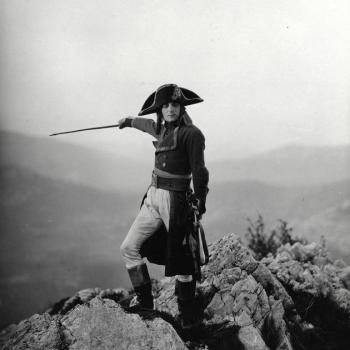
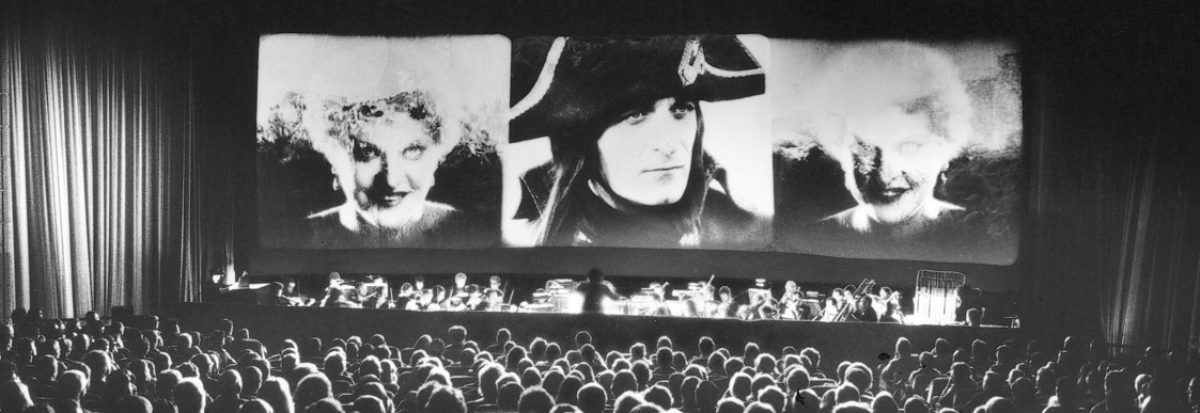
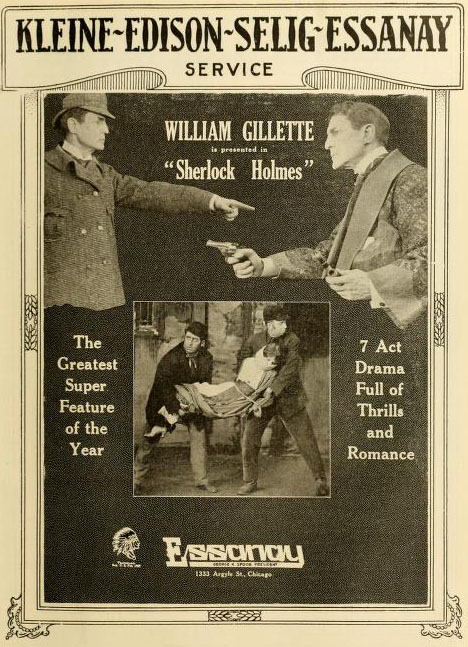
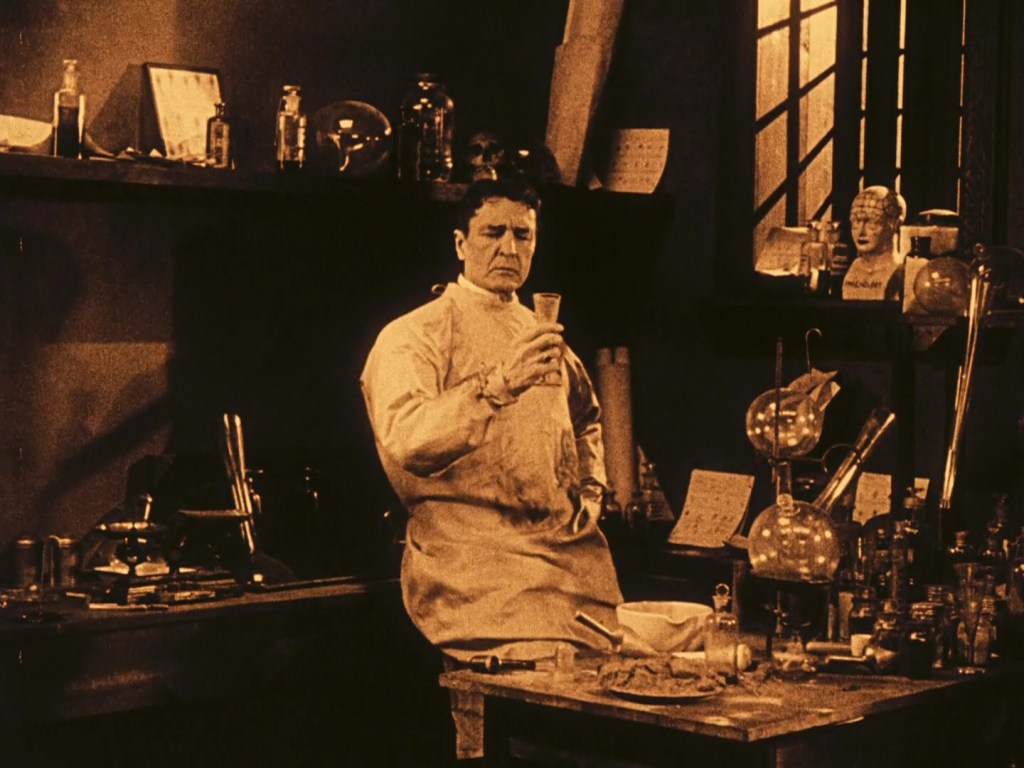
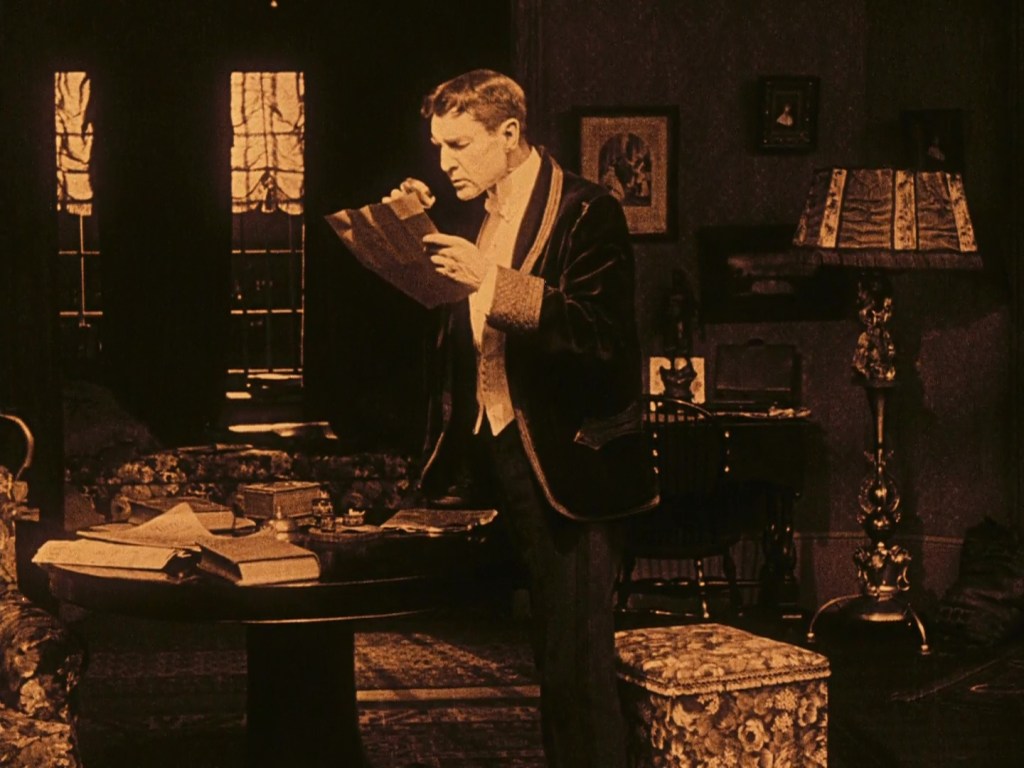
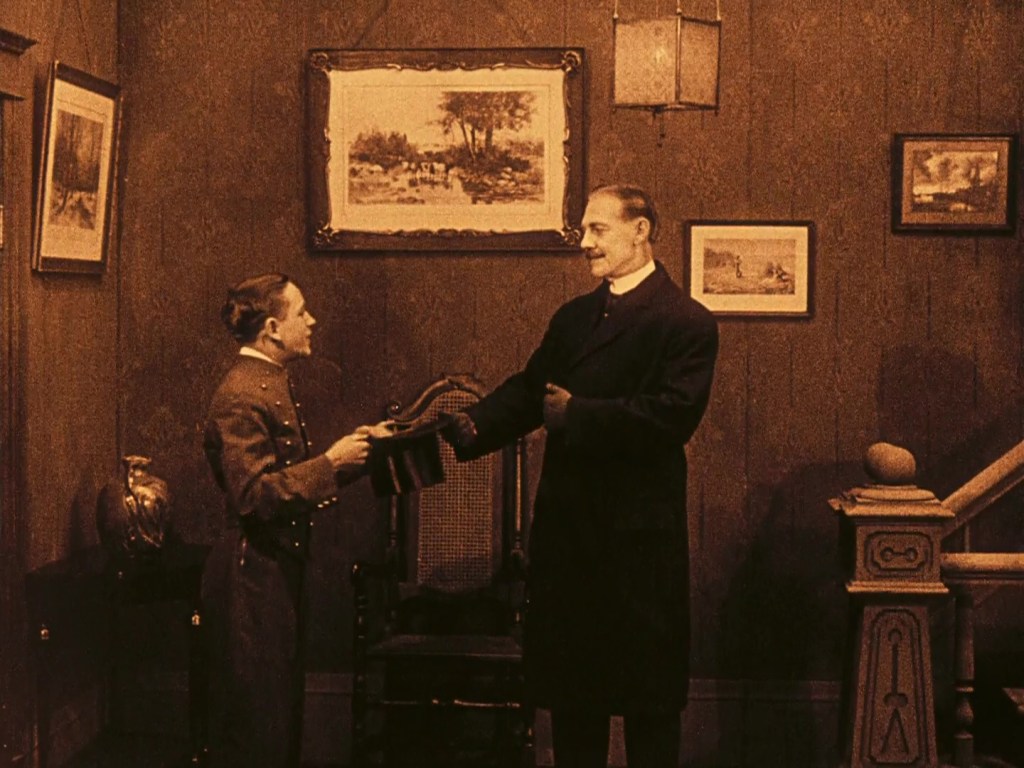
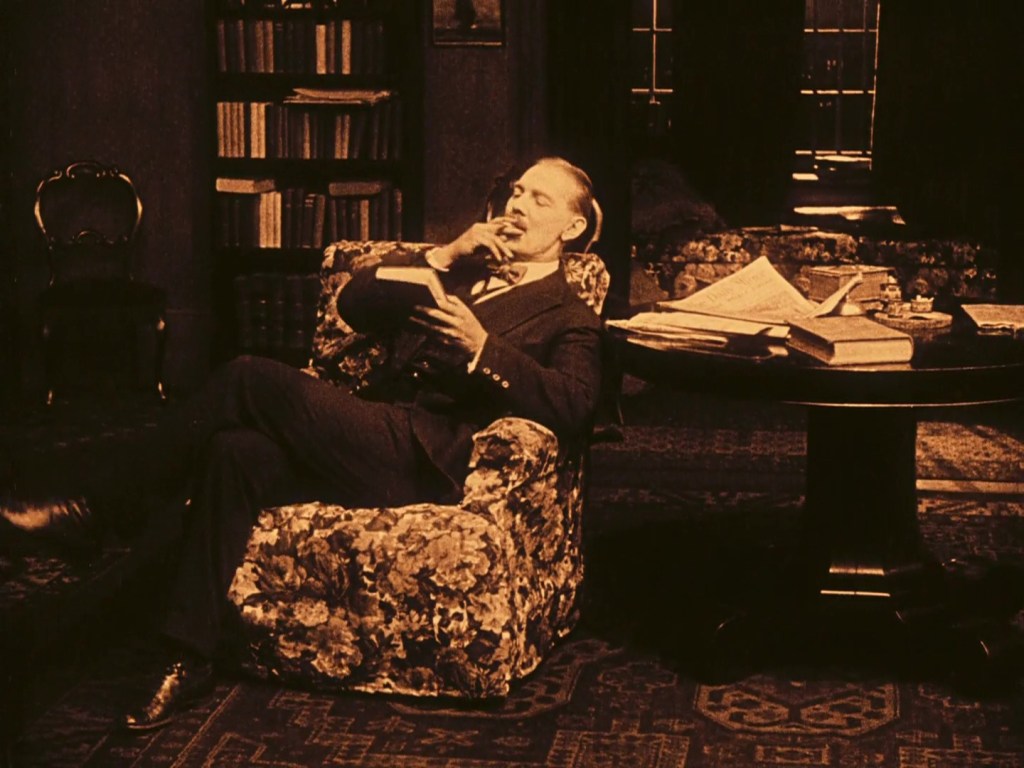
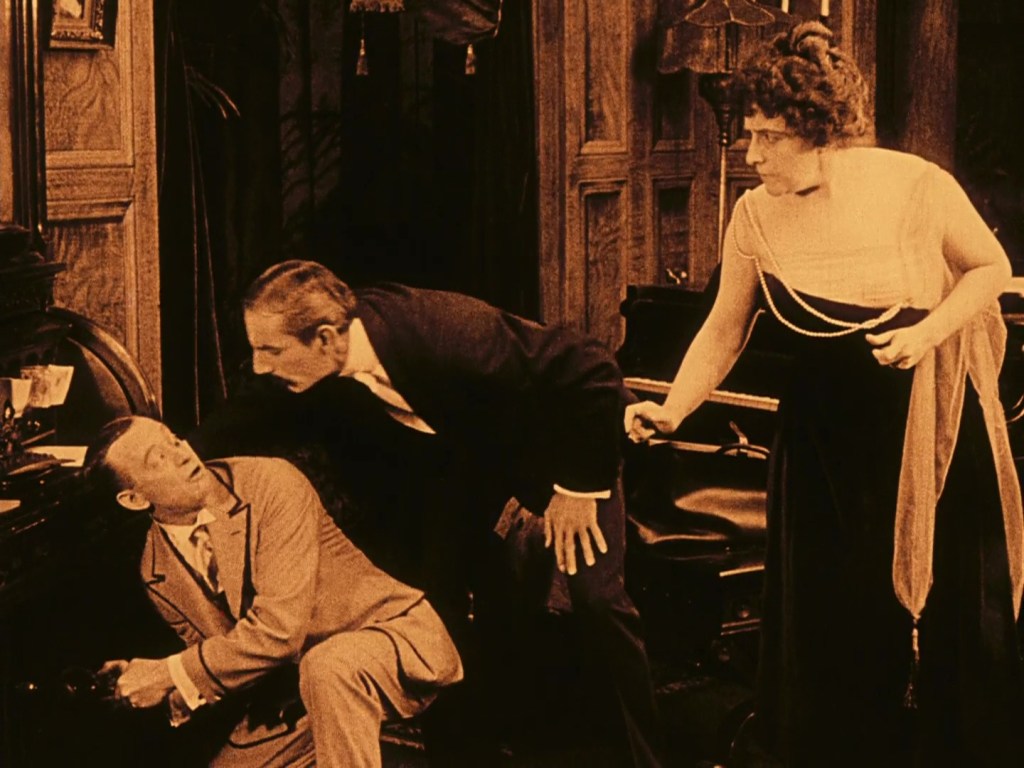
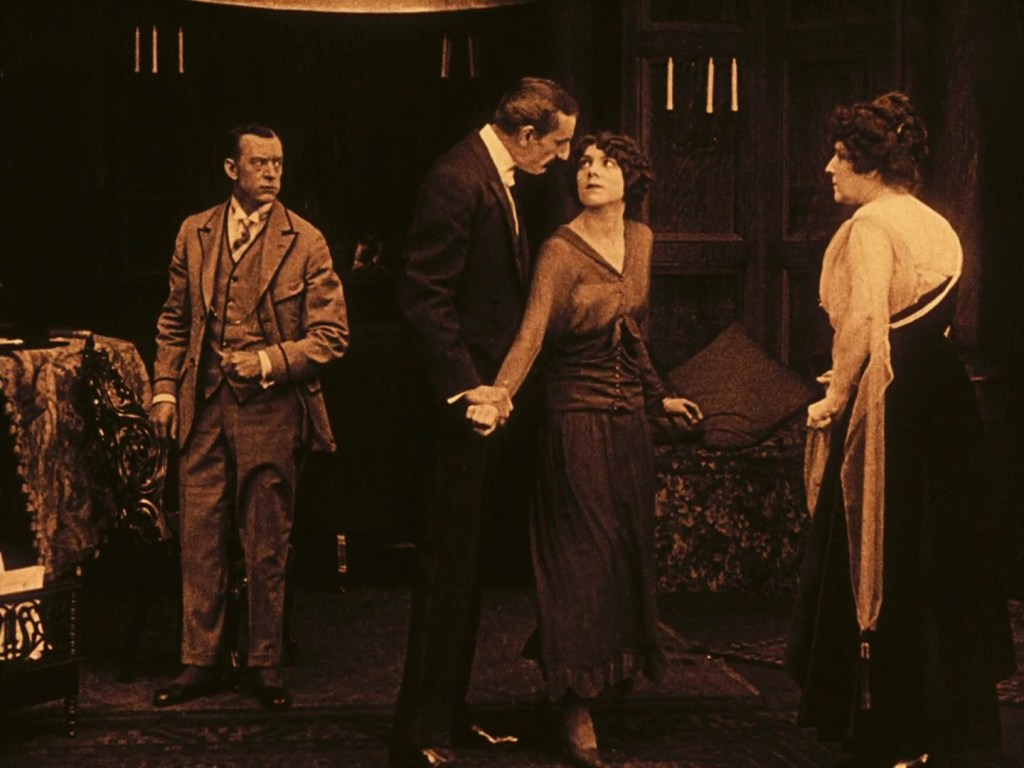
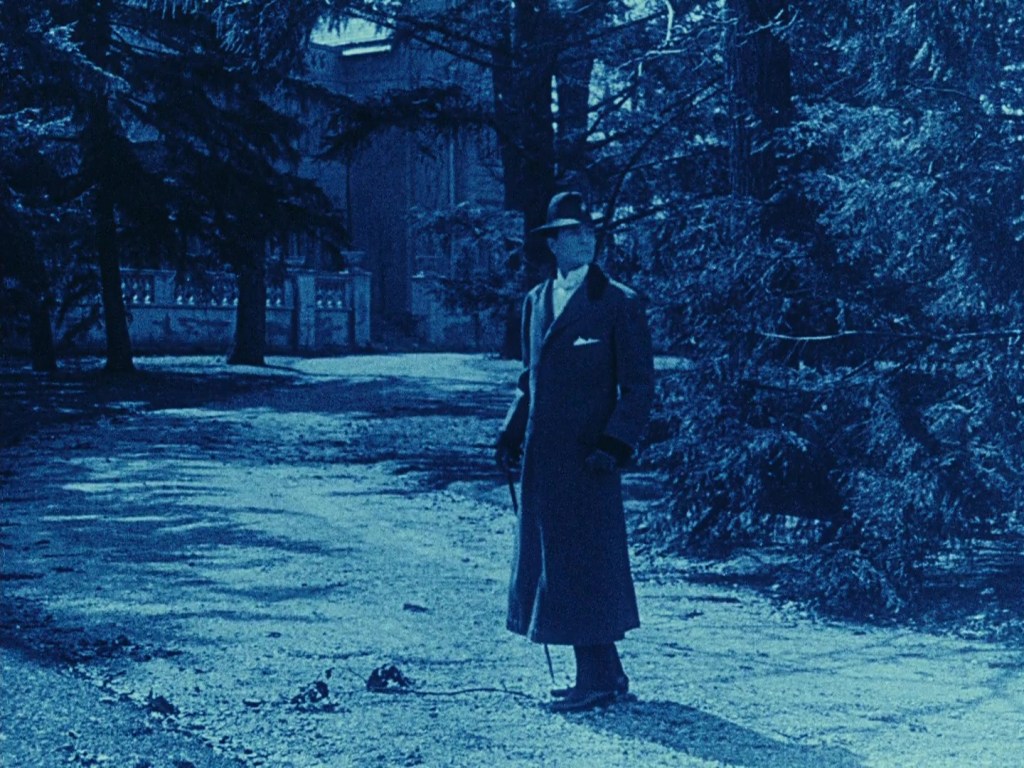
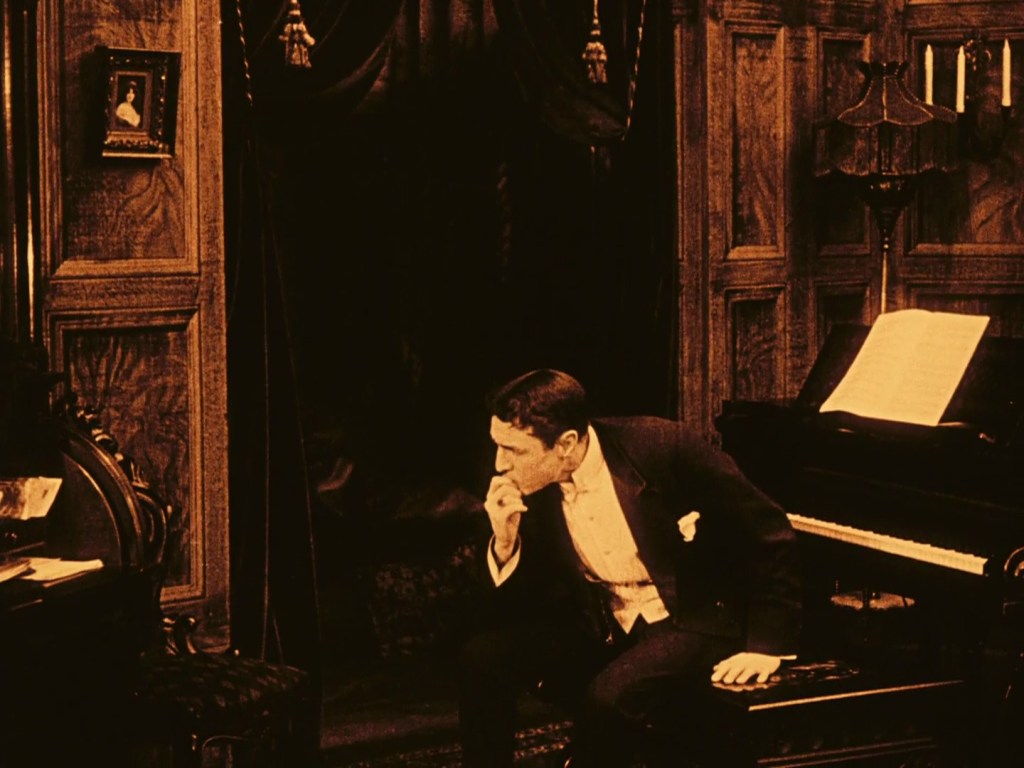
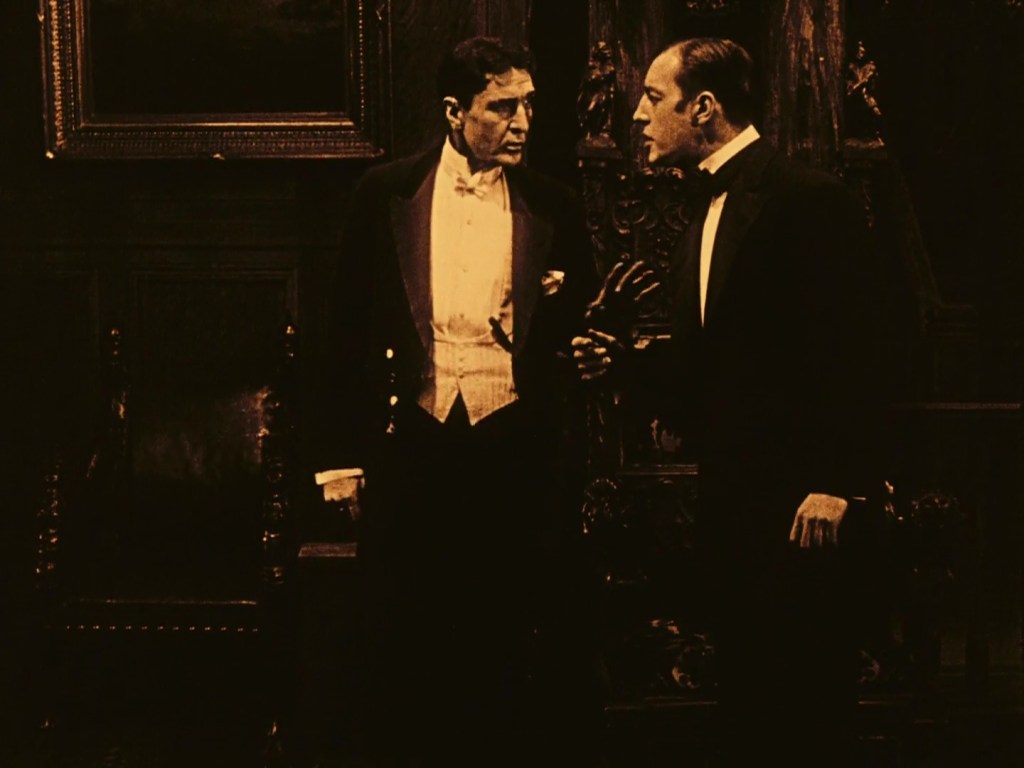
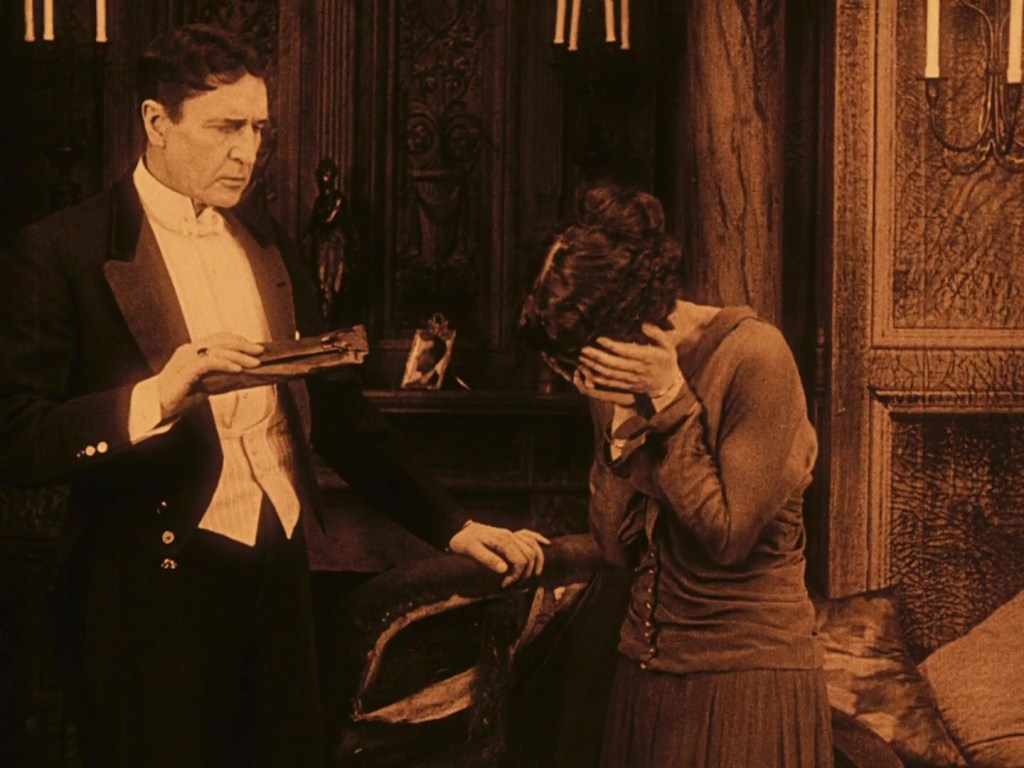
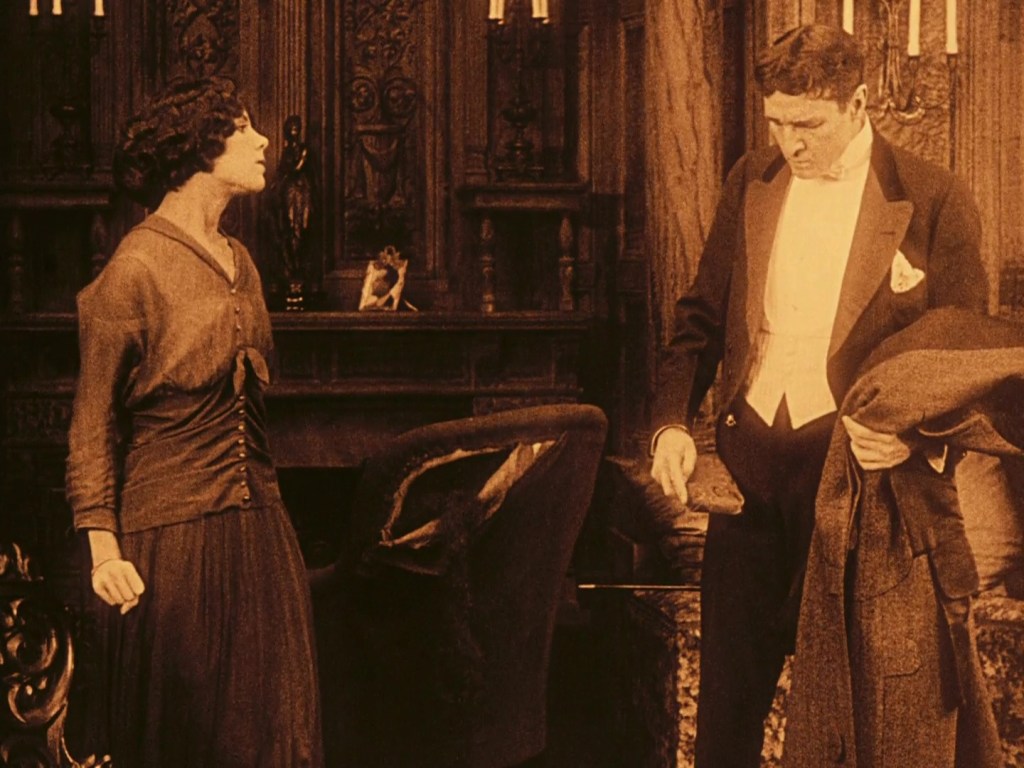
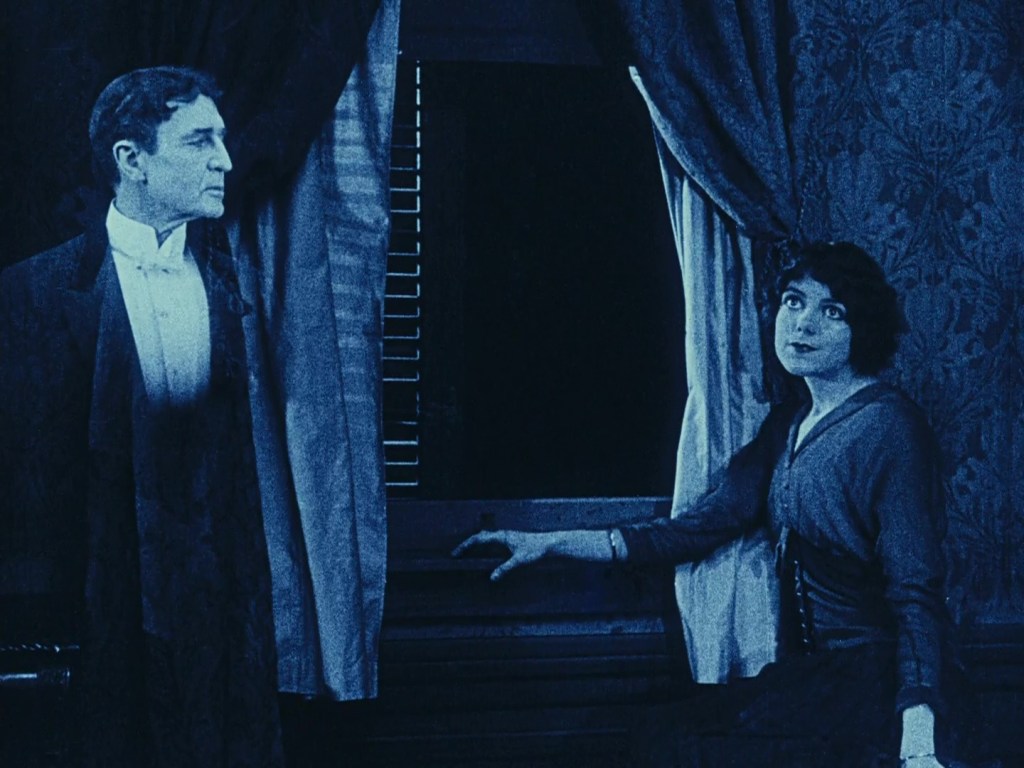
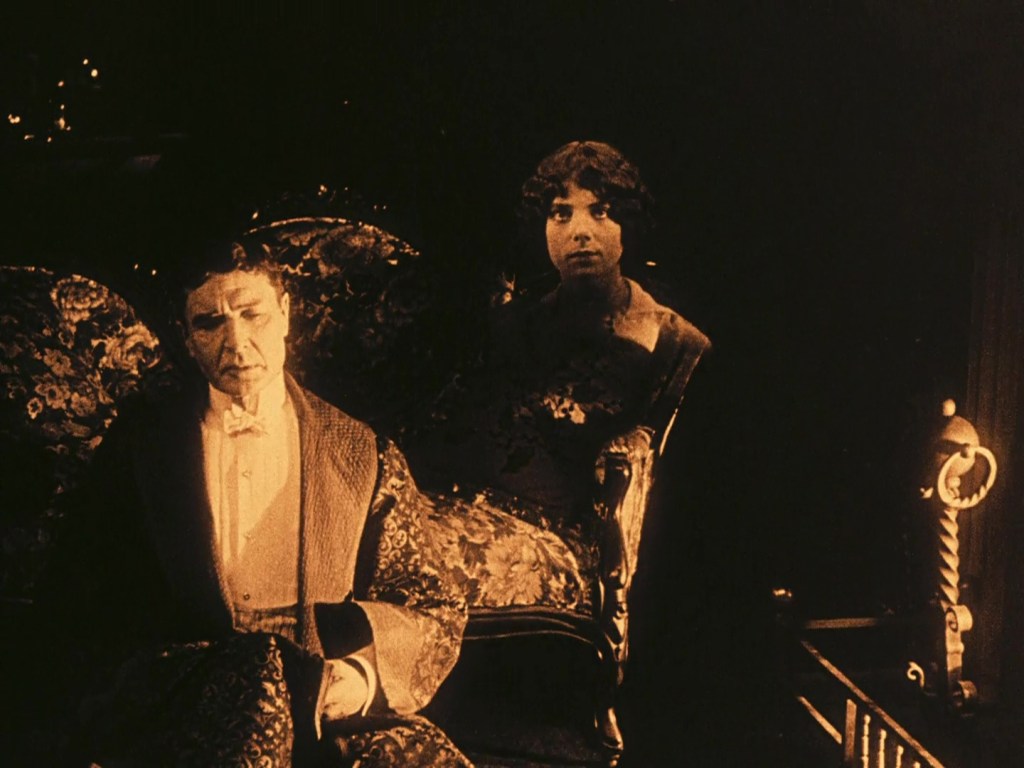
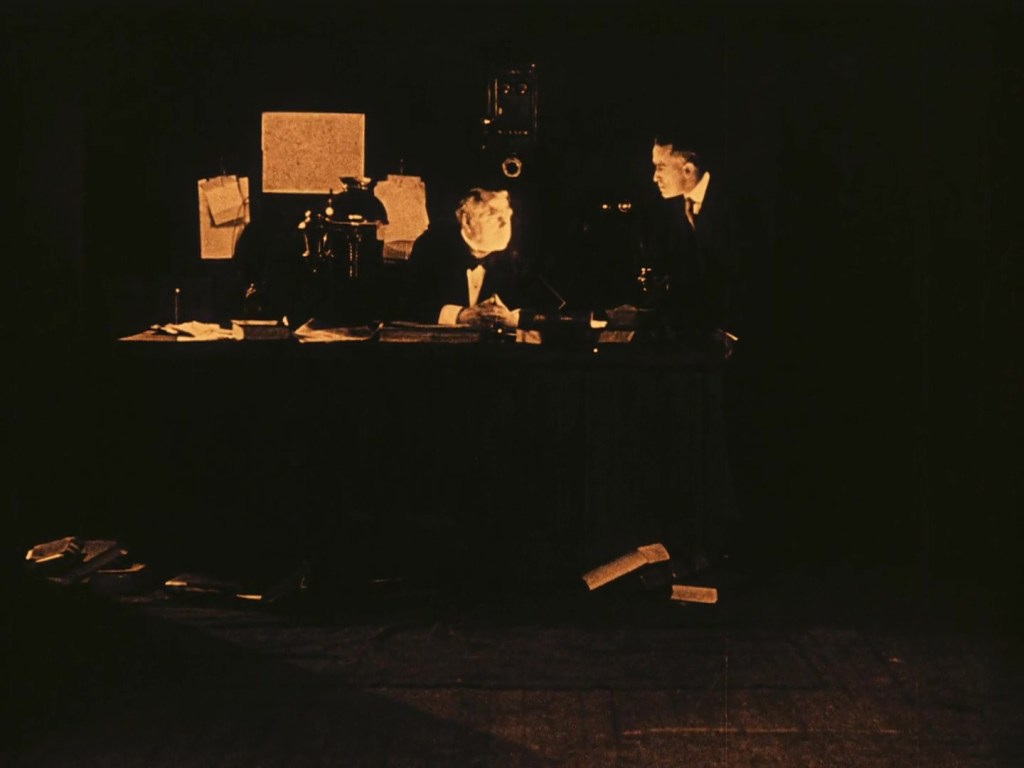
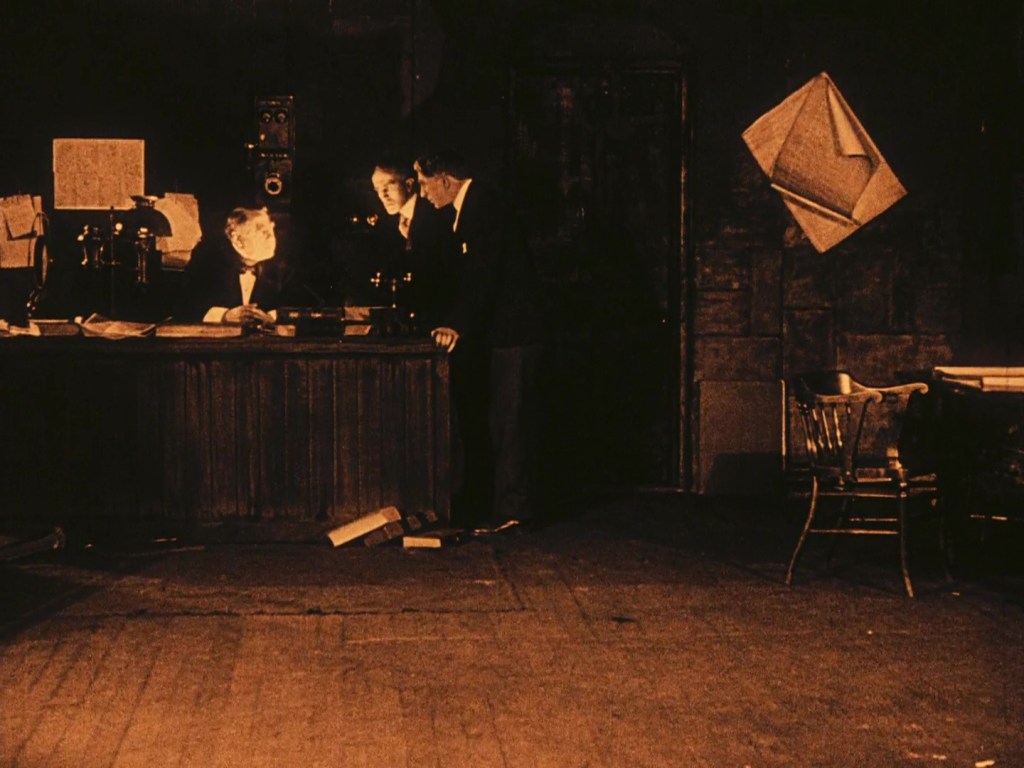
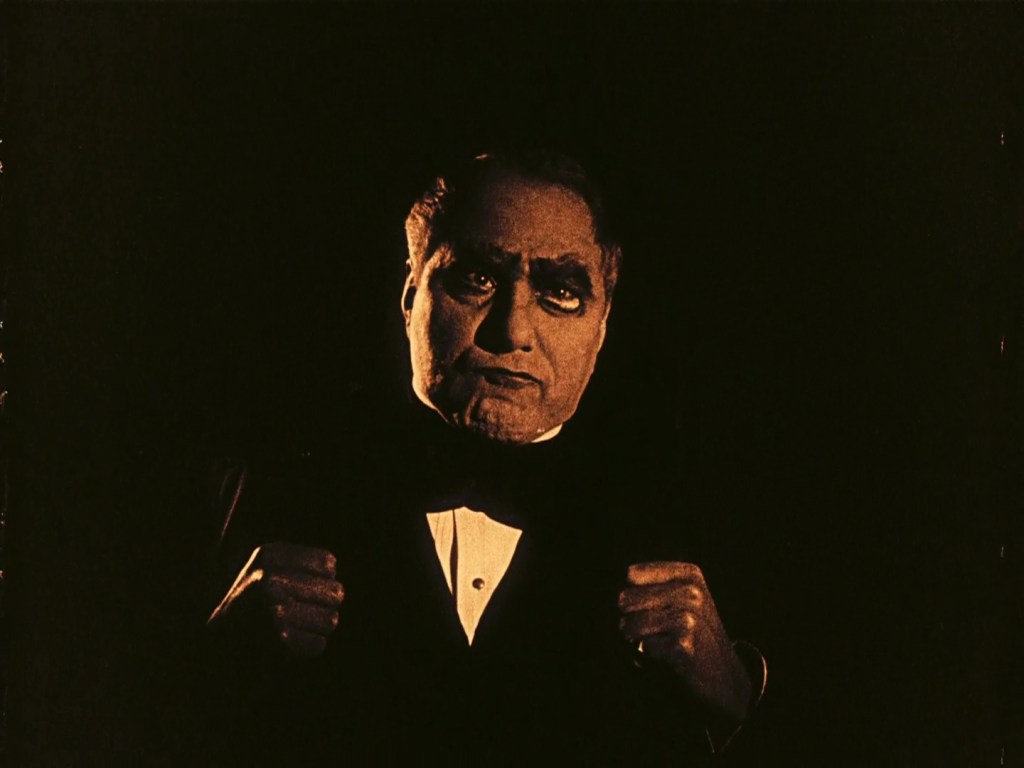
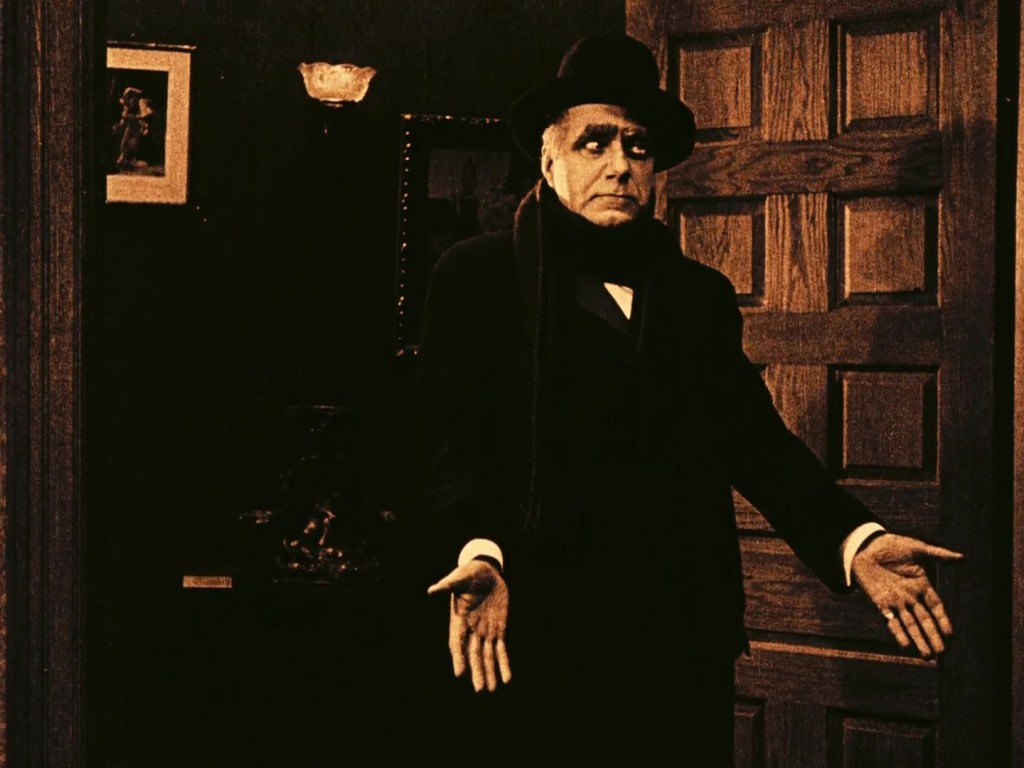
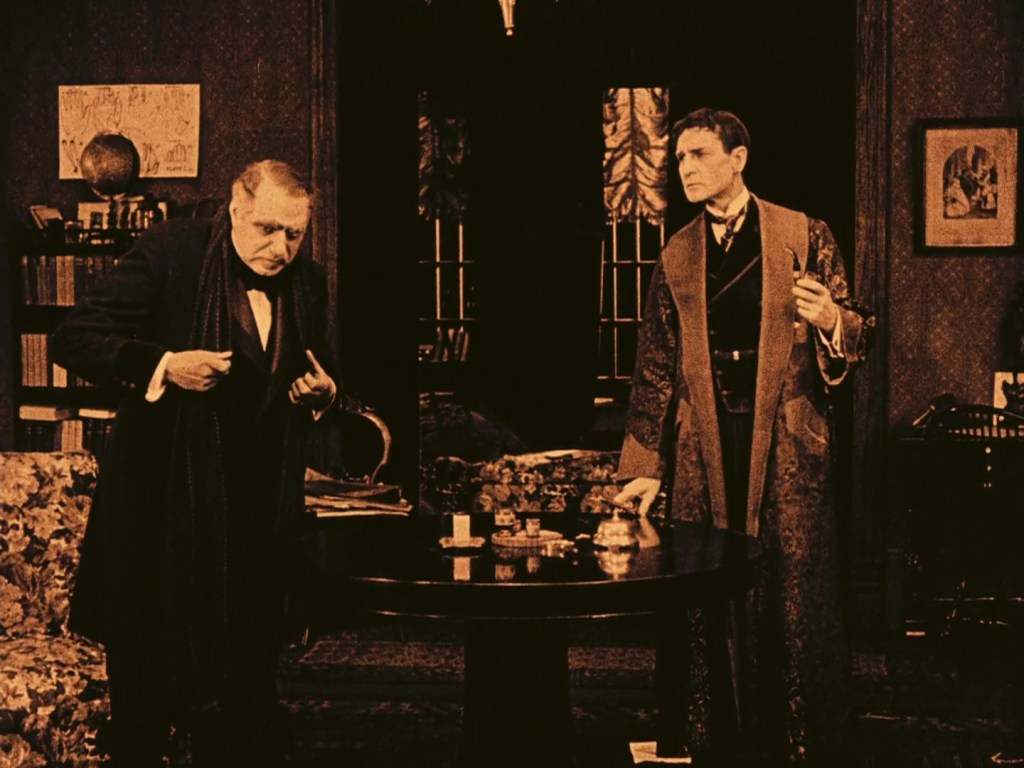
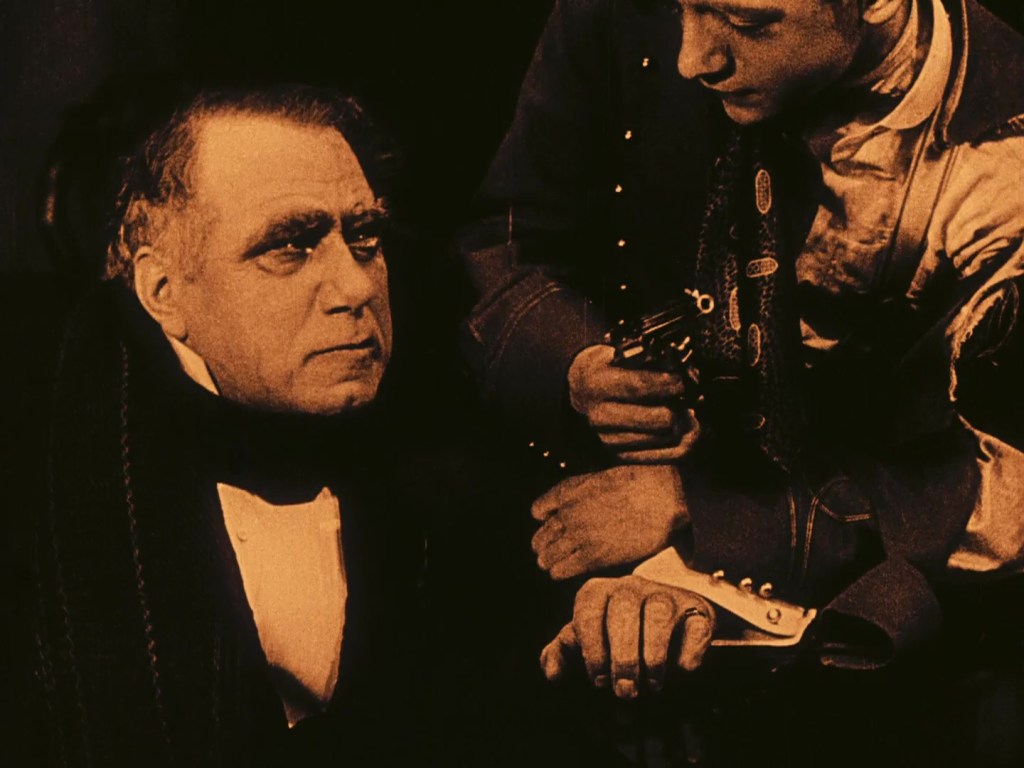
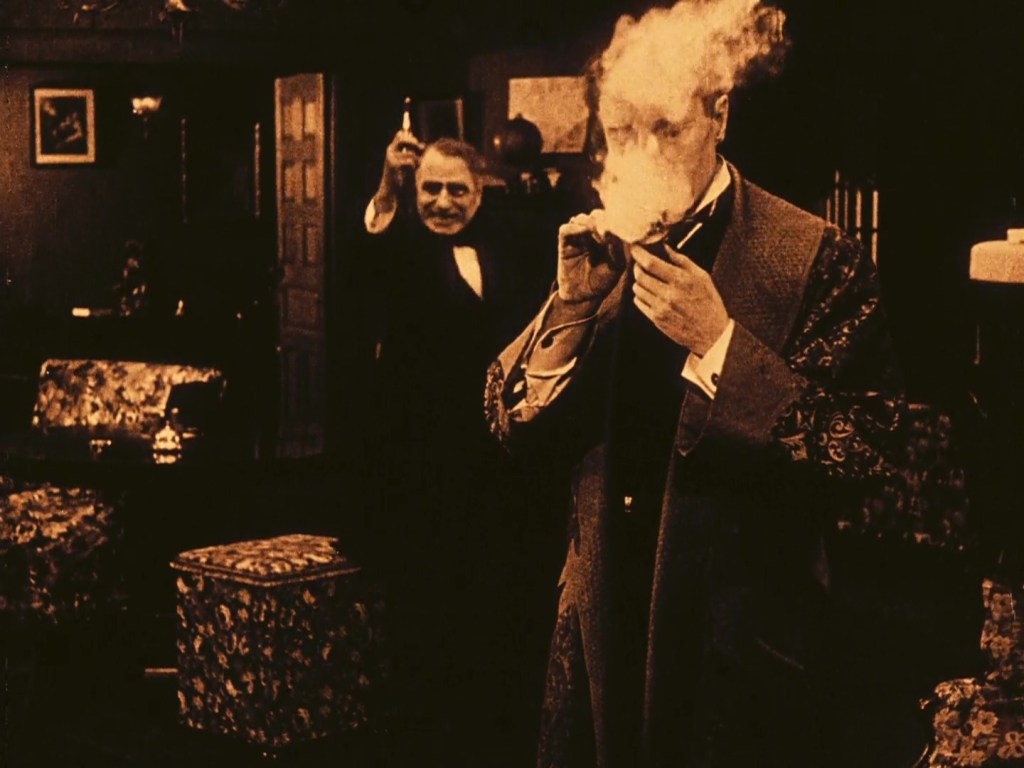
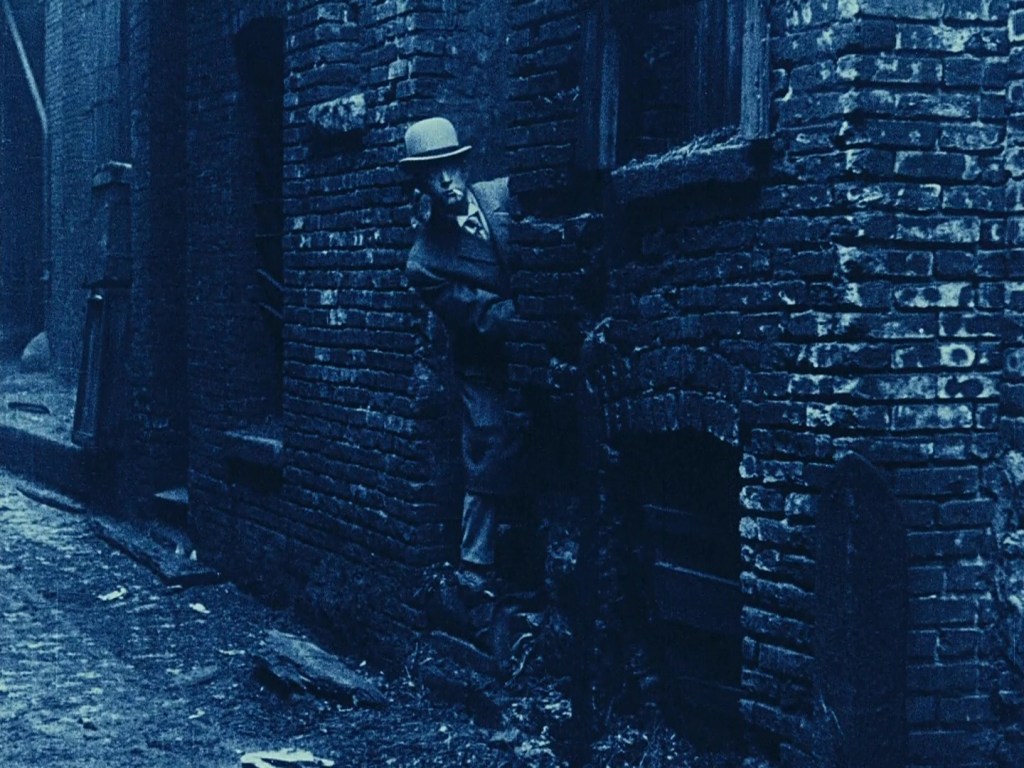
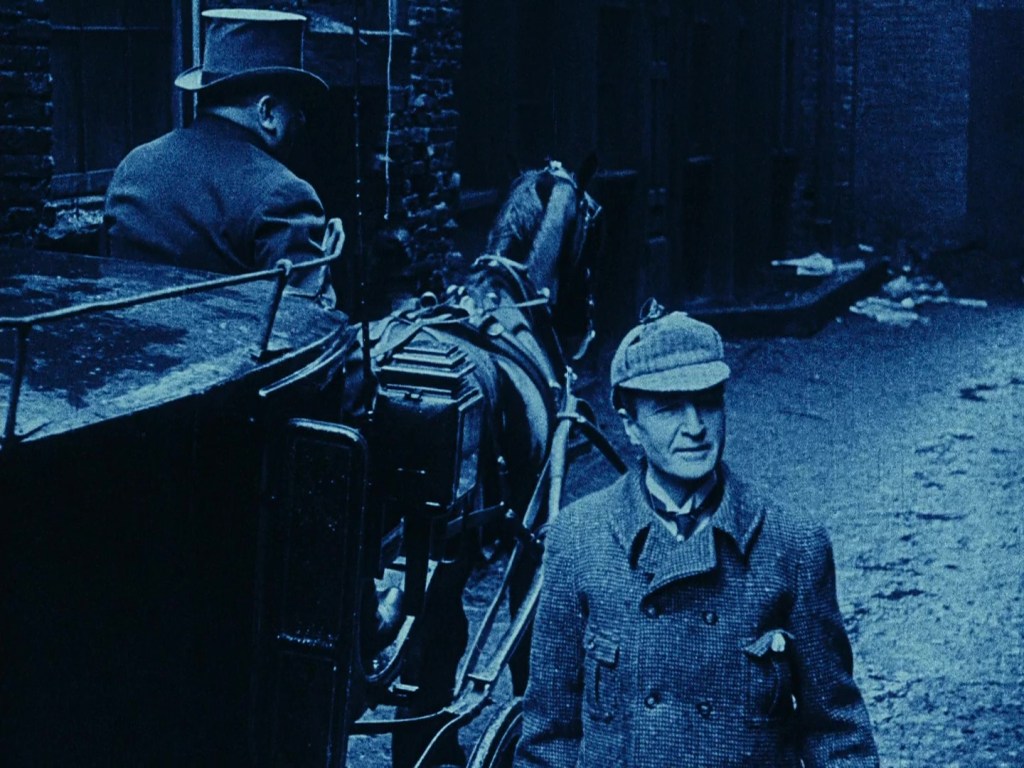
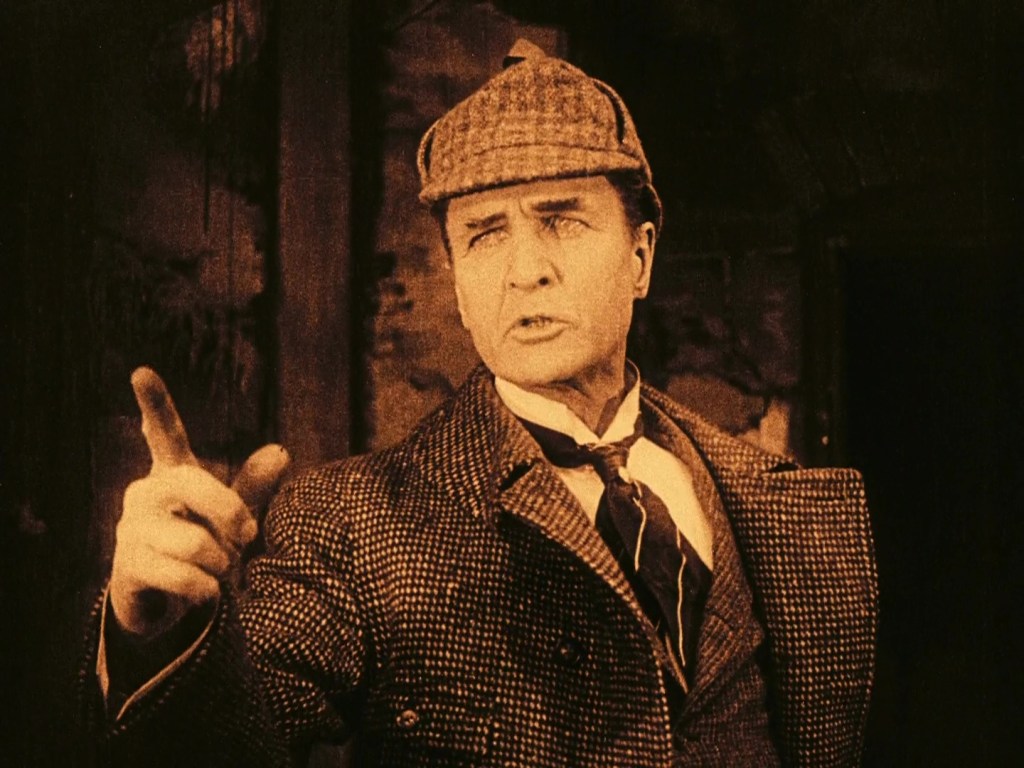
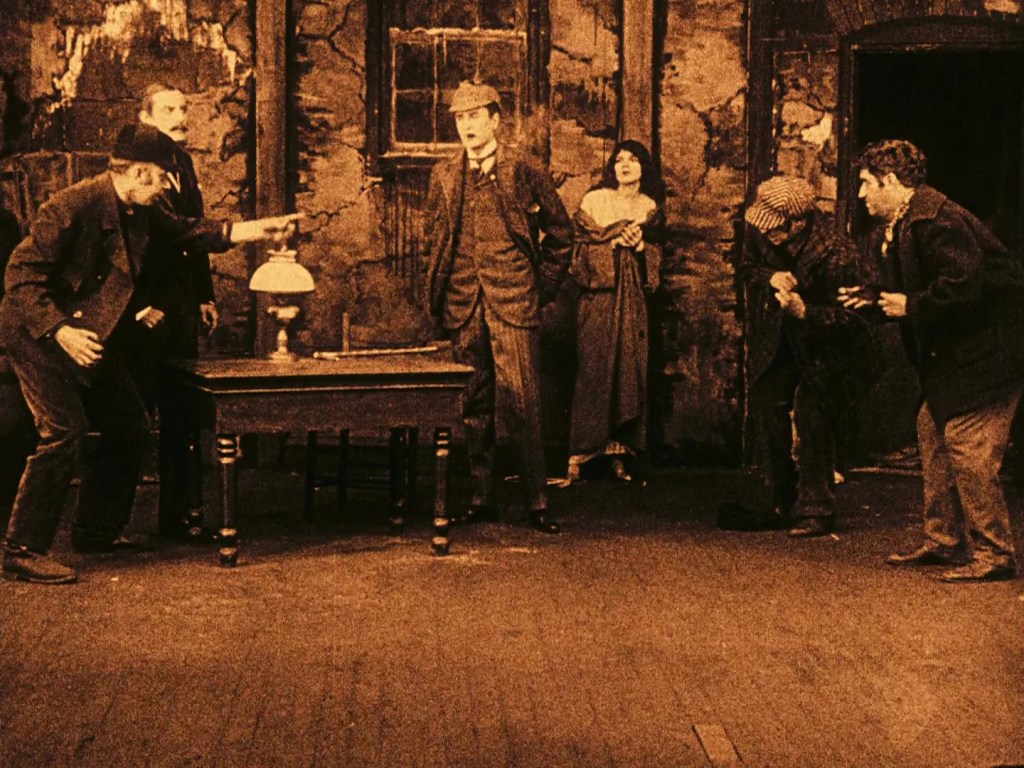
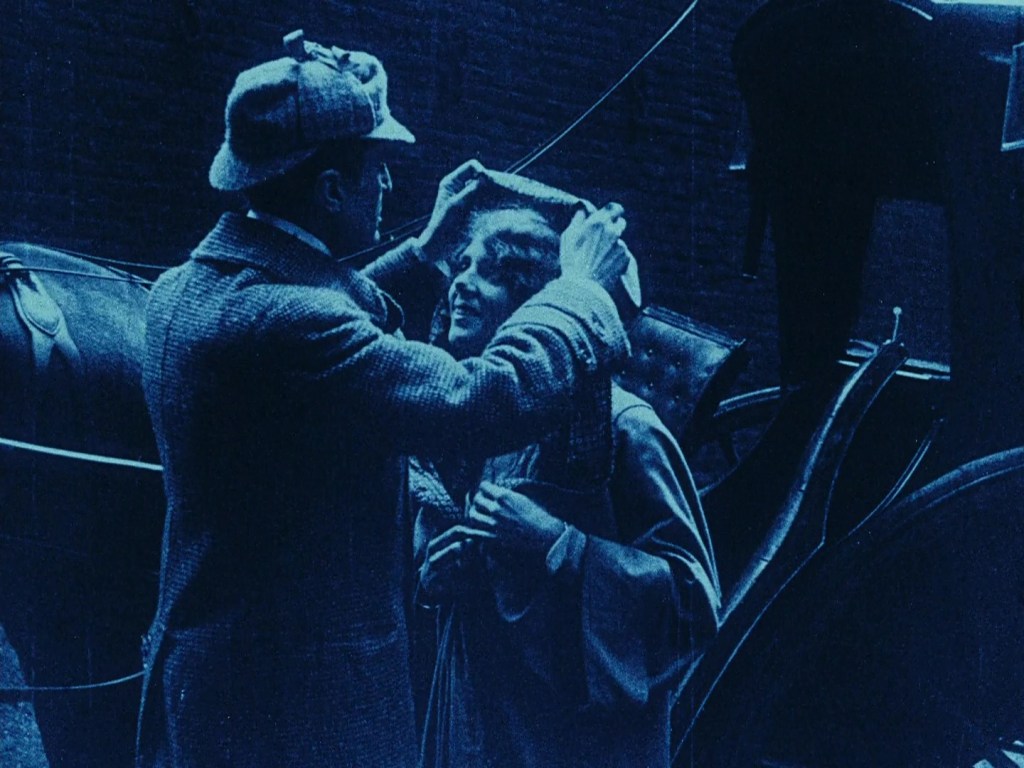

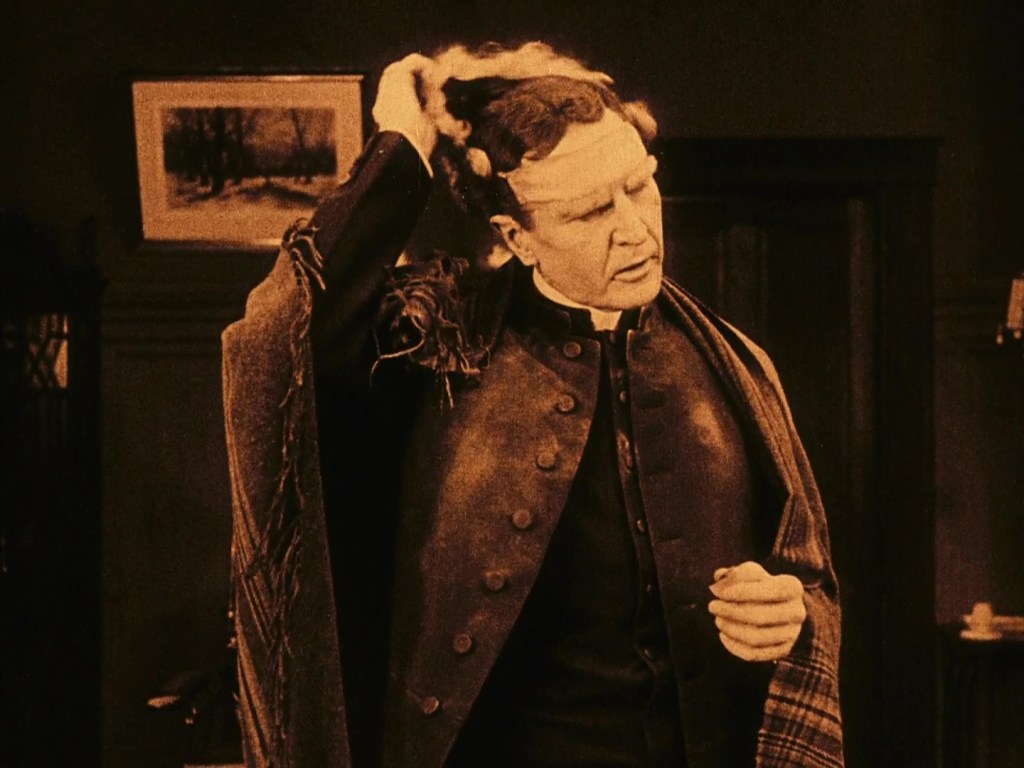
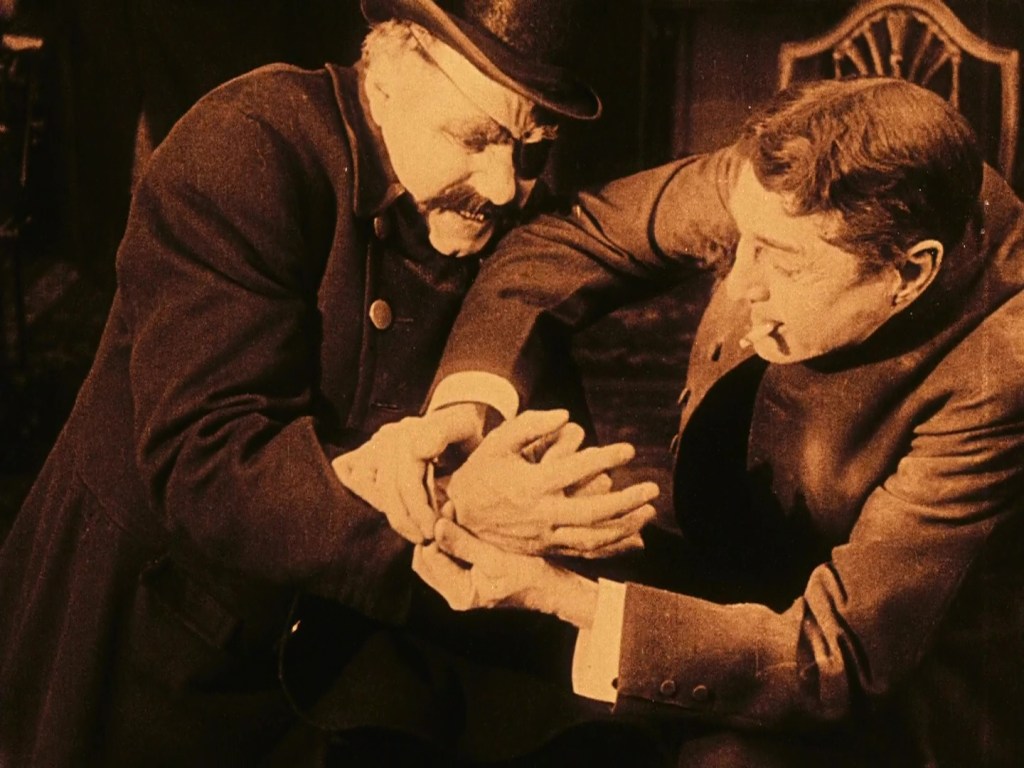
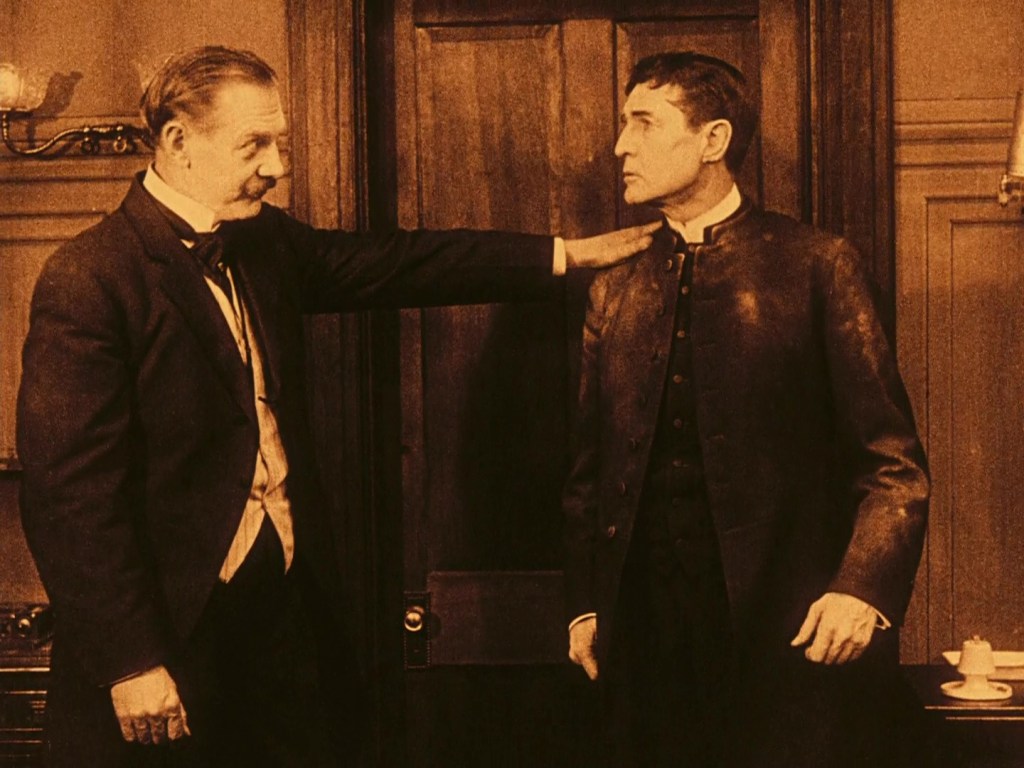
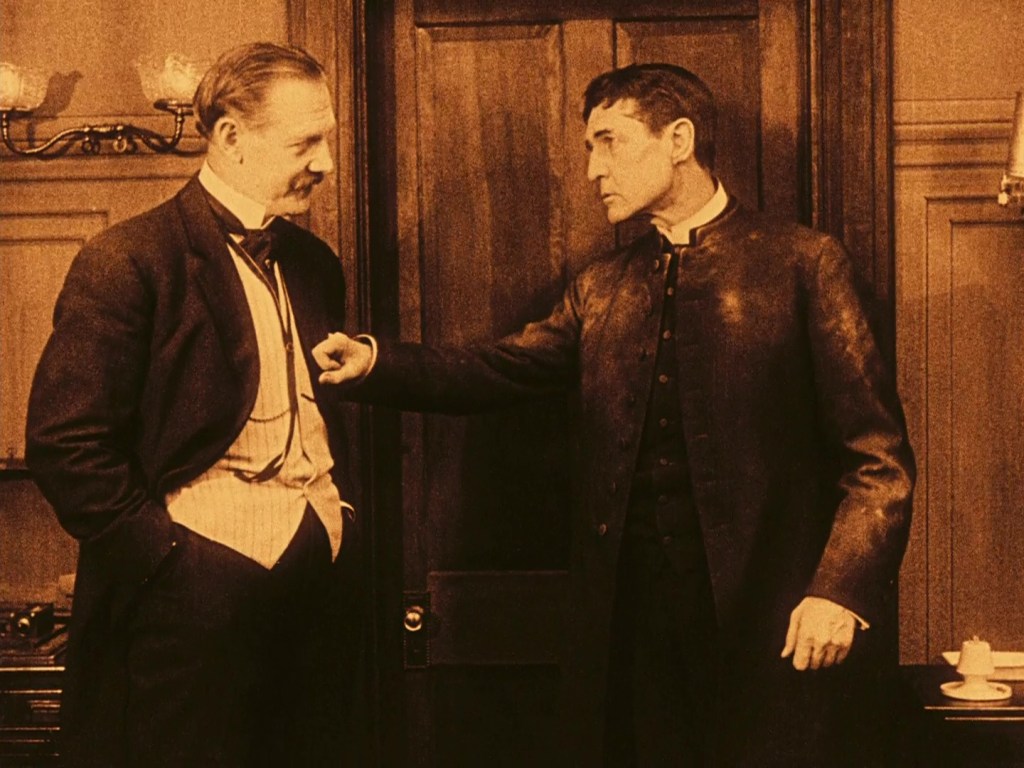
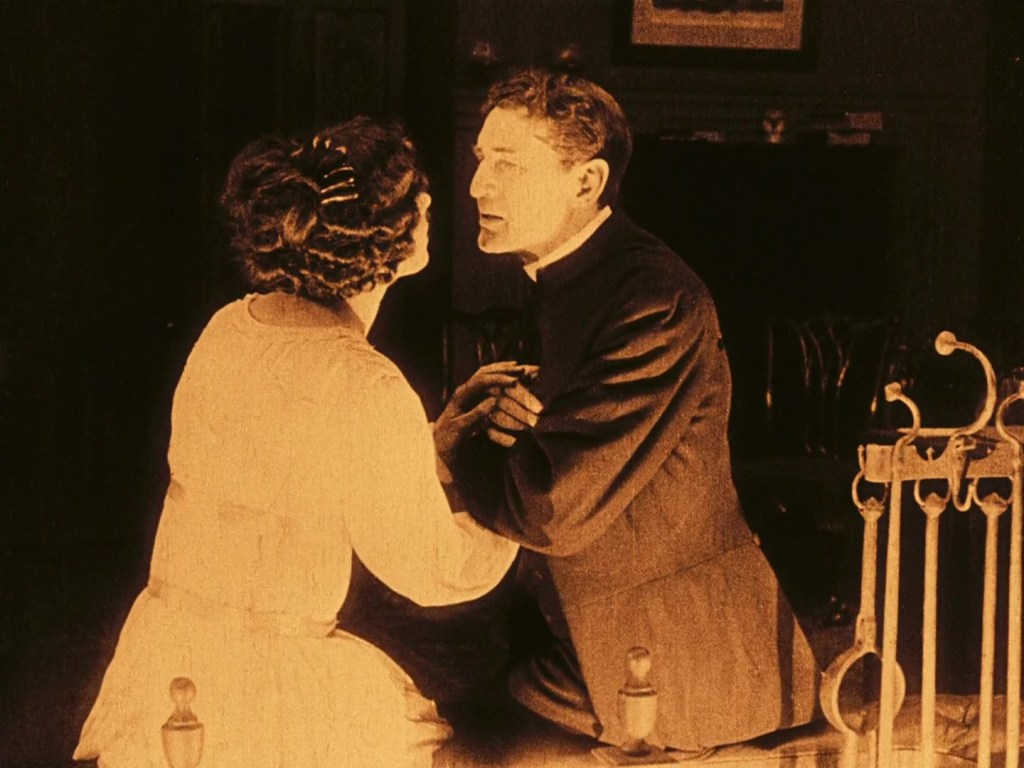
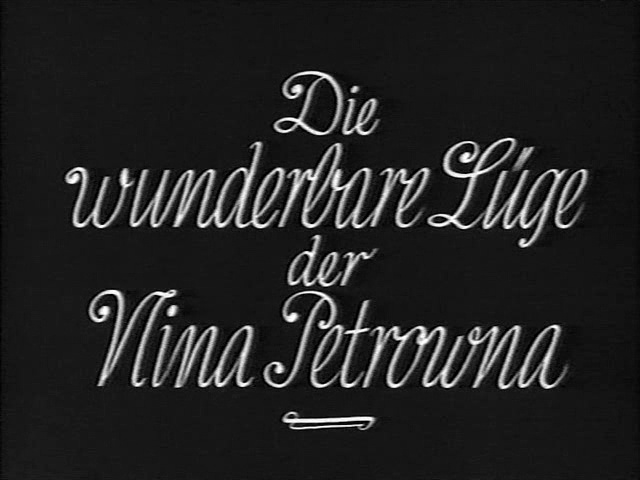
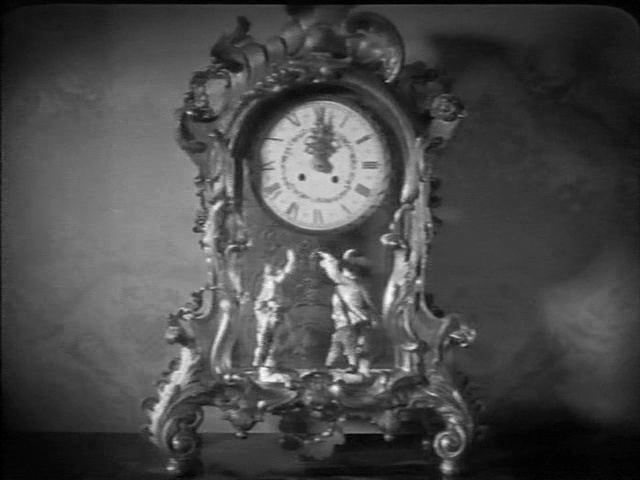
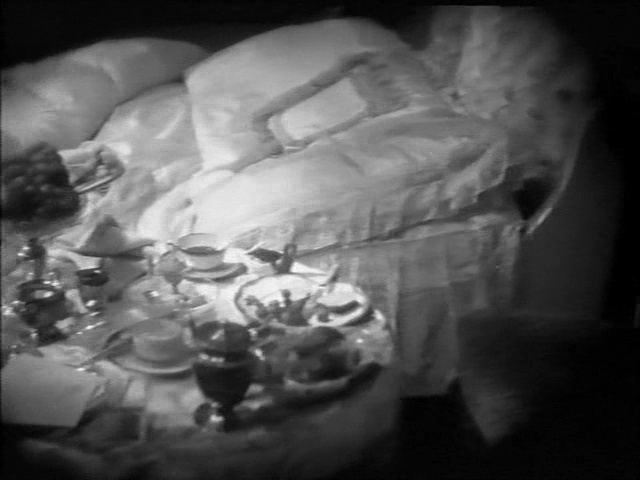
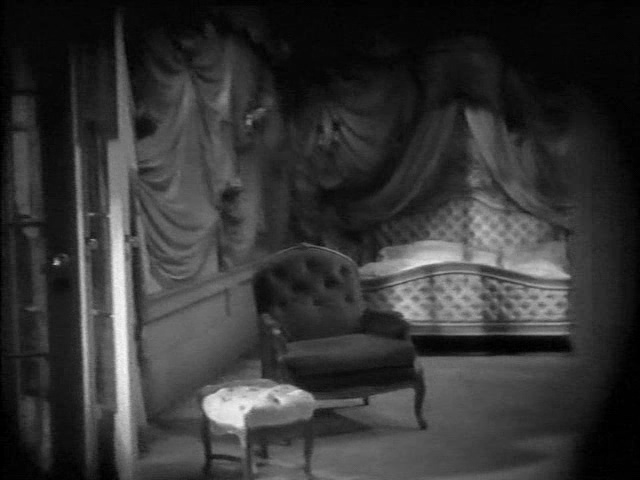
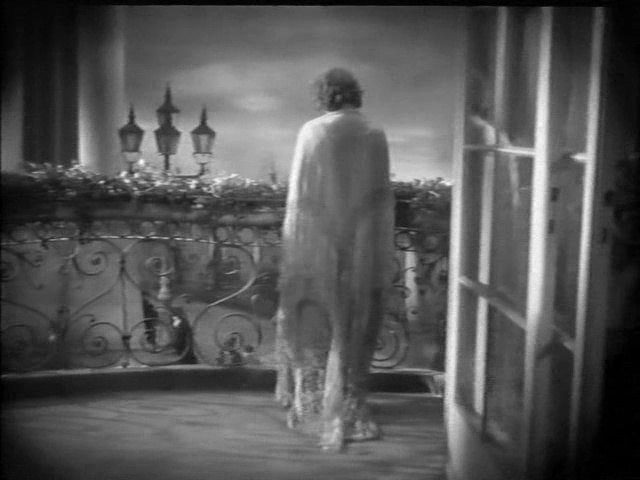
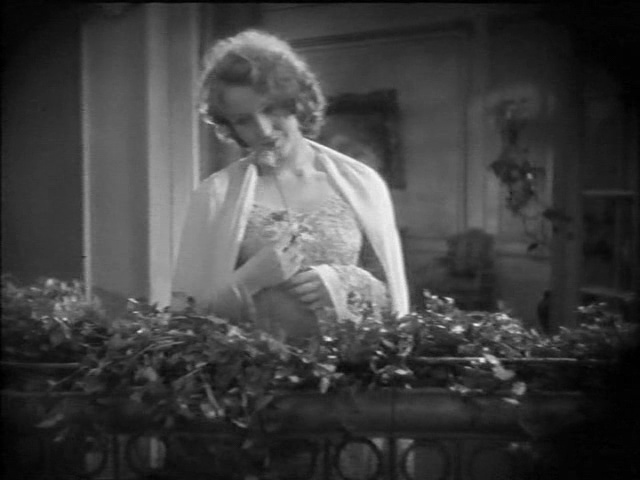
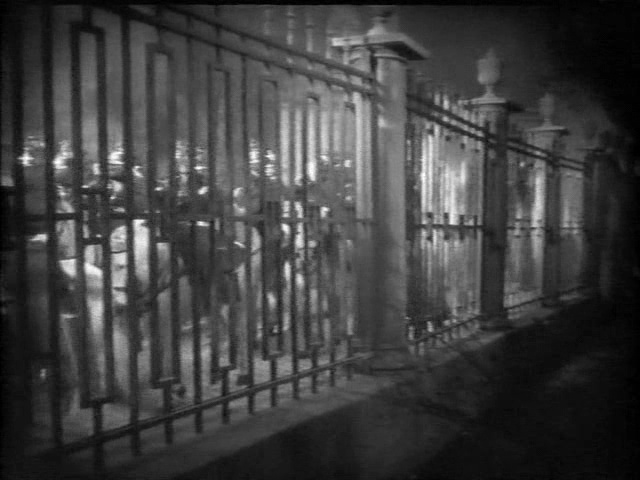

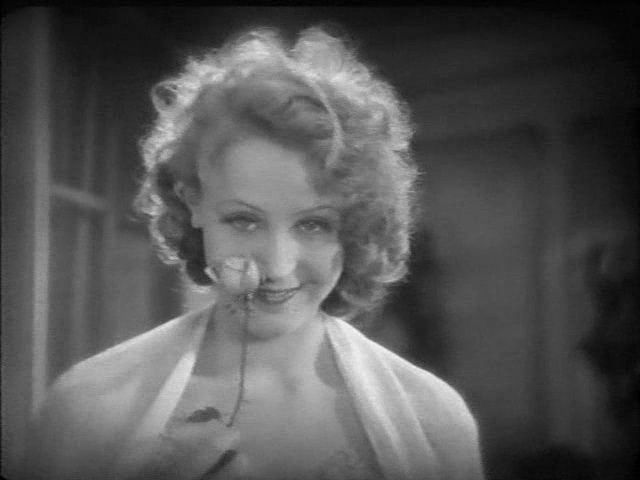
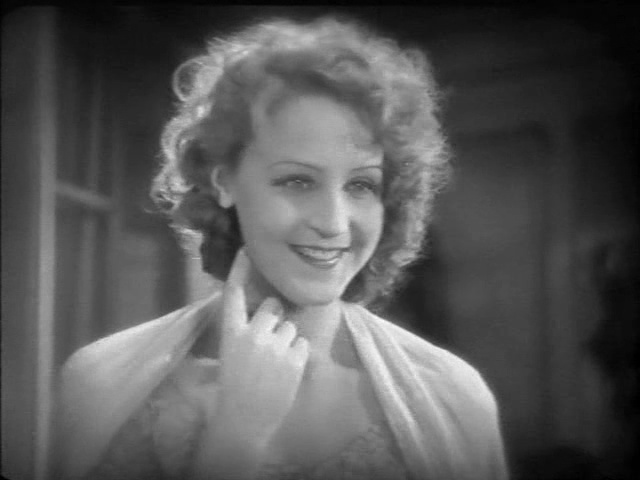

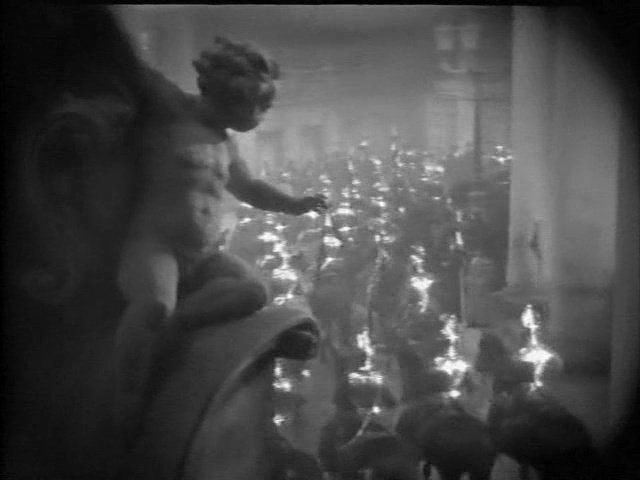
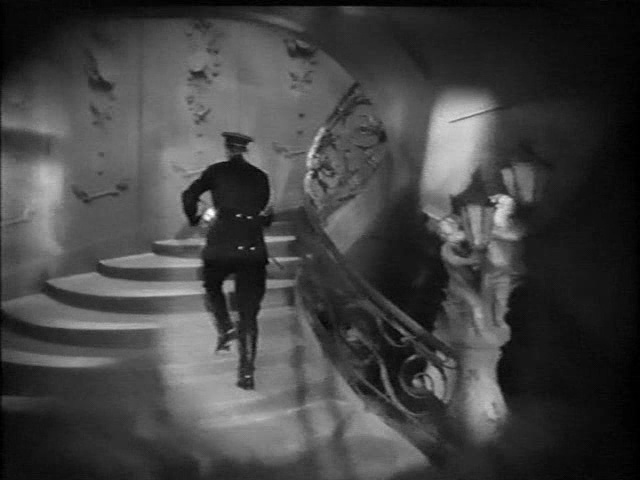
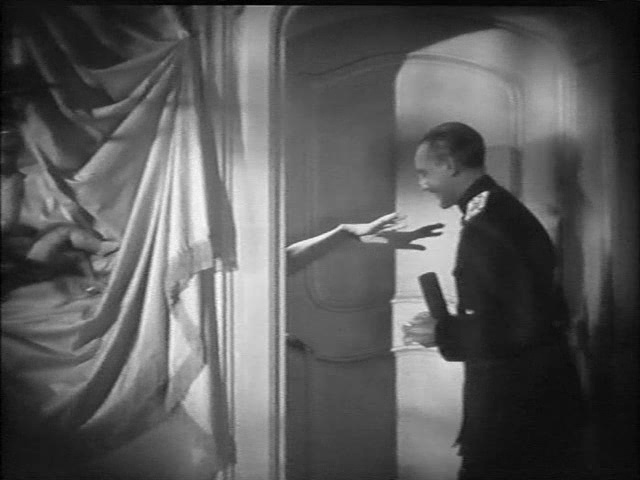
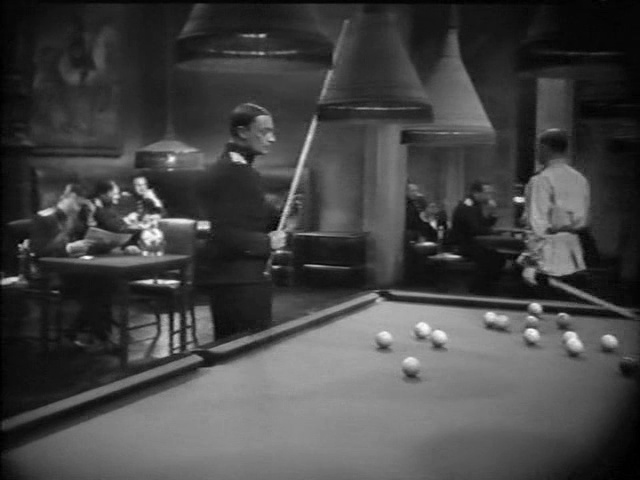
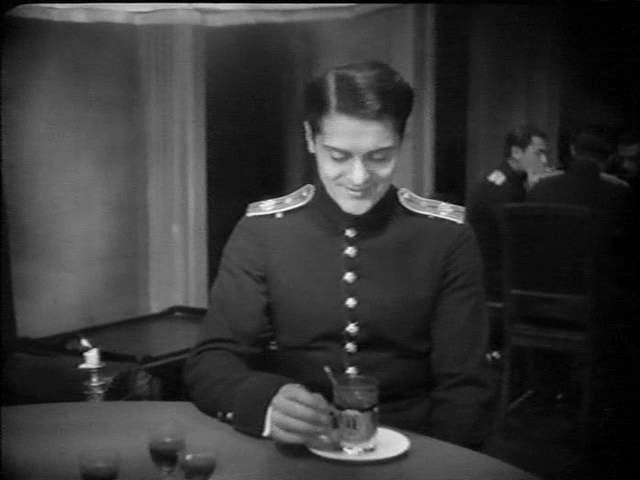

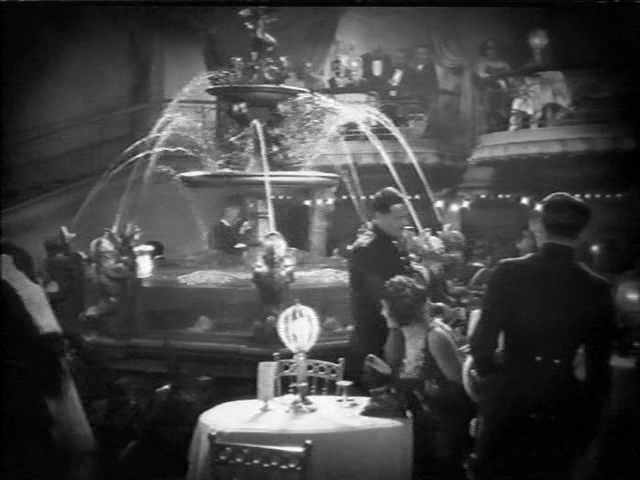
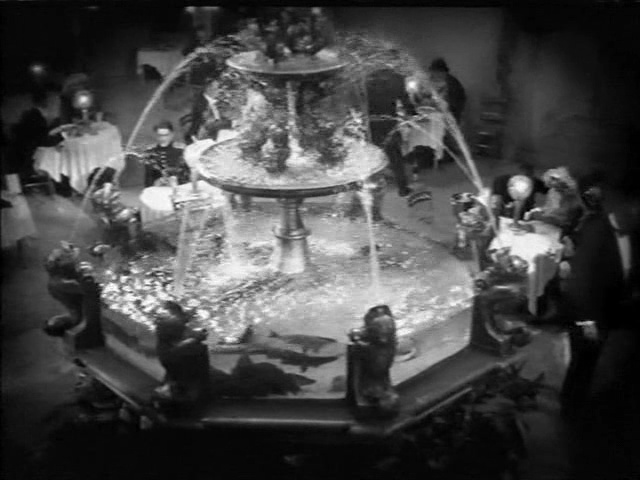
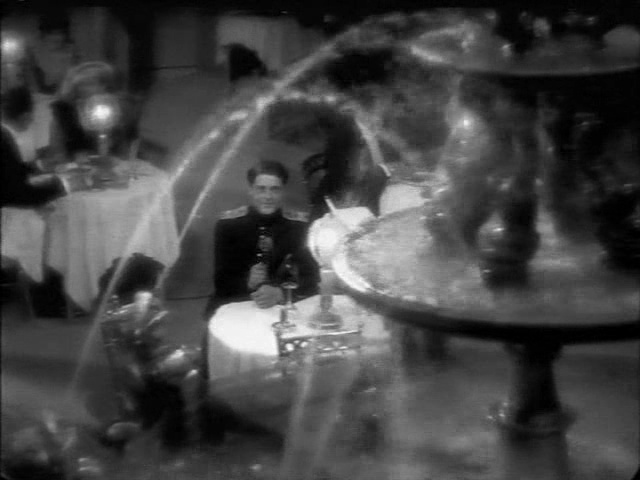
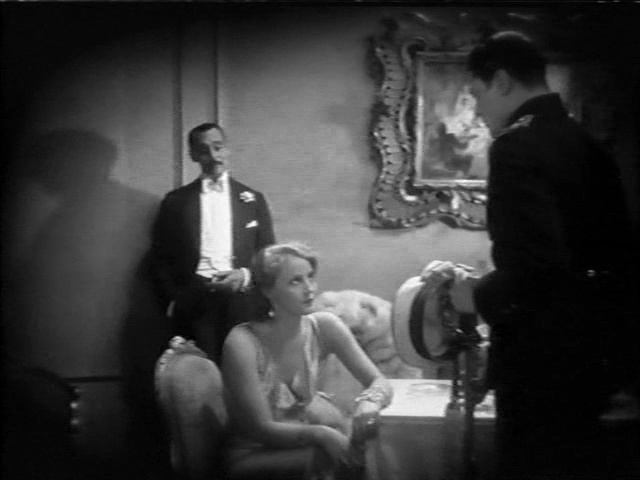
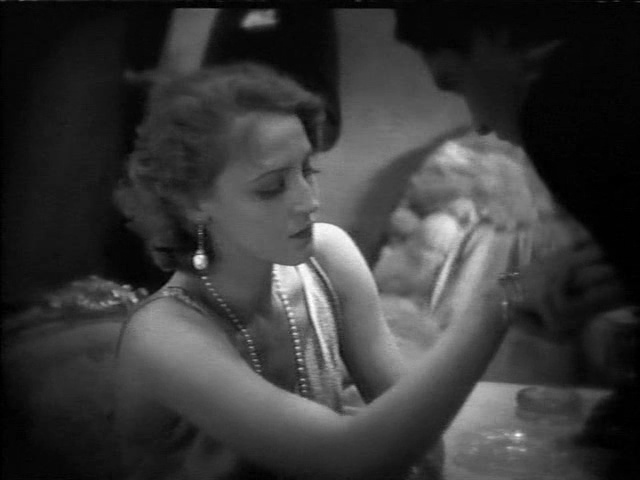
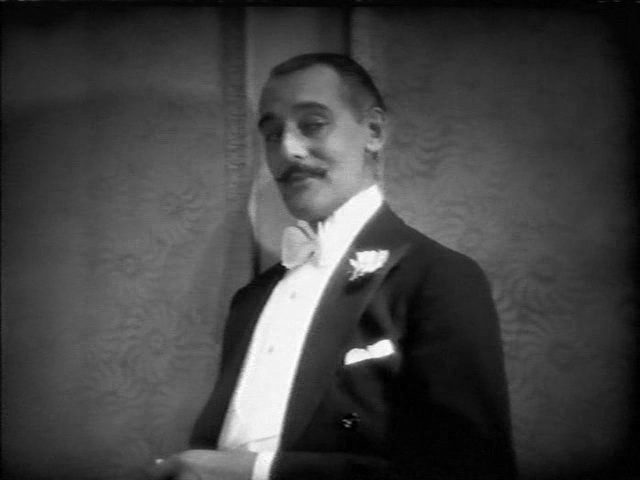
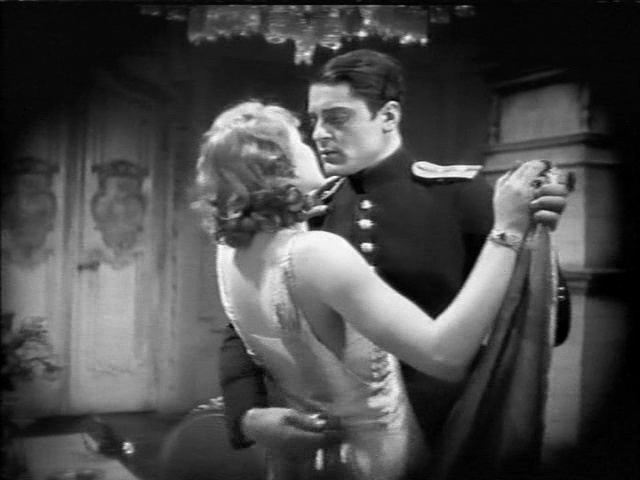
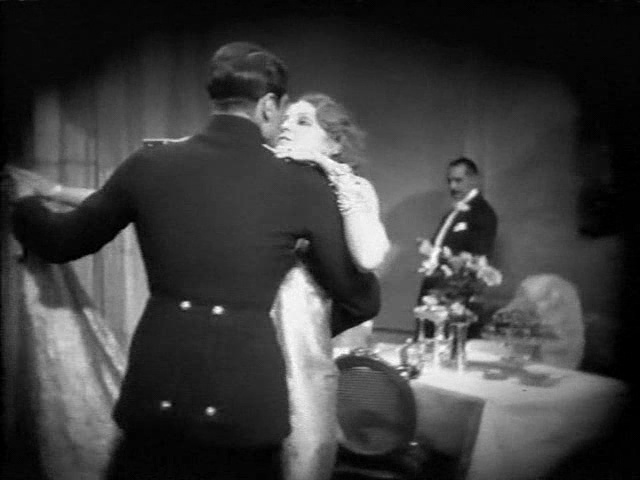
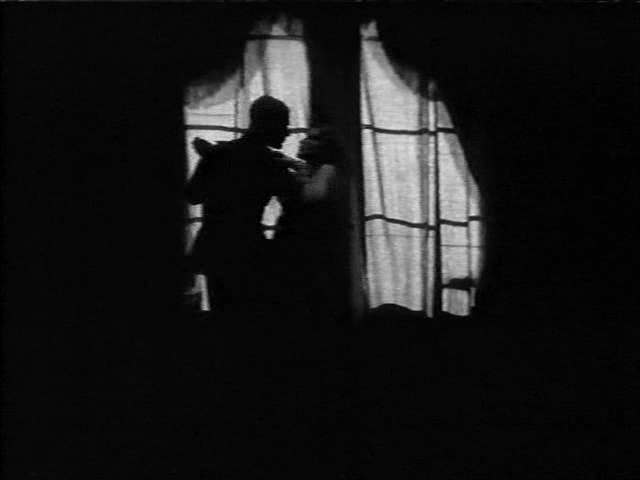
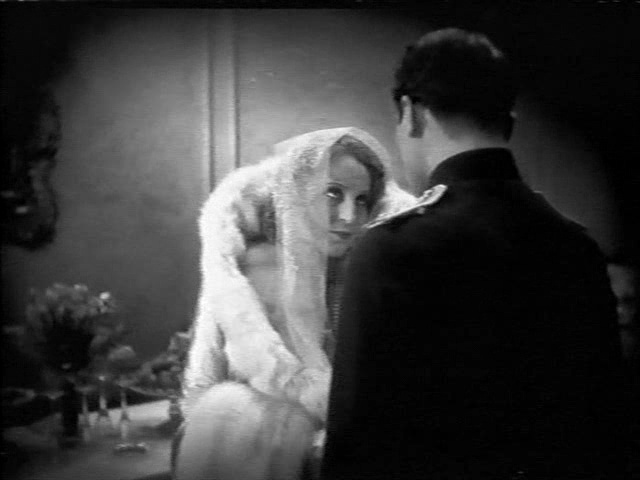
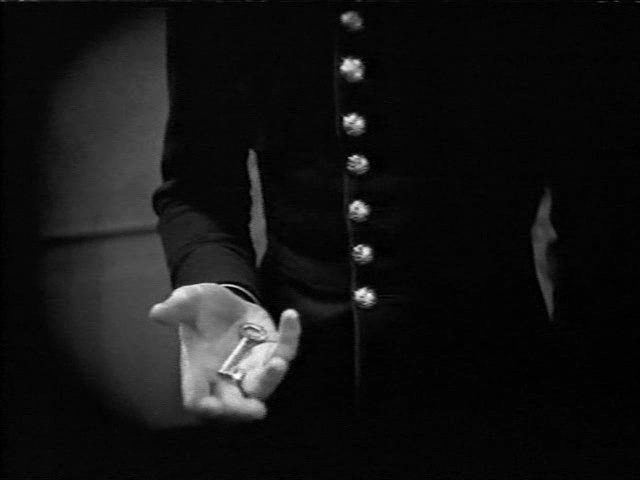

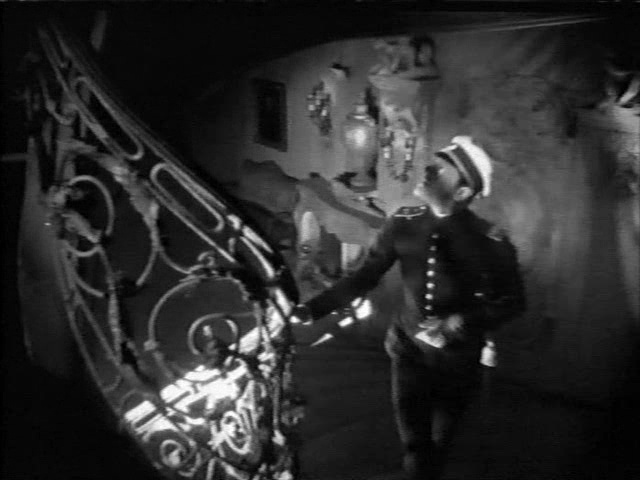
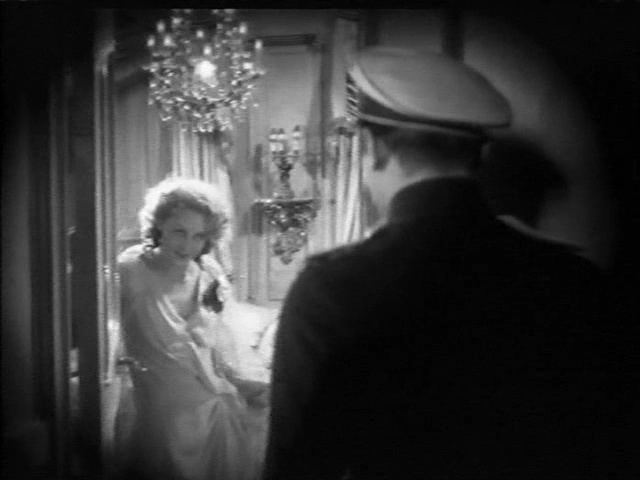
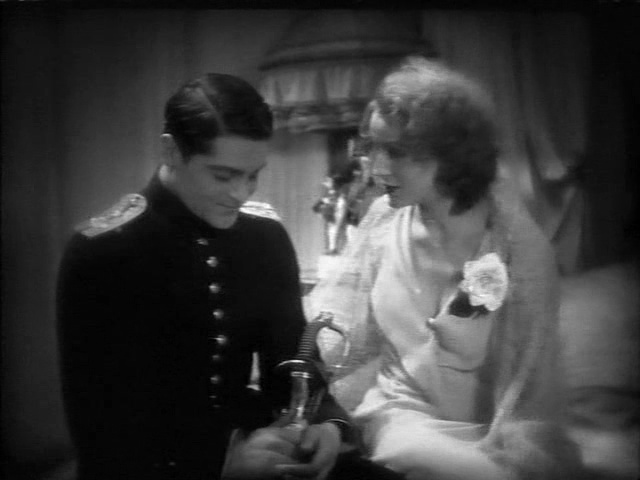
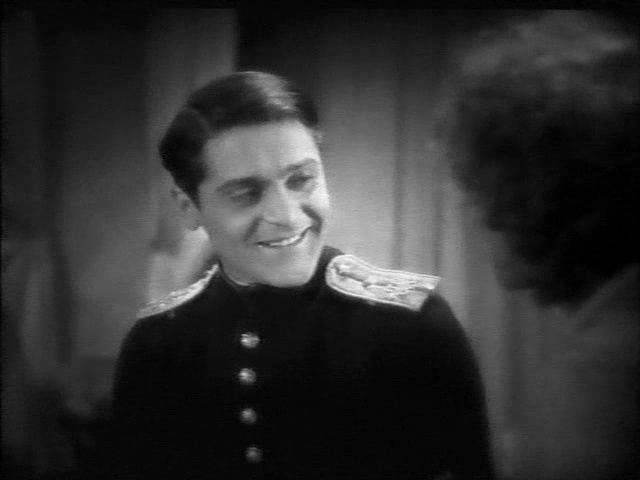
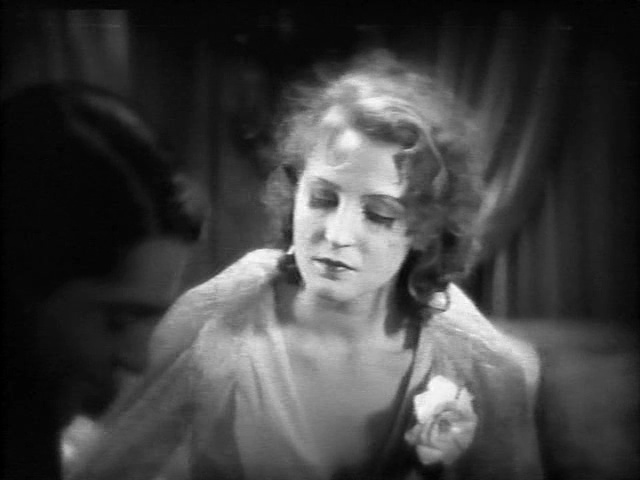

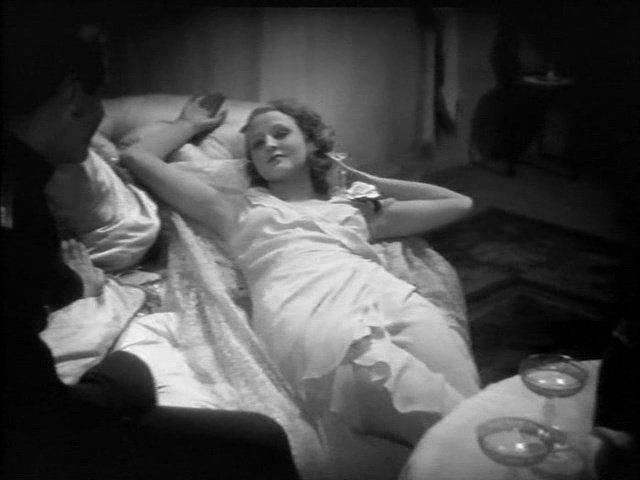
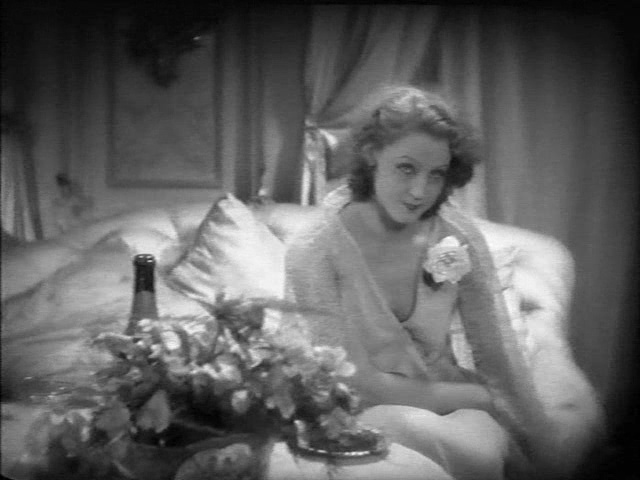
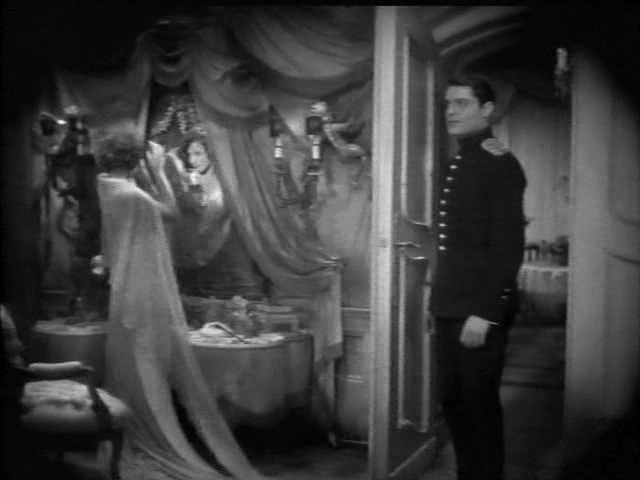
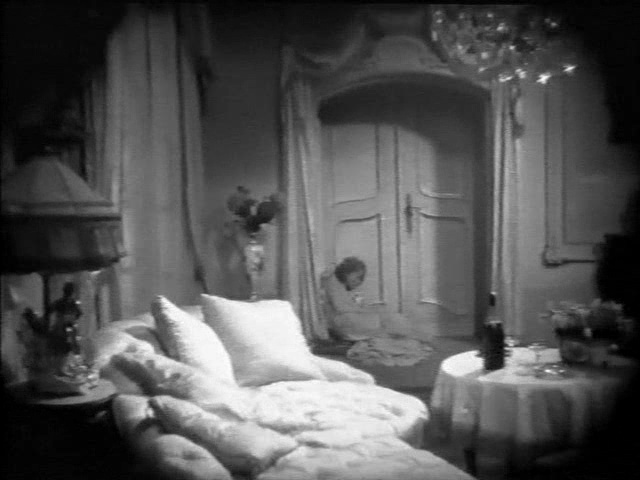
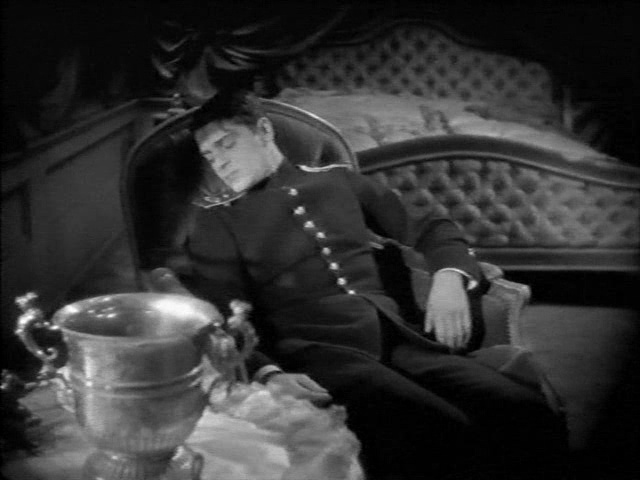
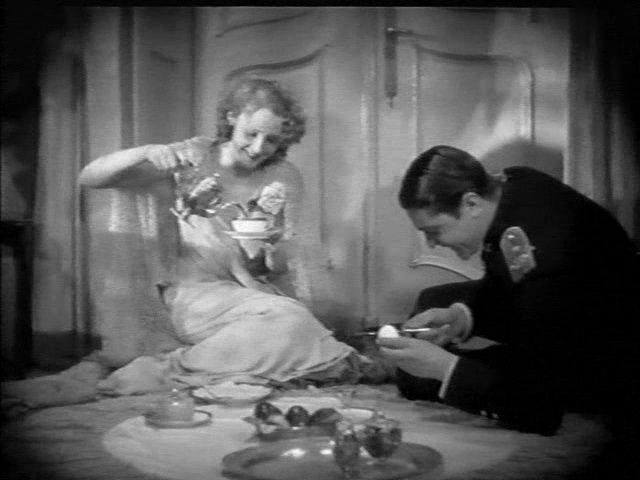
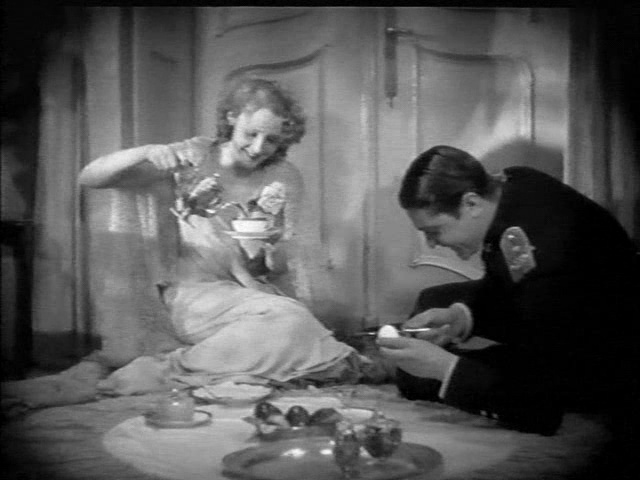
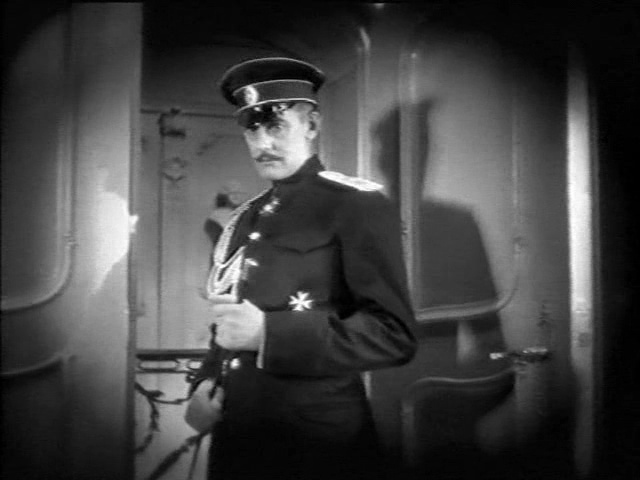
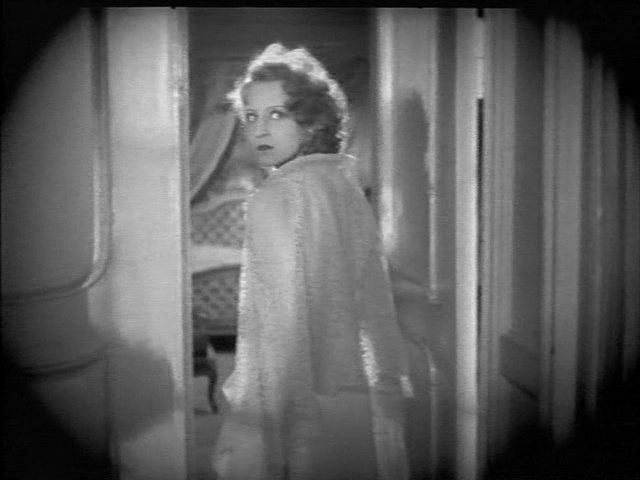
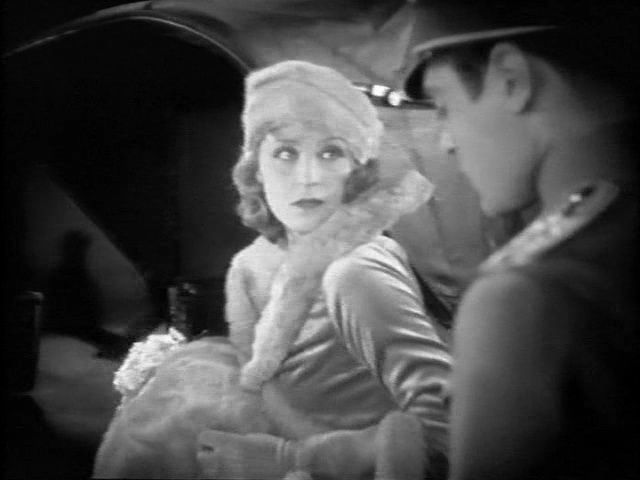
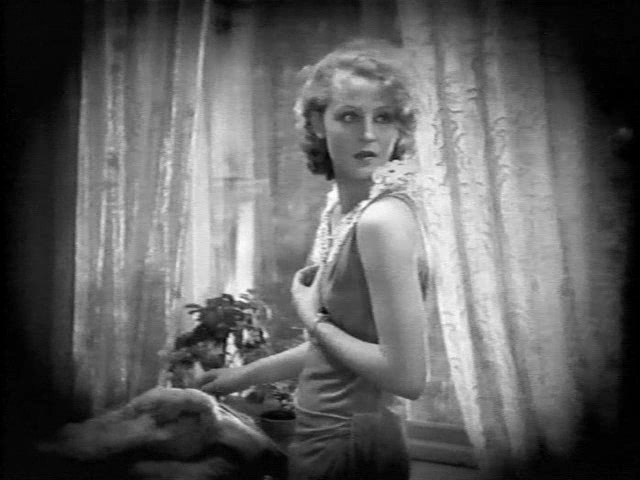

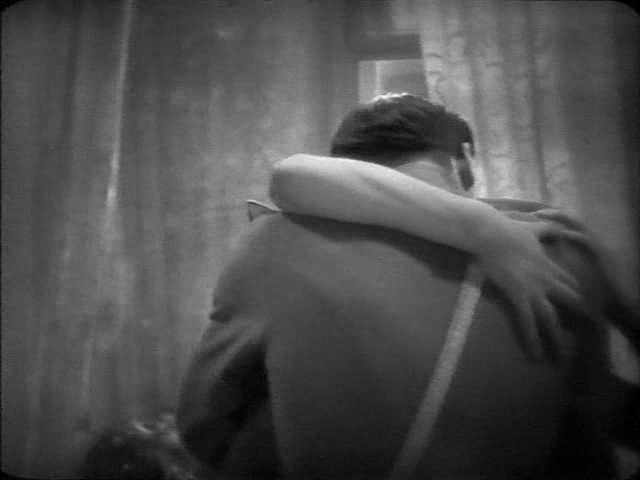
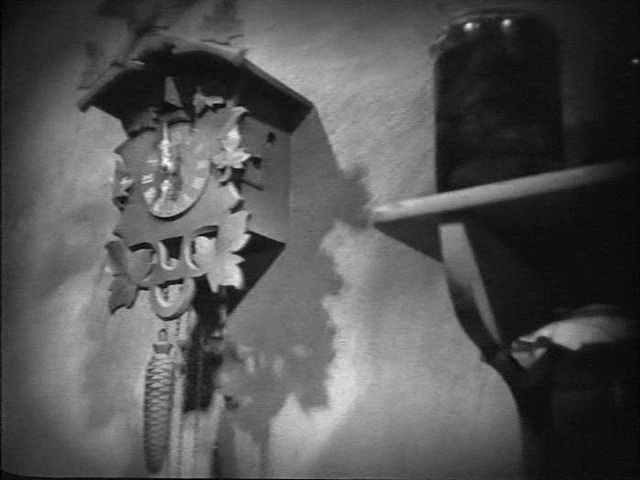
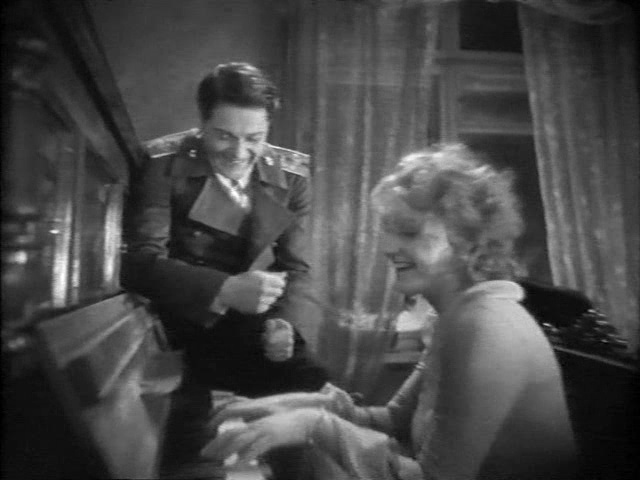
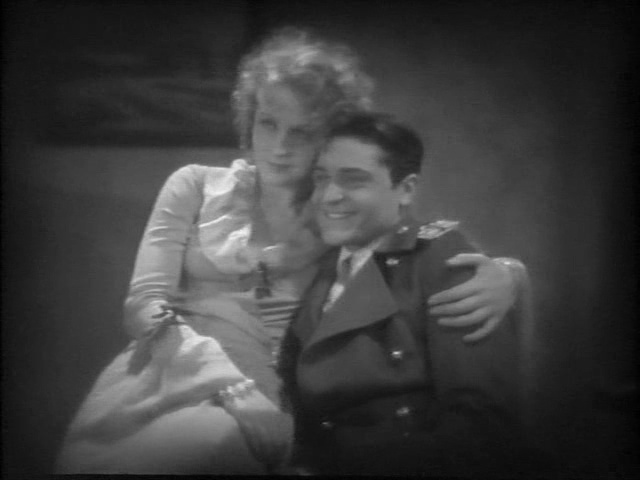
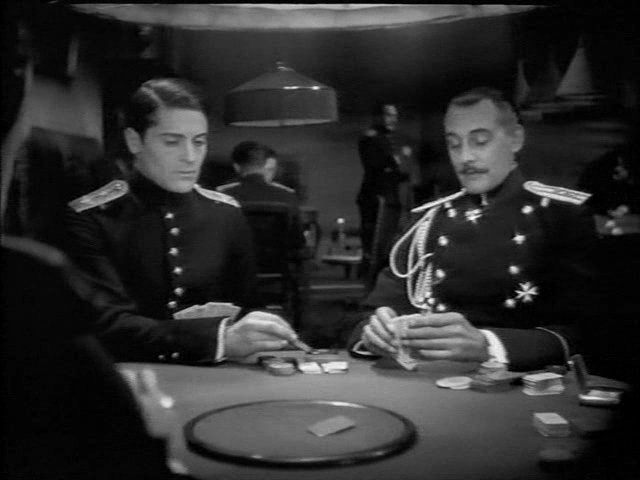
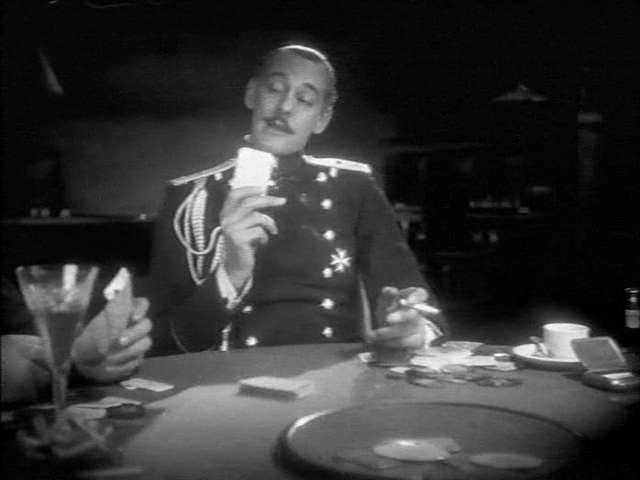
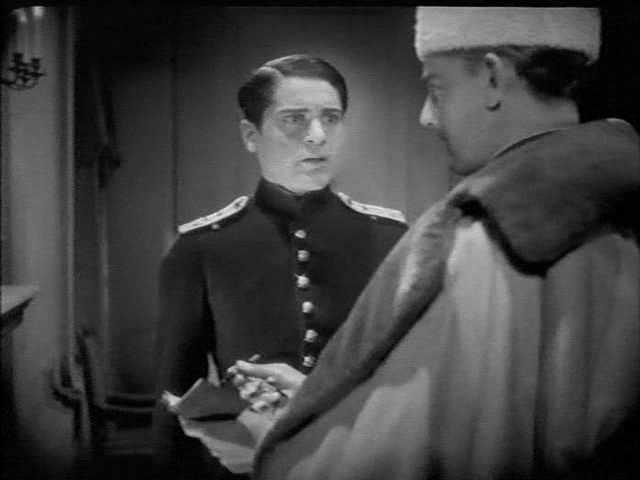
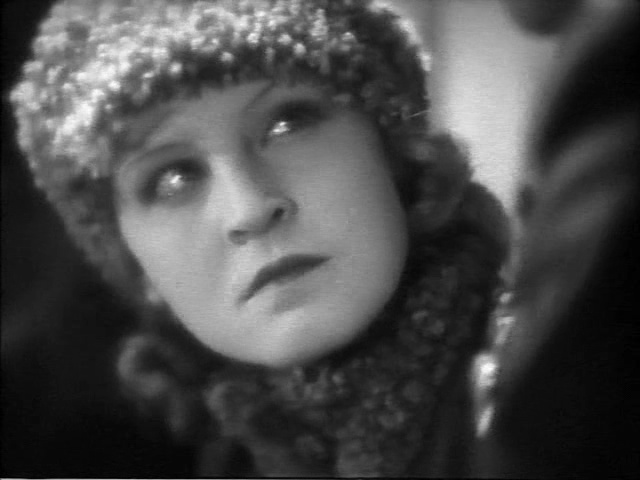
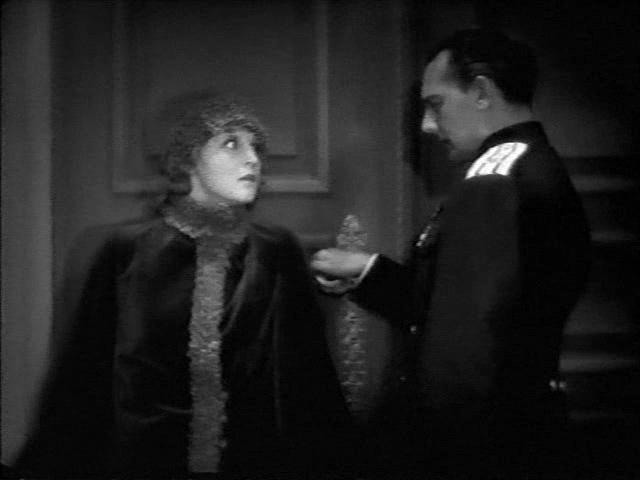
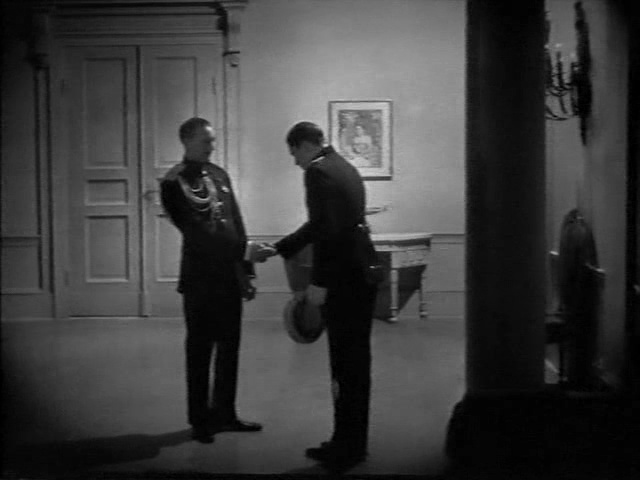
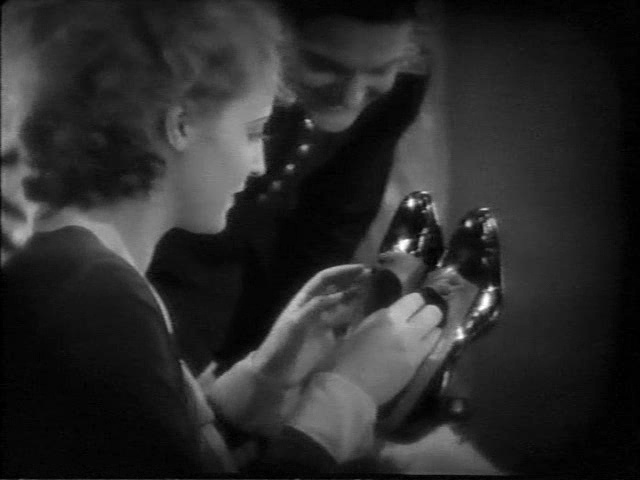
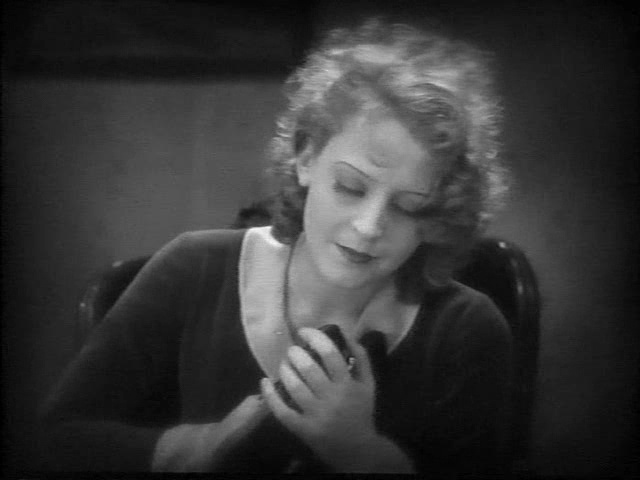
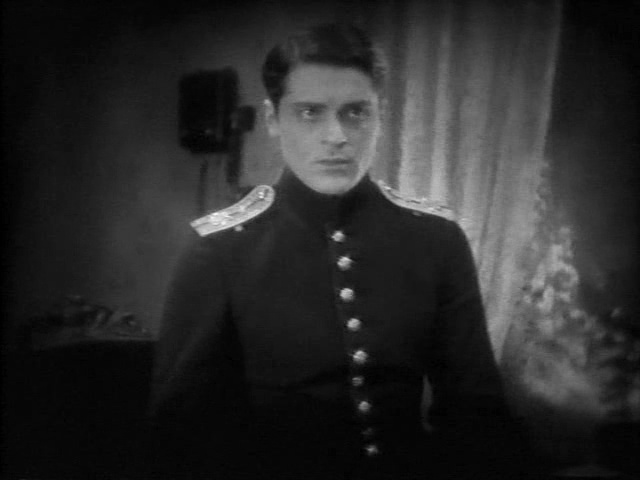
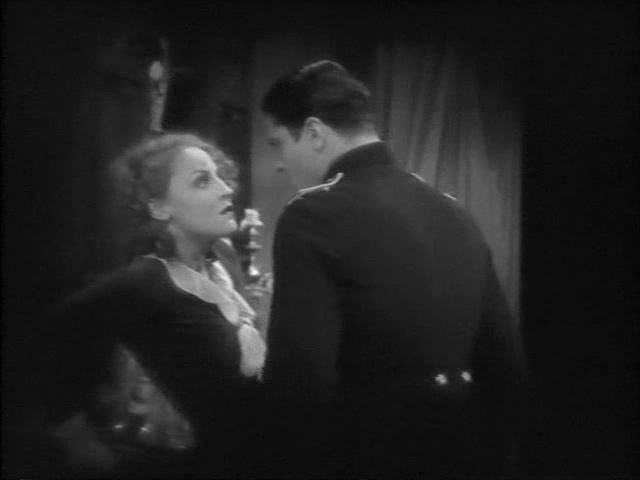
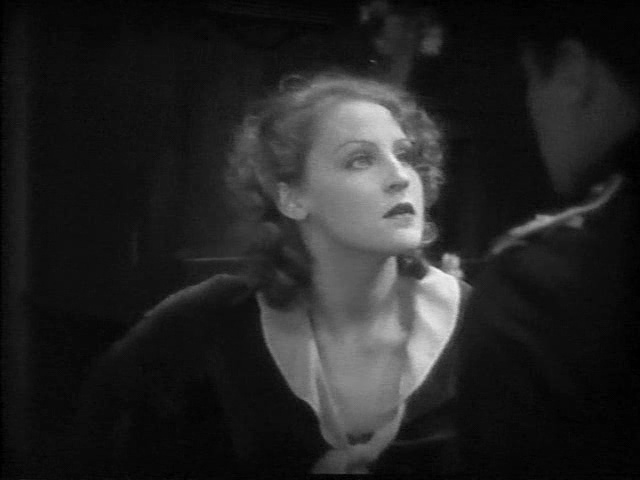
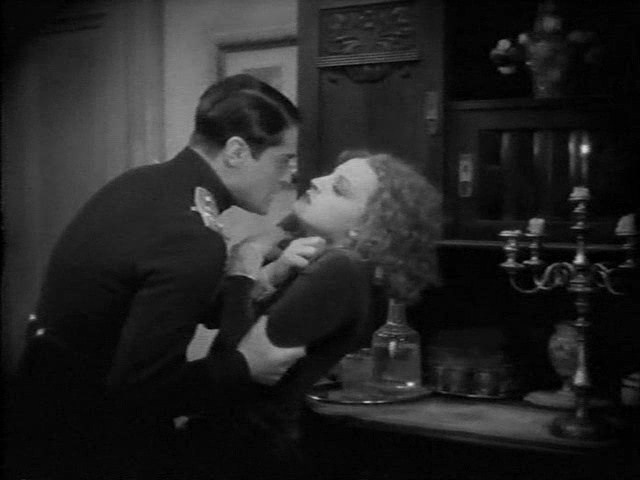
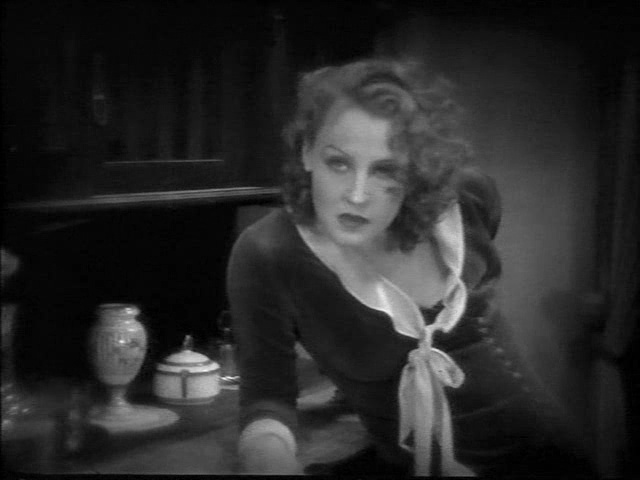
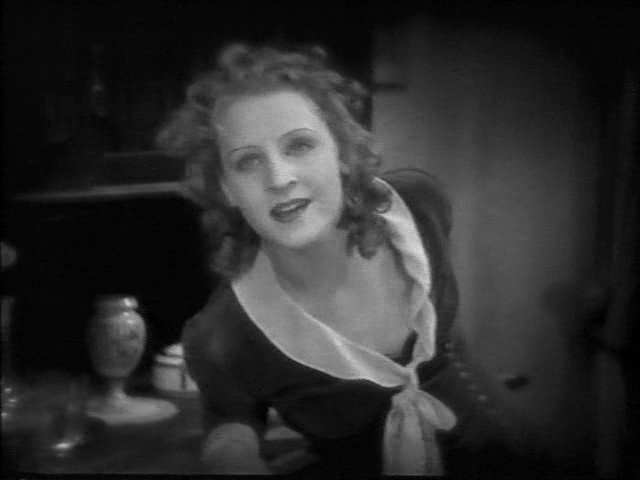
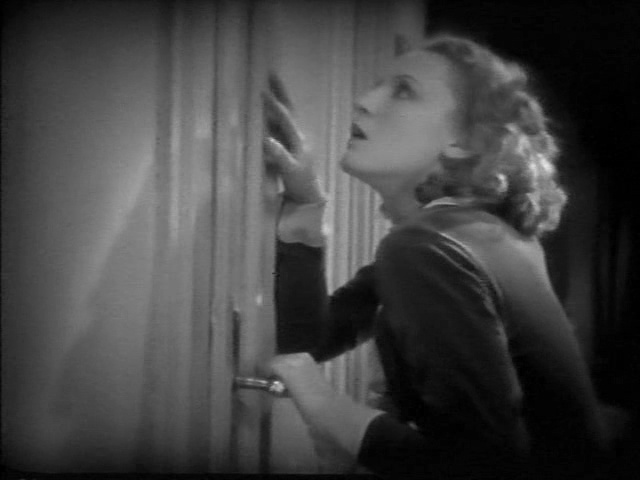
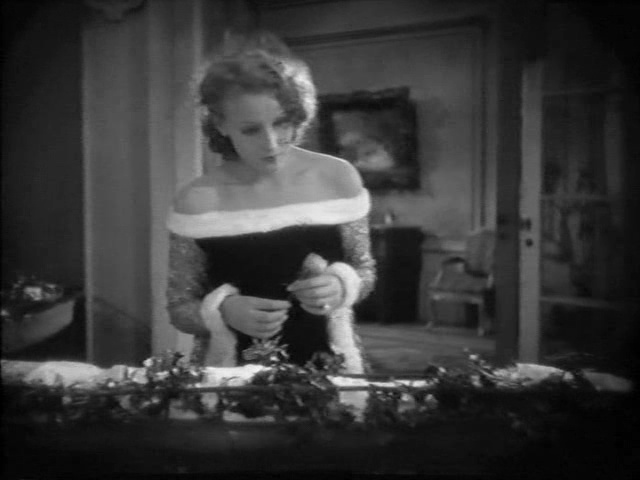
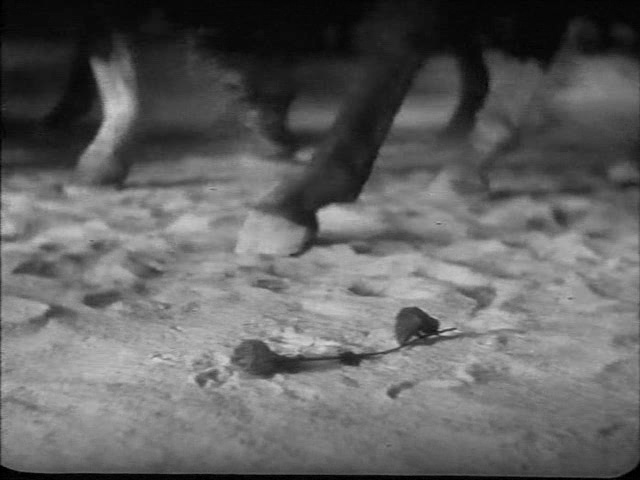
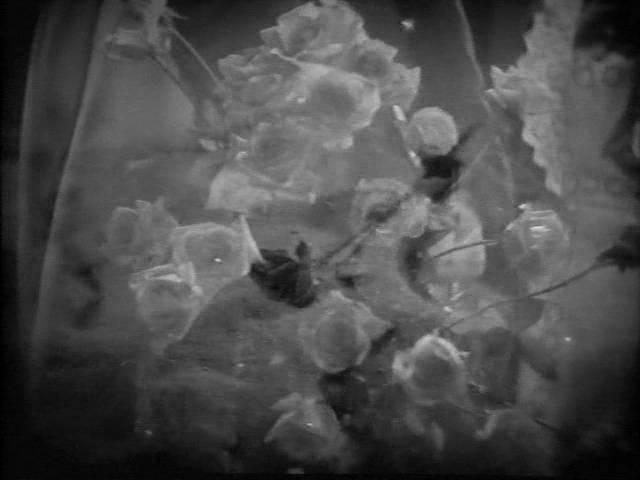
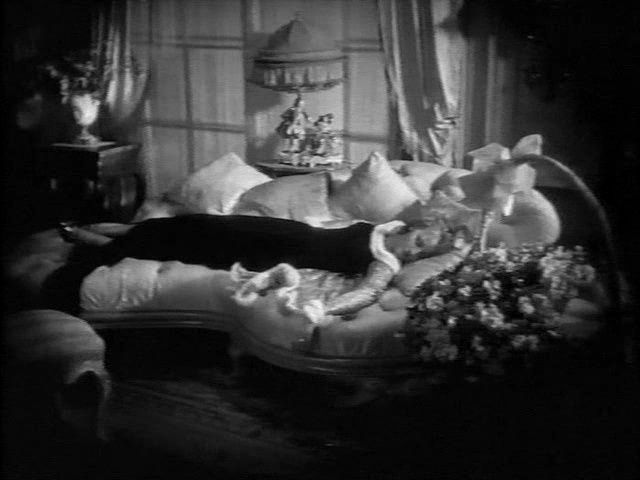
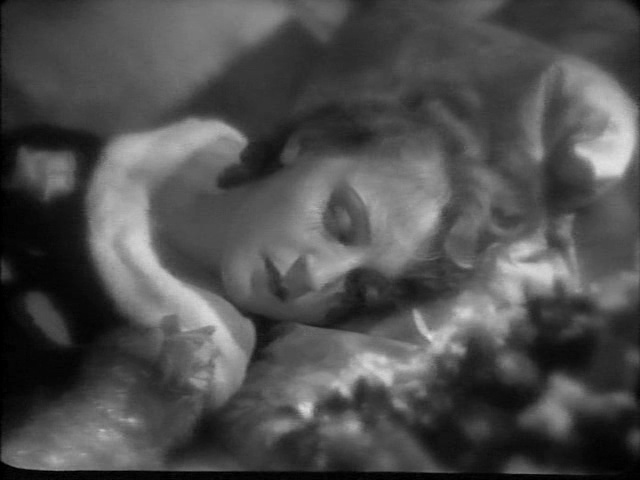
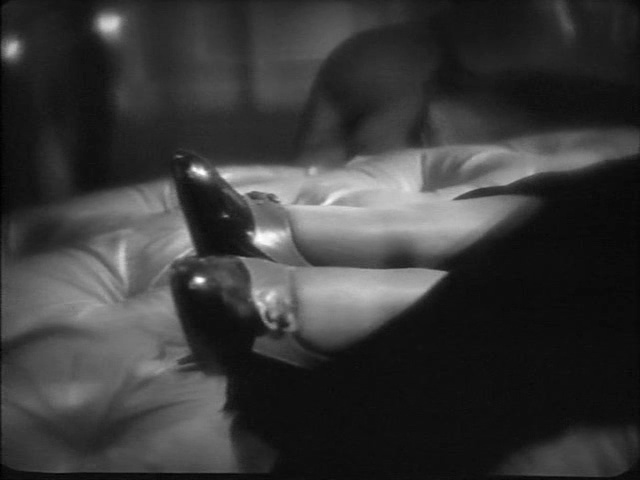
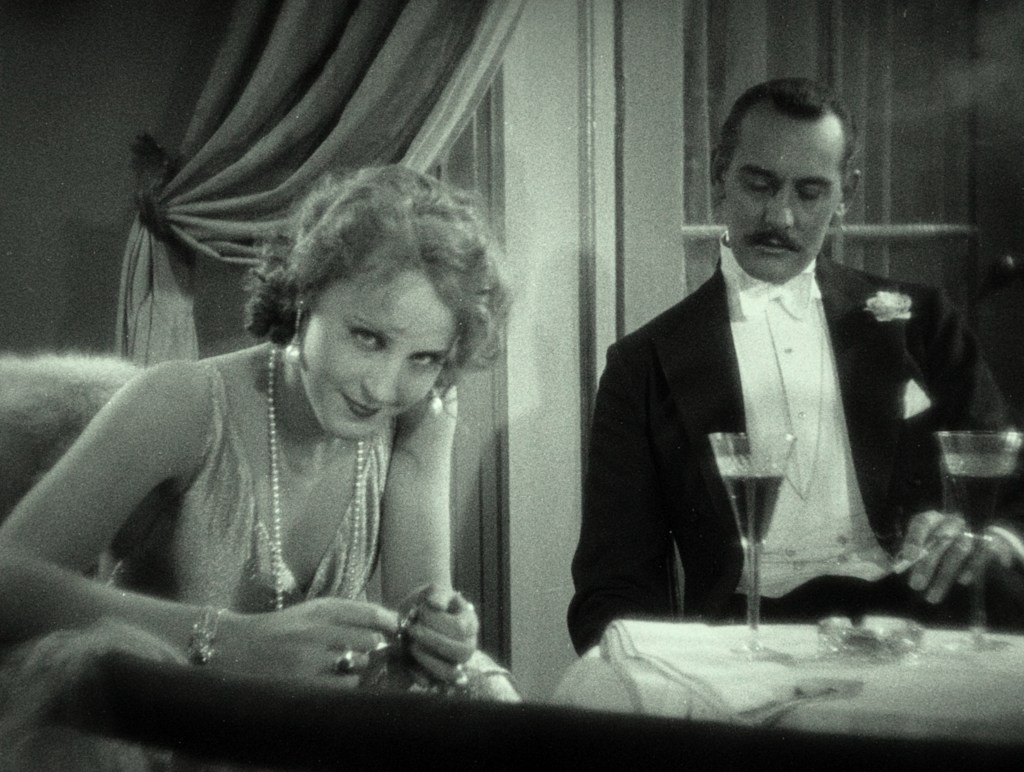
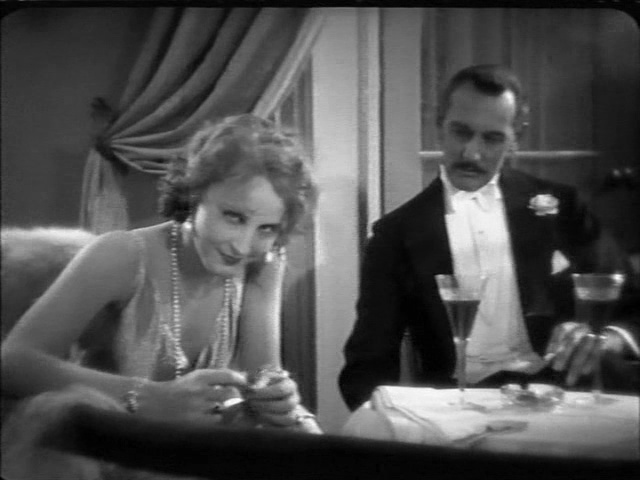


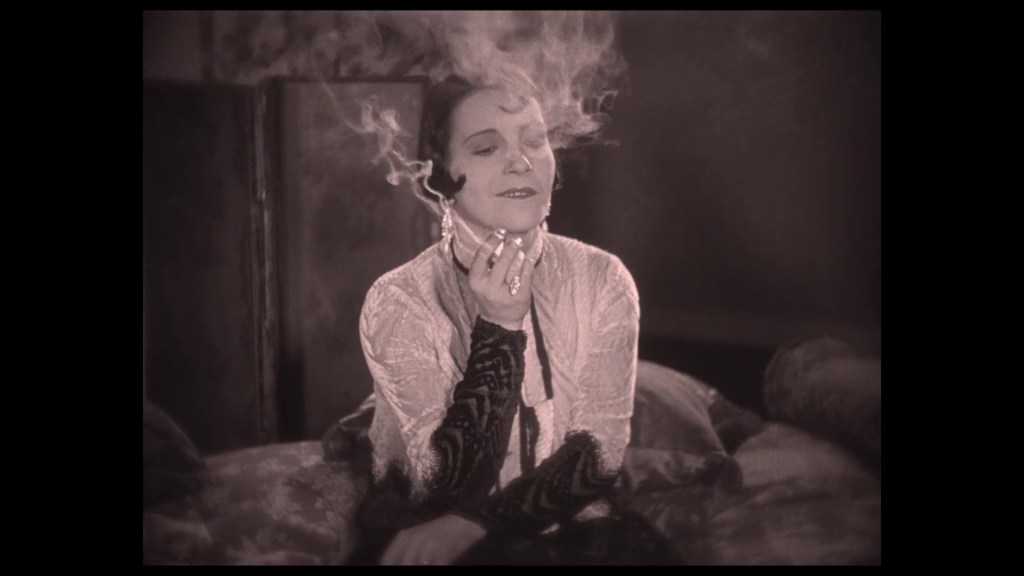


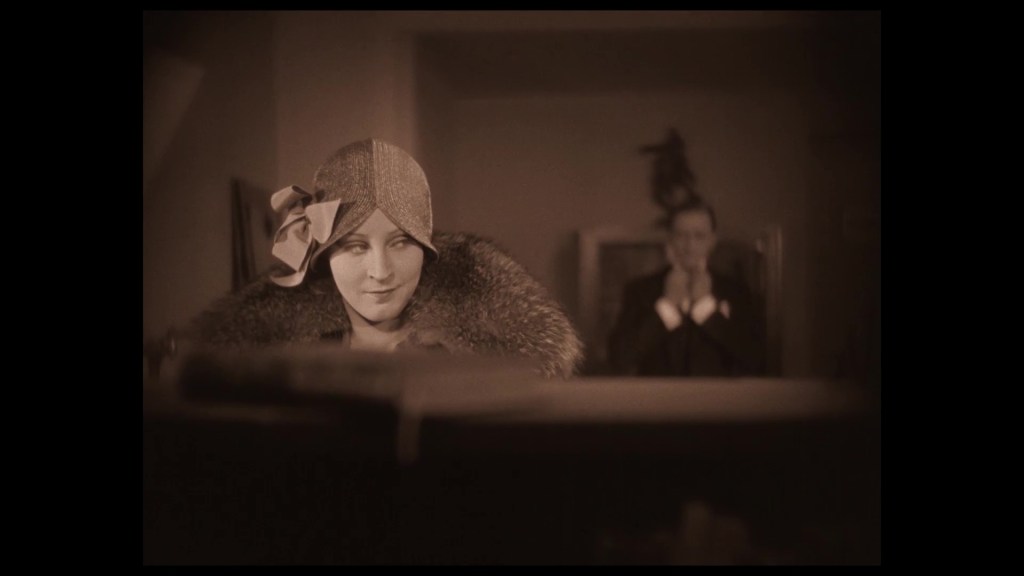


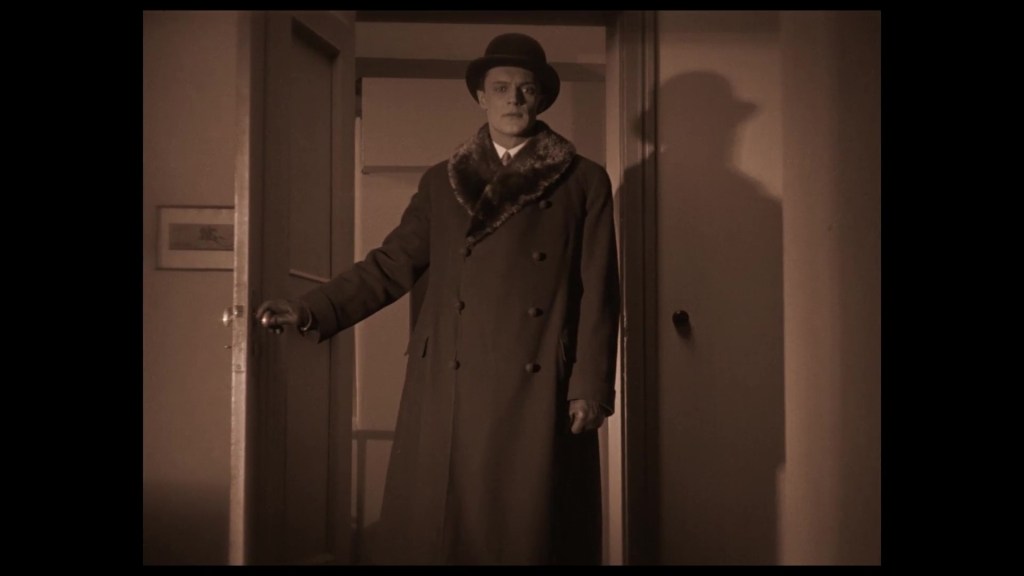

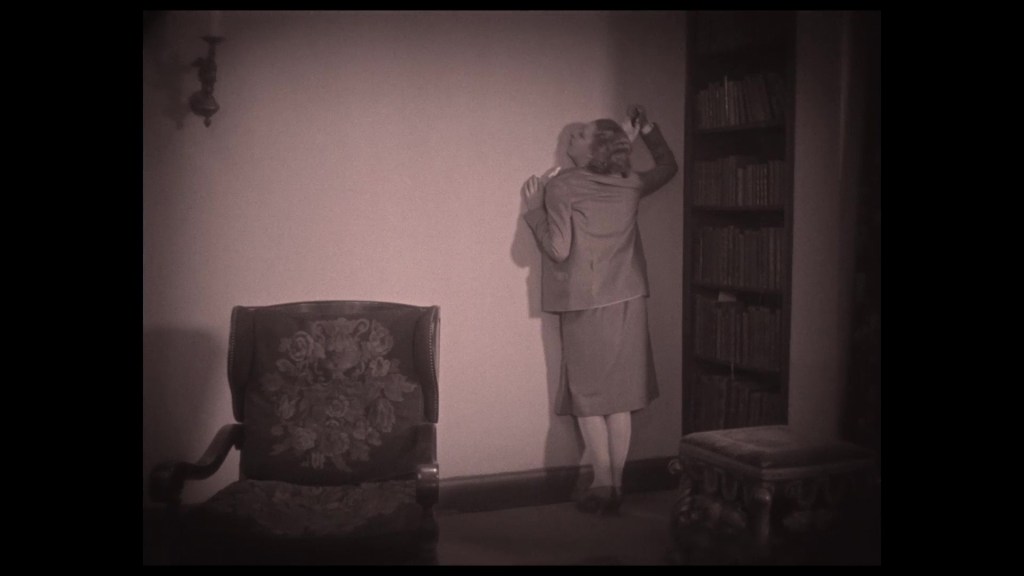
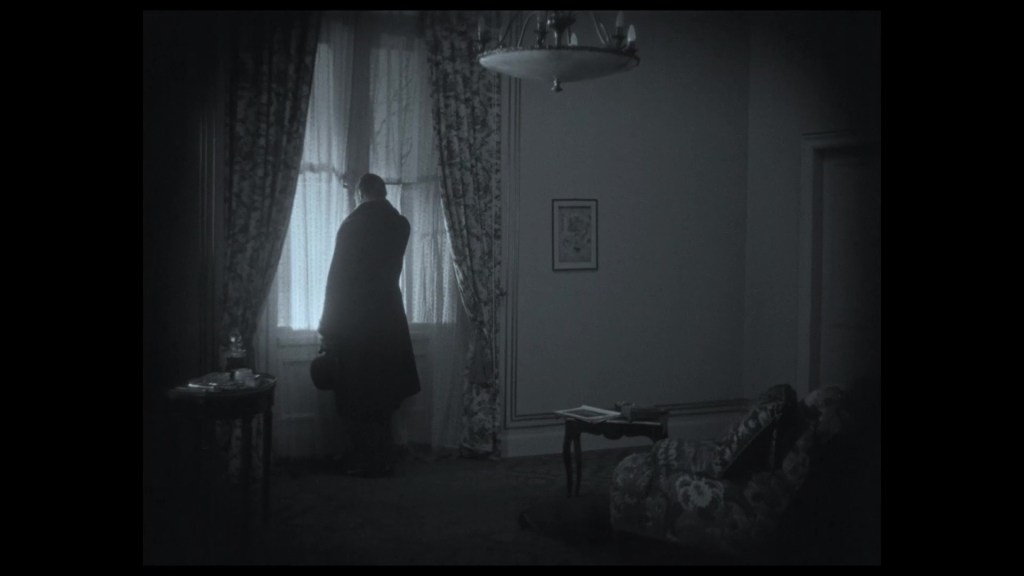


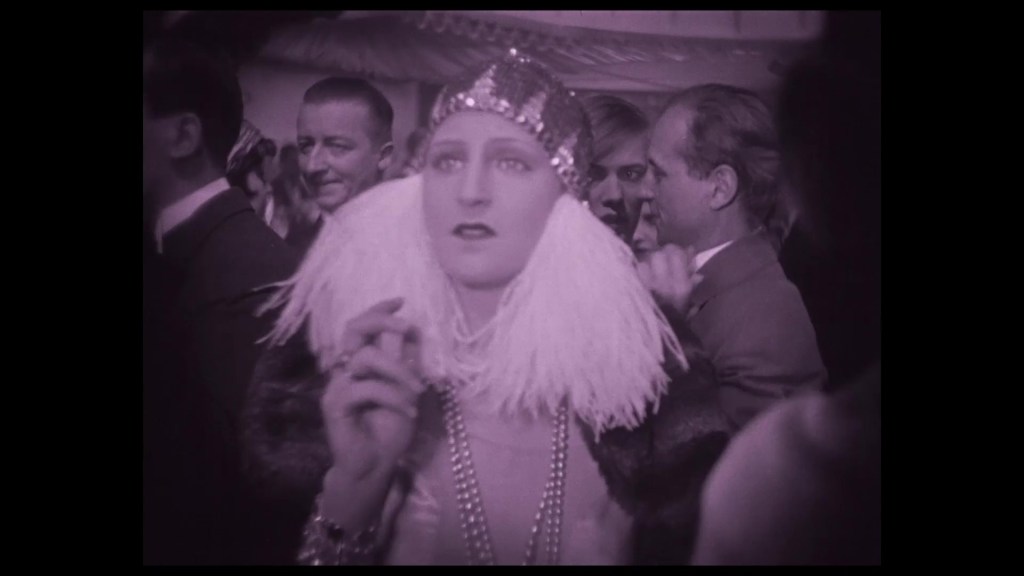


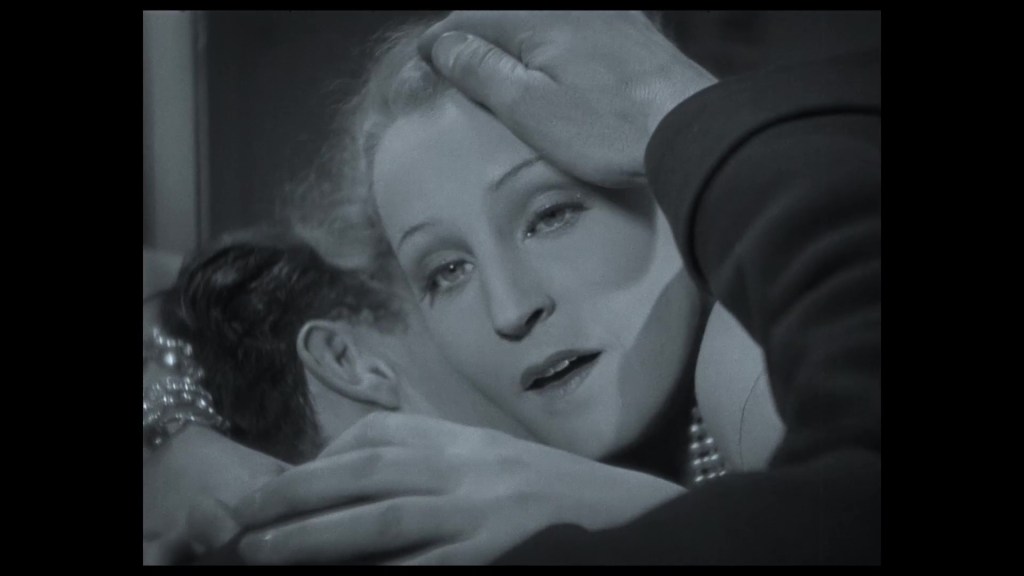
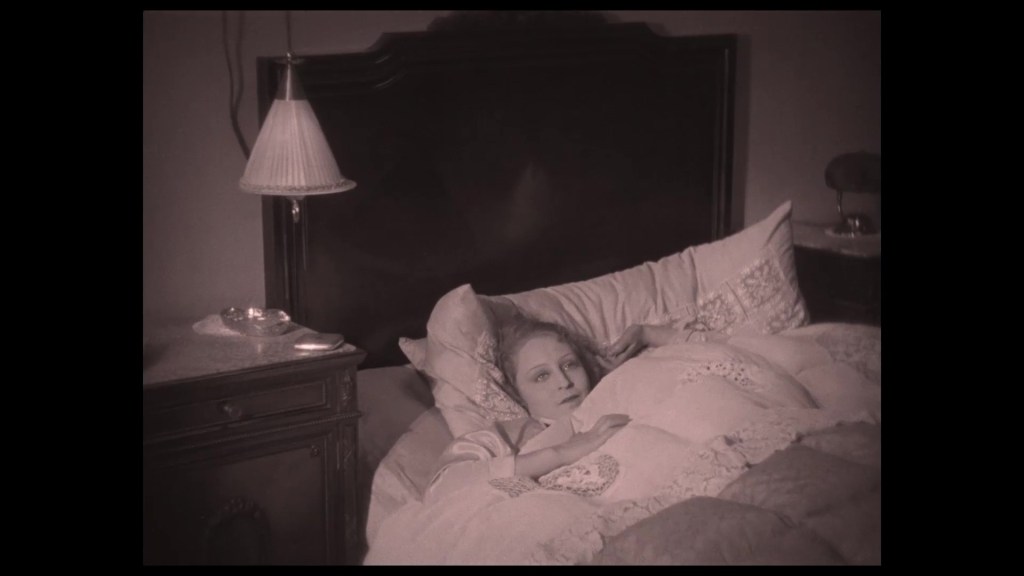


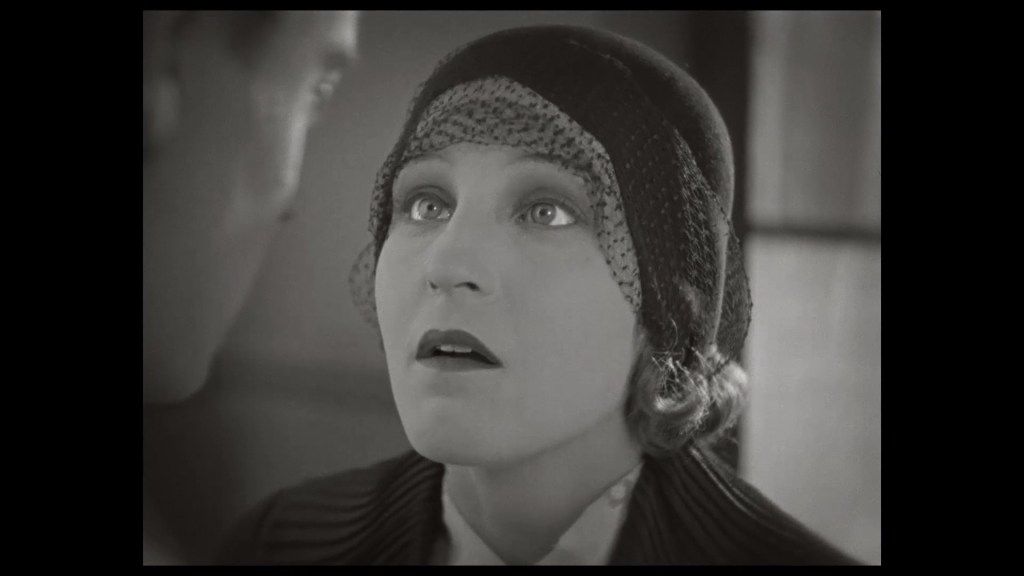


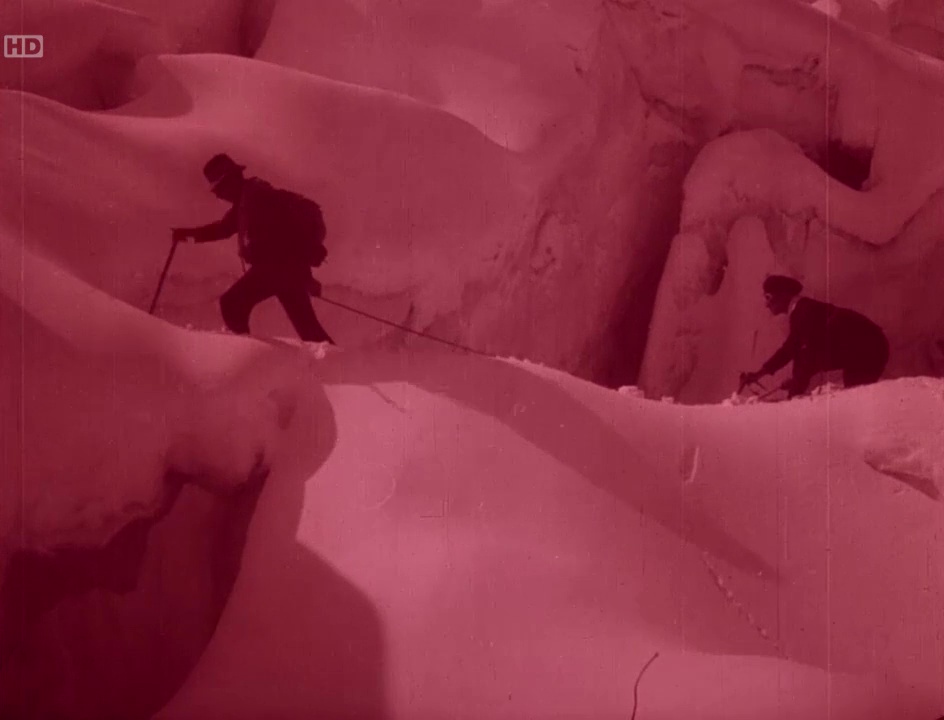
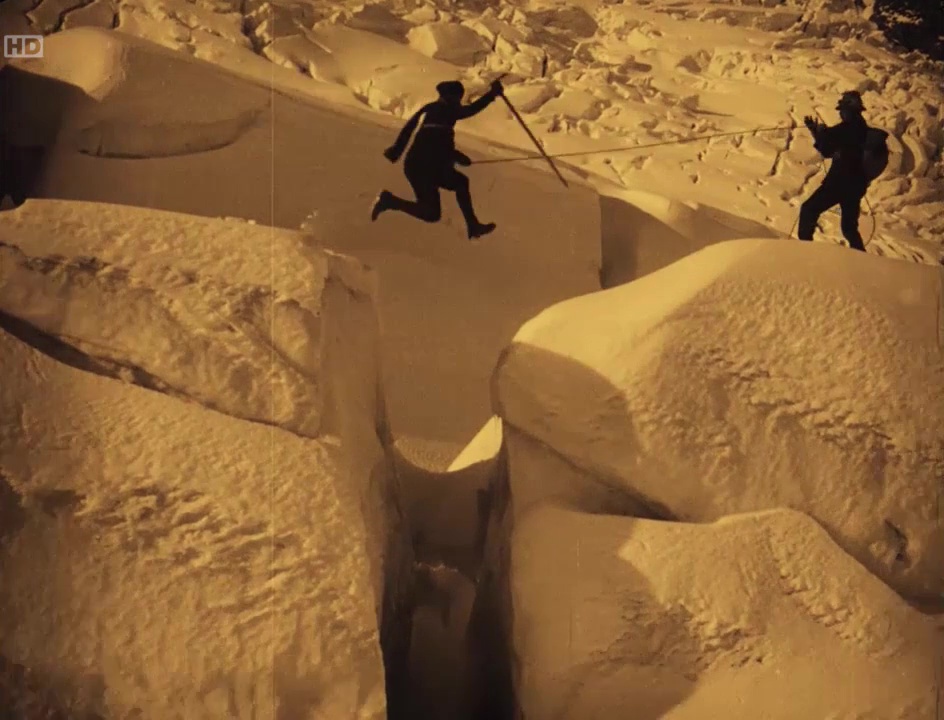


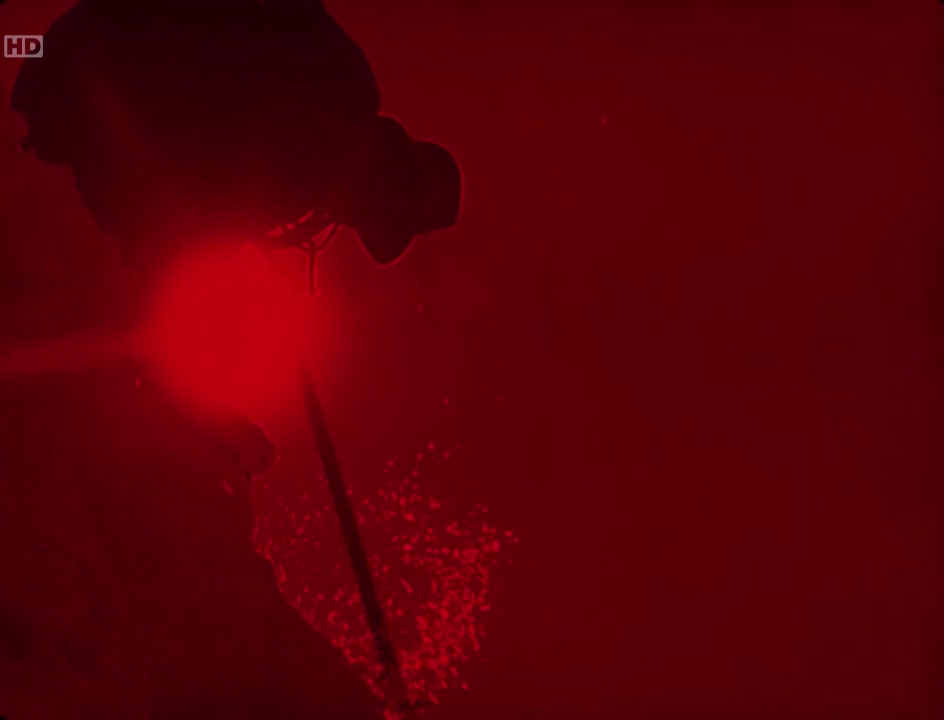


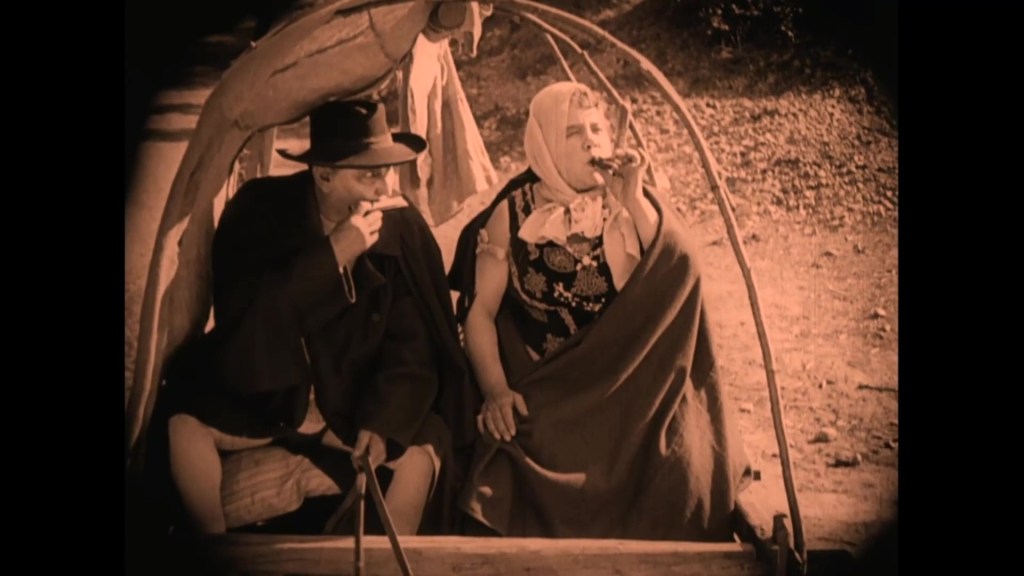


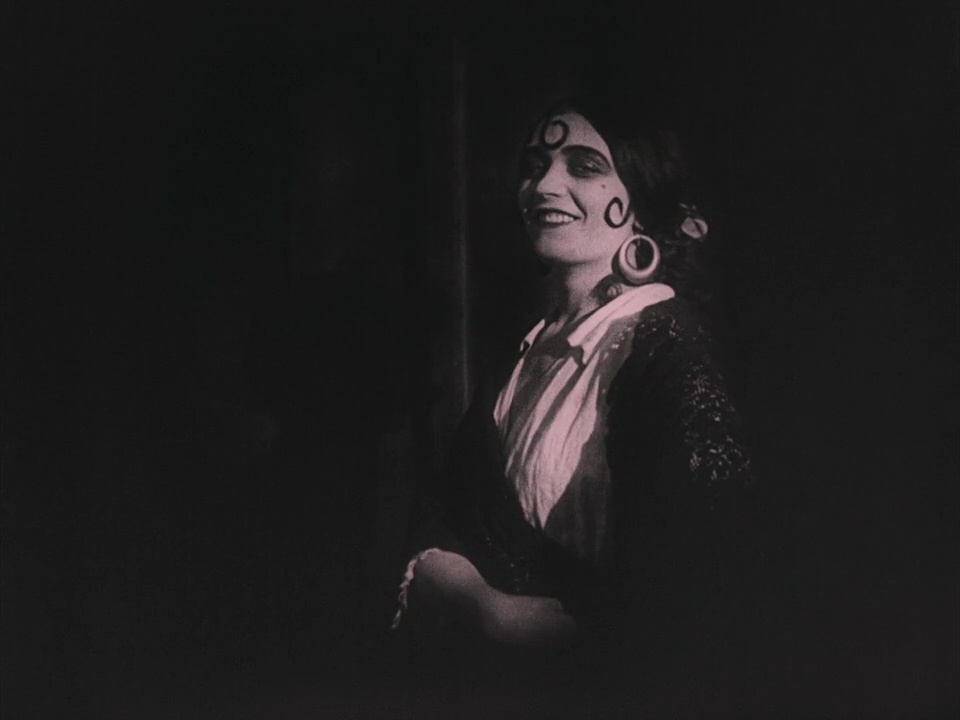


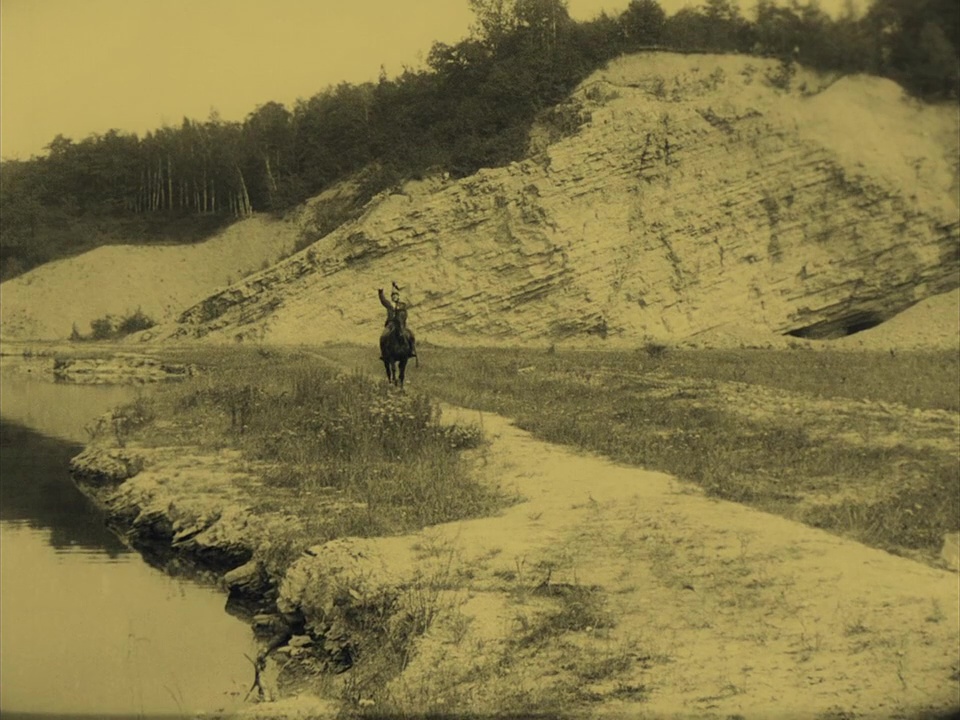


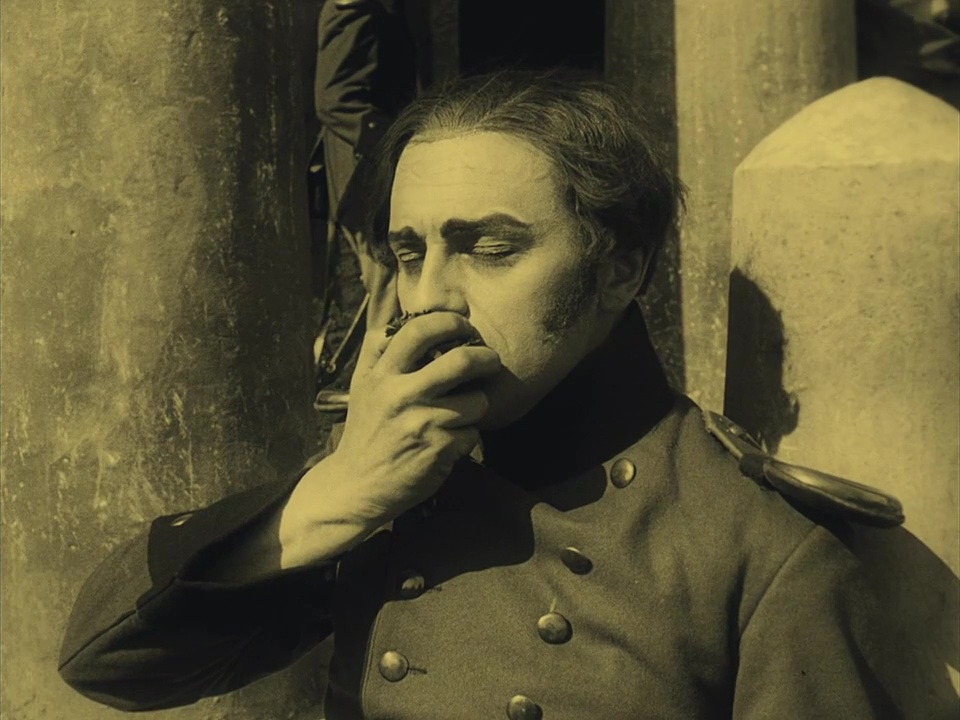


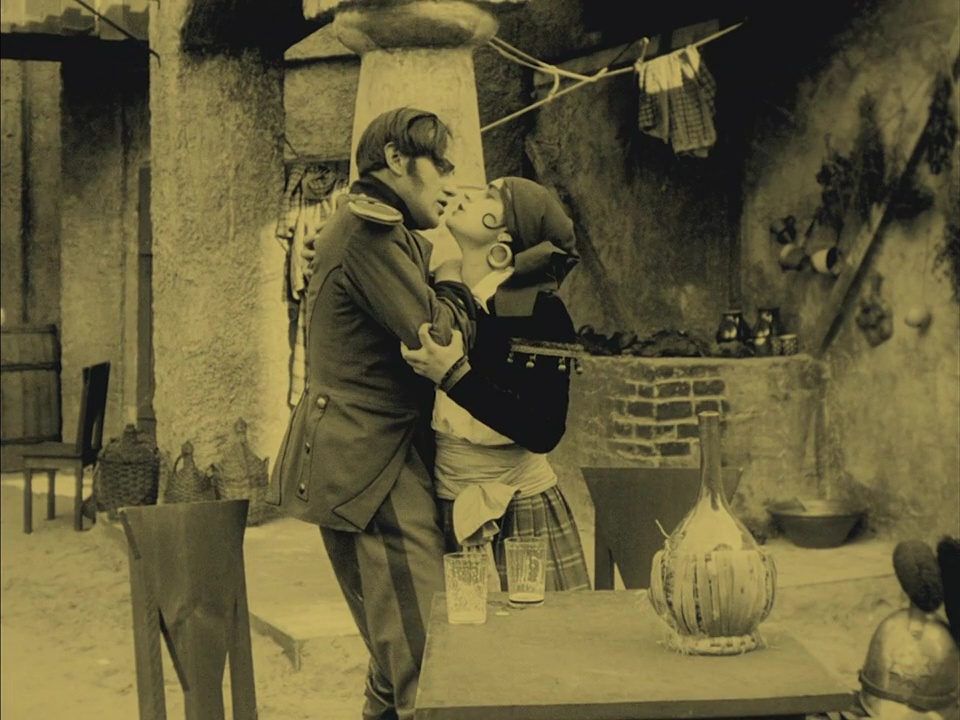


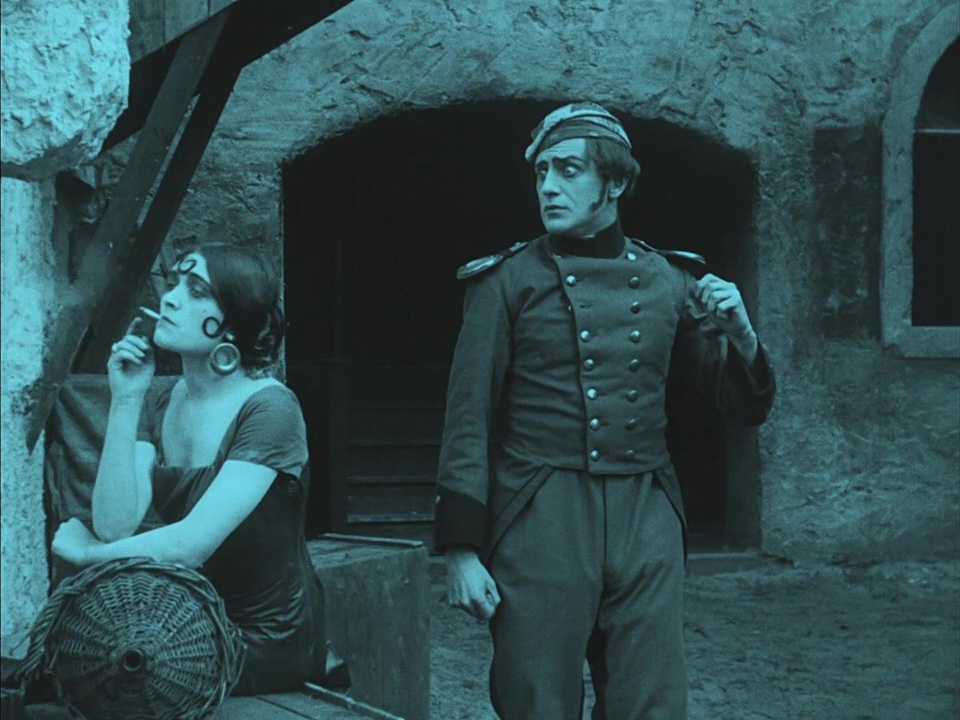


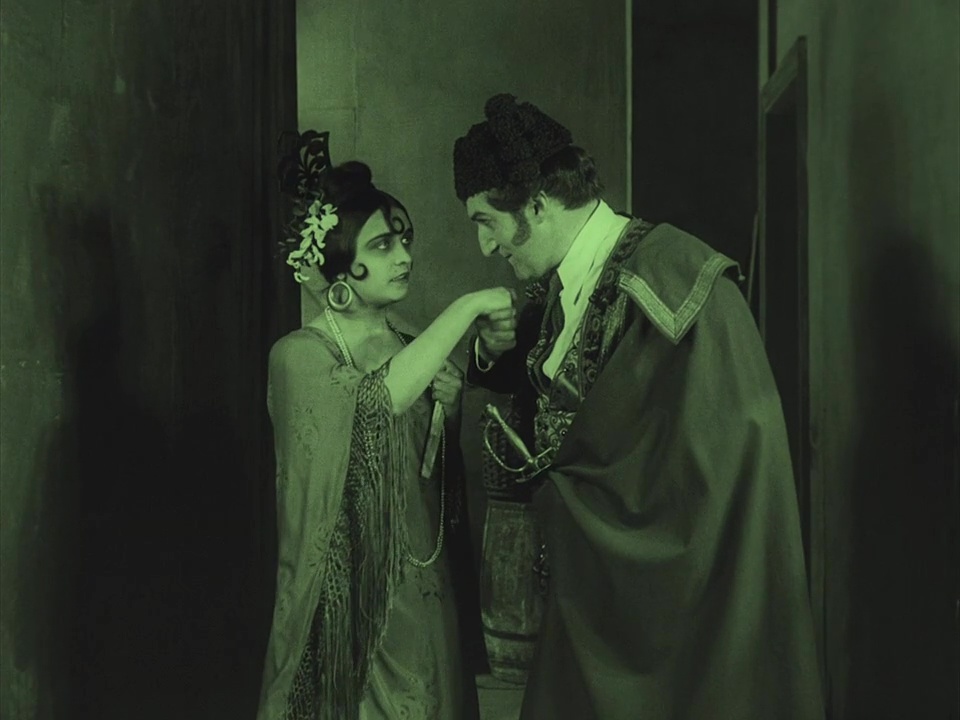
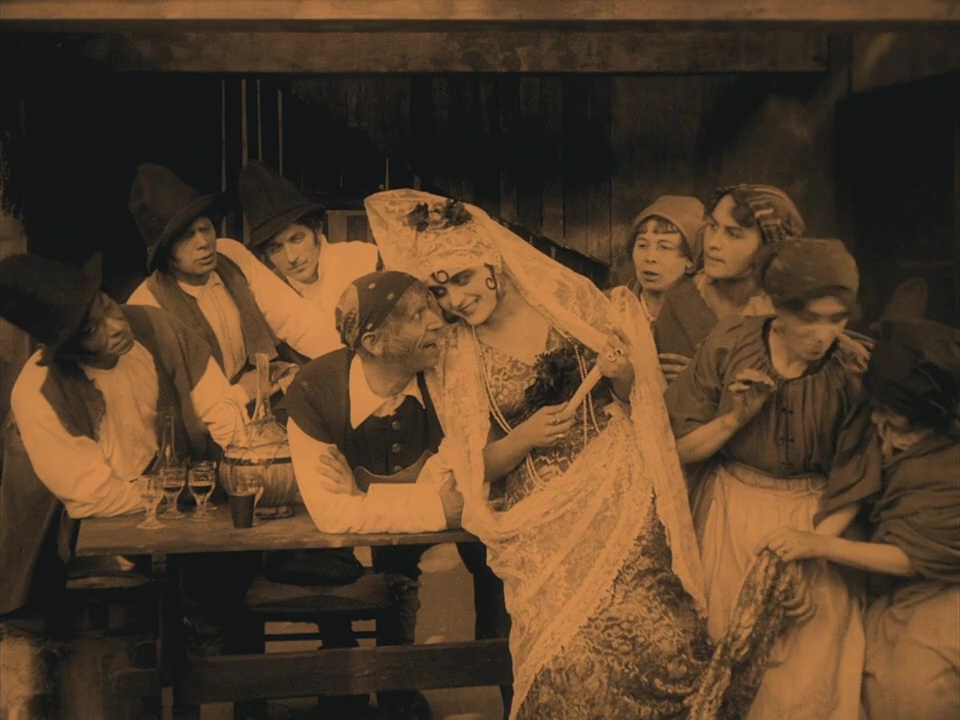


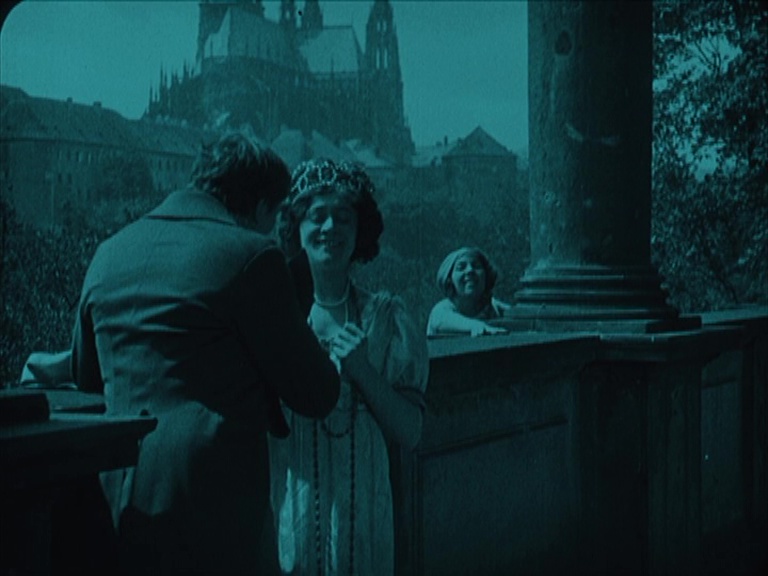
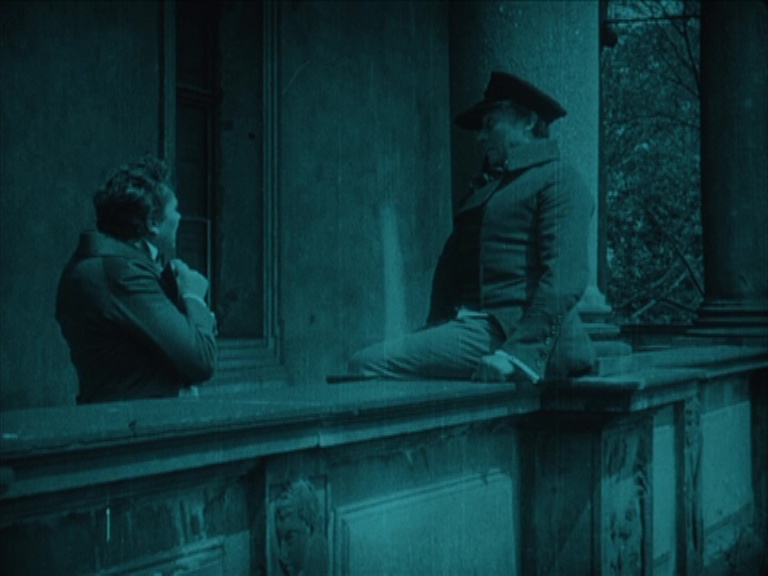

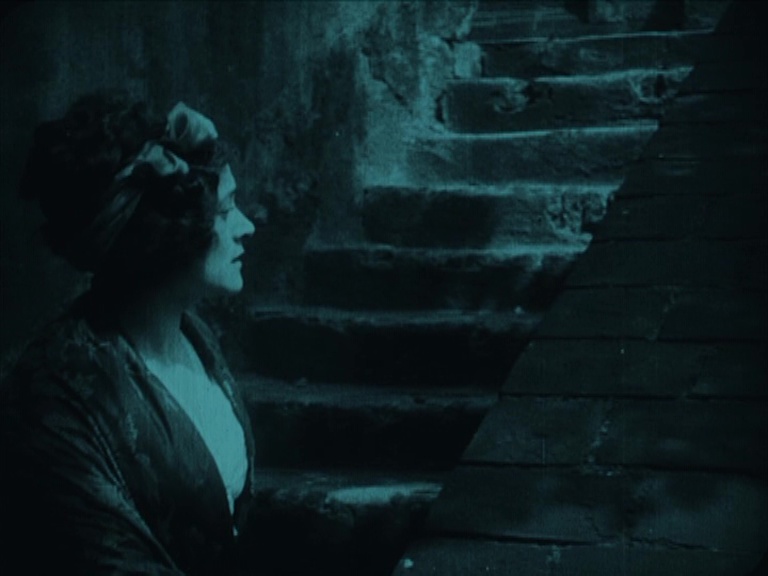


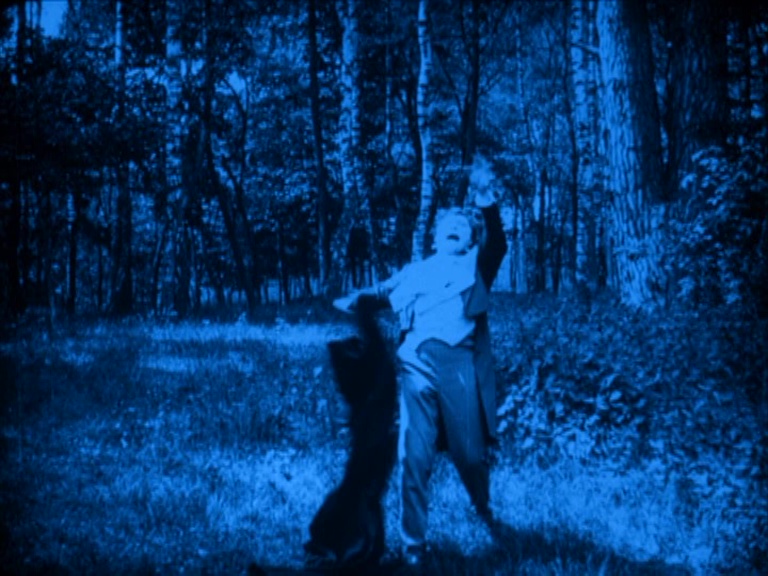


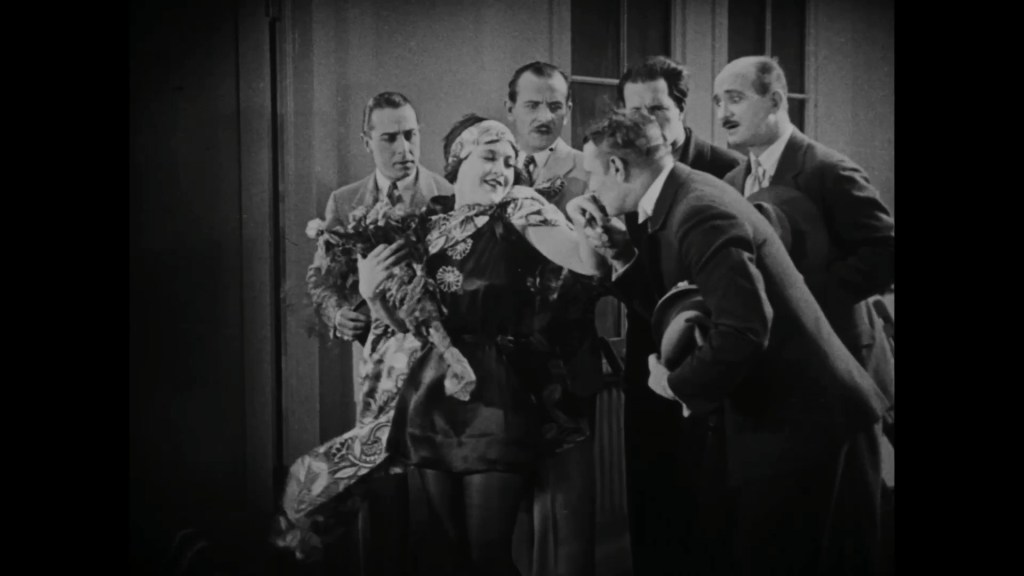
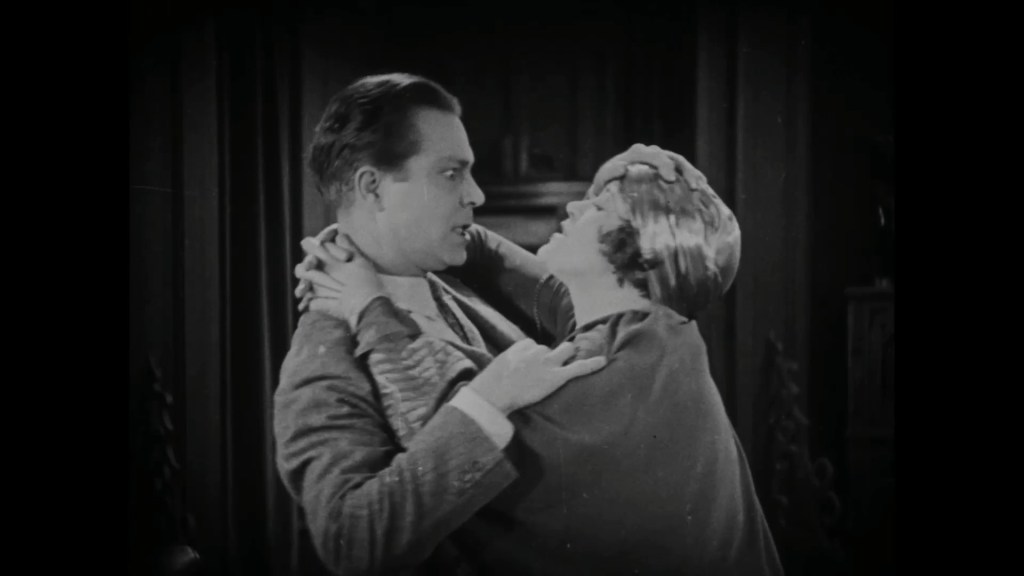

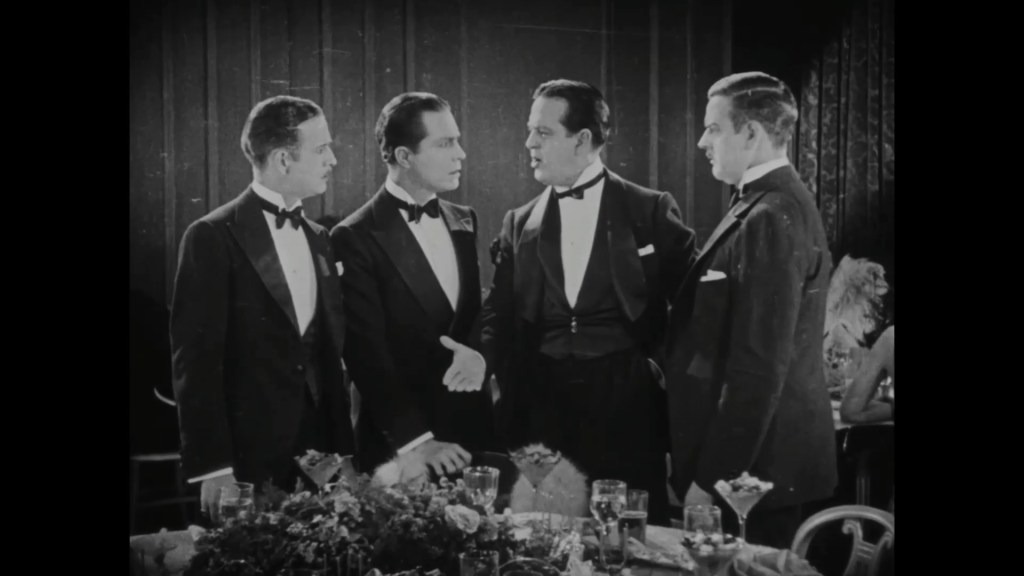
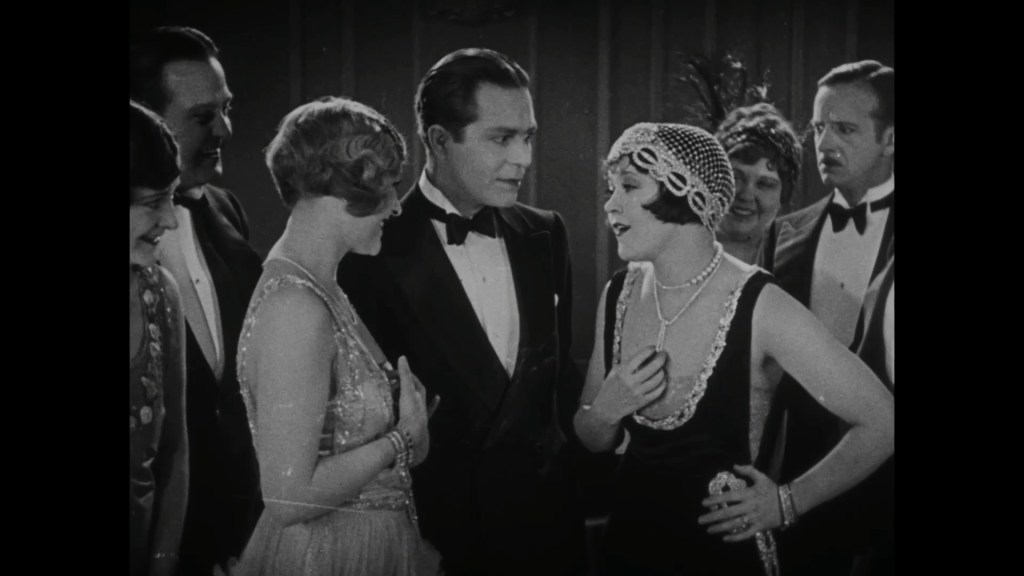

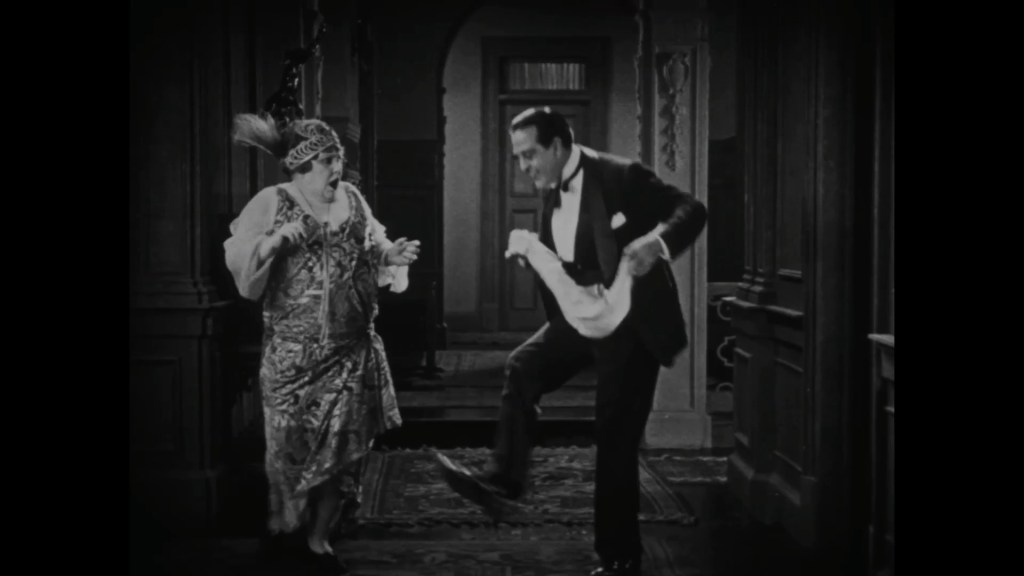


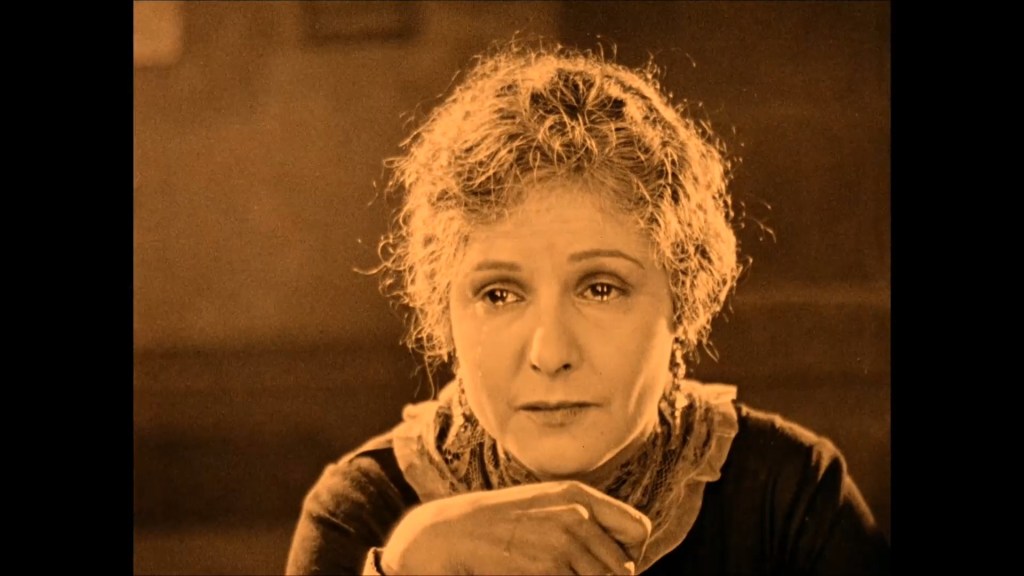
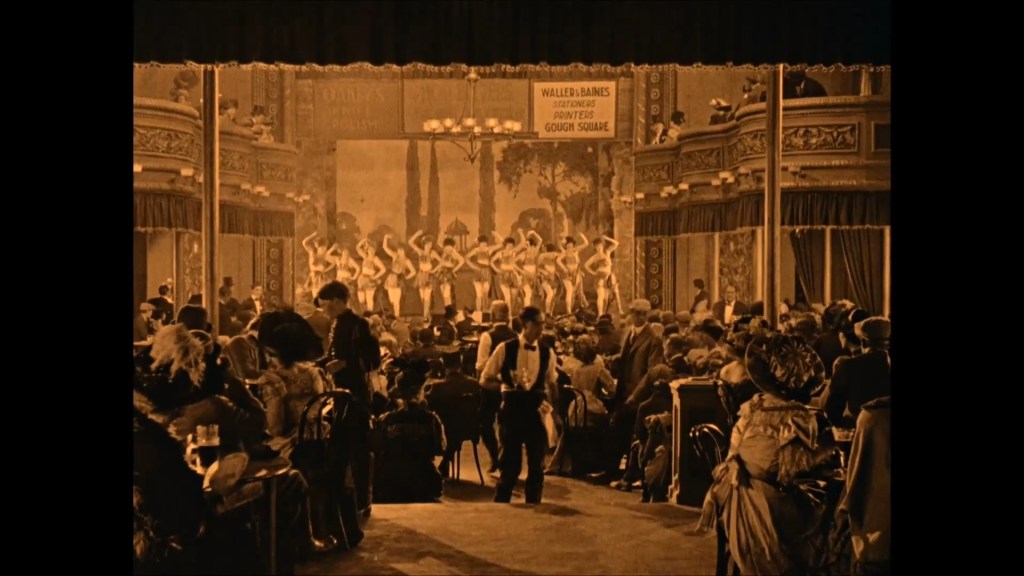
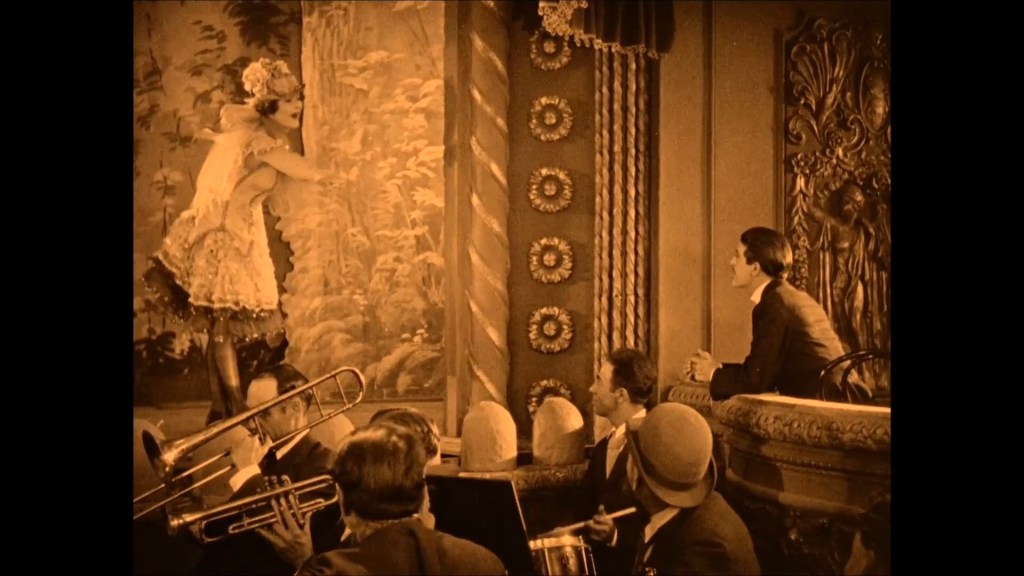
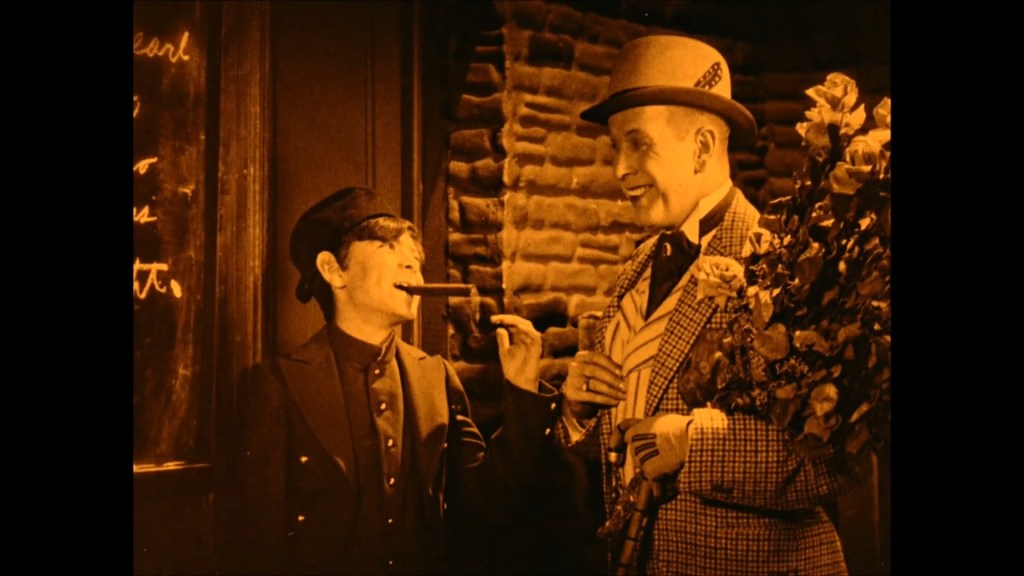

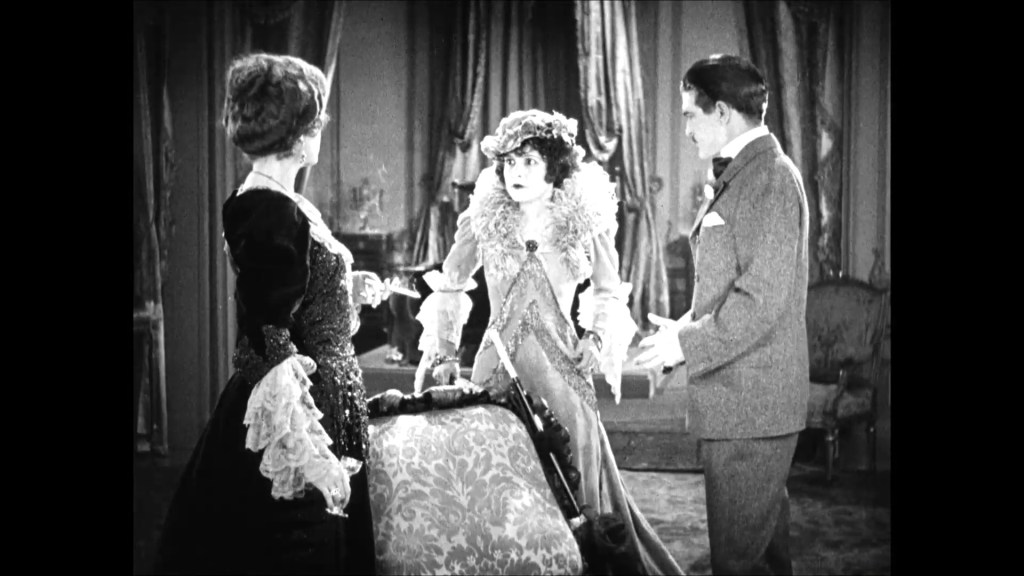

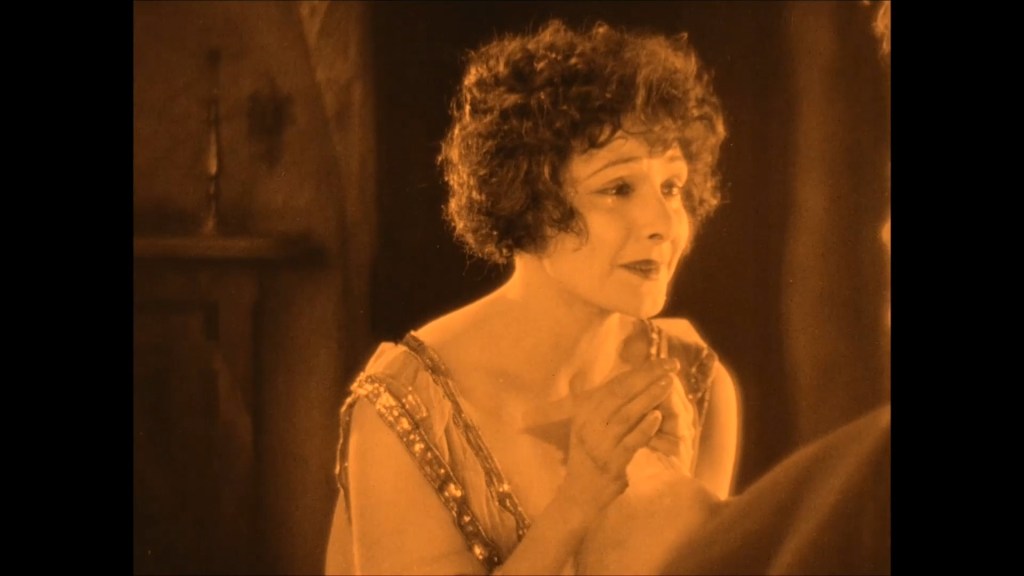
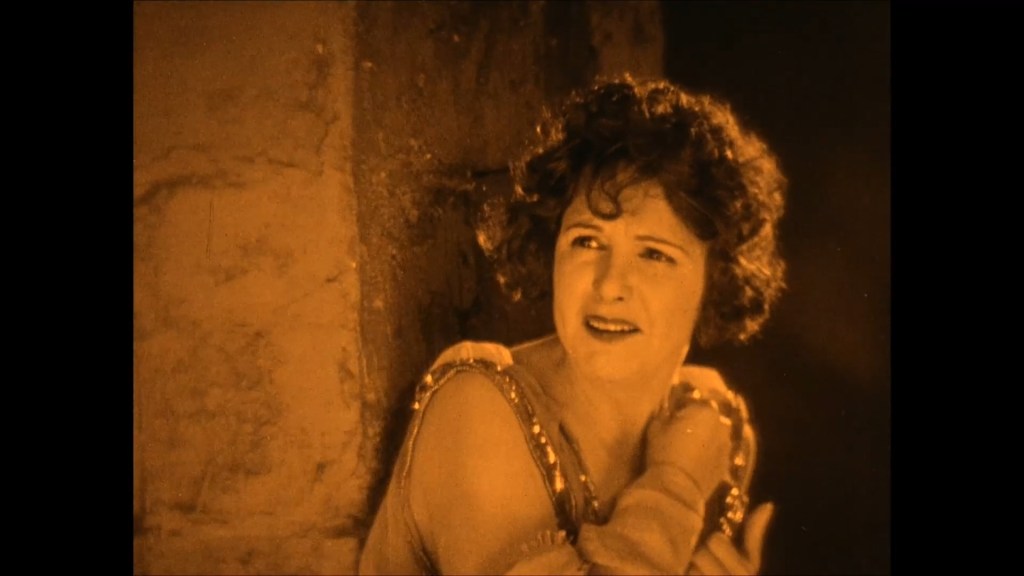
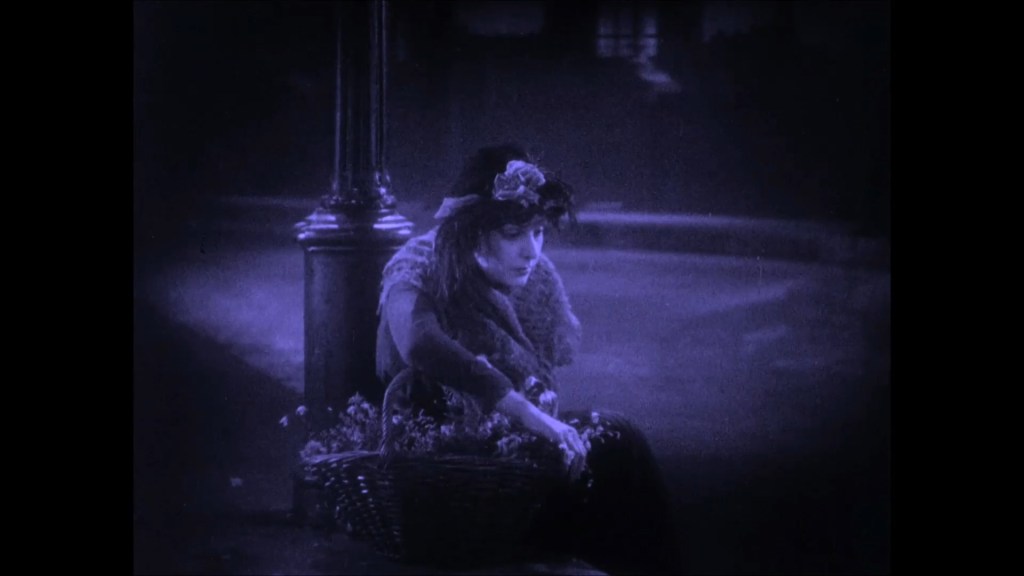

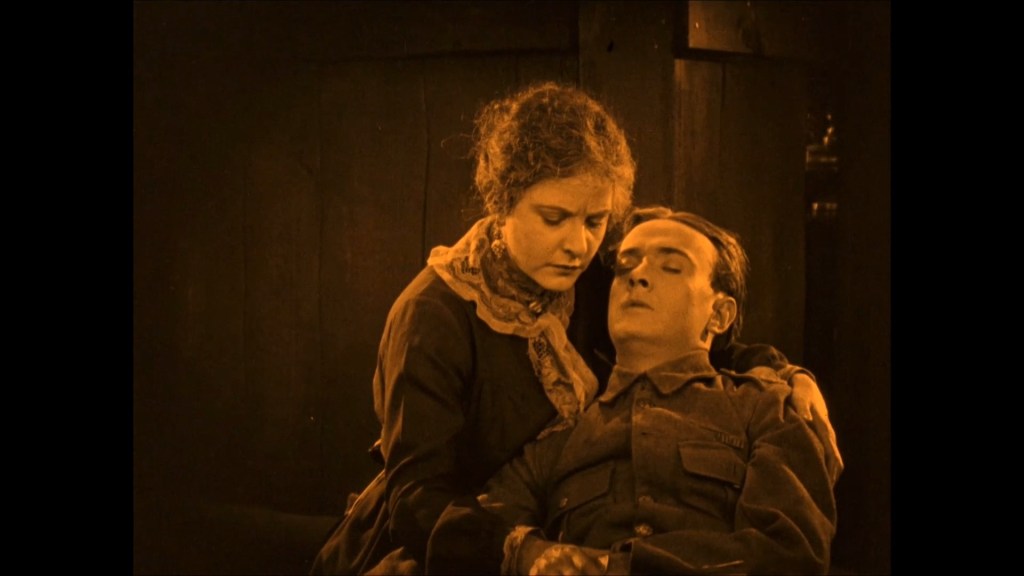
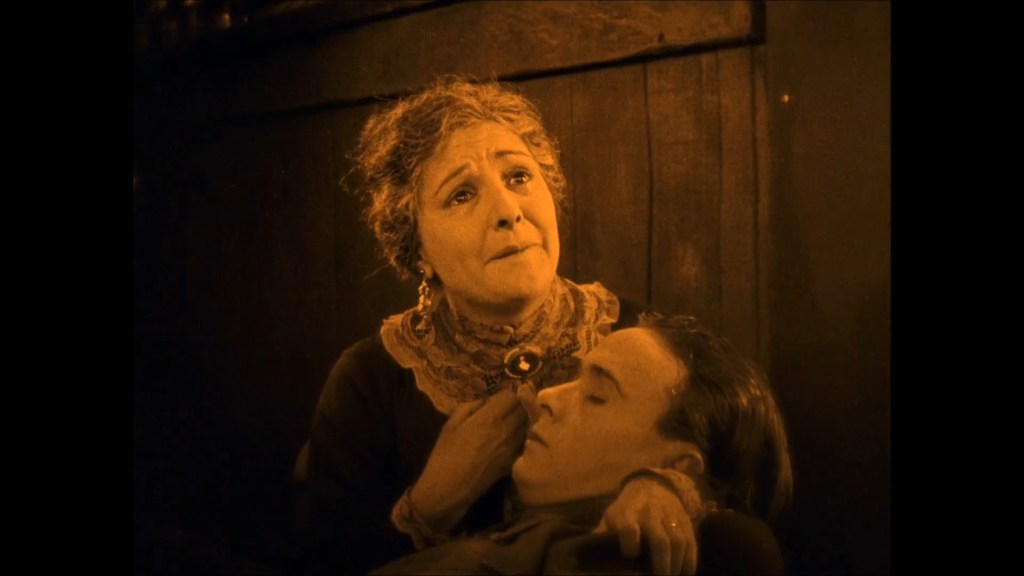
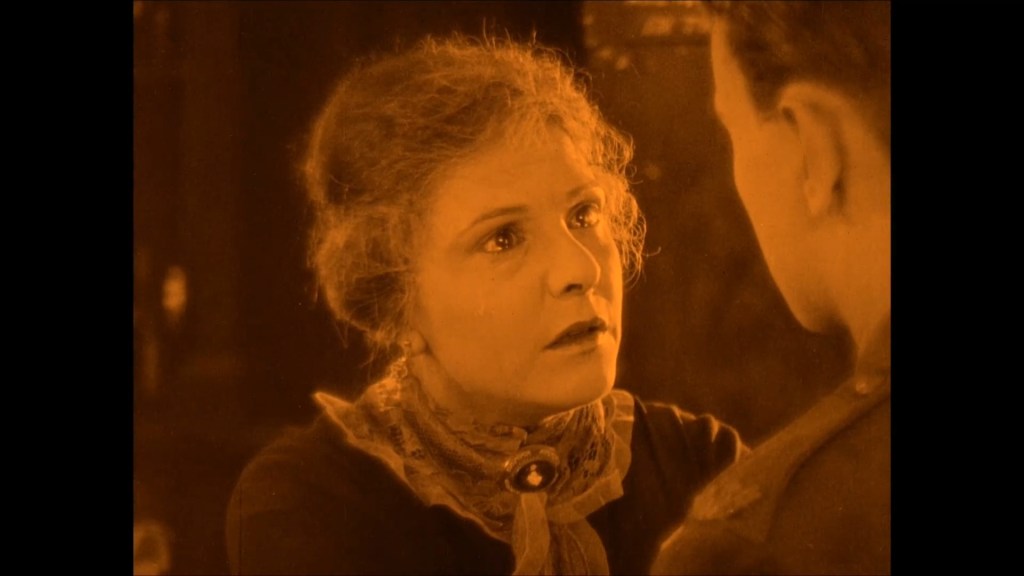

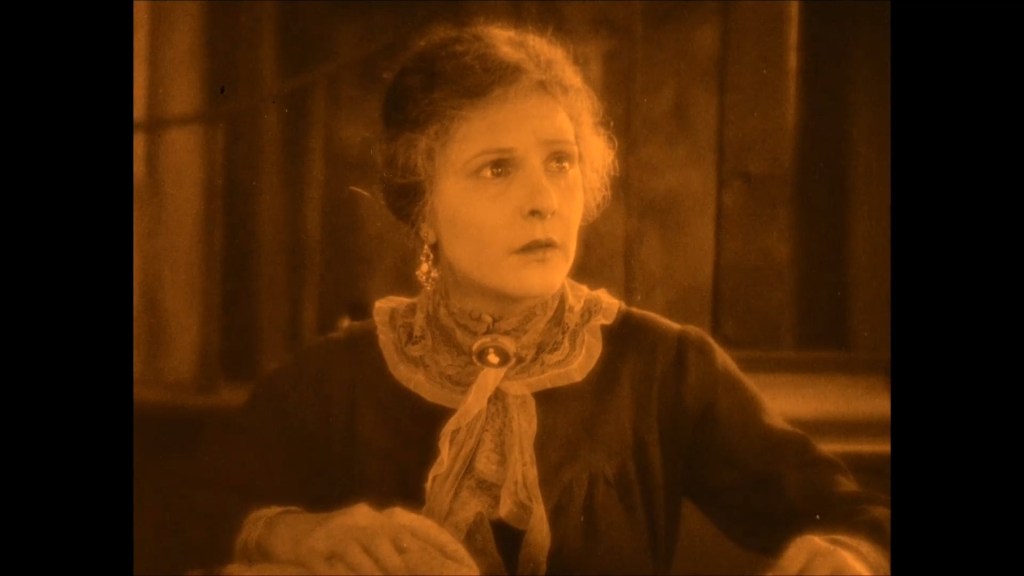
 The Realm of Silence