There are some silent films better known for their music than for their images. This is one of them. Produced by Ufa in August-December 1924 and premiered in Berlin in February 1925, Zur Chronik von Grieshuus was originally accompanied by a lavish orchestral score composed by Gottfried Huppertz. Though Huppertz died aged only 49 in 1937, he produced two of the most famous original scores of the silent era. These were both for Fritz Lang productions, the epics Die Nibelungen (1924) and Metropolis (1927). For these alone, Huppertz is rightfully well known – but they have rather eclipsed his music for Zur Chronik von Grieshuus. This film was a major Ufa production and boasted an impressive roster of talents: a major screenwriter (Thea von Harbou), big stars (Paul Hartmann, Lil Dagover), and important set designers (Robert Herlth, Walter Röhrig, Hans Poelzig). Perhaps the least known of all the figures who produced the film is its director. Arthur von Gerlach was primarily a theatre director and made just one other film in his entire career, Vanina (1922). A century after its release, we are now more likely to watch Zur Chronik von Grieshuus for its writer, stars, designers, or (perhaps especially) for its music. But what of the experience as a whole? What is the balance of music and images in Zur Chronik von Grieshuus? Does Huppertz outshine Gerlach?
First, the plot. The film is a romantic historical drama, adapted for the screen by Thea von Harbou from a novel by Theodor Storm (1884). In seventeenth-century Germany, the lord of the castle and estate of Greihuus (played by Arthur Kraußneck) has two sons: his favourite and heir, Hinrich (Paul Hartmann) and the embittered Detlev (Rudolf Forster). However, when Hinrich falls in love with Bärbe (Lil Dagover), the daughter of a commoner, he is disinherited – and Hinrich’s father destroys his old will. Meanwhile, Detlev is wooing the wealthy Gesine (Gertrud Welcker), widow of Count Orlamünde. Detlev argues with his father over the making of a new will that would guarantee his rights to the estate and thus aid his claim for Gesine. There is a violent confrontation between father and son, and the father dies. Without a will, a bitter struggle for the inheritance ensues between the two brothers. Detlev marries Gesine and Hinrich marries Bärbe, who is soon pregnant. However, after a heated argument, Hinrich kills Detlev and flees in panic – and Bärbe dies giving birth to a son, Rolf. After several years, Gesine returns to try and seize Grieshuus in the name of her murdered husband. She kidnaps Rolf, but the ghost of Bärbe guides Hinrich to the child’s rescue. Mortally wounded by Gesine’s henchman, Hinrich returns his son to Greishuus before dying. ENDE.
If the novel and its author were associated with realism, and there is a kind of balance between expressionist and realist tendencies in Gerlach’s film. There are marvellously sturdy sets designed by the experienced team of Herlth, Röhrig, and Poelzig. The castle and its walls, the farms beyond, and the shadowy spaces within – all these are rendered with tremendous care. The texture of the on-screen world is palpable. The thickness of the walls, as evidenced in the deep recesses of doors and windows, creates a real sense both of a past stretching beyond the time of the drama – and of a world that is rooted in solidity and tradition. This is a drama of lineages being broken and rebuilt, and it takes place within a world that seems rooted in the ground. The castle tower is like an ancient tree trunk, gnarled and pockmarked with age – but holding out (just) against time. The massive gates and doors almost grow out of the earth, their gothic archways and entrances evoking organic (not to say, bodily) shapes. All these spaces are wonderfully lit, emphasizing with subtle light and shade the texture of the rooms, the walls, the floors, the drapes.
Our expectations of a prestige Ufa production of the mid-1920s may well make us think of studio-bound spaces and carefully designed recreations of the outside world. But Zur Chronik von Grieshuus is a very outdoorsy film. The exterior spaces are superb. I’d love to visit the open landscape of Lüneburger heath, in northern Germany, where many of these scenes were filmed. The moors are both forbiddingly empty but also filled with hidden details: little pockets of marsh and outcrops of rock, peppered with stunted trees and bushes battling against the wind. Gerlach films plenty of scenes in the landscape where characters are silhouetted against the eternally cloudy sky. Zur Chronik von Grieshuus has a marvellous atmosphere that is sustained throughout.
The landscape of the moor is also the site of the film’s most impressive sequence: the final ride-to-the-rescue in which Hinrich finds and saves his son. Gesine has previously been frightened by the ghost of Bärbe, whose spectral form now appears at intervals to guide Hinrich across the gloomy nighttime expanse of moor. When she appears for the first time outside, we see her form, uncannily bright, on the dark, distant horizon. It’s an image of stunning power, instantly gripping and memorable. The death-pale figure, arms aloft; the silhouetted trees; the blank sky; the empty landscape: these elements are like an Arnold Böcklin painting come to life. But the difference between this moving image and Böcklin’s paintings lies precisely in the sense of movement Gerlach’s film provides. The wind whips the white shroud of the ghost: she is all at once a human figure, a wraith, and a pale flame flickering on the dark horizon. Marvellously, when Henrik enters the frame in the foreground, the flank of his horse flashes white, caught in the beam of an off-camera lamp somewhere to the left. It’s a superb touch, visually linking the (living) Hinrich with the ghost of his wife who guides him to his destination. And throughout the shot, the dark trees are caught between stillness and movement: rooted to the ground, their canted bodies have clearly grown and bent permanently in the wind, which still bustles their branches. It really is a stunning shot. It’s the best shot in the film, and I wished some more images were this striking.
The image – and its unique visual power – is at the heart of my reservation about the film, a reservation that makes me think it a very good but not a truly great film. Everything in Zur Chronik von Grieshuus is visually impeccable and, in its own way, perfect – but neatness, everything-being-as-it-should-be, is sometimes not enough. The film builds up a great momentum in its final two acts, but of all the impeccable images on screen, the shot of the ghost on the moor is the only one that took my breath away. This film’s closest kin, Lang’s Die Nibelungen or F.W. Murnau’s Faust (1926), are filled with images that immediately sear themselves into your brain. Of course, those films are more overtly expressionist and fantastical than Zur Chronik von Grieshuus. But the visual language of Die Nibelungen and Faust is, in just about every aspect, more sophisticated, more complex, and more emotionally engaging, than that of Zur Chronik von Grieshuus.
I feel much the same about Gerlach’s cast. Paul Hartmann is engaging enough, handsome enough, and heroic enough as Hinrich – but the character’s struggles are impeccably rendered without ever being moving. Ditto Lil Dagover as Bärbe. The image of her as the ghost is far more emotionally effective than any of her gestures when she was living. As the slightly foppish Detlev (the man his father calls a “pen-pusher”), Rudolf Forster is pleasingly scowling – but never a caricature. This both saves his performance from being unrealistic or comic, but it also limits him to being effective rather than affective. His wife Gesine, however, is the closest the film gets to a stand-out performance. Gertrud Welcker looks utterly fabulous at every turn – and she gets the best chances to pose in her costumes: looking pissed-off in her dark, fur-trimmed dress and big hat; looking pissed-off in a huge ruff; looking pissed-off in a huge cloak. But the film is reticent to exploit her or her character to the full. (It is reticent with her, or with anyone else, to offer a proper close-up to maximalize drama and emotion.) Only in the final act does Gesine take action, and even here she is soon scared off and gets her henchman to do the kidnapping.
I said at the outset that one of my prime reasons for watching Zur Chronik von Grieshuus was its score by Gottfried Huppertz. This had been written during the film’s production in 1924, so it enabled a precise collaboration between composer and director – and thus between music and image. The score was performed at the premiere at the Ufa-Palast-am-Zoo and again at select presentations elsewhere. The music was then published in versions for full orchestra, for cinema/salon orchestra (c.13 players), and for piano. While cinemas therefore had the option to model Huppertz’s music for their respective forces, the score was not performed again until its reconstruction and recording by ZDF/ARTE in 2014. The film itself had already been restored by the Friedrich-Wilhelm-Murnau-Stiftung in 2004-05, so it was a case of editing the surviving musical material to fit the completed version of the film. Indeed, as the accompanying notes to the film admit, it was the importance of Huppertz as a film composer that motivated the full audio-visual restoration of Zur Chronik von Grieshuus in 2014 – and the release of the film on DVD (in 2015), together with a recording of the complete score on CD (in 2016).
So, does this music outshine the film? Well, no, I don’t think it does. Huppertz’s music for Zur Chronik von Grieshuus is much in the same vein as his more famous scores for Die Nibelungen and Metropolis, carefully matching the action with a rich soundworld – together with swift and regular changes of tone and tempo to fit each scene or character. Hinrich’s music is bold and sometimes boisterous, as when he rescues Bärbe from marauding soldiers (who likewise get their own rather fun, lumbering brassy theme). Bärbe’s theme is slow, sweet, and bright, a kind of balm in the midst of the drama. Detlev gets a rather sinister, sloping theme – like someone moodily pacing back and forth. Though we hear them throughout the film, these motifs never sound quite the same twice – everything is subtly modulated, shifted, combined, contrasted. The occasional use of the organ, bells, anvil, and wind-machine also blends something of the world on screen into the music. It’s all very pleasing, a warm, rich texture of sound.
However, just as the film is often too well behaved to be striking, so too Huppertz’s score. In this sense, it is perfectly suited to the images: well-planned and well-executed without every really grabbing your attention. Whereas I can immediately summon the main musical motifs of Huppertz’s score for Metropolis, and certain orchestral effects in his score for Die Nibelungen, I find it difficult to summon too many themes from his Zur Chronik von Grieshuus. Of course, I have not watched the film with the music as many times as I have the other films; but I have listened to the score on its own, and I can only restate that it feels less distinctive than its two cinematic/musical peers. I suppose the naturalistic edge of Gerlach’s film keeps the score from too many flights of fancy. As I have said throughout this piece, both images and music are (for the most part) too well arranged and co-ordinated to leap out from their own world and impose themselves in our imaginations.
More generally, my sense is that Huppertz’s score almost seems to be waiting for the drama to pick up speed before it becomes more interesting. When it does, as at the start of Act IV (about an hour in), there is a noticeable upping of urgency. This fourth act begins with Detlev and Gesine plotting to contest Hinrich’s legal right to the inheritance and ends with the deaths of Detlev and Bärbe. In the space of a few bars of music, Huppertz not merely sets the scene (i.e. conjures music to match the opening images) but suggests the entire mood of the act. There is no storm visible on screen, but the orchestra booms and the wind-machine roars. Something is looming on the horizon, something that we cannot see but we certainly feel thanks to the score. It’s perhaps the first instance in the film where Huppertz’s score creates a kind of counterpoint to the image. Indeed, I am tempted to say that it is the first scene when the music attains a kind of independence from the images on screen. I might even say that the music here assumes a kind of agency: it is thinking ahead of the images before it (and us), pointing to the drama to come. This is music that predicts the drama.
If my overall impression of the film is one of balance and accommodation, this is not true of its cultural afterlife. As I said at the outset of this piece, Huppertz remains far better known than Gerlach. You can easily buy either the complete or the abridged modern recordings of his scores for Die Nibelungen and Metropolis. (Indeed, you can even listen to the small selection of motifs from Metropolis that were recorded with orchestra by Huppertz in 1927, preceded by a short address spoken by Lang, and released on disc(s) by Vox.) You can also buy the complete modern recording of his music for Zur Chronik von Grieshuus, which was released on a 2xCD set in 2016. However, the DVD of the film itself (released in Germany in October 2015) is now utterly, utterly unavailable anywhere in the world. (Even an ISBN search yields a slim parade of extinct product listings.) I am clearly several years too late to find a copy. Gerlach is gone, but Huppertz remains.
This is a salutary lesson. The DVD of Zur Chronik von Grieshuus is (or was) part of a longstanding series of restorations by the Friedrich-Wilhelm-Murnau-Stiftung that were released on home media through Universum Film. Many remain safely in-print. Others are not. After trying to find the Zur Chronik von Grieshuus DVD, I searched for the similar DVD edition of Arnold Fanck’s Im Kampf mit dem Berge (1921). I wrote about that film some time ago. I own the CD edition of the original orchestral score by Paul Hindemith (released by RCA in 1996) but hesitated over the DVD. Surely, I thought, a Blu-ray edition would be released? Nope, nope, and nope again. Now the only home media edition on DVD is long, long gone. Just as Huppertz outshines Gerlach, so Hindemith outshines Fanck. Both these respective restorations have been broadcast in HD on the Franco-German channel ARTE, and it is through off-air recordings that I have watched them. But I resent sifting through impermanent online sources to find these things. I’d really rather have the DVD.
My roundabout way of discussing Zur Chronik von Grieshuus shouldn’t put anyone off seeing it. As a film, it’s very nice to look at – and to listen to. The pleasures it offers may be (as I have said) lacking in emotional depth, but they are nevertheless reasons to watch. A well-made, well-presented, well-acted film should be celebrated. (There are plenty of films which fall short in any/all these facets.) Regardless of its more famous rival Ufa productions of the mid-1920s, Zur Chronik von Grieshuus deserves to be seen and heard for its many merits. Will someone please (re)release it on home media?
This week, I can report on my first film concert of 2026! After a couple of days of archival rummaging in Berlin (of which, more anon), I took the train south to Nuremberg. My goal was the Kongresshalle, where the Nürnberger Symphoniker have their rehearsal space and one of their main performance venues. The composer and conductor Robert Israel had invited me to attend one of the rehearsals before the performance of The Black Pirate, then the first of two concerts being performed at the end of the week. Though I had listened to any number of the scores Israel has played, arranged, and/or composed for silent films, I had never actually had the chance to experience his music live – nor to see him conduct an orchestra.
I was excited by this prospect, but also to see The Black Pirate again. I knew the film only from the old 1995 restoration, which has been released on various home media releases – the latest version being on Blu-ray by Cohen. However, the version of The Black Pirate that I was seeing in Nuremberg was an entirely new restoration undertaken by the Museum of Modern Art (MoMA) and The Film Foundation, completed in 2023. For this version, restorers examined and scanned multiple negatives of the two-strip Technicolor, discovering supposedly “lost” prints in the process. After realigning the original green and red elements to make the image as stable as possible, they also checked the resulting colours against a surviving test reel and production records to match as closely as possible the look of the original film. Missing intertitles were restored, and – a century after its initial release – The Black Pirate is back to something very close to its former self.
MoMA also commissioned an original orchestral score from Robert Israel. The Black Pirate was originally shown with music by Mortimer Wilson, though the result displeased Fairbanks and he never worked with this composer again. Though I am a fan of Wilson’s score for The Thief of Bagdad (1924), I was somewhat underwhelmed with his music for The Black Pirate. You can hear it, as arranged and recorded by Israel himself, on previous media releases of the 1995 restoration. (I note that the recent Cohen release has cut all information about the soundtrack and its context. Thus, there is no credit to the composer of the music – only to Israel’s role as conductor. One must glance back at Kino’s previous release to see the details.) As I was to glean during the next two days, Israel’s 1996 recording of the Wilson score was a rushed affair that hadn’t been given the time (i.e. budget) to do much with the music. Israel’s new, original score for the 2023 restoration is thus a return to his work for The Black Pirate – and a chance to do the film justice.
Thursday, 29 January 2026: Kongresshalle, Nuremberg
It is snowing heavily, and the streets of Nuremberg are a slippery mass of ice and sludge. Robert Israel has warned me that “time will not be an ally” today. I meet him at his hotel, and he guides our taxi driver to the back entrance of the Kongresshalle. Though this hall is part of a much larger structure (a vast arena built by the Nazis for future rallies), I barely glimpse the building before we enter. From the bustle of the city and the traffic, inside it is remarkably calm and spacious. Israel greets various members of the Symphoniker team, and we negotiate various doors to his room. There, we talk about our journeys through the wintry landscapes to get to Nuremberg (I from Berlin, he from the Czech Republic). In the wake of multiple delays en route, in Nuremberg Israel has only three rehearsals and a final run-through with the orchestra. Ideally, there would be more, but the musicians of the Nürnberger Symphoniker (as I will witness) are quick learners. And Israel has as much experience of this kind of work as anyone alive today (and more than most). This is a man who has spent over forty years performing and writing music for silent cinema. To illustrate a point about his score, he opens his laptop and navigates through dozens of clips and recordings, assembled for work and for teaching. Israel shows me the opening of The Black Pirate, accompanied by a recording of his music, to set the scene. The seeds of the entire score are laid out: characters and ideas are introduced through a series of motifs, while the very mood and spirit of the drama is apparent in the sheer fun and drive of the music. He talks about his previous experience of the film, of Wilson’s score, and the pressures of time. Just then, a head pops round the door and a man informs Israel that some schoolchildren have been invited to watch the orchestra rehearse this morning. (This wonderful scheme with local schools seems to be a fixture of early life in Nuremberg. I’d love to have had this kind of experience when I was young.)
Soon, it’s time to go. With time so limited, there isn’t a moment to waste. I hurry after Israel, who leads me downs some steps, through large double doors, and up onto the back of the stage. (For someone always in the wings, it’s a sneaky thrill for me to tread, however briefly, on stage.) The orchestra has started to assemble, and I find myself negotiating the little forest of music stands and precious instruments. Israel wends his way to the podium, puts down his bag, and motions me to take a seat in the auditorium. I clamber down the front steps and find a space a couple of rows behind the two ranks of schoolchildren and their teachers. There is a hushed curiosity among these eager kids, who watch – as I do – the players take their seats on stage. The musicians have their own gentle hubbub of voices, soon augmented by the hubbub of instruments warming up. Suspended in the space above the stage, a large screen bears the promise of images. As ever, the players don’t get to see the film in rehearsal and will scarcely have a chance to do so at any point in their two performances. What’s more, these musicians are sight reading Israel’s score as they go. Not seeing the film, and not knowing the score, their performance will be a remarkable feat of skill and discipline. Only Israel, as conductor, will be able to face the screen and keep them in time with the film.
It’s time to begin. Israel turns to the auditorium and (in German) introduces The Black Pirate to the children. This morning’s session will cover the last third of the drama. In a few words, Israel promises us pirates – and adventure. Then he turns to the orchestra, raises his baton, and the floor shakes with the roar of brass. Drums rattle, strings stride… Then, silence. Israel’s baton keeps time amid the pause. The music resumes, but not in time: “Stop! Stop,” he says. “Let’s not lose count. Takt nummer eintausenddreihundertund…”. Watching him mark the silent bar, my attention is drawn to Israel’s arms and shoulders. He’s wearing a black T-shirt to conduct at the rehearsal, and I can see why. It’s a tremendously energetic occupation, a performance in advance of the performance. The clothes – both of conductor and orchestra – are casual, but only in the sense that a tracksuit might be for an athlete. This rehearsal is a workout in more ways than one, and you can sense the physical energy being exuded by these musicians. It’s an odd contrast, this hall and stage, and the few ranks of observers, with the outside world. Through the windows, I can glimpse the snowbound city, entirely white. Inside, we might be watching a sports team practice their routines, such is the energy and bustle on this cold day. (Something about the pale wooden fittings in here reminds me of a sports hall, too.)
On stage, the music is warming up. Here is a swagger in sound, invisible figures strutting on deck. You can hear the gestures. Israel stops. “Molto espressivo, here”. They go again, and the players respond. Phrases that a moment ago were stiff, unstretched are now mellower, have a glow about them. Menacing steps, a sweep of snare drums. […] “Snare and tam-tam. Can you start at mezzo forte, but…” […] A pause. Israel takes on water. A solo violin tries out a phrase, stretches it, smooths it. The sounds cease. Israel speaks again, introducing the next scene: “Fairbanks is walking the plank into the ocean – but he escapes!” The music growls. The waves tremble beneath a funeral march, a march that’s noble, sad, moving – and menacing. Suddenly Israel’s arms reach up, react. Tension – drums… “OK, let’s stop. Let’s do some work on this.”
The work proceeds. Israel addresses a player: “Tam-tam…”. He explains what’s happening on screen, to get the right effect from the instrument. “He goes into the ocean. That’s you!” There is more work, then another note. “First horn. I know it says ‘mezzo forte’, but considering how it sounds here, you’ve coming through so well, you can lower it a bit.” “Oh, I’m sorry”, the player replies. “No, no, it’s perfect”, Israel explains, “It’s just for the acoustics of the hall.” […] Brass and woodwind are taken through their steps separately, then the strings. The sound is by turns nasal, chesty, sensuous, shimmering. Then they go all together, and it’s steady. […] “At this bar, think Scheherazade!” Israel calls out to a player. “That’s you, above the orchestra.” The take proceeds. “Ja!! Super! Dankeschön!” the conductor cries to the timpani, after a grand moment. […] From the combined body of sound, there is a ravishing violin solo. Between takes, Israel calls for a subtler balance of sound: “Think violin concerto. Those dynamics.” Another take. It sounds gorgeous.
(As the musicians continue, the rows of schoolchildren in front of me are gathered up by their teachers and, with gentle pleas for hush, are quietly trouped from the hall. Suddenly, I feel a little conspicuous, sat alone in the audience as the orchestra continues.)
We go again, but – “First horn, from C natural to B natural…”, and Israel sings the right way to shape the phrase. The first violin soars again. […] “Careful after zweitausendvierhundertundsechzig… At the oboe solo… for two bars, we need to be a little more quiet…”, and they go again. “Ja, das ist gut!” […] “So Douglas Fairbanks gets out of the ocean…”. There is some shifting around, a snatch of conversation. A comment I cannot hear earns the response: “If you’re going to steal, steal from the best, right?” […] The orchestra climbs out of the ocean – “Careful, that’s a major chord there. Ja, G-major.” […] “Violins and the bass, let’s not go for mezzo forte, let’s go with mezzo piano, it’s a bit too much.” They go through it again. As this passage ends, Israel’s arms are aloft. It sounded great, and everyone on stage knows it. “Ja!” he cries, and everyone smiles.
The next section. “Fairbanks is riding on horseback…”. There are quick interchanges between this image, and the other half of the scene – which the orchestra cannot see, only feel by the alternation of themes in the music. The swift changes of tempo and tone catch some out. “You need to be very careful here with your count”, Israel reminds them. […] The orchestra goes through once, twice, each time better. The players are learning the score, not just with their intelligence but with their bodies. Music is kinetic, and you can hear the experience of playing being taken on physically. Music is muscle memory, after all. Israel admires their efforts. “Very good reading, this is very tricky…”. They go again. Muscle and flair on stage, like Fairbanks himself on screen. The music roars and shakes itself, and the floor trembles. There are questions, and Israel reassures. “No, that rubato bar is good. I will go to it.”
We move on. “Takt nummer zweitausendsiebenhundertundzwanzig, bitte…”. The orchestra trips a little, then picks itself up, and skips along. […] “Mitternacht…”. Bass clarinet emerges from the cymbal, harp, strings. It sounds beautiful, and it’s being read on sight. Solo violin for a moment. It all sounds gorgeous.
Bar 2777. The solo violin is not so solo. A mistake. “It’s zweitausendsiebenhundertseibenundsiebzig…”. They go again. Menacing rumbling, a gathering swarm in the strings. […] The musicians follow the conductor, who is the intermediary with the unseen film. Since Israel is also the composer, he can explain the rationale for his choices, his rhythms. “Does anyone know morse code?” he asks. Here, Israel stamps out “SOS” on the padded podium floor. It’s the rhythm behind a phrase, and he describes the Princess being in danger of defilement from a pirate. “Let’s hope Douglas Fairbanks arrives in time…!” There is muttering, perhaps a little titter of laughter, but Israel speaks up. “No, this is really a great film. Because in our time, we need to see justice being served. We all deserve that.” The scene in sound plays again. A big climax, and Israel swipes across to bring a halt, then immediately resumes. (I will fully understand this gesture only in the live concert.) […] A long section, everyone in tune, in their groove. A swig of water. It’s hard work, good work. […] Israel talks through the rhythm, taps the floor, sings – bops, rather – a beat. […] “I understand it’s difficult because it’s in your lower register, but it’s very important to get the pulse right.” A long section. “OK, very nice.” And it is!
Israel introduces the next section. “I think you’ll be able to guess who’s showing up with a galley full of soldiers.” It’s vivace, but the going might be tricky. “I think to get used to this, let’s do this in 4, for the notes, then we can go through again in two beats.” They go through, picking up cohesion, swagger even, as they proceed. […] “OK timpani, forte, bitte, nicht fortissimo.” More directions. “Very, uh, militärisch, OK?” – he hums and stamps the rhythm. Fairbanks’s theme emerges, and orchestra is familiar with it by now, and they leap into it, body it forth. I can see the energy on stage.
Another run-through, this time in two. Sections pulling together, sounds knotting together – the result is a superb effort, tangibly effortful, athletic – it’s a joyful passage of performance. After the take, there is a buzz of accomplishment. Smiles, hums, instrumental scrapes and warbles. “Yes, eroica, let’s do that again please. Eroica, eroica. Sechs, acht. Douglas Fairbanks starts firing cannon at their main mast…”. […] There are more comments. “Clarinet… flute…”, Israel begins. But suddenly his alarm goes off. There is a chuckle, and a murmur. It is the signal for a break. Such is the tight timeframe for rehearsal that these breaks are as exact (and exacting) as a performance. There is thus an immediate dispersal of most players, but a few remain and fill the hall with incredibly rapid flights of sounds. Like birds have suddenly escaped their cage and fly about the room, singing. Last of all, a piccolo continues to flutter on her own. (Even as I write this down, Israel waves at me to follow. I grab my bag, dash from my seat and up onto the stage, and wend carefully through the low forest of music stands.)
[Later]
After another dash back to the stage, and over it, I find myself a seat in the middle of the auditorium. A dense hum of tuning masks my scramble for pen and paper. It begins anew. […] “We’ll do it a bit slowly as it’s very tricky.” The woodwind warble through an awkward passage, a dense thicket of sound. Then the whole orchestra goes together, and suddenly the hero occupies the soundscape – taking centre stage in the score. Soon, a sunbeam seems to spread through the music, a beautiful intimation of rightness – of justice. I glance at the empty screen, floating above the orchestra. Without the film projected, this score is a tone poem, conjuring images from sound. […] “Timpani, just for those two bars: hard hammers please. I wanted a kind of Beethoven scherzo sound.” They go through, but Israel calls out “Stop! Someone’s coming in early here. Please be very careful with counting…”.
[…] They move on. Israel flicks through his score. “OK. Dreitausendfünfundneunzig. This one’s more difficult for me than for you, as the timing with the film needs to be absolutely precise.” They go through, a little slowly. “Stop… A point of information…”. Here, Israel sings and gestures a sudden halt that must match the action on screen. […] The passage is tough. “I’m sorry, but this is the only way to do it. We have to match the film.” They persevere. When they get through it again, Israel complements their efforts. “After Sunday, you’ll feel like you’ve run a marathon.” Another take. High drama, difficulties. “OK, we’ll need to go through this. Bitte, just woodwinds and brass.” They do a run-through. At the end, Israel purrs, and the other sections tap their stands or stamp their feet in appreciation. “OK, strings, now it’s your turn…”. They go through, matching their colleagues in their own time.
“OK, let’s put this all together.” Israel crouches and sets up his laptop on a small stand beside the podium. He presses play with the tip of his baton, then turns to the orchestra. They play. […] “OK, please just follow me, I’ll need to go a little faster here, I’ll try to make it as clear as I can.” I keep an eye on the tiny monitor as Fairbanks cavorts in miniature. […] “I’m sorry but someone is getting ahead.” A tactful investigation is undertaken. First, the brass play their section to iron out the tempo. Then the woodwind play on their own. The error is found herein and easily fixed. Now all together, then once again – this time with the film. […] “Ja! We’re in time with the film now. Congratulations, it’s less tricky from here on. Not that this is easy, I know”, he adds. Indeed, it’s very hard work, and they press on.
[…] Directions of dynamics relayed from the podium, then through section leaders. The first violin relays it to her colleague three rows back. […] “Horn, yes, it’s a D-flat.” […] “Cymbal, I would ask you something here: it needs to be a real POW! It’s a specific effect for something on the screen.” They go again, and the percussionist – a young man at the very back of the stage, behind the level of the floating screen – gives it some welly. […] Israel explains the forte/piano to the strings as the moment when Fairbanks breaks the sword. “Justice is served!” They continue, until the horns squeak at a natural. Israel pauses, clarifies, just as the horns mock their own mistake in sound, then they all go again – and it’s perfect. It continues perfect until the woodwind go awry. Everyone chuckles tolerantly. “I guess we know what they think of my writing”, Israel jokes. “And don’t worry that here the bar numbers go all the way back to 0. It’s the same in everyone’s score, even my own. It’s just a printing error.” Another start, another false step. “Once more, please. We’re coming to the end of this thing, and it’s a lot of hard work.” Another run through, and it’s beautiful.
I watch the percussionist move across to the glockenspiel for his phrase, a droll intervention, placed before the sweetness of the lead violin solo. Then the great leap to “The End”, and it’s hugely satisfying. But “The End” must be reached again. Israel says how wonderful the basses sound. “People don’t realize how high the basses can go. It’s such a beautiful sound, so sweet.” […] They reach “The End” again, and a flutter of appreciative mutterings. “OK, we still have seven minutes. I don’t want to exhaust us, so achtundvierzig, bitte, and not to the end.” So they run through another passage, and then time runs out. There is a winding down, and Israel finishes with a few words. At this evening’s full run-through, Israel will be at stage level: the podium makes him too high for the audience. He promises to make his gestures as clear as possible, to keep them all together. “General rehearsal is for all of us, and if during the film I make a mistake or there’s a problem, I’ll just indicate to go to the next number. So don’t worry. It might happen; it might not.” […] A rapping of stands as orchestra salutes Israel. It is “The End” – for now.
Friday, 30 January 2026: Kongresshalle, Nuremberg
The night of the concert, I approached the hall from the front of house. The space that I had sat the day before was the same yet transformed. The darkness outside, the warmth inside, and the bustle of a crowd finding its way in – these factors made it more enticing. The seats filled out, and as the orchestra appeared – this time in formal black – the audience greeted them with warm applause. The players tuned up, and then Israel appeared from the back of the stage, clutching his score. After bowing, he took his place – without the raised podium. From my seat, a few rows from the front, his raised arms were just below the lowest part of the screen. I always enjoy this tension between the physical bodies of the performers and the projected bodies of those on screen, the way their two spaces are placed side-by-side, their two times placed in synchronicity. The lights fell, leaving the glow of lamps among the players, and the faint glow from small spotlights above the stage. (I break my continuity here to observe that these spotlights were turned off after the interval. I wonder who requested this? I’ve never been to a rehearsal of a film concert without seeing a protracted debate about lighting, where the respective concerns of musicians, projectionists, and venue managers are hotly contested.)
The introductory restoration credits were so numerous that they soon drew a few titters. Israel handled this moment perfectly. Turning to the audience with a smile, he said: “Don’t worry, we’re next!” It was a nice way to win us over (he got a good laugh) but also increased the drama of anticipation – for he had to be quick to turn around and make himself ready for the first cue. The last credit faded away; Israel raised his arms; the film’s first title card appeared, and the orchestra burst into life…
Seen at last on the big screen, The Black Pirate looked stunning. Since this MoMA restoration is not yet available on home media, I can’t offer visual samples. But even the single frame that I can find (from the MoMA page for this project) reveals the astonishing difference in image quality with the previous restoration. (See the images below, with the MoMA frame on the right.) Anyone used to the washed-out colours of old will be astounded (as I was in Nuremberg) at the richness and warmth of the new restoration. Suddenly, the tones of the wood on the ships, the fabric of clothing, the burnished skin tones, the deep blue-green waves, the golden sands – suddenly, all these inhabitants of the screen made sense. It was as if some magical elixir had given them back to their true selves, like they had reinhabited their former bodies. Damn, this film looks good!
The two-trip Technicolor palette is never showy, in the sense of throwing garish colours on screen. In fact, you might say it looks purposefully withheld. The dominant colours are rich, but muted. The film often resembles the canvases of seventeenth-century masters, especially the way the Princess is dressed and lit. Billie Dove might not have a character of great psychological depth to portray, but every shot of her looks fabulous. The way her velvet dress is captured by the colour, you can feel its fabric, sense the sheen of its soft material. And when she turns to one side, gripped with suppressed emotion, the light shapes her profile and haloes her hair – and suddenly it’s like a centuries-old painting come to life.
If the film’s palette is subtle, this also allows it to make certain moments stand out through colour. There is a superb scene early in the film, when the pirates are pillaging a merchant ship. When one of their prisoners hides a valuable ring in his mouth, the Pirate Leader (Anders Randolf) orders one of his men to retrieve it. He mimes a cutting gesture, so we know what’s coming. But we don’t see it. The camera stays put before the Leader as the other pirate gets out his knife, rolls up his sleeve, and stomps out of shot. The Leader stands, chews, spits. A few seconds later, the pirate reappears and gives the ring to the Leader. As he does so, we glimpse his bloody hand and bloodied knife. Seeing this moment on screen in Nuremberg, I nearly gasped at the sight of the blood: amid the browns and greens of the composition, the Technicolor blood is a slick shock of red, gleaming gruesomely on hand and knife. It’s the most vivid patch of red in the entire film, and so perfectly utilized. The murder is all the more shocking for taking place off-screen, its casual brutality brilliantly captured – felt – in that slick of red. (Later, there is another moment when the Pirate Lieutenant (Sam De Grasse) is comparing captured swords. To test the weight of one, he runs through its former owner – the moment of death again happening just off screen. The moment is chilling enough, but the grimly pleasing punchline is when the Lieutenant then wipes the blood from his blade on the victim’s trousers.)
As with its use of colour, the film reserves its camera movement for one or two special moments. Having remained virtually static throughout the film, there is a remarkable instance of movement in the climactic scene when the Pirate Lieutenant approaches the cabin in which the Princess is guarded by MacTavish (Donald Crisp). We know that he is about to claim his “right” to her body, and the one-armed MacTavish is her only protection. As the Lieutenant reaches the bottom of the small staircase, MacTavish comes forward – but the camera slowly retreats, and the Lieutenant firmly pushes the old man backwards. MacTavish retreats, too, then tries again to stop the Lieutenant. The camera pauses, only for the Lieutenant to push MacTavish back – and the camera withdraws before him once more. MacTavish makes one last effort to stop the Lieutenant, and the camera halts. But in a fraction of a second, the Lieutenant raises his pistol and clubs MacTavish to the floor. The Lieutenant looks ahead, past us, with dreadful calm. He walks on, the camera moving back before him. It’s such a striking scene, wonderfully played and directed.
Then there is the most astonishing shot in the film, when Fairbanks is carried from the depths of the ship to the top of the deck. The camera stays with him – centre frame, perfectly steady – as he rises, miraculously, joyfully, laughingly, via the arms of his men, through deck after deck, space after space. The way his arms reach up to catch hold of each new hand is so wonderful. It’s like he’s swimming upwards from the depths, just as his men earlier (equally miraculously) swam underwater towards the ship. It’s the triumphant, magical ascendency of our hero, our star – but also a kind of bodily metaphor for the narrative itself, with this final shedding of obstacles, of tension, almost of gravity, as rightness and justice are restored. It shows you how you might fly, but it’s a flight sustained by a whole team working together to make it so. It’s a perfect shot, but perfect in a way that takes you by surprise. Though we have seen plenty of stunts on screen, this last stunt is one performed by the film itself. Having reserved its movement for one or two brief moments beforehand, here the camera is miraculously unchained. God, what a shot this is – and what a star Fairbanks is.
And at every point in the film, Israel’s music knows just what to do. His score fits The Black Pirate like a glove. In the concert, all the hard work of the rehearsal makes sense – becomes fully realized. What had been a pleasingly abstract tone poem in the rehearsal was now a fully-fledged co-ordination of sound and image. The pleasure of this aesthetic marriage was not just in the deft movement between motifs for individual characters, for ideas, for actions, for situations, but in the individual moments that the music recognized and reacted to. Israel orchestrates specific visual cues for sound: gunshots, explosions, trumpets. One of the added pleasures of watching a rehearsal is the way you carry a tension with you into the concert hall or cinema. You have seen the musicians try (and sometimes fail) to time their sounds with those actions on screen. Once, twice, thrice they go through the cues – but now, in the hall, before hundreds of spectators, it suddenly counts. There’s no second chance, and there is a part of me that always worries on their behalf. (I suppose it’s my very English sense of embarrassment, waiting and dreading to be exercised.) But this evening, every single visual cue is carried off perfectly. It’s so, so satisfying to see a silent film live like this – because of this. The possibility of error makes live performance thrilling in a way the exact same music can never be on a recorded soundtrack. Here are real musicians, relying on their individual and collective skills to traverse an extraordinary obstacle course of co-ordination and timing. The endless action of The Black Pirate makes for a perfect, and perfectly challenging, marathon for performance – and for viewers, watching both film and performers.
It’s not just the continual progress of sound, it’s the sudden leaps and transitions that make it all so impressive. Israel’s command of the orchestra was marvellous. I loved watching the sideways swipe of his left arm at the end of a cue: it’s such an arresting gesture, controlled and dramatic. The concert answered the questions I had from rehearsal, for with the film in place these sudden gestures made sense. I had wondered about the cue from bar 2777, which was revealed in concert as the sequence for “The noonday of the tomorrow.” Here, the Pirate Lieutenant and the anxious crew watch the shadow of the sundial creep towards midday, when the “agreement” will expire – and the Princess is no longer to be kept “spotless and unharmed”. The score is heavy with tension, building to the moment when we see the shadow past the point of noon. Here, Israel’s dramatic sweeping gesture suddenly halts the orchestra. It as if, while they played, there was still some protection for the Princess. Now the film is briefly stripped of sound, and the awfulness of what the Lieutenant plans is laid bare. The music stilled, there is reaction on screen. The Lieutenant’s mouth curls into a wicked smile. He tosses aside his pewter mug, then throws out his arm to signal the crew to set sail. As if in answer to this gesture, the music resumes – spelling out Lieutenant’s three-note motif in heavy, sinister chords.
Here, then, was the answer to my question in rehearsal, the dramatic realization of Israel’s sweeping gesture. It is quite literally for show: to show the players what to do; but it’s entirely practical: the gesture is part of the mechanics of performance. Indeed, Israel’s movement on stage was part of the tension of watching The Black Pirate live. When the film cuts between Fairbanks coming to the rescue and the events on ship, the sudden switches between musical motifs are matched by the physical changes in Israel’s posture (the way his body tenses, his arms tracing new tempi, the downward swish of the baton), and by the collective reorienting of the musicians’ bodies (the strings swooping into a new phrase, the percussionist stepping across to another instrument, the glint of brass preparing for an entry).
And it’s superb music, equal to the images – respecting them, admiring them, trying (and succeeding) to do them justice. (Israel spoke of the pleasure of watching justice being served on screen. I think the same applies to the music: it’s a pleasure to hear justice being served by the score.) It’s an original score, but it sounds entirely in keeping with the period of the film’s production. Israel also cites a couple of pieces from the period of the film’s setting (c.1700). There is a (bawdy) sea shanty as the pirates have their feast, and there is a delicious baroque piece that accompanies the minor nobility who are captured. The latter piece, in particular, is perfectly utilized. This music has a wonderfully old-fashioned, dignified air to it – perfect for the way these characters are dressed (in conspicuous velvet and lace) and the way they behave (their refined bearing, their gentile gestures). Just as these nobles are surrounded by rumbunctious pirates, so their music is a little oasis, surrounded by the boisterous swagger of the score. (And surely just as liable to be overpowered.) The contrast is not overemphasized, but the flourishes of this period music are a sudden relief – a sense of somewhere, and somewhen, else.
So too with the music for the Princess, the most conspicuously well-dressed figure in the film – and also the most vulnerable. Her theme, often highlighted by solo violin, is another oasis of mood and feeling – delicate, light, beautiful – in the midst of the score. Yet it also stands as a kind of musical defiance against the dangerous, brooding theme of the Pirate Lieutenant (so perfectly played by De Grasse). And when, near the end, the rescue party appears on the sea, the delicate love theme associated with the Princess is suddenly reinforced by the full orchestra just as the film cuts to the “Black Pirate” standing at the head of the boat. The reappearance of this theme makes it clear why he is coming back, but it’s also a kind of union – or promise of union – between him and the Princess. Reorchestrated, the music is the same yet transformed. Not just her theme, it is now their theme.
What was brought home to me in the concert, again and again, is how well Israel’s score understands the film. It finds the right rhythm, the right mood, and knows how and when to change gear and register. Aside from anything else, it’s also great fun. The music acknowledges – and articulates – the sheer pleasure of watching Fairbanks on screen. His musical theme – bold and bright – is as winning as his visual appearance. Few stars can make you smile just by the way they walk, by the way they hold themselves, by the way they smile, or withhold a smile. Fairbanks might impress with his extraordinary stunts (slicing through sails while falling, leaping up chains, clambering rigging), but he can also communicate with the simplest and clearest of gestures. I love his pose on the island at the start of the film, where he spells out grief and isolation with the way he sits alone on the sand, head bowed between his legs. Fairbanks’s character has just buried his father, and his pose here is like that of a lonely child, the contrast between the vulnerable posture and the athletic bulk of his body beautifully touching. Later, there is another moment where a simple gesture says so much. When he forces the “Black Pirate” to walk the plank, the Lieutenant tells him that “at the bottom of the sea you’ll find the ransom ship”. Fairbanks twists his head a little to one side, so we see him in profile: and we know that his character realizes that he has been betrayed. Though he is blindfolded and is seen only in long shot, this little beat in Fairbanks’s performance sends us a signal we can understand.
All these moments make the climactic scenes so pleasing to watch, when Fairbanks and his rescue party arrive and overpower the pirates. The wonderful unfolding of these final minutes, with Fairbanks’s seemingly infinite supply of men who can swim and leap and overcome with their collective bodies all obstacles, is accompanied by a bustling torrent of sound, the strings restlessly muscling their way forward, wave after wave, like the figures on screen. When “The End” was reached, and the orchestra wound up to its sign off, there was a great cheer of enthusiasm in the hall, and a rousing ovation, peppered with bravos. After taking the applause, Israel motioned that he wanted to say a few words. In German, he praised this hundred-year-old film for its technical achievements – but also for speaking about the necessity of justice, and the triumph of good over evil. Apologizing that his German was failing him, he continued in English to say how touched he was seeing the local schoolchildren attend the rehearsal: he hoped that they offered us a bright future. He also paid tributed to the Nürnberger Symphoniker, praising their hard work and skill. “You have a wonderful orchestra”, he finished. “Treasure it. Support it. Thank you – now go have a beer!” With a final round of applause, the evening ended.
In summary, this was an excellent way to start my filmgoing for the year! I fervently hope that the MoMA restoration of The Black Pirate is released on Blu-ray. But nothing can beat seeing this film live with orchestra. In Nuremberg, I had an absolutely wonderful time in the company of Fairbanks’s images and Israel’s music. Bravo to all involved!
Paul Cuff
My great thanks to Robert Israel and to the Nürnberger Symphoniker for allowing me to attend rehearsal.
It’s the last night of 2025, so what better moment to talk about the passing of time, about loss, and about transcendence. (Such is the mood of looking back here that in my first attempt at the above sentence I wrote “…the last night of 1925”.) I’m also going to indulge in something a little self-indulgent in writing primarily about recorded sound. But I hope to do so in a way which both springs from silent cinema and returns to the notion of early film history. Yes, this week I want to write about the Hungarian pianist Ervin Nyiregyházi (1903-1987).
I came across the name of this obscure artist while searching for a piece of music that I will later discuss here. So transfixed was I by various snippets on youtube that I bought Kevin Bazzana’s wonderful book Lost Genius: The Story of a Forgotten Musical Maverick (2007). Bazzana (who also wrote the classic biography of Glenn Gould, a much more famous eccentric pianist) traces the quite astonishing journey of Nyiregyházi from imperial Budapest at the dawn of the century to old age in America in the era of digital recording.
Nyiregyházi was a child prodigy whose gifts prompted distinguished teachers to develop his talent. These mentors were young enough to have been taught by the legendary composer-pianist Franz Liszt – or by those who were themselves taught by his pupils. To a child that could sightread anything, and was already composing prodigiously, they enhanced Nyiregyházi’s technical ability and expanded his knowledge of the piano repertoire. Not yet a teenager, Nyiregyházi was performing concerts with the most famous conductors and orchestras of his day, touring within and beyond Europe. By the 1920s, he was trying to make his name in America – but was already falling out with the managers and promoters who were shaping his career. Addictive traits – especially in the form of sex and alcohol – were also eroding his personal reliability. In concert, Nyiregyházi became known as a “second Liszt” not just for his astonishing technical virtuosity, but for the perceived radicalness of his interpretations – and the sense of something faintly mad in his whole persona. There was something ungovernable and perverse about the way he played music, about his whole way of living. One witness to Nyiregyházi in America was Arnold Schoenberg, who sought out Nyiregyházi with a great degree of scepticism, but found himself transfixed by “a pianist who appears to be something really quite extraordinary”:
I have never heard such a pianist before… First, he does not play at all in the style you and I strive for. And just as I did not judge him on that basis, I imagine that when you hear him, you too will be compelled to ignore all matters of principle, and probably will end up doing just as I did. For your principles would not be the proper standard to apply. What he plays is expression in the older sense of the word, nothing else; but such power of expression I have never heard before. You will disagree with his tempi as much as I did. You will also note that he often seems to give primacy to sharp contrasts at the expense of form, the latter appearing to get lost. I say appearing to; for then, in its own way, his music surprisingly regains its form, makes sense, establishes its own boundaries. The sound he brings out of the piano is unheard of, or at least I have never heard anything like it. He himself seems not to know how he produces these novel and quite incredible sounds – although he appears to be a man of intelligence and not just some flaccid dreamer. And such fullness of tone, achieved without ever becoming rough, I have never before encountered. For me, and probably for you too, it’s really too much fullness, but as a whole it displays incredible novelty and persuasiveness. […] [I]t is amazing what he plays and how he plays it. One never senses that it is difficult, that it is technique – no, it is simply a power of the will, capable of soaring over all imaginable difficulties in the realization of an idea. – You see, I’m waxing almost poetic. (qtd in Lost Genius, 9-10)
I too will wax poetic a little later, but I must reassert the connection between all of this and silent cinema. For in 1928, Nyiregyházi moved to Los Angeles and became involved in film music after contacting the prolific composer and arranger Hugo Riesenfeld. Riesenfeld was a major figure in the silent era, and he continued his work for film into the sound era. Alongside Riesenfeld, Nyiregyházi was involved in creating the music for the synchronized productions Coquette (1929) and Lummox (1930). Alas, I cannot find either of these films, so their tantalizing glimpse of Nyiregyházi’s work at this time remains obscure to me. Equally invisible is his work playing music on set and in sound studios to aid the work of various arrangers and technicians during production.
Nyiregyházi was also exploited as a performer for early sound films. His involvement with Fashions in Love (1929) is precariously preserved. The film itself is seemingly lost, but the Vitaphone soundtrack survives. (The first half can be found online here, and the second half here.) Nyiregyházi’s playing can be heard in the opening of the first part, presumably over the credits; then from six minutes for about ninety breathtaking seconds. (There is a song performed later, which may or may not be him playing beneath the rather warbly voice of Fay Compton.) You can also see The Lost Zeppelin (1929) and witness his performance of Liszt. In these instances, he is quite literally pushed into the background, a pertinent metaphor for his subsequent oblivion from music (and film) history across the central decades of his life. Curiously, by 1932 Nyiregyházi found himself playing to audiences in the cinema itself. Film journalist Louella Parsons encountered his playing at the Paramount Theater in June 1932, a live musical act now divorced from the films themselves.
Nyiregyházi’s own taste in film is curious. He himself professed a love for lowbrow cinema: “the worse the better”. His favourite characters in film were Sherlock Holmes and Zigomar (Lost Genius, 149n). Bazzana makes little of this anecdote, but the mention of Zigomar takes us back to the extraordinary crime serials of the 1910s. I love the idea of the young Nyiregyházi taking in the bloodthirsty Zigomar films in some dingy Austro-Hungarian cinema in the 1910s, and the fact that he might recall such an encounter with film so fondly. (I also wonder what Nyiregyházi’s sense was of the music being performed at such screenings. And did he ever find himself accompanying a silent film?)
This is not the only evidence of his taste in film. Around 1935, Nyiregyházi began compiling a book of essays he called The Truth at Last: An Exposé of Life. This bizarre assemblage of reminiscence and opinion included an essay devoted to Charlie Chaplin – or rather, as Bazzana notes, on “Charles Chaplin”. This was the distinction Chaplin himself variously made between “Charlie” the performer, the clown, the character, and “Charles” the artist, the writer, the director. Nyiregyházi clearly understood the difference, for it was as a social critic that he admired Chaplin. He described Chaplin’s comedies as “tragic as hell, as tragic as anything Dostoevsky ever wrote” (Lost Genius, 170). Noteworthy also is the fate of this essay, and the whole collection of The Truth at Last. In 1957, Nyiregyházi’s seventh wife, Mara, stole the manuscript (along with some of his compositions) when she was deported to Switzerland after facing various criminal charges. By then, Nyiregyházi himself was approaching a personal low point. His career had ceased to exist, and he battled with alcoholism and homelessness. Sleeping on park benches, he became the very kind of tramp Chaplin played on screen.
What I want to draw from the above is the fragility not merely of musical artistry, but of the media that might sustain that artistry. In the case of Nyiregyházi, an entire lifetime of work is essentially lost. When he was able to perform and record his work in the last years of his life, he was both the same man and a ruin of his former self. The survival of the artist is no guarantee that their art survives. What remains of Nyiregyházi’s work when he was in his prime is fragmentary in the extreme. The scraps of music-making that survive in films of the late 1920s and early 1930s are meagre clues as to the body of work that preceded them. A wider point might be made that the synchronized soundtracks of late silents and early sound films are both marvellous documents of earlier film music traditions and a radical distortion of what that music was.
In the 1920s, Nyiregyházi made a dozen piano roll recordings (i.e. mechanical transcriptions of his playing) for The Ampico Corp. Piano rolls were a fascinating example of early media technology being used to distribute the work of contemporary performers, including many important composers at the turn of the century. Happily, some of Nyiregyházi’s work for this medium survives. A CD release of this material from 1921-24 is (I believe) scheduled for February 2026. In the meantime, a few sample numbers can be found online. Again, mechanical reproduction is not the same as live performance, and these documents cannot offer us Nyiregyházi as he was as a performer in the 1920s. But what all such recordings offer us is a glimpse into the past – or at least, a way to imagine that past.
This whole preamble is really an excuse for talking about one recording by Nyiregyházi that encapsulates everything I’ve been talking about so far. To me, it embodies the transience of music, the memory of lost art, the humanity – and the fallibility – of performers and performances. In the late 1970s, the ageing Nyiregyházi was given the chance to record an album of pieces by Liszt. Liszt was perhaps the composer with whom Nyiregyházi had the closest interpretive relationship. His recordings from 1978 are astonishing for the personal way they handle the music. Sometimes he seems to be trying to physically destroy the piano with the force and rapidity of his fortissimo, while at other times he is so quiet and so slow that the music itself seems on the point of disintegration into silence.
In his programme for the LP release, Nyiregyházi included two extracts from Liszt’s Weihnachtsbaum (“Christmas Tree”) suite, which was written in the mid-1870s and first performed on Christmas Day 1881. The music arranges a multitude of hymns and other traditional music alongside original material by Liszt. It is designed to be relatively easy to play, but – as with so much of Liszt’s later work – it has some amazing emotional depths. The movement I want to talk about is “Abendglocken”: “Evening Bells”. To get a sense of the sheer strangeness of Nyiregyházi’s performance of this piece, I should offer you something more like a “normal” performance. Before I heard Nyiregyházi, my favourite recording was by Alfred Brendel – the pianist through whom I discovered Liszt, and one of my favourite pianists of all time. Brendel’s 1986 performance of “Abendglocken” is slower than the few other modern recordings that exist, and he brings out the emotional resonance of this deceptively simple music better than most. (Brendel was also the first to record the entire Weihnachtsbaum suite in 1951. It is amazing how similar his two performances of “Abendglocken” are, thirty-five years apart. Talk about continuity across time.)
Brendel’s performance runs to four minutes and twenty-two seconds. Nyiregyházi’s 1978 performance runs to ten minutes and twenty-two seconds. This is partly due to the slowness of his tempi, but also because he repeats the entire first section of the piece. This doubles the sense of concentration, and the affirmation of importance on this simple, delicately chiming melody. Indeed, the slowness of it starts to gently pull the music apart, as though trying to work out quite what it is – or as though marvelling at something so beautiful, wanting to handle it with a kind of awe. Just listen to how Nyiregyházi brings out the irregularity of Liszt’s regular chords, how in slowing them, stretching them, deforming them, he makes them sound more like bells – bells that must be rung by hand, by physical exertion, by bodies prone to error. Indeed, the repeat of this first section of the movement features more slurs (i.e. fudged notes) than the first run-through. These are moments when Nyiregyházi’s left and right hands seem to trip over one another, or else to smudge distinct phrases. Yet even these moments seem to make sense, to re-emphasize this performance as an act of wonderment at the music. They also suggest what is to come in the movement’s final section, played just once by Nyiregyházi, where the overlapping of hands, of tempo and time itself, is most strong.
I really do struggle to describe the final two minutes of this performance. On the recording, there is a few seconds’ caesura when you can hear the creak of Nyiregyházi at the piano, preparing his body for this last section. When his hands again rejoin the keyboard, the tempo of the music seems, if anything, even slower than what has come before. The music is a chiming of hours, a ringing of sound that carries between the delicate higher and sonorous lower tones of the piano. In some performances, the “evening bells” of Liszt’s title can sound like a domestic clock, so quickly do the chords ring. One has an impression of the music being both designed for domestic performance and a kind of encapsulation of this domesticity – a memorial to it. The music is intimate, delicate, but it is also about the passage of time – about a place and an occasion. In its place within this seasonal suite, it speaks of a night waiting for specific hours to arrive – to find oneself encountering these hours in the quiet of a winter, whether sounded by a mantelpiece clock or a nearby church. But in Nyiregyházi’s hands, the bass chord has the immense resonance of a cathedral bell, a tolling from outside one’s own world, a distant, booming, solemn tocsin from somewhere entirely elsewhere. It’s so slow that it cannot be a real bell in a real location. It must instead be a memory, an imagining, of such a bell. The higher, lighter chords of the right hand are not in synch with those of the left. There is a disjunction between two tempi, two imagined sets of bells. It is like a scene in a silent film where multiple bells are magically superimposed over one another. These are sounds from two separate spaces, two separate times. It is as though Nyiregyházi’s hands are caught between two centuries. There is hardly any other piano recording – any other single sequence of recorded sound – that I find so profoundly, uncannily beautiful.
Here, I think of two moments from Dickens’s A Christmas Carol. The first is Scrooge’s encounter with the spirit of the past, who motions for him to follow them out of the bedroom window. “‘I am a mortal,’ Scrooge remonstrated, ‘and liable to fall.’” It’s a beautiful line. And yes, here in Nyiregyházi’s performance is the liability of humans to fall, and their skill to fail – another kind of encounter with temporality. This recording captures a performance, but also a performer in time. Here there is surely a tangible, physical reminder in sound of those ageing hands struggling with the discipline of artistic form. But I also think of the very next moment of Dickens’s scene, as adapted in The Muppet Christmas Carol (1992), when Scrooge is flying towards the horizon: “Spirit? What is that light? It cannot be dawn.” “It is the past”, the spirit replies. Indeed, it is the past. It lies behind us, without us; but it is also within us, and might appear again in a form mediated by art. Nyiregyházi’s performance is an encapsulation of time, a mediation of time, and a meditation on time. It is the past, and we miraculously encounter it in our present. It reminds me of a central reason for my love of silent cinema: here we may contemplate the past, enter into a relationship with it. This is a distant world, one that lives again with us while remaining loyal to its own silence, to this absolute separation from our world.
I listen to Nyiregyházi’s recording religiously on Christmas Eve, close to midnight. Invariably I am alone in the room in my mother’s house where I spent all my holidays away from university, and where I still spend the ten or so days around Christmas. It is in the middle of the Wiltshire countryside, and in the afternoons I always spend a couple of hours walking. I leave the house shortly before the sun sets, so that I might enjoy the sense of isolation more – away from other walkers, who are usually put off by the encroaching dark. On the heights of either side of the valley, there are prehistoric burials and ancient earthworks – the work of the distant past. And there am I, in this same space, a space that is both as it was and irreversibly different. My own past lies here, in the invisible network of routes I have taken in years gone by; but this is a past that I take with me, that lives – if it can be said to live – only in my mortal form, so liable to fall. And as I return home in the dark, walking through this landscape that I have walked countless times, I sometimes find Nyiregyházi’s irregular chords sounding, silently, in my head. It is a tolling not merely for the past of others, but for my own.
This week, a glamorous production overseen by Erich Pommer for Ufa in 1925. A young, starry cast, glorious sets, fabulous locations – and music. What more can one ask for? Ein Walzertraum was adapted from the eponymous operetta from 1907 by Oscar Straus (1870-1954) and was originally accompanied by a score compiled from this (and other existing music) by Ernö Rapée. Sadly, like many scores of its era, this no longer survives – a fact that may even have been the result of the difficulty retaining copyright on Straus’s music beyond the premiere performances. (Nina Goslar very helpfully details various aspects of the film’s history, music, and restoration in Stummfilm-Magazin.) For this centenary restoration, a new orchestral score has been commissioned from Diego Ramos Rodríguez. Rodríguez worked as assistant to Bernd Thewes on the reconstruction of the original Fosse/Honegger score for La Roue (1923) in 2019, and has more recently composed a rip-roaringly splendid new score for Lubitsch’s Kohlhiesels Töchter (1920). The music for Ein Walzertraum was recorded by the Philharmonisches Staatsorchester Mainz, conducted by Gabriel Venzago in the Staatstheater Mainz.
This film – and the prospect of this superb new restoration – thus has many things that appeal to me. I know a few of Straus’s operettas, especially Die lustigen Nibelungen (1904) and Der tapfere Soldat (1908), as well as some of his orchestral music – and, of course, his later scores for Max Ophüls (De Mayerling à Sarajevo (1940), La Ronde (1950), Madame de… (1953)). I had also seen and been utterly charmed by another Berger film, Walzerkrieg (1933), and am interested in the “operetta film” more generally. (Willi Forst is a favourite director of the 1930s-40s.) All in all, then, I was so hooked by the idea of this film that I thought I would go to Germany to see it – and work out some other research to do around the concert, thus justifying the trip. Alas, everything I had planned apart from the concert fell through, so I no longer felt it justified the expense of going. (I received the final blow to my plan two days before I would have to leave, by which point the price of everything had also gone up considerably.) Ironically, the one thing I had booked and had to sacrifice was my non-refundable film concert ticket. It was a good seat, too. (I would have it no other way.) Thankfully, ARTE has since put the film on their mediathek page, and one may watch for free. I have watched, and – inevitably – I loved it…
The Archduke of Austria (Karl Beckersachs) is engaged to Princess Alix (Mady Christians), daughter of Eberhard XXIII von Flausenthurn (Jakob Tiedtke). But the match is not a happy one, and when the Archduke’s adjutant Nikolaus Preyn, known as “Nux” (Willi Fritsch) is substituted to take Alix on a tour of Vienna, the pair soon fall for each other. Eberhard swiftly re-arranges matters and has Alix marry Nux – and move to Flausenthurn. But the hastiness of it all gives Nux cold feet, and he abandons his bride on their wedding night. In the Piesecke biergarten he meets Franzi (Xenia Desni), the leader of a women’s orchestra. Franzi doesn’t realize that Nux is married, so a romance ensues. Meanwhile, Alix wants to make herself more appealing for Nux, who clearly misses Vienna and all things Viennese. She engages Franzi, her official Kapellmeister, to teach her the waltz – and modern fashion. With his bride and his new home transformed into a more Viennese environment, Nux’s desire for Alix is reignited. But he must break things off with Franzi, who finally realizes the truth about her lover. The last image is not of the embracing couple but of the lone Franzi, walking into the darkness. ENDE.
This is a fabulous film. As one might expect from a mid-1920s Ufa production managed by Pommer, Ein Walzertraum looks gorgeous. The sets are superb, the lighting and camerawork superb, and the location shooting in Vienna superb. There are also some lovely passages of multiple superimpositions (often in combination with models/matte painting) and delirious kaleidoscopic lens effects. But despite all this, it doesn’t feel weighed down by its artifice. It has enough (real) fresh air to give it the breath of life, and of a sense of past and place that infuses its setting and characters. It is, per the cliché of numerous such films (and operettas), set in Vienna c.1900 – and then in the Ruritanian principality of Flausenthurn. (In the original operetta, this was in the state of “Rurislavenstein”.) Thanks to the use of real locations, one has a little more belief in this world – and can wander around the parks and streets of Vienna. It has the budget and the technical prowess to give us a world that feels rich and peopled.
The cast is also very good, with some of Ufa’s youngest stars taking the lead. Willy Fritsch’s Nux has all the boyish charm you could wish for, but also has moments of emotional depth – or at least, moments when he senses that his boyishness comes at a price for others. As Franzi, Xenia Desni is very sweet – and you can see why, with her backlit halo of hair, her sentimental music, and her earnest happiness, Nux falls for her. I admit that I was not as moved by her as a performer, as a presence on screen, as I was by her female co-star…
Indeed, the real highlight of this film’s cast is Mady Christians. This is the earliest film in which I’ve seen her. Even by the end of the 1920s, I’m used to her being a very adult, very sophisticated screen presence, one radiating intelligence and a kind of tolerant, patient superiority. It was something of a surprise to see her looking so much younger here in Ein Walzertraum. Younger not just in terms of her looking more girlish, but younger also in the sense of character. (One might also say in terms of star persona.) She still has amazing flashes of intelligence and insight, but she’s also far more emotional – and vulnerable. She’s also playful in a much more fun, childish way. In one early scene, she loses patience with her father and wrinkles her nose at him like a naughty schoolgirl. It’s a lovely moment where her frustration breaks out into comic exaggeration.
Christians also plays drunk fabulously well. When Nux takes her to the biergarten, her surprise and delight in tasting beer, then in becoming embroiled in the rowdiness of her surroundings, is such a pleasure to watch. Her kiss with Nux seems at once inevitable (in the way you see it coming) and sudden (in the way it happens so brusquely on screen). Alix watches the schmooziness of other dancers, then places her head drowsily on Nux’s chest, slowly angling herself (and her mouth) closer to him (and his mouth). He finally steals a kiss, and the slow play of anticipation is suddenly ended. “What was that?” Alix demands. “That was Viennese!” Nux replies. It’s funny and touching all at once.
But it’s the aftermath of this scene, when Alix goes back to her room at the palace, that shows Christians at her most playful. At home with her chaperone Fraulein von Köckeritz (Mathilde Sussin), she is lounging on the bed, dreamily, gigglingly reliving all the thrills of her evening. Christians is very funny here, but she’s also (if I may say so) very sexy: her glance, her smile, her slightly giddy enthusiasm. She is not just a schoolgirl but an adult, with adult desires. She even makes rather more than a pass at Köckeritz – first kicking her (by accident), then crawling over to her, kissing her, dancing with her, and kissing her again. Christians is wonderful here, but also in the alter scenes, when her hurt at being rejected by Nux is palpable: she’s an adult again, with adult depths.
Among the remaining cast, I would also praise Julius Falkenstein, who plays the servant Rockhoff von Hoffrock with comic exaggeration (per his comic romance with the bassist Steffi (Lydia Potechina)) and with surprising emotion later on, per his finding the note from Nux that he thinks is destined for Alix. In the latter scene, he is hurt that Alix will be hurt – a fact that adds depth (and personal history and loyalty) to the consequences of Nux’s affair.
But what make the whole thing work so well as a viewing experience is the way image and music work together in this restoration. It makes all the reasons why the film might work into an experience that does work. Rodríguez’s score is for a symphony orchestra, including a piano and harpsichord (and various other percussion). His score uses much Viennese music of the period, as well as some actual musical samples from historic recordings, and one or two subtle sound effects. Rodríguez has an interest in electronic music in his other work as a composer, but I feel that he has bent his style to this film rather than vice versa. I found myself rather won over by the way he incorporates unusual elements into the soundscape of Ein Walzertraum. He’s also a great orchestrator, able not only to cite repertory music with great skill, but to play with its mood, texture, and rhythms. There are many moments when the sweetness and neatness of the music frays at the edges, threatening to dissolve into something harsher. Rodríguez knows how to maintain control of uncontrol, and to switch between registers and tones.
This balance between old and new, the expected and the unexpected, is evident early on. After their comically protracted scene together, Alix and the Archduke walk away, disappointed and awkward, through a path flanked by huge hedges. The wind rustles the branches, and the score magically rustles with energy. The sound of the harpsichord, almost discordant, crackles beneath the woodwind, and a subtle sound effect – only just discernible – flutters through the instruments. It’s somewhere between the rustle of wind-blown leaves and the crackle and hiss of a needle on vinyl. It catches you unawares, and I found it weirdly effective.
After the Archduke excuses himself, Nux is ordered to take Alix on the tour of Vienna. This is an utterly enchanting sequence. The camera tracks alternative before, alongside, and behind the carriage. It cranes up at the theatres and spires, drifting through the Vienna of – not 1900, but of 1925. The people on the street are clearly staring at the camera, at the stars, at the people in imperial costume. Reality bubbles at the edge of the fiction. And so too in the score. Beneath the gorgeously slow waltz there seems to be a gentle, only just audible, patter of hooves. The sound is so subtle it might be an extra instrument, a softened rattle over a drum. When Nux shows Alix the statue of Johann Strauss II (“Your Highness, the Waltz King!”, he says; “We have a dance violinist in Flausenthurn too!”, she replies), we get a refrain from that composer’s “Wiener Blut”. But it’s not just the choice of music here that works, it’s the way the score – as a soundscape – adds to this moment. As the pair approach the statue, the music is underlined by the faint crackle and hiss of (what sounds like) ancient vinyl. It’s a very subtle effect, as though something is burbling in the background of the orchestral music. Suddenly, the scene draws on another level of cultural memory. It’s not just the memory of Strauss, but the memory of the memory. It is 2025 remembering 1925 remembering the nineteenth century. Beautiful.
Later, Rodríguez brings in a delightfully jazz-inflected rendition of various traditional tunes for the wine tavern scene. Decorum starts to unbutton here, as the princess and lieutenant encounter working-class revellers, soldiers, and fortune-tellers. Rodríguez also incorporates the clapping of the orchestra into the soundscape, timed perfectly with the clapping-along on screen. (It’s utterly infectious, and I would love to know if anyone at the Mainz performances tried to join in.) Later, when the servant turns up and interrupts their dance, exclaiming: “Your Highness!” the score matches the unease of the working-class crowd, who suddenly stop dancing and stare, then awkwardly begin to hail royalty. The music brings in a brief burst of (Johann Strauss I’s) “Radetzky March”, like a splash of cold water to sober up the revelry.
If there is fun and wit here, I also love the choices enhance the emotional depth. As Alix prepares for her wedding, Rodríguez cites a few bars of the second movement of Schubert’s SymphonyNo. 8 for the wedding preparations. It creates an immediate sense of solemnity that is brief but deeply moving. It’s suddenly very serious and meaningful. During the wedding itself, I also noticed a familiar Monteverdi fanfare (the opening toccata from L’Orfeo (1607)). I recalled Günter A. Buchwald’s recent use of this piece in his score for Casanova (1927); there, I didn’t like the way it was used for the harsh irony of its orchestration and employment, in absolute contrast to the tone of the film. See the difference to how it’s used here by Rodríguez inEin Walzertraum, which is delightfully pompous and in accord with the elaborate ceremonies that the servant relays via increasingly lengthy (and absurd) intertitles. The music is taken seriously, which is the point of the sequence – the pomp of the past, the pomposity of the court and its king. But it doesn’t stop the sequence being funny, indeed it enables it to be both funny and moving.
Rodríguez also knows when to step back, as when here he keeps the music rumbling at a low level through the elaborate “elevation” of Nux to noble status to marry the princess. It lets the film do the talking. We are told that this is “the wedding ceremony according to the House of Flausenthurn Regulations of the year 1611”. The list of ceremonial steps is so madly long that the scroll bearing this text soon whizzes past on screen. It’s very funny, and the score here incorporates part of a 1926/27 recording of tunes from Straus’s Ein Walzertraum. The sense not only of pastness but of ceremony is perfect: it’s an old, old celebration reliving itself, the recording both lively and ancient.
But then the Schubert is used again at the end of the ceremony, and the solemnity of it – and what Alix dreams it to be – sinks in. It’s a brilliant, beautiful choice. The wedding is also going to be “unfinished” in its unconsummated aftermath. The management of tone here, and throughout, is simply superb. Listen how Rodríguez adds the snare drum beneath Schubert’s haunting theme for woodwind, then suddenly switches to a Straus(s)ian melody on the glockenspiel, and then – for the “tearing of the bridal veil”, per the house regulations – weird percussive sounds and drums as Nux tears and tears and tears. There’s so much going on here: the solemnity, the air of childishness (and of inexperience), the expectation, the nervousness, the frustration, the pent-up energy… all incorporated into the music with great sensitivity and intelligence.
Nux’s romance with Franzi is also felt through the music. In the biergarten, the synchronization of Franzi’s female string group to “Wiener Blut” is perfect. (The programme for the concert on screen is even revealed in the notes Nux finds on his table, so the new score can clearly take its cue from this.) Franzi then takes her cue from Nux, who requests a Viennese waltz. Here, the score includes a historic recording of Strauss II’s “G’schichten aus dem Wienerwald” sung by Maria Ivoguen in 1923. The film dissolves to Nux’s daydream of the self-same Viennese woods, and dancing maidens, and the distant violinist. The song becomes a kind of dreamed sound, emerging from the film – even from the mind of Nux. (The film builds up the visual reverie with multiple superimpositions, kaleidoscopic effects of blossoms falling, piling up, and swirling like an abstract waltz.)
Meanwhile, Alix is learning the piano. She has chosen something marvellously assertive, a piece whose acoustic effect is surely beyond that of a piano reduction. There follows a brilliantly reorchestrated version of this very piece, “The Ride of the Valkyries”, with a manic piano accompaniment. It’s an amazing moment, funny and sad and furious (and sexual) all at once. It’s a woman expressing her rage and longing, the music and her emotions quite literally making the furniture quake with power. Rodríguez again shows great skill in keeping (musical) control of this outburst of uncontrol. Wagner’s music is being produced through sheer willpower, with only just enough skill to make it recognizable. The orchestra battles with the piano, which battles with the score; it’s a mess of fury and melody in sound.
When Nux and Franzi dance in her apartment, her friend Steffi plays the piano. On the soundtrack, a real piano accompanies a historic recording of “Leise, ganz leise” from Straus’s Ein Walzertraum, sung by Max Rohr in 1907. I love how complex this moment is: a real piano on screen being echoed by a real piano in the orchestra but accompanying a historic recording from the era of the film’s production. The idea of different eras, different styles, talking to one another is nicely echoed in the subsequent scene when Franzi teaches Alix a waltz on the piano. The princess’s rendition of “The Ride of the Valkyries” marvellously morphs into this waltzing melody.
Franzi then refashions the princess to make her more appealing to her husband. This activity begins with Alix openly admiring Franzi’s legs as she bends over the piano. As in the earlier scene, the princess is rather curious about another woman – and aroused. Wanting to be more like Franzi, she puts herself in her (unwitting rival’s) hands. The two women undress each other, in order to then try on each other’s clothes. At first this extends just to the outer dress, then (as Franzi realizes how many underlayers Alix is wearing) to the underwear. As they do so, Nux’s biergarten note falls from Franzi’s garment to the floor. Alix picks it up and reads it and the pair exchange smiles. With its blend of role-play, sexual suggestion, and dramatic irony, this is an amazingly complex sequence. (It becomes more complex, and funny, as Franzi then returns to the biergarten to find Nux leading her band in a waltz.) Indeed, Nux later interrupts the two women dancing – a male intrusion into what might otherwise be an all-female romance. The fact that Alix is given a short, “Bubikopf” bob haircut (the very definition of 1920s’ women’s fashion) signals her liberation from an older, more traditional form of femininity. “Ich glaube, jetzt bin ich modern!” (“I think I’m fashionable [literally: modern] now!”) she says after Franzi has finished with her. It’s an intriguing scene of possibility, of alternatives for her desire – beyond her desire for Nux.
The outcome of the above scene is also intriguingly played. Alix has made herself attractive to Nux by mimicking Franzi’s appearance, and the way she reveals her new self – by half-hiding behind a chair, by leading Nux on, allows Christians another chance to show the sophistication of her performance. The film also plays on the fact that Alix is unwittingly recreating the very facets of her rival that drew her husband to Franzi. Alix’s gesture of retrieving her lighter from inside her top echoes Franzi’s retrieving of the note inside hers. (Meanwhile, Franzi echoes Nux’s gesture of tearing the bridal veil as she tears and refashions more of Alix’s clothes in the next room.) But instead of Alix consummating the marriage with Nux at the end of this scene, Alix ends up kissing Franzi in thanks for transforming her life. Across much of the flirtatious reconciliation of Alix/Nux, we hear the “Couplet der Ninon” from Straus’s Eine Frau, die Weiss, was sie will, sung by Fritzi Massary in 1932. But Rodríguez’s musicians in 2025 provide the orchestral force behind (and to some extent over) this historic recording. Indeed, the rumbunctious orchestra threatens to overwhelm the (female) voice, as Nux’s blood is up and he chases Alix around the room. There is comedy here, but also a faint air of threat. (Here, as so often, you have to admire the orchestration, which seems on the brink of disintegration into some far wilder, less tonally coherent.) It’s another incredibly suggestive way of using modern and historic music together, producing not just a pleasing sound but a sonic (and thus dramatic) tension. It also nicely echoes the film’s introduction of Nux, when he was chasing a woman around his office. Over this early scene, the orchestra accompanies another historic recording of “O-La-La” from Straus’s operetta Der lezte Walzer, sung by Fritzi Massary in 1920. Rodríguez’s score thus repeats the pattern of movement (a kind of barely-controlled waltz as man and woman chase each other round and round) and the pattern of musical citation.
In sum, I loved Ein Walzertraum. I admit I’m an absolute sucker for this kind of thing, when it’s done well. And it’s certainly done well here. This is a fantastic film, and a fantastic score. I normally don’t like music that uses pre-recorded material, i.e. sounds/sound effects, but here it is sensitively done – and often adds to the complexity of the viewing experience. These sections also nod forward to the many operetta films of the 1930s, of which Ein Walzertraum was a major predecessor. How I wish I’d been able to experience this film on the big screen in Mainz, with the orchestra and the crowd. I’d like to know how the pre-recorded sections of the score interacted with the orchestra (and the live acoustic), and how the audience reacted to these moments. Even if I didn’t get to sit in the seat I bought, I’m glad to have offered some token of support to the restoration and those who brought it about. Bravo to all involved.
The “100 Years of Film Music” series was issued by BMG/RCA Victor Red Seal across twelve CDs in 1995-96. This series is impressively eclectic, and it makes a rather strange cross-section of film music. Five of these CDs are devoted to silent film music of various kinds. Original music from the era includes Paul Hindemith’s complete score for Im Kampf mit dem Berge (1921), Hans Erdmann’s score for Nosferatu (1922), extracts from Chaplin’s music for his silents (1921-36), and Paul Dessau’s music for various short films (1926-28). (Among these recordings, the Gillian B. Anderson arrangement of Erdmann’s score is perhaps the most unique in being unavailable elsewhere. Her edition is closer to Erdmann’s original orchestration than the edition that accompanies the film on any home media release.) Additionally, there is one set of modern scores for silent films in this series by Karl-Ernst Sasse, composed for two Lubitsch films in the 1980s (about which I will dedicate a post in the future). The series also includes a recording of Charles Koechlin’s The Seven Stars’ Symphony (1933), a piece inspired by cinema but never used to accompany films of the era. Altogether, a very curious blend of the old and new, the real and the imaginary.
All of which brings me to Paul Dessau (1894-1979). This prolific composer is most famous for his operas and large-scale works written in the post-war period, where he worked in East Germany. However, he began his career in the 1920s as a cinema musician – first in Hamburg, then in Berlin. In Berlin, a relative of his owned the Alhambra Theatre and recruited Dessau to work as part of the cinema orchestra there. From being a violinist, he swiftly became an arranger and composer of music for silent films. The process of composition was amazingly rapid. The afternoon before new material was shown in the cinema, Dessau would watch the film(s) and make notes of the timings of the action on screen. That evening, he composed the music and gave this material for the copyists to write out the parts for the small orchestra (usually 12-15 musicians). The next day, Dessau would lead the orchestra in rehearsal in the morning, then in live performances for the public that afternoon and/or evening. This hectic pace of music-making stood Dessau in good stead. By the sound era, he had made a name for himself as an important new composer – but continued his role for the cinema. In the early 1930s, he contributed music to the soundtracks of Arnold Fanck films, and later in the decade to the dramas of Max Ophüls. He also arranged music for films by Lotte Reiniger and the operetta films of Richard Tauber, moving freely between avant-garde modernism and popular operetta.
But how much of his silent film music survives? I wrote recently about his scores for Saxophon-Susi (1928) and Song (1928), lamenting that neither was extant and regretting the lack of any information about their style or content. In the wake of these pieces, Donald Sosin recommended that I chase down the CD of Dessau’s music on the “100 Years of Film Music” series. This CD features Dessau’s music for four short Disney cartoons from 1926 and one half-feature length animation by Władysław Starewicz from 1928. The edition features Hans-E. Zimmer (no, not that Hans Zimmer) conducting the RIAS Sinfonietta, and it is marketed as a “world premiere recording”. In order to properly gauge how this music worked, I needed to find the films. Thankfully, I found that the Starewicz film had already been restored with Dessau’s music and broadcast by ARTE in 2004 – and a video was available online (after a little searching). The Disney films posed more of a problem. I found three in decent quality online and set about synching the music to their images. (This quickly revealed that the music was recorded without the timings of the films available or in mind.) After much fiddling and repeated exporting to new video files, I was able to sit back and watch everything through…
So to our first set of films. These are part of Walt Disney’s “Alice Comedies” series, mixing (mostly) animations with (occasional) live action. The lead cartoon character is ostensibly Alice (played in these films by Margie Gay, one of several children to don this role), though really the adventures are dominated by the character of the cat Julius. (Julius deliberately echoed the design of Felix the Cat, designed by Disney’s rival animators Otto Messmer and Pat Sullivan.)
In Alice in the Wooly West (1926; US; Walt Disney), Julius fights the outlaw Pete, a bear who robs stagecoaches and harangues the local population. The film is utterly charming, filled with beautiful touches. The designs might seem relatively simple, but the animation is a riot of brilliant details. Further, it’s incredibly witty about the limitations and possibilities of its medium. Characters can climb nimbly into the air, sidestep across space, crawl across dimensions, remove and interact with their own skins, be blown apart piecemeal and reconfigure themselves… Dessau’s music interacts with this world in wonderful ways. Engaging with the (by 1926 already long-familiar) Western genre, Dessau summons a familiar soundscape of military marches (both British and American) and whip-cracking percussive effects. But he renders these musical elements unfamiliar through his harmonies and orchestration. The usual brassiness of a band or orchestra is thinned for a theatre ensemble, reduced to odd combinations, or rendered spiky and weird by odd rhythms and changes of pitch. Musical pastiche and parody are perfect accompaniments for the film’s playful mobilization of cowboy tropes. When Julius has defeated his foe, Alice arrives and calls him her “hero”. Dessau accompanies this moment with the first bar of “The Star-Spangled Banner”, which immediately lurches into a manically rapid flourish and fanfare for the film’s end. There is no loyalty to tunes for too long, nor to their attachments of nation or ideology. Melodies are summoned as material to be whipped into new shapes, then jettisoned. It’s a score as quick on its feet as the film.
Alice the Fire Fighter (1926; US; Walt Disney), as the title implies, concerns Julius and Alice battling a fire in a tall hotel building. Dessau fills the film with scurrying motifs and mechanical rhythms. There is a bell and sleigh bells to synchronize with (some of) the fire bells and engines on screen, but the orchestra itself takes on the numerous repetitive rhythms that match the identical (and identically-animated) ranks of horses, cats, and engines of the fire brigade. These motifs are also anxious, high-pitched, restless forms that scurry along in accord with the urgency of the action. Yet there are moments of pure delight, when both film and music deliver delicious little gags that act as vignettes within the action. My favourite is the moment when the little dog rescues his upright piano from the burning hotel. At first we hear a tense refrain for woodwind, with occasional dim clashes of cymbals, as he pushes it out the door and over the porch. A mouse on the top floor waves to him for help. The pianist on screen plays his piano and the notes appear in the air, the scale spelled out like stepping-stones from the window to the piano. Dessau, of course, uses the piano in the orchestra to spell out an ascending scale; then, as the mice neatly run down the notes, a descending scale. But even this moment has an odd tension in it. Dessau’s scale runs are harmonically uncomforting, ending in an anxious trill (at the top) and a low sharp (at the bottom). The strands of music throughout the score are thin, shrill, weird. It makes you notice the weirdness of the film, the curious minimalism of the line drawing, the wit and precision of the characters. Indeed, I feel that it’s an impressively tense piece of music for so slight a film. It’s endlessly moving, picking up the next idea – a kind of perpetual self-invention. So many of the motifs last barely more than a bar or two – such as the delicious rustic march, all jingling and banging, that accompanies the fire brigade’s initial effort to extinguish the fire – and later reappears as Julius rescues the lady cat. It’s such an irresistible little motif but lasts only a few seconds. And for the cats’ climactic embrace there is an amazingly long-running crescendo in the strings, followed by a final burst for brass of “Hoch soll er leben” (a traditional German celebratory tune). It’s all over in a flash, but what a brilliant flash it is.
Alice Helps the Romance (1926; US; Walt Disney) concerns Julius’s efforts to woo a girl and defeat his rival in love. It begins with a delightful passage for clarinet and banjo, as Julius strums away on screen, then preens himself to impress his lady friend. But this light-hearted insouciance doesn’t last, and the music quickly turns acerbic and ironic. Julius is outsmarted by his rival and finds himself rejected and alone. As in Buster Keaton’s Hard Luck (1921), our hero in Alice Helps the Romance repeatedly tries to kill himself, each time via different means. As Julius wanders dejectedly in a state of aggrieved loneliness, mocked by birds and thwarted in his suicide, Dessau provides some incredible little passages of anxious woodwind instruments circling one another. It’s appropriate for a film that has such bleak elements to it. A solution to Julius’s heartbreak is presented when he hires a small gang of youthful roughs to surprise his rival when he is with the girl. The gang of kittens approaches the rival while he is snuggled up with the girl. They stop and bellow “Papa!” in chorus. Dessau renders the syllables of “Papa” into a throaty, rough-edged brass call. This moment perfectly echoes the scene in Act 3 of Richard Strauss’s Der Rosenkavalier (1911), when a disguised Annina claims that Ochs is her husband and the father of her numerous children. A small crowd of the latter flock around Ochs, crying out “Papa! Papa!” in the same ascending, two-note phrase used by Dessau. The moment works perfectly in the film, the orchestration giving its humour an aggressive edge. But it’s also a delightful citation of “high”, adult culture in the context of this knockabout cartoon for children.
Finally, there is also Alice’s Monkey Business (1926; US; Walt Disney), but alas I could not find any copy of this film to watch with the music. (At least one source states that the film is lost.) Swirling woodwind, plodding marches, scraping strings, filigrees of flutes, scampering piano, rambunctious brass – it’s a weird jungle of sound. Listened to without images, you really get a sense of how intricate this music is – and how well it conjures a narrative. I do hope the film survives somewhere…
So to the longer film: L’Horloge magique (1928; Fr.; Władysław Starewicz). Produced by Louis Nalpas (the man who oversaw Abel Gance’s early feature films), this 40-minute film was the creation of Władysław Starewicz. Born in Russia to Polish parents, Starewicz (also spelled variously Starevich, Starewitsch, Starevitch) produced dozens of animated films from the 1910s into the 1960s – working initially in Russia, then (after the Revolution) mainly in France.
The framing story of L’Horloge magique shows Bombastus, the inventor of an elaborate mechanical clock, and the young Yolande, who dreamily watches the story its figures tell… In a medieval kingdom, the King seeks a knight to defeat a dragon and prove himself worthy of his daughter, the Princess. When the knight Betrand kills the dragon, he appears to win favour – only for the sudden apparition of the Black Knight to send the Princess into a torpid spell. The King’s advisors concoct elaborate schemes to bring the Princess back to health, and the knights set out to battle the Black Knight. As the bodies of the failed knights pile up, the Princess falls for the Minstrel who sings to her as she recovers. The jester informs both Betrand and the King that the princess is busy with the Minstrel. Betrand seeks out the Black Knight, who is revealed to be a fire-eyed figure of Death. At the climactic moment of their fight, a terrified Yolande breaks the clock. Distraught, at night she dreams of a fairy realm, where Sylphe (in the woods) and Ondin (in the water) are rivals in the natural world. Yolande dreams of the enchanted forest, where the trees berate her for wounding the plants and insects as she walks. Shrinking to miniature size, Yolande flees the plants who come to life. A giant appears and wounds Yolande, who is found by Ondin – while Sylphe finds the discarded Betrand and his horse. Between the two, they revive the knight and Yolande, who are guided to one another by the flowers and mushrooms. When Yolande (“this daughter of Eve”) is tempted by a giant apple, she is attacked by a serpent – and rescued by Betrand. In the real world, Yolande stirs in her sleep. FIN.
L’Horloge magique is a quite unbelievably impressive blend of live action, puppetry, and stop-motion animation. This delightful, weird, disturbing, charming film is filled with amazing moments and startling images. Though my focus here is the music, I must at least record that the film itself made quite an impression on me. Aside from the elaborateness of the worlds it creates (the medieval world around the castle, then the fairy world in the wild), it is magnificently directed. To pick just one device Starewicz uses, I loved the way the film recreates the effect of a moving camera, pushing closer to the action. Since this, too, is achieved by stop motion, the result is startingly rapid. These moments are almost like crash-zooms into the middle of the scene. My favourite such moment being after the prospective knights are introduced. Starewicz ends the scene with one of these sudden movements into the scene, accompanied by a fade to black – timed so that it seems we are disappearing into the dark maw of the palace, whose gate has (with equal suddenness) just been opened. This is the first instance of the moving camera and it’s incredibly startling, even discomforting.
Dessau’s music makes the perfect accompaniment to all these aspects. Passages of slow, anxious strings introduce us to the outer world of Bombastus and Yolande. It’s like the music is feeling its way into the narrative, just as we are being drawn towards the story-within-a-story. Only when the mechanism of the magic clock – the first use of stop motion – comes to life does the piano, followed by woodwind and percussion, join the strings. Just as the magic world of the toys comes to life, so does the orchestra. Yet the soundworld here never relaxes, never seeks to comfort us.
So many details in the harmonies and orchestration behave in ways you don’t expect. Even Bertrand, the valiant knight, gets an oddly sparse introduction. And his killing of the dragon is followed not by fanfare or bombast, but by silence for the Princess’s applause, and an odd, descending motif for solo violin. The music seems to warn us that nothing is resolved, that nothing will – or should – go the way we expect. Lo and behold, the Black Knight bursts through the palace doors. His appearance is as impressively weird and sudden in the score as on screen. A blast of sound, densely orchestrated to resemble the gust of an organ.
Very often, Dessau’s music keeps an ironic distance from the action. This score seems faintly distrusting of the film, as though it would rather observe from the sidelines. (One can imagine Dessau being akin to the ironic jester who appears in L’Horloge magique.) Dessau divides his already small orchestra into chamber textures, deploying the full volume of his forces sparingly. This is as he did for the Disney films, but here he pushes his method further, pursuing more eerie effects. In Yolande’s dream (the second half of the film), the flute and strings suggest an aura of bucolic magic – but their uneasy chromatism captures the strangeness of the world on screen. Sylphe and Ondin are sinister sprites whose motives we never quite trust. Is violence ever far away? This is a world of walking trees, writhing beetles, crushable butterflies.
But it’s also very beautiful. Listen how the music slows, and woodwind and strings climb into strange, high registers – as when Sylphe mourns the death of a beetle, examining its remains with pity and fellow feeling. And there are moments of intense excitement, as when Ondin and Sylphe rush headlong at one another, the whole orchestra coalescing into a torrent of repeated motifs. Then there’s the outrageously beautiful sequence of living flowers. Dessau uses a gorgeous solo violin in a passage as deliriously seductive as the flowers, which offer their perfume “filled with love” to intoxicate and inspire Yolande. Starewicz uses dreamy, swirling, multiple superimpositions, just as Dessau uses a dreamy halo of strings.
The film’s finale begins with a stunning image of the serpent uncoiling itself against the sky to strike Yolande, whereupon Dessau’s music races along to the rescue with Betrand. But it’s in the union of the couple that Dessau is at his most sharp and surprising. As the couple sit on the giant apple together, Starewicz cuts to an intertitle: “Immorality”! It’s such a startling line, followed by a cut to Sylphe and Ondin winking and looking shocked and awkward. Dessau brings in the wheezy chords of a harmonium, introducing what might be a religious ceremony – or even a religious condemnation. But the slow chords of the harmonium are interrupted by a decidedly irreligious volley from the orchestra. This single phrase, at once banal and catchy – a kind of dah-dah, dah, dah-dah! – sounds like the start of some swinging, music-hall style number. The tone is wonderfully odd, at once sinister and silly. It matches the film perfectly, since the “lovers” – in live action form – are barely older than children. Yolande and Betrand greedily bite into a chunk of bread, which they share with the horse. Betrand has tinsel-silver hair and talks with his mouthful, motioning to the kissing sprites. It’s a childish fantasy, an innocent end to a frightening tale. The last shot of the film is Yolande stirring in her sleep. Her finger drowsily taps out something on her chest, as though she’s spelling out the rhythm of Dessau’s music.
In sum, I found this music – with these films – exceedingly engaging and rewarding. The DVD editions of Disney’s “Alice” films thus far have often been marketed (understandably) at children, including a recent release in France. But Dessau’s music is decidedly adult. It highlights, the wit, the humour, and – above all – the strangeness of these films. The fact that Dessau’s soundworld for Disney is so close to his soundworld for Starewicz demonstrates a curious continuity between the films. These are odd, unstable little worlds on screen – liable to break out in violent fragmentation or mend in magical resolution.
In their tone and playfulness, their mixture of original and recycled music, Dessau’s music reminded me most of Karl-Ernst Sasse’s music available elsewhere in the BMG/RCA “100 Years of Film Music” series. Like Dessau, Sasse became a stalwart of East German music, though Sasse worked primarily for television – including many televised versions of silent German films. It’s pleasing to think of the legacy of a film composer of the 1920s re-emerging in a new context in the late 1970s-80s. I will have more to say on Sasse in due course, but for now it’s worth observing the relative obscurity of their music for silent films. Though I enjoyed the challenge of synching Dessau’s music with the Disney films, I deeply that I had to do it at all. And while the ARTE broadcast of L’Horloge magique evidences an excellent restoration, this version with Dessau’s music has not (to my knowledge) been issued on DVD.
Moreover, hearing this music makes me even more keen to hear Dessau’s scores for silent feature films. As I wrote in my earlier piece (linked above), reviewers in 1928 praised the wit and inventiveness of Dessau’s score for Saxophon-Susi. I wonder how Dessau handled the longer timeframe, and how he handled the melody of the film’s titular song. Moreover, what material from this or his other silent film scores survives? Where might the music be located? For the 1995 recording under discussion here, Wolfgang Gottschalk is credited with the “restoration of [the] scores”, but the process of restoration is not described at all. How much work was needed to make these scores performable? How close does this music sound to what was heard in the 1920s? And is there more material by Dessau from this period and this genre? As ever, if anyone knows more information, do get in touch…
Paul Cuff
My thanks to Donald Sosin for alerting me to the recording of Dessau’s film music.
This week’s film has been sat on my shelf for a few years, and I decided to watch it because of a passing reference in a book I was reading. This was the final volume of Sergei Prokofiev’s diaries, which cover the years 1907-1933. I will certainly be writing a post about these amazing books, since they contain many fascinating references to films and filmgoing in this period. Prokofiev was a keen filmgoer, but very rarely notes the exact titles of what he has seen. An exception is Oblomok imperii[Fragment of an Empire], which the composer worried was too provincial a film to be shown outside Russia. Though this comment is hardly an endorsement, it reminded me that the Flicker Alley DVD/Blu-ray edition of the film remained in its wrapper. A few days later, I unleashed it from its cellophane and put it to work…
During the Great War, non-commissioned officer Filimonov (Fyodor Nikitin) suffered severe shellshock and lost his memory. A decade later, he lives in isolation in the countryside near the old front line, knowing neither his own name nor what has happened to his country since 1917. One day he catches a glimpse of his wife (Liudmila Semionova) on a passing train. This triggers a partial return of his memory, which is further restored by other reminders of his wartime trauma. At last remembering his name, he decides to leave the country for the city and find his home. Journeying back to (what was St Petersburg but is now) Leningrad, Filimonov is overwhelmed by the material and (especially) socio-political changes of the world he knew. Bewildered and alone, he finds help from a former Red Army soldier (Yakov Gudkin) whose life he had saved during the war. At a new factory, Filimonov slowly embraces the Soviet way of life – and re-encounters his wife, who had long thought him dead. Though she has remarried a pompous cultural worker (Valerii Solovtsov), she is clearly unhappy – and Filimonov looks forward optimistically to the future.
Though Fragment of an Empire is a work of propaganda for the state, it focuses its themes through a remarkable portrait of one man’s subjective trauma. Fyodor Nikitin is the heart of the film, and his performance is one of the most astonishing in Soviet cinema of this era. I found his vulnerability and tenderness (especially in the early portions of the film) absolutely heartbreaking, just as his bouts of violent hysteria are genuinely frightening to watch. When he is in the factory, more and more confounded by the attitude and organization of the workers, he repeatedly screams: “Who is the master?!” Caught in a medium close-up, his arm raised above and behind his head, his face contorted with insane confusion, Nikitin is simply terrifying: at once contained by the frame and threatening to smash it to pieces. (God how I want to see this on a big screen!) I’m not surprised to read that Nikitin seemed to become genuinely unhinged on set, with Ermler supposedly having to threaten him with a pistol to coerce him back under direction. I can hardly remember so vivid a performance of emotional trauma, nor one that – even at its most furious – is always somehow sympathetic. Even when he is screaming and raging, this man is pitiable, vulnerable. He is surely one of the most human, and humane, figures in early Soviet cinema.
Of course, Nikitin is placed in the middle of an absolutely extraordinary series of scenes and images. The early scenes in which we glimpse Filimonov’s returning memories contain some amazing moments. I love the images of the frontline at night. Spotlight beams crisscross the black expanse of no-man’s-land, and two soldiers from opposing sides slowly approach one another. It’s an image of startling, surreal intensity. The richness of the film’s restored image – those impenetrable blacks, those searing highlights – makes such moments all the more effective. Of course, the famous (and famously censored) sequence of the gasmask-adorned crucifix is just as strange and unsettling, but it is part of a rich, dreamlike landscape of monstrous images. The way the enemy later appears with the train, likewise silhouetted in the harsh beams of spotlights, is just as nightmarish. And the scene in which the wounded soldier suckles from the dog, and the desperately poignant close-ups of man and beast, are simply astonishing. The war appears as a series of terrifying vignettes cut into the darkness, a darkness both real and metaphorical. These scenes are flashes of memory, of trauma, from a history that is too vast and too overwhelming to remember – or to see – in its totality.
Elsewhere in the opening half hour of the film, Filimonov’s involuntary flashbacks are dazzling – quite literally dazzling, since the rapid cutting between evocative images is a shock for our senses, too. I love the sewing machine than turns into a machinegun, and the way Filimonov seems to generate the very montage of the film with his manic turning of the wheel. But I think that when this sequence eventually morphs from a subjective memory to an outright lesson in propaganda (cutting between the two officers from either side demanding their men fire on the two figures), the sequence loses its edge. Setting out to emphasize the inhumanity of the officers on both sides, it loses rather than gains emotional depth. And while the cutting between spaces and people is complex, it doesn’t have the same poetic motivation as the earlier memory flashes: it has become an exercise in intellectual montage. Compared to the similar sequence of the laughing gas in Dovzhenko’s Arsenal (1929), in which there is likewise a scene of officers threatening their own men, Ermler is less hallucinatory, less strange. By the end of Dovzhenko’s sequence, we seem to have lost touch with a continuous reality altogether. Unlike the growing nightmarishness of the gas sequence in Arsenal, Ermler’s combat sequence becomes all too comprehensible.
Likewise, the scene in which Filimonov demands, screaming, to know who the “master” is ends with a long montage sequence that tries to answer his question. We see a kind of cross-section of Soviet Russia, its workers and fighters and factories etc. It is impressive for its leaps between similar images (wheels, cogs, hands etc) but it really doesn’t have an argument. It’s a kind of statement of might that just gets more insistent, not more complex or convincing. When it ends and the worker asks Filimonov (and, by extension, us) “Understand?”, we cannot answer: there is nothing to understand. The rapid montage hasn’t made an argument or an effort to answer our question, it’s simply given us a slap. Filimonov – the focus slowly pulling from the background of the factory to his face in the foreground – is breathing heavily and dishevelled, but he starts to grin. Though the film would have us believe he has now finally woken up to the marvels of his new life in this new reality, he resembles a man who has not so much found his sanity as fully embraced his insanity. His grin turns into a laugh, and he hurls himself at his comrades, kissing and hugging them like… well, like a madman. Everyone is so nice to him, and he looks so ecstatically happy, that the scene works – but the pleasure it gives in showing Filimonov released from his torment is (for us, a century later) tinged with a different kind of emotion.
This sense of ambiguity is part of the film’s fascination. While Ermler offers some superb sequences and images, the film is often so convinced of its own effectiveness as propaganda that it simply overlooks the possibility that we might think differently. Our sympathies – especially as viewers nearly a century later – are liable to wander from the official line. Filimonov’s questioning of the Soviet world might encourage us to question it too. And the more he becomes convinced by this new world, the more he becomes a different person. His final line, which is also the final line of the film, is delivered straight to camera: “We still have a lot of work to do, comrades”. Immediately following the violent altercation between Filimonov’s ex-wife and her husband, there is an implication that personal change must accompany social change. But with Filimonov himself, this change is also a loss. The way he now appears before us – his beard neatly trimmed, his clothes neatly worn, his hat neatly fashionable – makes him a different man than the one who initially went in search of his wife. He resembles the other workers, the men and women he had found so alien and threatening, and he now echoes the way they speak. Yes, he has grown up, he has awakened, he is no longer hysterical. But there is a nagging sense that something else has happened. It is as if Filimonov has been uncannily replaced. This new Filimonov is a sinister doppelganger of the man we used to know. His last line is both an encouragement and a threat.
Part of this weird emotional effect is due to the original music by Vladimir Deshevov, as transcribed for piano in this recording by Daan van den Hurk. There are some superb sequences of sound and image interacting, often in ways you don’t expect. Take the early flashback sequence in which we see the Russian soldier praying before the crucifix. Visually, the image of Christ wearing a gasmask is jarring and surreal. Illuminated against the dark night sky, this figure of compassion becomes one of threat. But the soldier prays anyway, and Deshevov’s gorgeous, slow chorale throughout the start of the sequence gives a powerful sense of pathos and pity. If the image of the tank crushing both crucifix and soldier ends the scene with a grim punchline (demonstrating both the lack of mercy in war and a lack of religious authority to protect), the preceding music deepens the empathy we feel. As throughout, the score provides a degree of humanity that the images either cannot quite achieve or deliberately do not wish to achieve.
When Filimonov emerges from the tram onto the streets of Leningrad, his absolute disorientation is made the subject of bursts of rapid montage, mobile camerawork, and a delirious repetition of images. Deshevov’s music is like a kind of panic attack in sound, with its repeated, threatening, bustling, grandiose, rising progressions. The sequence is the first of many times that the film seeks to show off what has been achieved by the Bolsheviks while Filimonov has been away. But what the music does is make this very act of showing off almost terrifying. It is too upbeat, its tempo too rapid, to offer anything in the way of comfort or consolation. It is alienating rather than accommodating. This music makes you feel pity for Filimonov’s confusion, the confusion of a man as yet unconverted (and unconvinced) by Soviet Russia. The effect of alienation becomes ours as much as his.
There are later iterations of this kind of “look what we have achieved!” montage. They culminate in the above-mentioned sequence in which the worker demonstrates (via the grand montage) where the “master” is. The dense chromaticism of the music becomes almost unbearably tense, and resolves not in a complex transformation but in a sudden full stop (accompanied by the cut to black that ends the montage). There then follows a passage of scampering, major-key jollity, interjected with an almost religiose chorale motif, that is as weirdly unsettling as the preceding chromatic tension. It’s a brilliantly odd, unexpected way of ending this scene of conversion.
The fact Deshevov’s score seems subtler, wilier, than the film made me curious about the origins of the music and the man. Deshevov (1889-1955) was the same generation as his more famous compatriot Prokofiev, but unlike the latter he remained in Russia throughout the Revolution. Like Myaskovsky and Prokofiev (and their younger compatriots Popov and Shostakovich), Deshevov became part of the mainstay of Soviet composers who worked under the increasingly strict guidelines meted out by Stalin. He would compose much orchestral music (including several ballets), as well as chamber work and piano music. Ermler’s commission to write an original orchestral score for Fragment of an Empire was a rare instance of collaboration between a major director and composer in this period of Soviet cinema. Ermler was hugely impressed by the result. “I am afraid that people will go to listen to the music, not to watch the film”, the director told Deshevov in 1929. “So be it! I am delighted.” Yet the music was barely discussed at the time and remained seldom heard since, especially because copies of the film itself were dispersed, dismantled, and/or destroyed.
The present restoration of Fragment of an Empire was completed in 2018 after a collaborative project by the EYE Filmmuseum, Gosfilmofond of Russia, the Cinémathèque Suisse, and the San Francisco Silent Film Festival. From what I can glean, the new restoration was presented with Deshevov’s orchestral score for the first time in October 2018 at the Mariinsky Theatre in St Petersburg. Per the programme notes for this performance, the score was restored using “the set of orchestral parts retained in the theatre’s library” by composer Matvei Sobolev. Deshevov’s score was performed again at Pordenone in October 2019 with Günter A. Buchwald conducting the Orchestra San Marco, Pordenone. The essay for this festival screening details the history of how Ermler commissioned Deshevov and the subsequent neglect of the music. (Sadly, this essay does not clarify if the 2019 performance used the same musical edition prepared by Sobolev in 2018 – but my assumption is that it did.)
Yet the Flicker Alley release from 2019 confuses this picture. The blurb on the back of the DVD/Blu-ray box states: “The film is accompanied by a choice of two musical scores: a brilliant new score composed and performed by Stephen Horne and Frank Bockius, and an adaptation of Vladimir Deshevov’s original piano score performed by Daan van den Hurk.” It’s curious, but I suppose understandable, that the modern score takes precedence over the original. But why refer to the latter as the “original piano score”? Isn’t this a piano transcription of the original orchestral score? Flicker Alley make it no clearer within the booklet for their release, since the credit section therein refers to “Vladimir Deshevov’s original score” being “adapted and performed by” van den Hurk. Van den Hurk’s own statement in the booklet refers to Deshevov’s other compositions for solo piano and the film score being “a worthy piano concert piece”. But on the very next page, Stephen Horne and Frank Bockius refer to van den Hurk’s work as “a piano transcription of the original score”. This, surely, is closer to the mark. But neither here nor anywhere in the Flicker Alley release is it mentioned that Deshevov’s music was written for and performed by an orchestra in 1929. Nor is there any acknowledgement that this orchestral score had already been restored and performed with the 2018 restoration of the film. (Even the audio commentary soundtrack on the Flicker Alley release, I note, uses the modern score as its background music, not Deshevov’s – further evidence of how his score is subtly deprioritized on this release.)
So what are we listening to on the Flicker Alley soundtrack? Since the wording is so vague – deliberately so, it seems to me – throughout the release, I’m not even sure if van den Hurk’s work was a transcription of Deshevov’s orchestral score or based on a piano reduction prepared by the composer or another contemporary musician. Even if it was based on a piano version by Deshevov, this does not entitle it to be called or understood as the “original score”. Some context is required here with these terms. For example, Deshevov’s contemporary Prokofiev began most of his compositions on the piano, even if they were to end up as orchestral works. When he was working on ballets, he would often suspend work on finishing orchestration to produce a piano transcription for the sake of his stage performers. In advance of their productions, Prokofiev’s collaborators would need a sense of the overall structure (and timespan) of the music in order to build the choreography, prepare the staging, and begin rehearsals. Several of these transcriptions exist, but even if some or all of this music for piano predates the final orchestrated version, this does not mean they should be understood or received as the “original” scores. In the case of Deshevov’s music from 1929, he may well have written some of the score for piano before orchestrating it. But to advertise this as the “original score” would be to entirely misunderstand the nature of composition and performance practice. The orchestral version is the original score, no matter if it was the end result of a complex process of drafting, redrafting, and instrumenting. But all this can only be supposition, since Flicker Alley do not offer any details about this process of “adaptation” – and never once admit that Deshevov’s score for Fragment of an Empire was written for orchestra.
Why should we care about this? Because finding out information about silent cinema, especially silent film music, is already difficult enough. Original materials and resources are difficult to find and difficult to interpret, so it is vital to be honest and transparent about all aspects of restoration. I try always to bear in mind (and be honest about) the factors that have shaped the way I see silent films, especially on home media. All too often, however, marketing muddies the waters. It directly impacts how silent films are received by new audiences and new scholars. Of all the information available online or elsewhere, it is the DVD blurb that gets endlessly repeated. When the Flicker Alley edition of Fragment of an Empire won a well-deserved prize among Il Cinema Ritrovato’s DVD Awards in 2020, for example, the release is credited as offering “the recreation of Vladimir Deshevov’s original piano music from 1929”. This text hasn’t been generated by Chat GPT, but by the human curators of a prestigious festival. What hope have the rest of us if misleading information just gets copied and pasted from the marketing? Confusion, if not outright misinformation, rapidly filters through to writing on the film, which in turn generates more confusion and/or misinformation. So please, please don’t gaslight me.
I regret spending so much time writing about the accompanying text of this release. Not only is it a grand old waste of my time having to write what the liner essays should have said straight up, but it also means I have less space to talk about the music and the film. Let me be clear: the restoration presented by Flicker Alley is visually superb, and regardless of the score I am exceedingly glad to have it. What’s more, I absolutely loved Deshevov’s music, and it makes Ermler’s film all the more complex and compelling. But however good the piano transcription, I would so much rather listen to this score in its original form: for orchestra! Here’s hoping that it will be performed live in the future and, as I never tire of hoping with such things, released on home media.
Some time ago, I wrote about the music that accompanies different releases of Douglas Fairbanks’s The Three Musketeers (1921). I have long been meaning to do something similar for The Thief of Bagdad (1924). In the aftermath of the festival at (or via) Bonn, I felt like a return to Hollywood, so seize the chance now to turn my eyes – and especially my ears – towards Fairbanks…
First, some context. The original music for The Thief of Bagdad was written by American composer Mortimer Wilson and was commissioned by Fairbanks himself. “Make your score as artistic as you can and don’t feel that you have to jump like a bander-log from one mood to another at the expense of the development of your musical ideas”, he told Wilson (qtd in Vance 2008, 175). The result was a fully original orchestral score, which was performed at the film’s premiere on 18 March 1924 at the Liberty Theatre in New York. Wilson’s music received very good reviews from the critics, but its qualities were not appreciated by Morris Gest. Gest had already planned, in conjunction with Fairbanks, an exceedingly elaborate road show presentation for the film’s initial release. No expense was spared on ballyhoo: a veritable circus of road show variety – stage performers, an “Arabian” band, fancy-dress ushers, decorative incense, magic carpets etc – was duly assembled to exotify each venue booked for the roadshow. To support this cavalcade of orientalist claptrap, Gest wanted a score from a composer with a “big name”. For him, Wilson was not well-known enough as a composer to encourage public interest in the roadshow. Gest therefore employed James C. Bradford to compile a score from existing music – tunes more well-known than those of Wilson, and thus (Gest reasoned) more appealing to audiences. The result was not a success and quickly dropped. It was Wilson’s score that accompanied the film during its roadshow presentation at various major US cities.
However, while The Thief of Bagdad certainly made a big splash with critics, it was not the commercial success Fairbanks (and Gest) hoped. Despite being hailed as a landmark production, it proved less popular with Fairbanks’s own fans. The film was seemingly too ambitious (too long, too fanciful, too everything) for audiences in the US. But it had made its mark on history, and the film survived in enough high-quality 35mm prints to be restored in later decades, and returned to its rightful place in the canon of silent cinema.
But what of Wilson’s score? Despite Gest’s efforts to sideline it in 1924, the music has maintained a notable presence in histories of film music – and has been championed by many writers and practitioners. Composer and conductor Gillian B. Anderson, for example, has called it “one of the best film scores ever written”. Though Anderson also details its merits in more detail in her Music for Silent Films, 1894-1929: A Guide (xxxix-xlii), and the film appears on her website’s directory of original scores, I am unsure if/when she has performed it with orchestra. (Unlike many other scores on her website, it does not include performance details or guidelines for musicians.) Indeed, it is a curious fact that, despite the amount of information on the music and the survival of the music itself, Wilson’s work has remained what you might call a “paper score”.
This music certainly didn’t feature on any of the first home media releases of The Thief of Bagdad. The first DVD of the film was the 1998 edition by Film Preservation Associates. This featured the music cues assembled by Bradford in 1924, performed by Gaylord Carter on the theatre organ. (The recording itself dates from the 1970s, when presumably it accompanied a theatrical re-release of the film on 16mm/35mm. In 1978, Carter also released an extract from this score on an LP of music from silent films. Together with The Thief of Bagdad were extracts from the David Mondoza/William Axt score for Ben-Hur (1925) and the Ernst Luz score for The Temptress (1928). Rarities in themselves!) For all Carter’s personal links to the era, together with his admirable resurrection of historical scores, I often struggle with organ scores – especially for a film this long. And in any case, it’s a theatre organ not an orchestra. That it was recorded over other options evidences the relative ease of accessing and recording a theatre organ, and the preference for Bradford’s readily adaptable cue sheets rather than Wilson’s more complex orchestral score.
The first edition of The Thief of Bagdad that I owned was the 2004 release by Kino. This “deluxe edition” features an “orchestra soundtrack performed by the Mont Alto Orchestra”. The DVD credits further describe this as a score “compiled by Rodney Sauer and Susan Hall, adapted from the original 1924 cue sheet”. As I observed in my piece on The Three Musketeers, Kino’s marketing inevitably disappoints anyone expecting an “orchestra”: the credit sequence at the end of the DVD reveals that this consists of just five musicians. Kino’s use of the phrase “the original 1924 cue sheet” is also somewhat contentious. The first cue sheet used to accompany the film was the one that (briefly) replaced Wilson’s score after the first performances in 1924. Is the Sauer/Hall score based on this selection (i.e. the one by Bradford)? Even Kino’s “deluxe” edition does not provide any information on this issue. Even if it were Bradford’s selection from 1924, the word “original” seems a little misleading. After all, Bradford’s compilation of library music was a replacement for a truly original score by Wilson – the score that Fairbanks himself had commissioned. All this said, the Sauer/Hall score is perfectly fine. It is well performed and suits the film. But it feels out of scale with the images. As with the Mont Alto Orchestra’s music for The Three Musketeers, it sounds rather meagre next to the huge production values of The Thief of Bagdad. This film needs an orchestra, not an “orchestra”.
My disappointment with the Kino DVD was exacerbated by the fact that I knew that a Carl Davis score existed for this film. First performed in 1984 as part of the Kevin Brownlow/David Gill series of “Thames Silents” restorations, it was recorded for television broadcast and for home media. There was a laserdisc of the Thames Silents edition in 1989, and a VHS in 1991. Given the superior sound quality of laserdiscs, I chased down the laserdisc edition and giddily transferred it to DVD for my personal enjoyment. Davis’s score is compiled from the music of Nikolai Rimsky-Korsakov, especially from his famous orchestral suite Scheherazade (1888). The music is a perfect choice. After all, the sets, costumes, and overall conception of The Thief of Bagdad owes much to the influence of Sergei Diaghilev’s Ballets Russes, and especially to their Scheherazade, which repurposed Rimsky-Korsakov’s music. As ever, Davis rearranges the historical music with extraordinary deftness. While the music maintains its original identity, it also serves the film’s rhythm and mood. As it happens, I love Rimsky-Korsakov’s music anyway, so my first encounter with the Davis score (sat in a tiny booth, squinting at the small television screen as my laserdisc whirred away on the side) was an absolute delight. It’s a glorious compilation, perfectly suiting the dreamy, exotic, fantastic, and balletic qualities of the film. So enamoured of the music was I that I laboriously transferred the soundtrack of my laserdisc to DVD-R, then from DVD-R to my PC, then used editing software on my PC to affix the laserdisc soundtrack to the superior video image from the Kino DVD, just for my own viewing pleasure. This little experiment was the best version of The Thief of Bagdad I had until the DVD/Blu-ray release of the film, issued in the US by Cohen Media (in 2013) and in the UK by Eureka/Masters of Cinema (in 2014). This edition finally reunited the Davis score with an excellent transfer of the film.
But soon after this edition was released, it became apparent that a new restoration was in the works – one that was to revive Mortimer’s score from 1924. For this, an entirely new performing edition of the score was prepared in 2015 by Mark Fitz-Gerald. As Fitz-Gerald records in his excellent liner notes for the CD release (discussed below), the surviving music required a good deal of editing and preparation to ensure it matched the restoration of the film. Since Wilson composed the music during the production and allowed room for adjusting the length/order of scenes after the film’s premiere, there was a degree of inconsistency between surviving music and montage. Fitz-Gerald found that there was too much music for some scenes and not enough for others – as well as plenty of notational errors in various instrumental parts. These are common issues to the reconstruction of silent film scores, and there are many examples which necessitate very elaborate editing or additional composition. Nevertheless, Wilson left enough clues (and more than enough cues) for his score to be readily edited into its current working form. Fitz-Gerald’s edition of the score premiered with the film at the Pordenone festival in October 2016. Subsequently, the score was recorded in Frankfurt in April 2019 and then broadcast on ARTE later that year, with Fitz-Gerald conducting the Frankfurt Radio Symphony. Highlights from this recording were released on CD in 2022. This CD contains 75 minutes of music, which the liner notes inform us represents the “complete” score, minus the repeats of cues that make up the remaining 75 minutes of the film’s timespan.
I had to listen to Wilson’s score a couple of times before it properly sank in. I suspect this was because I was very used to Davis’s music. Though both are full, symphonic soundworlds, rich without being dense, there is a definite difference in tone. Wilson is less rapt, less intense, less filled with grand, sweeping gestures. One might say that Wilson is less inclined to being showy or flash, which Rimsky-Korsakov’s detractors would certainly argue is the case with some of his music. (Though few would argue that he isn’t one of the greatest of all orchestrators.) Davis is also working with music that is already well-known, saturated with memorable melodies – melodies that I knew incredibly well even before hearing his score for The Thief of Bagdad. Wilson’s melodies have gone virtually unheard in a century, and they are decidedly less emphatic than Rimsky-Korsakov’s – but no less worthy of being seen alongside this film. And Fitz-Gerald notes the echoes of other composers like Puccini, Reger, Tchaikovsky, and Wagner in Wilson’s score. (He even compares parts of the soundworld to that of Alban Berg, which is perhaps over-selling it. A score doesn’t need to be, or to sound, “modernist” in order to be relevant or interesting.) But there is never direct quotation, just these echoes – in the shape of melodies, or the texture of sounds.
As well as the difference in musical/historical contexts for these scores, Wilson’s original music is surely conceived with a different objective in mind. In Scheherazade Rimsky-Korsakov is conjuring an entire picture from scratch, using the orchestra to form an impression in the listener’s imagination; whereas Wilson is accompanying an already-imagined world. If Wilson is less intense, perhaps this is because he isn’t striving to do everything: half the drama is already there on screen, so he is happy to be less emphatic. Just as the city walls seem to hover over those polished black floors, or the minarets hang before those dreamy picture-book skies, so Wilson’s music floats over the images. Everything works in tandem with the action, but the music has its own tempo, its own sense of mood. While there are plenty of examples of percussive effects for particular moments (gongs, weapons, jewels, clapping hands, magical apparitions etc.), the score itself is never in a rush to match every movement on screen. Wilson maintains a very pleasing balance between fidelity and independence. His music seems to have just the right tempo, both for individual scenes and for the film as a whole. It flows with the drama, seamlessly negotiating each sequence – picking out individual moments to highlight, but always with a wider sense of forward momentum. It certainly exudes the same warmth, geniality, and feeling as the drama.
Such qualities are immediately clear in Wilson’s opening theme, spelt out over the opening title. This theme is a slow, singing melody: wistful, yearning, gentle. If it lacks the absolute immediacy of Rimsky-Korsakov’s opening theme on the solo violin, used by Davis for the film’s prologue, it possesses a kind of calm that really works. This is music that’s never in a rush to impress. Like the film, it takes its time to unfold. Wilson’s main theme is heard for the first time within the drama when Ahmed enters the mosque and we see the Holy Man speak. The immediate sense of peace that Wilson conjures, a kind of sonic balm, is perfect. From the bustle of the streets, we enter a different kind of space – physical and emotional.
Later, when Ahmed first sees the Princess, the music grows into a slow, dreamy ecstasy. Like the opening theme, subsequently associated with the Holy Man, Wilson produces a drawn-out, singing melody – this time brought out in the low strings. It’s like a romantic version of the spiritual theme. In Davis’s score, the scene is more musically ambiguous. The theme that we will hear fully developed, expanded in orchestration and in volume at the end of the film’s first part, when Ahmed sets out on his quest, is here heard for the first time in tentative form. Over quiet, tremolo strings, solo oboe and then clarinet start to spell out the theme – but are soon interrupted in the scene when the Princess’s guards return. Davis’s score recognizes (in its orchestration) the intimacy of the scene, but (in its melody) hints at the dramatic consequences of this first contact between Ahmed and the Princess.
I have spent the best part of three mornings listening to the Davis and Wilson scores side-by-side, and I love them both. For sheer richness, variety, and moments of piercing intensity, Davis’s is hard to beat. (How I wish I had heard this score performed live!) But Wilson’s score has a tremendous cumulative impact: everything about it simply works. It’s beautifully organized, orchestrated, and fits the film like a glove. The restoration of Wilson’s score is reason to celebrate.
Added to this are the qualities of the Photoplay Productions restoration of The Thief of Bagdad. While the off-air copy from ARTE that I have watched does not do the astonishing imagery justice, it immediately signals its difference from earlier transfers of the film. Firstly, it contains the original credit sequence. The version presented both on the Kino DVD and the Cohen/MoC Blu-ray has a different (less elaborate) font for the main title, then dissolves straight to the image of the Holy Man and child in the desert:
In the Photoplay version, the more elaborate title is followed by full credits of cast and crew, then the desert prologue scene:
But the major difference is that the image in the Photoplay restoration is darker, the colours more saturated; it is as though the whole film has had a bath in some enriching elixir. I suspect that many viewers might worry the shadows are too dark. Having never seen an original tinted print from 1924, I cannot say how it compares with a contemporary copy – nor can I say how it compares to a contemporary projection of the film. What I can say is that it makes the previous transfers look anaemic, as though they have been over-cleaned. This is especially obvious in the beautiful transition from day to night via a dissolve. In the Cohen version, the tinting dissolves almost to monochrome for night:
In the Photoplay version, the tinting dissolves to deep blue:
As you can see from the following captures, the overall difference in colour and contrast makes a big difference. In the images below, stills from the Cohen Blu-ray are on the left, images from the ARTE broadcast of the Photoplay version on the right:
I simply don’t know which is more “authentic”, but I must say I’m a sucker for the shadowy saturation of the Photoplay version. I also note that many compositions in the Photoplay restoration are less cropped at the top, left, and bottom of the frame. (The takes and editing appear to be exactly the same in Cohen/Photoplay versions, so I don’t think this is an instance of each copy deriving from a different negative.) This, combined with the title font and longer credit sequence, suggests a different, and dare I say superior, generation print being used by Photoplay. It really does look gorgeous.
But will we ever see it on home media? And will Wilson’s score ever get a chance to accompany it? There is certainly reason enough culturally, and surely room enough commercially, for both the Davis/Cohen release and the Wilson/Photoplay restoration to co-exist. Please, someone make it so!
Paul Cuff
References
Gillian B. Anderson, Music for Silent Films, 1894-1929: A Guide (Washington, DC: Library of Congress, 1988).
Mark Fitz-Gerald, liner notes for Mortimer Wilson: The Thief of Bagdad, First Hand Records FHR126, 2022, compact disc.
Jeffrey Vance, Douglas Fairbanks (Berkeley, CA: University of California Press, 2008).
This is my third piece devoted to Die Wunderbare Lüge der Nina Petrowna (1929). Having previously talked about the beauties of this production and about its contemporary novelization, this week I discuss the scores created for the film’s exhibition in Berlin, Paris, and London in 1929-30.
The film premiered at the Ufa-Palast am Zoo in Berlin, in April 1929. The music for this event was arranged by Willy Schmidt-Gentner, a prolific composer of scores during the silent era – and beyond. He entered the industry after the Great War, initially working as a kind of tax inspector for cinemas. But he was also a trained musician, having studied with Max Reger in his youth, and eventually switched from film admin to film accompaniment. He gained experience acting as a conductor for cinema orchestras, as well as accompanying films at the piano. In 1922, he was commissioned to write his first film score – for Manfred Noa’s Nathan der Weise. He had clearly found his métier. Across the rest of the decade, Schmidt-Gentner created, adapted, compiled, and conducted nearly a hundred scores for silent films released in Germany. He was clearly both very versatile and very efficient at what he did: working fast was a key attribute to any composer in his position. The majority of his scores would doubtless have been compilations, drawing on various libraries of repertory music, as well as the latest popular melodies. By 1929 Schmidt-Gentner was Ufa’s chief arranger and his work accompanied many of their most prestigious productions – which included Nina Petrowna. Sadly, his score for this film has either been lost or else lingers in limbo somewhere in the archives. I say “archives”, but I have no idea what archives might be responsible. Of all Schmidt-Gentner’s scores, I am not sure any have been fully restored for modern performance. I am unsure, in the most literal sense, where his music has gone!
Thankfully, there are many detailed press reports of the premiere of Nina Petrowna, so we can glean some sense of what it was like. Before the film began, the first movement of Tchaikovsky’s Violin Concerto (1878) was played as an overture. (We even know the soloist who performed this piece at the film’s premiere: Andreas Weißgerber. Weißgerber was a popular concert violinist, so a notable a guest performer for Ufa’s concert.) Presumably much of the score itself was likewise music compiled from existing sources, though the reviews do not make this clear. For the opening cavalry parade, we are told that the orchestral march involved the use of a small group of musicians hidden behind the screen/in the wings. When the cavalry marched past, the music was initially performed by these hidden players; then, as the film showed the cavalry more closely, the main orchestra took up the music. For the scenes around the barracks and military club, various quick “Russian” marches were used, while elegant waltzes characterized the scenes at the “Aquarium” club. Though some reviewers accused Schmidt-Gentner of being heavy-handed (and sometimes simply too loud!), his score for Nina Petrowna used chamber sonorities for the lovers’ scenes: a string quartet with celesta accompanied their meeting in the club, for example. The one piece of original music we know to have been used in the film was for Nina’s favourite waltz, which is described as a melancholy “valse Boston” – the melody of which recurred throughout the film as a kind of leitmotif.
This waltz is the one part of the score does survive – thanks, in part, to Ufa’s own marketing campaign. Schmidt-Gentner’s melody was initially referred to as “Die Stunden, die nicht weiderkehren”, but for commercial purposes it was given words by Fritz Rotter and became the song “Einmal sagt man sich ‘Adieu’”. The main lyrics are:
Einmal sagt man sich ‘adieu’, / Wenn man sich auch noch so liebt. / Einmal sagt man sich ‘adieu’, / weil es keine Treue giebt. / Schwör mir nicht: du bist auf ewig mein. / Keine Liebe kann für immer sein. / Einmal sagt man sich ‘adieu’, / Wenn man sich auch noch so liebt.
A crude translation of this might be:
One day we’ll say goodbye to each other, / No matter how much we love each other. / At some point we’ll say goodbye to each other, / Because there’s no such thing as fidelity. / Don’t swear that you are mine forever. / No love can last forever. / One day we’ll say goodbye to each other, / No matter how much we love each other.
Note the German use of “man”, i.e. the third person singular, which might refer to oneself or to a slightly more abstract/general “we”. The song might therefore be a personal narrative or else a more general one. Its address sits interestingly between the personal and impersonal, as well as between tenses. It uses the present tense, but the “Einmal” (literally, “one time” – or even “at some point”/“eventually”) also suggests that it might refer to future events. (In German, the present tense can also express the future when combined with a time element.) All of which is to say that it has a tone that might apply to any listener, anywhere – that, and the gorgeous melancholy of the melody, ensured that the song was a hit success. Even if Schmidt-Gentner’s score was not performed widely outside Berlin cinemas (and it is unclear to what extent the score was distributed with the film for its silent release), the song ensured that its main original theme could circulate widely.
Another reason for the survival of this part of Schmidt-Gentner’s silent score is, ironically, the coming of sound. Ufa was already in the process of converting its major productions to sound, and Nina Petrowna was subsequently reissued with a recorded music-and-effects track in 1930. (I am unsure whether any copies of this version survive. Certainly, I can find no archival holdings on publicly accessible databases.) But even for its initial release in silent format, Ufa’s publicity marketed the film in relation to its theme song. In 1929-30, several recordings were made to capitalize on the popular success of the film – and presumably to help sell its initial release in cinemas. These vinyl releases featured contemporary bands like Dajos Béla’s Tanz-Orchester or popular singers like Wagnerian tenor Franz Völker and the ubiquitous Richard Tauber (famous for his roles in Lehár operettas). The speed at which such recordings could be licensed and made is impressive. The Derby company, for example, got the “Karkoff-Orchester” (their own scratch band) to record an orchestral arrangement of the waltz, which was released in May 1929, when the film was in the first month of its general release. More broadly, these discs point to the changing context for the marketing and consumption of film music. Before Ufa had even released its first talkie, the company’s silent pictures were already being sold in relation to recorded sound. On one level, the strategy clearly worked: the sheer number of recordings spawned by “Einmal sagt man sich ‘Adieu’” (always credited on discs to Ufa’s film) indicates a popular hit. Indeed, the song continued to generate recordings throughout the twentieth century and even into the twenty-first. (For example, Aglaja Camphausen’s recent rendition is particularly lovely.)
Nina Petrowna was one of Germany’s biggest commercial hits of the 1928-29 season, and Schmidt-Gentner’s score received very good reviews at the time of the premiere. Given this success, it is ironic that the music now most associated with Nina Petrowna was written by the French composer Maurice Jaubert. This orchestral score accompanied the film’s “exclusive” run at the Salle Marivaux in Paris, from 25 August 1929. Jaubert had already worked as an arranger, compiling selections from the works of Offenbach to accompany Jean Renoir’s Nana (1926) at the Moulin Rouge theatre in Paris. Jaubert subsequently prepared the perforated music rolls of Jean Grémillon’s mechanical piano score for his documentary Tour au large (1927, lost). His music for Nina Petrowna thus represents his first original film score, though it should be noted that it is not entirely his own work. Jaubert also relied on musical collaboration: some scenes were scored by Jacques Brillouin and Marcel Delannoy, while another recurring theme is taken from Erik Satie’s “De l’enfance de Pantagruel” (the first number of Trois petites pièces montées (1920)). Brillouin and Delannoy had compiled the orchestral score that accompanied Grémillon’s Maldone (1928), which included music written by Jaubert.
As I wrote in my earlier piece on the film, Jaubert’s music is superb. Though Schmidt-Gentner’s score was written for a large symphony orchestra, and Jaubert’s for a chamber orchestra, they share several qualities: both make use of lighter sonorities and a central waltz motif that recurs throughout the film. Schmidt-Gentner’s music seemed to have relied on a more “Russian” milieu, though his waltz was a “Boston” – and thus another kind of popular cultural import. (The contemporary recordings make the waltz sound very much part of the soundworld of the 1920s dancehall rather than pre-war Russian.) Jaubert’s music, however, is superbly attuned to the mood and rhythm of the film. The flowing camerawork and long takes aid the ease with which the music seems to glide along with the film. But even though Jaubert uses slower tempi and extended passages (complete with repeats), he knows when to match key moments. Important sounds on screen, for example, are matched in the orchestra. Listen to the exquisite way Jaubert turns the chiming clock into music—high strings, piano, percussion—in a way that interrupts the waltz theme, but also sends us (tonally) somewhere oddly private and dreamy. (This melody has to be both memorable and moving, since it recurs in the film in vital scenes of union and separation for the central couple.) Or the lovely scene when the pianist in the orchestra must synchronize to the incompetent Michael’s efforts at the piano on screen. But the most dramatic is when the orchestra suddenly falls silent at the dramatic revelation in the final scene.
Given its importance in the history of Jaubert’s career, it is surprising that I haven’t been able to find any contemporary French reviews of Nina Petrowna that mention his name. I have found an advertisement for the film in the French press of the time, which marketed its exhibition with explicit reference to live music: “You will hear the best orchestra and you will see Brigitte Helm in…” (see image below). The same page is littered with adverts for sound films and synchronized scores, suggesting something of the climate in which Nina Petrowna was released. (Three months after the live exhibition of Nina Petrowna with “the best orchestra”, the Salle Marivaux premiered André Hugon’s Les Trois masques (1929) – the first all-talking production made in France. No longer was a live orchestra required.)
This same context highlights the release of Nina Petrowna in the UK. The film was distributed under the title The Wonderful Lie, premiering in London in June 1929. This presentation opened a special run of silent films accompanied by a full orchestra at the London Hippodrome. The Wonderful Lie, and its specially arranged score by Louis Levy, got rave reviews. It was championed especially by critics who hated the influx of talkies, which was also how the film was advertised – as the swansong of silent cinema.
Like Schmidt-Gentner, Levy had been working as an arranger of cinema music since the 1910s and would have a prosperous career in later decades as the supervisor of numerous sound film scores. I can find very little information on the contents of Levy’s score for The Wonderful Lie. It was doubtless a work of compilation, likely drawing on a familiar repertoire of music. But there was also at least one piece of original music that was used, which has survived. This was the song “Nina”, with music by Cecil Rayners and words by Herbert James. I can find no evidence that Rayners’ “Nina” was performed with a vocal soloist during exhibition. As with Schmidt-Gentner’s “Einmal sagt man sich ‘adieu’”, the song more likely functioned as a way of promoting the film. An advertisement in The Era (10 July 1929), for example, offers “The Beautiful Theme Number in the New Film Production of ‘THE WONDERFUL LIE’ now showing at the London Hippodrome Song”. Interested parties could buy the theme as arranged for full orchestra, small orchestra, or piano. Was the song performed at screenings outside the London Hippodrome? And what other kinds of music were heard with the film around the UK? These questions could just as readily be asked of the film’s distribution in Germany and France – and the answers would be as numerous and varied as the landscape of exhibition practice at the time.
In summary, the scores of Schmidt-Gentner, Jaubert, and James offer an interesting case study of how music might differentiate the experience of a film across national contexts – as well as extend the life of a film beyond its cinematic exhibition. Though Schmidt-Gentner and Jaubert are important figures in film music of this period, their reputations are widely divergent. Jaubert is celebrated for his music for sound films of the 1930s, not to mention his early death on active service in 1940. His music has been recorded many times and his work is known outside France – and, I suspect, beyond specialist circles. Schmidt-Gentner may be a familiar name in Germany, and his melodies may still occasionally be heard, but his scores from the silent era have not received the same level of treatment; his musical legacy is thus highly restricted. This is perhaps one reason why it was Jaubert’s score for Nina Petrowna that was restored and recorded in the 1980s, not that of Schmidt-Gentner. That said, Jaubert’s score has not been heard since it was broadcast with the film on the Franco-German channel ARTE and on Swiss television in 2000. The same restored print that was broadcast that year was digitized by the Friedrich-Wilhelm-Murnau-Stiftung in 2014 and shown in various venues, but never with Jaubert’s music. I can only hope that this beautiful film and score are one day reunited and released on Blu-ray. (If so, I bagsy doing the audio commentary!) Likewise, I hope that the score by Schmidt-Gentner one day resurfaces – together with more of the dozens and dozens of others he created in the silent era. Fingers crossed…
La Seine Musicale stands on the Île Seguin, some few minutes’ walk from the last stop on line 14 of the Paris metro. On a warm Thursday afternoon, I find myself among a band of spectators trooping across the bridge towards the concert hall. The hot sun makes us sweat convincingly for the first security check. Tickets scanned, we file through. It is half past five. Several lines lead towards covered checkpoints. Bags are inspected, bodies are searched. We proceed to the doors, where our tickets are scanned once more. Inside, there is a buzz of expectation. I overhear conversations in French, English, German. Further down the lobby, I see a giant projection of the trailer for tonight’s premiere. I catch the words “definitive”, “monumental”, “historic”, “complete”. Above the doors to the auditorium, the same video loops on LCD screens.
The screening is supposed to start at six o’clock, but five minutes beforehand queues still struggle through the three tiers of security outside. Inside, I take a programme booklet and search for my seat. Buying tickets online was not easy. The seating plan was like a nightmarish game of Tetris. With no sense of where each block lay in relation to the screen, in desperation I opted for “gold” tickets. Inside the concert hall, I find with immense relief that my view is superb. Dead centre, two ranks below the projection booth, three ranks above the sound mixing station. (Seemingly, the orchestra is being augmented through speakers to ensure level volume throughout the auditorium.)
I sit and read the programme. It promises me a kind of accumulative bliss. Sixteen years of work. 1000 boxes of material examined. 300 kilometres of celluloid sorted. A score of 148 cues from 104 works by 48 composers, spanning 200 years of music. (It is as if the sheer number of pieces cited, and the breadth of periods plundered, were proof of artistic worth.) Even the performance space is advertised in terms of gigantism. This is to be a ciné-concert “on a giant screen”. Giant? I look up. The screen is big, but it’s the wrong format. It is 16:9, like a giant television. The sides are not curtained or masked. How will they produce the triptych? The hall fills up. Last-minute arrivals scurry in. I catch a glimpse of Georges Mourier. He has chosen to sit very close to the screen. (Does he know something?) I switch my phone to flight mode and put it away. By the time the lights go down, it must be at least a quarter past six. But what matter a few minutes’ delay compared to sixteen years of preparation? This is Napoléon.
I have indulged in the above preamble because I had been anticipating this premiere for several years. With its much-delayed completion date, the Cinémathèque française restoration of Napoléon seemed always to be on the horizon. Now that it has at last arrived, the marketing generated by its release has swamped the film in superlatives. I have seen Napoléon projected with live orchestra four times before, in London (2004, 2013, 2016) and in Amsterdam (2014), but this Paris premiere outstripped them all in terms of sheer ballyhoo.
So, what does the new restoration offer? For a start, it looks stunning. The “giant screen” promised me did indeed present the single-screen material in superb quality. Though there was far too much light spill from the orchestra on stage, and no mask/curtains to define the edges of the frame, the image still revealed great depth and detail. Throughout, the photography is captivatingly beautiful. I was struck anew by the sharpness of Gance’s compositions in depth, by the landscapes across winter, spring, and summer, by the brilliance of the close-ups. I fell in love all over again with those numerous shots in which characters stare directly into the camera, making eye contact with us nearly a century later. The young Napoleon’s tears; the smallpox scars on Robespierre’s face; the adult Napoleon’s flashing eyes amid the gleaming slashes of rain in Toulon; the sultry soft-focus of Josephine at the Victims’ Ball. The tinting looked quite strong, but the visual quality was such that – for the most part – the images could take it. (I reserve judgement until I’ve seen the film without such persistent light spill on the screen.) In terms of speed, I was rarely disturbed by the framerate of 18fps throughout the entire film. (As I noted in my earlier post, the 2016 edition released by the BFI uses 18fps for the prologue but 20fps for the rest of the film.) Aside from a few shots that looked palpably too slow (for example, Salicetti and Pozzo di Borgo in their Paris garret), the film looked very fluid and natural in motion. Though some sequences did seem to drag a little for me, this was entirely due to the choice of music (more on this later).
The Cinémathèque française restoration is notable for containing about an hour of material not found in the BFI edition. The longest single section of new material comes at the start of the Toulon sequence, with Violine and Tristan witnessing civil unrest. It provides a welcome fleshing-out of their characters, which were much more present in the longer versions of the film in 1927. (Indeed, in the 1923 scenario that covered all six of Gance’s planned cycle, they were the main characters alongside Napoleon.) Not only are the scenes important for the sake of character, but they also have some superb camerawork: multiple superimpositions of Violine observing the horror, plus handheld (i.e. cuirass-mounted) shots of the scenes in the streets. Elsewhere, there were many new scenes of brief duration – together with numerous small changes across the entire film: new shots, different shots, titles in different places, new titles, cut titles. I welcome it all and greedily ate up every addition. Though most of the contents of this new restoration will be familiar to anyone who has seen the BFI edition, I was continually struck by the fluidity of the montage.
Do these changes fundamentally change or transform our understanding of Napoléon? Not as such. The alterations tend to reinforce, rather than reorient, the material evident in previous restorations. And if the montage is clarified or intensified in many places, there are others when it still feels oddly incomplete. When Napoleon sees Josephine at the Victims’ Ball, for example, the rapid montage of his previous encounters with her includes shots from several scenes that are no longer in the film. Is this a case of Gance not wishing to lose the cadence of his montage, or are there still missing scenes from the new restoration? (There is a similar instance in La Roue, when Sisif’s confession begins with a rapid montage that includes snippets of scenes cut from the 1923 version of the film.)
In another instance, I remain unsure if the additional material in the new restoration helps or hinders the sequence in question. I’m thinking of the end of the Double Tempest, where a new section – almost a kind of epilogue – appears after the concluding titles about Napoleon being “carried to the heights of history”. The additional shots are dominated by Napoleon in close-up, looking around him, a shot that Mourier himself explained (in a 2012 article) originally belonged in the central screen of the triptych version of the sequence. In that version, Gance’s triptych montage used the close-up of Napoleon looking around him to make it seem like he was observing the action on the two side screens. In that context, it made perfect sense. But now, in the latest restoration (which, for unstated reasons, did not attempt to reconstruct the Double Tempest triptych), the shot appears in isolation and looks a little odd. It’s still a compelling image, but it has nothing to interact with on either side, as originally intended. What exacerbates this disconnection between the old and new material is the music that accompanies it. The sequence reaches its climax – in terms of sheer volume, if nothing else – with the slow, loud, dense, chromatic roar of music from Sibelius’s Stormen (1926). (From my seat, I could see the decibel counter reach 89db, the loudest passage of the score thus far.) This cue – an almost unvarying succession of waves and troughs – ends at the point the sequence stops in previous restorations. This is then followed by Mozart’s Maurerische Trauermusik (1785): swift, lucid, succinct, melodic. There was no obvious link between the two musical pieces, which made the new material seem divorced from the rest of the sequence. Even if the film knew what it was doing (and I can find no information to say if this sequence is truly “complete”), the score didn’t.
The music. The role of Simon Cloquet-Lafollye’s score is central to this issue of aesthetic coherence. His musical adaptation is the major difference between the new restoration and previous ones, which featured scores by Carl Davis (1980/2016), Carmine Coppola (1981), and Marius Constant (1992). I will doubtless find myself writing more about this in the future, when I’ve been able to view the new version on DVD/Blu-ray. But based on the live screening, several features strike me as significant.
As (re)stated in the concert programme, Cloquet-Lafollye’s aim was to produce “a homogenous, coherent piece, in perfect harmonic synchronization with the rhythm imposed by the images”, a “score totally new and hitherto unheard that takes its meaning solely from the integrity of the images” (28-29). But these ambitions were only intermittently realized, and sometimes entirely abandoned. Rhythmically, aesthetically, and even culturally, the music was frequently divorced from what was happening on screen. My impression was of blocks of sound floating over the images, occasionally synchronizing, then drifting away – like weather systems interacting with the world beneath it. To me, this seemed symptomatic of the way Cloquet-Lafollye tended to use whole movements of repertory works rather than a more elaborate montage of shorter segments. Using blocks of music in this way also made the transition from one work to the other more obvious, and sometimes clunky. This is most obvious when, for the same sequence, Cloquet-Lafollye follows a piece from the late nineteenth/early twentieth century with something from the late eighteenth/early nineteenth century. It’s not just a question of shifting from more adventurous (even dissonant) tonality to classical textures, but often a difference in density and volume. In part one, Gaubert (the “Vif et léger” from his Concert en fa majeur, 1934) is followed by Mendelssohn (Symphony No. 3, 1842), Sibelius is followed by Mozart (per above); in part two, Mahler (Symphony No. 6, 1906) is followed by Mozart (Ave Verum Corpus, 1791). The music itself was all good, sometimes even great, but in many sections sound and image remained only passingly acquainted. (This is sometimes heightened by the fact that, by my count, thirteen of the 104 works used in Cloquet-Lafollye’s compilation postdate 1927.)
In the film’s prologue, for example, the snowball fight was often well synchronized – though its climax was mistimed (at least in the live performance). But the geography lesson, the scene with the eagle, the start of the pillow fight, and the return of the eagle in the final scene, all failed to find a match in the music. The score reflected neither the precise rhythm of scenes, nor the broader dramatic shape of the prologue. Cloquet-Lafollye ends the prologue with music from Benjamin Godard’s Symphonie gothique (1874). This slow, resigned piece of music accompanies one of the great emotional highpoints of the film: the return of Napoleon’s eagle. In the concert hall, I was astonished that this glorious moment was not treated with any special attention by the score. Why this piece for that scene? Of course, these reservations are no doubt informed by personal taste – and my familiarity with Davis’s score for Napoléon. But there are many examples of significant dramatic moments on screen that cry out for musical acknowledgement, and which Cloquet-Lafollye’s choices ignore. Too often, the score is working in a different register and/or at a different tempo to the film.
All this said, there were sequences where the choices did, ultimately, gel with the image. In the final section of part one, the Battle of Toulon can sometimes drag – and I was wondering if the slower framerate (and extra footage) of the new restoration would exacerbate this. (Certainly, some friends at the screening thought it did.) But here, Cloquet-Lafollye’s movement-based structure did, for me, help structure the often-confusing events of this long section into an effective whole.
In particular, one passage worked both theatrically and cinematically. As the storm and battle reaches a climax on screen, on stage extra brass players began trooping from the wings to join the orchestra. It was a premonition of musical might, realized a few moments later in the form of “Siegfrieds Trauermusik” from Wagner’s Götterdämmerung (1874). I confess I was initially deeply unsure of this choice. (It is, after all, very famous and has its own specific operatic/dramatic context.) As often with Cloquet-Lafollye’s selections, this piece was initially too slow for the images on screen and the vision of hailstones on drums (a clear invitation for a musical response) went without musical comment. Only gradually did the music coalesce with images: the immense crescendo, the switch from minor to major key, and climactic thundering of orchestral timbre, snare drums included, was irresistible. I’d never heard this piece performed live, and it was simply thrilling. (On the decibel reader, Wagner hit 91db – the loudest piece in the entire score. Perhaps the programme notes could have included this in its list of numerical achievements? “More decibels than any previous restoration!”)
But, as elsewhere, Cloquet-Lafollye followed this immensely dense, loud, surging late romantic music with a piece from an earlier era: the “Marcia funebre” from Beethoven’s Symphony No. 3 (1804). As well as not fitting the rhythm of the scenes, this music undercut the gradual shift from mourning to the vision of Napoleon asleep but triumphant. In these final shots, Gance mobilizes several recurrent visual leitmotifs to reaffirm the place of Toulon in the course of Bonaparte’s destiny: the eagle lands on a tree branch nearby, echoing its earlier appearance on the mast of the ship that rescues Bonaparte after the Double Tempest; the morning sun rises above the sleeping general, blazing ever brighter at the top of the frame’s circular masking; the gathered flags are caught in a sudden gust of wind and flutter as brilliantly as Liberty’s superimposed pennants in the Cordeliers sequence or the wind-lashed waves of the Double Tempest; and, in the lower left of the frame, a gun-carriage wheel replicates the last image of the young Bonaparte at Brienne. These images cry out for a musical statement to acknowledge Napoleon’s destiny, but Cloquet-Lafollye just lets the funeral march play out in full – a slow, quiet, trudge to mark the end of the film’s first part. As much as I enjoyed the movement-based structure of the score for Toulon, this didn’t feel the right finale.
These issues of tone and tempo effect comedic scenes as well as dramatic ones. In part two, the Victims’ Ball begins with a title announcing: “The Reaction”. The opening shots – gruff guards, prison bars, bloody handprints – are designed to echo the earlier scenes in the Terror. Convinced of the gravitas of the scene, the audience is unprepared for what happens next: after returning to the establishing shot, the camera slowly pulls backwards to reveal that the “victims” in the foreground are in fact dancing. This carefully prepared joke is lost in Cloquet-Lafollye’s score, which begins the sequence with light, graceful dance music (from the ballet of Mozart’s Idomeneo (1780)). The music gives away the punchline while the film is still establishing the set-up.
Part of me wondered if these elements of disconnection stem from Cloquet-Lafollye’s working method. Per their programme notes, Frédéric Bonnaud and Michel Orier confirm that the score was constructed from tracks taken from existing recordings. Cloquet-Lafollye initially submitted “a montage of recorded music” (17) to the musical team, which suggests he did not begin his work from paper scores or working through passages on the piano. Might this process discourage a more hands-on, score-based construction?
One other point about the score is the inclusion of a single piece from Arthur Honegger’s original music for the film, created for Paris Opéra premiere in April 1927. His name was absent from the musical table of contents issued in the recent Table Ronde publication on Napoléon, so it was a pleasant surprise to see his name in the concert programme. This sole piece, “Les Ombres” for the ghosts of the Convention sequence in part two, was eerie and effective – and distinctive. It is a nice, if brief, acknowledgement of Honegger’s work – though I am puzzled as to why its inclusion was not mentioned until the programmes were issued on the day of the concert. (Cloquet-Lafollye’s essay mentions Honegger only to reiterate that both he and Gance were dissatisfied with the music at the premiere.)
On a similar note, I wonder if Cloquet-Lafollye was familiar with Carl Davis’s score. There are two scenes where the former seems to echo the latter. The first is in Toulon, where Cloquet-Lafollye uses the same traditional melody – “The British Grenadiers” – to contrast with “Malbrough s’en va-t-en guerre” during the build-up to the battle. (In the programme notes, “Malbrough s’en va-t-en guerre” is not credited as “traditional”, but to Beethoven’s Wellingtons Sieg (1813) – though I would need to relisten to the score to discern how closely it follows Beethoven’s version.) The second similarity occurs in one of the few scenes credited as an original piece by Cloquet-Lafollye: “Bureau de Robespierre”. Here, he cites the same popular melodies for the hurdy-gurdy as Davis, and even orchestrates the scene where Robespierre signs death warrants the same way as his predecessor: the hurdy-gurdy accompanied by a low drone-like chord in the orchestra, with strokes of the bell as each warrant is signed. A curious coincidence. (I look forward to being able to listen to these scenes again to compare the scores.)
By far the best section of the music (and the film performance as a whole) was the performance of “La Marseillaise” in part one. I think this was precisely because the sequence forced Cloquet-Lafollye to stick to the rhythm of events on screen, moment by moment, beat by beat. There was also the tremendous theatricality of seeing the choir silently troop onto stage in the concert hall, switch on small lamps above their sheet music, and wait for their cue. The tenor Julien Dran launched into the opening lines, synchronizing his performance with that of Roget de Lisle (Harry Krimer) on screen. When the choir joins in, their first attempt is delightfully disjointed and out of tune. This makes their final, united rendition all the more satisfying and moving. Here, too, the montage of the new restoration evidences the stunning precision with which Gance visualizes “La Marseillaise” on screen: each line and word of the anthem is carried across multiple close-ups of different faces in a tour-de-force of rapid editing. The long-dead faces on screen were suddenly alive – the emotion on their faces and the song on their lips revivified in the theatre. I had never heard “La Marseillaise” performed live, and in the concert hall I wept throughout this rendition. (Even recalling it – writing about it – is oddly powerful.) It was one of the most moving experiences I have had in the cinema. But seeing how well this sequence worked – images and music in perfect harmony – makes me regret even more the way other sections were managed. Considering that Cloquet-Lafollye’s score draws on 200 years of western classical music for its material, and that it has had several years to be assembled, I was disheartened to find so many scenes which lacked a sustained rhythmic, tonal, and cultural synchronicity with the film.
Polyvision. All of which brings me to the film’s finale. I wrote earlier that the screen size (and lack of masking) made me wonder how the triptych would be handled in the Paris concert hall. Since there was no rearrangement of the screen or space for the second evening’s projection, I was even more puzzled. How would they fit the three images on screen?
Eventually, I got my answer. When Napoleon reaches the Army of Italy and confronts his generals, something peculiar started happening to the image: it started shrinking. This was not a sudden change of size. Rather, like a form of water torture, the image slowly, slowly, got smaller and smaller on the screen. To those who had never seen Napoléon before, I cannot image what they thought was happening; did they belief that this gradual diminishment was Gance’s intention? As the image continued to shrink, someone in the audience started shouting. I couldn’t make out what he said, but something along the lines of “Projectionist!” Was he shouting because he didn’t know what was happening, or because he knew what should be happening? I would have started shouting myself, but I was struck dumb with disappointment. More than anything, it was the agonizing slowness of the image wasting away that made me want to sink into the ground rather than face what I realized was coming.
When the image had shrunk enough (making me feel like I was fifty rows further back in the auditorium), the two additional images of Gance’s triptych joined the first. This was the first time I’ve seen Napoléon projected live when the audience didn’t spontaneously applaud this moment. Why would they applaud here, when the revelation was rendered so anticlimactic? Those who hadn’t seen the film before must have been baffled; those who had seen the film before were seething. If the organizers had announced in advance that this was going to happen, it would still have been bad but at least those who had never seen the film would know it wasn’t the way Gance wanted it to be seen. As it was, nothing was said – and the consequences of this decision unfolded like a slow-motion disaster. I’m not sure I’ve ever been so disappointed in my life. Every time I’ve seen the triptych projected as intended, I’ve been almost physically overwhelmed by the power of it. (In Amsterdam in 2014, before a triptych forty metres wide and ten metres high, I thought my heart was about to burst, so violently was it beating.) This time, I was taken utterly out of the film. I could hardly bear being in the concert hall.
All this was exacerbated by the choice of music. Gance’s vision of the assembly of Napoleon’s army, the beating of drums, the shouts of command, the immense gathering of military and moral force, and the revelation of the triptych, is one of the great crescendos in cinema – and the transition from single to triple screen is a sudden and sensational revelation. But Cloquet-Lafollye accompanies these scenes with “Nimrod” from Elgar’s Enigma Variations (1899): slow, restrained, stately music that takes several minutes to swell to its climax. Rhythmically, it is virtually the antithesis of the action on screen. Culturally, too, I thought it was utterly absurd to see Napoleon reviewing the French army to the music of his enemies – the very enemies we saw him fighting in part one. Furthermore, “Nimrod” isn’t just any piece of British orchestral music, but almost a cliché of Englishness – and of a certain period of Englishness, a century away from the scenes on screen. This was followed by the opening of Mahler’s Symphony No. 6, which was at least swifter – but only rarely synchronized in any meaningful or effective way with the images of Napoleon’s invasion of Italy. (Chorus and hurdy-gurdy aside, Cloquet-Lafollye’s score does not respond to musicmaking – bells, drums, bugles – within the film; in the finale, the drumroll of the morning reveille on screen goes unechoed in his orchestra on stage.)
In the final few minutes, Napoleon’s “destruction and creation of worlds” bursts across three simultaneous screens: lateral and consecutive montage combine; shot scales collide; spatial and temporal context are intermingled. Finally, the screens are tinted blue, white, and red – just as Gance simultaneously rewinds, fast-forwards, and suspends time. After this incalculable horde of images flies across their breadth, each of the three screens bears an identical close-up of rushing water. This is an image we first saw during the Double Tempest when Bonaparte sets out to confront his destiny – there, the water churns in the path of his vessel, borne by a sail fashioned from a huge tricolour; now, the screen itself has become a flag: the fluttering surge of the ocean is the spirit of the Revolution and of the cinema. The triptych holds this form just long enough for the spectator to lose any sense of the world beyond it, then vanishes with heart-wrenching suddenness. The elation of flight is followed by the sensation of falling to earth.
But what music does Cloquet-Lafollye chose for this visual apocalypse, this lightning-fast surge of images? During the last passage of the Mahler, I saw the choir troop back onto the stage to join the orchestra. Was this to be another performance of “La Marseillaise”? No. As the Army of Italy marches into history, the choir and orchestra on stage began their rendition of Mozart’s Ave Verum Corpus – music of the utmost slowness and serenity, of absolute calm and peace. It is perhaps the most ill-conceived choice of music I have ever seen in a silent film score. I’ve sat through far, far worse scores, but none has ever disappointed me as much as this single choice of music. When the choir started singing, I honestly thought it must be a mistake, a joke – even that I was dreaming, the kind of absurd anxiety dream where something impossibly awful is happening and there is nothing you can do to stop it. While Gance was busy reinventing time and space, hurling cinema into the future, my ears were being bathed in shapeless placidity. Instead of being bound up in the rush of images, I was sat in my seat as my heart sank through the floor.
How was I meant to feel? What intention lay behind this choice of music? Why this sea of calm tranquillity, this gentle hymn to God, this sense of exquisite grace and harmony? On screen, Gance explicitly compares Napoleon to Satan in the film’s final minutes – the “tempter” who offers the “promised land” to his followers; and our knowledge that this hero is already doomed to corruption and to failure is suspended in the rush of promise that history might, could, should have been different, that the fire of the Revolution might yet inspire other, better goals. Yet from the Paris stage on Friday night, Mozart’s hymn to God carried serenely, blissfully, indifferently over the fissuring, rupturing, exploding imagery on screen – beyond the last plunge into darkness, beyond Gance’s signature on screen, until – having reached the end of its own, utterly independent itinerary – it faded gently into silence. I did not understand. I still do not understand. I sat in bewilderment then as I write in bewilderment now. In combination with the shrunken triptych, this musical finale seemed like the ineptest imaginable rendering of Gance’s aesthetic intentions. (In the lobby afterwards, an acquaintance who was very familiar with the film put it more bluntly: “What a fucking disgrace.”) Roll credits.
Summary. But how to summarize this Parisian ciné-concert of Napoléon? I am still digesting the experience. I wouldn’t have missed this premiere for the world, but aspects of the presentation deeply upset me. Part of my disappointment is doubtless due to the intensity of the marketing around the release of the Cinémathèque française restoration. In my review of the Table Ronde publication that coincides with this release, I expressed reservations about the language with which the restoration has been described, as well as the misleading equivalencies made with previous versions of the film. The same aspects are repeated in the programme notes for the screening, which reproduces the essays by Costa Gavras, Georges Mourier, and Simon Cloquet-Lafollye. The new pieces by Frédéric Bonnaud and Michel Orier (“Comme une symphonie de lumières”) and Thierry Jousse (“Abel Gance et la musique”) are in much the same vein.
In the programme, only the last line of credits cites a precise length for the version we are supposedly watching: “Grande Version (négatif Apollo) / 11,582m”. This length is a metric equivalent of the 38,000ft positive print that Kevin Brownlow (in 1983) records Gance sent to MGM in late 1927. (As opposed to the 9600m negative print that Mourier, in 2012, cites as being assembled for international export at the same time in 1927.) The total amount of footage in the MGM positive included the material used for all three screens of both the Double Tempest and Entry into Italy triptychs, plus (Brownlow assumes) alterative single screen material for these same sequences. The total projected length of the print is given as 29,000ft (a length of such neatness that it suggests approximation). At 18fps, this 29,000ft (8839m) would indeed equate to the 425 minutes of the Cinémathèque française restoration. But are its contents (or two-part structure) the same? There is still no information on how Mourier et al. distinguished the contents of the “Grande Version” from that of the (longer) Apollo version. (Or, indeed, how to distinguish the contents of the “Grande Version” from the contemporaneous 9600m version.) Without more clarification, I’m unsure if the figure of 11,582m in the programme notes truly represents what we are watching. Any differences between the 1927 and 2024 iterations of the “Grande Version” would not matter were it not for the fact that every single press piece and publication relating to the film insists that the two are one and the same thing. Finding even the most basic information about runtimes and framerates is hard enough amid the perorations of marketing.
None of this should obscure the fact that this restoration really does look very good indeed – absolutely beautiful, in fact. And I must reaffirm that Cloquet-Lafollye’s score is not all bad, and sometimes effective – but I simply cannot understand the finale. Even if the image hadn’t shrunk in size in the concert hall, the music would have baffled me. In combination with the botched triptych, it was simply crushing. I still struggle to comprehend how it can have been allowed to take place at the premiere of such a major (not to mention expensive) restoration. Some of the friends with me in Paris had at least seen Napoléon in London or Amsterdam, so knew what it should look (and, ideally, sound) like. But I felt devastated for those experiencing the film for the first time. Only a proper projection of the triptych, as Gance intended, on three screens, will do. I can scarcely believe that the organizers booked a venue in which the outstanding feature of their new restoration could not be adequately presented. I am sure that arranging the forces involved in this concert was both hideously expensive and exhaustingly complex. But why would you go to all that trouble when the film can’t be shown properly? I remain dumbfounded.
One aspect of the Paris concert that I cannot criticize is the musical performance. Throughout both nights, the musicians on stage provided a remarkably sustained, even heroic accompaniment. Frank Strobel conducted the Orchestre Philharmonique de Radio France for part one (Thursday) and the Orchestre National de France for part two (Friday), together with the Chœur de Radio France (both nights), with immense skill. I have admired his work for silent films over many years, including the premiere of La Roue in Berlin in 2019, and I can hardly imagine a better live performance being given of this score. The audience offered regular applause throughout the film, which was richly deserved. Indeed, there was a great deal of communal enjoyment throughout the concert that I found infectious. (This was evident even beyond the musical performance. There is no music during any of the opening credits, so the Paris audience amused itself by applauding each successive screen of text. This got increasingly ironic, and there were even some laughs when the “special thanks to Netflix” credit appeared.)
If I left the concert hall on Friday night with a heavy heart, it was because of an overwhelming sense of a missed opportunity. This was a long-awaited and much-heralded premiere, and I had so wanted it to be perfect. The restoration is a ravishing visual achievement, offering (thus far) the most convincing montage of this monstrously complex film. But I remain unconvinced by the new score. Given its stated remit of precise synchronization, too much of it washes over the images – and sometimes directly contradicts the film’s tone and tempo. Its soundworld is neither that of the film’s period setting, nor that of the film’s production. In either direction, something more appropriate could surely have been achieved. Bernd Thewes’s rendition of the Paul Fosse/Arthur Honegger score for La Roueis a wonderful model of musical reconstruction, offering a soundworld that is both historically informed, aesthetically coherent, and emotionally engaging. Alternatively, Carl Davis’s score for Napoléon is a model of musical imagination: respecting both historical and cinematic dimensions, it is sensitive, intelligent, witty, and in perfect synch with the film’s every mood and move. I cannot say the same of Cloquet-Lafollye’s work. So while I offer my utmost and enthusiastic praise for the work that went into the Cinémathèque française restoration, I resist the idea that this presentation of Napoléon is “definitive”.
Gance’s La Roue is a film that has obsessed for me for nearly twenty years. The seeds were sown in December 2004, when I first saw Napoléon. On the return train from London, I began reading Kevin Brownlow’s history of the film. It was the first book I ever read about Gance, and I immediately wanted to know more about the epic production that had preceded Napoléon—and pioneered many of the techniques that Gance perfected in his masterpiece of 1927. Back then, La Roue was a very very difficult film to see—as was virtually all of Gance’s silent work. (Much of it still is.) I tracked down various copies—from a three-hour version released on laserdisc in Japan, to a five-hour restoration assembled by Marie Epstein—before a DVD was released by Flicker Alley in 2008. This version was both wonderful and disappointing. Despite the inevitable claims of this being “the longest version of the film shown since 1923”, it wasn’t: it was shorter than Marie Epstein’s 1980 restoration. But it did have material that the latter lacked. By now irredeemably obsessed, I collated the two copies together with the laserdisc version. Using various synopses and the novelization written by Ricciotto Canudo in 1923, I assembled a homemade version of 6h15m and compiled a score for my own viewing pleasure.
Thankfully, a professional restoration was in the offing. In the 2010s, a huge project led by François Ede and the Cinémathèque française was busy restoring the film to a version of 7 hours. Ede’s work is simply extraordinary, and his essay in the booklet that accompanies the 2019 Blu-ray edition of the film is the finest set of liner notes I have ever encountered. Anyone interested in the film’s making, unmaking, and restoration should read it to find out this unbelievably complex story. What was particularly exciting was the fact that this new version was accompanied by Bernd Thewes’s reconstruction of the musical score compiled in 1922-23 by Paul Fosse and Arthur Honegger. I was lucky enough to attend the world premiere of this restoration at the Konzerthaus Berlin in September 2019. There, I experienced La Roue on a huge screen with Frank Strobel conducting the Rundfunk-Sinfonieorchester Berlin in live concert. It was one of the great cinematic experiences of my life. In this piece, I offer some reflections on the reconstructed score and its relation to the film. Though what follows is based on numerous relistenings to the score via the soundtrack of the Blu-ray, I will always refer back to my initial experience of the film the context of its live presentation in 2019. This circumstance was the way Gance wanted the film shown, and my understanding of the effectiveness of the music on that day was at once aural, physical, and emotional…
The score: Music history, film history
La Roue was premiered across three weekly screenings in December 1922 at the Gaumont-Palace, Paris. The Gaumont-Palace was a grand, prestigious venue and had its own orchestra, directed by Paul Fosse. Between 1911 and 1928, Fosse arranged music for over 1500 silent films shown at the Gaumont-Palace. Two huge volumes of handwritten cue sheets survive, each one detailing which pieces of music were used. Though the details are not always precise, these documents offer an extraordinary picture of the music used for accompaniment at the Gaumont-Palace. Among the cue lists can be found those for La Roue. After the premiere in December 1922, the film was slightly reduced in length (from 10,730m to 10,495m) and restructured from six “chapters” into four “episodes” for its general release in February 1923. Fosse’s cue sheet accords with this four-part version, and his notations were an invaluable guide for the team reconstructing the film. Since all the music used for this version of the film was listed, it also allowed the opportunity to reconstruct the score as presented in 1923.
For La Roue, Fosse collaborated with his friend Arthur Honegger to compile and arrange what originally amounted to over eight hours of music. They presumably also consulted Gance, but one of the great missing links in this history is the exact nature of the decision-making process that led to the score’s assembly. While many film histories assume that the score for La Roue was wall-to-wall Honegger, Fosse’s cue sheets reveal that Honegger is one of 56 composers whose music is used. Honegger wrote the film’s overture and five pieces for specific sequences: six cues among a total of 117, i.e. just 5% of the score. Even with the five pieces used in the film, two are simply repetitions of music from the overture. And though this overture survives, all three of Honegger’s pieces of “special” music—“musique accident”, “disques”, “catastrophe”—are lost and had to be recreated on the basis of his other work.
The musical adaptation and arrangement for the 2019 restoration was by composer Bernd Thewes. Though Thewes had worked on other silent film scores (some of which I have discussed in earlier posts), La Roue was to be a challenge of very different proportions. As well as the detective work in finding the sheet music for numerous (often very obscure) cues, Thewes had to orchestrate and arrange the entire score into a coherent whole. Some of the music proved untraceable, just as there were missing parts of the film to negotiate. Even regardless of these obstacles, I think his work is masterful. The reconstructed music for La Roue is one of the great achievements in the history of film restoration.
The score: Music and montage
Right from the start, the score provides a complex, often intimate, accompaniment to the images. Having listened many times to Honegger’s “overture” from La Roue (the only piece from the 1923 score to have been previously recorded), I was astonished to see how well each section and theme fitted the opening credits and build-up of images before the first main sequence. Its mix of soft and abrasive tones, its juddering rhythms and calm interludes, its patches of light and dark—all of it made perfect sense with the restored montage. The music added depth to the images, just as the images made the structure of the “overture” make sense: indeed, the credits are themselves a visual overture that introduce not just the characters/performers of the film but also the visual motifs (rails, wheels, signals) of the drama.
Then, for the train crash itself, the orchestra thunders into music from Jean Roger-Ducasse’s Orphée (1913). At the Konzerthaus in 2019, I sat sweating in my seat at the sheer sonic weight of Roger-Ducasse’s pounding rhythms. On screen, a third train threatens to plough into the wreckage of the two derailed trains: Gance cuts between the crash site, the oncoming train, the signalmen, and Sisif. As the montage quickens, the music builds into an immense crescendo. In the 2019 screening, I could hear people around me quite literally gasping with tension as the sequence tightened; and, when it ended in the avoidance of further disaster, a woman behind me let out a great breath in relief. The visual montage is already a remarkable instance of quick cutting between multiple spaces, but the addition of the music multiplied its effectiveness. In the theatre, you could feel the tension: Gance’s silent world was given weight and pressure through music, through the sound of the orchestra in the air, the sensation of music vibrating through the floor and seats. Truly, there is nothing like seeing a silent film with a live orchestra.
Part of what was striking about the musical-visual whole was the aesthetic complexity of the experience. Just as Roger-Ducasse’s music utilizes the full range of orchestral timbre—from deep brass to glistening percussion,—so Gance’s utilizes a wide range of colour elements across his montage. The effectiveness of this was enhanced by the restoration. Ede’s team decided to reproduce the visual quality of what the “monochrome” black-and-white sections of the film would have had on screen in 1923: i.e. not pure black-and-white but subtly warm monochrome (like a very faint wash of ochre). This choice allowed the range of other colours a warmer base level with which to interact: it made the complex stencil-colouring (for individual areas of the frame) less garish, while not lessening their presence. Seen across the opening crash sequence, the impact of these various forms of colour is amazing: there are vibrant reds, subtler reds, yellows, ambers, washes of ochre, sudden splashes of stencilled red and yellow and green. The image changes its tone just as the music changes its texture.
The Fosse/Honegger score also does well to provide both consistency and variety in its musical accompaniment. It’s noteworthy, for example, that Honegger’s music doesn’t dominate all the sequences of rapid montage. I’ve already mentioned Roger-Ducasse’s music over the opening train crash, but the later scenes of impending disaster and fury feature music by Ferruccio Volpatti, Alfred Bruneau, and Gabriel Dupont. Among these, I particularly enjoyed the use of Volpatti’s Vers la gloire [n.d.]. Bernd Thewes’s orchestration of this (utterly obscure) piece is superb: listen to that pulsing, mechanical rhythm, the punching brass beats, the hyperventilating woodwind, the rising strings. It sounds like the orchestra has been put on some dangerous autopilot setting—or else possessed by a machine: it’s all rhythm, a mechanism racing at full-pelt, held in perfect synchronism while hurtling toward to dissolution. Again, in the theatre, this was a simply thrilling sequence to watch.
While many scholarly accounts of La Roue have (understandably) emphasized its sequences of rapid montage, the film is also concerned with duration in all its senses (one might say, at all tempi). The film was, after all, originally over eight hours long—effectively the length of several substantial feature films. This is a very protracted drama, not some kind of ceaseless collage. What makes the rapid sequences so effective is the fact that they occur within the context of a much longer, slower narrative. Great stretches of brooding melodrama suddenly condense and erupt in violent passages of lightning-quick editing. The music reflects these contrasts in tempo.
Like most scores from the silent era, the Fosse/Honegger score for La Roue often floats over the images—occupying space and time without directly mimicking the images. For the most part, this is an inevitability because 111 of the 117 musical cues were not written for the film but selected from music in the repertory (and, specifically, Fosse’s in-house music library at the Gaumont-Palace). Thus, part of the pleasure is just in watching in a kind of trance as the rich strains of late romantic music, some familiar pieces but most unfamiliar, move like weather systems over the imagery. L.-H. Burel’s cinematography is as rich, textured, and evocative as any you’ll ever see; seeing it while listening to Massenet or Sibelius, Schmitt or Debussy only enhances the aesthetic pleasure. The music invites an emotional engagement with even the simplest or most abstract views: organized sound makes (I think) the spectator more receptive to the drama, more ready to be moved, more ready to feel what’s happening. Part of the nature of late romantic symphonic music is the fact that it often takes is sweet time to develop, to explore an idea, to unravel a theme. The same can be said of the film: it moves across time in great sweeps, long paragraphs; it reflects back on itself, summons memories of earlier episodes, shifts tempo, broods, slows, comes to a halt, only to move on again…
The score: Matches and misalliances
On a purely musical level, Thewes’s reconstruction of the Fosse/Honegger score is an unmitigated pleasure for me. As I have written before, I have been a lifelong sucker for late romantic music—especially obscurities that offer the additional pleasure of my having to scour the earth for recordings. The Fosse/Honegger compilation is a treasure-trove of music that was known and played in the 1920s but has now fallen entirely from the repertoire. There is simply nowhere else that I can go to hear the orchestral works of Georges Hüe, Félix Fourdrain, or Georges Sporck. Indeed, even more major figures like Vincent d’Indy or Gustave Charpentier are rarities in concert halls today—especially outside France. I first saw the Fosse/Honegger cue sheet several years before the 2019 restoration was completed, and my own exploration of the music that I could find available was already a revelation. It was through La Roue that I came to love the work of d’Indy and Charpentier, as well as the more obscure (but no less interesting) work of composers like Guy Ropartz, Benjamin Godard, Roger-Ducasse, and Alfred Bruneau. Straddling two centuries, their music represents the overlapping worlds of late romanticism and experimental modernism in sound. In the wake of seeing the restoration in 2019, the score has become a further springboard to hear more. (Happily, the music of Gabriel Dupont, for example, has now been recorded together with Dupont’s other symphonic works and released on CD (Outhere/Fuga Libera, 2019). So too has the work of Fernand de La Tombelle (Outhere/Bru Zane, 2019).)
Obscure or not, the music takes on a wonderfully definite role when used in the film. Take, for example, the lengthy sequence of Sisif’s confession to Hersan at the end of Part 1. It begins with Saint-Saëns’s prelude to Le Déluge (1875)—a familiar piece whose frequent use in silent films scores I even discussed in an earlier piece on The Three Musketeers (1921). In La Roue, Saint-Saëns’s uneasy opening section for strings alone introduces Sisif’s angsty exchange with Norma and then Hersan (the close-up of Sisif turning toward the camera times perfectly with the measure for lowest strings); the passage with solo violin over pizzicato strings then coincides with Elie’s playing of the violin as Norma watches from the window. I’ve heard this piece used so many times, but never has the solo violin section been so well used for events on screen: Elie’s playing picks up the sounds coming from the orchestra. But it’s the next piece of music, the first movement from Philipp Scharwenka’s Fantaisie dramatique (1900), that really make the sequence. The angry brass chords with which it opens announces the darkness of Sisif’s confession. The tempo is slow to start, but this musical pace actually heightens the intensity of the first flashback sequence (related via a rapid montage of the film’s opening scenes): the minor-key intensity of the piece is the perfect mood music, creating an emotional through-line that traverses the screen’s sudden plunging through time. The subtle shifts to lighter passages accompany other, happier, memories of Norma and her life with Sisif at home—followed by more brassy interjections that swing the music back into growling depths of anger and desire. And it’s also the skill of Thewes as an orchestrator that allows the next piece—a “lied” by Gaston Schindler (originally for piano and violin)—to segue so convincingly from Scharwenka’s piece and into Ropartz’s Les Landes, the piece that concludes Part 1. Diverse pieces, from the well-known to the obscure, are made to work with and enhance the images.
So what doesn’t work? Well, there are some notable scenes where the music weirdly detaches itself from the drama in a way that feels oddly ineffective. One of these is the scene in Part 2 in which Sisif is partially blinded by an accident while repairing a steam valve on his train. The music is “L’Epreuve”, by Charles Pons (1870-1957), and it is a mildly dreamy, slow piece—a charming, if not very memorable work of late romantic loveliness. So why is it being used in a scene of drama and tragedy? It could of course be a question of historical taste, but there is one other possibility. At the premiere of La Roue in December 1922, the orchestral score was augmented by numerous sound effects produced via mechanical means. The critic Emile Vuillermoz reported that the audience heard “real jets of steam” synchronized with at least one scene in the film (Comœdia, 31 December 1922). Was the audible drama for Sisif’s blinding originally provided by this use of sound? If so, it would make sense that the music played by the orchestra would be quiet: this way, the sound effect could be heard more effectively. Sadly, the reports from 1922-23 do not make this issue any clearer, and I can find no record of what sound effects were used in what sequences (or in which subsequent screenings). This issue is also apparent in the moment (in Part 1) when Elie and Norma are interrupted from their mutual daydreaming by the sound of a train’s steam-powered whistle. The musical cue ends precisely before the film cuts to the source of the aural interruption (and then rapidly cuts to an even closer shot of the shrilling steam). This is a sound effect rendered entirely visual: the music does not resume until the film cuts back to the interior scene of Elie and Norma. The effect is very odd, since it is silence that does the interrupting rather than sound. I presume that, at least at the 1922 premiere, this moment was accompanied by a sound effect that reproduced the visual cue. While the silent interruption is weirdly effective, we should bear in mind that this may not have been the original way the moment worked.
Talking of silence, there is another moment in the film that struck me as not working as originally intended. At the end of Part 3, Elie is hanging by his fingertips to the side of a cliff. Norma and Sisif (and Tobie, Sisif’s dog) are racing to the rescue. But, just as Norma arrives, Elie’s grip loosens. There is an astonishing sequence of rapid montage, which accelerates to the rate of one frame per shot—the filmstrip’s maximum unitary velocity—as Elie’s memories of Norma flash across the screen. This was the first time in film history that such a technique had been used like this, and it remains dazzling. Gance’s film invites us to share the subjective vision of his character, his last moments of consciousness, before he plunges into the abyss. But somehow, the awful suddenness of the fall isn’t as awful or as sudden in the restored score. Fosse’s original cue sheet states that there should be “a silence for the fall”. But the reconstructed score does not give us a silence here; instead, the music overlaps the climactic burst of rapid montage and the sight of Elie plummeting into the ravine. Though it is timed reasonably well with a small crescendo in the music, there is no equivalent burst of speed, fury, or anger in this section of Dupont’s Le Chant de la destinée. Wouldn’t it have been more effective to simply cut the music short—even mid-bar—for this moment? I can imagine it could more potently create the sense of a life being cut short, of our expectations of Elie’s rescue being so swiftly ended. (From memory, I think I was more disappointed by this moment in the live 2019 performance than when reviewing the scene on Blu-ray at home. Perhaps that’s because the tension generated in a live, continuous experience was all the greater when I felt the tension dissipate.) It’s not that the sequence doesn’t work (it does), but that it could have worked better.
The score: Missing music
There are sections of the Fosse/Honegger compilation that could not be reconstructed with historical precision because the music has proved untraceable. I have already mentioned Honegger’s missing “special” pieces (“musique accident”, “disques”, “catastrophe”) that had to be recreated from surviving music. Additionally, a piece called “Cher passé” by a composer cited only as “Abriès” was impossible to identify or find. While Abriès’s music was only used in one scene, a more substantial loss was Pons’s Symphonie humaine. Sections of this music were used in two sequences: firstly, in a scene in Part 1 prior to Sisif’s confession; secondly in the scene in Part 3 where Elie witnesses Hersan’s rape of Norma. (Thewes replaces these with portions of another work used elsewhere in the score: Scharwenka’s Fantaisie dramatique.) I was curious about the fate of Pons’s piece, so I did some digging. It turns out to have quite a revealing history: revealing not just about how music can disappear, but the way in which it could be recycled during the lifetime of its composer.
Intriguingly, Pons’s “symphony” appears to have started life as the score for another film! In November 1916, the Gaumont-Palace presented Henri Pouctal’s La Flambée, which was based on a play by Henry Kistemaeckers. Among the music used, the contemporary reviews mention Godard’s Scènes poétiques, d’Indy’s prelude to L’Etranger, Paul Dukas’ overture to Polyeucte, and Pons’ Symphonie humaine. All four of these pieces were subsequently used in the Fosse/Honegger score for La Roue. But Pons’ Symphonie humaine is cited as being a piece specially composed for Pouctal’s La Flambée in 1916. The music “underlines by its harmonic intensity the scene of the spy’s death and the tragic scene of reconciliation between Colonel de Felt and his wife” (Le Film, 18 November 1916). Other reviews also mention the superb way that Pons had captured the emotional rhythm and tone of the sequences in the film (L’Œuvre, 10 November 1916; La Liberté, 11 November 1916). The press reports also reveal that Pons himself came to compose for the cinema via his work at the Opéra Comique and his incidental music for Georges Clemenceau’s drama Voile du Bonheur (1901). Clearly, there was good employment to be had for a young composer writing new orchestral music for various forms of live accompaniment in Paris.
This is all rather interesting: in 1922-23, Fosse reused the entirety of the music assembled for Pouctal’s La Flambée at the Gaumont-Palace in 1916. But the reuse of Pons’ symphony was not limited to cinematic presentations. After the end of the silent era, this work later appeared on concert and radio programmes. In February 1936, for example, Radio-Paris broadcast a programme that included Pons’ Symphonie humaine, which is described as a “musical commentary in three episodes” from Kistemaeckers’s drama (Le Peuple, 20 February 1936). The same station broadcast another performance of the symphony in April that year (Le Matin, 29 April 1936), and in 1937 Grenoble radio broadcast a concert with several works by Pons, including the Symphonie humaine (L’Intransigeant, 9 June 1937).
Conclusion: Miracles musical and visual
Part 4 is my favourite portion of La Roue, and in the 2019 restoration I think it’s a perfect miracle of musical and visual collaboration. (I have just rewatched the last half hour of the film and find myself in floods of tears.) This part is called “La symphonie blanche” (“Symphony in white”) and the whole last movement is a kind of late romantic tone poem of darkness giving way to light, of death and transfiguration.
I’ve written about this part of La Roue in detail elsewhere, but I did so before I had seen the film with its reconstructed score. By the time of the live performance in 2019, I’d seen many different versions of La Roue in many different circumstances, on every format from VHS to 35mm, on tiny screens and cinema screens. None of that prepared me for the effect that the film had on me in the cinema with live orchestra. There are many miraculous moments in “La symphonie blanche”, all of which are made more miraculous by the music.
This final part of the film is its strangest. Dramatically, it contains the least potential of any episode of La Roue. Hersan has died, Elie has died. Minor characters have been left behind. Only two of the film’s four main characters are still alive, and the sole source of tension is whether Sisif will welcome Norma back into his life. Despite these potential limitations, Gance proceeds to draw out his increasingly strange resolution for nearly two hours—and the music finds ways of articulating the strange emotional journey of the film’s protagonists.
Only in the second half of Part 4 do Sisif and Norma even encounter one another directly. After Sisif has planted the cross at the site of Elie’s death, Norma silently follows him back to his cabin and, at night, appears trembling in the doorway in a swirl of ice and snow. She enters and finds herself alone by the unlit hearth. The music here is from Albert Roussel’s first symphony, known as “Poème de la forêt”. The movement here has the perfect thematic link to the wintry scene: the “Fôret d’hiver”, which magically sparkles and warms as Norma lights the fire—the tinting shifting from blue to orange as the fire is lit. The next cue—Camille Chevillard’s Ballade symphonique (1889)—likewise gradually seems to warm to life: there is a lovely, winding theme for the strings that feeds through Norma’s first scenes in daylight in the cabin. But it also shifts into an angry climax (accompanying Sisif’s fury on discovering that he has an intruder), before calming for Sisif’s slow acceptance. (Here the score switches to the calm mood of “Dans les bois” from Godard’s Scènes poétiques (1878).)
There follows one of my favourite scenes in the film, when Sisif gently strokes Norma’s hair as she sleeps (the first time he has touched her in years). The scene is given an absolutely beautiful accompaniment: Henri Duparc’s Aux étoiles (1874). Just as Norma wakes to her father’s touch, a solo violin line rises out of the gentle glow of the orchestral adagio… it’s an exquisite moment, surely one of the most tender in Gance’s entire filmography. The next cue—the “Carillon” from Fernand de La Tombelle’s Impressions matinales (1892)—accompanies the “transformation” of Sisif’s interior space with increasingly bright orchestral textures, as well as a lovely bell-like pealing in the brass.
But just as we think that the score is beginning to lift some of the narrative weight that has preceded it, the lightened atmosphere is broken by the next piece if music, taken from Honegger’s overture to La Roue. The visual cue is a cutaway to the ascent of the funicular railway and the music returns us to the opening montage of wheels in motion. It is a sinister, mechanical march—pulsing, threatening. Sisif and Norma have not yet spoken to each other, not yet openly acknowledged their mutual presence; the score’s sudden shift to this troubled musical world of the Prologue indicates that all is not well—that there are issues yet to be resolved in the drama. The transition is made more effective by being followed by a passage from Roger-Ducasse’s Orphée—the same eerie soundworldthat accompanied the nighttime part of the crash sequence (when Sisif first found Norma). This is used for their “first words” to each other. The music becomes lighter, just as the snow outside and the newly-painted white interior of the cabin are bright spaces. This is suddenly interrupted by another musical reminiscence: to more music from Roger-Ducasse, repeated from the end of the Prologue, as Sisif ruminates on the past. (The original piece of Honegger here is lost; Thewes chose the Roger-Ducasse piece as a strong substitute that also recalled the earlier scenes of the accident and the children’s game that recreated the crash with toy trains. It works brilliantly, again disrupting the optimistic atmosphere of the previous cue.) The brutal blast of brassy, percussive sound that disrupts the gentle texture of the scene dissolves back to lightness in the strings.
The score next uses Debussy’s “La fille aux cheveux de lins” (from his piano preludes of 1909-13), a deliciously light, ungraspable texture. (Just see how it seems to rhyme with the soft fronds of the pampas grass that Sisif gathers in his arms to decorate the cabin.) From this point, Gance allows his characters time to experience something close to contentment with one another, just as he offers the film’s audience time to fall in synch with the quiet tempo of dramatic domesticity. We see the arrival of the guides, who as part of their seasonal fete begin a dance up to the highest meadow on the mountainside, overlooked by Sisif’s cabin. Here, the score switches to a popular mode: a folk-like dance from Marcel Samuel’s-Rousseau’s Noël Bénichon (1908). The use of this, and a later cue on a similar theme, is perhaps the score’s most joyful, happy cue. After so many hours of tension and anger and fear, finally the mood is one of release. Pent-up angst has become a kind of dance. (And another form of the wheel, as the dancers outside circle round a tree.)
There is a far subtler, more lyrical lilt to the next music cue: from the ballet music of Georges Hüe’s opera Le Miracle (1910). This is the only music by Hüe that I’ve ever heard, and it’s absolutely gorgeous. Listen to the way the simple, yearning melody becomes stranger and more captivating as it’s passed between high strings, woodwind/harp, then back to the lower strings. The scene it accompanies is one of my favourites in the film. When a local girl asks Norma to join the dance of the guides, Norma reacts with girlish glee. She tells Sisif, asking if it’s alright to leave him for a while, then rushes over to the girl with her answer. After a slight pause, as if not sure how to show or offer her affection, Norma kisses the girl—then returns to apply “a touch of powder”.
(A passing note: one of the inspirations for Gance’s theme of unrequited love was Kipling’s novel The Light that Failed (1891). The novel centres on Dick, a youth who falls for Maisie, a fellow orphan; after a successful career as a war artist, Dick reencounters Maisie in later life—who still rejects his love; Dick then descends into bitterness, blindness, and eventual death on a remote battlefield. Discussing The Light that Failed with Kipling when Gance visited the author in 1919 (just before beginning work on La Roue), the filmmaker startled Kipling by telling him that Maisie was a lesbian—identifying the truth about Flo Garrard, the real-life inspiration for Kipling’s character, long before modern biographers confirmed her sexuality. Is Norma’s kiss in this scene in La Roue—the only kiss that she willingly gives to someone outside her family in the entire film—an echo of this theme? The film offers us few clear indications of Norma’s romantic desires. She might willingly fall into the incestuous fantasy of Elie’s imagination, but it is his fantasy, not hers. What are her real wants and needs? In this context, you can see how her one kiss with another woman carries great significance.)
Now, as well as powdering her face, Norma childishly ties a huge bow in her hair. (It recalls the bow in her hair for the very first time we see her in the film, as a child.) In the mirror she sees a wrinkle and finds a grey hair. Her whole body droops in visceral recognition that she is no longer a girl. She slowly pulls the ribbon from her hair then (in a miraculous moment of performance) shivers herself back to life—shaking the doubt from her body and smiling once more. This half-second of time is tremendously moving precisely because it takes place within the context of such a long narrative—and reminds us that Norma has a life that will extend beyond the film’s timeframe.
She goes over to Sisif to say goodbye. He senses in her the nervous tremor that has inhabited her since Elie’s death. “Tu n’es donc pas gaie aujourd’hui?” he asks. She replies: “Je ne suis pas gaie papa… je suis heureuse! Ce n’est pas la même chose… C’est plus doux et plus triste!” The distinction between “gaie” and “heureuse” is difficult to render in English, but the “sweeter and sadder” qualities of happiness are made evident in the tone of Gance’s ultimate scenes—and in the exquisite music here by Hüe.
Just as Norma shook off her melancholy, so now the film seems to shake of its melancholy. For here it shows us the dance of the guides, which ascends higher and higher up the mountain until it reaches the plateau below the summit of Mont Blanc. Gance shot all these exteriors on location, and they are truly extraordinary scenes.
The music that accompanies this sequence is a selection of folk dances, arranged and orchestrated by Julien Tiersot in his Danses populaires françaises (c.1903). First, a jaunty “Branle de Savoie” and “farandole” (as Sisif waves goodbye to Norma from the window; he has hardly smiled in the whole film, but now grins with almost childish innocence), then two “danses provençales”. The last of these is a quite gloriously catchy melody, perhaps the most memorable of the film. The first time I heard it (live in 2019), I had the uncanny feeling that I had encountered it before. I don’t think I can have done, since this particular set of dances by Tiersot has never (to my knowledge) been recorded. But the piece is a folk tune; whether or not it has been used in some piece I have heard before, the melody is so instantly memorable that it sounds familiar. During the recording sessions in September 2019, there was some discussion among the musicians about this piece. The conductor Frank Strobel felt that going from this piece (the folksiest melody in the entire score) to the next (the ethereally sublime final scene from Debussy’s Le Martyre de Saint Sébastien (1912)) was too abrupt and startling a transition. But it absolutely works with the film. The “danse Provençale” is purposefully simple and joyful—it’s a release of tension, and a way for Norma to find her way back into the rhythm of everyday life (which she has been denied for so long in the narrative). And the pace of the music and dancers is also deliberately at odds with Sisif’s own ailing body. He listens to the distant sounds of the dance, but his body falls out of rhythm with its meter. Put next to the image of Sisif’s vitality visibly fading, the suddenness of the music’s end—a kind of boisterous full stop—is a shock.
Then comes the piece by Debussy, which begins with some of the strangest and most eerie orchestral music he ever wrote. Unearthly strings, unsettled harmonies, chromatic shifting. Is it formlessness seeking form, or form seeking formlessness? On screen, Sisif’s body untenses and he wearily lowers the pipe from his mouth—tracing, as he does so, the smallest circles with its stem. Finally, he slumps in his chair, but does not fall. We see smoke rings from Sisif’s pipe dissolve in the air; outside, clouds encircle the peaks and Norma dances in a giant ronde on the snow-covered plateau beneath Mont Blanc.
Debussy’s music here originally served as incidental accompaniment to Gabriele D’Annunzio’s Le Martyre de Saint Sébastien. The music that conveys Sisif into the snowy blankness of eternity was that which (in the play’s final scene) lifted Sébastien into the heavens. The martyr’s liberated spirit cries out: “I come, I rise up. I have wings. / All is white.” In Gance’s film, intertitles tell us that Sisif’s soul possesses “adumbral wings” that caress Norma as they ascend. The image is visualized as the shadow of clouds passing over the dancers circling in the snow. It is an uncannily beautiful scene, accompanied by uncannily beautiful music. The final close-up of Sisif is a freeze-frame, his face arrested at the moment of death; in repeating and extending this static image uncannily forward through time, Gance makes manifest the cinematic afterlife of Séverin-Mars, who died before the film premiered. The last movement within La Roue is Tobie, who sits up and barks into the silence; Sisif’s inert form continues to face the snowy nothingness through the window frame—then, likewise, the cinematic frame through which we view him dissolves onto the blank image of a pale curtain. The music reaches its climax, the final chord booming out over the last title: FIN.
These last scenes of La Roue are as moving as anything Gance realized, and possess a kind of ecstatic calm found nowhere else in his films. The music is as sad, serene, and piercingly beautiful as the images on screen. If you haven’t already, please go and find a way to watch the restoration. (The Blu-ray may be very difficult to obtain, but you can always try watching it on the Criterion Collection channel.) It’s a truly miraculous film.
Paul Cuff
Further reading
Paul Cuff, “Interpretation and restoration: Abel Gance’s La Roue (1922)”, Film History 23.2 (2011): 223-41.
Paul Cuff, “The Cinema as Time Machine: Temporality and Duration in the Films of Abel Gance”, Aniki 4.2 (2017): 353-74. [Available online.]
Paul Cuff, “Words Radiating Images: Visualizing Text in Abel Gance’s La Roue”, Literature/Film Quarterly 46.3 (2018) [online].
François Ede, “La Roue, Cahiers d’une restauration.” Booklet notes for La Roue, DVD/Blu-ray. Paris: Pathé, 2020.
Jürg Stenzl, Musik für über 1500 Stummfilme/Music for more than 1500 silent films. Das Inventar der Filmmusik im Pariser Gaumont-Palace (1911-1928) von Paul Fosse (Münster: Lit-Verlag, 2017).
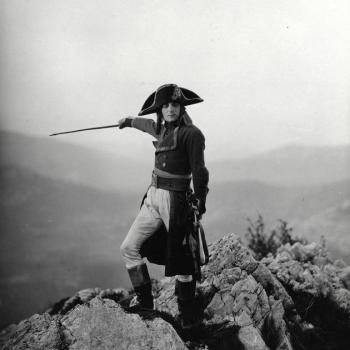
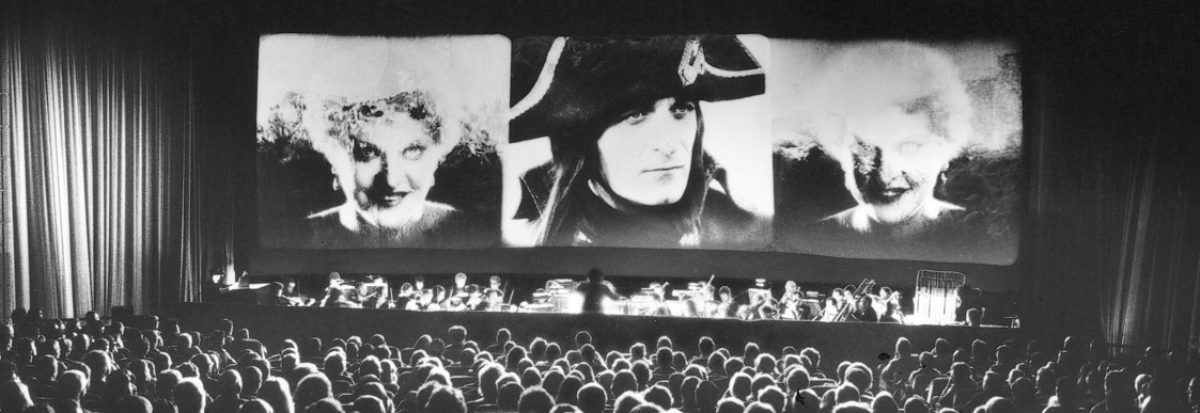
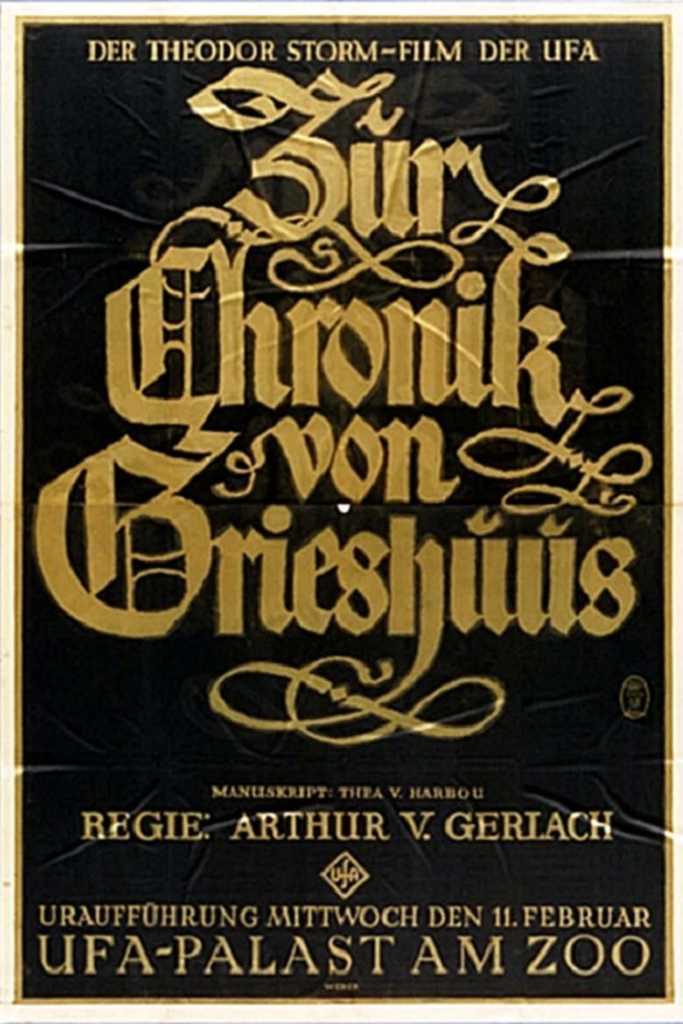
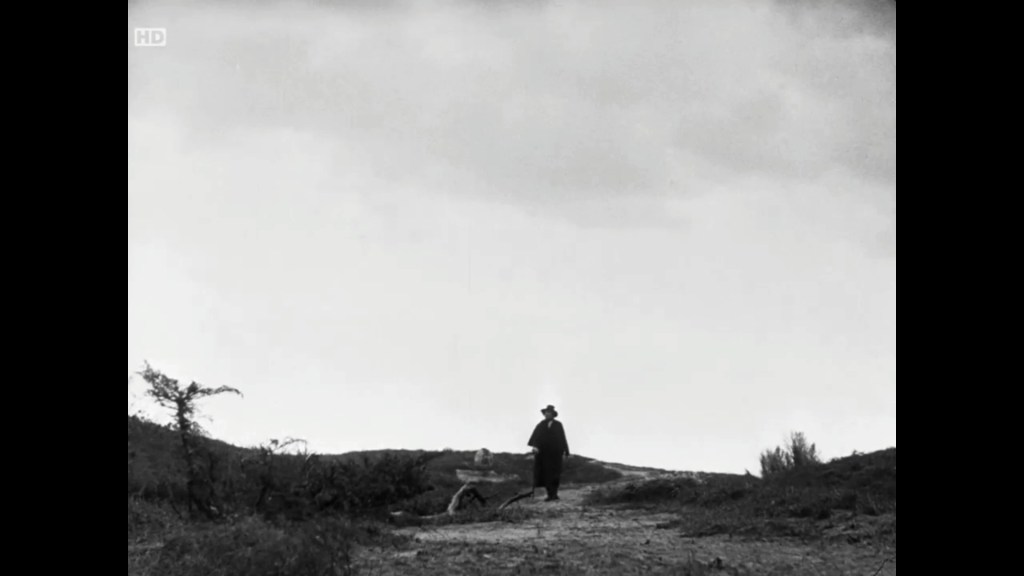
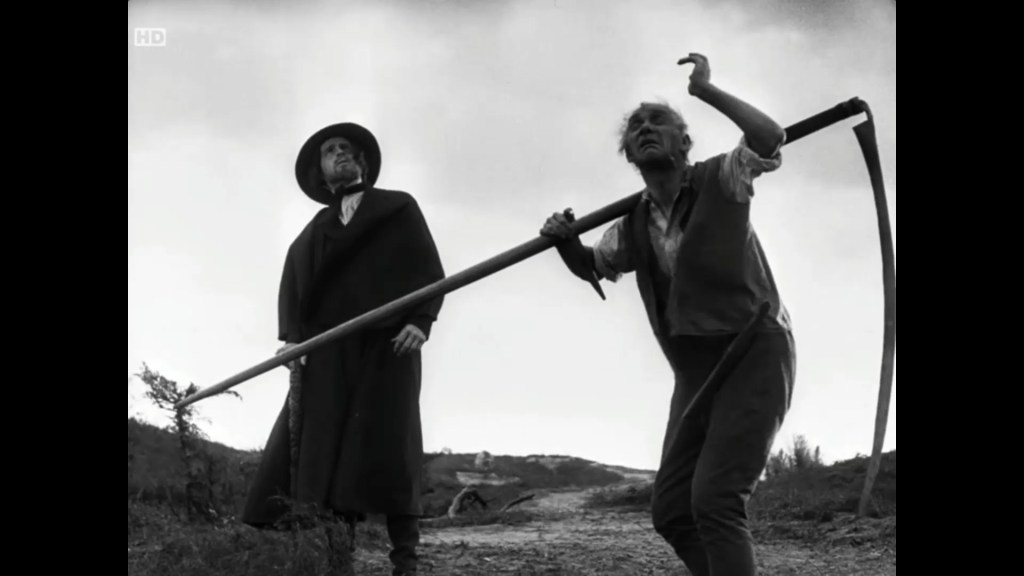
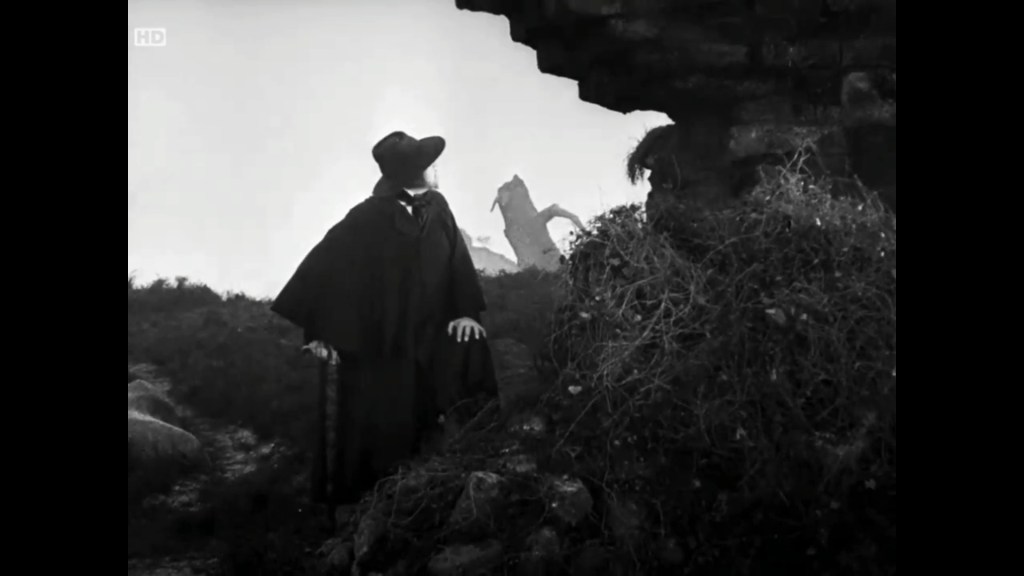
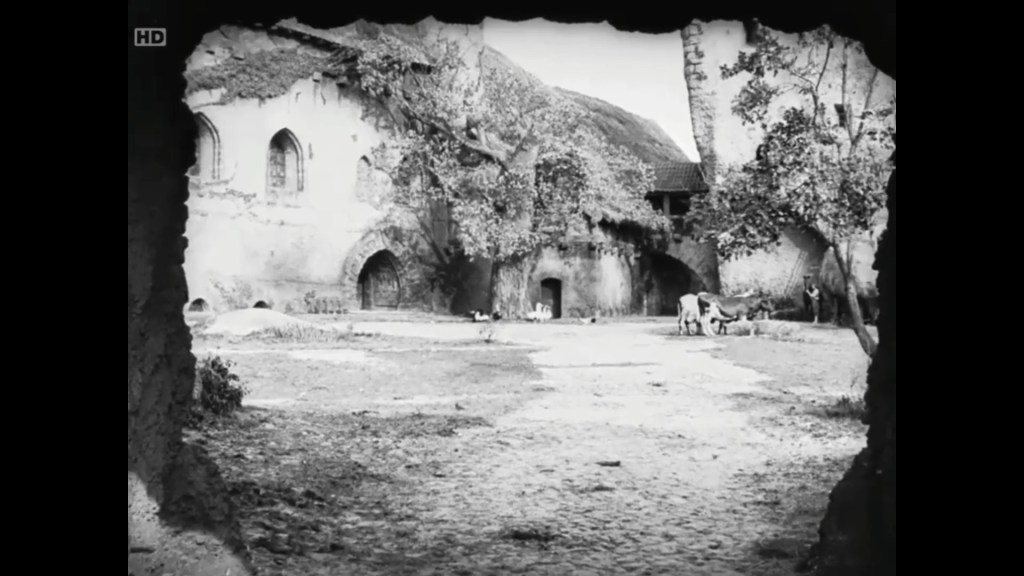
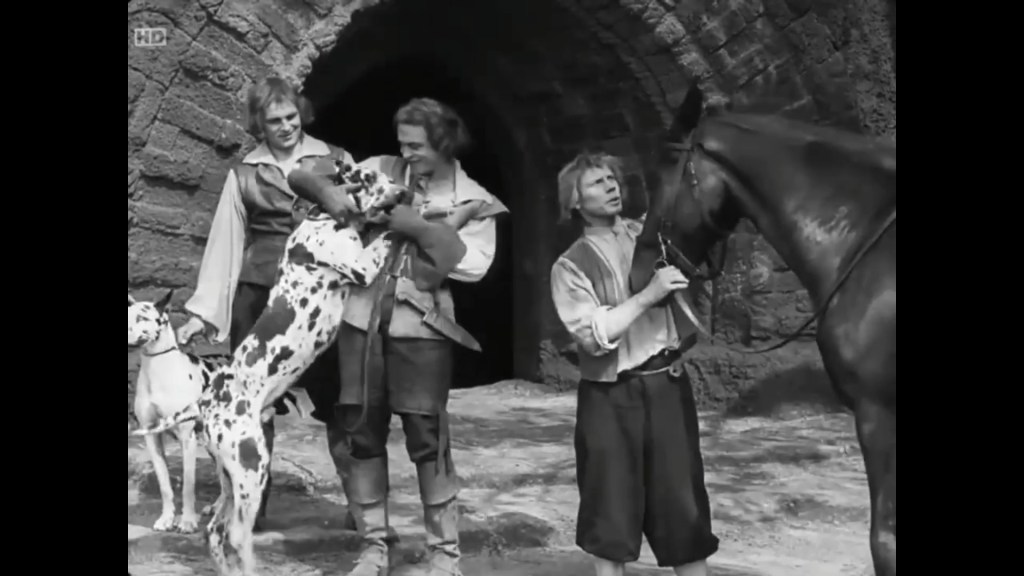
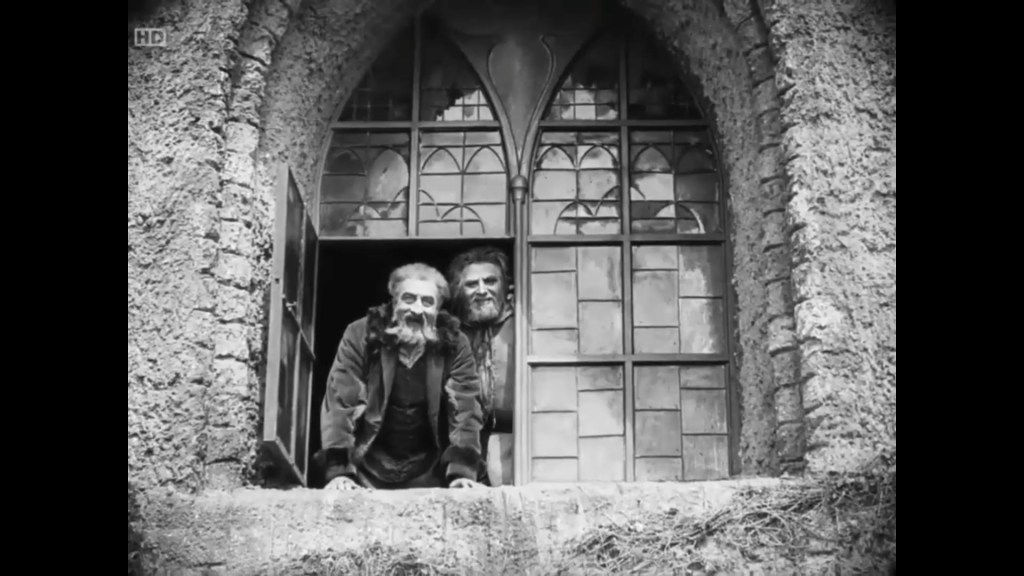
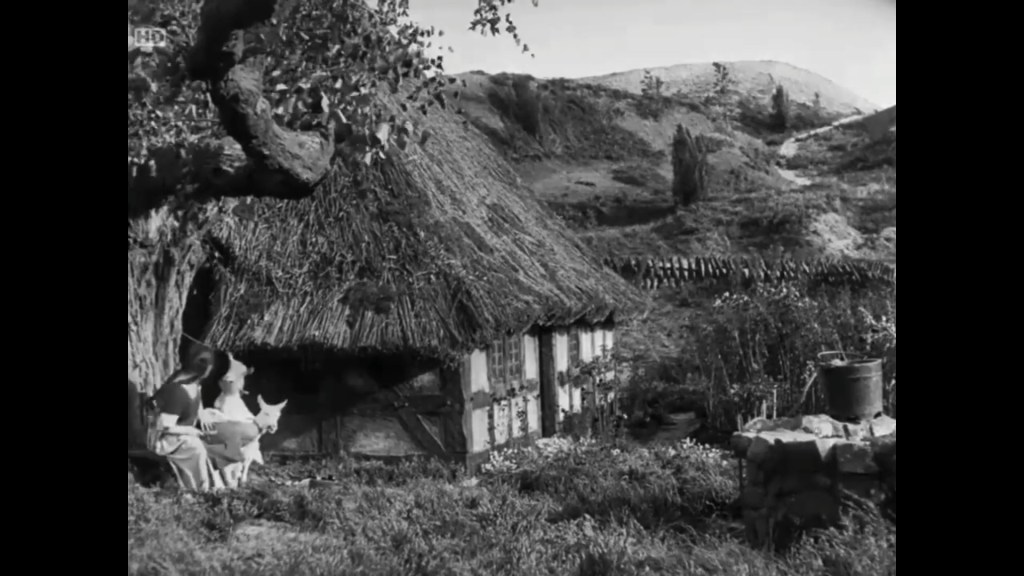
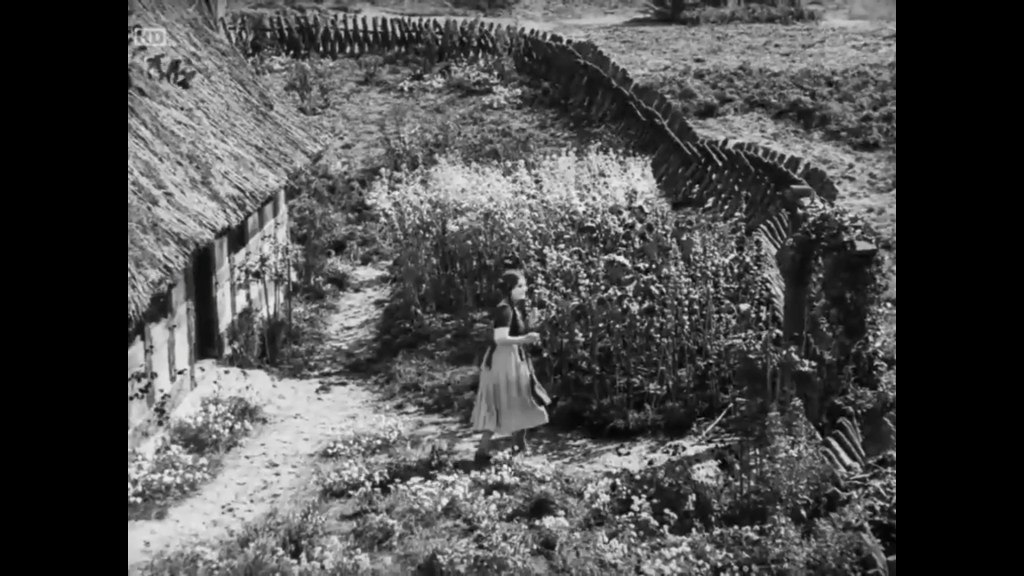
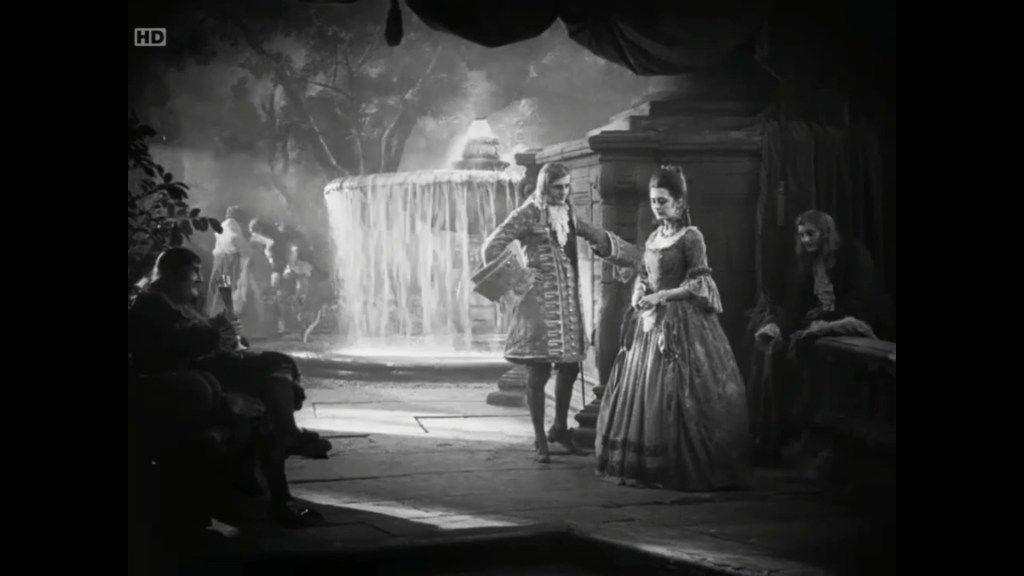
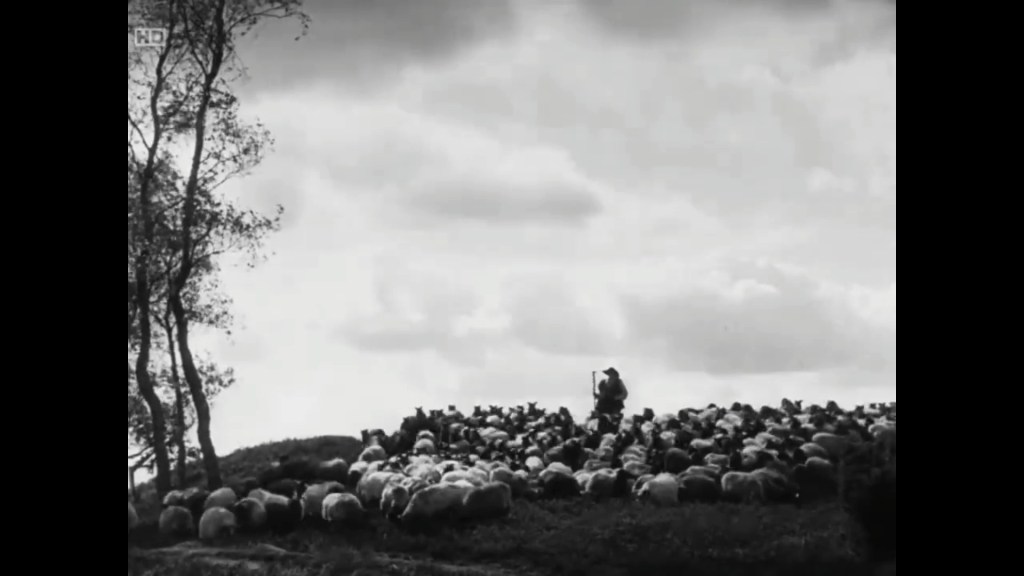
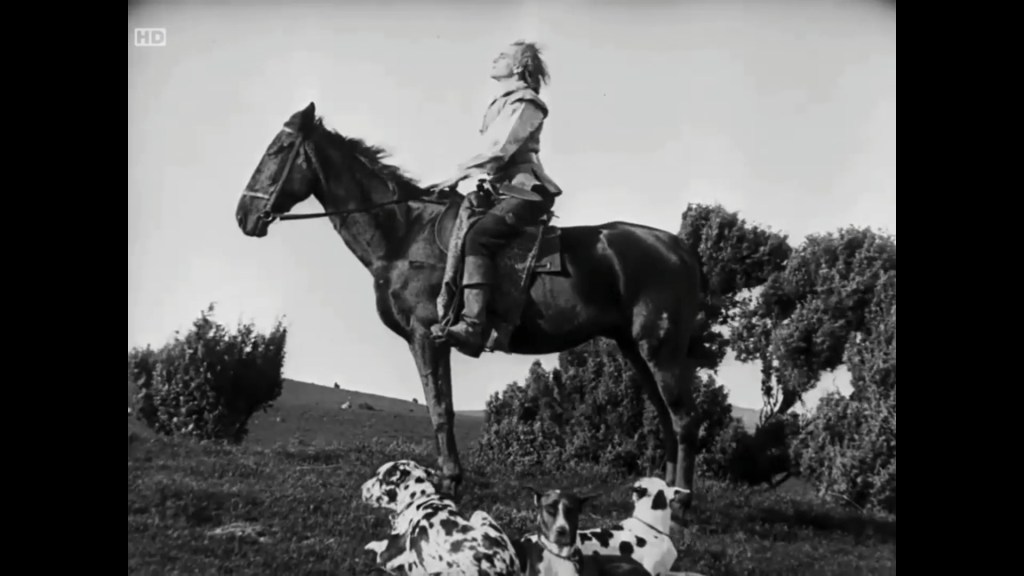
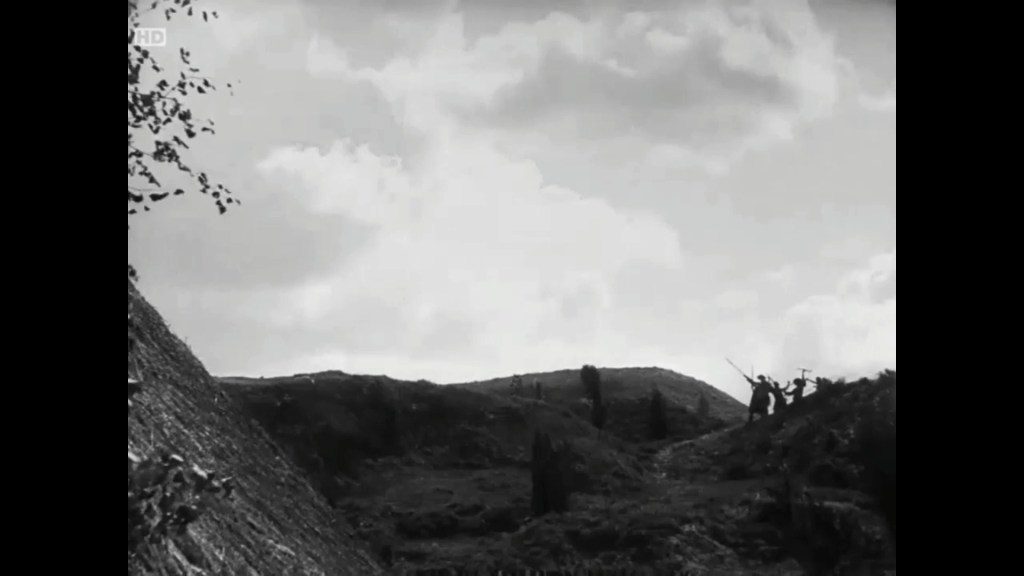
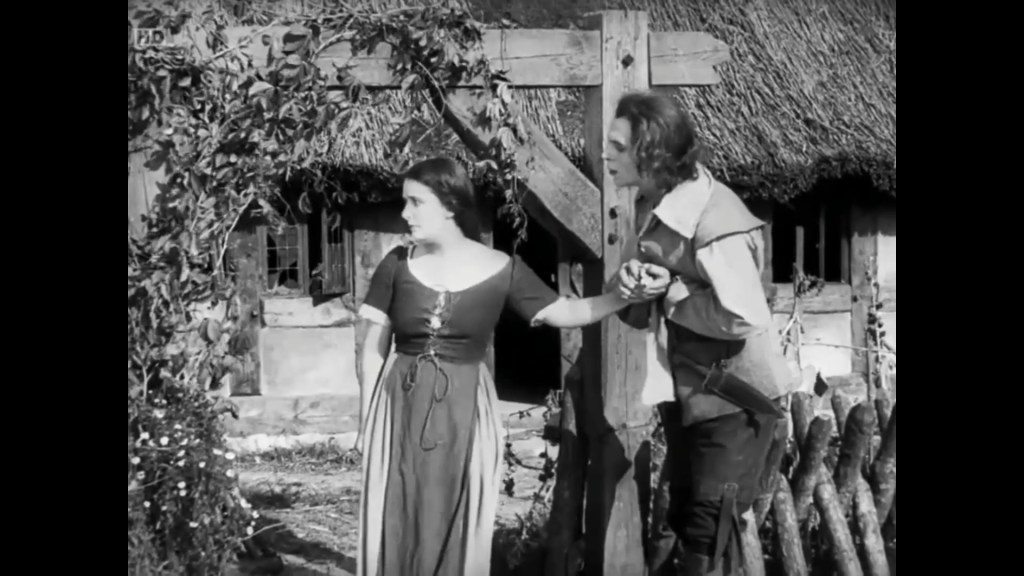
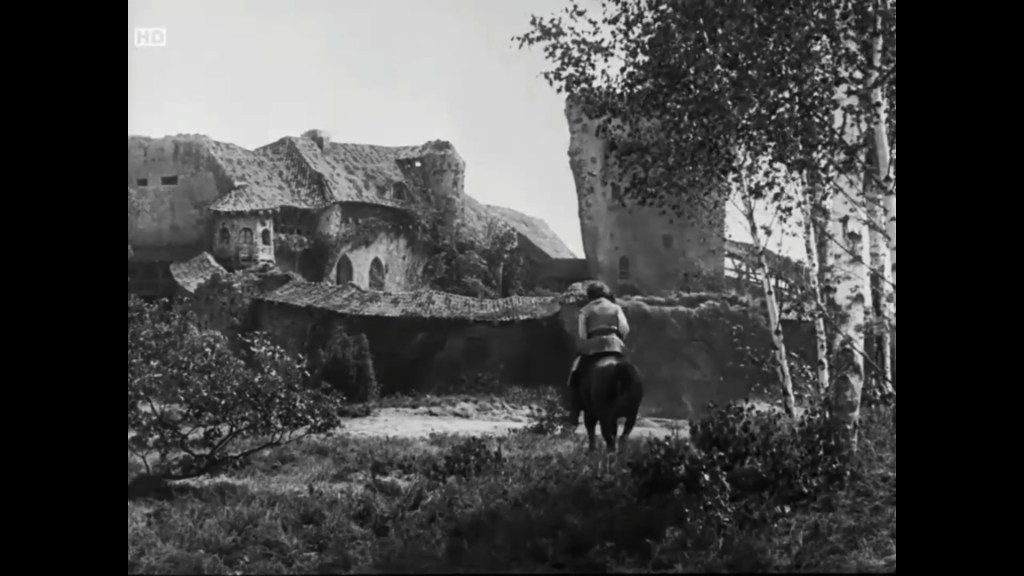
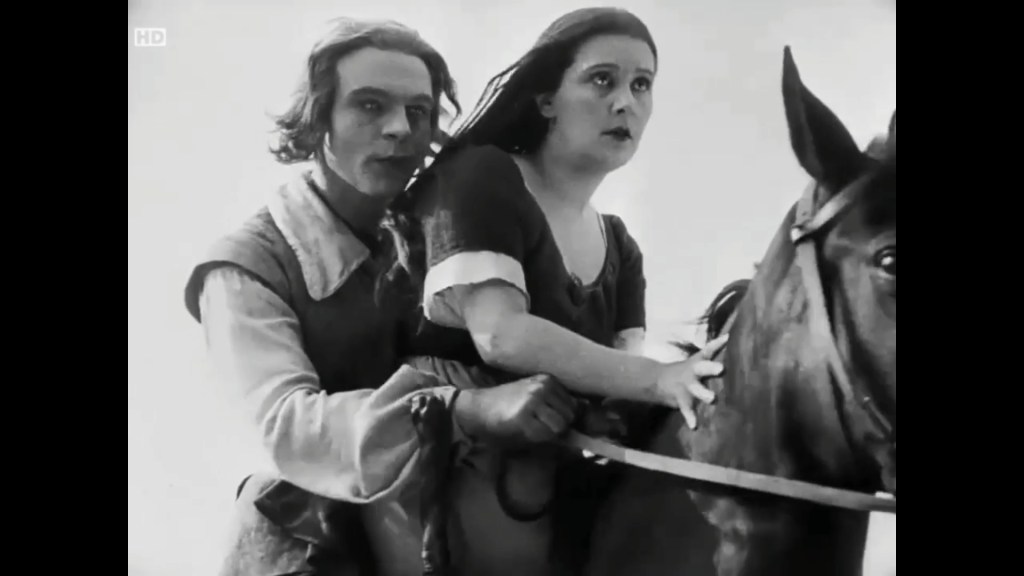
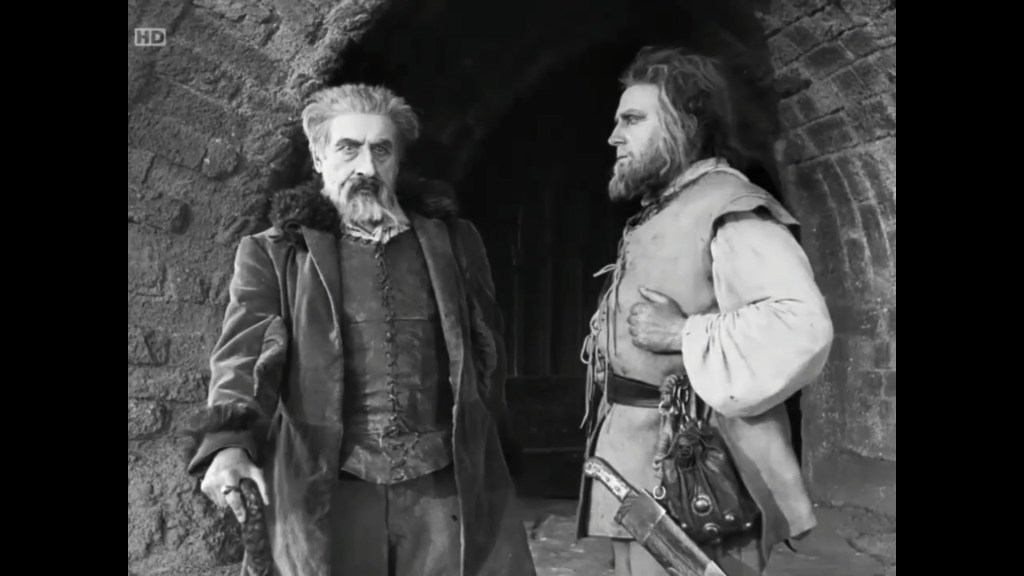
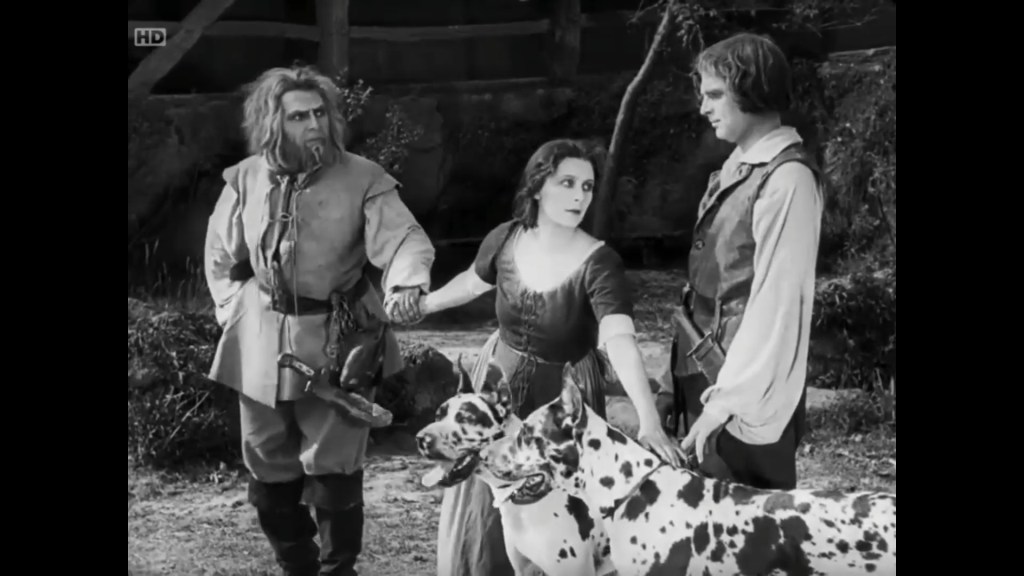
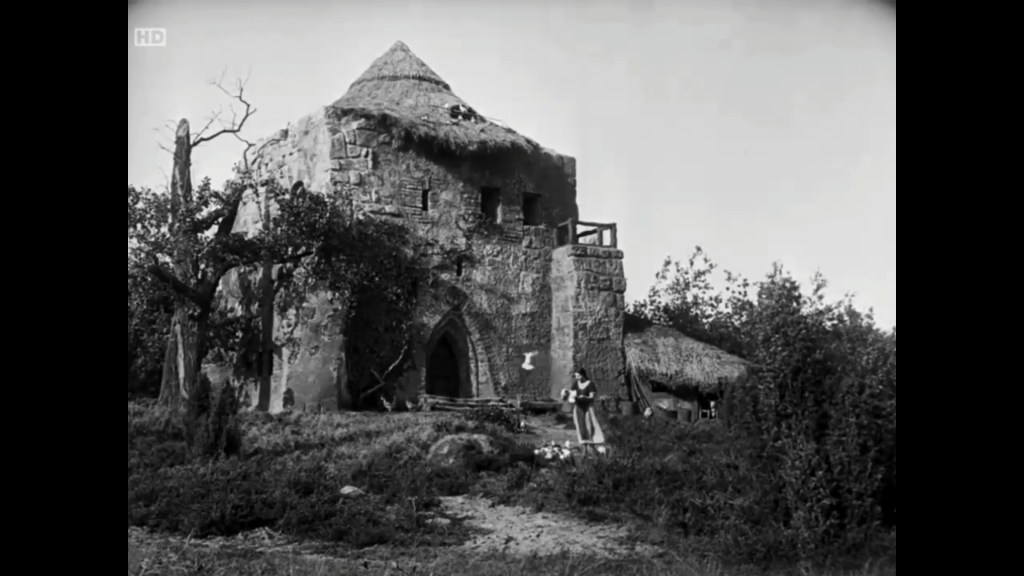
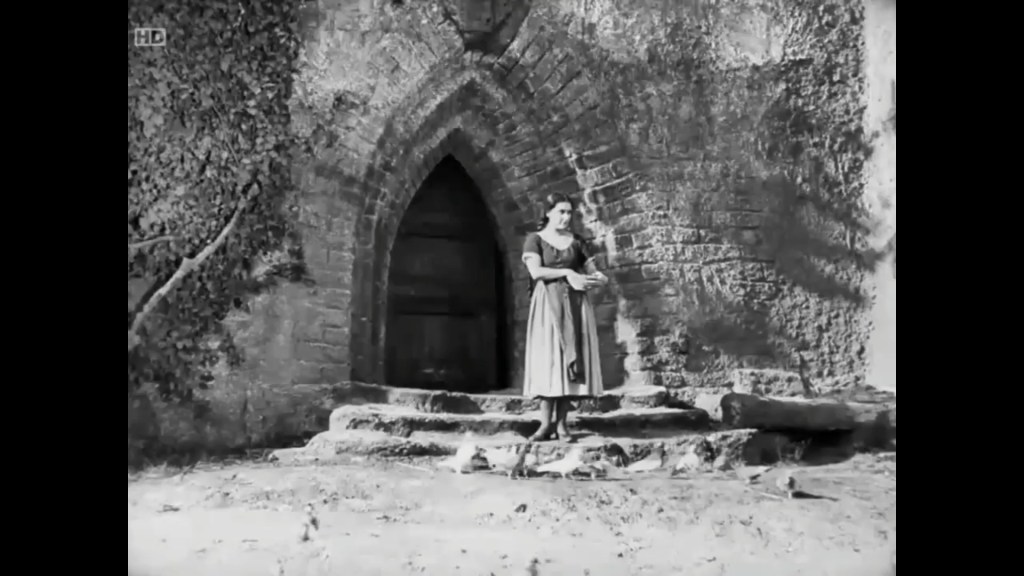
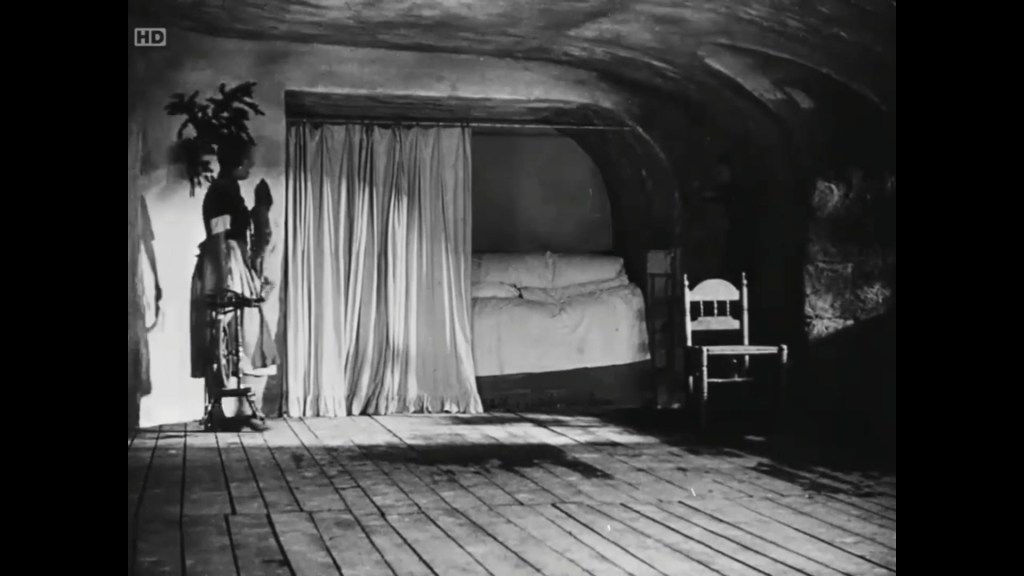
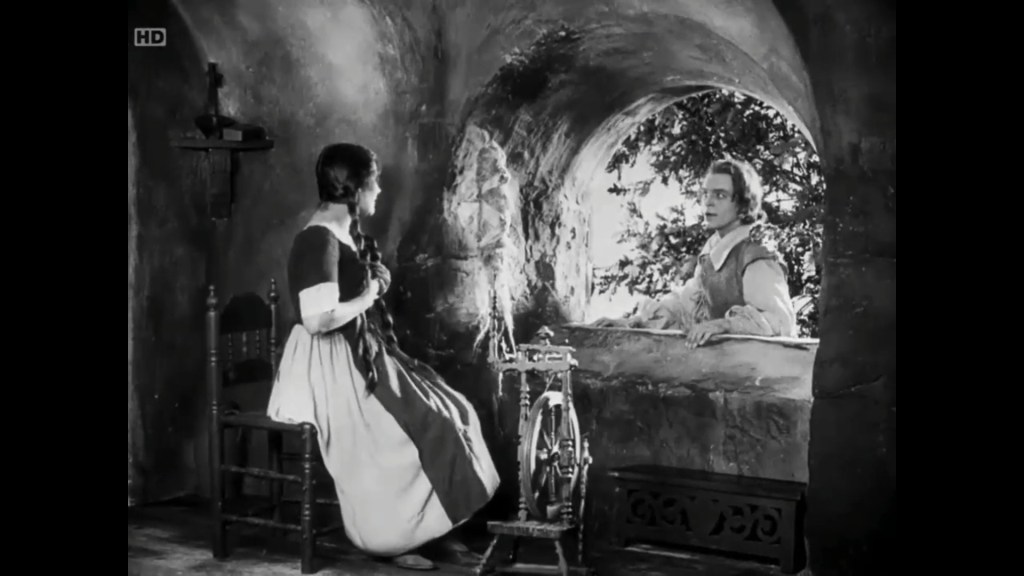
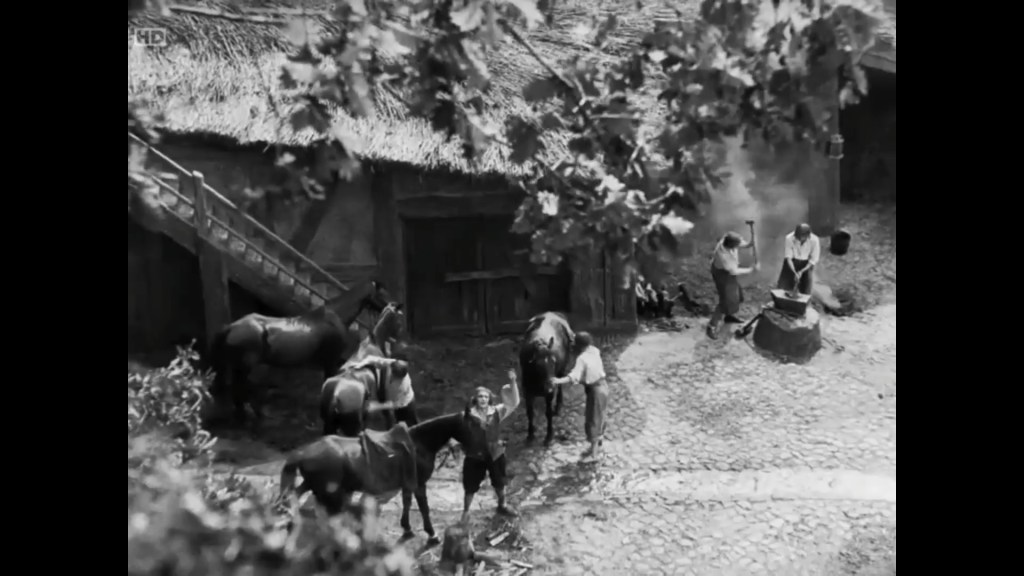
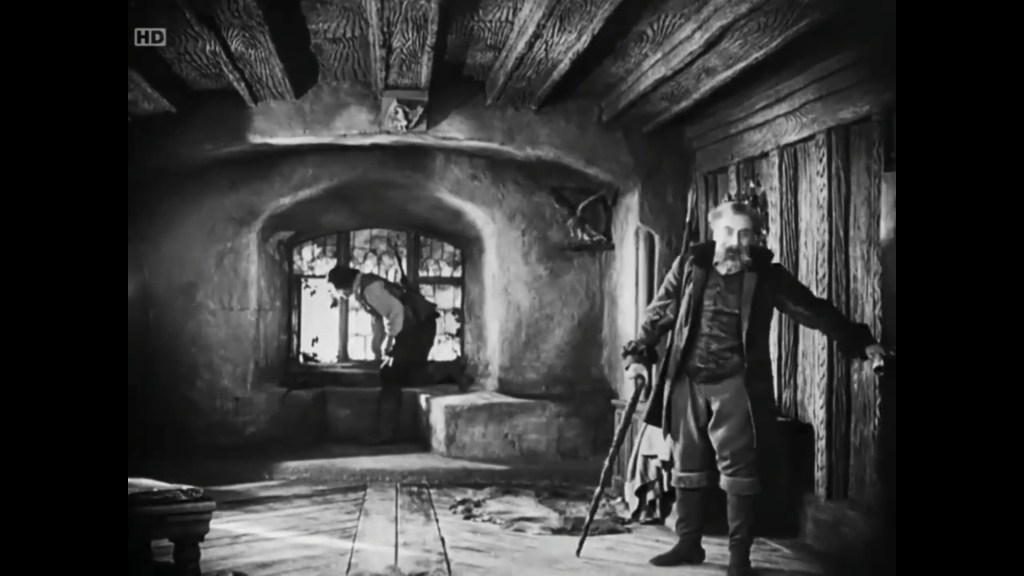
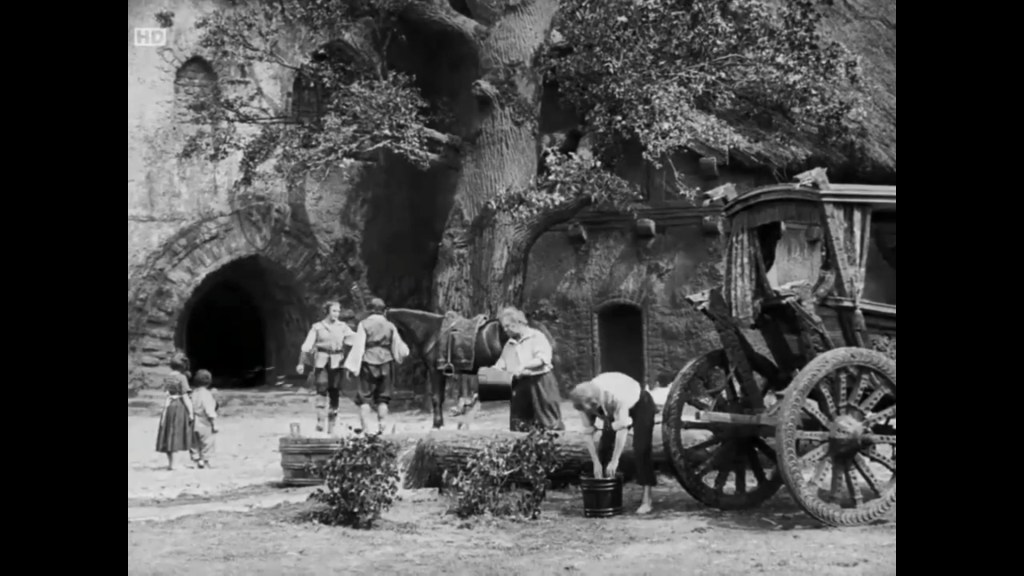
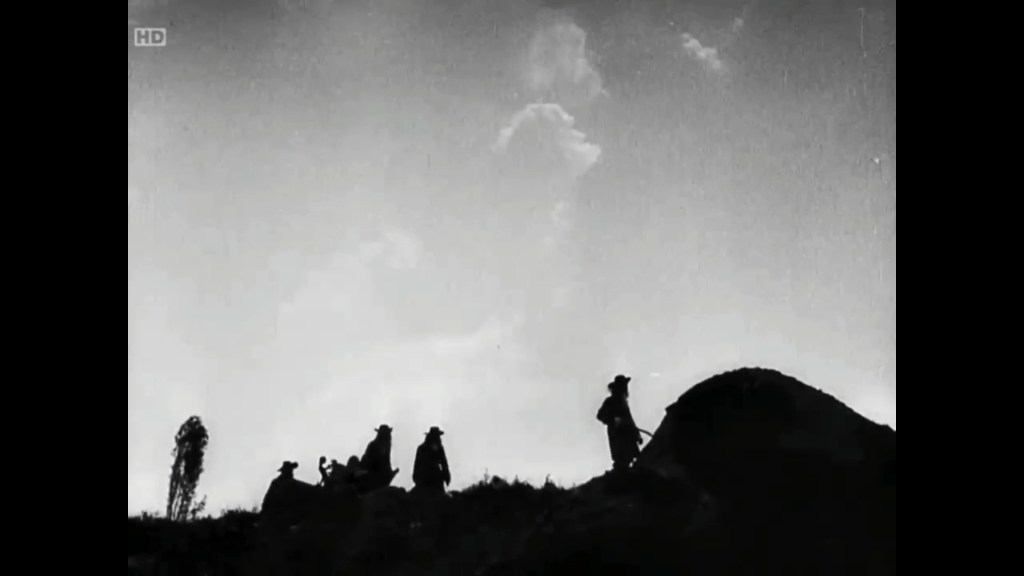
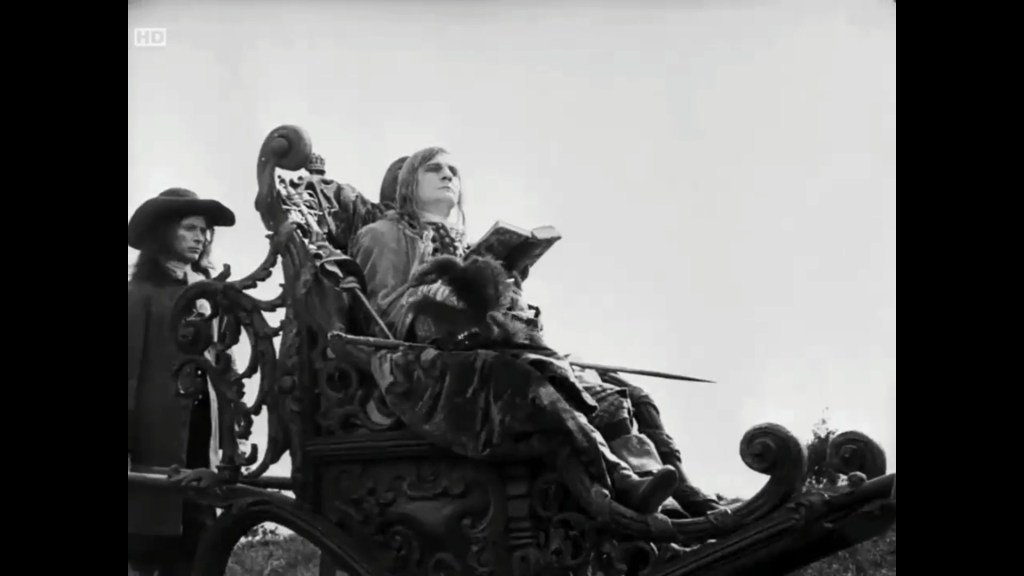
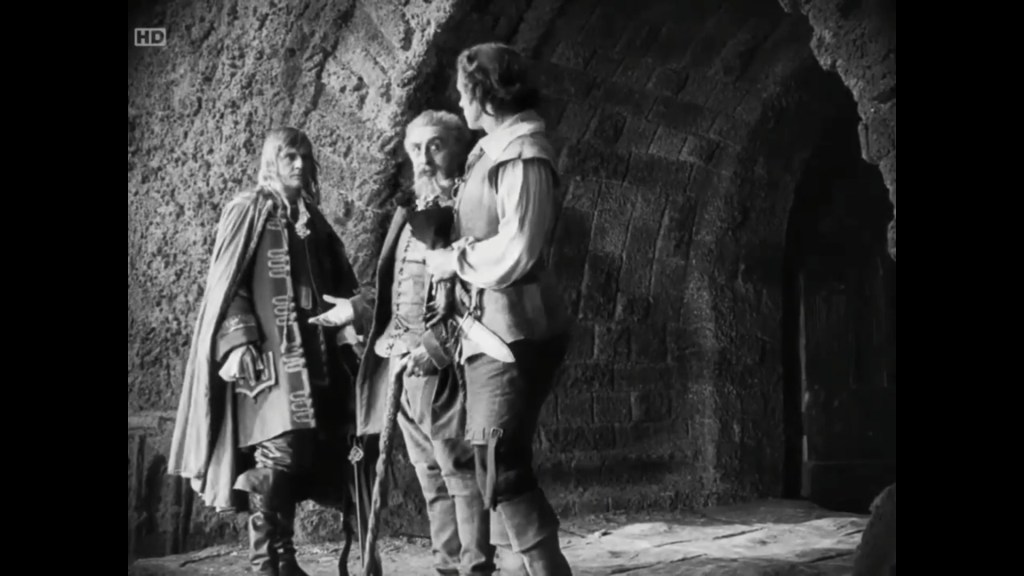
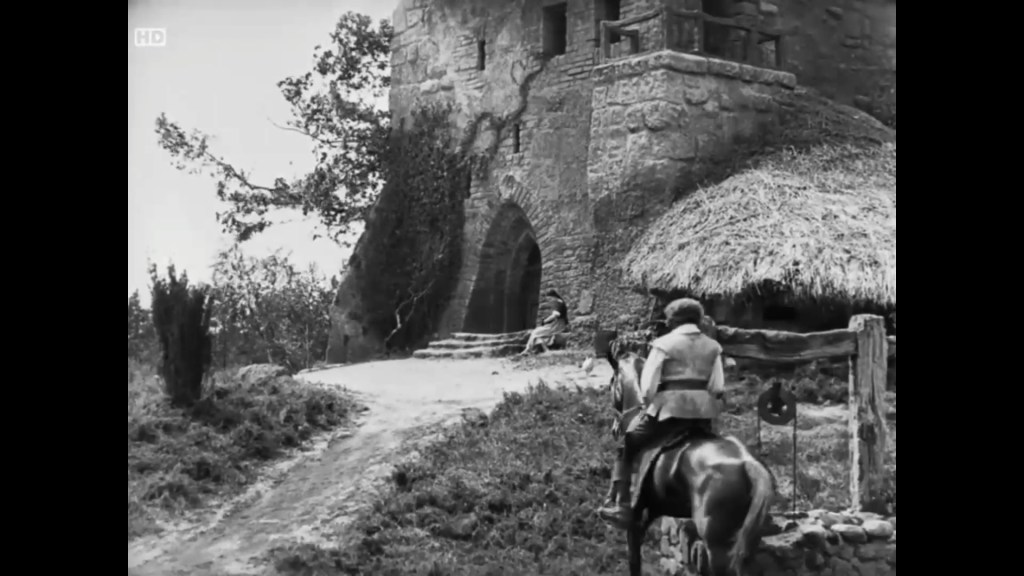
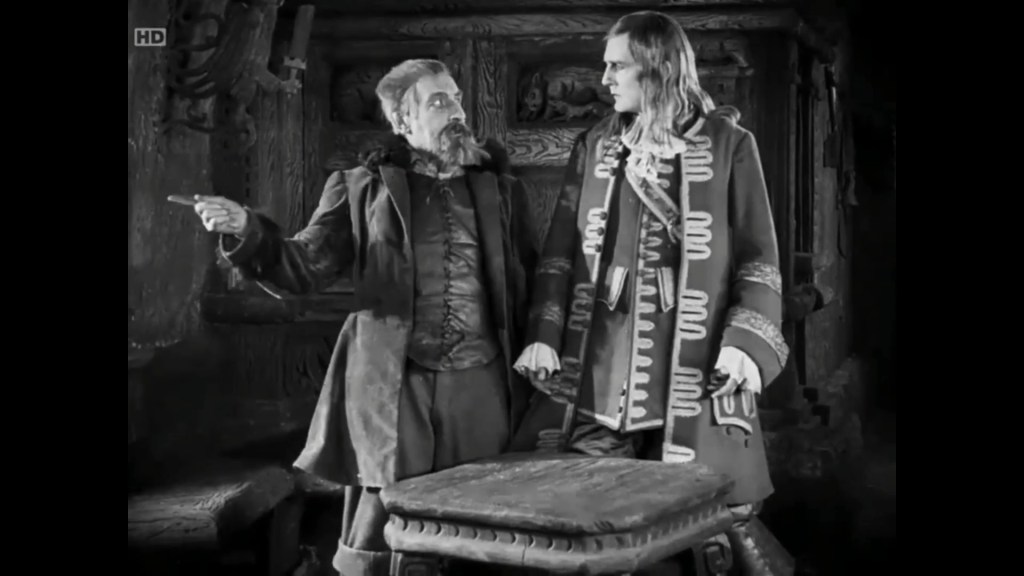
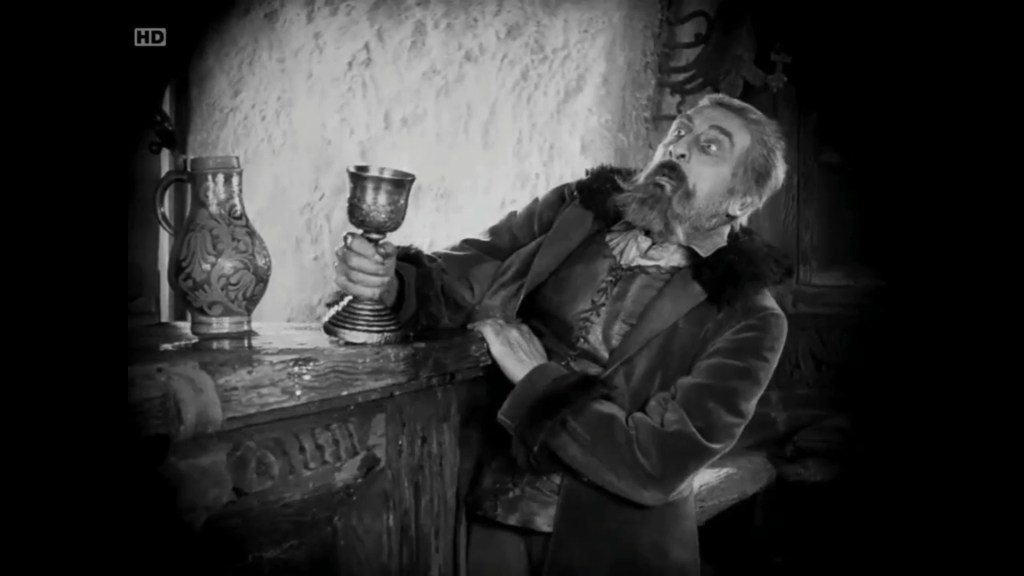
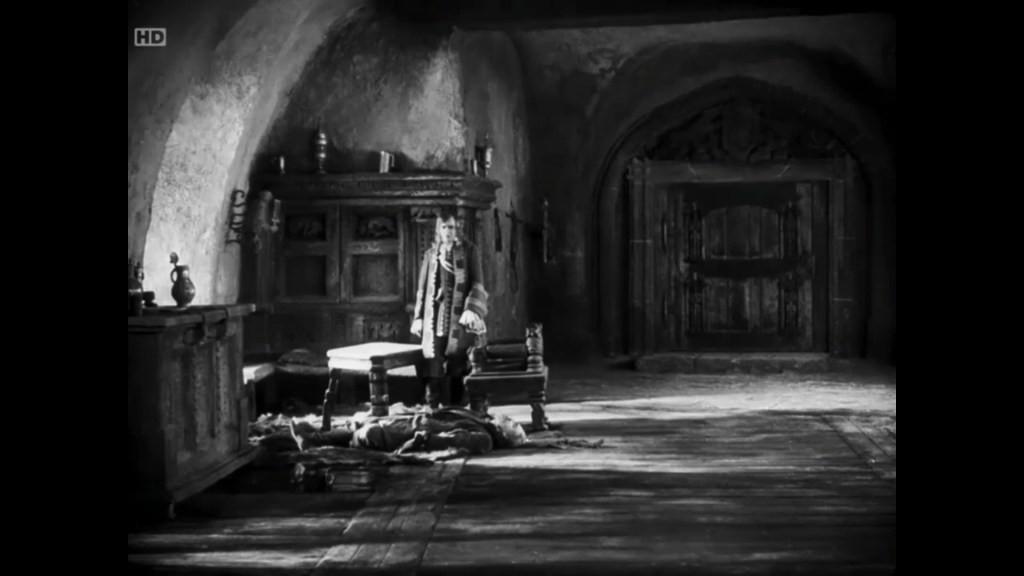
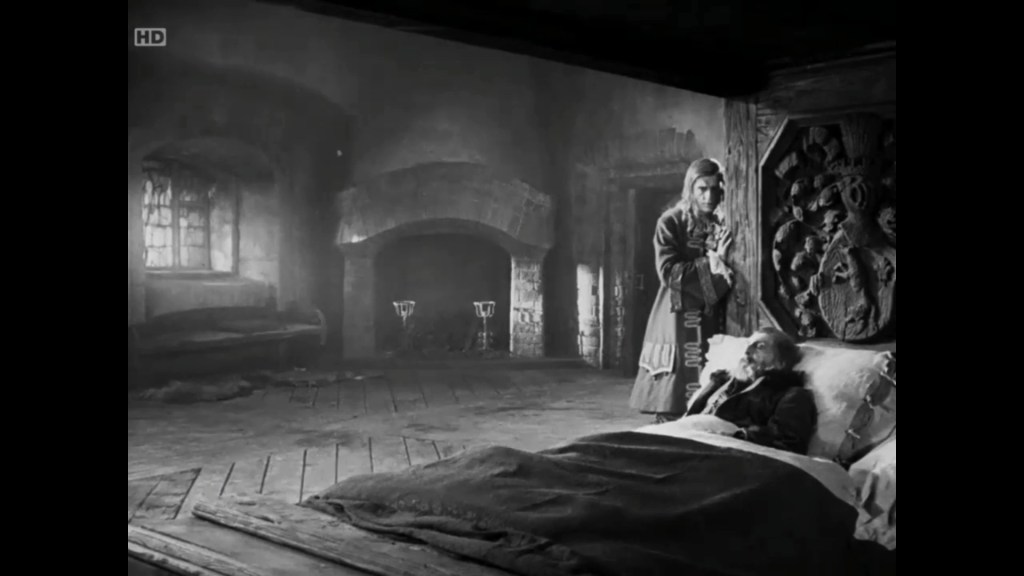
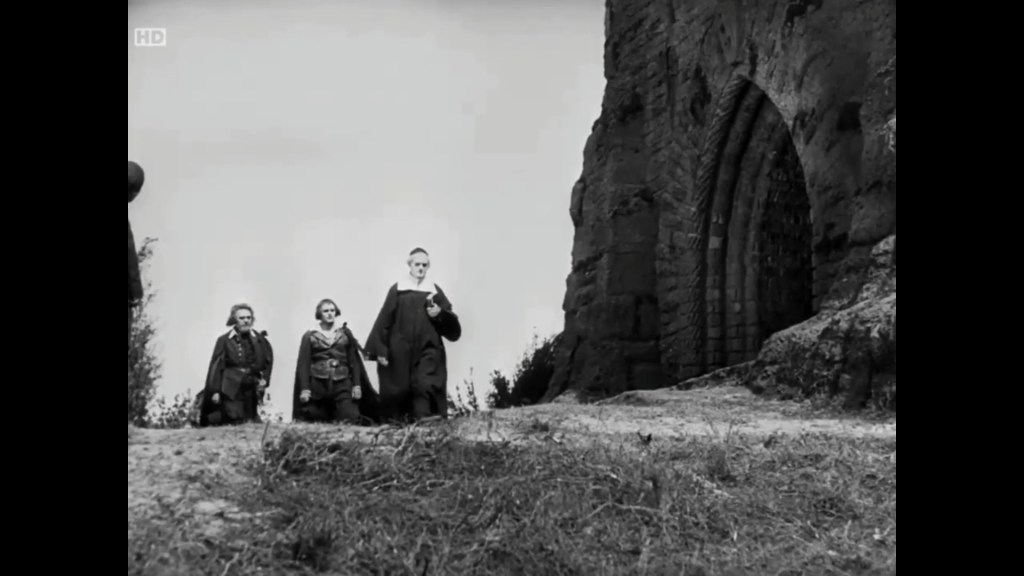
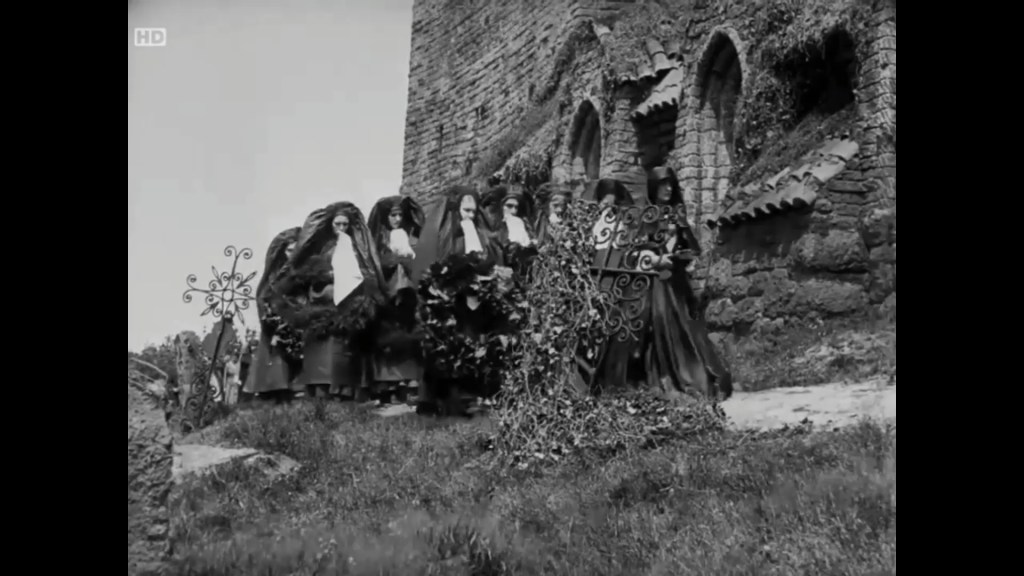
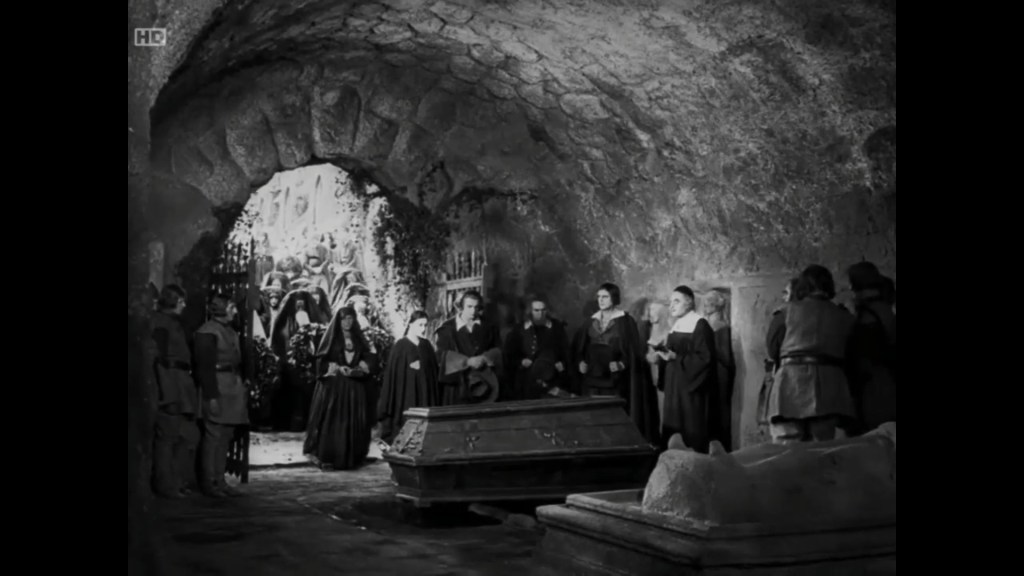
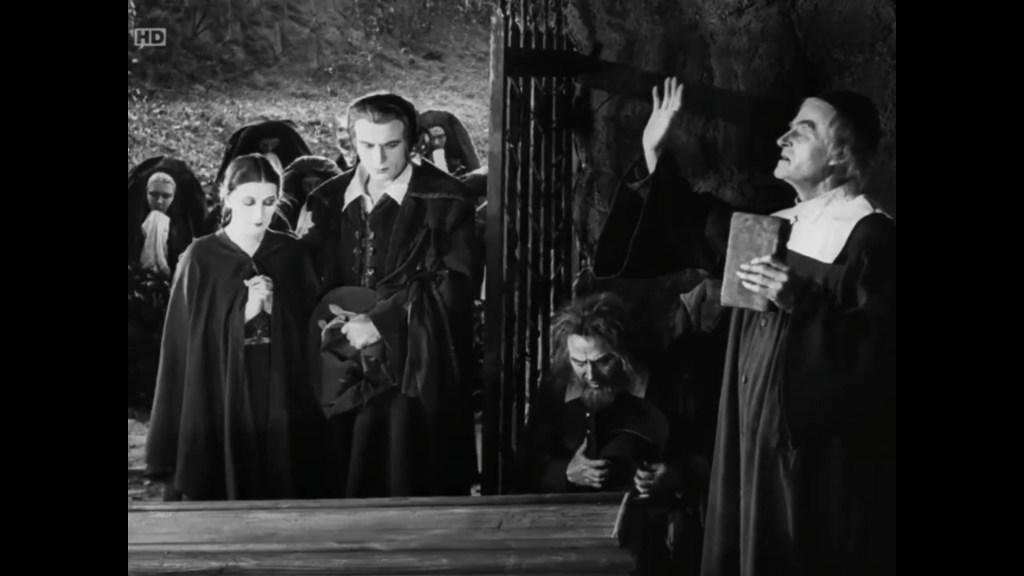
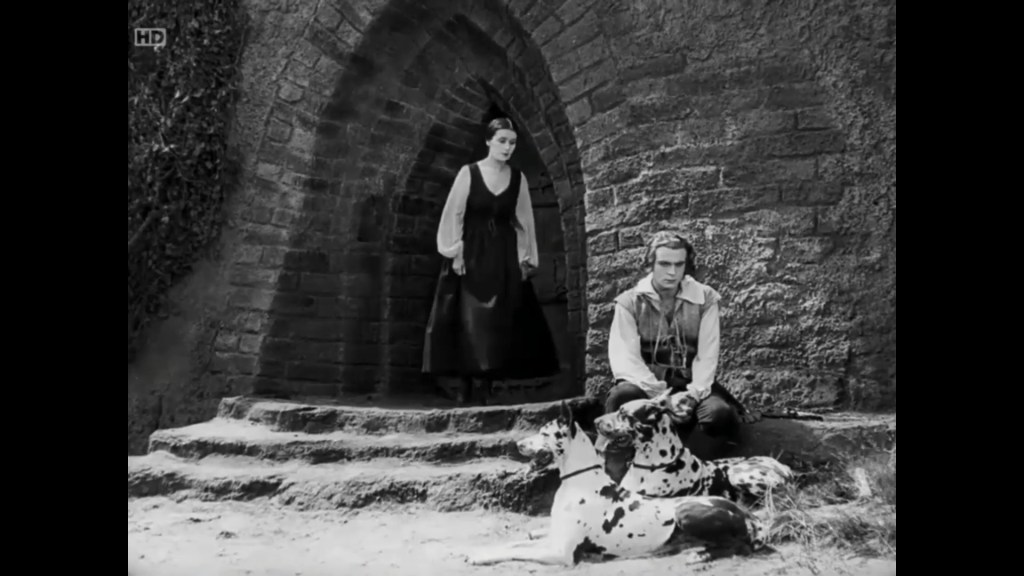
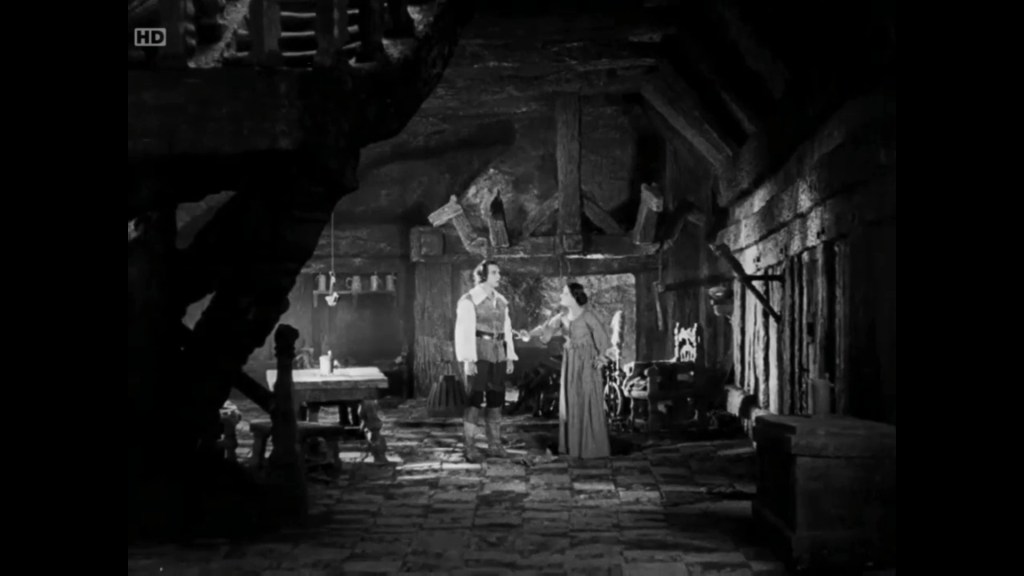
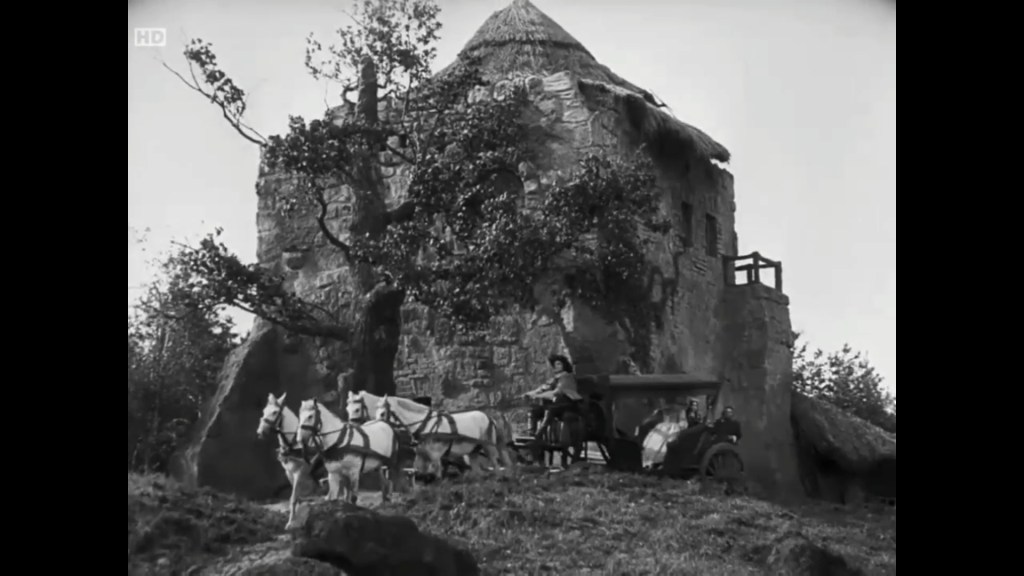
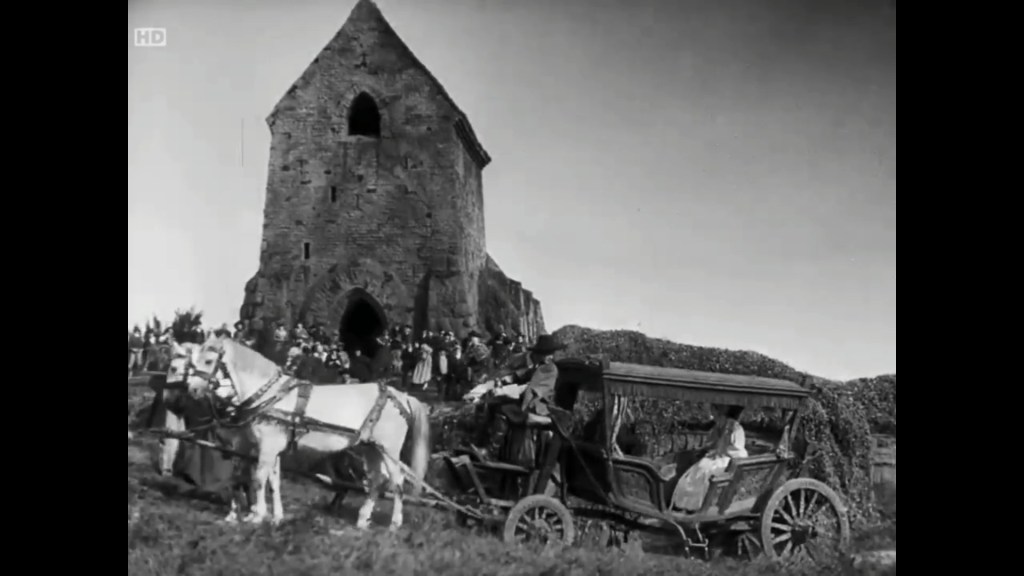
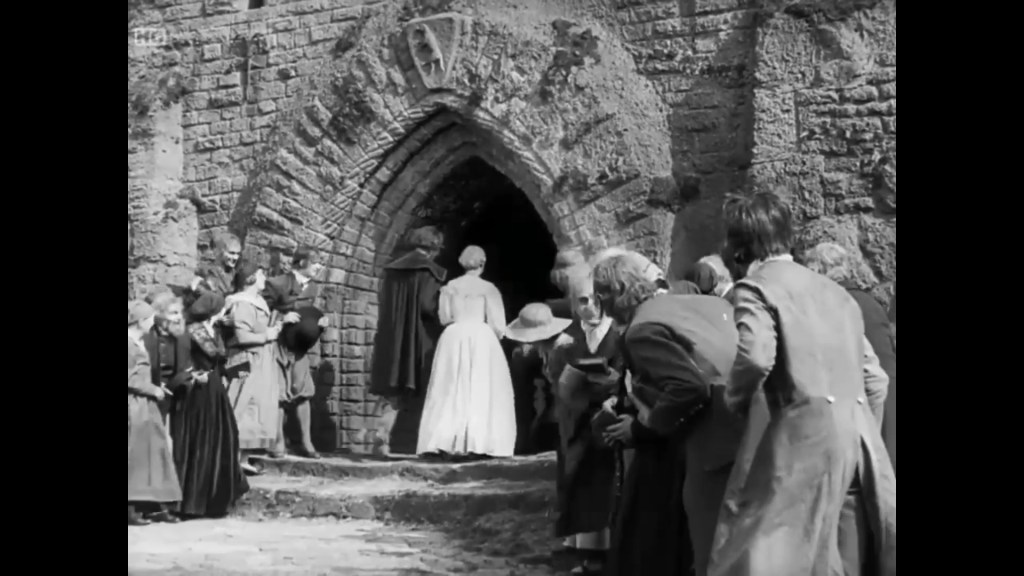
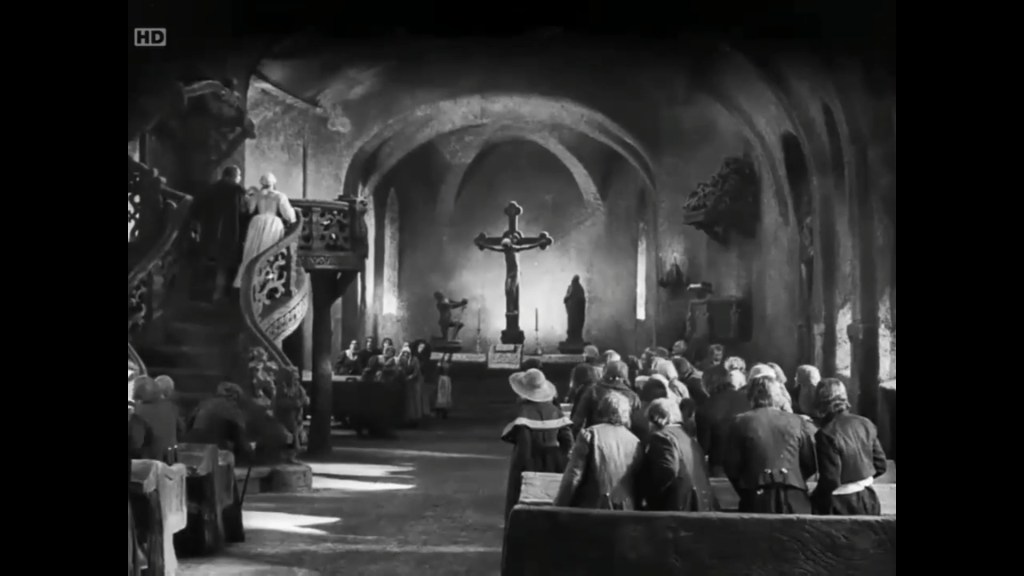
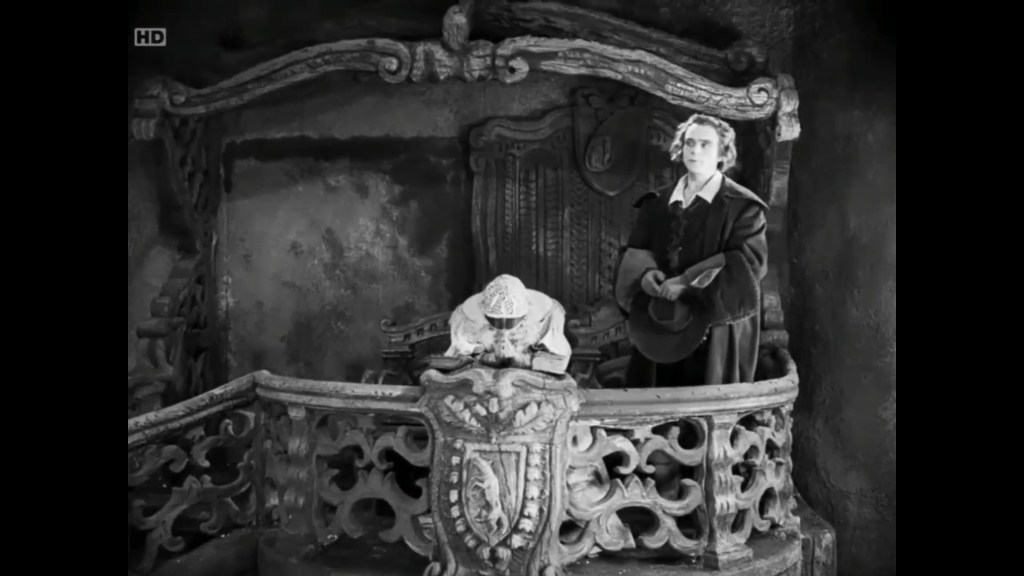
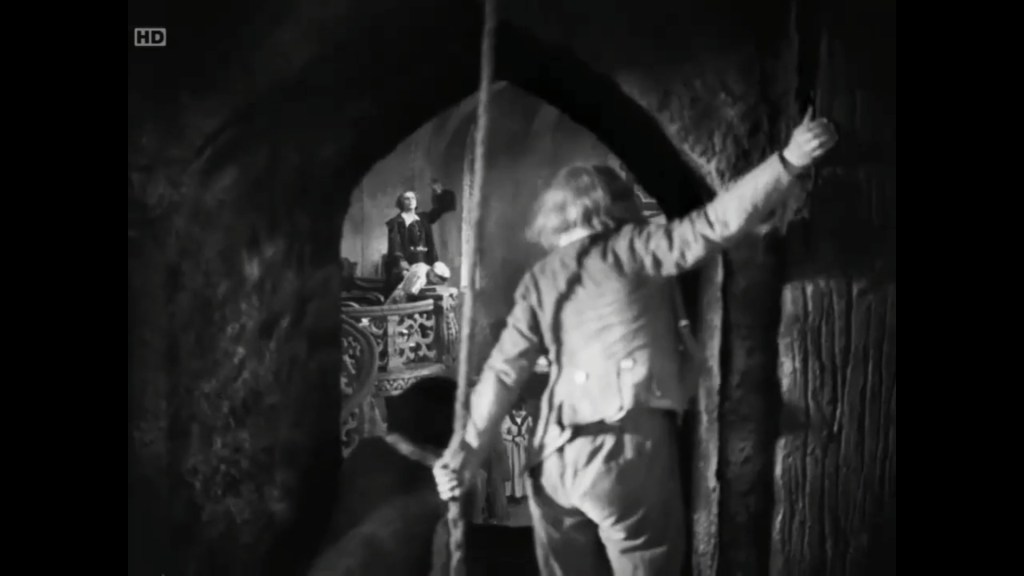
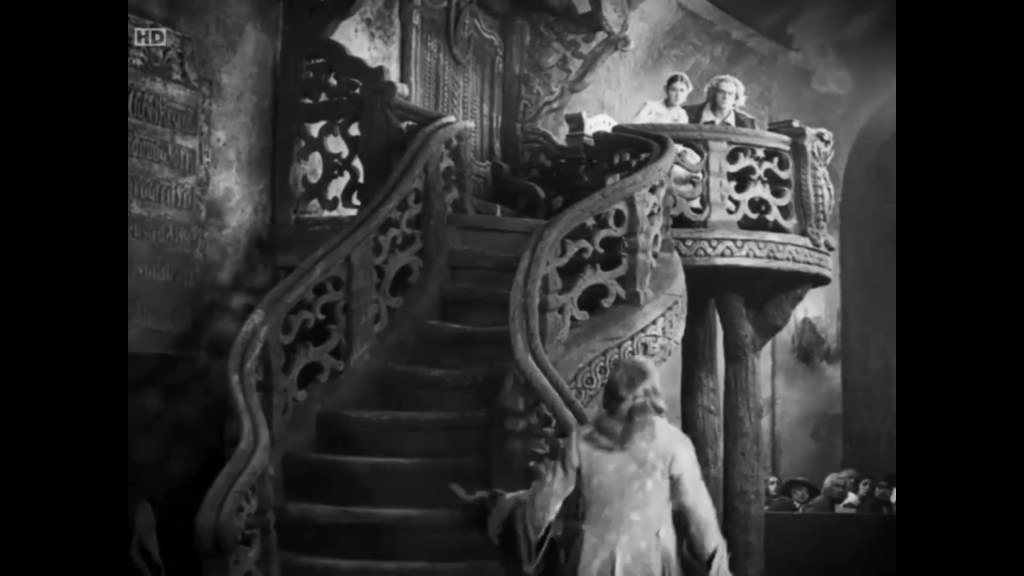
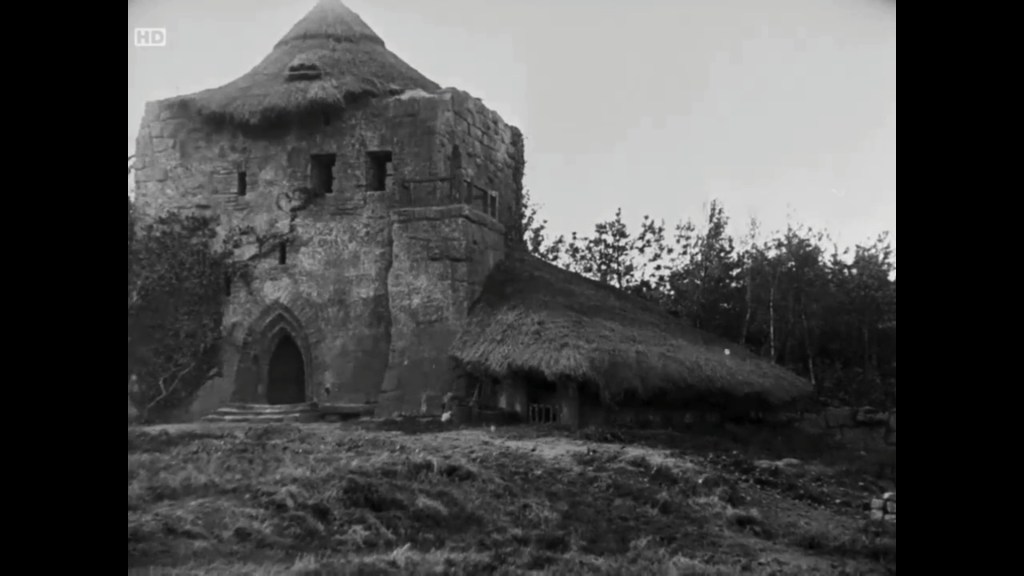
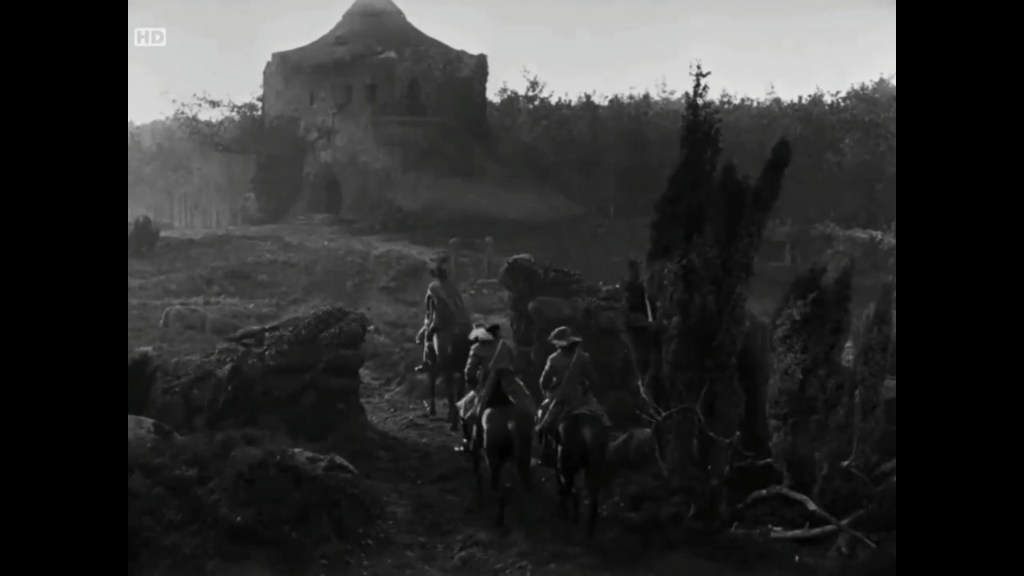
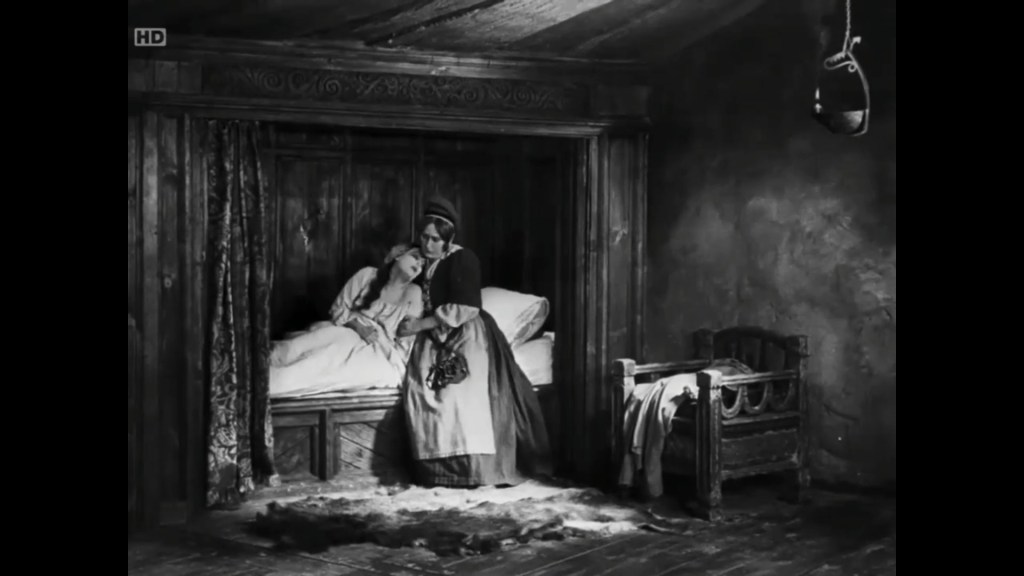
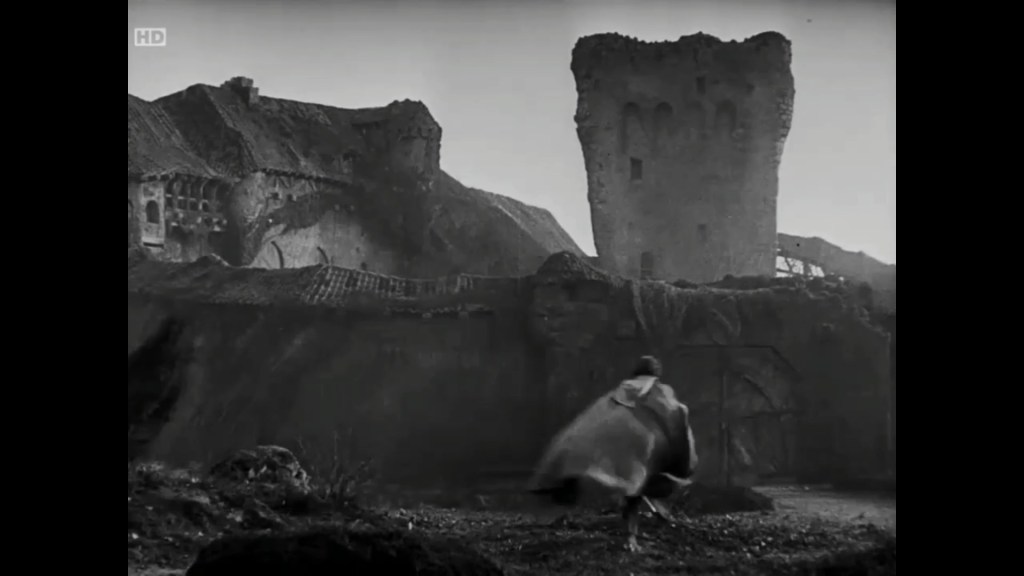
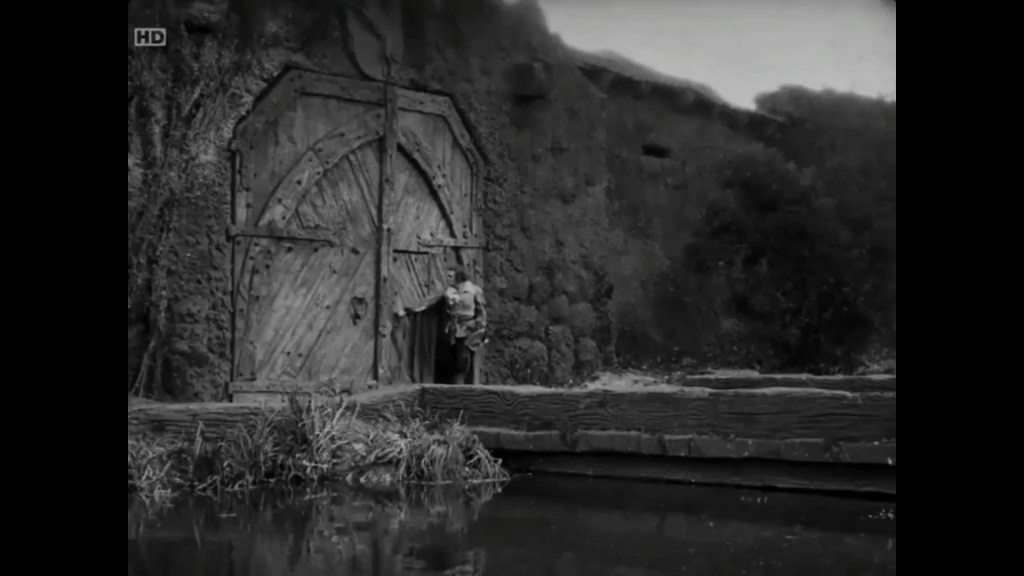
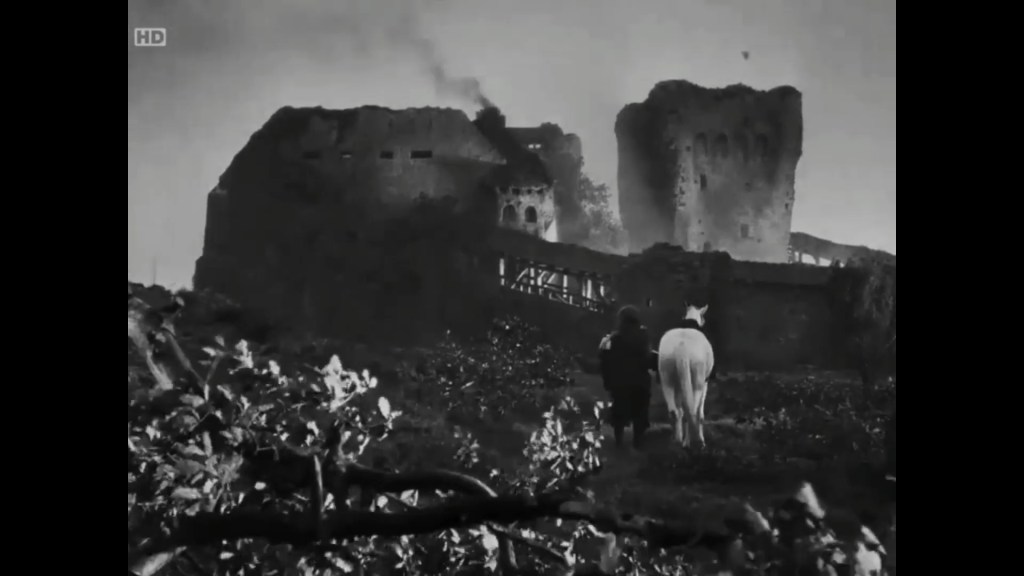
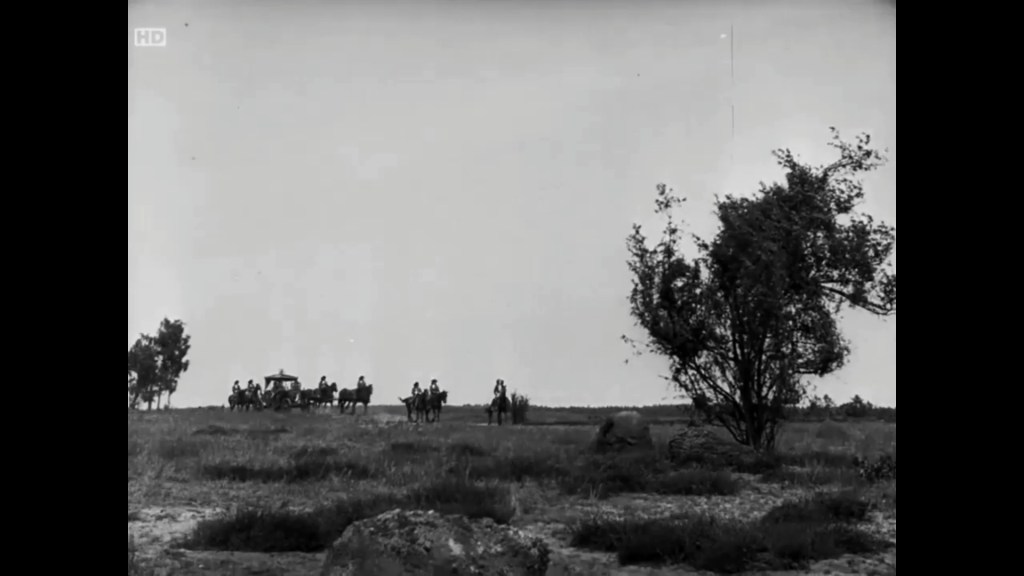
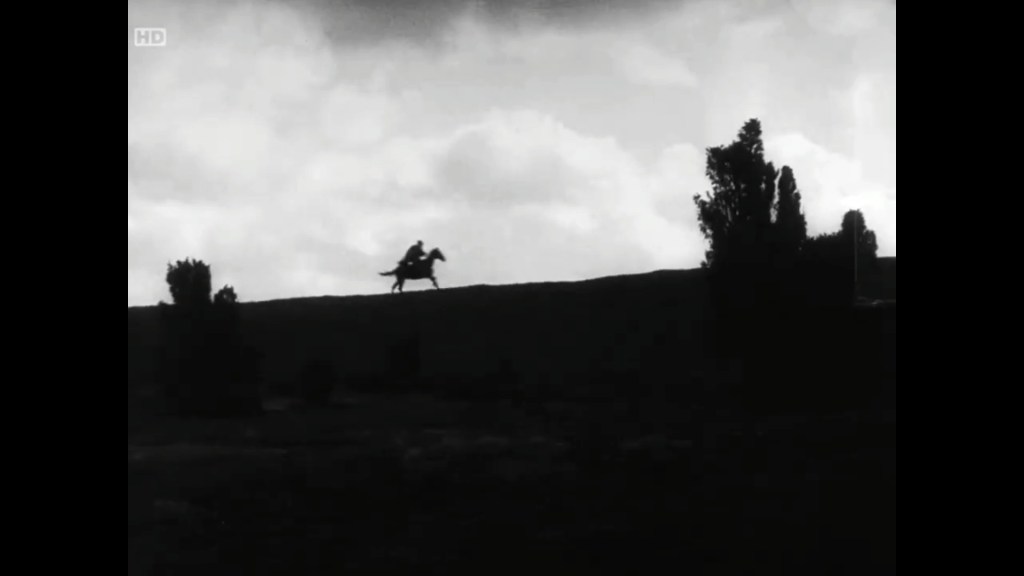
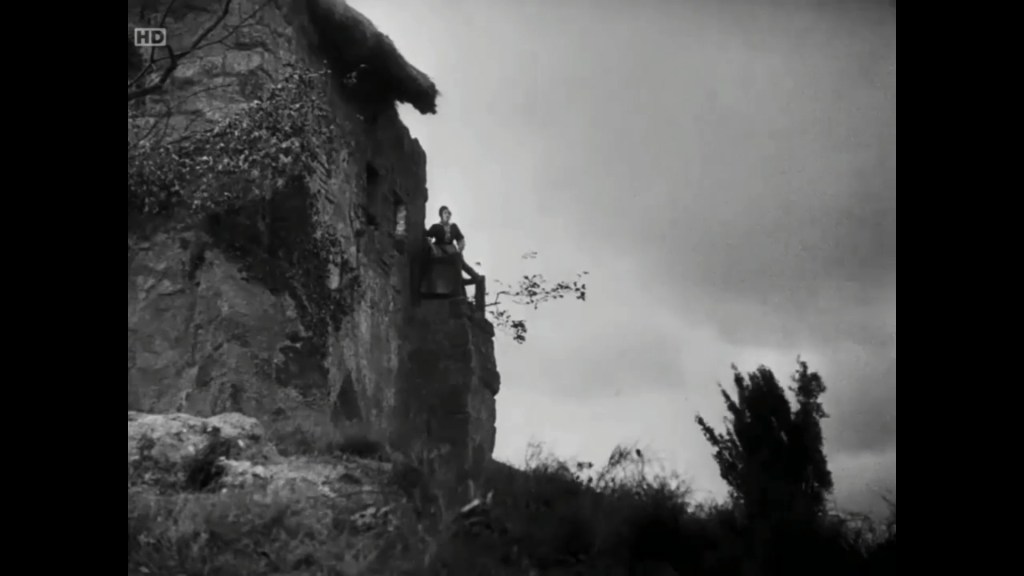
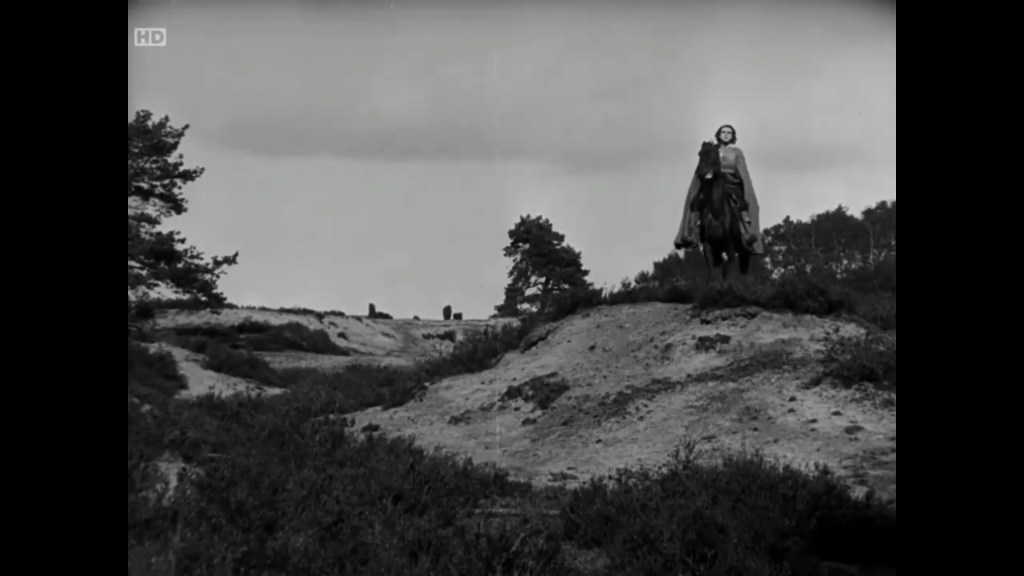
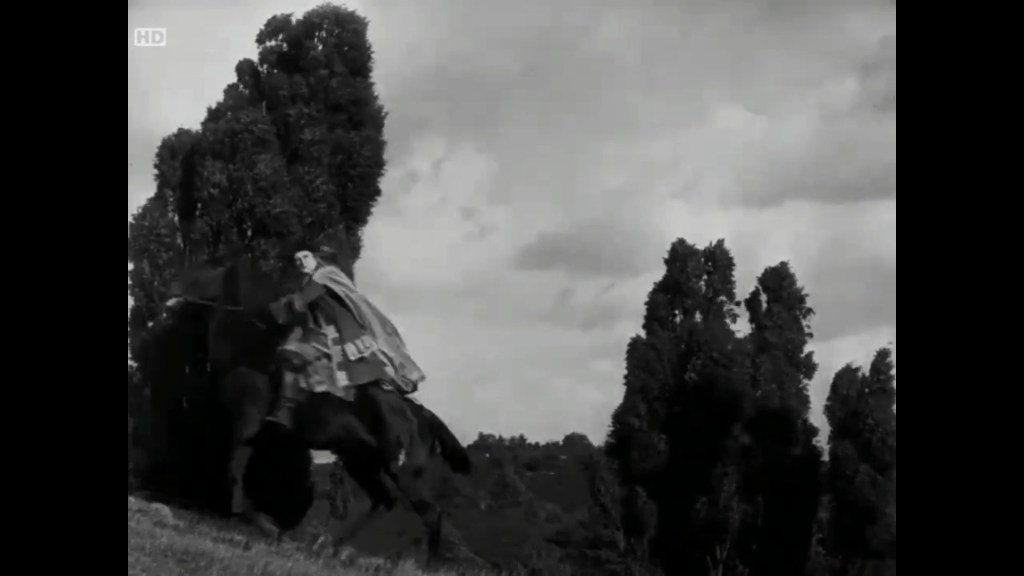
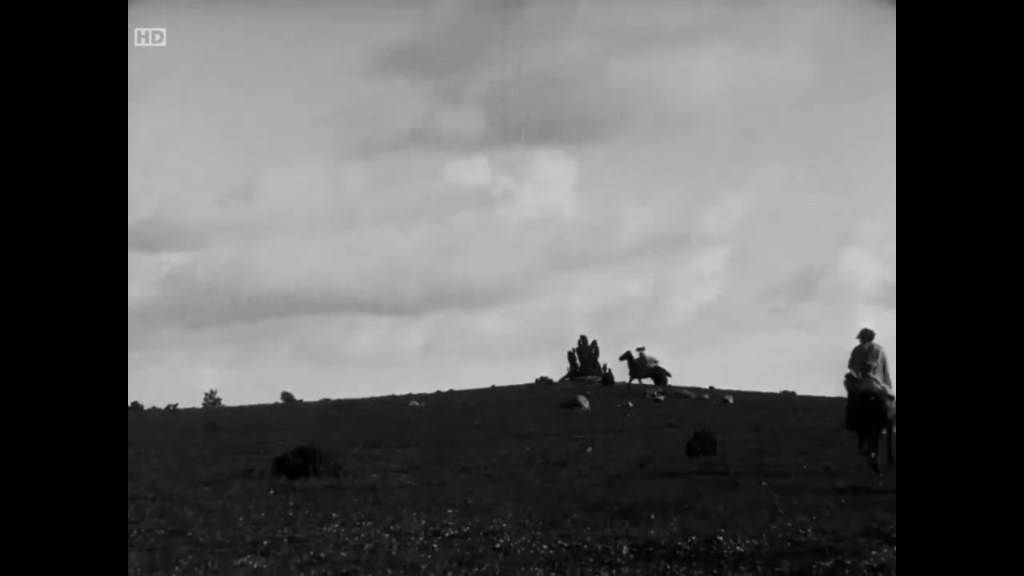
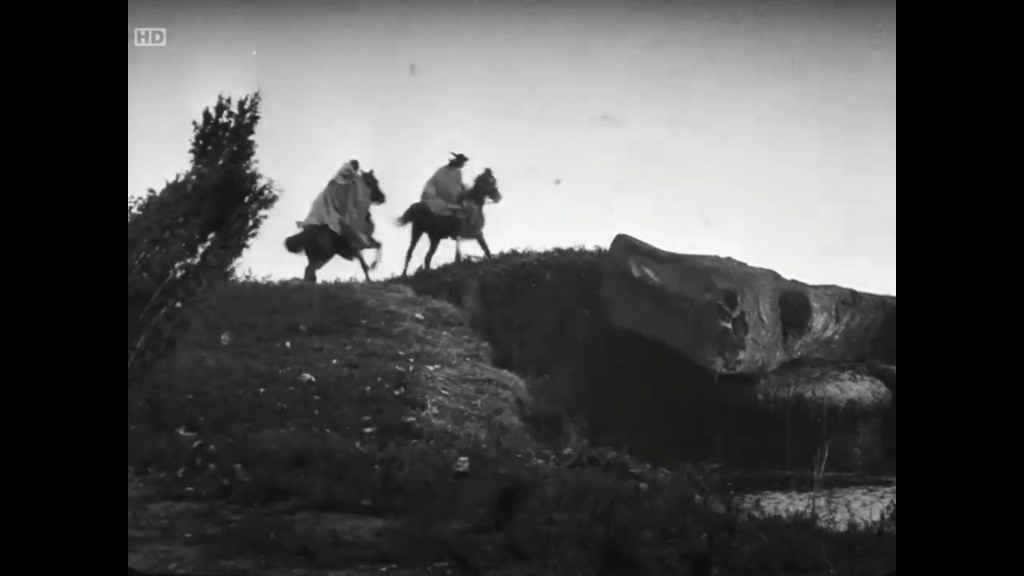
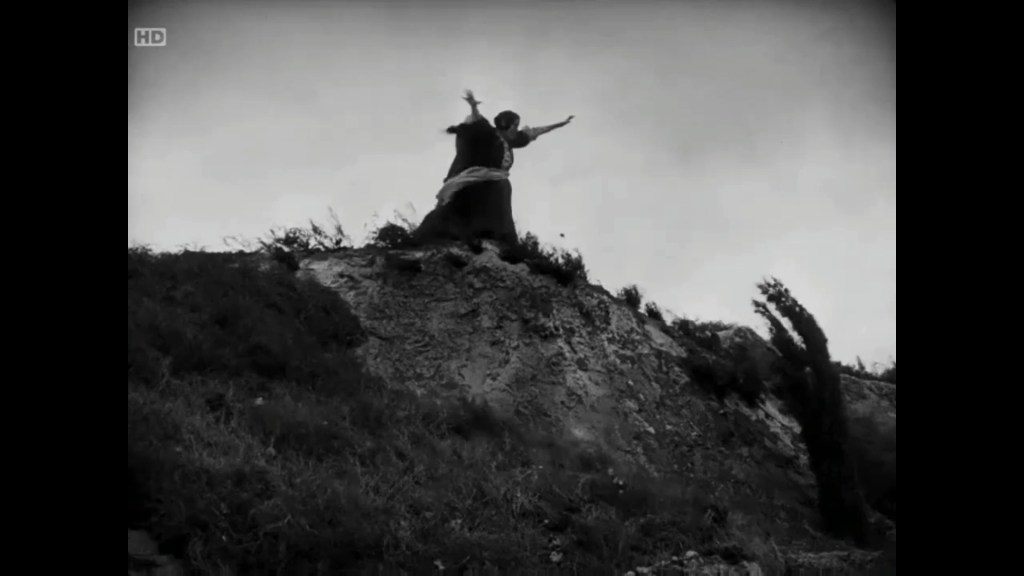
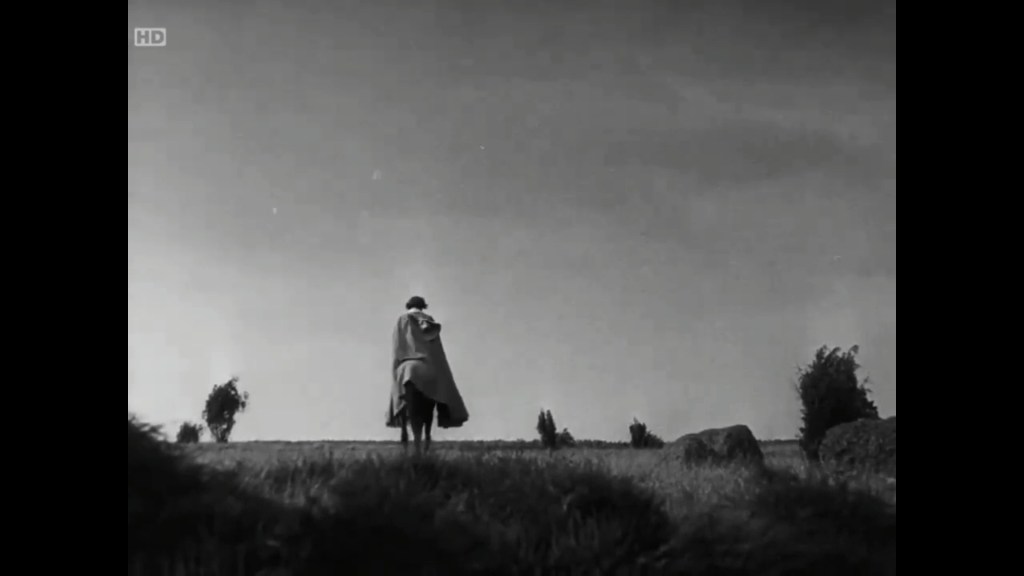
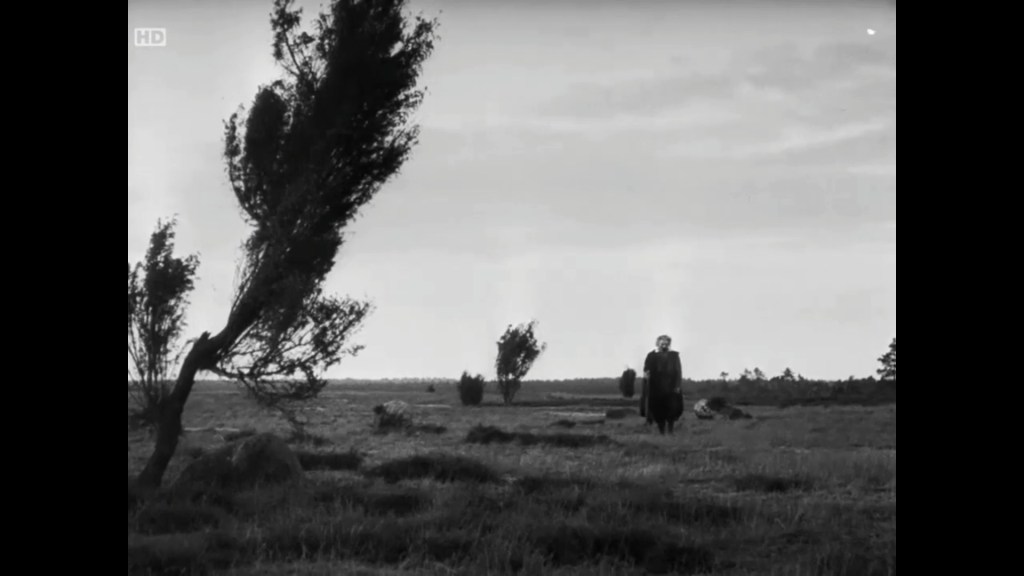
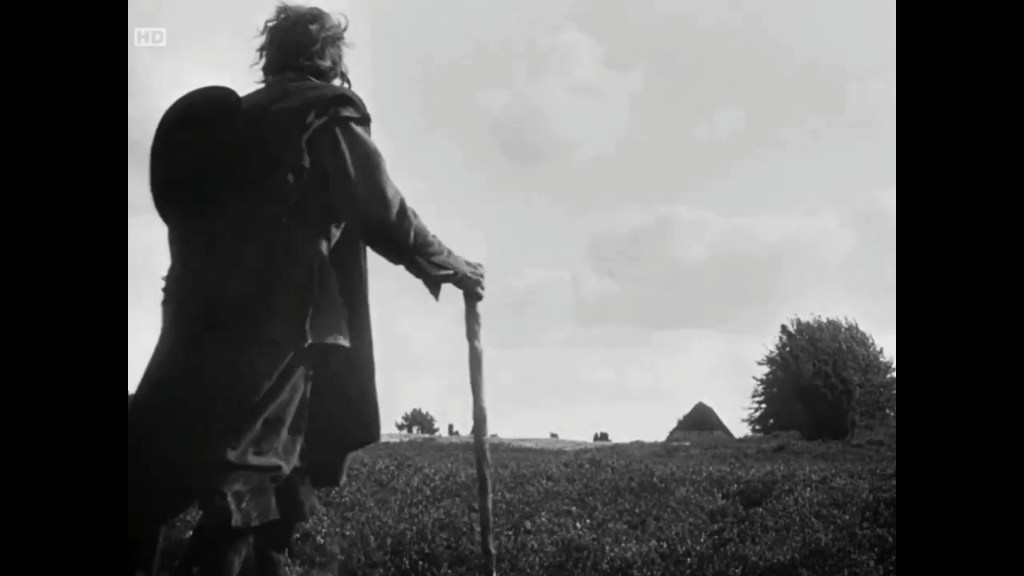
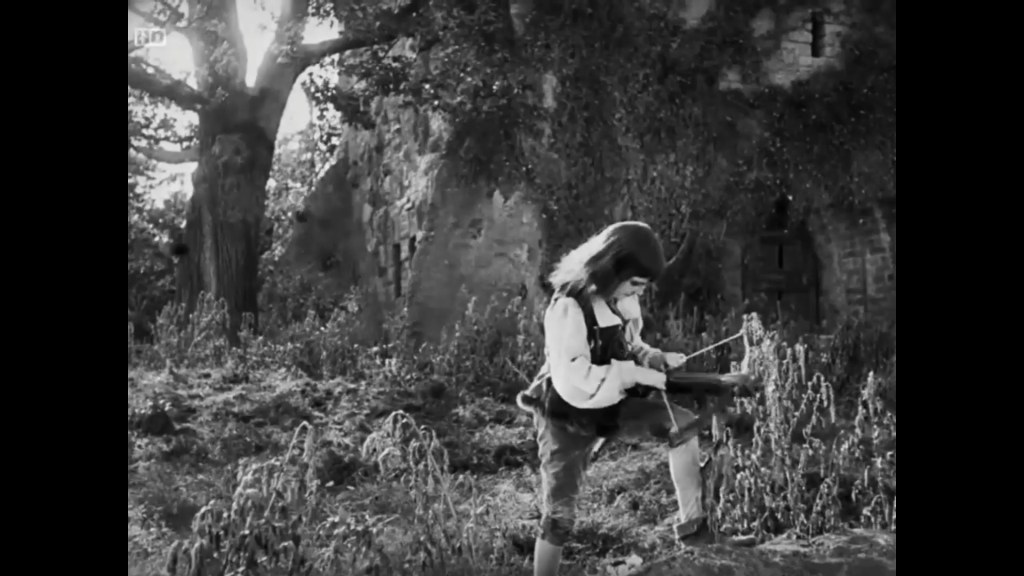
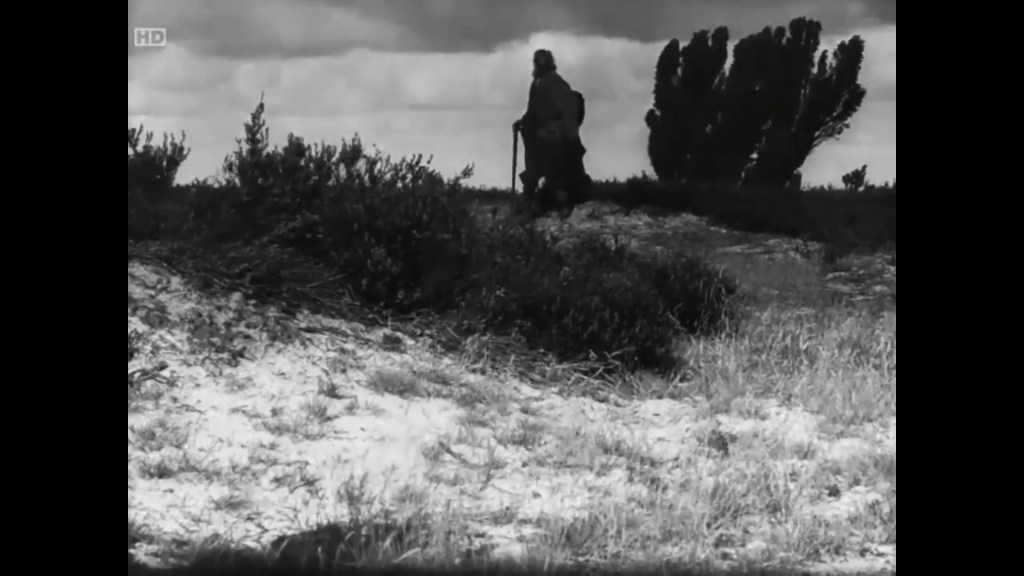
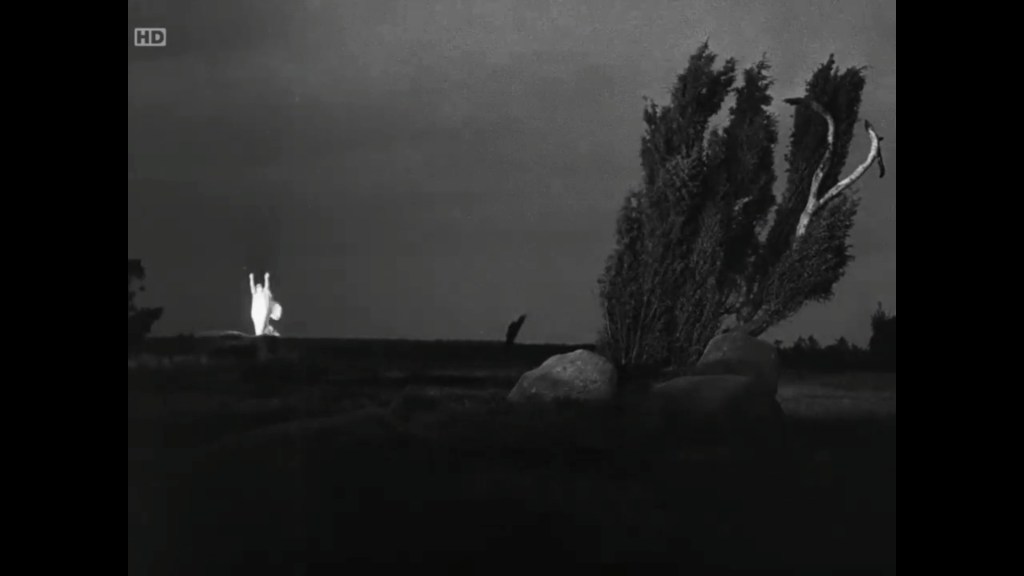
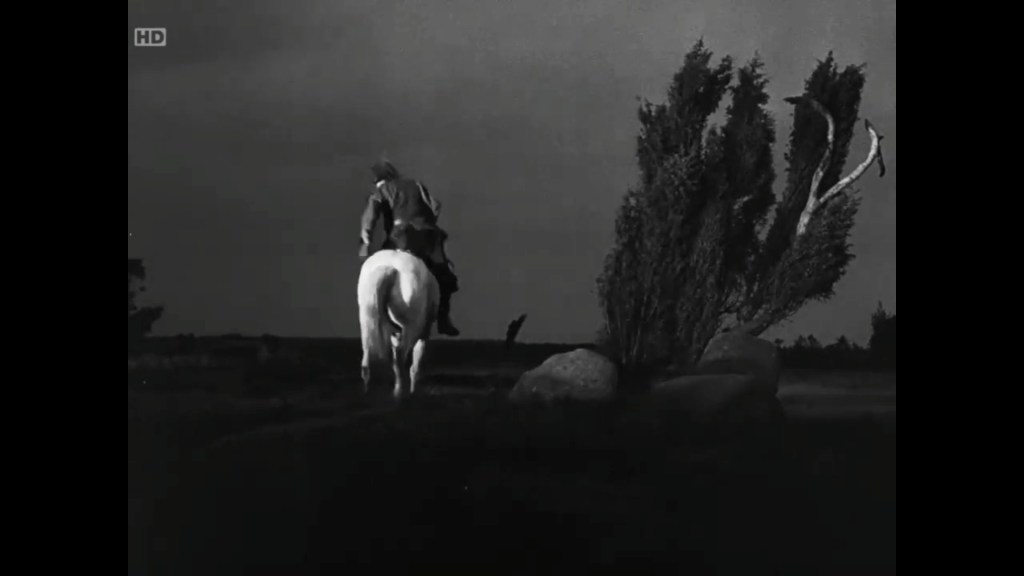
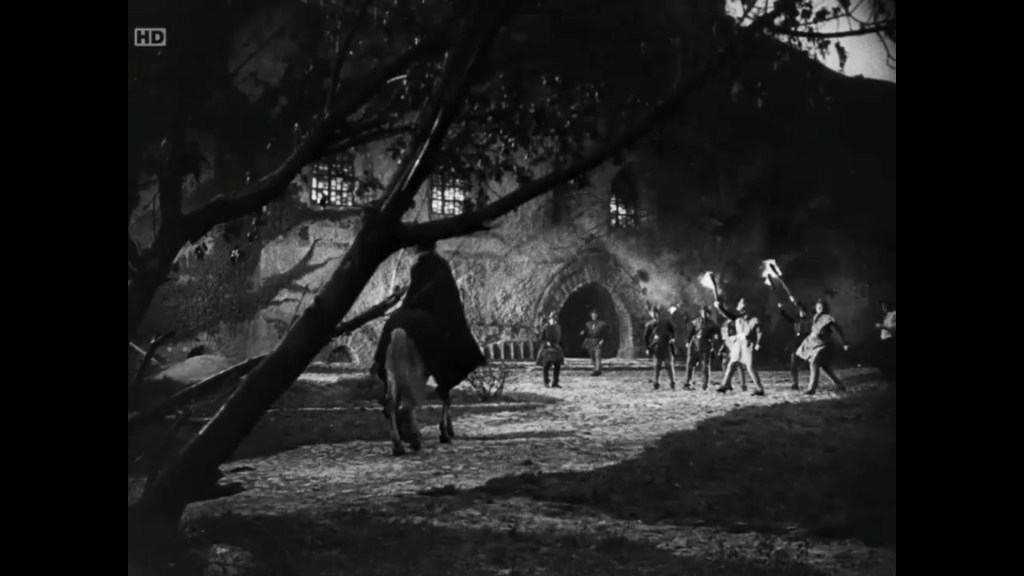
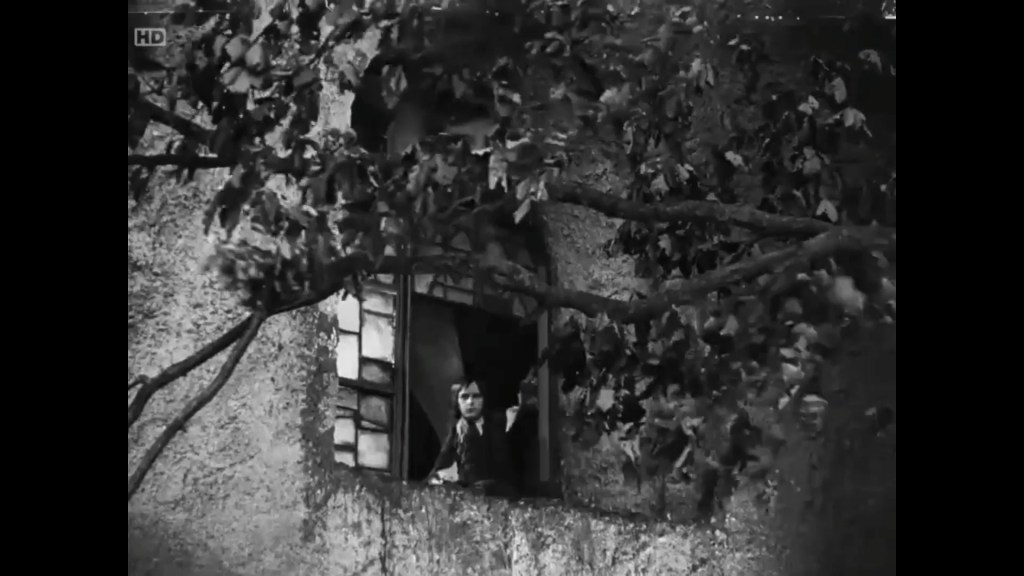
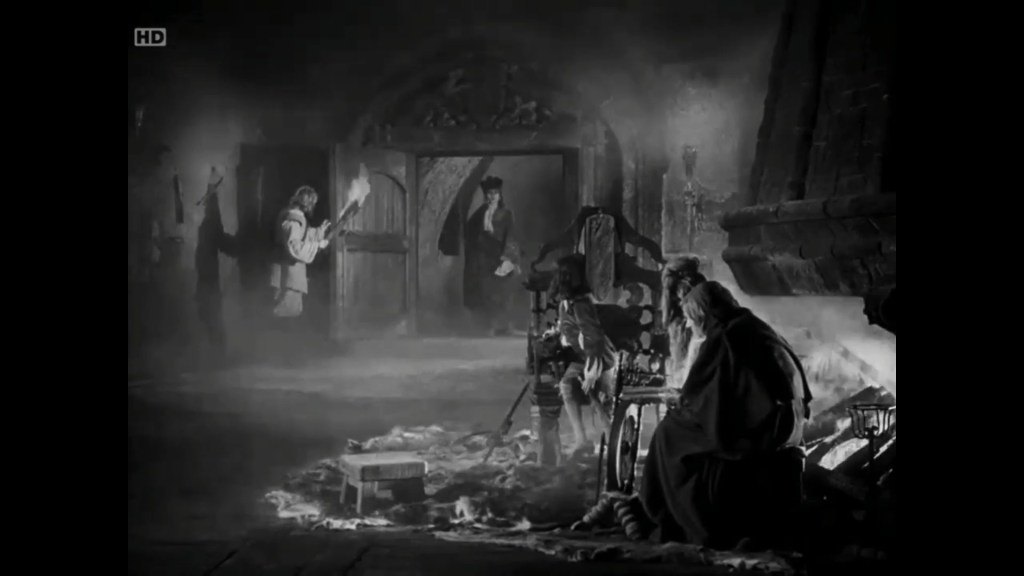
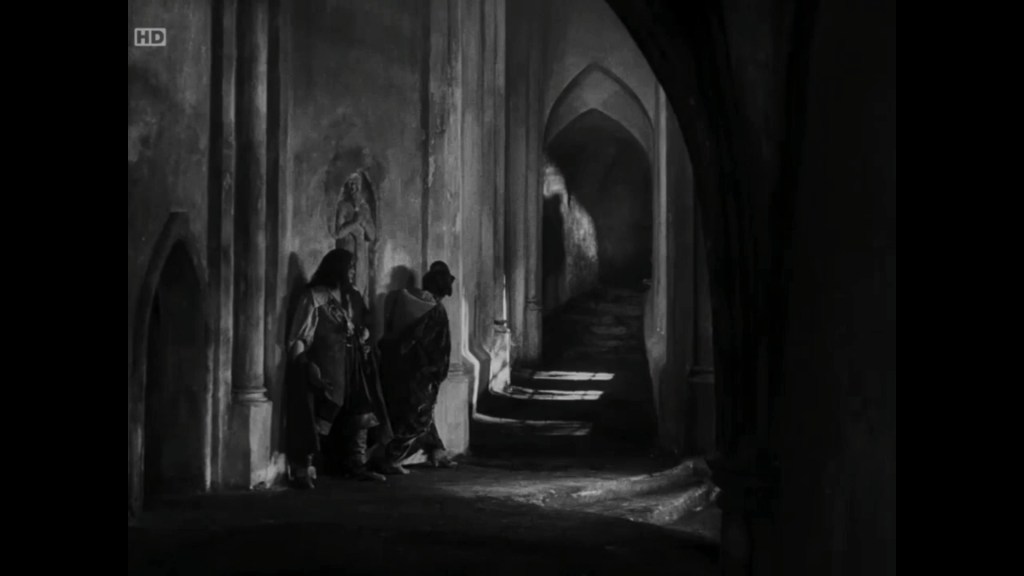
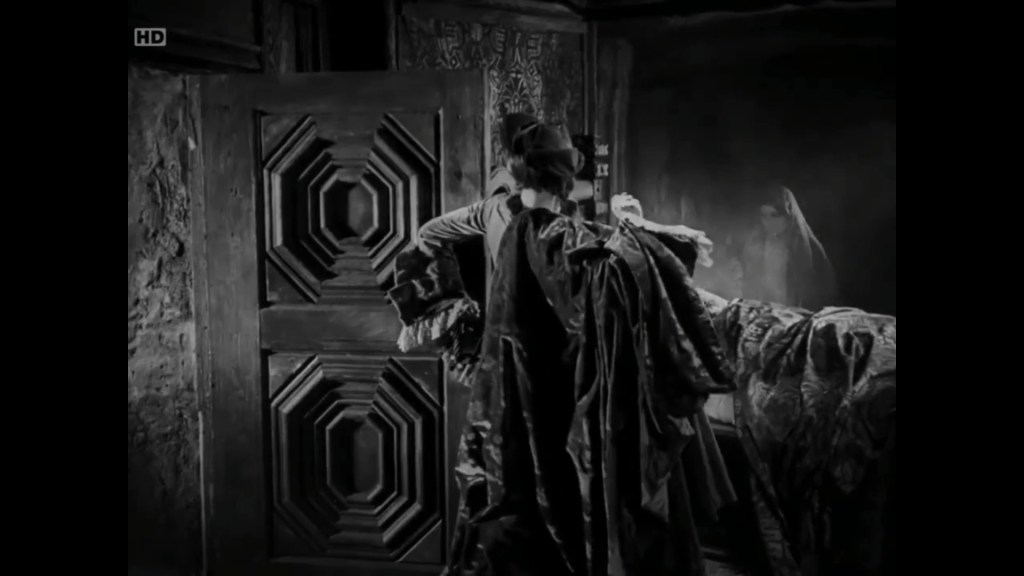
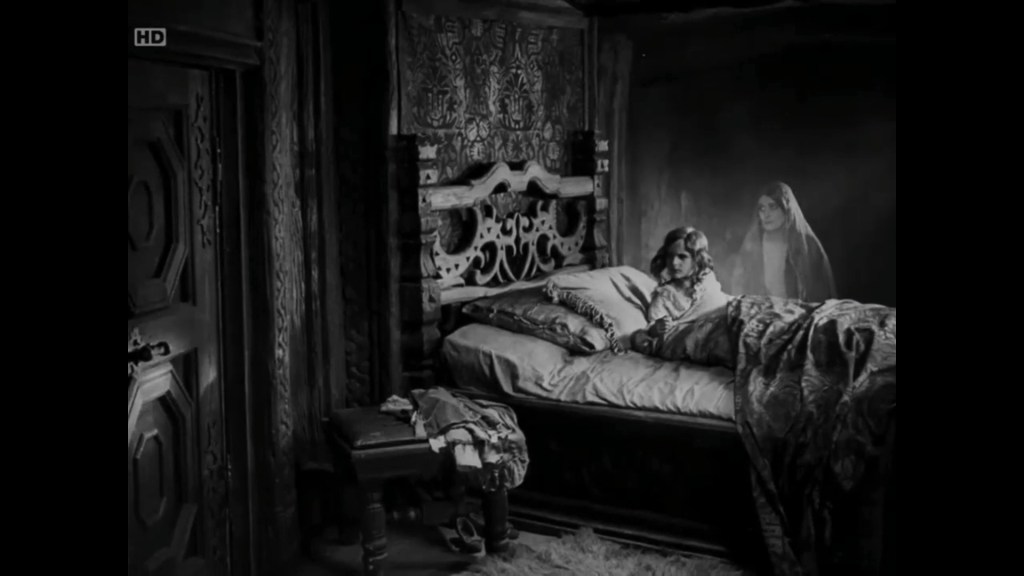
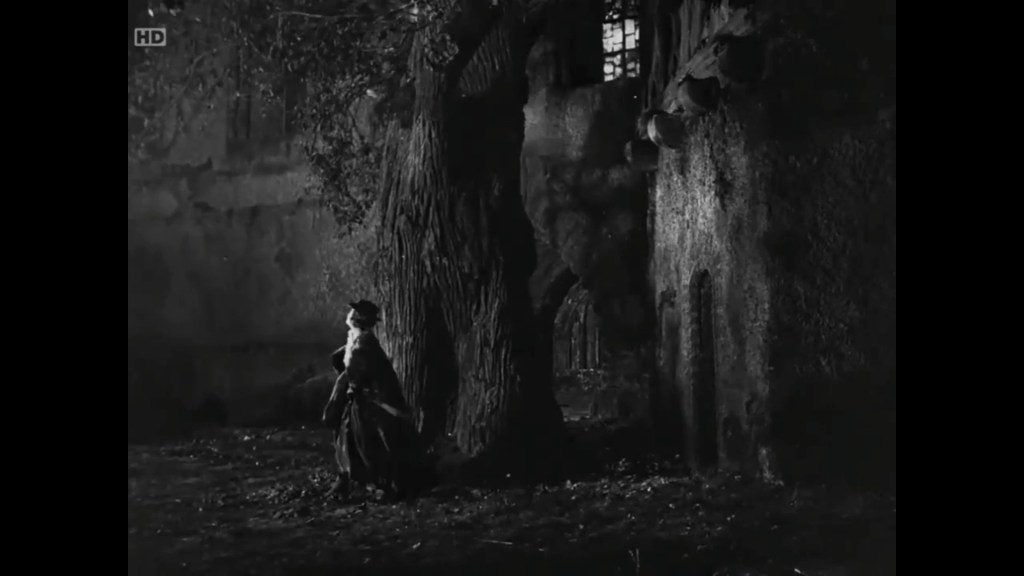
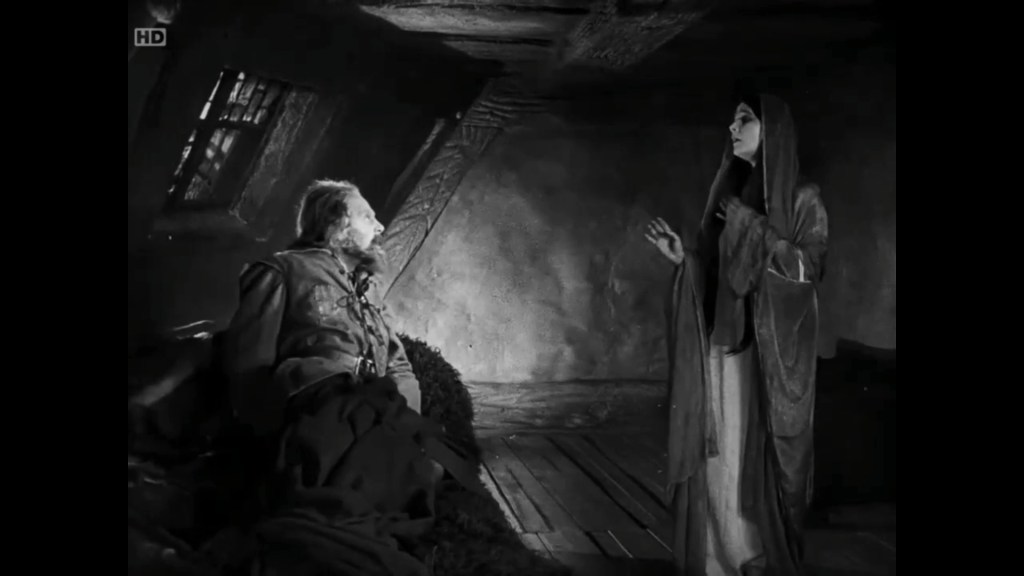
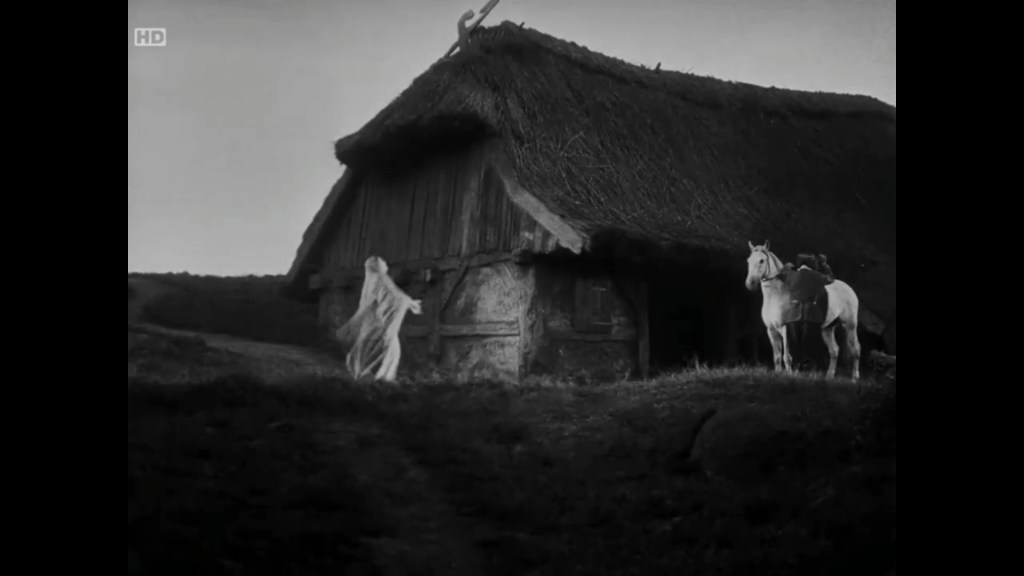
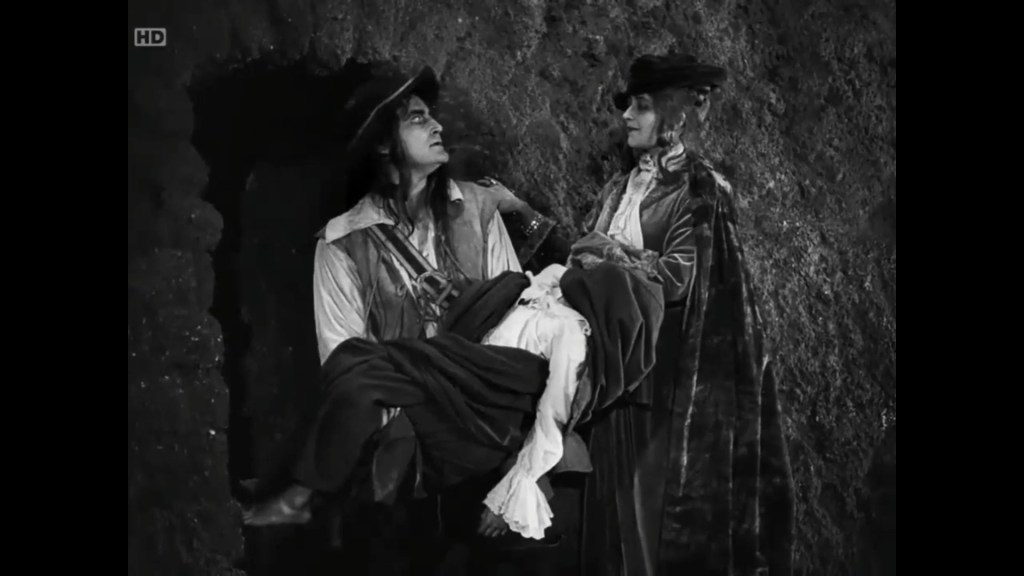
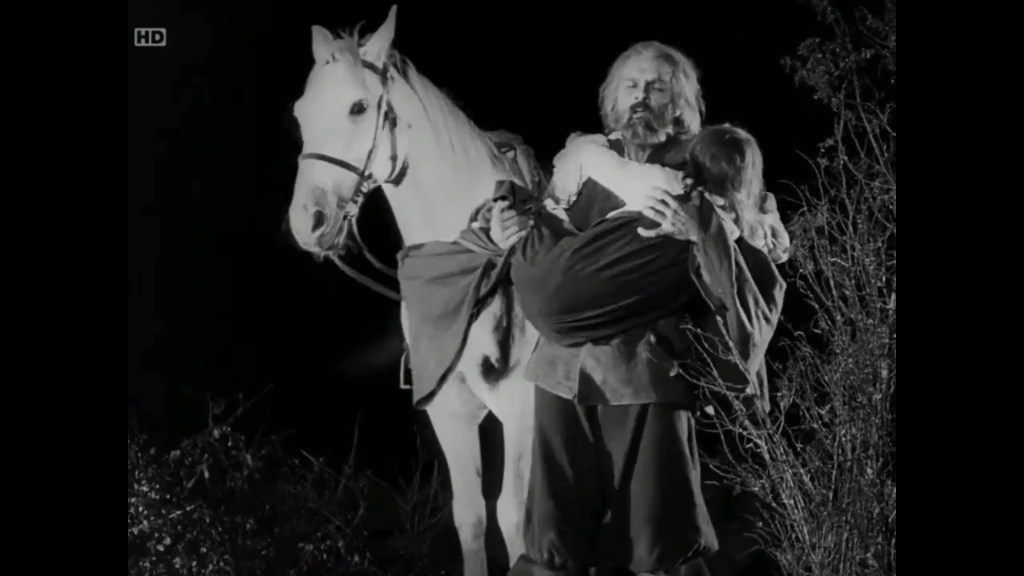
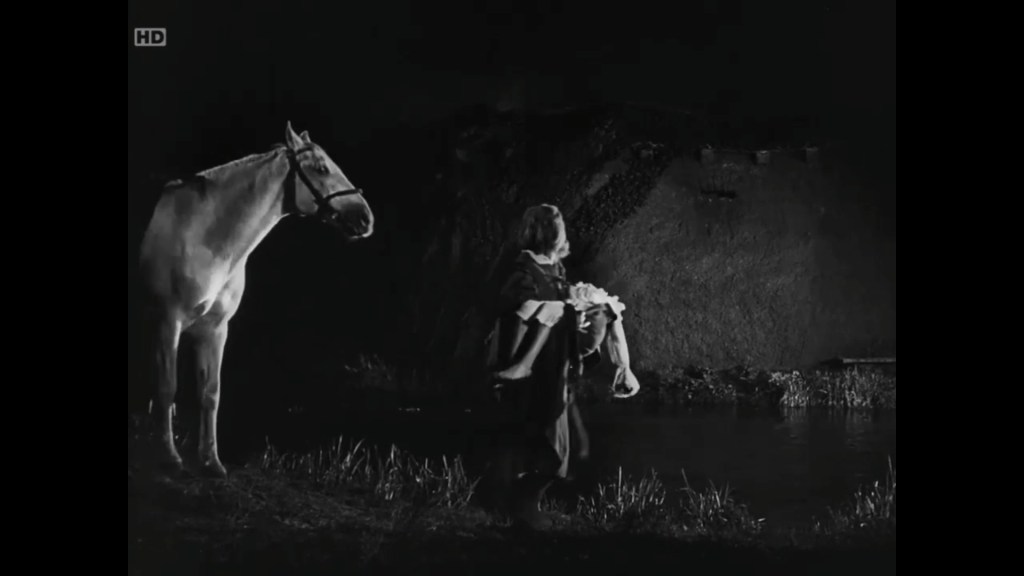
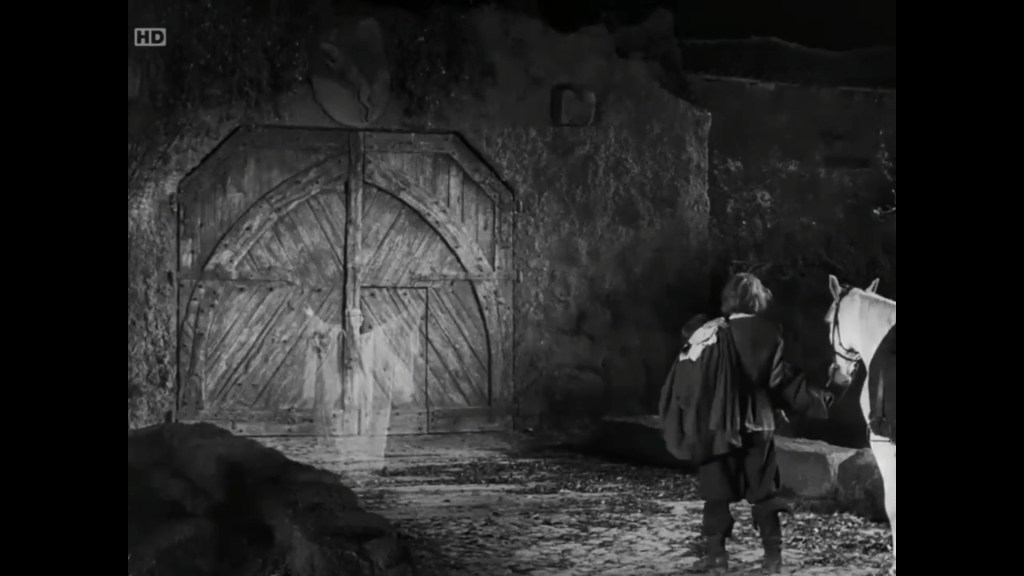
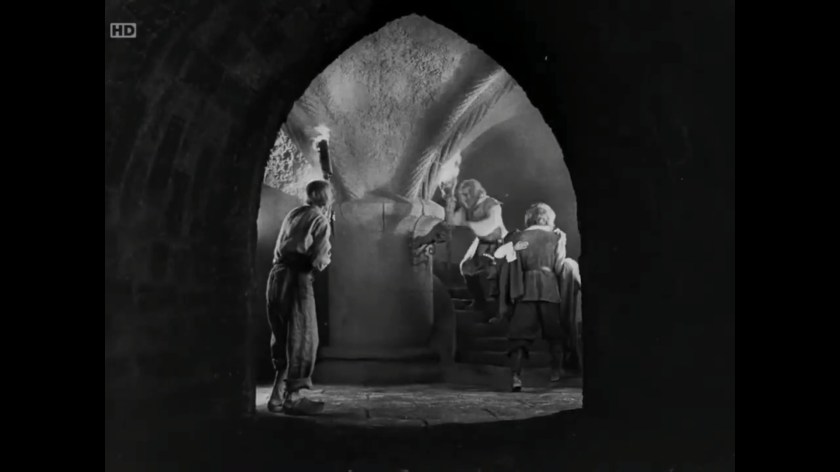
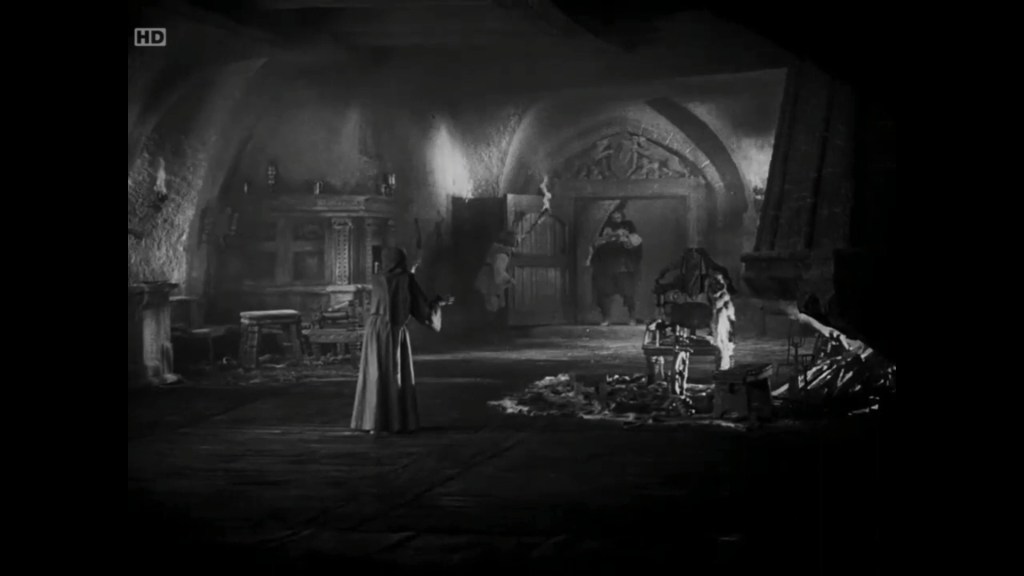
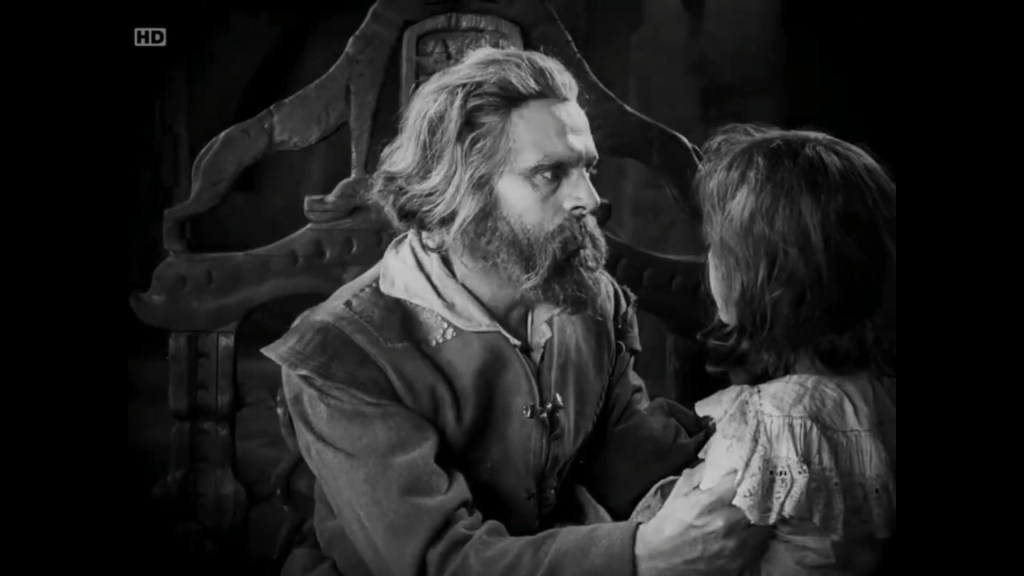
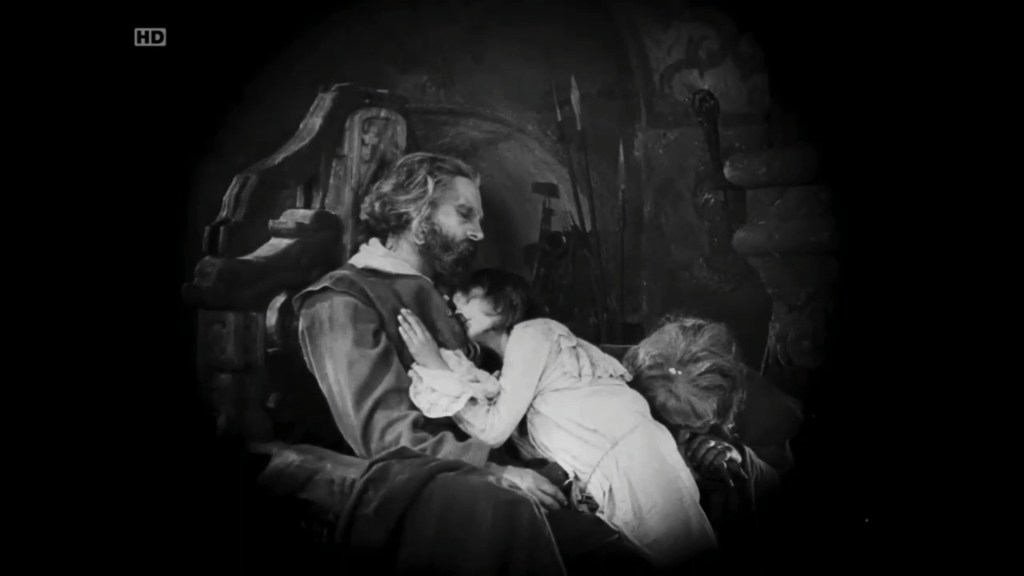
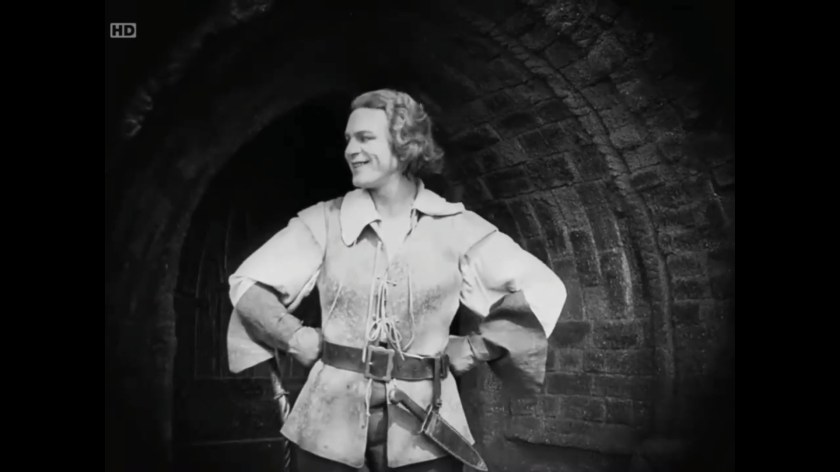
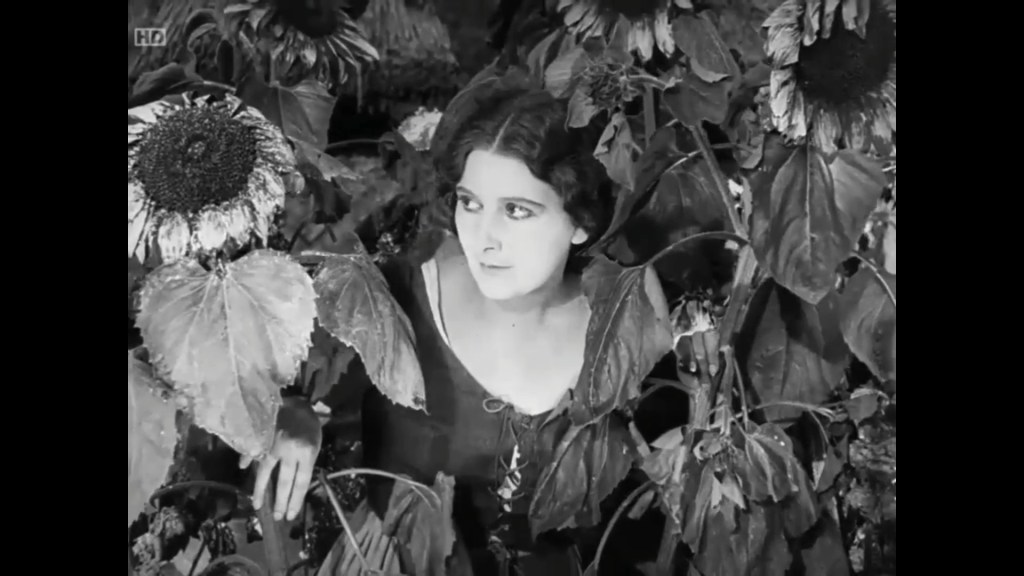
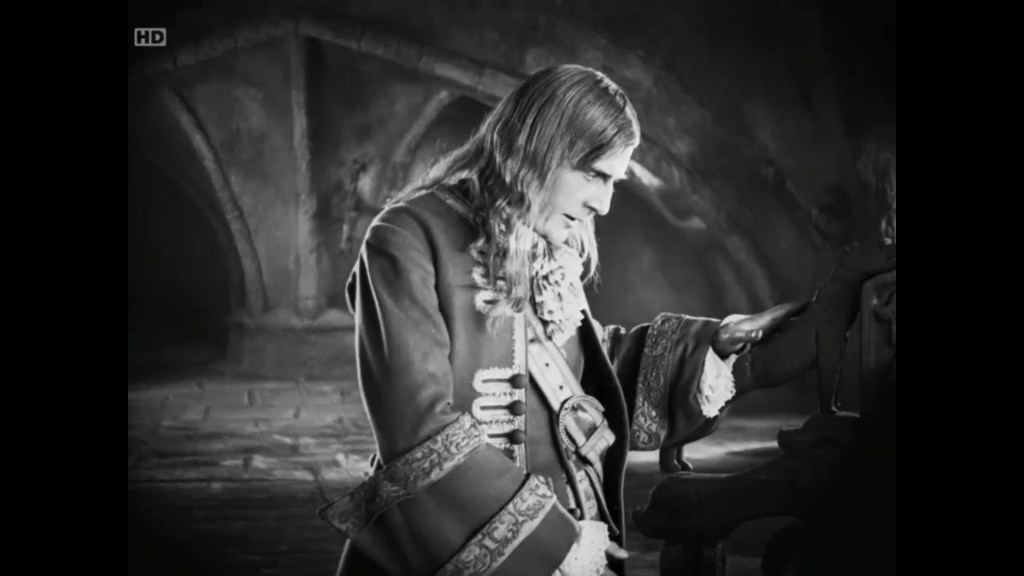
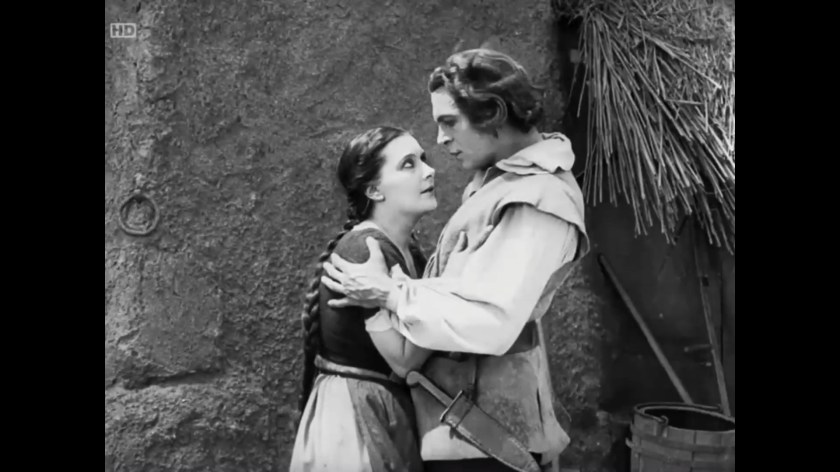
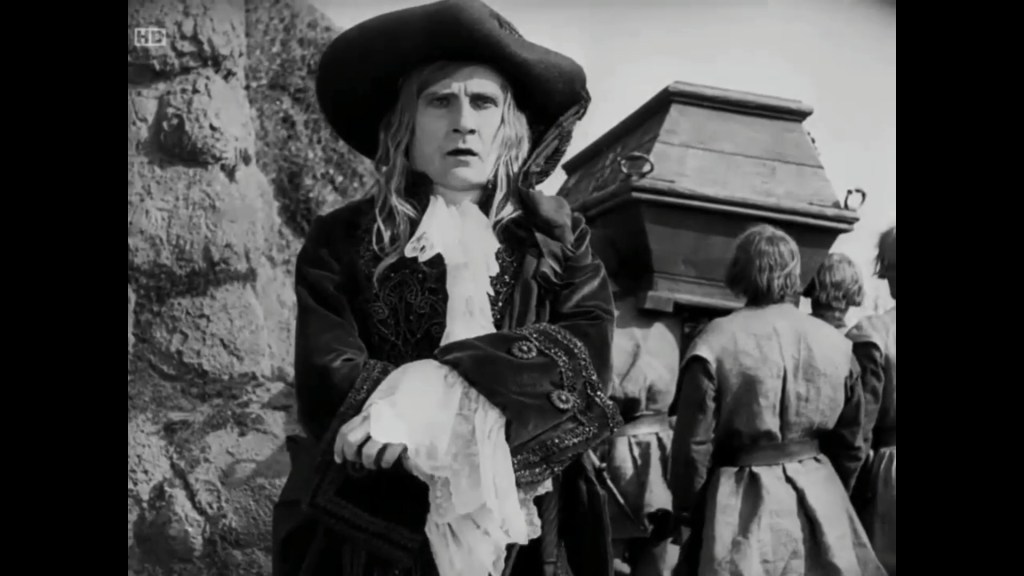
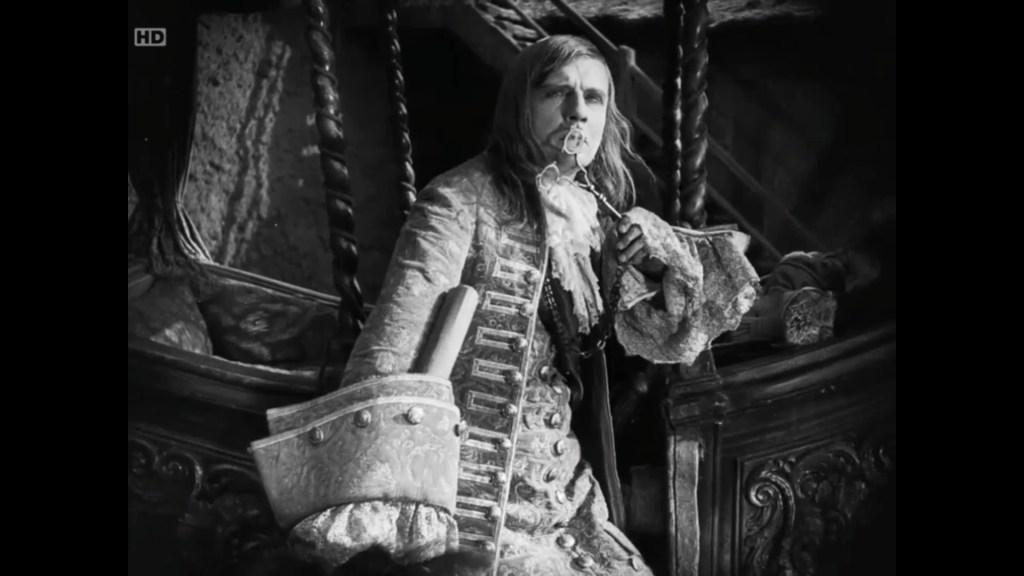
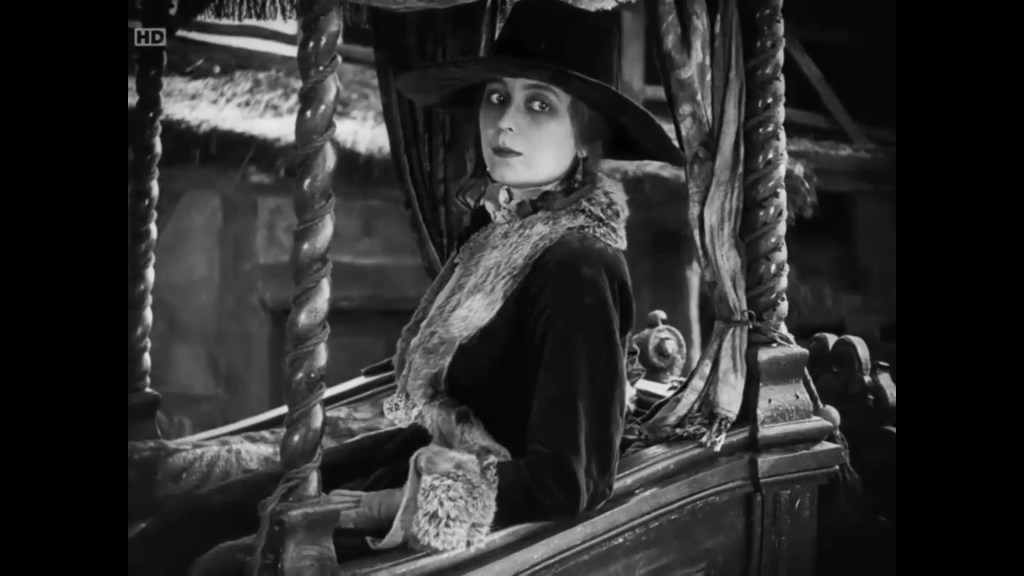
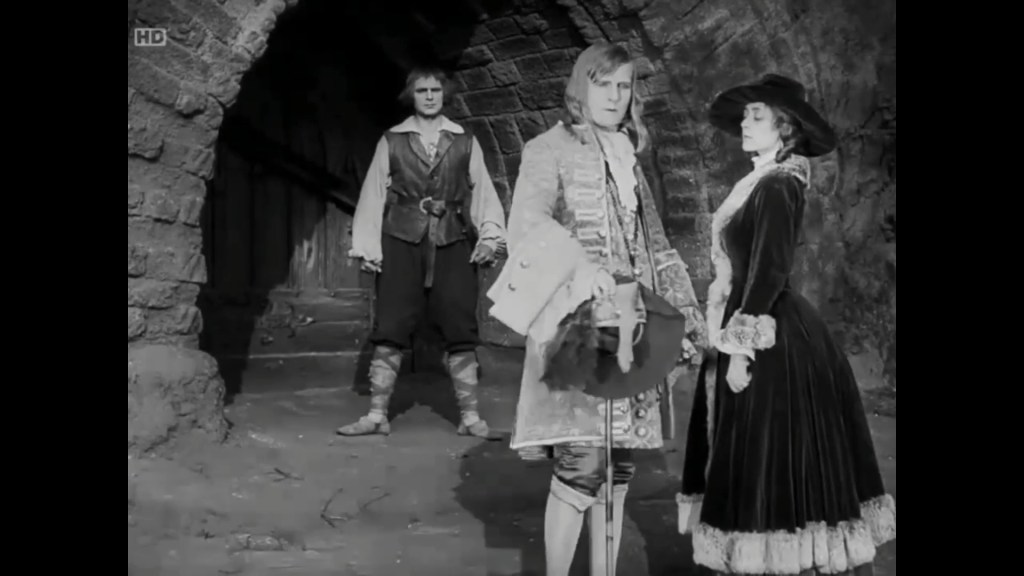
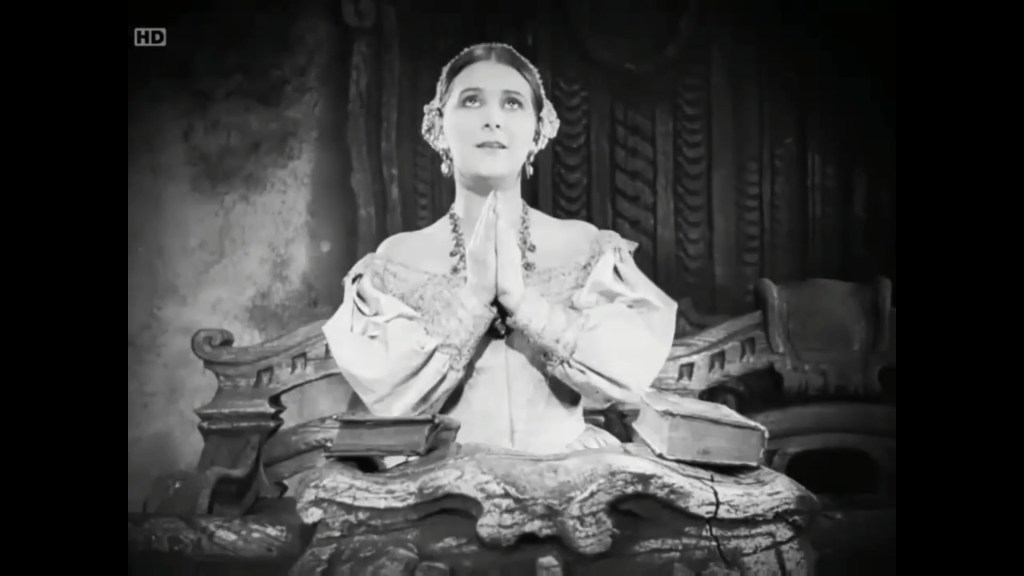
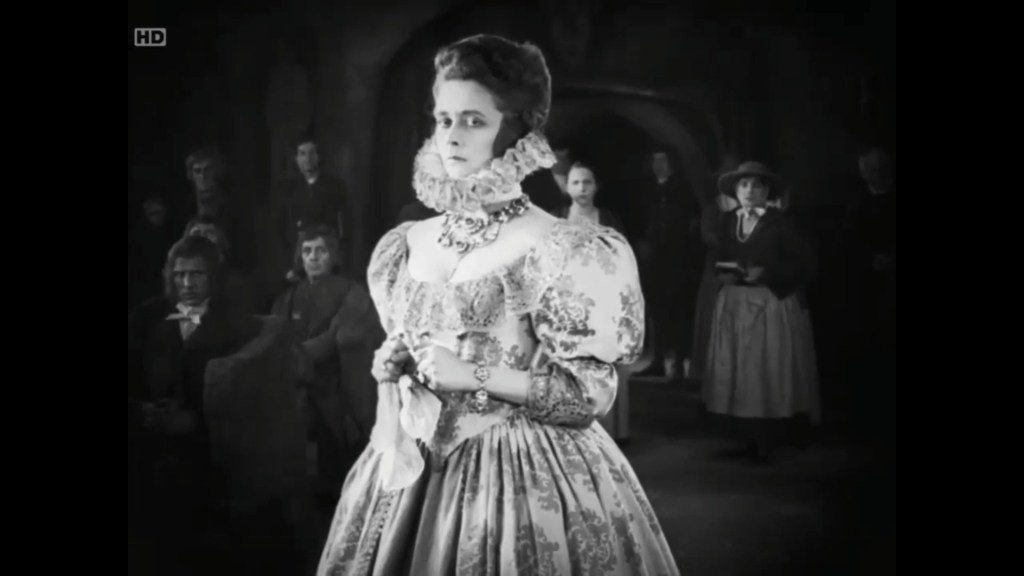
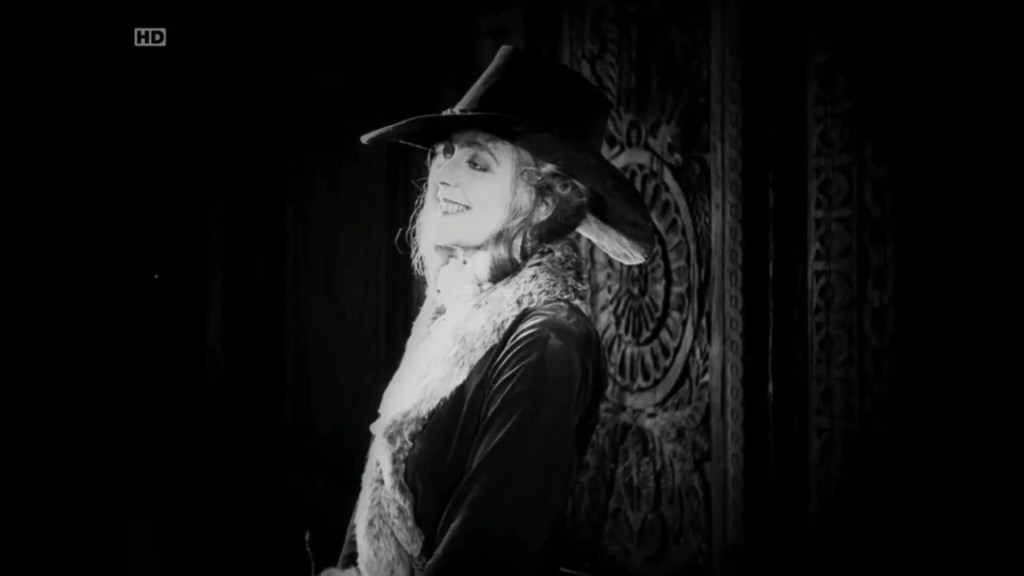
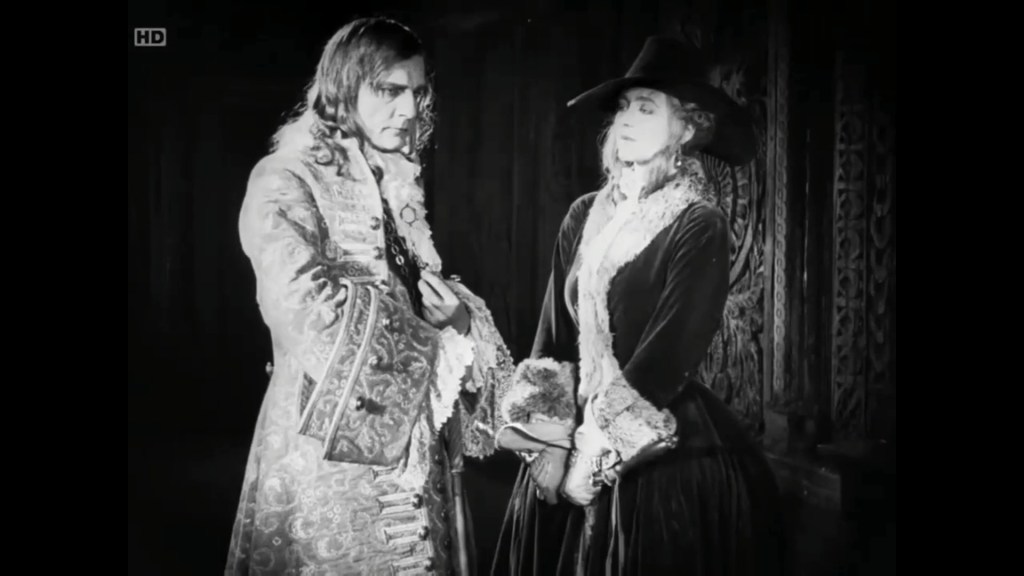
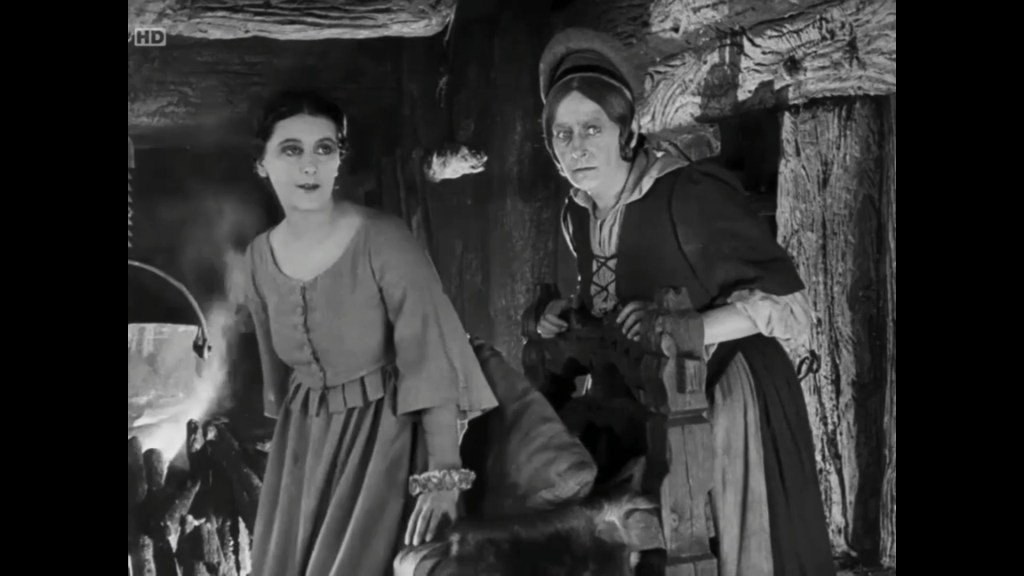
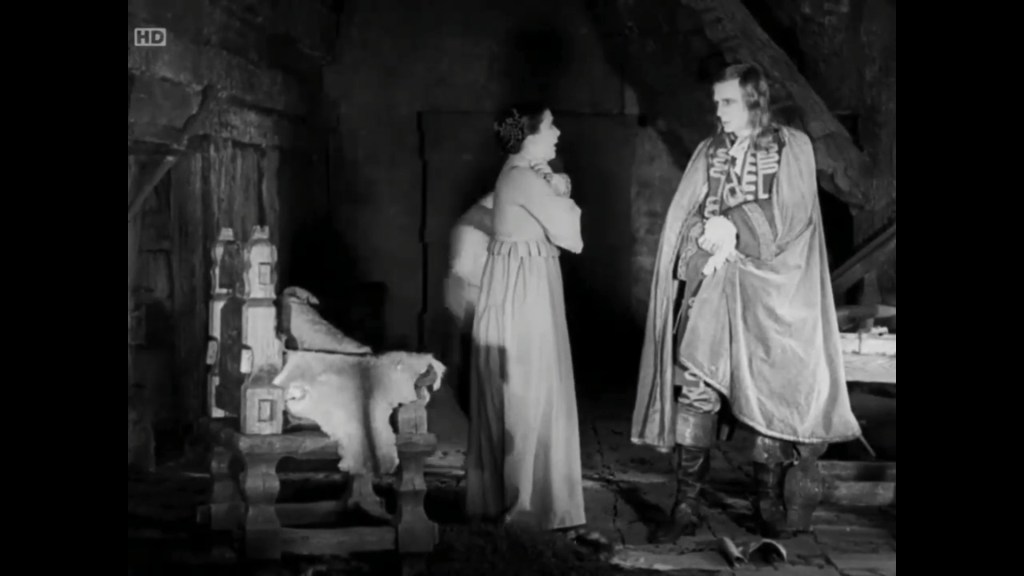
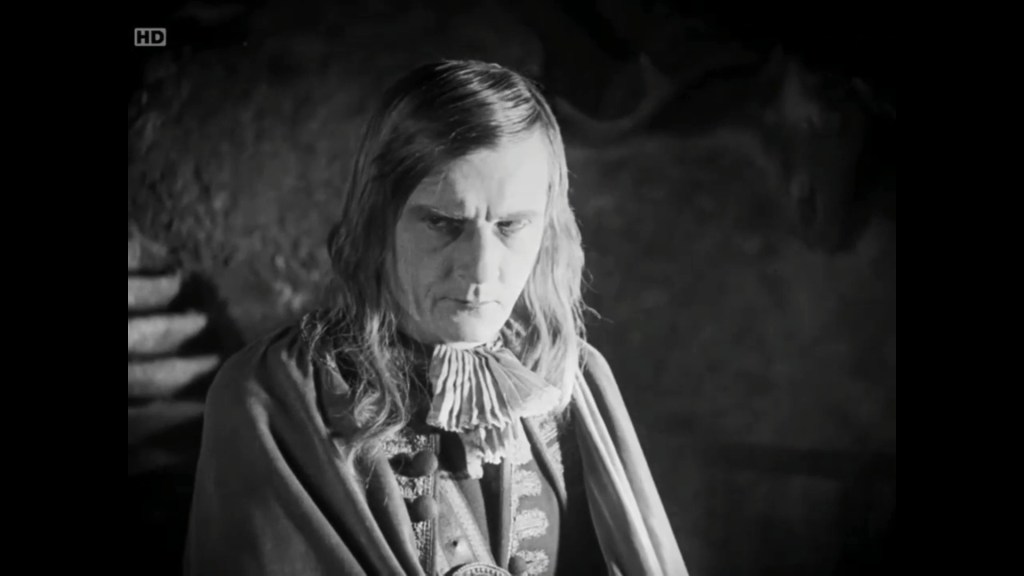
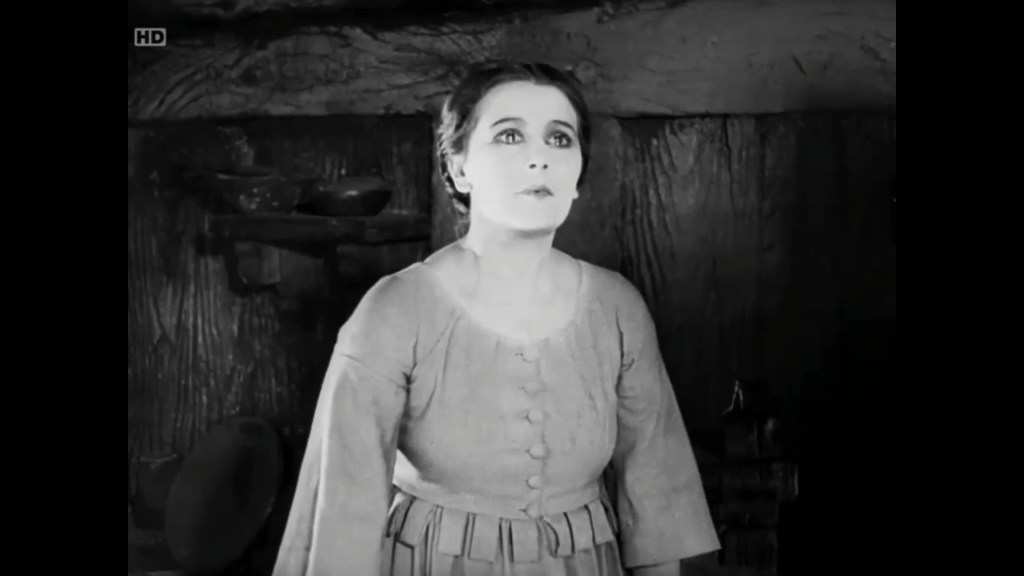
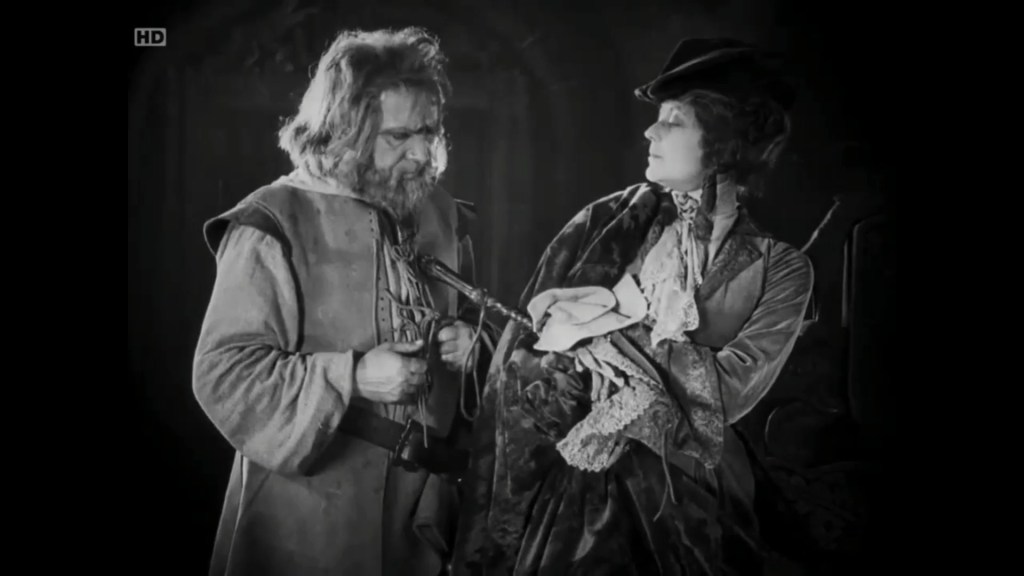
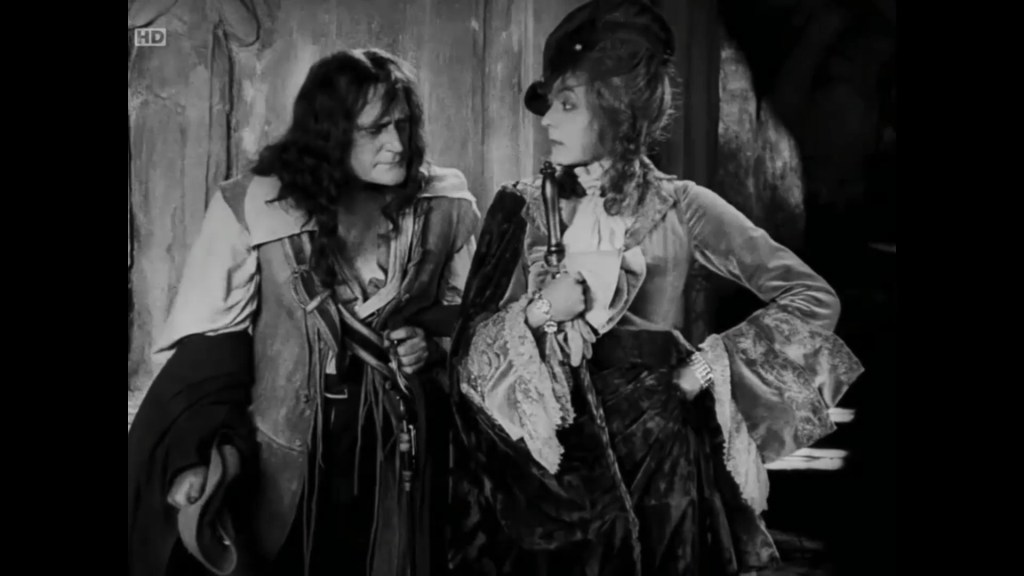
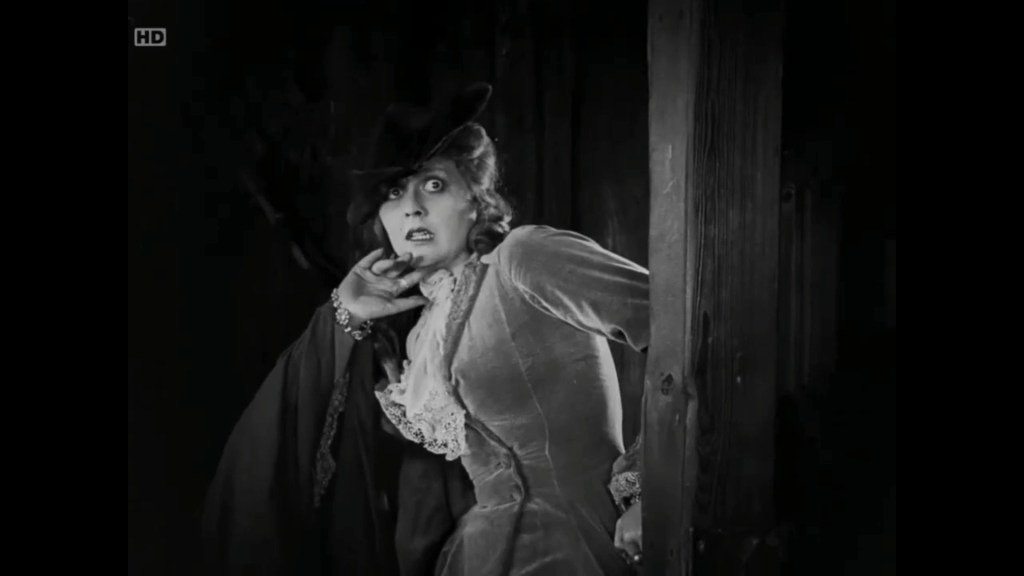
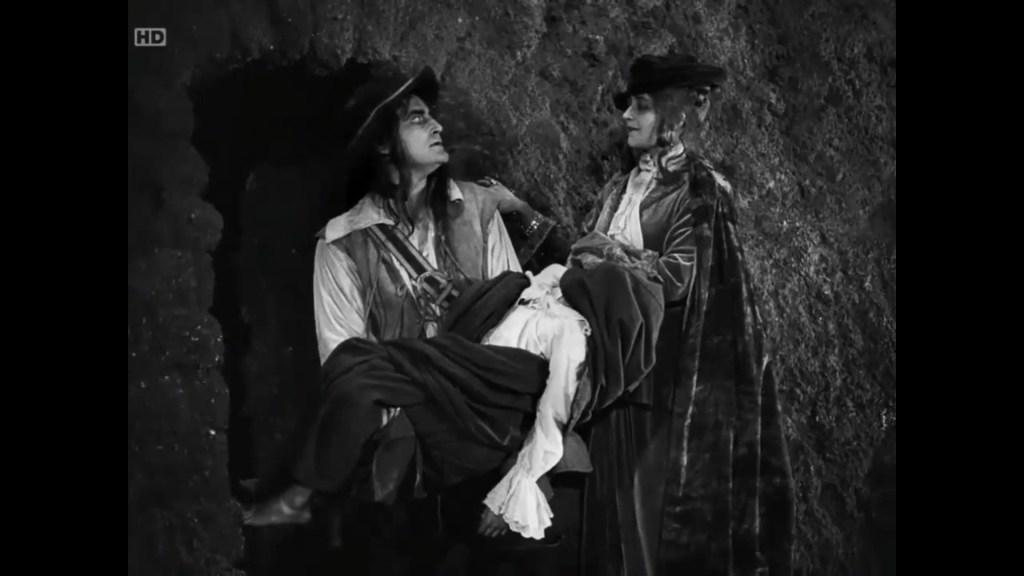
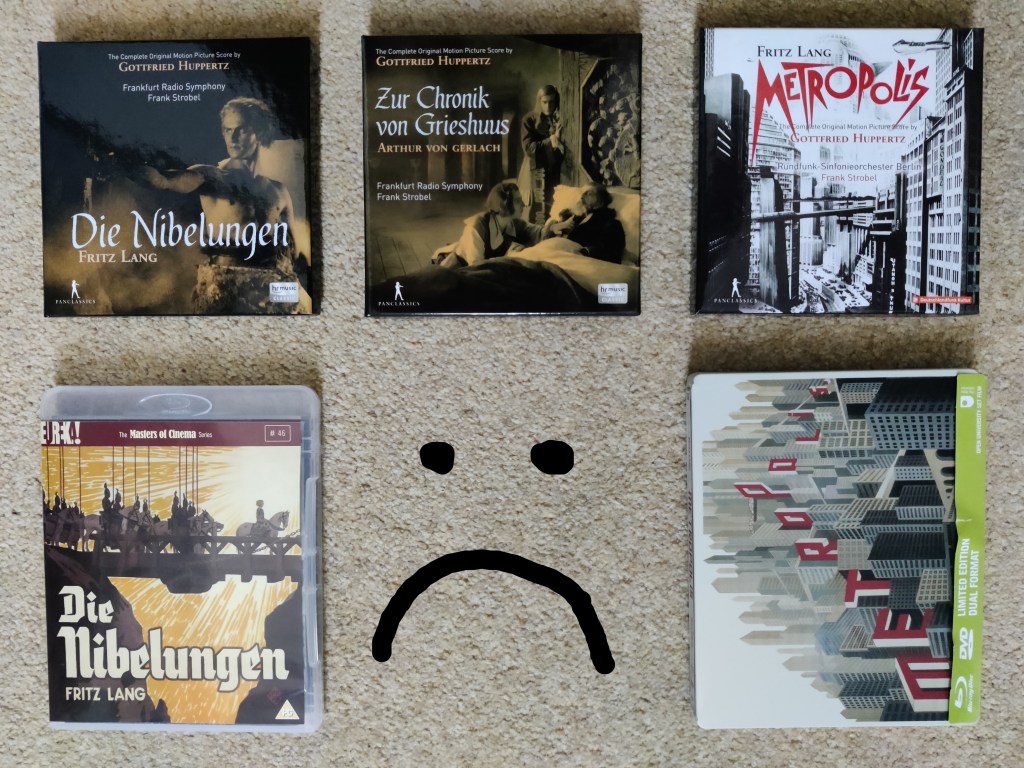
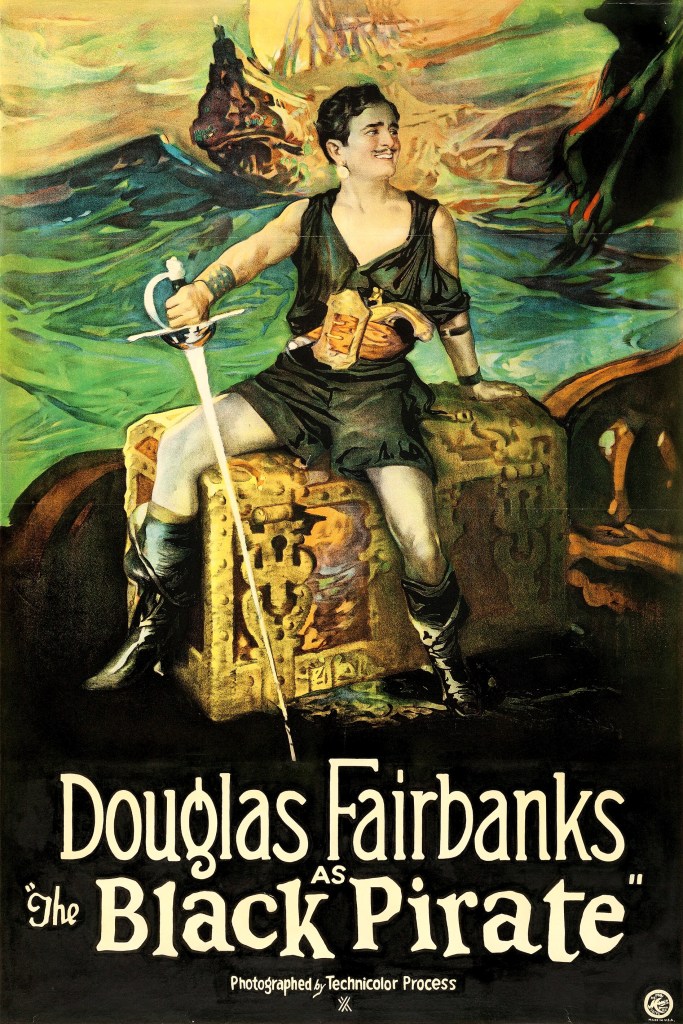
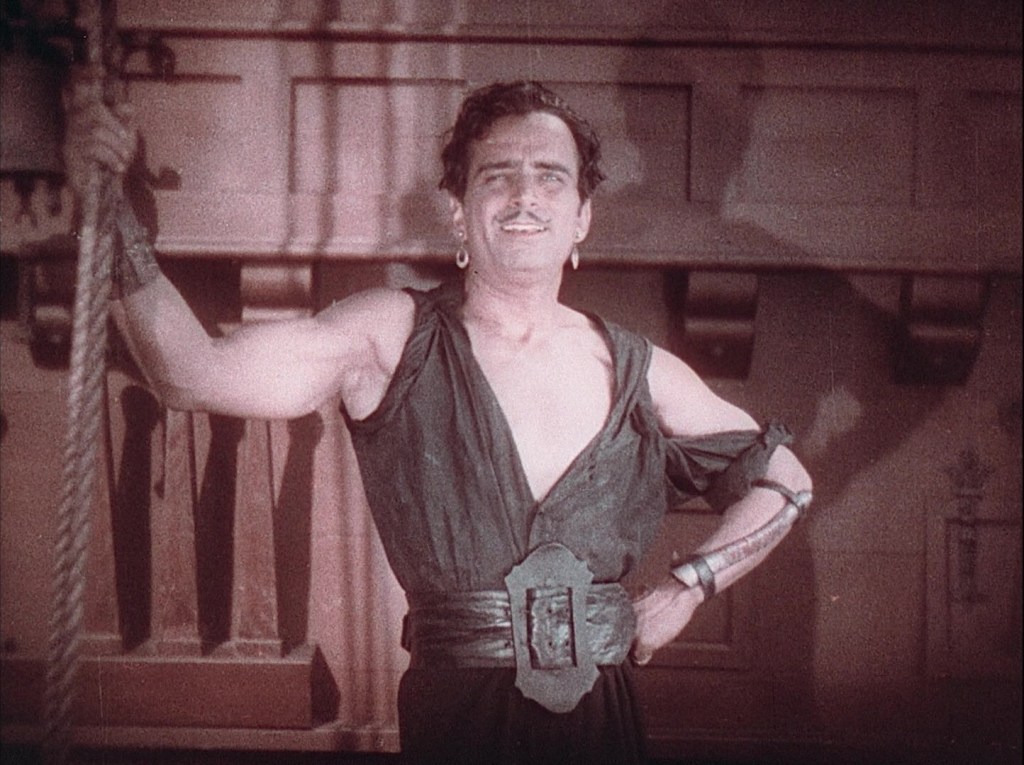
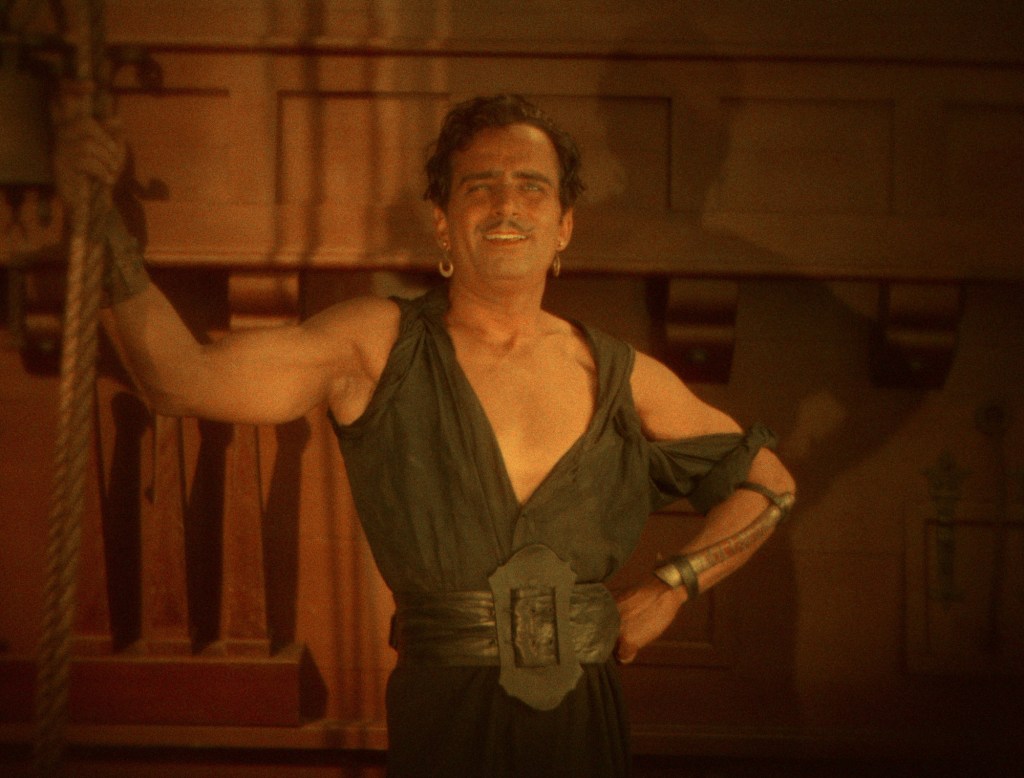
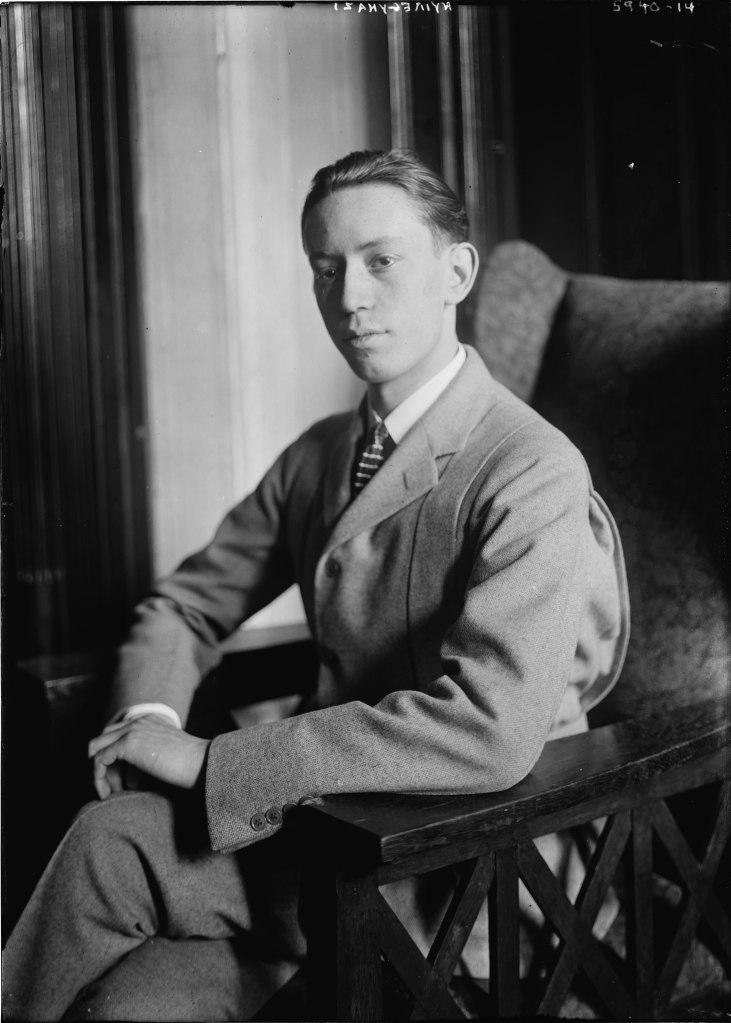
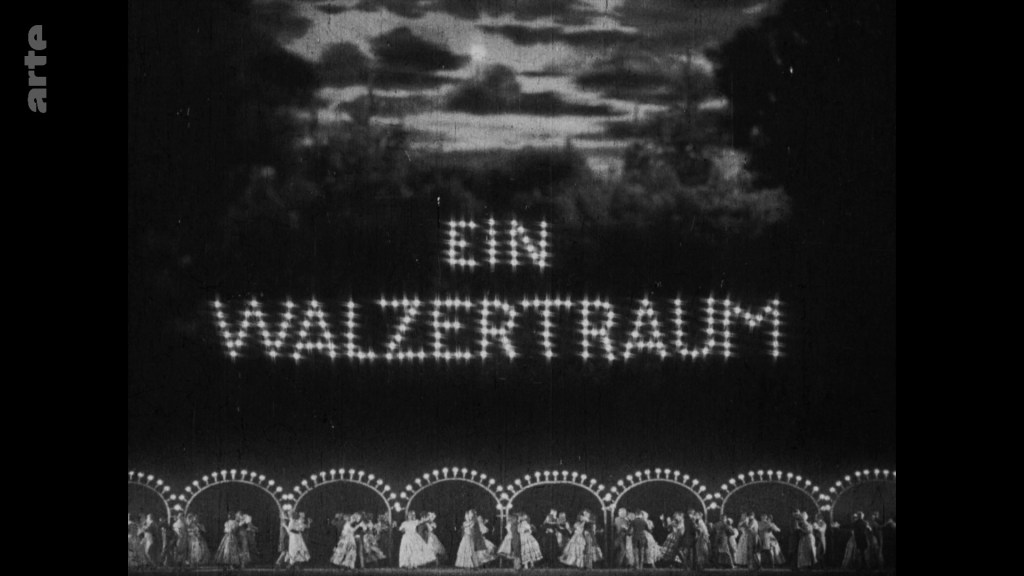
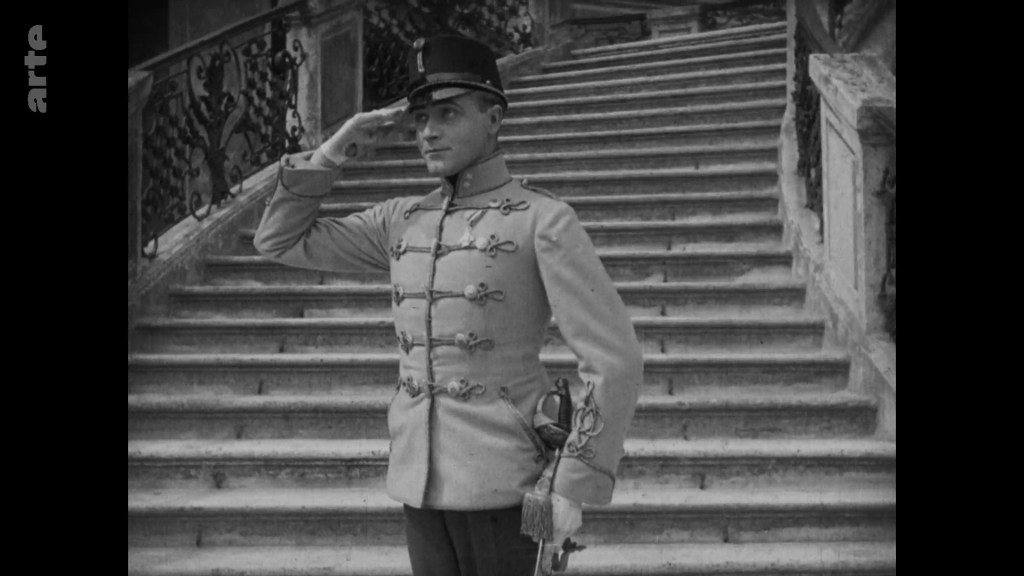
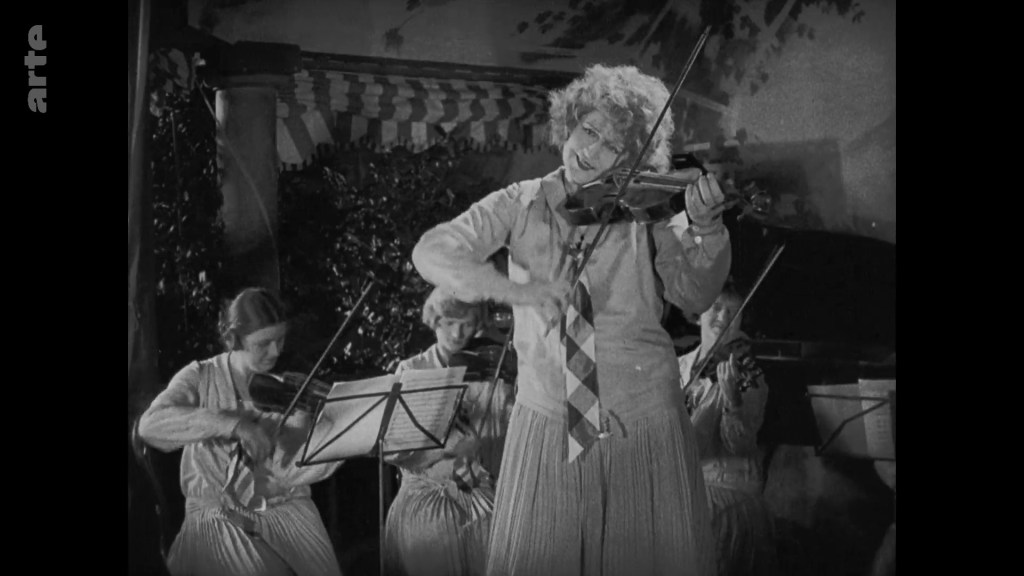
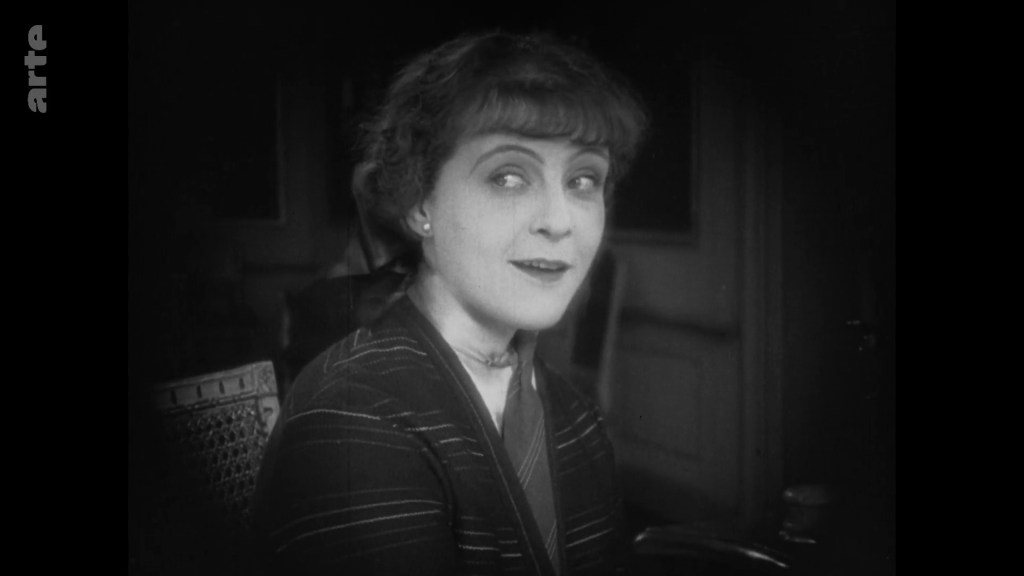
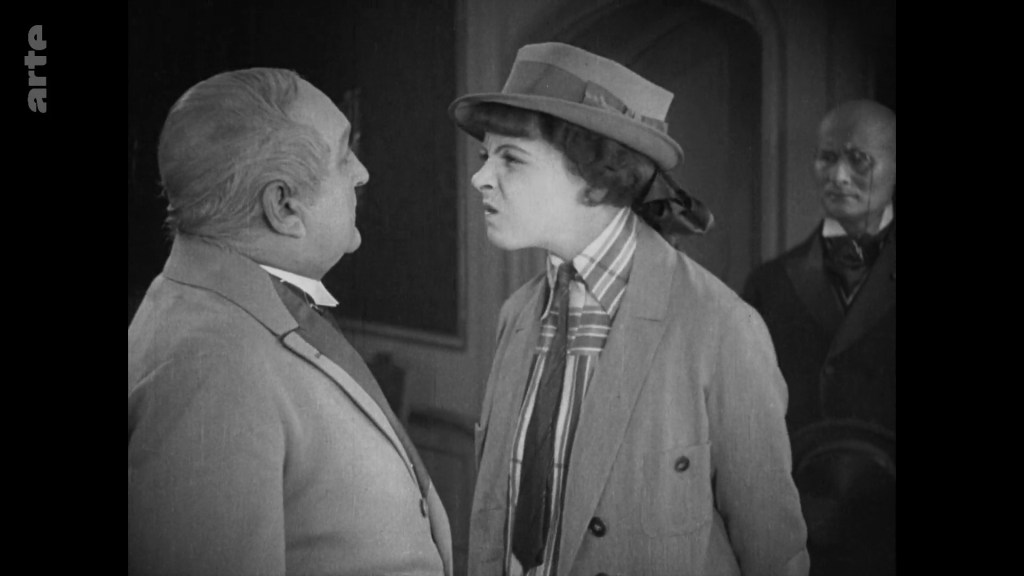
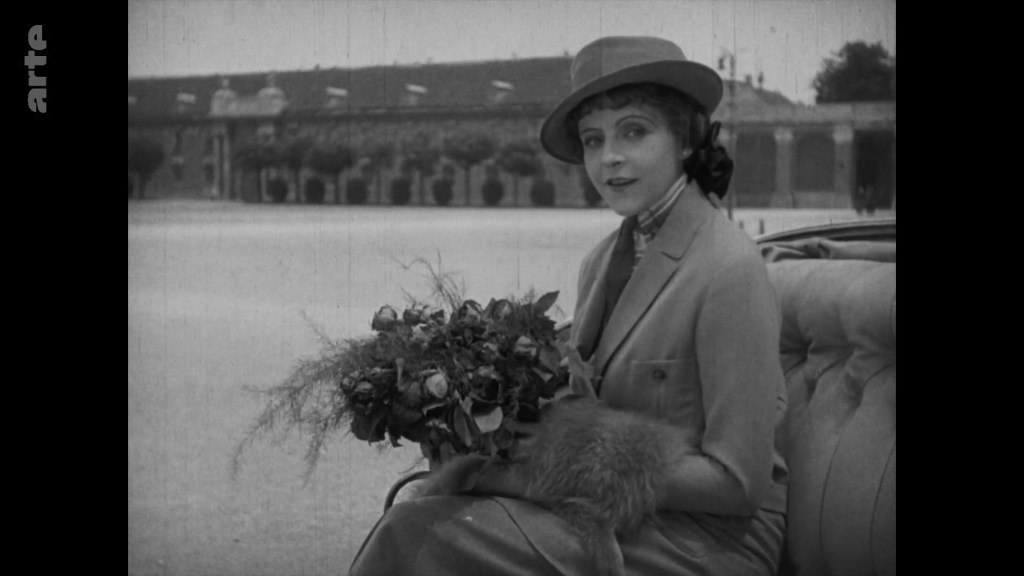
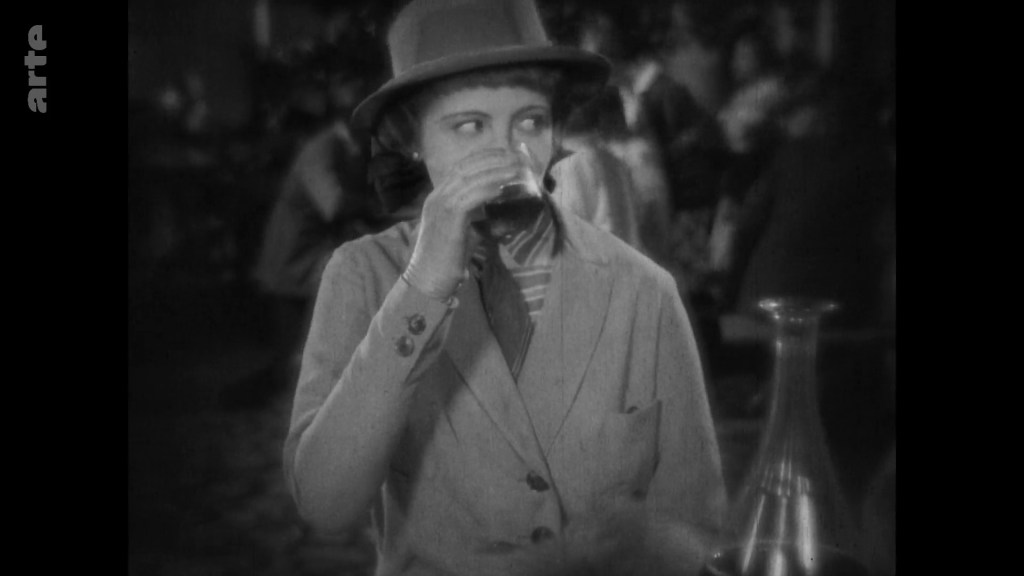
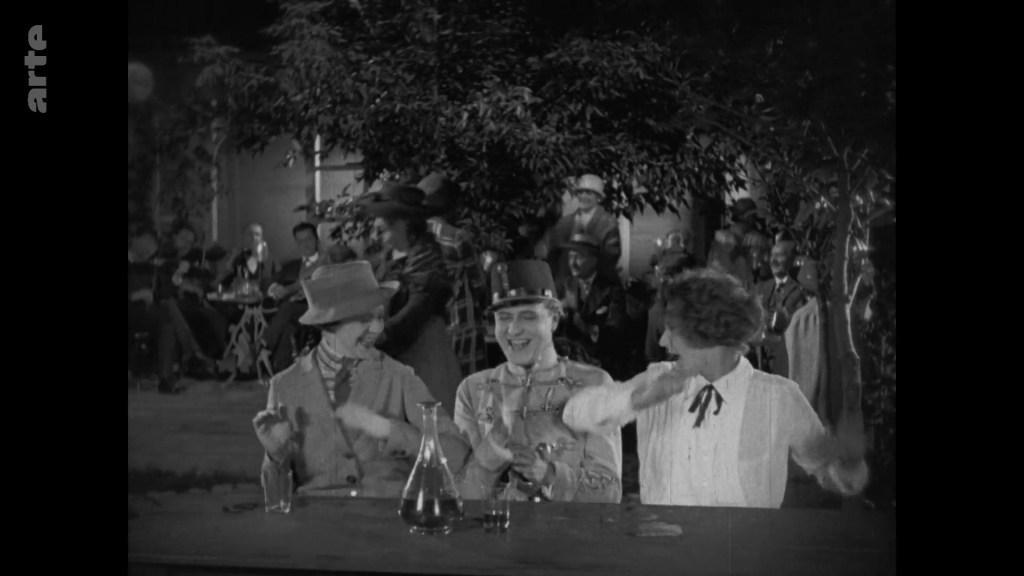
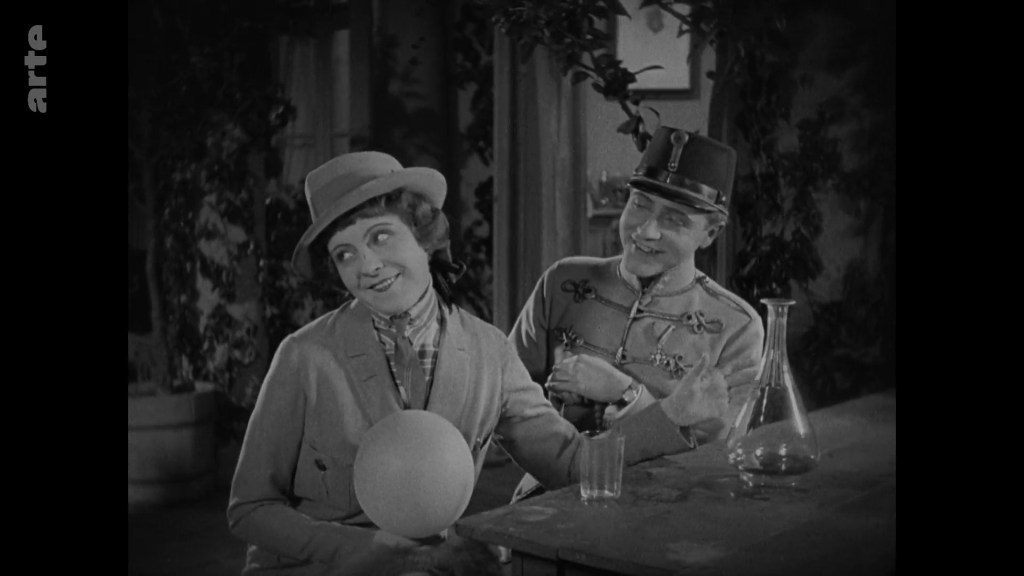
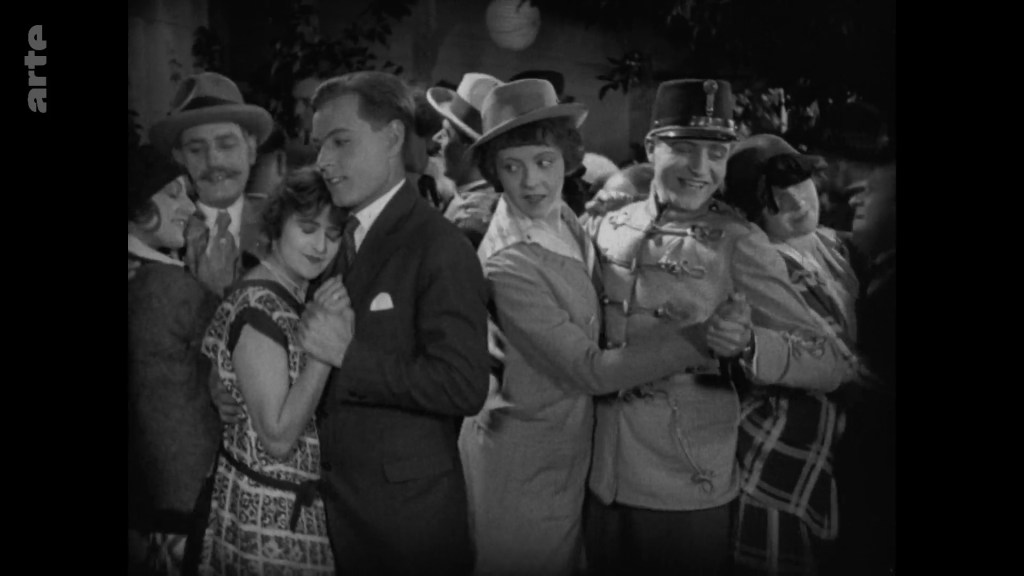
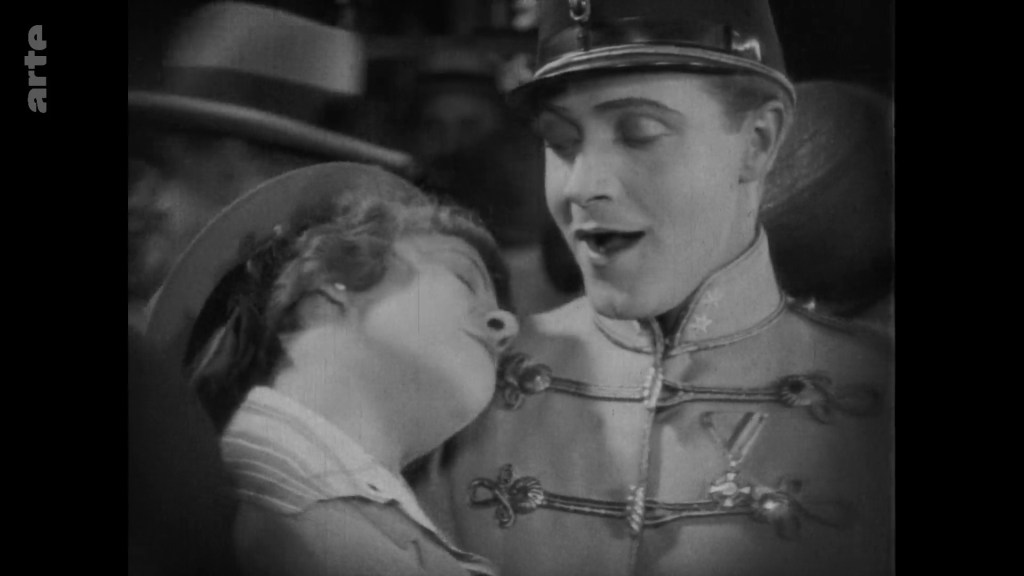
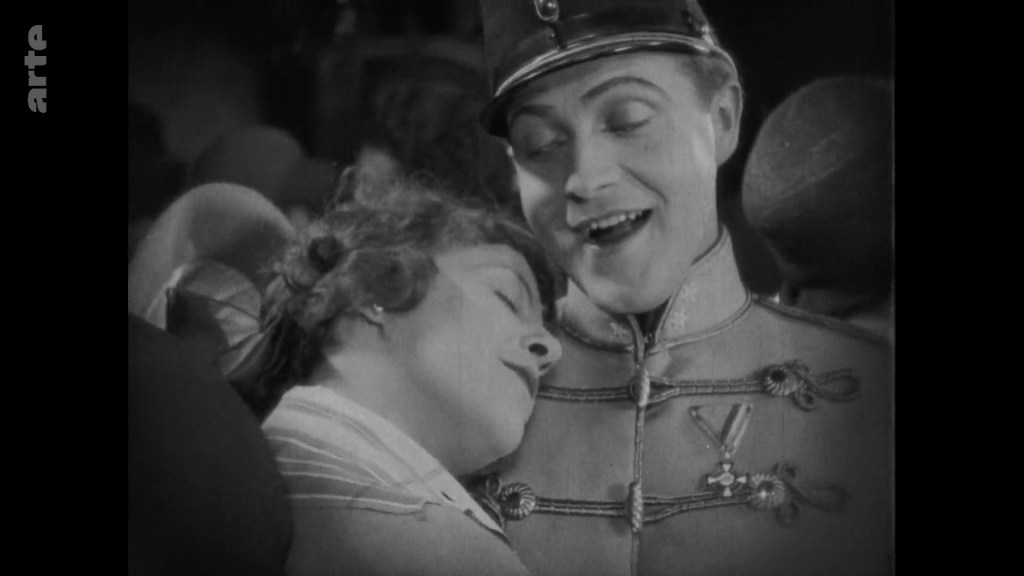
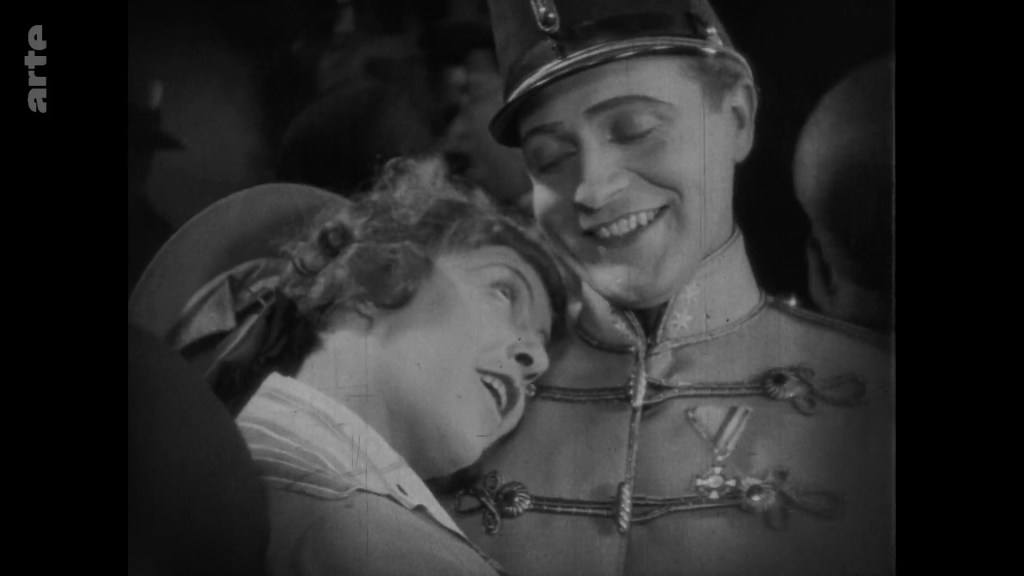
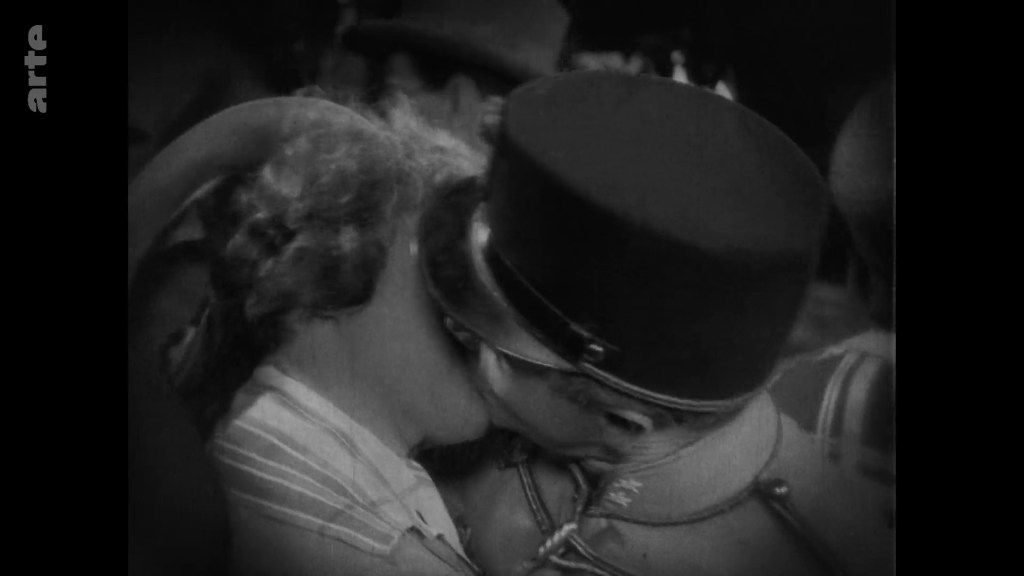
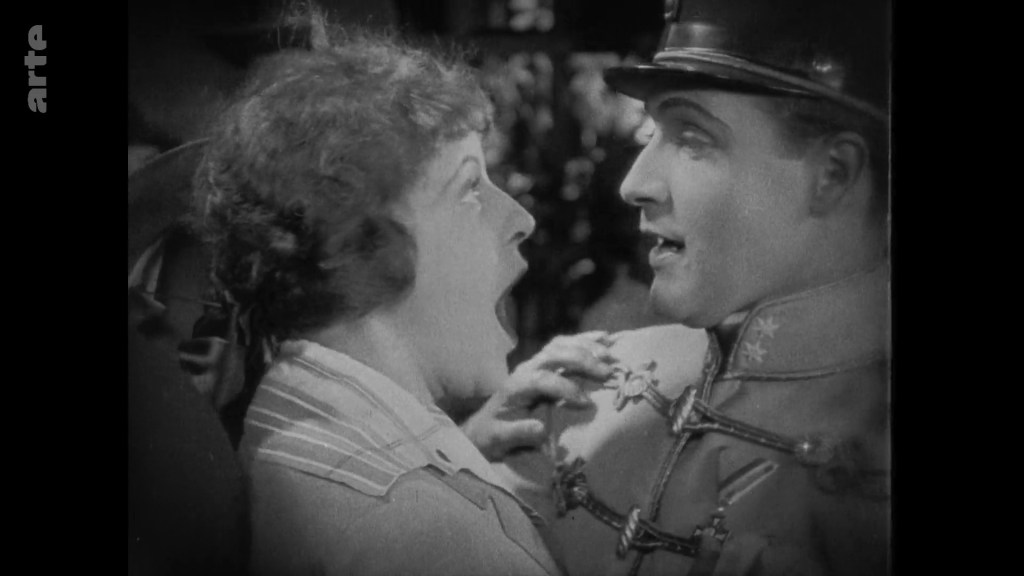
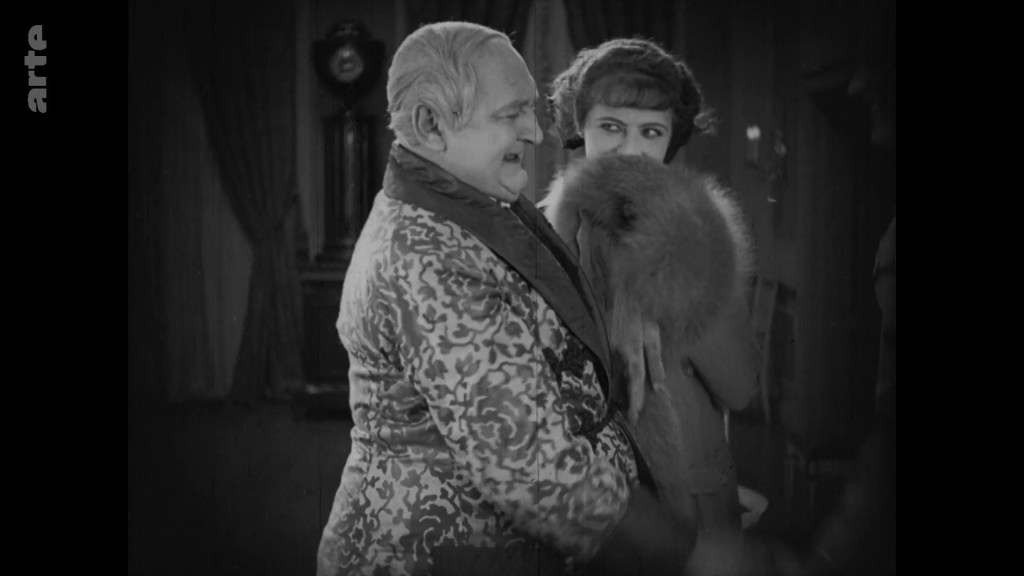
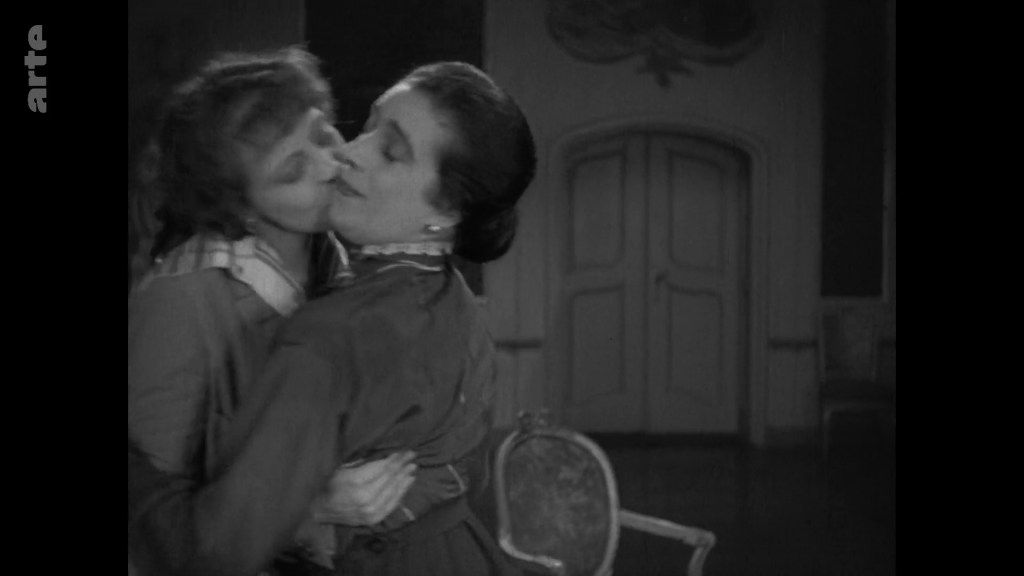
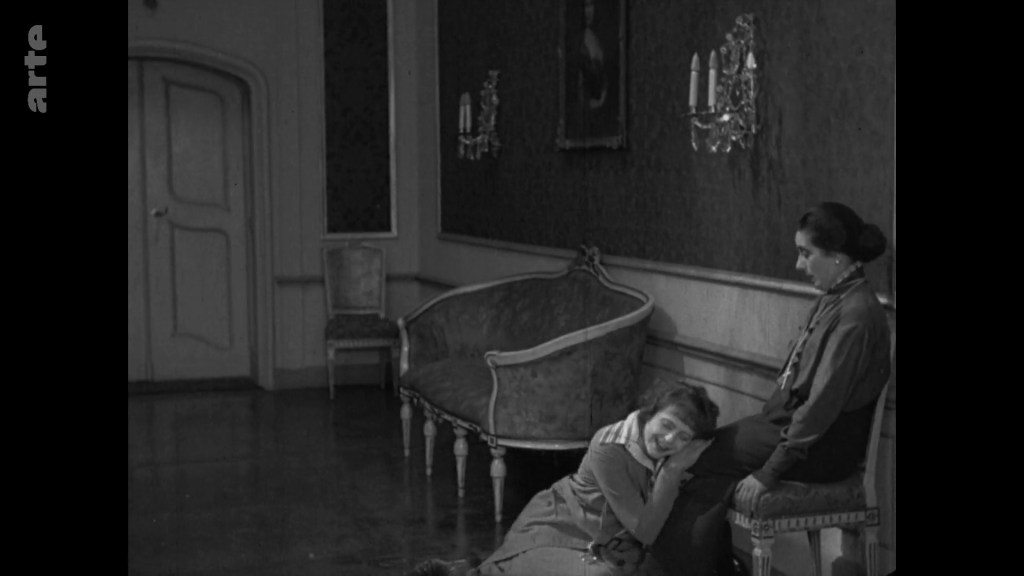
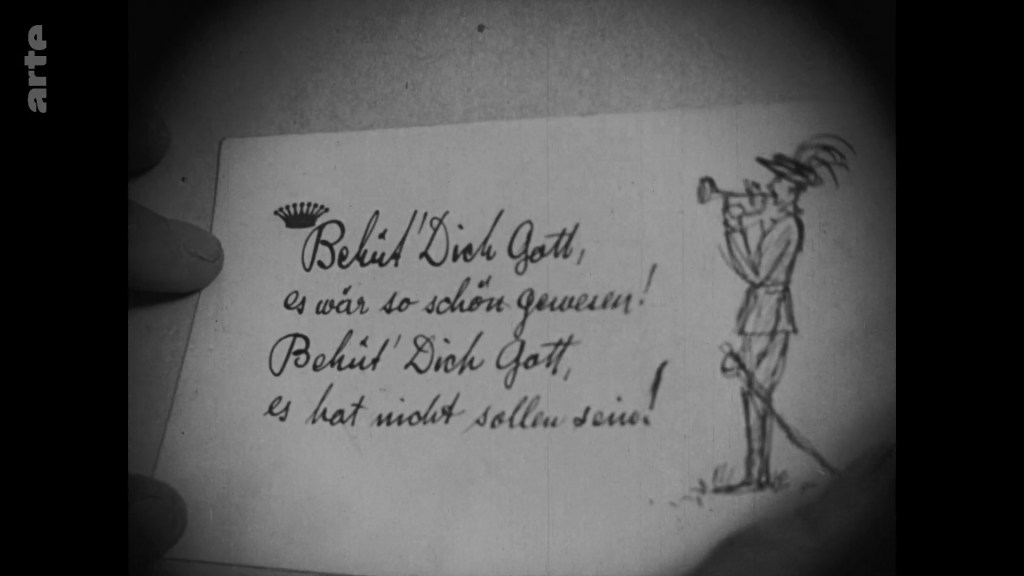
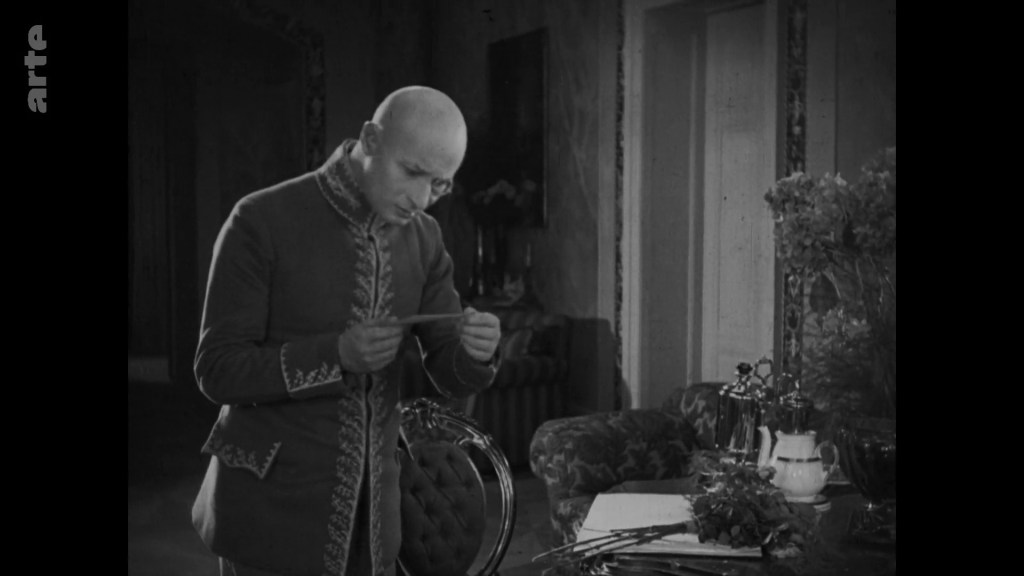
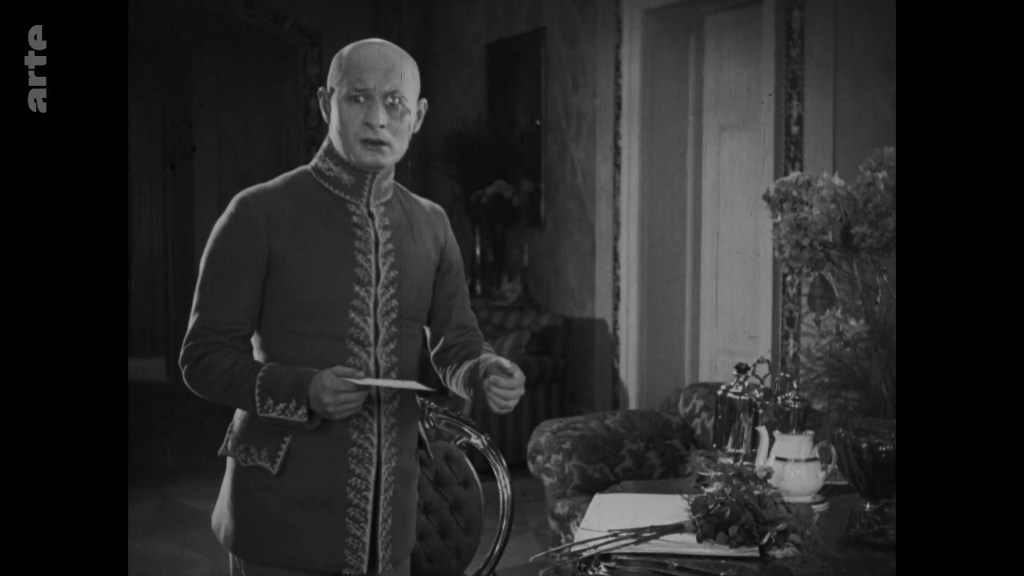
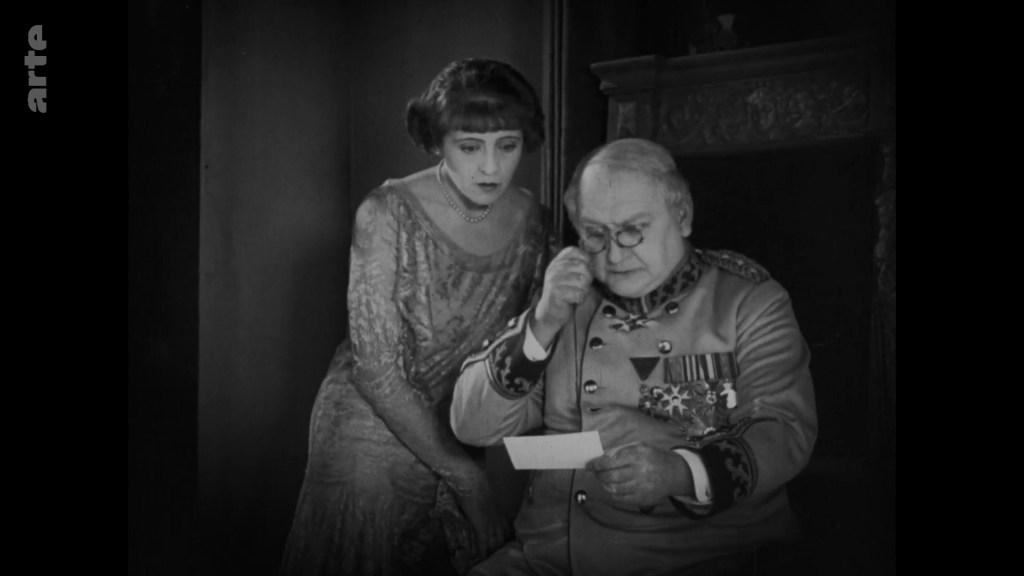
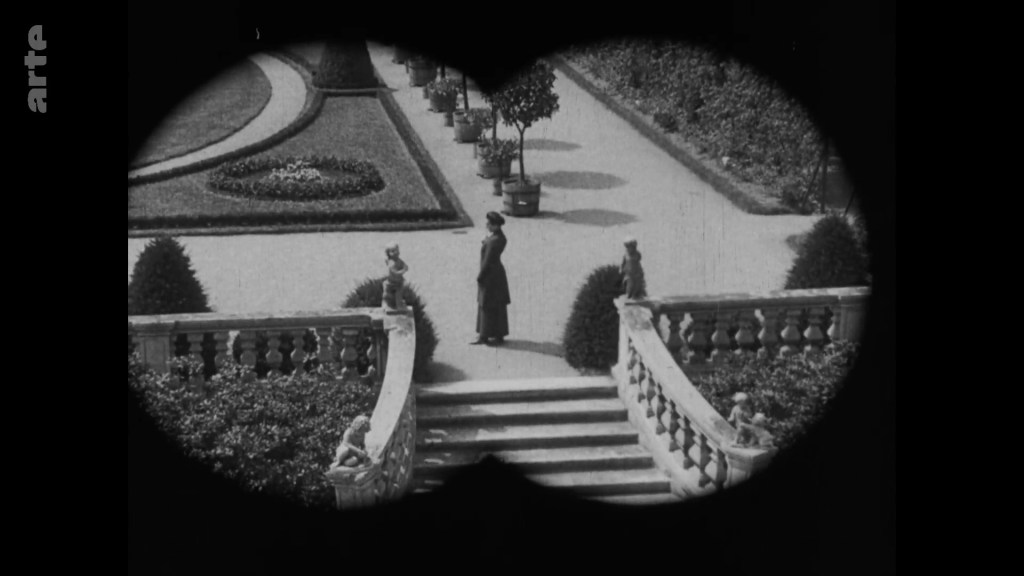
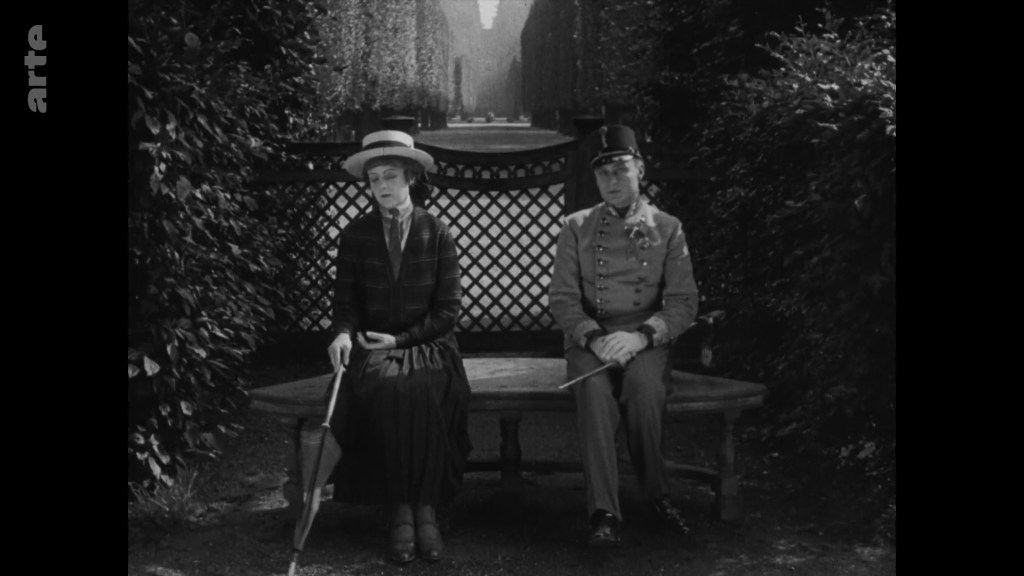
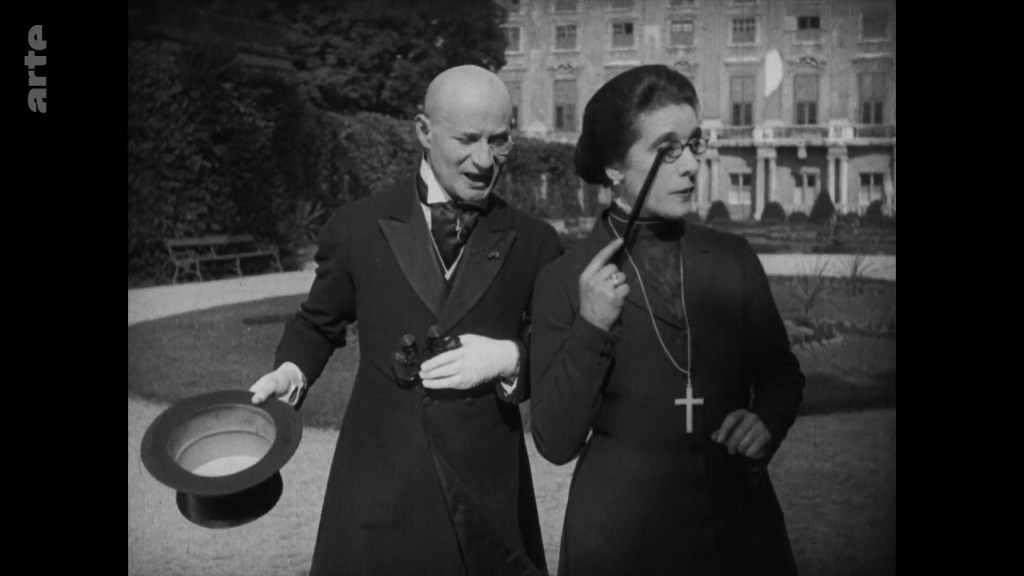
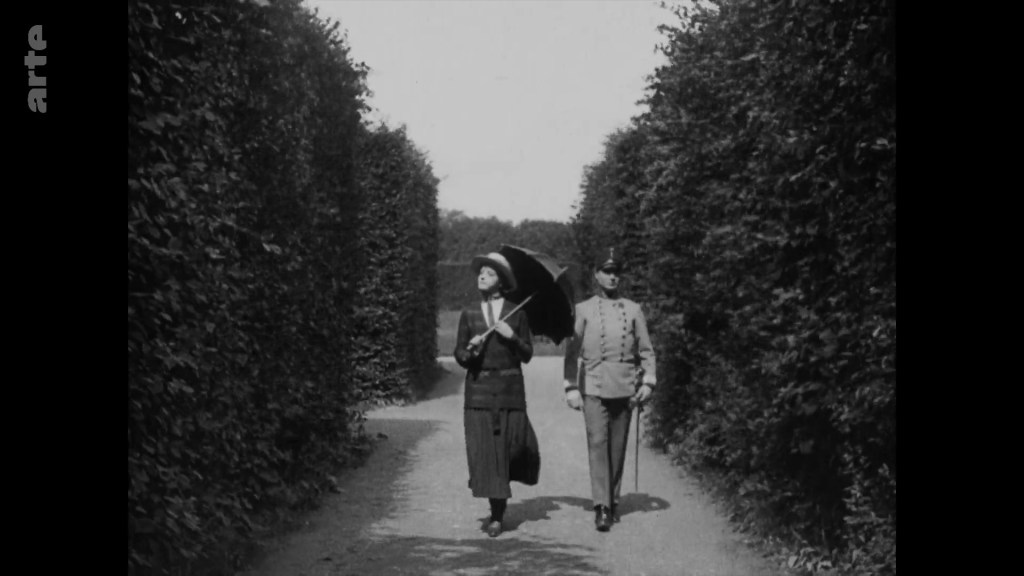
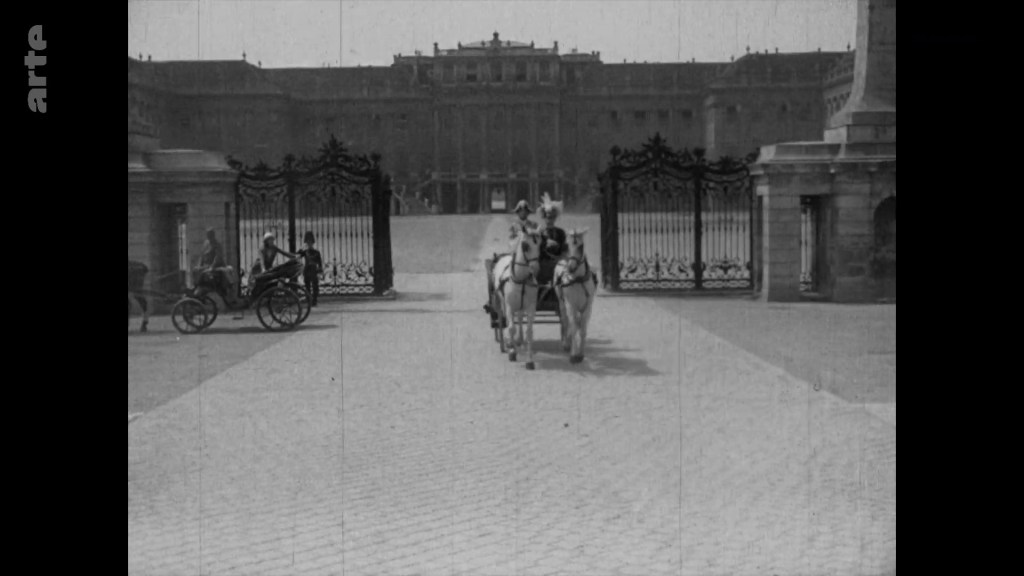
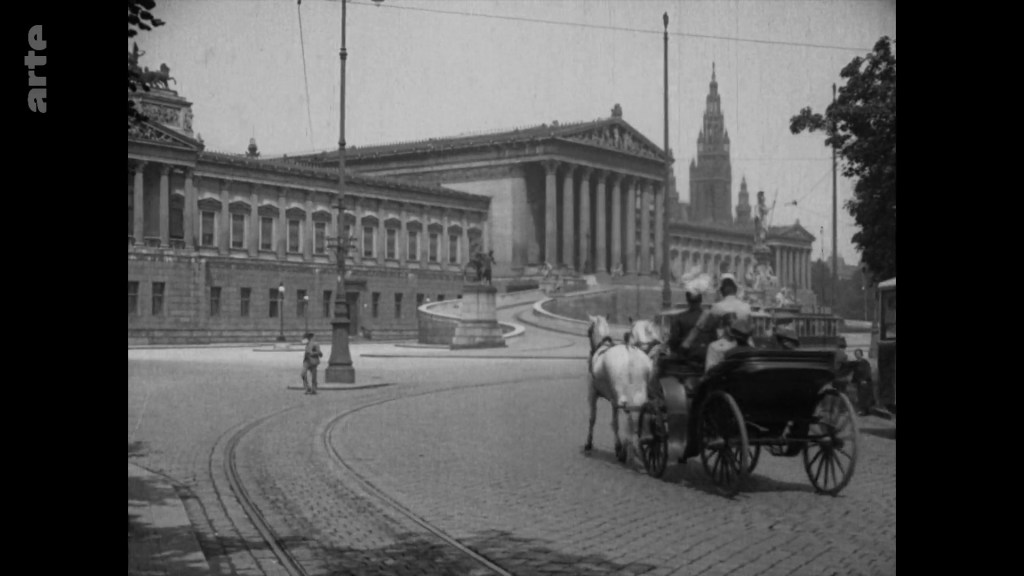
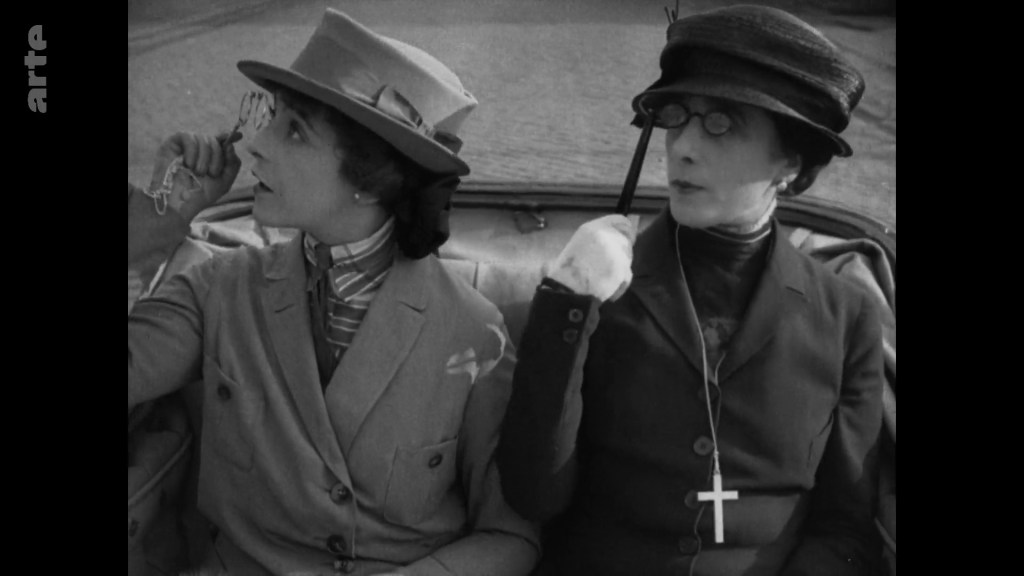
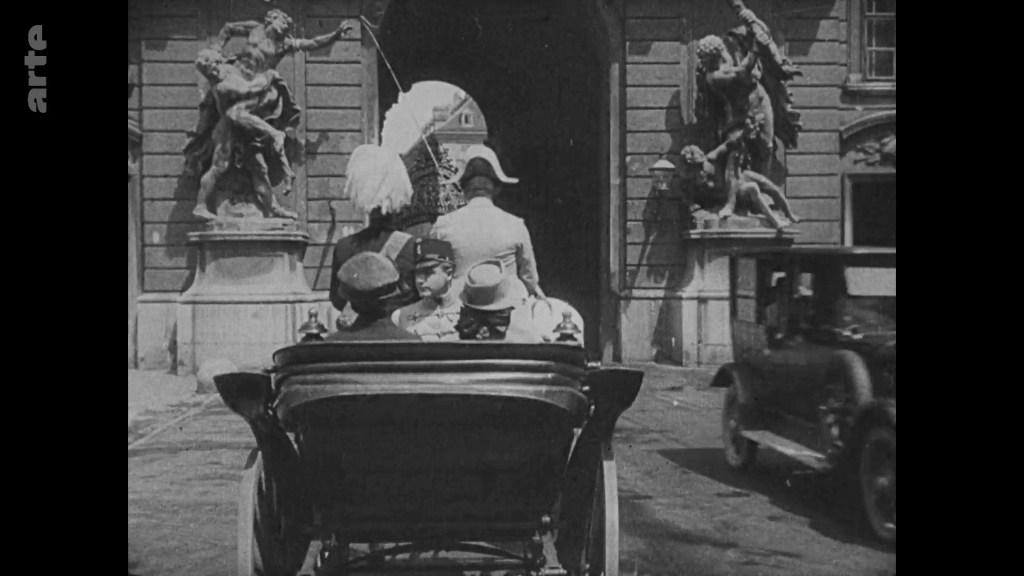
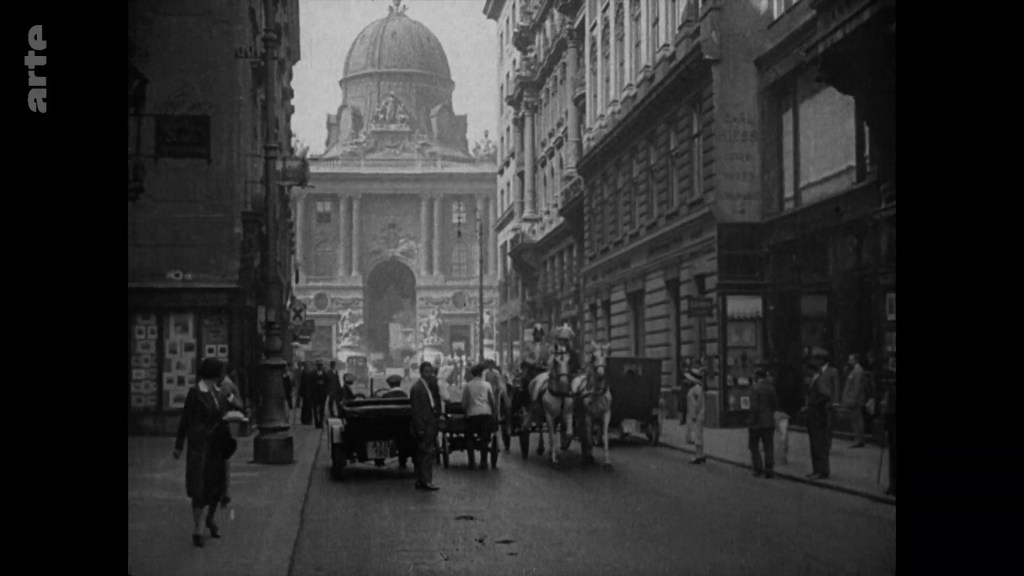
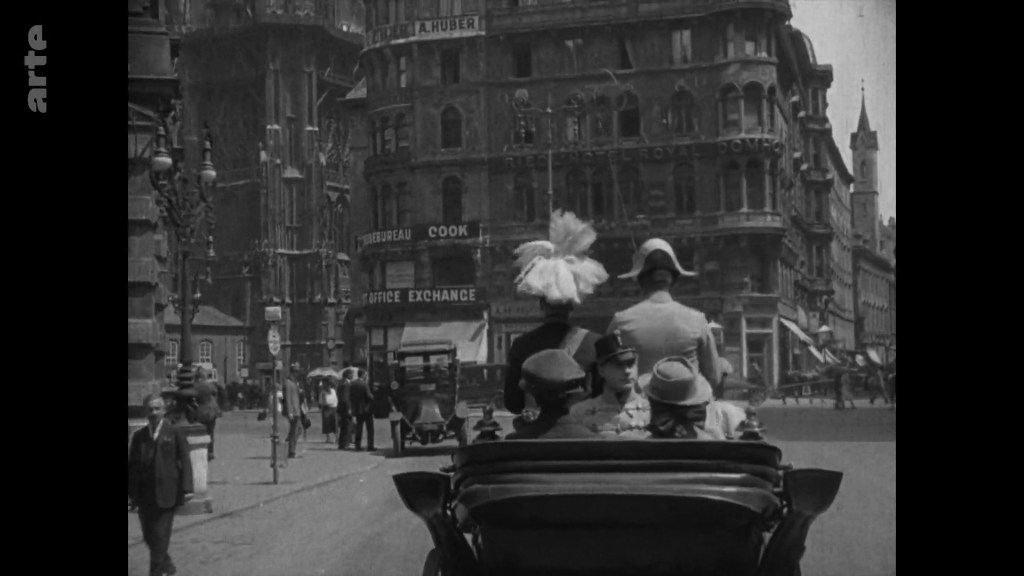
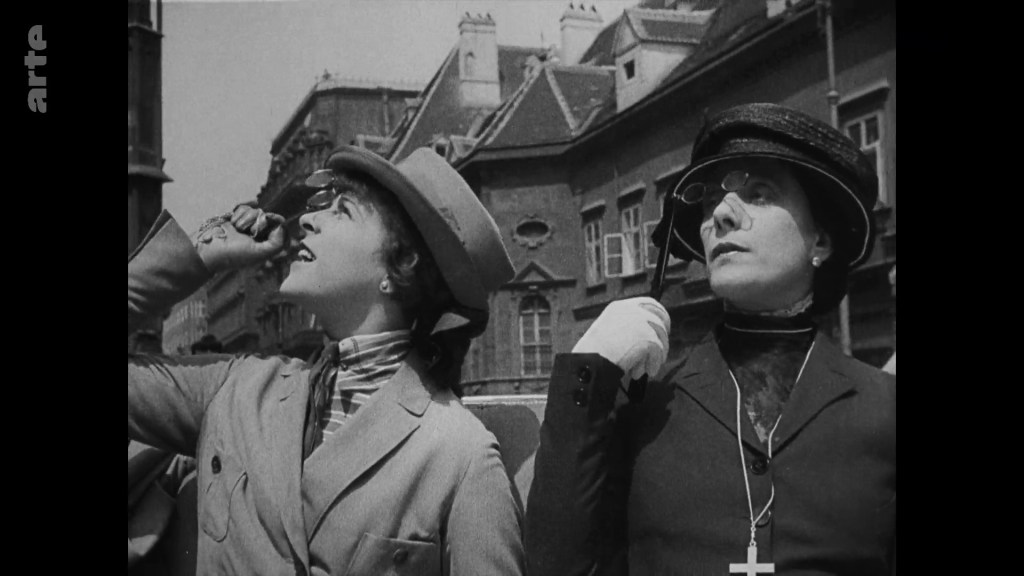
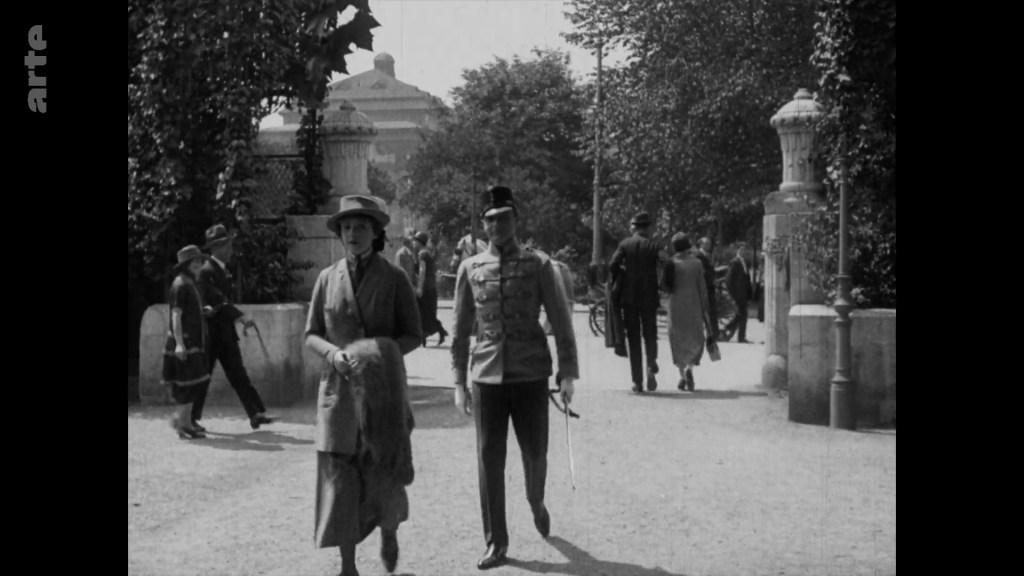
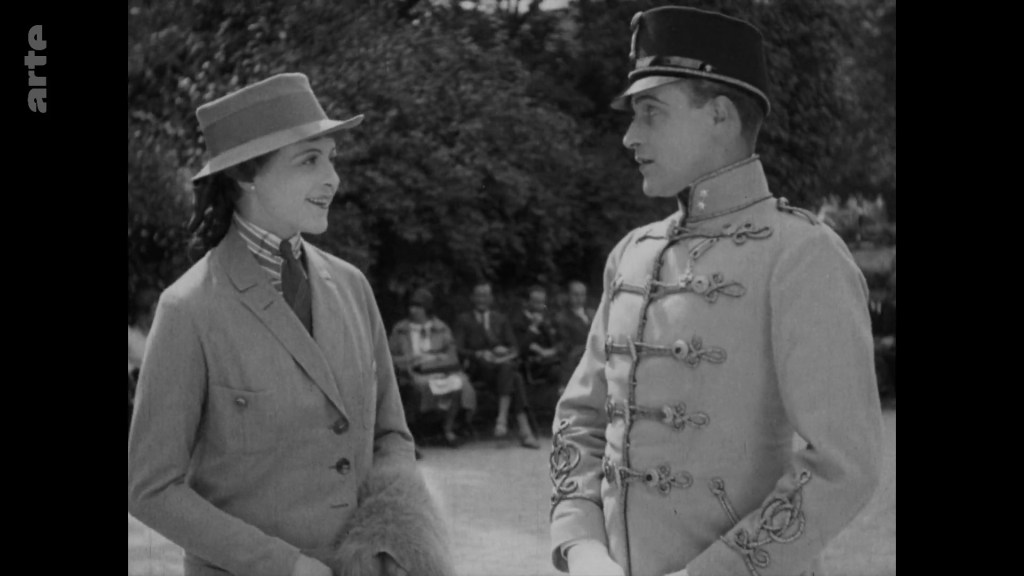
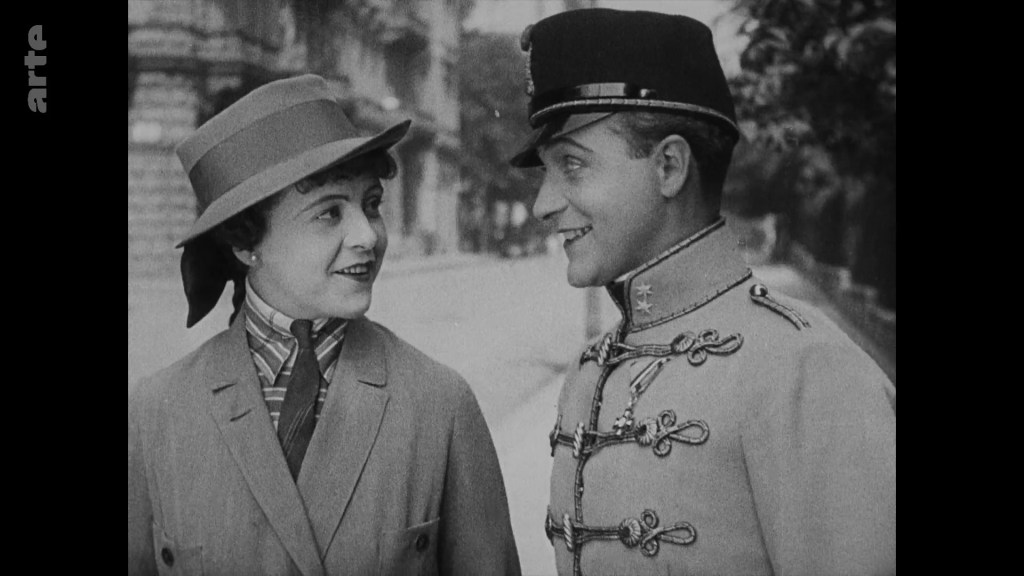
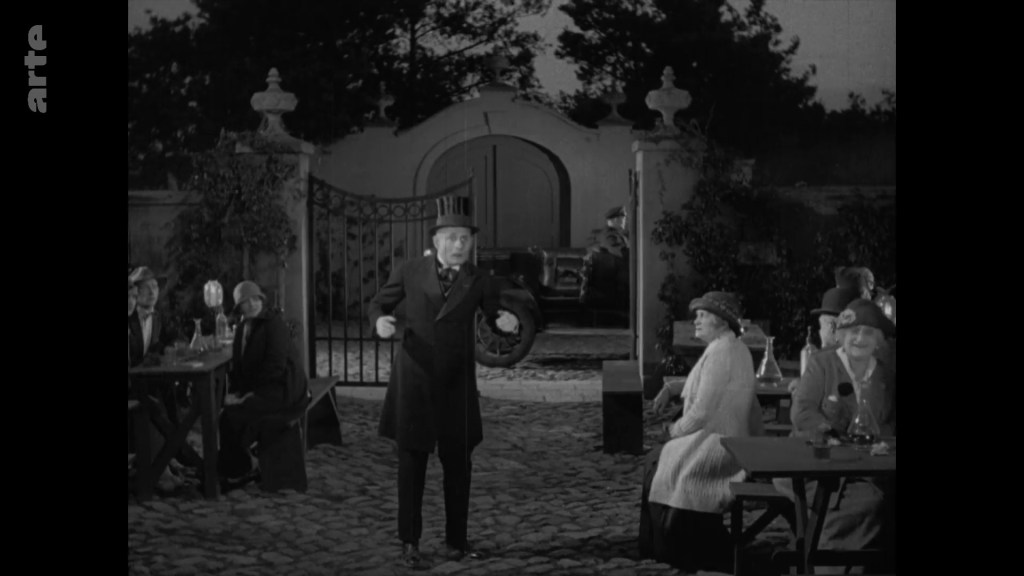
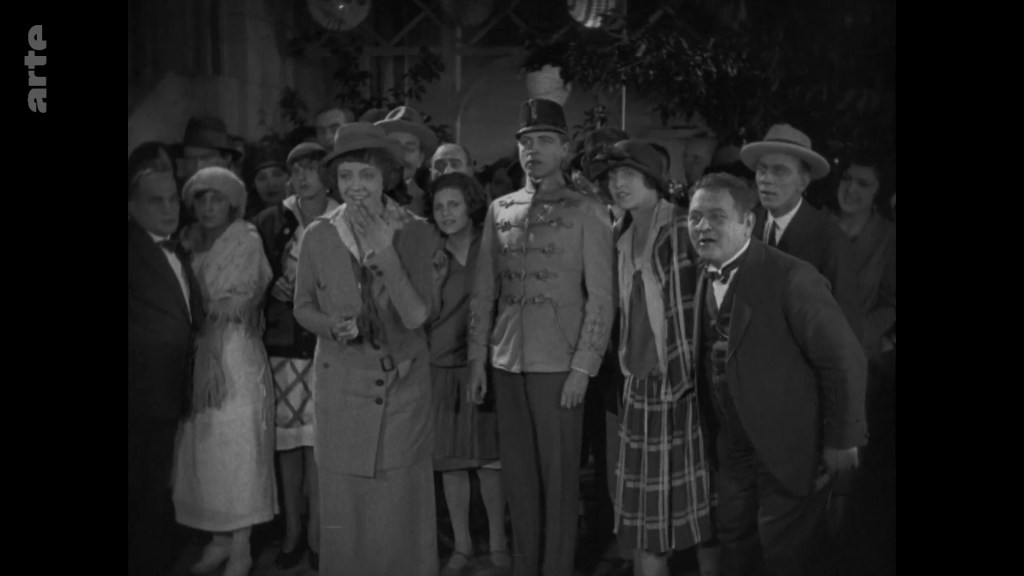
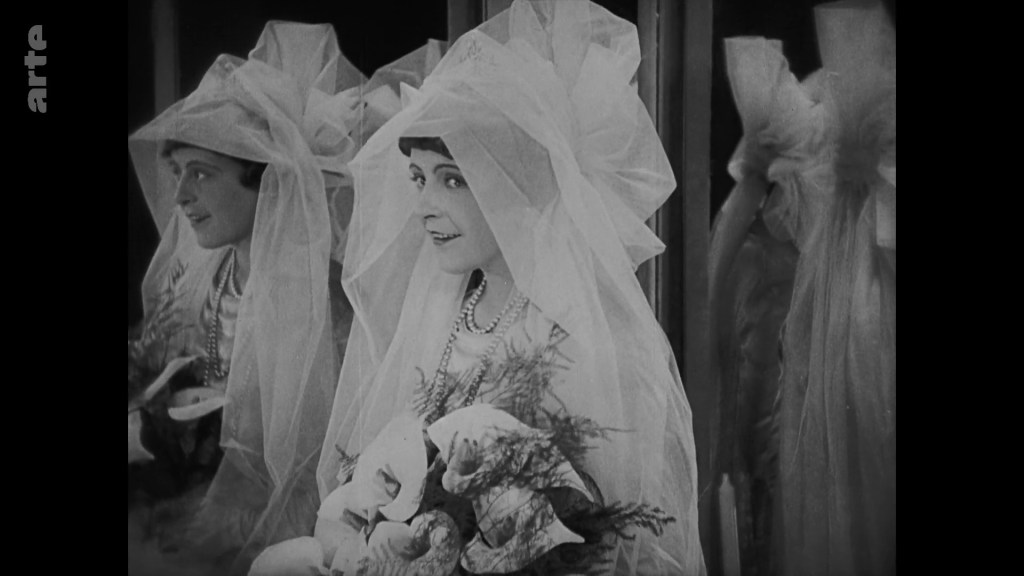
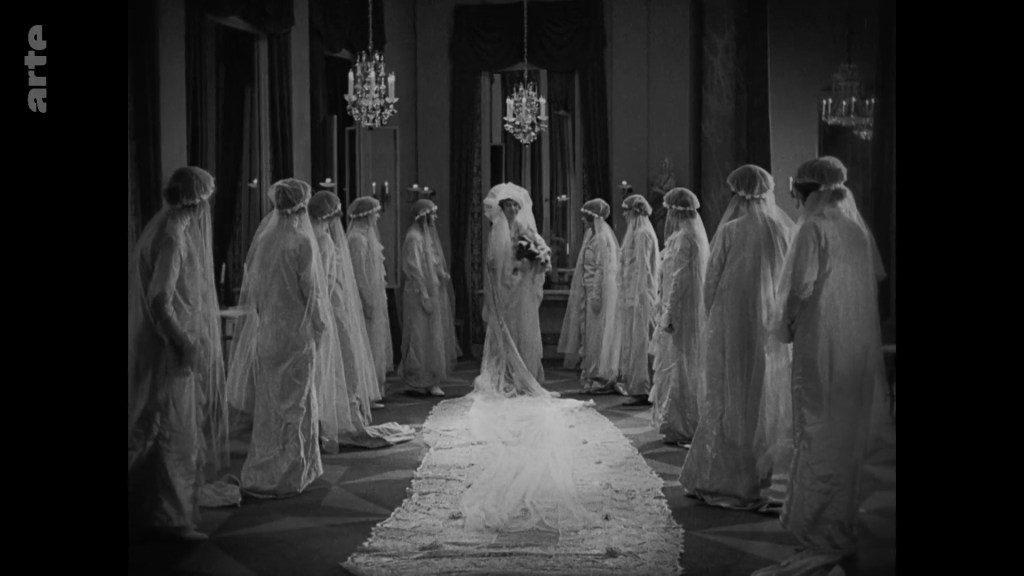
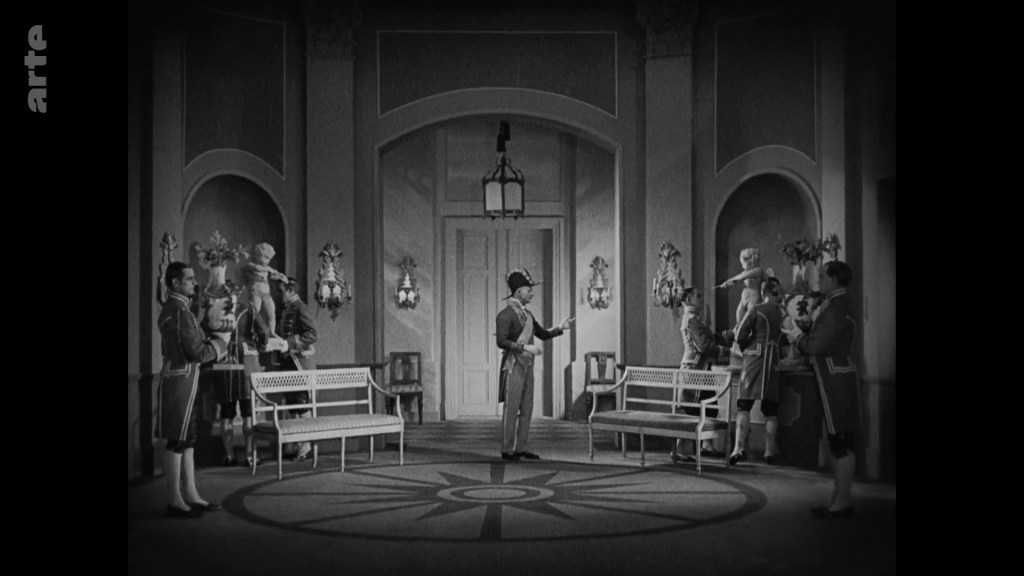
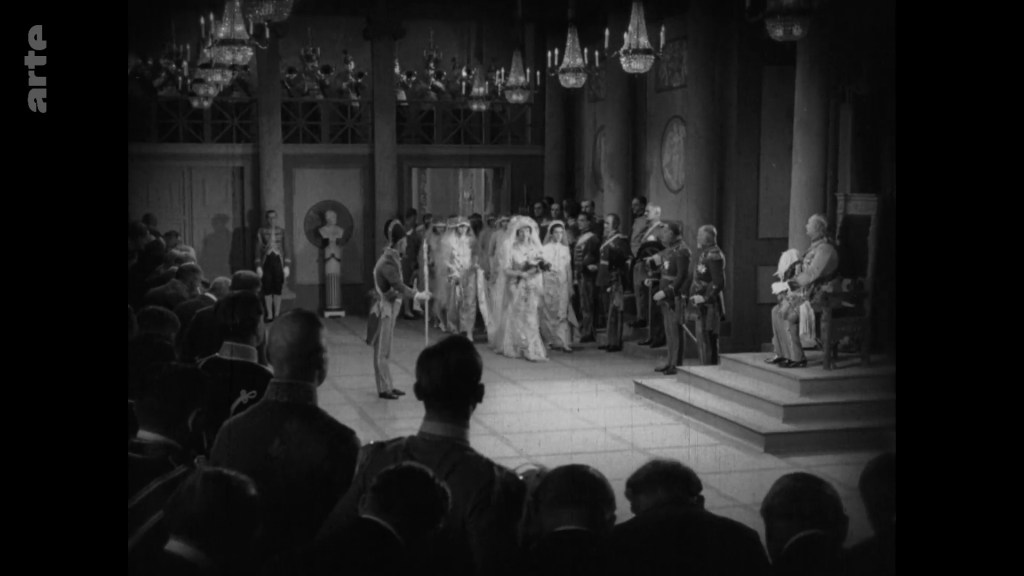
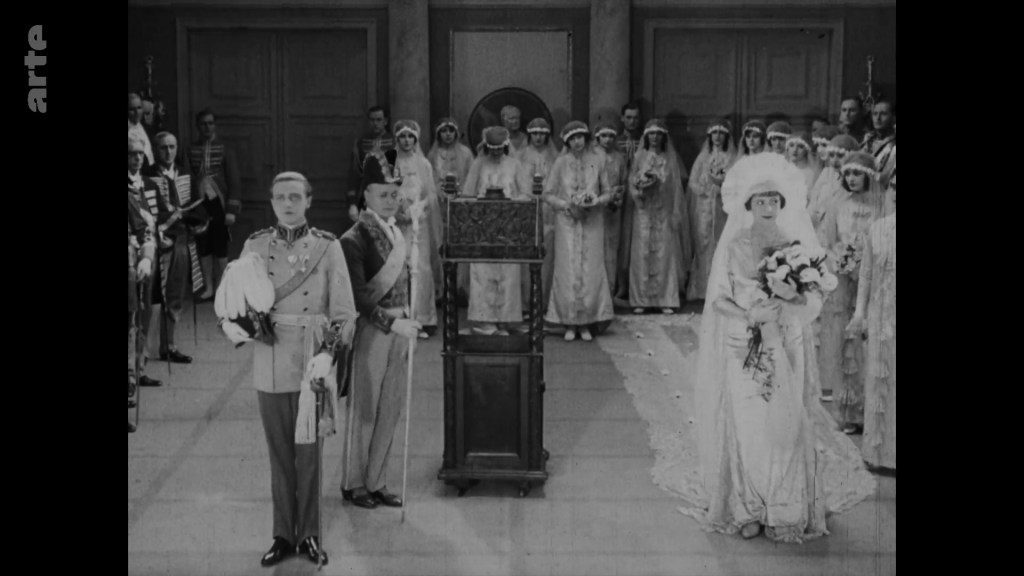
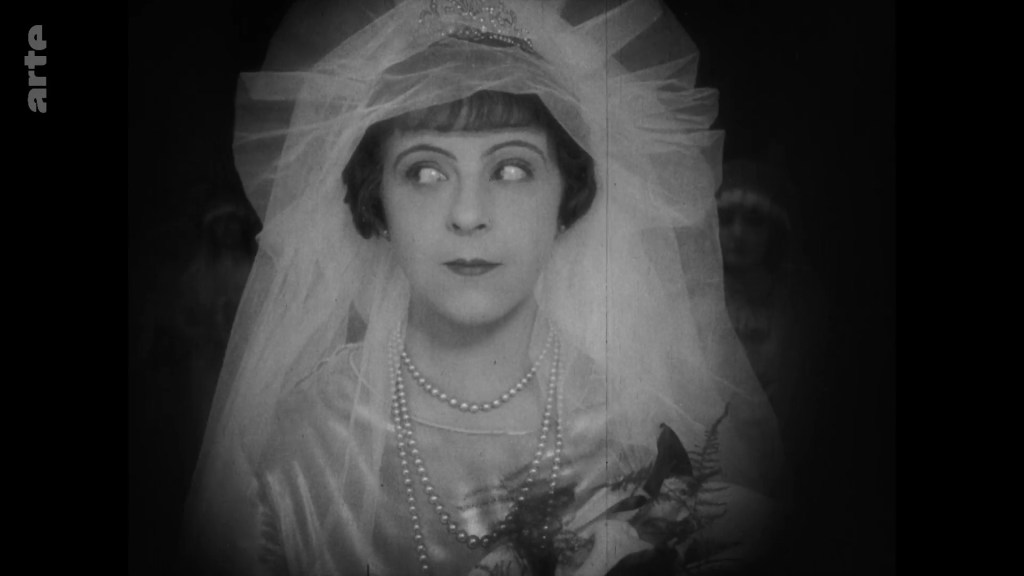
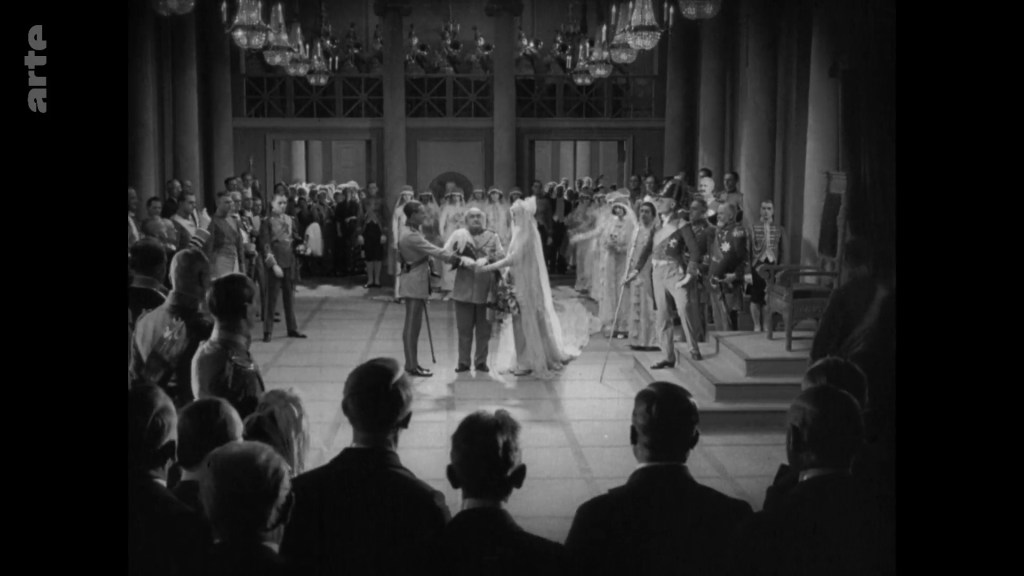
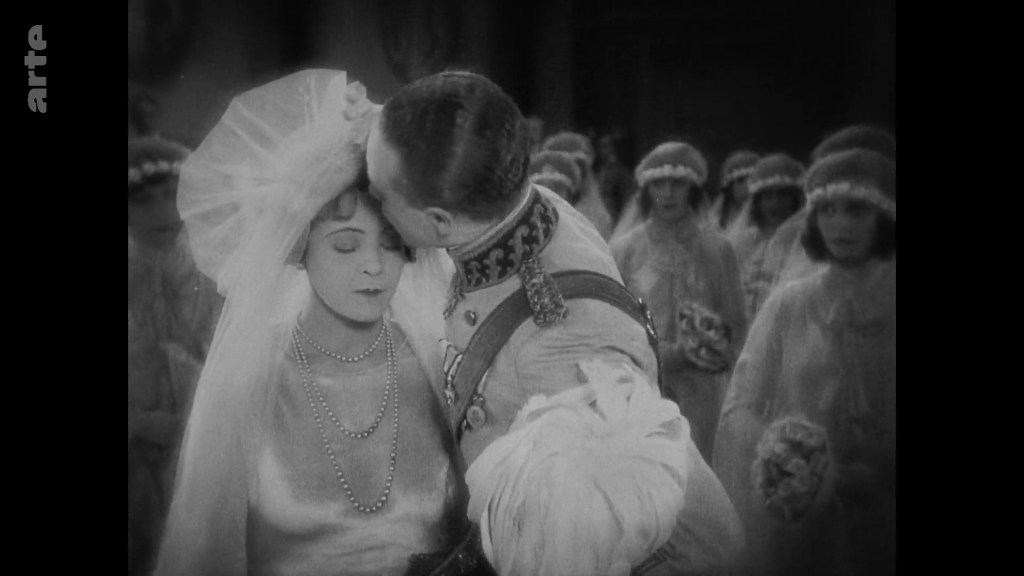
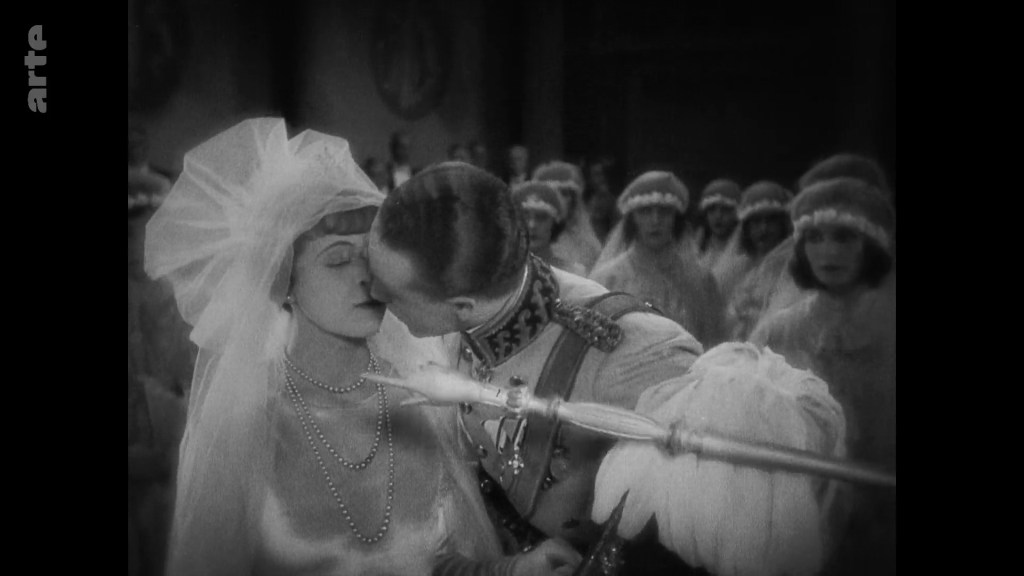
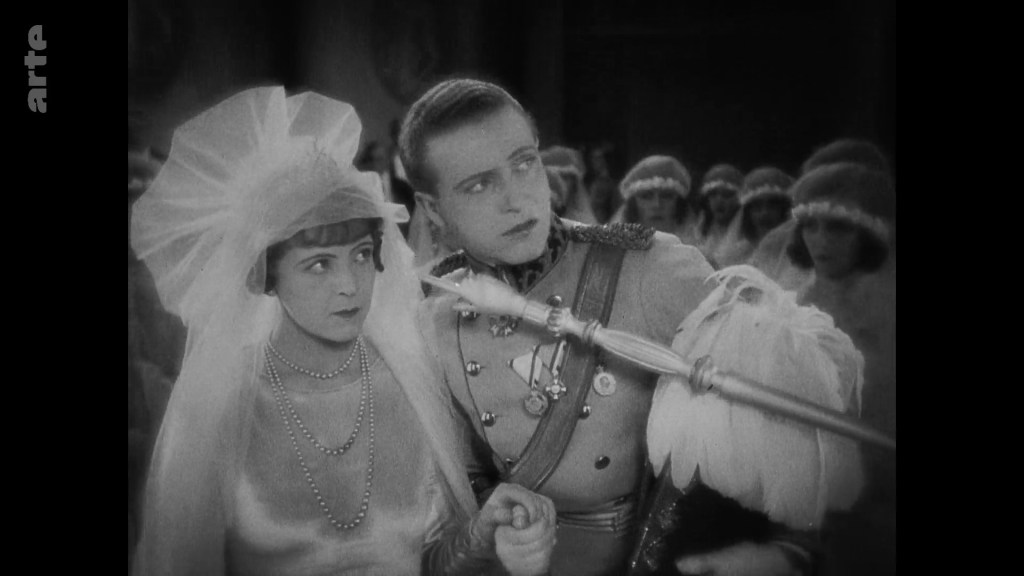
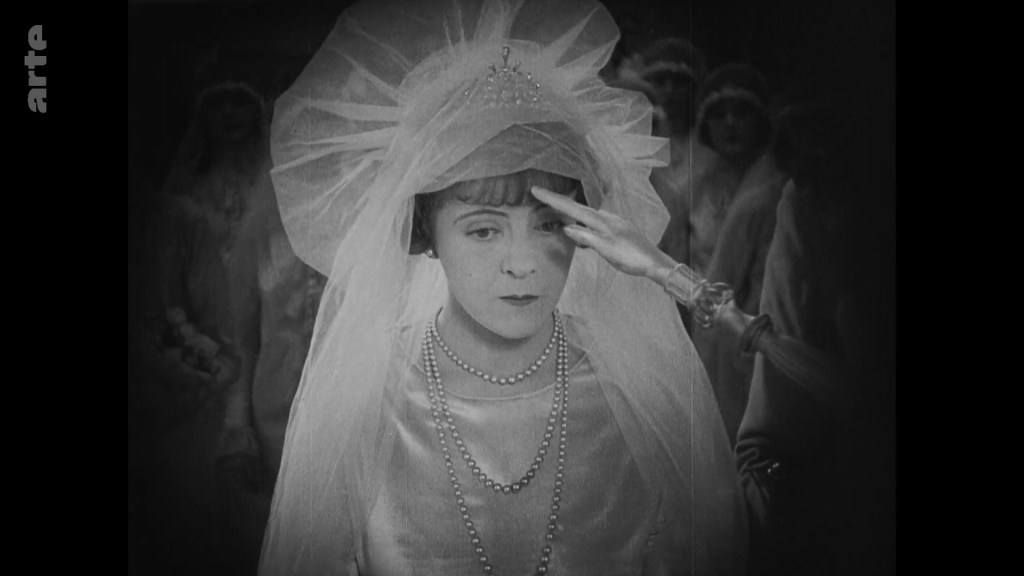
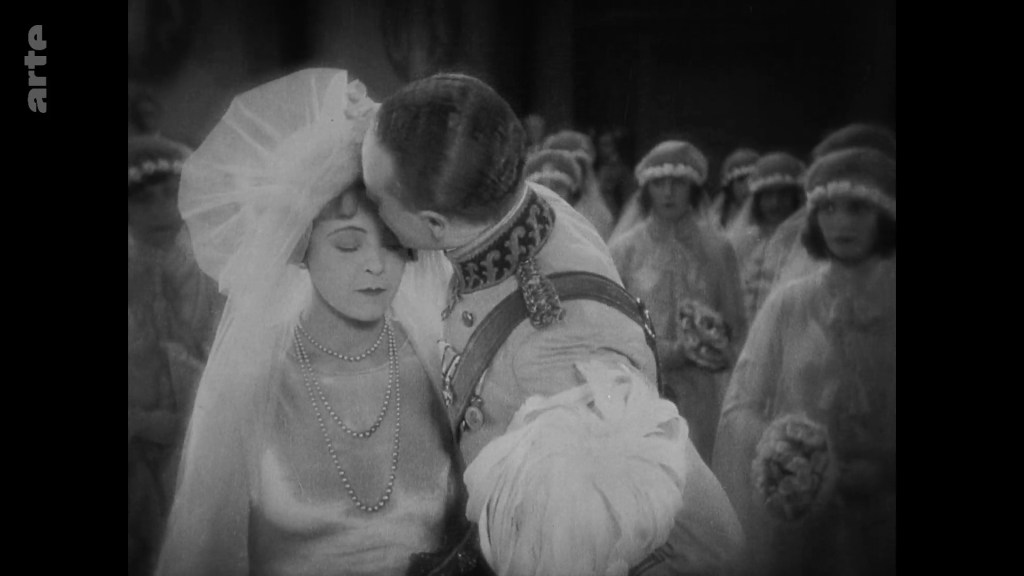
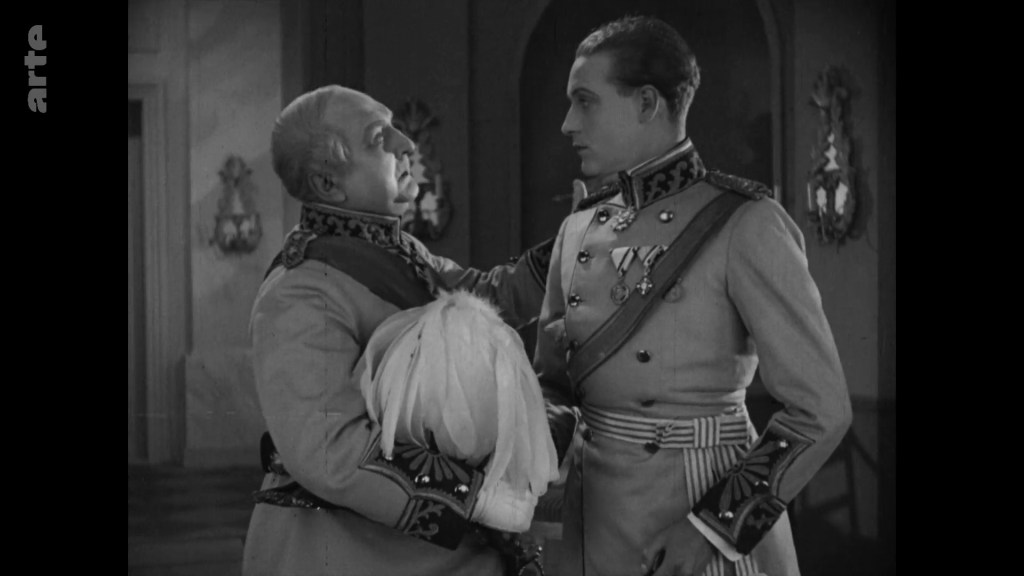

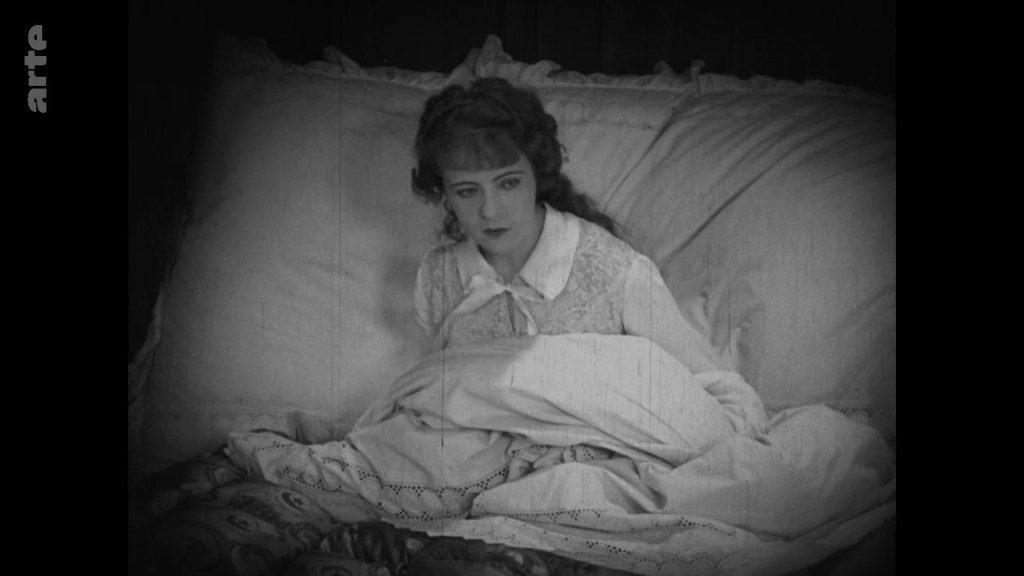

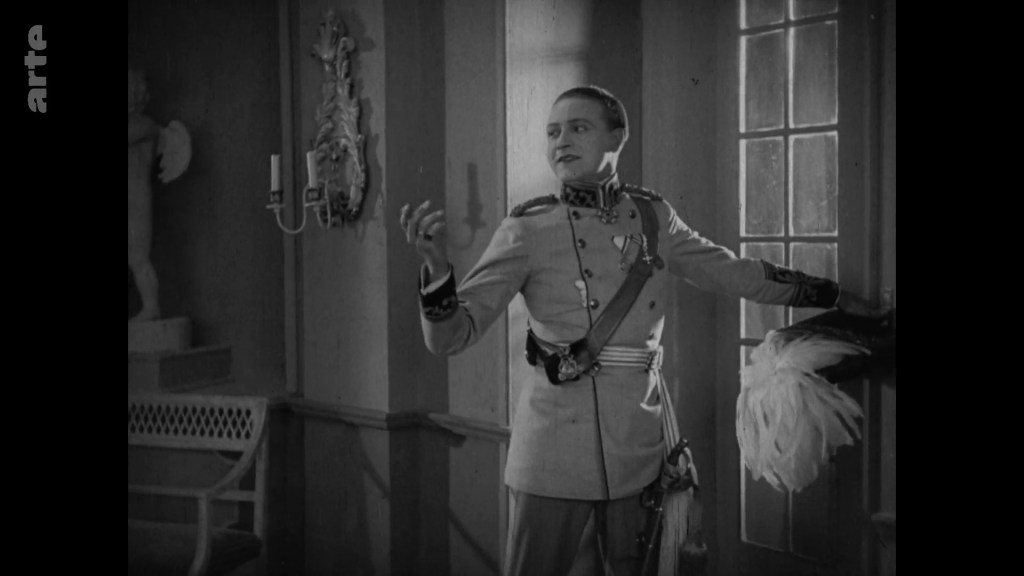
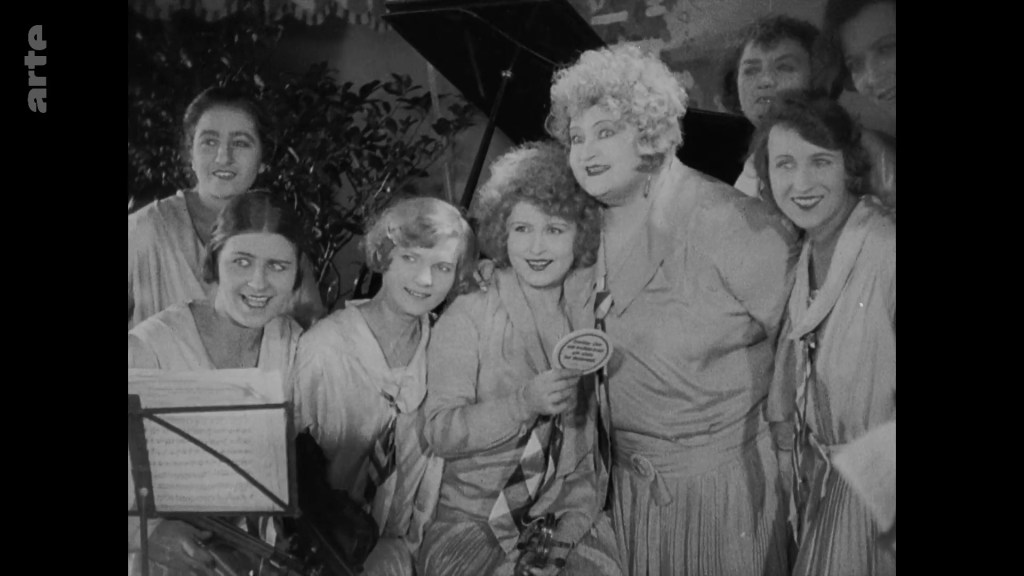
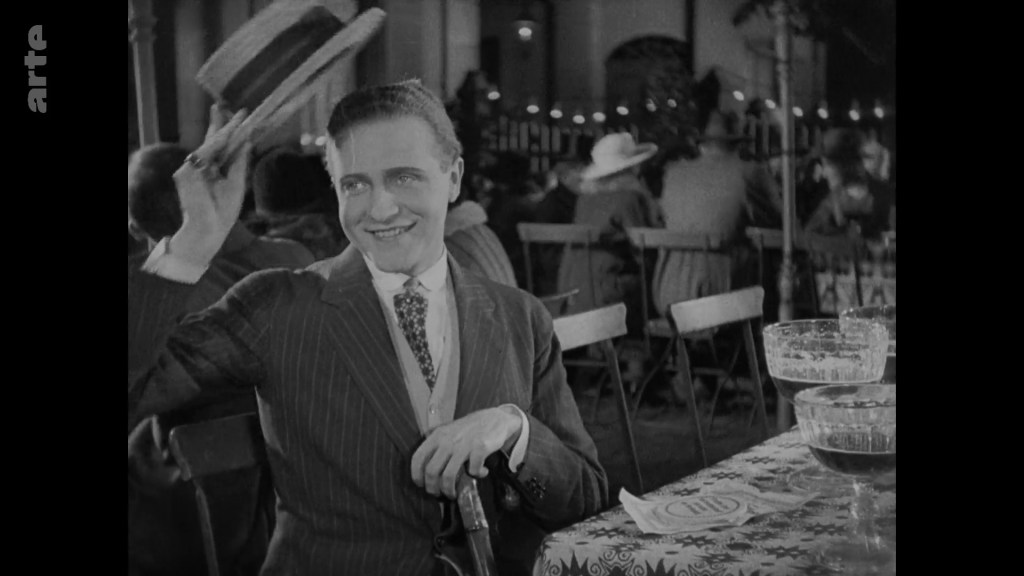
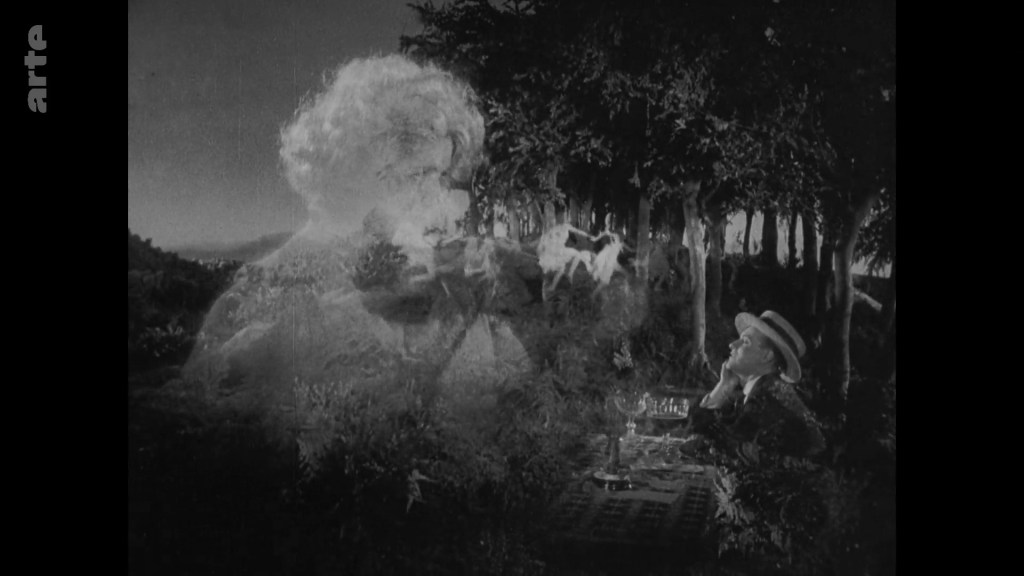
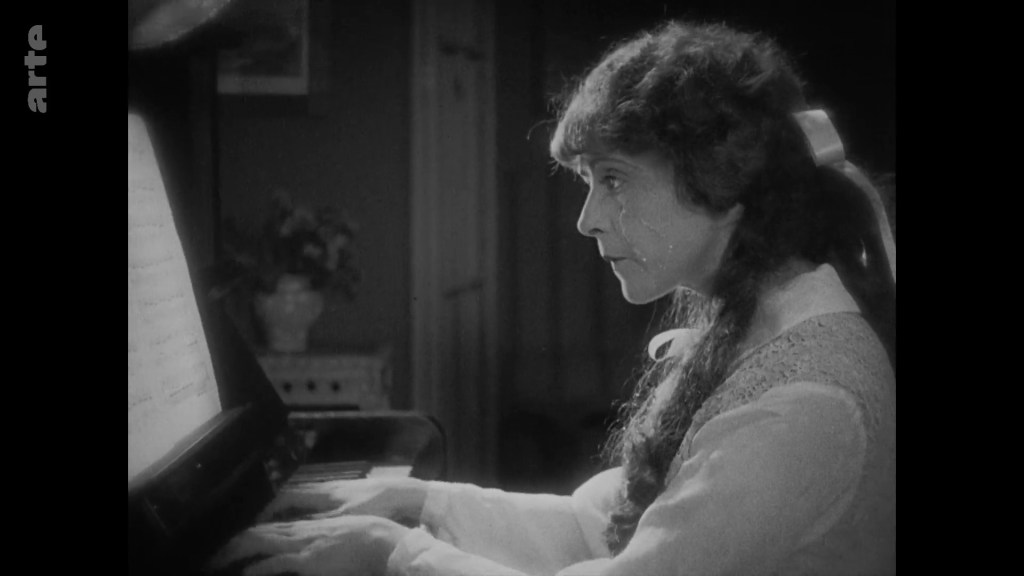
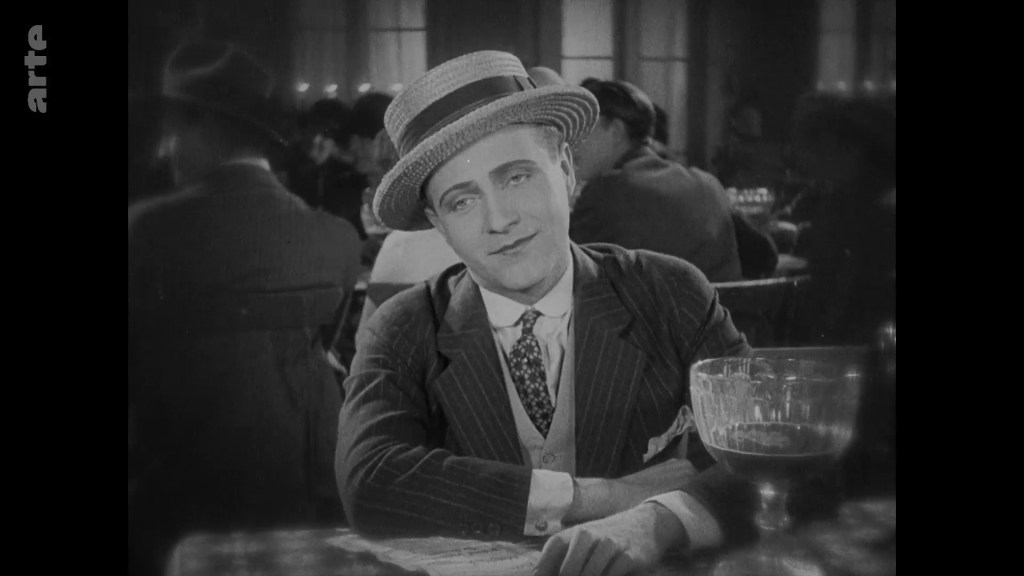
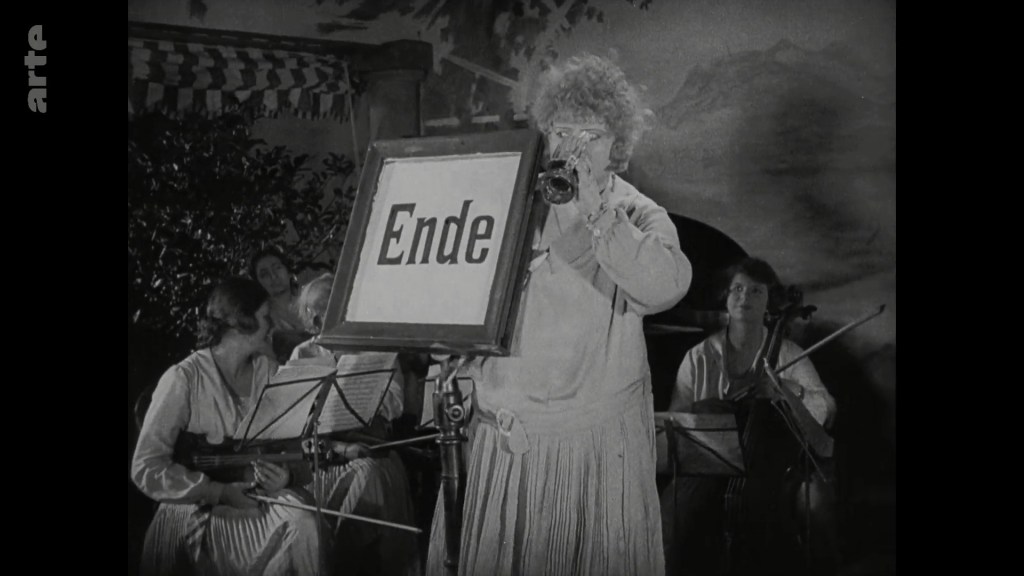
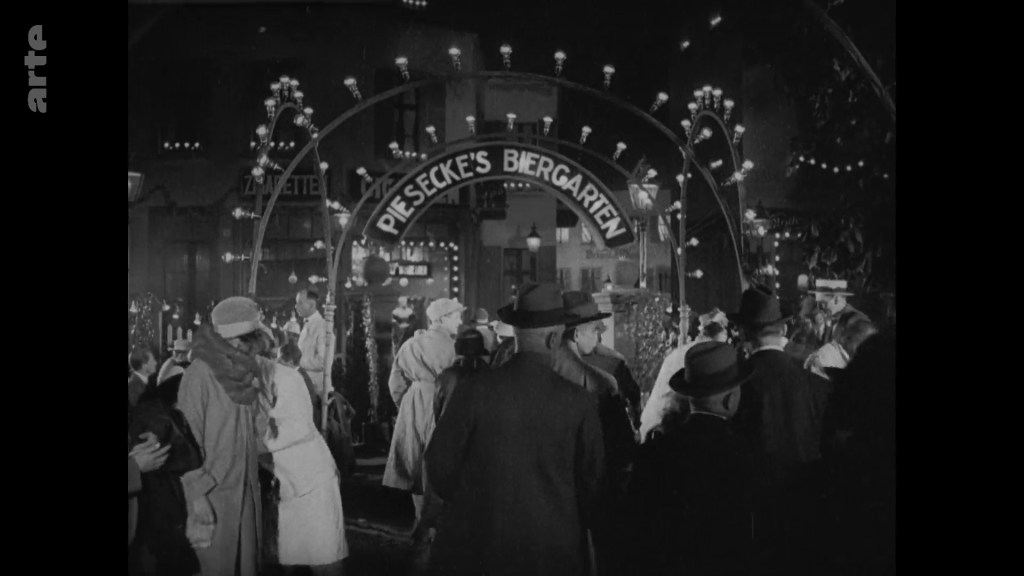
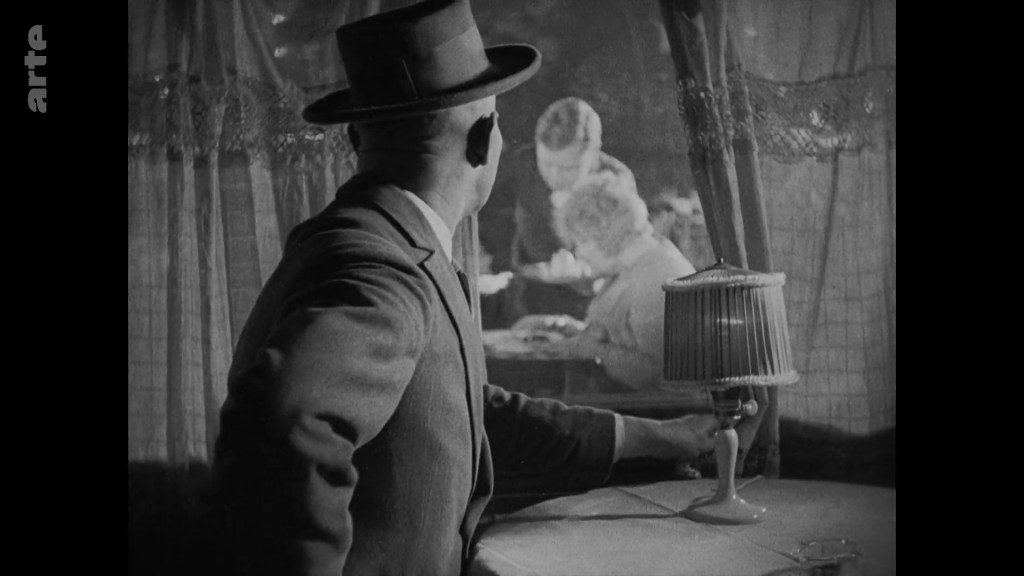
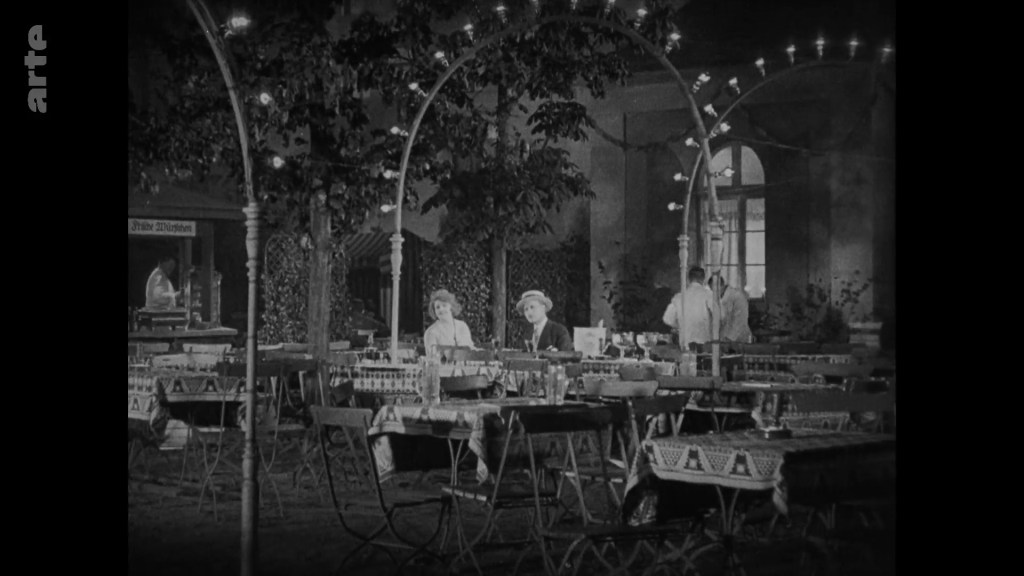
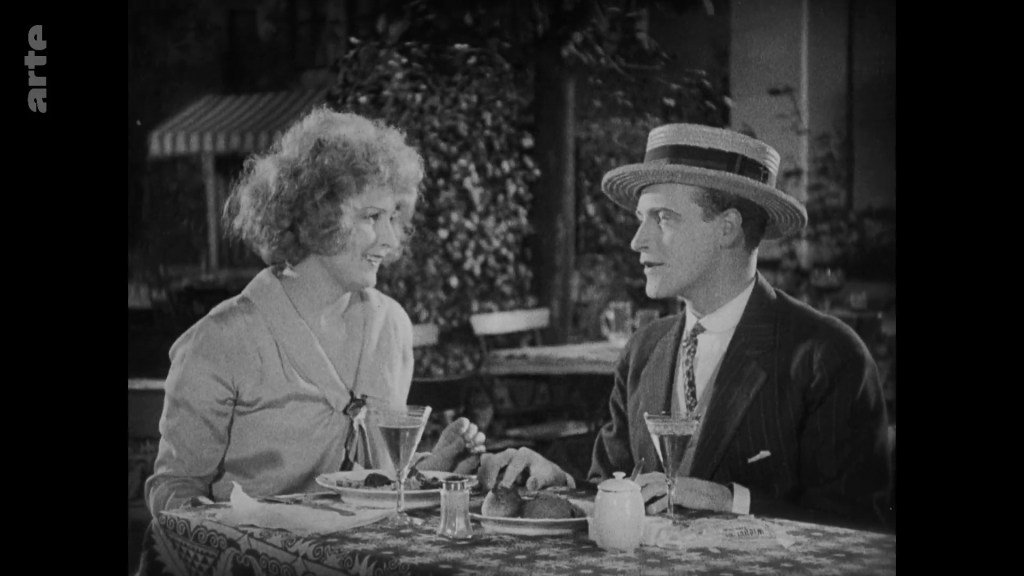
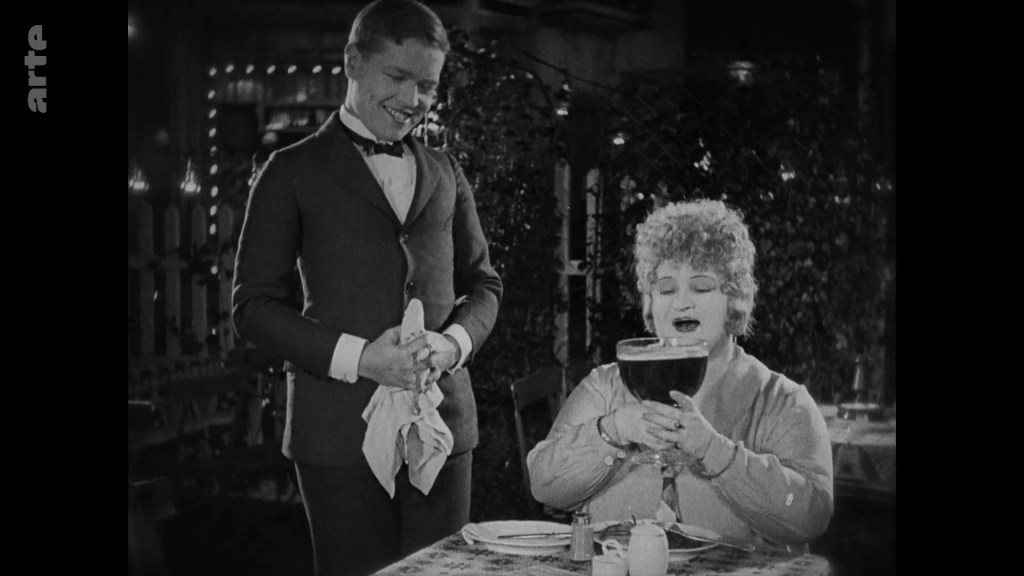
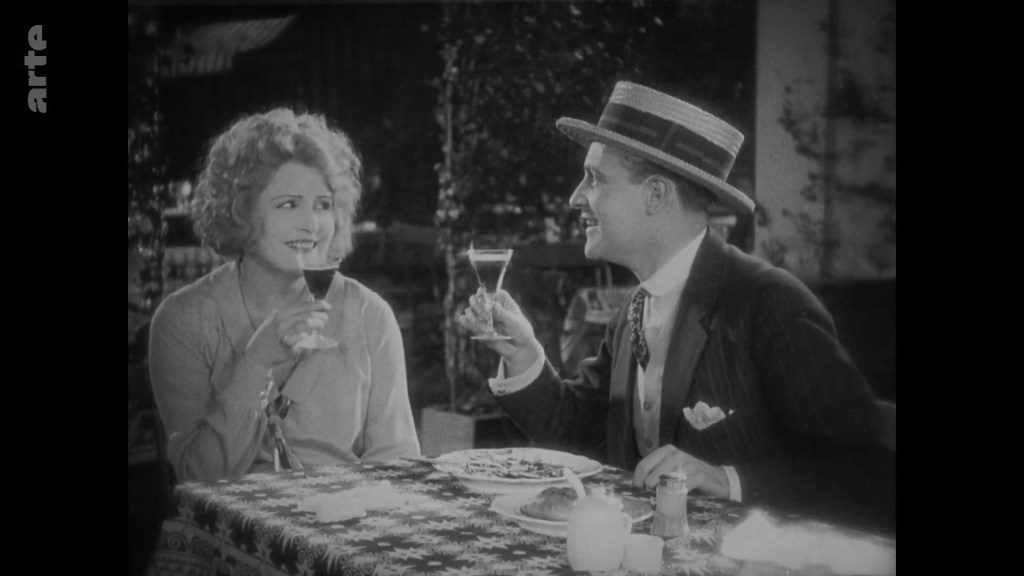
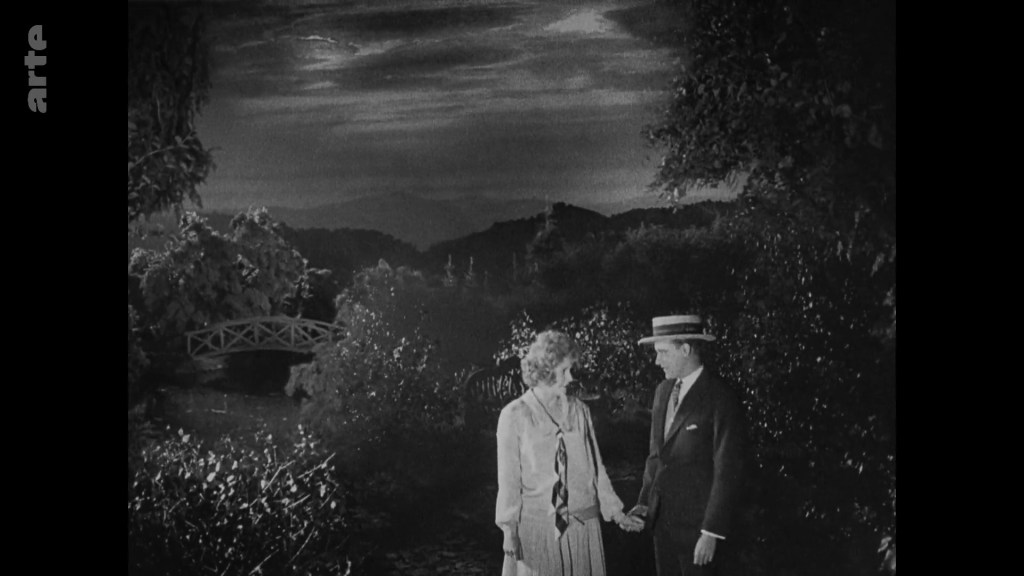
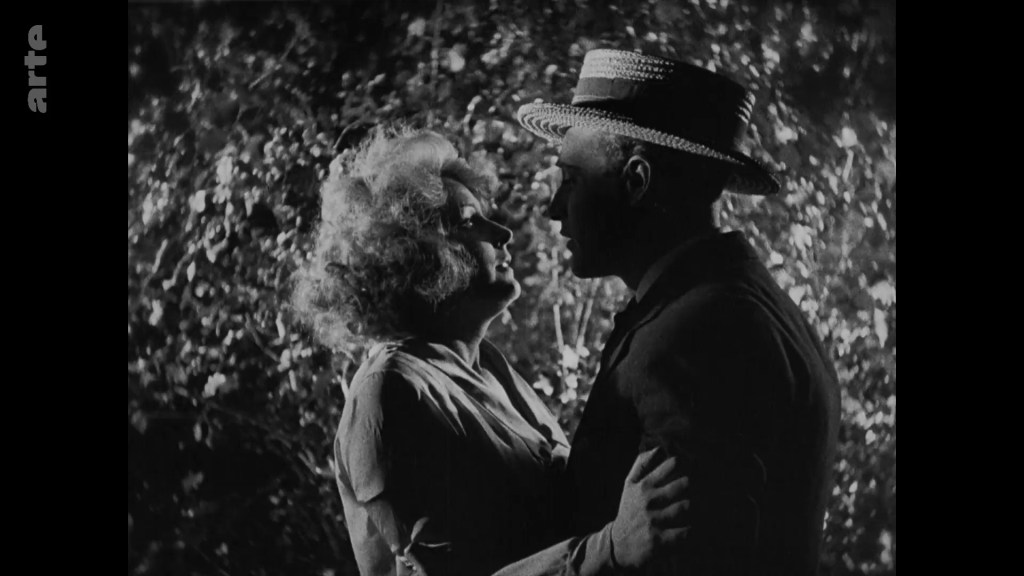
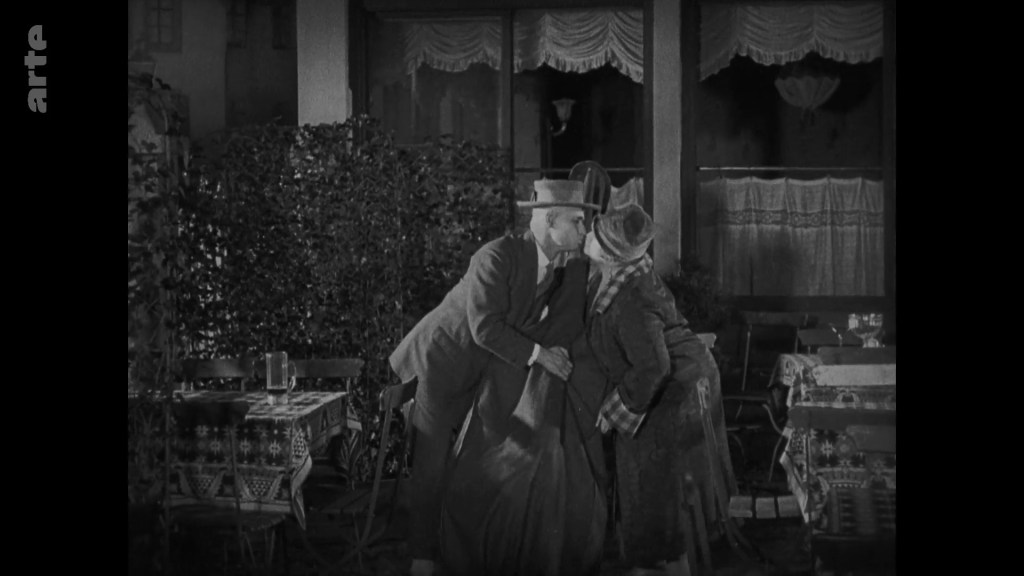
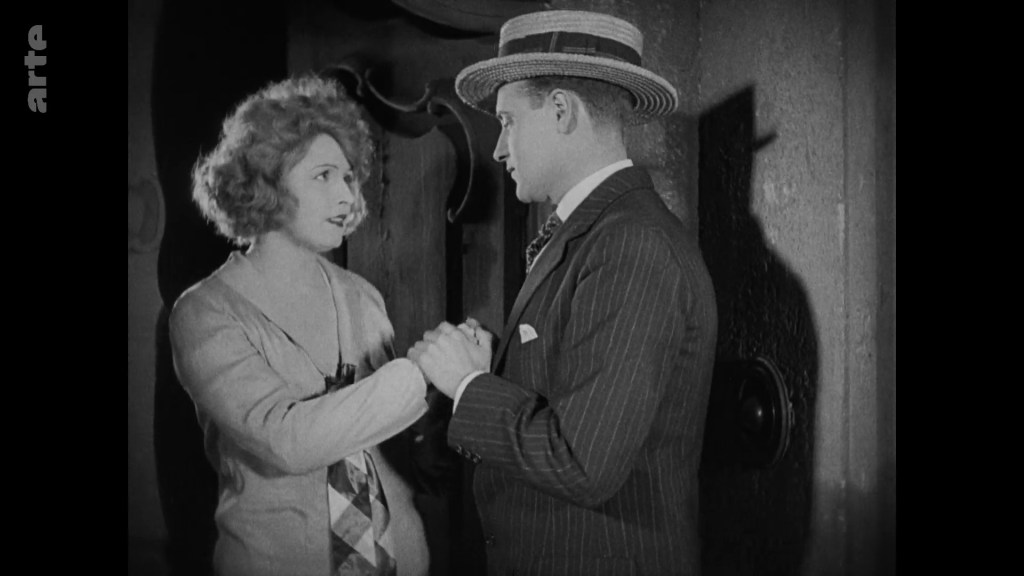
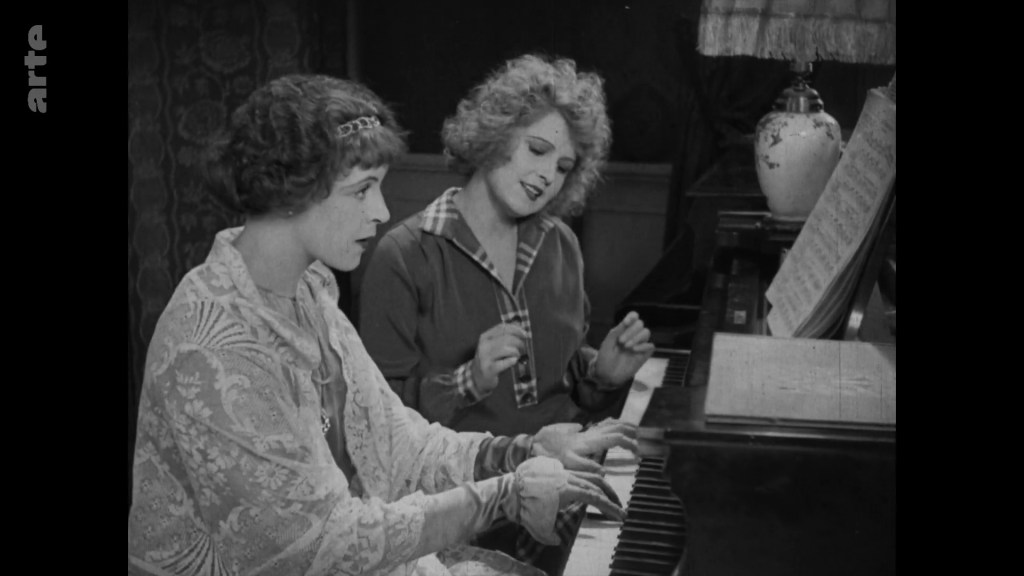
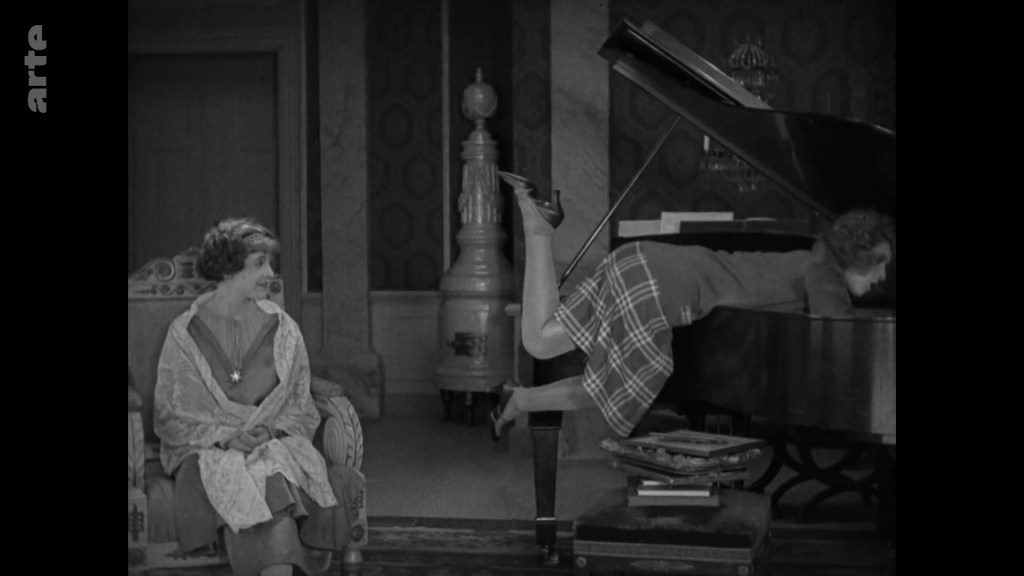
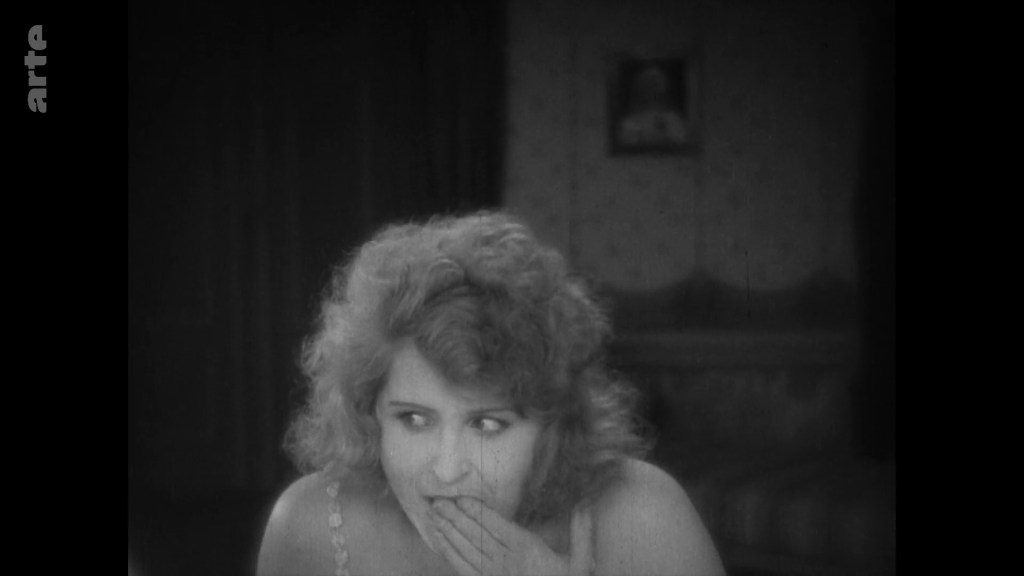
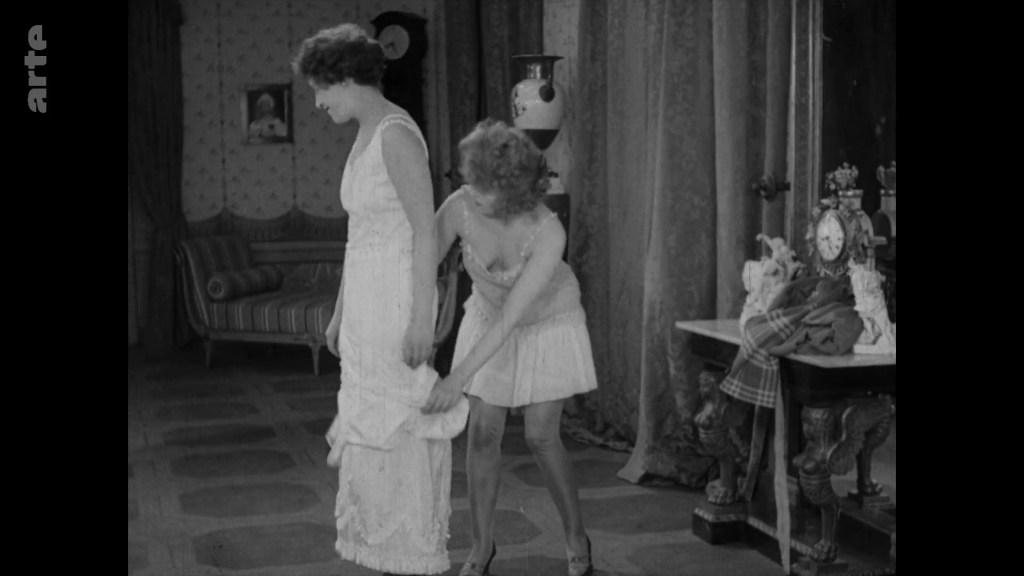
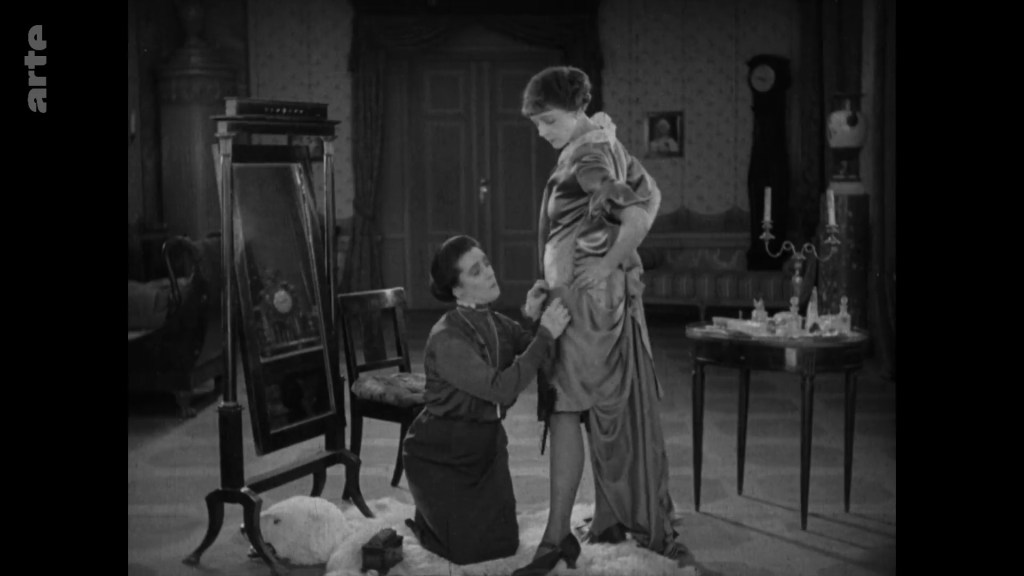
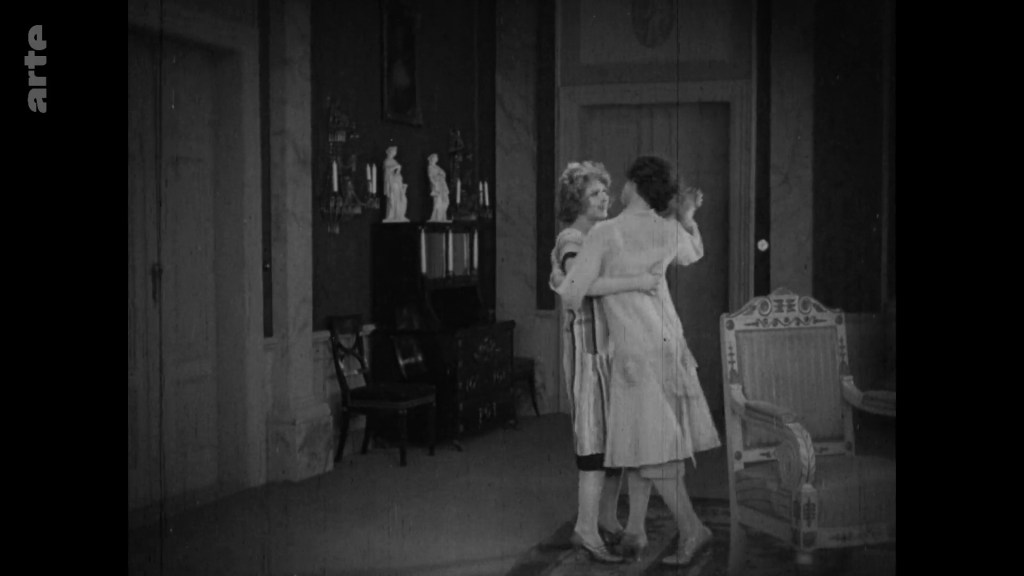
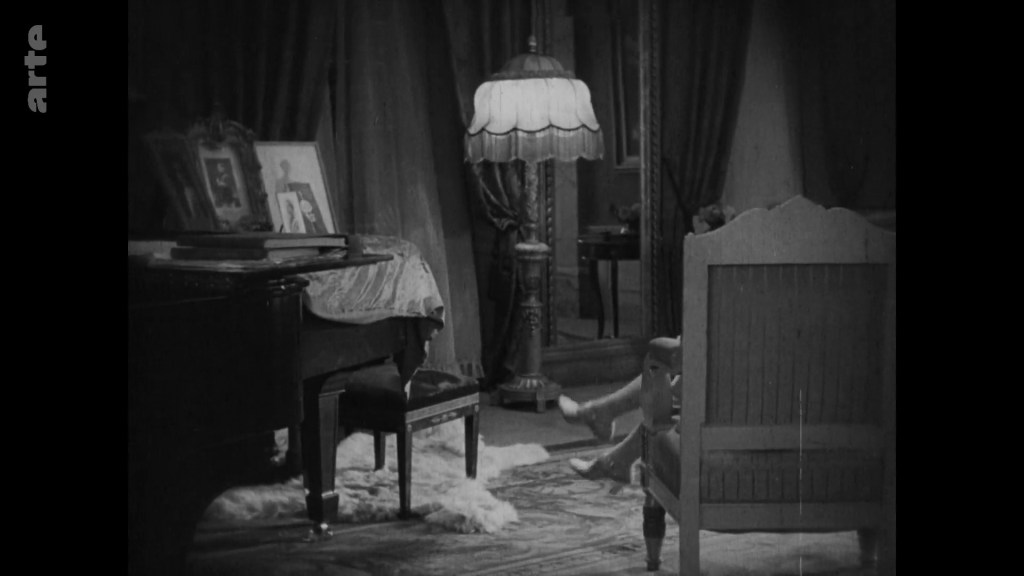
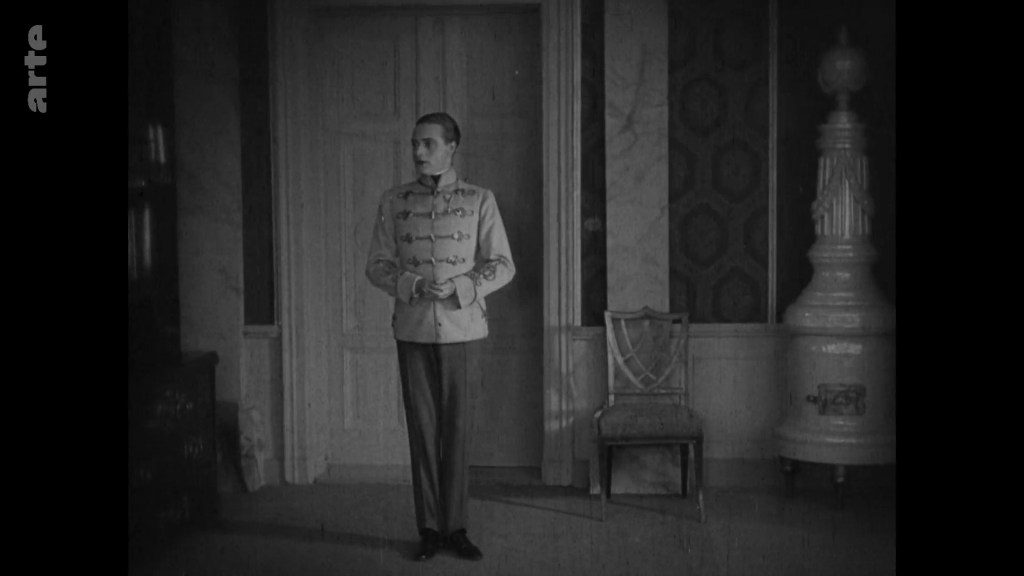
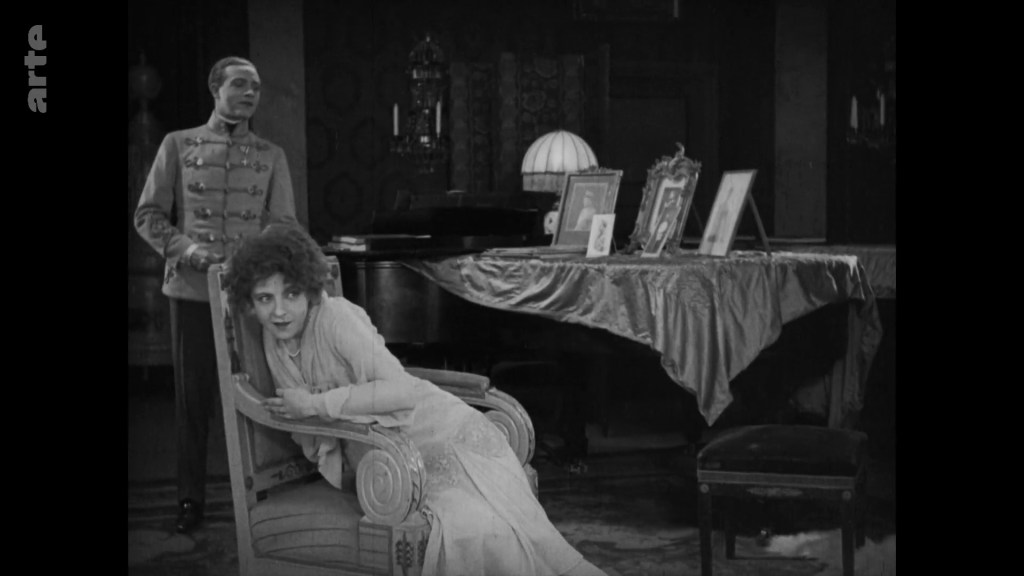
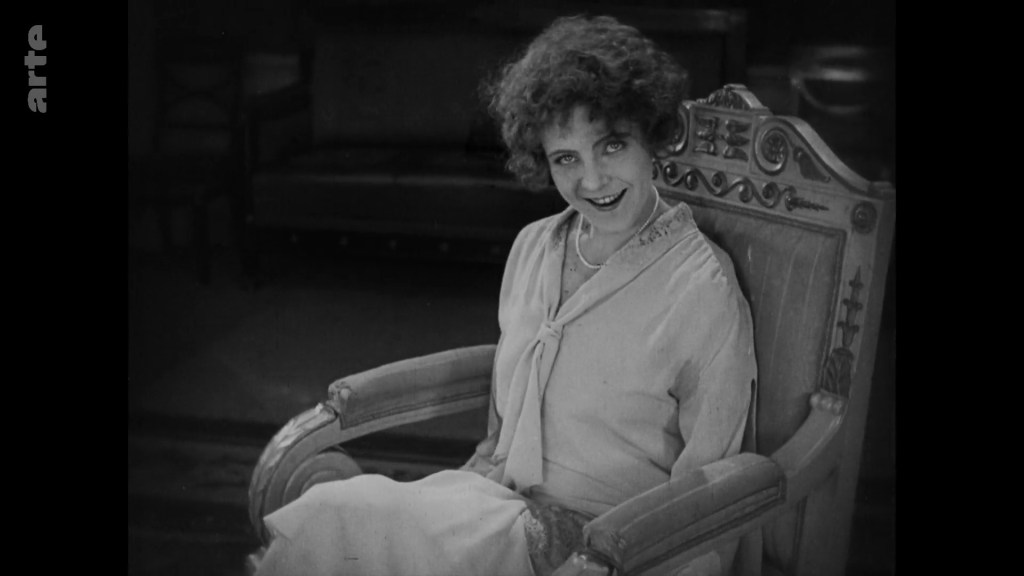
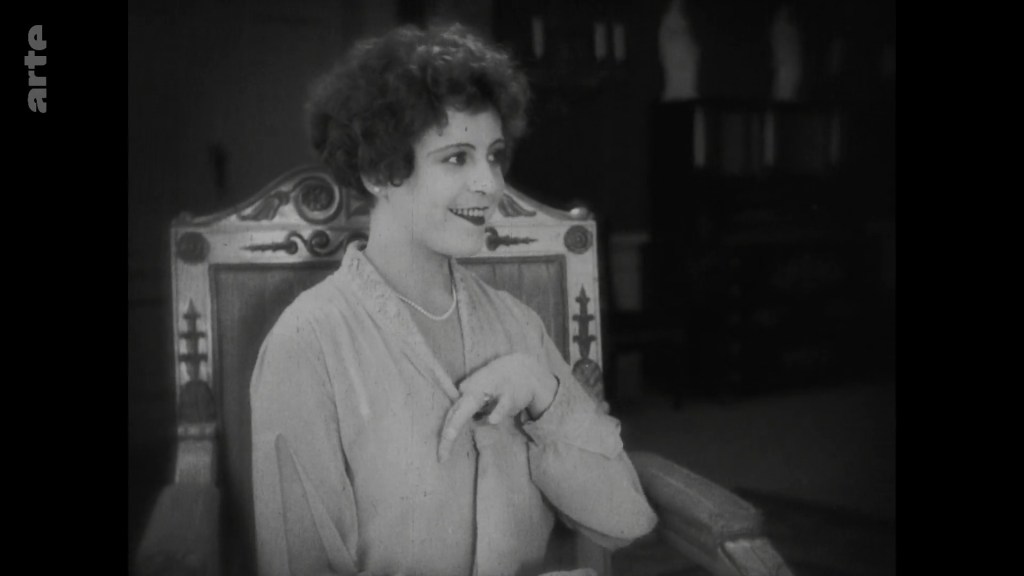
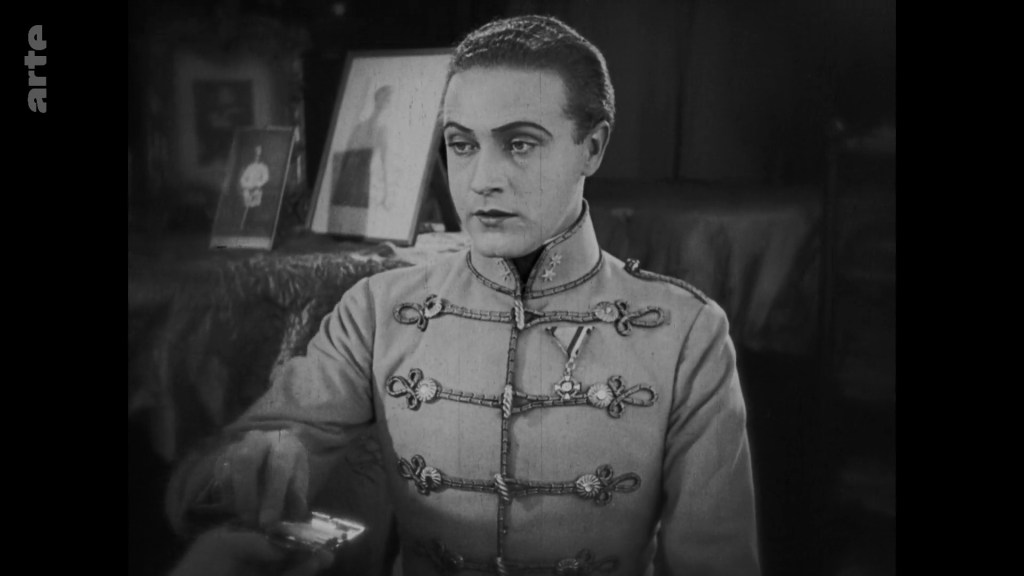
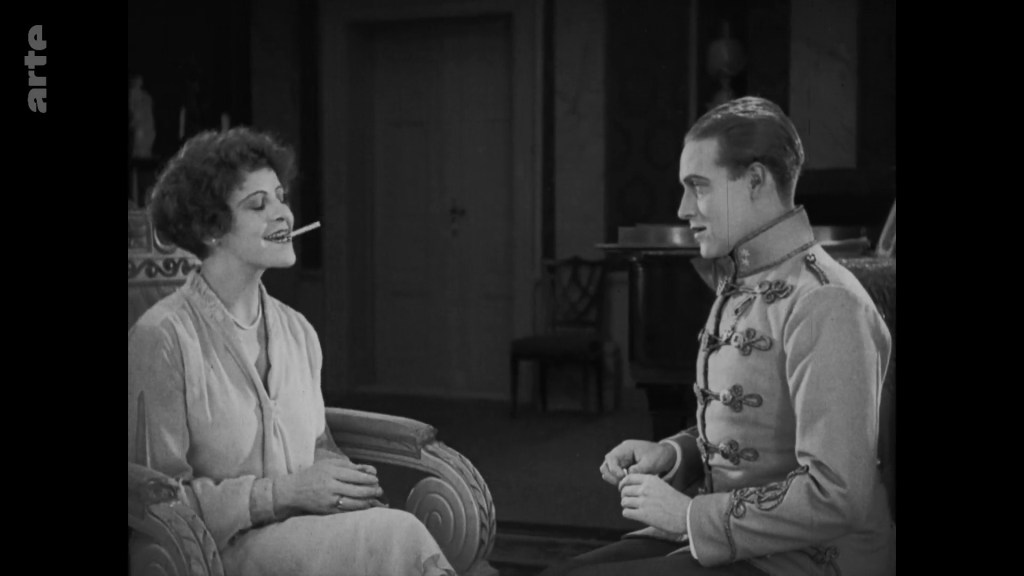
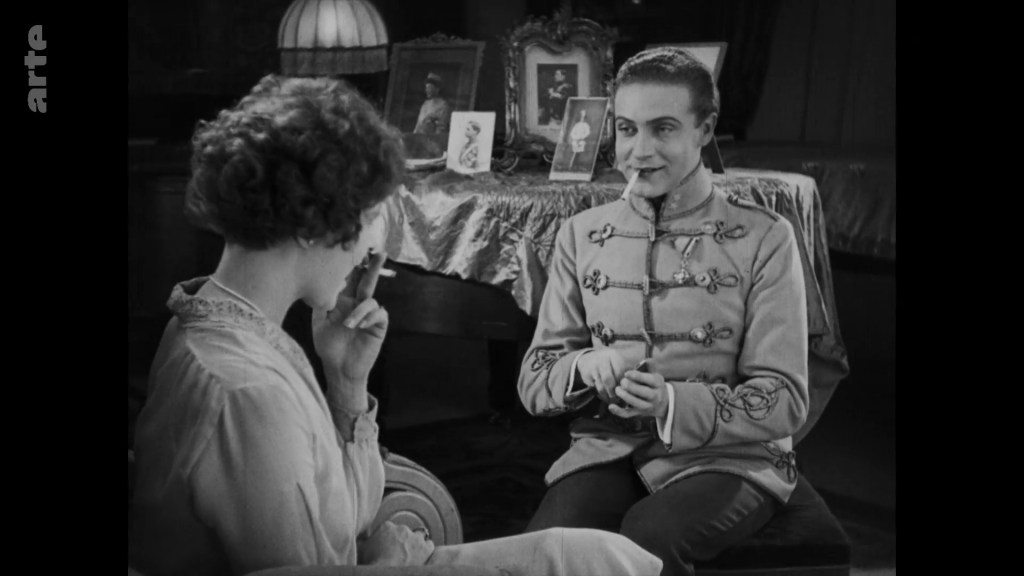
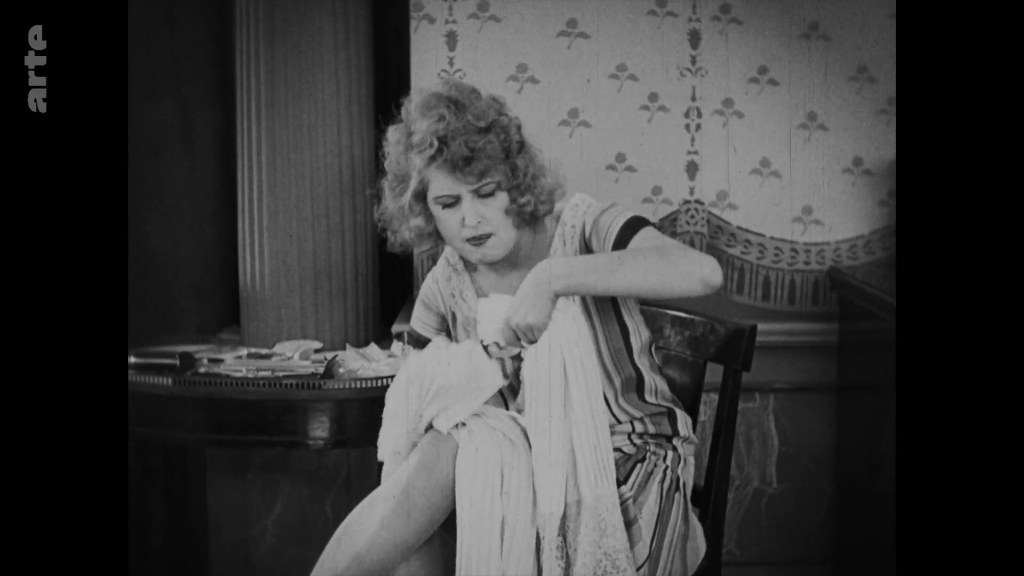
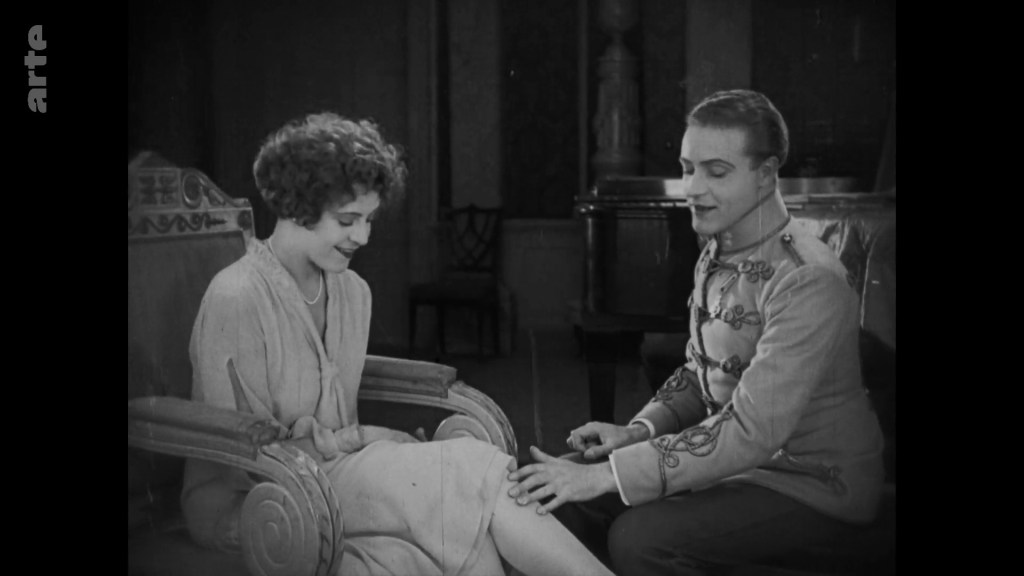
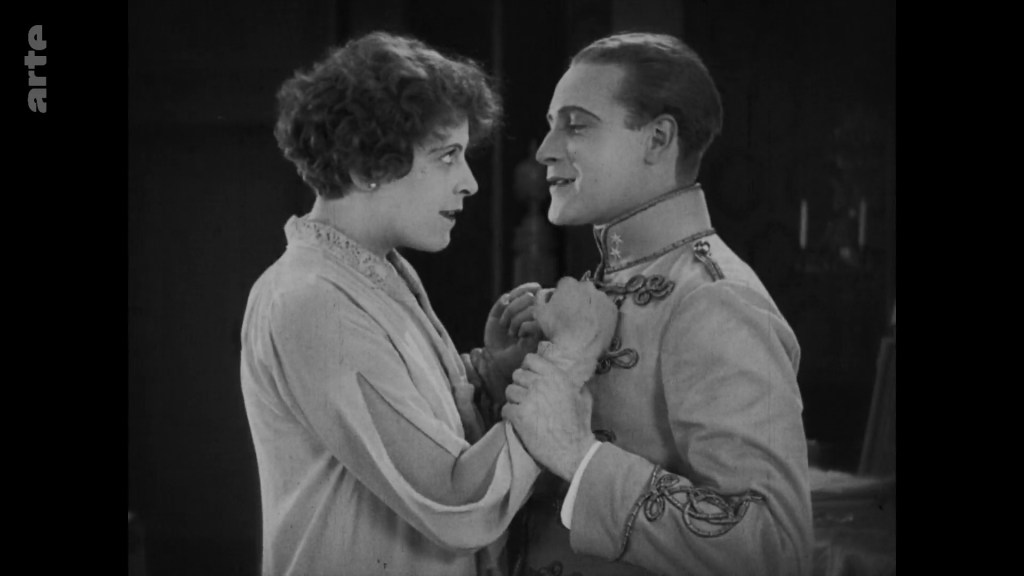
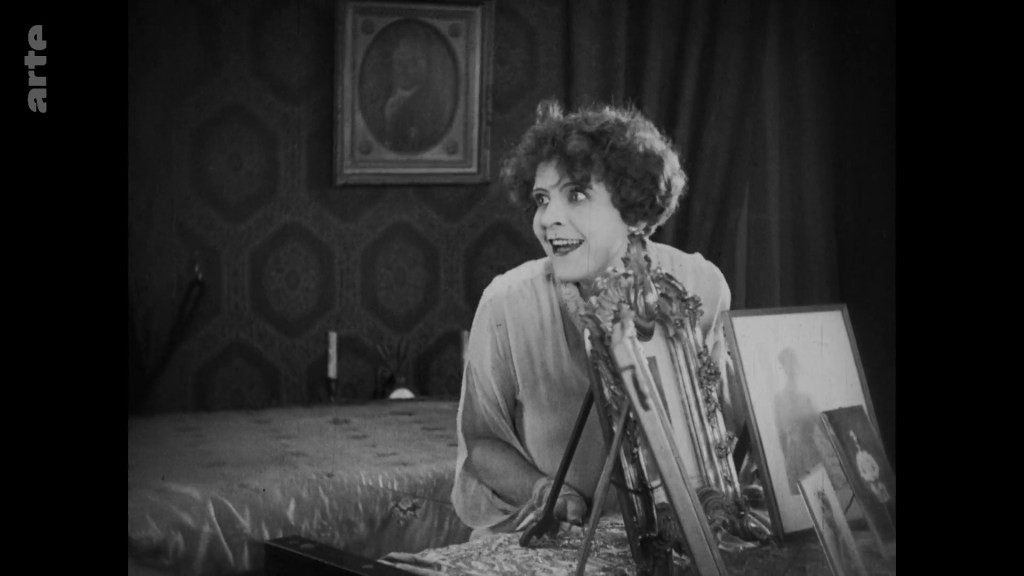
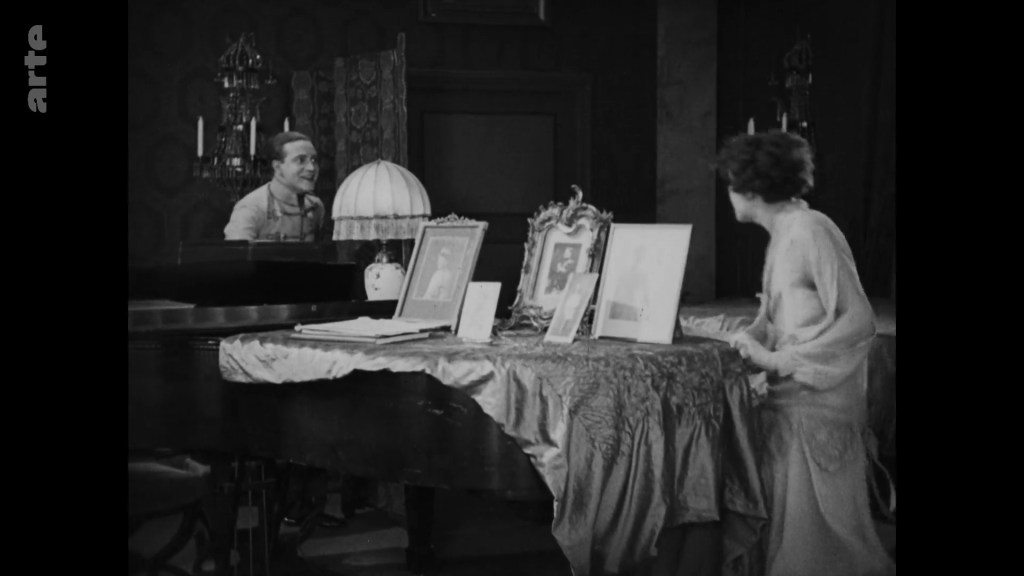
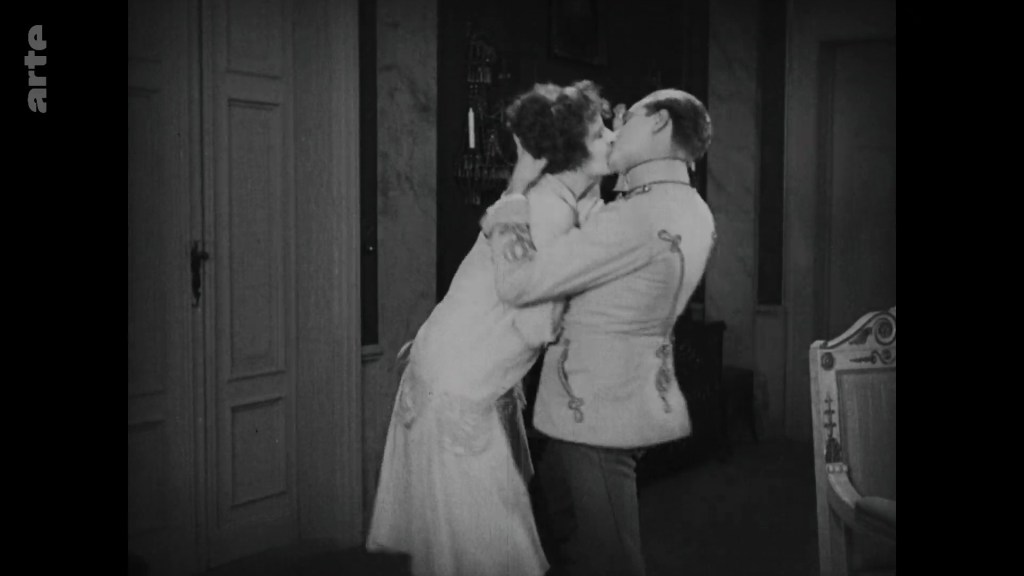
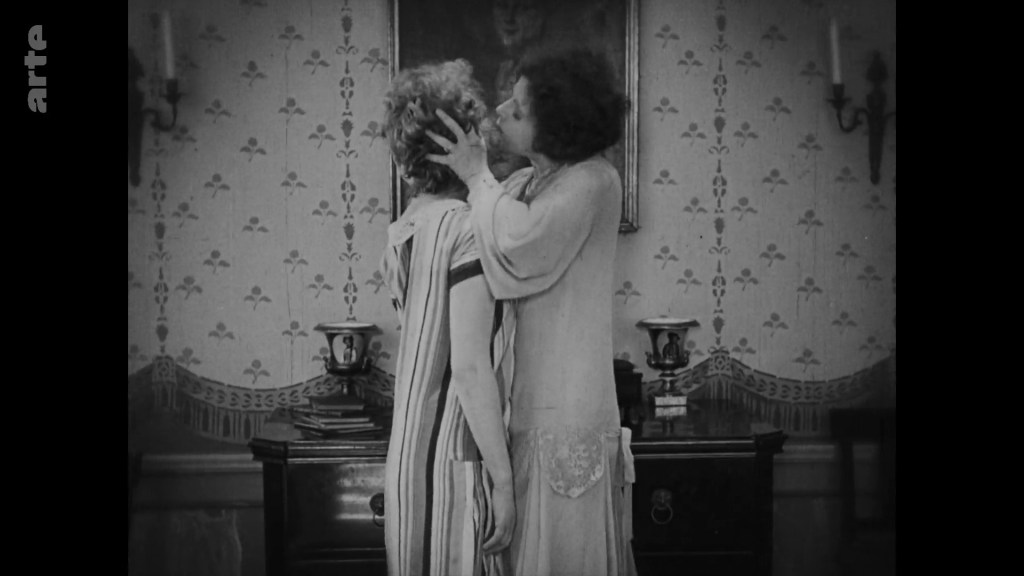
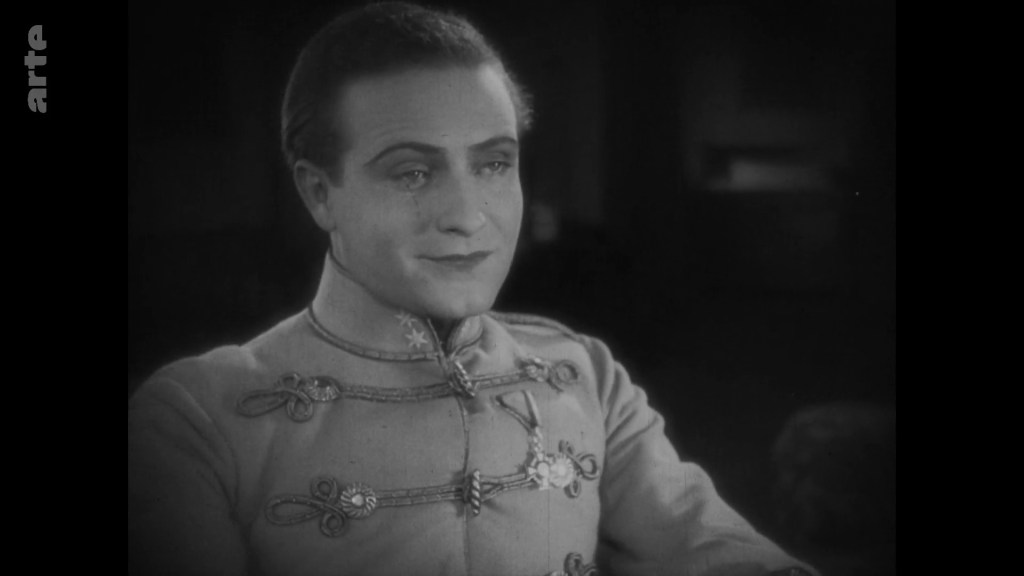
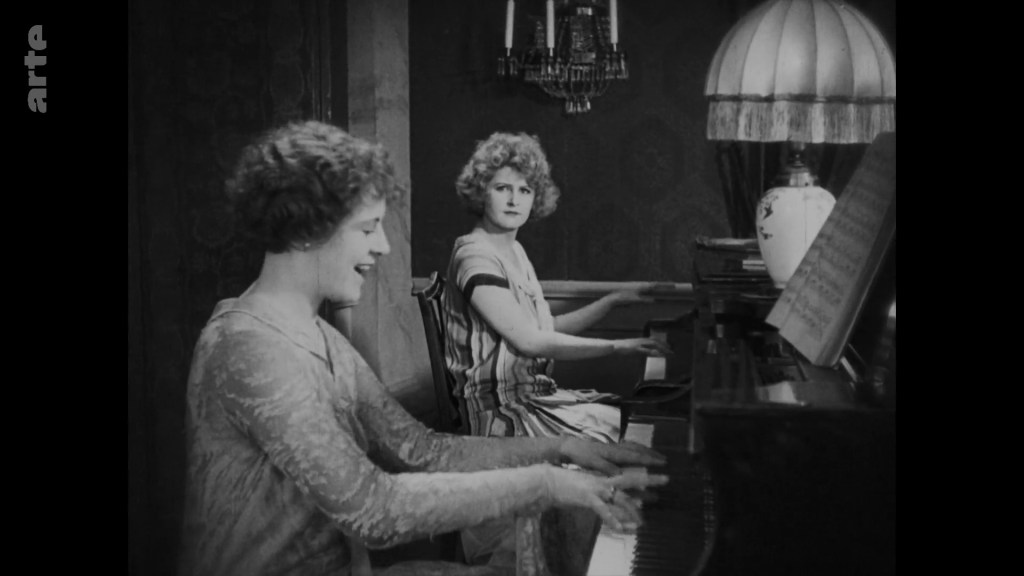
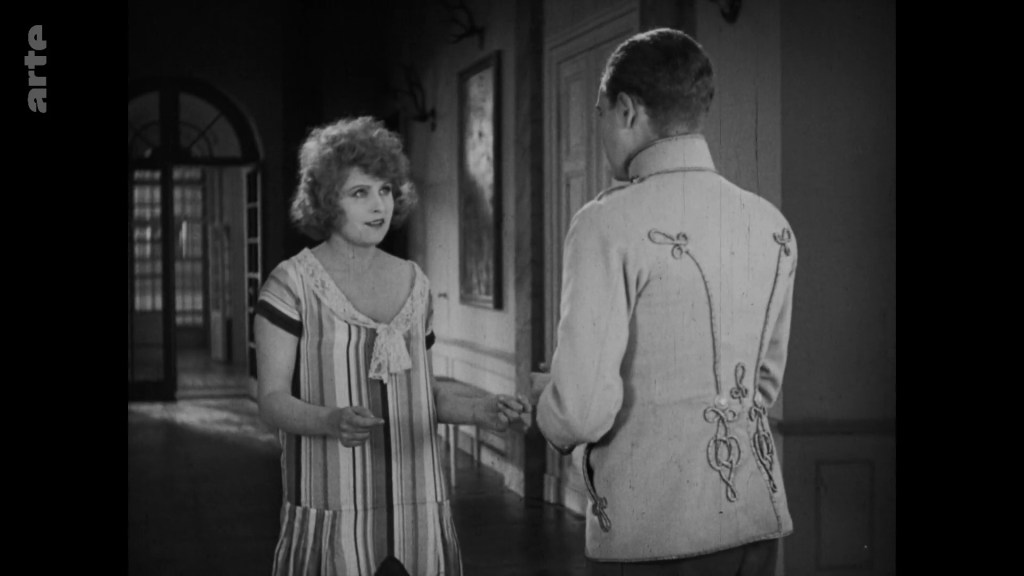
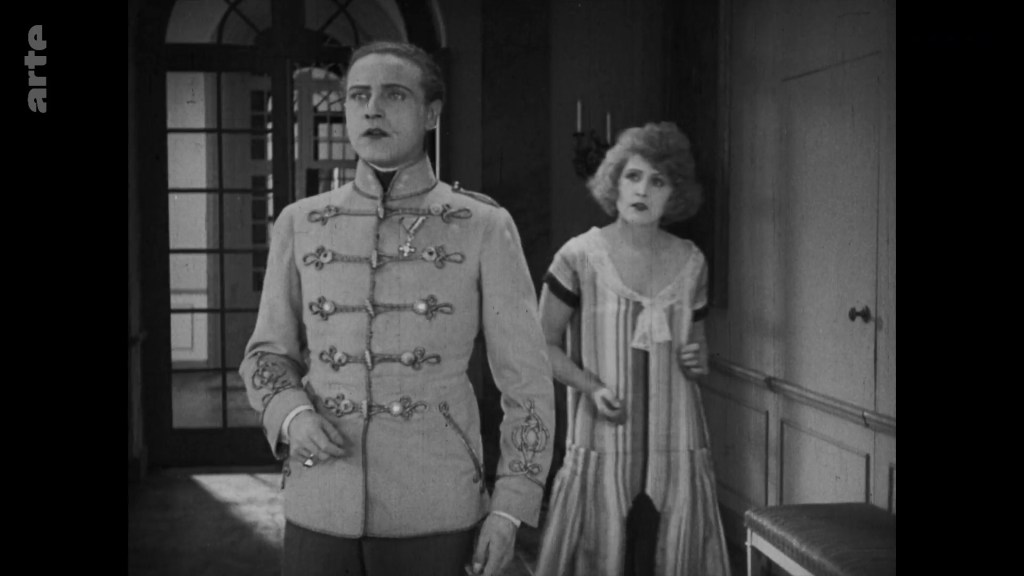
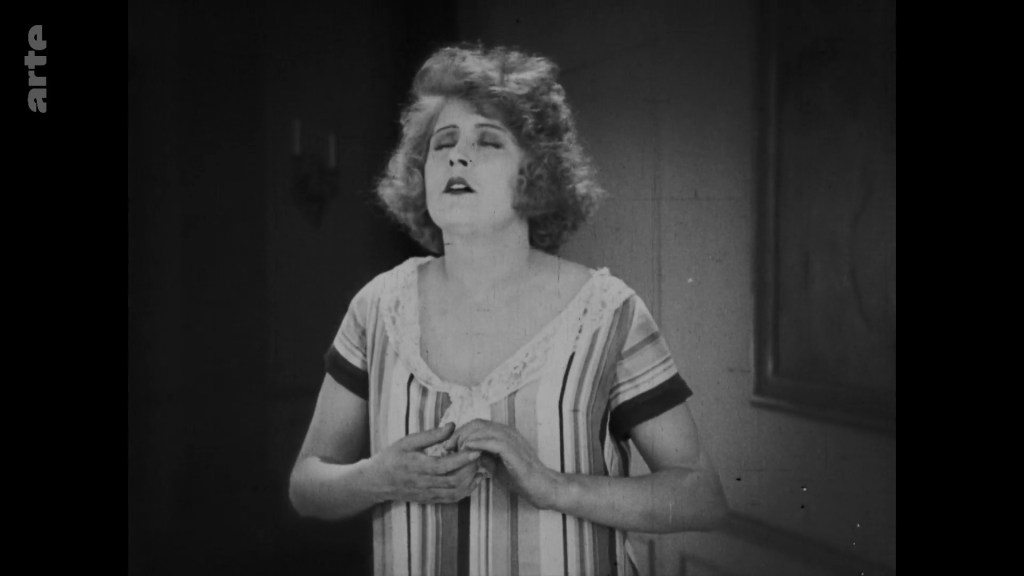
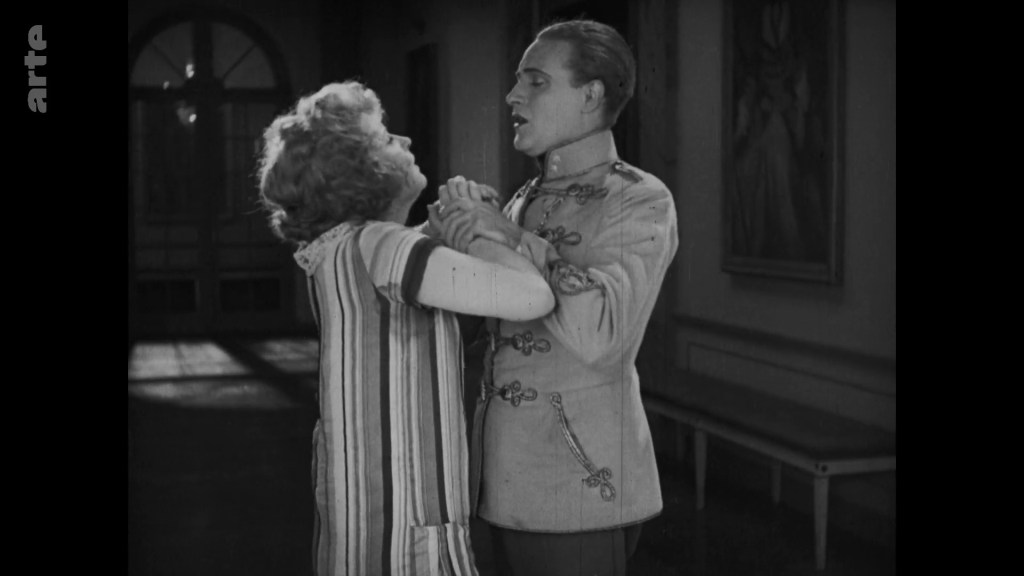
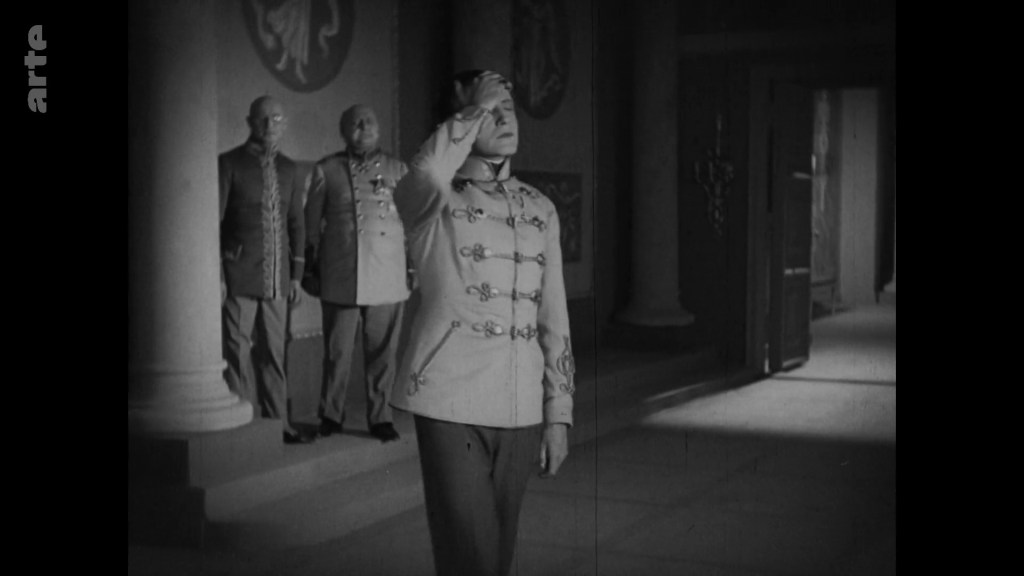
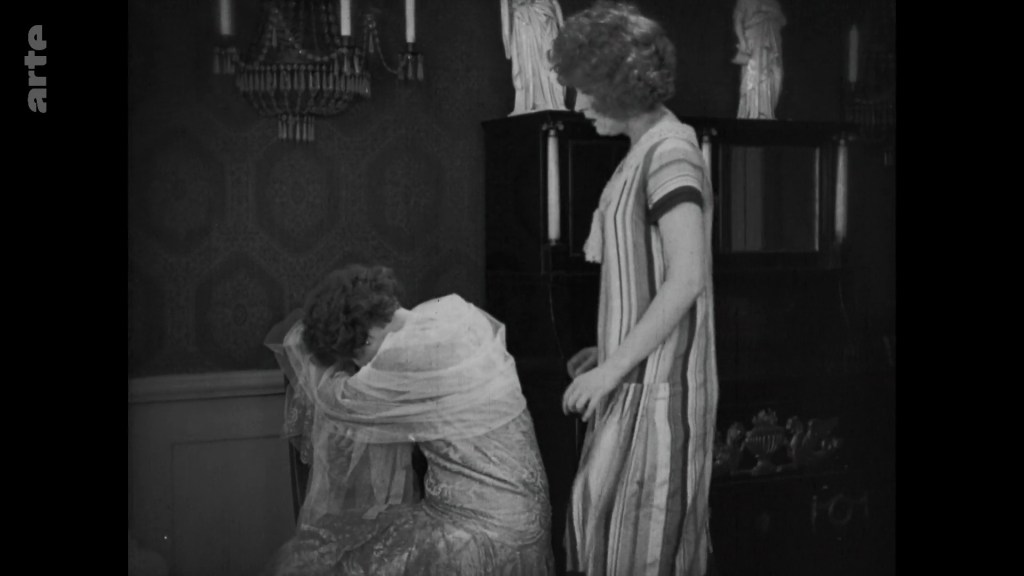
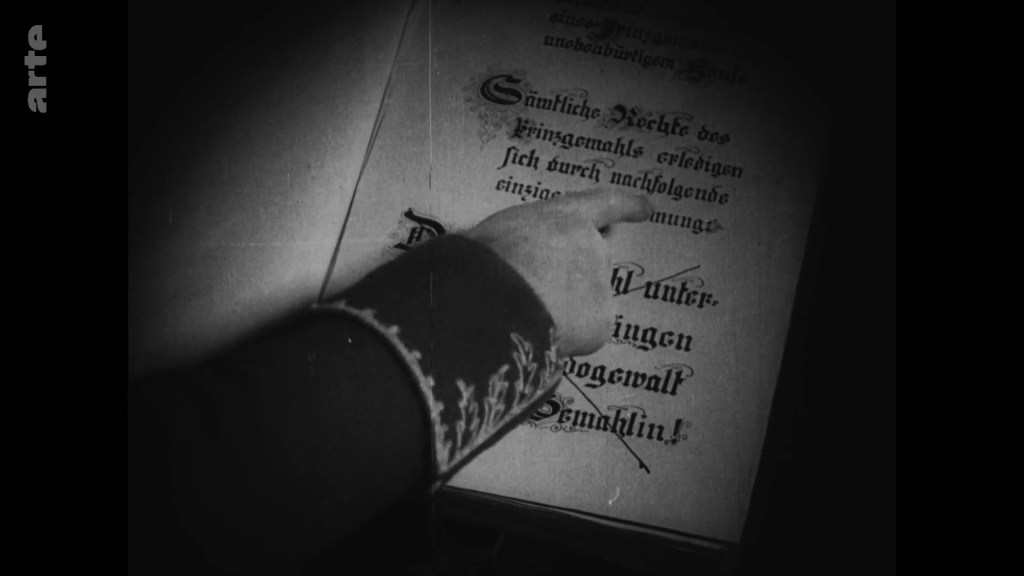
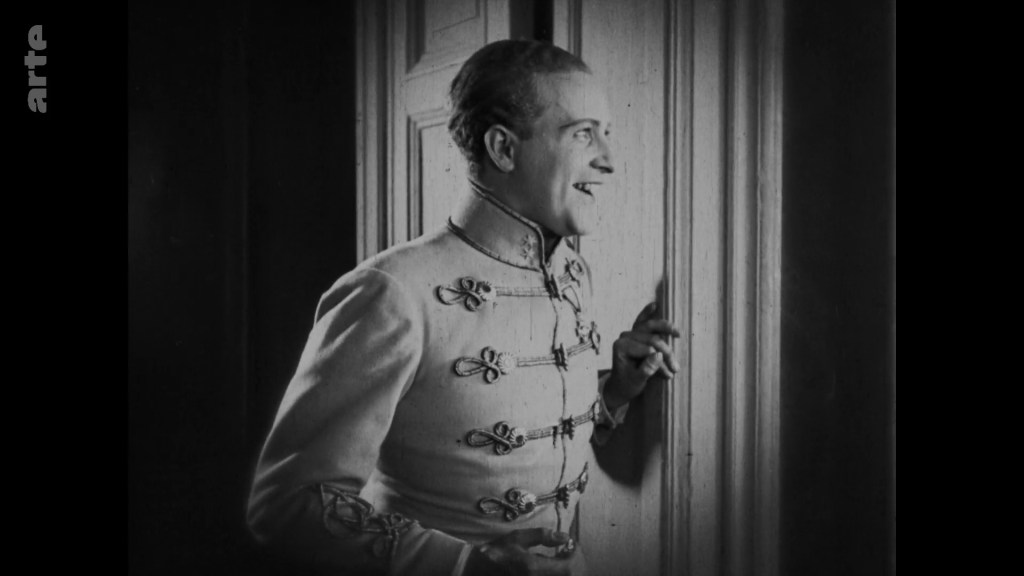
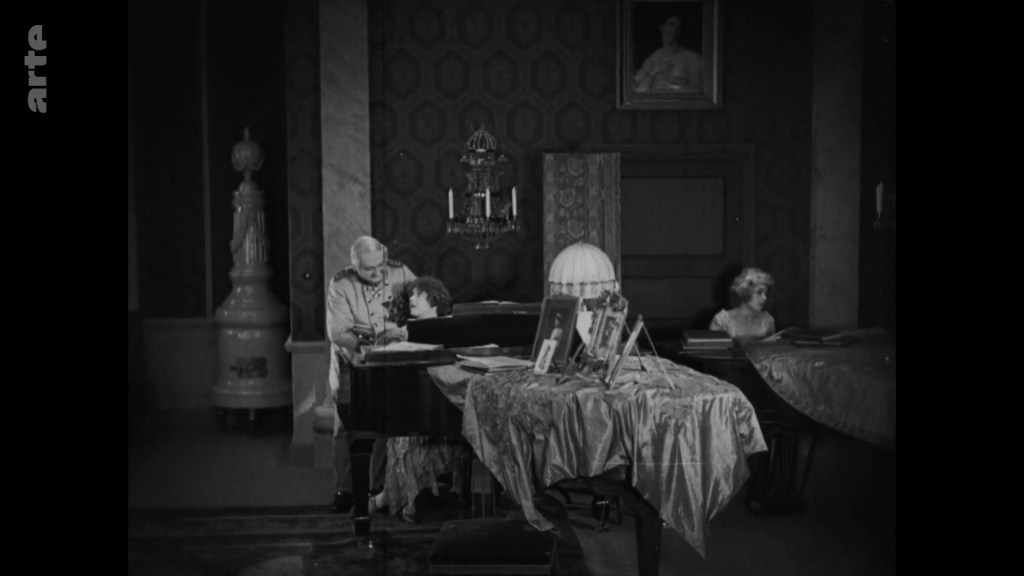
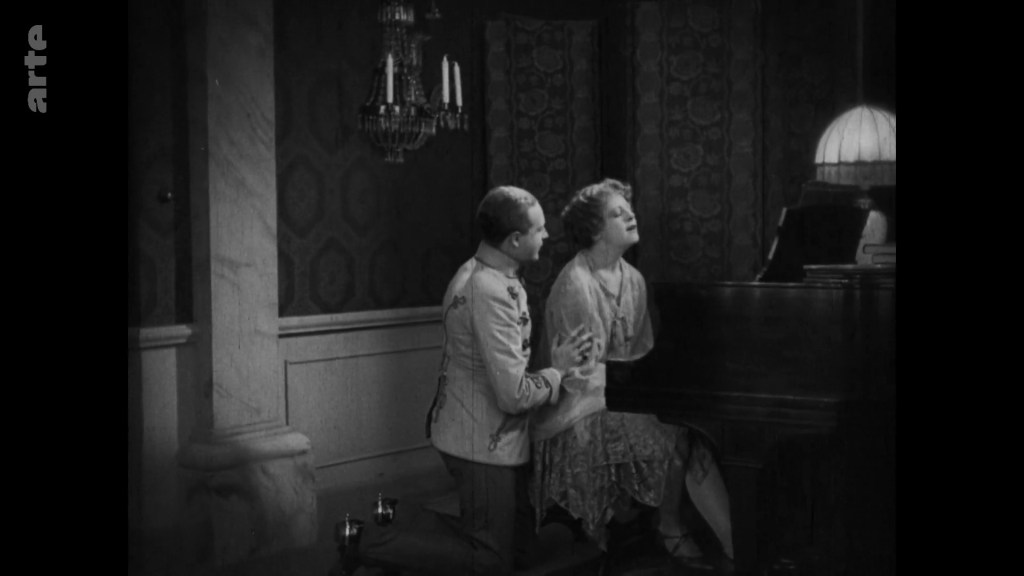
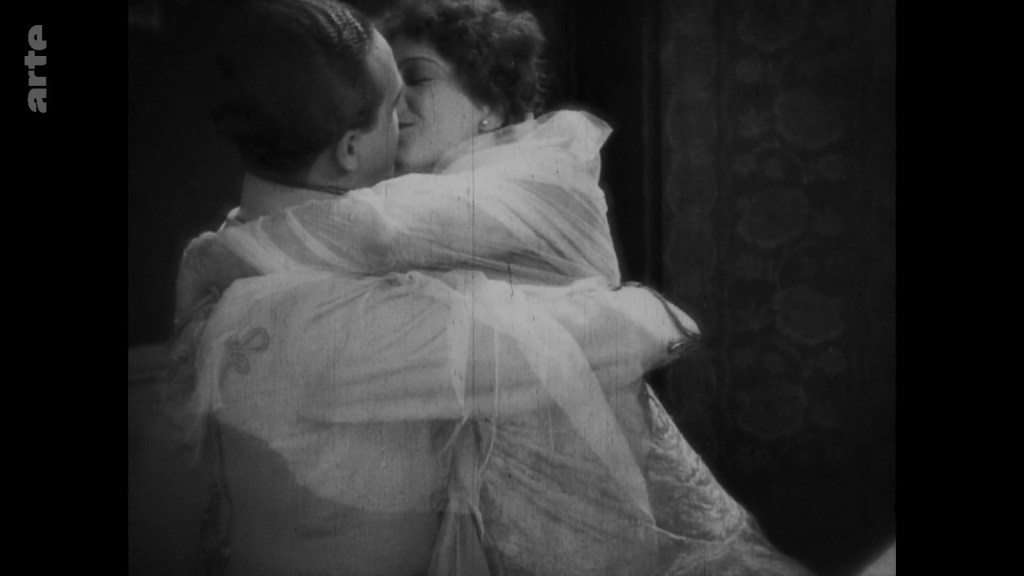
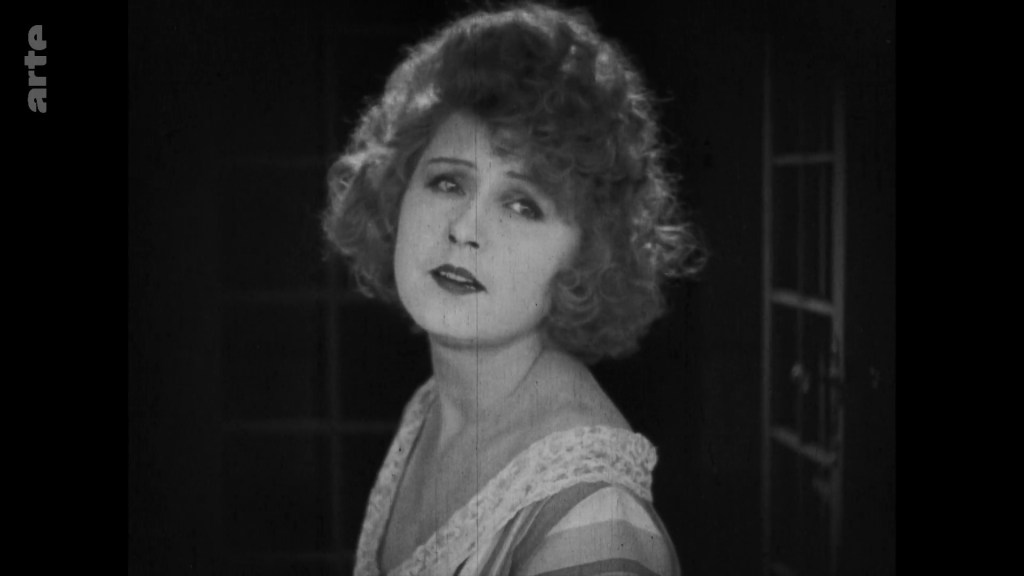
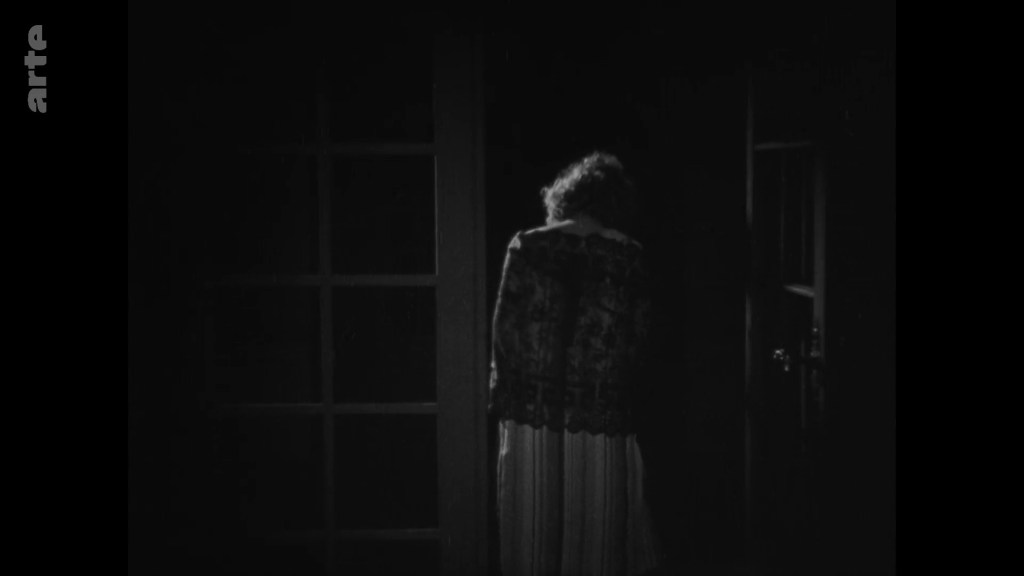





















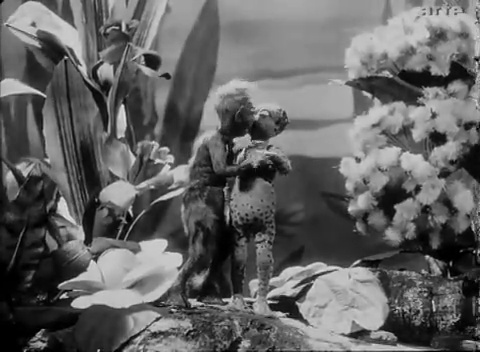


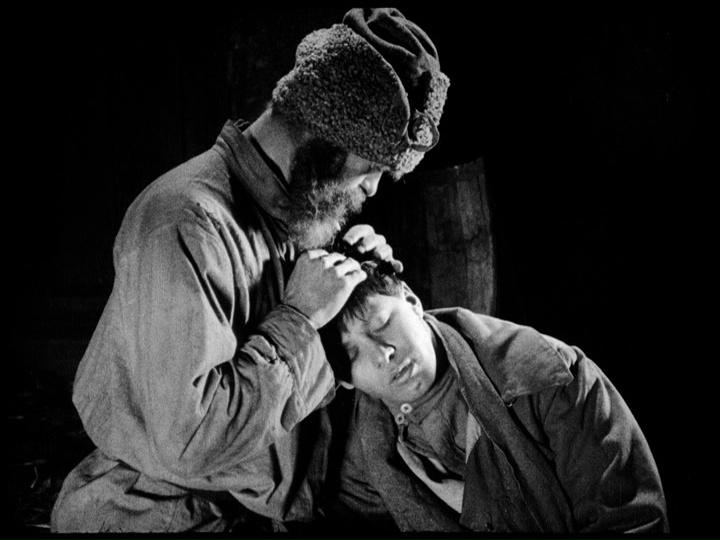


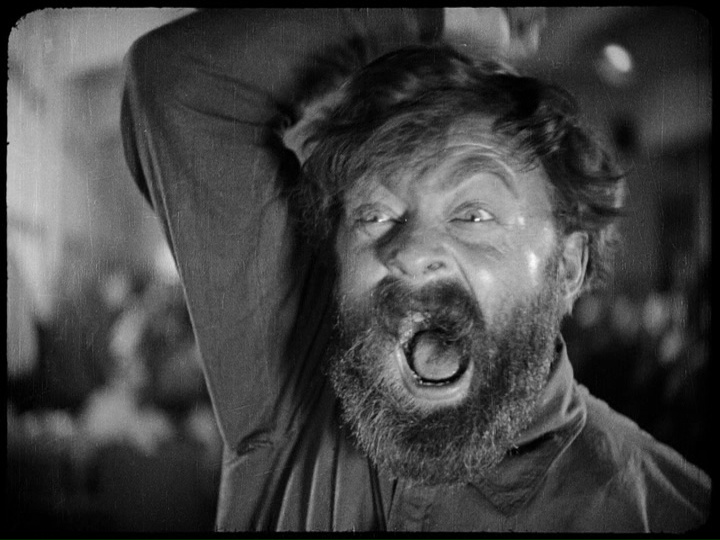
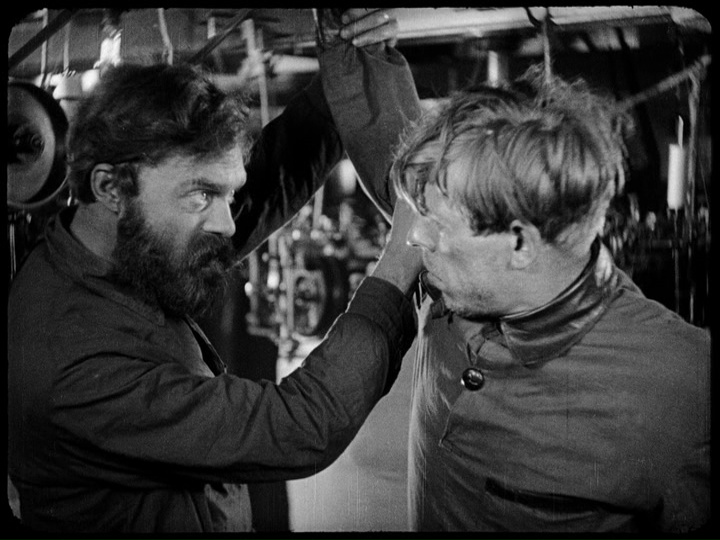

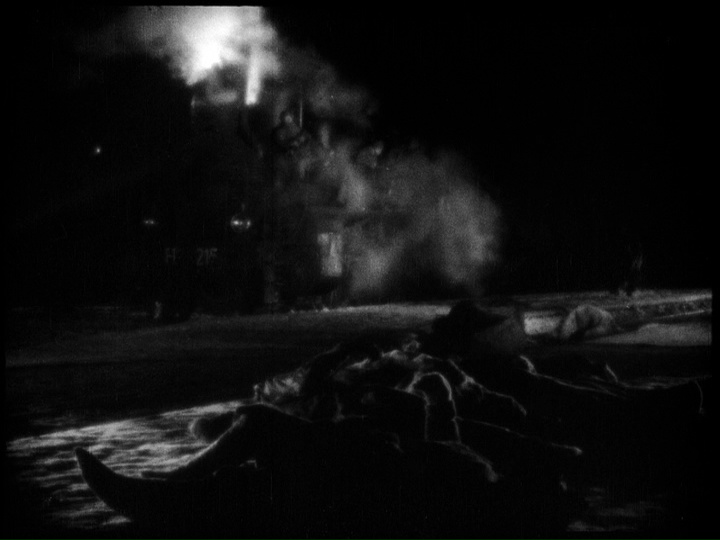











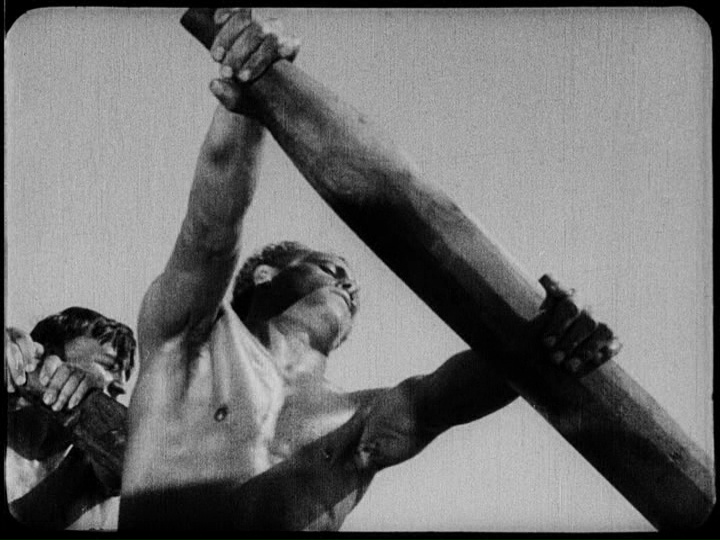


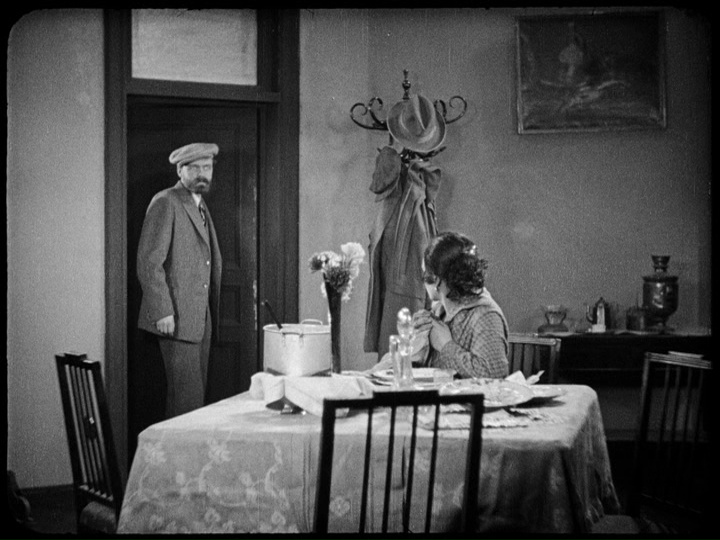

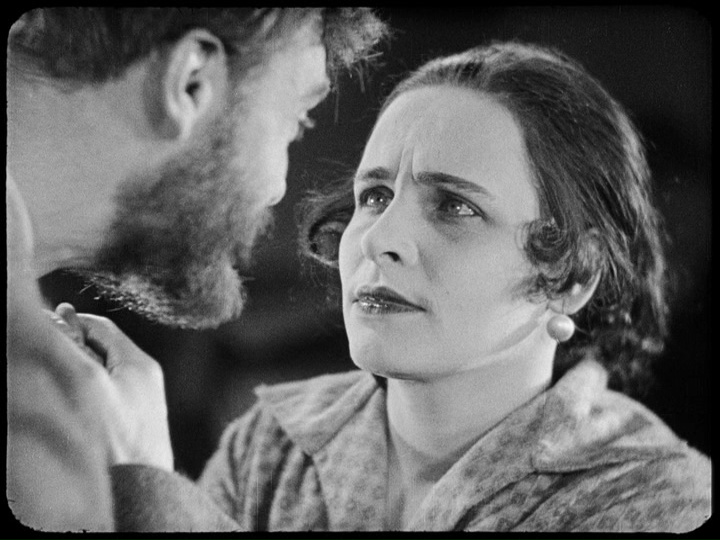

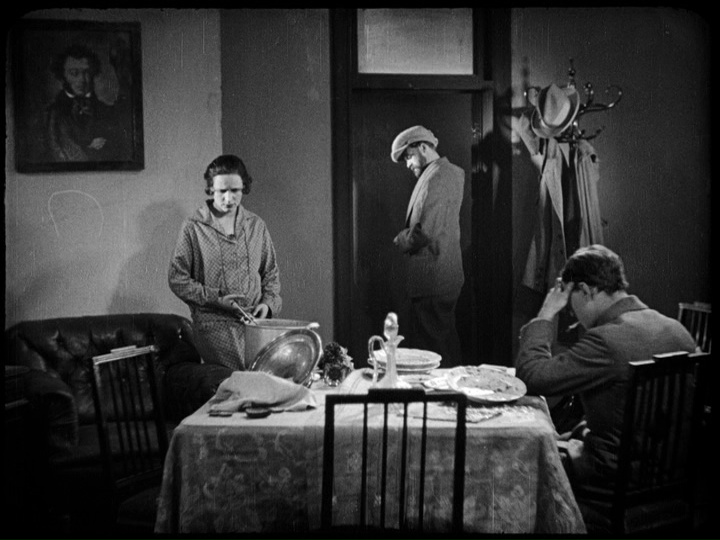









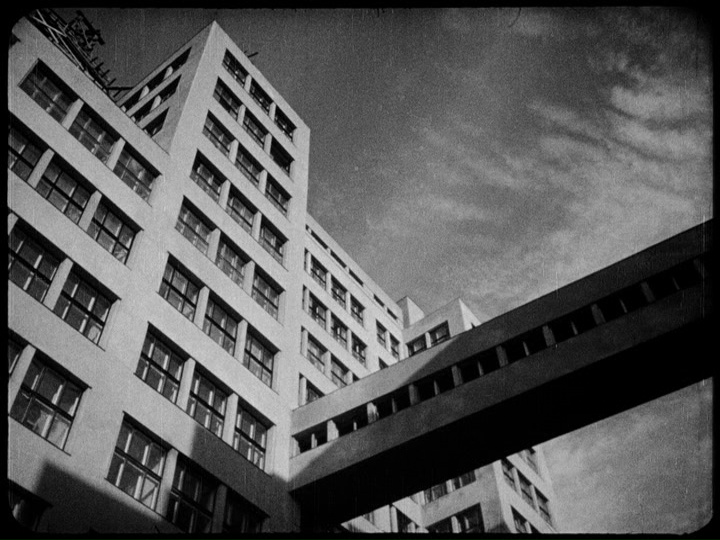


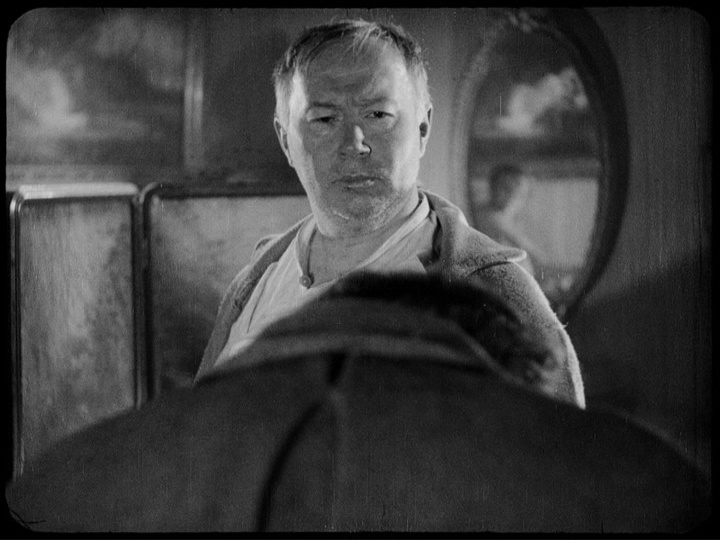
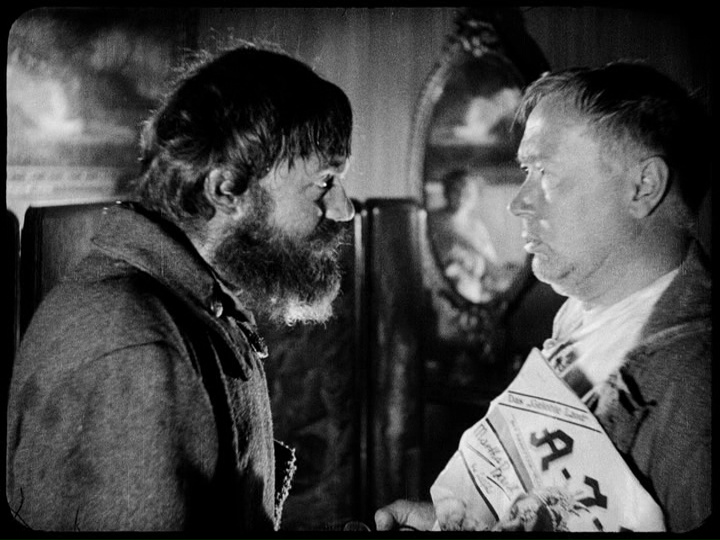
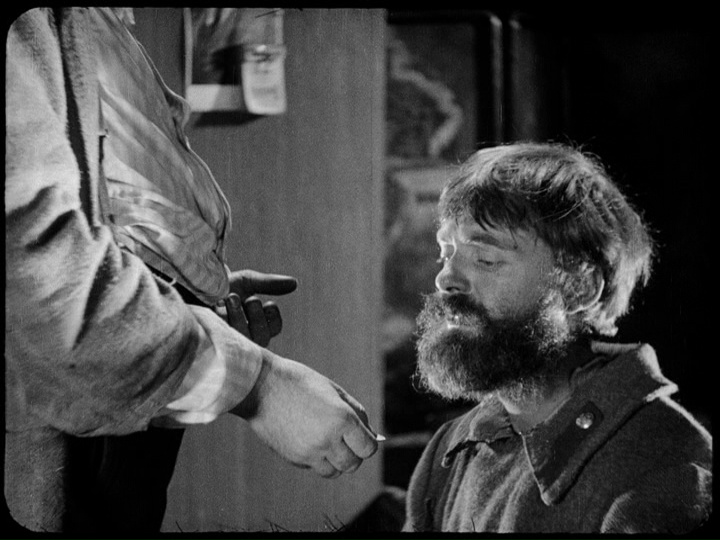









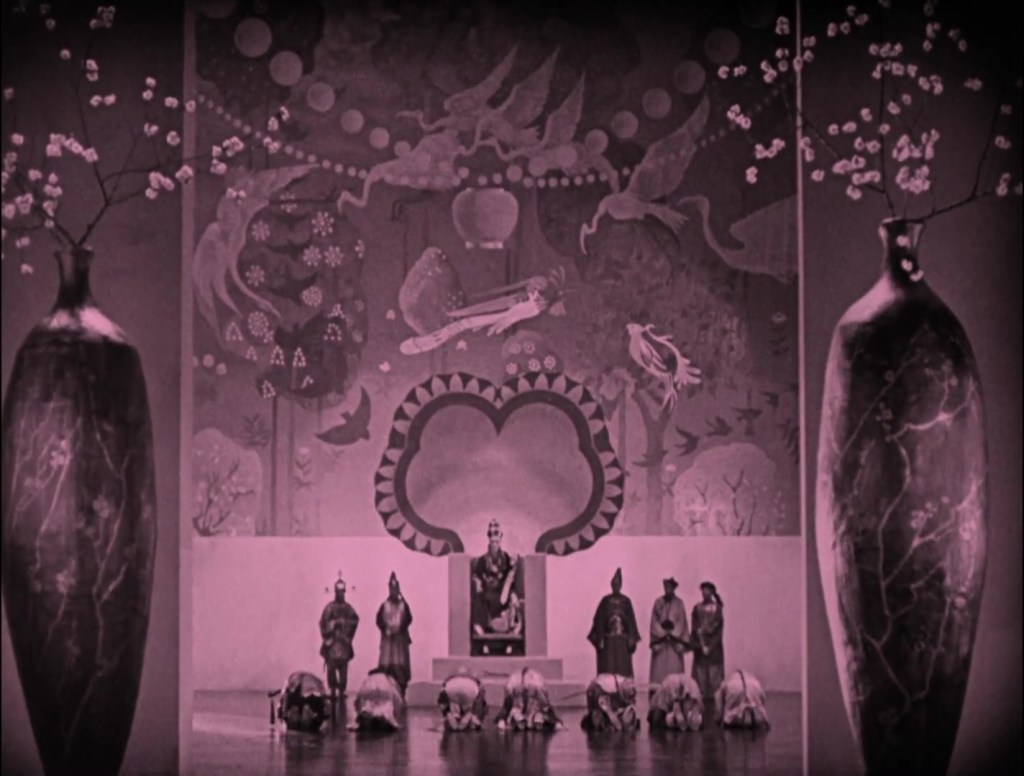


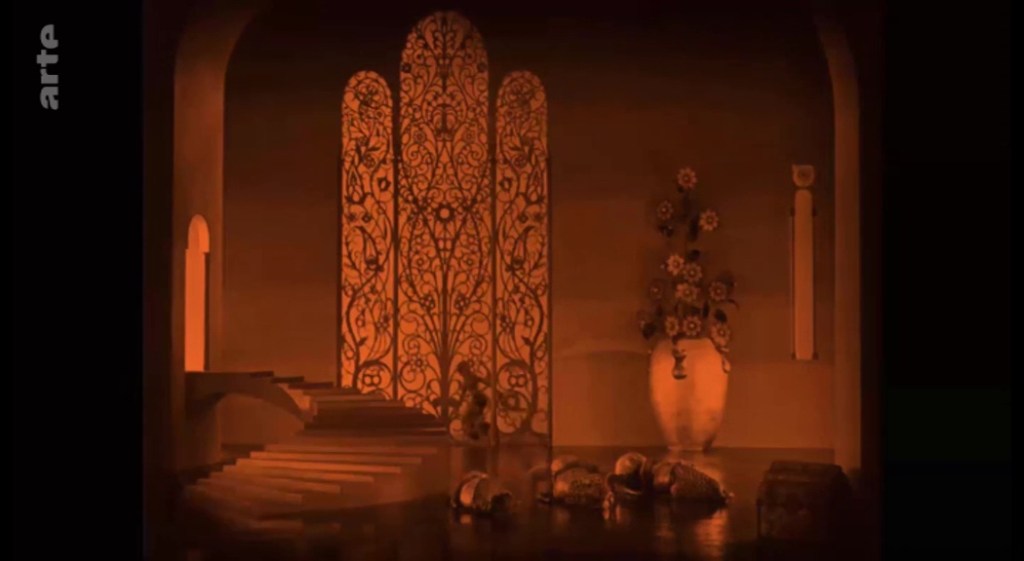

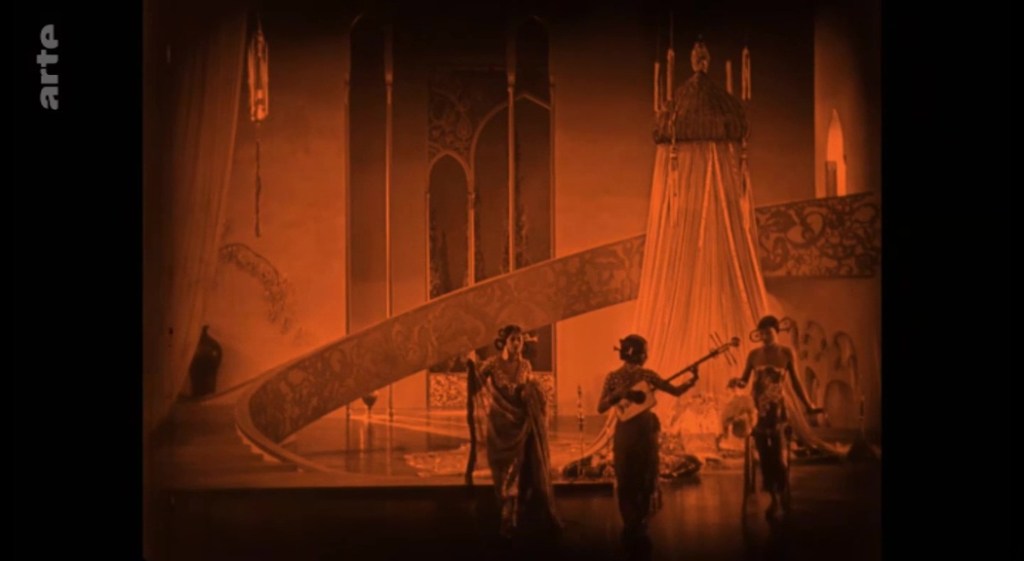
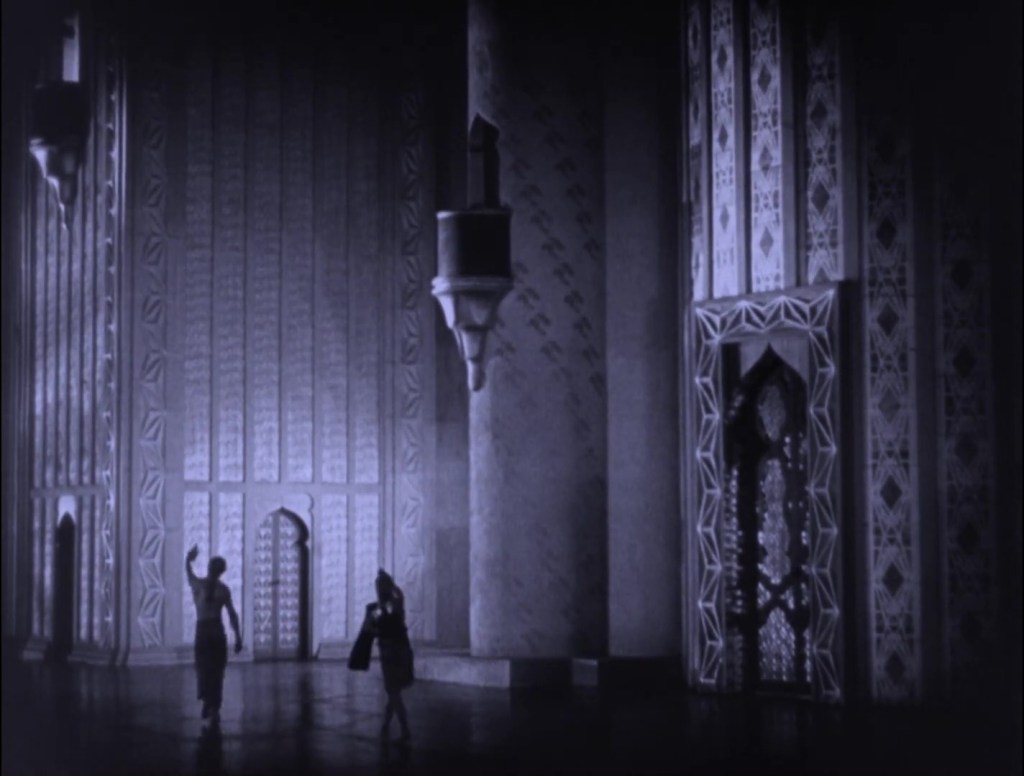


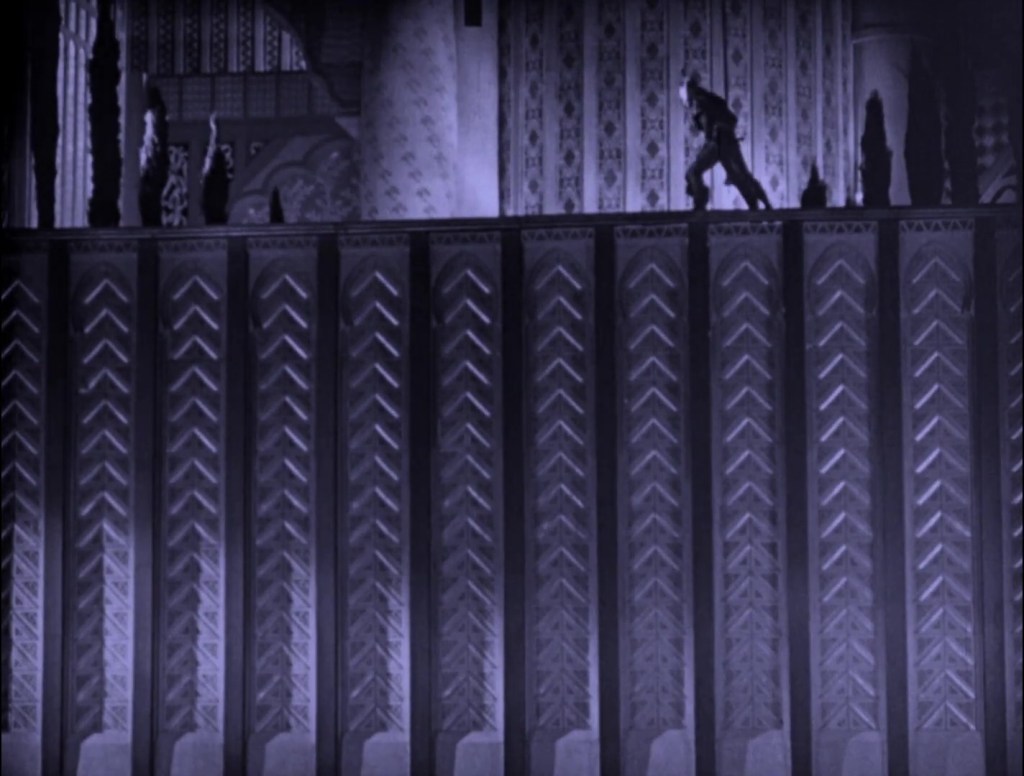


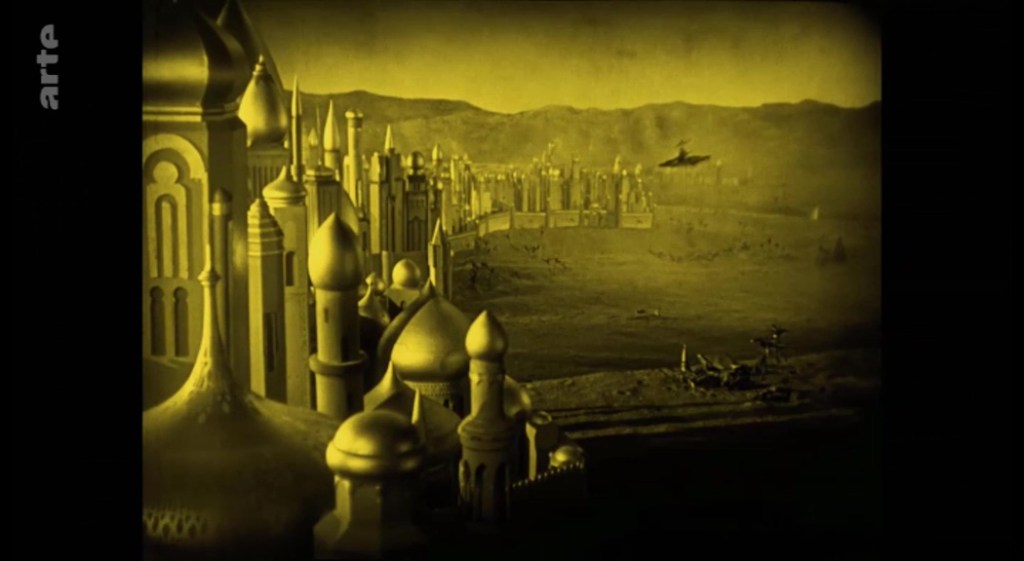



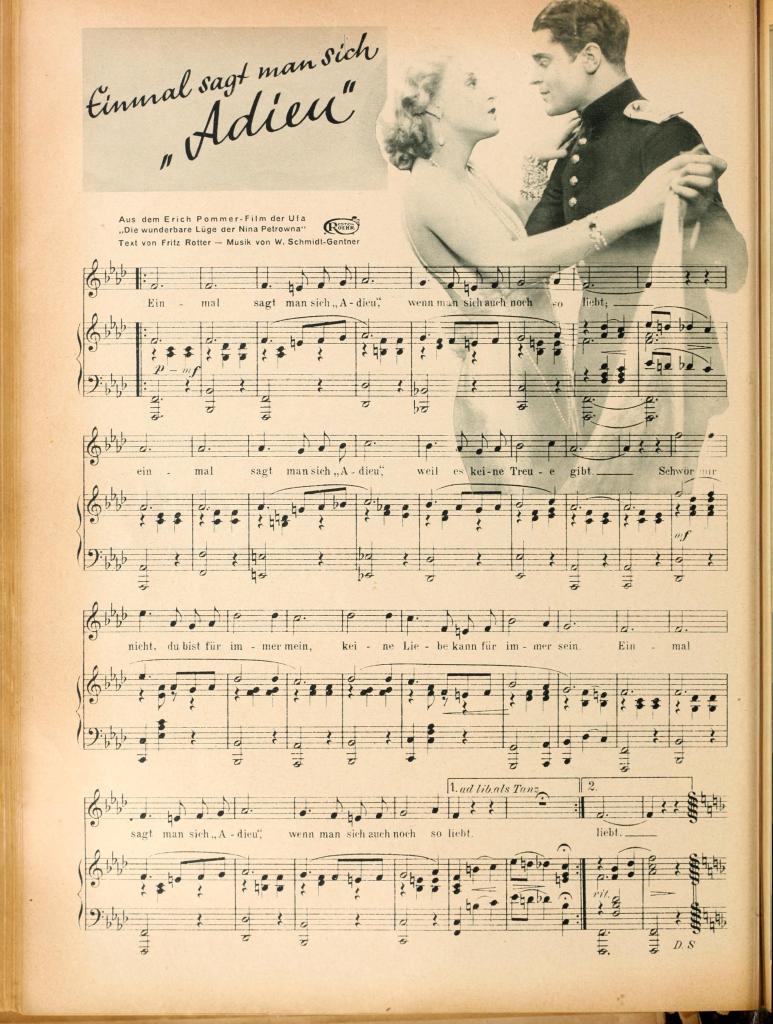
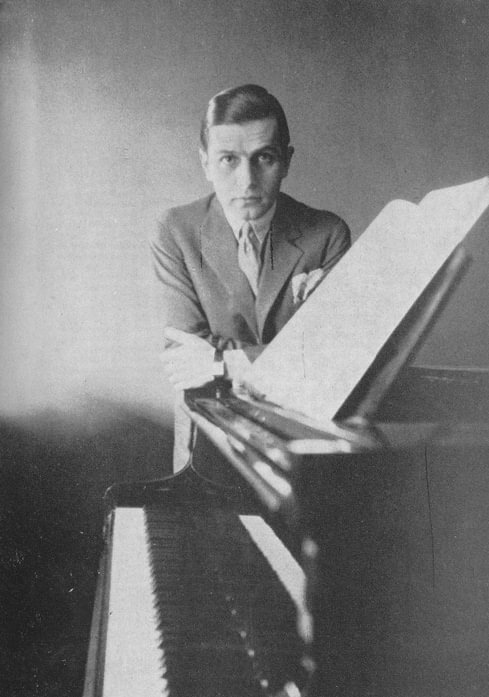














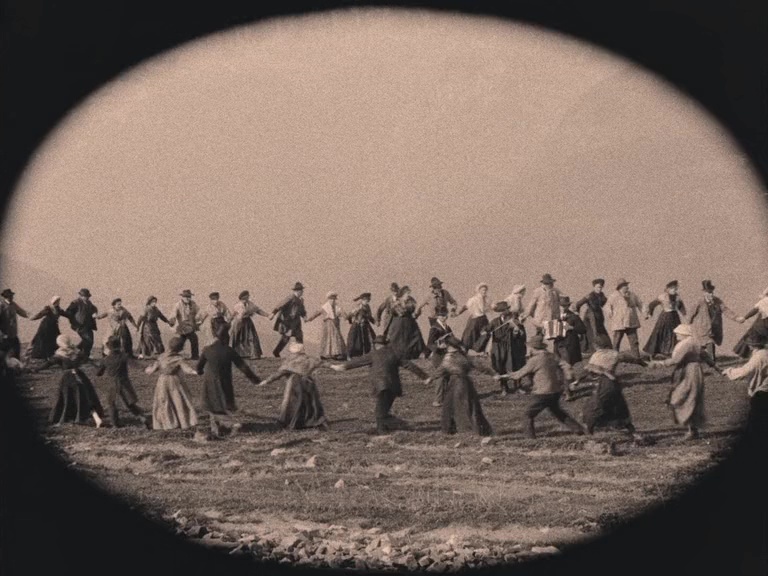


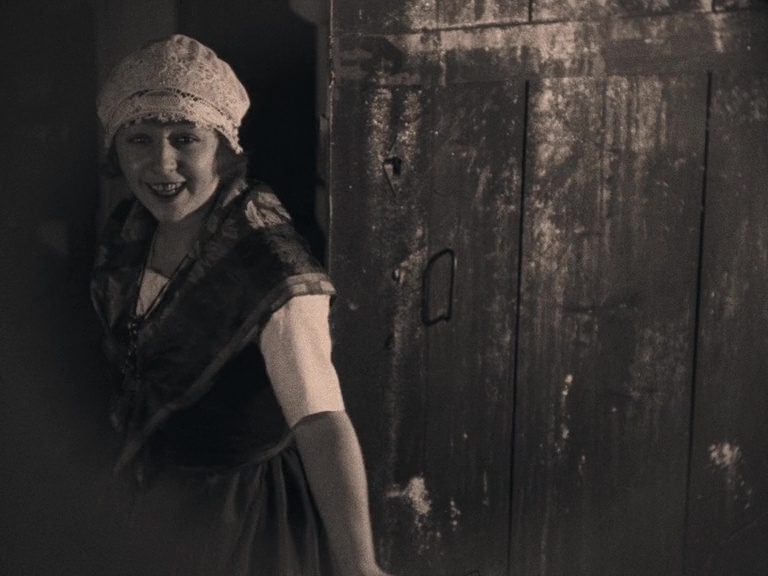

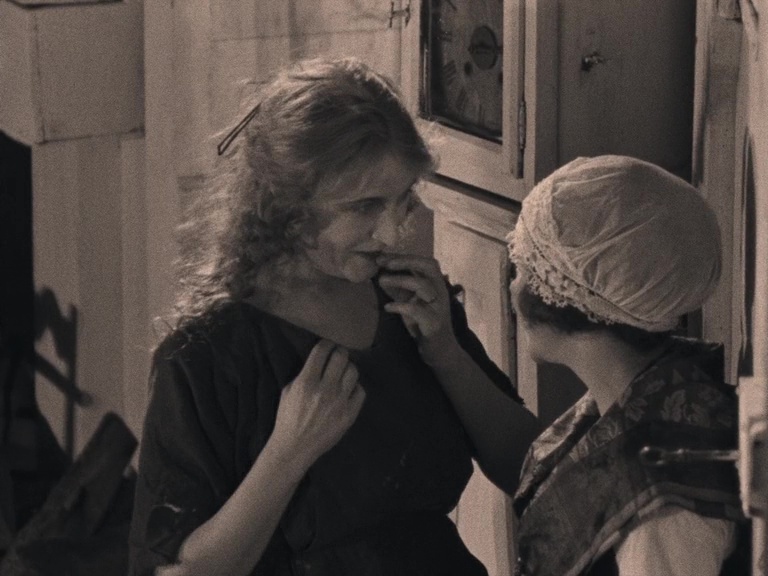




 The Realm of Silence