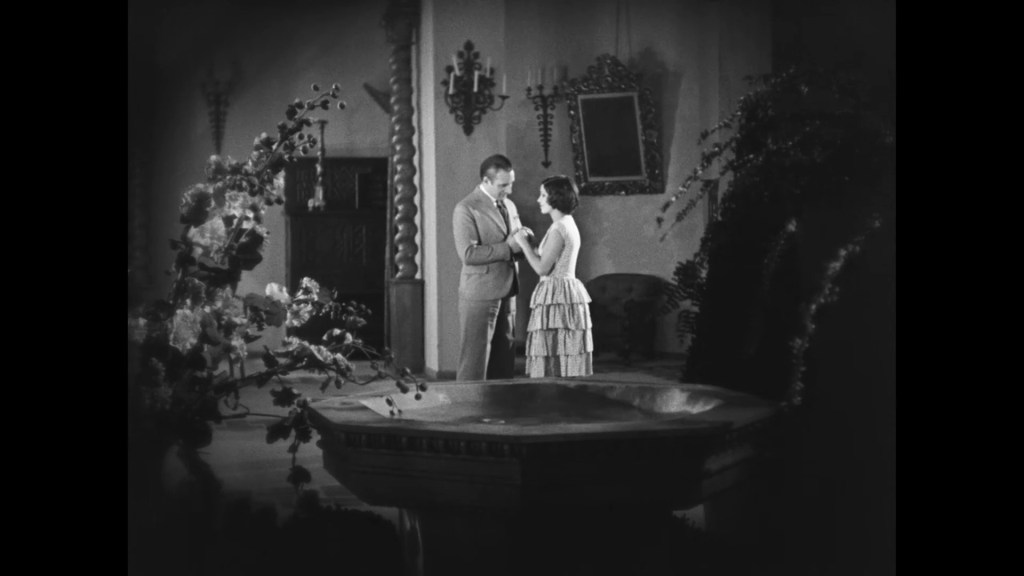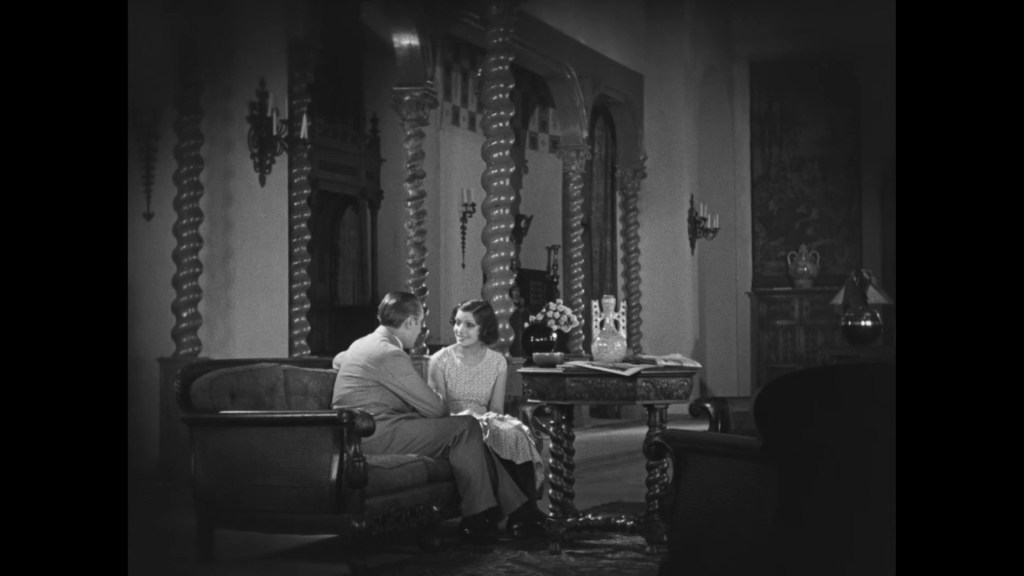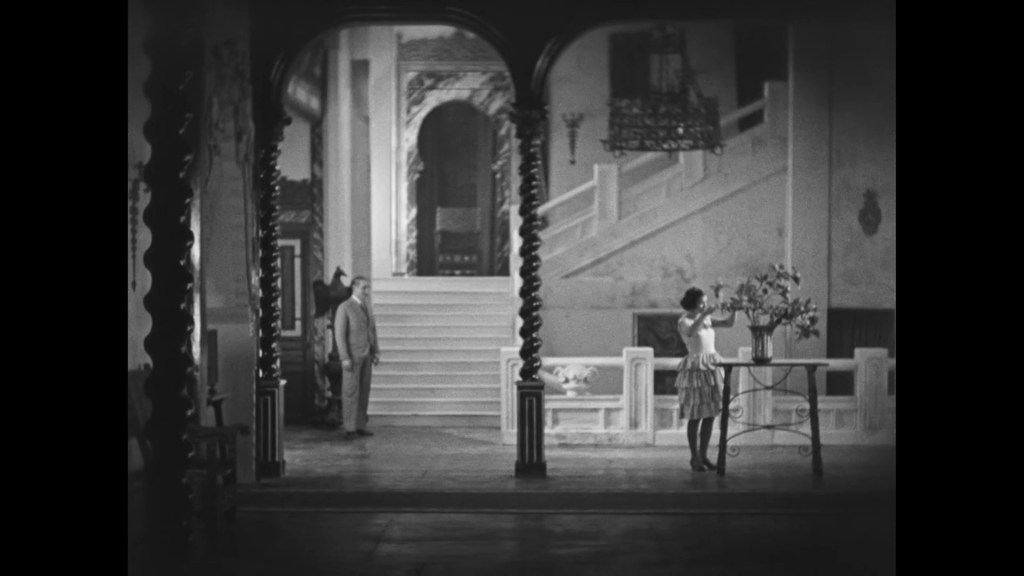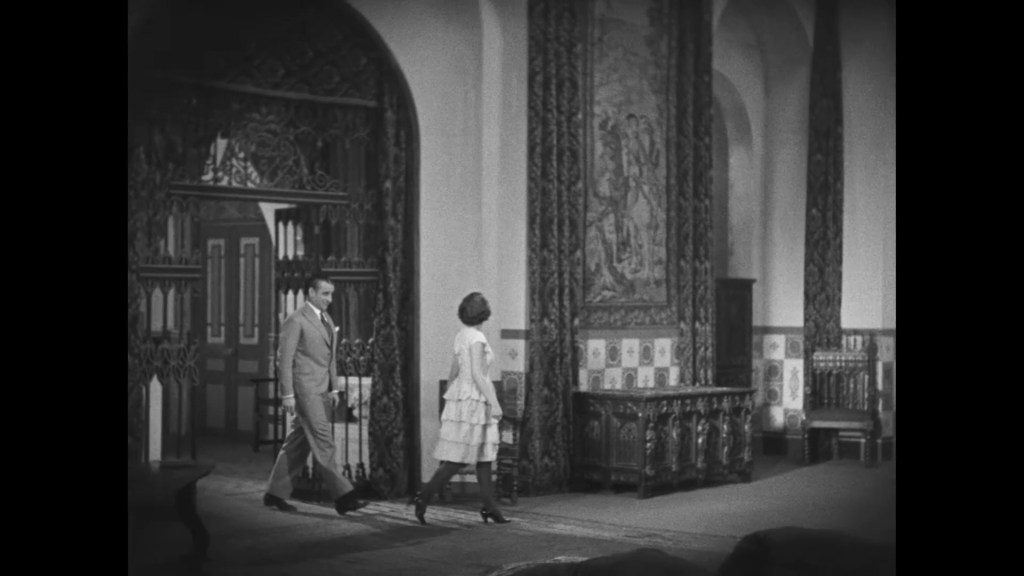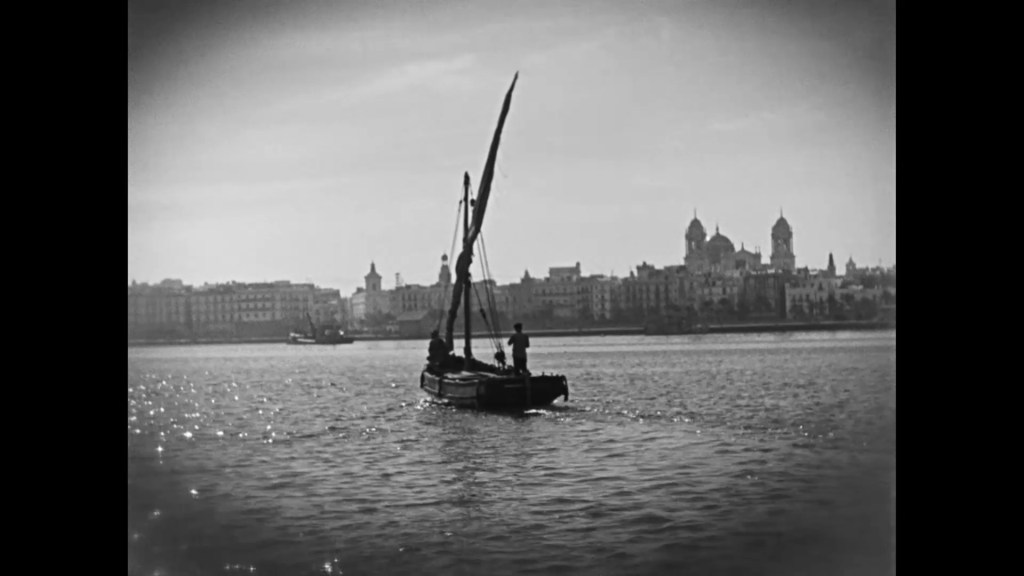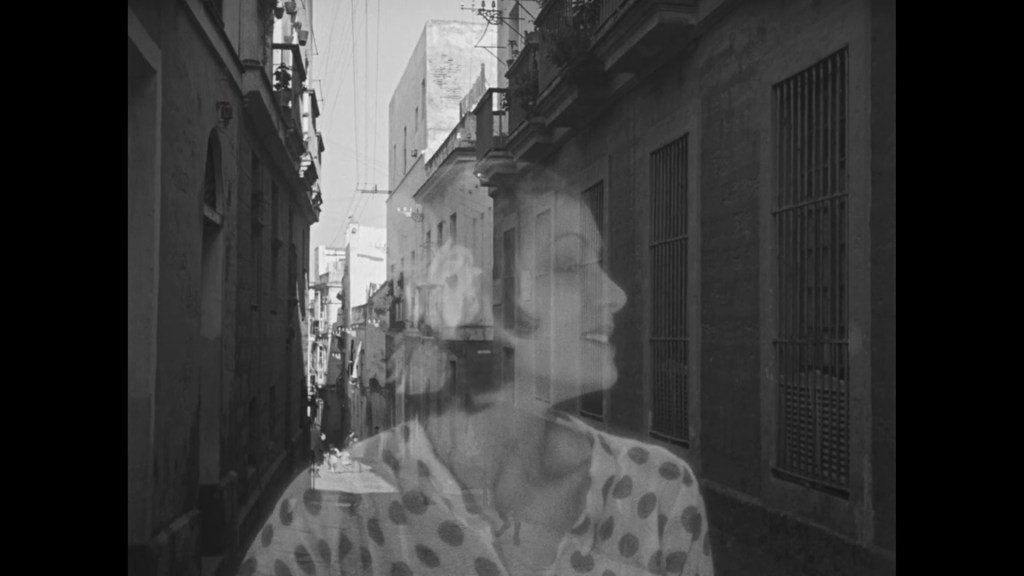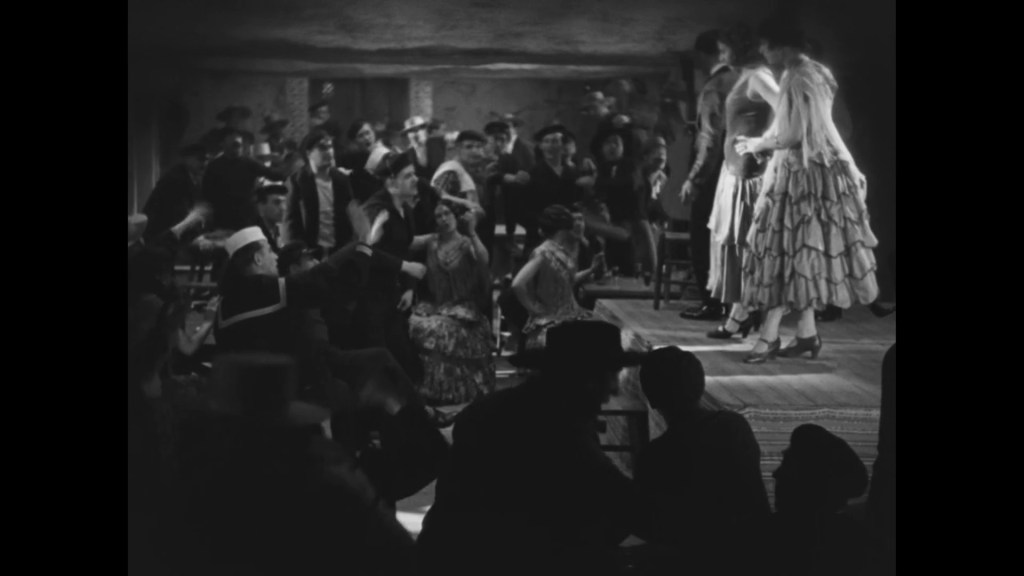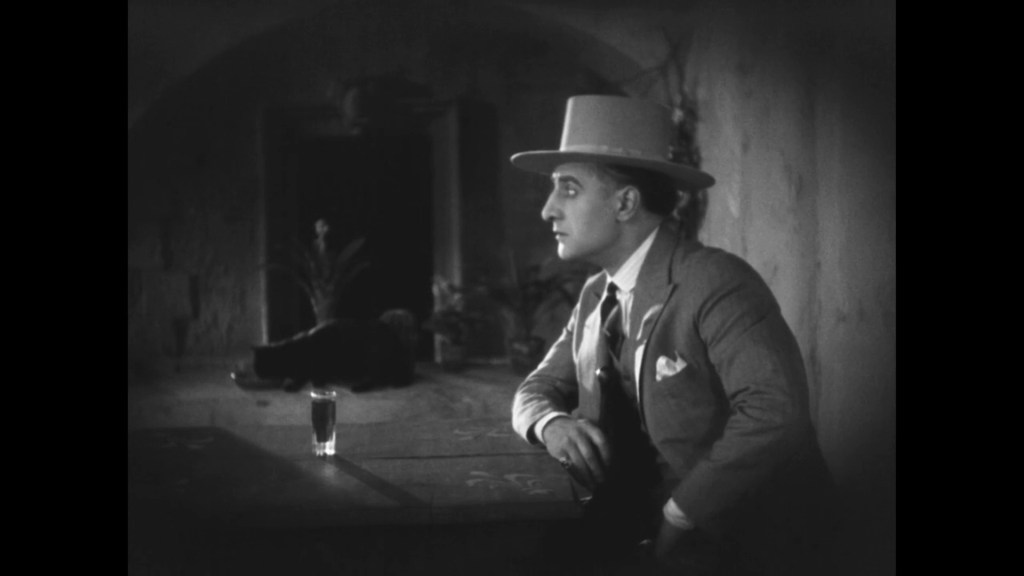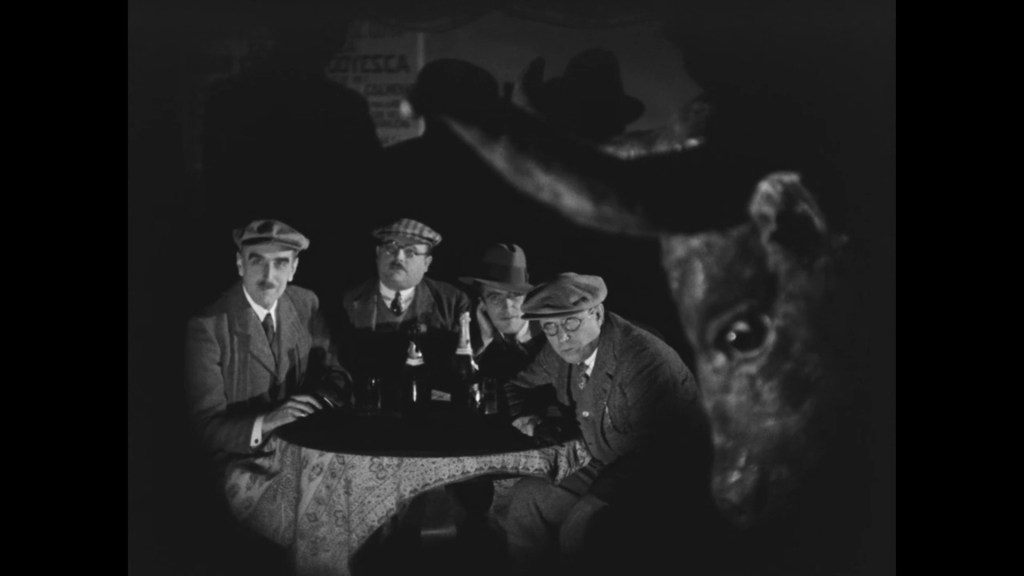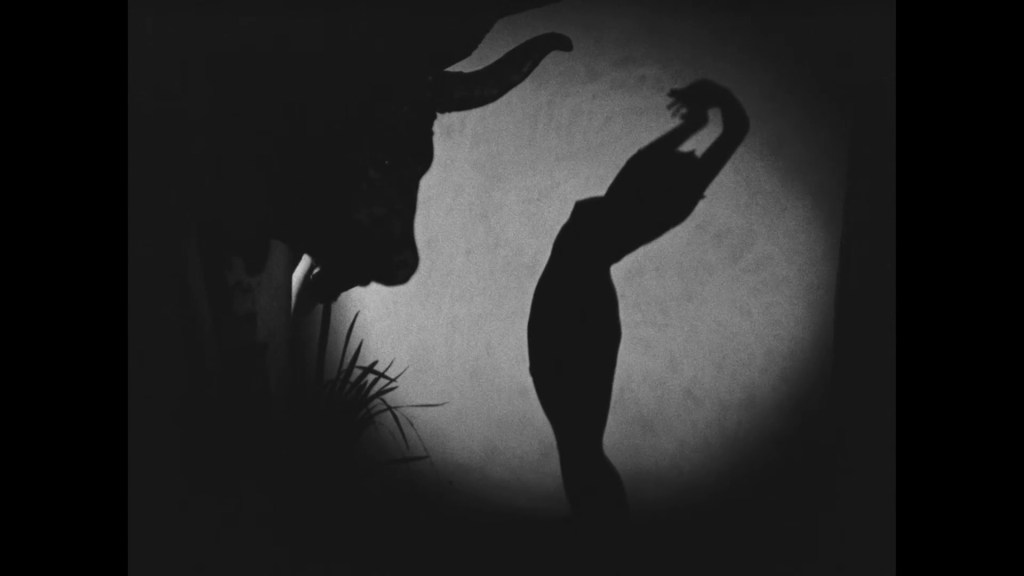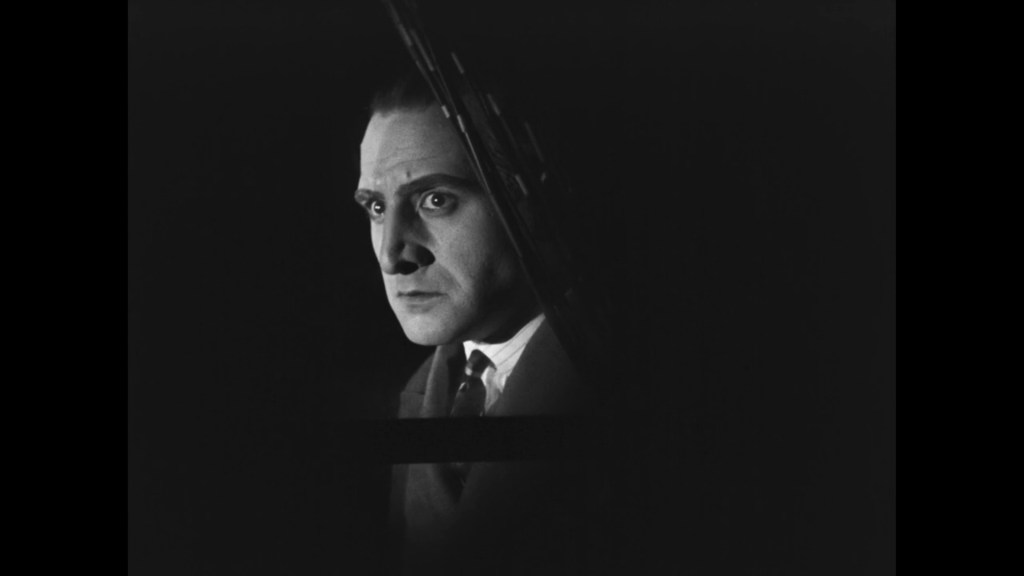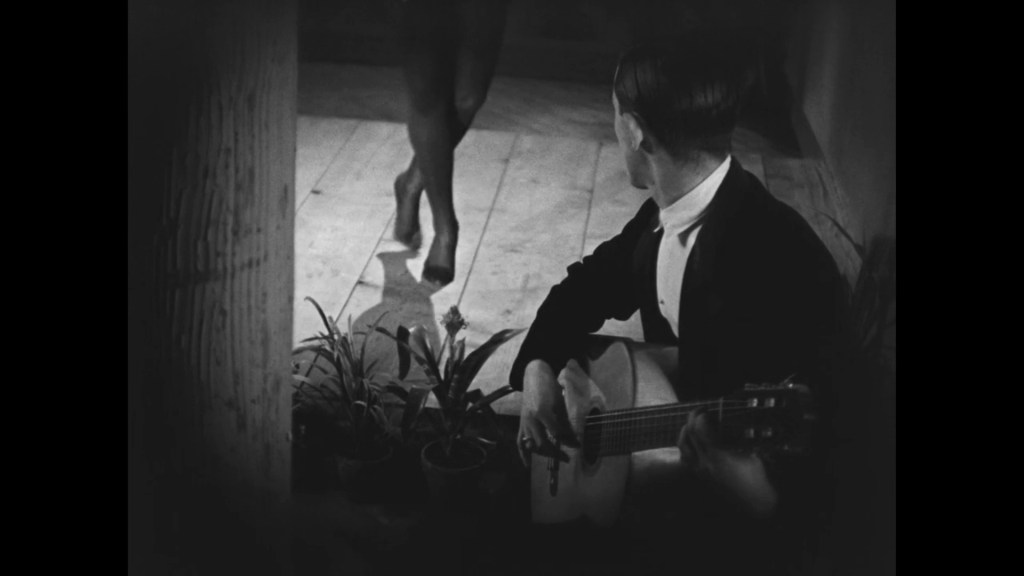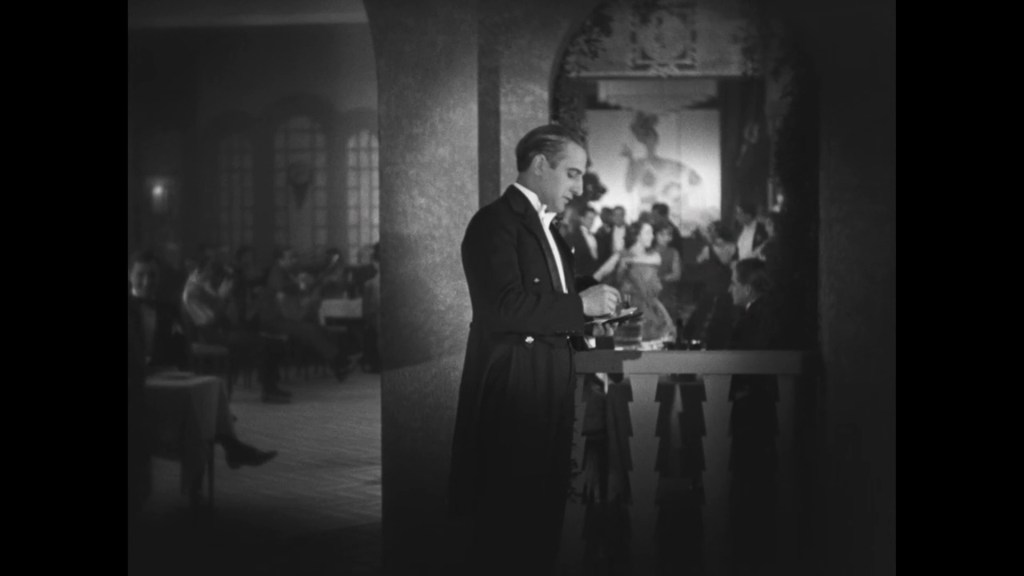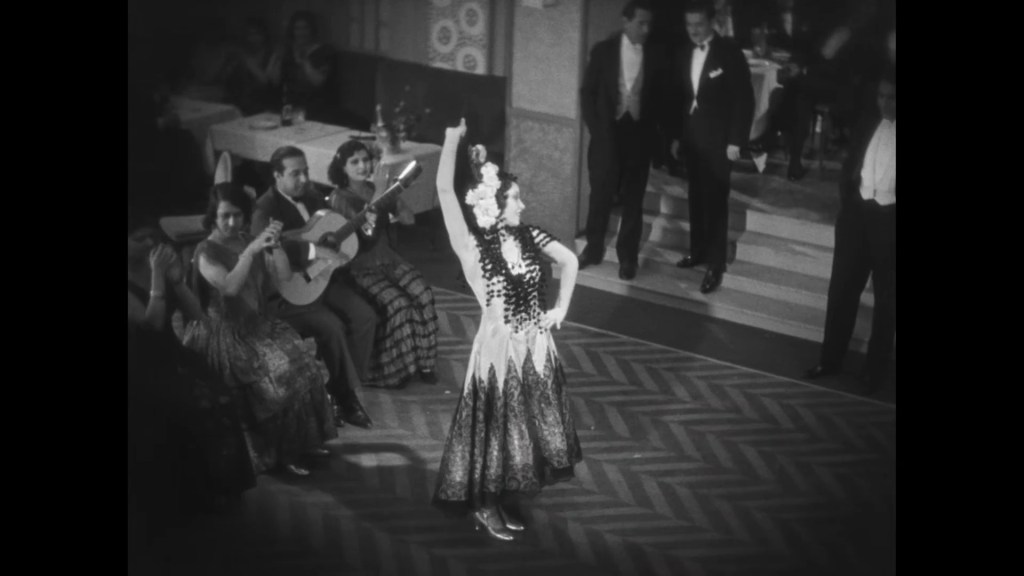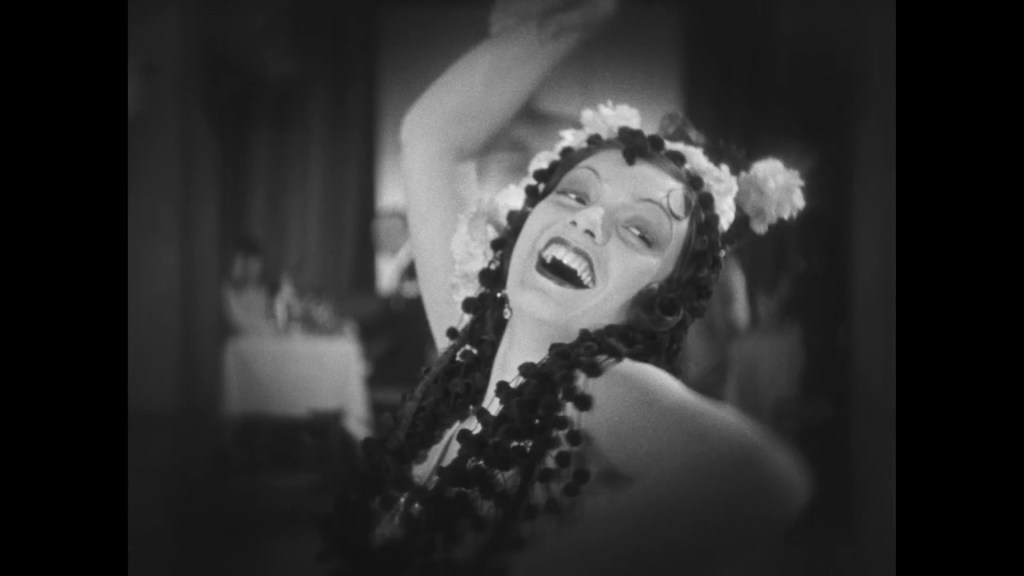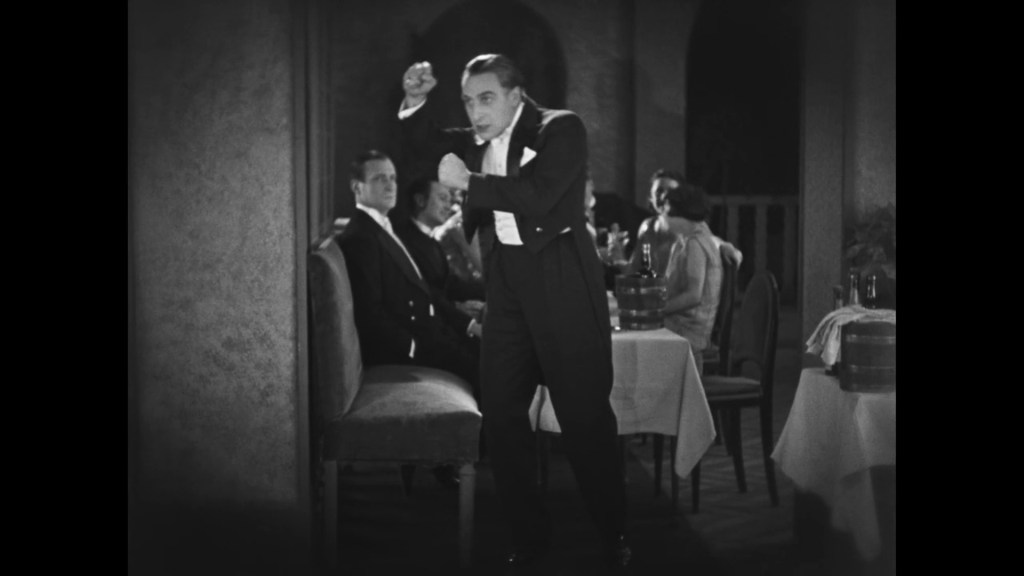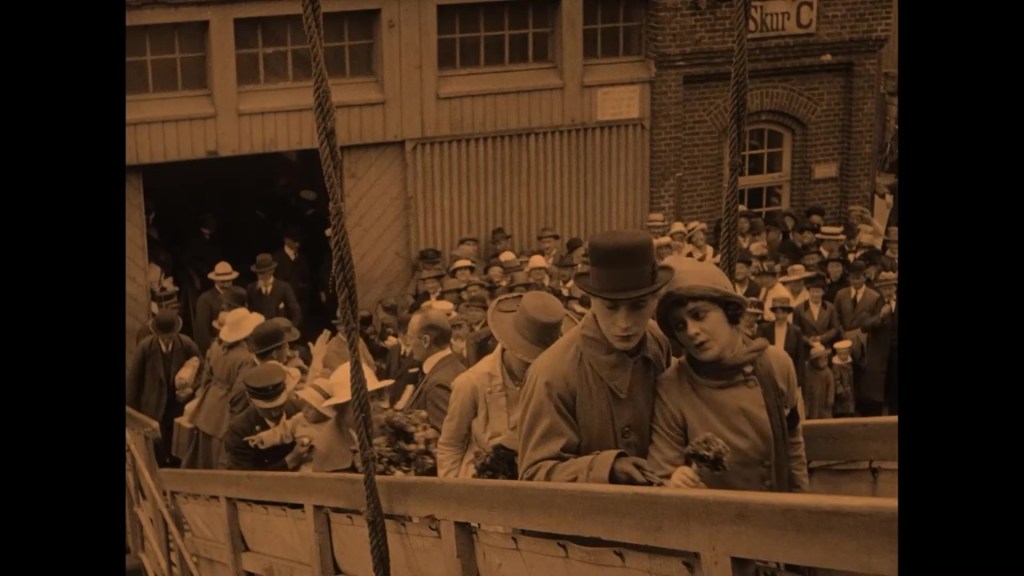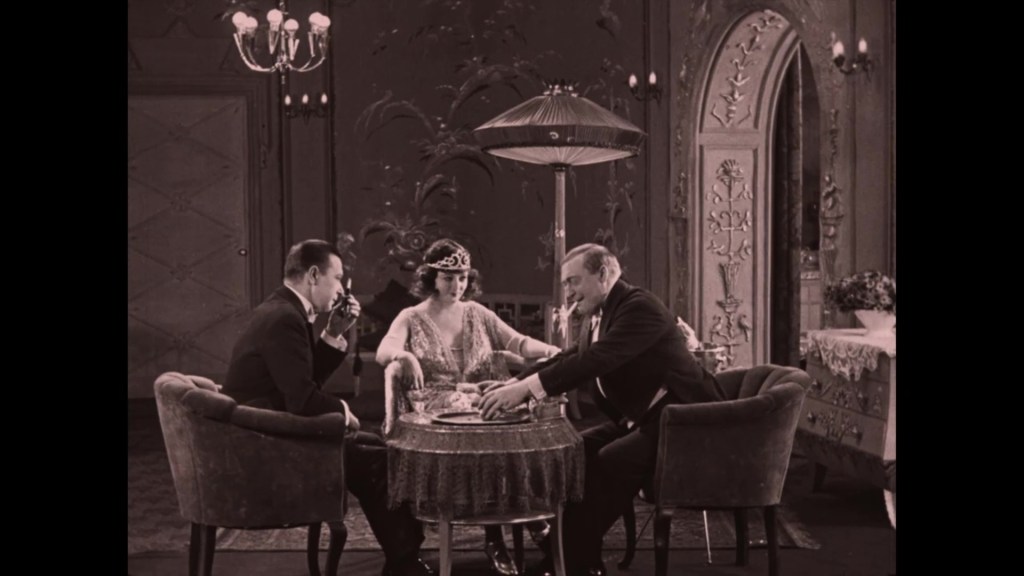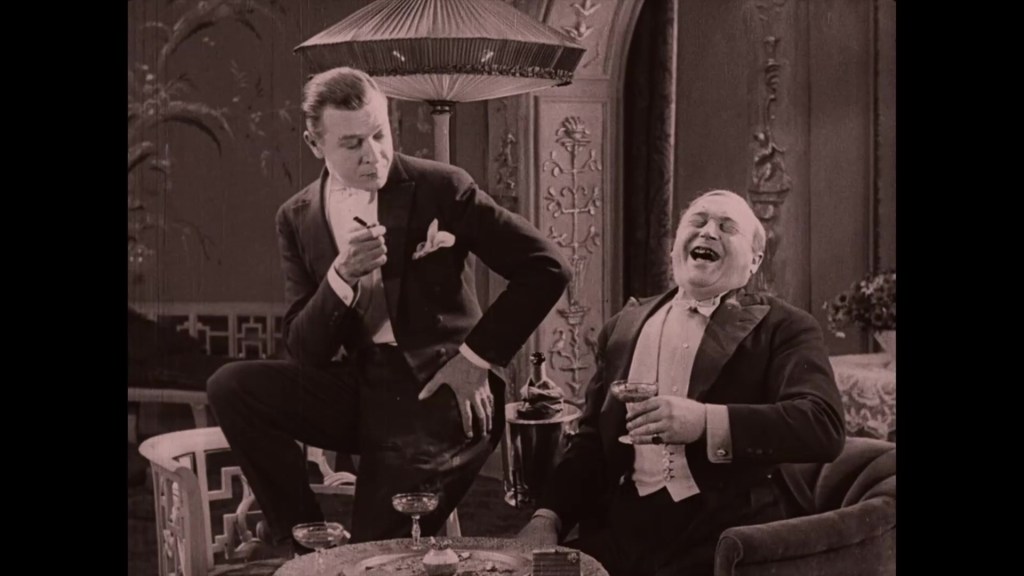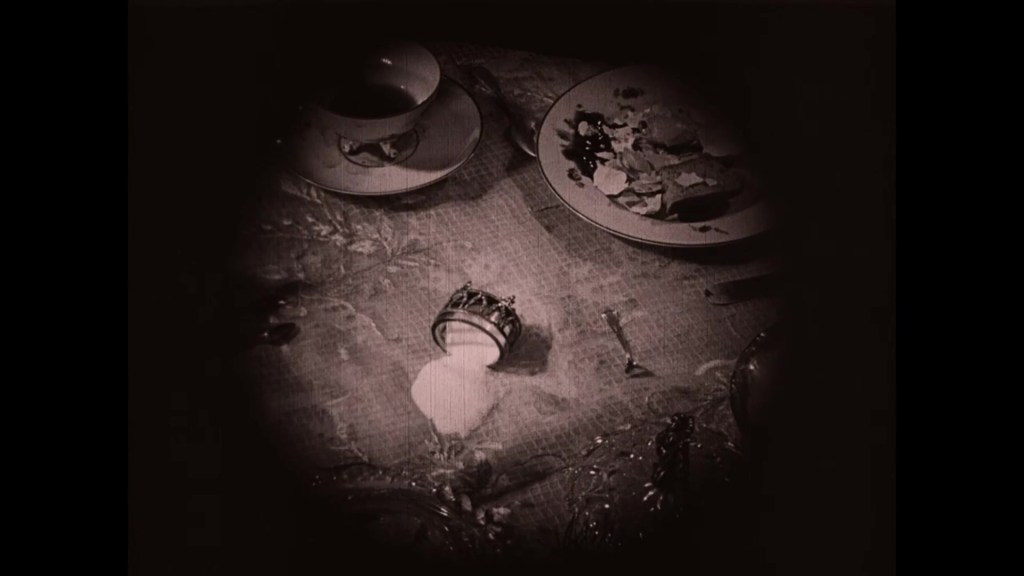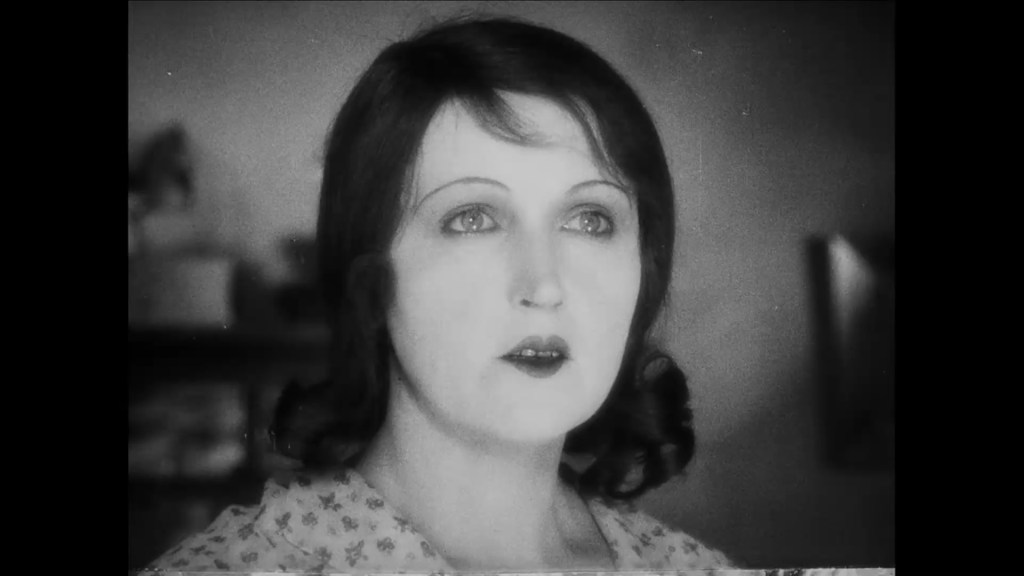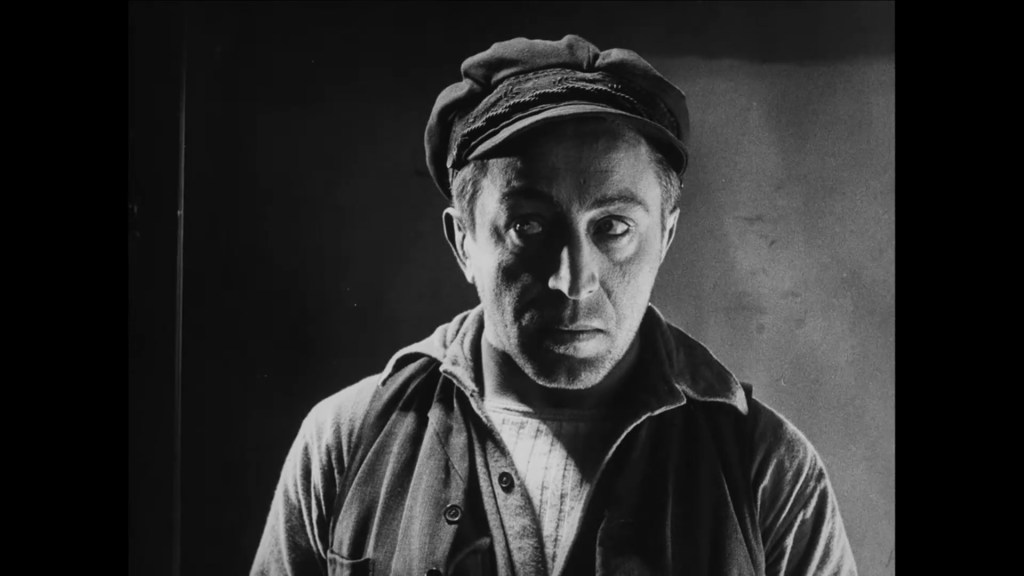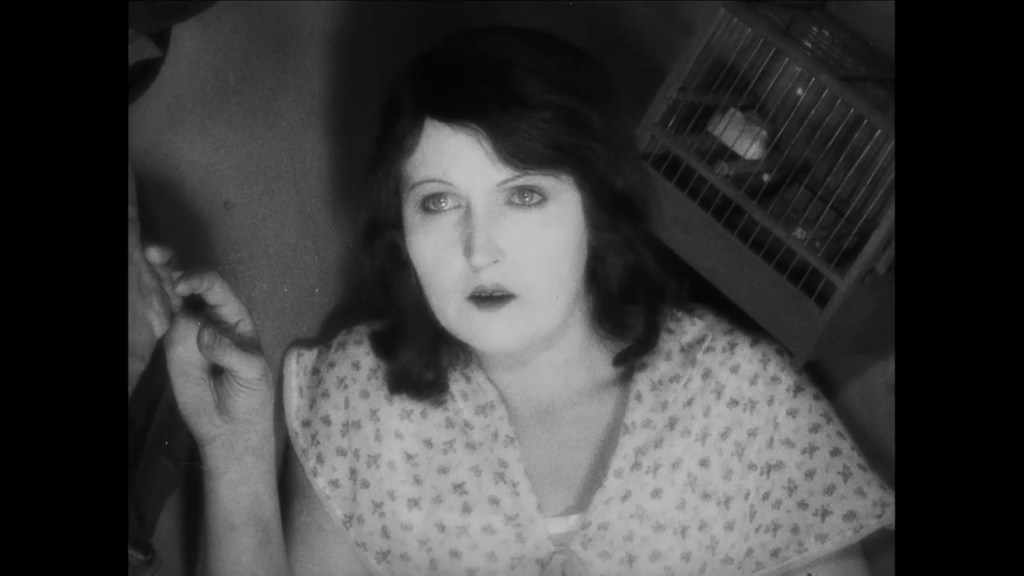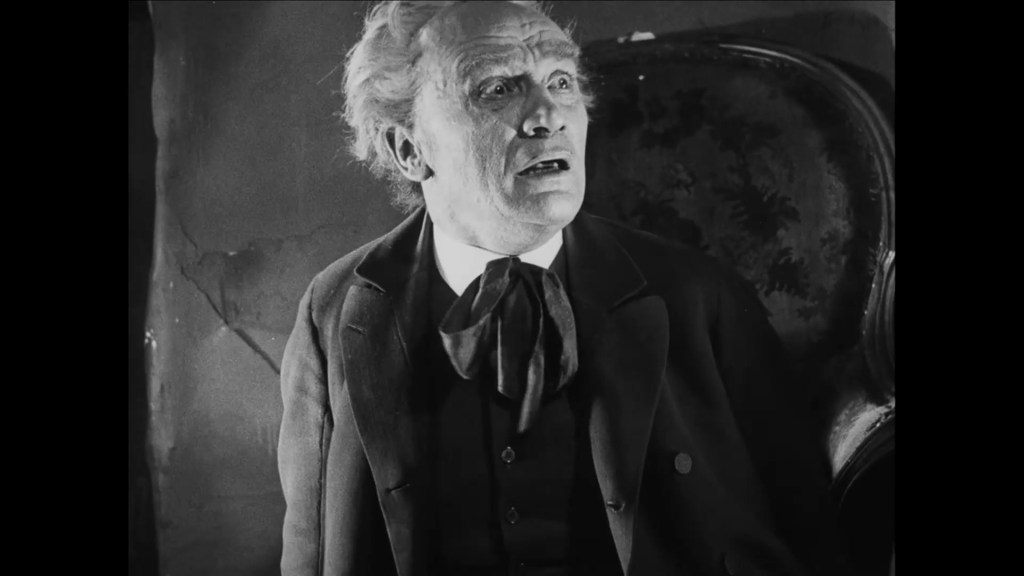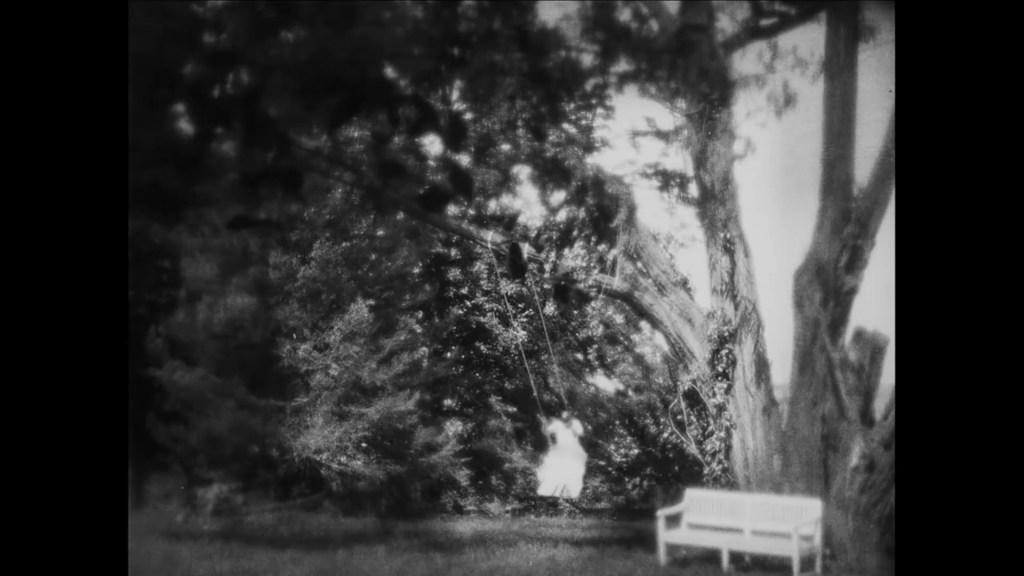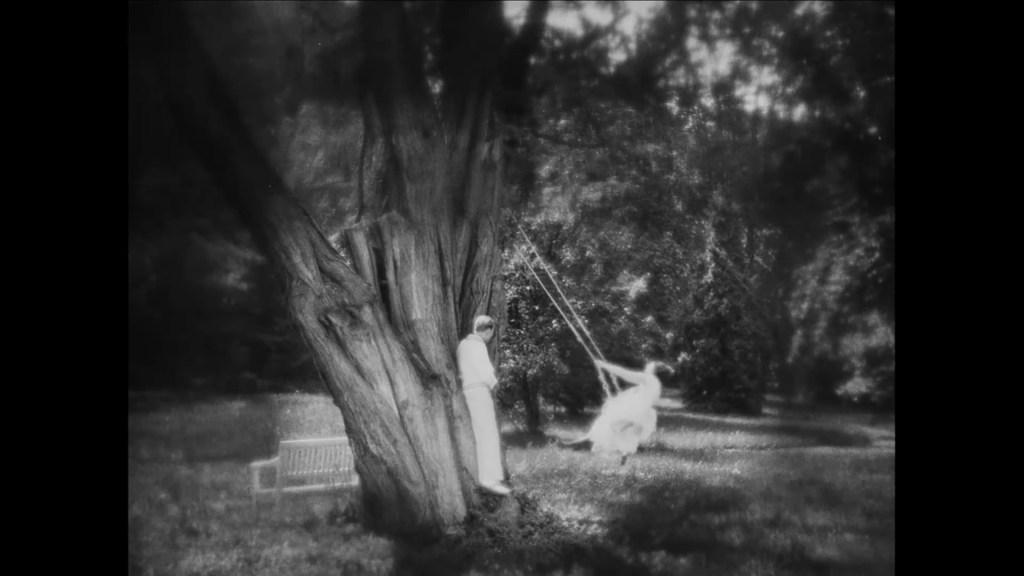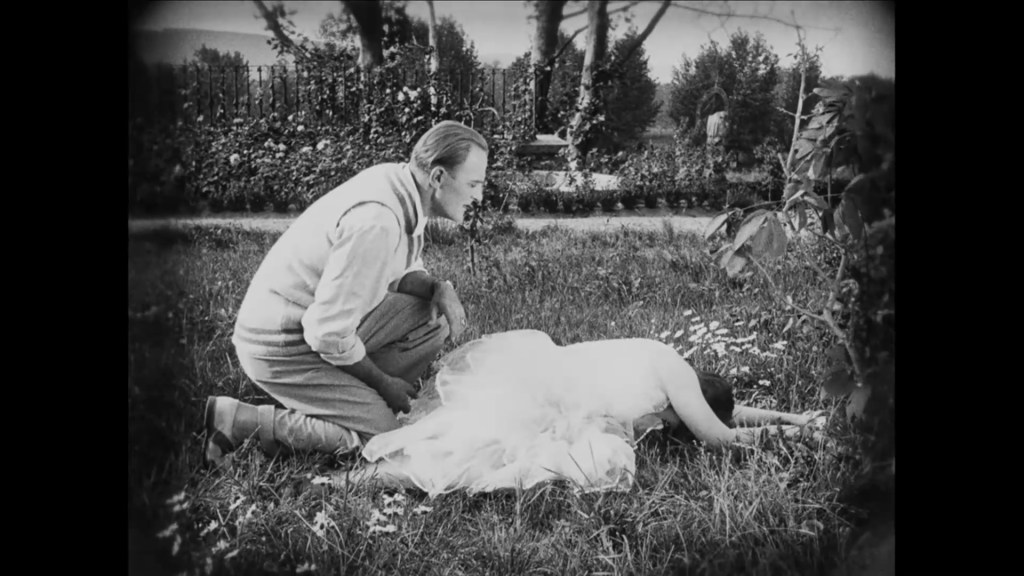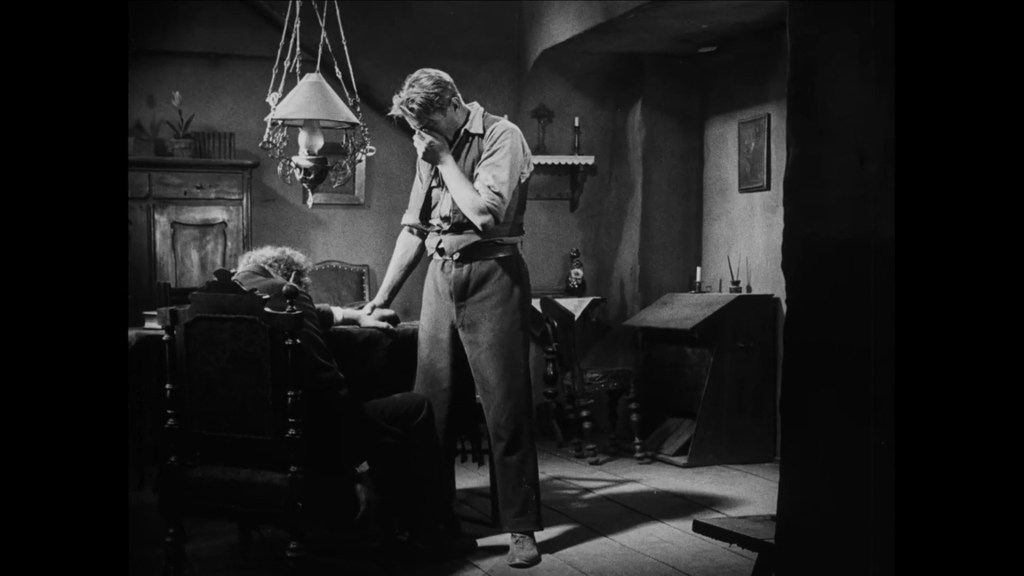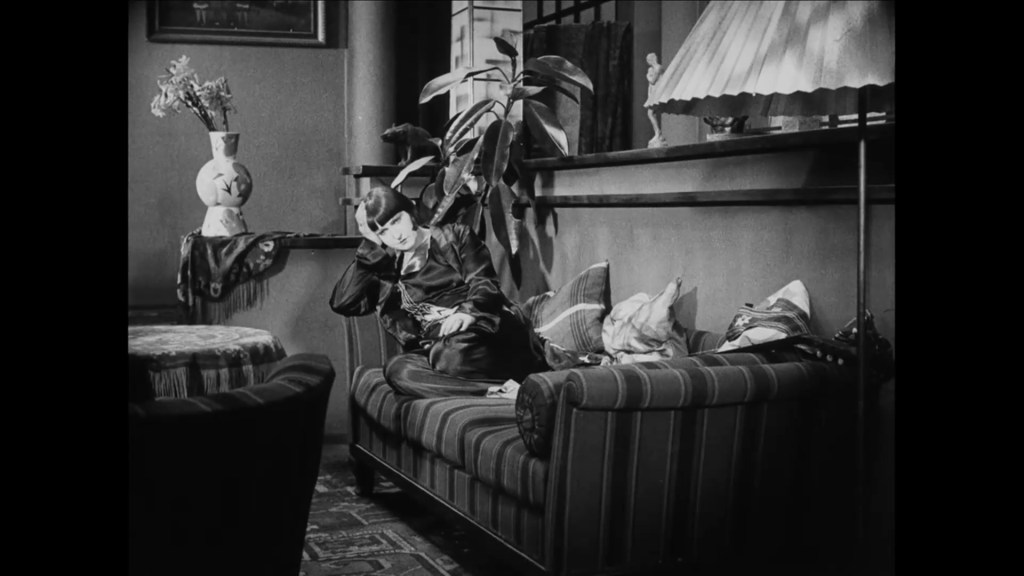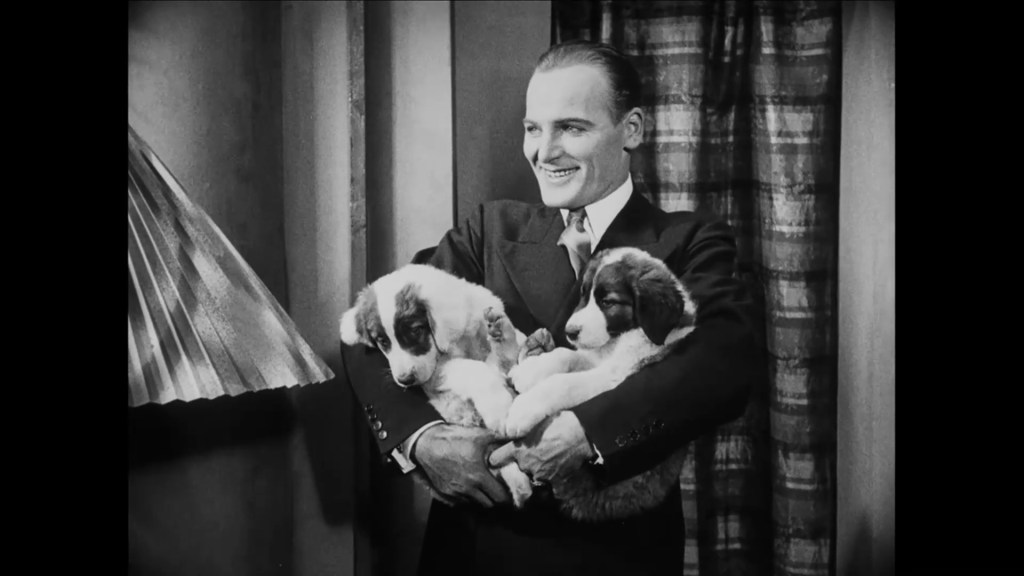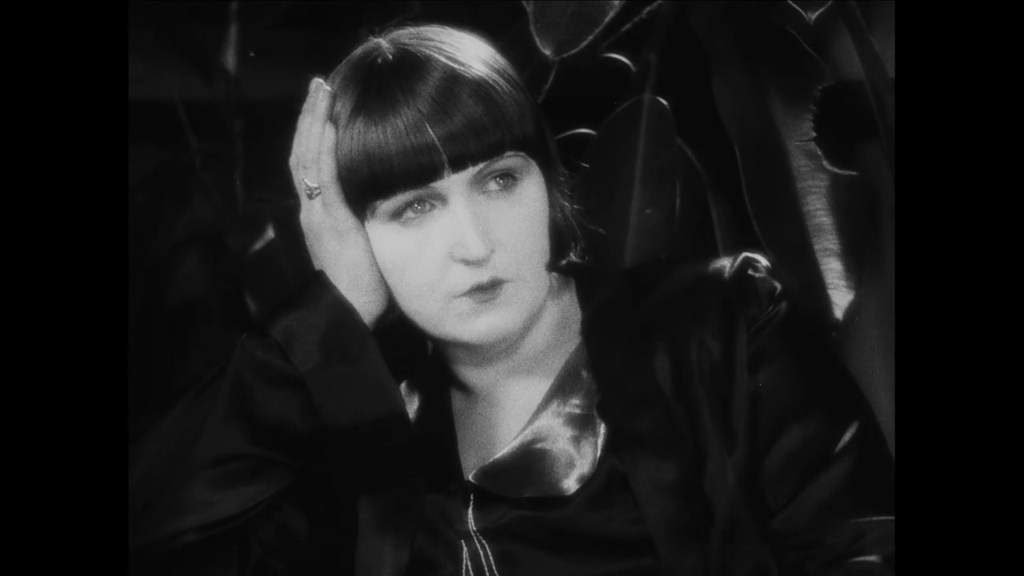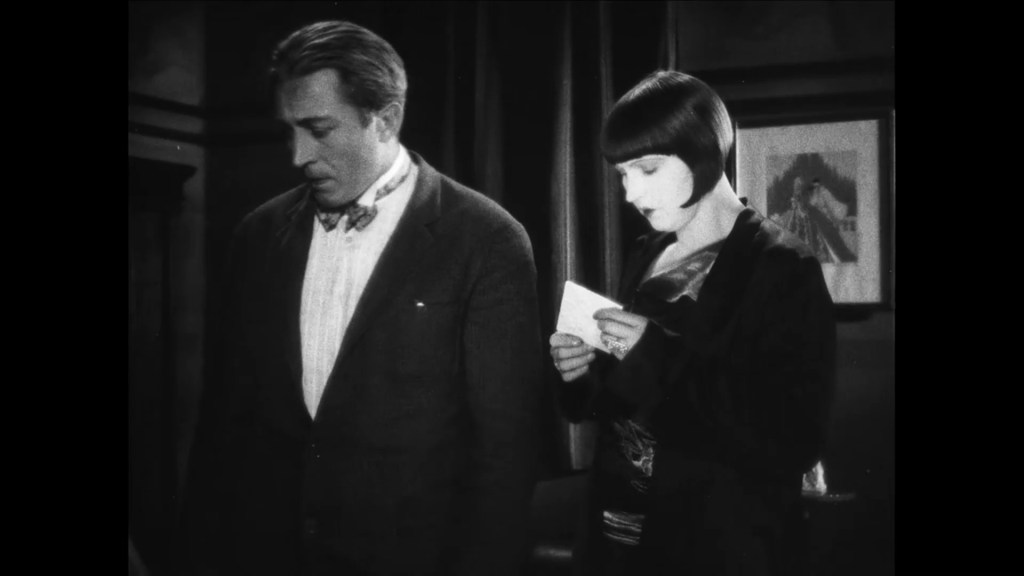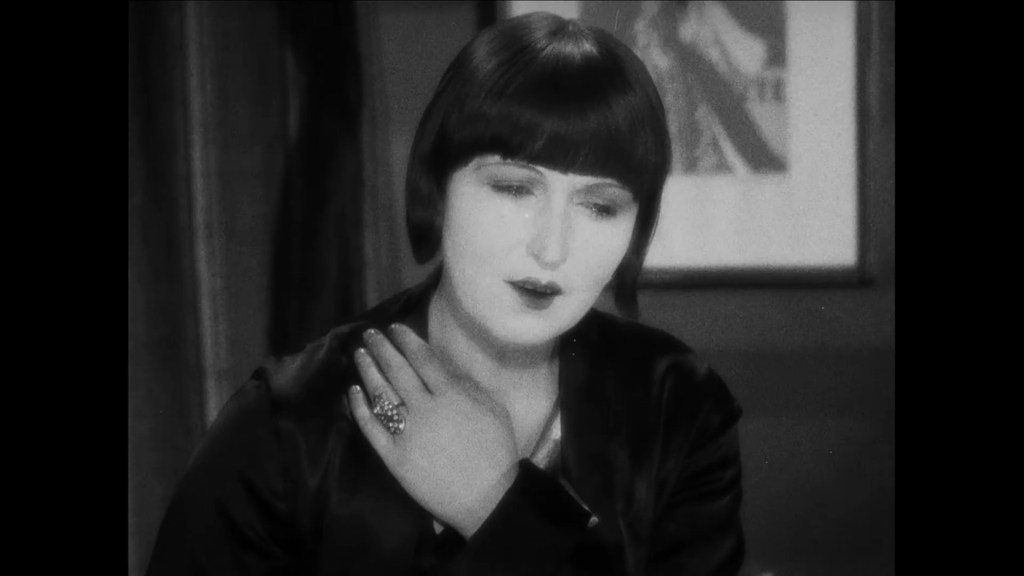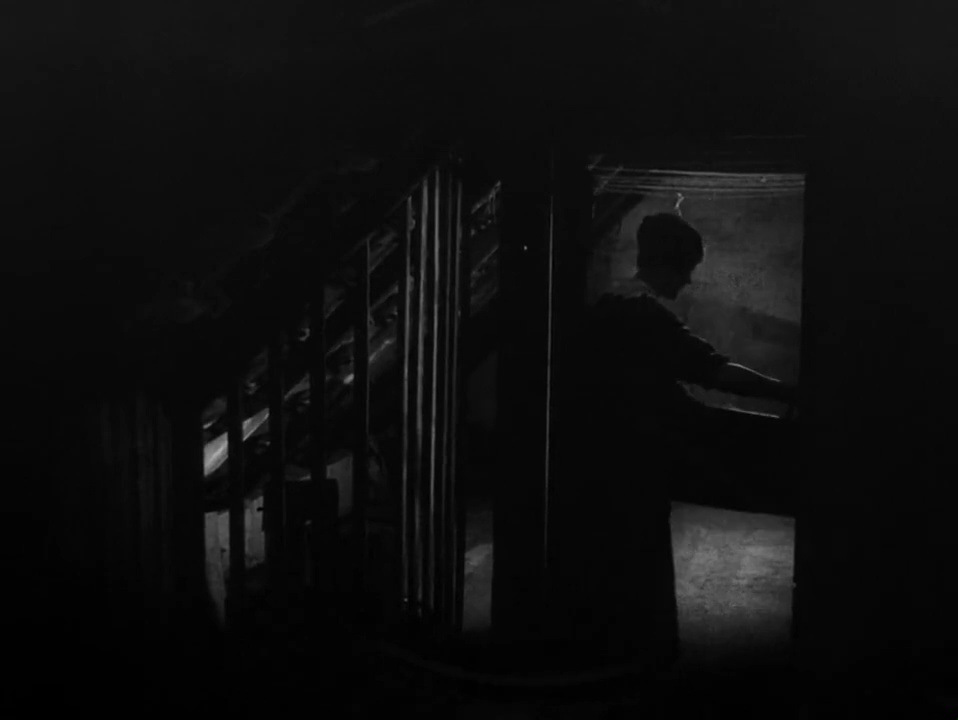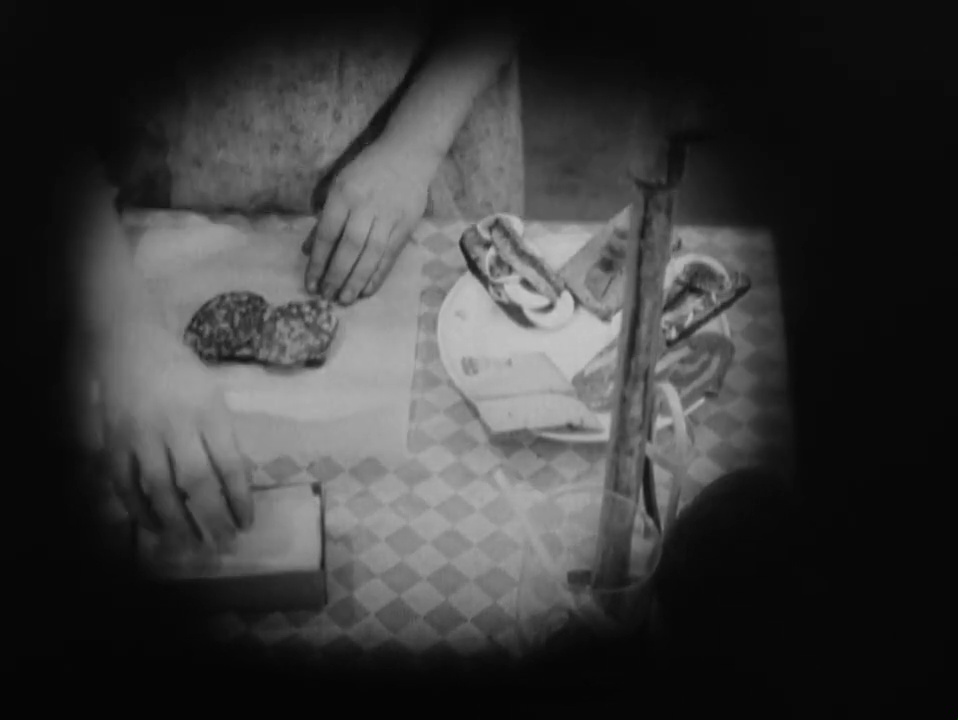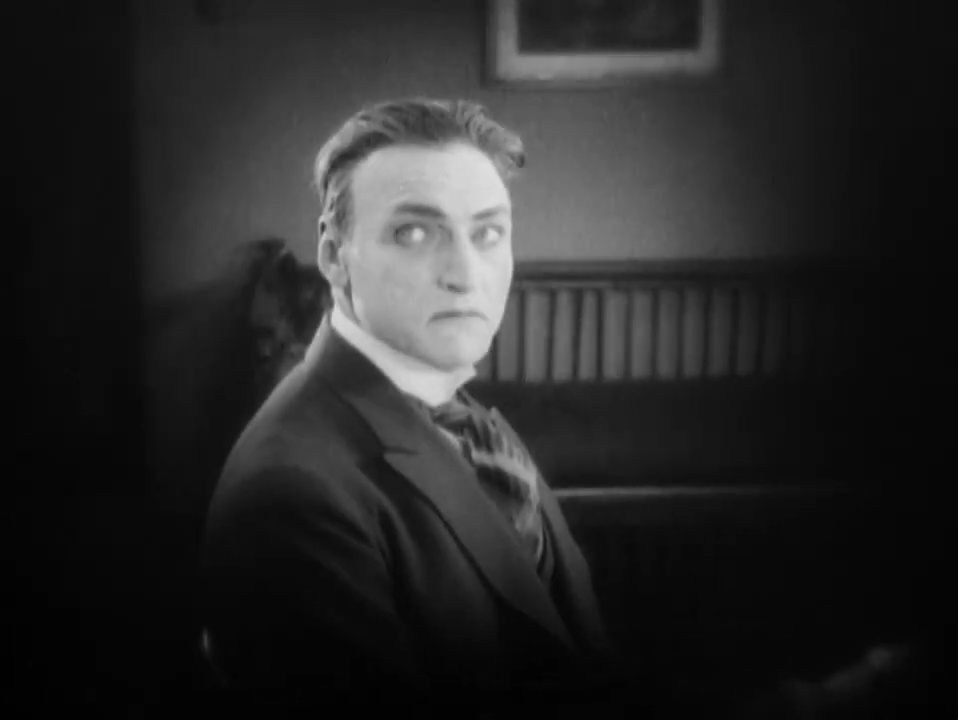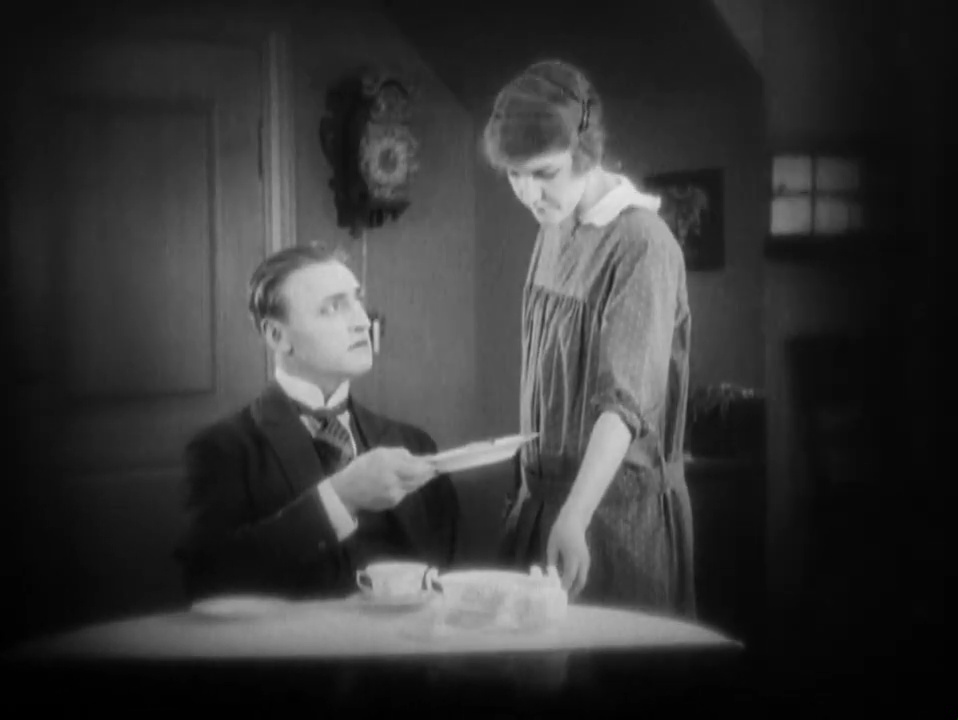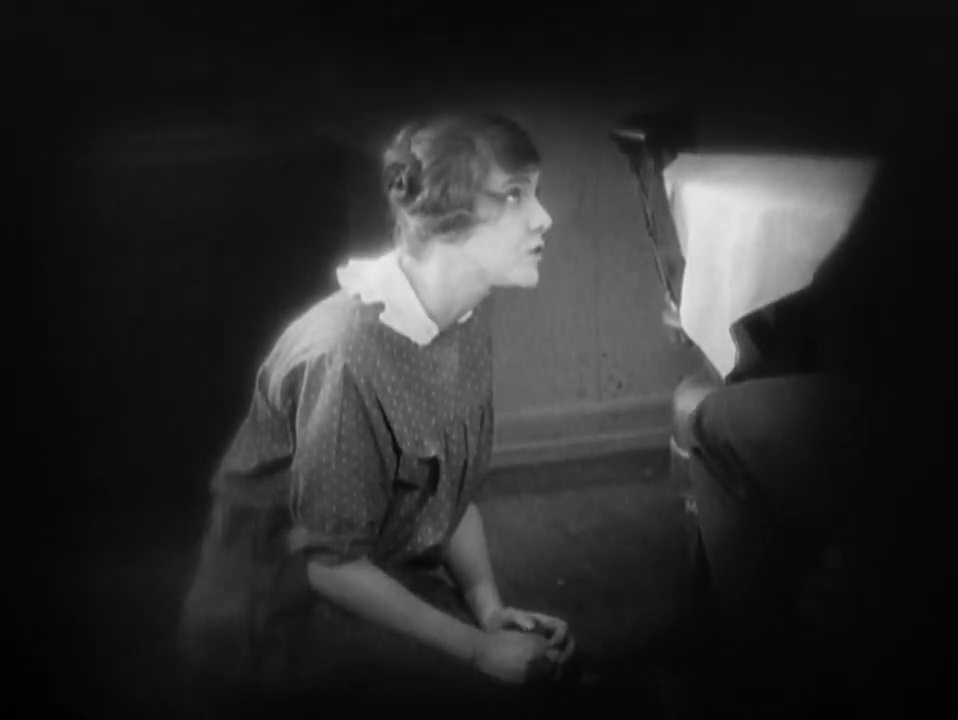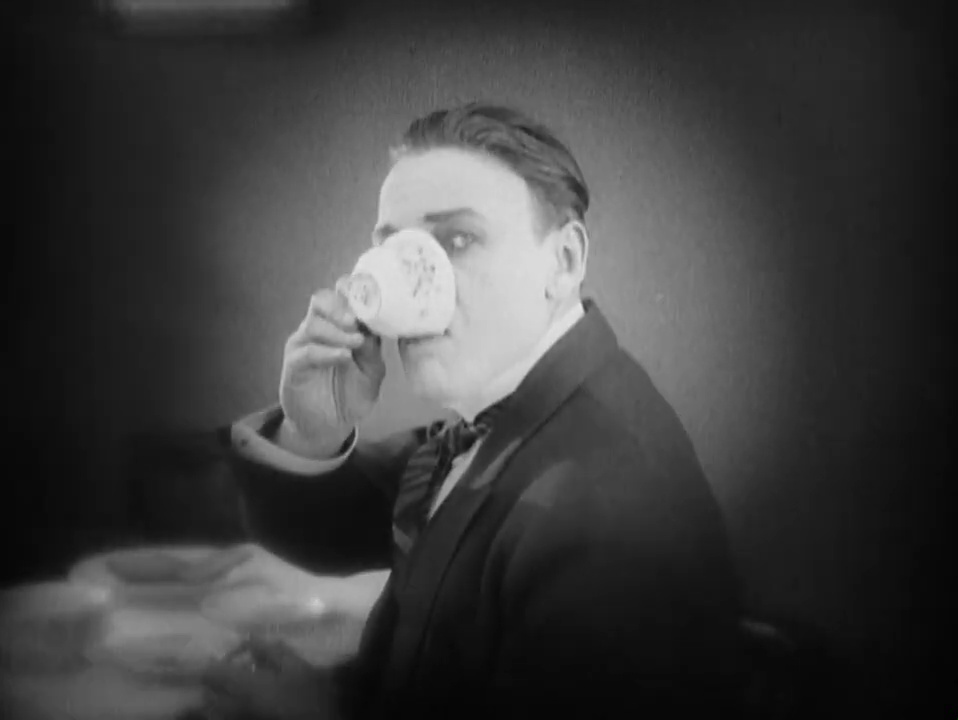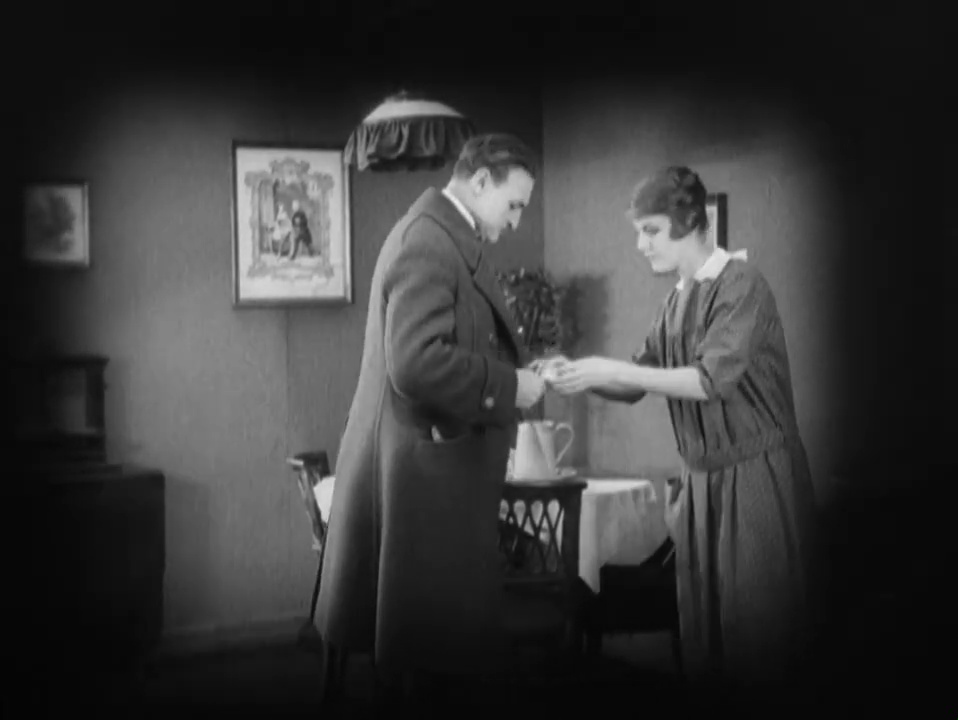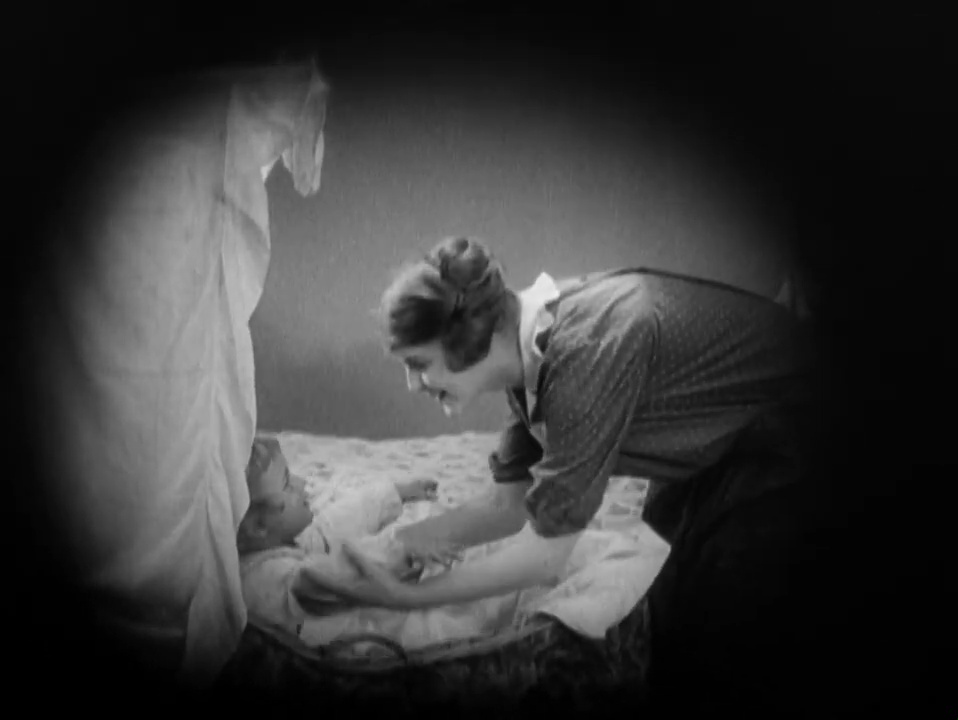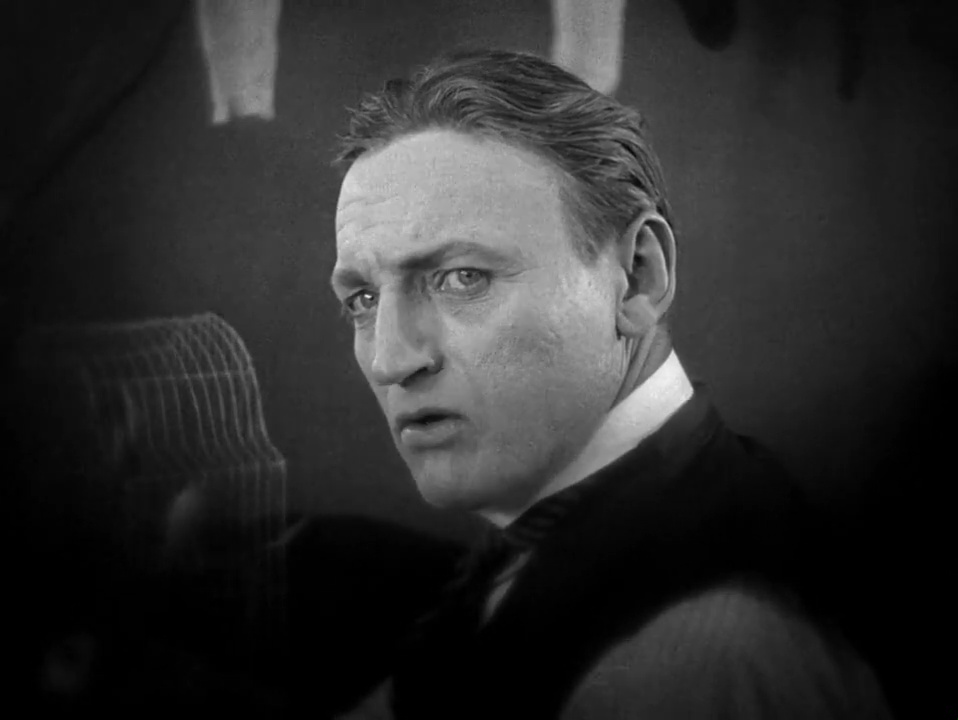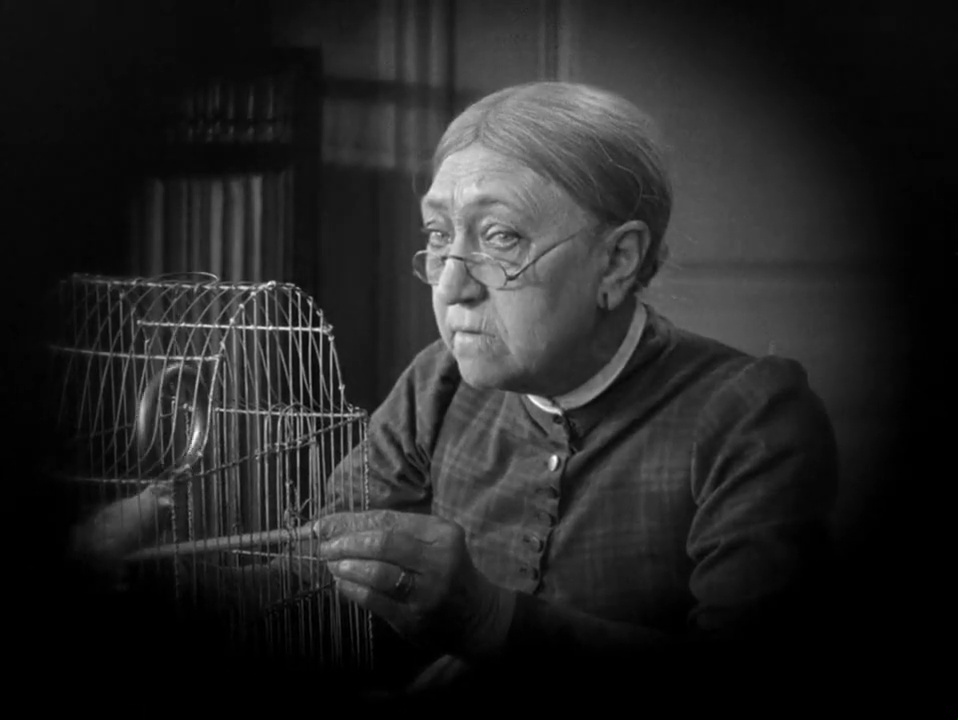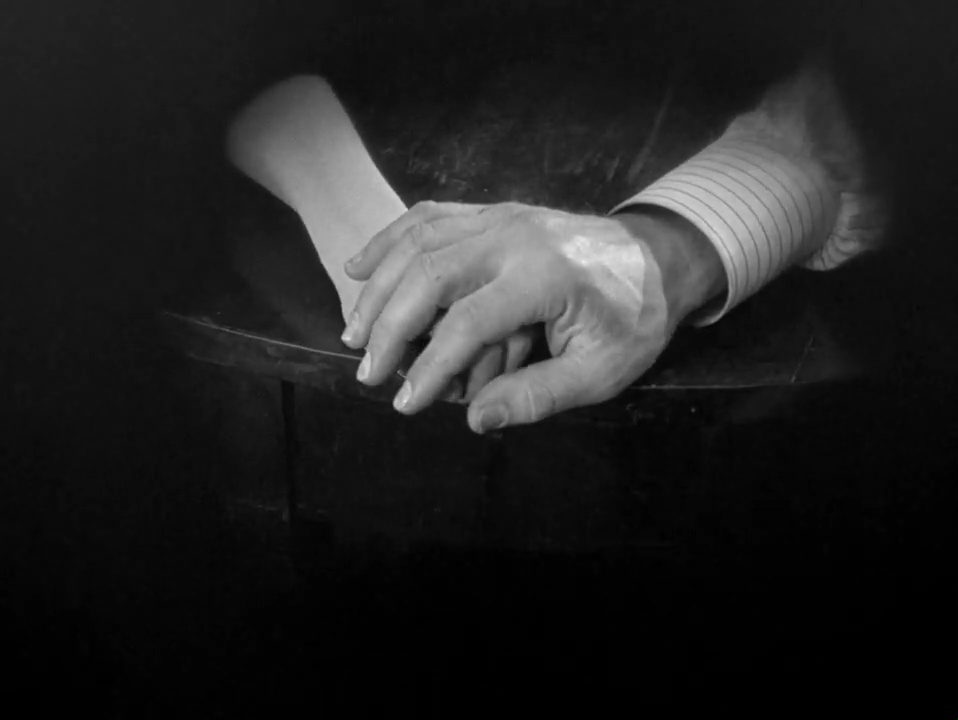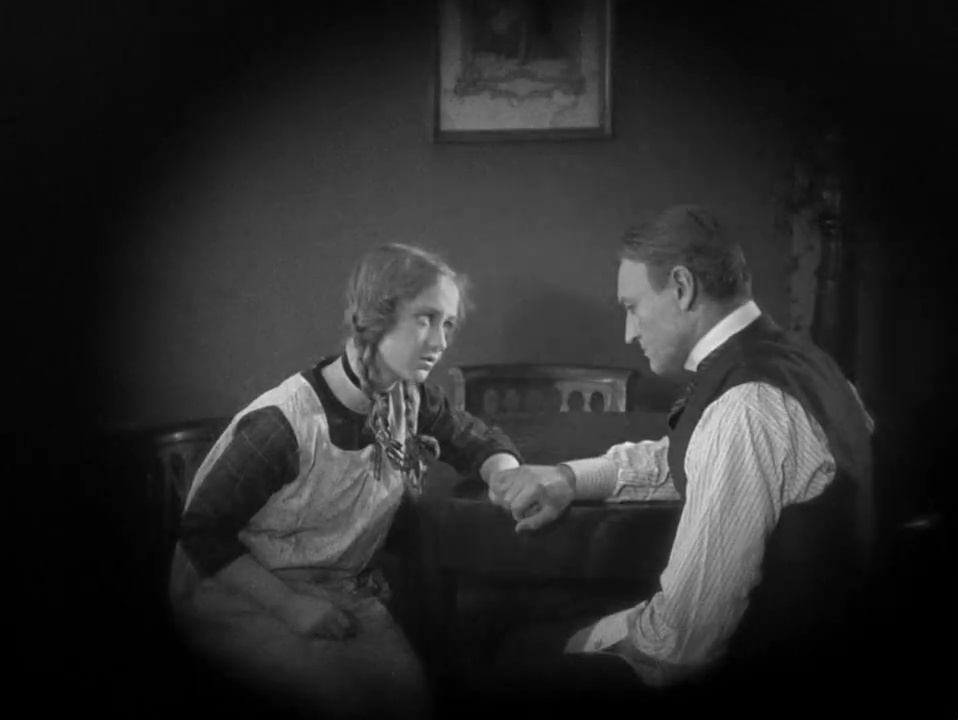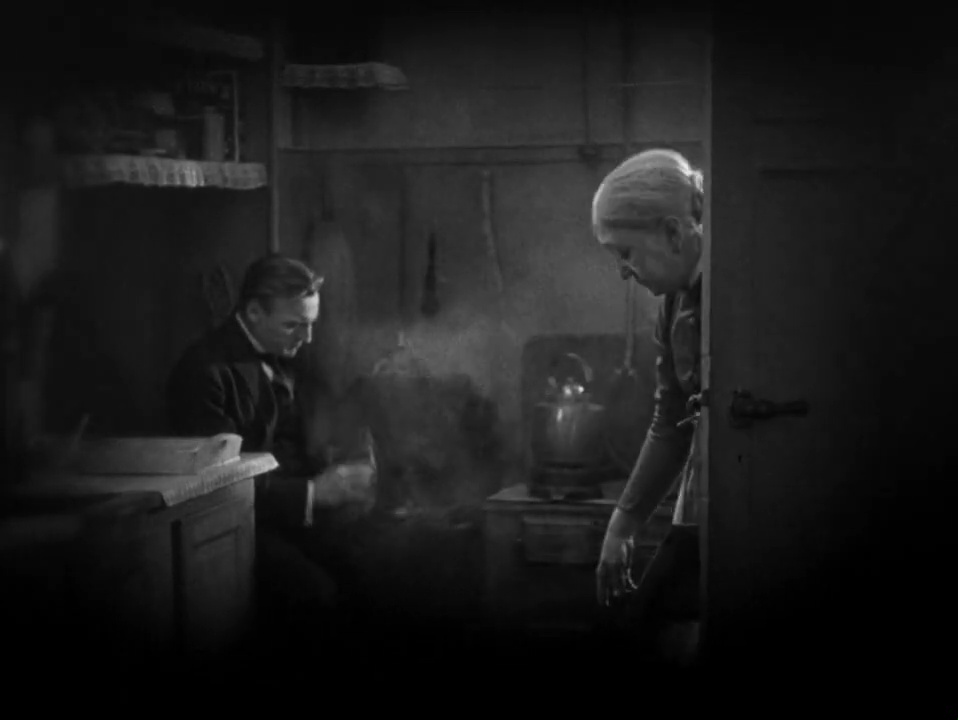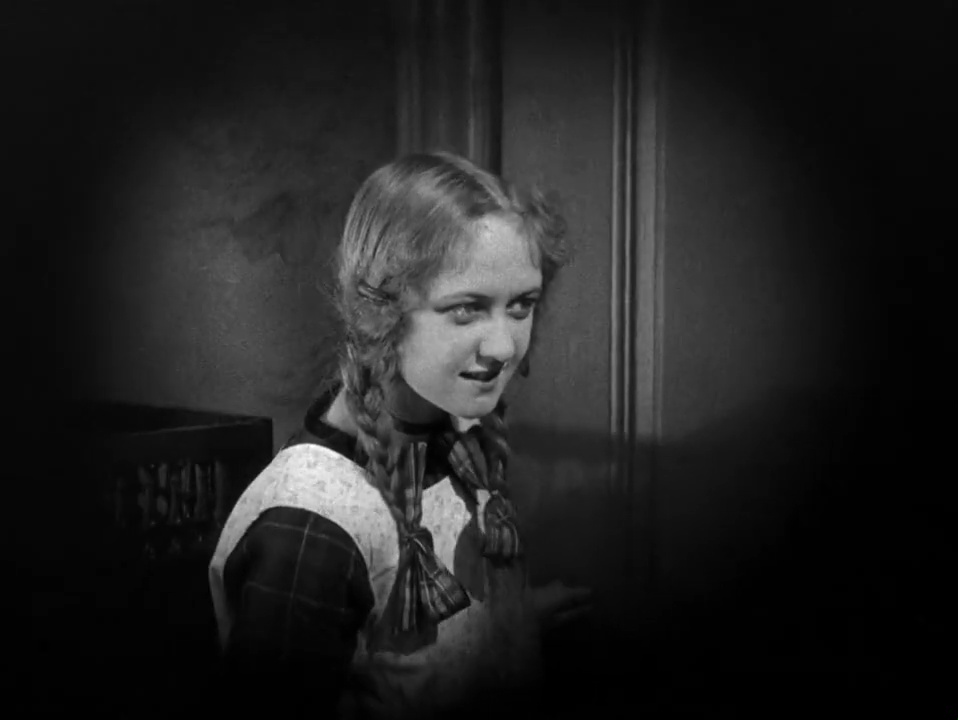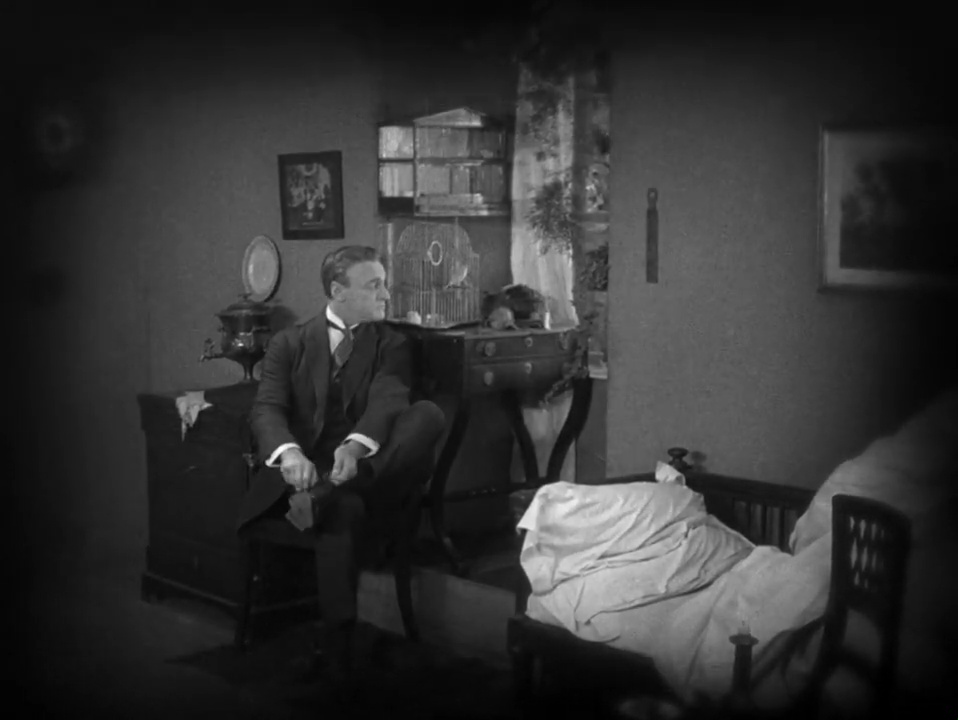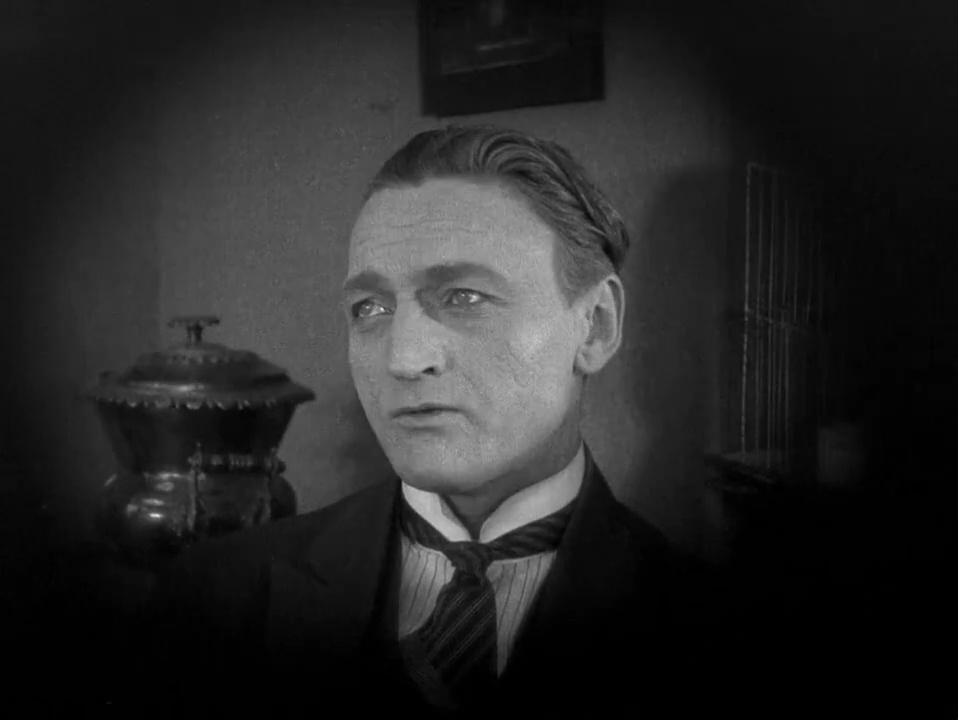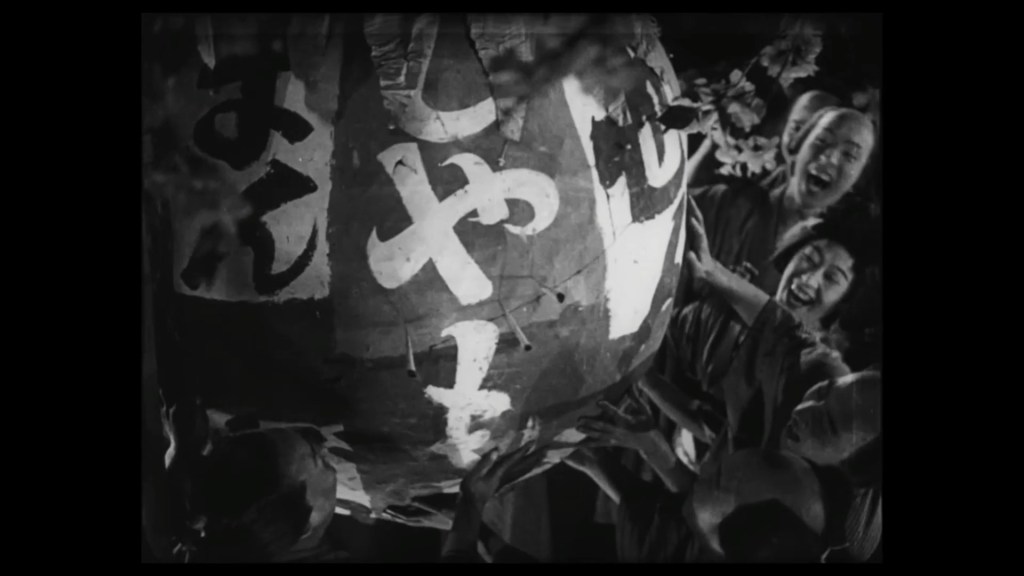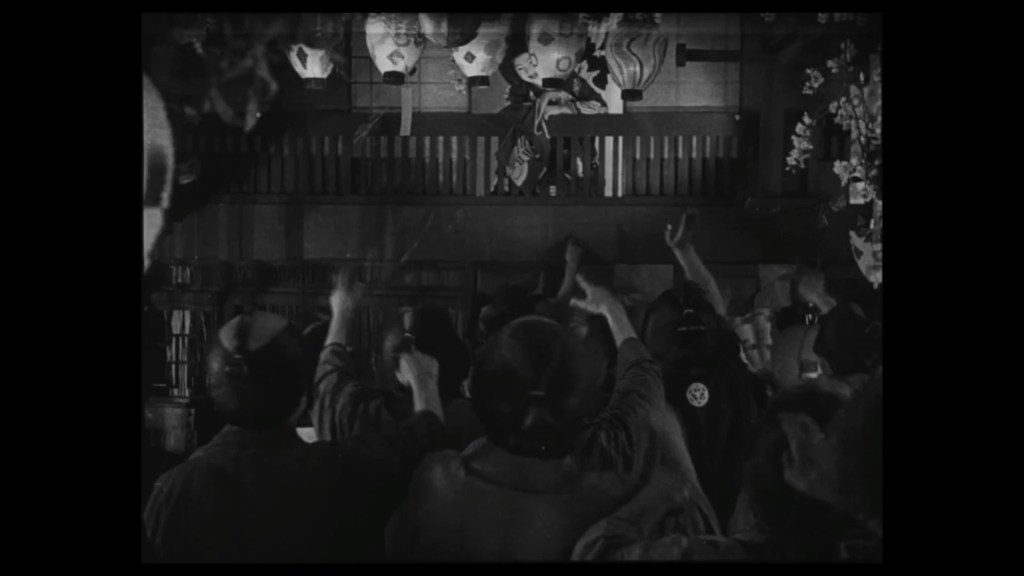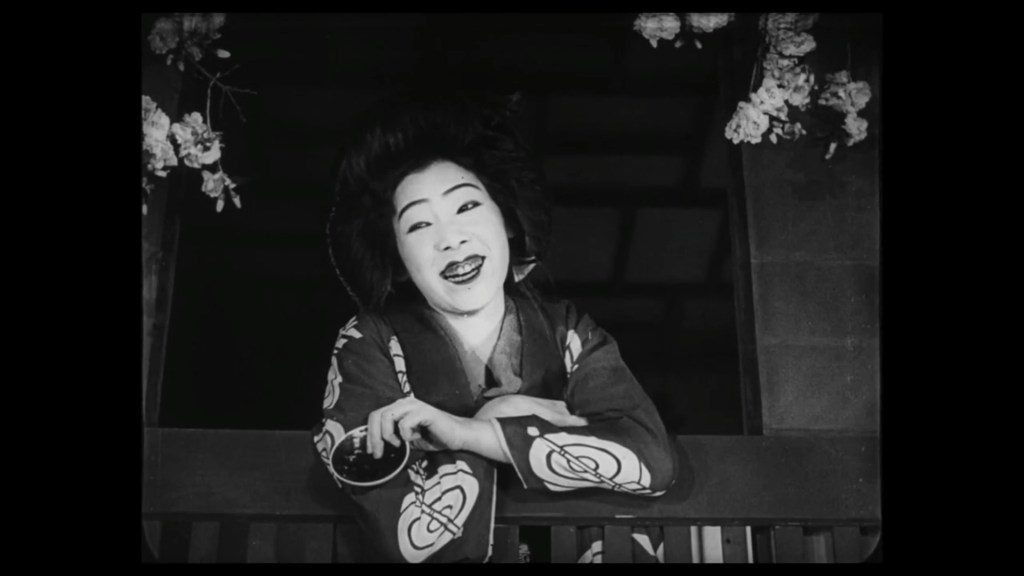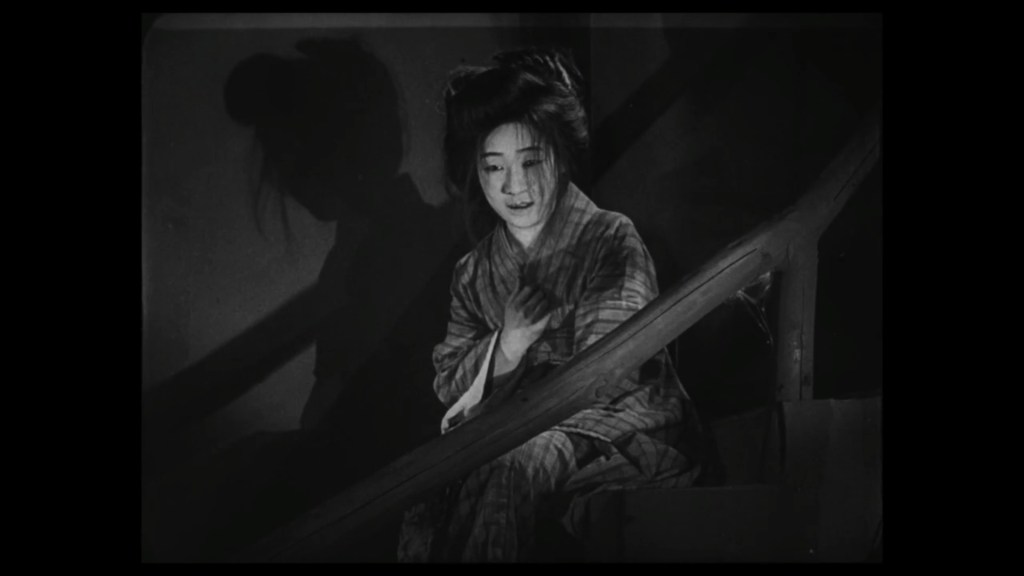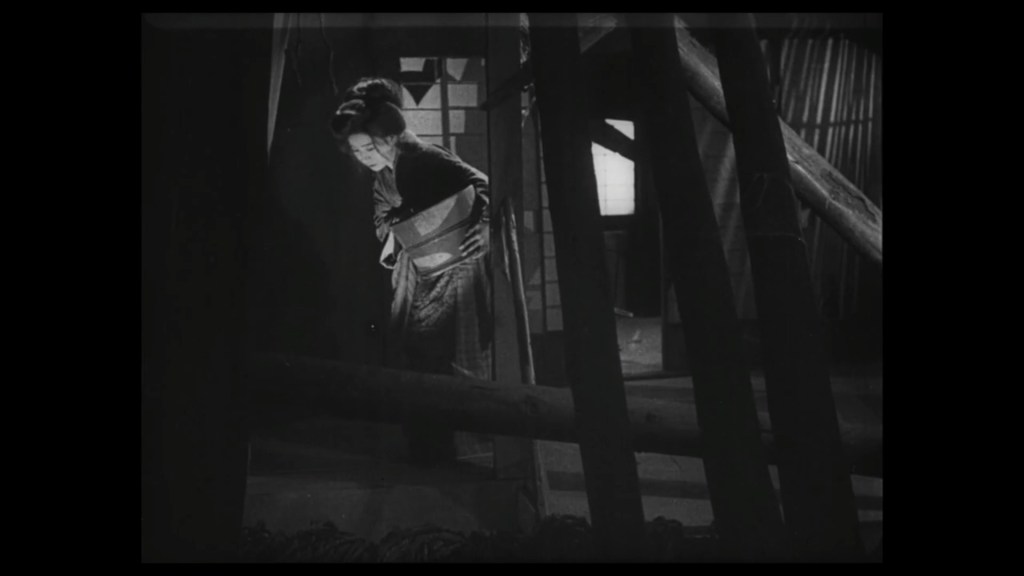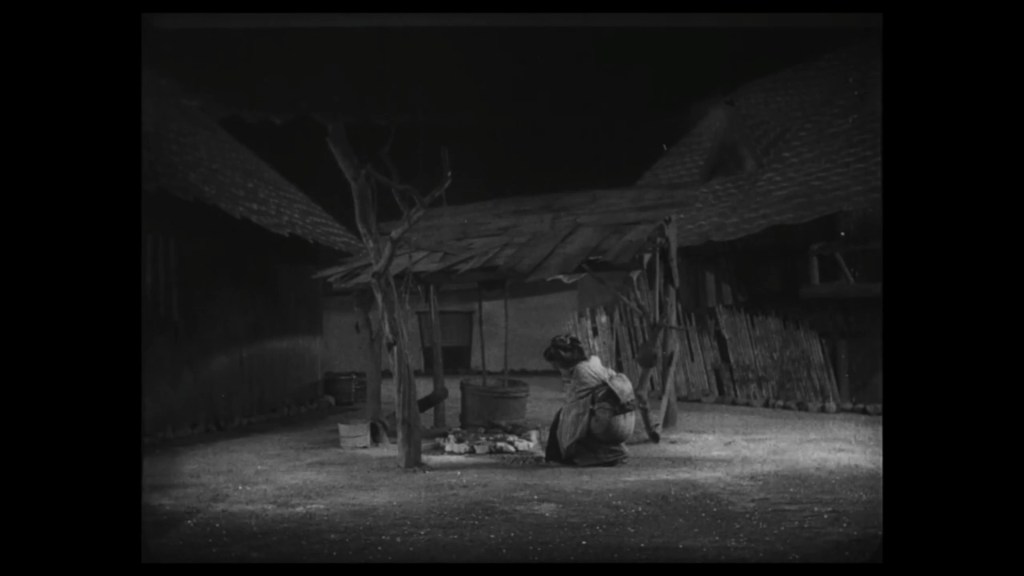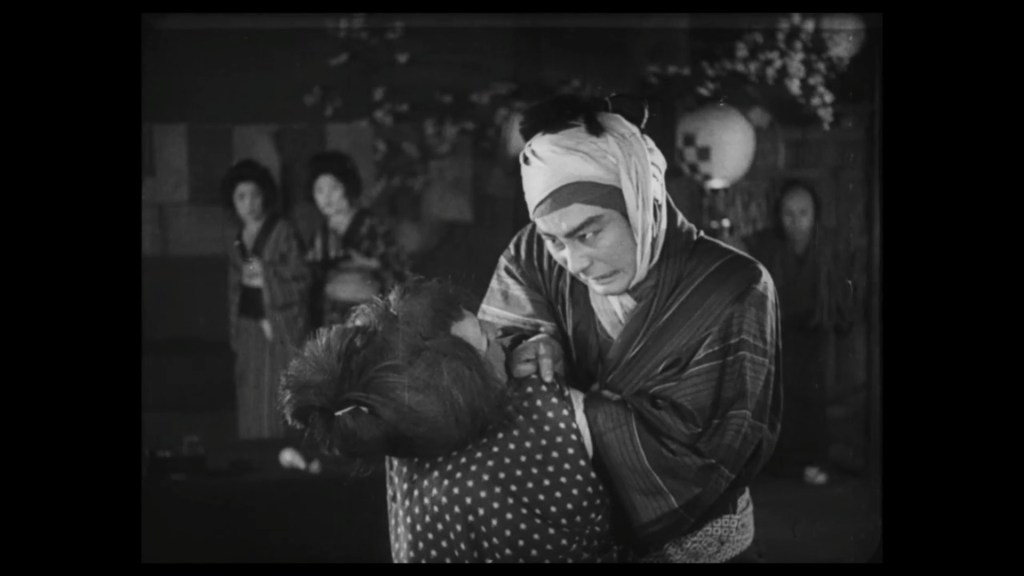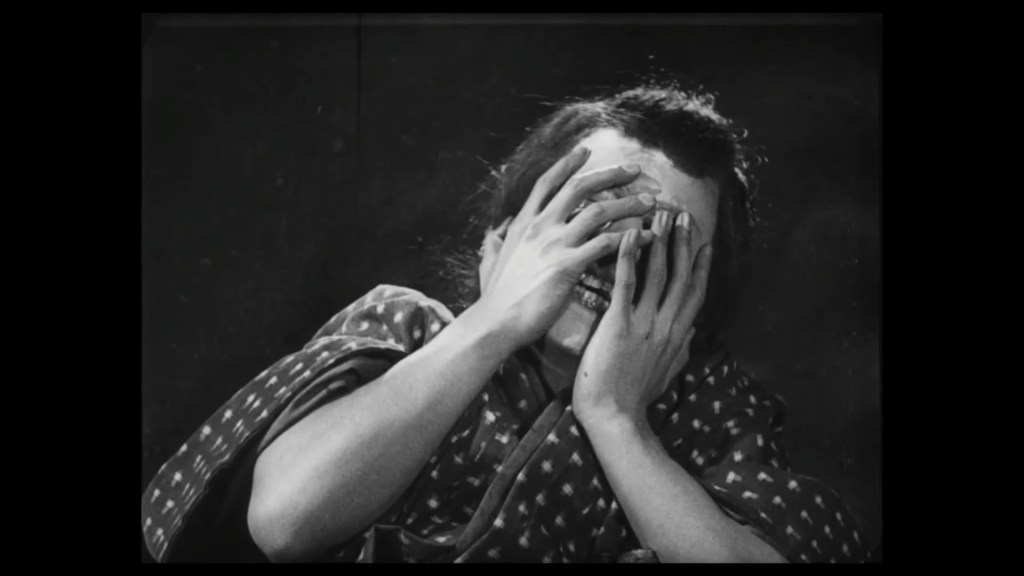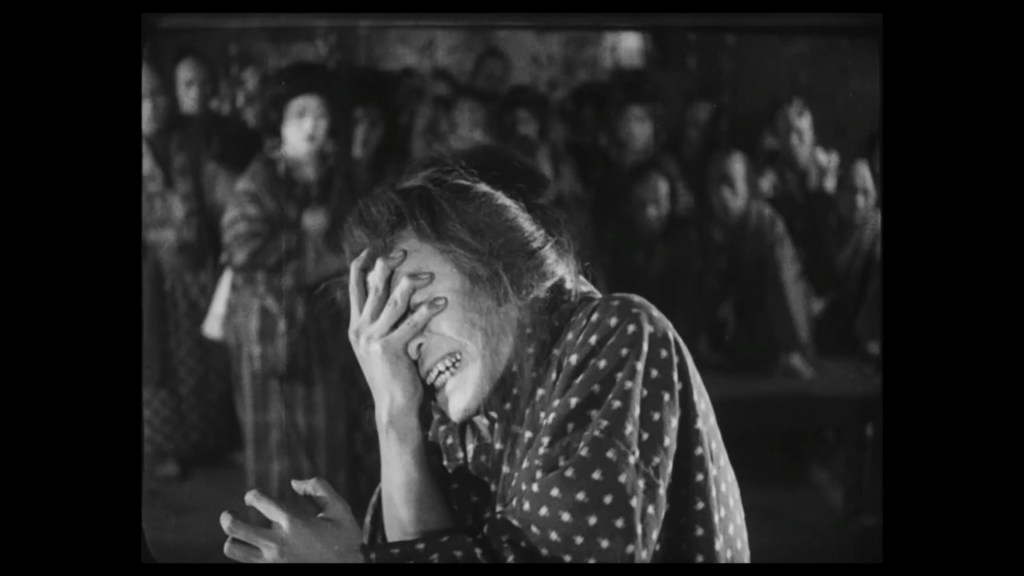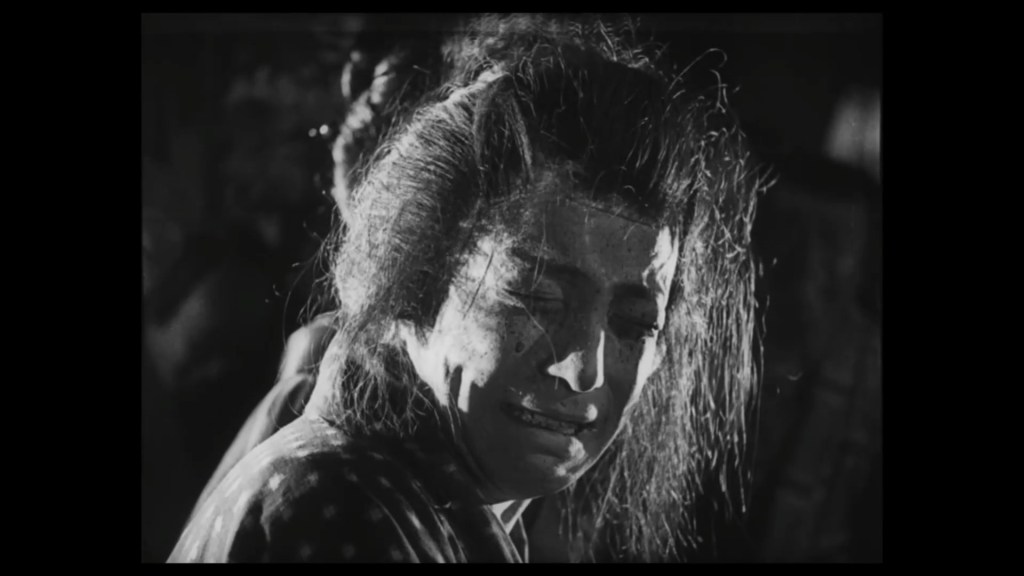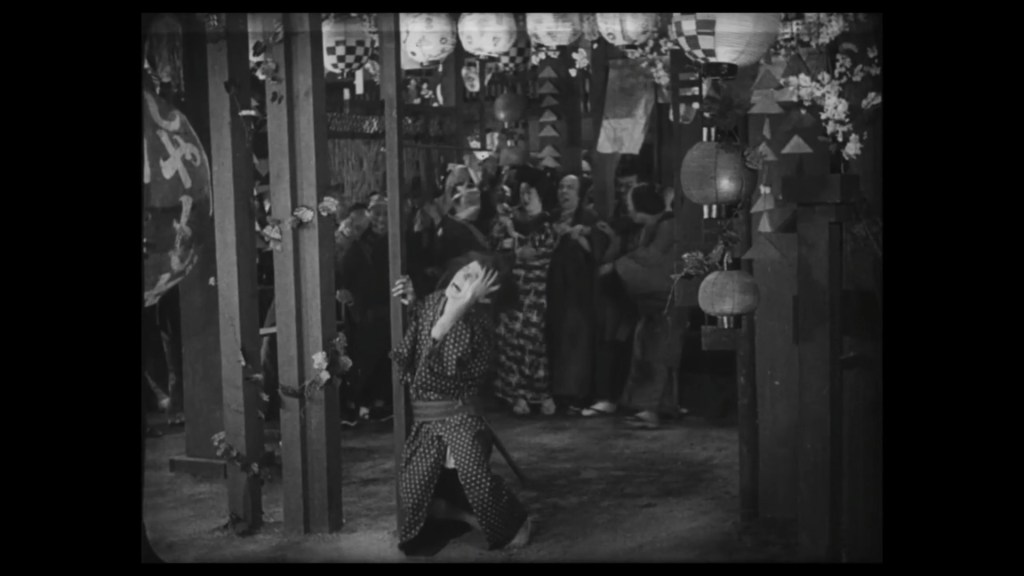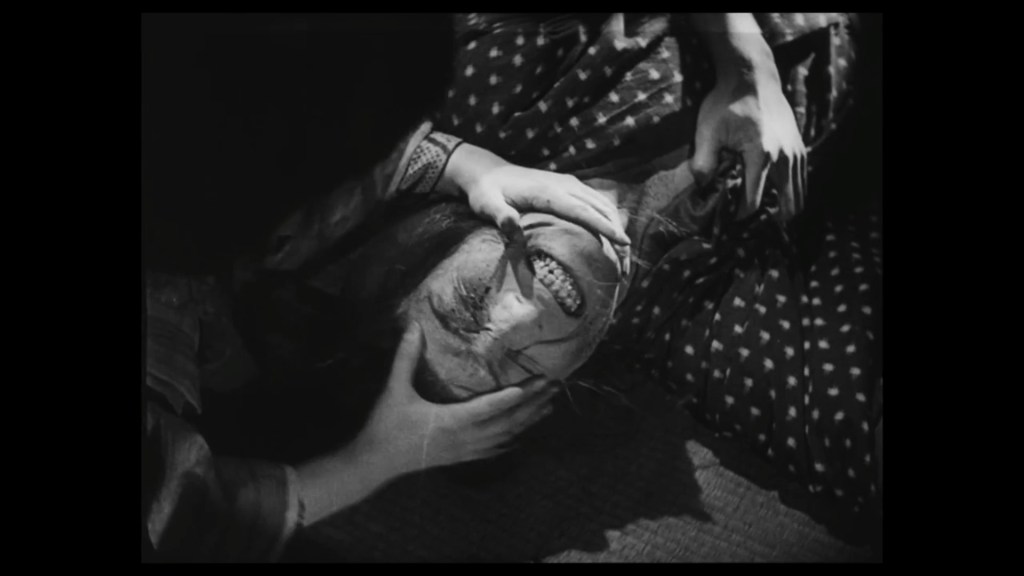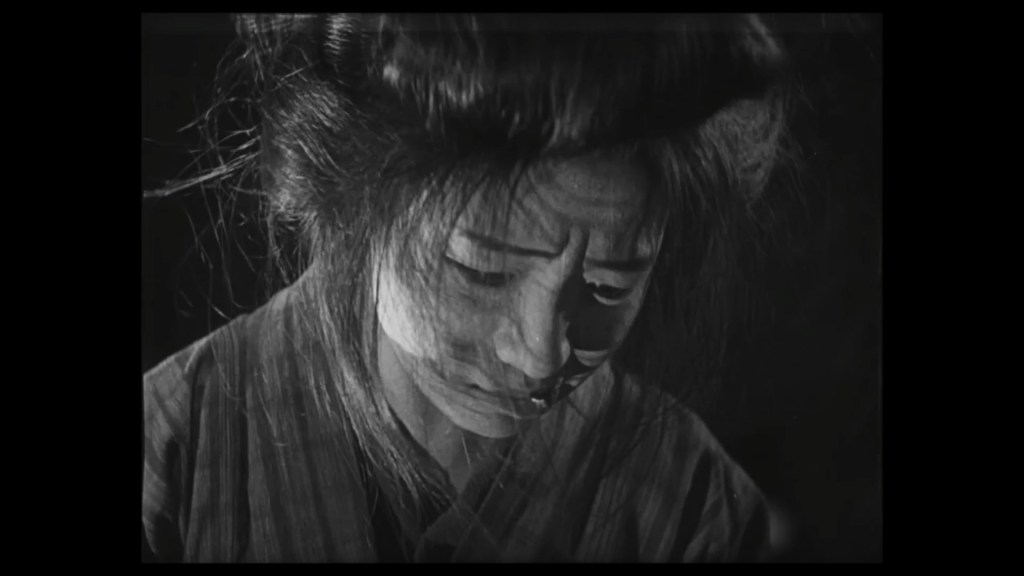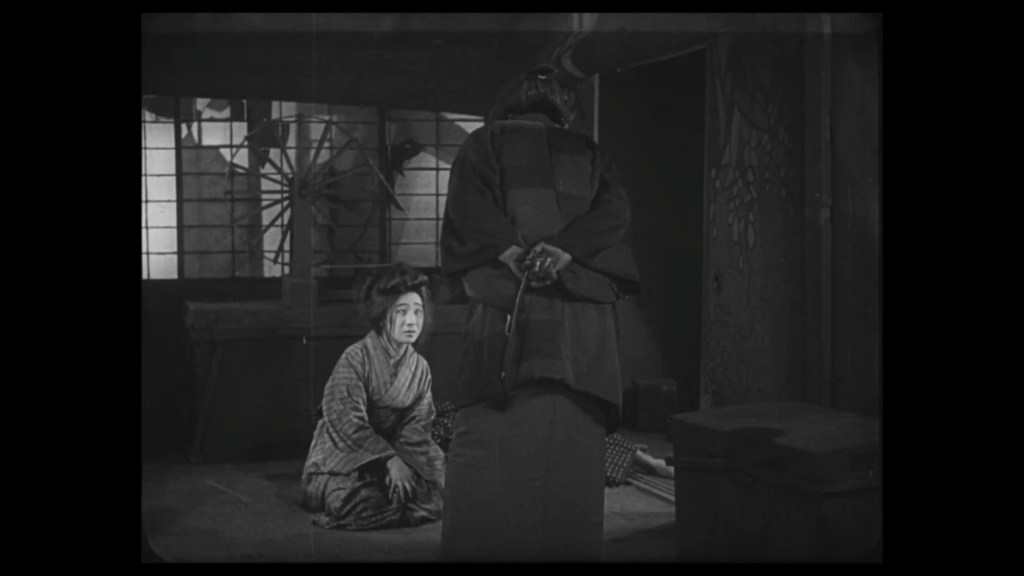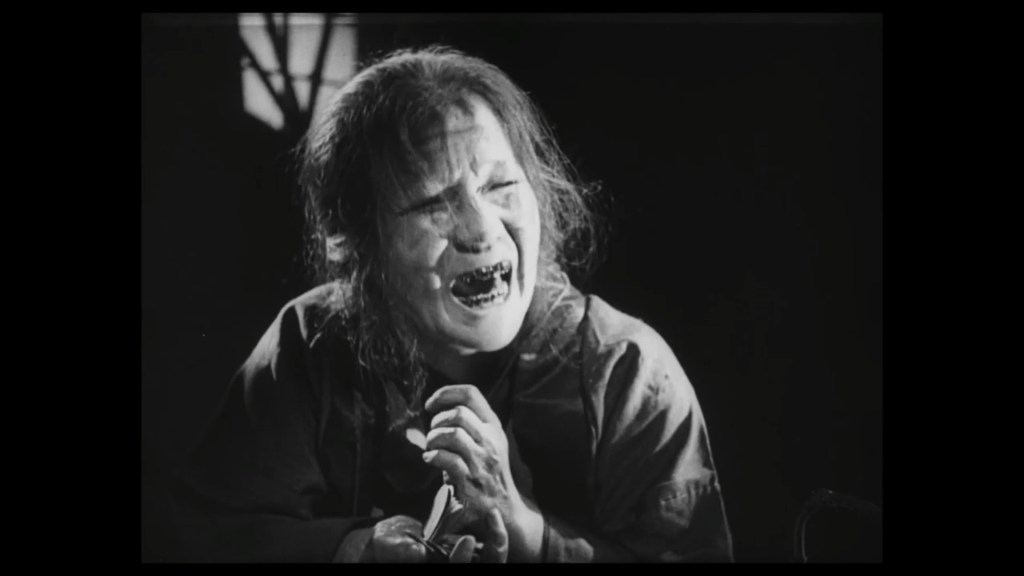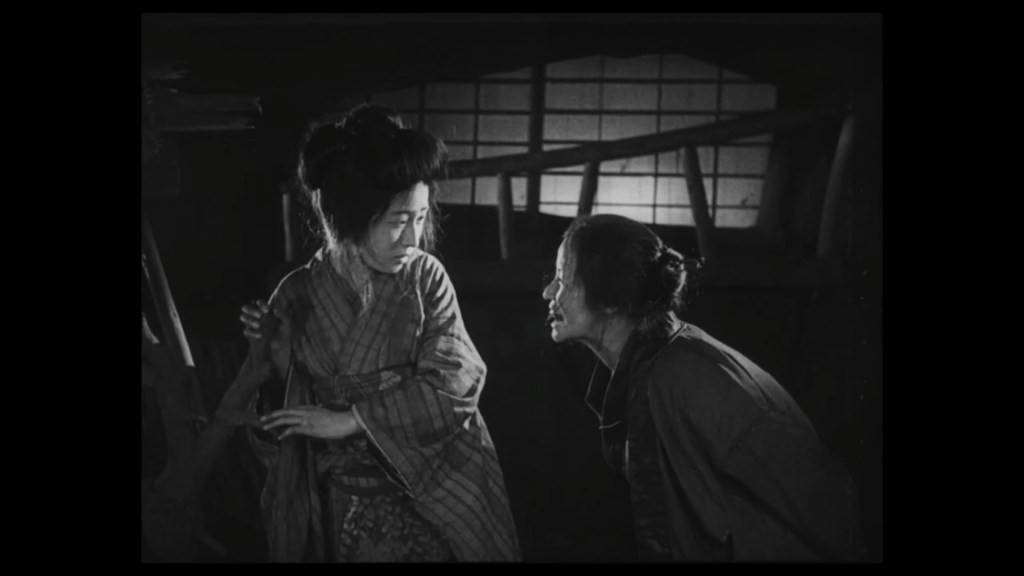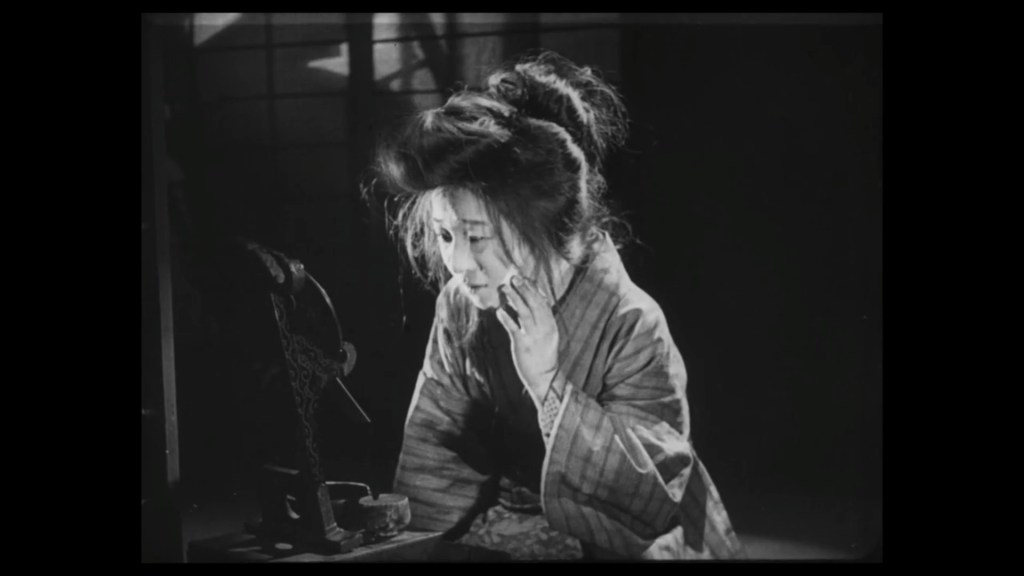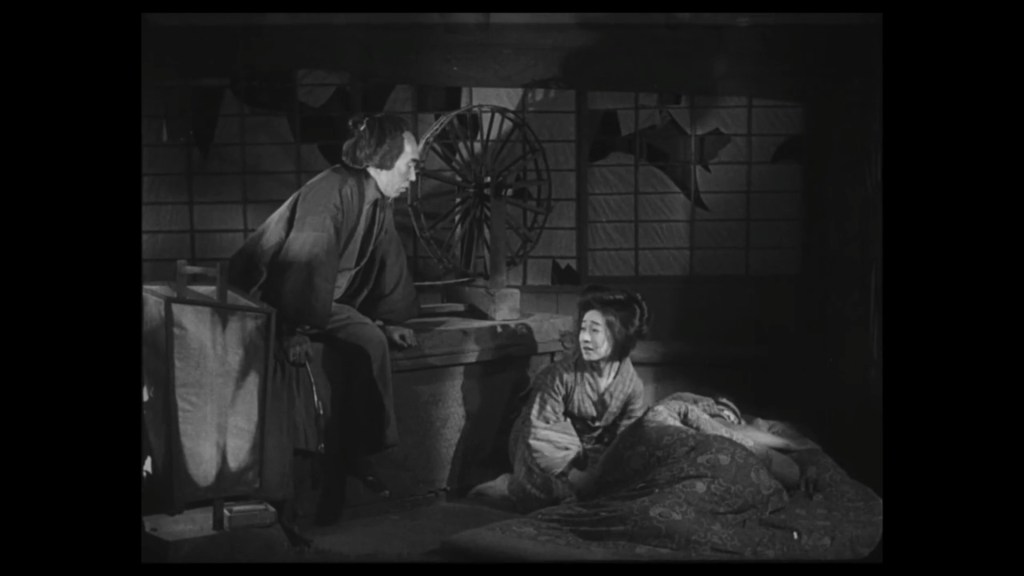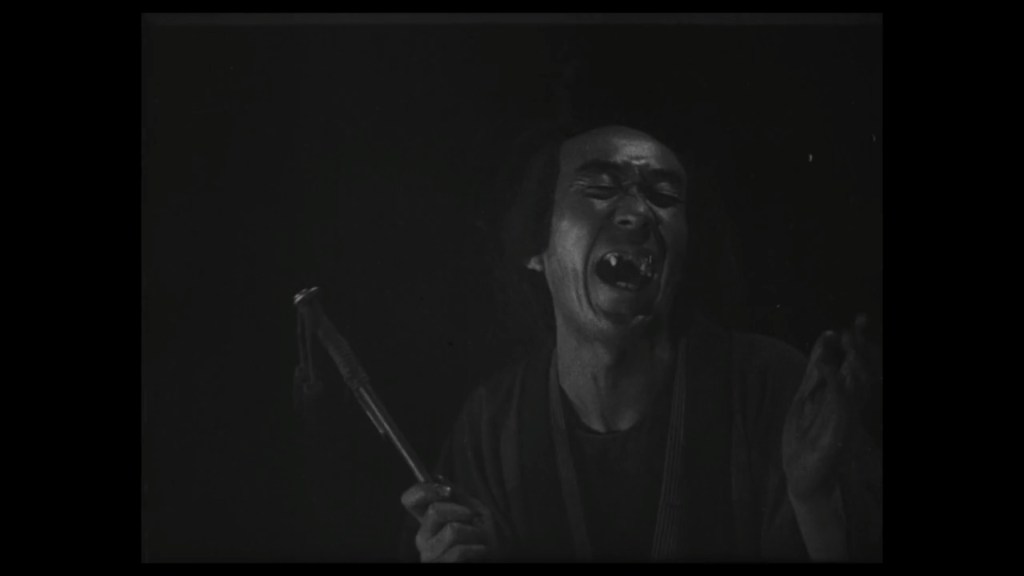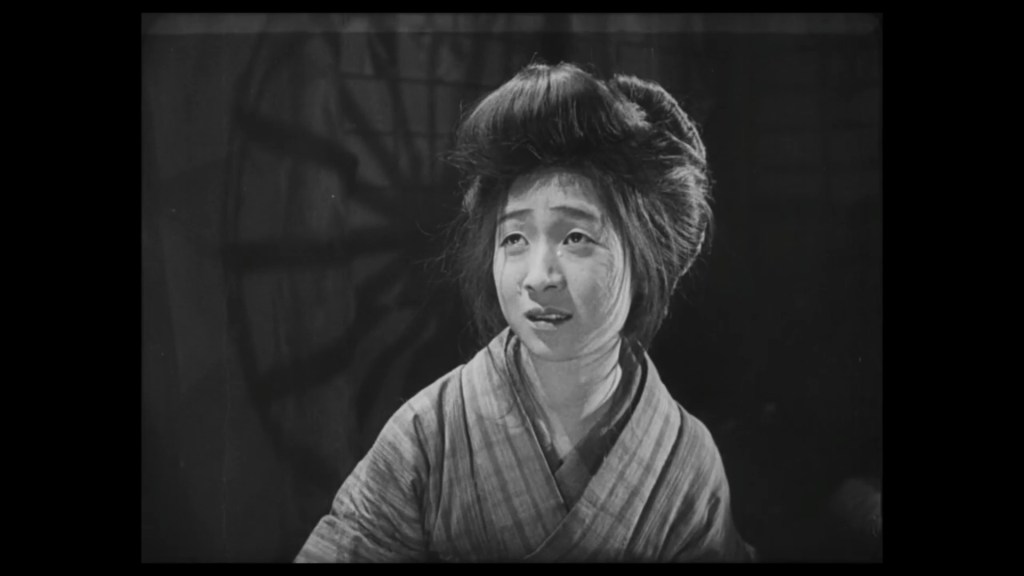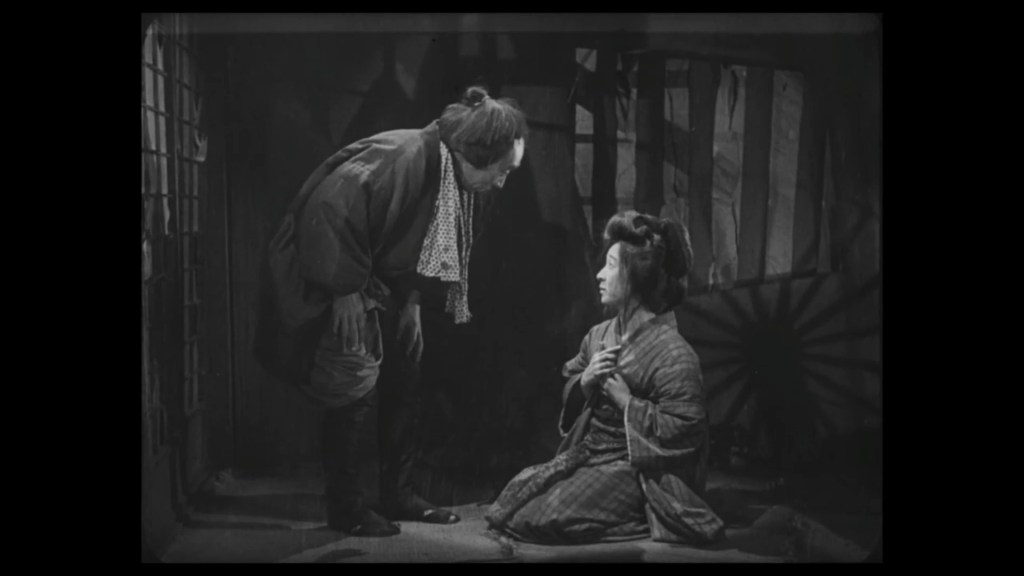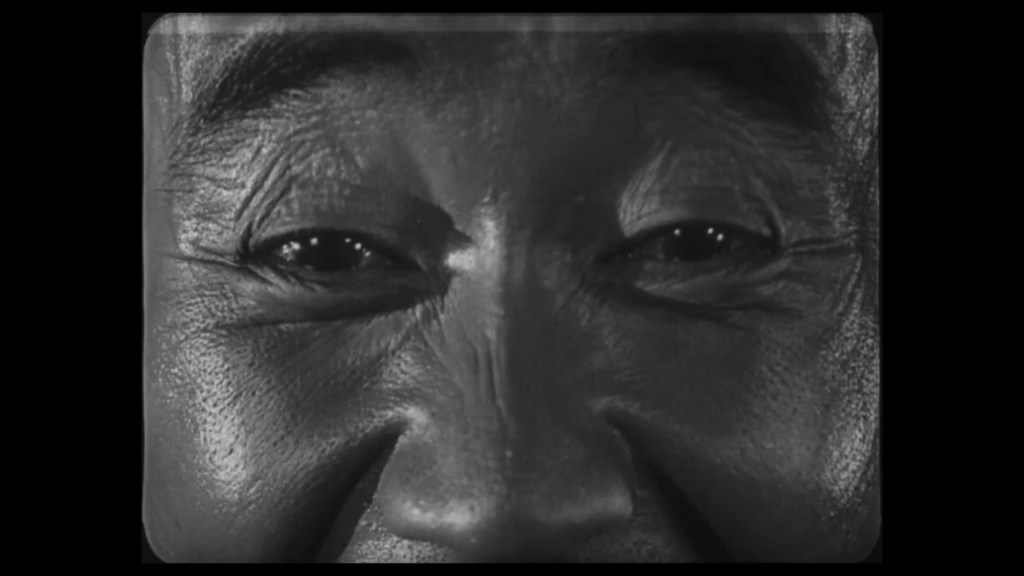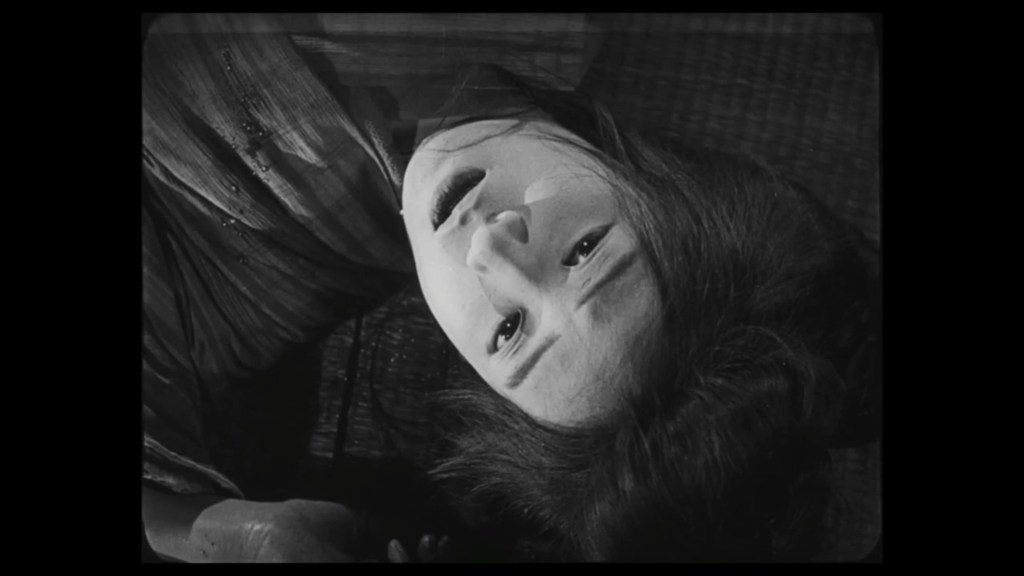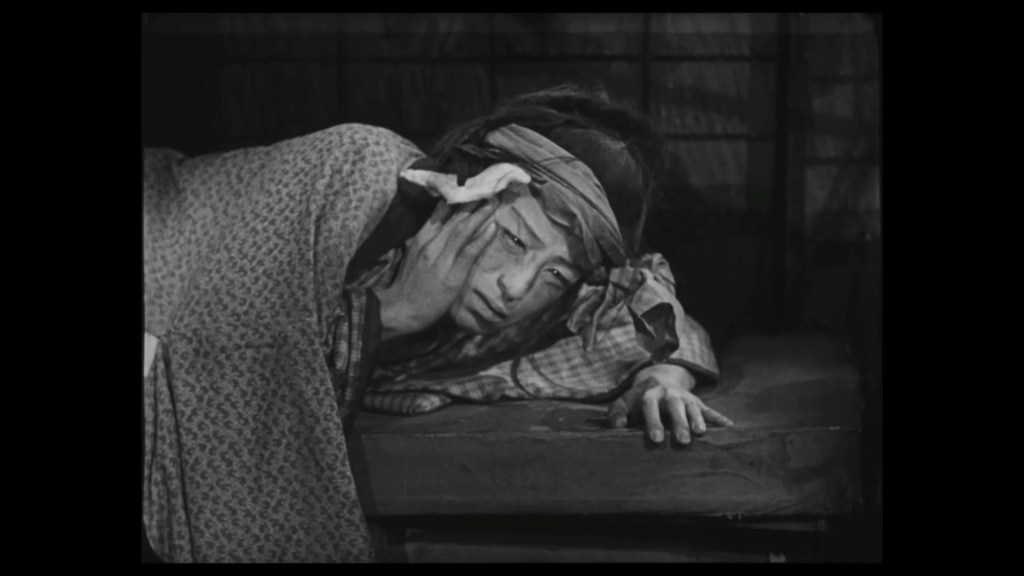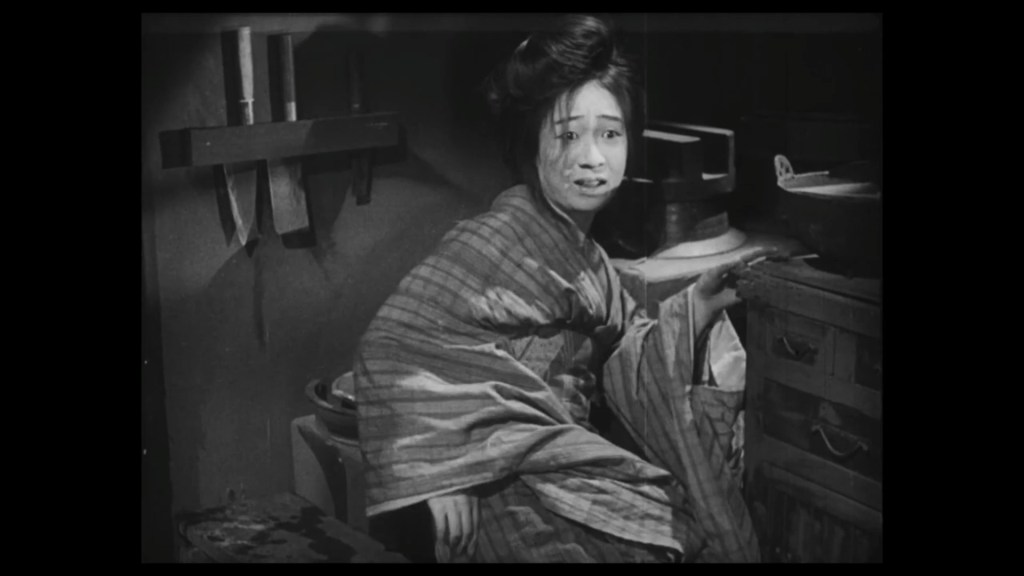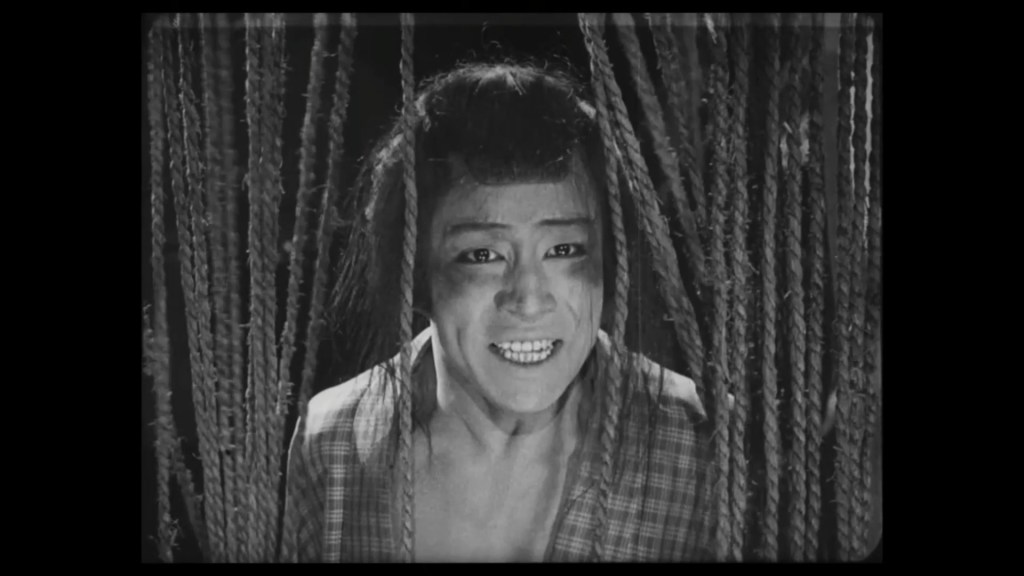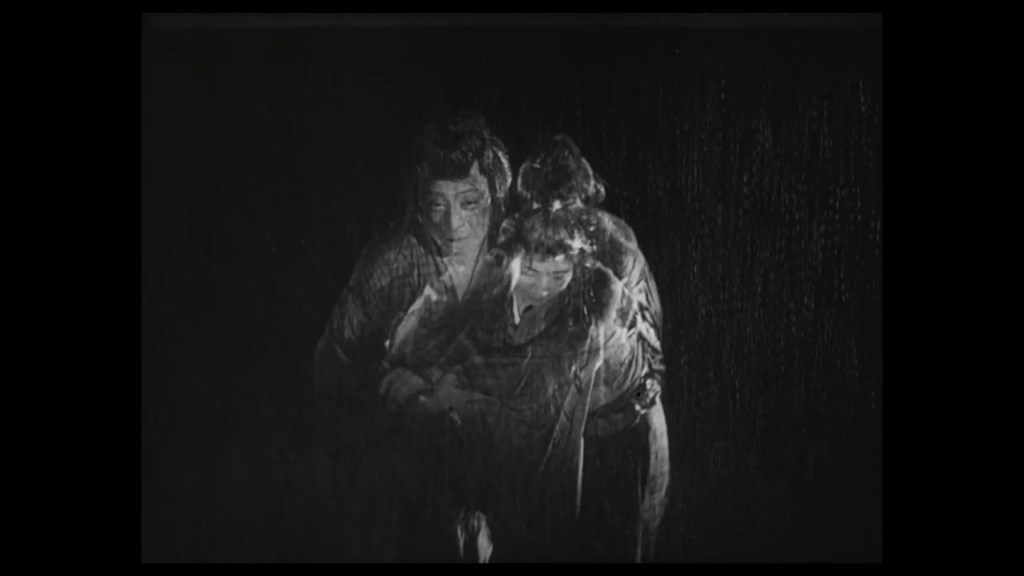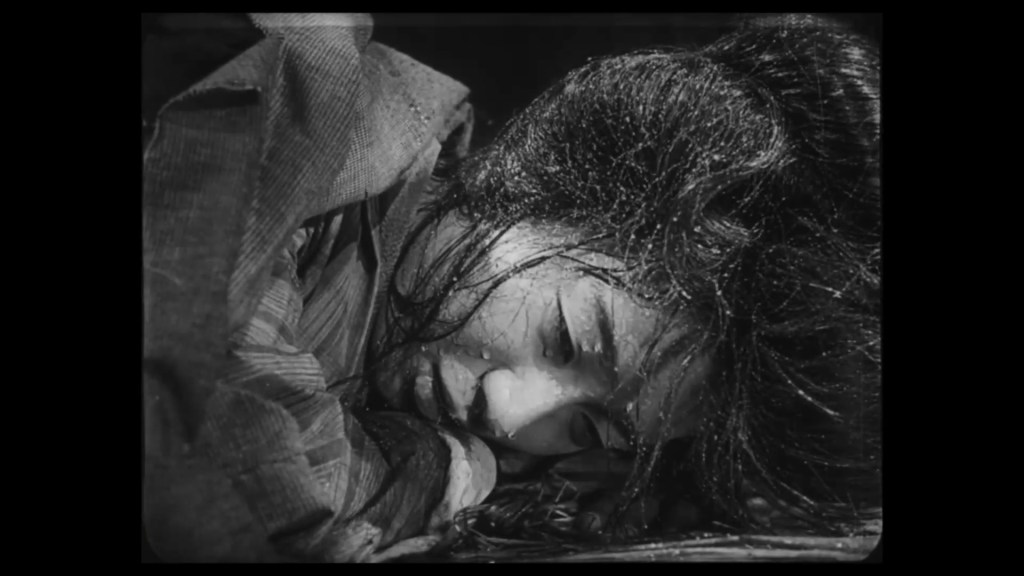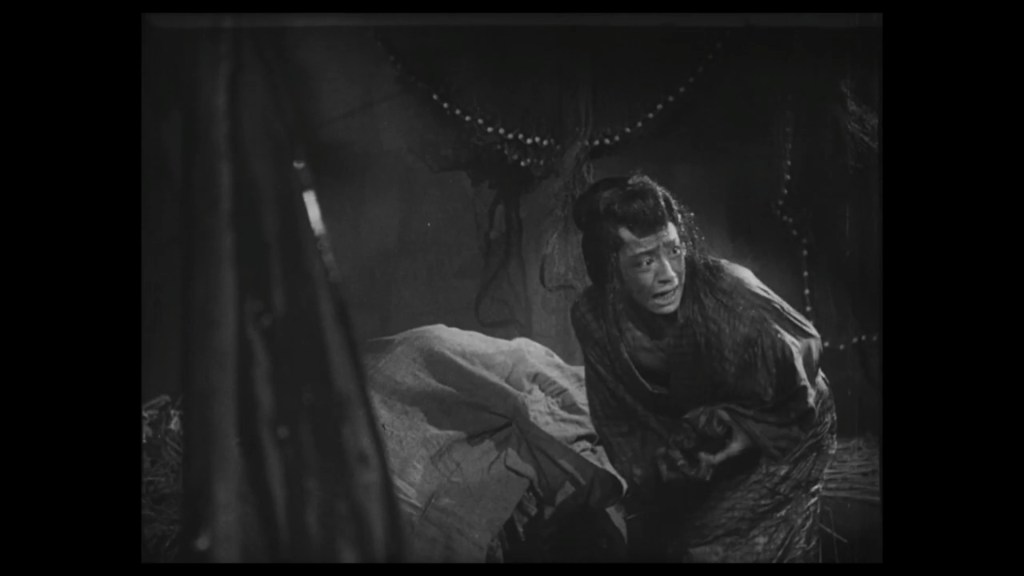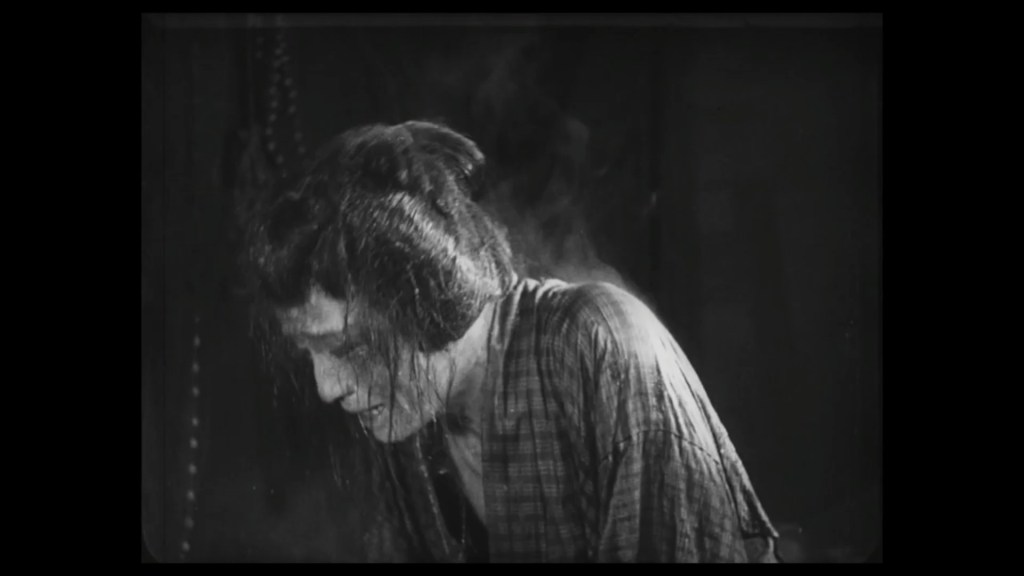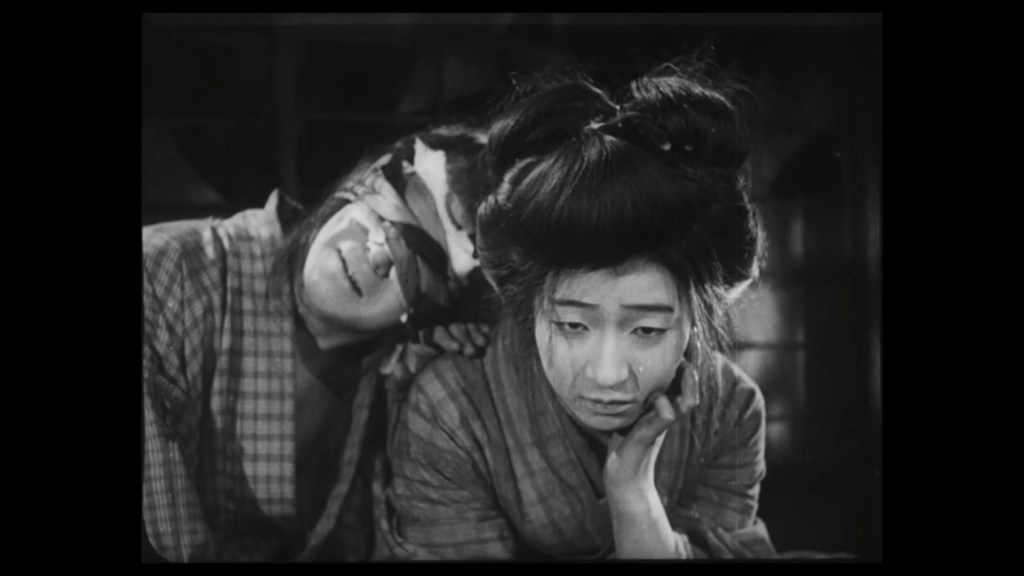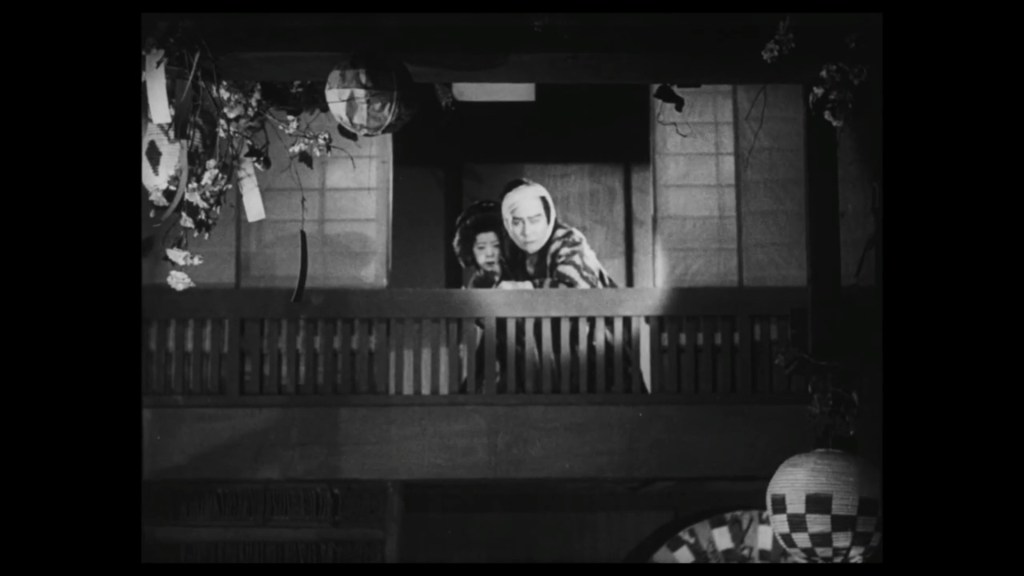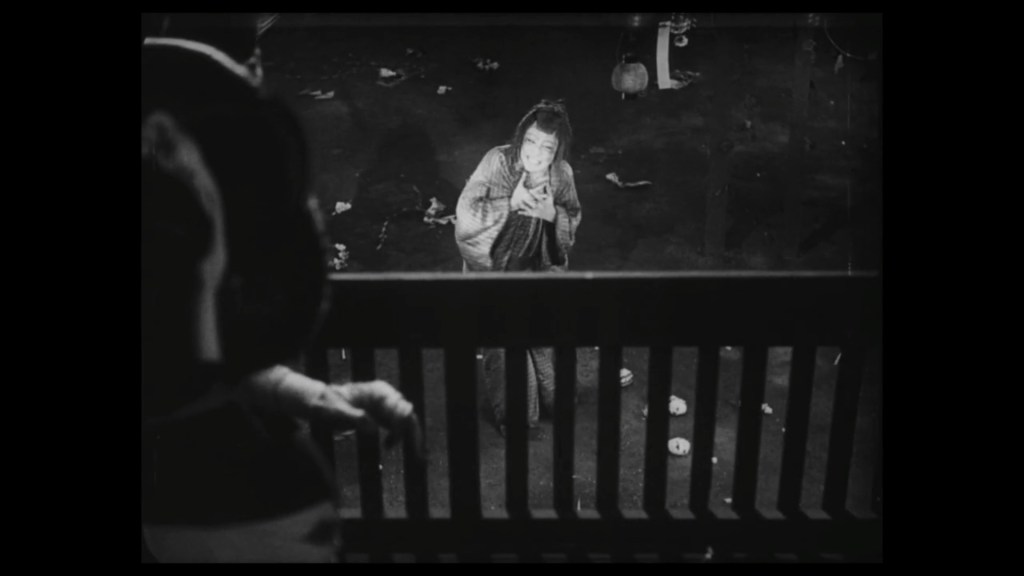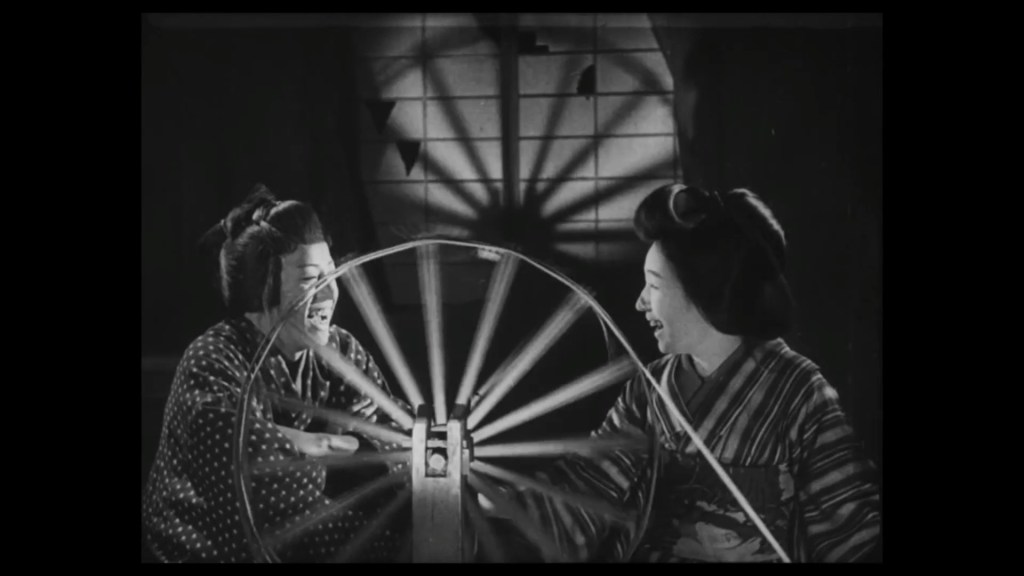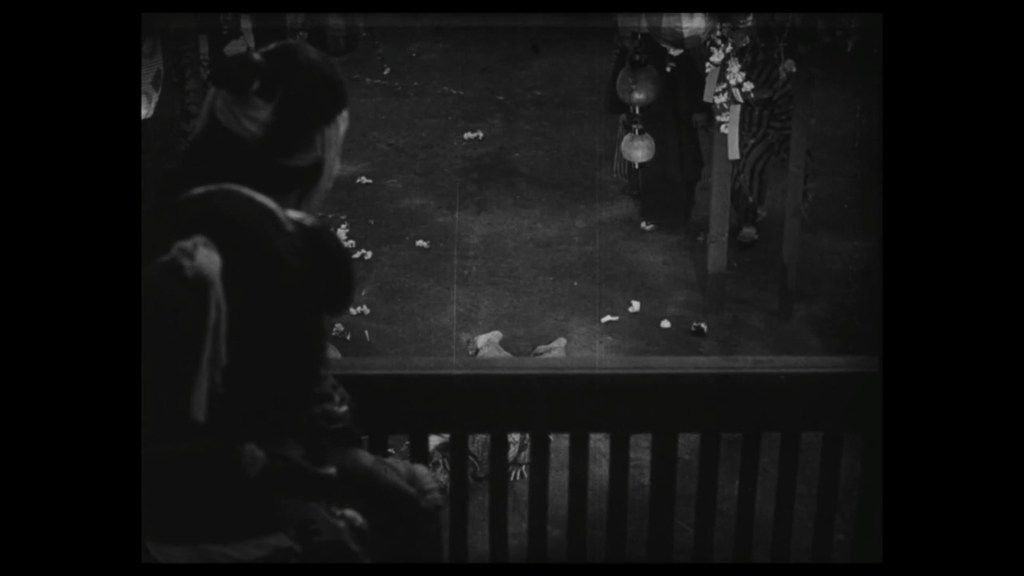
Abel Gance at the Cinémathèque française (1)

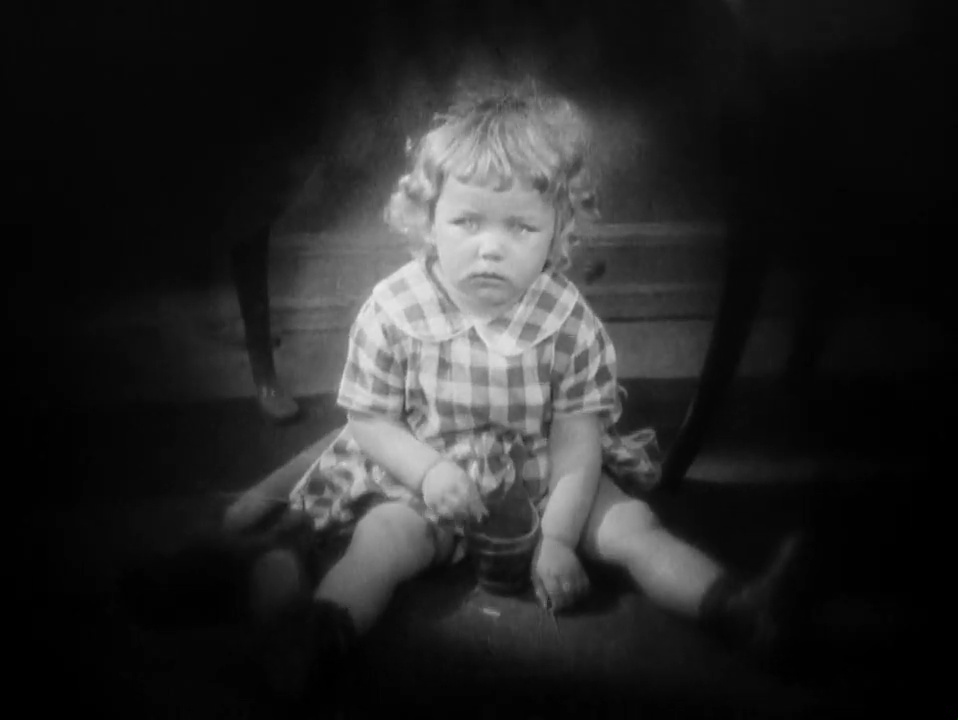
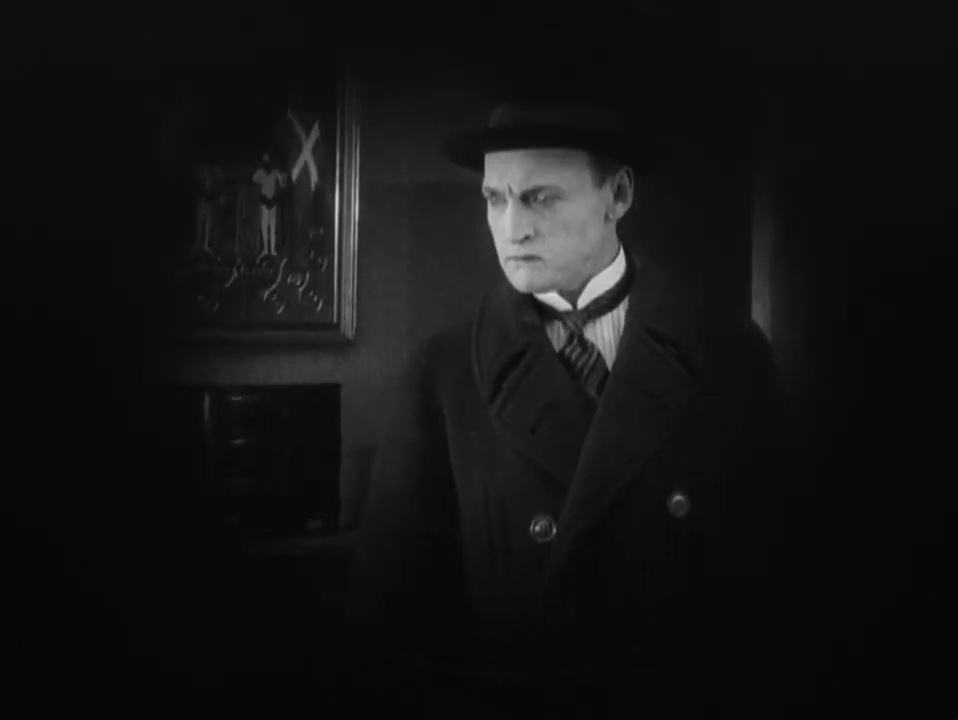
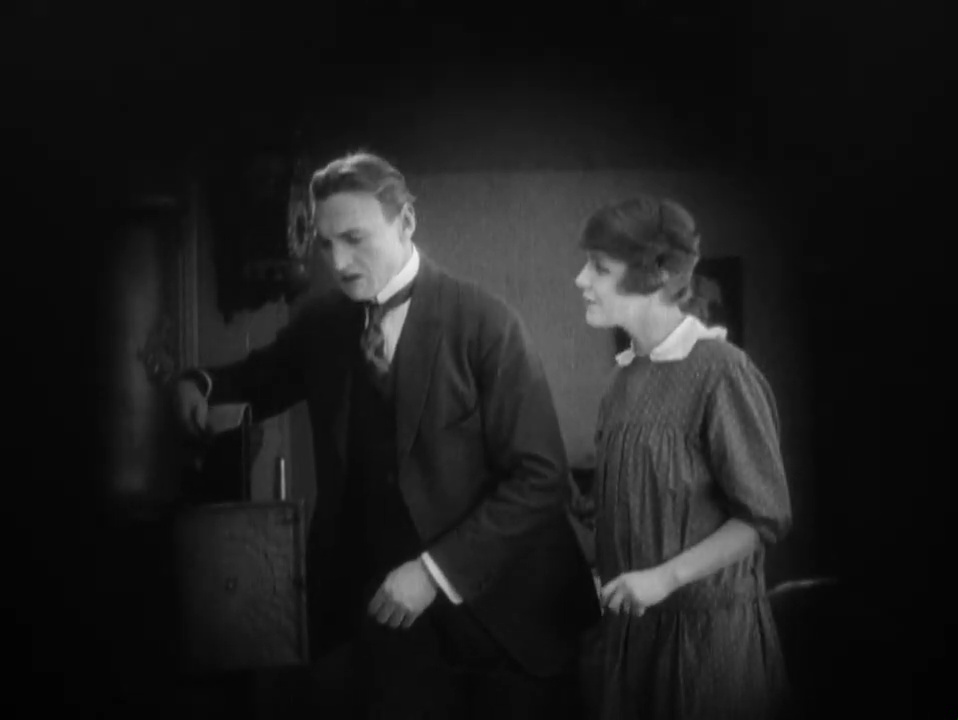
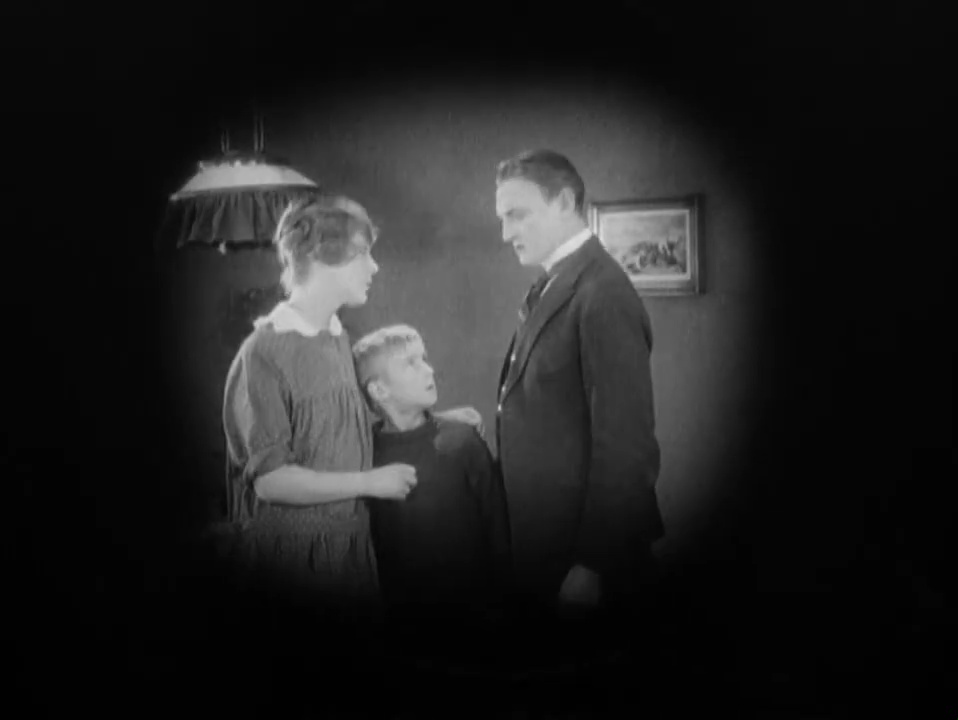
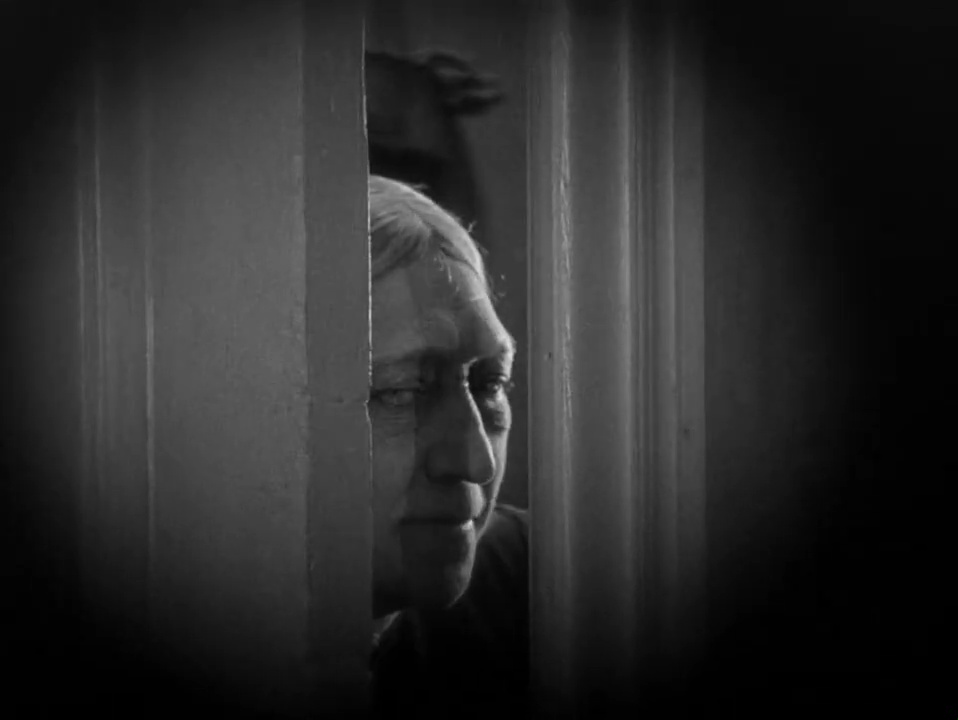
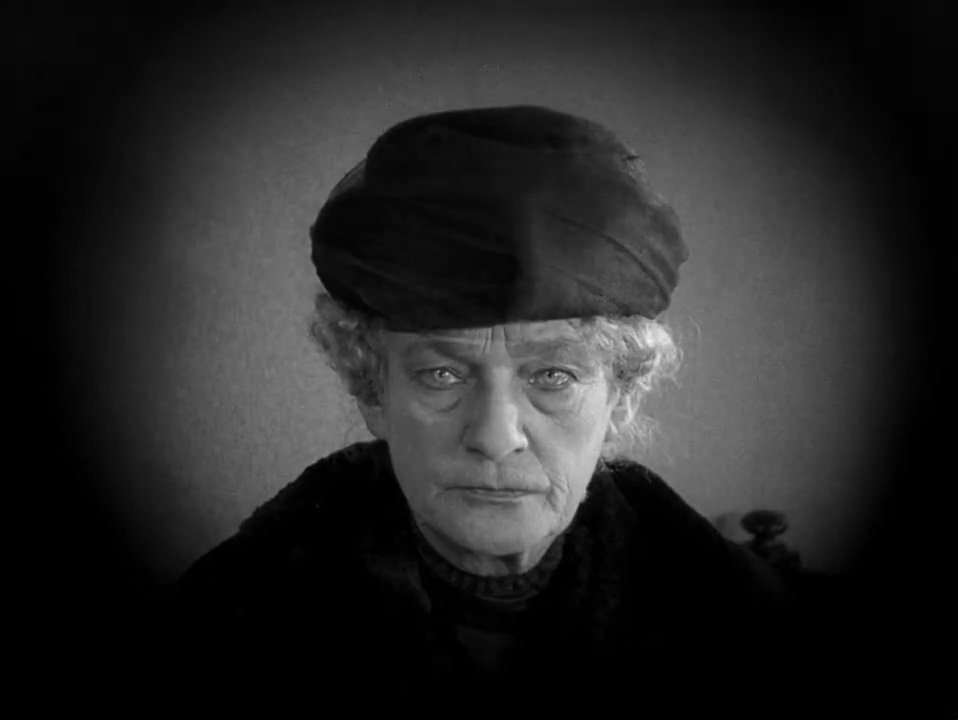
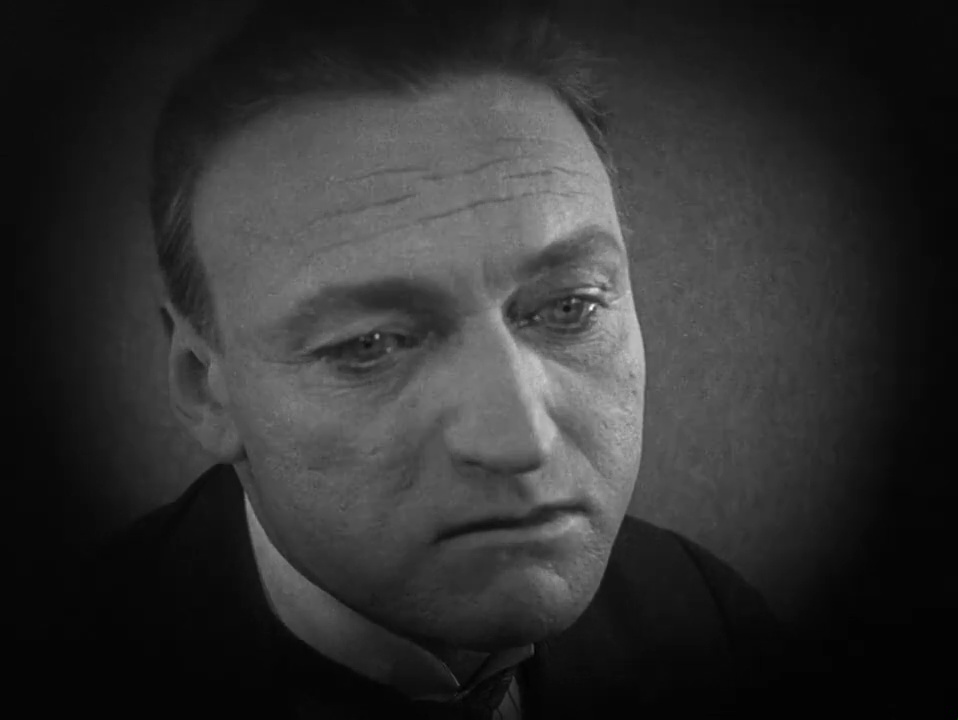
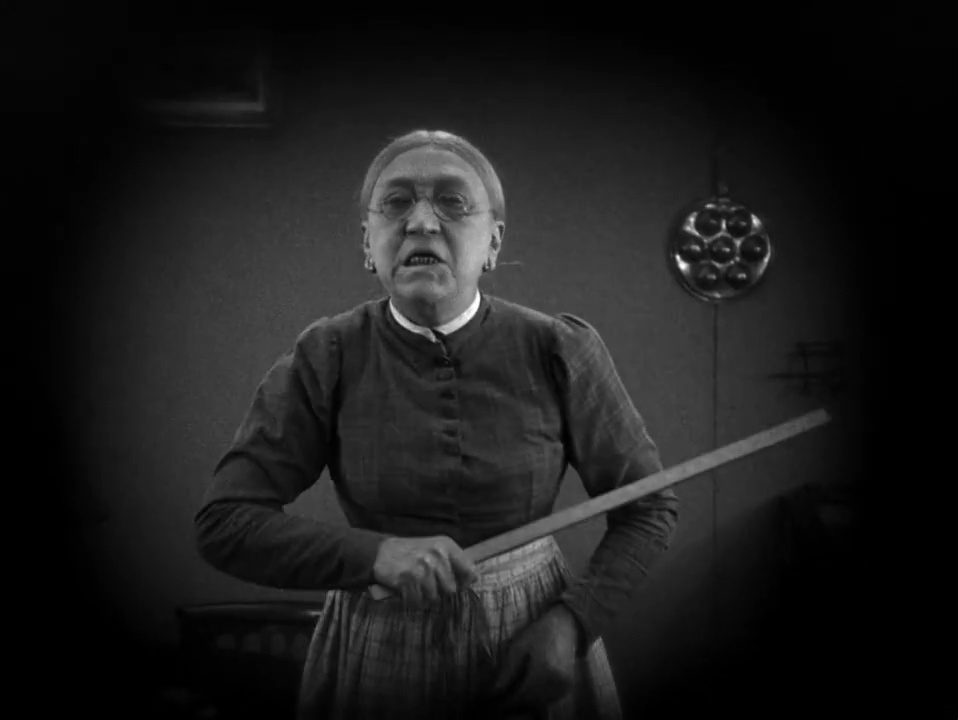
Between 29 August and 25 September 2024, the Cinémathèque française is hosting a retrospective of the works of Abel Gance. This programme presents (almost) all the surviving films and television work Gance made across his lengthy career. The retrospective features new restorations, as well as presentations by restorers and scholars. Time and geography permitting, I would have attended every screening. (This is not the first time in my life that I have longed to be Parisian.) However, across the weekend of 13-15 September I was able to make a targeted smash-and-grab raid on Gance’s early silent filmography. Across three days, I attended seven screenings and saw five feature films, two shorts, and a curated presentation of fragments. I will devote a post to each day of cinemagoing that I attended in the retrospective, and another to offer some concluding thoughts on the experience as a whole. (There might even be an anecdote or two.) So, without further delay, day one of my trip…

Friday 13 September 2024: Salle Georges Franju, 6.30pm

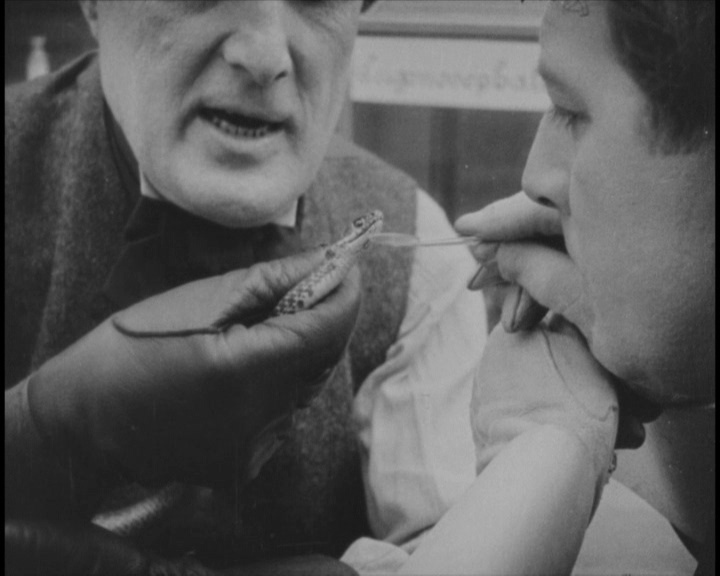
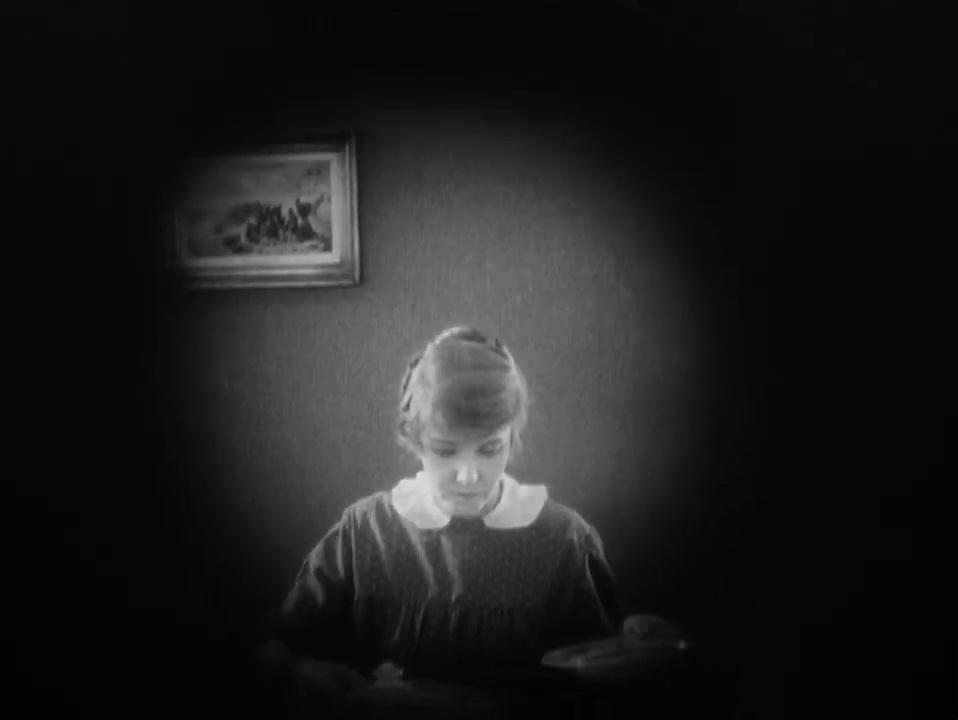
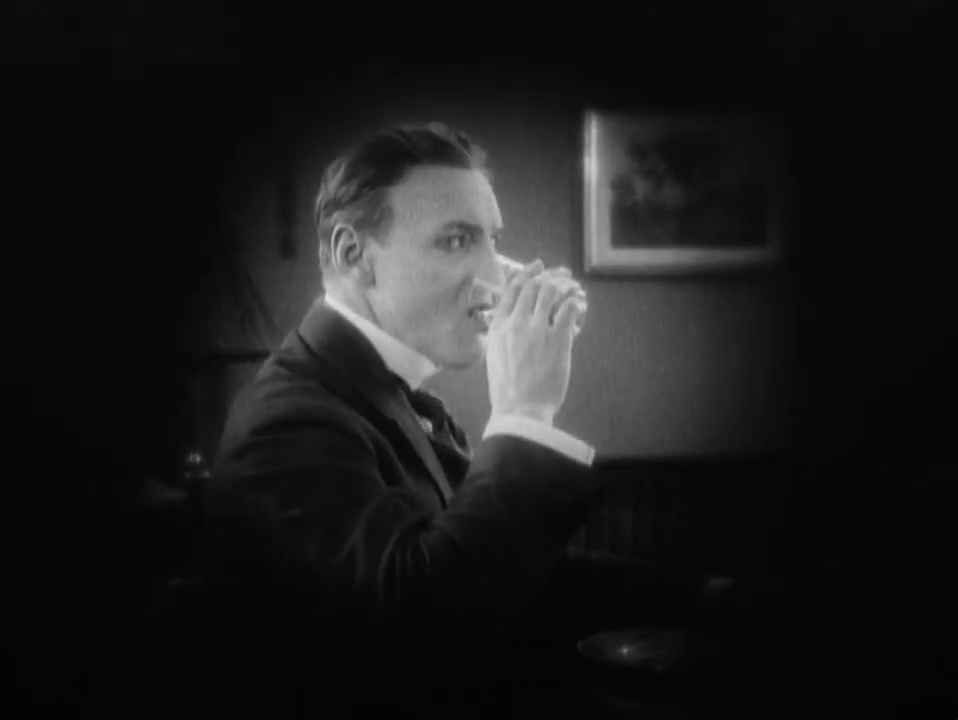
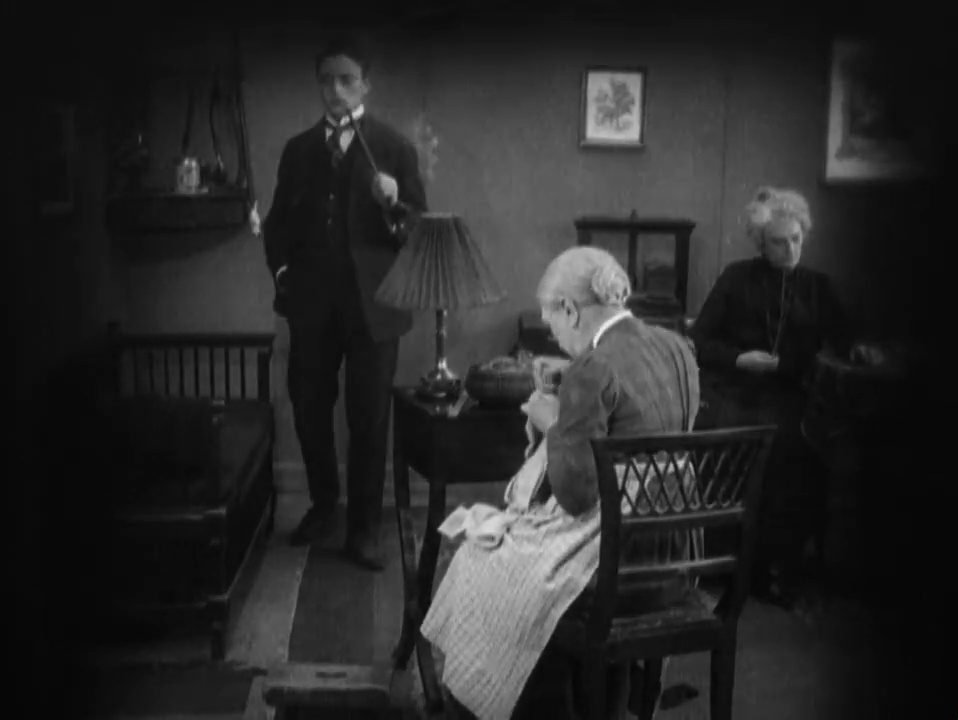
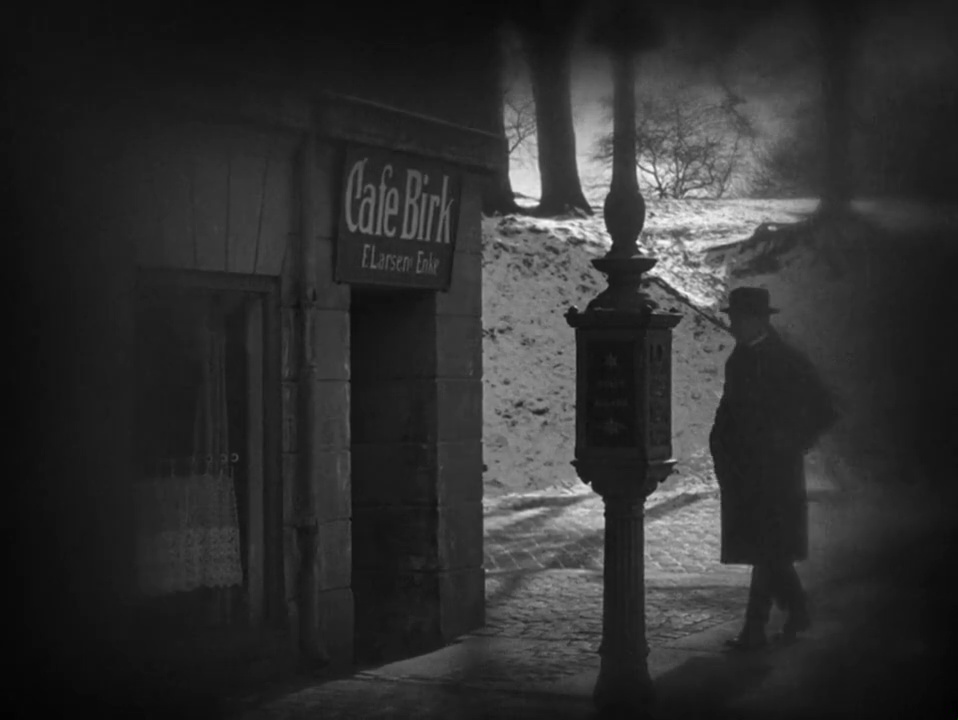
The first film I saw was Les Gaz mortels (1916), the earliest surviving multi-reel production in Gance’s filmography. In the spring of 1916, producer Louis Nalpas ordered Gance to head south with a small cast and crew and return to Paris a.s.a.p. with two films. According to Gance, he wrote the scripts on the train to Cassis and shot Les Gaz mortels and Barberousse simultaneously. (“Quite a business!” Gance recalled to Kevin Brownlow. “But it gave me a great facility. I really had to exert myself – it was like doing one’s Latin and Greek at the same time.”) The first film to be edited was Les Gaz mortels, released in Paris cinemas in September 1916. The name of Gance’s employers, Le Film d’Art, is a little misleading: much of the company’s output at this time was made for a commercial market. In wartime France, escapism jostled strangely alongside grim realities. For its initial release at the Pathé-Palace, Les Gaz mortels took its place in a programme that included episodes from the Pearl White serial The Exploits of Elaine (1914), the latest Rigadin comedy starring Charles Prince, and newsreels fresh from the frontline (La Presse, 1 September 1916). Given this context, the plot that Gance concocted for Les Gaz mortels while his train rattled the length of France is a pleasing mix of popular genres: it is at once a Western, war drama, suspense drama, melodrama, and race-to-the-rescue film…

The renowned French scientist Hopson (Henri Maillard) and his American assistant Mathus (Léon Mathot) work in Texas, where they are called to help Maud (Maud Richard) escape the clutches of Ted (Doriani), a drunkard who supplies the two researchers with snakes from Mexico. Maud is rescued and returns with the scientists to France, where a romance develops between her and Mathus. But war is declared, and Hopson’s son is killed by poison gas on the frontline, leaving Hopson’s grandson André (Jean Fleury) in the care of Edgar Ravely (Émile Keppens) and his wife Olga (Germaine Pelisse) – who hope to profit from their role. But Hopson takes André from his carers, who then join forces with Ted to seek revenge. Edgar and Ted sabotage the poison gas factory run by Hopson and Mathus, while Olga unleashes a poisonous snake into André’s bedroom…

Les Gaz mortels is familiar to me, as I have watched the DVD several times. (The film is also currently available via HENRI, the free online film selection from the Cinémathèque française.) However, it was an entirely unfamiliar experience on the big screen – and projected on 35mm. Unlike the entirely silent DVD issued by Gaumont, this Cinémathèque screening was accompanied by a pianist from the improvisation class of Jean-François Zygel. (One minor bugbear with the retrospective is that not all the performers are credited in the programme or online. I have tried to find the names of all the musicians but lack details for two of them – the first being the fellow who accompanied Les Gaz mortels.)

Les Gaz mortels is a compact, well-made, and rather fun drama. At just over an hour, it was Gance’s longest film to date, and it races along to a satisfying conclusion. It is also beautifully shot by Léonce-Henri Burel. I adore the opening scenes set around the Mexican-Texan border but filmed on the south coast of France around Cassis. It was clearly a location Gance loved. Many of his early films were shot amid these sun-soaked landscapes, and Burel’s photography makes the most of the landscapes, the seascapes, the gorgeous southern light.

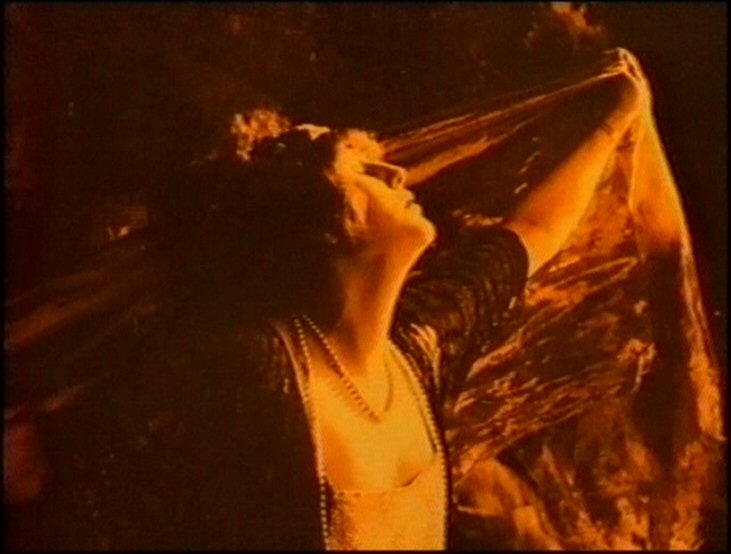
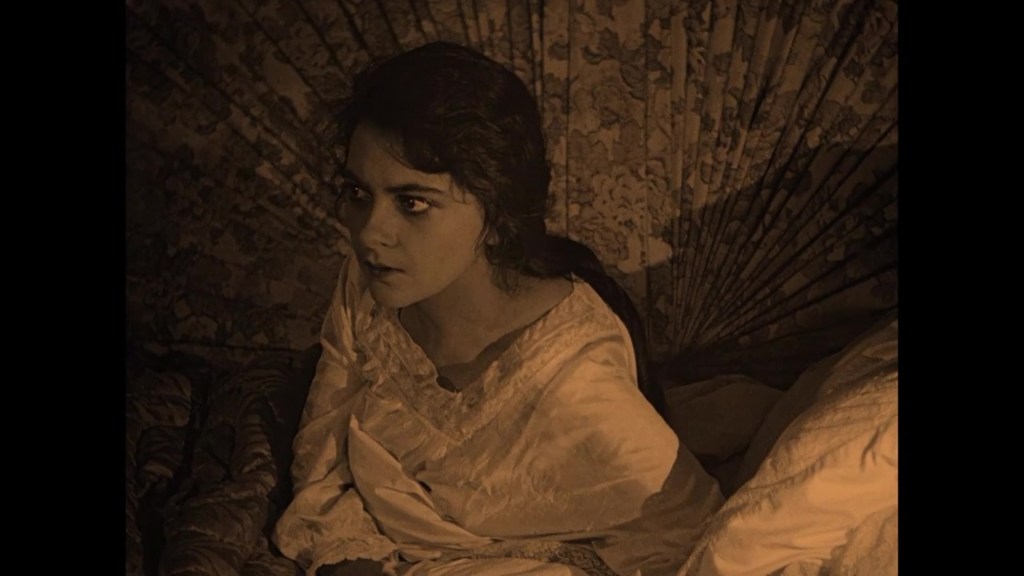
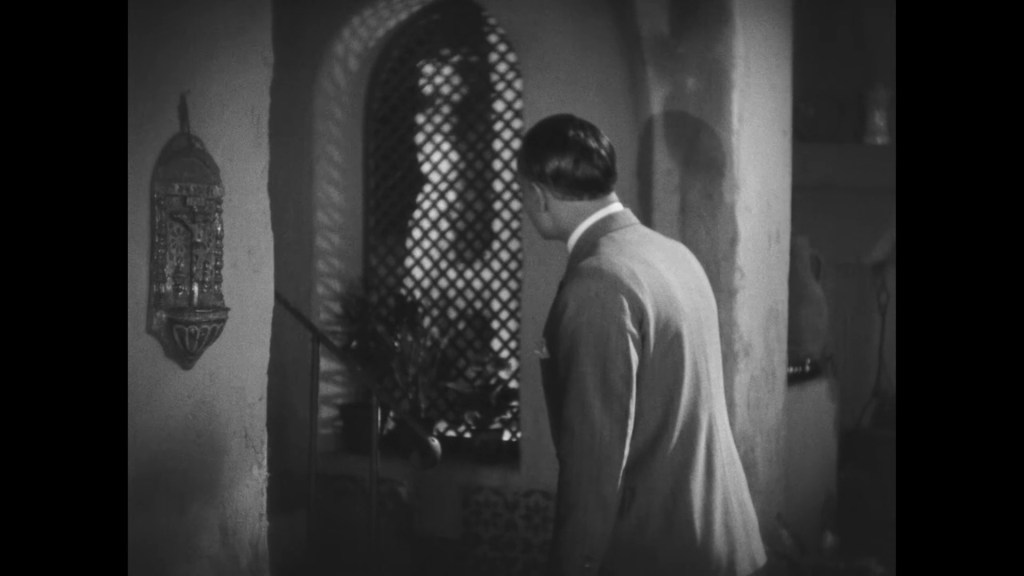
Seeing the film projected on the big screen of the Salle Georges Franju was a particular pleasure. I spotted details I’d never noticed before, like the initials carved onto the branch of a tree overlooking the sea, where Maud pauses for a moment on her search for vipers. Indeed, Maud’s snake-hunt features some of the most beautiful, naturally back-lit scenes of the film. Her hair is transformed into a chaotic halo, like a white flame flurrying worriedly about her head as she runs in terror from the snake-infested scrubland. Then there is the scene of her wakeful night, spent longing for release from capture. The lighting is simply exquisite, giving this entirely incidental scene a curious poignancy. The character is contemplating her imagined future, and we contemplate the image of her at the open window – seduced for a few seconds by the same evening light, the same moment of calm.

But such moments of “calm” are rare in a film that deals primarily in seething skullduggery and dramatic spectacle. The film climaxes with complex intercutting between various spaces. The parallel race-to-the-rescue scenes cut not just between two different locations, but between multiple spaces within each location. The interiors where the snake is let loose boast some very striking close-ups (the snake sliding over the neck of a doll) and effective low-key lightning (Olga peering into the snake tank), just as the exteriors offer some travelling shots and intriguing views of the (unnamed) town and landscape being swathed in swirling banks of gas.

The performances are rather mixed in style. As the drunkard Ted, Doriani is as crudely villainous as anything from a serial quickie. The two bourgeois baddies, Émile Keppens and Germaine Pelisse, are more convincing (if two-dimensional). Maud Richard is charming enough, but her toothy grinning can be slightly gawkish. Henri Maillard is a little stiff as Hopson, while Léon Mathot is alternately winsome and bathetic as Mathus. Of course, Les Gaz mortels offers scant dramatic depth for the performers to plumb, but even so… I have mixed feelings about Mathot as an actor. He is a reliable, sometimes strong presence on screen, but when tasked with expressing sadness he has a certain default expression that strikes me as mawkish. It’s interesting that such an important early male star should be so vulnerable, so evidently sensitive, on screen, but I am not affected – not moved – by his performances. He signals sentiment while (for me) never quite giving the illusion of real depth. (Several years after his collaborations with Gance, Mathot is still the same mawkish presence in Jean Epstein’s L’Auberge rouge (1923) and Cœur fidèle (1923), films that are beautiful to look at and, alas, highly soporific.)
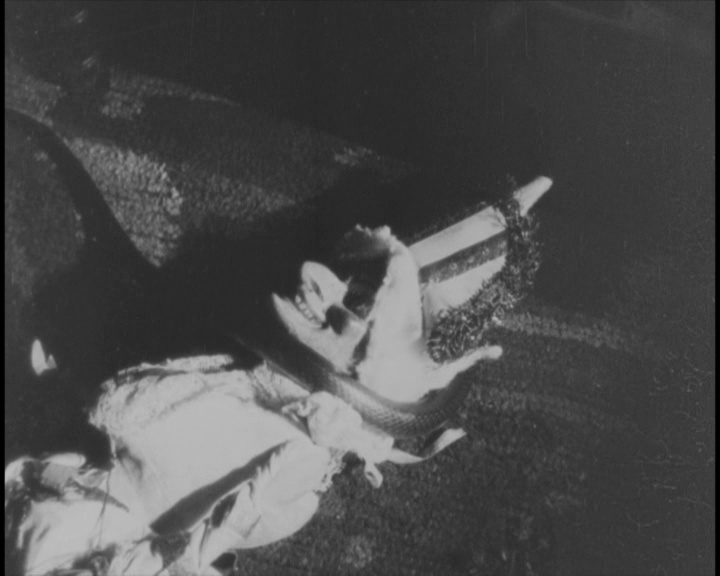
The 2006 restoration of Les Gaz mortels is based on a (jumbled) negative print that survived without titles. Thankfully, it was possible to reconstruct the film’s titles and original montage – though the print remains untinted, which may not be how audiences saw it in 1916. As a study by Aurore Lüscher explores, Gance (in his notebooks from 1916) refers to the film variously as “Le Brouillard Rouge”, “Le Brouillard de Mort”, and “Le Brouillard sur la ville”. The title “Red Fog” makes me wonder if Gance had a colour-scheme in mind to heighten the climactic images of fire and gas stand out visually. (There are also nighttime scenes that could be clarified by some blue.) This reservation aside, the film looks as good as it can, and it was a great pleasure to see projected.

Friday 13 September 2024: Salle Georges Franju, 8.15pm

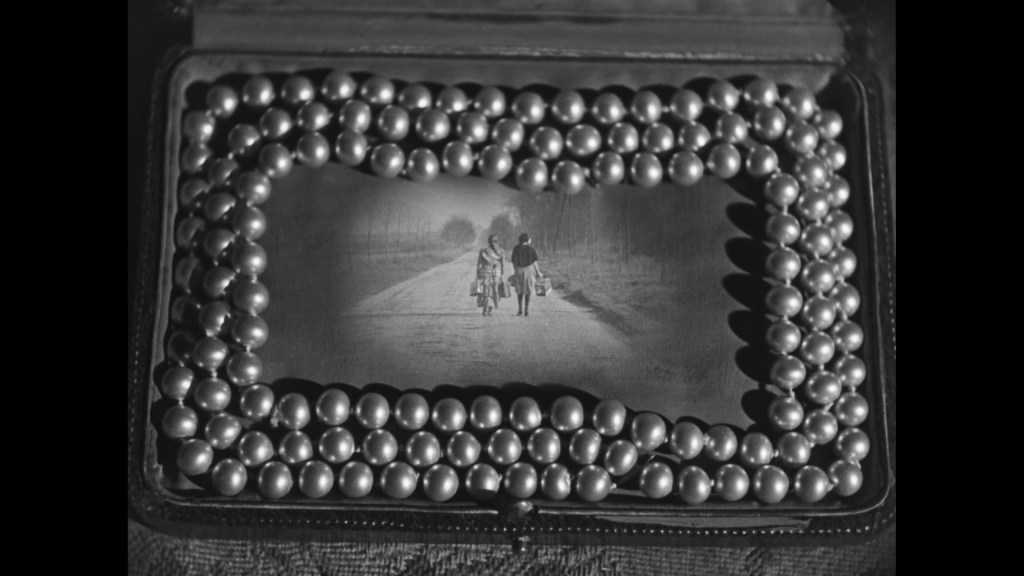
As soon as the first screening ended, so the queue began for the next. After a few minutes’ respite to chew some bread and gulp down water, we were let back into the Salle Georges Franju for La Dixième symphonie (1918). I have seen this film several times before, but the new restoration shown at the retrospective was nothing short of a revelation. The print that served as the basis of the restoration was exquisitely tinted and toned, a beautiful example of how elaborate and enriching contemporary prints could (and can) look. In his introduction to the film, Hervé Pichard explained that the restoration retained the original title cards between “parts” giving notice to spectators of a short break while the reels were changed. As Pichard put it, retaining these titles were a mark of respect for the original celluloid (and its exhibition context). A nice touch, given that we were watching the film via a DCP.

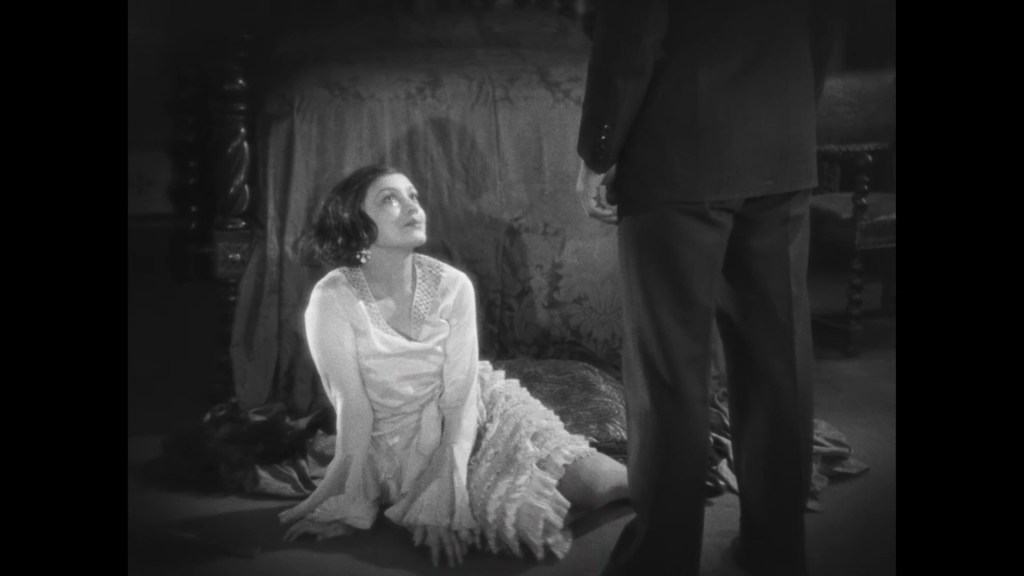
La Dixième symphonie is both a vivid melodrama and an ambitious foray into new expressive possibilities. Eve Dinant (Emmy Lynn) marries the widowed composer Enric Damor (Séverin-Mars) and adopts his daughter, Claire (Elizabeth Nizan). The latter is pursued by the exploitative Fred Ryce (Jean Toulout), who is also blackmailing Eve over her involvement with the death of his sister. Eve’s attempts to prevent Claire’s marriage are misinterpreted by Enric, who thinks she is having an affair. He finds solace in music, composing a symphony that expresses his sorrow and its transformation. The drama is resolved when the apparent rivals in love, Eve and Claire, confront Ryce and reveal the truth to Enric.

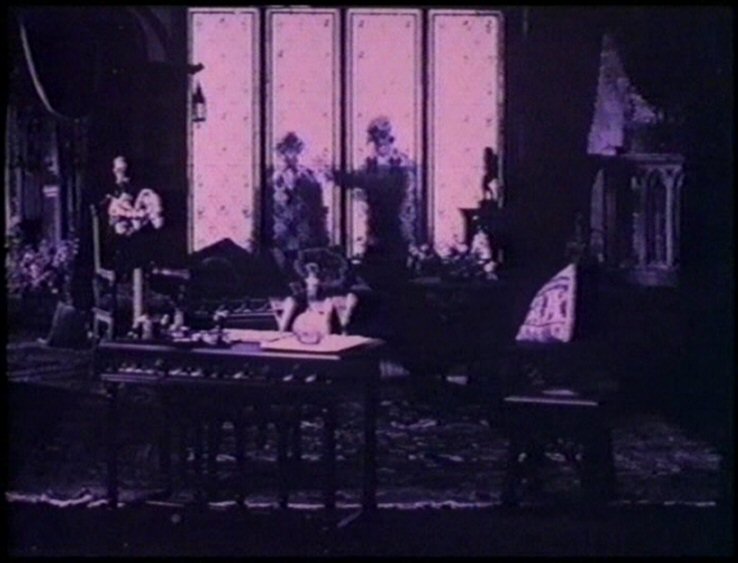
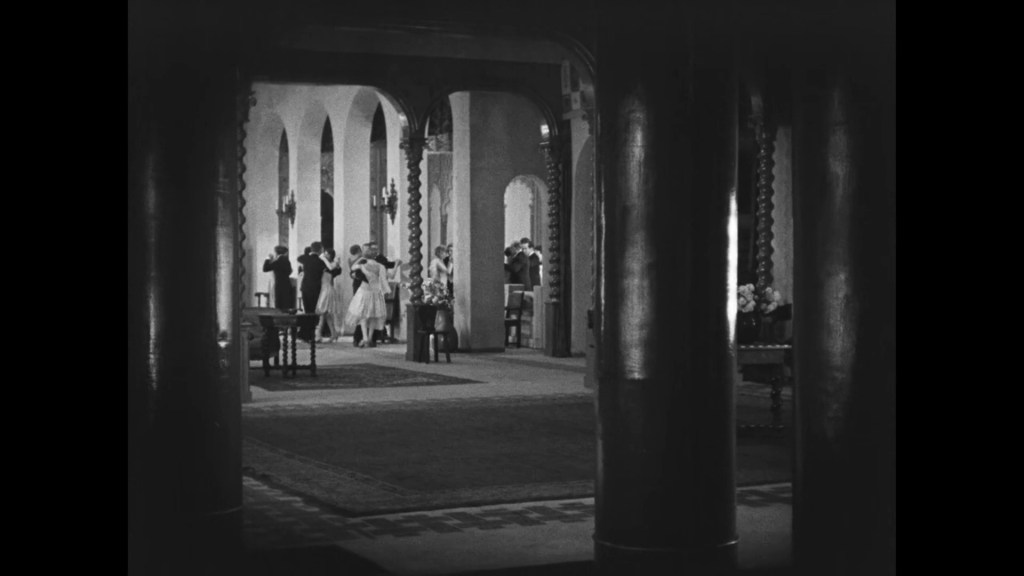
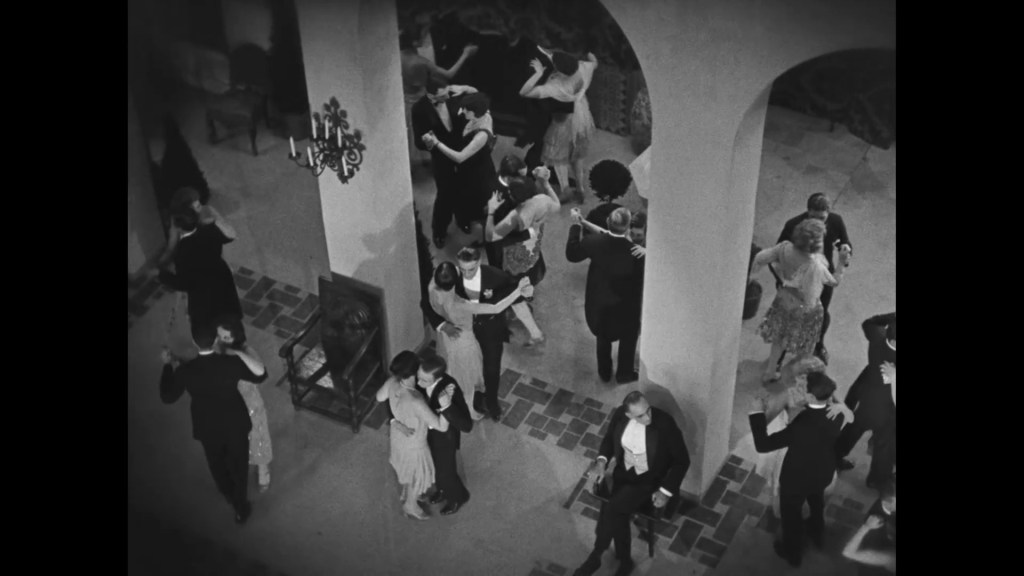
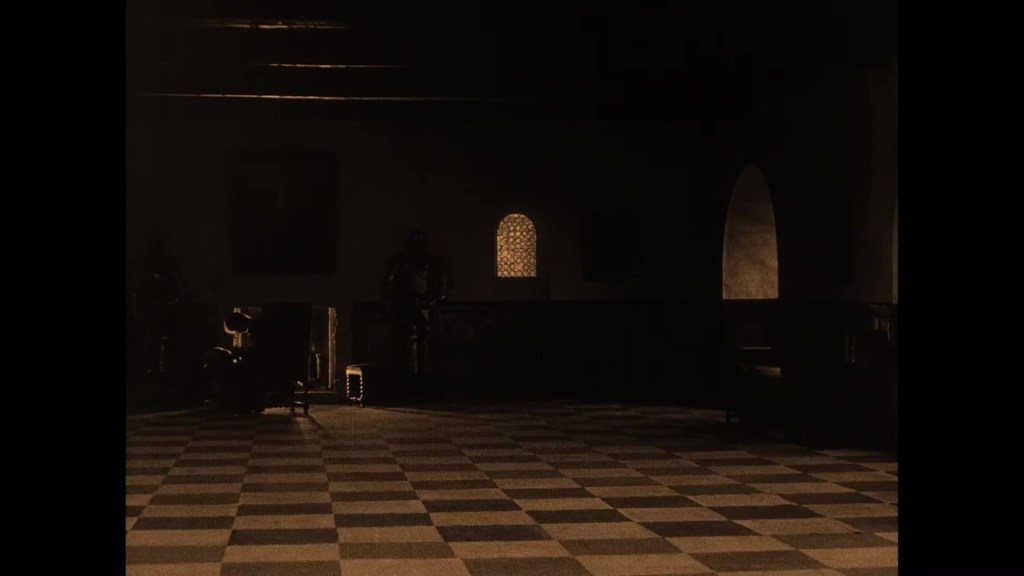
If this plot is like something out of D’Annunzio (whom Gance had met and admired), then the décor is as lush as the Italian’s prose. It looks utterly sumptuous. Emmy Lynn’s costumes are gorgeous, and everything on screen has such depth and detail that you felt as though you could reach out and feel the fabrics, the furs, the furniture, the sculpture. Fred’s lair is decked in decadent clutter: animal skins strewn over steps, throws and rugs galore, glass screens, weird ferns, cabinets with secret compartments, and “the god with golden eyes” – an oriental statue – that overlooks the ensemble. There are shadowy recesses, curtained partitions, screened-off niches – and all treated with exquisite chiaroscuro lighting and rich tinting and toning. Outside, the exteriors are just as gorgeous. My god Burel was a great cameraman! Every leaf, every blade of grass is practically three-dimensional. This is a truly stunning-looking film.

But it’s not just how good it all looks. The drama is marvellous. I love how it opens in medias res with a body on the steps, with the dog trampling across the room in panic, with the flustered Eve immediately falling into Fred’s sinister influence. And I love that the comedic character – the Marquis Groix Saint-Blaise (André Lefaur), Claire’s absurd older suitor – got real laughs in the cinema, and functioned both to puncture the air of preciousness the film might otherwise exude and to heighten the drama of the romantic entanglements. Most of all, I loved how much bite there is in every twist and turn of the narrative. Gance finds ways of making us gasp or chuckle, of drawing attention to telling details, of making these characters more than just stock villains, victims, types. I’d forgotten how fabulously slimy and sinister Jean Toulout’s character is, with his creepy haircut and louche tastes. I’d forgotten, in particular, how he looks right into the camera for a moment before shooting himself at the end of the film: with an almost triumphant smile, he defies us not to be surprised, even impressed, by his final act of will.

There are some superb close-ups, and having only experienced the film via small-screens I was unprepared for how emotionally effective these were. I had never properly seen the tears on Damor’s face; seeing them was a kind of revelation, as though the film was finally able to show me the depth of its feeling. I finally believed in Damor as a man as well as an artist, and the whole drama just clicked into place. From the outset, the sheer visual quality of the film revealed such great depth of detail to the faces that I was moved as never before. I’d always loved Emmy Lynn in this film, but it was Séverin-Mars’s performance that really struck me. He always has such intensity on screen, but he can sometimes seem to give a little too much. But in La Dixième symphonie he gets it just right: there is the right balance of emotional give-and-take, of guarding and revealing feeling. After ninety minutes of the drama, I found Damor’s final words to his wife – “Eve, I love you infinitely” – extraordinarily moving. It was not the only scene in which I found myself crying.

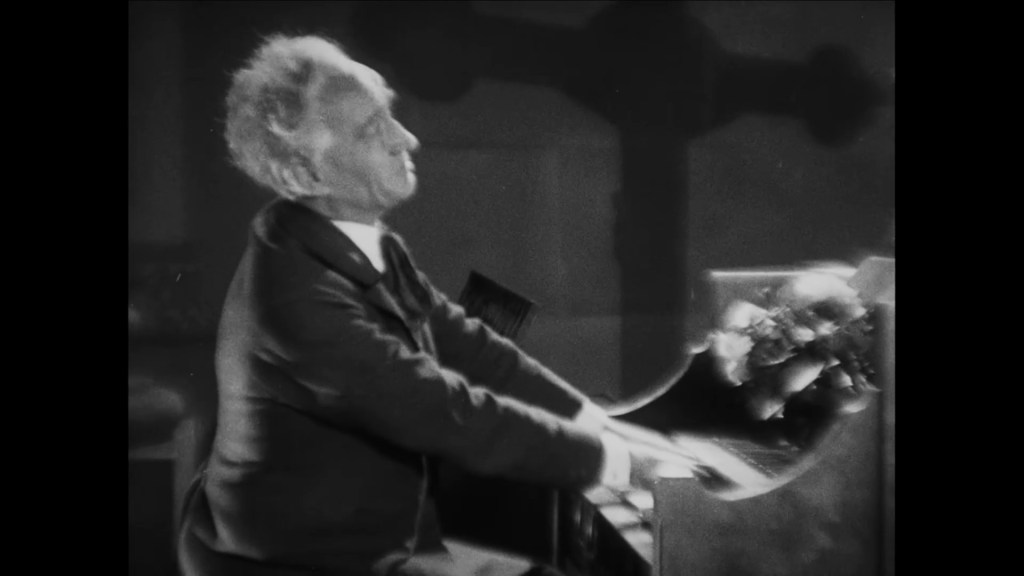
I must also credit much of the success of this screening to the music written by Benjamin Moussay and performed on piano (Moussay), violin (Frédéric Norel), and trumpet (Csaba Palotaï). The original score to La Dixième symphonie, cited in the opening credit sequence, was written by Michel-Maurice Lévy. So far as is known, this is lost. However, the very opening image of the film is the full-page score of the titular “Tenth Symphony”, so some of the most important music cue survives thanks to the celluloid itself. For its release on VHS, the 1986 restoration by Bambi Ballard was accompanied by an orchestral score by Amaury du Closel. The music is very nice, but I never felt it really matched the film scene by scene. It was too distant from the images, and thus never really got to grips with the emotional drama. By contrast, Moussay’s score for the 2024 screening was superbly judged. It supports the film at every stage, providing a constant melodic counterpoint to the images on screen. The narrative has a constant sense of impetus and development, of emotional depth and dramatic clarity. The arrangement for trio is beautifully balanced. The use of the trumpet provides extra sonic depth to the musical texture but is used both sparingly and sensitively.

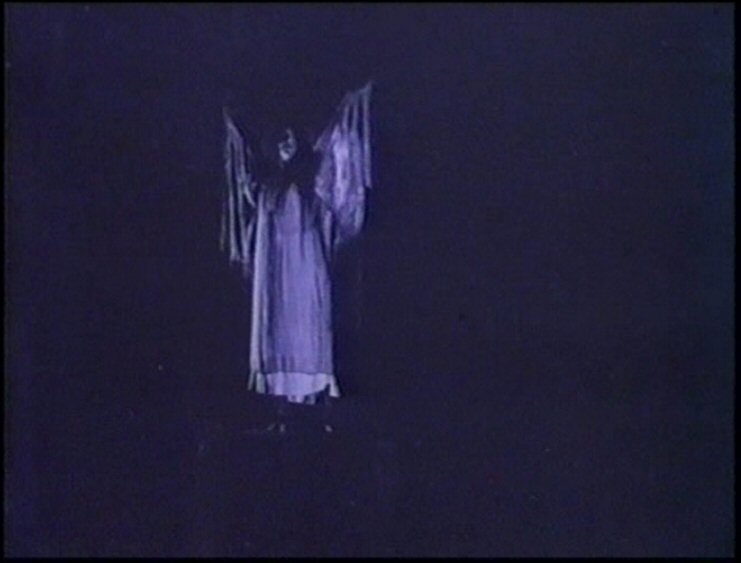
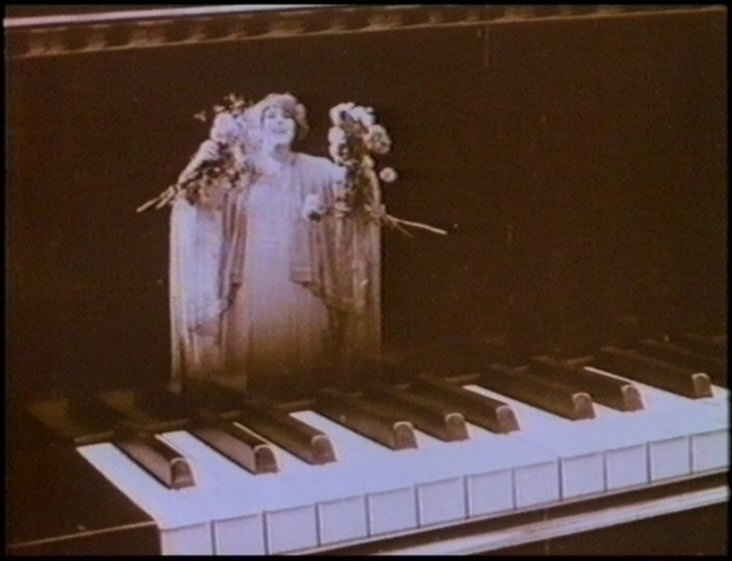
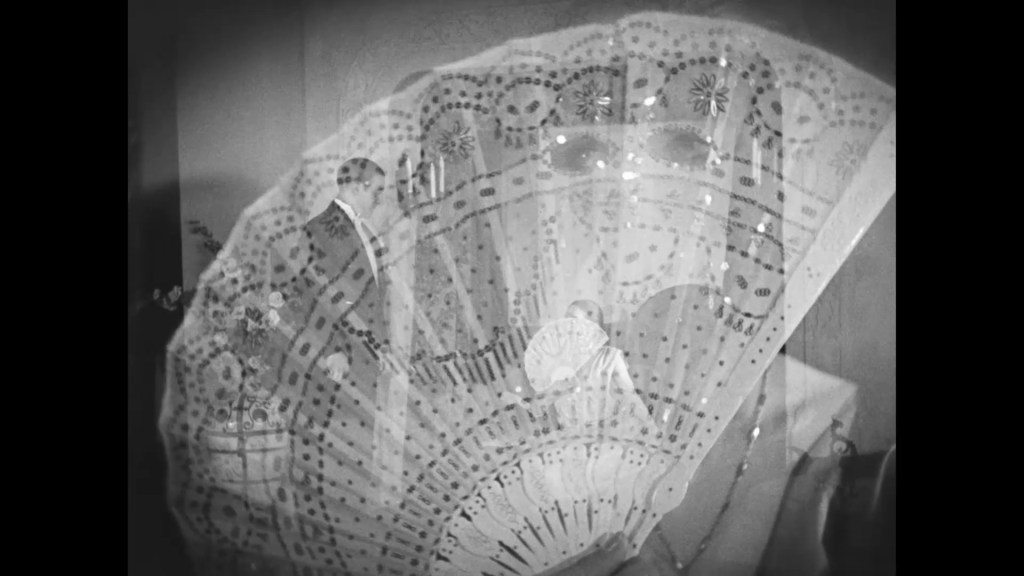
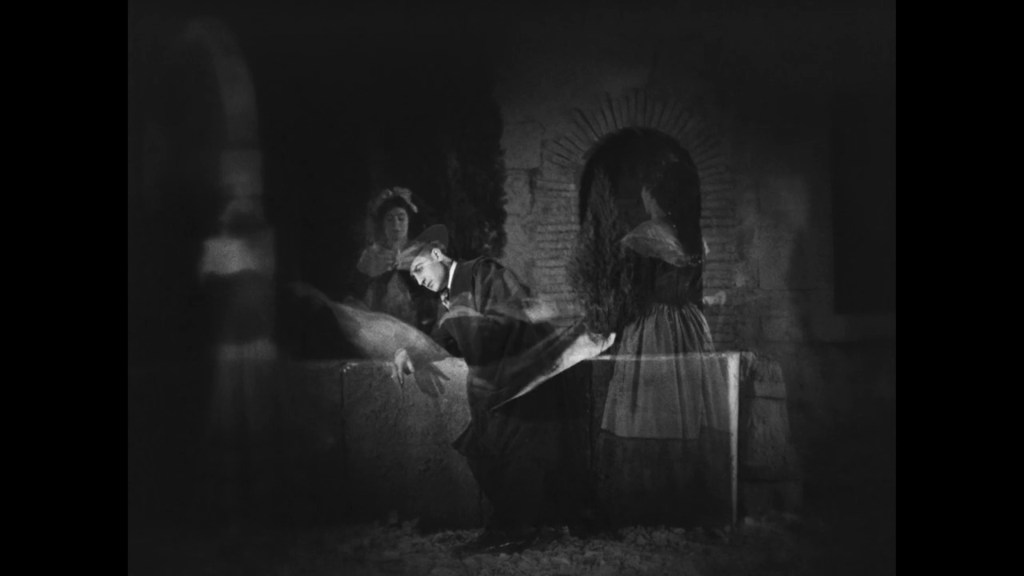
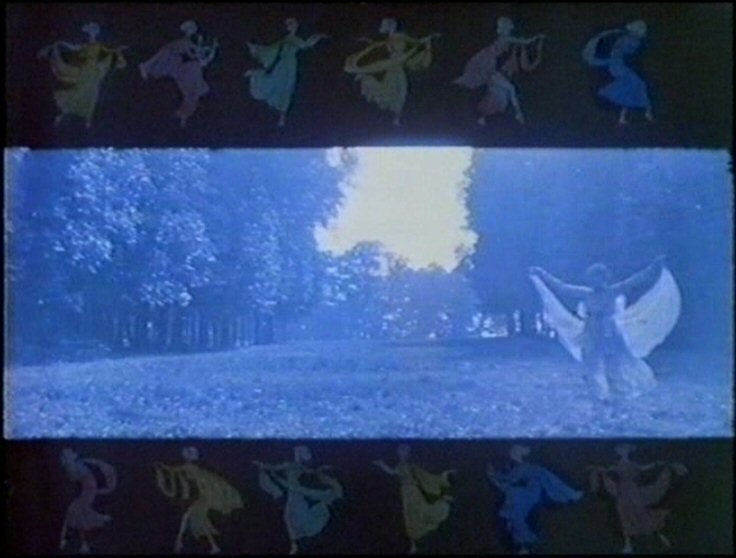
For the central performance of Damor’s symphony on screen, Moussay matches the film’s own visual instrumentation: piano and violin. Together, they offered a “symphony” that was both harmonically in touch with Beethoven while also being distinct enough to seem new: the ideal combination for this sequence. The sequence itself, in which the music is rendered visual through visions of superimposed dances (by Ariane Hugon), complete with masking and hand-coloured details, is the most well-known of the film. It’s certainly avant-garde as a cinematic conceit, though I’ve always felt that it’s couched in conventional imagery. But Gance recognizes that something needs to happen here for the point and import of Damor’s symphony to have significance. This visual music breaks out of the film, and the way Gance intercuts these visions with the enraptured expressions of the spectators creates the impression of a collective hallucination. (Much as the return of the dead at the end of J’accuse is a kind of collective hallucination.) It is this dramatic handling of the vision, more than the aesthetics of the vision itself, that is really interesting – and effective.

Though this symphony worked superbly, the scene that moved me most was earlier. When Damor discovers Eve’s supposed affair, he sits (almost falls) at the piano and his fist strikes the keyboard. In the Salle Franju screening, Moussay’s own hand struck the keyboard at precisely this moment. All the instruments had ceased playing a few moments earlier, so the piano’s single, despairing chord resonated in the total silence of the cinema. The chord died away until Damor, on screen, began feeling out a melody. Moussay, in the cinema, felt out this same melody, matching his own strokes of the keyboard to the figure on screen. It was a perfect moment. Two hands striking the same chord, a hundred years apart; two musicians, a hundred years apart, feeling out the same melody. The sense of synchronicity was both uncannily powerful and deeply moving. Live music became an act of communication, a literal reaching out of the hands to touch and revive the past. But it was also touching because of the context of the drama, for in this scene Damor feels entirely alone – deprived of the woman he loves – until he sits at the piano. Music is his solace, and he finds it not merely on screen but in the act of a live musician revivifying his creation. It’s an instance of connection, of time transcended, that only live silent cinema can provide. A truly beautiful moment.

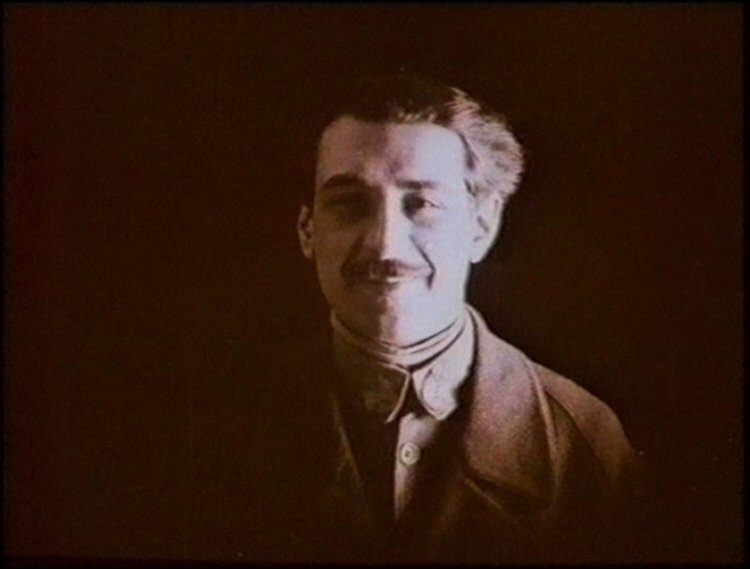
Almost as touching was the last shot of the film. After the image of Enric and Eve has faded to black, Gance himself appears under his name. This visual credit has always delighted me, but I’ve never experienced it in the cinema before. On Friday, I watched Gance turn to face the camera and smile. The audience broke into a great wave of applause just as Gance mouthed his thanks to us and smiled again. I can’t tell you how pleasing and moving this moment was: it was another instance of communication across a century of time. After seeing the creation of Damor’s symphony, we applaud the creator of La Dixième symphonie. A perfect end to a perfect screening. Bravo!

Paul Cuff

Bonn from afar (2024, day 10)

Day 10 already! (To be fair, it was about ten days ago now.) Our final film from Bonn comes from France, and it’s one that I confess to have had on my shelf for three years, unwrapped and unwatched. I suppose one of the functions of a festival is chivvy you to see things you’ve never quite got round to watching at home. (Even if, thanks to the miracle of streaming, I am still watching it at home…)

La femme et le pantin (1929; Fr.; Jacques de Baroncelli)

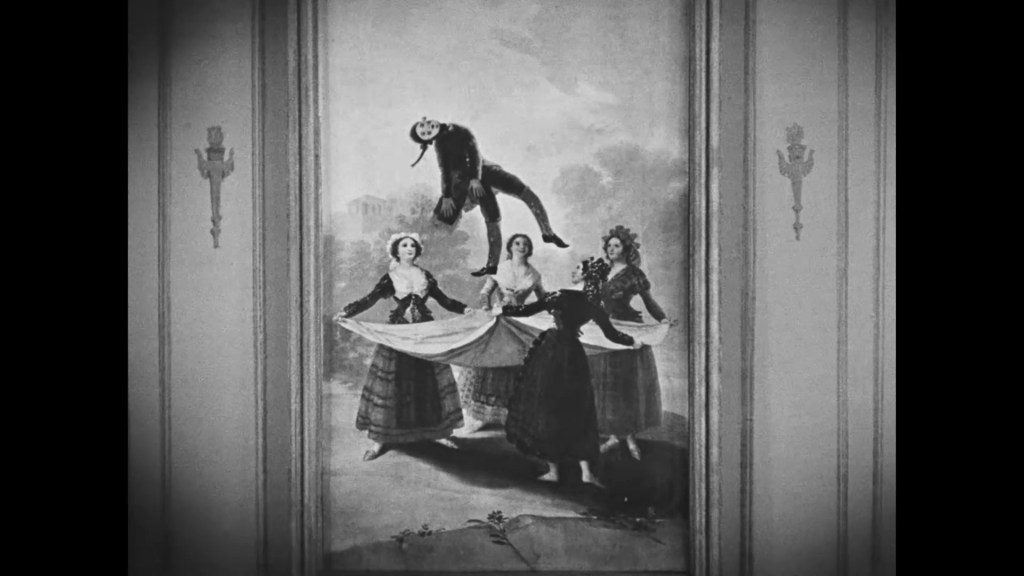
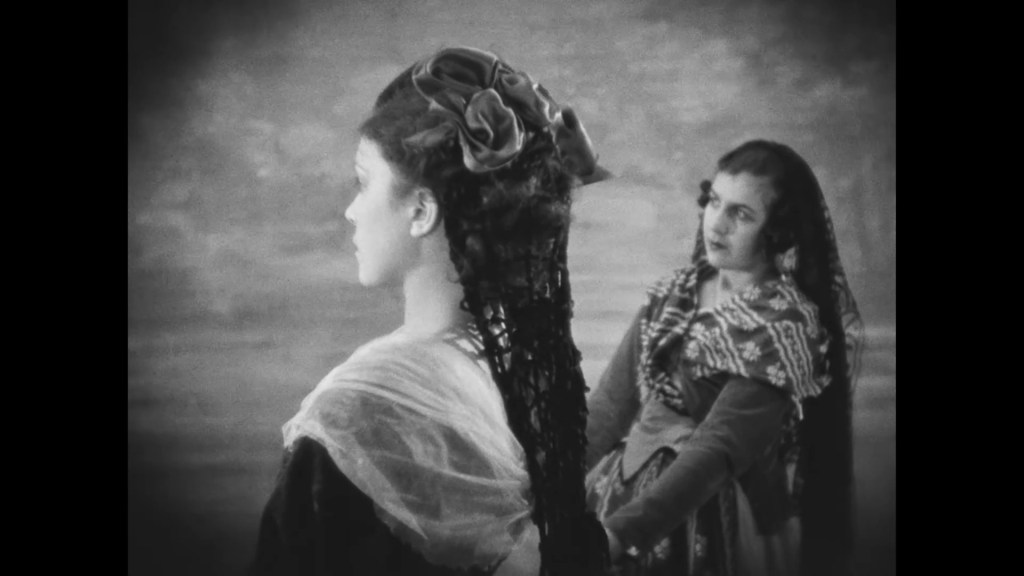
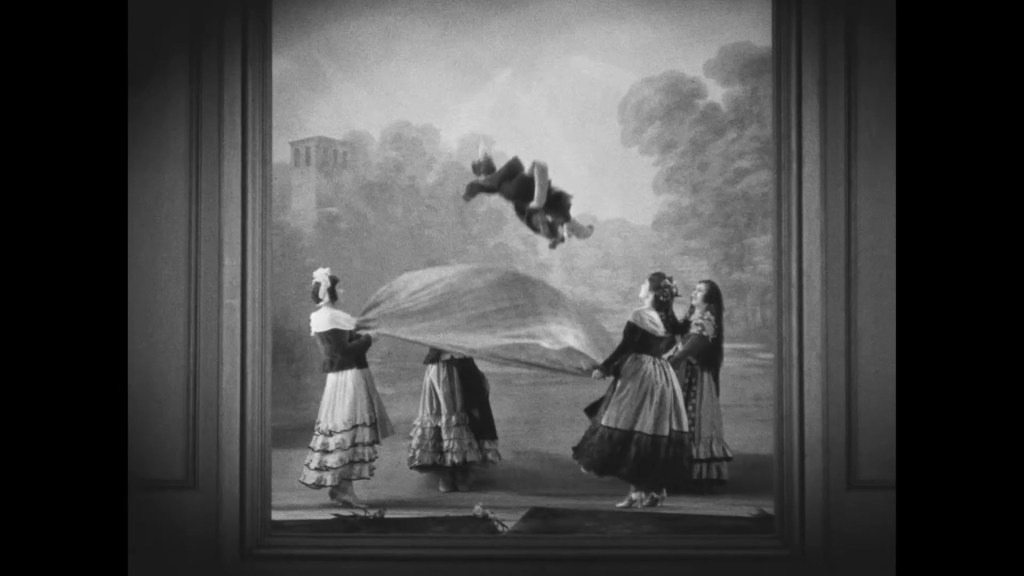
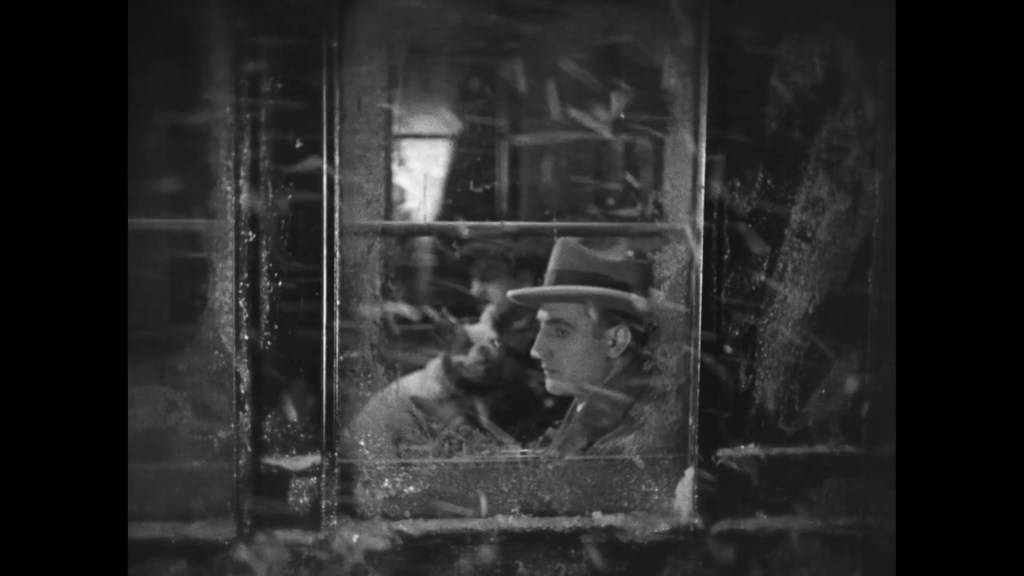
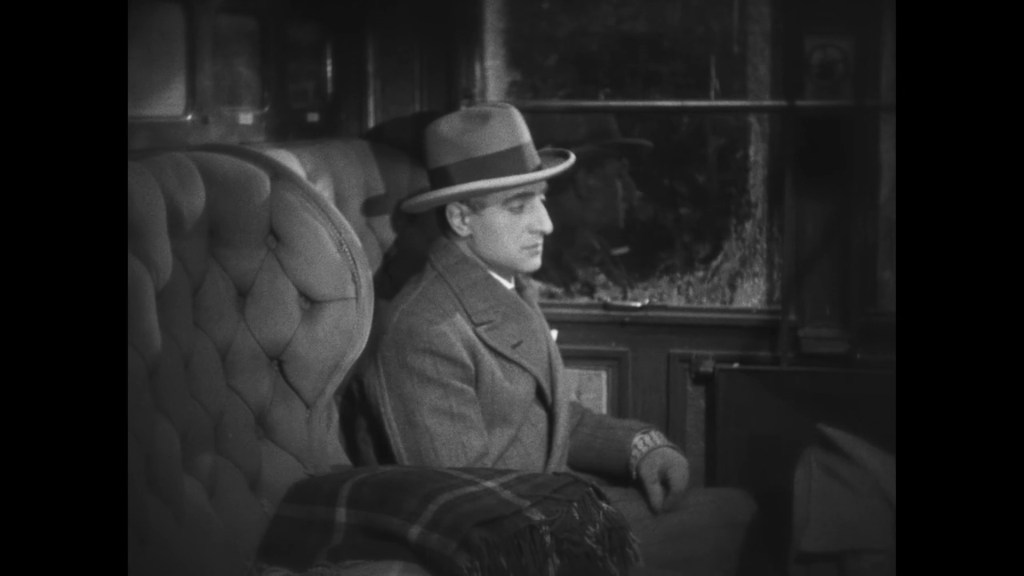
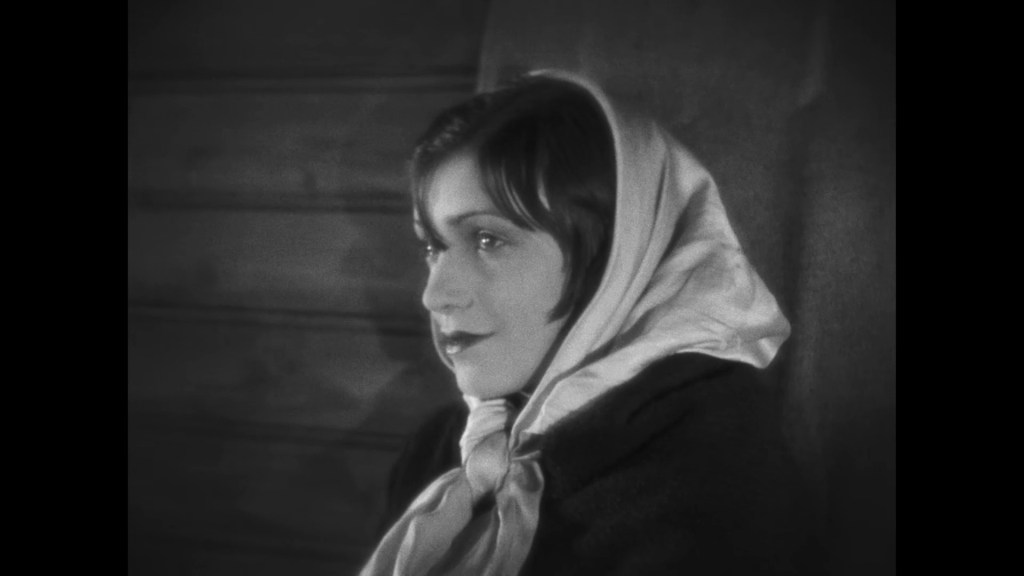
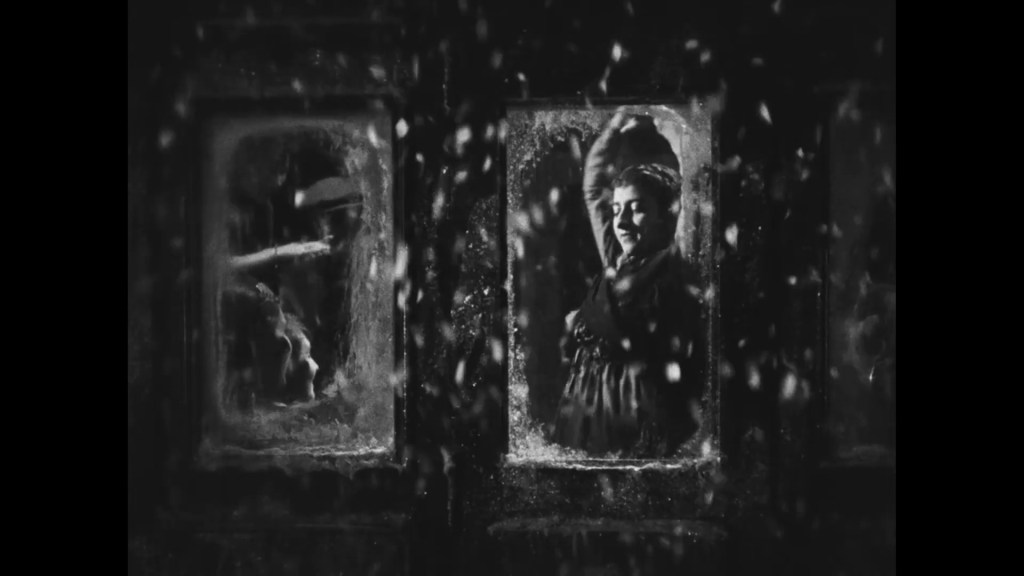
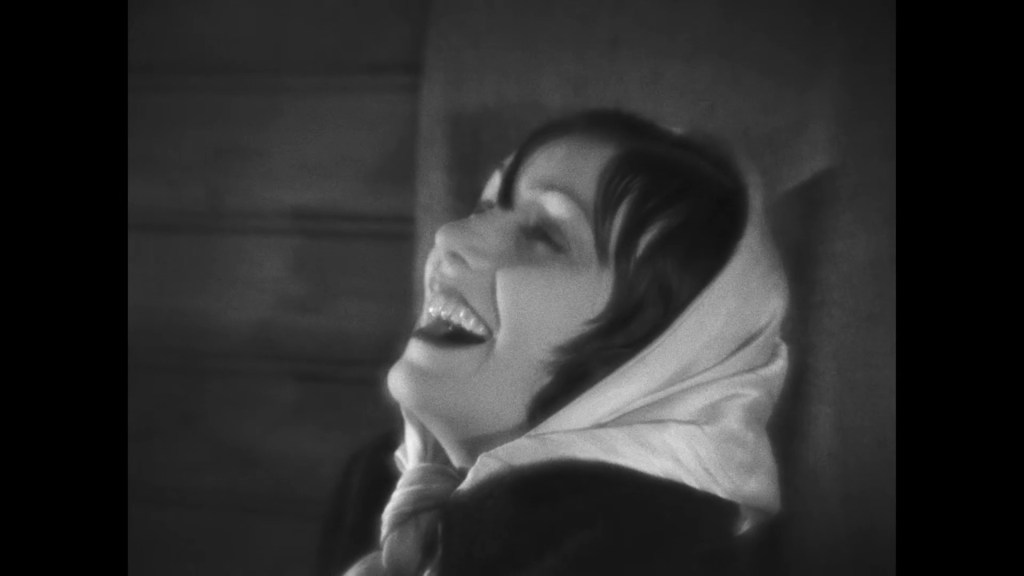
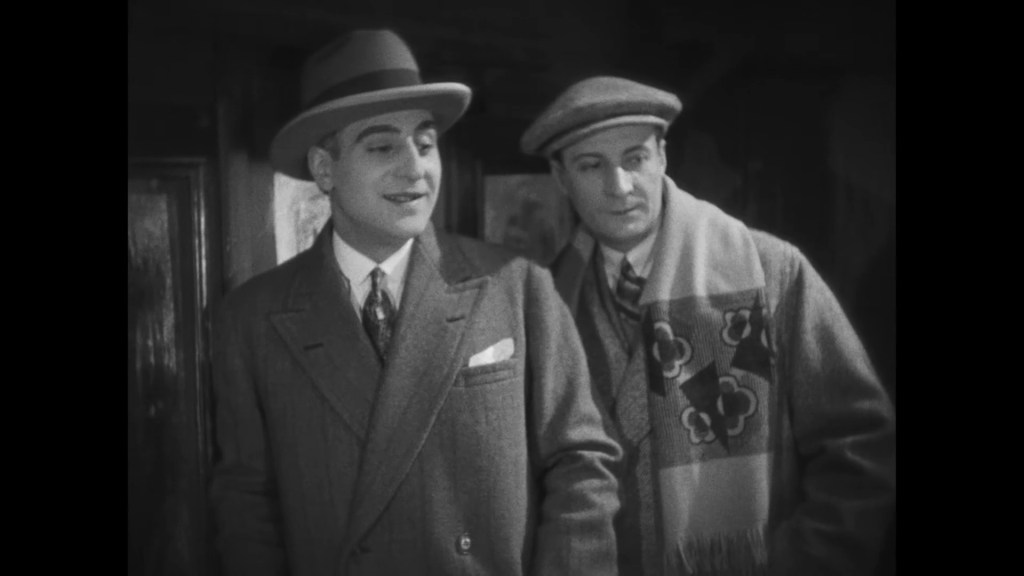
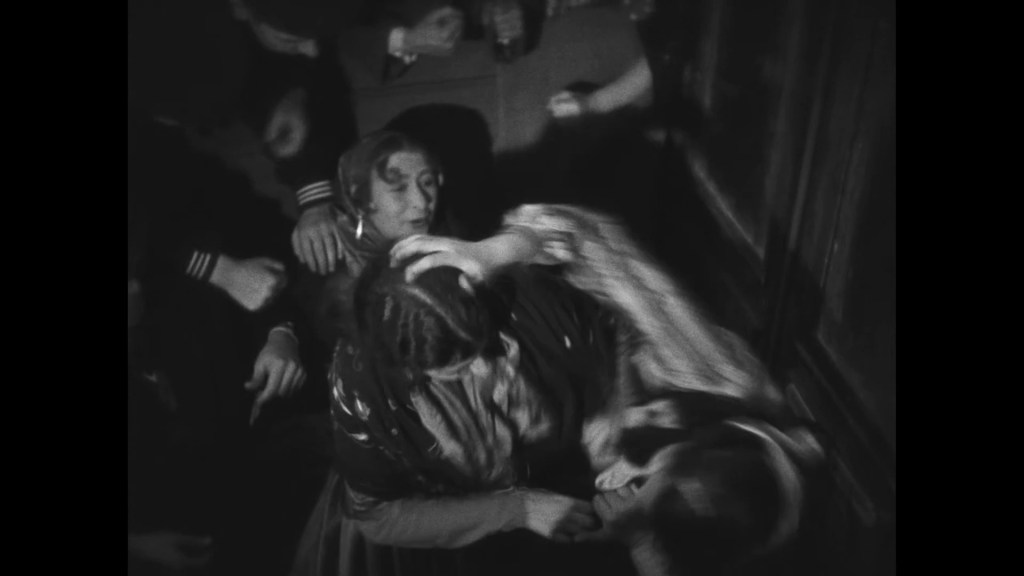
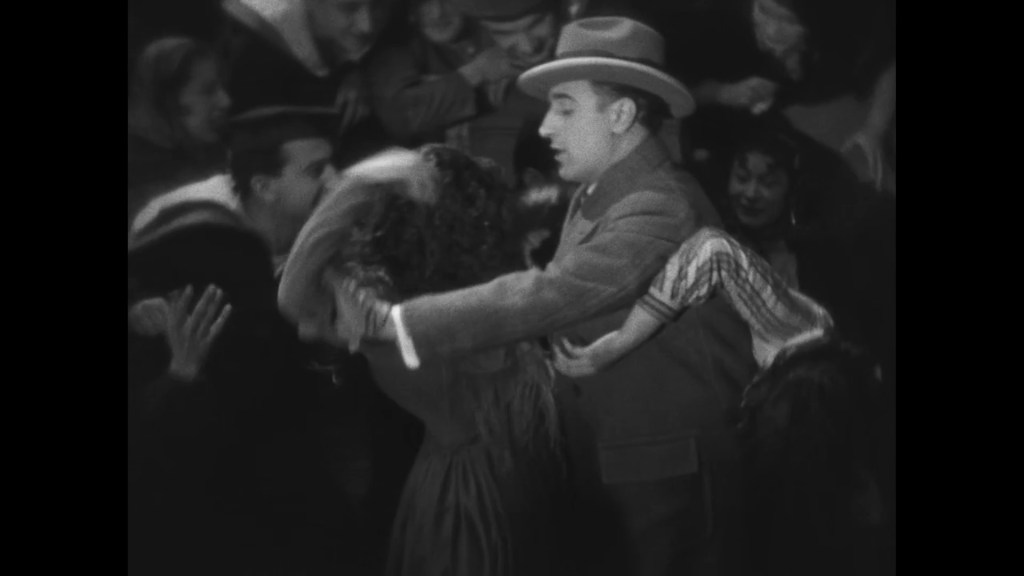
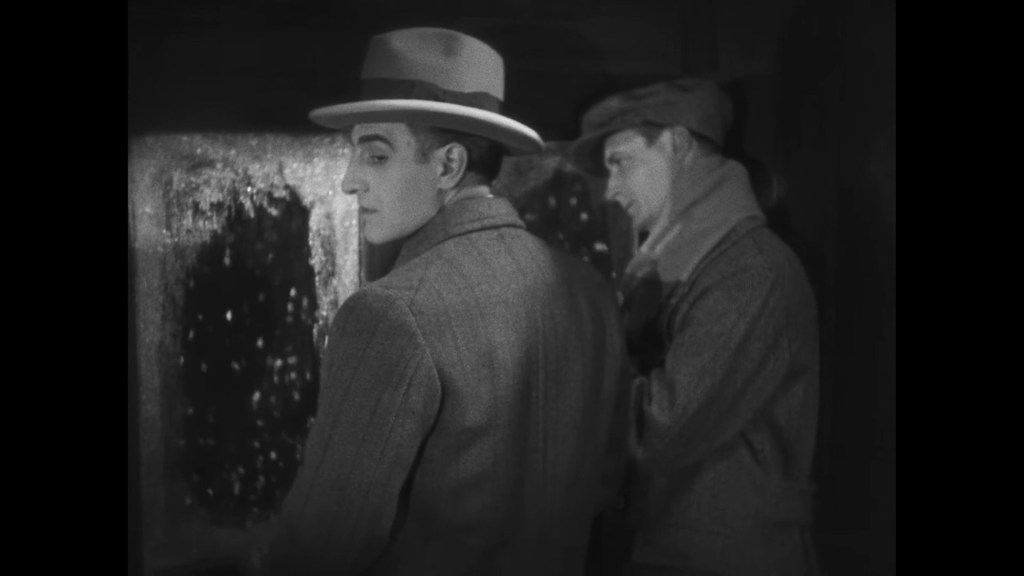
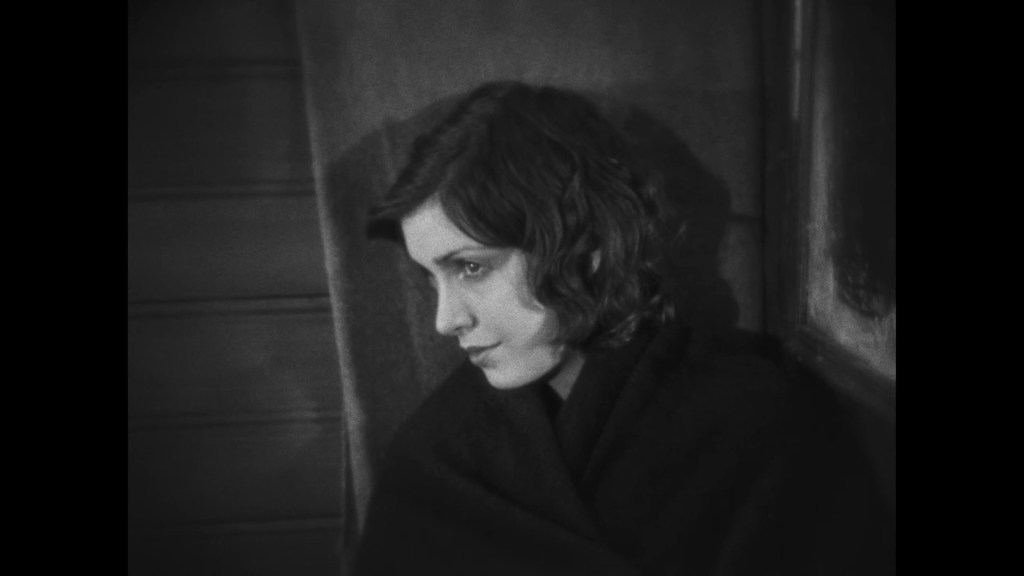
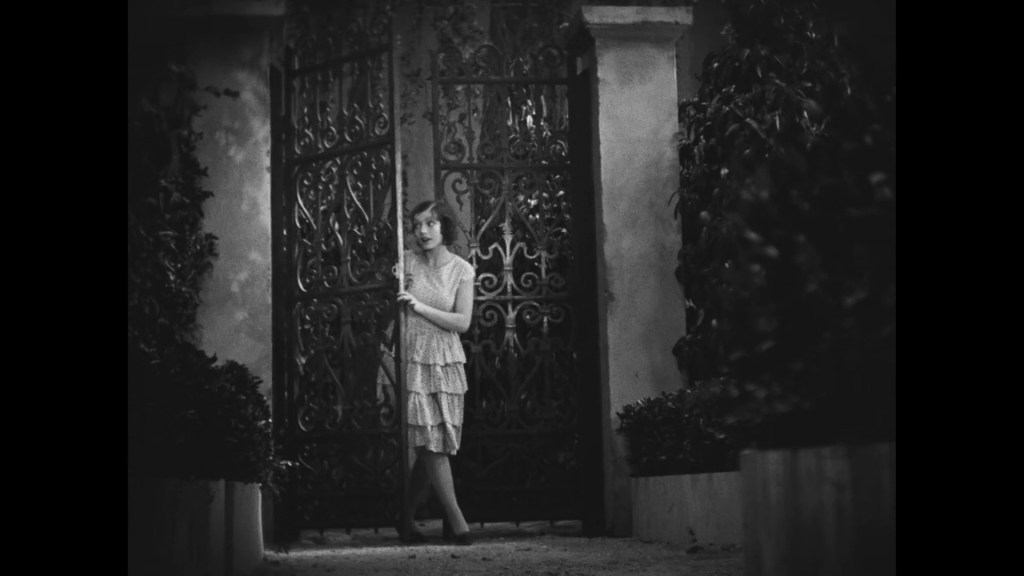
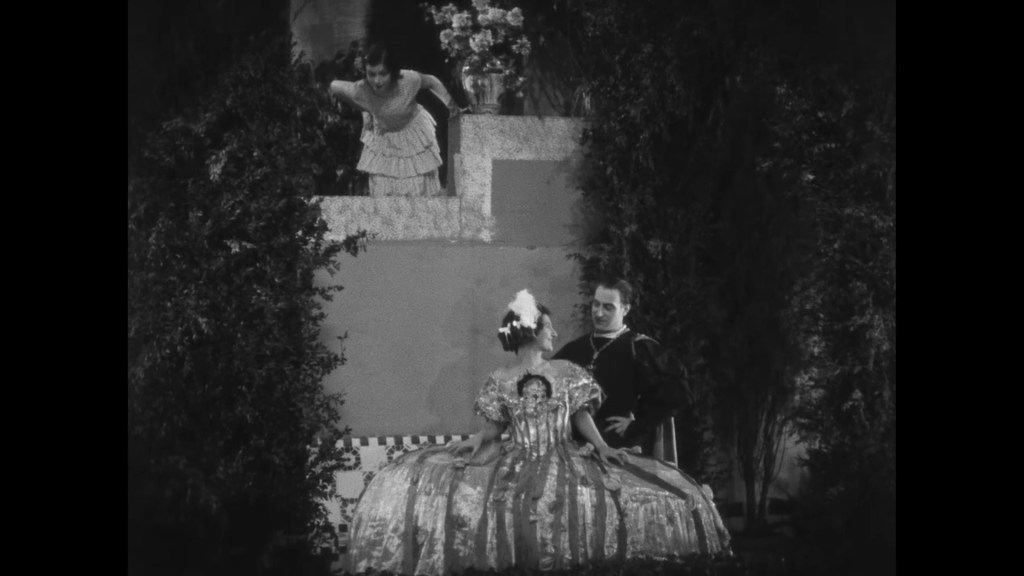
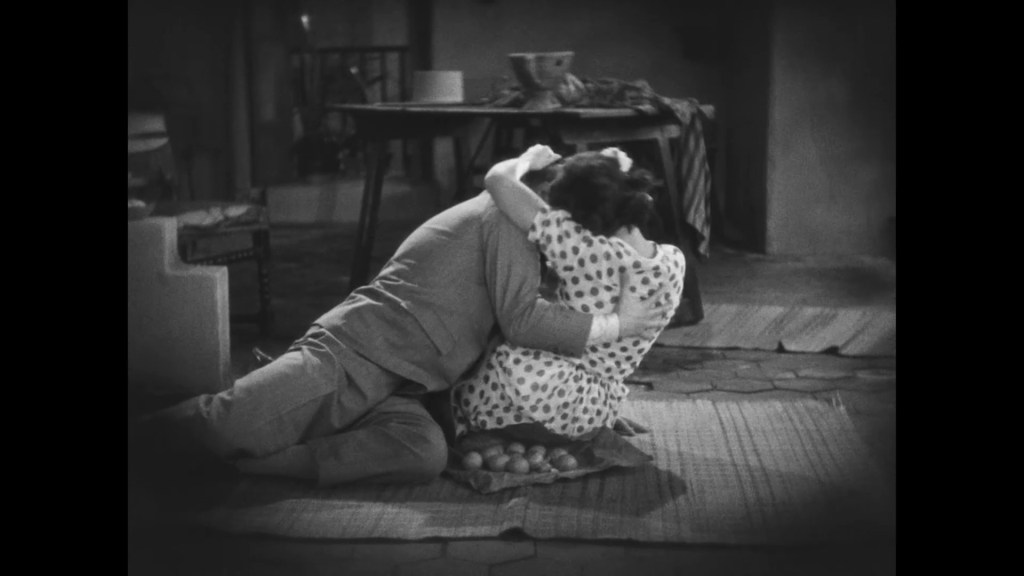
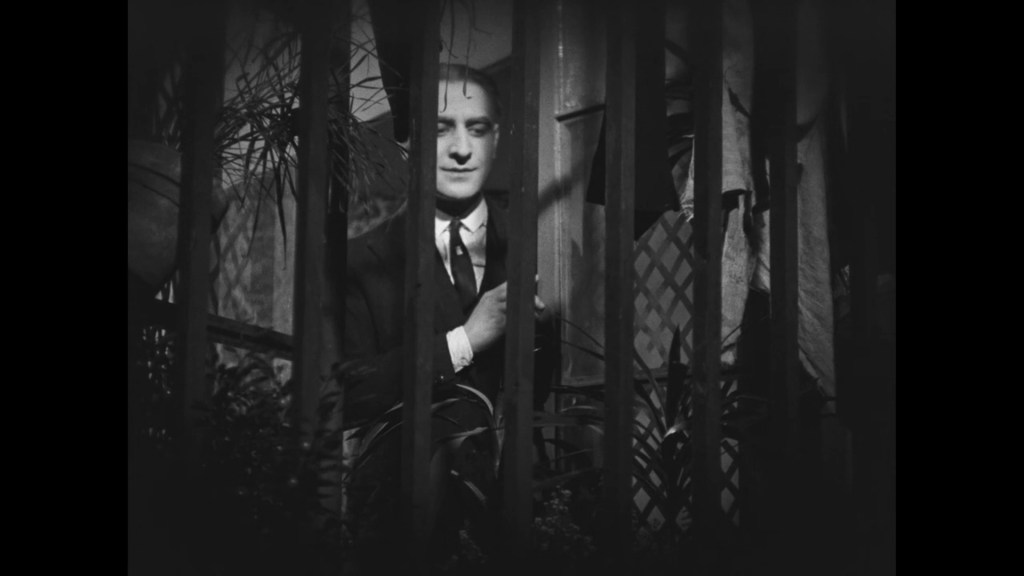
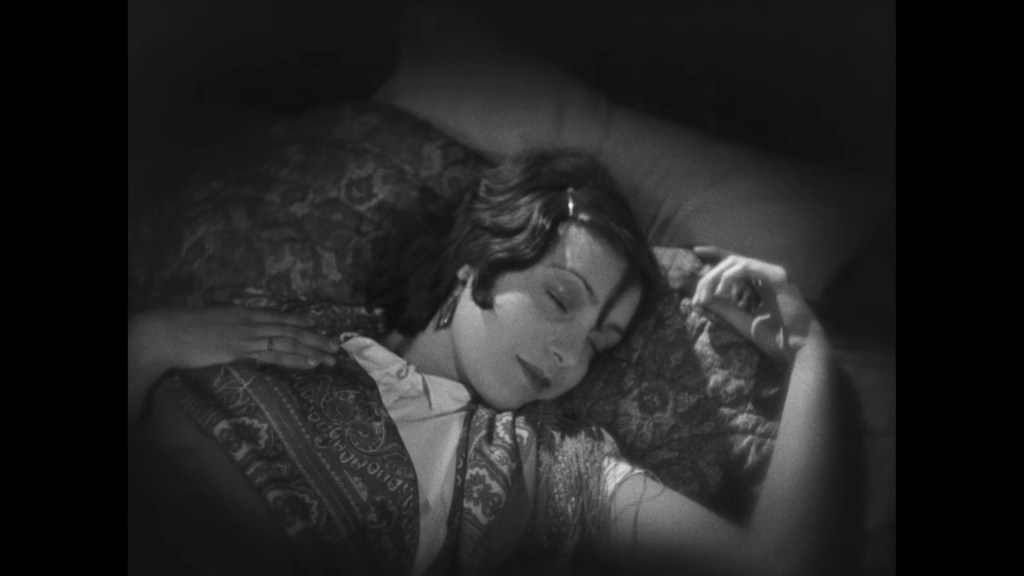
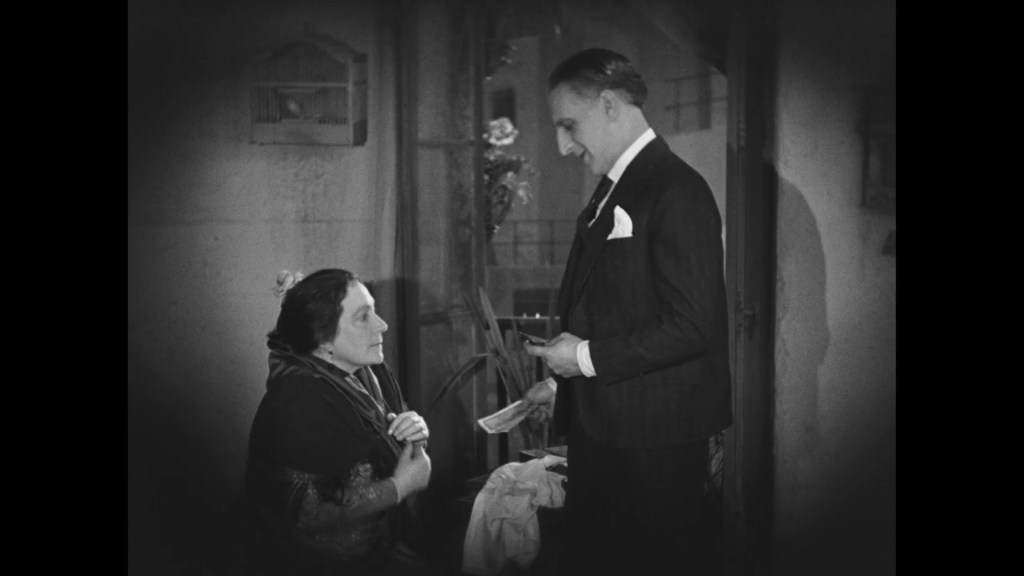
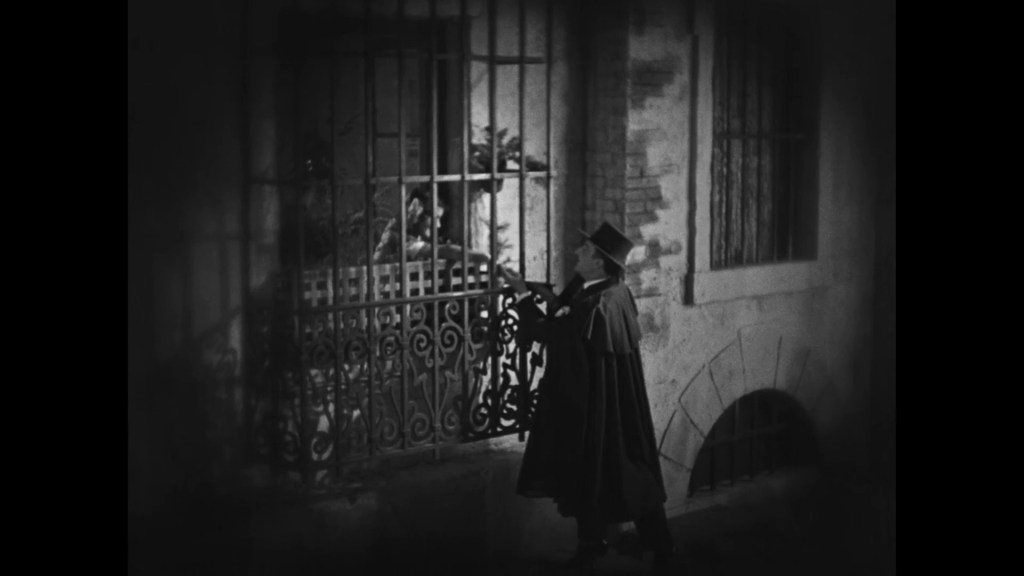
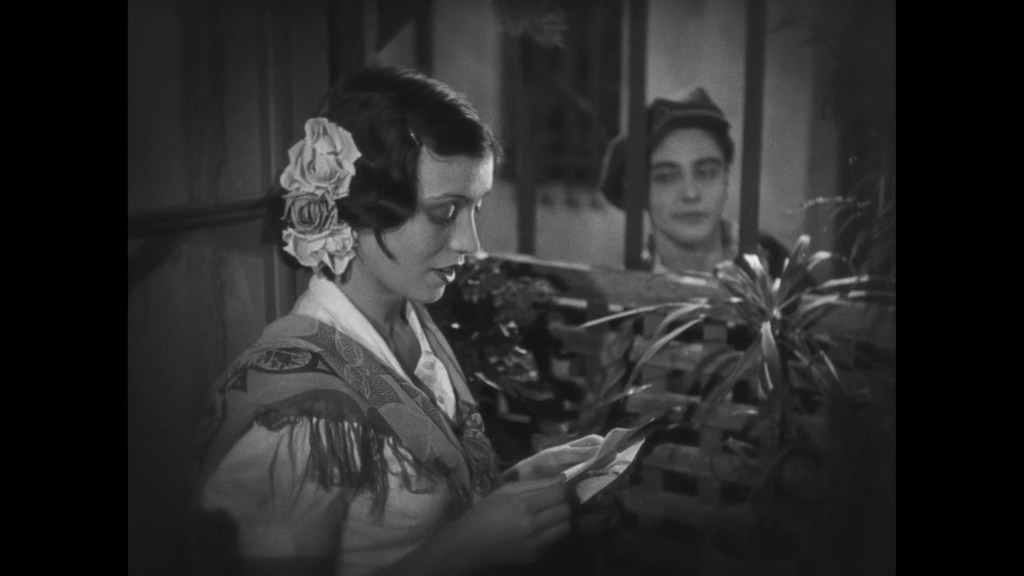
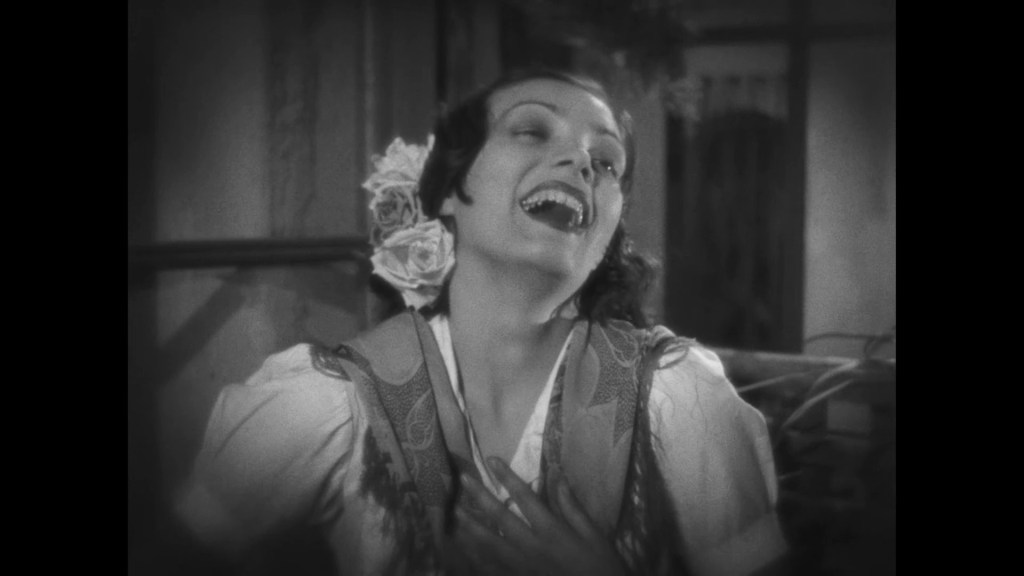
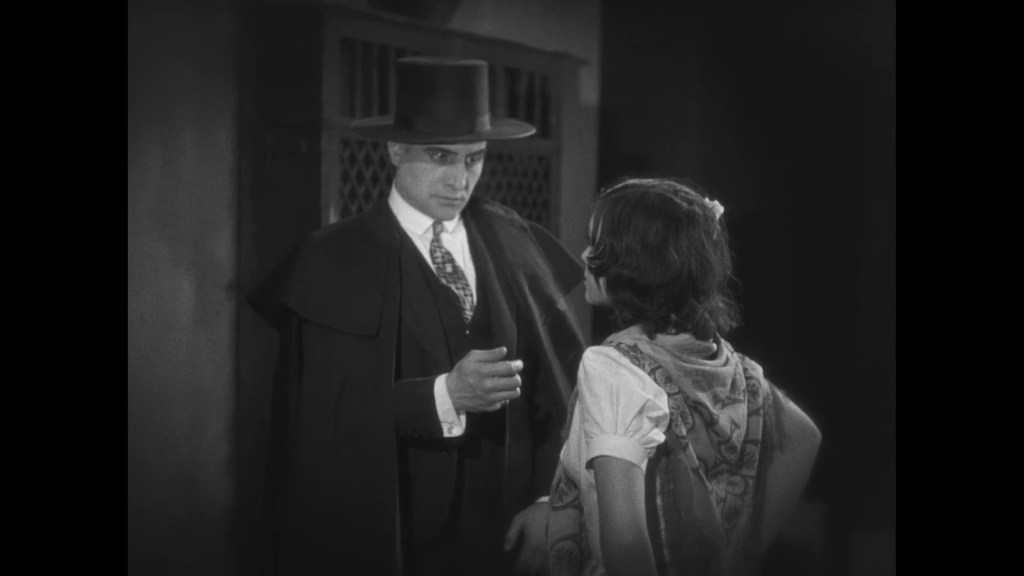
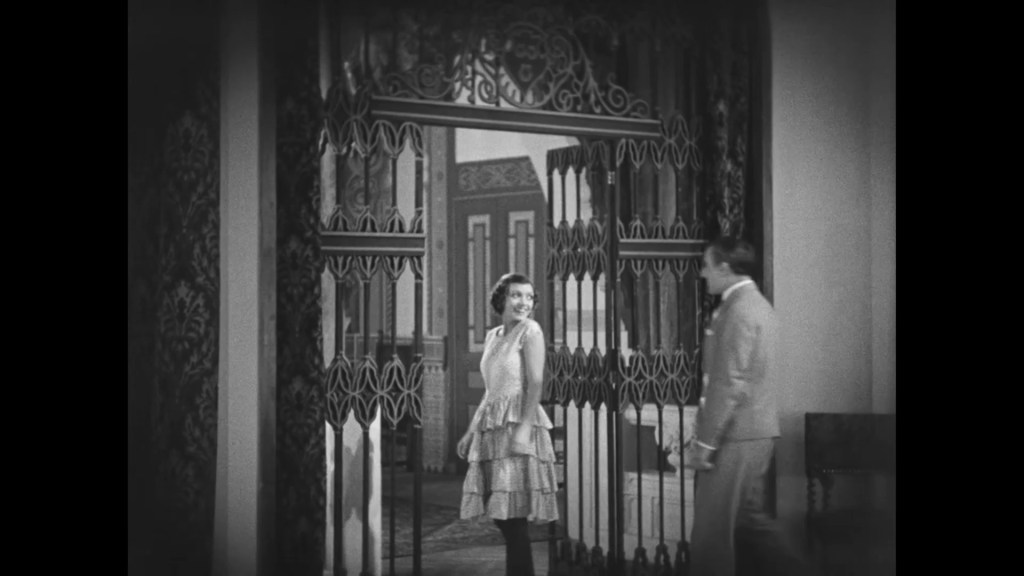
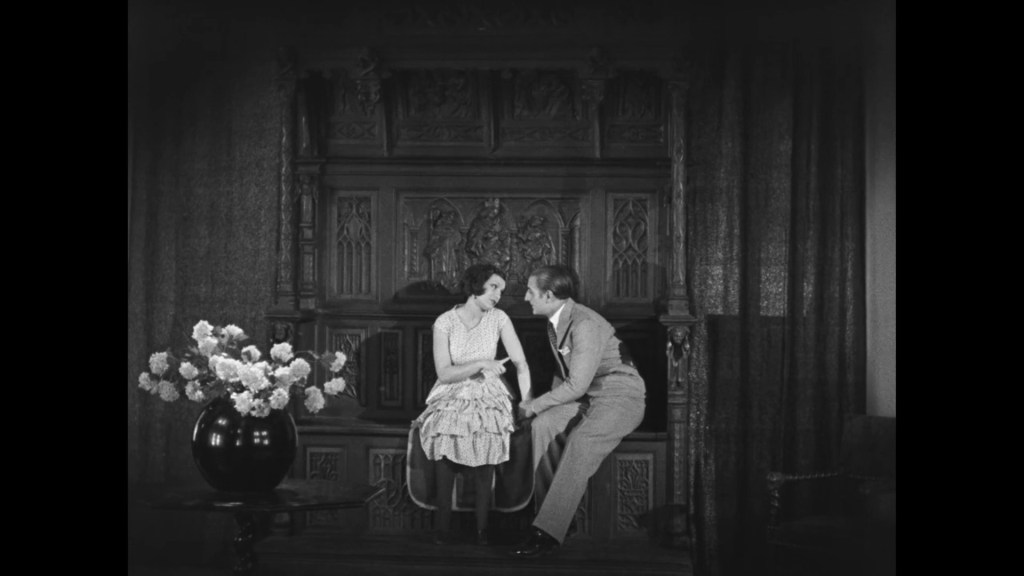
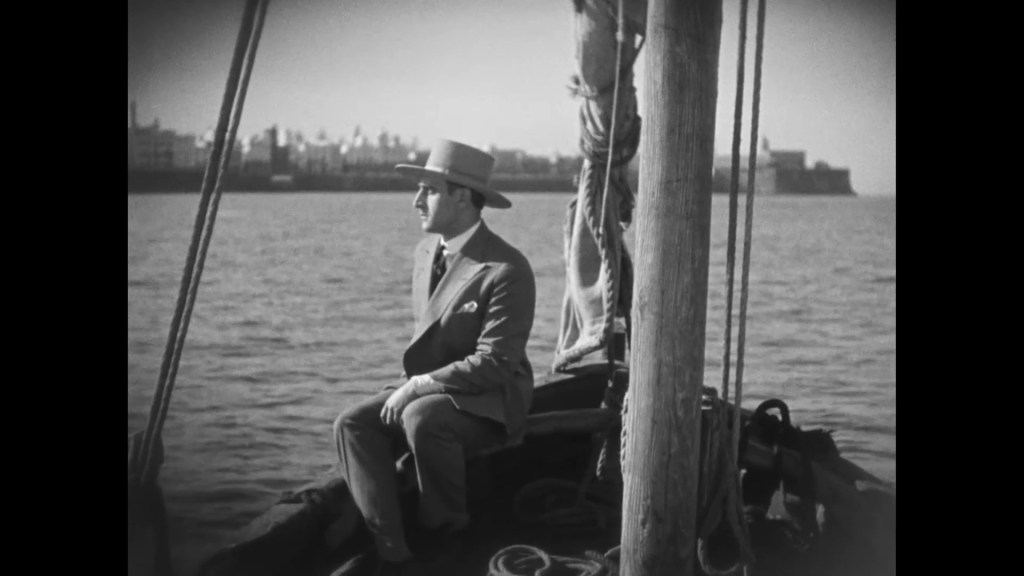
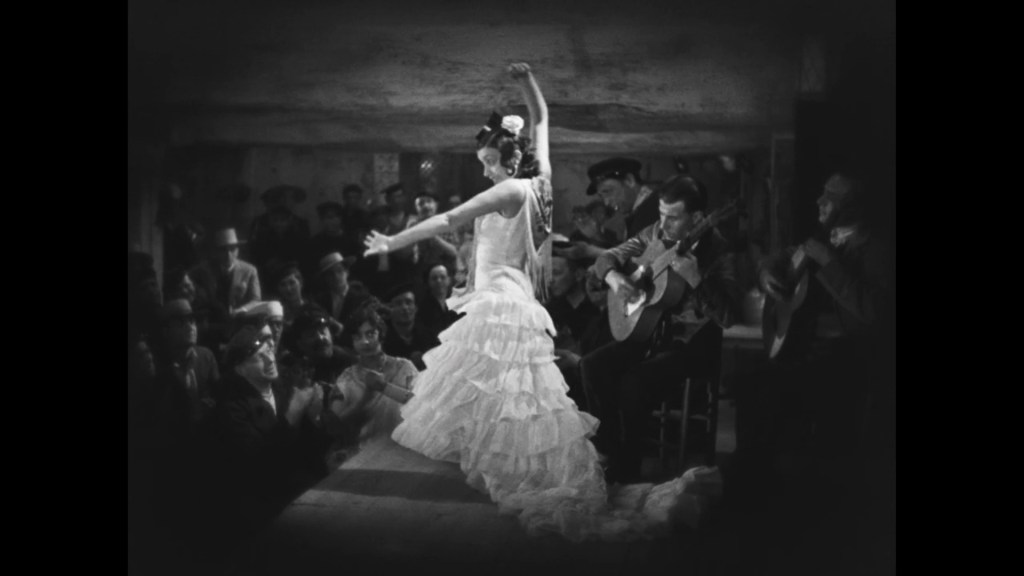
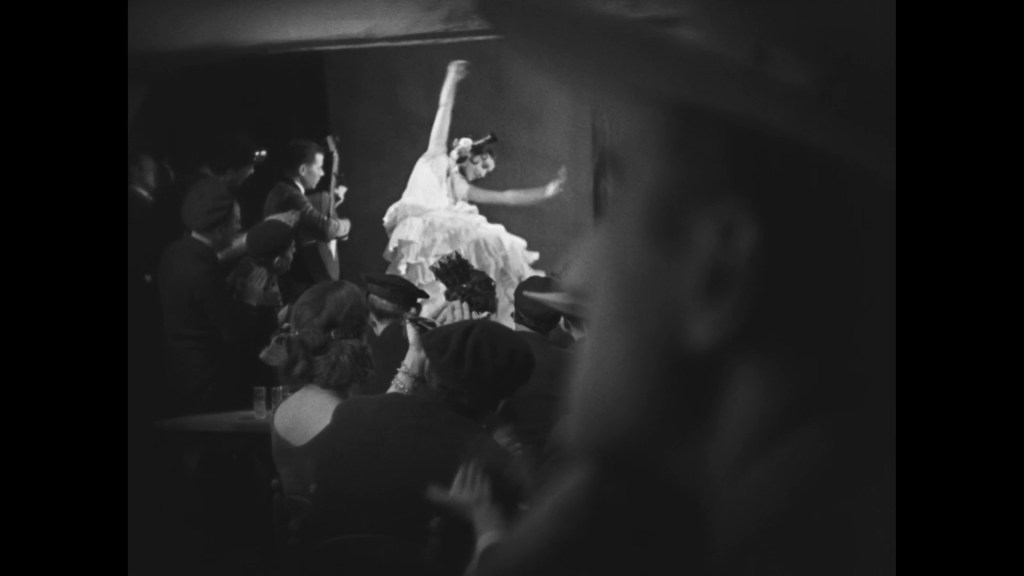
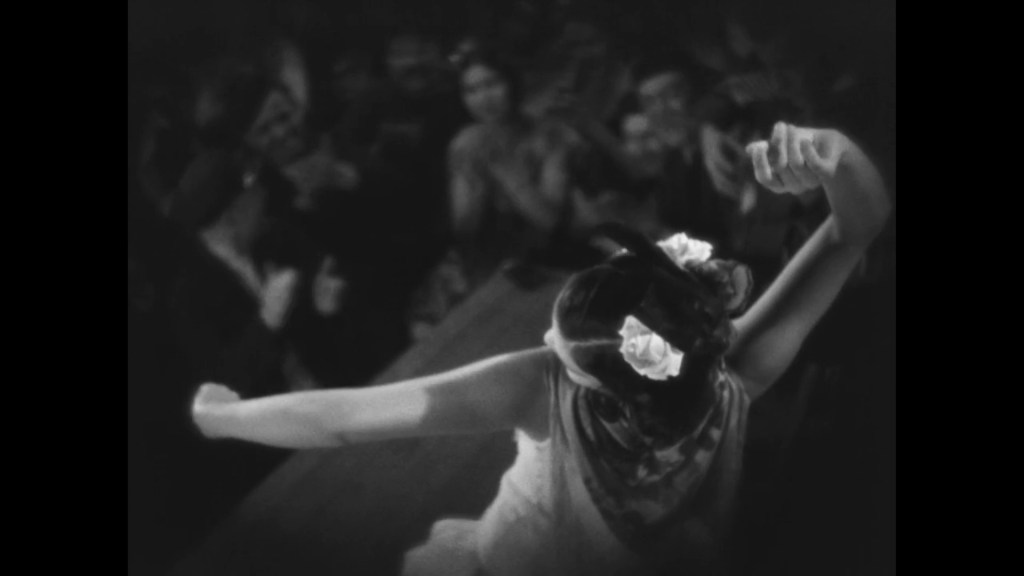
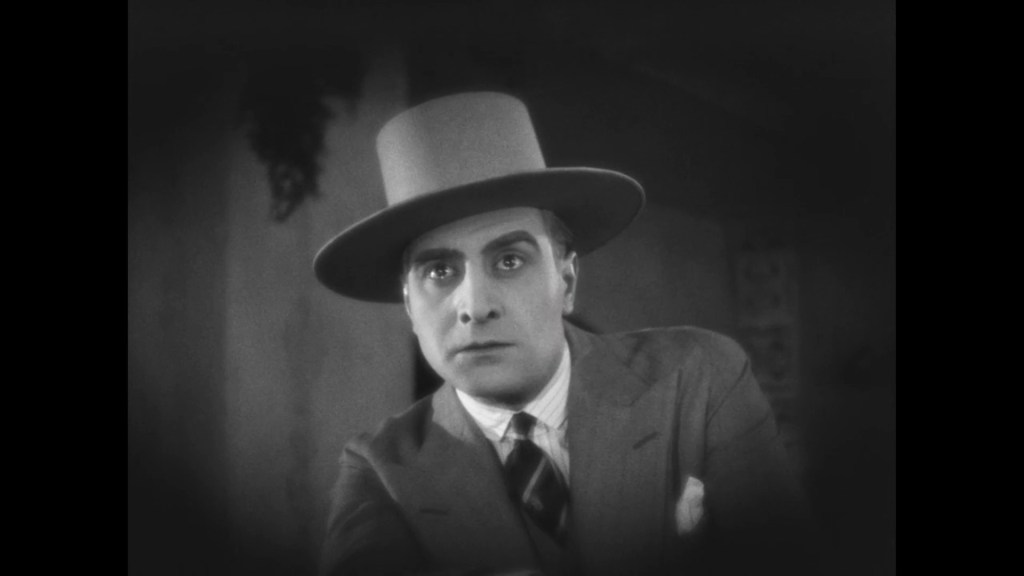
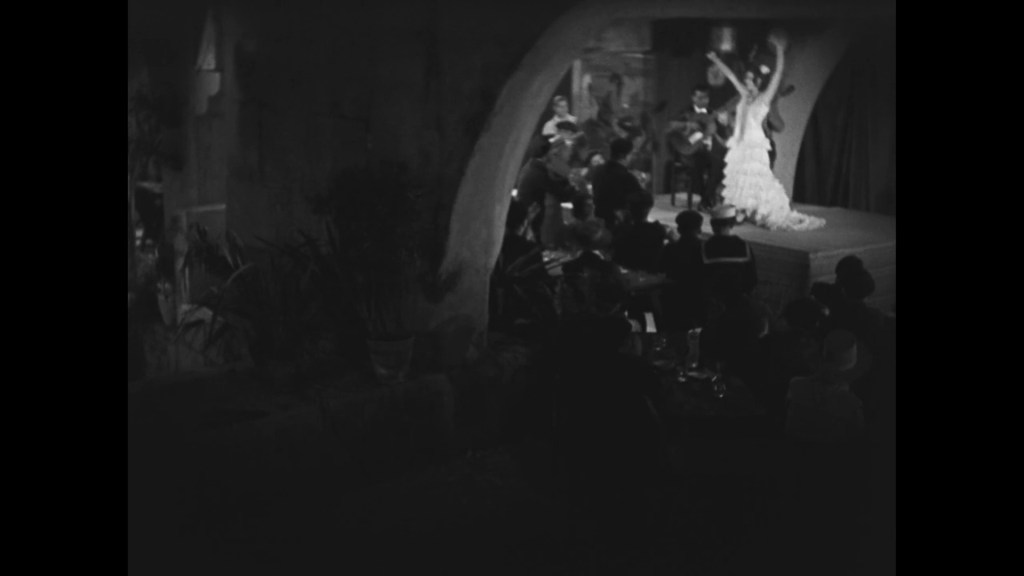
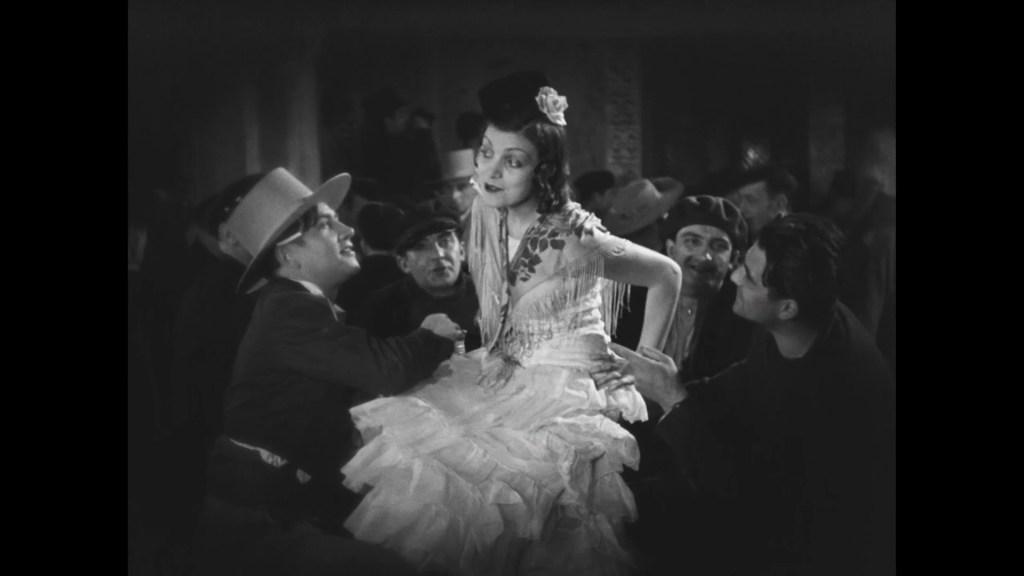
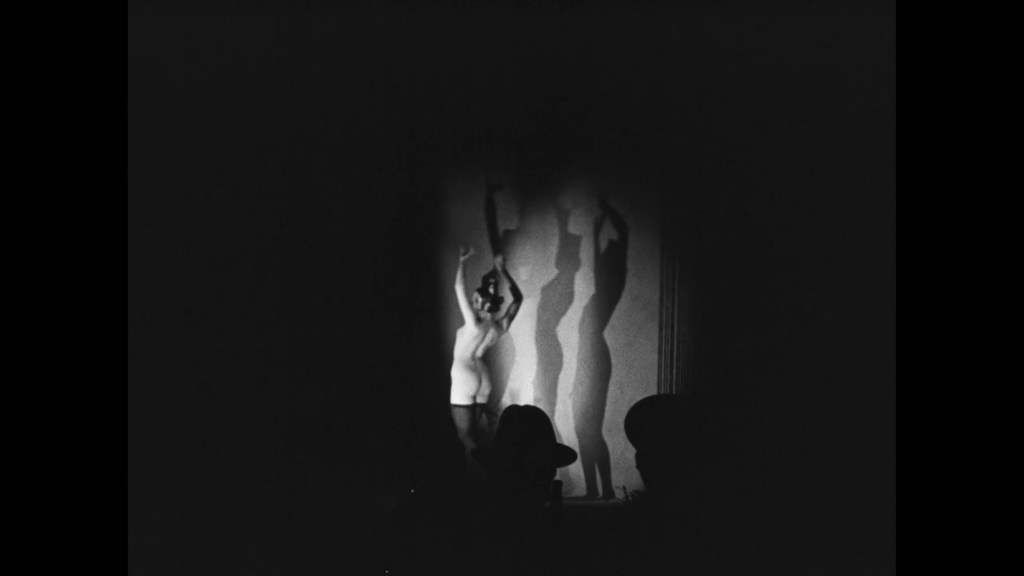
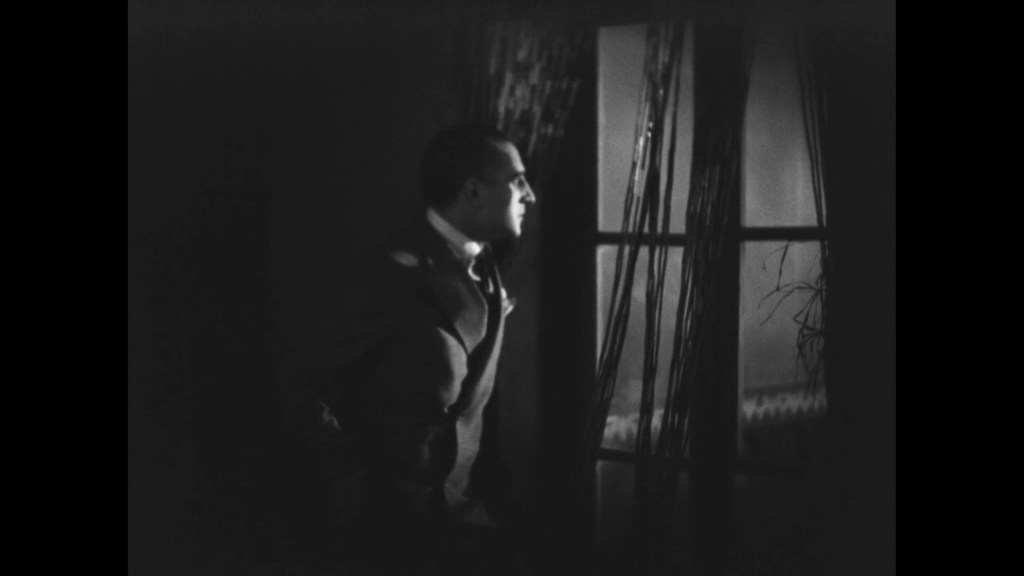
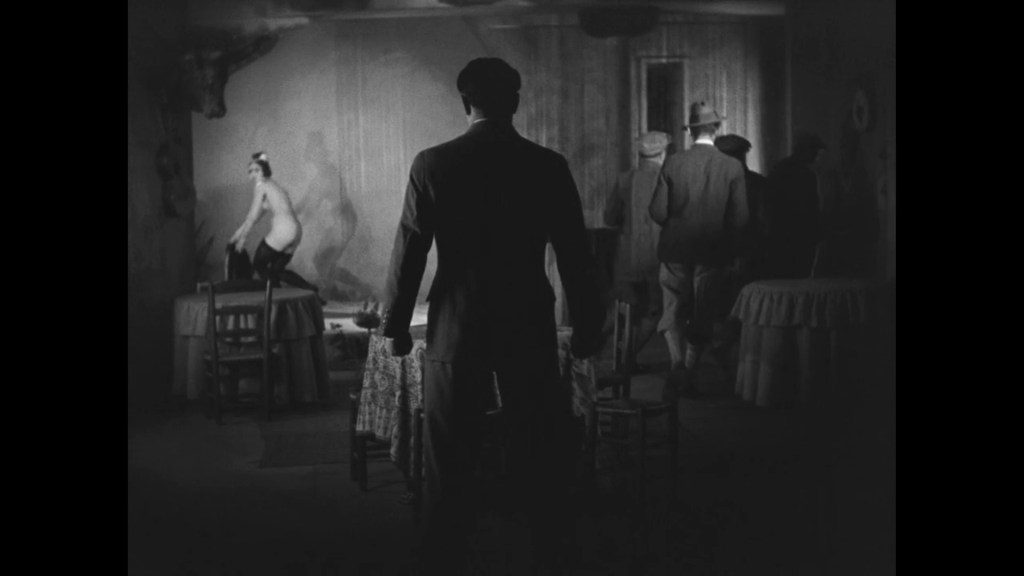
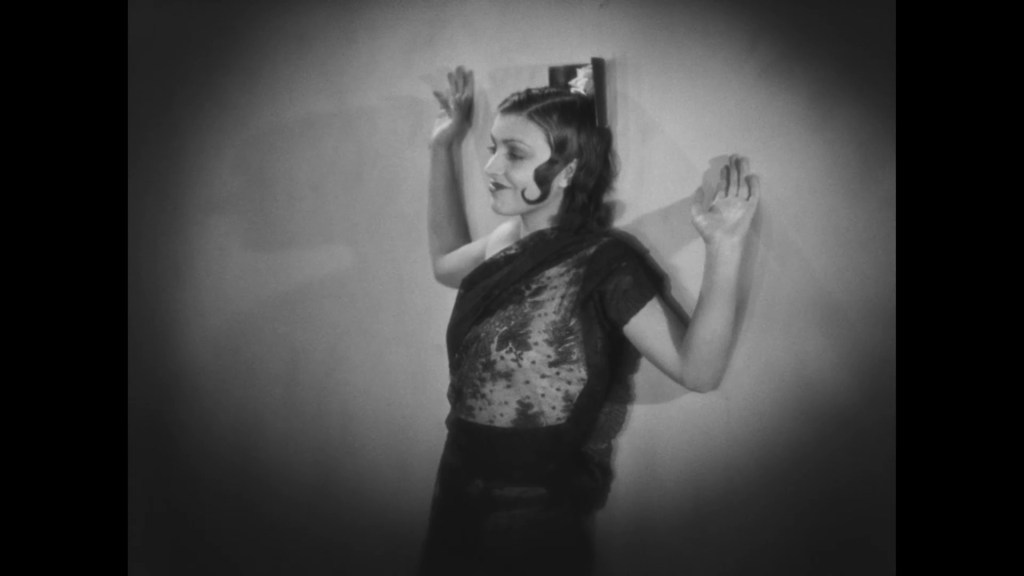
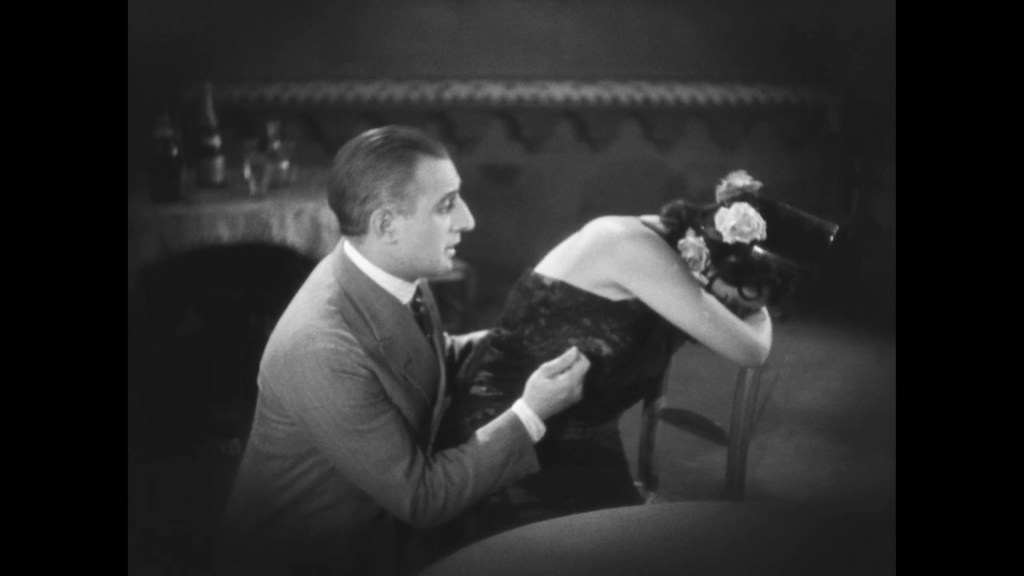
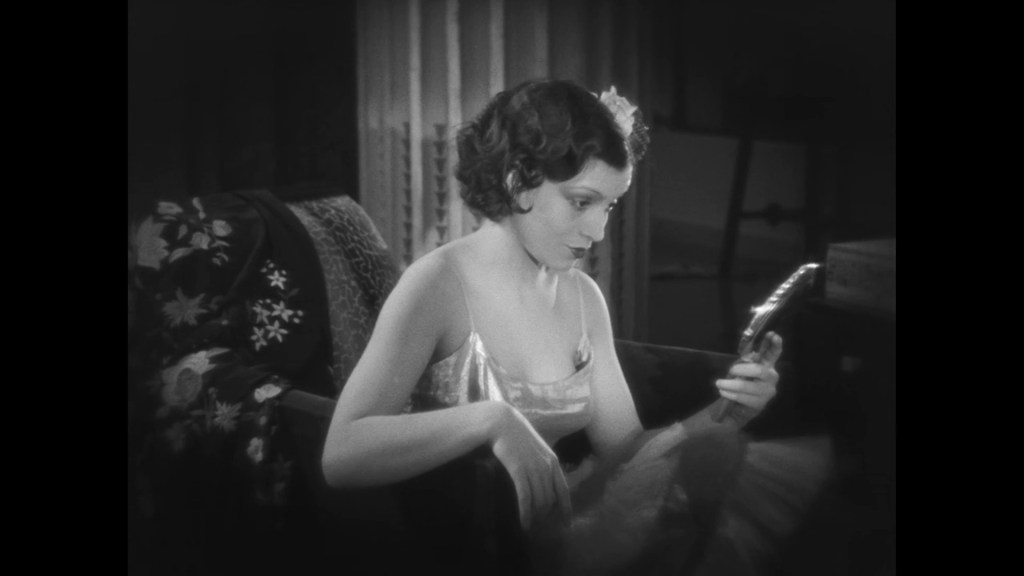
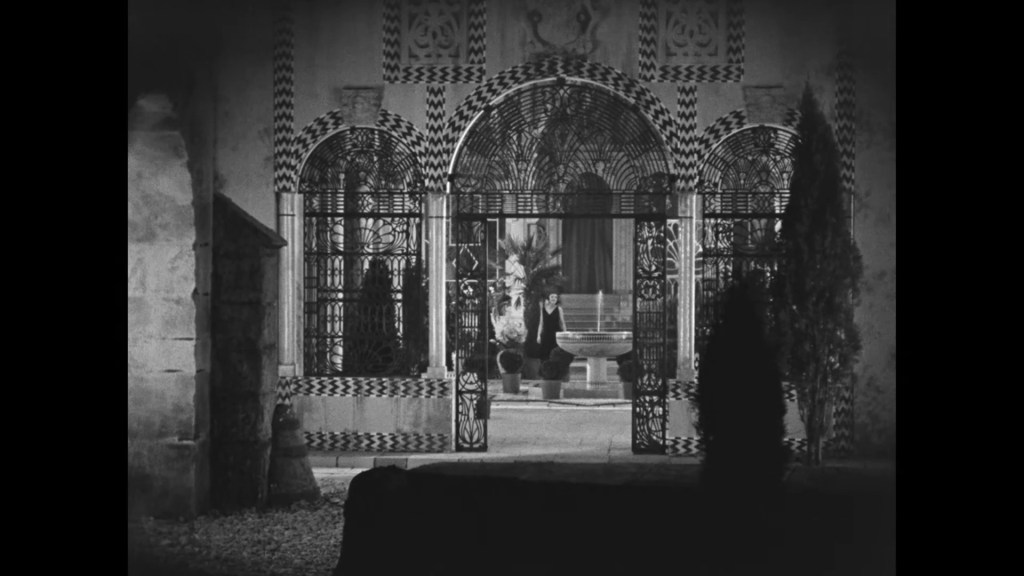
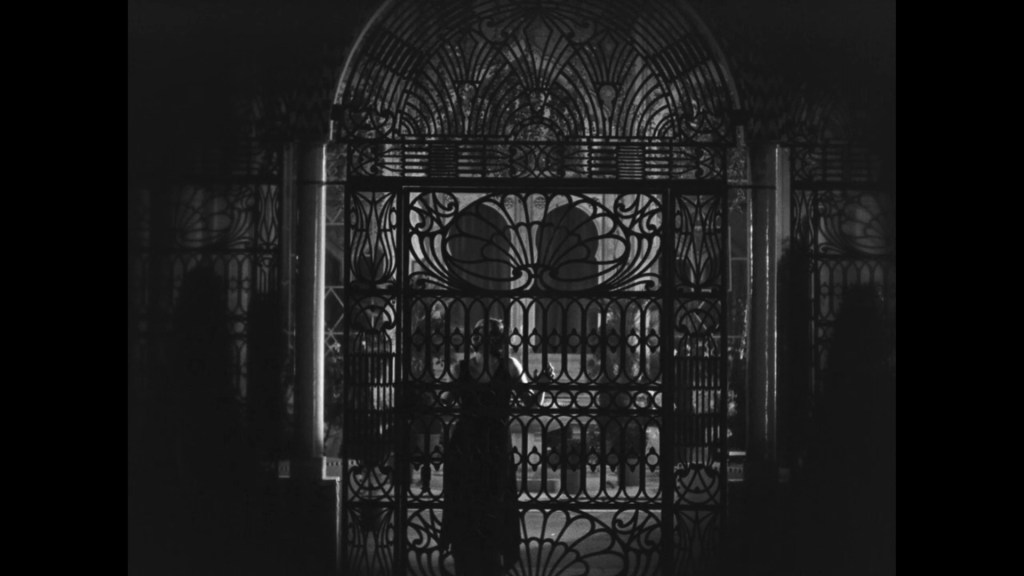
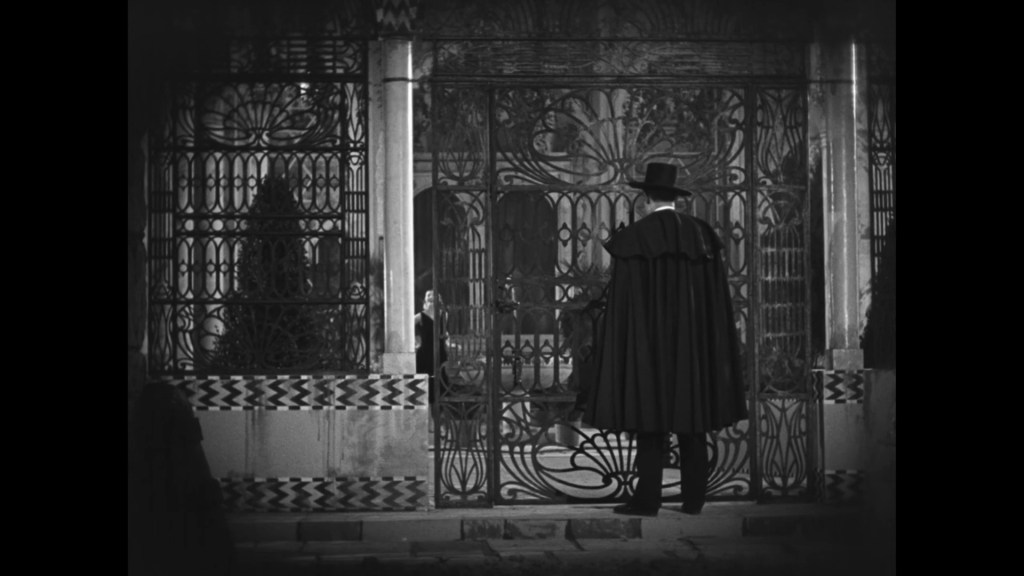
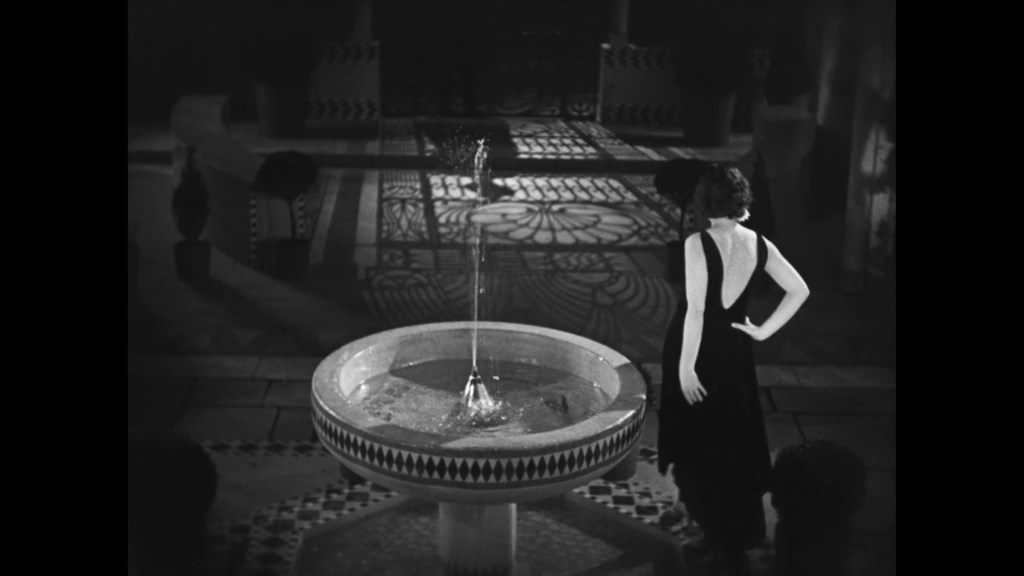
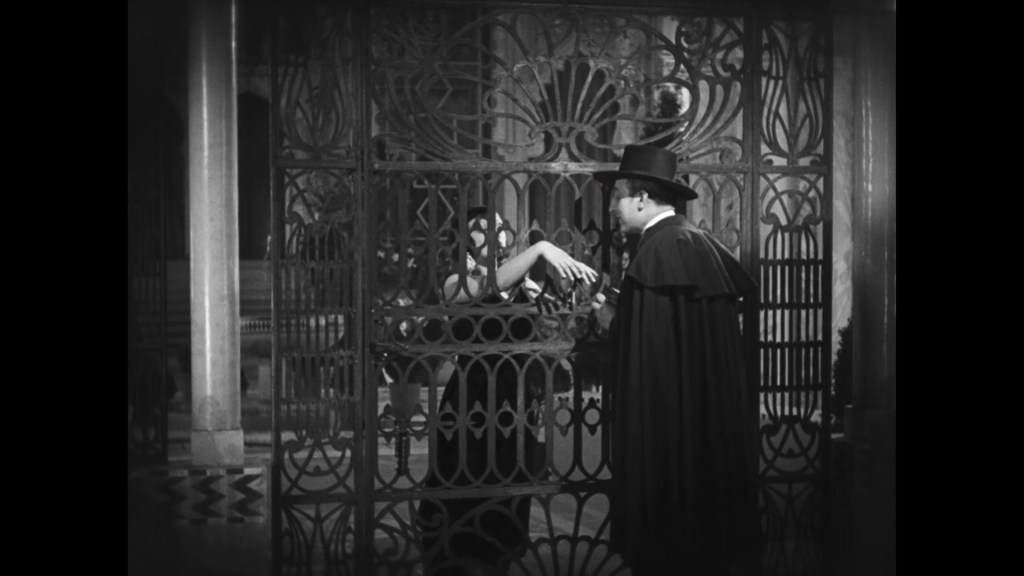
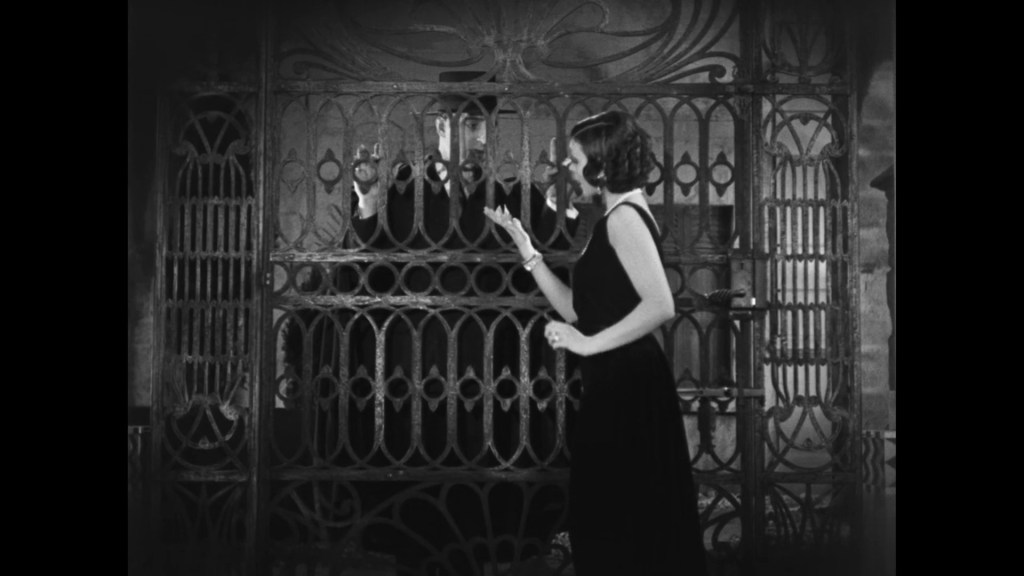
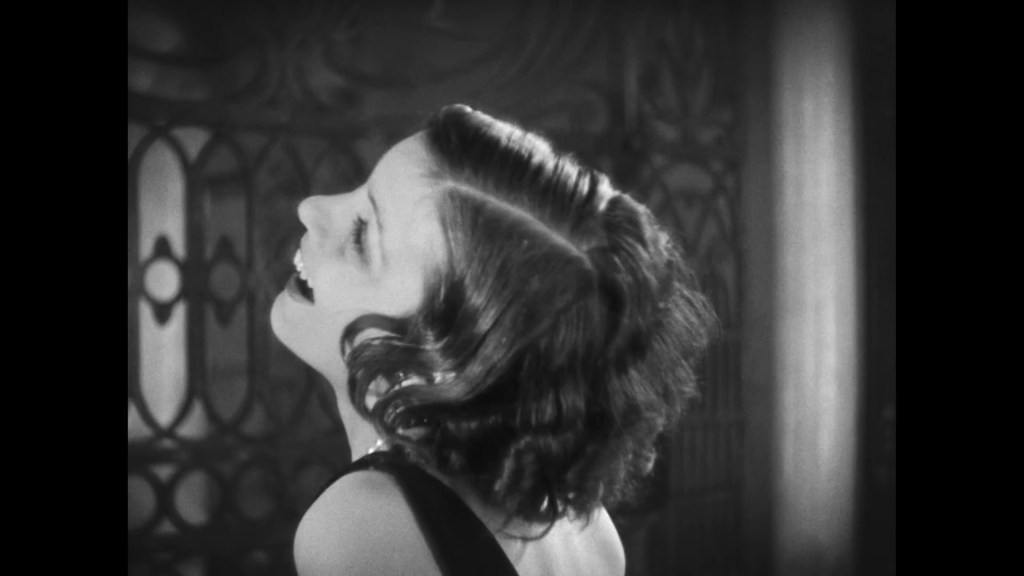
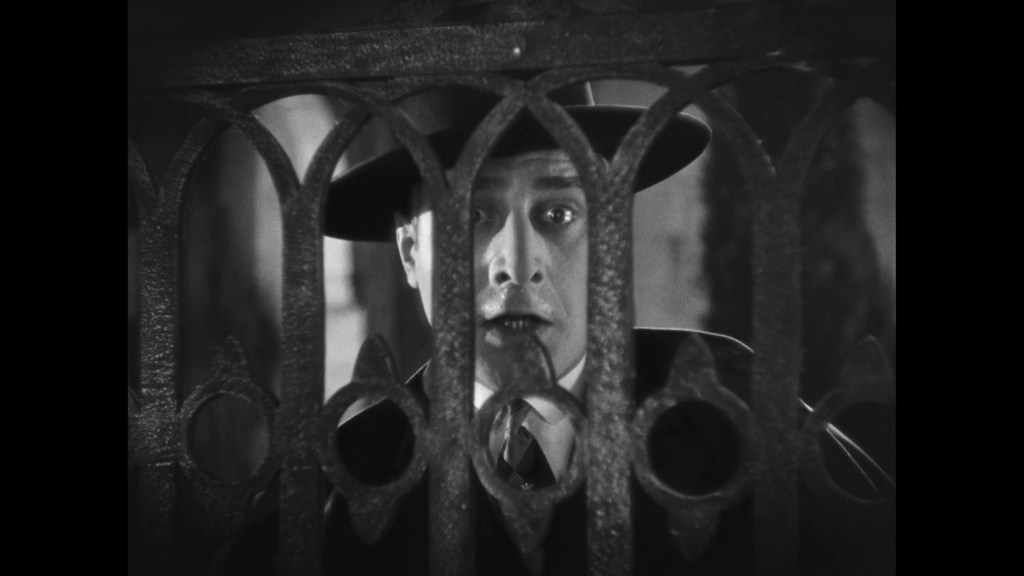
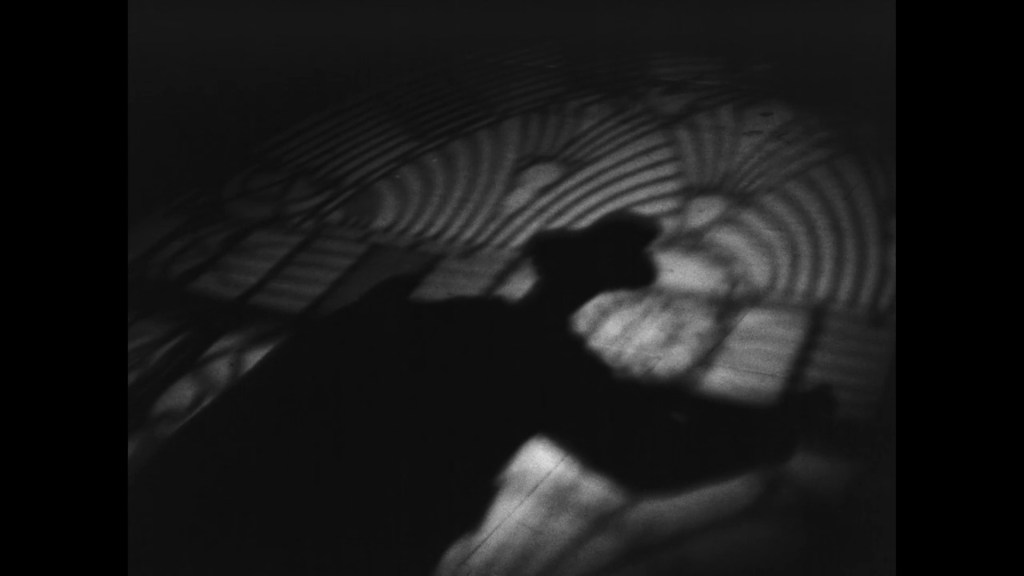
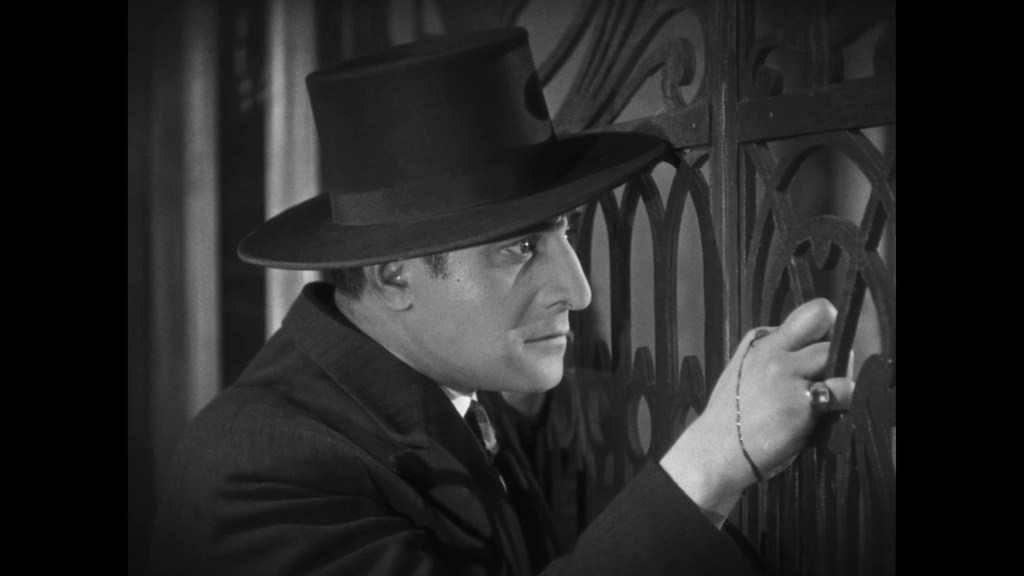
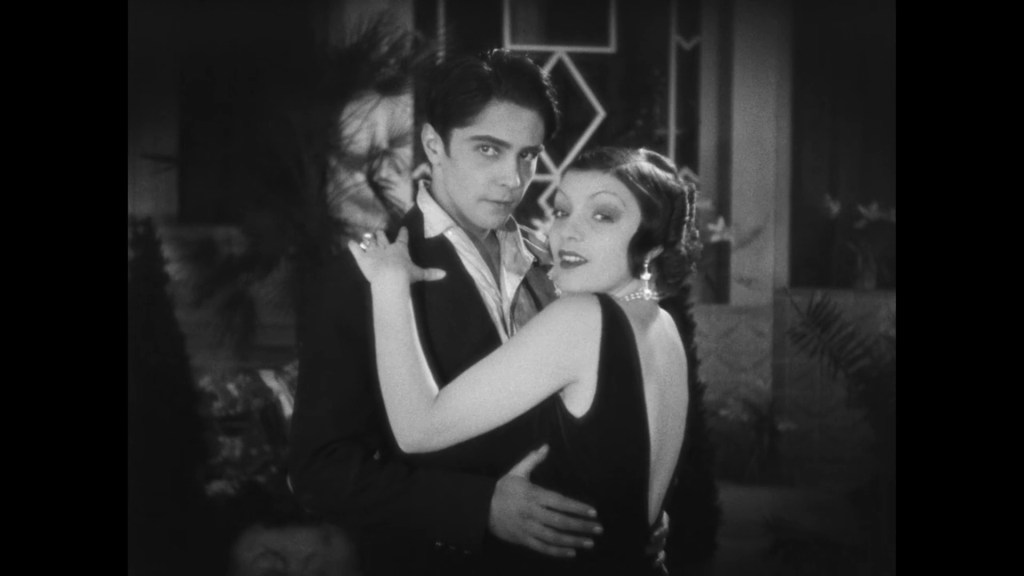
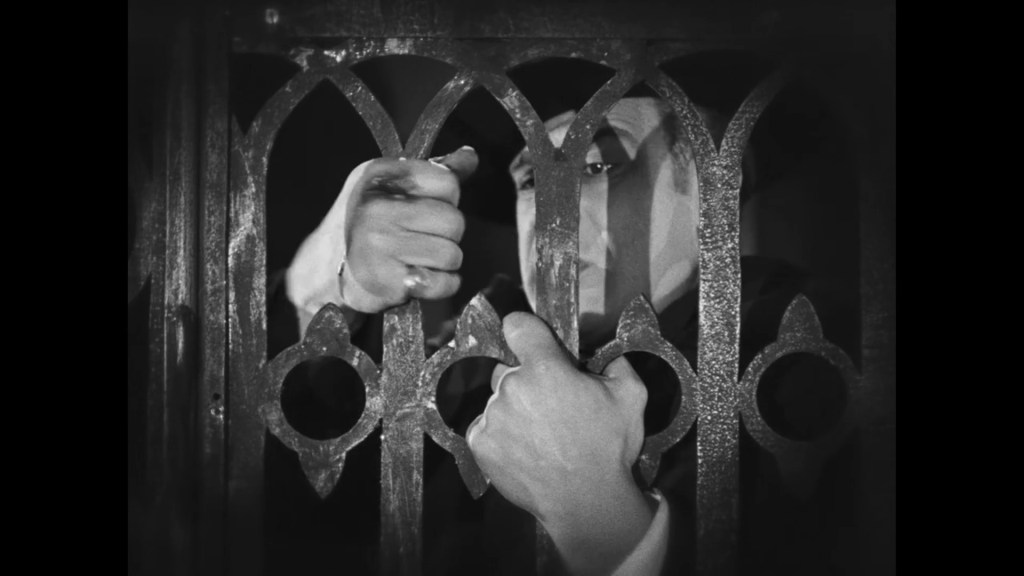
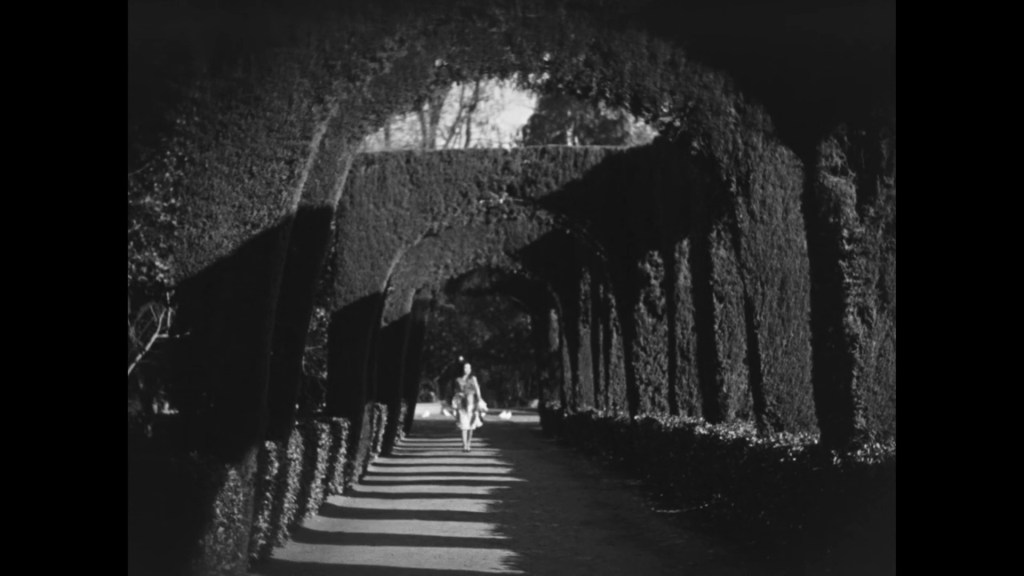
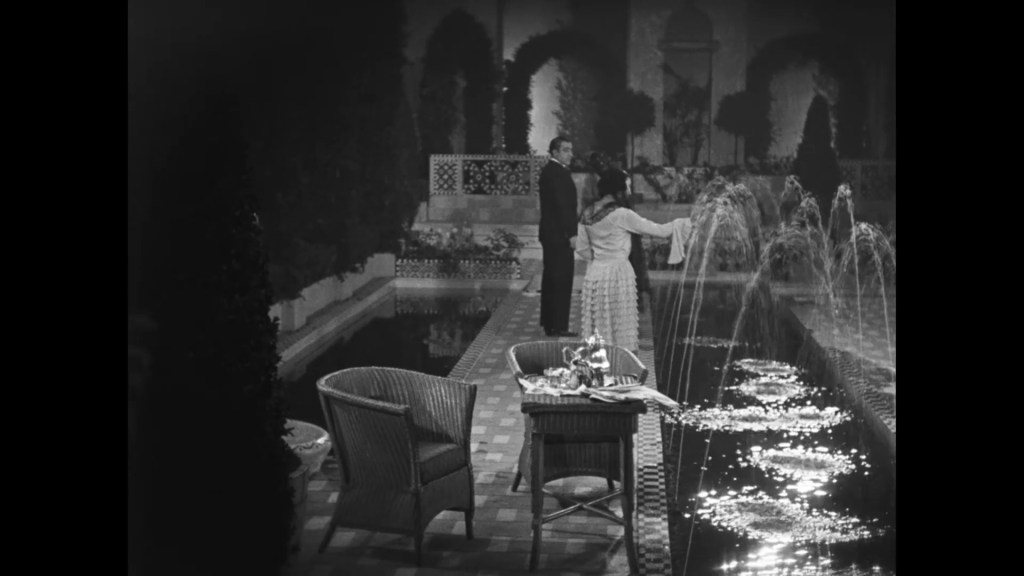
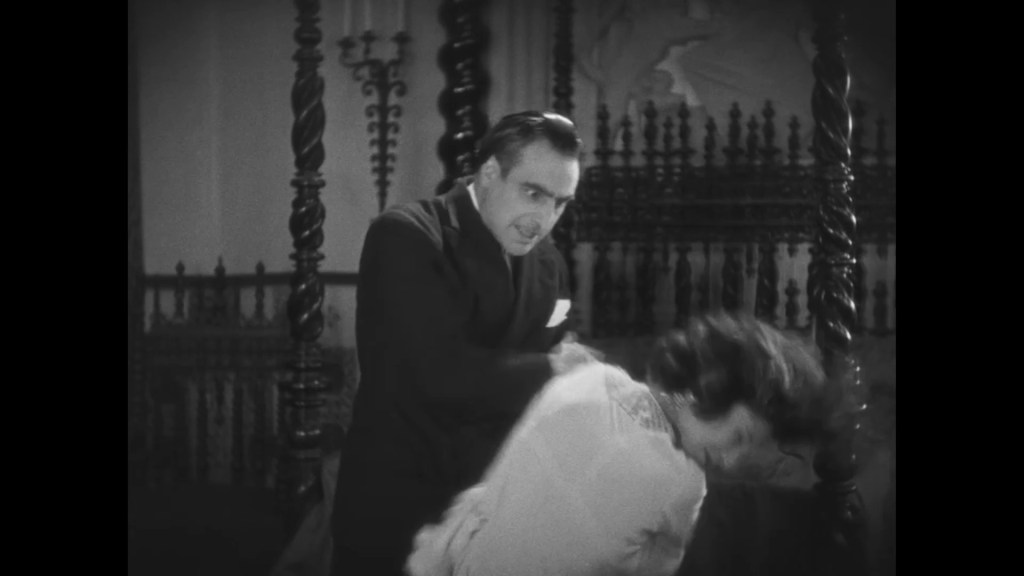
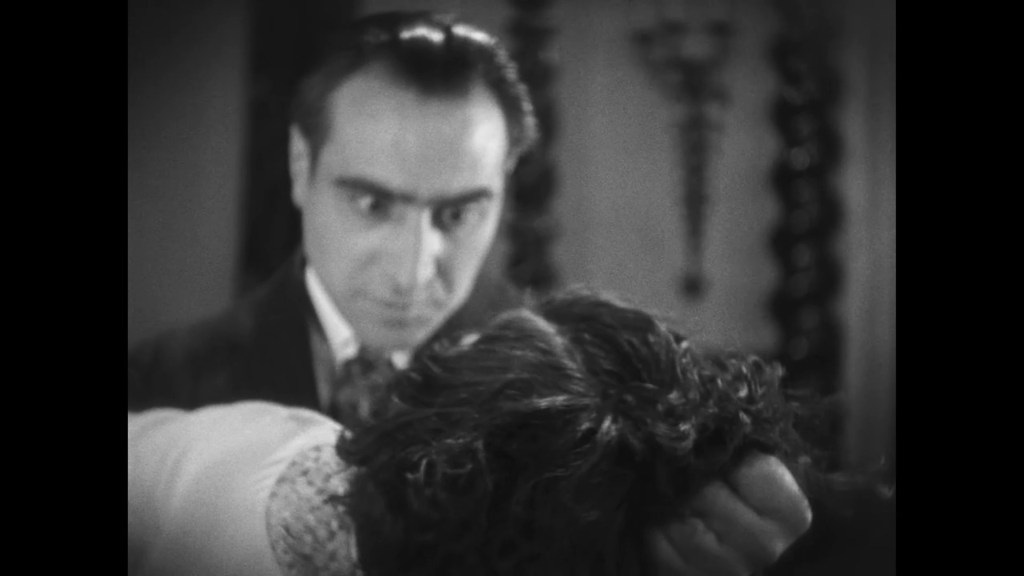
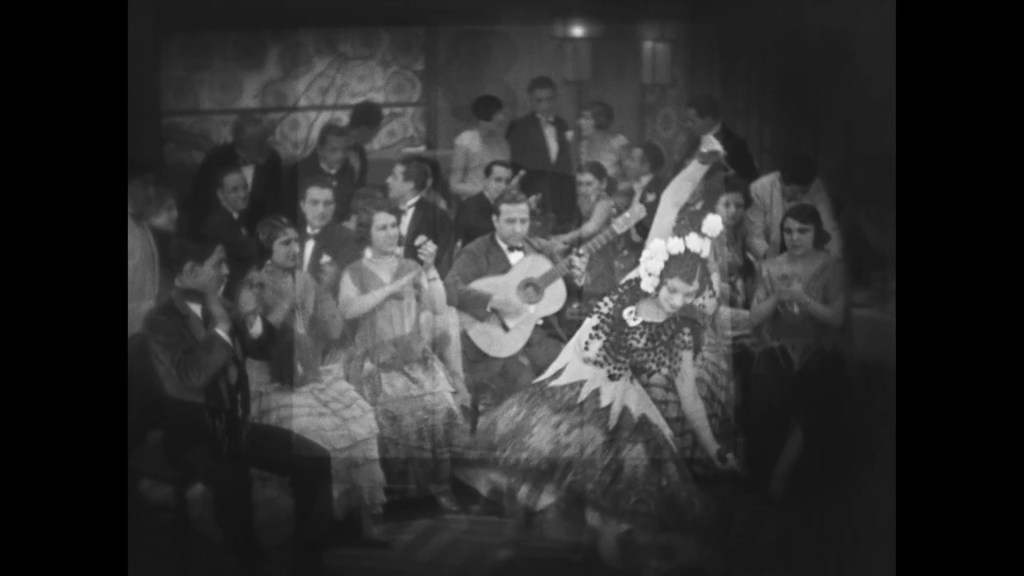
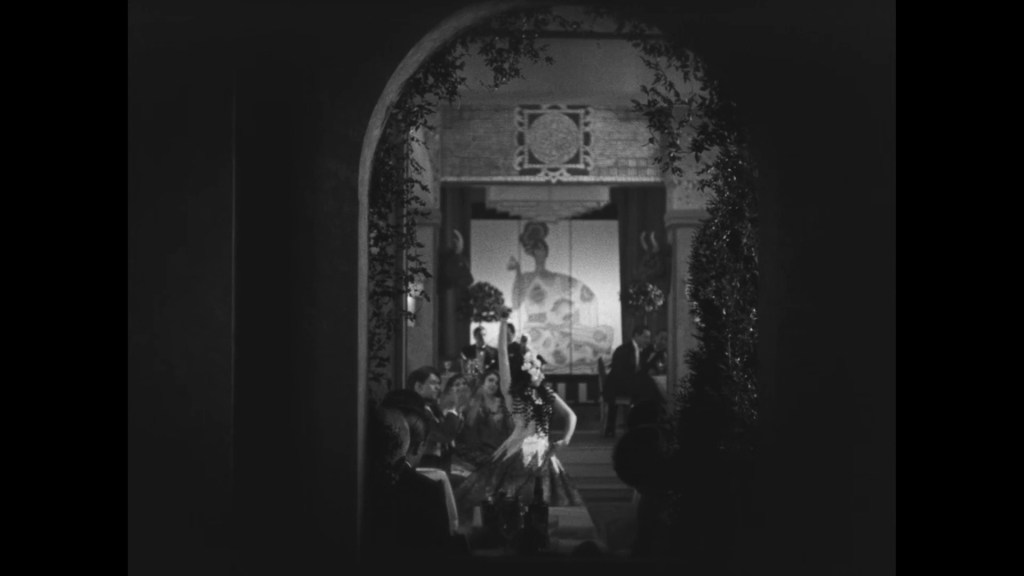
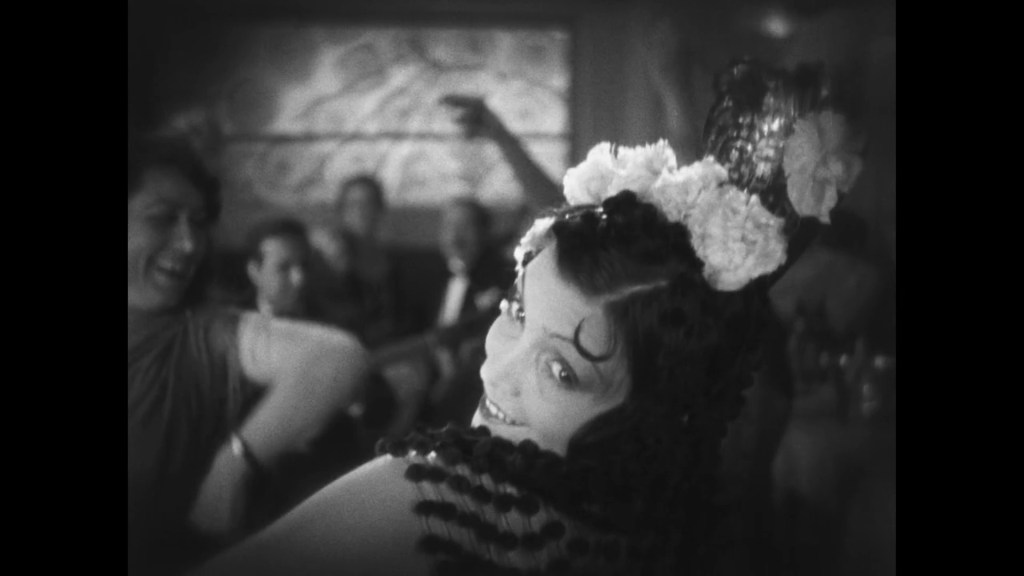
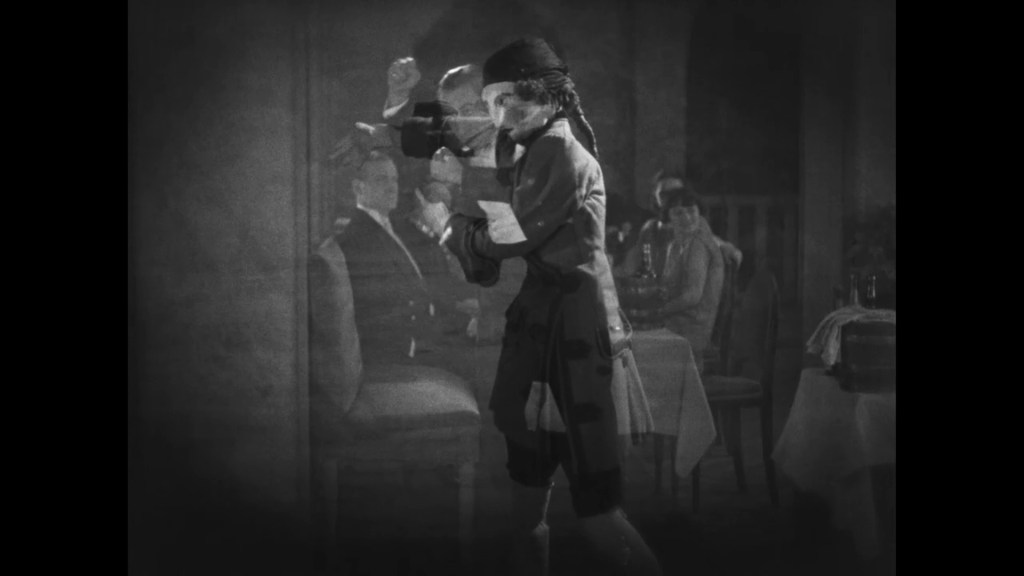
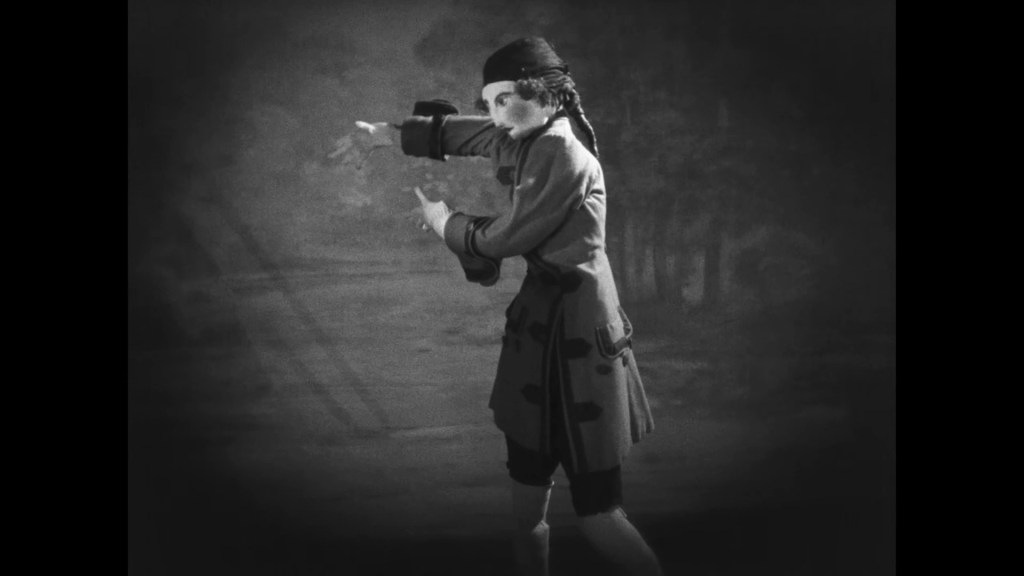
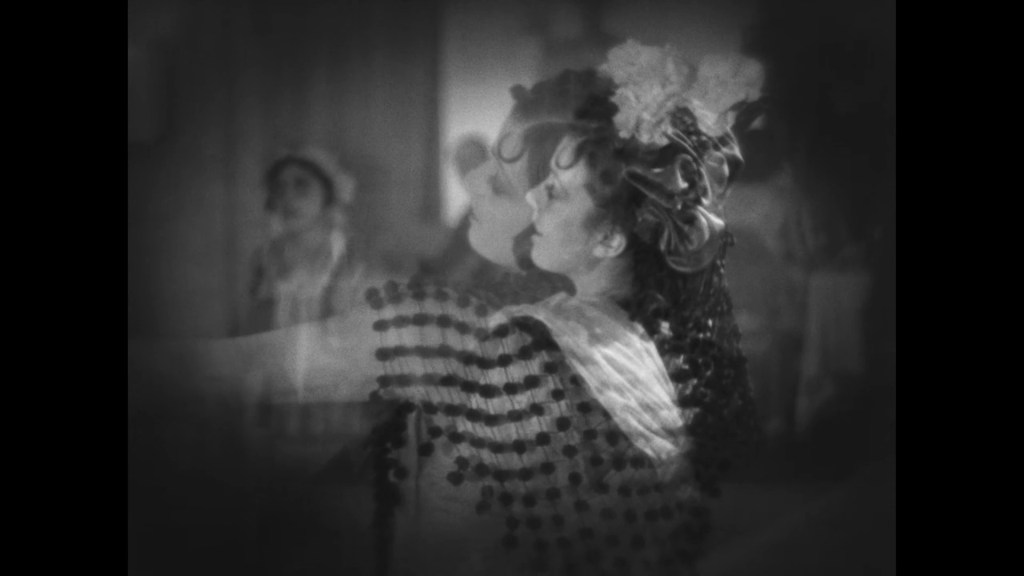
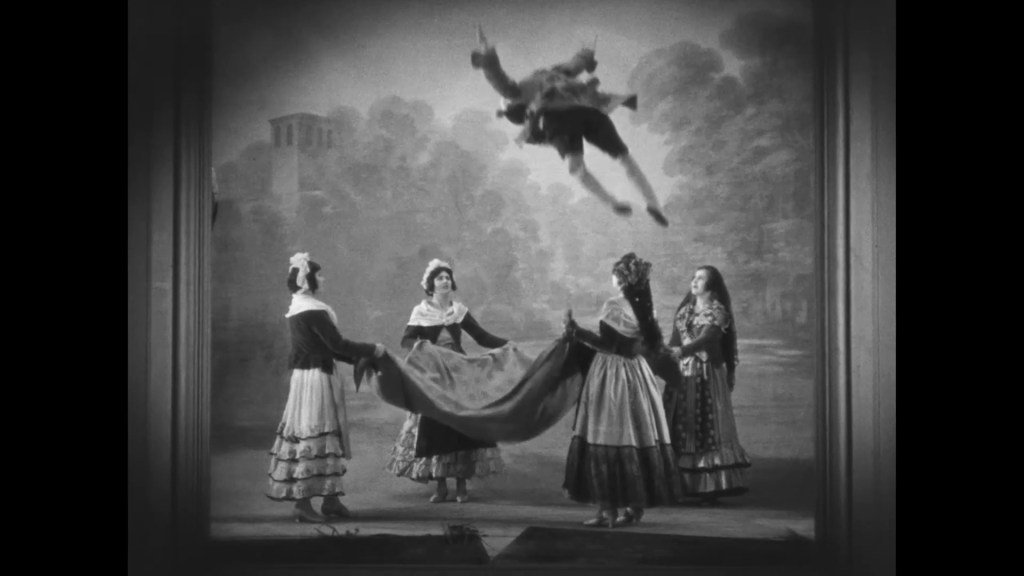
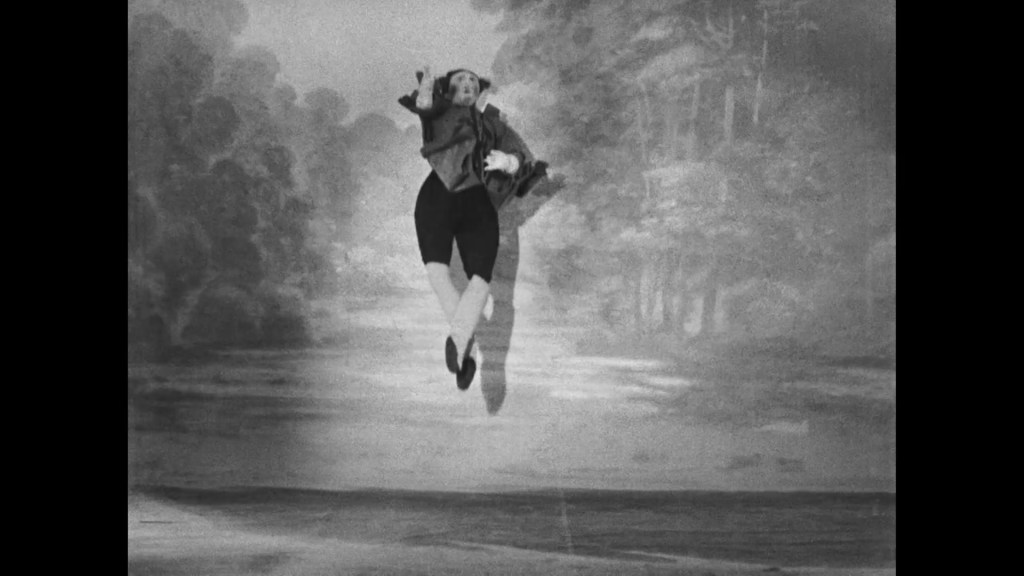
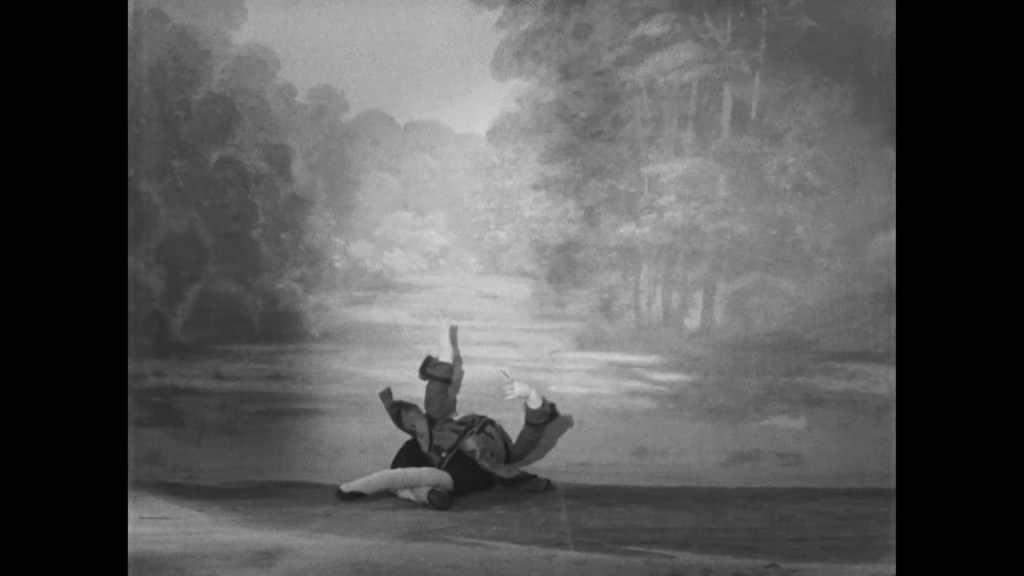
The film is one of several famous, and not-so-famous, adaptations of Pierre Louÿs’ eponymous novel (1898). The plot is inspired by a Goya painting (“El pelele”, 1791-92) of four women capriciously throwing a man-size doll into the air. In the film’s opening scene, we see this painting come to life. After this little prelude, we are introduced to Don Mateo (Raymond Destac), a Don Juan-ish figure “known throughout Spain”, who is travelling by train when he meets Conchita (Conchita Montenegro). She catches his eye when she fights with another woman and Mateo helps separate them. Months later, the pair meet again at a party thrown by Don Mateo at his “palace” in Seville. Conchita flirts with him and invites him to find her at home with her mother. Mateo does so, tries it on, is rejected – and then invited back another time. He falls in love but is jealous. He wins favour with Conchita’s mother by giving her money, saying he will marry Conchita. However, Conchita sees the money changing hands and tells him never to come again. Mateo tries to distract himself from the memory of Conchita, but their paths cross again in Conchita’s new home in Seville. She tells Mateo that she loves him, and he swears by the Madonna that he will never leave her. But no sooner are these words spoken than a rival suitor turns up, the very man who made Mateo jealous before. Another rift, another reconciliation. Conchita arrives chez Mateo and he shows her around (she wants to see the bedroom first). But then she leaves him a note saying that he doesn’t love her so she’s leaving. Mateo goes travelling, arriving in Cadiz – which is where Conchita happens to be, along with her rival suitor. Mateo watches her dance, then Conchita approaches and flirts. He threatens to kill her, and she laughs him off, telling him that she no longer loves him. But a note of tenderness suggests that she may still have feelings. It’s enough for Mateo to hope once more. But soon he realizes that she is performing a naked dance for select clients upstairs. He watches, furious and entranced, from the window – but then he bursts in, chases out the clients, and threatens Conchita. Once again, she accuses him of not really loving her. She demands that he make her rich, to be “worthy” of him. So they get engaged and he smothers her with finery. He buys her a palace and she wishes to be the first to enter to receive him. But when he arrives at midnight, she shows off her finery through the bars of the gate – and then, laughing, tells Mateo to leave. “You’re not worthy to kiss my foot!” Mateo claws at the gate, his hands bleeding, until he sees Conchita embrace another, younger, man. She tells him that this man is worthless, but she adores him. Mateo retreats to a dance hall. The old rival turns up and boasts of the money Conchita gave him. But it turns out that the “rival” is already engaged, and he was being used by Conchita to make Mateo jealous. “All Seville is laughing at you!” Conchita turns up again, flirting, laughing, contemptuous. Mateo knocks her down, but she draws a knife. He hits her repeatedly. She laughs, says she’s sorry, says she’s his.  A year later, at the Seville cabaret. Mateo reports that his happiness lasted two weeks, that Conchita was “a devil” and he left her six months ago. But there she is again, dancing. He sends her a note, saying he forgives her and will kiss her feet. She gives the note to her new suitor. Mateo’s gesture of fury dissolves into that of Goya’s doll. The doll is thrown, then plummets to earth in a heap. FIN.

At the end of my teens, Pierre Louÿs seemed very exotic and risqué. I encountered him first through Claude Debussy’s various adaptations of his 1894 collection Les Chansons de Bilitis (composed 1897-1914). To someone who had led a sheltered life in the countryside, Louÿs’ louche, sensual work was at first appealing – and faintly sinister. The 1920s edition of his complete works that I bought was replete with lurid art deco illustrations and an aura of faded decadence. Faced with this veritable brick of a book, I soon realized that the contents were not my cup of tea. I trudged through a chunk of it, but eventually gave up. It sat on respective generations of shelving before I sold it, as though to cleanse myself of Louÿs. Since then, though never consciously, I’ve avoided all other incarnations of his work: from songs (Charles Koechlin) and opera (Arthur Honegger) to cinema. Though there have been several adaptations of La femme et le pantin, Josef von Sternberg’s The Devil is a Woman (1935) and Luis Buñuel’s Cet obscur objet du désir (1977) are famous independent of their literary source. I confess that I’ve never been particularly drawn to either (in terms of stardom) Marlene Dietrich or (in terms of mid-twentieth century European auteurs) Buñuel, which I’m sure condemns me for all eternity in the eyes of many. (I think the sheer fact of their centrality to the cinematic canon lessened my interest. As someone who always wants to write about what they love, I always feel put off by stars or directors who have already accumulated generations of literature. I never feel at home in a crowd.) Nevertheless, I preface my comments on Baroncelli’s film by this admission because it means that I come to La femme et le pantin with eyes undazzled by later adaptations. It was even with a faintly guilty sense of familiarity that I recognized in this film both the old attractions and the old frustrations of its source material. I realize how odd it sounds for someone my age (still, just, under 40) to feel more familiar with Pierre Louÿs than with Luis Buñuel, but such is my bizarre cultural pedigree.

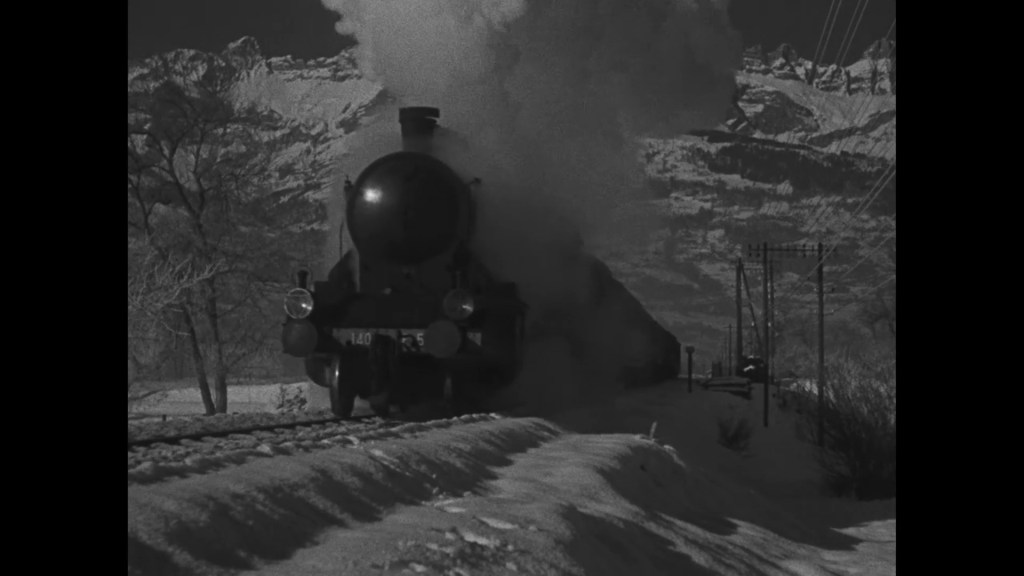
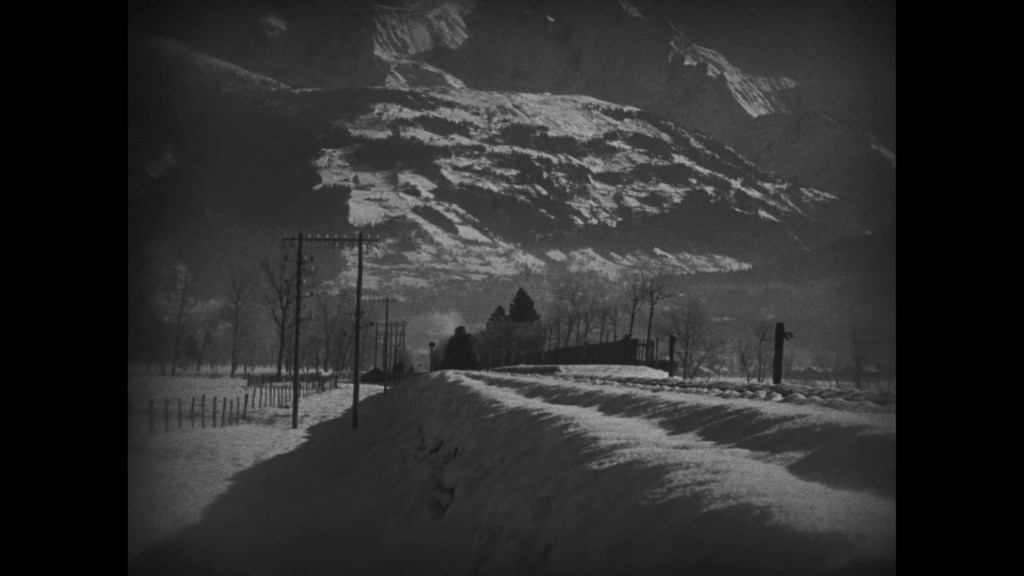
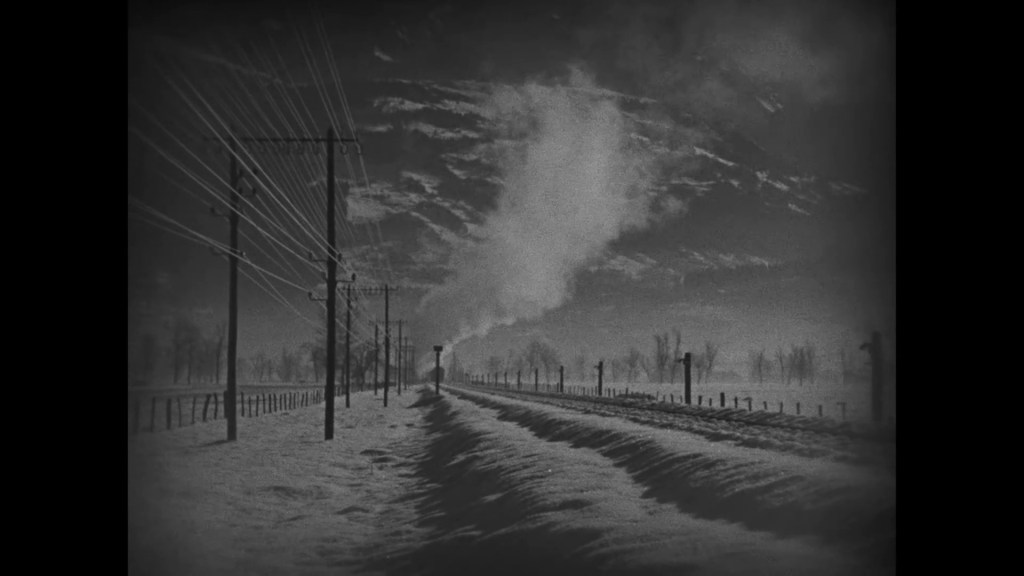
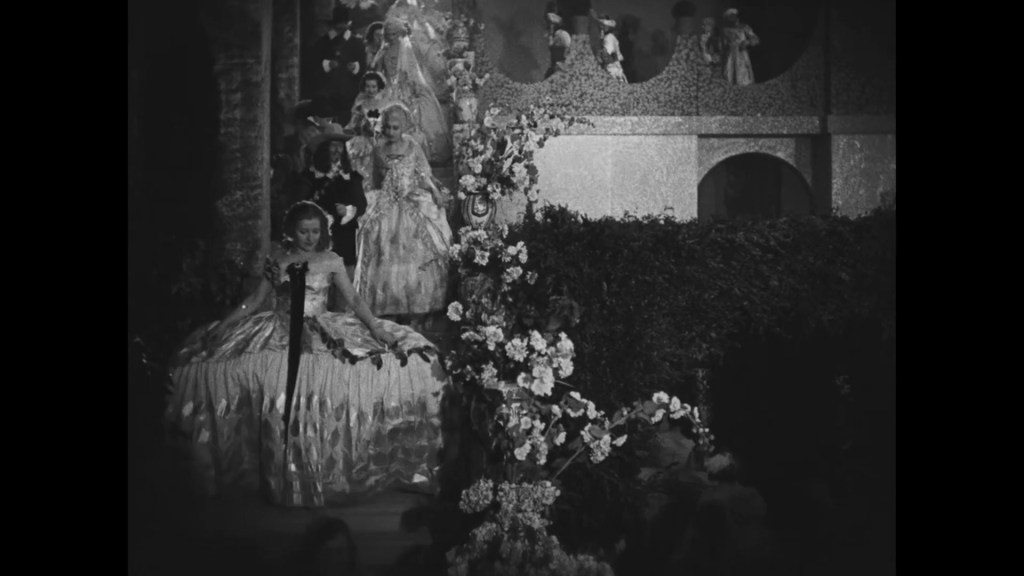
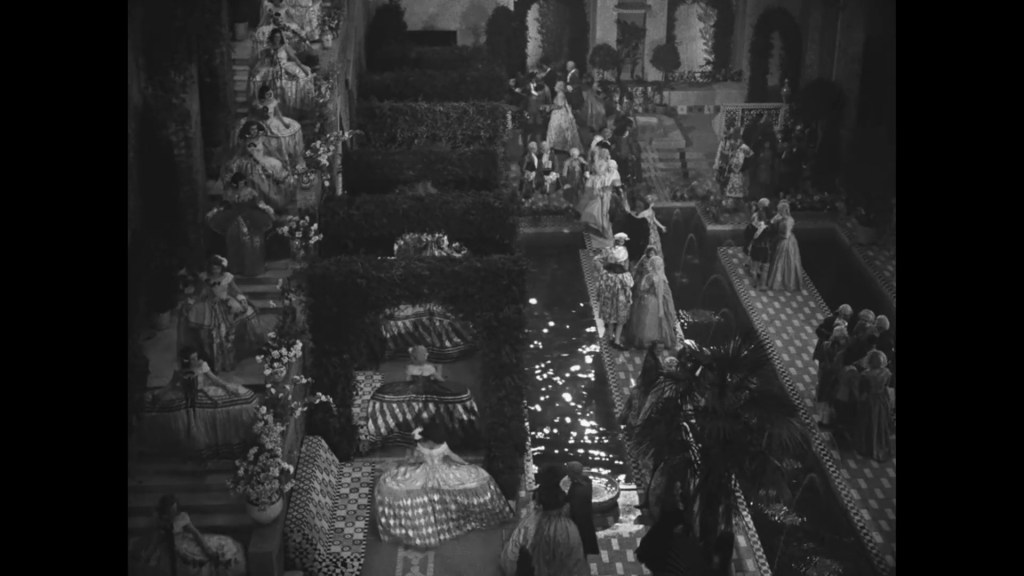
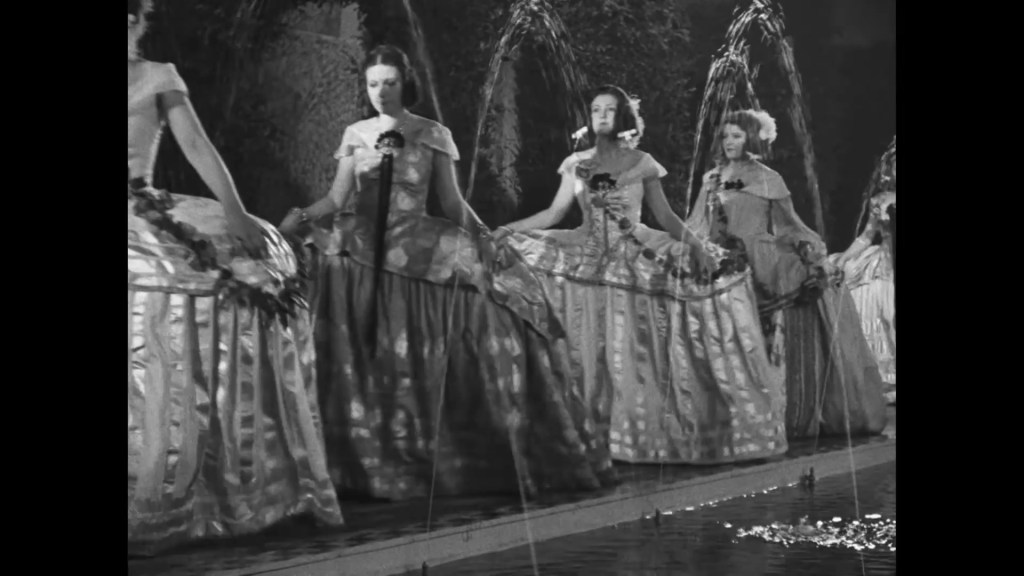
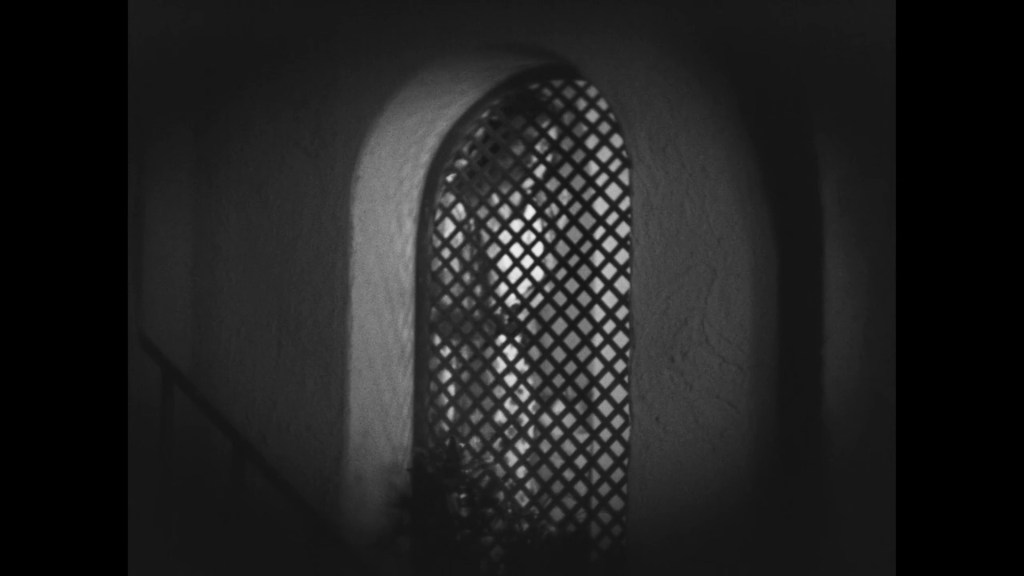
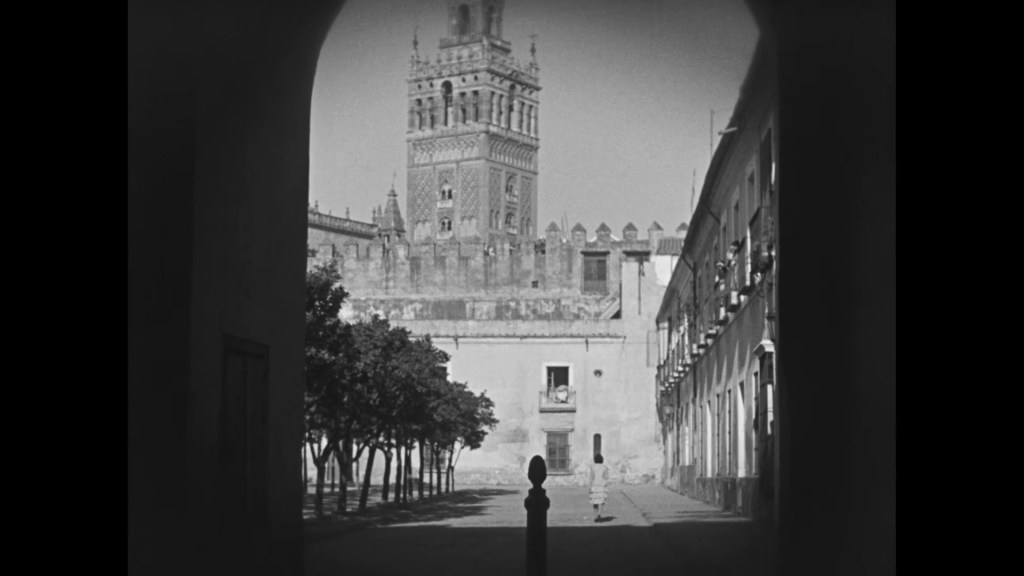
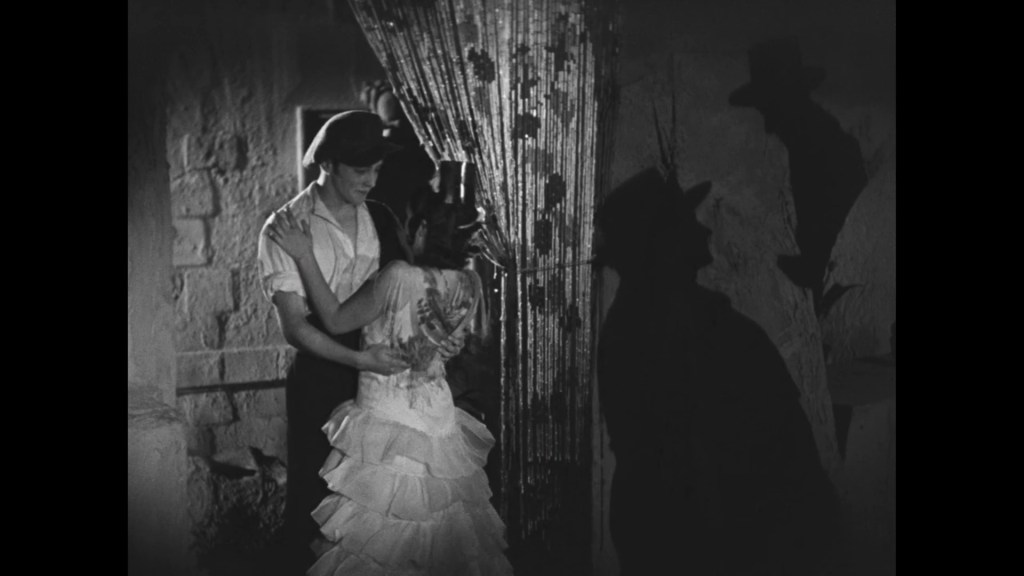
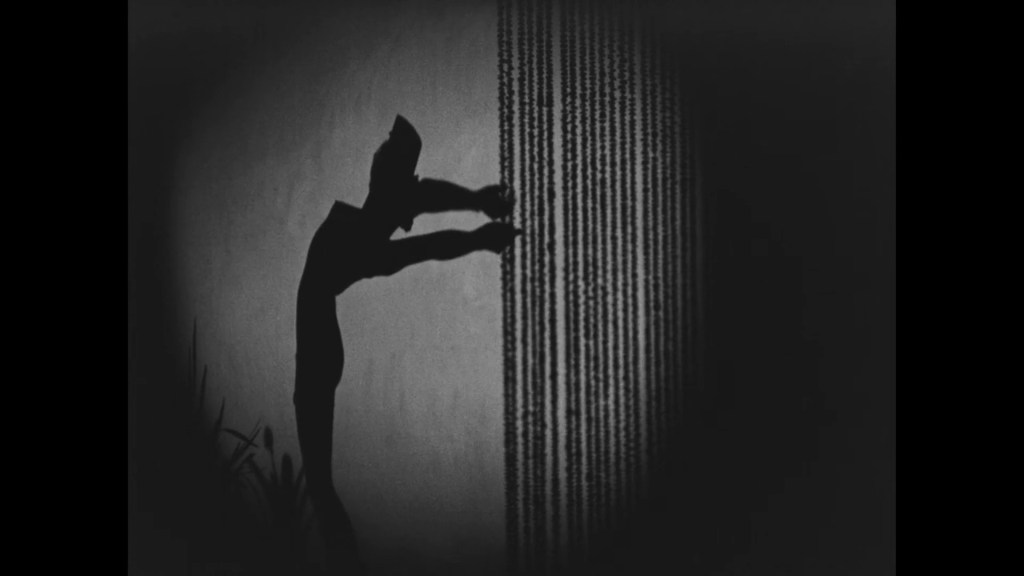
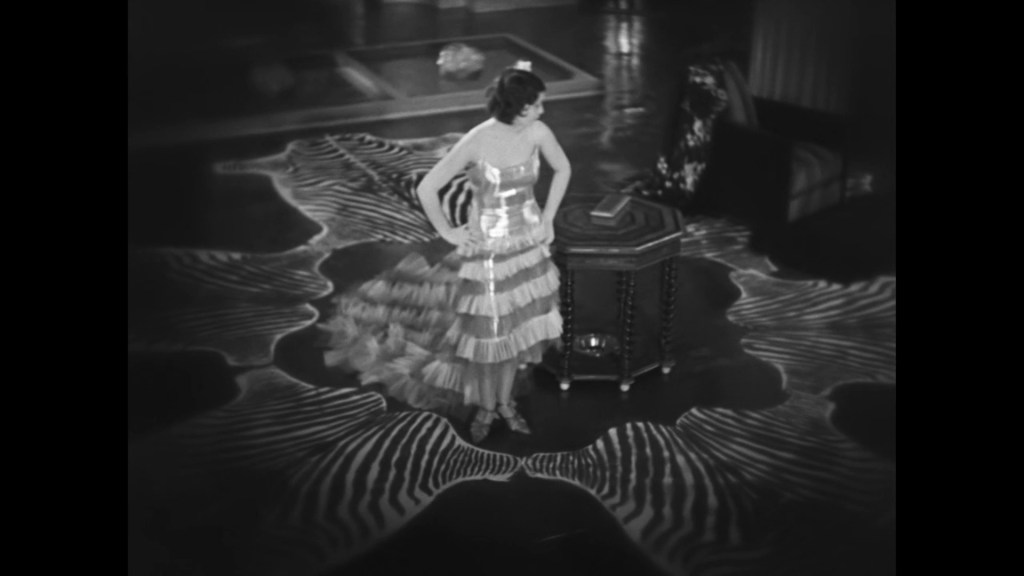
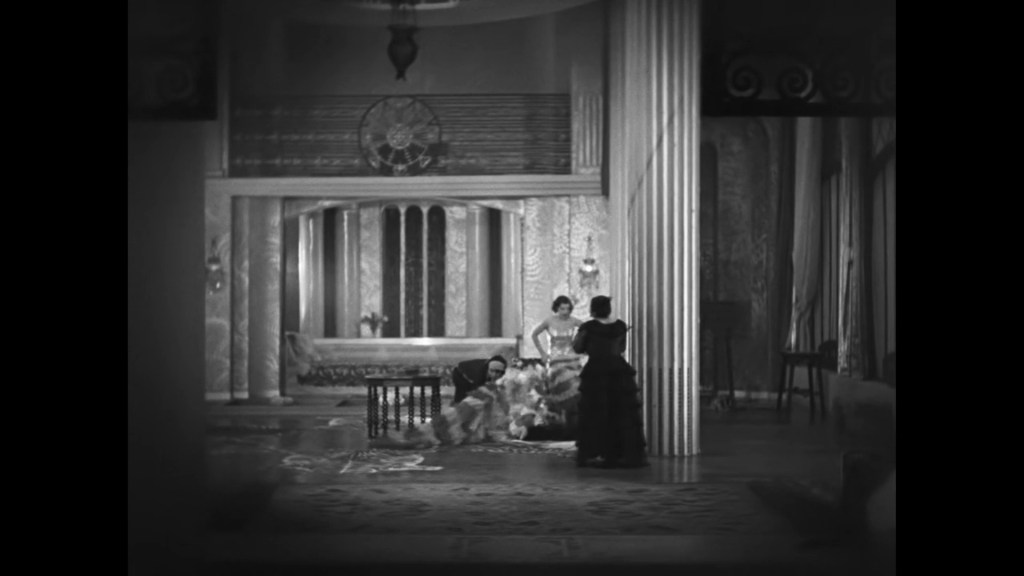
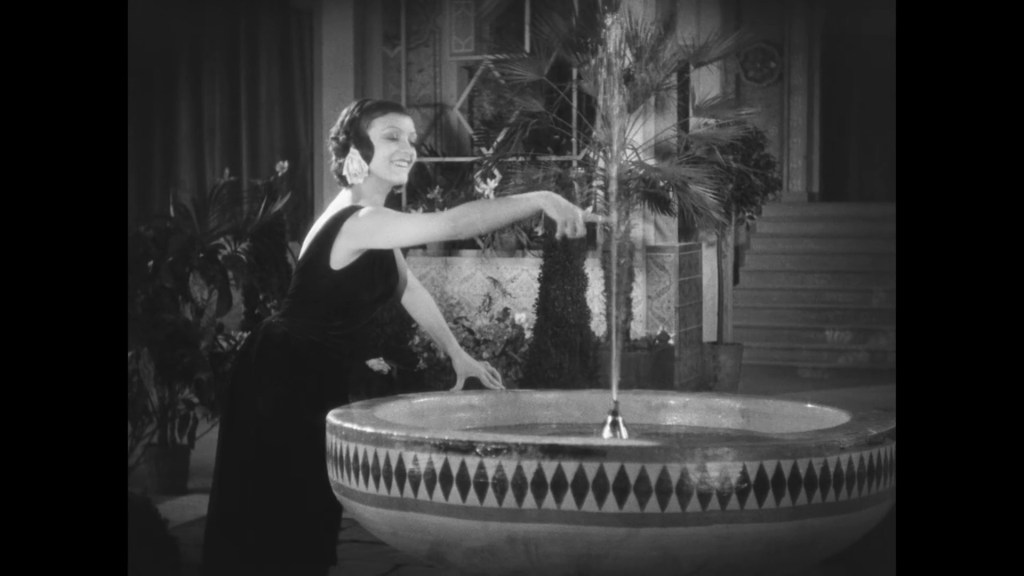
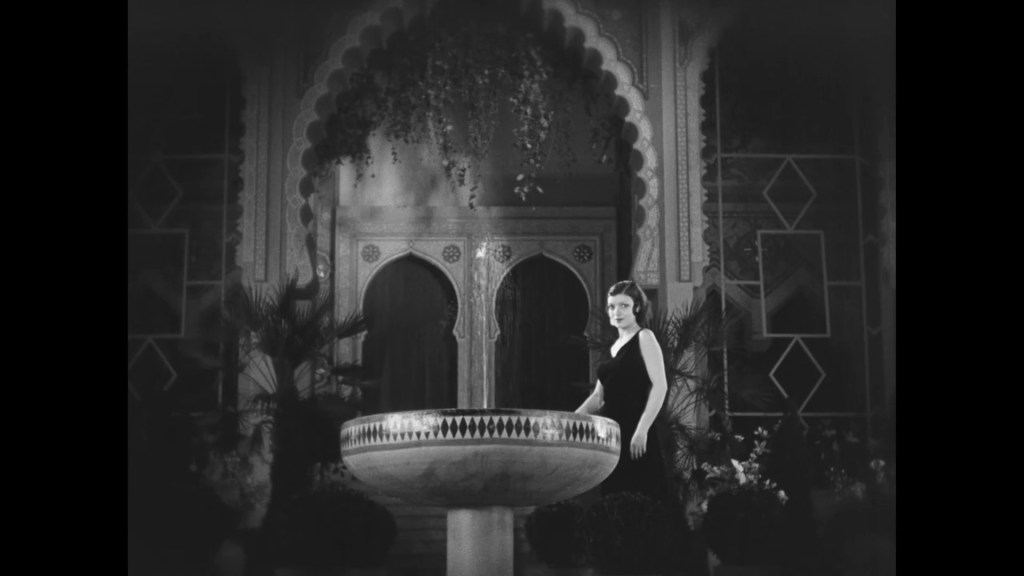
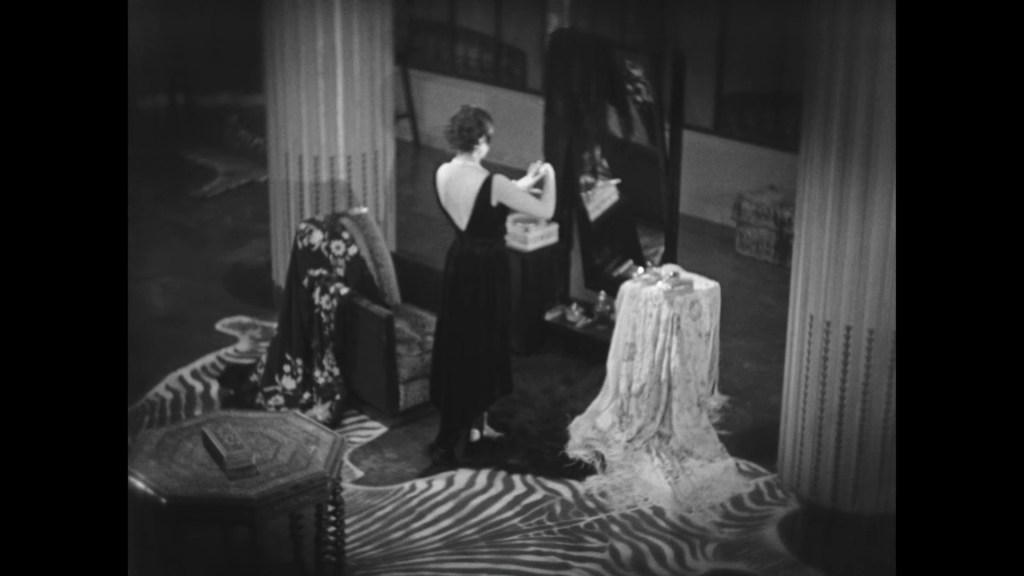
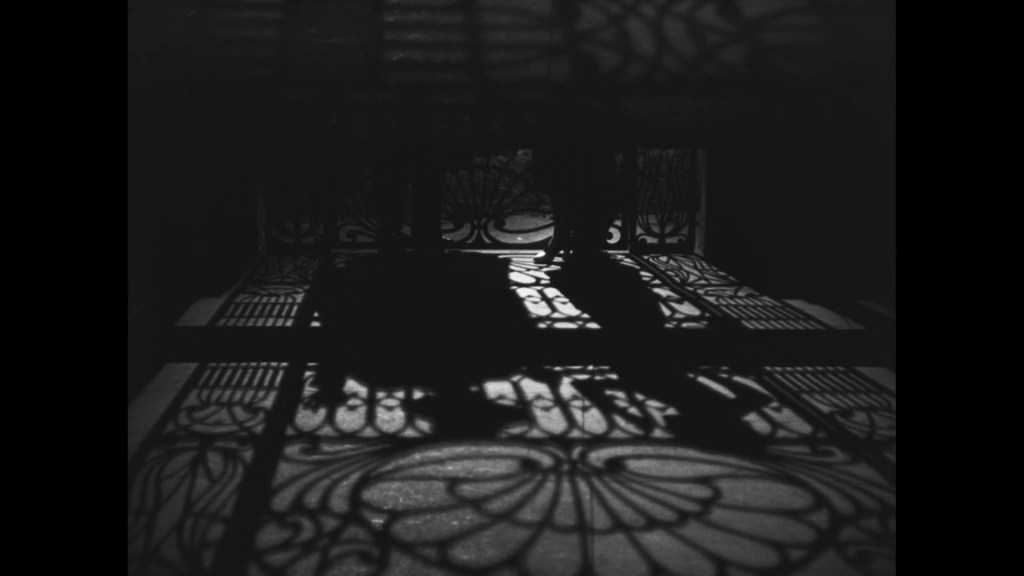
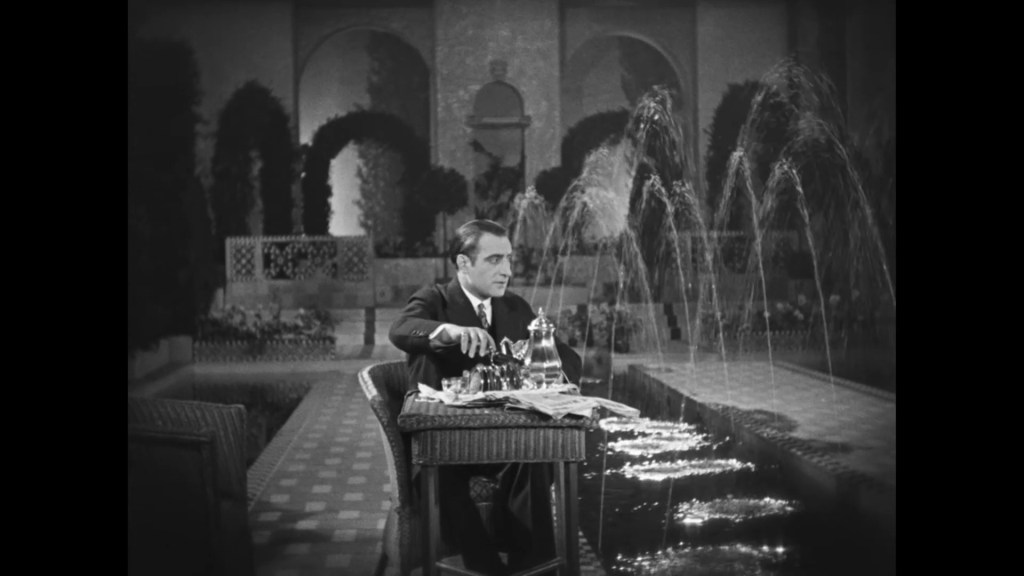
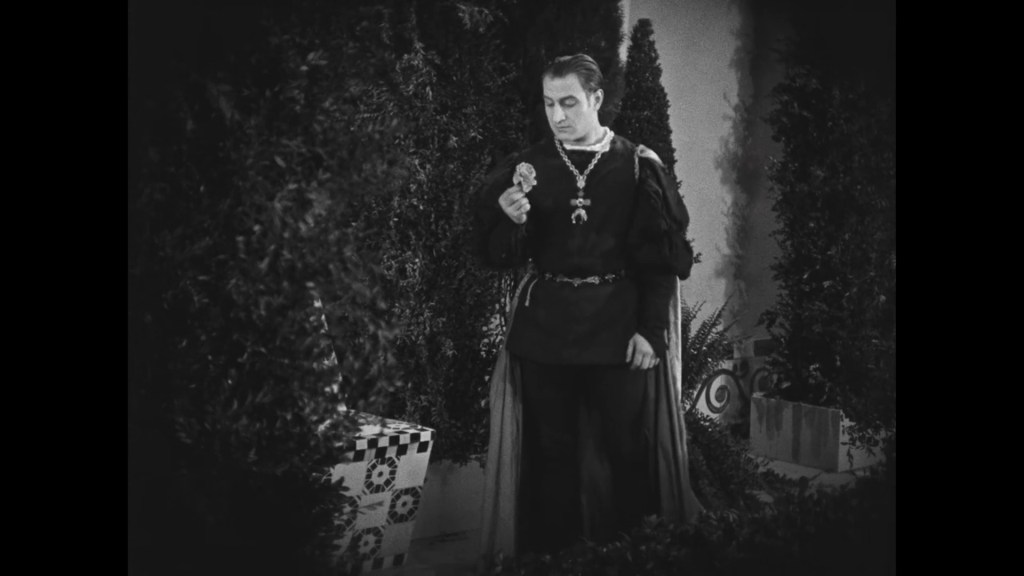
So, the film. Firstly, it looks sumptuous. The opening exteriors of the train crossing the snowy mountains are stunning, and there are some gorgeous glimpses of Seville and the Spanish coast. But the rest of the film is overwhelmingly set within complex interior spaces. Baroncelli goes to great lengths to provide windows, doors, grilles, bars, ironwork, glasswork to frame (and frustrate) Mateo in his encounters with Conchita. His two “palaces” offer fantastical décor, replete with fountains outside (a crucial motif, as Conchita literally and figuratively washes her hands) and luxurious dens within. It all looks like some fabulous art deco fantasy, with endless open halls, vanishing corridors, skin-lined floors, tapestry-lined walls, Moorish columns and arches… The first party we see at his palace features the women wearing Velasquez-inspired dresses, which are extraordinarily eye-catching. Yes, indeed, this is an exquisitely mounted film. The photography, too, is absolutely superb. The lighting is impeccable, the shadows and framing and compositions are incredible – just going through the film again to take some captures, I find myself purring over all the beautiful images.

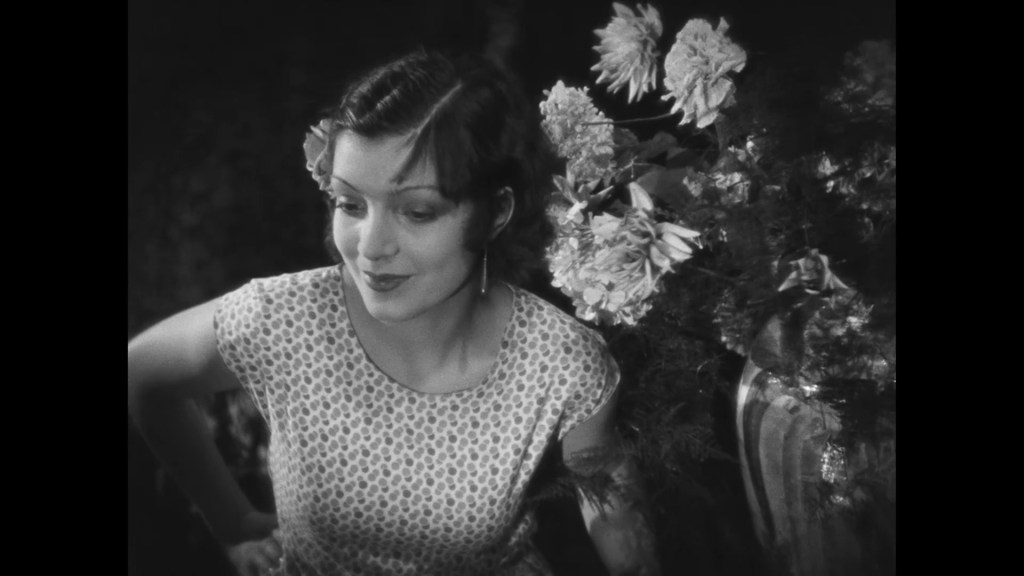
The two stars of La femme et le pantin were unfamiliar to me, and glancing at their filmographies neither seems to have featured in too many well-known productions – or had especially extended screen careers. Appearing as her namesake, I found Conchita Montenegro very appealing. She’s as charming, lithe, and sensuous as one could wish for – and quick to smile or laugh or change her mood and slip away from one’s grasp. If there are very few moments of empathy or emotion in her performance, it’s because that’s what her character dictates. I did not, ultimately, warm to her because I’m not meant to – she is (per Buñuel’s later title) that obscure object of desire. As for Raymond Destac, I likewise admired him in a somewhat distant way. Like Conchita, Don Mateo is an opaque character. We’re not meant to like him, he’s a kind of cipher for the masculine desire to conquer and possess. He’s perfectly good, but he has absolutely no depth. The trouble is, he’s not even interesting as an opacity or a surface. He fulfils his dramatic function admirably. Am I damning with faint praise? I don’t mean to, but this is precisely the kind of film that has never appealed to me. (See my previous efforts to like the films of Marcel L’Herbier.) La femme et le pantin is a lucid dream, or nightmare, in which nothing can be attained or achieved. I recall again those pages of Pierre Louÿs. Shady narrators telling stories of ungraspable women in luxurious, sinister nocturnal haunts. Well-appointed interiors and frustrated desires… Like I said, not my cup of tea.

Oh dear, oh dear, is this all I have to say? Am I simply failing as a critic? As an exercise in controlled style, I gladly acknowledge that La femme et le pantin is an exceedingly good film. Everything about it works. I could see and understand what it was doing and why, but at nearly two hours it’s quite a sustained exercise in disappointment. There are only so many variations on the theme of “man stands in ornate mise-en-scène while being unable to access woman” that I found interesting. The narrative is deliberately repetitive and inconclusive. I suppose the point of it all – and the novelty – is that the spectator is as curiously unsatisfied as the male protagonist within the film. The story is essentially that of Carmen, but without the literal and symbolic penetration of the woman at the end – the final, fatal stabbing that ends the original story, together with Bizet’s opera and the multiple film versions. (I write about Ernst Lubitsch’s adaptation of 1918 here.) Louÿs’ version of this story removes all the dirt and sweat, distinguishing itself by an aura of exquisite refinement and controlled perversity. So too with Baroncelli’s film. It’s cool, detached, stylishly aloof. No doubt it is simply my own taste that sits at odds with the film. Just as I wearied of page after page of exquisitely elusive suggestiveness with Louÿs, so did I ultimately with Baroncelli’s highly competent adaptation.

Finally, a word on the restoration of La femme et le pantin, which was undertaken by the Fondation Jerome Seydoux-Pathé in 2020 – and released on DVD/Blu-ray in 2021. The music for the Bonn presentation of La femme et le pantin was the original score by Edmond Lavagne, Georges van Parys, and Philippe Parès, arranged and orchestrated (for a small ensemble) by Günter A. Buchwald. (Thankfully, this same score is also presented on the DVD/Blu-ray.) It was a lovely, elegant, Spanish-inflected score, which follows the rhythm of the film fluently and convincingly. In a curious way, its charm and easy functionality suited the cool tone of the film. I wonder what the original composers made of the film’s tone, and to what extent they consulted Baroncelli. I could easily imagine something sharper and crueller being composed, especially for a full orchestra, which would have been a more fully engaged (more interpretive, interventionist) accompaniment.

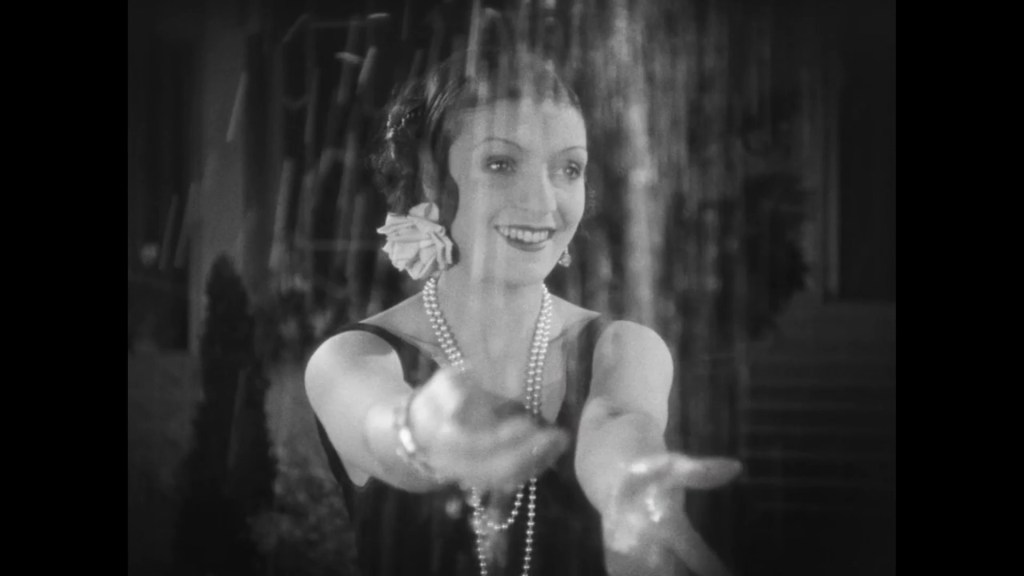
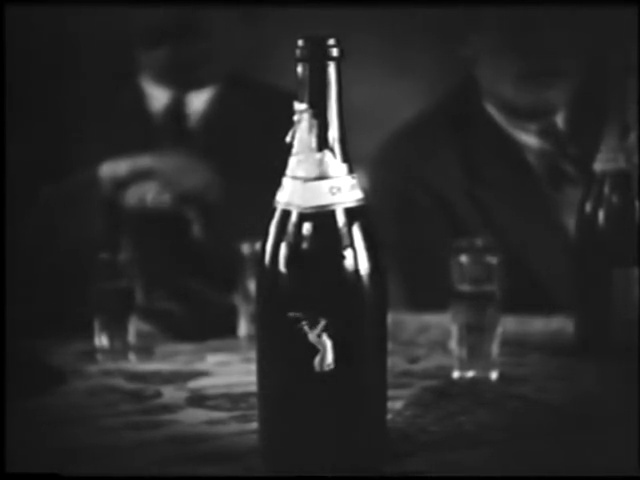
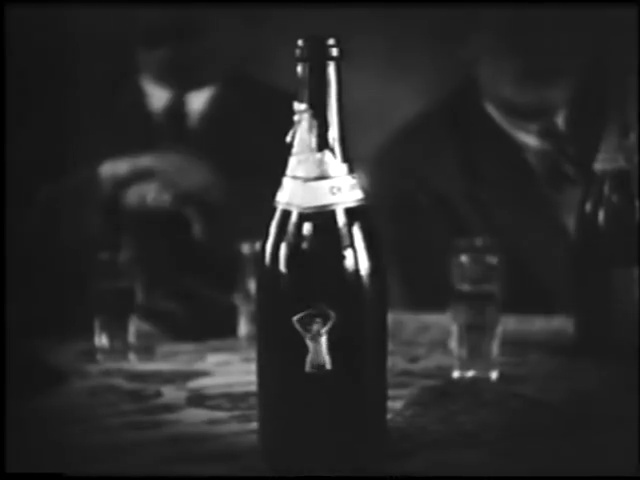
Since seeing this restoration, I have also tracked down a previous restoration by Pathé Télévision from 1997, which was broadcast on ARTE and released on DVD in France as an extra on an old edition of Cet obscur objet du désir. This has a score by Marco Dalpane for similar forces to those used by Lavagne/Parys/Parès, and with a very similar language and tone. Title font aside, the 1997 and 2020 restorations are virtually identical – save for one significant difference. The montage of Conchita’s naked dance sequence is slightly more elaborate in the 1997 restoration, and – most crucially – climaxes with a shot that appears only briefly in the 2020 restoration. In the 1997 restoration, Conchita appears superimposed within a champagne bottle, turning around and showing her entire body (i.e. front-on) to the viewer. Having the unreachable form of her naked body appear in the bottle seems to me a much more satisfactory climax (though both “satisfactory” and “climax” are, of course, the opposite of what the vision represents for the on-screen spectators) than in the 2020 restoration. How odd that the shot should be cut, and the montage of the sequence subtly different. The 2020 restoration credits cite “an original nitrate negative” in the Fondation Jerome Seydoux-Pathé collection, but the status of this print in relation to the film’s release history is (to me, anyway) unclear.

Despite this question of completeness (or censorship), this is indeed a beautiful restoration with excellent music. My own reservations about the film should not prevent anyone tracking down the film on home media. This sumptuous, cold, and cruel film isn’t my cup of tea,* but it might be yours.

Paul Cuff
* I see that I have used this phrase three times, which is a failure of linguistic imagination. It’s also misleading, since I don’t even drink tea.

Bonn from afar (2024, days 8 and 9)

Days 8 and 9 and… oh, well we have a problem. Two problems, actually. One is the fault of my past, the other the fault of my present. By way of explanation, let me detail what films were seen by the good folk in Bonn – but not by me…

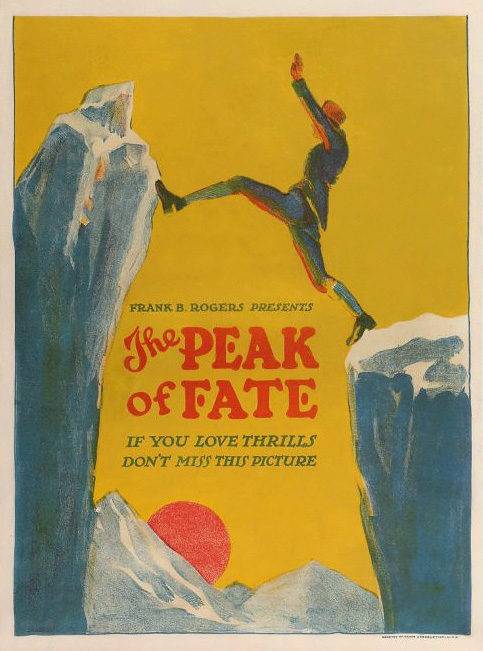
Day 8: Der Berg des Schicksals (1924; Ger.; Arnold Fanck)

Anyone who does the festival circuit each year must end up encountering the same new restorations in multiple line-ups. Even if you are, like me, limited to online festivals, this can still happen. A case in point is Der Berg des Schicksals. I first saw this film in August 2022 via the (streamed) Ufa Filmnächte that year, complete with orchestral score by Florian C. Reithner, performed by the Metropolis Orchestra Berlin. It was a superb presentation with music that fitted the scale, ambition, and scope of Fanck’s film. Lo and behold, I saw it again in October 2023 as part of the (online) Pordenone festival. On that occasion, the film was shown (both in live and streamed formats) with a solo piano accompaniment. I was glad to see the film in better quality than in the version streamed in 2022, but sad that the marvellous orchestral score was not part of the presentation. Come the Stummfilmtage Bonn in 2024, here once more is Der Berg des Schicksals. As at Pordenone, this live/online presentation is not performed with the orchestral score but with piano accompaniment – this time via Neil Brand. Having seen the restoration in both good visual and audio quality (sadly not on the same occasion), I decided I would save my time and skip this film. I know, I know – my first post for the festival even said you (that is, I) must always rewatch a masterpiece when possible. But I miss the orchestral score, and I was already behind schedule. If I was attending in person, this is a film that I would gladly encounter again and again: I would love to see it on the big screen, regardless of accompaniment. But at home, I’m just not interested enough to watch this epic film on a small screen without orchestra. I can only apologize for the snobbery and lack of dedication this attitude represents.

Day 9: Shooting Stars (1928; UK; Anthony Asquith/A.V. Bramble)

Missing Day 8’s film was the fault of past choices, but missing Day 9’s film was the fault of present circumstances. In all honesty, I would possibly have skipped watching Shooting Stars as well. Not that I don’t like the film, but I had seen the film before and my schedule was already overloaded by the time I got to Day 9. However, the choice was taken out of my hands when I read the notice on the Stummfilmtage Bonn streaming page. For legal reasons, this film would be available only to audiences watching (and, I presume, streaming) in Germany. How peculiar. There was no stated reason for this legal restriction, so I’m left to wonder if it was to do with the music or the film itself. (If anyone reading this happens to know the answer, do comment and let me know.) The music that accompanied the BFI DVD/Blu-ray edition of 2016 was by John Altman and I recall it being excellent. But I would have been curious to hear the music performed for the Bonn screening by Meg Morley and Frank Bokius. As it stands, I have neither seen the film nor heard the music. Oh well.

I can promise you that I have indeed seen the content of Day 10 – and I will post my piece about it tomorrow…

Paul Cuff
Bonn from afar (2024, day 7)

Day 7 and we’re off to Portugal for a heady blend of documentary and drama. As is often the case, the films that I’ve not heard of by directors I’ve not encountered turn out to be the best…

Maria do Mar (1930; Pt.; Leitão de Barros)

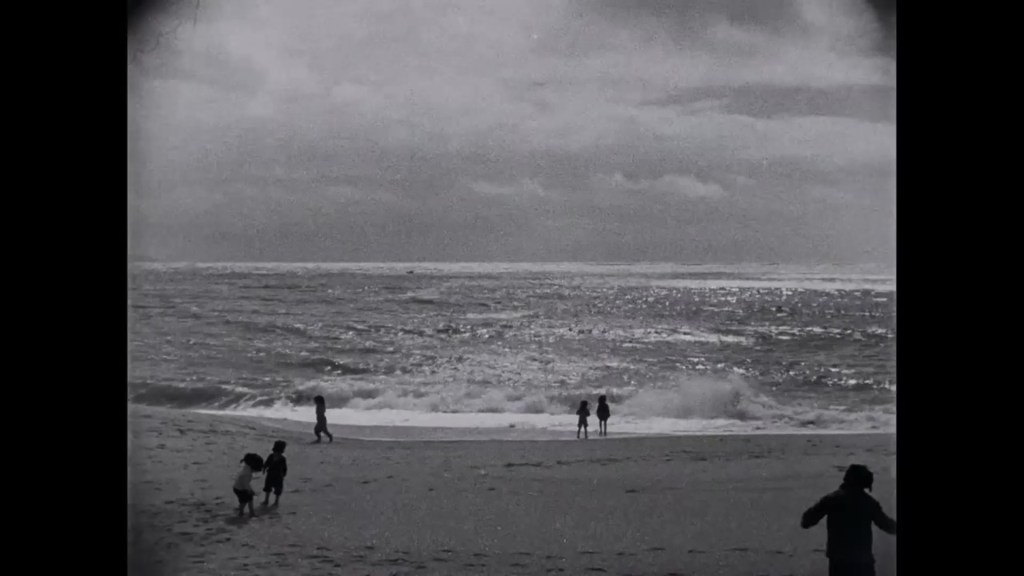
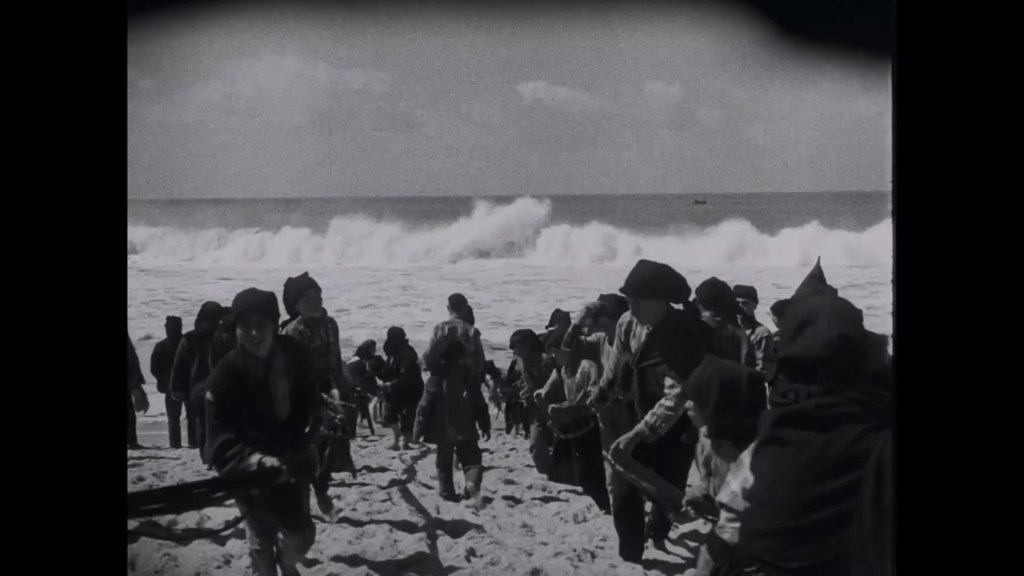
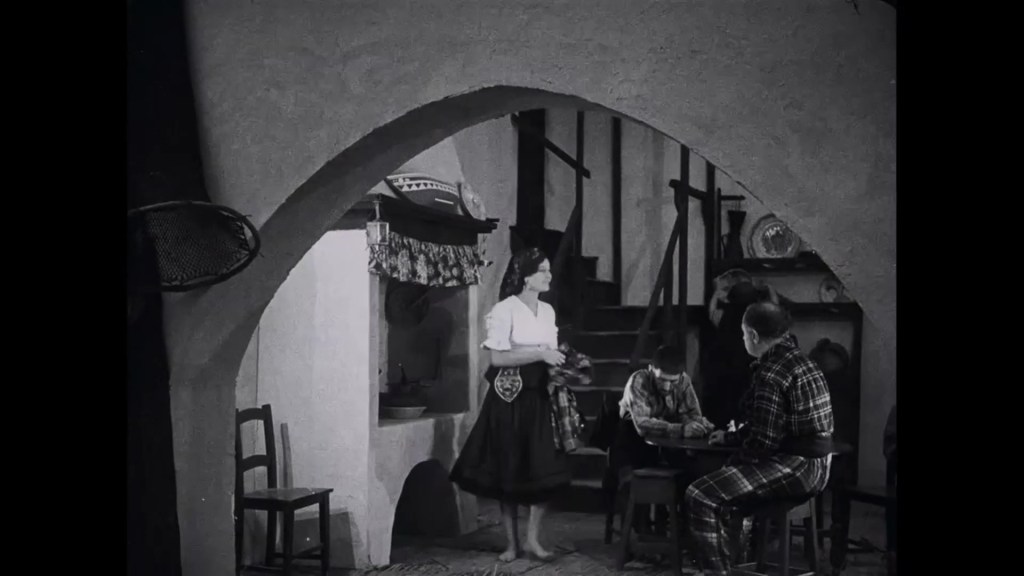
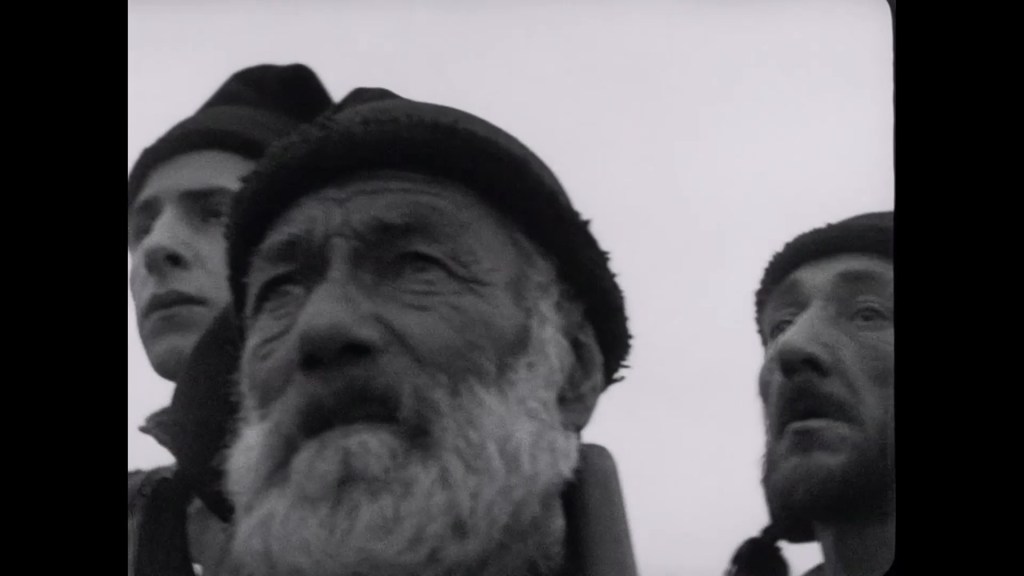
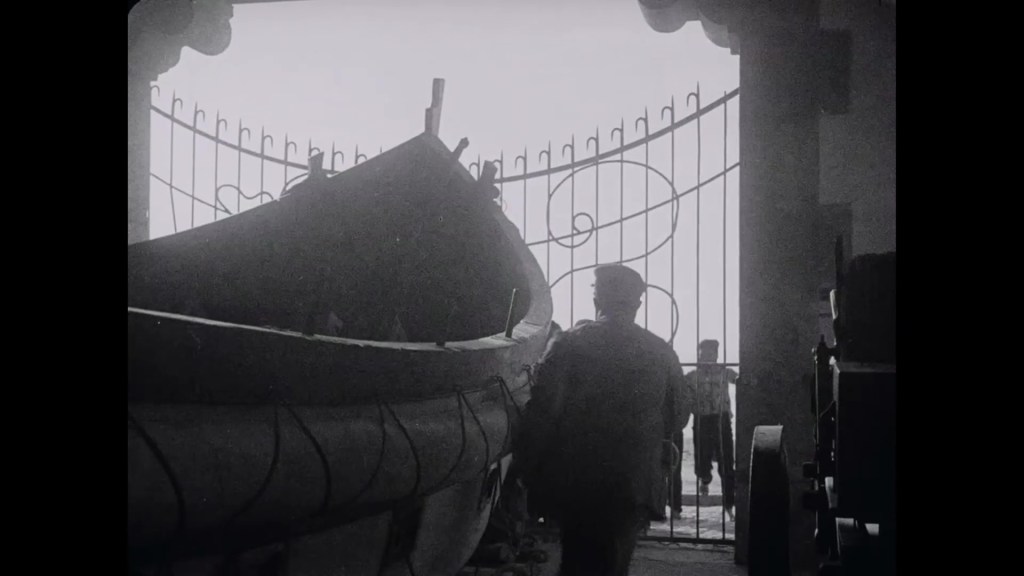
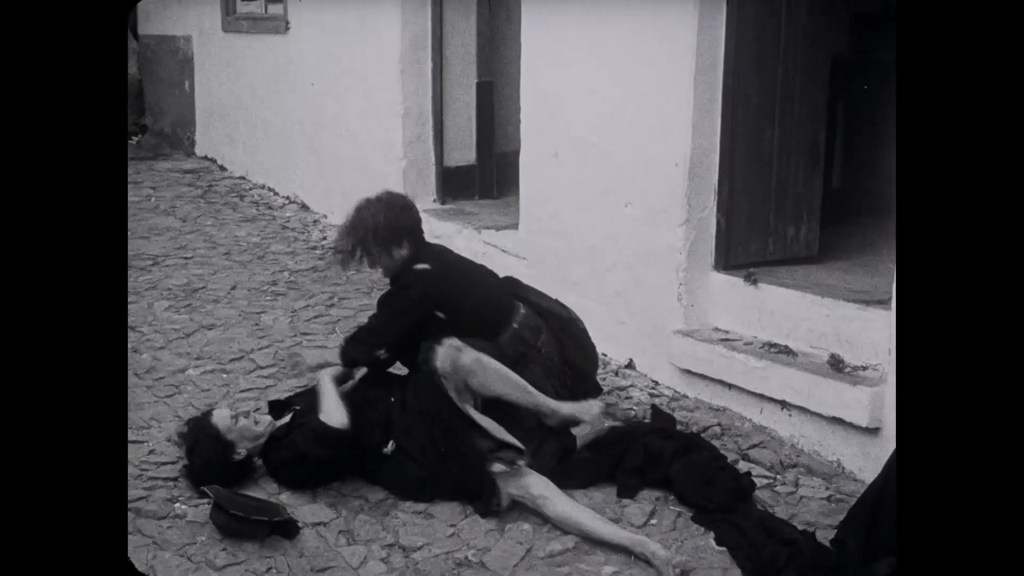
So then, the plot. Part 1 establishes place (Nazaré and its beach) and characters: Falacha, skipper of the boat Maria do Mar; his wife and his daughter Maria (named after the boat); Ilheu and his wife Aurelia (known as “Ilhôa”) and their son Manuel; the fishermen “Peru” (“the Turkey”) and “Lacraio” (“Scorpio”). Part 2 starts with news that the sea has broken the lines to the nets. Falacha decides his crew must set out in dangerous conditions. The local population gathers on the shore to urge them back, but it is too late: the Maria do Mar is wrecked. Part 3 reveals that Falacha is the sole survivor. He is dragged from the waves but then set upon by the families of the lost crew: they blame him for their unnecessary deaths. He goes to pray, but the widows pursue him: “God will never forgive you!” In despair, Falacha walks into the sea and drowns himself. In Part 4, Maria is now working in the fields and sells her produce in the market of Leira. Thanks to his mother’s intervention, Manuel avoids being conscripted and goes to celebrate with his friends. In Part 5, Maria and her friends from the fields encounter Manuel and his friends on the beach. Maria gets into trouble while swimming, but Manuel rescues her. The incident enflames local tensions, with Ilhôa clashing with Falacha’s widow. Ilhôa consults Patareca, a midwife conversant in witchcraft who places a “curse” on her rival’s doorstep. Falacha’s widow and Ilhôa fight in the street, only to be separated by Manuel and Maria. Part 6 sees Maria defy her mother’s ban and thank Manuel. They meet again, and then every day. Part 7, and the lovers marry. Manuel takes Maria home, but his mother ignores her. “She is the daughter of the man who killed your father! You can keep her – I’m leaving!” In Part 8, Maria’s mother in turn ejects the lovers. They find their own place and transform it into a home. Whereupon, in Part 9, Maria gives birth to a girl. Months later, when both parents are working, the infant is attacked by a rabid dog. Ilhôa refuses to care for it, as does Maria’s mother. At the same time, a girl of the same age is being buried, and the two rivals see the tiny casket being borne past them. Manuel and Maria rush home to find their mothers and all their neighbours gathered in prayer around the cot. The child was not harmed, and a “miracle” of reconciliation takes place. FIM.

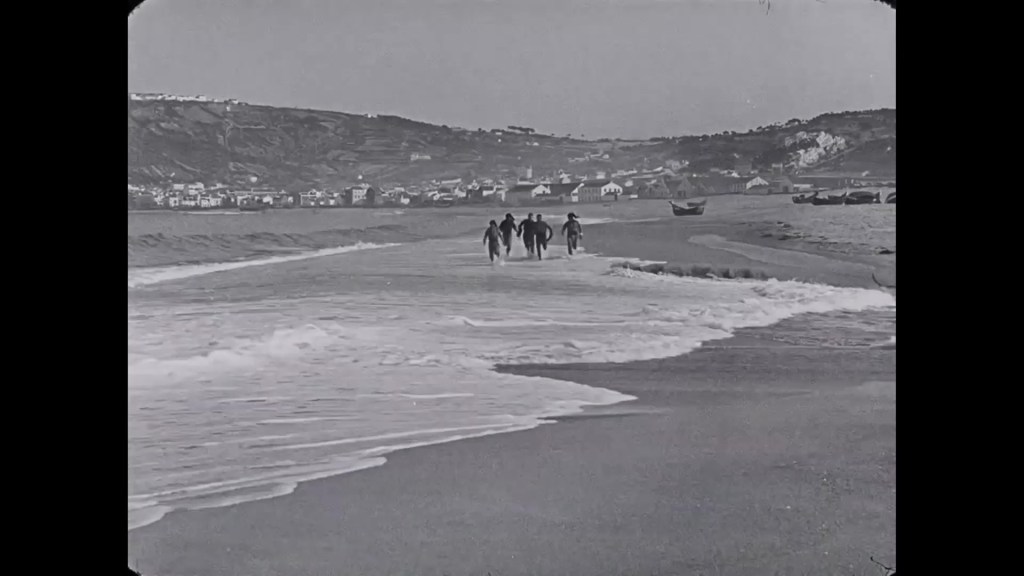
This was a superb film. A masterpiece, in fact. It’s a document of a time and a place, and of a people – and it’s a romance, a fable, a beautiful fiction. Filmed entirely on location and featuring numerous extras drawn from the local population, this was an absolute joy to watch. It has a documentary-like sense of life and movement, plenty of handheld camerawork, enhanced with some dynamic editing – from overlapping dissolves to rapid cutting. The opening shots of the town and sea are hypnotically beautiful. I loved seeing the town and the beach, the physical effort of fishing, the manual labour of pulling in the boat, the sweat and sun-darkened skin of the people. When Falacha’s boat heads out into the storm, there are stunning shots of locals, all dressed in black, standing on the cliffs. And when the rescue mission begins, there is an extreme long shot, looking down at the paths toward the beach. The inhabitants of Nazaré are tiny specks against the spectacle of coast and sea. We see them pouring down the hillside, rushing along the beaches, dark silhouettes against the vast white waves.

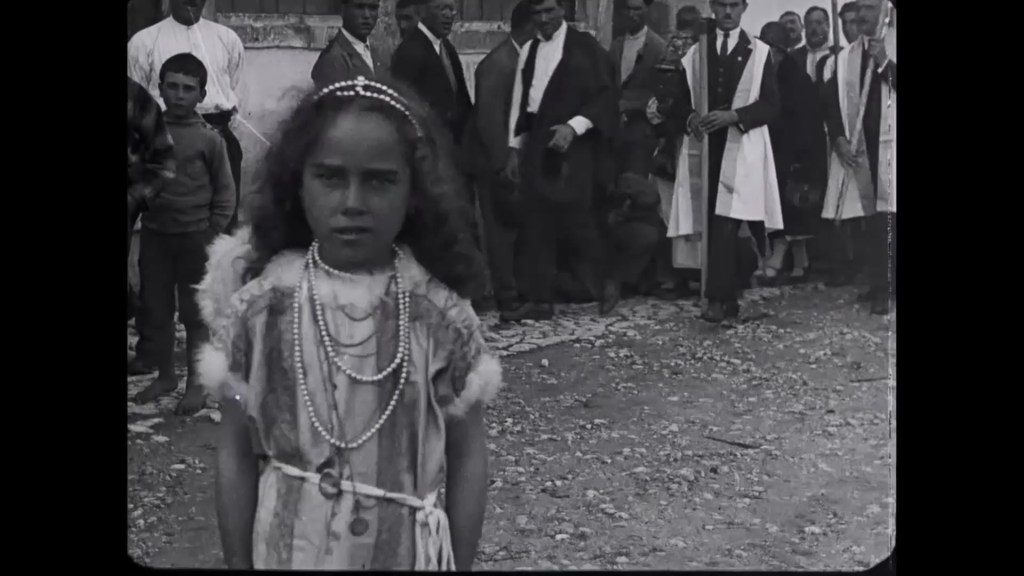
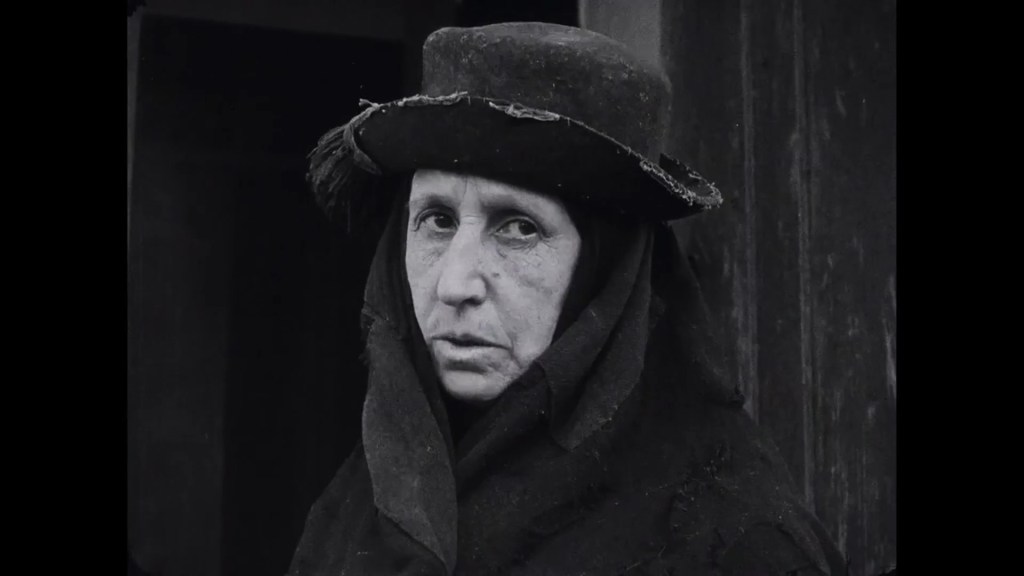
But Maria do Mar plants us right in the middle of the population, not just at a distance. During the day of the fiestas, for example, we mingle among the crowds for the fireworks, dances, bullfighting. Though the film boasts some sequences of complex montage, here there is a spontaneity to the way the cameras move among the crowd. Barros isn’t afraid to record the shadows cast by the camera or crew, just as he allows some of the children to walk right up to the camera and grin into the lens. Here, and throughout, it’s the faces that are most striking. Ordinary working people, young and old, populate the film – you can read the lives in their clothing, on their faces.

The central cast – mostly professional actors – are plunged into a sea of reality. Such is the lack of artifice in the costuming and make-up that the actors hardly resemble actors. And the way they interact with each other strikes me as being true to life, surprisingly so. For example, when Falacha observes that his daughter “is a woman now”, he touches her breasts and gives her a playful flick around the cheeks, asking her if she has a boyfriend. It’s a startling moment but has the potency of a particular time and place. (I hesitate to say “custom”, but “culture” might fit the behaviour – the way the men touch the women, both in familial and familiar terms.) It also lends the tragedy an air of reality. I believed, absolutely, in the way Falacha prays for forgiveness – and in the furious reaction of the grieving widows – and in the way Falacha kills himself. The latter scene is like something out of ancient tragedy, of myth. Falacha walks towards the sea as his wife and daughter try to grab hold of him by the legs. He wrenches free, the camera hurls itself at the women, screaming, lying in the sand, imploring, and then watches Falacha walk into the surf. The whole town watches. It’s a grim spectacle. No-one stops him, yet everyone grieves – seems to look on in awe at the gesture, at the sacrifice. It’s like a scene from Greek tragedy.

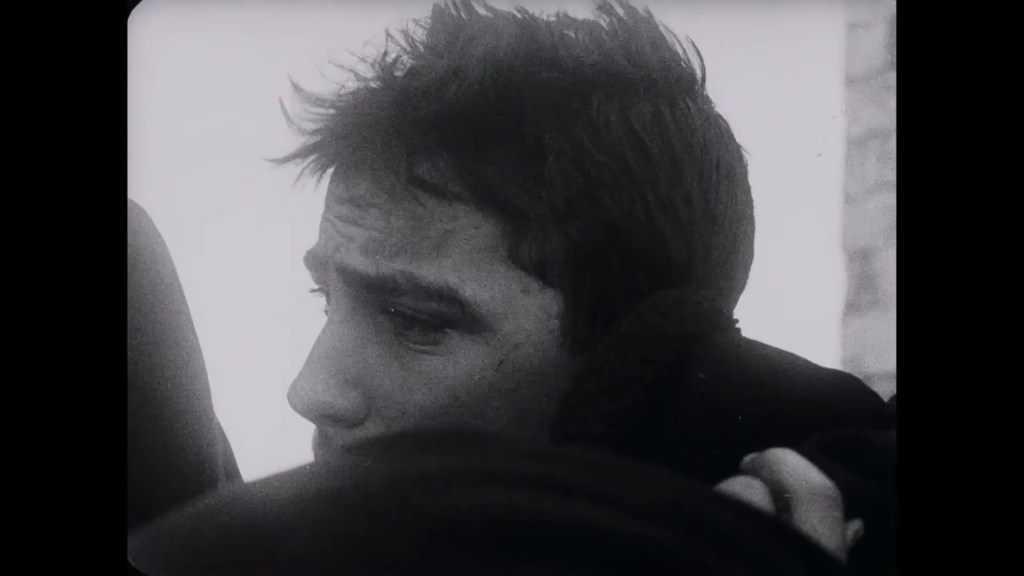
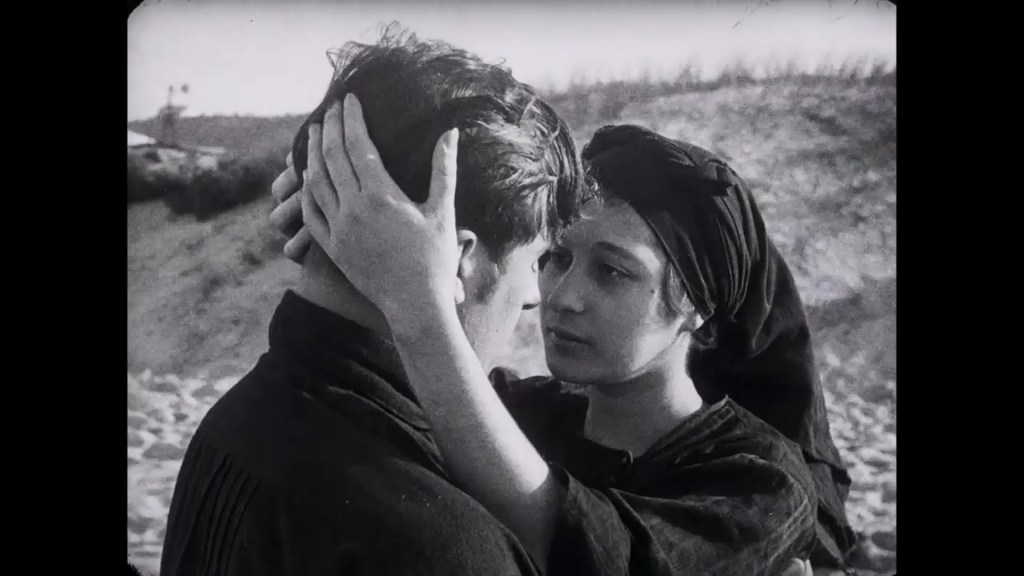
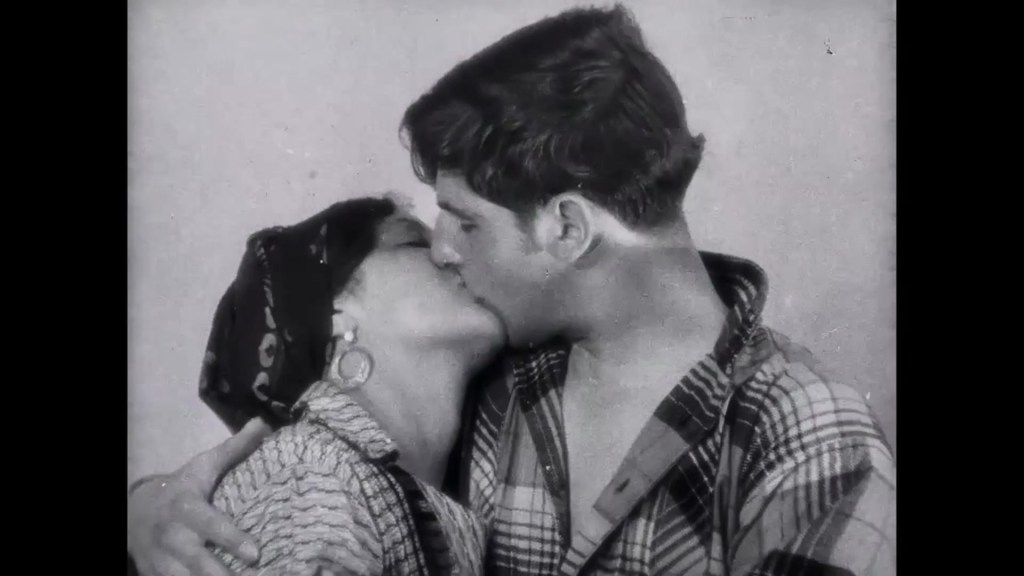
It’s quite something that a film that starts like this can turn into a romance, or that a romance can burgeon from this kind of despair – and that it does so organically, realistically. It helps that the two leads, Maria and Manuel, are such naturalistic, unpretentious performers. They are very striking on screen, without any sense of artificiality – the aesthetic whiff of stardom. The sequence in which they meet is extraordinary. Already the women have stripped off to their underlayer of plain linen skirts and top, while the men have rolled up their trousers and jettisoned their tops. In the women’s boat, the camera emphasizes the labour of rowing while also drawing attention to the sweat and bared skin of the rowers. When Manuel rescues Maria, the sense of danger quickly becomes erotic. He is half naked, and her top is half torn away, by the time he carries her out of the water. The film eroticizes them equally, perhaps him a little more – for the camera lingers on his wet, glistening torso as he pants. Their first encounter is both a brush with death and a kind of physical consummation. It points to the violence that their relationship triggers between their respective mothers, and is even reflected in their domestic life. Their first argument ends with Manuel giving Maria a slap: Manuel clearly embodies the way we have seen other men treat their women. But all their scenes together have a kind of physicality, a touchiness, that builds a strong sense of their relationship. Their kisses are real, their embraces strong. We see Manuel pull down Maria’s top to plant a long kiss on her back – and their final, lingering kiss at the end of the film sets the seal on this physical closeness.

The music, by Stephen Horne (piano, accordion, flute) and Elizabeth-Jane Baldry (harp) was the most striking thus far among the streamed films from Bonn. I love the sonorities of the harp, the way it can produce such a range of textures and tones. Working in the company of the other (solo) instruments, it produced a lovely soundworld – evocative, dramatic, touching. The film was, it seems, originally released with a synchronized soundtrack, since the opening credits mention the two featured songs being available for purchase via Columbia records. I wonder if that version survives? Not that I have much fondness for synchronized soundtracks of this period, but I’d be curious what kind of tone it struck.

A final word on the restoration of Maria do Mar, which was completed by the Cinemateca Portuguesa in 2000 – and subsequently digitized. The print was damaged in placed in places but looked very good overall. However, I did think that it was transferred here at slightly too slow a speed. (I have seen online databases give this same 2000 restoration a shorter runtime.) Regardless of this slight reservation, this was a very pleasing film to watch – just the kind of wonderful discovery you hope to make at a festival. I’d love to see more by the same director…

Paul Cuff
Bonn from afar (2024, day 6)

Day 6 and a trip to Sweden for what I might call a drama of the conscience. Everything in this production is as might be expected from the “Golden era” of Swedish cinema. Superb photography? Check. Naturalistic performances? Check. Drama with strong moral centre? Check. Overall satisfaction? Read on…

Thora van Deken (1920; Swe.; John W. Brunius)

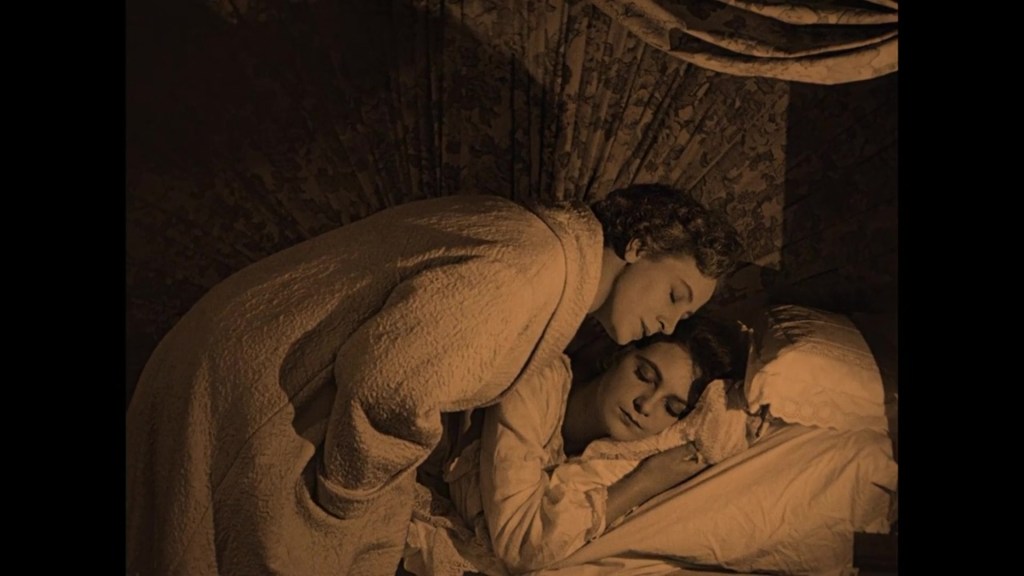
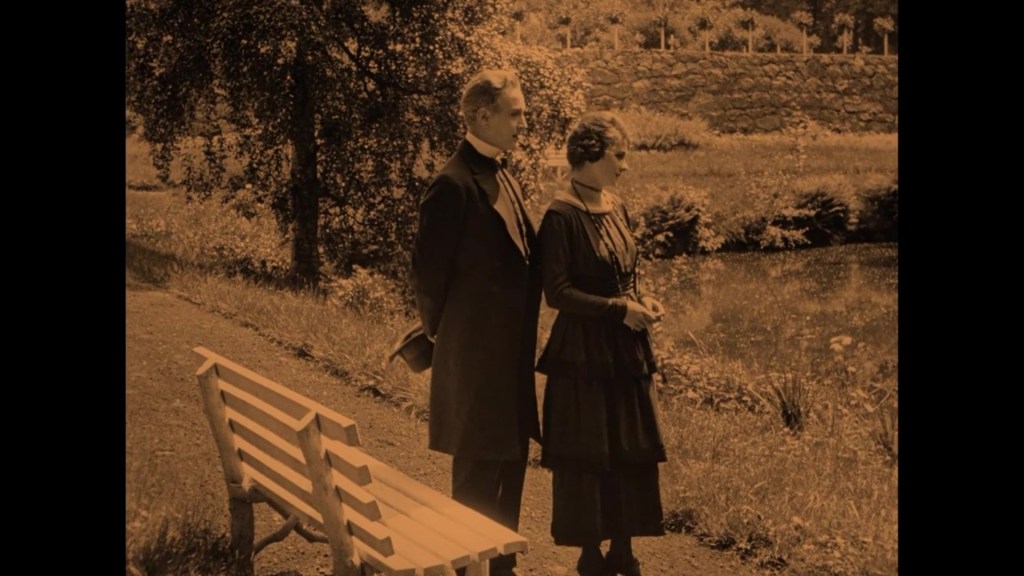
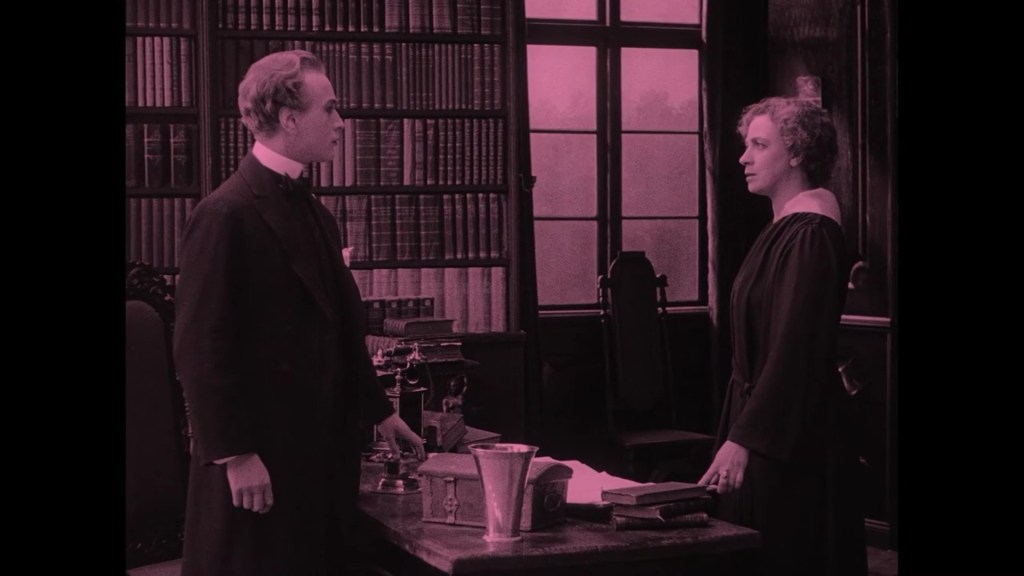
Let’s get straight to the plot. Divorcee Thora van Deken (Pauline Brunius) returns to her dying ex-husband Niels Engelsoft (Hugo Björne). Niels’s will provides a generous annuity for his lawyers, as well as the establishment of a nursing home for women to be run by the brother of his deceased fiancée, Sofie. What it doesn’t provide for is Esther (Jessie Wessel), the daughter of Niels and Thora. Thora demands that Niels cater for Esther, but Niels says that Thora is as embittered and hateful as ever. Thora recalls her mother being “tormented to death” by her father, and how Niels himself was a spoiled youth. Their romance is told in brief flashback: revealing how Niels’s affections were entirely for Esther and not her mother, who was trying to teach their child to look after herself; how Niels betrayed Thora with Sofie (Ellen Dall) at a party; how Esther was the one thing that Thora asked to be hers. As Niels lies dying, Thora steals the will. After the funeral, Thora lies about the will being voluntarily withdrawn and has taken charge of the estate, much to the disgruntlement of the locals and the lawyers. She receives threatening letters, calling her a murderer. Pastor Bjerring (Gösta Ekman), who is in love with Esther, tries to placate Thora’s anger with the world. But Thora denies the law of God, saying there is only the law of the heart: for her, God is dead. Thora secretly adds a postscript to the stolen will, saying that after her death Esther will understand the wickedness of Niels and her own actions to rectify his injustice. Justice Sidenius visits. He recalls his childhood friendship with Thora, and his unspoken love. He warns her of the moves to launch an official investigation, so Thora agrees to a hearing and lies under oath – despite the thought of being damned in the eyes of God. Meanwhile, Bjerring weighs up his fondness for Esther with his desire to join a mission in Asia. Seeing this burgeoning romance, Thora secretly sends the funds necessary for his departure to Asia. When Esther chooses Bjerring over her mother, Thora renounces Esther – who then elopes with Bjerring. In despair, and prematurely ageing with grief, Thora confesses her crime to Sidenius. As Esther and Bjerring sail for the east, Thora prepares to face the consequences. END.

This film belongs to Pauline Brunius (wife of the director), who is simply superb. This is one of the finest, most convincing, and most perfectly judged screen performances you could hope to see. There is such immense depth of emotion to the slightest gesture or move of the eyes. Nothing is overplayed, but everything is crystal clear. A remarkable performance around which the entire film revolves. If none of the other actors are quite on the same level, all are more than capable. There is great sincerity in all the main players and the drama carries tremendous conviction through their combined efforts.

The whole film looks superb in that way that Swedish films of this period tend to: locations are perfectly chosen and perfectly photographed. The warmth and depth and texture of every scene is aided by the tinting, which enhances the mood of the film throughout. This film looks beautiful – and is technically impeccable – in a way that is entirely unshowy. There is some beautiful low-key lighting, as well as some gorgeous early morning exteriors, but even these most (technically) impressive moments are there for a dramatic purpose: enhancing the feeling of the scene. Everything is where it should be, everything contributes to mood and drama.

So how do I feel about the drama itself? (Perhaps this is another way of asking why I didn’t love the film more than I did.) I have pondered this for a while and have rewritten the remaining paragraphs twice over. My only reason is the tone of the narrative and the way it treats Thora. She is by far the most interesting and sympathetic character in the film. She has been wronged by her ex-husband, yet despite this everyone in the community (apart from the lovelorn Sidenius) gang up against her. Though the film clearly puts us – to a degree – on her side, I am unsure if the moral “lesson” of the film remains that she deserves punishment, and her conscience must condemn her. Films can and do find ways of mobilizing our sympathy towards transgressive women, even if the narratives punish them. Is that the case here?

I am curious to know how contemporaries took the tone of religiosity. When Thora prepares to perjure herself under oath, the repeated cutaways to the passage in the Bible about being judged and condemned by God lay on the consequences pretty thick, so when Thora has a vision of her hand being withered by divine wrath it’s genuinely horrifying. Of course, she lies anyway – but are we invited to admire the bravery of her decision to favour her daughter (and herself), or to condemn her actions? This is complicated by how much sympathy we might have for the plight of Thora’s daughter, who wants to run away from her (transgressive) mother. The fact that Esther runs away with a pastor seems to underline the fact that Thora is not on the right side of the moral code. When Thora quite rightly asks why the pastor is willing to risk his life and that of Esther to join a mission he knows is riddled with malaria, the pastor replies: “God will protect me”. How are we meant to feel about this statement? To me, over a hundred years later, it smacks of absurd arrogance and a disregard for his or Esther’s safety. But does the film invite even the possibility of a critical attitude toward the pastor? He is otherwise a very sympathetic character, trying to find a way of understanding Thora. He doesn’t even contradict her when she tells him to his face that God doesn’t exist – though his later statement of belief in divine protection is an implicit counter to Thora. How far does the film (together with Esther) internalize the logic that compels Thora to wrathful judgement? I longed for the film to deliberately court my outrage over Thora’s mistreatment, only to give her some kind of victory at the end. Does the film agree – tacitly if not explicitly – that Thora should be punished, and the daughter and pastor should be free to run away together? Does the film share the pastor’s view that the lovers will find happiness in Asia, and that they won’t succumb to the disease that struck down his predecessors?

Having written the above, I wonder if I’m not asking unnecessary, if not impossible, questions of the film. After all, the existence of my own attitude – my scepticism – is evidence that one can read, or desire to read, Thora van Deken contrary to its apparent religious moralism. But it’s always possible to do so, with or without the intentions of the film. Other than the fact of Pauline Brunius’s performance, there is no reason to side with her. Is her performance enough to persuade an audience (contemporary or otherwise) that the film is a criticism of the society that condemns her? I’m not sure. If this were a film by Victor Sjöström, for example, I think there would be a clearer sense of siding with Thora – and a clearer indication that she was the victim, not the perpetrator, of injustice. Think of the astonishing power of Sjöström’s Trädgårdsmästaren (1912), for example, or Ingeborg Holm (1913), which famously provoked such outrage that the law was changed in favour of women’s legal power. In these, or in something much later like The Scarlet Letter (1926), it’s evident – but never crude – that the film is on the side of the woman wronged, and that the societies that condemn her are at fault. All these films are more melodramatic than Thora van Deken, which perhaps allows them more freedom to signal their (feminist) sympathies. But what is the attitude of the film – of John W. Brunius – towards Thora? I’m not sure. Perhaps this ambiguity (neutrality, even) makes it successful, but it left me oddly unsatisfied. I suppose what was missing was tears – mine or Thora’s. The tension was so restrained, the film never quite let go – and so nor did I. If I had cried, I might have more confidence in the emotional tenor of the film – and thus its sympathies.

These final paragraphs have been written with the benefit of a night’s sleep. I actually think I dreamt about the film, which proves that it rather got under my skin – even into my brain. I have now gone through it again to take some image captures, and I find it even more beautiful to look at. And every shot of Pauline Brunius – and I do mean every shot – reveals an extraordinary intensity in her performance. I think it absolutely remarkable that she maintains such restraint and yet reveals so much depth of feeling, of psychology, of a character’s past and inner life. Every time she appears on screen, she instantly draws your eye – I really couldn’t stop looking at her. Reading what I wrote yesterday, I find myself more convinced of the film’s sympathy towards Thora. If the film offers us no evidence that it condones her actions, it offers constant evidence for Thora’s motivation – and Pauline Brunius’s performance absolutely demands that we see the world from her perspective. This does not mean we support her actions, but we know why she acted as she did. Only the mob and the (quite unsympathetically portrayed) lawyers actively hate her, and we are clearly not on their side.

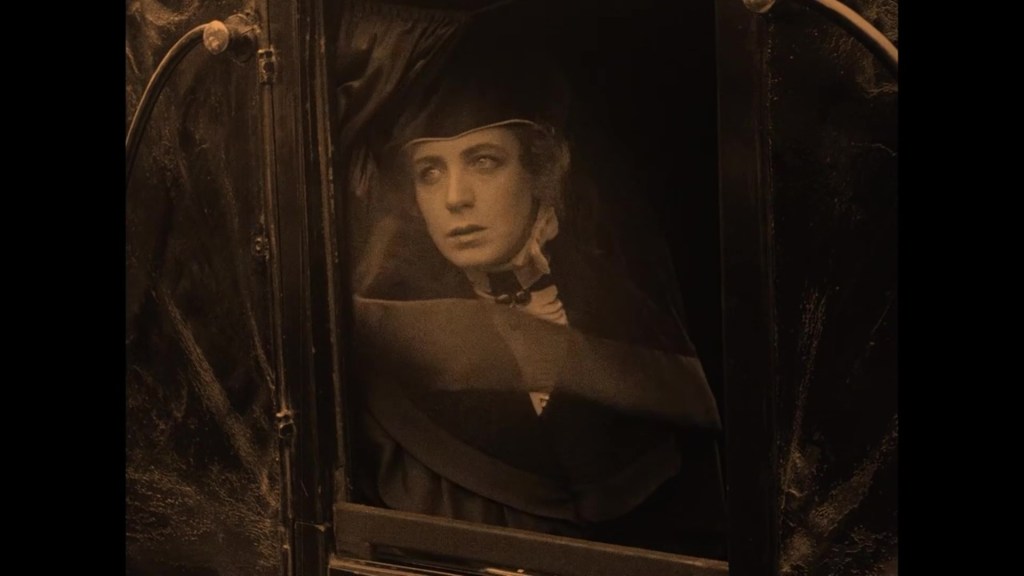
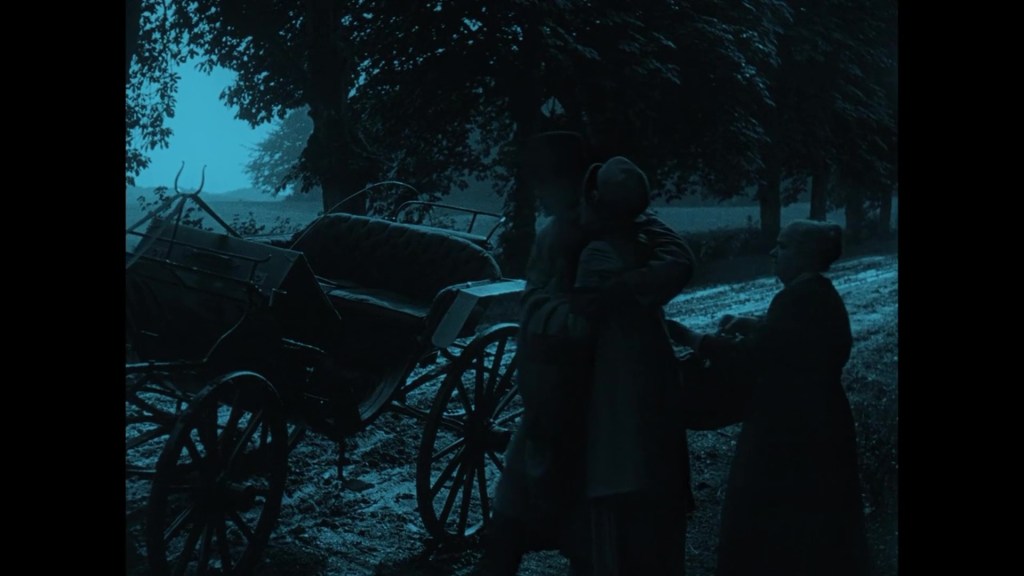
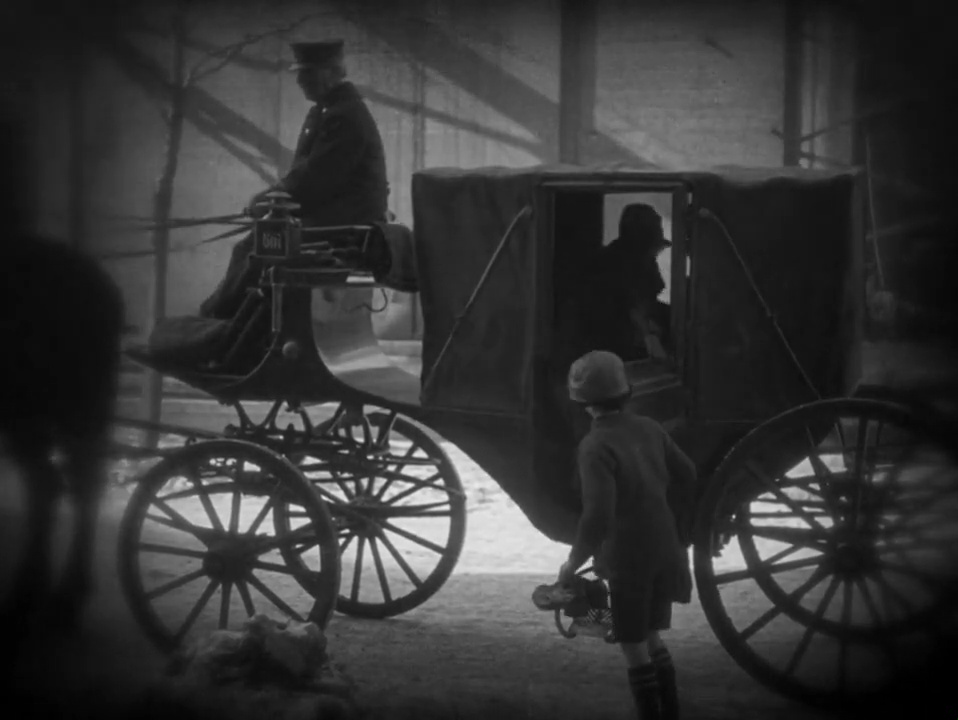
At the end of the film, Thora is ready to mount into the carriage to be taken to face charges. As she steps forward, she stumbles, then straightens herself. There is a cut to a medium shot. We see her hand raised to her chest. Is she about to grip her heart? No, not quite. As her hand approaches her heart, she clenches it into a fist. Her face tenses, almost hardens. She is not courting sympathy but summoning her inner strength just to stand here. Thora stares past us – far past us – and into a kind of imagined distance. The iris slowly closes in on her face, the darkness encroaching, about to swallow her. How can we not feel for her, admire her? And when the film cuts to the final shot of the steamship bearing Esther and Bjerring on board, it is surely far from a happy ending. A powerful film, an extraordinary performance, and much food for thought.

Paul Cuff
Bonn from afar (2024, day 5)

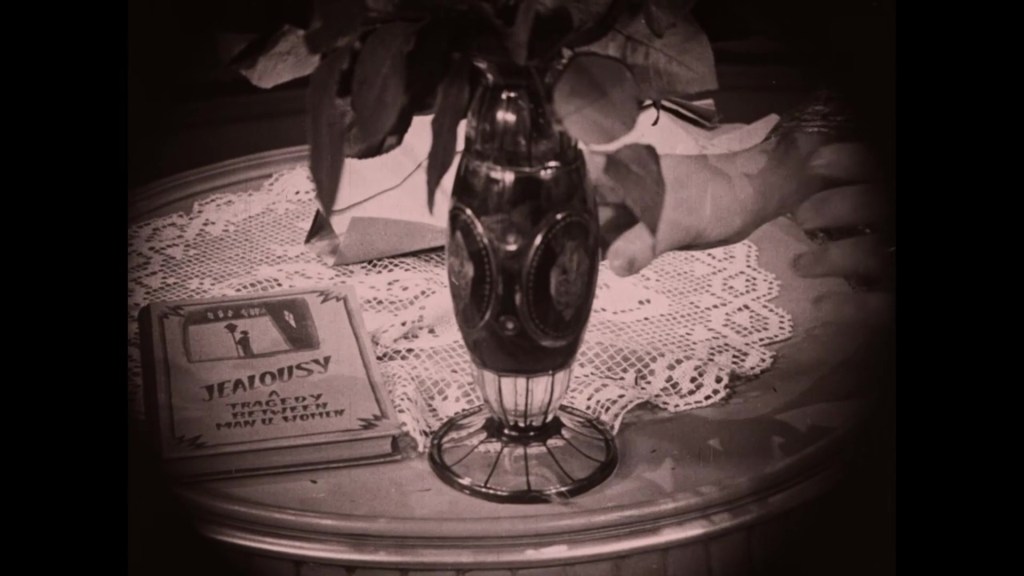
Day 5 of the Bonn festival takes us to Germany, and an exploration of jealousy and marital strife. Described by its opening titles as “A tragicomedy between man and woman”, I was expecting – well, I suppose I was expecting something very much akin to what I got…

Eifersucht (1925; Ger.; Karl Grune)

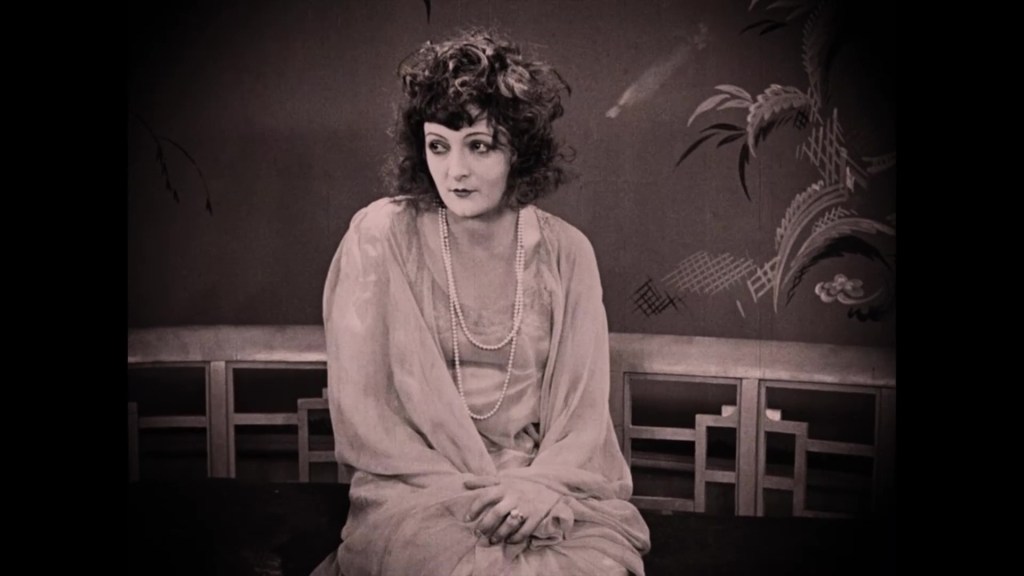
Act 1 establishes what might be called the rules of the game for the remaining film. The opening scene of a husband strangling his wife is revealed to be a stage performance, and the playwright (Georg Alexander) comes on stage to take the applause. He then returns home with his two friends, a husband (Werner Krauss) and wife (Lya De Putti) whose marriage seems to be ideal. But the playwright keeps questioning whether either of the couple feels jealousy, while trying to flirt with the wife. Act 2 sees the first signs of jealousy: the wife receives flowers and refuses to tell her husband the sender; the wife finds a lock of blonde hair in the husband’s pocket watch. The playwright then arrives and flirts with the wife and convinces them to go to the palais de dance. There, the wife makes both men jealous by dancing with a stranger. The husband ends up striking the stranger and the night ends with husband and wife sleeping in separate beds. In Act 3, after a frosty breakfast the wife becomes intrigued by her husband’s correspondence – reading and then stealing his latest letter. She goes to the playwright, then lies that she has been to her friend Lola’s – and is confronted by her husband. In Act 4, the wife gets Lola to lie for her, covering her absence from home both in the past and on future nights. The husband follows her to a giant apartment store, then loses her and blunders about town in search of her. The wife arrives home, still fuming over the husband’s mysterious letter. The husband tells her how much he loves her and begs to know what she has been doing. She asks for his trust, but he insists on knowing the truth. She demands the truth from him and says he would be ashamed to know the truth from her. He raises his hand to strike her but doesn’t land the blow. In Act 5, the husband follows the wife, this time to a strange building on the outskirts of town. He sees his wife kissing a child who address her as “mummy”. Back home, the husband demands (via a note passed via a servant) that the wife leaves the house. Infuriated by her refusal of the truth about the child, he hurls his wife to the floor. The violence is interrupted by the arrival of the playwright, and the truth is eventually discovered. The letter the wife has stolen from the husband refers to his child, whose carer cannot afford it any longer. The husband falls at his wife’s feet and the two are reconciled. ENDE

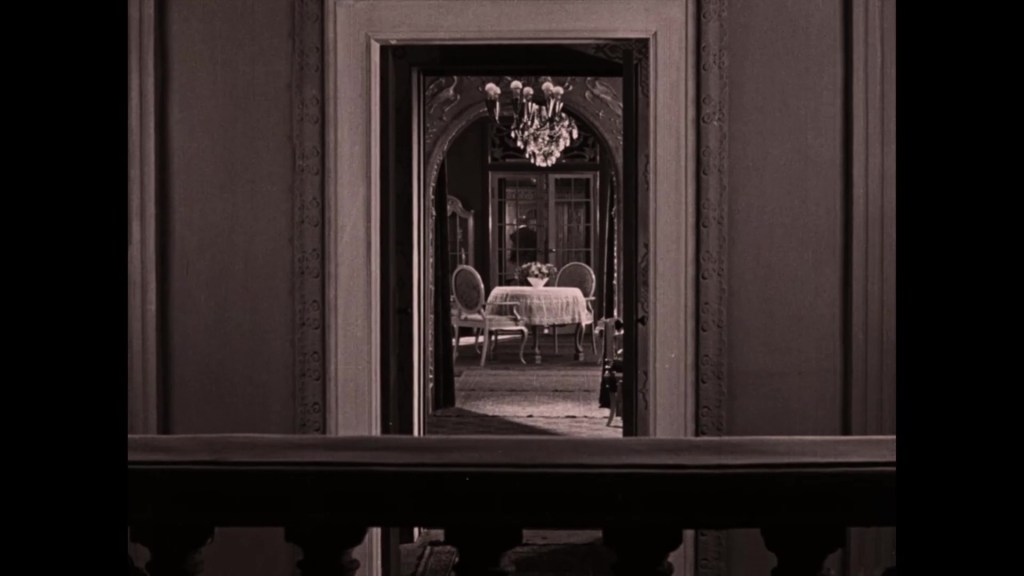
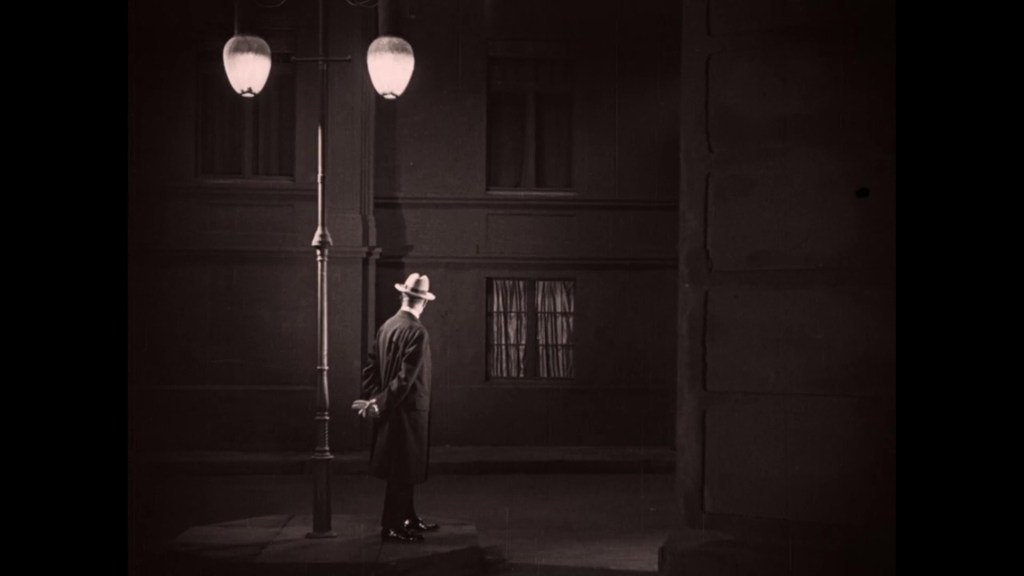
As I said, a plot that doesn’t offer any real surprises. It’s well-written, well-mounted, and well-played. I admired the numerous nice touches that shaped the drama, like the repeated detail of the couple’s shoes: hers next to his at the start, then separate from his during their fallout, then reunited in the final images; or the way their first breakfast scene has them sat side-by-side, but the second has then say on opposite sides of the table. Technically, the film was also well executed. There are also some neat moments of superimposition. Some are simple, like the wife imagining the lock of hair in the watch, or later seeing his imagined lover superimposed over her book. Some are more complex, like the husband seeing his wife dancing with another on the crowded dancefloor – only for the other dancers to fade into ghost-like transparencies, revealing his wife and her partner at the centre (a really lovely effect). Though I liked some deep focus compositions in the apartment, it was the exterior scenes that really stood out. There are several big sets/matte painted night cityscapes, which are reminiscent of Grune’s Die Straße. Particularly effective is the apartment store, with a double paternoster lift and a view across to a multistorey wing illuminated from within. You sense the husband’s fear becoming faintly nightmarish in these surroundings, just as you did with the central character in Die Straße.

But what interested me particularly with Eifersucht was its script by Paul Czinner. (I have a longstanding project on Czinner that I have kept delaying for various reasons.) I was struck by how many details in Eifersucht match traits from his other films. There is the jealousy over a bunch of flowers (cf. Der Geiger von Florenz (1926)), conflicts spelt out over a breakfast routine (cf. Ariane (1931) and Der träumende Mund (1932)), the woman reflecting on her image in relation to men (Fräulein Else, 1929), the nods to luck and fate (like the spilling of salt) and life’s reflection of art that haunt numerous of Czinner’s other films. Czinner’s authorship is often overshadowed by the two figures with whom he collaborated: his frequent leading actress, Elisabeth Bergner, and his screenplay collaborator, Carl Meyer (often uncredited). In this sense, it was curious to feel how strongly Eifersucht felt like a Czinner film without either of these two influences at play. But also, this made me like Eifersucht less. The marital strife in Grune’s film is more interestingly played, and played out, in Czinner’s Nju (1924), just as the sense of life imitating the tragedy of art is more potent in Czinner’s Der träumende Mund. And Bergner is an infinitely more subtle, complex, and sympathetic performer than De Putti. Werner Krauss’s character, too, is at the very least equalled by Emil Jannings’s character in Nju, for example, and Georg Alexander’s rather underdeveloped character is a pale shadow next to that of Rudolf Forster in Der träumende Mund. (Der träumende Mund, if you’ve not seen it, is a masterpiece.)

More broadly, in fact, my problem with Eifersucht was precisely this sense that what I was watching I had seen done better, and with more dash, elsewhere. Czinner’s films aside, I also thought of E.A. Dupont’s contemporary Varieté (1925), which features De Putti in a much more powerful drama, and one which allows for more complex, stylish cinematic storytelling. (Dupont’s film was also, confusingly, released under the title “Jealousy” in some regions.) Eifersucht’s theatricality is ultimately a kind of limitation. It is, if anything, too neat and tidy, too precisely organized. (Even the dance hall feels oddly well-mannered to sense the wife’s desire for freedom express itself. Think of how many other Weimar films have great party scenes!) Eifersucht feels like an exercise more than a living, evolving drama. Even the interesting outdoor sets and moments of technical skill didn’t lift the film into something more complex or moving. Indeed, I still await being really moved a Karl Grune film: his are films that I admire without truly liking. (See my pieces on Am Rande der Welt (1927) and Die Straße.) The fact that Eifersucht describes itself as a “tragicomedy” rather sums it up: it is neither comic enough nor tragic enough. (All Czinner’s films are much sharper in their comic touches and more tragic in their outcomes.) It is a good film, but not a great one.

The music for this performance was by Richard Siedhoff and Mykyta Sierov. Their combination of piano and oboe worked well, though its emotional register could never make the film more moving than it was. I must also highlight the excellence of the detailed restoration credits at the start of the film: we are given a history of the film’s release, the location and qualities of surviving prints, the ethics behind the restoration choices, and the precise lengths in metres of various copies, as well as the speed used in the transfer. It should be mandatory to have such information at the outset of all films, especially silents. (Yes, the latest restoration Napoléon, I’m thinking of you.)

Paul Cuff
Bonn from afar (2024, day 4)

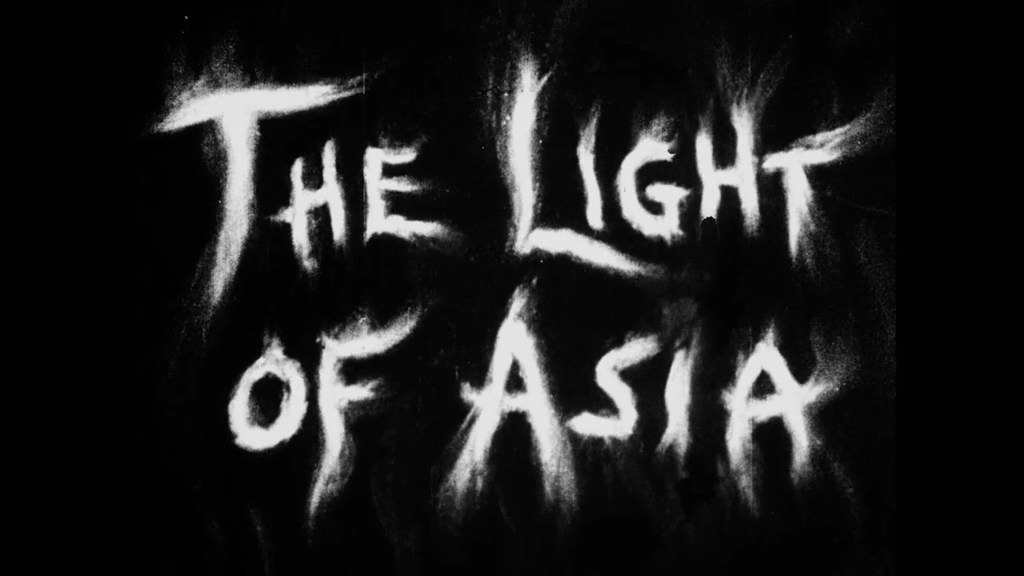
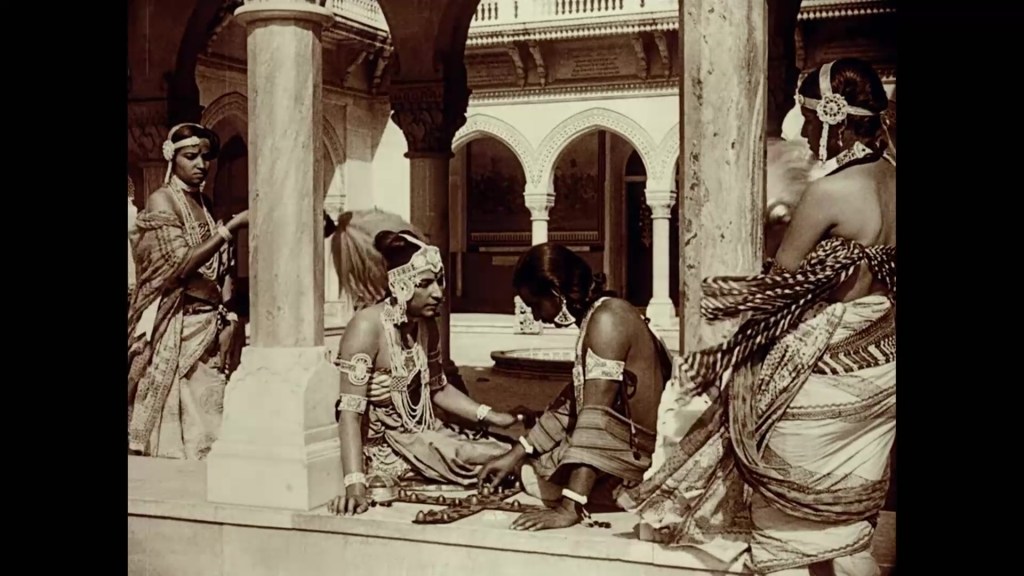
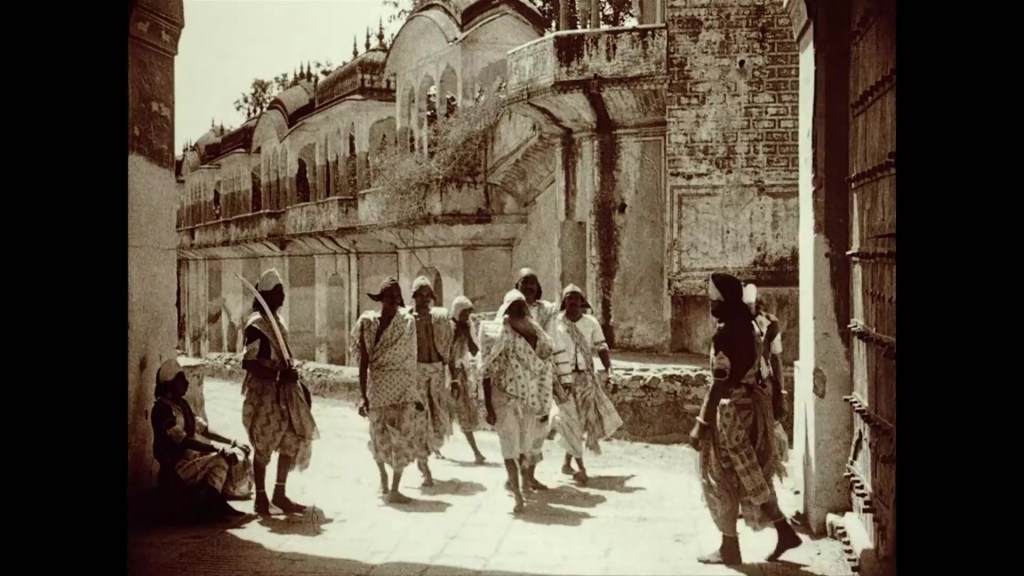
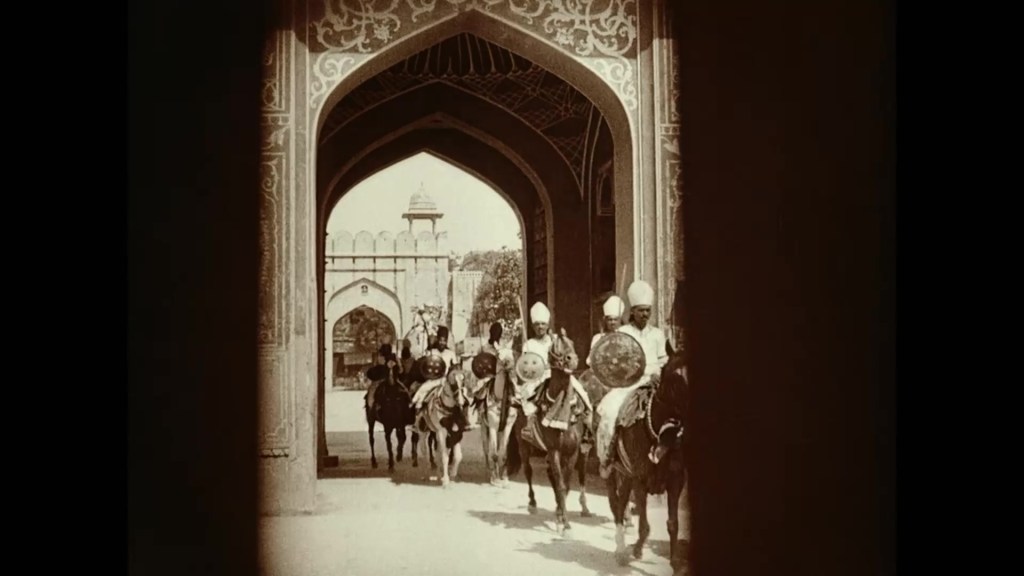
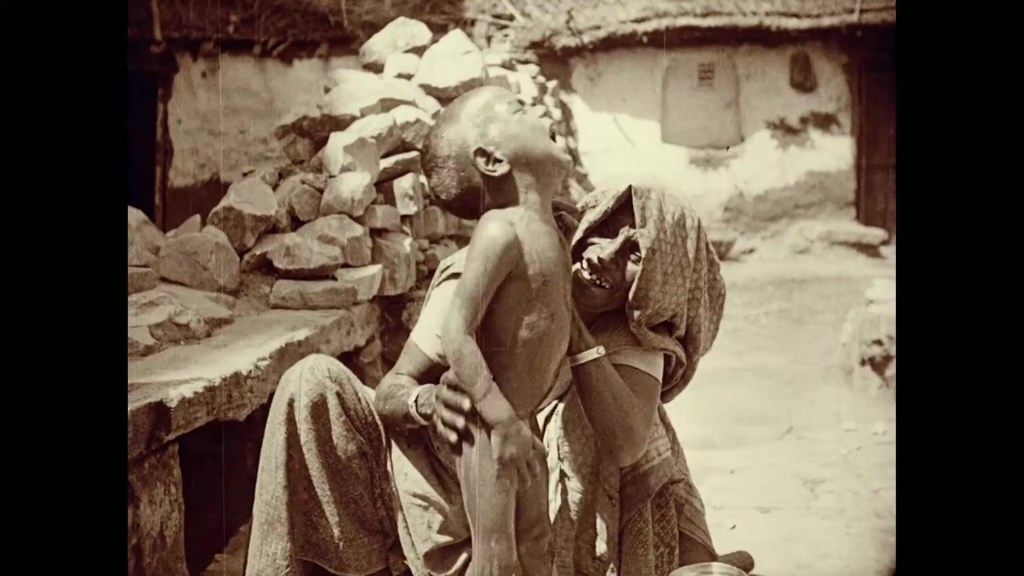
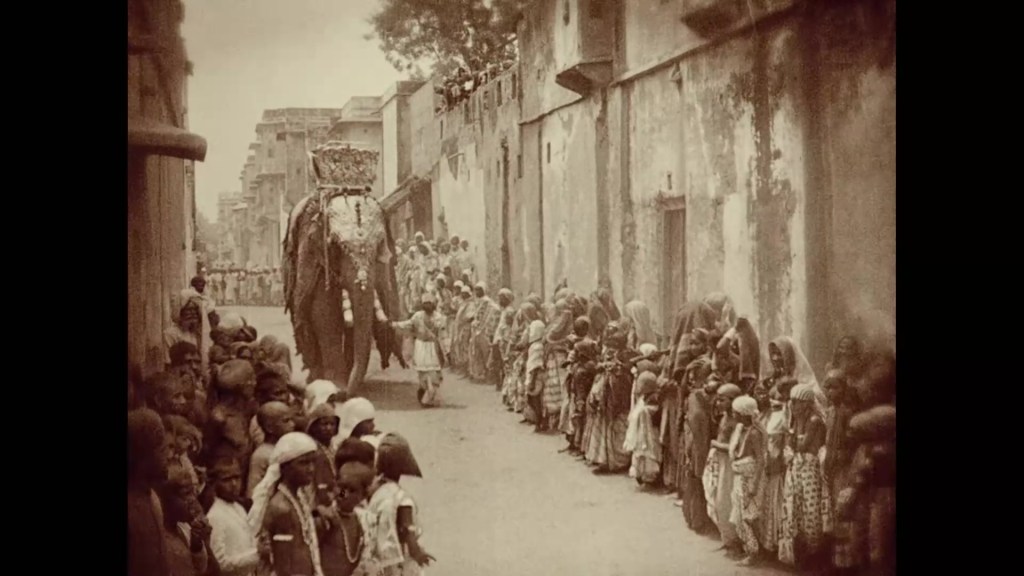
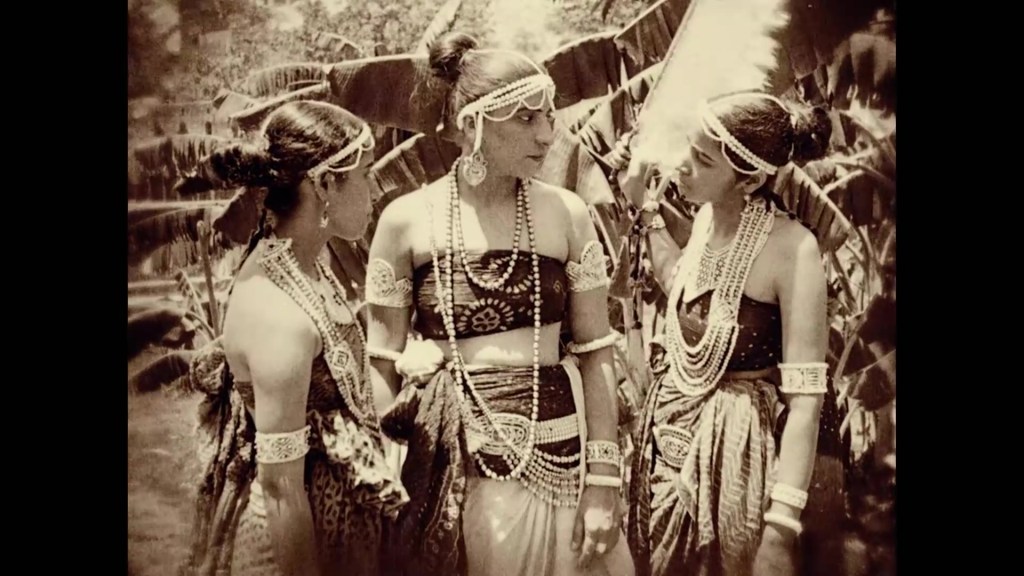
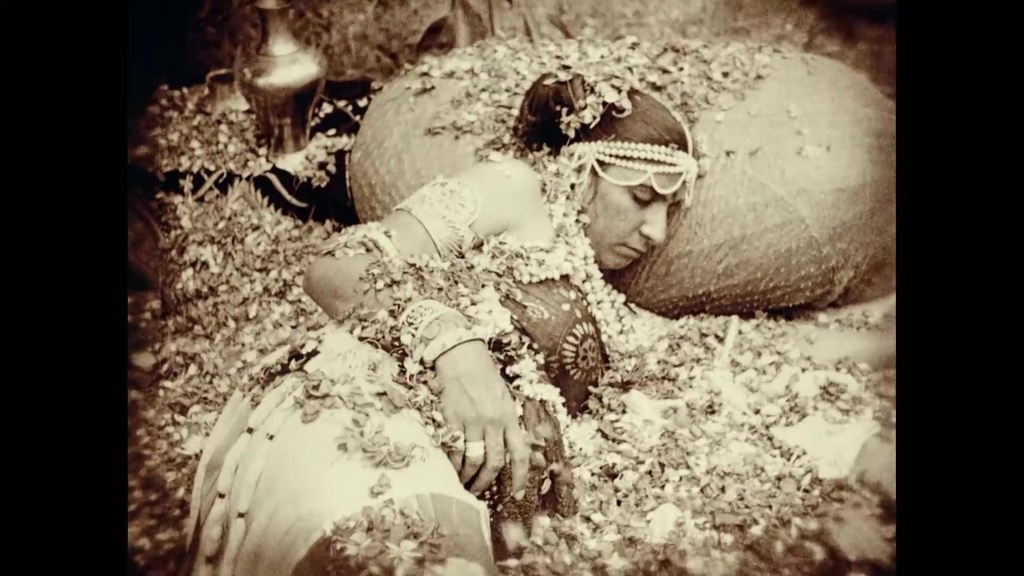
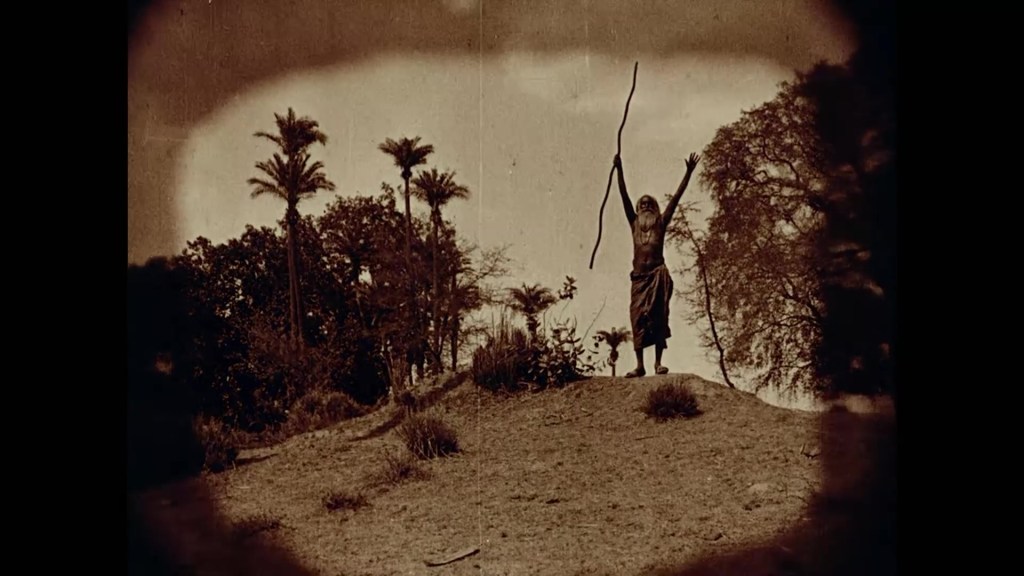
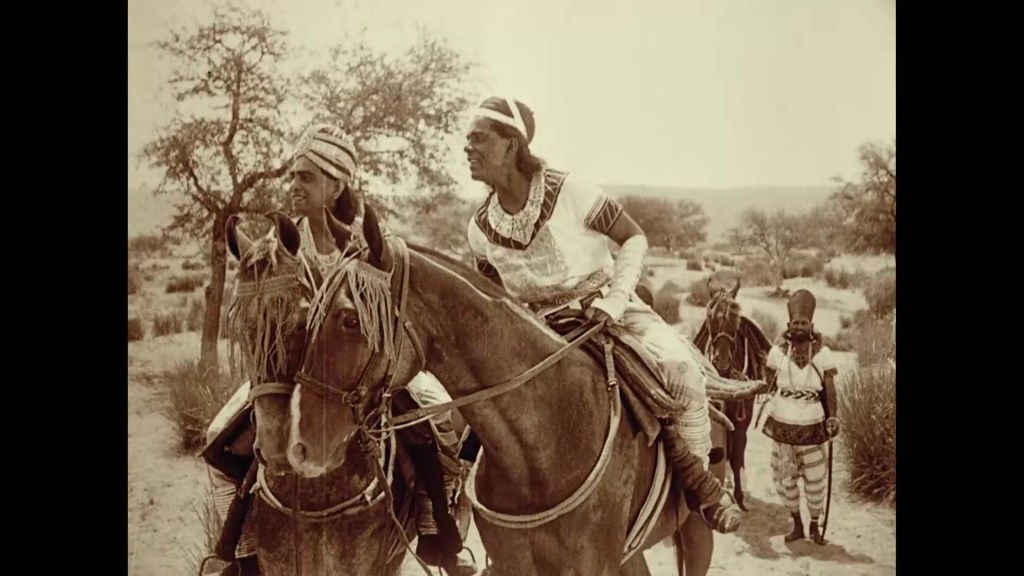
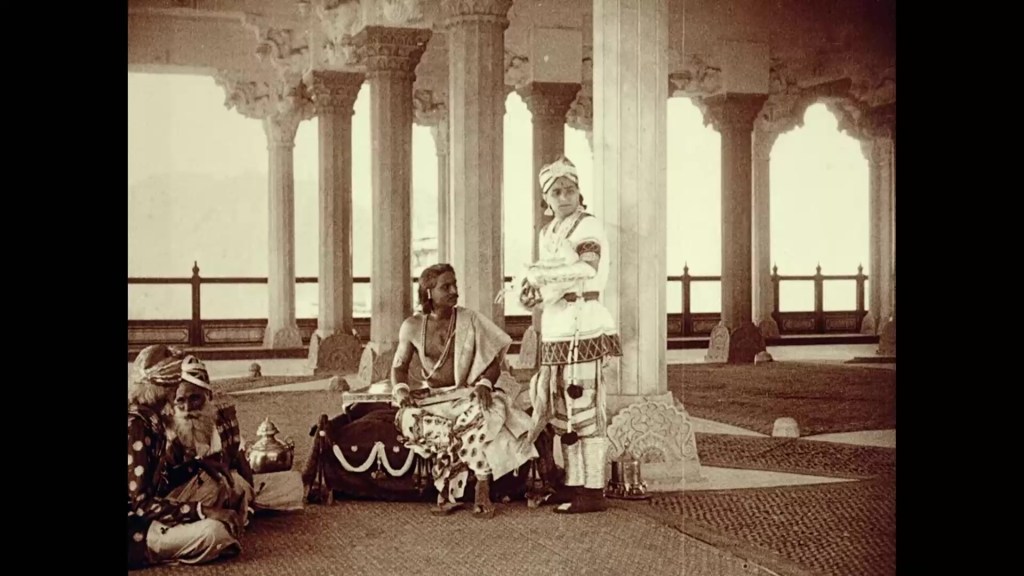
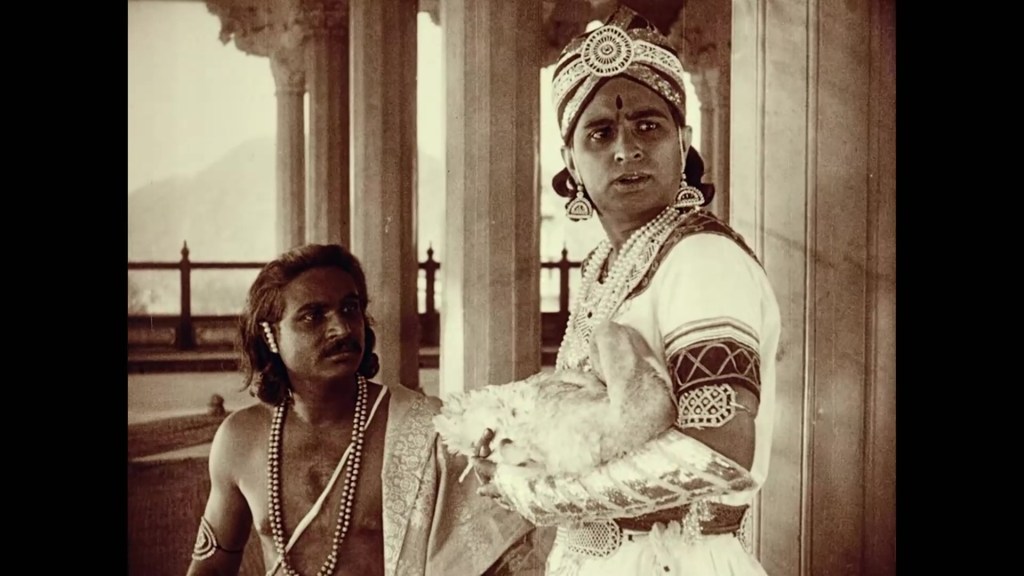
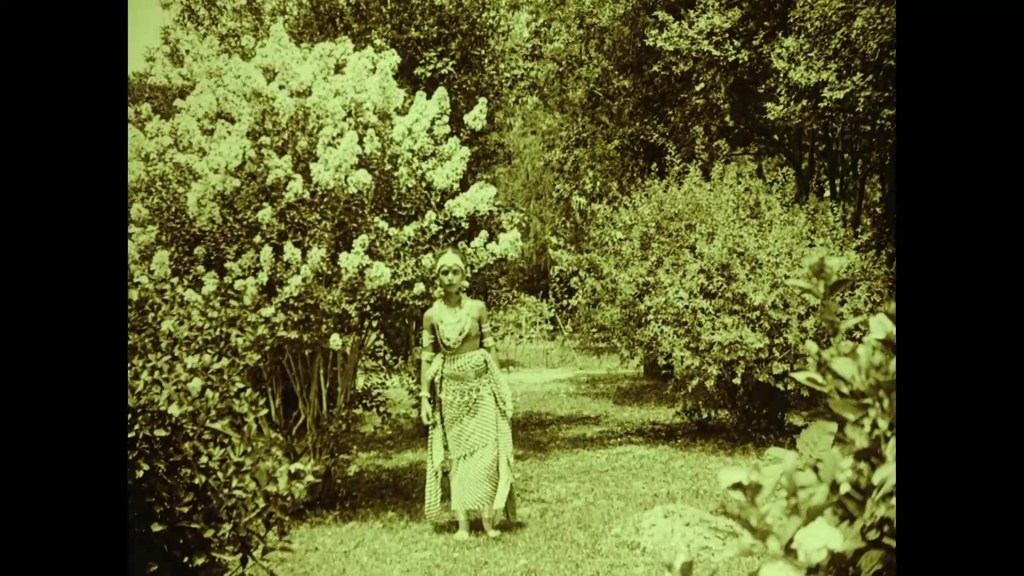
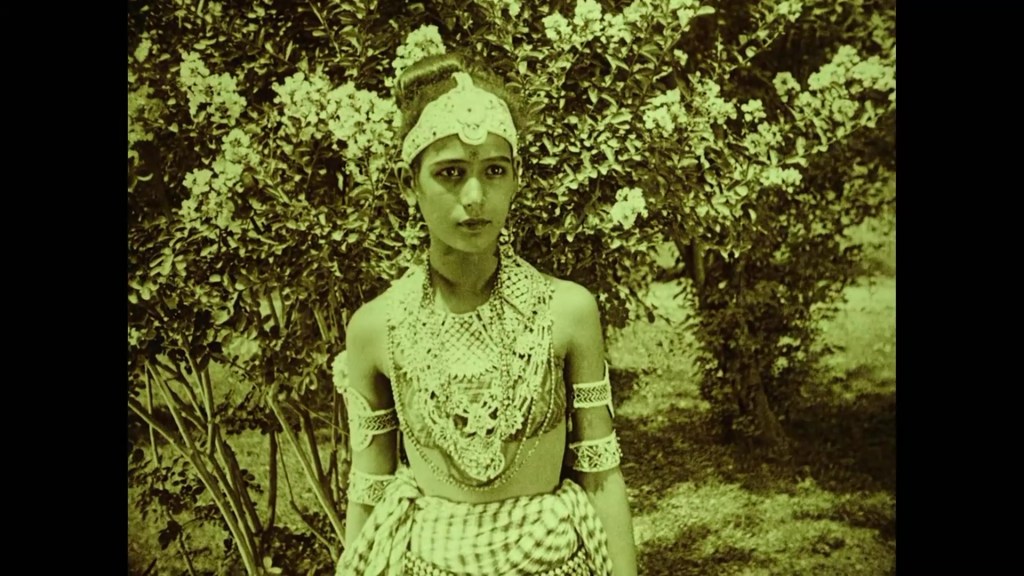
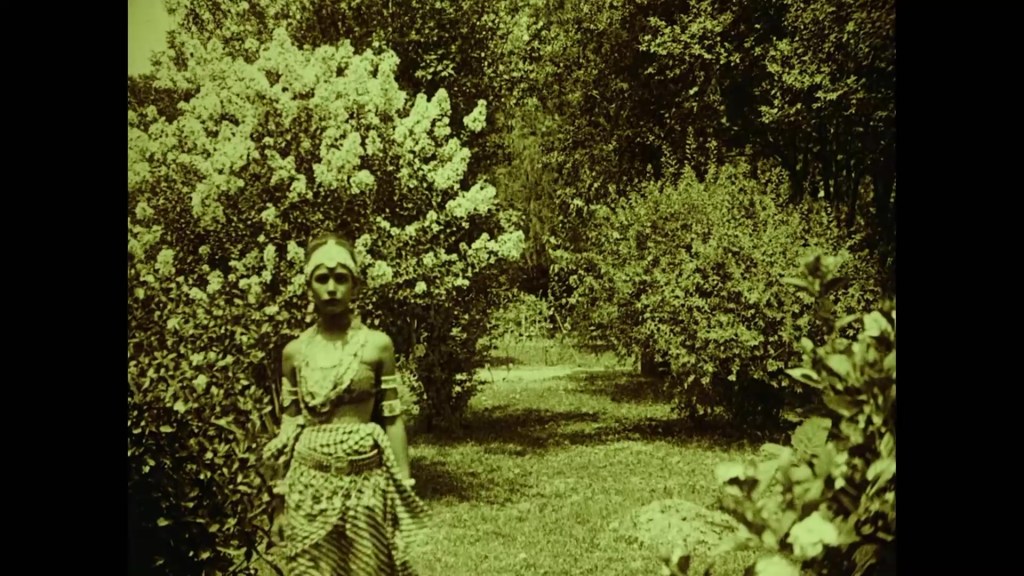
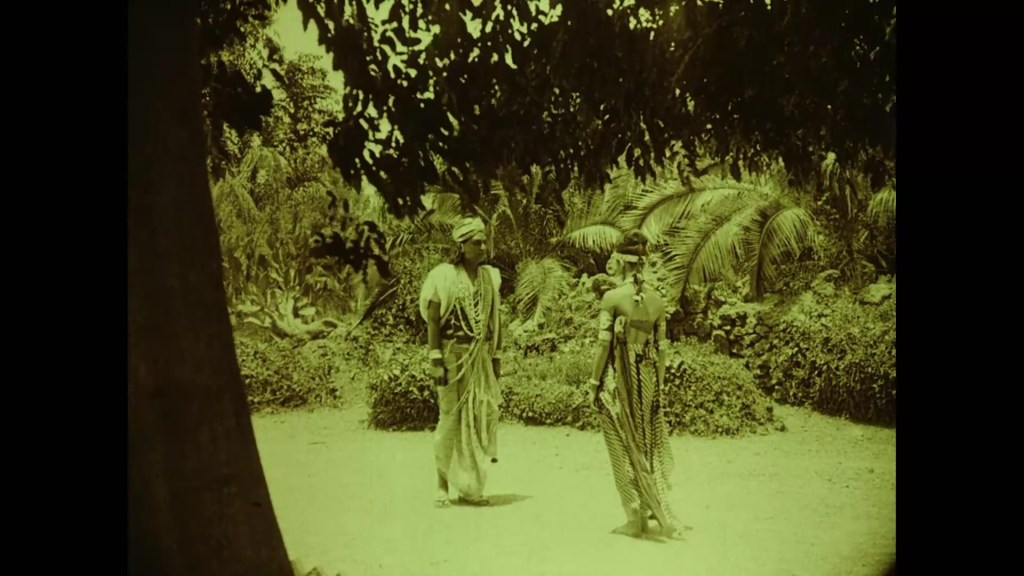
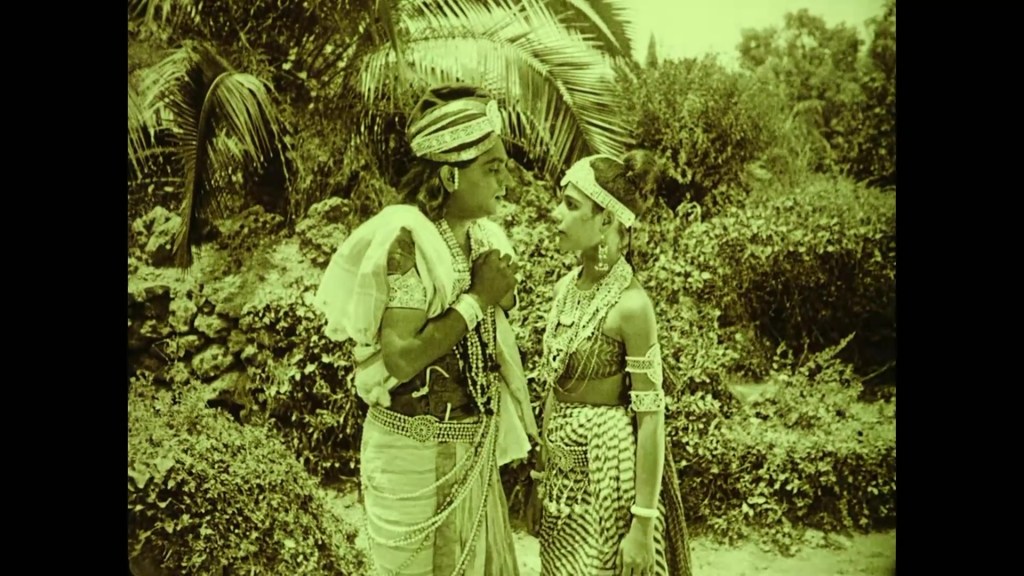
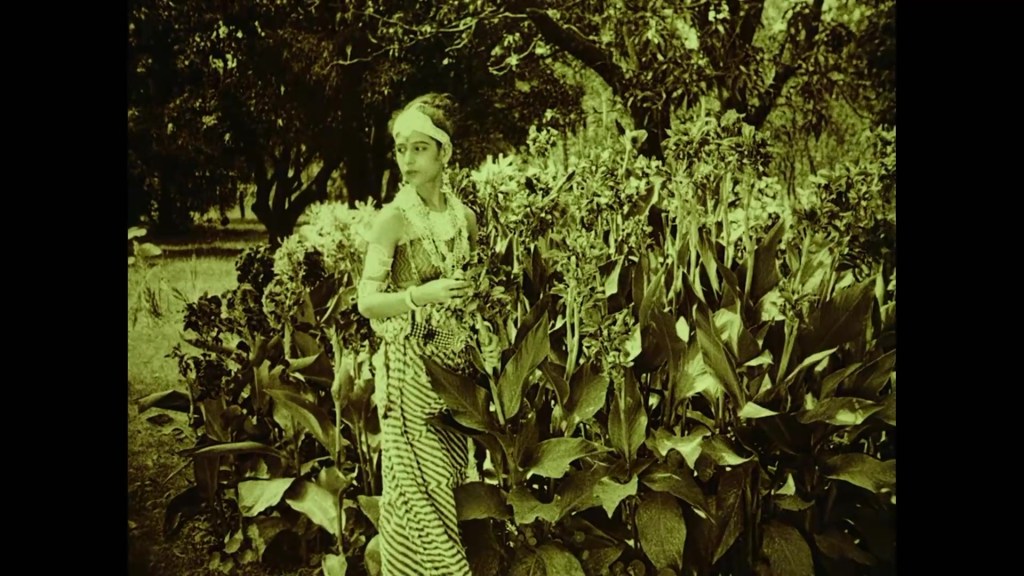
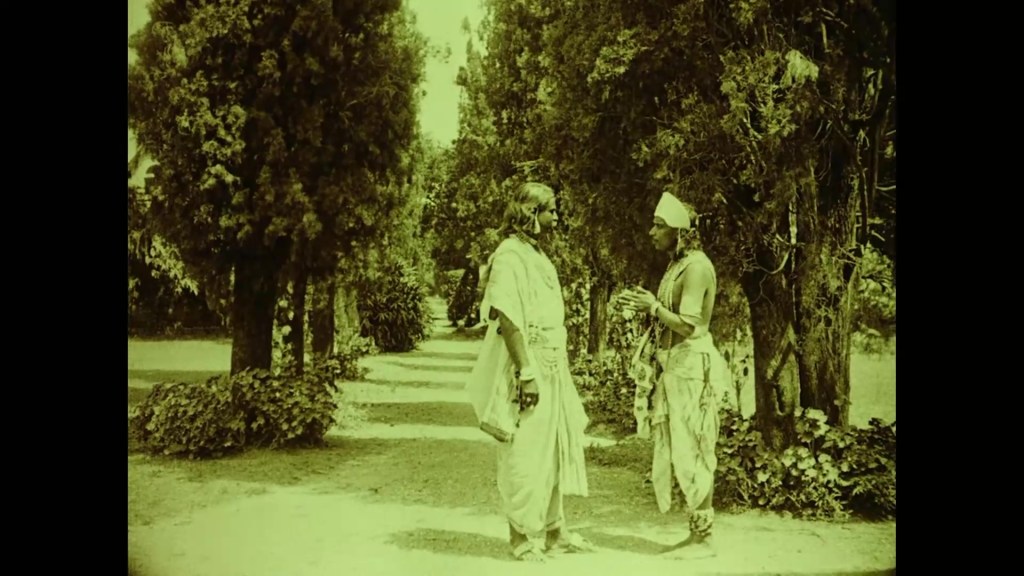
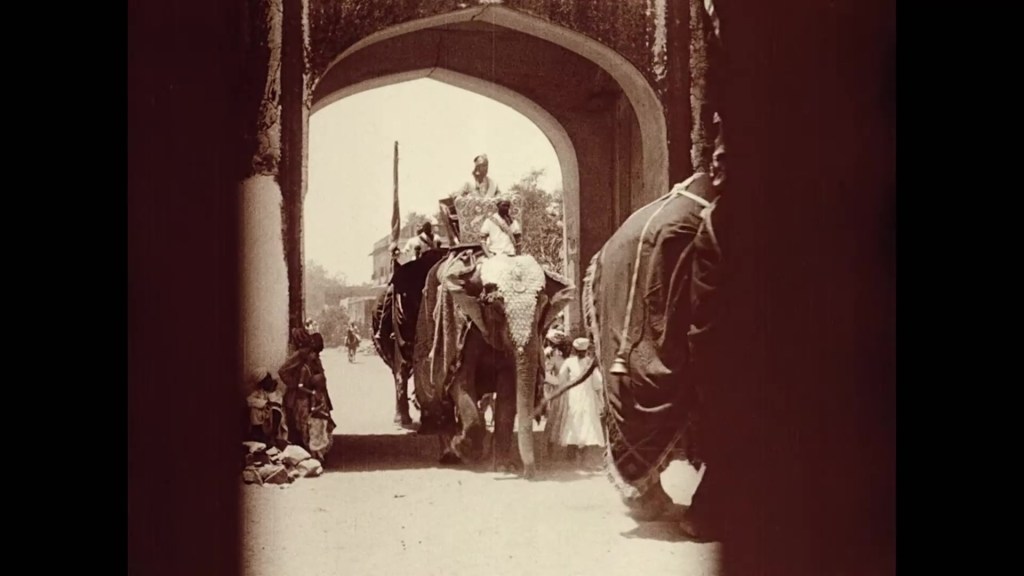
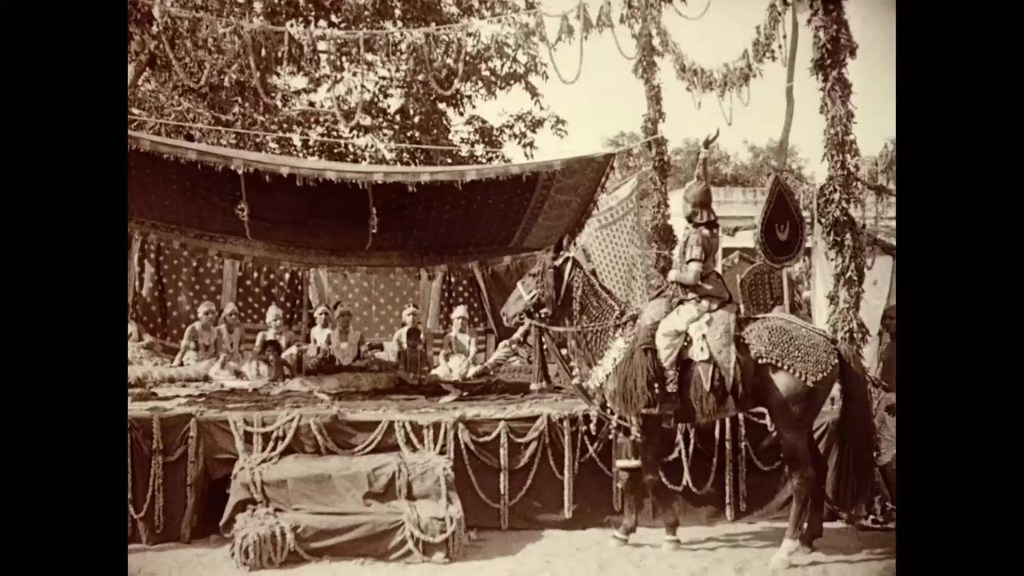
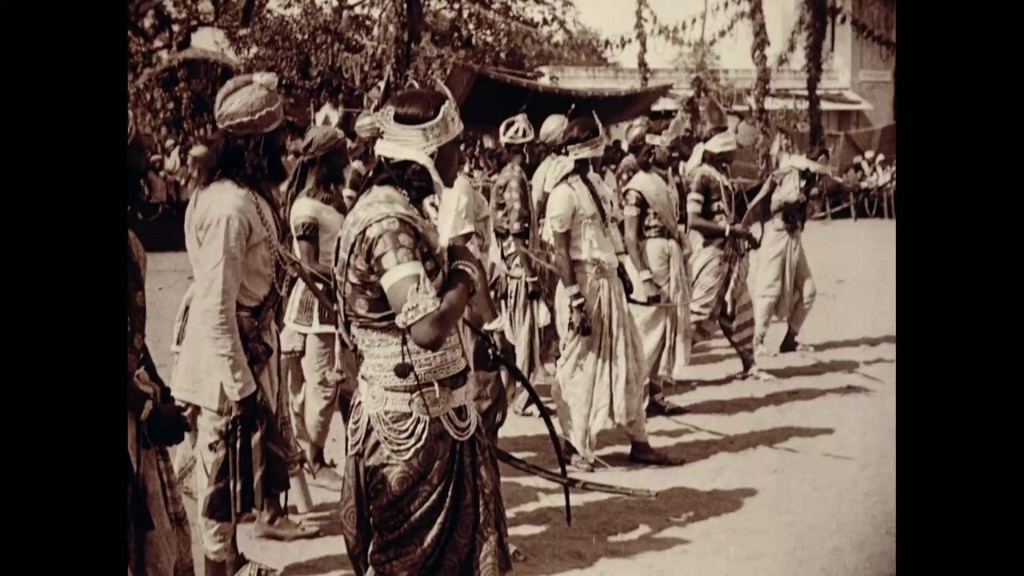
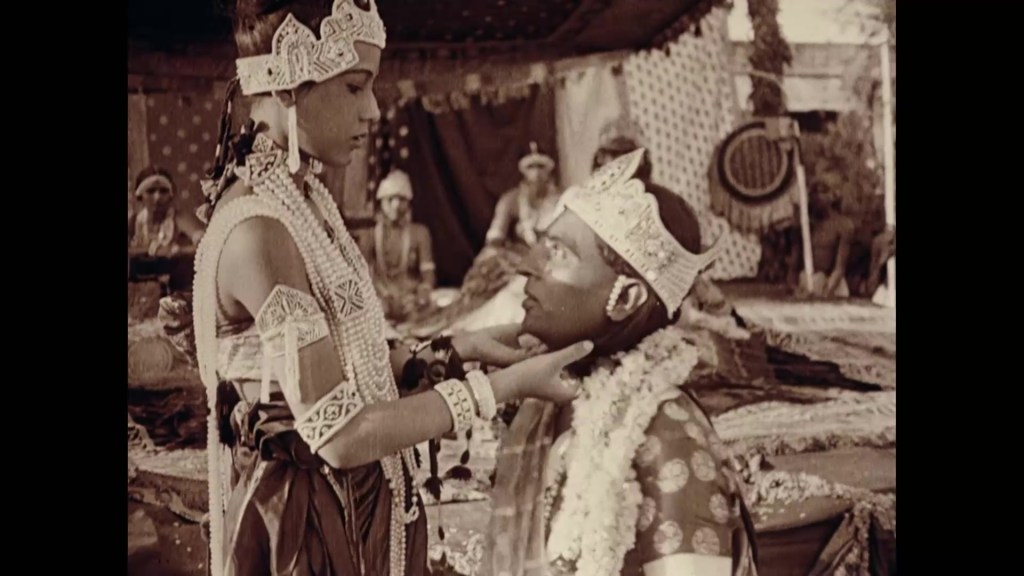
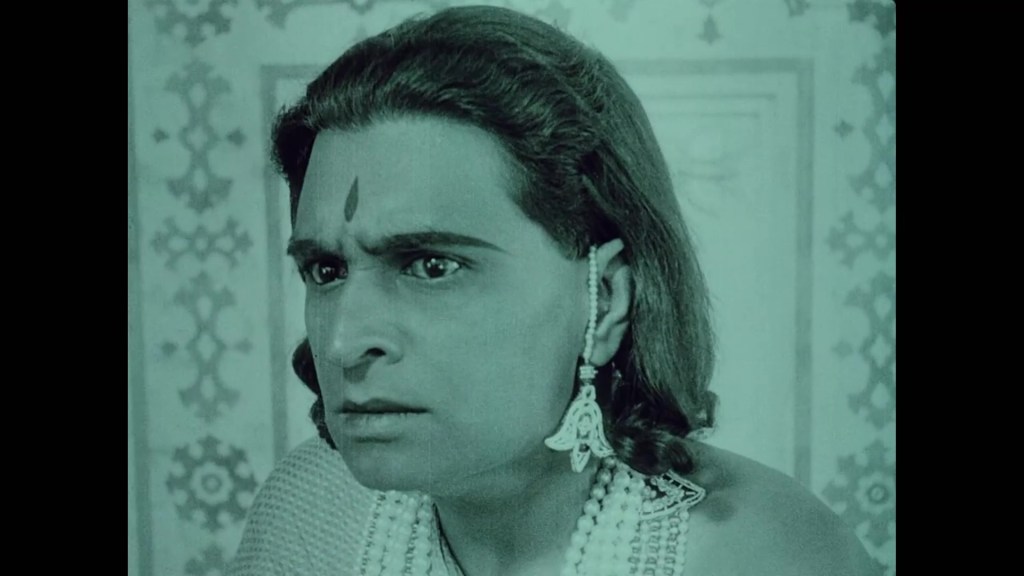
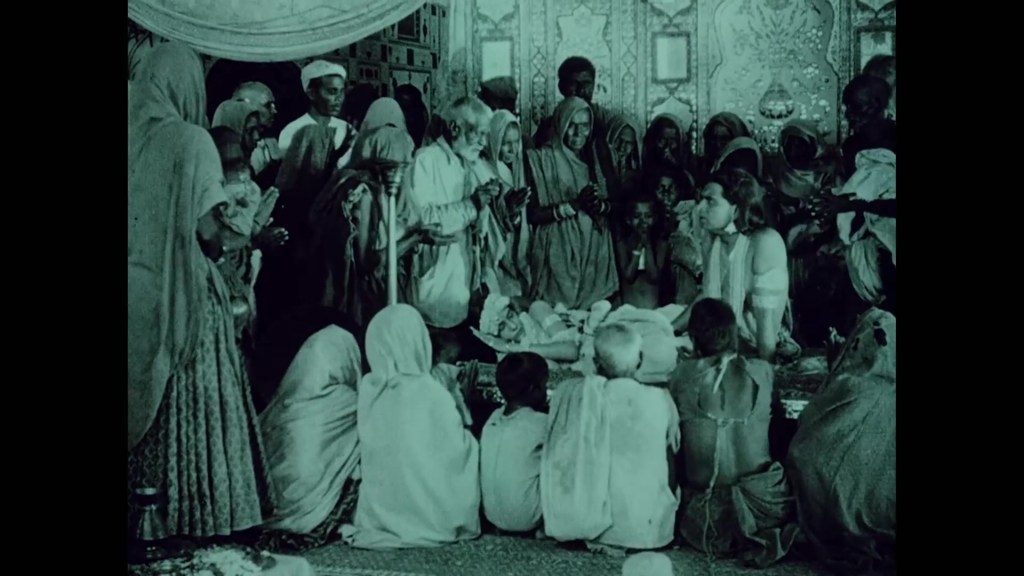
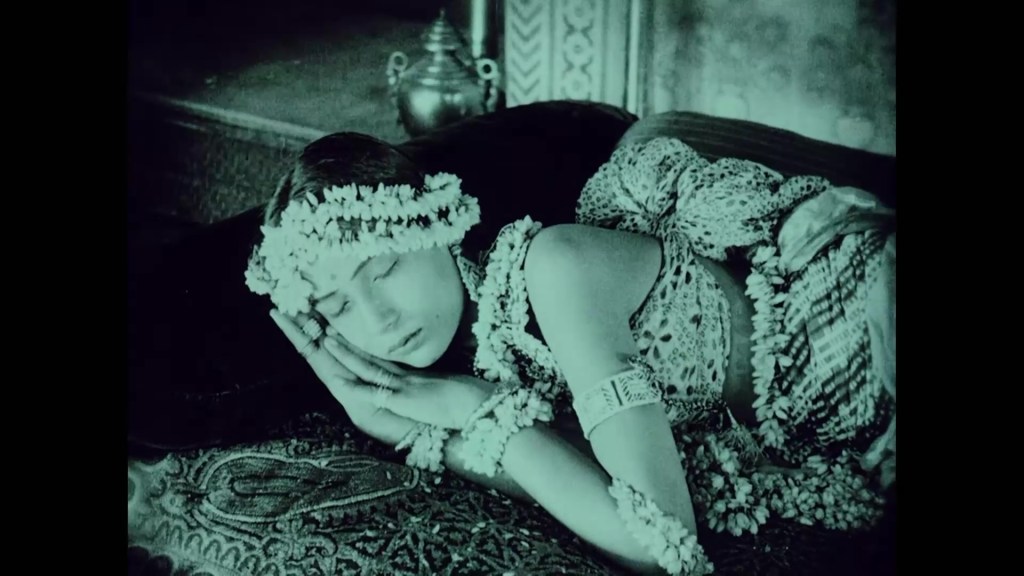
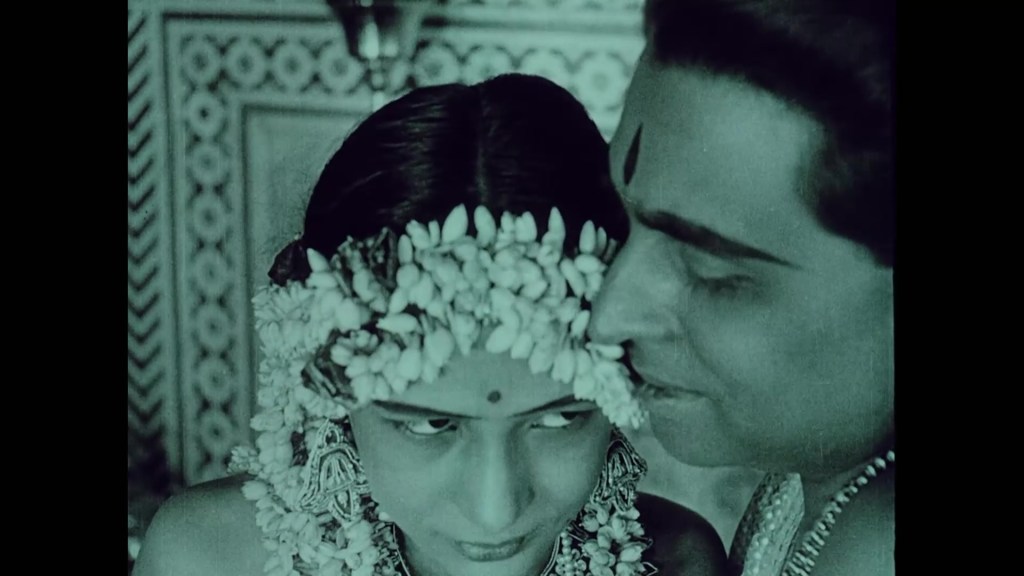
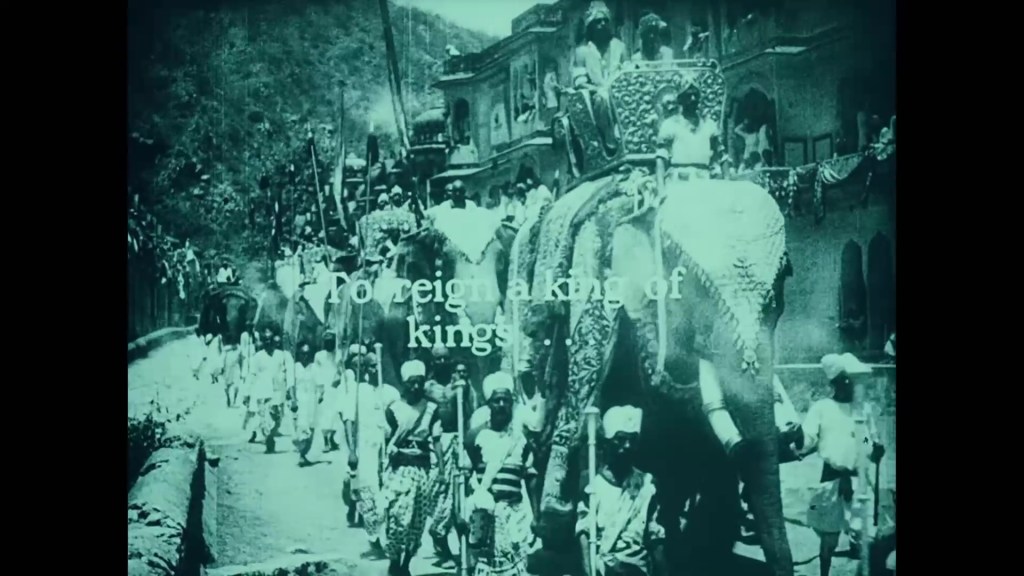
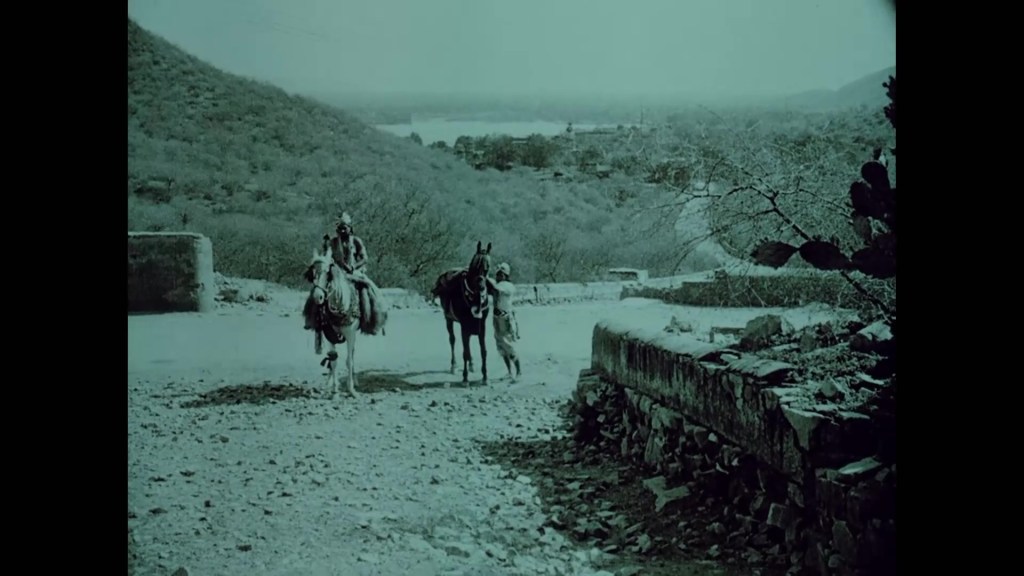
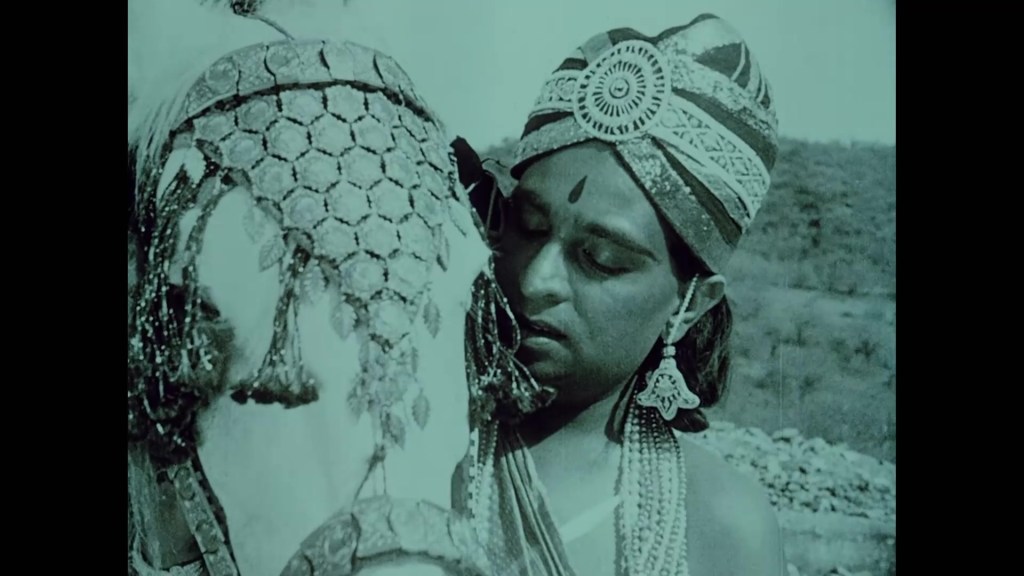
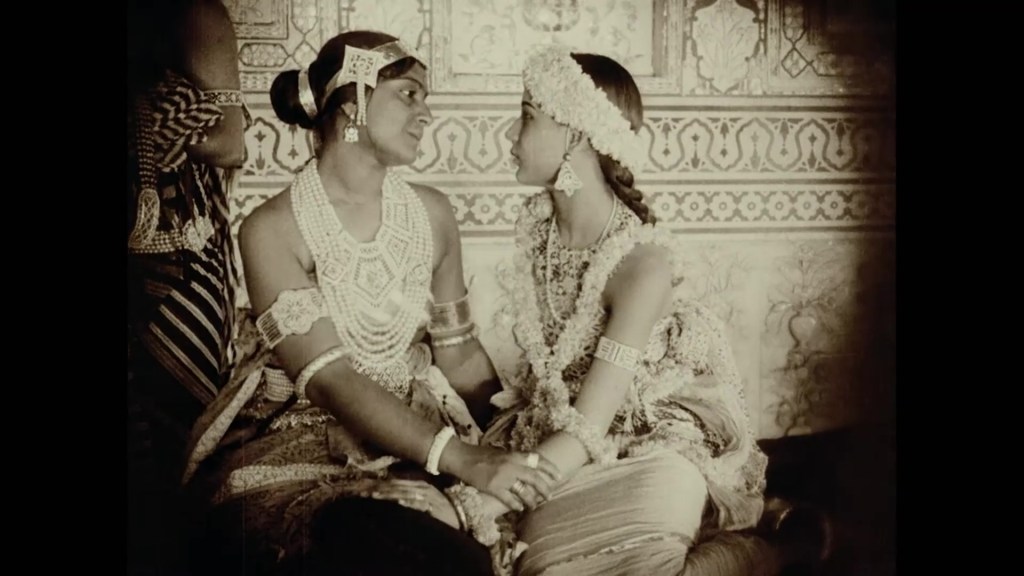
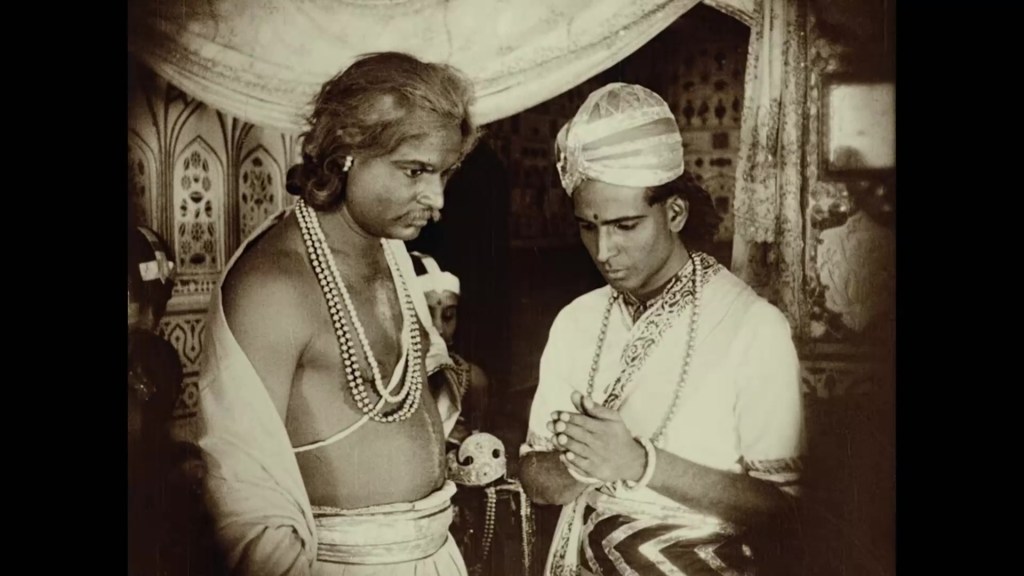
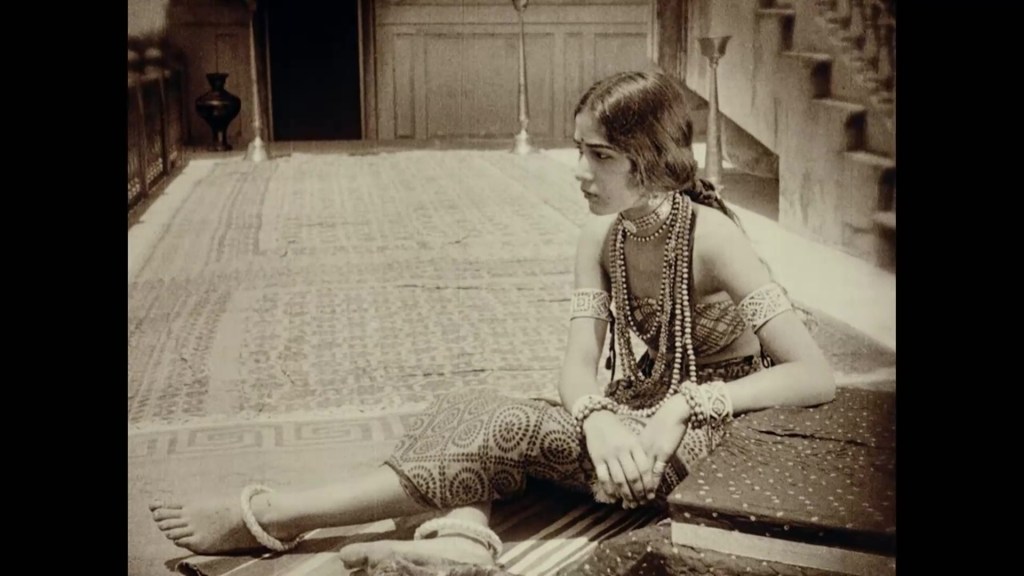
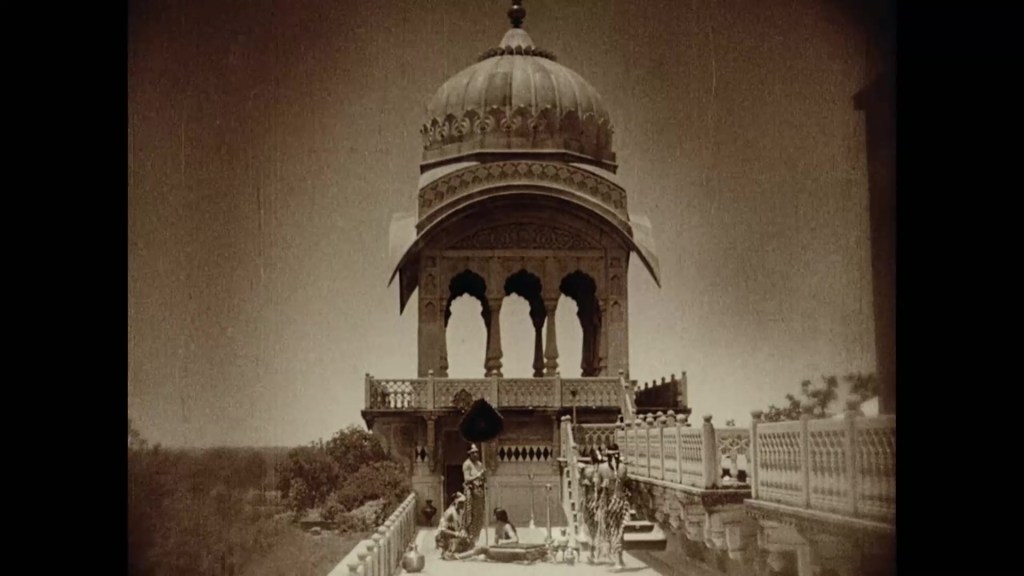
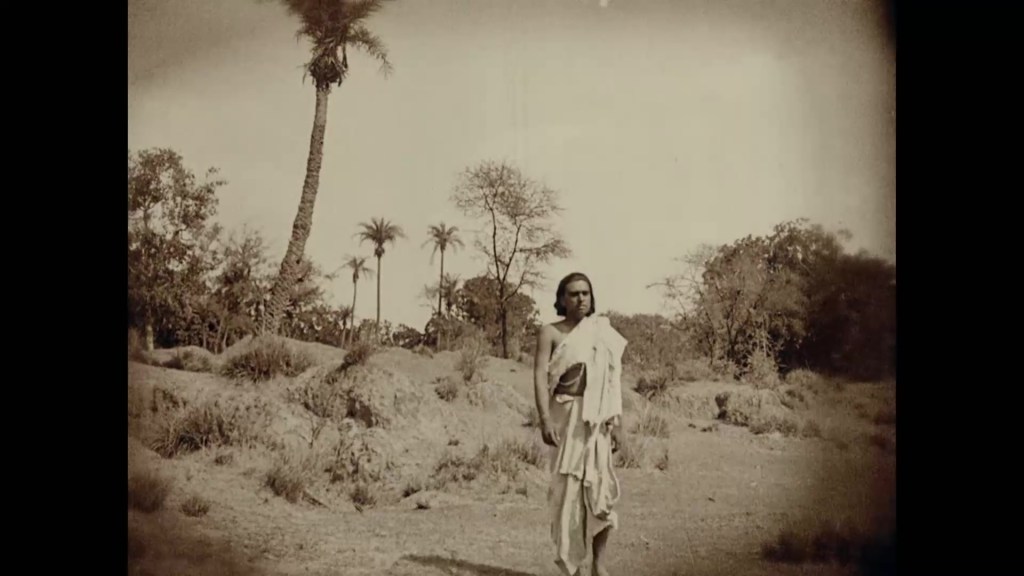
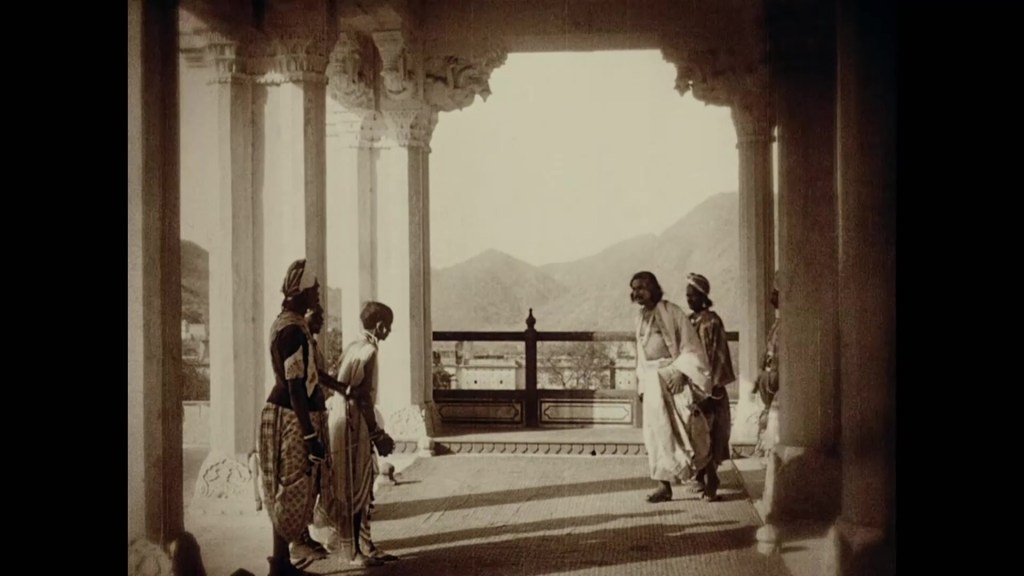
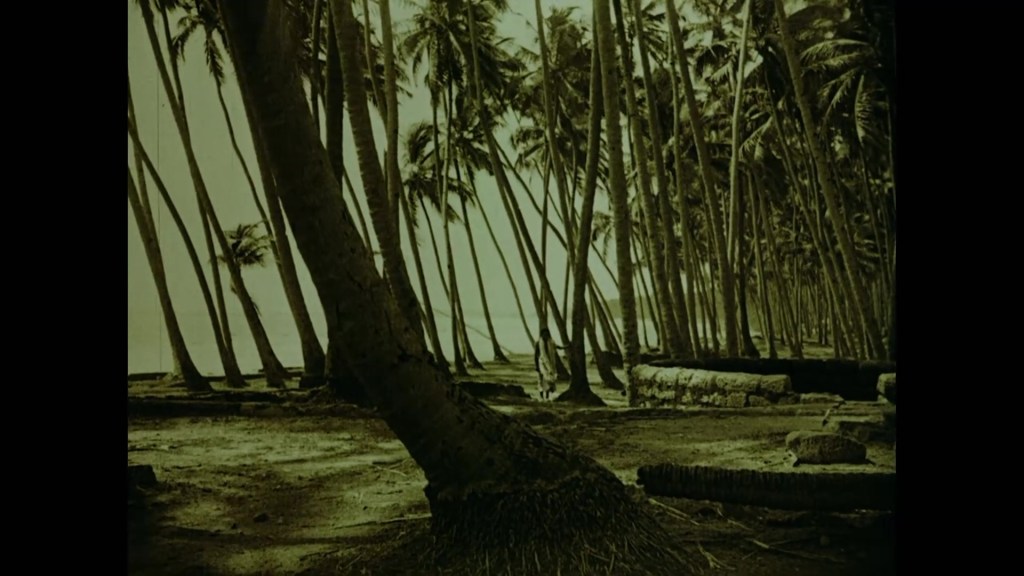
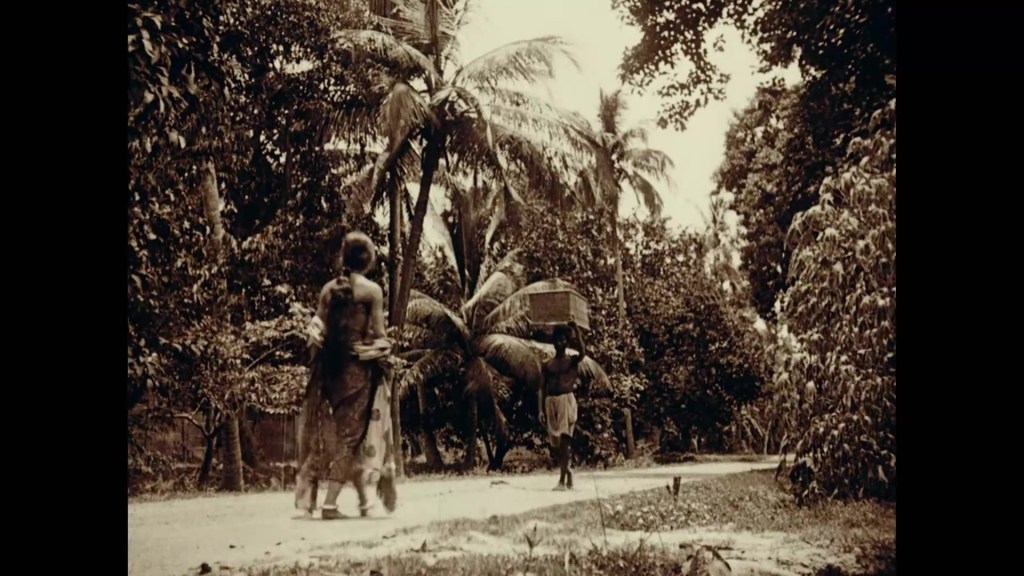
Another day (not) at the Bonn festival and another country to visit. Today we journey to India for the recreation of ancient religious drama. I outlined the context for Franz Osten’s German-Indian co-productions in my piece on Shiraz (1928). To recap briefly, these films were the brainchild of Himanshu Rai, who was instrumental in partnering Indian writers and performers with European filmmakers. Their first collaboration was Prem Sanyas, originally released as Die Leuchte Asiens in Germany in 1925 and The Light of Asia in the UK in 1926. Made with the support of the Maharajah of Jaipur (now in Pakistan), the film was shot entirely on location in India with (as the film’s opening titles remind us) no “studio sets, artificial lights, faked-up properties or make-ups”.

Prem Sanyas (1925; Ger./In./UK; Franz Osten/Himansu Rai)

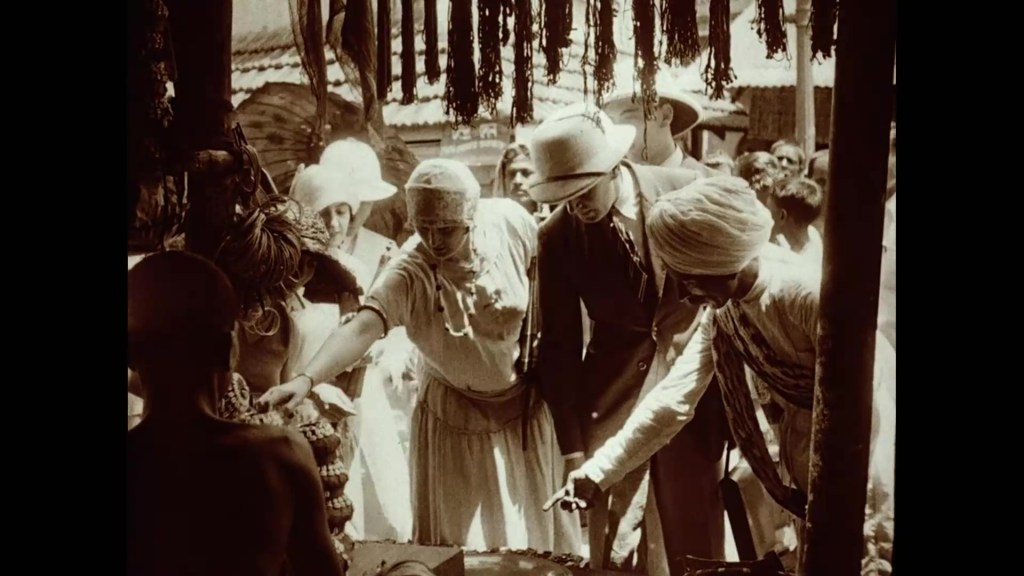
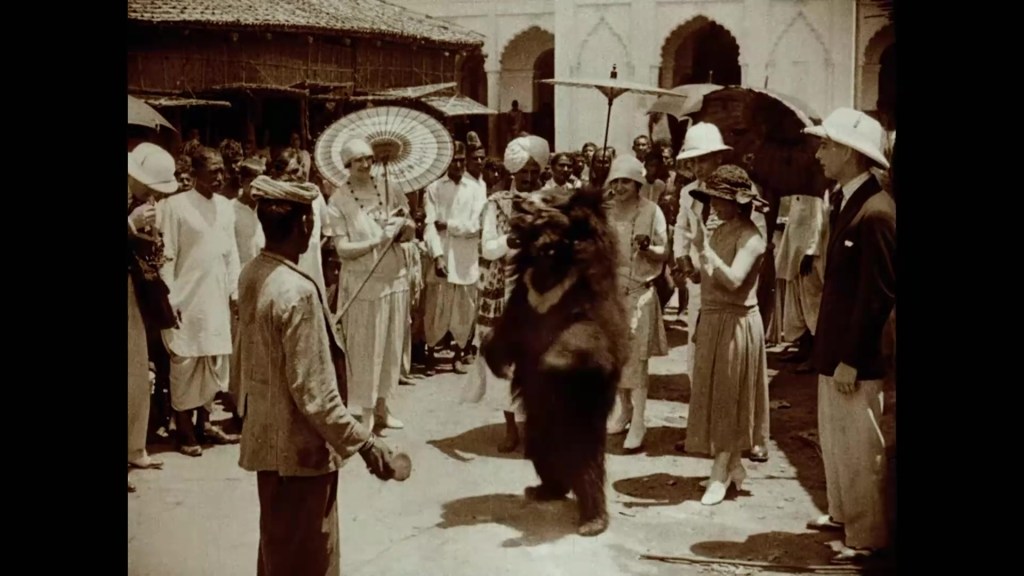
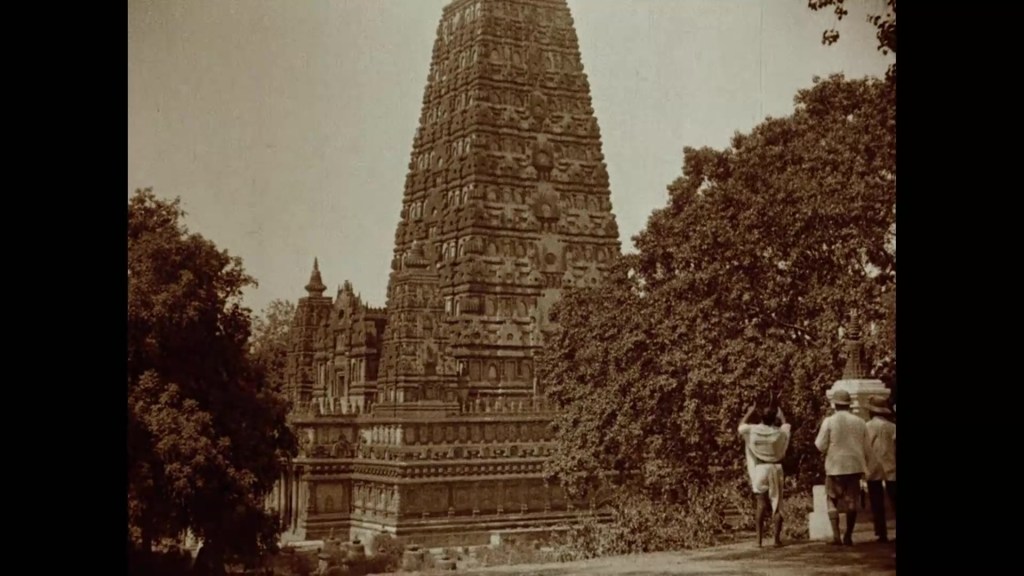
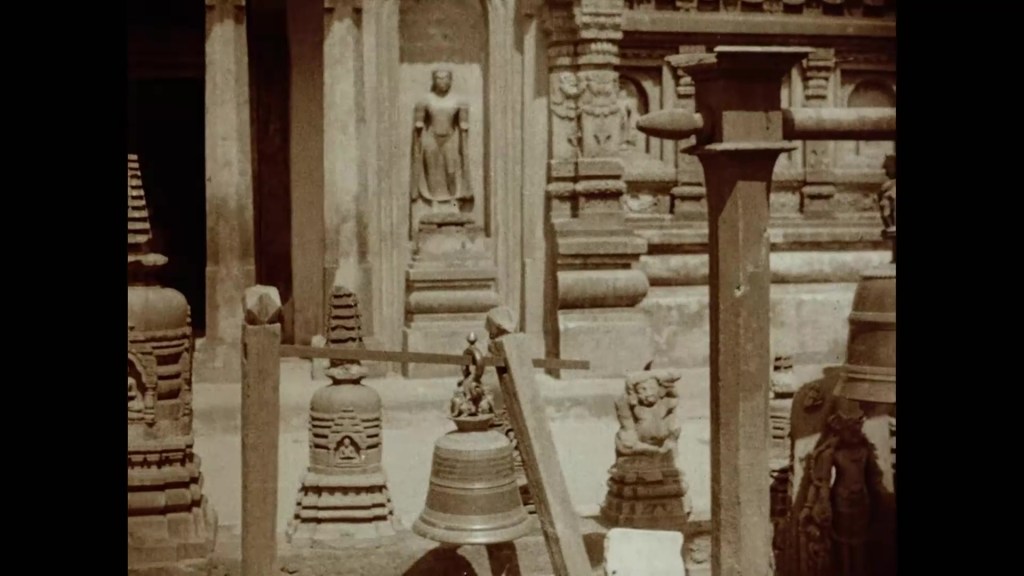
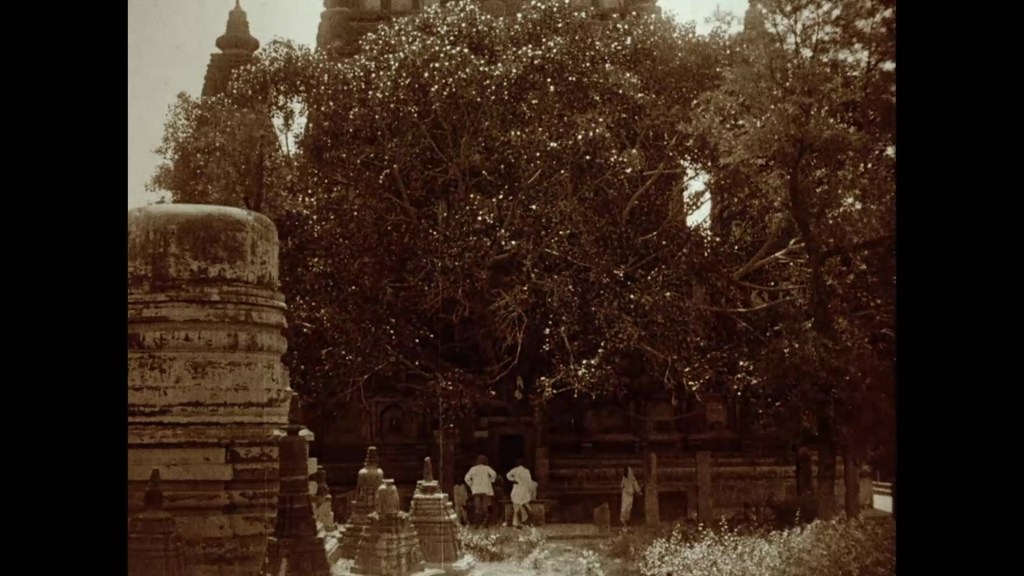
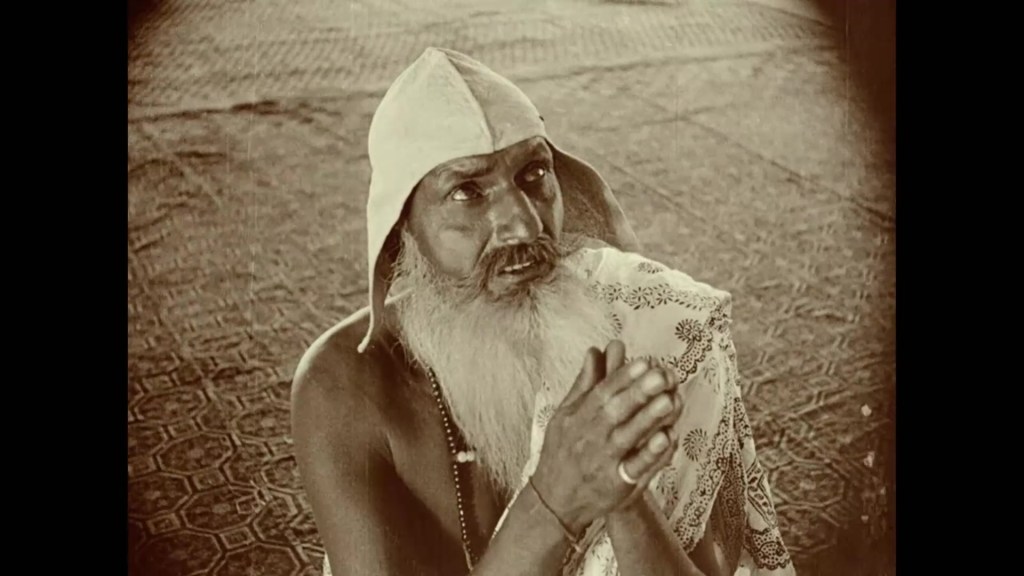
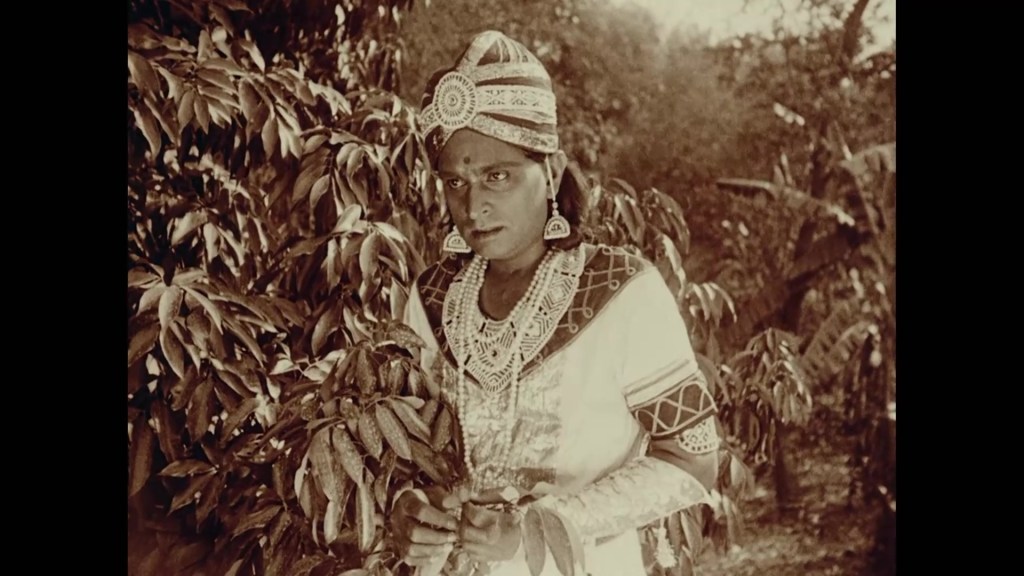
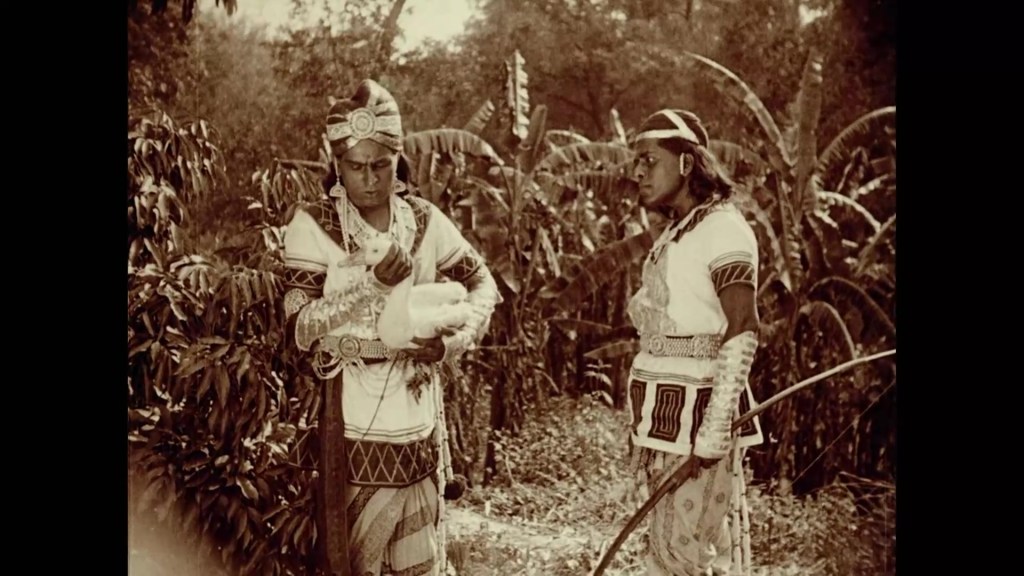
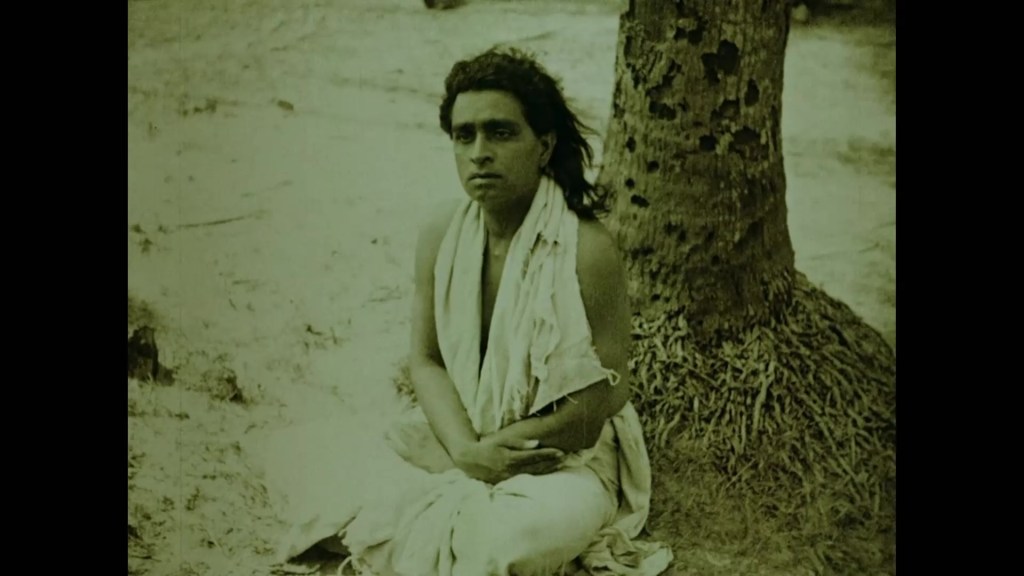
The plot? Well, the film begins with a lengthy section of quasi-documentary footage around contemporary India. Some western tourists visit the Buddhist temple complex at Gaya. There, they encounter an old man who relates the tale of how Buddha achieved enlightenment below the Bodhi tree… The film then follows the story of Prince Gautama (Himanshu Rai), who is adopted by the heirless King Suddodhana (Sarada Ukil) and Queen Maya (Rani Bala). As the boy grows, he becomes increasingly conscious of the suffering of animals and the world around him. His father is warned by a sage that it is the boy’s destiny to renounce the throne, leaving him heirless. The king therefore tries to shelter the boy from all sight of suffering. When this doesn’t work, he finds him a consort. The prince falls for Gopa (Seeta Devi), who likewise is smitten with him. However, the prince is overwhelmed by the knowledge of suffering outside his pampered life and perfect marriage. Hearing the voice of God, he abandons his wife, his palace, and his family to live as an impoverished teacher. He converts crowds to his new conception of the world, and when Gopa encounters him again, she becomes his disciple. The flashback ends with the old man concluding this tale, then (very suddenly) the film ends.

Such is the narrative. And as a drama, it is a failure. The story is very thin, with characters barely sketched and with neither the interest nor the ability to suggest real, human psychology. (Hey, it’s a religious story, so I suppose expecting a real drama is a bit wishful.) As the story of one of humanity’s great teachers/enlighteners, it’s surprisingly inert. But because the characters are picture-book cut-outs, there is barely any ordinary human emotion to engage with either. It’s a very simply parable told very simply.

I say simply told, for there is no showiness to the film’s direction. This is a polite way of saying that the film isn’t very dynamic, let alone dramatic. There are few really telling close-ups (as if the film is afraid of exploring the reality of its human characters), and the editing between wider and closer shots is often rather clumsy. Few scenes use montage to create a sense of rhythm, and there is a kind of roughness to the way the film’s narrative is shaped. In part, of course, this is the fault of the original story: it’s a very simplistic tale and doesn’t offer a real “drama” as such. But I do wonder about the intentions of the filmmakers. Is the simplicity of the style – I am tempted to say the lack of style – a deliberate choice, or simply a limitation of means?

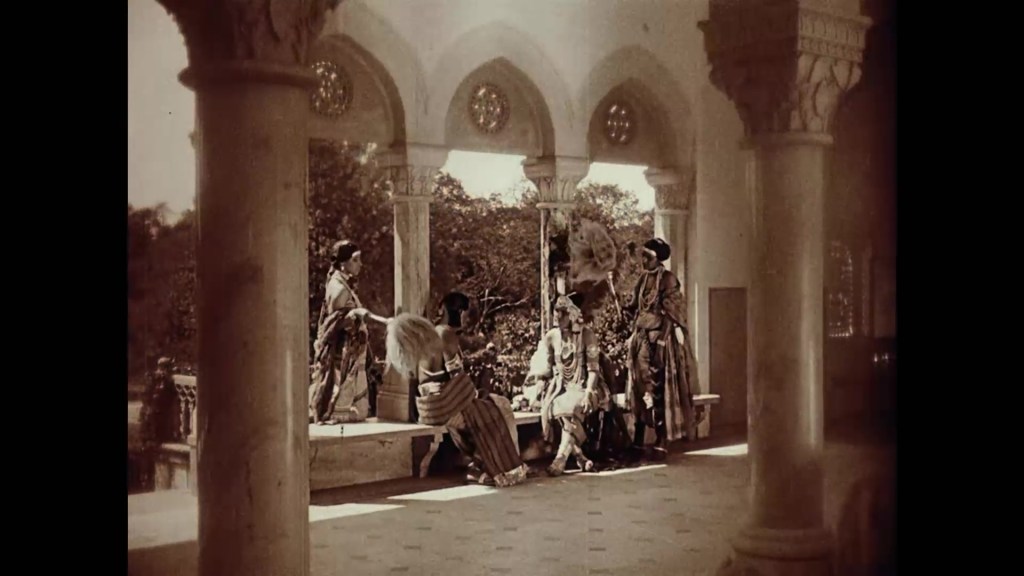
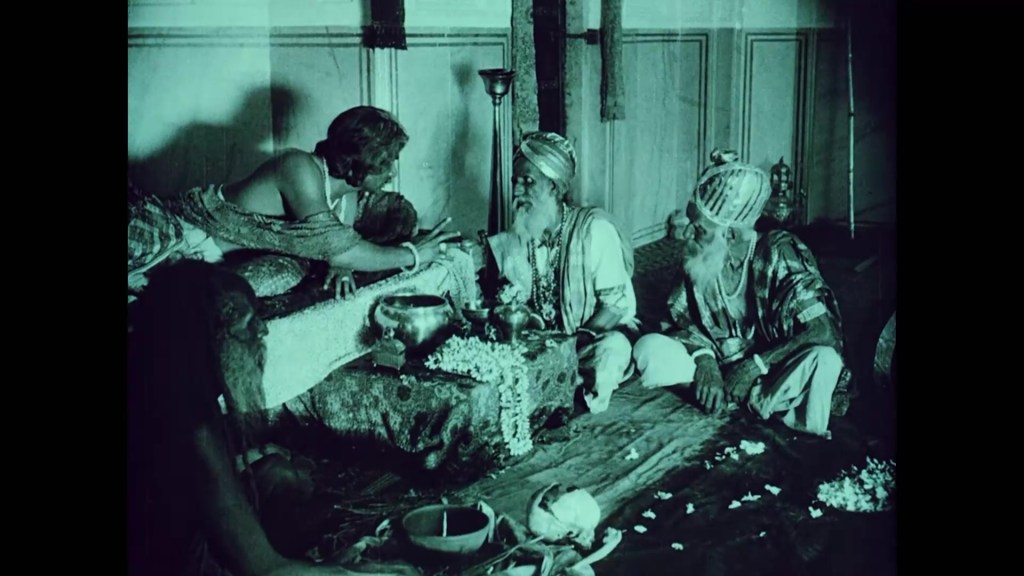
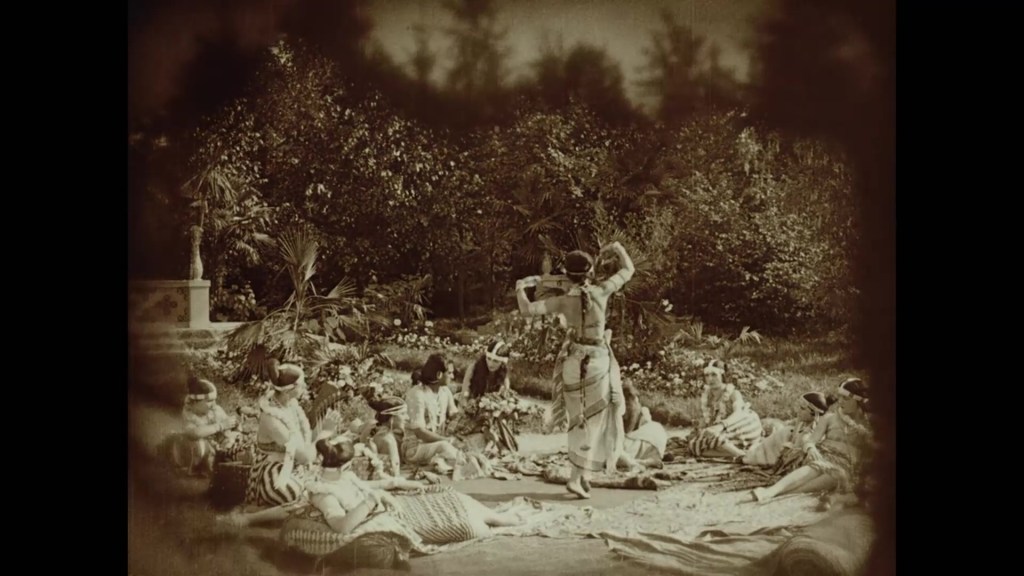
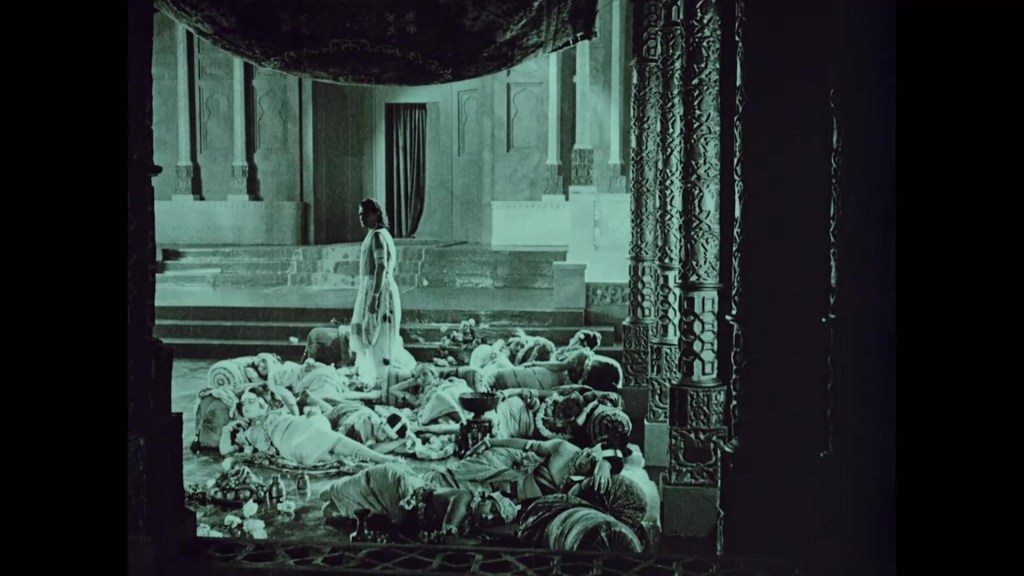
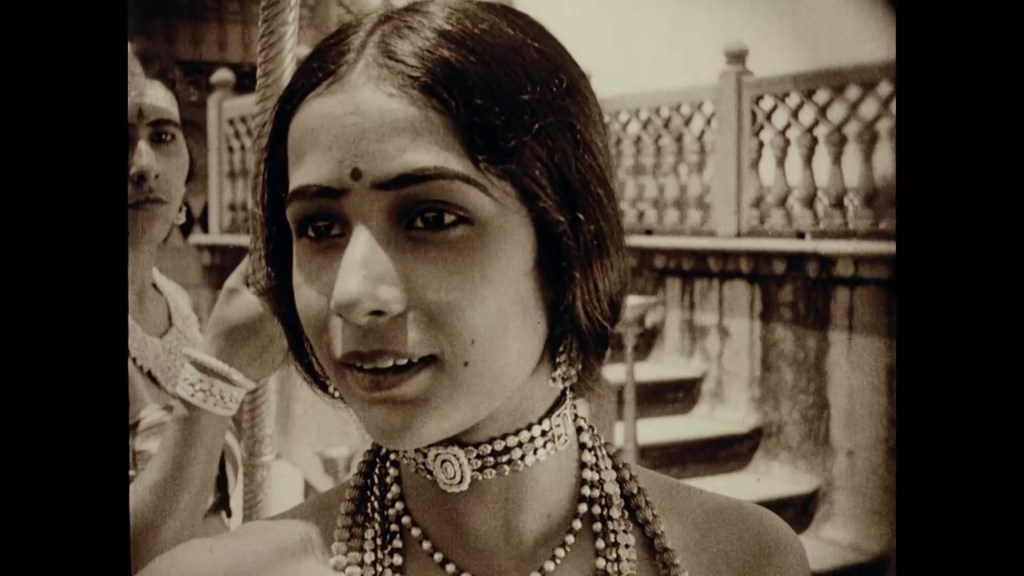
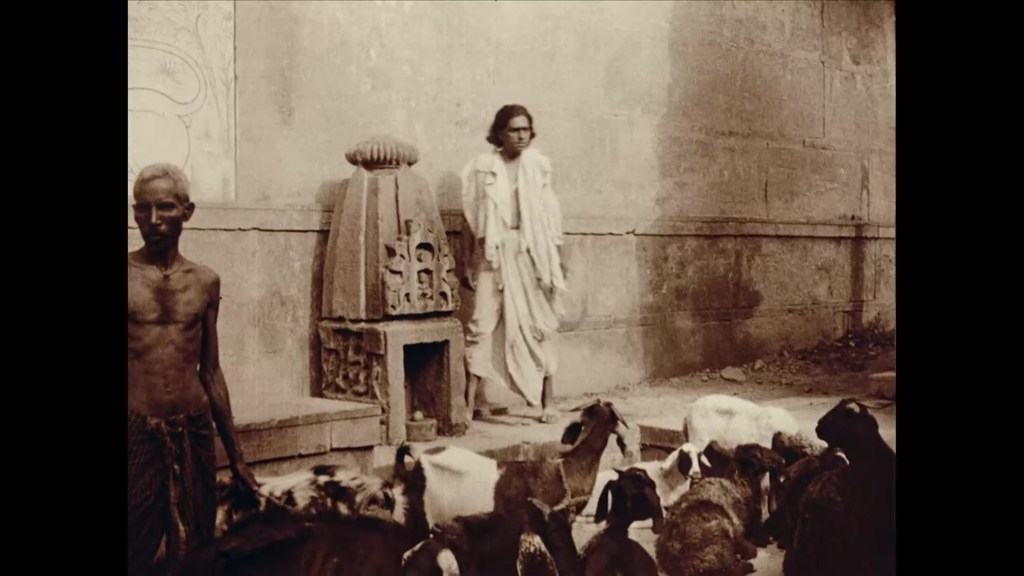
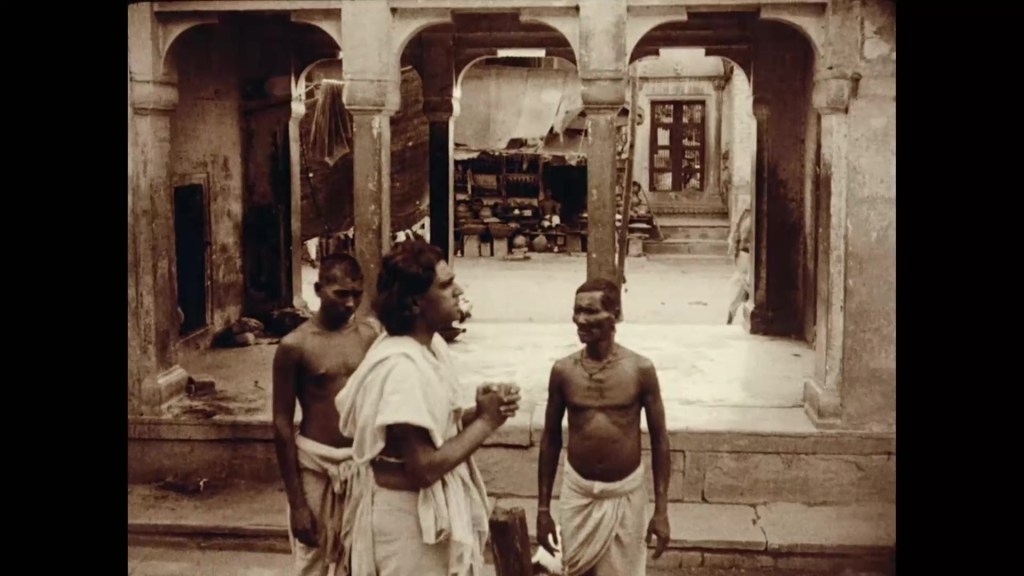
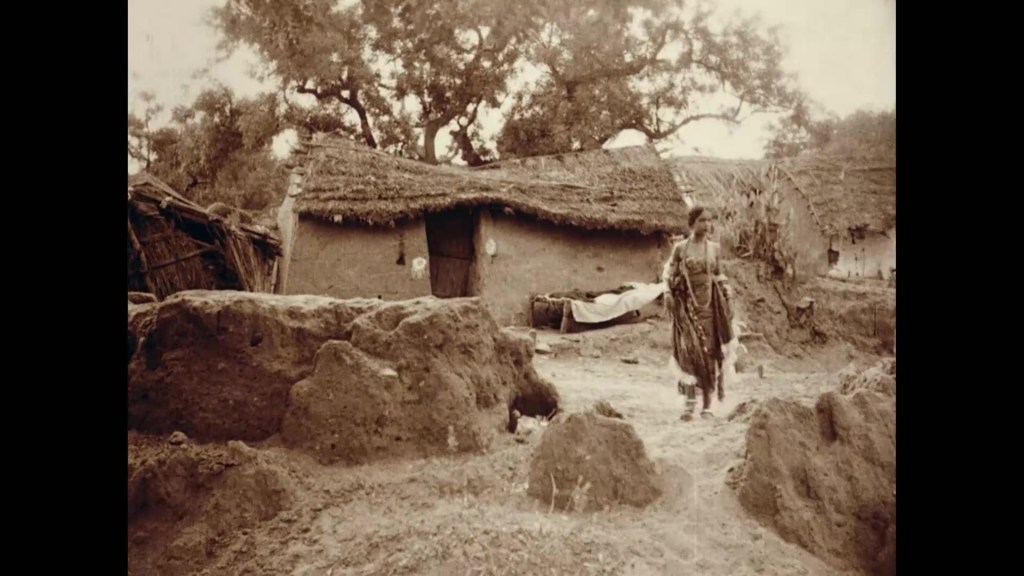
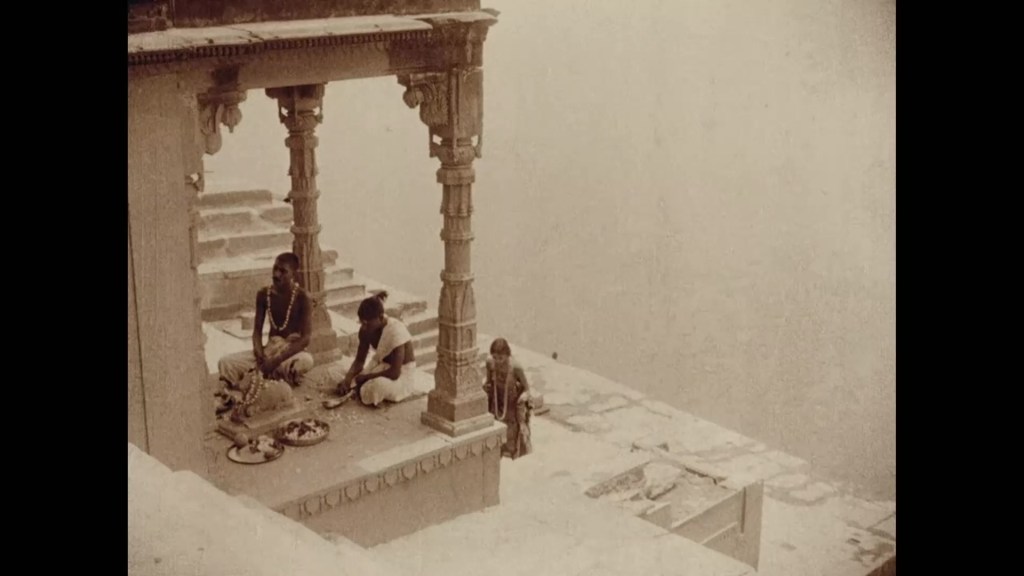
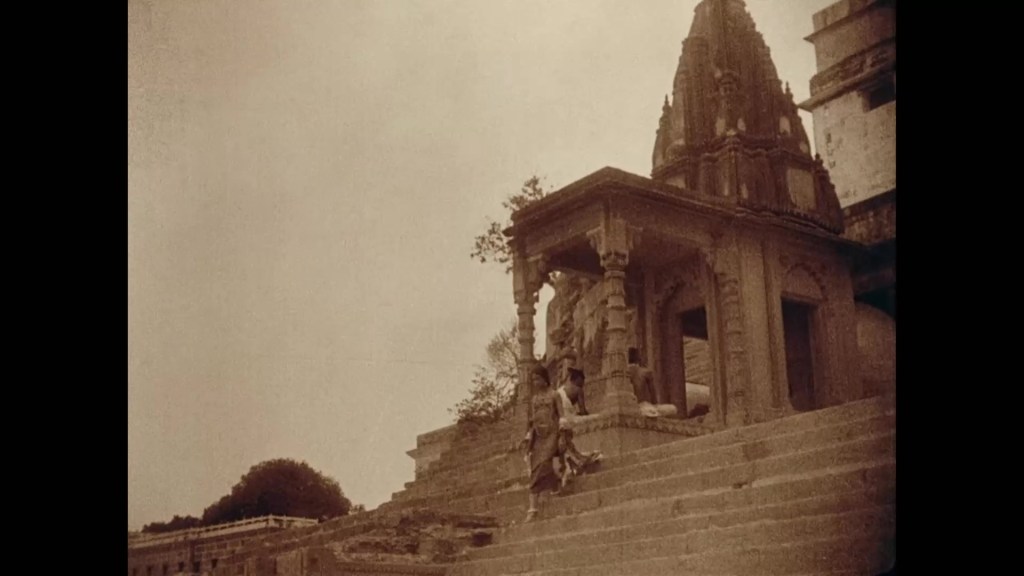
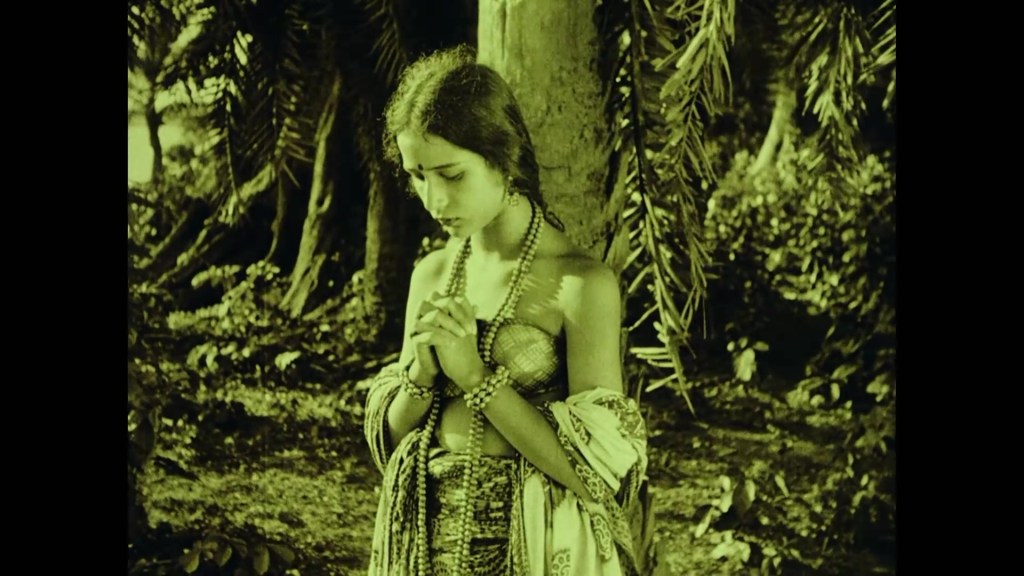
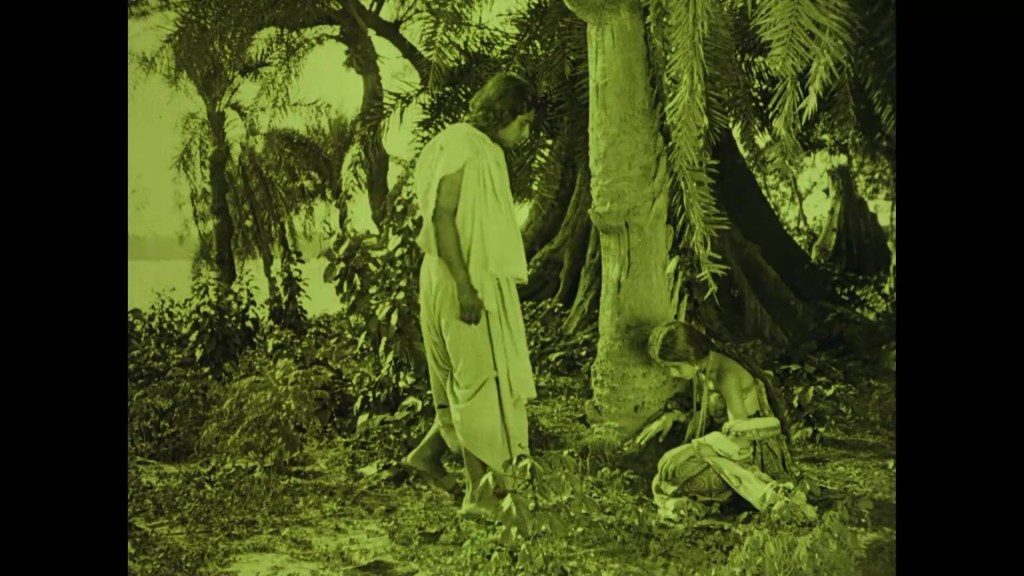
All this said, I didn’t care that the film wasn’t awash with stylistic flourishes or deft pieces of editing or camerawork. I didn’t care because this was one of the most beautiful films I’ve seen in a long time. Restored from a contemporary print released in the UK in 1926, Prem Sanyas is exquisitely tinted and toned and simply glows. For all that I have criticized (or at least, damned with faint praise) the lack of “style”, this film has no need to be showy when it uses real locations so well. So many views make you want to gasp, to spend time gazing at the frame. From ornate temples and elaborate palaces to dusty streets and overgrown gardens, this film is as astonishing document of time and place. I could rave for hours over the photography, the way the tinting seems to make you feel the heat and the haze and the dust and scent of the locations. I’ve taken a large number of image captures, but I could have taken any number more. The drama might have been inert, even inept, but I was captivated by the film itself – by the sheer aesthetic gorgeousness of the image.

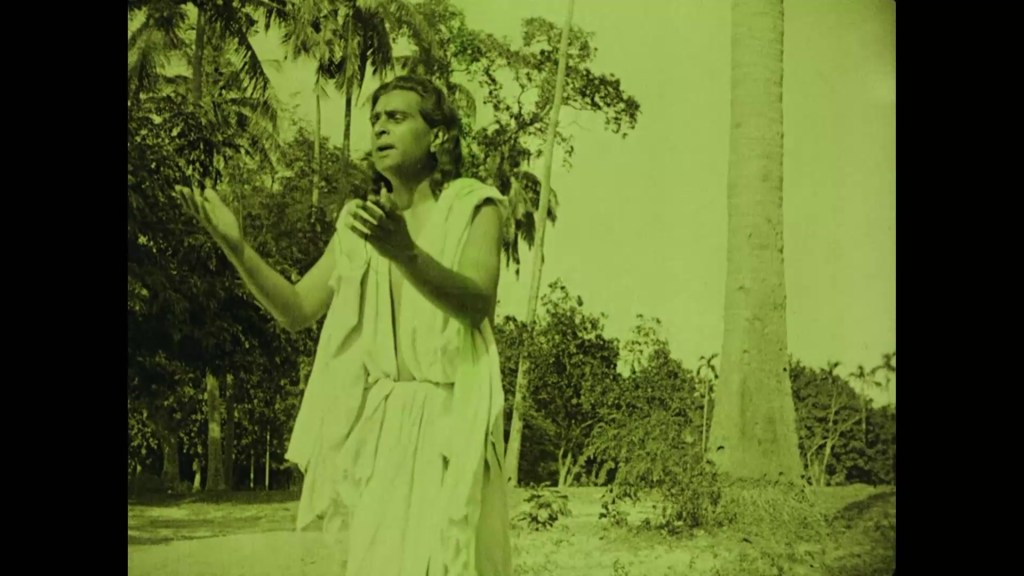
To return to something of the dramatic substance of the film, I must discuss the performers. I must begin by repeating what I said in my piece on Shiraz: I simply don’t think Himanshu Rai is an engaging screen presence. I found him stiff and awkward in Shiraz and I find him stiff and awkward in The Light of Asia. Given that he’s meant to be playing a religious prophet and visionary, I find him utterly unconvincing. He is both oddly stylized (holding poses, holding glances) and oddly restrained (not doing anything!). I would welcome a down-to-earth prophet, a recognizably human figure who connects to the sufferings of man. But Rai is neither a magnetic divinity nor a vulnerable human. He’s an oddly inert prophet and an oddly inarticulate teacher.

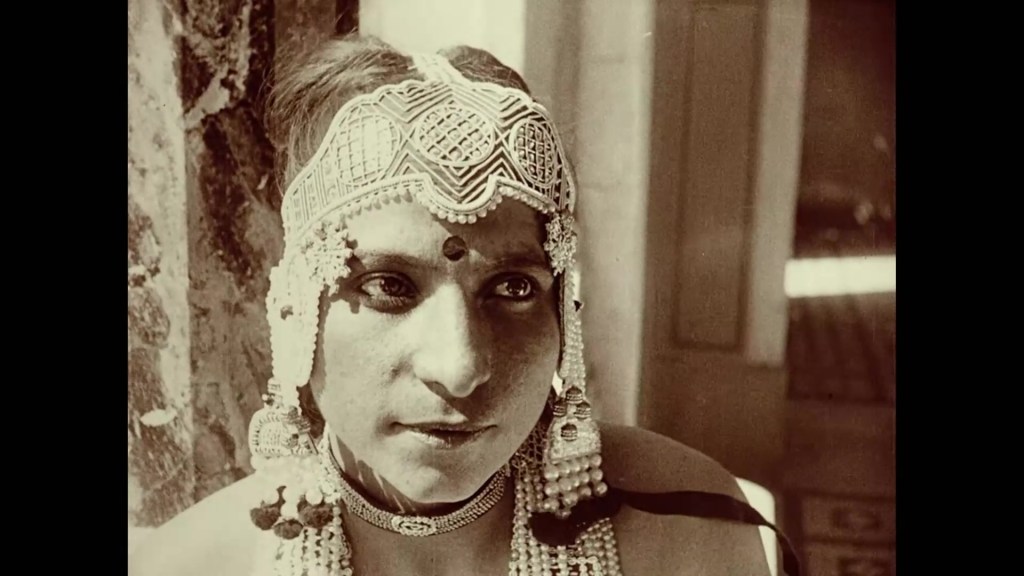
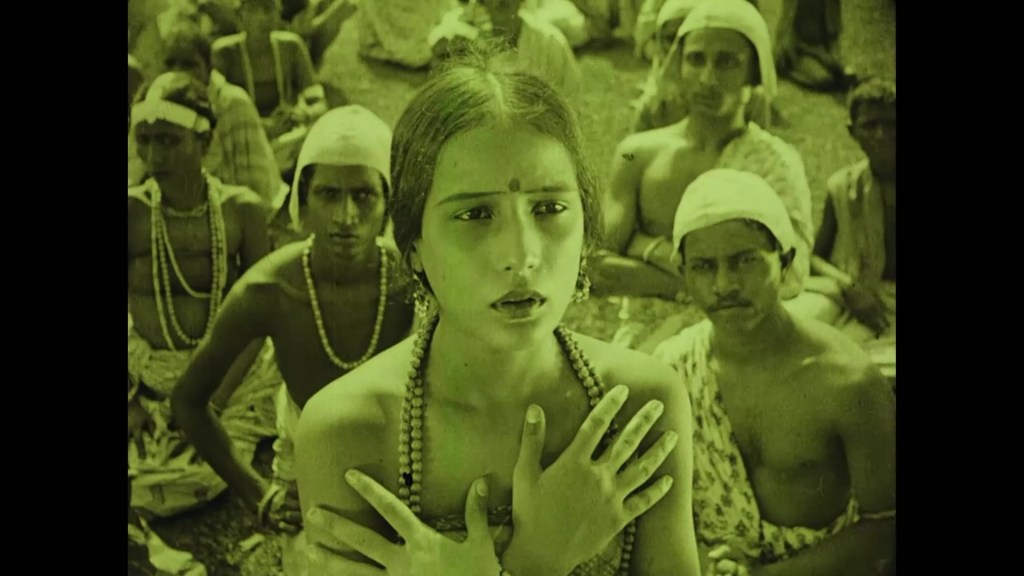
Rai’s limitations are shown up by the fact that everyone around him – and I mean everyone – has such great presence on screen: from the non-professional actors who play the minor characters to the real beggars and street performers who populate the world at large. Their faces and bodies are immensely interesting to behold. Here are real faces, real lives, real sufferings embodied for us to see. If I can’t see what the fuss is over the Buddha himself (or at least, Rai’s Buddha), I can absolutely see the fuss over the suffering of the world. The real locations and real extras are remarkably tangible, remarkably vivid.

As the king and queen, Sarada Ukil and Rani Bala are pleasingly unpretentious. Free from any posturing, gesturing, or theatrics, they are as real as figures from a mystery play – ordinary and extraordinary at the same time. Then there’s Seeta Devi, who was by far the most striking presence in Shiraz. Here, she looks scarcely more than a child – indeed, she was thirteen at the time of filming. A real child to play the prince’s child bride. In my piece on Shiraz, I remarked that she was the only performer to offer a really defined performance, i.e. someone who was palpably playing for the camera, for us. Her role, as a manipulative figure wishing to shape the drama, perfectly suited her performance style. In Prem Sanyas, she is free of mannerisms, of technique. True, she is not given much of a character to embody, but nevertheless there is a naturalness to her embodiment of Gopa that is moving in itself. And though she has yet to grow into her adult body, or adult confidence as a performer, she is still radiant on screen.

The soundtrack for this performance was compiled by Willy Schwarz and Riccardo Castagnola. It consists of (what I take to be) prerecorded sections of music, historical recordings, and ambient acoustic sound. Most of these sample the sounds of India, through instrumental choices or the sound of crowds/prayers/chanting etc. I found it a little distracting to hear recorded effects during silent scores, even in the vaguest form like the sounds of praying and general bustle offered here. While it certainly fits the setting of the film, it doesn’t suit the period of the film’s making – i.e. its silent aesthetic. The film is so overwhelmingly visual, I didn’t want a composer trying to “complete” the pictures with real sounds. I much preferred the sections of instrumental music, which felt much more in keeping with the period and setting – and the film’s historical and aesthetic origins. That said, I’ve heard infinitely worse “acoustic” soundtracks, so I’m not complaining too much.

Overall, Prem Sanyas was an excellent experience. I wrote recently about another religious parable, The King of Kings, and when watching Prem Sanyas I was reminded of the many reasons I disliked DeMille’s epic. Despite all the awkwardness of Prem Sanyas, the absolute reality of its mise-en-scène, of the places and the people who inhabit it, make it a far more rewarding viewing experience than time spent in DeMille’s artificial holy land.

Paul Cuff
Bonn from afar (2024, day 3)

Day 3 of the Stummfilmtage Bonn takes us to Czechoslovakia in 1929. Both the film and its director were new to me, but I’d seen this restoration doing the rounds at various festivals and wondered if it would ever come my way. I was therefore very happy to see its inclusion at the Bonn festival – it’s exactly the kind of film I’d hope to encounter…

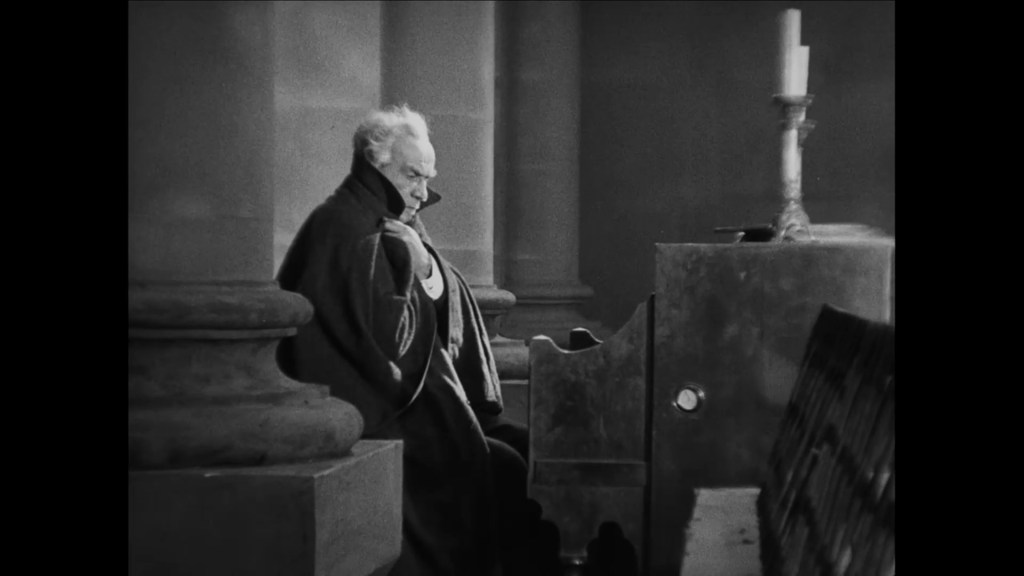
Varhaník u sv. Víta (1929; Cze.; Martin Frič)

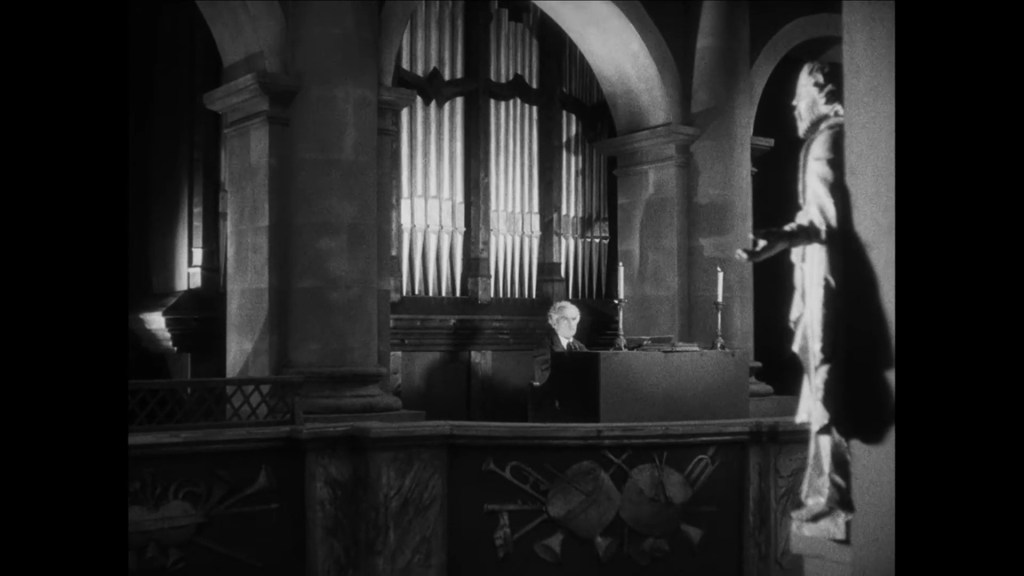
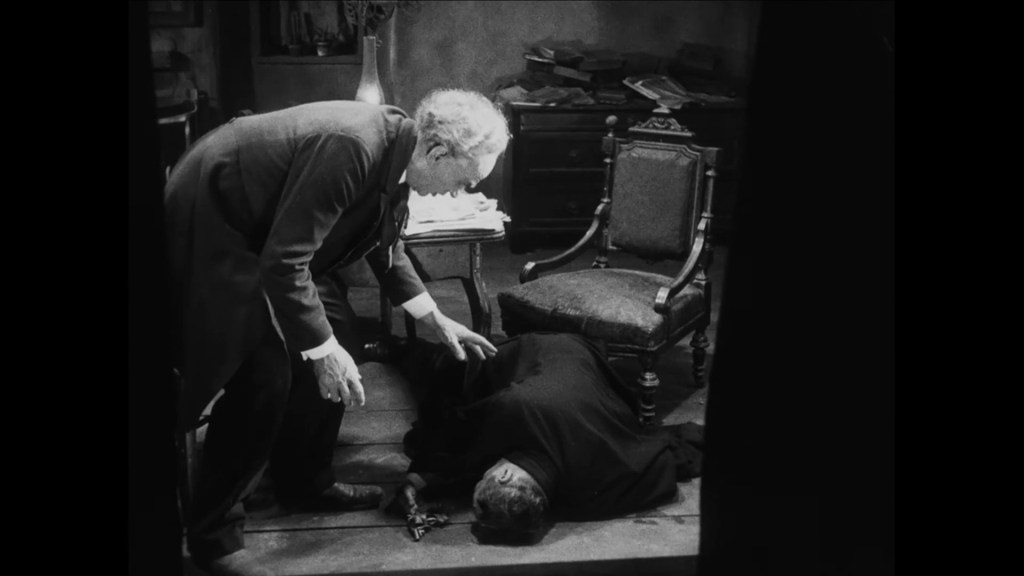
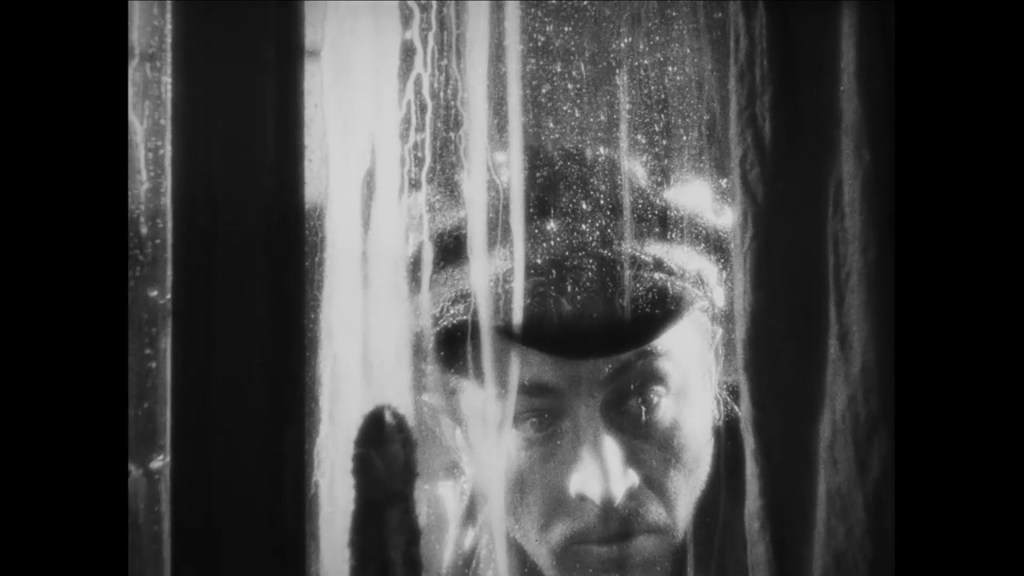
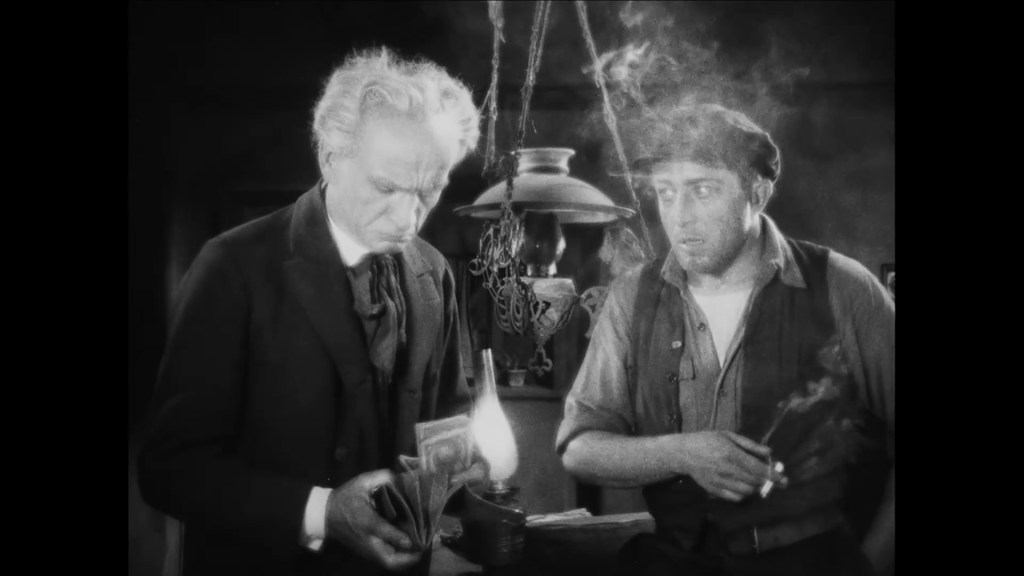
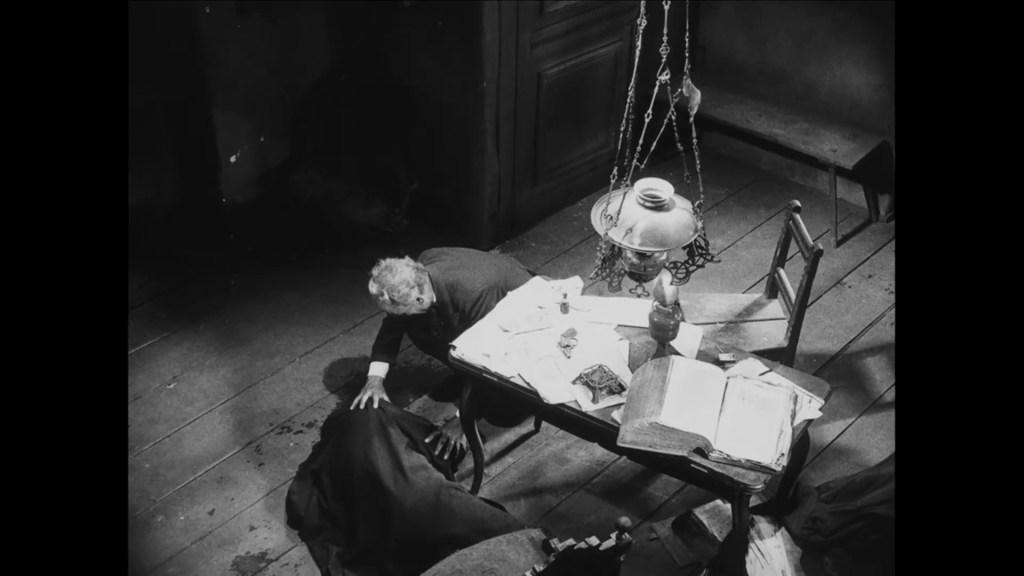
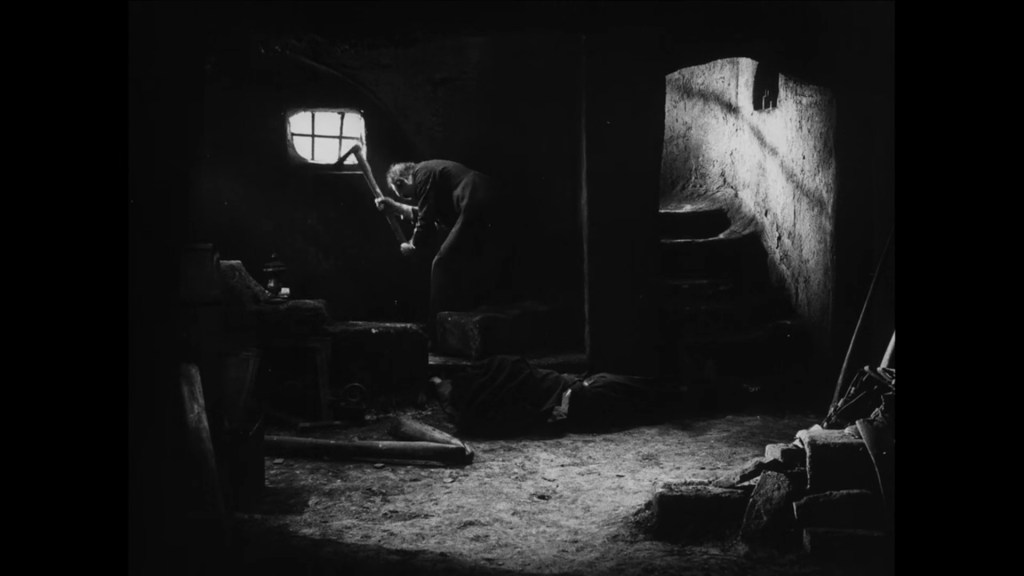
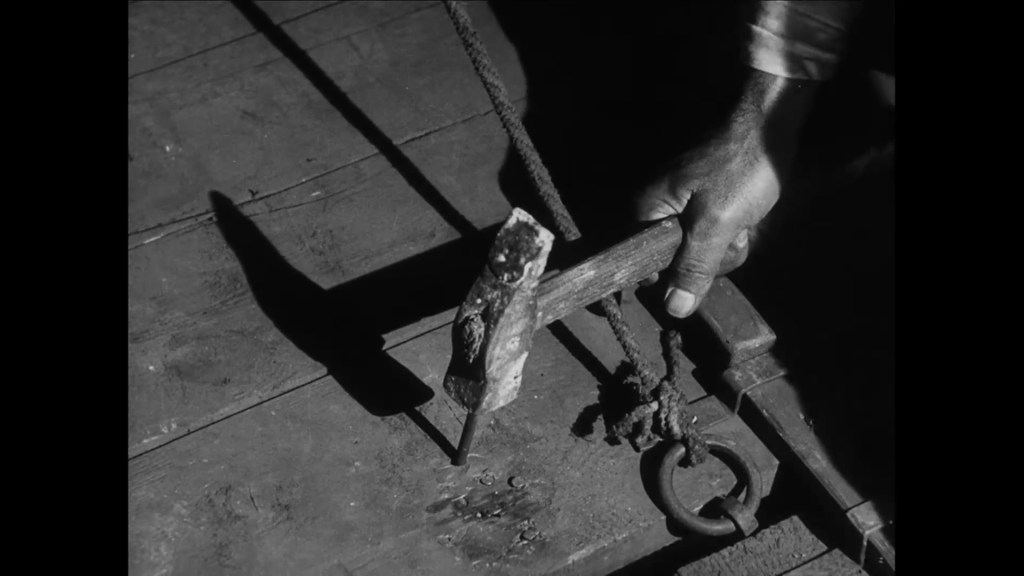
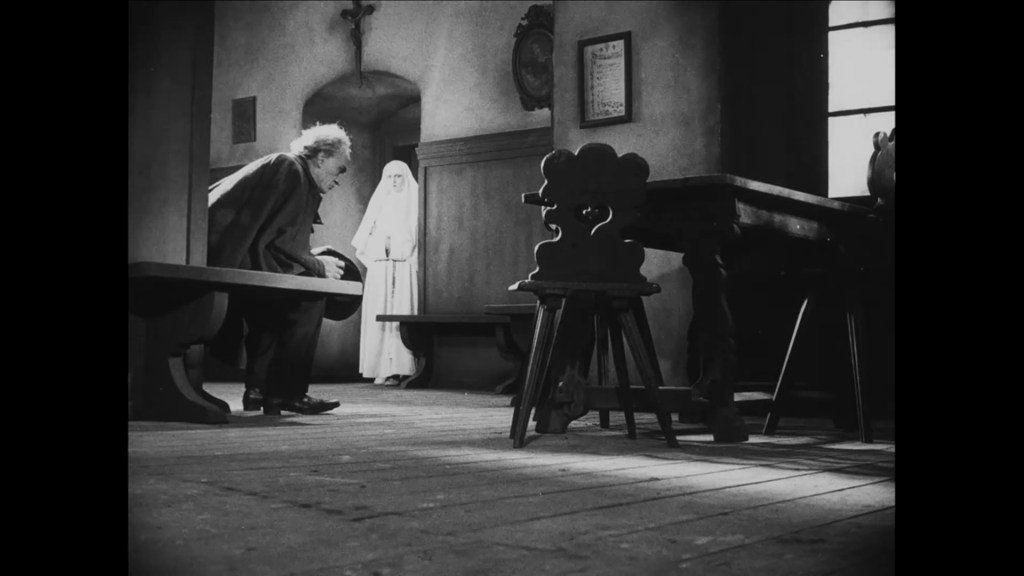
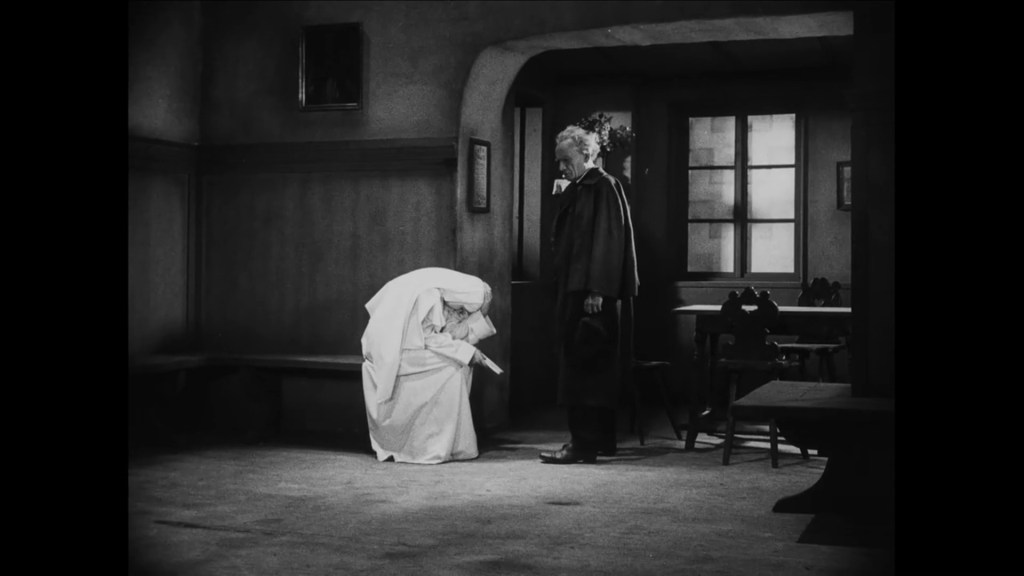
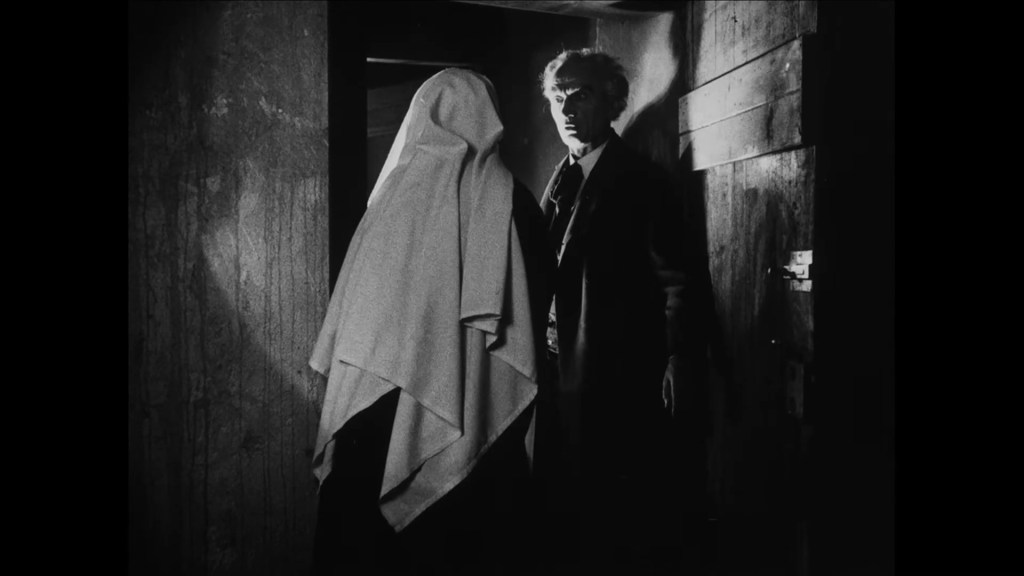
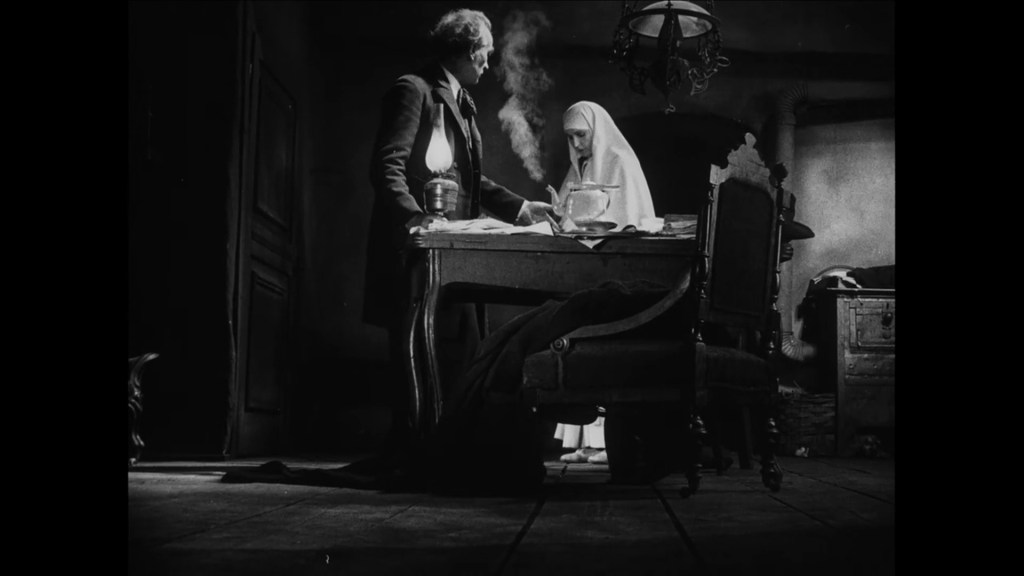
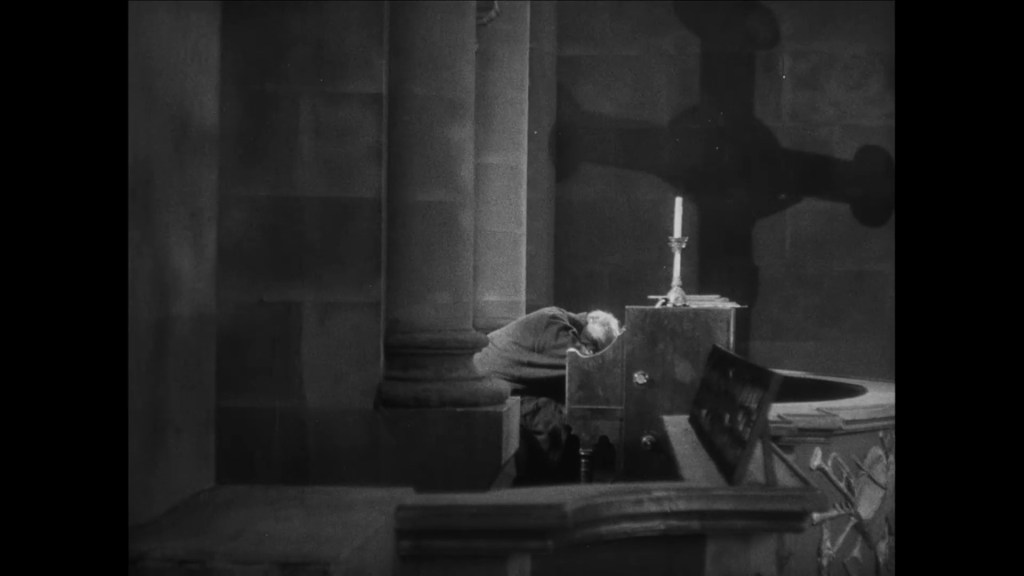
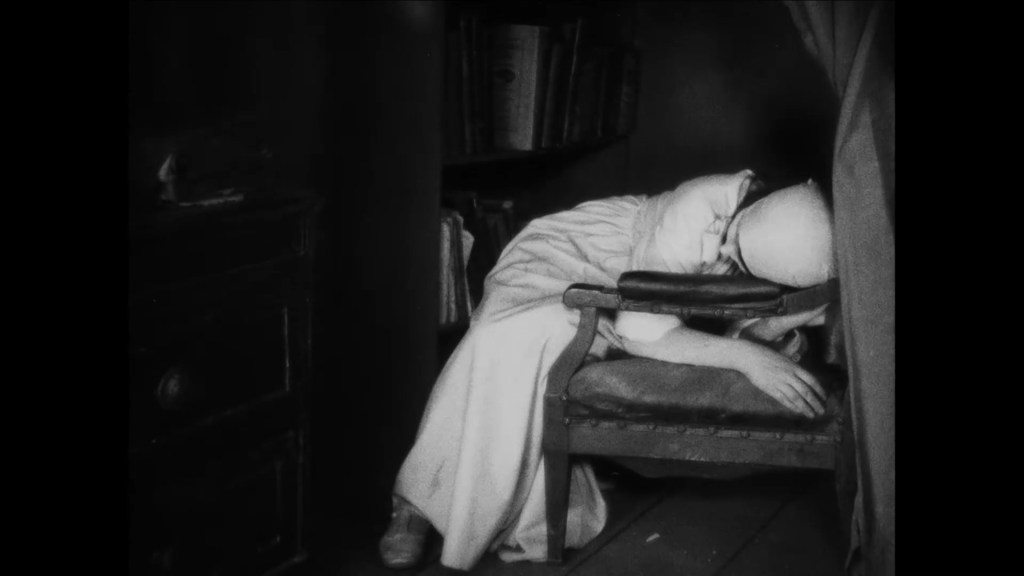
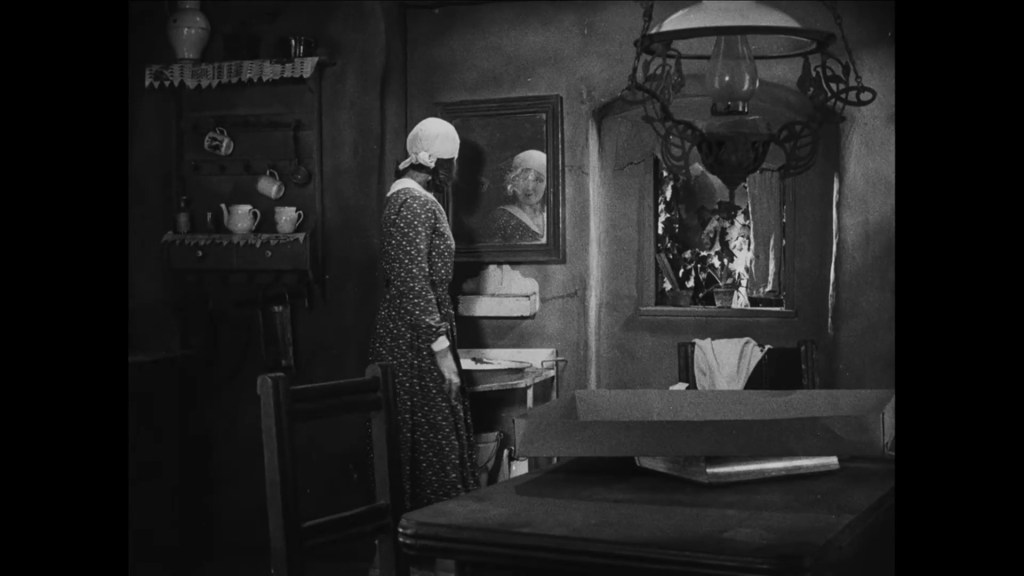
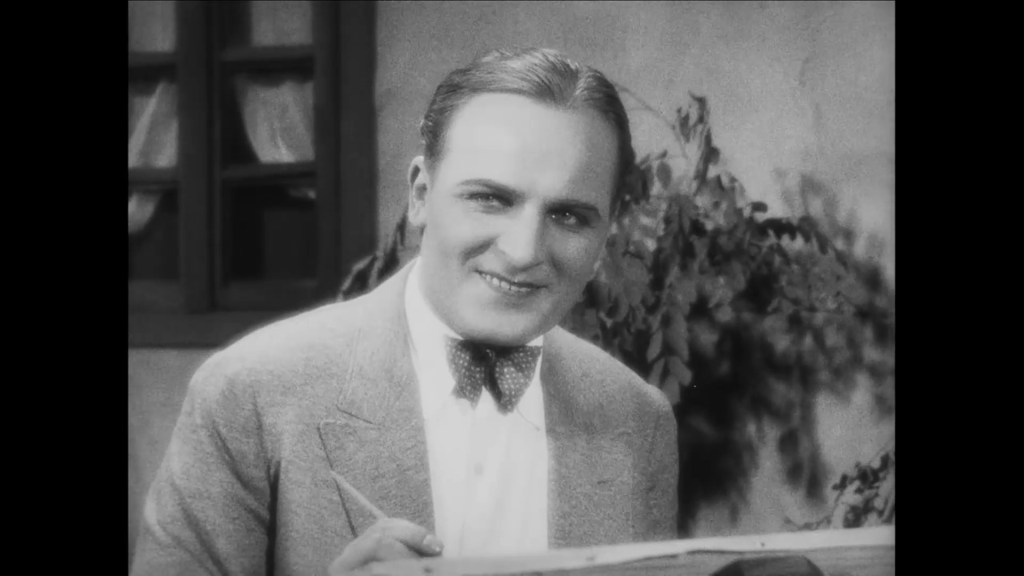
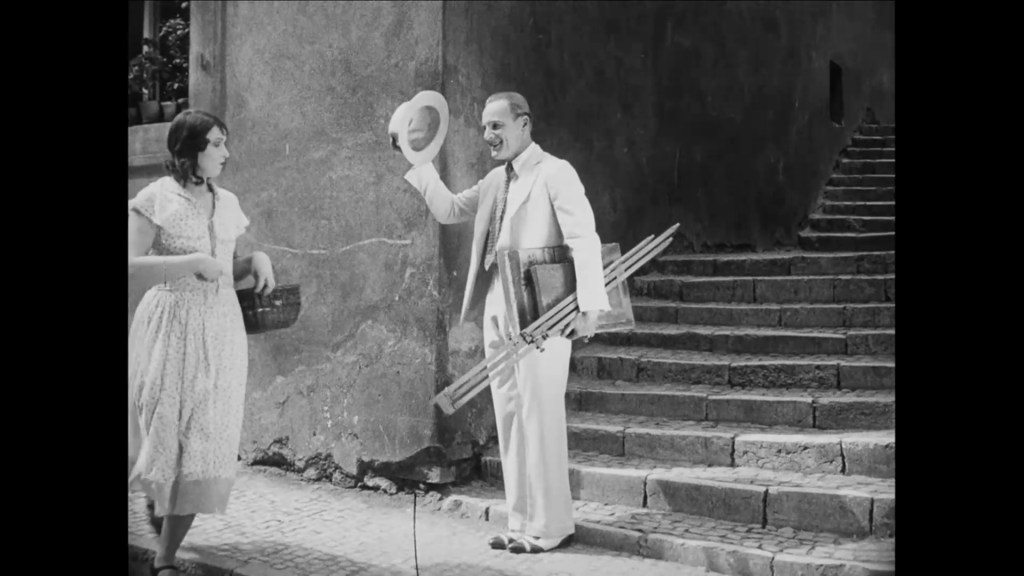
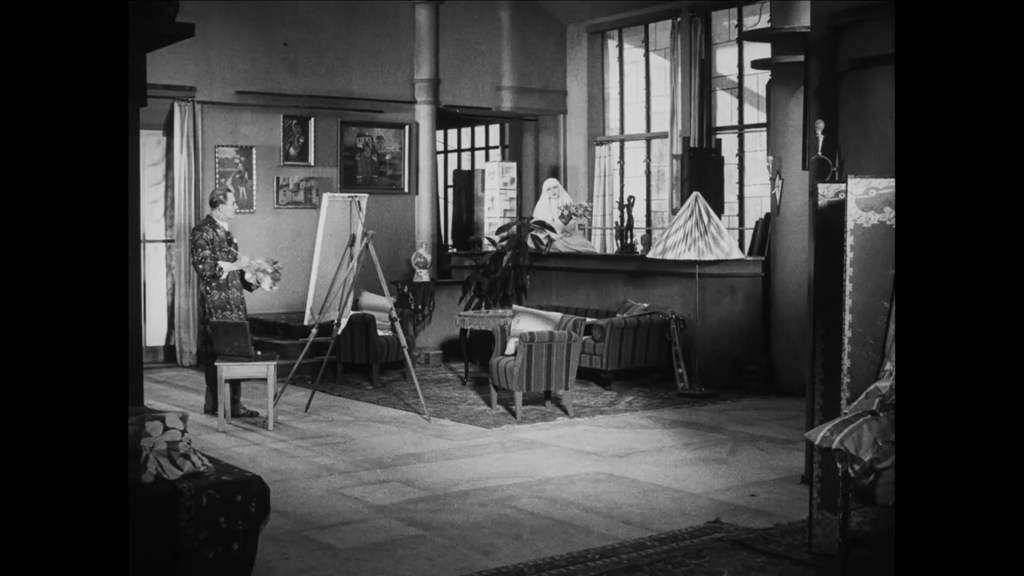
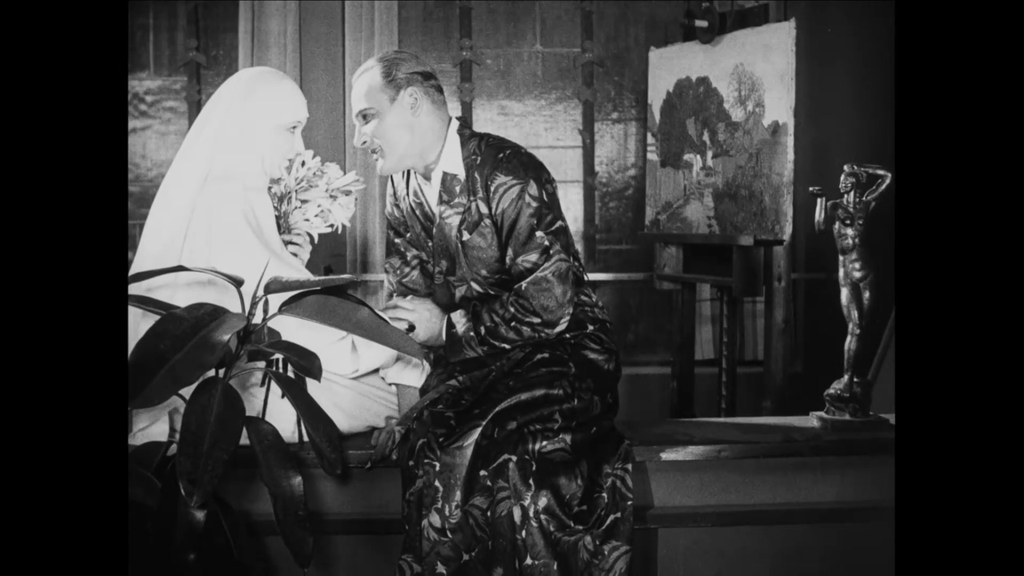
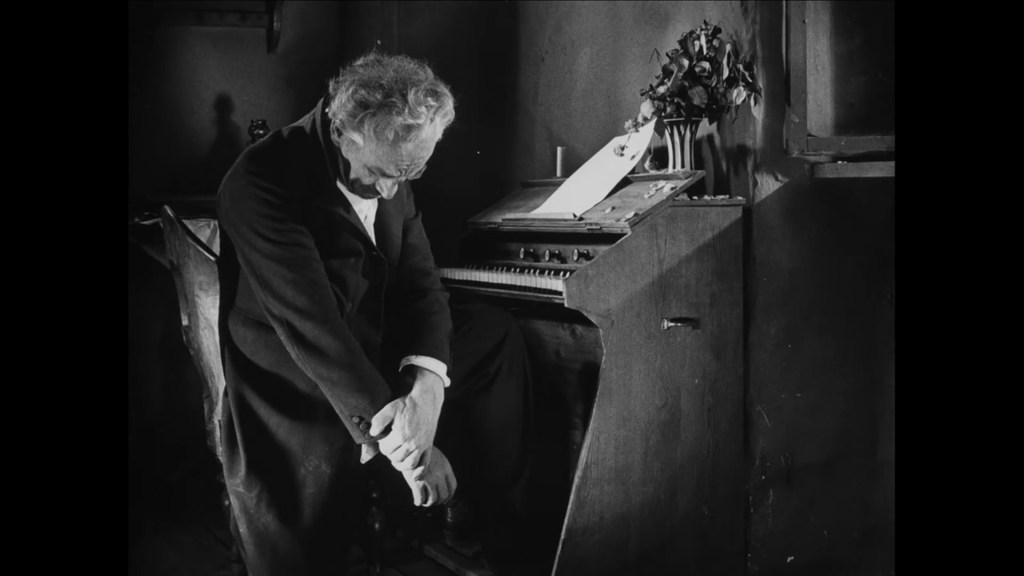
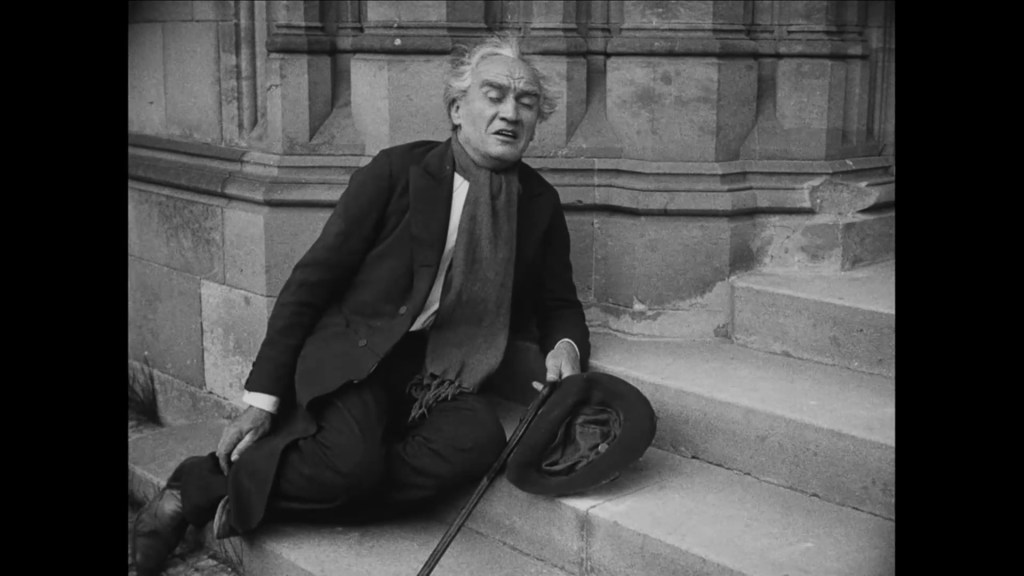
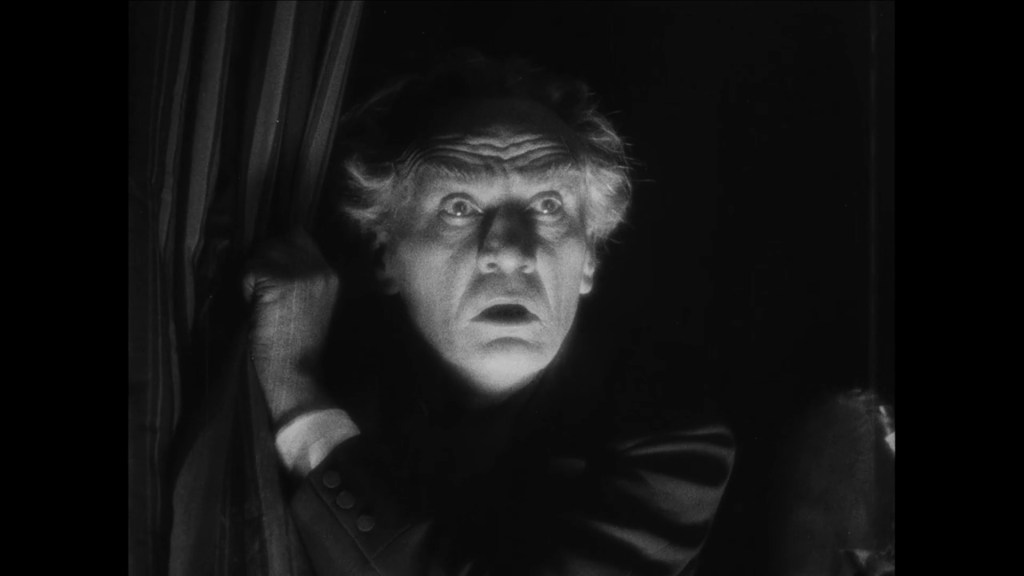
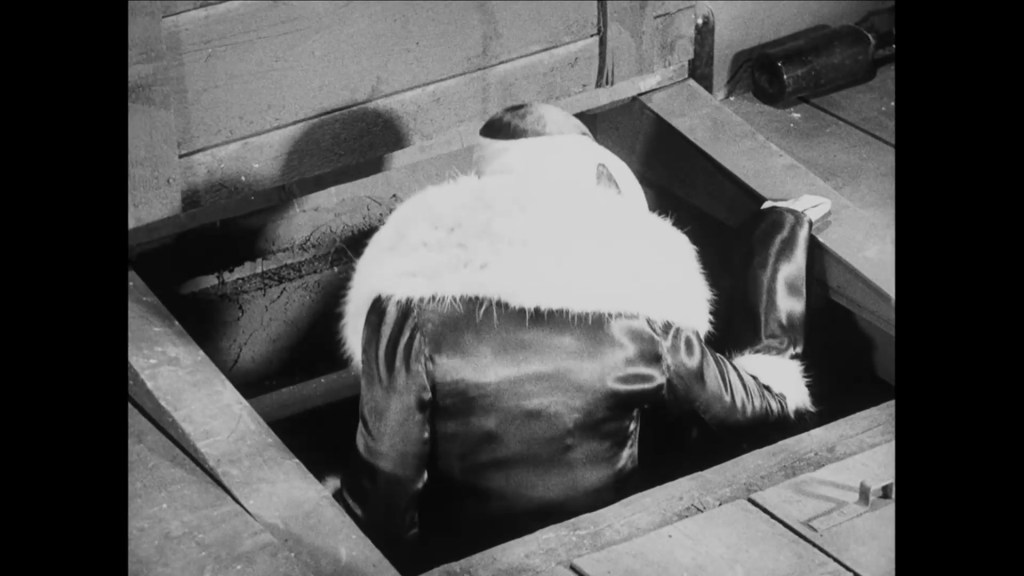
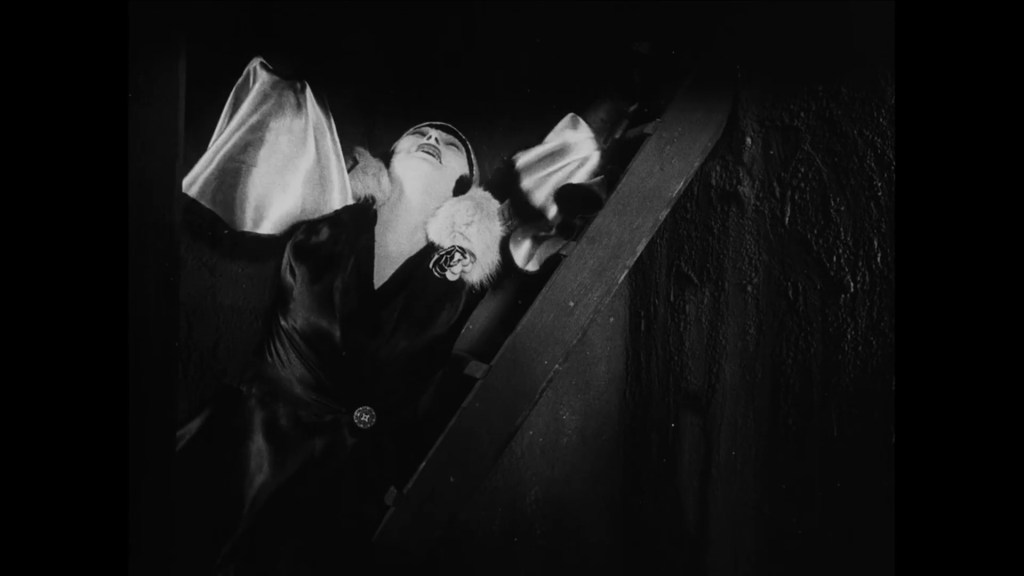
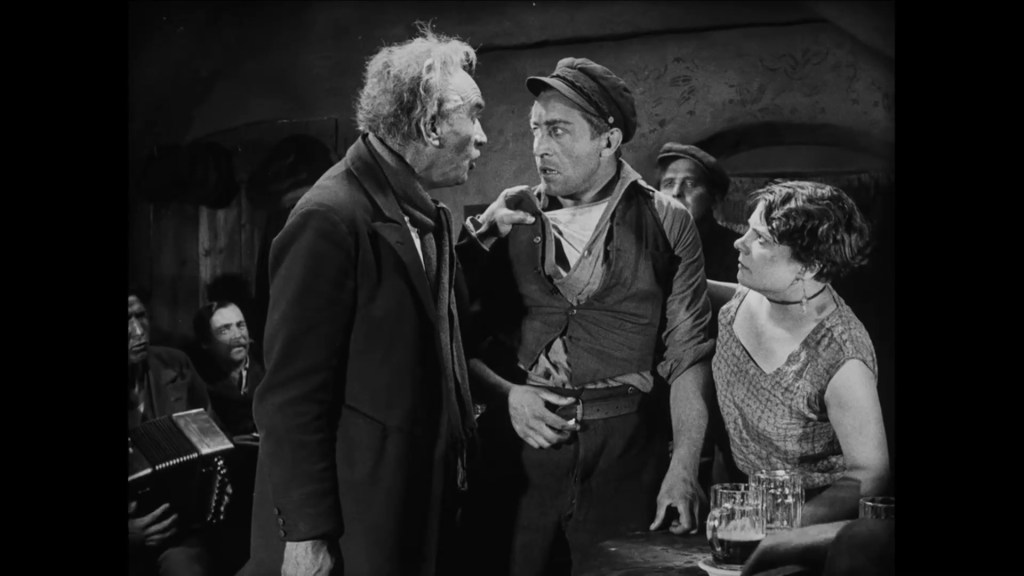
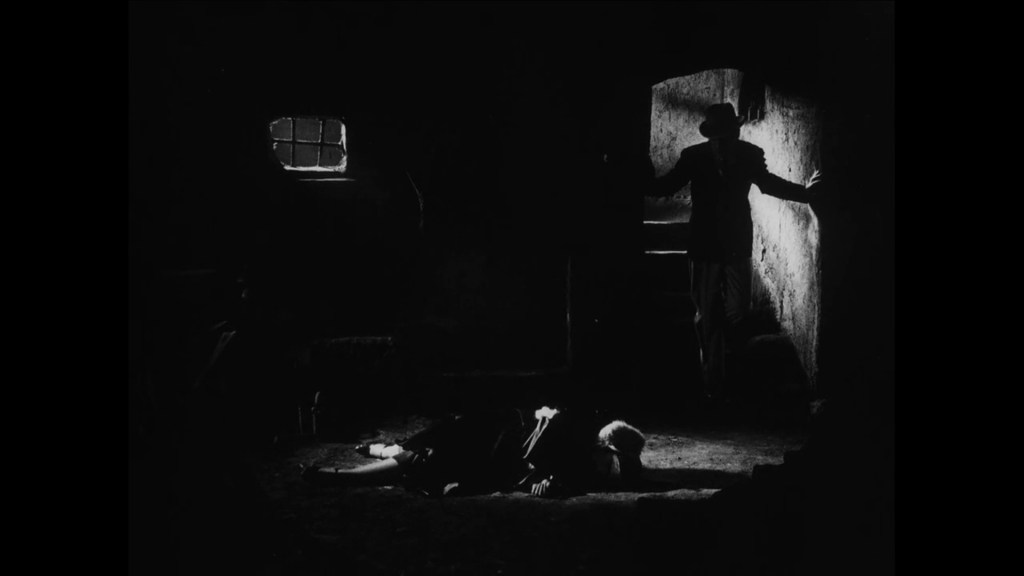
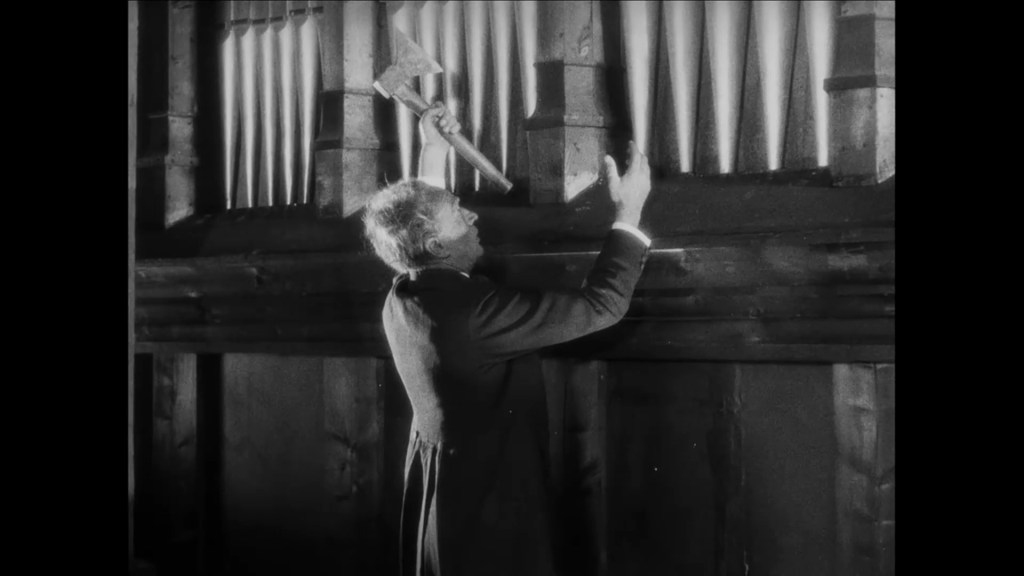
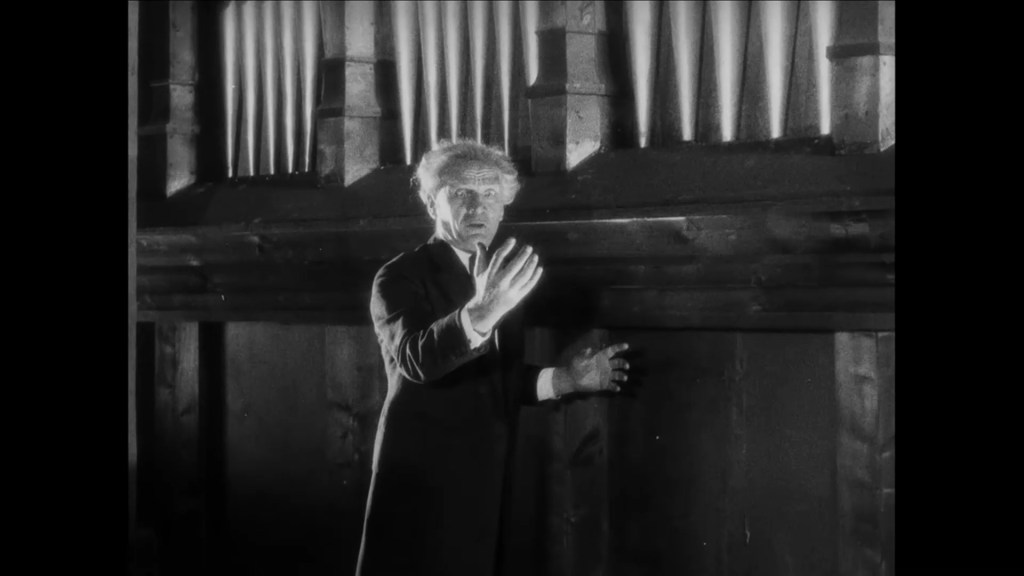
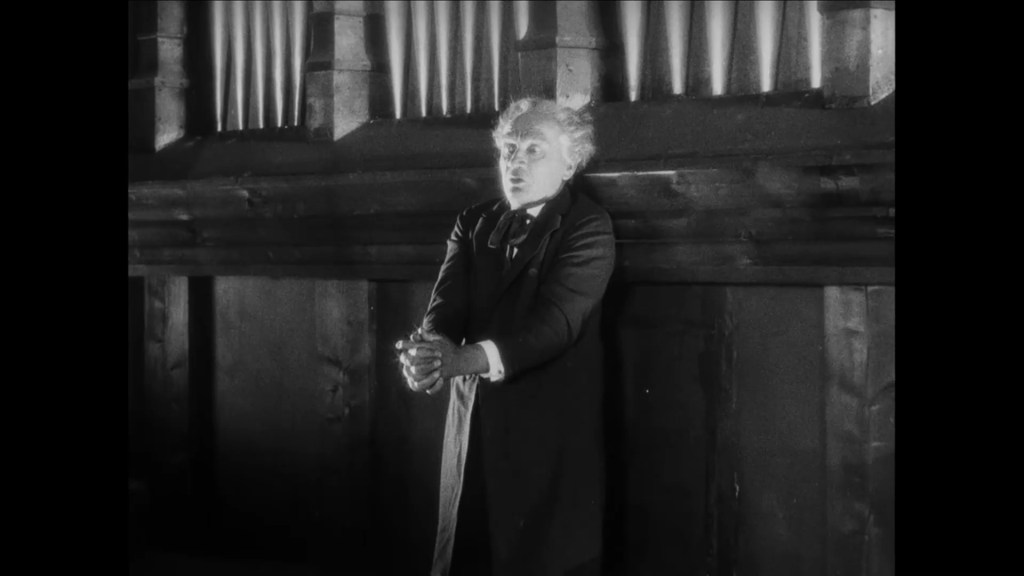
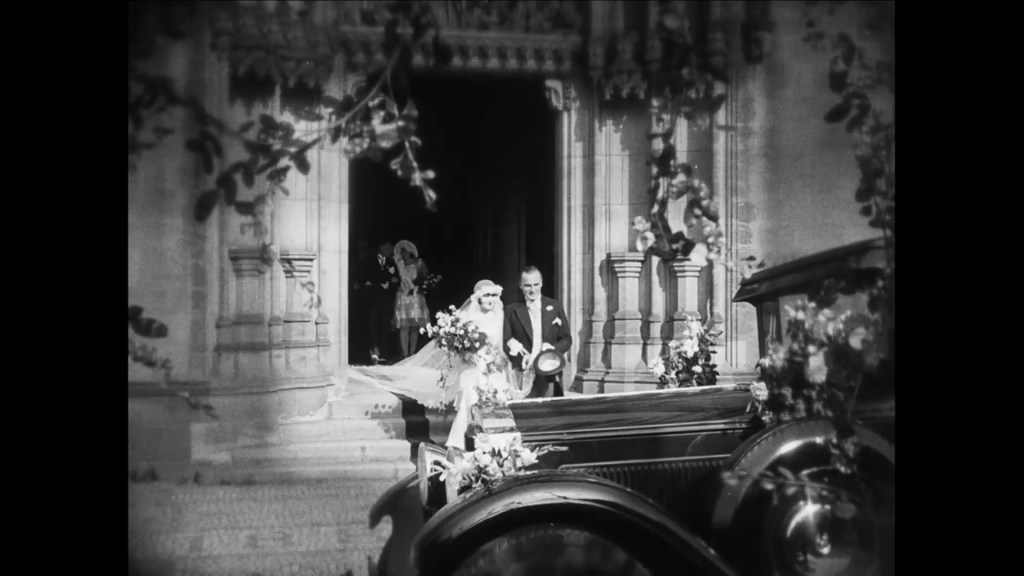
The plot is a marvellously strange melodrama. The organist of St Virus cathedral in Prague is an old man whose only joy is his music. One night, his solitary evening is interrupted by an old friend who has escaped from prison. The friend has a daughter, for whom he has a bundle of cash and a letter. After entrusting these items to the organist, the friend shoots himself. The scene is witnessed by a neighbour, Josef, who manipulates the organist into burying the body in his basement while he makes off with the letter. Later, the organist visits his friend’s daughter, Klara, who lives as a nun. He gives her the money and tells her of her father’s death. Shaken, Klara wants to know more – but the organist refuses to explain. Dreaming of a different life, and haunted by her father’s mysterious death, Klara leaves the nunnery and finds shelter with the organist. The organist becomes a kind of surrogate father, but he is tortured by the presence of the body buried in his basement. While Klara pursues a romance with Ivan, a handsome painter whom she has seen outside the convent, the organist is confronted by Josef, who tries to blackmail him. Josef then tells Klara that the organist was murdered by the organist. Klara flees to Ivan, while the organist has a mental breakdown and finds his right arm paralysed. Unable to settle with Ivan unless she knows the truth about her father, Klara returns to the organist’s home and finds her father’s grave. Horrified, the organist locks her in – but Ivan rescues her. Josef witnesses the torment his lie has caused, so sets out to right his wrong: he tells Klara the truth and apologizes to the organist. A miraculous cure enables the organist to recover the use of his right arm, and the film ends with him playing music at the wedding of Klara and Ivan. KONEC (The End).

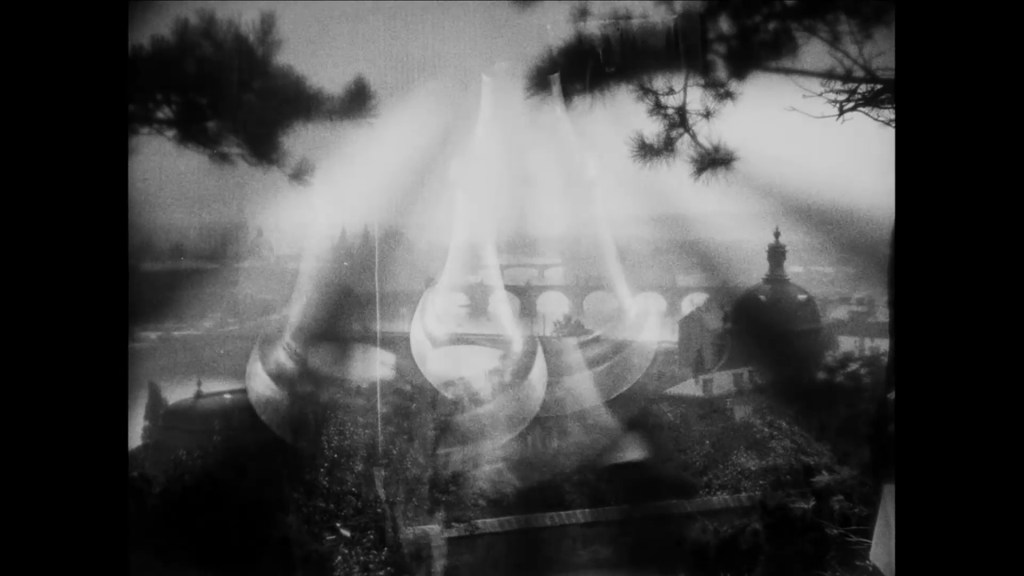
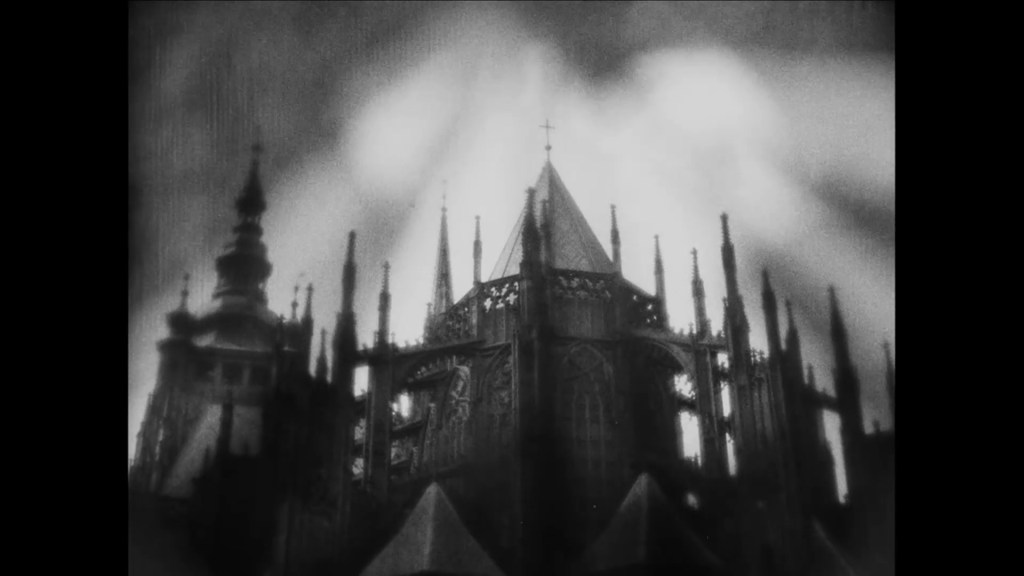
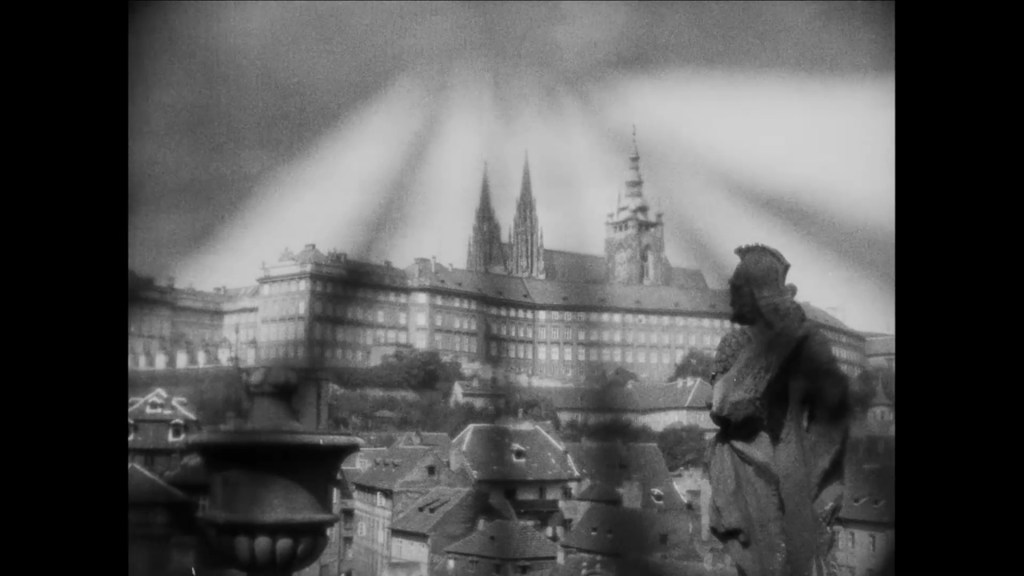
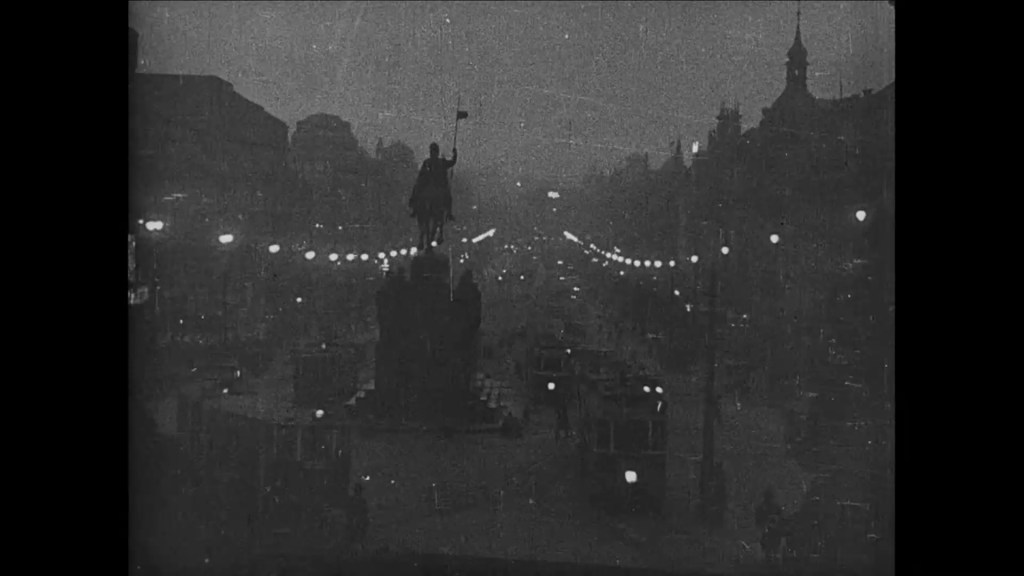
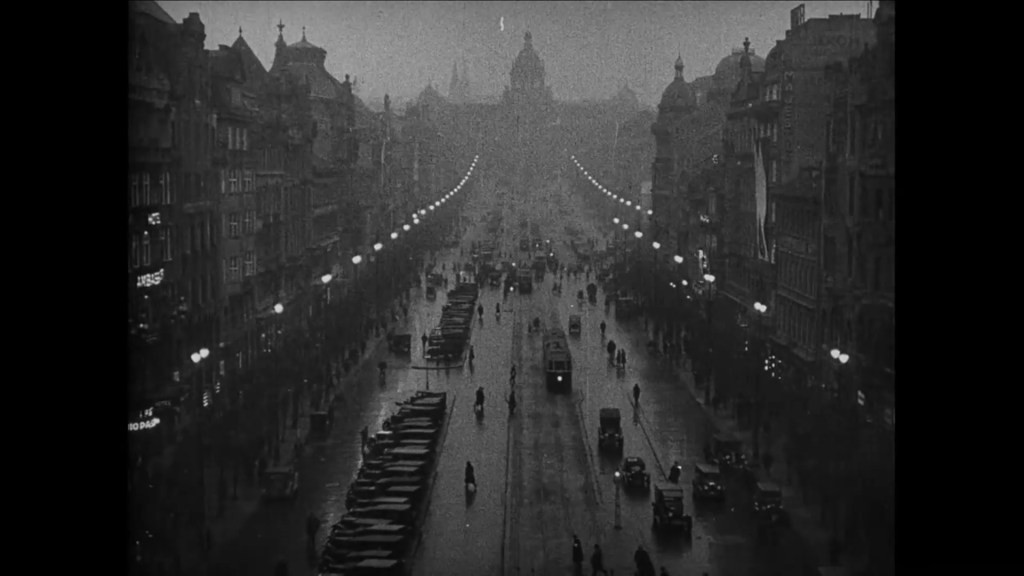
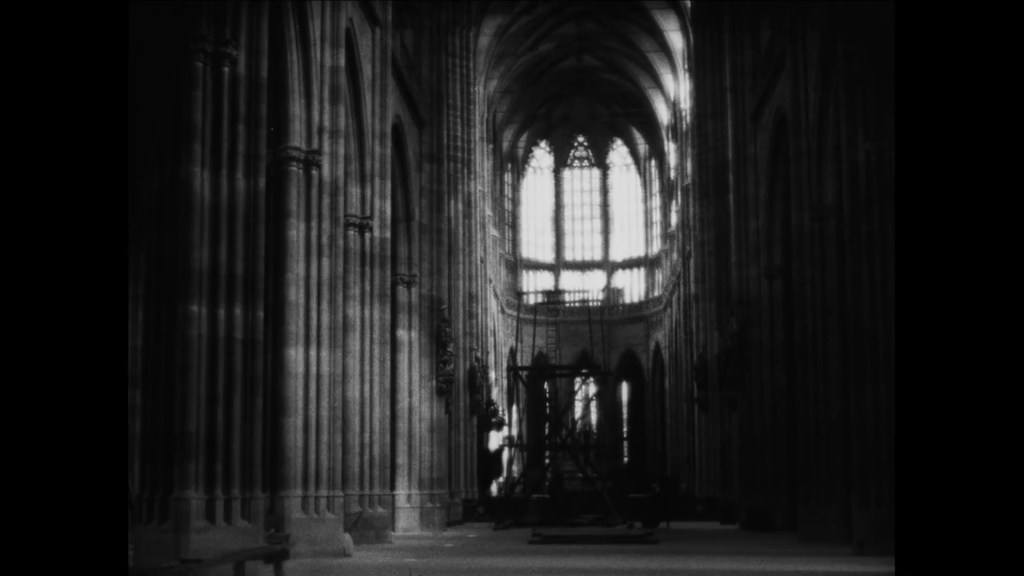
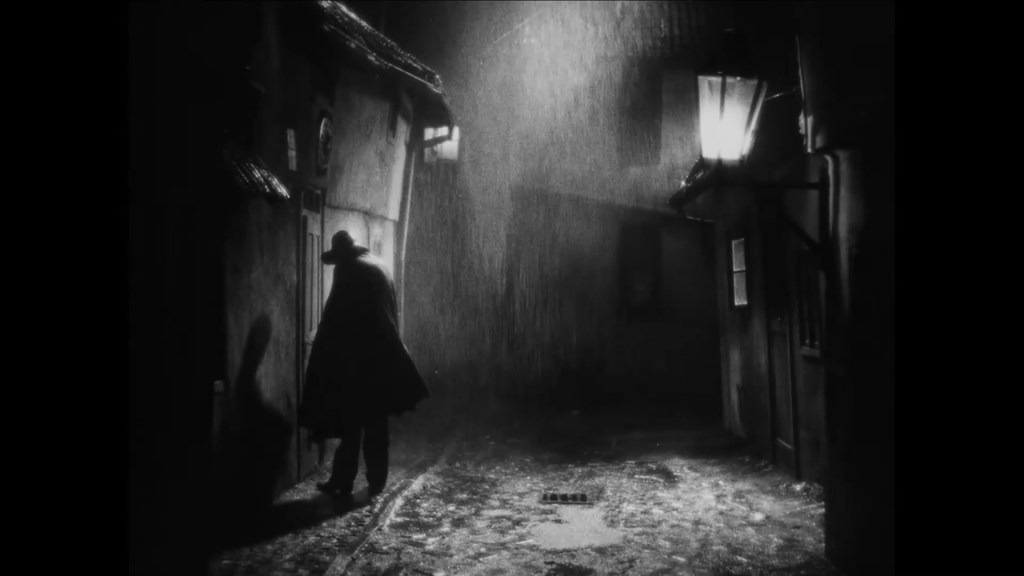
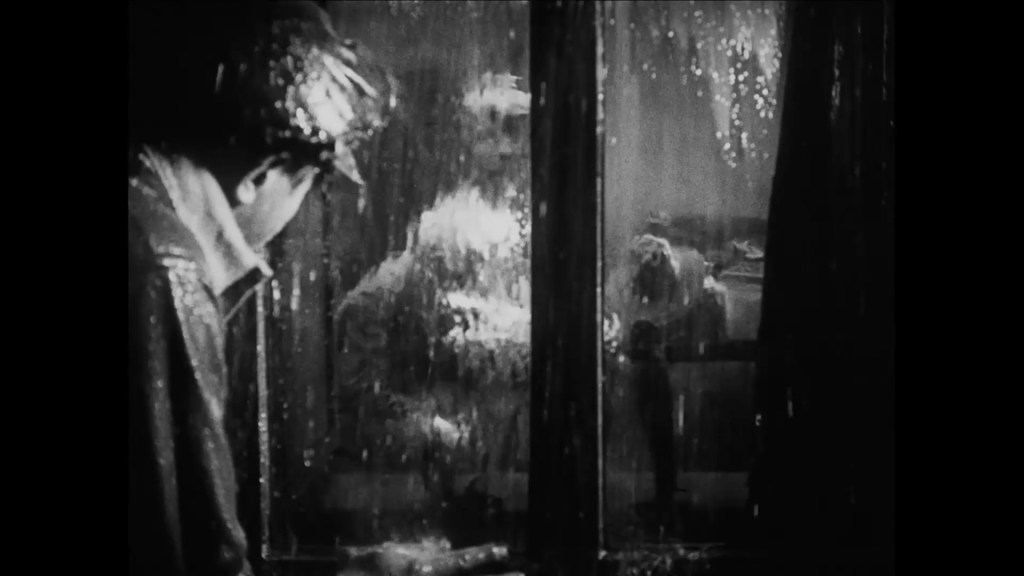
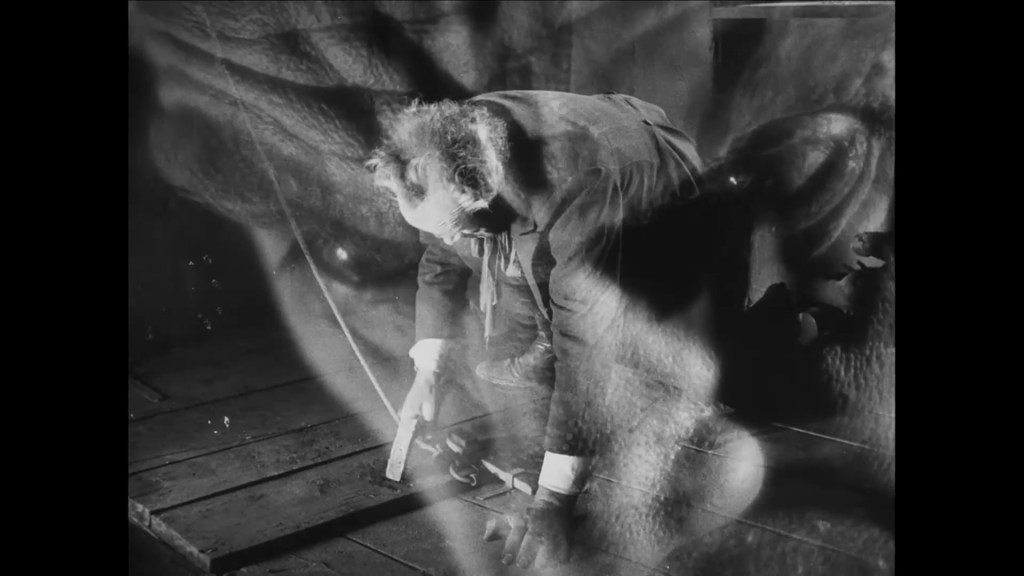
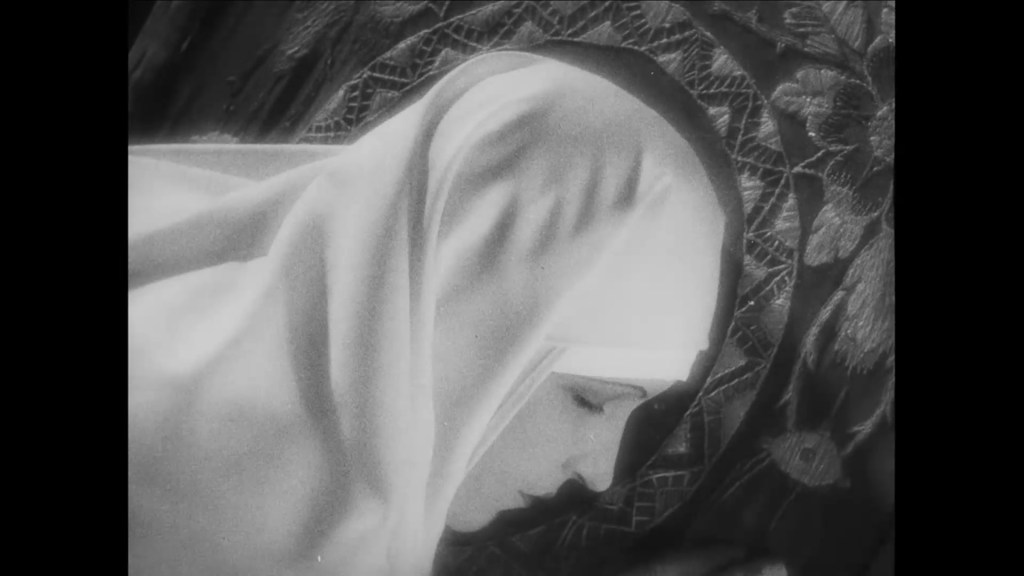
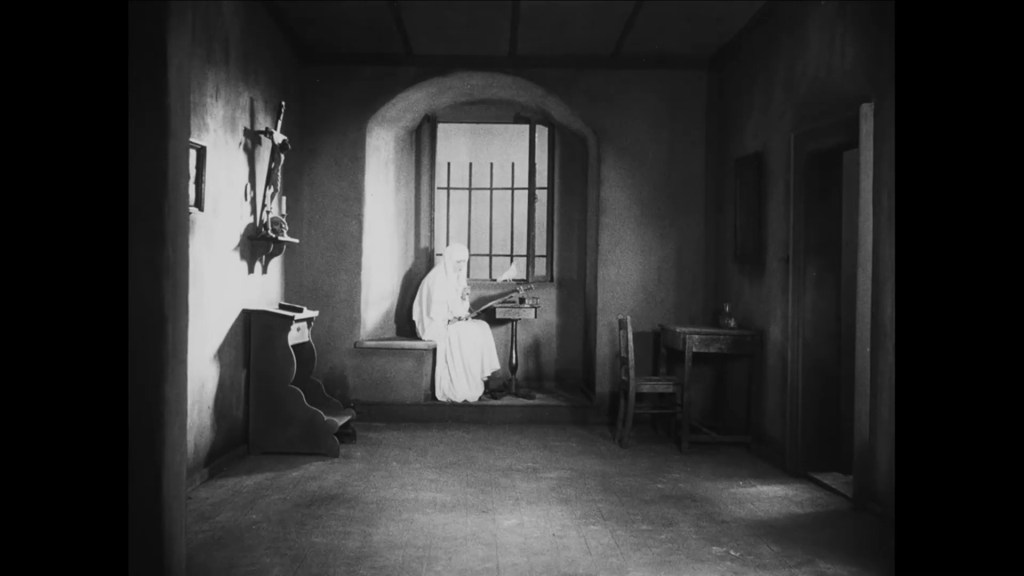
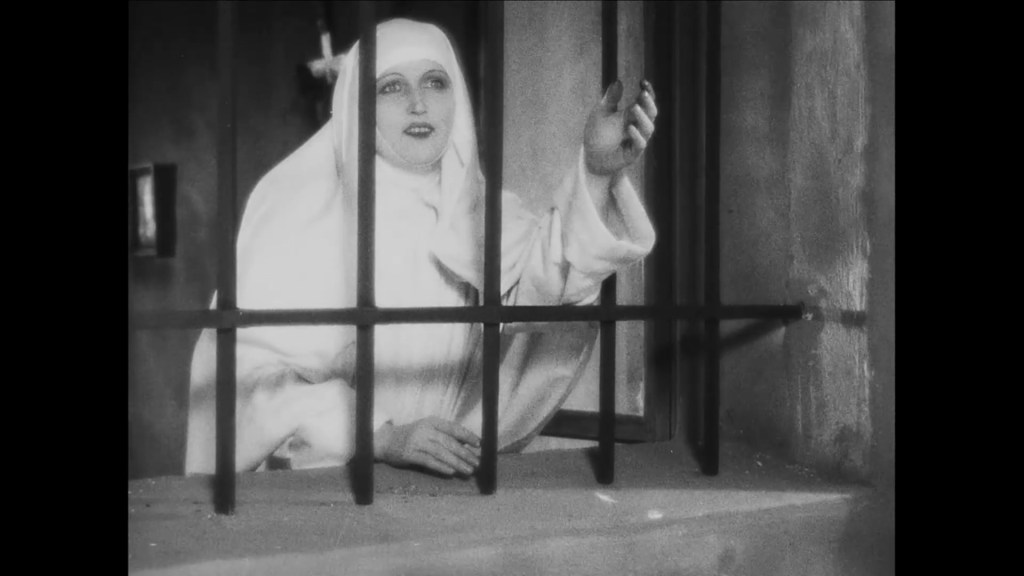
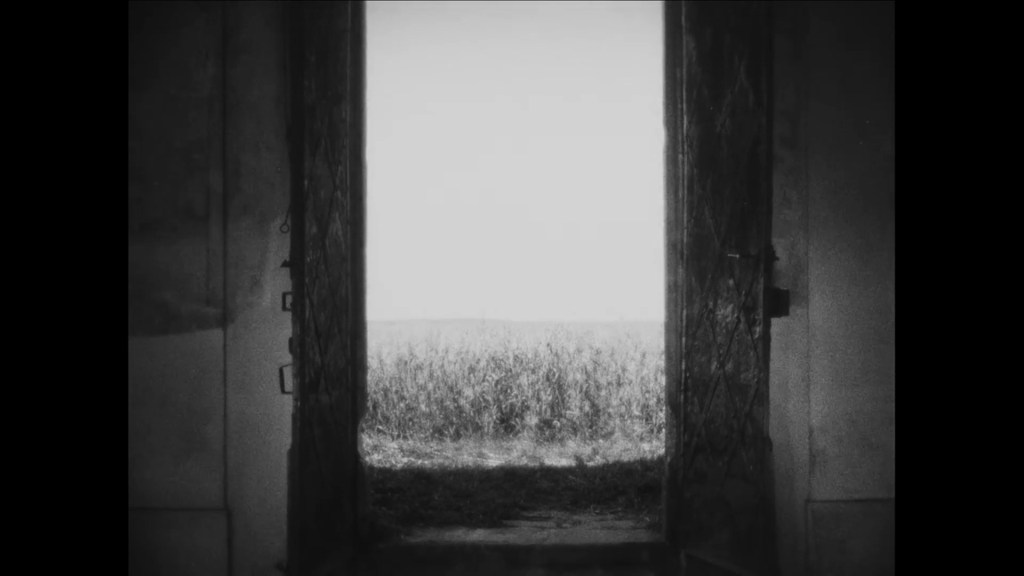
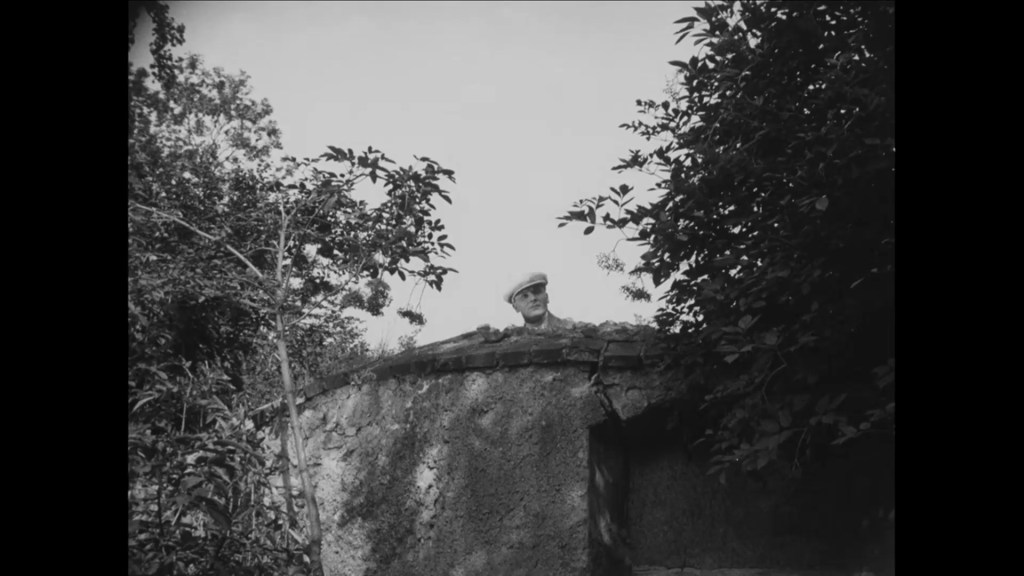
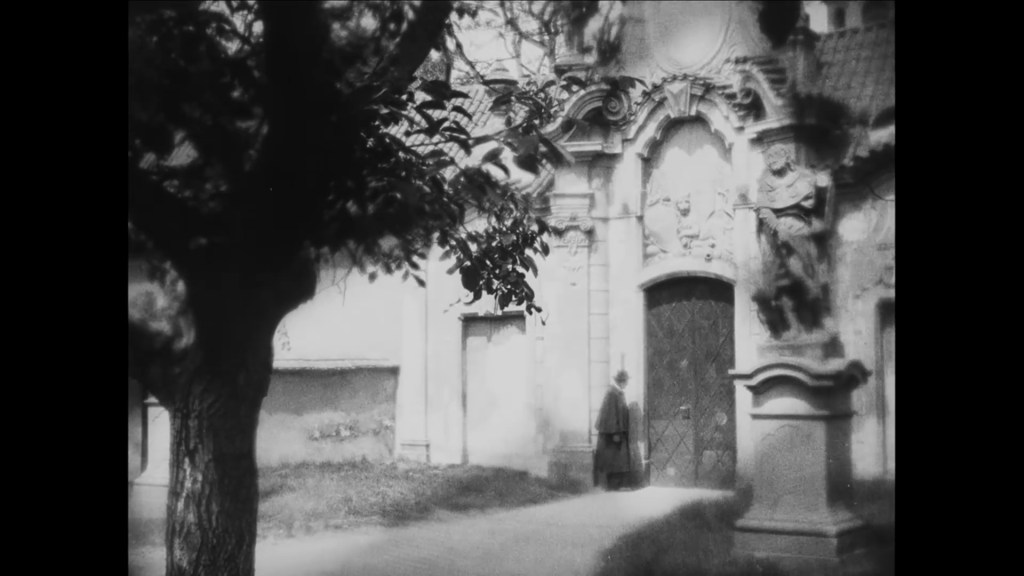
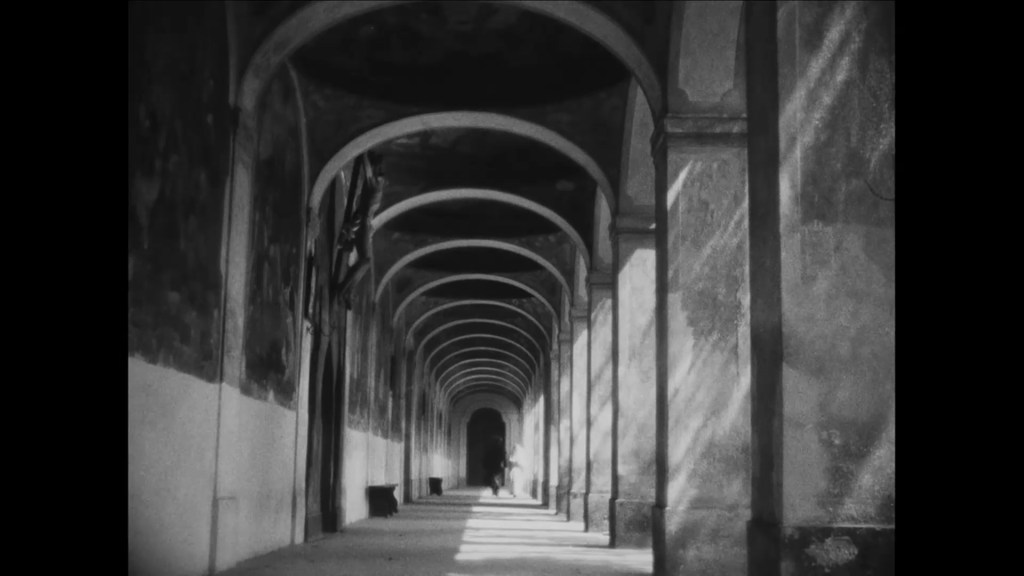
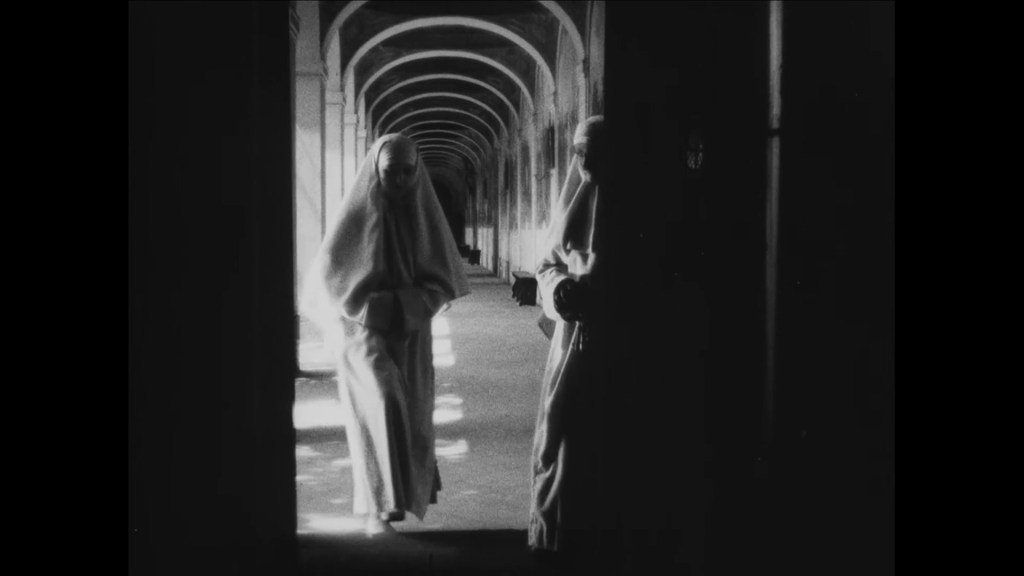
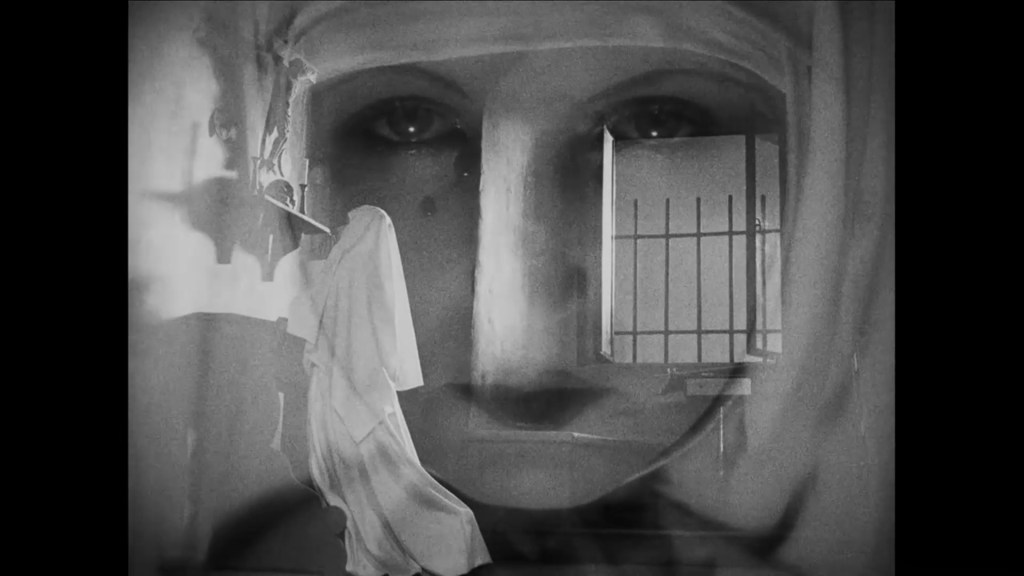
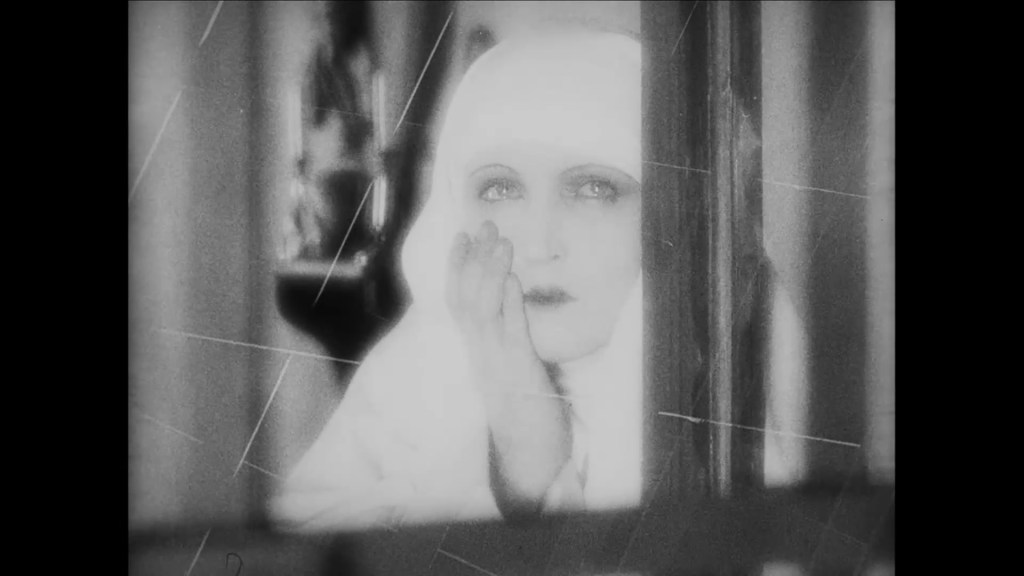
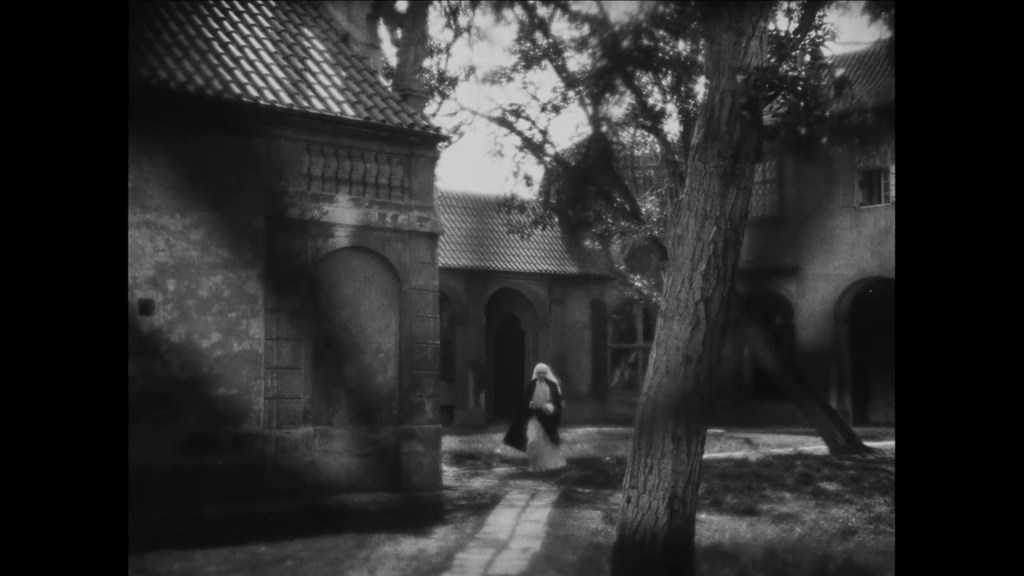
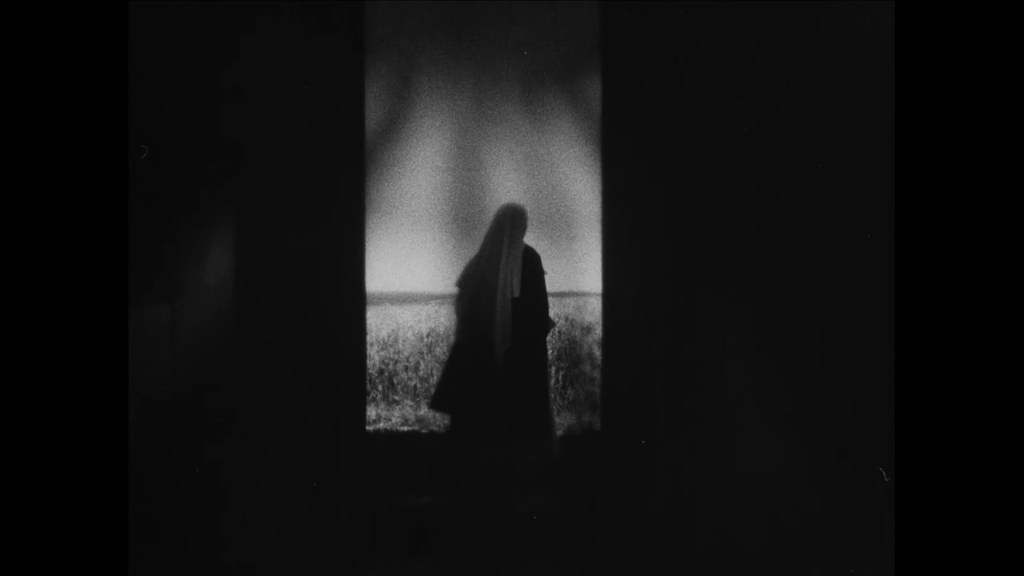
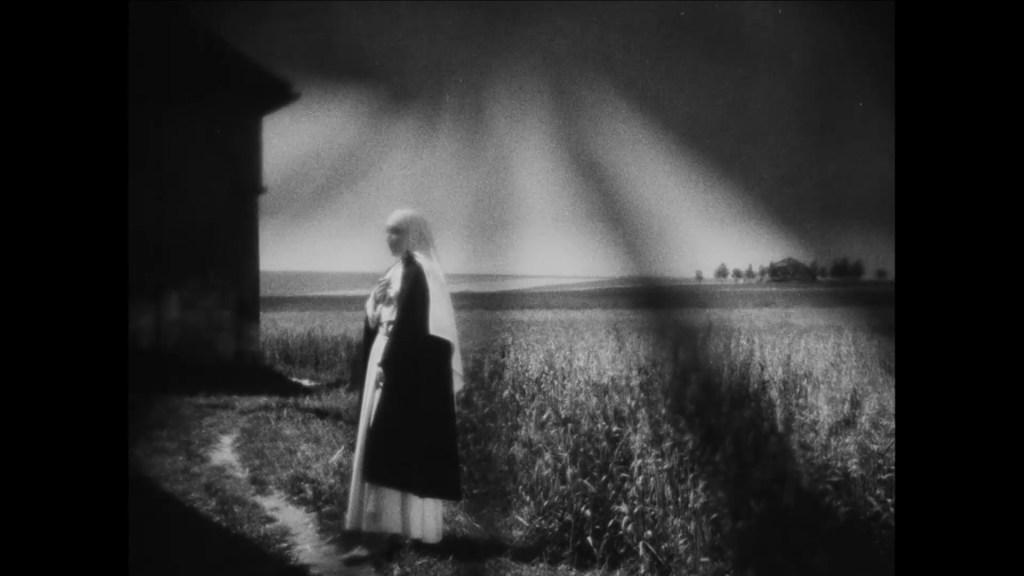
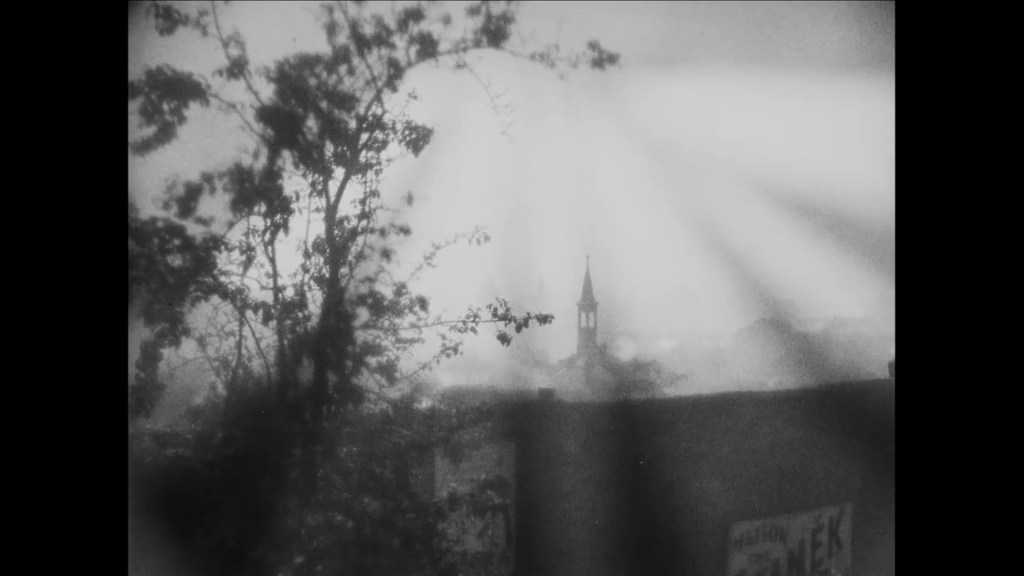
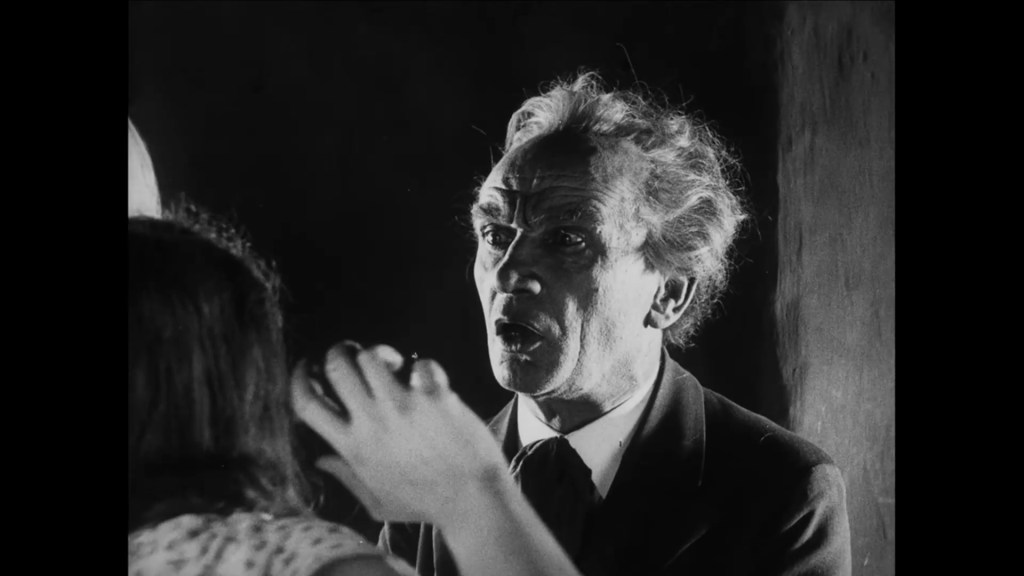
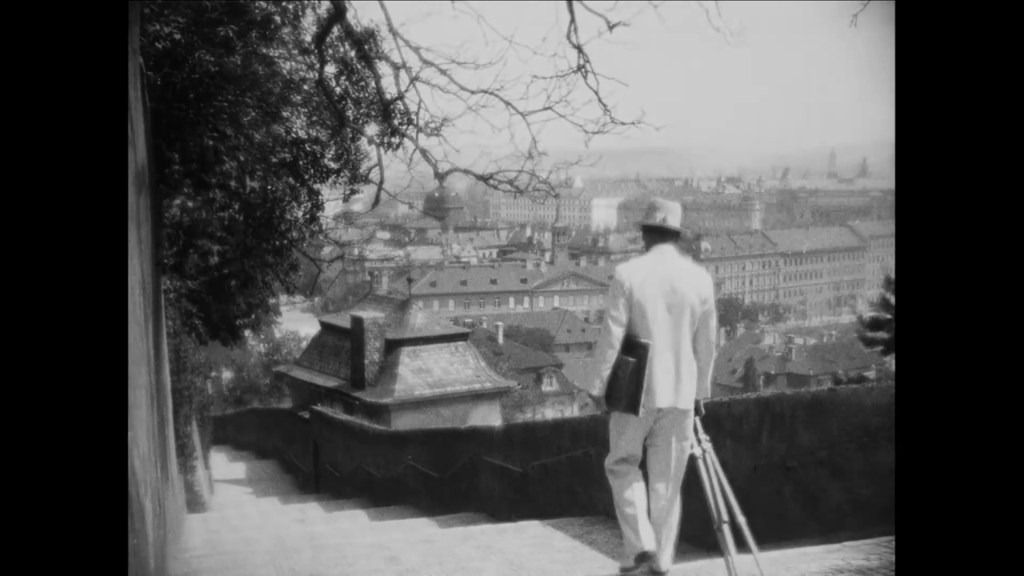
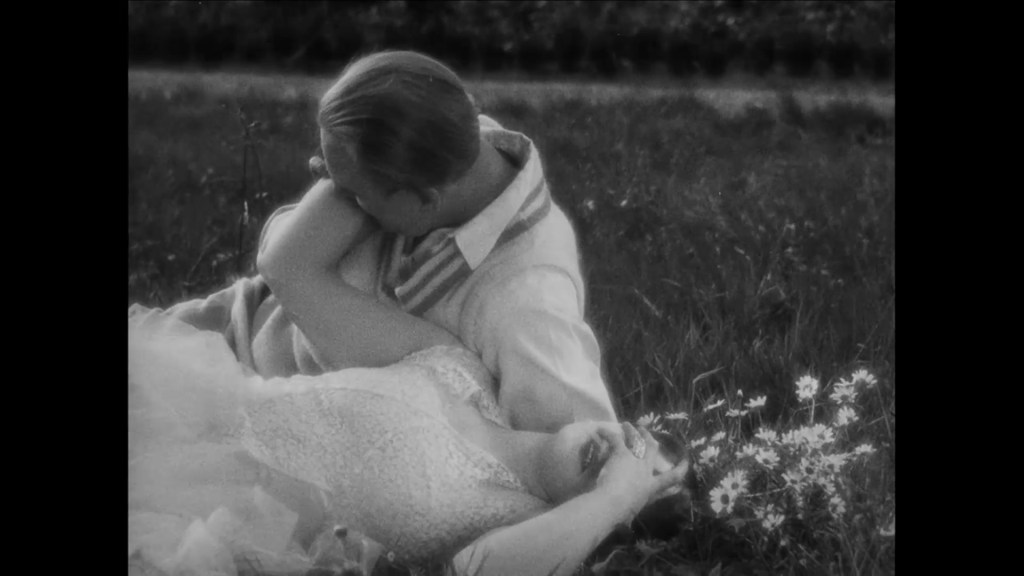
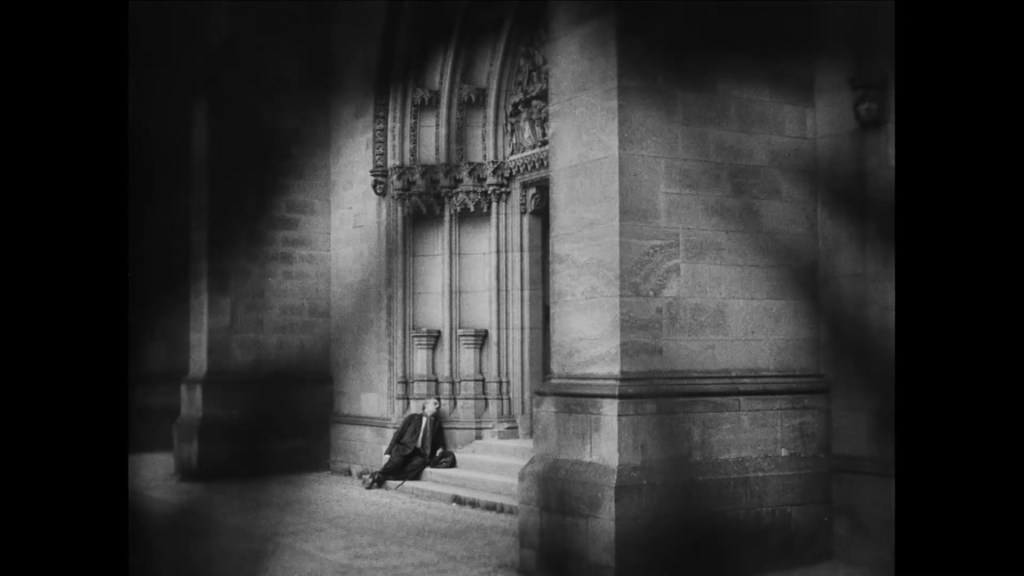
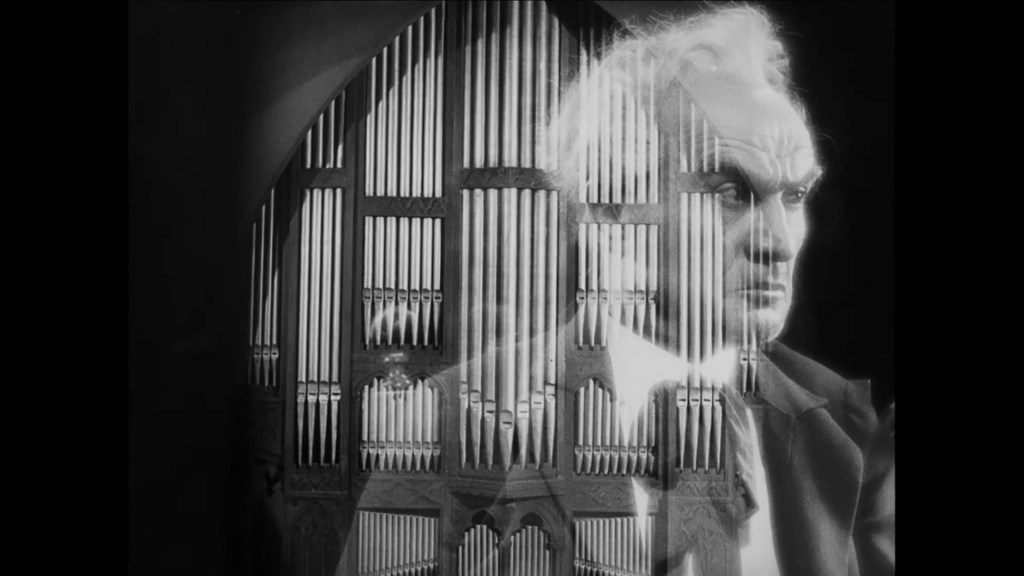
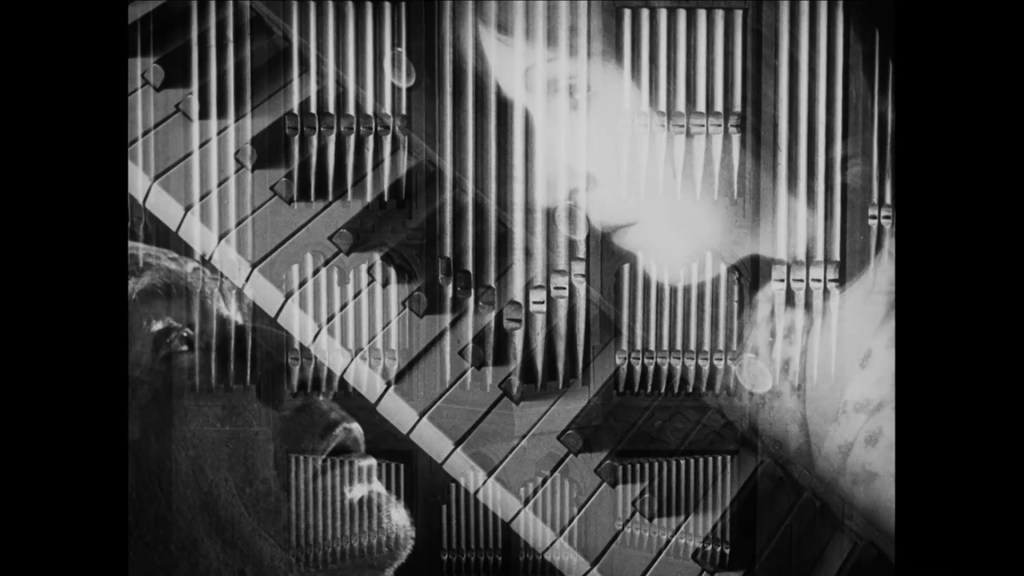
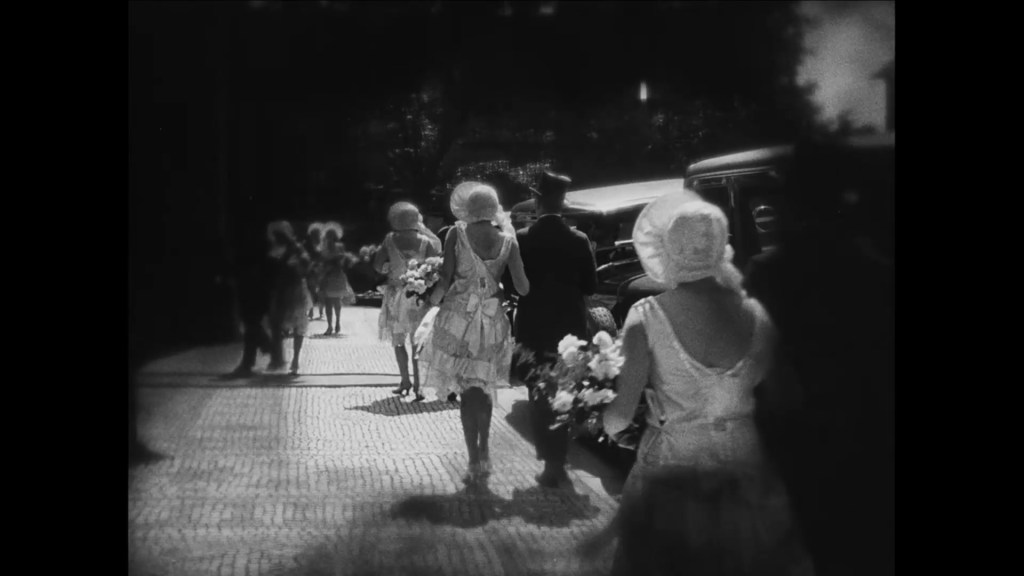
Though it has taken a lengthy paragraph to explain the convoluted plot, the film itself is far from novelistic. Titles are kept to a minimum, and the film is an overwhelmingly visual experience – its lush photography and vivid set pieces doing all the heavy lifting. I absolutely loved the panoramas of Prague and the cathedral. These would have a documentary beauty of their own, but Frič overlays them with superimposed images and subtle gauzes/mattes to transform these views into something stranger, more lyrical and evocative. We see Prague and its streets and monuments the way characters do. Thus, the cathedral space and the organ become spaces of monumental splendour and majesty – the site of the organist’s only creative and spiritual freedom. And the monastery interiors are seen through Klara’s eyes: forbidding, geometric, imprisoning networks of arches, bars, grilles. When she gazes outside, the fields are luminous, shimmering visions, the sky’s soft-focus glow shaped through subtle matte painting into dreamy, sunbeamed expanses. The streets around the organist’s cramped home are an expressionist maze of bright streetlights and thick shadows, with figures negotiating sheets of rain and glimmering cobblestone roads.

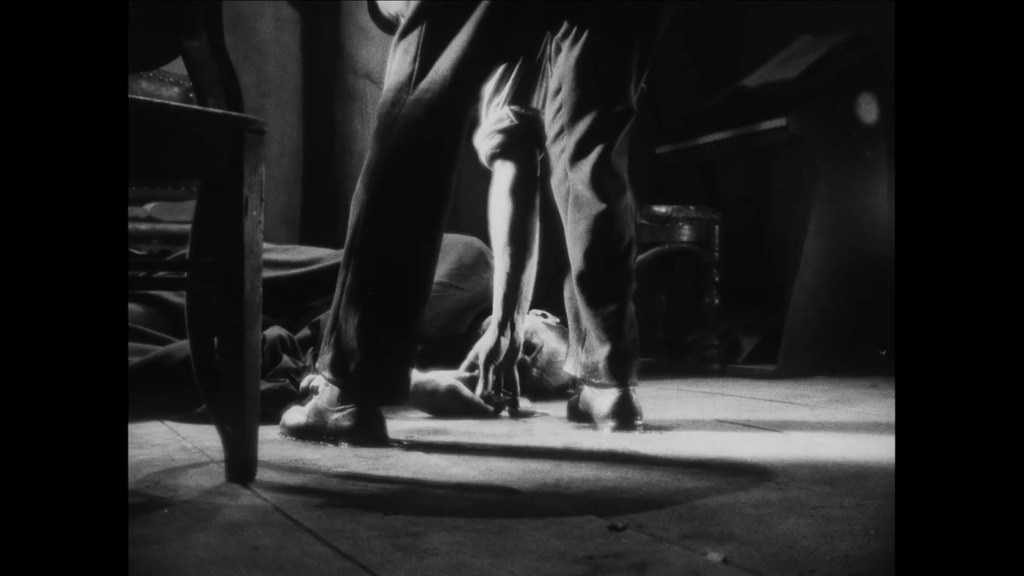
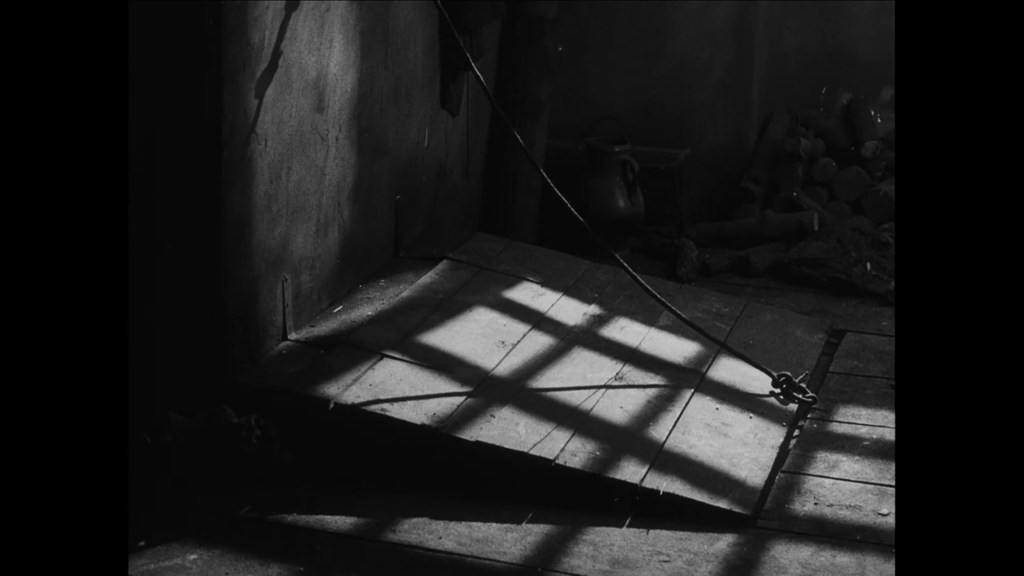
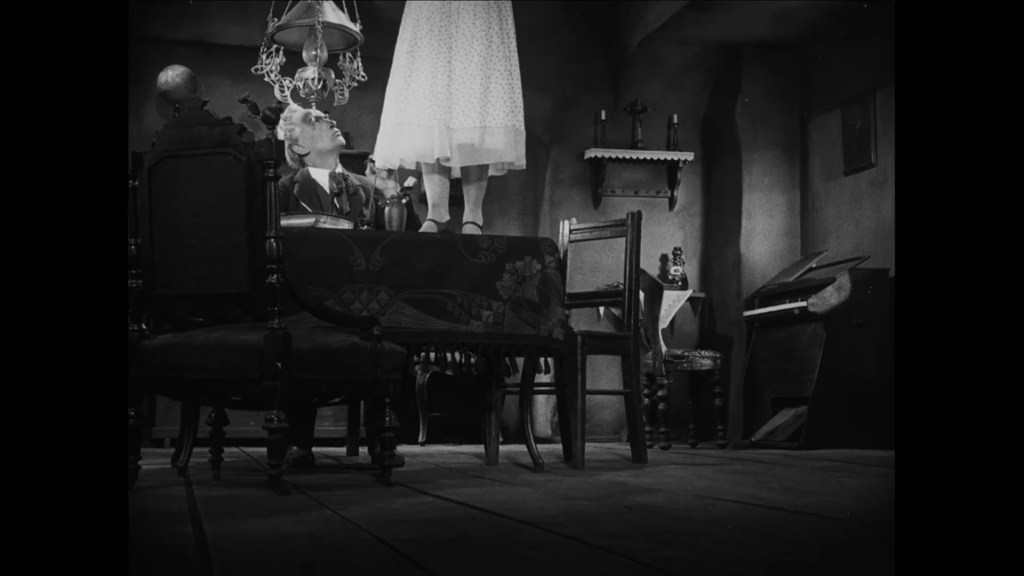
The interiors are no less splendid. In particular, the organist’s cramped house is often filmed from a low angle, the camera crouching at floor level to observe the space. The effect of this is to create a sinister and foreboding feel to the setting – as if we were an illicit observer, half-concealing our presence. But it also serves to makes the viewer conscious of the floorboards and think of what lies beneath. Even if the scene itself is not directly concerned with the fate of Klara’s father, the camera position reminds us of his body lurking below stairs.

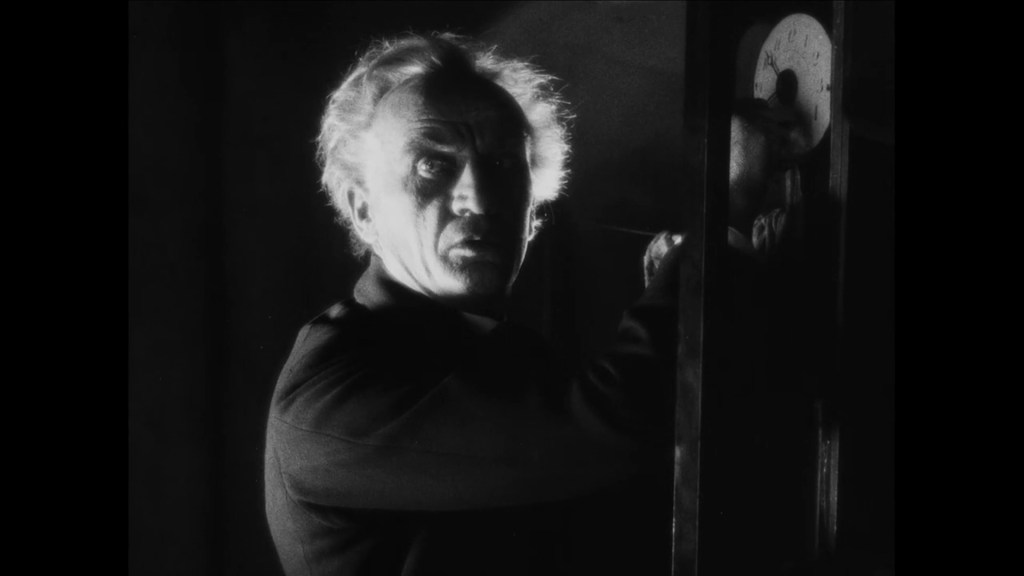
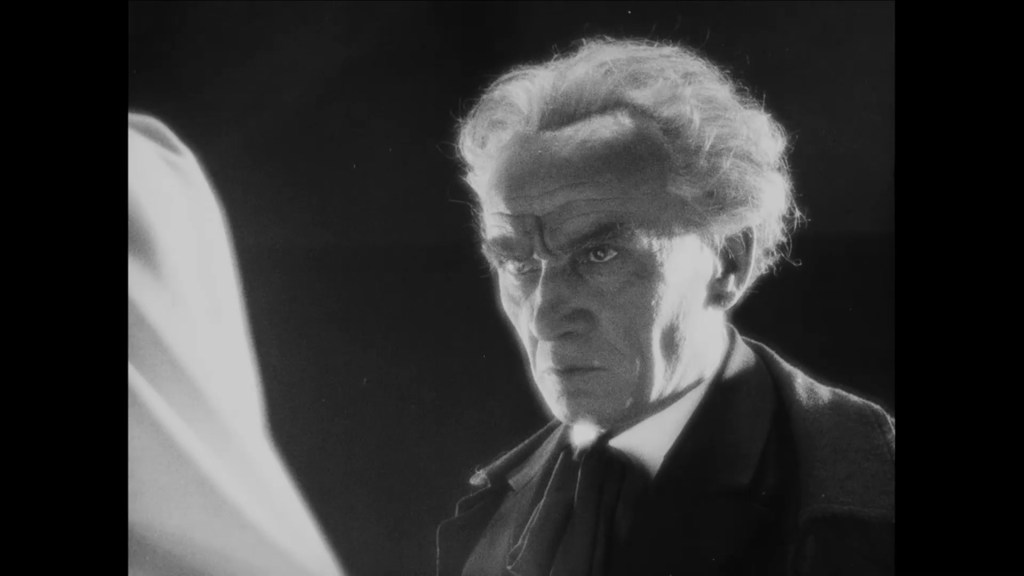
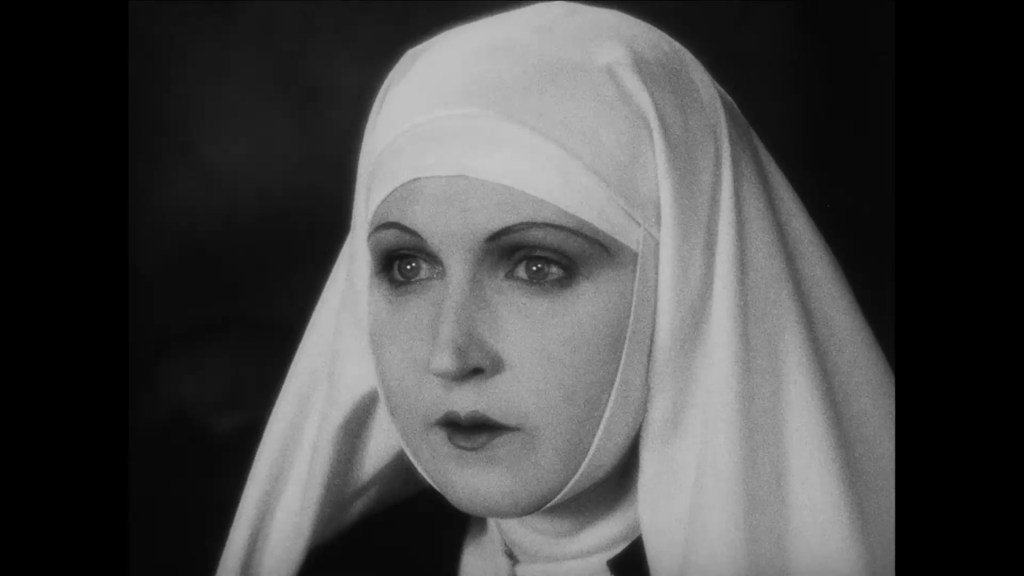
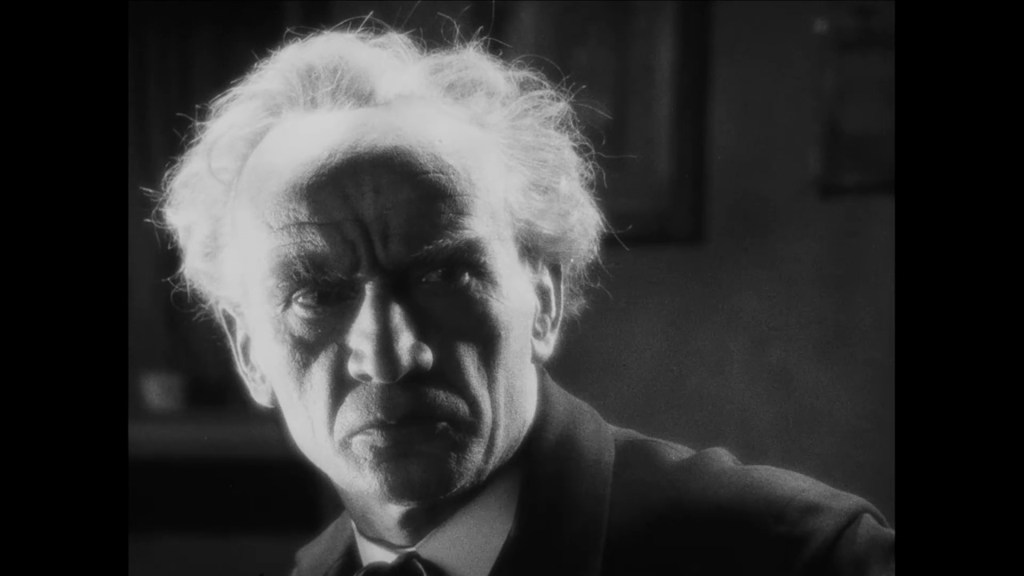
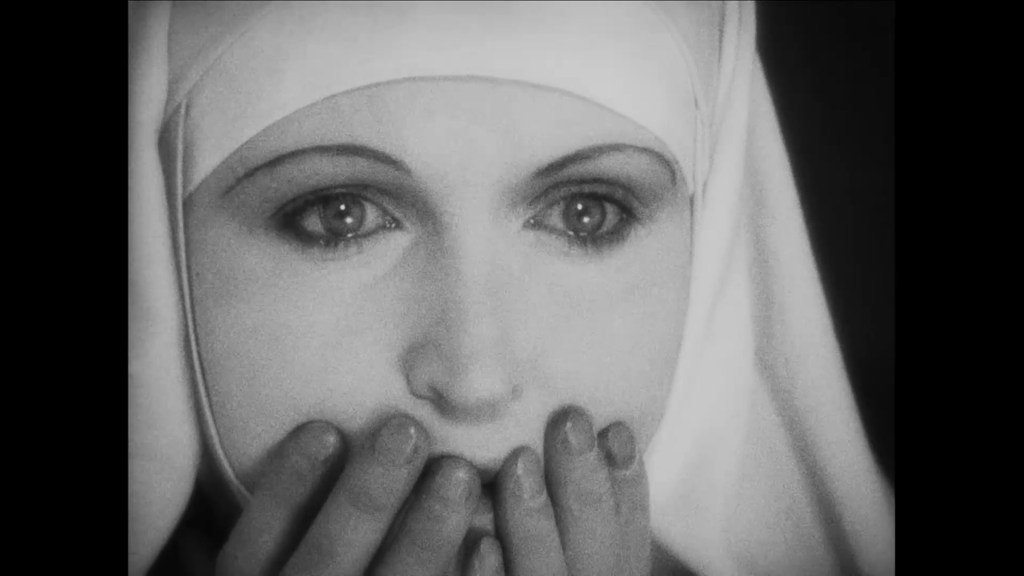
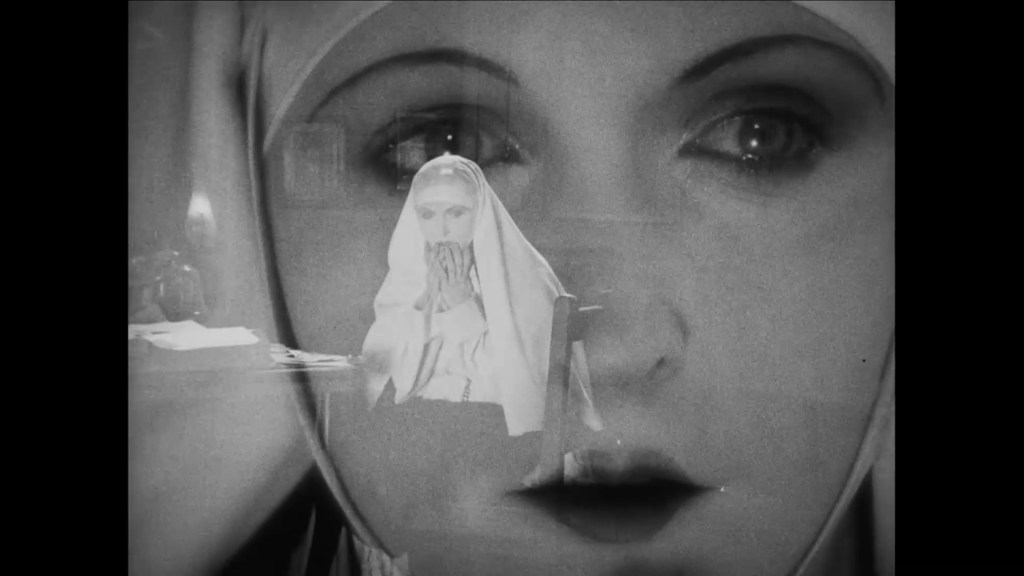
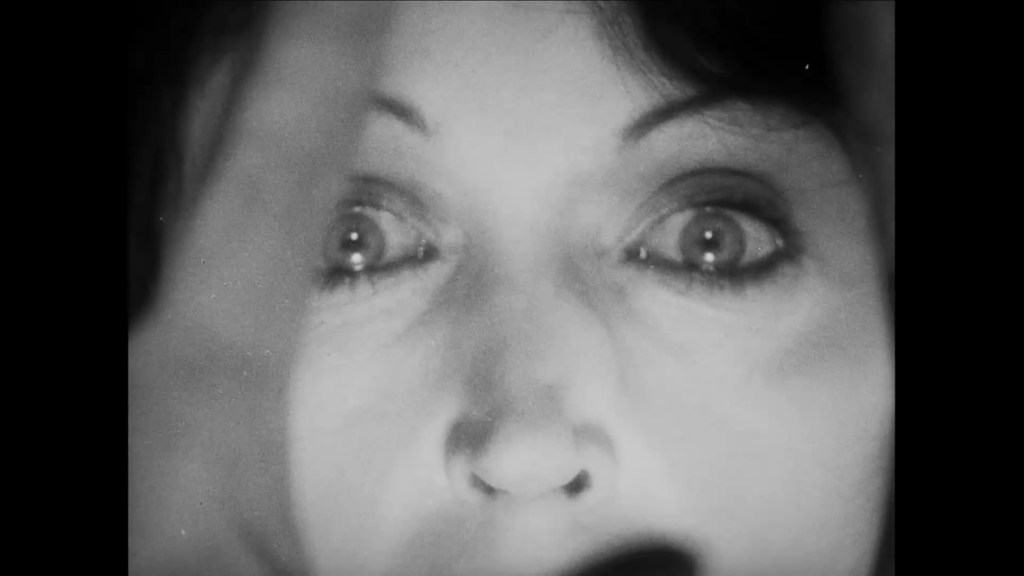
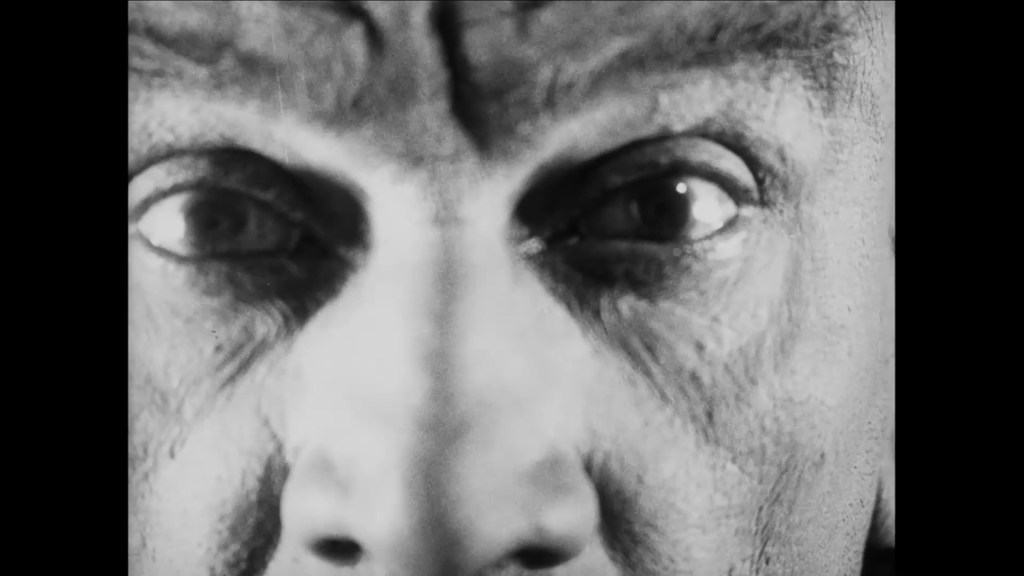
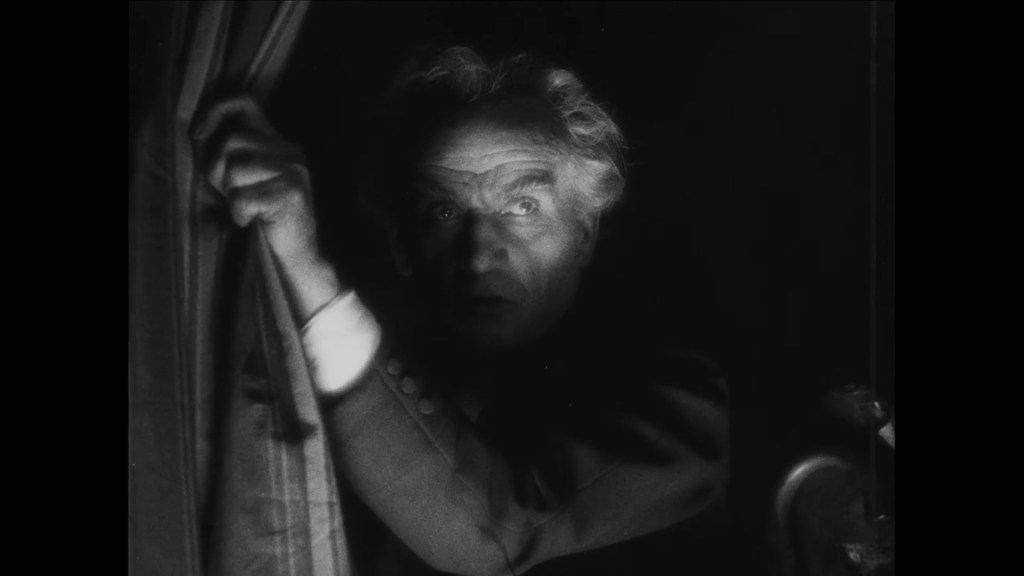
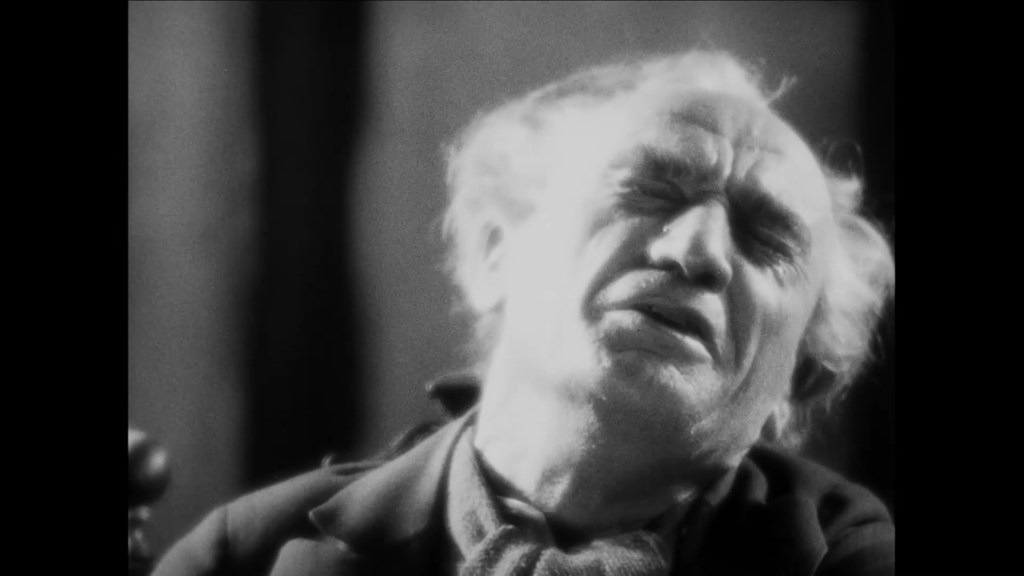
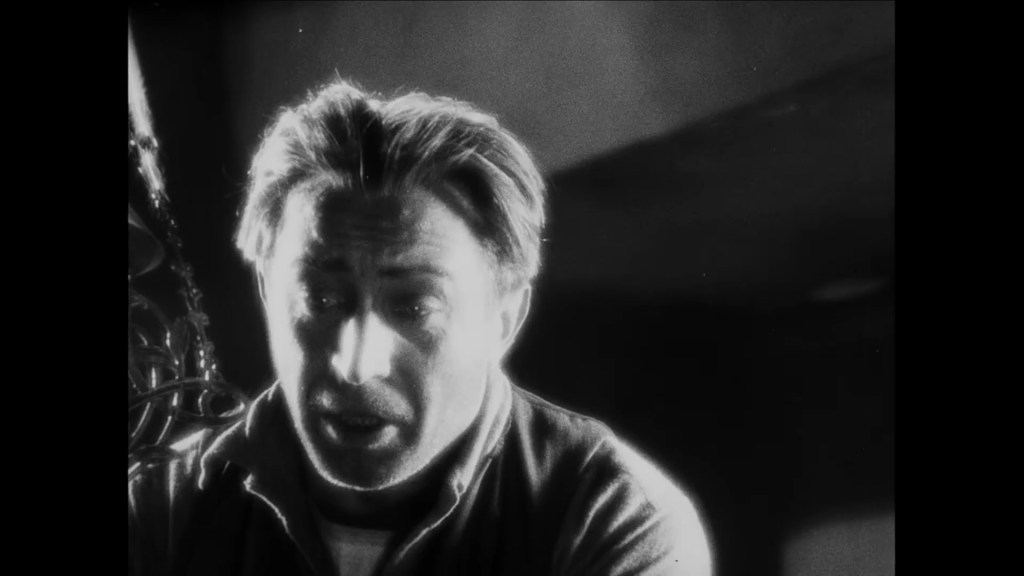
There are some superb close-ups, too. The organist’s white hair is turned into a sinister halo around his darkened face. Josef’s plotting eyes flash from wreaths of smoke. Klara’s eyes brim with tears in the centre of her pale, pale face. Even on a small screen, these images are strange, powerful, mesmerising. I love the way Frič dissolves slowly between shots, so that images linger over one another. He often overlays a close-up of a character looking with an image of what they see. The effect is both startling and immersive, subjective and objective. It’s a rich, lush, entrancing visual language.

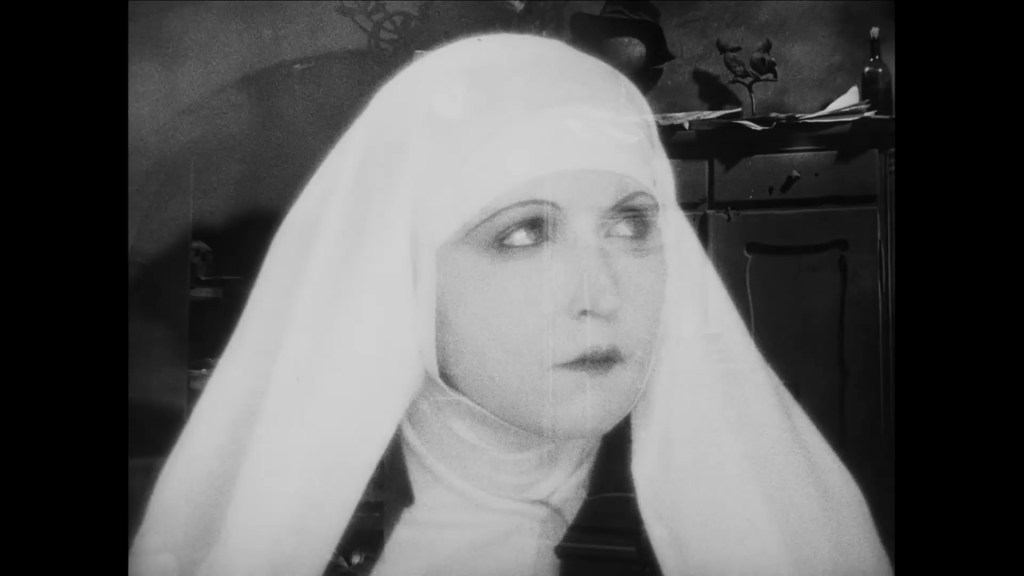
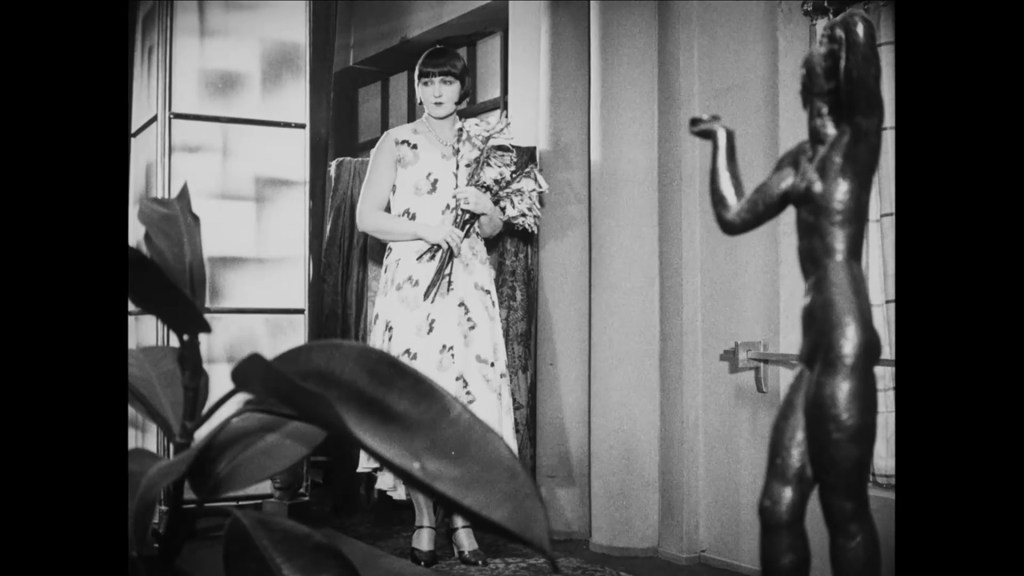
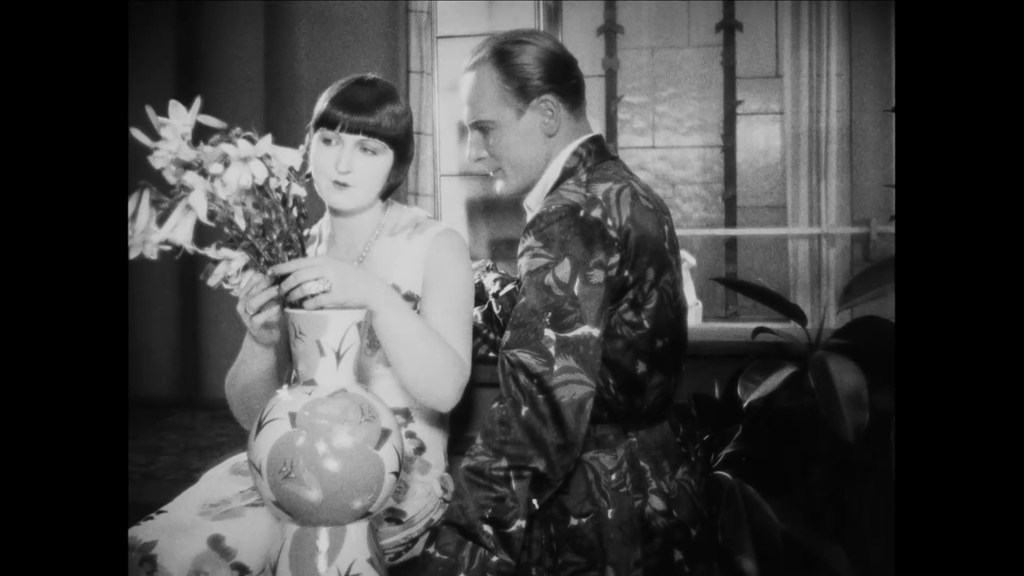
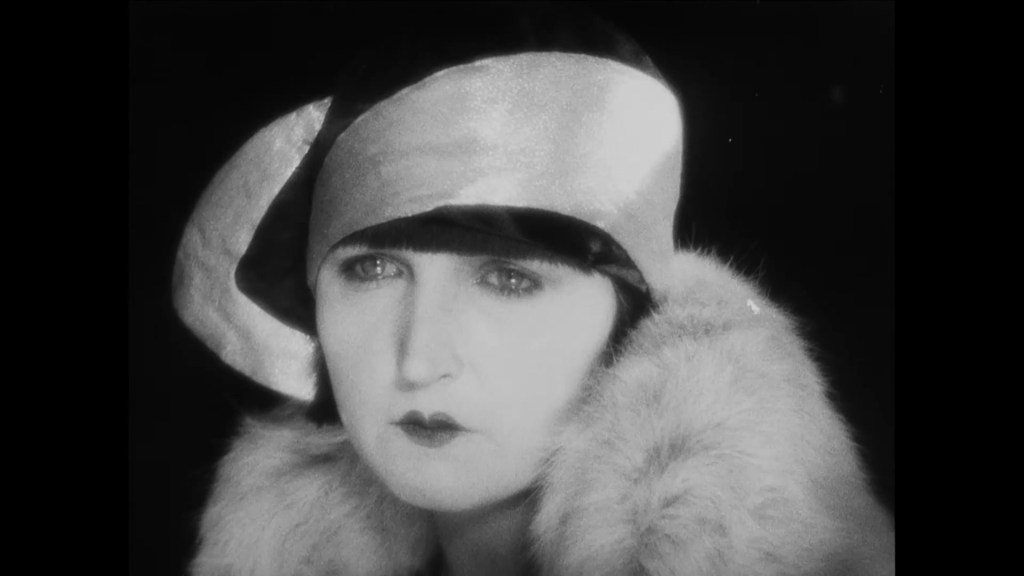
The performers are all highly engaging and I enjoyed spending time with their faces. As Klara, Suzanne Marwille begins the film framed in white wimple and habit. She’s a vision of isolation, but her eyes shine in the middle of her pale face in her white clothing. She then transforms into a homely, traditional figure of a young women when she lives with the organist: summer dress, a head scarf containing her long hair. Then she lives with Ivan and is transformed again into a modern woman of the 1920s, with a Louise Brooks style bob and shimmering black dress. (She even sports her nun’s outfit to model for Ivan, as if to remind us of the sartorial and spiritual journey she’s traversed.) While I never warmed to the slightly smug character of Ivan (played by Oskar Marion), their romance amid the glowing, soft-focus splendour of bucolic exterior spaces was gorgeous to look at – and entirely took my mind away from how much I liked or did not like Ivan as a character. As the relatively minor character of Josef, Ladislav H. Struna brought surprising depth. It was much to his and the film’s credit that this very sketchy character went on an emotional journey that was in any way creditable. By the end, as Ivan weeps at his guilt and falls on his knees to beg forgiveness of the organist, I was surprisingly touched. It was nice to see a villain genuinely moved to reform (and sweet to see him cleanly-shaven and well-dressed to go to tell Klara the truth!). Of course, as the lead character of the organist, Karel Hašler had the most dramatic weight to bear. He has a superb face, and you could read every emotion in his eyes and on his mouth. If the melodrama threatened always to overboil into camp, Hašler always seemed to bring it back from the brink.

In sum, this was a highly enjoyable film, aided by a solid musical accompaniment on piano and organ by Maud Nelissen. A splendid slice of late silent cinema.

Paul Cuff
Bonn from afar (2024, days 1 and 2)

Not going to silent film festivals is becoming something of a habit, if not a hobby. In October I don’t go to Pordenone, and now in August I’ve begun not going to Bonn. As with Pordenone, the Stummfilmtage Bonn (aka the Bonn International Silent Film Festival) offers a “streamed” festival for viewers like me who, for various reasons, cannot attend in person. (I consider not going to Bonn a kind of pre-season training for not going to Pordenone.) Unlike Pordenone, however, the online content of the Bonn festival is free. Each film is available for 48 hours after each screening. No fees, no obligations – just a (quite generous) time limit. I aspire to one day having the kind of lifestyle that enables me to go to some, any, or all, of the wonderful festivals partially or wholly dedicated to silent film across the summer months – Bristol, Bologna, Bonn, Berlin (the “Ufa filmnächte”), Pordenone. But until this magical surfeit of time and budget is forthcoming, I shall remain at home, eagerly scrambling to fit in at least a couple of weeks’ worth of cinema into my free time. So, this week (or rather, last week) I’m not going to Bonn, and can share my experience of staying at home. First up, days one and two (and spoilers galore)…

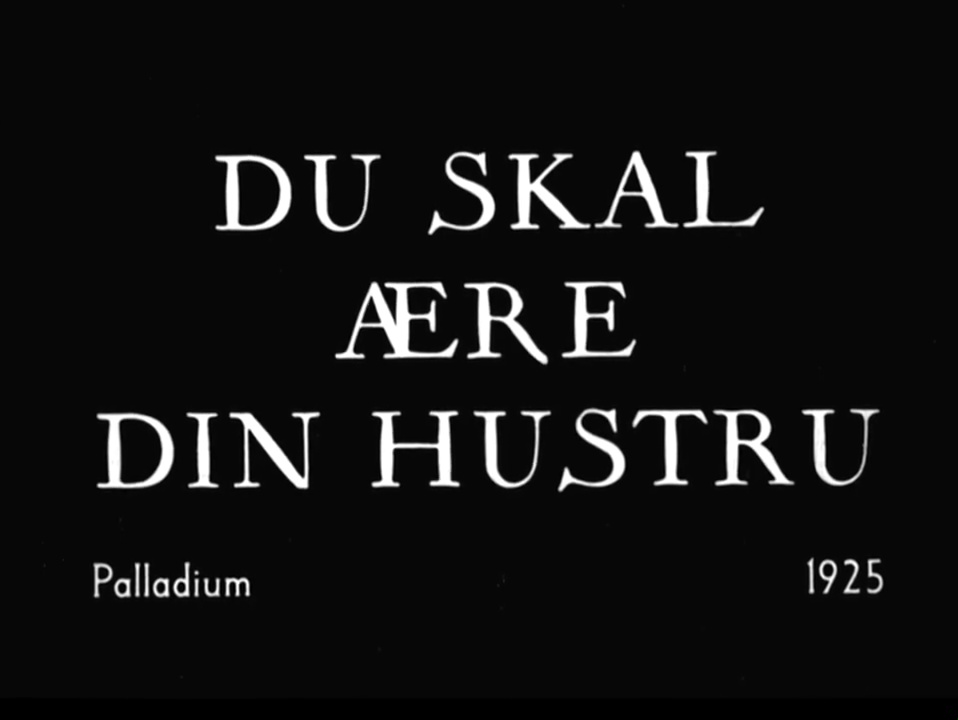
Day 1: Du skal ære din hustru (1925; Den.; Carl Th. Dreyer)

I must admit that I considered not watching this film simply because I knew it well from previous viewings. (And have its BFI release on my shelf.) I further admit that if this film had been part of the streamed content of Pordenone (i.e. if I had to pay for it), I would have been annoyed that something so readily available should be chosen over something not otherwise accessible. It’s a film that I have seen before, but never on a big screen and never with live music. If I was actually at Bonn, I would be delighted to see it again – and to see it for the first time in such circumstances. I can understand why festivals put on films that are well-known or made by well-known filmmakers. But the appeal is much less for a viewer who is streaming the film remotely and not gaining anything new from the process.

That said, I still watched Du skal ære din hustru. I’d not seen it in years, possibly not even on Blu-ray. (The copy on my shelf is, now that I think about it, unwrapped.) So why not join in, however tepidly?

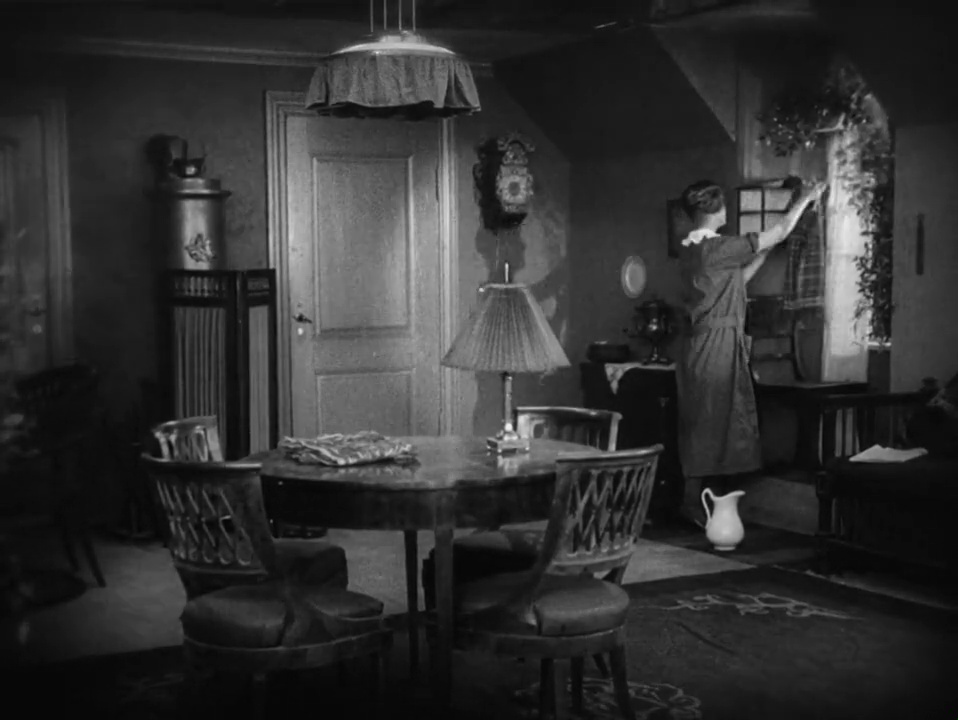
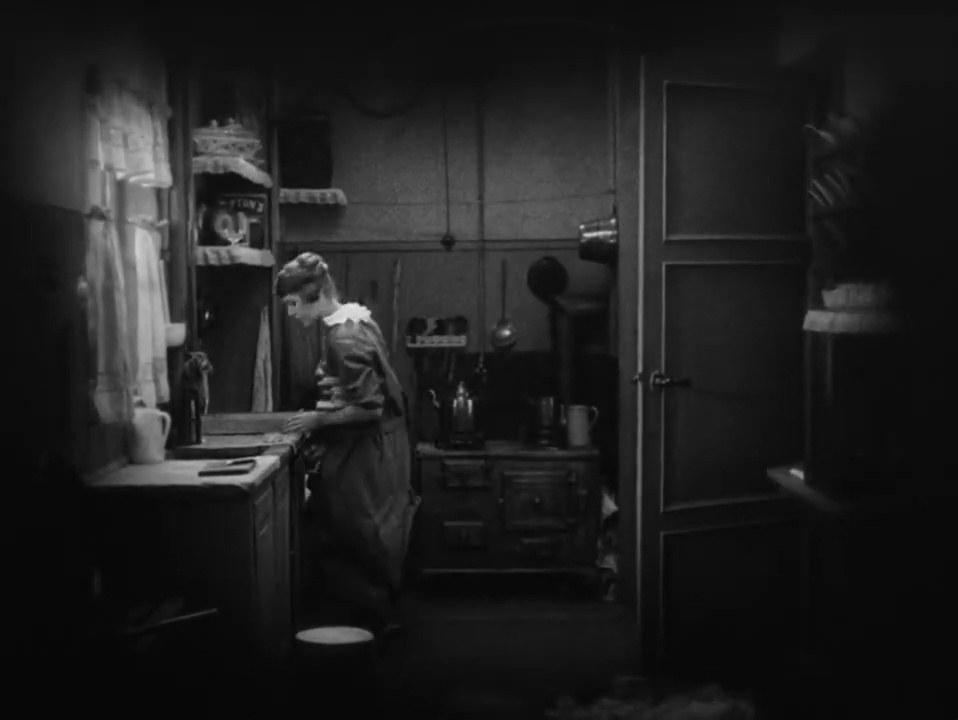
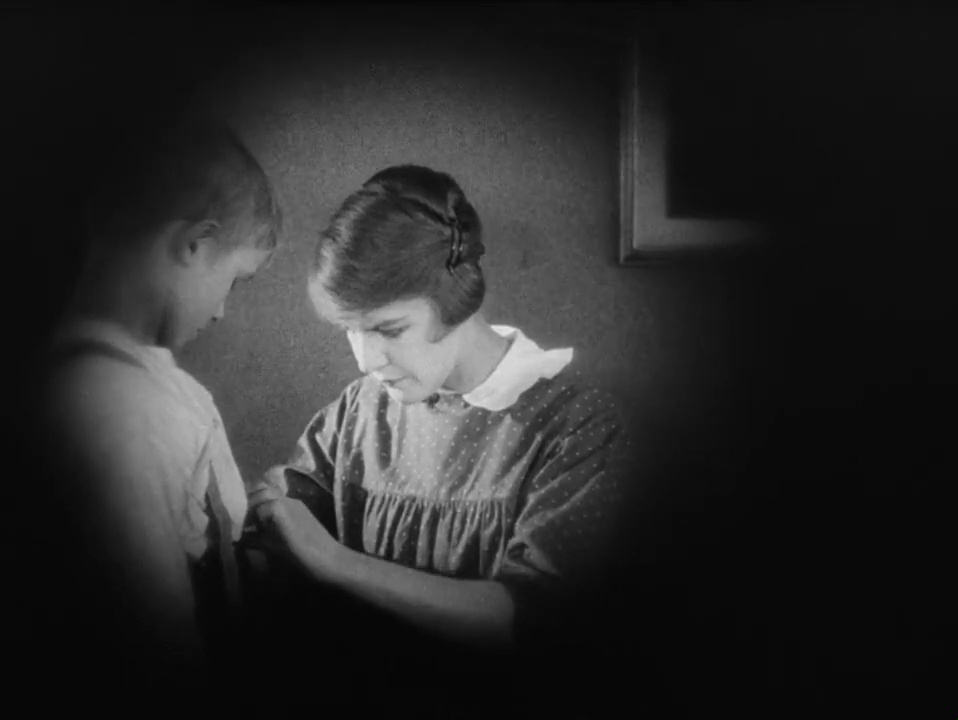
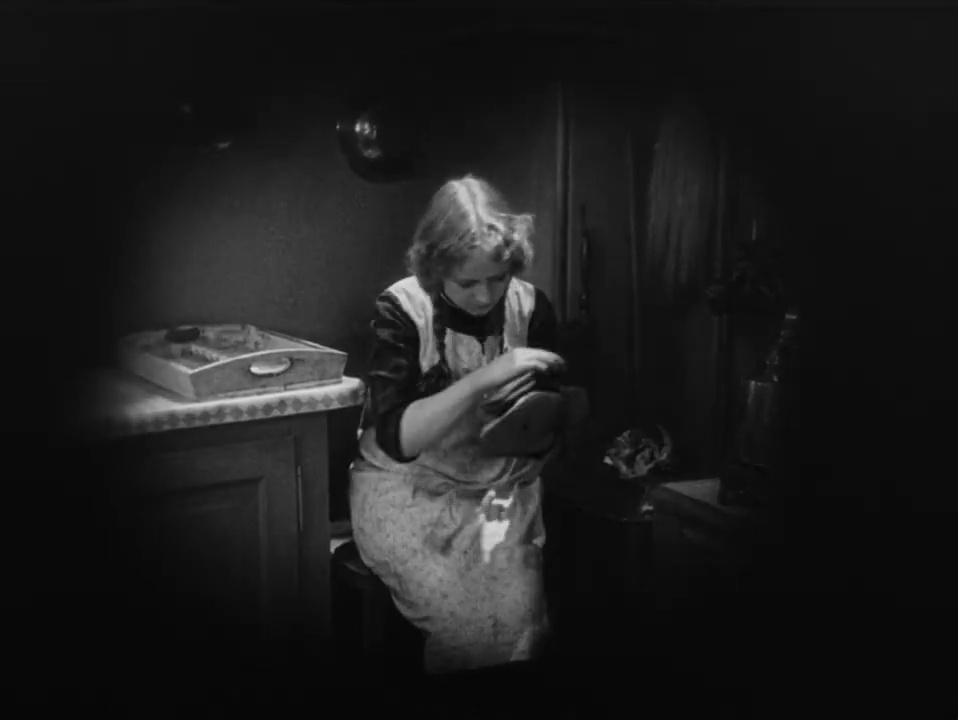
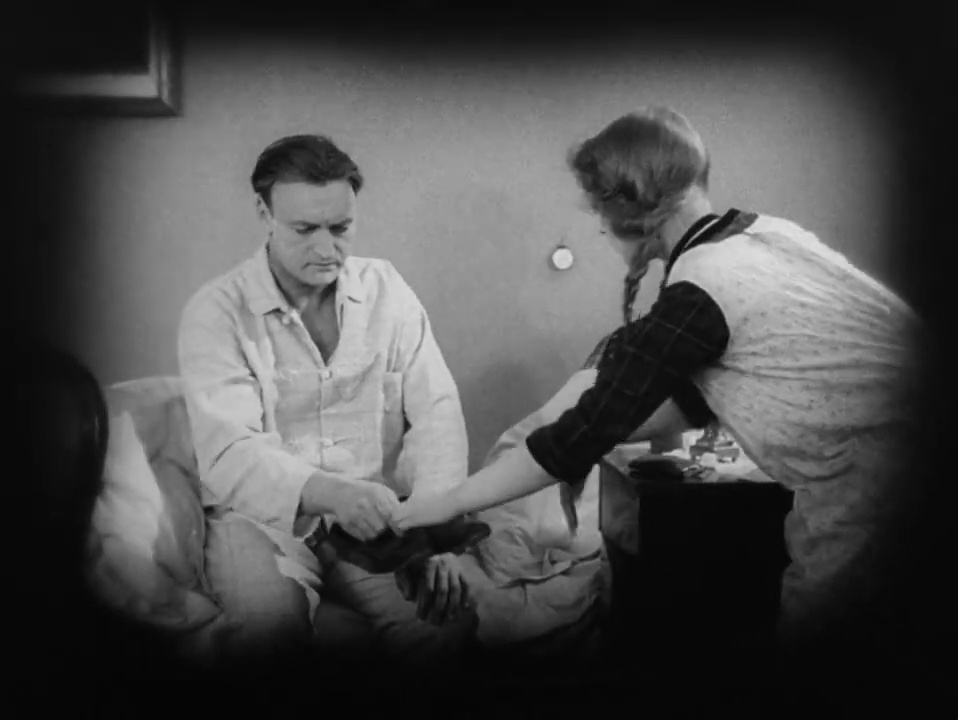
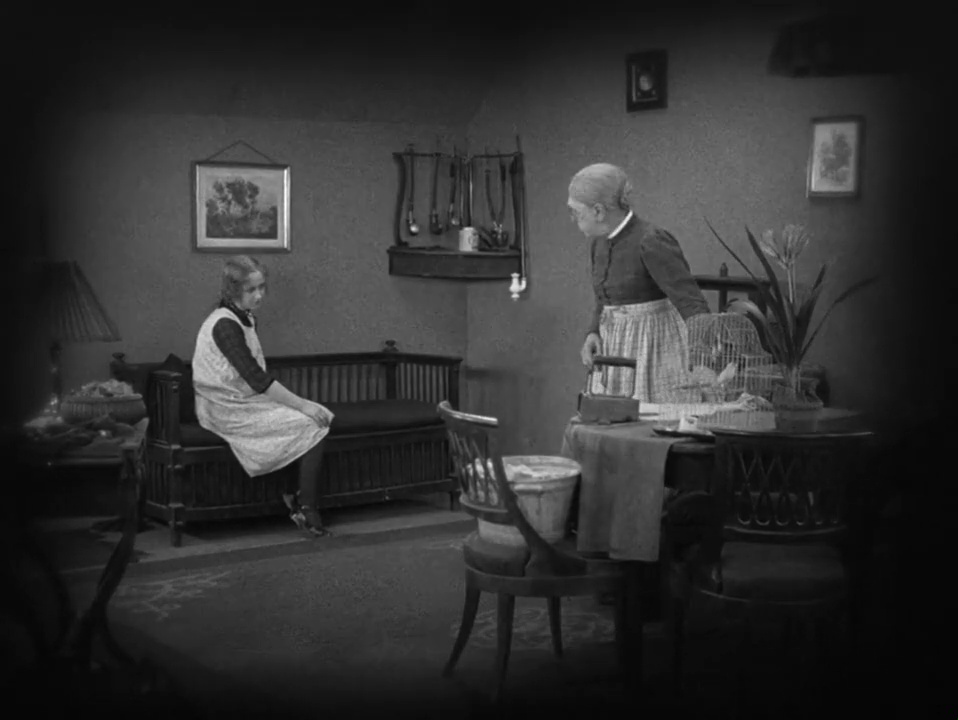
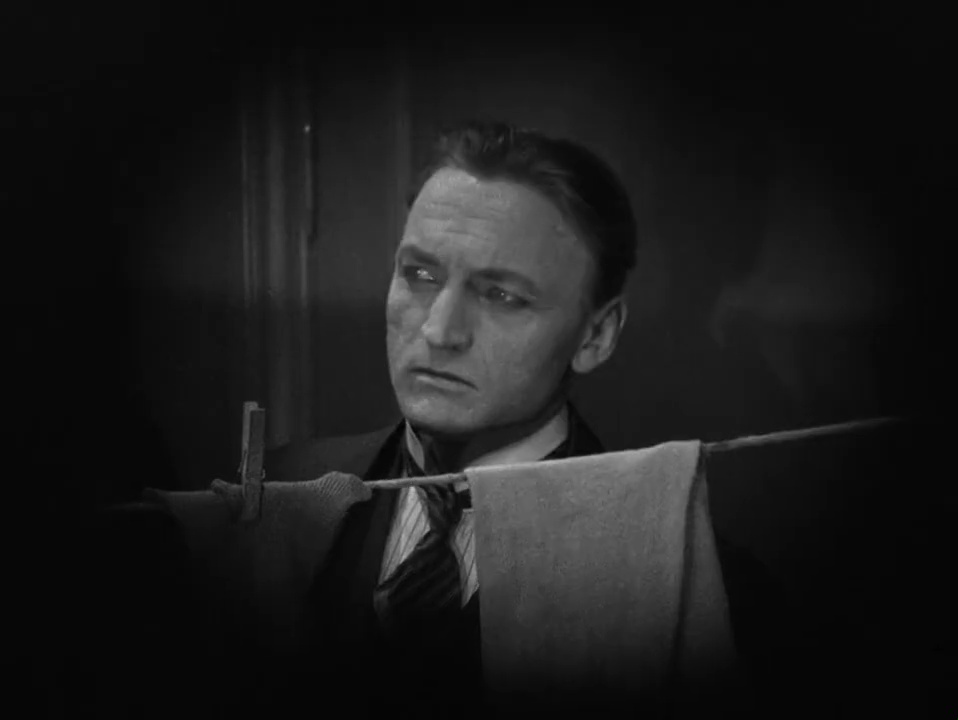
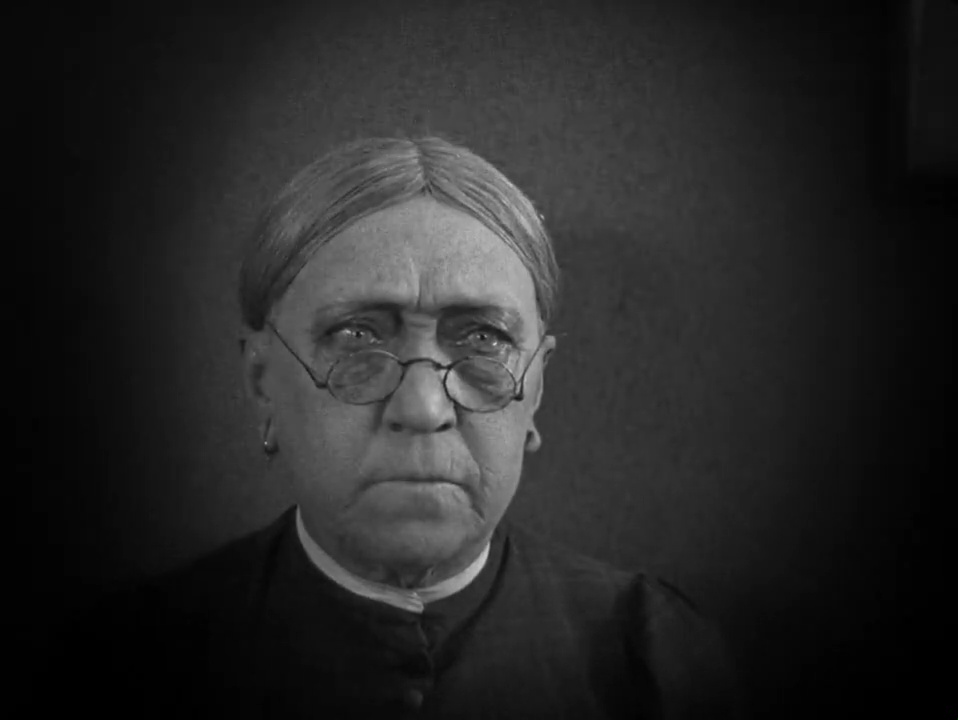
Do we all know the plot? Well, just to remind you: Viktor and Ida have been married for years, but Viktor is a domestic tyrant – ungrateful, unthinking, inconsiderate, rude, and subtly cruel. Despite their three children and former happy times, Ida is convinced by her mother and by the family’s old maid, Mads, to leave home. Mads plans to turn the tables on Viktor and make him realize how lucky he is, and how unjust he has been. Seeing the hardship of housekeeping firsthand, Viktor begins to realize his guilt – and eventually the couple are reunited on a firmer basis.

Of course, I was a fool to have thought of skipping this film: it’s a masterpiece. I’d forgotten how perfect it was. I fell all over again for the exquisite photography, those soft yet dark irises – like curtains around the frame, that distance the mid-shots of husband and wife. And I’d forgotten the first real close-up of Viktor, and the extraordinary depth of his eyes – and the way the light catches them and seems to magnify their life and feeling. This shot comes almost exactly halfway through the film, and I was unprepared for its power. So too, I was struck by the minimal number of moments when characters touch each other gently, with kindness. That close-up of the fingers of Viktor’s oldest daughter shyly reaching over to his, the way his respond – and you realize that he has a heart, and a past that was loving, and a future that might rekindle that love. An exquisite moment. So too the skill of rendering Mads teaching Viktor a “lesson” both funny and touching: the reversal of his cruelties, but also the desire to find his goodness. I’d forgotten, too, the embrace of Viktor and Ida: the way it’s a private moment, with Viktor’s back to us, and we see Ida’s hands move over his shoulders. Perfect.

By the end, I felt like Viktor: I had taken something for granted and was glad to be taught a lesson. You can and should always rewatch a great film. It has plenty still to teach you.

Day 2: Jûjiro (1928; Jap.; Teinosuke Kinugasa)

Right, now we’re back on track. A real rarity! Unavailable in any other format! Kinugasa’s film seems to have been released under multiple English-language titles. It’s listed variously as “Crossways”, “Crossroads”, and “Slums of Tokyo”. The dual German-English intertitles of this print gave the title as “In the Shadow of Yoshiwara”. There were no restoration credits to clarify the source of this print, which made me wonder about its provenance. There are evidently some missing titles, if not other material. (For example, one title announces “end of fourth act” despite no other “act” titles appearing in the print.) Furthermore, the English text is often awkward and rife with spelling errors. (The wording offers some very literal translations of the German text.) When and where was this print made?

This reservation aside, the film was excellent. The plot is simple, the drama concentrated – claustrophobic. In c.1850 Tokyo, a brother and sister live in a poor flat near Yoshiwara, the red-light district. The brother hangs out amid the frenzied atmosphere of gambling, stealing, and whoring. He is obsessed with O-Ume, who works in a brothel. He fights a rival for her affections, but the rival blinds him with ash. Believing he has killed his opponent, the blinded brother finds his way home. But the sister needs money to help him, so she is faced with selling herself either to her creepy neighbour or to the procuress of the brothel. The brother’s blindness is lifted in time to witness his sister stabbing the neighbour in self-defence. The pair flee to the city’s outskirts, but the brother is drawn back to O-Ume. He sees her with the rival he believed he had killed. His blindness returns; he collapses and dies in a fit of madness. END.

If the plot is mundane, the realization is superb. There are multiple flashbacks, which makes the narrative more complex – more subjective, more strange – than the above synopsis suggests. But it’s the world of the film that is so compelling. The whole story seems to take place at night, or else within a kind of contained nightmare. That might be a starless sky overhead, but it might as well be the void of any reality beyond the comfortless tenements and cacophony of the gambling dens and brothel. It is a forbidding, studio-bound world. It rains (and often you can see the characters’ breath) but there is no sense of the natural world beyond the dark streets, the grimy interiors. The characters who inhabit this place are, apart from the sister, forbidding and grotesque. From the frenzied brother, forever clutching his face, his throat, his blinded eyes, to the creepy, toothless neighbour, the sinister procuress, the bandaged rival and the cackling O-Ume – everyone is unwelcoming, exploitative, angry. The sets in which these characters live, or struggle to live, are marvellous. There are realistically threadbare walls, tattered paper doors, broken windows, forbidding staircases. The world of Yoshiwara is more complex, with multiple interior spaces joined by ornate panels, blinds, windows within windows. Kinugasa turns this space into a bewildering, overwhelming maze: swinging lanterns, spinning umbrellas, tumbling betting balls. And all filled with the mad bustle of drinking, gambling, laughing crowds. The combination of studio-bound sets, dim spaces, and claustrophobia feels very expressionist. (The theme of a wayward man abandoning a homebound woman – not to mention its moody rendering – made me think of Die Straße (1923), shown at Pordenone last year.)

This transformation of physical space into psychological space is heightened by Kinugasa’s superb camerawork. There is a wonderful array of dramatic lighting, sudden close-ups, creeping tracking shots, sinister high-angle viewpoints. Just see how the first montage of the Yoshiwara gambling dens is rendered more effective by the prowling camera, the hallucinatory superimpositions, the leering close-ups. There is a fascinating balance between subjectivity and objectivity in the way the camera shares and/or observes the way characters experience the world. When the brother is blinded, for example, there is a dazzling flurry of pockmarks and lightning bolts that bubbles over the screen: we share the brother’s onrush of terror and bewilderment. But immediately afterwards, as the brother stumbles back and forth through the cackling crowd of gamblers, the camera pitilessly tracks back and forth, keeping its distance, watching him fall apart. The shock of subjectivity is followed by the chill of detachment.

The film’s blend of melodrama and expressionism comes to its climax in the final scenes. The brother recovers from his blindness, and we see the world as he sees it: darkness distorting, weird patches of light, solid objects rippling. But the reality he wakes to is like a living nightmare: the toothless, dishevelled neighbour assaulting his sister, the body falling before him. A series of dissolves transform the scene into a kind of vision, as though these images were also emerging from the brother’s former blindness. The siblings’ rush through the dark and rain is equally nightmarish, and the hut in which they shelter hardly comforting. Their bodies are soaked, and the marvellous detail of steam rising from their shoulders is both realistic and expressive. The titular crossroads of the film appears at the end like a slice of another nightmare. It’s two pale streaks of pathway, crisscrossing a despairingly black landscape. Dim, bare trees in the foreground, dim, distant houses in the distance. The brother crosses this otherworldly space to reach Yoshiwara, where he sees O-Ume and the rival he imagined he has killed. With a rapid montage of hallucinatory images, superimpositions, and distortions, he clutches his eyes and collapses – “This is the end!” he screams. And it is. There’s just one last scene: here is the sister, alone at the crossroads, hesitant, afraid. It’s a superbly disquieting ending to this bleak and gripping film. With touches of German expressionism ala Fritz Lang and French impressionism ala Abel Gance, Kinugasa’s Jûjiro still holds its own – it’s a concentrated, nightmarish, unsettling film.

I must finish by praising the musical accompaniment, which performed on piano and violin by Sabrina Zimmermann and Mark Pogolski. Their score was atmospheric, dramatic, and perfectly in keeping with the mood and tempo of the film. Bravo.

Paul Cuff
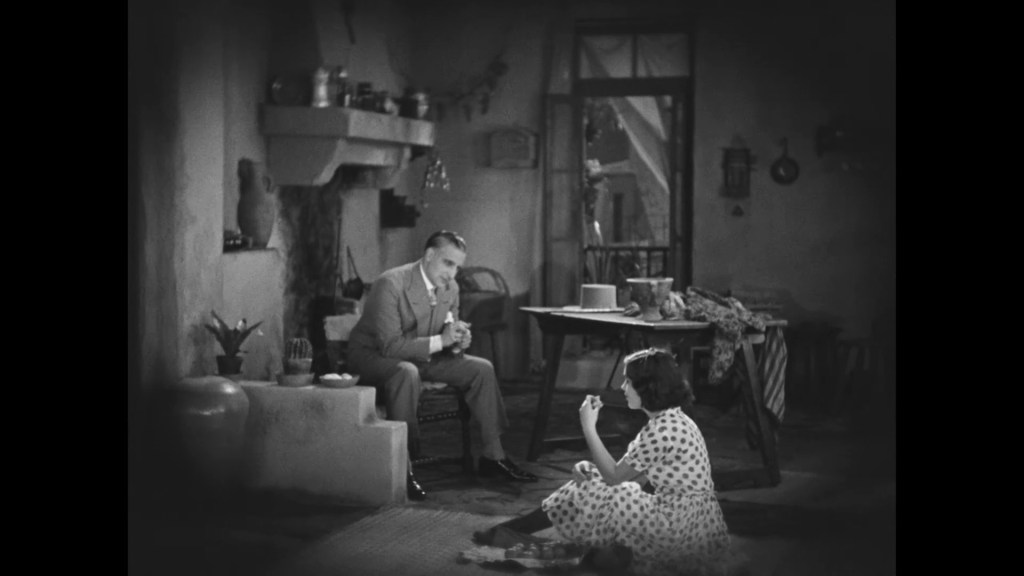
Lumière! Le cinématographe, 1895-1905: 114 films on Blu-ray (2015)

This week, I offer some very belated thoughts on a very significant Blu-ray. Lumière! Le cinématographe, 1895-1905 was released in 2015 to coincide with the 120th anniversary of the first cinema screening in 1895. Its original release having passed me by, my first effort to see it came only in 2022. By this point, the Blu-ray was long out-of-print, and I thought I had lost my chance. Even finding listings for it on retail sites is difficult. I had to search via a UPC/ISBN, which was itself tricky to find. It then took many weeks of waiting for an availability alert before I could even find a copy for sale and get hold of it. But I did, and it was worth it.
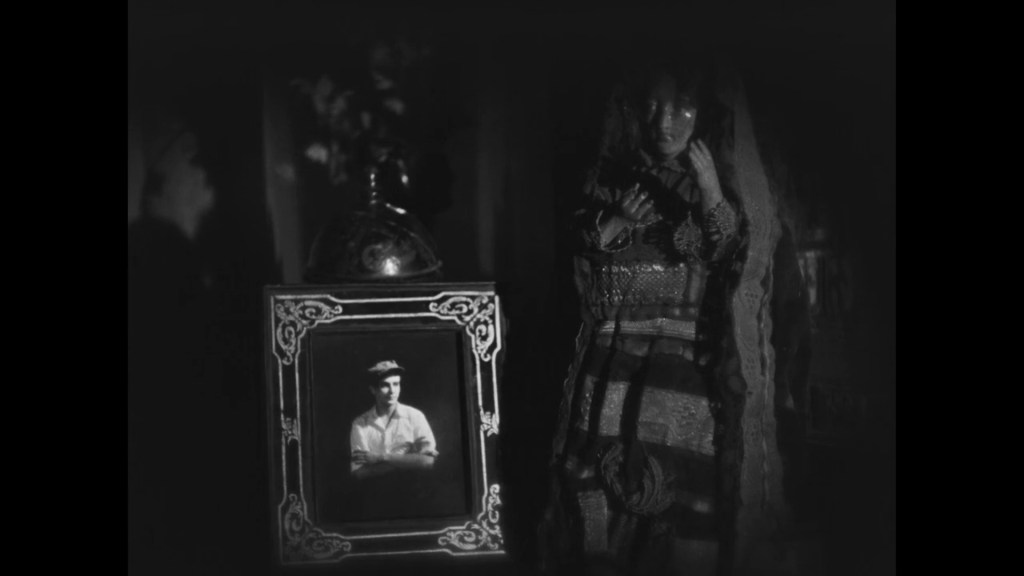
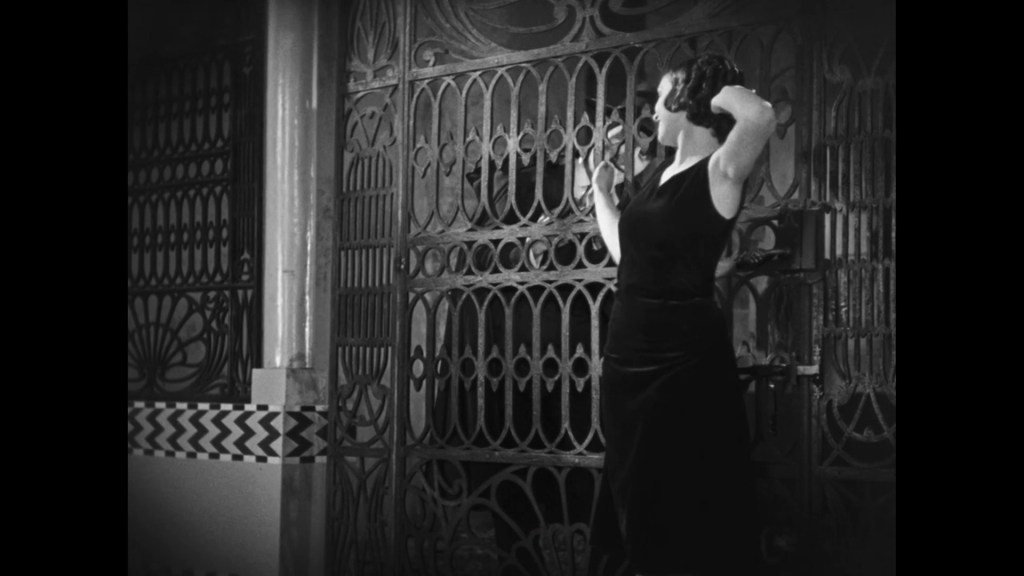
Lumière! Le cinématographe, 1895-1905 is an assemblage of 114 films made under the auspices of the Lumière brothers. I can hardly proceed without commenting on the difficulty of classifying this as an “assembly/assemblage”, a word that may or may not be any clearer than “film”, “video”, or “montage”. I choose “assemblage” because it seems the most pertinent (and works in French, too), though any of the above terms raise curious historical questions about presentation. Whatever we call it, the selection and editing (i.e. the montaging) of this collection was undertaken by Thierry Frémaux, director of the Lumière institute in Lyon, and Thomas Valette, a director of the Festival Lumière in Lyon. The original films are presented without any (recreated) text or titles, though an option on the disc allows you to turn on subtitles that identify the film, date, and camera operator (when known). There is also a commentary track by Frémaux, which contextualizes these films and offers insights into the history of their making and restoration. For my first viewing, I chose to do without any of these additional curatorial options, preferring simply to watch all the way through in purely imagistic terms.

The assemblage is divided into eleven chapters. These are thematic, grouping the films into miniature programmes that take us through various modes and subjects: “Au commencement”, “Lyon, ville des Lumière”, “Enfances”, “La France qui travaille”, “La France qui s’amuse”, “Paris 1900”, “Le monde tout proche”, “De la comédie!”, “Une siècle nouveau”, “Déjà le cinéma”, “A bientôt Lumière”. None of these chapters attempts to recreate an original film programme from the period. That said, the first chapter contains several films shown in that first projection on 28 December 1895: La Sortie de l’usine Lumière à Lyon (I), Arroseur et arrosé, Le Débarquement du congrès de photographie à Lyon, Repas de bébé.

The 2015 assemblage also recreates visually the effect of the original hand-turned projection. Thus the first film, La Sortie de l’usine Lumière (III), begins as a still image before flickering and juddering into motion. It is unexpected, and startling. It’s a great way to try and mimic the sense of shock and surprise of that first screening, of the instant that the still photograph literally seemed to come alive. From my distant days of teaching silent cinema, I know how difficult it is to get students to grasp the significance of these Lumière films as miraculous objects. This miraculousness seems to me an essential feature of their history, and therefore an essential quality to try and recreate in a classroom or any modern setting for their projection. If simply presenting the films as it appears on disc, without any curatorship (i.e. technological or performative intervention), the opening Lumière! is as good a way as any to reanimate La Sortie de l’usine Lumière à Lyon. (Though I find it curious that the 2015 assembly opens with the third version of this film, shot in August 1896, rather than the first, shot in May 1895. The third version is, as many have noted, a more carefully directed “view” than the first. The first version begins in medias res, with the workers already pouring out of the gates. The third version begins with the factory gates being opened.) I found it very moving to think about this sequence of images being watched by that small audience in Paris for the first time.

Part of the emotive effect was perhaps also due to the music chosen. This is the first time I can think I have ever seen these early films accompanied by an orchestra. The 2015 assembly uses various compositions by Camille Saint-Saëns, taken from his ballet Javotte (1896), together with his Rapsodie bretonne (1861, orch. 1891), Suite Algérienne (1880) (misidentified in the liner notes as the Suite in D major (1863)), and incidental music to Andromaque (1902). Though Saint-Saëns remains a very popular composer, much of the music used here is seldom heard. (As I write, I am listening to the only complete recording of Javotte, from 1996, a CD which has been out of print for some years. The 1993 recording used for Lumière! is a performance of the suite derived from the ballet.) The choice of Saint-Saëns is interesting. In many ways, Saint-Saëns is a perfect fit for the Lumière films. The composer’s reputation (for good or for worse) is for elegant, polished, well-crafted, well-mannered music. (“The only thing he lacks”, quipped Berlioz, “is inexperience.”) In photographs, Saint-Saëns even looks like he might have stepped out of a Lumière film. His build, his dress, his bearing – they all have the same air of bourgeois contentment as many of the films. (Even his fondness for holidays in French-controlled North Africa echo the touristic-colonial views in the Lumière catalogue.)

Differences in subject-matter and representations of class are a mainstay of scholarly comparisons between the Lumière films and those of Edison’s producers at the same period in the US. The latter tend to present (and perhaps be a part of) a scruffier, often more masculine, often more working-class world. Their glimpses into late nineteenth-century America present a very different social and physical world from the fin-de-siècle France of their counterparts. It’s somehow fitting, therefore, that Lumière! presents this latter world in the musical idiom of a composer who embodies the urbane, bourgeois sensibilities of the films.

If all this sounds like criticism, it isn’t meant to be. Put simply, a soundtrack of orchestral Saint-Saëns is a nice change to hear from the perennial solo piano accompaniment, which (in previous releases of this kind of material) tends to noodle along anonymously, hardly having anything to interact with on screen – and hardly any time to establish a musical narrative or melodic character. Yet the Saint-Saëns is not quite able to form longer narratives across a sequence of films in Lumière!. Very often, the directors feel obliged to match the sense of narrative excitement or visual climax on screen. This means some awkward editing of the music, together with a good deal of repetition of the same passages. As editors of the soundtrack, they react like the cameramen of the 1890s, who might pause their cranking if there was a hiatus in the action before them (like sporting events) and then turn once more when the action resumed. And, of course, there are instances of cutting and splicing in some of the earliest films, demonstrating a sensitivity to the need to shape narratives even within the singular viewpoint of these one-minute films. So poor old Saint-Saëns has his music interrupted, spliced, and resumed to fit some (but not all) the notable events on screen. The awkwardness of this is interesting, since it demonstrates the problem of presenting such short, sometimes disparate cinematic material. I would have been curious to see a more careful arrangement of film and music, or even a total disregard for precise synchronization. As it is, the effort made to match the music to some of the action feels somewhat crude. This is not musical editing, as such, since reworking a score would be more effective than manipulating a pre-existing recording. A reworked score could be played through with conviction. A reworked soundtrack plays itself into a muddle.

Regardless of these minor reservations, Lumière! is still a unique opportunity to watch these pioneering films. Unique because this Blu-ray remains, as far as I am aware, the only home media release of so many Lumière films in high definition. As the liner notes explain, Louis Lumière was an exceedingly careful preserver of his family’s photographic legacy. While 80% of the entire output of the silent era has been lost, the Lumière catalogue survives in remarkably complete and remarkably well-preserved condition. The films in this assembly were scanned in 4K from the original sources and they look stunning.

What I love about the Lumière films, and indeed about early cinema in general, is the chance to watch lost worlds go about their business on screen. There is something deeply fascinating, and deeply moving, about seeing into the past this way. It’s not just the tangible reality of the world on screen, it’s the fact that even the more performative elements themselves have an aura of reality about them. What I mean is that even the act of putting on a show for the camera is an act of history – a chance to see how the past played and cavorted and made itself silly for the amusement of its spectators. They’re not putting on a show for us, they’re putting on a show for their contemporaries – fellow, long-vanished ghosts. The audiences for these films are as lost to oblivion as those individuals captured on celluloid. That’s part of the reason why the sight of people eyeing up the camera, either by chance or by design, is so captivating. Their momentary involvement with the lens, with the operator, with the audience, has somehow escaped its time and survived into ours. Ephemeral views, ephemeral acts, ephemeral lives – all, miraculously, survive.

To talk about just one instance of this sensibility, I must single out La Petite fille et son chat (1900) – in which (as the title implies) a young girl is shown feeding (or attempting to feed) a cat. The girl is Madeleine Koehler (1895-1970), the niece of August and Louis Lumière, and Louis Lumière filmed the scene at the girl’s family home in Lyon. But to treat this film as historical evidence, or a kind of narrative content, is to miss something essential about its beauty. For although it demonstrates the ways in which a “view” might be constructed (the careful composition, the framing against the leafy background), and its narrative manipulated (the cat is encouraged/thrown back onto the table more than once, and the moments in-between later cut out), the film is dazzling in a more immediate sense. Though I have seen La Petite fille et son chat on a big screen before, I have never seen it in such high visual quality. The texture of the background grass and trees is deliciously poised between sharpness and distortion: you can almost reach out and touch the grass to the right of the girl, but even by the midground it becomes an impressionist mesh. In the centre of the image, the girl’s summer dress is so sharp you can virtually feel the creases. Light falls on her arm and legs, and when she looks up, she almost needs to squint against the bright sky somewhere behind us. Sometimes the girl catches our eye. She knows she is performing for the camera, for her uncle, perhaps for us – but she doesn’t quite know how. Poised between engagement with her world, with her cat, and with us, she is also poised between reality and fiction.

But, for me, the real object of beauty on screen is the cat. Just look at the texture of the cat’s long hair – the depth of its darks and the sheen of its highlights. See how the light catches its white whiskers, the shading and stripes about its face and eyes. There is a moment when the cat turns its back on the child to face someone, or something, behind the camera. For this fleeting second, the sun catches its eyes – illuminating one and shading the other. I’ve spent many hours of my life in the company of cats, and looking into their eyes up close is a peculiarly pleasing and intimate sensation. There is always the sense of otherness in those eyes, a tension between great intelligence and great unknowability. Even at their most proximate to us, the inner life of cats runs but parallel to ours. All of this is to try and make sense of just how moving I found watching La Petite fille et son chat in such high quality. The aliveness of this beautiful animal – the way it leaps, and turns, and reaches out with its paw – is extraordinary. This creature is long, long dead – yet it appears to us so animate.

One might say this about anything and everything we see in the canon of silent cinema. La Petite fille et son chat is just one short, evocative fragment of an immense photographic record. But the fact of its brevity enhances its potency. It is a worthwhile reminder that it is not just the people who populate the Lumière films that are lost to oblivion: animals are equally subject to erasure, and their lives are more fleeting and more unknowable than ours. Here, then, is an exceptional animal – these few seconds of its life, its body in movement, its intelligence in action, singled out and projected into the present. The miracle of the past, the miracle of cinema.

Paul Cuff