There are some silent films better known for their music than for their images. This is one of them. Produced by Ufa in August-December 1924 and premiered in Berlin in February 1925, Zur Chronik von Grieshuus was originally accompanied by a lavish orchestral score composed by Gottfried Huppertz. Though Huppertz died aged only 49 in 1937, he produced two of the most famous original scores of the silent era. These were both for Fritz Lang productions, the epics Die Nibelungen (1924) and Metropolis (1927). For these alone, Huppertz is rightfully well known – but they have rather eclipsed his music for Zur Chronik von Grieshuus. This film was a major Ufa production and boasted an impressive roster of talents: a major screenwriter (Thea von Harbou), big stars (Paul Hartmann, Lil Dagover), and important set designers (Robert Herlth, Walter Röhrig, Hans Poelzig). Perhaps the least known of all the figures who produced the film is its director. Arthur von Gerlach was primarily a theatre director and made just one other film in his entire career, Vanina (1922). A century after its release, we are now more likely to watch Zur Chronik von Grieshuus for its writer, stars, designers, or (perhaps especially) for its music. But what of the experience as a whole? What is the balance of music and images in Zur Chronik von Grieshuus? Does Huppertz outshine Gerlach?
First, the plot. The film is a romantic historical drama, adapted for the screen by Thea von Harbou from a novel by Theodor Storm (1884). In seventeenth-century Germany, the lord of the castle and estate of Greihuus (played by Arthur Kraußneck) has two sons: his favourite and heir, Hinrich (Paul Hartmann) and the embittered Detlev (Rudolf Forster). However, when Hinrich falls in love with Bärbe (Lil Dagover), the daughter of a commoner, he is disinherited – and Hinrich’s father destroys his old will. Meanwhile, Detlev is wooing the wealthy Gesine (Gertrud Welcker), widow of Count Orlamünde. Detlev argues with his father over the making of a new will that would guarantee his rights to the estate and thus aid his claim for Gesine. There is a violent confrontation between father and son, and the father dies. Without a will, a bitter struggle for the inheritance ensues between the two brothers. Detlev marries Gesine and Hinrich marries Bärbe, who is soon pregnant. However, after a heated argument, Hinrich kills Detlev and flees in panic – and Bärbe dies giving birth to a son, Rolf. After several years, Gesine returns to try and seize Grieshuus in the name of her murdered husband. She kidnaps Rolf, but the ghost of Bärbe guides Hinrich to the child’s rescue. Mortally wounded by Gesine’s henchman, Hinrich returns his son to Greishuus before dying. ENDE.
If the novel and its author were associated with realism, and there is a kind of balance between expressionist and realist tendencies in Gerlach’s film. There are marvellously sturdy sets designed by the experienced team of Herlth, Röhrig, and Poelzig. The castle and its walls, the farms beyond, and the shadowy spaces within – all these are rendered with tremendous care. The texture of the on-screen world is palpable. The thickness of the walls, as evidenced in the deep recesses of doors and windows, creates a real sense both of a past stretching beyond the time of the drama – and of a world that is rooted in solidity and tradition. This is a drama of lineages being broken and rebuilt, and it takes place within a world that seems rooted in the ground. The castle tower is like an ancient tree trunk, gnarled and pockmarked with age – but holding out (just) against time. The massive gates and doors almost grow out of the earth, their gothic archways and entrances evoking organic (not to say, bodily) shapes. All these spaces are wonderfully lit, emphasizing with subtle light and shade the texture of the rooms, the walls, the floors, the drapes.
Our expectations of a prestige Ufa production of the mid-1920s may well make us think of studio-bound spaces and carefully designed recreations of the outside world. But Zur Chronik von Grieshuus is a very outdoorsy film. The exterior spaces are superb. I’d love to visit the open landscape of Lüneburger heath, in northern Germany, where many of these scenes were filmed. The moors are both forbiddingly empty but also filled with hidden details: little pockets of marsh and outcrops of rock, peppered with stunted trees and bushes battling against the wind. Gerlach films plenty of scenes in the landscape where characters are silhouetted against the eternally cloudy sky. Zur Chronik von Grieshuus has a marvellous atmosphere that is sustained throughout.
The landscape of the moor is also the site of the film’s most impressive sequence: the final ride-to-the-rescue in which Hinrich finds and saves his son. Gesine has previously been frightened by the ghost of Bärbe, whose spectral form now appears at intervals to guide Hinrich across the gloomy nighttime expanse of moor. When she appears for the first time outside, we see her form, uncannily bright, on the dark, distant horizon. It’s an image of stunning power, instantly gripping and memorable. The death-pale figure, arms aloft; the silhouetted trees; the blank sky; the empty landscape: these elements are like an Arnold Böcklin painting come to life. But the difference between this moving image and Böcklin’s paintings lies precisely in the sense of movement Gerlach’s film provides. The wind whips the white shroud of the ghost: she is all at once a human figure, a wraith, and a pale flame flickering on the dark horizon. Marvellously, when Henrik enters the frame in the foreground, the flank of his horse flashes white, caught in the beam of an off-camera lamp somewhere to the left. It’s a superb touch, visually linking the (living) Hinrich with the ghost of his wife who guides him to his destination. And throughout the shot, the dark trees are caught between stillness and movement: rooted to the ground, their canted bodies have clearly grown and bent permanently in the wind, which still bustles their branches. It really is a stunning shot. It’s the best shot in the film, and I wished some more images were this striking.
The image – and its unique visual power – is at the heart of my reservation about the film, a reservation that makes me think it a very good but not a truly great film. Everything in Zur Chronik von Grieshuus is visually impeccable and, in its own way, perfect – but neatness, everything-being-as-it-should-be, is sometimes not enough. The film builds up a great momentum in its final two acts, but of all the impeccable images on screen, the shot of the ghost on the moor is the only one that took my breath away. This film’s closest kin, Lang’s Die Nibelungen or F.W. Murnau’s Faust (1926), are filled with images that immediately sear themselves into your brain. Of course, those films are more overtly expressionist and fantastical than Zur Chronik von Grieshuus. But the visual language of Die Nibelungen and Faust is, in just about every aspect, more sophisticated, more complex, and more emotionally engaging, than that of Zur Chronik von Grieshuus.
I feel much the same about Gerlach’s cast. Paul Hartmann is engaging enough, handsome enough, and heroic enough as Hinrich – but the character’s struggles are impeccably rendered without ever being moving. Ditto Lil Dagover as Bärbe. The image of her as the ghost is far more emotionally effective than any of her gestures when she was living. As the slightly foppish Detlev (the man his father calls a “pen-pusher”), Rudolf Forster is pleasingly scowling – but never a caricature. This both saves his performance from being unrealistic or comic, but it also limits him to being effective rather than affective. His wife Gesine, however, is the closest the film gets to a stand-out performance. Gertrud Welcker looks utterly fabulous at every turn – and she gets the best chances to pose in her costumes: looking pissed-off in her dark, fur-trimmed dress and big hat; looking pissed-off in a huge ruff; looking pissed-off in a huge cloak. But the film is reticent to exploit her or her character to the full. (It is reticent with her, or with anyone else, to offer a proper close-up to maximalize drama and emotion.) Only in the final act does Gesine take action, and even here she is soon scared off and gets her henchman to do the kidnapping.
I said at the outset that one of my prime reasons for watching Zur Chronik von Grieshuus was its score by Gottfried Huppertz. This had been written during the film’s production in 1924, so it enabled a precise collaboration between composer and director – and thus between music and image. The score was performed at the premiere at the Ufa-Palast-am-Zoo and again at select presentations elsewhere. The music was then published in versions for full orchestra, for cinema/salon orchestra (c.13 players), and for piano. While cinemas therefore had the option to model Huppertz’s music for their respective forces, the score was not performed again until its reconstruction and recording by ZDF/ARTE in 2014. The film itself had already been restored by the Friedrich-Wilhelm-Murnau-Stiftung in 2004-05, so it was a case of editing the surviving musical material to fit the completed version of the film. Indeed, as the accompanying notes to the film admit, it was the importance of Huppertz as a film composer that motivated the full audio-visual restoration of Zur Chronik von Grieshuus in 2014 – and the release of the film on DVD (in 2015), together with a recording of the complete score on CD (in 2016).
So, does this music outshine the film? Well, no, I don’t think it does. Huppertz’s music for Zur Chronik von Grieshuus is much in the same vein as his more famous scores for Die Nibelungen and Metropolis, carefully matching the action with a rich soundworld – together with swift and regular changes of tone and tempo to fit each scene or character. Hinrich’s music is bold and sometimes boisterous, as when he rescues Bärbe from marauding soldiers (who likewise get their own rather fun, lumbering brassy theme). Bärbe’s theme is slow, sweet, and bright, a kind of balm in the midst of the drama. Detlev gets a rather sinister, sloping theme – like someone moodily pacing back and forth. Though we hear them throughout the film, these motifs never sound quite the same twice – everything is subtly modulated, shifted, combined, contrasted. The occasional use of the organ, bells, anvil, and wind-machine also blends something of the world on screen into the music. It’s all very pleasing, a warm, rich texture of sound.
However, just as the film is often too well behaved to be striking, so too Huppertz’s score. In this sense, it is perfectly suited to the images: well-planned and well-executed without every really grabbing your attention. Whereas I can immediately summon the main musical motifs of Huppertz’s score for Metropolis, and certain orchestral effects in his score for Die Nibelungen, I find it difficult to summon too many themes from his Zur Chronik von Grieshuus. Of course, I have not watched the film with the music as many times as I have the other films; but I have listened to the score on its own, and I can only restate that it feels less distinctive than its two cinematic/musical peers. I suppose the naturalistic edge of Gerlach’s film keeps the score from too many flights of fancy. As I have said throughout this piece, both images and music are (for the most part) too well arranged and co-ordinated to leap out from their own world and impose themselves in our imaginations.
More generally, my sense is that Huppertz’s score almost seems to be waiting for the drama to pick up speed before it becomes more interesting. When it does, as at the start of Act IV (about an hour in), there is a noticeable upping of urgency. This fourth act begins with Detlev and Gesine plotting to contest Hinrich’s legal right to the inheritance and ends with the deaths of Detlev and Bärbe. In the space of a few bars of music, Huppertz not merely sets the scene (i.e. conjures music to match the opening images) but suggests the entire mood of the act. There is no storm visible on screen, but the orchestra booms and the wind-machine roars. Something is looming on the horizon, something that we cannot see but we certainly feel thanks to the score. It’s perhaps the first instance in the film where Huppertz’s score creates a kind of counterpoint to the image. Indeed, I am tempted to say that it is the first scene when the music attains a kind of independence from the images on screen. I might even say that the music here assumes a kind of agency: it is thinking ahead of the images before it (and us), pointing to the drama to come. This is music that predicts the drama.
If my overall impression of the film is one of balance and accommodation, this is not true of its cultural afterlife. As I said at the outset of this piece, Huppertz remains far better known than Gerlach. You can easily buy either the complete or the abridged modern recordings of his scores for Die Nibelungen and Metropolis. (Indeed, you can even listen to the small selection of motifs from Metropolis that were recorded with orchestra by Huppertz in 1927, preceded by a short address spoken by Lang, and released on disc(s) by Vox.) You can also buy the complete modern recording of his music for Zur Chronik von Grieshuus, which was released on a 2xCD set in 2016. However, the DVD of the film itself (released in Germany in October 2015) is now utterly, utterly unavailable anywhere in the world. (Even an ISBN search yields a slim parade of extinct product listings.) I am clearly several years too late to find a copy. Gerlach is gone, but Huppertz remains.
This is a salutary lesson. The DVD of Zur Chronik von Grieshuus is (or was) part of a longstanding series of restorations by the Friedrich-Wilhelm-Murnau-Stiftung that were released on home media through Universum Film. Many remain safely in-print. Others are not. After trying to find the Zur Chronik von Grieshuus DVD, I searched for the similar DVD edition of Arnold Fanck’s Im Kampf mit dem Berge (1921). I wrote about that film some time ago. I own the CD edition of the original orchestral score by Paul Hindemith (released by RCA in 1996) but hesitated over the DVD. Surely, I thought, a Blu-ray edition would be released? Nope, nope, and nope again. Now the only home media edition on DVD is long, long gone. Just as Huppertz outshines Gerlach, so Hindemith outshines Fanck. Both these respective restorations have been broadcast in HD on the Franco-German channel ARTE, and it is through off-air recordings that I have watched them. But I resent sifting through impermanent online sources to find these things. I’d really rather have the DVD.
My roundabout way of discussing Zur Chronik von Grieshuus shouldn’t put anyone off seeing it. As a film, it’s very nice to look at – and to listen to. The pleasures it offers may be (as I have said) lacking in emotional depth, but they are nevertheless reasons to watch. A well-made, well-presented, well-acted film should be celebrated. (There are plenty of films which fall short in any/all these facets.) Regardless of its more famous rival Ufa productions of the mid-1920s, Zur Chronik von Grieshuus deserves to be seen and heard for its many merits. Will someone please (re)release it on home media?
This week, I can report on my first film concert of 2026! After a couple of days of archival rummaging in Berlin (of which, more anon), I took the train south to Nuremberg. My goal was the Kongresshalle, where the Nürnberger Symphoniker have their rehearsal space and one of their main performance venues. The composer and conductor Robert Israel had invited me to attend one of the rehearsals before the performance of The Black Pirate, then the first of two concerts being performed at the end of the week. Though I had listened to any number of the scores Israel has played, arranged, and/or composed for silent films, I had never actually had the chance to experience his music live – nor to see him conduct an orchestra.
I was excited by this prospect, but also to see The Black Pirate again. I knew the film only from the old 1995 restoration, which has been released on various home media releases – the latest version being on Blu-ray by Cohen. However, the version of The Black Pirate that I was seeing in Nuremberg was an entirely new restoration undertaken by the Museum of Modern Art (MoMA) and The Film Foundation, completed in 2023. For this version, restorers examined and scanned multiple negatives of the two-strip Technicolor, discovering supposedly “lost” prints in the process. After realigning the original green and red elements to make the image as stable as possible, they also checked the resulting colours against a surviving test reel and production records to match as closely as possible the look of the original film. Missing intertitles were restored, and – a century after its initial release – The Black Pirate is back to something very close to its former self.
MoMA also commissioned an original orchestral score from Robert Israel. The Black Pirate was originally shown with music by Mortimer Wilson, though the result displeased Fairbanks and he never worked with this composer again. Though I am a fan of Wilson’s score for The Thief of Bagdad (1924), I was somewhat underwhelmed with his music for The Black Pirate. You can hear it, as arranged and recorded by Israel himself, on previous media releases of the 1995 restoration. (I note that the recent Cohen release has cut all information about the soundtrack and its context. Thus, there is no credit to the composer of the music – only to Israel’s role as conductor. One must glance back at Kino’s previous release to see the details.) As I was to glean during the next two days, Israel’s 1996 recording of the Wilson score was a rushed affair that hadn’t been given the time (i.e. budget) to do much with the music. Israel’s new, original score for the 2023 restoration is thus a return to his work for The Black Pirate – and a chance to do the film justice.
Thursday, 29 January 2026: Kongresshalle, Nuremberg
It is snowing heavily, and the streets of Nuremberg are a slippery mass of ice and sludge. Robert Israel has warned me that “time will not be an ally” today. I meet him at his hotel, and he guides our taxi driver to the back entrance of the Kongresshalle. Though this hall is part of a much larger structure (a vast arena built by the Nazis for future rallies), I barely glimpse the building before we enter. From the bustle of the city and the traffic, inside it is remarkably calm and spacious. Israel greets various members of the Symphoniker team, and we negotiate various doors to his room. There, we talk about our journeys through the wintry landscapes to get to Nuremberg (I from Berlin, he from the Czech Republic). In the wake of multiple delays en route, in Nuremberg Israel has only three rehearsals and a final run-through with the orchestra. Ideally, there would be more, but the musicians of the Nürnberger Symphoniker (as I will witness) are quick learners. And Israel has as much experience of this kind of work as anyone alive today (and more than most). This is a man who has spent over forty years performing and writing music for silent cinema. To illustrate a point about his score, he opens his laptop and navigates through dozens of clips and recordings, assembled for work and for teaching. Israel shows me the opening of The Black Pirate, accompanied by a recording of his music, to set the scene. The seeds of the entire score are laid out: characters and ideas are introduced through a series of motifs, while the very mood and spirit of the drama is apparent in the sheer fun and drive of the music. He talks about his previous experience of the film, of Wilson’s score, and the pressures of time. Just then, a head pops round the door and a man informs Israel that some schoolchildren have been invited to watch the orchestra rehearse this morning. (This wonderful scheme with local schools seems to be a fixture of early life in Nuremberg. I’d love to have had this kind of experience when I was young.)
Soon, it’s time to go. With time so limited, there isn’t a moment to waste. I hurry after Israel, who leads me downs some steps, through large double doors, and up onto the back of the stage. (For someone always in the wings, it’s a sneaky thrill for me to tread, however briefly, on stage.) The orchestra has started to assemble, and I find myself negotiating the little forest of music stands and precious instruments. Israel wends his way to the podium, puts down his bag, and motions me to take a seat in the auditorium. I clamber down the front steps and find a space a couple of rows behind the two ranks of schoolchildren and their teachers. There is a hushed curiosity among these eager kids, who watch – as I do – the players take their seats on stage. The musicians have their own gentle hubbub of voices, soon augmented by the hubbub of instruments warming up. Suspended in the space above the stage, a large screen bears the promise of images. As ever, the players don’t get to see the film in rehearsal and will scarcely have a chance to do so at any point in their two performances. What’s more, these musicians are sight reading Israel’s score as they go. Not seeing the film, and not knowing the score, their performance will be a remarkable feat of skill and discipline. Only Israel, as conductor, will be able to face the screen and keep them in time with the film.
It’s time to begin. Israel turns to the auditorium and (in German) introduces The Black Pirate to the children. This morning’s session will cover the last third of the drama. In a few words, Israel promises us pirates – and adventure. Then he turns to the orchestra, raises his baton, and the floor shakes with the roar of brass. Drums rattle, strings stride… Then, silence. Israel’s baton keeps time amid the pause. The music resumes, but not in time: “Stop! Stop,” he says. “Let’s not lose count. Takt nummer eintausenddreihundertund…”. Watching him mark the silent bar, my attention is drawn to Israel’s arms and shoulders. He’s wearing a black T-shirt to conduct at the rehearsal, and I can see why. It’s a tremendously energetic occupation, a performance in advance of the performance. The clothes – both of conductor and orchestra – are casual, but only in the sense that a tracksuit might be for an athlete. This rehearsal is a workout in more ways than one, and you can sense the physical energy being exuded by these musicians. It’s an odd contrast, this hall and stage, and the few ranks of observers, with the outside world. Through the windows, I can glimpse the snowbound city, entirely white. Inside, we might be watching a sports team practice their routines, such is the energy and bustle on this cold day. (Something about the pale wooden fittings in here reminds me of a sports hall, too.)
On stage, the music is warming up. Here is a swagger in sound, invisible figures strutting on deck. You can hear the gestures. Israel stops. “Molto espressivo, here”. They go again, and the players respond. Phrases that a moment ago were stiff, unstretched are now mellower, have a glow about them. Menacing steps, a sweep of snare drums. […] “Snare and tam-tam. Can you start at mezzo forte, but…” […] A pause. Israel takes on water. A solo violin tries out a phrase, stretches it, smooths it. The sounds cease. Israel speaks again, introducing the next scene: “Fairbanks is walking the plank into the ocean – but he escapes!” The music growls. The waves tremble beneath a funeral march, a march that’s noble, sad, moving – and menacing. Suddenly Israel’s arms reach up, react. Tension – drums… “OK, let’s stop. Let’s do some work on this.”
The work proceeds. Israel addresses a player: “Tam-tam…”. He explains what’s happening on screen, to get the right effect from the instrument. “He goes into the ocean. That’s you!” There is more work, then another note. “First horn. I know it says ‘mezzo forte’, but considering how it sounds here, you’ve coming through so well, you can lower it a bit.” “Oh, I’m sorry”, the player replies. “No, no, it’s perfect”, Israel explains, “It’s just for the acoustics of the hall.” […] Brass and woodwind are taken through their steps separately, then the strings. The sound is by turns nasal, chesty, sensuous, shimmering. Then they go all together, and it’s steady. […] “At this bar, think Scheherazade!” Israel calls out to a player. “That’s you, above the orchestra.” The take proceeds. “Ja!! Super! Dankeschön!” the conductor cries to the timpani, after a grand moment. […] From the combined body of sound, there is a ravishing violin solo. Between takes, Israel calls for a subtler balance of sound: “Think violin concerto. Those dynamics.” Another take. It sounds gorgeous.
(As the musicians continue, the rows of schoolchildren in front of me are gathered up by their teachers and, with gentle pleas for hush, are quietly trouped from the hall. Suddenly, I feel a little conspicuous, sat alone in the audience as the orchestra continues.)
We go again, but – “First horn, from C natural to B natural…”, and Israel sings the right way to shape the phrase. The first violin soars again. […] “Careful after zweitausendvierhundertundsechzig… At the oboe solo… for two bars, we need to be a little more quiet…”, and they go again. “Ja, das ist gut!” […] “So Douglas Fairbanks gets out of the ocean…”. There is some shifting around, a snatch of conversation. A comment I cannot hear earns the response: “If you’re going to steal, steal from the best, right?” […] The orchestra climbs out of the ocean – “Careful, that’s a major chord there. Ja, G-major.” […] “Violins and the bass, let’s not go for mezzo forte, let’s go with mezzo piano, it’s a bit too much.” They go through it again. As this passage ends, Israel’s arms are aloft. It sounded great, and everyone on stage knows it. “Ja!” he cries, and everyone smiles.
The next section. “Fairbanks is riding on horseback…”. There are quick interchanges between this image, and the other half of the scene – which the orchestra cannot see, only feel by the alternation of themes in the music. The swift changes of tempo and tone catch some out. “You need to be very careful here with your count”, Israel reminds them. […] The orchestra goes through once, twice, each time better. The players are learning the score, not just with their intelligence but with their bodies. Music is kinetic, and you can hear the experience of playing being taken on physically. Music is muscle memory, after all. Israel admires their efforts. “Very good reading, this is very tricky…”. They go again. Muscle and flair on stage, like Fairbanks himself on screen. The music roars and shakes itself, and the floor trembles. There are questions, and Israel reassures. “No, that rubato bar is good. I will go to it.”
We move on. “Takt nummer zweitausendsiebenhundertundzwanzig, bitte…”. The orchestra trips a little, then picks itself up, and skips along. […] “Mitternacht…”. Bass clarinet emerges from the cymbal, harp, strings. It sounds beautiful, and it’s being read on sight. Solo violin for a moment. It all sounds gorgeous.
Bar 2777. The solo violin is not so solo. A mistake. “It’s zweitausendsiebenhundertseibenundsiebzig…”. They go again. Menacing rumbling, a gathering swarm in the strings. […] The musicians follow the conductor, who is the intermediary with the unseen film. Since Israel is also the composer, he can explain the rationale for his choices, his rhythms. “Does anyone know morse code?” he asks. Here, Israel stamps out “SOS” on the padded podium floor. It’s the rhythm behind a phrase, and he describes the Princess being in danger of defilement from a pirate. “Let’s hope Douglas Fairbanks arrives in time…!” There is muttering, perhaps a little titter of laughter, but Israel speaks up. “No, this is really a great film. Because in our time, we need to see justice being served. We all deserve that.” The scene in sound plays again. A big climax, and Israel swipes across to bring a halt, then immediately resumes. (I will fully understand this gesture only in the live concert.) […] A long section, everyone in tune, in their groove. A swig of water. It’s hard work, good work. […] Israel talks through the rhythm, taps the floor, sings – bops, rather – a beat. […] “I understand it’s difficult because it’s in your lower register, but it’s very important to get the pulse right.” A long section. “OK, very nice.” And it is!
Israel introduces the next section. “I think you’ll be able to guess who’s showing up with a galley full of soldiers.” It’s vivace, but the going might be tricky. “I think to get used to this, let’s do this in 4, for the notes, then we can go through again in two beats.” They go through, picking up cohesion, swagger even, as they proceed. […] “OK timpani, forte, bitte, nicht fortissimo.” More directions. “Very, uh, militärisch, OK?” – he hums and stamps the rhythm. Fairbanks’s theme emerges, and orchestra is familiar with it by now, and they leap into it, body it forth. I can see the energy on stage.
Another run-through, this time in two. Sections pulling together, sounds knotting together – the result is a superb effort, tangibly effortful, athletic – it’s a joyful passage of performance. After the take, there is a buzz of accomplishment. Smiles, hums, instrumental scrapes and warbles. “Yes, eroica, let’s do that again please. Eroica, eroica. Sechs, acht. Douglas Fairbanks starts firing cannon at their main mast…”. […] There are more comments. “Clarinet… flute…”, Israel begins. But suddenly his alarm goes off. There is a chuckle, and a murmur. It is the signal for a break. Such is the tight timeframe for rehearsal that these breaks are as exact (and exacting) as a performance. There is thus an immediate dispersal of most players, but a few remain and fill the hall with incredibly rapid flights of sounds. Like birds have suddenly escaped their cage and fly about the room, singing. Last of all, a piccolo continues to flutter on her own. (Even as I write this down, Israel waves at me to follow. I grab my bag, dash from my seat and up onto the stage, and wend carefully through the low forest of music stands.)
[Later]
After another dash back to the stage, and over it, I find myself a seat in the middle of the auditorium. A dense hum of tuning masks my scramble for pen and paper. It begins anew. […] “We’ll do it a bit slowly as it’s very tricky.” The woodwind warble through an awkward passage, a dense thicket of sound. Then the whole orchestra goes together, and suddenly the hero occupies the soundscape – taking centre stage in the score. Soon, a sunbeam seems to spread through the music, a beautiful intimation of rightness – of justice. I glance at the empty screen, floating above the orchestra. Without the film projected, this score is a tone poem, conjuring images from sound. […] “Timpani, just for those two bars: hard hammers please. I wanted a kind of Beethoven scherzo sound.” They go through, but Israel calls out “Stop! Someone’s coming in early here. Please be very careful with counting…”.
[…] They move on. Israel flicks through his score. “OK. Dreitausendfünfundneunzig. This one’s more difficult for me than for you, as the timing with the film needs to be absolutely precise.” They go through, a little slowly. “Stop… A point of information…”. Here, Israel sings and gestures a sudden halt that must match the action on screen. […] The passage is tough. “I’m sorry, but this is the only way to do it. We have to match the film.” They persevere. When they get through it again, Israel complements their efforts. “After Sunday, you’ll feel like you’ve run a marathon.” Another take. High drama, difficulties. “OK, we’ll need to go through this. Bitte, just woodwinds and brass.” They do a run-through. At the end, Israel purrs, and the other sections tap their stands or stamp their feet in appreciation. “OK, strings, now it’s your turn…”. They go through, matching their colleagues in their own time.
“OK, let’s put this all together.” Israel crouches and sets up his laptop on a small stand beside the podium. He presses play with the tip of his baton, then turns to the orchestra. They play. […] “OK, please just follow me, I’ll need to go a little faster here, I’ll try to make it as clear as I can.” I keep an eye on the tiny monitor as Fairbanks cavorts in miniature. […] “I’m sorry but someone is getting ahead.” A tactful investigation is undertaken. First, the brass play their section to iron out the tempo. Then the woodwind play on their own. The error is found herein and easily fixed. Now all together, then once again – this time with the film. […] “Ja! We’re in time with the film now. Congratulations, it’s less tricky from here on. Not that this is easy, I know”, he adds. Indeed, it’s very hard work, and they press on.
[…] Directions of dynamics relayed from the podium, then through section leaders. The first violin relays it to her colleague three rows back. […] “Horn, yes, it’s a D-flat.” […] “Cymbal, I would ask you something here: it needs to be a real POW! It’s a specific effect for something on the screen.” They go again, and the percussionist – a young man at the very back of the stage, behind the level of the floating screen – gives it some welly. […] Israel explains the forte/piano to the strings as the moment when Fairbanks breaks the sword. “Justice is served!” They continue, until the horns squeak at a natural. Israel pauses, clarifies, just as the horns mock their own mistake in sound, then they all go again – and it’s perfect. It continues perfect until the woodwind go awry. Everyone chuckles tolerantly. “I guess we know what they think of my writing”, Israel jokes. “And don’t worry that here the bar numbers go all the way back to 0. It’s the same in everyone’s score, even my own. It’s just a printing error.” Another start, another false step. “Once more, please. We’re coming to the end of this thing, and it’s a lot of hard work.” Another run through, and it’s beautiful.
I watch the percussionist move across to the glockenspiel for his phrase, a droll intervention, placed before the sweetness of the lead violin solo. Then the great leap to “The End”, and it’s hugely satisfying. But “The End” must be reached again. Israel says how wonderful the basses sound. “People don’t realize how high the basses can go. It’s such a beautiful sound, so sweet.” […] They reach “The End” again, and a flutter of appreciative mutterings. “OK, we still have seven minutes. I don’t want to exhaust us, so achtundvierzig, bitte, and not to the end.” So they run through another passage, and then time runs out. There is a winding down, and Israel finishes with a few words. At this evening’s full run-through, Israel will be at stage level: the podium makes him too high for the audience. He promises to make his gestures as clear as possible, to keep them all together. “General rehearsal is for all of us, and if during the film I make a mistake or there’s a problem, I’ll just indicate to go to the next number. So don’t worry. It might happen; it might not.” […] A rapping of stands as orchestra salutes Israel. It is “The End” – for now.
Friday, 30 January 2026: Kongresshalle, Nuremberg
The night of the concert, I approached the hall from the front of house. The space that I had sat the day before was the same yet transformed. The darkness outside, the warmth inside, and the bustle of a crowd finding its way in – these factors made it more enticing. The seats filled out, and as the orchestra appeared – this time in formal black – the audience greeted them with warm applause. The players tuned up, and then Israel appeared from the back of the stage, clutching his score. After bowing, he took his place – without the raised podium. From my seat, a few rows from the front, his raised arms were just below the lowest part of the screen. I always enjoy this tension between the physical bodies of the performers and the projected bodies of those on screen, the way their two spaces are placed side-by-side, their two times placed in synchronicity. The lights fell, leaving the glow of lamps among the players, and the faint glow from small spotlights above the stage. (I break my continuity here to observe that these spotlights were turned off after the interval. I wonder who requested this? I’ve never been to a rehearsal of a film concert without seeing a protracted debate about lighting, where the respective concerns of musicians, projectionists, and venue managers are hotly contested.)
The introductory restoration credits were so numerous that they soon drew a few titters. Israel handled this moment perfectly. Turning to the audience with a smile, he said: “Don’t worry, we’re next!” It was a nice way to win us over (he got a good laugh) but also increased the drama of anticipation – for he had to be quick to turn around and make himself ready for the first cue. The last credit faded away; Israel raised his arms; the film’s first title card appeared, and the orchestra burst into life…
Seen at last on the big screen, The Black Pirate looked stunning. Since this MoMA restoration is not yet available on home media, I can’t offer visual samples. But even the single frame that I can find (from the MoMA page for this project) reveals the astonishing difference in image quality with the previous restoration. (See the images below, with the MoMA frame on the right.) Anyone used to the washed-out colours of old will be astounded (as I was in Nuremberg) at the richness and warmth of the new restoration. Suddenly, the tones of the wood on the ships, the fabric of clothing, the burnished skin tones, the deep blue-green waves, the golden sands – suddenly, all these inhabitants of the screen made sense. It was as if some magical elixir had given them back to their true selves, like they had reinhabited their former bodies. Damn, this film looks good!
The two-trip Technicolor palette is never showy, in the sense of throwing garish colours on screen. In fact, you might say it looks purposefully withheld. The dominant colours are rich, but muted. The film often resembles the canvases of seventeenth-century masters, especially the way the Princess is dressed and lit. Billie Dove might not have a character of great psychological depth to portray, but every shot of her looks fabulous. The way her velvet dress is captured by the colour, you can feel its fabric, sense the sheen of its soft material. And when she turns to one side, gripped with suppressed emotion, the light shapes her profile and haloes her hair – and suddenly it’s like a centuries-old painting come to life.
If the film’s palette is subtle, this also allows it to make certain moments stand out through colour. There is a superb scene early in the film, when the pirates are pillaging a merchant ship. When one of their prisoners hides a valuable ring in his mouth, the Pirate Leader (Anders Randolf) orders one of his men to retrieve it. He mimes a cutting gesture, so we know what’s coming. But we don’t see it. The camera stays put before the Leader as the other pirate gets out his knife, rolls up his sleeve, and stomps out of shot. The Leader stands, chews, spits. A few seconds later, the pirate reappears and gives the ring to the Leader. As he does so, we glimpse his bloody hand and bloodied knife. Seeing this moment on screen in Nuremberg, I nearly gasped at the sight of the blood: amid the browns and greens of the composition, the Technicolor blood is a slick shock of red, gleaming gruesomely on hand and knife. It’s the most vivid patch of red in the entire film, and so perfectly utilized. The murder is all the more shocking for taking place off-screen, its casual brutality brilliantly captured – felt – in that slick of red. (Later, there is another moment when the Pirate Lieutenant (Sam De Grasse) is comparing captured swords. To test the weight of one, he runs through its former owner – the moment of death again happening just off screen. The moment is chilling enough, but the grimly pleasing punchline is when the Lieutenant then wipes the blood from his blade on the victim’s trousers.)
As with its use of colour, the film reserves its camera movement for one or two special moments. Having remained virtually static throughout the film, there is a remarkable instance of movement in the climactic scene when the Pirate Lieutenant approaches the cabin in which the Princess is guarded by MacTavish (Donald Crisp). We know that he is about to claim his “right” to her body, and the one-armed MacTavish is her only protection. As the Lieutenant reaches the bottom of the small staircase, MacTavish comes forward – but the camera slowly retreats, and the Lieutenant firmly pushes the old man backwards. MacTavish retreats, too, then tries again to stop the Lieutenant. The camera pauses, only for the Lieutenant to push MacTavish back – and the camera withdraws before him once more. MacTavish makes one last effort to stop the Lieutenant, and the camera halts. But in a fraction of a second, the Lieutenant raises his pistol and clubs MacTavish to the floor. The Lieutenant looks ahead, past us, with dreadful calm. He walks on, the camera moving back before him. It’s such a striking scene, wonderfully played and directed.
Then there is the most astonishing shot in the film, when Fairbanks is carried from the depths of the ship to the top of the deck. The camera stays with him – centre frame, perfectly steady – as he rises, miraculously, joyfully, laughingly, via the arms of his men, through deck after deck, space after space. The way his arms reach up to catch hold of each new hand is so wonderful. It’s like he’s swimming upwards from the depths, just as his men earlier (equally miraculously) swam underwater towards the ship. It’s the triumphant, magical ascendency of our hero, our star – but also a kind of bodily metaphor for the narrative itself, with this final shedding of obstacles, of tension, almost of gravity, as rightness and justice are restored. It shows you how you might fly, but it’s a flight sustained by a whole team working together to make it so. It’s a perfect shot, but perfect in a way that takes you by surprise. Though we have seen plenty of stunts on screen, this last stunt is one performed by the film itself. Having reserved its movement for one or two brief moments beforehand, here the camera is miraculously unchained. God, what a shot this is – and what a star Fairbanks is.
And at every point in the film, Israel’s music knows just what to do. His score fits The Black Pirate like a glove. In the concert, all the hard work of the rehearsal makes sense – becomes fully realized. What had been a pleasingly abstract tone poem in the rehearsal was now a fully-fledged co-ordination of sound and image. The pleasure of this aesthetic marriage was not just in the deft movement between motifs for individual characters, for ideas, for actions, for situations, but in the individual moments that the music recognized and reacted to. Israel orchestrates specific visual cues for sound: gunshots, explosions, trumpets. One of the added pleasures of watching a rehearsal is the way you carry a tension with you into the concert hall or cinema. You have seen the musicians try (and sometimes fail) to time their sounds with those actions on screen. Once, twice, thrice they go through the cues – but now, in the hall, before hundreds of spectators, it suddenly counts. There’s no second chance, and there is a part of me that always worries on their behalf. (I suppose it’s my very English sense of embarrassment, waiting and dreading to be exercised.) But this evening, every single visual cue is carried off perfectly. It’s so, so satisfying to see a silent film live like this – because of this. The possibility of error makes live performance thrilling in a way the exact same music can never be on a recorded soundtrack. Here are real musicians, relying on their individual and collective skills to traverse an extraordinary obstacle course of co-ordination and timing. The endless action of The Black Pirate makes for a perfect, and perfectly challenging, marathon for performance – and for viewers, watching both film and performers.
It’s not just the continual progress of sound, it’s the sudden leaps and transitions that make it all so impressive. Israel’s command of the orchestra was marvellous. I loved watching the sideways swipe of his left arm at the end of a cue: it’s such an arresting gesture, controlled and dramatic. The concert answered the questions I had from rehearsal, for with the film in place these sudden gestures made sense. I had wondered about the cue from bar 2777, which was revealed in concert as the sequence for “The noonday of the tomorrow.” Here, the Pirate Lieutenant and the anxious crew watch the shadow of the sundial creep towards midday, when the “agreement” will expire – and the Princess is no longer to be kept “spotless and unharmed”. The score is heavy with tension, building to the moment when we see the shadow past the point of noon. Here, Israel’s dramatic sweeping gesture suddenly halts the orchestra. It as if, while they played, there was still some protection for the Princess. Now the film is briefly stripped of sound, and the awfulness of what the Lieutenant plans is laid bare. The music stilled, there is reaction on screen. The Lieutenant’s mouth curls into a wicked smile. He tosses aside his pewter mug, then throws out his arm to signal the crew to set sail. As if in answer to this gesture, the music resumes – spelling out Lieutenant’s three-note motif in heavy, sinister chords.
Here, then, was the answer to my question in rehearsal, the dramatic realization of Israel’s sweeping gesture. It is quite literally for show: to show the players what to do; but it’s entirely practical: the gesture is part of the mechanics of performance. Indeed, Israel’s movement on stage was part of the tension of watching The Black Pirate live. When the film cuts between Fairbanks coming to the rescue and the events on ship, the sudden switches between musical motifs are matched by the physical changes in Israel’s posture (the way his body tenses, his arms tracing new tempi, the downward swish of the baton), and by the collective reorienting of the musicians’ bodies (the strings swooping into a new phrase, the percussionist stepping across to another instrument, the glint of brass preparing for an entry).
And it’s superb music, equal to the images – respecting them, admiring them, trying (and succeeding) to do them justice. (Israel spoke of the pleasure of watching justice being served on screen. I think the same applies to the music: it’s a pleasure to hear justice being served by the score.) It’s an original score, but it sounds entirely in keeping with the period of the film’s production. Israel also cites a couple of pieces from the period of the film’s setting (c.1700). There is a (bawdy) sea shanty as the pirates have their feast, and there is a delicious baroque piece that accompanies the minor nobility who are captured. The latter piece, in particular, is perfectly utilized. This music has a wonderfully old-fashioned, dignified air to it – perfect for the way these characters are dressed (in conspicuous velvet and lace) and the way they behave (their refined bearing, their gentile gestures). Just as these nobles are surrounded by rumbunctious pirates, so their music is a little oasis, surrounded by the boisterous swagger of the score. (And surely just as liable to be overpowered.) The contrast is not overemphasized, but the flourishes of this period music are a sudden relief – a sense of somewhere, and somewhen, else.
So too with the music for the Princess, the most conspicuously well-dressed figure in the film – and also the most vulnerable. Her theme, often highlighted by solo violin, is another oasis of mood and feeling – delicate, light, beautiful – in the midst of the score. Yet it also stands as a kind of musical defiance against the dangerous, brooding theme of the Pirate Lieutenant (so perfectly played by De Grasse). And when, near the end, the rescue party appears on the sea, the delicate love theme associated with the Princess is suddenly reinforced by the full orchestra just as the film cuts to the “Black Pirate” standing at the head of the boat. The reappearance of this theme makes it clear why he is coming back, but it’s also a kind of union – or promise of union – between him and the Princess. Reorchestrated, the music is the same yet transformed. Not just her theme, it is now their theme.
What was brought home to me in the concert, again and again, is how well Israel’s score understands the film. It finds the right rhythm, the right mood, and knows how and when to change gear and register. Aside from anything else, it’s also great fun. The music acknowledges – and articulates – the sheer pleasure of watching Fairbanks on screen. His musical theme – bold and bright – is as winning as his visual appearance. Few stars can make you smile just by the way they walk, by the way they hold themselves, by the way they smile, or withhold a smile. Fairbanks might impress with his extraordinary stunts (slicing through sails while falling, leaping up chains, clambering rigging), but he can also communicate with the simplest and clearest of gestures. I love his pose on the island at the start of the film, where he spells out grief and isolation with the way he sits alone on the sand, head bowed between his legs. Fairbanks’s character has just buried his father, and his pose here is like that of a lonely child, the contrast between the vulnerable posture and the athletic bulk of his body beautifully touching. Later, there is another moment where a simple gesture says so much. When he forces the “Black Pirate” to walk the plank, the Lieutenant tells him that “at the bottom of the sea you’ll find the ransom ship”. Fairbanks twists his head a little to one side, so we see him in profile: and we know that his character realizes that he has been betrayed. Though he is blindfolded and is seen only in long shot, this little beat in Fairbanks’s performance sends us a signal we can understand.
All these moments make the climactic scenes so pleasing to watch, when Fairbanks and his rescue party arrive and overpower the pirates. The wonderful unfolding of these final minutes, with Fairbanks’s seemingly infinite supply of men who can swim and leap and overcome with their collective bodies all obstacles, is accompanied by a bustling torrent of sound, the strings restlessly muscling their way forward, wave after wave, like the figures on screen. When “The End” was reached, and the orchestra wound up to its sign off, there was a great cheer of enthusiasm in the hall, and a rousing ovation, peppered with bravos. After taking the applause, Israel motioned that he wanted to say a few words. In German, he praised this hundred-year-old film for its technical achievements – but also for speaking about the necessity of justice, and the triumph of good over evil. Apologizing that his German was failing him, he continued in English to say how touched he was seeing the local schoolchildren attend the rehearsal: he hoped that they offered us a bright future. He also paid tributed to the Nürnberger Symphoniker, praising their hard work and skill. “You have a wonderful orchestra”, he finished. “Treasure it. Support it. Thank you – now go have a beer!” With a final round of applause, the evening ended.
In summary, this was an excellent way to start my filmgoing for the year! I fervently hope that the MoMA restoration of The Black Pirate is released on Blu-ray. But nothing can beat seeing this film live with orchestra. In Nuremberg, I had an absolutely wonderful time in the company of Fairbanks’s images and Israel’s music. Bravo to all involved!
Paul Cuff
My great thanks to Robert Israel and to the Nürnberger Symphoniker for allowing me to attend rehearsal.
This week, a glamorous production overseen by Erich Pommer for Ufa in 1925. A young, starry cast, glorious sets, fabulous locations – and music. What more can one ask for? Ein Walzertraum was adapted from the eponymous operetta from 1907 by Oscar Straus (1870-1954) and was originally accompanied by a score compiled from this (and other existing music) by Ernö Rapée. Sadly, like many scores of its era, this no longer survives – a fact that may even have been the result of the difficulty retaining copyright on Straus’s music beyond the premiere performances. (Nina Goslar very helpfully details various aspects of the film’s history, music, and restoration in Stummfilm-Magazin.) For this centenary restoration, a new orchestral score has been commissioned from Diego Ramos Rodríguez. Rodríguez worked as assistant to Bernd Thewes on the reconstruction of the original Fosse/Honegger score for La Roue (1923) in 2019, and has more recently composed a rip-roaringly splendid new score for Lubitsch’s Kohlhiesels Töchter (1920). The music for Ein Walzertraum was recorded by the Philharmonisches Staatsorchester Mainz, conducted by Gabriel Venzago in the Staatstheater Mainz.
This film – and the prospect of this superb new restoration – thus has many things that appeal to me. I know a few of Straus’s operettas, especially Die lustigen Nibelungen (1904) and Der tapfere Soldat (1908), as well as some of his orchestral music – and, of course, his later scores for Max Ophüls (De Mayerling à Sarajevo (1940), La Ronde (1950), Madame de… (1953)). I had also seen and been utterly charmed by another Berger film, Walzerkrieg (1933), and am interested in the “operetta film” more generally. (Willi Forst is a favourite director of the 1930s-40s.) All in all, then, I was so hooked by the idea of this film that I thought I would go to Germany to see it – and work out some other research to do around the concert, thus justifying the trip. Alas, everything I had planned apart from the concert fell through, so I no longer felt it justified the expense of going. (I received the final blow to my plan two days before I would have to leave, by which point the price of everything had also gone up considerably.) Ironically, the one thing I had booked and had to sacrifice was my non-refundable film concert ticket. It was a good seat, too. (I would have it no other way.) Thankfully, ARTE has since put the film on their mediathek page, and one may watch for free. I have watched, and – inevitably – I loved it…
The Archduke of Austria (Karl Beckersachs) is engaged to Princess Alix (Mady Christians), daughter of Eberhard XXIII von Flausenthurn (Jakob Tiedtke). But the match is not a happy one, and when the Archduke’s adjutant Nikolaus Preyn, known as “Nux” (Willi Fritsch) is substituted to take Alix on a tour of Vienna, the pair soon fall for each other. Eberhard swiftly re-arranges matters and has Alix marry Nux – and move to Flausenthurn. But the hastiness of it all gives Nux cold feet, and he abandons his bride on their wedding night. In the Piesecke biergarten he meets Franzi (Xenia Desni), the leader of a women’s orchestra. Franzi doesn’t realize that Nux is married, so a romance ensues. Meanwhile, Alix wants to make herself more appealing for Nux, who clearly misses Vienna and all things Viennese. She engages Franzi, her official Kapellmeister, to teach her the waltz – and modern fashion. With his bride and his new home transformed into a more Viennese environment, Nux’s desire for Alix is reignited. But he must break things off with Franzi, who finally realizes the truth about her lover. The last image is not of the embracing couple but of the lone Franzi, walking into the darkness. ENDE.
This is a fabulous film. As one might expect from a mid-1920s Ufa production managed by Pommer, Ein Walzertraum looks gorgeous. The sets are superb, the lighting and camerawork superb, and the location shooting in Vienna superb. There are also some lovely passages of multiple superimpositions (often in combination with models/matte painting) and delirious kaleidoscopic lens effects. But despite all this, it doesn’t feel weighed down by its artifice. It has enough (real) fresh air to give it the breath of life, and of a sense of past and place that infuses its setting and characters. It is, per the cliché of numerous such films (and operettas), set in Vienna c.1900 – and then in the Ruritanian principality of Flausenthurn. (In the original operetta, this was in the state of “Rurislavenstein”.) Thanks to the use of real locations, one has a little more belief in this world – and can wander around the parks and streets of Vienna. It has the budget and the technical prowess to give us a world that feels rich and peopled.
The cast is also very good, with some of Ufa’s youngest stars taking the lead. Willy Fritsch’s Nux has all the boyish charm you could wish for, but also has moments of emotional depth – or at least, moments when he senses that his boyishness comes at a price for others. As Franzi, Xenia Desni is very sweet – and you can see why, with her backlit halo of hair, her sentimental music, and her earnest happiness, Nux falls for her. I admit that I was not as moved by her as a performer, as a presence on screen, as I was by her female co-star…
Indeed, the real highlight of this film’s cast is Mady Christians. This is the earliest film in which I’ve seen her. Even by the end of the 1920s, I’m used to her being a very adult, very sophisticated screen presence, one radiating intelligence and a kind of tolerant, patient superiority. It was something of a surprise to see her looking so much younger here in Ein Walzertraum. Younger not just in terms of her looking more girlish, but younger also in the sense of character. (One might also say in terms of star persona.) She still has amazing flashes of intelligence and insight, but she’s also far more emotional – and vulnerable. She’s also playful in a much more fun, childish way. In one early scene, she loses patience with her father and wrinkles her nose at him like a naughty schoolgirl. It’s a lovely moment where her frustration breaks out into comic exaggeration.
Christians also plays drunk fabulously well. When Nux takes her to the biergarten, her surprise and delight in tasting beer, then in becoming embroiled in the rowdiness of her surroundings, is such a pleasure to watch. Her kiss with Nux seems at once inevitable (in the way you see it coming) and sudden (in the way it happens so brusquely on screen). Alix watches the schmooziness of other dancers, then places her head drowsily on Nux’s chest, slowly angling herself (and her mouth) closer to him (and his mouth). He finally steals a kiss, and the slow play of anticipation is suddenly ended. “What was that?” Alix demands. “That was Viennese!” Nux replies. It’s funny and touching all at once.
But it’s the aftermath of this scene, when Alix goes back to her room at the palace, that shows Christians at her most playful. At home with her chaperone Fraulein von Köckeritz (Mathilde Sussin), she is lounging on the bed, dreamily, gigglingly reliving all the thrills of her evening. Christians is very funny here, but she’s also (if I may say so) very sexy: her glance, her smile, her slightly giddy enthusiasm. She is not just a schoolgirl but an adult, with adult desires. She even makes rather more than a pass at Köckeritz – first kicking her (by accident), then crawling over to her, kissing her, dancing with her, and kissing her again. Christians is wonderful here, but also in the alter scenes, when her hurt at being rejected by Nux is palpable: she’s an adult again, with adult depths.
Among the remaining cast, I would also praise Julius Falkenstein, who plays the servant Rockhoff von Hoffrock with comic exaggeration (per his comic romance with the bassist Steffi (Lydia Potechina)) and with surprising emotion later on, per his finding the note from Nux that he thinks is destined for Alix. In the latter scene, he is hurt that Alix will be hurt – a fact that adds depth (and personal history and loyalty) to the consequences of Nux’s affair.
But what make the whole thing work so well as a viewing experience is the way image and music work together in this restoration. It makes all the reasons why the film might work into an experience that does work. Rodríguez’s score is for a symphony orchestra, including a piano and harpsichord (and various other percussion). His score uses much Viennese music of the period, as well as some actual musical samples from historic recordings, and one or two subtle sound effects. Rodríguez has an interest in electronic music in his other work as a composer, but I feel that he has bent his style to this film rather than vice versa. I found myself rather won over by the way he incorporates unusual elements into the soundscape of Ein Walzertraum. He’s also a great orchestrator, able not only to cite repertory music with great skill, but to play with its mood, texture, and rhythms. There are many moments when the sweetness and neatness of the music frays at the edges, threatening to dissolve into something harsher. Rodríguez knows how to maintain control of uncontrol, and to switch between registers and tones.
This balance between old and new, the expected and the unexpected, is evident early on. After their comically protracted scene together, Alix and the Archduke walk away, disappointed and awkward, through a path flanked by huge hedges. The wind rustles the branches, and the score magically rustles with energy. The sound of the harpsichord, almost discordant, crackles beneath the woodwind, and a subtle sound effect – only just discernible – flutters through the instruments. It’s somewhere between the rustle of wind-blown leaves and the crackle and hiss of a needle on vinyl. It catches you unawares, and I found it weirdly effective.
After the Archduke excuses himself, Nux is ordered to take Alix on the tour of Vienna. This is an utterly enchanting sequence. The camera tracks alternative before, alongside, and behind the carriage. It cranes up at the theatres and spires, drifting through the Vienna of – not 1900, but of 1925. The people on the street are clearly staring at the camera, at the stars, at the people in imperial costume. Reality bubbles at the edge of the fiction. And so too in the score. Beneath the gorgeously slow waltz there seems to be a gentle, only just audible, patter of hooves. The sound is so subtle it might be an extra instrument, a softened rattle over a drum. When Nux shows Alix the statue of Johann Strauss II (“Your Highness, the Waltz King!”, he says; “We have a dance violinist in Flausenthurn too!”, she replies), we get a refrain from that composer’s “Wiener Blut”. But it’s not just the choice of music here that works, it’s the way the score – as a soundscape – adds to this moment. As the pair approach the statue, the music is underlined by the faint crackle and hiss of (what sounds like) ancient vinyl. It’s a very subtle effect, as though something is burbling in the background of the orchestral music. Suddenly, the scene draws on another level of cultural memory. It’s not just the memory of Strauss, but the memory of the memory. It is 2025 remembering 1925 remembering the nineteenth century. Beautiful.
Later, Rodríguez brings in a delightfully jazz-inflected rendition of various traditional tunes for the wine tavern scene. Decorum starts to unbutton here, as the princess and lieutenant encounter working-class revellers, soldiers, and fortune-tellers. Rodríguez also incorporates the clapping of the orchestra into the soundscape, timed perfectly with the clapping-along on screen. (It’s utterly infectious, and I would love to know if anyone at the Mainz performances tried to join in.) Later, when the servant turns up and interrupts their dance, exclaiming: “Your Highness!” the score matches the unease of the working-class crowd, who suddenly stop dancing and stare, then awkwardly begin to hail royalty. The music brings in a brief burst of (Johann Strauss I’s) “Radetzky March”, like a splash of cold water to sober up the revelry.
If there is fun and wit here, I also love the choices enhance the emotional depth. As Alix prepares for her wedding, Rodríguez cites a few bars of the second movement of Schubert’s SymphonyNo. 8 for the wedding preparations. It creates an immediate sense of solemnity that is brief but deeply moving. It’s suddenly very serious and meaningful. During the wedding itself, I also noticed a familiar Monteverdi fanfare (the opening toccata from L’Orfeo (1607)). I recalled Günter A. Buchwald’s recent use of this piece in his score for Casanova (1927); there, I didn’t like the way it was used for the harsh irony of its orchestration and employment, in absolute contrast to the tone of the film. See the difference to how it’s used here by Rodríguez inEin Walzertraum, which is delightfully pompous and in accord with the elaborate ceremonies that the servant relays via increasingly lengthy (and absurd) intertitles. The music is taken seriously, which is the point of the sequence – the pomp of the past, the pomposity of the court and its king. But it doesn’t stop the sequence being funny, indeed it enables it to be both funny and moving.
Rodríguez also knows when to step back, as when here he keeps the music rumbling at a low level through the elaborate “elevation” of Nux to noble status to marry the princess. It lets the film do the talking. We are told that this is “the wedding ceremony according to the House of Flausenthurn Regulations of the year 1611”. The list of ceremonial steps is so madly long that the scroll bearing this text soon whizzes past on screen. It’s very funny, and the score here incorporates part of a 1926/27 recording of tunes from Straus’s Ein Walzertraum. The sense not only of pastness but of ceremony is perfect: it’s an old, old celebration reliving itself, the recording both lively and ancient.
But then the Schubert is used again at the end of the ceremony, and the solemnity of it – and what Alix dreams it to be – sinks in. It’s a brilliant, beautiful choice. The wedding is also going to be “unfinished” in its unconsummated aftermath. The management of tone here, and throughout, is simply superb. Listen how Rodríguez adds the snare drum beneath Schubert’s haunting theme for woodwind, then suddenly switches to a Straus(s)ian melody on the glockenspiel, and then – for the “tearing of the bridal veil”, per the house regulations – weird percussive sounds and drums as Nux tears and tears and tears. There’s so much going on here: the solemnity, the air of childishness (and of inexperience), the expectation, the nervousness, the frustration, the pent-up energy… all incorporated into the music with great sensitivity and intelligence.
Nux’s romance with Franzi is also felt through the music. In the biergarten, the synchronization of Franzi’s female string group to “Wiener Blut” is perfect. (The programme for the concert on screen is even revealed in the notes Nux finds on his table, so the new score can clearly take its cue from this.) Franzi then takes her cue from Nux, who requests a Viennese waltz. Here, the score includes a historic recording of Strauss II’s “G’schichten aus dem Wienerwald” sung by Maria Ivoguen in 1923. The film dissolves to Nux’s daydream of the self-same Viennese woods, and dancing maidens, and the distant violinist. The song becomes a kind of dreamed sound, emerging from the film – even from the mind of Nux. (The film builds up the visual reverie with multiple superimpositions, kaleidoscopic effects of blossoms falling, piling up, and swirling like an abstract waltz.)
Meanwhile, Alix is learning the piano. She has chosen something marvellously assertive, a piece whose acoustic effect is surely beyond that of a piano reduction. There follows a brilliantly reorchestrated version of this very piece, “The Ride of the Valkyries”, with a manic piano accompaniment. It’s an amazing moment, funny and sad and furious (and sexual) all at once. It’s a woman expressing her rage and longing, the music and her emotions quite literally making the furniture quake with power. Rodríguez again shows great skill in keeping (musical) control of this outburst of uncontrol. Wagner’s music is being produced through sheer willpower, with only just enough skill to make it recognizable. The orchestra battles with the piano, which battles with the score; it’s a mess of fury and melody in sound.
When Nux and Franzi dance in her apartment, her friend Steffi plays the piano. On the soundtrack, a real piano accompanies a historic recording of “Leise, ganz leise” from Straus’s Ein Walzertraum, sung by Max Rohr in 1907. I love how complex this moment is: a real piano on screen being echoed by a real piano in the orchestra but accompanying a historic recording from the era of the film’s production. The idea of different eras, different styles, talking to one another is nicely echoed in the subsequent scene when Franzi teaches Alix a waltz on the piano. The princess’s rendition of “The Ride of the Valkyries” marvellously morphs into this waltzing melody.
Franzi then refashions the princess to make her more appealing to her husband. This activity begins with Alix openly admiring Franzi’s legs as she bends over the piano. As in the earlier scene, the princess is rather curious about another woman – and aroused. Wanting to be more like Franzi, she puts herself in her (unwitting rival’s) hands. The two women undress each other, in order to then try on each other’s clothes. At first this extends just to the outer dress, then (as Franzi realizes how many underlayers Alix is wearing) to the underwear. As they do so, Nux’s biergarten note falls from Franzi’s garment to the floor. Alix picks it up and reads it and the pair exchange smiles. With its blend of role-play, sexual suggestion, and dramatic irony, this is an amazingly complex sequence. (It becomes more complex, and funny, as Franzi then returns to the biergarten to find Nux leading her band in a waltz.) Indeed, Nux later interrupts the two women dancing – a male intrusion into what might otherwise be an all-female romance. The fact that Alix is given a short, “Bubikopf” bob haircut (the very definition of 1920s’ women’s fashion) signals her liberation from an older, more traditional form of femininity. “Ich glaube, jetzt bin ich modern!” (“I think I’m fashionable [literally: modern] now!”) she says after Franzi has finished with her. It’s an intriguing scene of possibility, of alternatives for her desire – beyond her desire for Nux.
The outcome of the above scene is also intriguingly played. Alix has made herself attractive to Nux by mimicking Franzi’s appearance, and the way she reveals her new self – by half-hiding behind a chair, by leading Nux on, allows Christians another chance to show the sophistication of her performance. The film also plays on the fact that Alix is unwittingly recreating the very facets of her rival that drew her husband to Franzi. Alix’s gesture of retrieving her lighter from inside her top echoes Franzi’s retrieving of the note inside hers. (Meanwhile, Franzi echoes Nux’s gesture of tearing the bridal veil as she tears and refashions more of Alix’s clothes in the next room.) But instead of Alix consummating the marriage with Nux at the end of this scene, Alix ends up kissing Franzi in thanks for transforming her life. Across much of the flirtatious reconciliation of Alix/Nux, we hear the “Couplet der Ninon” from Straus’s Eine Frau, die Weiss, was sie will, sung by Fritzi Massary in 1932. But Rodríguez’s musicians in 2025 provide the orchestral force behind (and to some extent over) this historic recording. Indeed, the rumbunctious orchestra threatens to overwhelm the (female) voice, as Nux’s blood is up and he chases Alix around the room. There is comedy here, but also a faint air of threat. (Here, as so often, you have to admire the orchestration, which seems on the brink of disintegration into some far wilder, less tonally coherent.) It’s another incredibly suggestive way of using modern and historic music together, producing not just a pleasing sound but a sonic (and thus dramatic) tension. It also nicely echoes the film’s introduction of Nux, when he was chasing a woman around his office. Over this early scene, the orchestra accompanies another historic recording of “O-La-La” from Straus’s operetta Der lezte Walzer, sung by Fritzi Massary in 1920. Rodríguez’s score thus repeats the pattern of movement (a kind of barely-controlled waltz as man and woman chase each other round and round) and the pattern of musical citation.
In sum, I loved Ein Walzertraum. I admit I’m an absolute sucker for this kind of thing, when it’s done well. And it’s certainly done well here. This is a fantastic film, and a fantastic score. I normally don’t like music that uses pre-recorded material, i.e. sounds/sound effects, but here it is sensitively done – and often adds to the complexity of the viewing experience. These sections also nod forward to the many operetta films of the 1930s, of which Ein Walzertraum was a major predecessor. How I wish I’d been able to experience this film on the big screen in Mainz, with the orchestra and the crowd. I’d like to know how the pre-recorded sections of the score interacted with the orchestra (and the live acoustic), and how the audience reacted to these moments. Even if I didn’t get to sit in the seat I bought, I’m glad to have offered some token of support to the restoration and those who brought it about. Bravo to all involved.
Long-time readers may have registered my admiration for Viennese director Hanns Schwarz, whose sumptuous Ufa production Die wunderbare Lüge der Nina Petrowna (1929) is a favourite of mine. I have a forthcoming (I hope!) article on his marvellous Ungarische Rhapsodie (1928), a film which I will also write about here sometime in the future. Neither of these films is currently available on DVD, but they are at least accessible in some form or other. (Even if one must go to Berlin, as I did recently, in order to see anything like a complete print of Ungarische Rhapsodie.) Schwarz’s other silent films are a different matter. The one I’d most like to see is Die Csardasfürstin (1927), an adaptation of Emmerich Kálmán’s delightful operetta. Alas, the only extant copy of this film is currently not able to be viewed. (For unstated reasons, presumably the lack of a safety copy, the Bundesarchiv’s 35mm print is restricted to the vaults.) I have at least been able to see Die Kleine vom Varieté (1926) at the Bundesarchiv, and this enormously enjoyable film will be the subject of another post in future weeks.
Today, however, I want to talk about the only other Schwarz silent from the late 1920s that is available to see: Petronella (1927). I find that I have hardly mentioned this production in my writing on Schwarz, not because it is less interesting, but because it seems to stand out among his films of this period. My interest has primarily been on Schwarz’s work for Ufa, especially his operetta films leading up to the transition to sound. Petronella may have been made with Ufa’s involvement, and shot partially in Ufa’s studios, but it was a co-production with Helvetia-Film. Adapted from a Swiss novel, recreating an important period in Swiss history (and Swiss national identity), its exteriors shot on location in Switzerland, and premiered in Bern in November 1927, Petronella is a very Swiss film. Happily, and rather appropriately given its subject, Petronella has recently been restored by the good people of the Cinémathèque Suisse, to whom I am very grateful for allowing me to access a copy of the film. Though this production has been the subject of one or two pieces (exclusively devoted to Swiss film history), I came to Petronella with very little idea of what it would be like – or how it might compare to Schwarz’s other work. Today’s piece emerges from my growing fascination with this unjustly little-known director, whose films continually have the capacity to surprise…
Based on Johannes Jegerlehner’s novel of the same name (1912), Petronella is set during the Napoleonic Wars. In 1801, the inhabitants of Brunegg are fighting the advancing French army. The pride of their village, the church bell known as “Petronella”, is ordered by Father Imboden (Theodor Loos) to be taken away and hidden for safety – but it is lost in a crevasse en route. Meanwhile, Gaberell Schwiek (Ernst Rückert) is mortally wounded in the battle. His last wish is for his new tavern to be completed by his young wife Pia (Maly Delschaft). Time passes, and the village mourns the misfortune of the missing “Petronella”. Pia’s new tavern is built – but she will need a license from the local council to open for business. Since the death of her husband, Pia has attracted two rivals for her hand: one of her late husband’s friends, whom she loves, Josmarie Seiler (Wilhelm Dieterle), and the wealthy, older landowner Fridolin Bortis (Oskar Homolka), whom she despises. Spurned by Pia and jealous of Josmarie, Fridolin goes to the council and denounces Pia as a woman of ill-repute – thus scuppering the approval of her license. However, Father Imboden intervenes and the license is duly granted. The rivalry between Josmarie and Fridolin reaches tipping point, and in a fight between the two Fridolin is killed. As punishment, Josmarie is exiled from the land. The misfortunes of the village continue, as there is a deadly illness at large. A local “witch”, Tschäderli (Frida Richard), is blamed and persecuted by the villagers. Further misfortune strikes when the church silver is stolen by Father Imboden’s ex-convict brother (Fritz Kampers). Realizing the truth, the priest confronts his brother – and accidentally kills him. Distraught by the deaths of Tschäderli and his brother, Father Imboden enters a monastery. Finally, Josmarie finds the “Petronella” and returns to Brunegg, where he is absolved of his sins and can marry Pia. ENDE.
Petronella is an impressive film. The cast is strong, the performances realistic, and the setting and staging often very striking. Most obviously, the film’s prelude introduces us to the village and the surrounding spaces through the drama of a battle between French soldiers and Swiss locals. Schwarz uses the rocks, streams, and slopes of the valley to great effect. The camera peers down over successive ranks of fighters, or glances up at groups swarming over the precipitous ridges. Clouds of smoke disguise and reveal the landscape, just as the advance and retreat of figures show the difficulty of traversing it. It’s a great way to start the film.
I described this as “a very Swiss” film, and throughout there is a clear effort to show off the real landscapes and buildings of the region. (I have read conflicting reports as to where exactly it was shot. Though Brunegg is a real municipality in the canton of Aargau, the production seemingly used multiple exteriors elsewhere.) The film also engages with local (traditional) dress and culture, most obviously in the fight between the two cows that will decide who gets to marry Pia. The tone here, and throughout, is often quite broad. This is not only an outdoorsy film, rooted in the local/national/traditional, but a film that invites a popular audience. The drama and its telling are clear and free of fussiness. I suppose this is a nice way of saying that Petronella struck me as less visually inventive as some of Schwarz’s other films, especially those shot by Carl Hoffmann. The cameraman for Petronella was Alfred Hansen, who shot five films with Ernst Lubitsch in the 1910s, including Carmen(1918). If these productions link Hansen to one of the great directors of the era (and of all time!), his involvement was with films that are not primarily admired for the elaborateness of their photography.
I realize that I am adding quite a few caveats here, but I don’t mean to lessen the achievements of Petronella. Though it offers a broad, popular, unfussy treatment of its material, there are lots of moments that stand out for their subtlety and effectiveness. The end of the prologue is very striking. Here, Gaberell lies wounded in bed. To aid his recovery, Tschäderli – the local “healer” – is called. She is initially treated as a bit of a joke, and her actions are cause for some comedic touches. She forbids Gaberell fresh air and banishes Pia’s pet black cat. Josmarie cautiously picks up the cat and drops it out of the window in a scene that is so odd that it becomes funny. (It is surely played for a laugh.) But things swiftly turn serious. When Tschäderli leaves, she promises Pia that Gaberell will be up and well within two days; if he isn’t, it will be cause of some malign influence wielded by the black cat. Pia goes about her business, but on returning from fetching water she sees the black cat sneaking back out of the house. It’s a disconcerting moment, since we last saw the animal being ejected. It has clearly returned, and is now making its getaway. Since the earlier moment of the cat being dropped from the window was treated for comedy, Pia’s terrified reaction here comes as a shock. Clearly, these characters take such superstition seriously.
Pia rushes back to the house. She pauses on the threshold and, through the open door behind her, we see the snowcapped mountains. It grounds this moment – a pause before a death – in the reality of the landscape. There is also a sense of release outside the confines of the home, of a wider context to life within the home (or death within the home). Only now does Schwarz cut to a view of the bed. We are placed at a distance, like Pia, unable to intervene. The early interior scenes in this space played out in medium and close shots, and now we find ourselves looking at it in a new, less familiar way. Framed by the dark walls of the inner doorway, we see Gaberell lift and then drop his arm – as if reaching for help, or raising an alarm. Seen from a distance, through the doorway, this moment of death is rendered stranger and more sudden by this framing and distance. The oddness of how we see Gaberell’s death seems to vindicate Tschäderli’s warning. There is something unexpected, sinister even, in this domestic space. (Later in the film, there are many more moments where important gestures/actions are seen through the windows of the house – including Josmarie’s return to Pia at the end of the film, as though he has now returned to the space – literal and symbolic – vacated by Gaberell.)
At this point, I should say that I tracked down the original censorship report from 11 October 1927, a month before the film’s German premiere in Berlin (a week after the Swiss premiere in Bern). This was very interesting, as the intertitles it lists are different in order and in number from the those preserved in the Cinémathèque Suisse restoration of Petronella. The Berlin censor’s list of titles, together with its notes about cuts, also helps flesh-out two rather complex, and rather subtle, subplots that the film lets bubble away without quite resolving them.
The first is that of Tschäderli, whose first scene I discussed above. This character returns later in the film, when the village is beset by illness. In the 2024 restoration, we see Tschäderli blamed by the locals for the curse upon Brunegg – she is spat at and ushered from the village. But this is the last time we see her in the film. The censorship report includes extra intertitles here, indicating that the locals chase Tschäderli to her hut, accuse her of various forms of witchcraft, and then attack her. She is defended by the priest, but the locals taunt him that he isn’t trustworthy since his brother is a convict. Though the censorship report from October 1927 doesn’t offer a description of what happens on screen here, a second censorship report (for a regional release of the film in Baden in December 1928) does describe the action. According to this, Tschäderli’s hut “is set on fire, and she herself is finally killed while fleeing into the mountains”. This deadly encounter immediately presages the return of Father Imboden’s brother, his theft of the church silver, and his own death at the hands of Imboden.
Talking of this character, the censorship reports are also important in revealing a detail lost from the surviving version of the film. This relates to the second subplot I mentioned earlier. When Father Imboden intervenes to win Pia her licence, she is overjoyed and goes to embrace him. Realizing this might be overly familiar for a priest, she withdraws. However, Imboden reaches for her hands and begins stroking them – just as he fixes her with an odd expression. Pia goes to get him the first glass of wine she is now legally allowed to serve. She hands it to him, and Schwarz frames the priest holding the glass in a medium close-up. An iris subtly closes in to isolate this vessel, and then a dissolve transforms it into a chalice; the iris now expands and reveals that this second vessel is being held by Imboden at mass. It’s a surprisingly sacrilegious moment, affirming the crossing of professional and personal boundaries by the priest.
Before the film was censored, this sequence originally had an even more startling sequel. Imboden is leading mass. Standing before the altar, he glances up to the statue of the Virgin Mary. In the words of the Berlin censor: “the face of […] Pia appears to the priest instead of the face of a Madonna; she nods and smiles. This [shot] appears twice.” This startling interruption makes explicit what was going on in the earlier scene. It also explains the tortured, surprised reaction of the priest, filmed from a high angle: it’s his vision (and repressed love for Pia) as much the Madonna who looks down on him. The punch of this moment is rather lost without the close-ups of Pia, long since excised by the censors in 1927.
Even if the film’s current form makes these elements less effective (or even visible), they indicate how Petronella complicates its depiction of place and people. It may be a genre film, but it does interesting things with its story. In this respect, Petronella makes an interesting companion piece to later German films depicting the same period and (broader) region. Most obviously, Luis Trenker made two films dealing with Tyrolean resistance to the French: Der Rebell (1932) and Der Feuerteufel (1940). Though the Tyrolean revolt of 1809 took place in what was then the Holy Roman Empire and is now northern Italy, the story and landscape make Trenker’s two historical dramas very similar to Petronella. Yet the tone and treatment are very different. Trenker is more interested in the male hero (played, naturally, by Trenker himself) and the martial aspect of resistance to foreign occupation.
The 1932 film feels very much like (and was taken at the time to be) a statement against French occupation of German territory in the wake of the Great War. It ends with the martyrdom of Trenker’s titular rebel, shot by firing squad – exactly the kind of heroic national figure that attracted the Nazis. But if the Nazis loved Der Rebell, they were much more cautious towards Der Feuerteufel. By 1940, the image of popular resistance to an invading force looked too much like sympathy for Poland (or Czechoslovakia, or France, or anywhere else the Germans had invaded).
However complex these contexts, both of Trenker’s films stand in contrast to Schwarz’s Petronella. It seems to me that the latter has a much more complex and ambiguous viewpoint to its subject and its “national” community. For a start, the war against the invaders is the setting but (I would argue) not the subject of Petronella.Unlike Der Rebell, which continually depicts acts of violent resistance, and ends with a big battle sequence, Schwarz’s film gets the fighting with French troops out the way fairly quickly at the start of the drama. Though the battle scenes are extremely impressive, they act only as the prelude to the real drama. Petronella is primarily the story of a woman’s struggle to gain independence from intrusive male power (the rich landowner, the council) – and from intrusive male desire (the landowner, even the priest).
The local population is not merely a united, heroic force of resistance to foreign influence. Rather, it is a complex and often parochial society. Superstition is rife, not merely in the figure of Tschäderli but in those of her accusers (especially in the lost scenes of her persecution and death). There are plenty of tensions here, and the view that Brunegg is somehow cursed by the bell’s absence smacks of an era that seems older than the dawn of the nineteenth century. When the local elders announce the “indulgence” (i.e. wiping clean of sin) for anyone who recovers the bell, their notice proclaims that among their misfortunes is the arrival of “Seuchen”, which might be translated as “epidemics” but also as “plagues” – a rather medieval way of looking at the world. (Indeed, it is worth noting here that one of the reasons that the Tyrol rebelled against French occupation in 1809 was the order that the locals be inoculated against smallpox.)
It is the symbol of the bell, with its feminine name “Petronella”, that brings the community together. The rediscovery of the bell enables forgiveness and reconciliation – and forgetting. But how convincing is this ending? The German censors of 1927-28 were a little concerned at the film’s depiction of the “indulgence” issued to resolve the drama, and whether it too easily gave exemption to Josmarie not merely for his legal crime but for his sins. What was still a potentially awkward question of civic and religious law in the 1920s is less so today. More intriguing is how we are to take the broader “indulgence” of the community itself. How much of what we have seen is to be “indulged”, and by what authority? Given that we have seen superstition, manipulation, deceit, and violence at work in Brunegg, there is surely a note of doubt hanging over the ending. Beyond the loving couple, how comforted are we that all is well and stable in this community?
Thinking about how local or national identity plays out in Petronella, it is worth noting the fact that the screenplay was co-written by Schwarz and Max Jungk, both Jewish émigrés from the former Austria-Hungary. (Schwarz was born in Vienna; Jungk in Myslkovice (now in the Czech Republic).) Jungk had co-written two of Schwarz’s earliest films, Nanon (1924) and Die Stimme des Herzens (1924), neither of which I have been able to see. (Nanon, at least, survives, but the only copy lies in an archive beyond the bounds of my current travel budget!) Whether or not there is something of an outsider’s eye at work in Petronella, the involvement of émigré artists indicates the complex context in which to see this ostensibly Swiss production. In this light, Petronella might be seen as a film about belonging and expulsion. Tschäderli and Josmarie are expelled from the land, just as Father Imboden exiles himself to a monastery. (One might also add Pia’s unfortunate black cat to this list.) Imboden seeks to send his brother away from Brunegg, an act which ends in the latter’s death; the locals force Tschäderli to flee, an act which ends in her death. Only one exile returns alive to be forgiven and reintegrated: Josmarie. It feels inevitable that I must mention the fate of Schwarz and Jungk: both men would be forced to flee Germany in 1933; neither returned.
I have written this piece on Petronella because the film has lingered in my mind in the days since I saw it. I admit that I was surprised by how different it seemed from other Schwarz films. Less obviously stylish, I initially found it less engaging – and less moving – than his contemporary work. But the more I think about it, the more it seems quietly innovative. While exhibiting the trappings of many “mountain films”, as well as the historical drama, Petronella feels a little peculiar. It is not a Trenker-style (or Riefenstahl-style) mountain film about conquering peaks, heroism, and death-defying stunts. Nor does it offer a simplistic us v. them narrative of a historical-national drama. The war quickly recedes into the background, and its consequences exacerbate the various personal and social tensions in the village. As I have tried to indicate, Petronella is rather more complex and curious than its generic parameters suggest. I’d love to see how it plays before an audience, especially with a good score that brought out the tensions in the drama. Hanns Schwarz, you continue to intrigue.
Paul Cuff
My great thanks to the Cinémathèque Suisse, especially Saskia Bonfils, for allowing me to access their restoration of Petronella.
Day 8 is our final day of films from Pordenone, and it’s another busy schedule. Our first programme takes us on a journey from the Middle East to South America and eastern Europe, from haphazard observations to machine-tooled propaganda. Our second programme gives us a comic fantasy and a comic reality, taking us from wartime Ruritania to postwar America. It’s a great range of films, and they appealed to me in unexpected ways…
Aleppo (c.1916; Ger.; unknown). Camels kneel and rise. Soldiers and civilians mill around. Awkward looks at the camera. Views of the city, of a cemetery, of ruins, of waterways, of Arab children. It’s very beautiful to see this faraway land, and this faraway time, so calmly recorded. But of course this is 1916, and the world is at war. This is a Syria under Ottoman rule, and the European men in tunics and caps are the Turks’ erstwhile German allies, still confident in victory. These uniforms and trucks, these crowds of Turkish soldiers – they are all part of some other continuity, some other subject. The film cannot but admit that something is going on elsewhere, something unnamed, something momentous. In this other place, everything is decidedly not calm. But here are the boys and their donkeys, and the old men and their pipes, and the ruins of epochs long gone. This is a world in waiting, then, getting on with life somewhere between ancient history and the crucible of the twentieth century. The film ends, and in the fade to black, history surely intervenes.
La Capitale du Brésil (1931-32; Br.; unknown). Fed information by title cards, we arrive by sea. The camera slowly bobs with the ship’s passage through the waves. Crowds await us. The camera is on the shore and onboard. Our view changes with the ease of a page turned in a travel brochure. From the rooftops, we see sunlight fall over the streets of Rio de Janeiro. The camera pans over the coast, the mountains, the distant houses. The world goes about its business. The beaches are crowded, the waves lap over the shore. Cable cars and light railways take us up the mountain of Corcovado, and – after so easy an arrival – we glance down towards the distant city, the huge arcs of hills, the bay. At sea again, we take the ferry and glide past beautiful islands. Then to the institutes, museums, gardens – the taming of this wildness. Then to views of sport, from rowing to football and tennis, and the Jockey Club. Crowds of men and women beam at the camera. A sea of hats and smiles. We visit the gold club, the polo club. A smiling, hatted, patient, affluent crowd. Life stretches out amiably before them. We are tourists, and they are showing us the life to which we might aspire. It’s very bourgeois, very decorous, very charming. (There is little life.) The last we see of this world is the patient spectators of a peaceable game, watching their world play out. The film stops, and they are swept away into the past.
Narysy Radanskoho Mista [Sketches of a Soviet City] (1929; UkrSSR; Dmytro Dalskyi). A swirl of images, an advancing tractor, swaying fields of wheat, piles of vegetables. Here are forests, and the trees being felled. Here is produce and fuel, and here are the men and women, and the trains and ships, and the factories. “From all sides of Ukraine…”. Trains arrive at Kharkiv, and Kharkiv is at work. The streets, viewed from new buildings. This is a past that is very busy. They like to think they are building the future, and perhaps they are. “The future belongs to us!”, and the film cuts to a dinosaur skeleton, to museums of ancient artefacts, to statues and books. “This all belongs to the workers”, and the workers study and read. But such a film leaves its viewers little time to think. All the thinking has been done for us. The film is merely the precis of a conclusion already written and approved. It is all madly exciting, madly busy, madly optimistic. The past here surges with energy. There is no time to dwell or to reflect. Everything is happening now. “Not a step back from the current pace of industrialization!” Slogans fill the screen, and the workers work at insane pace, in insane numbers, across every conceivable facet of production. With a last surge of statistical overachievement, the film ends. But it might just as well have gone on forever.
The whole thing reminded me of the montage in Fragment of an Empire (1929), wherein the factory workers convince the newcomer of the benefits of the Soviet system. But as I wrote about that film, the unending montage of Sketches of a Soviet City is unconvincing as any kind of argument. Indeed, it isn’t an argument so much as an unceasing statement: a statement of achievement, a statement of intent. The film is organized into a series of visual slogans, interspersed with written slogans. Though it has momentary glimpses of real life, the film bundles everything together into a package of remorseless optimism that loses sight of the human beings it claims to represent. The pleasure one takes in this film a century later is not the message so much as the glimpses of people and places it contains. These pleasures are fleeting, since the film is in such a mad rush to boast about how these people are being mobilized toward ever greater productivity. Everything is a resource to be moved, pushed, pulled, dug up, processed, transported, melded, welded, stacked, cemented, launched, turned, electrified. It’s impressive, but it quickly becomes exhausting. Unlike Aleppo, this film is at least up front and explicit about its political context. But there is more real life, both in its spatial randomness and temporal slowness, in Aleppo than in Sketches of a Soviet City. For all its avant-garde technique, the Soviet Ukrainian film is less enticing as a vision of progress, and an enticement to visit (or at least admire) than the bourgeois world presented in La Capitale du Brésil.
So to the day’s second half. We begin with the half-hour short, Soldier Man (1928; US; Harry Edwards). Harry Langdon is the soldier the army forgot. He has been left behind in “Bomania” after 11 November, not realizing the war is over. He stumbles around, fleeing phantom enemies, confounding local peasants. Meanwhile, King Strudel the 13th of Bomania (also played by Langdon) is fighting revolution, secretly being fermented by General von Snootzer. The Queen of Bomania hates the King for his drunken loutishness. The King is duly kidnapped and hidden in a remote barn, to be killed in due course. But the King’s loyal courtiers encounter Harry and recruit him to impersonate the missing monarch. He does so but is immediately the target of an assassination attempt by the Queen. However, it turns out that he’s a better kisser than the real King, so the Queen is disarmed. Things turn suddenly romantic, but Harry is tired. He goes to sleep on the King’s bed and wakes up in his real home with his real wife. He is a common soldier, after all, and the war is over. THE END.
I confess that I’ve seen very little of Harry Langdon in my life. The handful of features and shorts I have seen left me curious, but clearly not curious enough. So I was very glad to see him here, exhibiting all the curiosity I remember. He’s not quite a child and not quite an adult. He seemingly has sex appeal, but of an innocent kind. His appetites are easily assuaged: all he really wants is a bite to eat and a place to kip. In Soldier Man, I love the way he traverses the world so harmlessly. His gun is broken, but when he fixes it it’s only to shoot a scarecrow. When he takes cover behind a cow, he pauses to marvel with curious pleasure at its udders. He is about to paw at the suspended teats but withdraws his hands before any kind of groping might take place. The cow bends its neck to look at him, so he smiles – so innocently and friendlily – back at the animal. It’s a curious, charming, silly, almost sad little moment. It’s all incidental, puncturing the chance of threat, denying the danger of physical contact. It’s making nothing out of something.
Though Langdon also plays the King, his double, this character is swiftly bundled off screen before Harry arrives. There is no attempt made for Harry to meet his doppelganger, to see the kind of man he might otherwise have been (aggressive, selfish, sexual, powerful). It is the innocent Harry who wears the outsize royal robes, and we might wonder how they can be outsized when they were made for his other self – for him. It is as though he is figuratively smaller than his own doppelganger, so that even identical clothes do not fit. His royal regalia are superfluous to his needs. He offers his crown to a courtier, as a vessel for him to vomit in – since Harry is so innocent he cannot think of another reason why the man should bow forward. Somehow, perhaps by sheer lack of arrogance, the Queen is seduced by him. Harry is hardly interested in her at all. She tries to kiss him, to distract him from her dagger, but he’s too busy eating a biscuit to have his mouth and lips ready. He doesn’t flinch away (he’s too obliging, too unquestioning, too accepting), but apologetically motions that he has his mouth full, insists upon chewing his food properly before swallowing. His kiss is successful despite himself, and when he retreats to the royal bed it isn’t for an act of consummation with his Queen but to curl up into a ball and go to sleep.
The very title of Soldier Man is a curious conjunction of roles and titles, and a syntactic separation of those two ideas of “soldier” and “man”. It’s a very charming film, and its lightness belies the oddness of Langdon’s persona. It’s not sentimental, which is a bonus, and allows Langdon the chance to wander innocently through at least two different genres of film. There is the war drama, which the film immediately removes all possibility of pomp or danger; and there is the Ruritanian drama, with its crowd and court and mistaken identities, which the film makes immediately absurd and parodic. It’s quietly radical, gently ironic. When Harry awakes, we wonder what the meaning of his dream might be. Does it have a meaning? It’s a fantasy in which the dreamer does nothing more than wander aimlessly, ignoring all possibility of heroism (in the war drama) or romance and power (in the Ruritanian drama). The dreamer wants nothing more than to continue sleeping. When he wakes, he seems as innocent of the real world as of his fantasy. Yes, indeed, this is a curious film. It makes me want to see more Harry Langdon…
After Langon’s short, we begin our main feature – and our last: Are Parents People? (1925; US; Malcom St. Clair). James Hazlitt (Adolphe Menjou) and Alita Hazlitt (Florence Vidor) are a married couple on the verge of divorce. Their daughter Lita has been called back from school to hear the news of the separation. Lita plots to find a way to “cure” her parents’ symptoms. At school, Lita’s roommate Aurella (Mary Beth Milford) has a crush on both the film star Maurice Mansfield (George Beranger) and on the local Dr Dacer, who is also the object of Lita’s affection. When Lita’s parents visit the school, each offers her a different vacation option – but she prefers to stay at home. When a teacher finds photos and letters to Maurice Mansfield, she accuses Lita of being the culprit – and plans to expel her. Mansfield is shooting a film nearby, and takes an interest in Lita – but she arrives home to discover she has been expelled. Lita pretends she is the culprit in order to ensure her parents have to meet and discuss her future. Mansfield is summoned to Alita, and he assures her he has never met Lita – and proceeds to flirt with Alita. Lita seeks refuge with Dacer, who doesn’t realize she is in his home until the early hours of the morning. When Lita returns to her parents the next day, arguments and accusations ensue. Lita seeks solace with Dacer, who is wooed by her charm, and the Hazlitts manage to reconcile their differences (at least for now). THE END.
Well, this was a diverting film. It has a simple setup, and it delivers a well-directed and well-played result. I always enjoy watching Adolphe Menjou, and his interactions with Florence Vidor – as the pair bicker, argue, flirt, joke, and reconcile – are both amusing and poignant. (Florence Vidor, by the way, was the wife of director King Vidor. Curiously enough, the pair had divorced shortly before the production of Are Parents People? One wonders quite how she felt filming such scenes.) As Lita, I found Betty Bronson very charming and engaging. But there is little depth in her character, just as Dacer – and Lawrence Gray’s performance – is a bit flat. Though George Beranger has fun parodying a pretentious film star, acting out a whole film and trying to seduce Alita, his character is likewise paper thin. And this rather sums up my reaction to Are Parents People?, which was restricted to being charmed. I cannot say that I was moved, nor that I laughed a great deal. It was all very… pleasant. In comparison with the only other Malcolm St Clair I’ve seen, A Woman of the World (1925), Are Parents People? seems rather tame and unremarkable.
That said, it is certainly fluently and sensitively directed. Though there are no really striking images, the drama plays out nicely through small details, especially some very good cross-cutting between the two parents. Their actions and reactions mirror each other, creating all kinds of subtle little parallels and contrasts. And much of this takes place without dialogue. The opening sequence is ten minutes of wordless action, through which we grasp the whole drama through glances and editing. When there is dialogue, it is often short and snappy – echoing the back-and-forth repartee of the editing. But St Clair isn’t Lubitsch, nor is this script one of any depth or lasting resonance. Its charm is only so charming, its amusements only so amusing. I’m glad I’ve seen it, but I suspect my memory of this film will quickly pale.
In terms of the presentation, it’s a shame that Are Parents People? survives only in a 16mm copy, which is very soft to look at. Though it is nicely tinted, the amazing pictorial quality of many of the films shown earlier at Pordenone (and even the other films in Day 8) show the gap in preservation status. If this is a visually downbeat way to end the online Pordenone, it is at least a reminder that so much of film history is lost to us, and what remains is precious. Music for the first three films of Day 8 was by Mauro Colombis, and for Are Parents People? by Neil Brand. The all-piano soundtrack here was very good, though I cannot but note that past editions of Pordenone online have ended with orchestral (or at least ensemble) scores. Combined with the lesser visual quality of the film, and my reservations about the film itself, it felt like a slightly limp way end to the festival. But hey, we can’t always end with a bang, and I’ve enjoyed so much already – so I shouldn’t complain.
My experience of Pordenone from afar in 2025 has, as ever, been absorbing and exhausting. There is no other festival that offers so much, and of such diversity. We’ve traversed the globe, and we’ve traversed the era. The emphasis is not on presenting masterpiece after masterpiece but about widening our appreciation of the silent era as a whole. In this, Pordenone is unique. Even the online material, which is but a tiny fraction of the festival offered on site in Italy, is a tremendous cross-section of people, places, themes, genres, and contexts. One can only be exceedingly grateful for so much marvellous, and so much entirely new, material. For a single ticket, the quality and variety of films Pordenone offers online is exceptionally good value. Bravo to all involved in this amazing festival.
Day 7 of Pordenone delivers us into the safe hands of Ufa for a film about the unsafe world of hyperinflation and theatrical exploitation…
Die Dame mit der Maske (1928; Ger.; Wilhelm Thiele). Alexander von Illagin is from a wealthy émigré family but now scrapes a living working for the Apollo theatre in Berlin – just as his friend, the Russian émigré Michail, works as a cab driver. Alexander meets Doris von Seefeld, the daughter of impoverished Baron von Seefeld, and advises her to try the theatre. Her father, meanwhile, owes money to the parvenu millionaire Otto Hanke, a timber merchant. Otto boasts to his girlfriend Kitty that Seefeld’s money will help him take over the Apollo, where Kitty works. Kitty’s lacklustre performance frustrates the theatre director, who immediately casts Doris in her place. Doris objects to the risqué costume she must wear. As a compromise, she becomes the anonymous “Lady with the Mask”. Doris pretends to her father than she has sold the rights to his memoirs and lies about the nature of her new employment. But “The Lady with the Mask” is an instant sensation, and Otto is enraptured. Meanwhile, Alexander discovers that his family had hidden jewels in his boot before they fled to Germany. However, he gave his boots to Michail, who in turn exchanged them at a broker… Doris and Alexander admit their feelings for one another, but Otto prepares to reveal Doris’s identity if she doesn’t submit to him. The baron discovers that Doris has been deceiving him, and follows her to the Apollo, where he realizes his daughter’s sacrifice. After escaping the clutches of Otto, Doris finds her father with Alexander, who has recovered the boot and his fortune – and the couple are reunited. ENDE. [As revealed in the post-film restoration notes, the original German version had a much more complex ending. There, Otto is reconciled with Kitty, and Doris and Alexander reunite via a more complex series of events – just as the recovery of the boot is woven more thoroughly into the denouement. The export version that survives clearly contains not just different editing and/or titles, but different footage shot expressly for it.]
What a wonderful treat! This is a visually rich and dramatically engaging production. The lighting and camerawork are superb, evident from the fabulous “inflation” montage that opens the film. Here, multiple superimpositions, overlaid text, slow motion, rapid cutting, and complex movements and dissolves take us dizzily through time and space. Though it is setting the context for the film, and providing us with information about time/place, it is more than anything a way of plunging us into the unstable world of contemporary Germany. The mad flurry of images is confusing, disturbing, bewildering. We cannot find our feet, just as the characters have had their world pulled from under them. These are characters who grew up in the pre-war world of stable, not to say repressive, imperial orders. Alexander is from an unnamed eastern land, perhaps Russia – as his name and friendship with Michail suggests – or perhaps just a former part of Austria-Hungary. Doris’s family likewise sports an aristocratic ”von”, and father writes memoirs of hunting in Africa, suggesting an old Prussian family with colonial connections.
Though the film signals these various intriguing contexts, Die Dame mit der Maske is ultimately quite a light treatment of poverty and hardship. The opening titles announces the story as one of the “silent tragedies” of hyperinflation, but even if it is more a drama than a comedy, I certainly wouldn’t call it a “tragedy”. Nothing tragic happens, and the characters might be struggling but they all end the film with money – and some kind of restoration of the meaning of their various aristocratic titles. Michail is the only really lower-class character, and he cheerfully acts as a kind of servant to Alexander. He is the comic sidekick whose adventures with his newly-bought taxi and his efforts to find the fortune-bearing boot serve as light relief to the drama. In general, though, the upper-class characters (Doris, Alexander, Seefeld) are well-mannered and sympathetic, while the lower-class ones (Otto, Kitty) are brash and occasionally violent. Otto’s pursuit of Doris attempt to bridge the class barrier, but the film concludes by each couple (Alexander/Doris, Otto/Kitty) re-established within their own class. In the end (at least, as far as the original German version is concerned), all the characters end up affluent and emotionally reconciled. No-one dies, and I’m not sure anyone has learned any lessons, either.
The cast perhaps reflects the overall tone and thrust of the film. French actress Arlette Marchal is believable and sympathetic as Doris, though one never has a real feeling of emotional depth to the character. Marchal ably signals the self-sacrifice and wounded pride of Doris as she performs in her scanty costume, but the film doesn’t ask her to do more than this. A more complex drama (or a different performer) might suggest a sense of liberation or exploration through her stage performance, i.e. the allure of stardom. But Doris wants nothing more than to support her father and (presumably) live an old-fashioned domestic life. The film might exploit her body and show off her allure, but it is neither so cruel as to expose her (literally and figuratively) to true degradation – nor to use her stage persona to explore her sexuality. Indeed, the relationship between Doris and Alexander doesn’t have a strong sexual dimension.
As Alexander, the Ukraine-born Wladimir Gaidarow is very charming, but the drama goes not provide his character with real complexity to explore or express more emotional depth. Though we get fleeting references to his former life, the film (at least in this surviving export version) does not give any glimpse of what he might have done to survive, or what kind of person he or his family were before they came to Germany. Did he fight in the war, or in the Russian civil war? There is absolutely no sense of trauma here, nor any emotional baggage from his past. The only thing tangible from his former life is his title and the jewels cached in his boot. Again, a more interesting or daring film would have at least suggested some complexity of Alexander’s past.
The most interesting female character in Die Dame mit der Maske is surely Kitty. But though I love seeing Dita Parlo march around being spiky and pouty and self-confident (all while wearing an extraordinary set of Weimar hotpants and bra), I couldn’t say she embodies a particularly complex character. She makes Kitty into an entirely believable figure – ambitious but unskilled, jealous and proud. But the film doesn’t give her the chance for any more than this. Though we might guess that her past was tough, even tragic, to have attached herself to the loutish Otto (and saved herself from far worse), the film gives not the slightest hint of backstory.
For me, Heinrich George is the best thing in this film. Every time I see his name on the credits, I perk up. He never disappoints. In Die Dame mit der Maske, he’s that wonderful combination of the spoiled child and the violent adult. He’s both pathetic and dangerous, pitiable and contemptible. The way he lurches from self-pity to fury, from depression to aggression, is brilliant. Every time he appears on screen, you know the scene might change at any second. He might deliver a laugh, or make you gasp in fear. He is brilliant as the parvenu millionaire, smarmily puffing his cigar or smothered in foam in his bath, raging and thrashing in petulant fury. His round, shining cheeks are babyish – but his sheer bulk has real menace. When he seems about to force himself on Doris in the penultimate sequence, you really believe he has the will and the callousness to assault her. But when he relents and lets her go, you realize that he’s more complex than this – that there is some kind of conscience at work. Otto is not, quite, a monster. It’s a really great performance by George.
I must conclude by saying, once again, how enjoyable Die Dame mit der Maske was to watch. It isn’t a masterpiece of any depth, but it is a fascinating – if somewhat superficial – portrayal of this period of German history. I wish that it had more to say about the context and characters it mobilizes, and I wish it mobilized them to more interesting ends – but I was never frustrated while watching the film. For this presentation, the piano music by Günter Buchwald was first rate, though I’d be curious (as ever) to know what the original orchestral score was like in 1928. (Unlike many such productions of this period, I cannot find the name of the arranger/composer responsible for the music at the premiere.) It’s a great shame that only the export version of Die Dame mit der Maske survives, but it’s great that the restoration credits so openly explain this, and suggest how the original German version was different. Far too many digital versions of silent films gloss over or deliberately obscure this complex issue. So my compliments to the FWMS for being so transparent and informative. A highly enjoyable and interesting film to watch.
The final two days of streaming from Bonn provide us with two variety-themed melodramas. The first is more familiar, at least in terms of its cast; the second was a complete surprise, and yet another welcome discovery…
Day 9: Song. Die Liebe eines armen Menschenkindes (1928; Ger./UK; Richard Eichberg). As with Saxophon-Susi on Day 2 of Bonn this year, I found myself in the curious position of having already seen Song – likewise at the (online) Pordenone festival of 2024. As I did last week, I will refer readers interested in Eichberg’s film to my post from that earlier occasion.
In lieu of commentary on the film, I observe in passing that there is a musical connection between Saxophon-Susi and Song: both were originally scored by Paul Dessau in 1928. Though Dessau’s later work (including sound films, orchestral and chamber works, and several operas) is well represented in terms of DVDs and CDs, these two feature film scores do not seem to be extant. As with so much absent silent film music, one wonders if this is a case of genuine loss or simply a case of no-one having been willing or able to look. (The most typical case would be that both films are released on DVD/Blu-ray with a modern substitute, only for Dessau’s scores to be rediscovered and lovingly reconstructed. More typically still, these scores would then be performed just once at a festival I cannot attend and hear about only retrospectively, and forever after remain unavailable due to lack of interest and/or finance for appropriate recordings to be issued with a new home edition. I would then be left with years of regret and frustration, with occasional outbreaks of false hope when a rumoured broadcast recording failed to appear – or one that remained unavailable outside a restricted copyright region of central Europe. Such is often the fate of original orchestral scores, and of those who long most fervently to hear them.)
For the presentation of Song from Bonn this week, Stephen Horne performed on piano (and various other instrumental interpolations) – just as he did for this film at Pordenone. Both iterations were excellent. However, given that the restoration and musical score were from the same sources, I merely dipped in to this presentation from Bonn, finding myself (as before) marvelling at how nice the film looked – but remaining just as ungrabbed by the characters or drama. Not without some guilt, nor without regret at once more not seeing this with an audience, I skipped the rest for the sake of time.
Day 10: Sensation im Wintergarten (1929; Ger.; Gennaro Righelli). The circus acrobat “Frattani” (Paul Richter) returns to Germany after many years abroad. His real identity is Count Paul Mensdorf, and as a child he ran away from home to avoid his new father, the Baron von Mallock (Gaston Jacquet). Presumed dead by his mother, the Countess Mensdorf (Erna Morena), he joined the circus and rose to become “Frattani, King of the Air”. Arriving in Berlin as an adult, Paul re-encounters his childhood sweetheart Madeleine, who earlier left the circus – and now hopes to rejoin. Meanwhile, Mallock has been cheating on his wife and gambling away his fraudulently-earned money. At the Wintergarten, Mallock’s roving eye is caught by Madeleine, whose debut is a triumph. But Madeleine worries about Paul’s dangerous stunts, just as Paul comes to worry that he is endangering their budding romance. (A worry enhanced by the sight of the former “King of the Air”, who is now one-legged and unemployed.) Paul recognizes Mallock and strikes him down when he tries to grope Madeleine. Revealing his true identity, Paul’s reappearance is a joy to his mother but to Mallock a threat to his estate. Threatened by his creditors, Mallock grows desperate and tries to sabotage the trapeze ropes – only to plunge to his death. ENDE.
A very enjoyable film, if a tad generic. Its story might be from any variety- or circus-themed film of the silent era, from the earliest features onwards. Danish producers, for example, made a speciality of them in the early 1910s (Den flyvende circus, 1912; Dødsspring til hest fra cirkuskuplen, 1912), remade some of them in the 1920s (Klovnen, 1917 and 1926), and even directed them in Hollywood (The Devil’s Circus, 1926). Romantic rivalry playing out against a backdrop of circus stunts was clearly an appealing setting. And despite the satisfaction of the narrative in Sensation im Wintergarten, the ending is a bit of a dud. The machinations of Wallock amount to very little and his threat goes instantly awry, killing him before anything has happened.
But narrative ingenuity or dramatic depth is probably not the point here. Sensation im Wintergarten is distinguished by its superb staging and camerawork. Even if this could be a story from 1910, its cinematic realization truly belongs to 1929. The film is impeccably lit, impeccably staged, impeccably edited. From the outset, it is filled with fine sequences. The opening flashback to Paul’s childhood, for example, stages his first sight of the circus performers through the windows the school gymnasium. There is a very nice dissolve at the end of the scene to the same space, now deserted and lit only by the streetlamp. It’s evocative and moody, just as when Paul first enters the circus. Here, we see the clown Barry (Wladimir Sokoloff) is introduced in the centre of the rink, pulling an animal from the wings via a lead. The beast that emerges is in fact a tiny dog, who slides reluctantly across the sand. The camera slides before the dog, making the sight both novel and comic. It is a shot of pure delight, allowing us to share the kind of delight that the child Paul feels as he looks on from the wings.
I single out this moment to emphasize that the mobile camerawork is interesting not just in the obvious examples of trapeze-mounted shots for drama, but the less expected ones. Then there are the beautiful travelling shots through 1929 Berlin, the camera gliding marvellously along the streets towards the theatre. But the interior sequences filmed inside the real Wintergarten are simply dazzling. It’s a glorious space, gloriously filmed – you can really feel the size of it, the buzz of the crowd, the drama of the performers on the real stage.
I love the tracking shot in which the side doors of the theatre open and we glide slowly toward the huge space within. It’s like a more realistic version of the shot in Ben-Hur (1925) in which the camera similarly tracks forward into the huge space of the Roman arena. Indeed, in some ways the shot in Sensation im Wintergarten is more enticing. Unlike half real, half matte-painted space of the Circus of Antioch, the Berlin theatre is tangibly real – and the sense of being inside this real space, with its real stage, real seating, real walls, real ceiling, is itself exciting. The unchained camera – swinging from the trapeze, leaping through the air – is a continuation of this sense of a real space being physically explored on screen.
Director Gennaro Righelli takes advantage of this amazing pre-built set by placing his camera everywhere he can: in the audience, behind the audience, in the wings, behind the stage, in front of the stage, in the orchestra pit, behind the orchestra pit, in the corridors, in the dressing rooms… You really get a sense of this location as a complete world in itself, a life that a performer might long for and not want to leave. The real sets are likewise full and rich and complete. There are fine interiors of the Countess’s home, but I was more interested in the smoky restaurants where the show people meet. The sense of a full reality created by the shots that introduce the real streets of Berlin continue into these interior spaces.
For all this, some may feel that it lacks the aesthetic or dramatic punch of Germany’s most famous vaudeville film of the era: Varieté (1925). I dare say I would agree. But this comparison to the most conspicuously well-known film of its genre does Sensation im Wintergarten an injustice. If Gennaro Righelli is not E.A. Dupont (I admit I had never knowingly heard of Righelli), this is no reason to snub his work. Nor should one snub his cast, even though it does not boast anyone as famous as Lya di Putti or Emil Jannings. But Sensation im Wintergarten does feature a reliable ensemble of familiar(ish) names. As Paul, Paul Richter offers no great emotional depth, but he is believable and likeable. (My familiarity with his face is as Fritz Lang’s Siegfried from 1924: another role of presence without depth.) Believable and likeable are also qualities I might say of Claire Rommer as his love interest. They are a charming couple, if one whose inner lives are only sketches rather than detailed portraits. As Mallock, Gaston Jacquet is perfectly suave, perfectly calculating, perfectly callous – a character designed not to possess any depth whatsoever. As Paul’s circus friend, Wladimir Sokoloff is a familiar face from various small roles in this period (including several Pabst productions), and his distinctive features – warm, kind, expressive, comic – make for an engaging sidekick to the lead. If I find I have little else to add to these sketches, it is because the film makes of its characters little more than sketches. They are entirely effective, but nothing more.
Again, I do not mean to talk down this film. Sensation im Wintergarten is a worthy production, and very entertaining. And it’s always good to widen one’s perspective on lesser-known films and directors. As much as I like Varieté, I’d really rather see something new and unknown. Sensation im Wintergarten is most certainly new and unknown. This presentation from Bonn is in fact the world premiere of the new digital restoration, which also provides detailed credits at the start. Per these very useful notes, the original German version of Sensation im Wintergarten remains lost, so this restoration is based on the version released in Sweden. Various missing scenes and shots have been indicated with inserted text, which is much preferable than leaving out important details for the sake of visual continuity. (I wish restorations would do this more often, as it is otherwise impossible to know the differences between original and restored copies.) Despite some missing material, the film looks great – filled with crisp, rich, detailed images. The music here was provided for piano and various other solo instruments by Günter A. Buchwald and Frank Bockius. Catching the rhythms and sounds of the circus, in particular, makes for a very engaging experience. They caught the drama and its tone very well, and I was entertained throughout.
Stummfilmtage Bonn 2025: Summary. As ever, by the time I have finished writing these festival pieces, the festival itself seems long over. And, as ever, I have mixed feelings about my online attendance. I have not engaged at all with online discussion (let alone in-person conversation) about what I have seen, nor have I explored any related festival material other than the brief descriptions of each film on the “details” sidebar for each video. My body and brain have certainly been having to work hard, though in a very different way from those present in Bonn. My early mornings have been a pell-mell flurry of simultaneous viewing and notetaking, followed by late mornings with an equally pell-mell flurry of rewriting and image-capturing. My wrist aches, something odd happened to my lower back, and I feel like I’ve had to cram more quickfire viewing and thinking into this last ten days than I have in many weeks. But ultimately I do enjoy the feeling that I have been forced to live according to the rhythm set by the festival, even if only via online portals with preset time restrictions. While a solitary pleasure, writing gives me a sense of something that will last beyond the ten days – and will hopefully stick in my memory, if not anyone else’s.
It goes without saying that the Stummfilmtage Bonn is an absolutely superb festival. The programme is always filled with some real discoveries, as well as the chance to review some familiar and very worthwhile films. Impeccably presented and prepared for online streaming, I cannot possibly bestow enough praise on everyone involved. (My conversation with the co-curator, Oliver Hanley, last year only led to a greater appreciation of the mad amount of effort involved in putting this on – especially for both live and online audiences.) I hope I will be able to attend in person one year, and indeed to have the kind of lifestyle that would enable me to do so. Until then, I will happily let my life be taken over by the Stummfilmtage Bonn for ten days each year. Long may this opportunity last.
Day 8 of this year’s line-up from Bonn takes us to Hungary, where we plunge into a crime melodrama…
Rabmadár (1929; Hu./Ger.; Pál Sugár/Lajos Lázár). In the women’s prison in Budapest, the resident doctor (Charlotte Susa) takes pity on Prisoner No. 7 (Lissi Arna), who begs to be let loose just for one night. She explains that she let herself be arrested for the sake of a man. The doctor believes her intentions are noble, so swaps clothes with the prisoner and allows her to escape. Meanwhile, at a hotel in the city, the head waiter Jenő (Hans Adalbert Schlettow) dotes over his pregnant girlfriend Birdi (Ida Turay), while also eyeing up the new maid (Olga Kerékgyártó) – and then the new arrival, the artiste (El Dura). As Jenő forces himself on the artiste, Prisoner No. 7 rushes into the hotel. Spying on the pair from the next room, she sees the artiste turn the tables on Jenő – praying on his vulnerability (his lowly status), she lures him into making more of himself for her sake. The artiste thus inveigles Jenő to distract the hotel manageress (Mariska H. Balla), while she herself empties the manageress’s safe. This she does, but Prisoner No. 7, now armed, confronts the artiste just as she’s about to make off with the money – and without Jenő. Jenő re-enters and now the Prisoner confronts him, too. She phones for the police. The artiste makes a run for it, plummeting to her death in a faulty lift. The prisoner tells Jenő he mustn’t escape this time. Jenő claims he loves her and somehow lures the Prisoner into his arms. The police enter and find the body in the lift shaft. Jenő goes downstairs to becalm the police. Meanwhile, Birdie encounters the Prisoner – and we learn that her name is Annuska. Birdie reveals that she will be married to Jenő, and that she is pregnant. The shocked Annuska leaves, pursued by Jenő. On the riverbank, Annushka asks him to be decent and marry Birdie. He swears he will, and Annushka heads back to prison. ENDE
My word, what a film this is. My experience of late 1920s/early 1930s Hungarian-directed films has, perhaps by accident, tended towards the dramatically and expressively extravagant. If Rabmadár doesn’t quite have Pál Fejős (aka Paul Fejos) levels of emotional and aesthetic intensity, passages nevertheless have an amazing and unexpected potency. The film revels in dark, often sinister or oppressive interior spaces – from the jail cell to the hotel rooms and shadowy niches, and the dark or dawning streets outside. In particular, the prison setting boasts some wonderful imaginative camerawork and editing. As well as finding great angles to frame the prisoners, especially No. 7 – from up above, through grates – there is a superb sequence of Annushka’s claustrophobia. In tight close-ups, we see her eying the walls, the door, the ceiling, and the camera tracks in towards each surface, pressing them slowly into the lens. Multiple superimpositions and ever-closer shots of her face and mouth and eyes make us share the madness of confinement, as the film shoves us closer into its imprisoning world. Later, there are any number of superb close-ups. Even when the artiste is fleeing with the money, the film shows us the chasing figures in facial close-ups as they hurtle through the hotel, shouting and screaming. The set-up and story might be entirely generic, but my word this film makes the most out of the material. A simple story of crime and betrayal becomes a weird chamber piece, draped in a febrile mise-en-scène. This is what impressed me most: the fact that every aspect of design and camerawork gets used to heighten and intensify the emotional tone. Everything in this film seems intense.
But this isn’t merely an aesthetic exercise. The characters are the reason for the intensity, and the cast form a superb ensemble. Lissi Arna’s face carries such amazing fierceness of feeling, from the despair of jail, of shock, of fear, of betrayal, to the heights of gratitude, of longing, of love, of vicious triumphalism. It’s quite a performance, matched by the sultry, moody, dangerous presence of the others in the cast. El Dura is a remarkable presence. She’s such a slight figure, but she moves with amazing purpose – turning what seems to begin as a rape scene into something weirder and unexpected, turning on her would-be attacker and bending him to her will. It’s a mad, uncomfortable twist of narrative logic, but somehow El Dura pulls it off. And Hans Adalbert Schlettow as the superficial Jenő – always seen glancing at himself in mirrors, in glass, in any reflective surface – has just enough fun to make his character a believably engaging narcissism and charm over the women.
But it’s the women in the cast that have the most enjoyable, intense performances to offer. As the manageress, Mariska H. Balla has enormous fun falling for Jenő – proffering him with drink, with frilly sweets, with kisses. Their seduction/distraction scene together is delightful, almost absurdly so. When Jenő gets out his guitar and starts singing, you realize the almost autonomous strength of the scene and its performers – it’s like another, equally good, film is breaking out of the one we’re watching. Then there are the intensely believable performances of Ida Turay as the madly besotted, innocent Birdi, and Olga Kerékgyártó as the maid who, even in a handful of appearances, is somehow realistic, intense, emotional, and wholly believable as a person. Finally, the ostensibly minor role of the doctor is turned, by Charlotte Susa and by the intensity of the mise-en-scène, into a tangible, almost too powerful, emotional presence.
Speaking of the latter, I wondered quite what the connection between the doctor and her prisoner was to be, so febrile and physically intense were their jail scenes together. Even before they are seen together, the cigarettes that the doctor sends to Annushka trigger a dreamy, smoky vision of the doctor on the wall of Annushka’s cell. “Isn’t there someone you can’t live without?” the prisoner asks the doctor, on her knees before her, kissing her hands, pressing her year-stained face into her lap. (There is an implicit scene of mutual undressing, which the film avoids via a swift fade to black.)
Later, when Birdi encounters Annushka in the hotel, it is Birdi who utters Annushka’s name for the first time in the film. It’s the first moment of identification, a form of intimacy. And Annushka embraces Birdi and kisses her several times on the mouth. This, too, is the first sincere kiss of the film. (We have seen Jenő kiss many women, always insincerely.) It is as if only without the central man in the story can any of the women find comradeship, tenderness – even physical tenderness. And at the end of the film, Annushka returns to the doctor – an odd and touching reunion of this couple. But the last image is of Annushka, alone, closing the shutters of her cell. It’s like the whole film has been some kind of nightmare of confinement, release, fear, and anger. No resolution is possible but a kind of sinking back into sultry longing.
A word must also be said about the history of the film and its restoration. A Hungarian-German co-production, boasting cast and crew from both countries, this film made a splash in 1929 but was long unavailable thereafter. The original Hungarian title was Rabmadár (“Slave Bird”), but only the German iteration – Achtung! Kriminalpolizei! (Gefangene Nr. 7) – survived in a print saved in the Netherlands, which was passed to Filmarchiv Austria, thence to the Budapest Film Archive. More cent discoveries enabled a longer restoration to be completed by the National Film Institute Hungary. Given the complex print history, outlined in the excellent restoration credits at the start of the presentation, the film looks sumptuous. Rich blacks, glowing highlights, detailed textures, glorious close-ups… quite simply, a delight to watch. My one reservation about the restoration would be the framerate. To my eyes, it looked like the film was transferred at a slower-than-natural framerate. For a print of 2171m, per the credits, the near two-hour runtime would indicate a framerate of 16fps, which seems unusually slow for a film shot in 1929. I can easily imagine 20fps working better.
Finally, the piano accompaniment for this Bonn screening/streaming was by Elaine Brennan. A rich, attentive score, engaging and sympathetic, perfect for the film. As ever, an excellent presentation from Bonn of a film that deserves to be better known.
After yesterday’s exploration of vagrancy and destitution, today we return to the world of the bourgeoisie and to the genre of light comedy. This film was just as much an unknown to me as yesterday’s, and just as welcome a treat…
Was ist los mit Nanette? (1929; Ger.; Holger-Madsen). Otti (Ruth Weyher) is married to the night editor of a newspaper, Richard Curtius (Georg Alexander). Unbeknownst to Richard, Otti has saved him from bankruptcy by living a double life. By day she is a dutiful housewife, but at night she works as “Nanette”, a successful vaudeville dancer. Richard still believes the money came from the will of Otti’s late aunt Finchen, from Batavia. However, things get complex when Aunt Finchen (Margarete Kupfer) turns up on their doorstep. Otti pretends Richard is deeply unwell, so hides her aunt in the attic, along with her pet monkey and a huge amount of luggage. Richard’s rich friend Toto (Harri Hardt), who has a crush on “Nanette”, also comes to stay. Inevitably, events soon spiral out of control. After various farcical chases and confusions, Richard realizes that his wife has been lying to him. Accusing Otti of disloyalty, he decides to pursue other women. First among them is “Nanette”, whom he invites to a night out at the Trocadero club. There, the truth emerges. Richard learns of Otti’s double life and her sacrifice for the sake of their marriage. After recognizing that they still love each other, the couple reconcile. ENDE.
This was the only film produced by Ruth Weyher-Film, the company founded by the star. (She would quit acting at the start of the sound era.) I have seen and liked Weyher in a few productions from earlier in her career, but she is more striking here in this lead role, which drives the whole film. It is very interesting to think of Was ist los mit Nanette? as the work of a female producer and star, since its central concern is with a woman’s agency in the face of male expectations. Otti is introduced very deliberately as “Frau Dr. Curtius”, which is formally correct, but markedly eliminates her given name altogether. By contrast, her friend is introduced as “Anita Morell” (Maria Mindszenty), a woman “widowed young” and “halfway to being remarried”. It is as if the shedding of the dead husband has already given her back her name, and the possibility of agency. We might wonder if being “halfway” to marriage is rather more satisfying than being married. Weyher herself gives a delightful performance. Yes, it’s a chance for her to show off before the camera. She gets to dance on stage, run around, and don disguise. But she always bristles with intelligence and wit, her eyes flashing with playful cunning. The film also gives her plenty of close-ups in which something deeper is revealed, glimpses of emotion (doubt, frustration, longing) that lie beneath the play.
As her husband Richard, Georg Alexander is perfect. I think I’ve seen him in more sound films of the 1930s, so I am rather familiar with his distinctive voice, but here on the silent screen he makes the perfect foil for Otti. Everything about him is fussy, particular – a little vulnerable, a little defensive, a little rigid. His married life quickly unravels, and we realize how limited is his conception of a romantic union. From being a loving husband, he reveals the smallness of his mindset. He soon draws on cliched images of a “painted and deceitful” woman to describe Otti. “They used to burn people like you!” he cries at one point. Otti replies that she won’t forget that insult, and neither will we. It’s an absurd thing to say, but it is said in earnest and in spite. But since this film is, ultimately, a comedy, Richard gets his chance to learn. When he hears Otti’s true history of sacrifice – and a sacrifice for love of him – we see him realize his mistake. Alexander’s performance has enough reality to it (enough seriousness) that we might just have hope for his future with Otti.
Around these two leads are a number of interesting supporting performance. The most significant is Margarete Kupfer as Aunt Finchen. I thought this was a marvellous creation. Her hypochondria makes for some delightful use of costumes and props. Obsessed with her own glands, she travels with a monkey and an enormous spray-pump to ward off germs. The latter she uses as a splendidly phallic weapon to chase Richard around his own home. The former animal is the source of slapstick, but also of some great lines of dialogue. (“My glandular baboon! Preserver of my youth!” Finchen blubs at one point.) But this comedy also enables something more interesting. It is noteworthy how much of the physical slapstick in the film is driven by the women (the wife, the best friend, the aunt, the maid), who give out as much as they take. Echoing Otti’s use of disguise, the aunt also finds the liberation of being in costume. With the aid of Otti’s theatrical manager, Finchen undergoes a beauty treatment, emerging from her frumpy outfit and curled hair into glamorous eveningwear and tastefully modern bob cut. We have come to think of her as a purely comedic, almost buffoonish, character – but in the last act she reveals her worldly wisdom. It is she who advises Richard to feign illness, take to his bed, and earn Otti’s sympathy. He duly does, and the trick reunites husband and wife. Not so daft and dowdy, after all, these aunts.
I have so far talked about the film’s performers and themes, but more broadly I must praise how nice Was ist los mit Nanette? looks, and how well the action is directed. The sets – the house, the office, the theatre, the nightclub – are great, richly detailed and beautifully dressed. Amid all this, Holger-Madsen provides lots of nice touches, such as the striking high-angle shot of the characters looking up through the ceiling light when they hear the noise from upstairs. The shot emphasizes the shock, momentarily turning this into a moment of suspense. The characters are taken by surprise with a sound, and the film transforms this into a moment of surprise for us through visual means. More imaginative camerawork is involved in a rather brilliant dream sequence in which the drunk and depressed Otti dreams of being judged and condemned by Richard in a court of law. Superimposed over Otti writhing in her sleep, this courtroom scene is a little comic gem of editing and choreography. (Compared to yesterday’s dream sequence in Der Vagabund, also involving a character dreaming of being tried and condemned, the equivalent in Was ist los mit Nanette? is much more technically sophisticated and rhythmically polished.) It also links nicely to the opening scene of Richard waking up, when he drowsily reaches for the alarm clock and we see it spinning in a kaleidoscopic multiplication of itself. Both scenes are about the vulnerability of the two characters, each experienced in scenes by themselves. It’s one of many fine touches in Was ist los mit Nanette?, which is filled with pleasing details to reveal character and emotion. The whole film is well staged, well photographed, and well edited. Though one reel of the film suffers from some bad decomposition, it is a great example of how good a film of this era can look.
Music for this presentation from Bonn was by Maud Nelissen and Mykyta Sierov. Their combination of piano and oboe is playful, sympathetic, rhythmic, and melodic – a great accompaniment to the film. Though the live presentation of the film in Bonn (so the online notes tell me) was prefaced by an introduction and rare footage from the Weyher estate, which I would have loved to have seen, Was ist los mit Nanette? by itself is a great feature with an enjoyable score.
I said at the outset that Was ist los mit Nanette? is a very different world to yesterday’s film, Der Vagabund. But Weyher’s comedy also has an edge and offers, in its own way, a subtle critique of the bourgeois world in which it is set. Socialist drama it ain’t, but it also finds a sophisticated way for us to think about what we’ve seen, and question the assumptions we might have: about gender roles, about performance and disguise, and about our expectations and assumptions of what an equal relationship might be. I very much enjoyed this film, which was a total unknown to me. A delightful surprise, beautifully presented.
Day 2 of Bonn and already I must take a kind of detour from the programme. Today’s streamed film is Saxophon-Susi (1928; Ger.; Karel Lamač), the same restoration of which I saw via the online Pordenone festival last year. I refer readers interested in the film to that earlier post, while today my comments will primarily address the differences in presentation between the two festivals.
The first thing to note was that Bonn offered two versions of Saxophon-Susi. Aside from the version with musical accompaniment (discussed below), there was a version with Germany an audio-description version for the visually impaired. (Though another audio-description video has text and narrator credits, I couldn’t find any for this specific film.) I was curious to know if this was presented with the soundtrack beneath the descriptive text. It was not, so offers a very curious experience – at least for this non-impaired spectator. I would be very curious to know more about the audience for silent films with audio description. When I attended the online HippFest festival earlier this year, I wrote about the audio-description texts offered there. These were very elaborate, intended for live audiences as much as online spectators, and the texts described the music as well as the action. HippFest also offered brail text for the deaf to accompany screenings, though I cannot comment on the content of these. The Bonn audio description is simpler, offering a straightforward description of the action and a rendition of all the intertitles. Obviously, I am not the intended audience for these alternate presentations – but I would be very curious to know more about (or hear from) anyone who has experienced these presentations as intended.
The second thing to note was the version with musical accompaniment. My comments here require some context… Though this 2023 restoration of Saxophon-Susi has not yet been released on DVD/Blu-ray, it has already accrued at least three new scores. The first was presented in August 2024 at the “Ufa filmnächte” festival in Berlin, where it was accompanied by Frido ter Beek and The Sprockets film orchestra. (Alas, the “Ufa filmnächte” is no longer a streamed festival, so I cannot report on how this score sounded.) For the version streamed from Pordenone in October 2024, there was a piano score by Donald Sosin. As I wrote at the time, this was delightful: catchy, rhythmic, playful, and fun. That said, I regretted the fact that the titular saxophone-playing sequences in the club and on stage had no saxophone on the soundtrack. At Bonn, the musical score offered was for piano and saxophone, and was composed/performed by M-cine (Dorothee Haddenbruch and Katharina Stashik, as they are identified on the video details page). It was great to hear a saxophone as part of the musical accompaniment, since this is a film whose very plot demands this instrument by featured. But the score itself was curiously chaste, which is to say that I found it less overtly fun than Sosin’s piano score from Pordenone.
At the premiere in 1928, Saxophon-Susi was accompanied by a jazz orchestra – and the poster for the film’s release in France also includes the promise of a jazz orchestra in the cinema. The film also had a tie-in song, “Die Susi bläst das Saxophon”, composed by Rudolf Nelson. (Both Sosin and M-cine cited this song in their scores, and as I presume did that of Frido ter Deebk in August 2024.) This morning, I dug a little into some contemporary reviews to get more of a sense of the original music. It certainly seems to have been a major part of the value of the live performances. For example, Der Kinematograph (4 November 1928) cites the arranger/conductor Paul Dessau’s “musical wit” and “truly comedic touch” in his score – and live performance at the premiere. The reviewer reports “enthusiastic applause from the laughing, amused audience” at the dance sequences etc. Oh, to see the film with live music and audience…
Lacking an orchestral score in 2025, I spent the rest of this morning listening to the many recordings of “Die Susi bläst das Saxophon” made in 1928 in the wake of the film’s original release. There were various instrumental versions made, such as the peppy version by Efim Schachmeister and his orchestra. The melody was clearly an international hit, as it was exported to the British/US market via The Charleston Serenaders, who recorded a charmingly upbeat rendition outside Germany in 1928. One can also sample a version with lyrics, as sung back in Berlin by Paul O’Montis in the company of the Odeon Tanzorchester. But by far the most pleasing version is the deliciously slow, relaxed instrumental account provided by Marek Weber’s band. I absolutely adore the slow tempo, the way this gives extra space and time for the various soloists to take their turn with the melody. You get the feeling that you’re eavesdropping on a Berlin dance night in 1928. It’s a simply joyous little number in their hands.
Looking up the identities of these various musicians is itself an interesting exercise. The composer of the song, Rudolf Nelson, was a popular cabaret and theatre musician. He was also Jewish, and in 1933 was forced to flee Germany, settling in the Netherlands – where he had to live in hiding during the German occupation. This grim period of history interrupts the biographies of the recording artists of Nelson’s song, too. The Austro-Hungarian Marek Weber was a musician of the old school and purportedly disliked jazz (perhaps this explains his slow tempo in “Die Susie bläst das Saxophon”?), but nevertheless ended up recruiting some of the best jazz musicians in Germany and recording plenty of popular tunes. As a Jew, he saw which way the political tide was turning and left Germany in 1932, ultimately settling in the US. Efim Schachmeister was born in Kiev to Jewish-Romanian parents but made his name in Berlin in the 1920s. He fled the Nazis and eventually ended up in Argentina. Paul O’Montis was Hungarian by birth and made his name on the Berlin cabaret scene. Openly gay, he was forced to leave Germany when the Nazis came to power. Sadly, he was one of many who didn’t flee far enough. After finding refuge in Vienna, after the Anschluss of 1938 he relocated to Prague – but was arrested there in 1939 and, after various relocations, ended up being killed in Sachsenhausen concentration camp in 1940. Such stories are common when researching artists of this period, but somehow the combination of such light-hearted numbers as “Die Susie bläst das Saxophon” in the context of their makers’ lives is especially sobering.
One upshot of this rather divergent morning is my desire to hear a jazz band score for Saxophon-Susi, something in the vein of Marek Weber’s recording of the theme song. If the film gets released on home media, it rather depends on how much effort (i.e. money) someone wants to put into it. What so often happens is that special scores are composed for live show(s), then no money is made available for that score to appear on home media with the film. There are many examples of expensive film restorations released with the cheapest musical option on DVD/Blu-ray. I do hope that Saxophon-Susi gets the score it deserves.
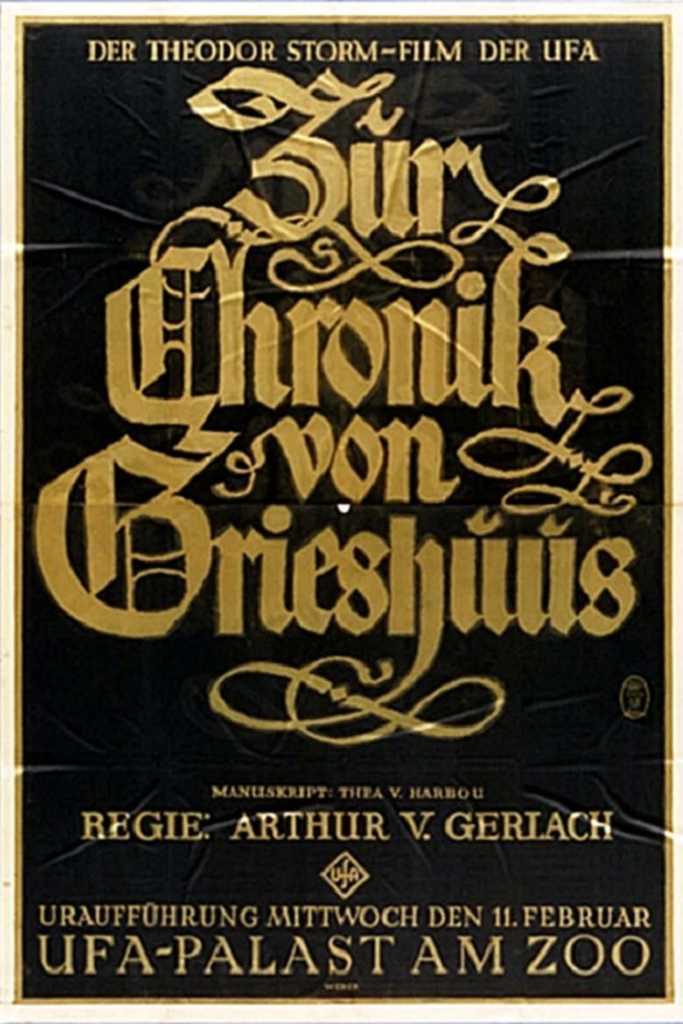
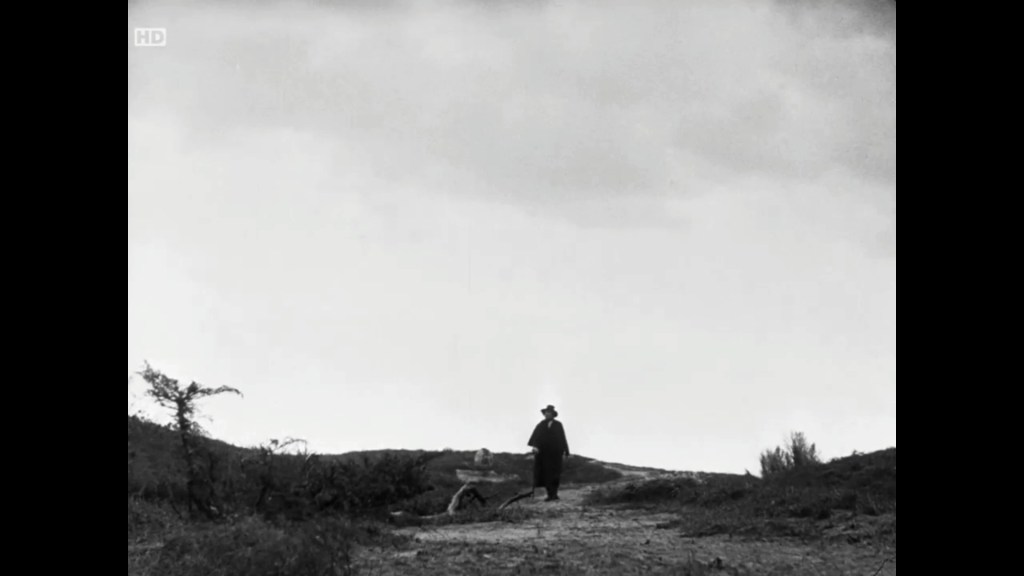
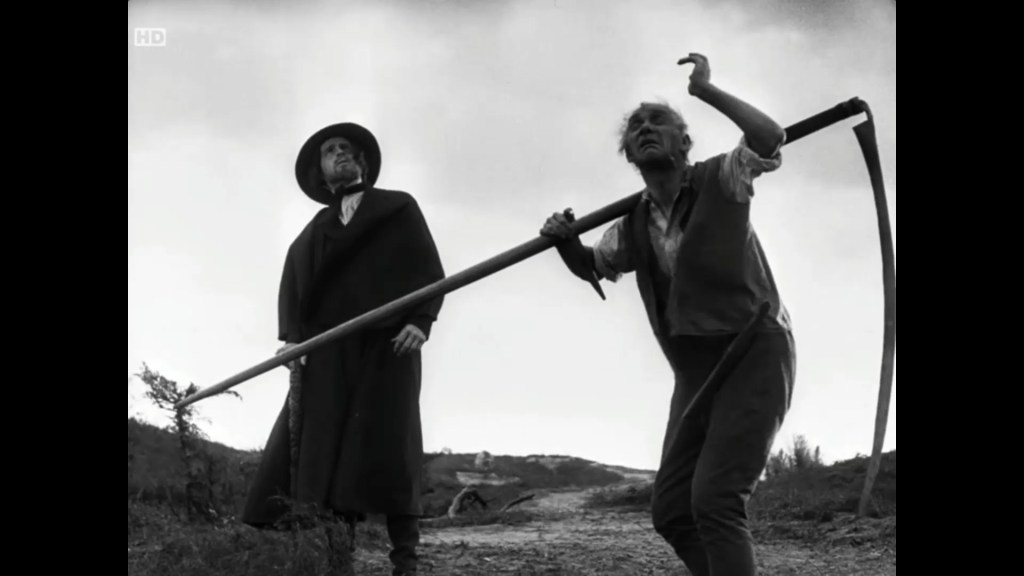
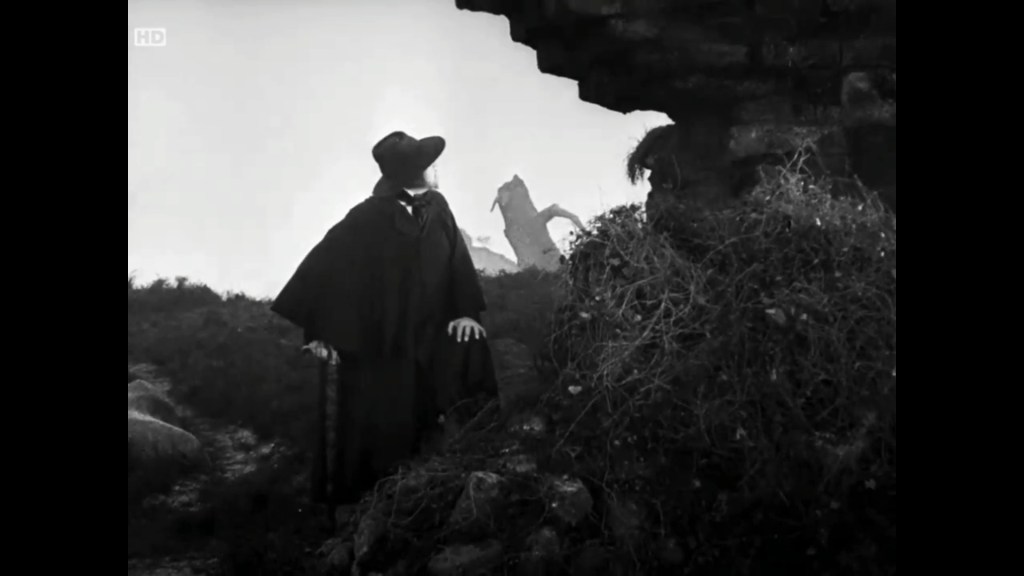
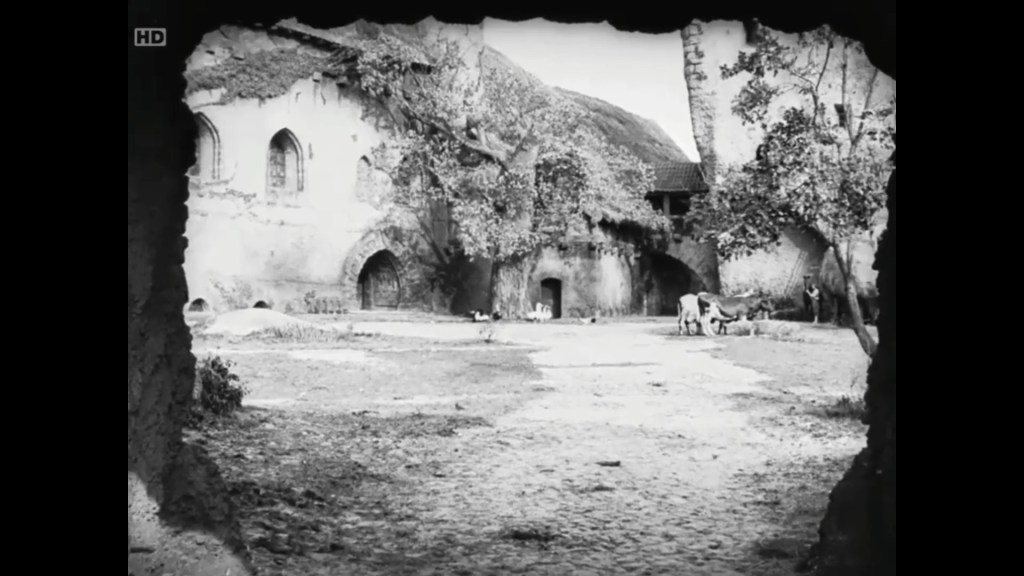
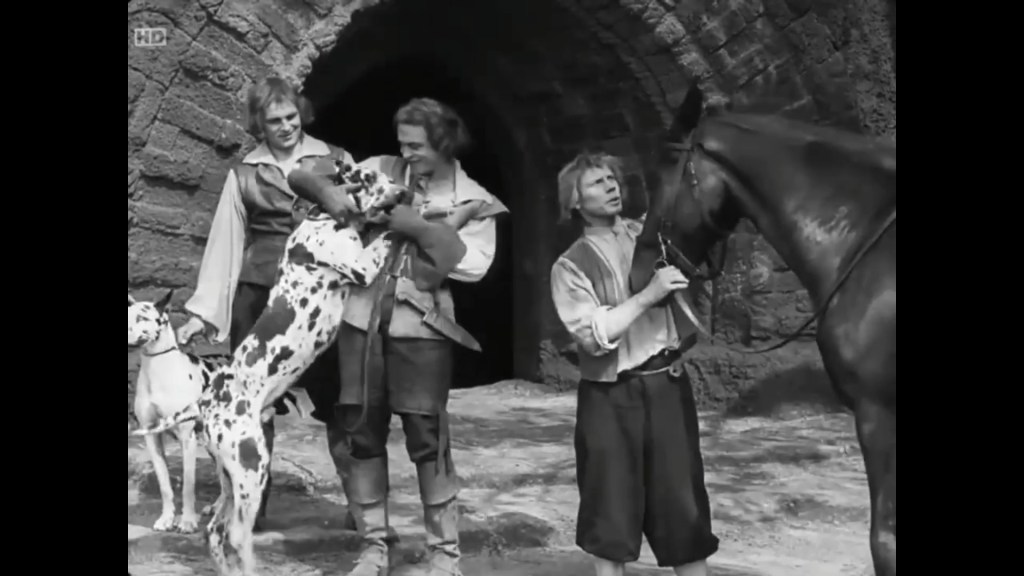
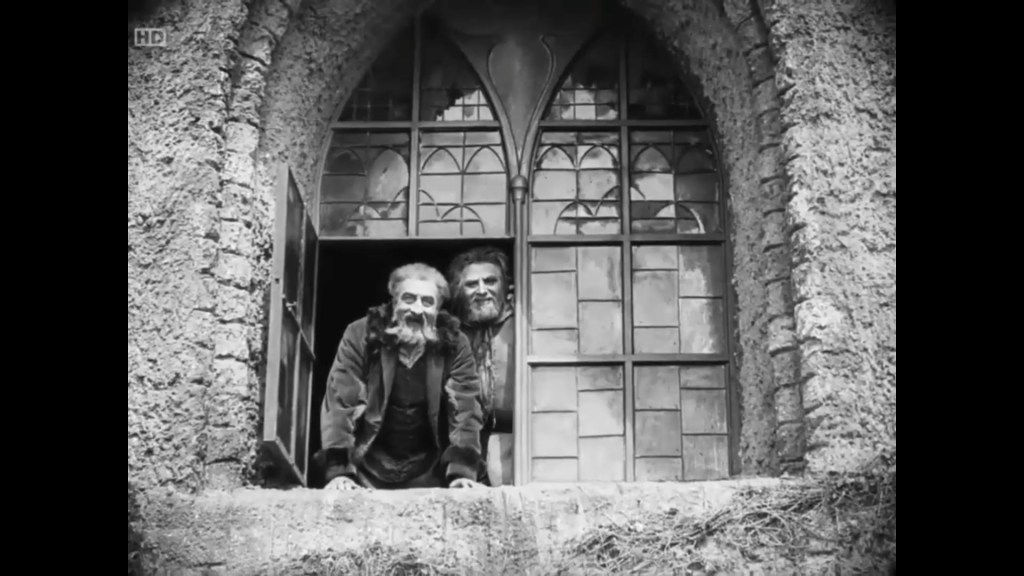
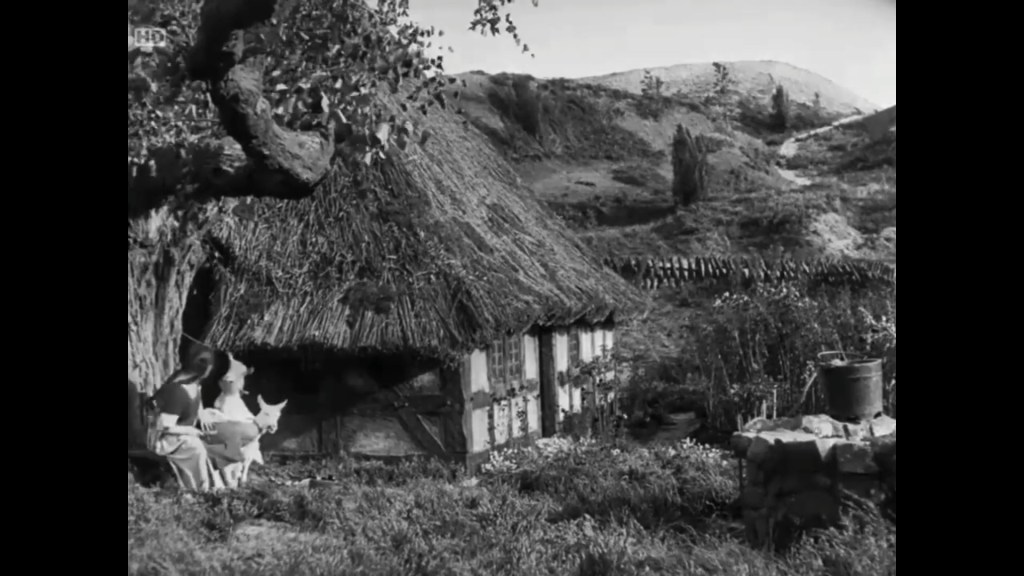
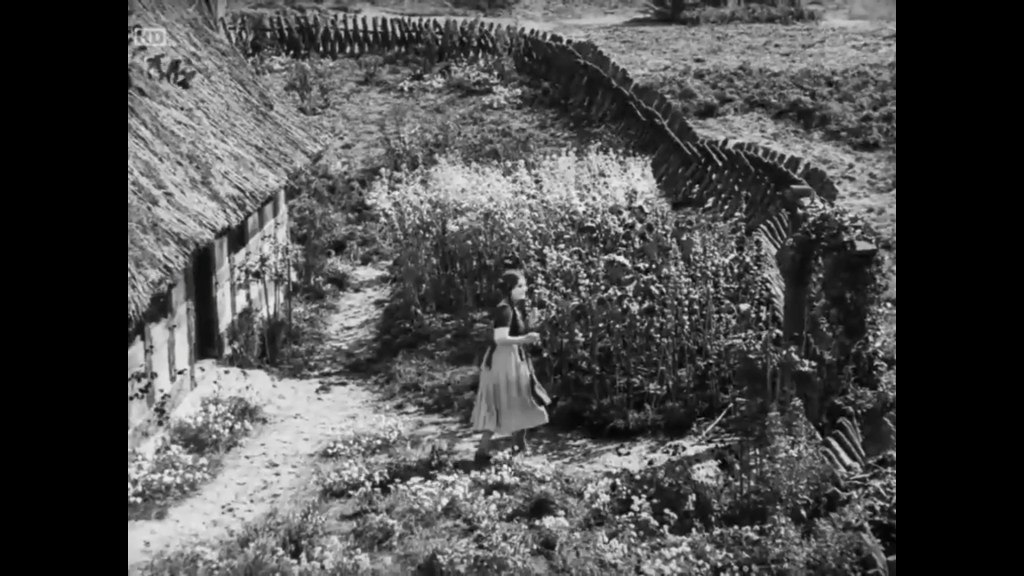
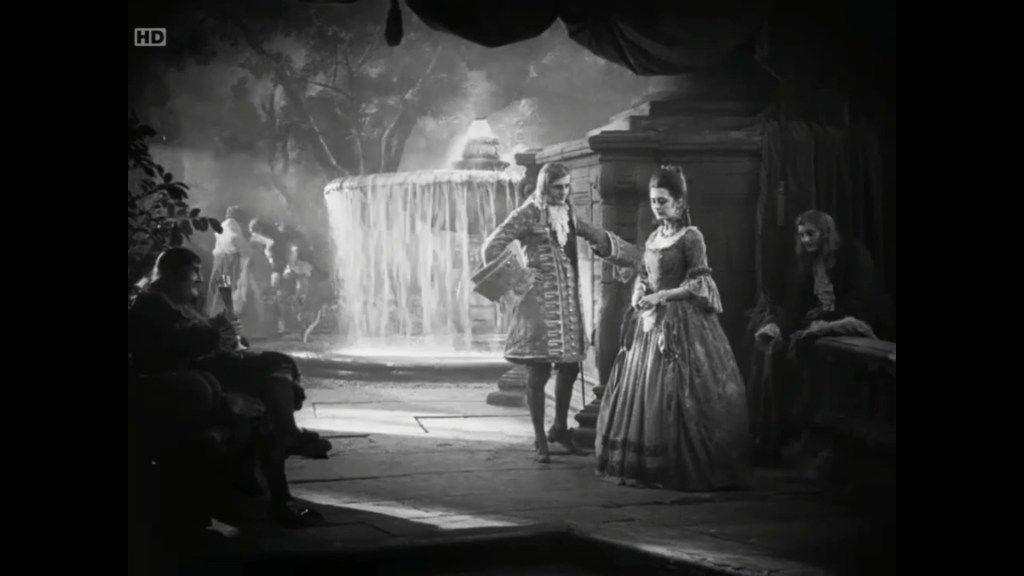
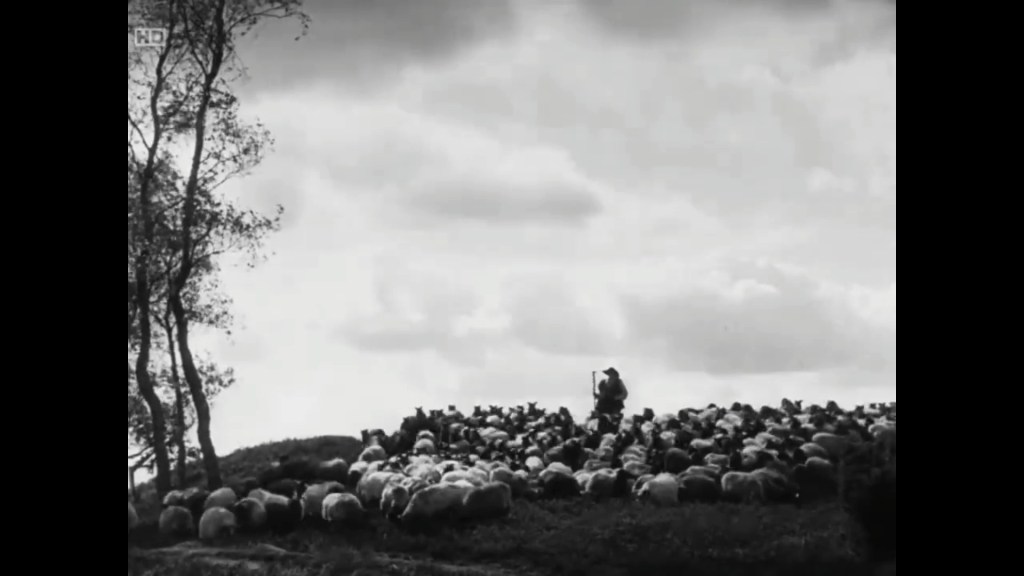
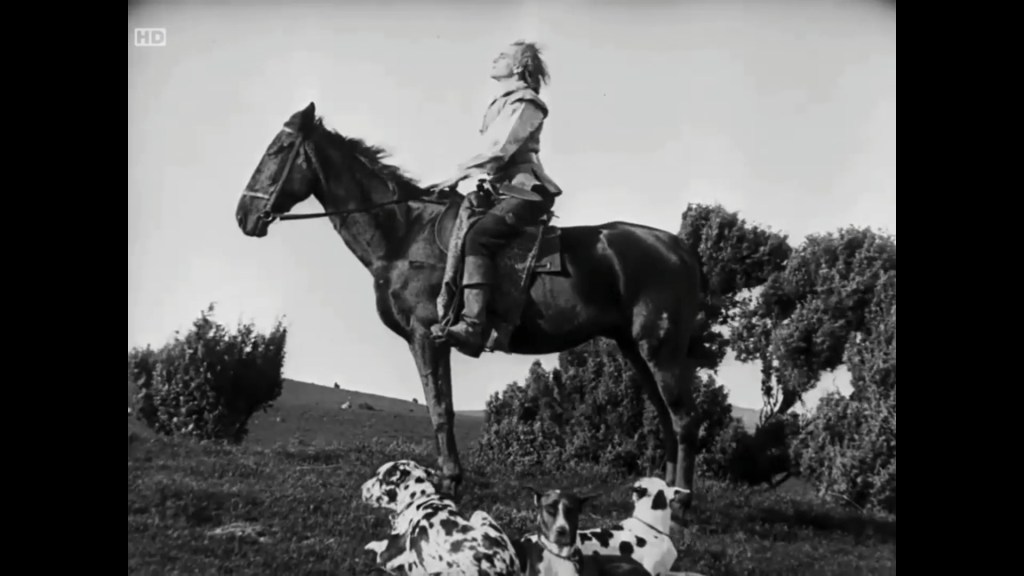
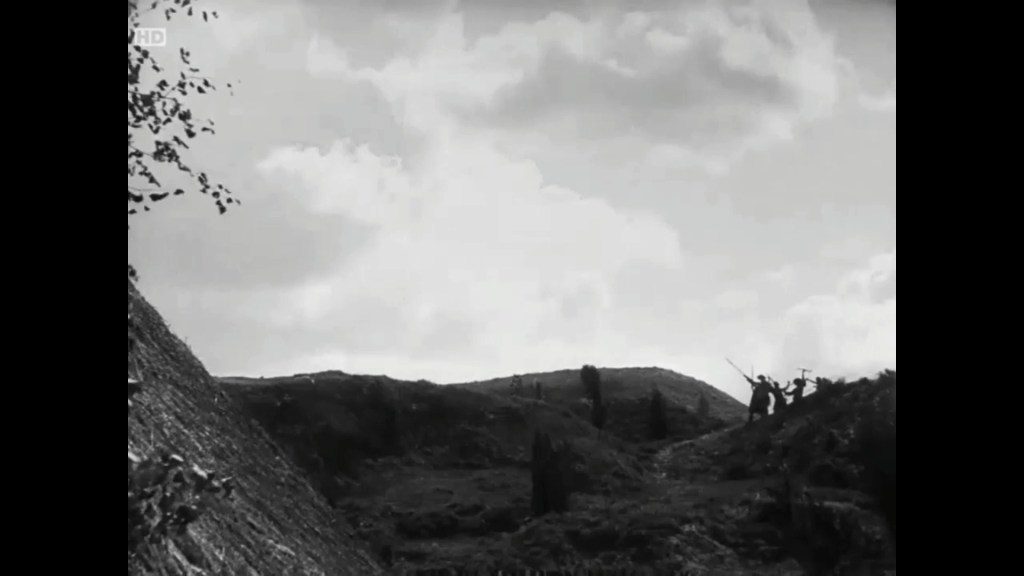
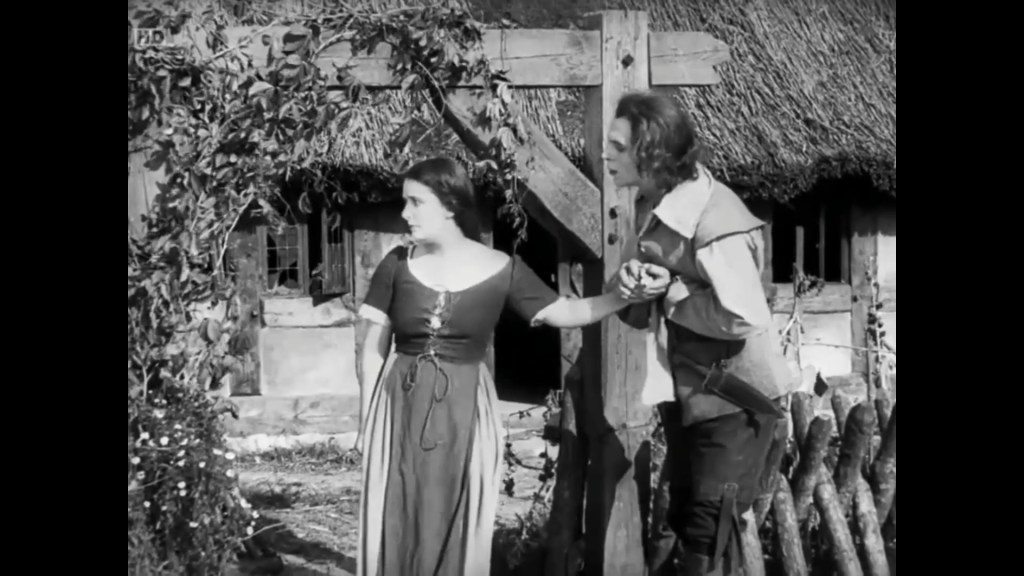
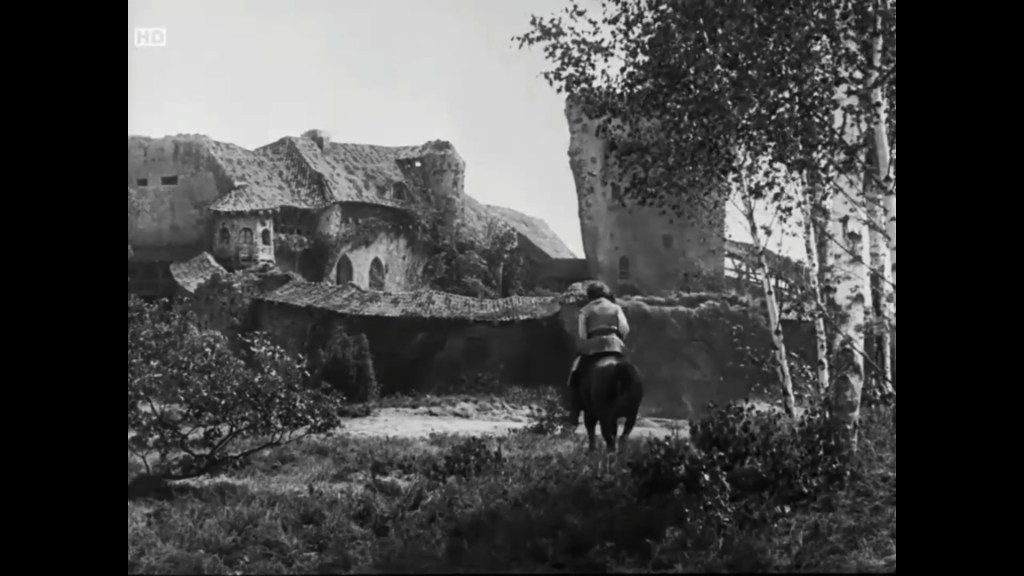
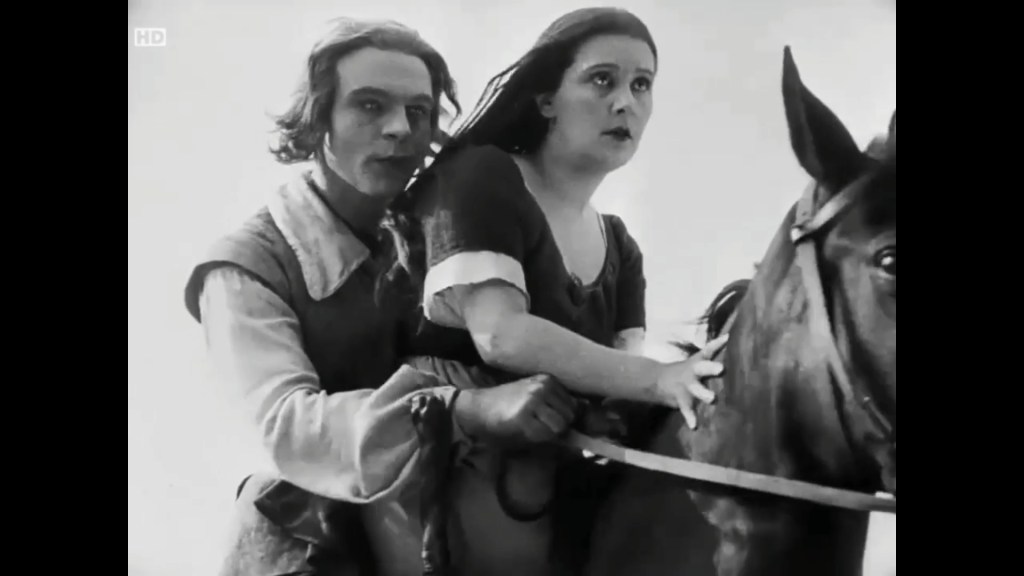
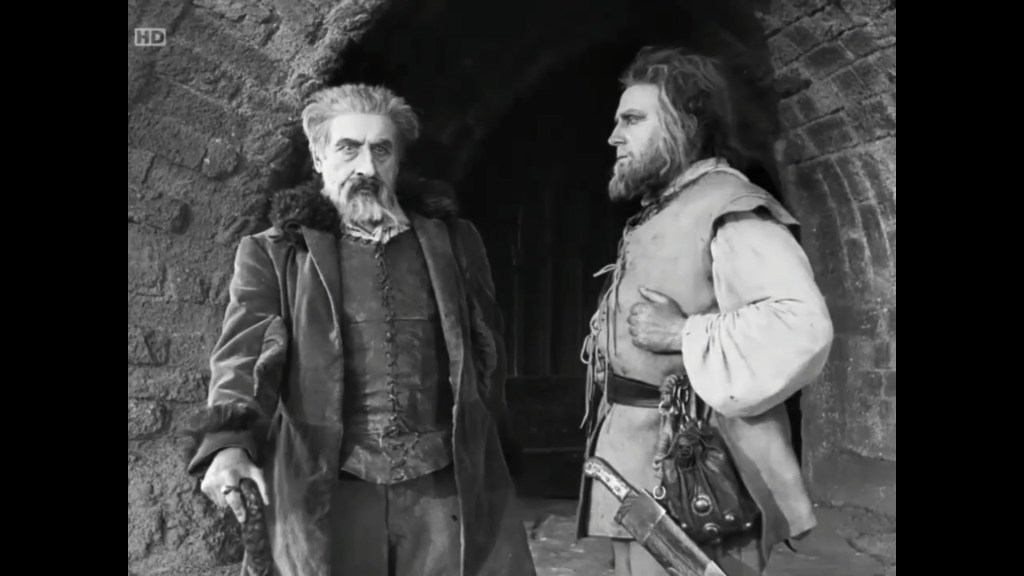
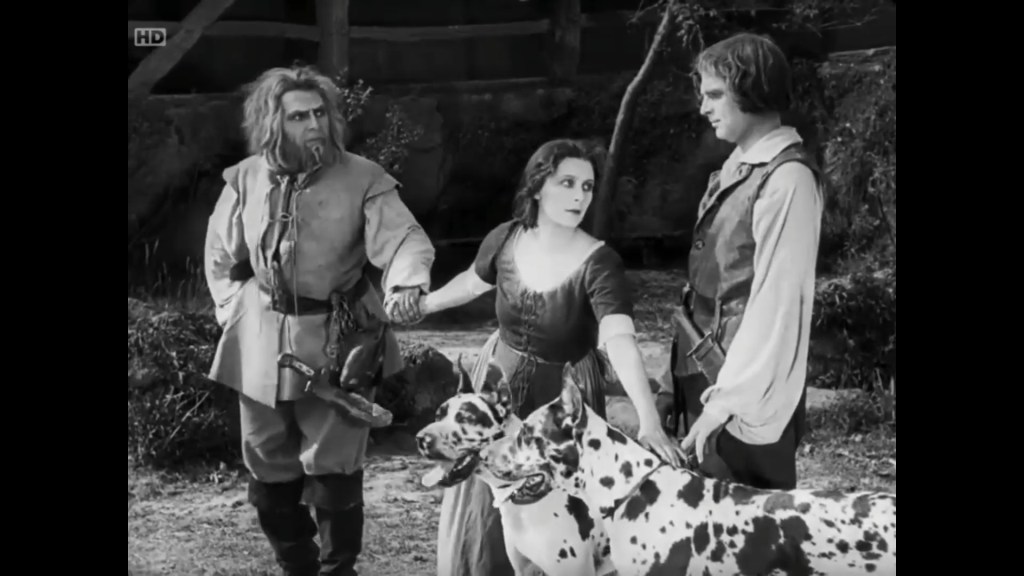
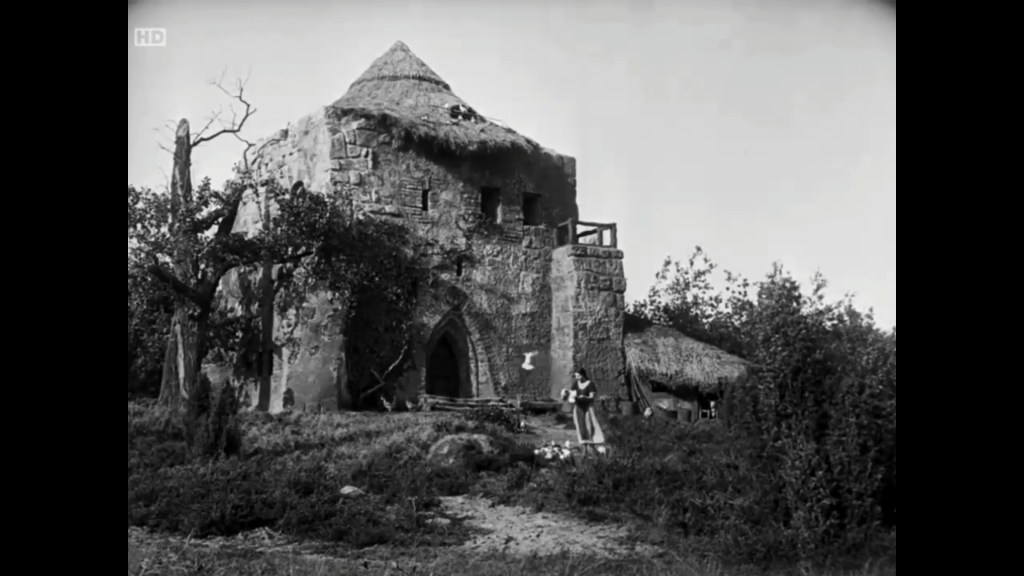
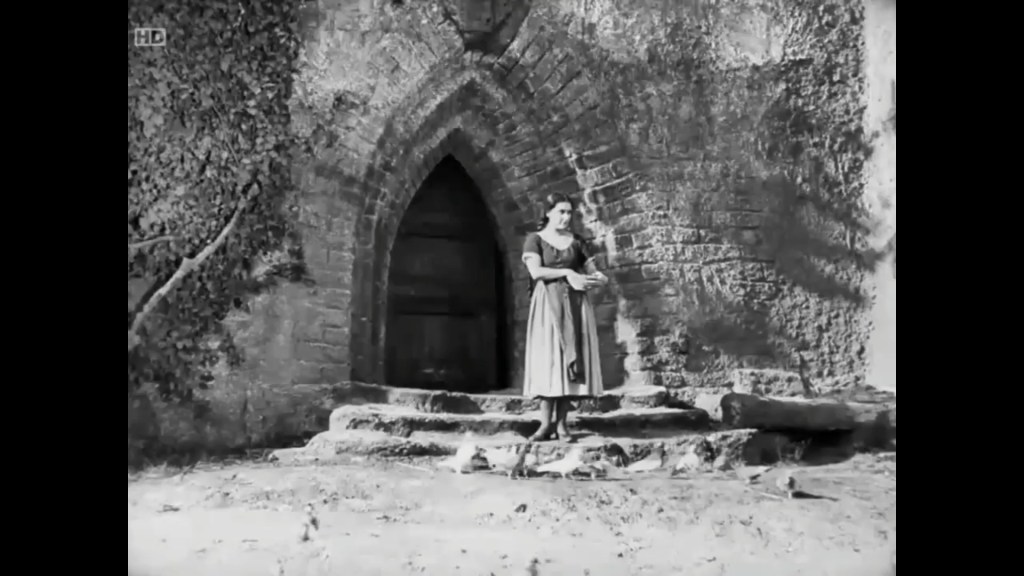
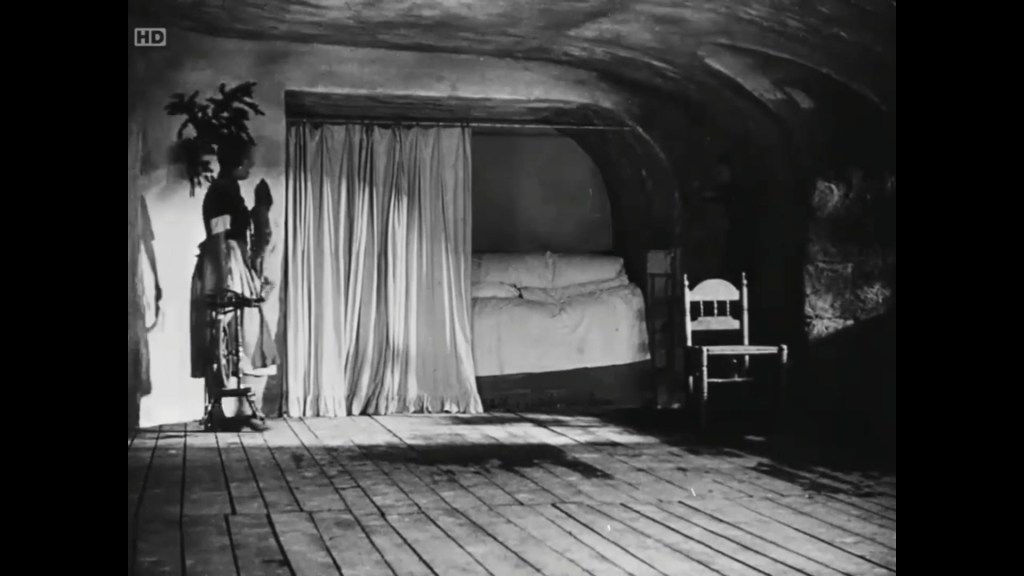
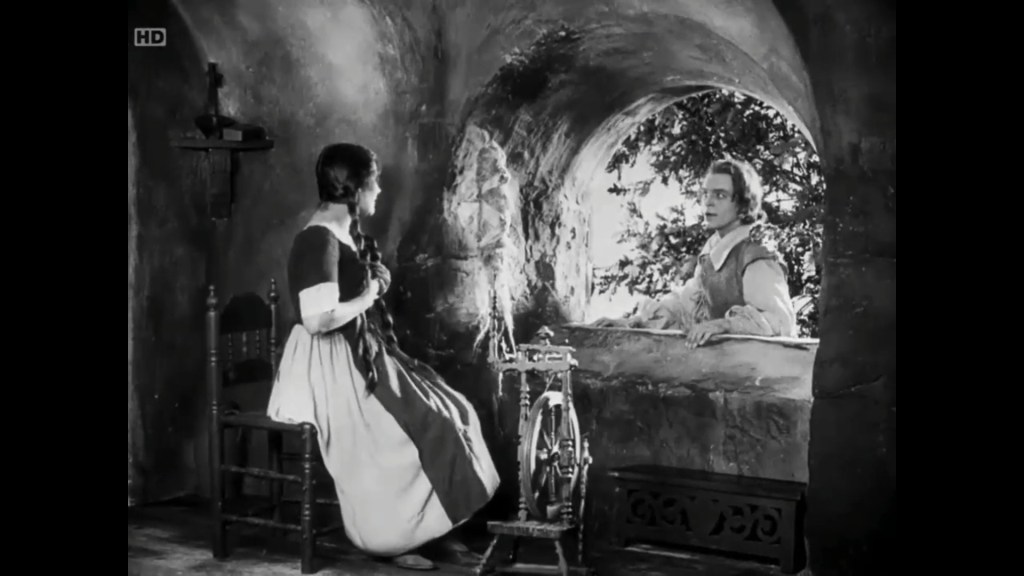
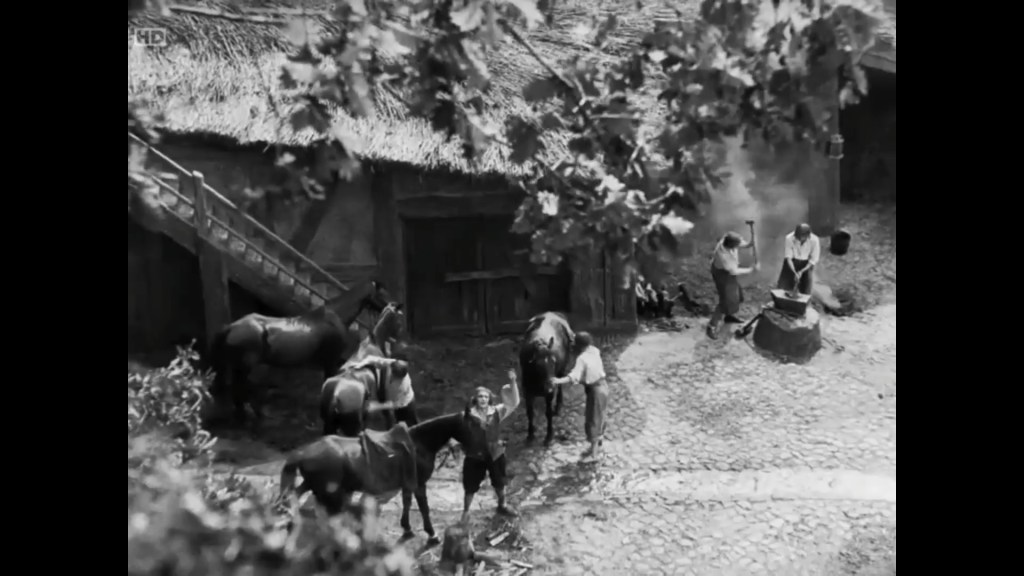
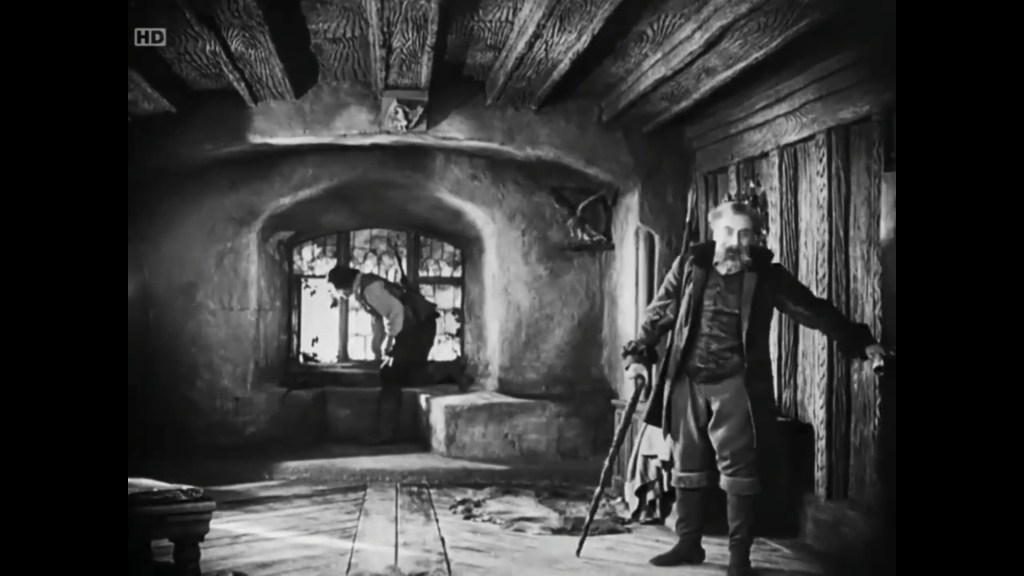
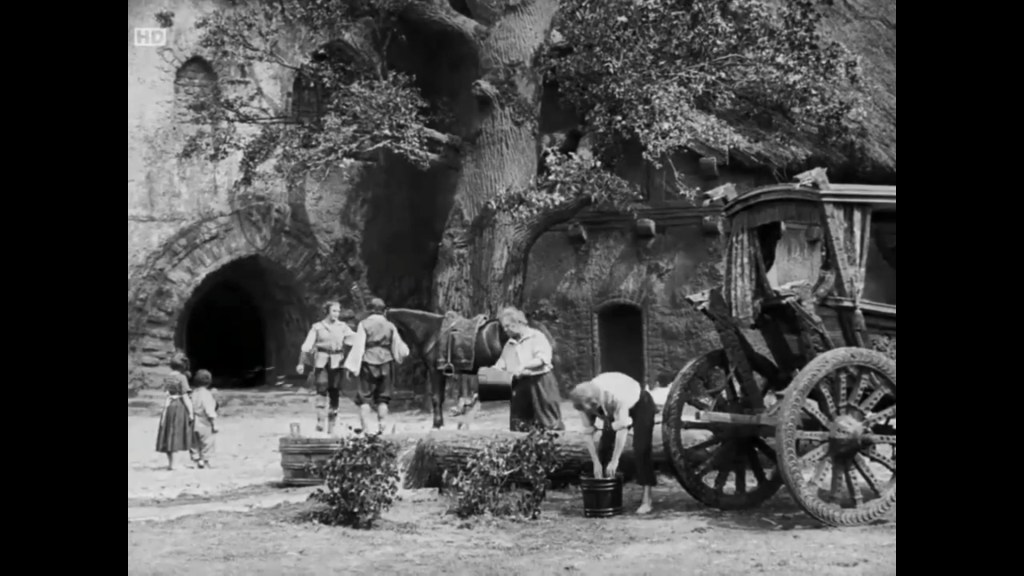
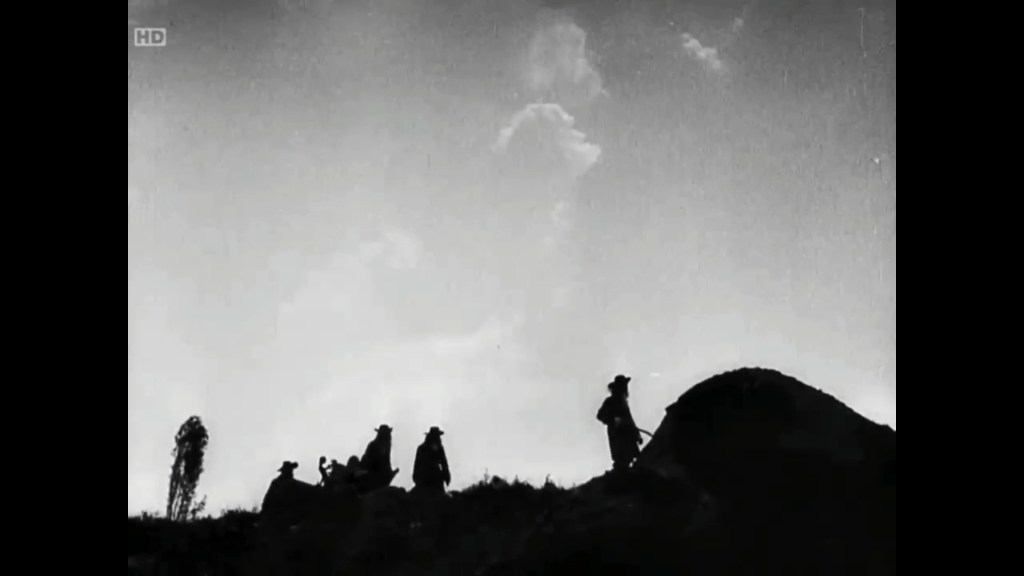
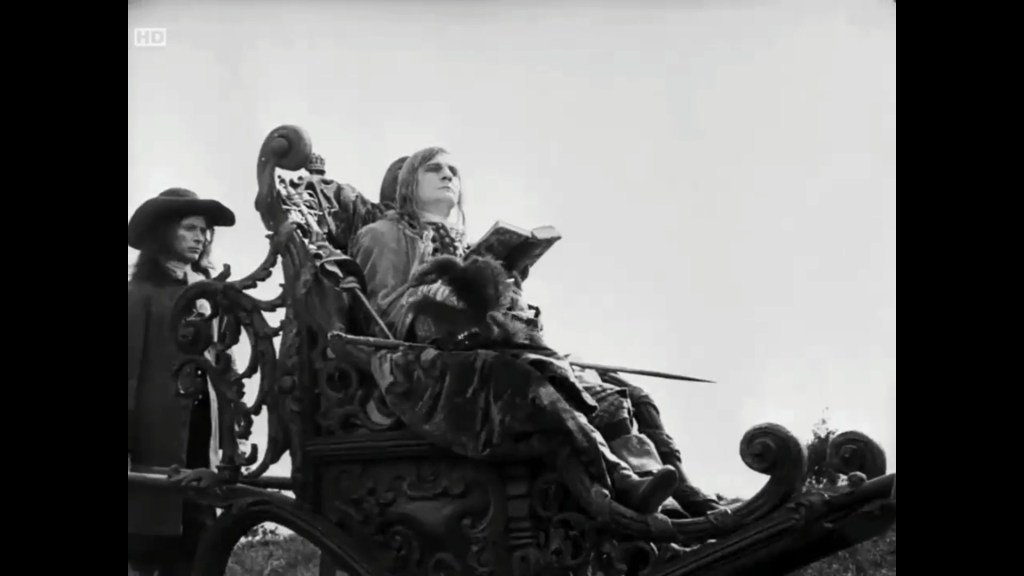
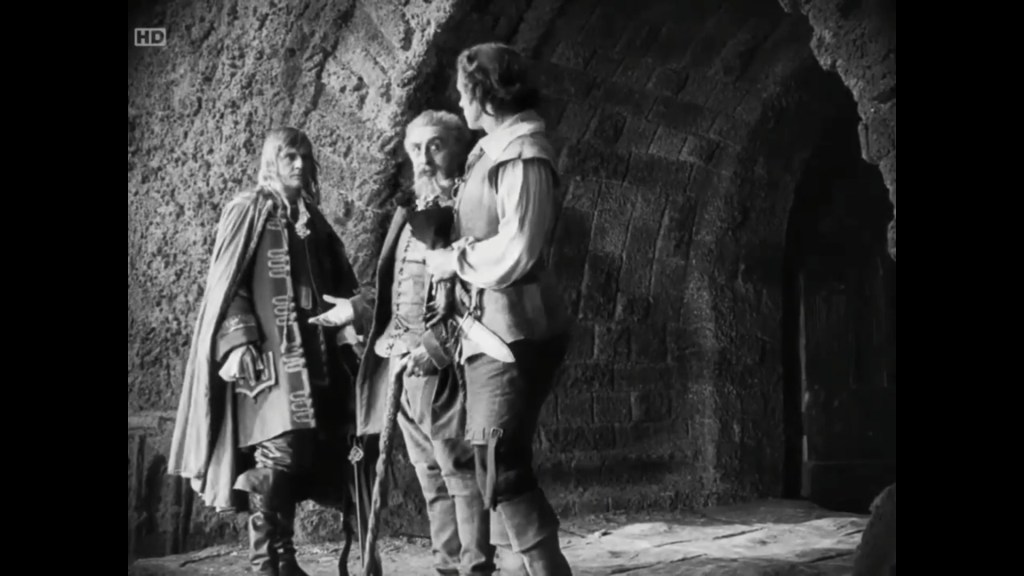
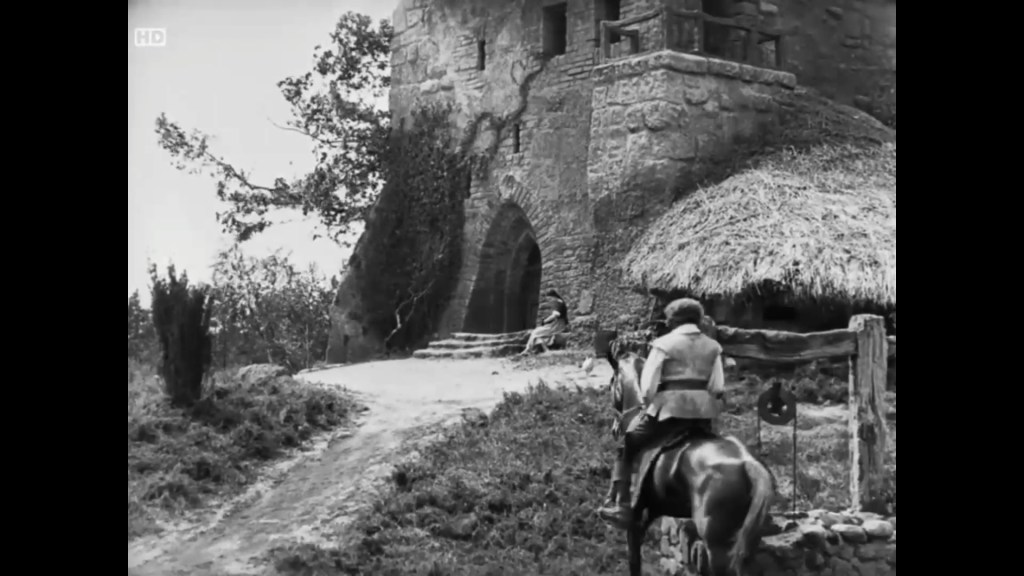
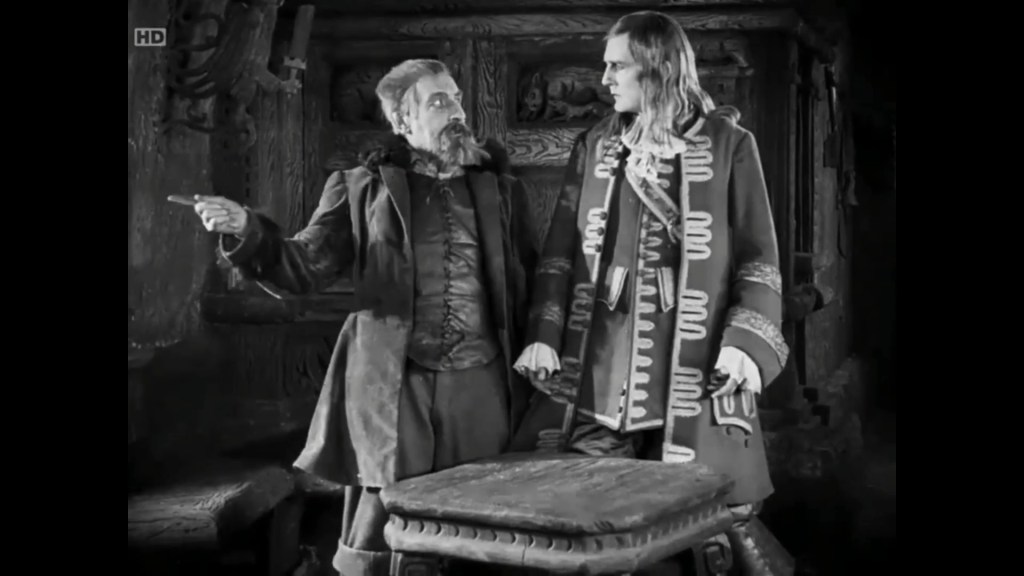
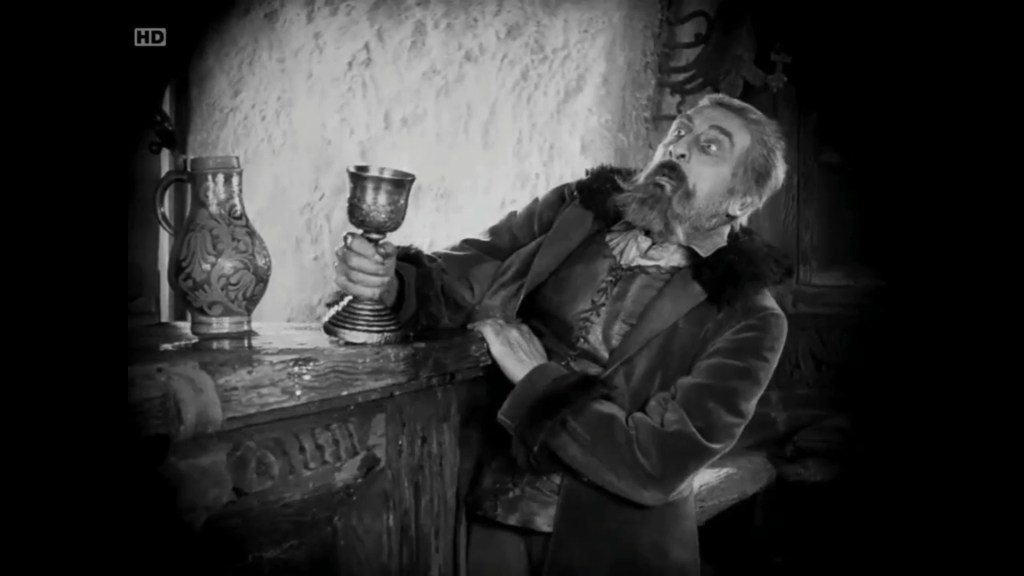
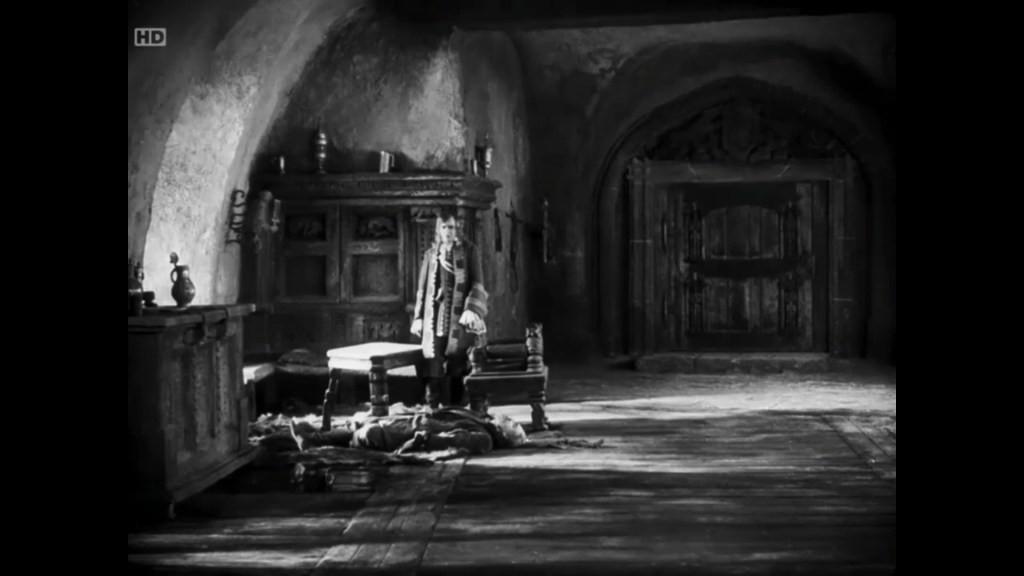
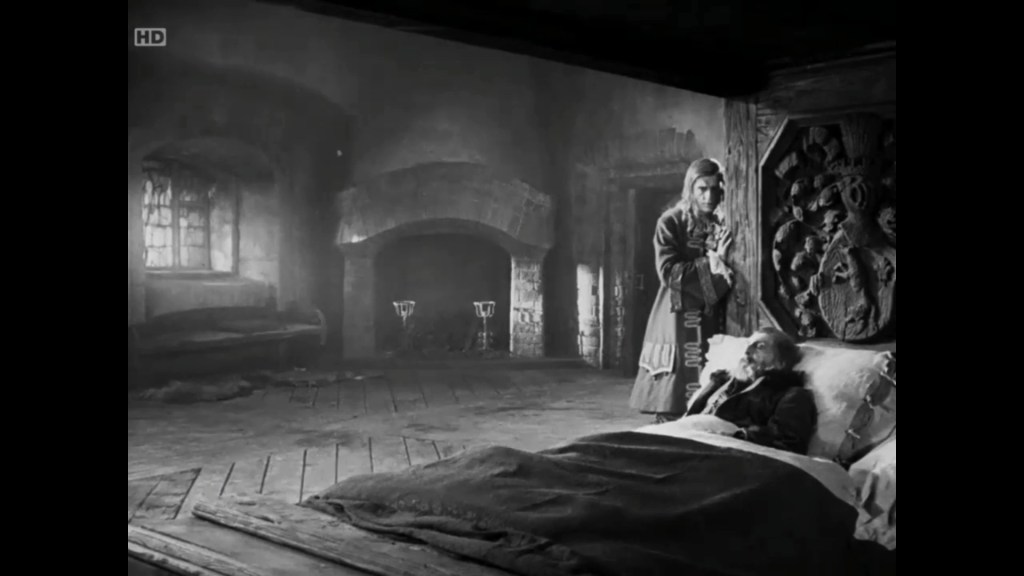
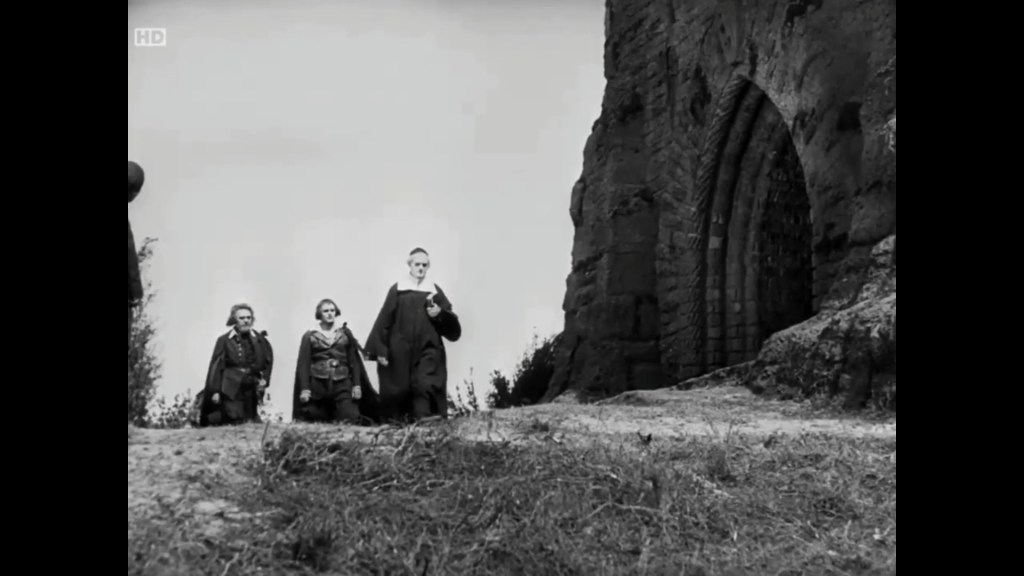
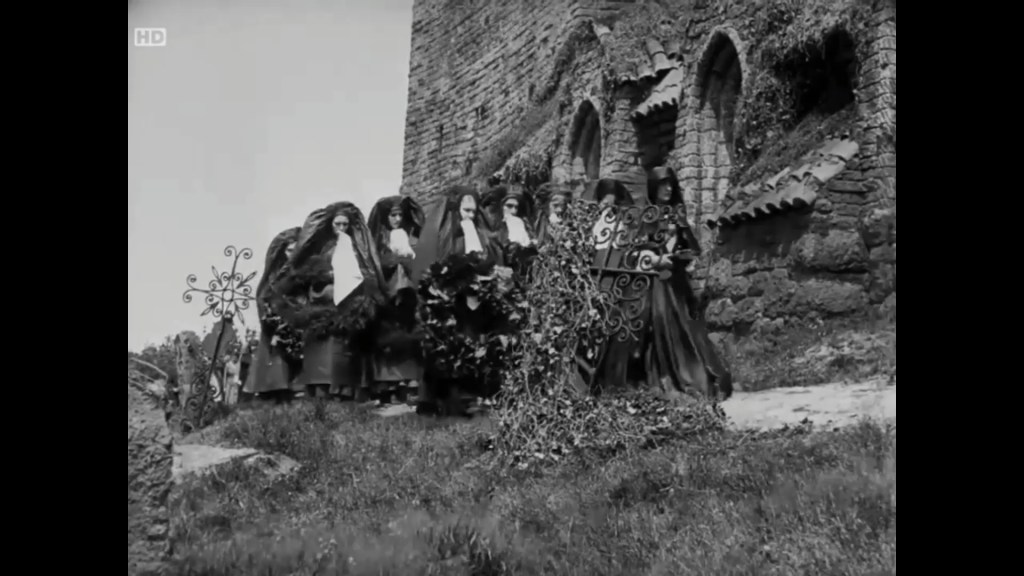
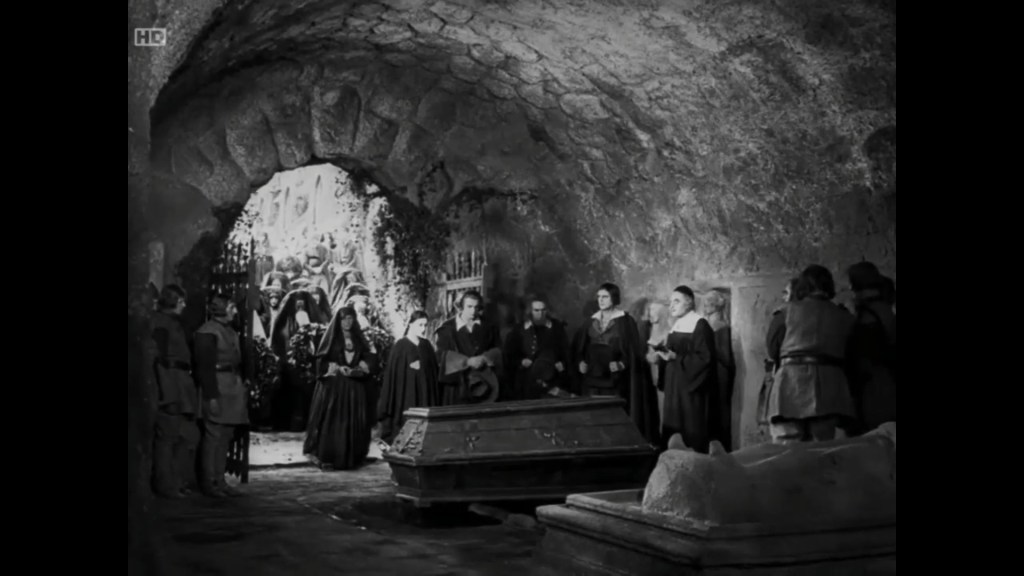
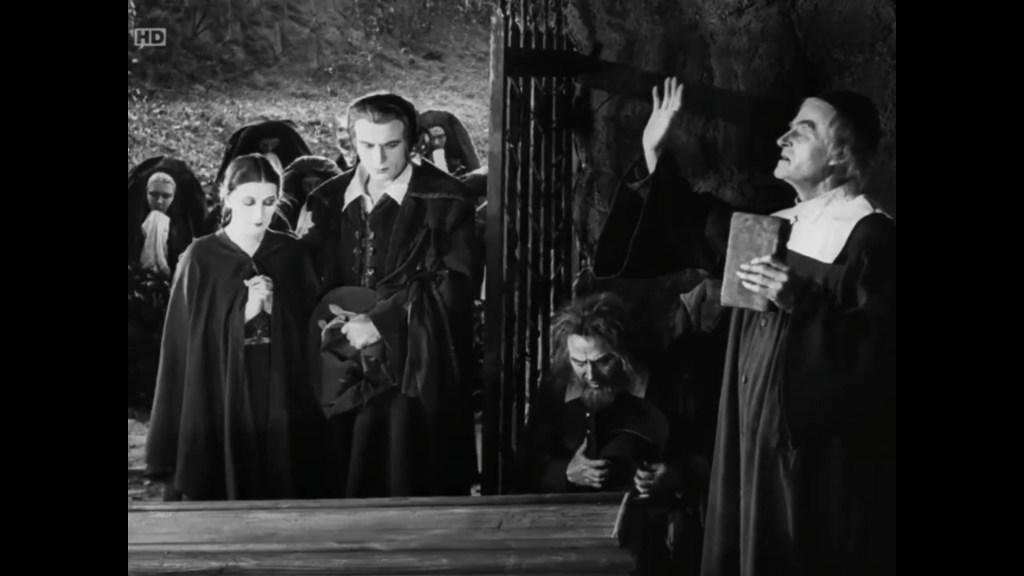
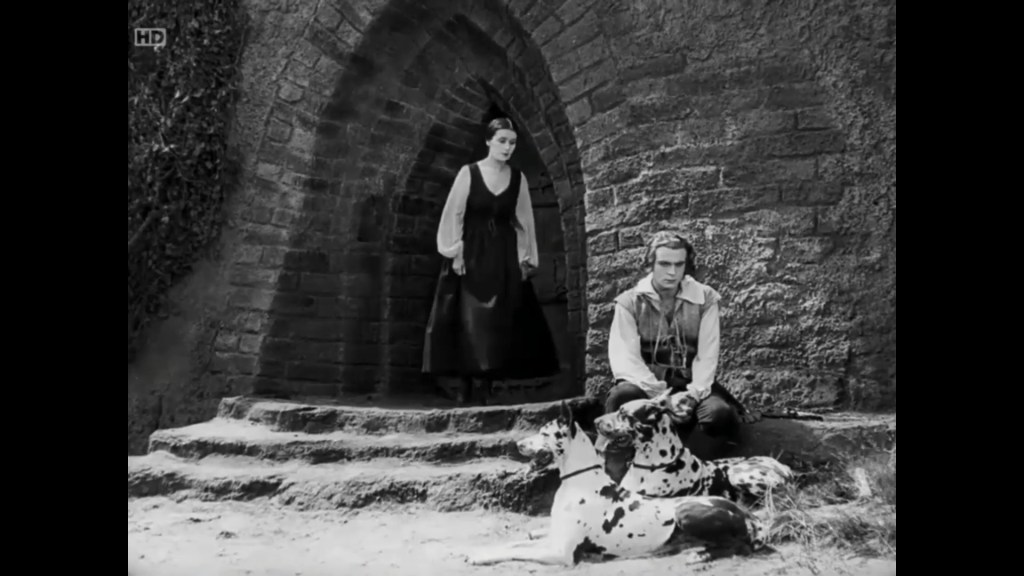
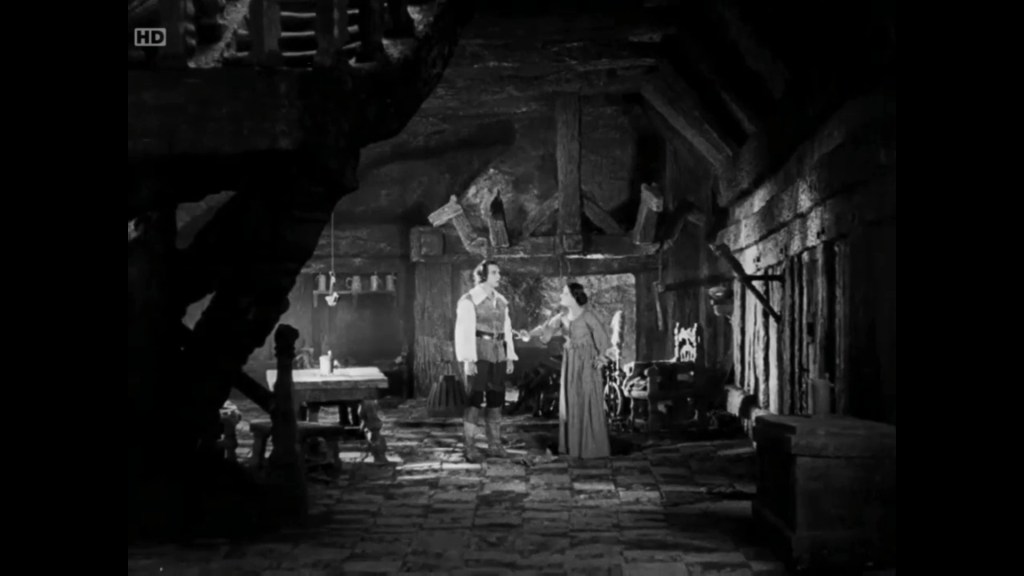
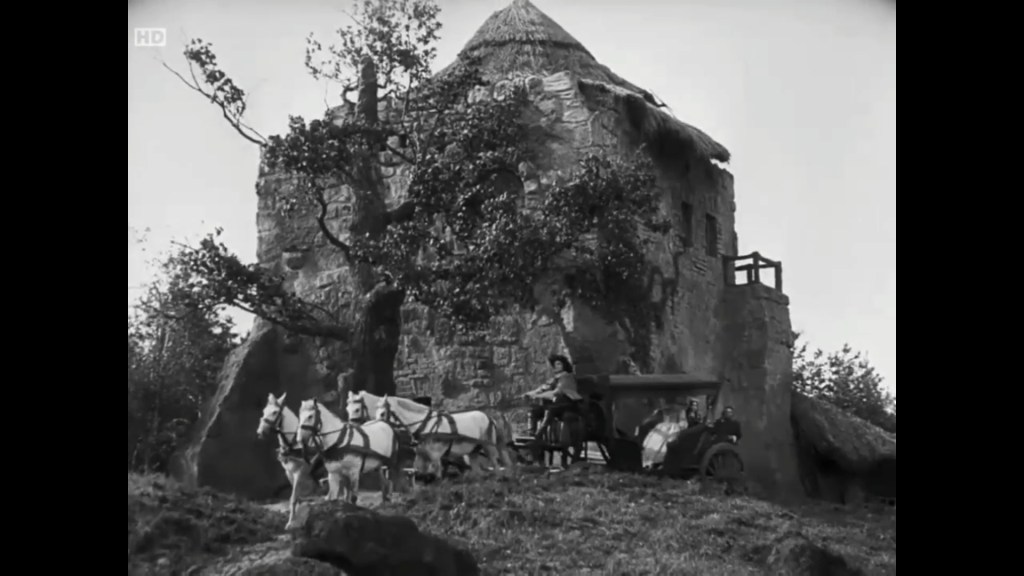
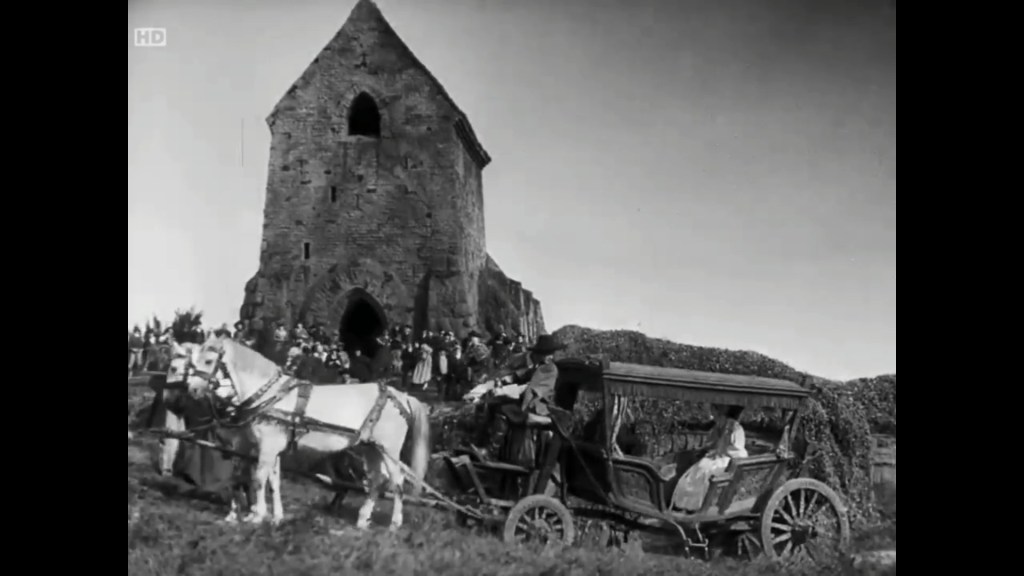
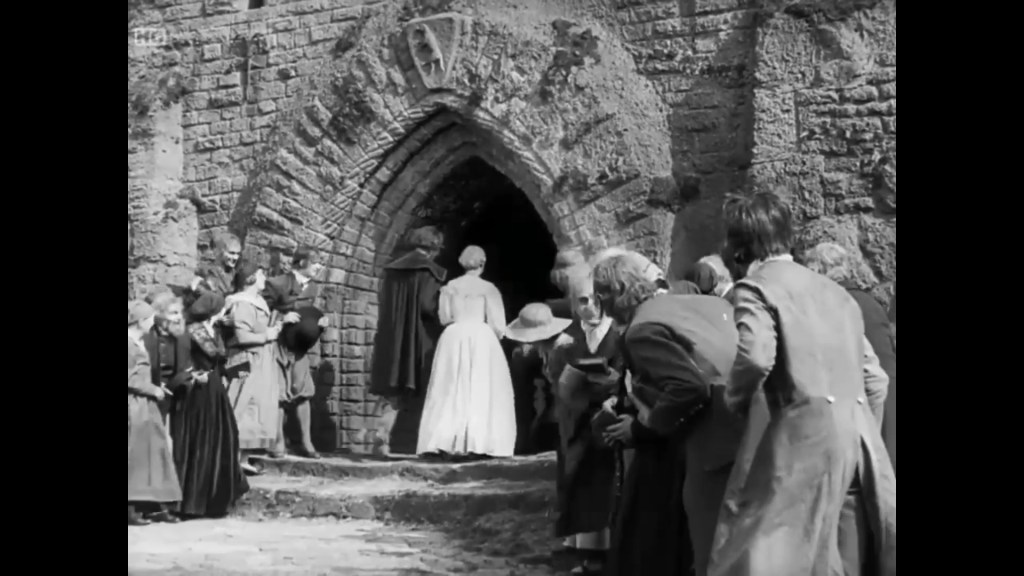
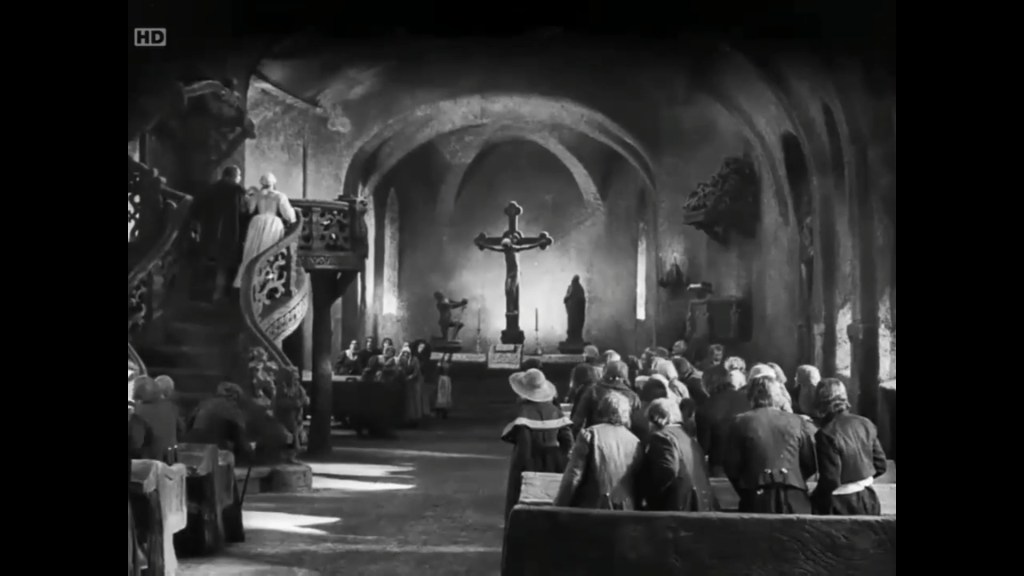
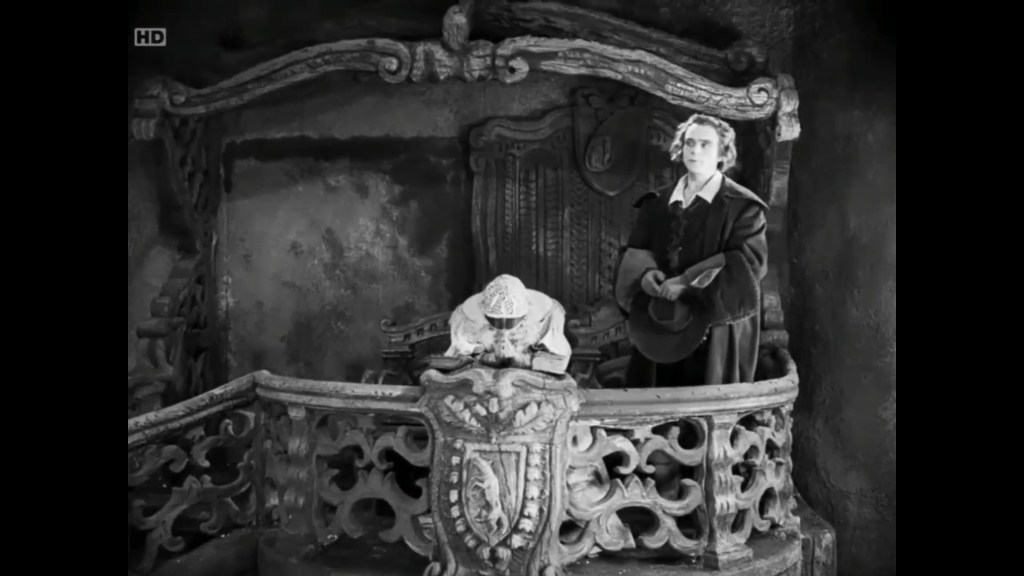
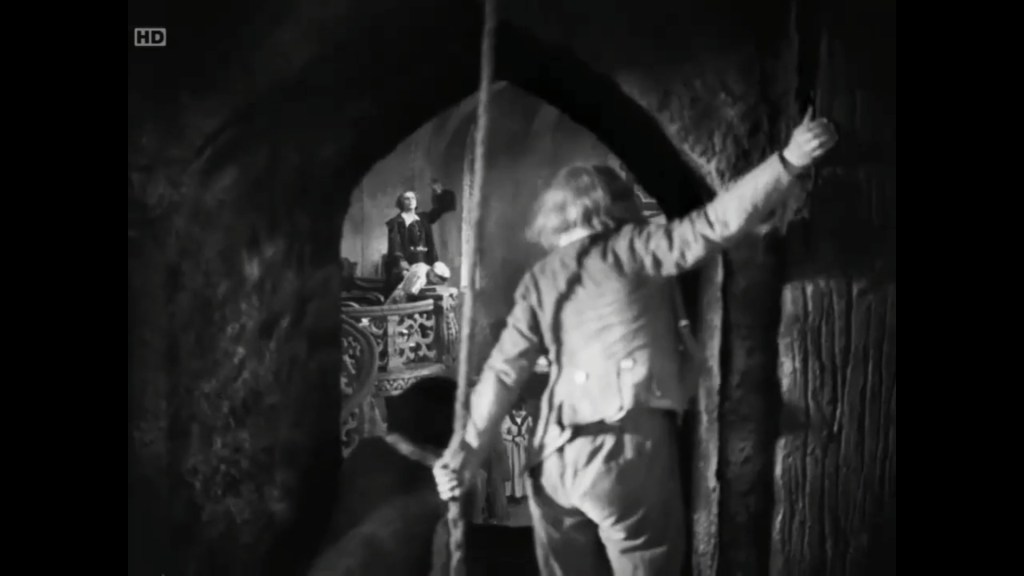
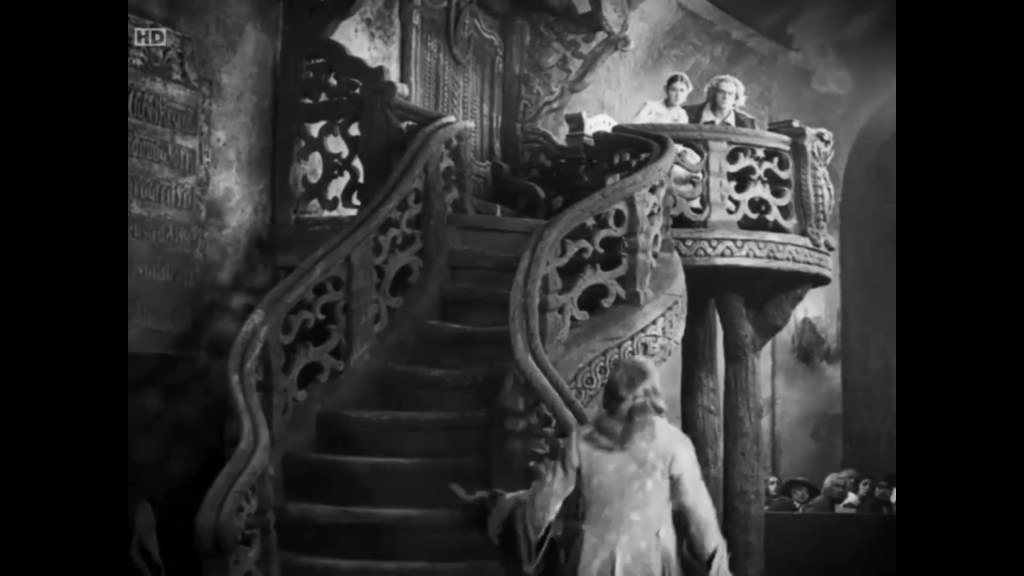
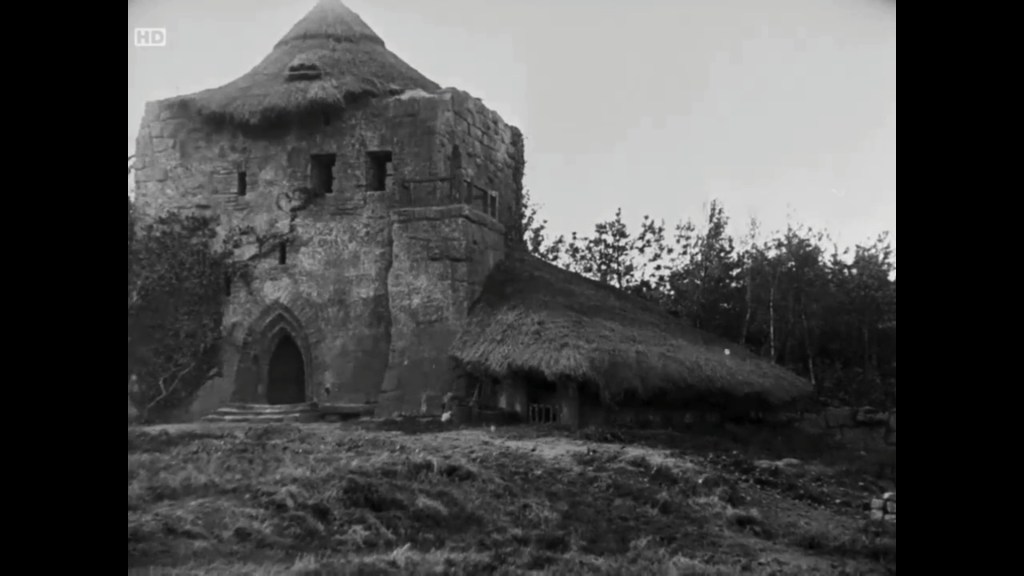
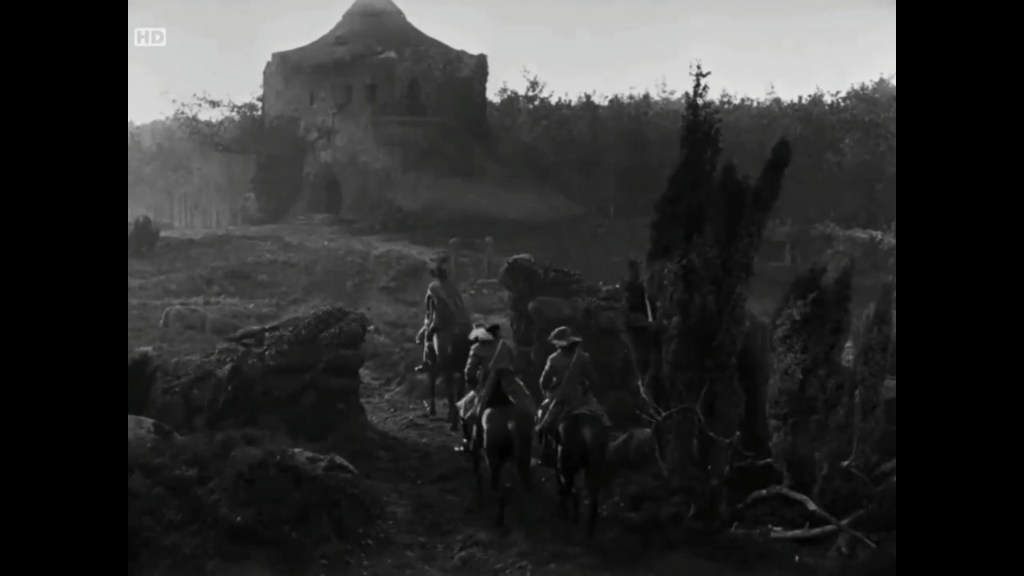
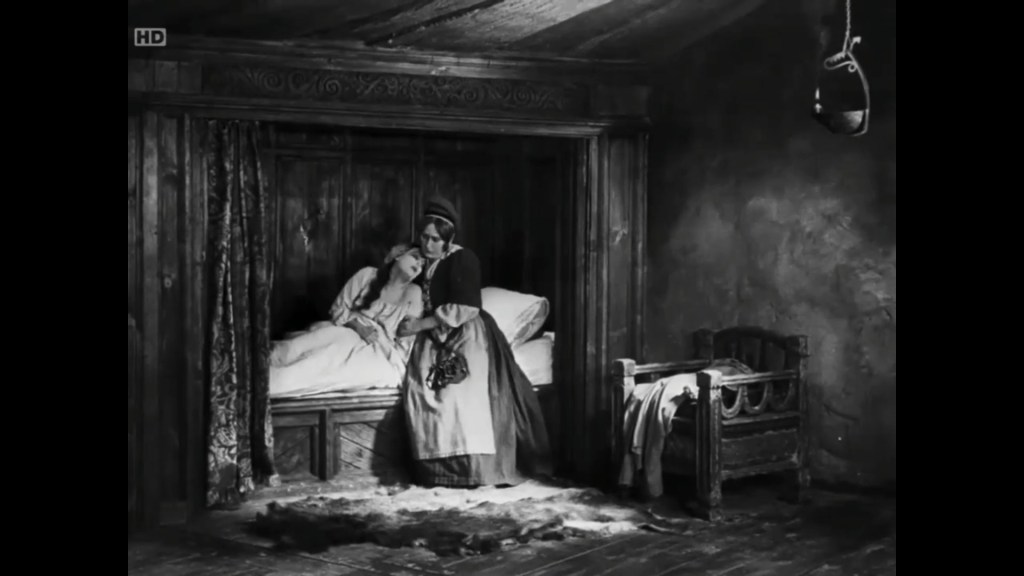
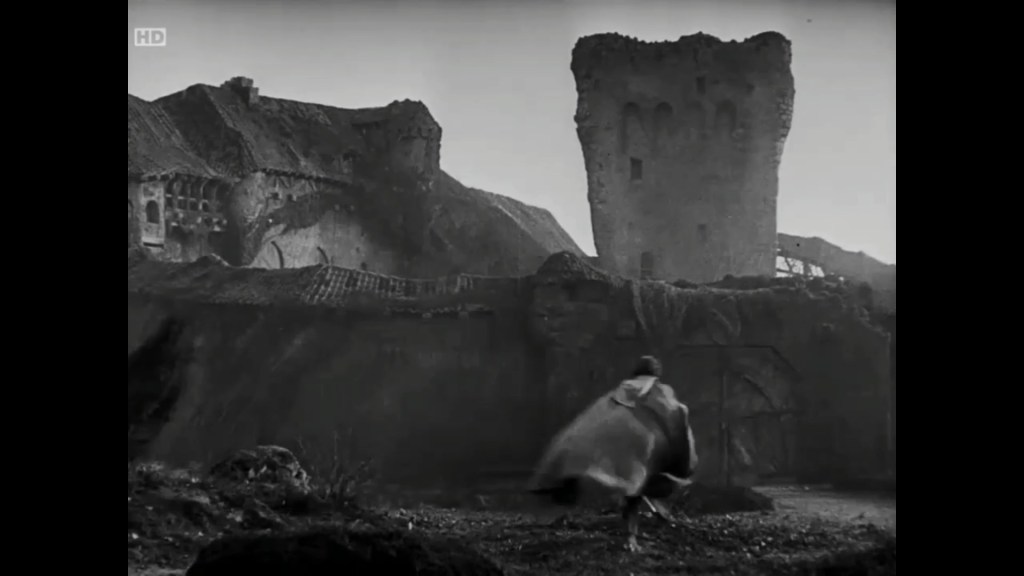
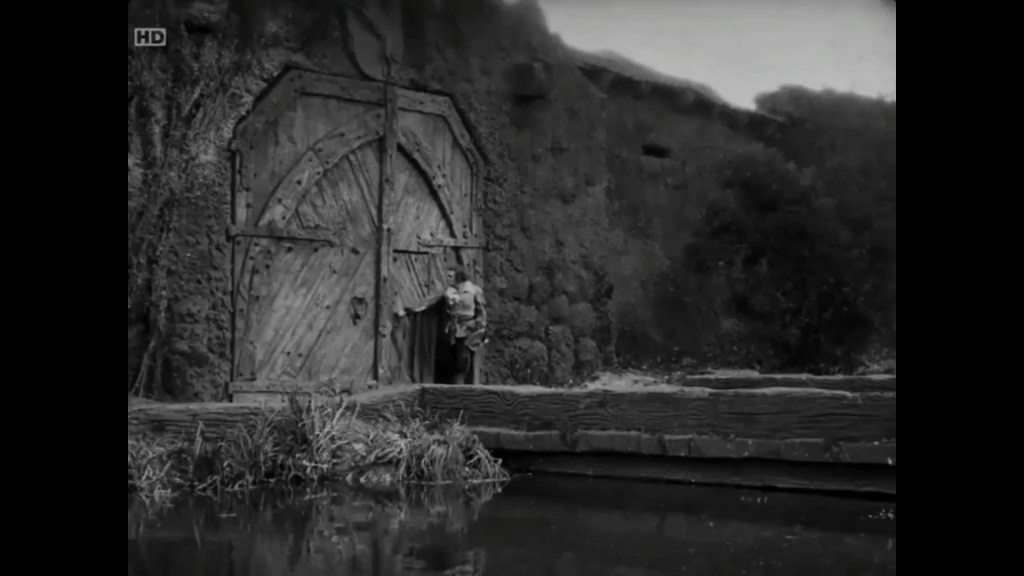
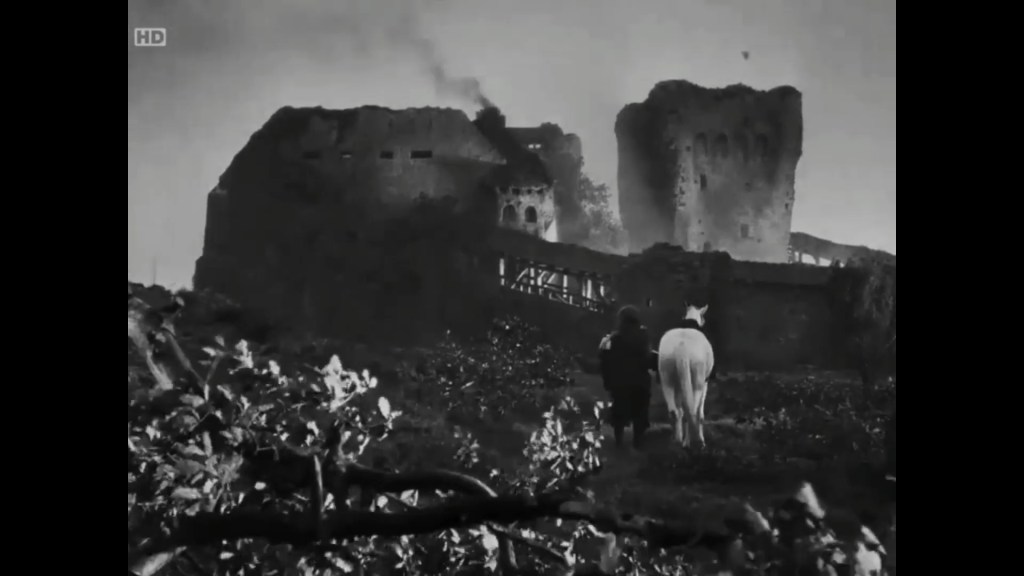
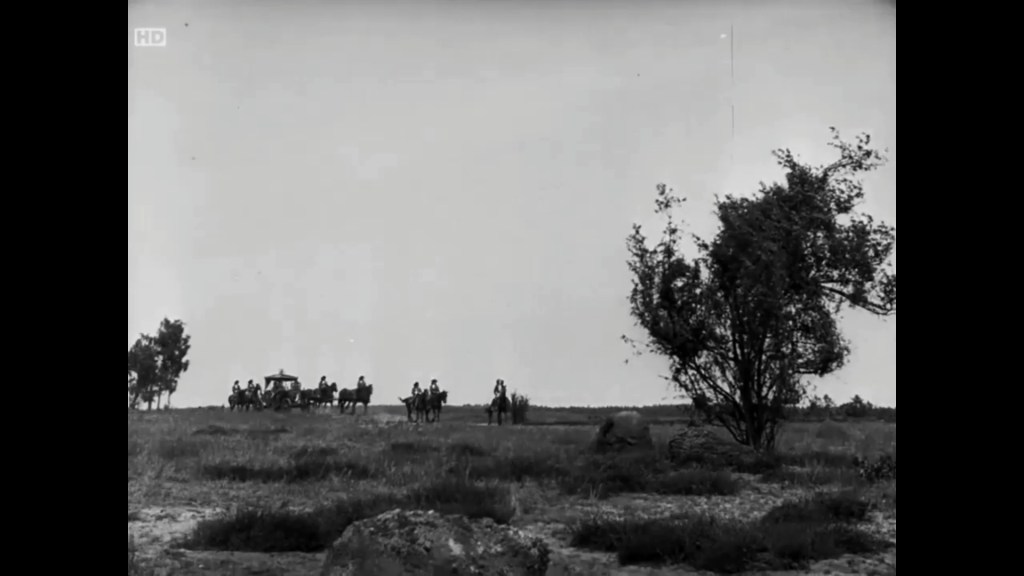
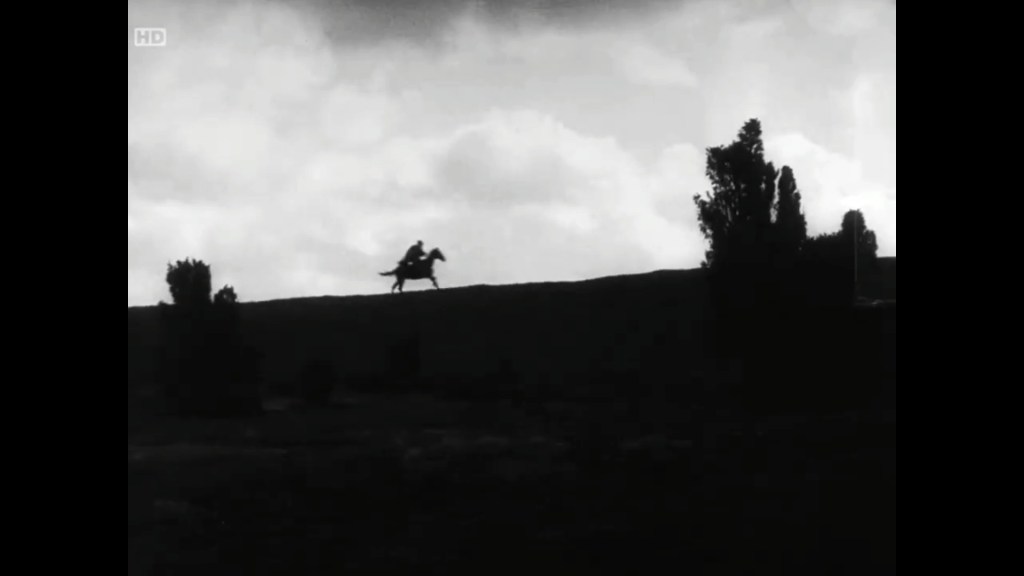
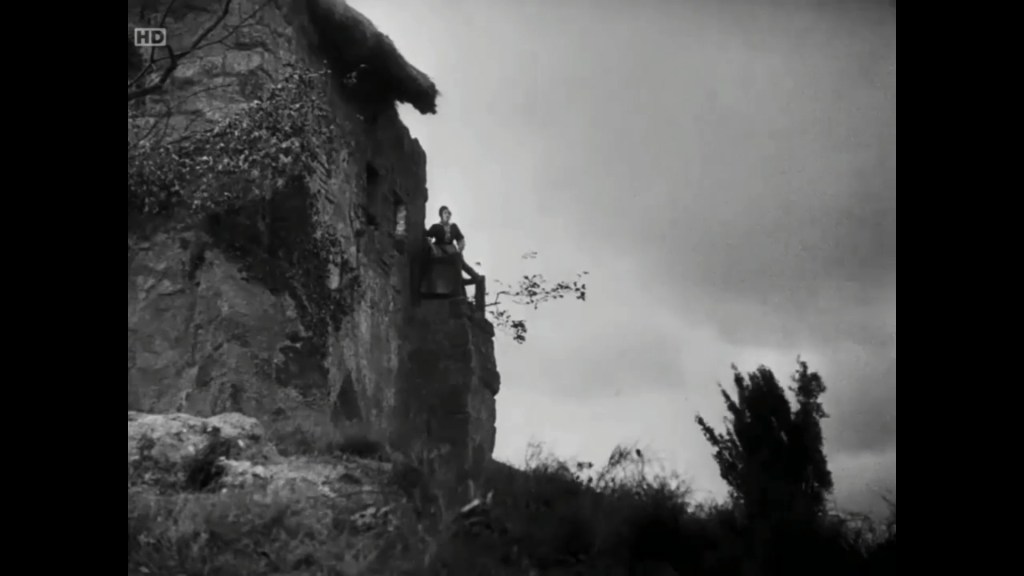
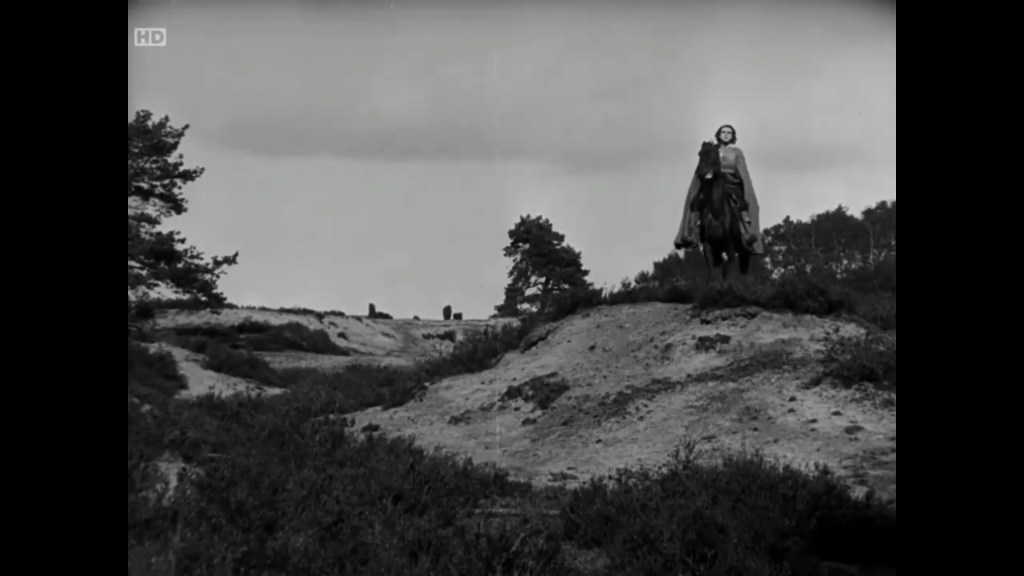
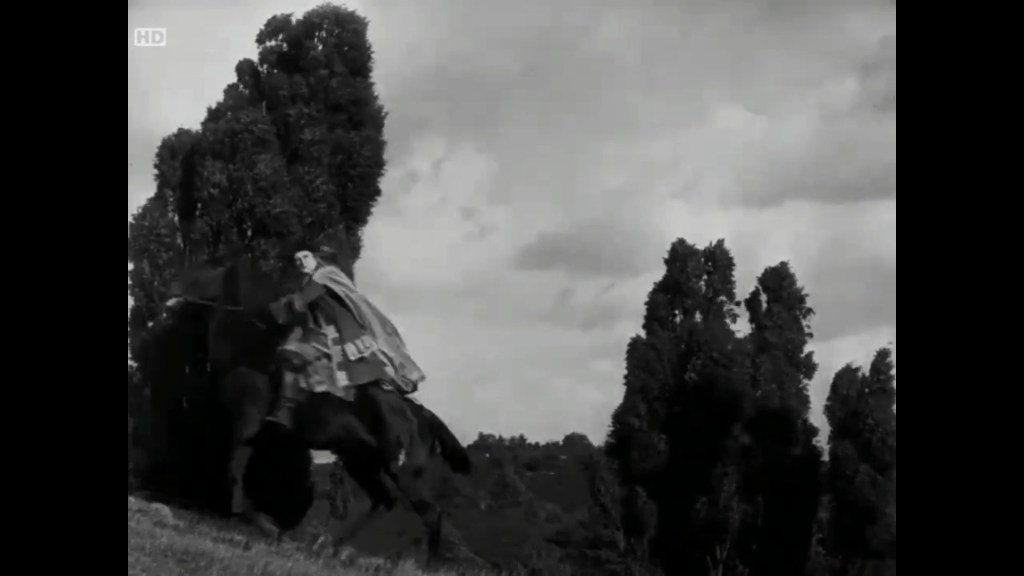
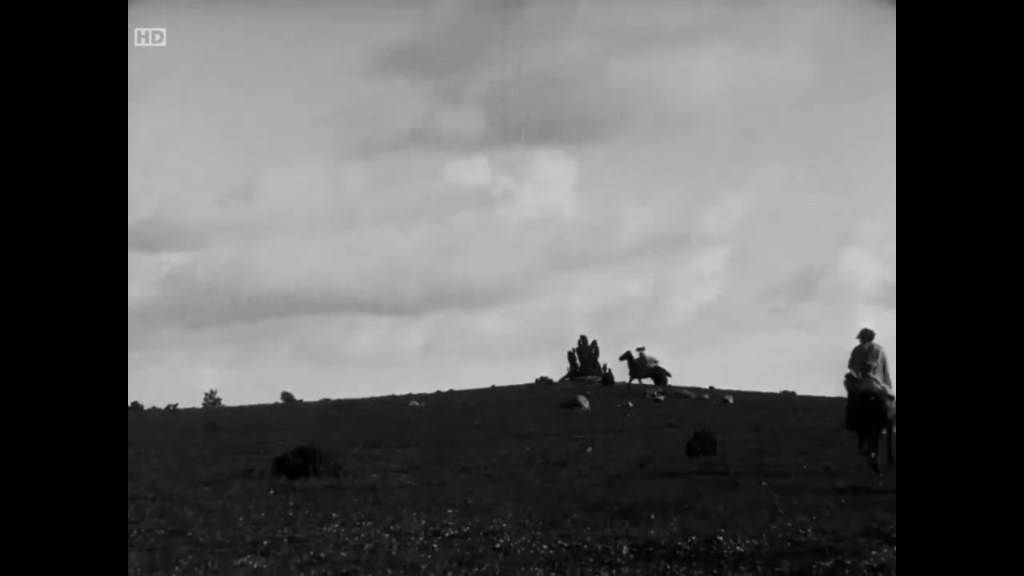
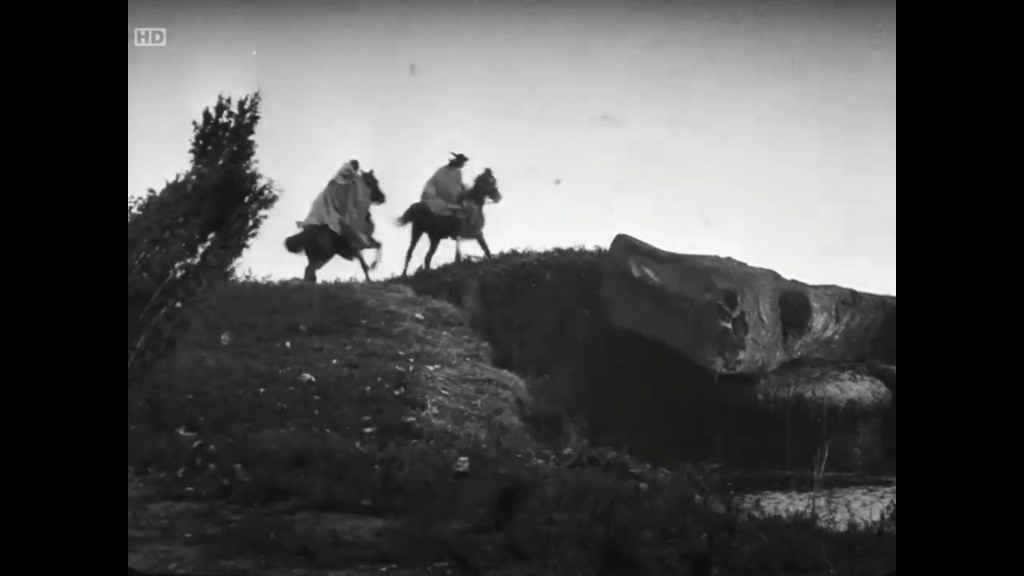
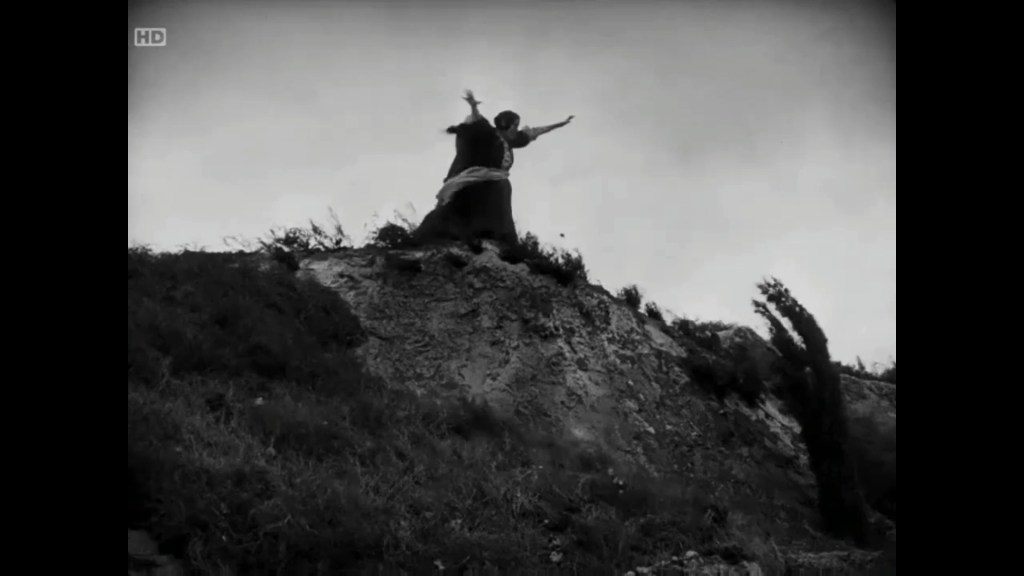
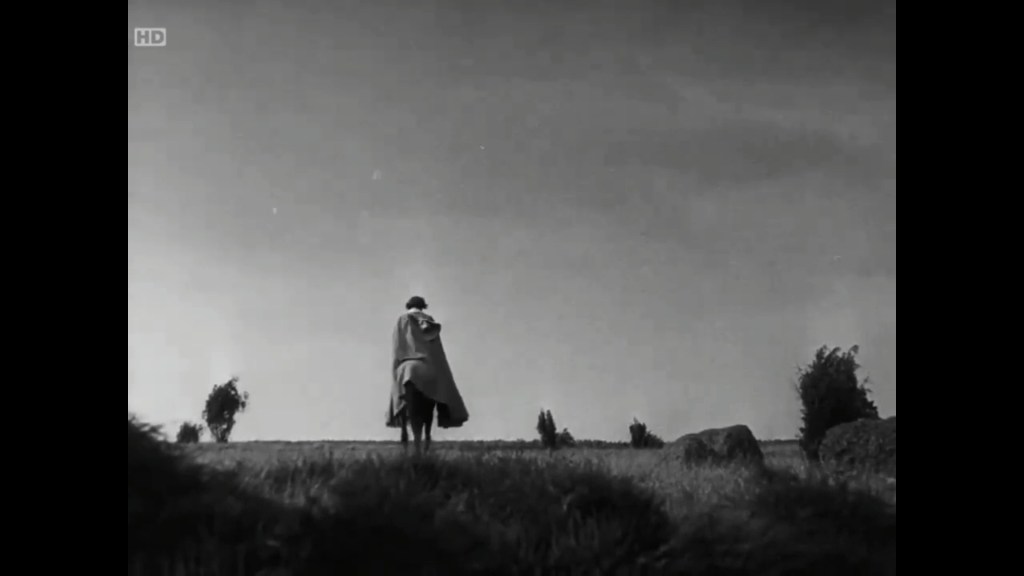
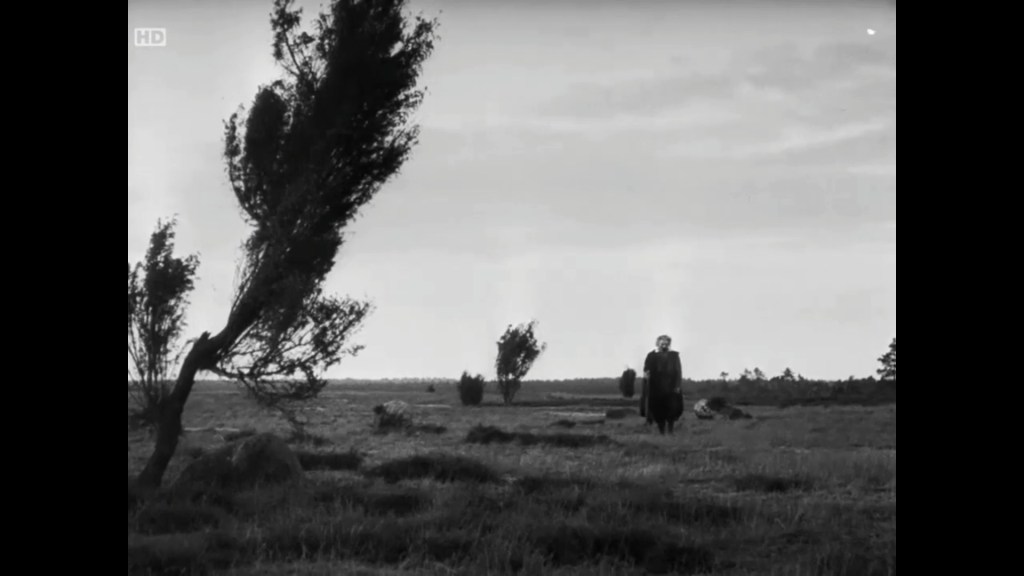
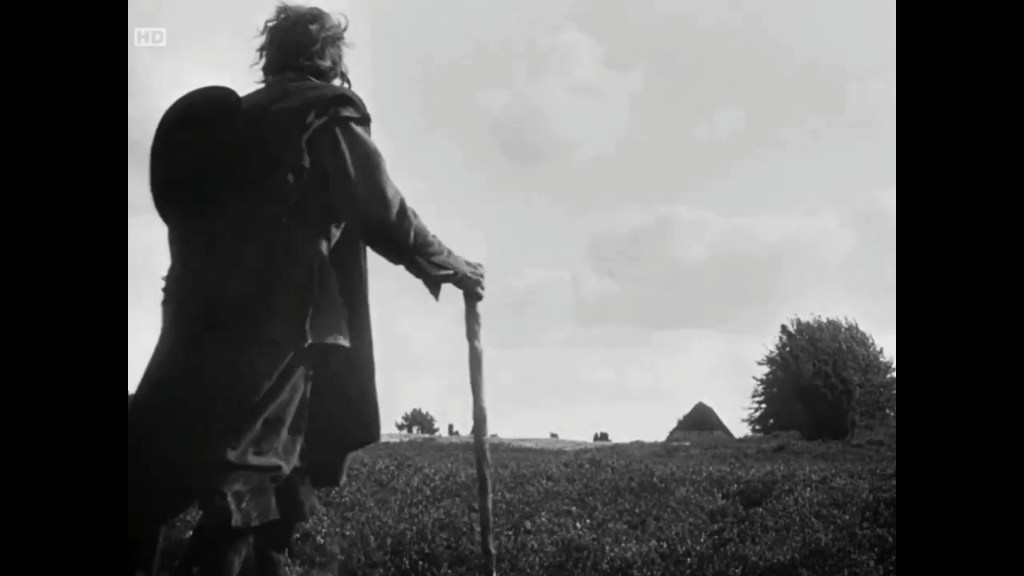
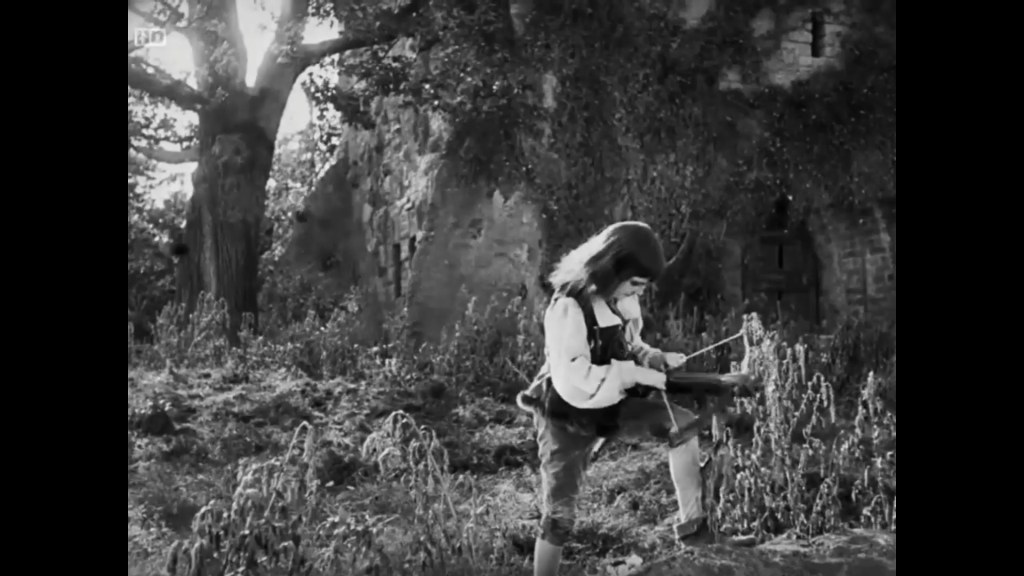
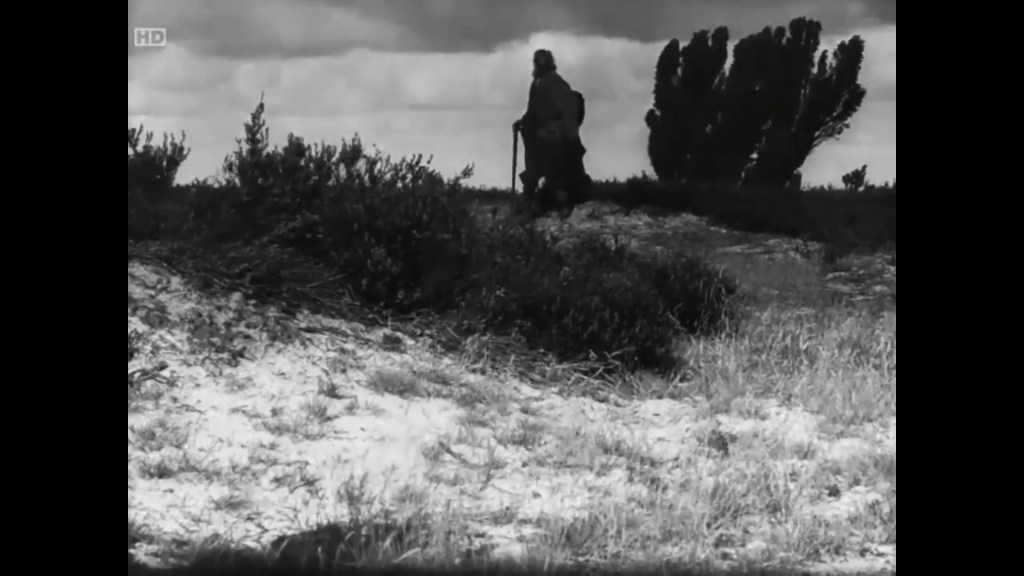
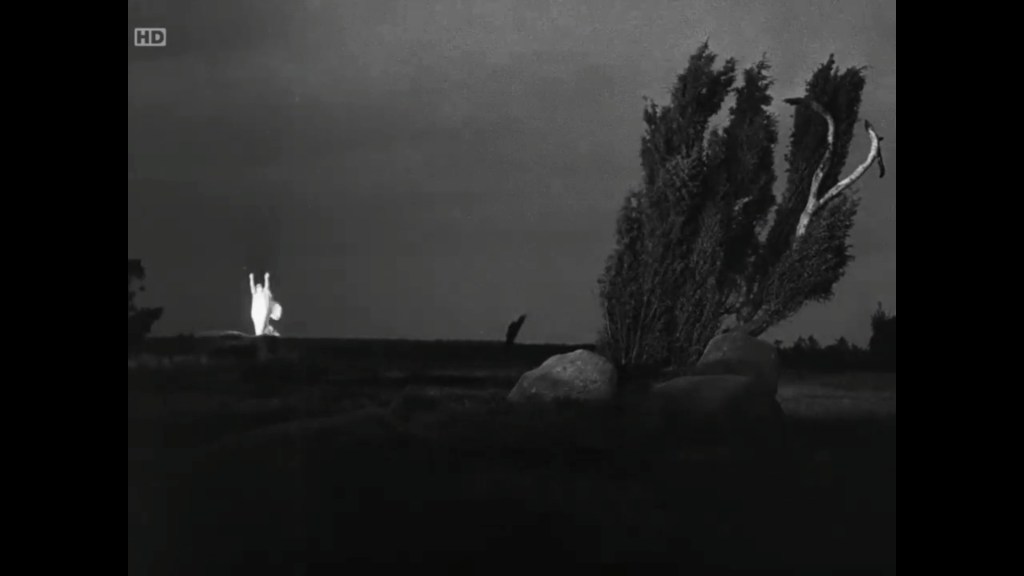
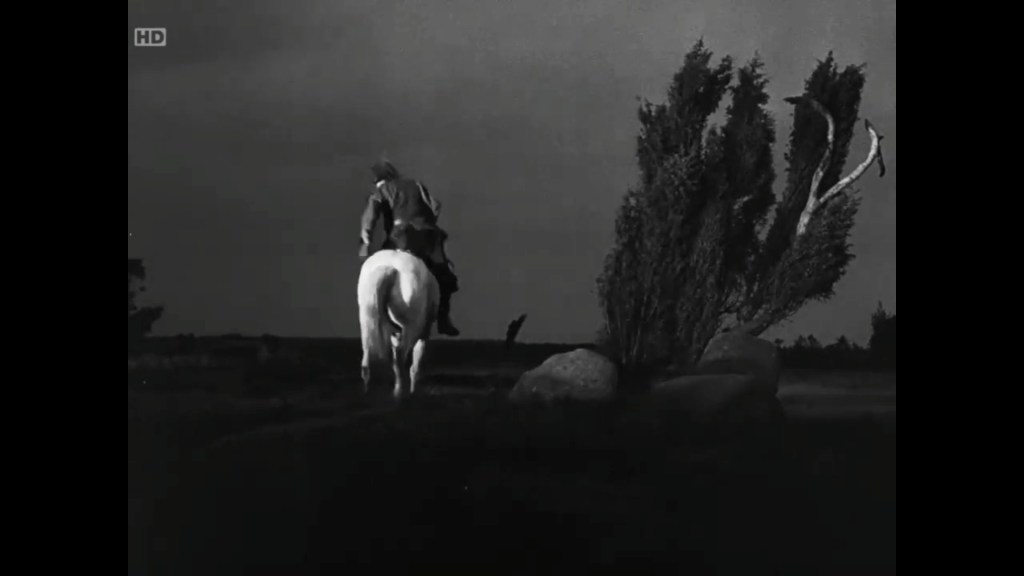
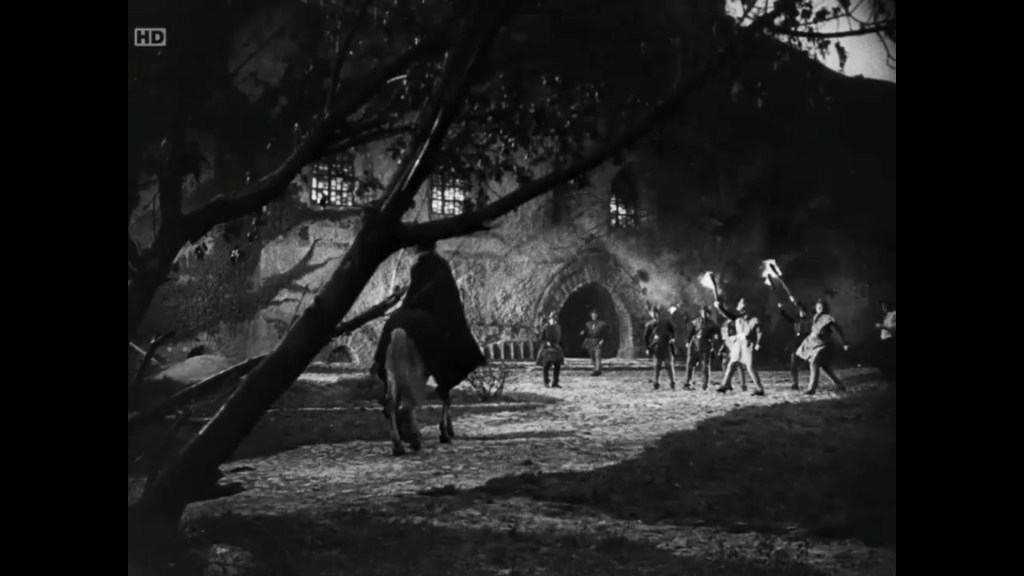
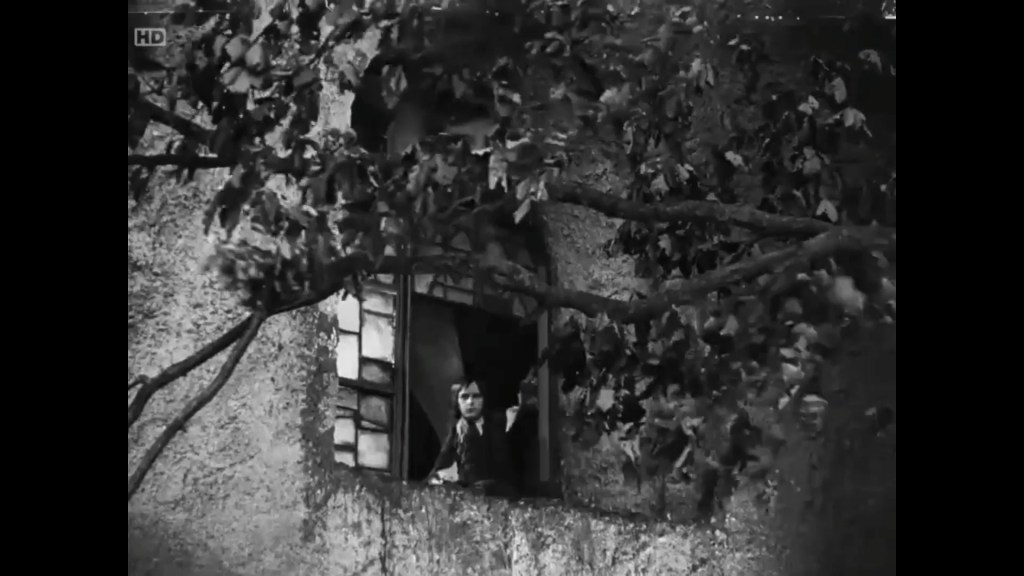
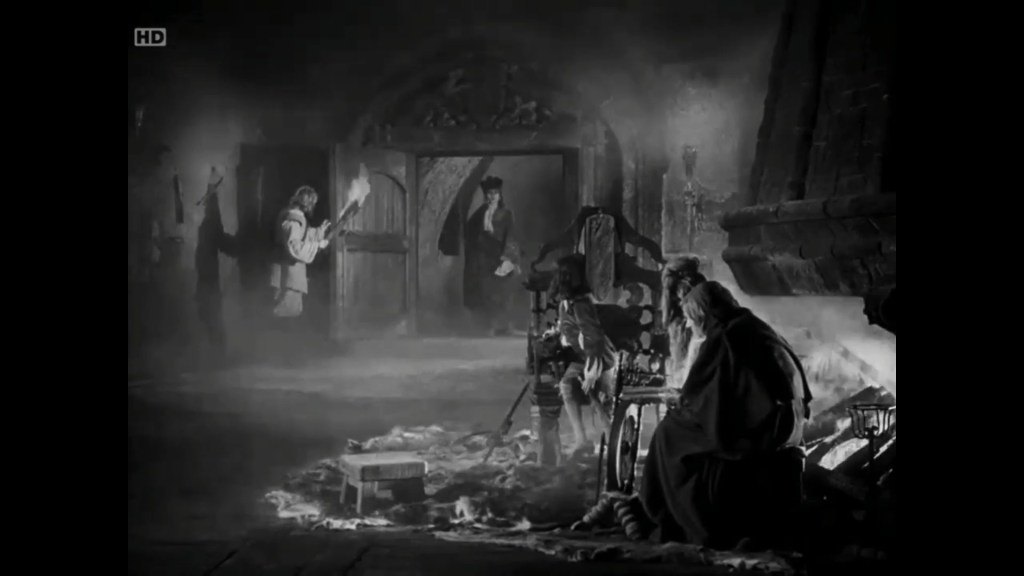
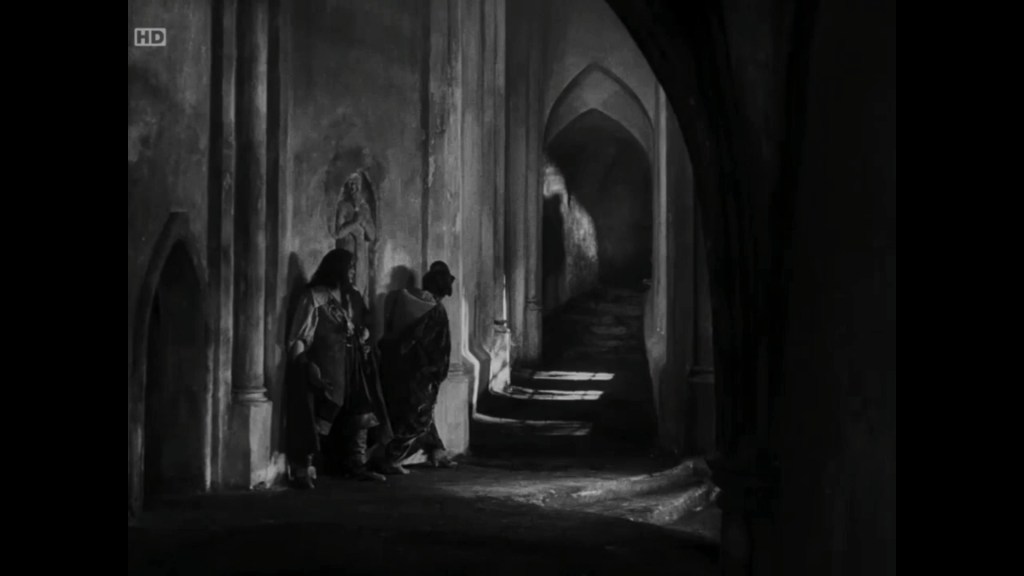
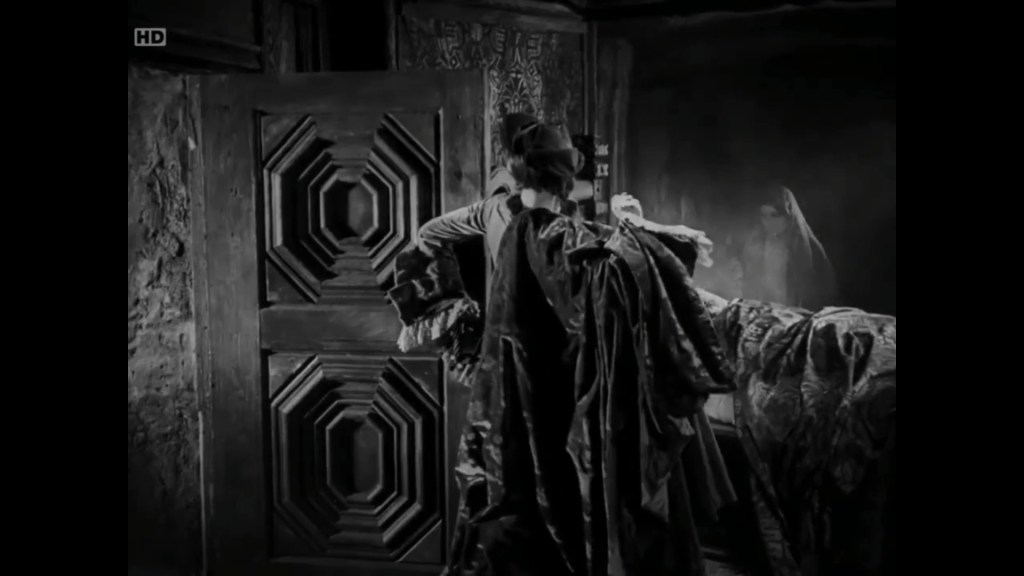
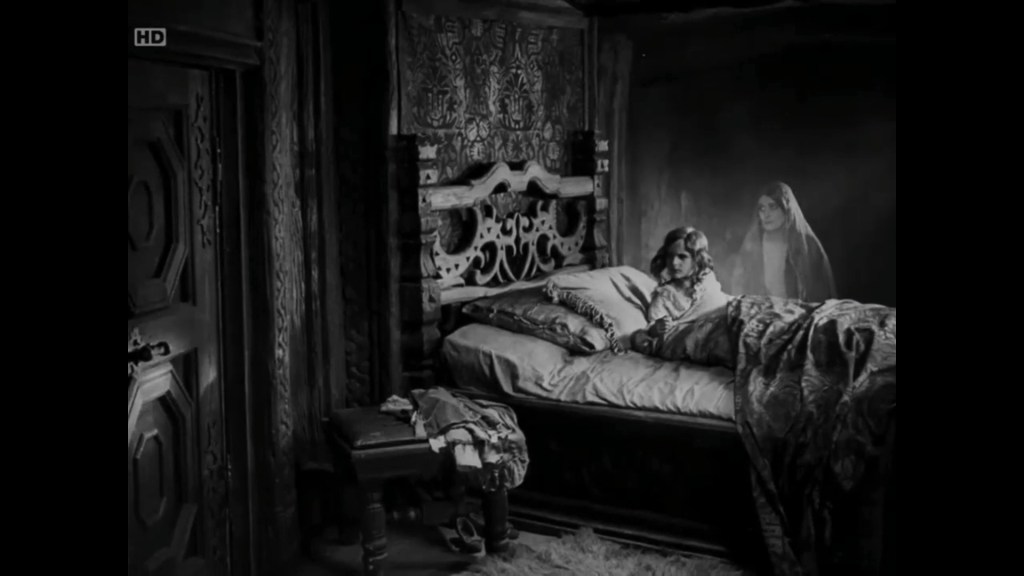
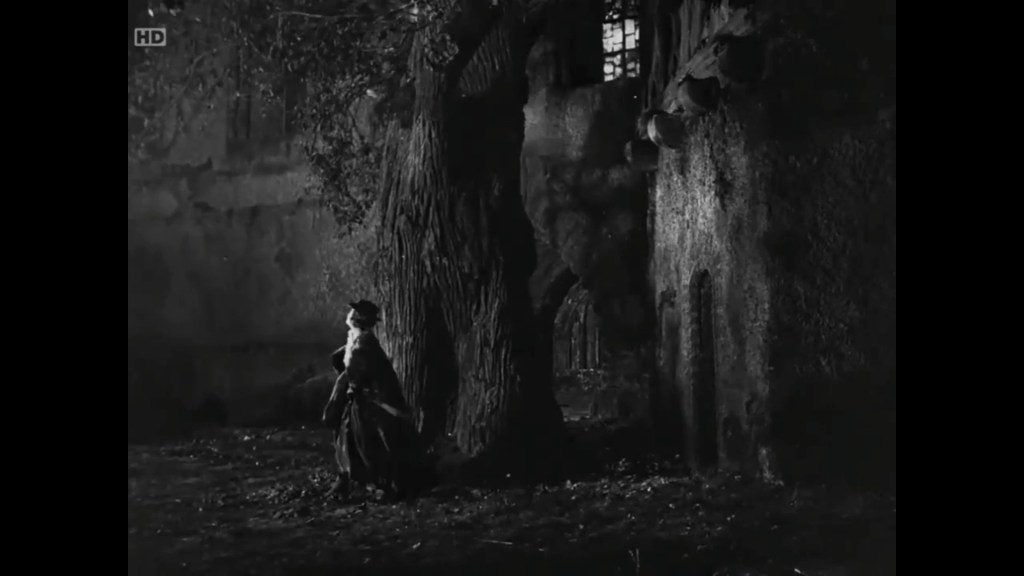
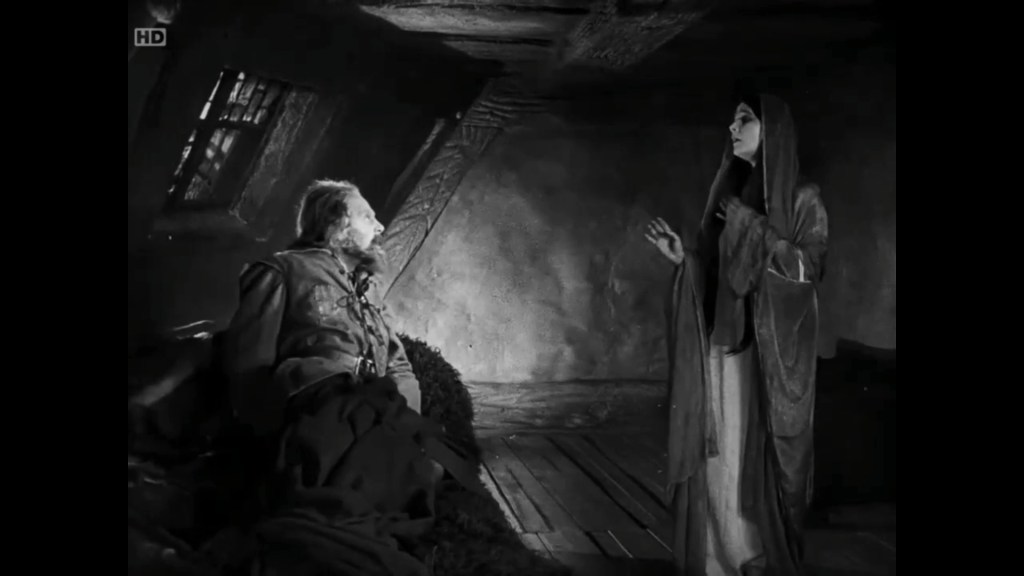
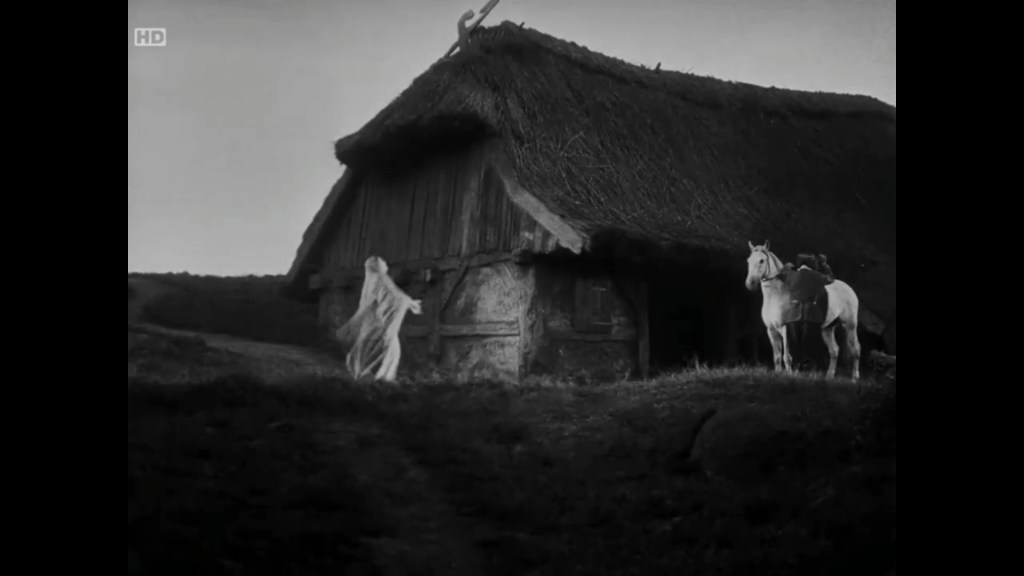
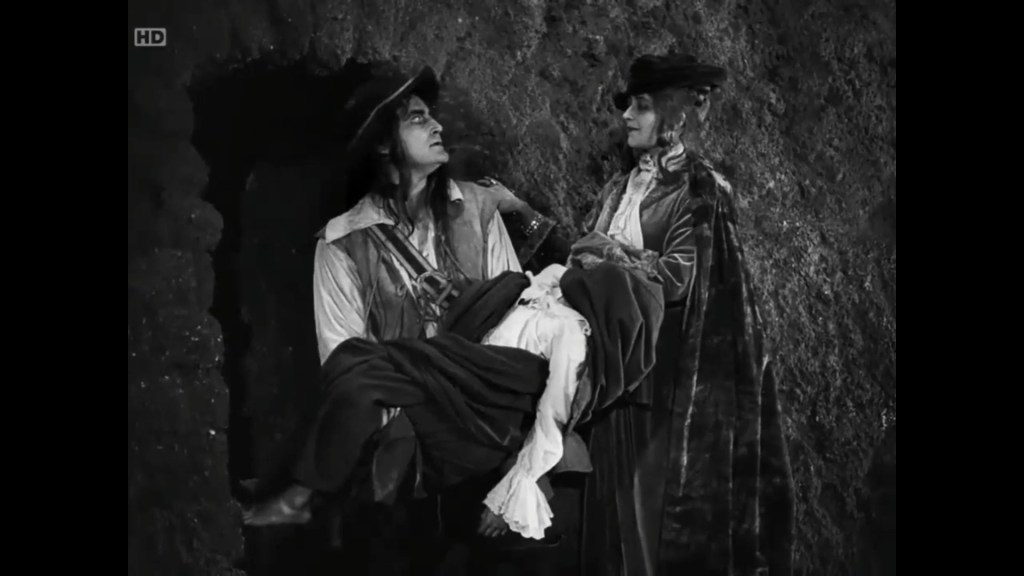
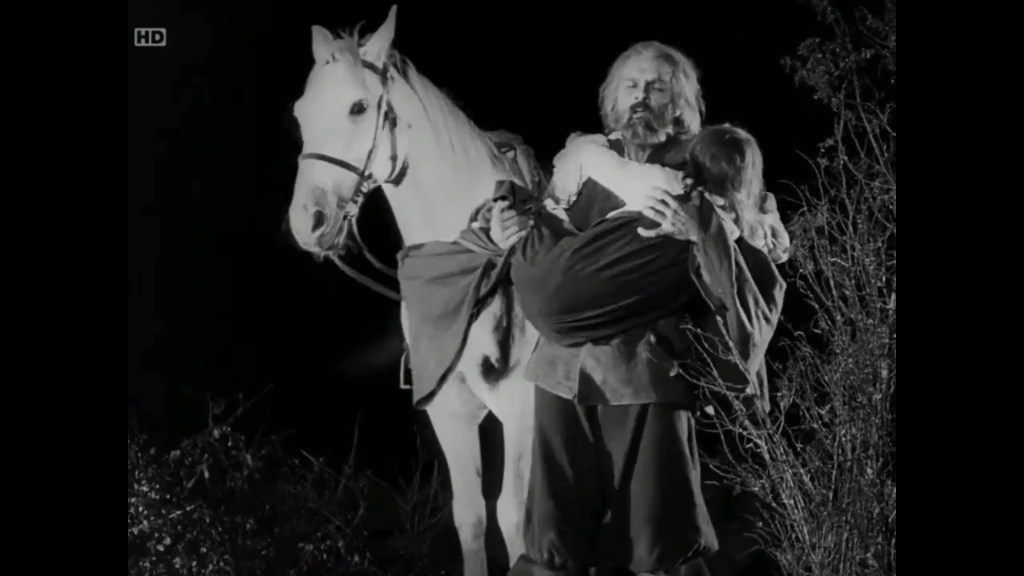
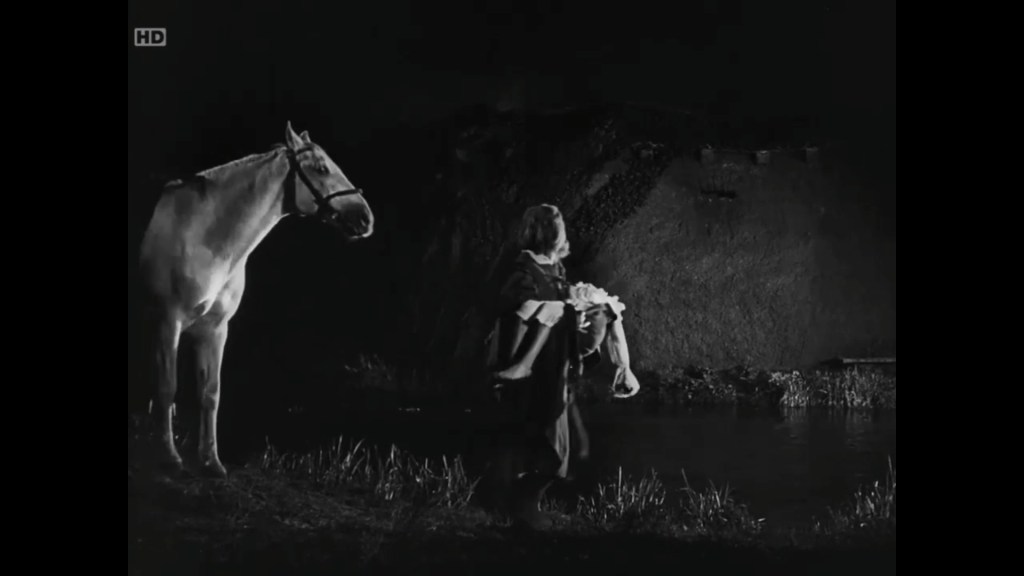
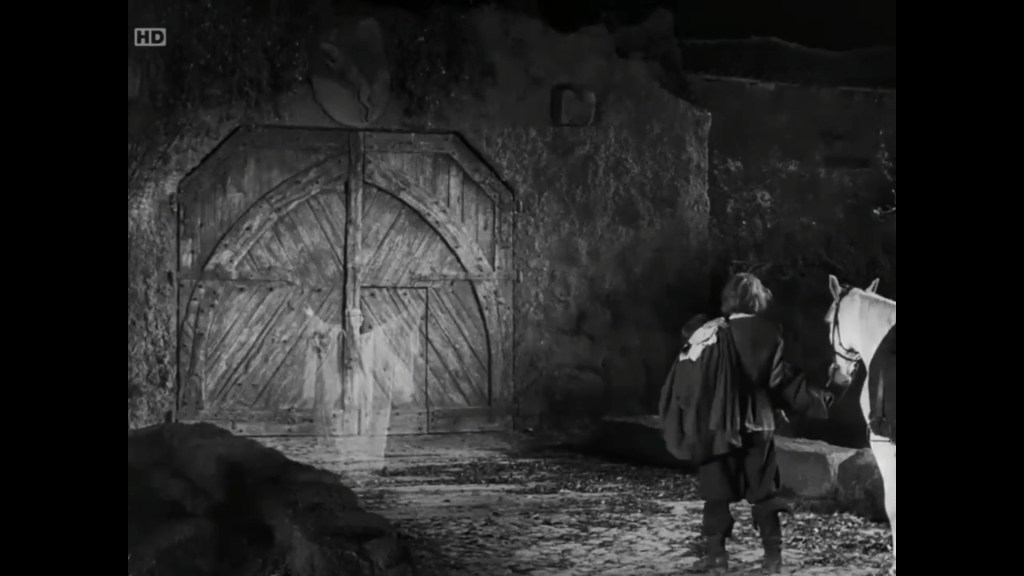
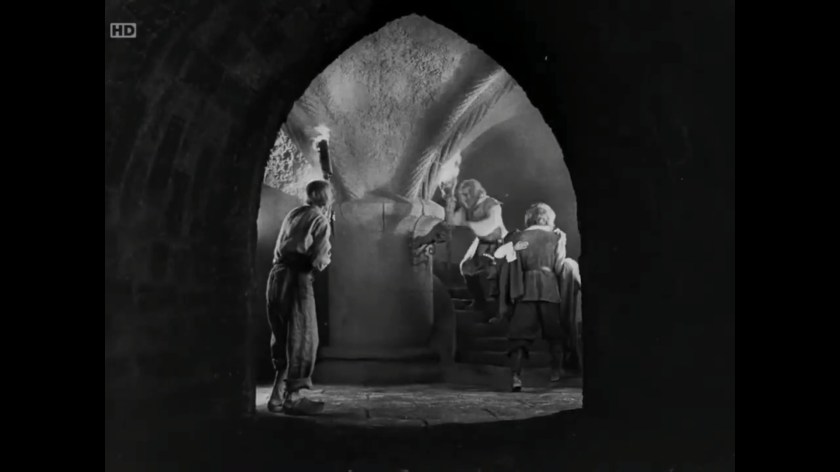
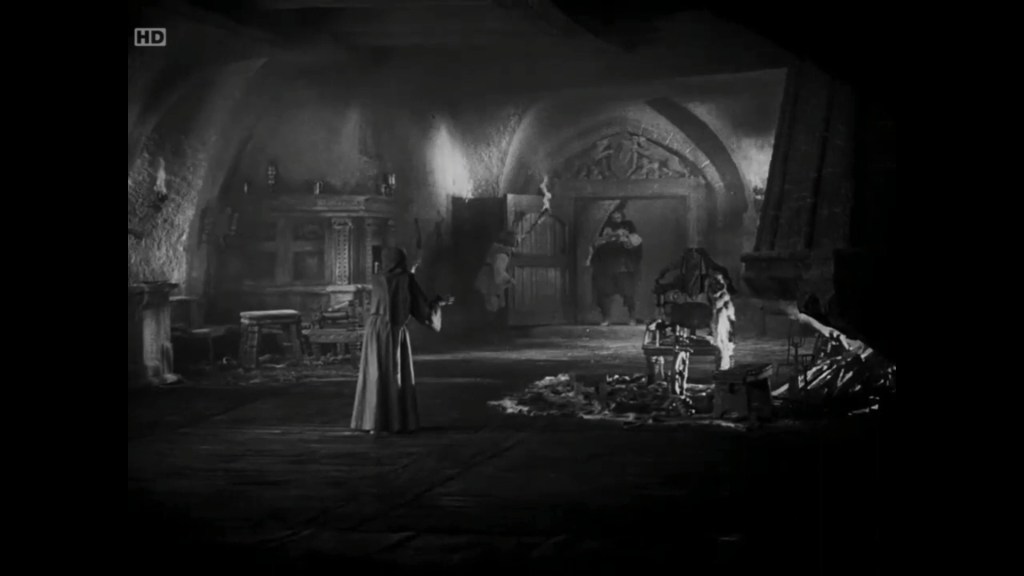
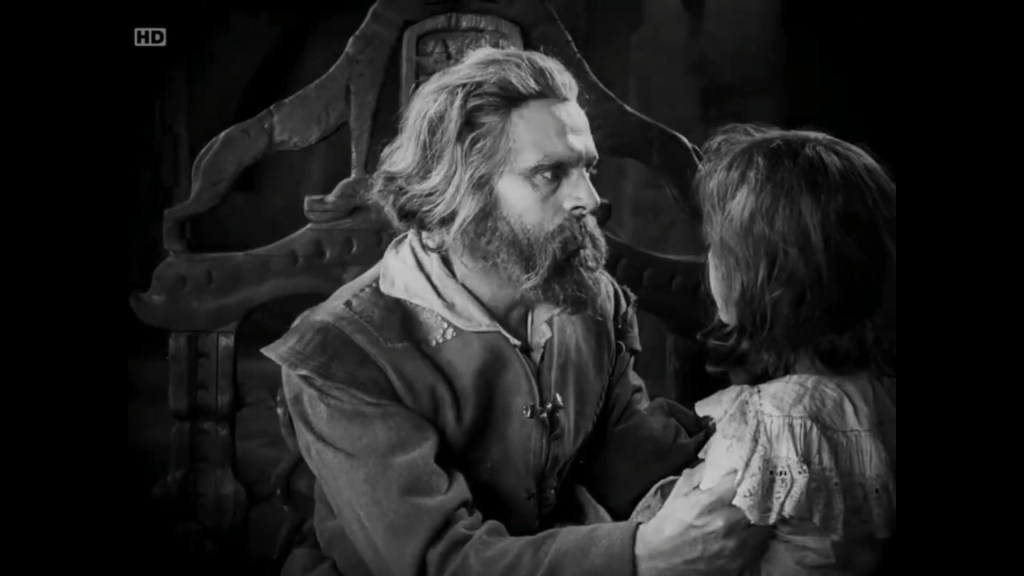
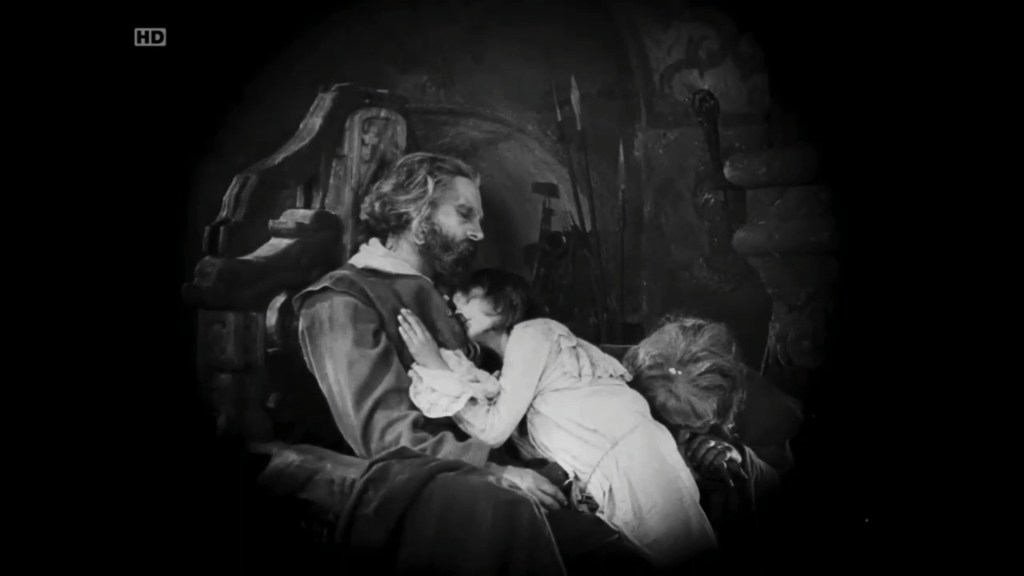
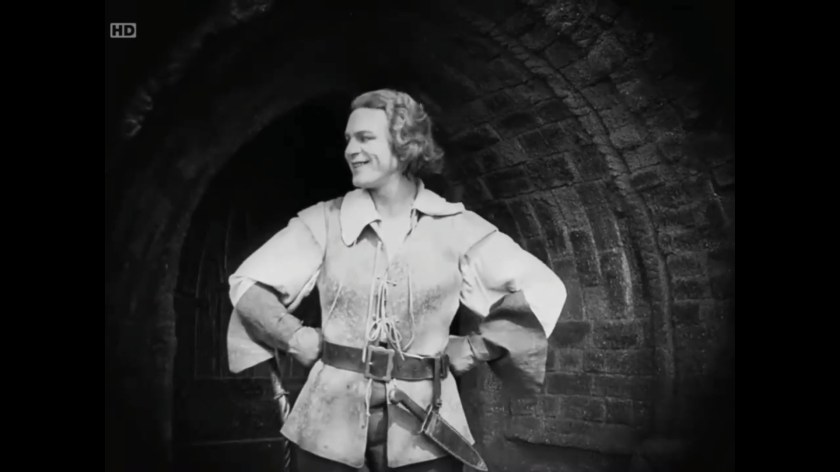
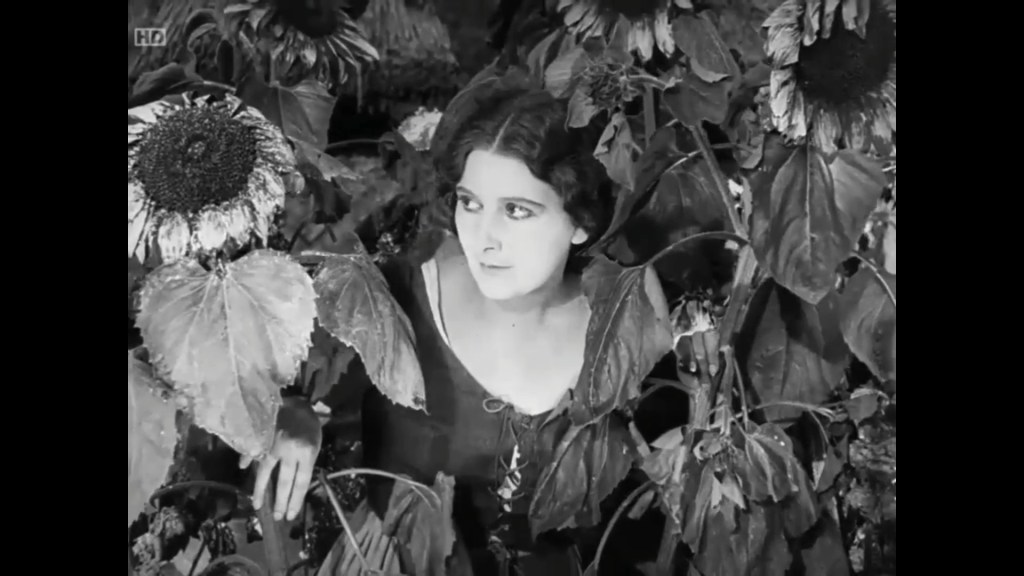
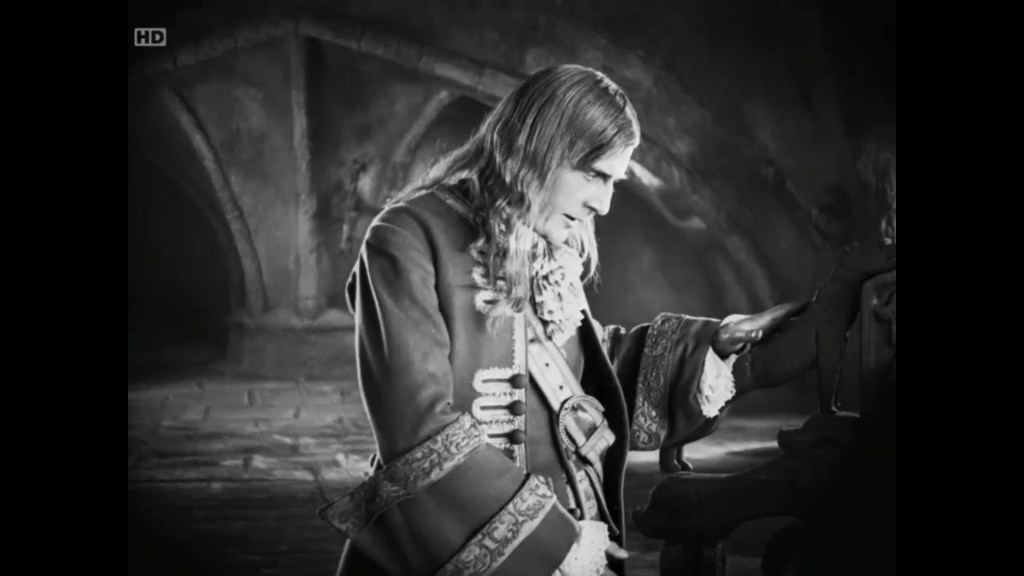
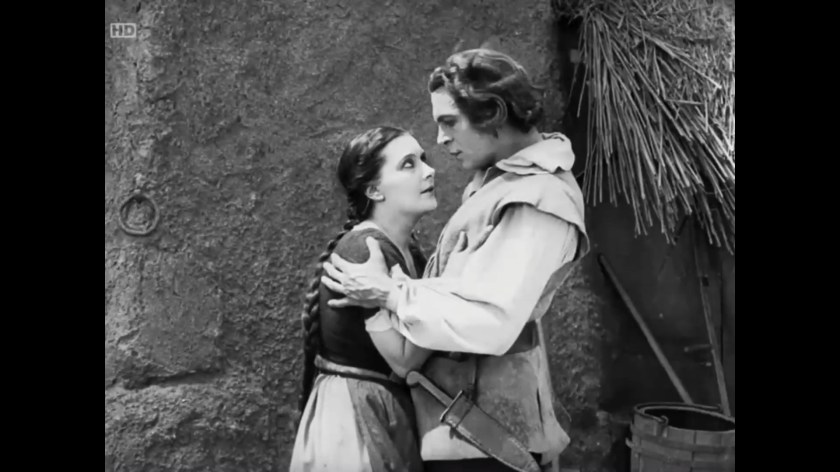
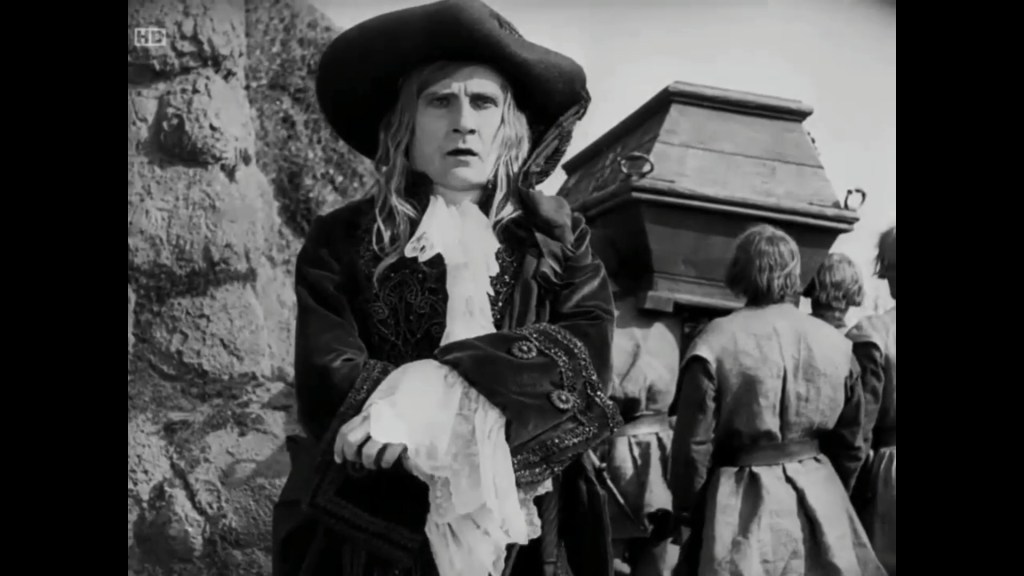
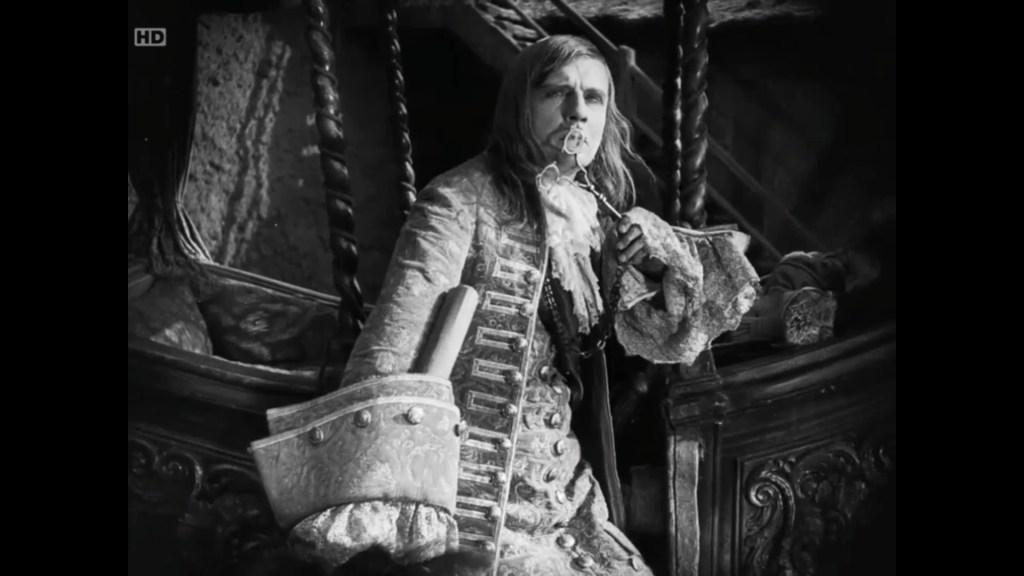
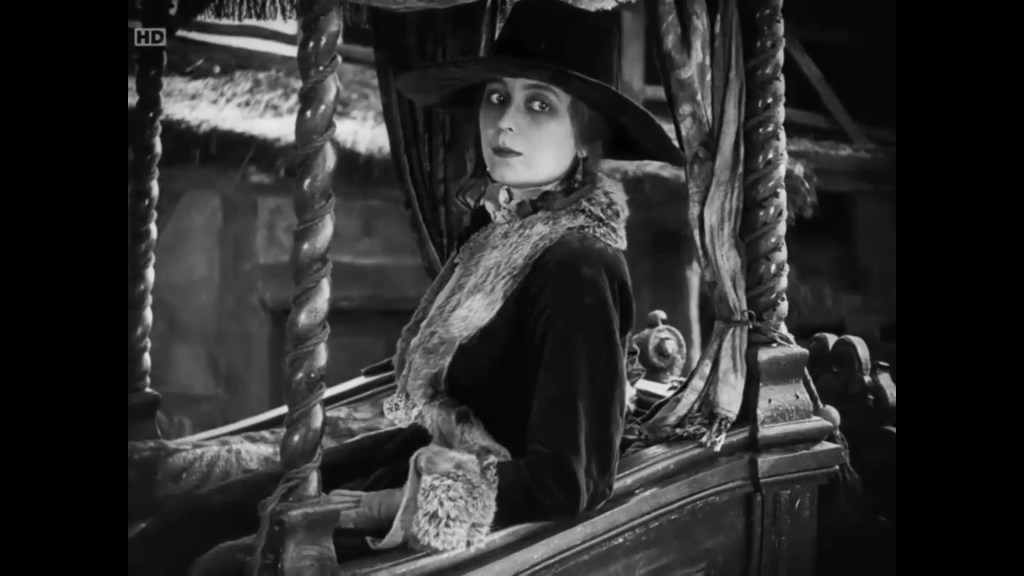
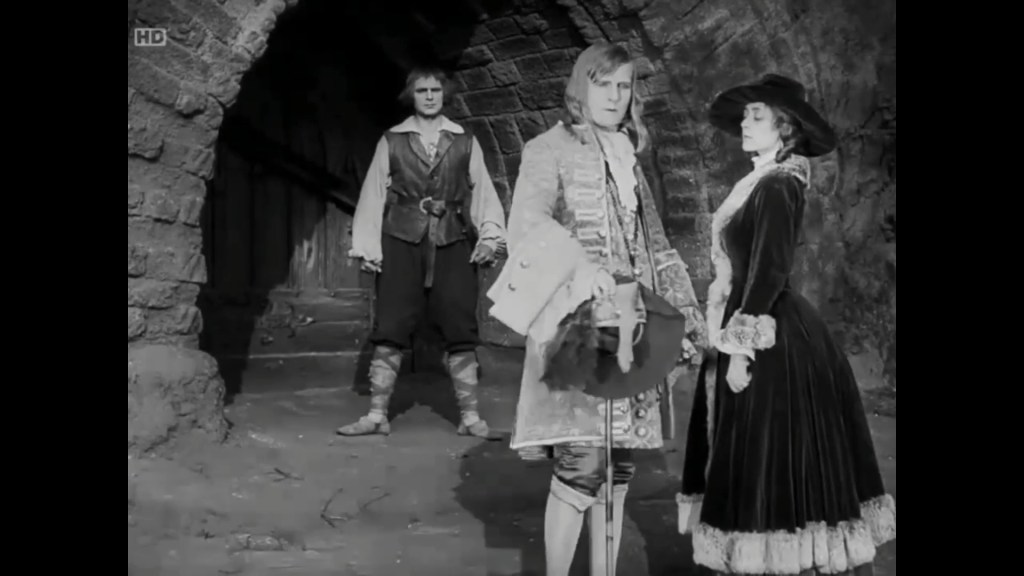
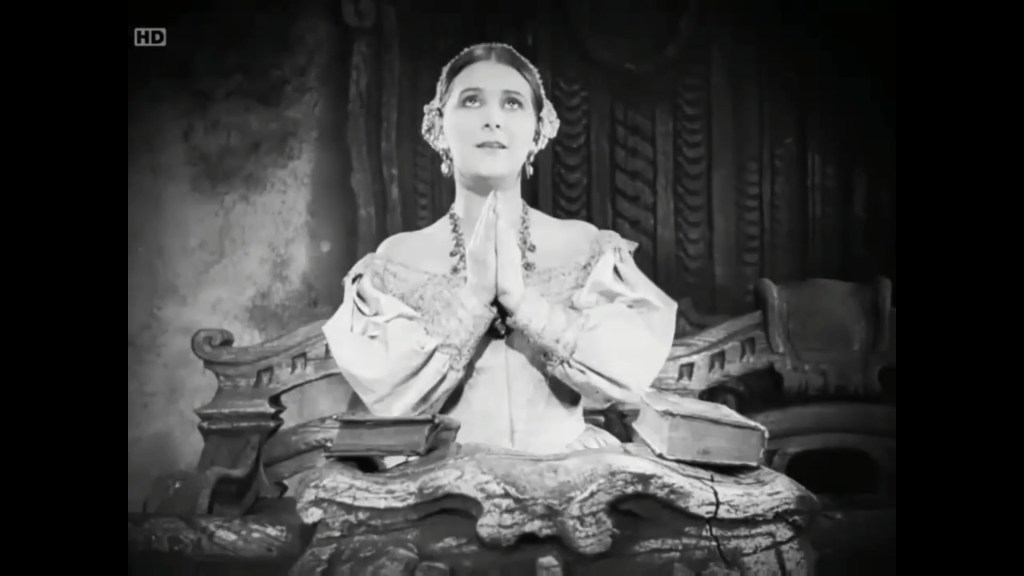
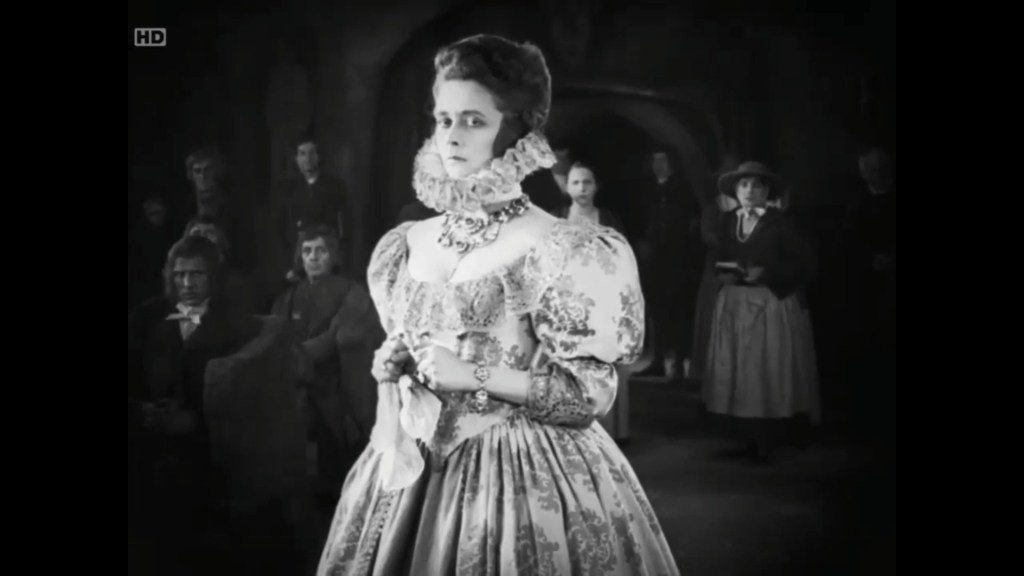
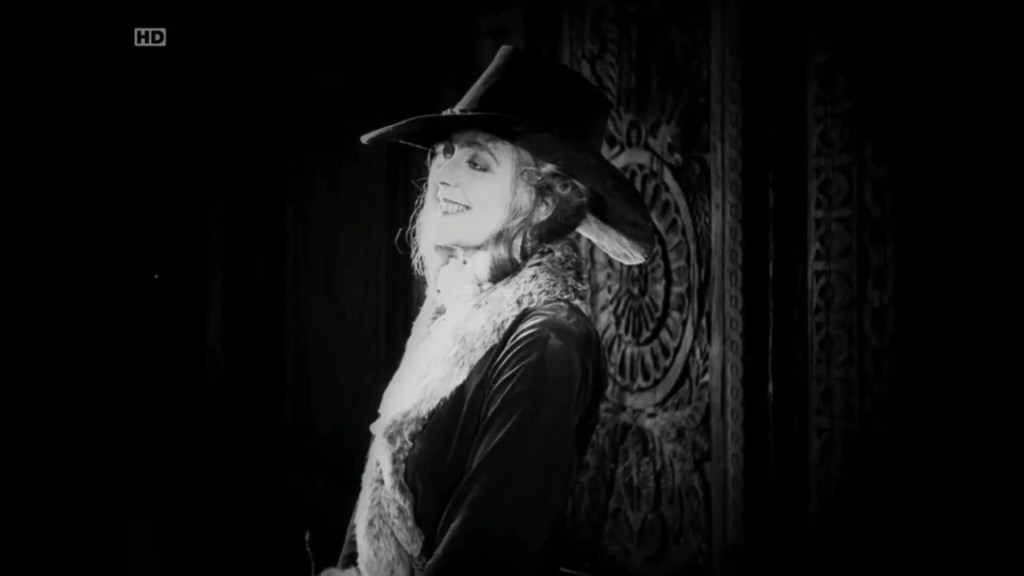
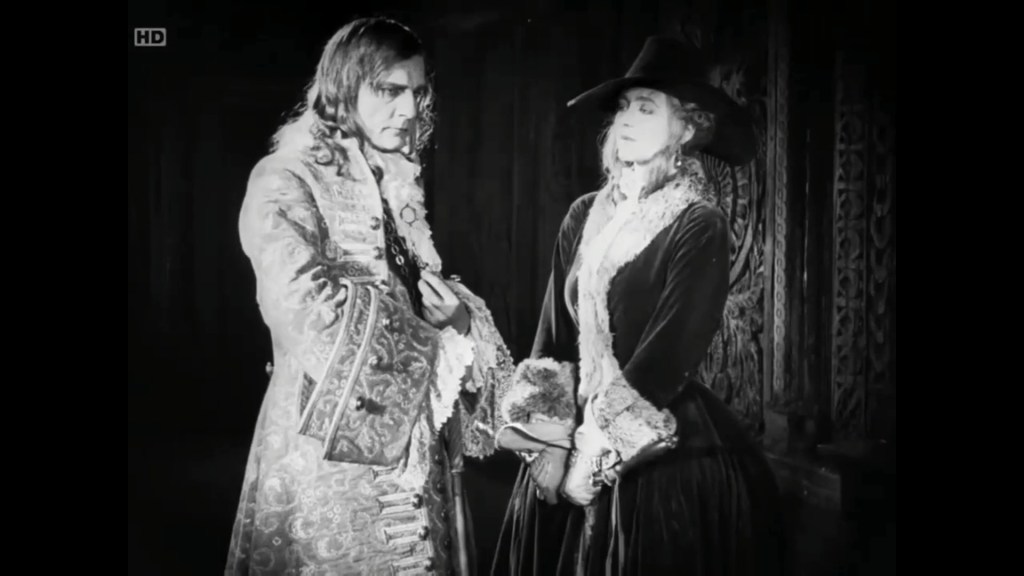
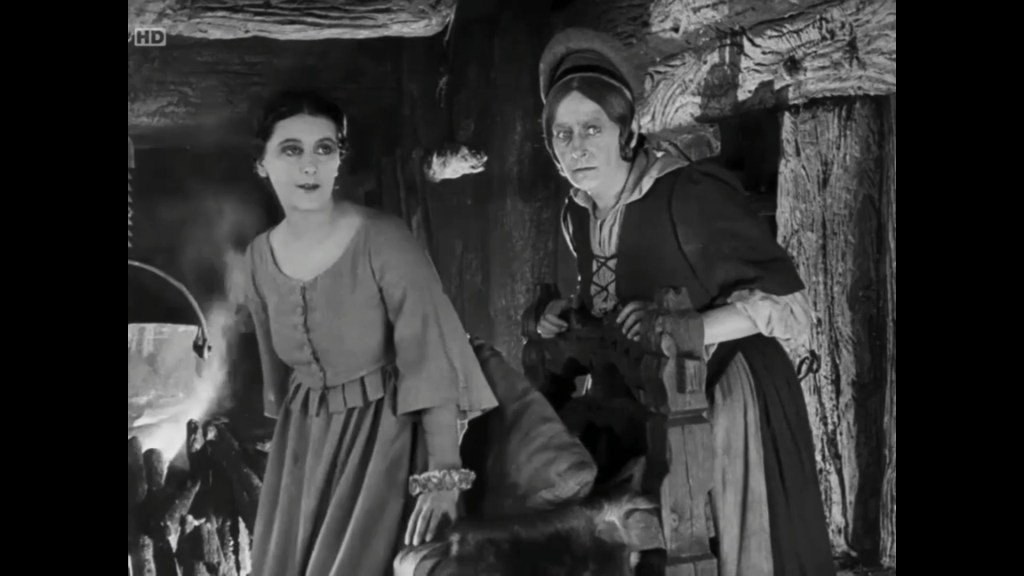
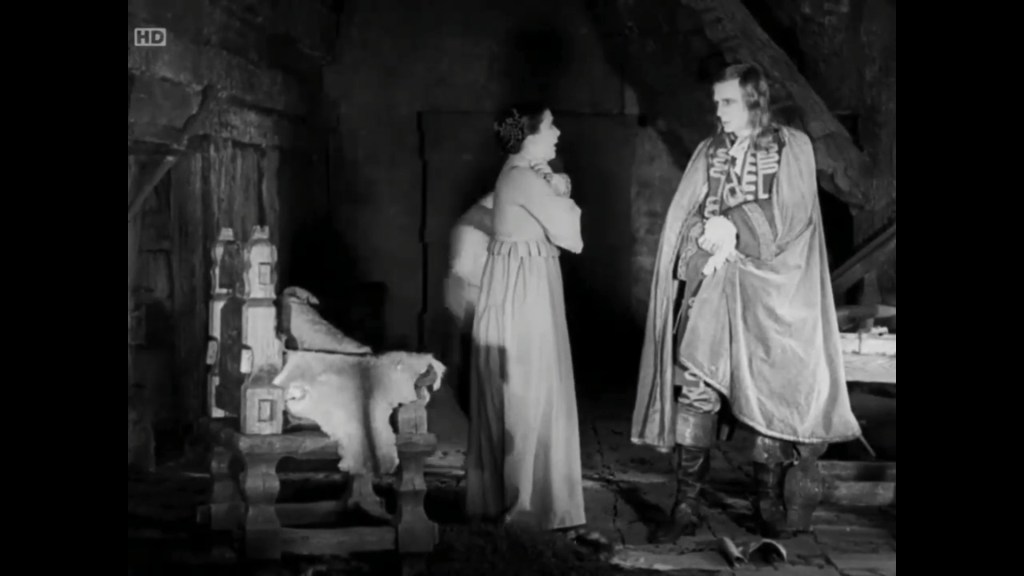
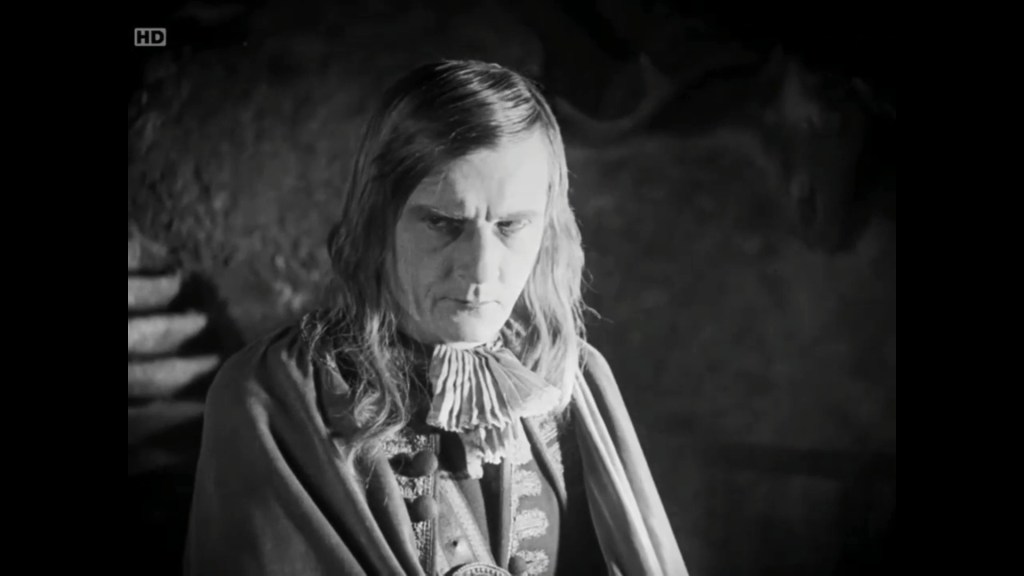
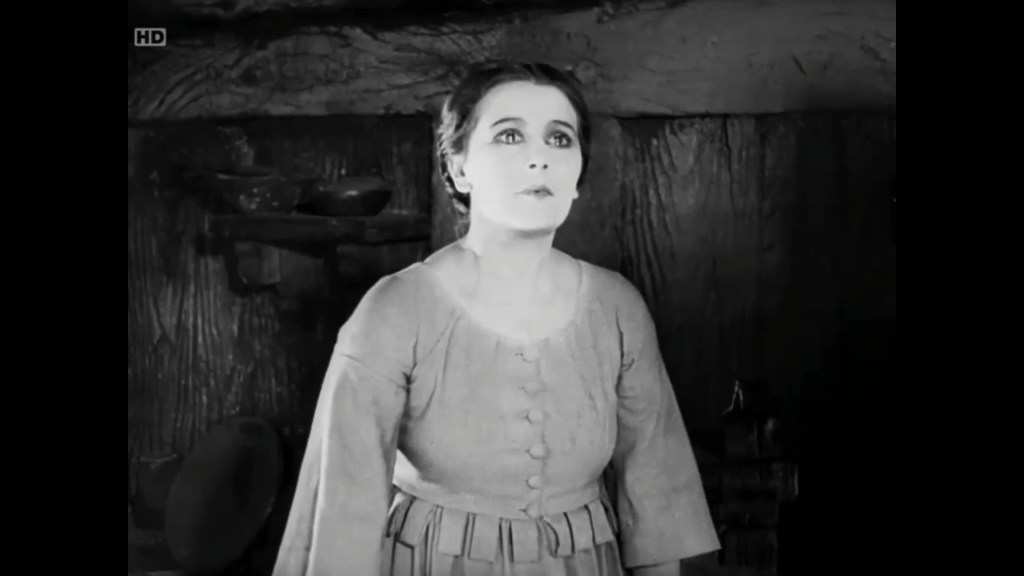
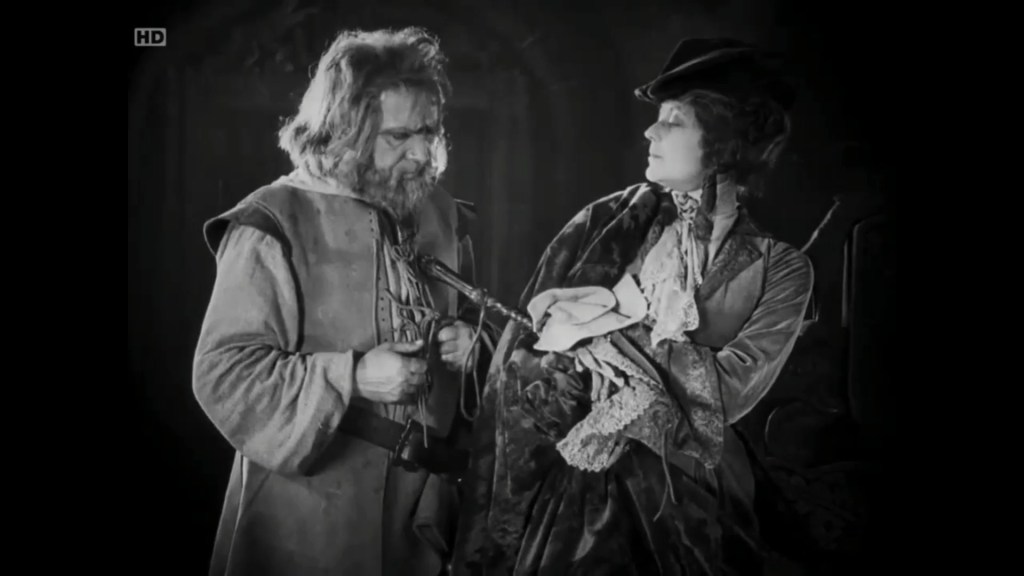
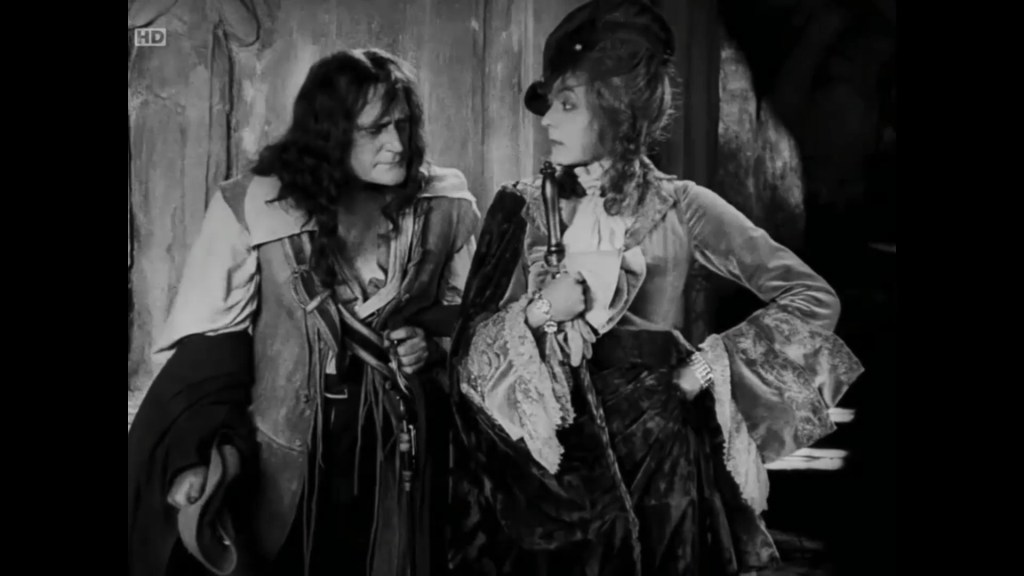
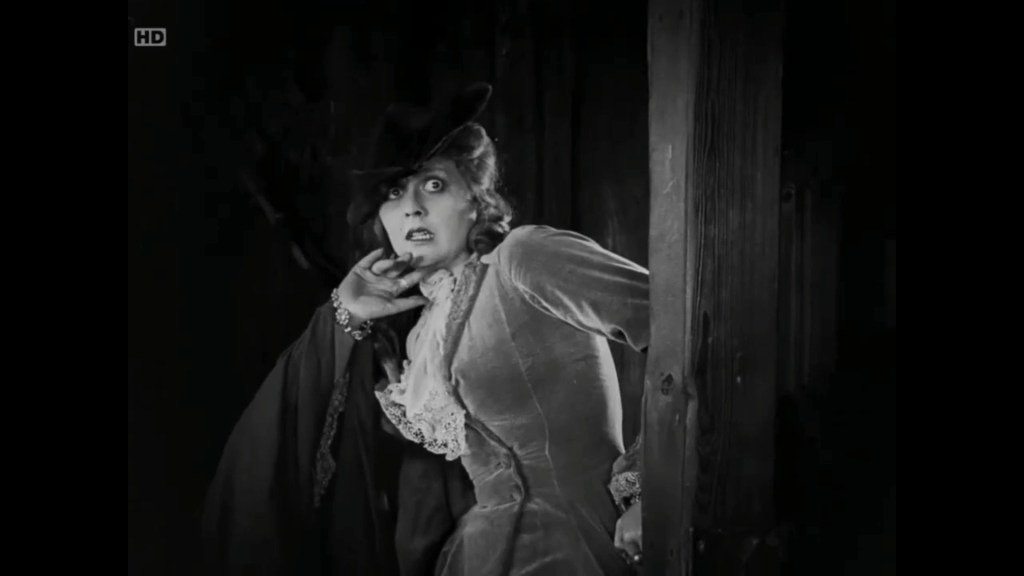
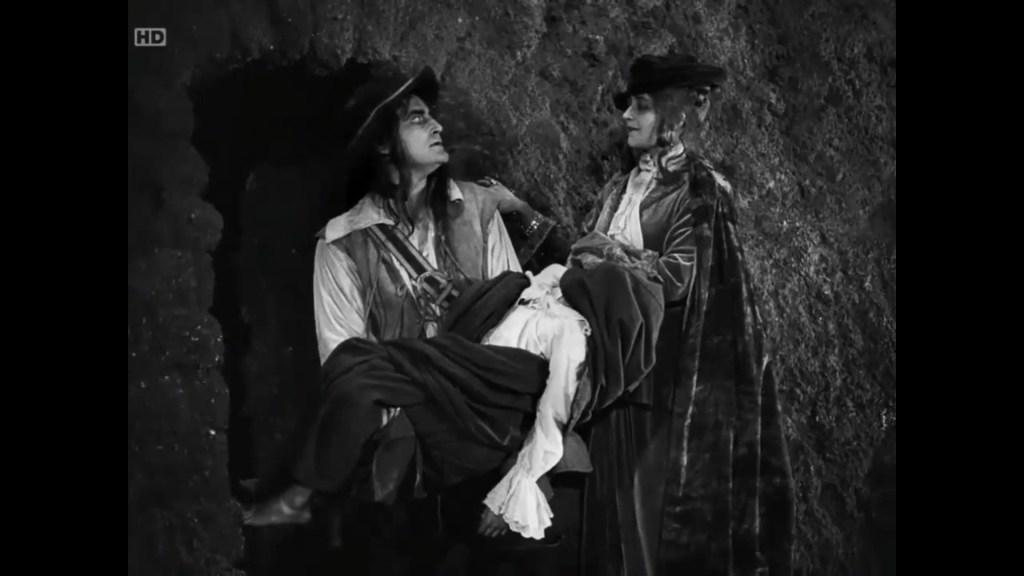
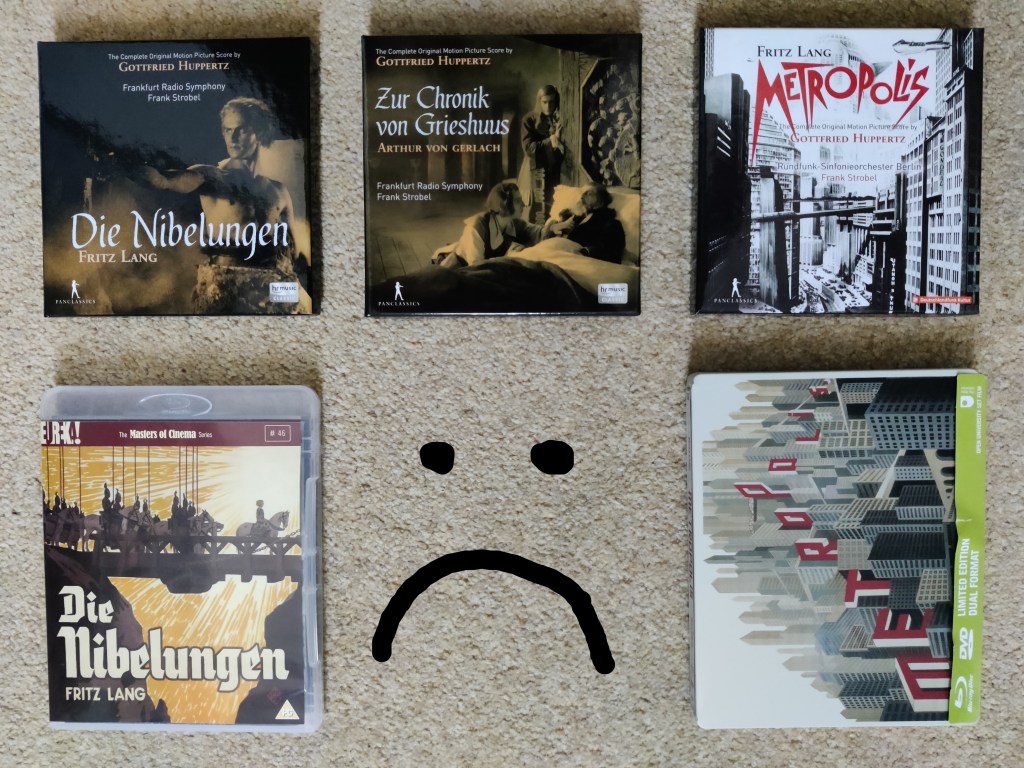
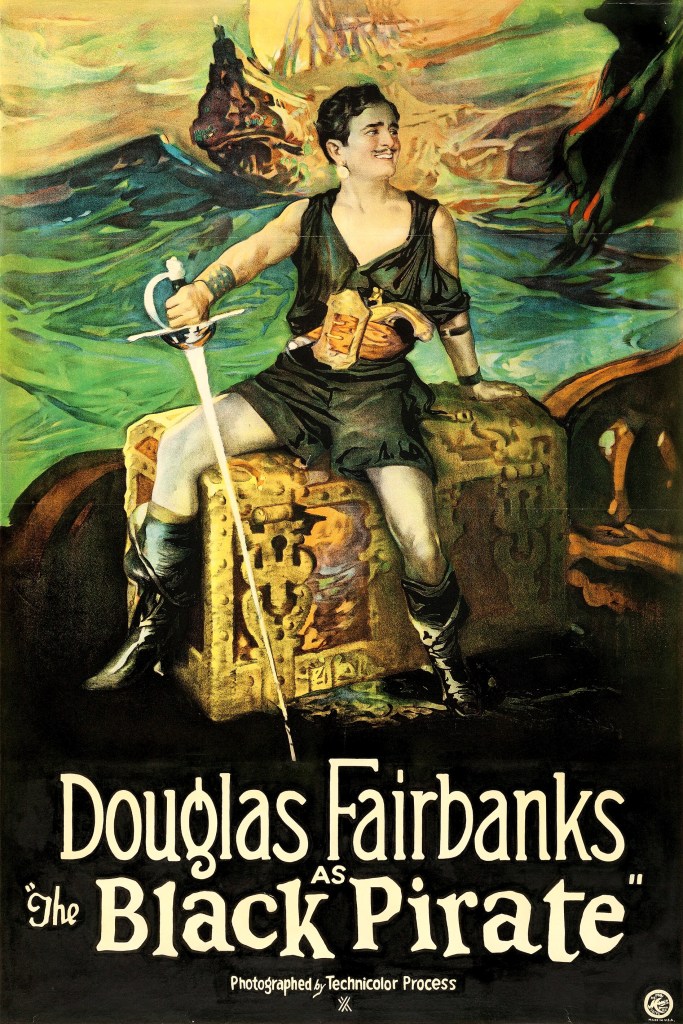
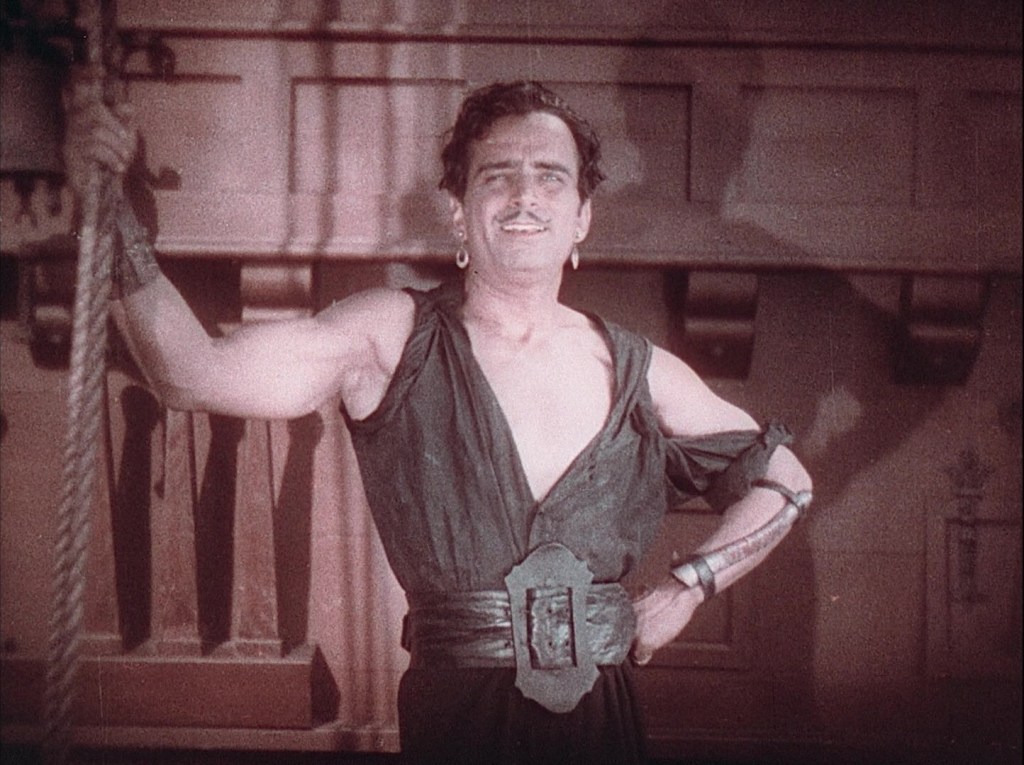
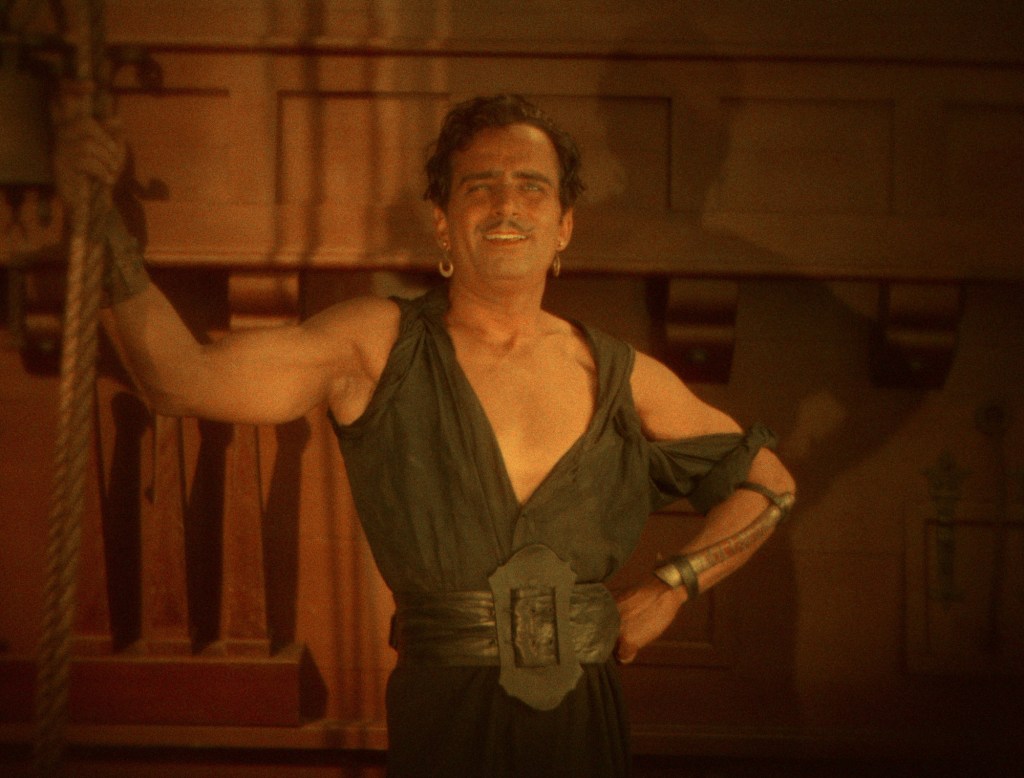
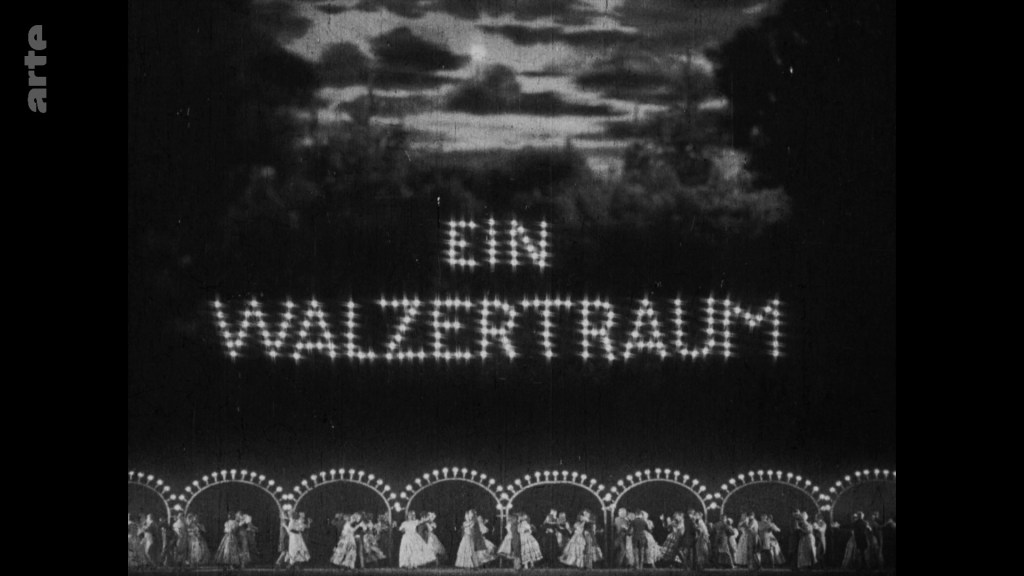
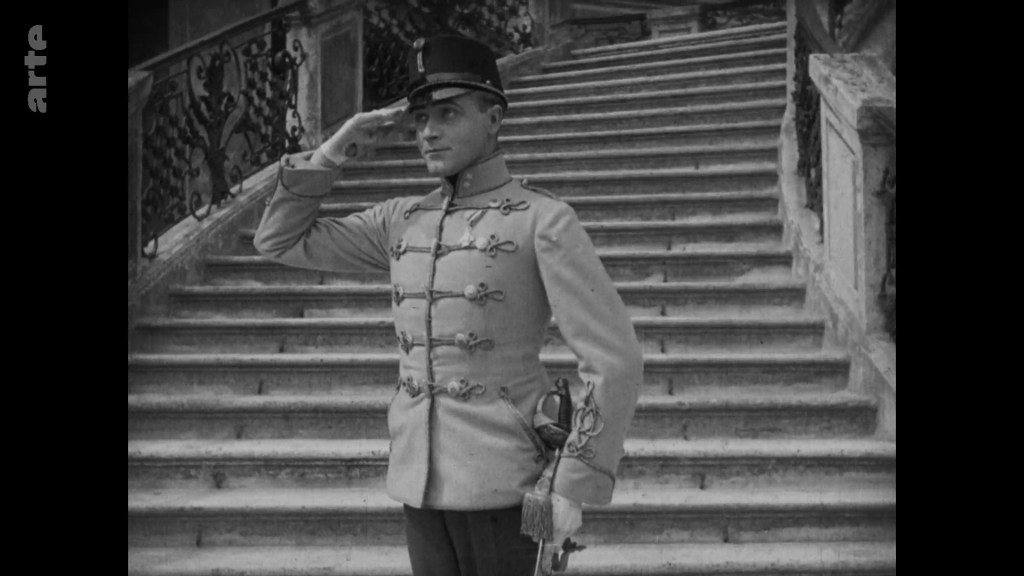
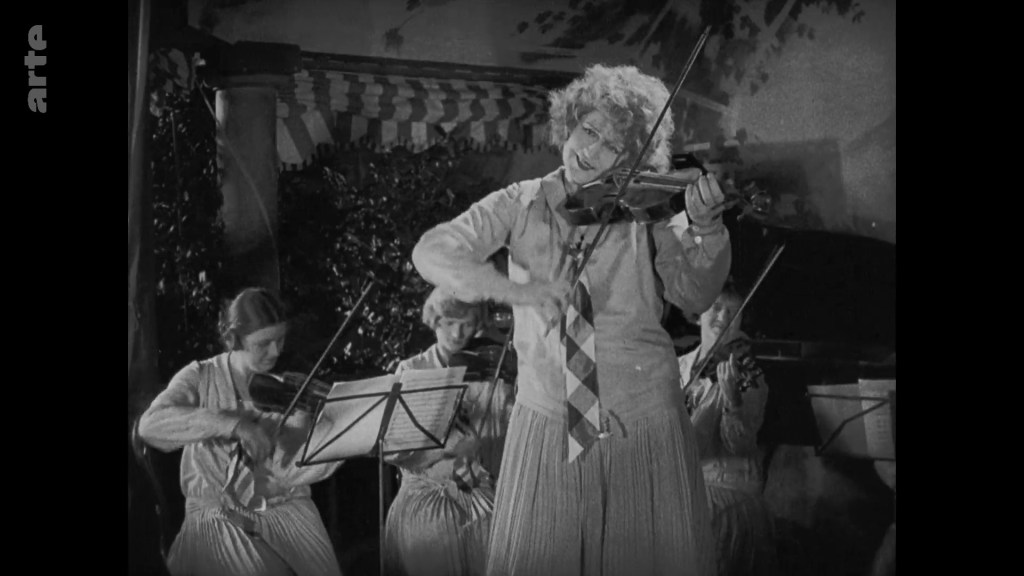
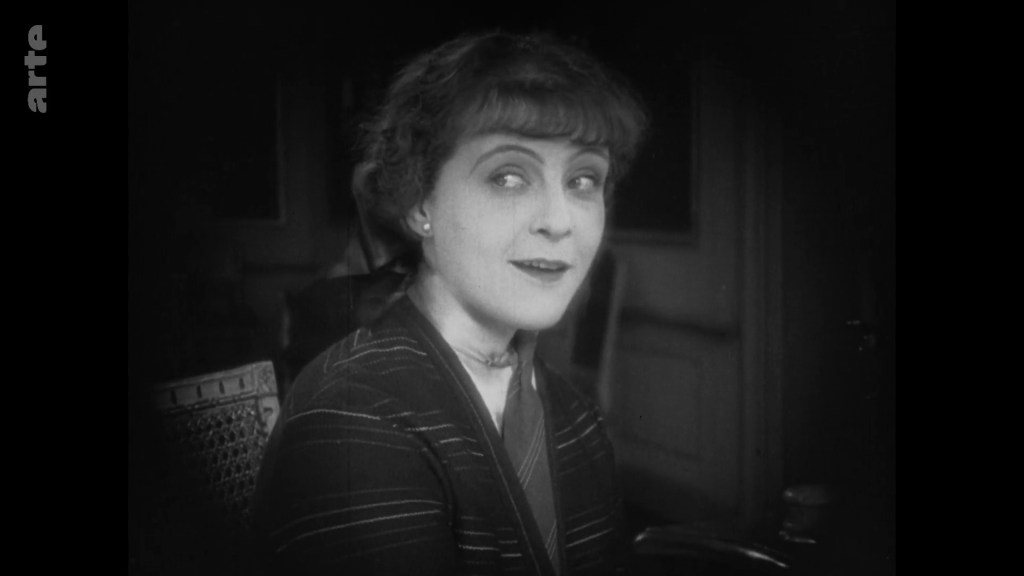
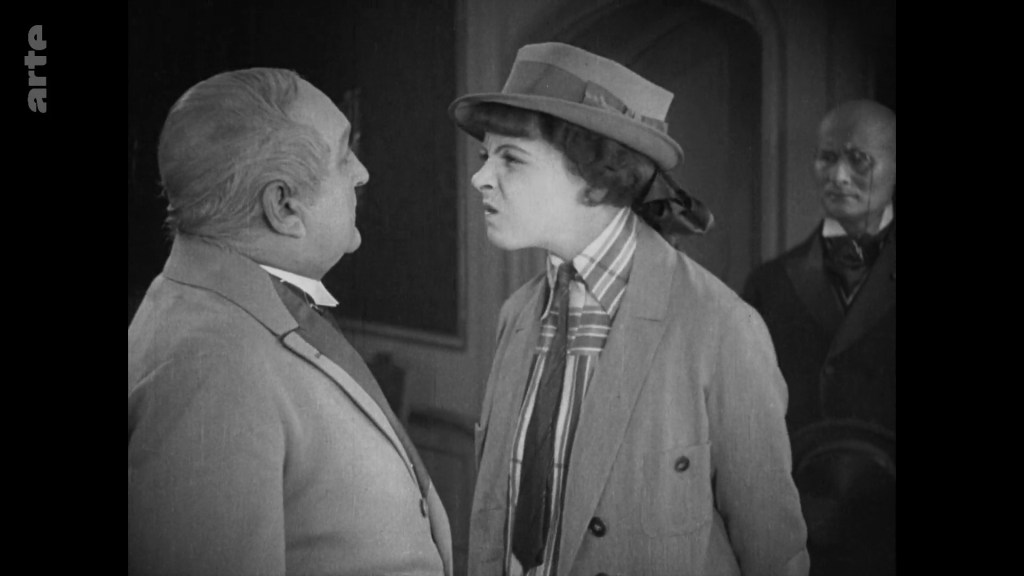
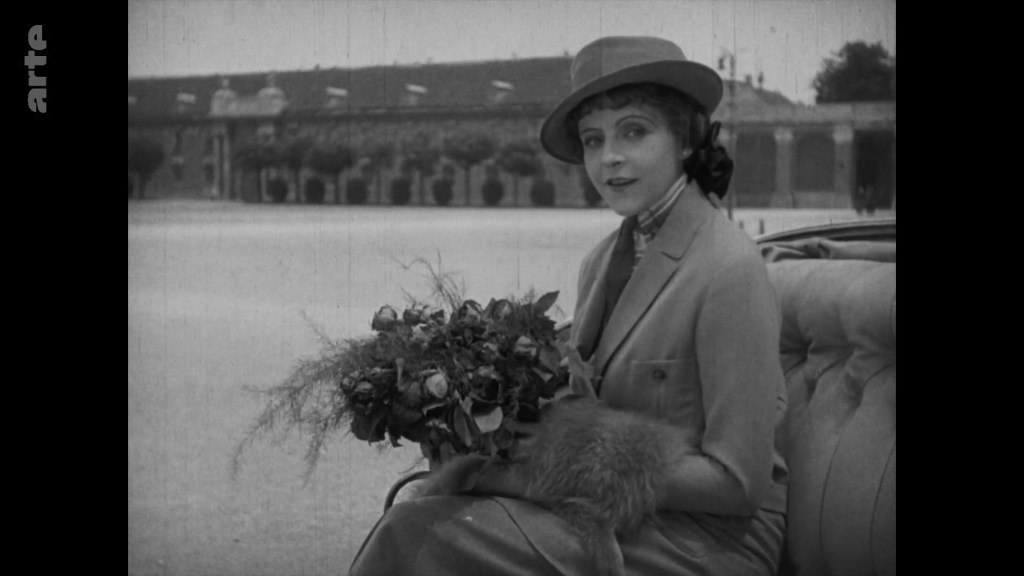
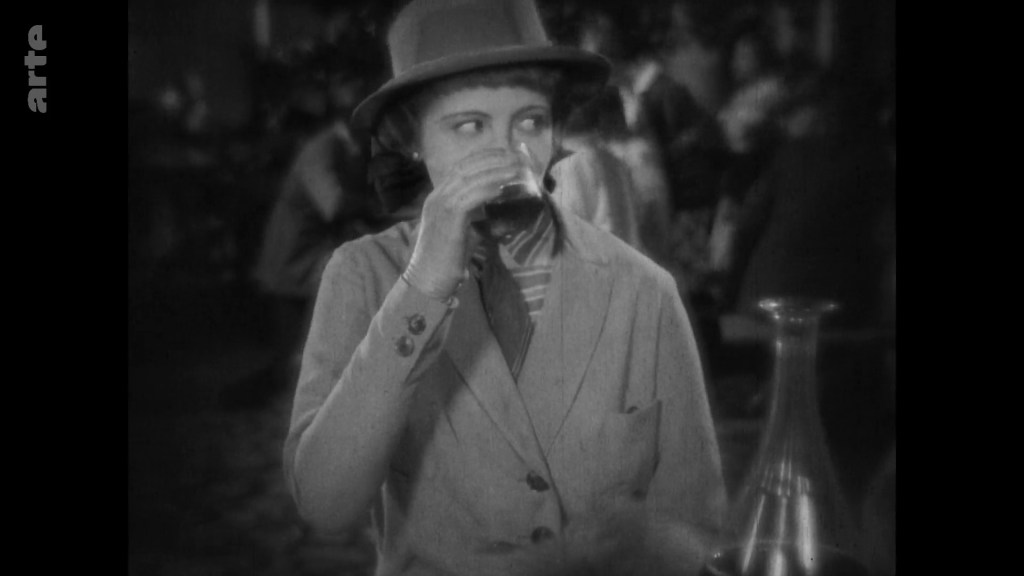
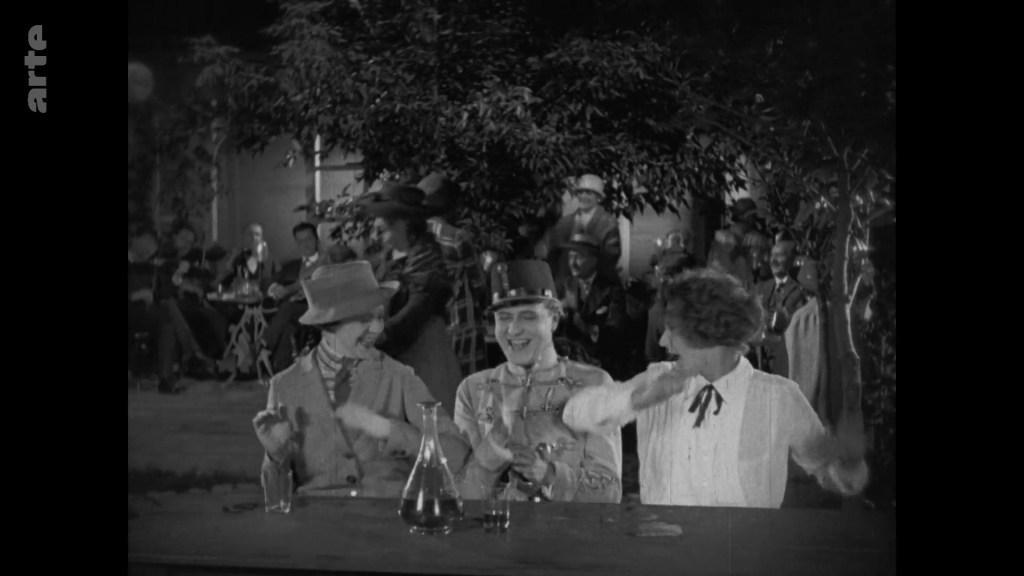
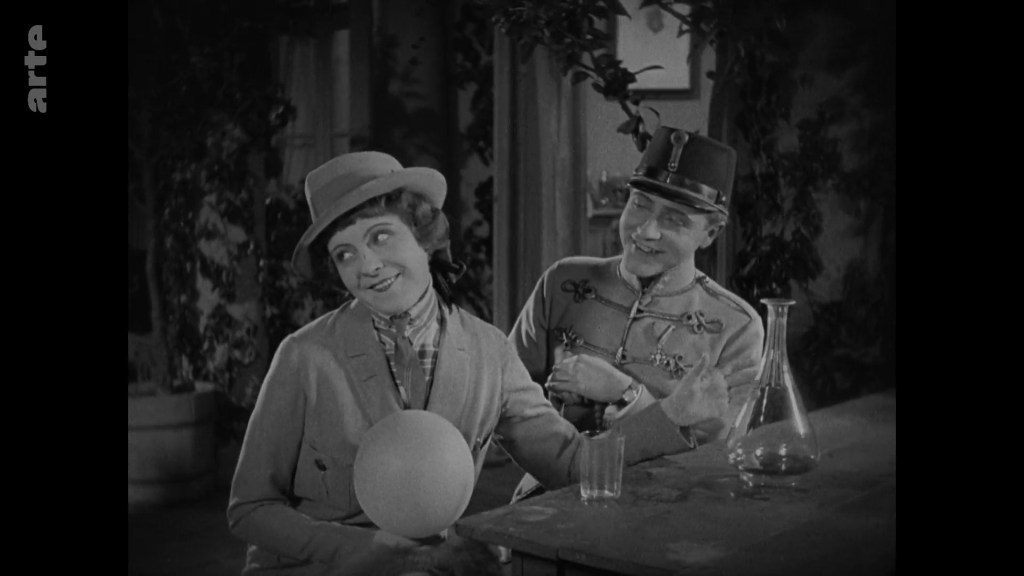
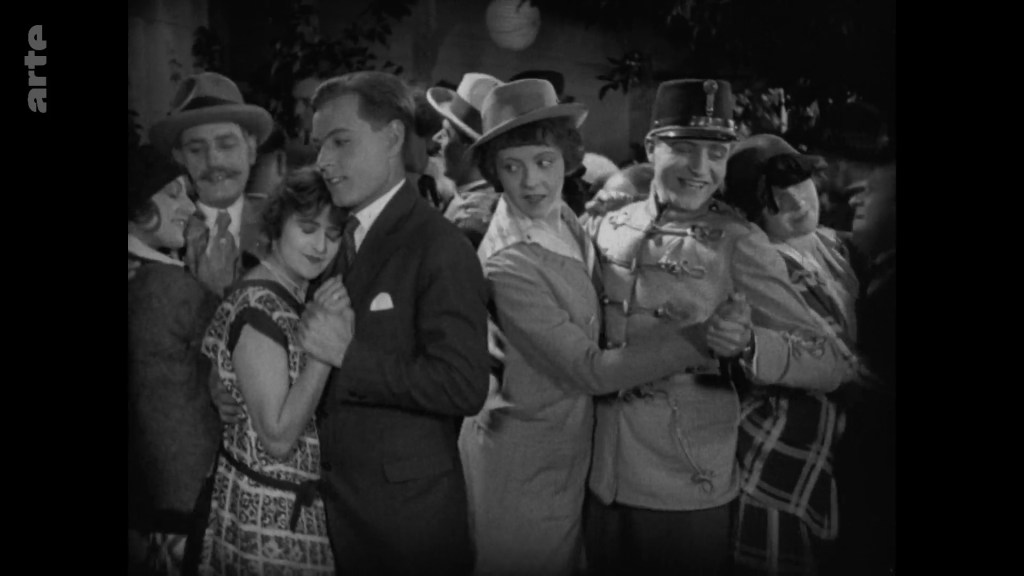
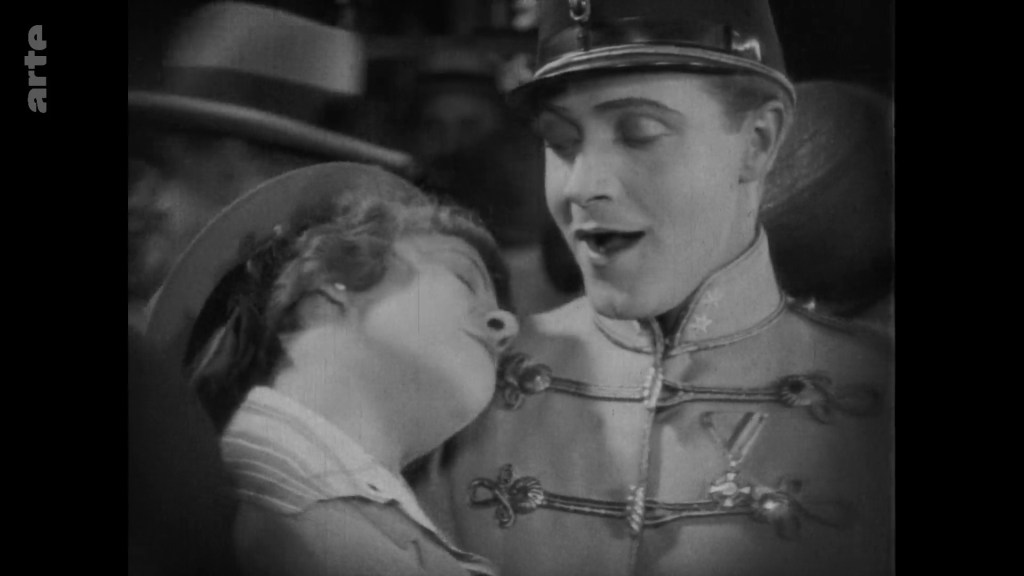
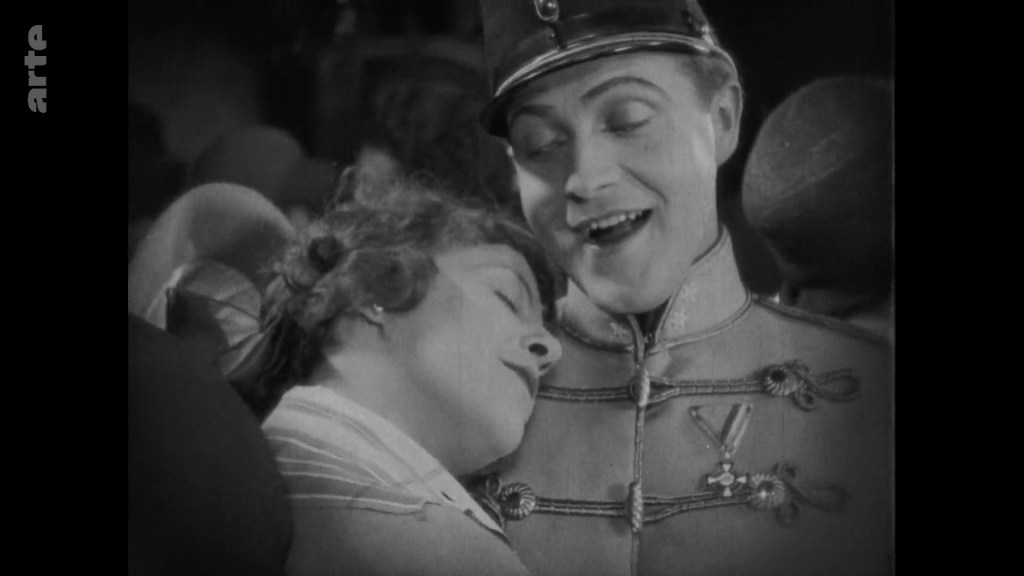
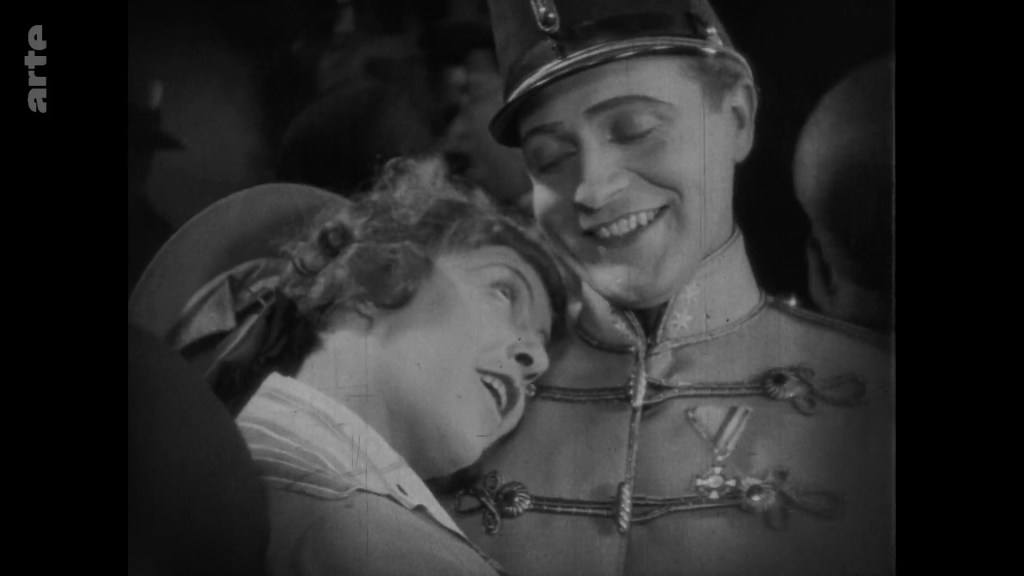
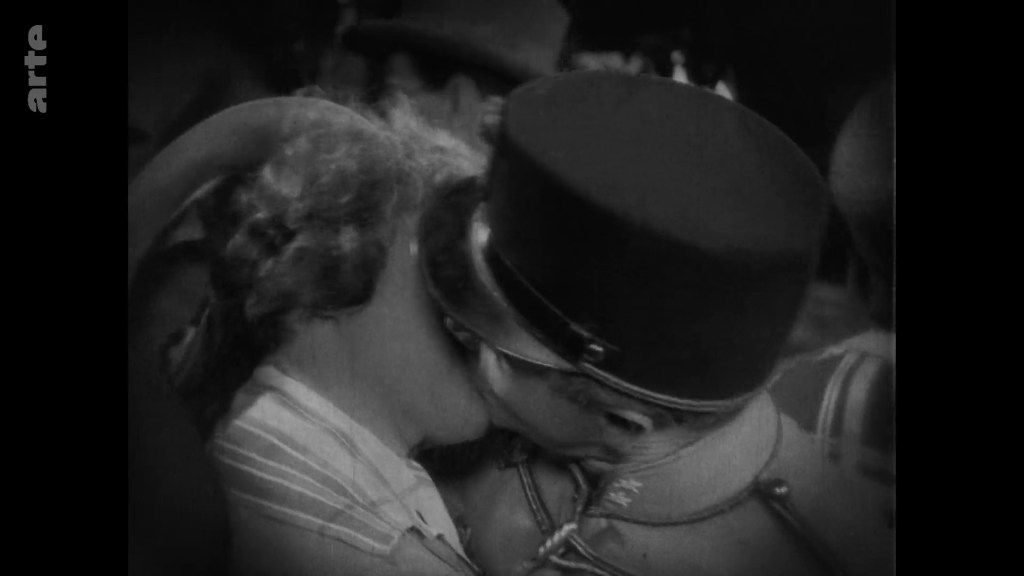
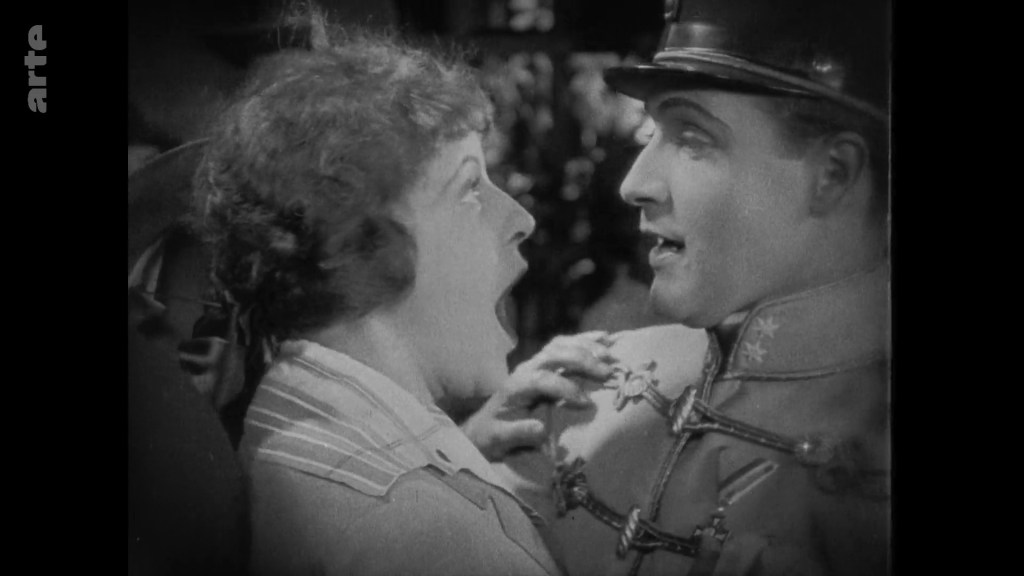
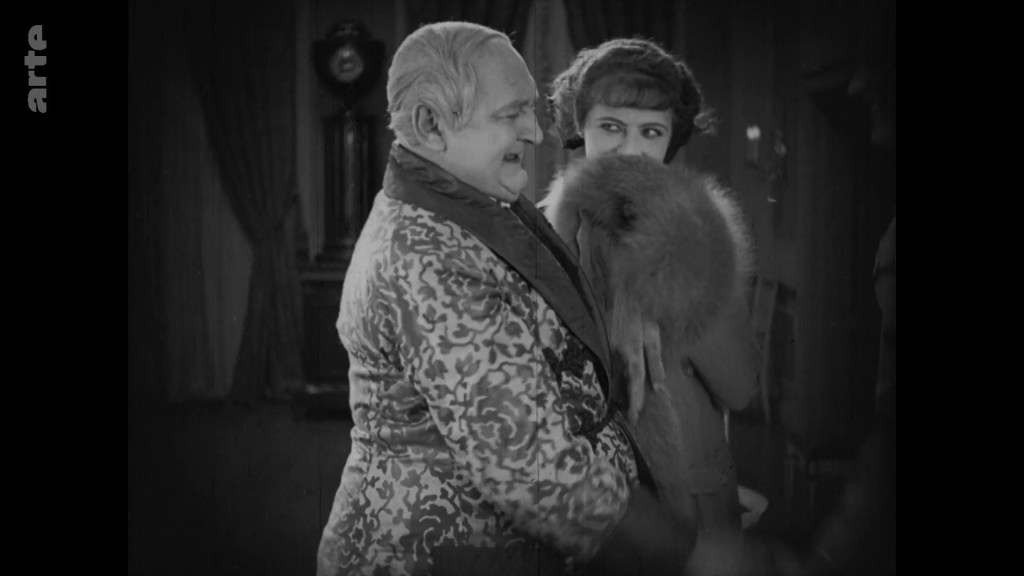
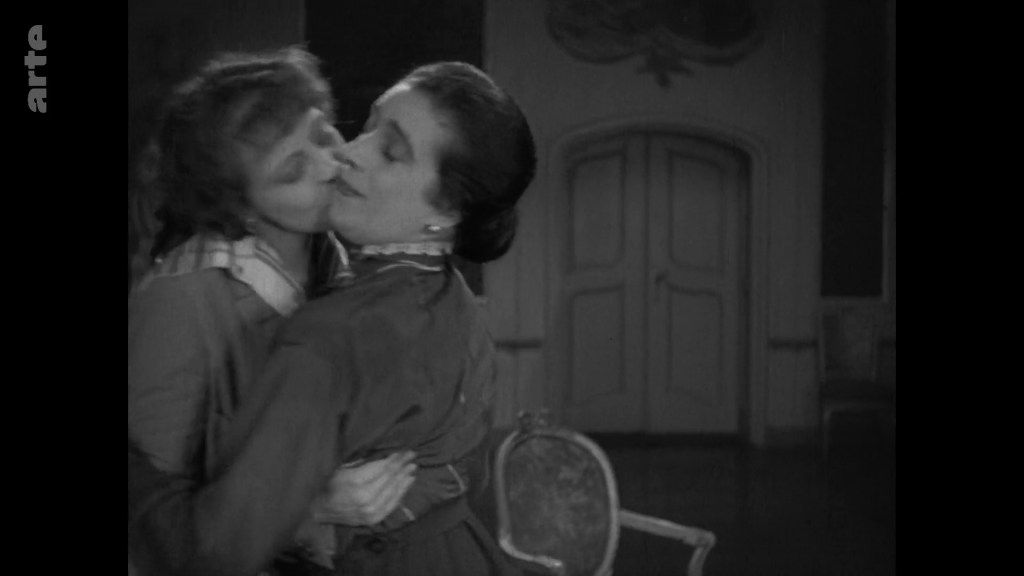
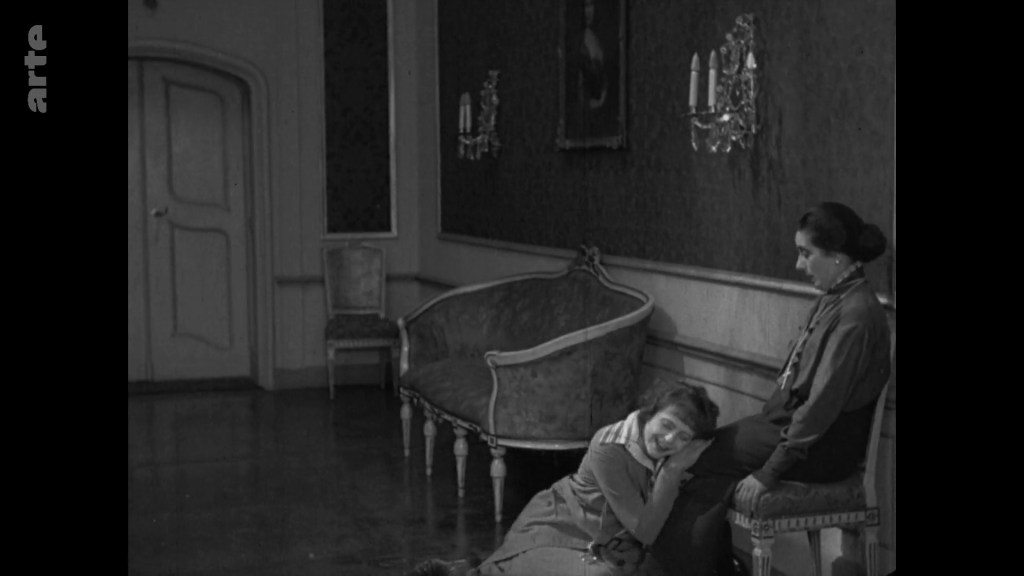
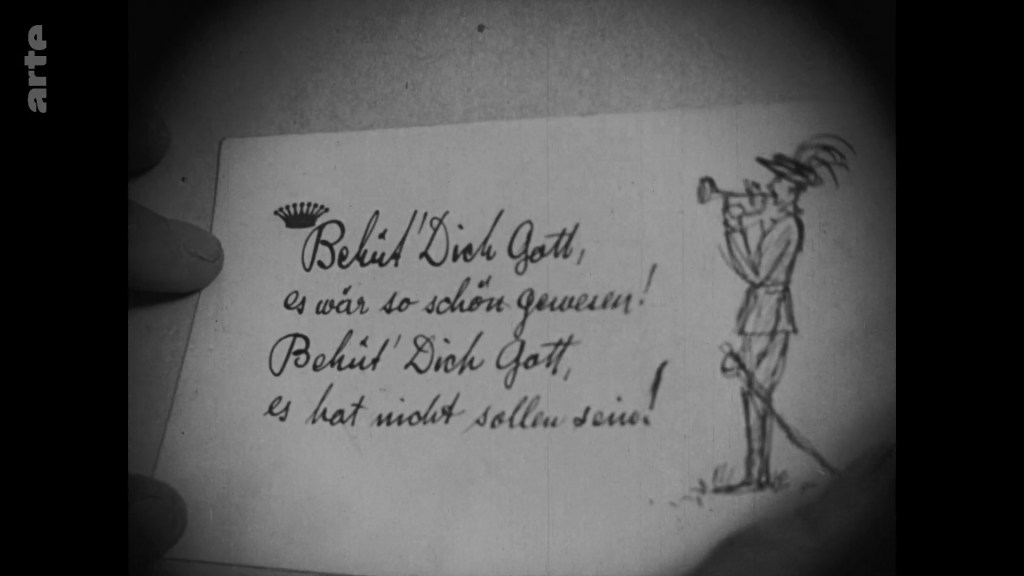
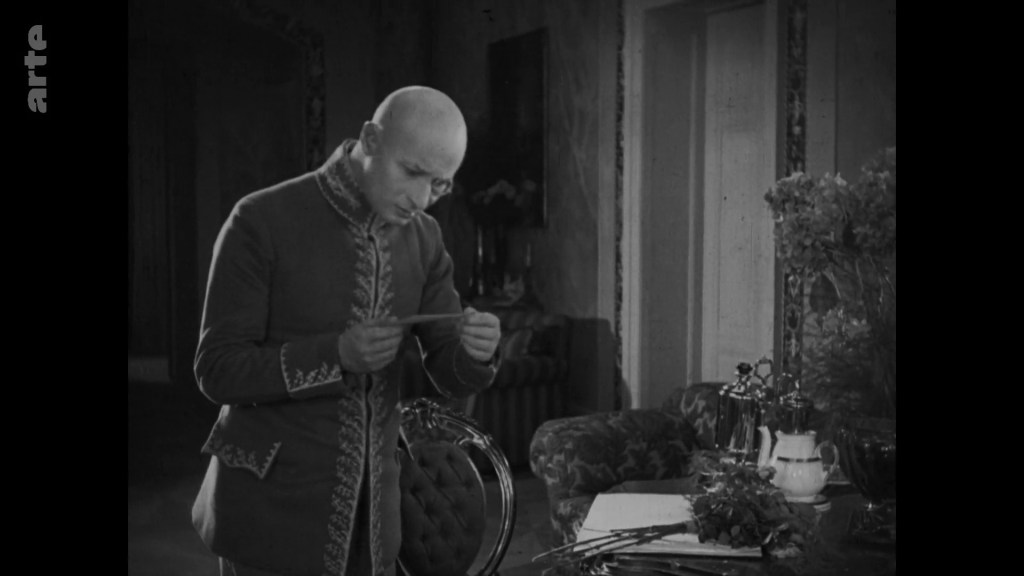
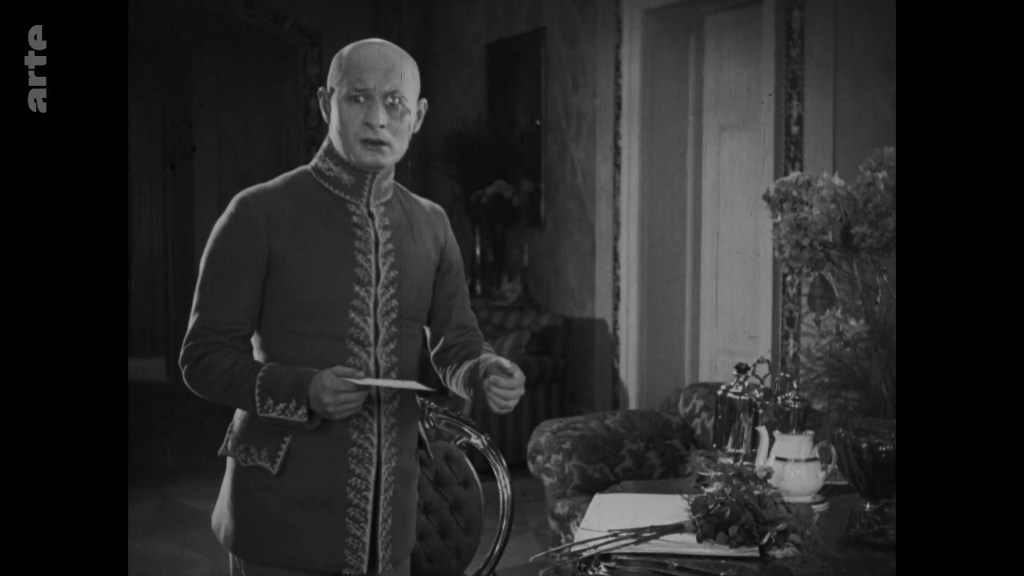
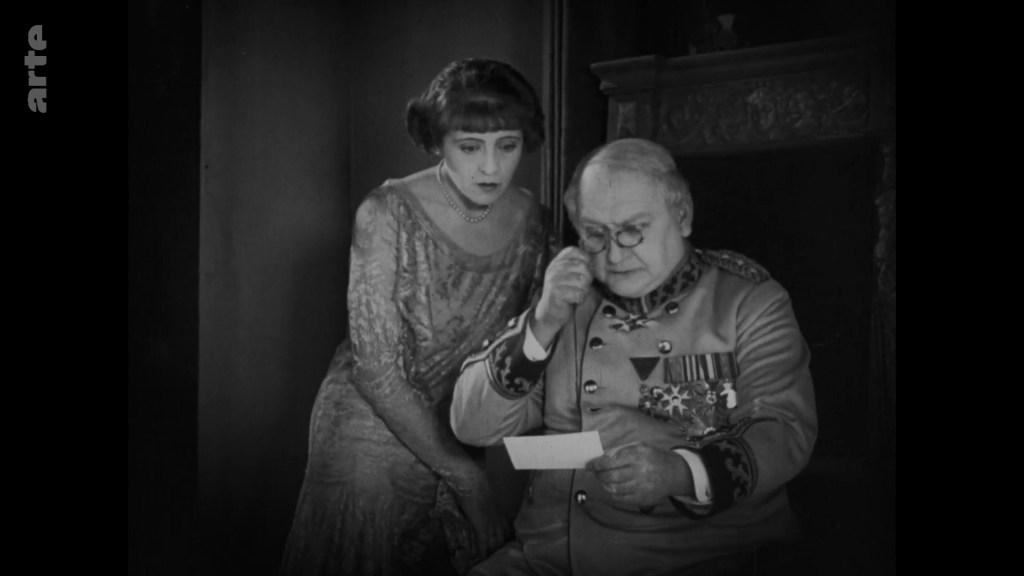
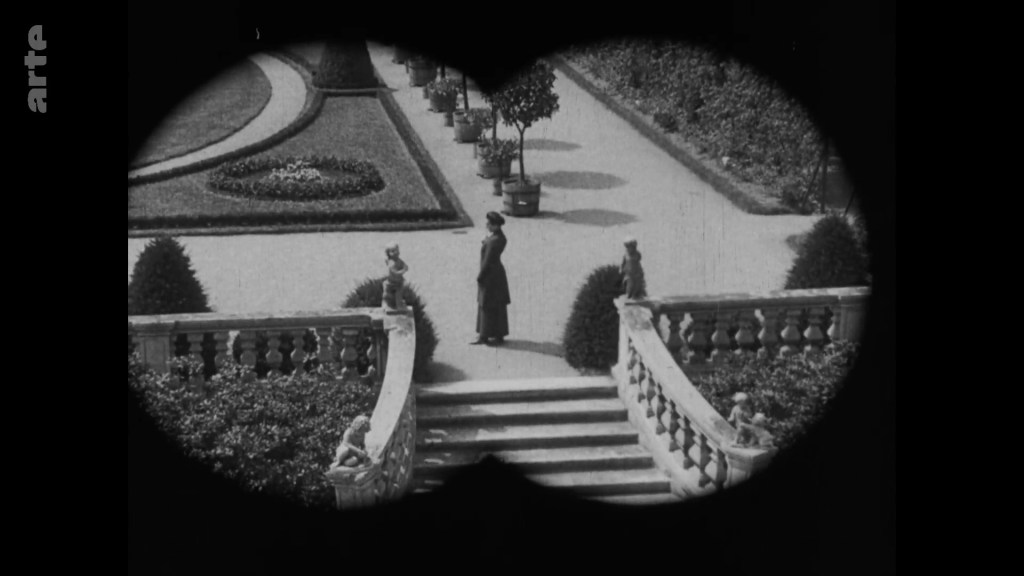
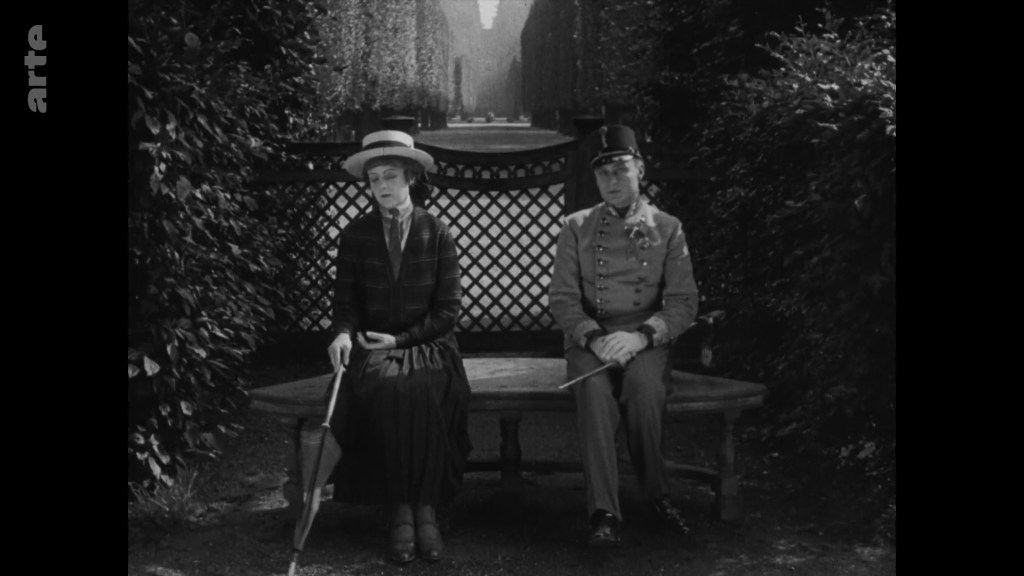
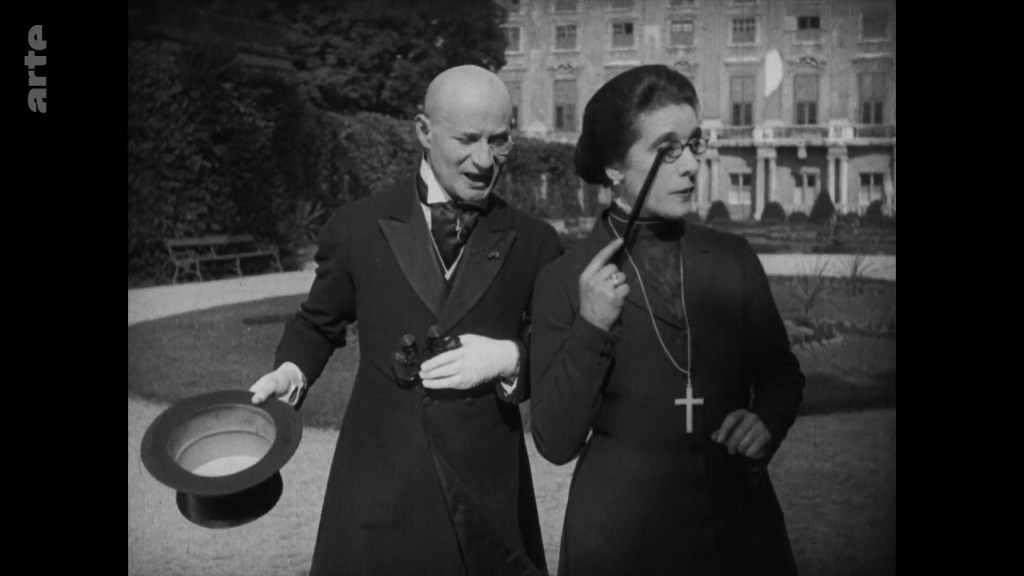
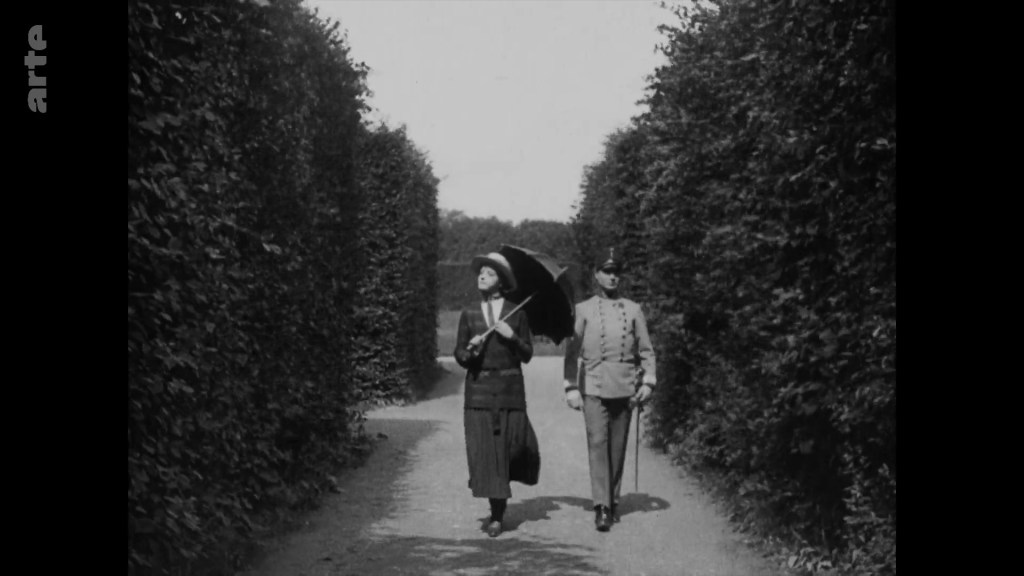
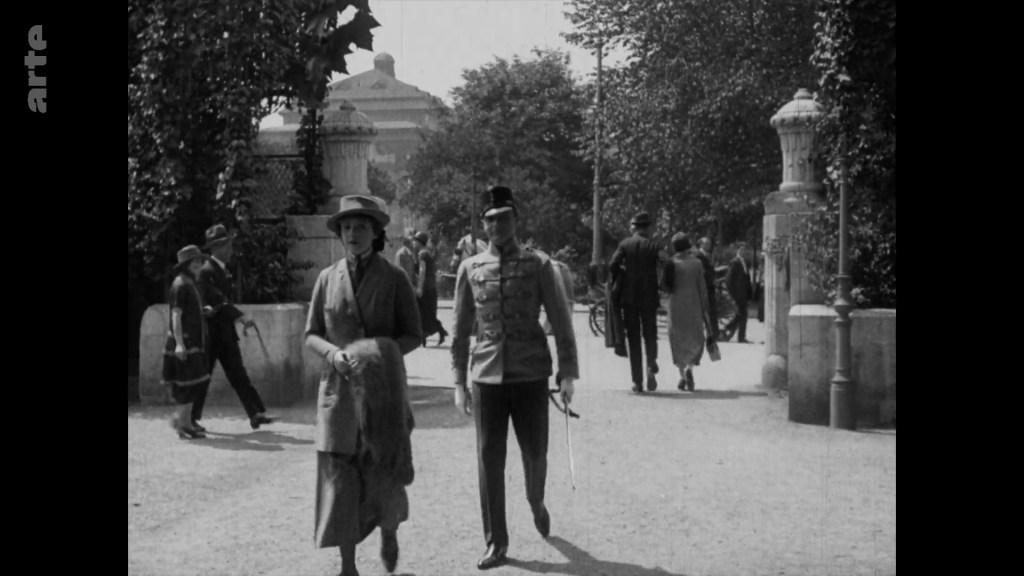
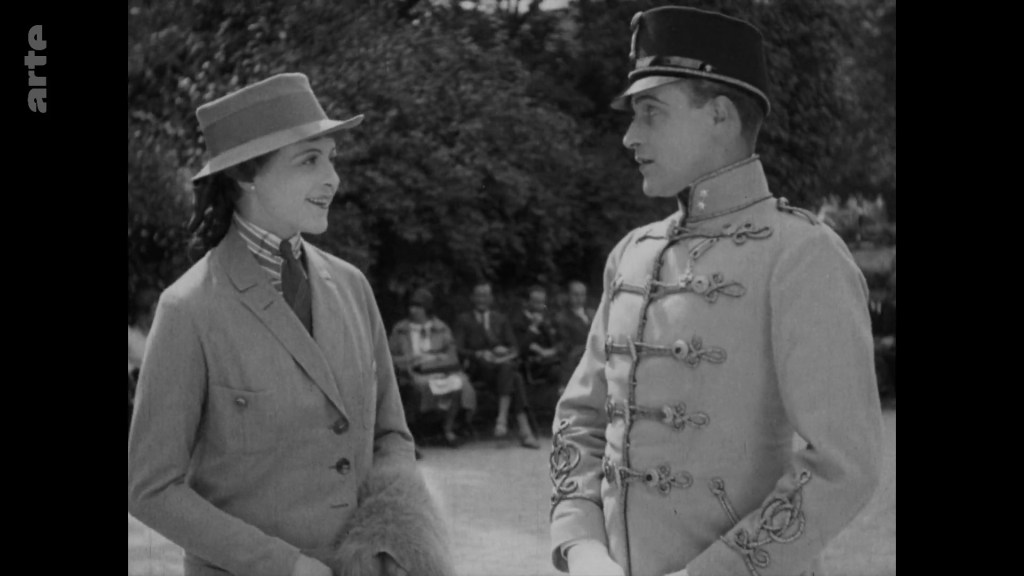
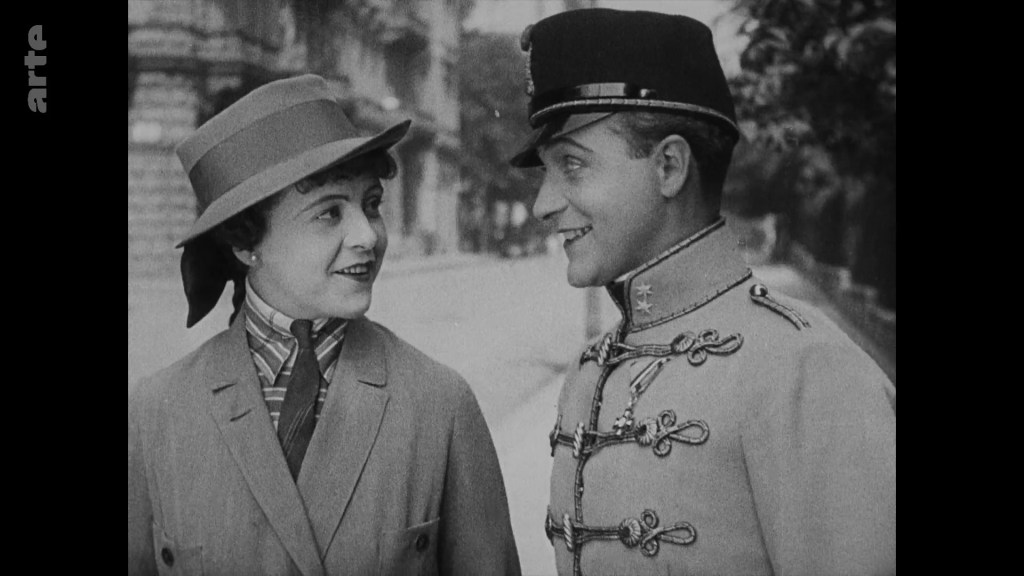
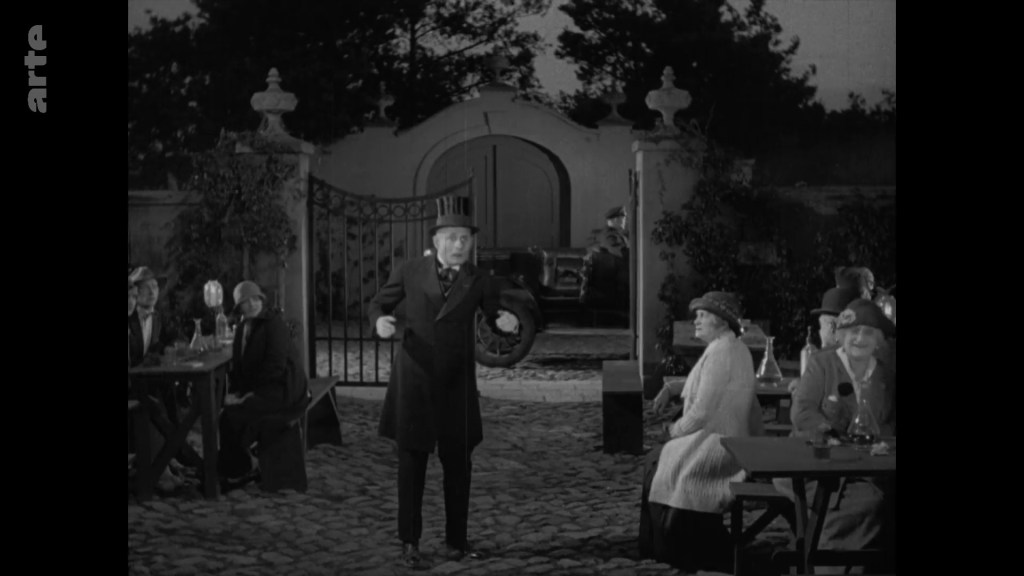
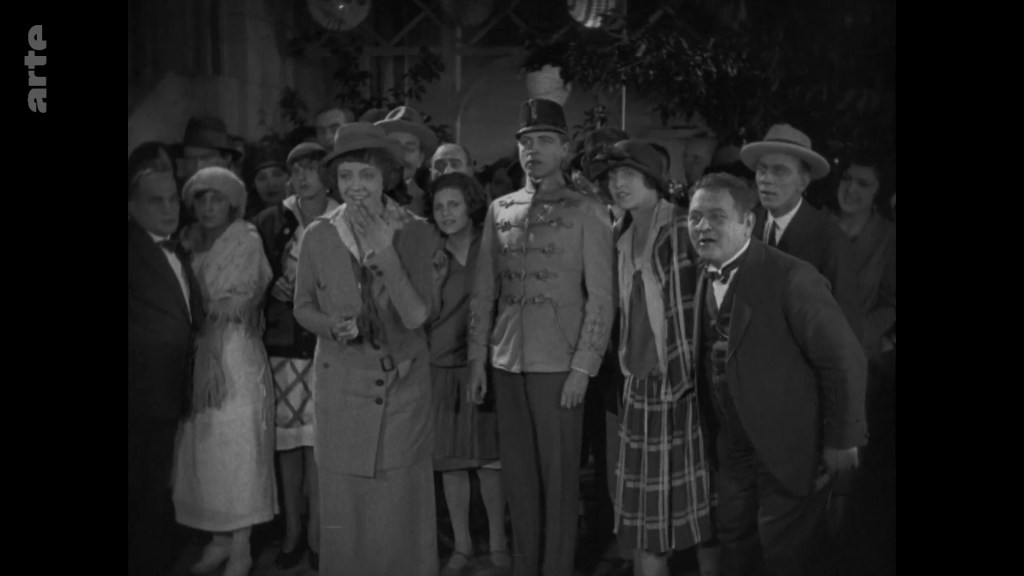
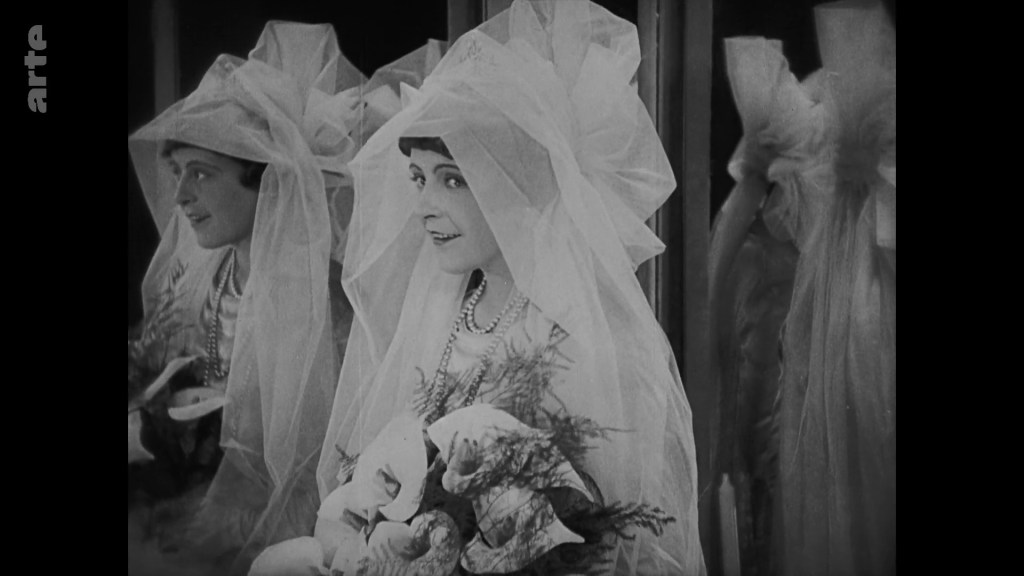
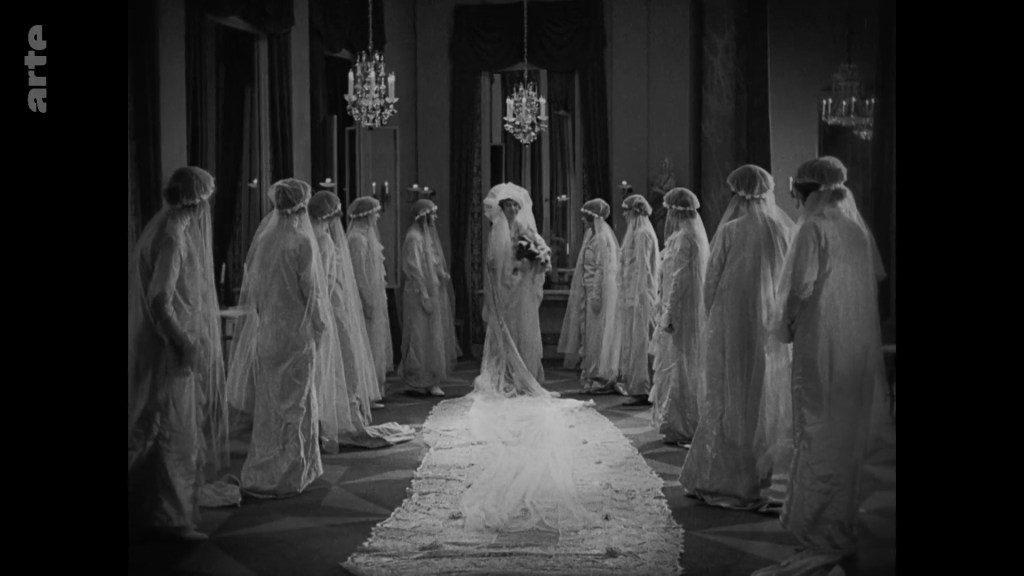
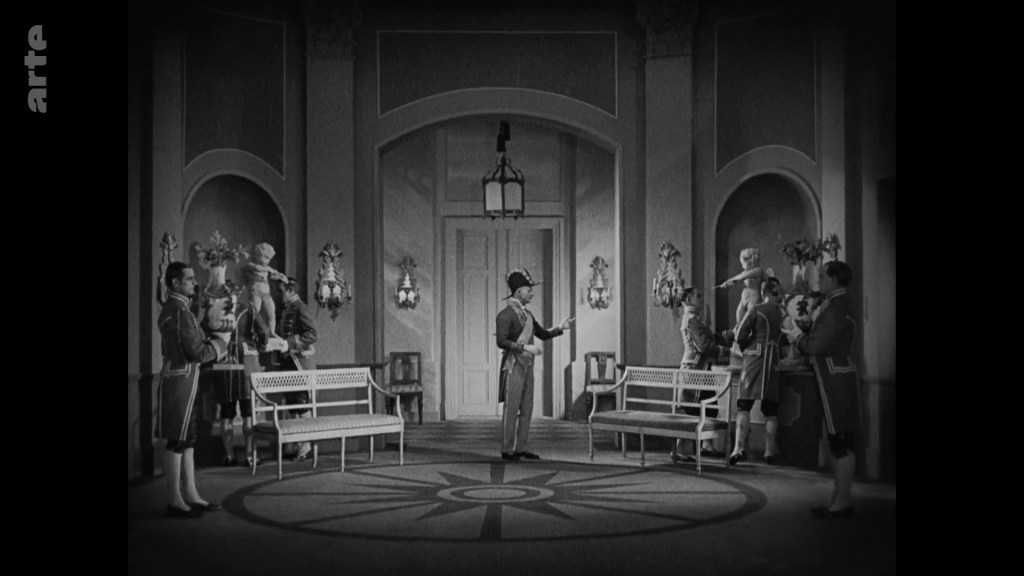
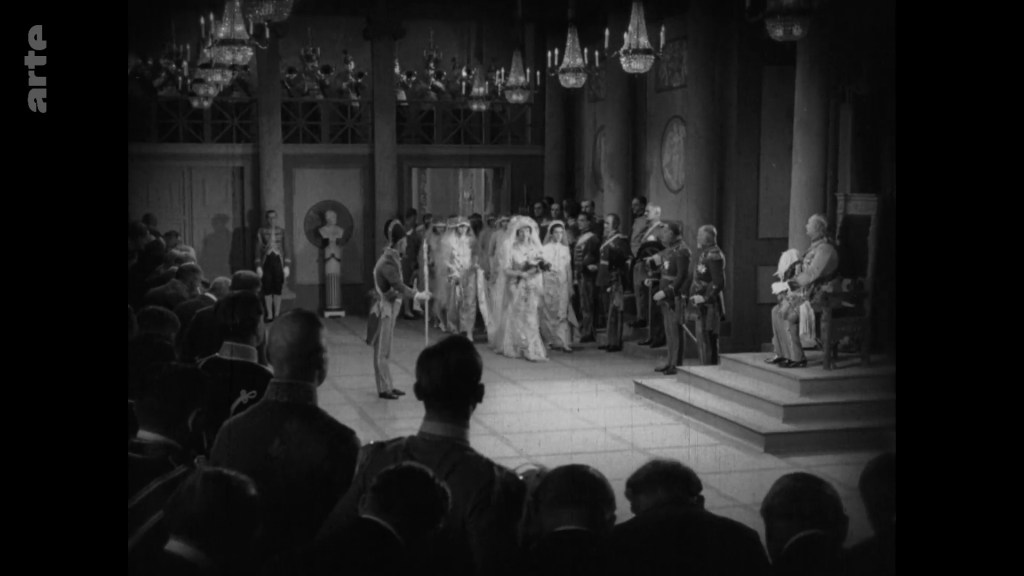
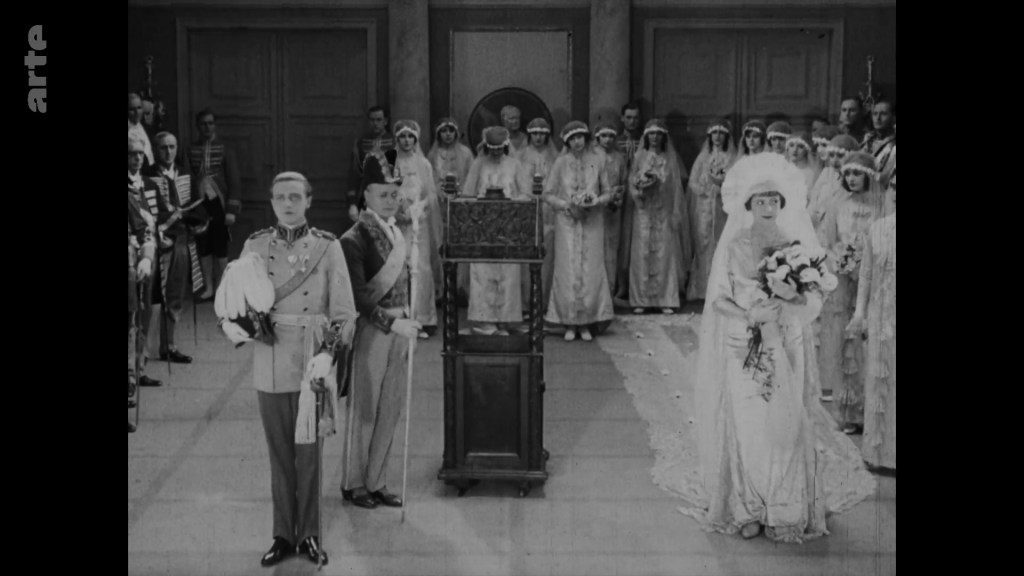
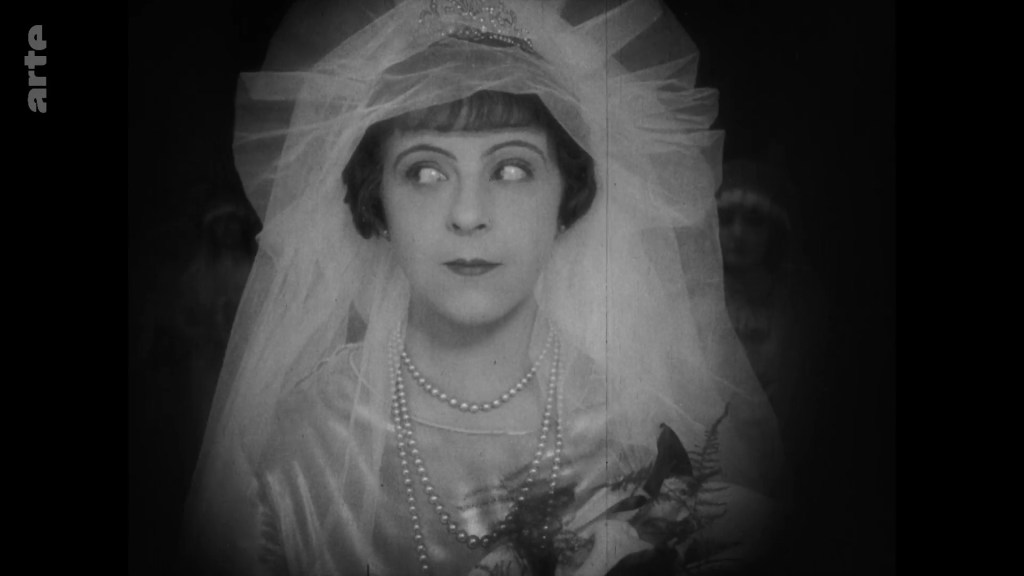
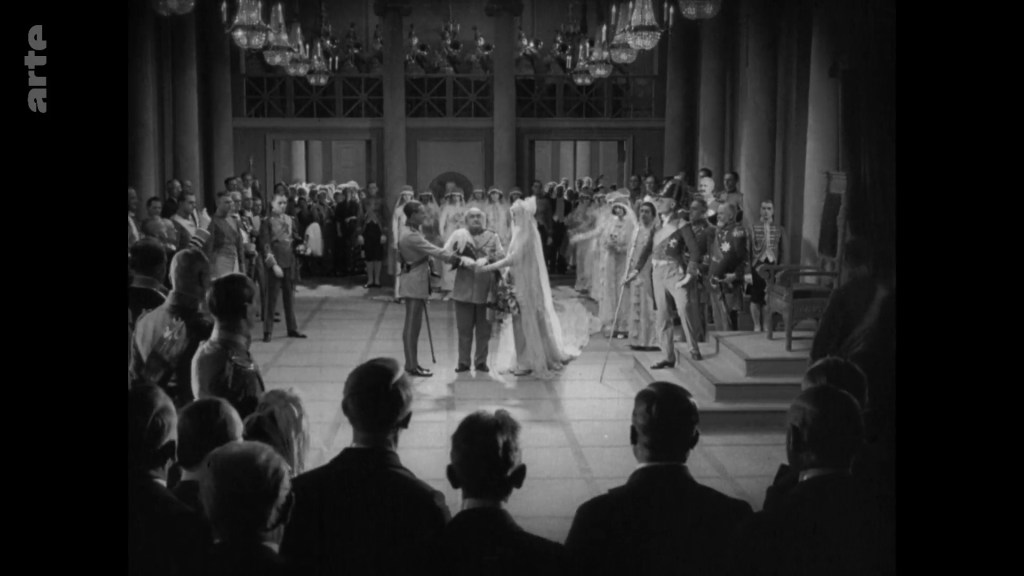
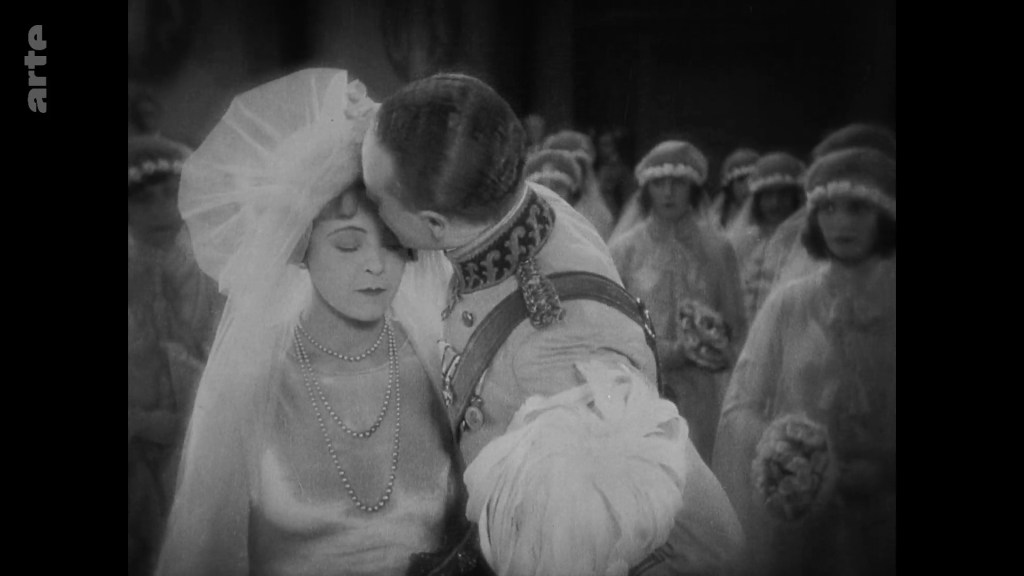
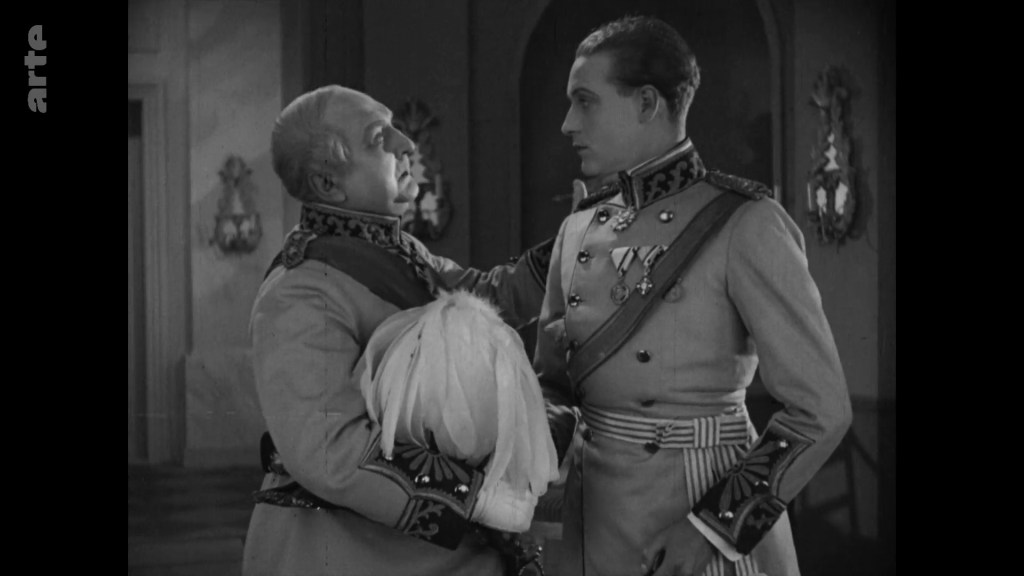

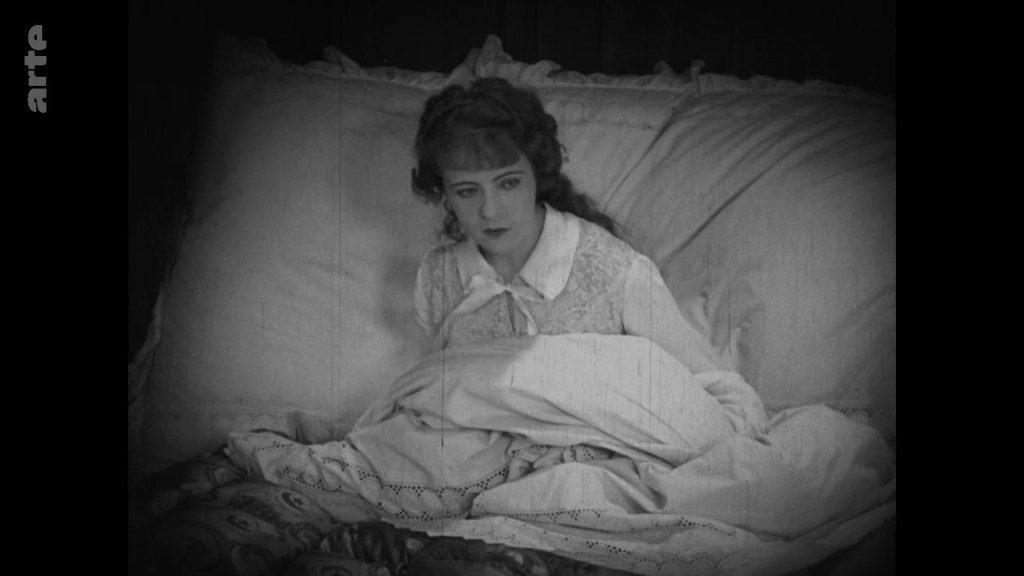

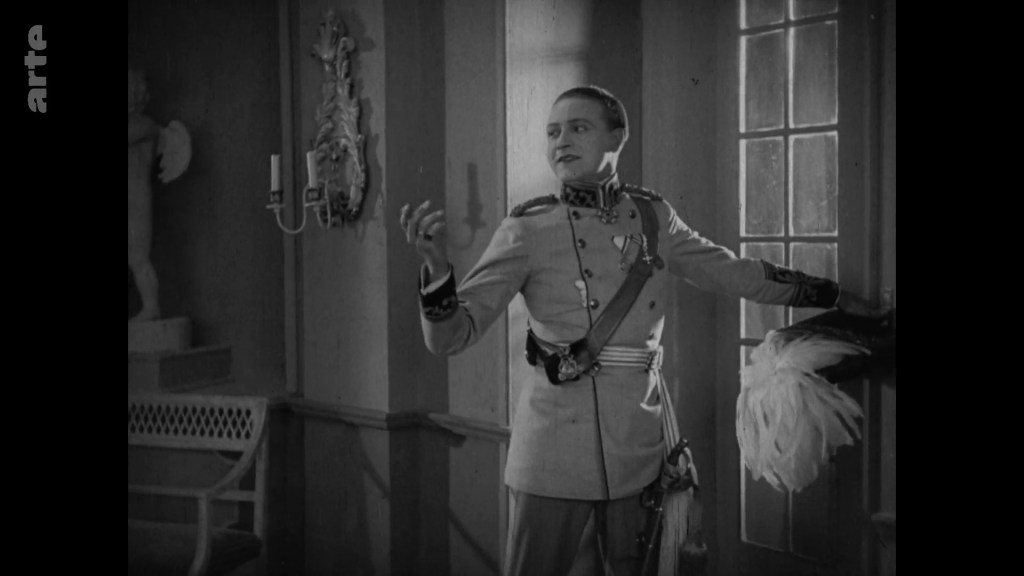
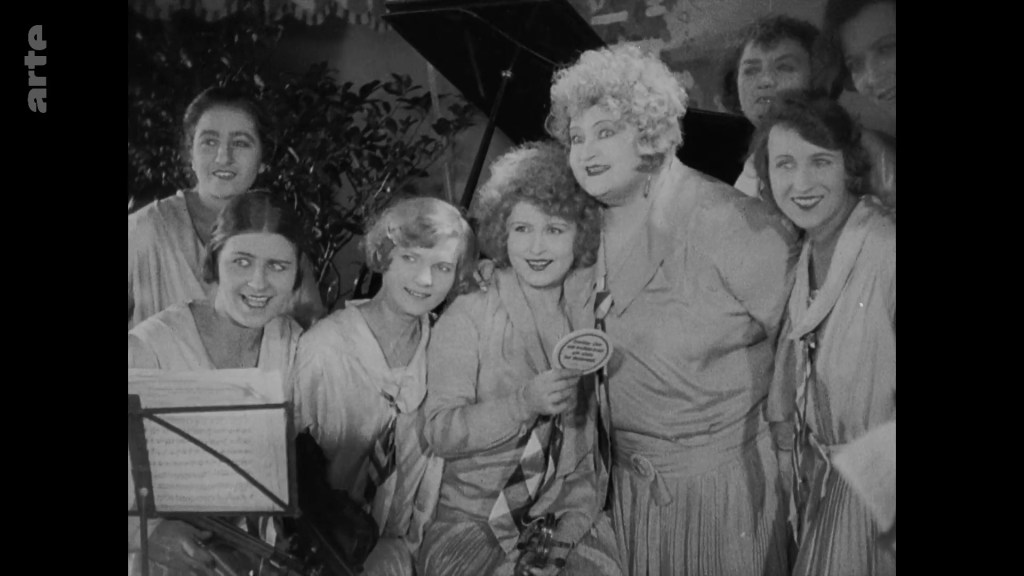
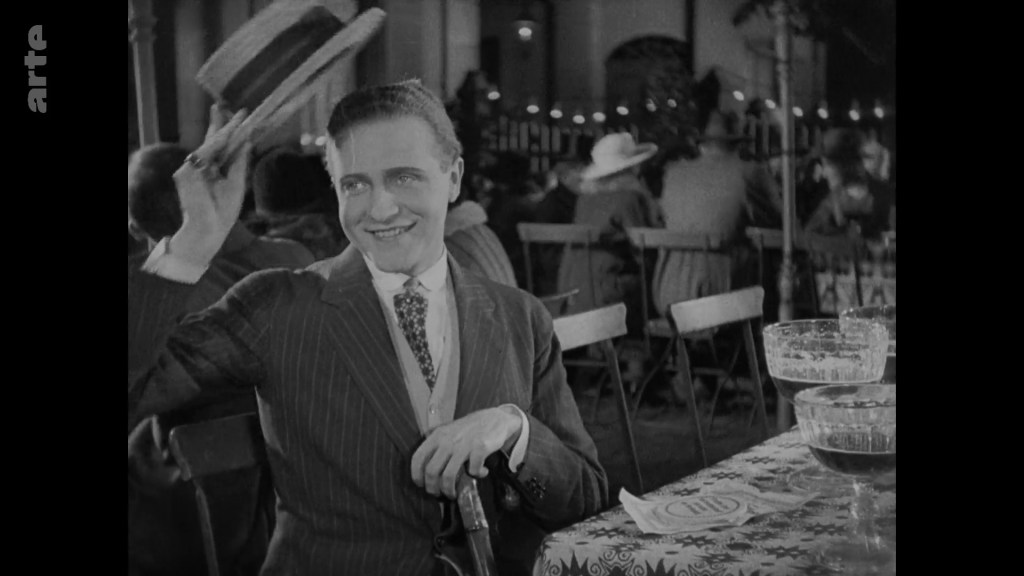
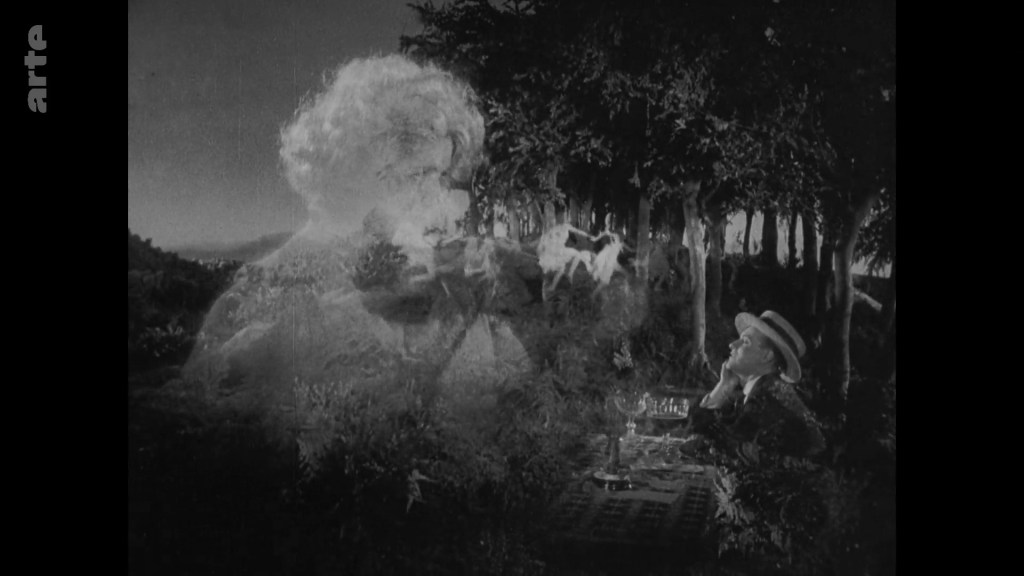
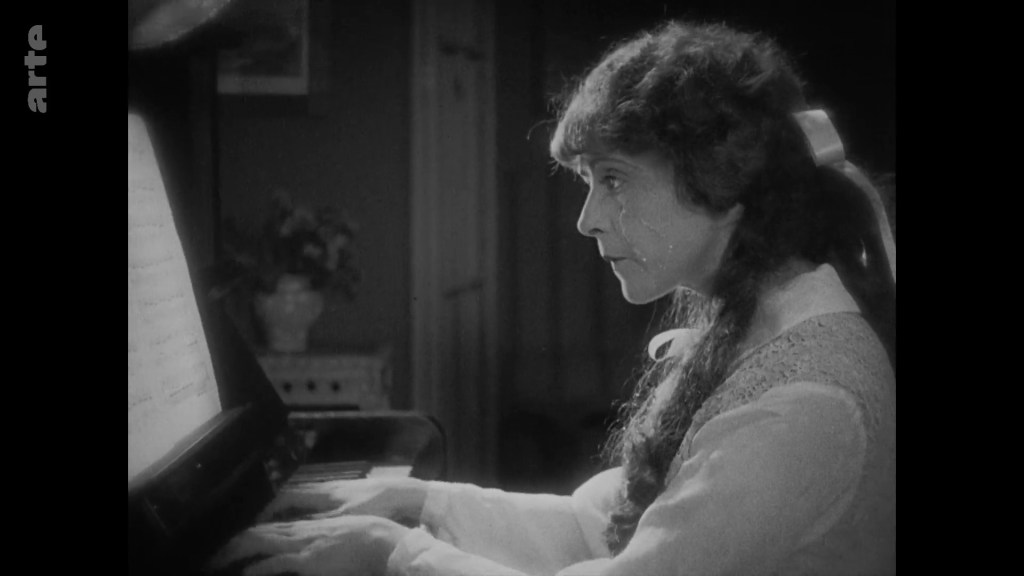
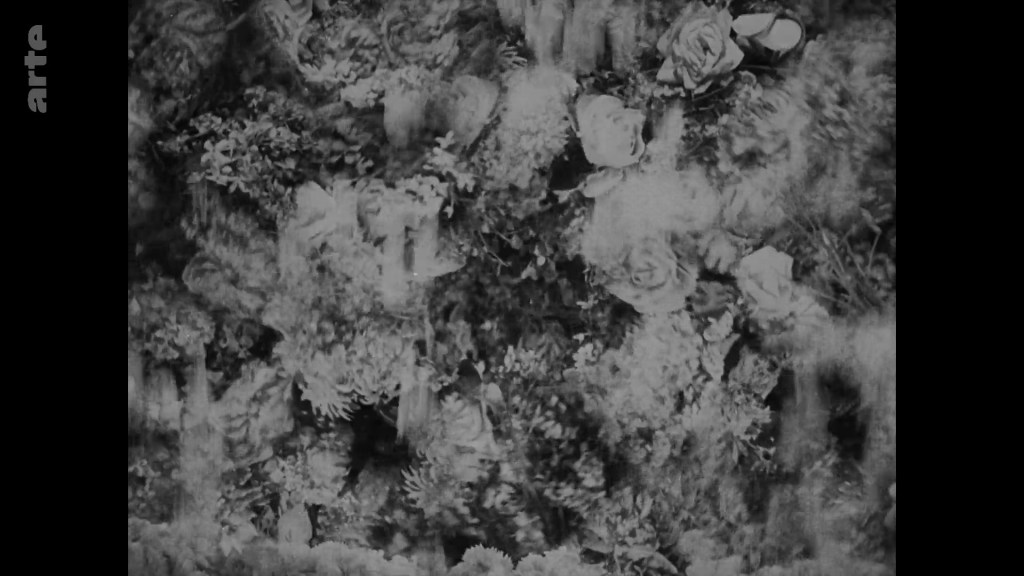
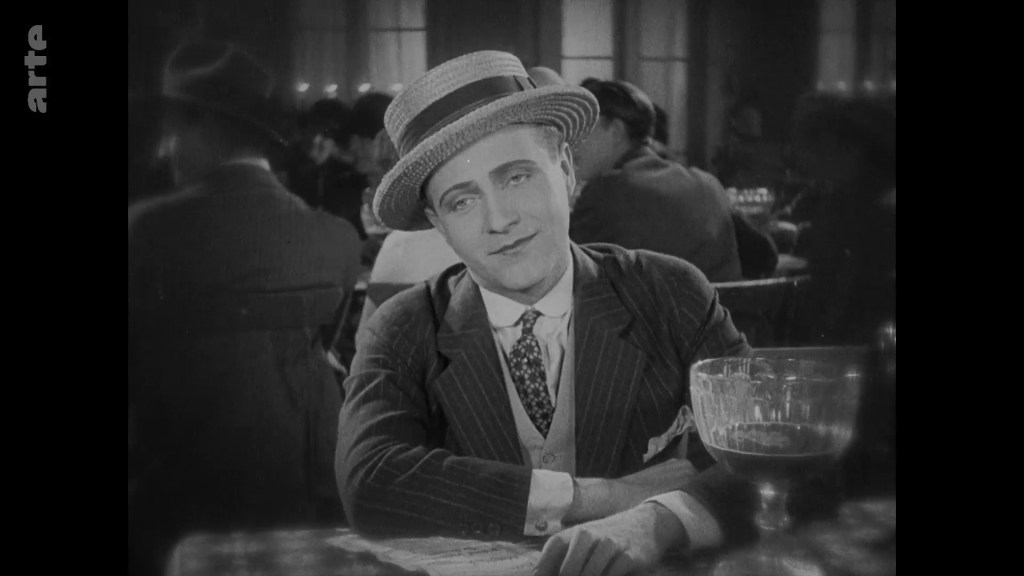
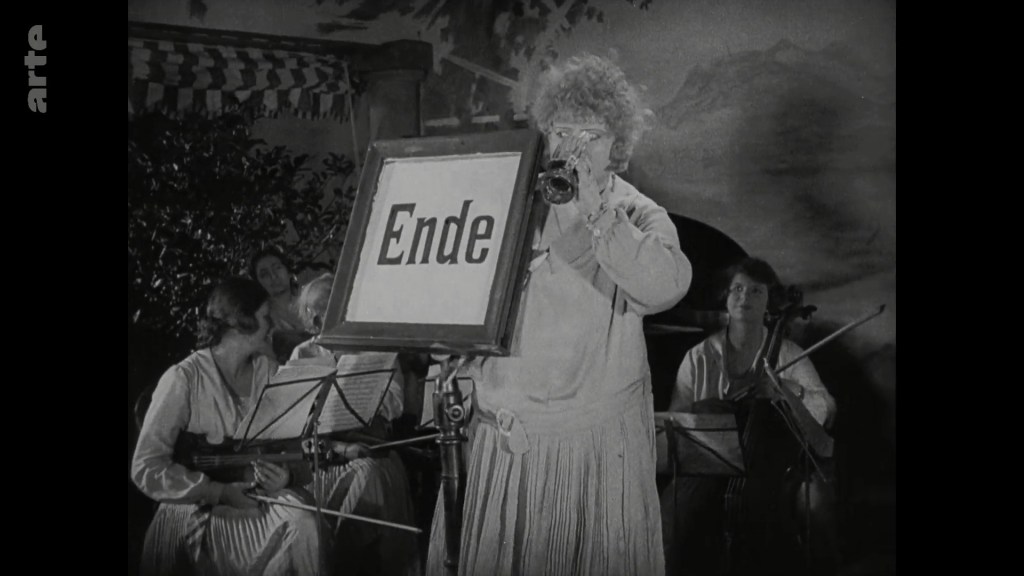
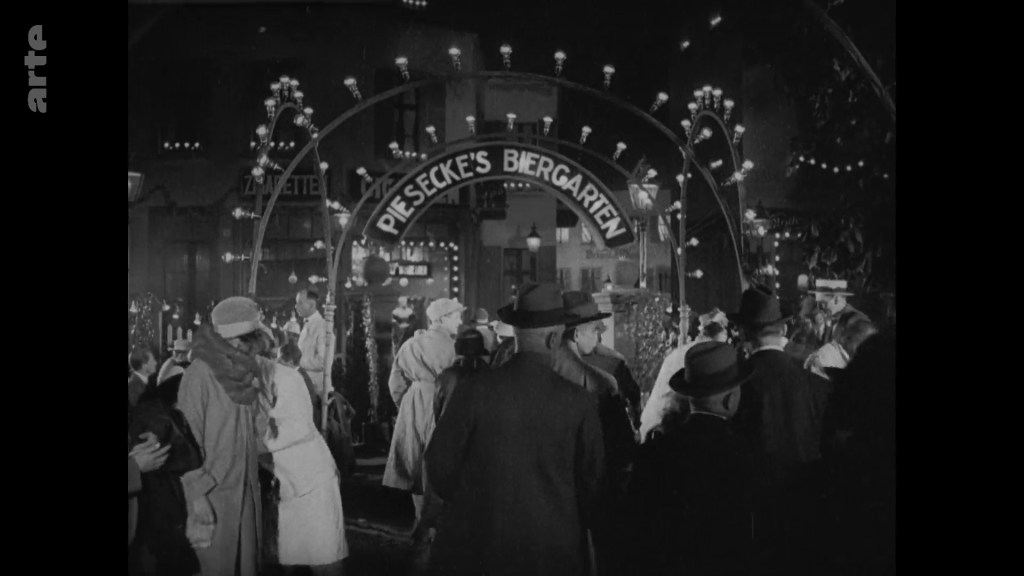
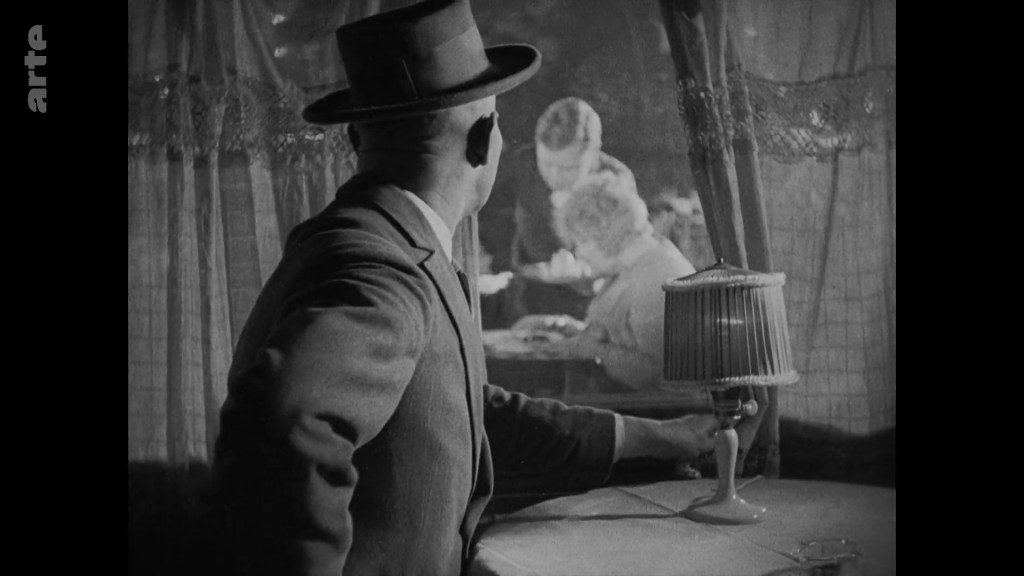
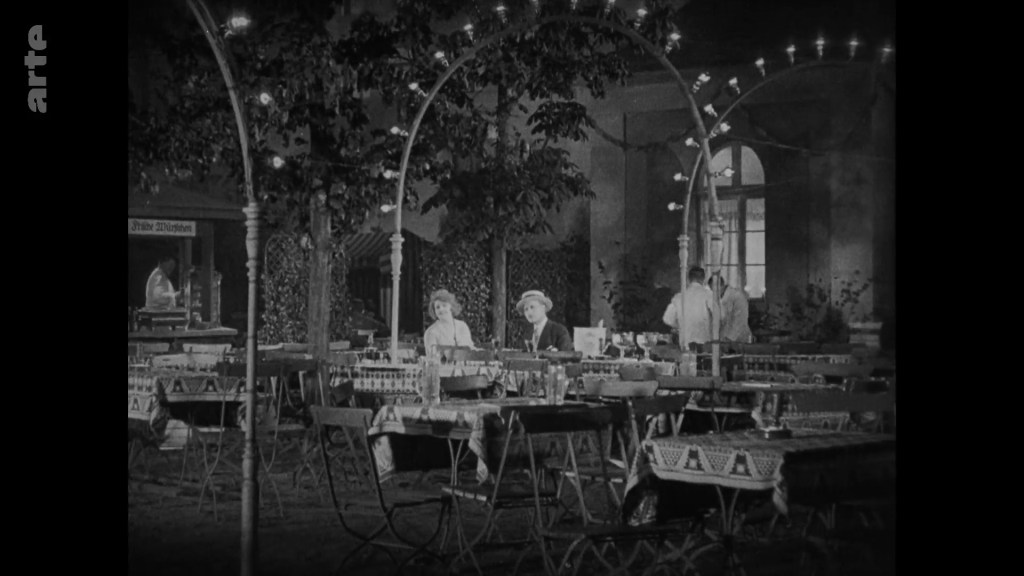
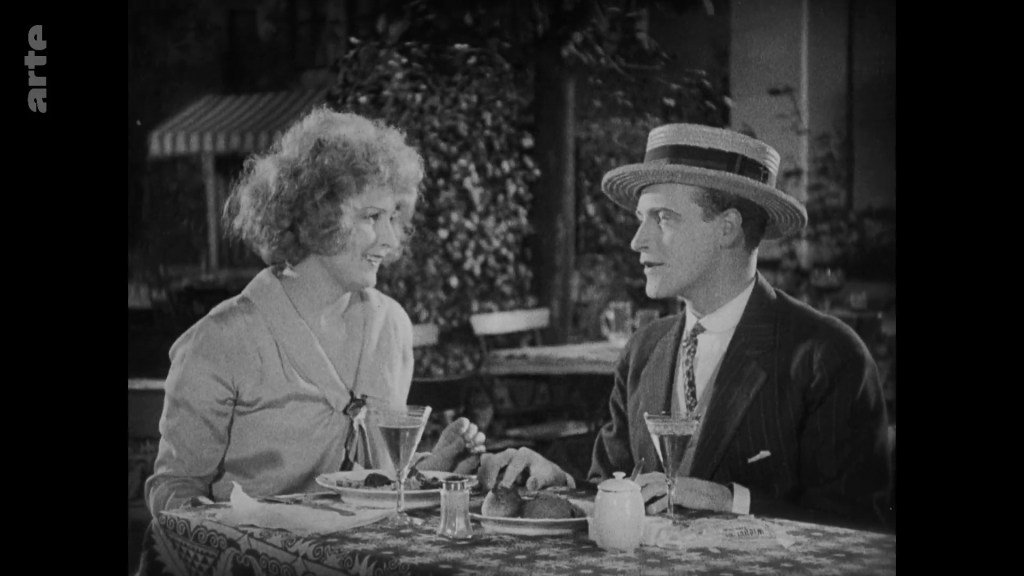
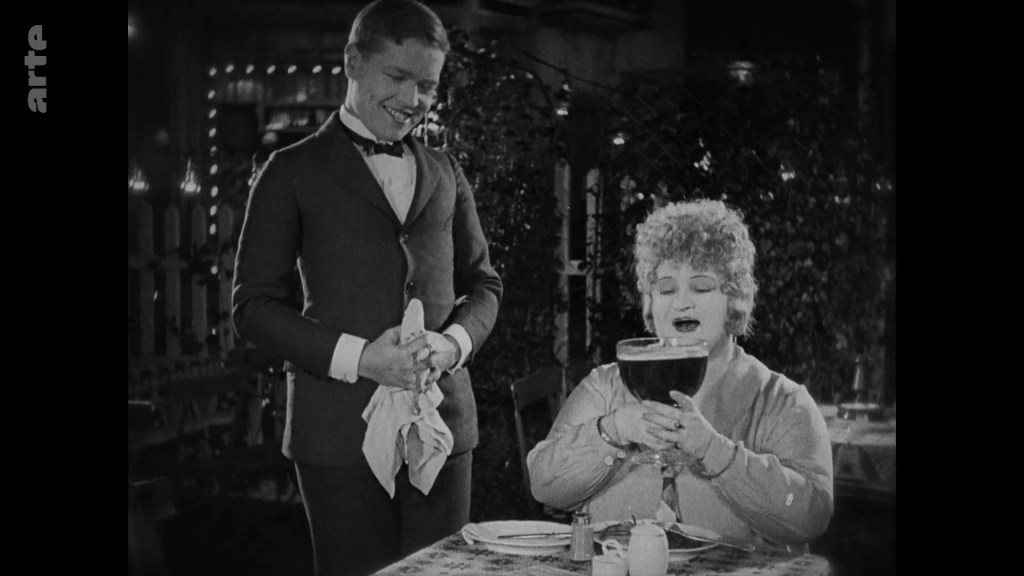
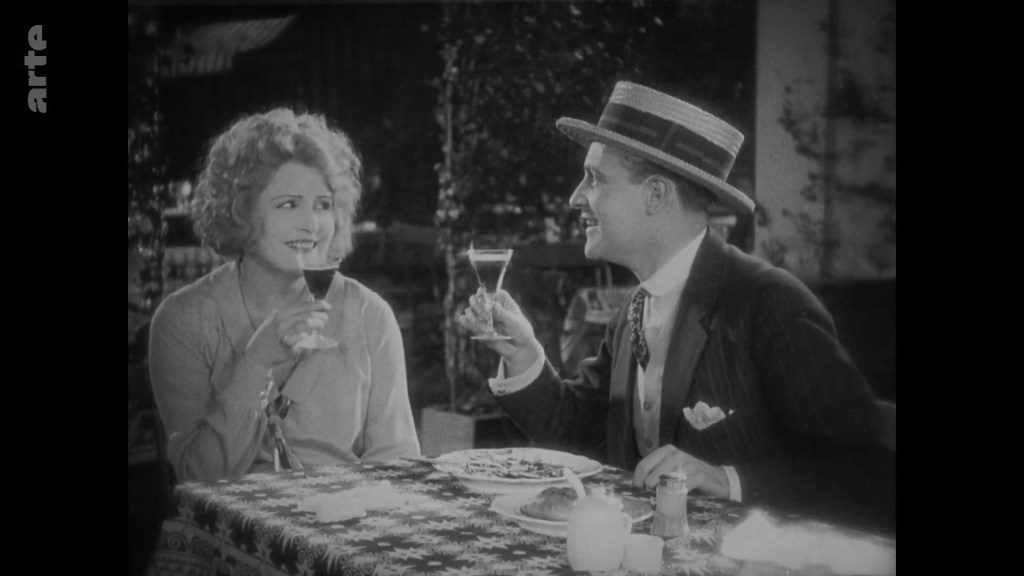
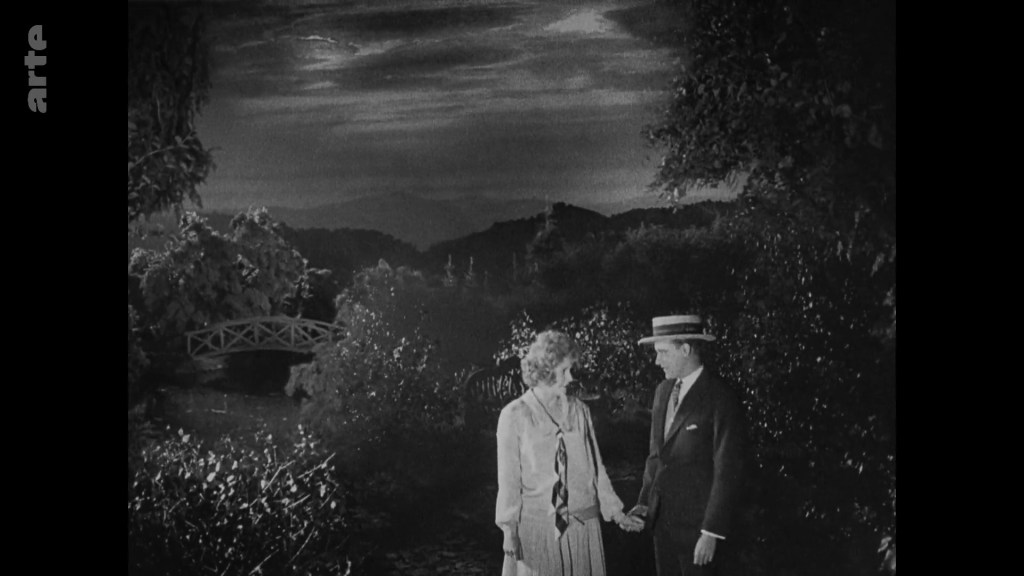
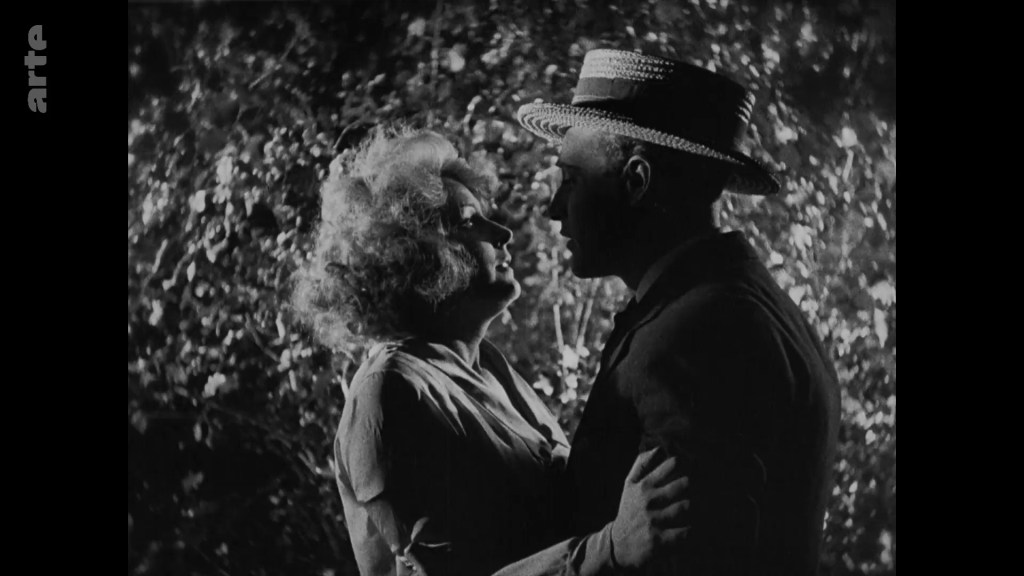
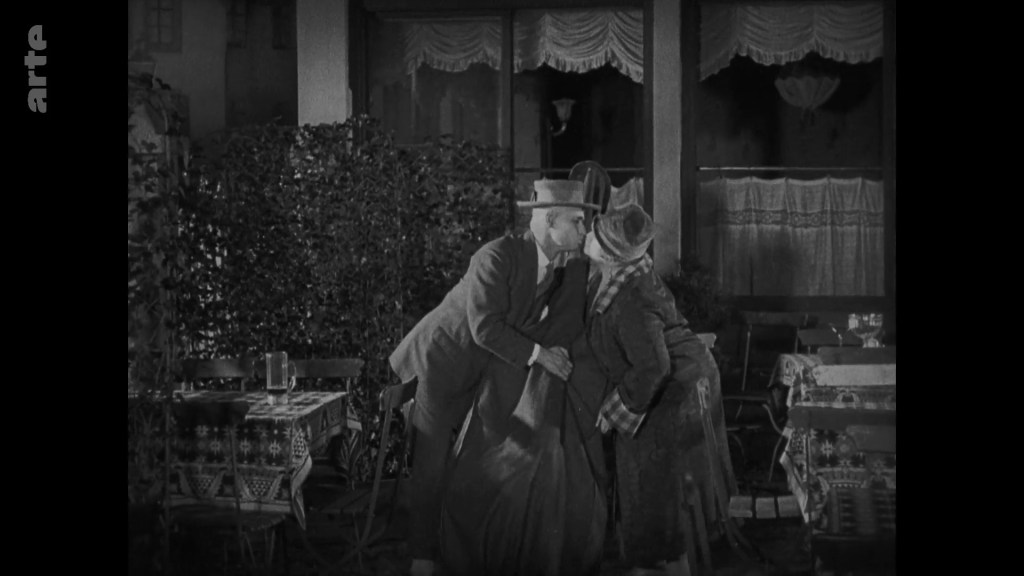
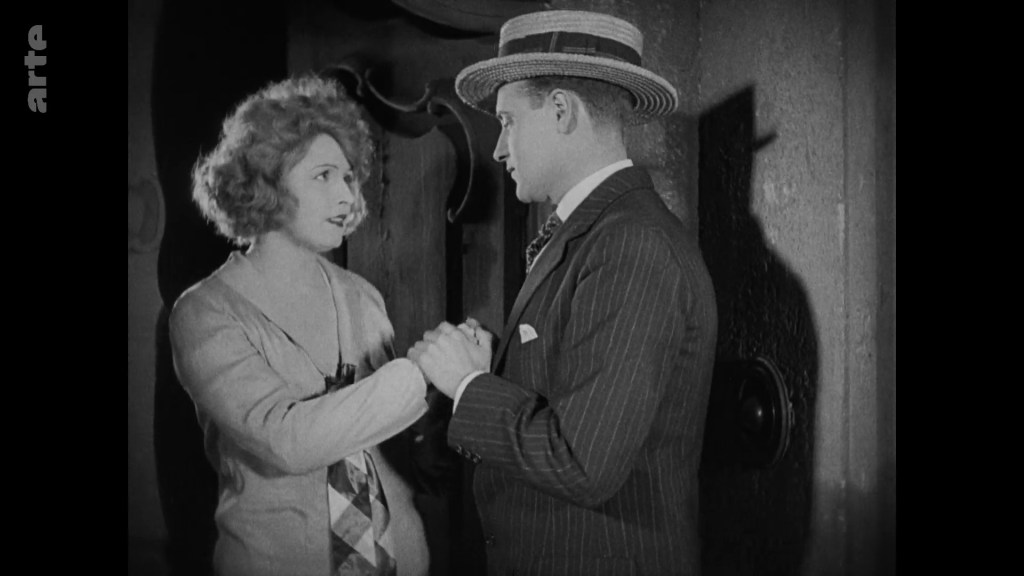
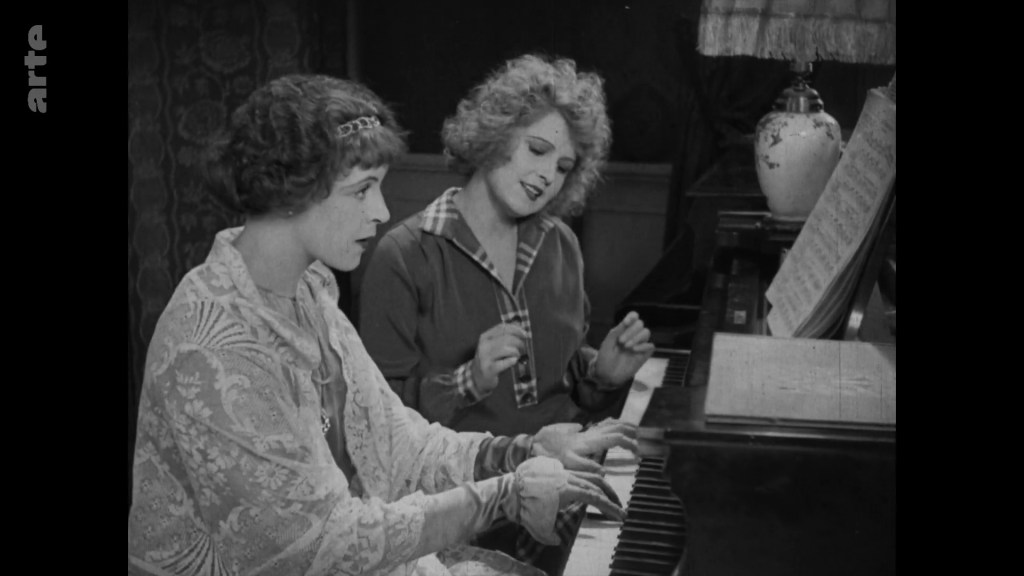
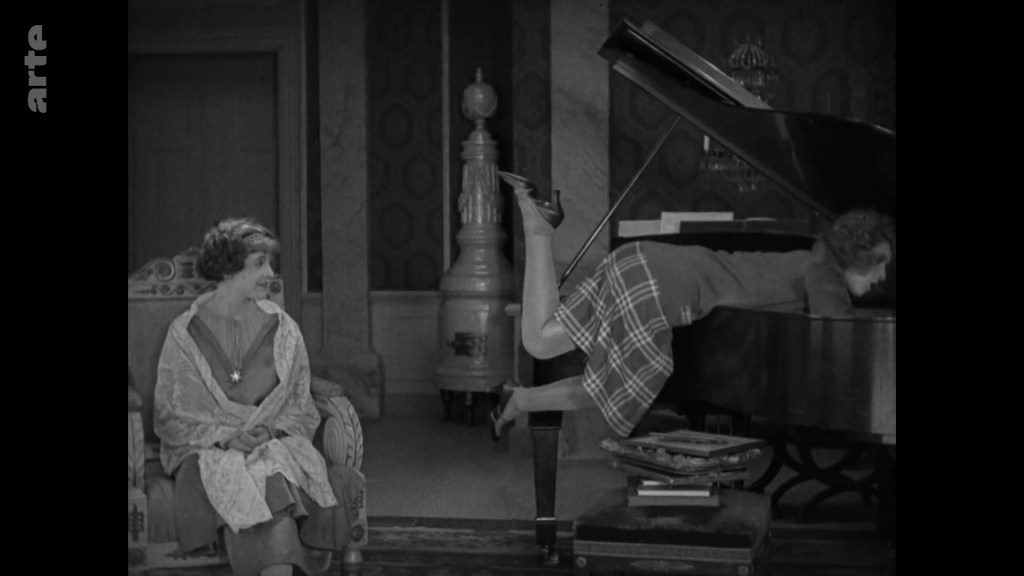
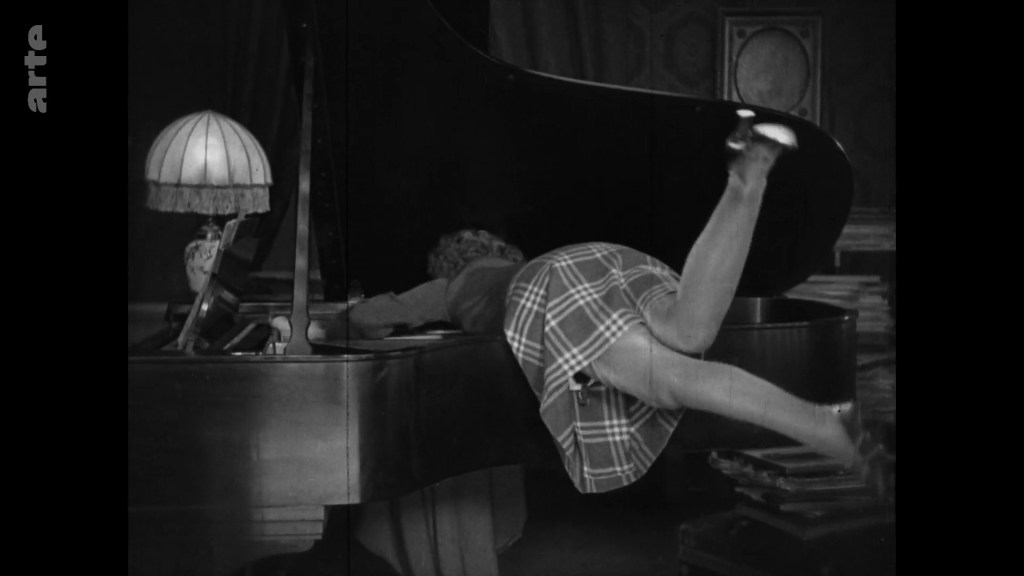
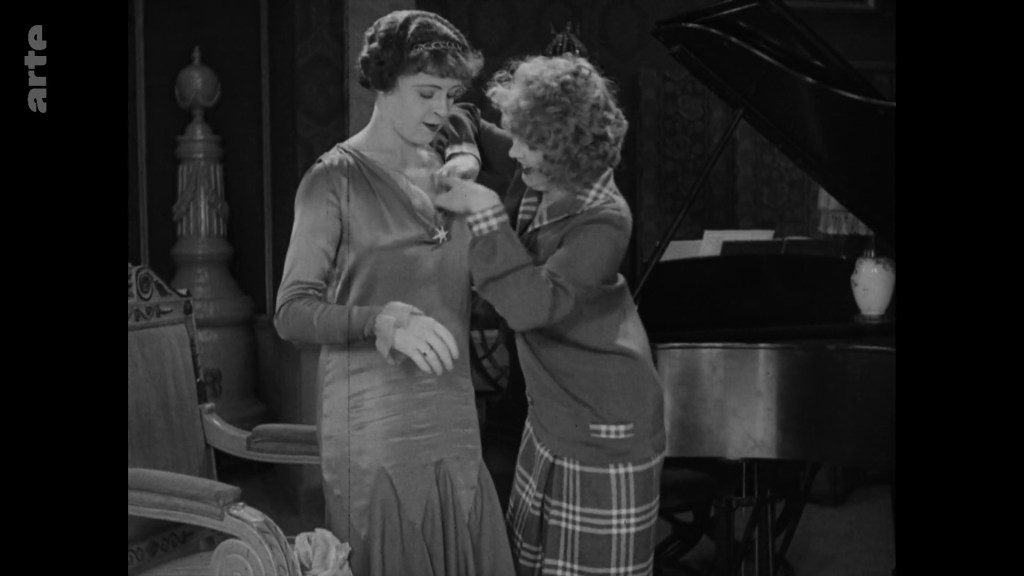
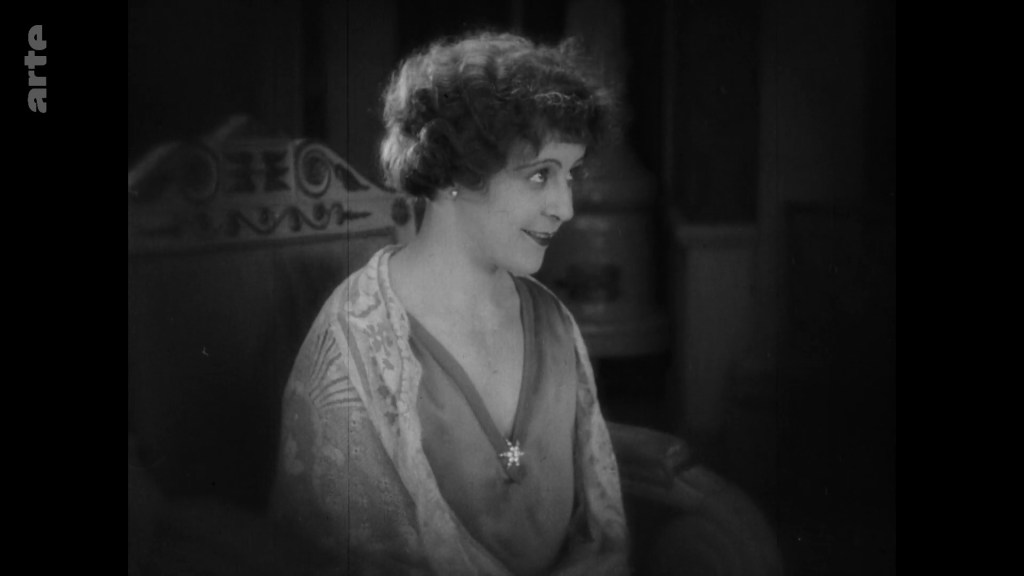
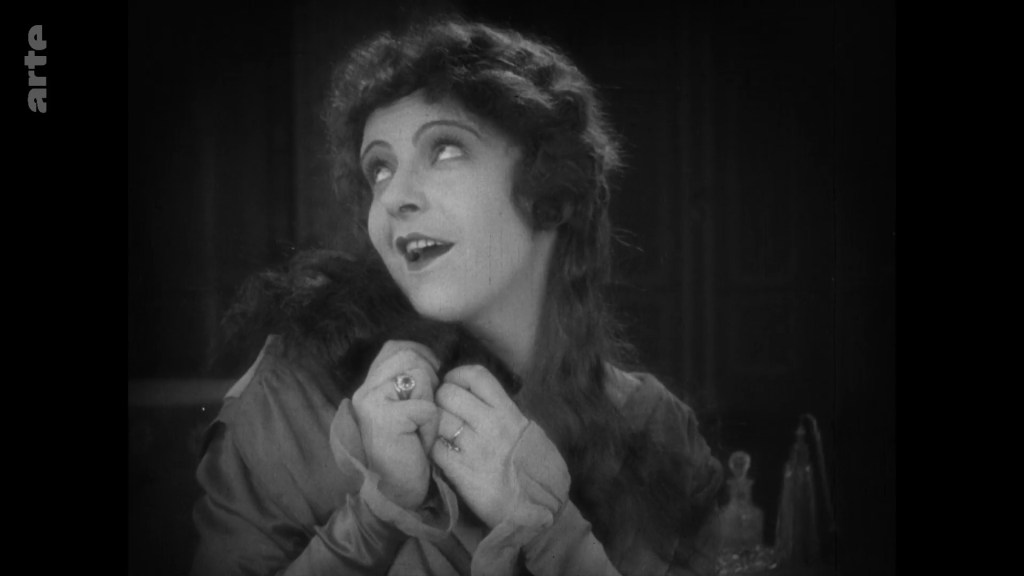
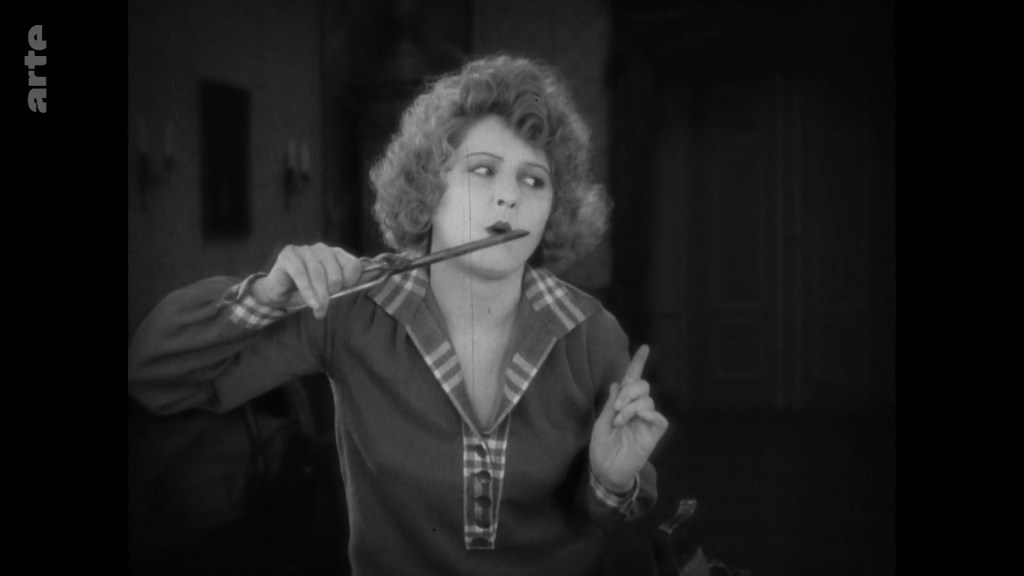
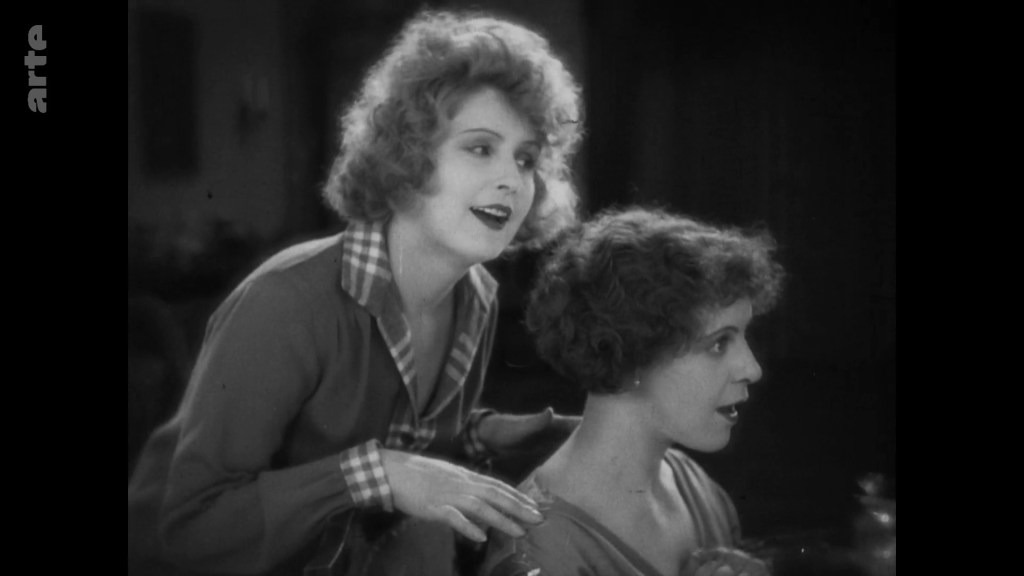
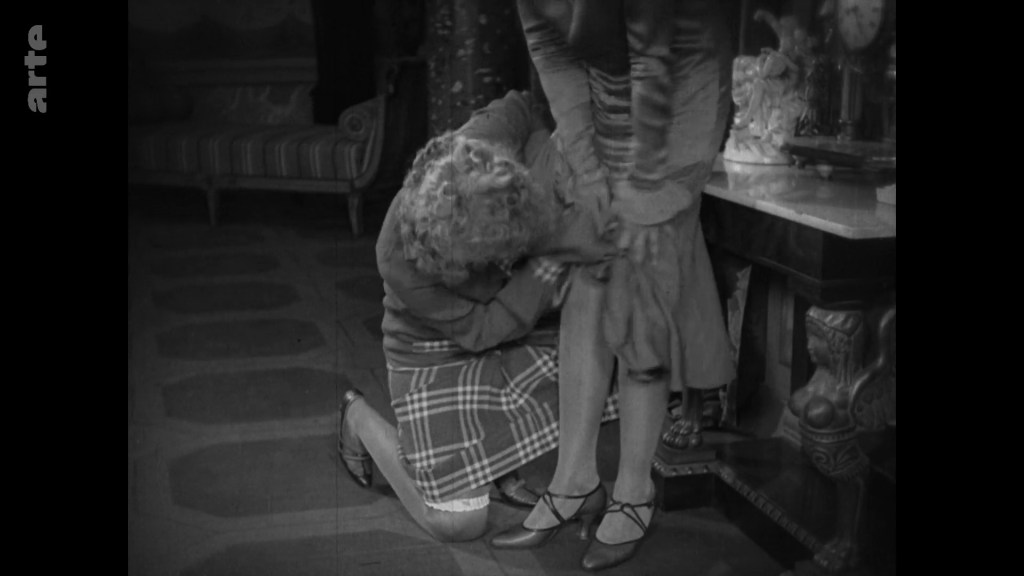
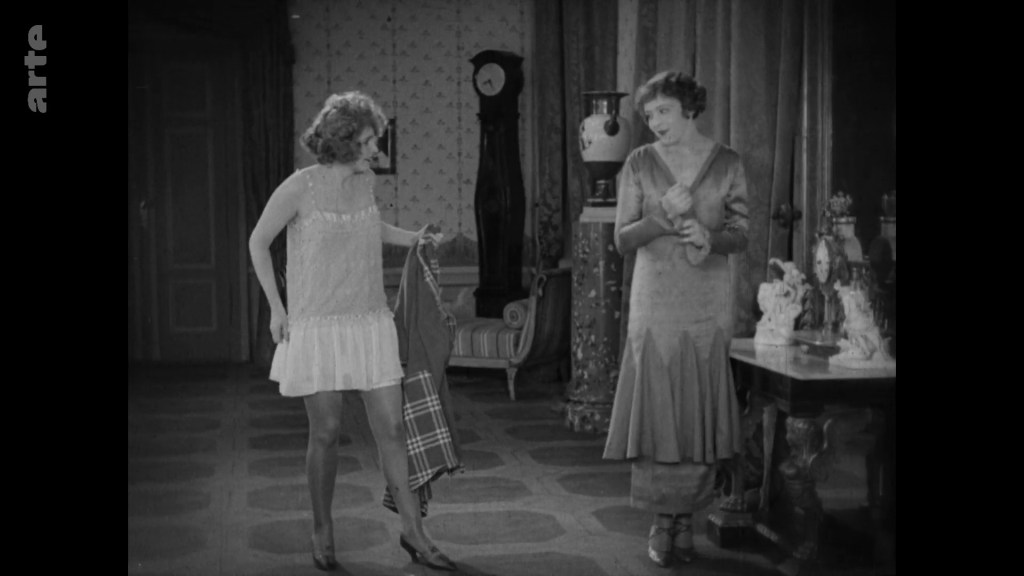
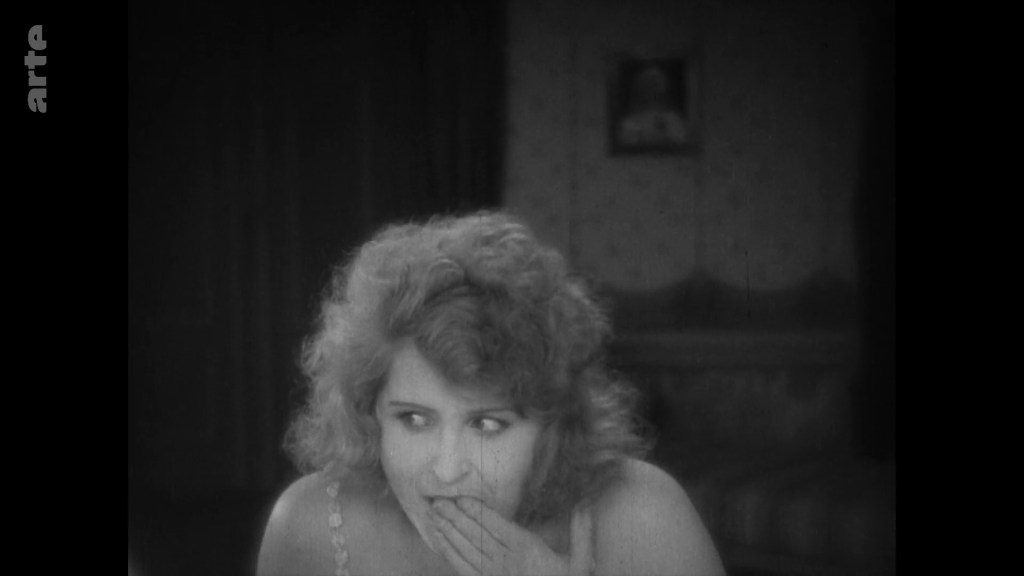
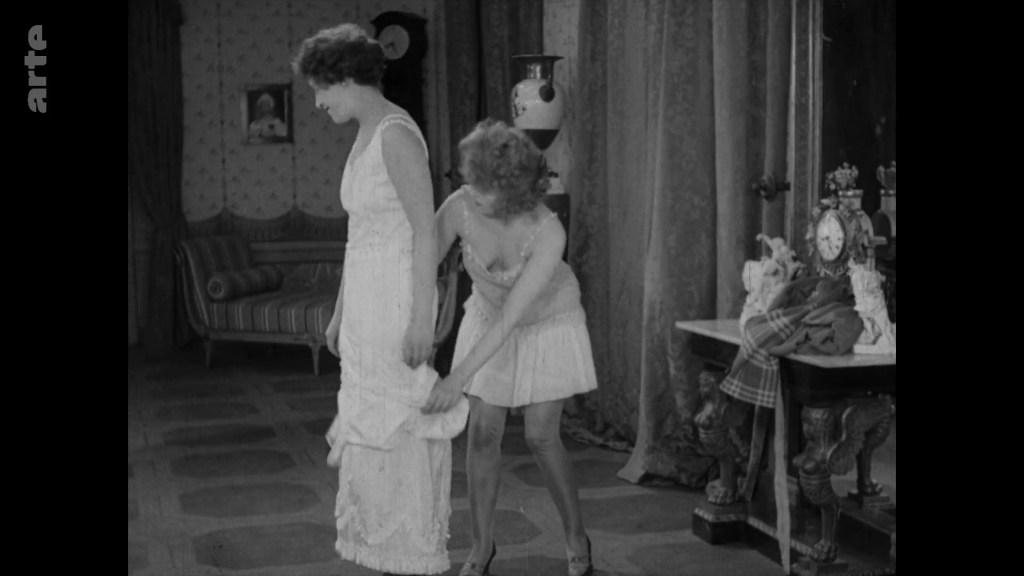
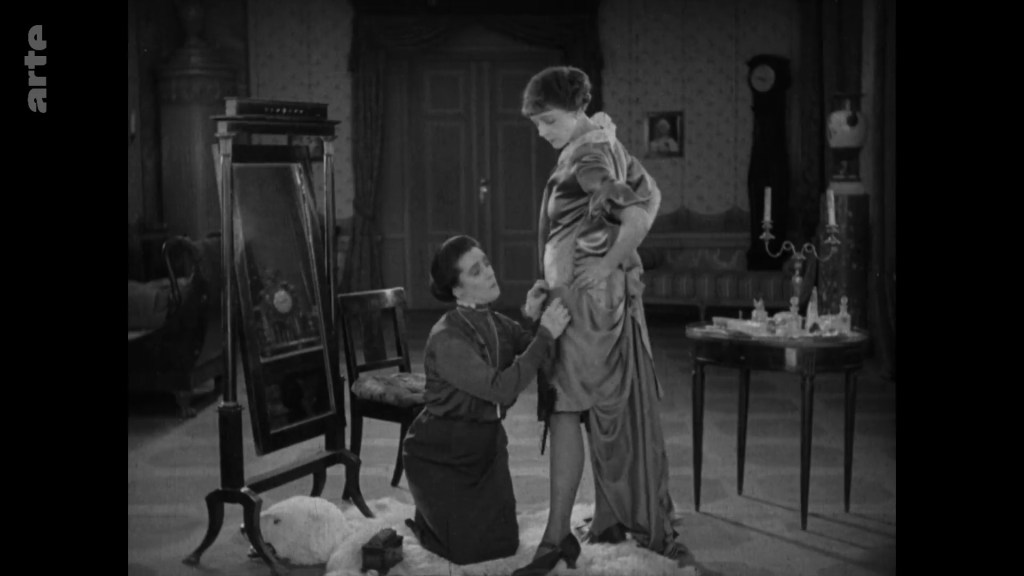
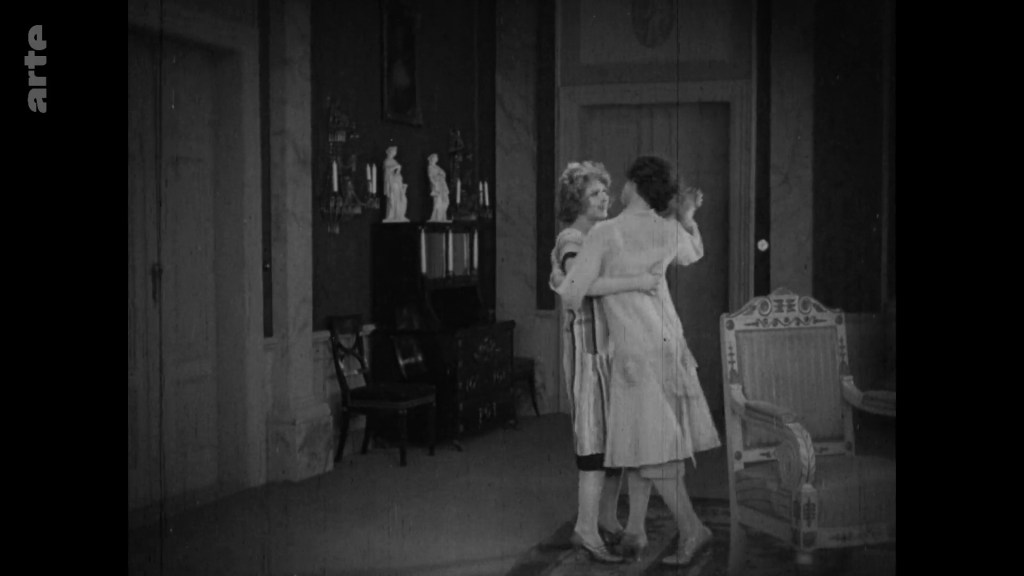
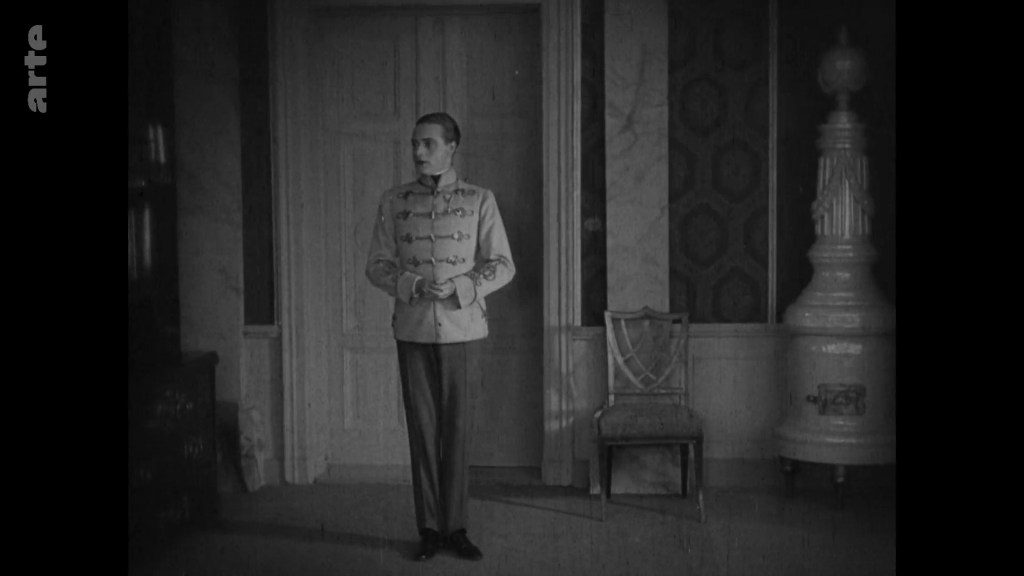
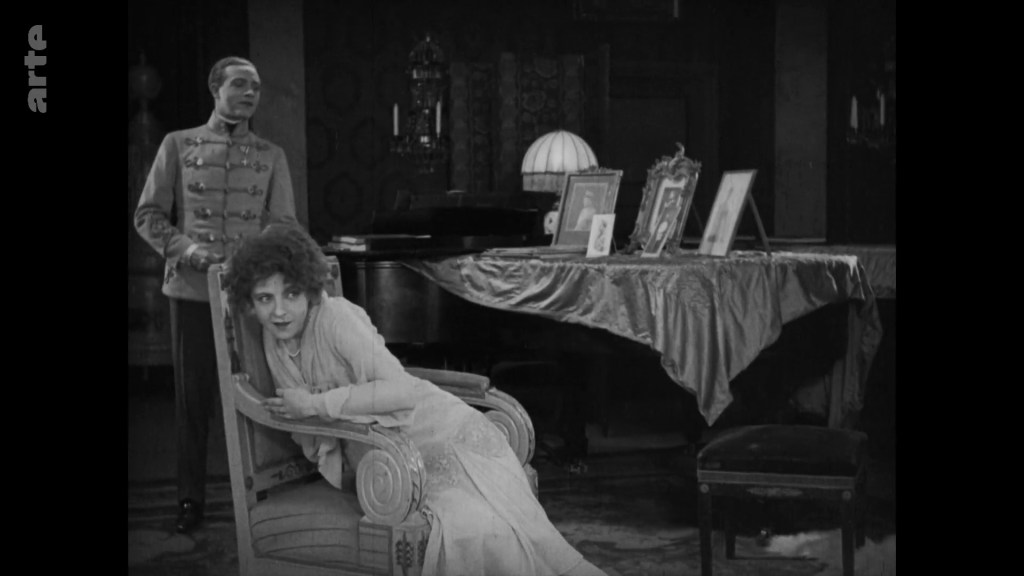
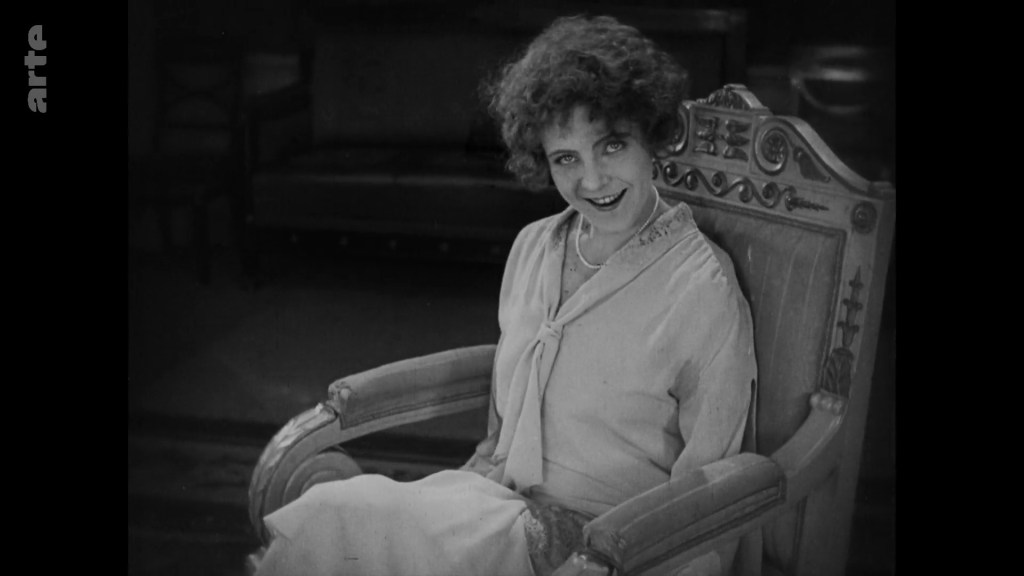
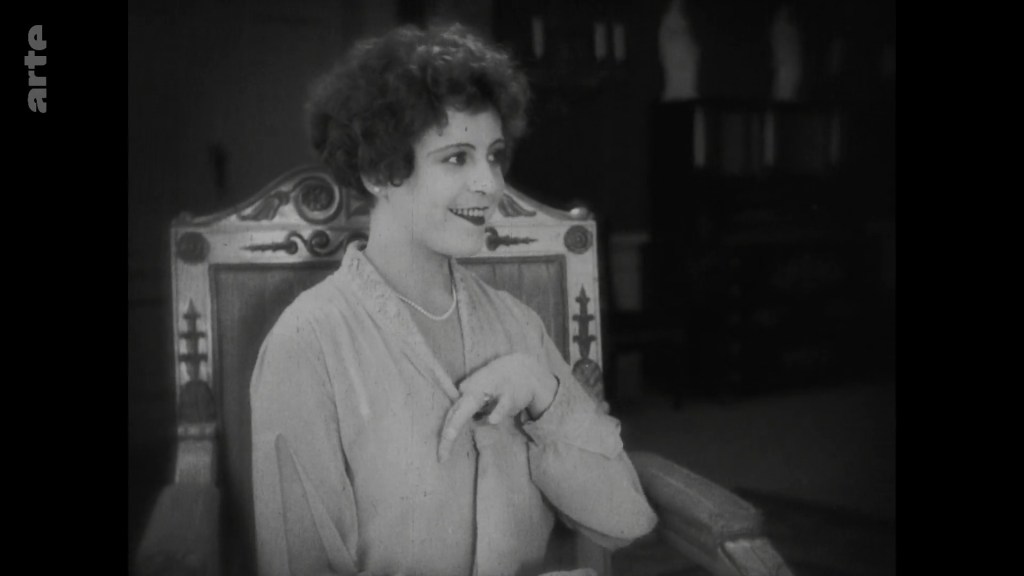
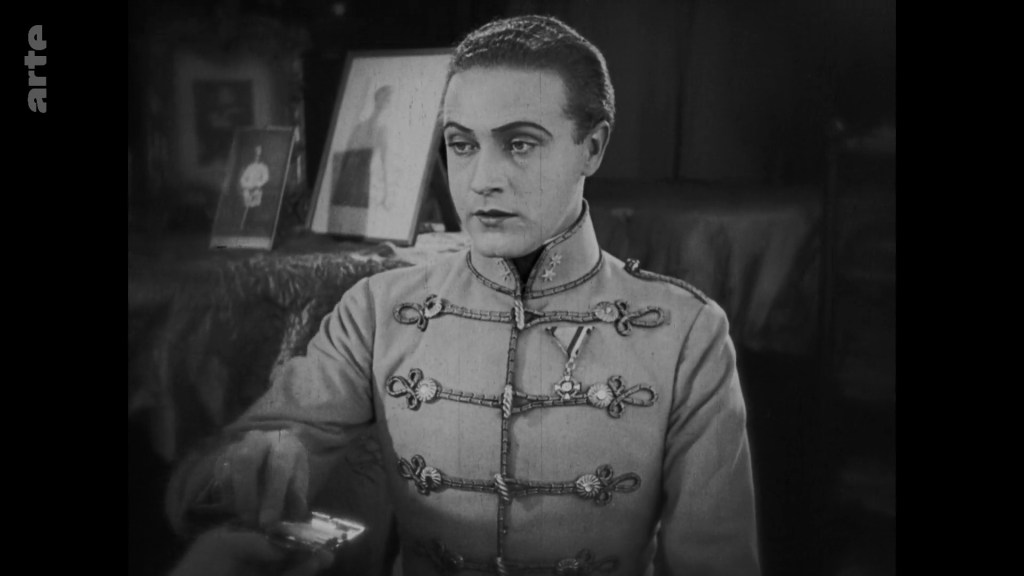
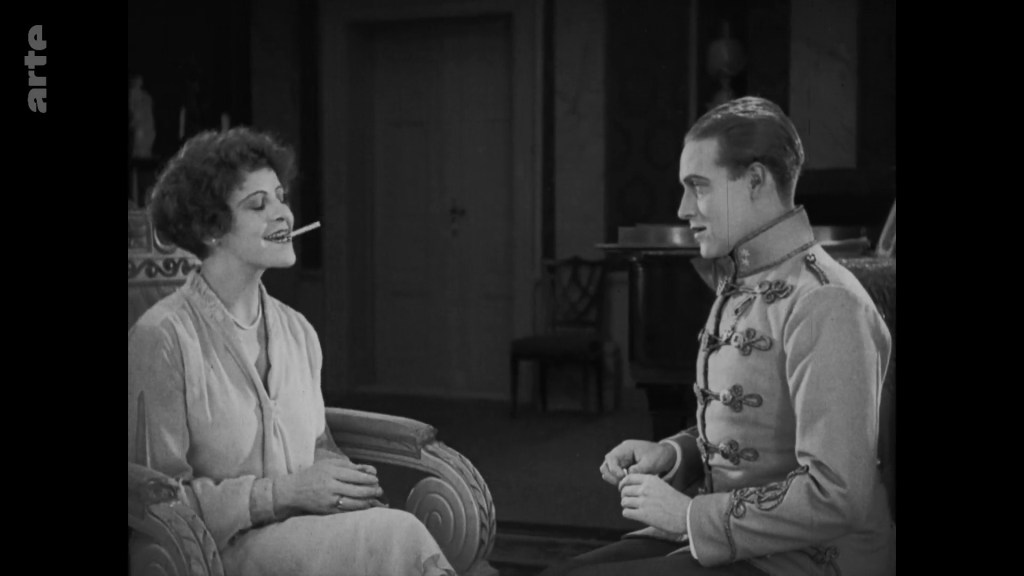
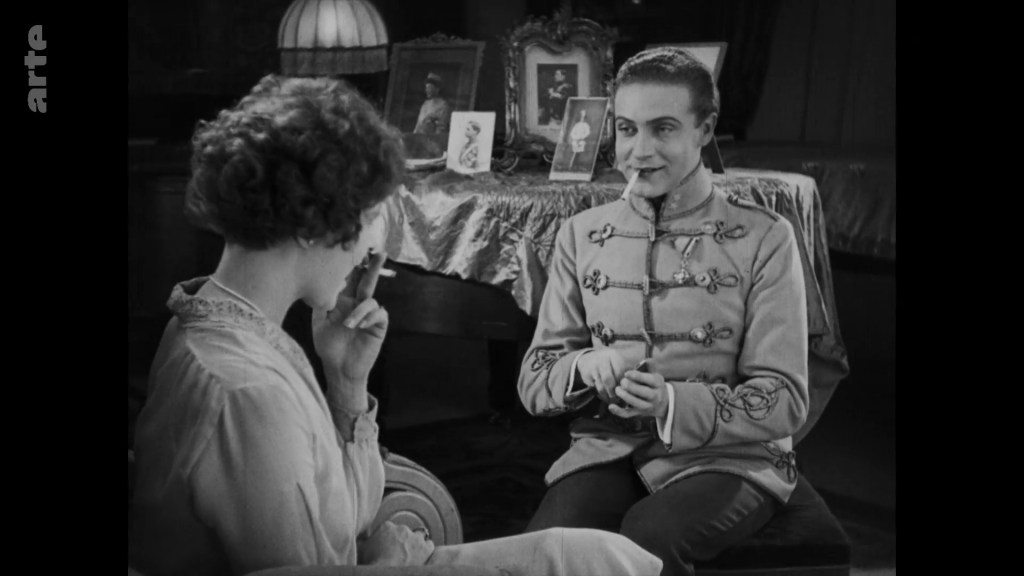
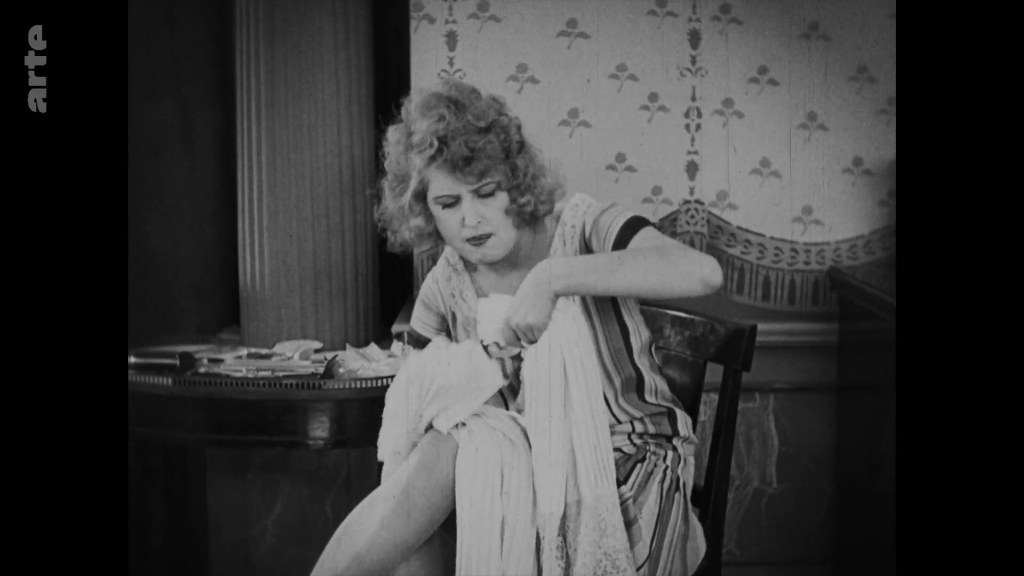
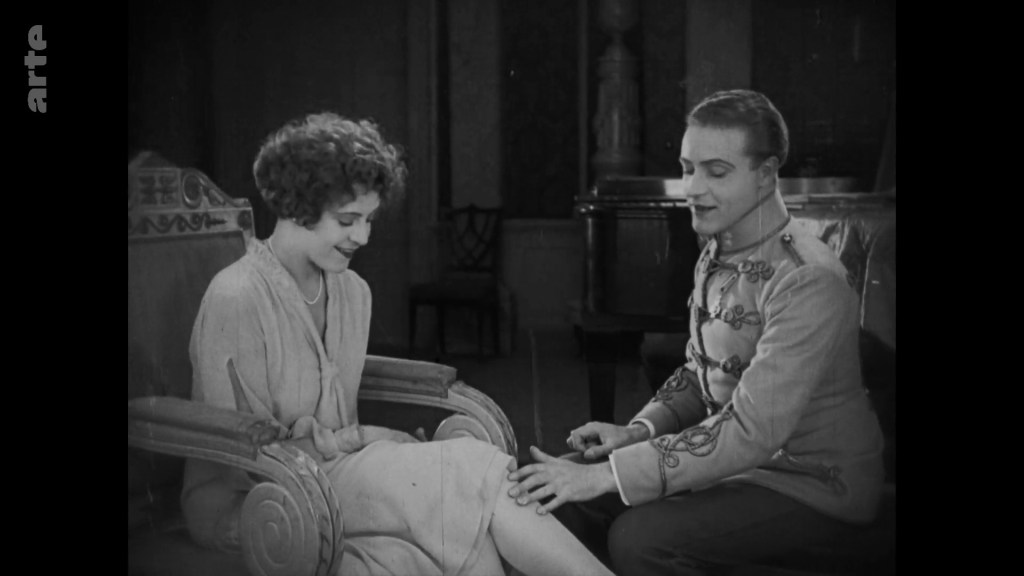
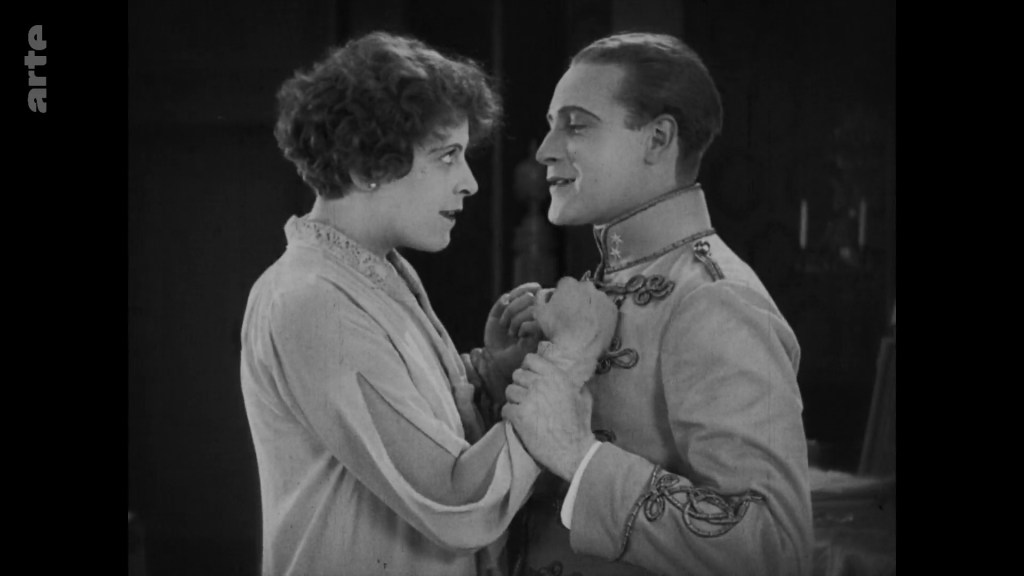
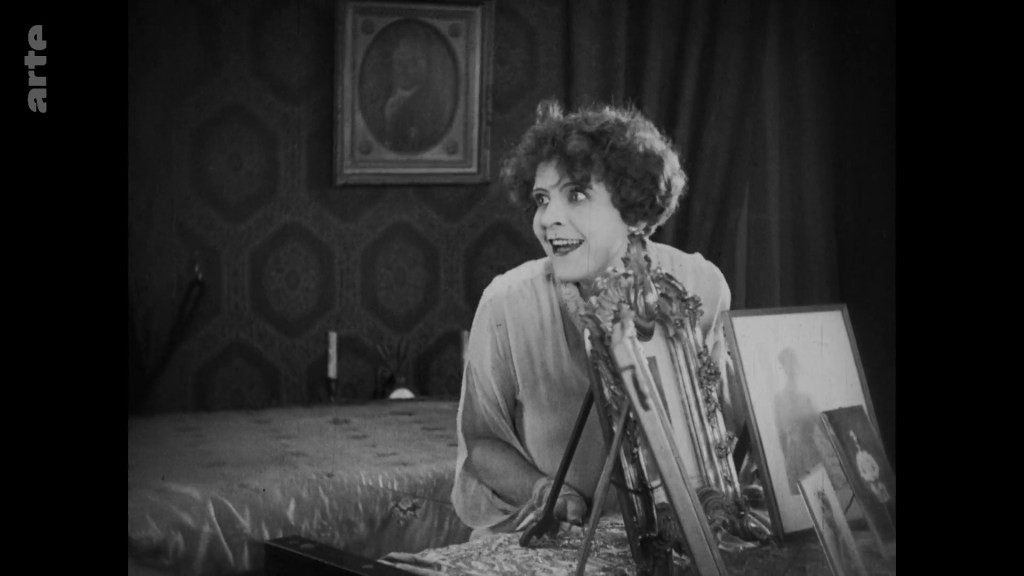
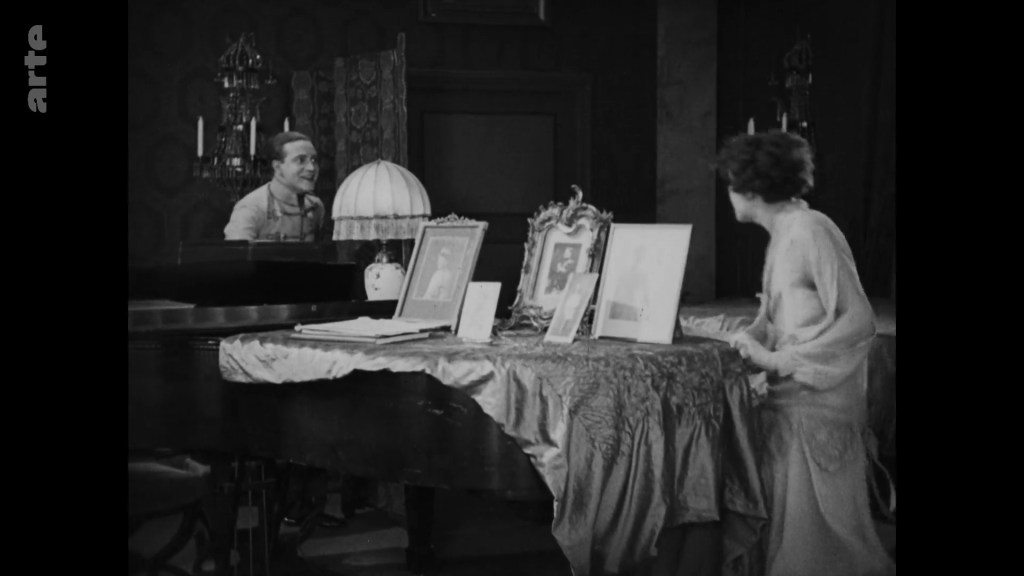
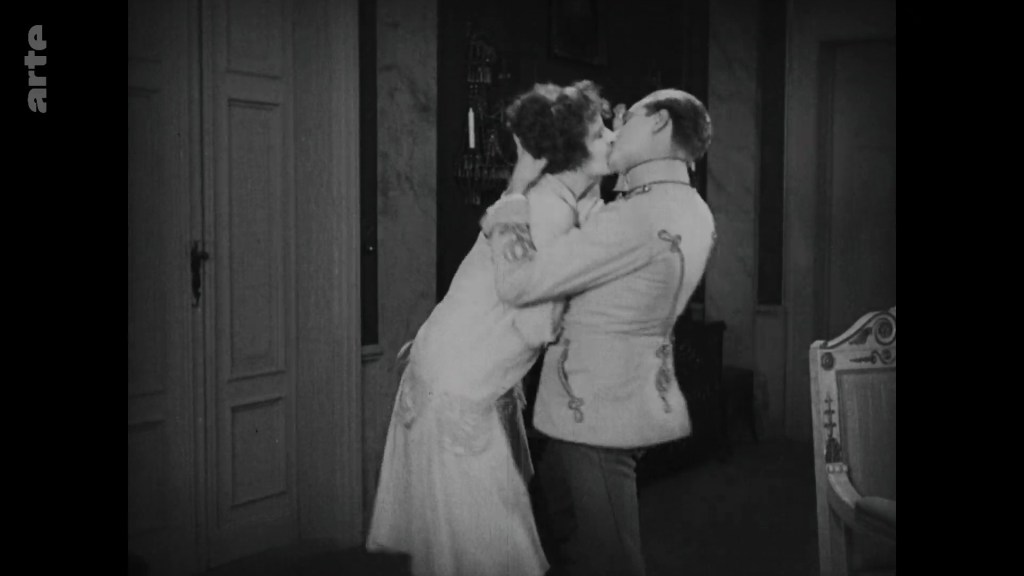
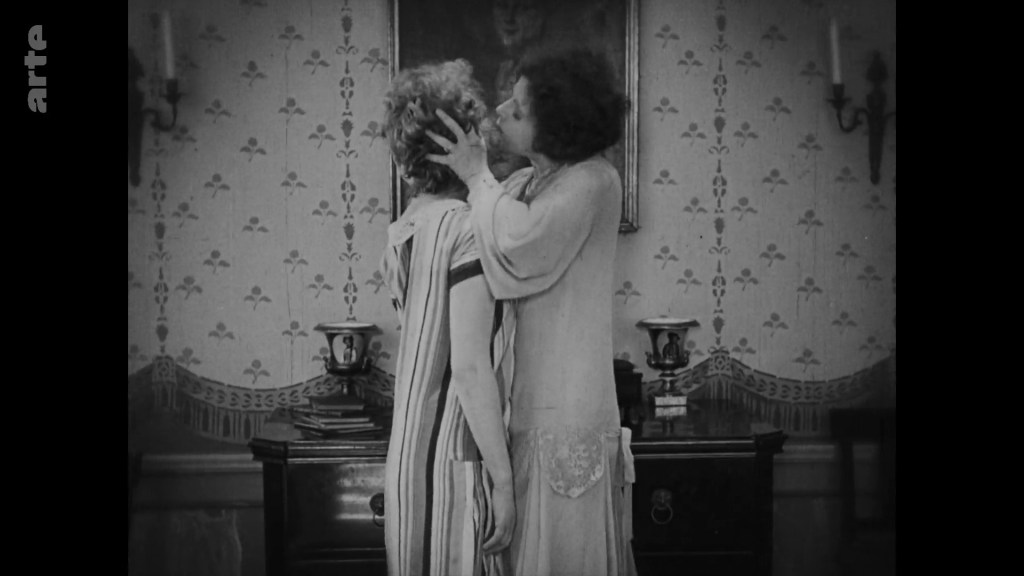
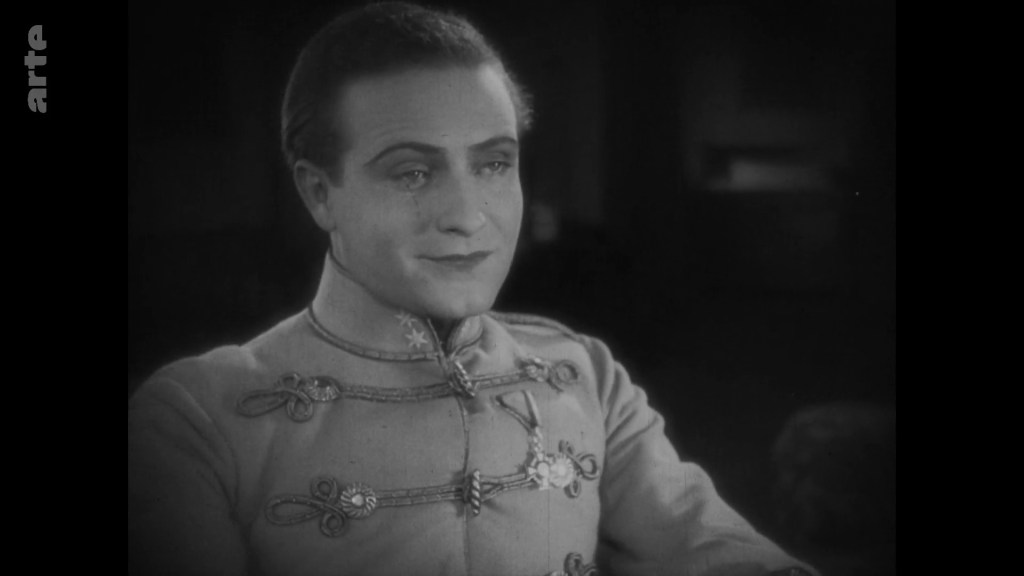
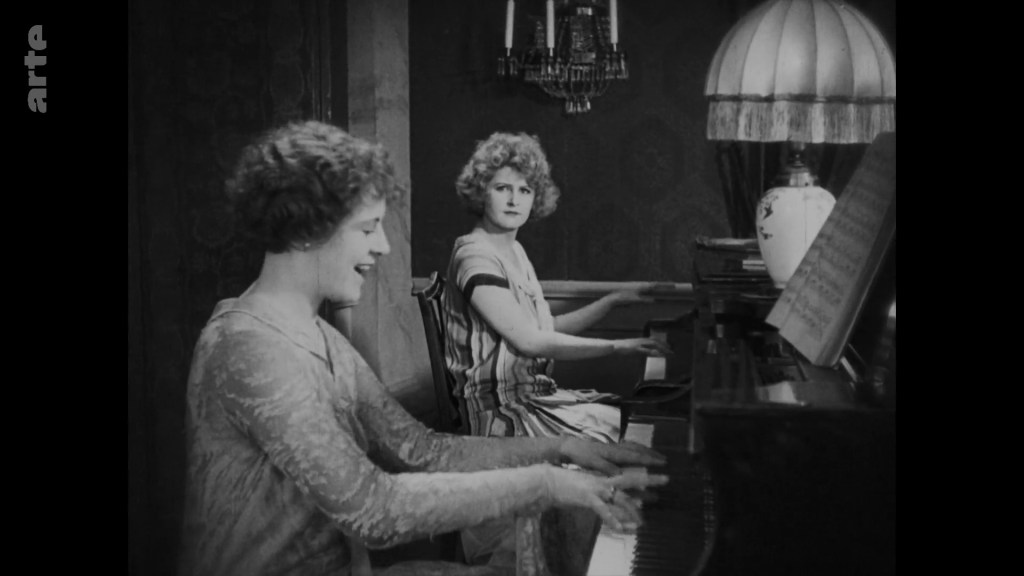
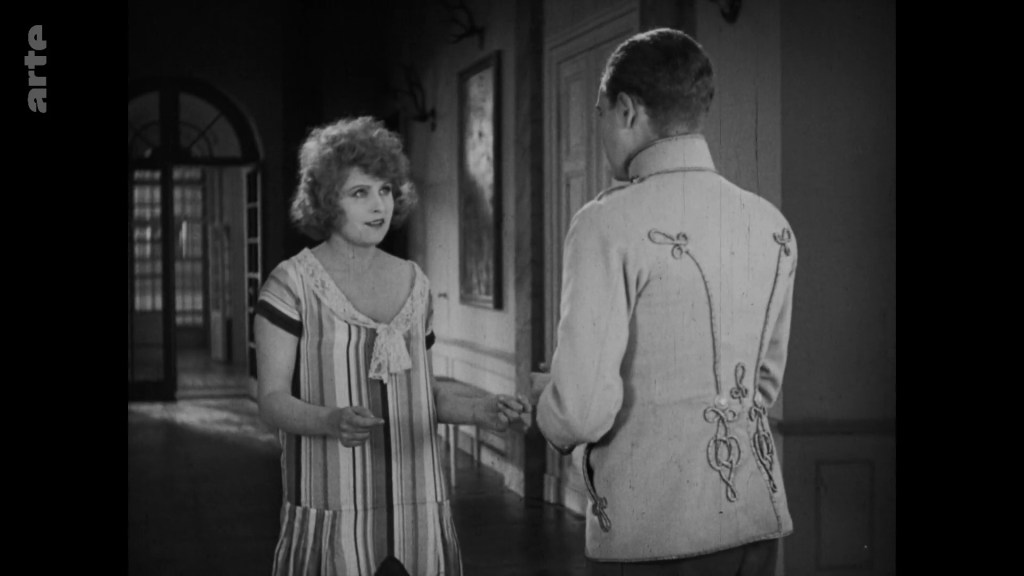
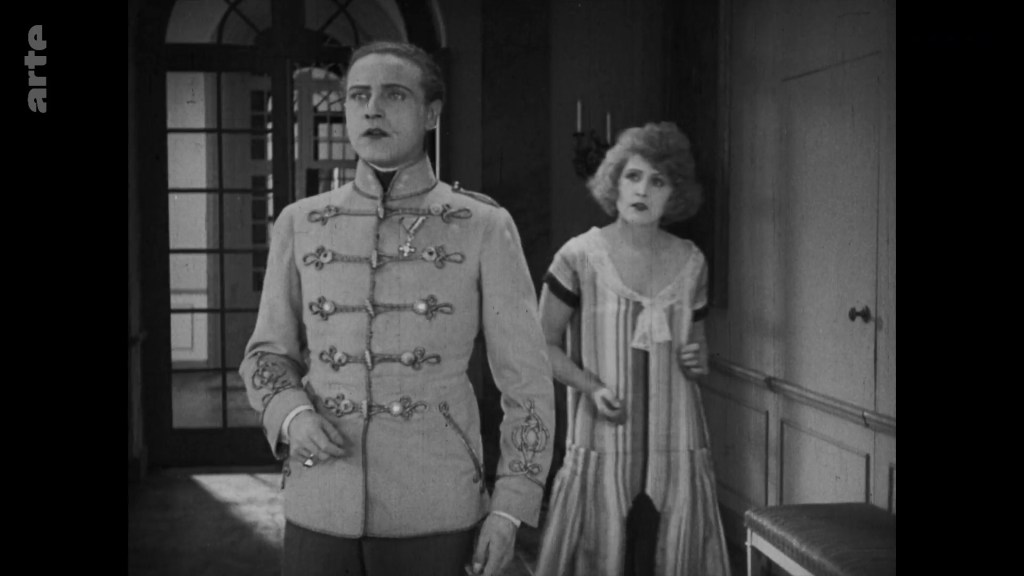
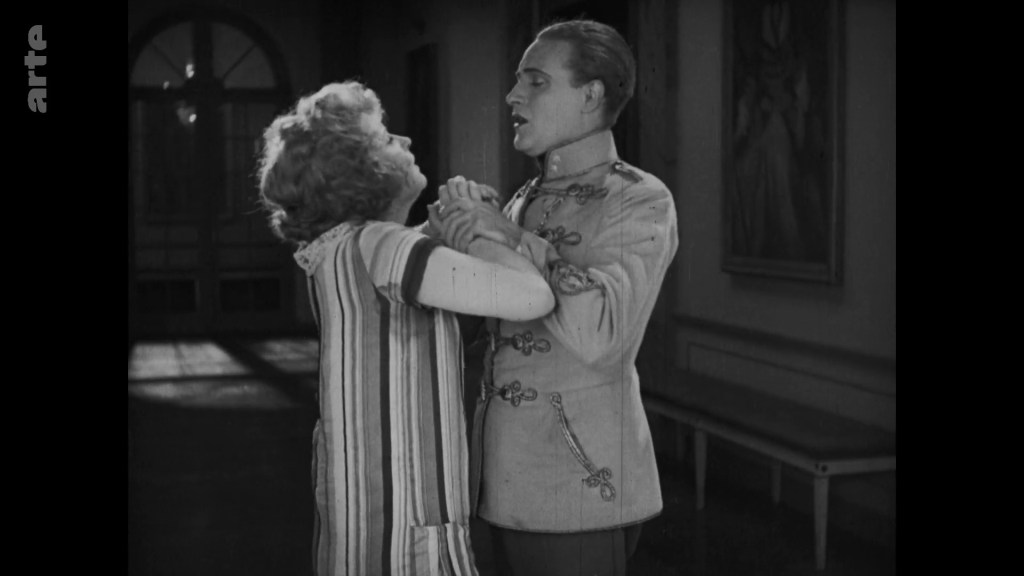
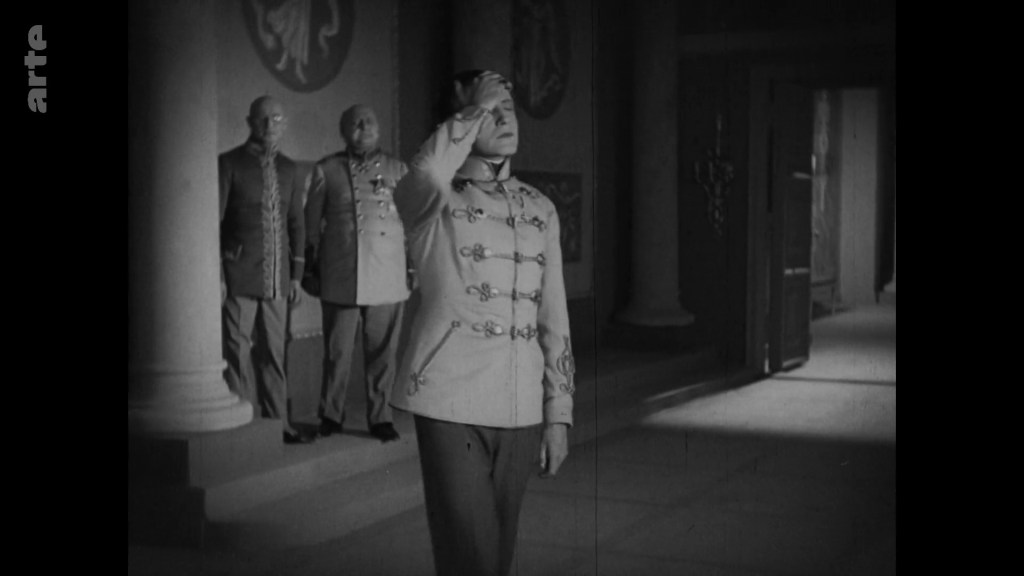
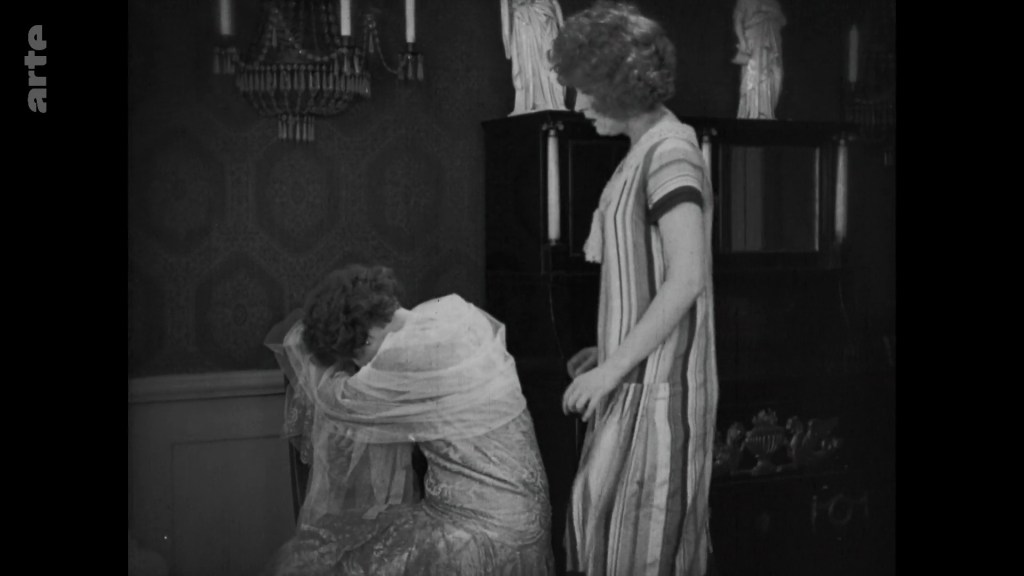
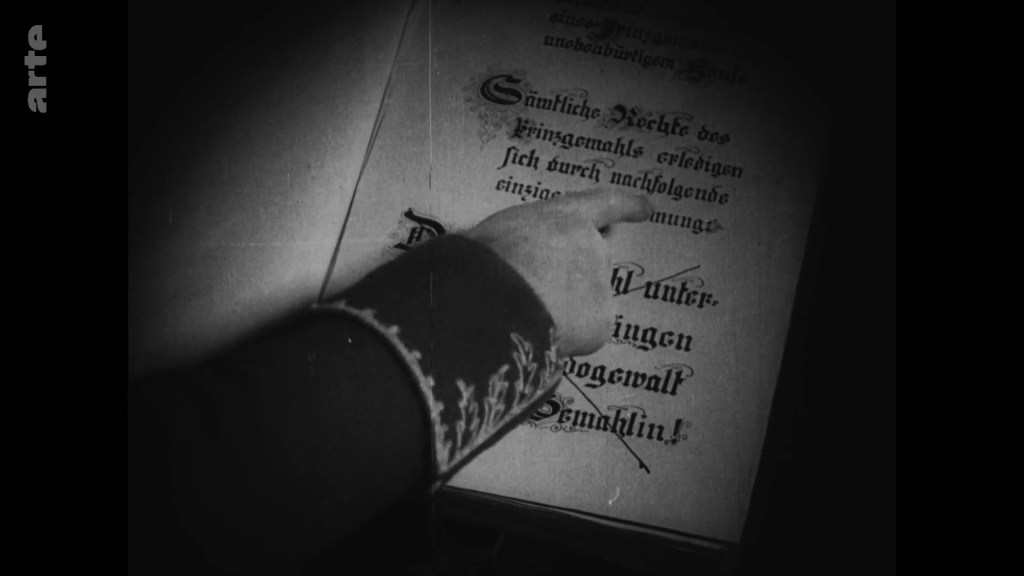
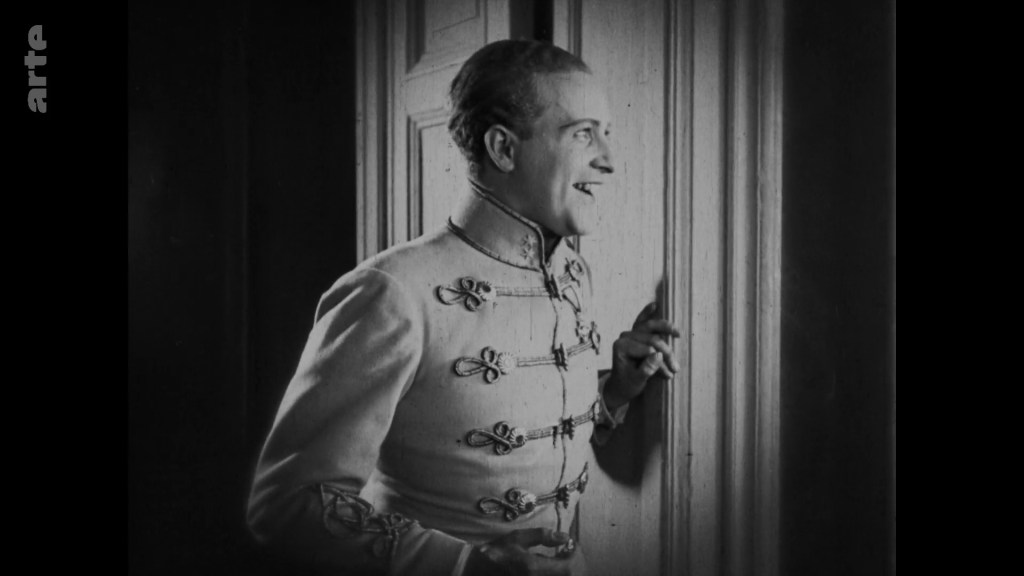
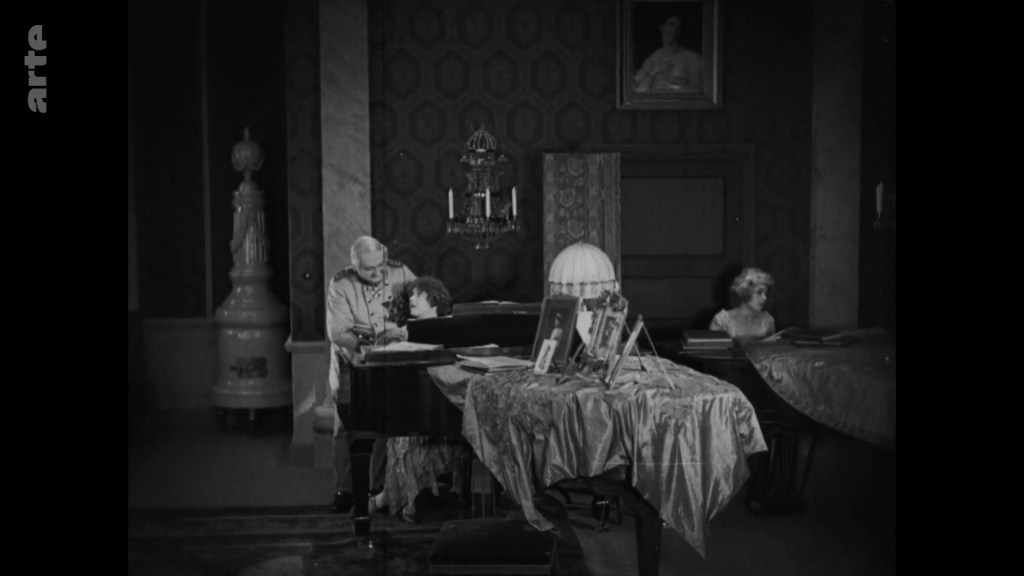
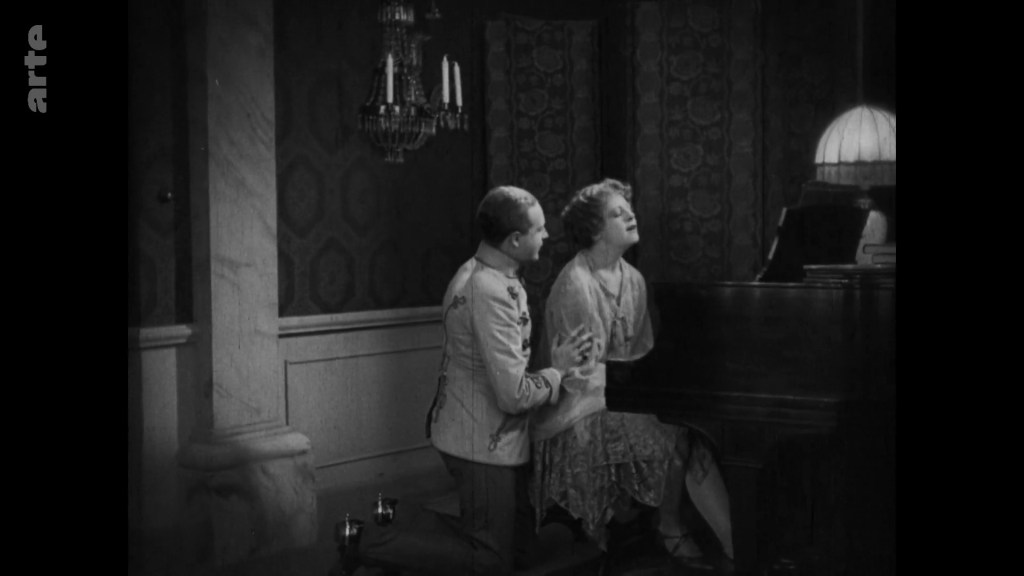
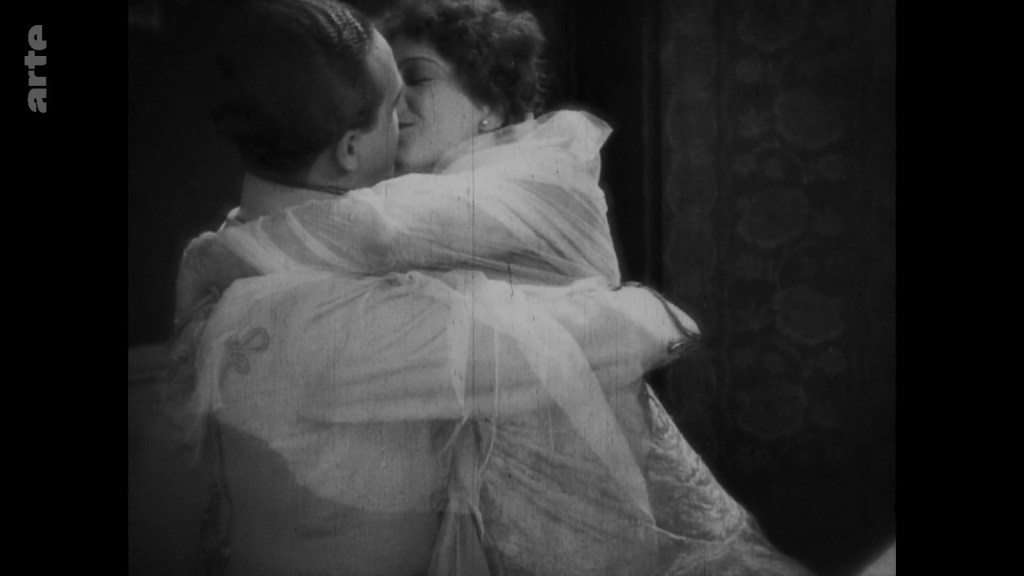
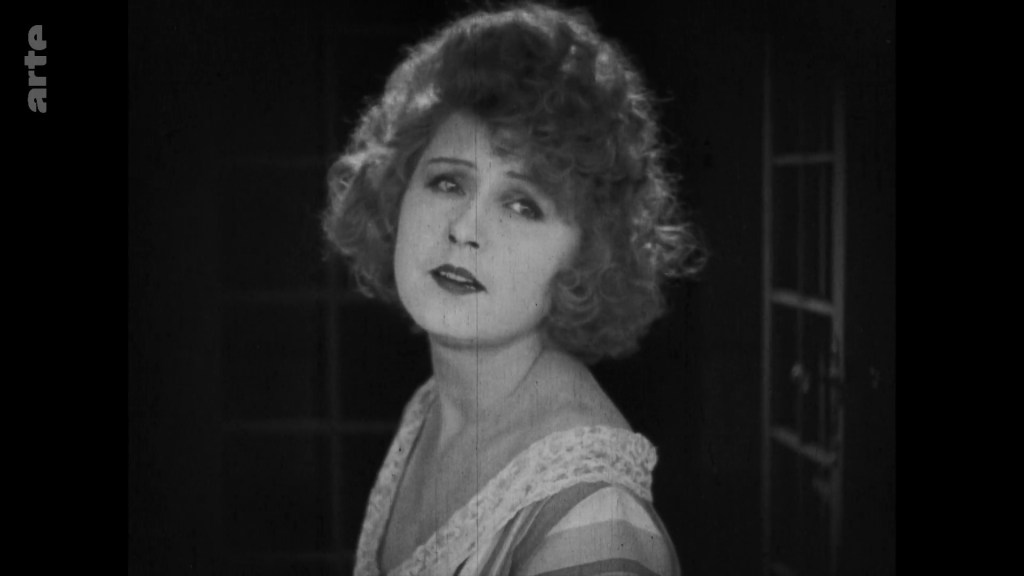
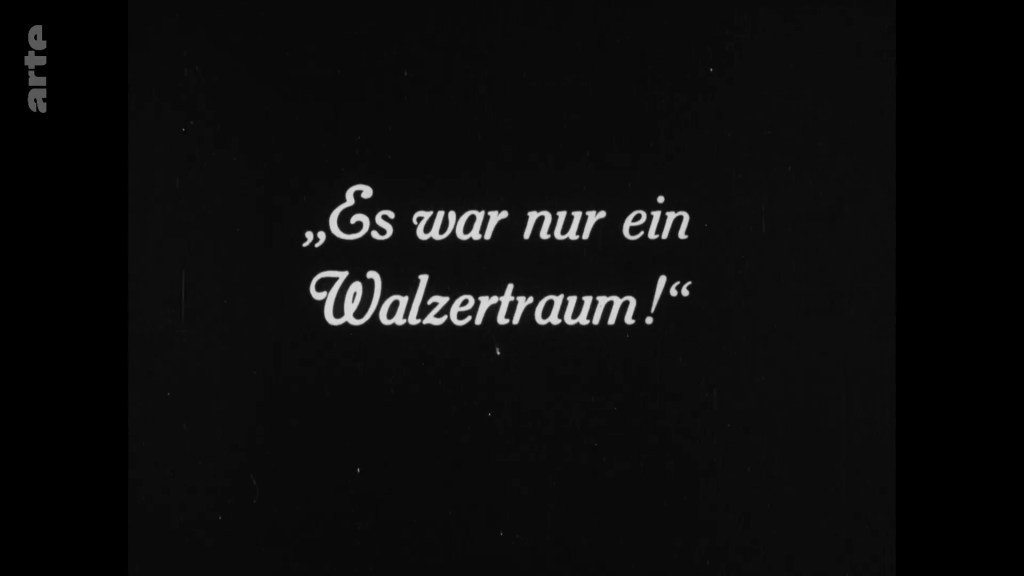
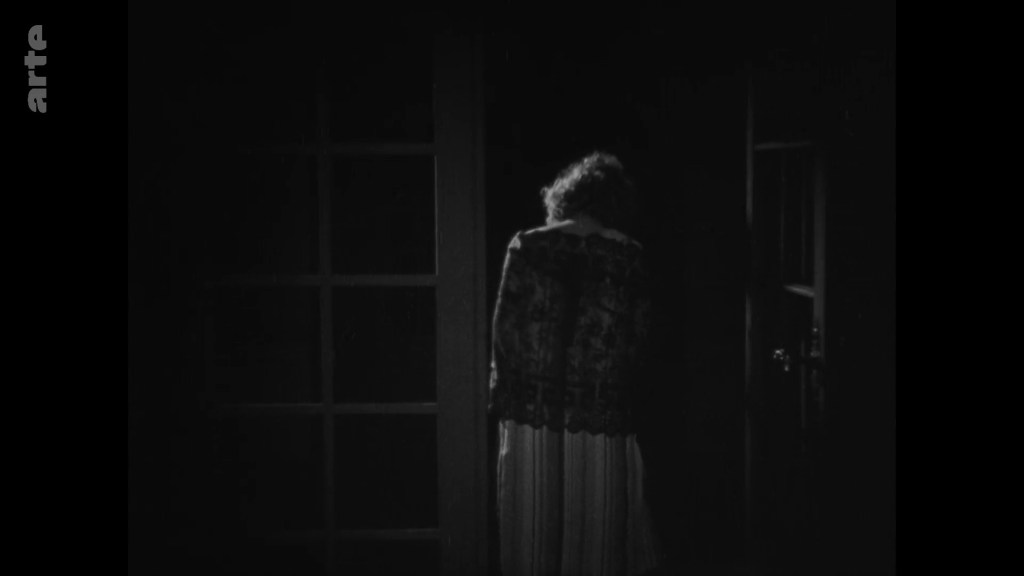












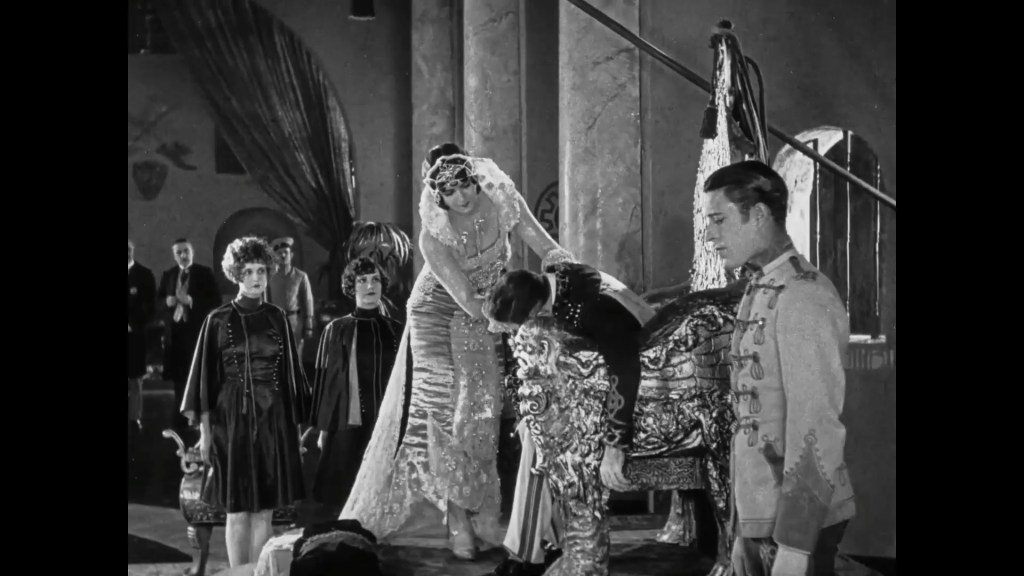


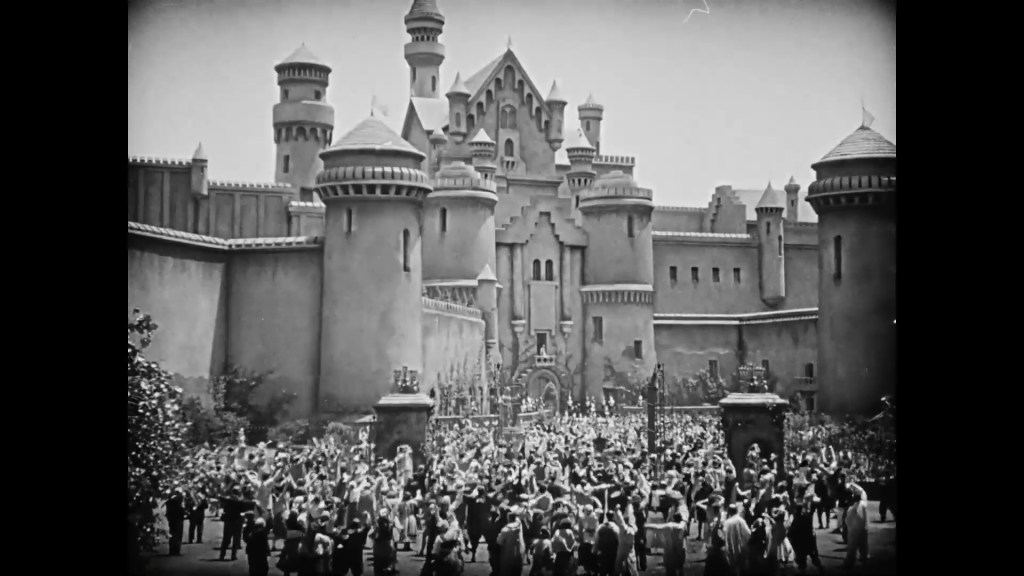




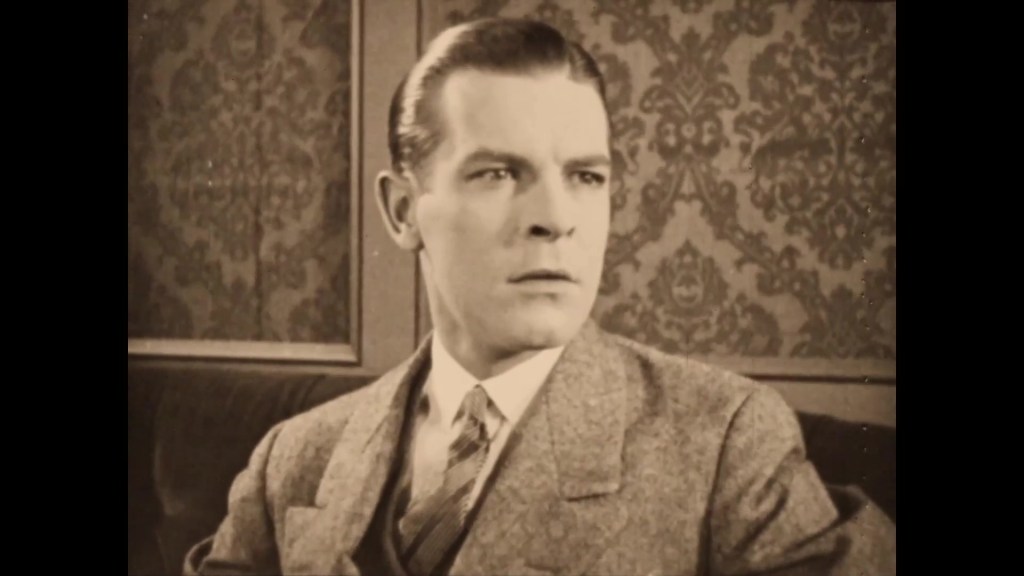


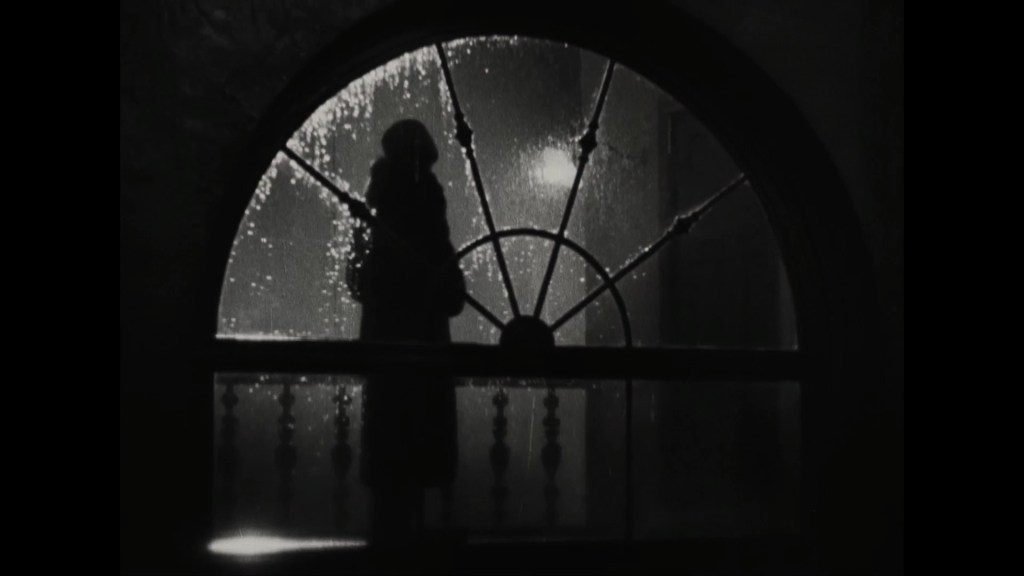

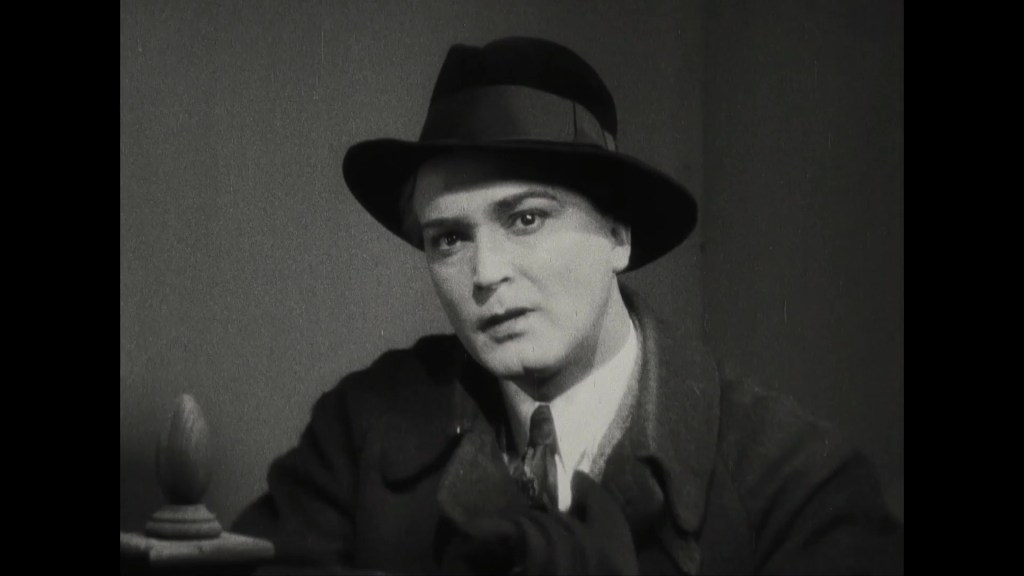


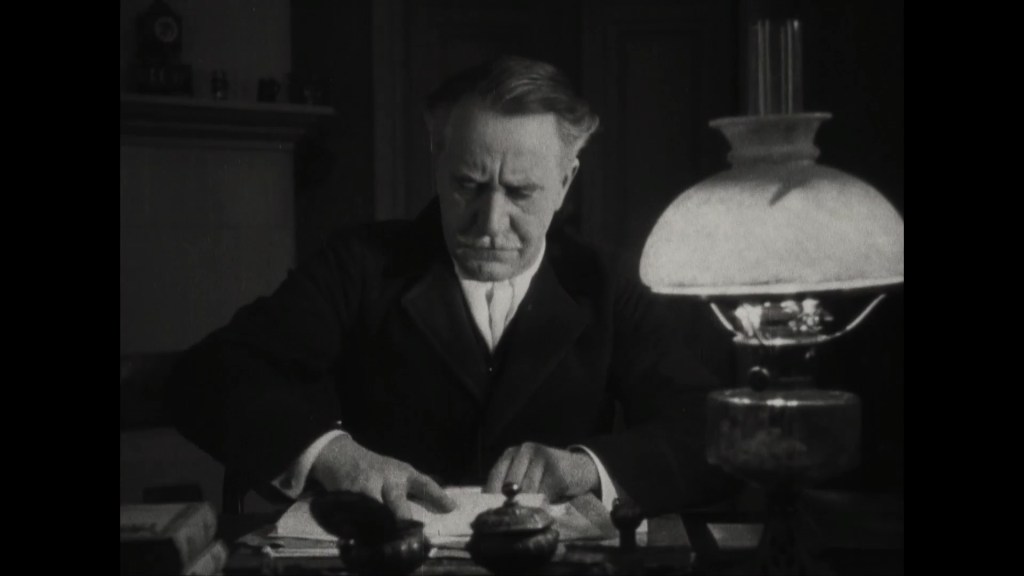


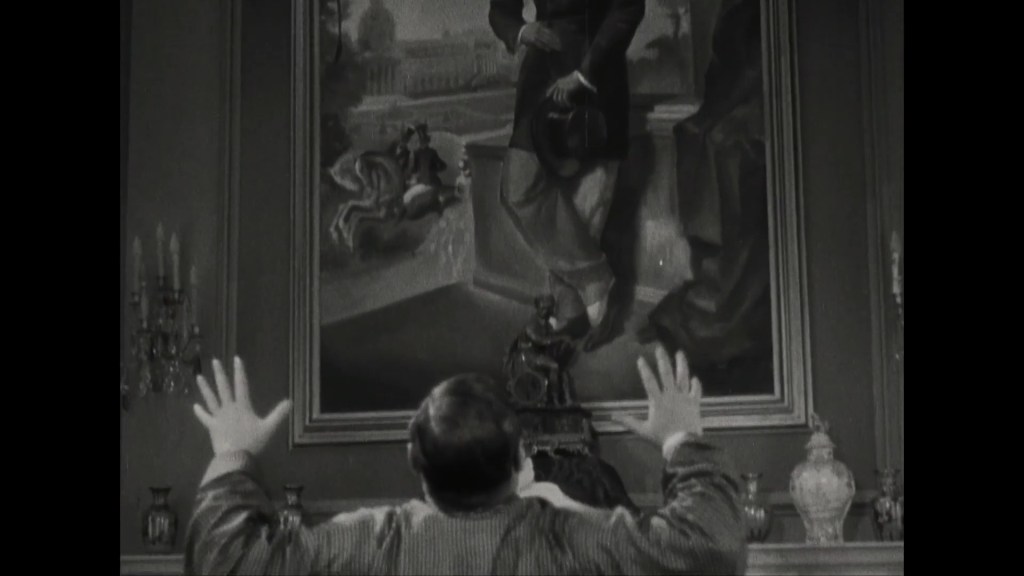


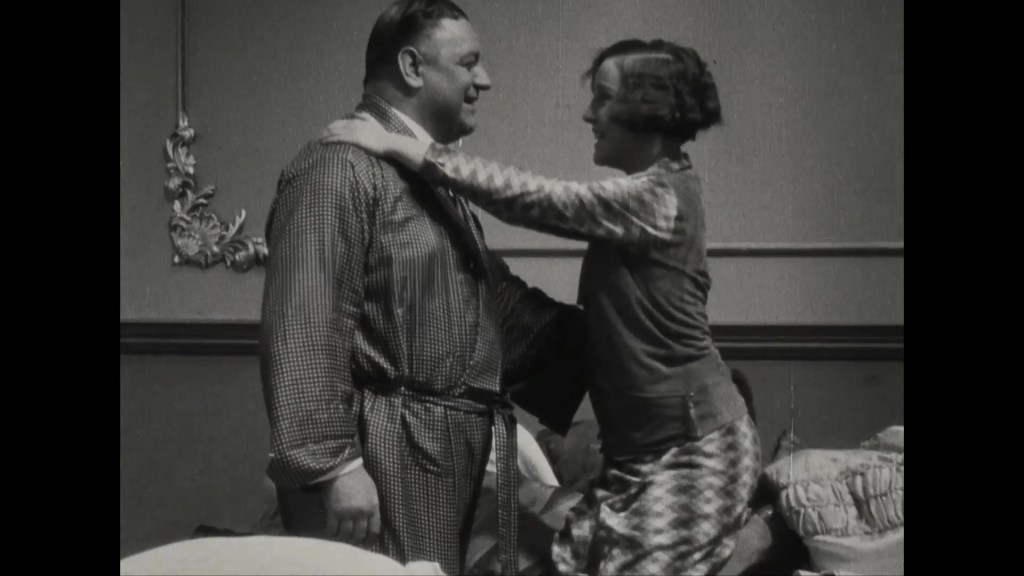


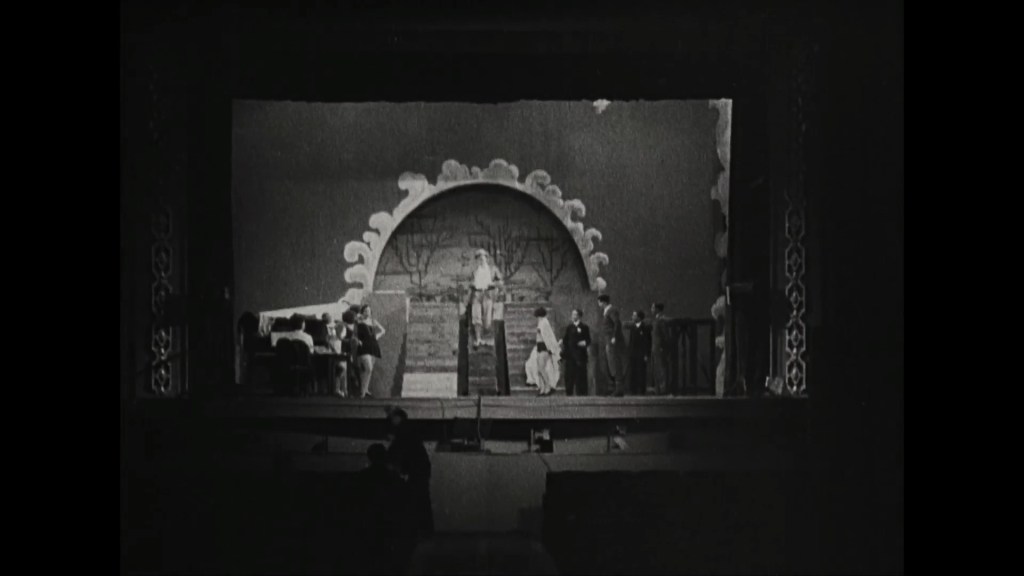


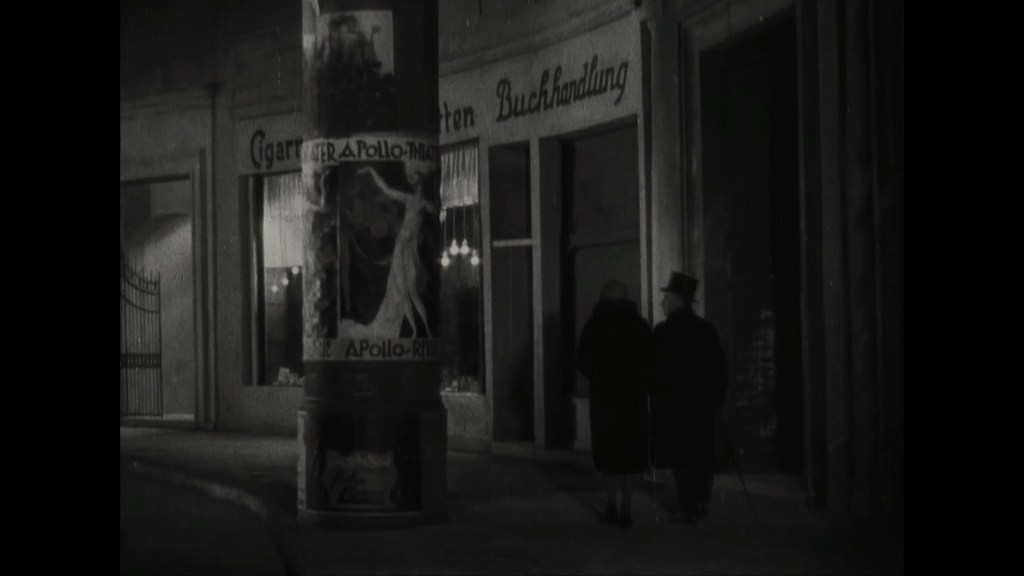


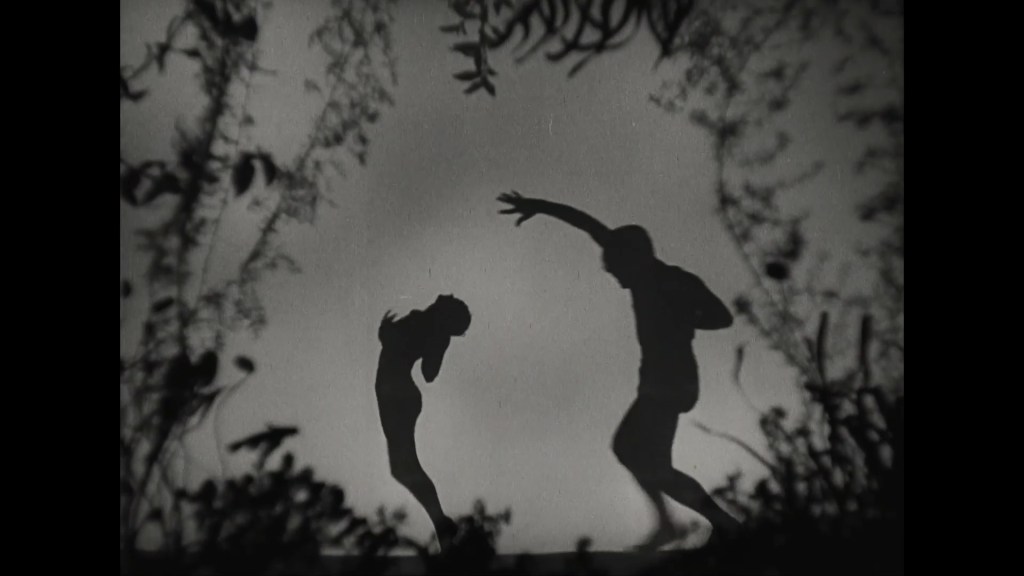
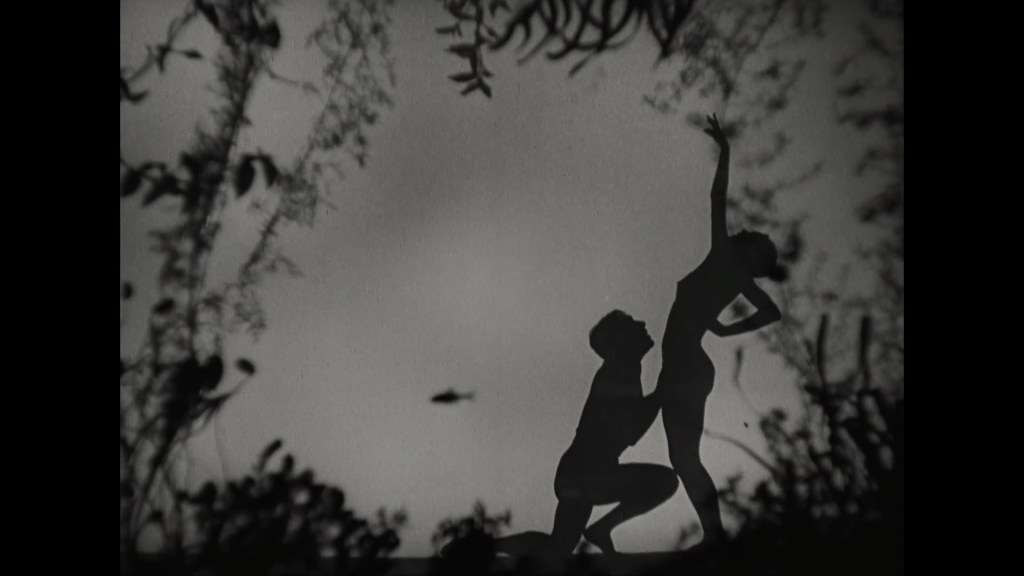


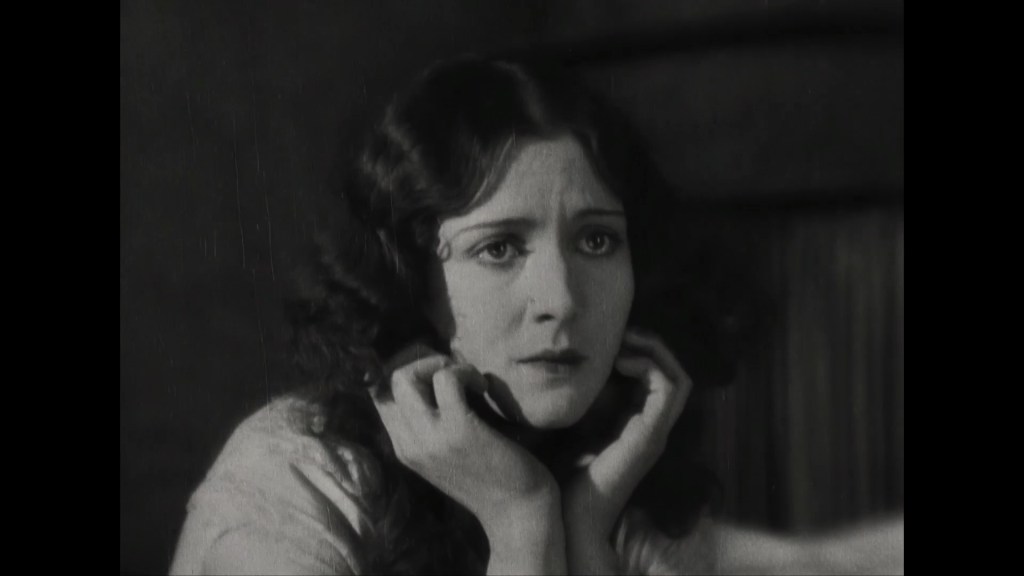


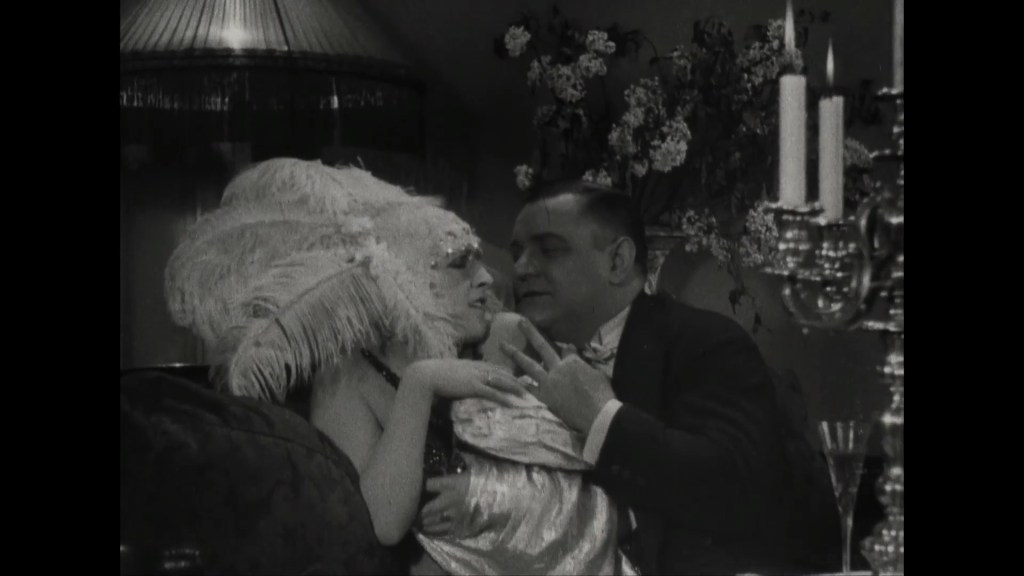
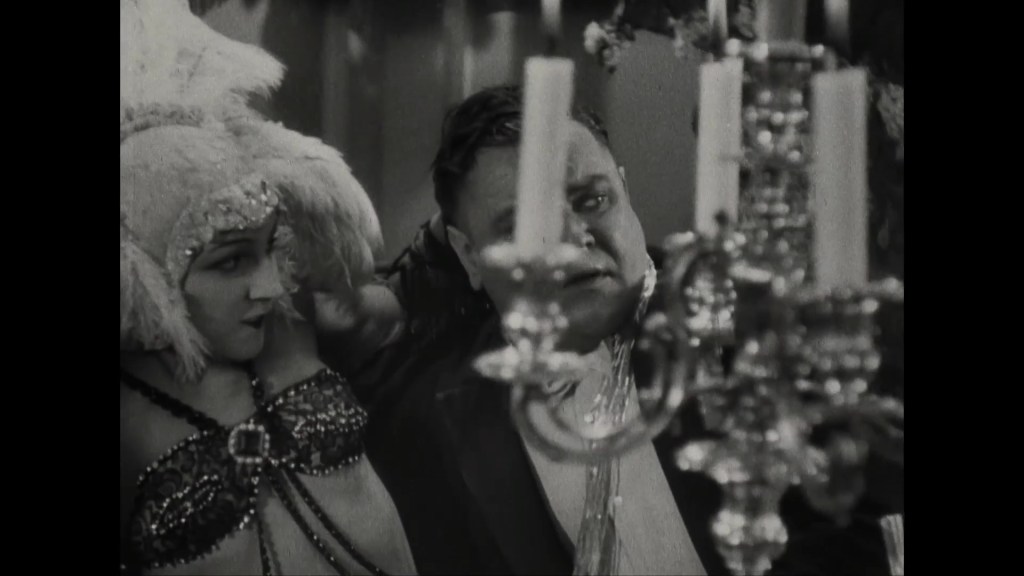


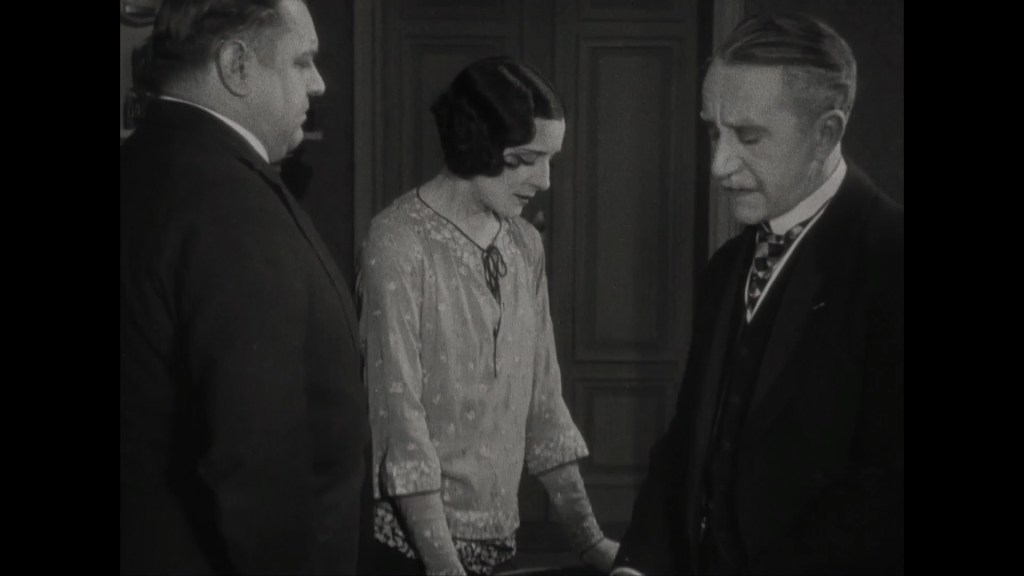
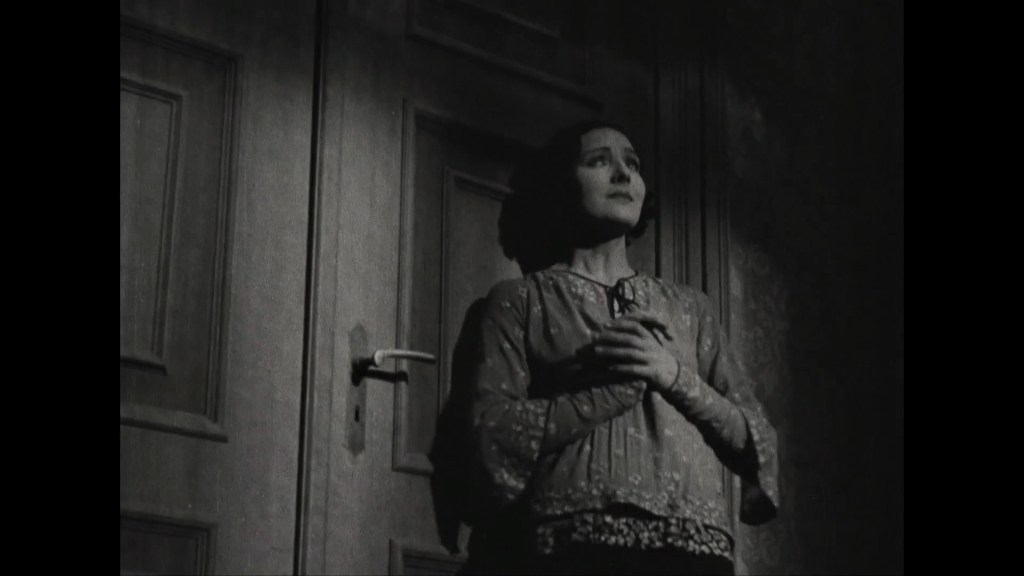
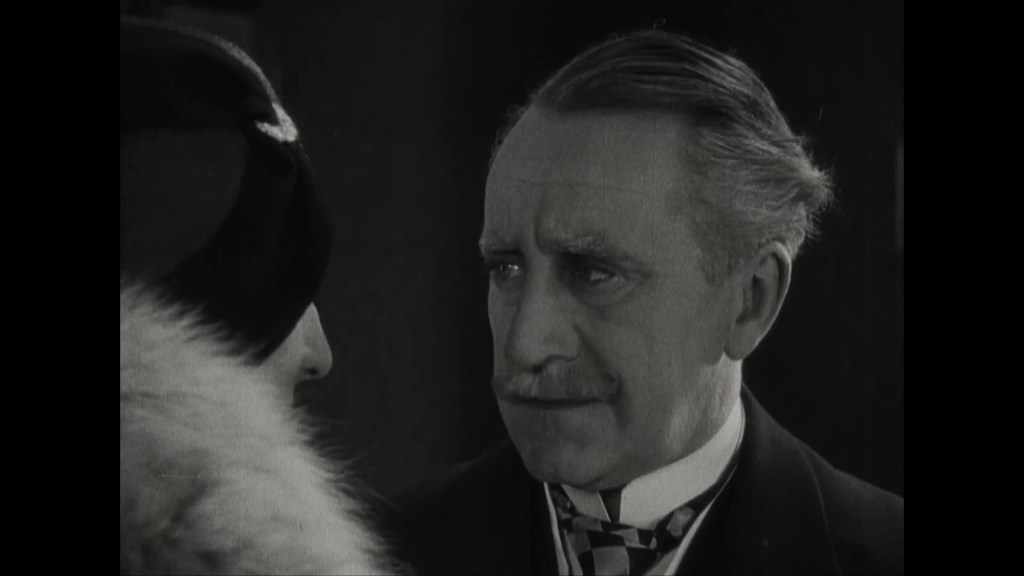

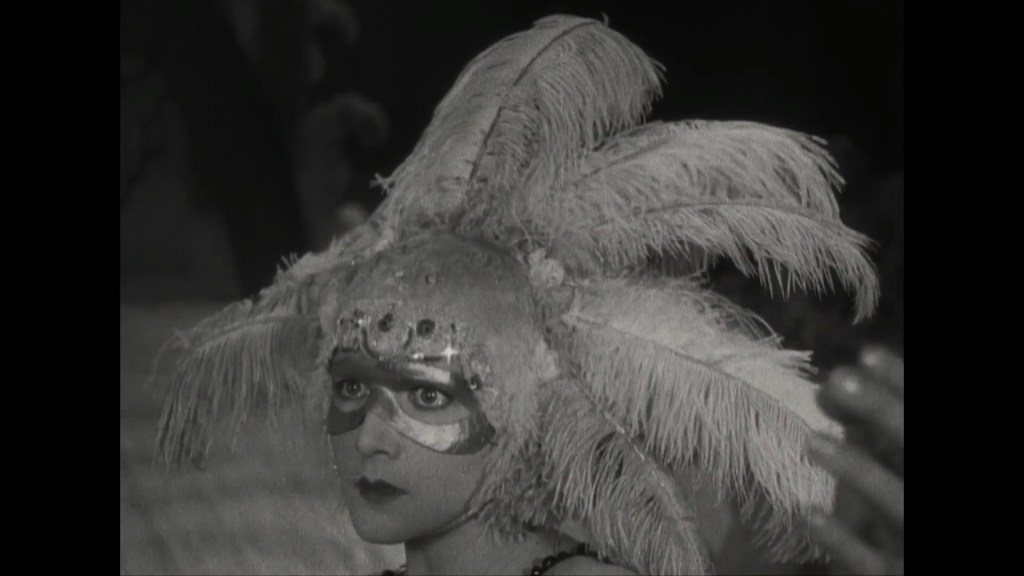



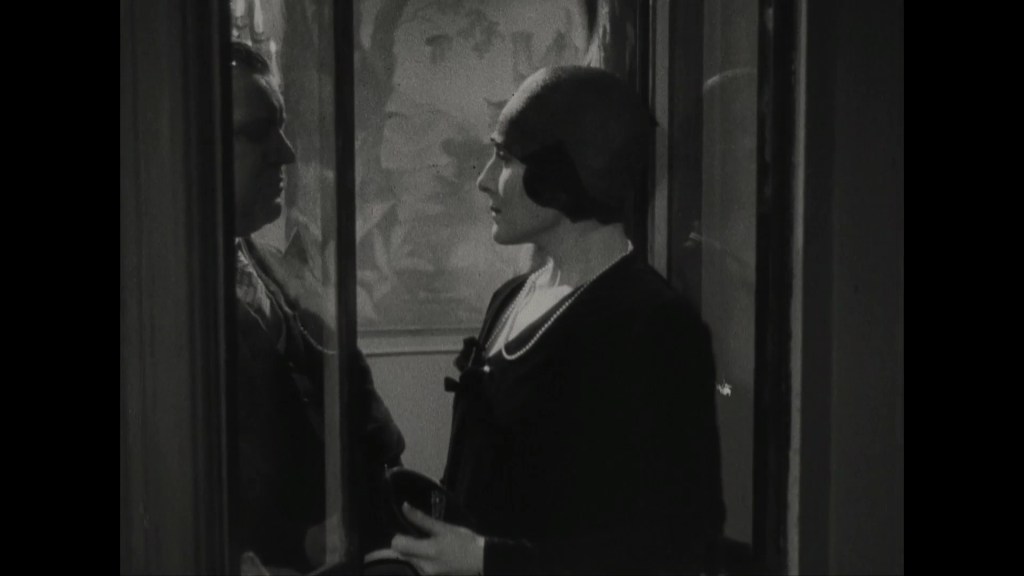


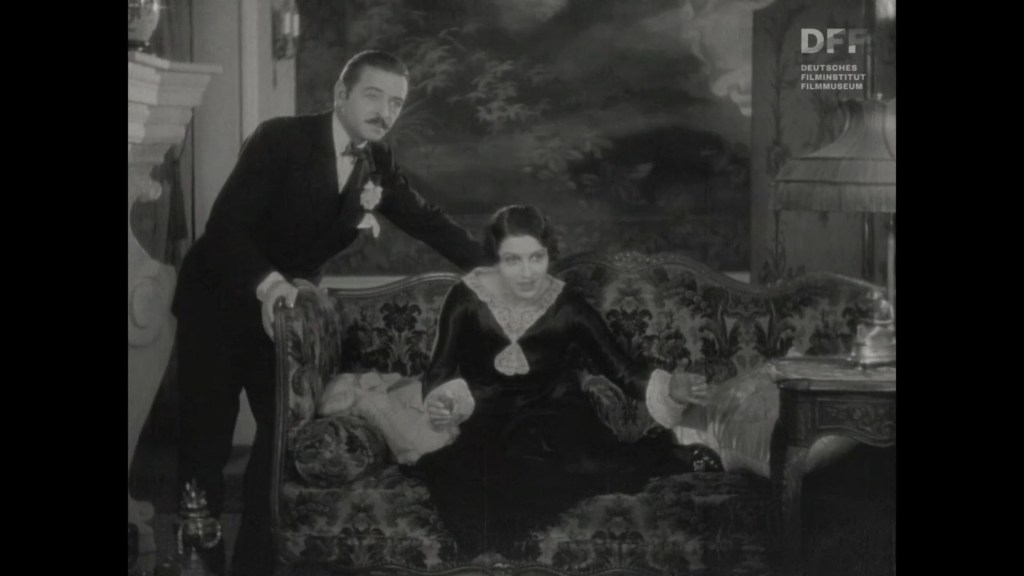


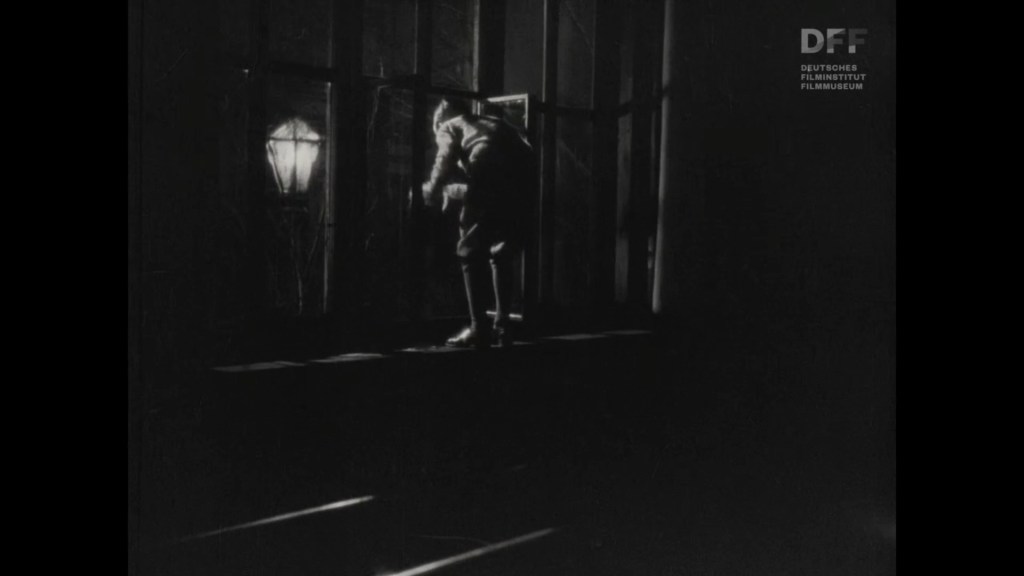


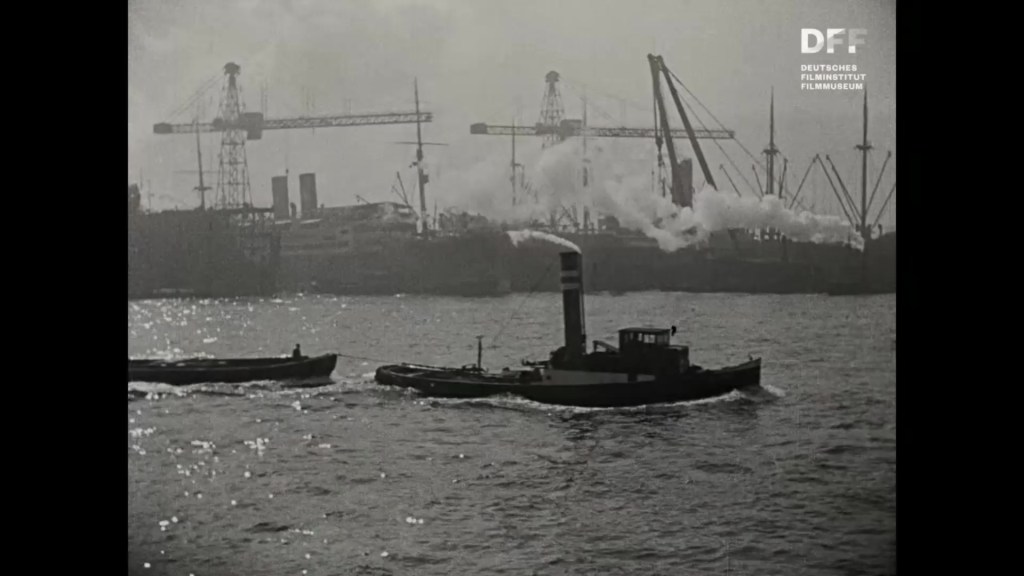


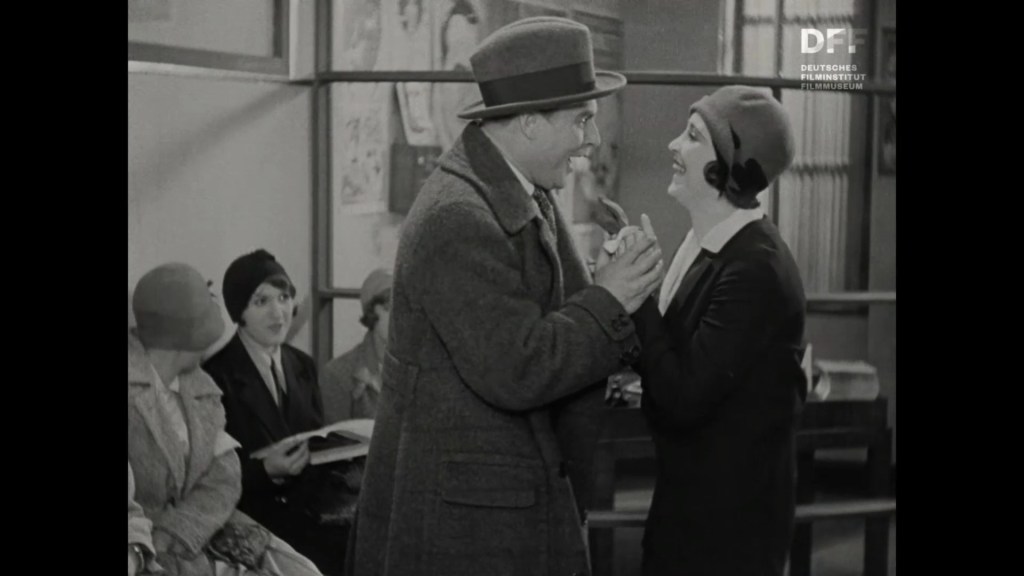

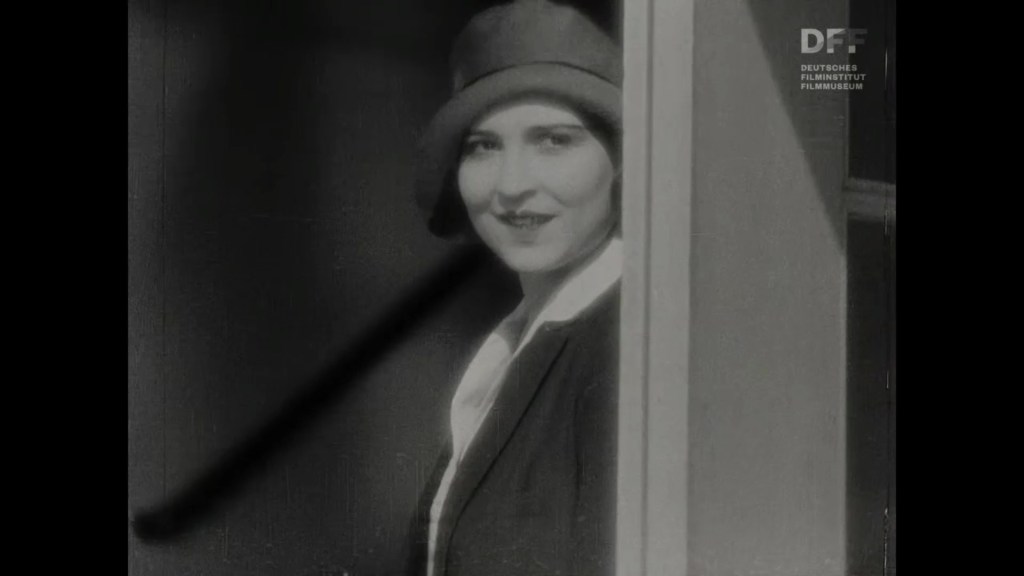


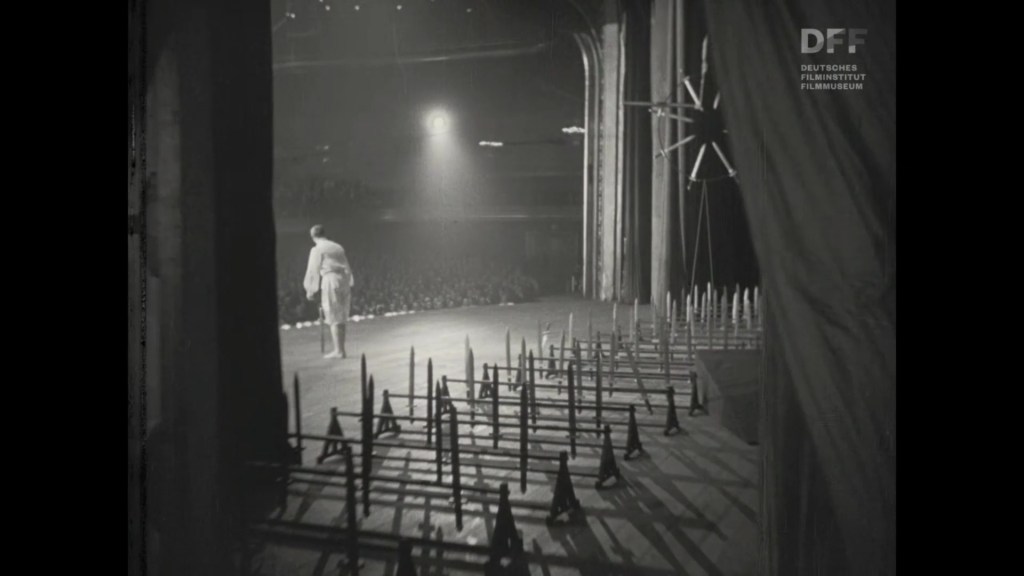


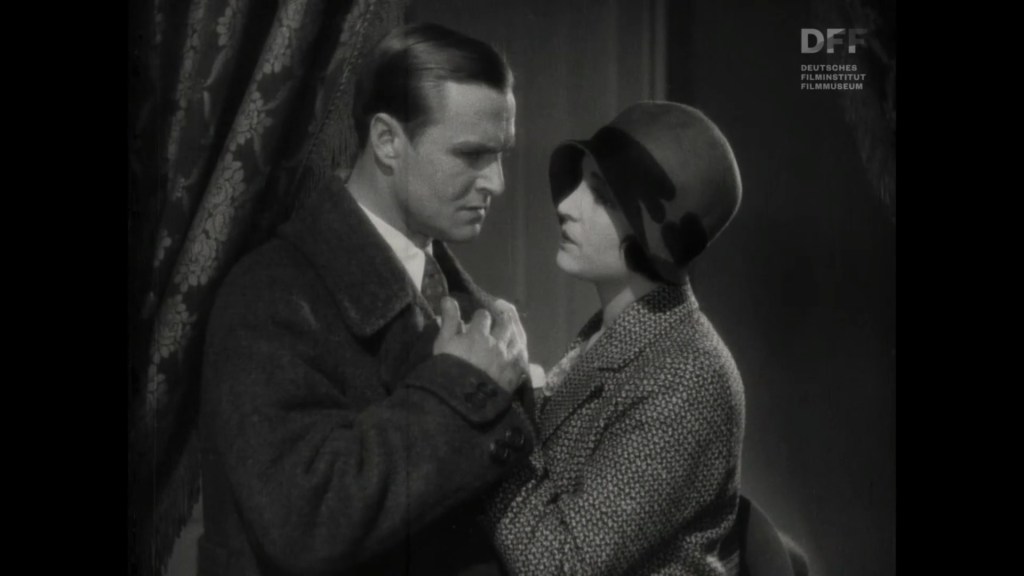


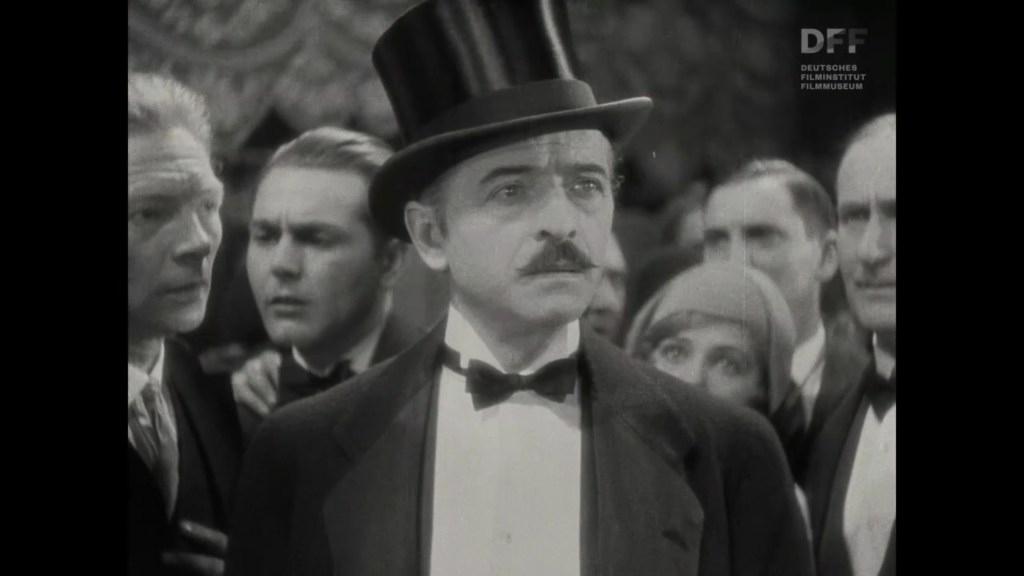


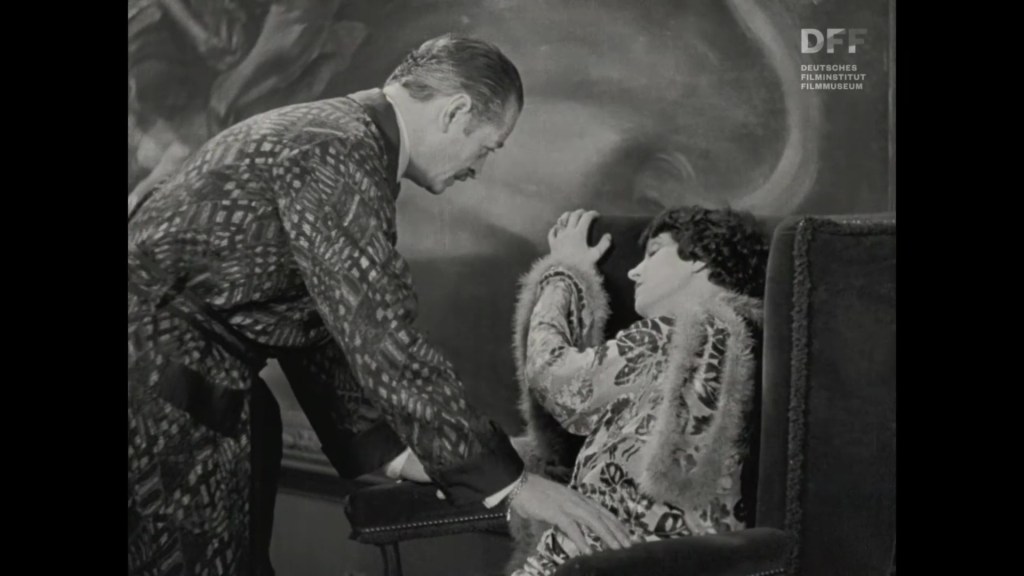


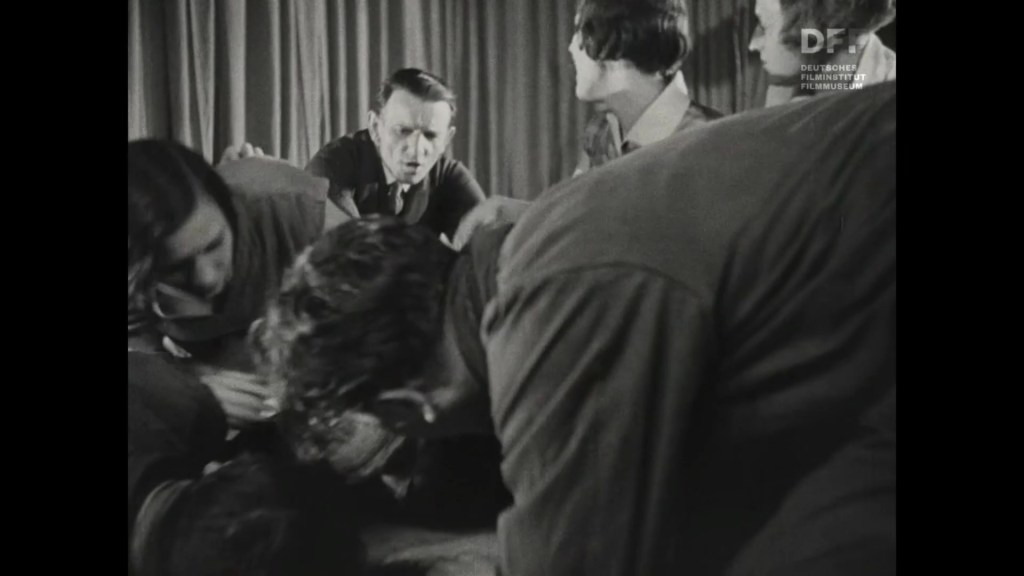
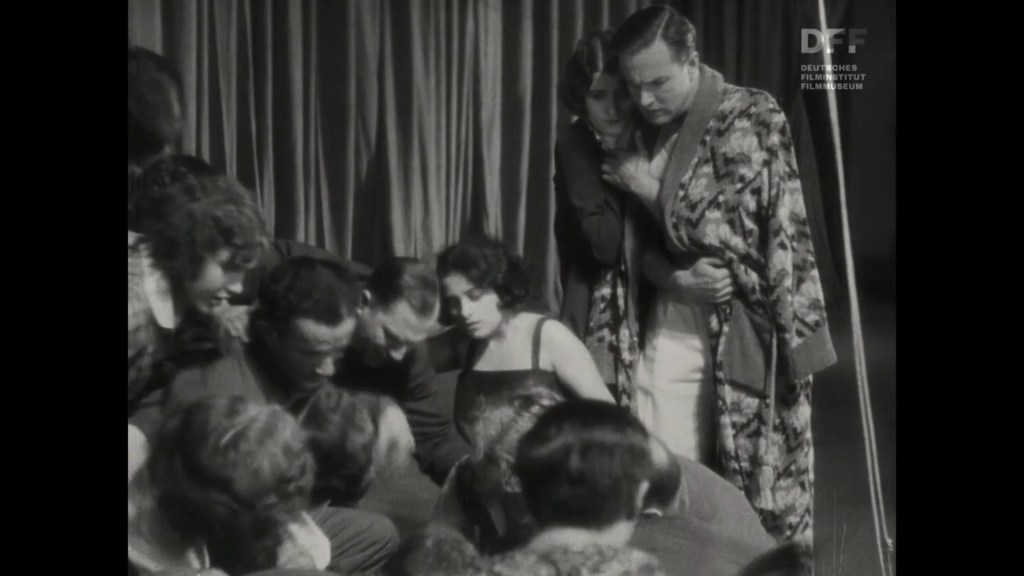











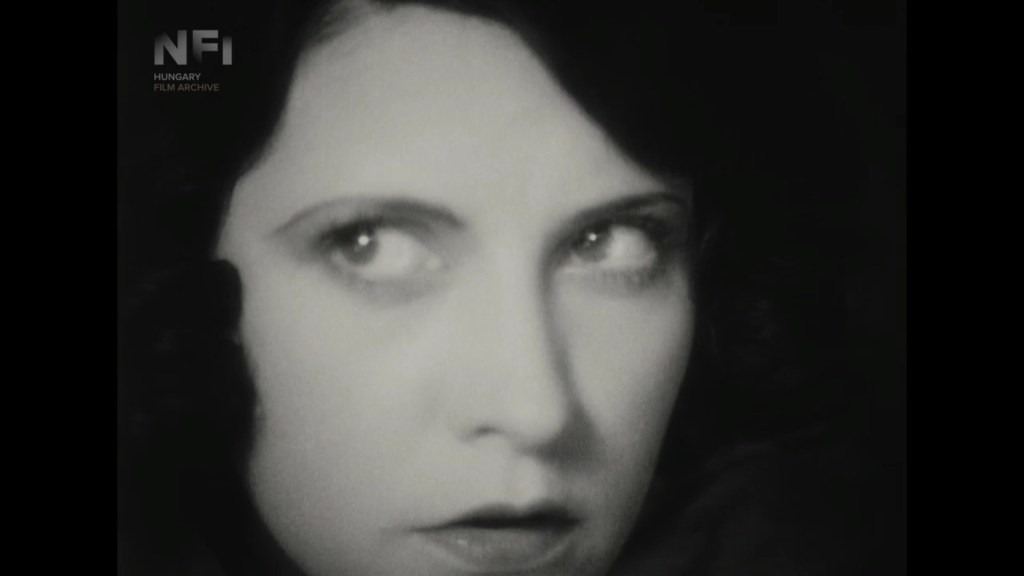




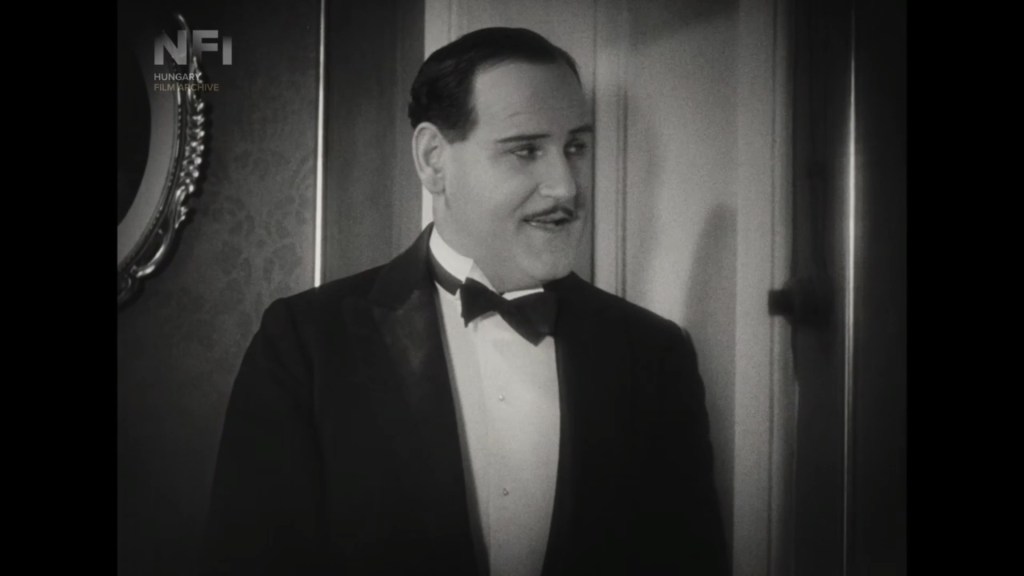

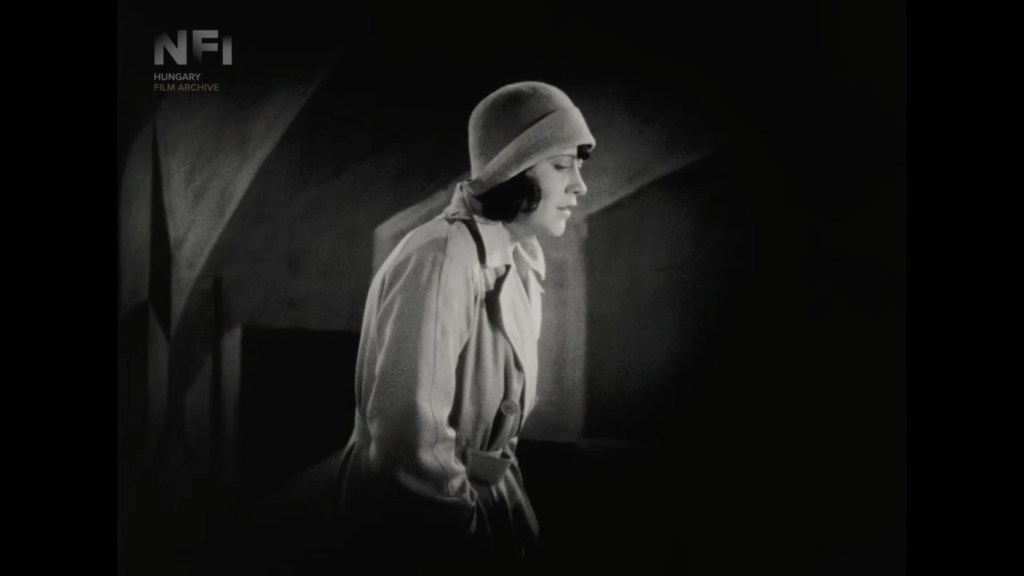








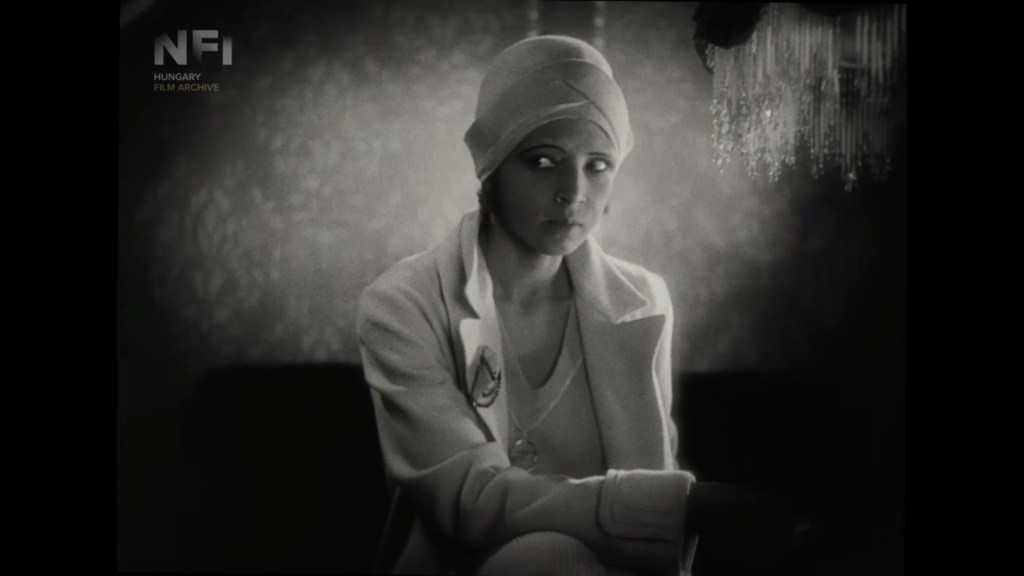


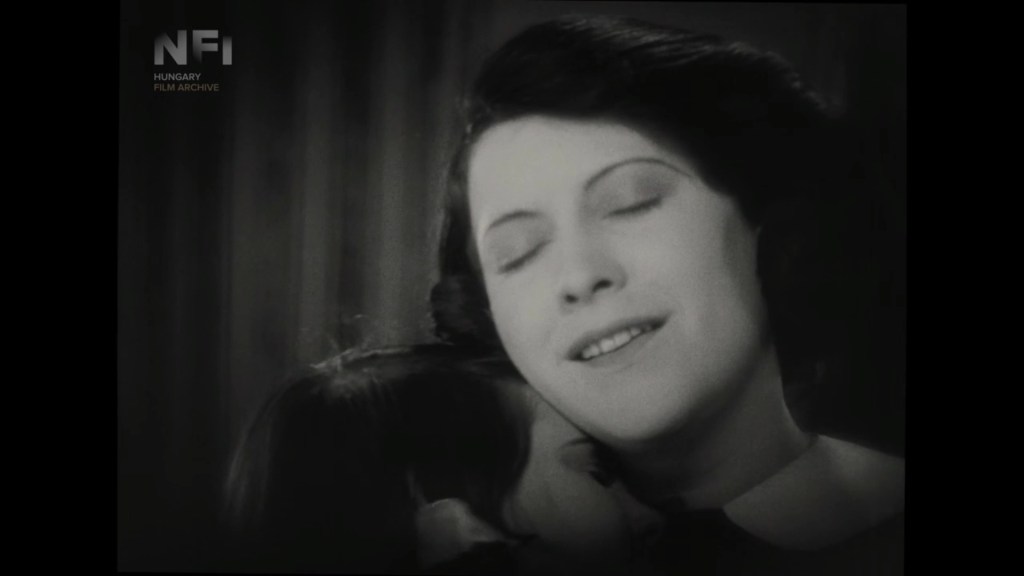


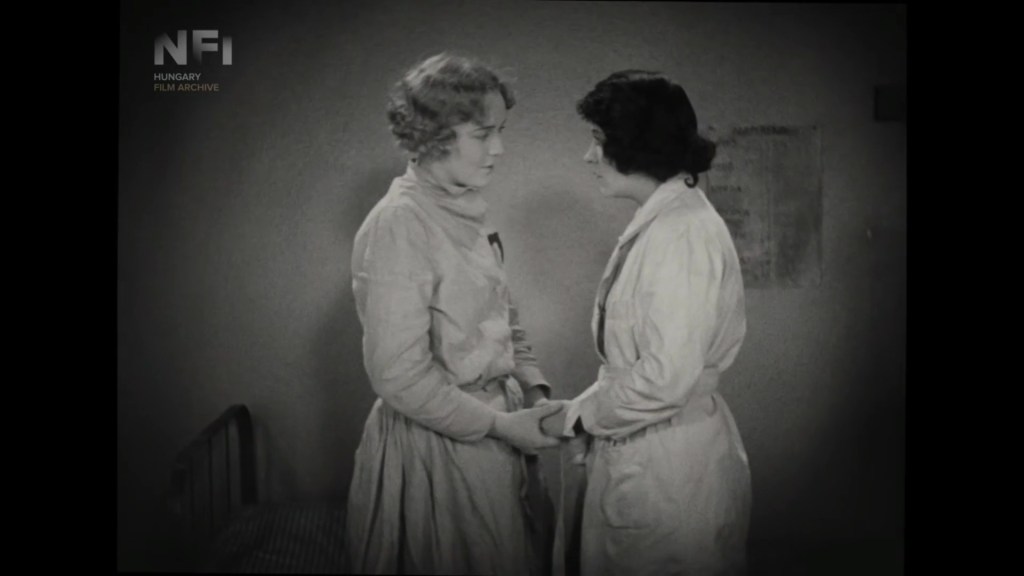
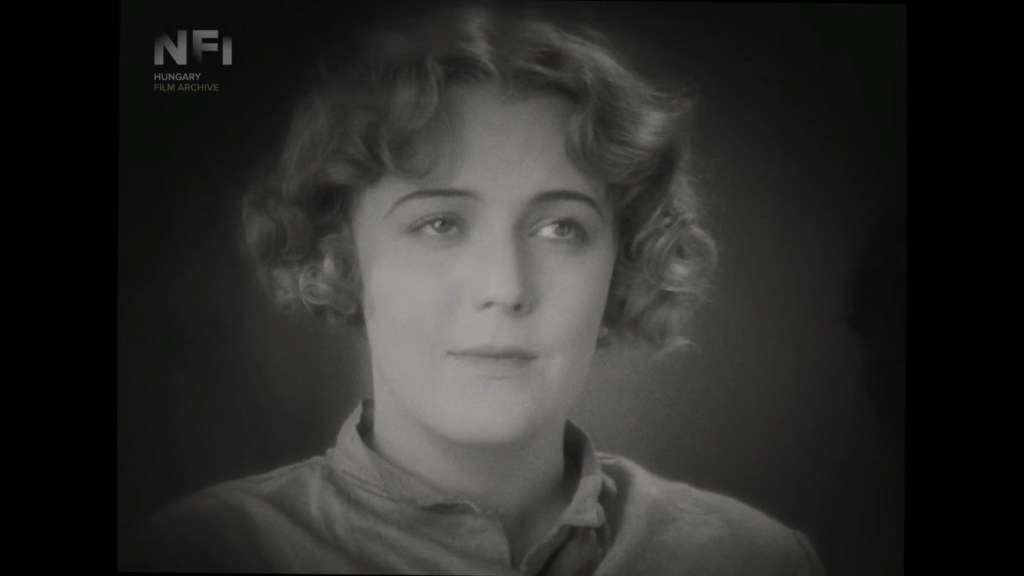


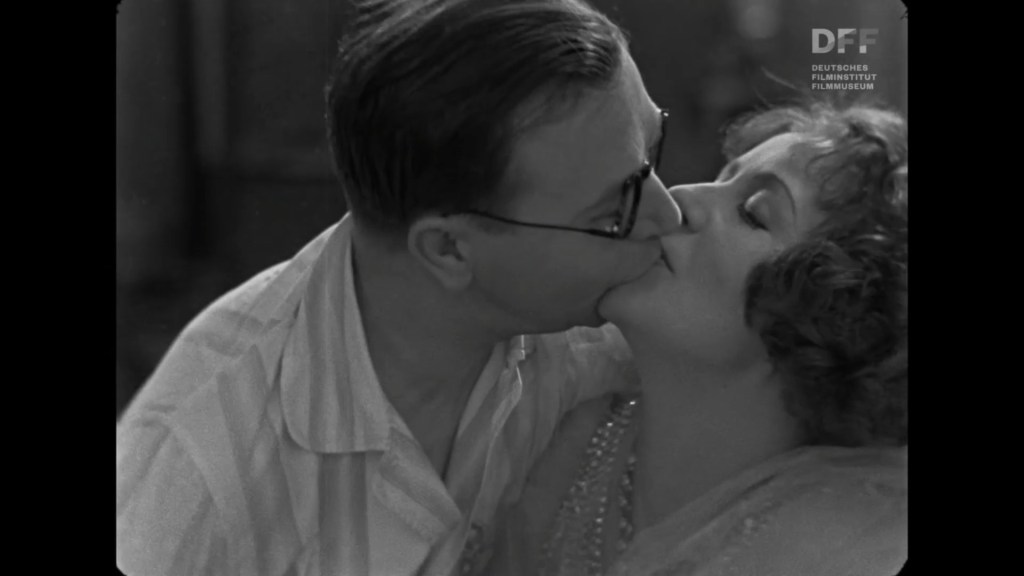


 The Realm of Silence