This week, I was planning to attend HippFest at Home, per my previous visits. However, I had neglected to absorb the crucial information that “booking for all HippFest at Home events and passes will close at midnight on Sunday 29 March.” So when, on Monday 30 March, I looked to book my pass and watch the first film, I was correspondingly disappointed and self-recriminating. Advance booking rather neatly aligns the online and in-person audiences of HippFest, but I find myself among neither group. So I will not be seeing any of their online features this year: April Fool (1926), Captain January (1924), Fante-Anne (1920), Saxophon-Susi (1928), The Bat (1926), The White Heather (1919).
I suppose I was already in two minds about how much of this fare I would watch. Two of HippFest’s films – Saxophon-Susi and The White Heather – have already been presented in no less than two online festivals, and I have written about both. But I was looking forward to a different musical ensemble, certainly for Saxophon-Susi. (I can hardly be courting controversy to state openly my belief that the use of a saxophone in combination with other instruments might improve the viewing experience of Saxophon-Susi. Readers may recall that I enjoyed, but had slight reservations about, both the Pordenone and Bonn musical offerings in 2024 and 2025.) And two of the remaining HippFest films – Fante-Anne and The Bat – are already available on Blu-ray. I have yet to pick up The Bat, released quite recently in the US, but will surely get round to it. However, I do own Fante-Anne. Realizing that I had never actually sat down and watched it, and being in something of a funk at missing HippFest, I headed to my shelves and unwrapped my Norwegian Blu-ray…
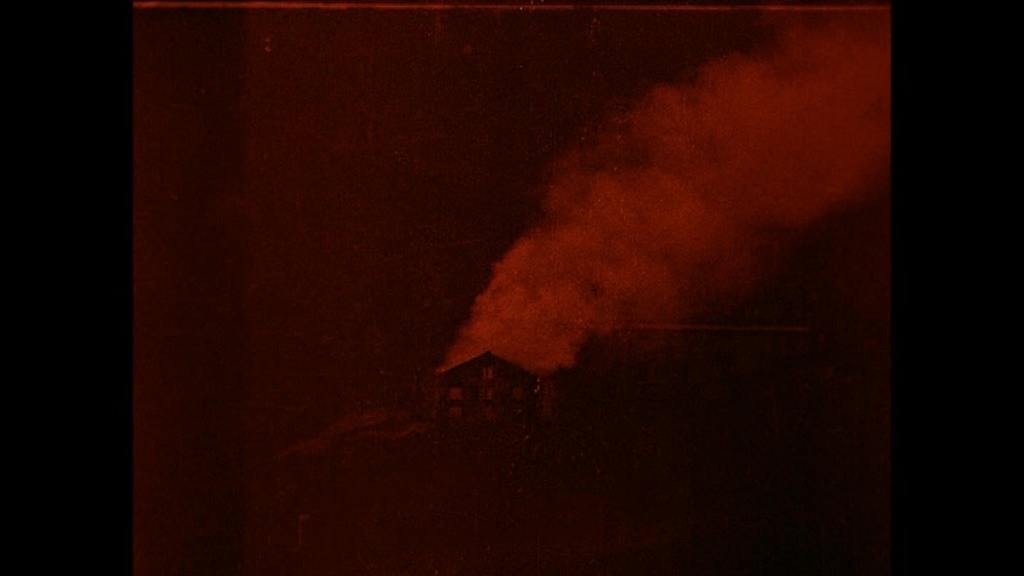
First, the plot. In rural Norway, the orphan Anne has been raised by the Storlein family on their large farm. Though the boisterous Anne has always got on well with the family son, Haldor, she has never been truly accepted by his widowed mother. Her only adult friend is Jon, a farmhand on the Storlein farm. Years later, Anne hopes to marry Haldor, but Haldor’s mother arranges a marriage for him with Margit Moen, the daughter of a rich local farmer. Haldor abandons Anne for Margit, leaving her distraught. Jon offers Anne his hand in marriage, but she had always hoped to marry Haldor. Consumed by anger, Anne burns down the new home of Haldor and his wife – only for Jon to take the responsibility and serve a jail sentence. When Jon is eventually released, Anne is waiting for him. She, Jon, and Jon’s mother set sail for America and a new life. THE END.
This was Breistein’s first film, and (so the literature tells me) the first film made in Norway wholly by a Norwegian cast and crew. It was also based on a piece of Norwegian fiction by Kristofer Janson, so there is a national literary heritage at work too. As such, Fante-Anne is very significant in the history of Norway’s national cinema – a foundational text for a whole slew of later films to draw upon and be inspired by. But taken on its own merits, I was a bit disappointed. Though the story has enough to occupy the short running time (c.74 minutes), I was never gripped by the characters or moved by the drama. Too much work is done by the intertitles to explain what’s happening, and not enough weight is carried by the images or performances. Too often, it feels like a heavily illustrated story rather than a piece of cinema.
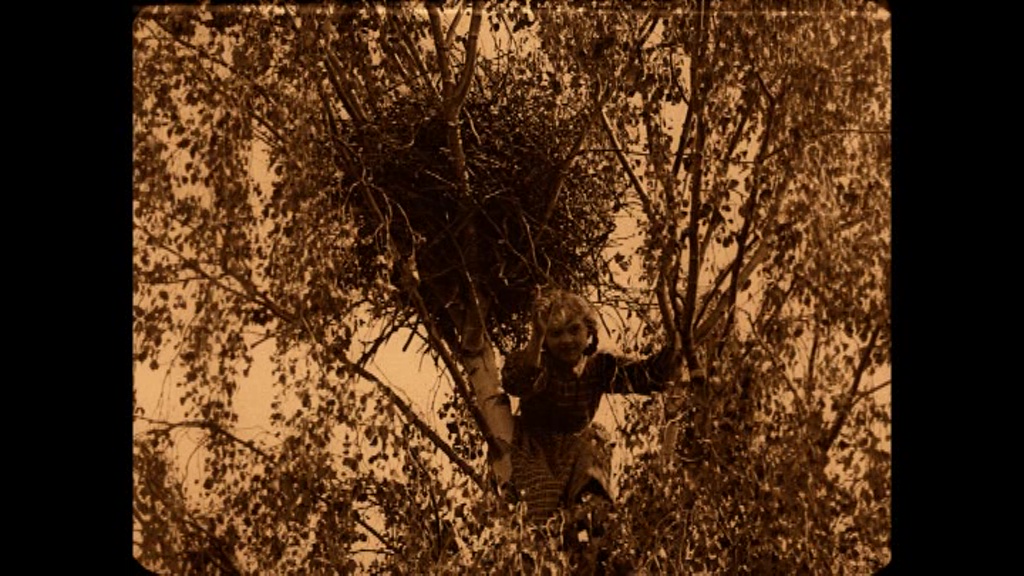
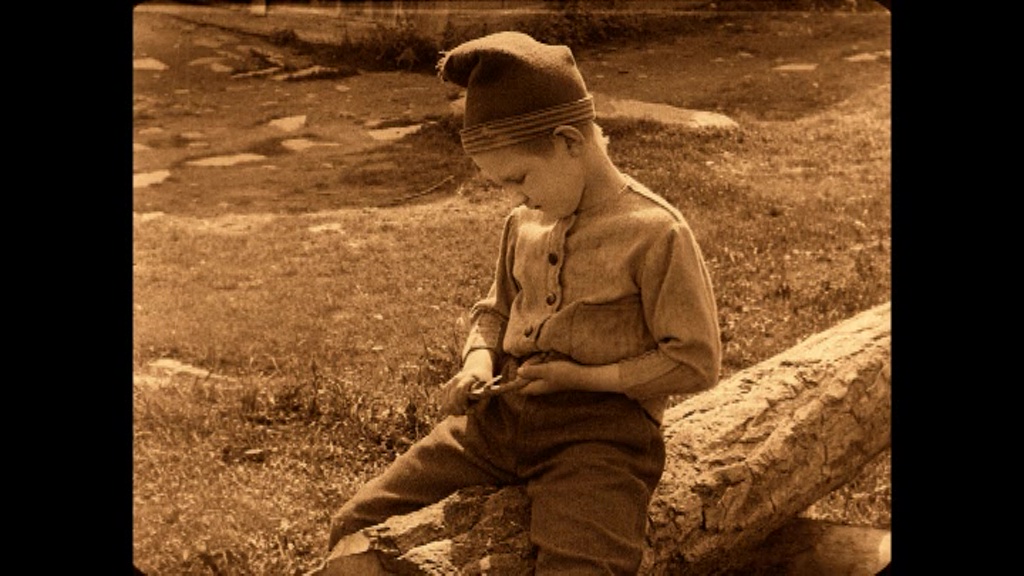
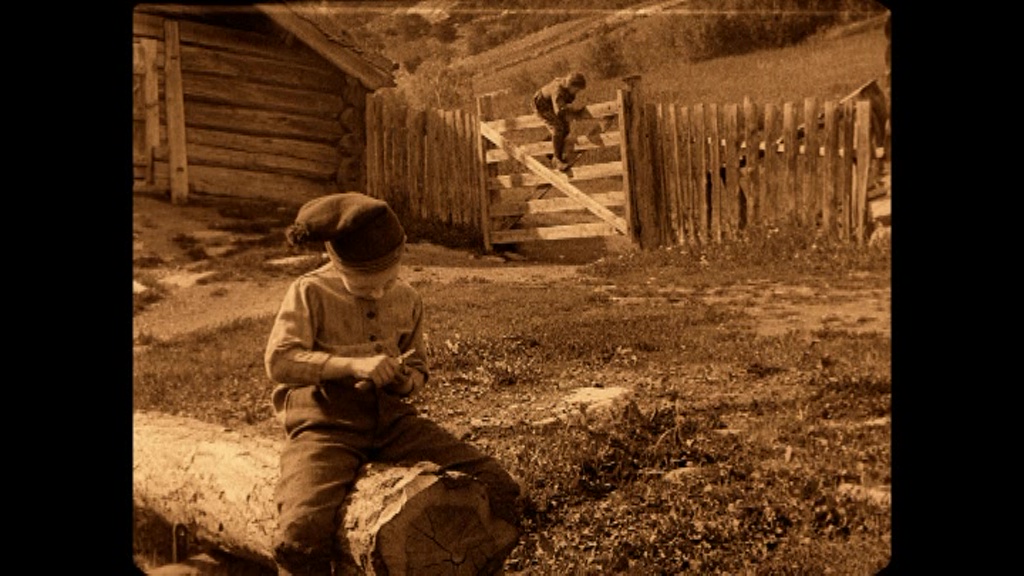
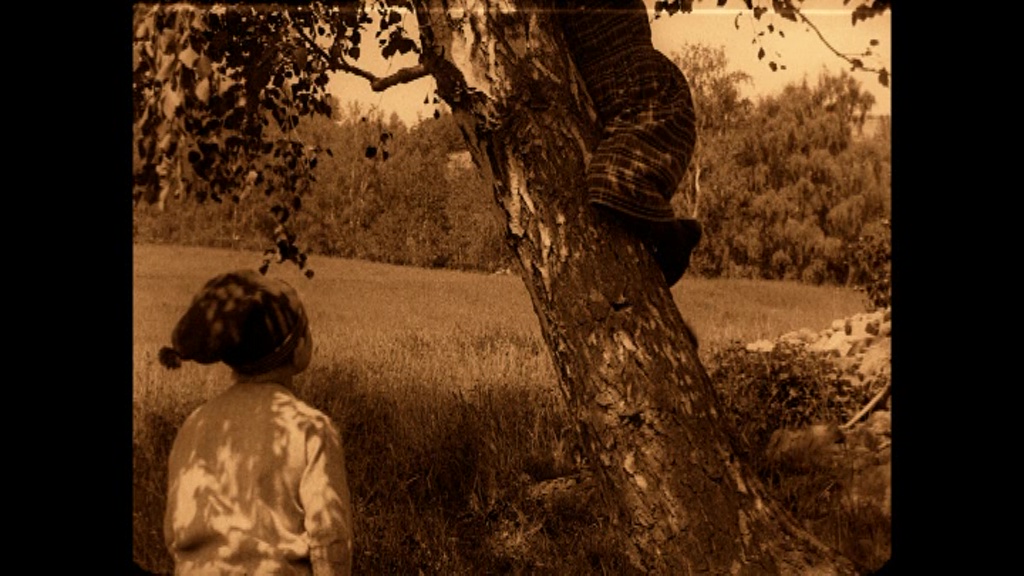
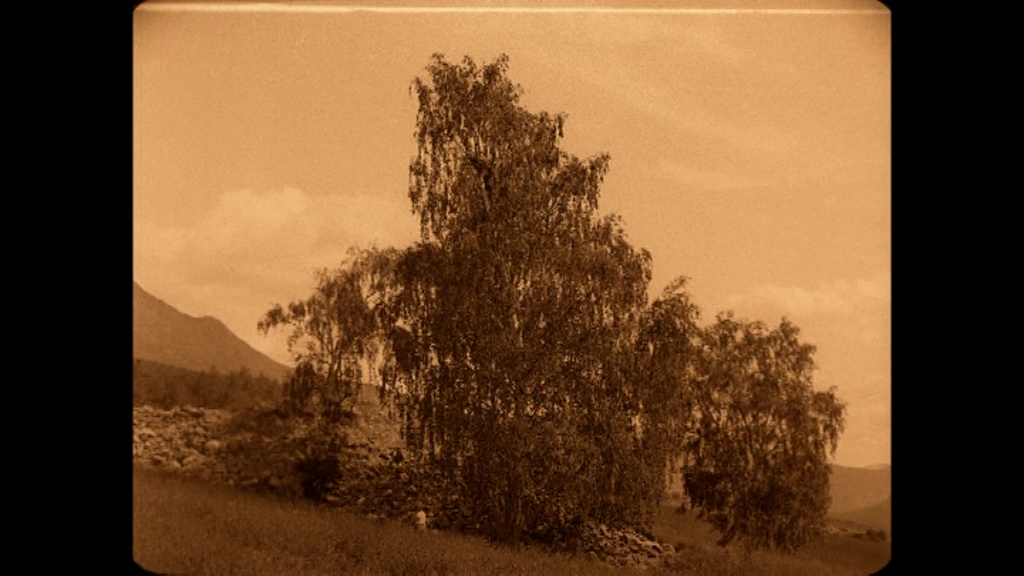
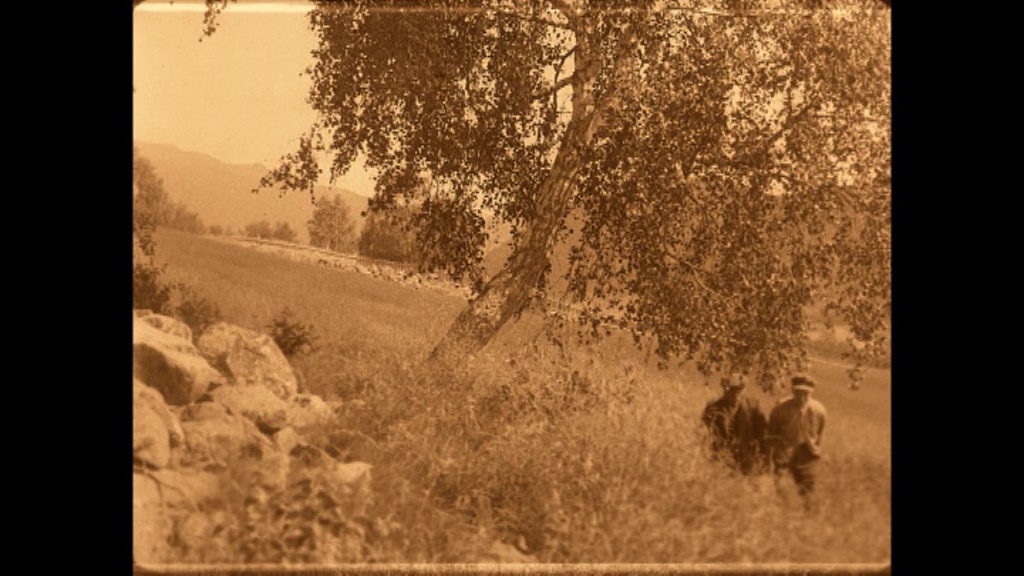
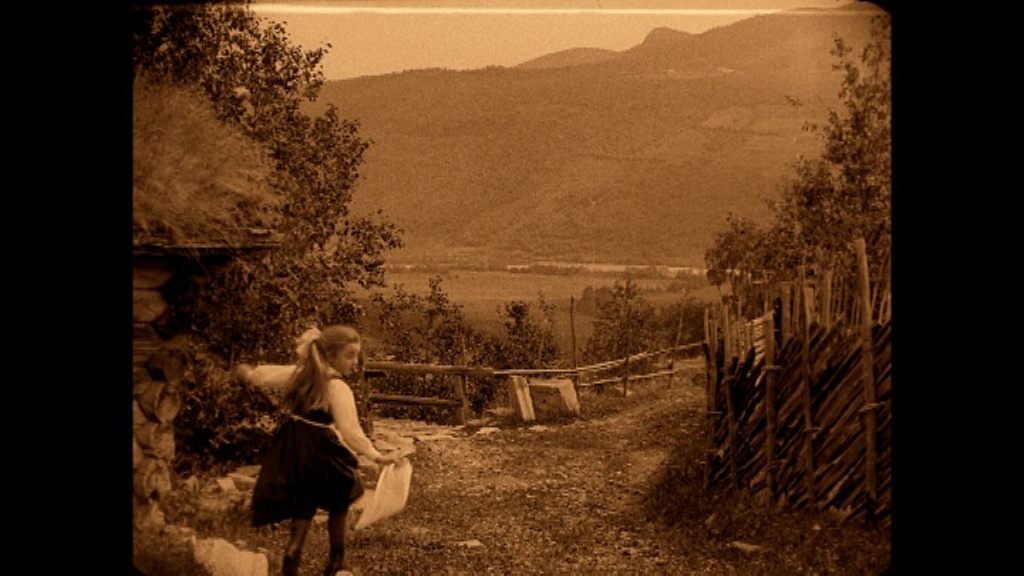
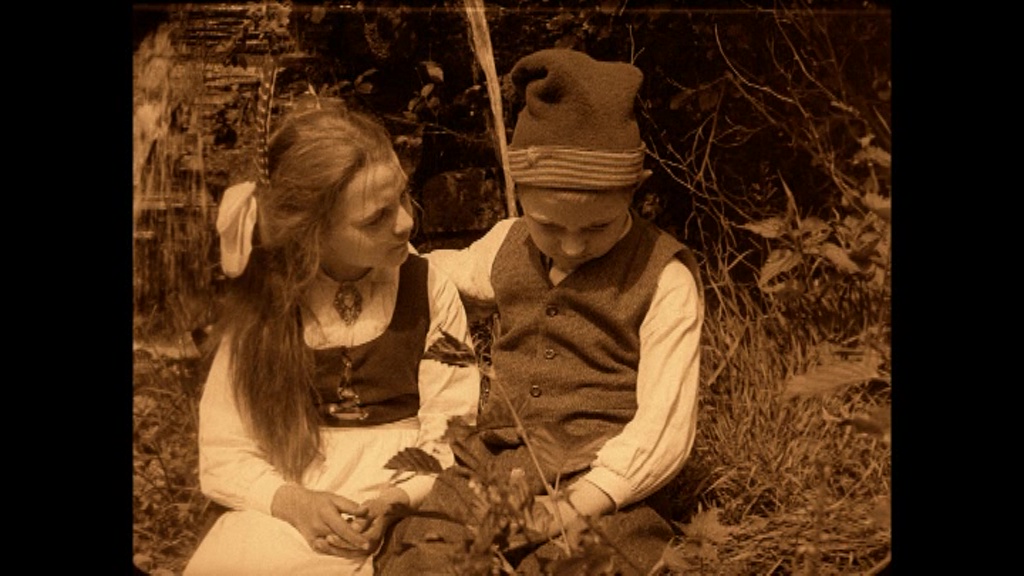
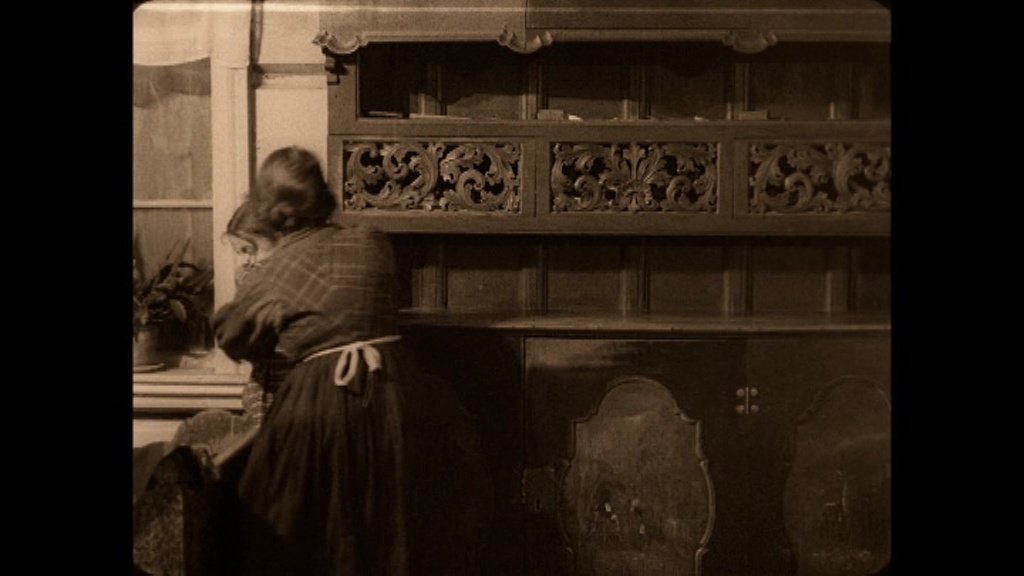
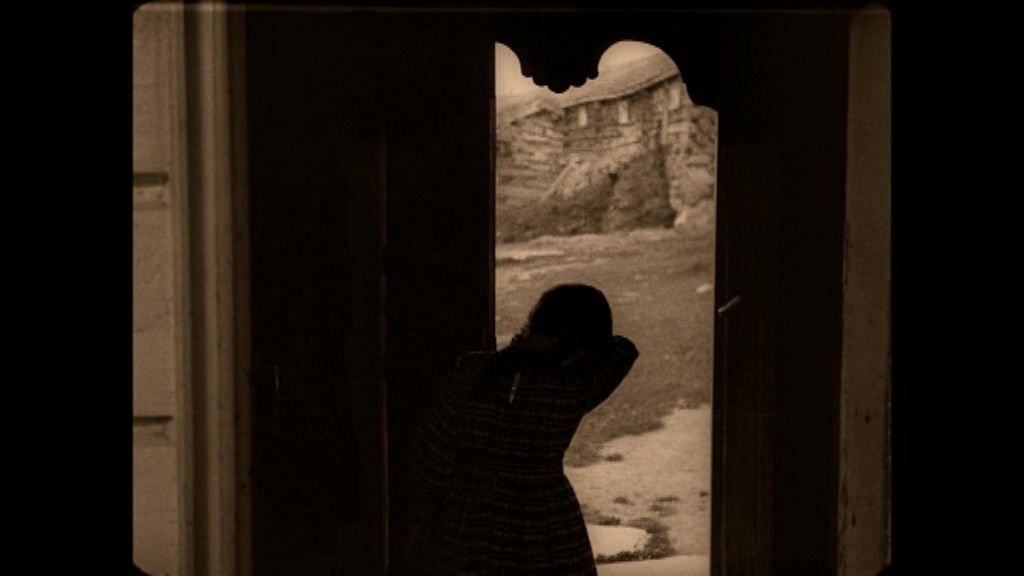
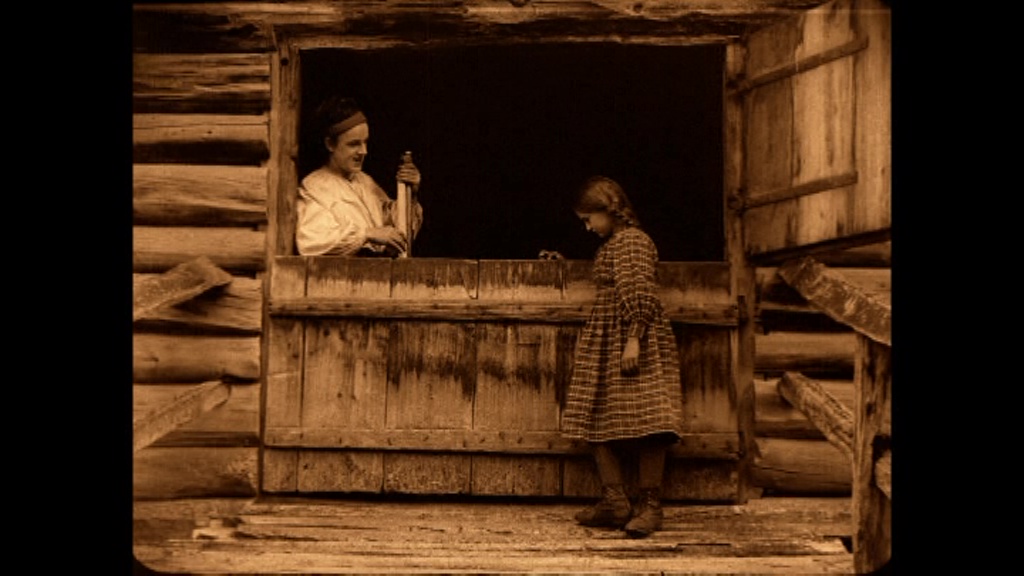
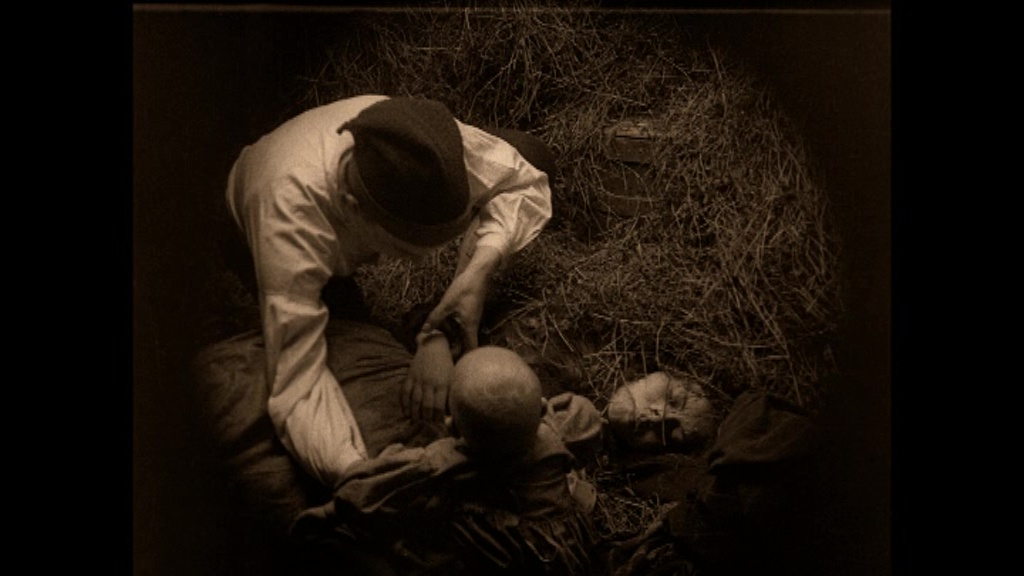
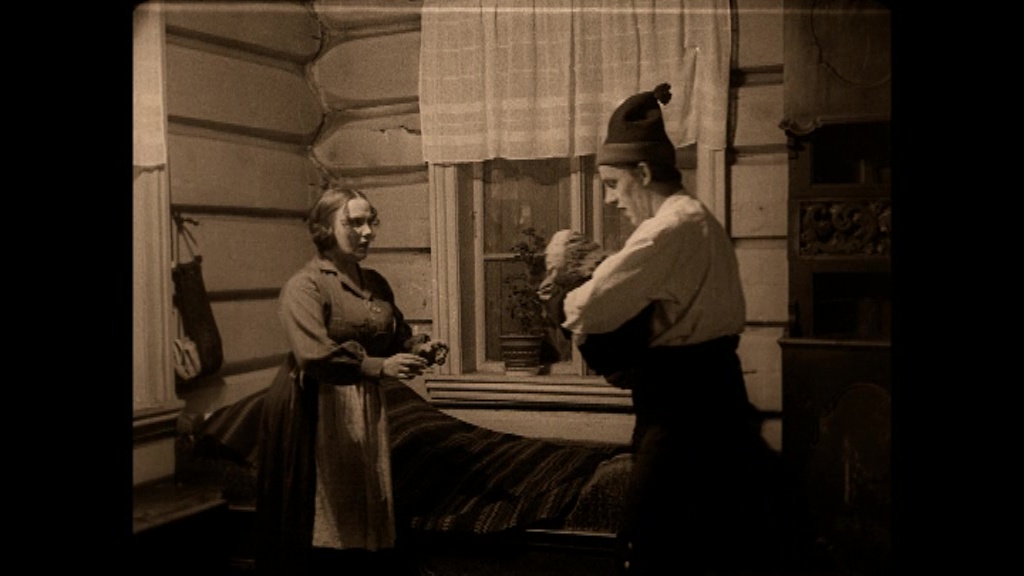
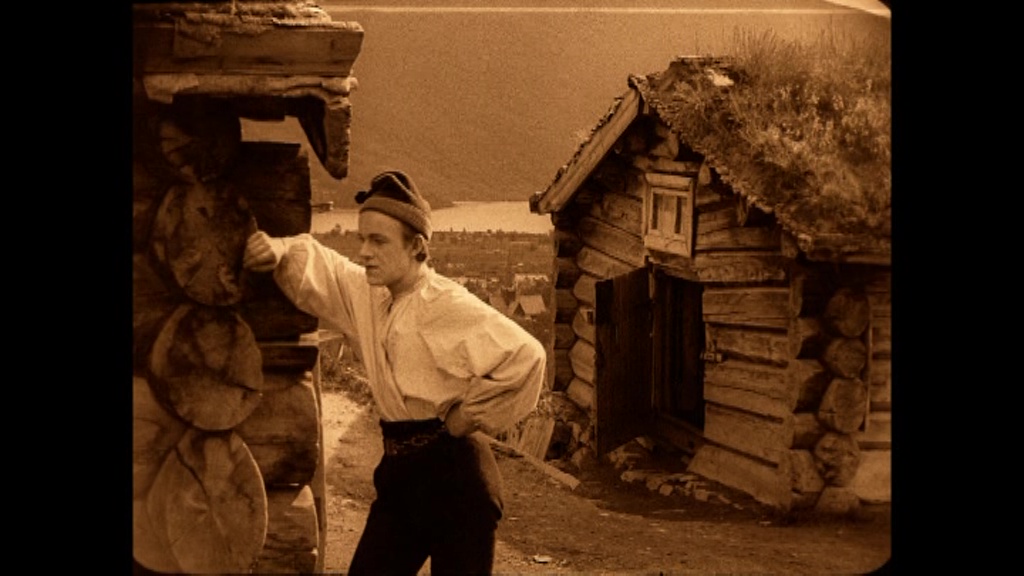
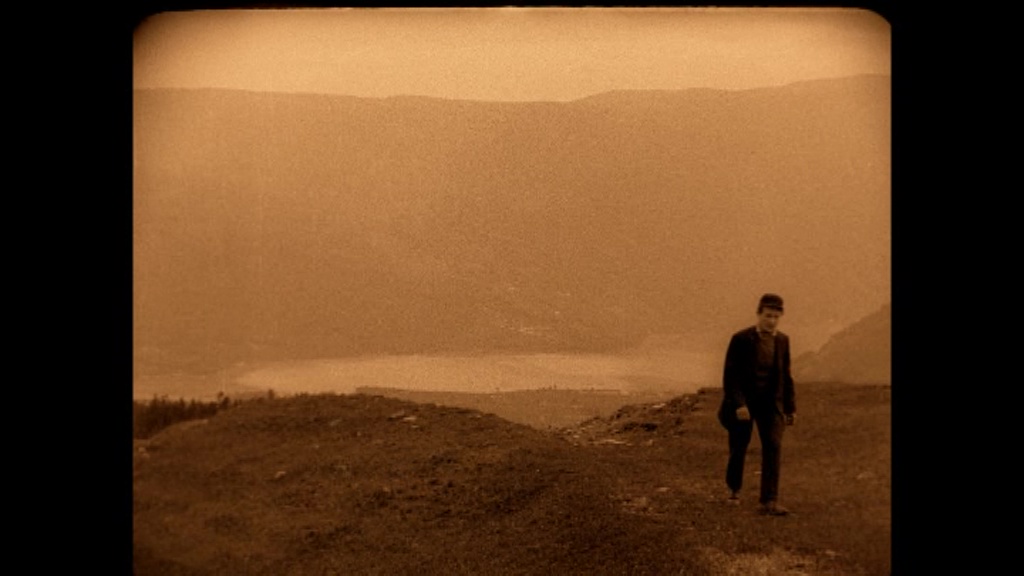
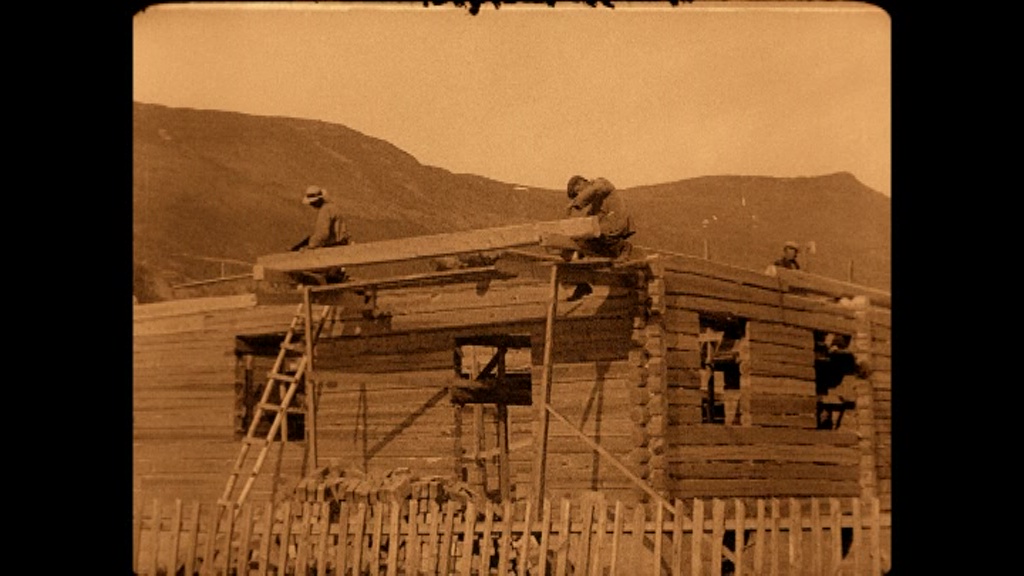
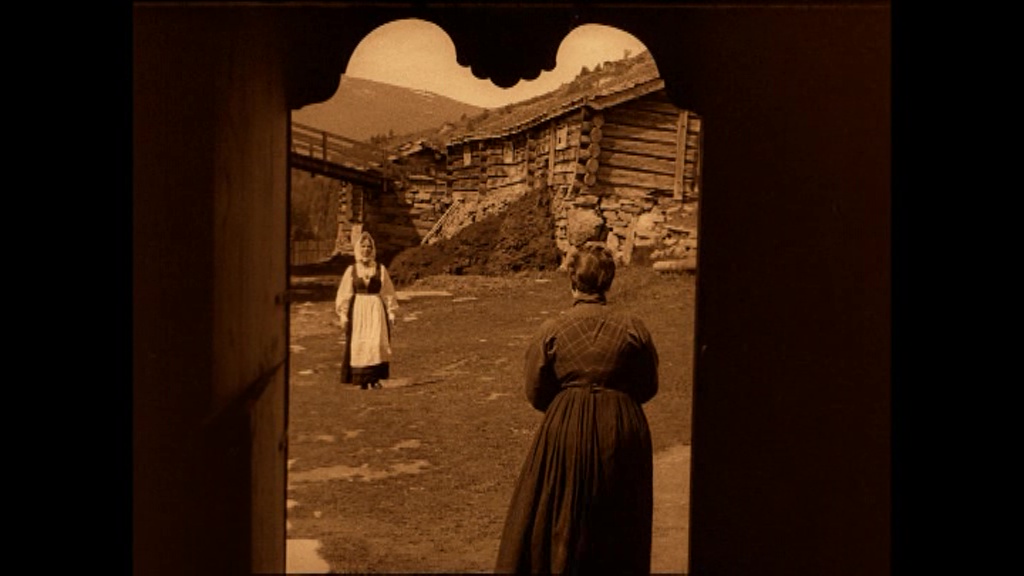
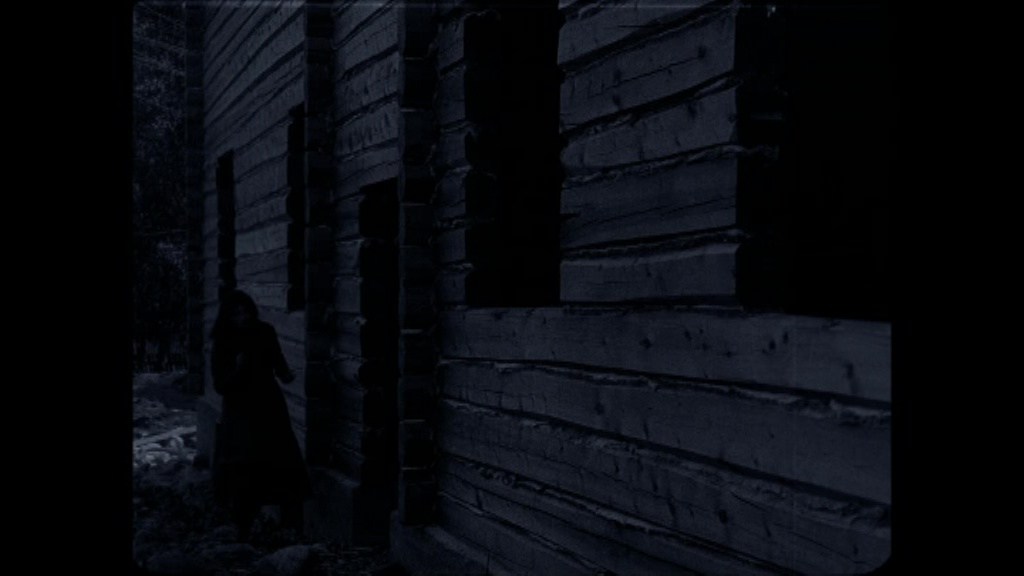
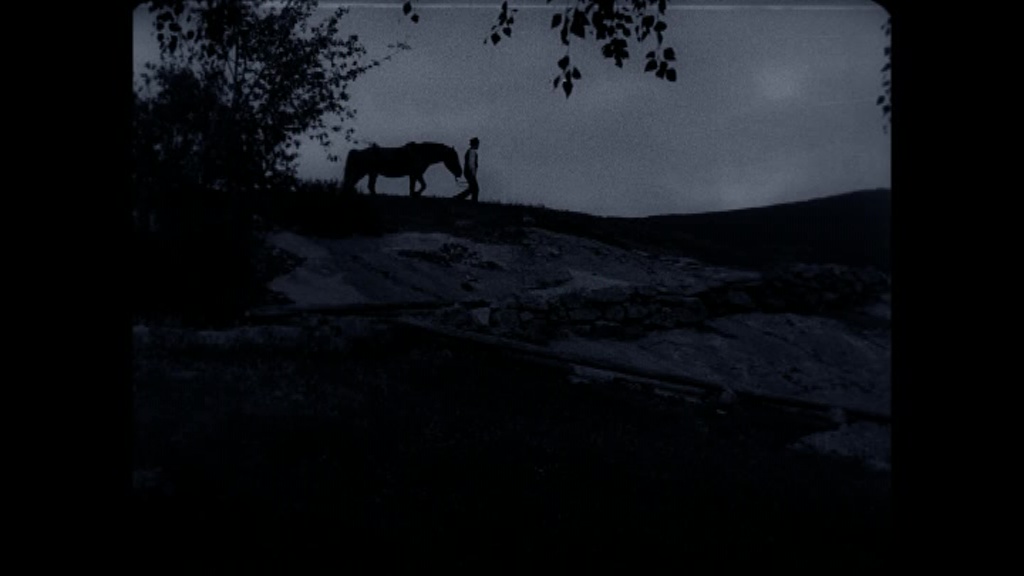
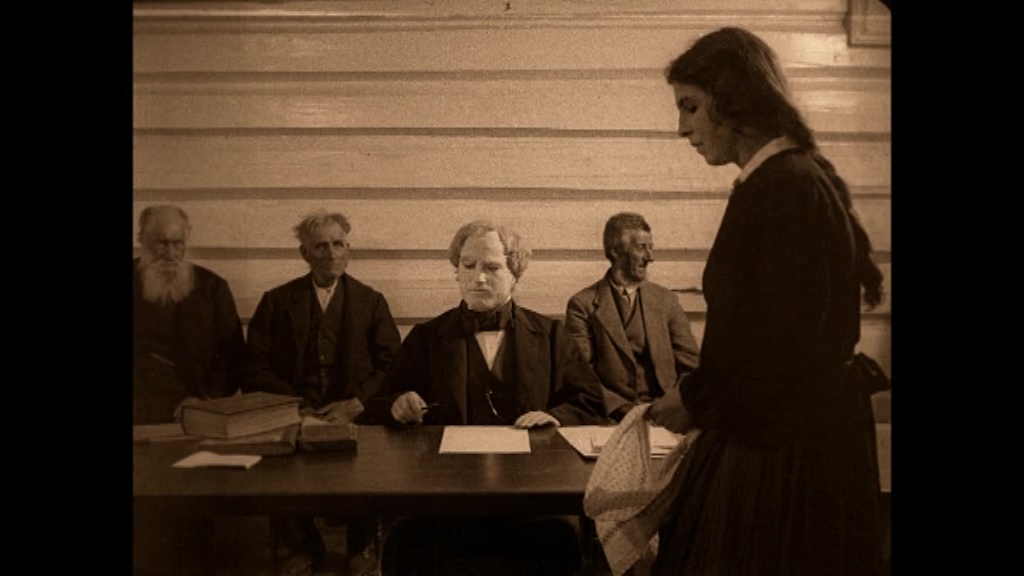
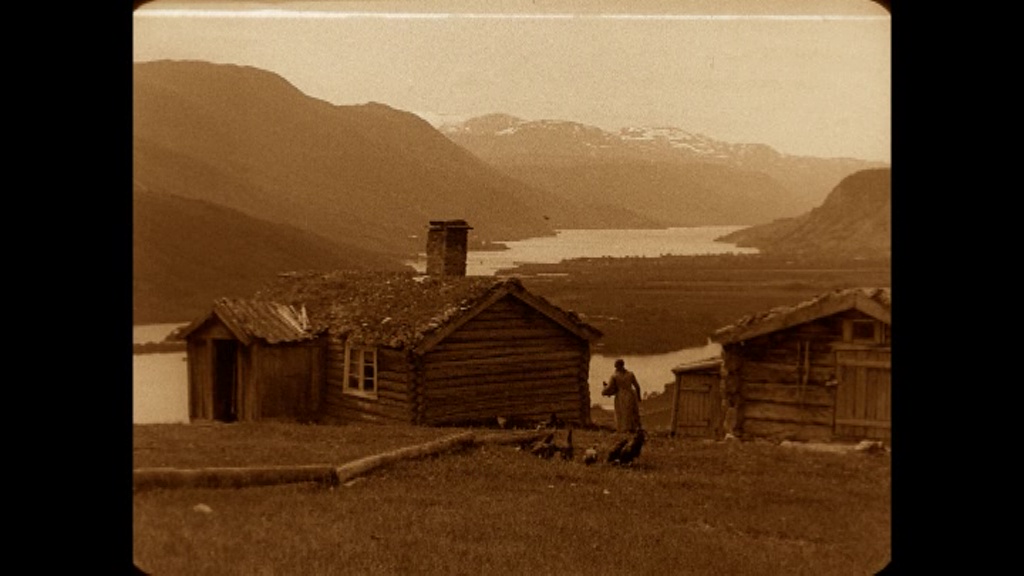
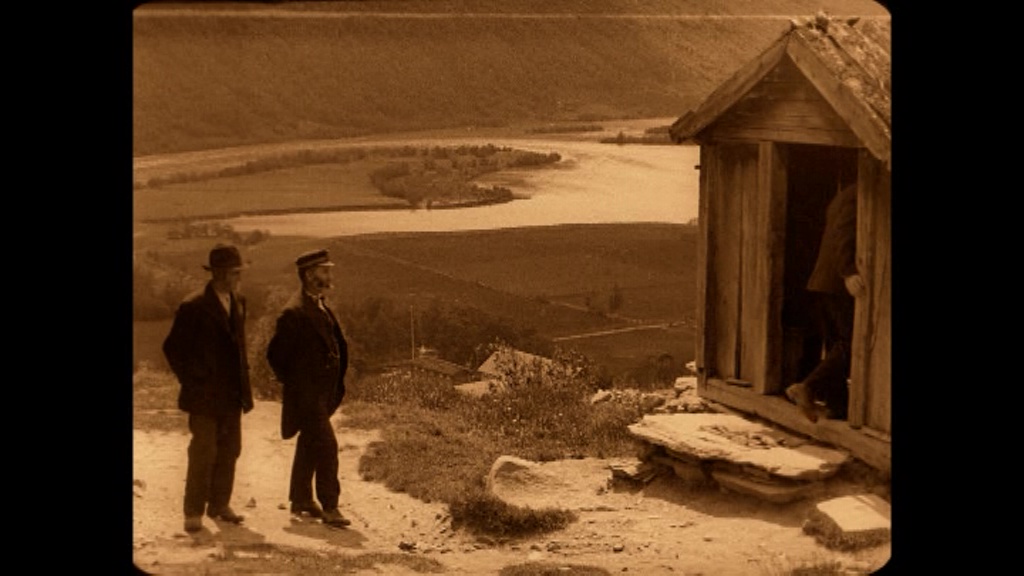
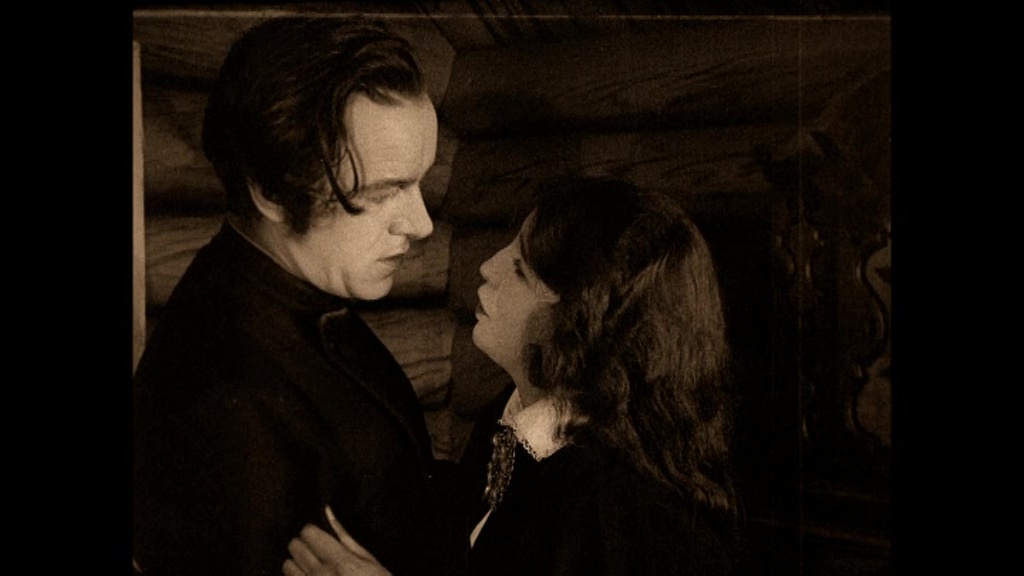
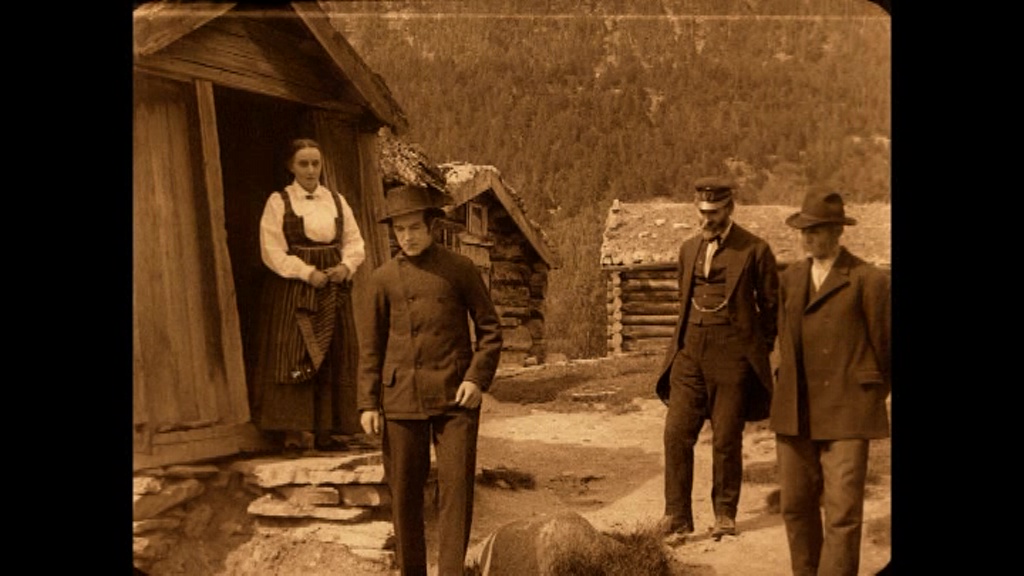
This is surprising, given how rooted everything is in the amazing landscapes of Norway. Everywhere around the remote village, there are sublime swathes of forest, immense hills, gleaming rivers, distant valleys. Yet I never felt that Breistein takes full advantage of this to make the landscape part of the drama. It’s always there to show the reality of the location, but too often we merely glimpse these astonishing vistas in the background of shots in which characters are walking between buildings, in which much of the main (adult) action takes place. Even the scene of the (long-awaited) embrace between Anne and Haldor high above the valley is hardly framed to its full potential. (I hope I can be forgiven for thinking of the equivalent scene in Sången om den eldröda blomman (1919), and how much more of the lovers’ isolated spot Stiller makes: the light, the trees, the composition, the performances…) The landscape is always there in Fante-Anne, but despite its incredible beauty it somehow never feels lyrical – or lyricized. The film’s photography is crisp and luminous, and the image quality stunning, but I wanted the film to linger on these locations – to explore them, to use them to heighten the drama and to deepen the psychology of the characters. I was duly convinced of the reality of this place, but the location never seemed to be used for expressive depth. Why spend so much of the film inside log cabins and provincial courtrooms when the world outside is the most beautiful setting you could hope to find?
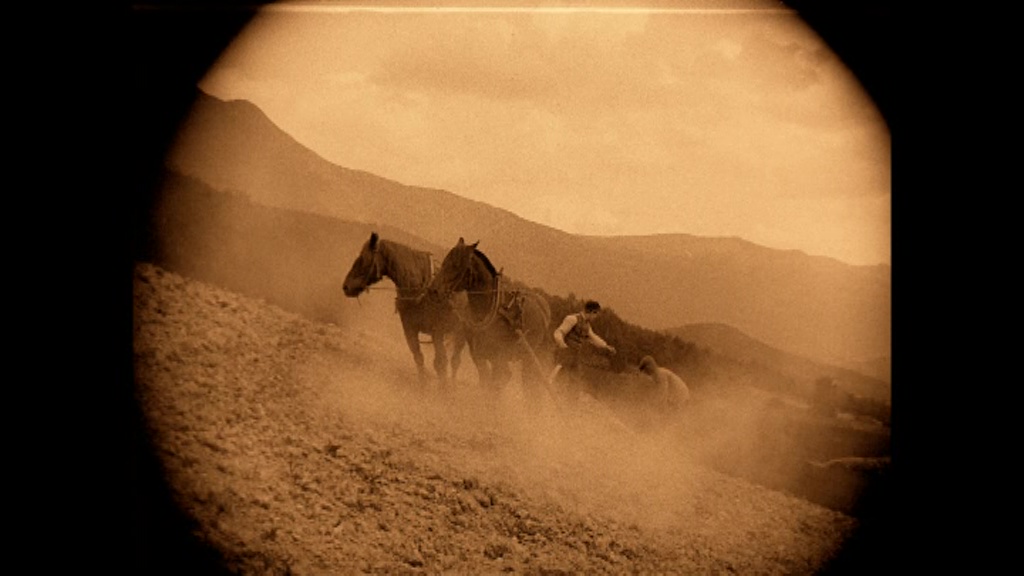
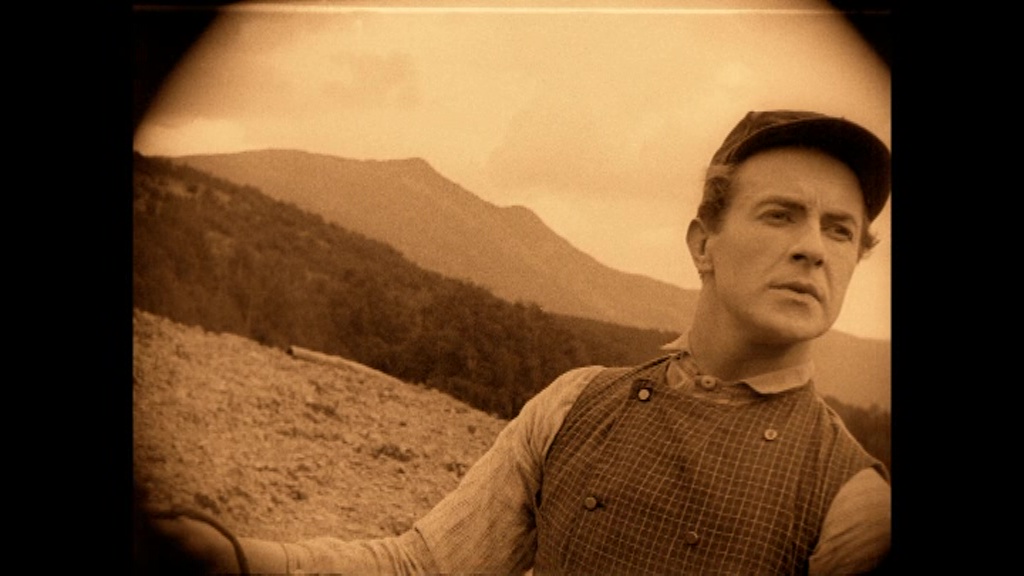
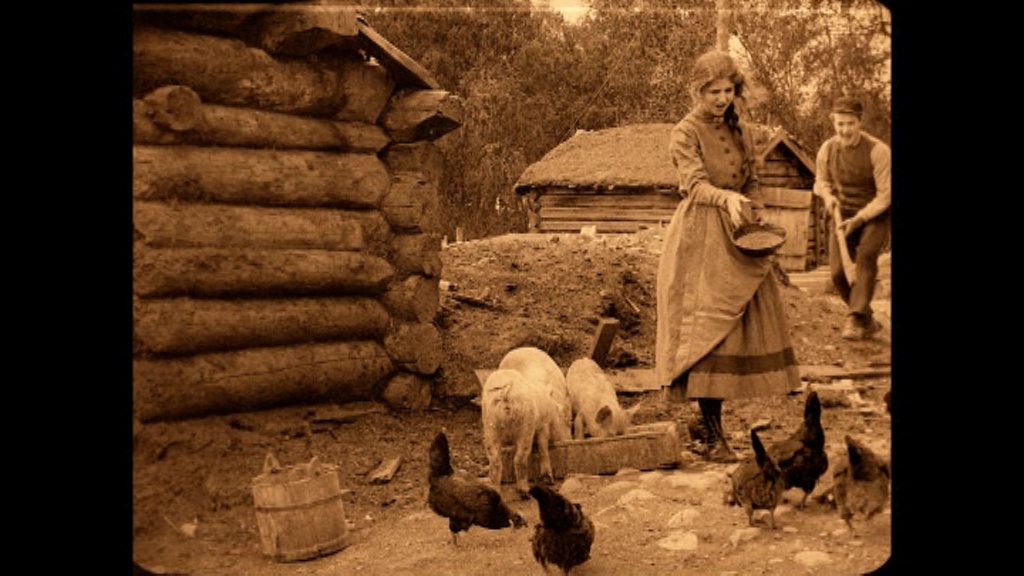
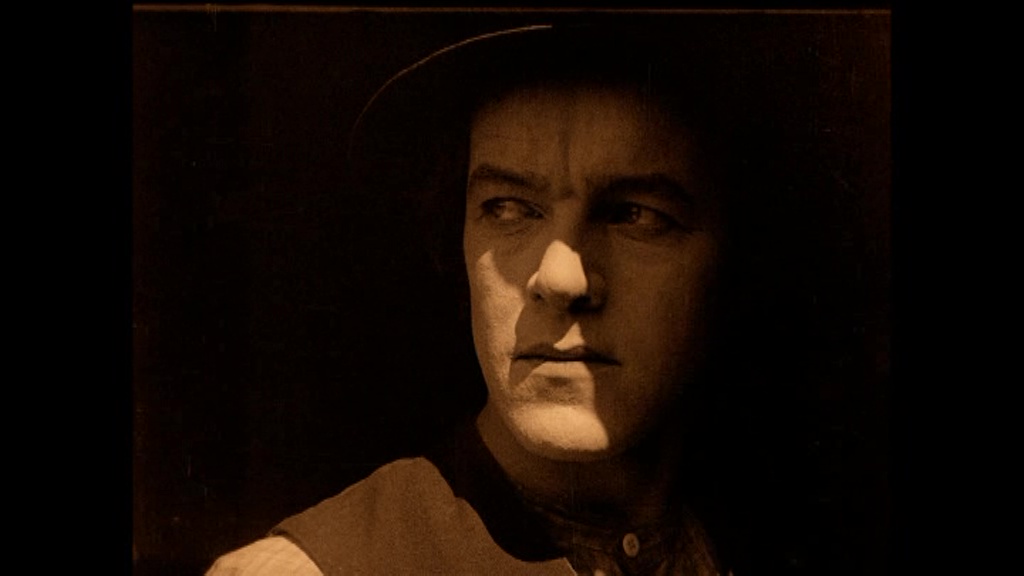
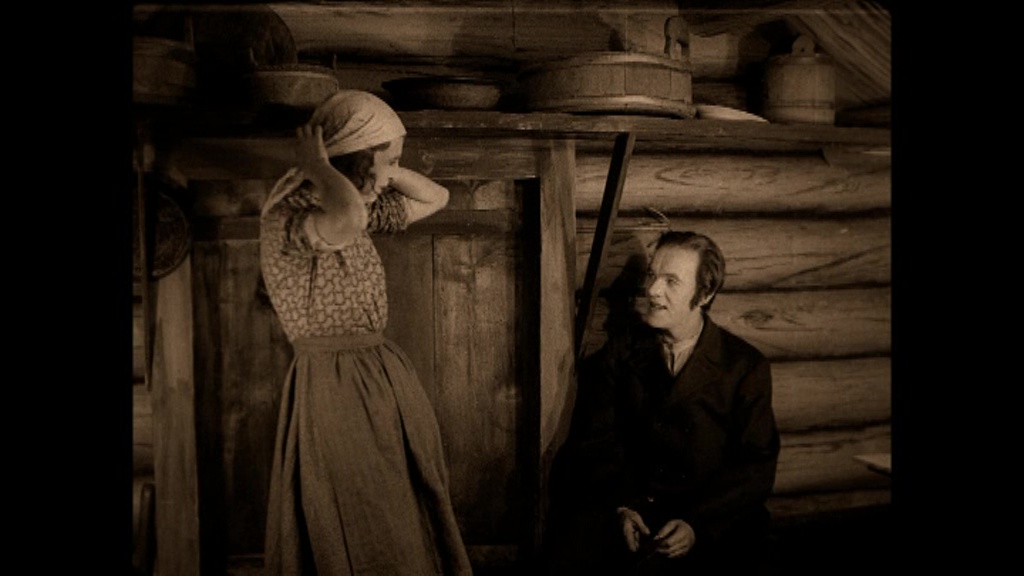
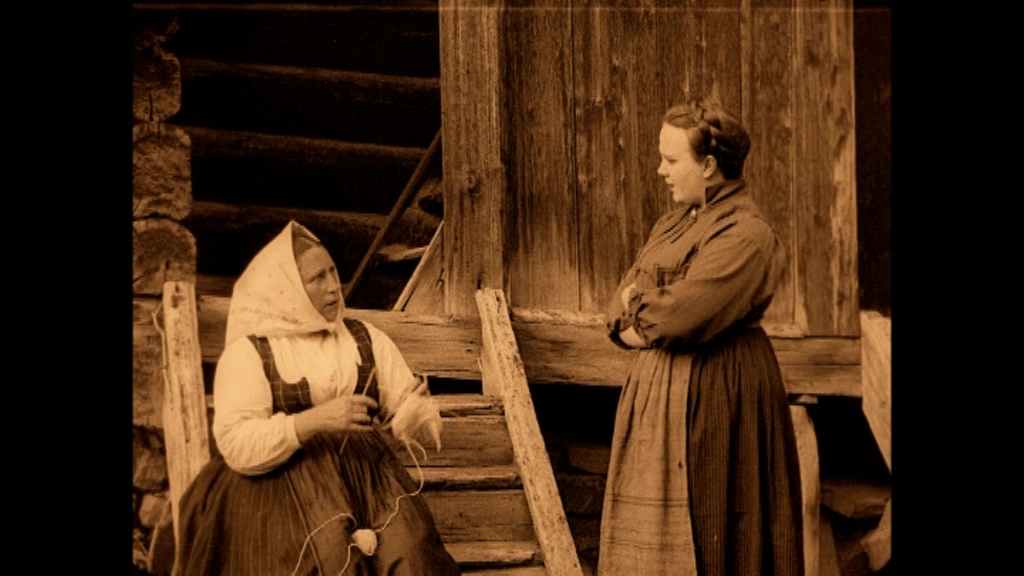
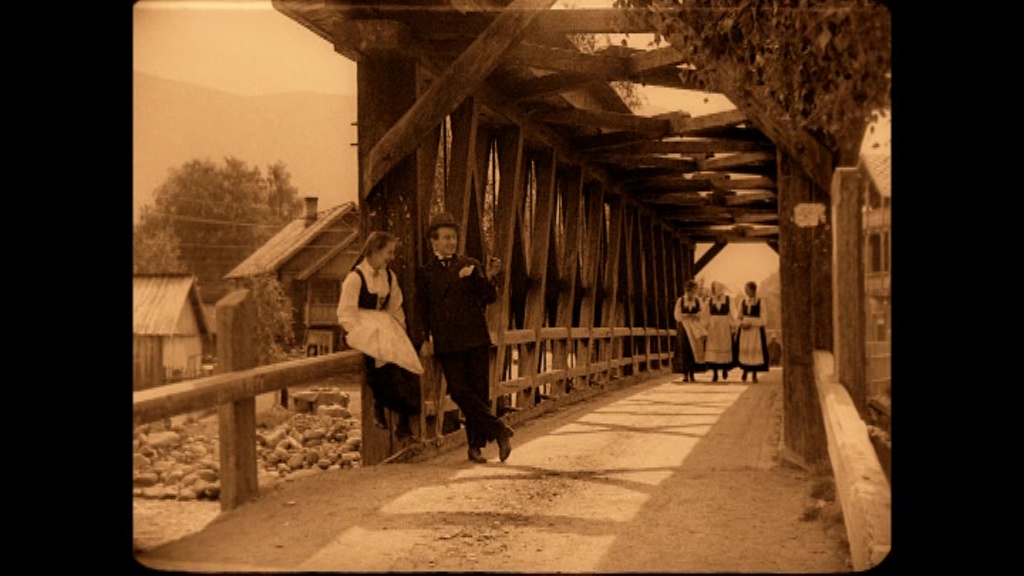
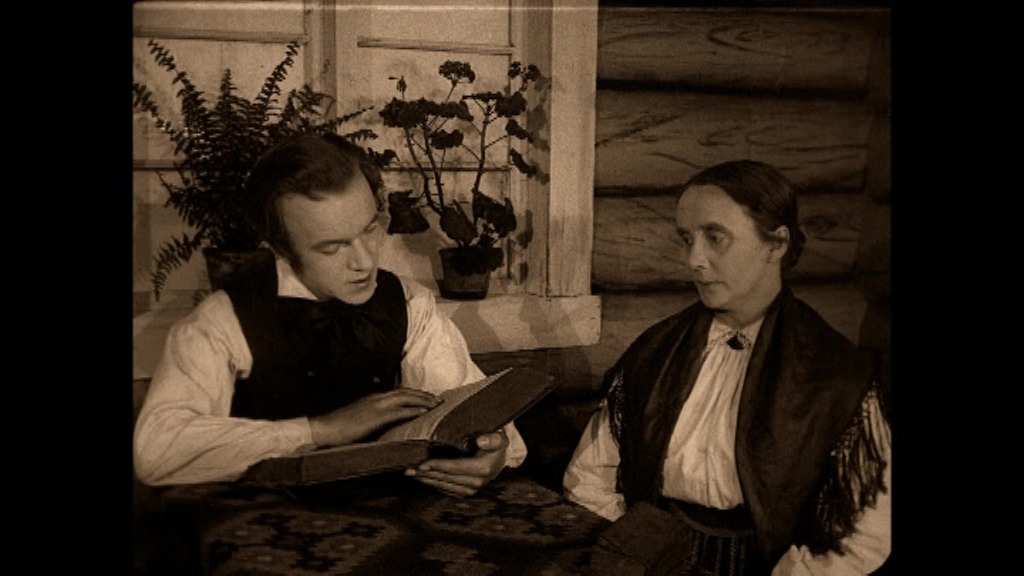
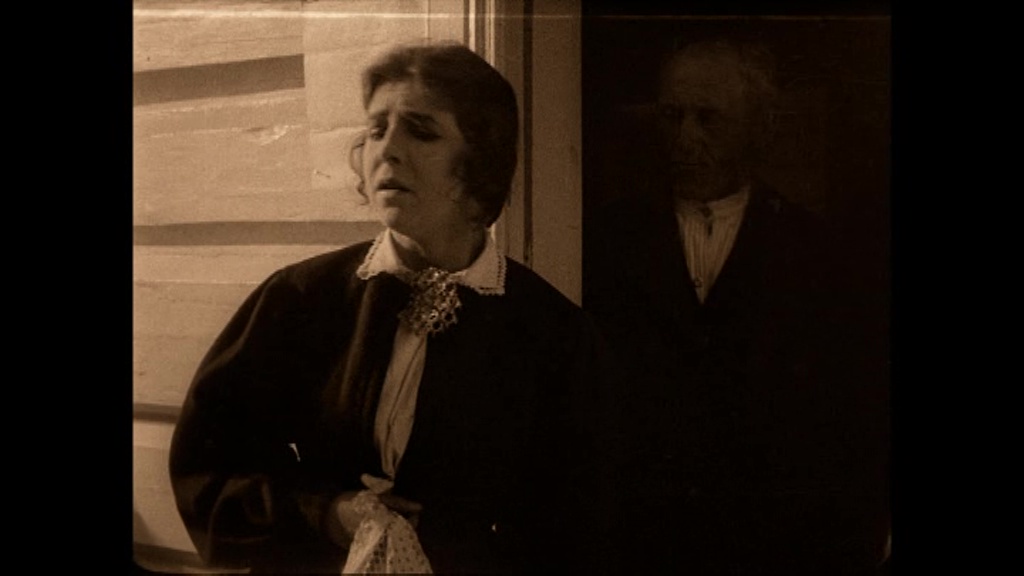
That said, the film does have skilful touches. As an outsider, Anne is several times seen on the margins of the frame – by doorways, in the shadows, observing from the side of the scenes. But there is so little mood, so little atmosphere to really offer depth to this sense of her otherness, her rejection. Compared to contemporary Swedish films set in similar locations with similar plots, Fante-Anne seems quite a simplistic piece of cinema.
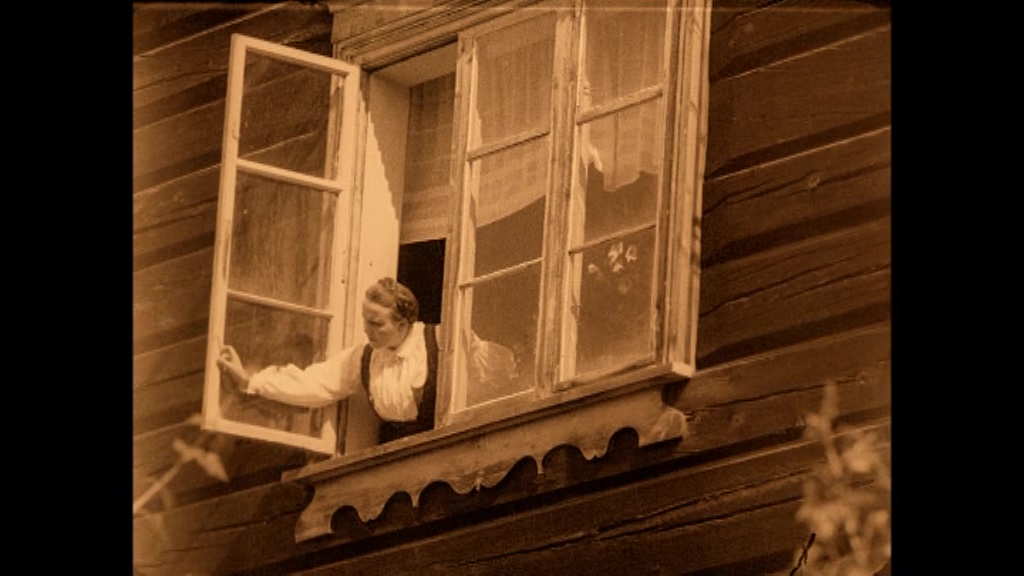
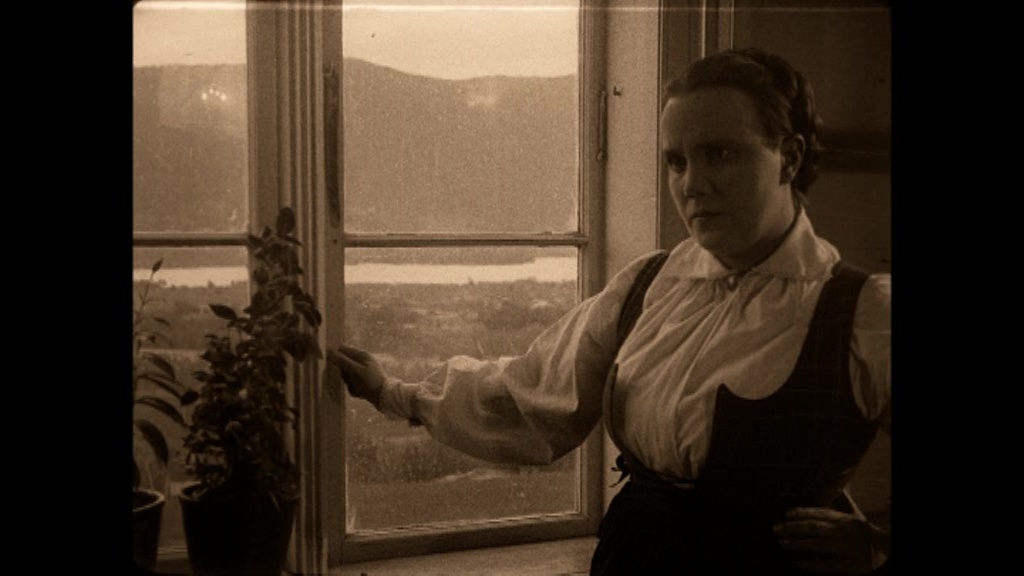
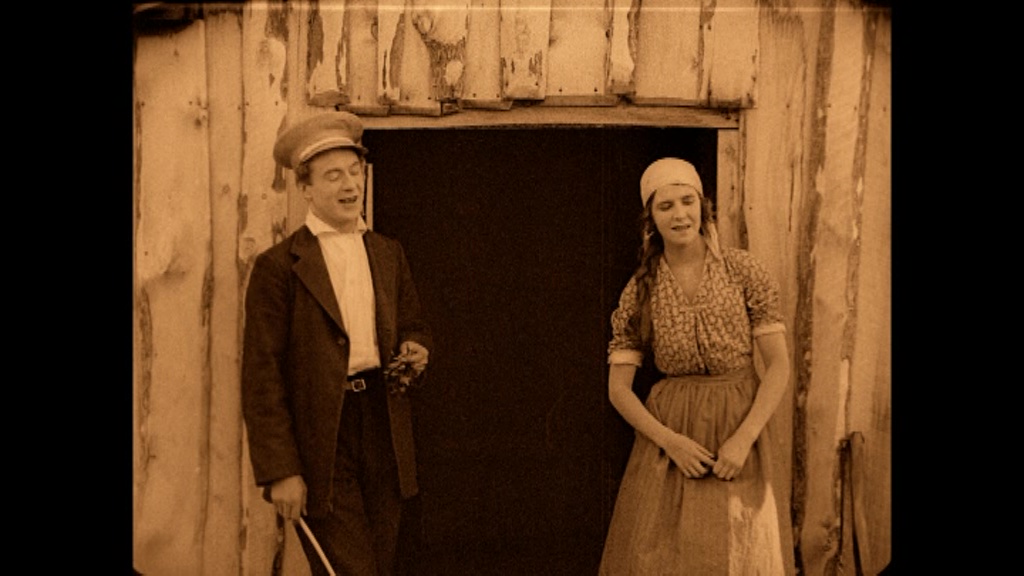
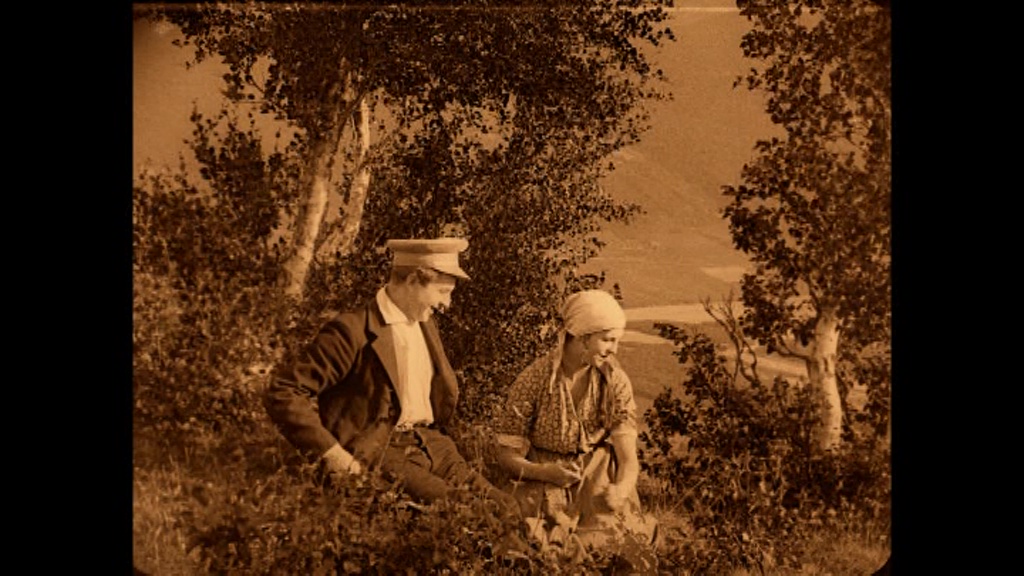
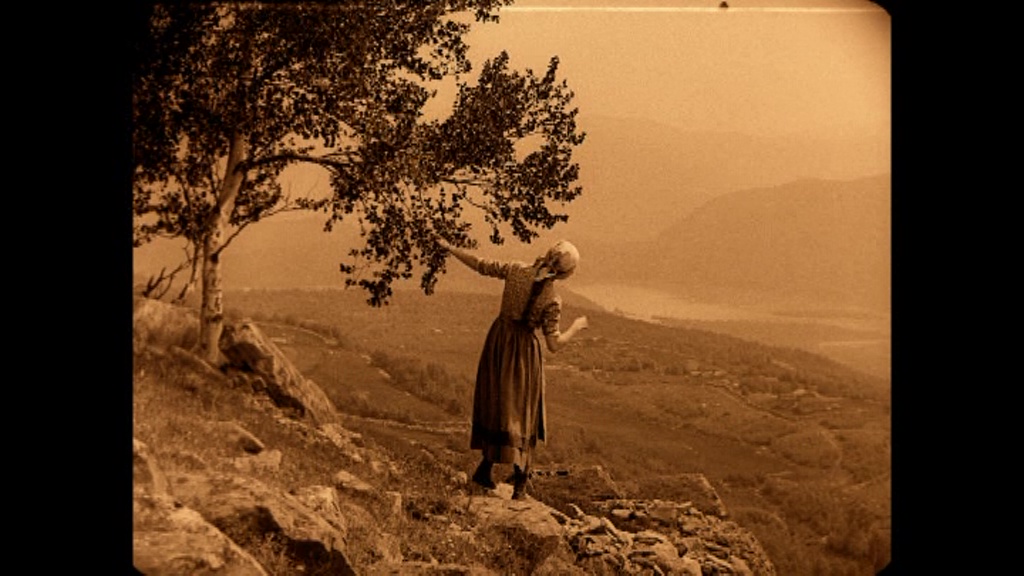
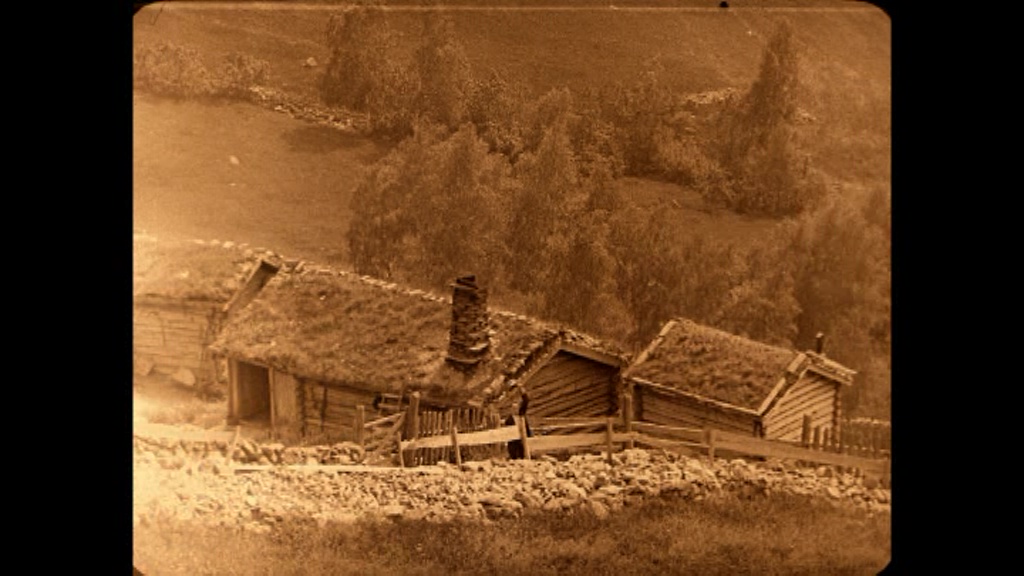
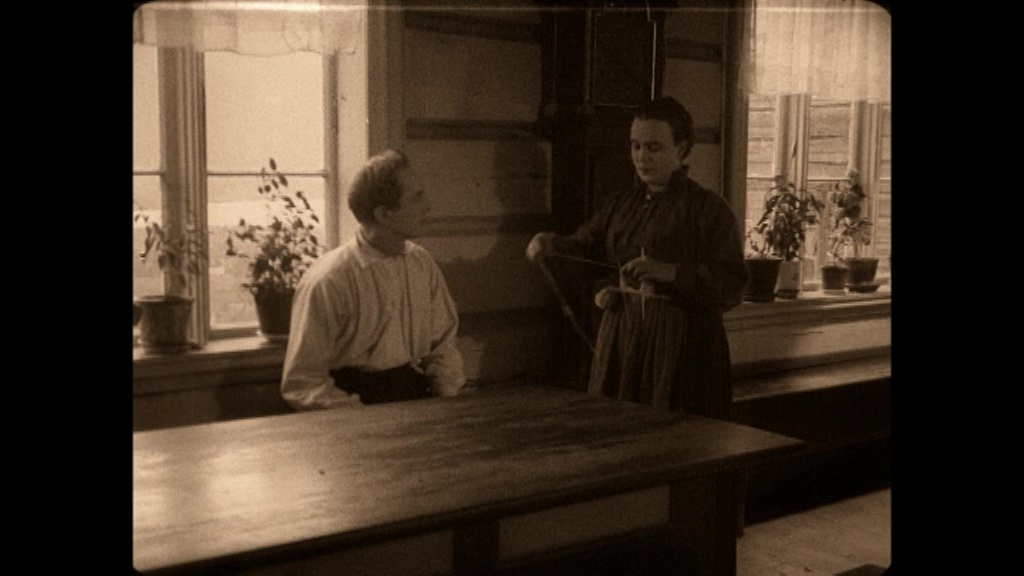
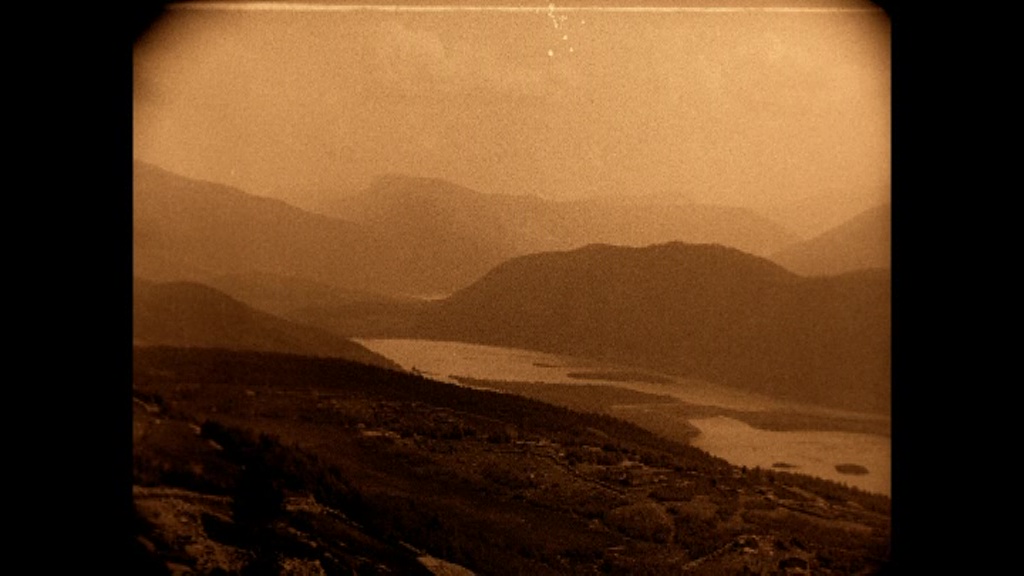
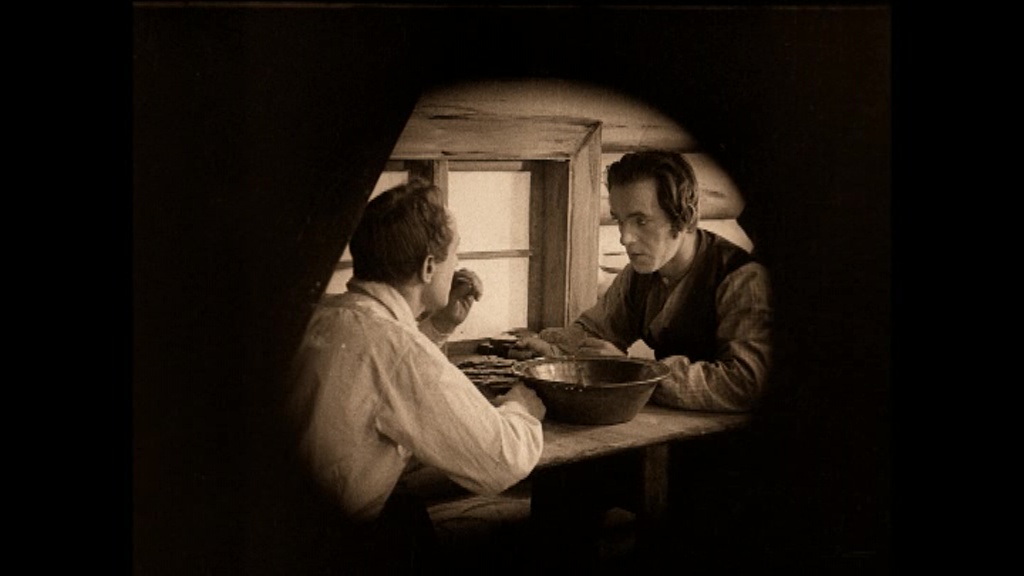
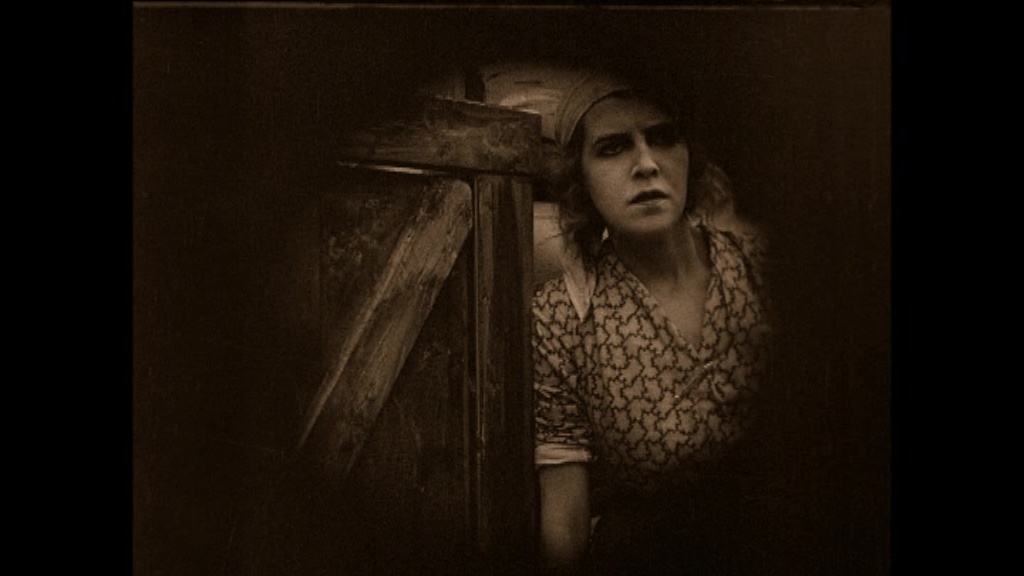
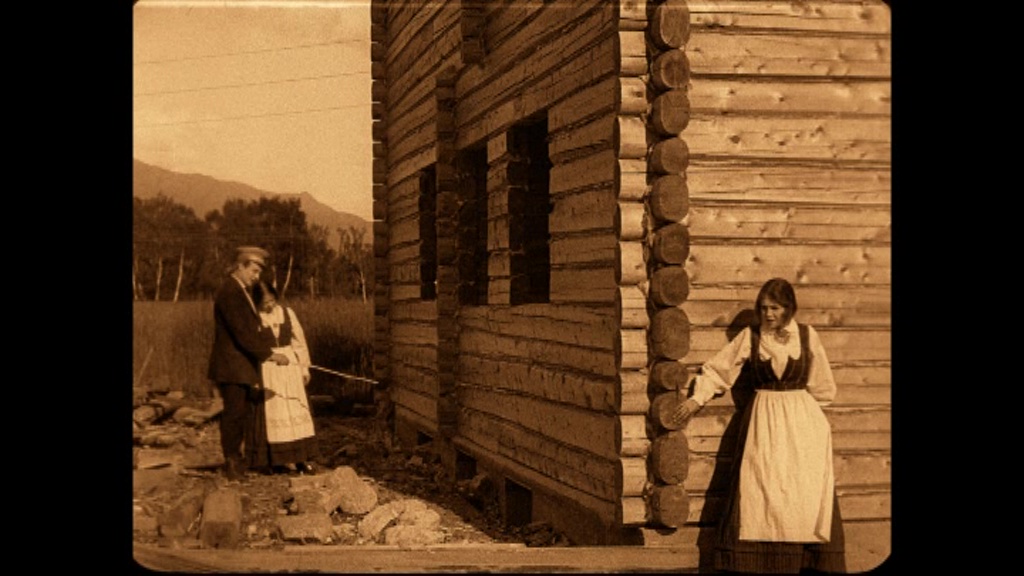
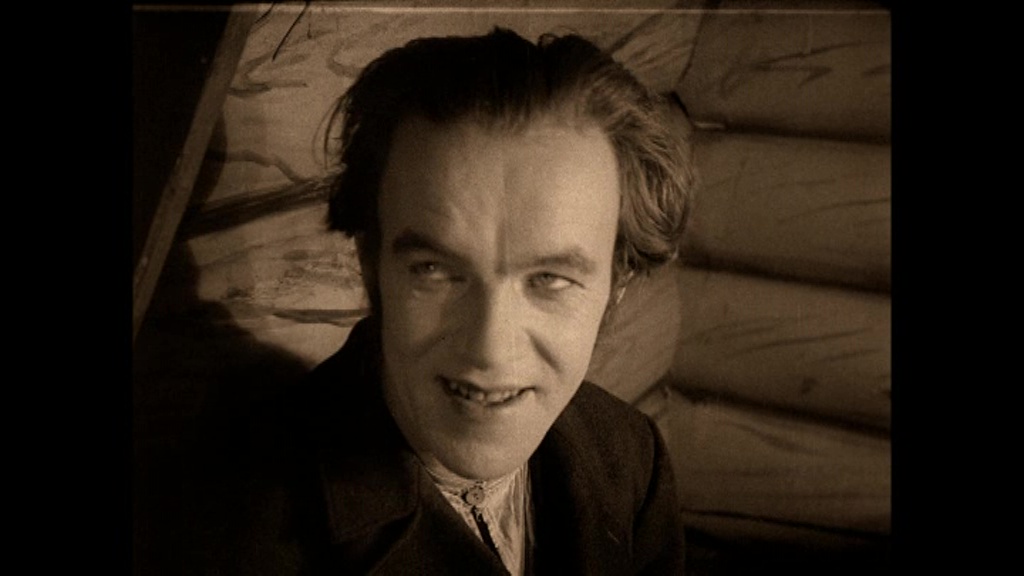
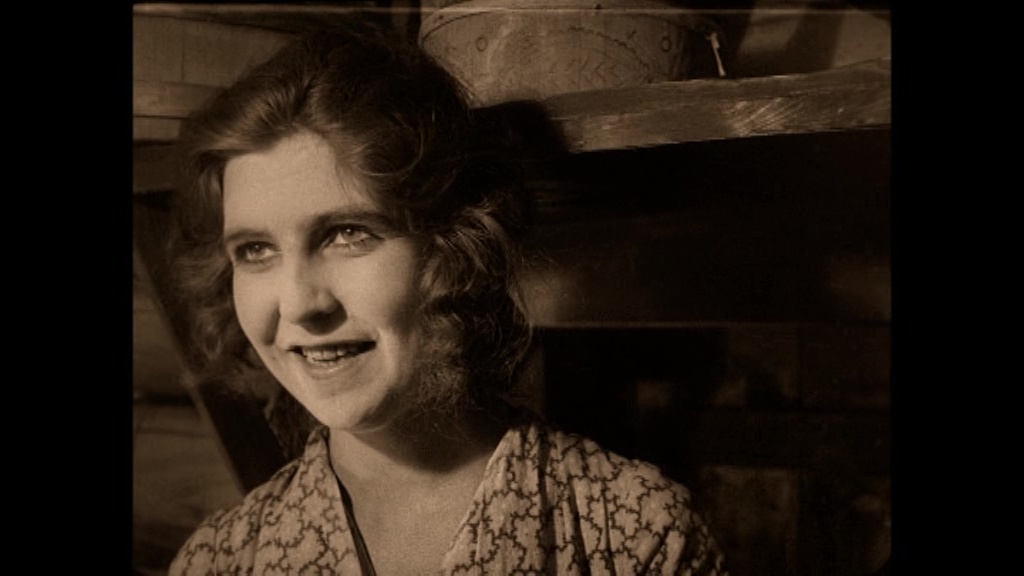
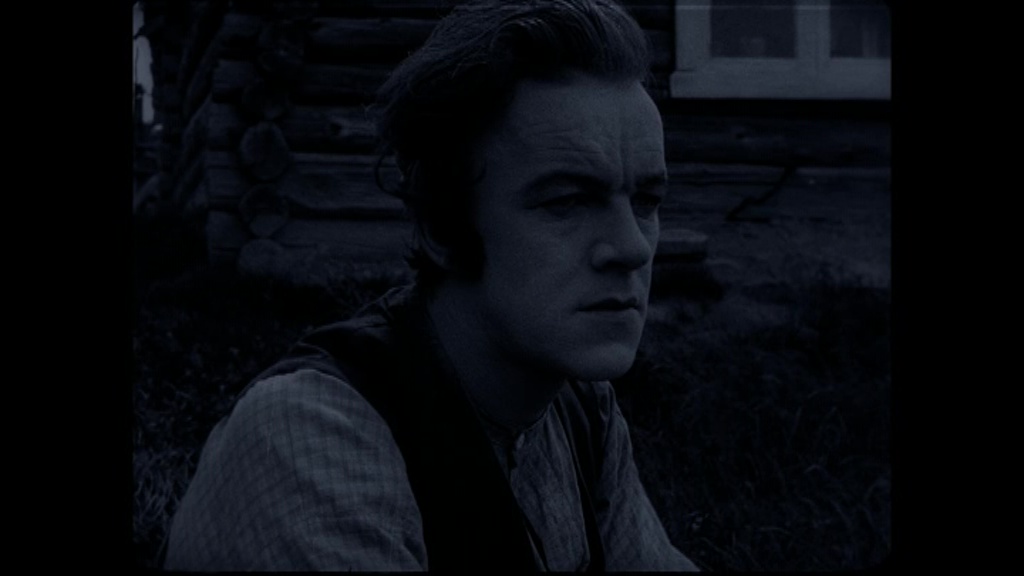
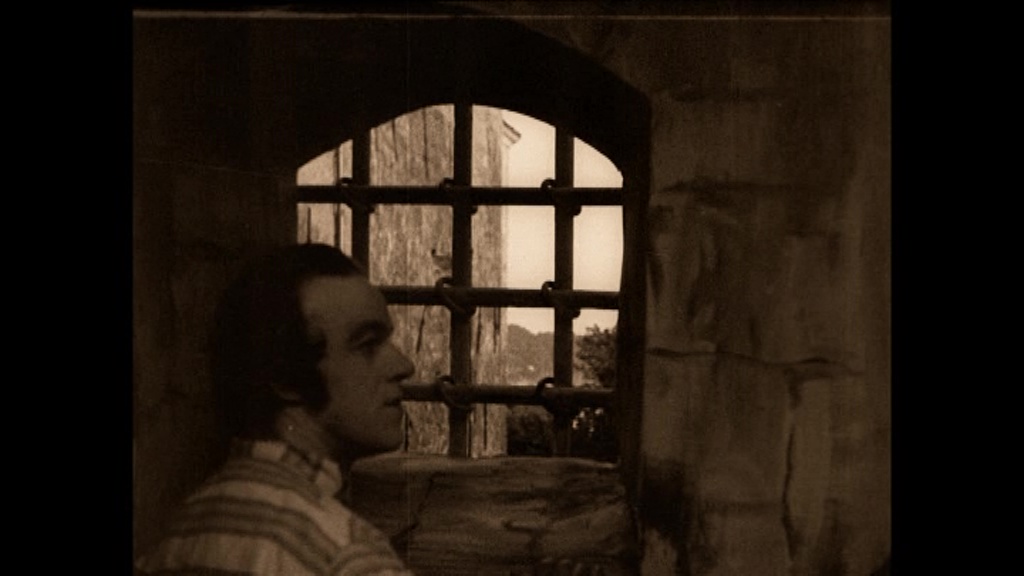
So too with the performances. Though Aasta Nielsen (no, not that Asta Nielsen) is good, the film does her no favours – she is never given time to have meaningfully extended close-ups, to show the range or subtly of emotion her character surely feels. Anne never felt more than a sketched-in figure on screen. Though I could follow her motives, I never felt I knew her, or that her inner life was rendered more than fleetingly on screen. As Haldor, Lars Tvinde was a strong and convincingly charming presence on screen – but, again, the film simply didn’t give him the chance for any depth, or even a chance to understand his apparent lack of depth. Of all the cast, Einar Tveito as Jon was given the lengthiest close-ups – but even here, there was something opaque about his character. As with the others, I don’t blame the performer so much as the director. Jon’s sadness is very one-note. He ends virtually every scene looking slowly down and then to the right, as though this repeated gesture were enough to show what he’s feeling on each occasion. Certainly, I got that he was unhappy – but nothing more than this. As a simple farmhand, perhaps we are not meant to feel that he has great depths, but I wanted more in order to feel sympathy for him – or to understand his motives, his hopes, the development of his love. Again, I felt that he was just a kind of living illustration rather than a fully-developed character.
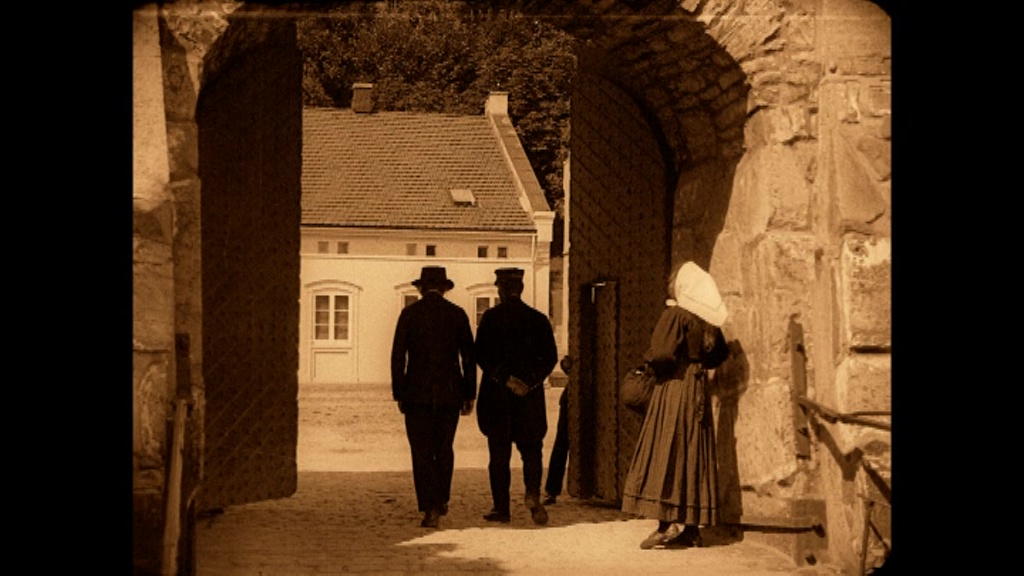
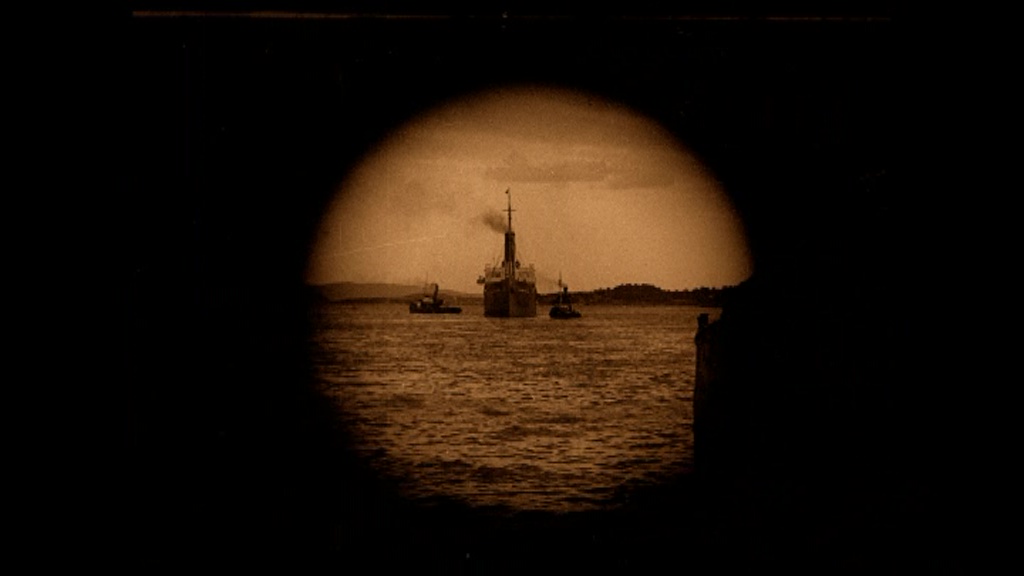
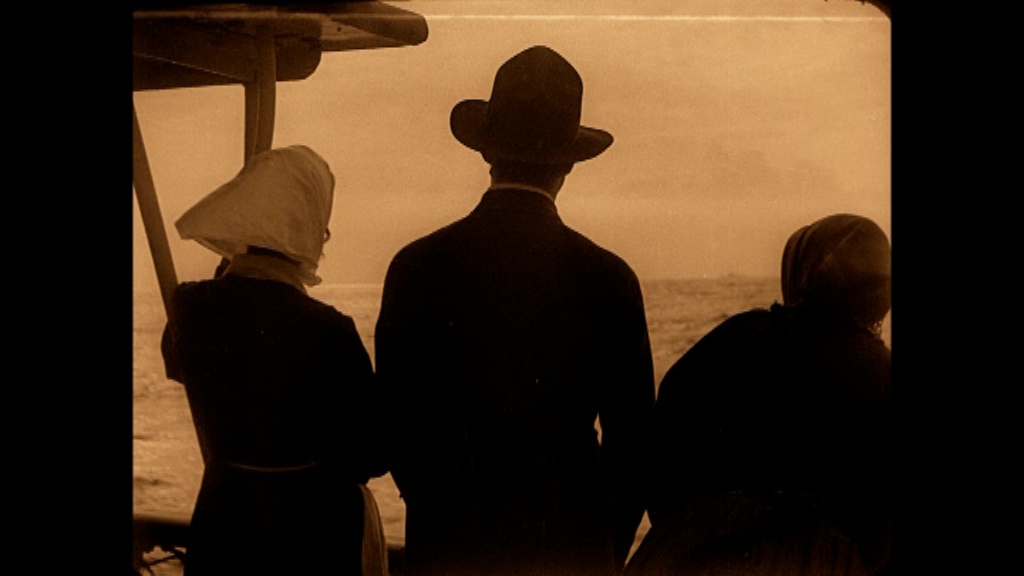
This all helps explain why I found the ending so dissatisfying. We are told that Anne, Jon, and Jon’s mother emigrate to America – where they hope to live in a society without class barriers. Though the issue of class and prejudice was implied throughout, to have this spelt out so clearly – and essentially at the bidding of the otherwise rather meek character of Jon – seemed quite surprising. I felt the film needed to have offered more extended and explicit comment on the rural world on screen to justify such an overtly political note at the end.
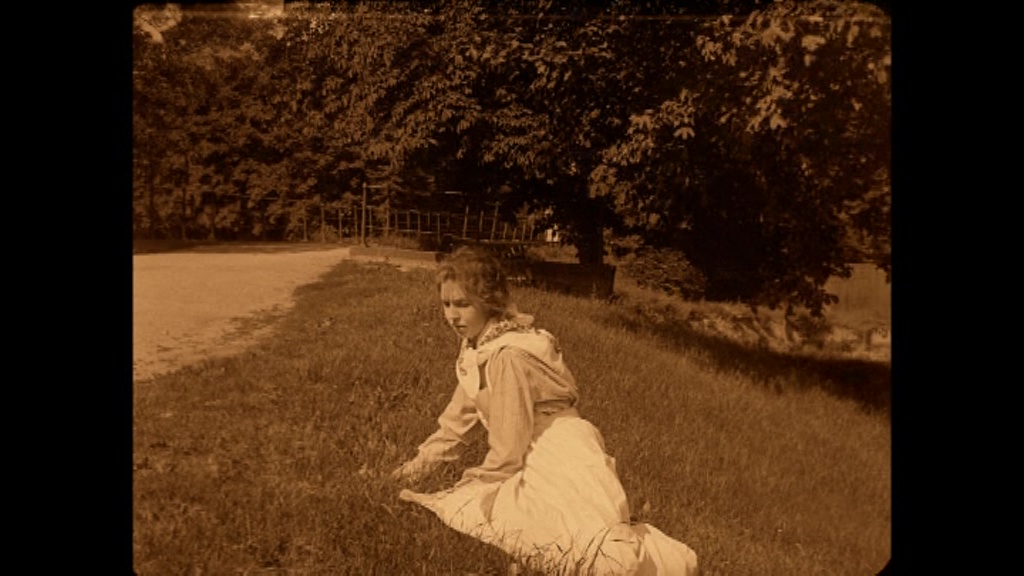
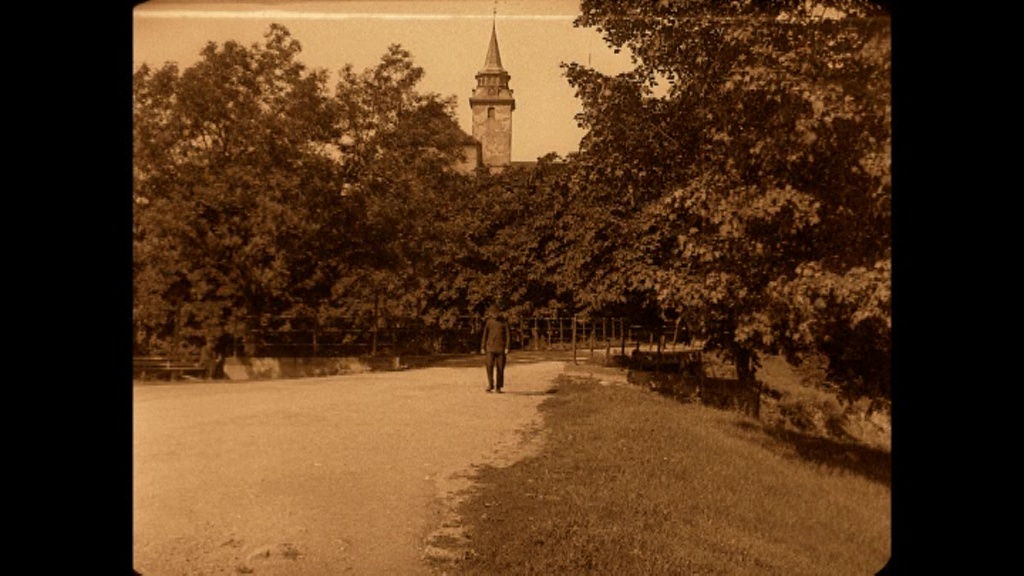
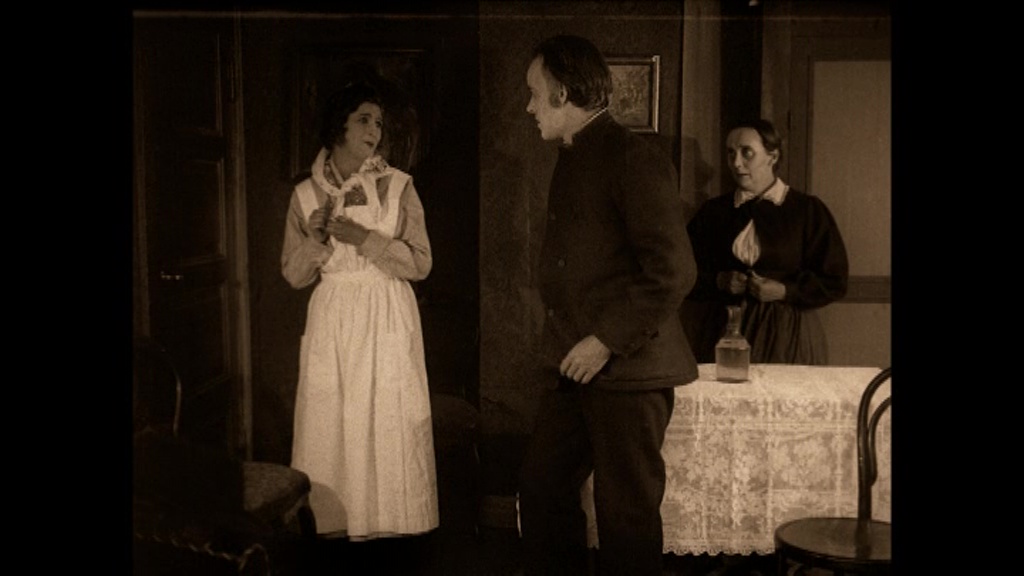
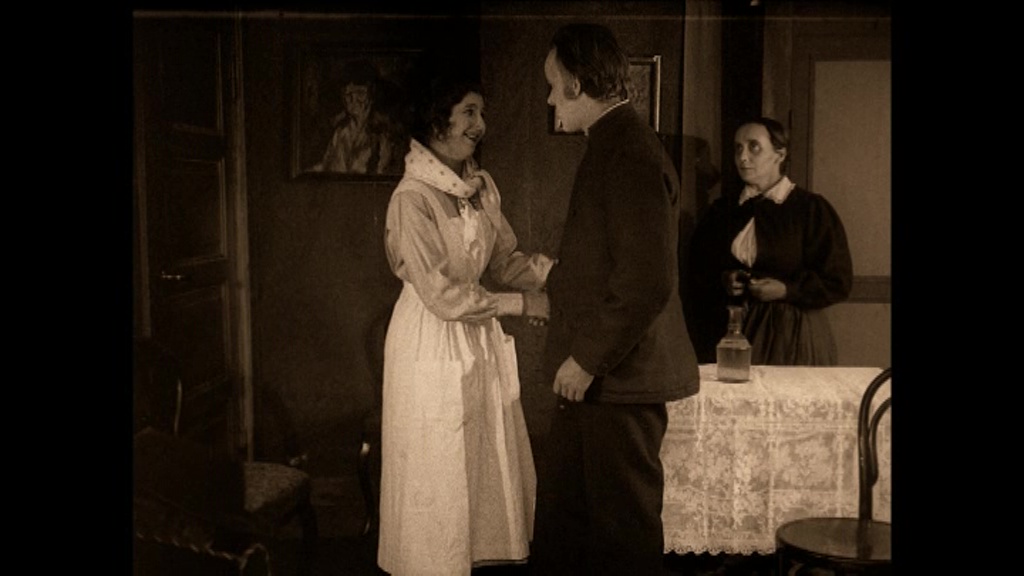
I should also note that the awkwardness of many intertitles was not helped by their placement in the montage. It was difficult to tell who was speaking in some scenes (especially in the extended encounter between Haldor and Jon in Anne’s house), while other scenes seemed to lack explanatory text to indicate what was being said at all. (I noticed numerous little skips in shots that often indicate the (lost) presence of titles. This was particularly evident in the last scene in which Jon and his family discuss going to America. This hardly helped me understand their motivation or ambitions.) The restoration notes cite a Swedish print being the basis of this restoration, which may mean the titles are not always in accord with the original Norwegian version. Whatever the case, the text was not successfully integrated into the rhythm of the scenes. I am also under the impression that the film was playing a frame or two too slow. I know that rural life is slow, but should it be this slow? There was a slight jerkiness to the motion of the images, which may have been the film’s original (celluloid) framerate fighting with its encoded (digital) framerate – but it gave the impression of a film running almost too slow for the eye to be convinced. (At least, for my eye to be convinced.)
Having said all this, it may well be that I would have been more engaged by Fante-Anne if I had enjoyed the music presented on this Blu-ray edition. This orchestral score was written by Halldor Krogh for the 2011 restoration by the Norsk Filminstitutt. Krogh had already reconstructed the original score for another Breistein film, Brudeferden i Hardanger (1926), for its 2007 rerelease. I was therefore expecting something informed by period practice, or at least sounding in keeping with the film’s rural setting. What I got was – to my ears – neither. Its soundworld – both in rhythm and harmony – is distinctly modern, divorced both from the traditional setting of the film and the period of its making. This wouldn’t be a problem if the music worked with the images, but all too often it overwhelmed them with clamorous volume or boisterous energy, or else it sucked the life out of them with passages of melodically turgid angst. Sometimes the music changed gear in-between shots, while elsewhere whole sequences passed without anything on screen seeming to register in the score. By turns vague and over-emphatic, the music made me squirm with impatience throughout. Even the one passage of period folk-inspired music, a violin-led dance, went on unmodified for a whole scene – much of which takes place before we even see the dance on screen. When the dance ends and the villagers begin a difference dance, Krogh repeats exactly the same music as before – as though the poor violinist on screen knows only one tune! It was one of many incidents which I felt oddly mishandled by the score. Another would be the courtroom scene, in which Anne mischievously implies she was dreaming of the courtroom official gambling on the night of the arson – a remark made (I can only assume) in jest, but the score takes it deadly seriously, not amending its brooding, meandering tone one bit towards humour. The moment is utterly lost. (Not that the film handles this moment very deftly, either – but this would be all the more reason for the score to clarify the tone and deliver the point.) I am curious to see how Krogh adapted original music for Brudeferden i Hardanger, but the DVDs of that film are now virtually impossible to find outside Norway, and even there it looks obscure enough. So Fante-Anne is all I have of his work, and it disheartens me to have so little positive to say about it.
In summary, a dissatisfying experience. In a funk about missing HippFest, I am now in a funk about the one film from the line-up that I felt I could rewardingly watch on my own. I’m glad I’ve seen it, but I suspect it will be a while before I revisit. On the plus side, trying to track down other Norwegian silents has led me to find something else that may be of more interest in the future… I suppose the lesson of the above is that I should have read the HippFest description more attentively. Then I would have seen Fante-Anne with different music, and I might have liked it more. Oh well. More fool me.
Paul Cuff
 The Realm of Silence