Day 2 is overfull with content! We begin in France in the early 1910s and finish in Ukraine in the late 1920s. It’s a day of contrasts, from stillness to restlessness, from adulthood to childhood, from the bourgeois world to the world of poverty, from canonical figures within film history to those residing in the margins…
The first four films on our schedule are by Louis Feuillade, and the first of these is Le Nain (1912; Fr.; Louis Feuillade). An unknown masterpiece is presented at the theatre. Its anonymous author is Paul Darcourt, the film’s titular “dwarf”, who lives at home with his mother. He is besotted by the image of Lina Béryl, the lead actress in his play. Their relationship is conducted over the telephone, and admired by the switchboard operators. But when the actress tracks down the author and his secret is revealed, she laughs in his face. FIN.


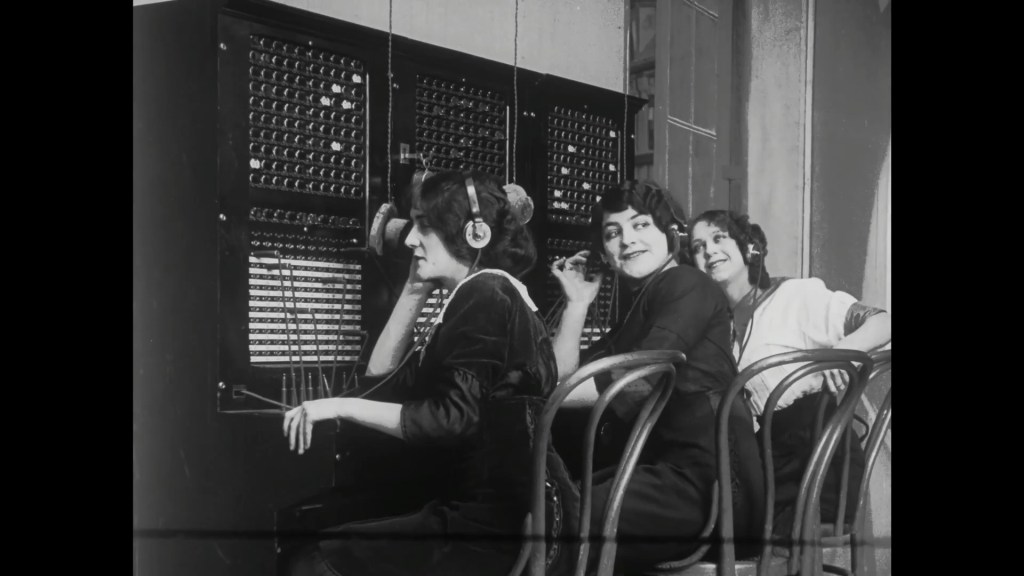


A comedy? A tragedy? It is both. As with Cyrano de Bergerac, one can smile at the elaborateness of the romantic subterfuge over the phone – played out in a brilliant split-screen effect – and at the naïve love of Paul for Lina. But unlike Rostand’s drama, there is no redemption or acceptance or transcendence in Le Nain. The brevity of the drama, and the suddenness of Paul’s rejection by Lina, makes it impactful. What might easily have been a comedy turns into a tragedy, and it does so through laughter: Lina’s almost hysterical reaction to the sight of Paul is a sharp, shocking way to resolve the drama. There is no death or suicide to end the film. Lina’s laugh is brutal enough.
Les Vipères (1911; Fr.; Louis Feuillade). The village guard and his sick wife. Taking pity on a woman he has been ordered to evict, the guard brings her home, where she works hard to earn the respect of her new guardians. But she has a bad reputation and the locals (the titular “vipers”) gossip, turning even the guard’s wife against her. Realizing she must save her guardian’s reputation, she leaves the village. FIN.


Les Vipères is a subtly devastating film, and I was amazed how effective it was. The slow, remorseless crescendo of gossip – and the way you see it unfold through endless little gestures, snide little laughs, judgy little glances – really makes you feel the way the community turns on, and destroys, the outsider in their midst. There are no dialogue titles, only brief summaries of what transpires in a scene or what has transpired since the previous scene. Every aspect of the drama is perfectly laid out for the eye: the mise-en-scène is impeccably legible, realistic, clear. Feuillade’s unbroken, remarkably articulate tableaux make every beat of the unfolding drama understood – a clarity that enhances its emotional tenor. The final shots of the “outcast” moving through the empty house, kissing the guard’s child as she sleeps, then taking one last look at the empty main room before she leaves, her shadow passing over the floor as she moves through the door, is perfect. What a great little film!
Le Cœur et l’argent (1912; Fr.; Louis Feuillade). Suzanne and Raymond are young lovers. Her mother, an innkeeper, disapproves. M. Vernier, a wealthy landowner, takes an interest in Suzanne. Her mother tries to persuade Suzanne of the advantages of accepting the man’s interest. They marry, but Vernier soon dies. Suzanne inherits his fortune, provided she does not remarry. But she chooses to flee, and finds Raymond in their old haunt on the river. But the memory of her being with Vernier soils their idyll. Suzanne drowns herself, her body “like a cut iris, drifting on the river”. FIN.


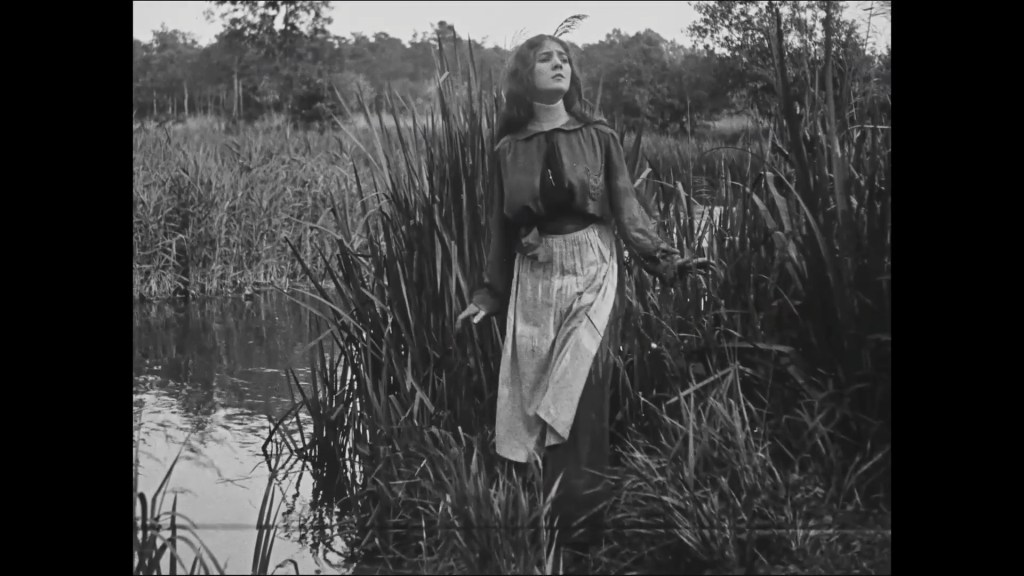


Most of the drama takes place in exteriors, which are absolutely beautiful to look at. Sharp, rich images of a century ago. The river, the inn on the bank, the roadside, and finally the tangle of reeds and the water itself. As before, everything plays out in beautiful, lucid tableaux. There is just one medium close-up, in which we see Suzanne looking at the irises that remind her of Raymond. It’s a unique instance of proximity, powerful precisely because it evokes the closeness Suzanne imagines – and the distance we know lies between her and her true love. This moment follows a previous shot of Raymond on his boat, drifting slowly and aimlessly down the river. It’s both a contrasting image and one that rhymes perfectly: the two lovers, worlds apart, each aimless without the other. And the shot of Raymond drifting down the river foreshadows Suzanne’s fate, a fate that he himself provokes. The final images of Suzanne in the water, face up, echo Millais’s Ophelia. But the beautiful monochrome image, and the reality of the moving trees and the shifting surface of the water, make this a superbly cinematic moment. Another beautiful, concise drama, concisely and beautifully realized.
L’Erreur tragique (1912; Fr.; Louis Feuillade). Called from his estates to the town, the marquis stops at a cinema, where he sees the latest Onésime film – and glimpses his wife with a stranger in the background of the scene. He returns to the chateau, determined to find proof of his wife’s infidelity. She receives a letter from a man who begs to meet her. She goes, but the marquis has sabotaged her carriage. While the marquise is en route to her meeting, the marquis discovers that the mystery man in the film and the author of the letter are the same man: it is the marquise’s brother, returning from years of exile. Realizing his tragic error, the marquis goes in search of his wife. She has been wounded, but is safely reunited with her remorseful husband and grateful brother. FIN.


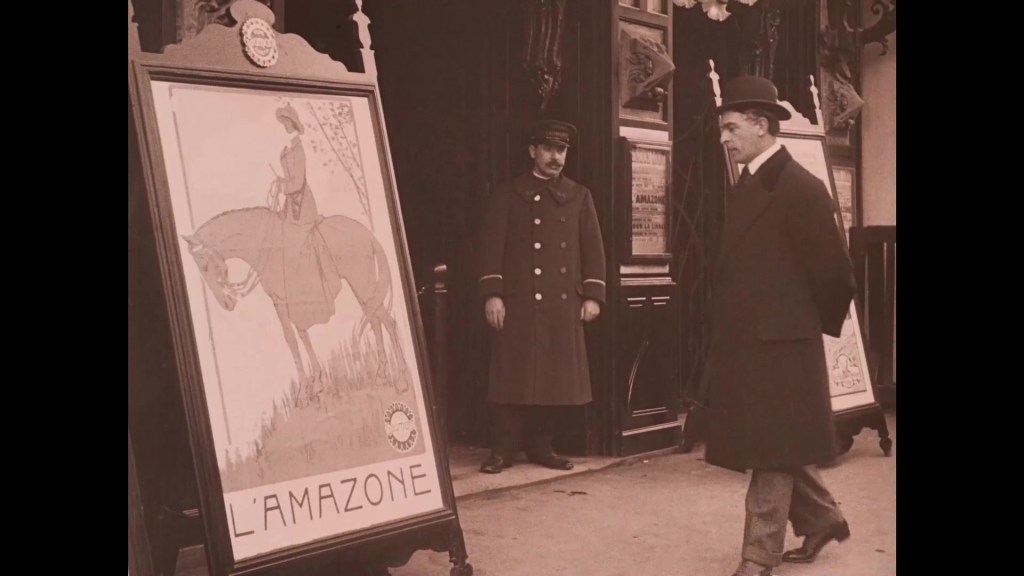

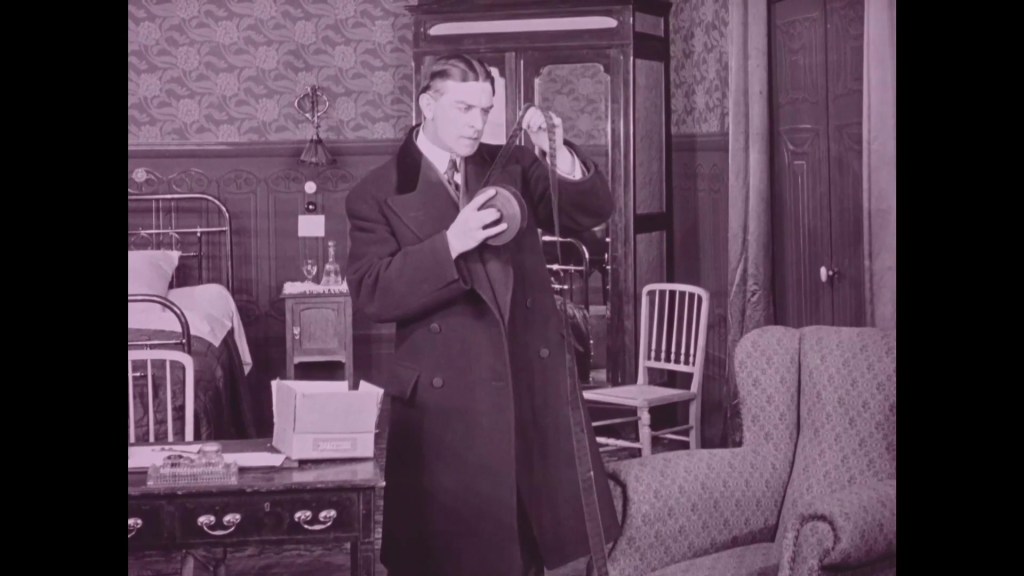


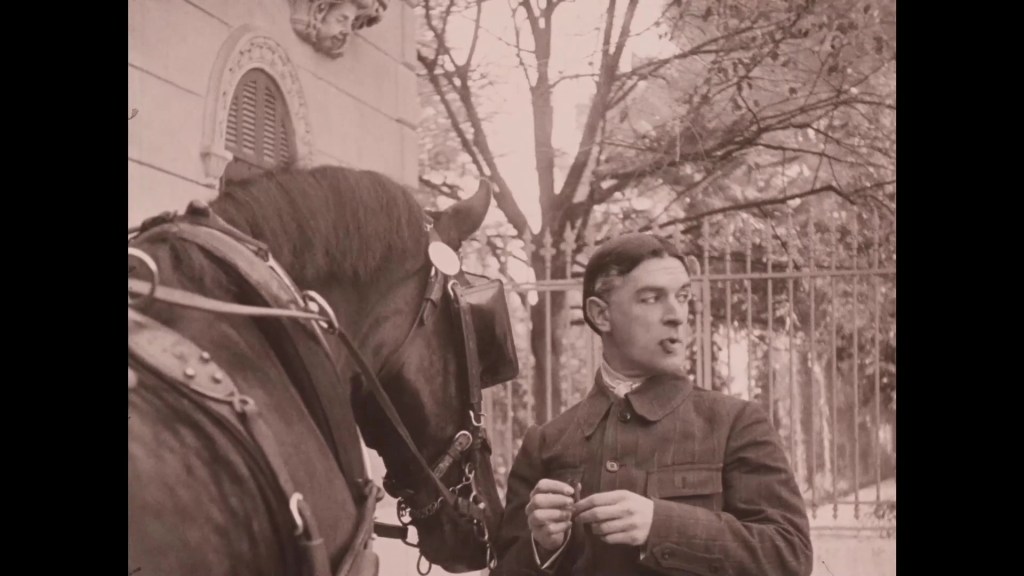
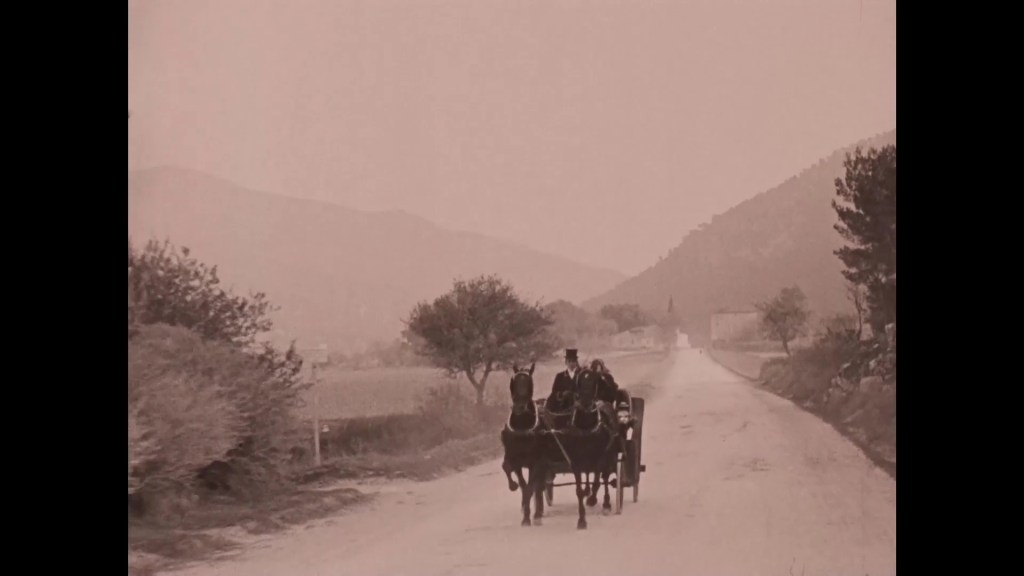

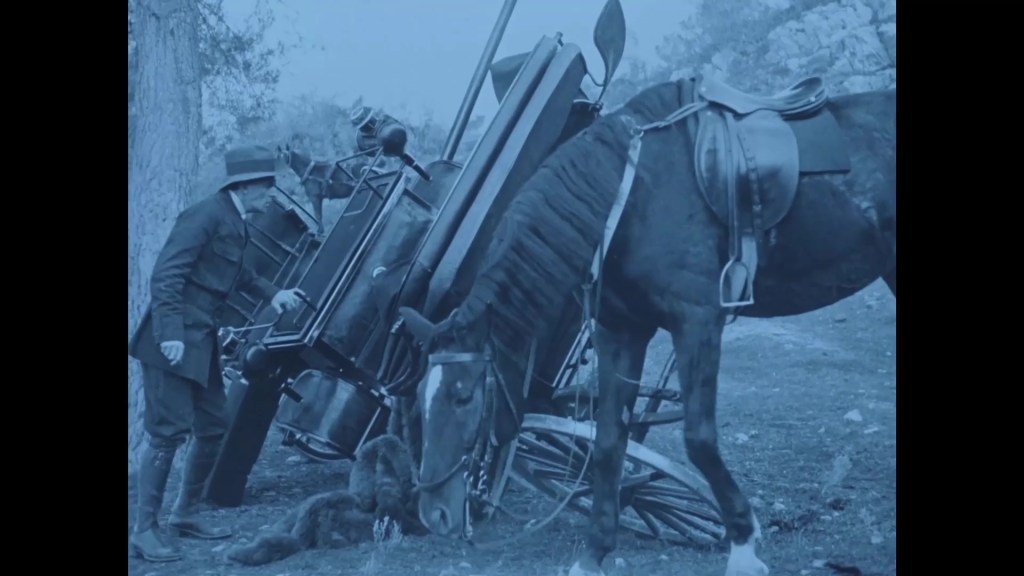

The main interest in this film is René Navarre as the marquis. There is such fantastic menace about this man. His sharp profile, those glaring eyes – he makes a perfect jealous husband, and a potentially murderous one, too. When he moves stealthily through the house at night, each room set in eerie low-key lighting, you can see immediately why he would be cast as Fantômas. This man has a marvellous, malevolent presence on screen. There is something deeply curious, too, in the way L’Erreur tragique mobilizes film as both a source of captured reality and as a misleading fantasy. The cinematic experience – offering a glimpse of something unexpected in a dark room – is one thing, but the strip of 35mm that the marquis examines is another. The first is an enigmatic, frightening, shocking encounter. The second is a forensic examination. Yet it is the latter that ultimately misleads the marquis into thinking that what he sees – and can hold in his hand – is convincing evidence of his wife’s infidelity, and the ultimately proof enough to kill her. One can pour over a strip of celluloid, arresting each frame as a photographic still, but it is only a fragment of reality – a (mis)framing of a wider picture. It’s a wonderful dramatic device, and it makes this film more potent than it would otherwise be. Nothing in L’Erreur tragique is as moving as in the other Feuillade films in this programme, but there is something disturbing and curious about the drama that will linger in the memory.
Sam sobi Robinzon [Robinson on His Own] (1929; UkrSSR; Lazar Frenkel). So to our next item on the agenda, this time from the Soviet Ukraine… Vasja is a child emersed in books and imagines himself as a Robinson Crusoe figure exploring wild lands. Mocked by his fellow pupils and his teacher, he tries to “toughen” himself. Runing off during a school away day, he tries to prove his ability to survive in the “wild” with an old pistol. His school party go in search of him and, after a night alone in a storm, Vasja is finally brought back into the fold. END.


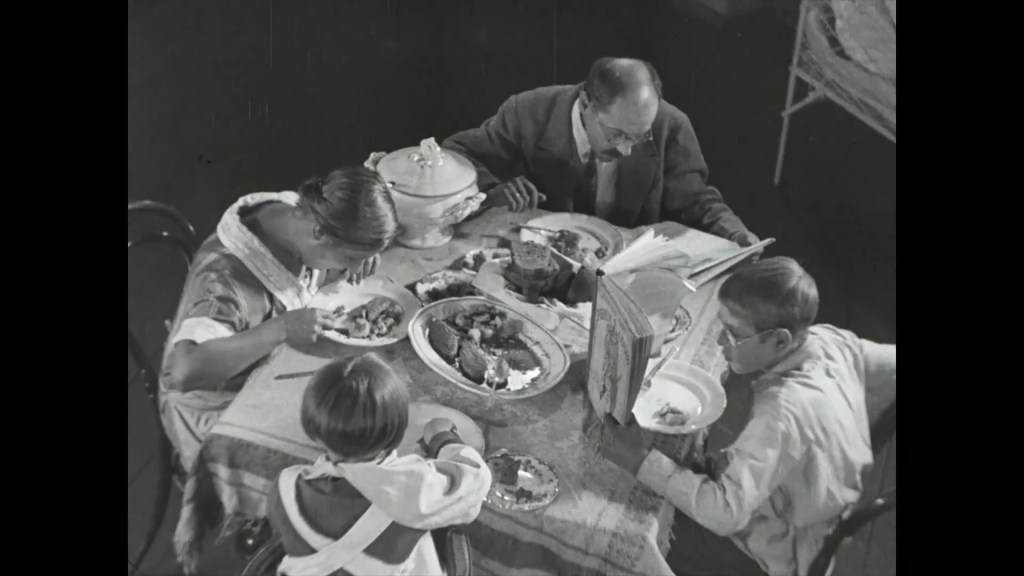


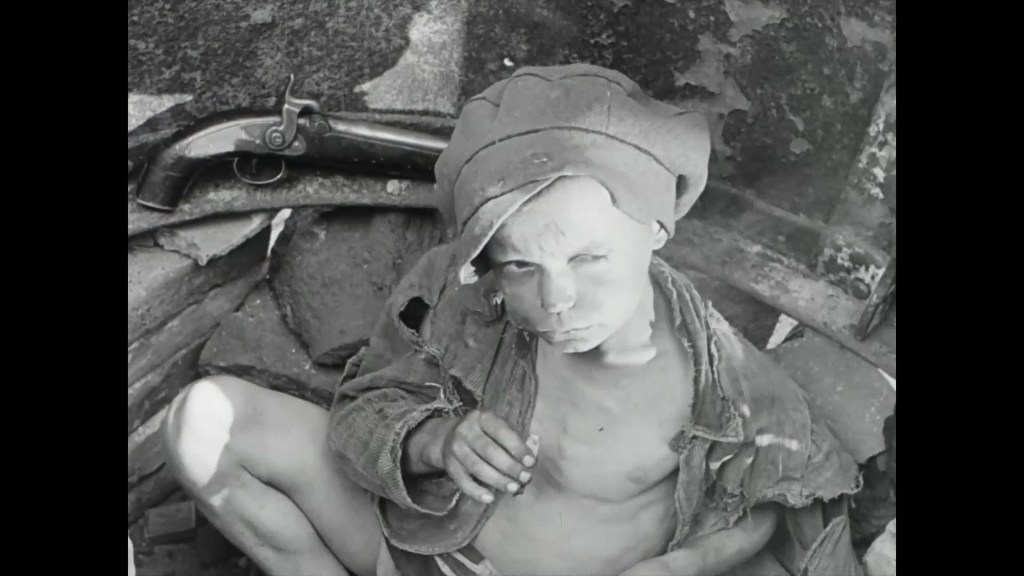


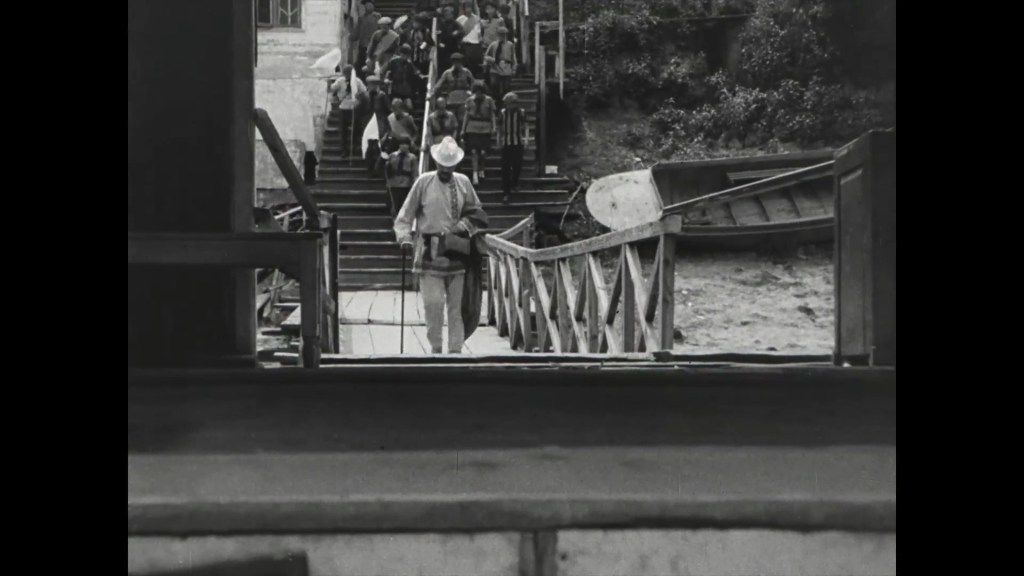


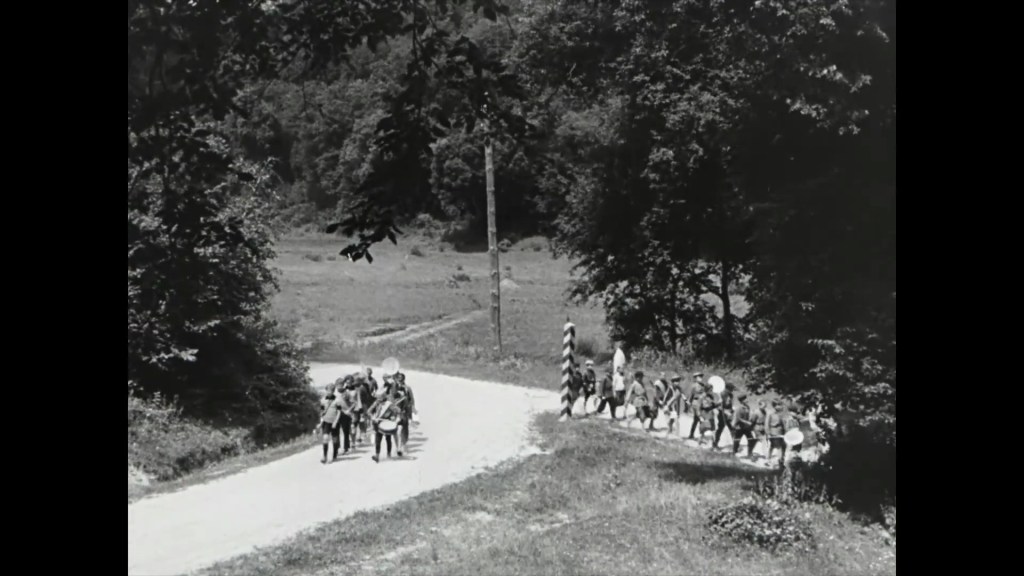
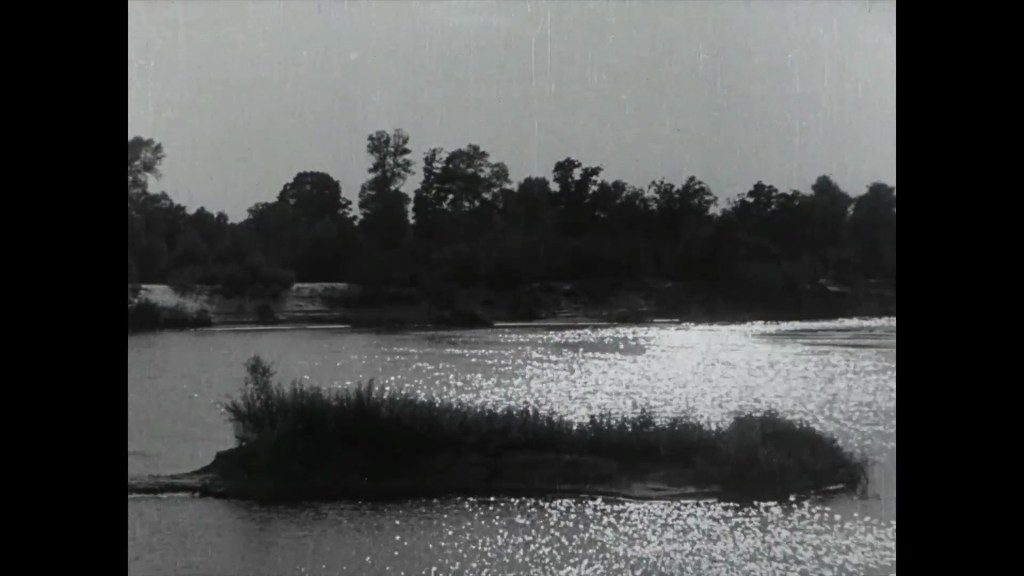


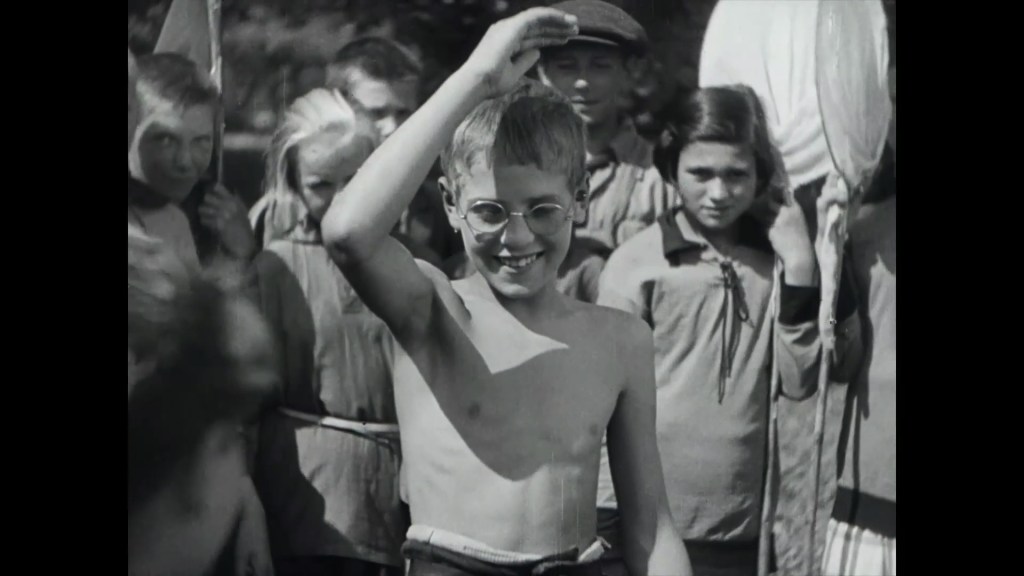
What an absolutely delightful film. Funny, silly, sad, and poetic. The film is an hour long, which seems the right kind of in-between length for such a production. It’s ramshackle but doesn’t outstay its welcome. It’s daring and inventive but allows time enough to produce a convincing narrative. The rhythm of the film feels like a real slice of childhood. Time moves very slowly, then very fast. There are long stretches when nothing much happens, interspersed with moments of wild fantasy and drama. Like Vasja, we meander without a plan through this film, delighting in the landscapes, the skies, the glimpses of rural life, the animals, the sense of freedom. We also meander through different genres. Vasja fantasizes about being a colonial hero and a cowboy, so we see him fighting tigers, escaping gangs of natives. If these scenes are unsettling, the film also offers a non-judgemental perspective on them. They are the fantasies of a child, deliberately and wholly unbelievable. Who but a child, we are asked, might imagine life as a white colonialist in this day and age? The western fantasies are comic, using stereotypes to illustrate the childishness of such make-belief. The film ends by returning us to more down-to-earth pleasures, to a community of peers who are ultimately welcoming to Vasja. There is no need for violent fantasies of conquest: real life, and real satisfaction, exists in the community around us. Vasja is not to be condemned. He’s just a child, trying to find a role for himself.
For all I’ve said about the dramatic and thematic pleasures of Robinson on His Own, perhaps the chief pleasures are visual. This is a gorgeous film, which takes place primarily in the outdoor spaces of Ukraine. Director Lazar Frenkel has a superb eye for composition, for how and when to move the camera, for when to use sudden bursts of rapid montage. Purely as a vehicle for viewing the past, in a particular time and place, this film is an absolute gem. And we see it not through some didactic lens, or the careful choreography of propaganda, but through a kind of child-like delight in meeting new people and seeing new places. The sun-soaked landscapes are fabulous, just as the bustle of the streets are tangibly, dustily vivid. (I must add that, though the film is overwhelmingly told through images, there are some great moments of dialogue. When Vasja is helped by a local child, he happily tells him: “You’ll be my Friday.” “But today’s Thursday”, the baffled child replies.) A fine contrast with the opening shorts of today’s two-part programme, Robinson on His Own is a deeply refreshing and rewarding film.
Pryhody poltynnyka [The Adventures of a Penny] (1929; UkrSSR; Aksel Lundin). In tsarist times, the rebellious Fedka is mistreated by the authority figures around him. From a poor family, he delights in mocking the officer class and distrusts children like Tolia, who are smart and pampered. Given a penny by his father, Fedka tries to impress his friends by throwing the coin across a ravine – and then retrieving it. Meanwhile, Posmitiukha, Fedka’s best friend, has his cap confiscated – and Fedka agrees to use the penny to buy it back. Winter begins to recede, so the children head to the river the Dnieper and play on the breaking ice floes. When Tolia gets into trouble, Fedka goes to rescue him. Tolia blames Fedka, whose heroism lands him in the water and results in a fever. His parents don’t have the money for a doctor, so the mother goes to Tolia’s father for help. He gives her a miserly penny, which the angry father throws into the water. But the crisis is over. Fedka returns to health, and is reunited with Posmitiukha. END.


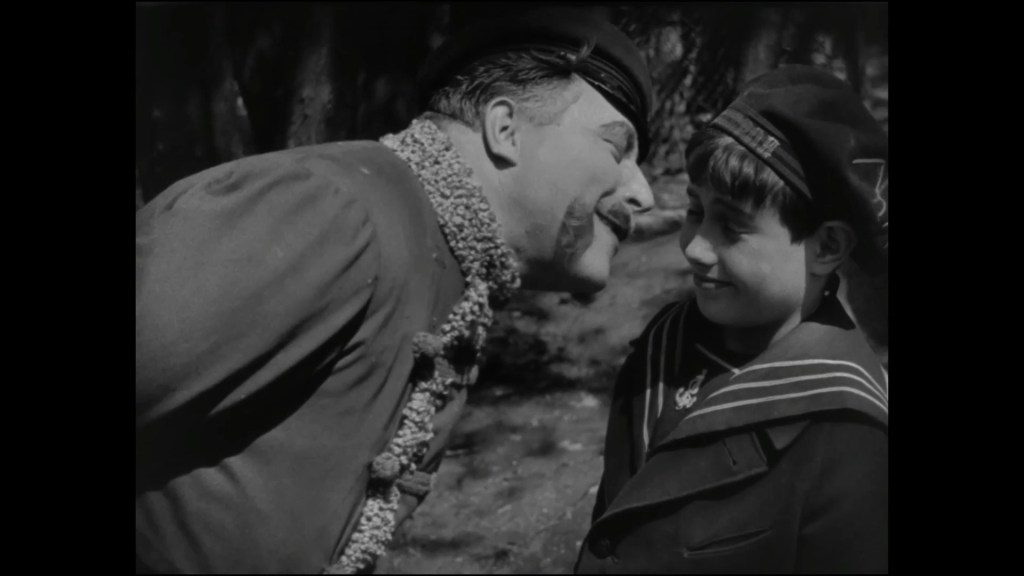


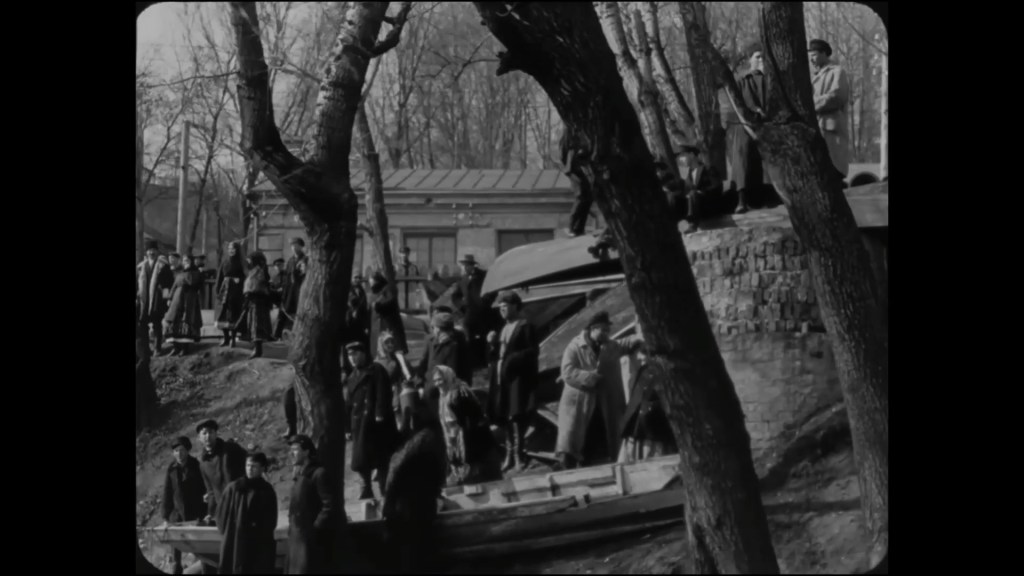

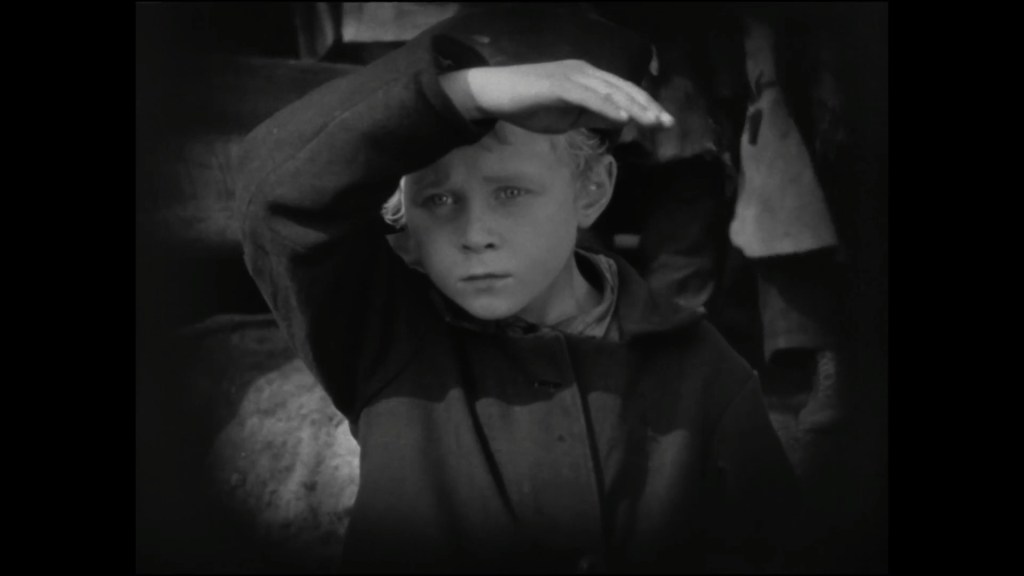


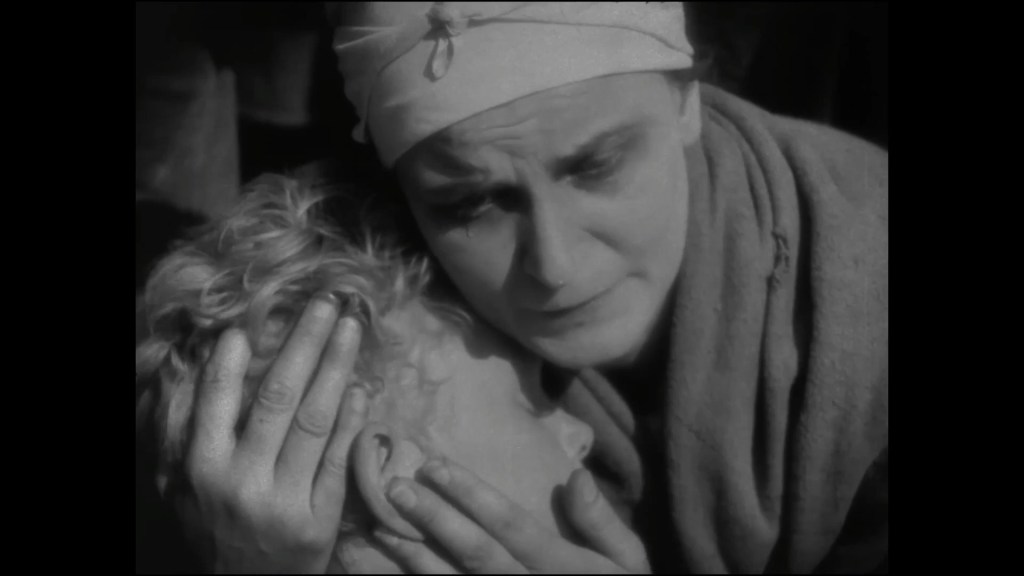


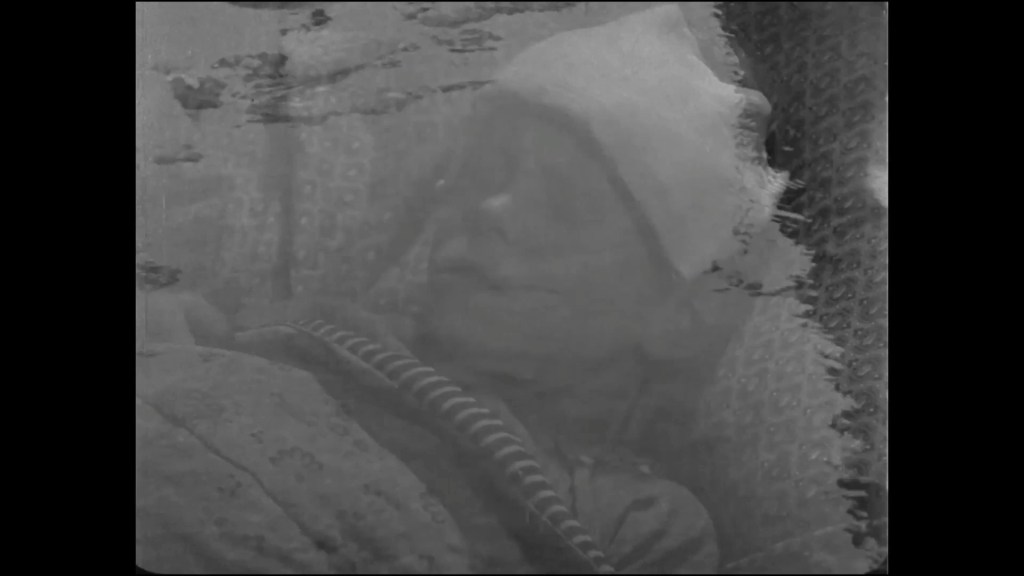


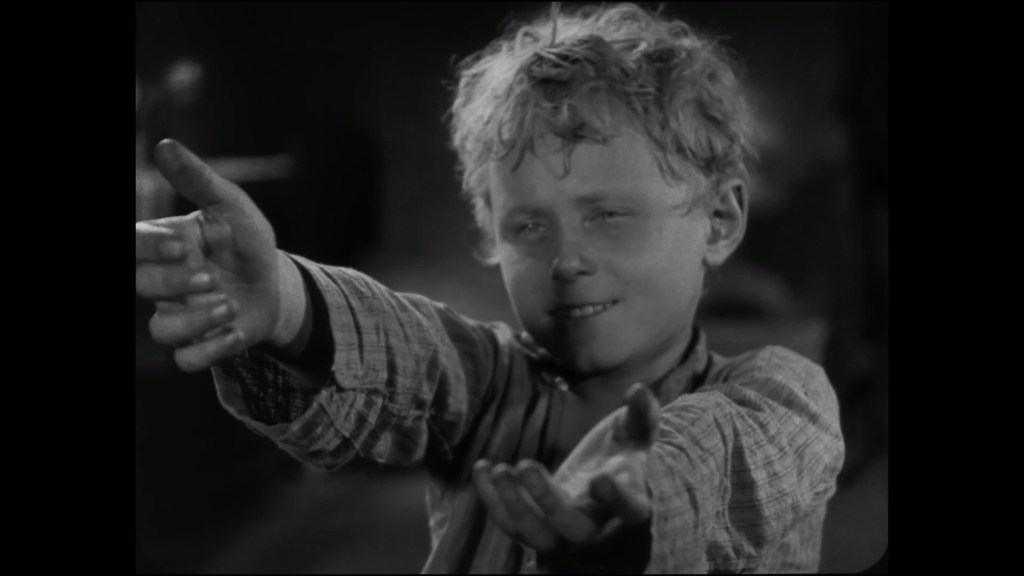

The Adventures of a Penny is an interesting contrast to Robinson on His Own. Both films centre their dramas around the ordinary, day-to-day experience of children, and focus on a particular child to shape the narrative. But unlike Robinson on His Own, The Adventures of a Penny has a distinct propagandistic edge. The enemies are most certainly the tsarist authorities: the local employer and his spoilt son Tolia, as well as sundry uniformed figures earlier in the film. Fedka’s father openly discusses the class and economic differences as the reason for the family’s struggle, and the film makes these issues central to its drama. The status of the adults is replicated in the children, so the drama involving the latter maps clearly onto relations between the former. Because of this clear socio-political agenda, the film is sometimes in danger of being a simplistic polemic: a rather predictable tale of trodden-upon poor struggling against the tsarist powers. In some ways, the film is just this. There is no attempt to humanize or otherwise complicate Tolia or his father: they are both mean-spirited and violent, while Tolia is also a liar and exploiter of his fellow children. But because the film spends so much time with Fedka and his friends, we are spared too much of the finger-wagging aspect of its message. We are invited to sympathize with the poor, so when the tsarist authorities intervene, we immediately take against them.
But the propagandistic element is also felt, I think, in the overall design and tone of the drama. Put simply, The Adventures of a Penny is a better organized, more carefully lit, more elaborately choreographed film by far than Robinson on His Own. While the child performers in both films are equally excellent, The Adventures of a Penny is much more careful in how these performers relate to one another and to the central theme of the film. Fedka and Posmitiukha are more overtly characterized through their shabby clothing, just as Tolia is made to perform in a more mannered way than the other children. One feels that much less is left to chance in The Adventures of a Penny than in Robinson on His Own. For a film about the lived experience of children, this seems to me a problem. At least, I felt that Robinson on His Own offered a much looser, more child-like path through the world, and through its drama, than anything in The Adventures of a Penny. Even the fantastical dream sequence in the latter is more carefully edited, and more overtly political, than the rapid montage sequence in Robinson on His Own. The child’s dream in The Adventures of a Penny is also a kind of lesson; what we learn from the storm montage in Robinson on His Own is a sense of subjective fear and isolation. Even if Robinson on His Own is clearly conscious of wider social contexts, its children are not simple ciphers for adult politics. They are first and foremost children.
So, that was Day 2, that was. I must admit that I struggled to fit all Day 2’s material into Day 2. (Full disclosure: preparing this piece has taken two days.) Of course, this is my fault, not the programmers’. And I welcome the chance to see more otherwise utterly unavailable films. But, still, nearly three-and-a-half hours of material is a lot to deal with in a single day. But I mustn’t complain. (I don’t have time.) Suffice it to say that these presentations are superb. The films look excellent, and it’s a particular joy to see films of the 1910s look so good. Music for the shorter films was provided by John Sweeney (the Feuillade programme) and Daan Van den Hurk (for Robinson on His Own). (With the latter, the online listing promised piano only, but it was actually a small ensemble. I am only presuming Van den Hurk is indeed correctly attributed. Either way, I enjoyed it!) Music for The Adventures of a Penny was provided by Olga Podgaiskaya and the Five-storey Ensemble. This was a rather elaborate affair for recorded voices and various instruments, synthetic and real. It was perhaps a little busy at times for my taste, but it was by turns inventive and boisterous and lyrical and energetic – it matched the playful mood of the film, and the sense of bustle that the children on screen embodied.
Perhaps it is the distillation of drama into such economic means, or perhaps it is the weariness at the end of viewing and writing about Day 2’s multiple films, but I feel that I may retain only the broad outline of the two children’s films. The images that I suspect will linger longest in my memory are those lucid tableaux of Feuillade’s short films. They also have the advantage of a kind of familiarity. I enjoyed (re)encountering René Navarre, and Renée Carl, who appears in the three other films (respectively, as the poet’s mother, as the outcast, and as Suzanne’s mother). Both performers are familiar from Feuillade’s famous serials of the mid-1910s, so it was nice to see them in these short, one-off dramas. (Their wider identity within film history no doubt helps make their faces stand out, too.) But I very much enjoyed the two Ukrainian films, and I’m sure something of their energy – and their child casts – will collectively reside in my brain. I do hope so. Like the children who dream in the films, perhaps I will dream of their worlds: those skies and rivers and streets of far-off, far-gone lands. But now I must sleep and prepare for tomorrow…
Paul Cuff
 The Realm of Silence