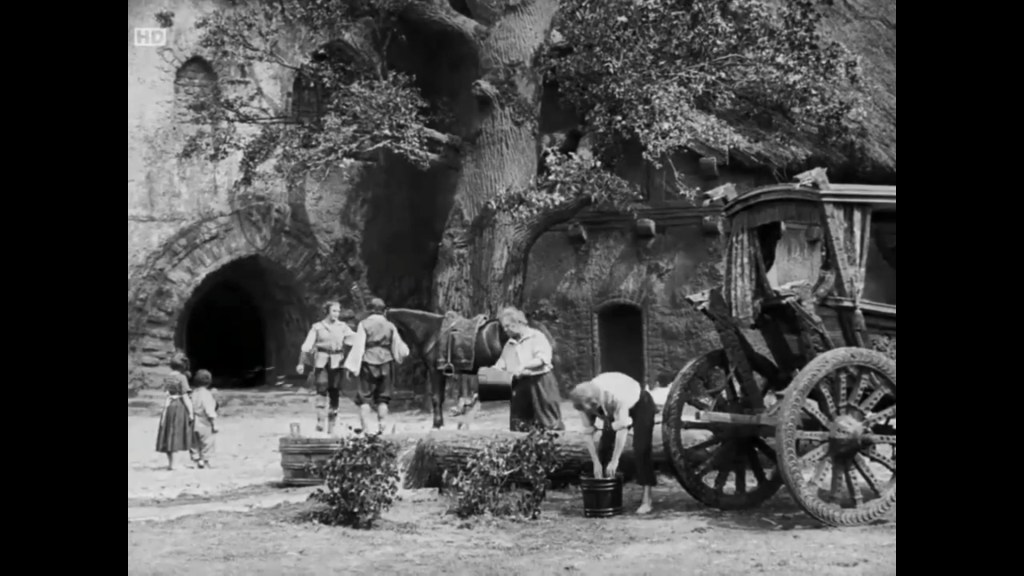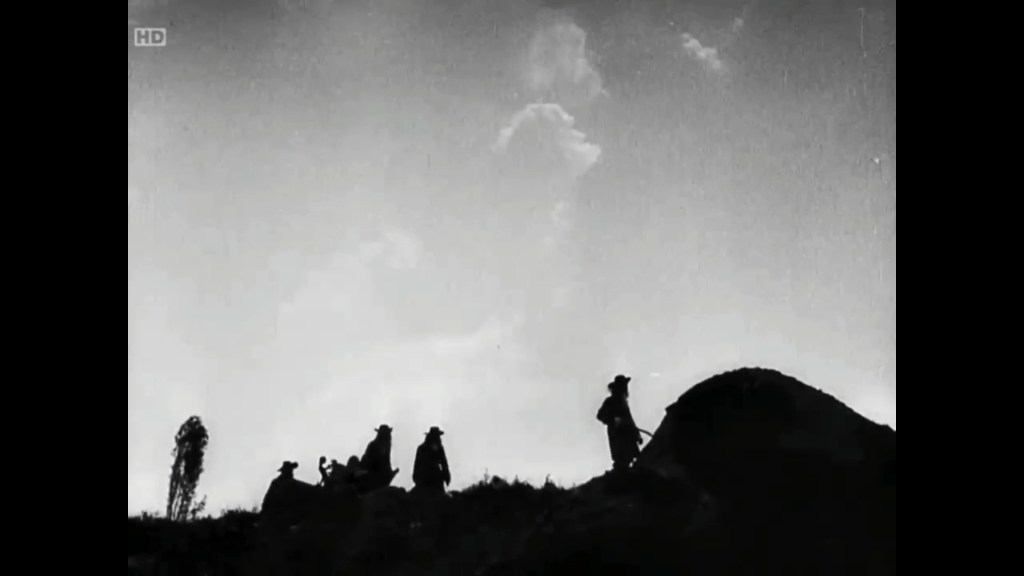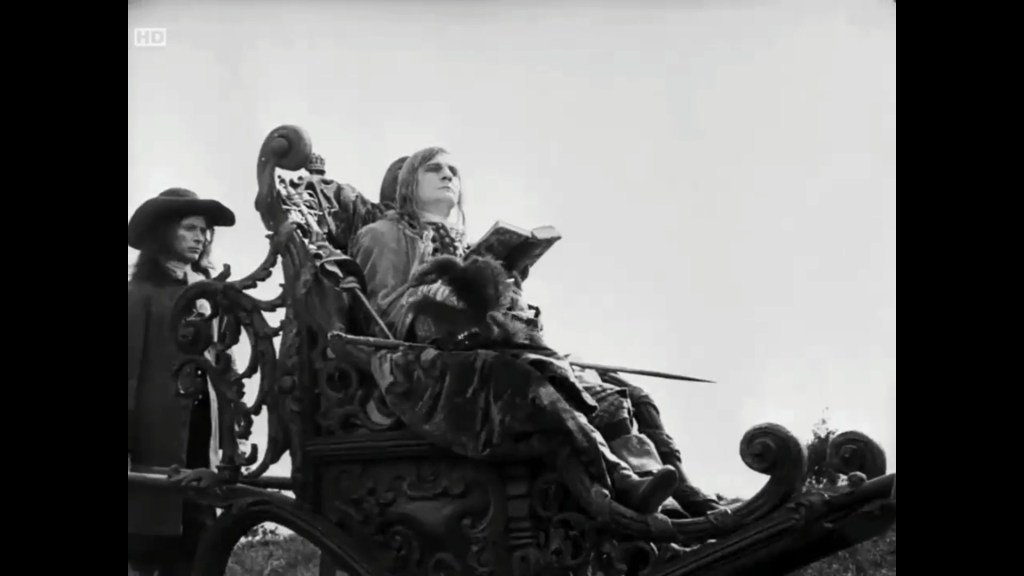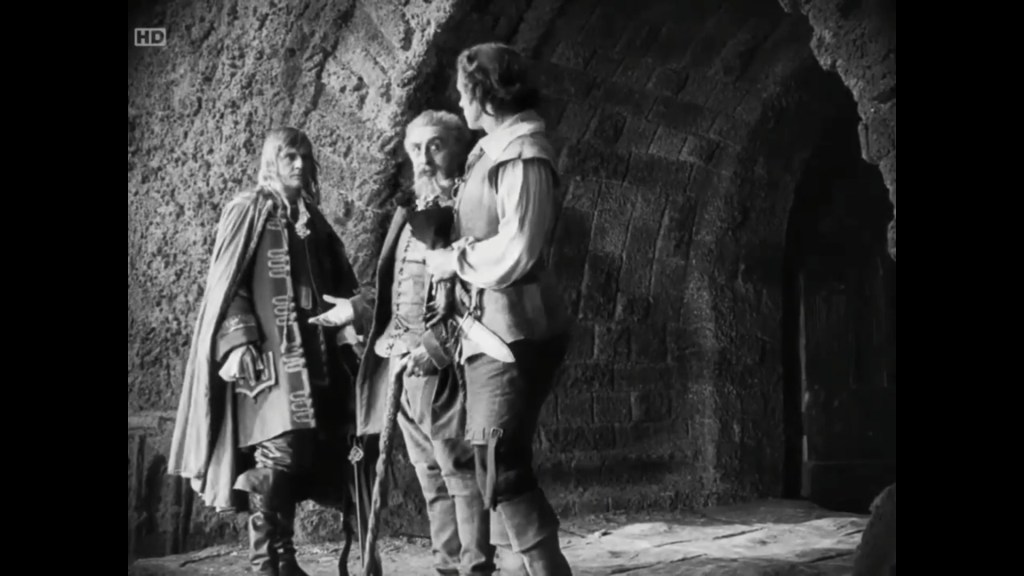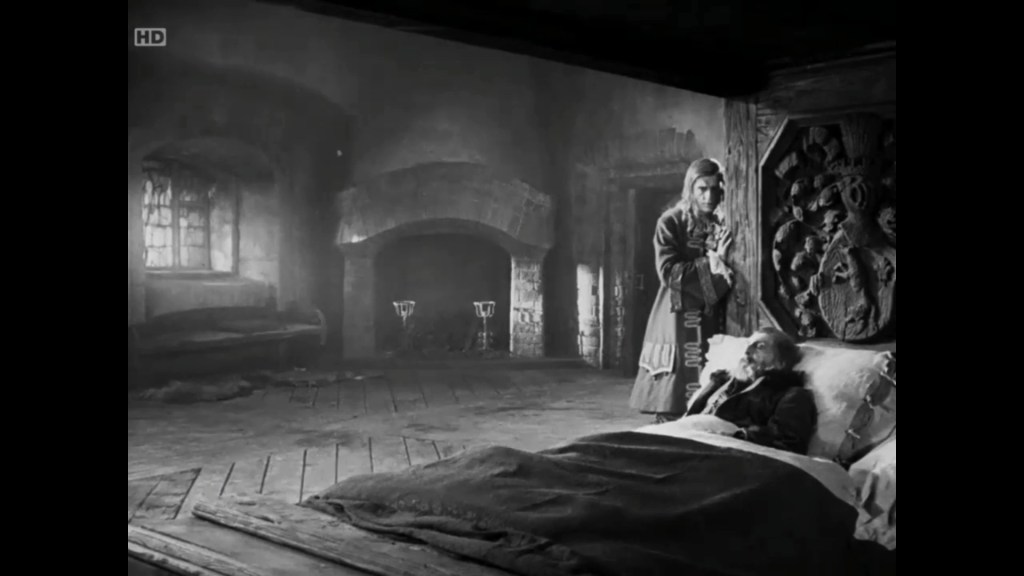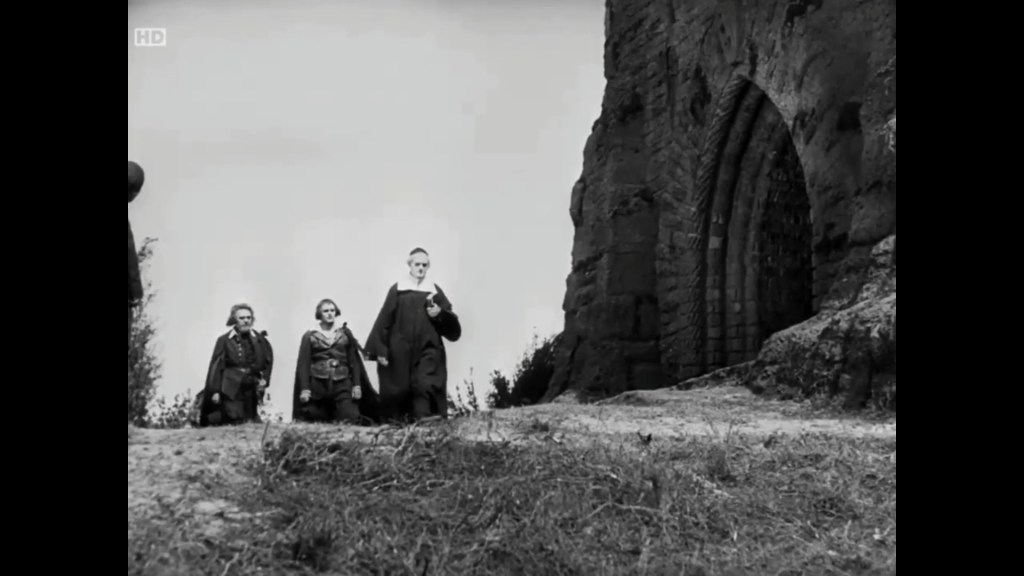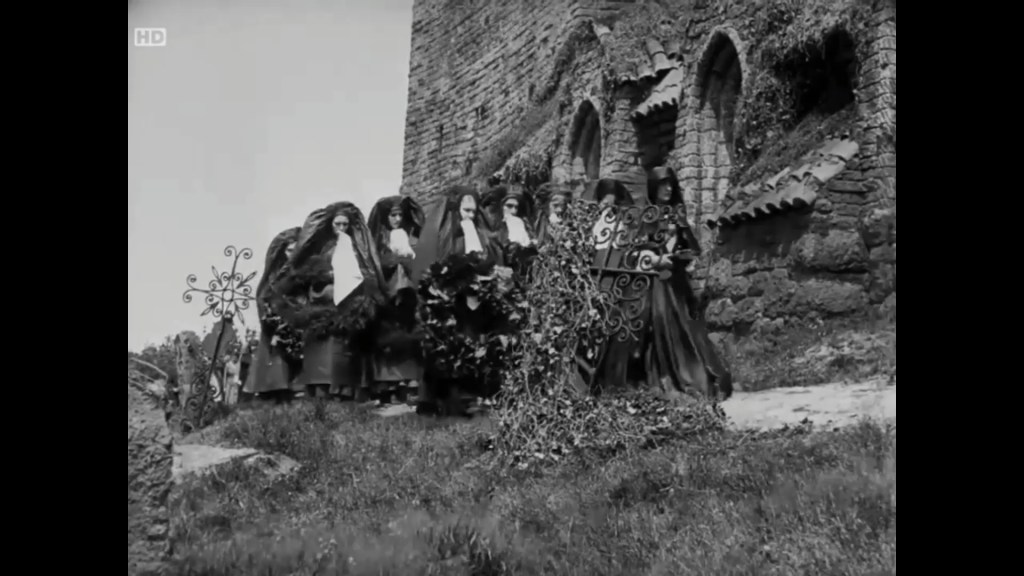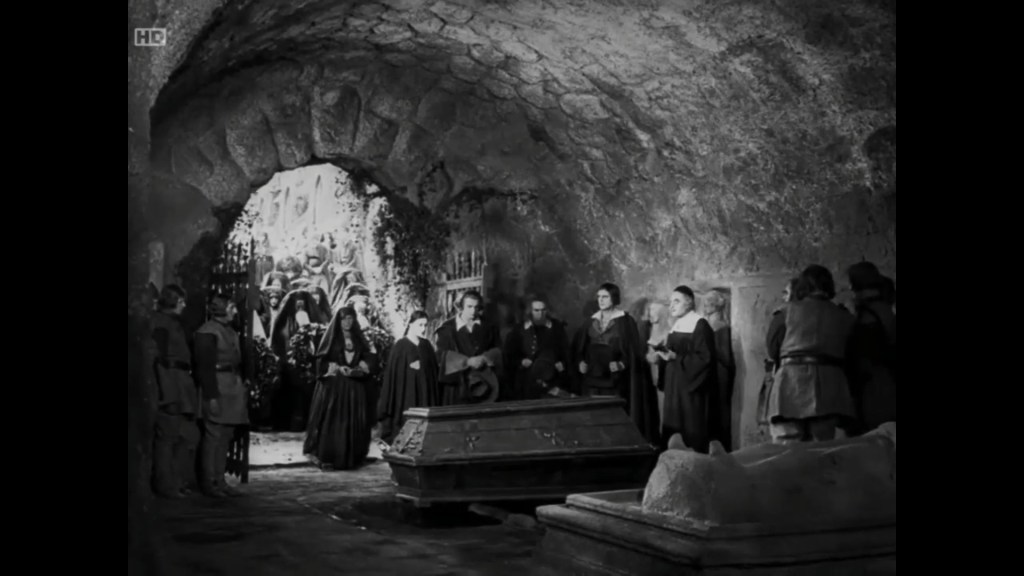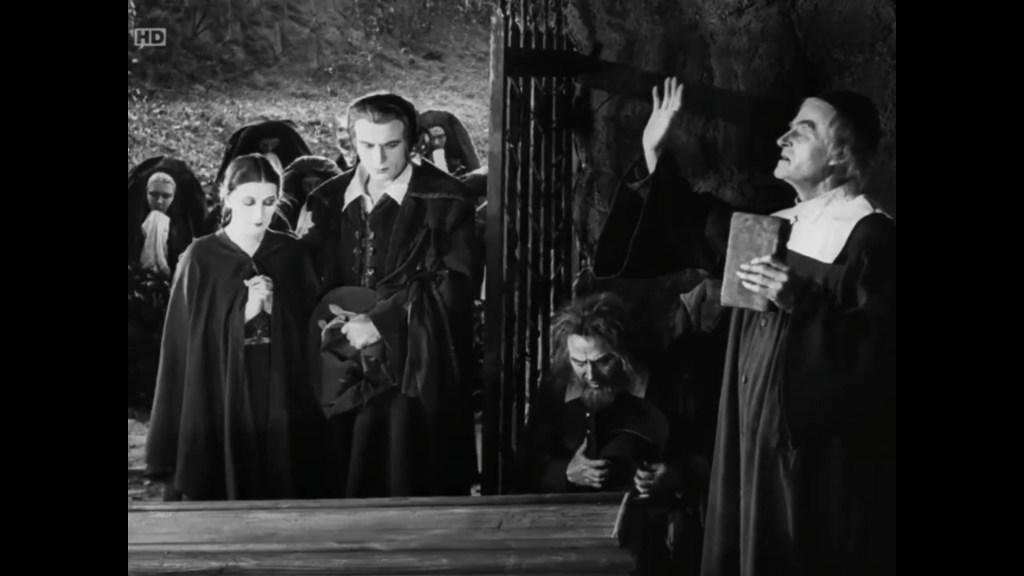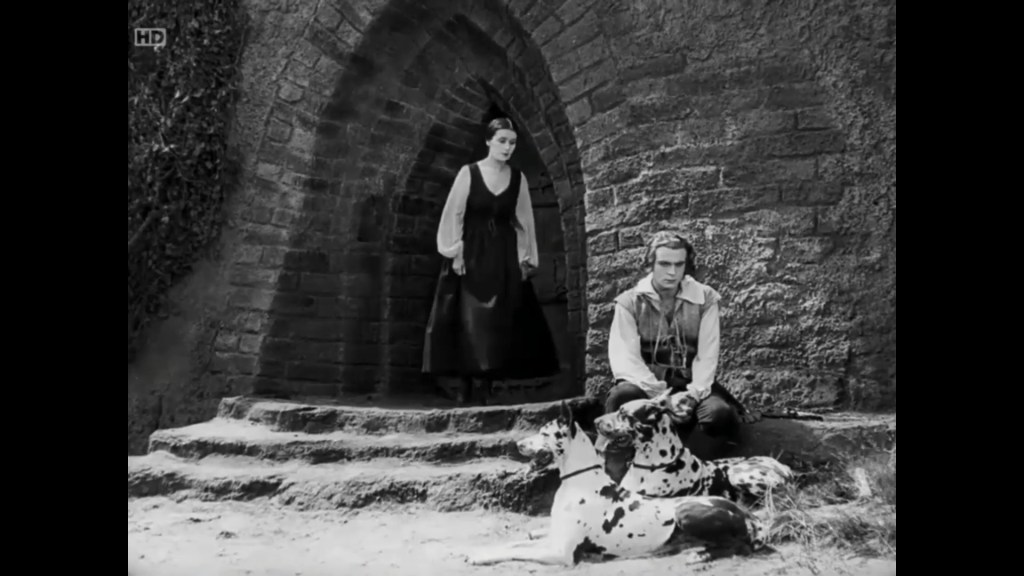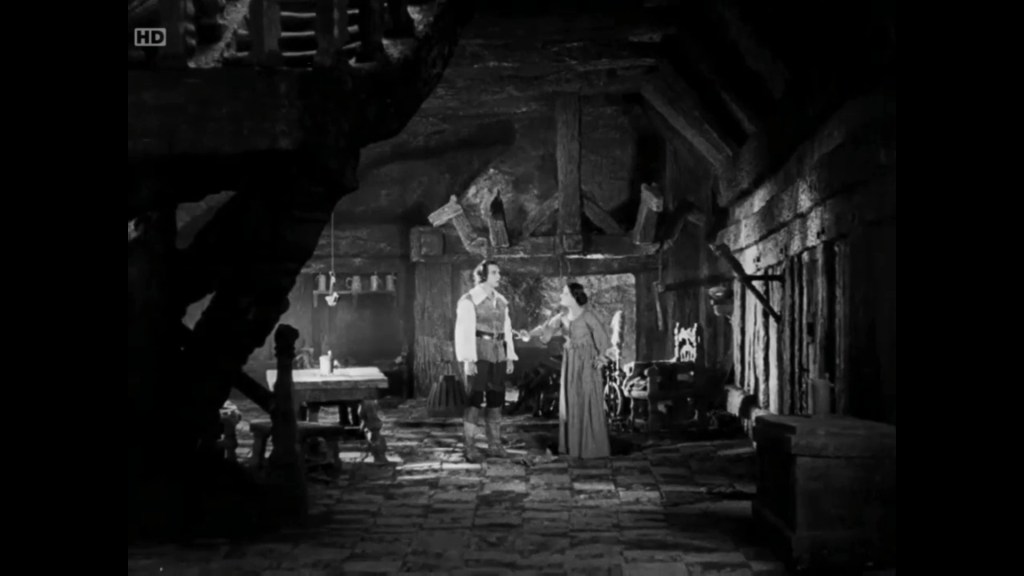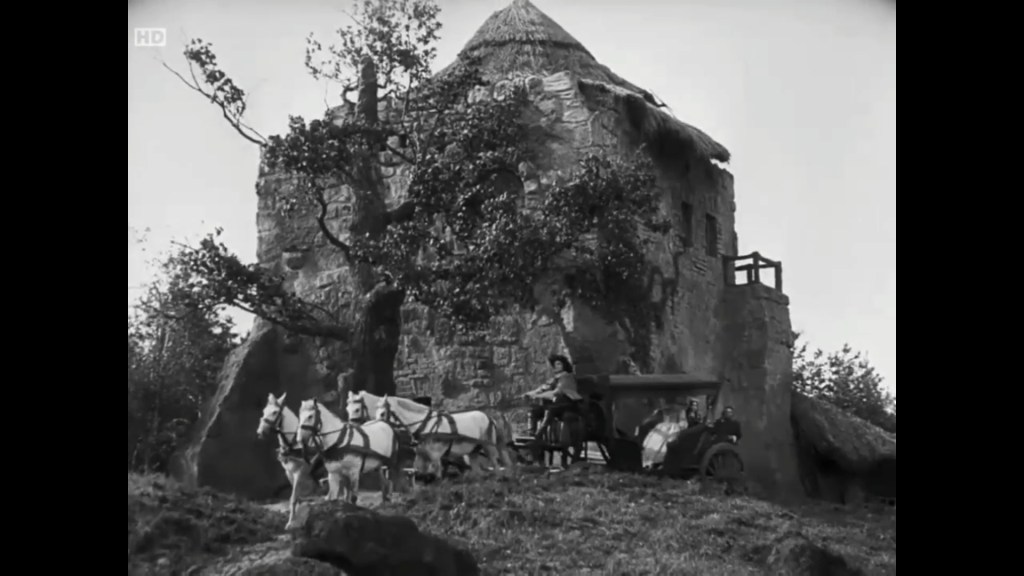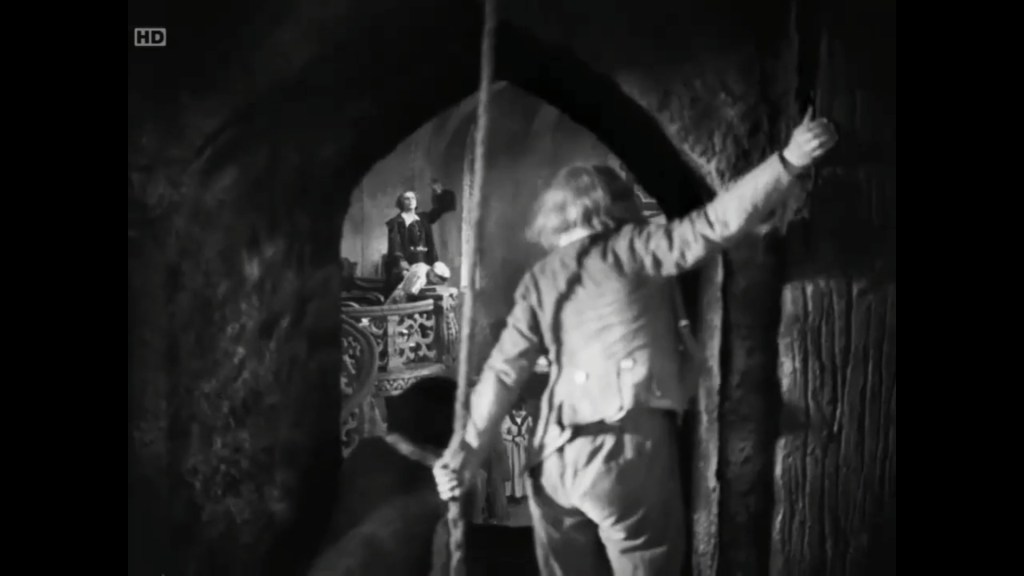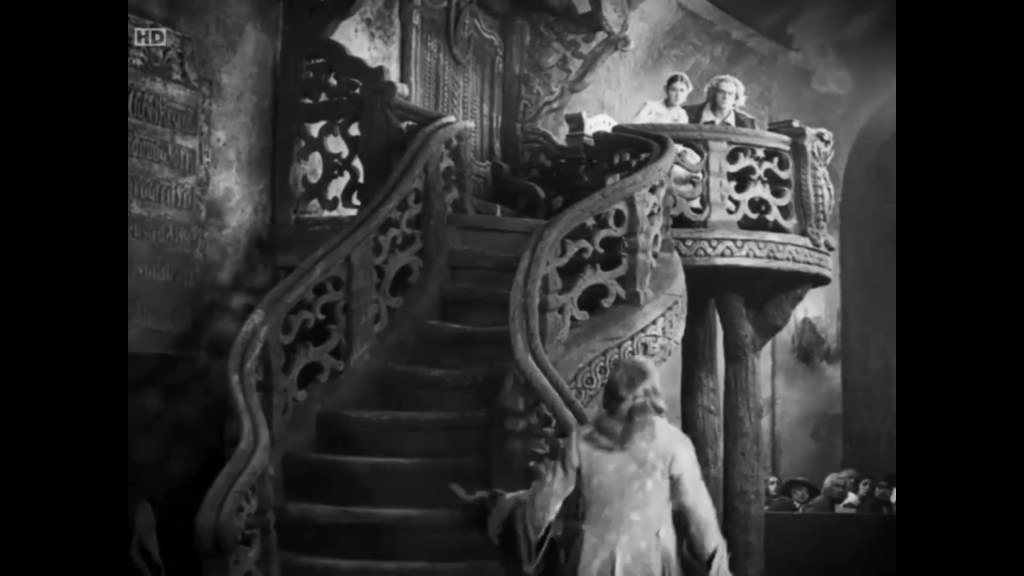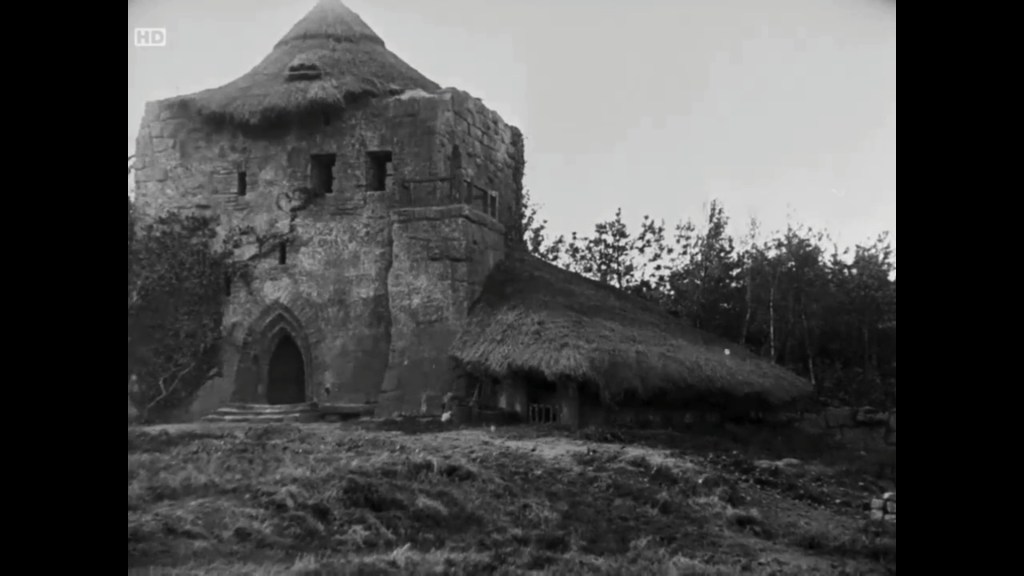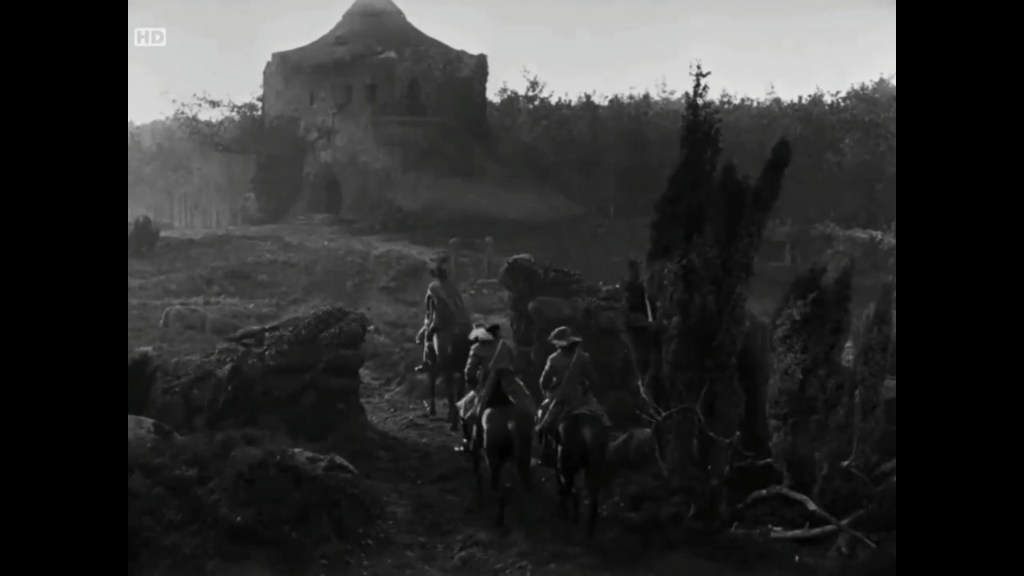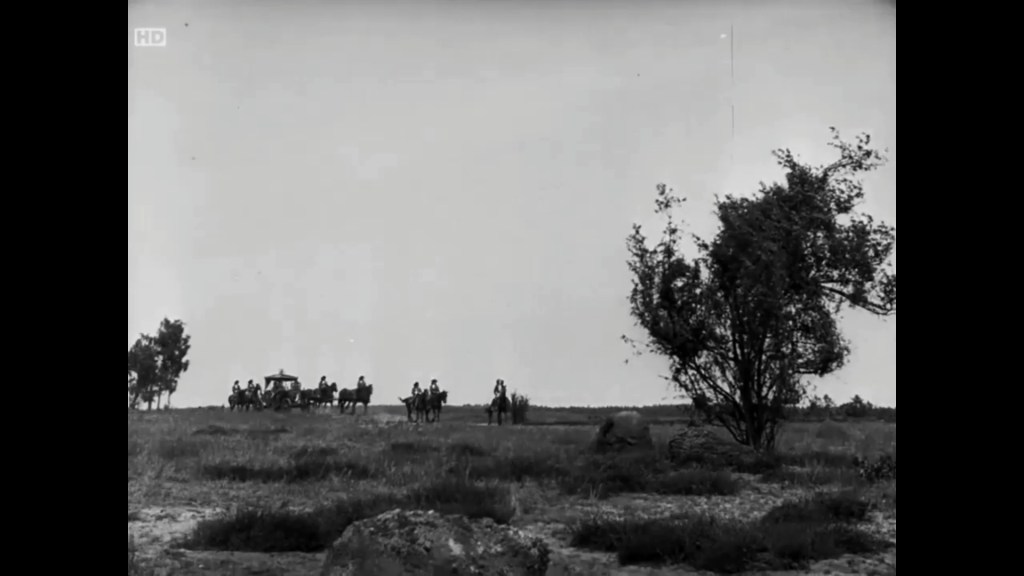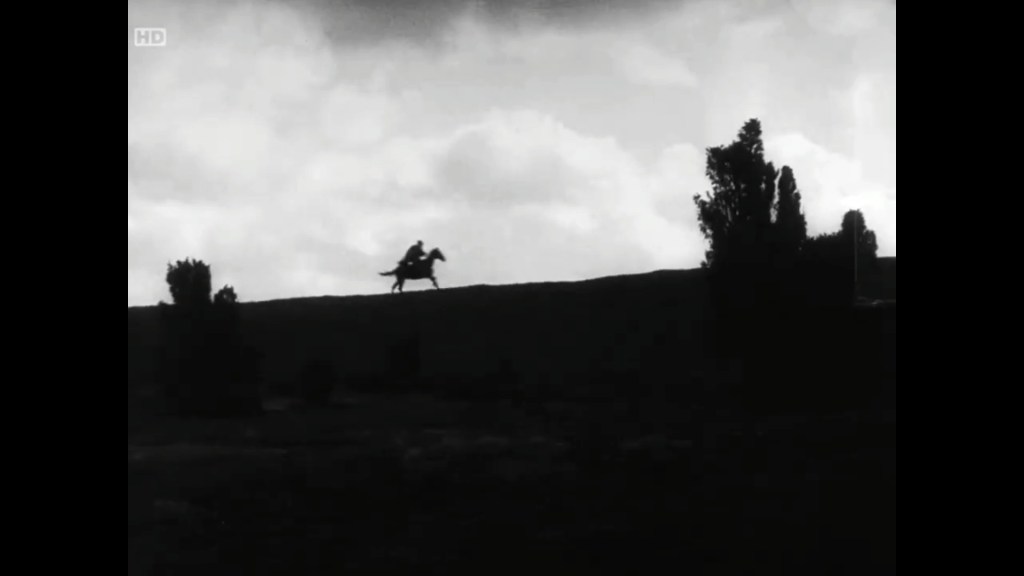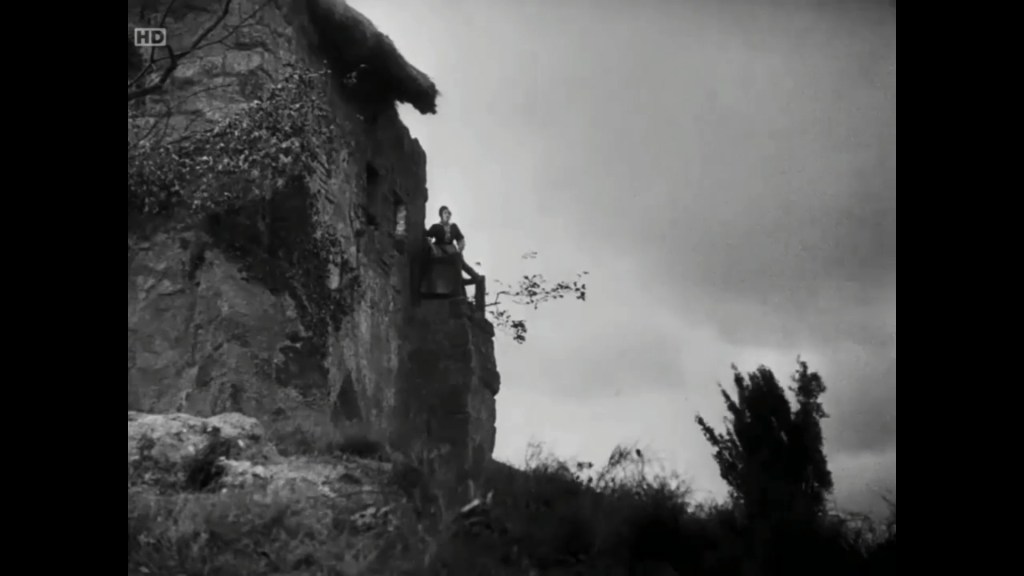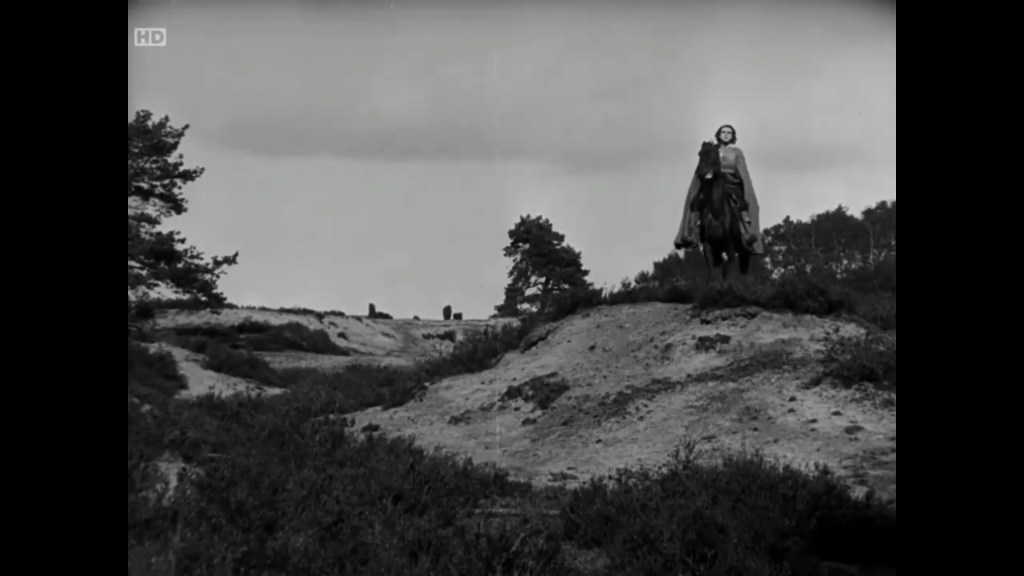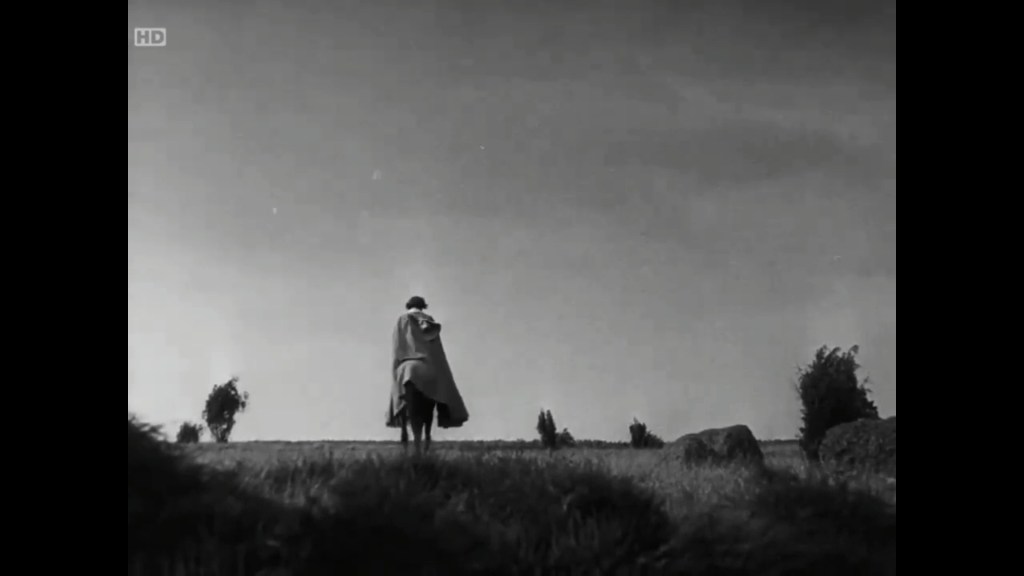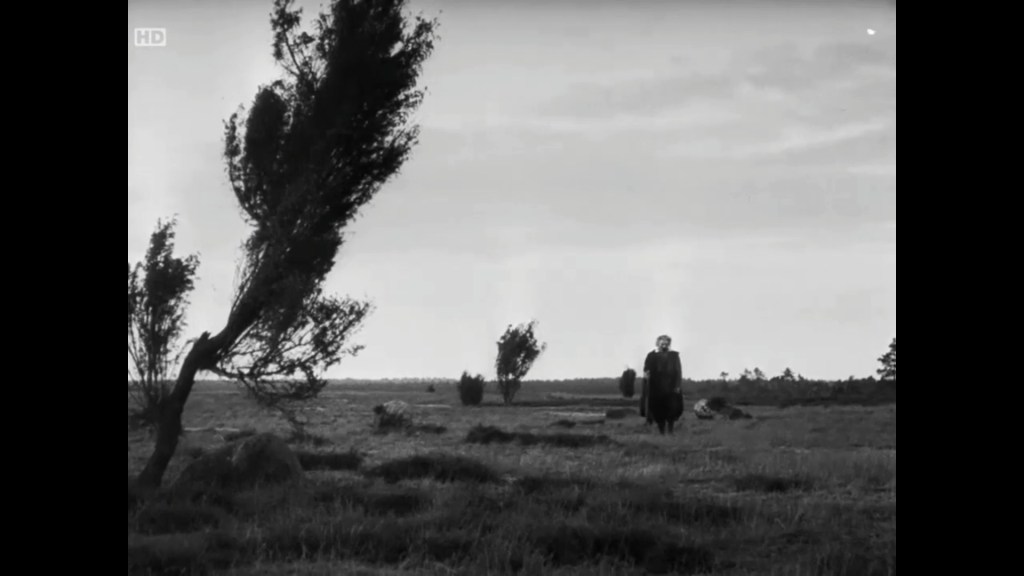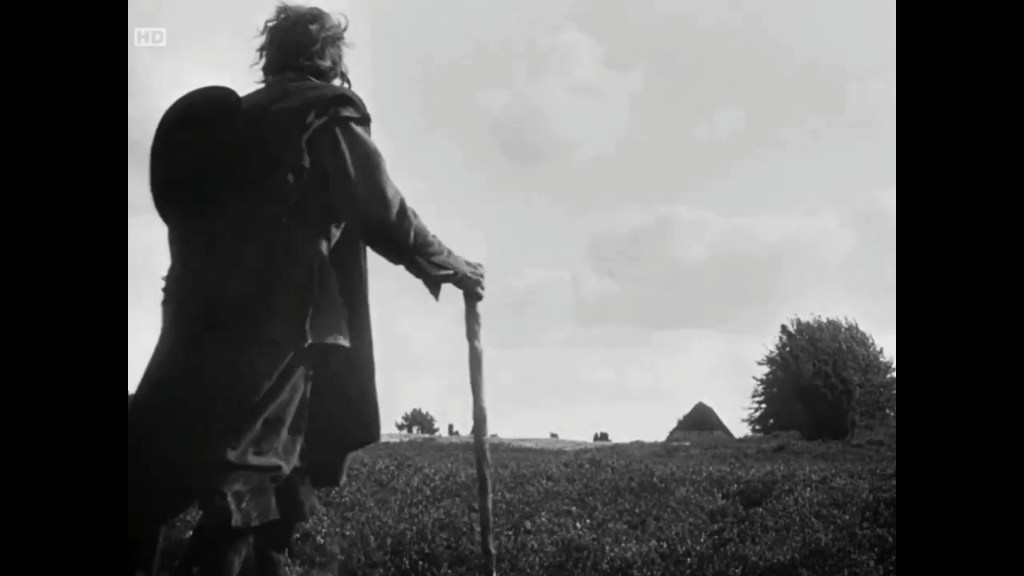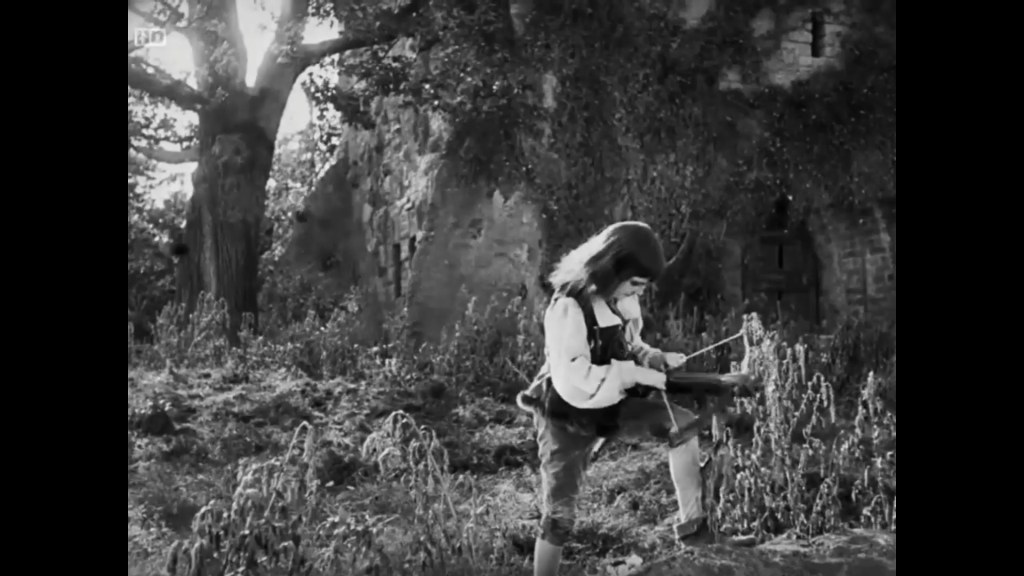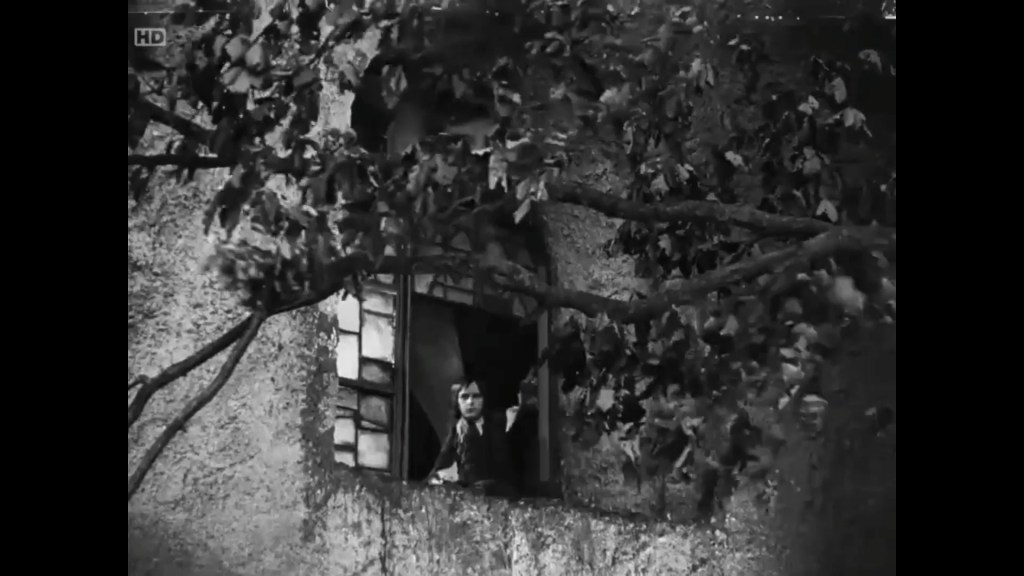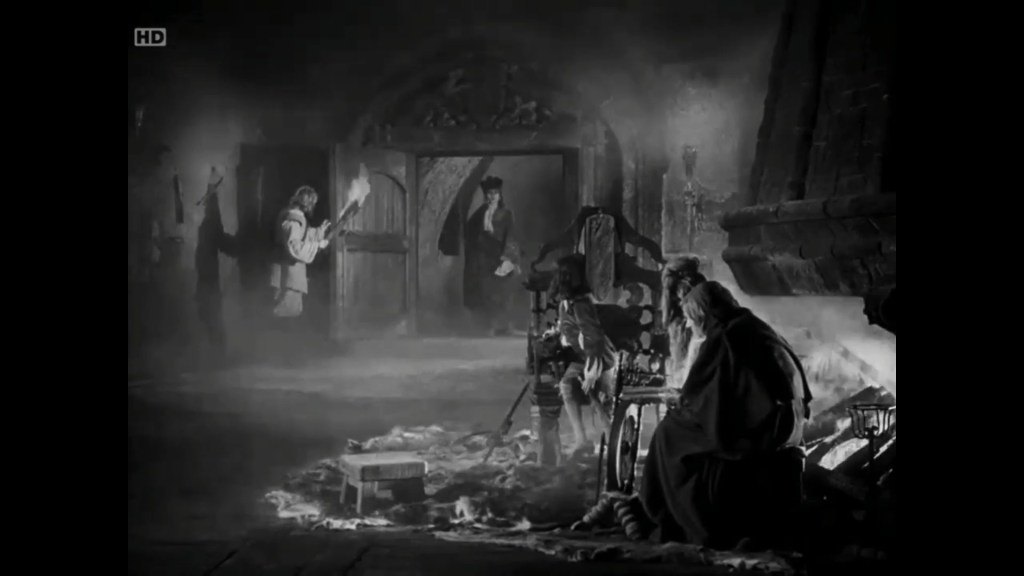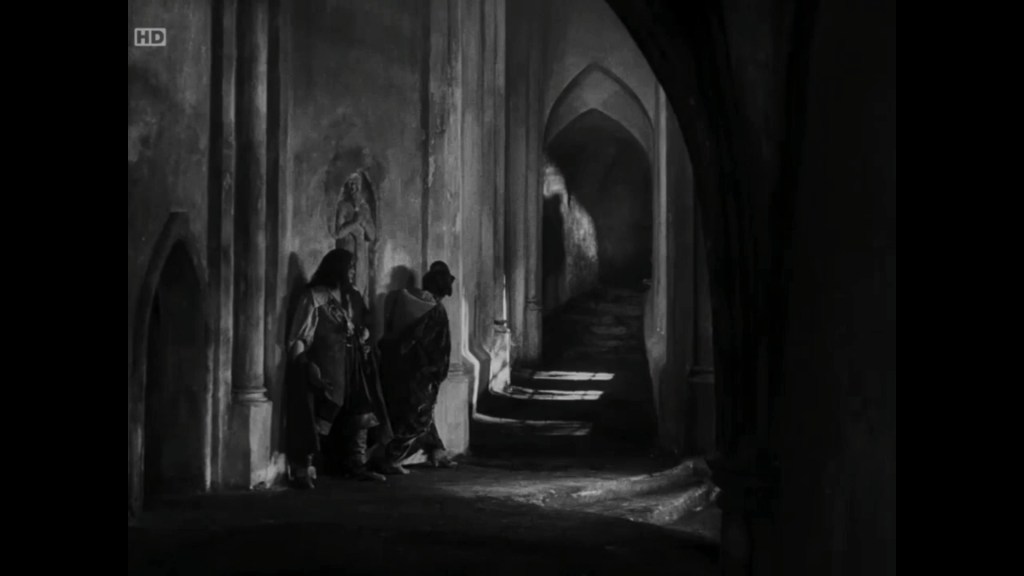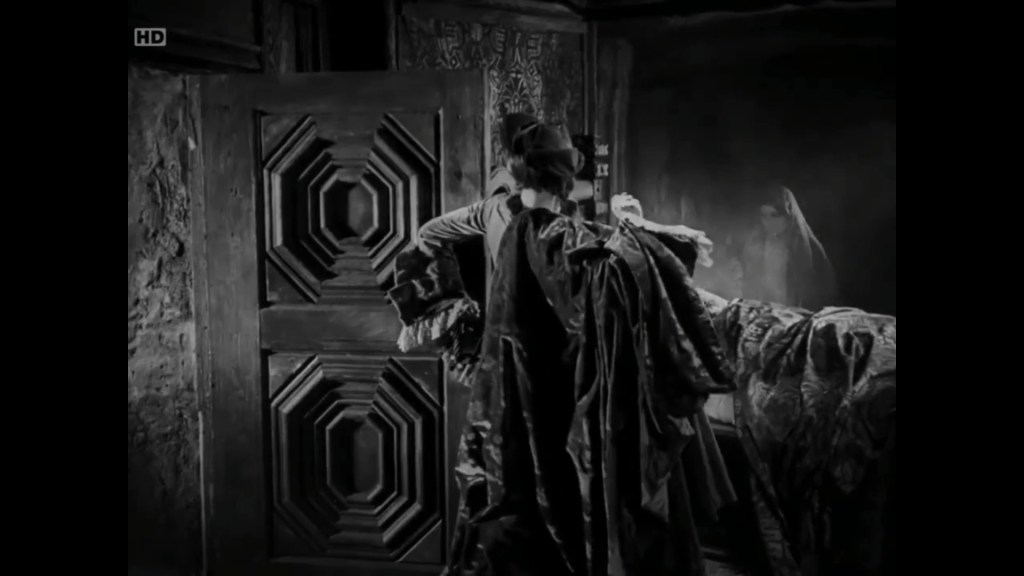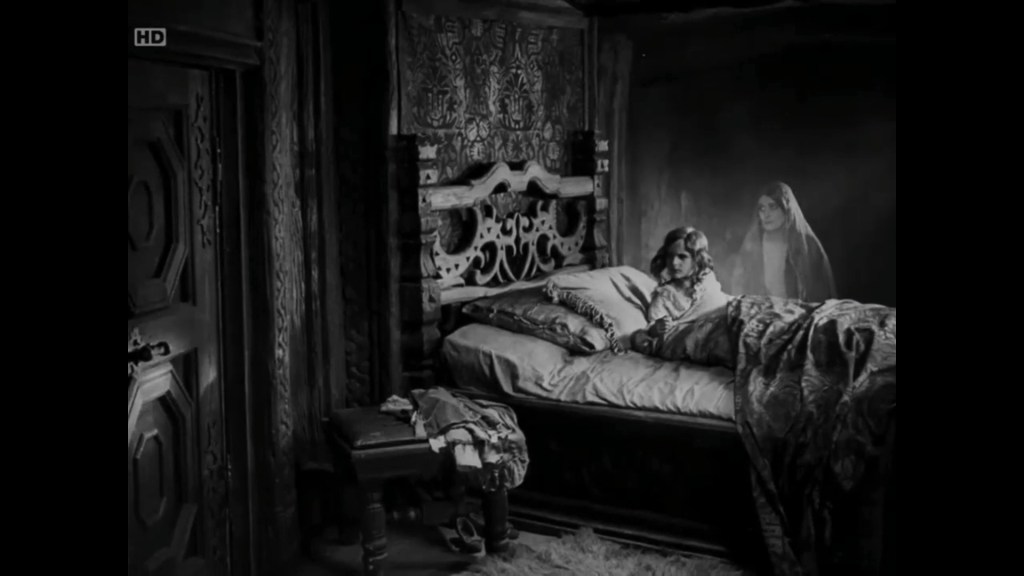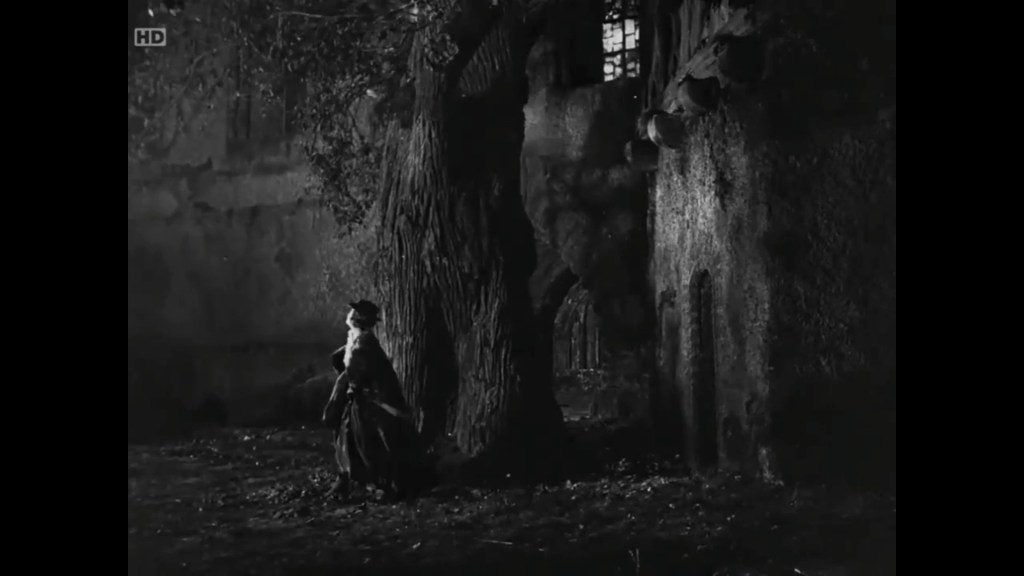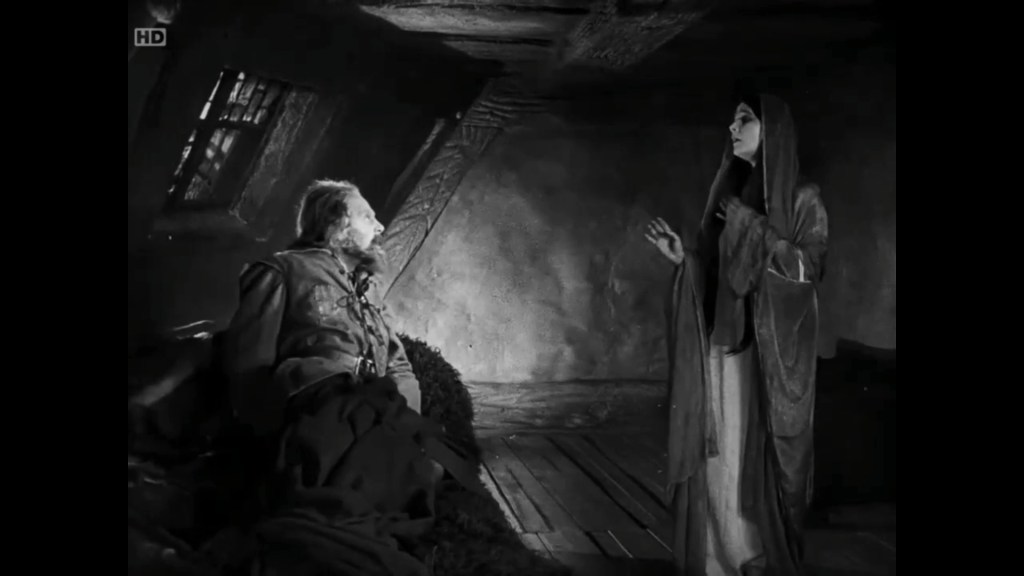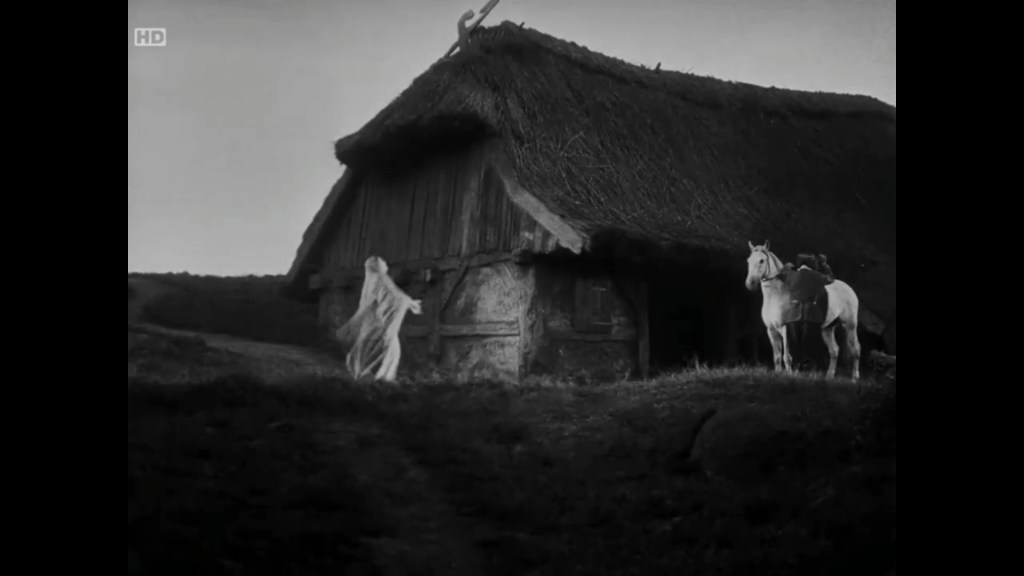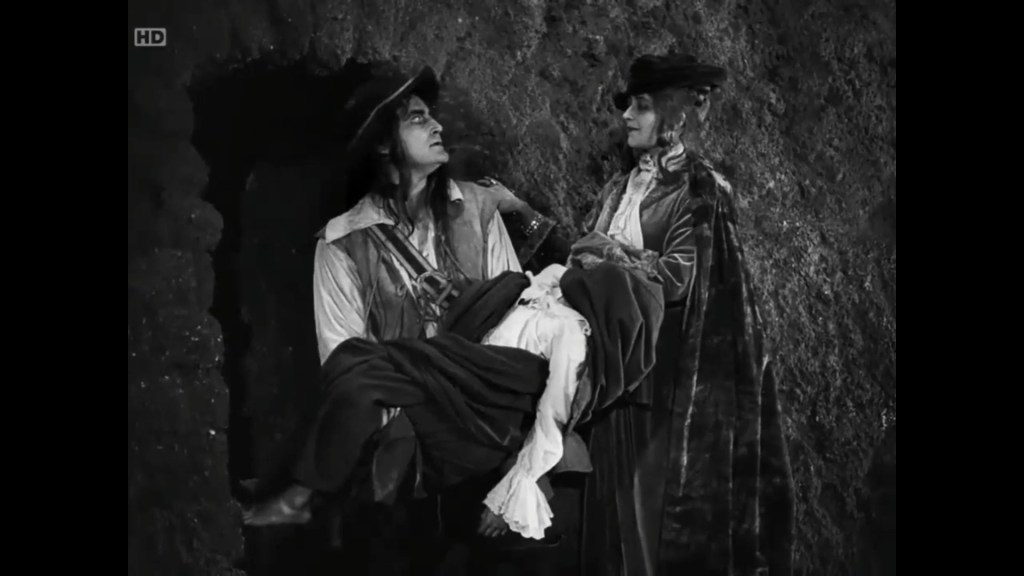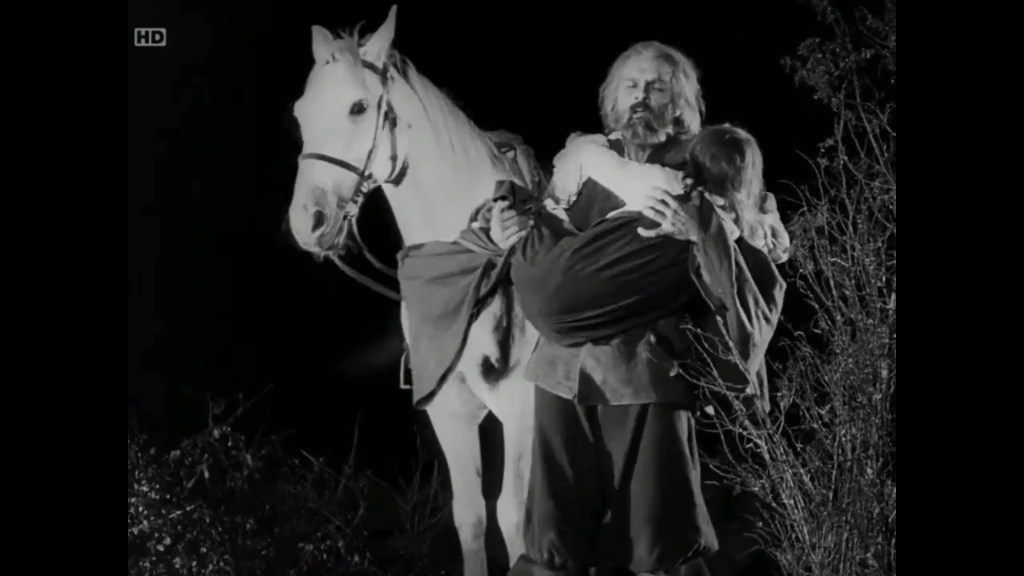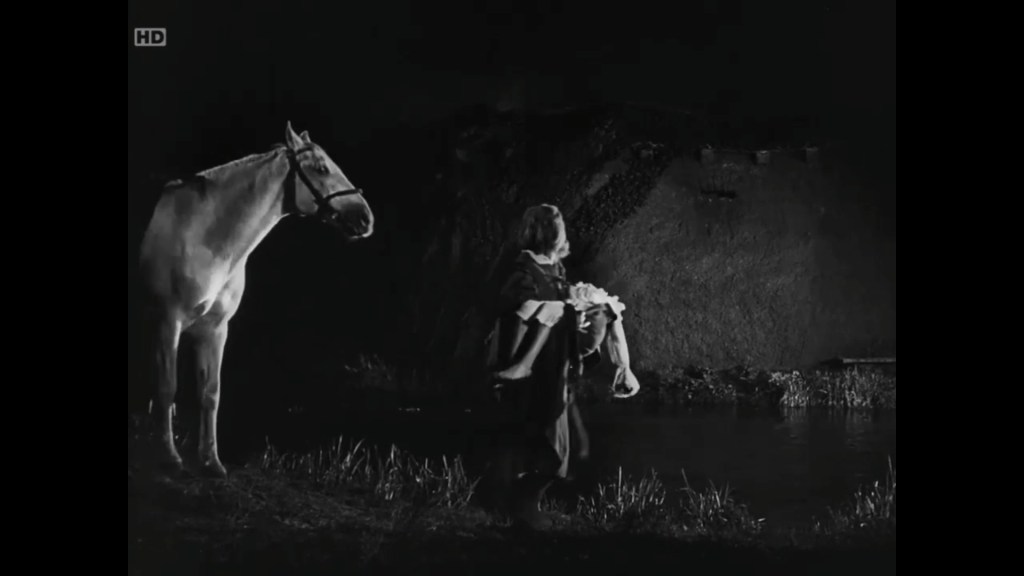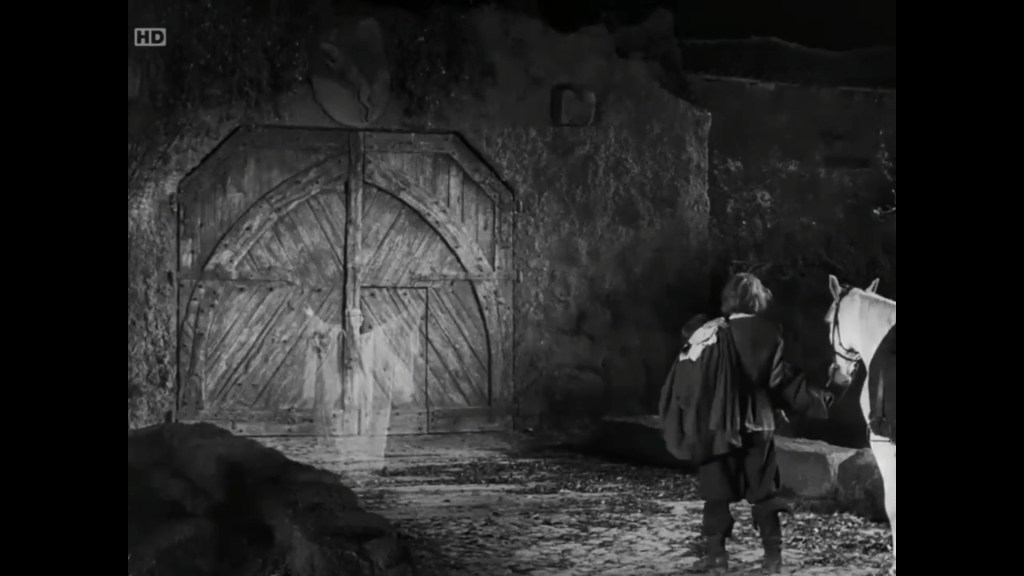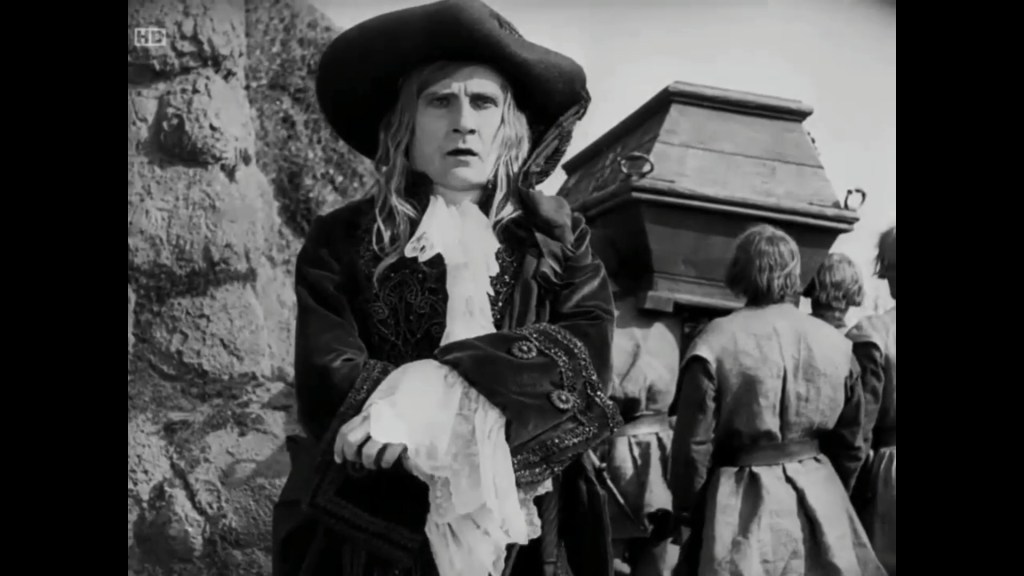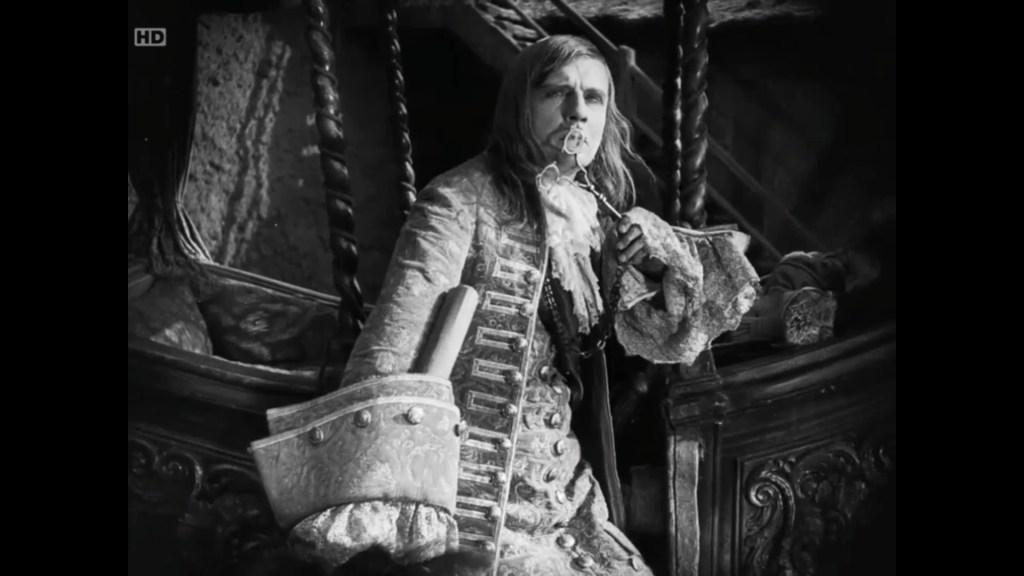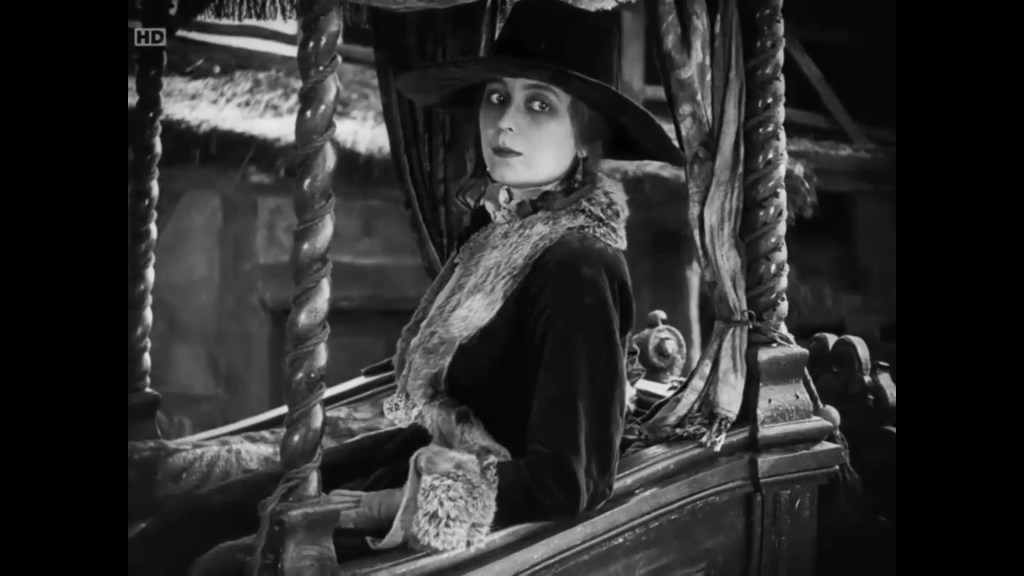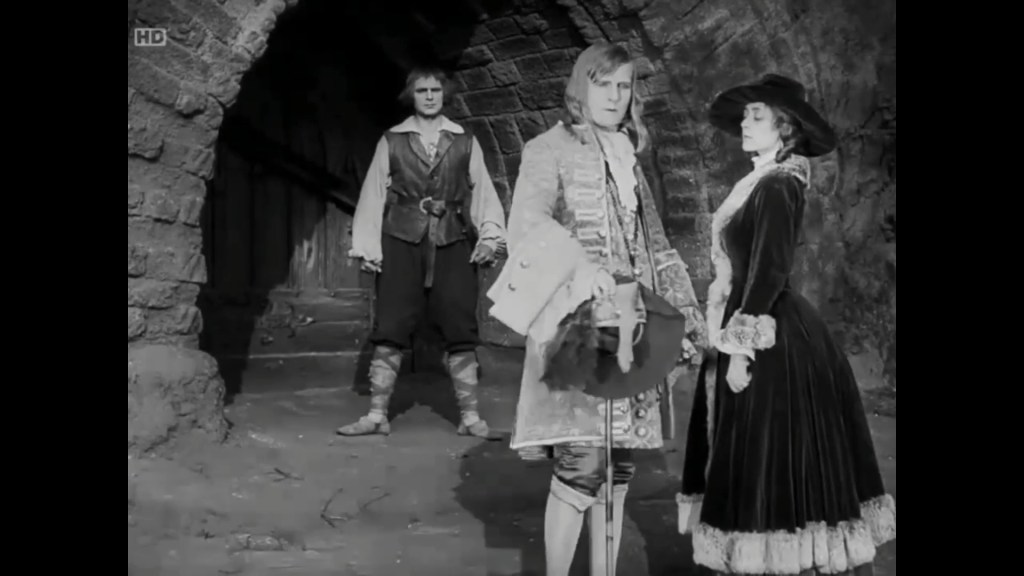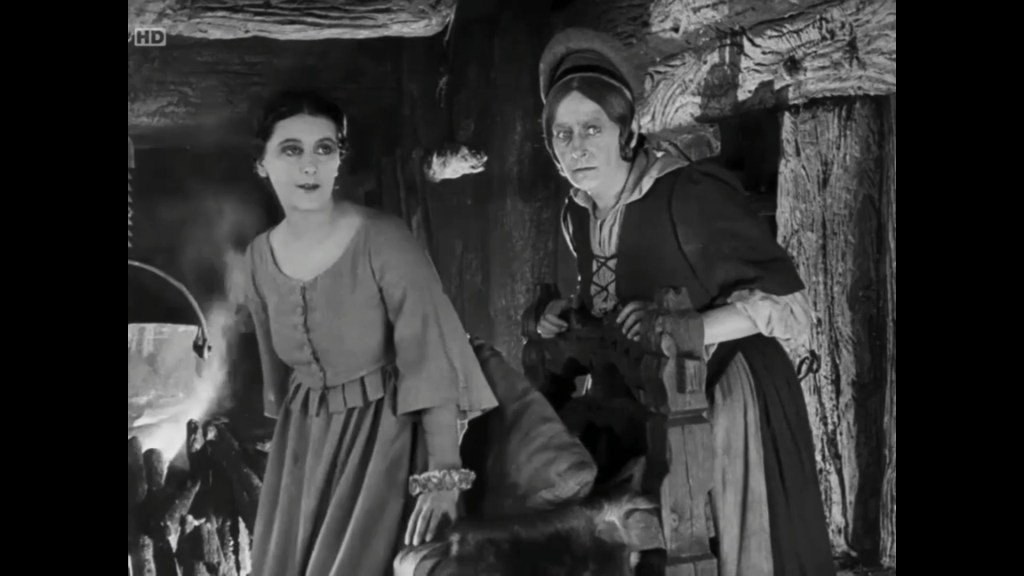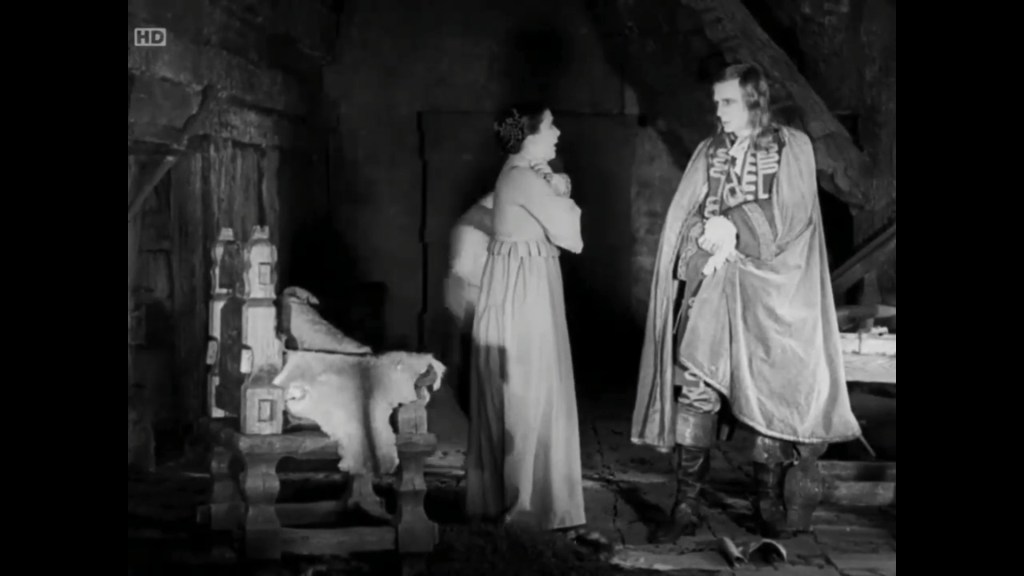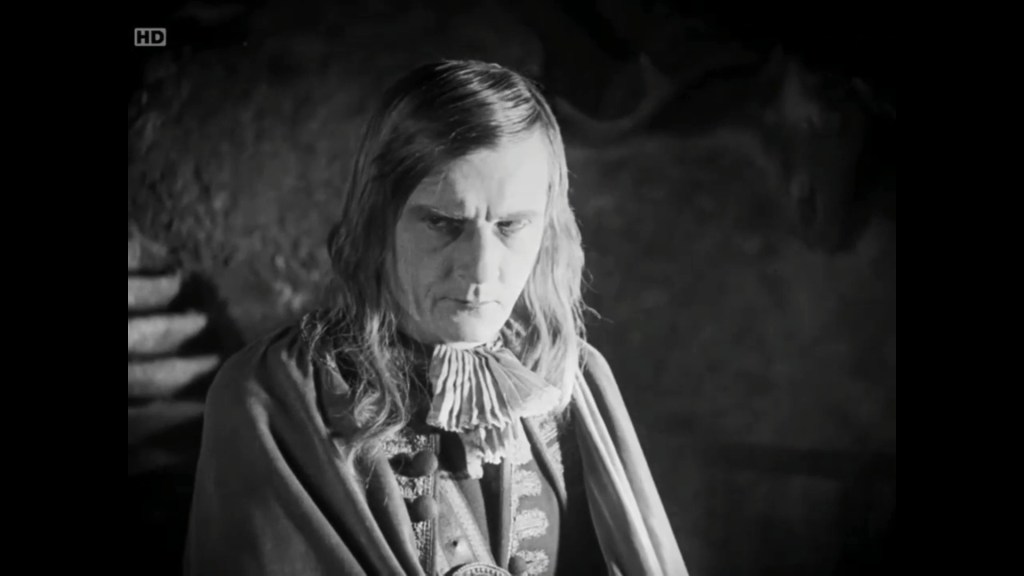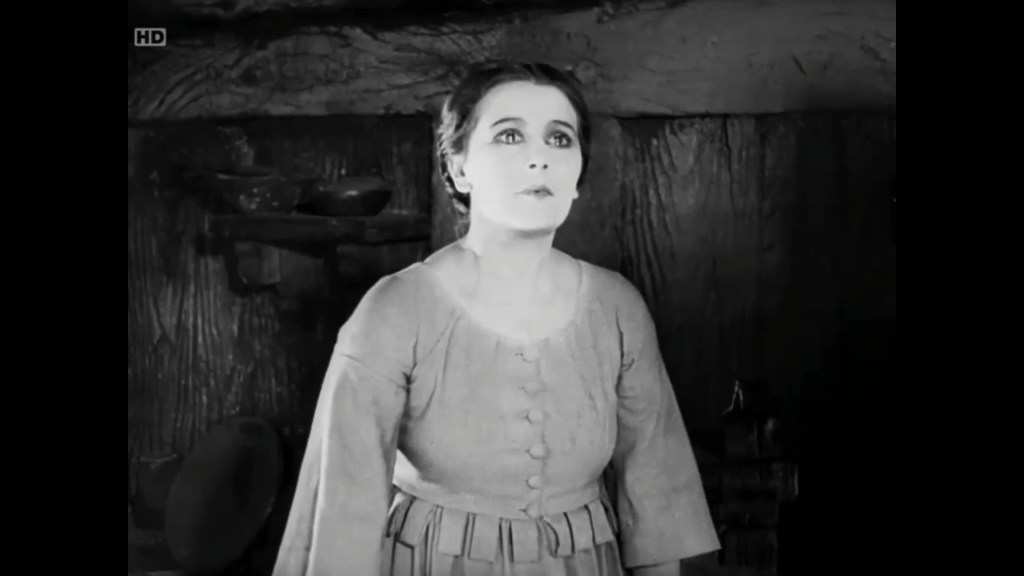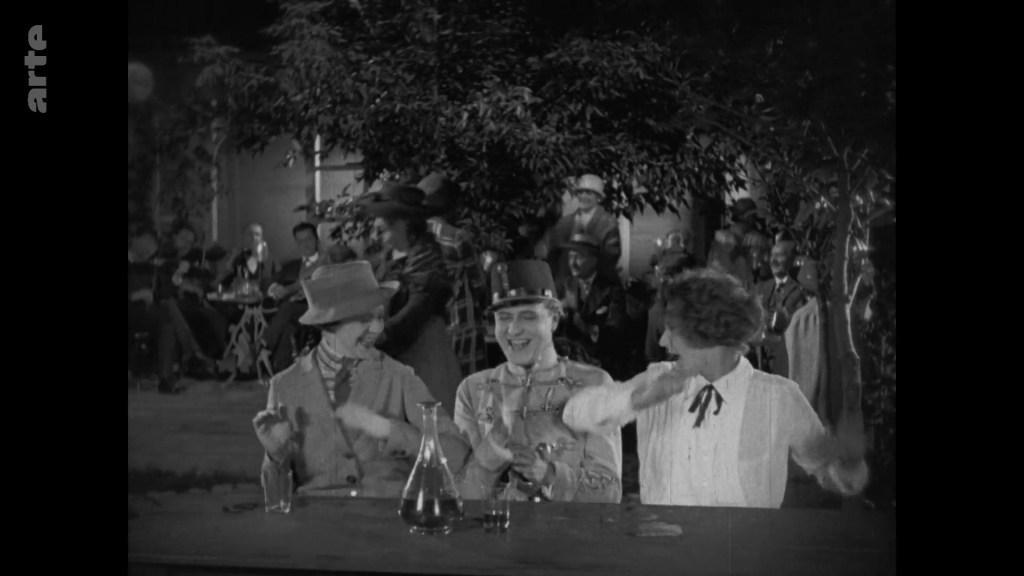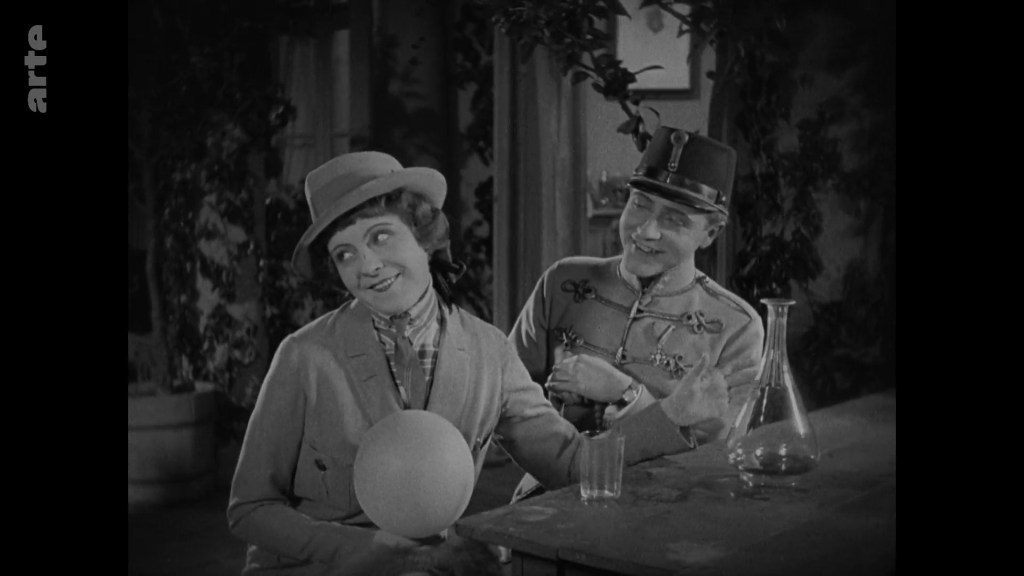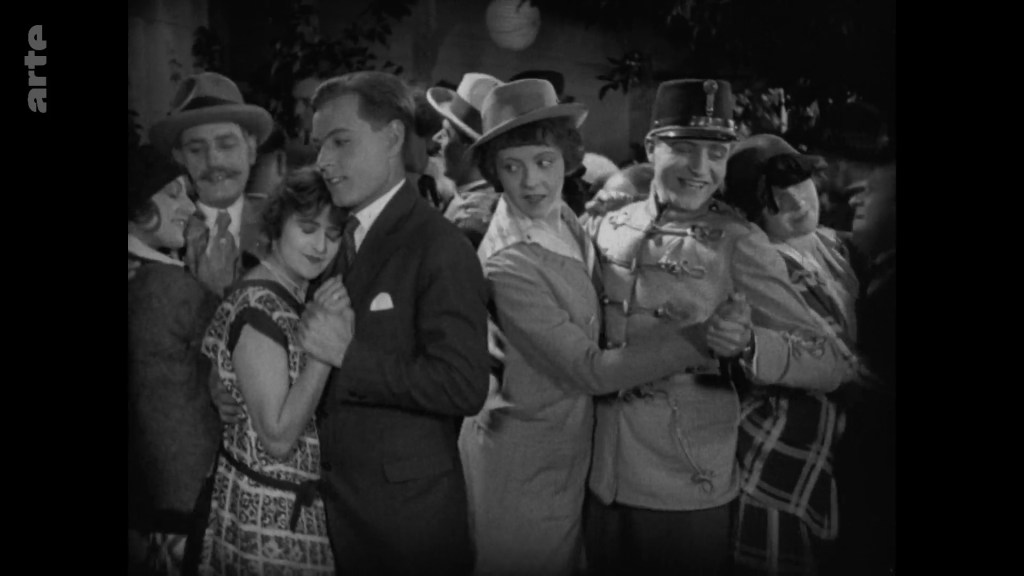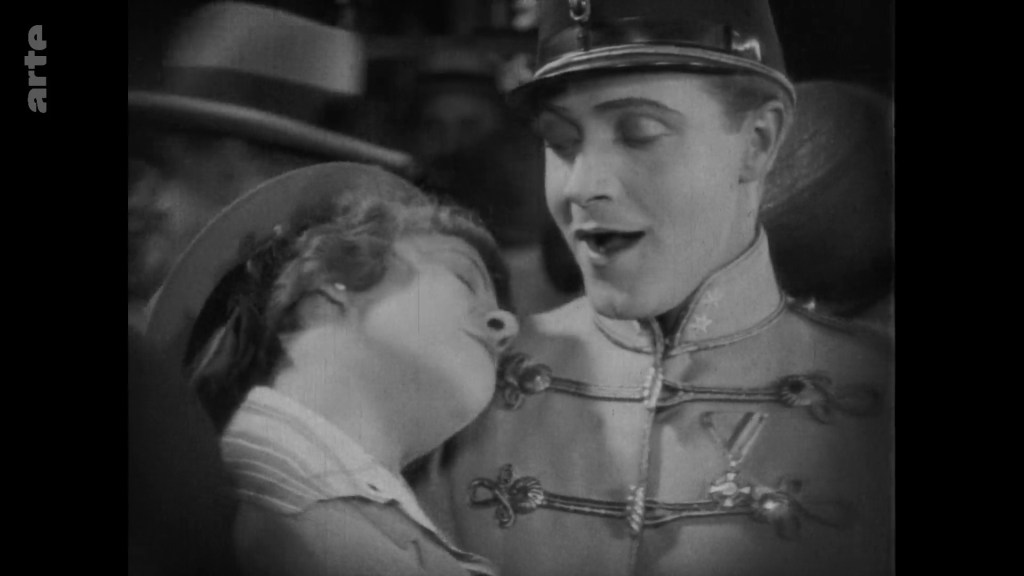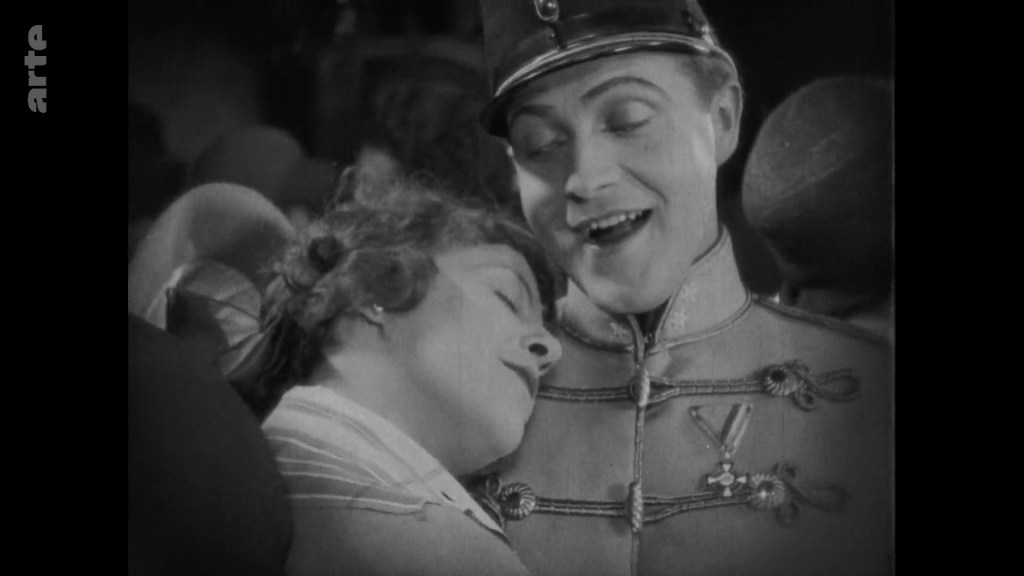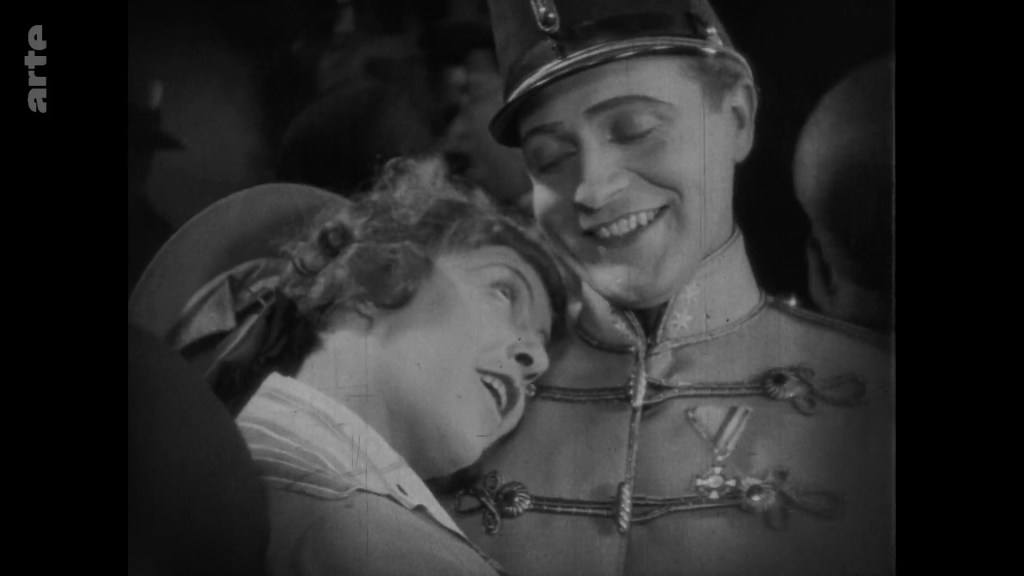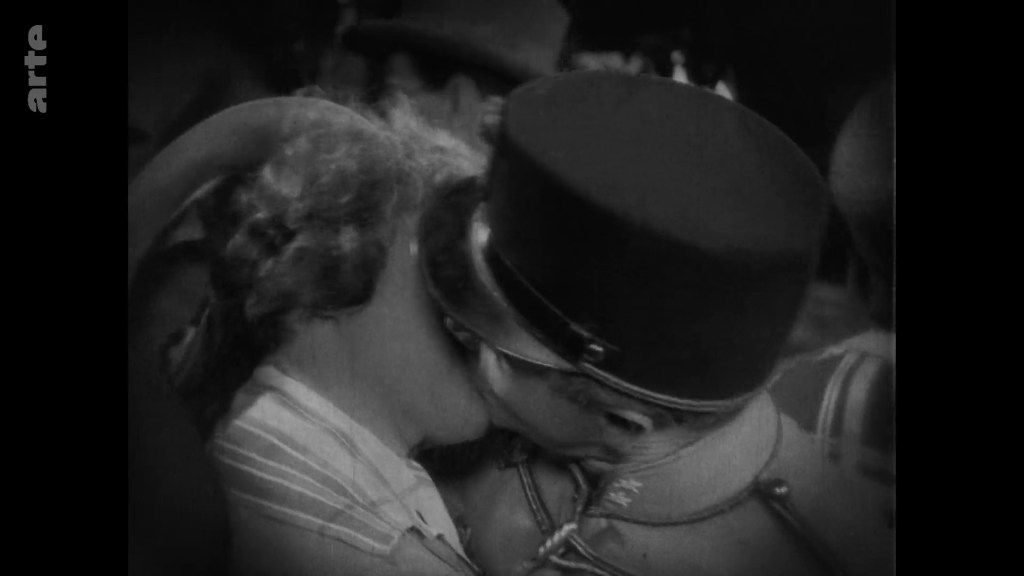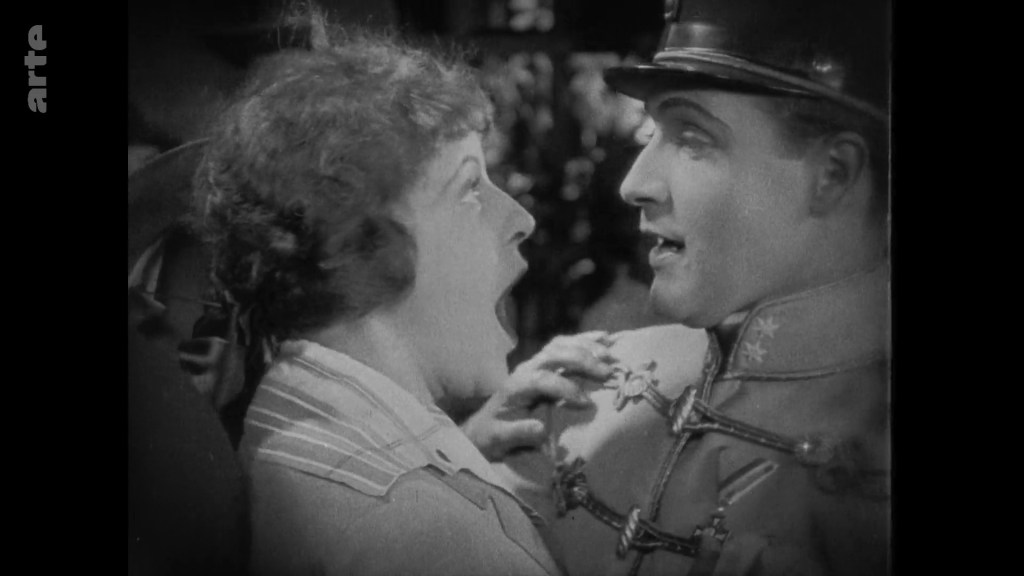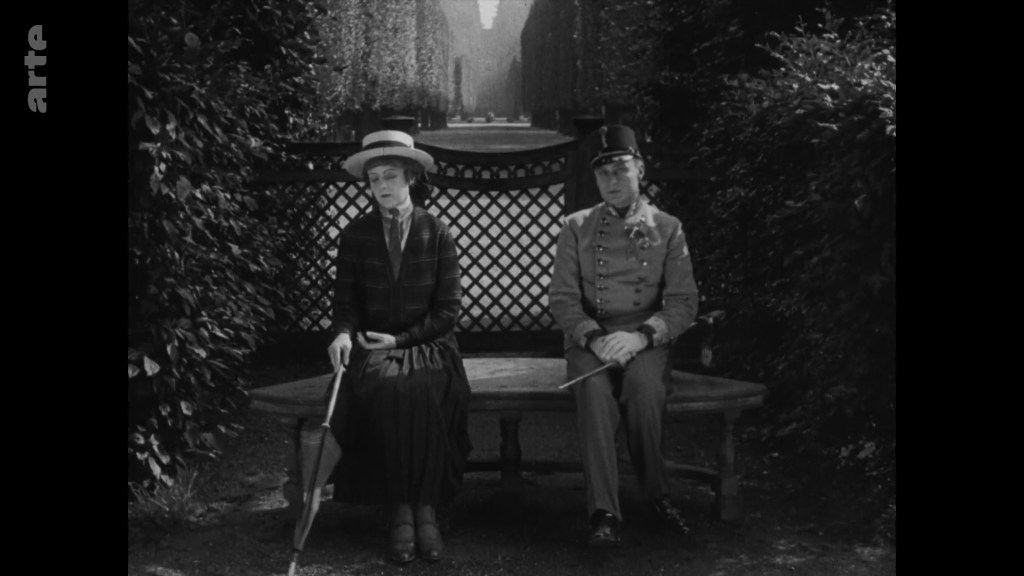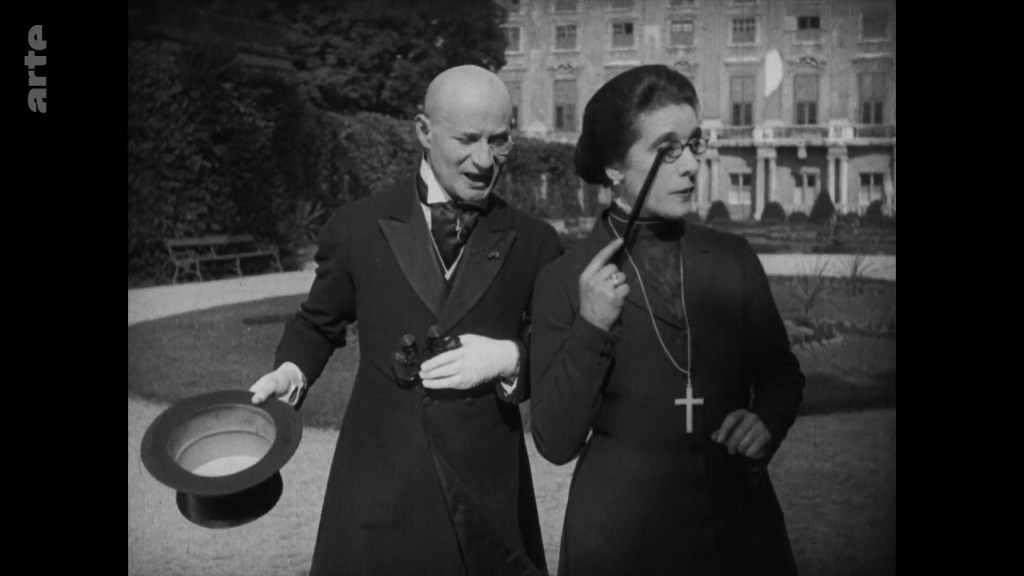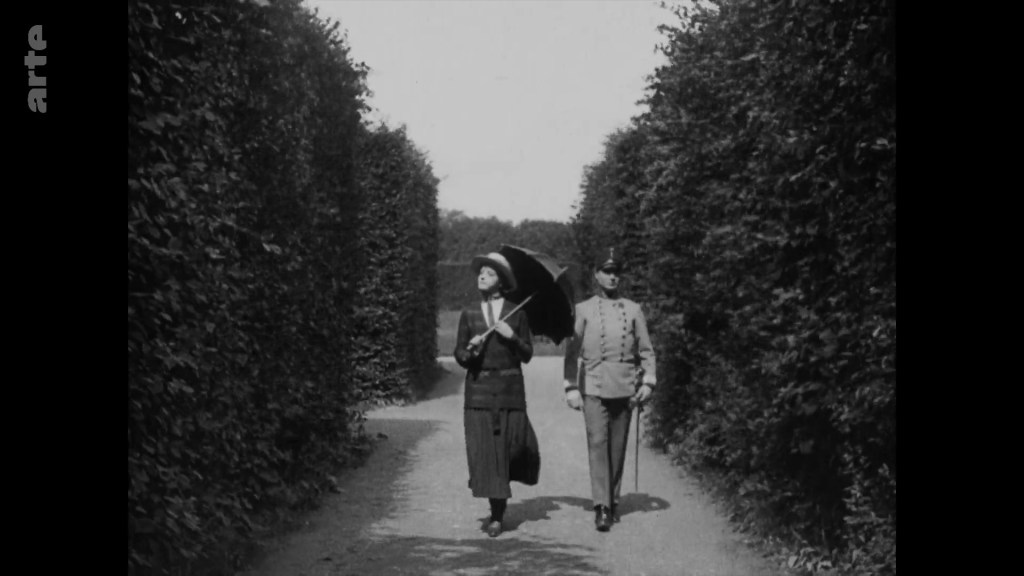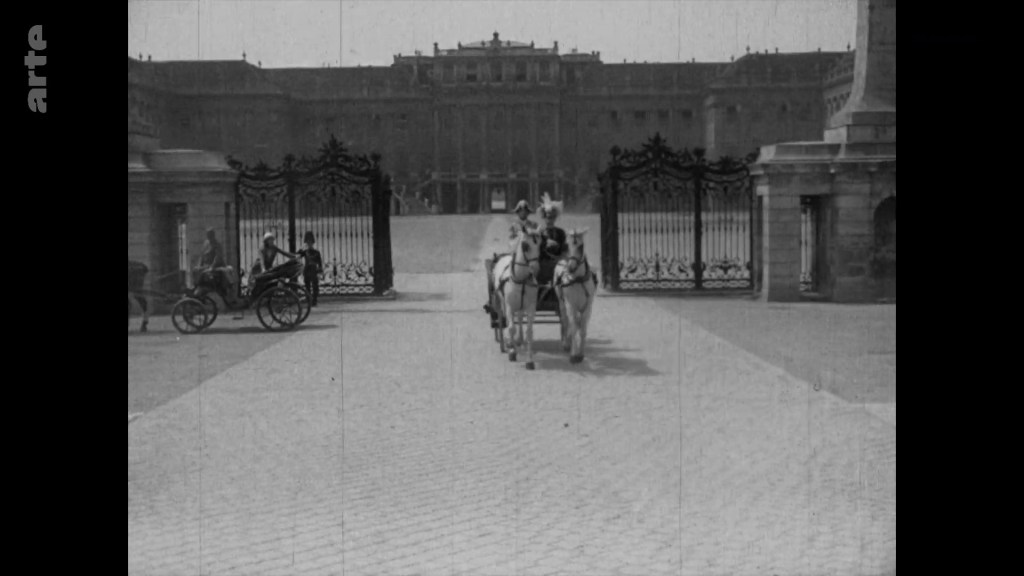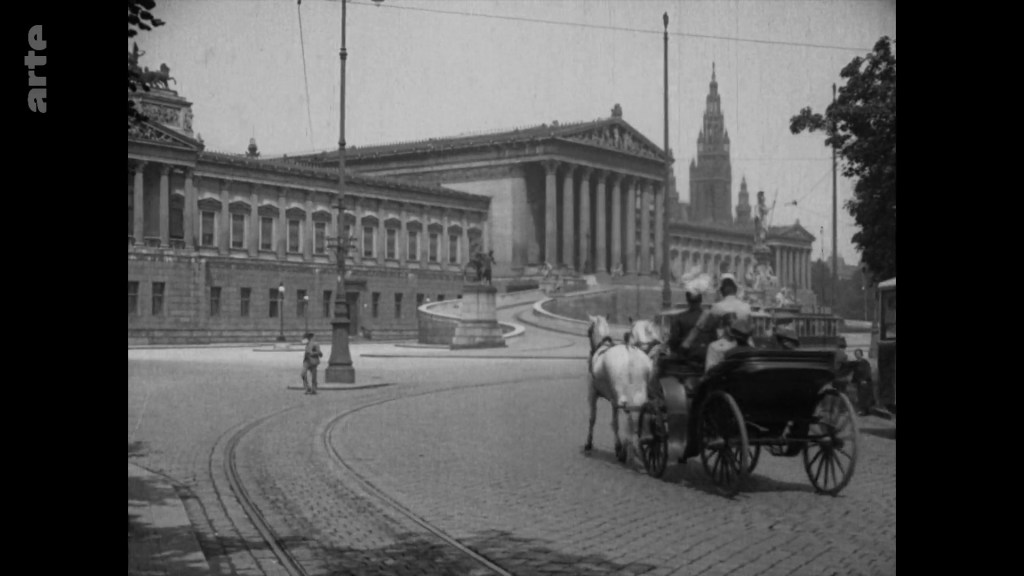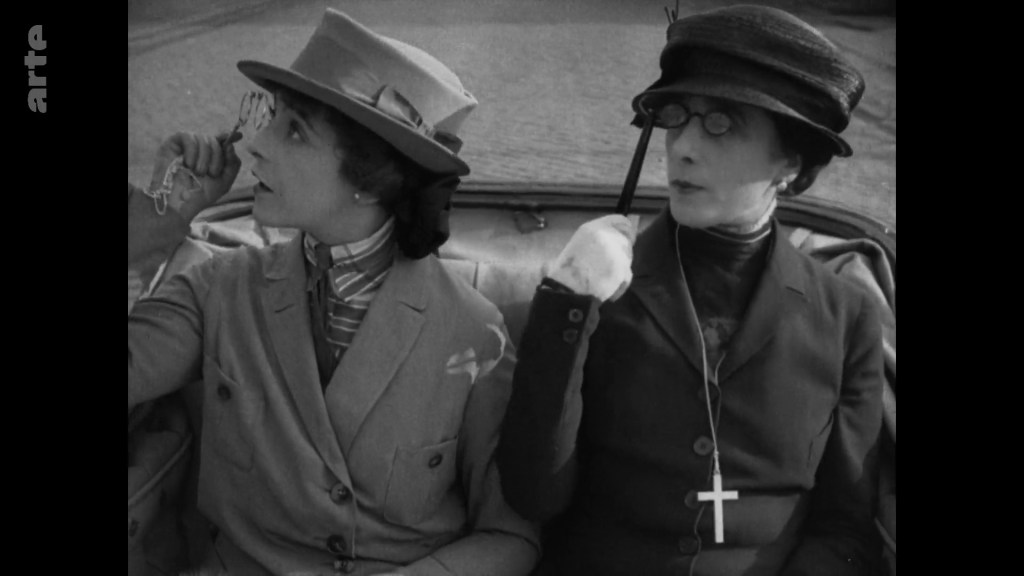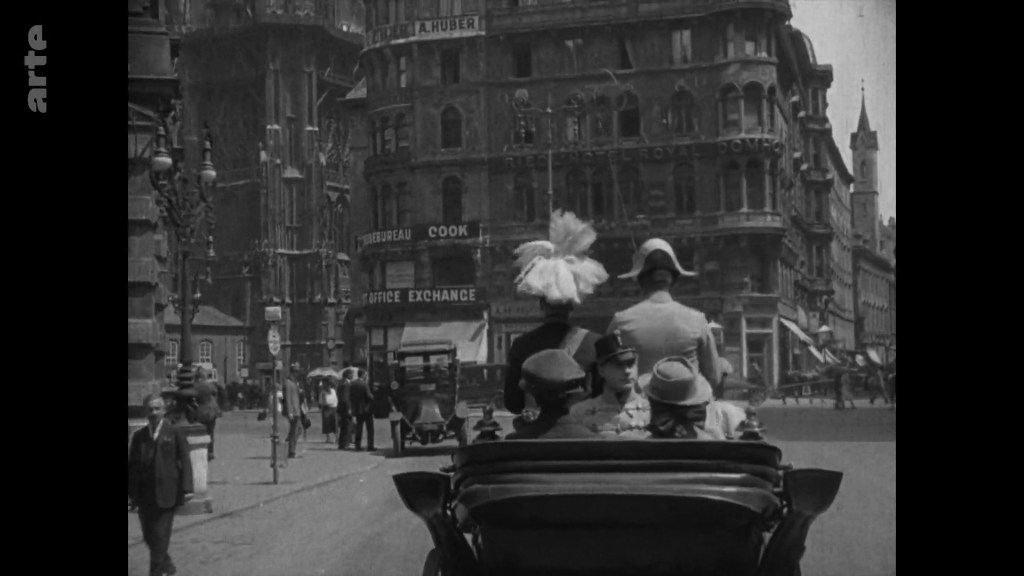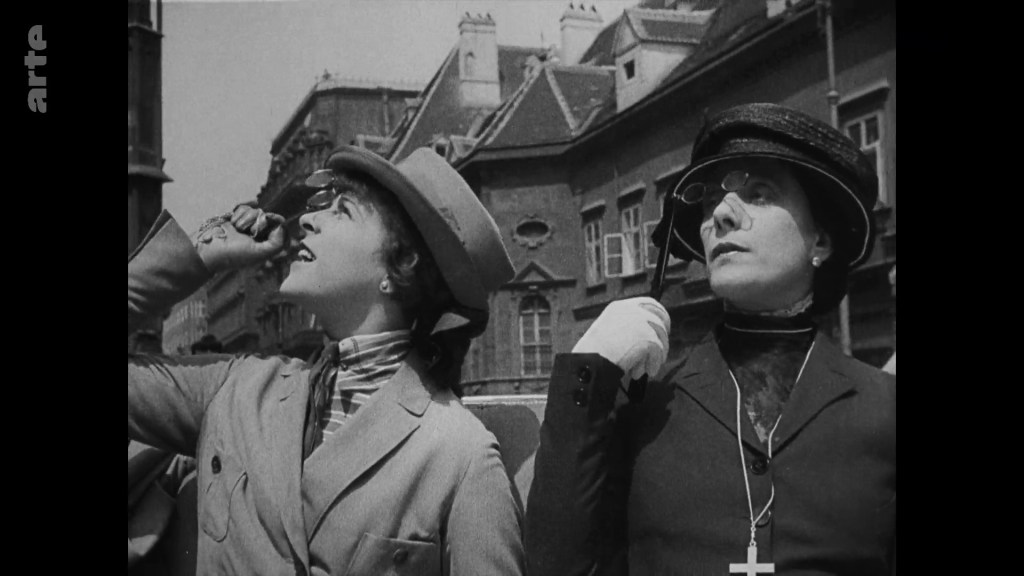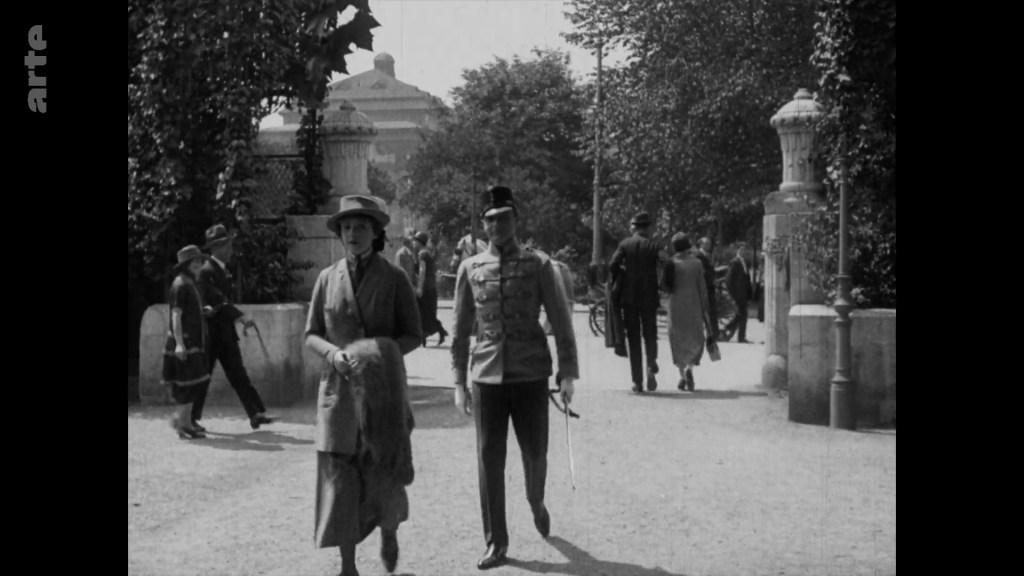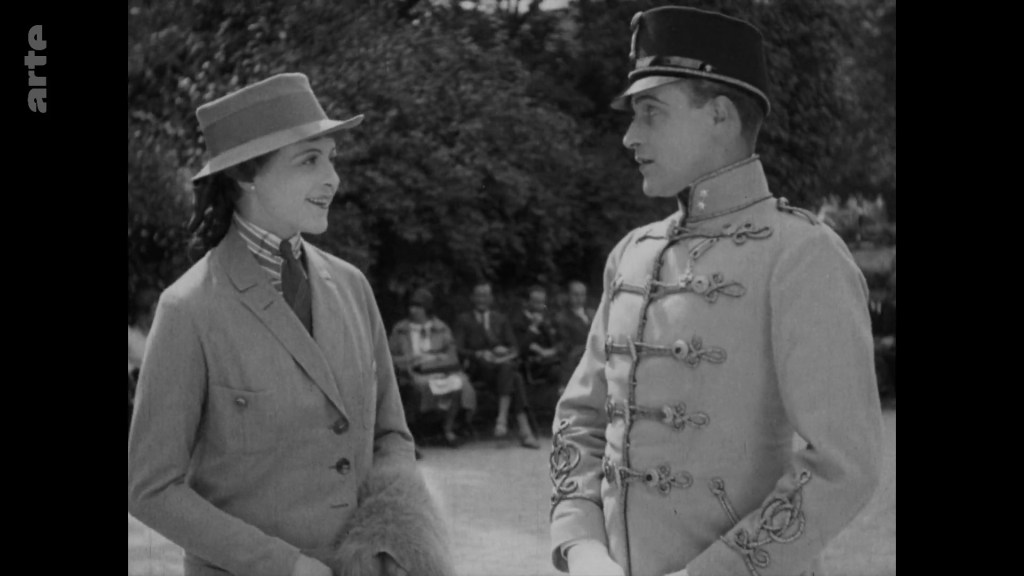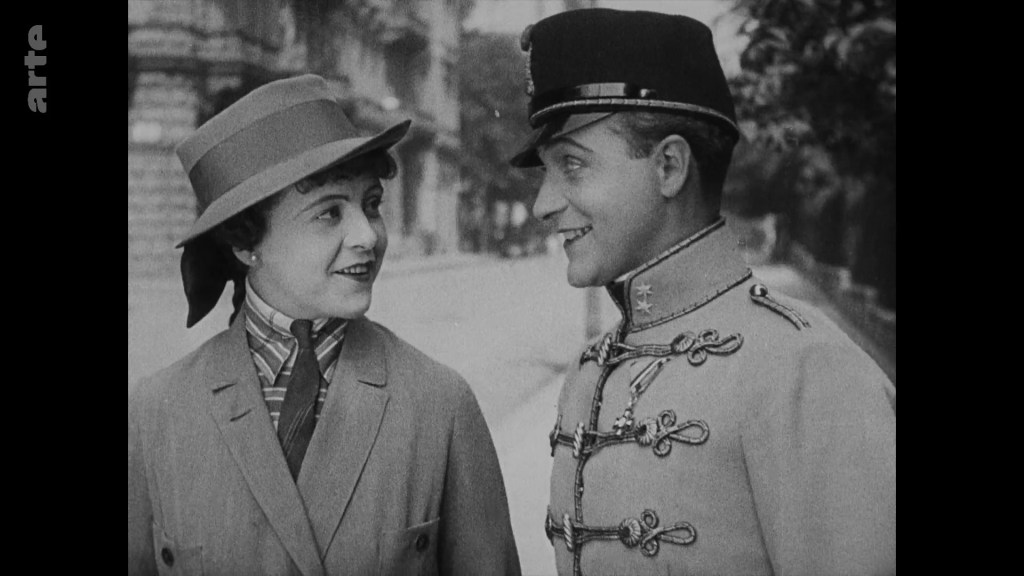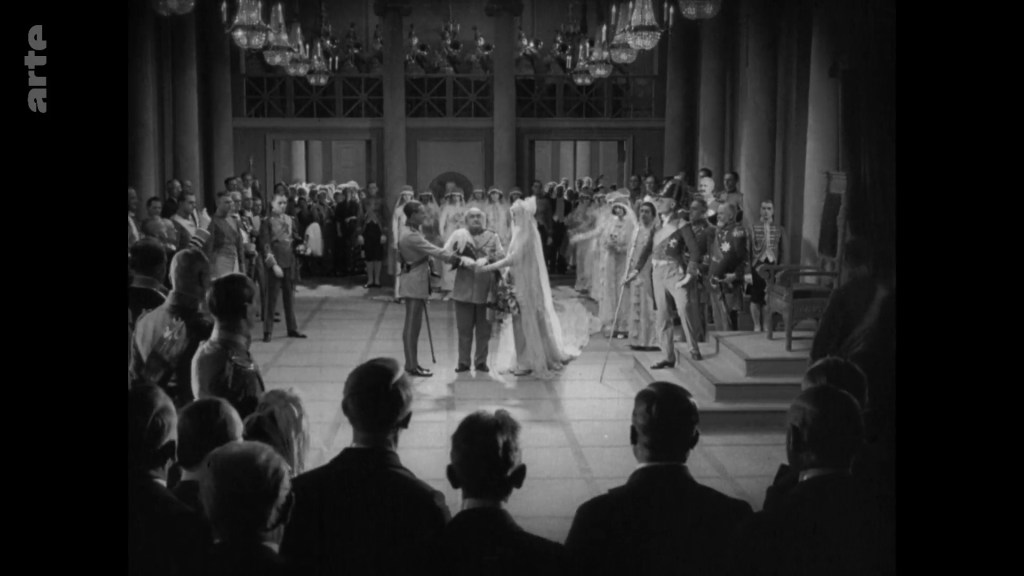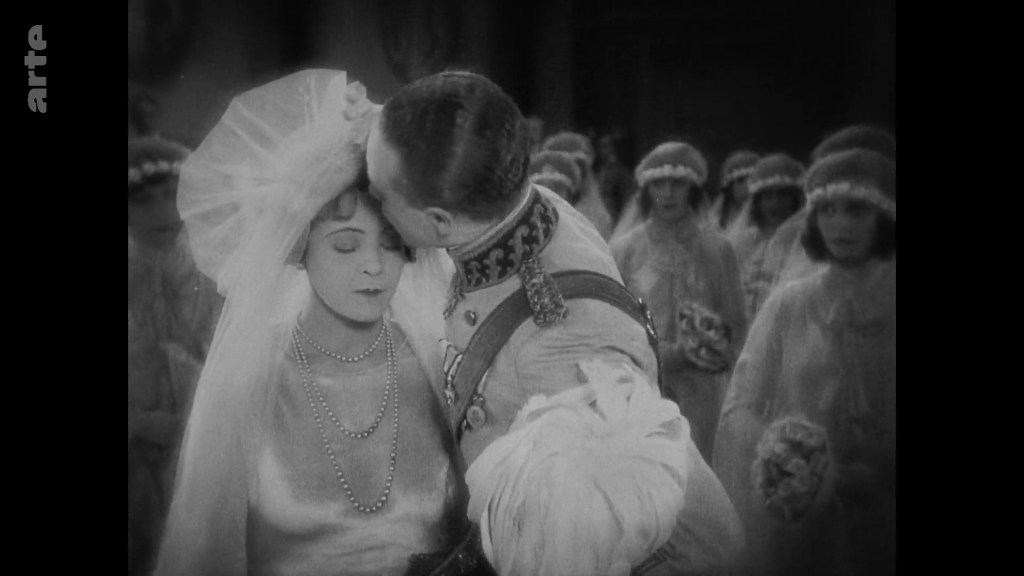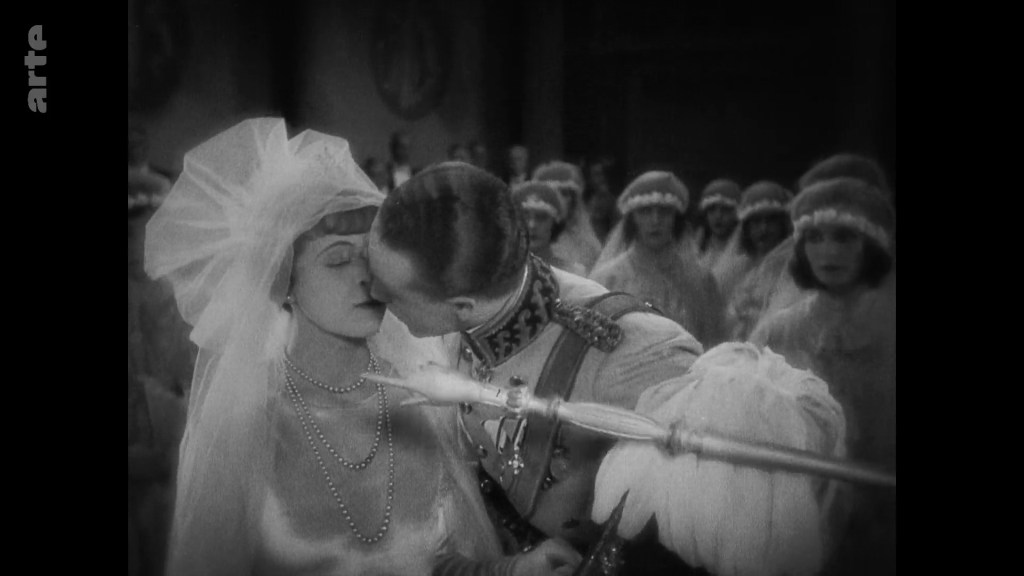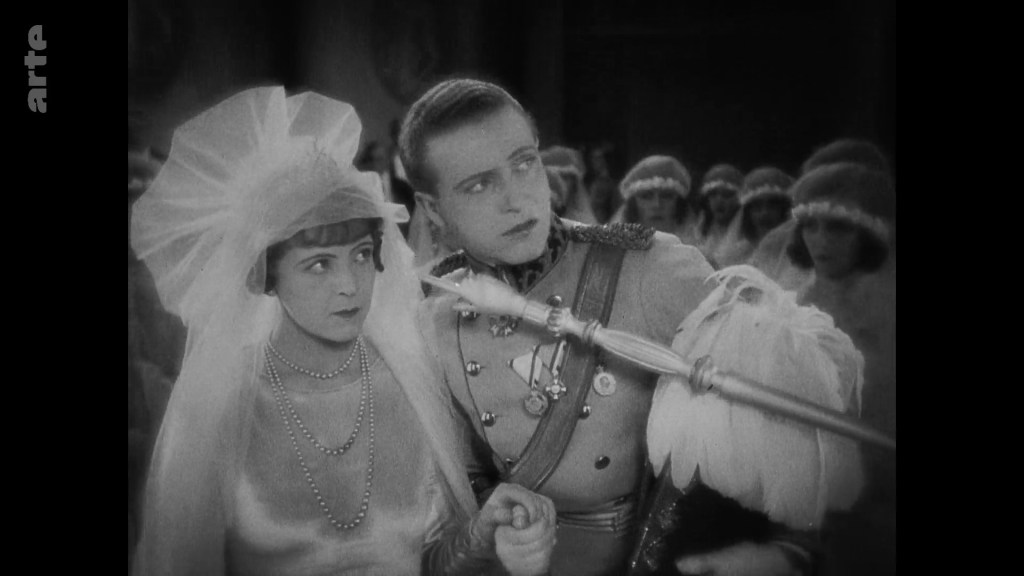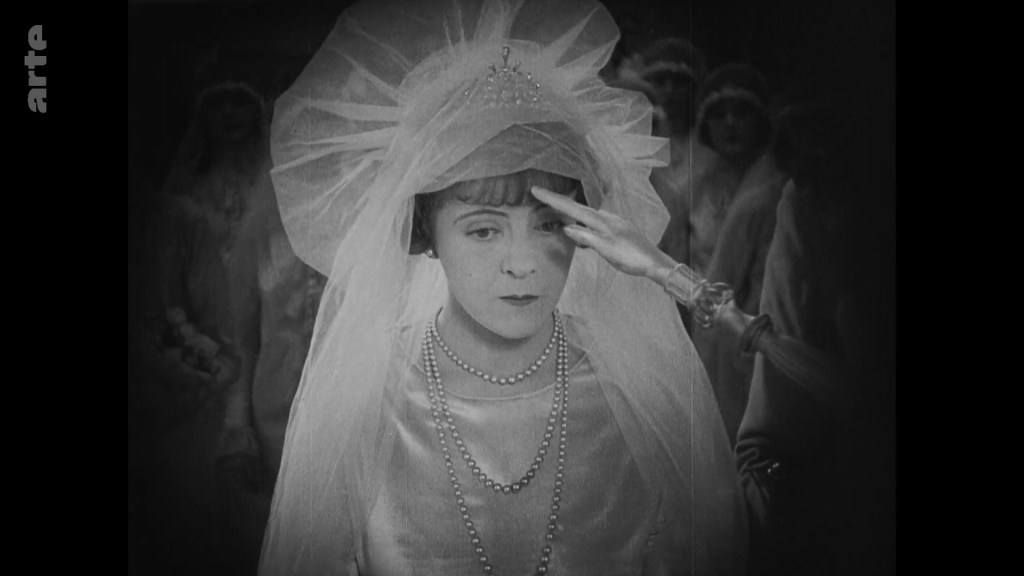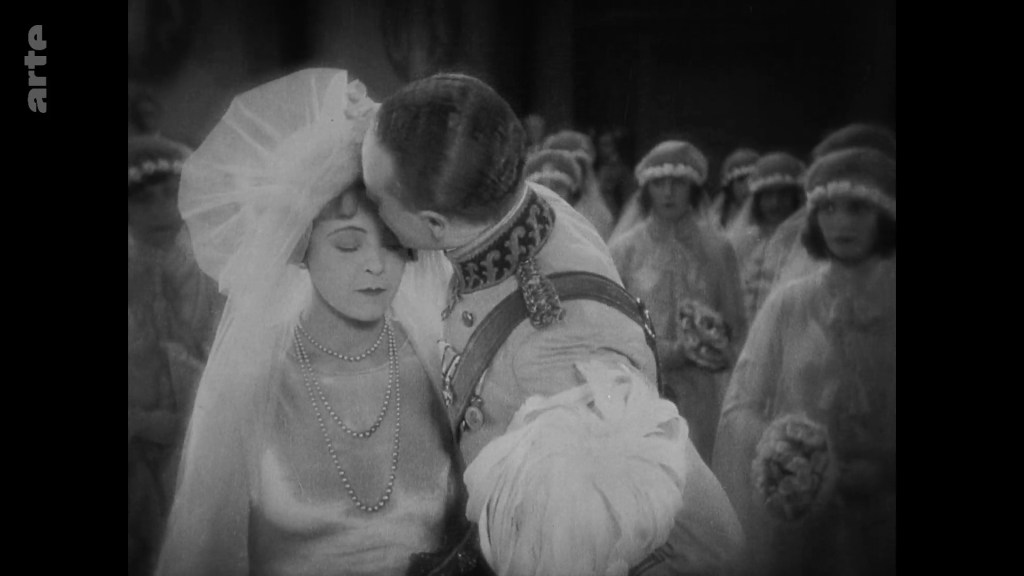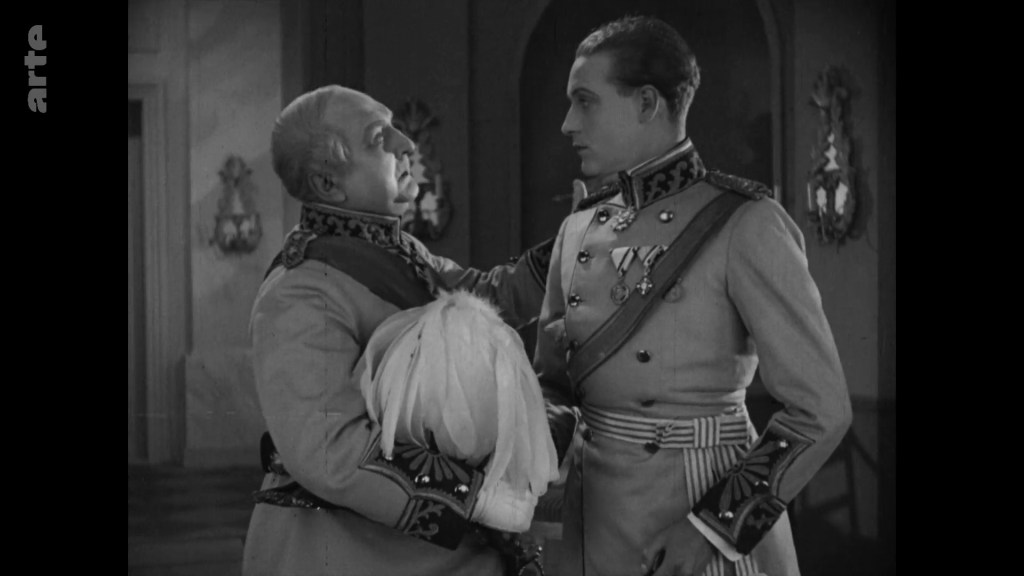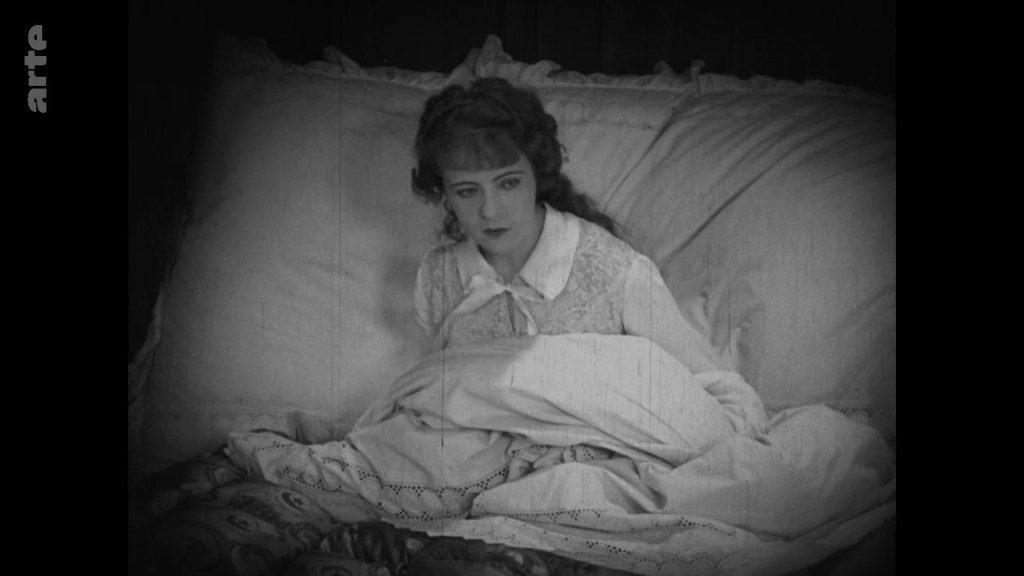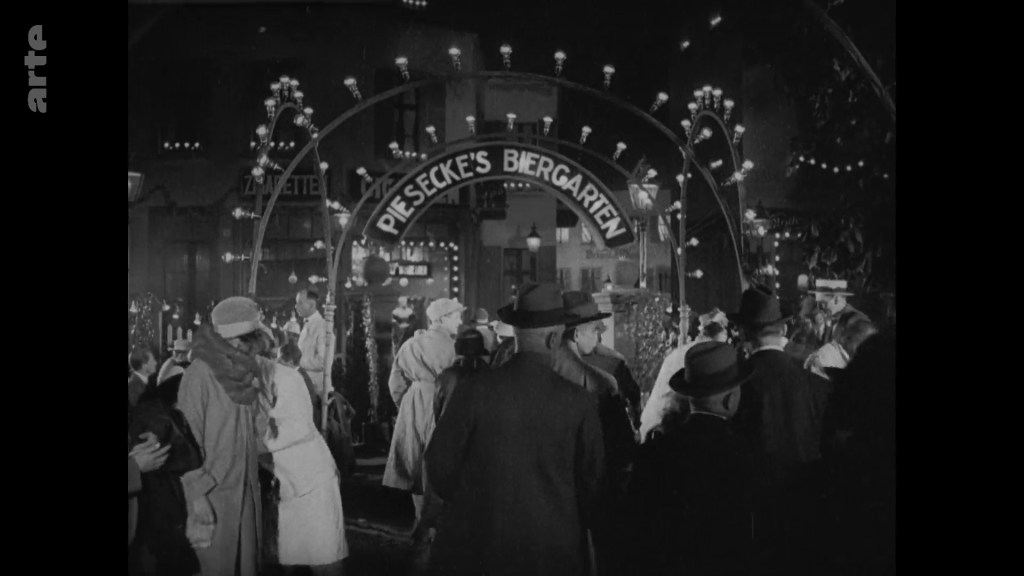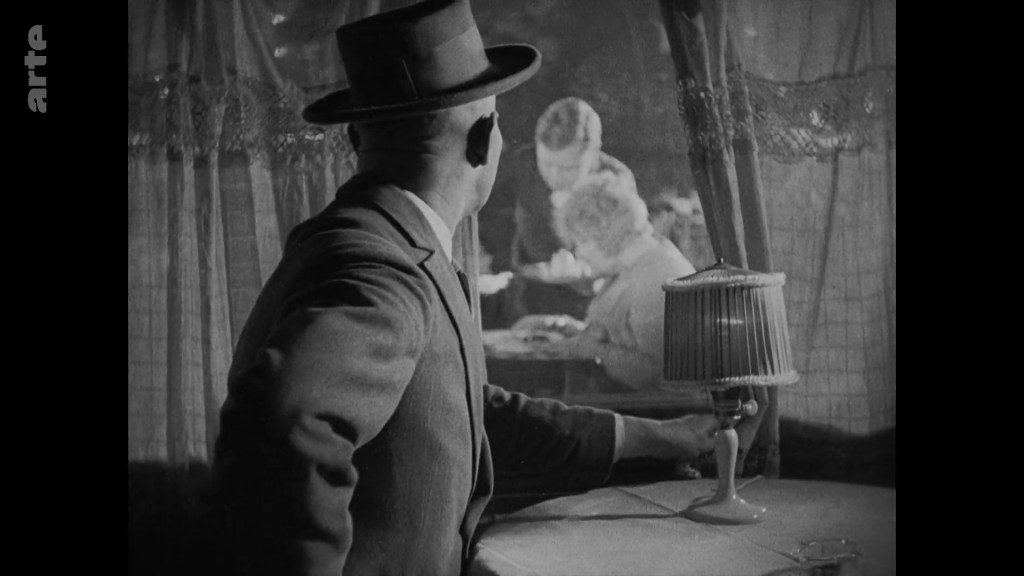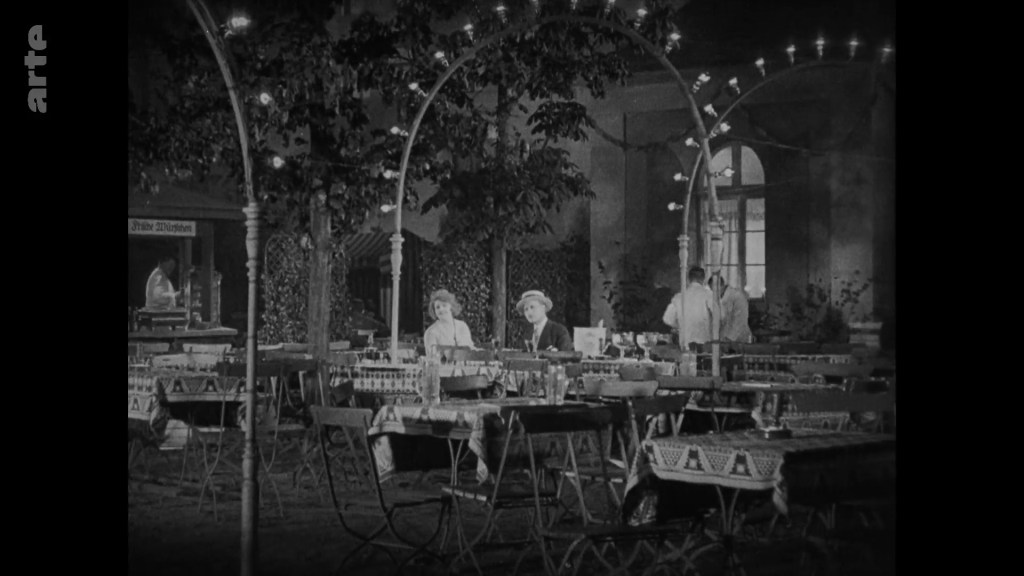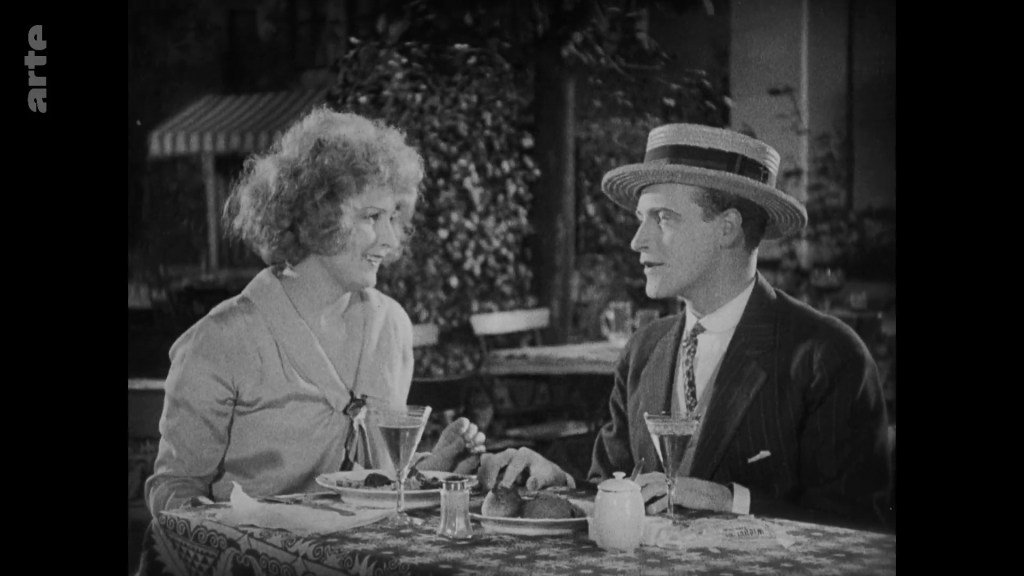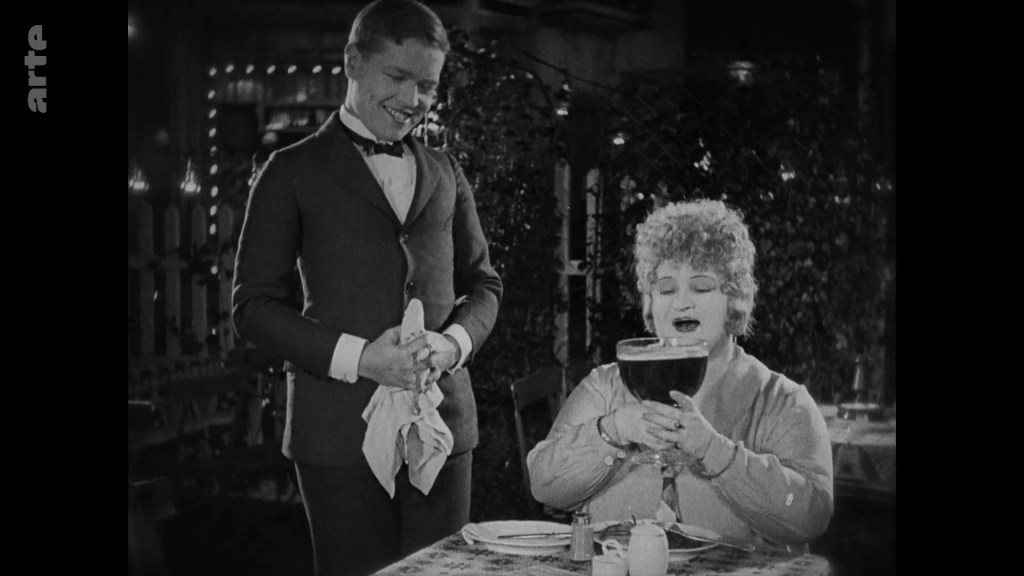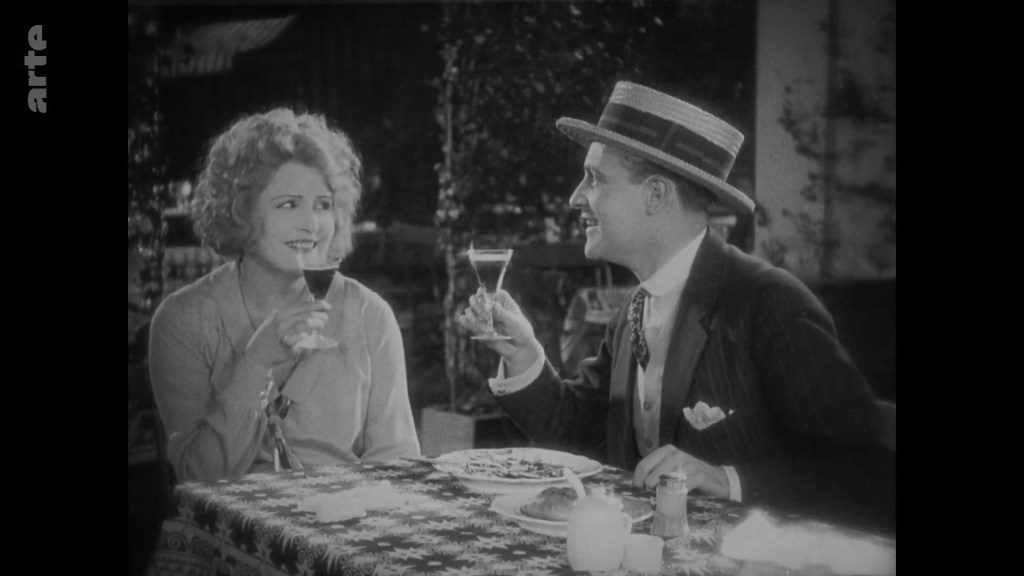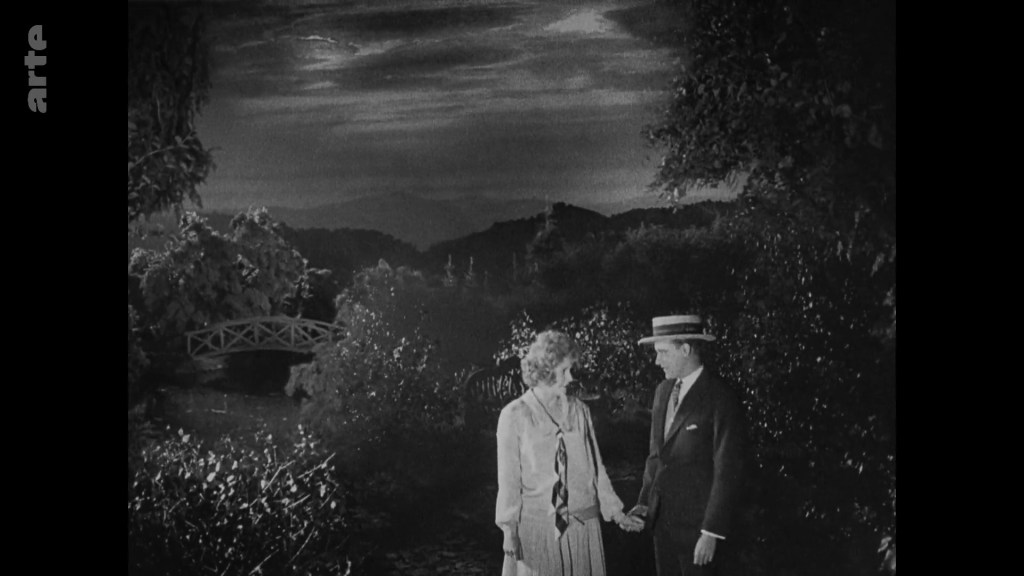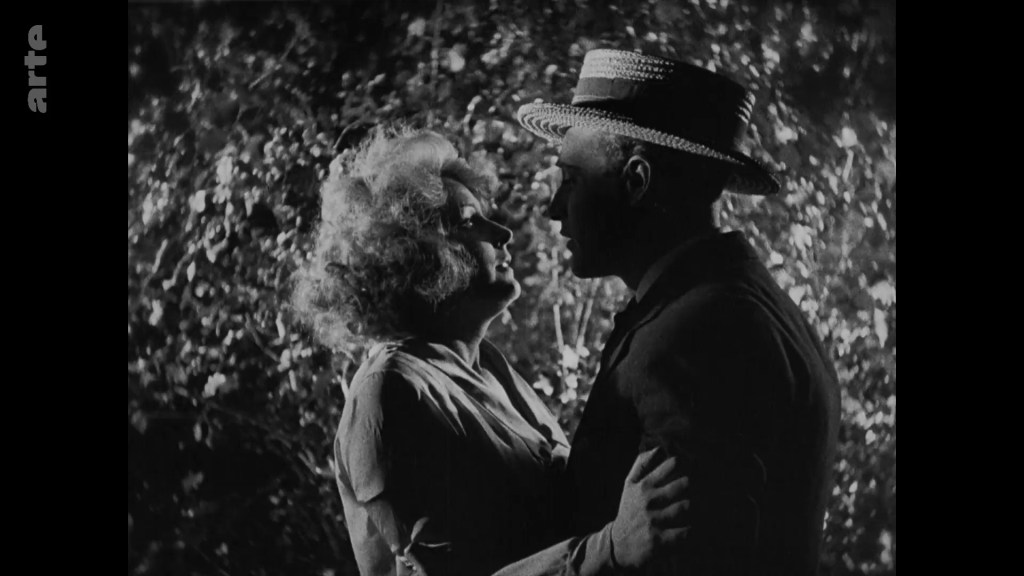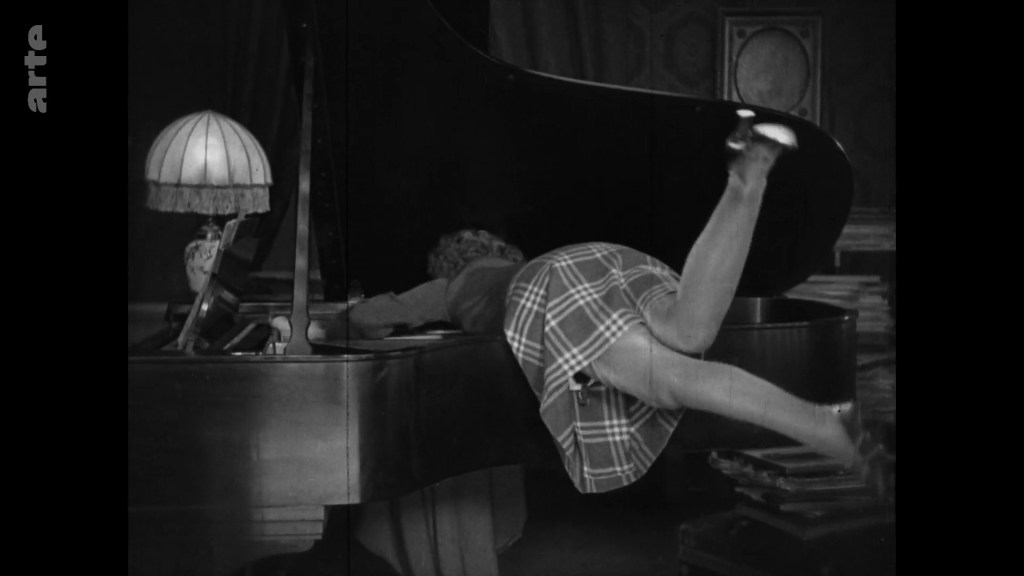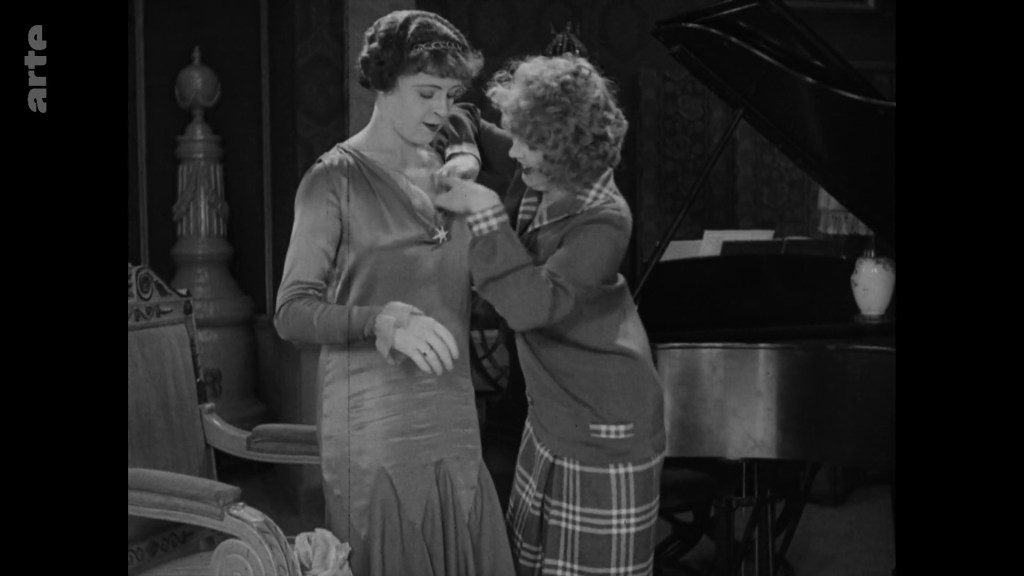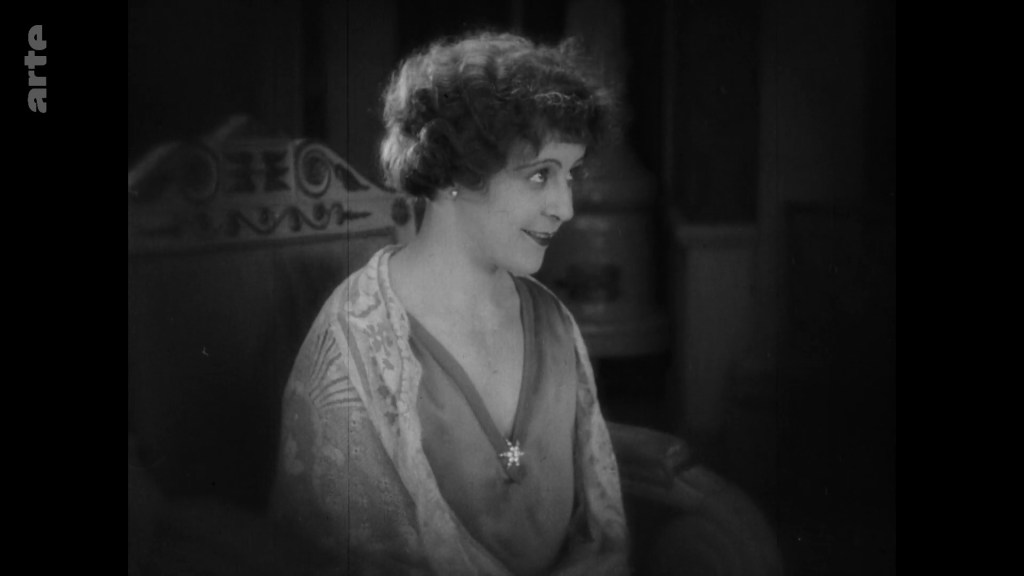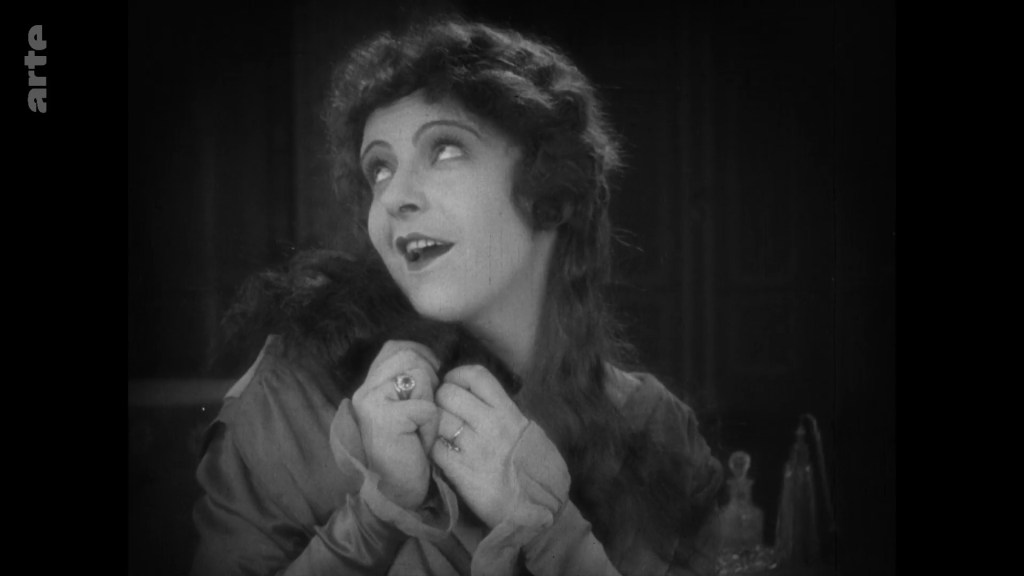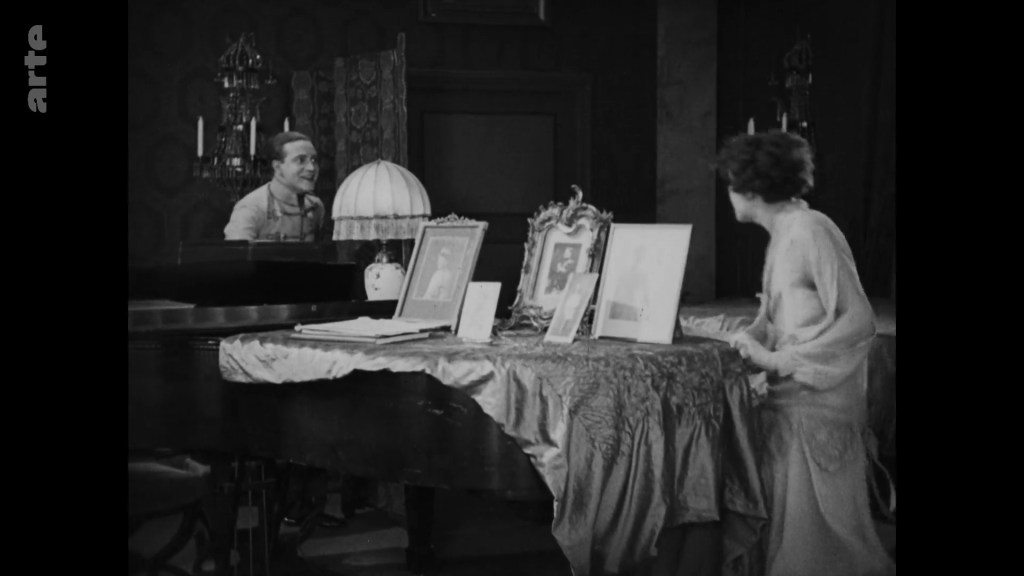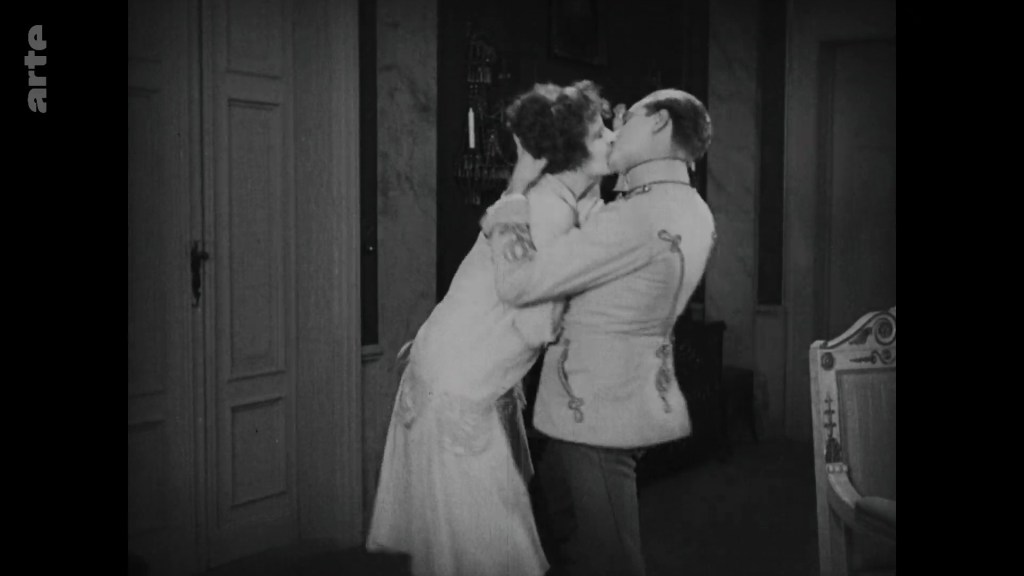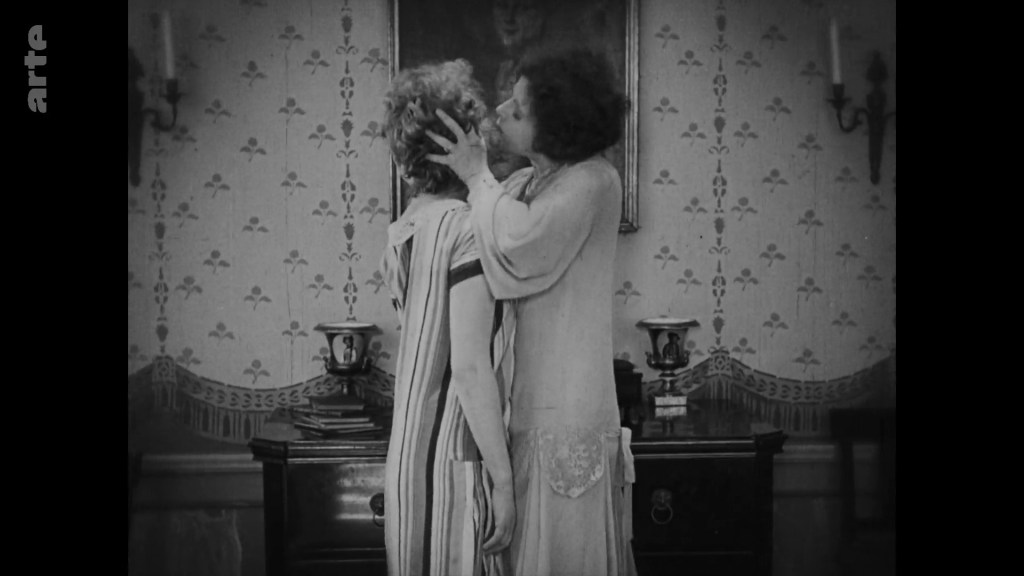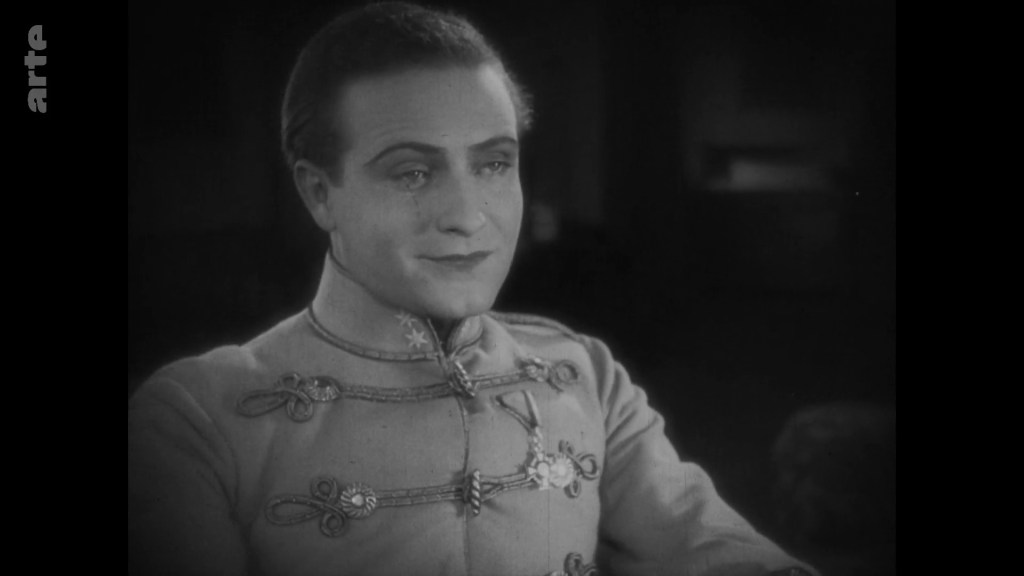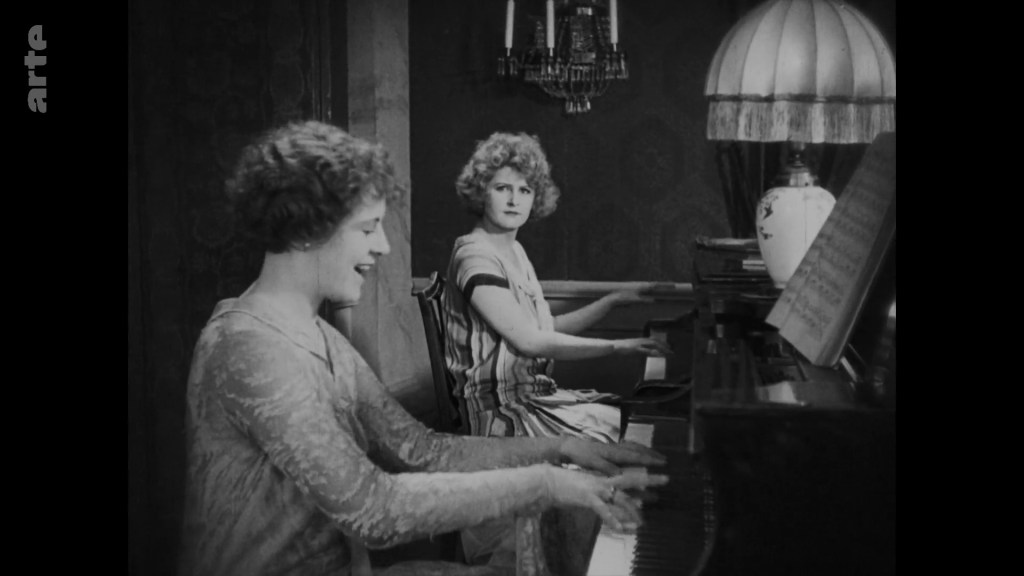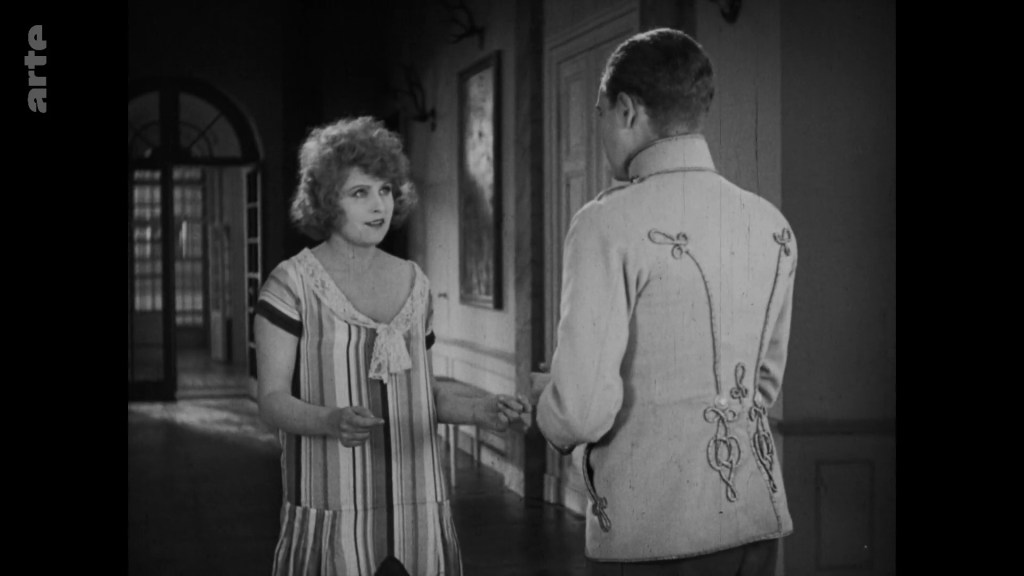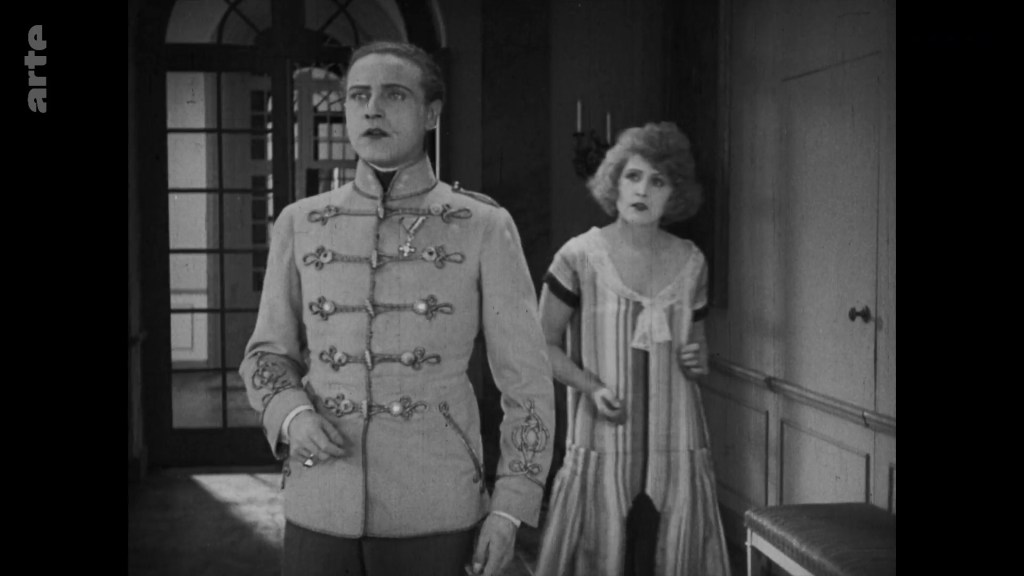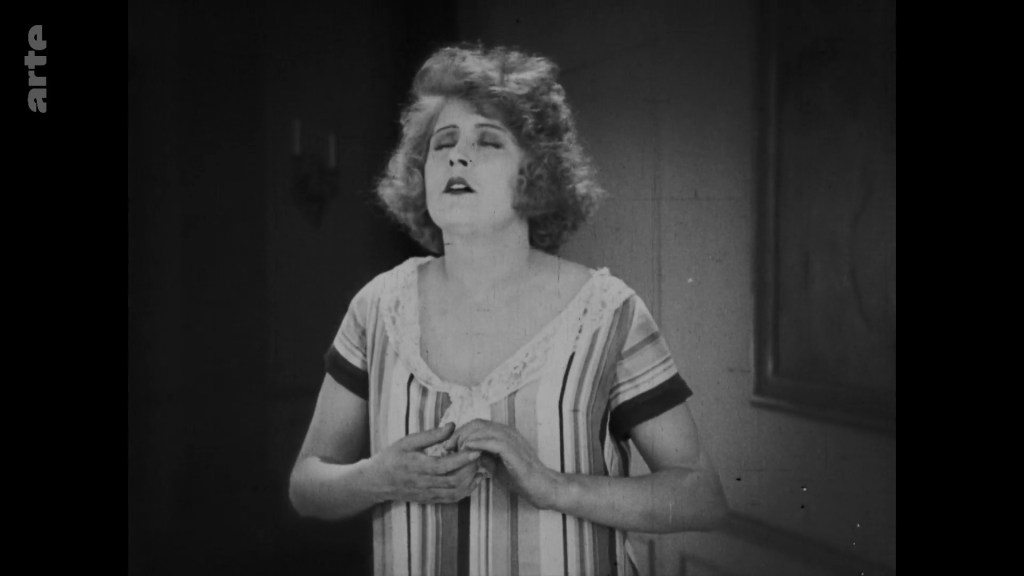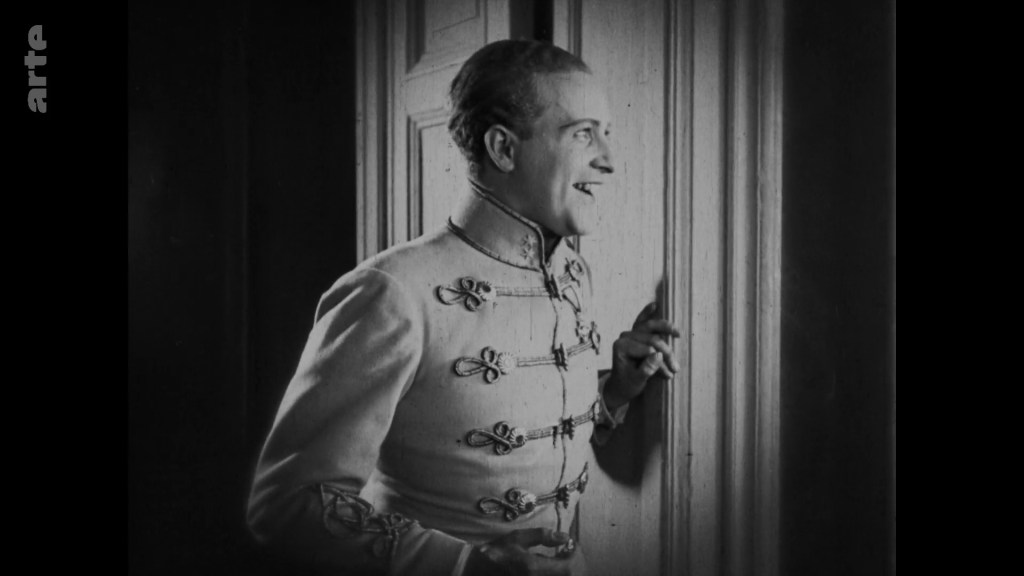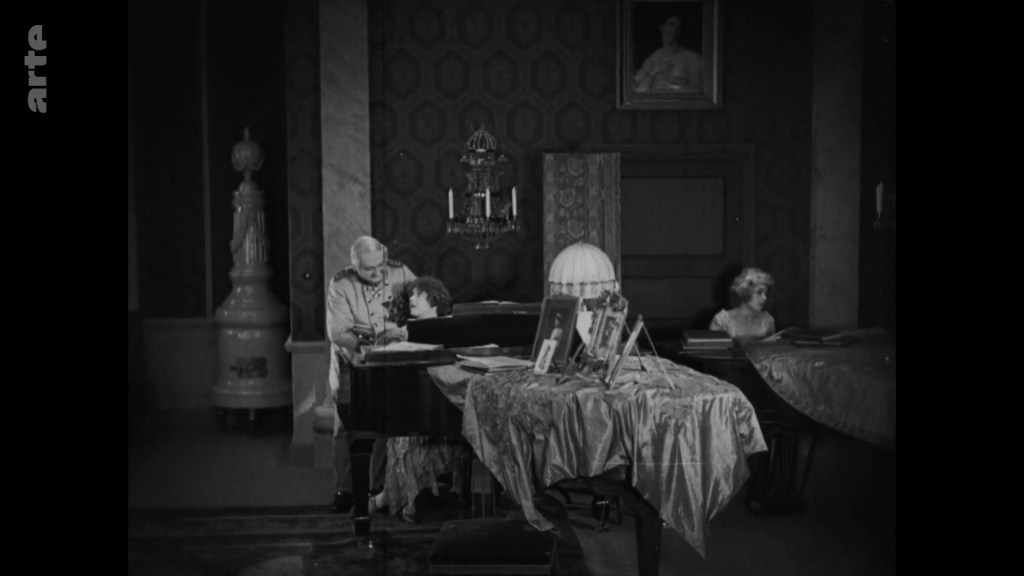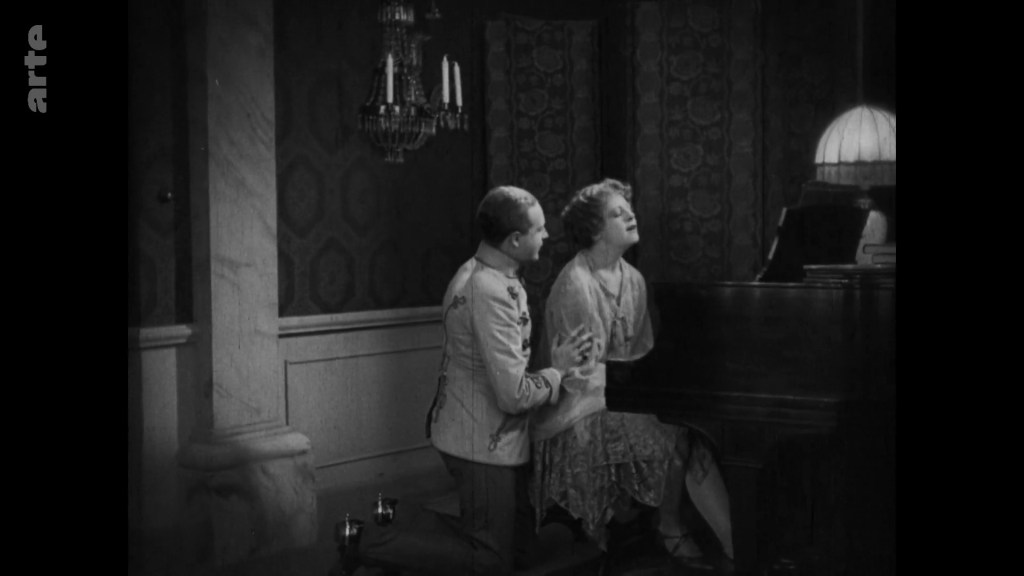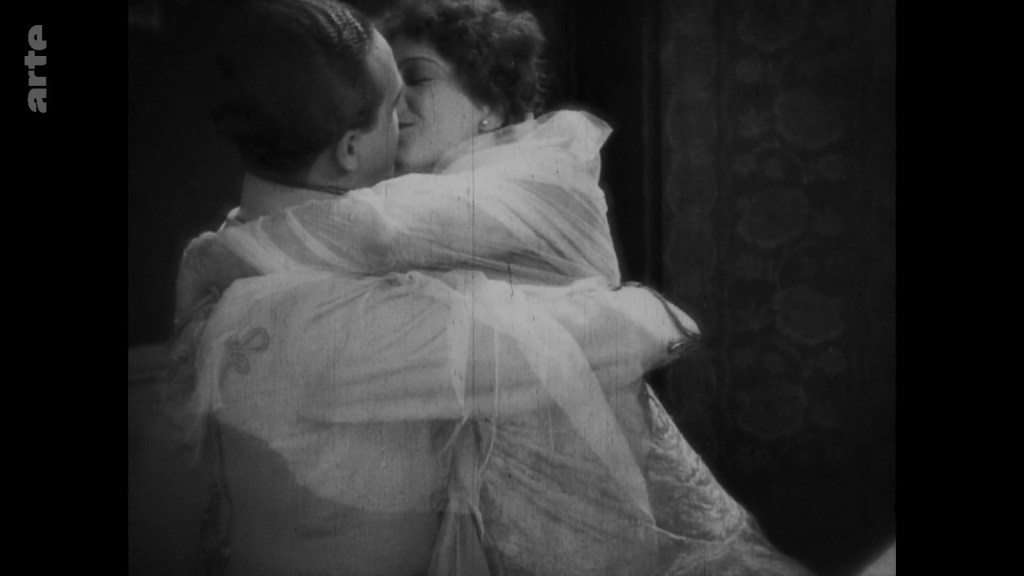
Day 7 of Pordenone delivers us into the safe hands of Ufa for a film about the unsafe world of hyperinflation and theatrical exploitation…
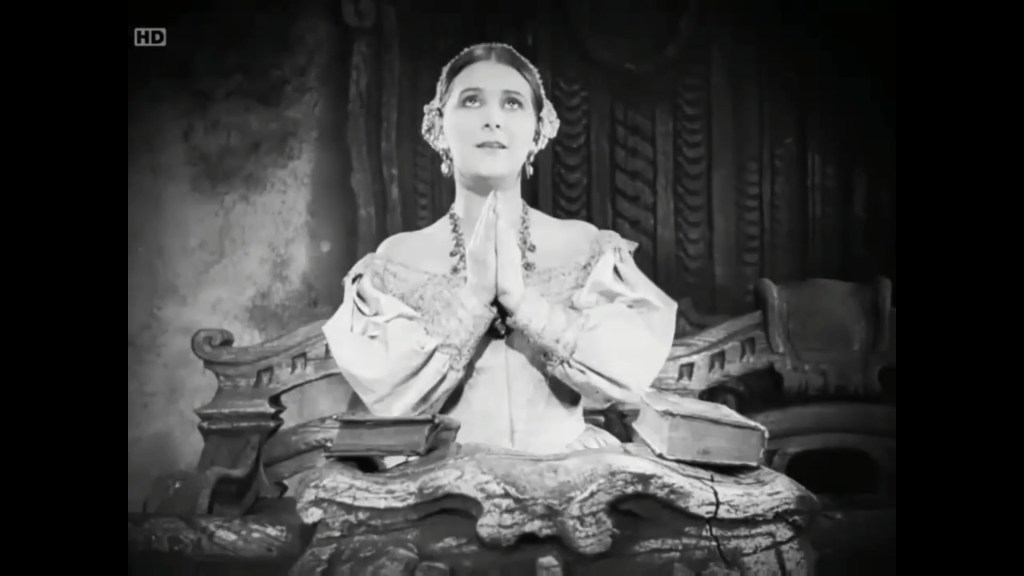
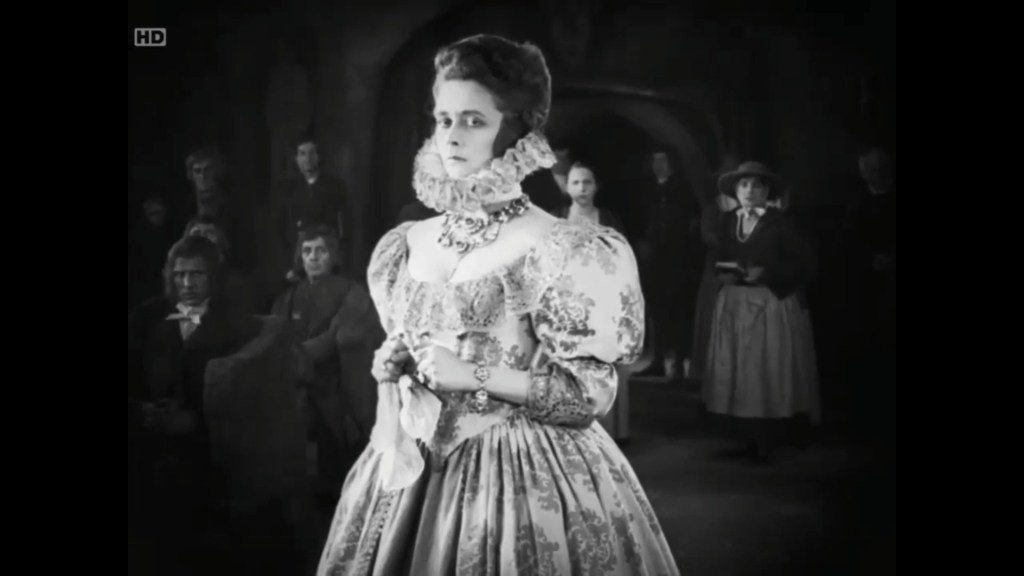
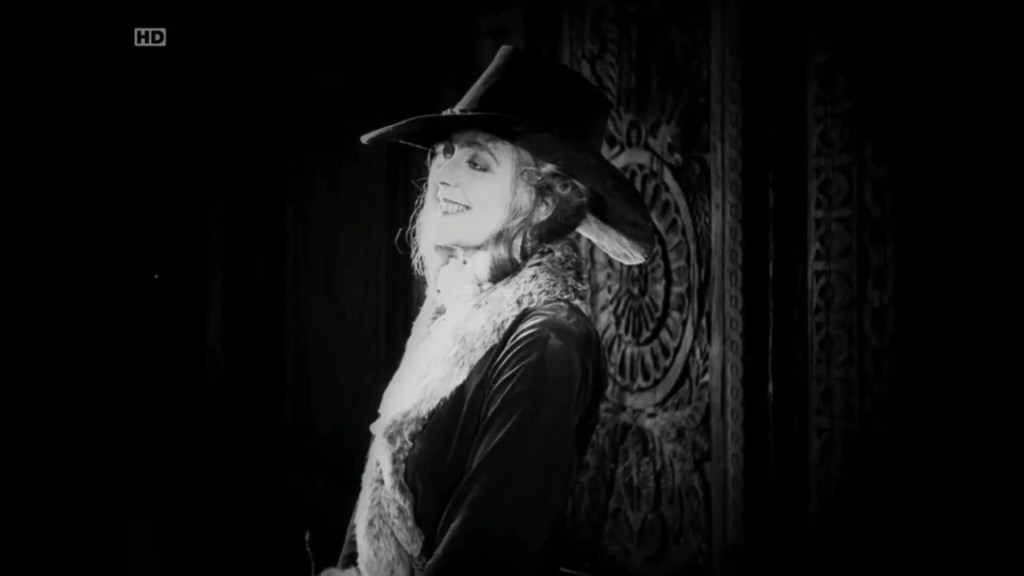
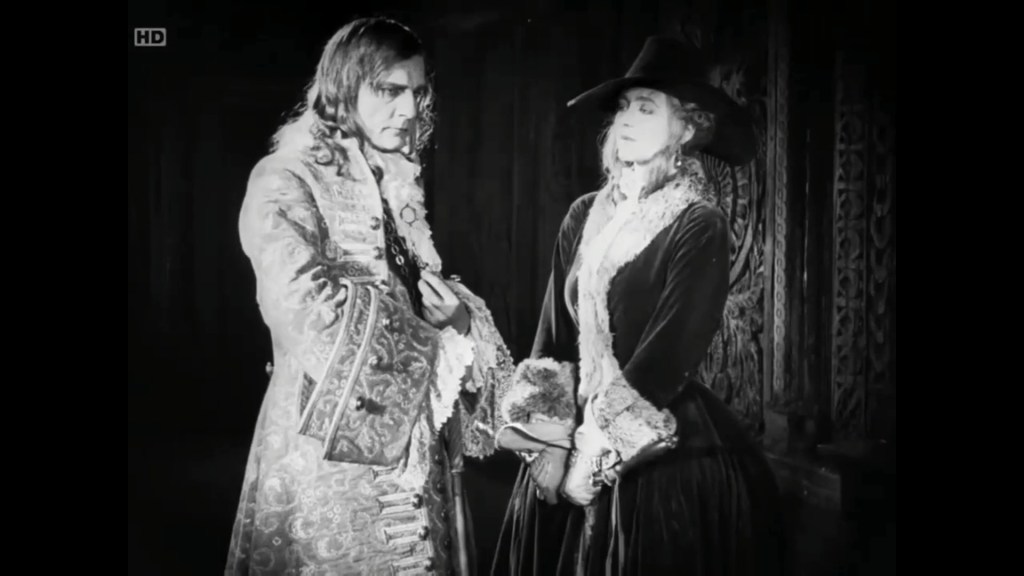
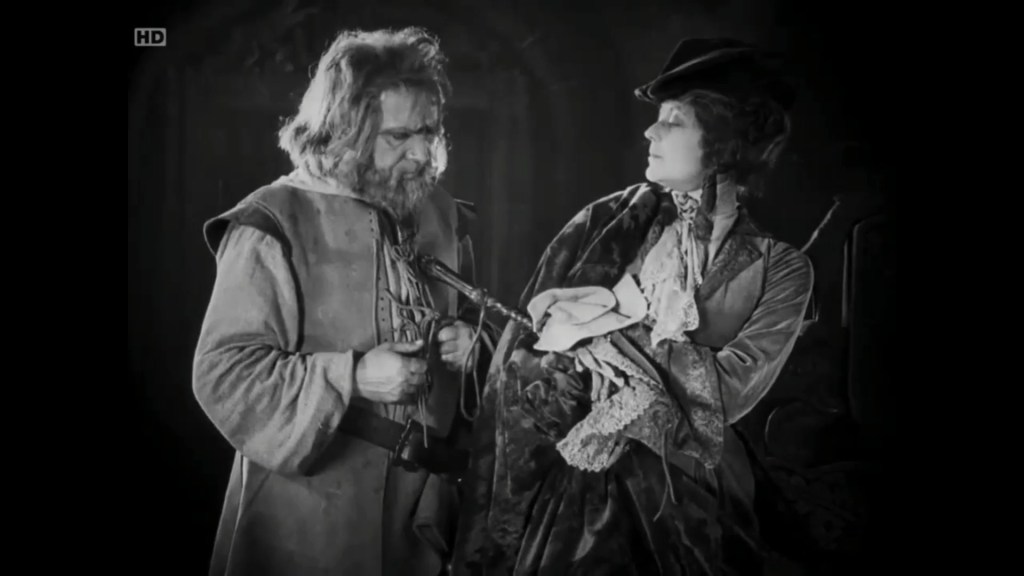
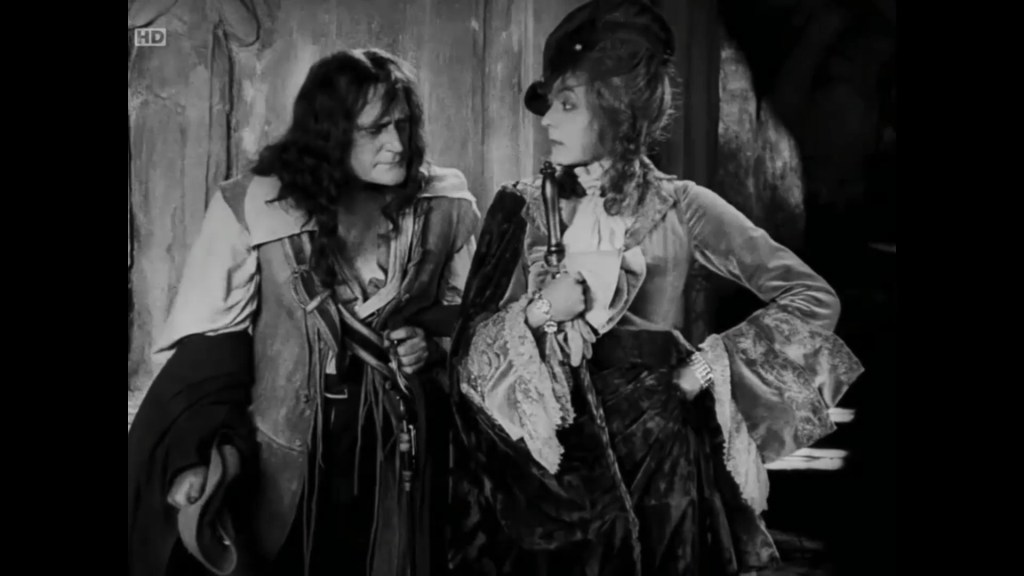
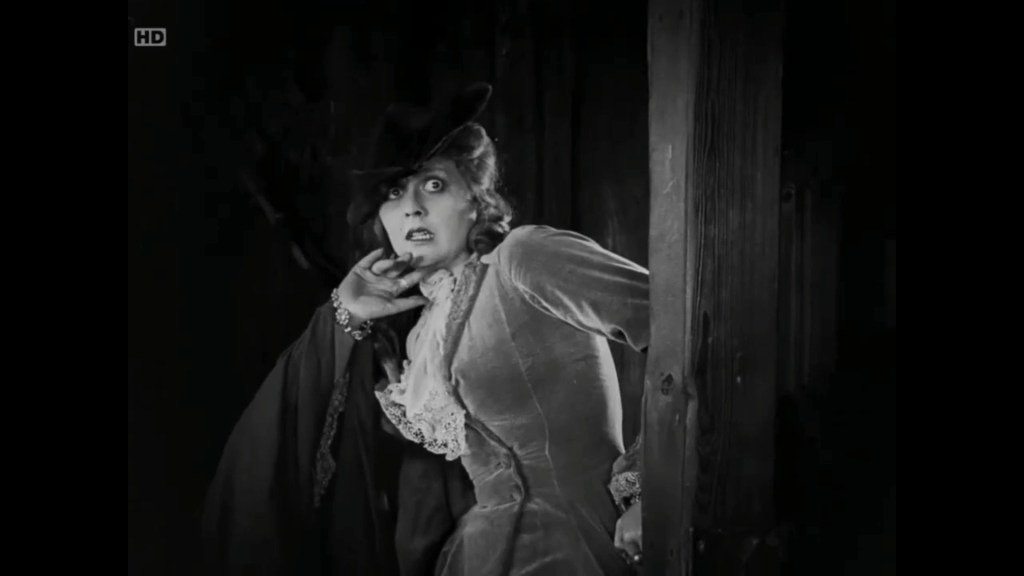
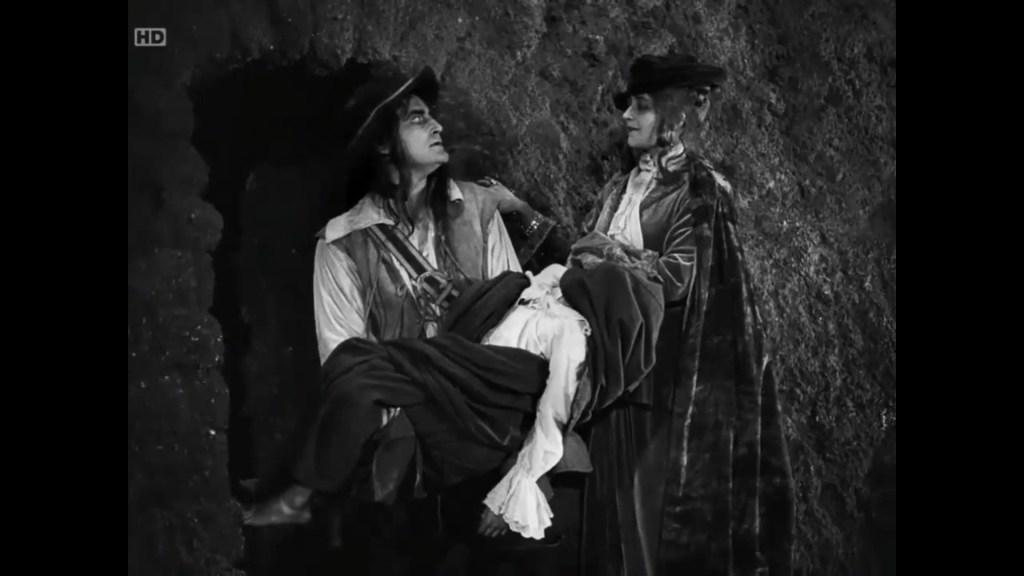
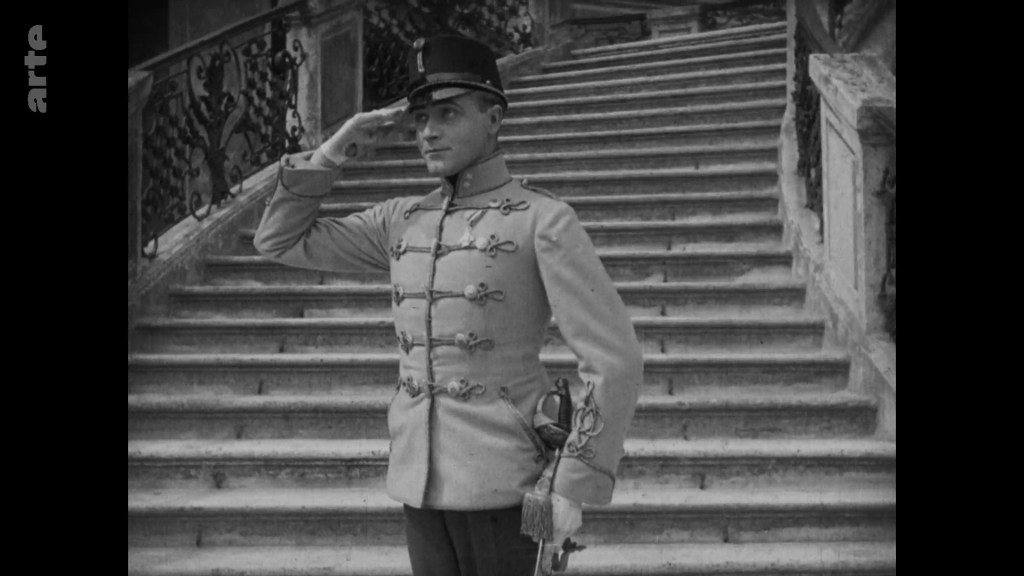
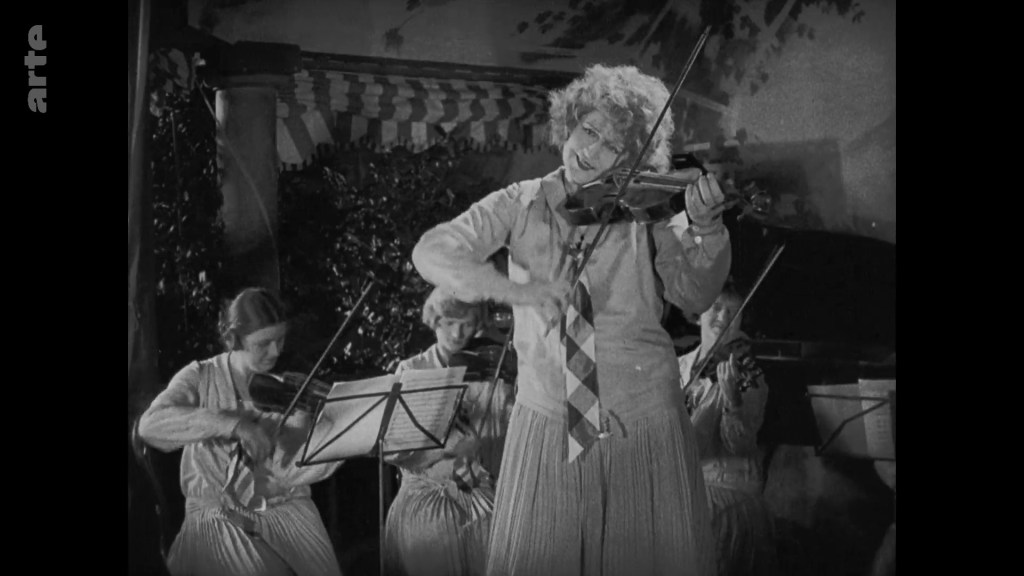
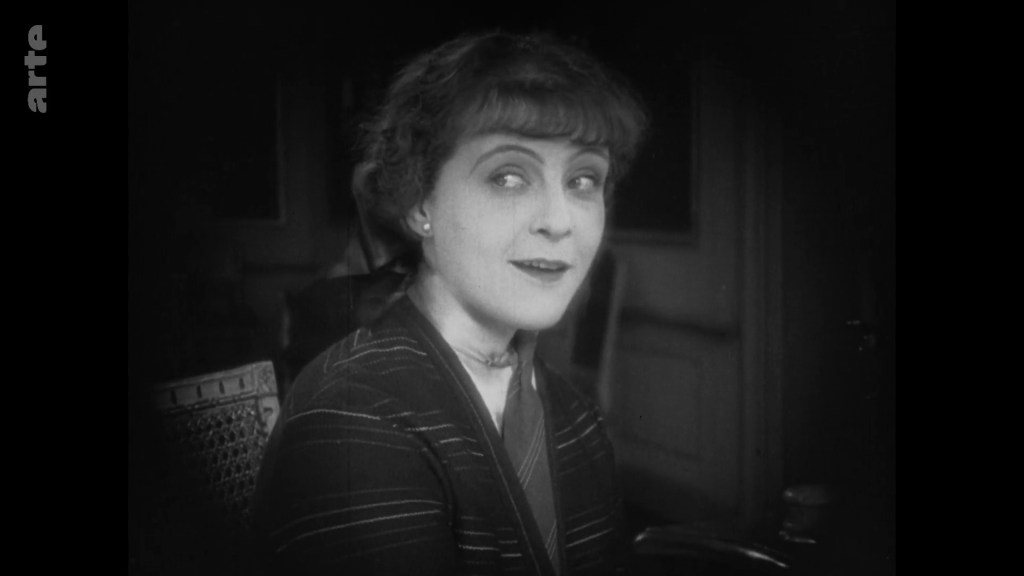
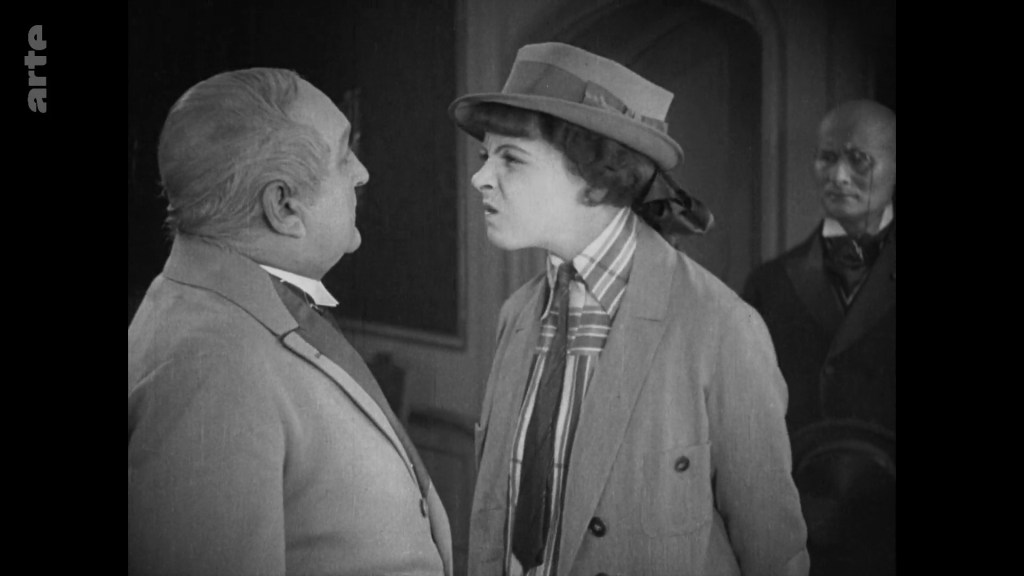
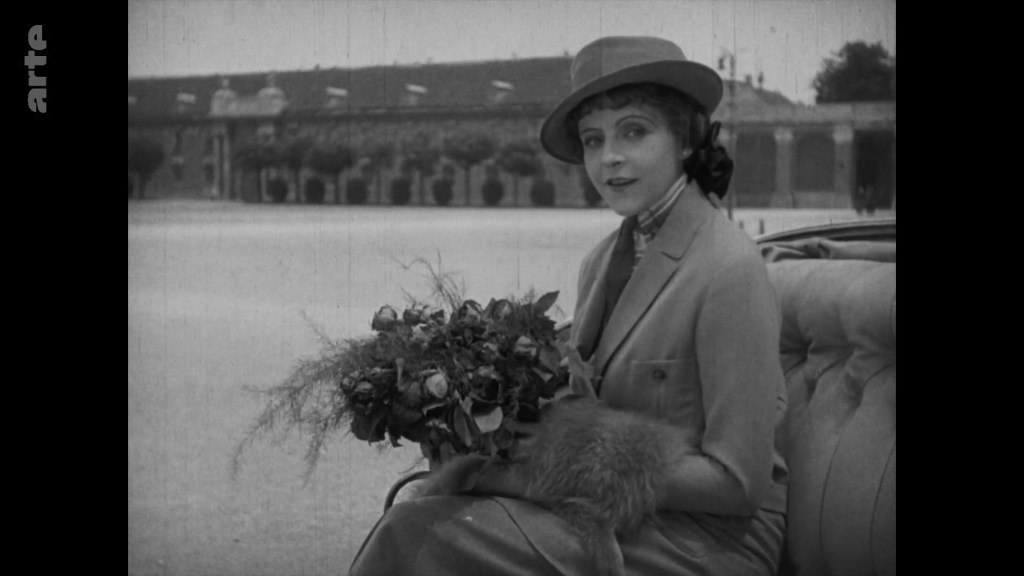
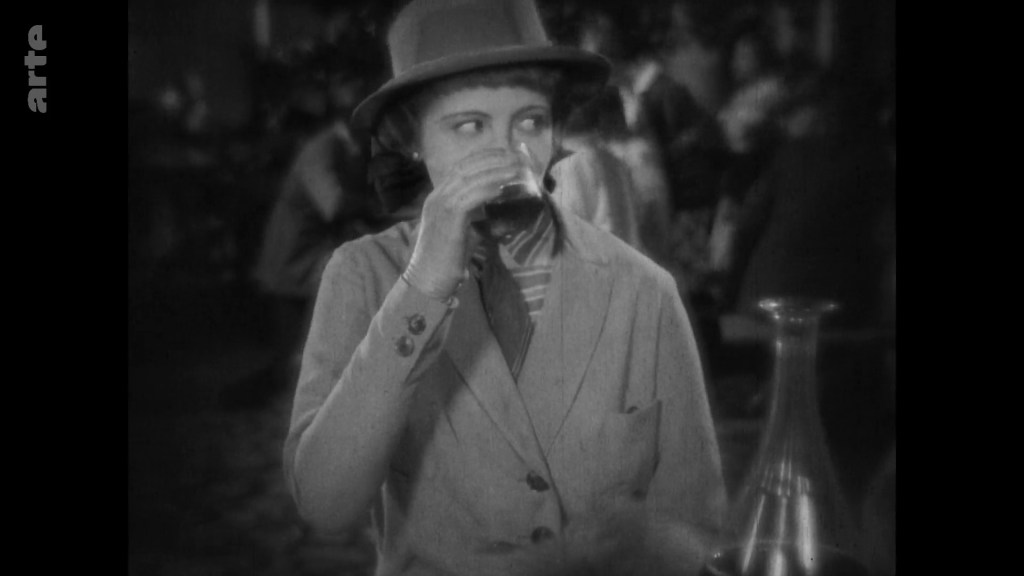
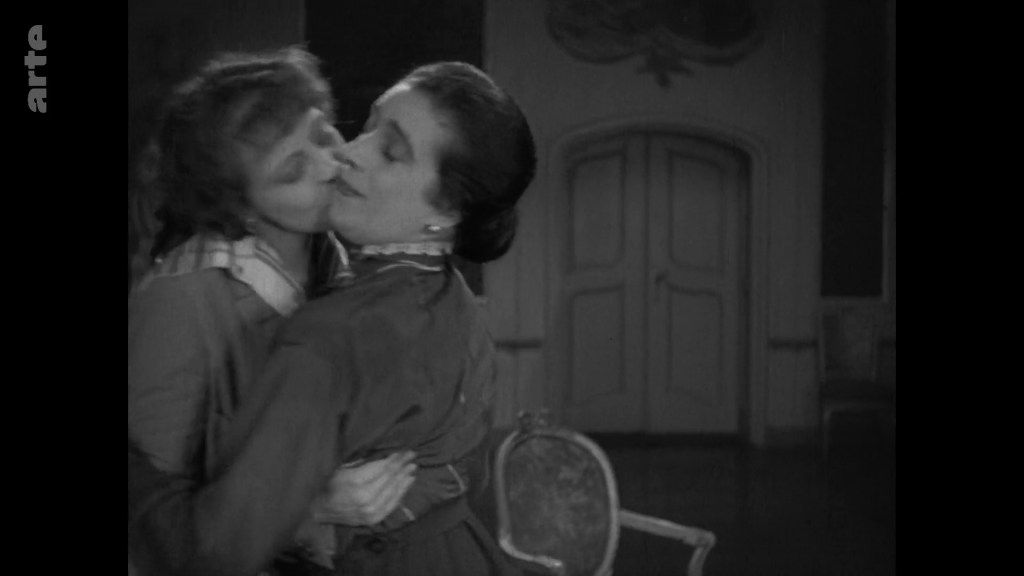
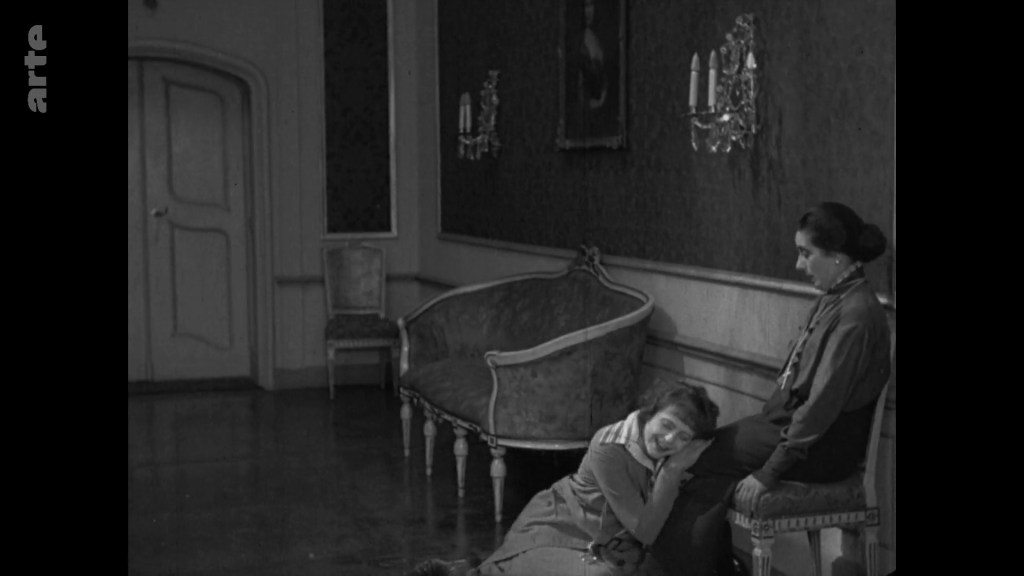
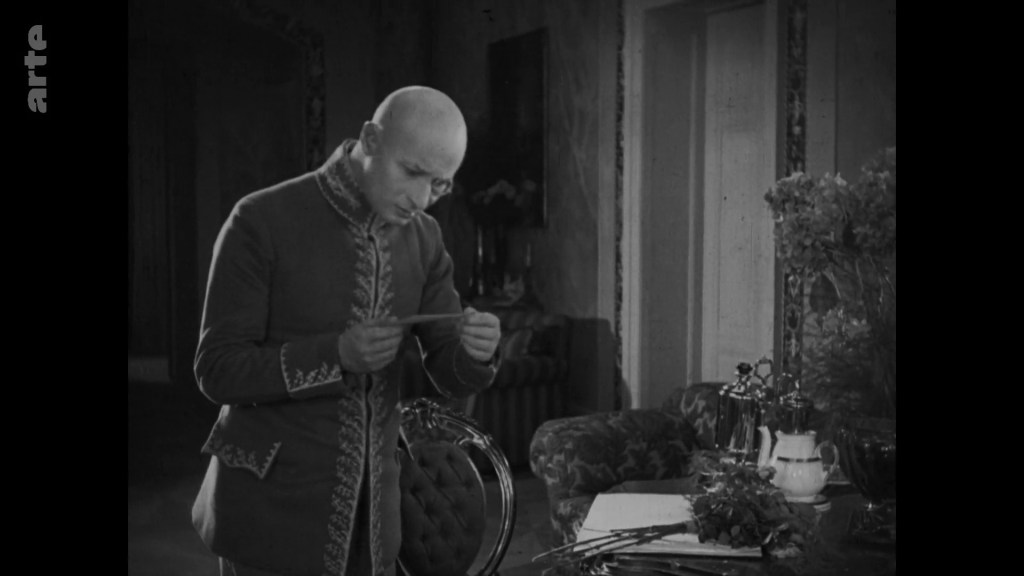
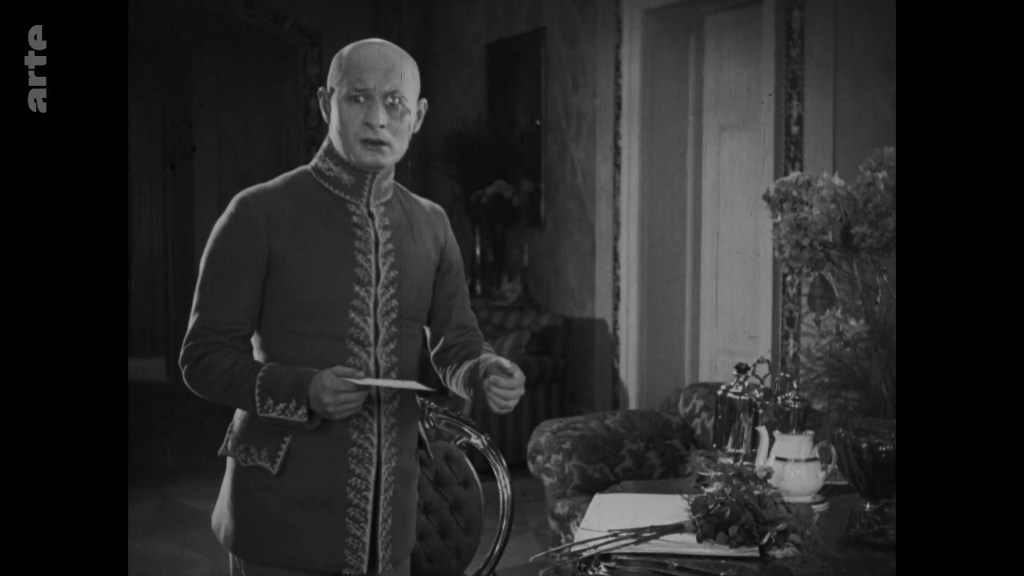
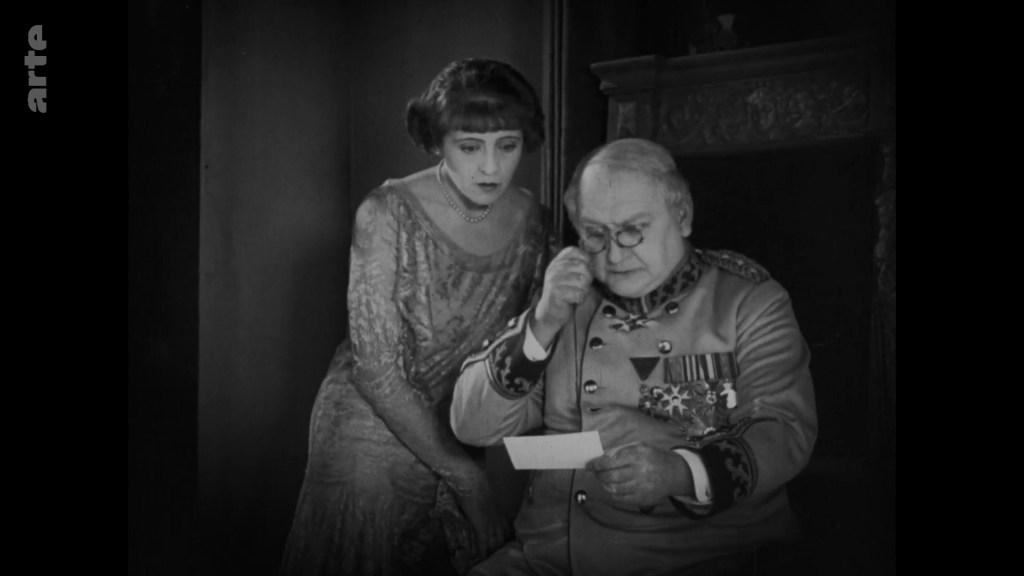
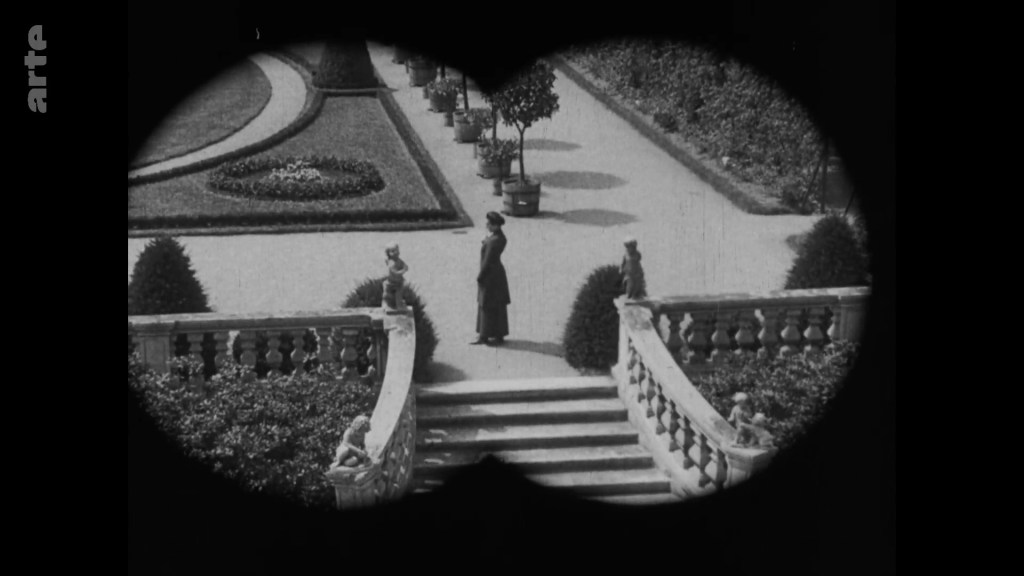
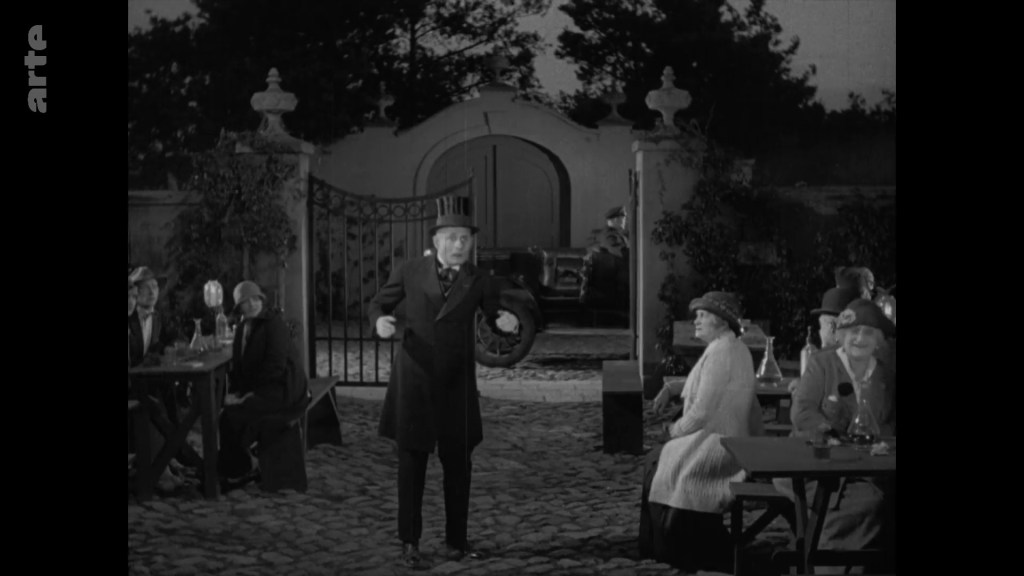
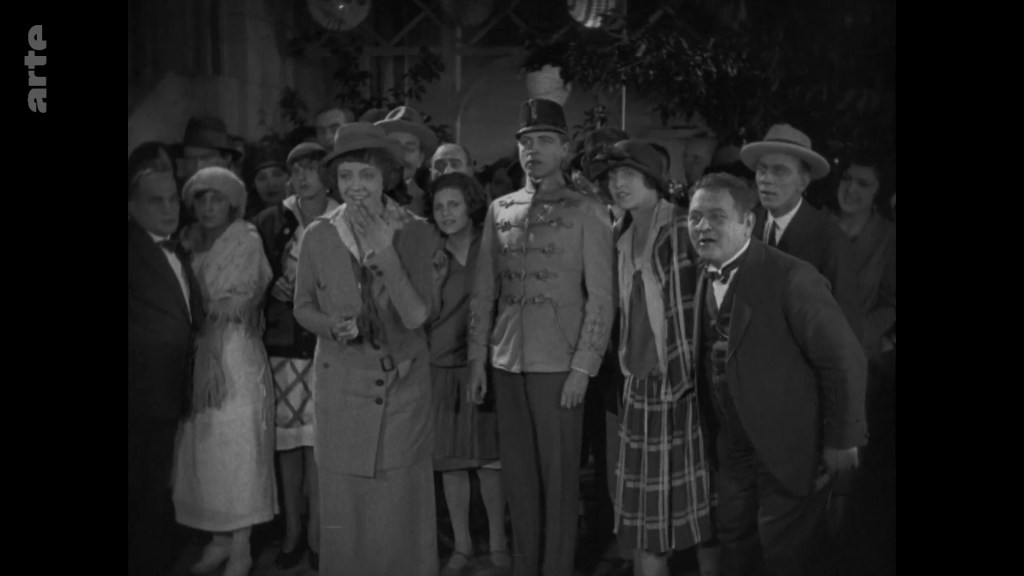
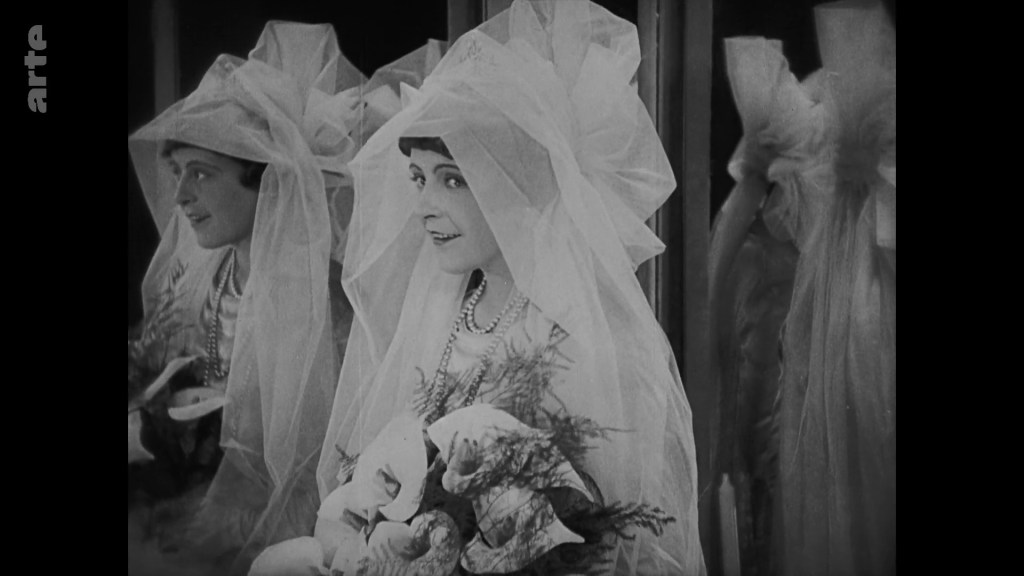
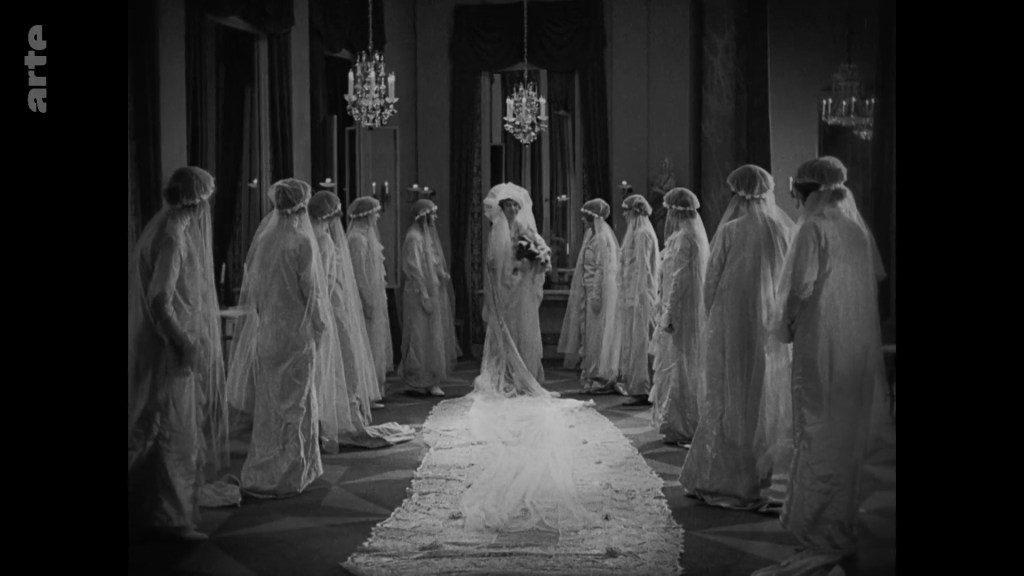
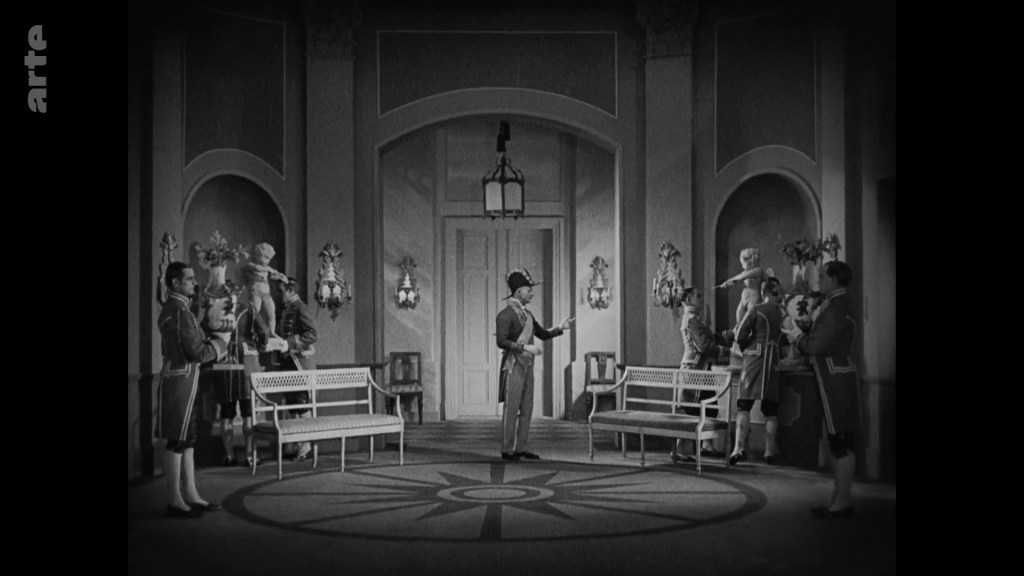
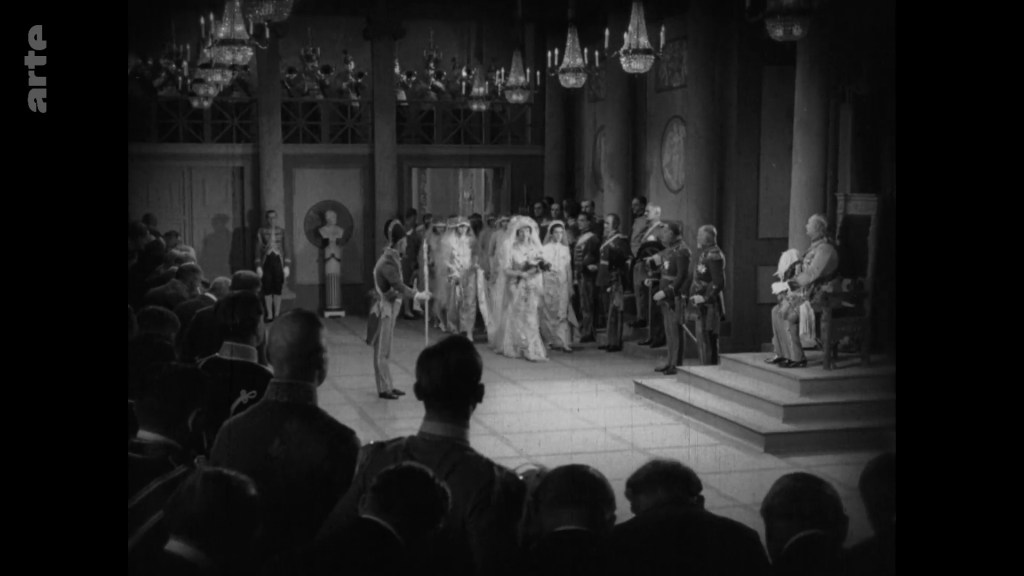
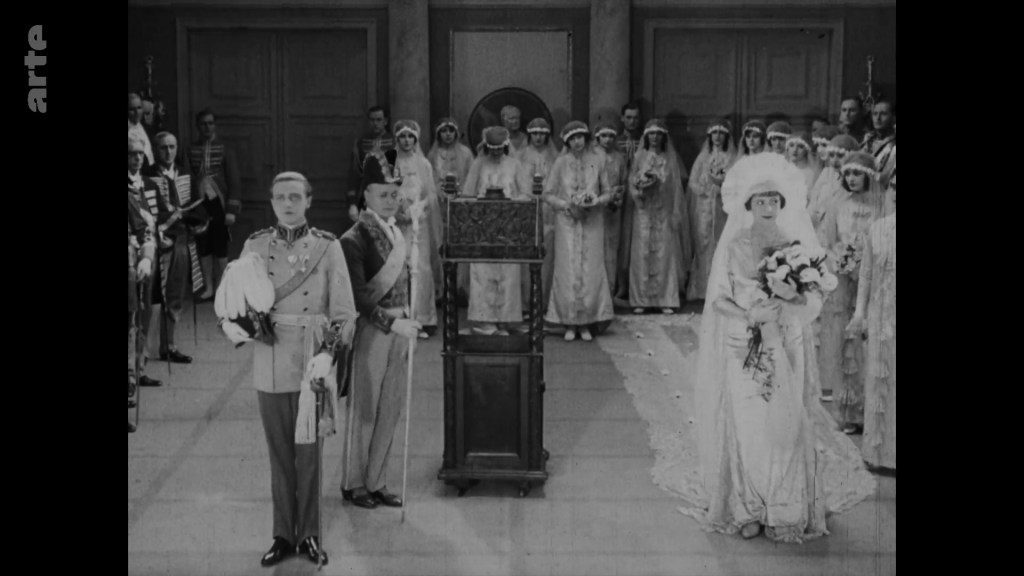
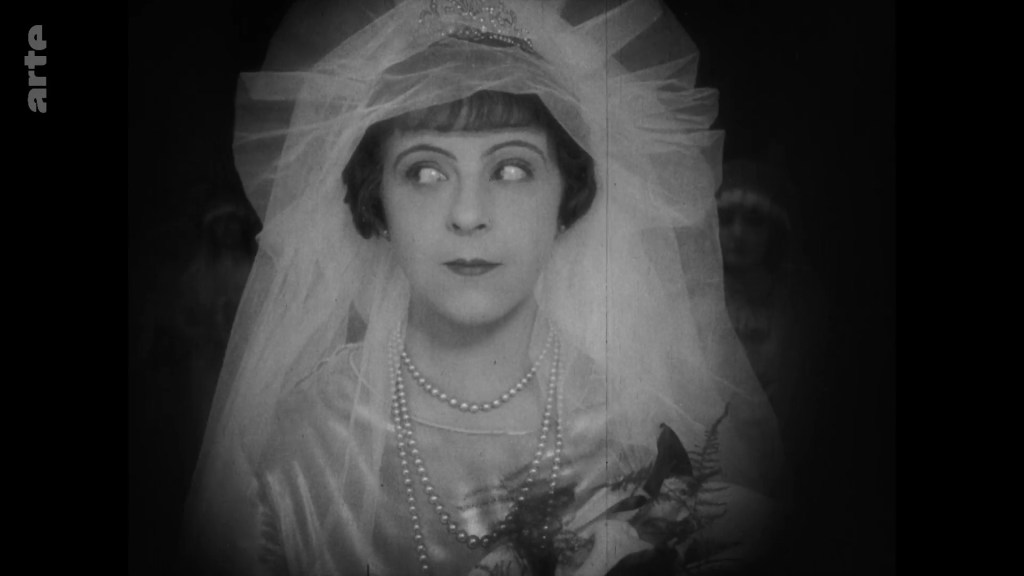
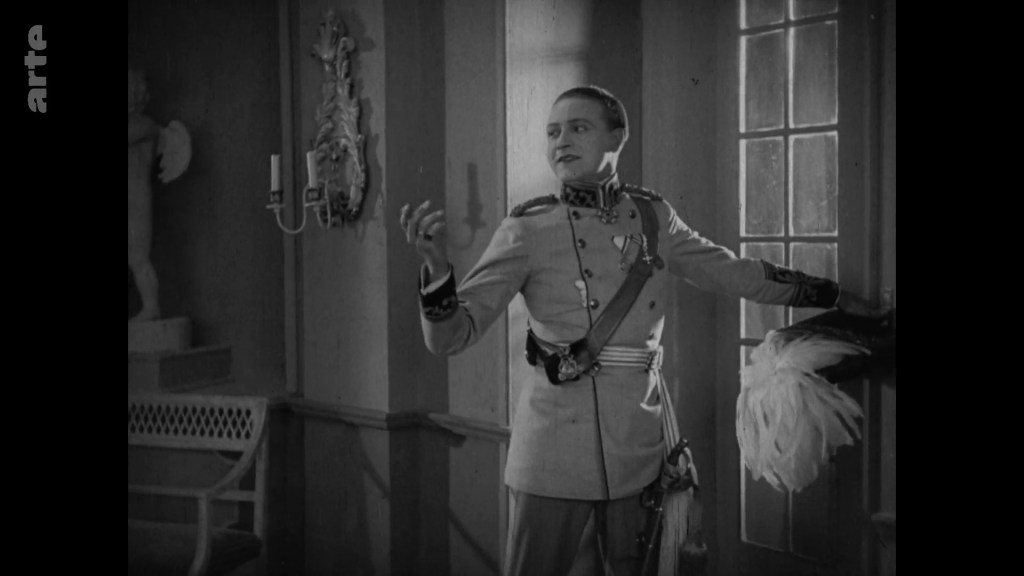
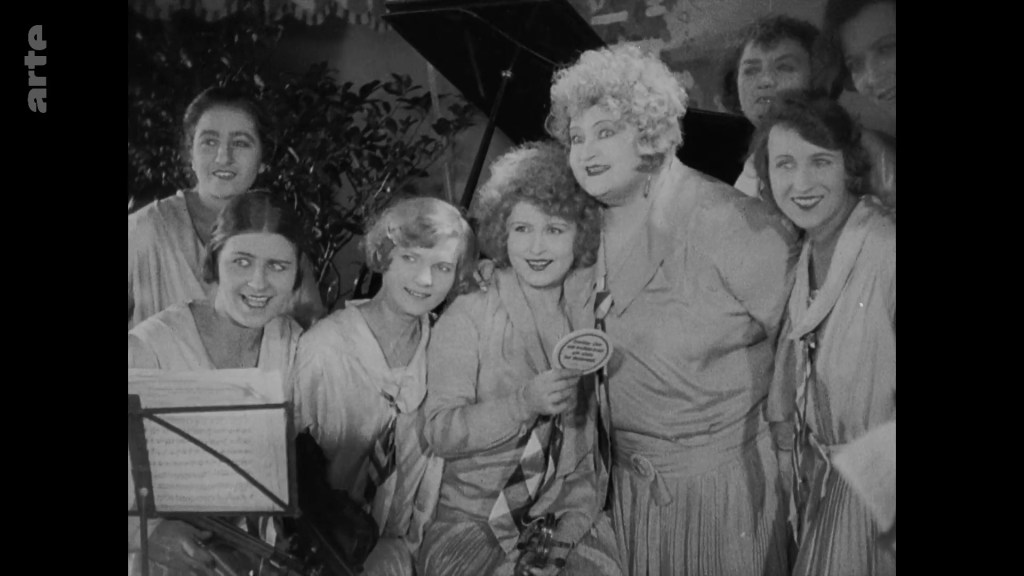
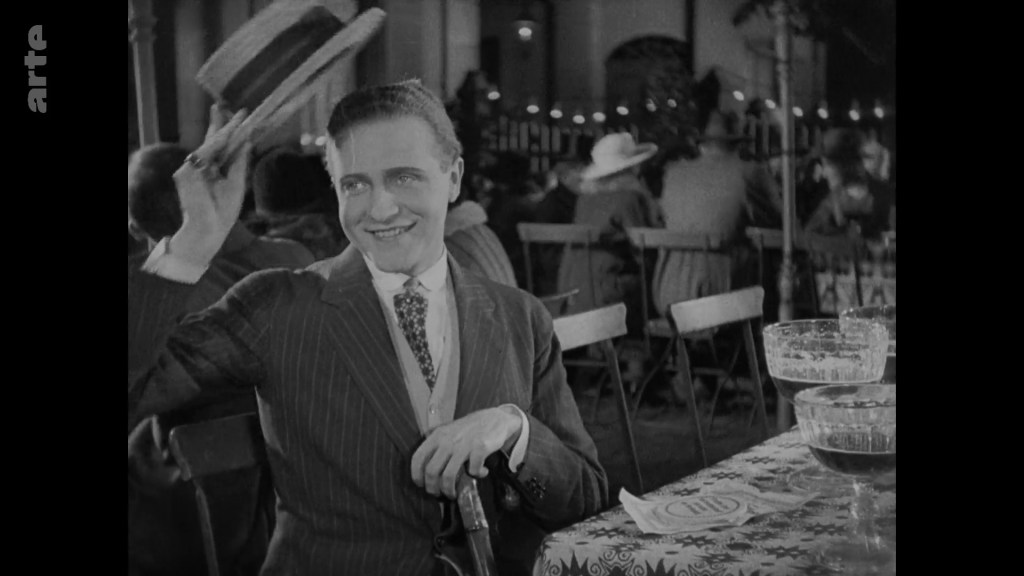
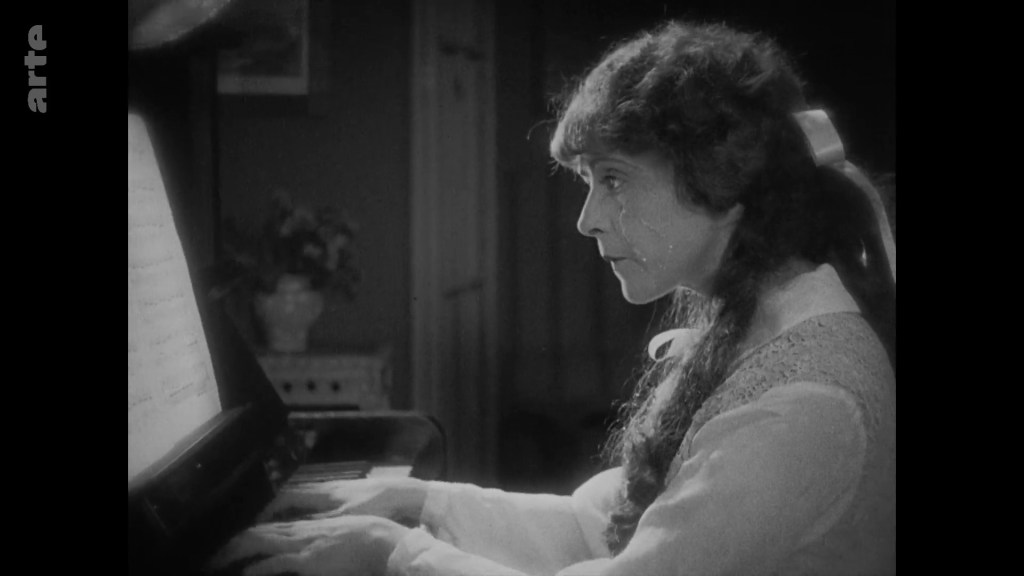
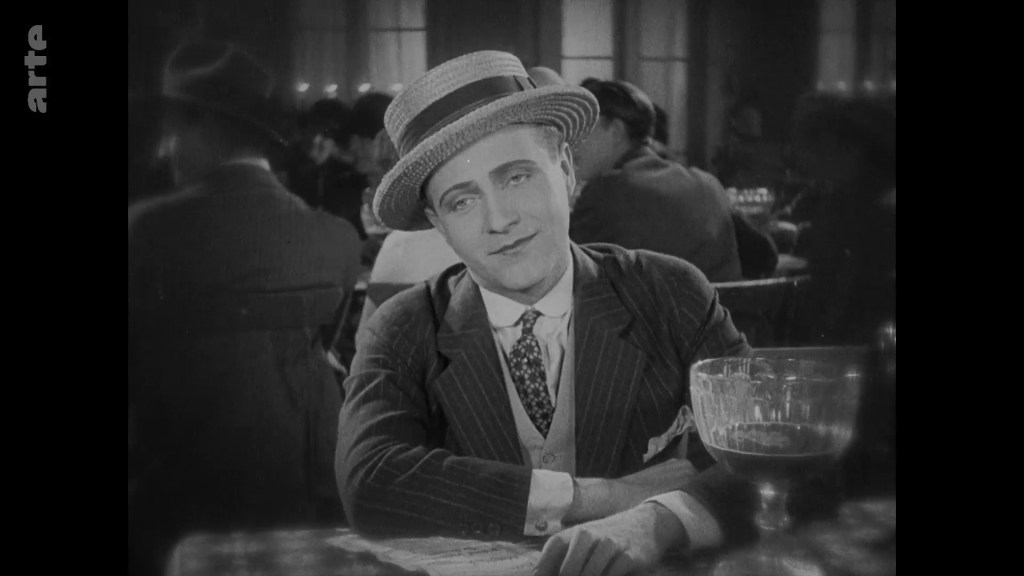
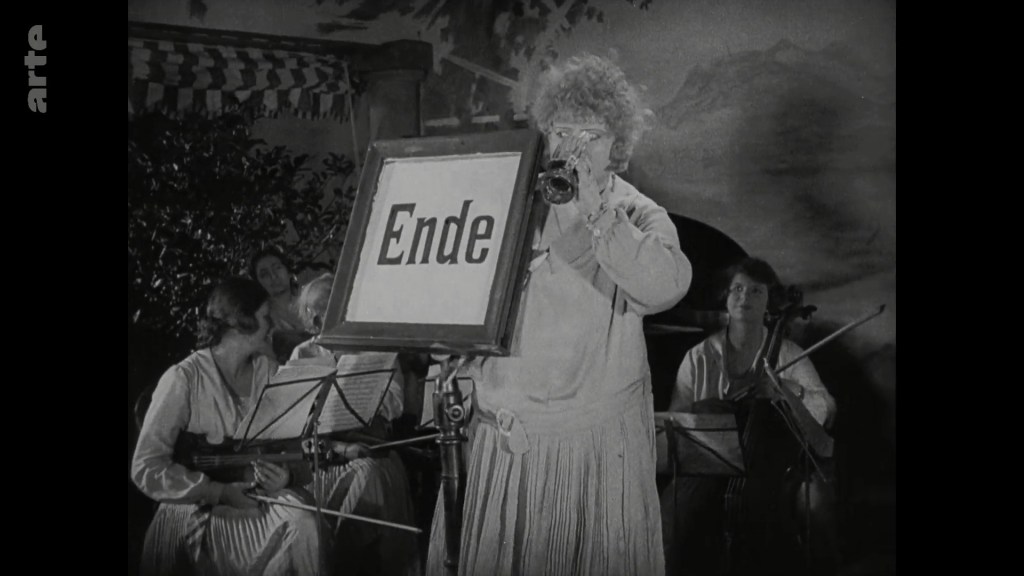
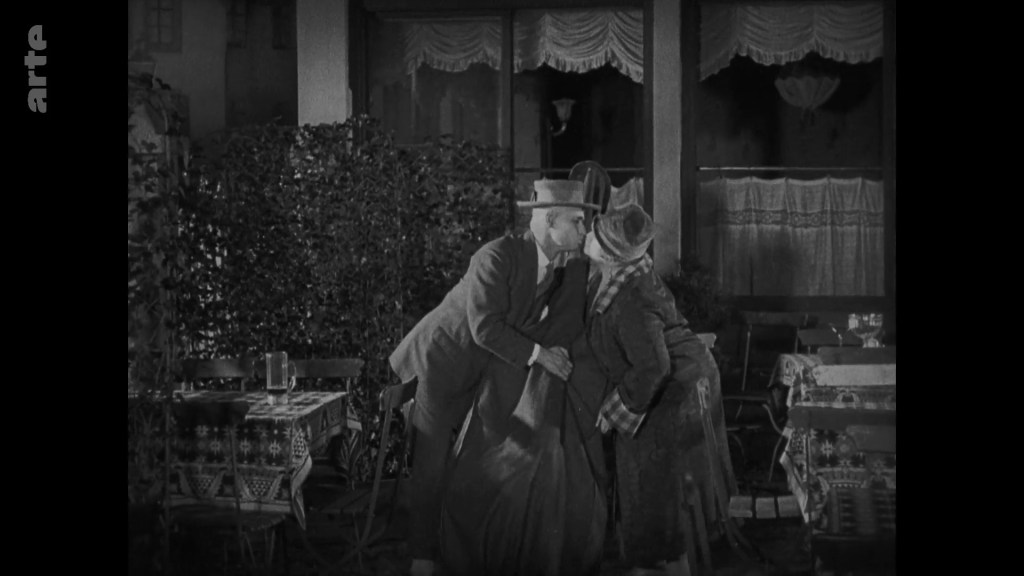
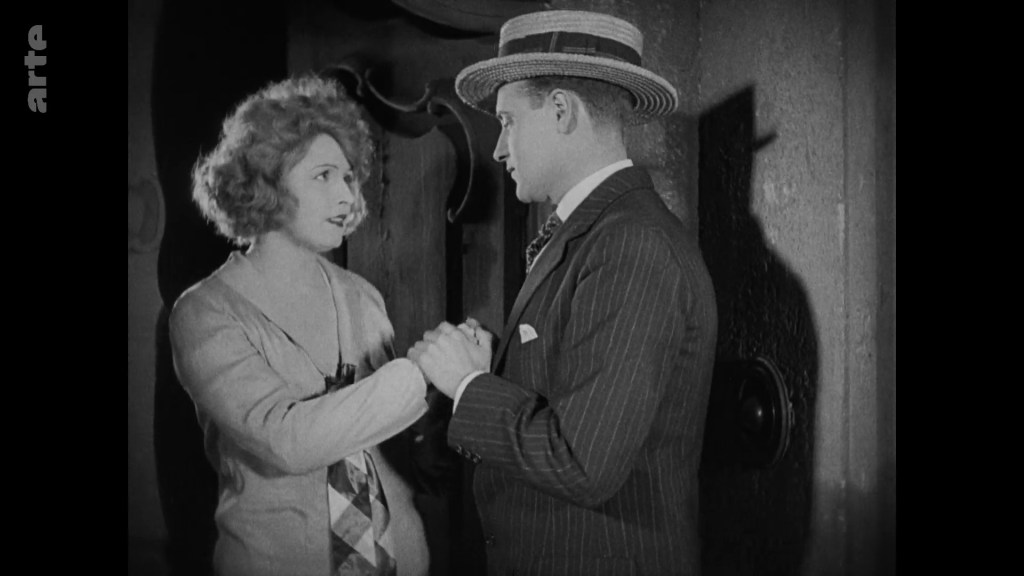
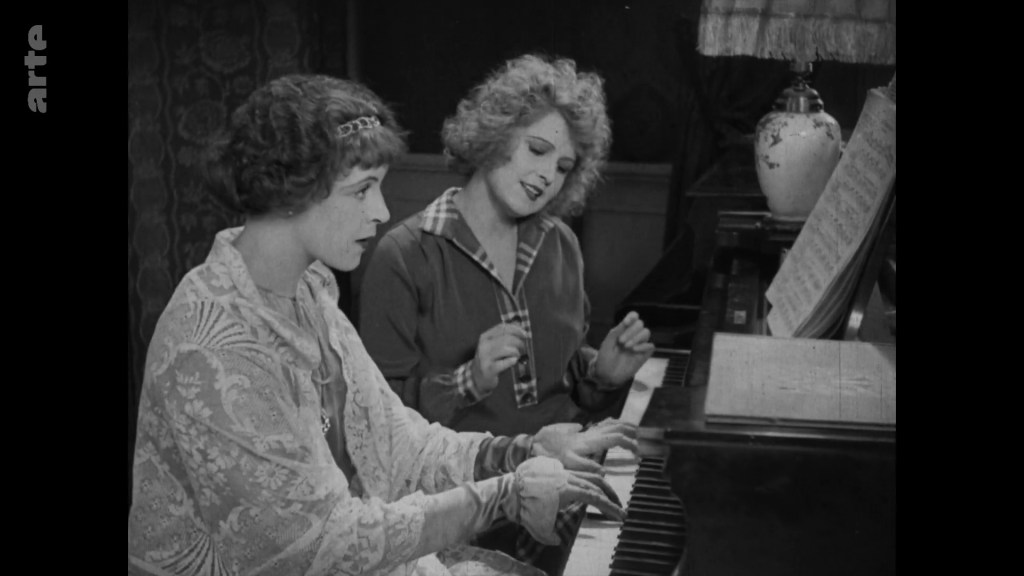
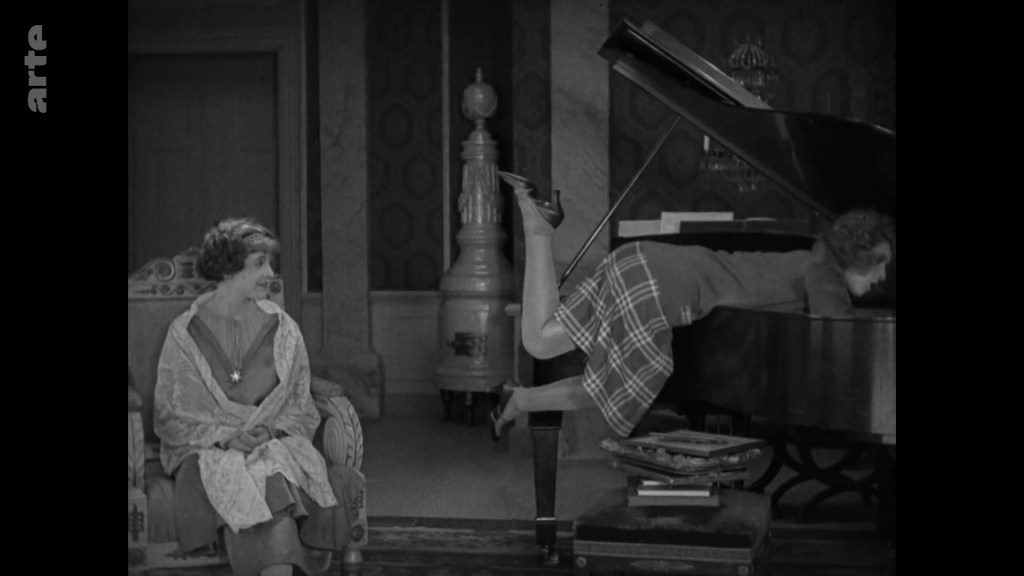
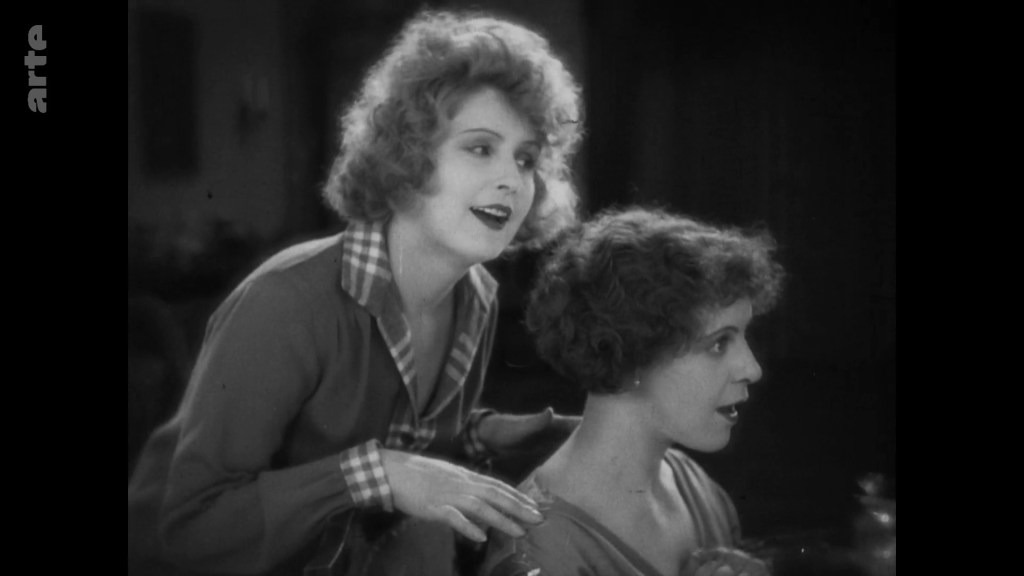
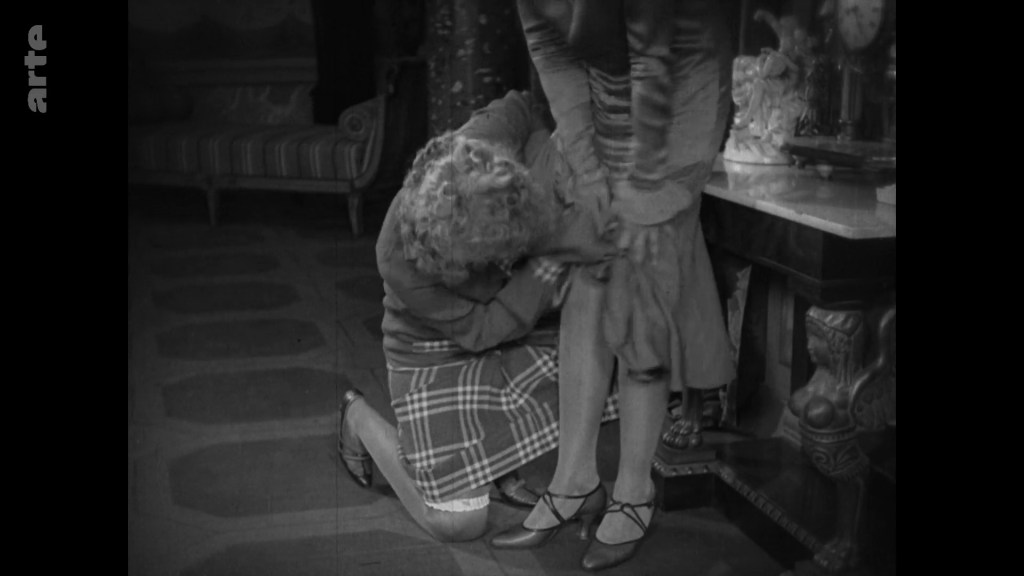
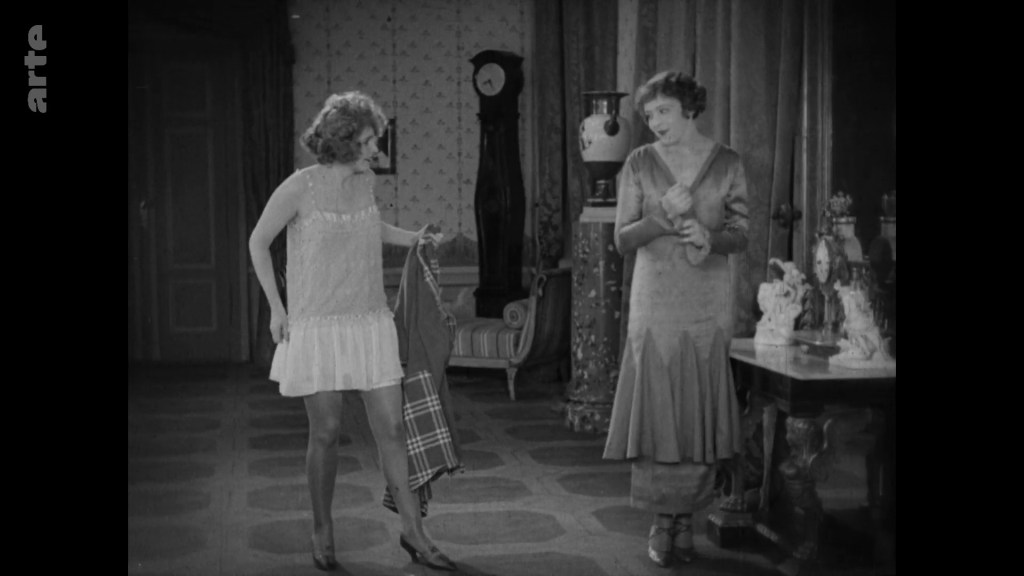
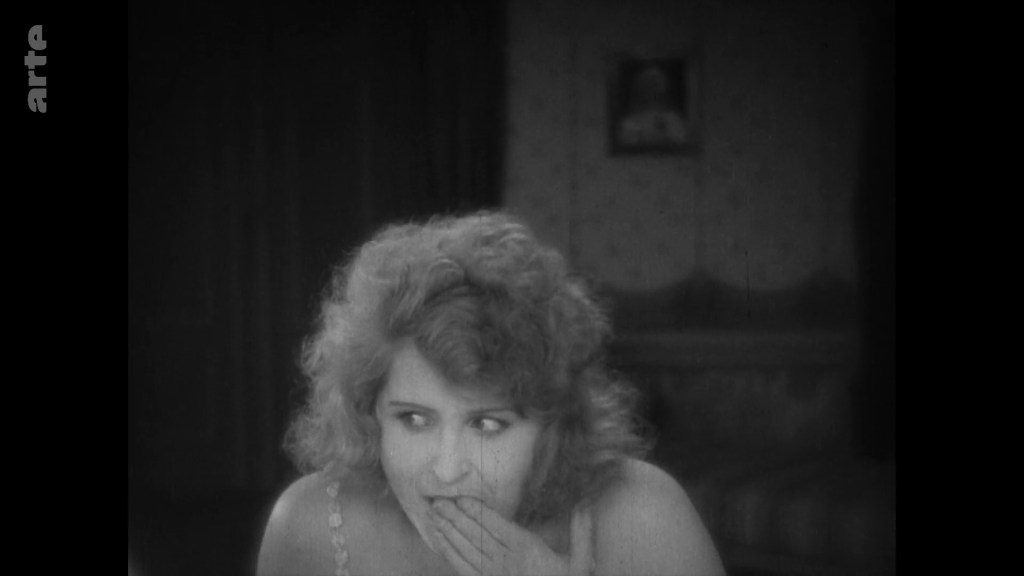
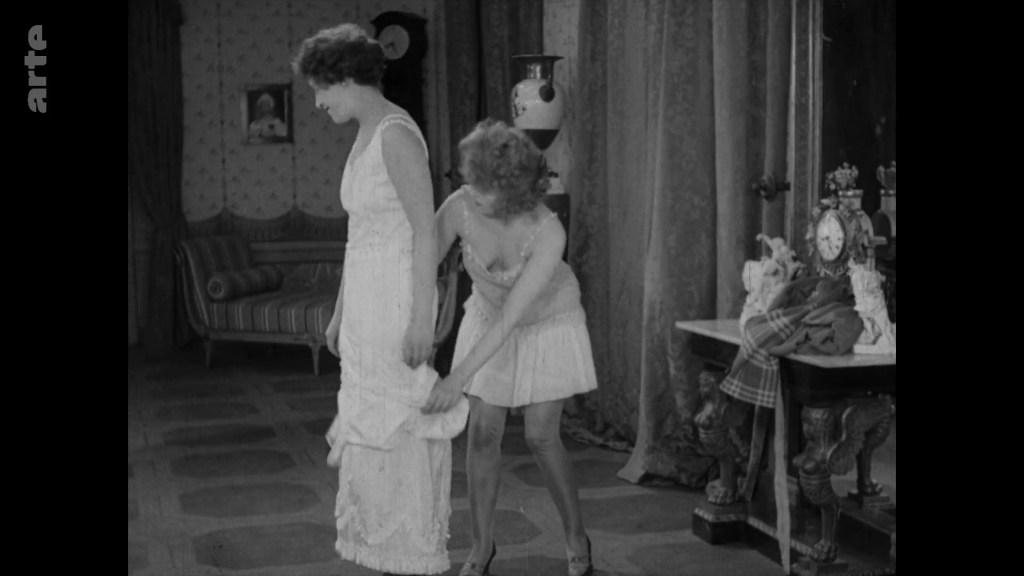
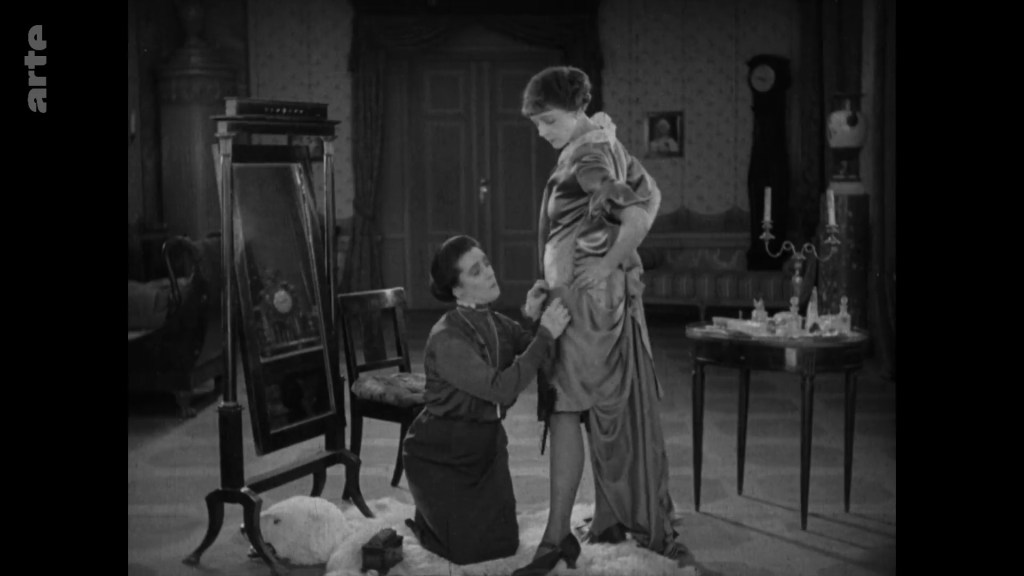
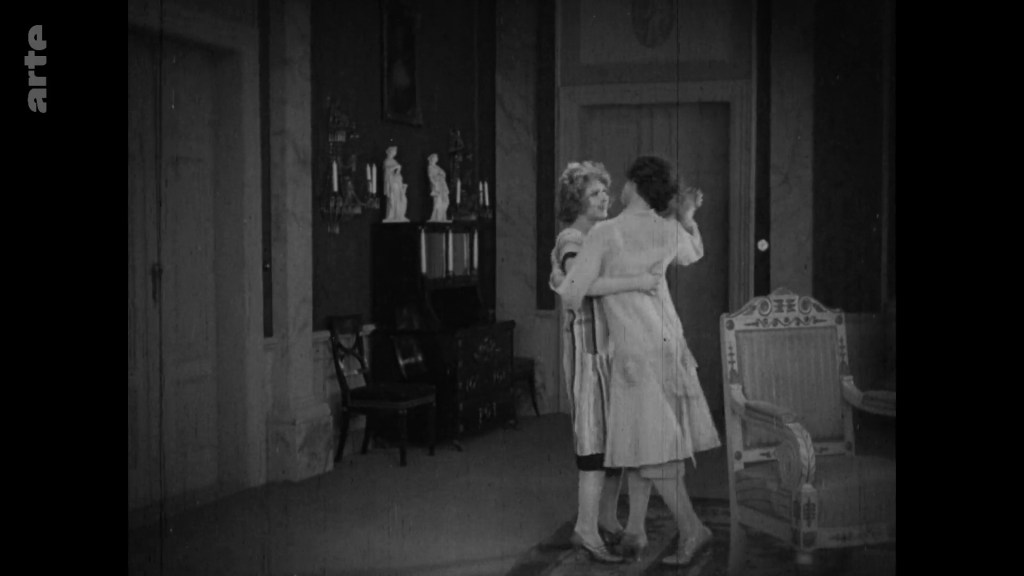
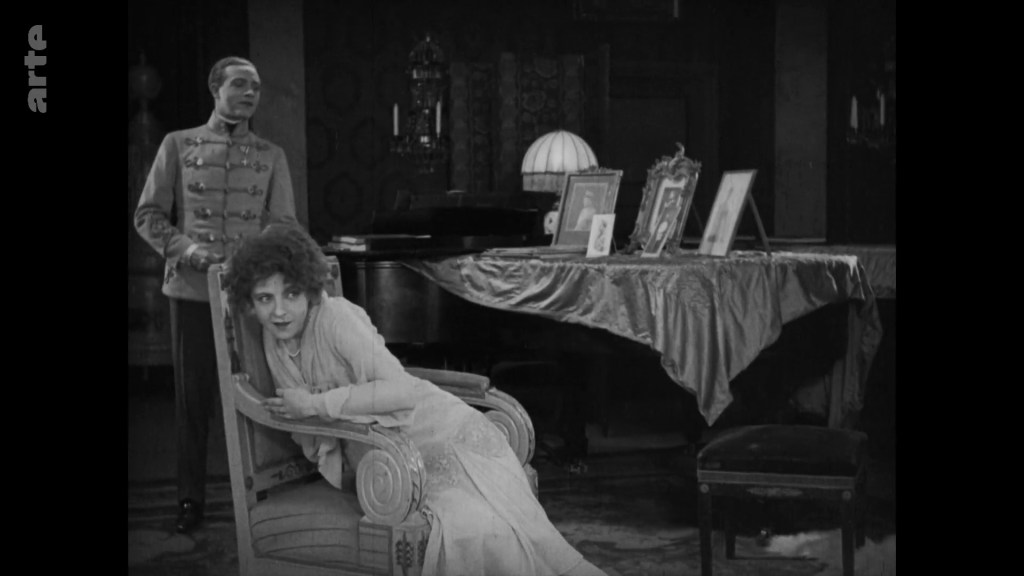
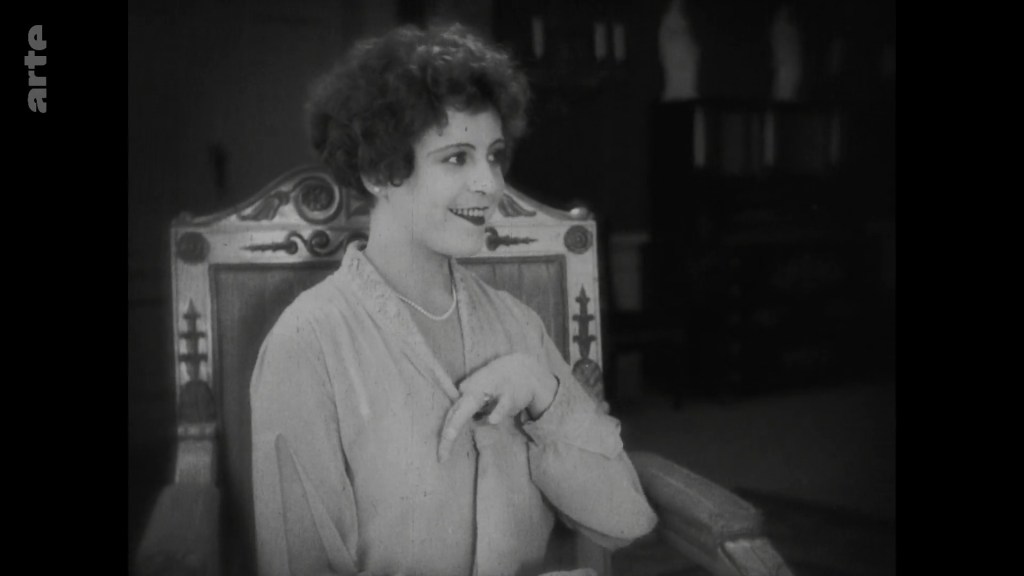
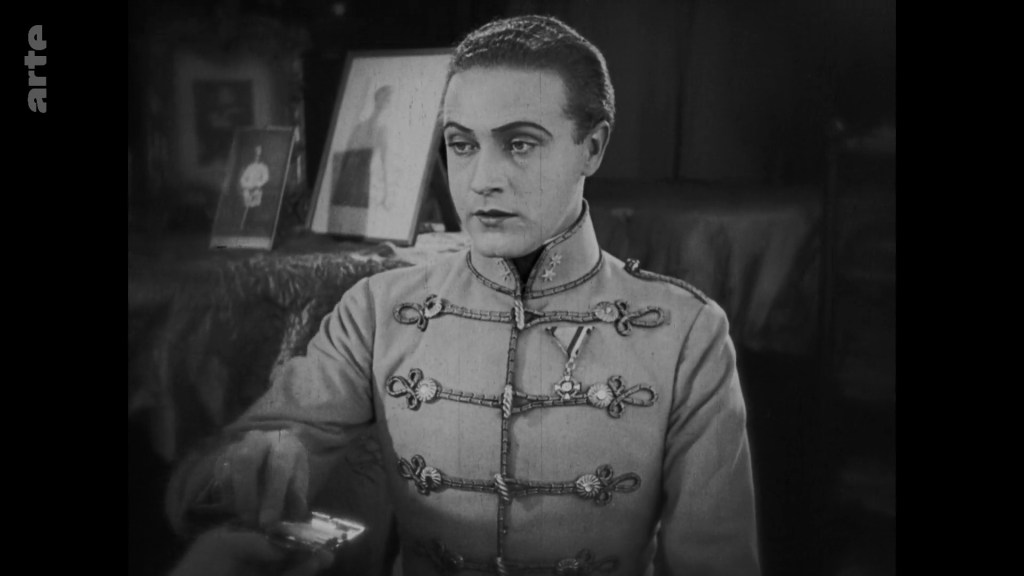
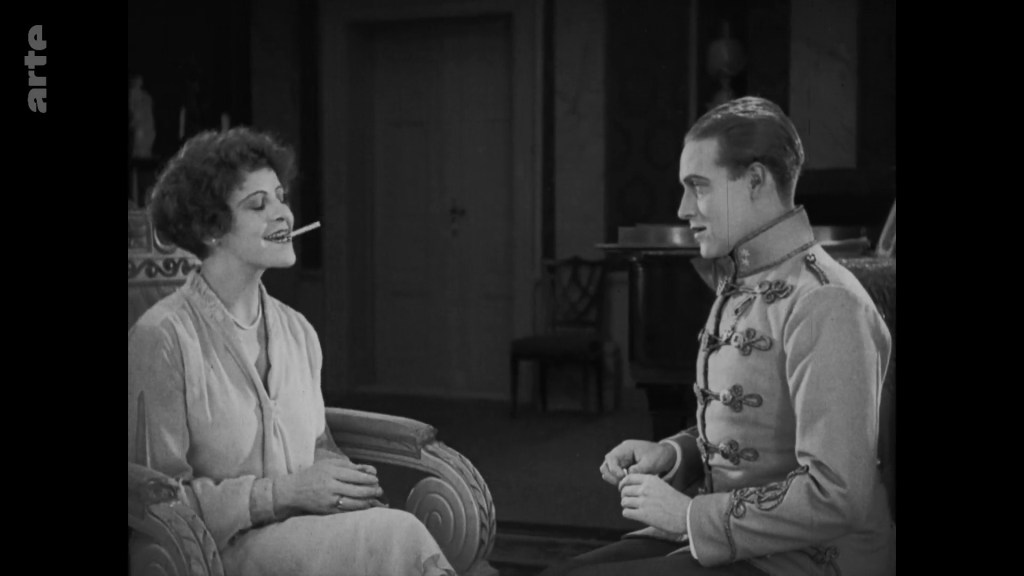
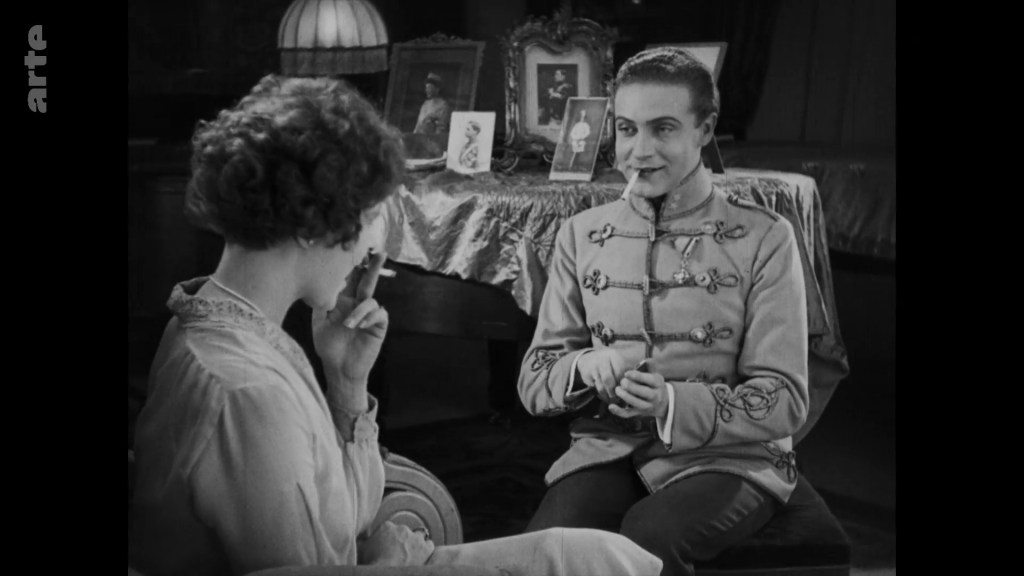
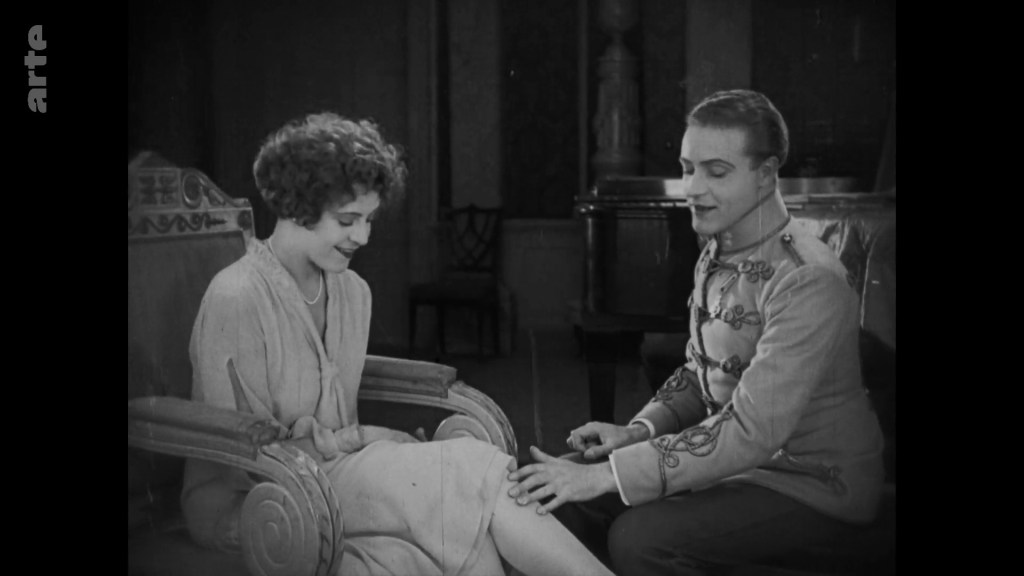
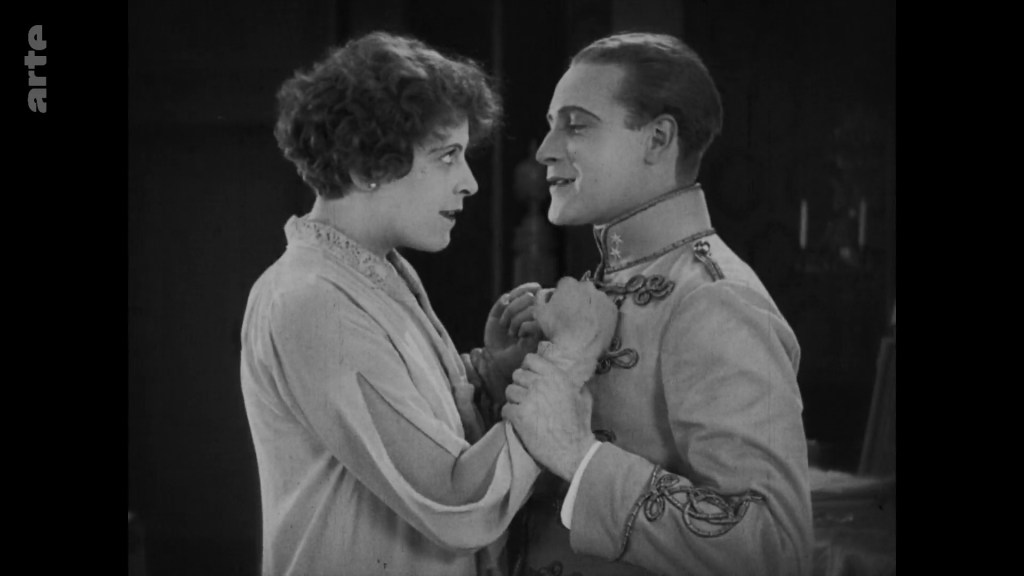
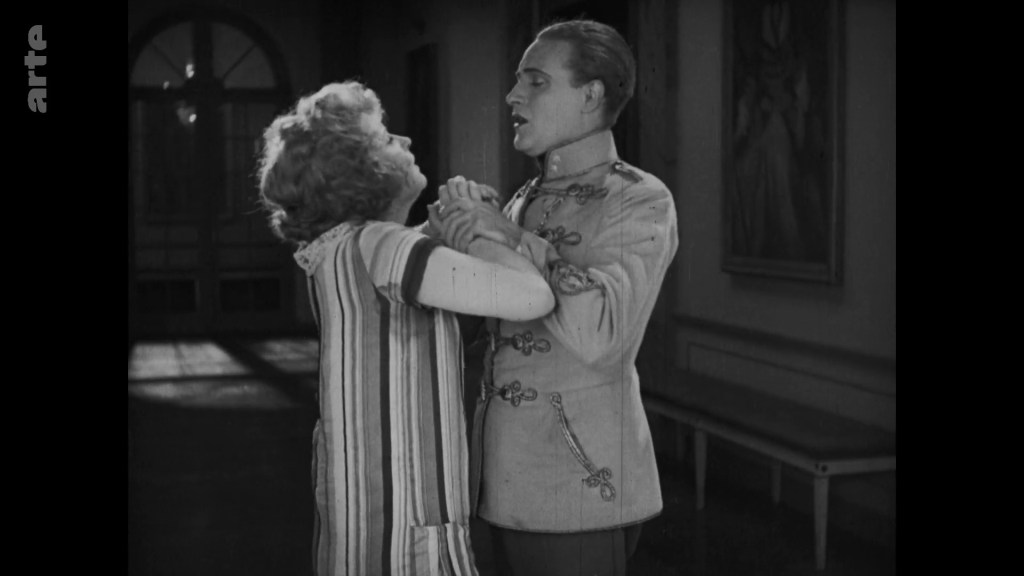
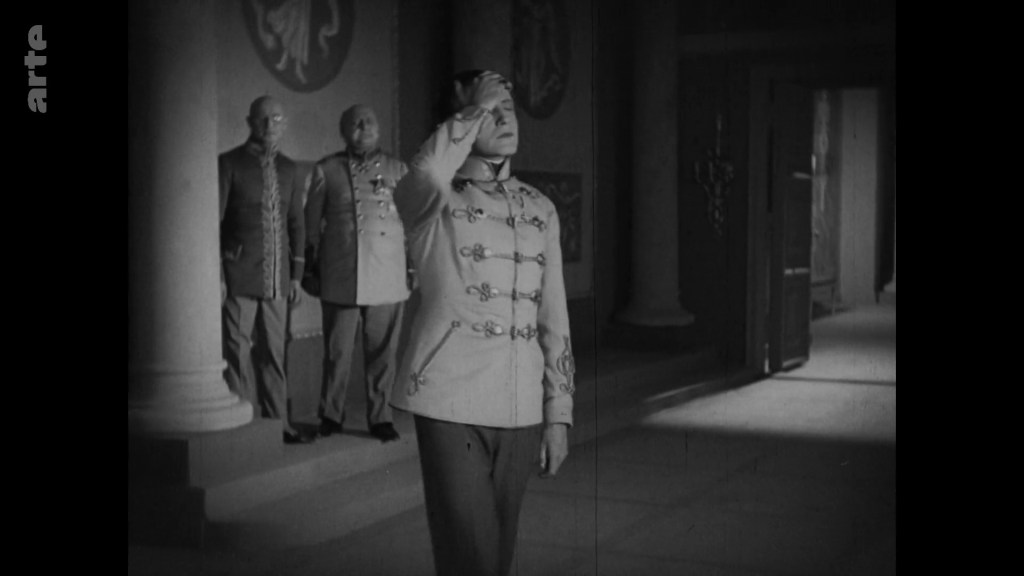
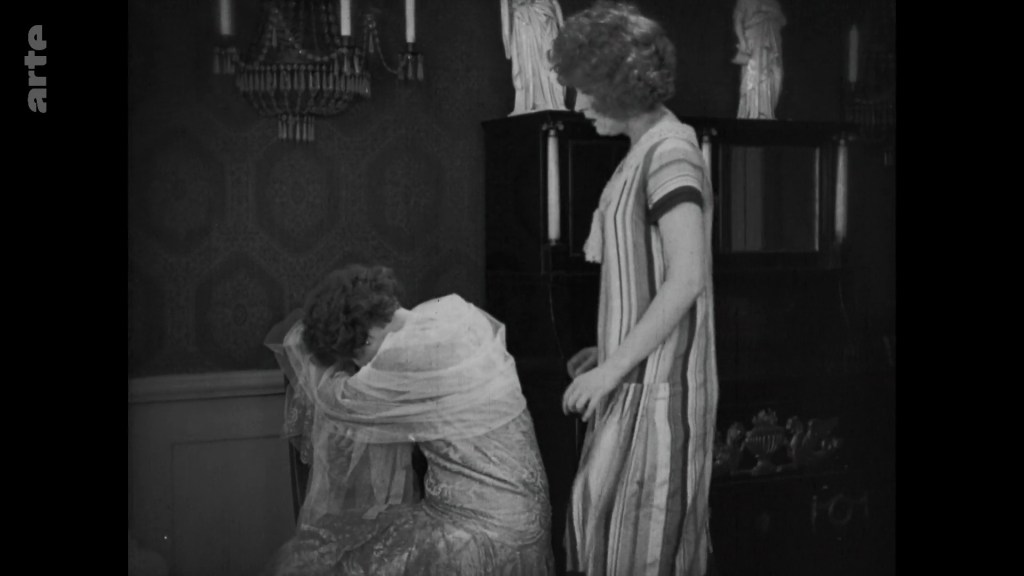
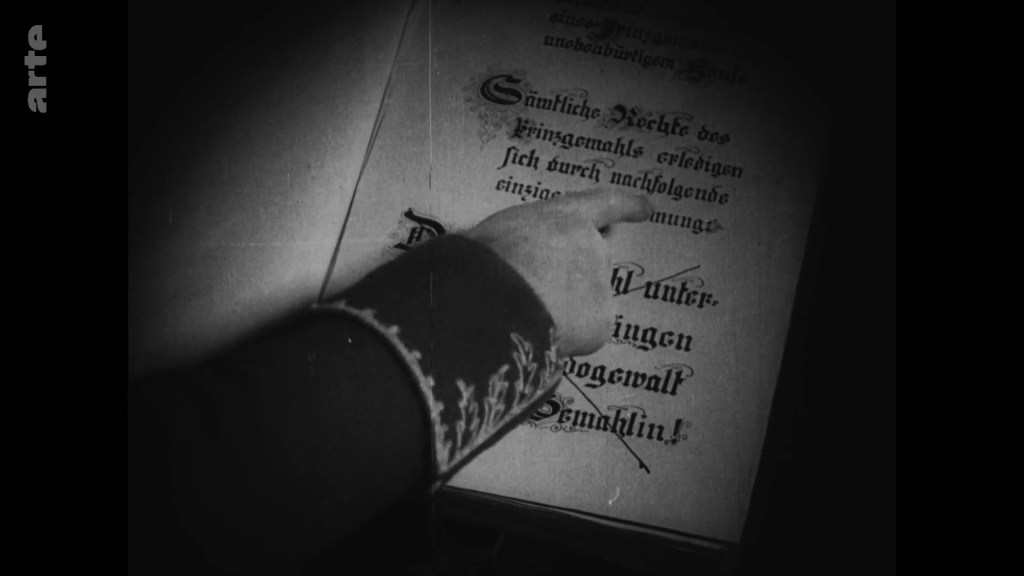
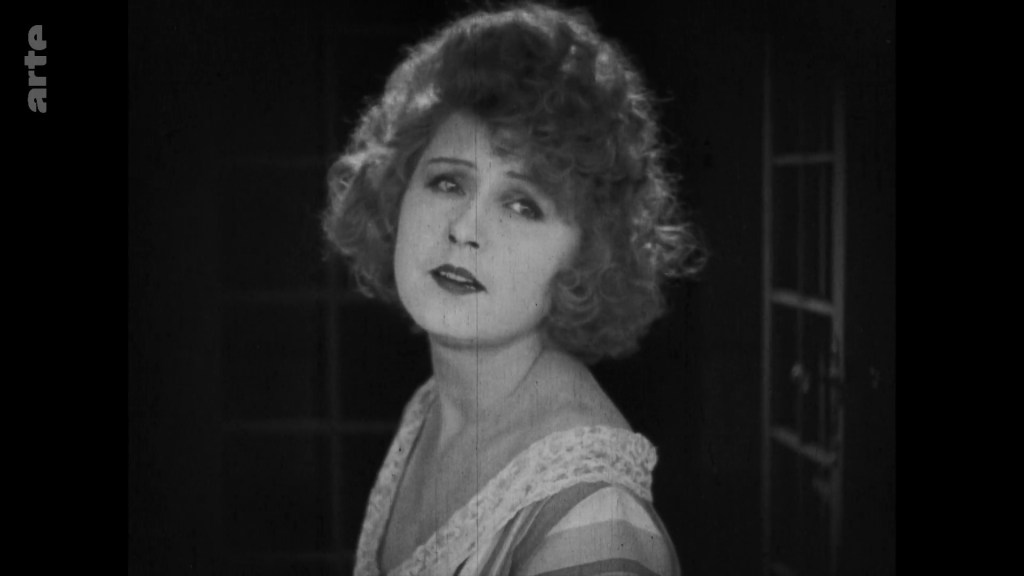
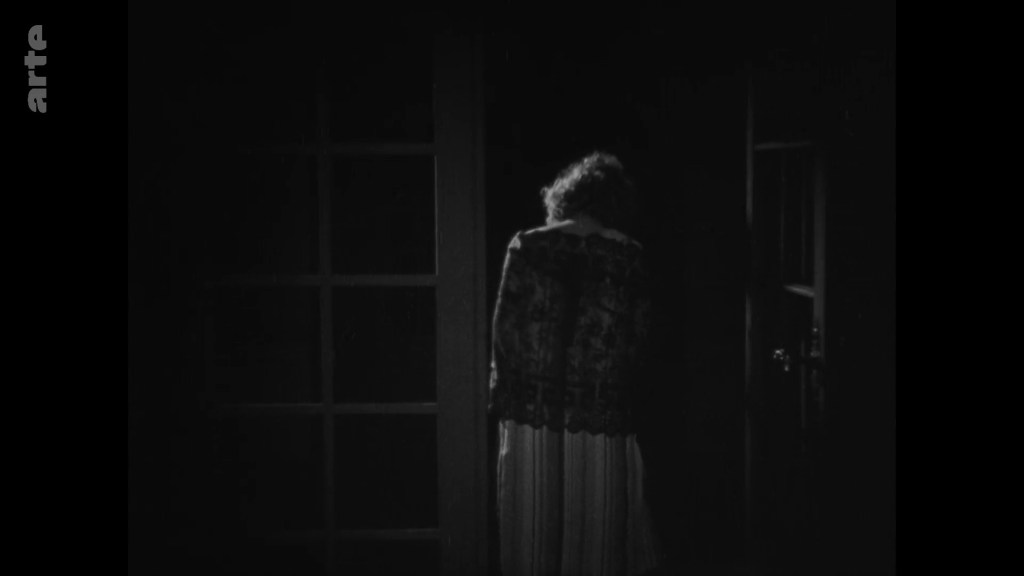
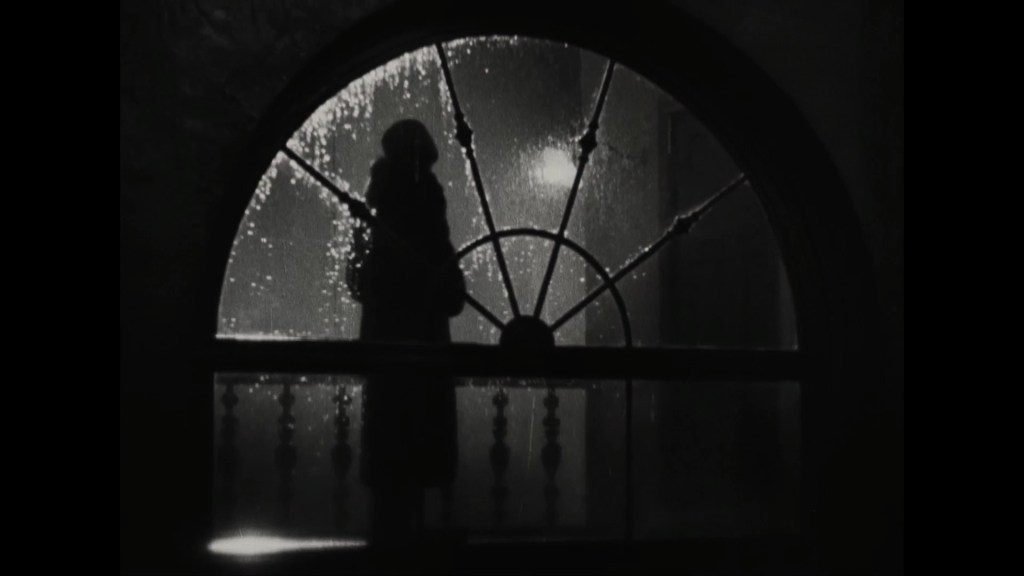
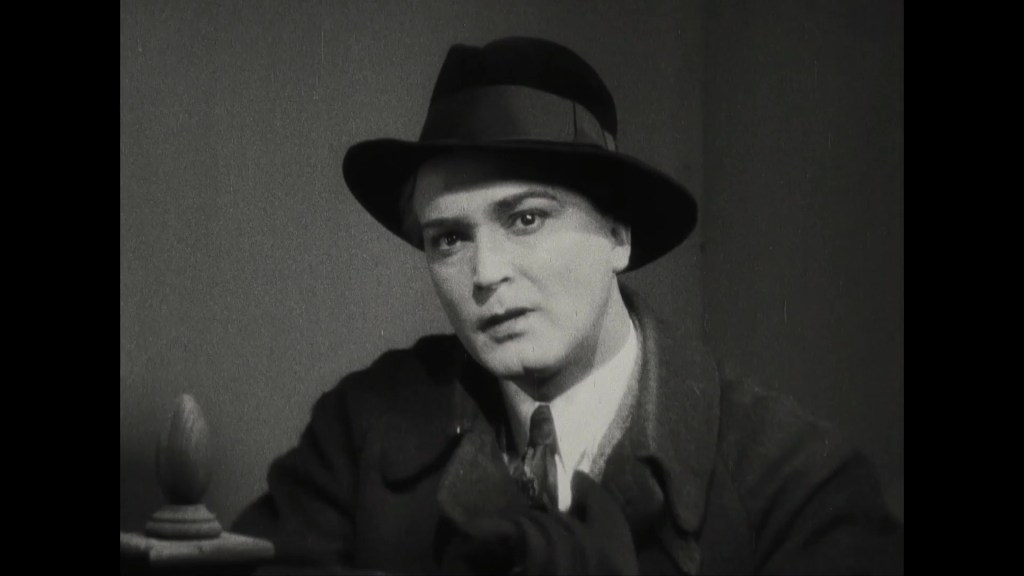
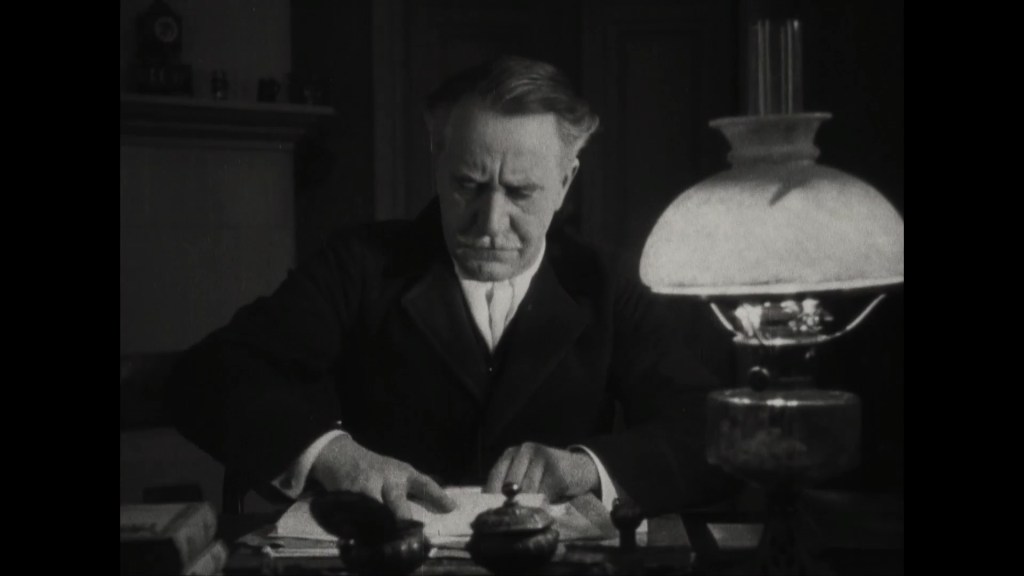
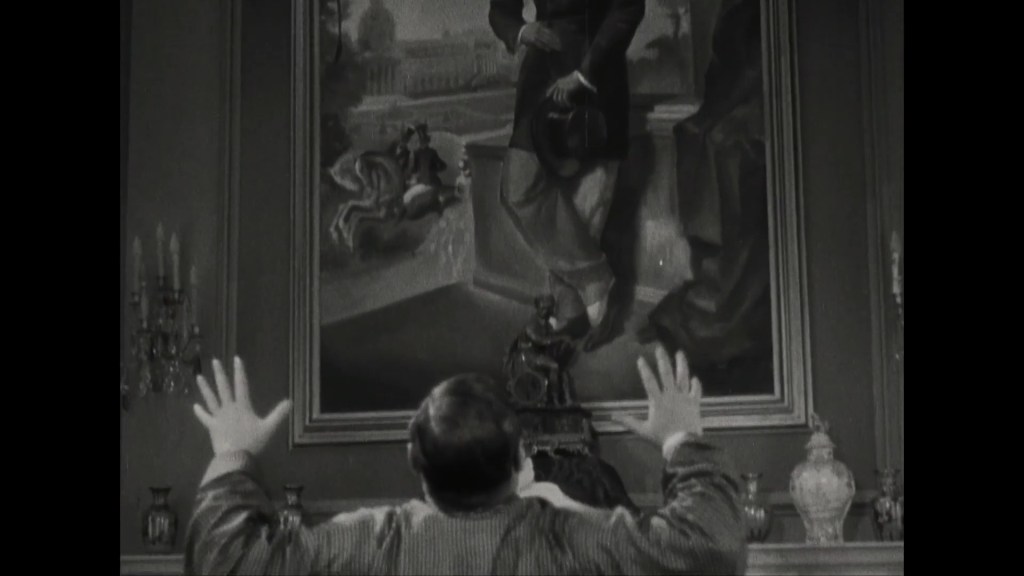
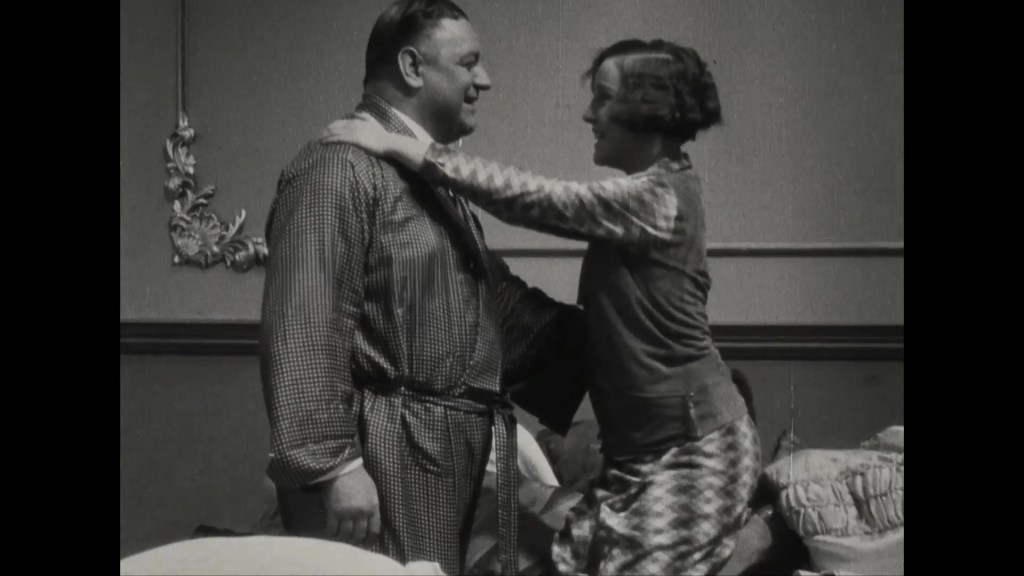
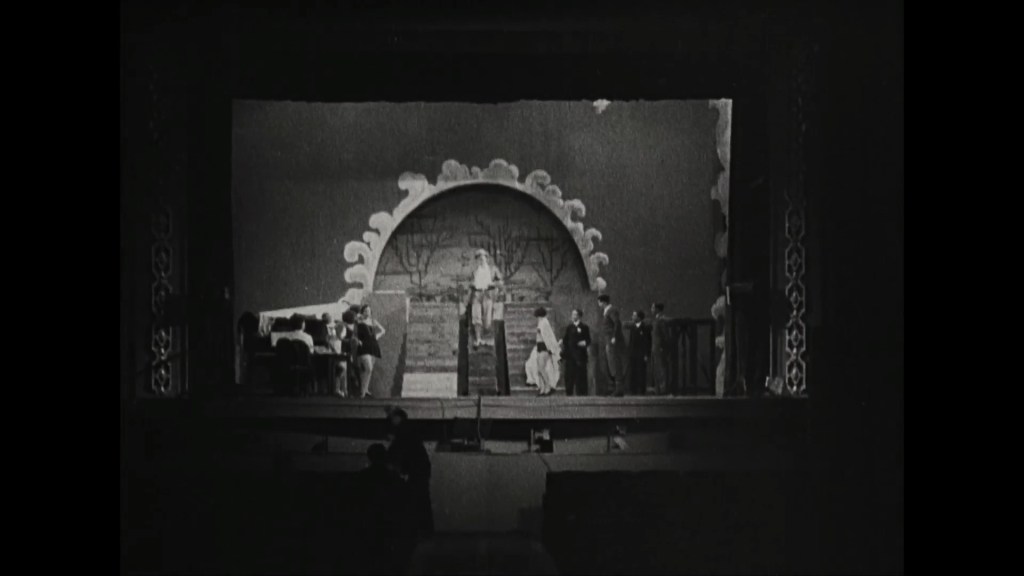
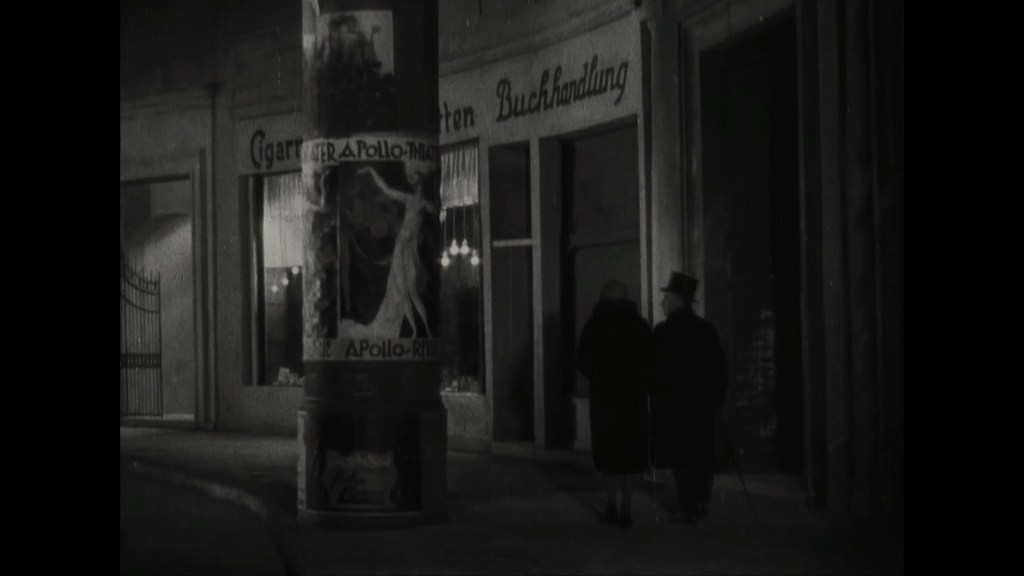
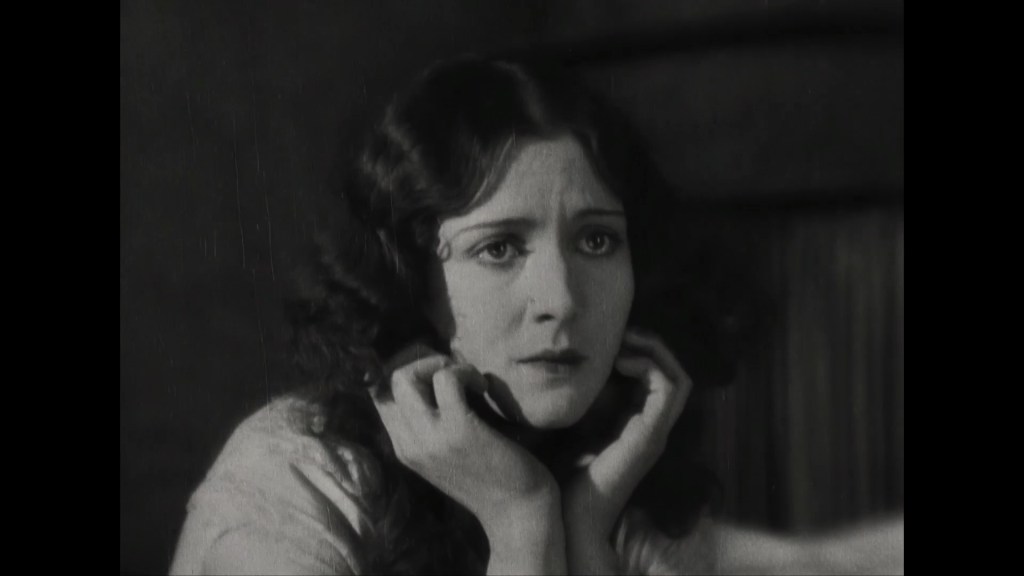
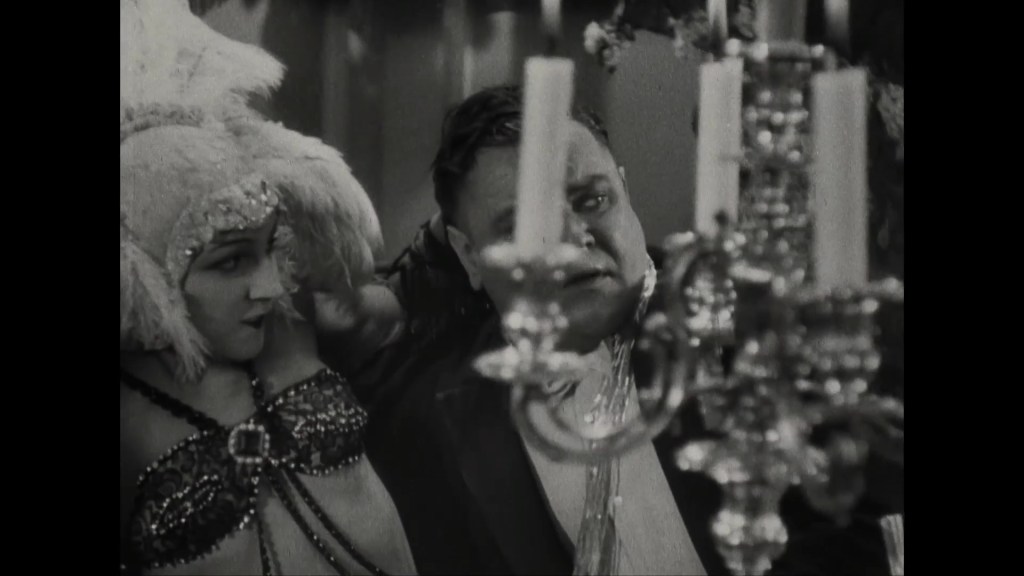
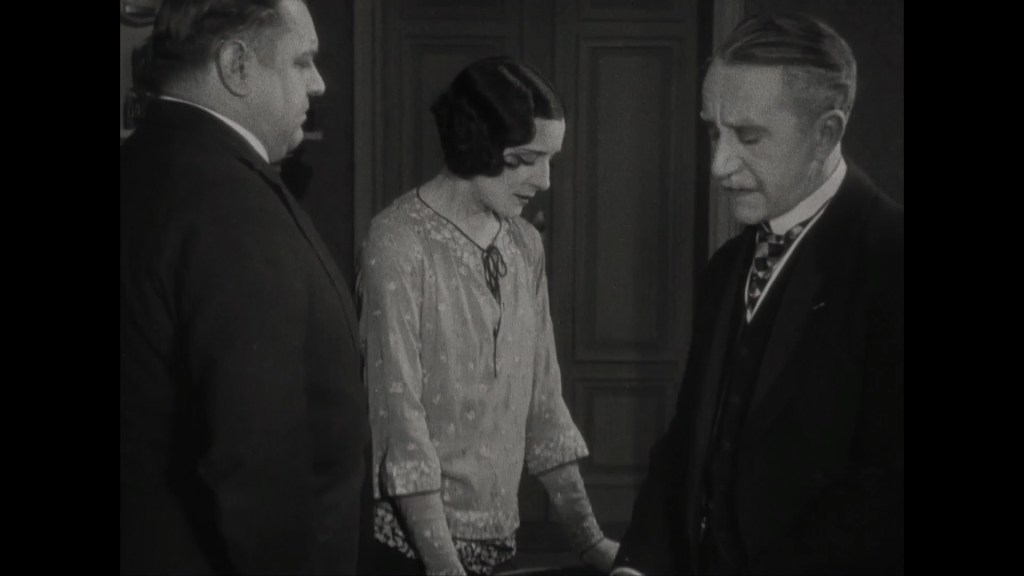
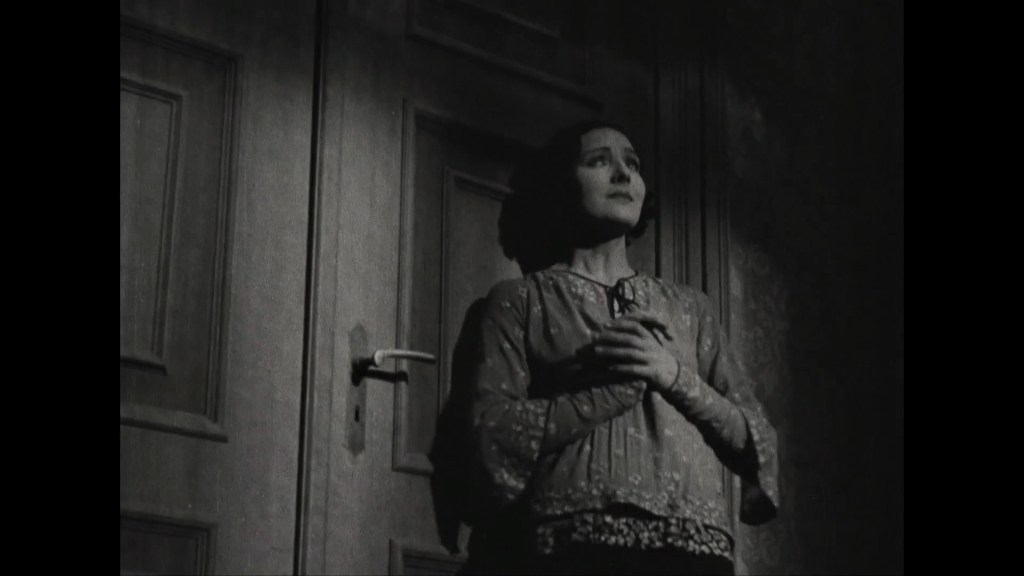
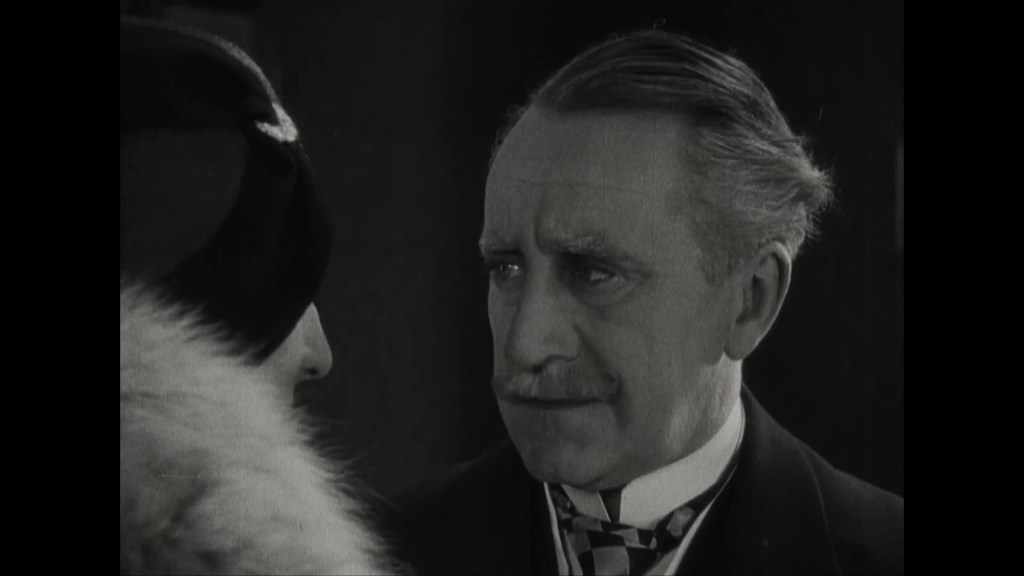
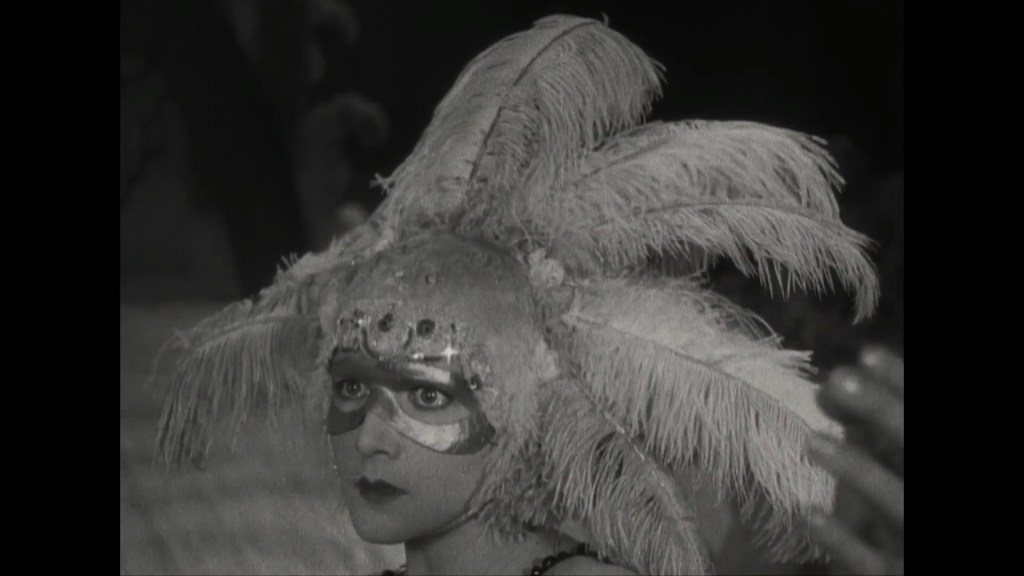
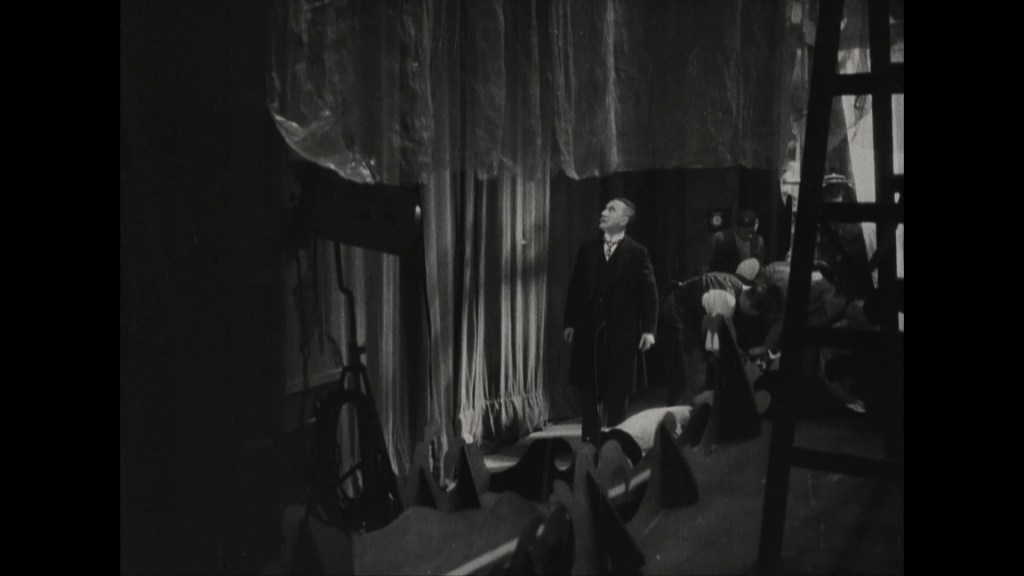
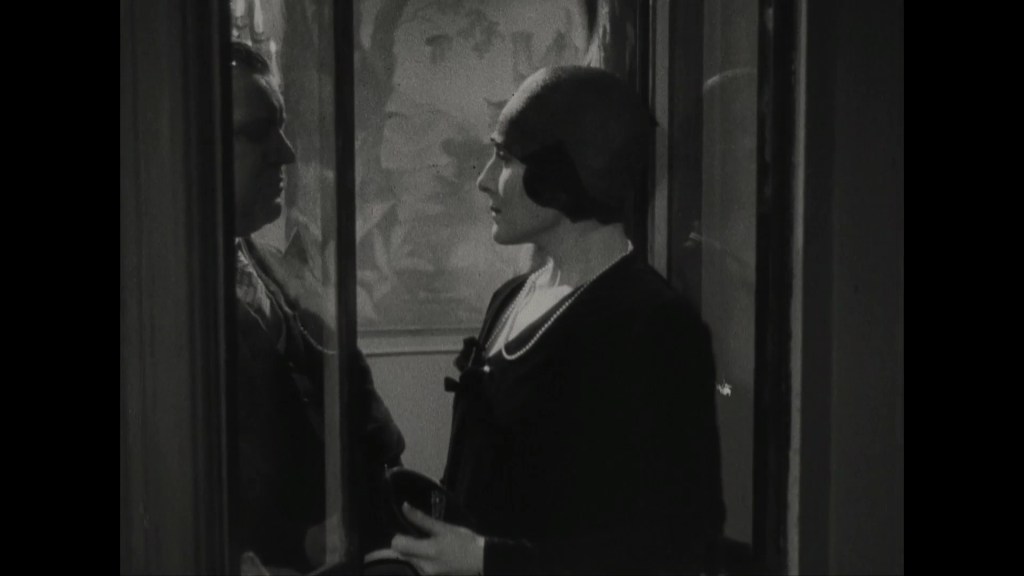
Die Dame mit der Maske (1928; Ger.; Wilhelm Thiele). Alexander von Illagin is from a wealthy émigré family but now scrapes a living working for the Apollo theatre in Berlin – just as his friend, the Russian émigré Michail, works as a cab driver. Alexander meets Doris von Seefeld, the daughter of impoverished Baron von Seefeld, and advises her to try the theatre. Her father, meanwhile, owes money to the parvenu millionaire Otto Hanke, a timber merchant. Otto boasts to his girlfriend Kitty that Seefeld’s money will help him take over the Apollo, where Kitty works. Kitty’s lacklustre performance frustrates the theatre director, who immediately casts Doris in her place. Doris objects to the risqué costume she must wear. As a compromise, she becomes the anonymous “Lady with the Mask”. Doris pretends to her father than she has sold the rights to his memoirs and lies about the nature of her new employment. But “The Lady with the Mask” is an instant sensation, and Otto is enraptured. Meanwhile, Alexander discovers that his family had hidden jewels in his boot before they fled to Germany. However, he gave his boots to Michail, who in turn exchanged them at a broker… Doris and Alexander admit their feelings for one another, but Otto prepares to reveal Doris’s identity if she doesn’t submit to him. The baron discovers that Doris has been deceiving him, and follows her to the Apollo, where he realizes his daughter’s sacrifice. After escaping the clutches of Otto, Doris finds her father with Alexander, who has recovered the boot and his fortune – and the couple are reunited. ENDE. [As revealed in the post-film restoration notes, the original German version had a much more complex ending. There, Otto is reconciled with Kitty, and Doris and Alexander reunite via a more complex series of events – just as the recovery of the boot is woven more thoroughly into the denouement. The export version that survives clearly contains not just different editing and/or titles, but different footage shot expressly for it.]
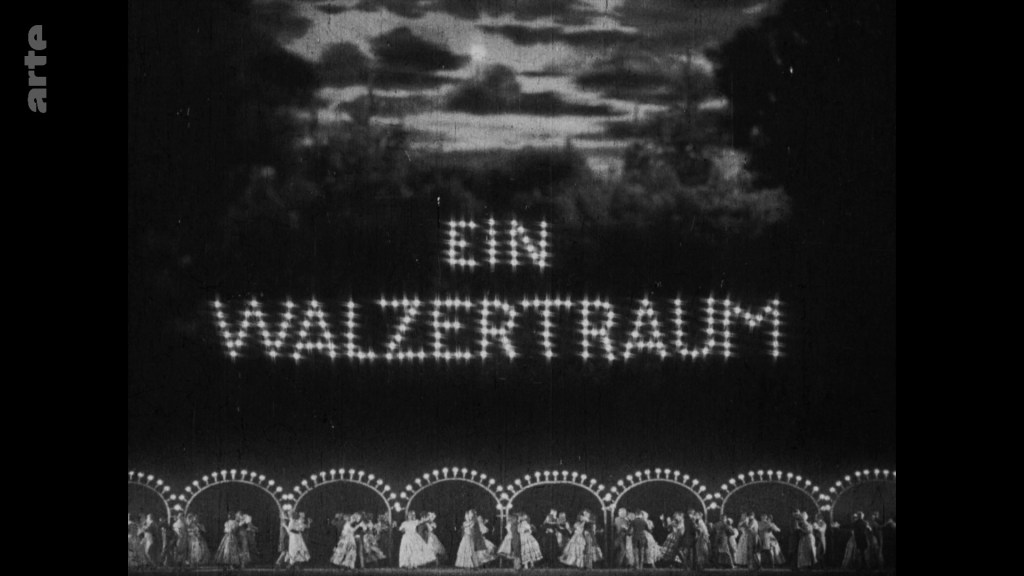
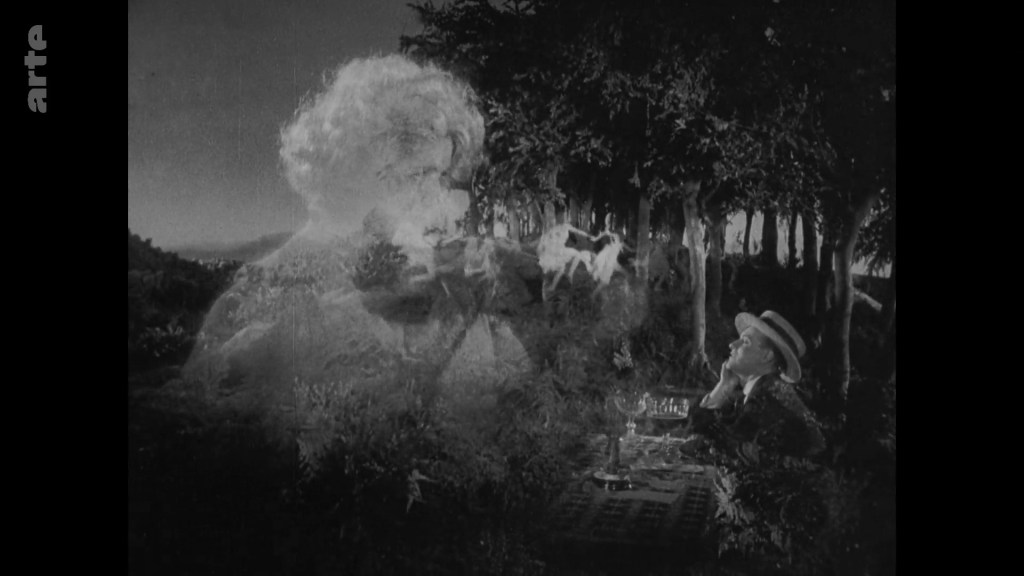
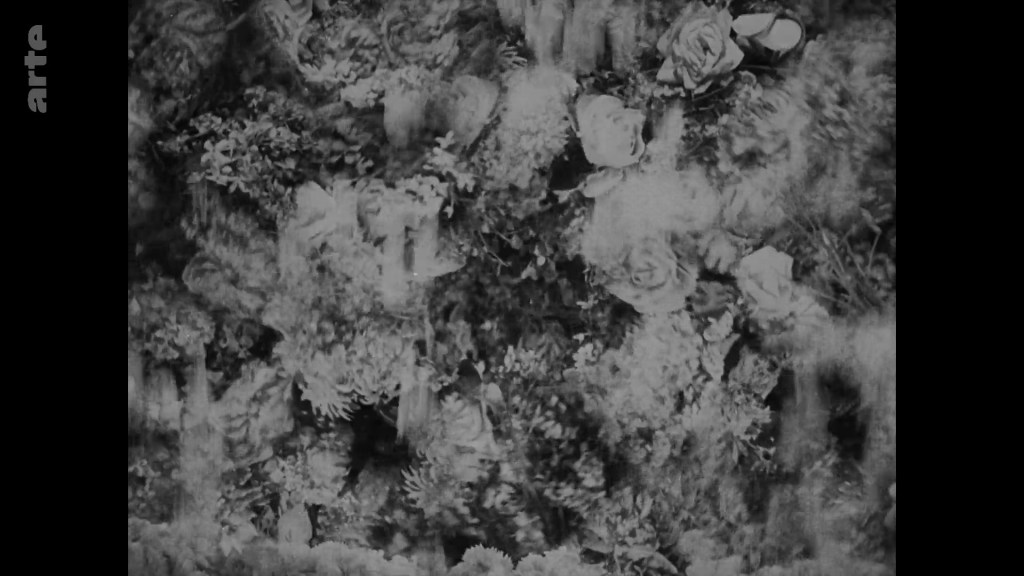
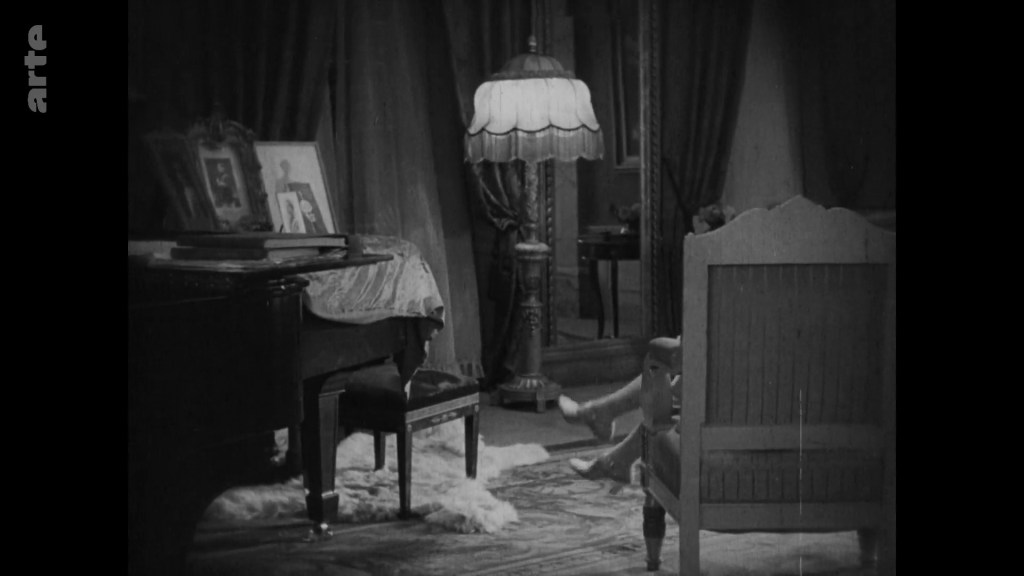
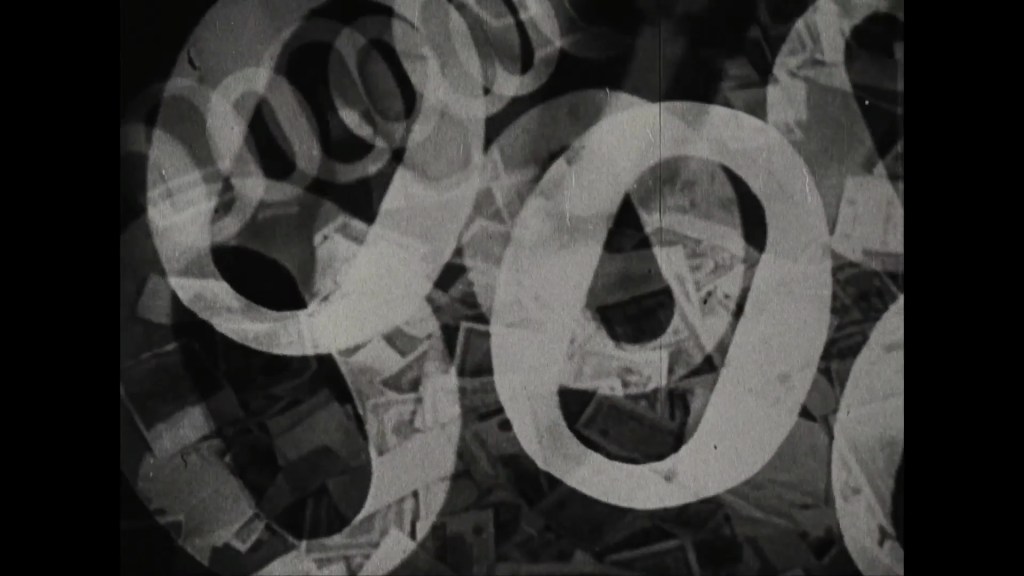
What a wonderful treat! This is a visually rich and dramatically engaging production. The lighting and camerawork are superb, evident from the fabulous “inflation” montage that opens the film. Here, multiple superimpositions, overlaid text, slow motion, rapid cutting, and complex movements and dissolves take us dizzily through time and space. Though it is setting the context for the film, and providing us with information about time/place, it is more than anything a way of plunging us into the unstable world of contemporary Germany. The mad flurry of images is confusing, disturbing, bewildering. We cannot find our feet, just as the characters have had their world pulled from under them. These are characters who grew up in the pre-war world of stable, not to say repressive, imperial orders. Alexander is from an unnamed eastern land, perhaps Russia – as his name and friendship with Michail suggests – or perhaps just a former part of Austria-Hungary. Doris’s family likewise sports an aristocratic ”von”, and father writes memoirs of hunting in Africa, suggesting an old Prussian family with colonial connections.
Though the film signals these various intriguing contexts, Die Dame mit der Maske is ultimately quite a light treatment of poverty and hardship. The opening titles announces the story as one of the “silent tragedies” of hyperinflation, but even if it is more a drama than a comedy, I certainly wouldn’t call it a “tragedy”. Nothing tragic happens, and the characters might be struggling but they all end the film with money – and some kind of restoration of the meaning of their various aristocratic titles. Michail is the only really lower-class character, and he cheerfully acts as a kind of servant to Alexander. He is the comic sidekick whose adventures with his newly-bought taxi and his efforts to find the fortune-bearing boot serve as light relief to the drama. In general, though, the upper-class characters (Doris, Alexander, Seefeld) are well-mannered and sympathetic, while the lower-class ones (Otto, Kitty) are brash and occasionally violent. Otto’s pursuit of Doris attempt to bridge the class barrier, but the film concludes by each couple (Alexander/Doris, Otto/Kitty) re-established within their own class. In the end (at least, as far as the original German version is concerned), all the characters end up affluent and emotionally reconciled. No-one dies, and I’m not sure anyone has learned any lessons, either.
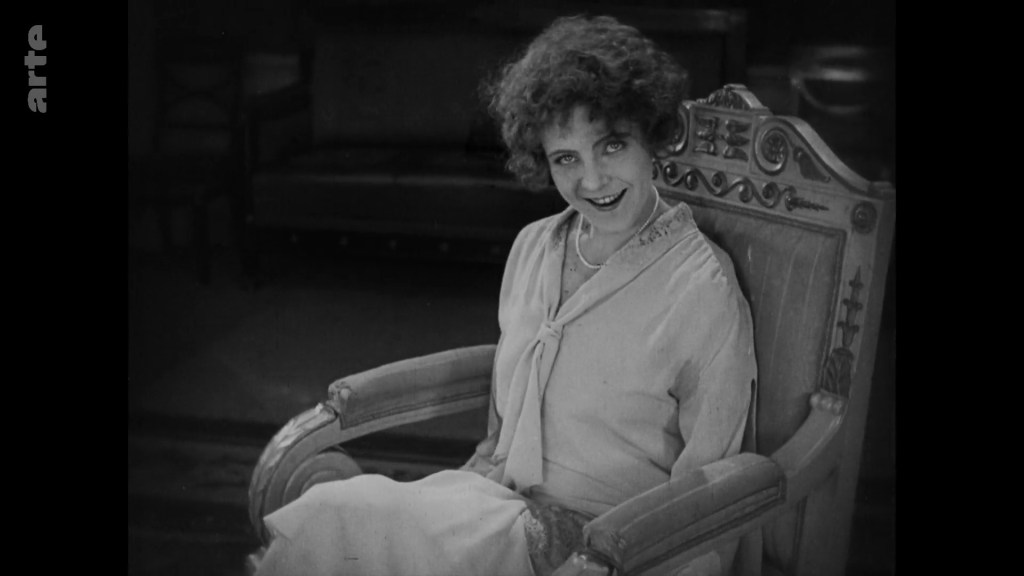
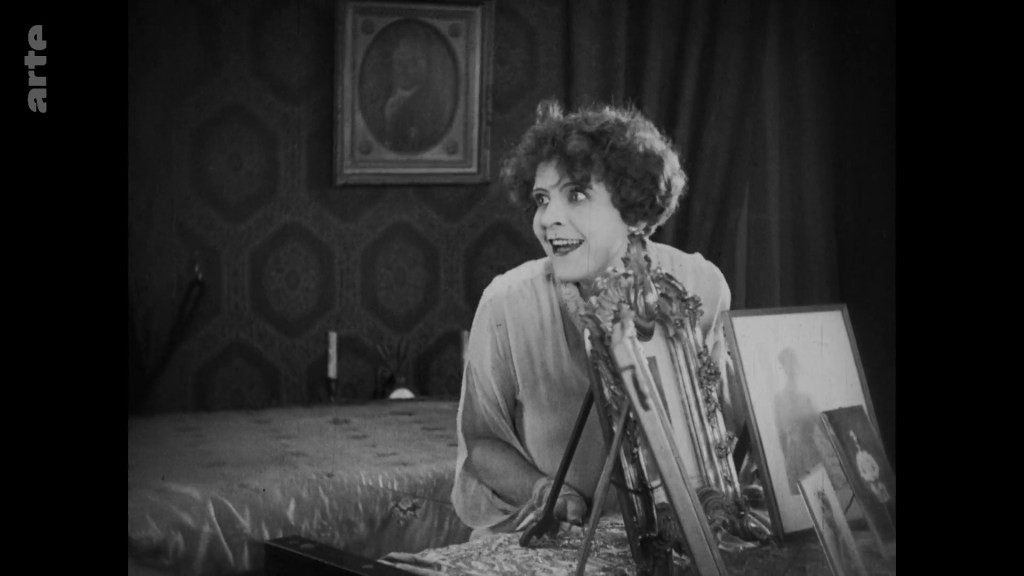
The cast perhaps reflects the overall tone and thrust of the film. French actress Arlette Marchal is believable and sympathetic as Doris, though one never has a real feeling of emotional depth to the character. Marchal ably signals the self-sacrifice and wounded pride of Doris as she performs in her scanty costume, but the film doesn’t ask her to do more than this. A more complex drama (or a different performer) might suggest a sense of liberation or exploration through her stage performance, i.e. the allure of stardom. But Doris wants nothing more than to support her father and (presumably) live an old-fashioned domestic life. The film might exploit her body and show off her allure, but it is neither so cruel as to expose her (literally and figuratively) to true degradation – nor to use her stage persona to explore her sexuality. Indeed, the relationship between Doris and Alexander doesn’t have a strong sexual dimension.
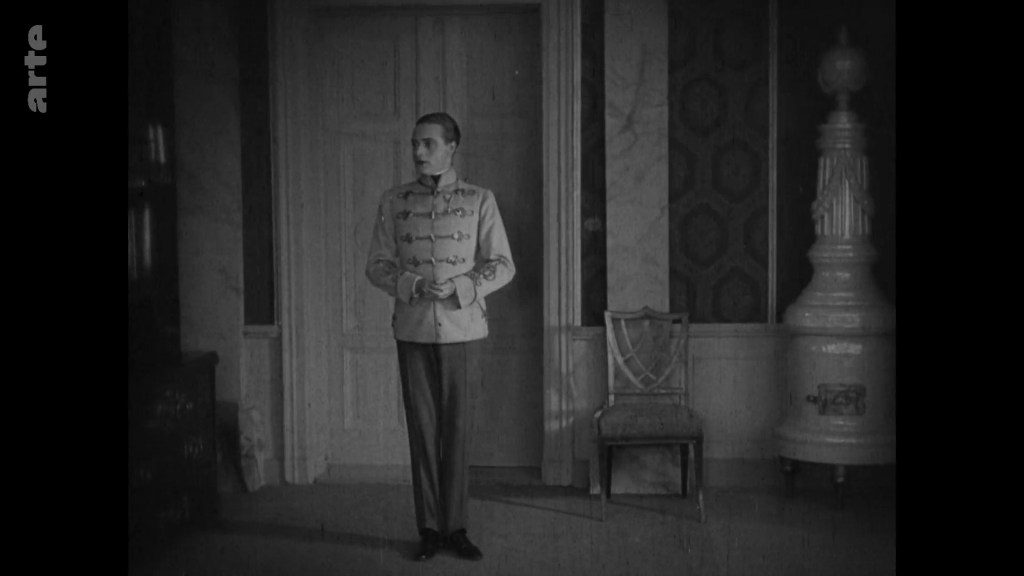
As Alexander, the Ukraine-born Wladimir Gaidarow is very charming, but the drama goes not provide his character with real complexity to explore or express more emotional depth. Though we get fleeting references to his former life, the film (at least in this surviving export version) does not give any glimpse of what he might have done to survive, or what kind of person he or his family were before they came to Germany. Did he fight in the war, or in the Russian civil war? There is absolutely no sense of trauma here, nor any emotional baggage from his past. The only thing tangible from his former life is his title and the jewels cached in his boot. Again, a more interesting or daring film would have at least suggested some complexity of Alexander’s past.
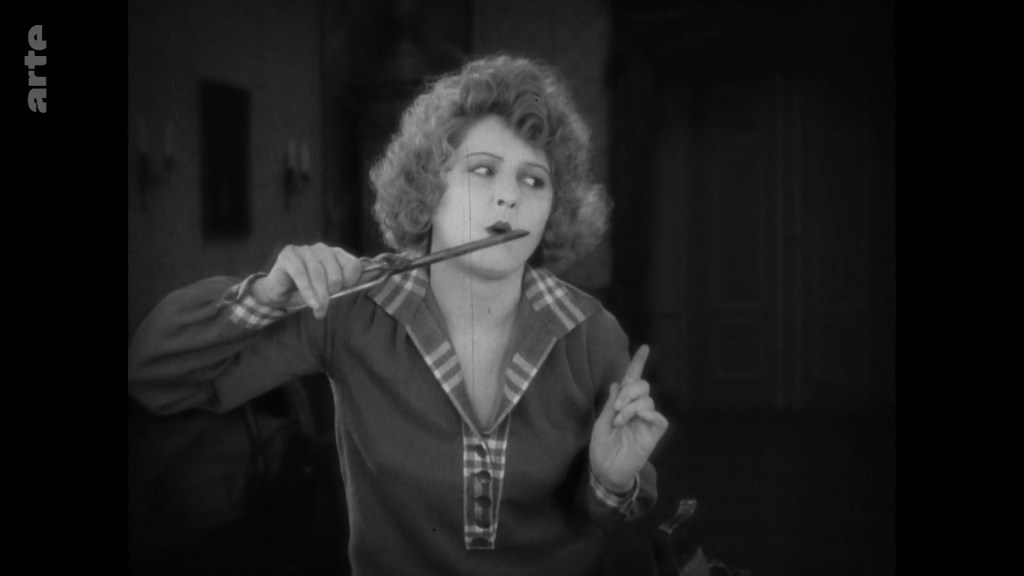
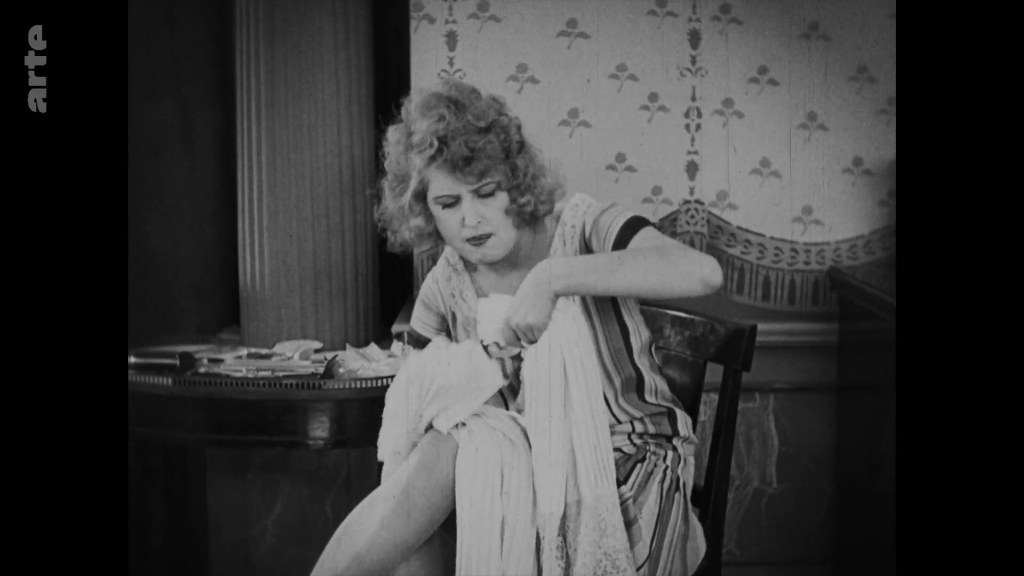
The most interesting female character in Die Dame mit der Maske is surely Kitty. But though I love seeing Dita Parlo march around being spiky and pouty and self-confident (all while wearing an extraordinary set of Weimar hotpants and bra), I couldn’t say she embodies a particularly complex character. She makes Kitty into an entirely believable figure – ambitious but unskilled, jealous and proud. But the film doesn’t give her the chance for any more than this. Though we might guess that her past was tough, even tragic, to have attached herself to the loutish Otto (and saved herself from far worse), the film gives not the slightest hint of backstory.
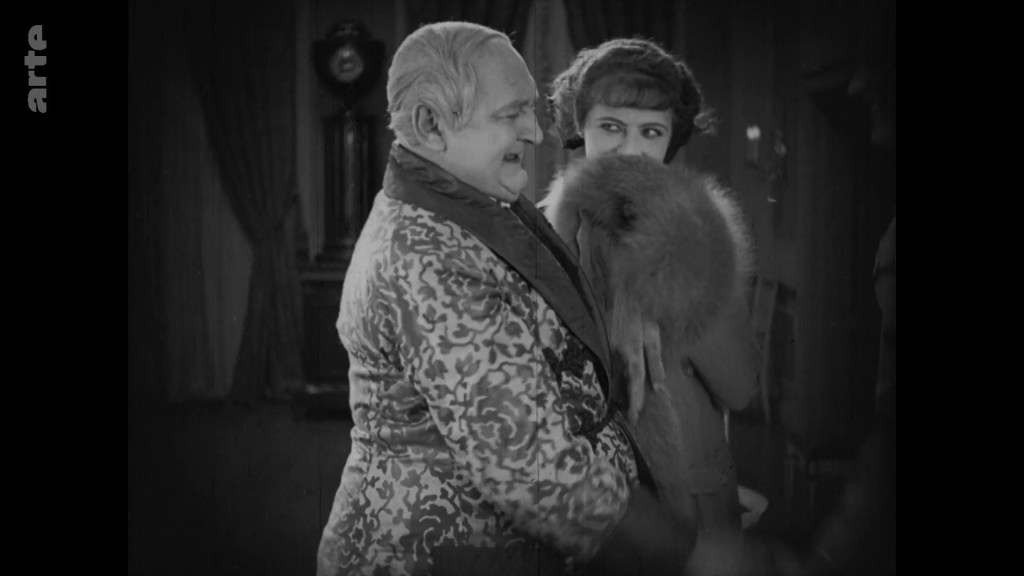
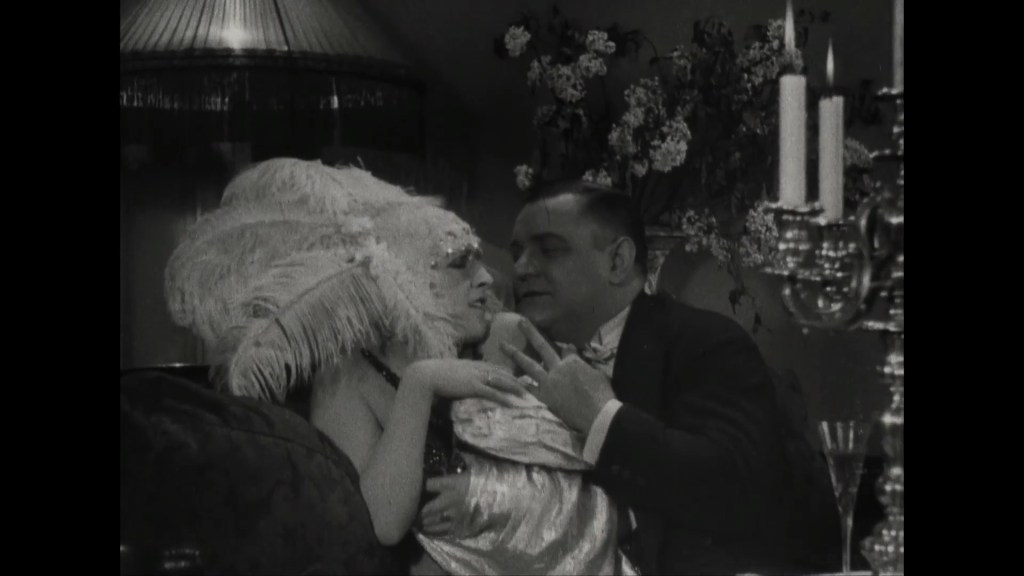
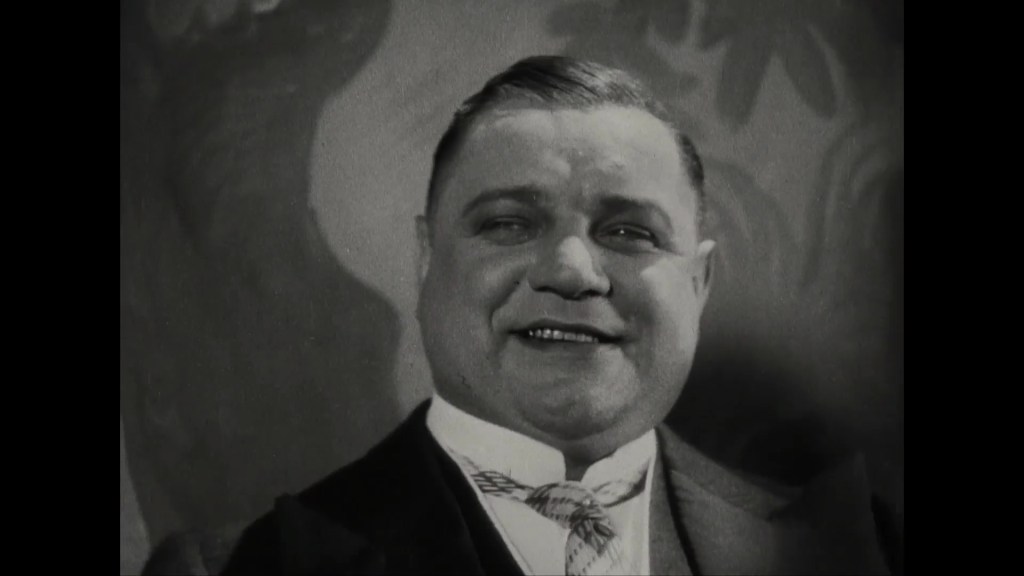
For me, Heinrich George is the best thing in this film. Every time I see his name on the credits, I perk up. He never disappoints. In Die Dame mit der Maske, he’s that wonderful combination of the spoiled child and the violent adult. He’s both pathetic and dangerous, pitiable and contemptible. The way he lurches from self-pity to fury, from depression to aggression, is brilliant. Every time he appears on screen, you know the scene might change at any second. He might deliver a laugh, or make you gasp in fear. He is brilliant as the parvenu millionaire, smarmily puffing his cigar or smothered in foam in his bath, raging and thrashing in petulant fury. His round, shining cheeks are babyish – but his sheer bulk has real menace. When he seems about to force himself on Doris in the penultimate sequence, you really believe he has the will and the callousness to assault her. But when he relents and lets her go, you realize that he’s more complex than this – that there is some kind of conscience at work. Otto is not, quite, a monster. It’s a really great performance by George.
I must conclude by saying, once again, how enjoyable Die Dame mit der Maske was to watch. It isn’t a masterpiece of any depth, but it is a fascinating – if somewhat superficial – portrayal of this period of German history. I wish that it had more to say about the context and characters it mobilizes, and I wish it mobilized them to more interesting ends – but I was never frustrated while watching the film. For this presentation, the piano music by Günter Buchwald was first rate, though I’d be curious (as ever) to know what the original orchestral score was like in 1928. (Unlike many such productions of this period, I cannot find the name of the arranger/composer responsible for the music at the premiere.) It’s a great shame that only the export version of Die Dame mit der Maske survives, but it’s great that the restoration credits so openly explain this, and suggest how the original German version was different. Far too many digital versions of silent films gloss over or deliberately obscure this complex issue. So my compliments to the FWMS for being so transparent and informative. A highly enjoyable and interesting film to watch.
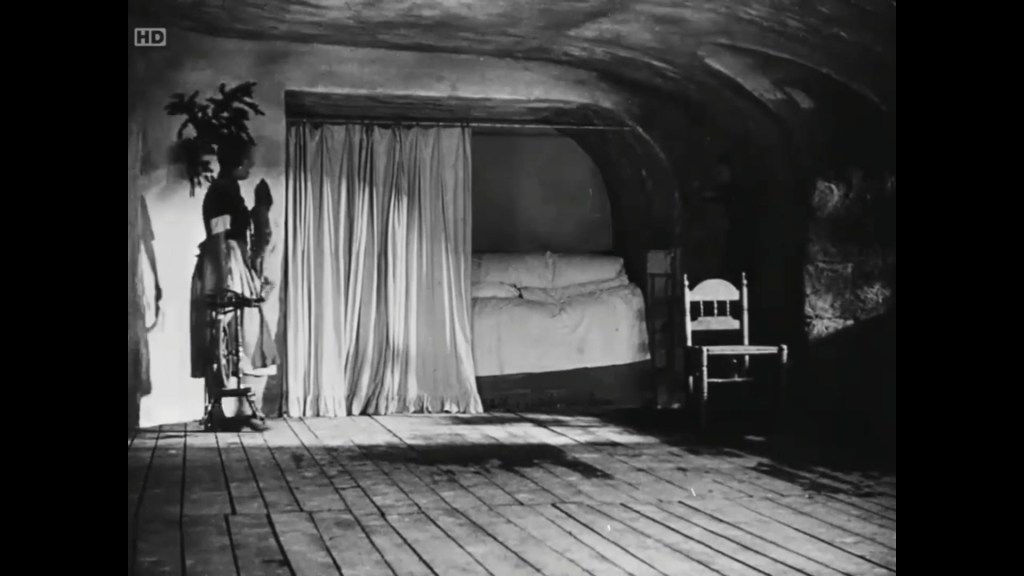
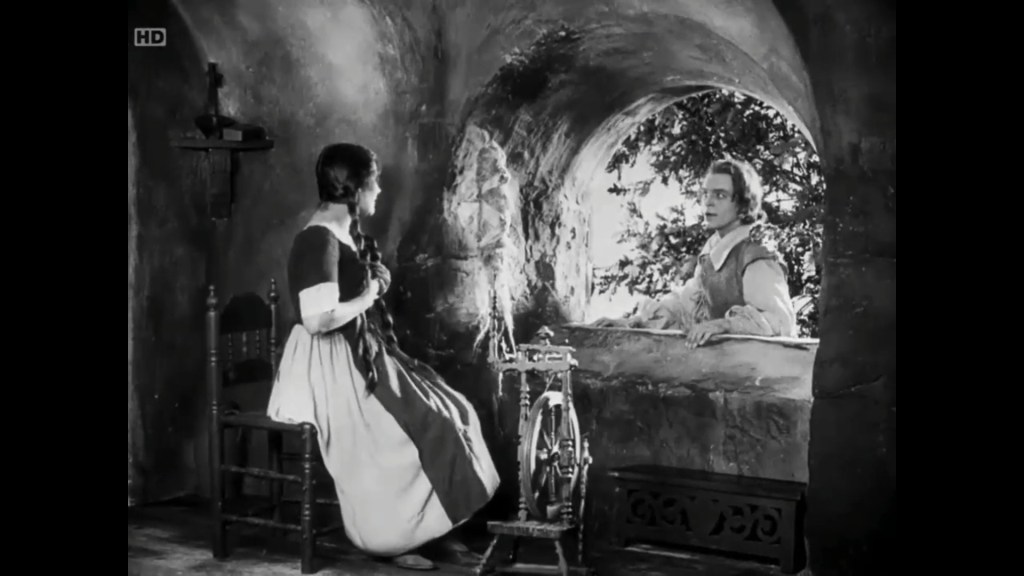
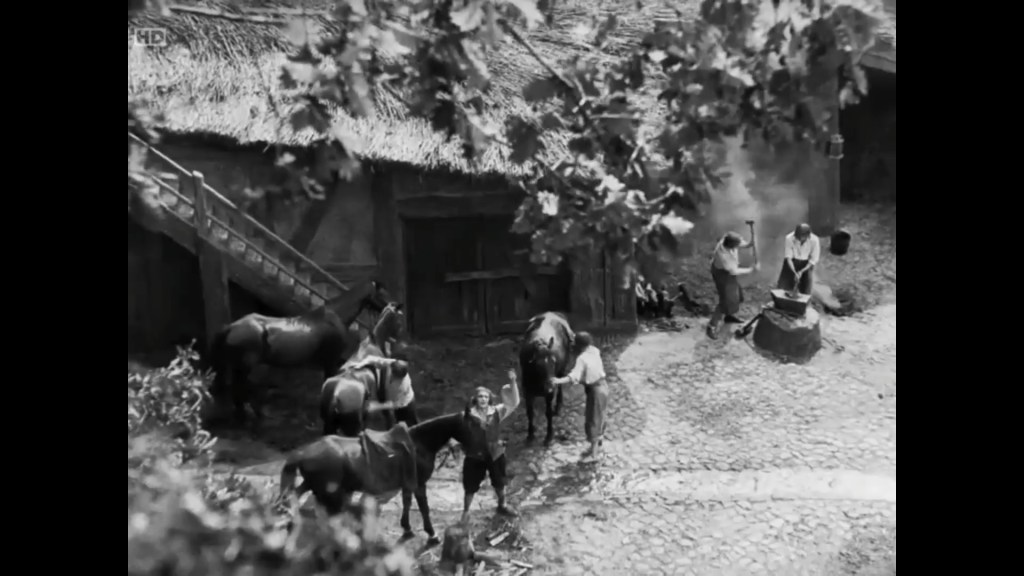
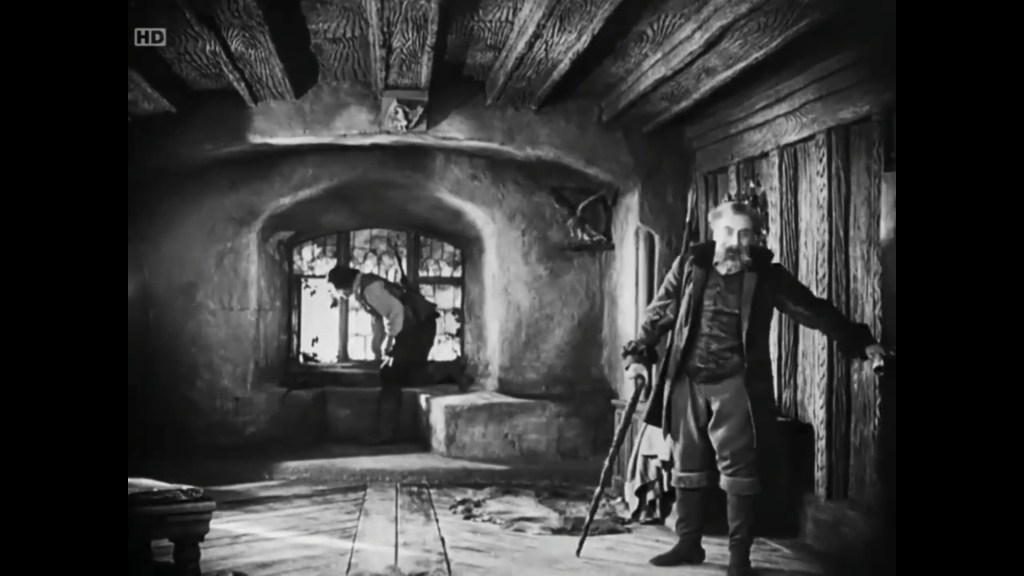
This week, I’m writing about not being able to write. I’d love to be telling you all about the beauties of Holger-Madsen’s film Der Evangelimann (1923), but all I can do is write about my entirely unsuccessful efforts to find a copy. While I am therefore unable to offer much insight into the film itself, I hope to offer some reflection on the intractable difficulties of writing about film history – and finding it.
Why am I interested in Der Evangelimann? Well, as previous posts indicated, I have a growing curiosity about the work of Paul Czinner and Elisabeth Bergner. I have a longstanding project on their Weimar films, but I am also interested in their work before their first collaboration in 1924. Der Evangelimann was Bergner’s first film role, and her only pre-Czinner work for the cinema. This Ufa production was made in Germany but was directed by the Danish filmmaker Holger-Madsen and premiered in Austria in December 1923. Contemporary reviews were mostly favourable, but since its general release in 1924 it has virtually disappeared from the record.
I am also interested in the cultural background to Der Evangelimann. The film was based on an opera of the same name, composed by Wilhelm Kienzl (1857-1941). As even semi-regular readers of this blog may be aware, I am a devotee of late romantic music – and obscure operas by lesser-known composers have their own attraction for me. Since it swiftly became apparent to me that Der Evangelimann was going to be a difficult film to see, I turned my attention to finding a recording of the opera. As it turned out, Kienzl’s music was an absolute delight. A pupil of Liszt and a devotee of Wagner, by the 1890s Kienzl had become a successful composer and music director in various central European cities. Der Evangelimann (1895) was his greatest hit and became a regular production for opera houses into the first decades of the twentieth century. However, Kienzl never produced another opera that established itself in the repertoire to this extent, nor did he write much in the way of substantial music in other genres. By the 1930s, he had withdrawn from active work and by the time Europe emerged from the Second World War he was dead, and his work largely neglected. (His support for the Nazi takeover of Austria in 1938 cannot have helped his posthumous reputation.)
The opera Der Evangelimann is a pleasing blend of late romanticism with a touch of verismo (i.e. something rather more realistic than romantic drama). The libretto, adapted by Kienzl from a play by L.F. Meissner, is also a kind of ethical drama. Act 1 is set in 1820 around the Benedictine monastery of St Othmar in Lower Austria. The monastery’s clerk Matthias is in love with Martha, the niece of the local magistrate Friedrich Engel. Matthias’s brother Johannes is jealous of this romance, since he covets Martha for himself. Johannes betrays the lovers’ secret relationship to Friedrich, who furiously dismisses Matthias from his job. Seizing his chance, Johannes proposes to Martha, but he is angrily rejected. Matthias arranges with Martha’s friend Magdalena that he will meet his beloved late one evening, before he leaves town to seek work elsewhere. Their nocturnal meeting is witnessed by Johannes, who storms away in a fury of jealousy. As the lovers say a sad farewell, a fire starts in the monastery. Matthias tries to help but is swiftly blamed and arrested for the crime. Act 2 is set thirty years later, when Matthias returns to St. Othmar. He has spent twenty-five years in prison, after which he became a travelling evangelist, preaching righteousness and justice. He encounters Martha’s old friend Magdalena, who now looks after the ailing Johannes. We learn that Martha drowned herself rather than submit to Johannes’s proposal, and that Johannes has since attained great wealth but is haunted by enormous guilt. Magdalena ushers Matthias to see Johannes, who receives Johannes’s dying confession of guilt for the fire. Matthias forgives his brother, who dies in peace.
Kienzl’s opera is gorgeously orchestrated and contains at least two rather wonderful melodies. The most famous, “Selig sind, die Verfolgung leiden um der Gerechtigkeit willen”, is Matthias’s evangelist hymn. Kienzl, knowing he had written a good tune, cunningly makes Matthias teach a troupe of children this melody on stage. We thus get to hear the melody several times in a row, and it becomes the leitmotiv of reconciliation and forgiveness between the brothers. But my favourite scene of the opera is in Act 1. Rather than a set-piece number, it is a scene of anxious, hushed dialogue between Mathias and Magdalena. They are arranging Matthias’s final meeting with Martha before he leaves, and as they talk the bells are ringing across town for vespers. Kienzl creates a spine-tingling atmosphere that has remarkable depth of sound: from the slow, deep ringing of the cathedral bell to the warm halo of strings, then to the bright chiming of a triangle. A simple downward motif is thus given greater emotional resonance: you can sense the space and warmth of the evening, but also the sadness of departure, the steady pressing of time upon Matthias. In Act 2, when Matthias meets Magdelena again, the midday bells sound: suddenly, the scene evokes the past through an echo of its warm, chiming orchestration. It’s a beautiful scene, perfectly realized. (At this point, I pause to recommend the 1980 recording of Der Evangelimann conducted by Lothar Zagrosek. It has a great cast, too: Kurt Moll, Helen Donath, Siegfried Jerusalem. Though the EMI set is out of print, it is readily available second-hand. A must for anyone interested in out-of-the-way late romantic opera.)
The 1924 film maintains the same basic plot and setting as the opera, though it has one or two curious departures. Per the opera, the first part of the film replicates Mathias (Paul Hartmann) and Martha (Hanni Weisse) being betrayed by Johannes (Jakob Feldhammer) to Friedrich Engel (Heinrich Peer), followed by the fire in the monastery and Mathias’s arrest. Years pass, Martha has married Johannes and together they have a young daughter, Florida. Martha then discovers that Johannes was the real arsonist (when he talks in his sleep) and ends her life rather than continue in their doomed marriage. After her death, Johannes moves to America – leaving Florida in the care of Magdalena (Elisabeth Bergner). Twenty years after the fire, the dying Johannes returns to St Othmar – as does the newly-released Mathias, now known as “the Evangelist” due to his preaching of holy justice. After Magdalena and the teenage Florida (now played by Hanni Weisse) go in search of him, Mathias eventually meets the dying Johannes – who then confesses to his brother and receives forgiveness.
I initially pieced together a synopsis from those available via various online sources, plus evidence from contemporary reviews. However, online sources do not provide the sources of their information, and I was left uncertain of numerous details. After a more thorough searching of the documentation catalogue of the Bundesarchiv (Germany’s state archive), I located the German censorship report of July 1923. Thankfully, this had been digitized and made available for public access. (As have many such censorship documents from the period.) The censorship report includes a complete list of all the original intertitles for the film, together with an exact length (in metres) for each of the six “acts” (“act” usually being a synonym for reel). Though there is no accompanying description of the action (i.e. what’s happening on screen), the titles provide a much clearer picture of the film’s structure and action. The document demonstrates how significantly Holger-Madsen expanded the ellipsis between the opera’s original two acts. The film’s second and third acts are set after the trial and the first years of Mathias’s imprisonment, allowing a glimpse into the minds of both brothers and of Martha – and showing us Martha’s discovery of Johannes’s guilt, and then her suicide.
Yet even the list of titles leaves some aspects of the narrative unclear. The film’s invention of a daughter for Martha/Johannes allows Hanni Weisse a double role as both mother and daughter. But I am unclear as to what (if any) dramatic function Florida has to the plot (she is evidently not a suicide deterrent!), or how exactly Mathias’s return is handled. Does Magdalena have a crucial role in this, or does he find his way back by chance – or by his own volition? Does Mathias encounter Florida, and what is his reaction to seeing the spitting image of his lost love? The titles do not make this clear.
Would other documents help? I know that if I visit the Bundesarchiv collection in person, I can inspect a copy of the programme for Der Evangelimann which may (or may not) clarify the issue. But where else to turn? I cannot find evidence of the film being released in France, in the US, or in the UK, and thus cannot find any other easy source of a more elaborate synopsis or of additional still photographs.
What of sources on Bergner? In Germany, there are many books devoted to her life and career on stage and screen – as well as her own memoirs. Ten years after the film was released, Bergner recalled being so disappointed with her experience on Der Evangelimann that it inspired her “contempt” for the entire medium of cinema (Picturegoer, 18 August 1934). In her later memoirs, Bergner claims that Nju (1924) was “my first film” (69) – erasing altogether the memory of Der Evangelimann. Those subsequent biographers or scholars to mention the film do so only in passing, but most accounts simply ignore its existence. The only account that even suggests familiarity with the film is that of Klaus Völker, which provides a meagre synopsis in its filmography and describes Bergner’s “slightly hunchbacked” appearance (398). Had Völker seen Der Evangelimann, or was this description based purely on publicity photos of the production? (The book contains only one other reference to the film, which repeats Bergner’s own grave disappointment in the role and the medium as a whole.)
Elsewhere, Kerry Wallach’s very interesting discussion of suicide in Bergner’s films (and contemporary Weimar/Jewish culture) makes passing reference to Der Evangelimann (19), but nothing that suggests familiarity with its content. Given Wallach’s interest in suicide and love triangles across Bergner’s films, it is odd that nothing is made of this first screen role being in a film that has both. I am curious, too, that Holger-Madsen chose to cast Bergner in the secondary role of Magdalena, since Martha is a much more interesting character – and her off-screen suicide (“in the waters of the Danube”, according to Matthias in the opera) would have directly foreshadowed the deaths of Bergner’s later characters.
All of which brings me to the nub of the issue: does any copy of Der Evangelimann survive? Has anyone seen it? Of course, the first source interested parties are usually advised to consult is the Fédération internationale des archives du film (FIAF) database. This is designed to be a collaborative database for information on archival holdings from across the world. Search here, and you can find the details of a film and a list of archives that hold material relating to it. That, at least, is the theory. In practice, it relies on data from its member archives that is not always available, complete, accurate, up-to-date, or forthcoming. I have long since accepted that the absence of a film on the FIAF database does not mean it is absent from the archives. This acceptance brings hope but creates other problems.
The next step, at least for a German production, is the usually (but not always) reliable filmportal.de. It is usually a decent indicator of the film’s survival in German archives and will also list the rights holders to the film and/or any restored copies. In the case of their page on Der Evangelimann, it lists the rights holders as the Friedrich-Wilhelm-Murnau-Stiftung – the inheritors of much German cinema of the pre-1945 era. The FWMS lists details of the film on their website but (having asked them) they do not themselves possess any copy. Such is often the case, where the legal possession of a film does not coincide with the physical possession of a copy – or even the guarantee that a copy exists.
Where next? Well, the Bundesarchiv helpfully provides an accurate database of its film holdings – but this too yields no copy of Der Evangelimann. Various catalogue searches and archival contacts in Germany, Austria, the UK, and Russia have likewise yielded no result. Given that Holger-Madsen was Danish, I did also consult the Danish Film Institute about the film – but Der Evangelimann is not even listed on the DFI filmography of Holger-Madsen’s work, and they profess to have no copy. (Or at least, did not profess so to me.)
If Der Evangelimann had been restored, it would likely appear on more archival or institutional catalogues available online. But it seems scarcely to have made any mark on film history before proceeding swiftly to oblivion. Indeed, the only record I can find of any screening since 1924 was at the Internationales Filmfestival Mannheim-Heidelberg in 1963, where Der Evangelimann was part of a retrospective of Bergner’s work. Was this a complete print? Was it even shown, or just listed as part of the line-up? (Needless to say, I have contacted the IFFMH to see if they have any record of which archive loaned them the print, but I have not yet heard back.)
My only remaining option is to contact every film archive in the world, but there is no guarantee (as I have already discovered) that any of them will reply to a private researcher undertaking a wild goose chase. If an institution, restoration team, or legal rights holder were to make this inquiry, I imagine the process would be much more likely to yield results. As an individual, I have only a handful of contacts in the archival world, and limited resources of time, money, and patience to feed into this search. I cannot issue a convenient “call for help” that summons responses from across the world.
All of which makes an illustrative example of the problems of film history. What I have experienced scouring public resources for traces of Der Evangelimann is a frequent and frustrating instance of a common issue. The film may well exist in an archive, but without any publicly available acknowledgement of its status it might as well (for the purposes of film history and film historians) not exist. That which cannot be seen cannot be studied. It is also frustrating that no scholar on Bergner has ever taken care to admit either that they have not seen the film, or that the film does not exist – and that therefore future scholars should not waste time trying to locate it. Filmographies are infinitely more useful if they include information on a film’s original length (in metres, not duration), together with its current restorative status in relation to its original form of exhibition. These are quite basic facets of film history, but it is amazing how rarely scholars ever cite them – or are required to do so. (I am myself guilty of this.) As regular readers will know, it is a bugbear of mine that many restorations and home media editions likewise provide viewers with so little information on the history of what we are actually watching. It perpetuates a cycle of missing information: the material history of a silent film – the most literal evidence of the medium itself – is too often taken for granted and simply left out of its presentation, either on video or in written texts.
In the case of Der Evangelimann, a century of critical and cultural disinterest has left me with very little evidence to go on. Does the film survive? I do hope so. Even if it is a failure, and even if Bergner’s performance awful, I just want to see it and find out. A film doesn’t have to be a masterpiece to deserve recognition and restoration. I just want to see it! I will continue to pester archives, but in the meantime I suppose I can also pester you, dear reader. Do you know anything about where a copy of Der Evangelimann might be held? Any information would be most gratefully received.
Paul Cuff
References
Elisabeth Bergner, Bewundert viel und viel gescholten: Elisabeth Bergners unordentliche Erinnerungen (Munich: Bertelsmann, 1978).
Klaus Völker (ed.), Elisabeth Bergner: das Leben einer Schauspielerin (Berlin: Hentrich, 1990).
Kerry Wallach, ‘Escape Artistry: Elisabeth Bergner and Jewish Disappearance in Der träumende Mund (Czinner, 1932)’, German Studies Review 38/1 (2015), 17-34.
In January 1927, the director Karl Grune began a major new production for Ufa. He had co-written the screenplay with Hans Brennert, and he as deeply passionate about his project. Am Rande der Welt (“On the Edge of the World”) was to be a pacifist film, set in an unnamed borderland on the frontline of an unnamed war. The cast boasted veteran actors Albert Steinrück and Max Schreck (Nosferatu himself) alongside younger stars Wilhelm Dieterle and Brigitte Helm (fresh from shooting Metropolis). Filming took place entirely in the studio spaces of Ufa during January-March 1927. Grune completed editing Am Rande der Welt and presented it to the German censors in April 1927. It was passed and the film readied for release. At this point, the management of Ufa stepped in. In March that year, Ufa had been bought by the press baron Alfred Hugenberg, who demanded that his management team take greater control over the films they produced. This was not only for the same of economics (Metropolis had nearly bankrupted the company), but for the sake of ideology. Hugenberg was ultra-conservative, ultra-nationalist—he would later abet the rise of Adolf Hitler to power. It was the ideology of Grune’s film that was the problem: it was too pacifist, perhaps even anti-patriotic. Am Rande der Welt did not meet their moral standards. The result? The film was cut, not by the censor, but by Ufa itself. Grune’s original version measured 2635 metres (approximately 114 minutes at 20fps), whereas the version resubmitted to the censor in August 1927 was 2429m. Grune complained in private and then in public. The film had not just been reduced, but re-edited and re-titled. He felt that these changes were so severe, so damaging to the film’s pacifist message, that he asked for his name to be taken off the film. Am Rande der Welt premiered on 19 September 1927 at the Gloria-Palast in Berlin, shown with an orchestral score by Giuseppe Becce. So, what remains—and how does it stand up?
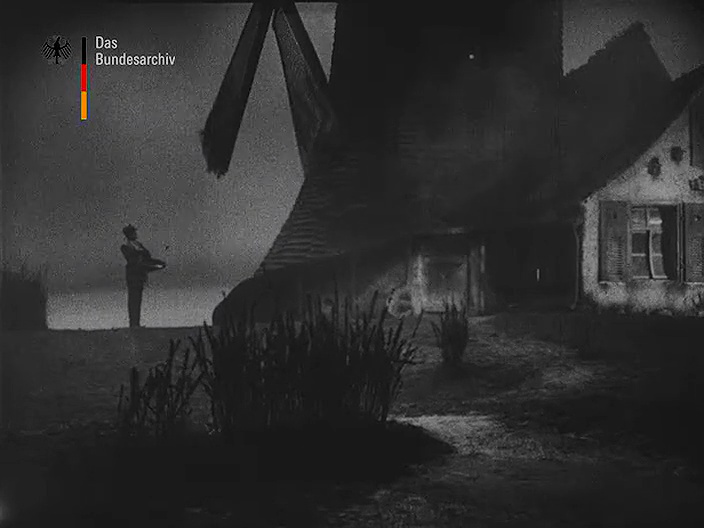
Act 1. From the mists of space, a spinning globe bowls forward. Jazz bands, dancers, superimposed—naked bodies writhing, parting. Fireworks, grotesque dancers. A Catherine wheel spins, overhead visions of dancers, dissolves away over the image of a spinning windmill. The camera tracks back, and back. Surely we at the edge of the world. A title, a motto etched on the wood. The mill is ancient, and it’s as though we’ve travelled back in time since the opening montage. What century are we in now? The only technology here is pre-modern. Labour is manual, the only mechanism the ancient technology of the sail and grindstone. The mill stands at the edge of the world: a studio painted horizon marks the limits of reality as the film knows it.
The old miller (Albert Steinrück) is sieving flour, his oldest son Johannes (Wilhelm Dieterle) emptying a bag, his youngest son Michael (Imre Ráday) cleaning the giant stone grinding wheel. This huge space is the interior of the mill, and it feels cavernous: the exterior is a model, yet the interior is an expansive reality. And here’s Magda (Brigitte Helm), feeding chickens, her hair blowing in the wind.
But already an outsider (Erwin Faber), silhouetted against the pond in the foreground, the mill turning behind him. His letter brings him to work at the mill, but it also promises further “instructions”. He reads the letter one last time, then burns it. Something sinister is afoot. A real sky glowers gloomily above the model and studio set. Just as the man meets Brigitte, the wind picks up; he is heralded by a great gust of dust. Portentous signs…
Inside, the millers gather round the dining table. The newcomer is all helpfulness and smiles, helping pick up the fragments of a dropped plate (but is he the cause of this first mishap?). “I come from the other side of the border”, he explains. The miller (Albert Steinrück) doesn’t mind, just so long as he works well. He is given a room somewhere in the mill, a gloomy cell.
Outside another figure stands before the mill. As the newcomer unpacks, the other man stalks the corridor outside. His knock portends doom. The camera pans rapidly to the door, then shakily follows the man to the door.
It’s Max Schreck, tall, sinister, a devil’s pointed beard and hat. “Are you afraid?” he asks. He’s a pedlar of sorts, but surely far more portentous. But to Brigitte he’s more flirtatious, more camp. He applies lipstick, powder to his own face to tempt her, but she laughs him off. The pedlar leaves, his appearance leaving some strange atmosphere behind him.
Another gloomy interior, the end of the working day. “Next week we’ll celebrate”, the mill will be three hundred years old. An assistant miller plays the accordion, the millers comically cavort. The miller’s son, Johannes (Wilhelm Dieterle), runs after his wife (Camilla von Hollay), who leads him outside, only to show him a baby’s clothes, newly made.
Outside, the pedlar observes the newcomer flirting with Brigitte. Scared by him, they run inside and dance… only to find his eye at a keyhole—the camera tracks rapidly into its sinister ken.
But the baby clothes attract the millers, while the newcomer seeks the owner of the eye at the whole—of course it is the pedlar. “I’ve been overserving you these last days. No love affairs”, he warns. Who is this man, and what is his power? Another shadow falls across the ground. But the truth begins to emerge: the pedlar instructs the newcomer, and threatens him destruction if he betrays his mission. He is a spy!
The old miller reads the paper, which denies the threat of war. That night, a silhouetted figure wanders the plains outside the mill. Vertical wipe-dissolves take us from room to room, then a horizontal wipe from Brigitte’s bed to the newcomer, his shadow moving over the walls, spade in hand. Now he is a prick of light in the dark, inching forward. He digs. But the miller wakens, lights a candle, creeps to the window. The newcomer dashes madly back to bed to avoid detection. (His bed is a sinister war chest, bulging with giant protruding nail heads.) The pedlar stalks the land. End of act 1.
Act 2. The mill’s anniversary. Food and drink are being prepared. A montage of delicious produce, and the labour taken to prepare it: hands stirring, washing, striking, mashing, straining, plucking. Outside, a band of musicians, villagers in their Sunday best, marching to the mill.
Brigitte is making herself look pretty (in the homeliest way—a far cry from her later films). The old miller wears his best suit, his top hat, which he raises to the millers and to the outside world. Johannes is busy building a crib for his future child. After showing off his construction, he rushes into his festive clothes and joins the others. He and his wife march proudly with the rest out to greet the crowd. They parade with the band to the green, where the whole village has become a funfair.
Circus folk—midgets and the “woman without a head”, strapped into a chair. (It’s a grotesque image; the people laugh, but it portends something untoward.) The camera tracks overhead, looking down at the happy dancers, the clowns, the merry-go-rounds—but the camera dissolves into another tracking shot, falling back before a squadron of riders in black masks and hoods. Disaster is surely coming.
The newcomer and Brigitte are flirting. He gives her a love token. She refuses it and runs away, all fidgety nerves, all innocence and fear. She rejoins her family, as does the newcomer—disappointed but tagging along.
The pedlar meets the riders. Spies! “Order to alarm the border villages”.
The dance continues, swirling around the millers. The dance is intercut with the riders. The wind picks up. A rider appears with the news: war has been declared. The dancers are become statues, heads bowed. “Long live the fatherland!” someone cries, and the band strikes up an anthem. (But what anthem to they sing for this prolonged shot of communal musicmaking?) Close-ups of the crowd, of medals on a man’s chest, and the artificial leg he bears. Old heads shake, young faces beam.
The abandoned fete. The camera rises. There is only the sense of the wind travelling through the empty stands, billowing the streamers. But here is death, astride the horizon, ushering animated lines of bayonets through the horizon. The leaming weaponry becomes a real phalanx of infantry, rising over the folds of the landscape toward the camera.
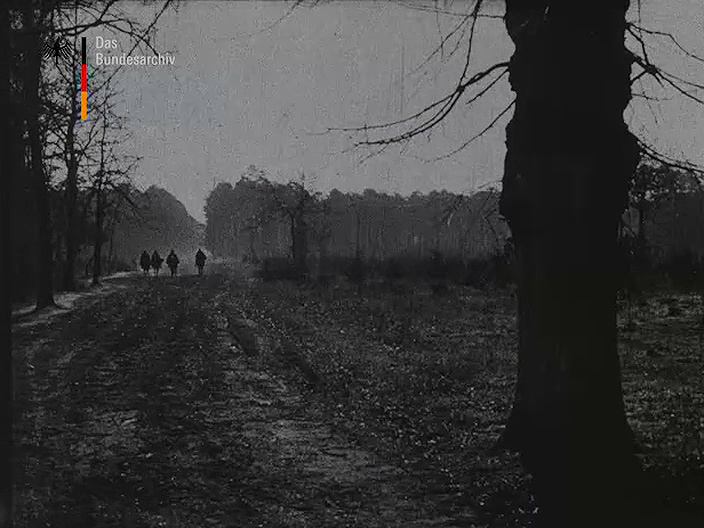
Act 3. Suddenly it is winter, there are gas-masked troops, warning of attacks, flooded positions. The Great War is upon us, without being heralded by its name.
The pedlar is instructing the newcomer about the arrival of their troops. The latter wants nothing to do with the pedlar, but the pedlar says “there is no way back for you”—he is being watched. The troops wearily arrive at the mill, thronging about its flanks. The millers give them water. Clouds gather on the horizon: horsemen appear. It’s a fabulously sinister image, these real clouds glowering over the studio landscape and stilted trees. Five eyes watch the mill from five angles gathered in a single shot.
The millers wait nervously inside. “The world will perish in poison and gas!” says Johannes, as the newcomer tries to talk to Brigitte. Infantry roll over the folds in the land. It’s another brilliant shot, sinister, rapid. The cutting grows quicker: the single shot becomes a half dozen of the raiding tide, sweeping towards the mill.
“The enemy!” cries Michael. The newcomer looks guilty, scared. He wanders off as the knocking grows more aggressive, as the door is forced open. The enemy burst in, their faces hidden—they are just a flood of silhouettes, backs to the camera.
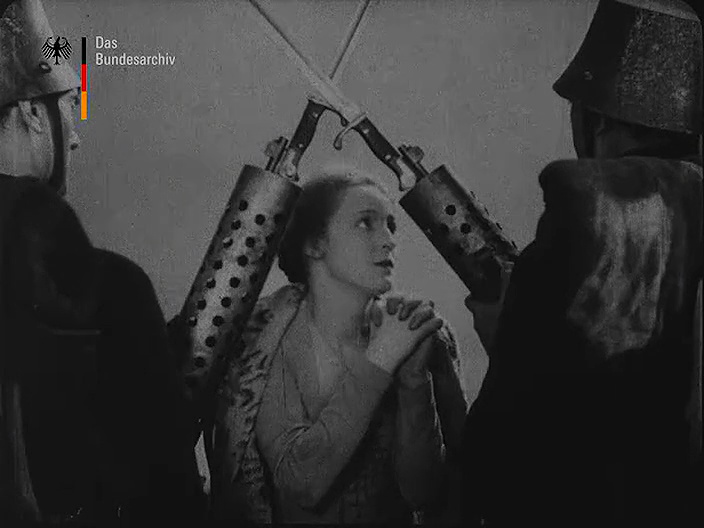
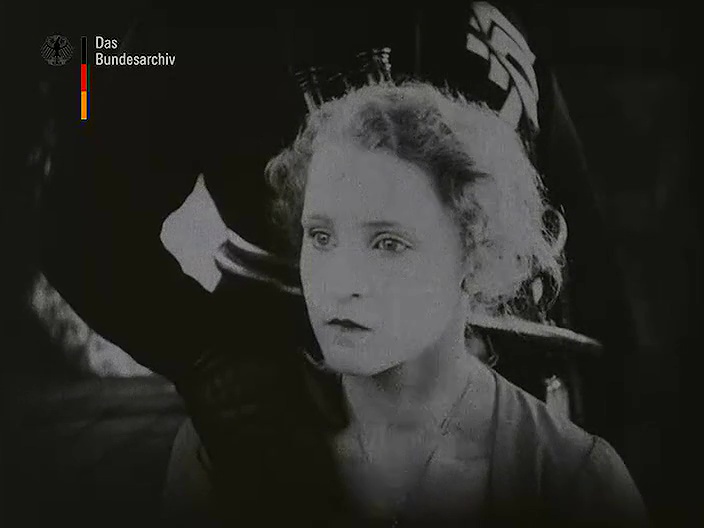
“Stand up!” the officer (Victor Janson) roars. It’s all stillness now. We can take in the strangeness of the infantry: their metallic helmets (half jäger’s shako, half “coal scuttle” Stahlhelm), the odd cages around their rifles that makes them half resemble automatic weapons. The officer has his rank on his chest, an oversized treble chevron. Touches of expressionism that creep into this half-real world. The mill is commandeered for supplies. The younger men react violently. Brigitte is restrained. Her young brother is taken outside. Brigitte’s glowing face makes the officer halt is roughness a moment. The man is clearly smitten. (It’s like the moment when the villain in Die Liebe der Jeanne Ney is overcome by the extreme close-up of Brigitte’s face.)
Another face at a loophole window: this time it is Brigitte’s anxiously looking out as her brother is led away. “Why so sad miss?” the captain asks, and Brigitte’s huge eyes almost make contact with the camera as she turns to the man. Her brother will be court martialled, says the officer, his hands seeking hers. Grune cuts away to the old mother in a chair, sneezing. (The camera whips round handheld, as it often does—destabilizing the world, here for comic rather than dramatic effect.)
The newcomer sets the wheels of the mill going, then arrests their motion. It’s a signal. The pedlar, now revealed in his officer’s uniform, issues instruction. Great guns open fire, huge plumes of black smoke and debris slow-motion their way into the sky.
Act 4. The young son paces his cell. The father visits. “They don’t understand out language”, he cries to his son. But the brute sign language of the solders is made to feel: he is ushered away. Artillery fire draws closer to the mill. The hillsides are torn up, buried under smoking clods of earth. Brigitte is cowering in feat somewhere inside. The father’s face is etched deep with age and angst. Michael is to be judged today. Brigitte leaves, determined to act.
In the cell, the captain orders that Michael be shot. Brigitte flirts her way inside, but is separated from her brother’s embrace. Her drooping head, in profile—a glorious glimpses of her poise, her grace as a performer, amid this rather ordinary scene. The captain says she can save her brother the solution of which is implied simply by his smirk, his leather-gloved hand over her neck, down towards her chest. She has 24 hours to decide. The officer who first raided the mill asks if he can help her. But “war turns people into wild beasts”, she says, and flees inside.
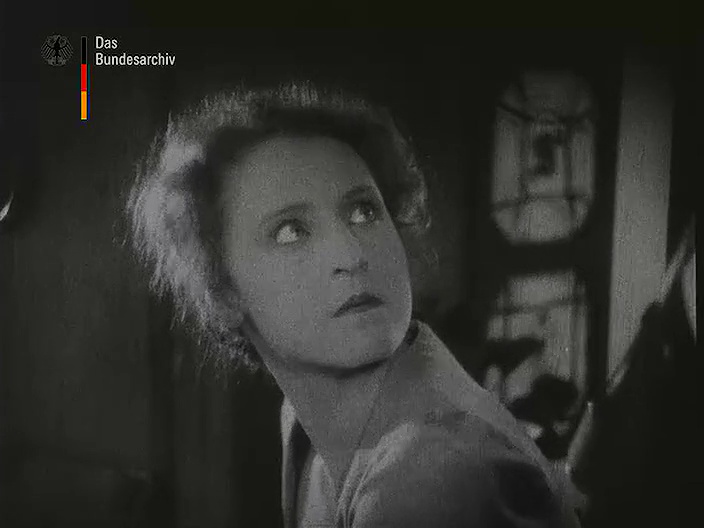
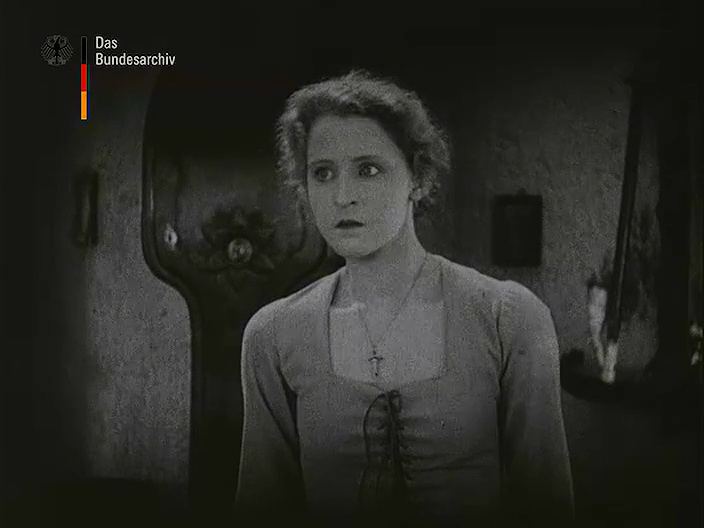
The corridor of the mill’s interior looks narrower, more confining. Here is the newcomer. He says: “Magda, I love you”, but almost in the same breath he confesses he guilt as an agent. Magda—her face in the first big closeups of the film, and they’re beautiful. He says he will turn against his kin to save her brother.
The junior officer tells the senior that he thinks they treated the boy to harsh, but the elder says they need to be strict—to show the locals they mean business. The junior officer finds Magda at home. Her bed is a picture book wooden frame, picture book carvings at its foot. The officer says he will save her brother, but he is seen by her father stroking her hair. So he lumbers in, lumbers between them. She cosies up to him, but he shrugs her off—the only man to resists her great big eyes in the film. Snow is falling. It coats the artificial plains before the mill.
Akt 5. The boy is to be shot. The captain looks at the hour, pours himself a drink, is served his meal, hacks at a great chunk of meat. (His black shirt, his white marks of rank make him look like a fascist: so too his slicked-back hair, cut short.) The lieutenant has aided the escape of Michael. The captain knows it.
The newcomer stops the mill again. The enemy gunners call the captain. The mill must come down, as it is being used as a point of observation by their enemy. (The newcomer is in communication with the pedlar’s men, directing fire.)
Michael returns to his father, in disguise—he wears the uniform given him by the lieutenant, who now arrives—and says they must hide the bother’s clothes or they will be lost. so they go into the basement, where the newcomer is going about his secret task. The lieutenant and Magda flirt, end up in each other’s arms, kiss. She does not quite flee him, succumbs willingly enough to his kiss.
Michael aims to flee in his disguise to their own troops. Johannes’s wife is in bed, presumably nearing the birth. Michael crosses no man’s land, handing a document to an enemy guard. A delightful scene: Magda uses flower to transform the man’s chevron into a stick figure, the head a heart. But the guns are firing outside. “Why are you our enemy?” asks the man, bewildered. “When the war is over, I won’t be an enemy anymore”. He imagines the future…
Akt 6. Soldiers enter the mill. The captain announces the building will be burnt down. A close-up of the father’s face, creased with repressed emotion. But first the captain wants the mill searched for Michael—only to find his lieutenant lurking in the basement. The telephone line has been found. It is cut, but the lieutenant is interpreted as the spy. He ranks is removed and the officer demands the man shoot himself. Magda and her father and Johannes battle the soldiers, who are about to burn the mill. Even the old mother throws water in the face of the guard by Johannes’s wife’s bed. Johannes himself calls the soldiers beasts, says that people need the bread they make. But in come the torches, the flames rise, the smoke thickens. The lieutenant questions Magda about the telephone and she points him to the newcomer. But they, and the family upstairs, are trapped in the burning building. Suddenly the newcomer emerges from his hiding place underground. “It is all my fault!” The lieutenant fights him before Magda, as the building starts to fall around them. It is prolonged, brutal, captured in a long handheld takes—the solider all in black, the assistant in his white shirt. Soon they are bleeding, half naked, sweating. The newcomer says he will die with Magda, but soldiers are breaking through the window to help her out. The assistant says he has betrayed his own fatherland and demands the soldiers shoot him. They oblige, and Magda is set free.
The mill burns, its wings spinning madly, then slowing… as Johannes, his wife, and the father struggle to a nearby farm building and fashion the wife a bed from hay. On the horizon, Magda and the lieutenant embrace. Magda is a silhouette on the horizon.
The baby is born. “He too will go to war—he too will kill people”, the mother mourns. “No, he will build new mills”, says the father, as superimposed artillery fire dissolves over the image of the family in the farm—like a Biblical scene—and the world is a vision of nighttime split open with fire. “Lord forgive them, for they know not what they do”, says the father, as the ghostly mill becomes a cross looming over the smoking battlefield. Ende.
I enjoyed this film a lot. The limited setting and studio aesthetic convey a peculiar atmosphere that is both sinister and otherworldly. It helps make the familiar seem unfamiliar: it’s like a slightly distorted dream of 1914. The uniforms are almost familiar, the setting almost realistic. Everything is subtly exaggerated, subtly off-kilter. Sets, costumes, performances—all are heightened, but only to better convey the atmosphere of the setting and story.
As for the film’s political message, the version that survives still carries a strong pacifist note. There is nothing remotely glamorous about the war or its protagonists. The soldiers are genuinely frightening. Their combination of archaic helmets and modern gasmasks and guns makes them even more sinister, just as their black uniforms give them a distinct flavour of fascism. The religious tone of the final scenes (supposedly highly censored by Ufa’s recutting) still comes across, and I wonder how much more obvious Grune had wanted to make the “message” at the end. As the film stands, the religious imagery creeps up on the viewer rather unexpectedly—and quite effectively. The transformation of the windmill into a cross needs no further visualization than as given in the film. The expressivity of “mute” objects is powerful enough. That said, I do love the fully-realized vision of Death when war is declared. There is something very pleasing about seeing an early twentieth-century version of medieval iconography. (Just as I love these elements in Murnau’s Faust (1926).) Perhaps there was more of this material in Grune’s original cut?
In one aspect, I was a little disappointed by Am Rande der Welt. I confess I wanted to watch the film primarily to see Brigitte’s Helm’s second cinematic appearance, but she’s very much limited by her character here. Her screen persona is very much along the lines of the “good” Maria in Metropolis, but without the exuberance offered to her by her other performance as the robot Maria. In Rande der Welt, she is wholly good and admirable—her character has little in the way of depth or complexity. One might say that about all the figures in the film. Since Grune sets out to make them emblematic of an older, less modern way of life they are all limited in their psychological depth.
My only other reservations about Am Rande der Welt are due to my own moderate confusion when watching the film. I was a little unclear of the nature of the spying, and where/how the artillery was using the newcomer’s telephone to direct fire. There is a lot of cutting to spaces beyond the mill, but we never see the context of these spaces. Thus, where Max Schreck has his observation post is a mystery—as is where any of the other sites of guns, trenches etc.
But the question of how we read the film’s continuity, or its politics, also depends on what version we’re watching. Here, the information is unclear. Having been digitized from a Bundesarchiv print by the Friedrich-Wilhelm-Muranu-Stiftung, the film is freely available online via filmportal.de. But there is no clarification on the physical length of the print used, or whether the intertitles are recreated—and from what sources. The digital version is a few seconds shy of 104 minutes. The database gives the framerate of other archival copies as 22fps, but the Bundesarchiv copy appears to run at 20fps. (Though the video itself translates the original frames into 23.97fps for digital playback, which makes identifying and counting the original celluloid frames difficult.) This would equate to approximately 2400m, so presumably accords with Ufa’s cut of August 1927. (If I’m wrong and it is at 22fps, 104 minutes would equate to Grune’s original version of April 1927. See why it’s important to provide this kind of information with a digital release?)
But regardless of how closely it resembles Grune’s original vision, it’s still a fascinating film. I’m very grateful the film is freely available, but I’d love to see it in better quality. Who knows what a proper restoration and a good score might not do for it.
First, a warning: this post contains no image captures. I watched the film courtesy of the Friedrich-Wilhelm-Murnau-Stiftung, whose staff kindly allowed me access to a copy of an as-yet-unreleased restoration from their collection. As I obtained my viewing copy via these means, I will refrain from posting images—so you must rely on my description to whet your appetites. With that said, we can proceed…
Brigitte Helm starred in three films made during 1928. First was the remarkable L’Argent (1928), followed swiftly by the unremarkable Die Yacht der sieben Sünden (1928). Her final film shot that year was Der Skandal in Baden-Baden. This film had neither the prestigious cast and director of L’Argent, nor the pulpy glamour of Die Yacht der sieben Sünden. It premiered in January 1929, the first of her last three final silent films released that year. I’ve written about her last two: Die wunderbare Lüge der Nina Petrownaand Manolescu elsewhere on this blog. The director of Der Skandal in Baden-Baden, Erich Waschneck, began his career as a cameraman in 1920-21. By the middle of the decade, he was directing a number of minor Ufa productions. Indeed, if it weren’t for the presence of Helm, Der Skandal in Baden-Baden would also be deemed a minor film. (It’s fair to say it is a minor film even with her in it.) The story is based on Georg Fröschel’s novel Die Geliebte Roswolskys (1921). This had already been adapted for cinema in Felix Basch’s eponymous film of 1921, starring Asta Nielsen and Paul Wegener. I have not seen that version, but descriptions of it suggest a rather more complex plot and characters than the simplified storyline of Der Skandal in Baden-Baden.
The plot of the 1929 version is straightforward: Vera Kersten (Brigitte Helm) is an out-of-work dancer who chances to meet the British millionaire John Leeds (Ernst Stahl-Nachbaur). He pulls some strings and she ends up with a manager, Edgar Merck (Leo Peukert), and a gig at the festival in Baden-Baden. But Merck exploits Vera’s passing acquaintance with Leeds for his own financial gain, hoping to frame her in a fraud scheme. This also has the effect of sabotaging Vera’s romance with Baron Egon von Halden (Henry Stuart), who believes she is having an affair with Leeds. At Baden-Baden, Vera achieves a small triumph in her dance performance, but Merck’s machinations cause the high society crowd to believe she is a gold-digger, exploiting first Leeds and now Egon von Halden. However, Leeds himself turns up at the end of the film and clears everything up: Merck is arrested for fraud, the gossiping crowd learn the truth, and Vera and Egon walk away to rekindle their romance.
Der Skandal in Baden-Baden is barely 75 minutes long and there is no dawdling. It is concise, compact, neat. It’s a minor film, but well-made and well-performed. The real interest (for me, at least) lies in the role Helm gets to play. After being cast as varying kinds of vamp in Metropolis (1927), Alraune (1928), Die Yacht der sieben Sünden, and L’Argent; or as rather angelic innocents in Metropolis (her dual role as the “good” Maria), Am Rande der Welt (1927), and Die Liebe der Jeanne Ney (1927), her role in Der Skandal in Baden-Baden is notably every-day. She is working class, poor, jobless. Indeed, Vera in this film is something of a Cinderella role: the poor aspiring dancer being transformed into a society belle, only for the threat of her new life to disintegrate overnight.
In the opening scene, Vera is gazing over the dull rooftops from her garret in a cheap rented apartment. She is framed within the frame of the window. We’re invited to look at her and contemplate her own contemplation. Helm brings with her a certain star quality: not just her good looks, but a way of holding herself, and of holding our attention. When we cut back inside to see her small room, she turns away from the window. When she comes into view properly, we see she is holding a cat in her arms. Here is one solitary creature showing sympathy for another. There is something a little feline about Vera, too. (Reviewers were often comparing Helm with cats in her other roles.)
When she walks the streets in search of work, the way she is framed by the camera that tracks alongside her shows off her profile. Vera might walk quickly, but she is downcast. Helm’s famous profile is not thrust forward to meet the world, but reacts to it timidly. Her failure in several job agencies sends her out onto the streets again. It is by chance, on a road, that Vera enters the life of the millionaire John Leeds. Ostensibly, he runs her down in his car. The device for getting the pair to meet would be more complex if Leeds was actually the driver of the car, but he isn’t—it’s being driven by a chauffeur. What is interesting is the ambiguity of how Vera ends up walking across the road. Head downcoast again, she is wandering more slowly this time, without direction or destination. She walks across the road without looking up. It isn’t a busy street, but a sideroad somewhere on the edge of town. Is she (as it seems) purely distracted or is she (consciously or not) suicidal? I’m not sure the film knows, or lets us know. So much of the film is concerned with showing how events are always out of Vera’s control. A suicidal mentality would be definite, an act of someone finally wanting to take a decisive step. But Vera seems to wander haphazardly into her fate. The choreography of the scene makes little of the near-fatal accident: the editing is economic, not feeling the need to portray the accident as a dramatic set-piece. It just happens.
Vera’s lack of agency continues in the next scenes. For Leeds now makes decisions for Vera, who is at first nervous—clearly, she is wary of his intentions. (And, clearly, she knows what men usually want in return from women for whom they do favours.) She is given new clothes, and the presence of John Leeds gains her immediate work, and the attention of an agent. But this lucky chance is never without strings: her association with Leeds (made public by a press photographer who follows them) immediately results in gossip, and Merck, the agent she gains, wishes to exploit her for fraudulent ends. Her agency is curtailed throughout the film, always by men.
Vera’s romance with Egon, which also triggers a minor subplot involving the jealousy of Egon’s current female companion Fernande (Lilly Alexandra), begins when the two meet by chance on the train to Baden-Baden. They encounter one another again at the local golf club. Vera is dressed sportily, but unshowily: beret, jacket, and a skirt that might pass for “practical”. (That she isn’t decked out in finery doesn’t stop all the local gossips from referring to her as Leeds’s “protégée”.) Egon asks to give her her first golf lesson. We watch her being shown how to tee off. It’s pretty perfunctory stuff, but I think that’s the point. Helm is no longer swathed in luxurious fabric, seducing men to their doom in raucous surroundings. She’s an ordinary woman, undertaking ordinary actions. It’s not a great meeting of souls on screen, but a tentative encounter that the couple slowly nurture. Their hands meet when they both reach for a golf ball. They have a private moment of conversation. Fernande and her friends glimpse this and take it for more than it is. And this is rather the point: everyone in the film seems to think Vera is a vamp, when in fact she is an honest, working-class woman. Brigitte Helm’s role and performance goes against the grain of her star image. Indeed, the film is about the price paid by people who assume that a woman’s “star” status implies a kind of prostitution. Der Skandal in Baden-Baden is about the injustice of being confused for one’s (manufactured) reputation, and the way a woman’s identity is shaped (and judged) by others.
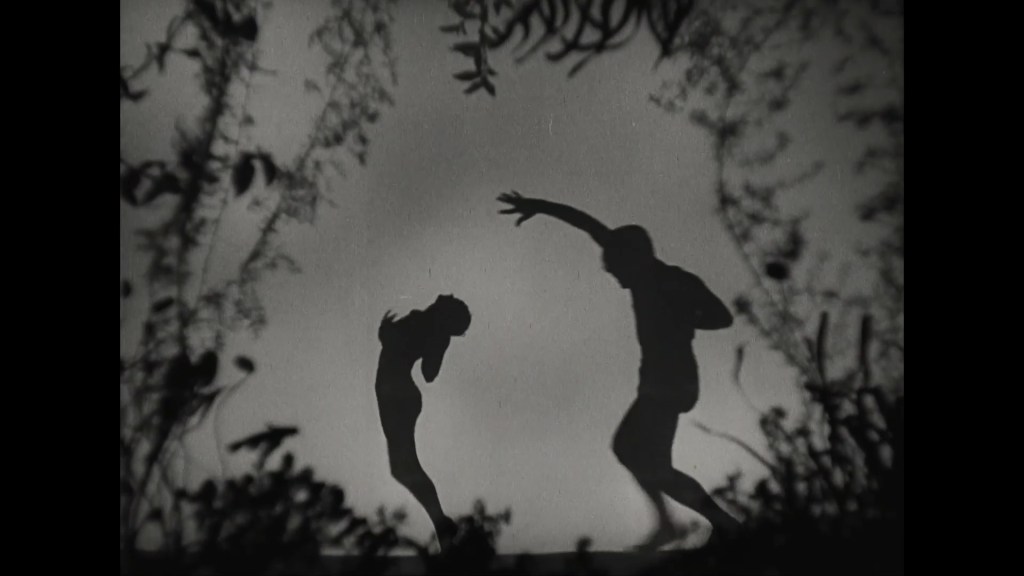
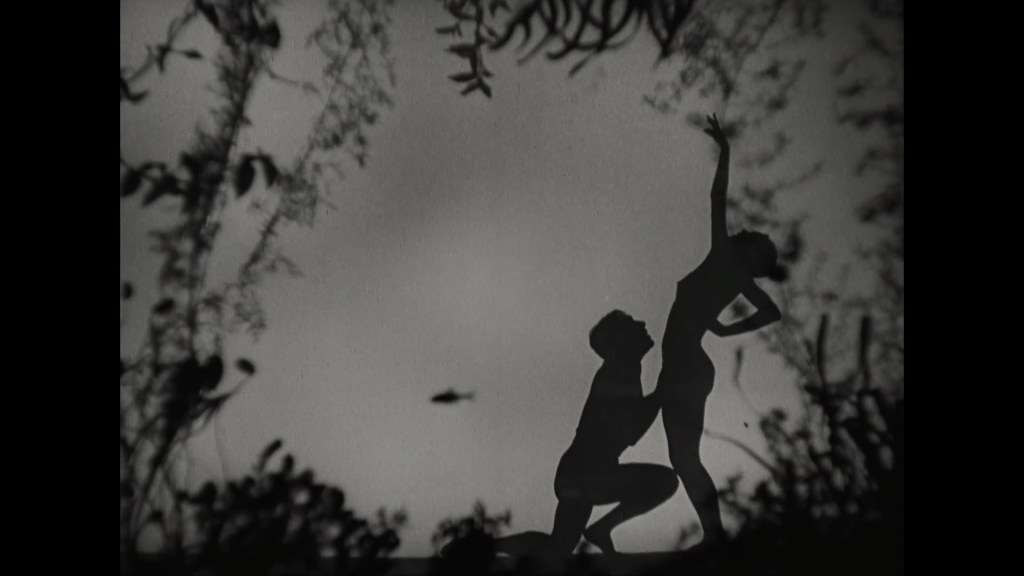
The one sequence where Vera performs a form of glamorous seduction is when she dances at the festival venue in Baden-Baden. The dance itself is a little underwhelming, and it hardly makes the most either of Helm herself or the possibilities of the performance as a set-piece. In 1929, at least one critic compared her unfavourably to Leni Riefenstahl, whose own dancing pedigree (and all-round athleticism) was much stronger than Helm’s. In Der heilige Berg (1926), Riefenstahl’s character is introduced through an astonishing dance shot in silhouette against the crashing waves and rocks of the coast. It’s a much longer sequence, a full set-piece in itself, and makes her character a kind of mythical archetype. There is nothing like that in Der Skandal in Baden-Baden. Helm’s solo number occupies only a little over a minute of screen time and the dancing is banal. It’s a kind of freestyle prancing, much of its impact being through the diaphanous skirt and wrist puffs Vera wears. The latter floats and exaggerates the movement, making more of the dance than the dancer’s body itself.
(A sidenote here: I’d be very curious to know what kind of music accompanied this sequence in 1929. The film was first presented in Berlin with a score by Artur Guttmann. Guttmann had worked as composer, arranger, and conductor for many Ufa films by this point. He had conducted the premier performances of Murnau’s Faust (1926) and Lang’s Spione (1928) (both with scores by Werner Richard Heymann). He had also produced scores for Hanns Schwarz’s Die Csardasfürstin (1927, based on Emmerich Kálmán’s operetta of the same name), Gerhard Lamprecht’s two-part Der alte Fritz (1927-28), and Artur Robison’s Looping the Loop (1928). I have no idea how much, if any, of his music from the silent era survives. What kind of music did his score for Der Skandal in Baden-Baden contain? In particular, for the dance scene, did Guttmann use anything from the familiar ballet repertoire, or something more exotic or abstract? Or was the music his own composition—and in what style?)
But the point of the dance sequence is that Egon is looking on, enraptured. Waschneck cuts between Vera, Egon, and the pianist—excluding the rest of the audience. One shot of Vera begins in close-up before she pulls away across the stage. It’s not a subjective shot (Egon is the other side of the stage pit, in a private box—there’s no way Vera could be as close to him as she is to the camera). But it is a kind of imagined, willed subjectivity: it’s the view that Egon would surely like to have. And it also gives the impression that Vera herself wants to get close to Egon. So yes, an effective moment of framing and staging—but on a modest scale. I suppose “unpretentious” is the word I’m looking for to describe it. This sequence is also one of the few where Vera has a kind of agency: she has centre stage, she performs the number that proves her artistic worth. But of course it’s also for an audience that judges her, and an audience that will soon turn against her.
If Der Skandal in Baden-Baden isn’t glamorous or glamorizing, this does not mean that it isn’t a good-looking film. It is. The cameraman was Friedl Behn-Grund, who (despite having shot several films by 1928) was still very young: he was only 22 when he shot Der Skandal in Baden-Baden. There are lots of interesting shots on location around Baden-Baden, with some nice summery exteriors. (Part of the film’s charm is not being set in Berlin. It’s curious to see a kind of provincial German clubland in the late 20s.) There is also some nice low-key lighting in the nighttime exterior scenes when Vera and Egon kiss. But there are almost no tricks pulled with lenses, focus, or elaborate movement. I’d hesitate to call so light a film “realist”, but the glamour we glimpse in the festival setting does not extend to the way it is filmed. It’s a temperate film as well as an unpretentious one.
But Der Skandal in Baden-Baden does have occasional scenes where the presence and role of the camera becomes more complex. There is a clever moment when we see a letter being written. It is addressed to Vera and its contents imply that the writer is romantically involved with her. We watch a hand sign the letter: the name is signed “John”. But then the camera tilts back and tracks away from the letter. We see the writer: it is Merck. It’s a nice way of making the writing of text more visually interesting, more significant.
Merck fakes this letter from Leeds to Vera to imply that she is his mistress. He shows it to Fernande, who shows it to Egon. Merck even vouches for its truth. The consequences are again related through a letter and another interesting visual treatment of text. Egon writes to Vera to tell her that they shouldn’t see each other her again. When Vera reads the letter, we see her shock and sadness in a close-up. She reads the letter again, and now there is an extreme close-up of the text: the lens scans the first lines almost word-by-word: “Merck has confirmed to me that you are, after all, in a relationship with John Leeds.” It’s the only extreme close-up in the film and the effect is startling: by reserving this level of proximity to this one shot, it has maximum impact.
I should also mention other members of the cast. Henry Stuart is charming, if a little bland, as Egon. He has little psychological depth, but he’s convincing enough. As Merck, Leo Peukert is smarmy and creepy without exaggeration. As Leeds, Ernst Stahl-Nachbaur is rather anonymous. In fact, the most memorable member of the cast beyond Helm herself is Adolf Edgar Licho. He plays one of the agents at the start of the film. Licho played Jeanne Ney’s uncle in Die Liebe der Jeanne Ney, where Pabst provides him with a role of utmost sliminess and greed. His appearance in Der Skandal in Baden-Baden is not quite on the same level, but it’s a clear echo of it. His agent is a cigar-chewing creep, who eyes Vera up and down. He gets her to raise her skirt to show him her knees, her thighs… It would help her get along if she were a little “nicer” to him, he says. Licho’s bald pate, stubbly round face, and bulgy little eyes make him a superbly unpleasant presence on screen. When Vera tries to smile, we see a whole history of the exploitation of aspiring female performers under creepy male managers. That Vera seems to know what’s expected of her makes the scene more unsettling, more upsetting, than it might otherwise be. Helm gives us a history of Vera, but also a history of women, that goes beyond this scene to countless other moments prior to this. When the scene fades to black, we wonder if Vera is forced to perform any other kind of favour for the agent. It’s one of the few moments of real depth or bite. It presages the way Vera will be judged as the kind of woman who performs exactly this kind of favour to get her new dresses and position in society.
So, despite its lightness, Der Skandal in Baden-Baden is an interesting film. Helm’s character is noteworthy for being a more down-to-earth character, one who feels the pressures of the patriarchal world: the male agents who judge her, and the male patron who “rescues” her but whose intervention opens her up to accusations of selling her body, and the society gossips who stand ready to judge and condemn her for her relations with men. Though we can (simply because she is Brigitte Helm) imagine she is a star being waiting to be found, the film never lets her character have control over her life. Her position as a woman at the mercy of male judgement (for good or ill) is a common theme in many of Helm’s films. Der Skandal in Baden-Baden provides Helm an unpretentious modern setting to show a more restrained performance. Of course, the film does get to clothe her in more expensive attire once Leeds has paid for it. But she doesn’t use her costumes for writhing seductively (cf. Alraune) or mooching in glamorous boredom (cf. L’Argent). Indeed, her showiest costume is used for her stage performance and never worn again; you might even see it as a practical outfit in the sense of it being (technically) workwear. She’s never less than interesting to watch, and I did so gladly.
In sum, I cannot say I was greatly moved by Der Skandal in Baden-Baden, but it was charming and engaging and I’m very happy to have seen it. It is striking that this film has been the most difficult (not to say utterly impossible) to see among all of Helm’s silent work. As far as I can tell, it has never been reissued in any format since its first run in 1929. It made only slight impact at the time, and since then it’s been something of a footnote in the few accounts of Helm’s work. As I’ve argued here, Der Skandal in Baden-Baden is an interesting film and deserves some attention. The FWMS restoration is due for completion in spring 2024, so I hope it gets a proper release for live and/or home audiences after that.
Paul Cuff
Acknowledgements: I would like to thank Luciano Palumbo, Carmen Prokopiak, and Marcel Steinlein of the Friedrich-Wilhelm-Murnau-Stiftung for their help in answering my questions and providing me access to the film.