Day 6 and a trip to Sweden for what I might call a drama of the conscience. Everything in this production is as might be expected from the “Golden era” of Swedish cinema. Superb photography? Check. Naturalistic performances? Check. Drama with strong moral centre? Check. Overall satisfaction? Read on…
Thora van Deken (1920; Swe.; John W. Brunius)
Let’s get straight to the plot. Divorcee Thora van Deken (Pauline Brunius) returns to her dying ex-husband Niels Engelsoft (Hugo Björne). Niels’s will provides a generous annuity for his lawyers, as well as the establishment of a nursing home for women to be run by the brother of his deceased fiancée, Sofie. What it doesn’t provide for is Esther (Jessie Wessel), the daughter of Niels and Thora. Thora demands that Niels cater for Esther, but Niels says that Thora is as embittered and hateful as ever. Thora recalls her mother being “tormented to death” by her father, and how Niels himself was a spoiled youth. Their romance is told in brief flashback: revealing how Niels’s affections were entirely for Esther and not her mother, who was trying to teach their child to look after herself; how Niels betrayed Thora with Sofie (Ellen Dall) at a party; how Esther was the one thing that Thora asked to be hers. As Niels lies dying, Thora steals the will. After the funeral, Thora lies about the will being voluntarily withdrawn and has taken charge of the estate, much to the disgruntlement of the locals and the lawyers. She receives threatening letters, calling her a murderer. Pastor Bjerring (Gösta Ekman), who is in love with Esther, tries to placate Thora’s anger with the world. But Thora denies the law of God, saying there is only the law of the heart: for her, God is dead. Thora secretly adds a postscript to the stolen will, saying that after her death Esther will understand the wickedness of Niels and her own actions to rectify his injustice. Justice Sidenius visits. He recalls his childhood friendship with Thora, and his unspoken love. He warns her of the moves to launch an official investigation, so Thora agrees to a hearing and lies under oath – despite the thought of being damned in the eyes of God. Meanwhile, Bjerring weighs up his fondness for Esther with his desire to join a mission in Asia. Seeing this burgeoning romance, Thora secretly sends the funds necessary for his departure to Asia. When Esther chooses Bjerring over her mother, Thora renounces Esther – who then elopes with Bjerring. In despair, and prematurely ageing with grief, Thora confesses her crime to Sidenius. As Esther and Bjerring sail for the east, Thora prepares to face the consequences. END.
This film belongs to Pauline Brunius (wife of the director), who is simply superb. This is one of the finest, most convincing, and most perfectly judged screen performances you could hope to see. There is such immense depth of emotion to the slightest gesture or move of the eyes. Nothing is overplayed, but everything is crystal clear. A remarkable performance around which the entire film revolves. If none of the other actors are quite on the same level, all are more than capable. There is great sincerity in all the main players and the drama carries tremendous conviction through their combined efforts.
The whole film looks superb in that way that Swedish films of this period tend to: locations are perfectly chosen and perfectly photographed. The warmth and depth and texture of every scene is aided by the tinting, which enhances the mood of the film throughout. This film looks beautiful – and is technically impeccable – in a way that is entirely unshowy. There is some beautiful low-key lighting, as well as some gorgeous early morning exteriors, but even these most (technically) impressive moments are there for a dramatic purpose: enhancing the feeling of the scene. Everything is where it should be, everything contributes to mood and drama.
So how do I feel about the drama itself? (Perhaps this is another way of asking why I didn’t love the film more than I did.) I have pondered this for a while and have rewritten the remaining paragraphs twice over. My only reason is the tone of the narrative and the way it treats Thora. She is by far the most interesting and sympathetic character in the film. She has been wronged by her ex-husband, yet despite this everyone in the community (apart from the lovelorn Sidenius) gang up against her. Though the film clearly puts us – to a degree – on her side, I am unsure if the moral “lesson” of the film remains that she deserves punishment, and her conscience must condemn her. Films can and do find ways of mobilizing our sympathy towards transgressive women, even if the narratives punish them. Is that the case here?
I am curious to know how contemporaries took the tone of religiosity. When Thora prepares to perjure herself under oath, the repeated cutaways to the passage in the Bible about being judged and condemned by God lay on the consequences pretty thick, so when Thora has a vision of her hand being withered by divine wrath it’s genuinely horrifying. Of course, she lies anyway – but are we invited to admire the bravery of her decision to favour her daughter (and herself), or to condemn her actions? This is complicated by how much sympathy we might have for the plight of Thora’s daughter, who wants to run away from her (transgressive) mother. The fact that Esther runs away with a pastor seems to underline the fact that Thora is not on the right side of the moral code. When Thora quite rightly asks why the pastor is willing to risk his life and that of Esther to join a mission he knows is riddled with malaria, the pastor replies: “God will protect me”. How are we meant to feel about this statement? To me, over a hundred years later, it smacks of absurd arrogance and a disregard for his or Esther’s safety. But does the film invite even the possibility of a critical attitude toward the pastor? He is otherwise a very sympathetic character, trying to find a way of understanding Thora. He doesn’t even contradict her when she tells him to his face that God doesn’t exist – though his later statement of belief in divine protection is an implicit counter to Thora. How far does the film (together with Esther) internalize the logic that compels Thora to wrathful judgement? I longed for the film to deliberately court my outrage over Thora’s mistreatment, only to give her some kind of victory at the end. Does the film agree – tacitly if not explicitly – that Thora should be punished, and the daughter and pastor should be free to run away together? Does the film share the pastor’s view that the lovers will find happiness in Asia, and that they won’t succumb to the disease that struck down his predecessors?
Having written the above, I wonder if I’m not asking unnecessary, if not impossible, questions of the film. After all, the existence of my own attitude – my scepticism – is evidence that one can read, or desire to read, Thora van Deken contrary to its apparent religious moralism. But it’s always possible to do so, with or without the intentions of the film. Other than the fact of Pauline Brunius’s performance, there is no reason to side with her. Is her performance enough to persuade an audience (contemporary or otherwise) that the film is a criticism of the society that condemns her? I’m not sure. If this were a film by Victor Sjöström, for example, I think there would be a clearer sense of siding with Thora – and a clearer indication that she was the victim, not the perpetrator, of injustice. Think of the astonishing power of Sjöström’s Trädgårdsmästaren (1912), for example, or Ingeborg Holm (1913), which famously provoked such outrage that the law was changed in favour of women’s legal power. In these, or in something much later like The Scarlet Letter (1926), it’s evident – but never crude – that the film is on the side of the woman wronged, and that the societies that condemn her are at fault. All these films are more melodramatic than Thora van Deken, which perhaps allows them more freedom to signal their (feminist) sympathies. But what is the attitude of the film – of John W. Brunius – towards Thora? I’m not sure. Perhaps this ambiguity (neutrality, even) makes it successful, but it left me oddly unsatisfied. I suppose what was missing was tears – mine or Thora’s. The tension was so restrained, the film never quite let go – and so nor did I. If I had cried, I might have more confidence in the emotional tenor of the film – and thus its sympathies.
These final paragraphs have been written with the benefit of a night’s sleep. I actually think I dreamt about the film, which proves that it rather got under my skin – even into my brain. I have now gone through it again to take some image captures, and I find it even more beautiful to look at. And every shot of Pauline Brunius – and I do mean every shot – reveals an extraordinary intensity in her performance. I think it absolutely remarkable that she maintains such restraint and yet reveals so much depth of feeling, of psychology, of a character’s past and inner life. Every time she appears on screen, she instantly draws your eye – I really couldn’t stop looking at her. Reading what I wrote yesterday, I find myself more convinced of the film’s sympathy towards Thora. If the film offers us no evidence that it condones her actions, it offers constant evidence for Thora’s motivation – and Pauline Brunius’s performance absolutely demands that we see the world from her perspective. This does not mean we support her actions, but we know why she acted as she did. Only the mob and the (quite unsympathetically portrayed) lawyers actively hate her, and we are clearly not on their side.
At the end of the film, Thora is ready to mount into the carriage to be taken to face charges. As she steps forward, she stumbles, then straightens herself. There is a cut to a medium shot. We see her hand raised to her chest. Is she about to grip her heart? No, not quite. As her hand approaches her heart, she clenches it into a fist. Her face tenses, almost hardens. She is not courting sympathy but summoning her inner strength just to stand here. Thora stares past us – far past us – and into a kind of imagined distance. The iris slowly closes in on her face, the darkness encroaching, about to swallow her. How can we not feel for her, admire her? And when the film cuts to the final shot of the steamship bearing Esther and Bjerring on board, it is surely far from a happy ending. A powerful film, an extraordinary performance, and much food for thought.
Day 5 of the Bonn festival takes us to Germany, and an exploration of jealousy and marital strife. Described by its opening titles as “A tragicomedy between man and woman”, I was expecting – well, I suppose I was expecting something very much akin to what I got…
Eifersucht (1925; Ger.; Karl Grune)
Act 1 establishes what might be called the rules of the game for the remaining film. The opening scene of a husband strangling his wife is revealed to be a stage performance, and the playwright (Georg Alexander) comes on stage to take the applause. He then returns home with his two friends, a husband (Werner Krauss) and wife (Lya De Putti) whose marriage seems to be ideal. But the playwright keeps questioning whether either of the couple feels jealousy, while trying to flirt with the wife. Act 2 sees the first signs of jealousy: the wife receives flowers and refuses to tell her husband the sender; the wife finds a lock of blonde hair in the husband’s pocket watch. The playwright then arrives and flirts with the wife and convinces them to go to the palais de dance. There, the wife makes both men jealous by dancing with a stranger. The husband ends up striking the stranger and the night ends with husband and wife sleeping in separate beds. In Act 3, after a frosty breakfast the wife becomes intrigued by her husband’s correspondence – reading and then stealing his latest letter. She goes to the playwright, then lies that she has been to her friend Lola’s – and is confronted by her husband. In Act 4, the wife gets Lola to lie for her, covering her absence from home both in the past and on future nights. The husband follows her to a giant apartment store, then loses her and blunders about town in search of her. The wife arrives home, still fuming over the husband’s mysterious letter. The husband tells her how much he loves her and begs to know what she has been doing. She asks for his trust, but he insists on knowing the truth. She demands the truth from him and says he would be ashamed to know the truth from her. He raises his hand to strike her but doesn’t land the blow. In Act 5, the husband follows the wife, this time to a strange building on the outskirts of town. He sees his wife kissing a child who address her as “mummy”. Back home, the husband demands (via a note passed via a servant) that the wife leaves the house. Infuriated by her refusal of the truth about the child, he hurls his wife to the floor. The violence is interrupted by the arrival of the playwright, and the truth is eventually discovered. The letter the wife has stolen from the husband refers to his child, whose carer cannot afford it any longer. The husband falls at his wife’s feet and the two are reconciled. ENDE
As I said, a plot that doesn’t offer any real surprises. It’s well-written, well-mounted, and well-played. I admired the numerous nice touches that shaped the drama, like the repeated detail of the couple’s shoes: hers next to his at the start, then separate from his during their fallout, then reunited in the final images; or the way their first breakfast scene has them sat side-by-side, but the second has then say on opposite sides of the table. Technically, the film was also well executed. There are also some neat moments of superimposition. Some are simple, like the wife imagining the lock of hair in the watch, or later seeing his imagined lover superimposed over her book. Some are more complex, like the husband seeing his wife dancing with another on the crowded dancefloor – only for the other dancers to fade into ghost-like transparencies, revealing his wife and her partner at the centre (a really lovely effect). Though I liked some deep focus compositions in the apartment, it was the exterior scenes that really stood out. There are several big sets/matte painted night cityscapes, which are reminiscent of Grune’s Die Straße. Particularly effective is the apartment store, with a double paternoster lift and a view across to a multistorey wing illuminated from within. You sense the husband’s fear becoming faintly nightmarish in these surroundings, just as you did with the central character in Die Straße.
But what interested me particularly with Eifersucht was its script by Paul Czinner. (I have a longstanding project on Czinner that I have kept delaying for various reasons.) I was struck by how many details in Eifersucht match traits from his other films. There is the jealousy over a bunch of flowers (cf. Der Geiger von Florenz (1926)), conflicts spelt out over a breakfast routine (cf. Ariane (1931) and Der träumende Mund (1932)), the woman reflecting on her image in relation to men (Fräulein Else, 1929), the nods to luck and fate (like the spilling of salt) and life’s reflection of art that haunt numerous of Czinner’s other films. Czinner’s authorship is often overshadowed by the two figures with whom he collaborated: his frequent leading actress, Elisabeth Bergner, and his screenplay collaborator, Carl Meyer (often uncredited). In this sense, it was curious to feel how strongly Eifersucht felt like a Czinner film without either of these two influences at play. But also, this made me like Eifersucht less. The marital strife in Grune’s film is more interestingly played, and played out, in Czinner’s Nju (1924), just as the sense of life imitating the tragedy of art is more potent in Czinner’s Der träumende Mund. And Bergner is an infinitely more subtle, complex, and sympathetic performer than De Putti. Werner Krauss’s character, too, is at the very least equalled by Emil Jannings’s character in Nju, for example, and Georg Alexander’s rather underdeveloped character is a pale shadow next to that of Rudolf Forster in Der träumende Mund. (Der träumende Mund, if you’ve not seen it, is a masterpiece.)
More broadly, in fact, my problem with Eifersucht was precisely this sense that what I was watching I had seen done better, and with more dash, elsewhere. Czinner’s films aside, I also thought of E.A. Dupont’s contemporary Varieté (1925), which features De Putti in a much more powerful drama, and one which allows for more complex, stylish cinematic storytelling. (Dupont’s film was also, confusingly, released under the title “Jealousy” in some regions.) Eifersucht’s theatricality is ultimately a kind of limitation. It is, if anything, too neat and tidy, too precisely organized. (Even the dance hall feels oddly well-mannered to sense the wife’s desire for freedom express itself. Think of how many other Weimar films have great party scenes!) Eifersucht feels like an exercise more than a living, evolving drama. Even the interesting outdoor sets and moments of technical skill didn’t lift the film into something more complex or moving. Indeed, I still await being really moved a Karl Grune film: his are films that I admire without truly liking. (See my pieces on Am Rande der Welt(1927) and Die Straße.) The fact that Eifersucht describes itself as a “tragicomedy” rather sums it up: it is neither comic enough nor tragic enough. (All Czinner’s films are much sharper in their comic touches and more tragic in their outcomes.) It is a good film, but not a great one.
The music for this performance was by Richard Siedhoff and Mykyta Sierov. Their combination of piano and oboe worked well, though its emotional register could never make the film more moving than it was. I must also highlight the excellence of the detailed restoration credits at the start of the film: we are given a history of the film’s release, the location and qualities of surviving prints, the ethics behind the restoration choices, and the precise lengths in metres of various copies, as well as the speed used in the transfer. It should be mandatory to have such information at the outset of all films, especially silents. (Yes, the latest restoration Napoléon, I’m thinking of you.)
Another day (not) at the Bonn festival and another country to visit. Today we journey to India for the recreation of ancient religious drama. I outlined the context for Franz Osten’s German-Indian co-productions in my piece on Shiraz (1928). To recap briefly, these films were the brainchild of Himanshu Rai, who was instrumental in partnering Indian writers and performers with European filmmakers. Their first collaboration was Prem Sanyas, originally released as Die Leuchte Asiens in Germany in 1925 and The Light of Asia in the UK in 1926. Made with the support of the Maharajah of Jaipur (now in Pakistan), the film was shot entirely on location in India with (as the film’s opening titles remind us) no “studio sets, artificial lights, faked-up properties or make-ups”.
Prem Sanyas (1925; Ger./In./UK; Franz Osten/Himansu Rai)
The plot? Well, the film begins with a lengthy section of quasi-documentary footage around contemporary India. Some western tourists visit the Buddhist temple complex at Gaya. There, they encounter an old man who relates the tale of how Buddha achieved enlightenment below the Bodhi tree… The film then follows the story of Prince Gautama (Himanshu Rai), who is adopted by the heirless King Suddodhana (Sarada Ukil) and Queen Maya (Rani Bala). As the boy grows, he becomes increasingly conscious of the suffering of animals and the world around him. His father is warned by a sage that it is the boy’s destiny to renounce the throne, leaving him heirless. The king therefore tries to shelter the boy from all sight of suffering. When this doesn’t work, he finds him a consort. The prince falls for Gopa (Seeta Devi), who likewise is smitten with him. However, the prince is overwhelmed by the knowledge of suffering outside his pampered life and perfect marriage. Hearing the voice of God, he abandons his wife, his palace, and his family to live as an impoverished teacher. He converts crowds to his new conception of the world, and when Gopa encounters him again, she becomes his disciple. The flashback ends with the old man concluding this tale, then (very suddenly) the film ends.
Such is the narrative. And as a drama, it is a failure. The story is very thin, with characters barely sketched and with neither the interest nor the ability to suggest real, human psychology. (Hey, it’s a religious story, so I suppose expecting a real drama is a bit wishful.) As the story of one of humanity’s great teachers/enlighteners, it’s surprisingly inert. But because the characters are picture-book cut-outs, there is barely any ordinary human emotion to engage with either. It’s a very simply parable told very simply.
I say simply told, for there is no showiness to the film’s direction. This is a polite way of saying that the film isn’t very dynamic, let alone dramatic. There are few really telling close-ups (as if the film is afraid of exploring the reality of its human characters), and the editing between wider and closer shots is often rather clumsy. Few scenes use montage to create a sense of rhythm, and there is a kind of roughness to the way the film’s narrative is shaped. In part, of course, this is the fault of the original story: it’s a very simplistic tale and doesn’t offer a real “drama” as such. But I do wonder about the intentions of the filmmakers. Is the simplicity of the style – I am tempted to say the lack of style – a deliberate choice, or simply a limitation of means?
All this said, I didn’t care that the film wasn’t awash with stylistic flourishes or deft pieces of editing or camerawork. I didn’t care because this was one of the most beautiful films I’ve seen in a long time. Restored from a contemporary print released in the UK in 1926, Prem Sanyas is exquisitely tinted and toned and simply glows. For all that I have criticized (or at least, damned with faint praise) the lack of “style”, this film has no need to be showy when it uses real locations so well. So many views make you want to gasp, to spend time gazing at the frame. From ornate temples and elaborate palaces to dusty streets and overgrown gardens, this film is as astonishing document of time and place. I could rave for hours over the photography, the way the tinting seems to make you feel the heat and the haze and the dust and scent of the locations. I’ve taken a large number of image captures, but I could have taken any number more. The drama might have been inert, even inept, but I was captivated by the film itself – by the sheer aesthetic gorgeousness of the image.
To return to something of the dramatic substance of the film, I must discuss the performers. I must begin by repeating what I said in my piece on Shiraz: I simply don’t think Himanshu Rai is an engaging screen presence. I found him stiff and awkward in Shiraz and I find him stiff and awkward in The Light of Asia. Given that he’s meant to be playing a religious prophet and visionary, I find him utterly unconvincing. He is both oddly stylized (holding poses, holding glances) and oddly restrained (not doing anything!). I would welcome a down-to-earth prophet, a recognizably human figure who connects to the sufferings of man. But Rai is neither a magnetic divinity nor a vulnerable human. He’s an oddly inert prophet and an oddly inarticulate teacher.
Rai’s limitations are shown up by the fact that everyone around him – and I mean everyone – has such great presence on screen: from the non-professional actors who play the minor characters to the real beggars and street performers who populate the world at large. Their faces and bodies are immensely interesting to behold. Here are real faces, real lives, real sufferings embodied for us to see. If I can’t see what the fuss is over the Buddha himself (or at least, Rai’s Buddha), I can absolutely see the fuss over the suffering of the world. The real locations and real extras are remarkably tangible, remarkably vivid.
As the king and queen, Sarada Ukil and Rani Bala are pleasingly unpretentious. Free from any posturing, gesturing, or theatrics, they are as real as figures from a mystery play – ordinary and extraordinary at the same time. Then there’s Seeta Devi, who was by far the most striking presence in Shiraz. Here, she looks scarcely more than a child – indeed, she was thirteen at the time of filming. A real child to play the prince’s child bride. In my piece on Shiraz, I remarked that she was the only performer to offer a really defined performance, i.e. someone who was palpably playing for the camera, for us. Her role, as a manipulative figure wishing to shape the drama, perfectly suited her performance style. In Prem Sanyas, she is free of mannerisms, of technique. True, she is not given much of a character to embody, but nevertheless there is a naturalness to her embodiment of Gopa that is moving in itself. And though she has yet to grow into her adult body, or adult confidence as a performer, she is still radiant on screen.
The soundtrack for this performance was compiled by Willy Schwarz and Riccardo Castagnola. It consists of (what I take to be) prerecorded sections of music, historical recordings, and ambient acoustic sound. Most of these sample the sounds of India, through instrumental choices or the sound of crowds/prayers/chanting etc. I found it a little distracting to hear recorded effects during silent scores, even in the vaguest form like the sounds of praying and general bustle offered here. While it certainly fits the setting of the film, it doesn’t suit the period of the film’s making – i.e. its silent aesthetic. The film is so overwhelmingly visual, I didn’t want a composer trying to “complete” the pictures with real sounds. I much preferred the sections of instrumental music, which felt much more in keeping with the period and setting – and the film’s historical and aesthetic origins. That said, I’ve heard infinitely worse “acoustic” soundtracks, so I’m not complaining too much.
Overall, Prem Sanyas was an excellent experience. I wrote recently about another religious parable, The King of Kings, and when watching Prem Sanyas I was reminded of the many reasons I disliked DeMille’s epic. Despite all the awkwardness of Prem Sanyas, the absolute reality of its mise-en-scène, of the places and the people who inhabit it, make it a far more rewarding viewing experience than time spent in DeMille’s artificial holy land.
Day 3 of the Stummfilmtage Bonn takes us to Czechoslovakia in 1929. Both the film and its director were new to me, but I’d seen this restoration doing the rounds at various festivals and wondered if it would ever come my way. I was therefore very happy to see its inclusion at the Bonn festival – it’s exactly the kind of film I’d hope to encounter…
Varhaník u sv. Víta (1929; Cze.; Martin Frič)
The plot is a marvellously strange melodrama. The organist of St Virus cathedral in Prague is an old man whose only joy is his music. One night, his solitary evening is interrupted by an old friend who has escaped from prison. The friend has a daughter, for whom he has a bundle of cash and a letter. After entrusting these items to the organist, the friend shoots himself. The scene is witnessed by a neighbour, Josef, who manipulates the organist into burying the body in his basement while he makes off with the letter. Later, the organist visits his friend’s daughter, Klara, who lives as a nun. He gives her the money and tells her of her father’s death. Shaken, Klara wants to know more – but the organist refuses to explain. Dreaming of a different life, and haunted by her father’s mysterious death, Klara leaves the nunnery and finds shelter with the organist. The organist becomes a kind of surrogate father, but he is tortured by the presence of the body buried in his basement. While Klara pursues a romance with Ivan, a handsome painter whom she has seen outside the convent, the organist is confronted by Josef, who tries to blackmail him. Josef then tells Klara that the organist was murdered by the organist. Klara flees to Ivan, while the organist has a mental breakdown and finds his right arm paralysed. Unable to settle with Ivan unless she knows the truth about her father, Klara returns to the organist’s home and finds her father’s grave. Horrified, the organist locks her in – but Ivan rescues her. Josef witnesses the torment his lie has caused, so sets out to right his wrong: he tells Klara the truth and apologizes to the organist. A miraculous cure enables the organist to recover the use of his right arm, and the film ends with him playing music at the wedding of Klara and Ivan. KONEC (The End).
Though it has taken a lengthy paragraph to explain the convoluted plot, the film itself is far from novelistic. Titles are kept to a minimum, and the film is an overwhelmingly visual experience – its lush photography and vivid set pieces doing all the heavy lifting. I absolutely loved the panoramas of Prague and the cathedral. These would have a documentary beauty of their own, but Frič overlays them with superimposed images and subtle gauzes/mattes to transform these views into something stranger, more lyrical and evocative. We see Prague and its streets and monuments the way characters do. Thus, the cathedral space and the organ become spaces of monumental splendour and majesty – the site of the organist’s only creative and spiritual freedom. And the monastery interiors are seen through Klara’s eyes: forbidding, geometric, imprisoning networks of arches, bars, grilles. When she gazes outside, the fields are luminous, shimmering visions, the sky’s soft-focus glow shaped through subtle matte painting into dreamy, sunbeamed expanses. The streets around the organist’s cramped home are an expressionist maze of bright streetlights and thick shadows, with figures negotiating sheets of rain and glimmering cobblestone roads.
The interiors are no less splendid. In particular, the organist’s cramped house is often filmed from a low angle, the camera crouching at floor level to observe the space. The effect of this is to create a sinister and foreboding feel to the setting – as if we were an illicit observer, half-concealing our presence. But it also serves to makes the viewer conscious of the floorboards and think of what lies beneath. Even if the scene itself is not directly concerned with the fate of Klara’s father, the camera position reminds us of his body lurking below stairs.
There are some superb close-ups, too. The organist’s white hair is turned into a sinister halo around his darkened face. Josef’s plotting eyes flash from wreaths of smoke. Klara’s eyes brim with tears in the centre of her pale, pale face. Even on a small screen, these images are strange, powerful, mesmerising. I love the way Frič dissolves slowly between shots, so that images linger over one another. He often overlays a close-up of a character looking with an image of what they see. The effect is both startling and immersive, subjective and objective. It’s a rich, lush, entrancing visual language.
The performers are all highly engaging and I enjoyed spending time with their faces. As Klara, Suzanne Marwille begins the film framed in white wimple and habit. She’s a vision of isolation, but her eyes shine in the middle of her pale face in her white clothing. She then transforms into a homely, traditional figure of a young women when she lives with the organist: summer dress, a head scarf containing her long hair. Then she lives with Ivan and is transformed again into a modern woman of the 1920s, with a Louise Brooks style bob and shimmering black dress. (She even sports her nun’s outfit to model for Ivan, as if to remind us of the sartorial and spiritual journey she’s traversed.) While I never warmed to the slightly smug character of Ivan (played by Oskar Marion), their romance amid the glowing, soft-focus splendour of bucolic exterior spaces was gorgeous to look at – and entirely took my mind away from how much I liked or did not like Ivan as a character. As the relatively minor character of Josef, Ladislav H. Struna brought surprising depth. It was much to his and the film’s credit that this very sketchy character went on an emotional journey that was in any way creditable. By the end, as Ivan weeps at his guilt and falls on his knees to beg forgiveness of the organist, I was surprisingly touched. It was nice to see a villain genuinely moved to reform (and sweet to see him cleanly-shaven and well-dressed to go to tell Klara the truth!). Of course, as the lead character of the organist, Karel Hašler had the most dramatic weight to bear. He has a superb face, and you could read every emotion in his eyes and on his mouth. If the melodrama threatened always to overboil into camp, Hašler always seemed to bring it back from the brink.
In sum, this was a highly enjoyable film, aided by a solid musical accompaniment on piano and organ by Maud Nelissen. A splendid slice of late silent cinema.
Not going to silent film festivals is becoming something of a habit, if not a hobby. In October I don’t go to Pordenone, and now in August I’ve begun not going to Bonn. As with Pordenone, the Stummfilmtage Bonn (aka the Bonn International Silent Film Festival) offers a “streamed” festival for viewers like me who, for various reasons, cannot attend in person. (I consider not going to Bonn a kind of pre-season training for not going to Pordenone.) Unlike Pordenone, however, the online content of the Bonn festival is free. Each film is available for 48 hours after each screening. No fees, no obligations – just a (quite generous) time limit. I aspire to one day having the kind of lifestyle that enables me to go to some, any, or all, of the wonderful festivals partially or wholly dedicated to silent film across the summer months – Bristol, Bologna, Bonn, Berlin (the “Ufa filmnächte”), Pordenone. But until this magical surfeit of time and budget is forthcoming, I shall remain at home, eagerly scrambling to fit in at least a couple of weeks’ worth of cinema into my free time. So, this week (or rather, last week) I’m not going to Bonn, and can share my experience of staying at home. First up, days one and two (and spoilers galore)…
Day 1: Du skal ære din hustru (1925; Den.; Carl Th. Dreyer)
I must admit that I considered not watching this film simply because I knew it well from previous viewings. (And have its BFI release on my shelf.) I further admit that if this film had been part of the streamed content of Pordenone (i.e. if I had to pay for it), I would have been annoyed that something so readily available should be chosen over something not otherwise accessible. It’s a film that I have seen before, but never on a big screen and never with live music. If I was actually at Bonn, I would be delighted to see it again – and to see it for the first time in such circumstances. I can understand why festivals put on films that are well-known or made by well-known filmmakers. But the appeal is much less for a viewer who is streaming the film remotely and not gaining anything new from the process.
That said, I still watched Du skal ære din hustru. I’d not seen it in years, possibly not even on Blu-ray. (The copy on my shelf is, now that I think about it, unwrapped.) So why not join in, however tepidly?
Do we all know the plot? Well, just to remind you: Viktor and Ida have been married for years, but Viktor is a domestic tyrant – ungrateful, unthinking, inconsiderate, rude, and subtly cruel. Despite their three children and former happy times, Ida is convinced by her mother and by the family’s old maid, Mads, to leave home. Mads plans to turn the tables on Viktor and make him realize how lucky he is, and how unjust he has been. Seeing the hardship of housekeeping firsthand, Viktor begins to realize his guilt – and eventually the couple are reunited on a firmer basis.
Of course, I was a fool to have thought of skipping this film: it’s a masterpiece. I’d forgotten how perfect it was. I fell all over again for the exquisite photography, those soft yet dark irises – like curtains around the frame, that distance the mid-shots of husband and wife. And I’d forgotten the first real close-up of Viktor, and the extraordinary depth of his eyes – and the way the light catches them and seems to magnify their life and feeling. This shot comes almost exactly halfway through the film, and I was unprepared for its power. So too, I was struck by the minimal number of moments when characters touch each other gently, with kindness. That close-up of the fingers of Viktor’s oldest daughter shyly reaching over to his, the way his respond – and you realize that he has a heart, and a past that was loving, and a future that might rekindle that love. An exquisite moment. So too the skill of rendering Mads teaching Viktor a “lesson” both funny and touching: the reversal of his cruelties, but also the desire to find his goodness. I’d forgotten, too, the embrace of Viktor and Ida: the way it’s a private moment, with Viktor’s back to us, and we see Ida’s hands move over his shoulders. Perfect.
By the end, I felt like Viktor: I had taken something for granted and was glad to be taught a lesson. You can and should always rewatch a great film. It has plenty still to teach you.
Day 2: Jûjiro (1928; Jap.; Teinosuke Kinugasa)
Right, now we’re back on track. A real rarity! Unavailable in any other format! Kinugasa’s film seems to have been released under multiple English-language titles. It’s listed variously as “Crossways”, “Crossroads”, and “Slums of Tokyo”. The dual German-English intertitles of this print gave the title as “In the Shadow of Yoshiwara”. There were no restoration credits to clarify the source of this print, which made me wonder about its provenance. There are evidently some missing titles, if not other material. (For example, one title announces “end of fourth act” despite no other “act” titles appearing in the print.) Furthermore, the English text is often awkward and rife with spelling errors. (The wording offers some very literal translations of the German text.) When and where was this print made?
This reservation aside, the film was excellent. The plot is simple, the drama concentrated – claustrophobic. In c.1850 Tokyo, a brother and sister live in a poor flat near Yoshiwara, the red-light district. The brother hangs out amid the frenzied atmosphere of gambling, stealing, and whoring. He is obsessed with O-Ume, who works in a brothel. He fights a rival for her affections, but the rival blinds him with ash. Believing he has killed his opponent, the blinded brother finds his way home. But the sister needs money to help him, so she is faced with selling herself either to her creepy neighbour or to the procuress of the brothel. The brother’s blindness is lifted in time to witness his sister stabbing the neighbour in self-defence. The pair flee to the city’s outskirts, but the brother is drawn back to O-Ume. He sees her with the rival he believed he had killed. His blindness returns; he collapses and dies in a fit of madness. END.
If the plot is mundane, the realization is superb. There are multiple flashbacks, which makes the narrative more complex – more subjective, more strange – than the above synopsis suggests. But it’s the world of the film that is so compelling. The whole story seems to take place at night, or else within a kind of contained nightmare. That might be a starless sky overhead, but it might as well be the void of any reality beyond the comfortless tenements and cacophony of the gambling dens and brothel. It is a forbidding, studio-bound world. It rains (and often you can see the characters’ breath) but there is no sense of the natural world beyond the dark streets, the grimy interiors. The characters who inhabit this place are, apart from the sister, forbidding and grotesque. From the frenzied brother, forever clutching his face, his throat, his blinded eyes, to the creepy, toothless neighbour, the sinister procuress, the bandaged rival and the cackling O-Ume – everyone is unwelcoming, exploitative, angry. The sets in which these characters live, or struggle to live, are marvellous. There are realistically threadbare walls, tattered paper doors, broken windows, forbidding staircases. The world of Yoshiwara is more complex, with multiple interior spaces joined by ornate panels, blinds, windows within windows. Kinugasa turns this space into a bewildering, overwhelming maze: swinging lanterns, spinning umbrellas, tumbling betting balls. And all filled with the mad bustle of drinking, gambling, laughing crowds. The combination of studio-bound sets, dim spaces, and claustrophobia feels very expressionist. (The theme of a wayward man abandoning a homebound woman – not to mention its moody rendering – made me think of Die Straße (1923), shown at Pordenone last year.)
This transformation of physical space into psychological space is heightened by Kinugasa’s superb camerawork. There is a wonderful array of dramatic lighting, sudden close-ups, creeping tracking shots, sinister high-angle viewpoints. Just see how the first montage of the Yoshiwara gambling dens is rendered more effective by the prowling camera, the hallucinatory superimpositions, the leering close-ups. There is a fascinating balance between subjectivity and objectivity in the way the camera shares and/or observes the way characters experience the world. When the brother is blinded, for example, there is a dazzling flurry of pockmarks and lightning bolts that bubbles over the screen: we share the brother’s onrush of terror and bewilderment. But immediately afterwards, as the brother stumbles back and forth through the cackling crowd of gamblers, the camera pitilessly tracks back and forth, keeping its distance, watching him fall apart. The shock of subjectivity is followed by the chill of detachment.
The film’s blend of melodrama and expressionism comes to its climax in the final scenes. The brother recovers from his blindness, and we see the world as he sees it: darkness distorting, weird patches of light, solid objects rippling. But the reality he wakes to is like a living nightmare: the toothless, dishevelled neighbour assaulting his sister, the body falling before him. A series of dissolves transform the scene into a kind of vision, as though these images were also emerging from the brother’s former blindness. The siblings’ rush through the dark and rain is equally nightmarish, and the hut in which they shelter hardly comforting. Their bodies are soaked, and the marvellous detail of steam rising from their shoulders is both realistic and expressive. The titular crossroads of the film appears at the end like a slice of another nightmare. It’s two pale streaks of pathway, crisscrossing a despairingly black landscape. Dim, bare trees in the foreground, dim, distant houses in the distance. The brother crosses this otherworldly space to reach Yoshiwara, where he sees O-Ume and the rival he imagined he has killed. With a rapid montage of hallucinatory images, superimpositions, and distortions, he clutches his eyes and collapses – “This is the end!” he screams. And it is. There’s just one last scene: here is the sister, alone at the crossroads, hesitant, afraid. It’s a superbly disquieting ending to this bleak and gripping film. With touches of German expressionism ala Fritz Lang and French impressionism ala Abel Gance, Kinugasa’s Jûjiro still holds its own – it’s a concentrated, nightmarish, unsettling film.
I must finish by praising the musical accompaniment, which performed on piano and violin by Sabrina Zimmermann and Mark Pogolski. Their score was atmospheric, dramatic, and perfectly in keeping with the mood and tempo of the film. Bravo.
This week, I offer some very belated thoughts on a very significant Blu-ray. Lumière! Le cinématographe, 1895-1905 was released in 2015 to coincide with the 120th anniversary of the first cinema screening in 1895. Its original release having passed me by, my first effort to see it came only in 2022. By this point, the Blu-ray was long out-of-print, and I thought I had lost my chance. Even finding listings for it on retail sites is difficult. I had to search via a UPC/ISBN, which was itself tricky to find. It then took many weeks of waiting for an availability alert before I could even find a copy for sale and get hold of it. But I did, and it was worth it.
Lumière! Le cinématographe, 1895-1905 is an assemblage of 114 films made under the auspices of the Lumière brothers. I can hardly proceed without commenting on the difficulty of classifying this as an “assembly/assemblage”, a word that may or may not be any clearer than “film”, “video”, or “montage”. I choose “assemblage” because it seems the most pertinent (and works in French, too), though any of the above terms raise curious historical questions about presentation. Whatever we call it, the selection and editing (i.e. the montaging) of this collection was undertaken by Thierry Frémaux, director of the Lumière institute in Lyon, and Thomas Valette, a director of the Festival Lumière in Lyon. The original films are presented without any (recreated) text or titles, though an option on the disc allows you to turn on subtitles that identify the film, date, and camera operator (when known). There is also a commentary track by Frémaux, which contextualizes these films and offers insights into the history of their making and restoration. For my first viewing, I chose to do without any of these additional curatorial options, preferring simply to watch all the way through in purely imagistic terms.
The assemblage is divided into eleven chapters. These are thematic, grouping the films into miniature programmes that take us through various modes and subjects: “Au commencement”, “Lyon, ville des Lumière”, “Enfances”, “La France qui travaille”, “La France qui s’amuse”, “Paris 1900”, “Le monde tout proche”, “De la comédie!”, “Une siècle nouveau”, “Déjà le cinéma”, “A bientôt Lumière”. None of these chapters attempts to recreate an original film programme from the period. That said, the first chapter contains several films shown in that first projection on 28 December 1895: La Sortie de l’usine Lumière à Lyon (I), Arroseur et arrosé, Le Débarquement du congrès de photographie à Lyon, Repas de bébé.
The 2015 assemblage also recreates visually the effect of the original hand-turned projection. Thus the first film, La Sortie de l’usine Lumière (III), begins as a still image before flickering and juddering into motion. It is unexpected, and startling. It’s a great way to try and mimic the sense of shock and surprise of that first screening, of the instant that the still photograph literally seemed to come alive. From my distant days of teaching silent cinema, I know how difficult it is to get students to grasp the significance of these Lumière films as miraculous objects. This miraculousness seems to me an essential feature of their history, and therefore an essential quality to try and recreate in a classroom or any modern setting for their projection. If simply presenting the films as it appears on disc, without any curatorship (i.e. technological or performative intervention), the opening Lumière! is as good a way as any to reanimate La Sortie de l’usine Lumière à Lyon. (Though I find it curious that the 2015 assembly opens with the third version of this film, shot in August 1896, rather than the first, shot in May 1895. The third version is, as many have noted, a more carefully directed “view” than the first. The first version begins in medias res, with the workers already pouring out of the gates. The third version begins with the factory gates being opened.) I found it very moving to think about this sequence of images being watched by that small audience in Paris for the first time.
Part of the emotive effect was perhaps also due to the music chosen. This is the first time I can think I have ever seen these early films accompanied by an orchestra. The 2015 assembly uses various compositions by Camille Saint-Saëns, taken from his ballet Javotte (1896), together with his Rapsodie bretonne (1861, orch. 1891), Suite Algérienne (1880) (misidentified in the liner notes as the Suite in D major (1863)), and incidental music to Andromaque (1902). Though Saint-Saëns remains a very popular composer, much of the music used here is seldom heard. (As I write, I am listening to the only complete recording of Javotte, from 1996, a CD which has been out of print for some years. The 1993 recording used for Lumière! is a performance of the suite derived from the ballet.) The choice of Saint-Saëns is interesting. In many ways, Saint-Saëns is a perfect fit for the Lumière films. The composer’s reputation (for good or for worse) is for elegant, polished, well-crafted, well-mannered music. (“The only thing he lacks”, quipped Berlioz, “is inexperience.”) In photographs, Saint-Saëns even looks like he might have stepped out of a Lumière film. His build, his dress, his bearing – they all have the same air of bourgeois contentment as many of the films. (Even his fondness for holidays in French-controlled North Africa echo the touristic-colonial views in the Lumière catalogue.)
Differences in subject-matter and representations of class are a mainstay of scholarly comparisons between the Lumière films and those of Edison’s producers at the same period in the US. The latter tend to present (and perhaps be a part of) a scruffier, often more masculine, often more working-class world. Their glimpses into late nineteenth-century America present a very different social and physical world from the fin-de-siècle France of their counterparts. It’s somehow fitting, therefore, that Lumière! presents this latter world in the musical idiom of a composer who embodies the urbane, bourgeois sensibilities of the films.
If all this sounds like criticism, it isn’t meant to be. Put simply, a soundtrack of orchestral Saint-Saëns is a nice change to hear from the perennial solo piano accompaniment, which (in previous releases of this kind of material) tends to noodle along anonymously, hardly having anything to interact with on screen – and hardly any time to establish a musical narrative or melodic character. Yet the Saint-Saëns is not quite able to form longer narratives across a sequence of films in Lumière!. Very often, the directors feel obliged to match the sense of narrative excitement or visual climax on screen. This means some awkward editing of the music, together with a good deal of repetition of the same passages. As editors of the soundtrack, they react like the cameramen of the 1890s, who might pause their cranking if there was a hiatus in the action before them (like sporting events) and then turn once more when the action resumed. And, of course, there are instances of cutting and splicing in some of the earliest films, demonstrating a sensitivity to the need to shape narratives even within the singular viewpoint of these one-minute films. So poor old Saint-Saëns has his music interrupted, spliced, and resumed to fit some (but not all) the notable events on screen. The awkwardness of this is interesting, since it demonstrates the problem of presenting such short, sometimes disparate cinematic material. I would have been curious to see a more careful arrangement of film and music, or even a total disregard for precise synchronization. As it is, the effort made to match the music to some of the action feels somewhat crude. This is not musical editing, as such, since reworking a score would be more effective than manipulating a pre-existing recording. A reworked score could be played through with conviction. A reworked soundtrack plays itself into a muddle.
Regardless of these minor reservations, Lumière! is still a unique opportunity to watch these pioneering films. Unique because this Blu-ray remains, as far as I am aware, the only home media release of so many Lumière films in high definition. As the liner notes explain, Louis Lumière was an exceedingly careful preserver of his family’s photographic legacy. While 80% of the entire output of the silent era has been lost, the Lumière catalogue survives in remarkably complete and remarkably well-preserved condition. The films in this assembly were scanned in 4K from the original sources and they look stunning.
What I love about the Lumière films, and indeed about early cinema in general, is the chance to watch lost worlds go about their business on screen. There is something deeply fascinating, and deeply moving, about seeing into the past this way. It’s not just the tangible reality of the world on screen, it’s the fact that even the more performative elements themselves have an aura of reality about them. What I mean is that even the act of putting on a show for the camera is an act of history – a chance to see how the past played and cavorted and made itself silly for the amusement of its spectators. They’re not putting on a show for us, they’re putting on a show for their contemporaries – fellow, long-vanished ghosts. The audiences for these films are as lost to oblivion as those individuals captured on celluloid. That’s part of the reason why the sight of people eyeing up the camera, either by chance or by design, is so captivating. Their momentary involvement with the lens, with the operator, with the audience, has somehow escaped its time and survived into ours. Ephemeral views, ephemeral acts, ephemeral lives – all, miraculously, survive.
To talk about just one instance of this sensibility, I must single out La Petite fille et son chat (1900) – in which (as the title implies) a young girl is shown feeding (or attempting to feed) a cat. The girl is Madeleine Koehler (1895-1970), the niece of August and Louis Lumière, and Louis Lumière filmed the scene at the girl’s family home in Lyon. But to treat this film as historical evidence, or a kind of narrative content, is to miss something essential about its beauty. For although it demonstrates the ways in which a “view” might be constructed (the careful composition, the framing against the leafy background), and its narrative manipulated (the cat is encouraged/thrown back onto the table more than once, and the moments in-between later cut out), the film is dazzling in a more immediate sense. Though I have seen La Petite fille et son chat on a big screen before, I have never seen it in such high visual quality. The texture of the background grass and trees is deliciously poised between sharpness and distortion: you can almost reach out and touch the grass to the right of the girl, but even by the midground it becomes an impressionist mesh. In the centre of the image, the girl’s summer dress is so sharp you can virtually feel the creases. Light falls on her arm and legs, and when she looks up, she almost needs to squint against the bright sky somewhere behind us. Sometimes the girl catches our eye. She knows she is performing for the camera, for her uncle, perhaps for us – but she doesn’t quite know how. Poised between engagement with her world, with her cat, and with us, she is also poised between reality and fiction.
But, for me, the real object of beauty on screen is the cat. Just look at the texture of the cat’s long hair – the depth of its darks and the sheen of its highlights. See how the light catches its white whiskers, the shading and stripes about its face and eyes. There is a moment when the cat turns its back on the child to face someone, or something, behind the camera. For this fleeting second, the sun catches its eyes – illuminating one and shading the other. I’ve spent many hours of my life in the company of cats, and looking into their eyes up close is a peculiarly pleasing and intimate sensation. There is always the sense of otherness in those eyes, a tension between great intelligence and great unknowability. Even at their most proximate to us, the inner life of cats runs but parallel to ours. All of this is to try and make sense of just how moving I found watching La Petite fille et son chat in such high quality. The aliveness of this beautiful animal – the way it leaps, and turns, and reaches out with its paw – is extraordinary. This creature is long, long dead – yet it appears to us so animate.
One might say this about anything and everything we see in the canon of silent cinema. La Petite fille et son chat is just one short, evocative fragment of an immense photographic record. But the fact of its brevity enhances its potency. It is a worthwhile reminder that it is not just the people who populate the Lumière films that are lost to oblivion: animals are equally subject to erasure, and their lives are more fleeting and more unknowable than ours. Here, then, is an exceptional animal – these few seconds of its life, its body in movement, its intelligence in action, singled out and projected into the present. The miracle of the past, the miracle of cinema.
Gance’s La Roue is a film that has obsessed for me for nearly twenty years. The seeds were sown in December 2004, when I first saw Napoléon. On the return train from London, I began reading Kevin Brownlow’s history of the film. It was the first book I ever read about Gance, and I immediately wanted to know more about the epic production that had preceded Napoléon—and pioneered many of the techniques that Gance perfected in his masterpiece of 1927. Back then, La Roue was a very very difficult film to see—as was virtually all of Gance’s silent work. (Much of it still is.) I tracked down various copies—from a three-hour version released on laserdisc in Japan, to a five-hour restoration assembled by Marie Epstein—before a DVD was released by Flicker Alley in 2008. This version was both wonderful and disappointing. Despite the inevitable claims of this being “the longest version of the film shown since 1923”, it wasn’t: it was shorter than Marie Epstein’s 1980 restoration. But it did have material that the latter lacked. By now irredeemably obsessed, I collated the two copies together with the laserdisc version. Using various synopses and the novelization written by Ricciotto Canudo in 1923, I assembled a homemade version of 6h15m and compiled a score for my own viewing pleasure.
Thankfully, a professional restoration was in the offing. In the 2010s, a huge project led by François Ede and the Cinémathèque française was busy restoring the film to a version of 7 hours. Ede’s work is simply extraordinary, and his essay in the booklet that accompanies the 2019 Blu-ray edition of the film is the finest set of liner notes I have ever encountered. Anyone interested in the film’s making, unmaking, and restoration should read it to find out this unbelievably complex story. What was particularly exciting was the fact that this new version was accompanied by Bernd Thewes’s reconstruction of the musical score compiled in 1922-23 by Paul Fosse and Arthur Honegger. I was lucky enough to attend the world premiere of this restoration at the Konzerthaus Berlin in September 2019. There, I experienced La Roue on a huge screen with Frank Strobel conducting the Rundfunk-Sinfonieorchester Berlin in live concert. It was one of the great cinematic experiences of my life. In this piece, I offer some reflections on the reconstructed score and its relation to the film. Though what follows is based on numerous relistenings to the score via the soundtrack of the Blu-ray, I will always refer back to my initial experience of the film the context of its live presentation in 2019. This circumstance was the way Gance wanted the film shown, and my understanding of the effectiveness of the music on that day was at once aural, physical, and emotional…
The score: Music history, film history
La Roue was premiered across three weekly screenings in December 1922 at the Gaumont-Palace, Paris. The Gaumont-Palace was a grand, prestigious venue and had its own orchestra, directed by Paul Fosse. Between 1911 and 1928, Fosse arranged music for over 1500 silent films shown at the Gaumont-Palace. Two huge volumes of handwritten cue sheets survive, each one detailing which pieces of music were used. Though the details are not always precise, these documents offer an extraordinary picture of the music used for accompaniment at the Gaumont-Palace. Among the cue lists can be found those for La Roue. After the premiere in December 1922, the film was slightly reduced in length (from 10,730m to 10,495m) and restructured from six “chapters” into four “episodes” for its general release in February 1923. Fosse’s cue sheet accords with this four-part version, and his notations were an invaluable guide for the team reconstructing the film. Since all the music used for this version of the film was listed, it also allowed the opportunity to reconstruct the score as presented in 1923.
For La Roue, Fosse collaborated with his friend Arthur Honegger to compile and arrange what originally amounted to over eight hours of music. They presumably also consulted Gance, but one of the great missing links in this history is the exact nature of the decision-making process that led to the score’s assembly. While many film histories assume that the score for La Roue was wall-to-wall Honegger, Fosse’s cue sheets reveal that Honegger is one of 56 composers whose music is used. Honegger wrote the film’s overture and five pieces for specific sequences: six cues among a total of 117, i.e. just 5% of the score. Even with the five pieces used in the film, two are simply repetitions of music from the overture. And though this overture survives, all three of Honegger’s pieces of “special” music—“musique accident”, “disques”, “catastrophe”—are lost and had to be recreated on the basis of his other work.
The musical adaptation and arrangement for the 2019 restoration was by composer Bernd Thewes. Though Thewes had worked on other silent film scores (some of which I have discussed in earlier posts), La Roue was to be a challenge of very different proportions. As well as the detective work in finding the sheet music for numerous (often very obscure) cues, Thewes had to orchestrate and arrange the entire score into a coherent whole. Some of the music proved untraceable, just as there were missing parts of the film to negotiate. Even regardless of these obstacles, I think his work is masterful. The reconstructed music for La Roue is one of the great achievements in the history of film restoration.
The score: Music and montage
Right from the start, the score provides a complex, often intimate, accompaniment to the images. Having listened many times to Honegger’s “overture” from La Roue (the only piece from the 1923 score to have been previously recorded), I was astonished to see how well each section and theme fitted the opening credits and build-up of images before the first main sequence. Its mix of soft and abrasive tones, its juddering rhythms and calm interludes, its patches of light and dark—all of it made perfect sense with the restored montage. The music added depth to the images, just as the images made the structure of the “overture” make sense: indeed, the credits are themselves a visual overture that introduce not just the characters/performers of the film but also the visual motifs (rails, wheels, signals) of the drama.
Then, for the train crash itself, the orchestra thunders into music from Jean Roger-Ducasse’s Orphée (1913). At the Konzerthaus in 2019, I sat sweating in my seat at the sheer sonic weight of Roger-Ducasse’s pounding rhythms. On screen, a third train threatens to plough into the wreckage of the two derailed trains: Gance cuts between the crash site, the oncoming train, the signalmen, and Sisif. As the montage quickens, the music builds into an immense crescendo. In the 2019 screening, I could hear people around me quite literally gasping with tension as the sequence tightened; and, when it ended in the avoidance of further disaster, a woman behind me let out a great breath in relief. The visual montage is already a remarkable instance of quick cutting between multiple spaces, but the addition of the music multiplied its effectiveness. In the theatre, you could feel the tension: Gance’s silent world was given weight and pressure through music, through the sound of the orchestra in the air, the sensation of music vibrating through the floor and seats. Truly, there is nothing like seeing a silent film with a live orchestra.
Part of what was striking about the musical-visual whole was the aesthetic complexity of the experience. Just as Roger-Ducasse’s music utilizes the full range of orchestral timbre—from deep brass to glistening percussion,—so Gance’s utilizes a wide range of colour elements across his montage. The effectiveness of this was enhanced by the restoration. Ede’s team decided to reproduce the visual quality of what the “monochrome” black-and-white sections of the film would have had on screen in 1923: i.e. not pure black-and-white but subtly warm monochrome (like a very faint wash of ochre). This choice allowed the range of other colours a warmer base level with which to interact: it made the complex stencil-colouring (for individual areas of the frame) less garish, while not lessening their presence. Seen across the opening crash sequence, the impact of these various forms of colour is amazing: there are vibrant reds, subtler reds, yellows, ambers, washes of ochre, sudden splashes of stencilled red and yellow and green. The image changes its tone just as the music changes its texture.
The Fosse/Honegger score also does well to provide both consistency and variety in its musical accompaniment. It’s noteworthy, for example, that Honegger’s music doesn’t dominate all the sequences of rapid montage. I’ve already mentioned Roger-Ducasse’s music over the opening train crash, but the later scenes of impending disaster and fury feature music by Ferruccio Volpatti, Alfred Bruneau, and Gabriel Dupont. Among these, I particularly enjoyed the use of Volpatti’s Vers la gloire [n.d.]. Bernd Thewes’s orchestration of this (utterly obscure) piece is superb: listen to that pulsing, mechanical rhythm, the punching brass beats, the hyperventilating woodwind, the rising strings. It sounds like the orchestra has been put on some dangerous autopilot setting—or else possessed by a machine: it’s all rhythm, a mechanism racing at full-pelt, held in perfect synchronism while hurtling toward to dissolution. Again, in the theatre, this was a simply thrilling sequence to watch.
While many scholarly accounts of La Roue have (understandably) emphasized its sequences of rapid montage, the film is also concerned with duration in all its senses (one might say, at all tempi). The film was, after all, originally over eight hours long—effectively the length of several substantial feature films. This is a very protracted drama, not some kind of ceaseless collage. What makes the rapid sequences so effective is the fact that they occur within the context of a much longer, slower narrative. Great stretches of brooding melodrama suddenly condense and erupt in violent passages of lightning-quick editing. The music reflects these contrasts in tempo.
Like most scores from the silent era, the Fosse/Honegger score for La Roue often floats over the images—occupying space and time without directly mimicking the images. For the most part, this is an inevitability because 111 of the 117 musical cues were not written for the film but selected from music in the repertory (and, specifically, Fosse’s in-house music library at the Gaumont-Palace). Thus, part of the pleasure is just in watching in a kind of trance as the rich strains of late romantic music, some familiar pieces but most unfamiliar, move like weather systems over the imagery. L.-H. Burel’s cinematography is as rich, textured, and evocative as any you’ll ever see; seeing it while listening to Massenet or Sibelius, Schmitt or Debussy only enhances the aesthetic pleasure. The music invites an emotional engagement with even the simplest or most abstract views: organized sound makes (I think) the spectator more receptive to the drama, more ready to be moved, more ready to feel what’s happening. Part of the nature of late romantic symphonic music is the fact that it often takes is sweet time to develop, to explore an idea, to unravel a theme. The same can be said of the film: it moves across time in great sweeps, long paragraphs; it reflects back on itself, summons memories of earlier episodes, shifts tempo, broods, slows, comes to a halt, only to move on again…
The score: Matches and misalliances
On a purely musical level, Thewes’s reconstruction of the Fosse/Honegger score is an unmitigated pleasure for me. As I have written before, I have been a lifelong sucker for late romantic music—especially obscurities that offer the additional pleasure of my having to scour the earth for recordings. The Fosse/Honegger compilation is a treasure-trove of music that was known and played in the 1920s but has now fallen entirely from the repertoire. There is simply nowhere else that I can go to hear the orchestral works of Georges Hüe, Félix Fourdrain, or Georges Sporck. Indeed, even more major figures like Vincent d’Indy or Gustave Charpentier are rarities in concert halls today—especially outside France. I first saw the Fosse/Honegger cue sheet several years before the 2019 restoration was completed, and my own exploration of the music that I could find available was already a revelation. It was through La Roue that I came to love the work of d’Indy and Charpentier, as well as the more obscure (but no less interesting) work of composers like Guy Ropartz, Benjamin Godard, Roger-Ducasse, and Alfred Bruneau. Straddling two centuries, their music represents the overlapping worlds of late romanticism and experimental modernism in sound. In the wake of seeing the restoration in 2019, the score has become a further springboard to hear more. (Happily, the music of Gabriel Dupont, for example, has now been recorded together with Dupont’s other symphonic works and released on CD (Outhere/Fuga Libera, 2019). So too has the work of Fernand de La Tombelle (Outhere/Bru Zane, 2019).)
Obscure or not, the music takes on a wonderfully definite role when used in the film. Take, for example, the lengthy sequence of Sisif’s confession to Hersan at the end of Part 1. It begins with Saint-Saëns’s prelude to Le Déluge (1875)—a familiar piece whose frequent use in silent films scores I even discussed in an earlier piece on The Three Musketeers (1921). In La Roue, Saint-Saëns’s uneasy opening section for strings alone introduces Sisif’s angsty exchange with Norma and then Hersan (the close-up of Sisif turning toward the camera times perfectly with the measure for lowest strings); the passage with solo violin over pizzicato strings then coincides with Elie’s playing of the violin as Norma watches from the window. I’ve heard this piece used so many times, but never has the solo violin section been so well used for events on screen: Elie’s playing picks up the sounds coming from the orchestra. But it’s the next piece of music, the first movement from Philipp Scharwenka’s Fantaisie dramatique (1900), that really make the sequence. The angry brass chords with which it opens announces the darkness of Sisif’s confession. The tempo is slow to start, but this musical pace actually heightens the intensity of the first flashback sequence (related via a rapid montage of the film’s opening scenes): the minor-key intensity of the piece is the perfect mood music, creating an emotional through-line that traverses the screen’s sudden plunging through time. The subtle shifts to lighter passages accompany other, happier, memories of Norma and her life with Sisif at home—followed by more brassy interjections that swing the music back into growling depths of anger and desire. And it’s also the skill of Thewes as an orchestrator that allows the next piece—a “lied” by Gaston Schindler (originally for piano and violin)—to segue so convincingly from Scharwenka’s piece and into Ropartz’s Les Landes, the piece that concludes Part 1. Diverse pieces, from the well-known to the obscure, are made to work with and enhance the images.
So what doesn’t work? Well, there are some notable scenes where the music weirdly detaches itself from the drama in a way that feels oddly ineffective. One of these is the scene in Part 2 in which Sisif is partially blinded by an accident while repairing a steam valve on his train. The music is “L’Epreuve”, by Charles Pons (1870-1957), and it is a mildly dreamy, slow piece—a charming, if not very memorable work of late romantic loveliness. So why is it being used in a scene of drama and tragedy? It could of course be a question of historical taste, but there is one other possibility. At the premiere of La Roue in December 1922, the orchestral score was augmented by numerous sound effects produced via mechanical means. The critic Emile Vuillermoz reported that the audience heard “real jets of steam” synchronized with at least one scene in the film (Comœdia, 31 December 1922). Was the audible drama for Sisif’s blinding originally provided by this use of sound? If so, it would make sense that the music played by the orchestra would be quiet: this way, the sound effect could be heard more effectively. Sadly, the reports from 1922-23 do not make this issue any clearer, and I can find no record of what sound effects were used in what sequences (or in which subsequent screenings). This issue is also apparent in the moment (in Part 1) when Elie and Norma are interrupted from their mutual daydreaming by the sound of a train’s steam-powered whistle. The musical cue ends precisely before the film cuts to the source of the aural interruption (and then rapidly cuts to an even closer shot of the shrilling steam). This is a sound effect rendered entirely visual: the music does not resume until the film cuts back to the interior scene of Elie and Norma. The effect is very odd, since it is silence that does the interrupting rather than sound. I presume that, at least at the 1922 premiere, this moment was accompanied by a sound effect that reproduced the visual cue. While the silent interruption is weirdly effective, we should bear in mind that this may not have been the original way the moment worked.
Talking of silence, there is another moment in the film that struck me as not working as originally intended. At the end of Part 3, Elie is hanging by his fingertips to the side of a cliff. Norma and Sisif (and Tobie, Sisif’s dog) are racing to the rescue. But, just as Norma arrives, Elie’s grip loosens. There is an astonishing sequence of rapid montage, which accelerates to the rate of one frame per shot—the filmstrip’s maximum unitary velocity—as Elie’s memories of Norma flash across the screen. This was the first time in film history that such a technique had been used like this, and it remains dazzling. Gance’s film invites us to share the subjective vision of his character, his last moments of consciousness, before he plunges into the abyss. But somehow, the awful suddenness of the fall isn’t as awful or as sudden in the restored score. Fosse’s original cue sheet states that there should be “a silence for the fall”. But the reconstructed score does not give us a silence here; instead, the music overlaps the climactic burst of rapid montage and the sight of Elie plummeting into the ravine. Though it is timed reasonably well with a small crescendo in the music, there is no equivalent burst of speed, fury, or anger in this section of Dupont’s Le Chant de la destinée. Wouldn’t it have been more effective to simply cut the music short—even mid-bar—for this moment? I can imagine it could more potently create the sense of a life being cut short, of our expectations of Elie’s rescue being so swiftly ended. (From memory, I think I was more disappointed by this moment in the live 2019 performance than when reviewing the scene on Blu-ray at home. Perhaps that’s because the tension generated in a live, continuous experience was all the greater when I felt the tension dissipate.) It’s not that the sequence doesn’t work (it does), but that it could have worked better.
The score: Missing music
There are sections of the Fosse/Honegger compilation that could not be reconstructed with historical precision because the music has proved untraceable. I have already mentioned Honegger’s missing “special” pieces (“musique accident”, “disques”, “catastrophe”) that had to be recreated from surviving music. Additionally, a piece called “Cher passé” by a composer cited only as “Abriès” was impossible to identify or find. While Abriès’s music was only used in one scene, a more substantial loss was Pons’s Symphonie humaine. Sections of this music were used in two sequences: firstly, in a scene in Part 1 prior to Sisif’s confession; secondly in the scene in Part 3 where Elie witnesses Hersan’s rape of Norma. (Thewes replaces these with portions of another work used elsewhere in the score: Scharwenka’s Fantaisie dramatique.) I was curious about the fate of Pons’s piece, so I did some digging. It turns out to have quite a revealing history: revealing not just about how music can disappear, but the way in which it could be recycled during the lifetime of its composer.
Intriguingly, Pons’s “symphony” appears to have started life as the score for another film! In November 1916, the Gaumont-Palace presented Henri Pouctal’s La Flambée, which was based on a play by Henry Kistemaeckers. Among the music used, the contemporary reviews mention Godard’s Scènes poétiques, d’Indy’s prelude to L’Etranger, Paul Dukas’ overture to Polyeucte, and Pons’ Symphonie humaine. All four of these pieces were subsequently used in the Fosse/Honegger score for La Roue. But Pons’ Symphonie humaine is cited as being a piece specially composed for Pouctal’s La Flambée in 1916. The music “underlines by its harmonic intensity the scene of the spy’s death and the tragic scene of reconciliation between Colonel de Felt and his wife” (Le Film, 18 November 1916). Other reviews also mention the superb way that Pons had captured the emotional rhythm and tone of the sequences in the film (L’Œuvre, 10 November 1916; La Liberté, 11 November 1916). The press reports also reveal that Pons himself came to compose for the cinema via his work at the Opéra Comique and his incidental music for Georges Clemenceau’s drama Voile du Bonheur (1901). Clearly, there was good employment to be had for a young composer writing new orchestral music for various forms of live accompaniment in Paris.
This is all rather interesting: in 1922-23, Fosse reused the entirety of the music assembled for Pouctal’s La Flambée at the Gaumont-Palace in 1916. But the reuse of Pons’ symphony was not limited to cinematic presentations. After the end of the silent era, this work later appeared on concert and radio programmes. In February 1936, for example, Radio-Paris broadcast a programme that included Pons’ Symphonie humaine, which is described as a “musical commentary in three episodes” from Kistemaeckers’s drama (Le Peuple, 20 February 1936). The same station broadcast another performance of the symphony in April that year (Le Matin, 29 April 1936), and in 1937 Grenoble radio broadcast a concert with several works by Pons, including the Symphonie humaine (L’Intransigeant, 9 June 1937).
Conclusion: Miracles musical and visual
Part 4 is my favourite portion of La Roue, and in the 2019 restoration I think it’s a perfect miracle of musical and visual collaboration. (I have just rewatched the last half hour of the film and find myself in floods of tears.) This part is called “La symphonie blanche” (“Symphony in white”) and the whole last movement is a kind of late romantic tone poem of darkness giving way to light, of death and transfiguration.
I’ve written about this part of La Roue in detail elsewhere, but I did so before I had seen the film with its reconstructed score. By the time of the live performance in 2019, I’d seen many different versions of La Roue in many different circumstances, on every format from VHS to 35mm, on tiny screens and cinema screens. None of that prepared me for the effect that the film had on me in the cinema with live orchestra. There are many miraculous moments in “La symphonie blanche”, all of which are made more miraculous by the music.
This final part of the film is its strangest. Dramatically, it contains the least potential of any episode of La Roue. Hersan has died, Elie has died. Minor characters have been left behind. Only two of the film’s four main characters are still alive, and the sole source of tension is whether Sisif will welcome Norma back into his life. Despite these potential limitations, Gance proceeds to draw out his increasingly strange resolution for nearly two hours—and the music finds ways of articulating the strange emotional journey of the film’s protagonists.
Only in the second half of Part 4 do Sisif and Norma even encounter one another directly. After Sisif has planted the cross at the site of Elie’s death, Norma silently follows him back to his cabin and, at night, appears trembling in the doorway in a swirl of ice and snow. She enters and finds herself alone by the unlit hearth. The music here is from Albert Roussel’s first symphony, known as “Poème de la forêt”. The movement here has the perfect thematic link to the wintry scene: the “Fôret d’hiver”, which magically sparkles and warms as Norma lights the fire—the tinting shifting from blue to orange as the fire is lit. The next cue—Camille Chevillard’s Ballade symphonique (1889)—likewise gradually seems to warm to life: there is a lovely, winding theme for the strings that feeds through Norma’s first scenes in daylight in the cabin. But it also shifts into an angry climax (accompanying Sisif’s fury on discovering that he has an intruder), before calming for Sisif’s slow acceptance. (Here the score switches to the calm mood of “Dans les bois” from Godard’s Scènes poétiques (1878).)
There follows one of my favourite scenes in the film, when Sisif gently strokes Norma’s hair as she sleeps (the first time he has touched her in years). The scene is given an absolutely beautiful accompaniment: Henri Duparc’s Aux étoiles (1874). Just as Norma wakes to her father’s touch, a solo violin line rises out of the gentle glow of the orchestral adagio… it’s an exquisite moment, surely one of the most tender in Gance’s entire filmography. The next cue—the “Carillon” from Fernand de La Tombelle’s Impressions matinales (1892)—accompanies the “transformation” of Sisif’s interior space with increasingly bright orchestral textures, as well as a lovely bell-like pealing in the brass.
But just as we think that the score is beginning to lift some of the narrative weight that has preceded it, the lightened atmosphere is broken by the next piece if music, taken from Honegger’s overture to La Roue. The visual cue is a cutaway to the ascent of the funicular railway and the music returns us to the opening montage of wheels in motion. It is a sinister, mechanical march—pulsing, threatening. Sisif and Norma have not yet spoken to each other, not yet openly acknowledged their mutual presence; the score’s sudden shift to this troubled musical world of the Prologue indicates that all is not well—that there are issues yet to be resolved in the drama. The transition is made more effective by being followed by a passage from Roger-Ducasse’s Orphée—the same eerie soundworldthat accompanied the nighttime part of the crash sequence (when Sisif first found Norma). This is used for their “first words” to each other. The music becomes lighter, just as the snow outside and the newly-painted white interior of the cabin are bright spaces. This is suddenly interrupted by another musical reminiscence: to more music from Roger-Ducasse, repeated from the end of the Prologue, as Sisif ruminates on the past. (The original piece of Honegger here is lost; Thewes chose the Roger-Ducasse piece as a strong substitute that also recalled the earlier scenes of the accident and the children’s game that recreated the crash with toy trains. It works brilliantly, again disrupting the optimistic atmosphere of the previous cue.) The brutal blast of brassy, percussive sound that disrupts the gentle texture of the scene dissolves back to lightness in the strings.
The score next uses Debussy’s “La fille aux cheveux de lins” (from his piano preludes of 1909-13), a deliciously light, ungraspable texture. (Just see how it seems to rhyme with the soft fronds of the pampas grass that Sisif gathers in his arms to decorate the cabin.) From this point, Gance allows his characters time to experience something close to contentment with one another, just as he offers the film’s audience time to fall in synch with the quiet tempo of dramatic domesticity. We see the arrival of the guides, who as part of their seasonal fete begin a dance up to the highest meadow on the mountainside, overlooked by Sisif’s cabin. Here, the score switches to a popular mode: a folk-like dance from Marcel Samuel’s-Rousseau’s Noël Bénichon (1908). The use of this, and a later cue on a similar theme, is perhaps the score’s most joyful, happy cue. After so many hours of tension and anger and fear, finally the mood is one of release. Pent-up angst has become a kind of dance. (And another form of the wheel, as the dancers outside circle round a tree.)
There is a far subtler, more lyrical lilt to the next music cue: from the ballet music of Georges Hüe’s opera Le Miracle (1910). This is the only music by Hüe that I’ve ever heard, and it’s absolutely gorgeous. Listen to the way the simple, yearning melody becomes stranger and more captivating as it’s passed between high strings, woodwind/harp, then back to the lower strings. The scene it accompanies is one of my favourites in the film. When a local girl asks Norma to join the dance of the guides, Norma reacts with girlish glee. She tells Sisif, asking if it’s alright to leave him for a while, then rushes over to the girl with her answer. After a slight pause, as if not sure how to show or offer her affection, Norma kisses the girl—then returns to apply “a touch of powder”.
(A passing note: one of the inspirations for Gance’s theme of unrequited love was Kipling’s novel The Light that Failed (1891). The novel centres on Dick, a youth who falls for Maisie, a fellow orphan; after a successful career as a war artist, Dick reencounters Maisie in later life—who still rejects his love; Dick then descends into bitterness, blindness, and eventual death on a remote battlefield. Discussing The Light that Failed with Kipling when Gance visited the author in 1919 (just before beginning work on La Roue), the filmmaker startled Kipling by telling him that Maisie was a lesbian—identifying the truth about Flo Garrard, the real-life inspiration for Kipling’s character, long before modern biographers confirmed her sexuality. Is Norma’s kiss in this scene in La Roue—the only kiss that she willingly gives to someone outside her family in the entire film—an echo of this theme? The film offers us few clear indications of Norma’s romantic desires. She might willingly fall into the incestuous fantasy of Elie’s imagination, but it is his fantasy, not hers. What are her real wants and needs? In this context, you can see how her one kiss with another woman carries great significance.)
Now, as well as powdering her face, Norma childishly ties a huge bow in her hair. (It recalls the bow in her hair for the very first time we see her in the film, as a child.) In the mirror she sees a wrinkle and finds a grey hair. Her whole body droops in visceral recognition that she is no longer a girl. She slowly pulls the ribbon from her hair then (in a miraculous moment of performance) shivers herself back to life—shaking the doubt from her body and smiling once more. This half-second of time is tremendously moving precisely because it takes place within the context of such a long narrative—and reminds us that Norma has a life that will extend beyond the film’s timeframe.
She goes over to Sisif to say goodbye. He senses in her the nervous tremor that has inhabited her since Elie’s death. “Tu n’es donc pas gaie aujourd’hui?” he asks. She replies: “Je ne suis pas gaie papa… je suis heureuse! Ce n’est pas la même chose… C’est plus doux et plus triste!” The distinction between “gaie” and “heureuse” is difficult to render in English, but the “sweeter and sadder” qualities of happiness are made evident in the tone of Gance’s ultimate scenes—and in the exquisite music here by Hüe.
Just as Norma shook off her melancholy, so now the film seems to shake of its melancholy. For here it shows us the dance of the guides, which ascends higher and higher up the mountain until it reaches the plateau below the summit of Mont Blanc. Gance shot all these exteriors on location, and they are truly extraordinary scenes.
The music that accompanies this sequence is a selection of folk dances, arranged and orchestrated by Julien Tiersot in his Danses populaires françaises (c.1903). First, a jaunty “Branle de Savoie” and “farandole” (as Sisif waves goodbye to Norma from the window; he has hardly smiled in the whole film, but now grins with almost childish innocence), then two “danses provençales”. The last of these is a quite gloriously catchy melody, perhaps the most memorable of the film. The first time I heard it (live in 2019), I had the uncanny feeling that I had encountered it before. I don’t think I can have done, since this particular set of dances by Tiersot has never (to my knowledge) been recorded. But the piece is a folk tune; whether or not it has been used in some piece I have heard before, the melody is so instantly memorable that it sounds familiar. During the recording sessions in September 2019, there was some discussion among the musicians about this piece. The conductor Frank Strobel felt that going from this piece (the folksiest melody in the entire score) to the next (the ethereally sublime final scene from Debussy’s Le Martyre de Saint Sébastien (1912)) was too abrupt and startling a transition. But it absolutely works with the film. The “danse Provençale” is purposefully simple and joyful—it’s a release of tension, and a way for Norma to find her way back into the rhythm of everyday life (which she has been denied for so long in the narrative). And the pace of the music and dancers is also deliberately at odds with Sisif’s own ailing body. He listens to the distant sounds of the dance, but his body falls out of rhythm with its meter. Put next to the image of Sisif’s vitality visibly fading, the suddenness of the music’s end—a kind of boisterous full stop—is a shock.
Then comes the piece by Debussy, which begins with some of the strangest and most eerie orchestral music he ever wrote. Unearthly strings, unsettled harmonies, chromatic shifting. Is it formlessness seeking form, or form seeking formlessness? On screen, Sisif’s body untenses and he wearily lowers the pipe from his mouth—tracing, as he does so, the smallest circles with its stem. Finally, he slumps in his chair, but does not fall. We see smoke rings from Sisif’s pipe dissolve in the air; outside, clouds encircle the peaks and Norma dances in a giant ronde on the snow-covered plateau beneath Mont Blanc.
Debussy’s music here originally served as incidental accompaniment to Gabriele D’Annunzio’s Le Martyre de Saint Sébastien. The music that conveys Sisif into the snowy blankness of eternity was that which (in the play’s final scene) lifted Sébastien into the heavens. The martyr’s liberated spirit cries out: “I come, I rise up. I have wings. / All is white.” In Gance’s film, intertitles tell us that Sisif’s soul possesses “adumbral wings” that caress Norma as they ascend. The image is visualized as the shadow of clouds passing over the dancers circling in the snow. It is an uncannily beautiful scene, accompanied by uncannily beautiful music. The final close-up of Sisif is a freeze-frame, his face arrested at the moment of death; in repeating and extending this static image uncannily forward through time, Gance makes manifest the cinematic afterlife of Séverin-Mars, who died before the film premiered. The last movement within La Roue is Tobie, who sits up and barks into the silence; Sisif’s inert form continues to face the snowy nothingness through the window frame—then, likewise, the cinematic frame through which we view him dissolves onto the blank image of a pale curtain. The music reaches its climax, the final chord booming out over the last title: FIN.
These last scenes of La Roue are as moving as anything Gance realized, and possess a kind of ecstatic calm found nowhere else in his films. The music is as sad, serene, and piercingly beautiful as the images on screen. If you haven’t already, please go and find a way to watch the restoration. (The Blu-ray may be very difficult to obtain, but you can always try watching it on the Criterion Collection channel.) It’s a truly miraculous film.
Paul Cuff
Further reading
Paul Cuff, “Interpretation and restoration: Abel Gance’s La Roue (1922)”, Film History 23.2 (2011): 223-41.
Paul Cuff, “The Cinema as Time Machine: Temporality and Duration in the Films of Abel Gance”, Aniki 4.2 (2017): 353-74. [Available online.]
Paul Cuff, “Words Radiating Images: Visualizing Text in Abel Gance’s La Roue”, Literature/Film Quarterly 46.3 (2018) [online].
François Ede, “La Roue, Cahiers d’une restauration.” Booklet notes for La Roue, DVD/Blu-ray. Paris: Pathé, 2020.
Jürg Stenzl, Musik für über 1500 Stummfilme/Music for more than 1500 silent films. Das Inventar der Filmmusik im Pariser Gaumont-Palace (1911-1928) von Paul Fosse (Münster: Lit-Verlag, 2017).
In the summer of 1926, Cecil B. DeMille embarked on what was considered to be an enormously risky project: an epic treatment of the life of Jesus Christ. There had been plenty of Christs seen on screen in early cinema. In France, films about the Passion produced some of the longest productions thus far assembled. Pathé’s La Vie et la passion de Jésus Christ (Lucien Nonguet/Ferdinand Zecca, 1903) was nearly 45 minutes, while Gaumont’s La Vie du Christ (Alice Guy, 1906) was over 30 minutes. These early Christian narrative films were also boasted elaborate forms of cinematic spectacle. When Pathé remade their La Vie et la Passion in 1907, Segundo de Chomón took charge of the elaborate stencil- and hand-colouring of Zecca’s film for exhibition. Thus, long-form narrative and colour effects were always part of the history of silent biblical productions. But the context for DeMille’s film—to be made on the largest possible scale, complete with Technicolor sequences—was rather different. In the US in the 1920s, there had been much controversy about the depiction of Christ on screen. Ben-Hur: A Tale of the Christ (1925) had famously been obliged to include Christ only in the form of an occasional limb or edge-of-frame glow. Were censors, critics, and audiences ready for a modern dramatic interpretation of the Passion? And was DeMille the man to handle the project?
It turned out that he was, and that they were. For a start, DeMille tried to inoculate his production against religious concerns about Hollywood by having Mass performed every morning on set, as well as offering daily prayers via various religious leaders. He also imposed a “morality clause” in the contract of Dorothy Cummings, who played Jesus’s mother. And H.B. Warner, who played Jesus, was segregated from the rest of the cast to preserve his aura of otherness—and presumably to stop him socializing in ways that would not be becoming for someone playing his role. DeMille’s screenplay—by Jeanie MacPherson—was also built around incidents relayed in the New Testament, and the film’s intertitles are dominated by biblical citation. In sum, DeMille did everything in his power to make sure his production would offer a sincere and sanctioned depiction of its subject—and (as ever) his publicity department made sure that people knew about it.
When the film was released in April 1927, The King of Kings still caused a degree of controversy: depictions of Christ were (and, of course, still are) a sensitive issue for many spectators. But though the film encountered censorship in various territories, it was a resounding critical and commercial success. An early review in The Film Daily (20 April 1927) took the lead in what was to be an avalanche of glowing reviews:
There can be said nothing but praise for the reverence and appreciation with which the beautiful story here has been developed. DeMille has been successful in striking a tempo that is remarkable for the peaceful and benign influence it wields on the spectator. […] The spiritual fibre of innumerable numbers throughout the world are being stirred to their very core. […] [DeMille] has shown a supreme courage and a vast daring. He has been brave enough to show The Christ on the screen. […] The King of Kings is tremendous from every standpoint. It is the finest piece of screen craftsmanship ever turned out by DeMille.
Writing in Photoplay (June 1927), Frederick James Smith followed suit:
Here is Cecil B. DeMille’s finest motion picture effort. He has taken the most difficult and exalted theme in the world’s history—the story of Jesus Christ—and transcribed it intelligently and ably to the screen. / De Mille has had a variegated career. He has wandered, with an eye to the box office, up bypaths into ladies’ boudoirs and baths, he has been accused of garishness, bad taste and a hundred and one other faults, he frequently has been false and artificial. One of his first efforts, The Whispering Chorus [1918], stood until this as his best work. / The King of Kings, however, reveals a shrewd, discerning and skilful technician, a director with a fine sense of drama, and, indeed, a man with an understanding of the spiritual. / The King of Kings is the best telling of the Christ story the screen has ever revealed. […] You are going to be amazed at the complete sincerity of DeMille’s direction. Nothing is studied. There is no aiming at theatrical appeal. DeMille has followed the New Testament literally and with fidelity. He has taken no liberties. […] The King of Kings is a tremendous motion picture, one that, through its sincerity, is going to win thousands of new picture goers. DeMille deserves unstinted praise. He ventured where few would dare to venture, he threw a vast fortune into the balance and he carried through without deviating. Congratulations, Mr. DeMille.
And in Picture Play (August 1927), Norbert Lusk saw the film not just as a triumph for DeMille but for cinema itself:
The King of Kings is Cecil B. DeMille’s masterpiece, and is among the greatest of all pictures. It is a sincere and reverent visualization of the last three years in the life of Christ, produced on a scale of tasteful magnificence, finely acted by the scores in it, and possessed of moments of poignant beauty and unapproachable drama. This is a picture that will never become outmoded. […] Until you see The King of Kings you will not have seen all that the screen is capable of today.
I begin my piece with this context because I feel that what follows would otherwise do an injustice to DeMille’s film. Following the historical high praise, my own reaction will seem distinctly—perhaps unfairly—negative. Over the recent Easter weekend, I was looking for something culturally appropriate to watch. (I’m in no way religious, but sometimes it’s nice to feel “seasonal”.) I chose The King of Kings because I’d had the gorgeous French Blu-ray edition produced by Lobster say on my shelf for a long time—unopened. I don’t think I’d actually seen the film all the way through before, and frankly I couldn’t make it all the way through in one go this time. Rarely have I been so intellectually bored when watching a film of my own free choice.
It started so promisingly. A two-strip Technicolor cabal of harlots and decadents, lounging around in lurid pink robes. High drama, high kitsch. Mary Magdalene is Judas’s former lover and wants to know where he is. Discovering that Judas is in league with a carpenter named Jesus, Mary starts issuing instructions to her servants: “Bring me my richest perfumes! […] Harness my zebras!” (I think “Harness my zebras” is the most fabulous intertitle I’ve seen for quite some time.) So off she rides in her zebra-pulled carriage to find Jesus and Judas…
Thus ended my dramatic involvement with the film. From this point on, I was increasingly restless. I can only presume that DeMille started his epic with this sequence precisely to lure in a wider audience. Want debauchery, colour, spectacle? Here it is! Now we have your attention, we segue to the real story… Alas, Demille’s Te Deum for God was tedium for me. By the halfway point, I was experiencing such crippling mental boredom that I had to stop. I wanted to rant and rage, or run madly into the night, to vent my frustration. After a break (and a more sedate session to finish the film), I have been trying to ponder why my reaction was so strong. Why was I so totally detached from the drama? What this a problem with the film or with me?
Firstly, the film’s high productions values and superb photography were part of the problem for me. It felt akin to being confronted by one of my local Jehovah’s Witnesses. Doing their rounds, they always dress in their most immaculate suits. Their clothing is never showy, it’s merely tasteful. It’s not a uniform as such, but it defines them, limits them. It’s an invariable combination of immaculate suits, dustless shoes, neatly combed hair, and a tone of voice that is both calm and exceedingly well-rehearsed. This polished smoothness of sound and image is never meant to impress, as such. Rather, the aesthetic is meant to soothe, to calm, to convince. When they open their mouths, the reassurance of middleclass, middlebrow, middle-manager-esque measuredness acts as a kind of anaesthetic for what they’re trying to sell you. As it happens, I’m very bad at telling people that I have no interest in what they have to say, so when confronted by these gleamingly bland, affable people on my doorstep I tend to let them babble away untroubled. (Unlike the Blu-ray of DeMille’s film, I cannot simply press “stop”.) A year or so ago, one of them spoke so long on their chosen topic that their reasonableness eventually gave way to something far more striking: I got conspiracy theories, scatological metaphors, and brutish fundamentalism. I stood, fascinating and appalled, as the man’s charm slowly unravelled and revealed a kind of ideological black hole.
I say all this because my experience stood at my front door, helplessly confronted with two impeccably well-presented religious salespeople spouting sententious homilies, is very much like my experience of watching The King of Kings. The film feels the need to dress in its very best clothes to impress you with its message. If a film’s this good-looking, surely the content must be solid? But it’s precisely the contrast between the well-dressedness of the picture and the dramatic paucity of its every move that annoyed me. You could tell how much money had been spent on everything, on how much time had been spent dressing actors and picking props.
Take the way the Roman soldiers are depicted: they all hang around in full body armour and immaculately plumed helmets, which they seem to wear even when sleeping. They’re all too well groomed, too well fed, too well rehearsed. Or look at the flock of sheep that flees the temple merchants, or the lamb that Jesus fondles later in that sequence. I could almost hear DeMille shouting: “Look at the sheep! Each one hand picked for maximum pictorial beauty! Just feel the quality of these fleeces. You know how much each one would be worth on the market? Let me tell you how much I paid for them…!” The trouble is, everyone on screen is too well attired, too well made up. Every piece of furniture is too well designed, too well finished. Even rags or scraps or fragments of woods are too well fashioned, too well placed. Cripples are too pretty, lunatics too cute. Nothing bears the weight or texture of reality, nor does its fantasy go beyond a kind of bland pictorialism. It’s an illustrated children’s Bible, referencing only the most familiar tropes of Christian iconography or art. Neither aesthetically or dramatically does DeMille offer anything that either wasn’t already a cliché by 1927 or has become one since then—perhaps thanks to this very film. Everything from his sanitized, Aryanized Christ—blonde, bearded, blue-eyed—to his impeccably desexed Mary (Mother of) feels so wearingly familiar, I found it almost impossible to enjoy anything on screen.
What’s more, the drama moves at a slow pace. (Is this what The Film Daily critic meant when he said that the film’s tempo is “remarkable for the peaceful and benign influence it wields on the spectator”?) The film is 155 minutes long, but that’s not the issue. The problem is that every incident is so painstakingly relayed, and so laboriously earnest in citing (literal) chapter and verse, that the drama gets sucked out of every situation. Nothing in this film has bite, or tension, or excitement. The children who are subject to the first instances of Christ’s on-screen miracles are irritating for their cuteness, as is the length of time it takes for their inevitable curing. Soon after, the cleansing of the “seven deadly sins” from Mary Magdalene is already long and absurd without one of the apostles turning to another and explaining to them (and us) what’s going on. Yes, the multiple superimpositions are technically marvellous, but the personifications of the “sins” are ludicrously crude.
By the time we get to the climax of Judas’s betrayal, I’d grown infinitely weary of DeMille’s painstakingly earnest treatment. Just see how, in the Garden of Gethsemane, Judas goes in to identity Jesus with a kiss. DeMille milks this scene ad infinitum. Judas approaches slowly, moves to Jesus slowly, hovers at his side slowly, moves even closer slowly, leans in slowly, kisses him slowly, reacts slowly, moves away slowly. Poor Jesus has to stand stock still, staring straight ahead, for an eternity—like us, waiting for Judas to bloody well get on with it. The scene is so laboured, its contrivance so drawn out… (Even writing about this scene is tedious—I just want it to be over with!) We come to this scene, as we do to every incident, already knowing exactly what to expect, so to drag it out like this is dramatically absurd. Do something unexpected, Cecil! Surprise me! It’s even more of a shame, since the hand-coloured flames in combination with blue tinting make the Garden of Gethsemane sequence visually extraordinary. Why couldn’t the drama do anything to match it?
Part of the issue is that the film seems to imagine it’s offering us something with profound insight into universal moral truths, but I found it simplistic and superficial. No matter how much backstory the film gives us, I simply cannot believe in Judas as a real human being with real concerns or motives—and thus I cannot believe in the reality of his divided loyalties, his betrayal, or his remorse. Just as all the various Marys on screen are not real women at all, just walking illustrations from a crude book of dogma. And none of this is helped by the way the film uses endless biblical citations as dramatic punchlines to scenes. It ends up smacking the viewer as a kind of narrative (not to mention moral) smugness. This is a film that feels superior to (all but one of) its characters.
If the above makes it sound like I got nothing from the film, this is not quite true. Amid the pomp and platitudes, H.B. Warner gives a very restrained and (within the film’s own terms) rewarding performance as Jesus. He manages to be dignified and sympathetic even when the film around him is not. Both the role itself and the screenplay allow Warner little room for psychological or emotional complexity. He is caring, or sad, or knowing-yet-forgiving. He’s also miraculous, in a way that is oddly unimpressive. When DeMille’s Christ waves his hand to heal the sick, there’s no suspense, no emotion. The effects (like the soldier’s vanishing wound in the Garden of Gethsemane) take place too smoothly, or too swiftly. They’re so miraculously effortless that they are no longer miraculous. (And no-one in the film ever pauses to question the motivation or context of these miracles: like absolutely everything else in the film, they are meant to be received without a scintilla of scepticism.) Given all this, Warner’s eyes are often the source of the only real emotion in the film—even if these emotions (pity, love, resignation) lack any kind of human context. Jesus as a character is merely Christ the symbol. He might walk around and interact with people, but a real human being—as an individual with a human consciousness or a personal history or a complex inner life—he is not. Warner does his best within the many limitations put upon him.
If DeMille cast a very un-Jewish-looking Jesus, he did cast two actual Jewish actors in prominent roles. The father and son actors Rudolph and Joseph Schildkraut were Austrian emigres who had come to the US at the start of the decade. In The King of Kings, they respectively play Caiaphas (the High Priest of Israel) and Judas. The former has the less nuanced character: he’s all bearded malevolence and unrepentant scheming. But as Judas, Joseph Schildkraut has more work to do. It’s a shame that the script’s effort to give him some kind of backstory makes his character less interesting than he might otherwise be. DeMille makes Judas a power-hungry schemer, eager to gain influence (and affluence) once he has installed Jesus as king. Making a villain more villainous does not make him a more interesting character. Joseph Schildkraut’s performance is as mannered as his character is simplistic. Ne’er has a man been seen to so shiftily fondle his cummerbund in villainous contemplation. In the Last Supper scene, the breaking of the bread is a cue for more scurrilous shifting on Schildkraut’s part. He resembles a schoolboy faced with unpalatable food (I’ve been there), who must pretend to eat his portion while secretly depositing it onto the floor. We are presumably meant to take against him from the outside for being dark-haired and clean shaven. Once things get serious, Judas’s hair becomes tangled—as if this could in any way make his character arc more convincing.
Of course, casting the two main villains in the film as Jews is not exactly sensitive. DeMille is also nasty to both the Schildkrauts at the end. Judas, per the tradition, hangs himself. Though we don’t see him do so, we see his swinging body tumble into the abyss, courtesy of the clunky earthquake that intervenes during the crucifixion. Meanwhile, Caiaphas falls on his knees at the temple: “Lord God Jehovah, visit not Thy wrath on Thy people Israel—I alone am guilty!” For once, there’s no biblical citation. DeMille is at least more courteous here than in the similar scene in Mel Gibson’s The Passion of the Christ (2004), which (in)famously takes the opportunity (via Caiaphas’s dialogue) to pass the blame onto the entire Jewish people forevermore. DeMille wants to have it both ways: cast Jews as the villains yet insert an excusatory note. The note is meant to excuse the Jews, but it’s also an excuse for DeMille. Like Pilate, he washes his hands.
The rest of the cast is uniformly uninteresting. Among the disciples, only Peter (Ernest Torrence) stands out, though not for good reasons. His alternately comedic and sincere characterization hits every note so squarely and obviously, I immediately took against him. I know it’s part of the New Testament story, but the way Peter is told that he will deny Jesus three times, then refutes this, then is proven wrong, then acts repentantly, is the perfect example of how the film fails to deliver any novelty, any friction or doubt, in its adaptation. What is meant to be the tragic fulfilment of Jesus’s prediction comes across as almost comedic on screen, such is Torrence’s eye-bulging doubletake. It’s a kind of visual “D’oh!” Likewise, the film’s laborious setting-up of the moment, and equally laborious explication of the punchline, is another instance of dramatic smugness. But at least I can remember Peter. The rest of the disciples are virtually indistinguishable. They have no personality, no inner lives, no function beyond the affirmation of what we already know. (In the liner notes of the Blu-ray, Lobster include a wonderful advert for the film in which the whole cast appear to swarm around the central figure of DeMille. Such is the size of font and layout of the design that it looks like the “King of Kings” is DeMille himself!)
If the adults are too often piously bland, the children are worse. I would like to restate how irritating I found the children in this film. They’re part of the ingratiating way the film seeks our sympathy, the way it hopes to humanize the story. Thus, the soon-to-be New Testament author Mark is a picture-book pretty child equipped with an enormous crop of curly blond hair—a cliché of fresh-faced cuteness that instantly made me take against him. Not only does he introduce us to Jesus via another child (a blind boy, who is likewise fair-haired), but he’s there right to the end. It’s he who encourages Simon of Cyrene to take up the burden of Jesus’s cross in the penultimate sequence. This is another of DeMille’s biblical amendments, since the scriptures state that it was the Romans that “compelled” Simon to carry the cross. Why the amendment? Merely to squeeze our sympathy glands again?
But was I really this annoyed by the film? Did it never affect me? Was I entirely unmoved? Hmm. Well, no. I did find moments moving, but this was often more due to the choice of music. For Lobster’s restoration of The King of Kings, Robert Israel used Hugo Riesenfeld’s orchestral score (as recorded for the synchronized 1928 version of the film) as the basis for his own adaptation. Copying Riesenfeld’s cues from 1928, he expanded the music to fit the longer 1927 version. I will have more to say on the score shortly, but for now I just want to point out how particular pieces of music seemed to make something more of the film—at least, for me. Take the Last Supper sequence. I’ve already said that I find the handling of Judas in this scene clumsy, but at the end of the sequence Riesenfeld introduces music from Wagner’s Parsifal (1882). It’s the opening of the Prelude to Act I: a soundscape of shifting, unresolved harmonic tension that hypnotically ebbs and flows—it’s music of unworldly beauty, of abstract sorrow, of unfulfilled longing. As rendered for Israel’s modern recording, the music is reduced for a smaller orchestra than Wagner intended—but it still sent shivers down my spine. And though the music doesn’t sound like it should in better performances by larger orchestras, and though Riesenfeld cuts and pastes from other sources as the scene proceeds, the effect as a whole is still superb. For once, something unearthly creeps over the picture. But then, inevitably, a voiceless choir comes in at the end of the scene with the melody from “Abide with me”, and the effect is ruined. From late romantic mysticism—all unsettled harmonics and soft, swirling rhythms—the score crashes to earth with resounding cliché.
That said, I did find Israel’s adaption of the Riesenfeld score very impressive. What’s most remarkable is its fleetfooted switching from one piece to another. Rarely does Riesenfeld see out a whole movement from its original context. Rather, he will use a single iteration of a theme, a single phrase, then segue rapidly to another piece. Thus, we sometimes get the “Dresden Amen” theme (usually as orchestrated by Wagner in Parsifal) in the brass, but the entire thing lasts one or two bars. It makes its point, then moves on. Later, we get more from Parsifal—but only a few more bars, just enough to introduce the right mood for the moment. Pontius Pilate gets the anxious, unsettled opening of Rimsky-Korsakov’s “Antar” symphony (1868, rev. 1875/91), but only the opening—again, Riesenfeld moves on to something else to follow the action on screen. Even the way he unleashes music from the finale of Berlioz’s Symphonie fantastique (1830)—surely the most extrovertly wild and exciting music of the entire score—he does so only for a few measures during the scourging of Jesus by the Romans. There are even smaller touches, too. I loved, for example, the delicious way that tambourine strikes accompany the silver pieces falling in a pile before Judas.
Sometimes the brevity of the cues works against their effectiveness. Thus, during the crucifixion sequence, Riesenfeld uses music from the last movement of Tchaikovsky’s sixth symphony, the “Pathétique”(1893). But he reorchestrates it so that the music is less effective than in the original. The original is an extraordinary unwinding of orchestral timbre, the whole movement slowing and deepening and darkening—occasionally lashing out in fury—until the music peters out in the depths of despair. With Riesenfeld, we get a much steadier tempo and rhythm, and the musical narrative of the movement—from anger to oblivion—is cut short. Equally, the way Riesenfeld chucks in some Verdi (the dies irae from his requiem (1874)) for DeMille’s earthquake feels as clunky an imposition as the earthquake itself.
My other reservation is not about the music but about the 2016 recording for the film’s digital release. I can never fully detach my comments from what is inevitably a kind of snobbery, but nevertheless I really do think that there isan issue of quality at stake. When citing well-known musical themes, it is very easy for scores to sound tired and cliched. What makes or breaks the use of such music is the way they are arranged and performed. For example, several cues used in the Riesenfeld score for The King of Kings are also used in the (anonymous, c.1930) score for Die Liebe der Jeanne Ney. Modern renditions of both scores were arranged and recorded almost at the same time, in 2016-17, for their respective digital release. But despite sharing some of the same music, the two soundtracks are very different. Bernd Thewes (for Jeanne Ney) orchestrates the score in such a lively and interesting way—and the music is performed and recorded with such immense panache—that the effect is quite different, and more effective.
Of course, Israel’s forces are smaller than Thewes’s: Israel has the Czech Cinema Orchestra, while Thewes has the WDR Funkhausorchester Köln. My search for “The Czech Cinema Orchestra” yielded no results online. There is such a thing as “The Czech Film Orchestra”, however. As I surmised in an earlier post, Czech orchestras are popular with soundtrack composers for their competitive prices. As the homepage of the Czech Film Orchestra states: “We can offer you world-class orchestral recordings for 25% of the cost of a recording in the USA, Canada, or London.” Is the “Czech Cinema Orchestra” a budget version of the Czech Film Orchestra? I presume it’s a scratch band assembled for the 2016 recording. The performance—especially, of the strings—is less well drilled than it could be, and less atmospherically recorded than more budget-enhanced silent film soundtracks I’ve heard. (For examples of the latter, see: just about anything produced in Germany through ARTE, or any soundtrack produced by Carl Davis.)
It’s a shame, as Riesenfeld’s score does a lot of the heavy lifting as far as mood and emotion are concerned in The King of Kings. When the music really needs to land, it often doesn’t. During the resurrection sequence, DeMille’s Technicolor glows with gorgeous lustre—the music needs to do likewise. Yet I don’t think I’ve heard a less convincing rendition of the prelude to Act 3 of Tannhäuser (1845) than the one given here, per Israel’s performance. The string section, in particular, can scarcely keep together for the swirling crescendo that leads to Jesus’s miraculous reappearance. What should be a sonic whirlwind is something of a whimper.
In summary, I’ve not been so irritated by a silent film in a long time. I find DeMille a very frustrating filmmaker, especially when it comes to his religious (or religiose) productions. Oddly, I almost wished he’d do something outrageous with the narrative of The King of Kings to make it more interesting. The only temporal interpolation he offers is at the end, when Jesus appears to loom over the skyscrapers of the modern world, offering his love. But the effect is banal. Compared with other biblical screen worlds of the 1920s (and even those early Passion films of the 1900s), The King of Kings never gripped or surprised me. Neither realistic nor magical, for me the film offers very little that would make me want to sit through the whole thing again—even if I thought I could bare it. I can see how audiences at the time might have found themselves drawn to its reverent portrayal, and I can appreciate the effort that has gone into its look. The photography is superb, the lighting lovely, the Technicolor gorgeous. But a film can look like a million dollars and still feel impoverished.
This piece is a follow-up from one I wrote last year on Stiller’s Sången om den eldröda blomman (1919). Since then, I have tracked down a copy of the novel on which the film was based: Johannes Linnankoski’s Laulu tulipunaisesta kukasta (1905). I’m very glad I did, and the following are some notes on the relationship between book and film, as well as some of the shared context between them.
Firstly, the very existence of this book in English is noteworthy, since no other translation of it has been issued since 1920. (Of course, the late nineteenth and early twentieth century saw a huge number of translations from continental authors, which is still often the only way to find them in English. Always fascinated by such editions, I have read a good deal of the likes of Hugo, Heine, Hoffmann, Sand, Balzac, Maeterlinck, D’Annunzio, Anatole France etc. via lovely old hardbacks from a century ago.) Linnankoski’s book was translated as The Song of the Blood-Red Flower for the edition published in London by Gyldendal. Though there is no date in the book, worldcat.org lists the publication date as 1920. (My copy has an owner’s name inscribed with the date 16 January 1924.) The American edition (New York: Moffat, Yard & Company, 1921) is the same translation, which (unlike the British edition) credits the translator as W. Worster. Given that the British edition came out in the same year as Stiller’s production was released in the UK, I wonder if the translation (or its release) was directly inspired by the film.
On this note, a little research reveals that Sången om den eldröda blomman was titled “The Flame of Life” for its British release. The film was trade shown at the London Pavilion in August 1919, only four months after its premiere in Sweden in April 1919. This was a swift import from the continent, and the UK distributors—Western Import—clearly thought it could sell. Indeed, it was part of a series of “selected masterpieces” that were trade shown under the guise of the year’s best films. (Going by comments in the trade press, a Swedish import was something of a novelty for Western Import, who had mainly imported American products for the UK market.)
“The Flame of Life” was well received by its first audiences, and the film was released publicly in May 1920. In fact, it followed closely on from the release of another Stiller film, Herr Arnes pengar (1919), which was distributed under the title “Snows of Destiny” in the UK in February 1920. (I like how they timed the respective cinematic seasons of these films to the seasons for audiences: the wintry Herr Arnes pengar for a late winter release, the summery Sången om den eldröda blomman for a summer release.) I’ve not yet found out to what extent “The Flame of Life” was altered from the original Swedish version. It was listed as seven reels, which is the same as the original, but obviously this isn’t a precise length. A trade piece says that they recommend cutting the scene near the end in which Kyllikki strips down to her underlayer to defy her father—but this is the only snippet of information I can find. Of course, Kyllikki was not called Kyllikki, nor was Olof called Olof. The Kinematograph and Lantern Weekly plot synopsis reveals that “The Flame of Life” not only anglicized but changed entirely the names of people and places from the Swedish original. Instead of Olof Koskela, there is David Leaford. Instead of Kyllikki Moisio, there is Bessie Bourne of “Fairylight Farm”(!).
Thankfully, the book edition of 1920 offers a more faithful adaptation of names and places. Though it provides English equivalents for the nicknames of Olof’s lovers, the original Finnish proper names are kept as they are in the original. As for the book itself, I very much enjoyed it. And while the film bears a strong resemblance to the novel, there are some interesting divergences.
From the first pages, it’s clear that the book shares with the film an interest in depicting and imagining the natural world. There is a great deal of animism in Linnankoski’s novel: the forest talks, the house talks, and Olof address one monologue to the “the evening gloom” (140). All of Olof’s lovers are given the names of flowers or animals or natural spirits. I feel that this is more extensive than in the film—though given how much of the original film remains missing (see my earlier post), I can’t be sure that the film once followed the book more closely in this regard. But there is also more depth and backstory given to all of Olof’s lovers, and their connection with nature is also interrogated across the novel.
To Olof, the women appear as manifestations of a fecund natural world. But the reader is also offered more glimpses into their inner lives: unlike in the film, the women are given interior monologues as well as lengthier conversations with Olof. He and “Hawthorn” philosophize about love, for example, while “Clematis” narrates her own story-within-a-story: a dark, obsessive fairytale. The tone of the book is also more direct, which is to say explicit, than the film. Linnankoski makes clear from the outset that Olof’s love is as dangerous and destructive as it is enticing and erotic. Here he is with “Gazelle” in an early chapter—expressing his desire in violent terms:
‘If anyone had told me, I would never have believed love was like this. It’s all so strange. Do you know, I want to…’ / ‘Yes? Tell me!’ / ‘Crush you to death—like this!’ / ‘Oh, if I could die like that—now, now…’ / ‘No, no—but to crush you slowly, in a long, long kiss.’ (19)
A post-coital scene later in the book describes how these “two human creatures thrilled with sorrow and joy in the pale dawn” (54-56). Another lover tells Olof that she would die for him, while other lovers are “crushed” by his embrace (87). Even his first kiss with Kyllikki—“The girl that’s proud beyond winning!” (91)—is tinged with violence: “On her under lip showed a tiny drop of blood”, which Olof then drinks (119-26).
Linnankoski’s language connects sex and death but also familial and romantic love. Later, Olof is likewise “crushed” by the shame brought by his mother finding him with Elli. And, in a startling scene with his lover “Daisy”, there is this moment: ‘“I love you”, she whispered, “as only your mother ever could!” / Olof turned cold. It was if a stranger had surprised them in an intimate caress” (87). We also learn that Olof had a sister called Maya, who nursed him through childhood illness but then caught it herself and died. Olof imagines her as an adult: “Like mother’s eyes—only with all, all the fire of youth—almost like Kylli…” (140). His longing for Kyllikki is also a longing for a familial embrace, the longing for home also a kind of longing for the female body.
The central sequence of the film—the ride down the Kohiseva rapids—is more elaborate in the book. Olof’s strength is evident from the outset, when he hurls his father across room “as a ball is thrown” (26). But his daring with logs on the river is more elaborately built up across chapters: he actually makes an earlier attempt to ride the river at night, with only the other men watching: this is not a dare but a task to do as part of his logging work (30-36). Two girls (“Pansy” and “Rowna”), and at least one season, pass before the main event. The novel’s sequence of “shooting the rapids” is also given more context: it is a bet that Olof makes against a man called Redjacket, who likewise must perform the ride (94f.). Rejacket goes first and soon falls into the river. Olof completes the course (with more exposition than the film offers to clarify the route etc.), but in his leap to safety he ends up with a bloodied face from the impact. The chapter is an entertaining read, but it cannot compare to the sheer thrill of watching the ride unfold on screen—especially with Järnefelt’s glorious orchestral music.
From this point on, the novel is increasingly more elaborate than the film. The book has thirty-two chapters compared to the seven chapters of the film (each “chapter” marking the start of each of the seven reels). While the film has a more complex series of events leading up to Olof’s rejection by Kyllikki’s father (discussed below), the novel details how Olof is emotionally wounded by Kyllikki (113-14) before being turned away by her father. The latter scene is in fact narrated by Olof to Kyllikki in the form of a song that he sings as he passes on his way down to the river (116-18).
The differences increase in the subsequent chapters. In “Dark Furrows” (162f.), we realize that years have been passing with the progressions of chapters. Olof looks in the mirror (per the film) and sees he’s ageing—we are even told he has a moustache (not per the film!). In fury at himself and his fate, he smashes mirror (164) then sets out “To the Dregs” (165f.). This town scene is set on a warm light summer’s night, not the rainy night of the film. Per the film, Olof drinks with one girl, who then offers him her friend: it is Elli, the “Gazelle” of the opening chapter/scenes. However, in the film Elli commits suicide at the horror of being discovered by the man who “ruined” her. In the book, she merely she sends him a note the next morning saying that she’s gone away—there is no implication of death.
When, at this point, Olof returns home in the film, he learns that his parents are dead. But in the novel, the chapter “By the Roadside” (178f.) relays Olof meeting a shepherd who informs him that while Olof’s father is dead his mother is still alive—but only just. Herein lies a major difference between film and novel. In Linnankoski’s narrative, the chapter “The Cupboard” (182f.) sees Olof go home to his mother and his brother—the latter a character not even in the film at all. His mother reveals that she once caught her husband with another woman, the same way she caught Olof with Elli—and her husband hurled an axe in his fury. (She shows them the mark on the cupboard door.) This revelation deepens our sense of why she reacted with such hurt at Olof’s behaviour and makes his father’s hypocrisy more apparent. It also makes it clear that Olof is not some one-off Don Juan, but actually part of a culture in which men mistreat women. (This is a theme that the book develops further across its final third, but which the film does not.)
When Olof’s mother dies, Olof gives his share of the estate to his brother. Instead of living from his inheritance, he seeks to make his own fortune—building his own house on a hill and draining the land for use (192f.). (At this point, the novel clarifies that six years have passed since Olof left home. This timeline is not made explicit in the film, at least in the form that it survives.)
There then follows chapters of correspondence between Olof and Kyllikki (200f.) before their reunion and Kullikki’s father agreeing to her marriage. It is at this point that the film ends, but the novel has another nine chapters (80 pages) left. And this is where the strategies of Stiller’s adaptation become clearer. In the novel, the wedding fete quickly becomes a scene of conflict. A stranger tells Olof that Kyllikki is not a virgin. Olof threatens him, dances a furious polka with several girls, then smashes the fiddler’s violin. Stiller’s film transposed this scene to when Olof is first in Kyllikki’s village, and the fight is part of the reason he leaves soon after. It allows an extra element of violence to lead to the break, whereas in the novel it is a prelude to the real confrontation, which is between Olof and Kyllikki. Olof relays what the stranger told him and accuses her of having given away what was “his”. Understandably, she’s pretty pissed off at Olof:
The girl was trembling in every limb. She felt a loathing for the man before her—and for all his sex. These men, that lied about women, or cried out about what was theirs on their wedding night, raved of their happiness, demanding purity and innocence of others, but not of themselves… she felt that there could be no peace, no reconciliation between them now, only bitterness and the ruin of all they had hoped for together. (225)
This chapter really develops the cultural context for Olof’s actions. As foreshadowed by the behaviour of Olof’s father (relayed by his mother), this is a patriarchal culture of grotesque double-standards. Having lived a carefree life and treated many women exceedingly shoddily (leaving them heartbroken and even ostracized), Olof now expects sexual “purity” of his bride. Kyllikki retorts that the stranger was lying. But even if she were not in fact a virgin, the sheer hypocrisy of Olof’s anger would be enough to make her furious with him.
Reading the novel after having seen the film, I started to wonder at this point if Stiller had excised something quite radical from the original text. For the novel continues for quite some time after the couple’s marriage and the revelation that Olof is prone to jealousy, anger, and unrest. In the next chapter, Olof becomes a “somnambulist” in their marriage. Kyllikki asks him: “Are my arms not warm enough to hold you; can your soul not find rest in my soul’s embrace?” (231). They talk about his unease and the legacy of his former life. Even when they embrace, Olof is distant. As Linnankoski marvellously describes: “It was as if the soul that looked out of his eyes had suddenly vanished, leaving only a body that stiffened in a posture of embrace” (233).
In subsequent chapters, Olof’s past comes back to haunt him. Firstly, “Clematis”—the girl who narrated the sinister fairytale about loyalty and death—writes to him, informing Olof that their son is now two years old (239f.). Olof then encounters Clematis, who is now married and has had a second child with her husband. Observing her new domestic life (and reflecting on his own guilt and unhappiness), Olof asks for her forgiveness (244f.).
Secondly, in a chapter called “The Pilgrimage” (the title of the film’s final chapter), he encounters another—unnamed—former lover. She gives an amazingly angry monologue, which again links Olof’s behaviour with the broader way in which women are treated in this patriarchal society: “Oh, I could tear the eyes out of every man on this earth—and yours first of all!” (255). And in the chapter called “The Reckoning”, Olof confesses to Kyllikki everything that he has done in his former life (264f.). These chapters are absent from Stiller’s adaptation, but the remorse and despair of “The Reckoning” surely informs the scene in the film in which Olof sees himself in the mirror. That scene, and its intensity of framing and performance, condenses the tone of the novel’s final chapters in a single set-piece.
In the novel, this “reckoning” is followed by another epistolary chapter. Through his letters to Kyllikki, we learn that Olof goes back to his plot of land on the hill and builds his house. And through Kyllikki’s reply, we learn that she has given birth to their son (271-76). Finally, in the last chapter, “The Homecoming” (277f.), Kyllikki and the child arrive at the house that Olof has built and prepare for their future together.
Reflecting on book and film, I think that all the changes made to the novel by Stiller and his co-screenwriter Gustaf Molander make absolute sense. In my original post I said that the film sometimes seemed episodic (perhaps, in part, due to the missing material), but compared to the novel it seems much tighter. By eliminating extraneous characters (Olof’s siblings, some of his lovers) and events (his child with another woman), Stiller enables a more concentrated narrative. Similarly, by making Elli commit suicide the film is able to condense a far lengthier and more expositional section of the novel into a single dramatic event. In this respect, the film is certainly more taught and effective than the book. What the novel has that the film perhaps lacks is the sense of interiority to the female characters. Linnankoski gives some remarkably powerful, almost feminist, monologues to the women wronged by Olof—and the book more thoroughly outlines Olof’s hypocrisy and faults. Much of what is at best implicit in the film is made explicit in the novel. It’s true that the film lacks the female subjectivity so foregrounded in the latter part of the novel, but Stiller nevertheless manages to capture the tone of Olof’s remorse through different means. Throughout, Stiller finds superbly cinematic means to convey the content of the written text. The film is so successful and satisfying at the end that I wouldn’t wish it changed.
In summary, my reading of Linnankoski’s novel has increased my appreciation of Stiller’s film—just as seeing the film enhanced my reading of the novel. For curious anglophone readers, you don’t even need to track down (as I stubbornly did) a physical copy of the book, since the American edition is readily available for free online via archive.org. I heartily recommend both the film and the book.
John Noel had an extraordinary early life. Born in southwest England, educated in Switzerland, and posted with the British army to India, he fell in love with mountains at an early age. When his unit was stationed near the Himalayas in 1913, he travelled in disguise into Tibet to get a glimpse of Mount Everest. He served with the BEF in 1914, being taken prisoner at the battle of Le Cateau before escaping his captors and returning to active service. After the war, he became involved with the Royal Geographical Society and Alpine Club, joining the 1922 expedition to Everest as official photographer. He experimented with new kinds of telescopic lens to photograph and film at long distance in the mountains. The result was the short film Climbing Mount Everest (1922), as well as a desire to do better next time. In 1924, he helped fund the next expedition to Everest, led by General Charles G. Bruce. This time, Noel would record enough footage for a feature film. If the expedition was a success, he hoped to film the team’s actual ascent to the summit. And if the expedition failed…?
This film has been sat on my shelf for a long time. Having written about South: Sir Ernest Shackleton’s Glorious Epic of the Antarctic (1919), and having seen The Great White Silence (1924), I knew I would get to it eventually. Thanks to the very cold weather we had in January, I was finally inspired to watch it. The first thing to say about The Epic of Everest is that it is astonishingly beautiful to look at. The 2013 restoration by the BFI presents the remarkable footage in as good a quality as could be hoped.
The grain of the image lets you feels the rocks and ice and clouds, as well as the texture of the clothing and animal hides. The scenes tinted blue, pink, or give a dramatic, otherworldly quality to the film—but the landscapes are otherworldly enough in monochrome. Indeed, the whites and blacks seem almost destined to be used for such mountainous terrain. Noel plays with space and time, so that the mountains attain a magical sense of life: we see light and shade rushing across gleaming slopes, or darkness creeping up sheer cliffs of ice. Clouds pass at preternatural speed over the ridges and summits, or obscure whole swathes of the world. The silhouette of Everest itself becomes a constant visual anchor: it’s as though it is the one constant presence in a landscape at the mercy of elements. And it’s a kind of visual motif that embodies the obsession of the expedition that wishes to climb it. That we see the summit so often, without ever being about to reach it, is emblematic of the entire narrative.
These remarks aside, I was a little worried by the opening section of the film. There are a lot of titles, interspersed with one or two shots of landscapes. The landscapes looked beautiful, but I was concerned how much work the titles would have to do to shape the footage into a narrative. Happily, the film settles down after a few minutes and the footage dominates the text. The progress of the expedition is visually clear, helped by some marvellous compositions. The landscapes are also so vast that the literal progress of the lines of men, women, and animals is naturally choreographed. From the large crowds of porters and animals, we then see smaller teams of men and animals, and finally just men. And all the while, the terrain becomes steeper, whiter, harsher.
Indeed, it is the sense of scale that The Epic of Everest most brilliantly conveys. Noel composes the figures in this landscape carefully, so that we always get a sense of how small they are compared to the slopes. What’s more, the extraordinary telescopic lens he uses enable us to see across huge swathes of land to pick out the tiny dots of figures on distant slopes. You really do get the sense of the vastness of this terrain, and the vulnerability of the climbers. If Noel offers us a few glimpses of the faces of the main team and of the local porters, we never linger on any of them for that long. In fact, the only sustained close-ups we get of anyone in the expedition are the two still images of Mallory and Irvine near the end of the film. If this denies us a direct emotional involvement with the figures, it also concentrates all our attention on the reality of the world they inhabit. The drama is often played out at great distance, so the titles must do a lot of narrating for us (together with lots of undercranking to speed up the slowness of their traversal of the snow).
The film’s attitude to the nature and purpose of the expedition is also interesting. As far as the presence and culture of the local Tibetans is concerned, the perspective of The Epic of Everest is a little mixed. We are introduced to one village by being told how filthy and smelly it is, and the tone of other titles is rather patronising. (It is unclear if the film expects or encourages its contemporary Western audiences to laugh.) But I was surprised by how much respect the Tibetans are given: they are thanked for their welcome, company, and help; their temples and religious customs are given nodding respect—to the extent of being given some credence. For we are told that the Lama visited by the climbers told them that their expedition would fail, and the film acknowledges that he was right—even that it was a kind of destiny foreknown.
Which brings us to the ending. Narratively, the film is far stronger than Herbert Ponting’s The Great White Silence. Since the filmmakers could not accompany Scott and his team to the South Pole in 1912, the story of their fate is told via substitute footage and an animated map. Conversely, though filmmaker Franky Hurley was present throughout the gruelling events depicted in South in 1914-16, he was unable to film any of the climactic journey and rescue. That film ends with footage of the location recorded long after, with a lot of wildlife thrown in for good measure. Both are unsatisfactory ways to conclude fascinating narratives. But for The Epic of Everest, Noel was present and filming throughout the climactic events. And there is a powerful irony in the fact that the film’s boasts of telescopic lenses proved powerless against the weather to record the final stretch of Mallory and Irvine’s attempt to reach the summit. Like Noel, we can only sit at a great distance and observe the slow and often obscure events unfold. One moment, the climbers are tiny dots, the next they are lost in cloud. We wait. Hours pass. Other figures appear, messages are relayed with painful slowness. Mallory and Irvine have disappeared, and the film cannot solve the mystery or offer us any alternate means of representing what happened.
In dealing with the failure of the expedition, and the death of two of its members, the film becomes surprisingly reflective. If Mallory and Irvine died, we are asked, isn’t resting forever in this astonishing landscape an idyllic kind of afterlife? Further, the text of the titles wonders if the expedition was fated to fail, and whether some spiritual aspect of the mountain—and, implicitly, of Tibetan culture—prevented them from reaching their goal. It returns to the native idea of the mountain as a goddess that protects herself from intruders—especially (I think it is implied) from those outside of Tibetan culture. Whether the filmmaker is being sincere, or is just finding a convenient way of ending the film on a dramatically satisfying fashion, is up for debate. But I think the ending does succeed narratively and emotionally: the last images, tinted a burnished red, of the mountain drawing the darkness up over its flanks and summit is an exceptionally beautiful way of making a sense of irresolution a fitting conclusion.
The BFI restoration comes with a choice of two scores. The first is by Simon Fisher Turner. I say “first” because the cover of the Blu-ray credits this as “a film by Captain John Noel with music by Simon Fisher Turner”. (Not quite in the same league as the BFI release which Amazon sells under the title “Michael Nyman’s Man With A Movie Camera”, which really takes the biscuit.) Described in the liner notes of this edition as “an epic of contemporary music-making”, it boasts an array of sampled sounds—from the original 1924 recordings of Tibetan vocalists recorded by the expedition to various kinds of “silence”, yak bells etc. The music that is not sampled or recorded on location is rather more generic. Washes and warblings of sound, dashes of synthesized brass, tinklings and scratchings, breathy acoustic sighs… This mood music engages only in the very broadest way with the rhythm of the film, or the rhythm of watching it.
The liner notes contain a very brief essay by Fisher Turner. “Where do I begin?” he asks. “On the internet.” He freely acknowledges his role as acoustic “thief”, while also emphasizing the improvisatory way he compiles pre-existing and original sections of the soundtrack. It’s difficult to reconcile the claim of this being an “epic of contemporary music-making” with Fisher Turner’s own account of downloading apps and stealing audio from online videos. Bits of his essay read like parody: “Ideas come and go. Puzzle making. Noise collecting. Soft electricity. Sound climbing. Notimemusic. Snowblind snarls. I meet Ruby and Madan, and play music on the sofa, and eat Nepalese lunch with blue skies and new friends.” Epic indeed. At least Fisher Turner’s soundtrack for The Epic of Everest is preferable to his score for The Great White Silence, which I found entirely unenjoyable—and sometimes downright stupid. (At one point, the soundscape lapses into silence. Fisher Turner himself then appears in audio form, telling us that the silence we are listening to was recorded at Scott’s cabin in Antarctica. Having to appear on your soundtrack to explain the soundtrack is absurd enough, but Fisher Turner chooses to speak at the very moment when there is a lengthy intertitle on screen. Trying to read one voice and listen to another is difficult, and it struck me as the very acme of aesthetic imposition to literally talk over the film while the film itself was “talking”.)
I wonder how much money was spent commissioning and recording the Fisher Turner soundtrack, and how much was spent on its alternative: the reconstruction of the 1924 orchestral score? The relative market standing of the two soundtracks is clear enough from the way the modern one is prioritized in publicity and on packaging. The liner notes also promise that Fisher Turner’s score is available on “deluxe limited-edition vinyl” and CD. But not, of course, the 1924 score. And you must go past two essays on the modern soundtrack before you reach Julie Brown’s excellent essay on the 1924 score, which is the last one included in the booklet.
So, what of the 1924 score? It was compiled for the film’s screening at the New Scala Theatre in London by the renowned conductor Eugene Goossens (Senior) and composer Frederick Laurence. It consists mainly of music from the existing repertory, together with some specially composed pieces for a few sequences. Much of the music is familiar: there is a lot of Borodin, some Mussorgsky, Korngold, Lalo, Prokofiev, and Smetana. Then there are the more obscure pieces by lesser-known composers: Joachim Raff, Félix Fourdrain, Hermann Goetz, Henri Rabaud. Of the latter, I knew the music of Fourdrain and Rabaud only through other silent film scores. Some of Fourdrain’s music was used in the score compiled by Paul Fosse and Arthur Honegger for Abel Gance’s La Roue (1922), while Rabaud composed the scores for Raymond Bernard’s historical epics La Miracle des loups (1924) and Le Joueur d’échecs (1927).
The music has much to do in keeping a sense of pace and involvement with The Epic of Everest, as the succession of landscapes and titles can sometimes become monotonous—or at least mono-rhythmic. Having solid symphonic works, neatly arranged, provides another temporal dimension to our viewing experience.
There are also some oddities. One sequence is introduced with the title: “Into the heart of the pure blue ice, rare, cold, beautiful, lonely—Into a Fairyland of Ice.” The music cued at this point is the Moldau movement from Smetana’s Má vlast (1872-79). But while Smetana’s music famously captures water in motion, the images on screen are of water arrested: a sonic depiction of racing rivers accompanies the sight of frozen drifts. Elsewhere, there are slightly awkward accompaniments around scenes of Tibetan life. Thus, when a mother is scene happily giving her child a “butter bath”, the music is oddly dramatic. But it is hardly more at odds with the scene than Fisher Turner’s mood-music synth wash with odd clicks and scratches.
Besides, there are far more scenes where the 1924 choices work wonderfully—even with music that is familiar from other contexts. Thus, we get Mussorgsky’s “St. John’s Eve on Bald Mountain” (1867) accompanying a sequence of images of wind and snow blasting across Everest and its approaches. (“Should you not mind wind or frost of fifty degrees, you may stand out on the glacier and watch the evening light beams play over the ice world around.”) It’s fabulously evocative, sinister, thrilling music—every bit the equal of Noel’s images. The original music by Frederick Laurence that introduces the Kampa-Dzong temple (“Tibetan chant”) is also marvellously simple and evocative (harp chords and, I think, bass notes on the piano). And for the last scenes of the film, where the mood changes to one of brooding reflection and resignation, we get another excellent arrangement. Rabaud’s “Procession nocturne” (1899) soars slowly, ecstatically over the images—before the score switches to the sinister fugue from Foudrain’s prelude to Madame Roland (1913) as darkness encroaches over the mountain.
For the BFI restoration, the music is performed by the Cambridge University Chamber Orchestra, conducted by Andrew Gourlay. I’d not encountered this group before and had an initial concern that budget might restrict either the size of the orchestra or the quality of the performance. I was happily surprised by both aspects: the sound is full and rich, the music well played and decently recorded. The sonic depth and complexity of a symphony orchestra is immeasurably preferable to the kinds of four- or five-person ensembles advertised as “orchestras” on some silent film releases. The Epic of Everest benefits enormously from its original score, and I wish more releases would take the trouble (or be given the budget) to provide music of this scale and quality.
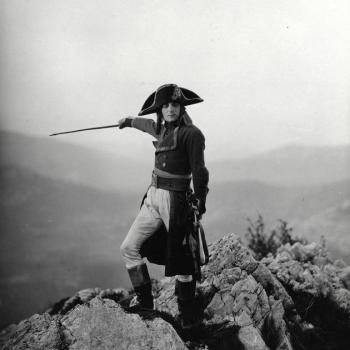
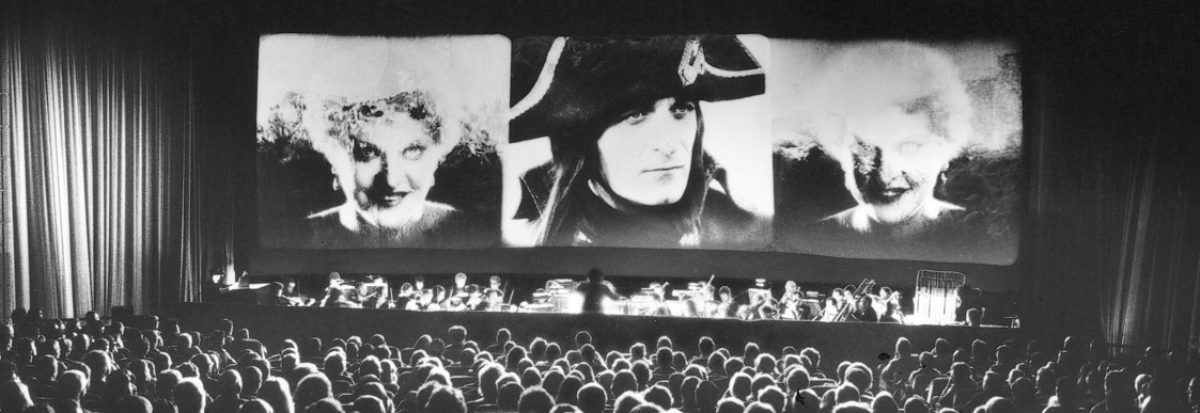




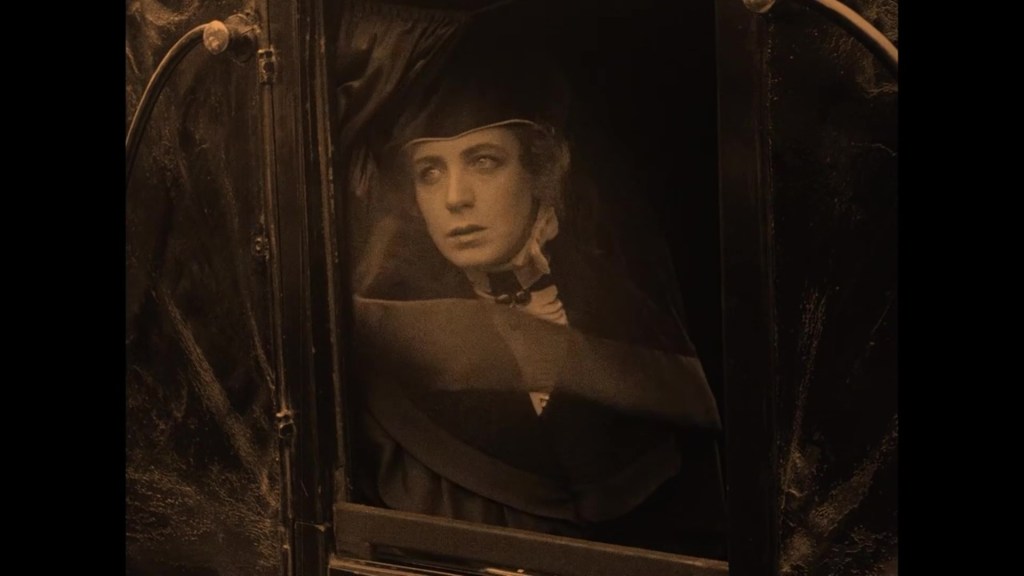


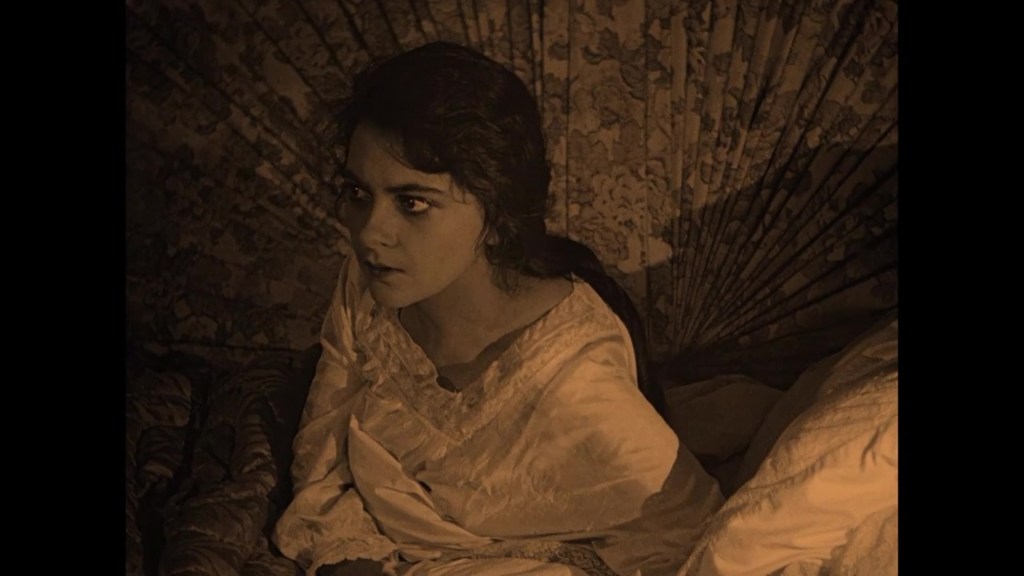


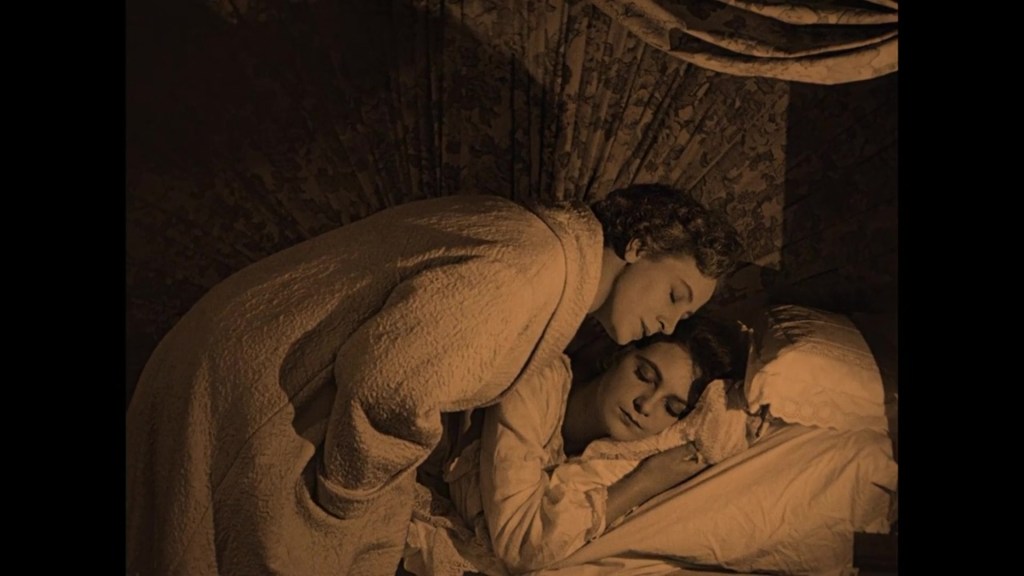


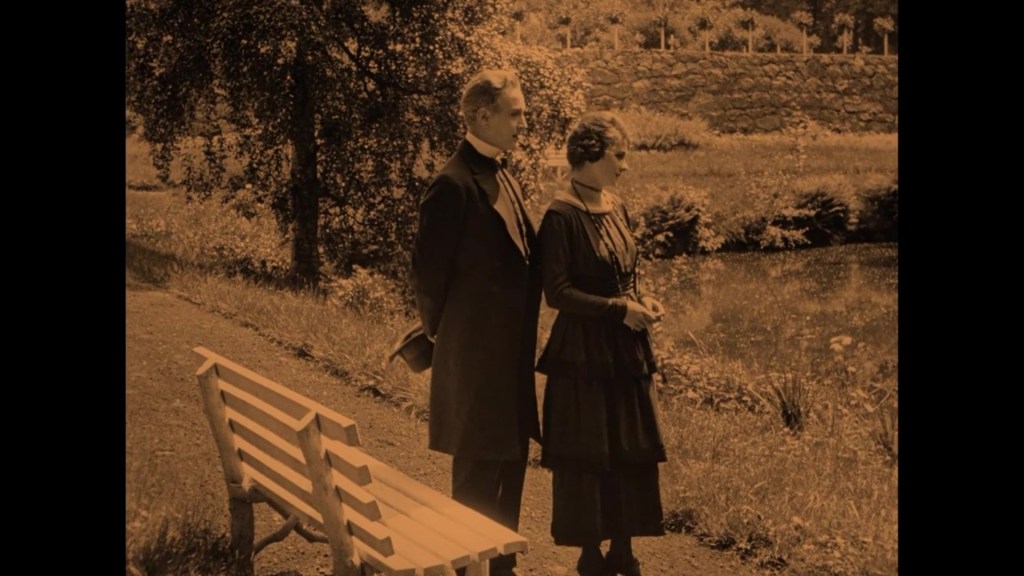


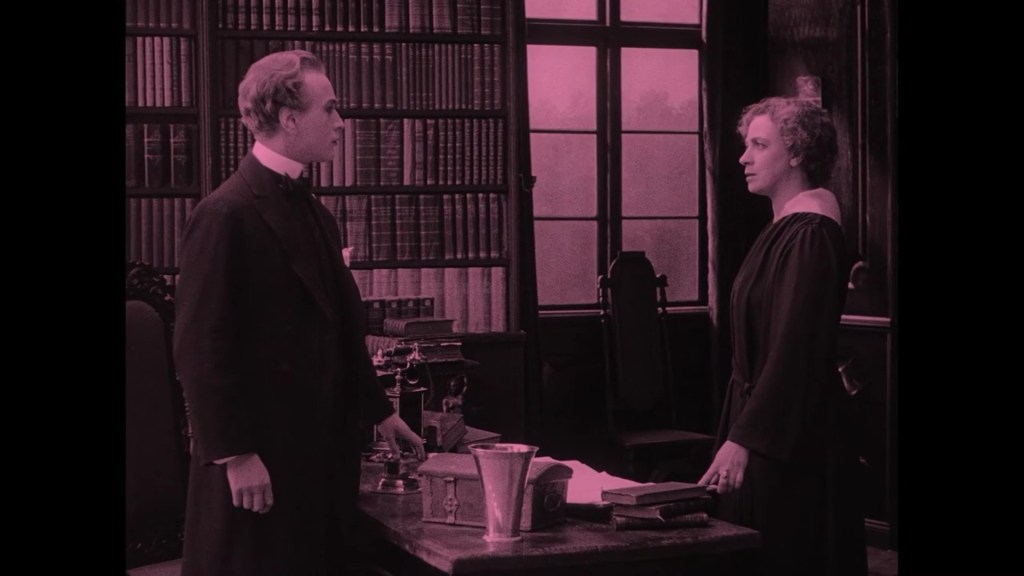


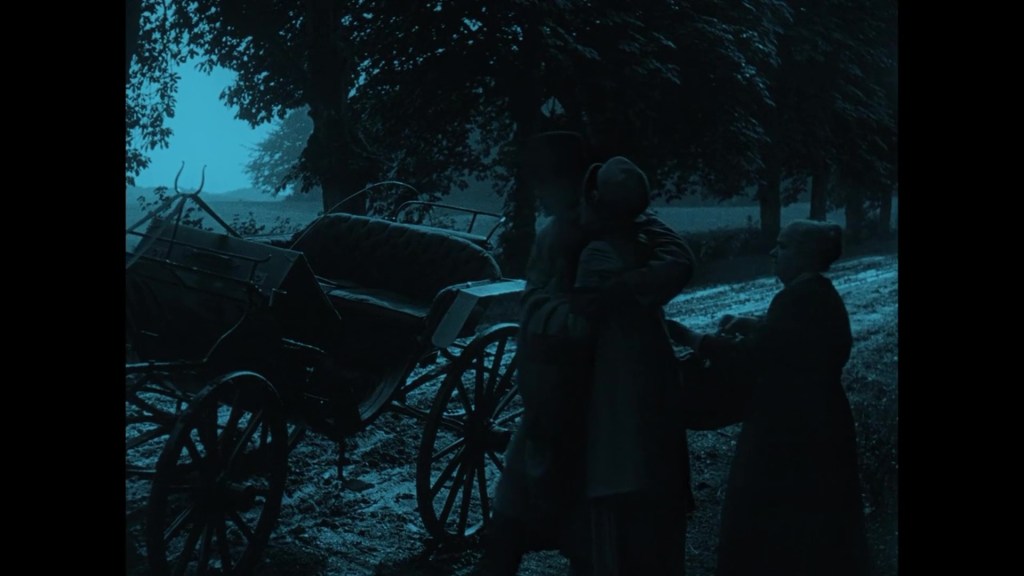


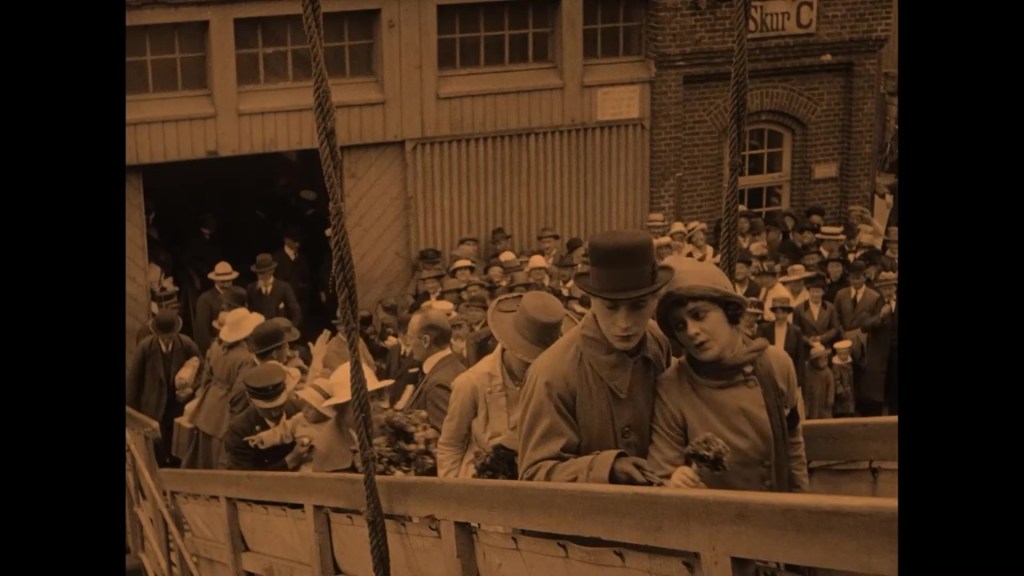


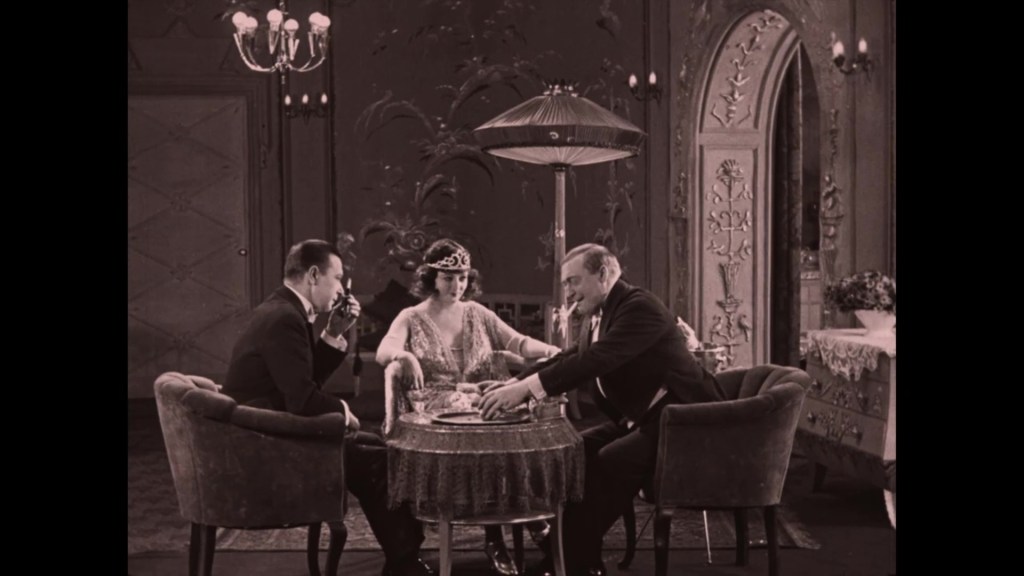


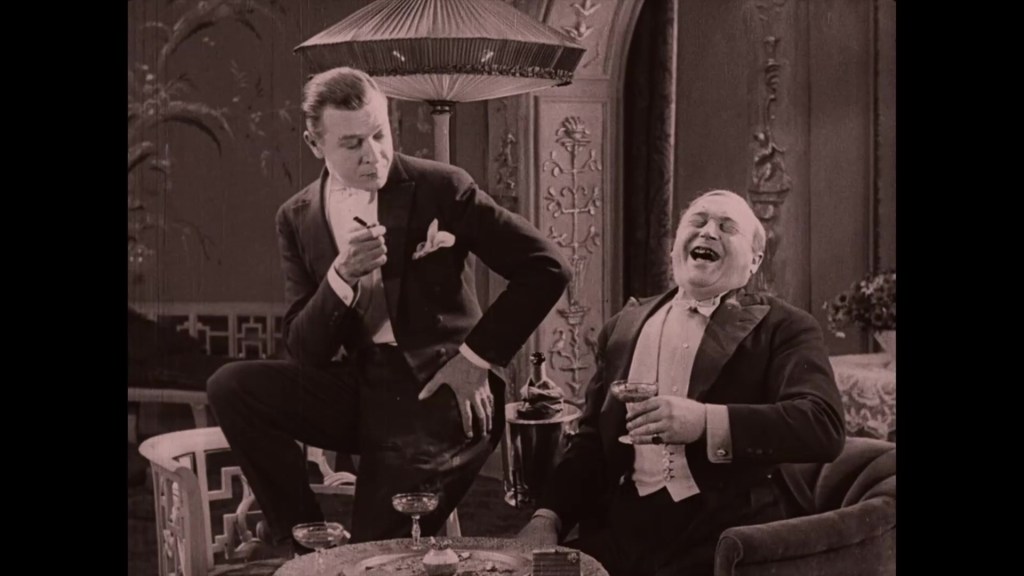


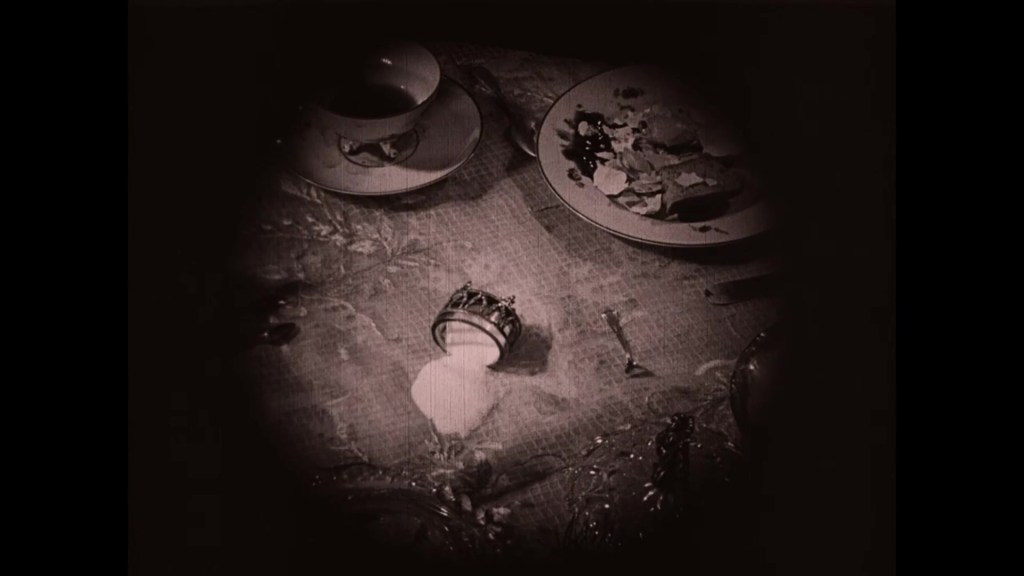


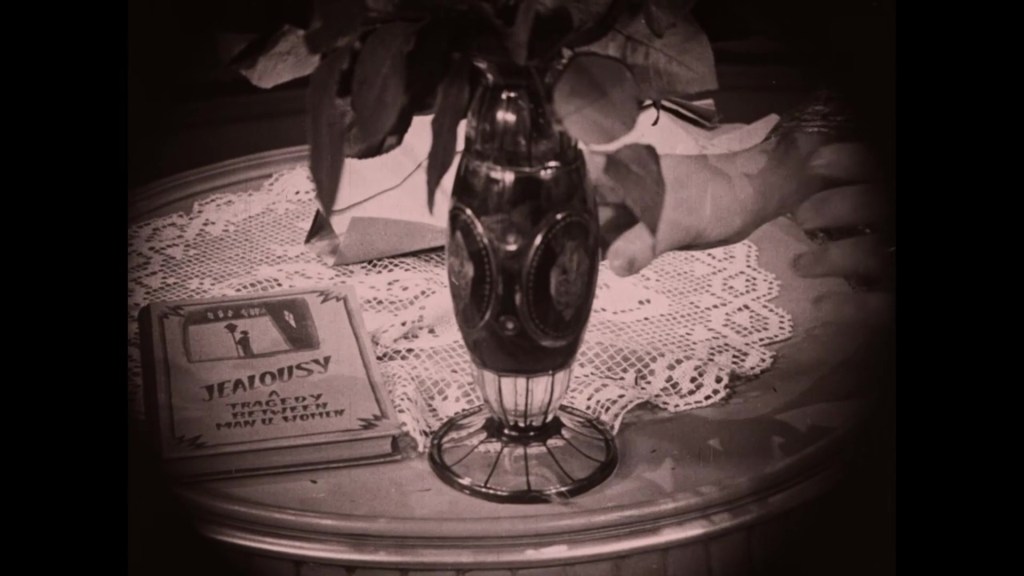




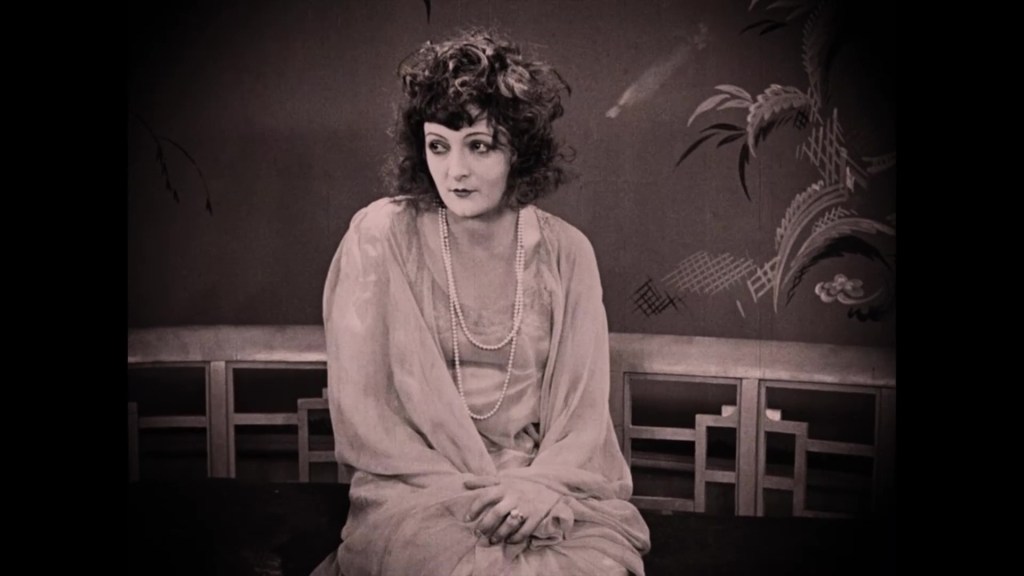

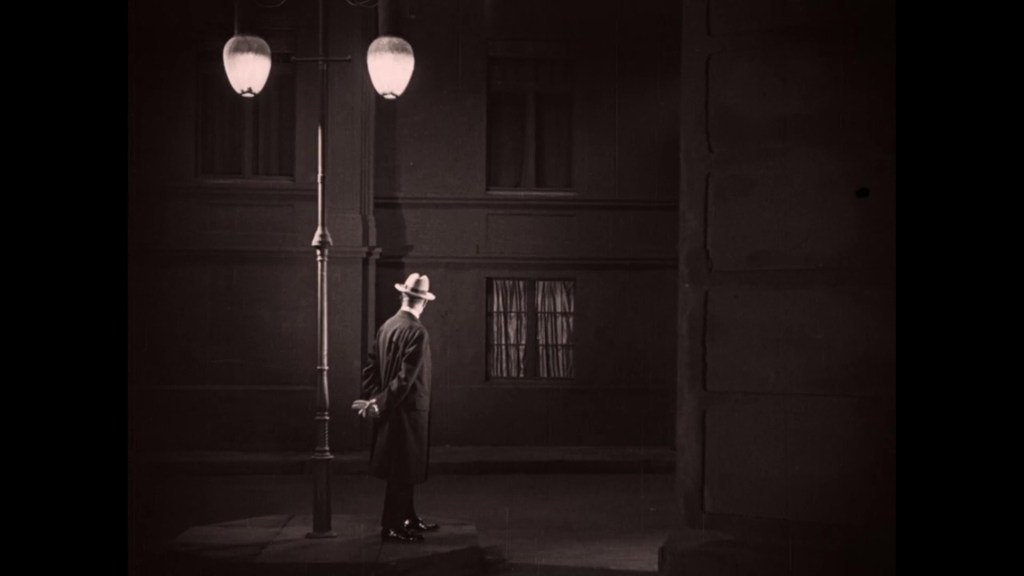




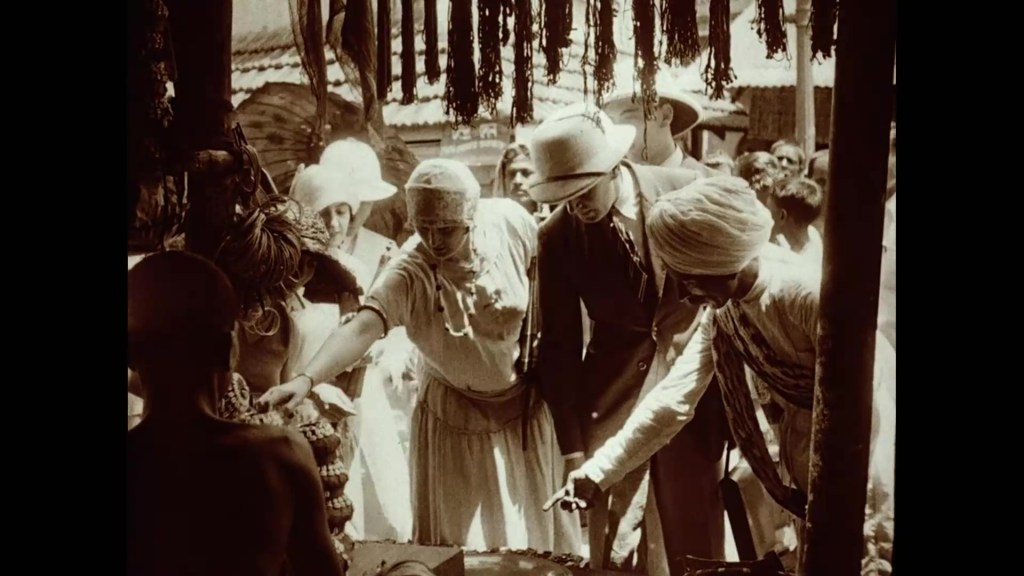

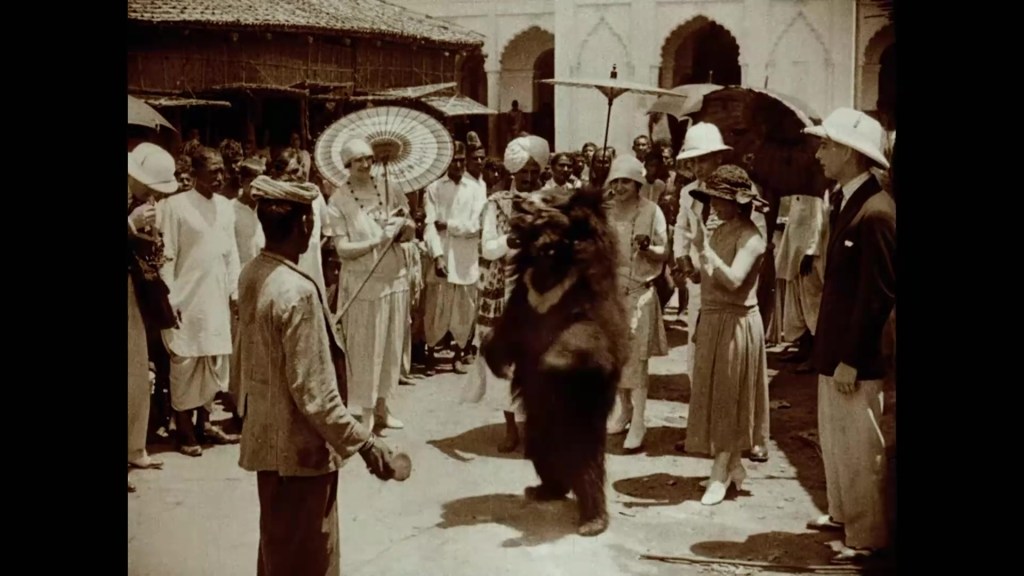
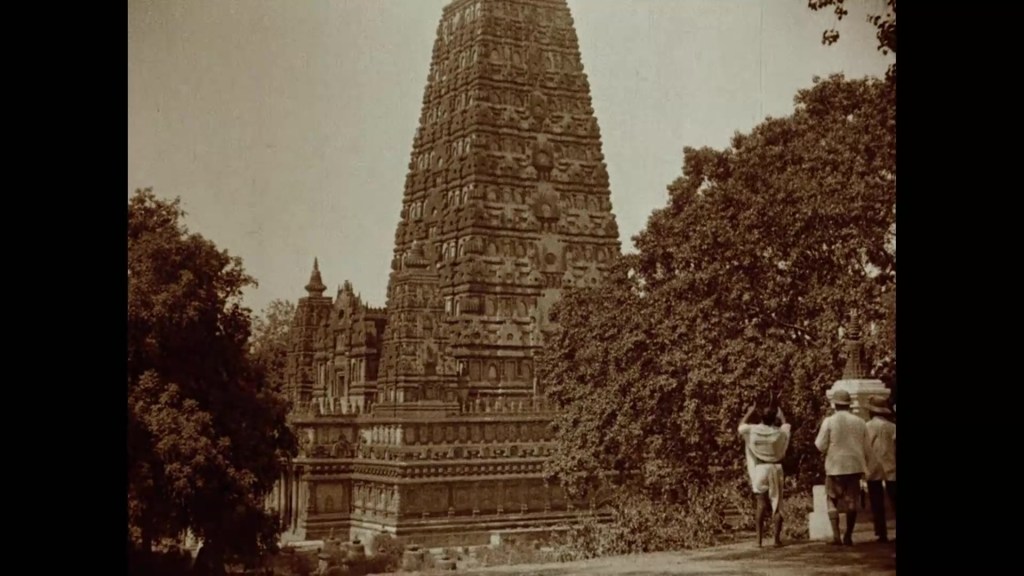
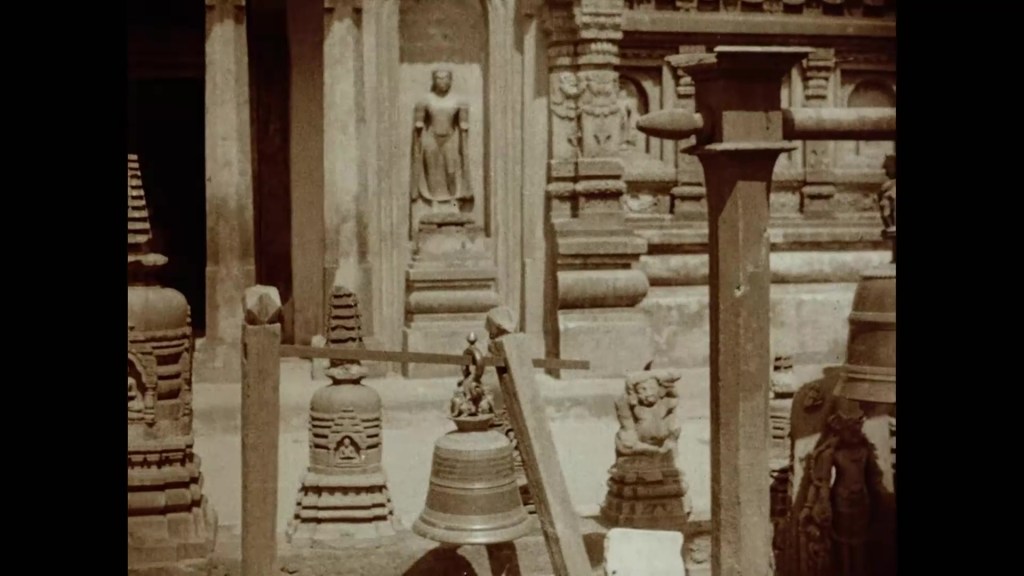

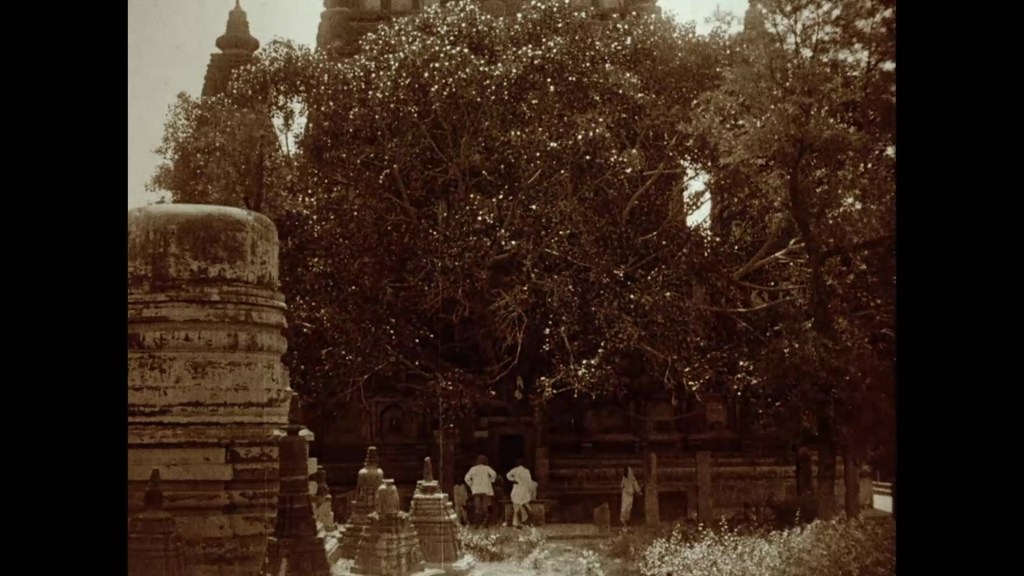

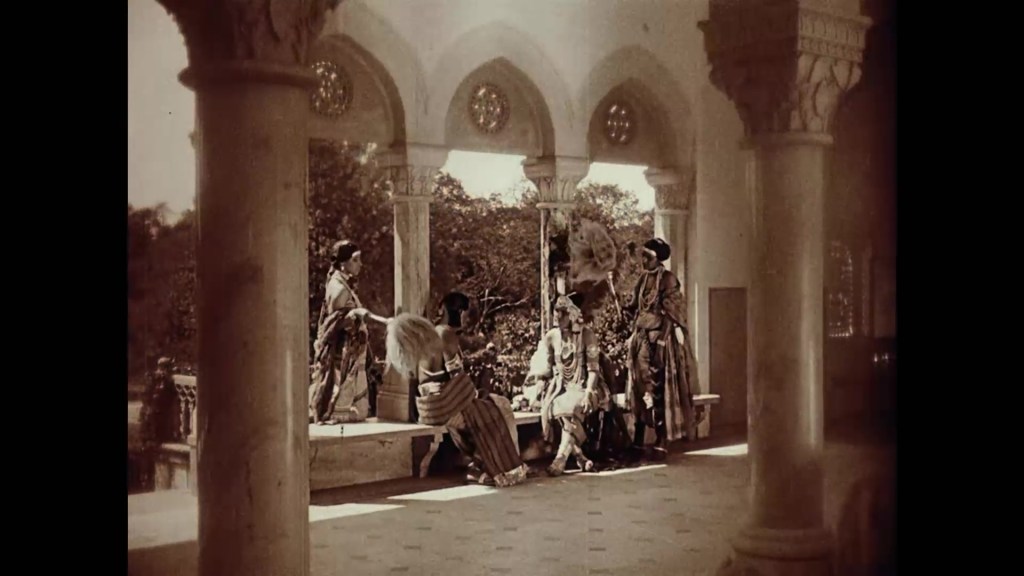

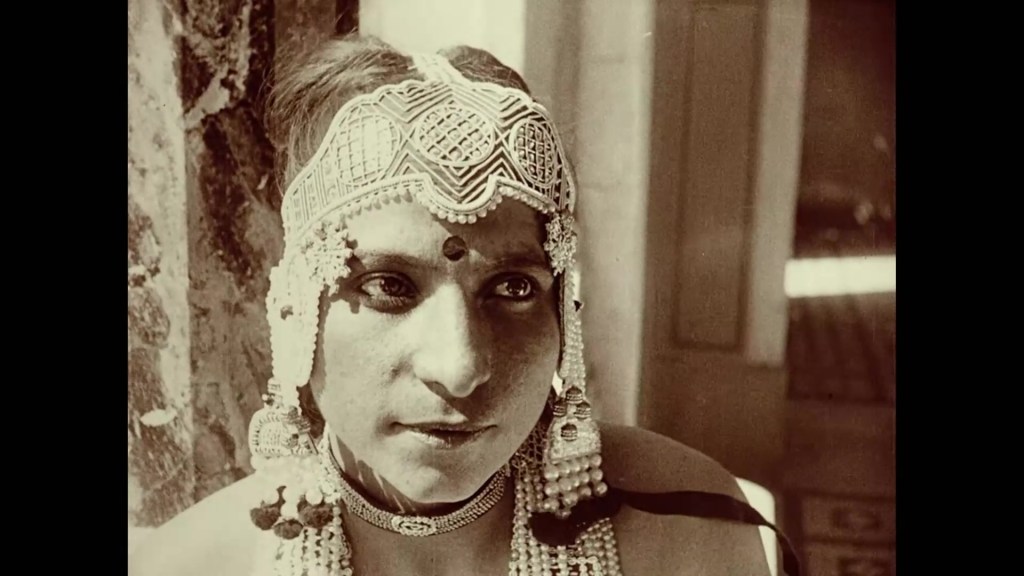
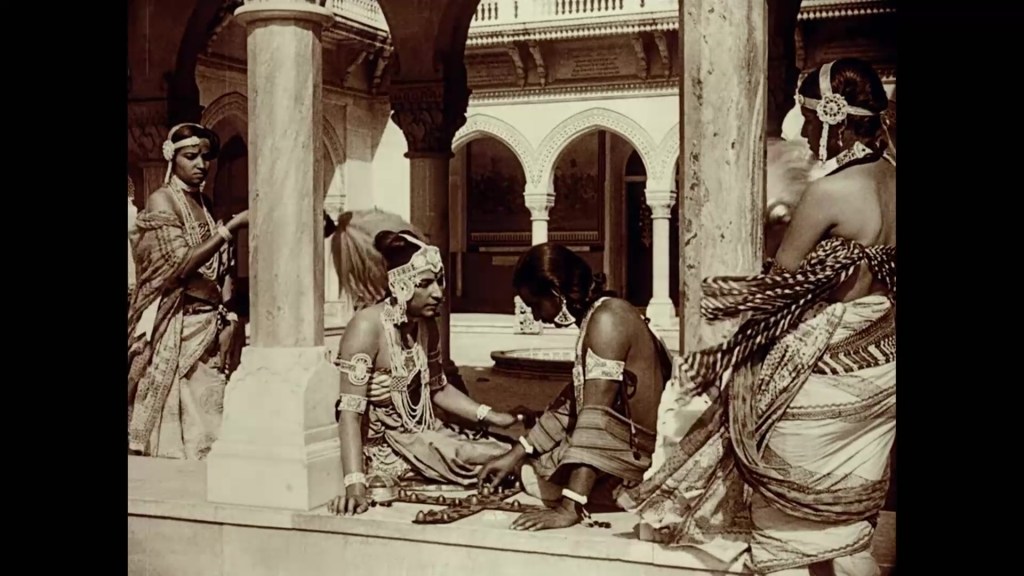
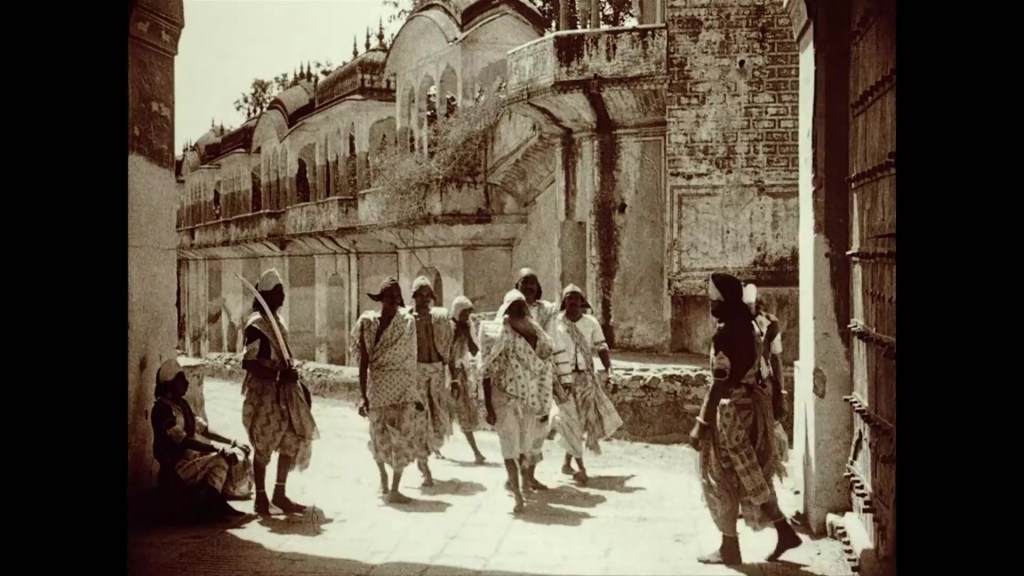
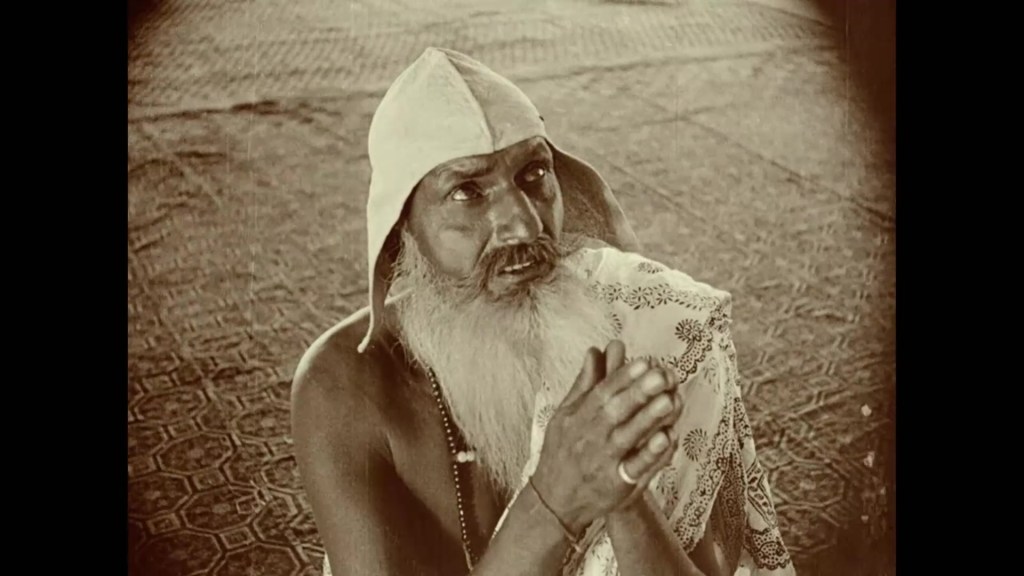

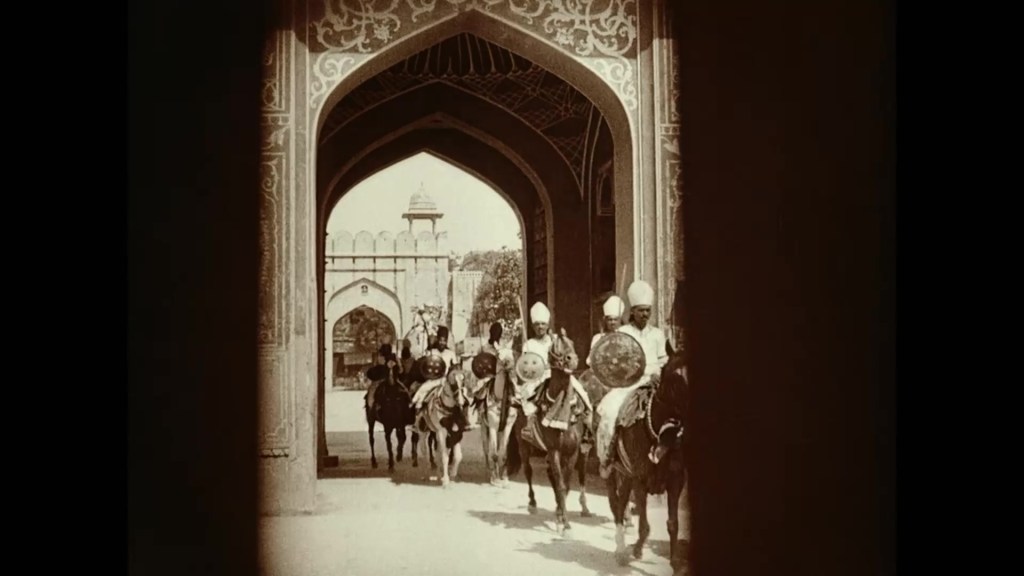
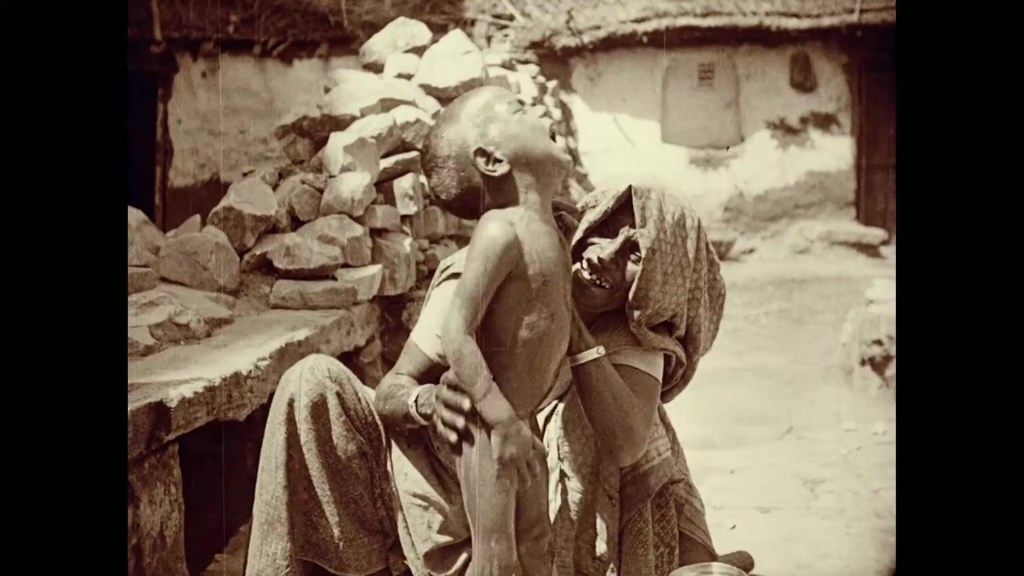
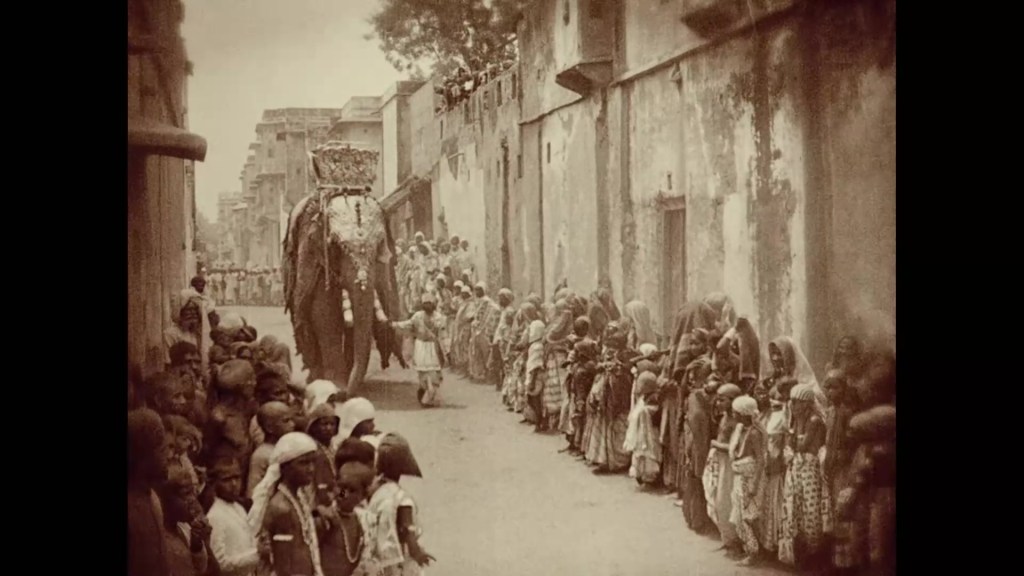


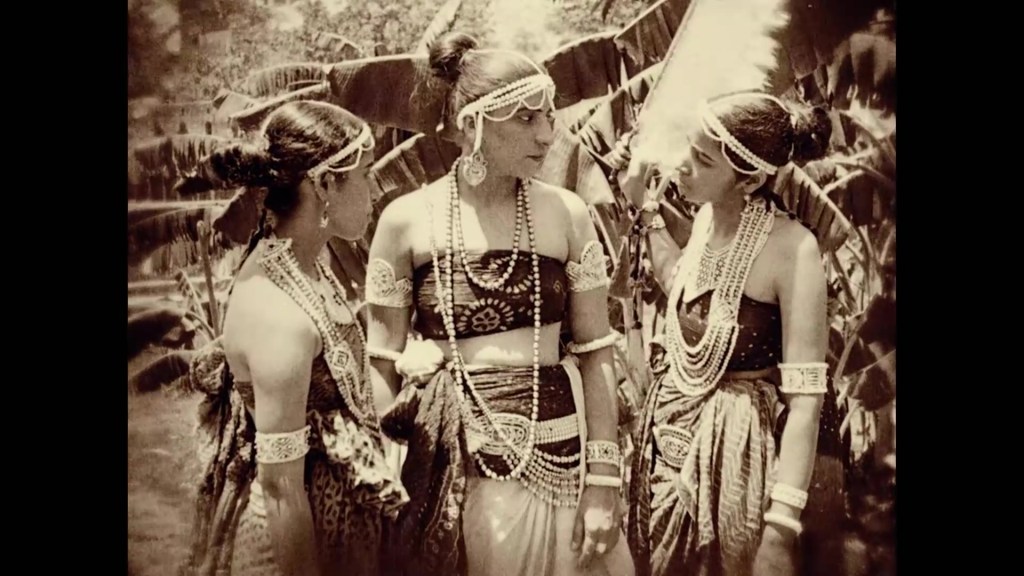


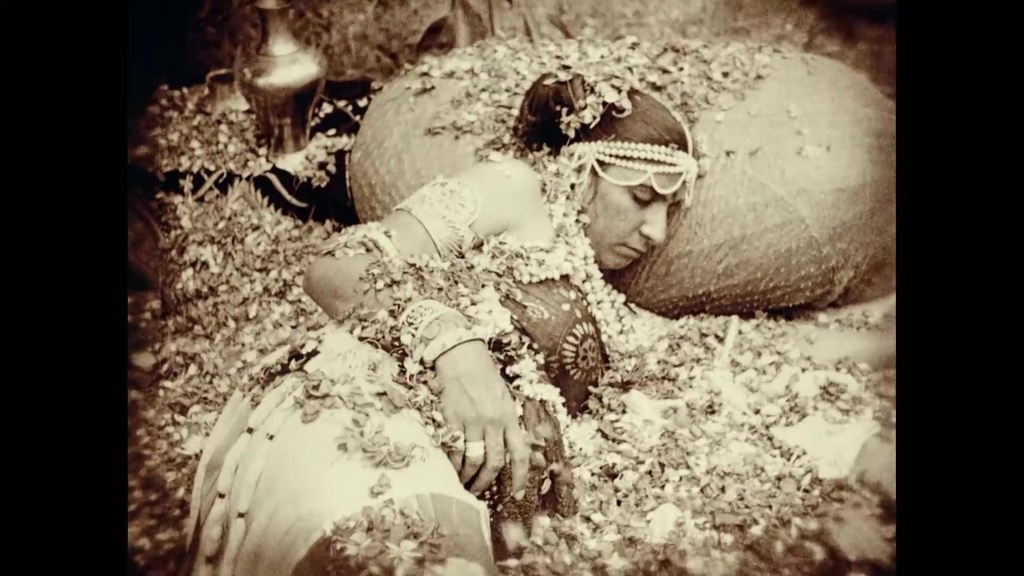
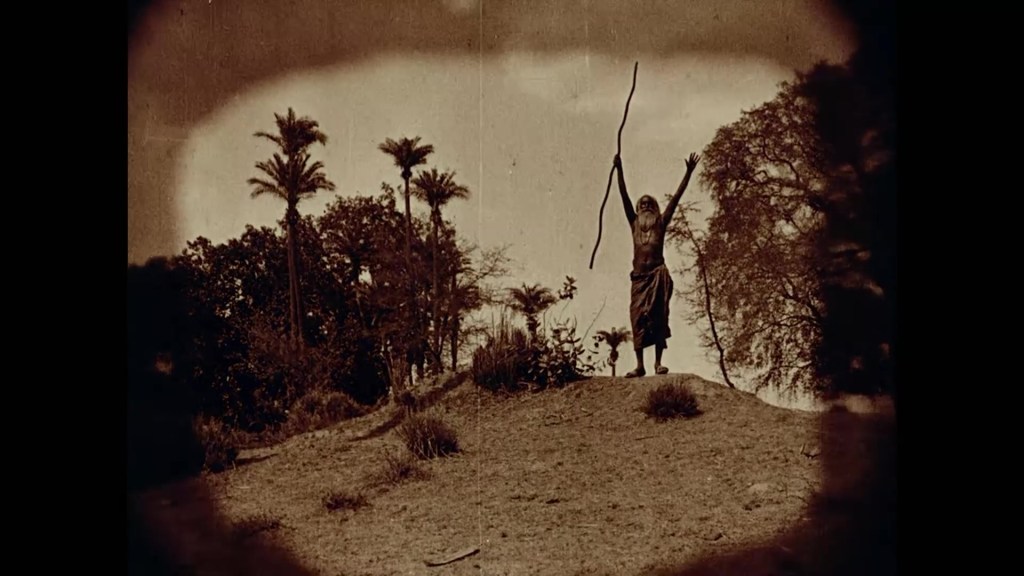
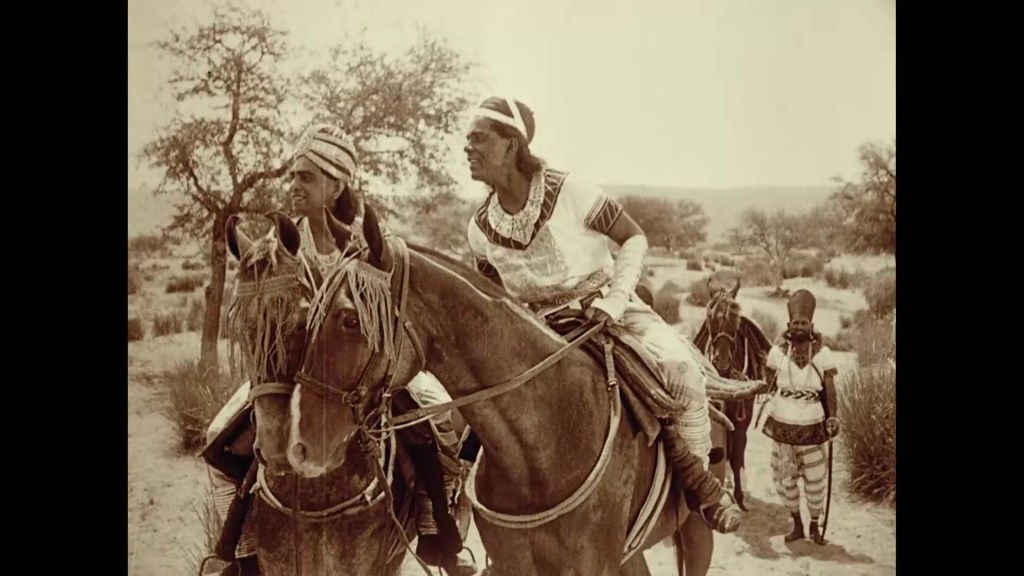
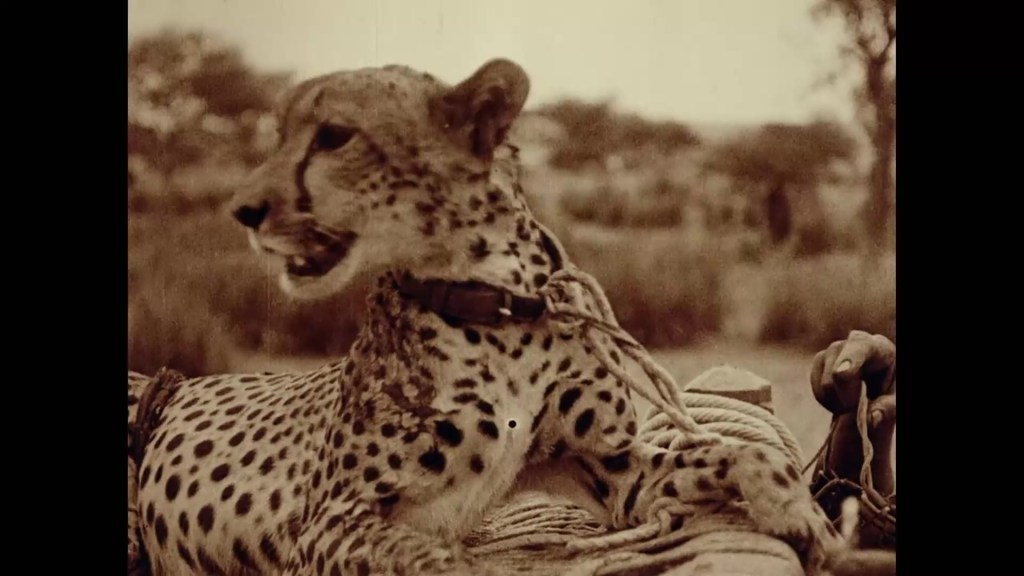
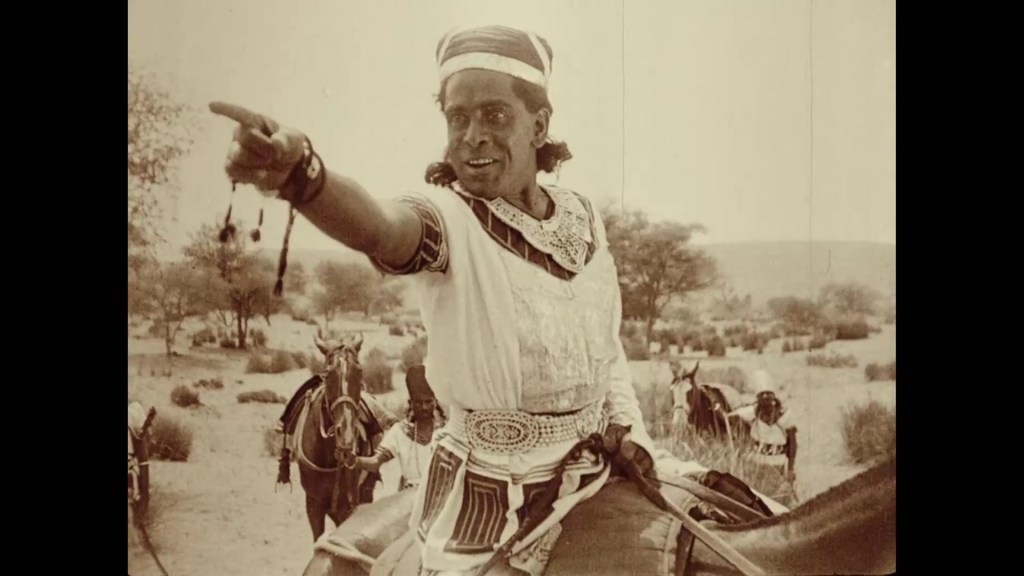


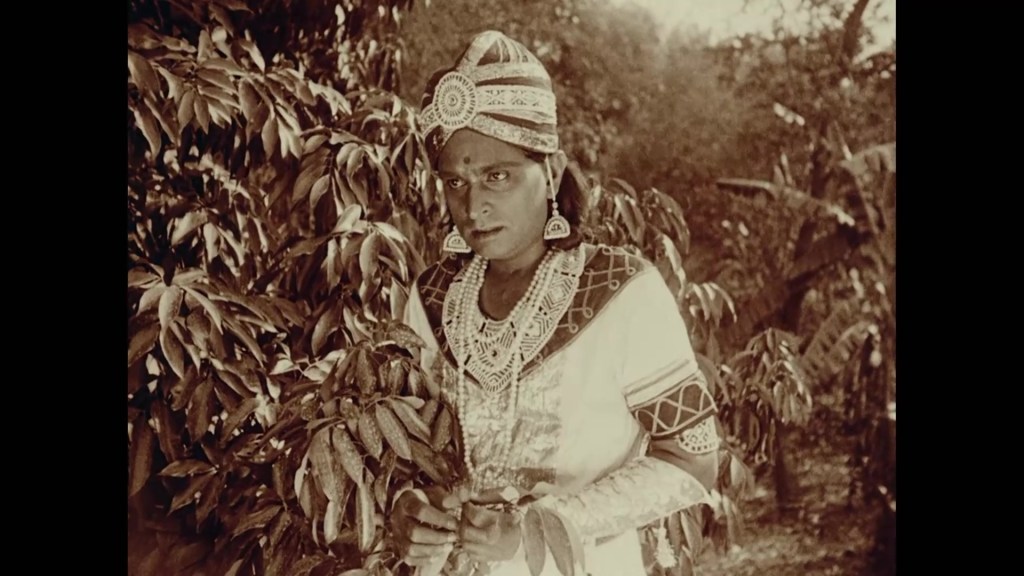
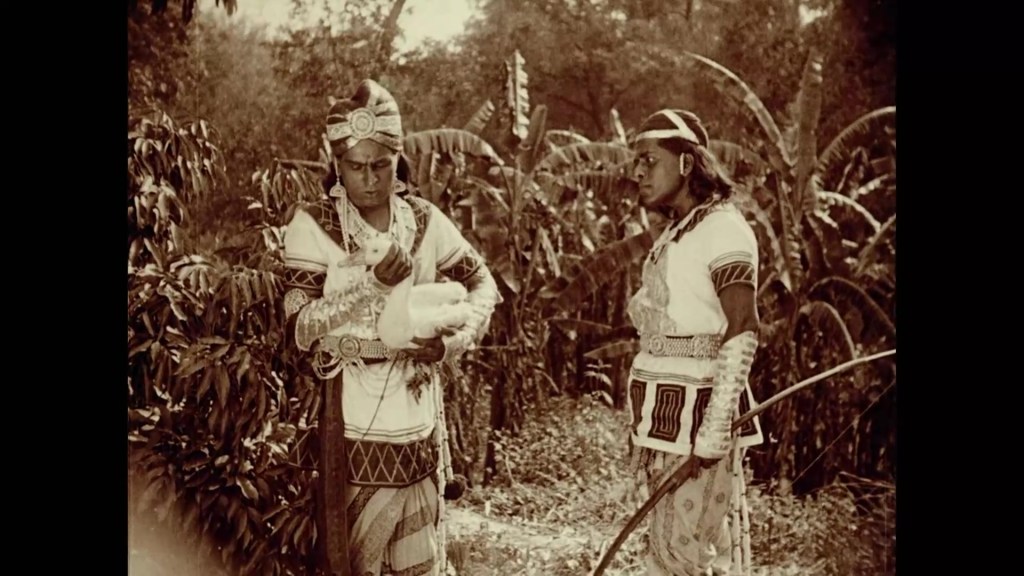
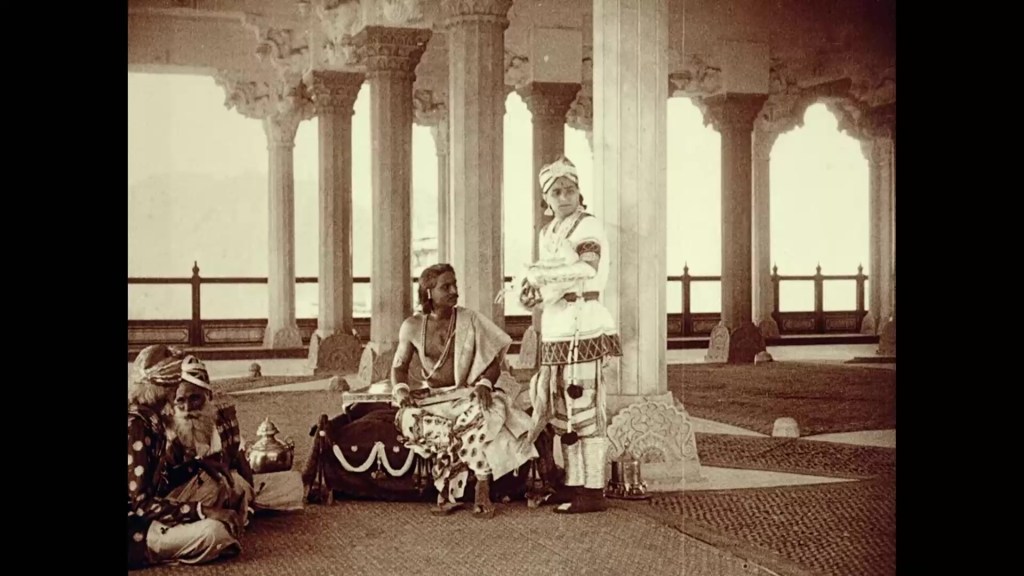
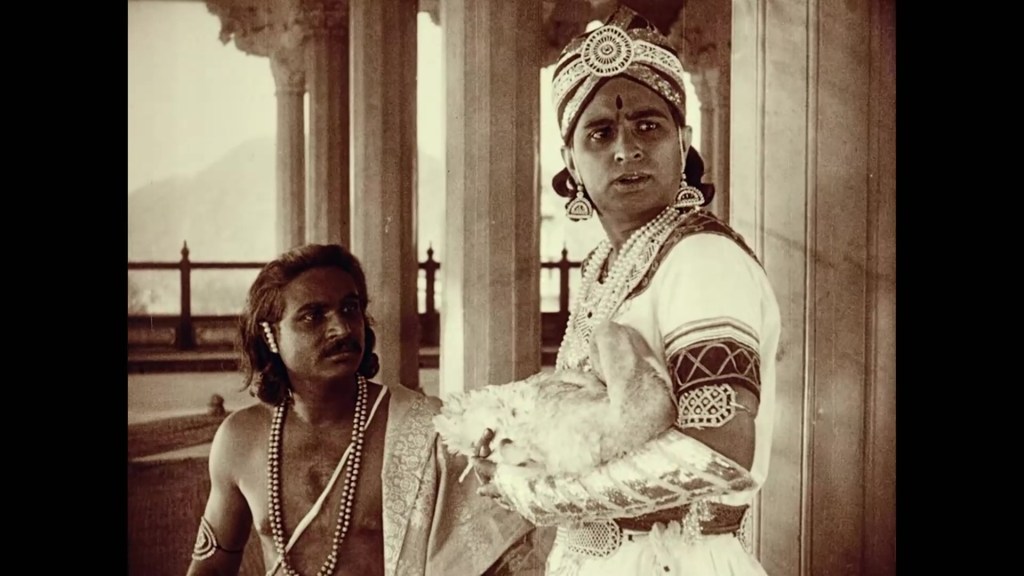


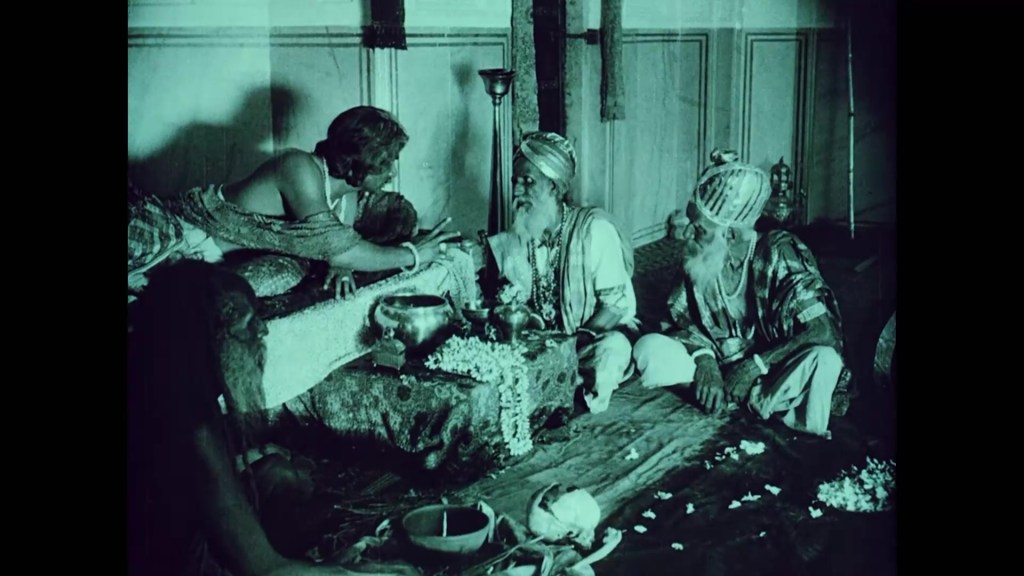
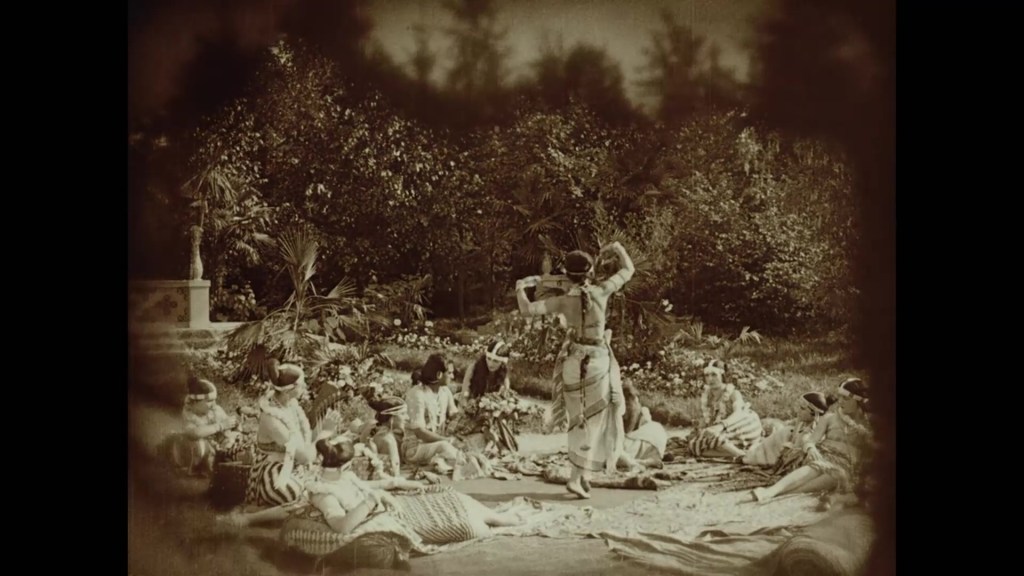
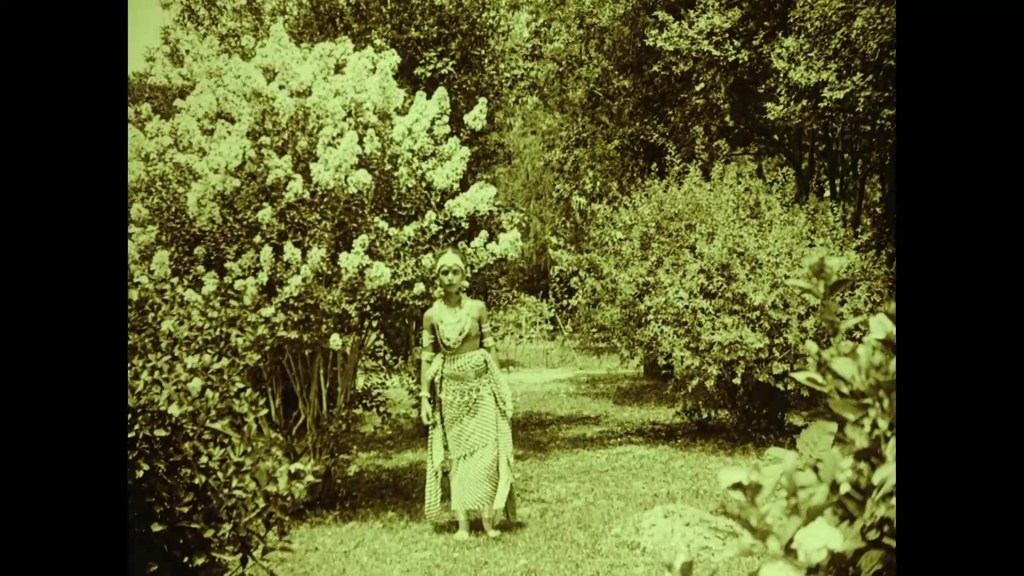
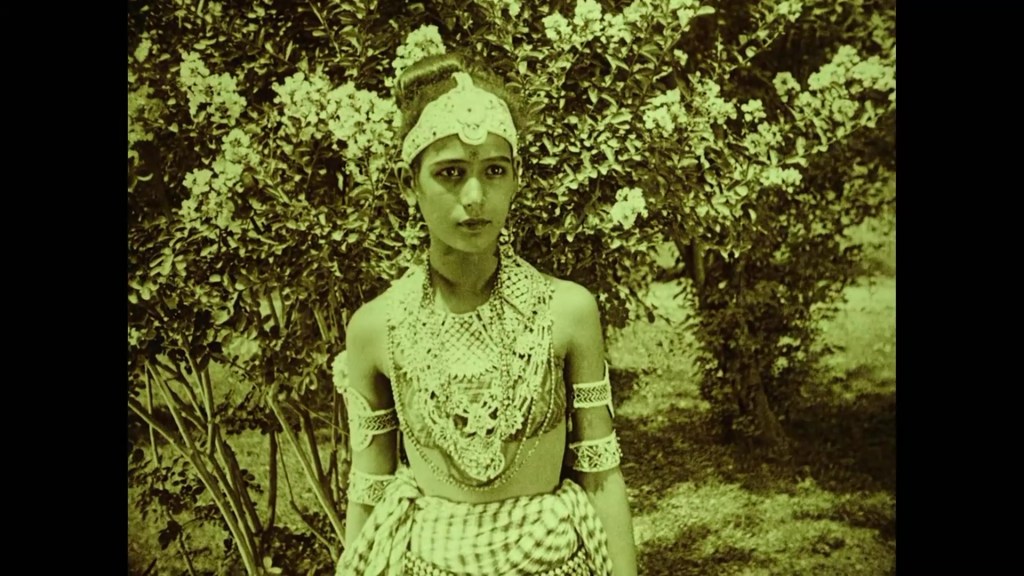
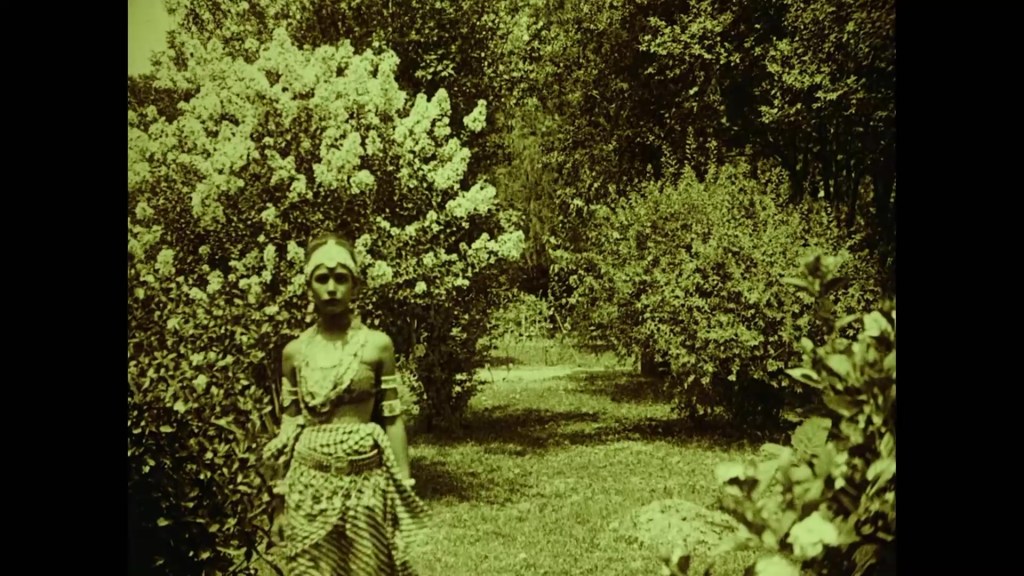
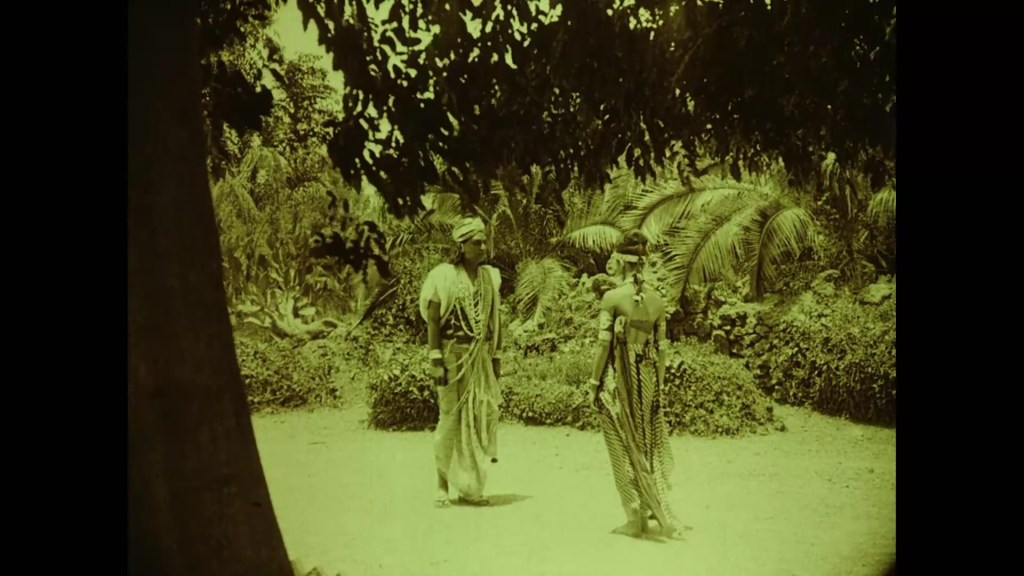


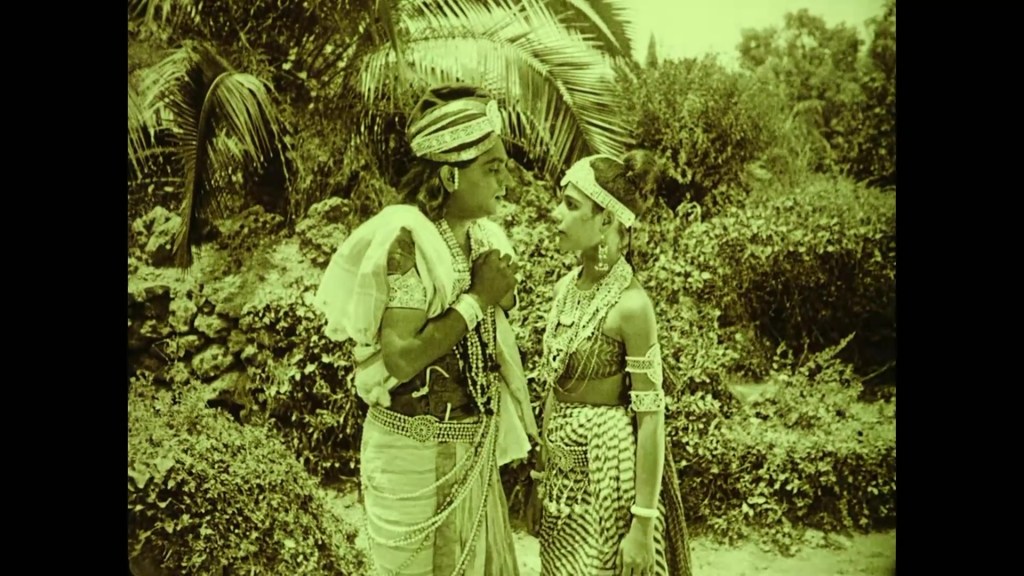
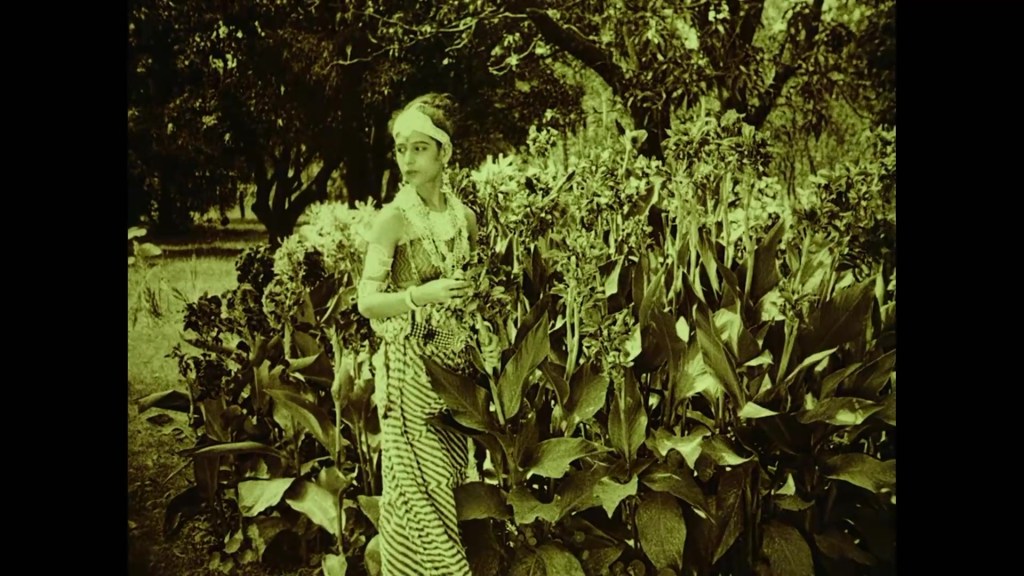
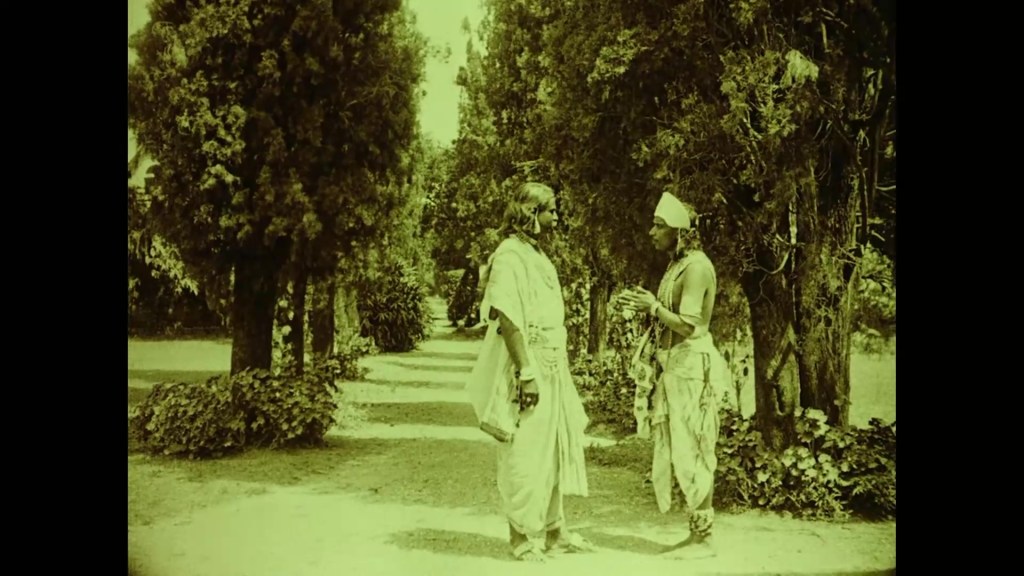


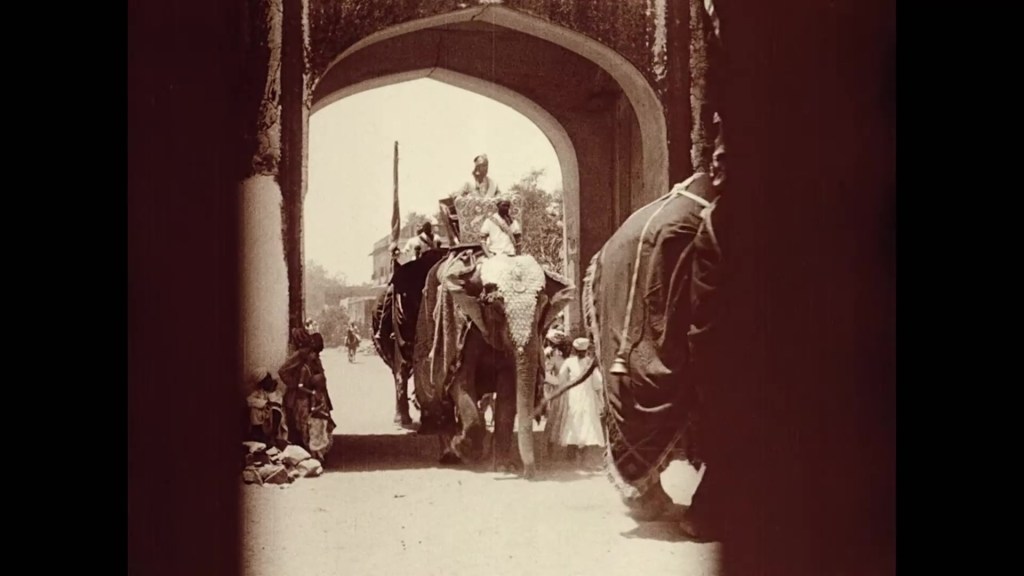
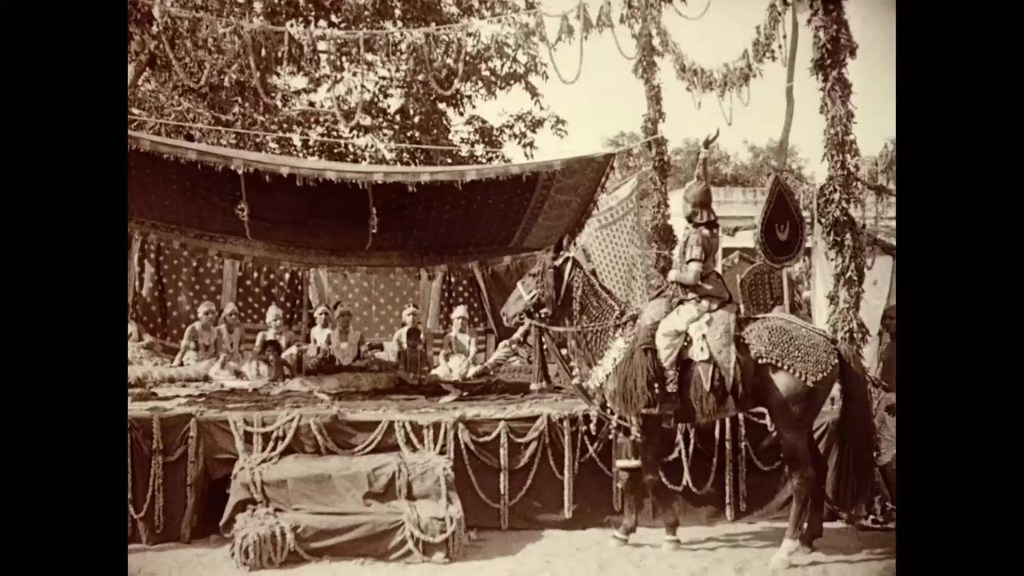

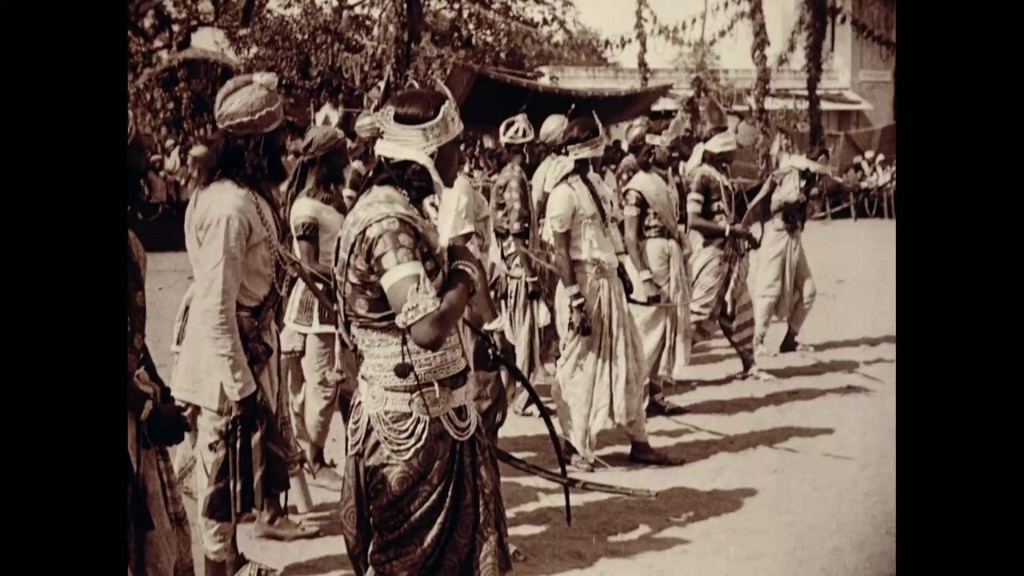
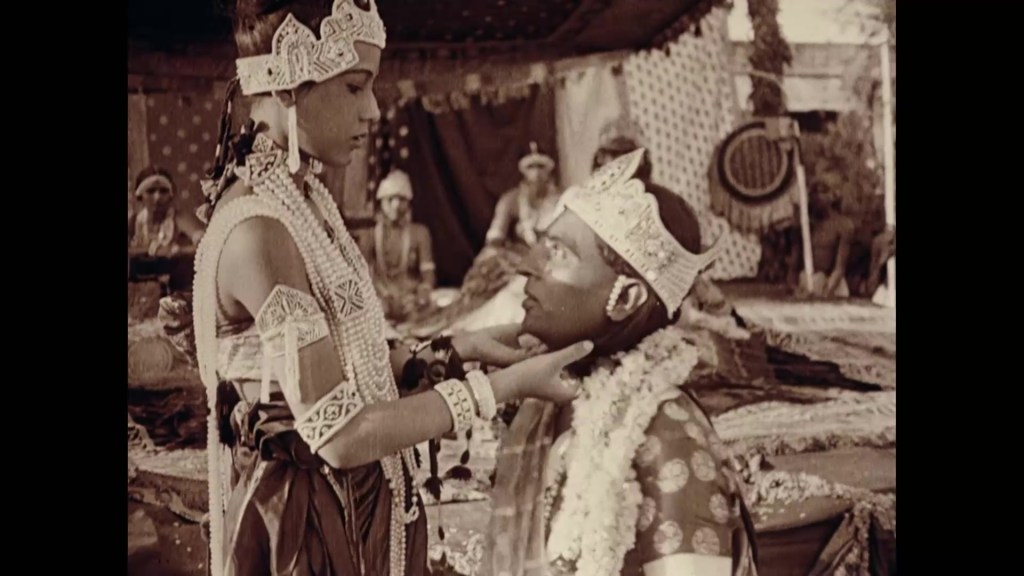


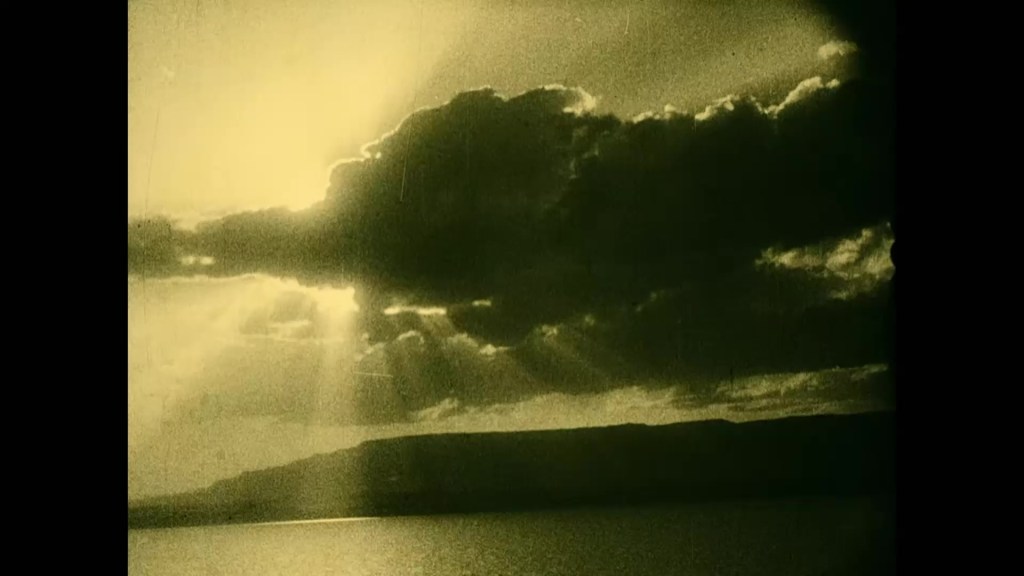


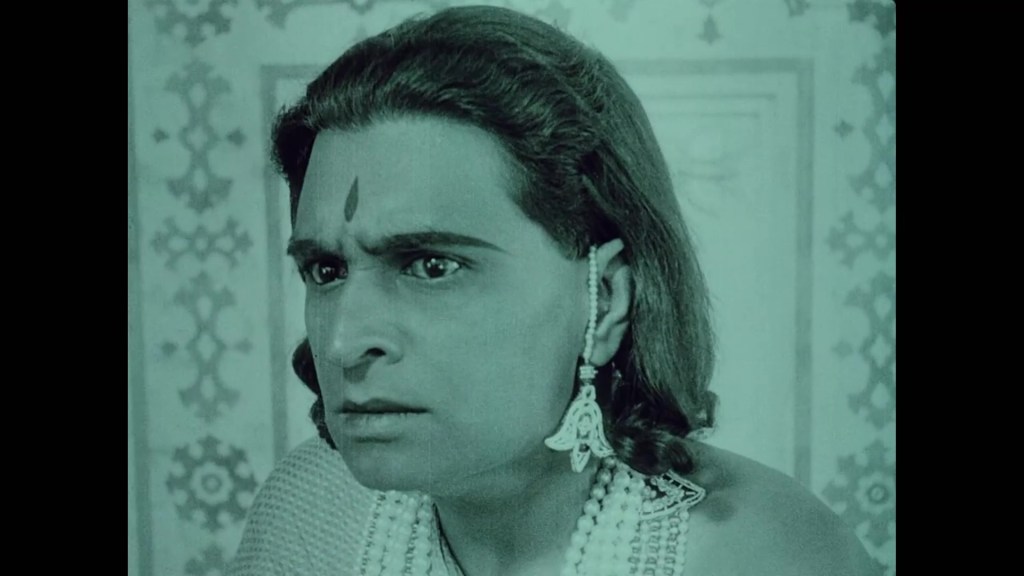
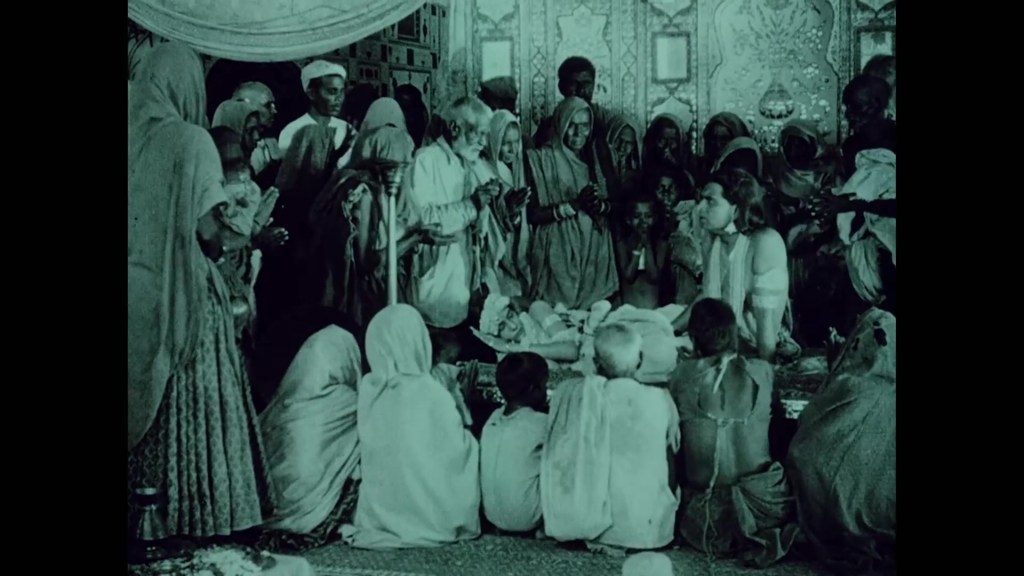
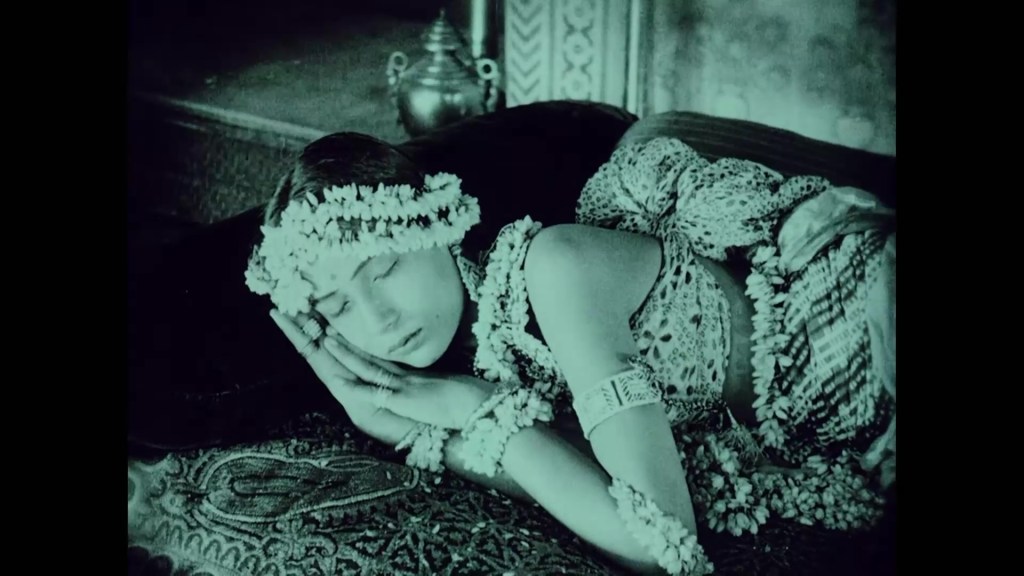

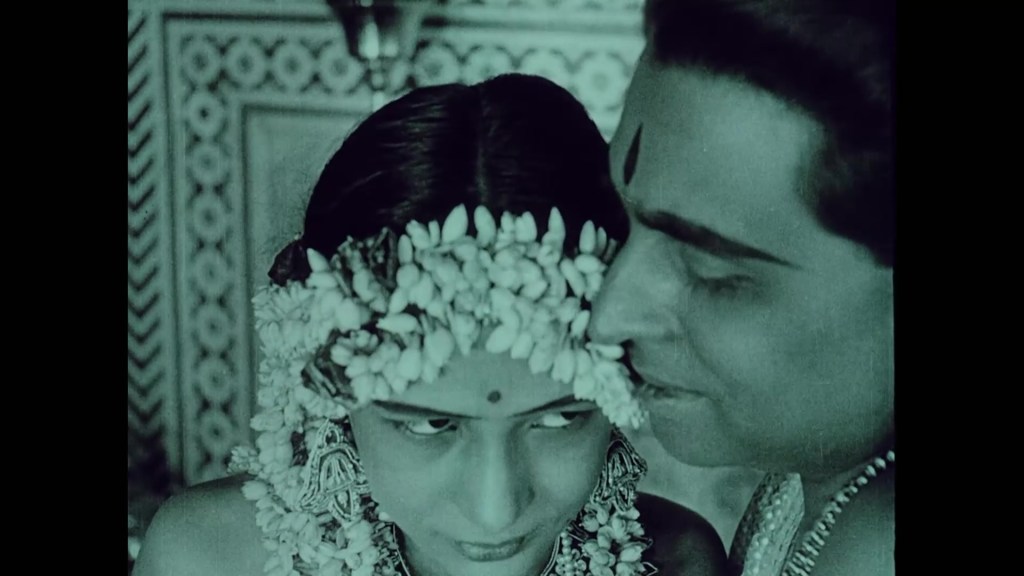
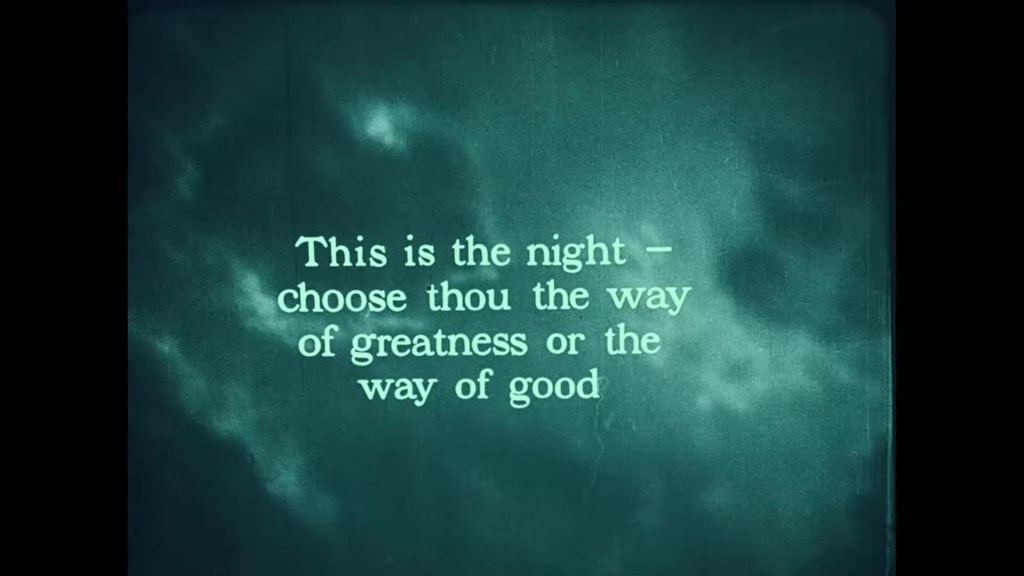
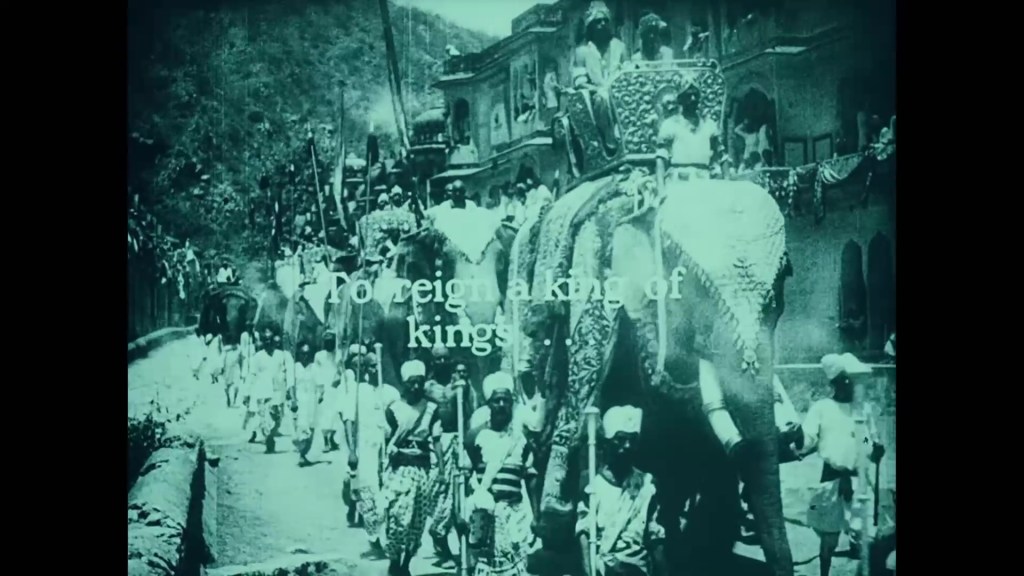

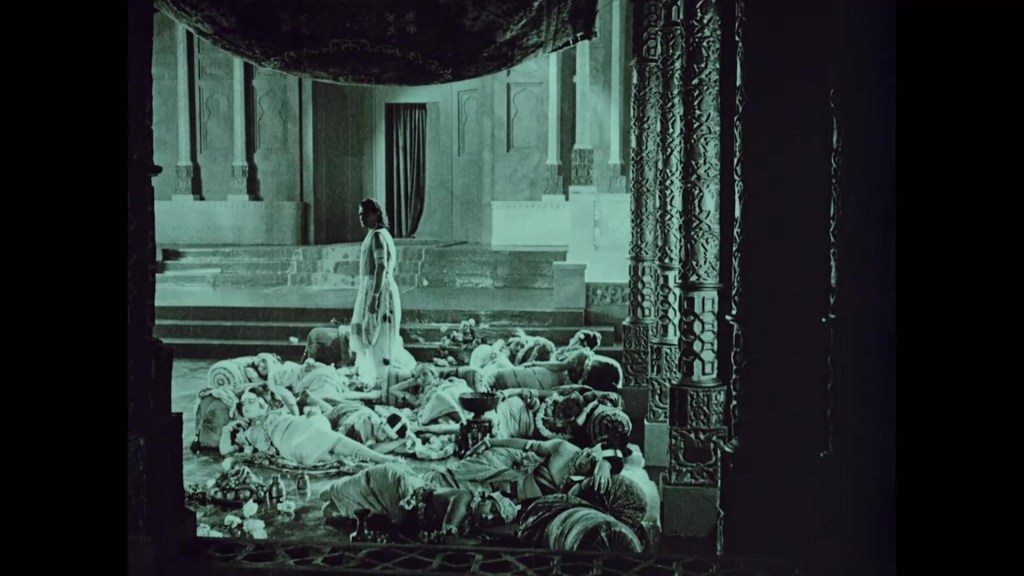

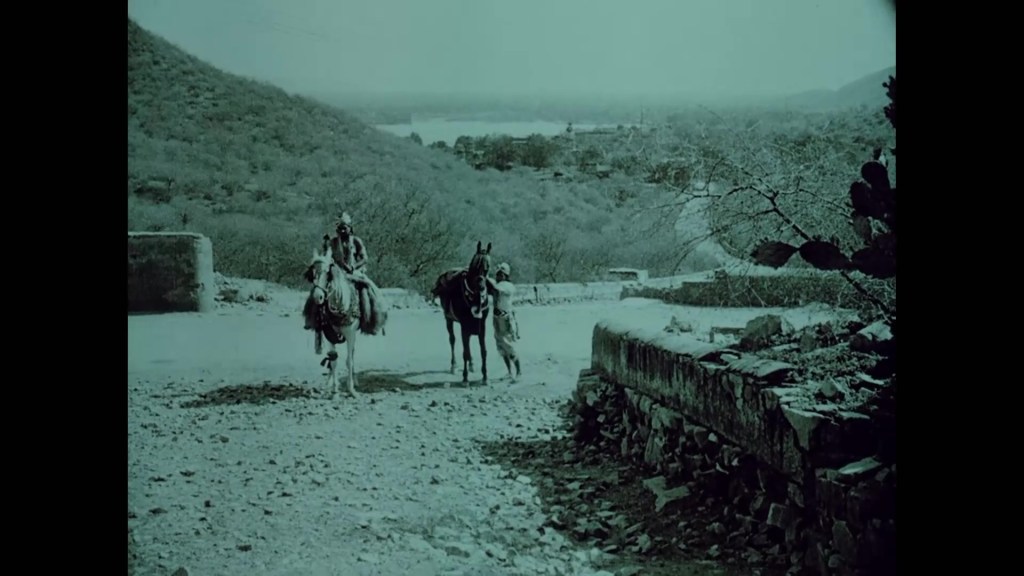
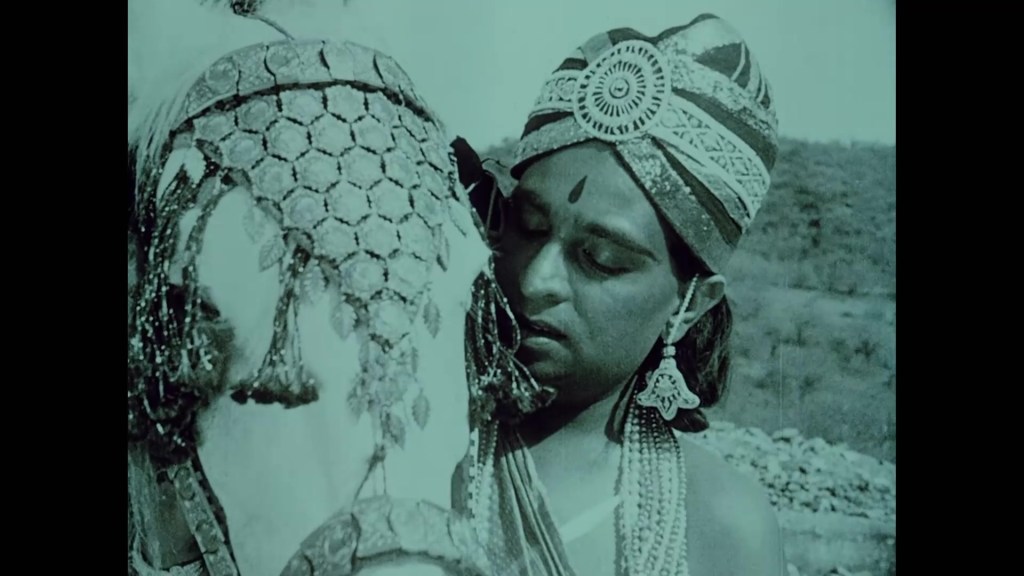

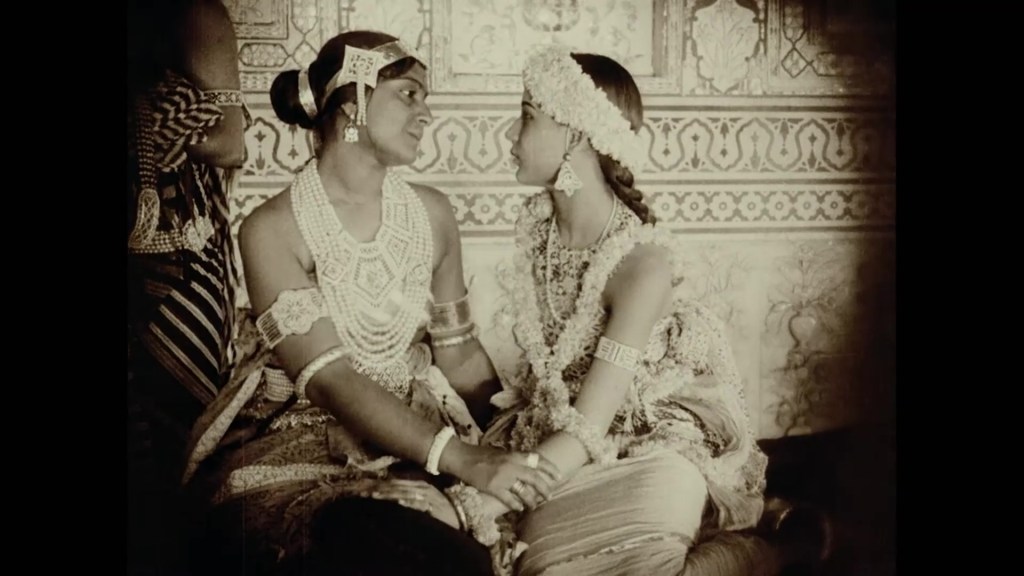
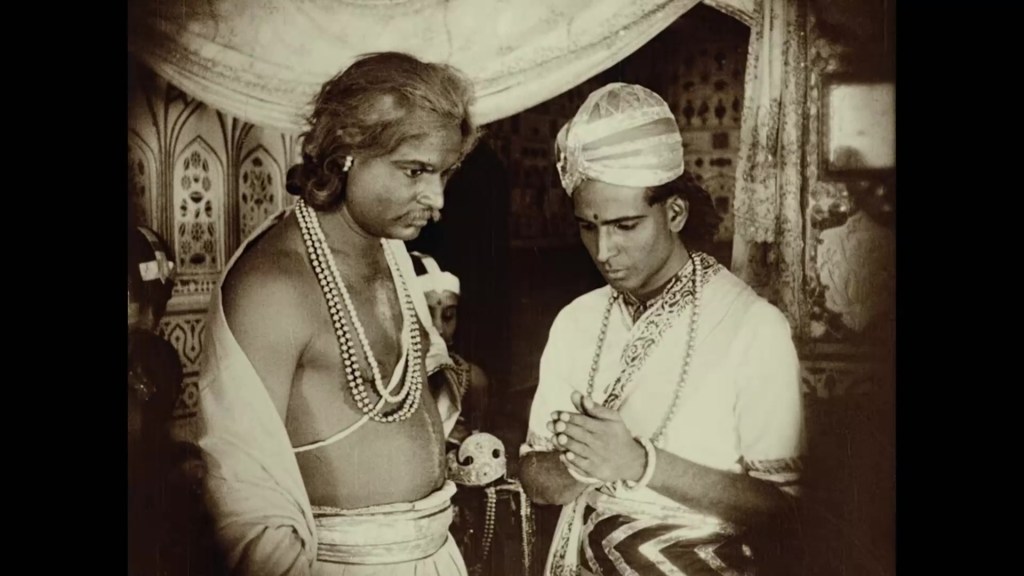


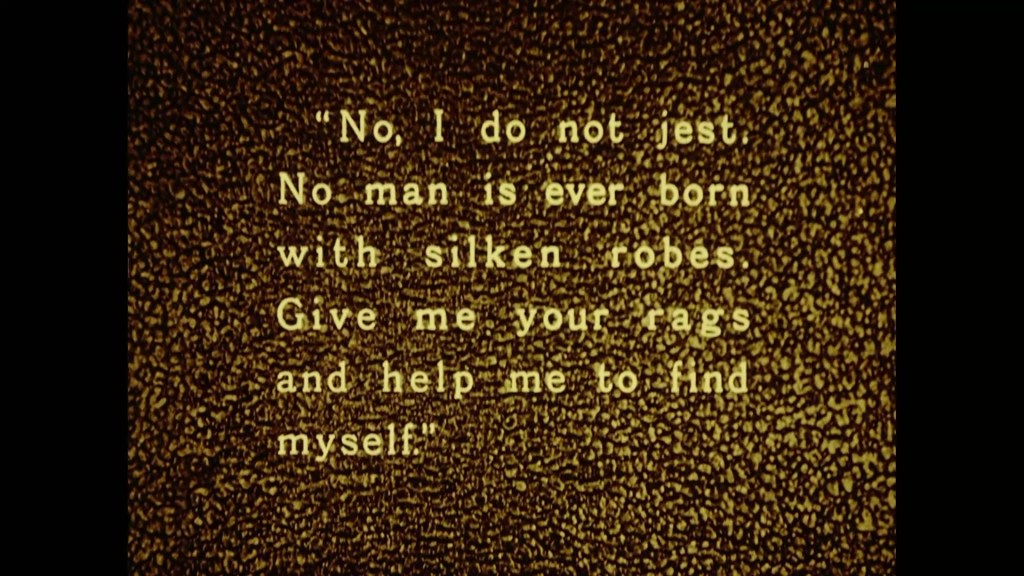
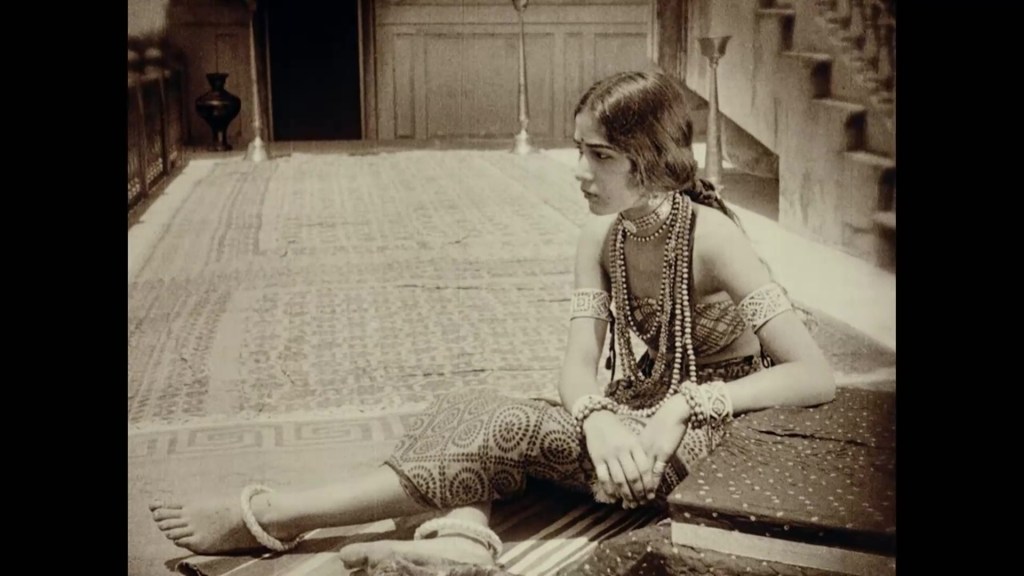
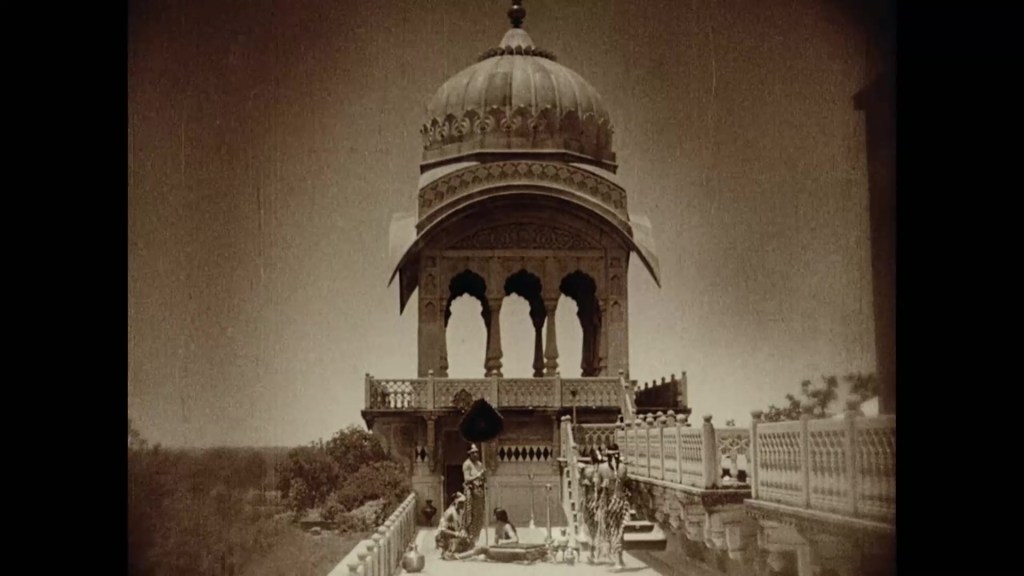
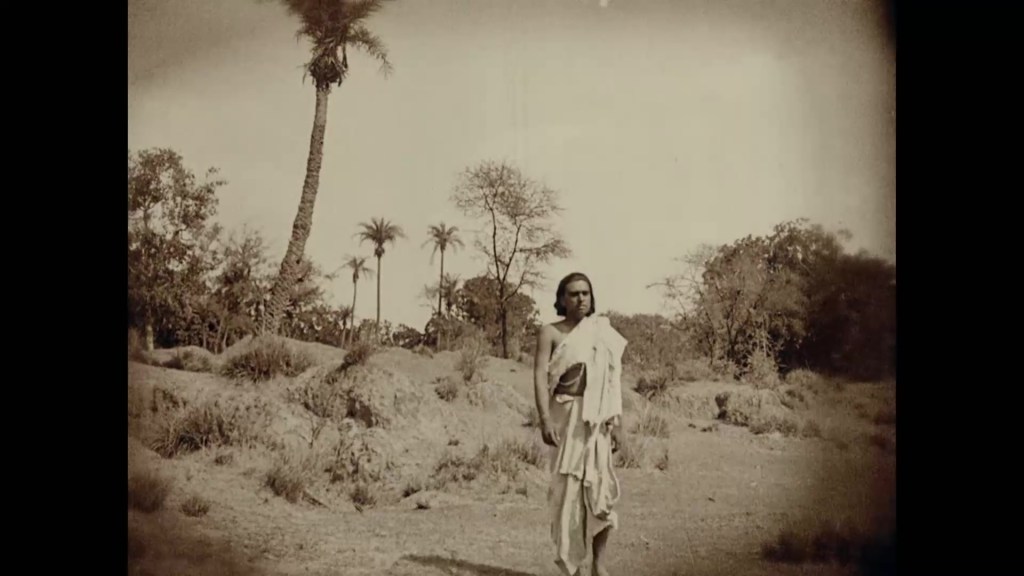

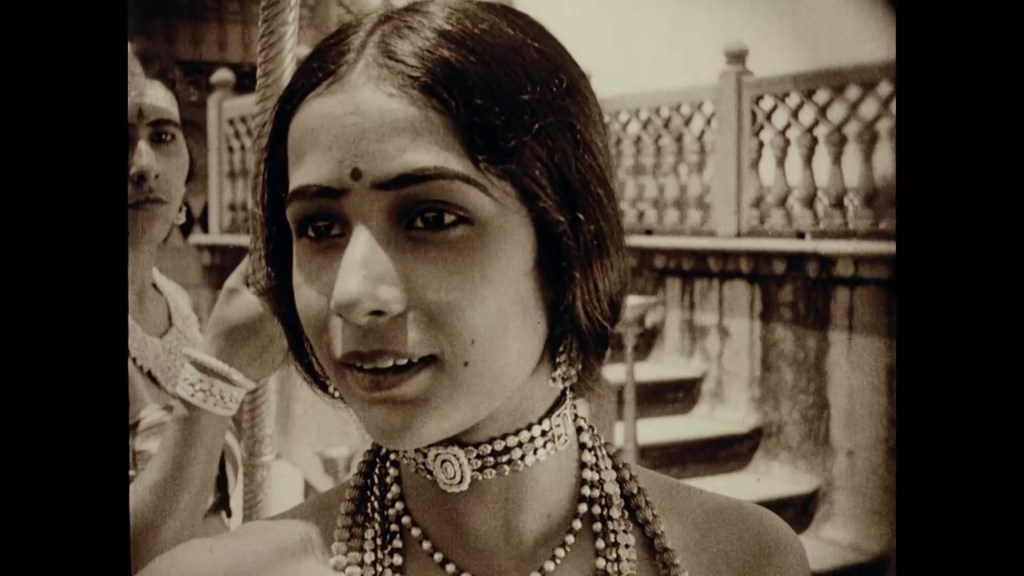
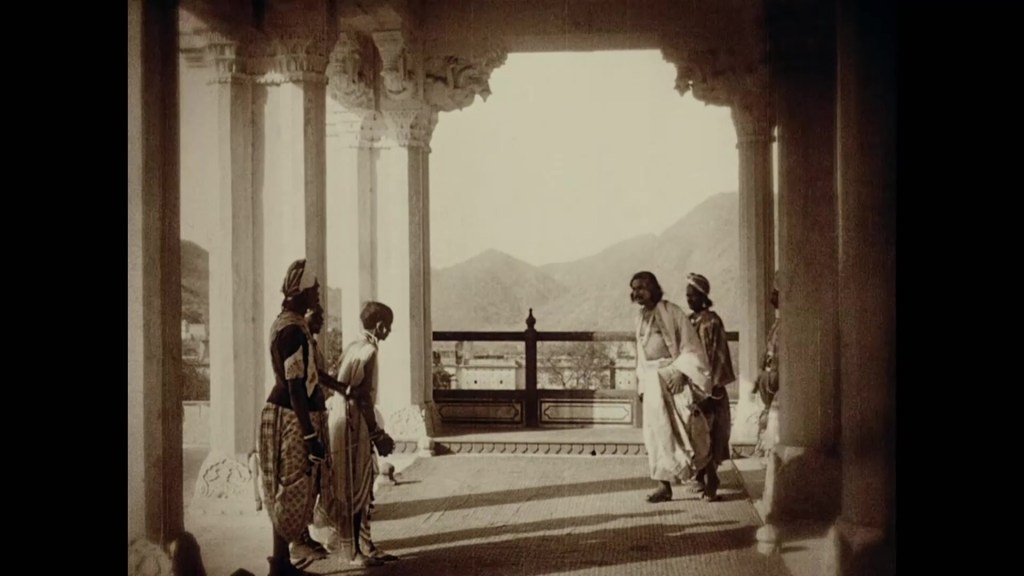


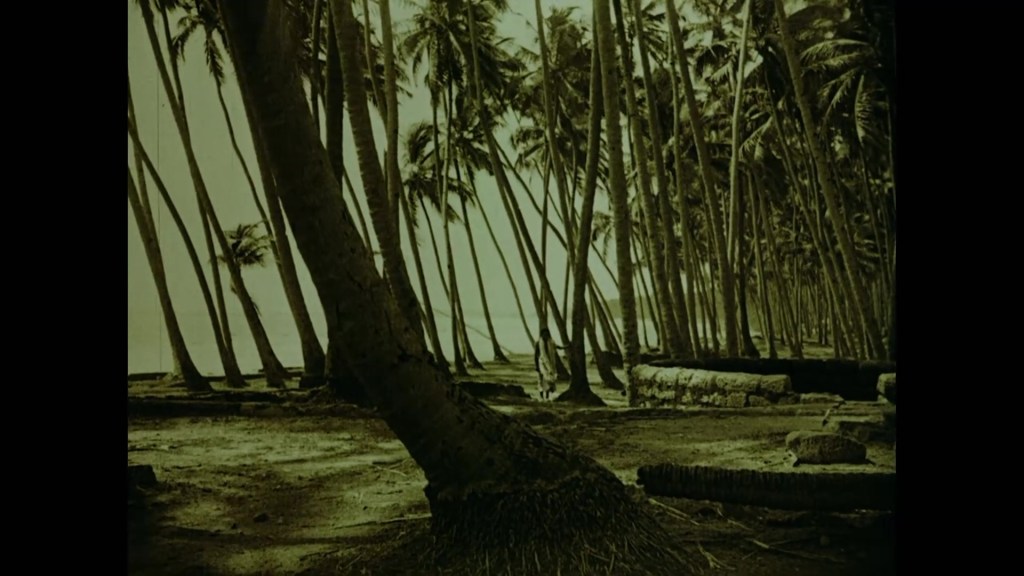
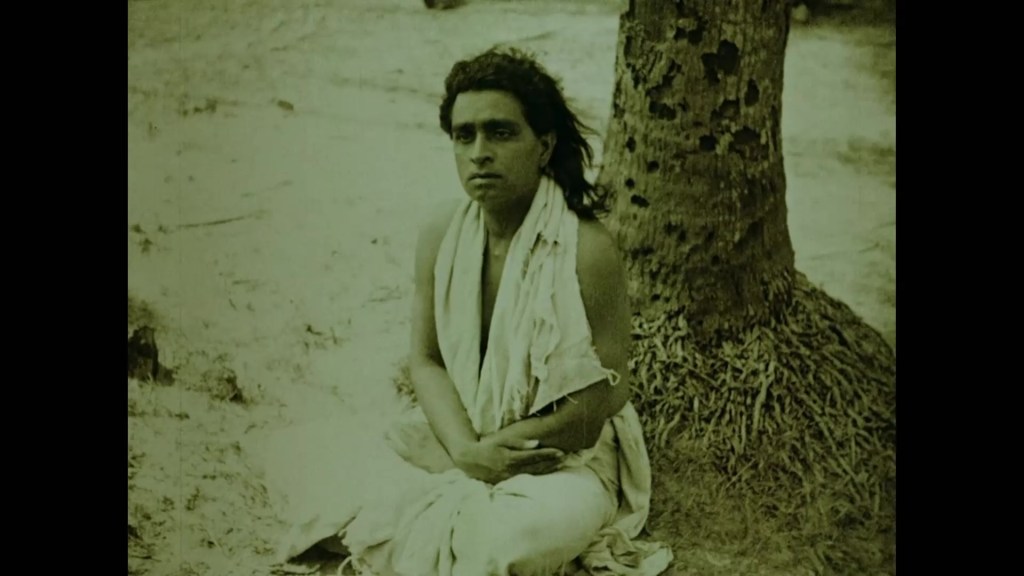
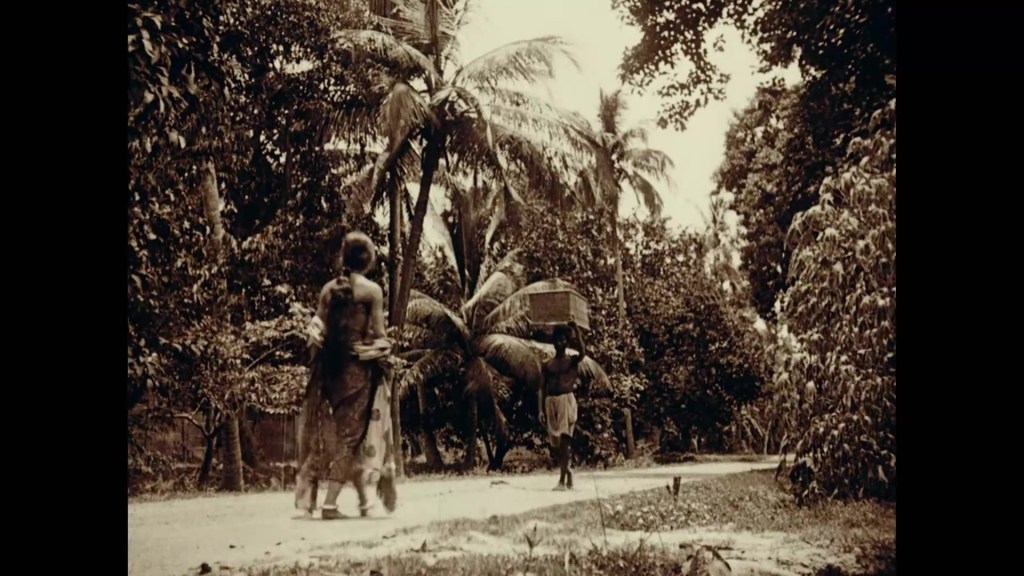

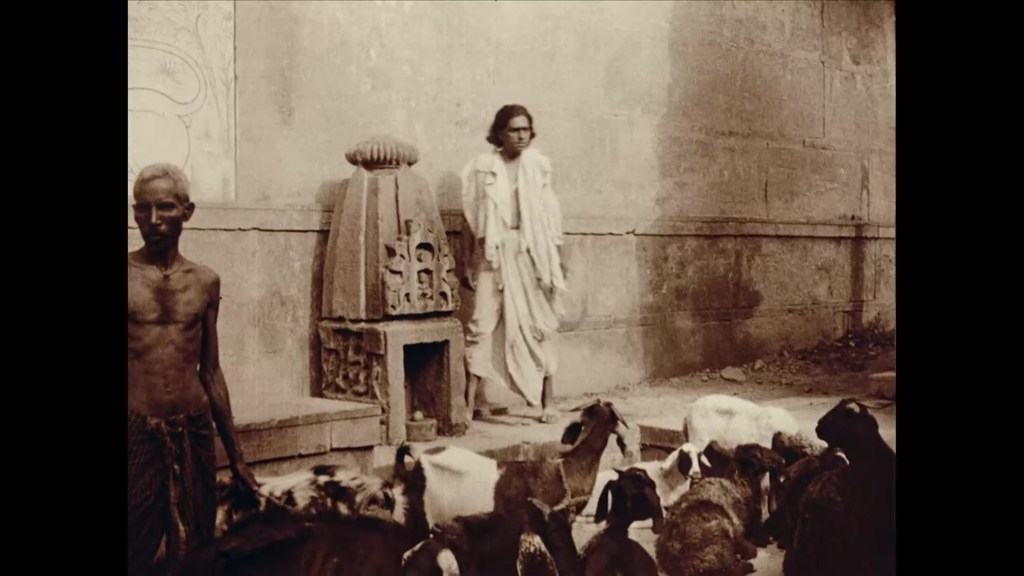
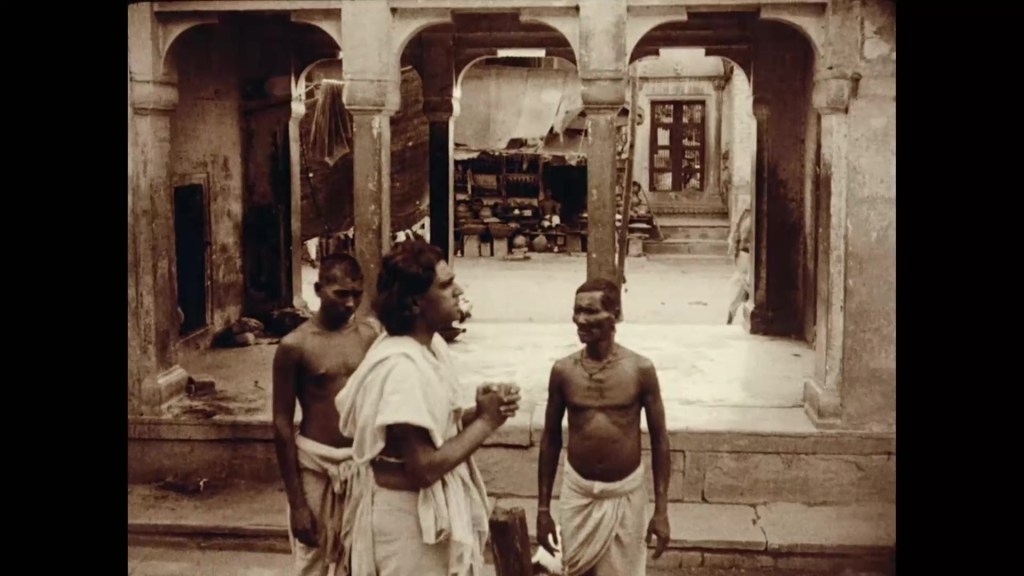
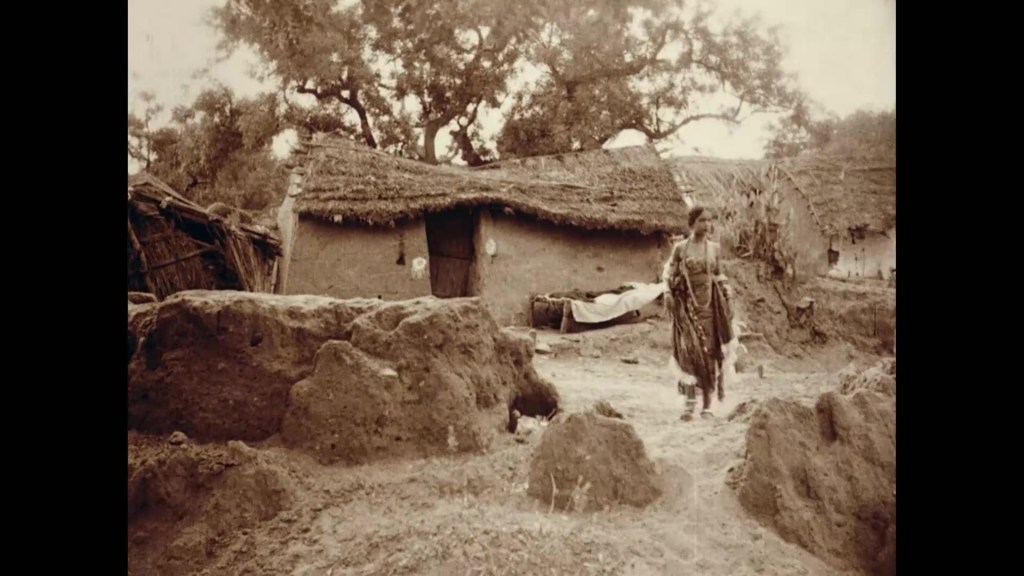
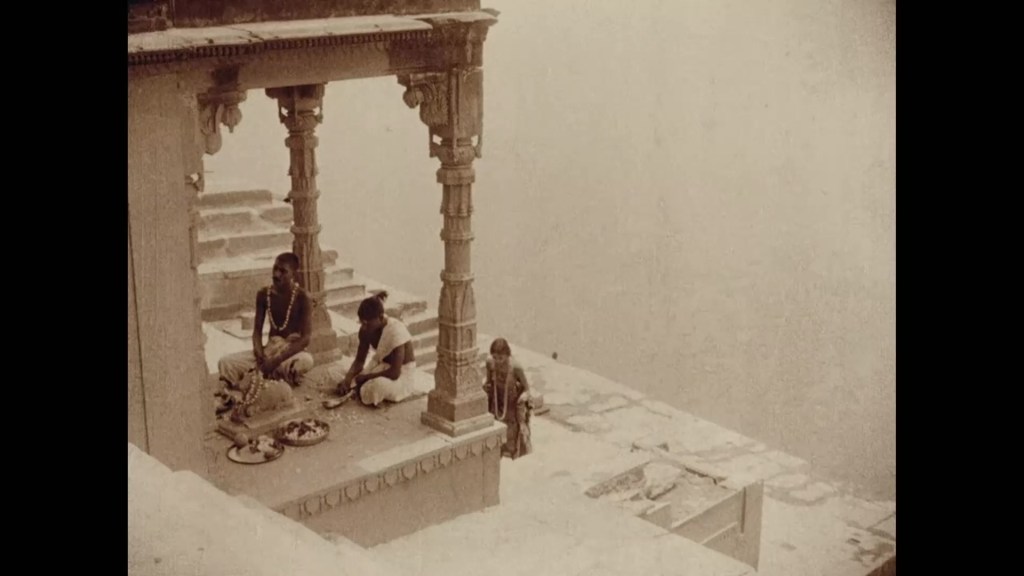
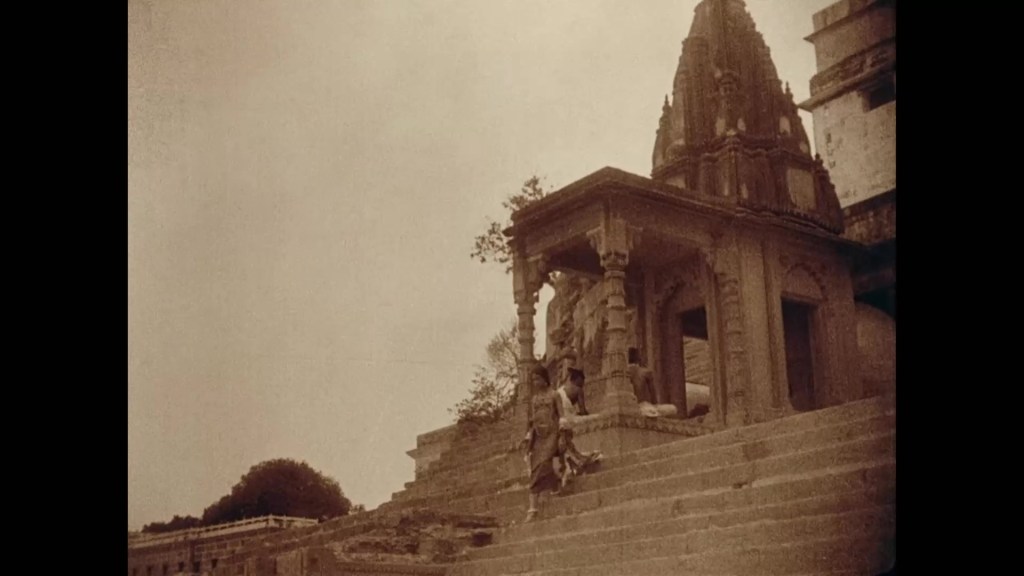
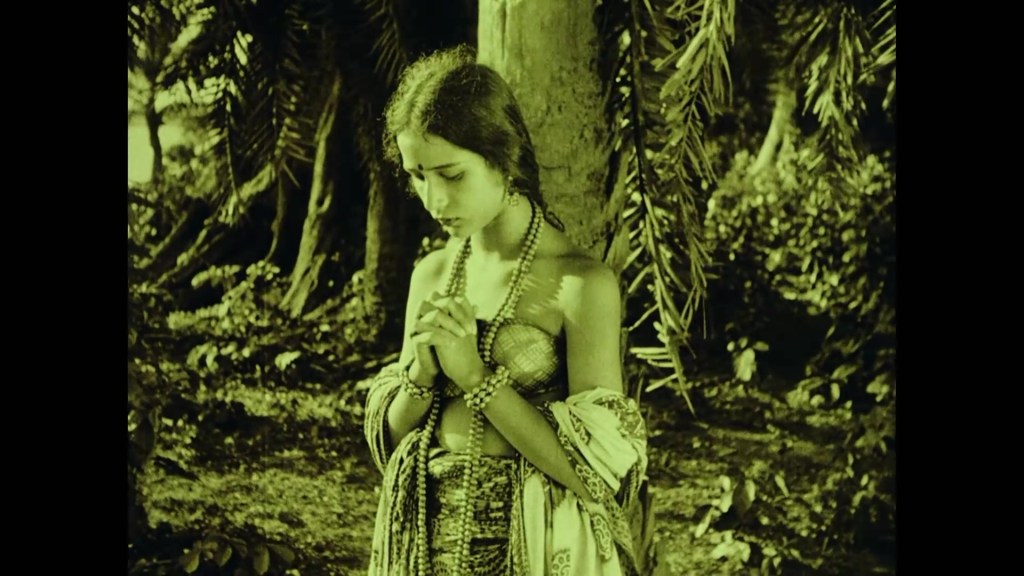
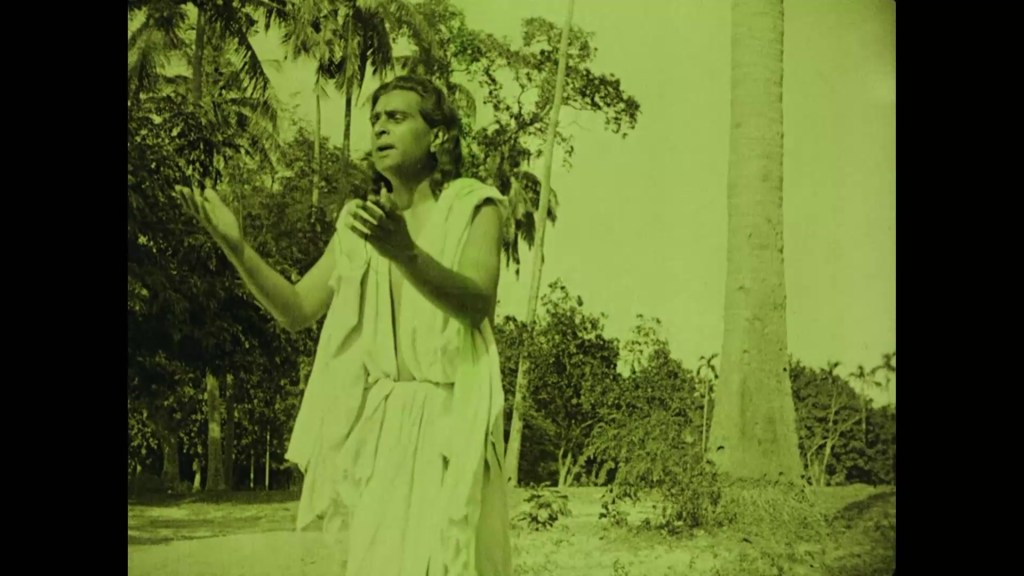
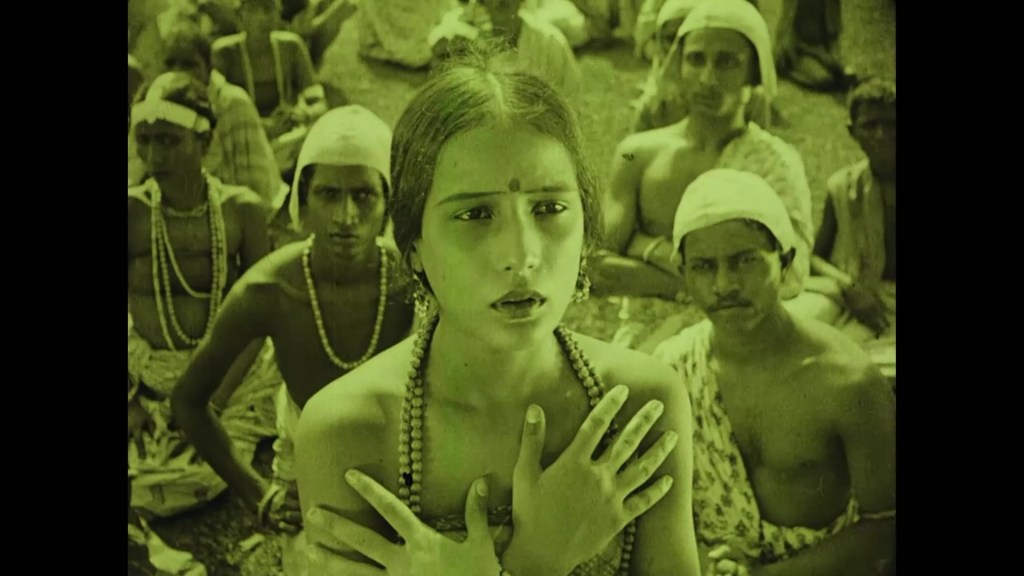
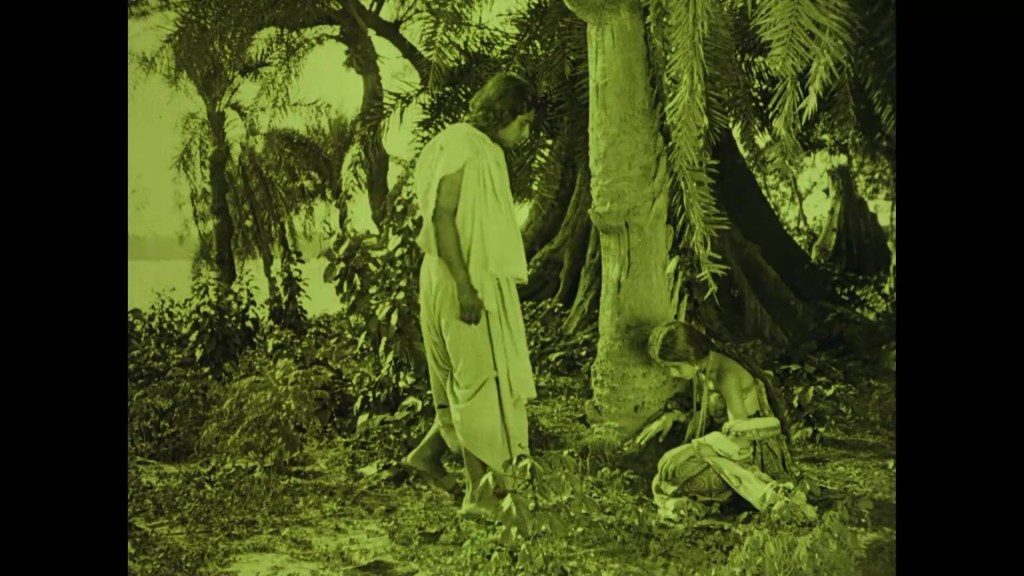


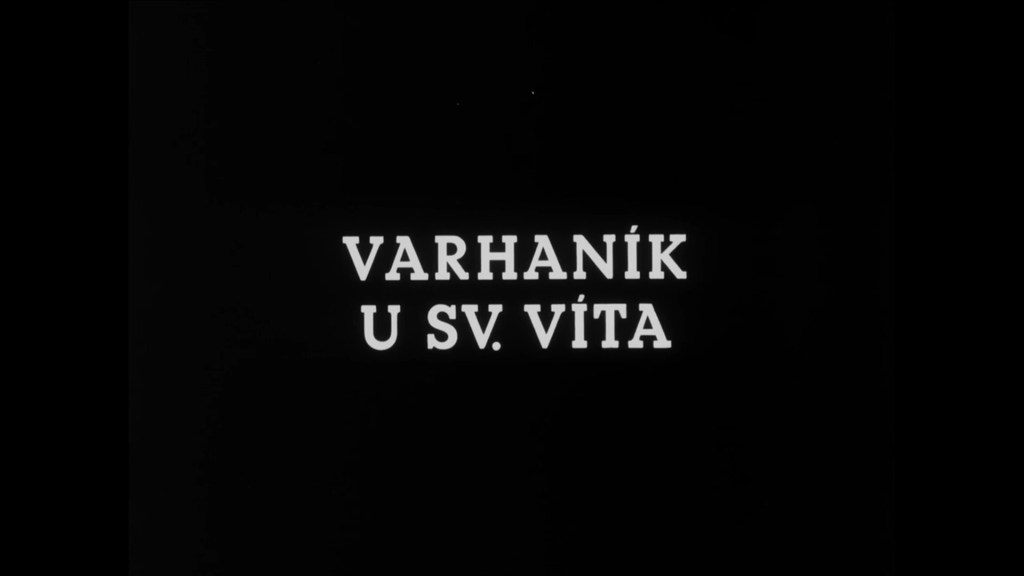
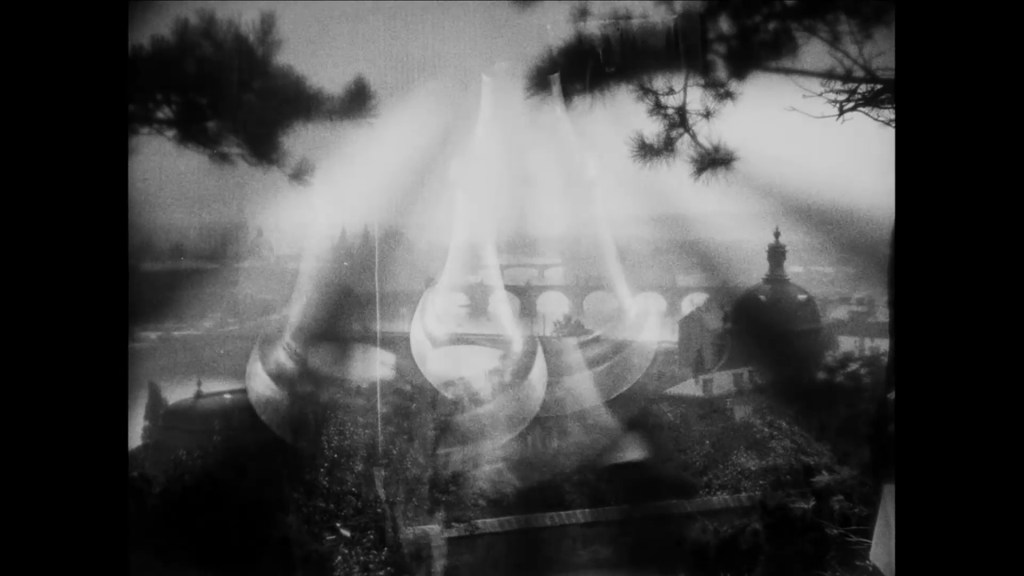
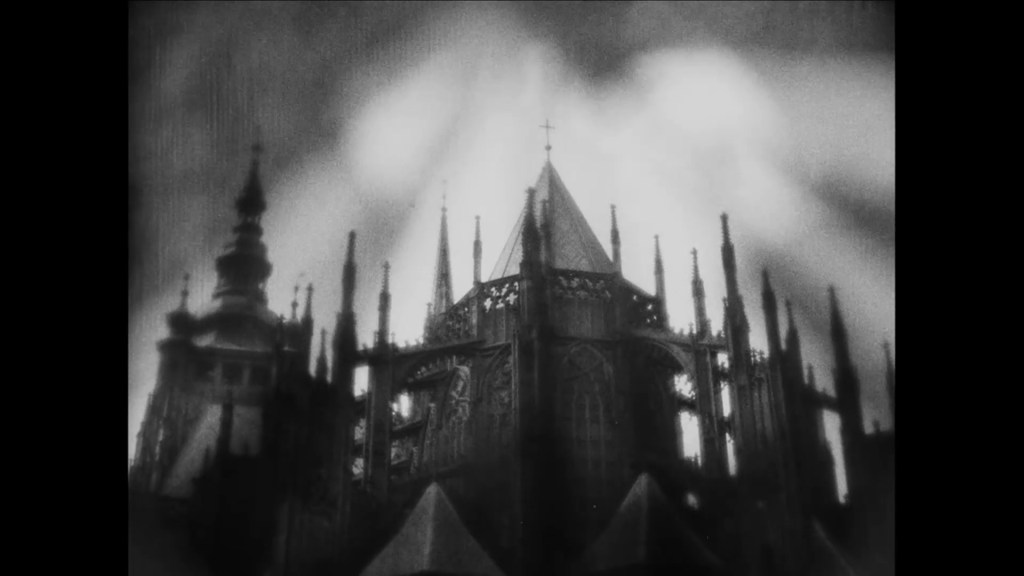
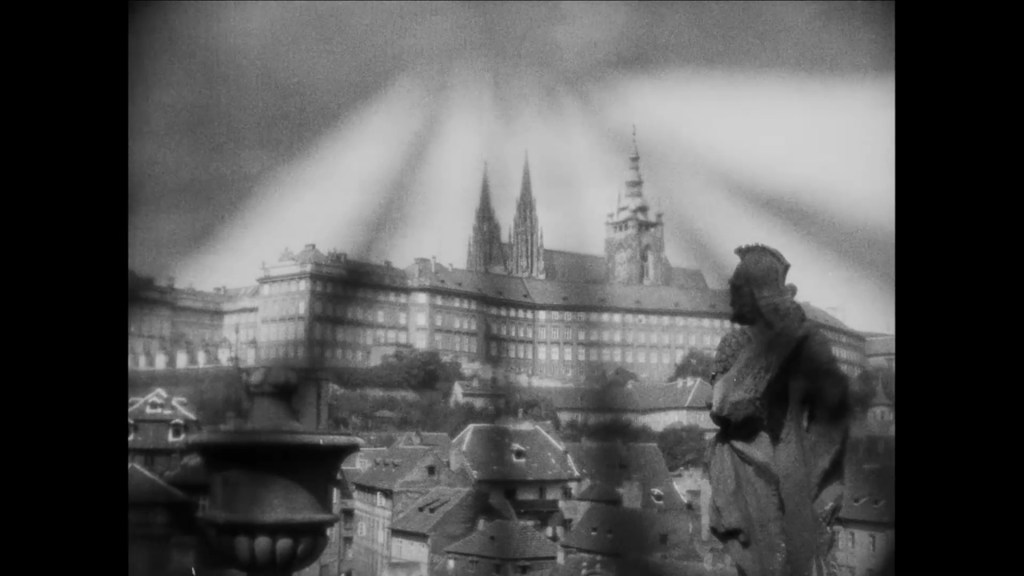
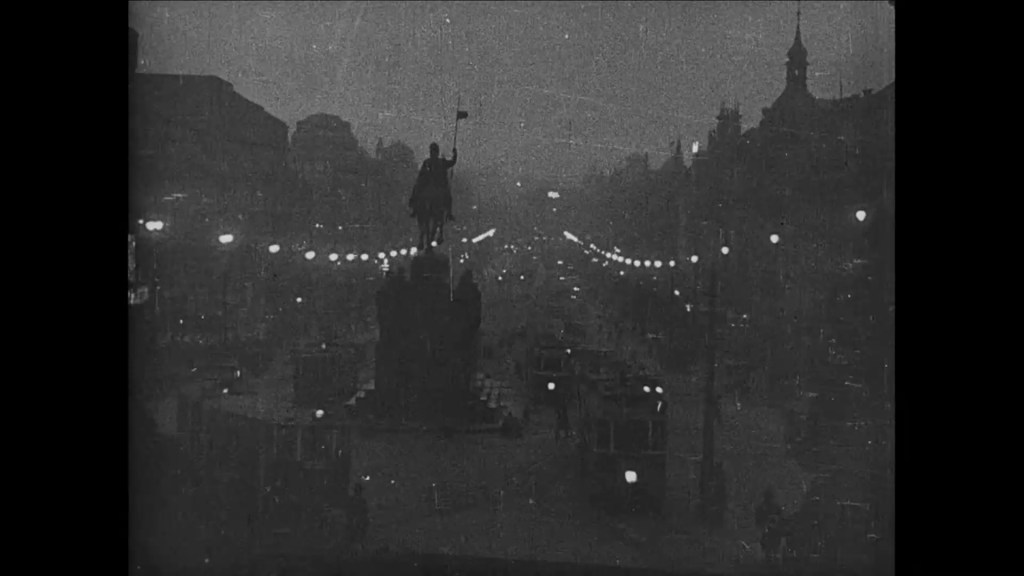
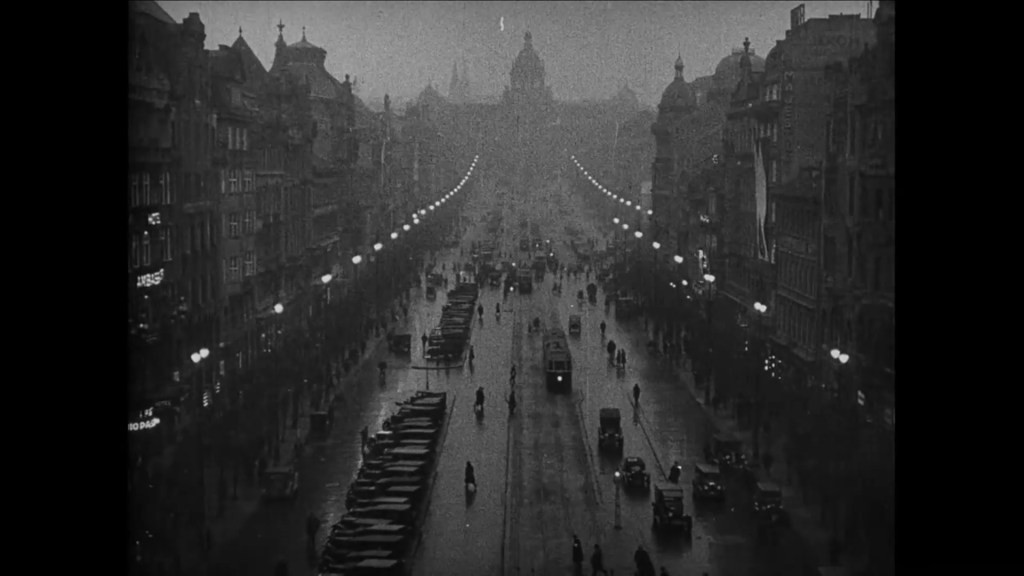
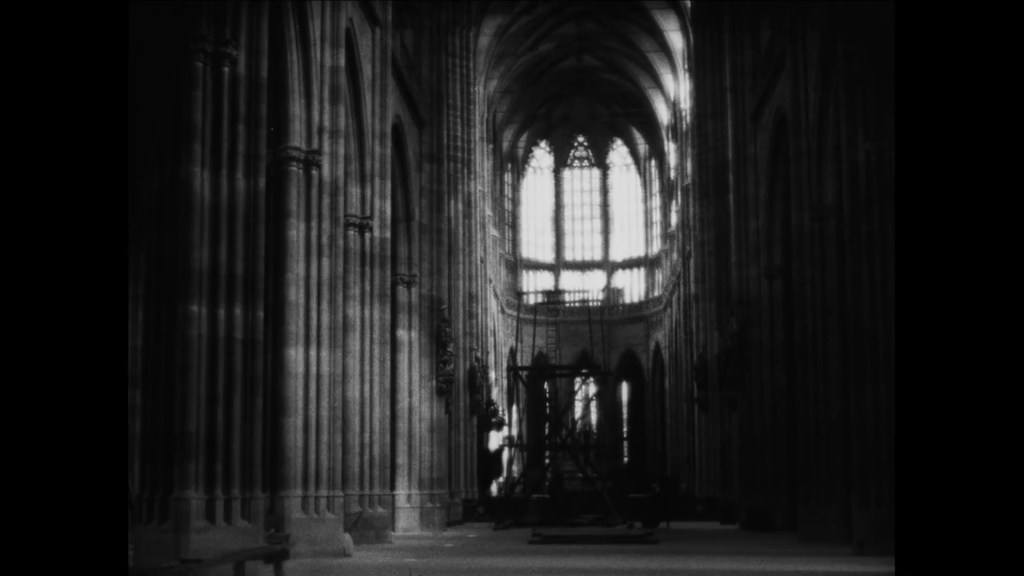
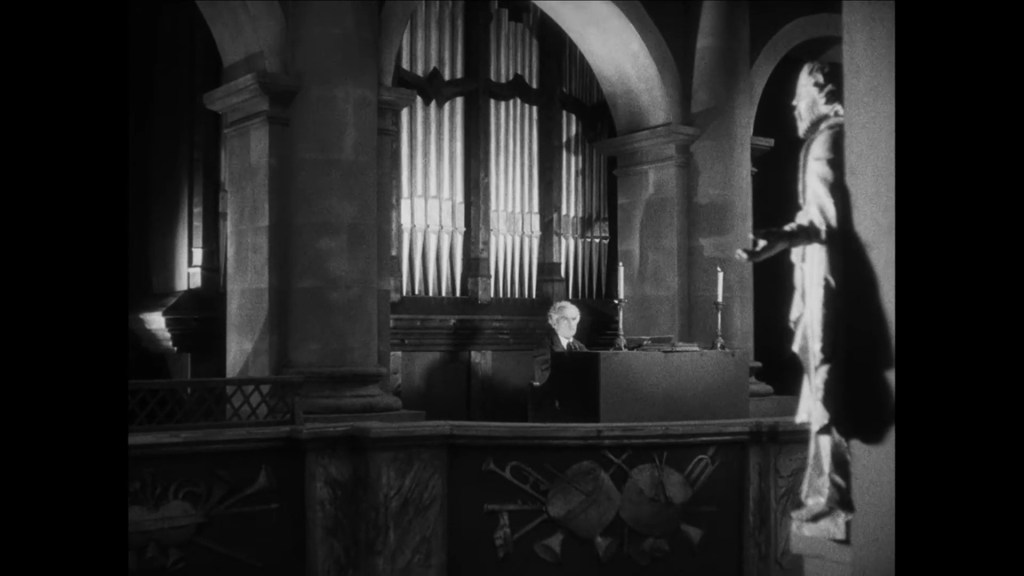
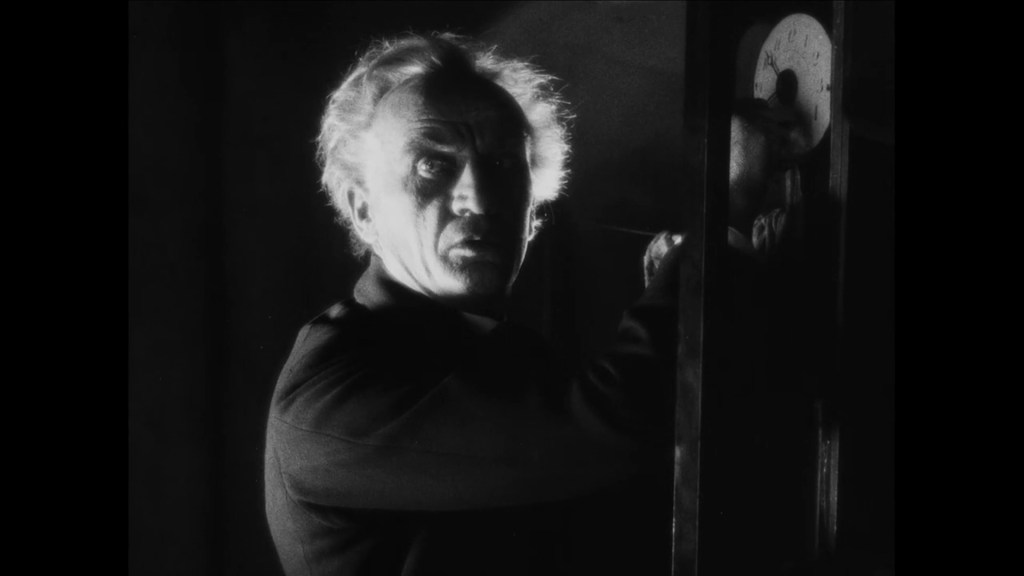
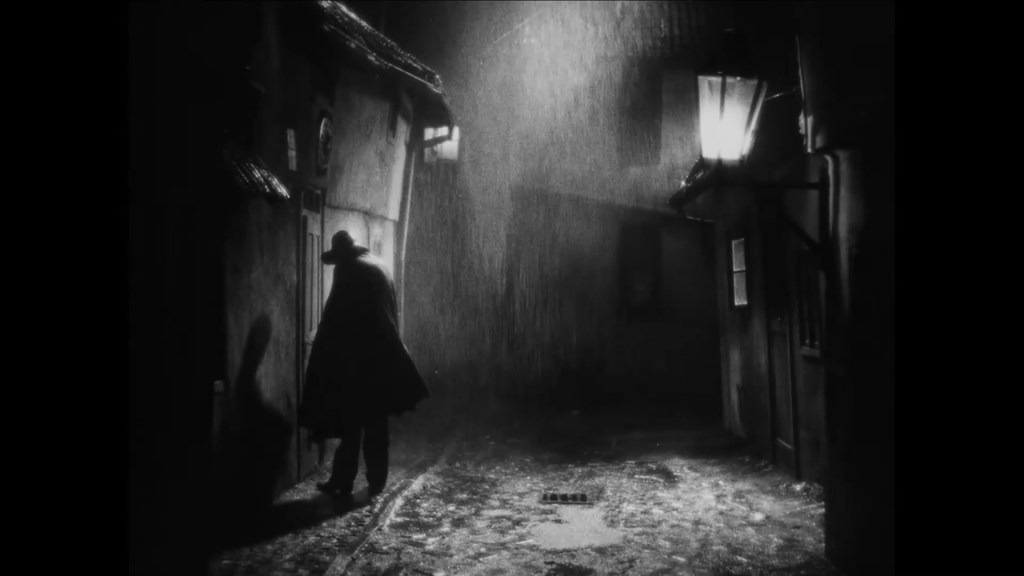
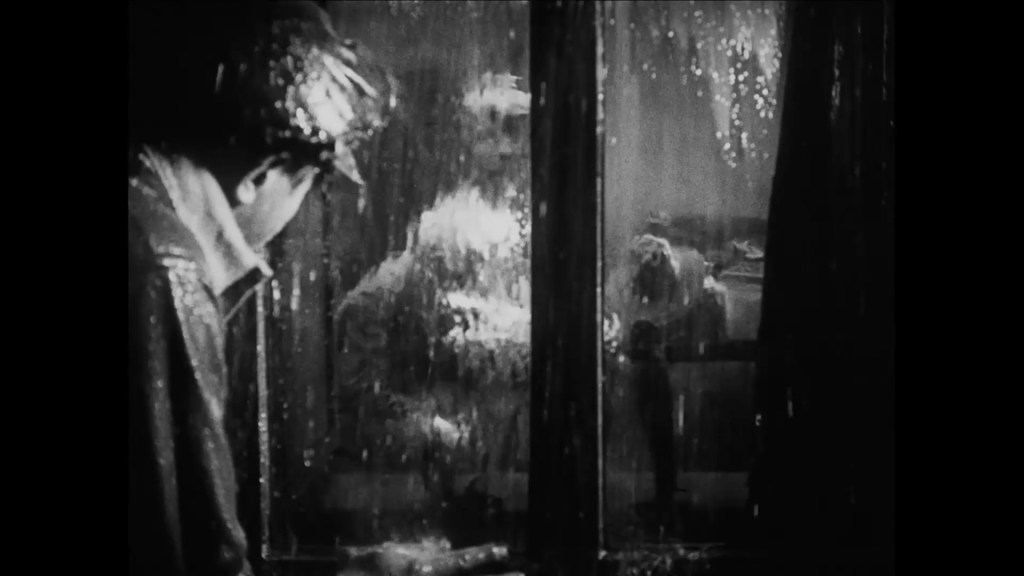
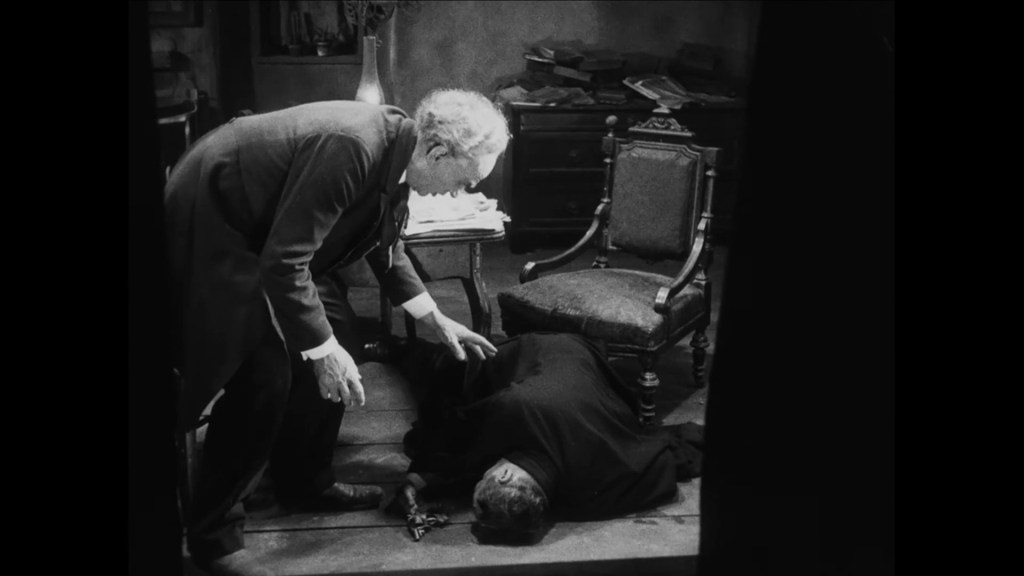
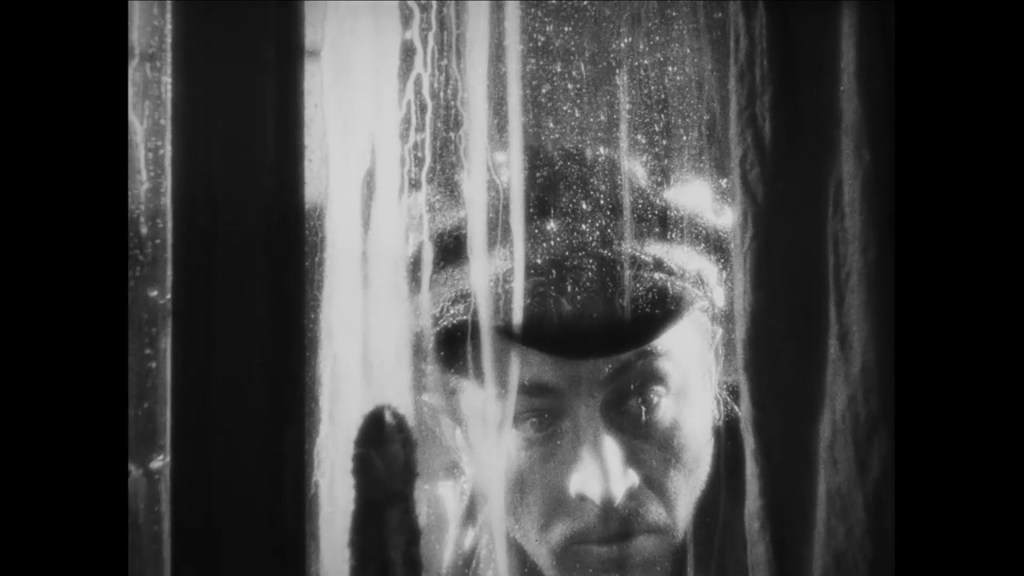
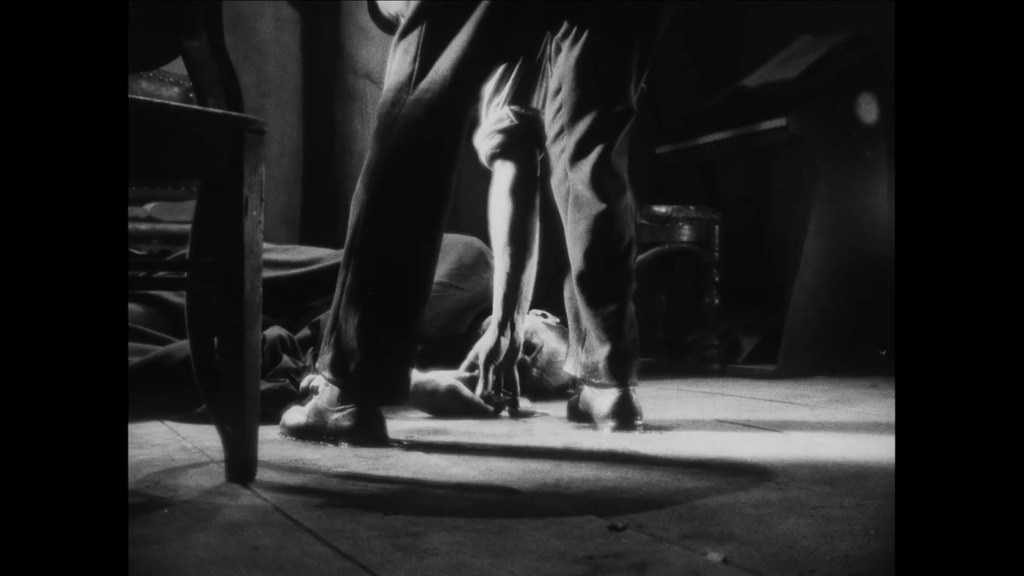
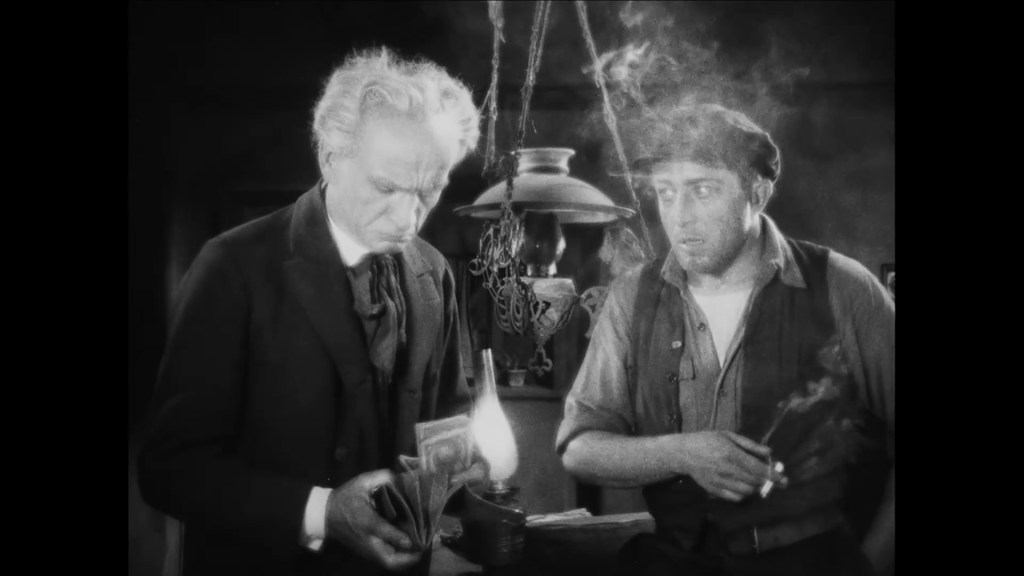
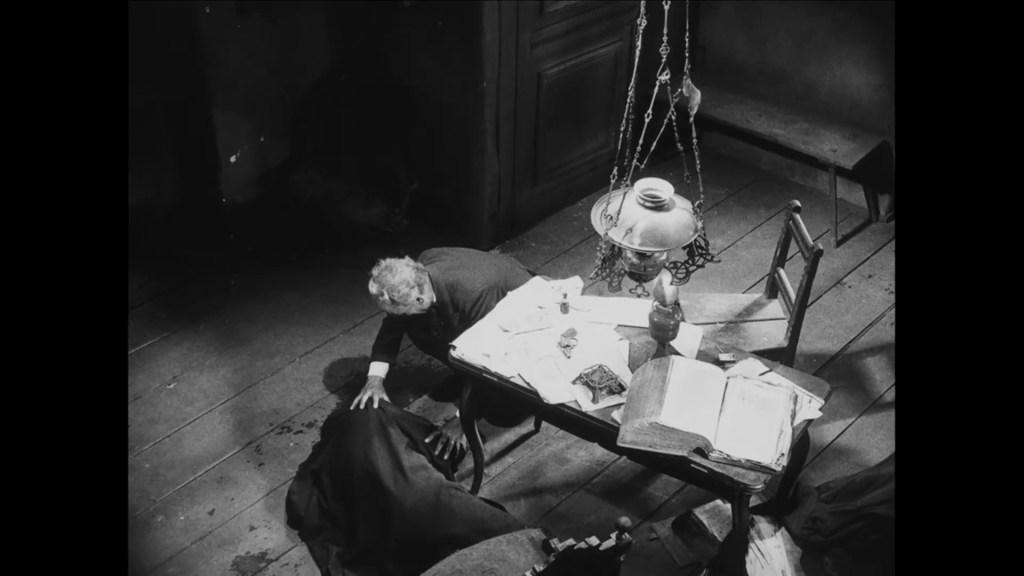
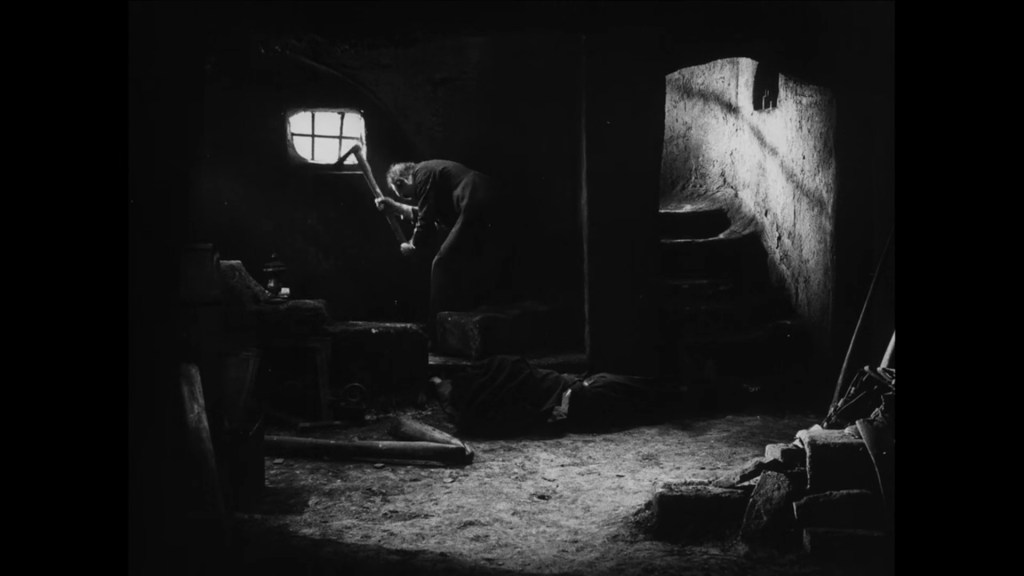
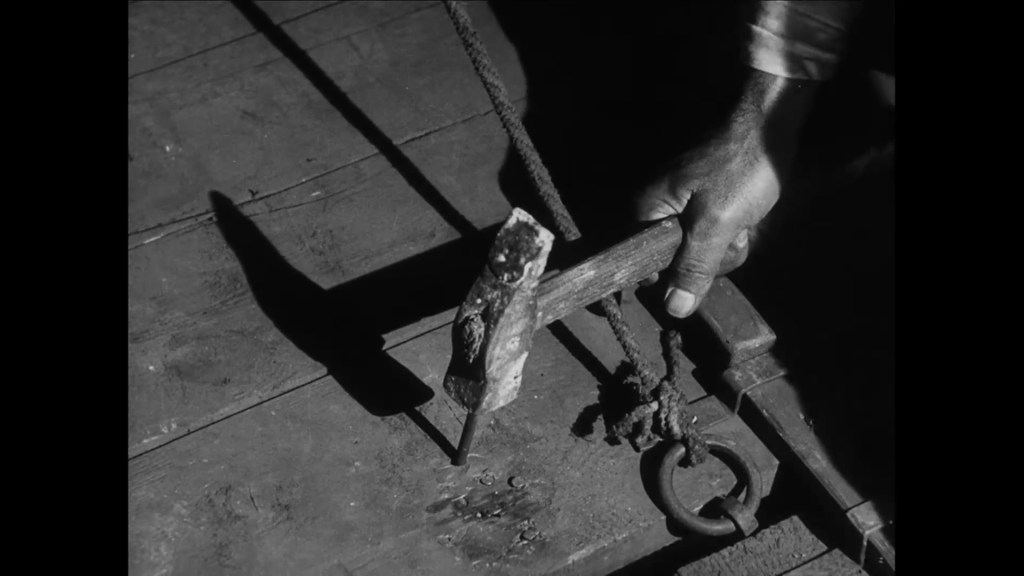
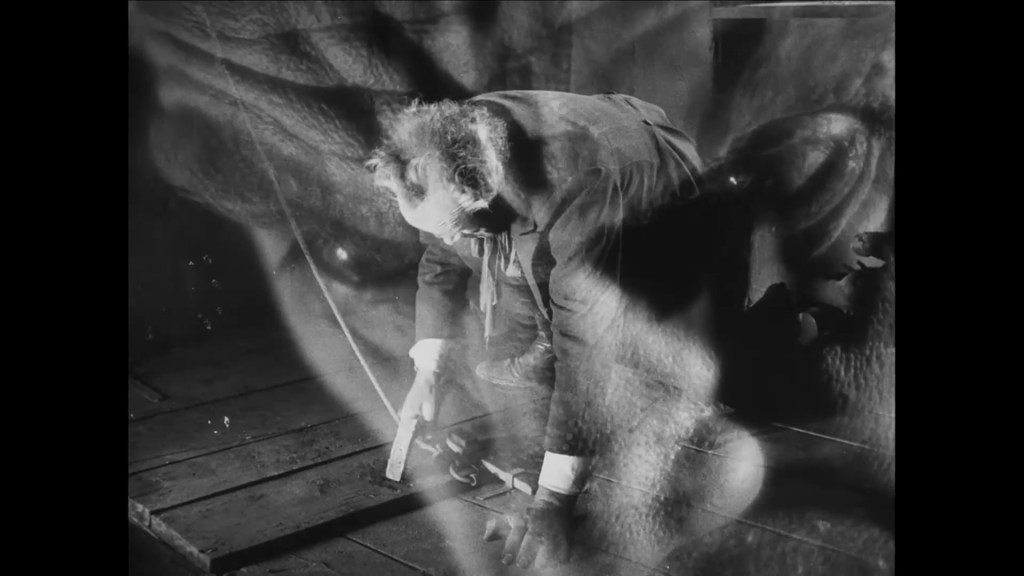
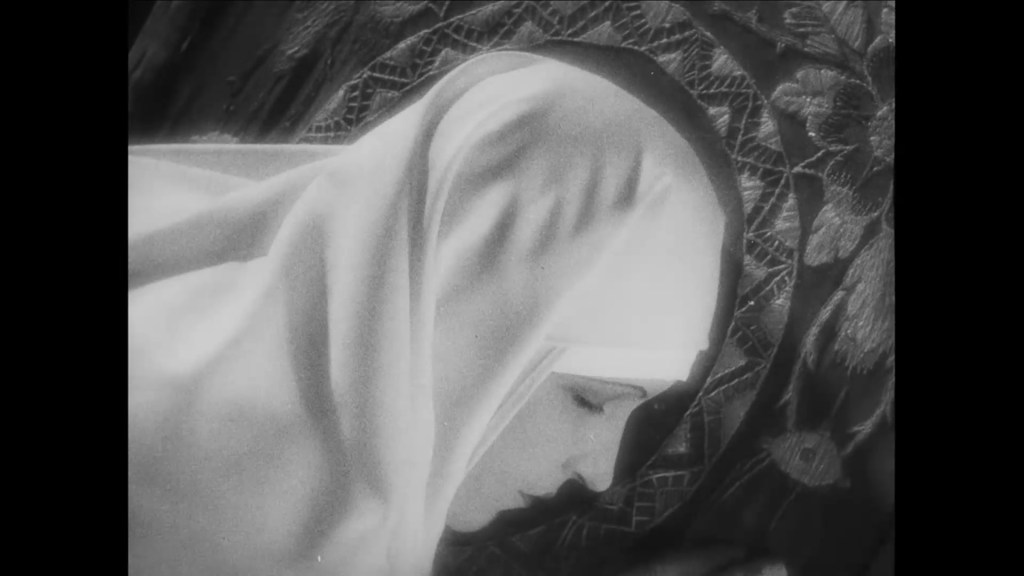
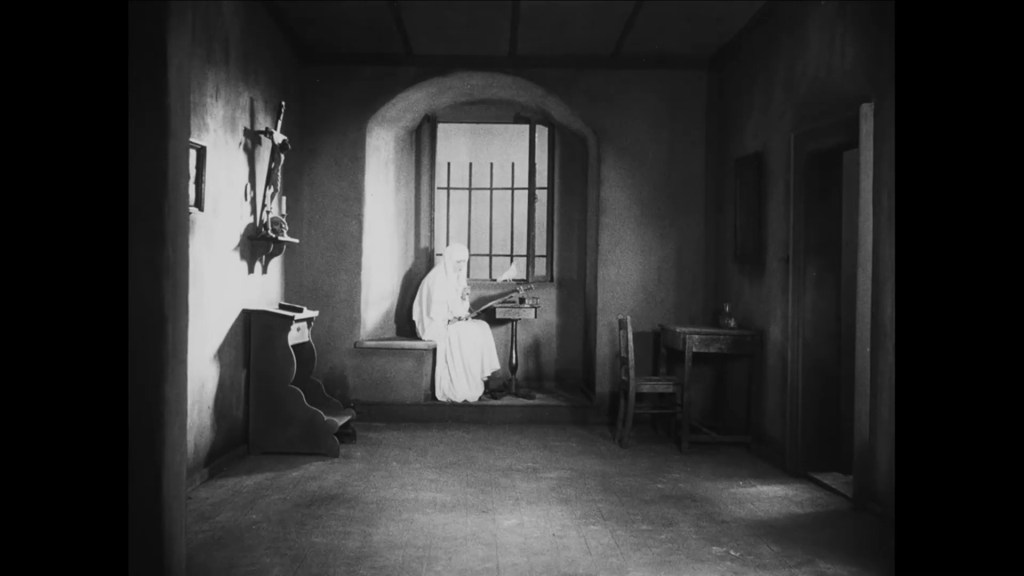
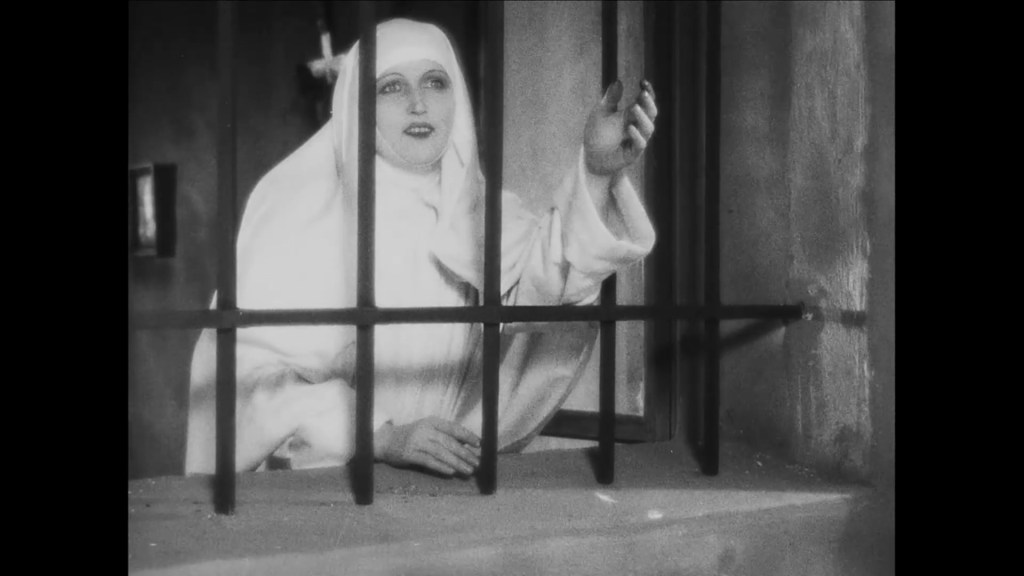
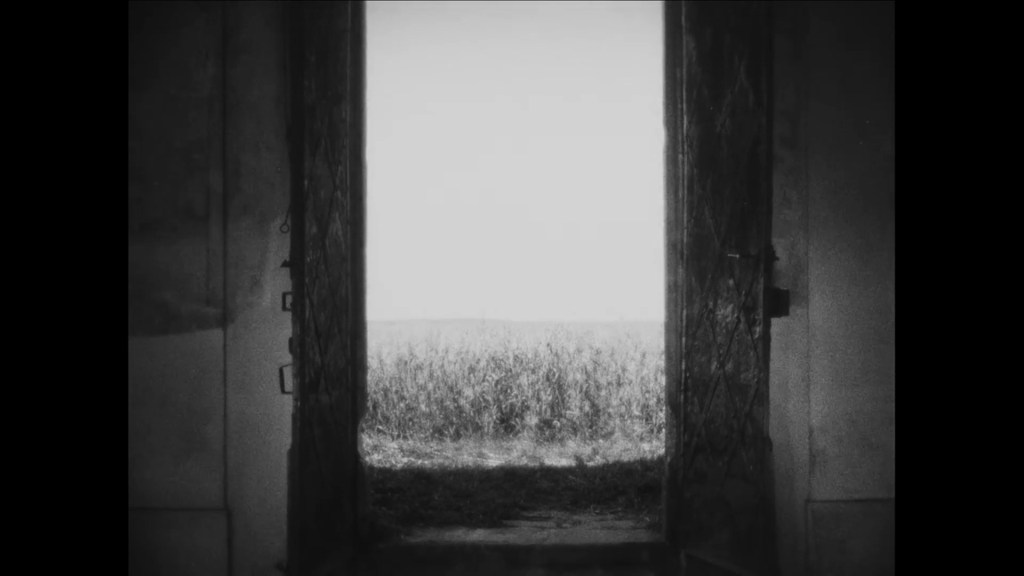
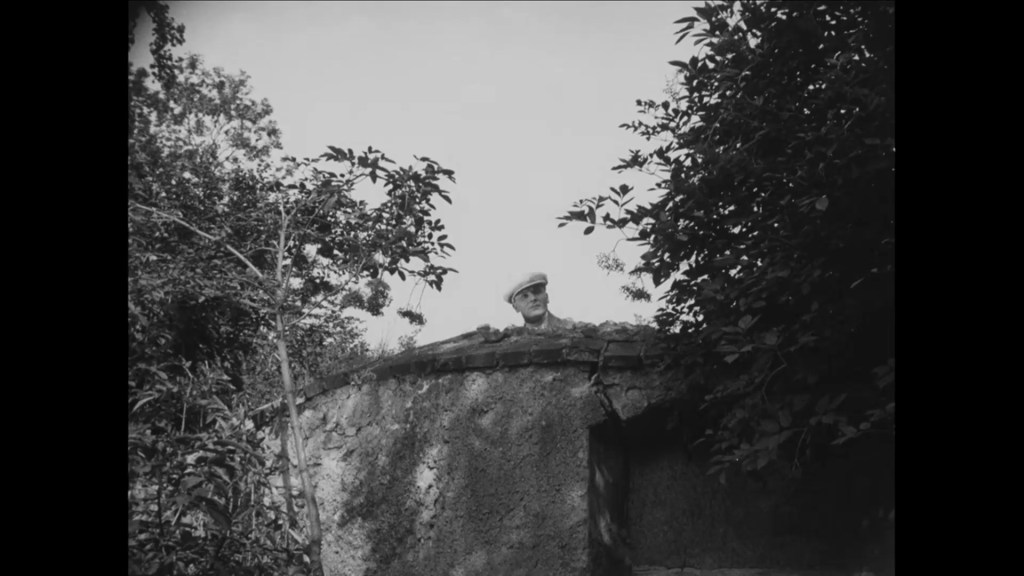
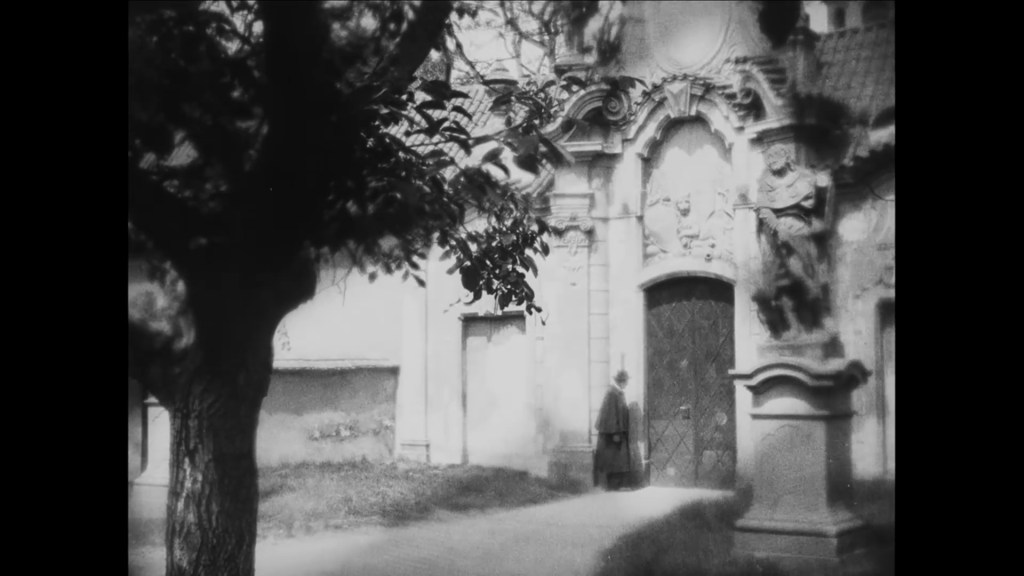
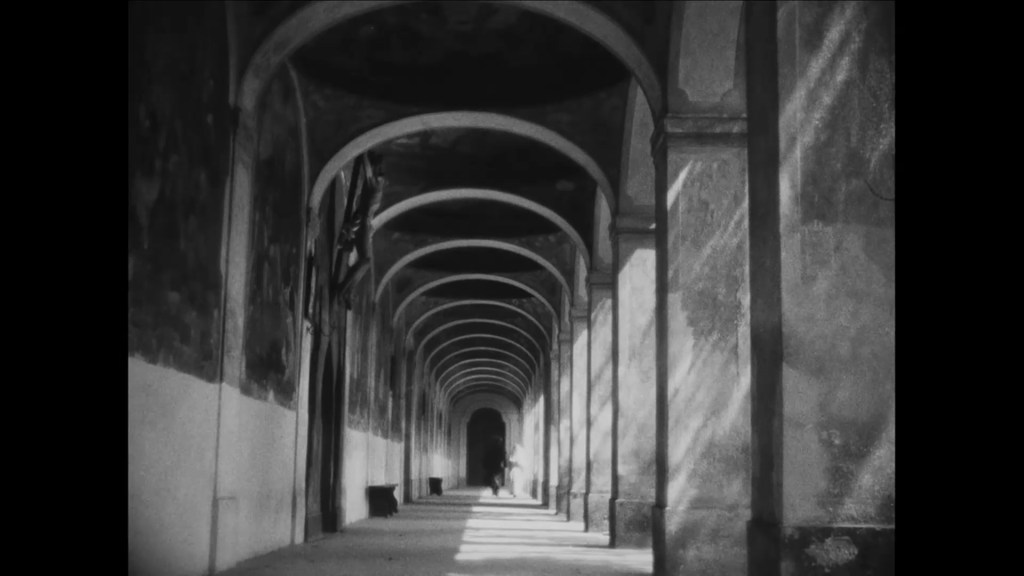
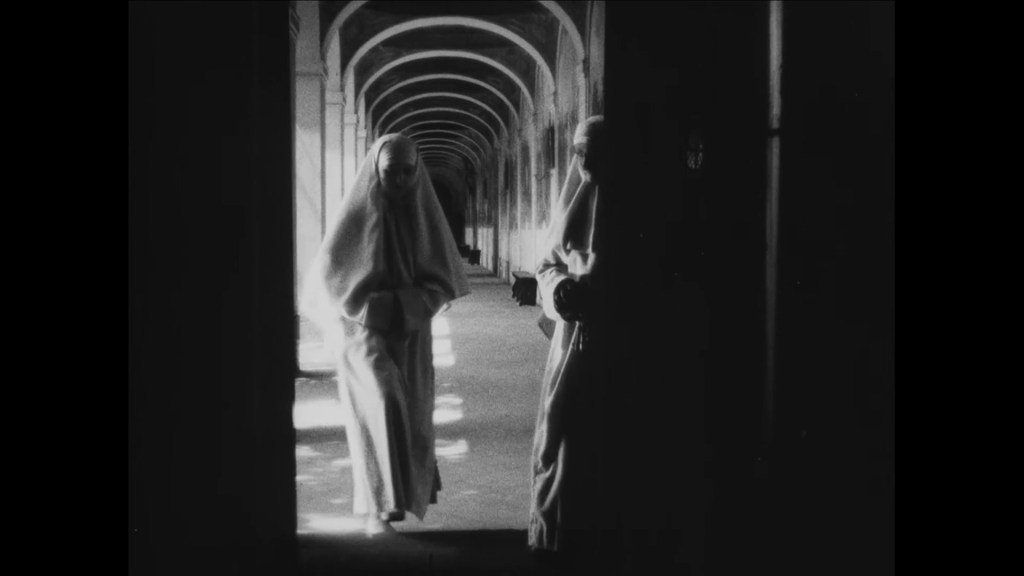
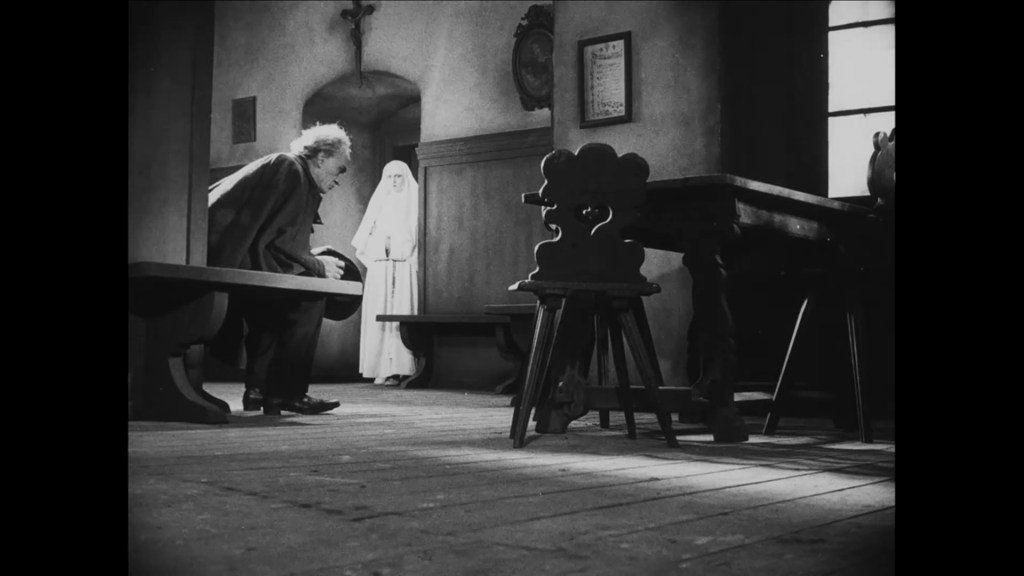
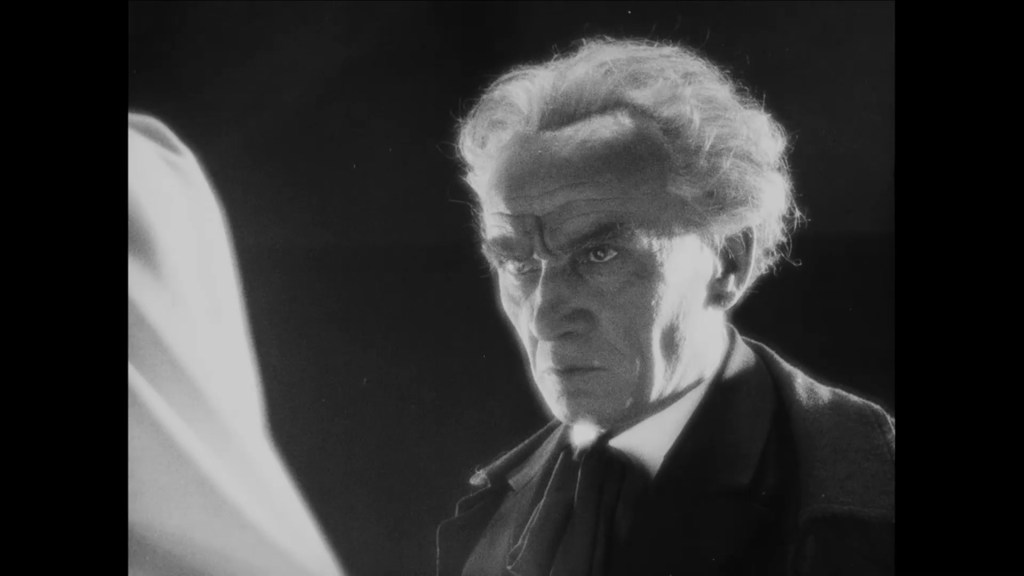
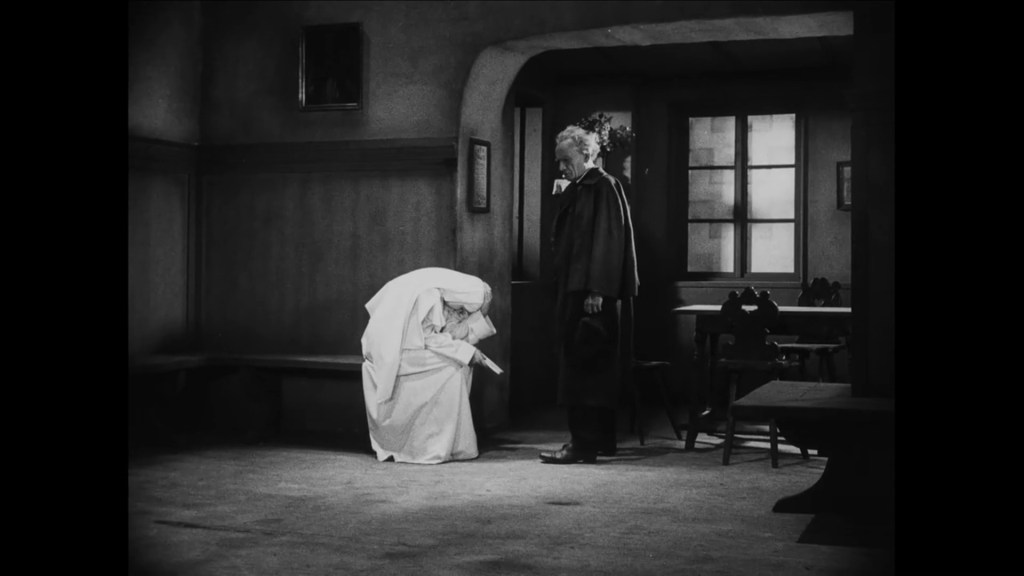
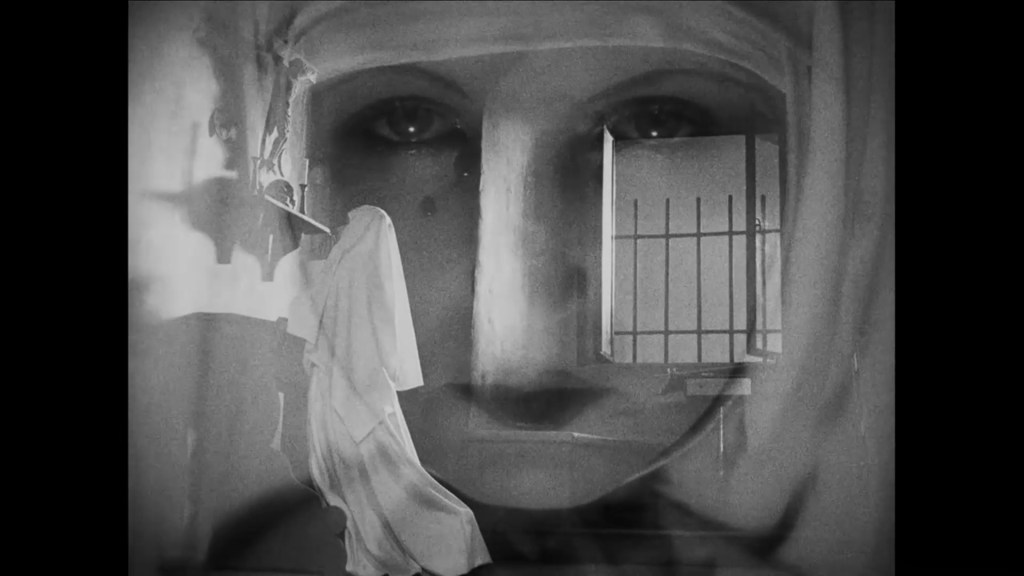
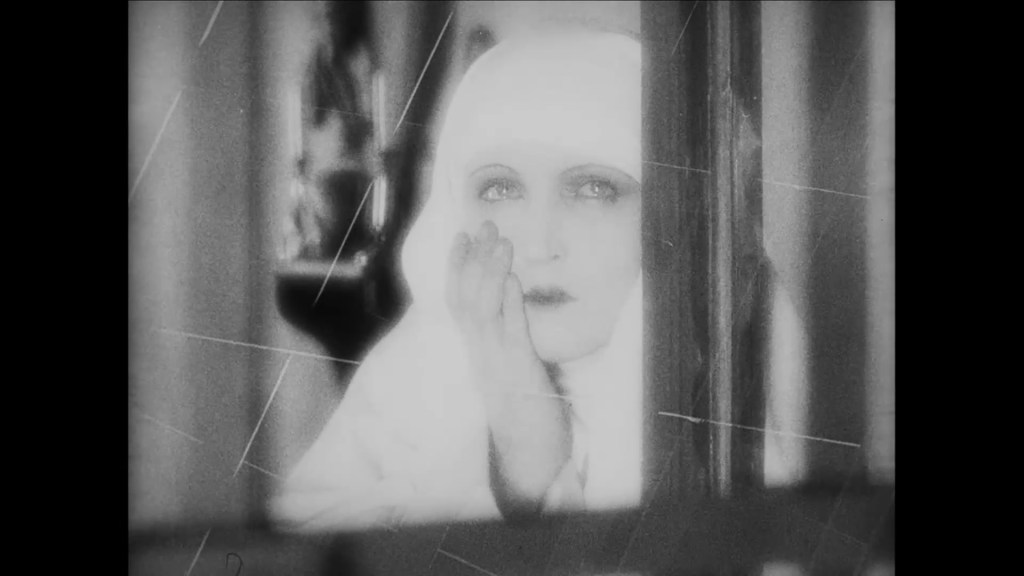
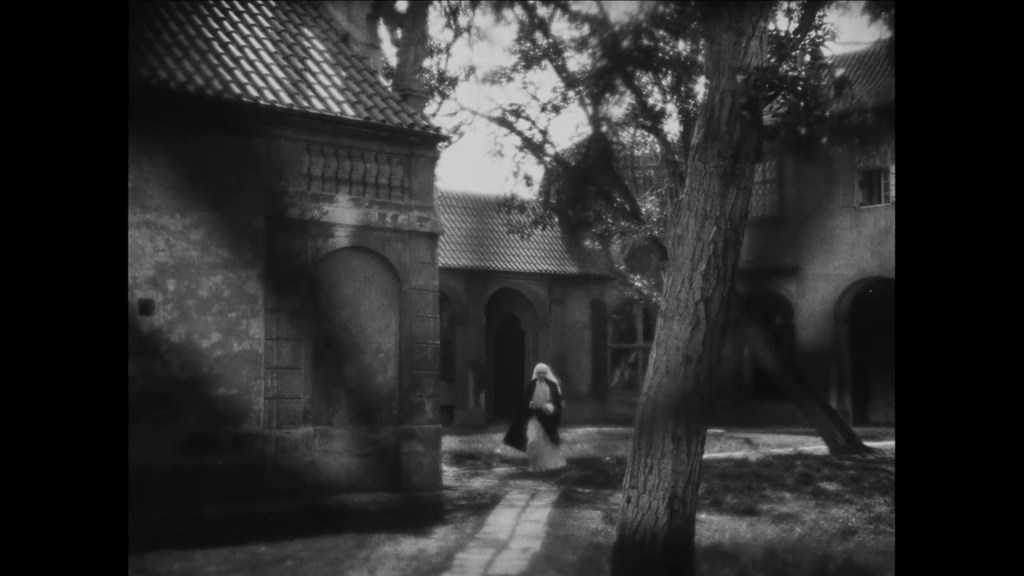
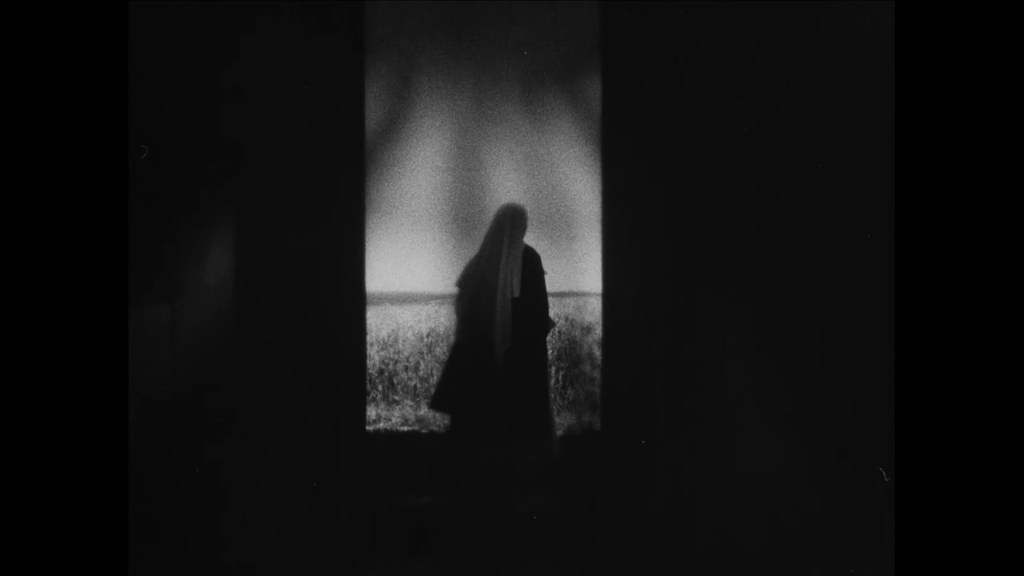
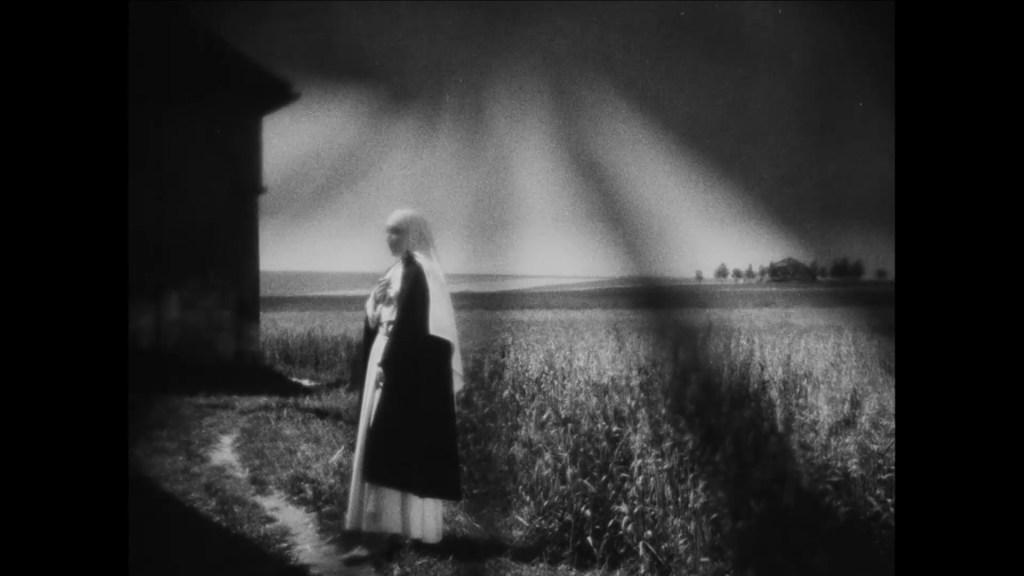
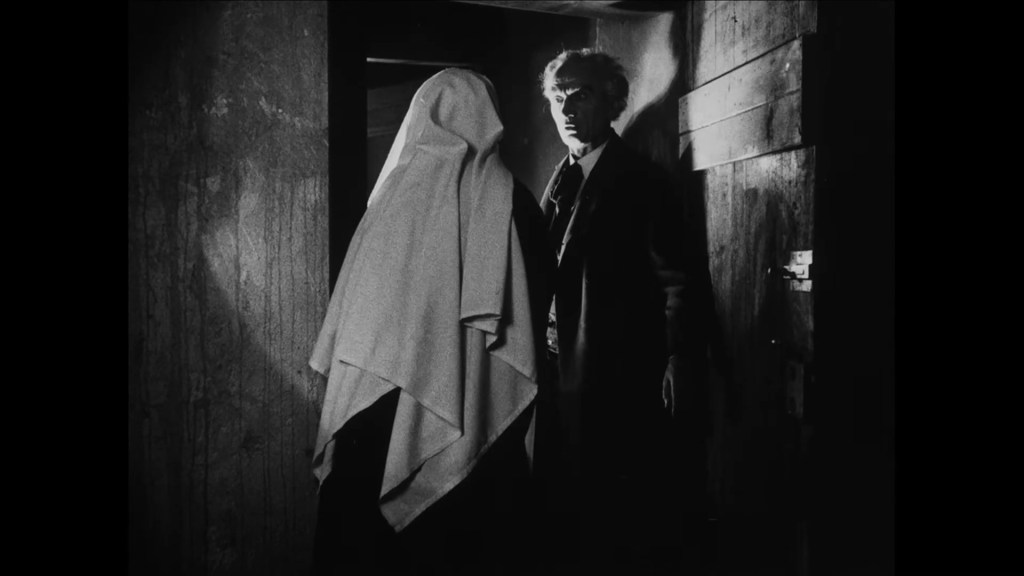
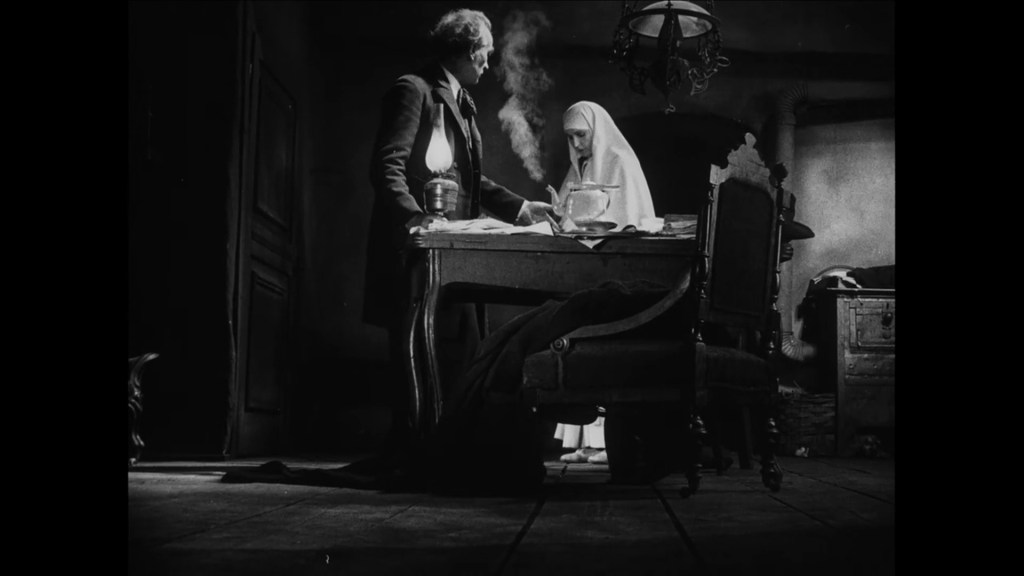
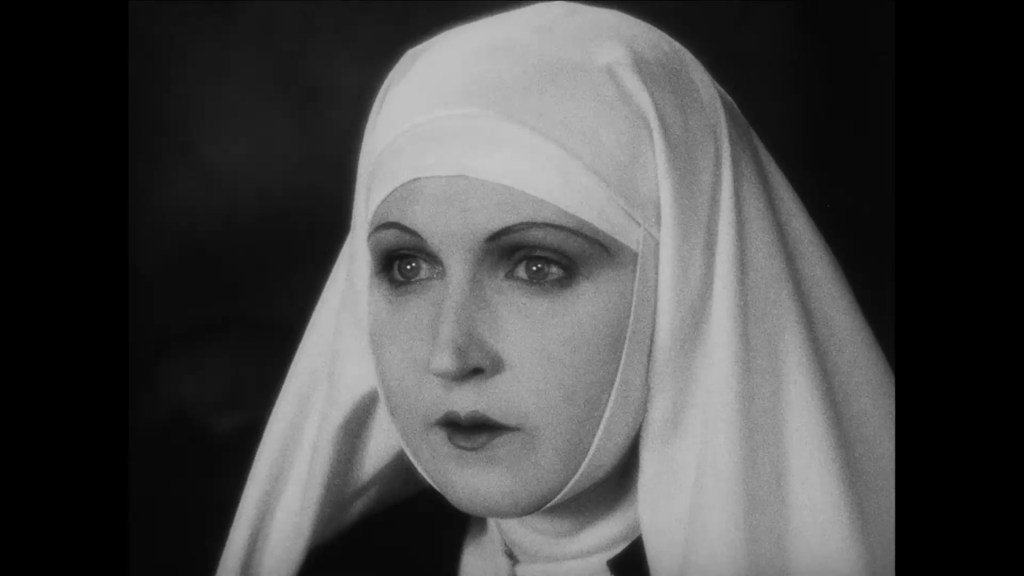
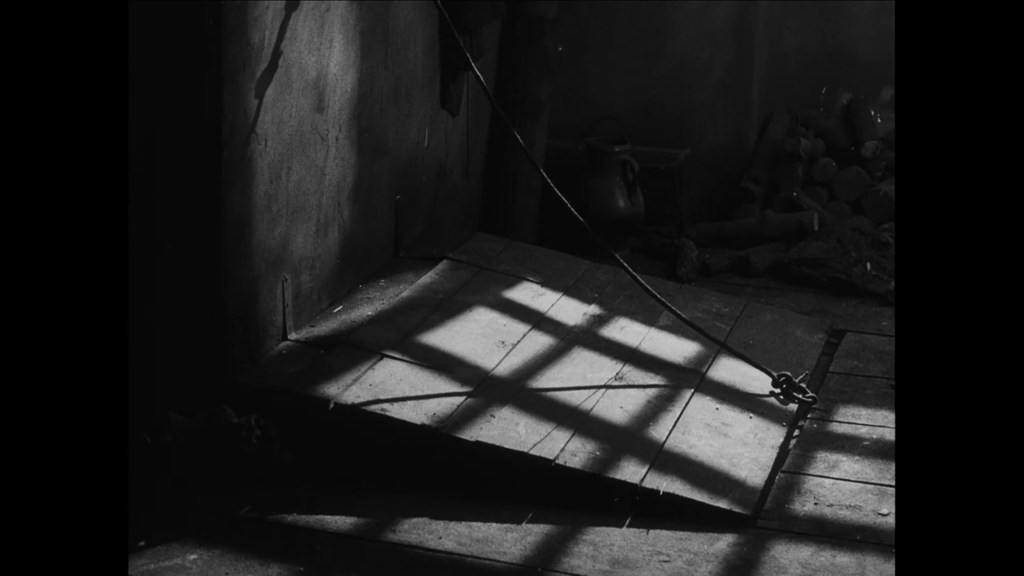
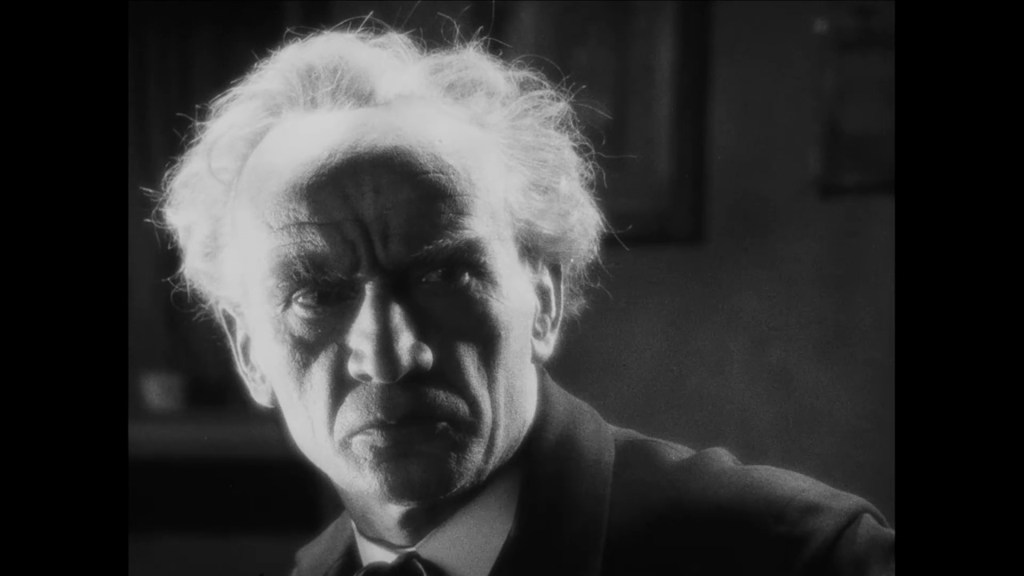
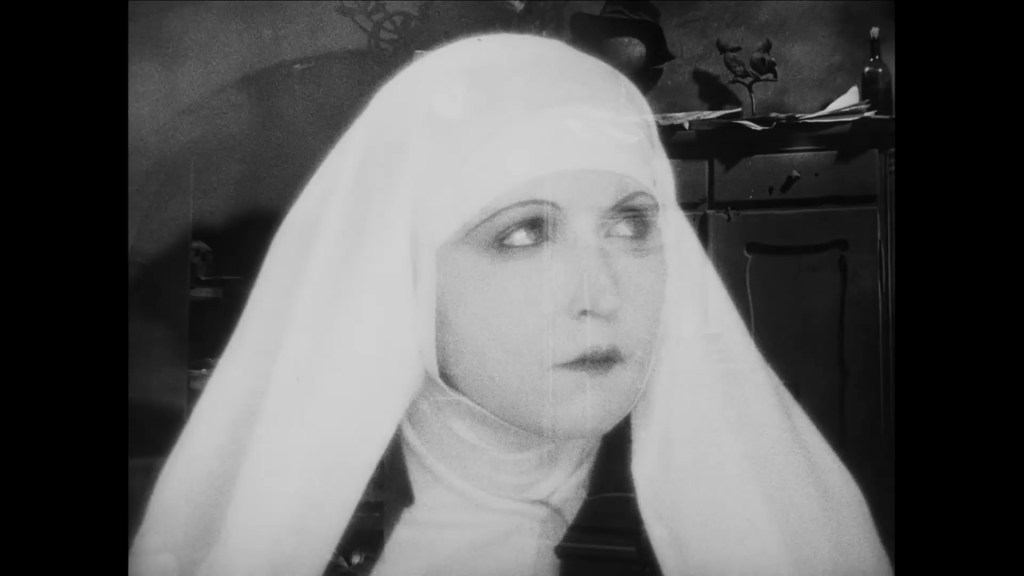
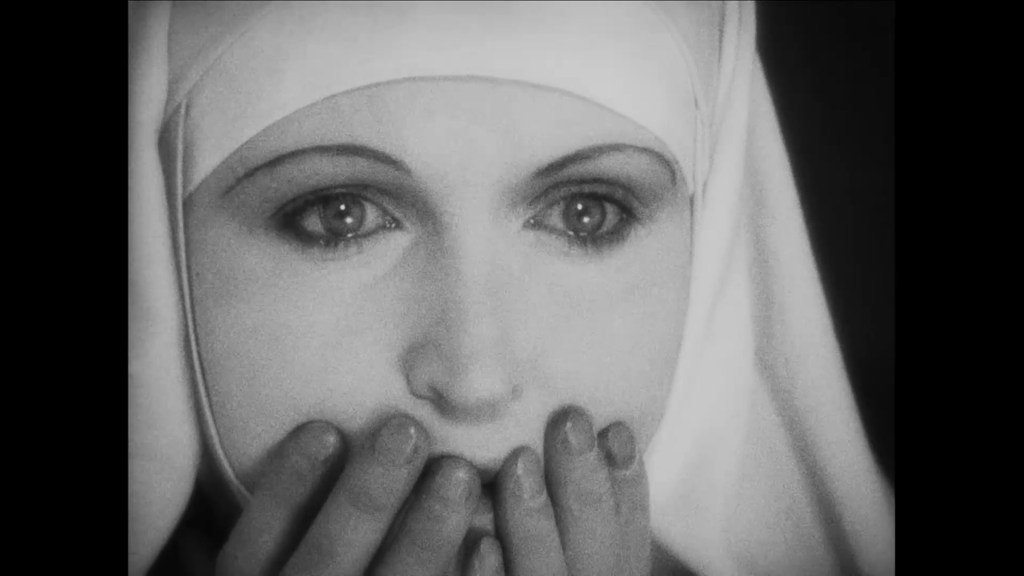
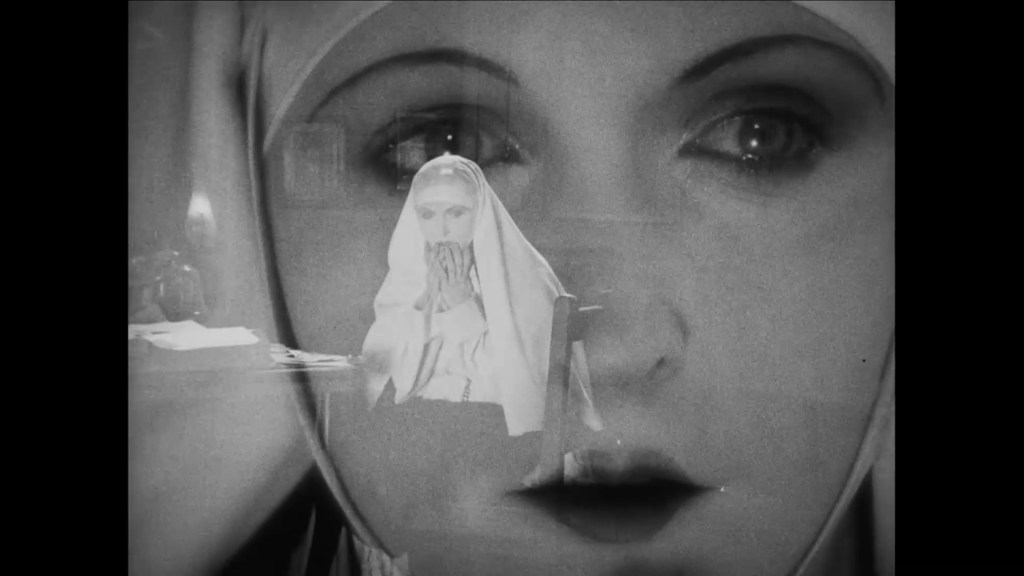
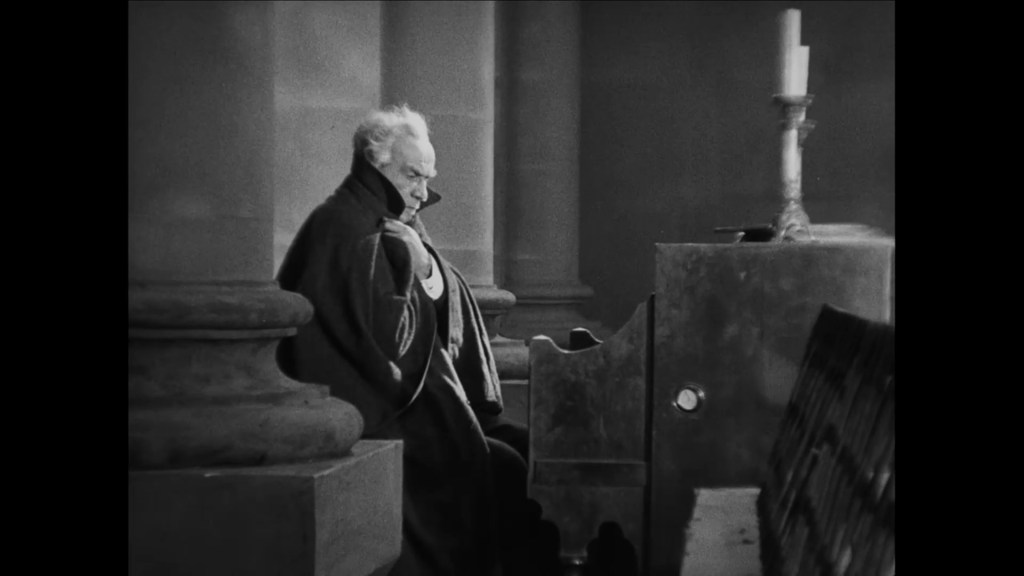
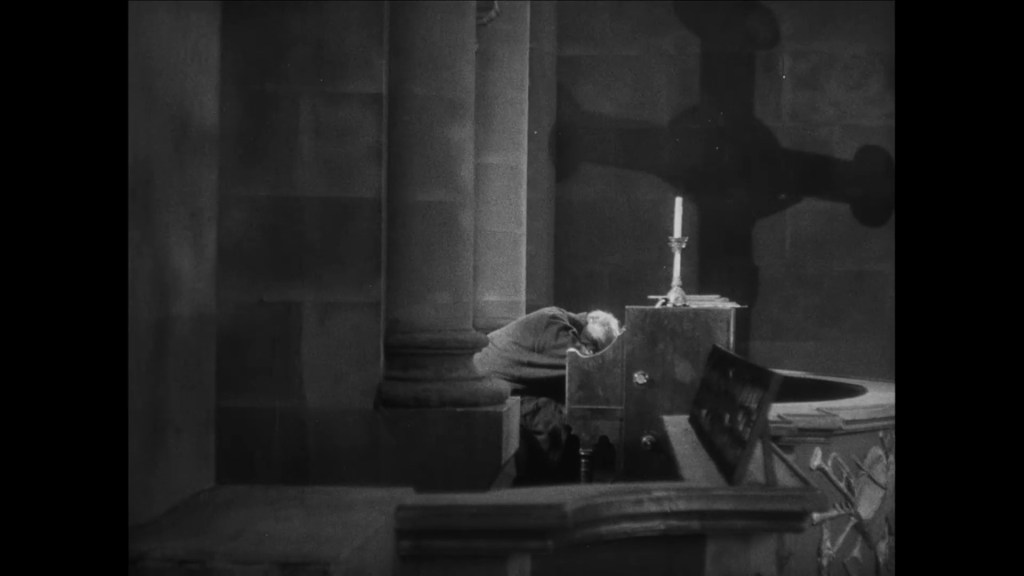
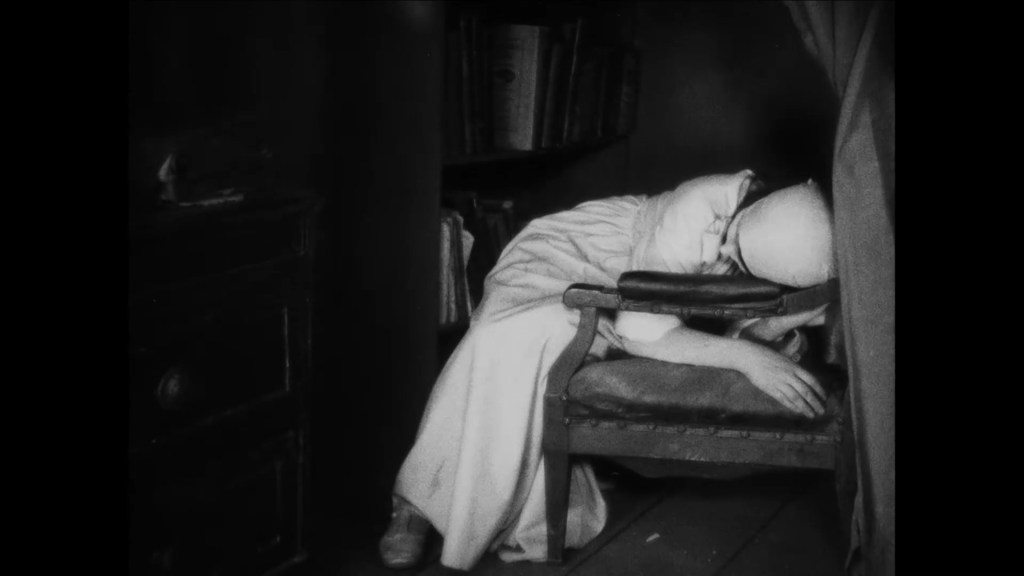
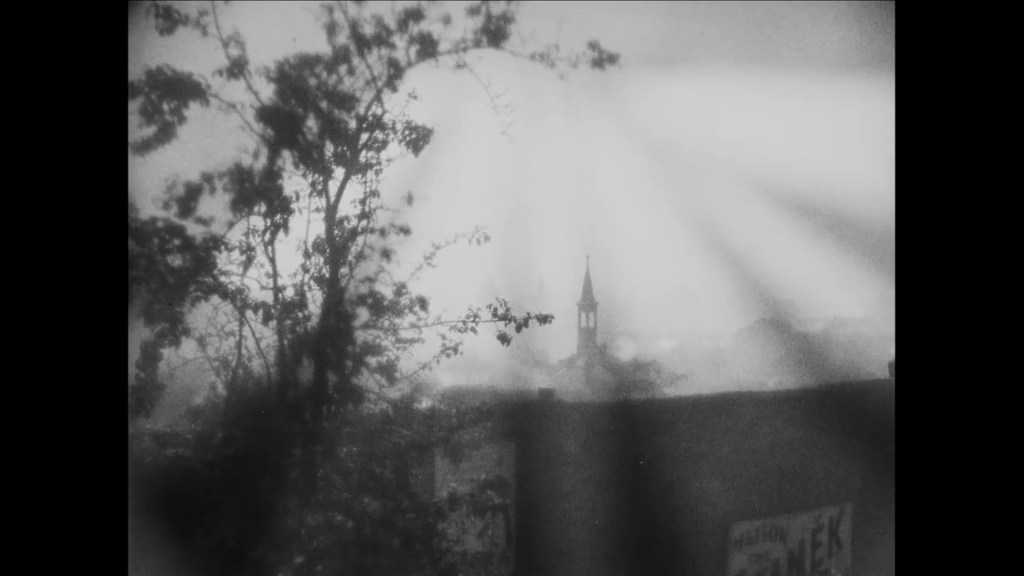
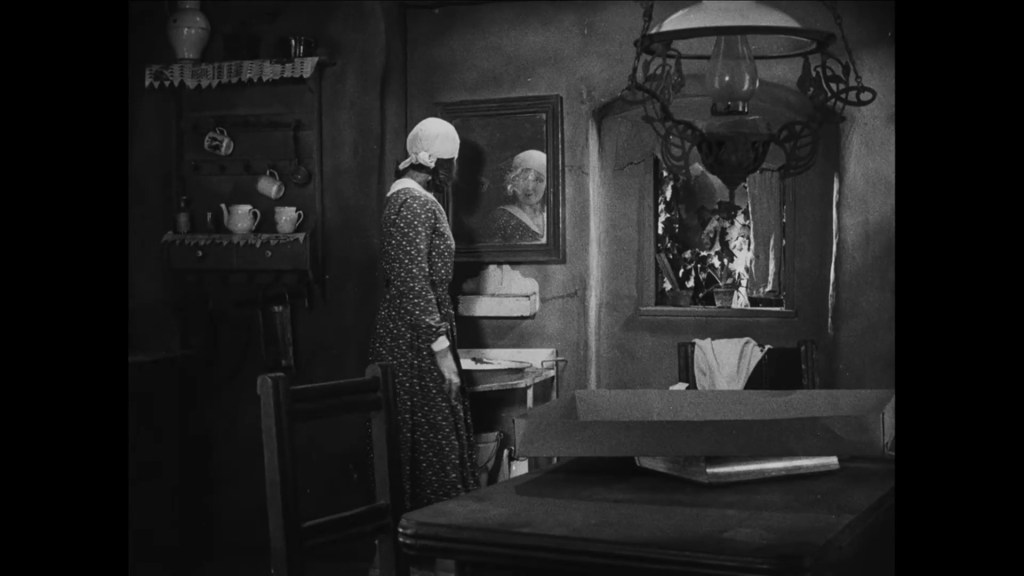
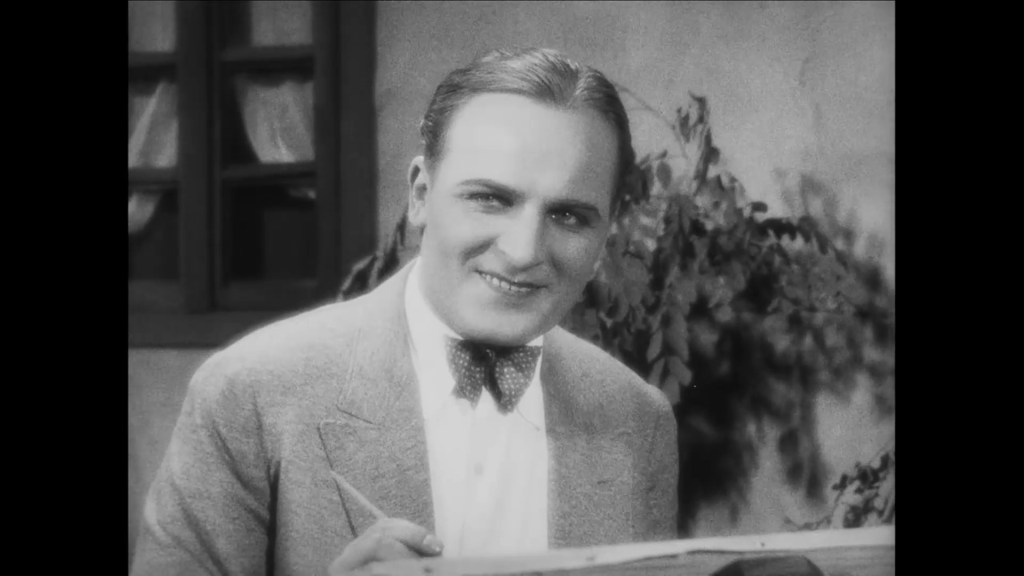
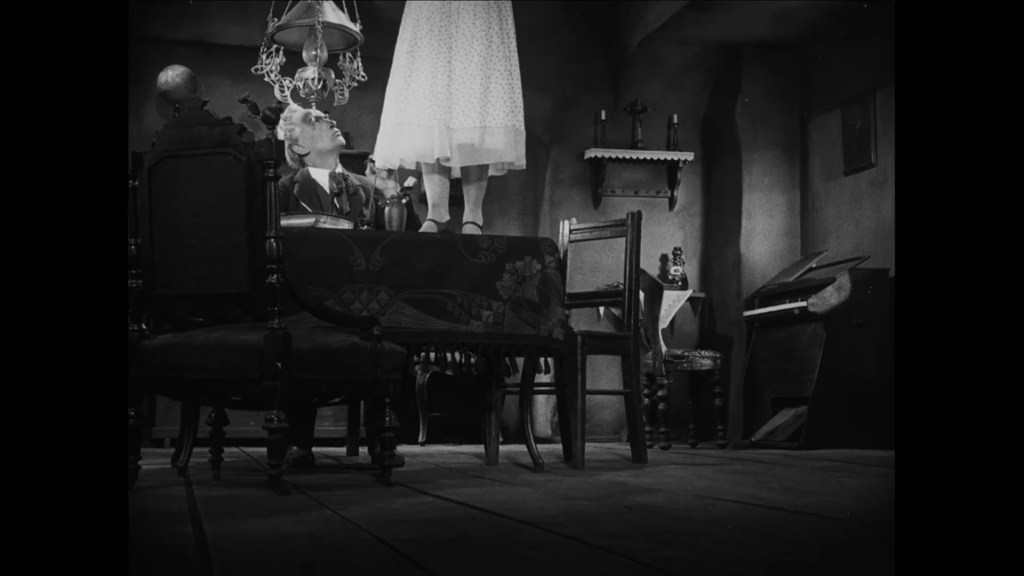
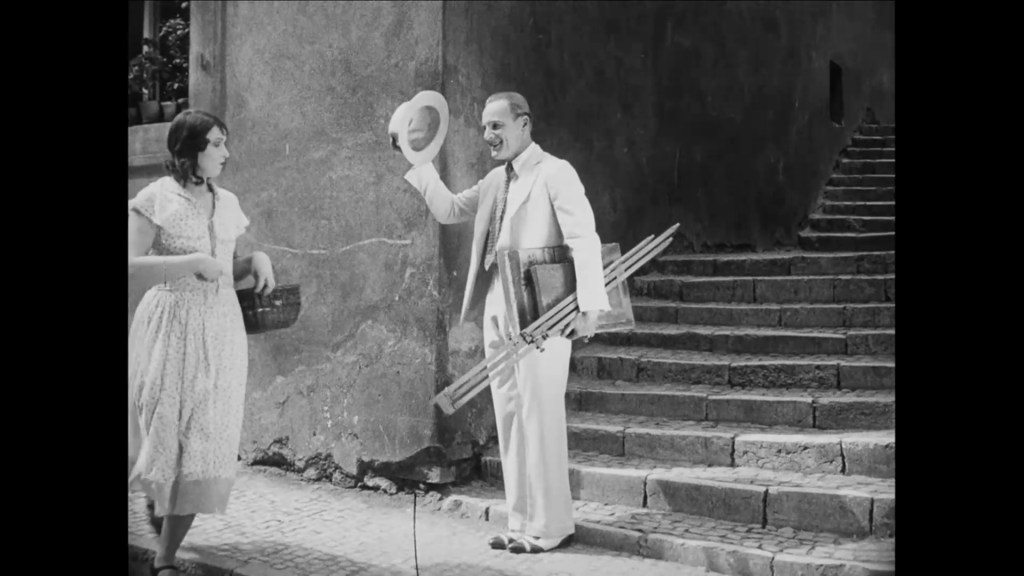
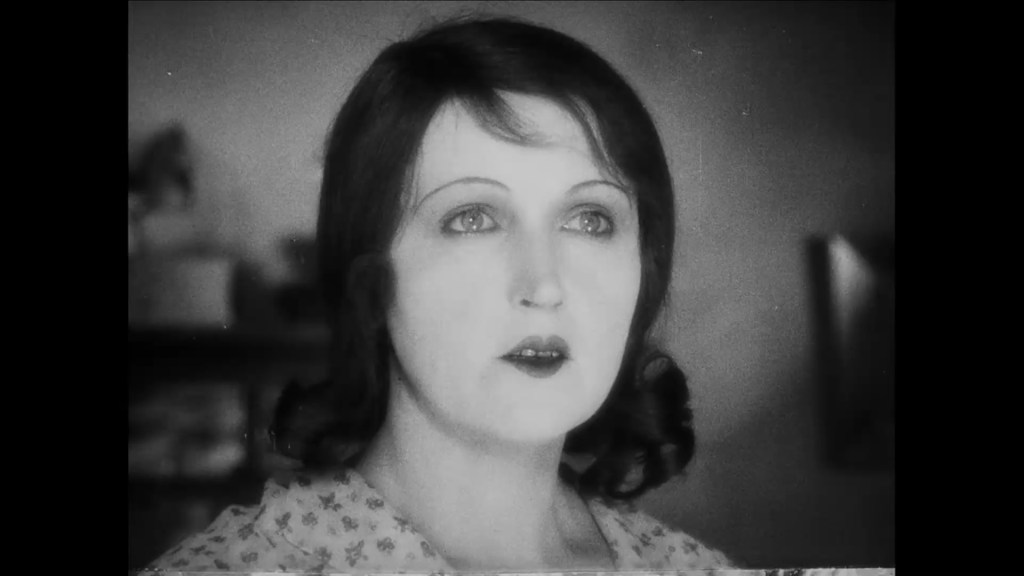
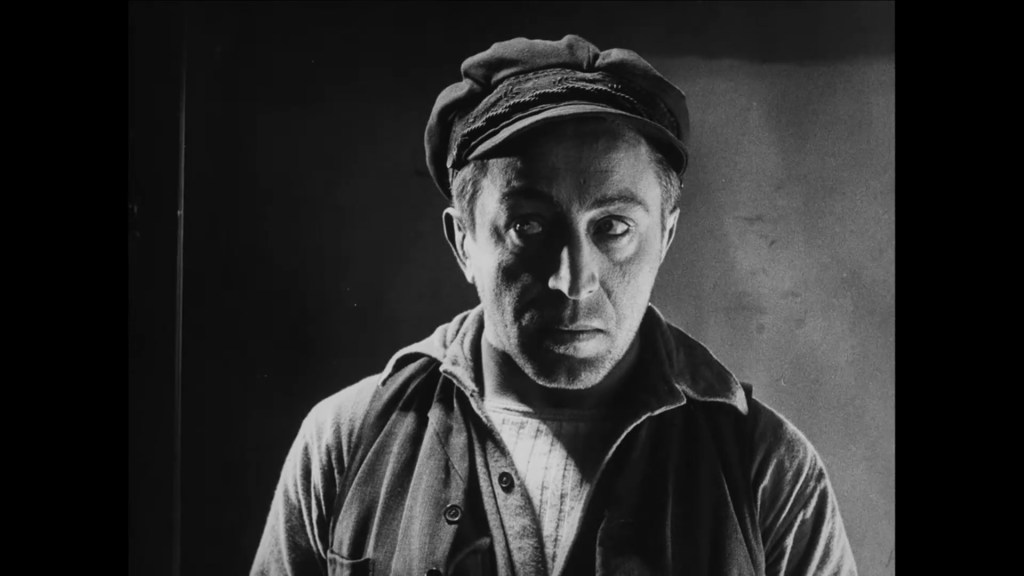
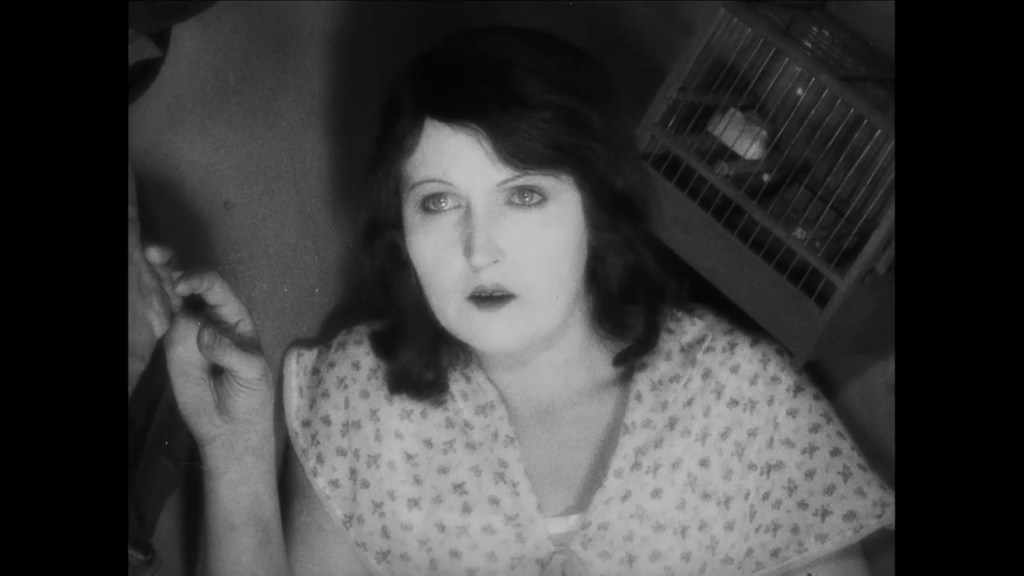
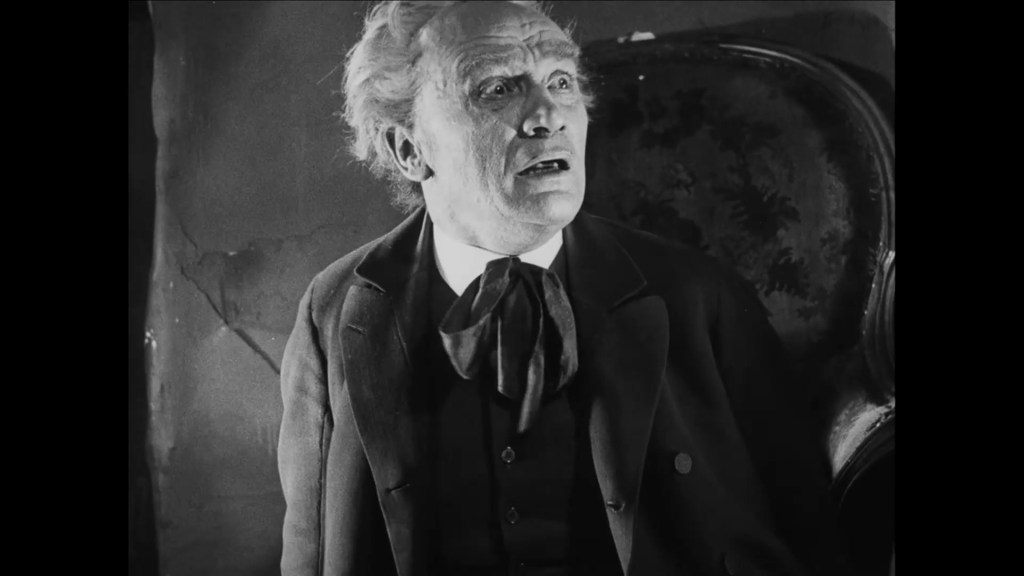
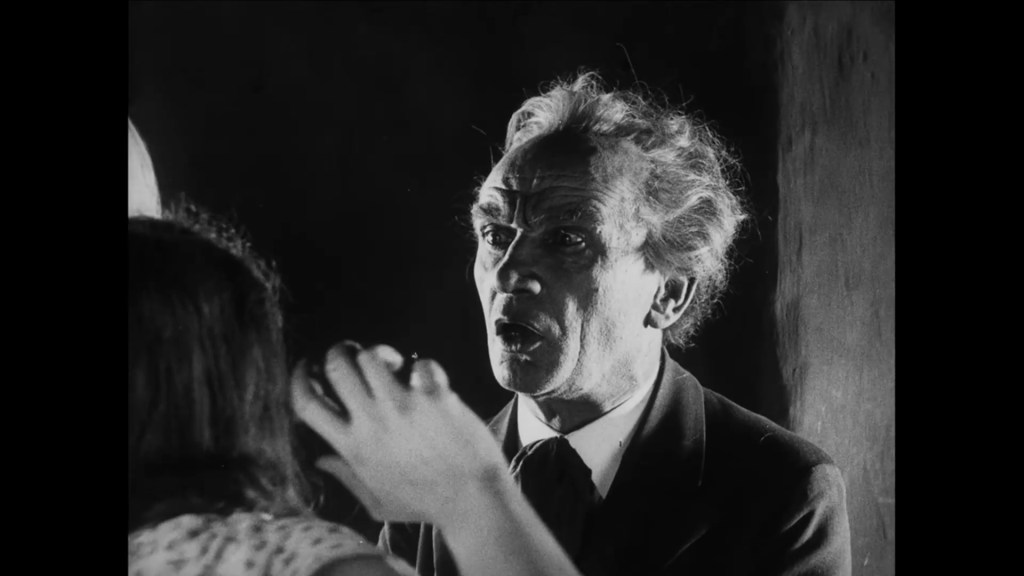
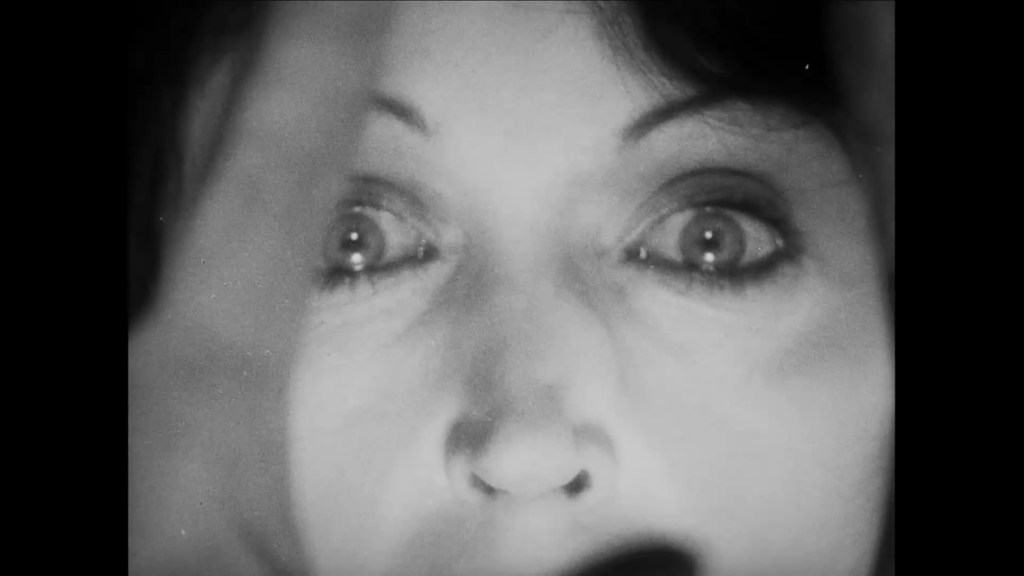
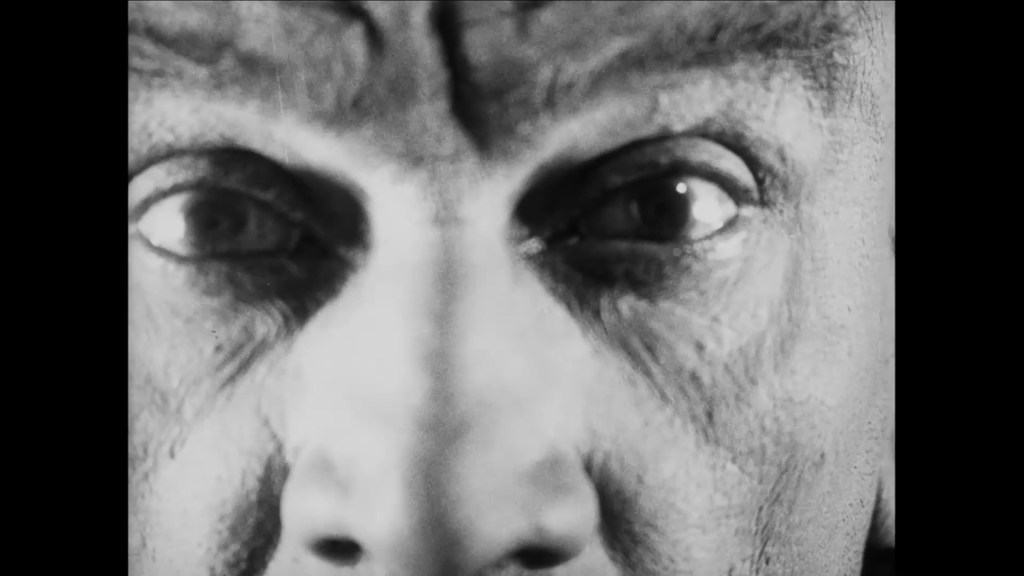
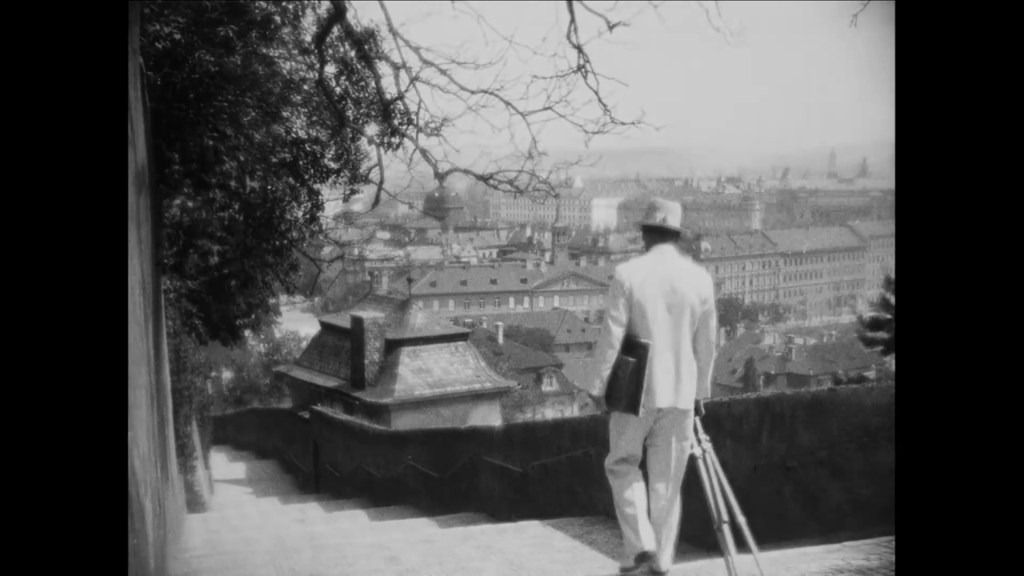
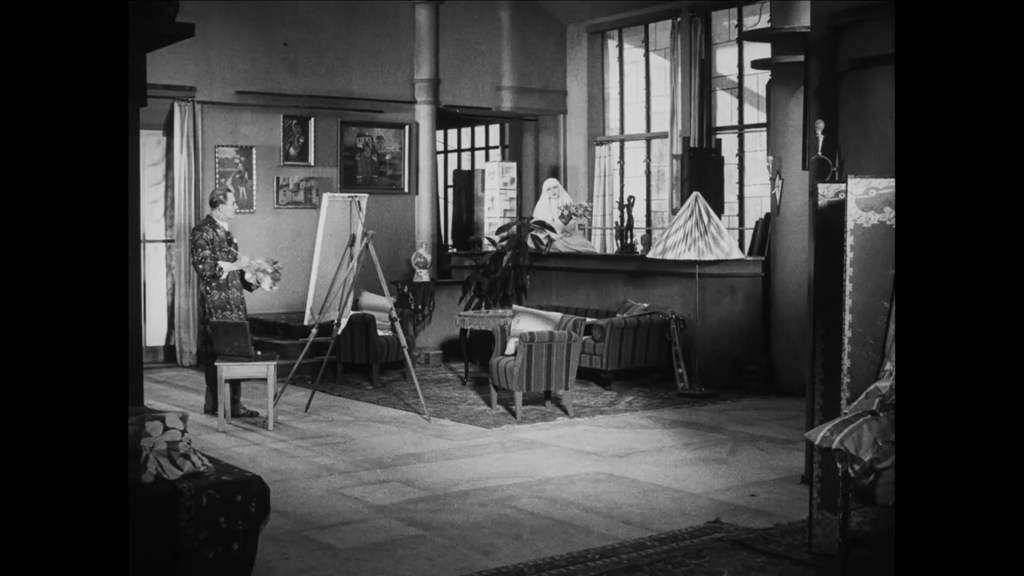
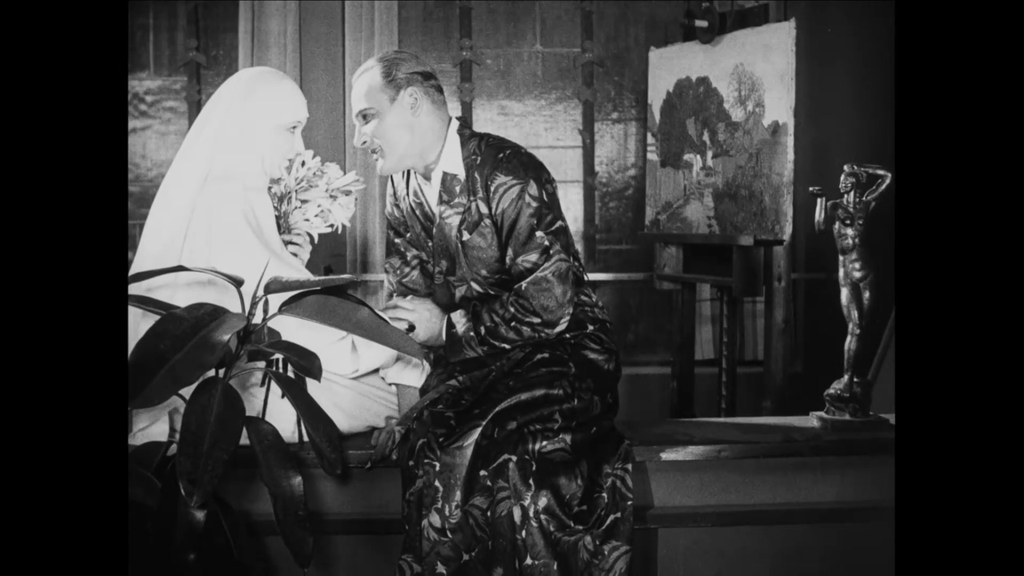
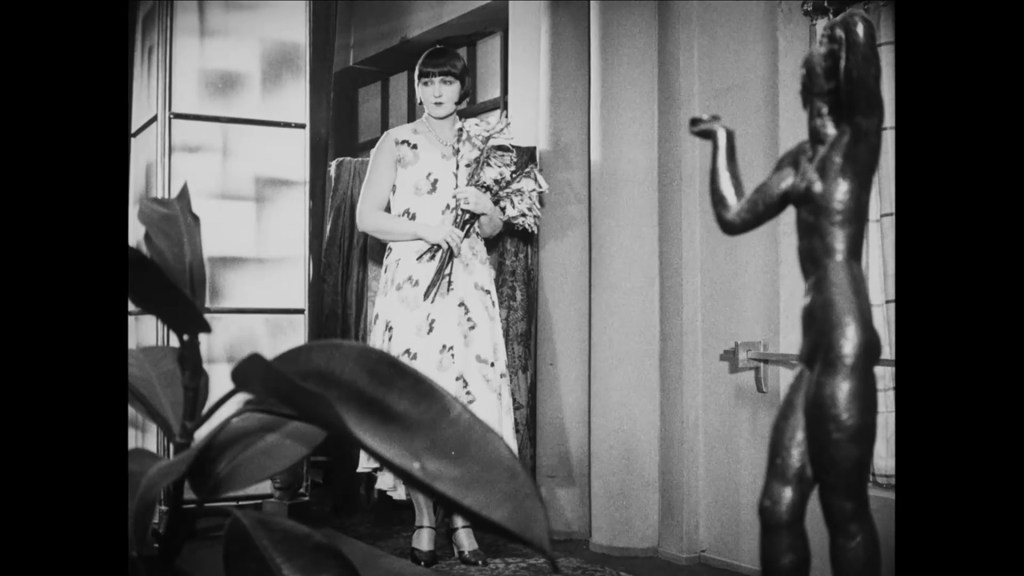
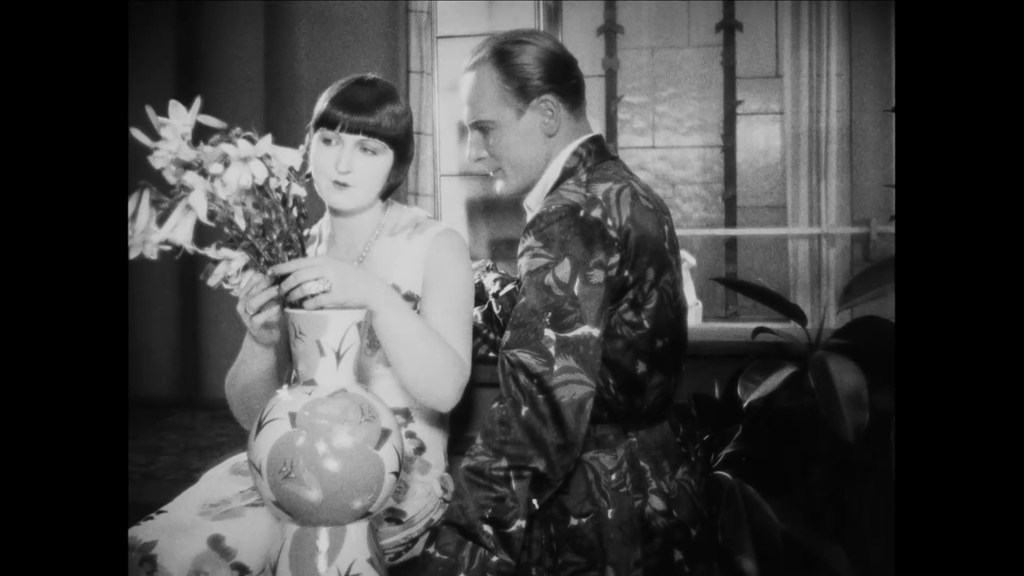
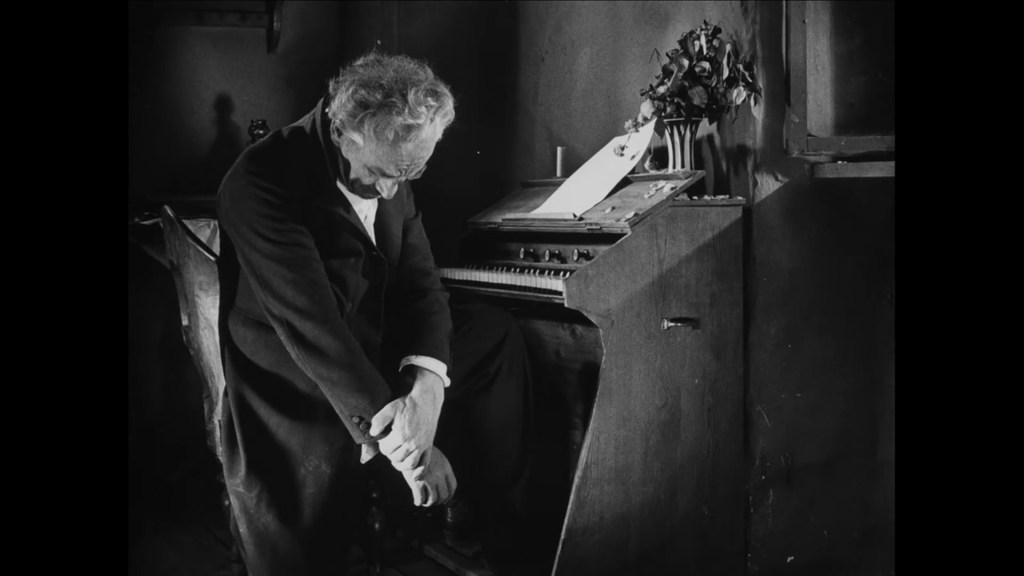
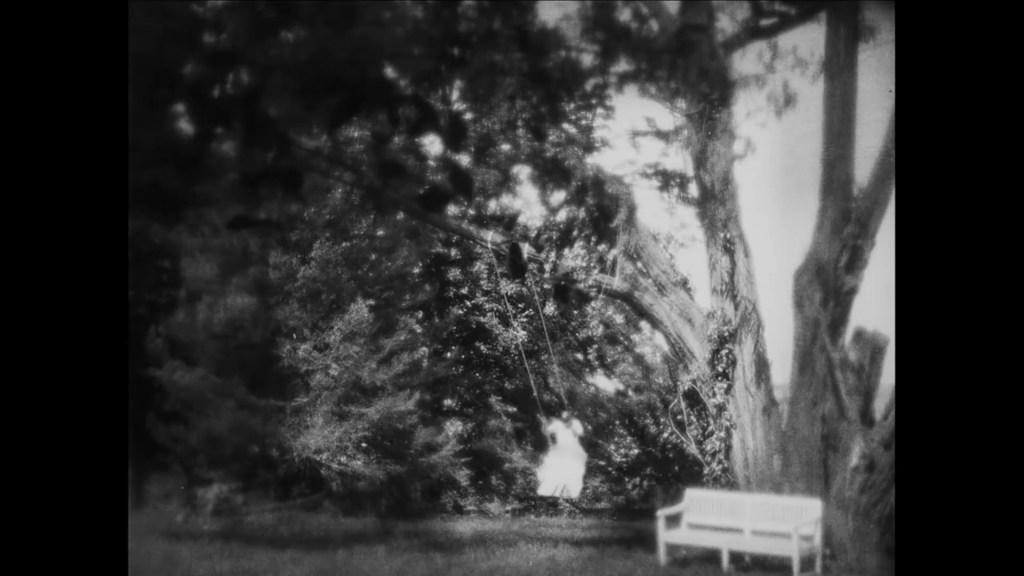
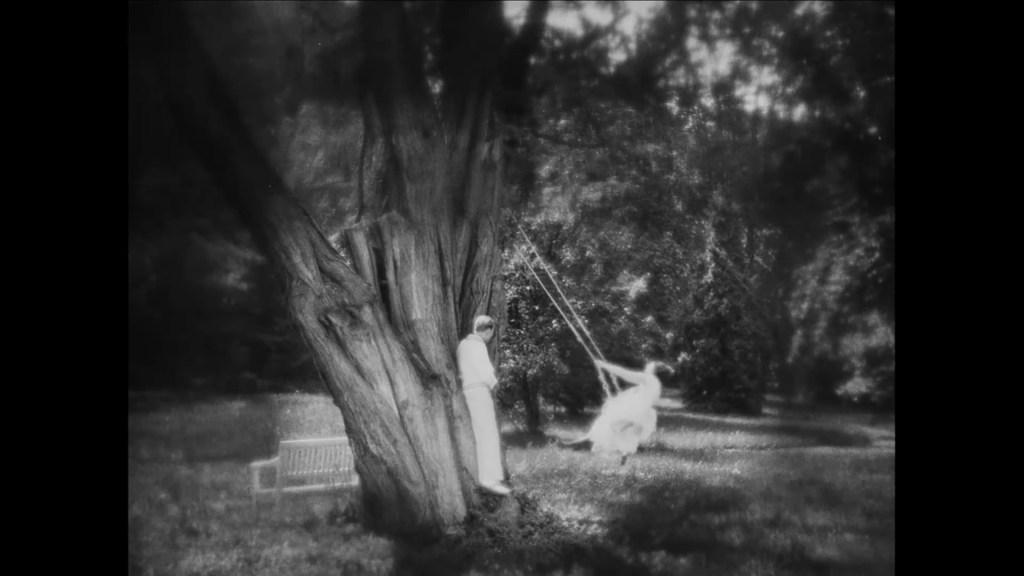
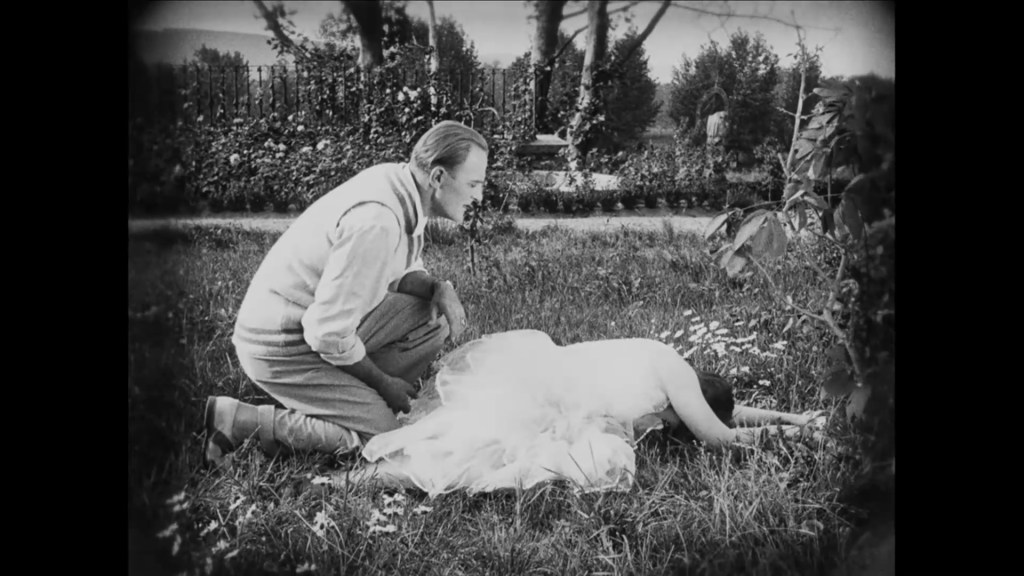
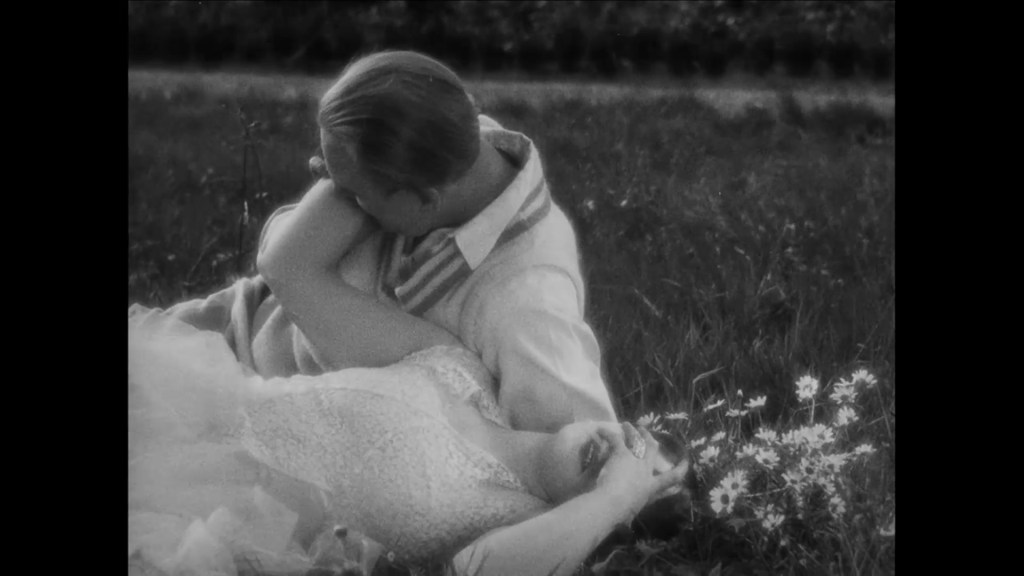
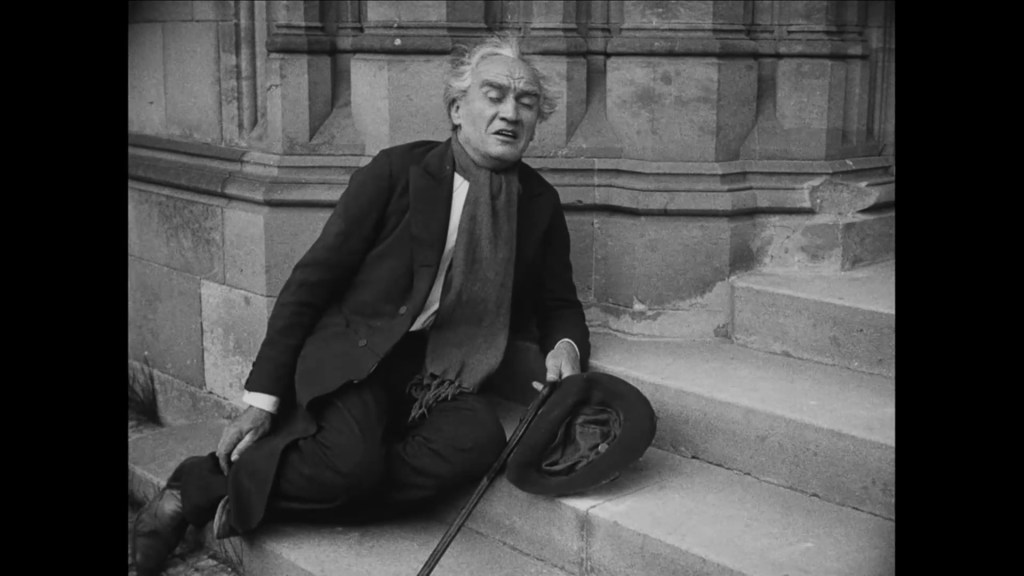
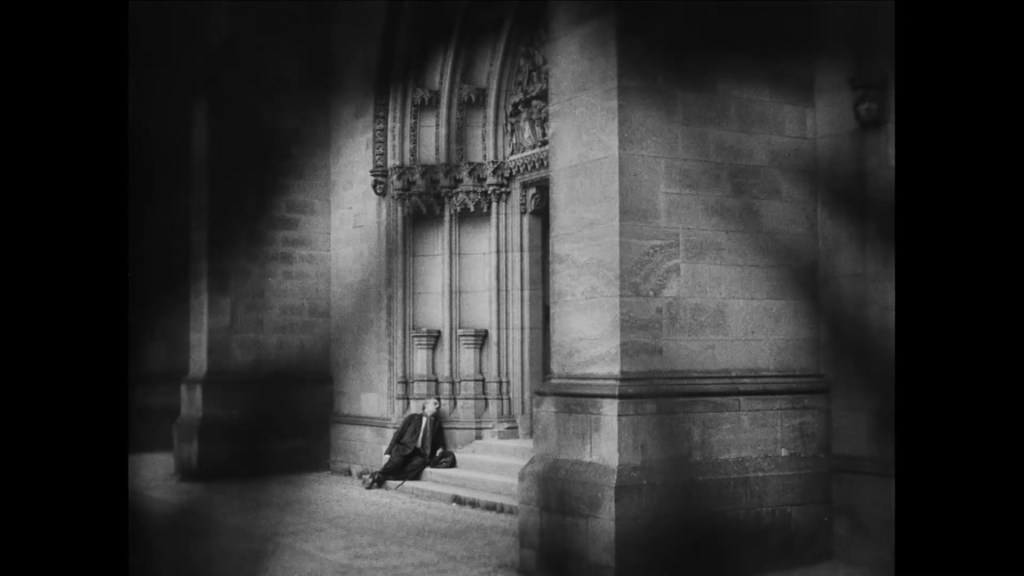
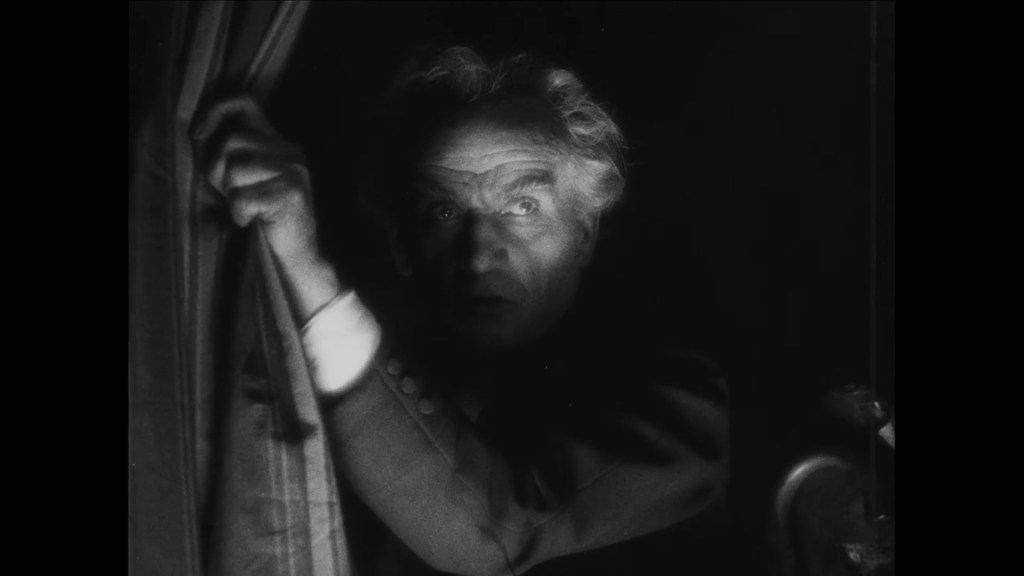
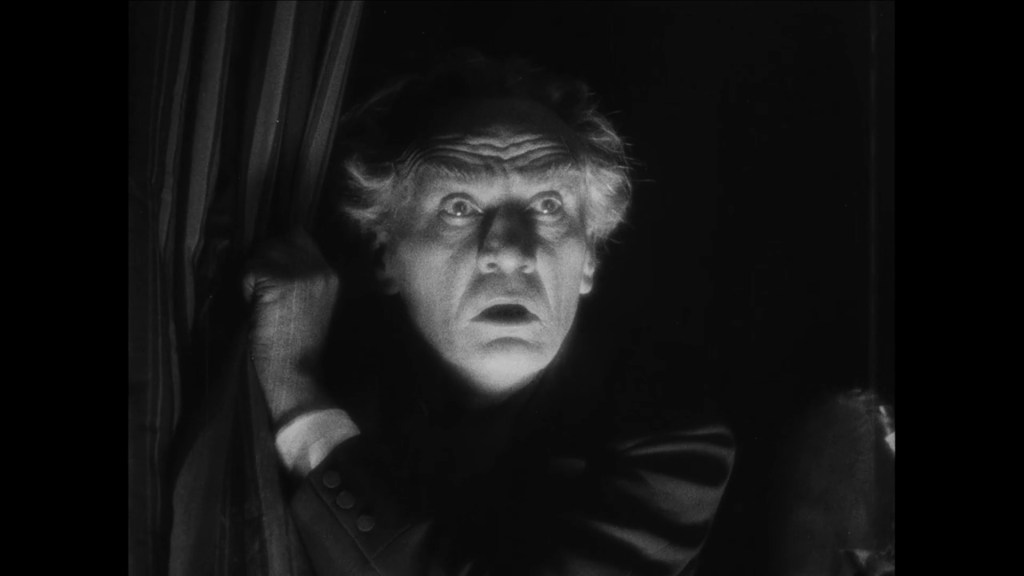
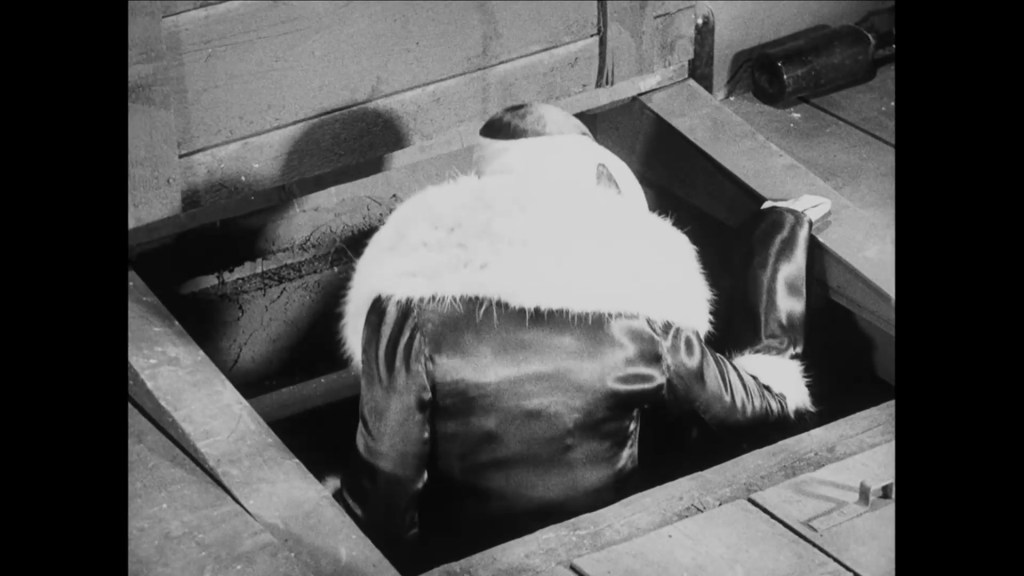
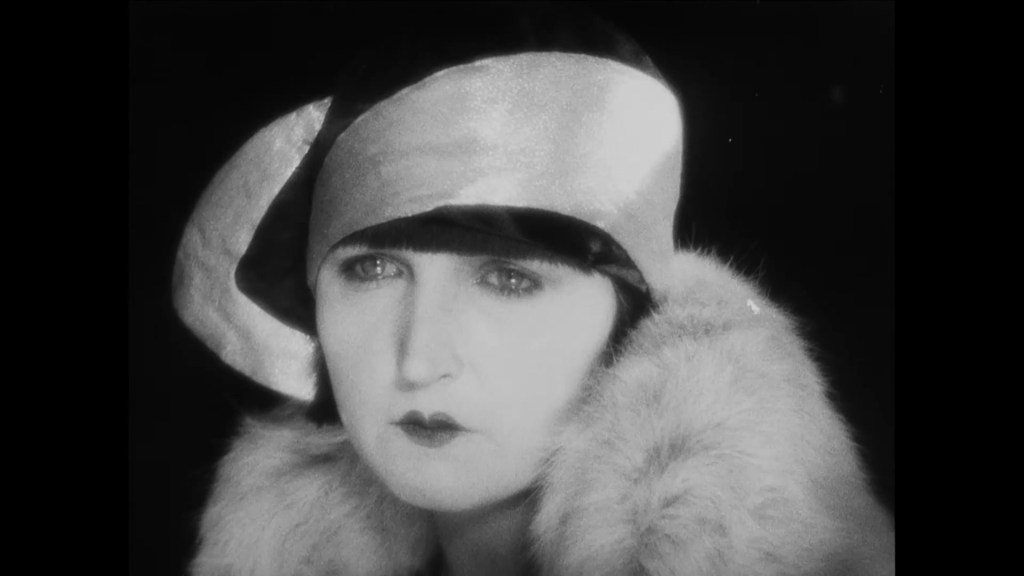
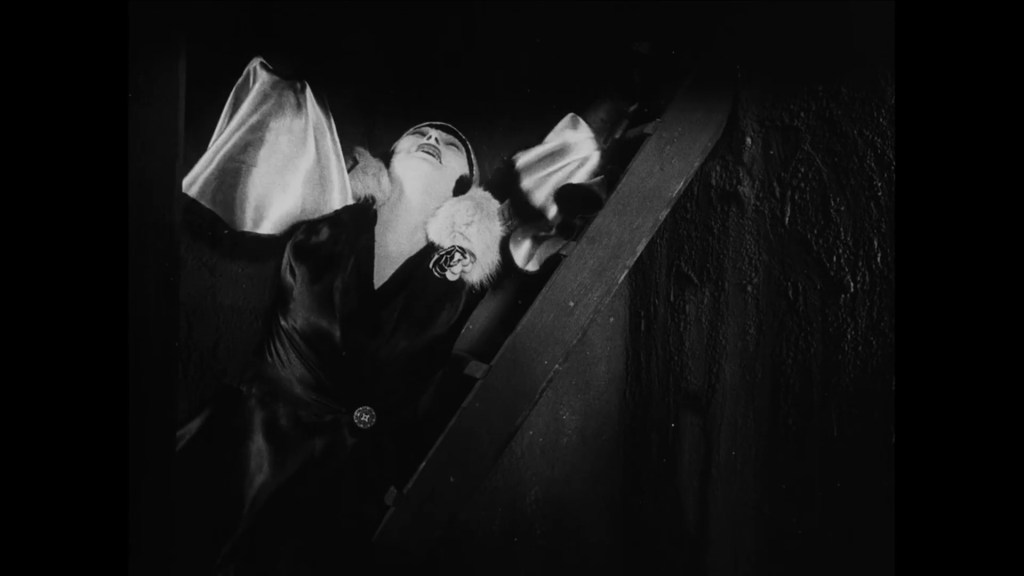
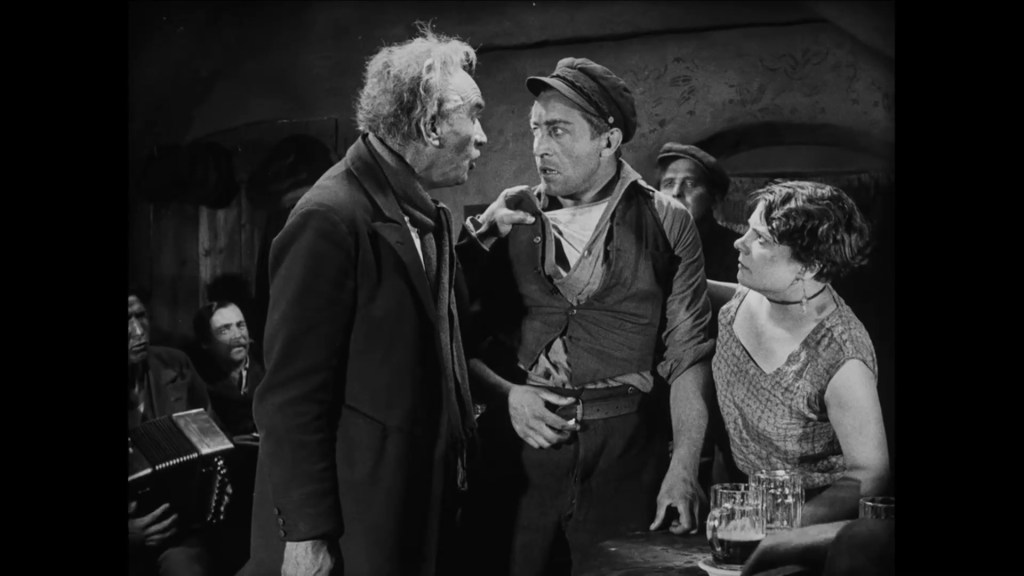
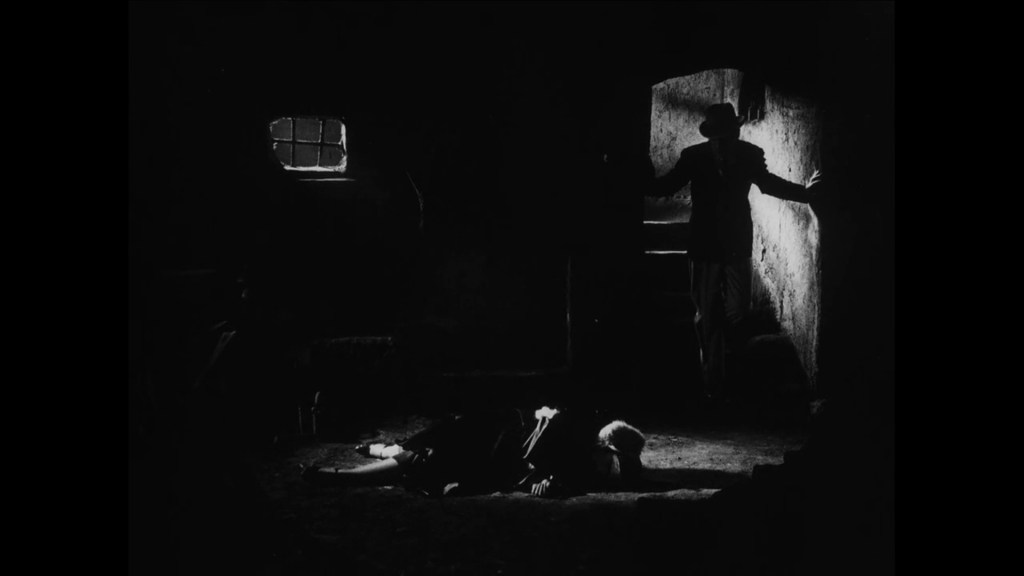
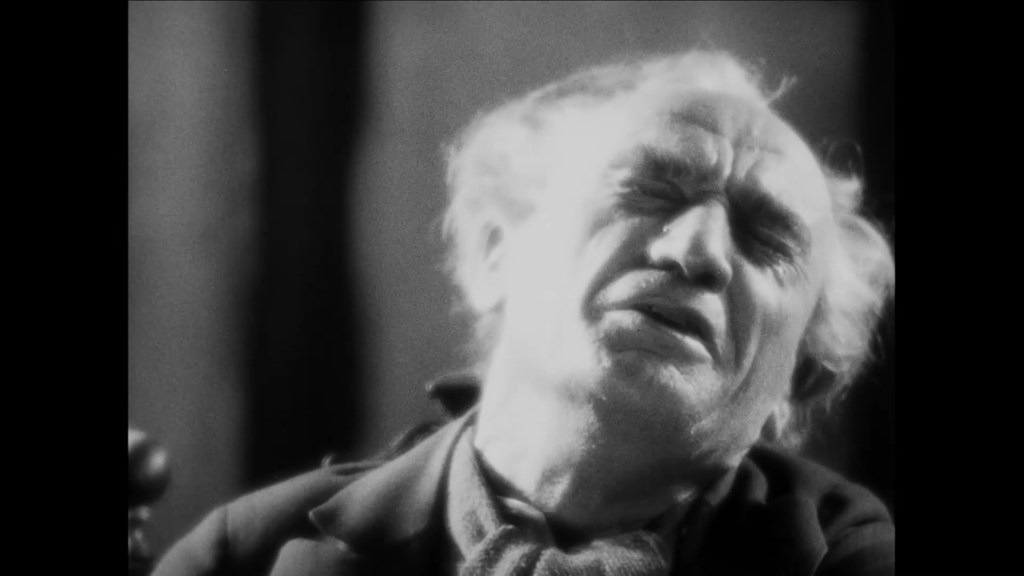
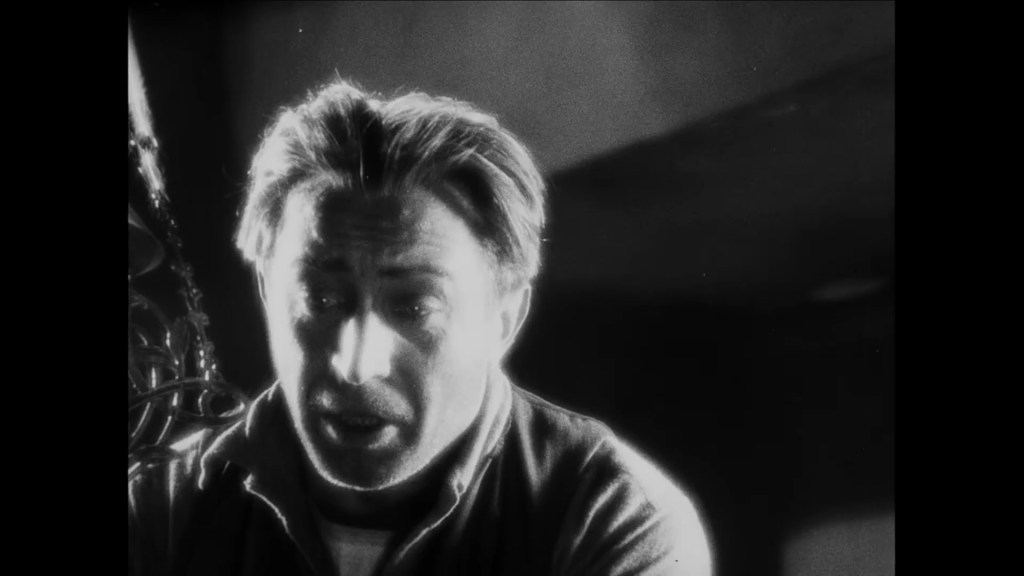
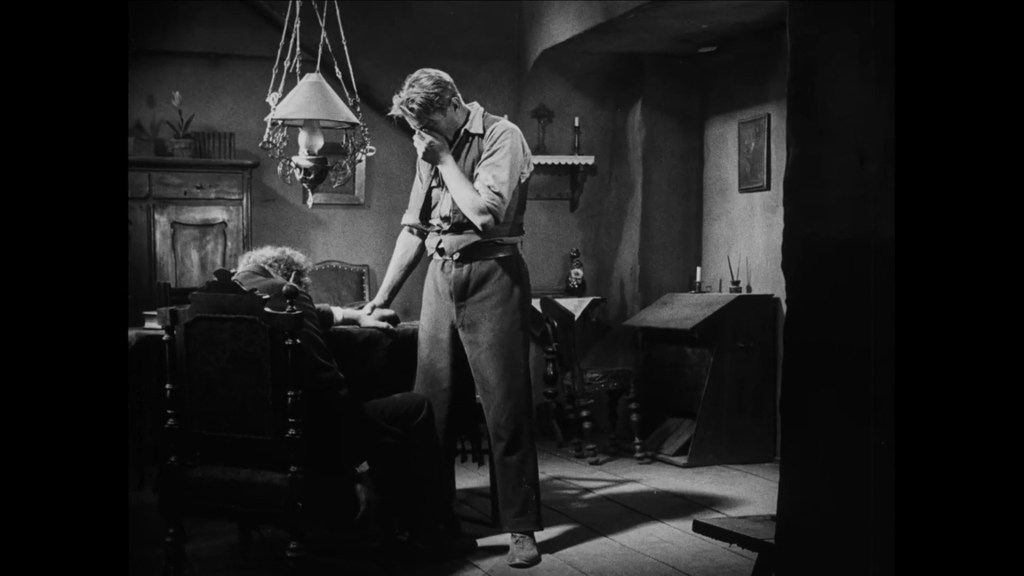
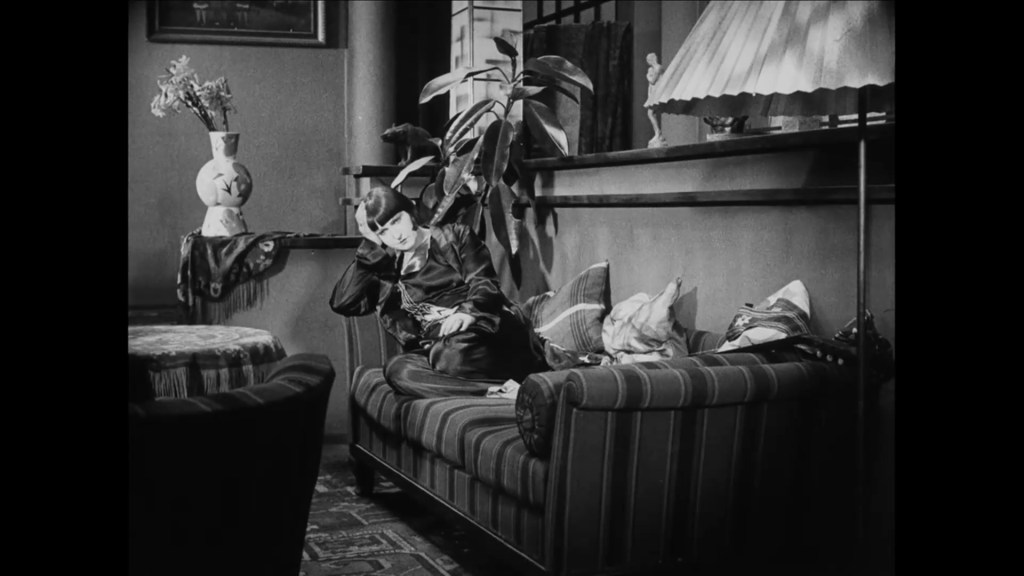
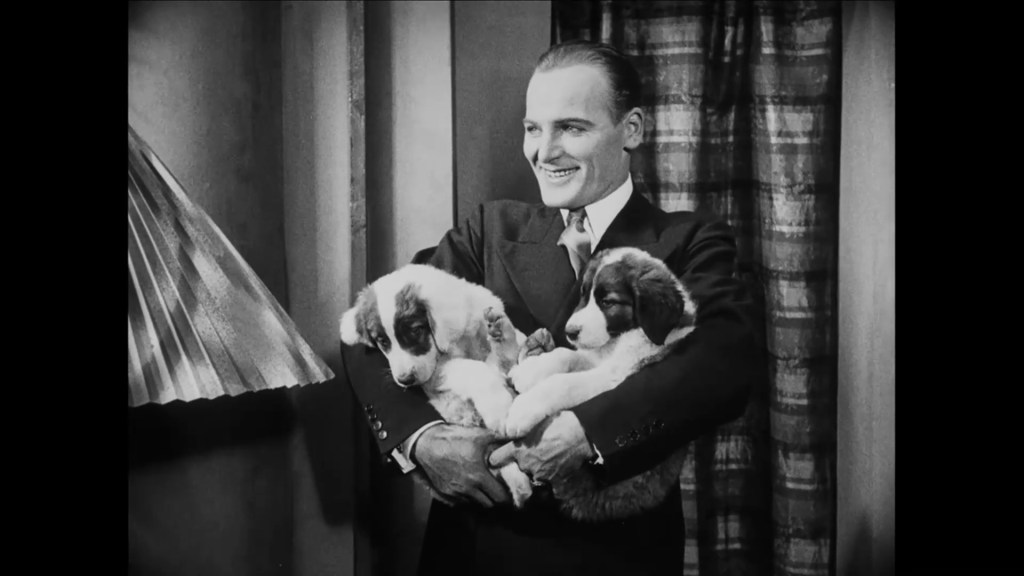
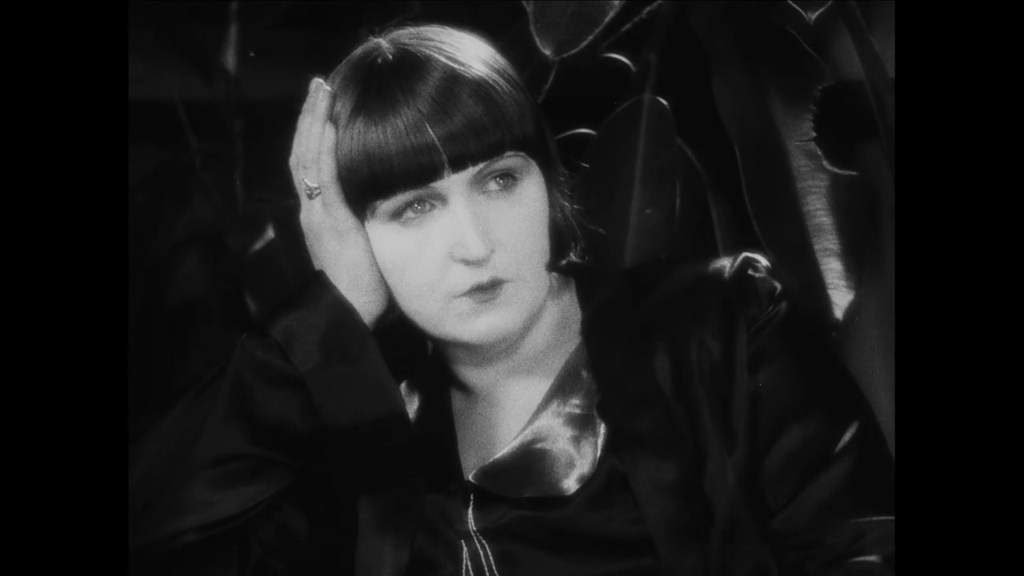
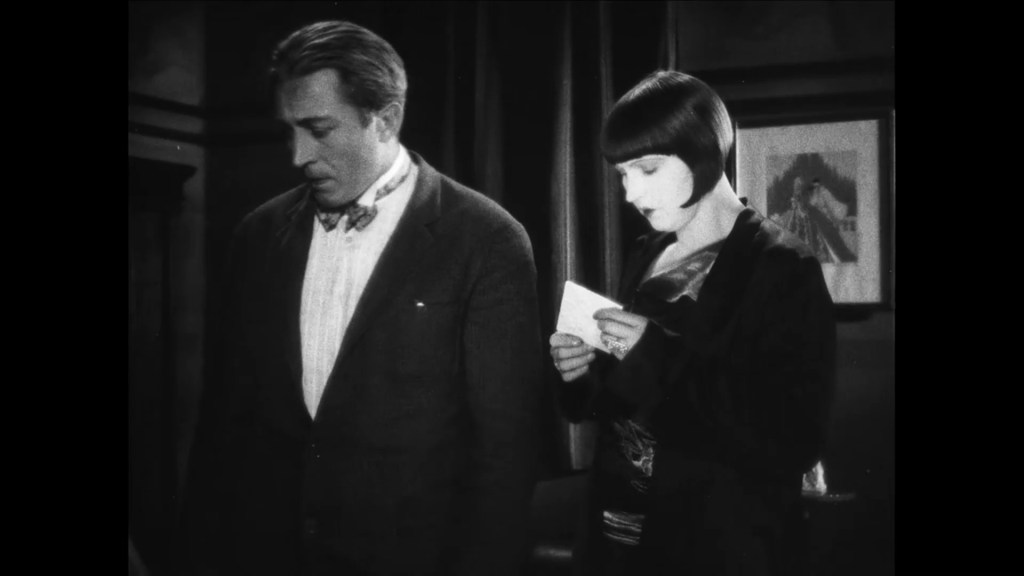

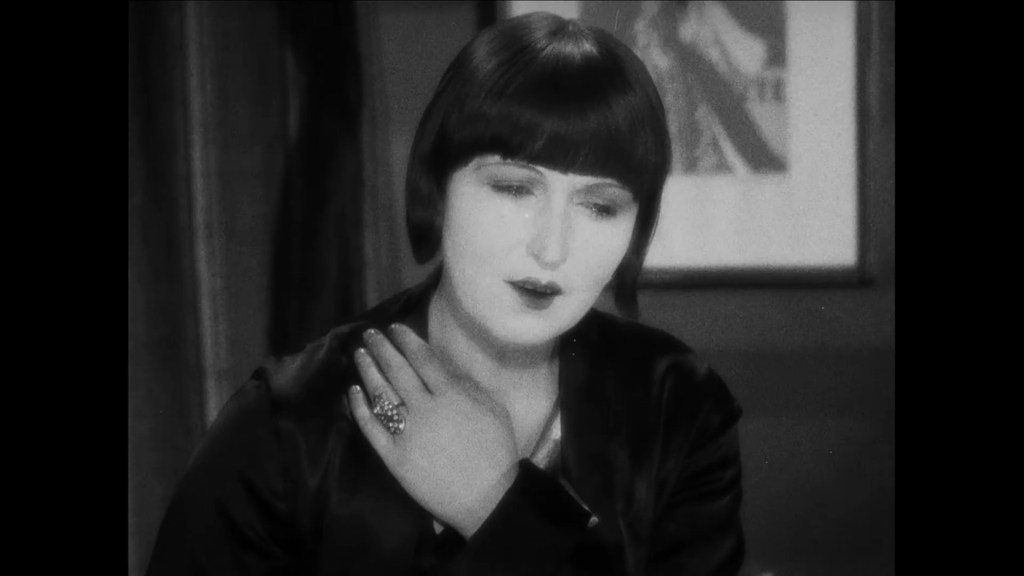
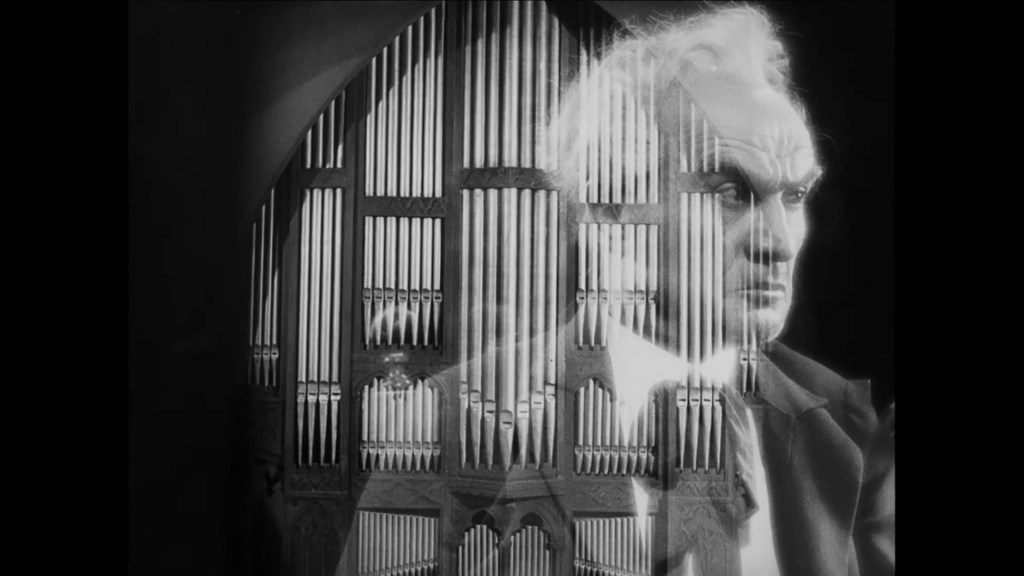
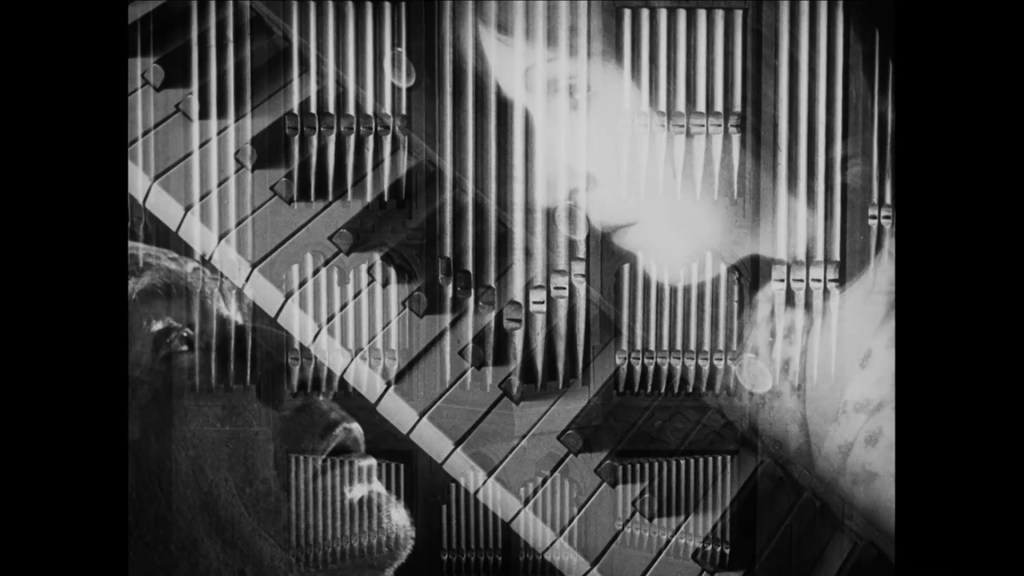
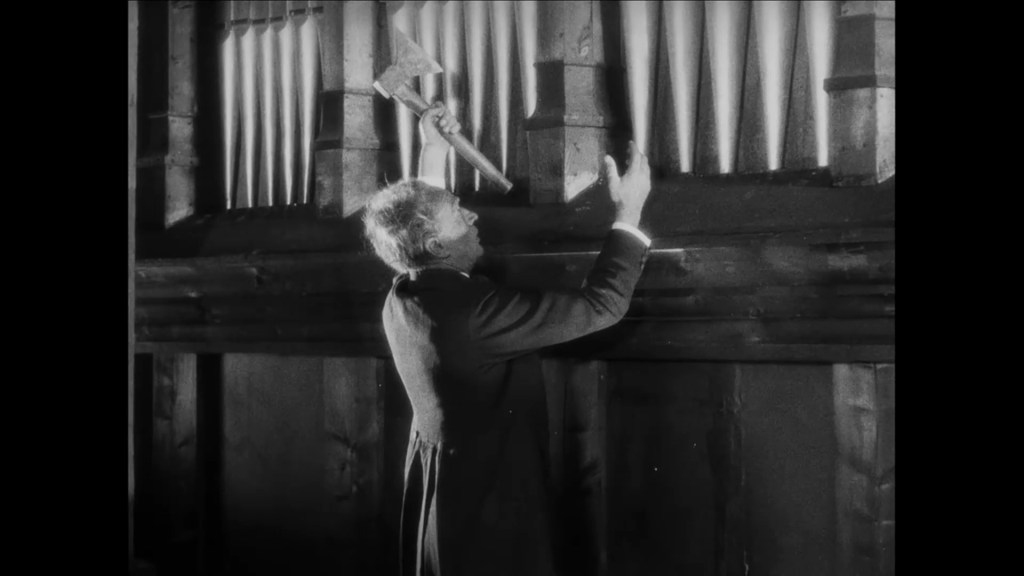
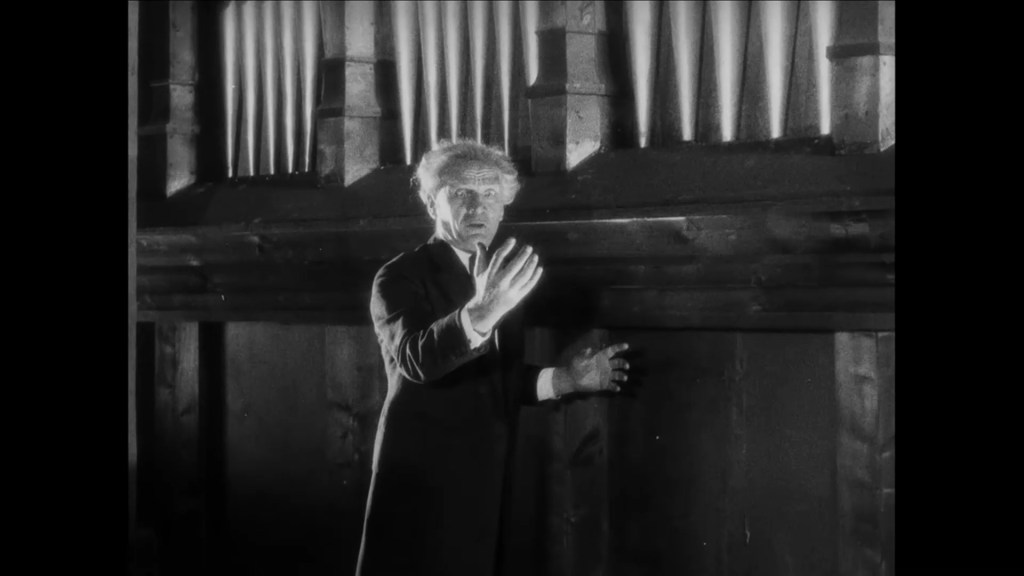
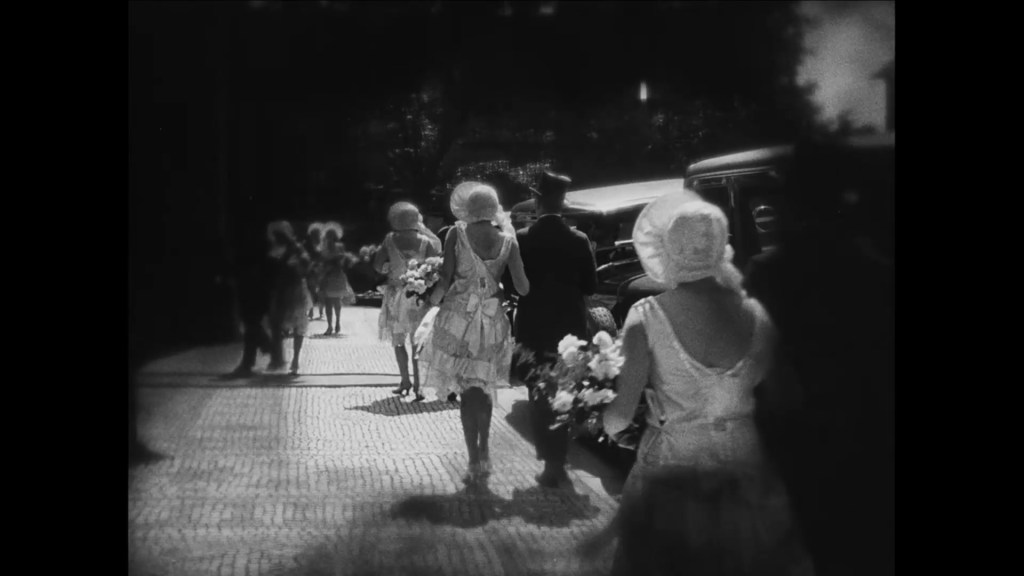
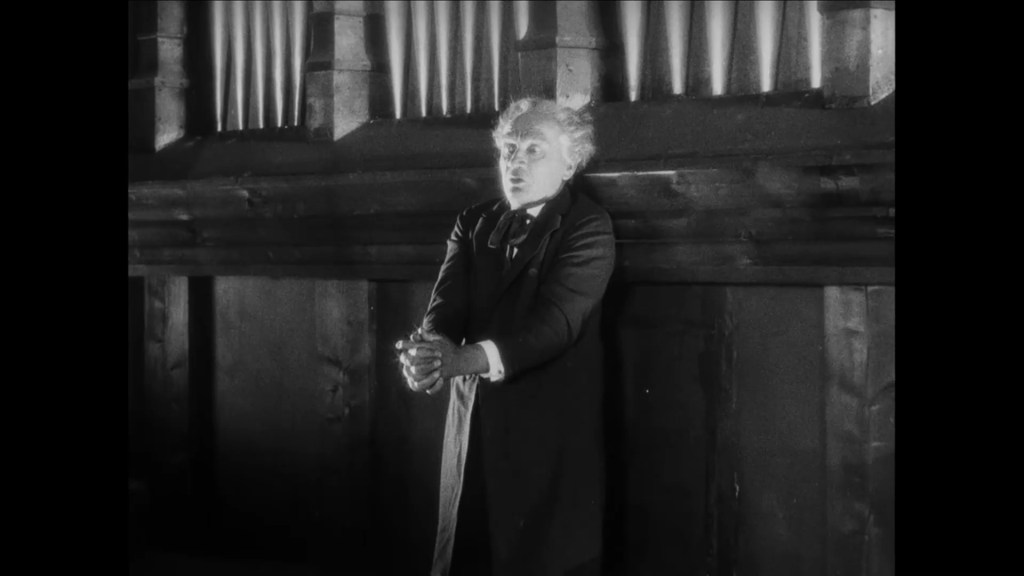
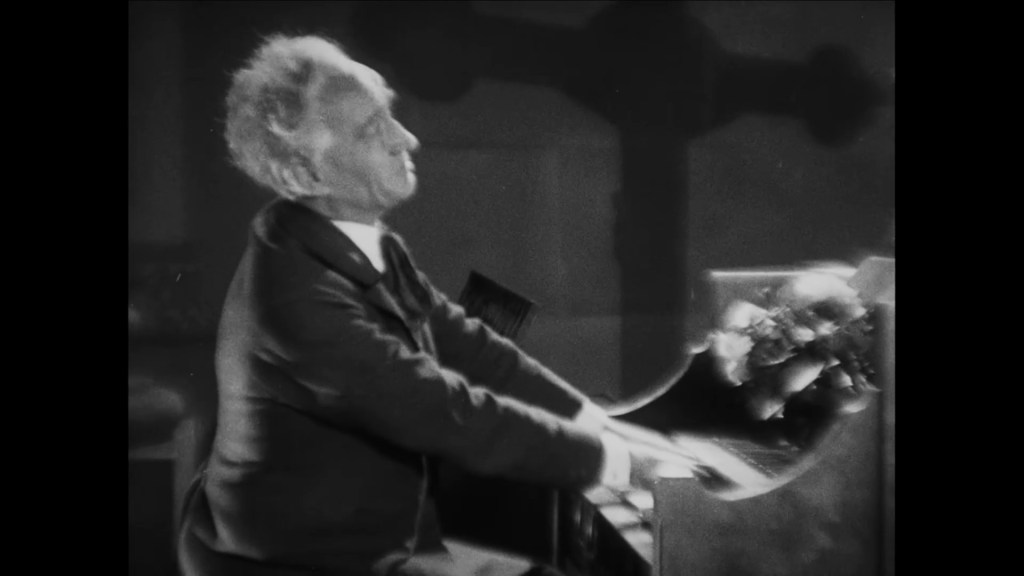
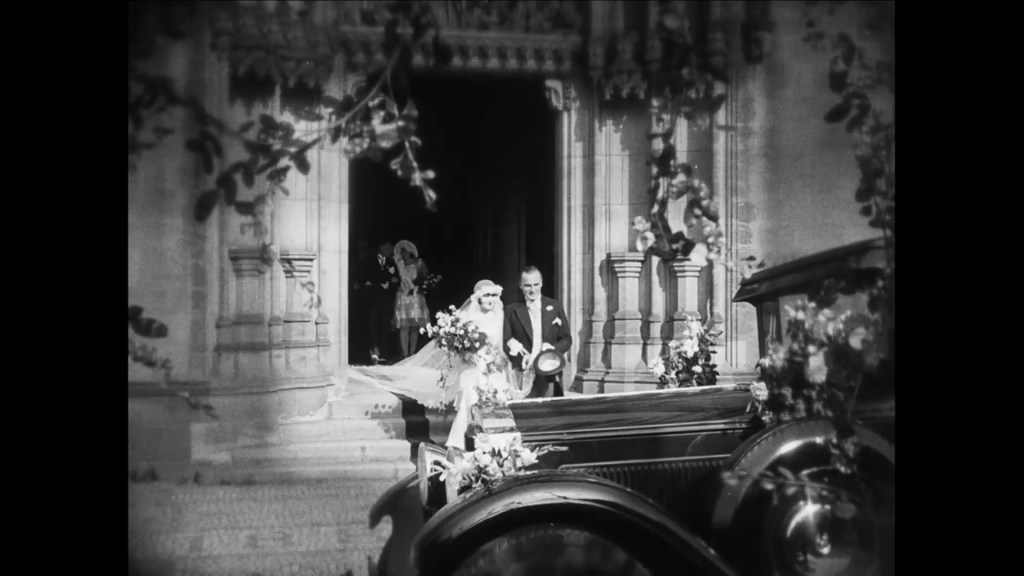
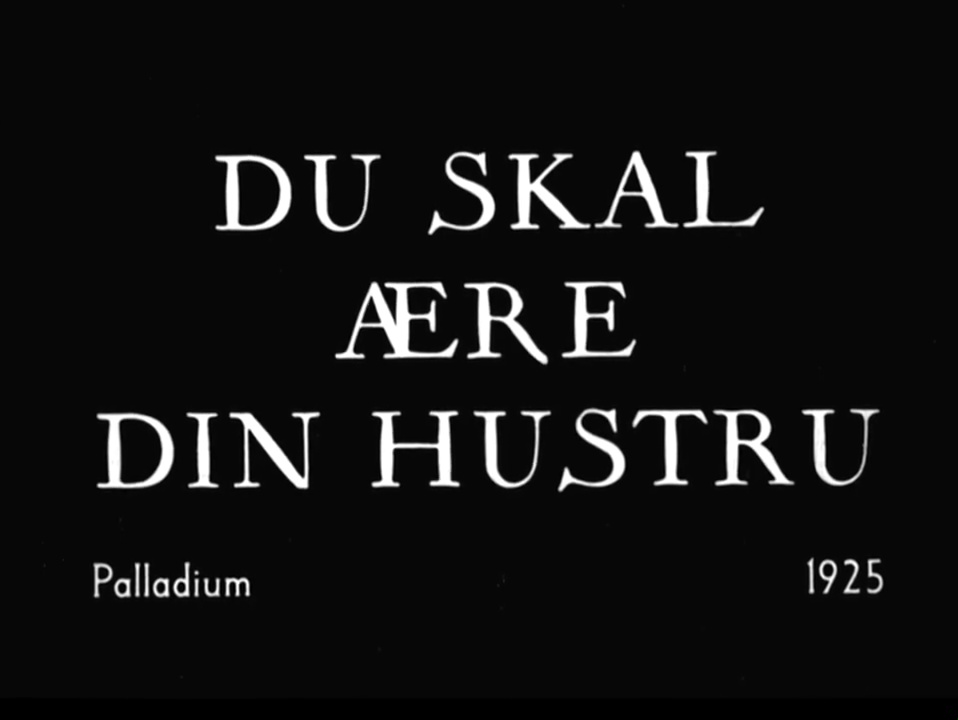
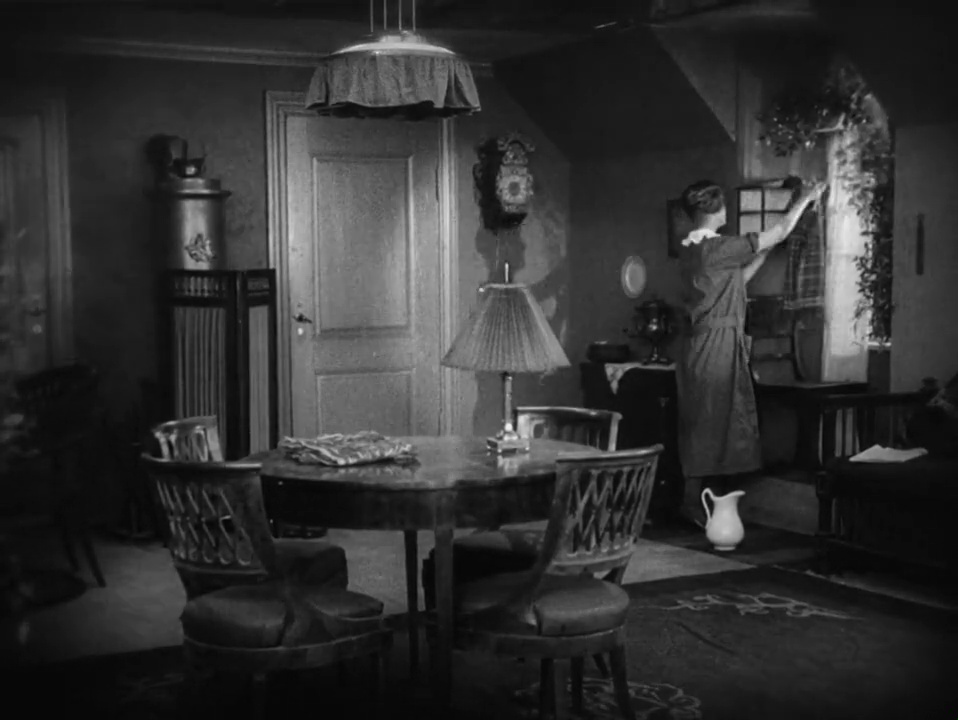
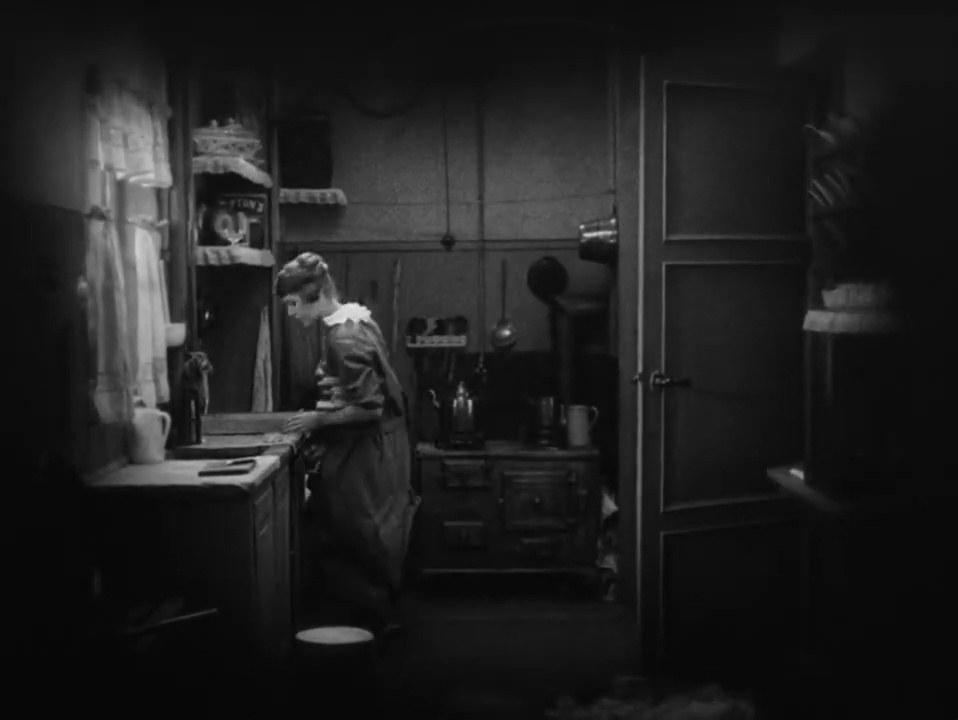
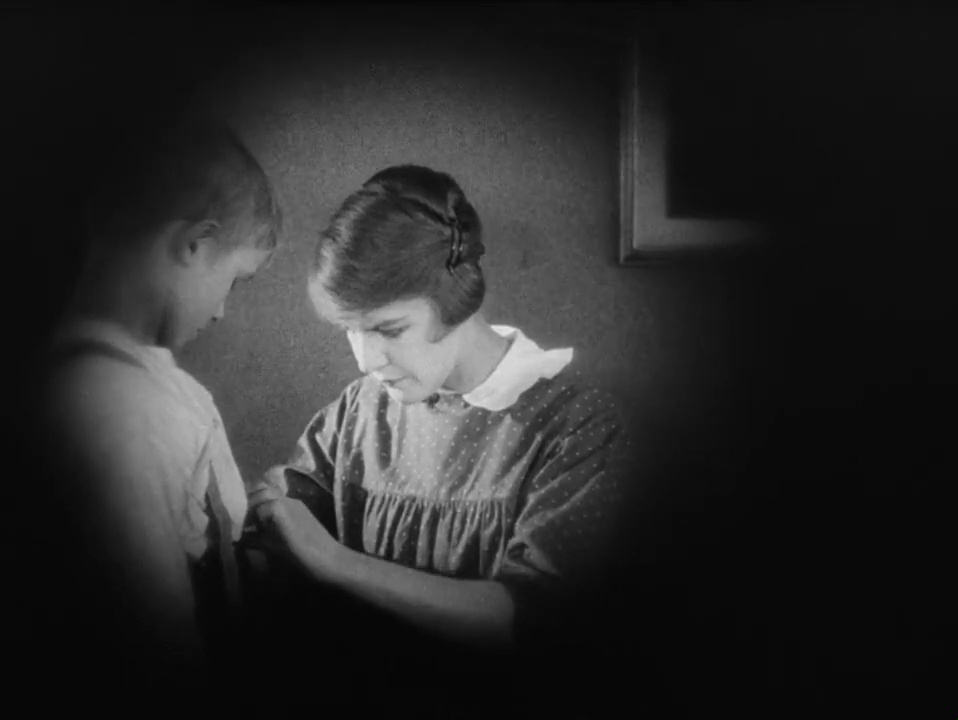
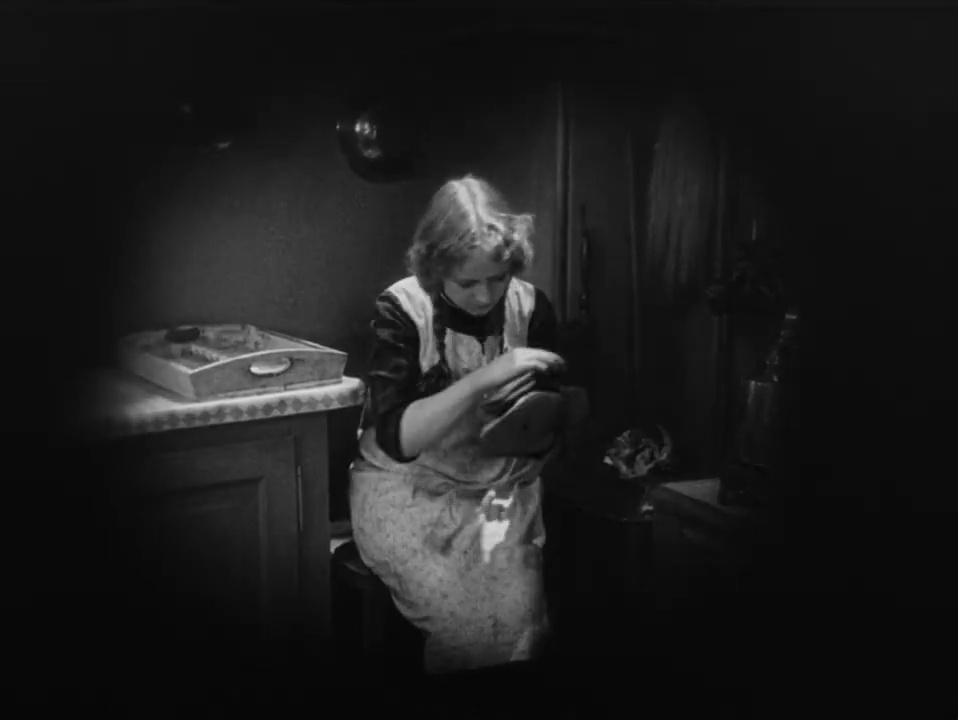
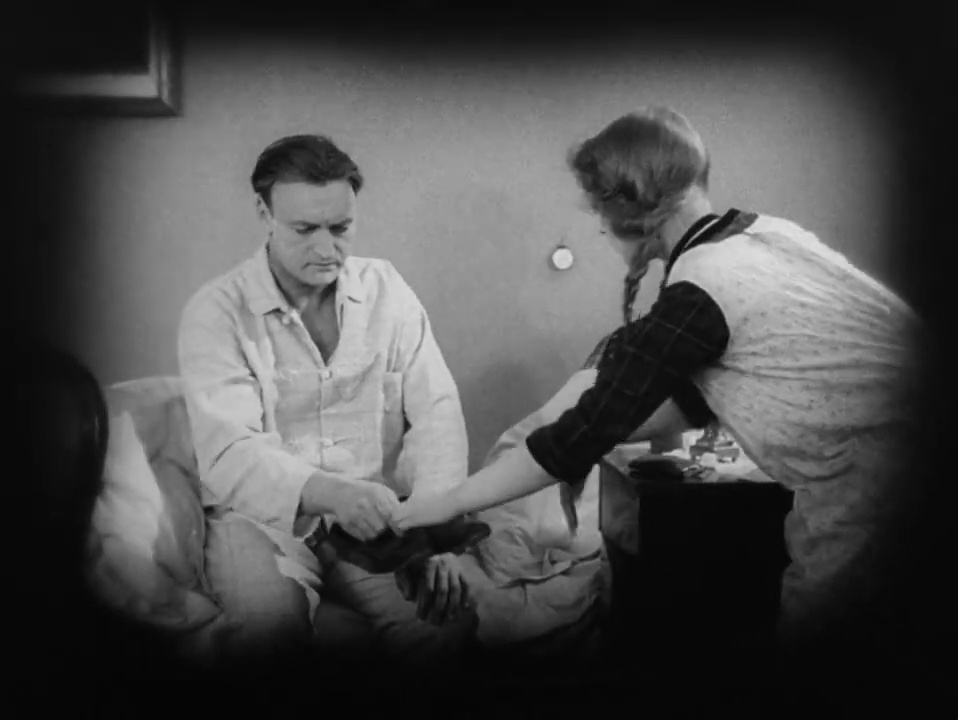
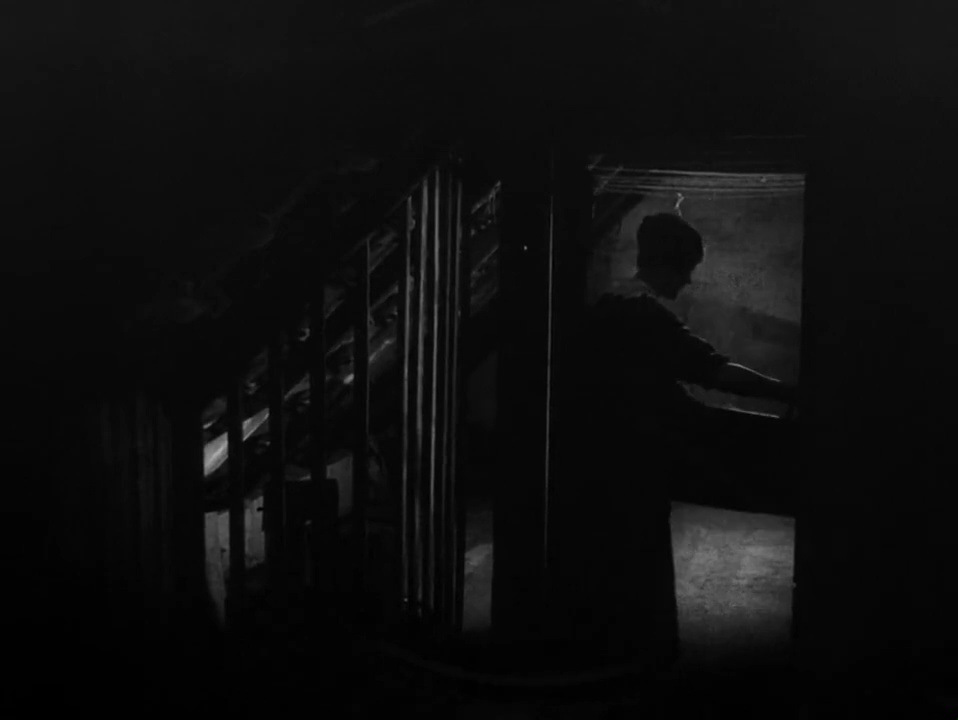
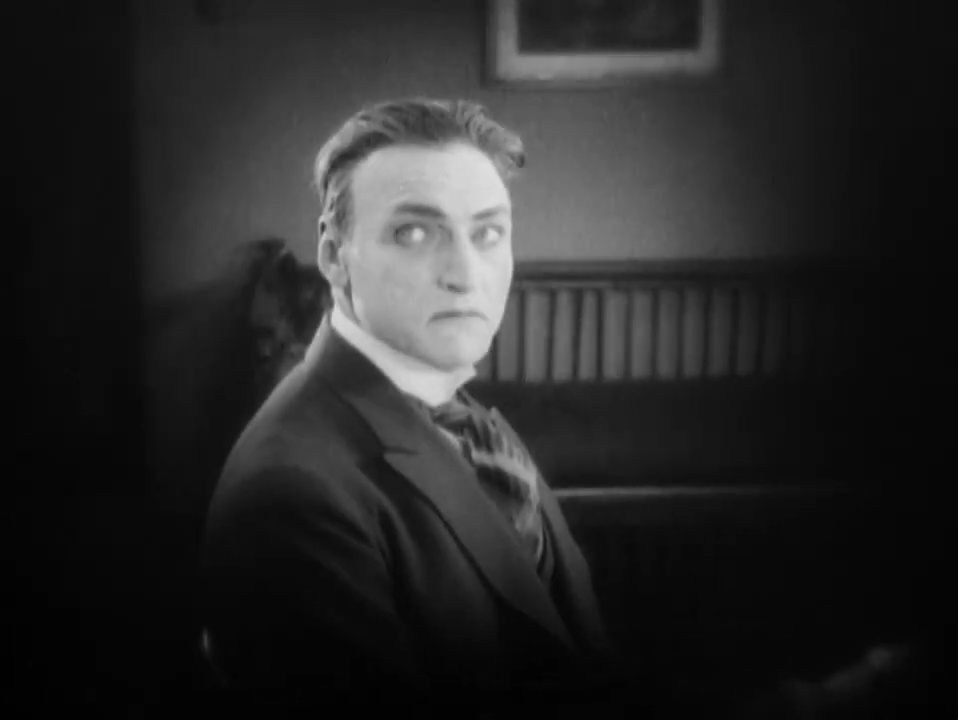
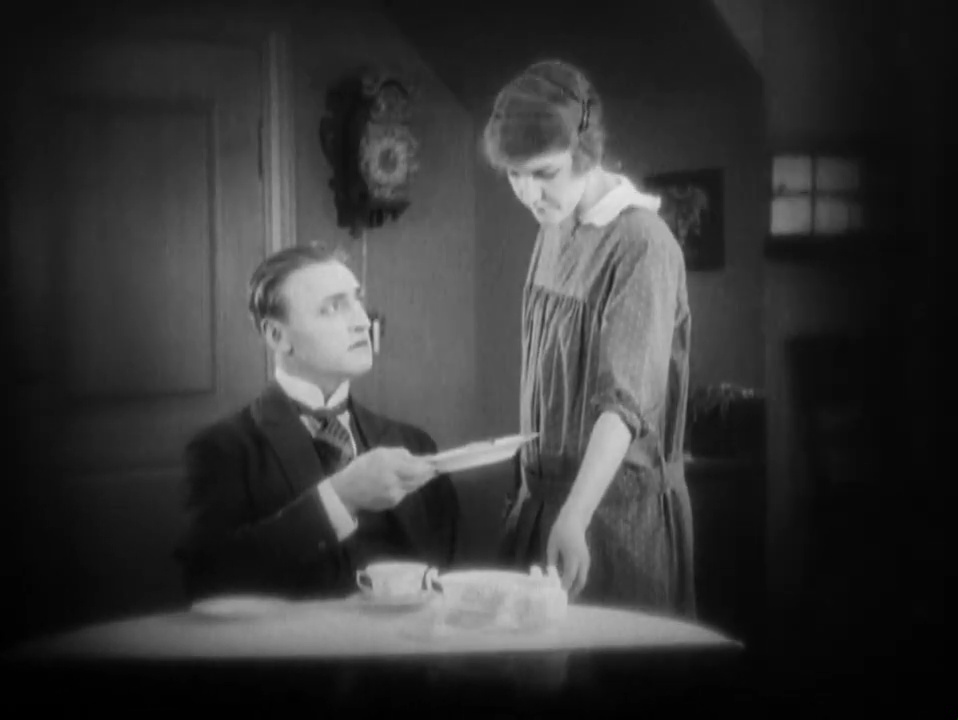
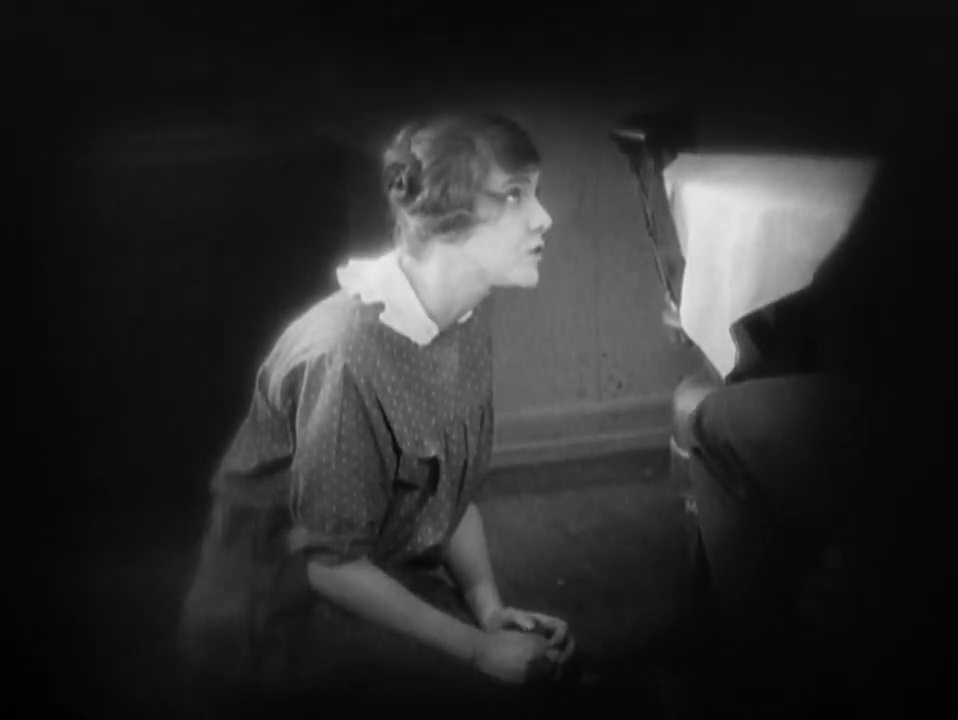
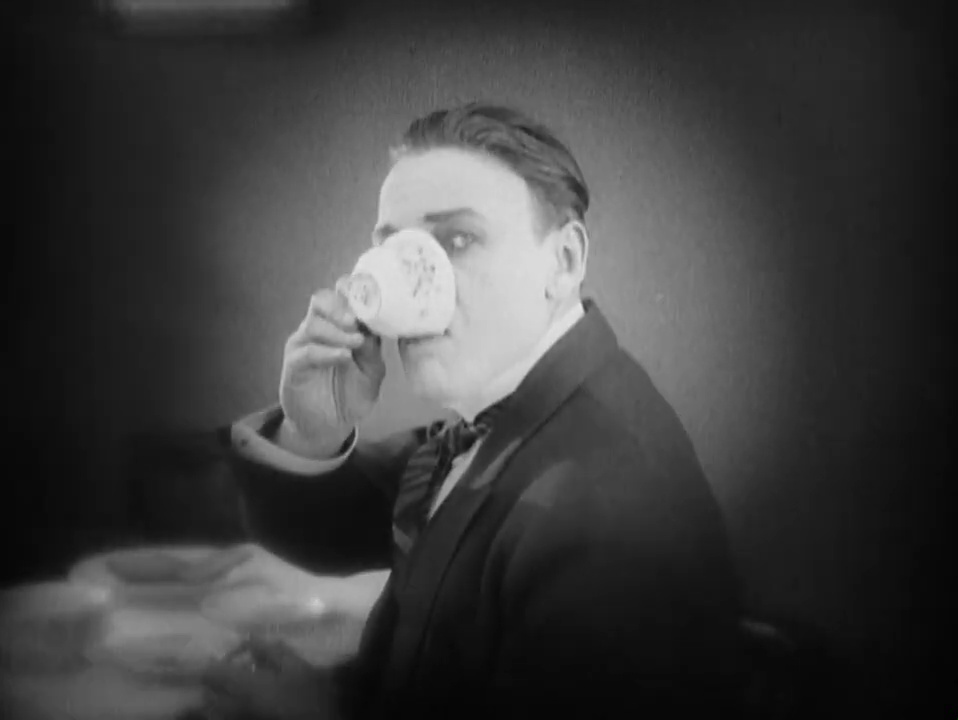
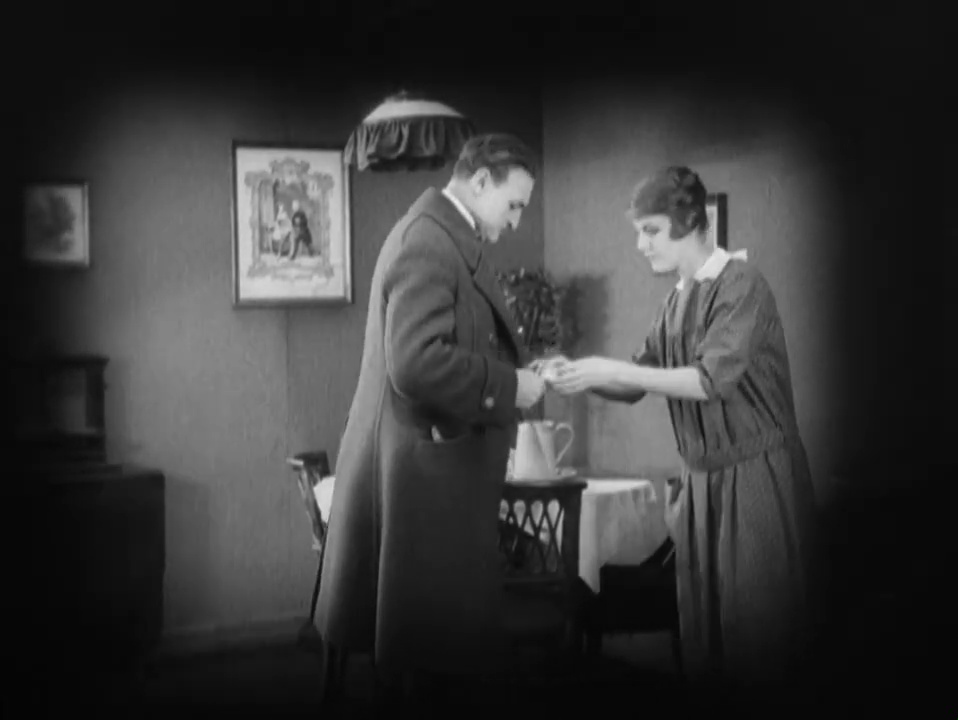
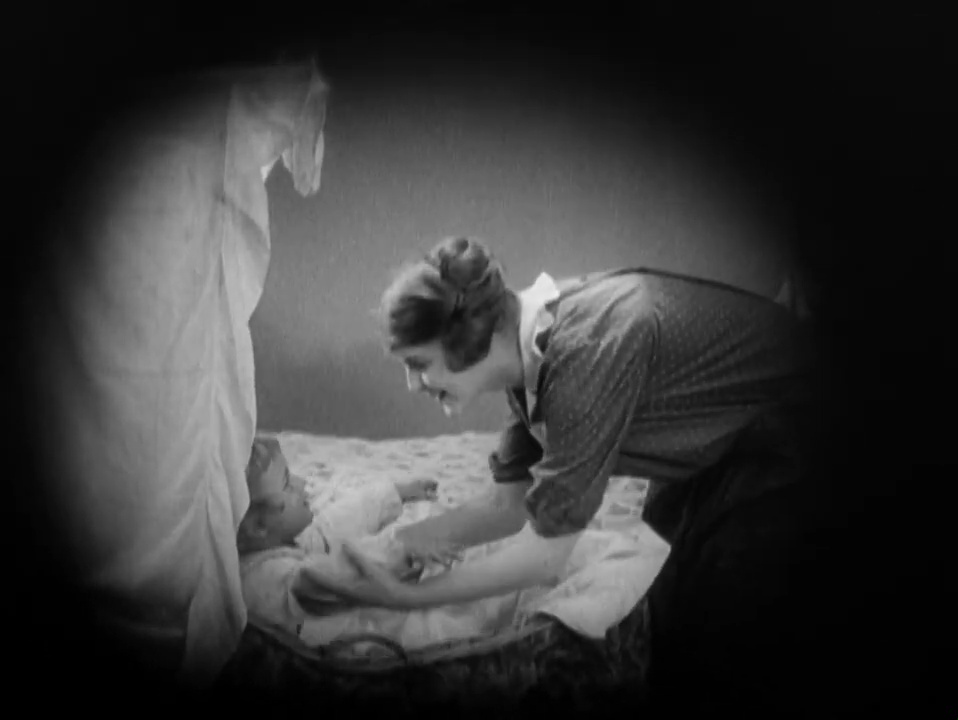

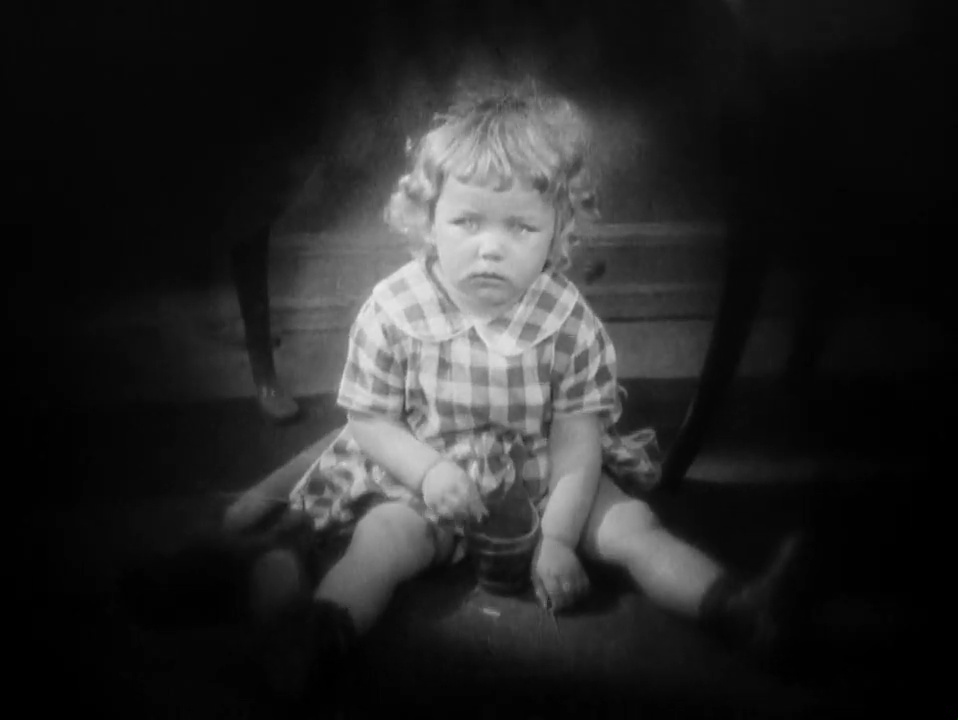
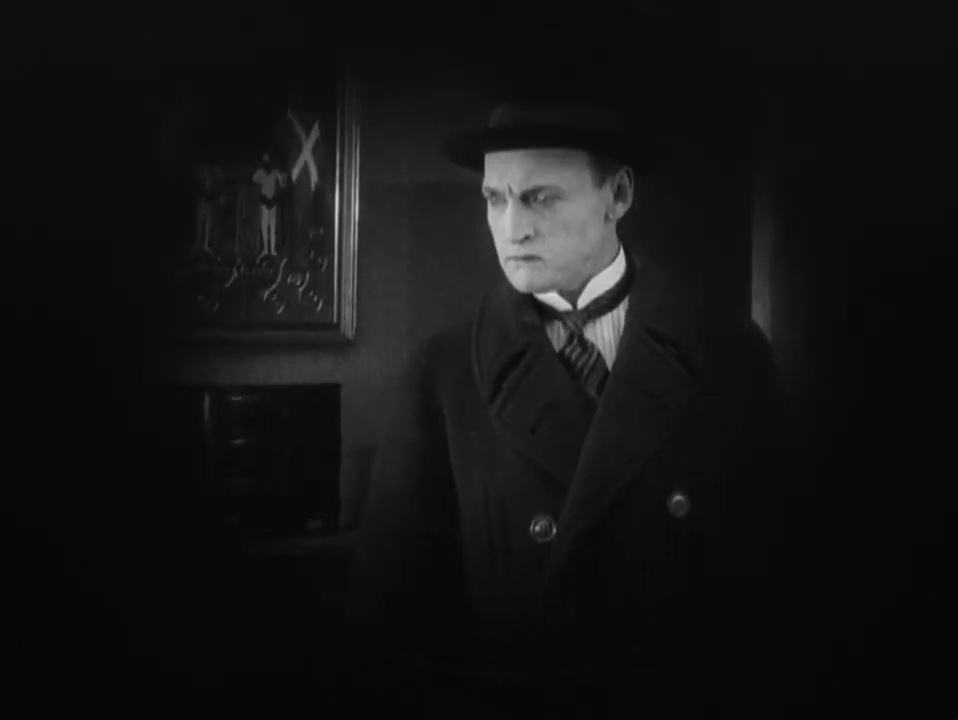
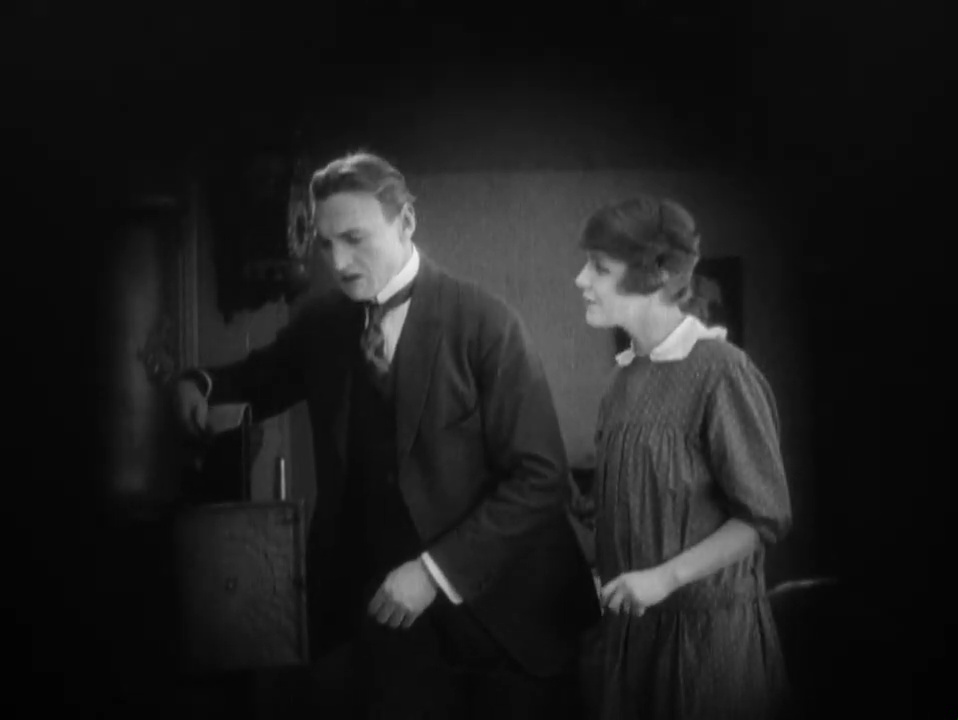
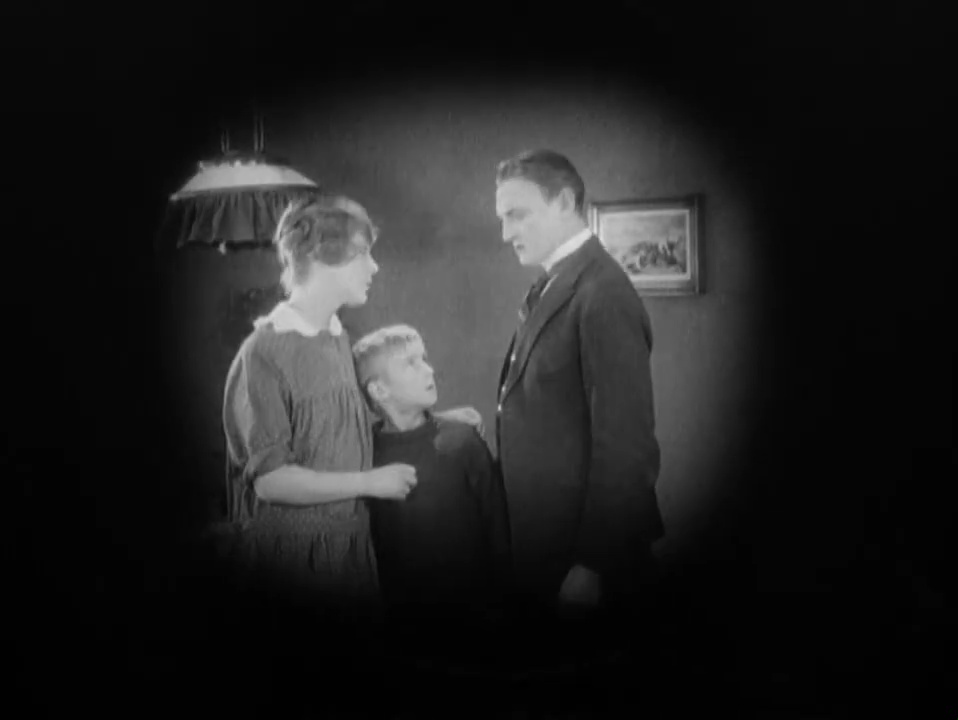
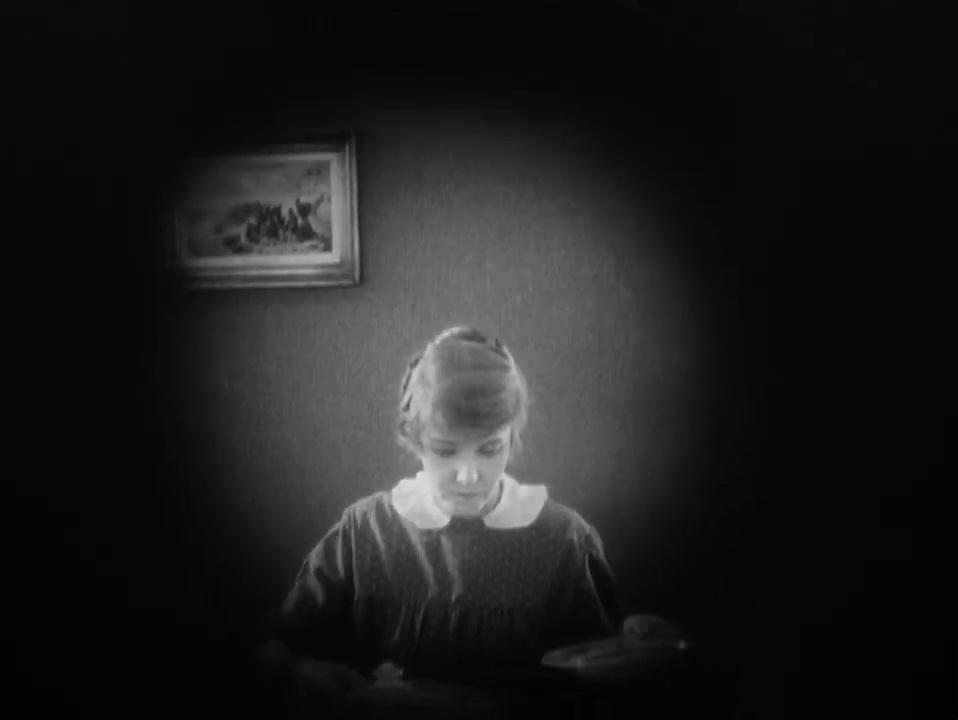
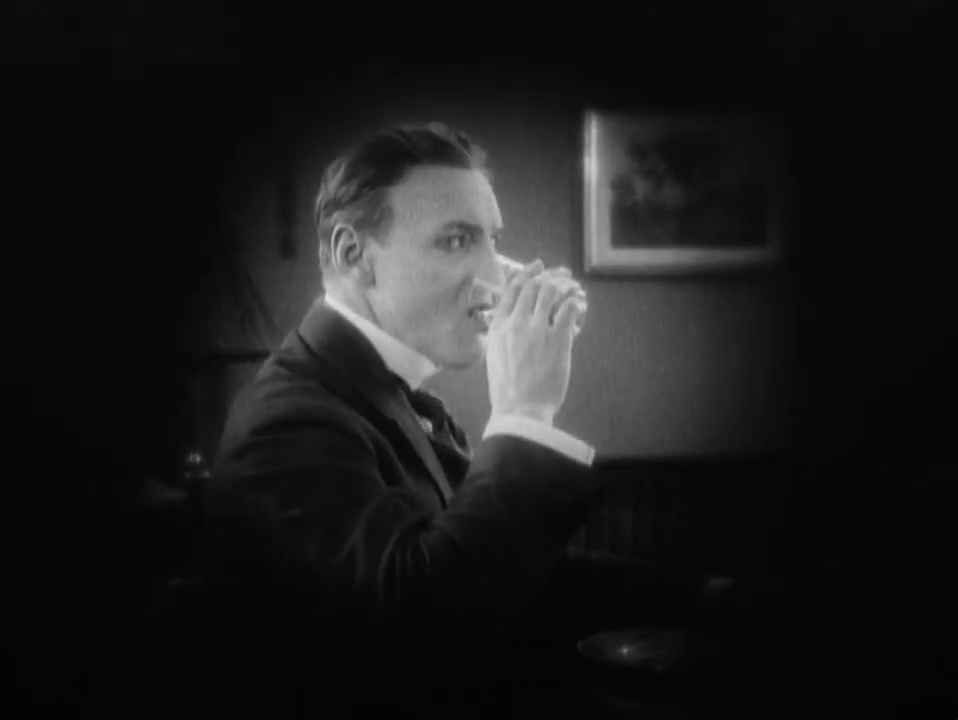
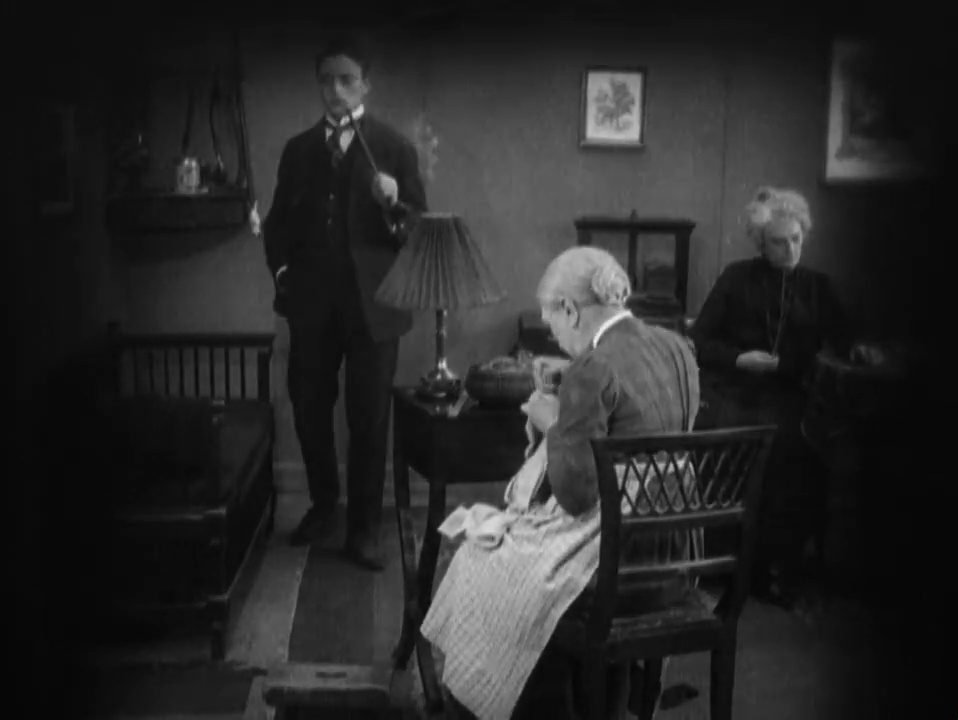
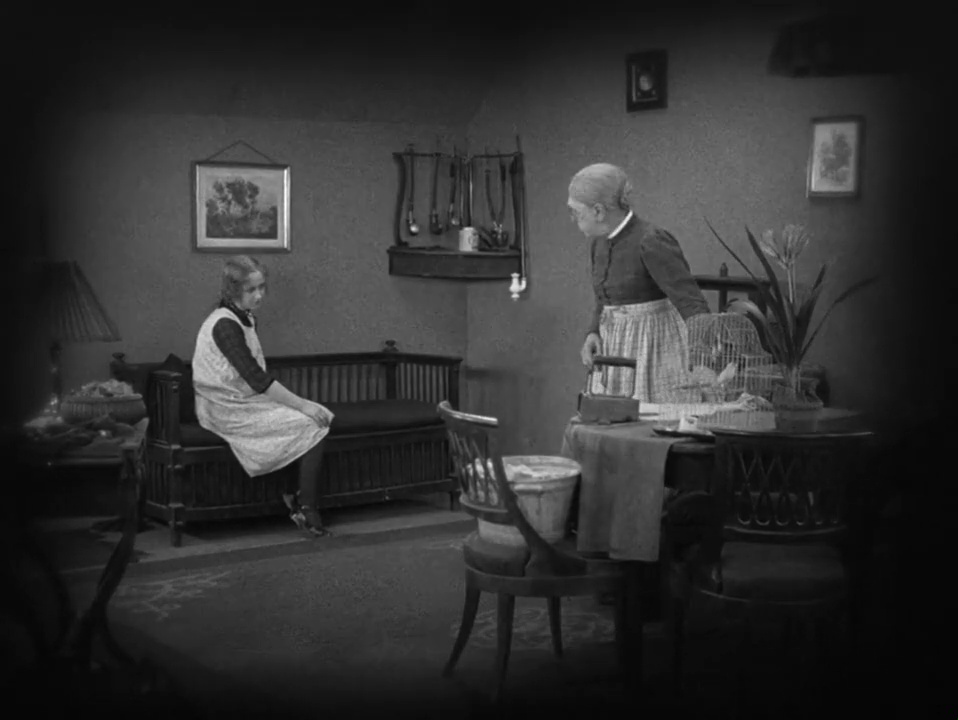
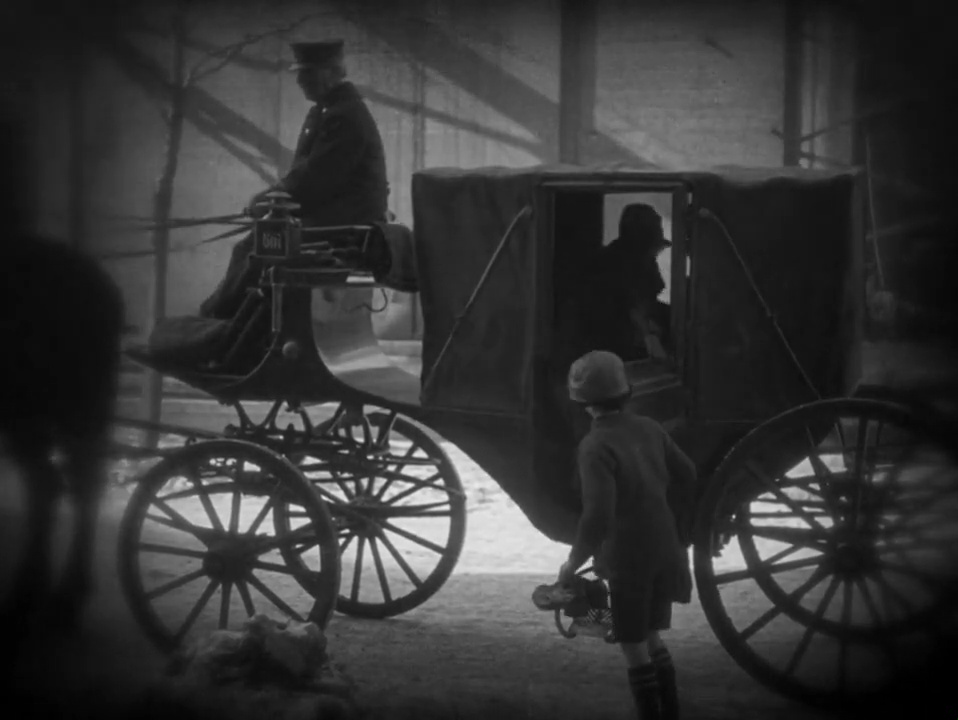

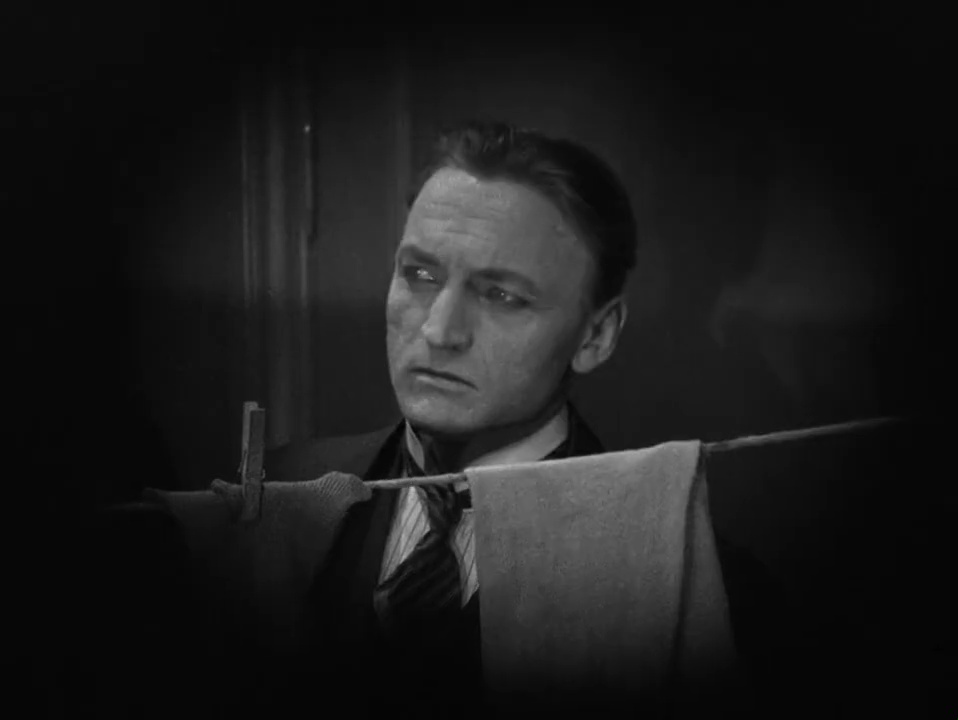
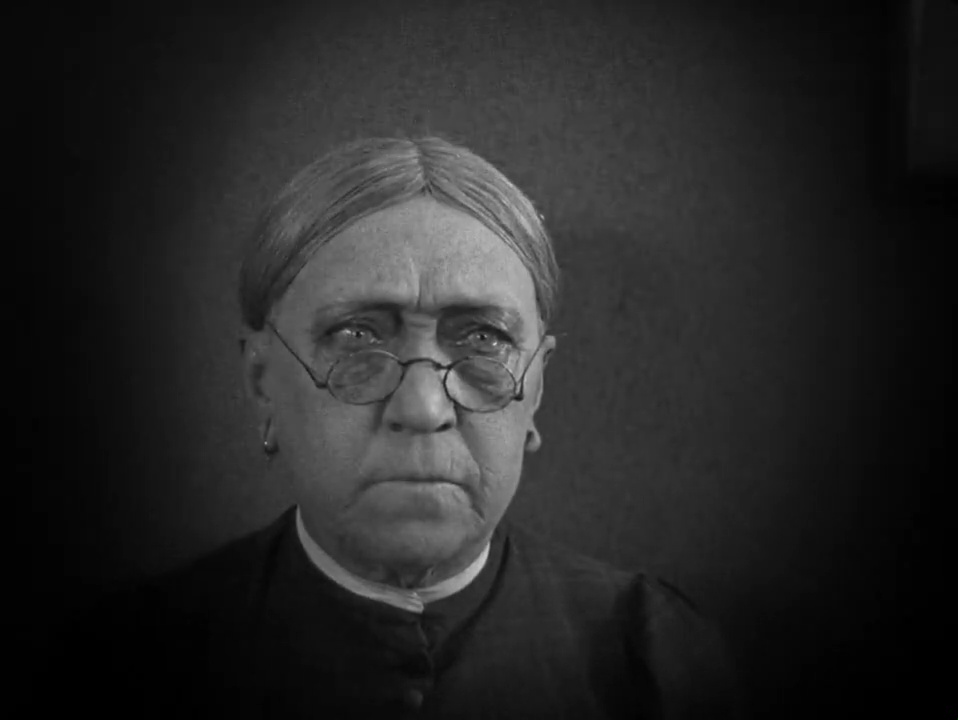
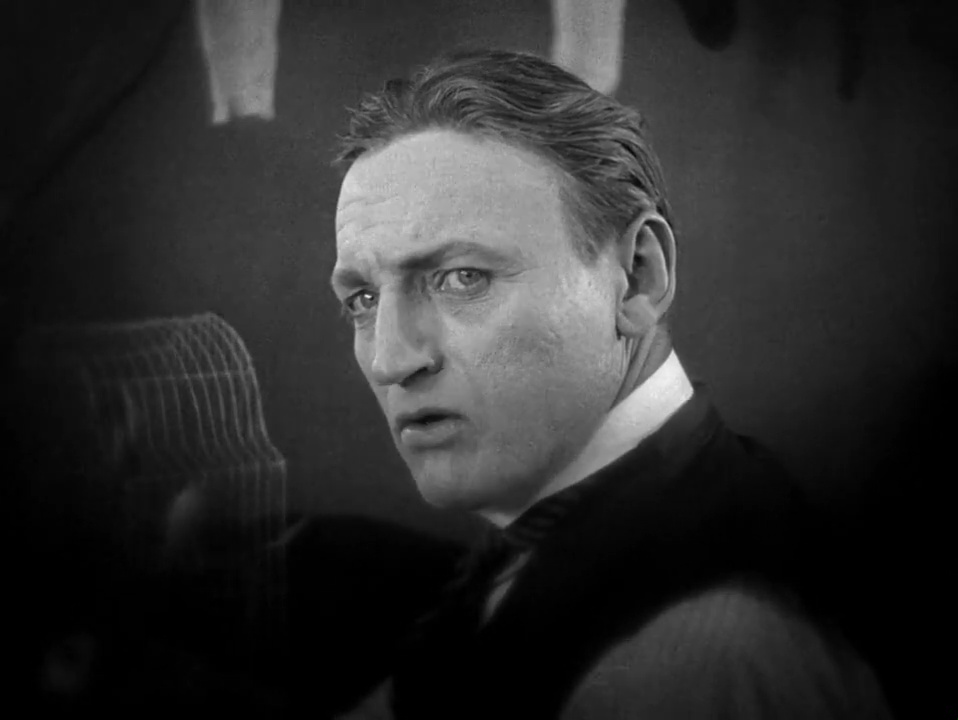

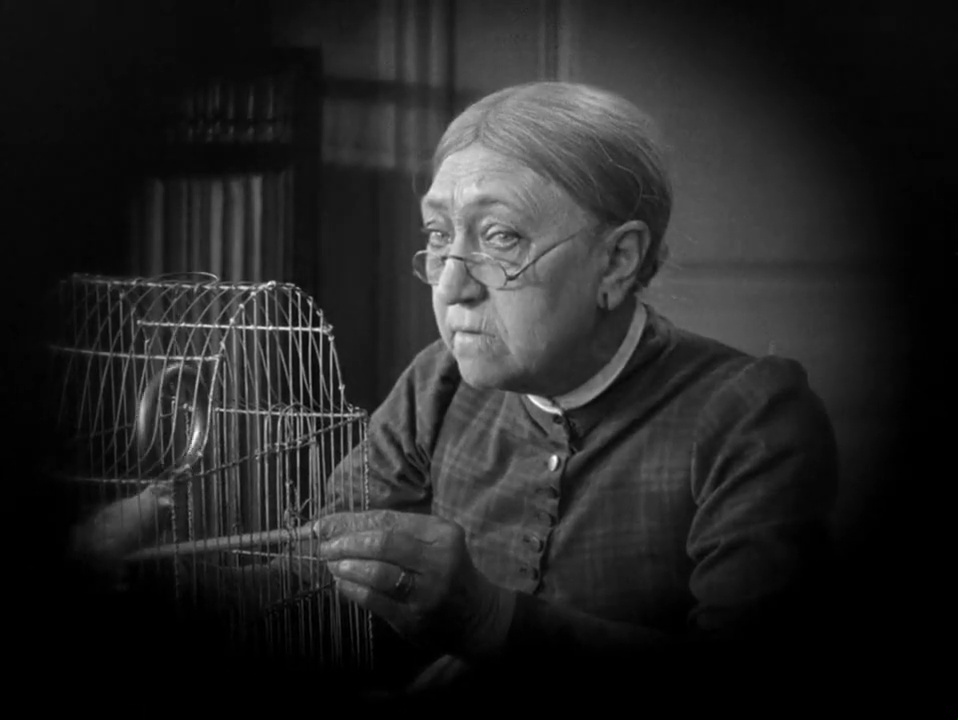

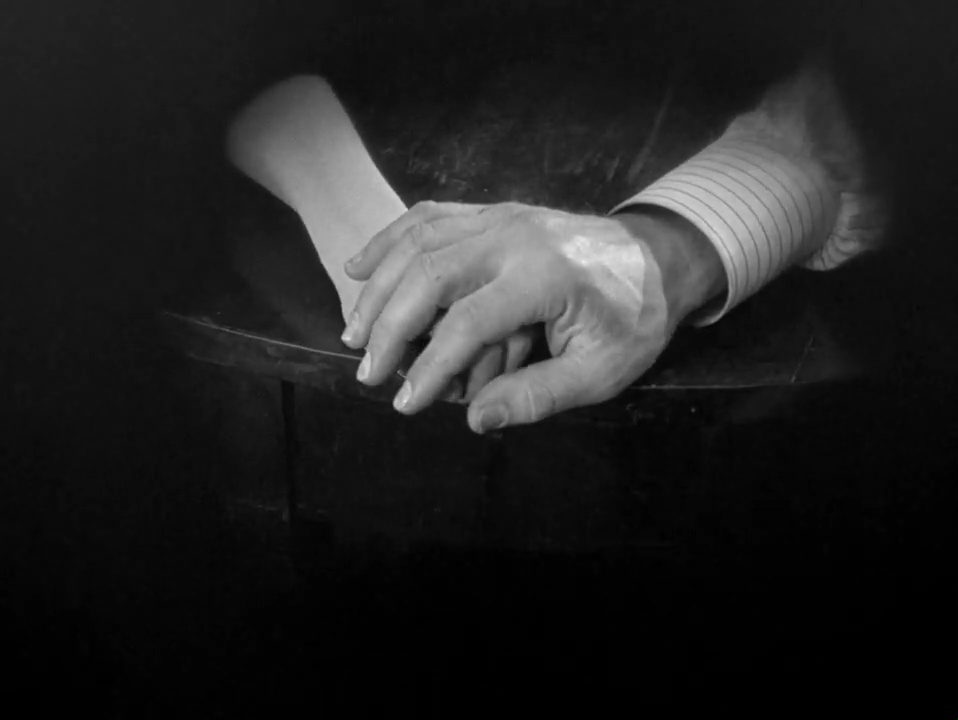
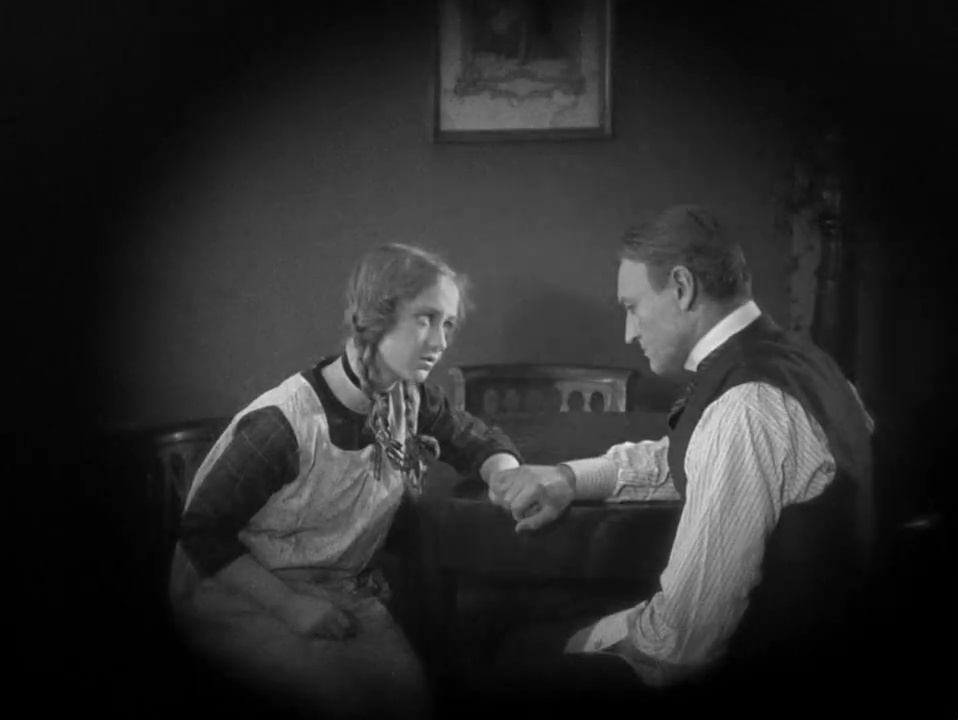
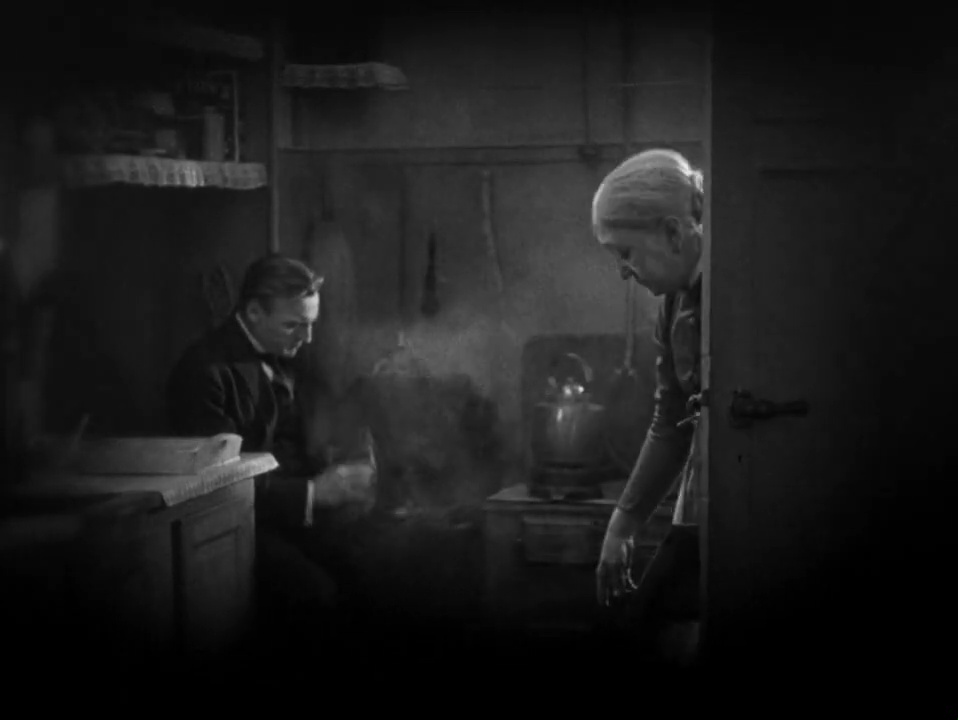
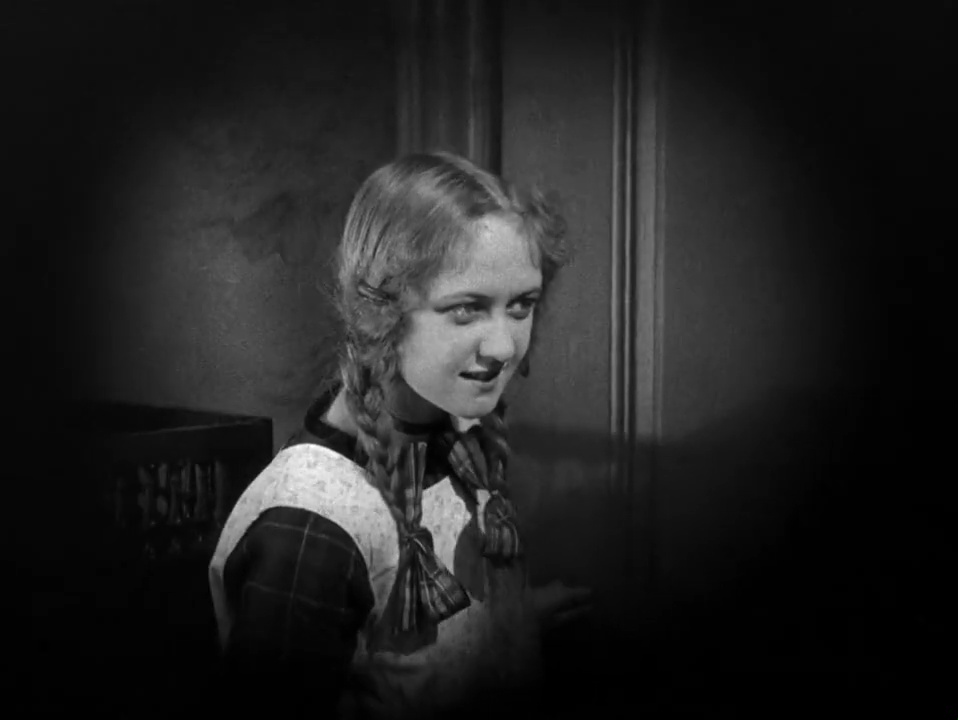
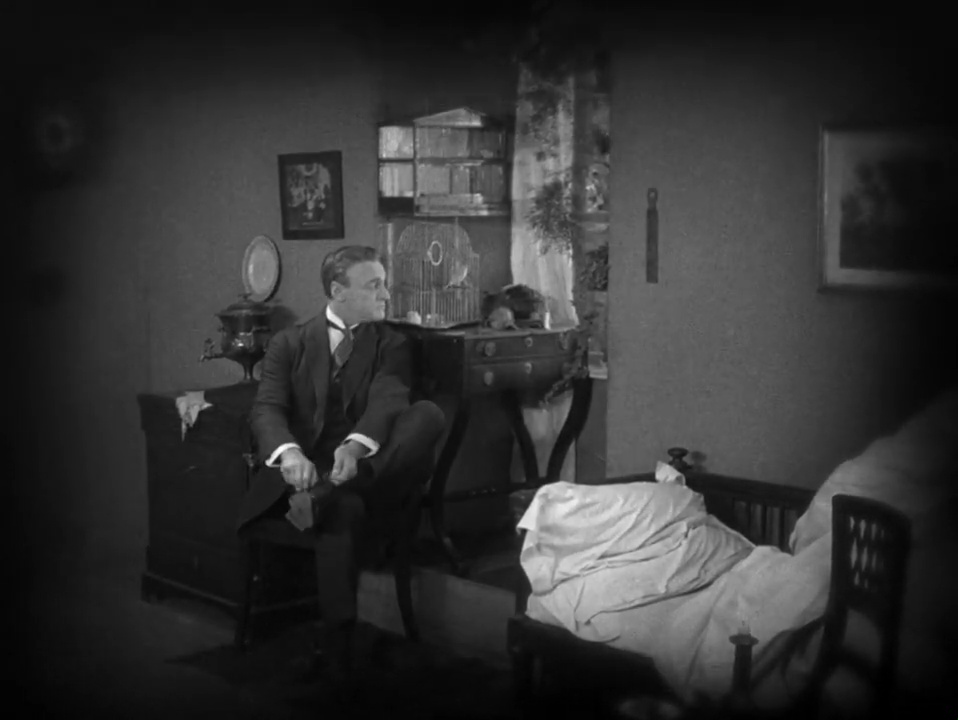
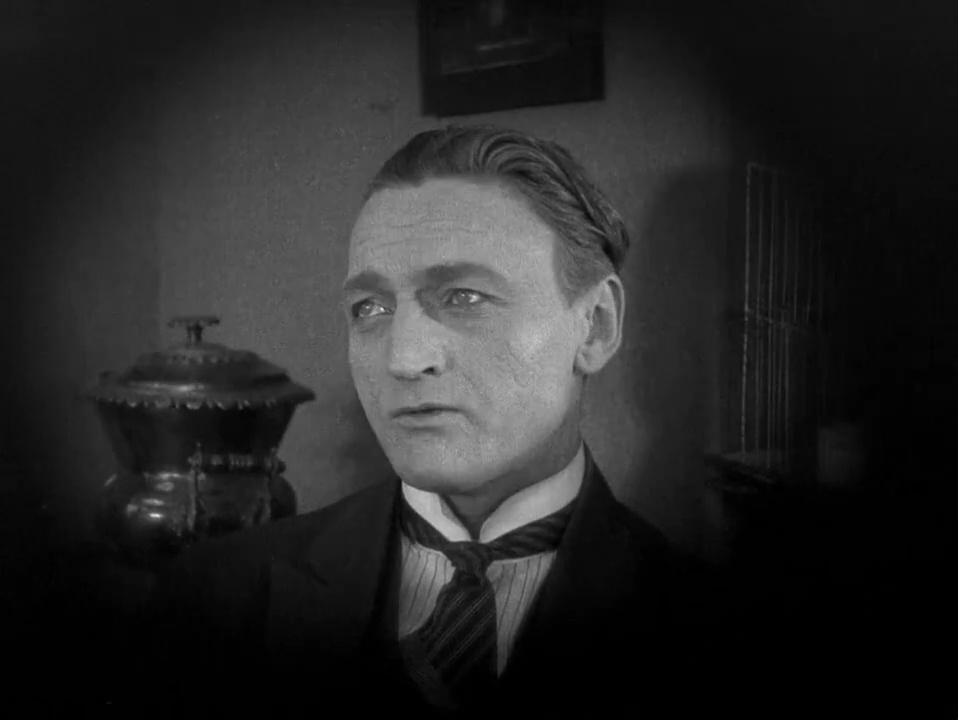
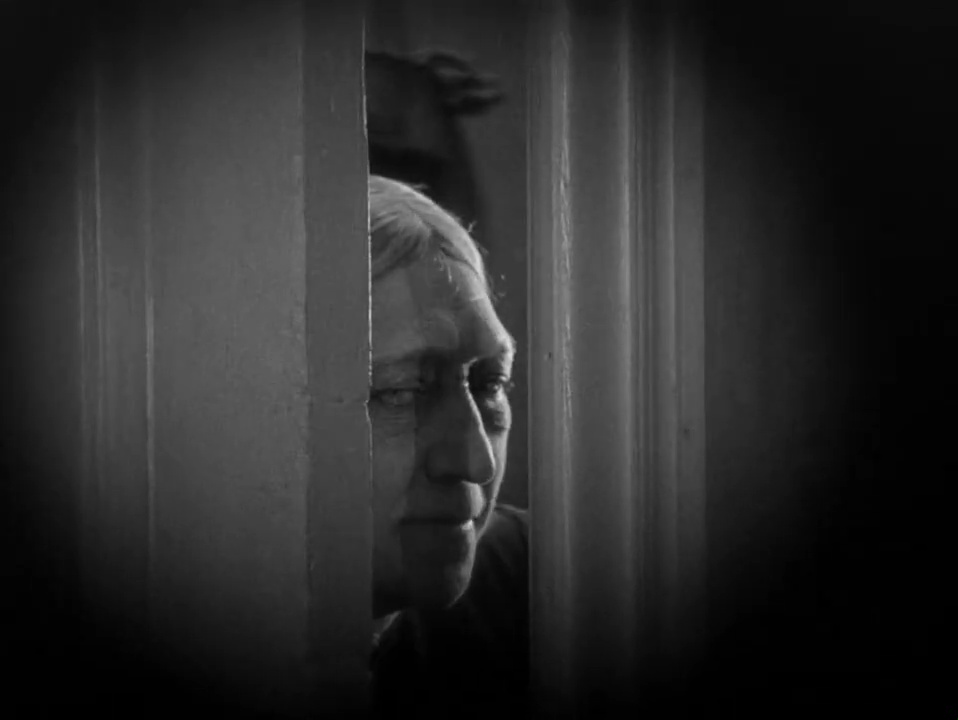
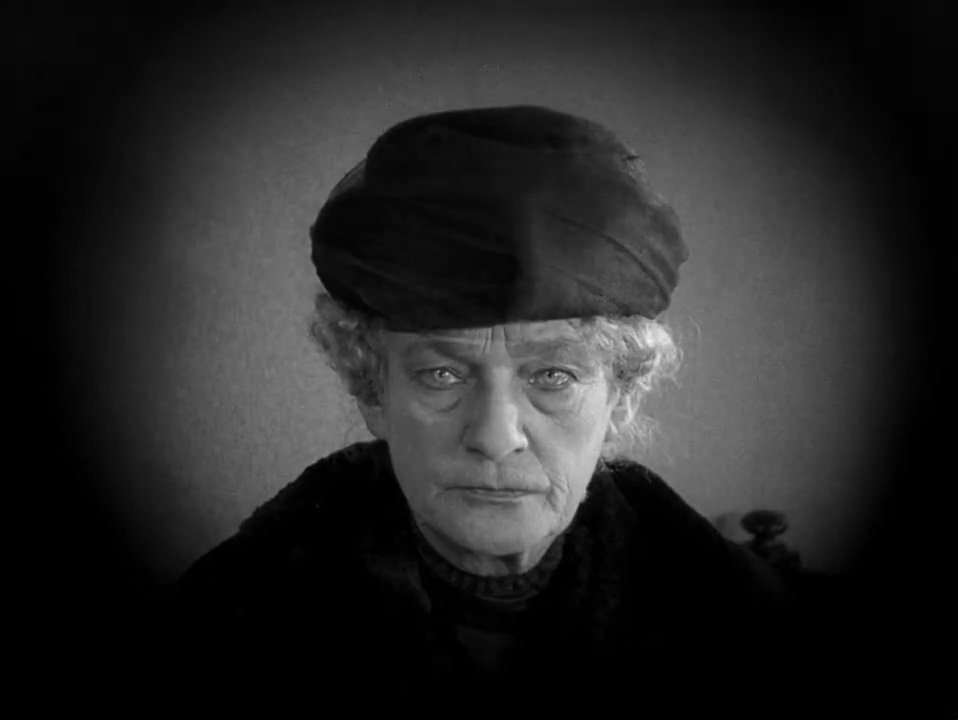
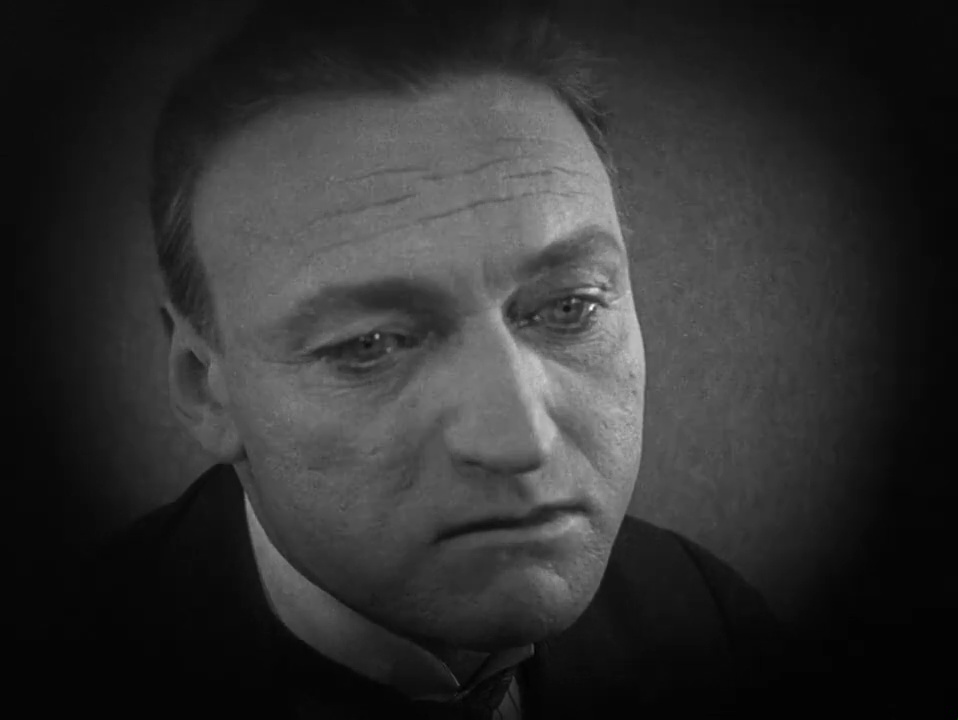
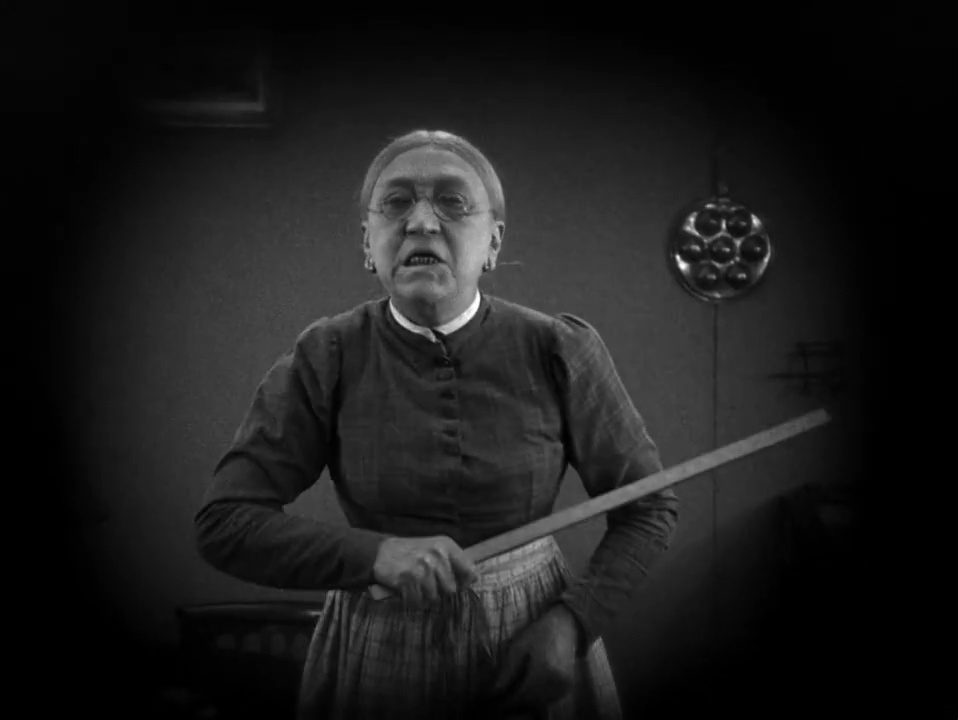

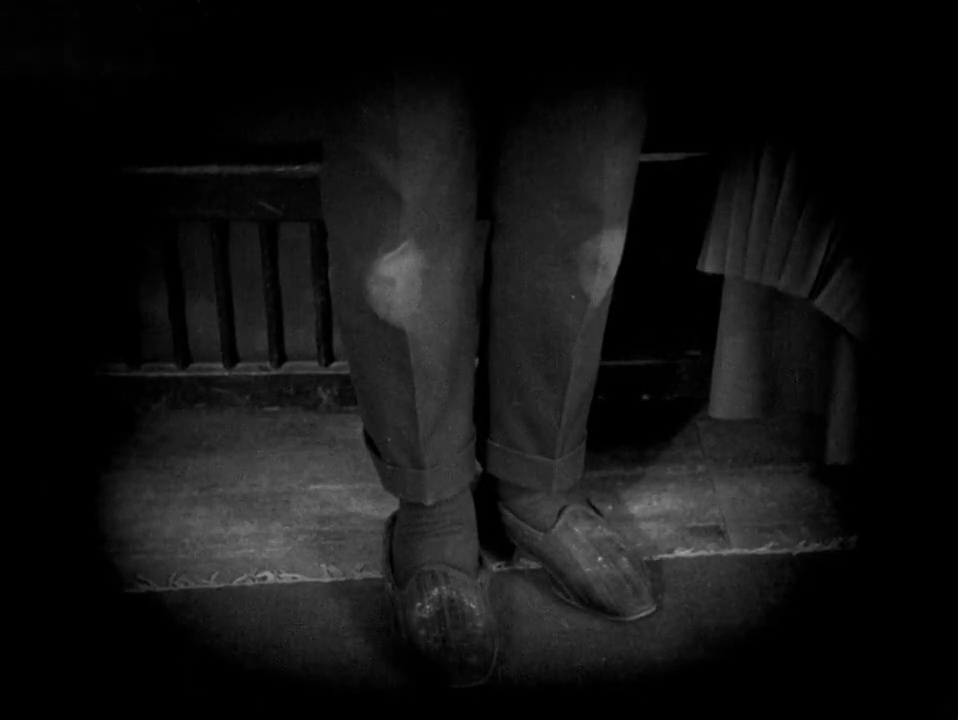
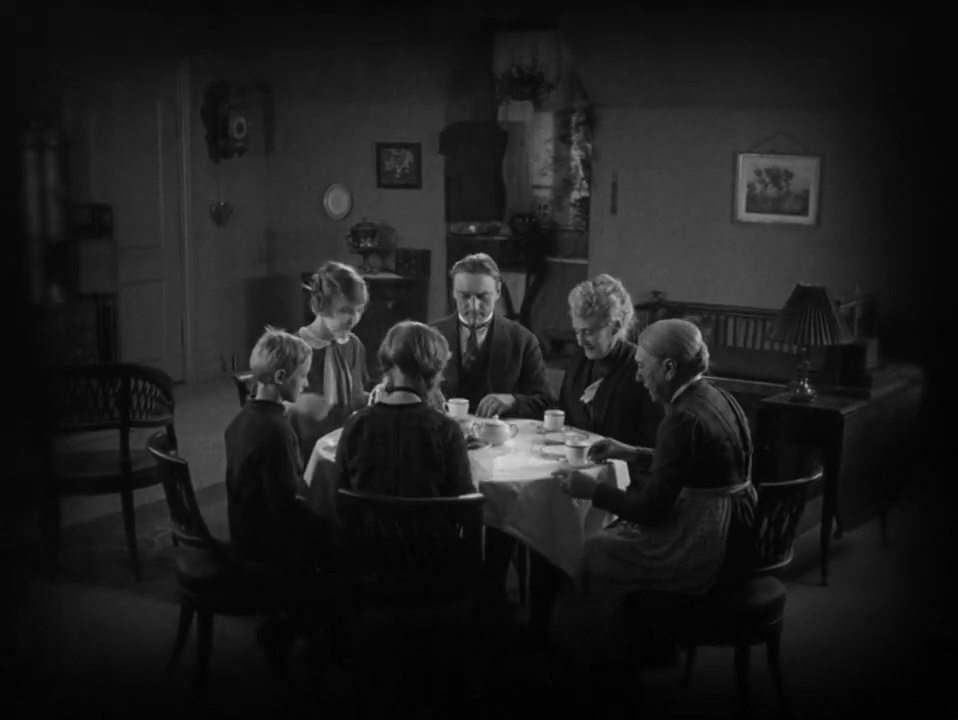
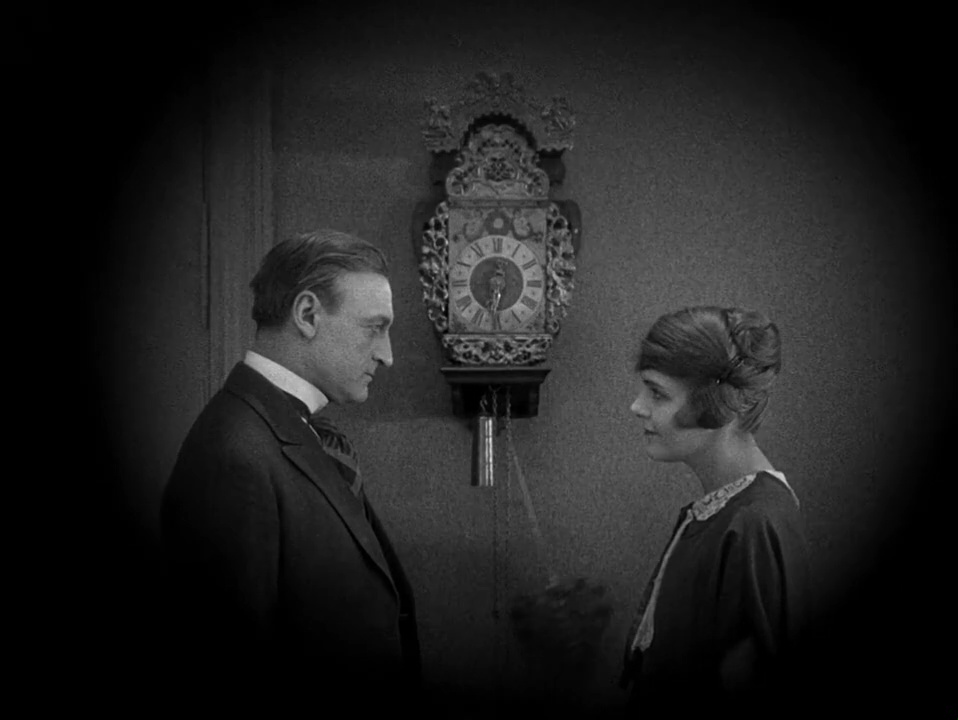
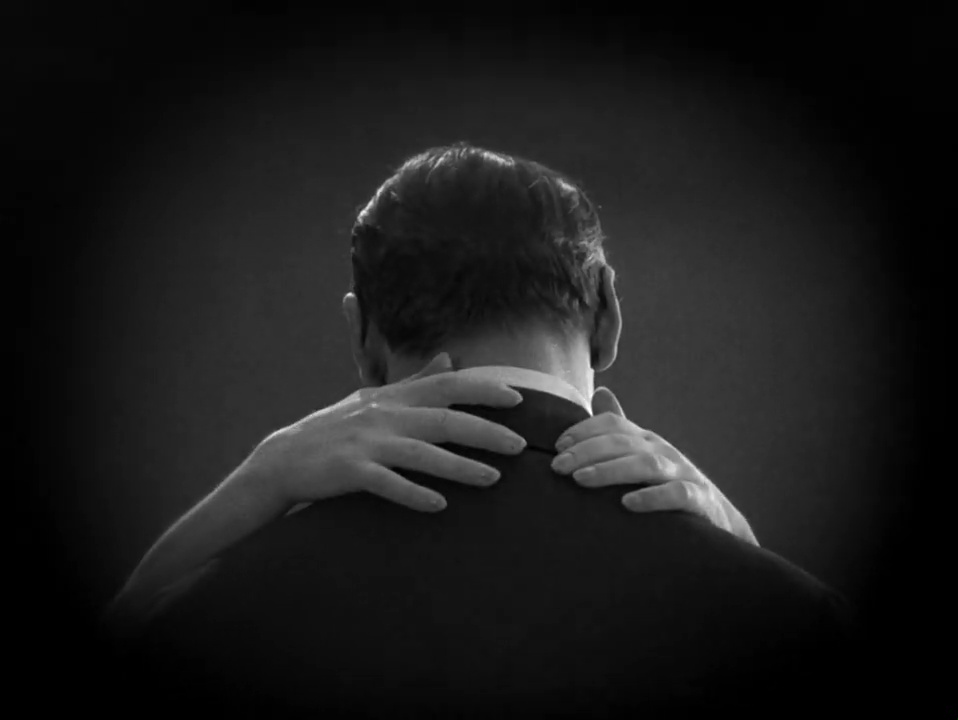
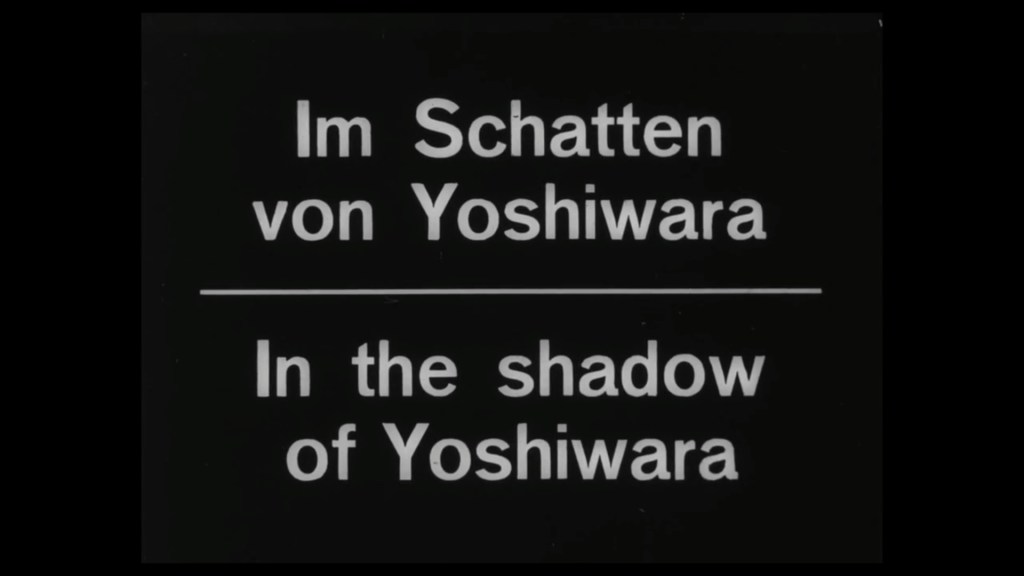
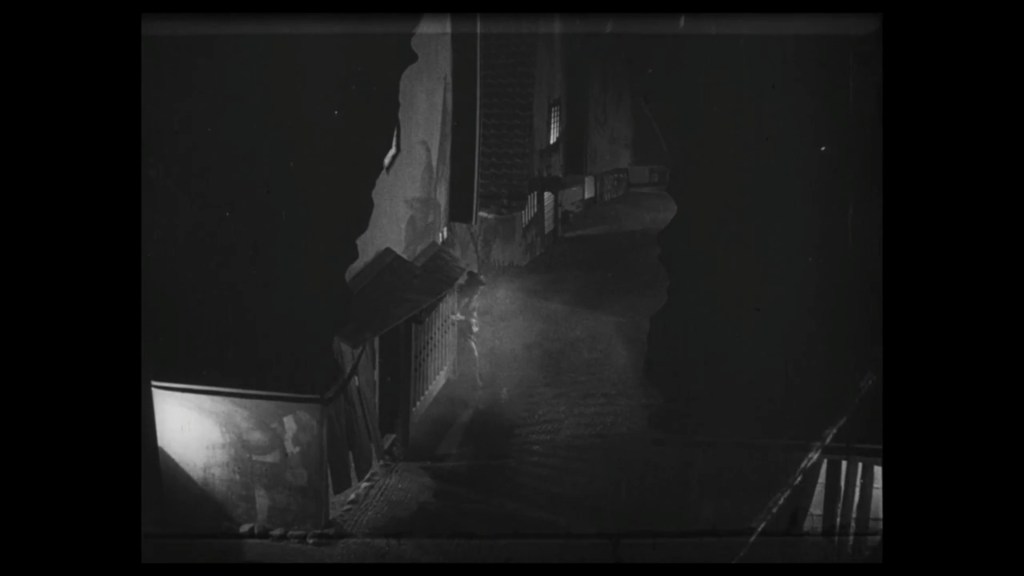
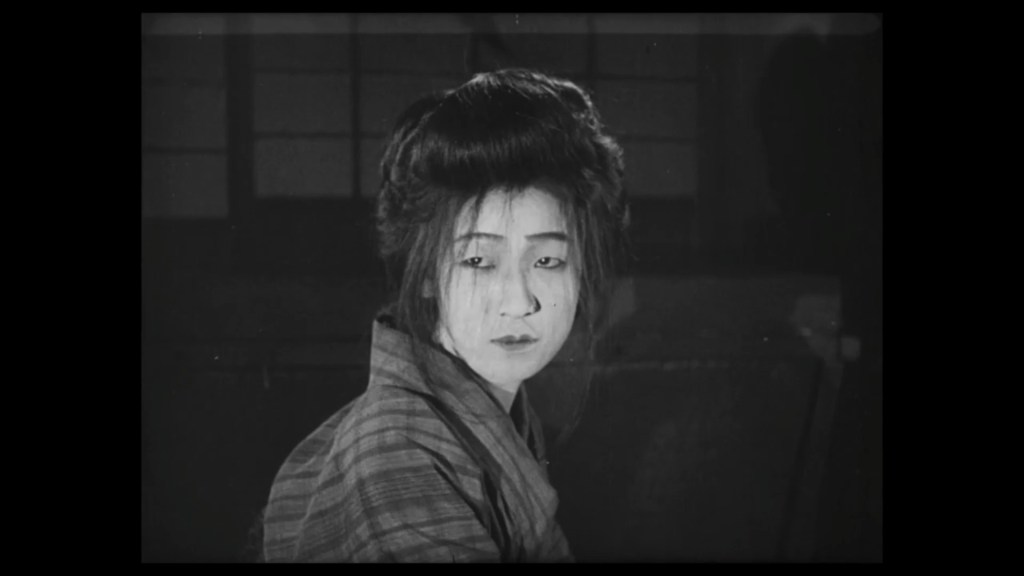
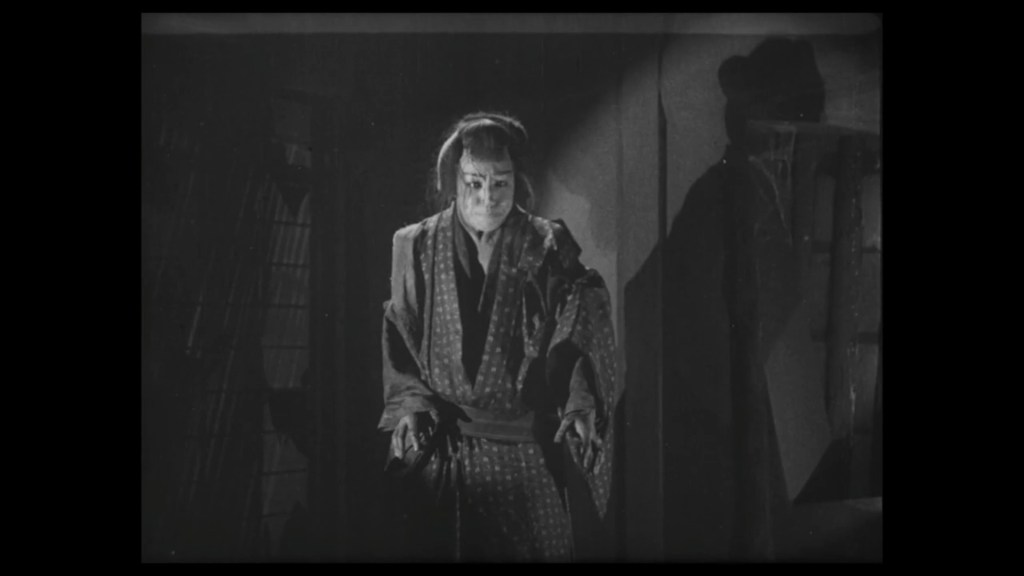
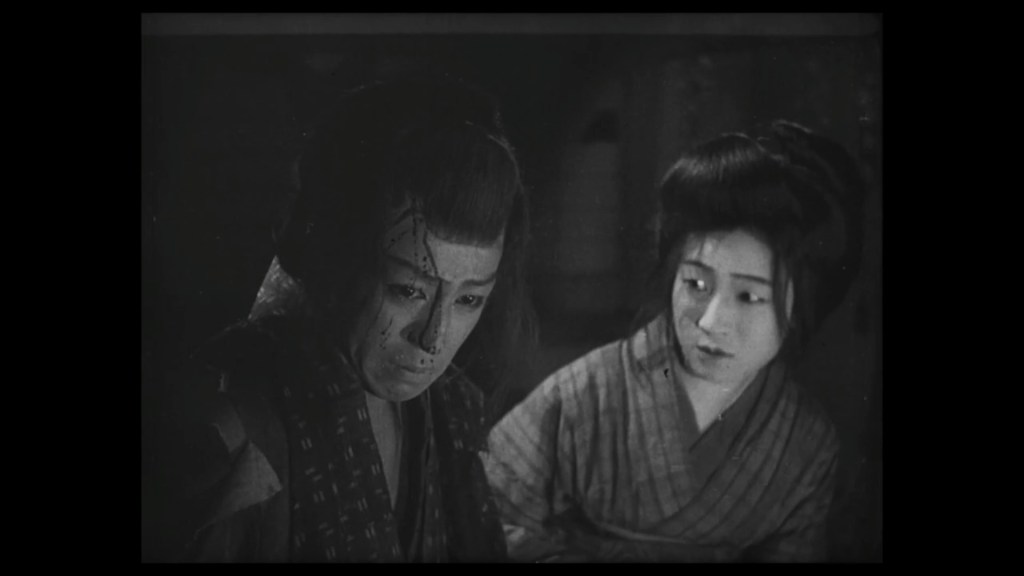


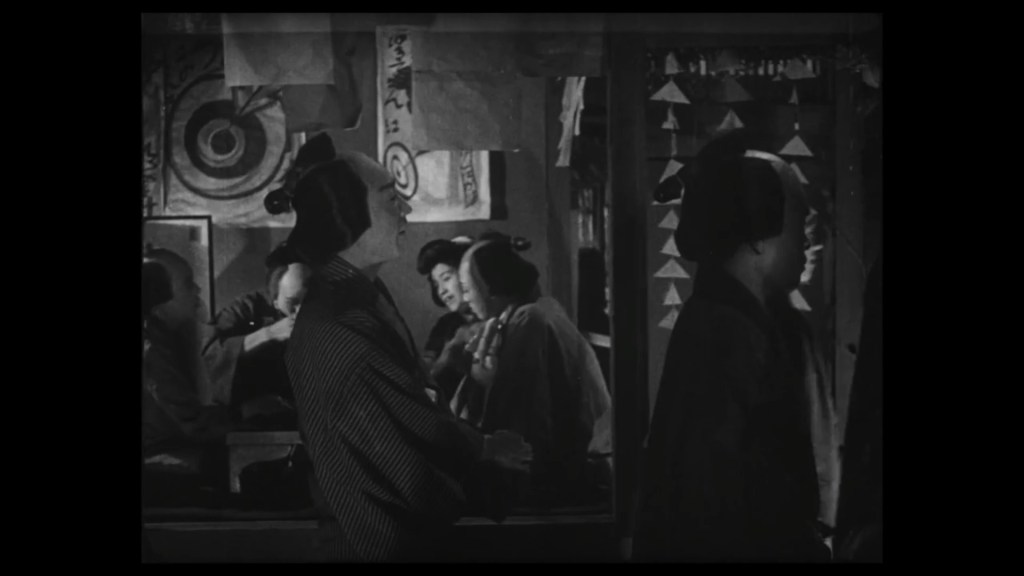
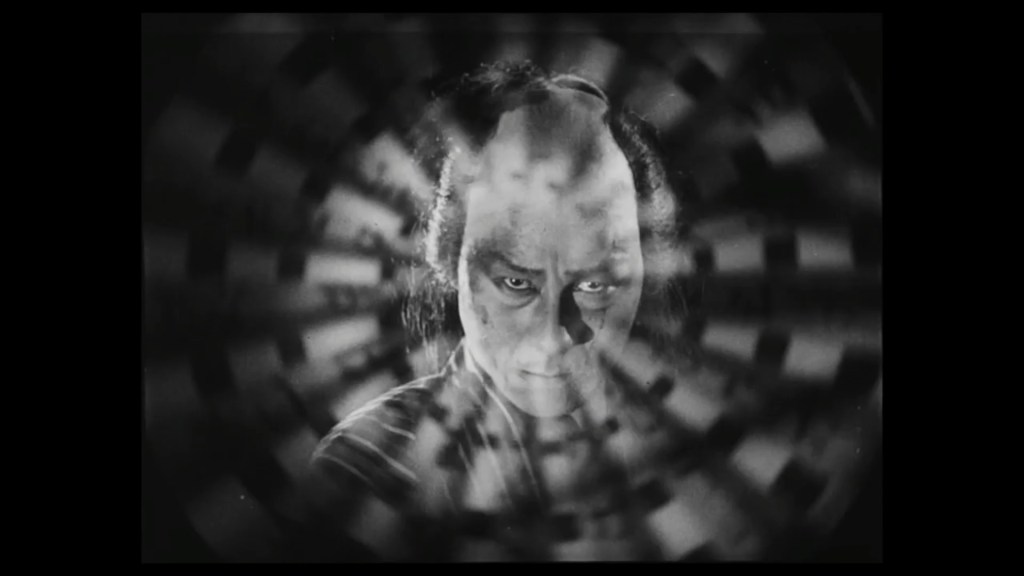
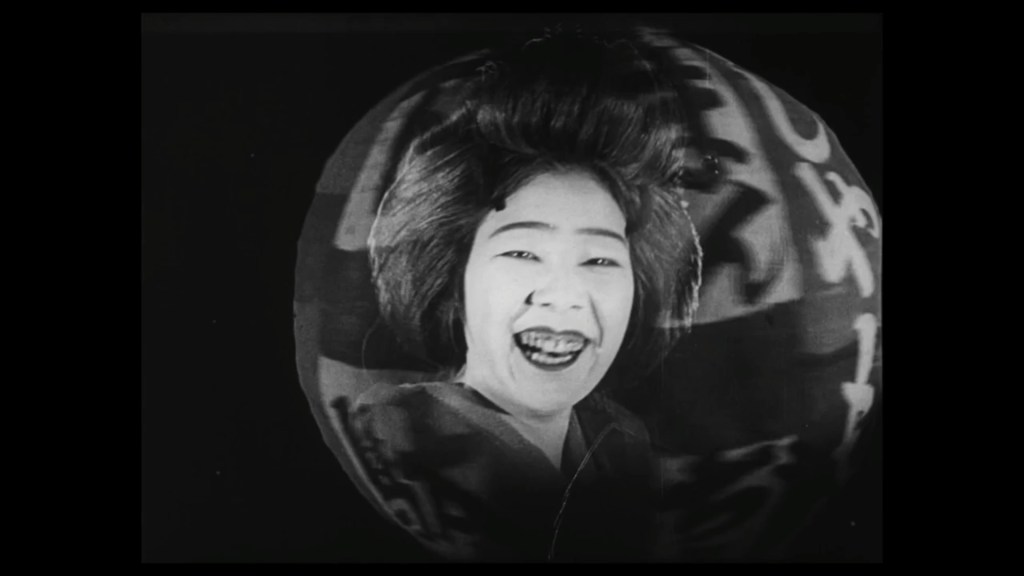
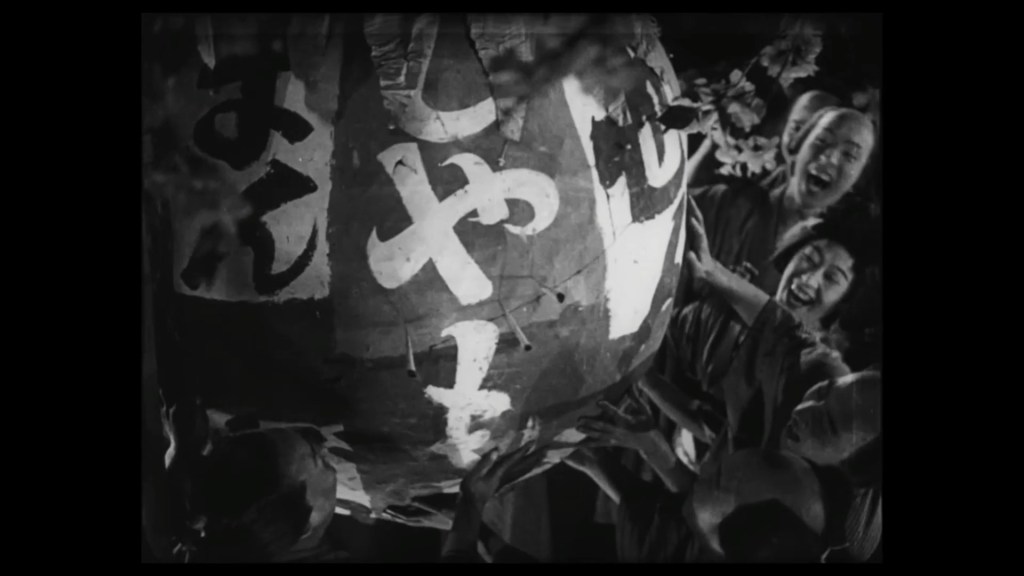
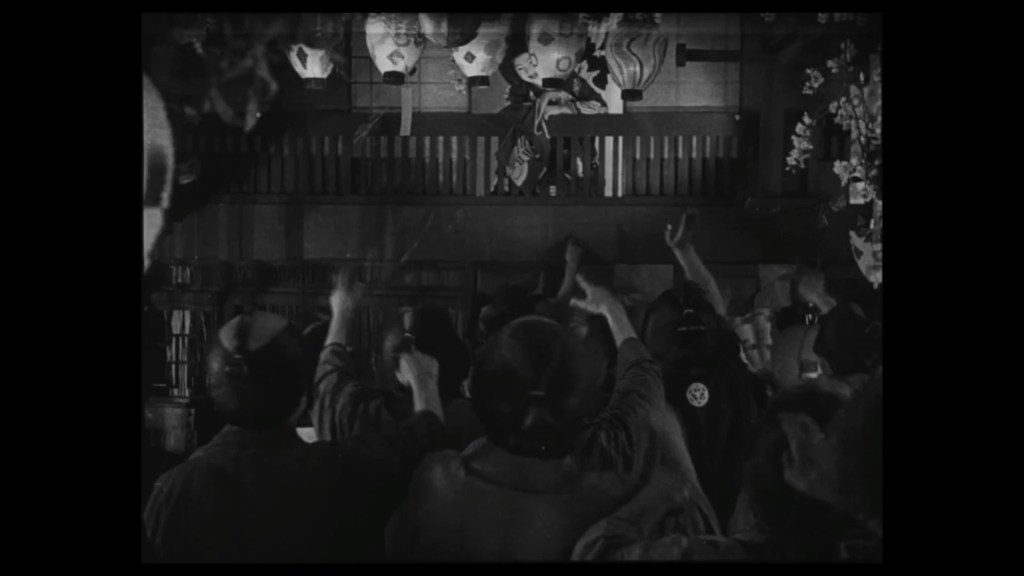
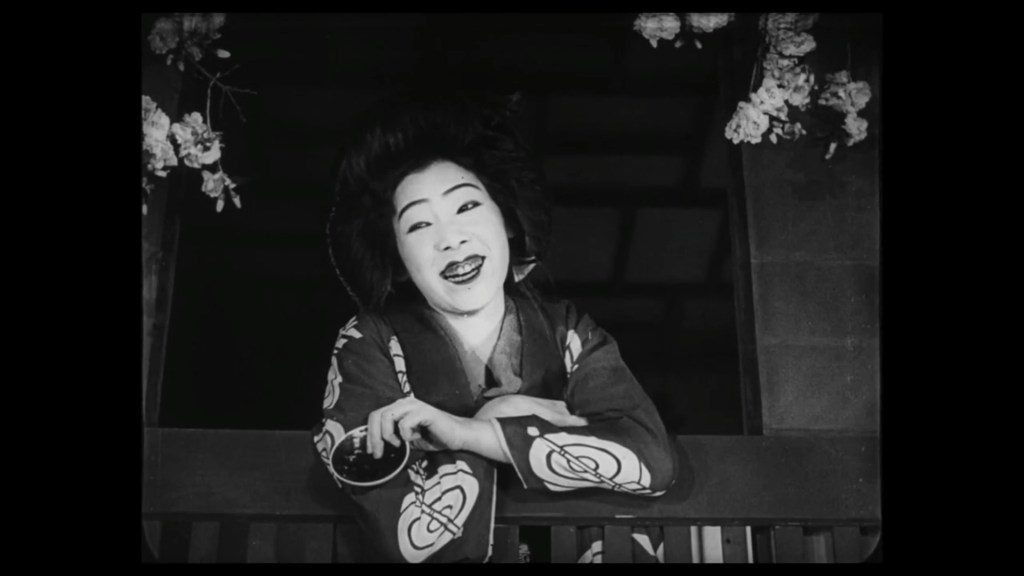

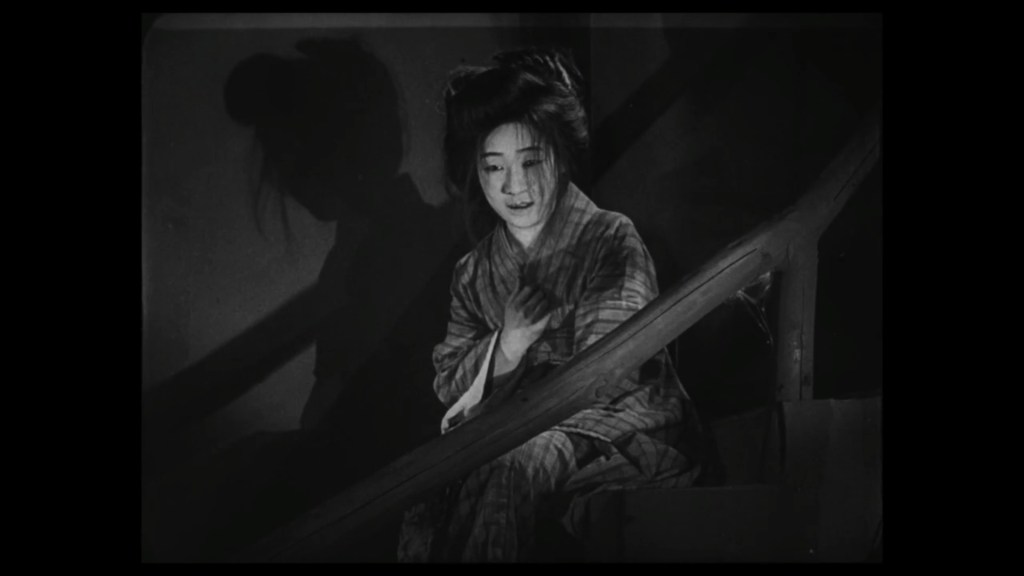
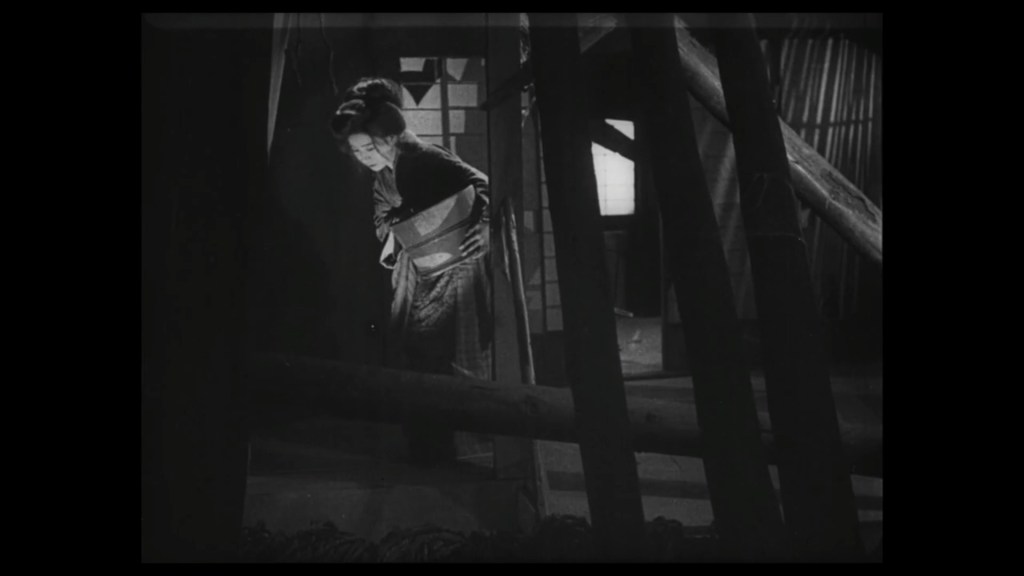
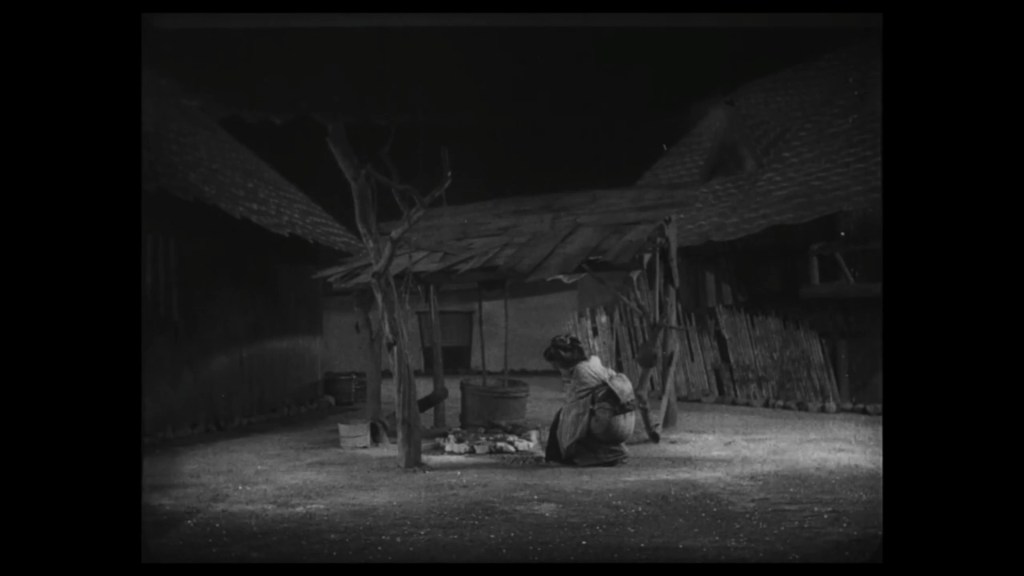

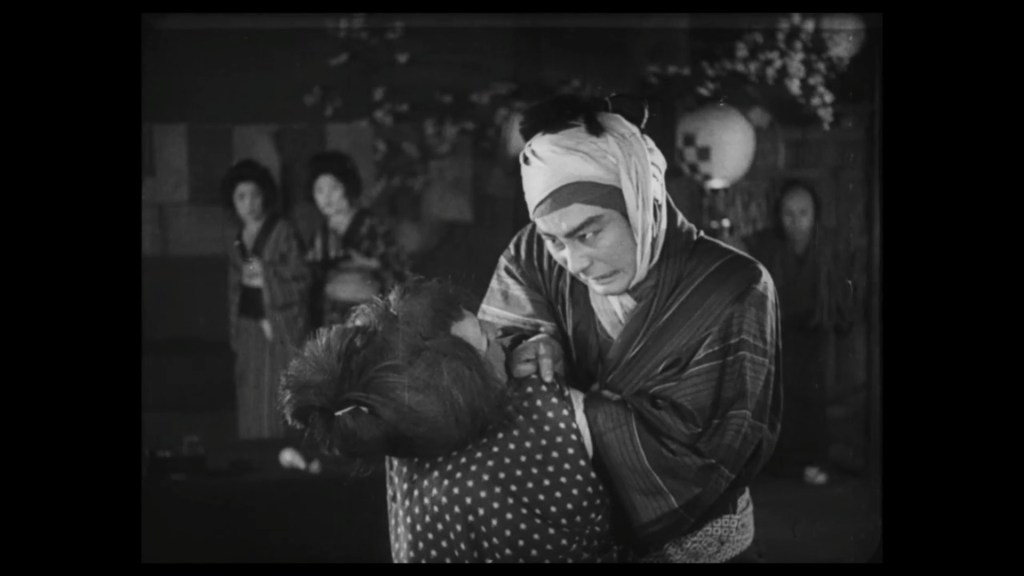
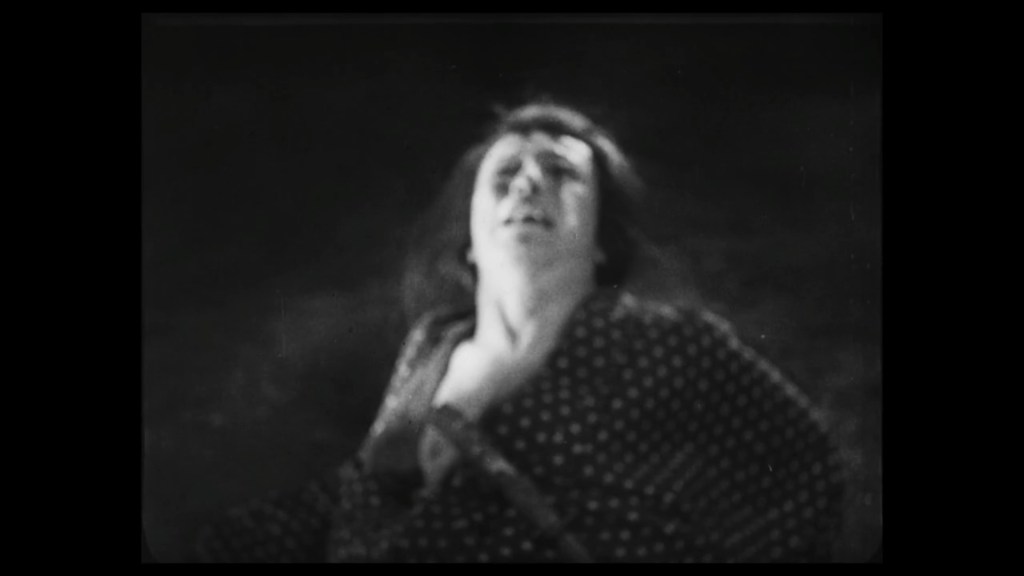
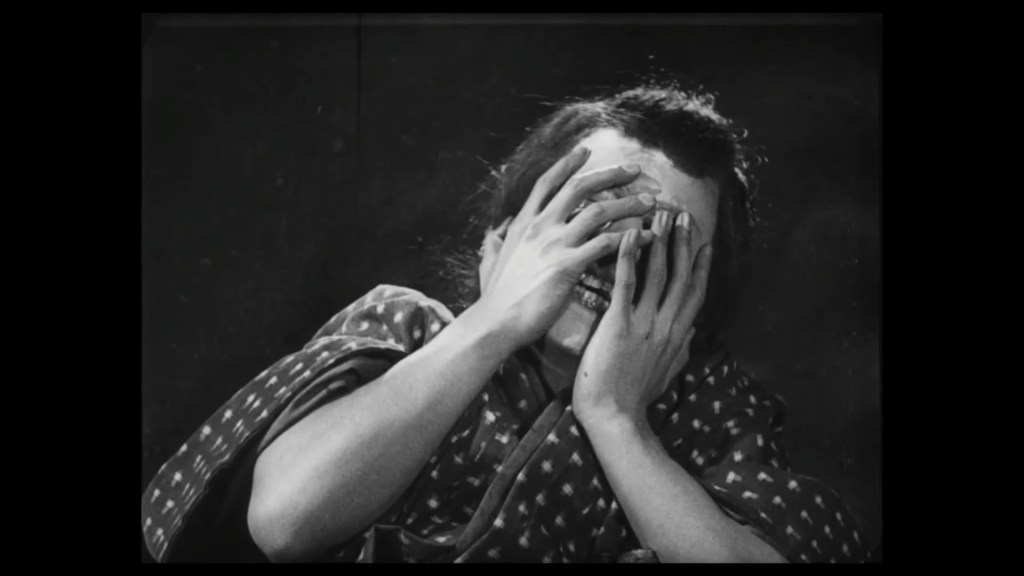
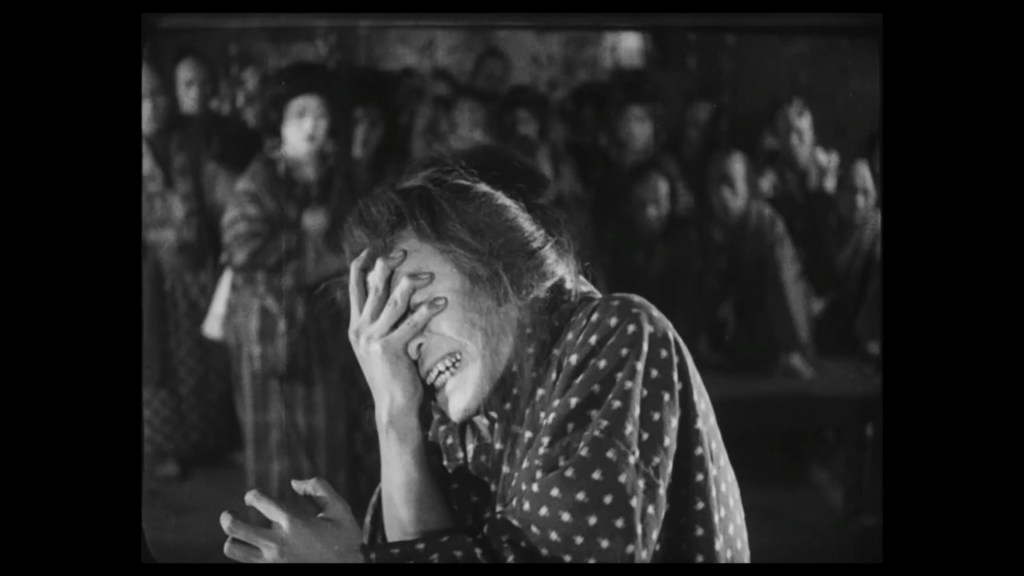
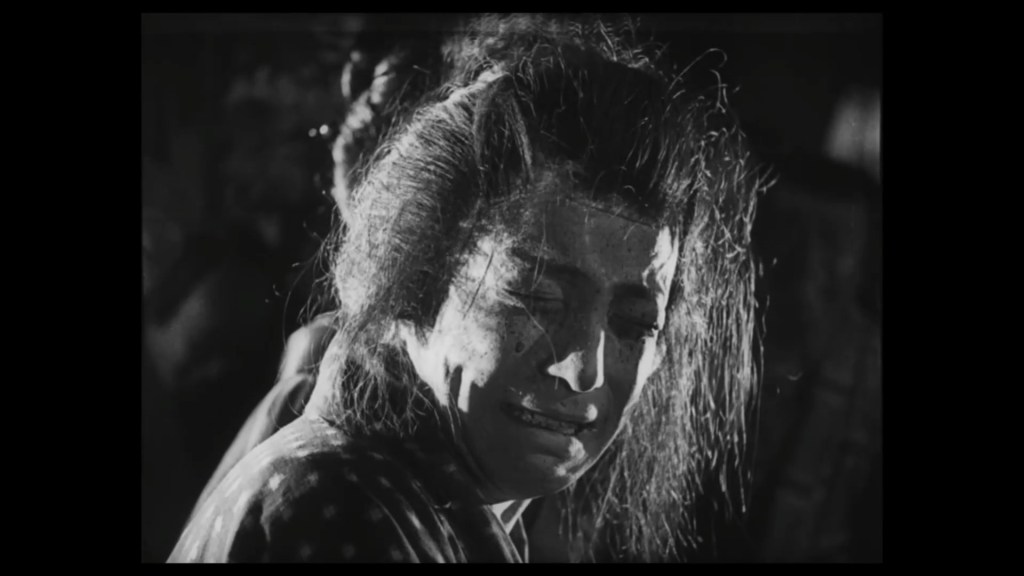
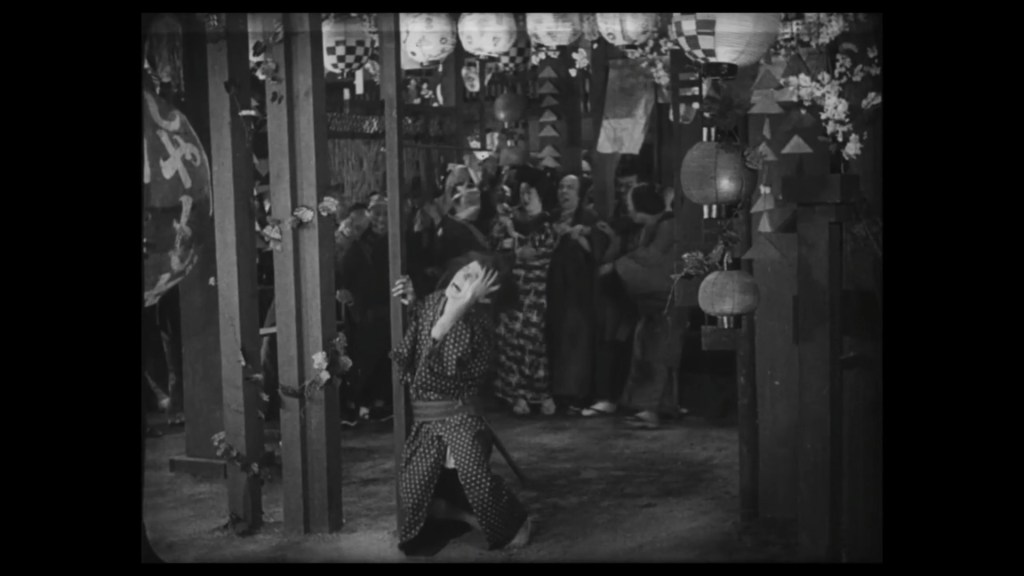
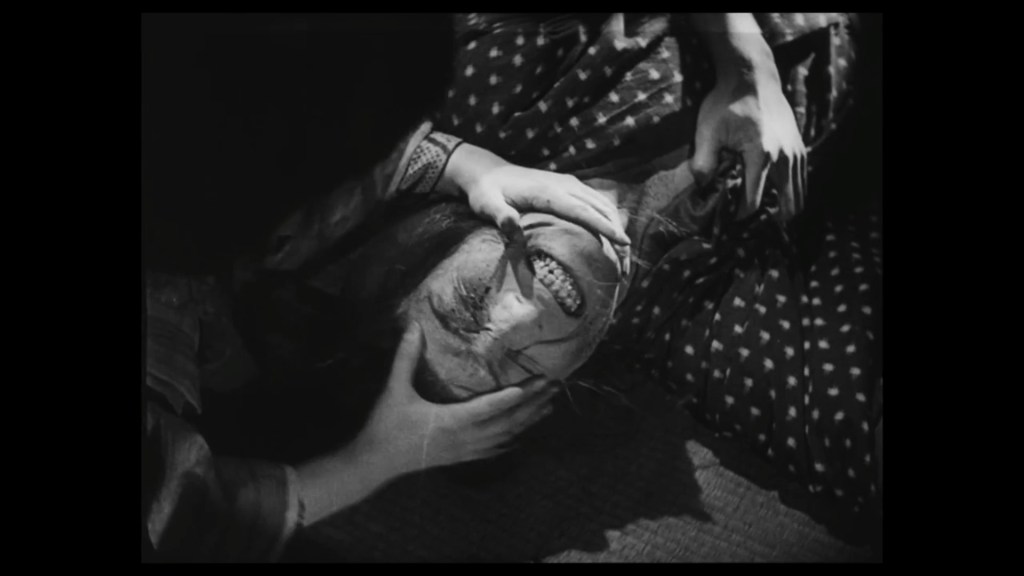
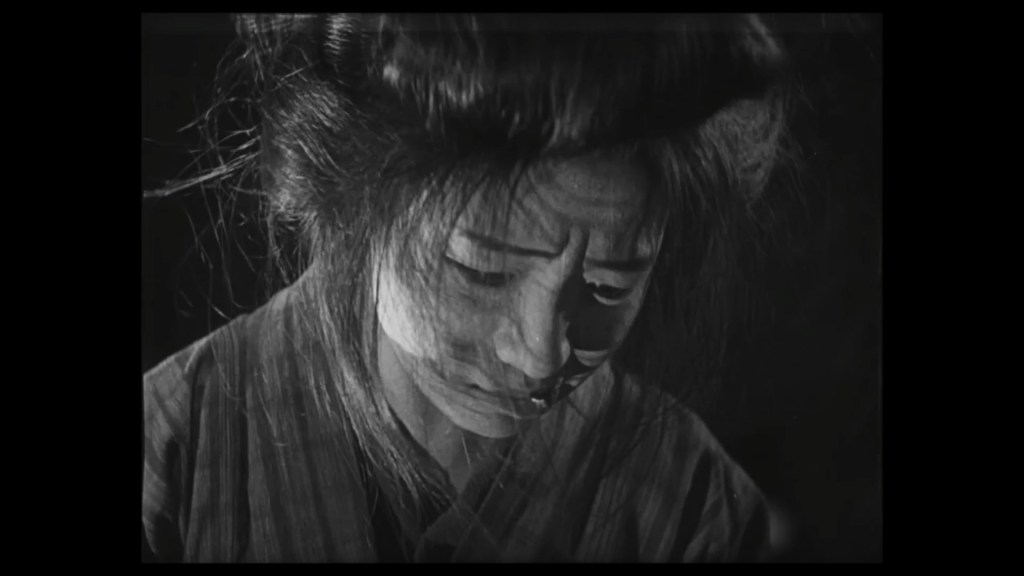
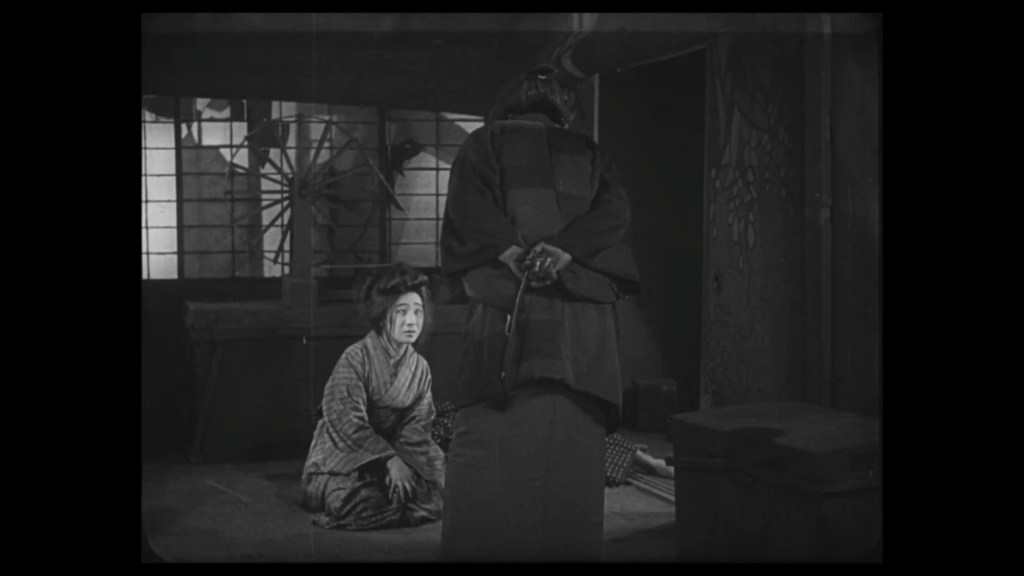
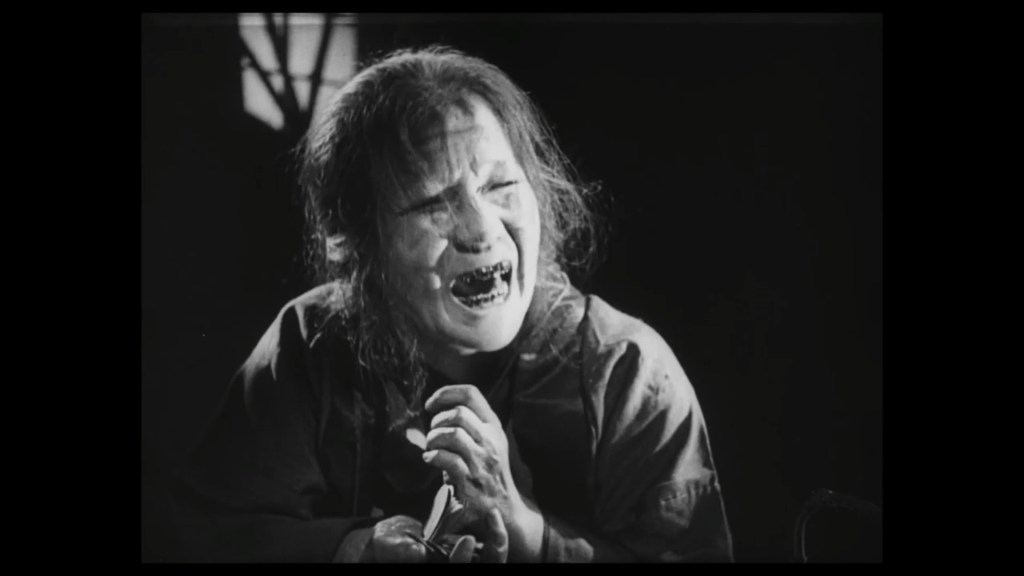
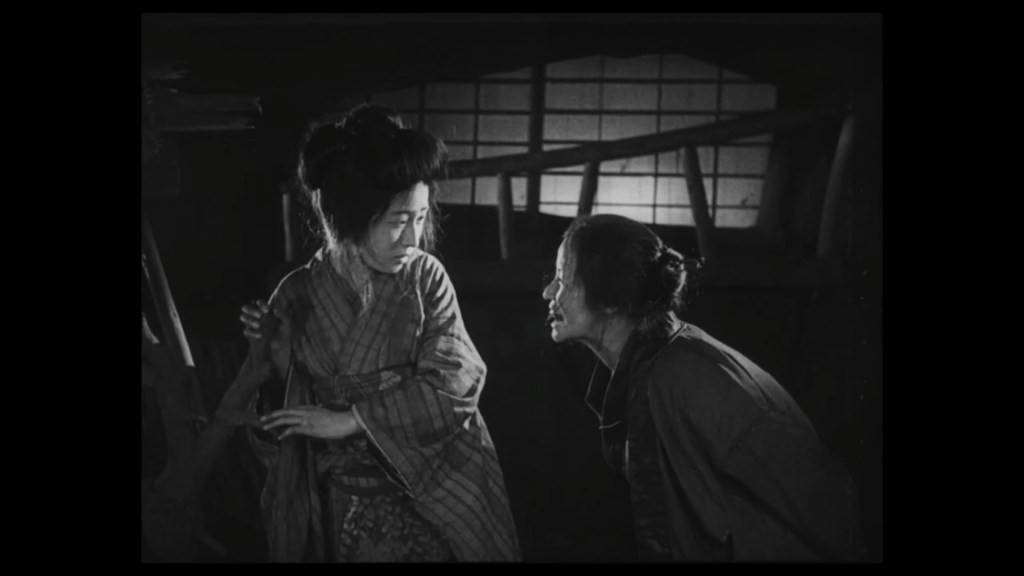
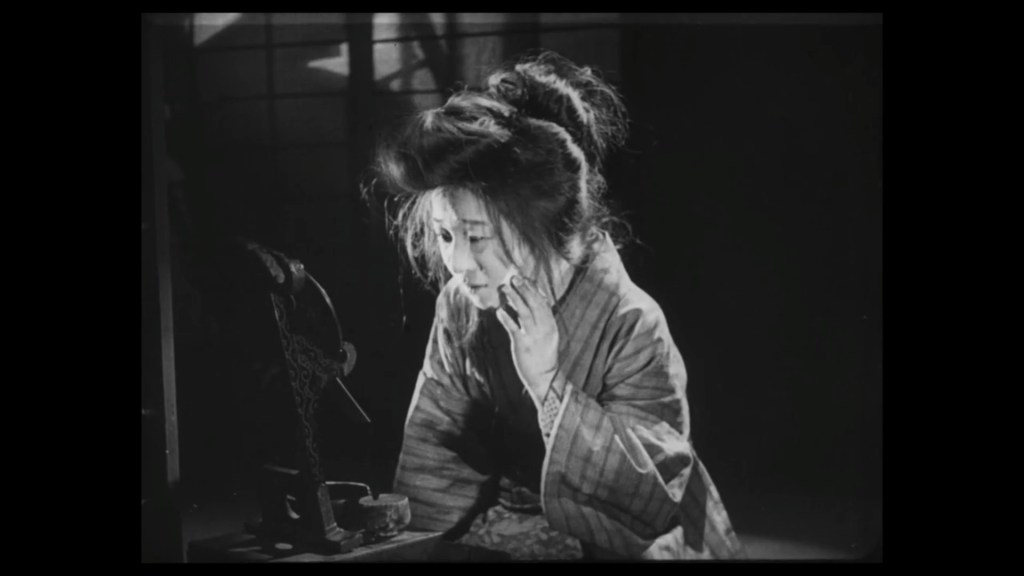
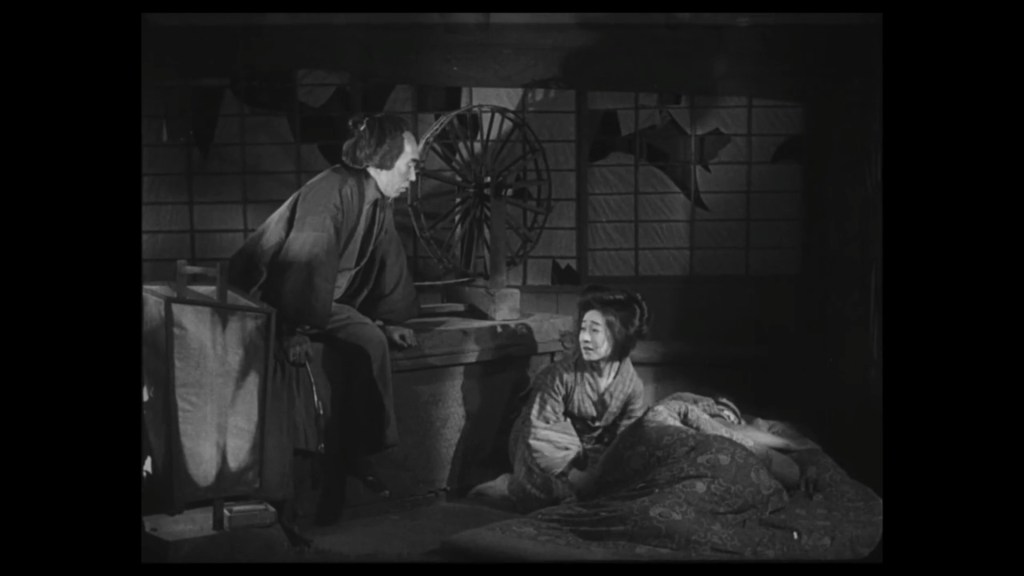
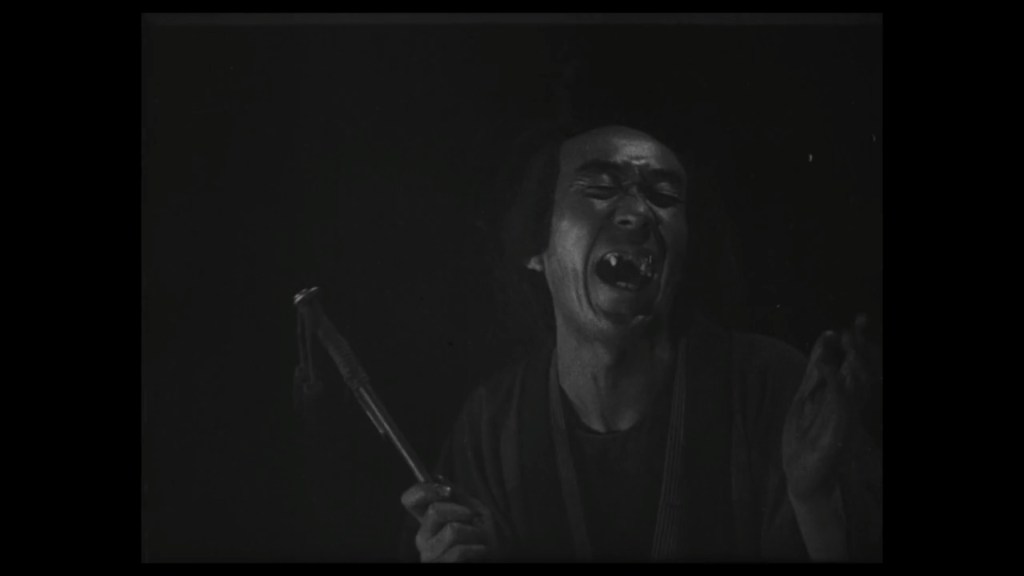
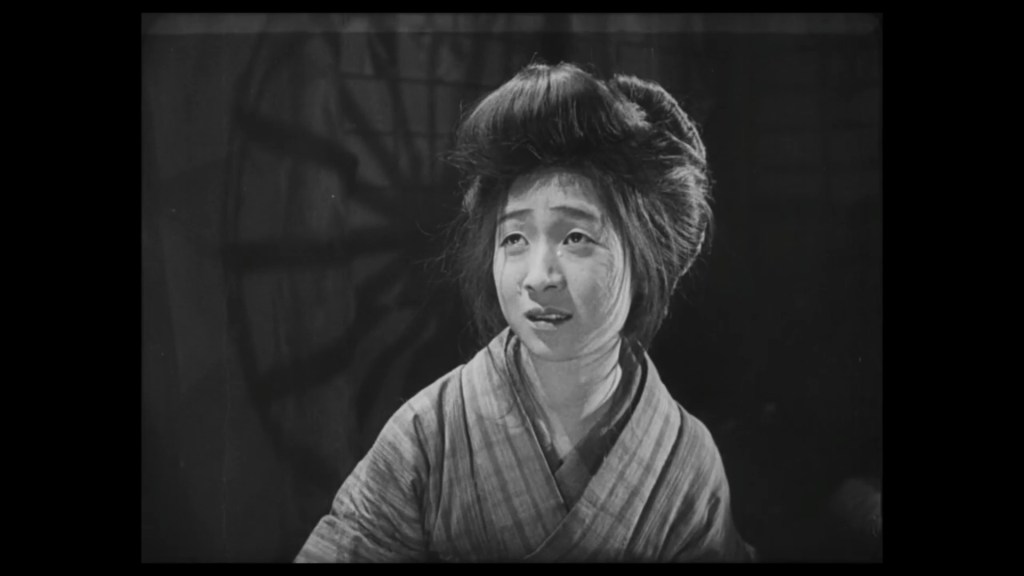
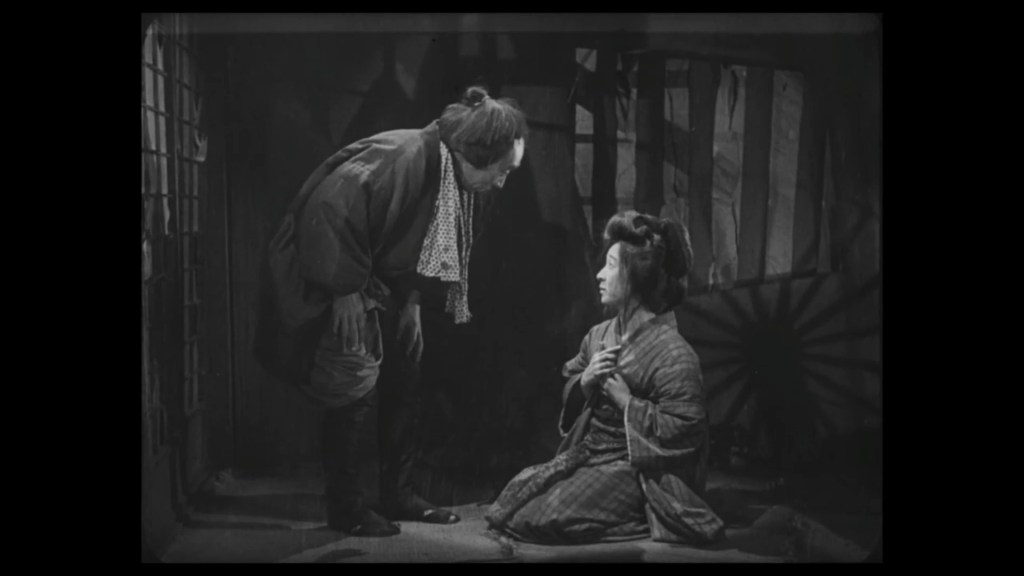
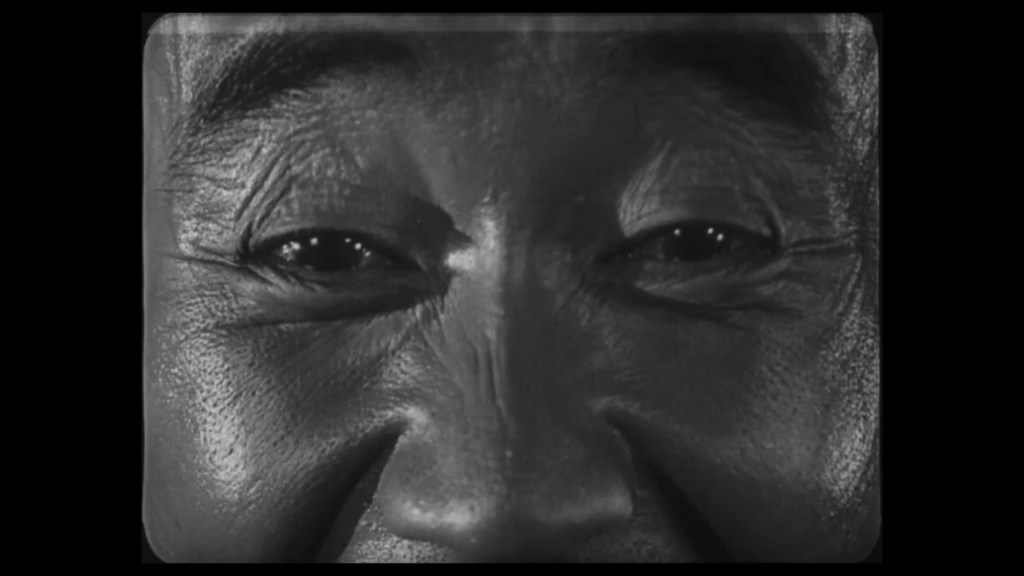
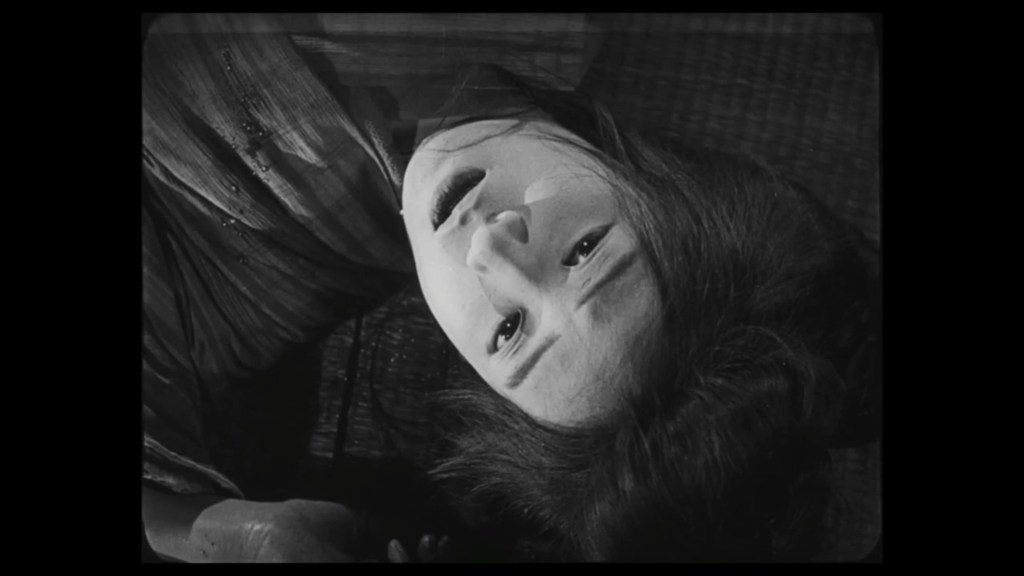
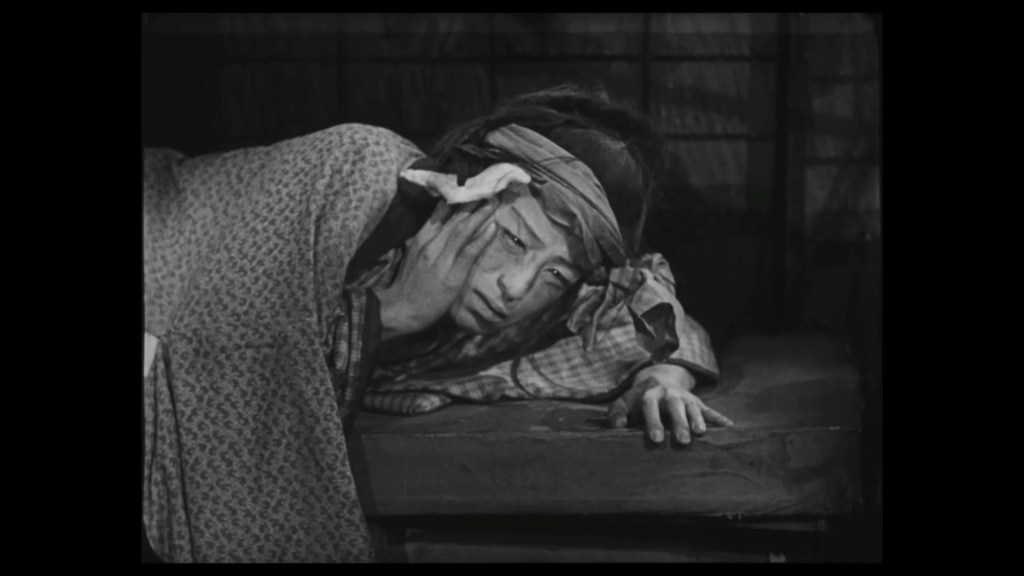
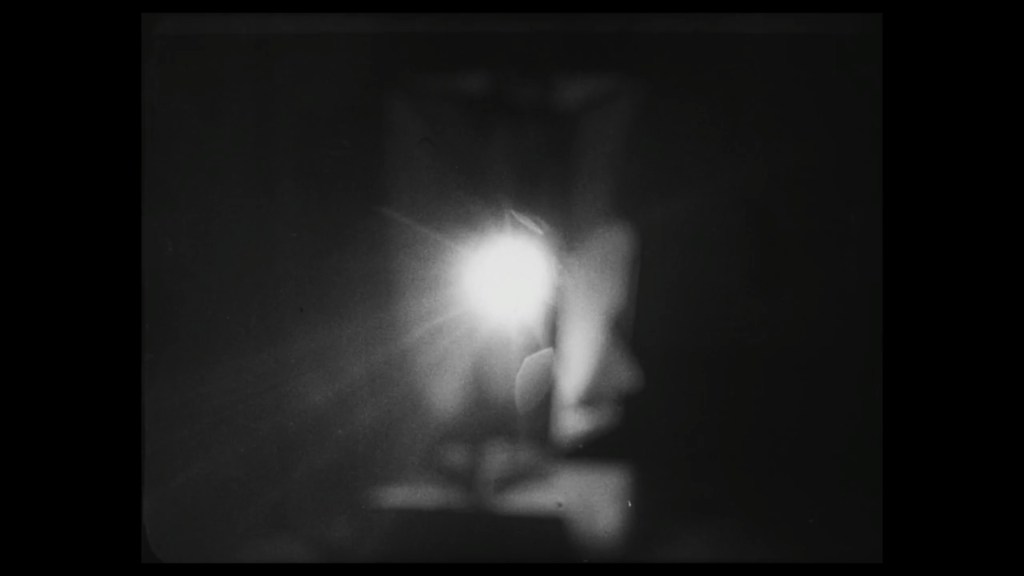
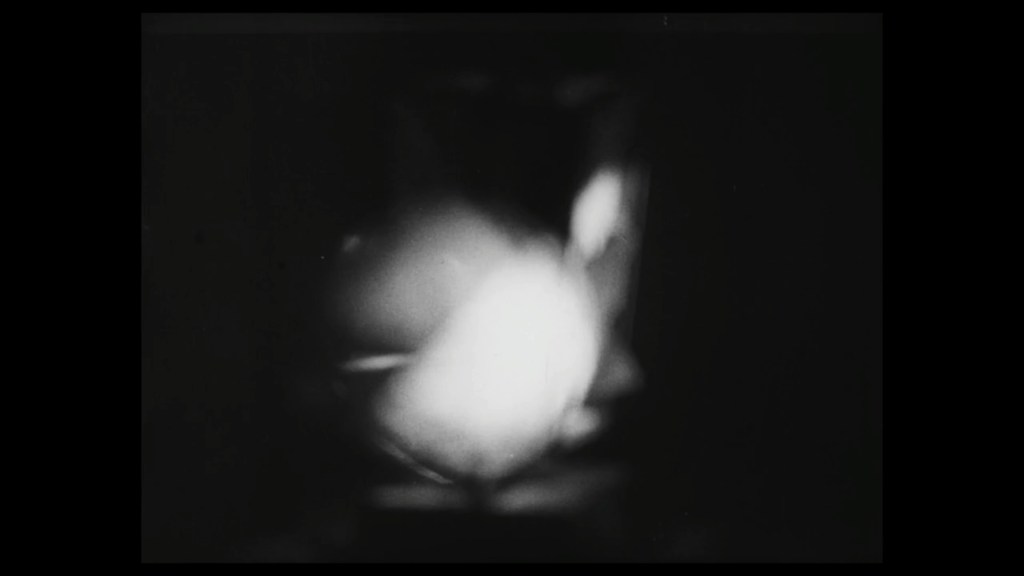
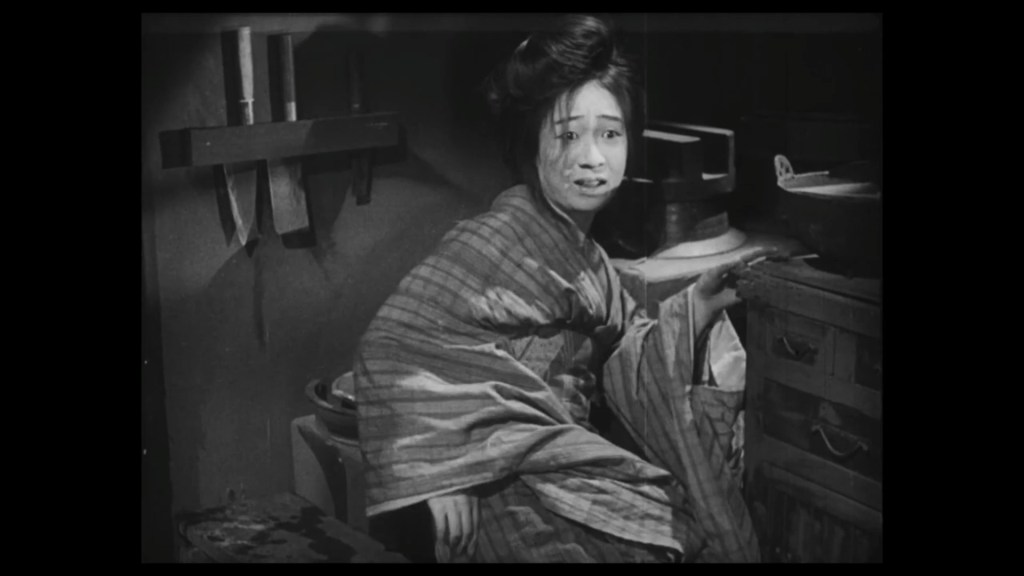
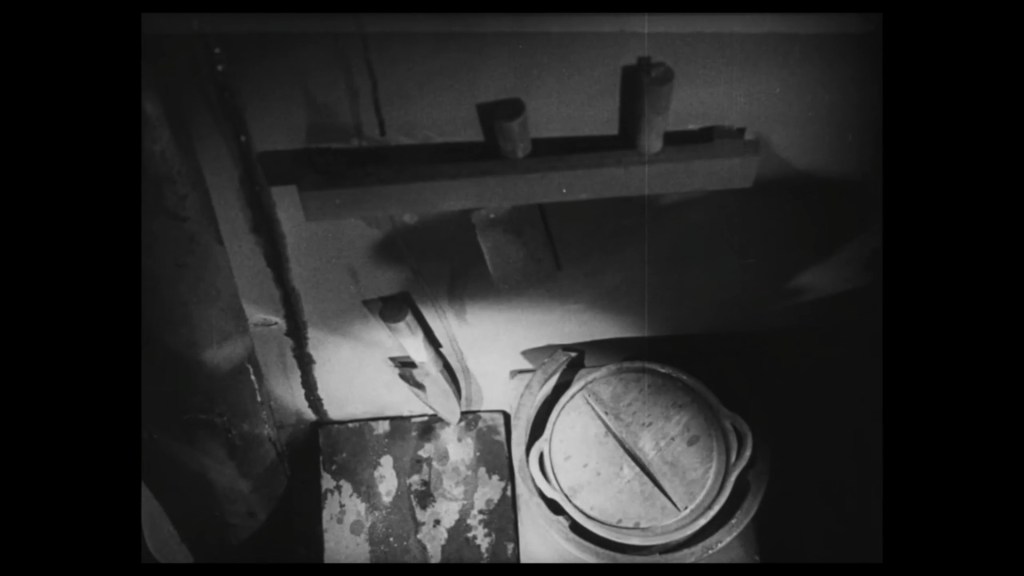
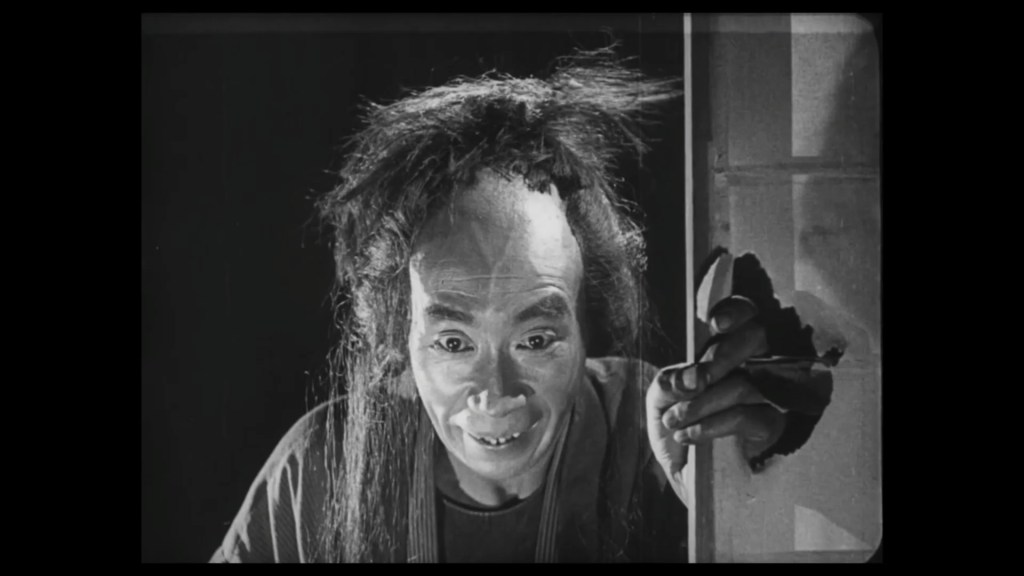
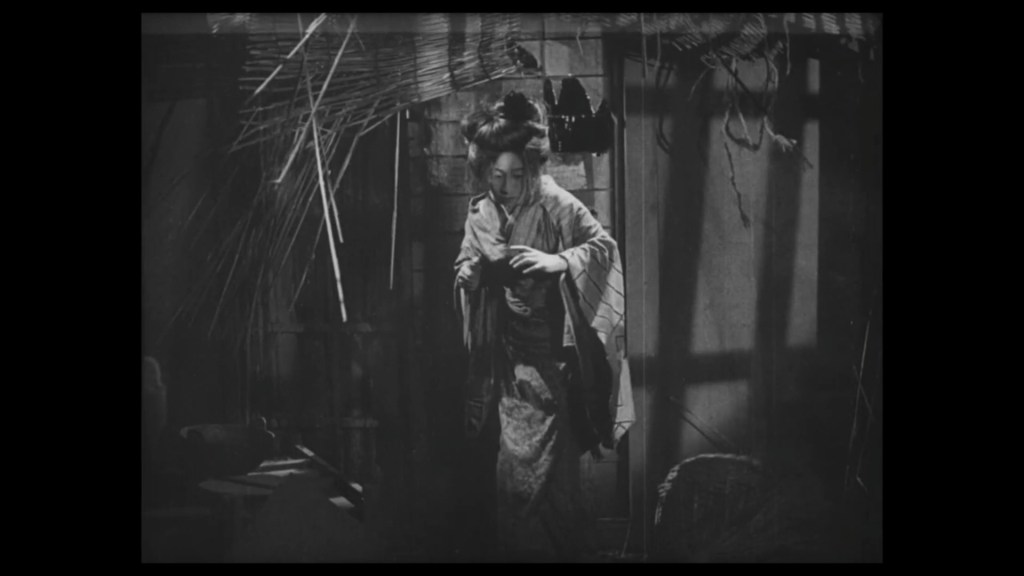
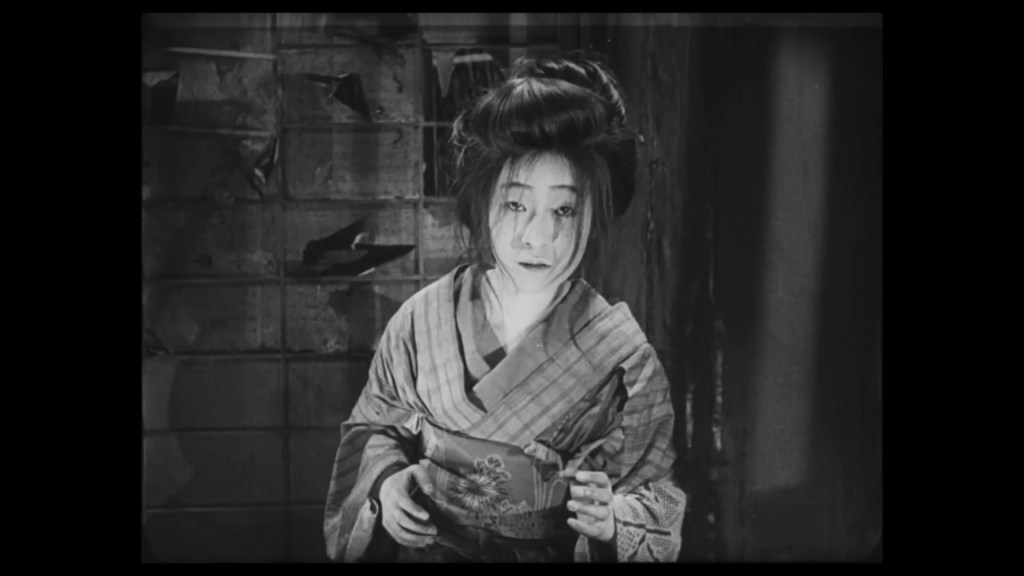
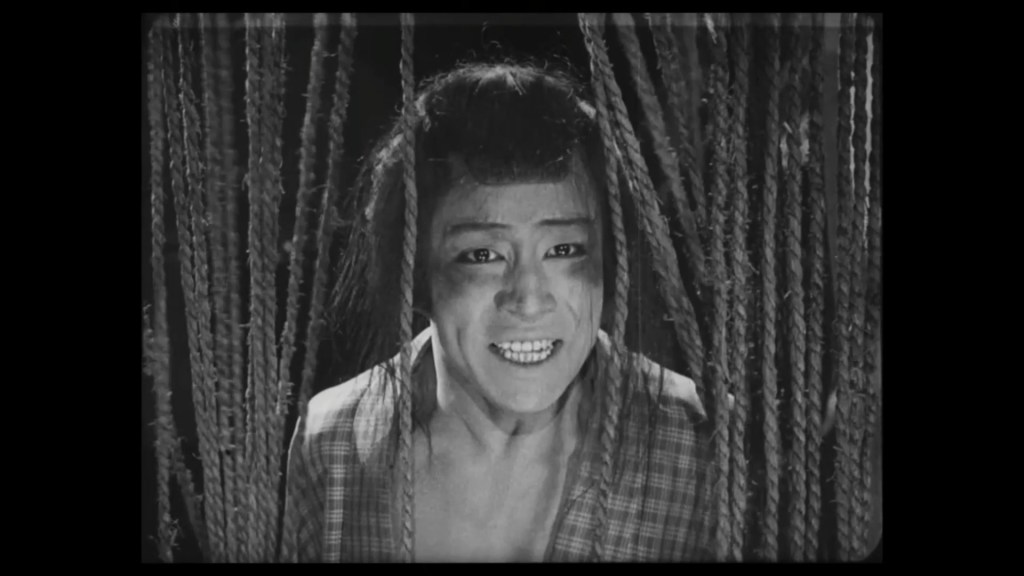
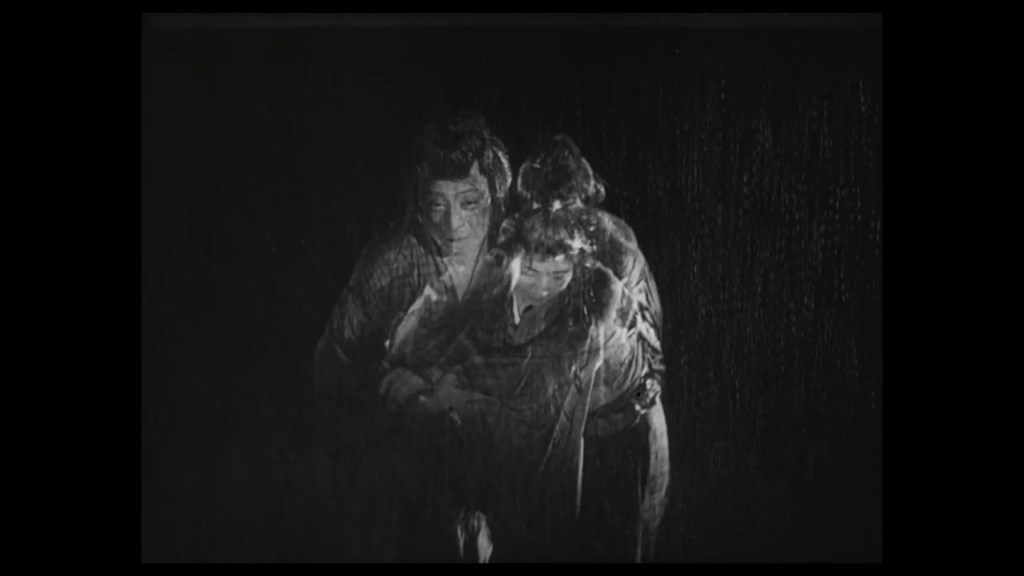
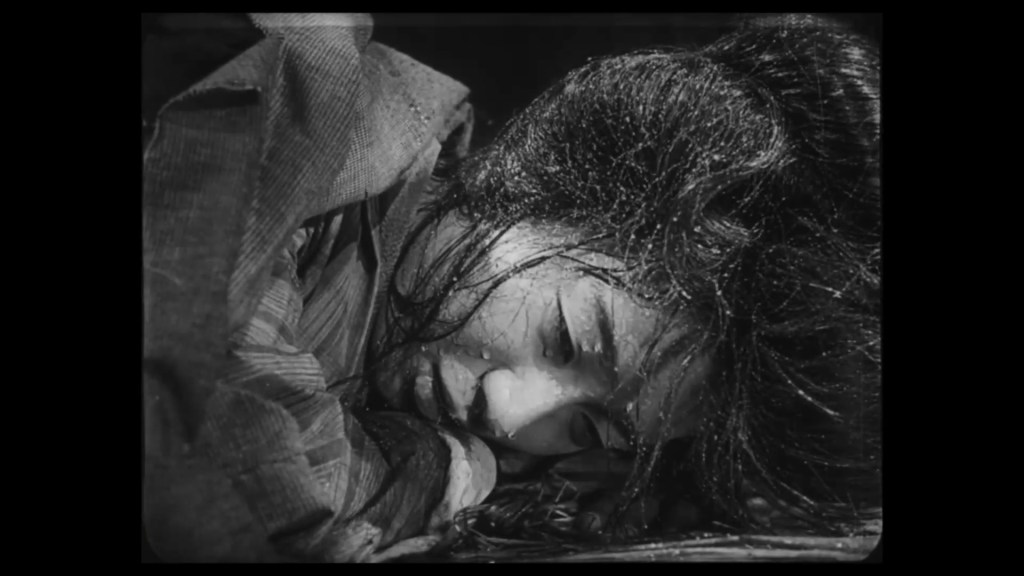
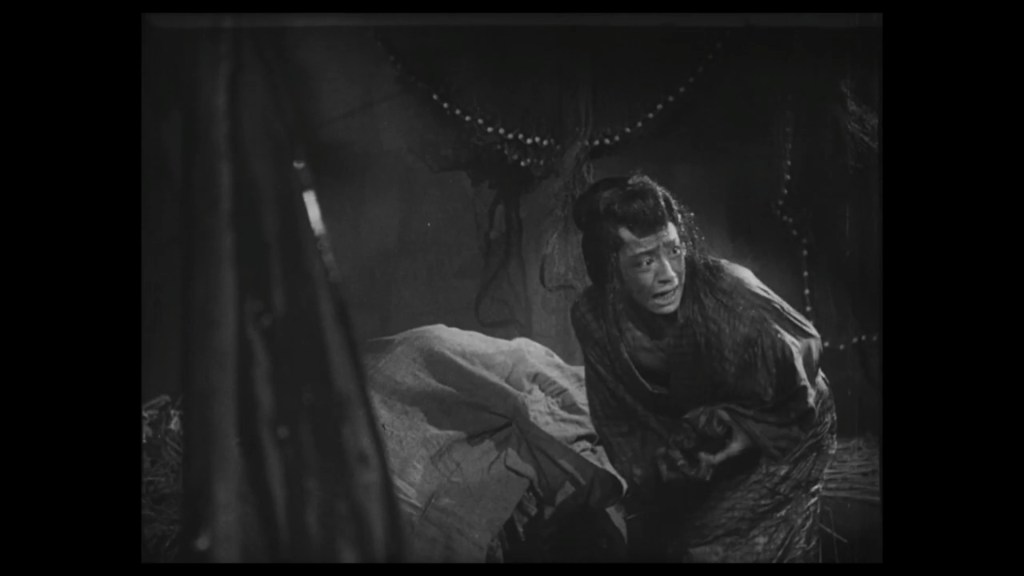
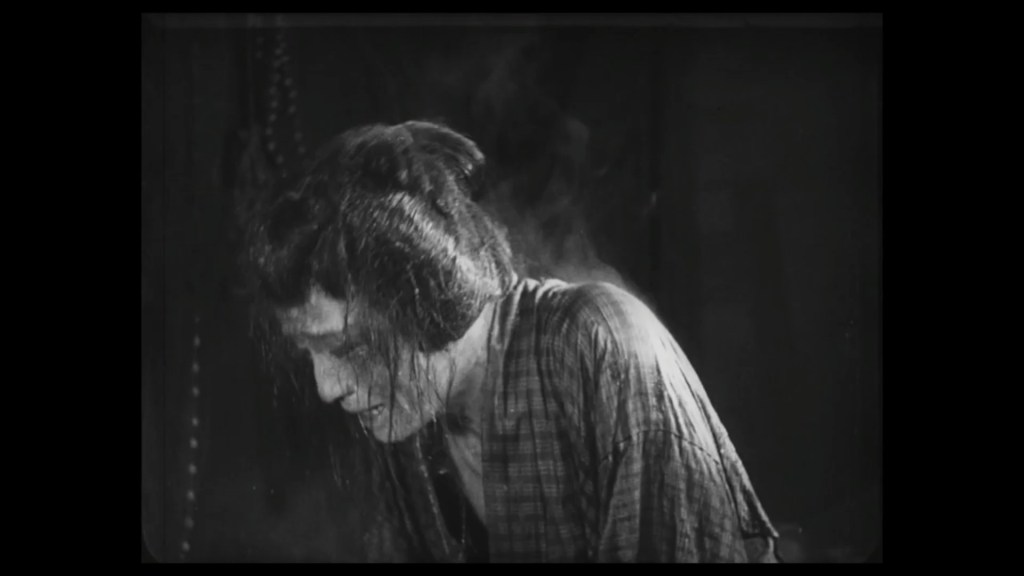
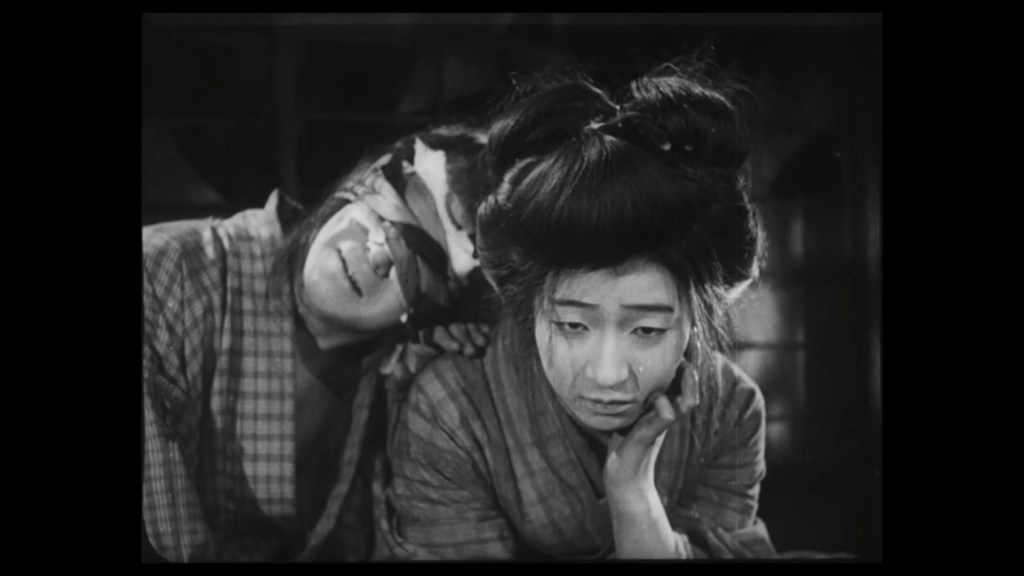
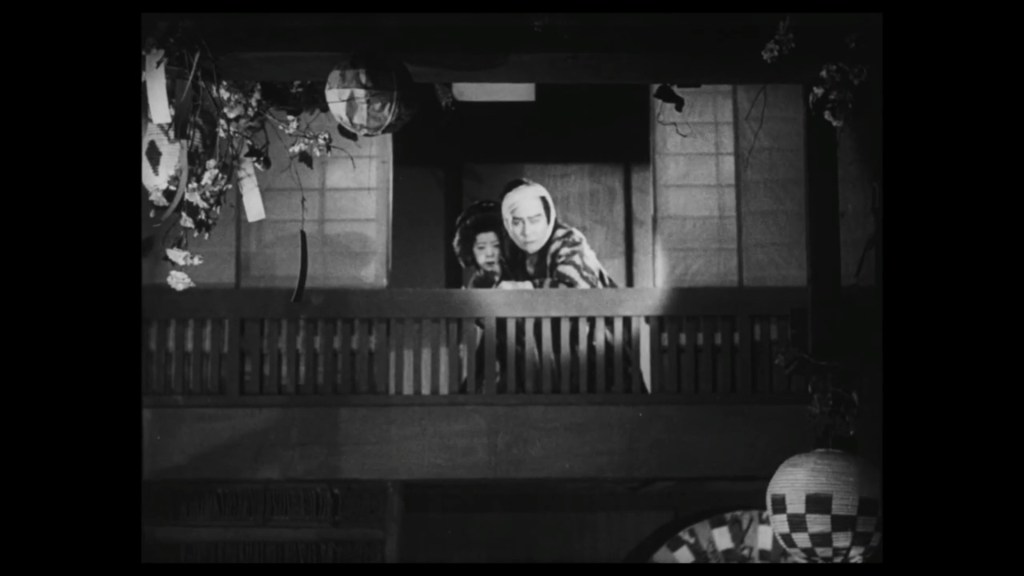
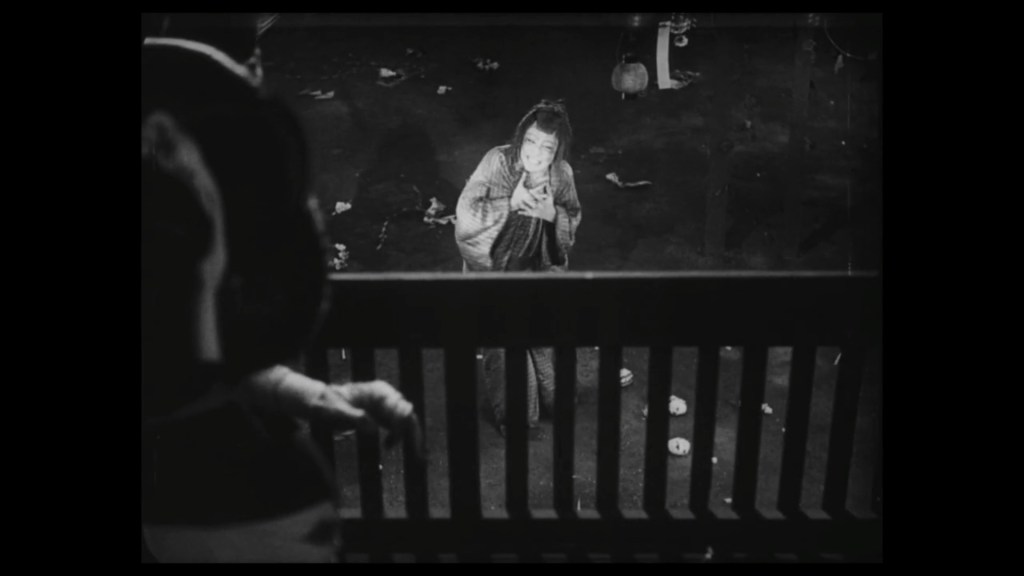
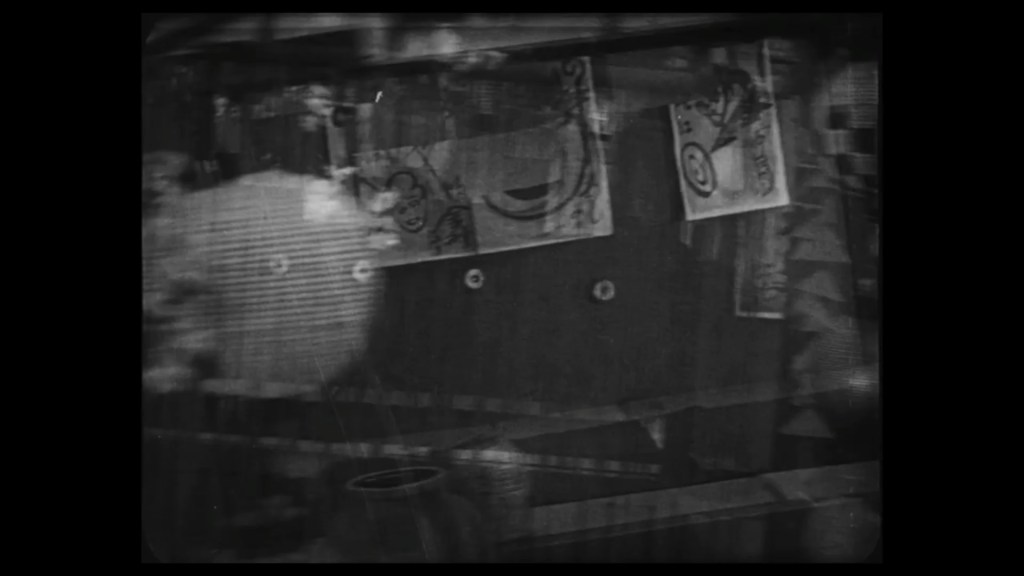
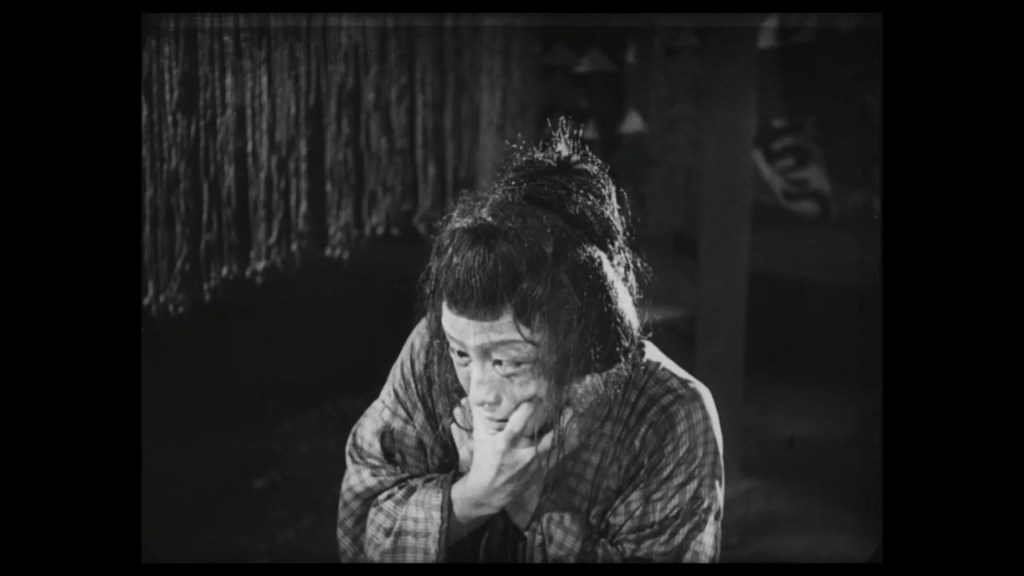
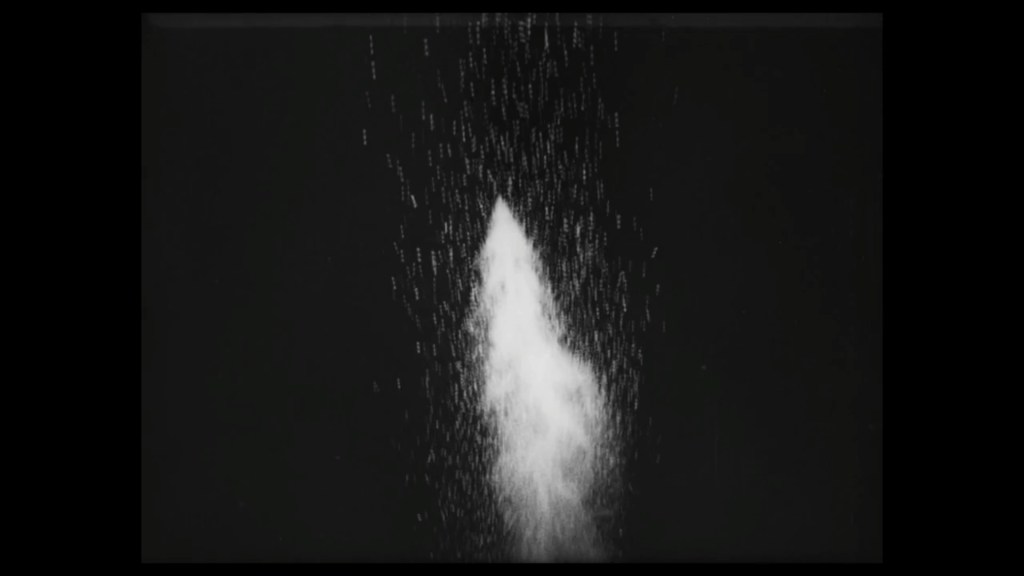
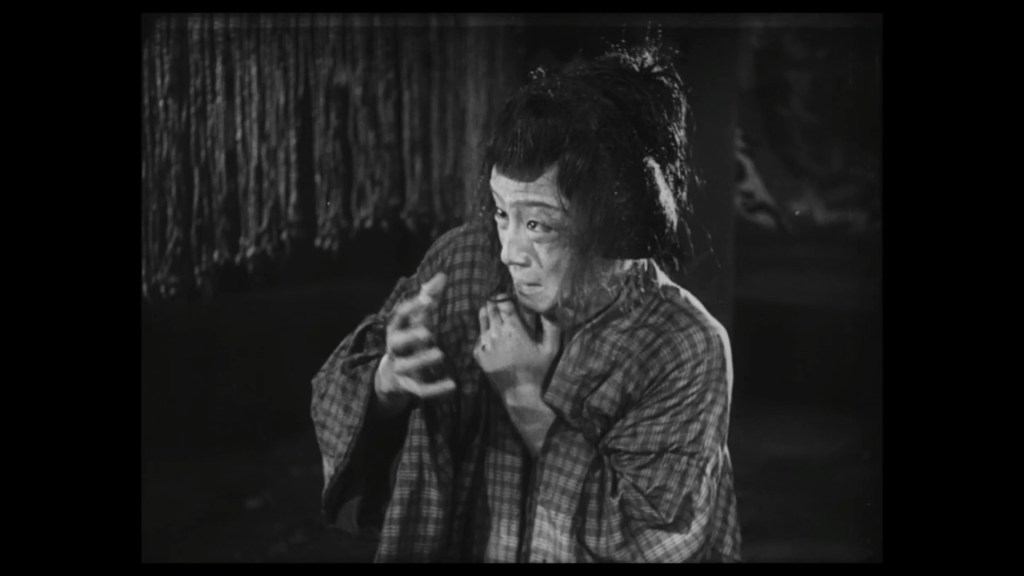
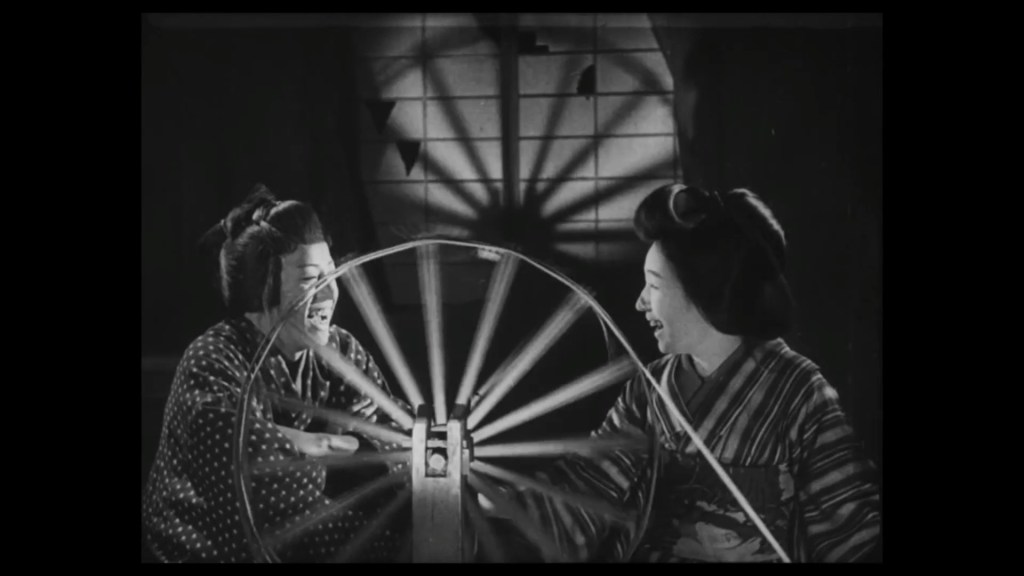
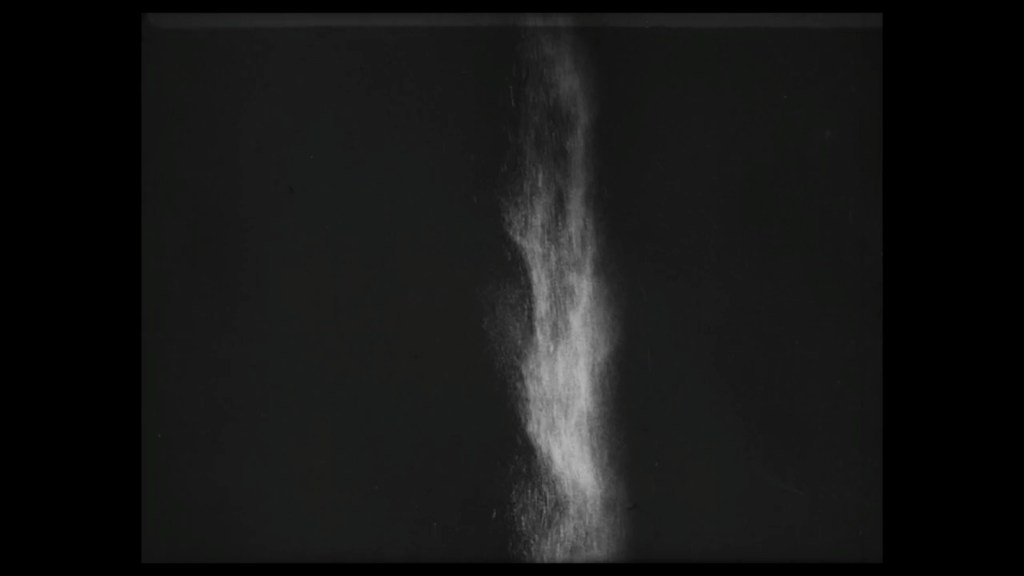
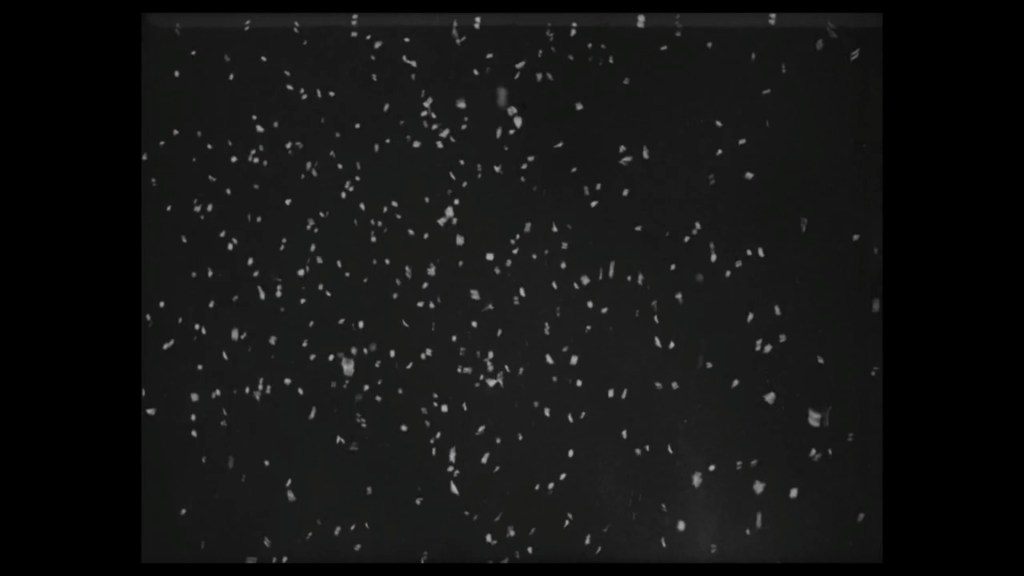
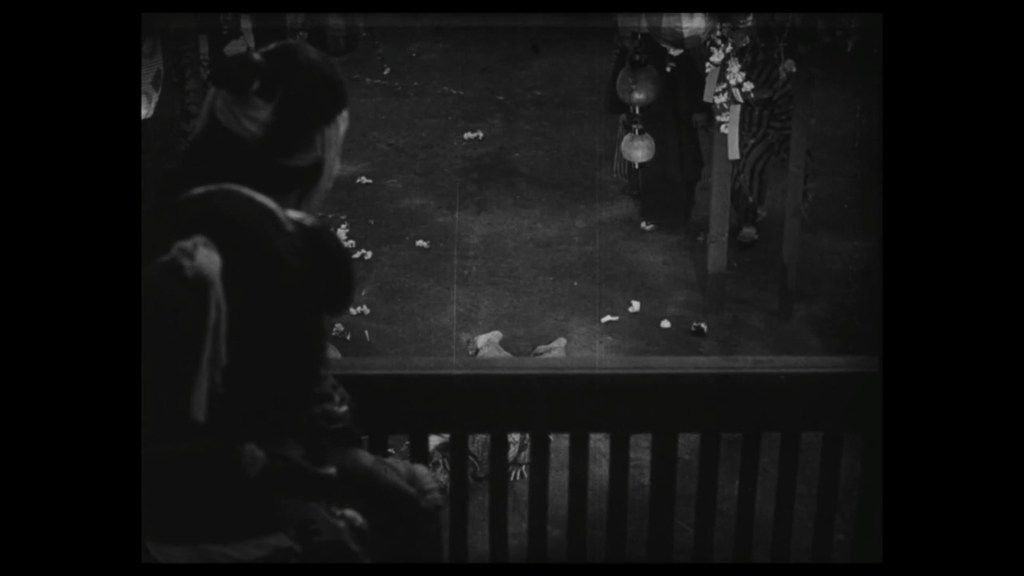
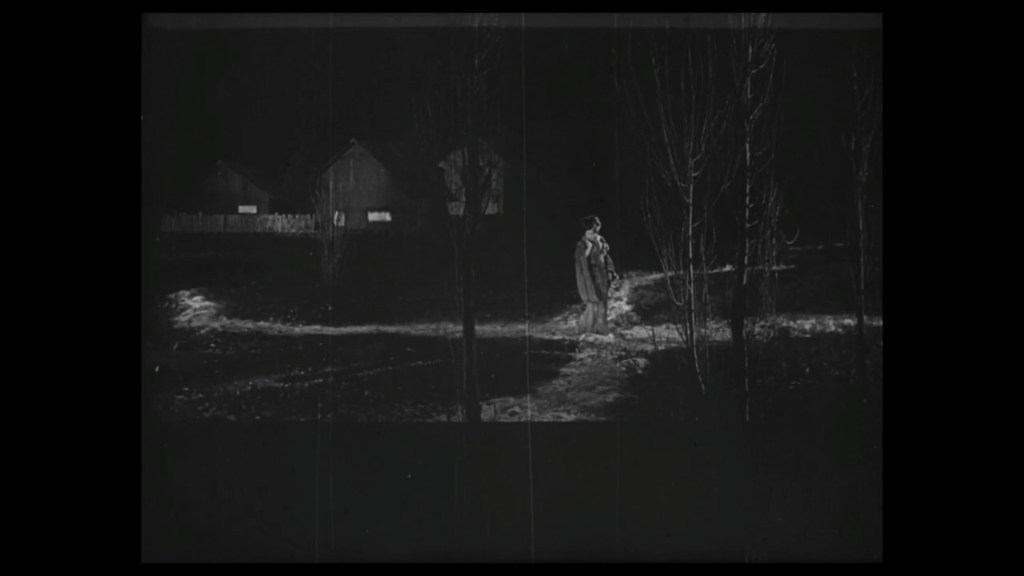


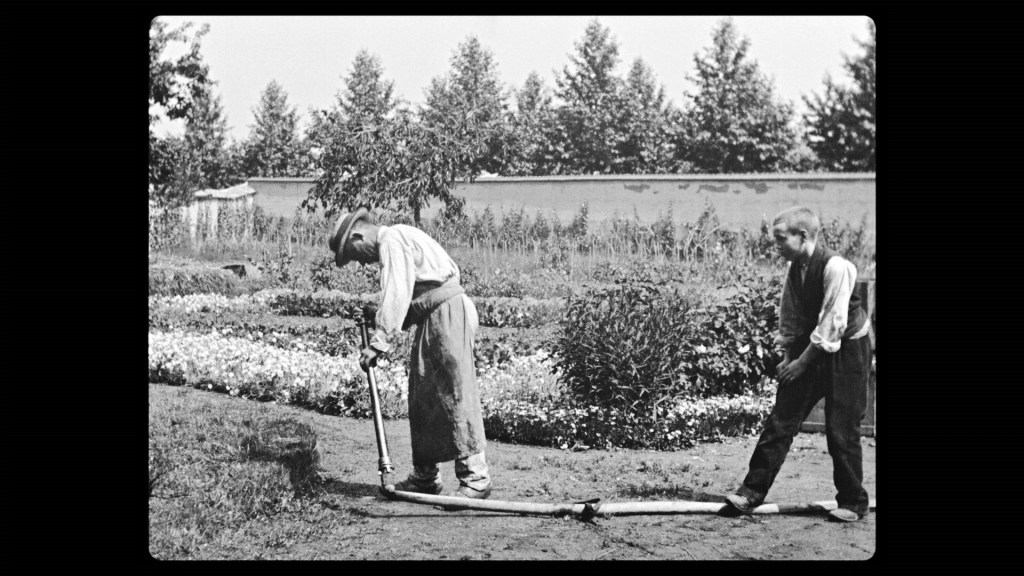


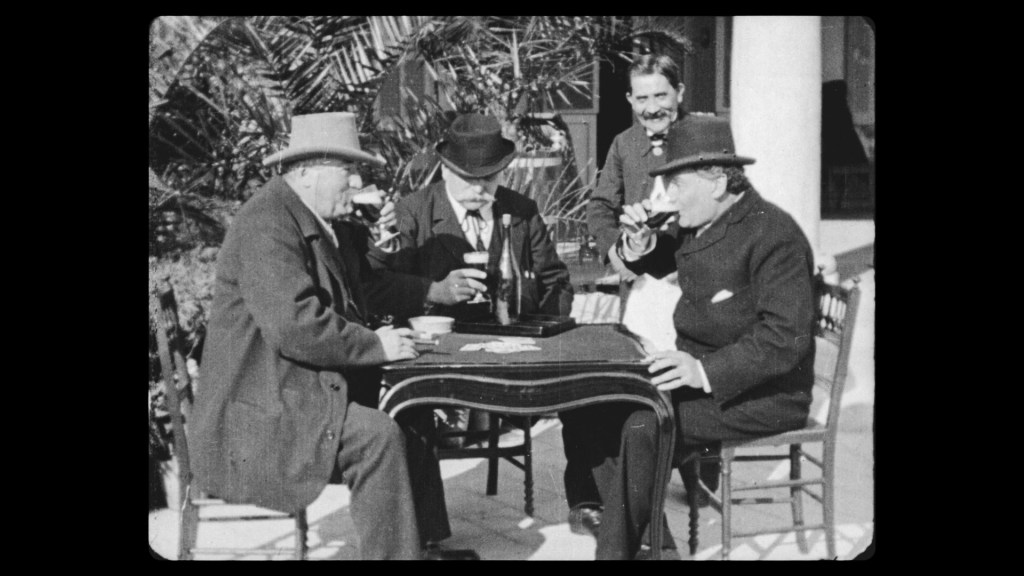


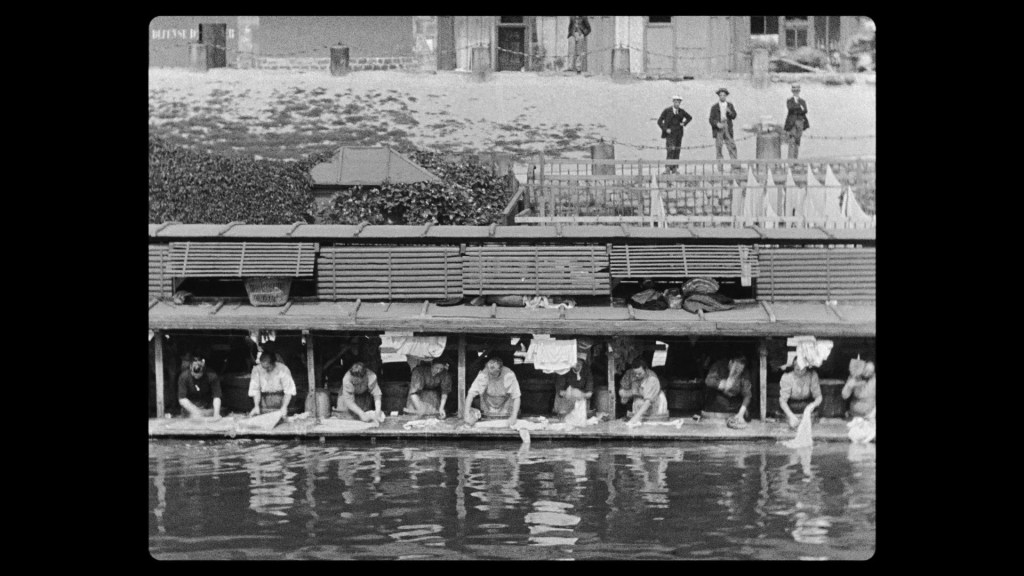

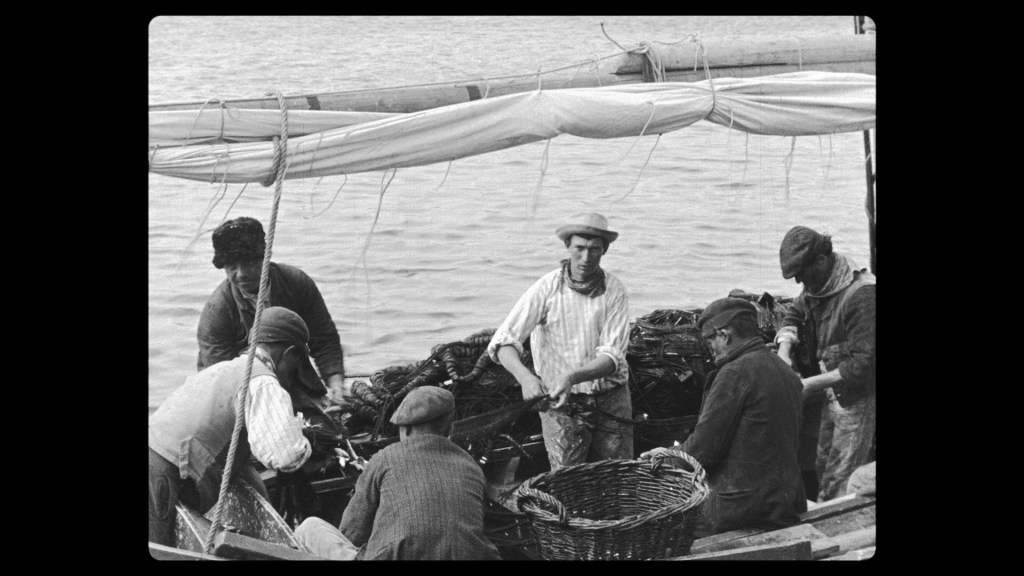


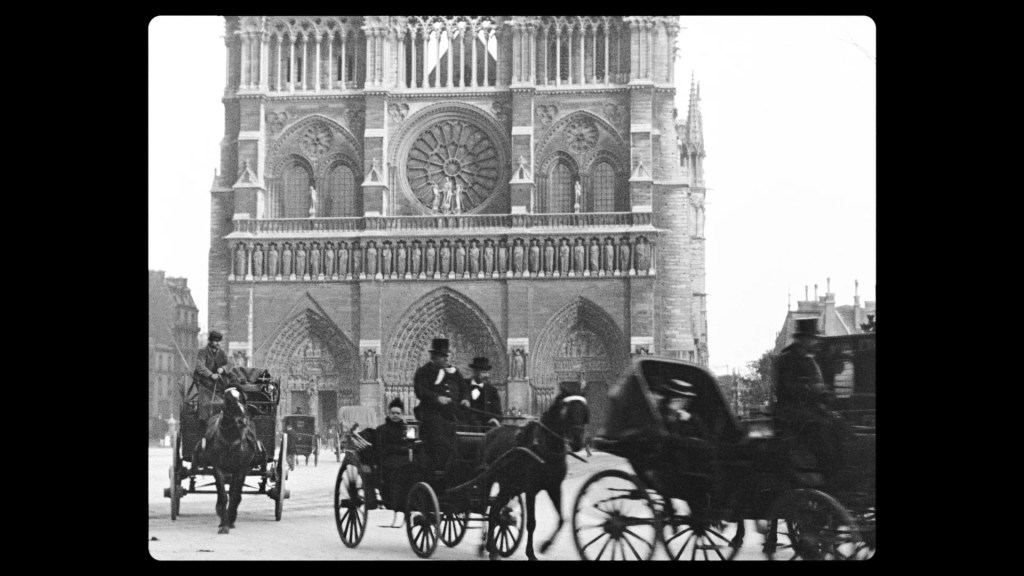

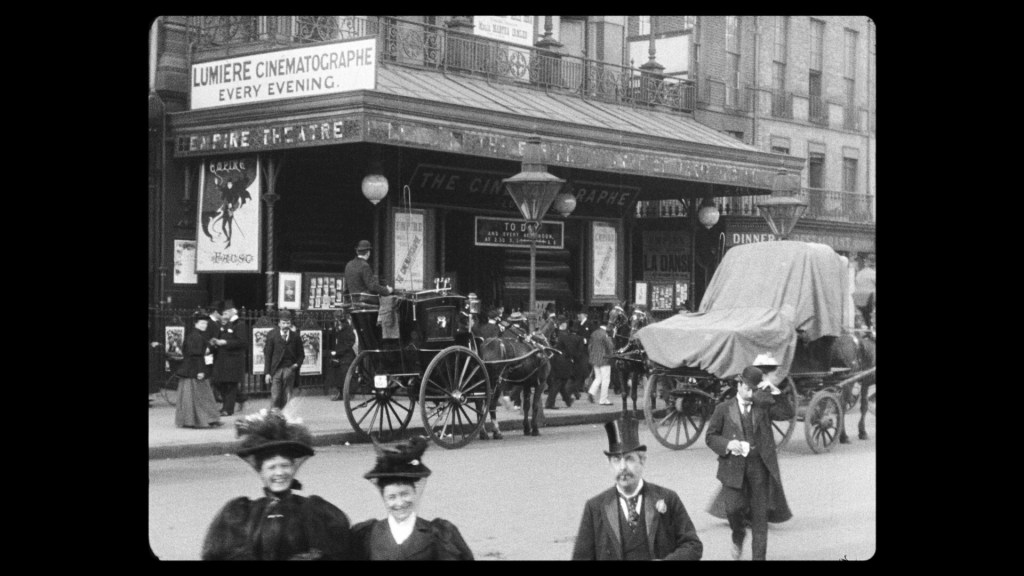


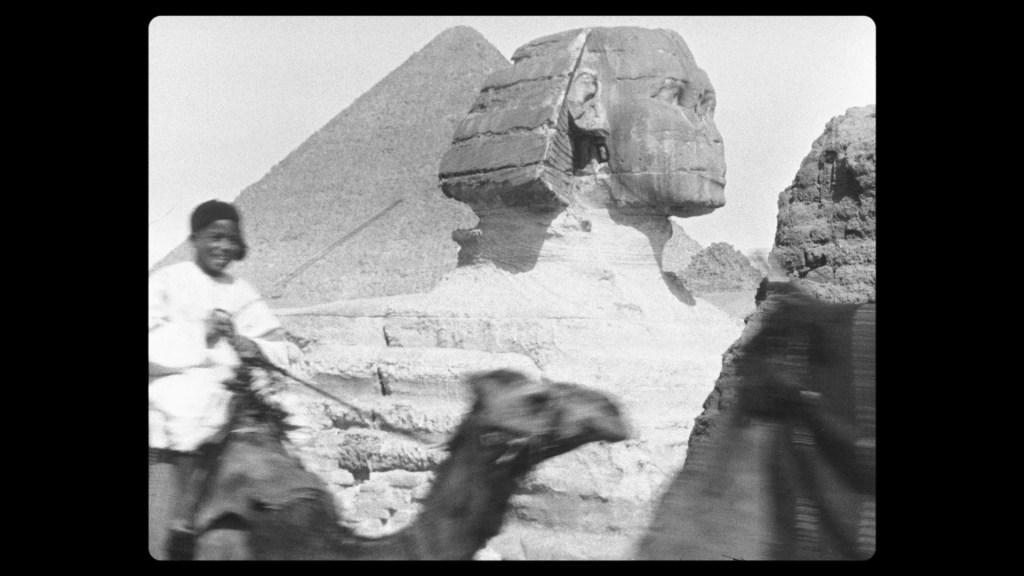


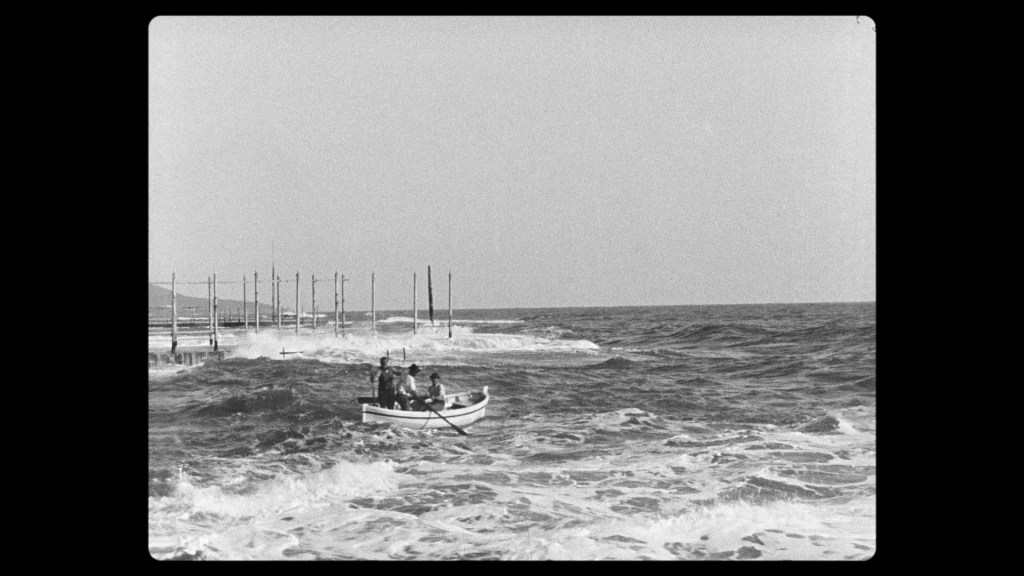


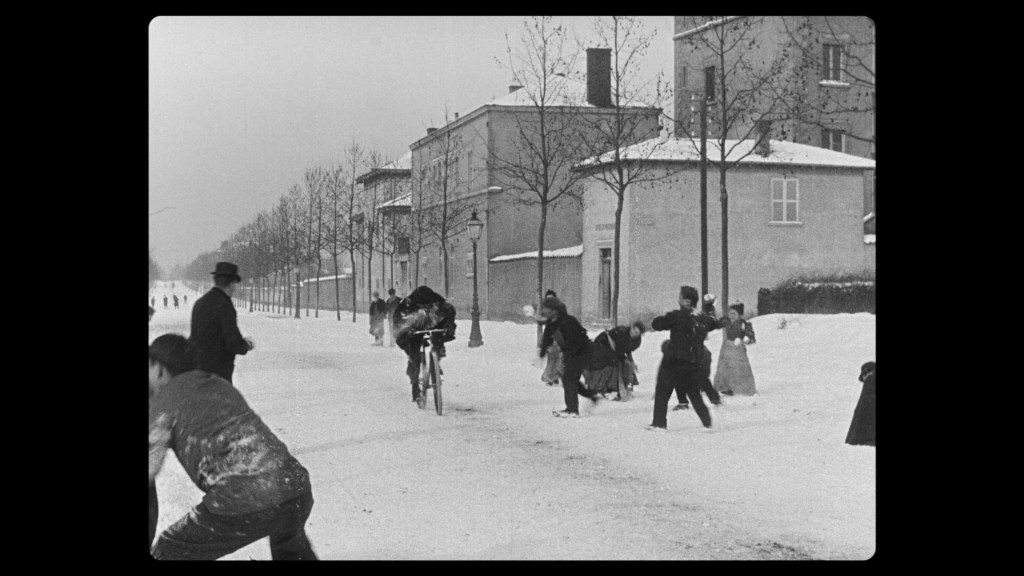


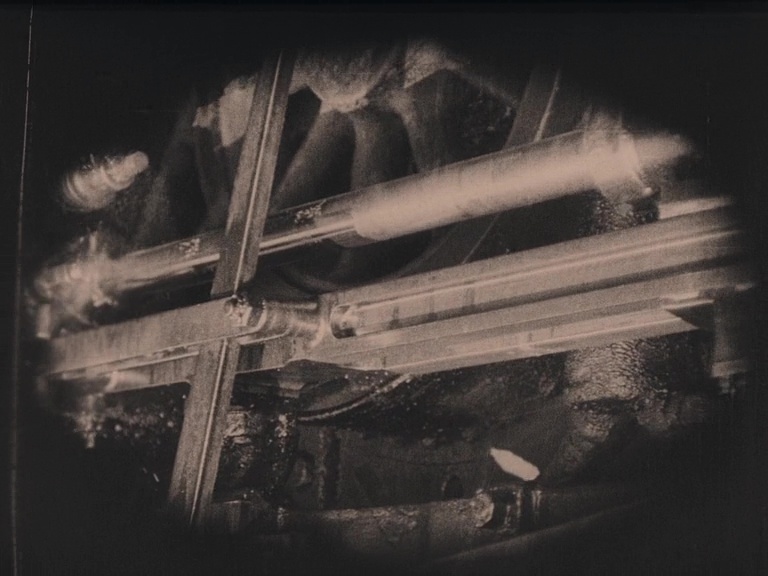


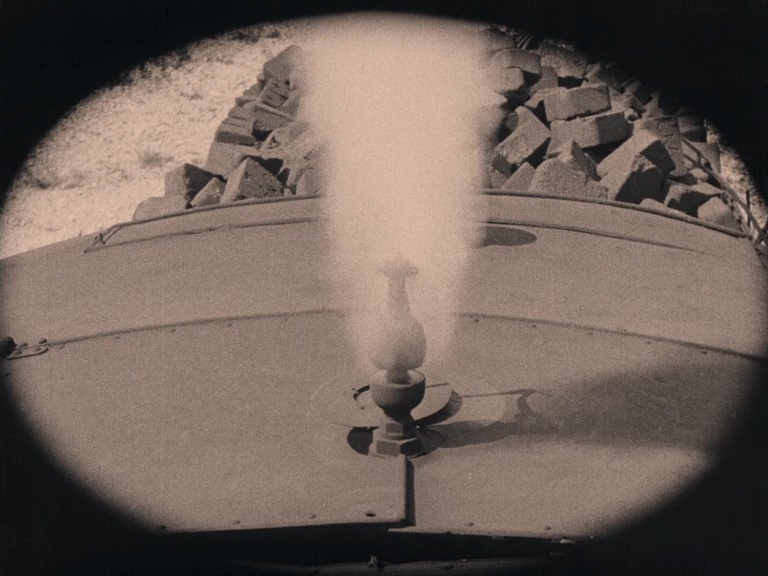


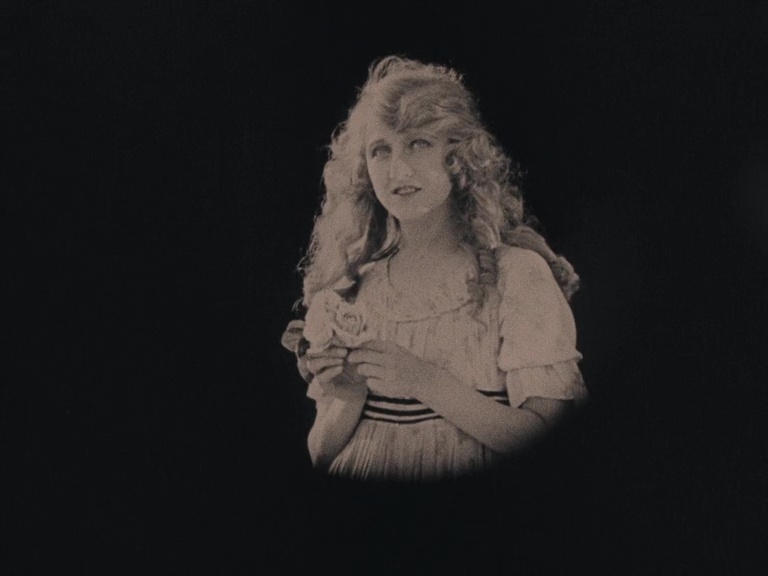


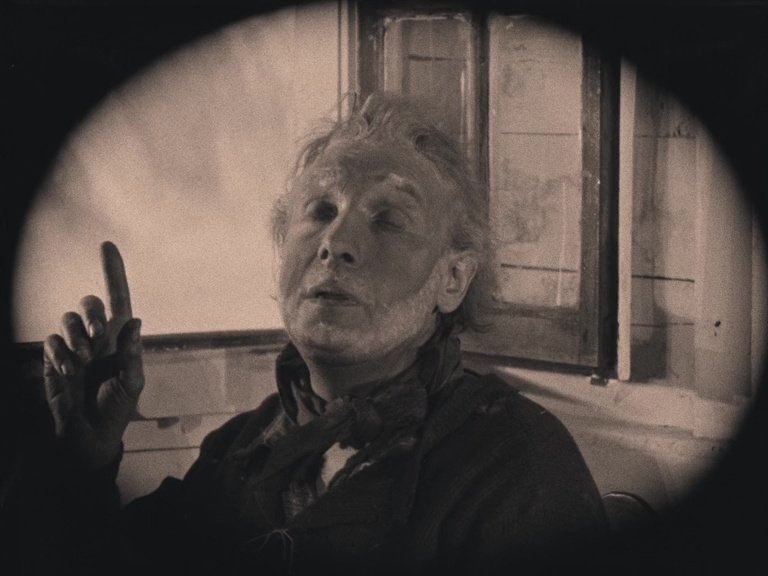


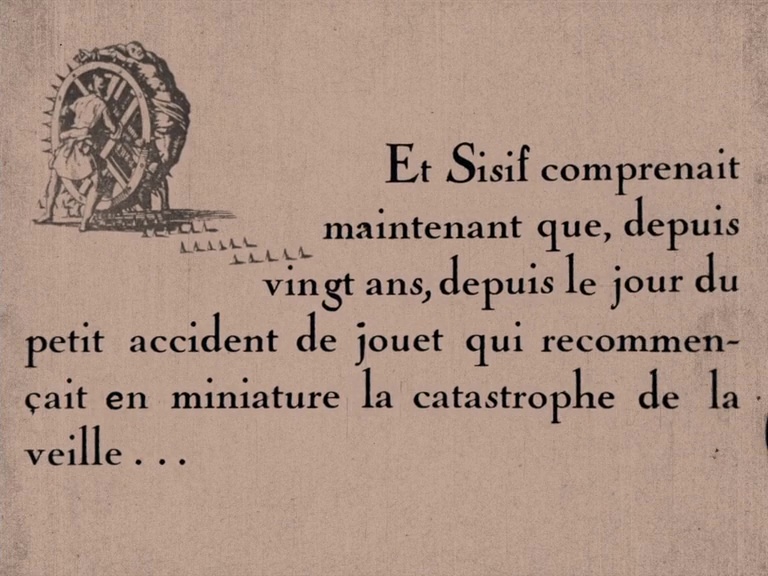


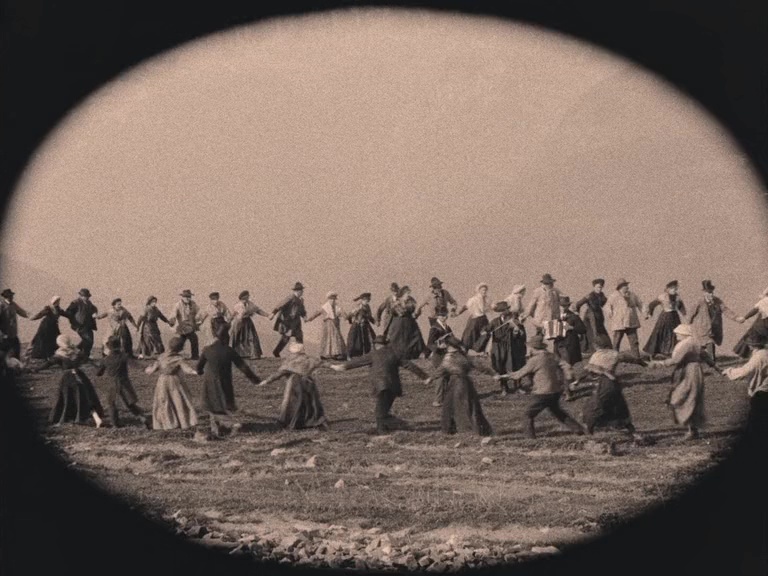


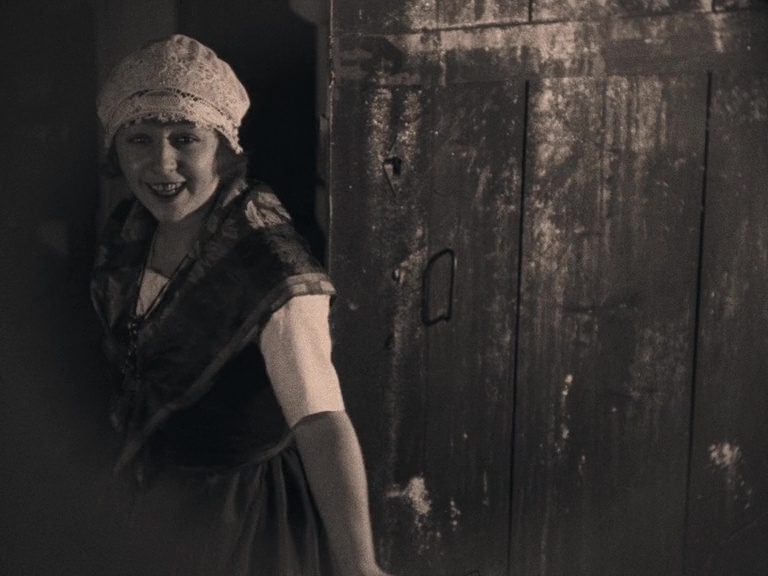

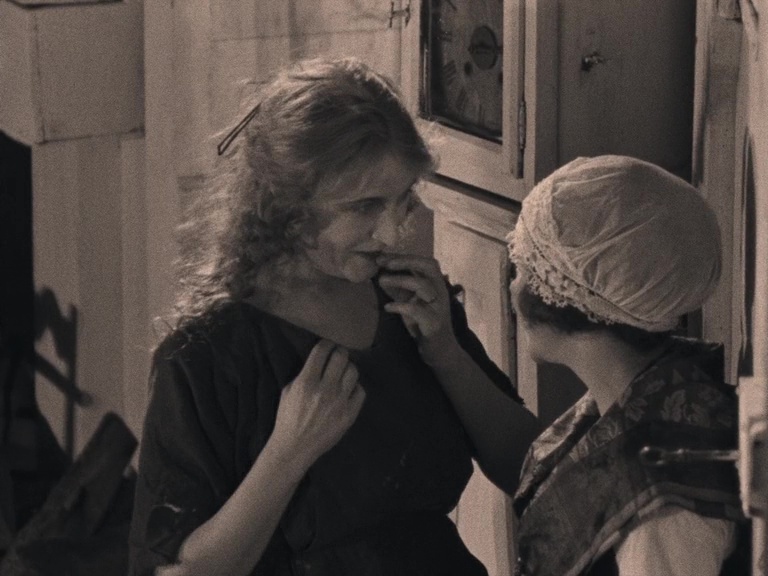


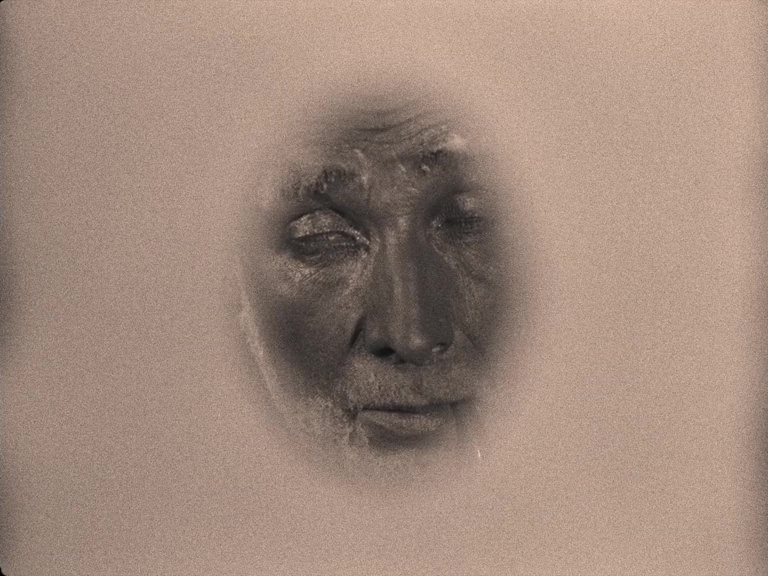


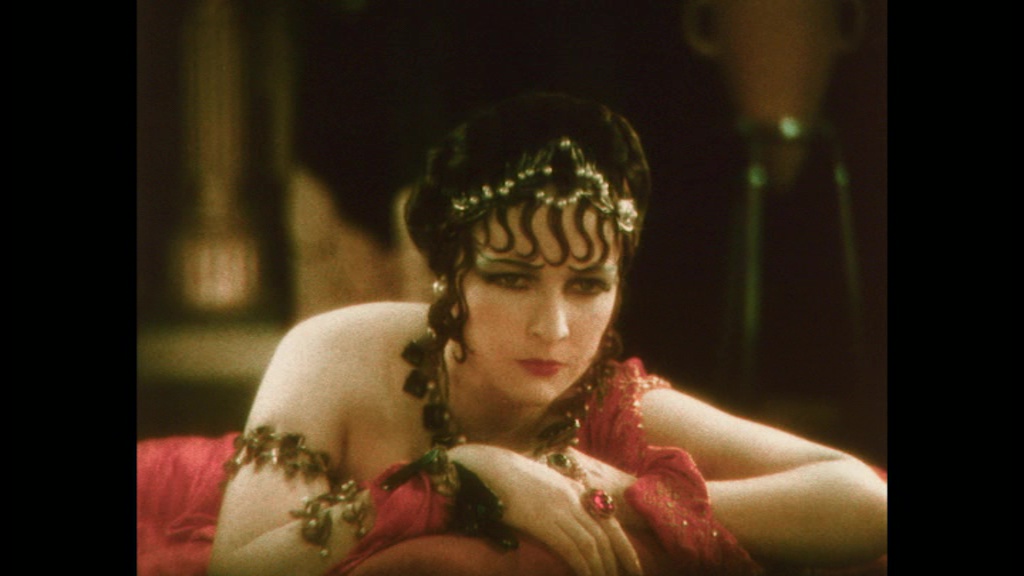


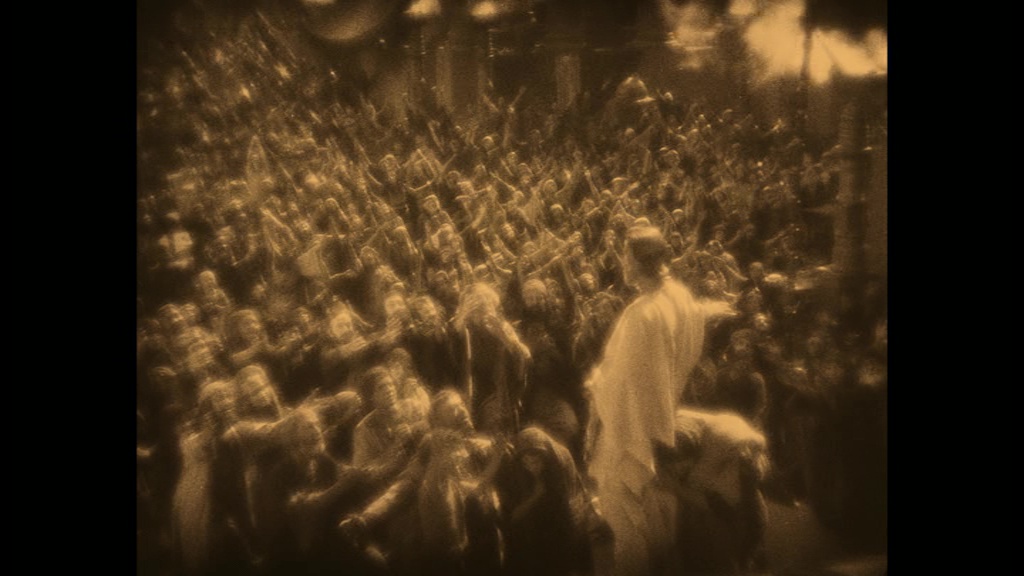


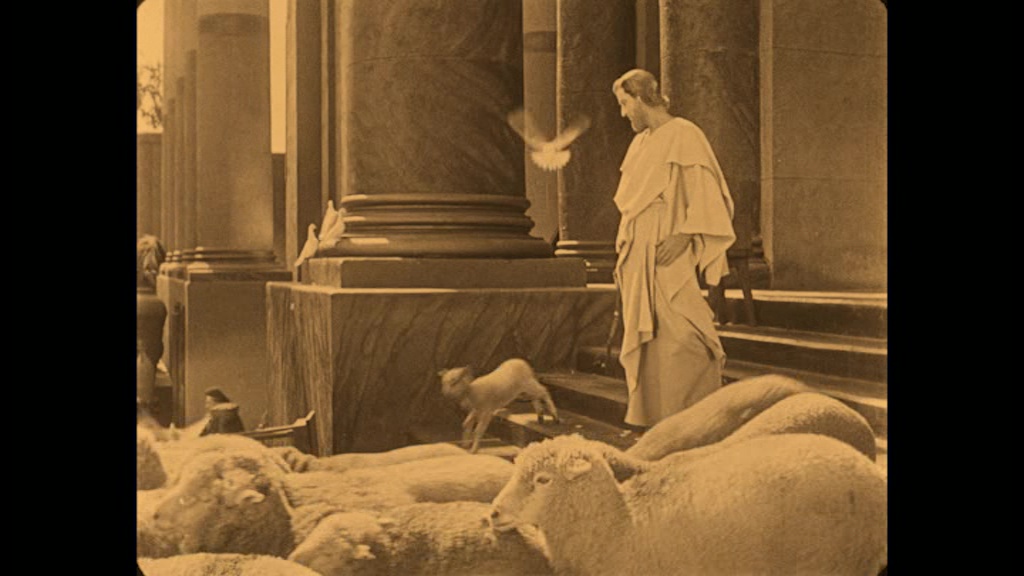

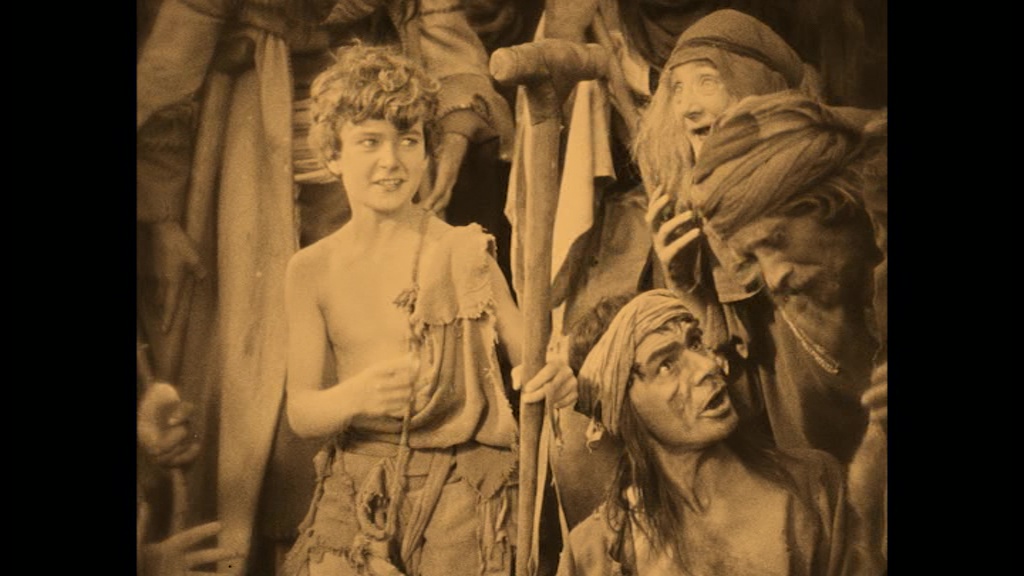


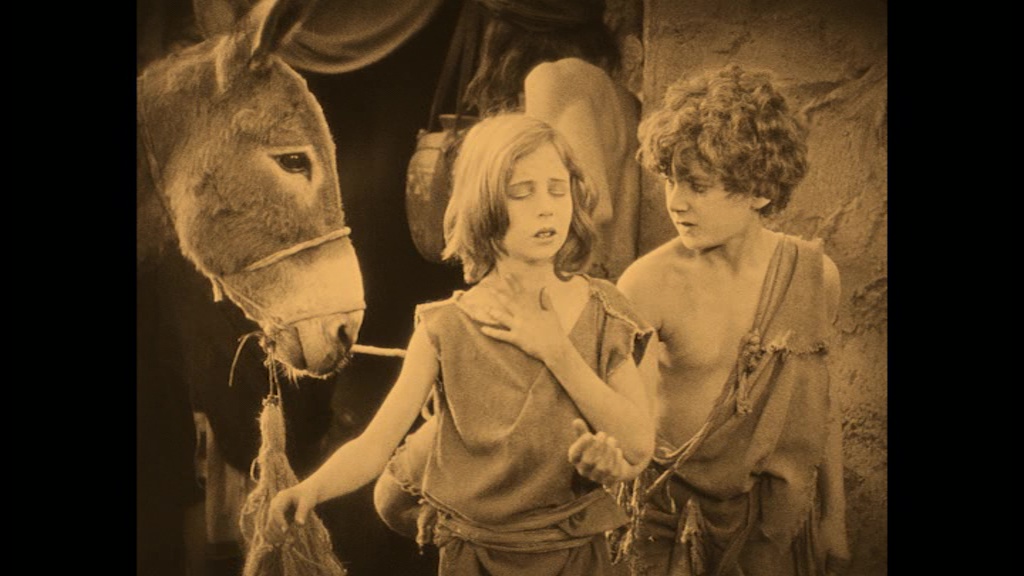


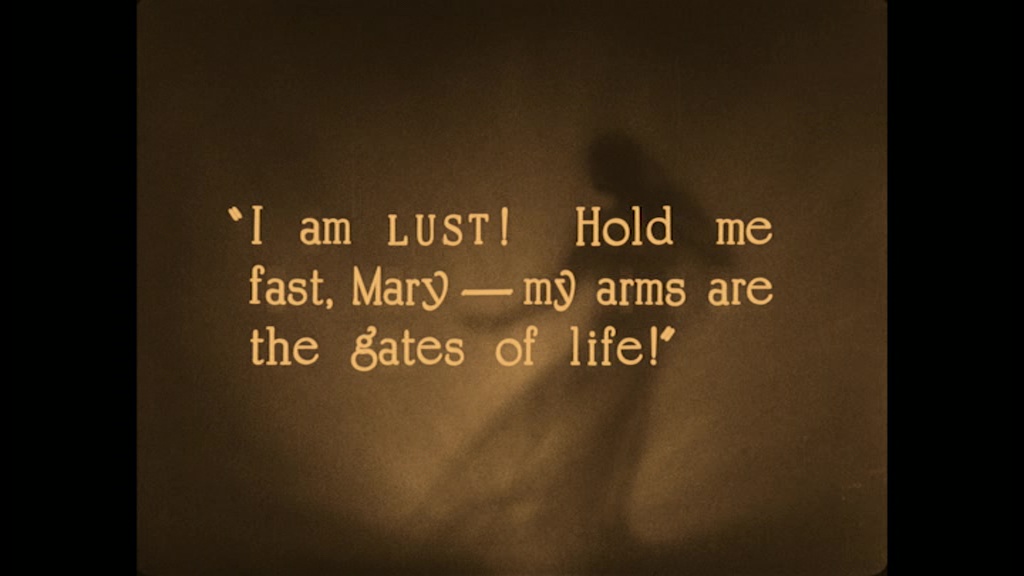

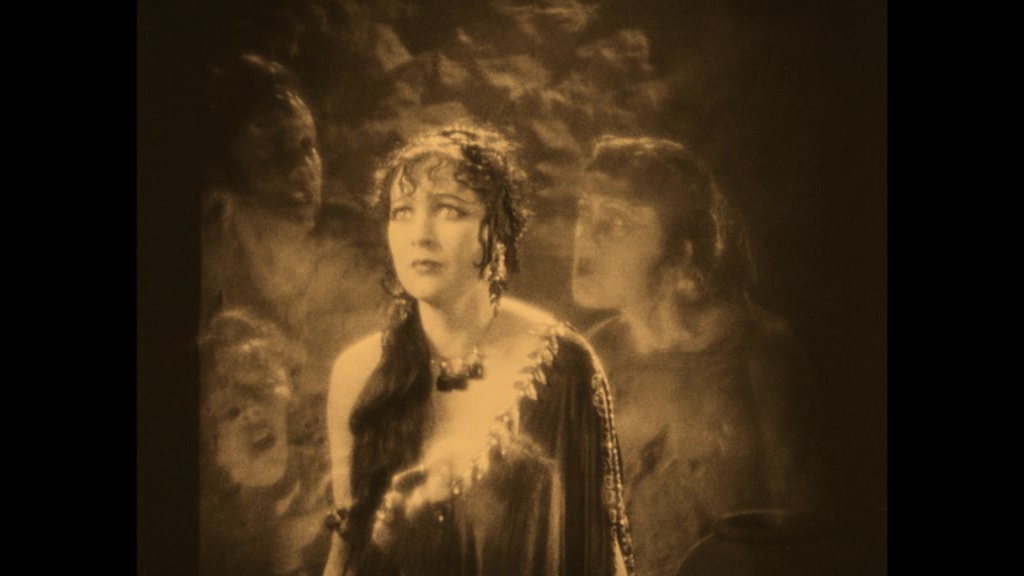


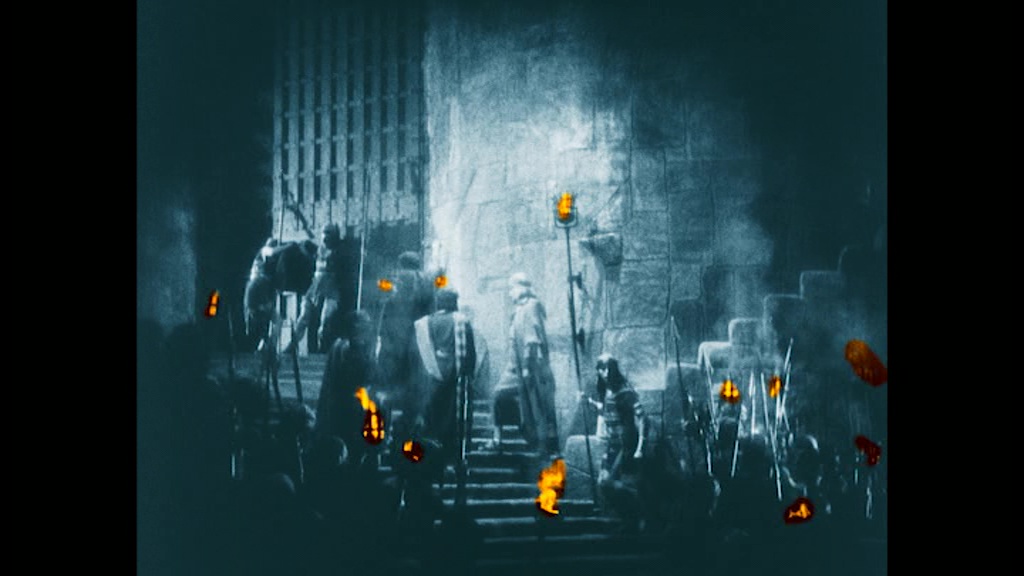


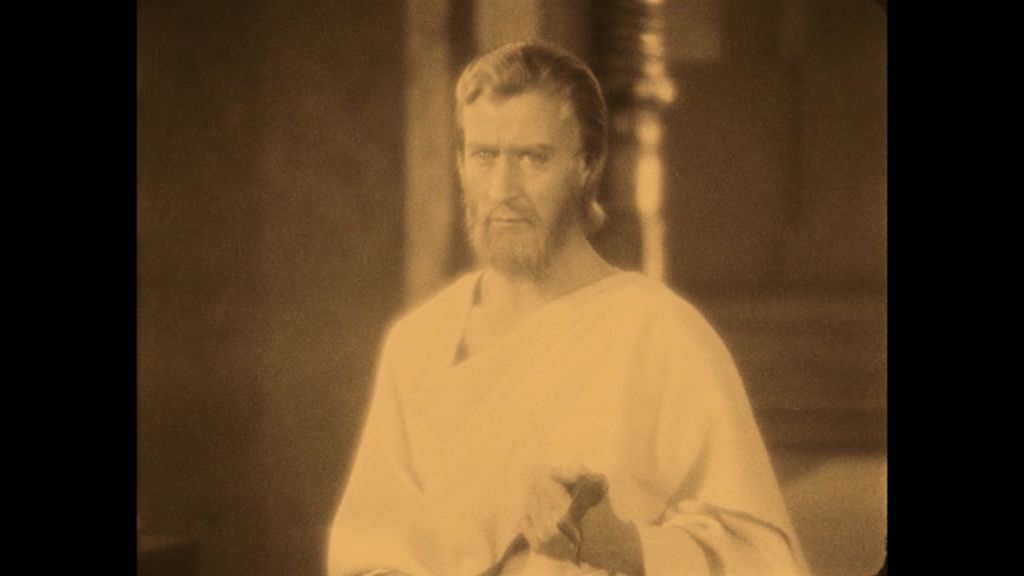


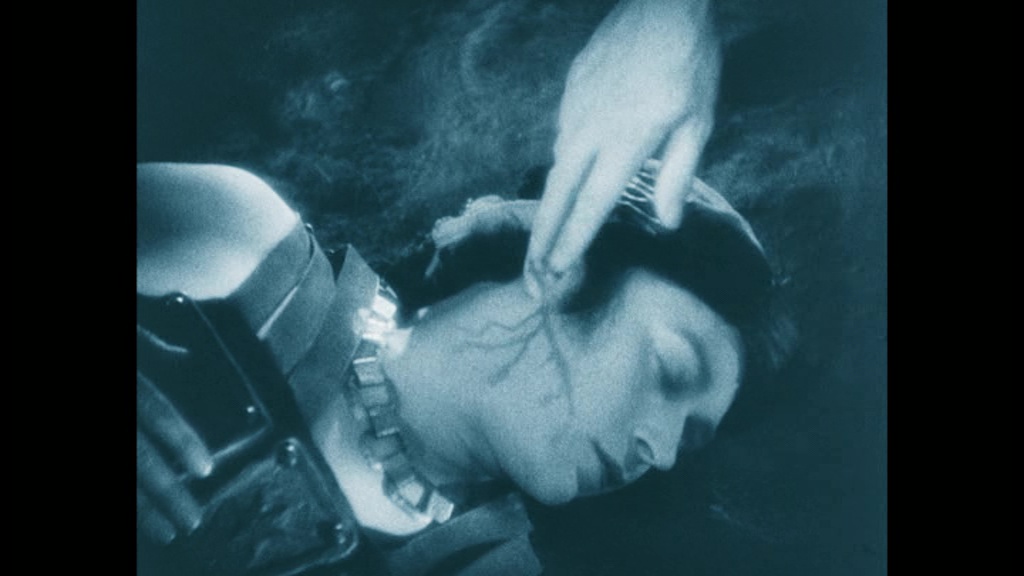


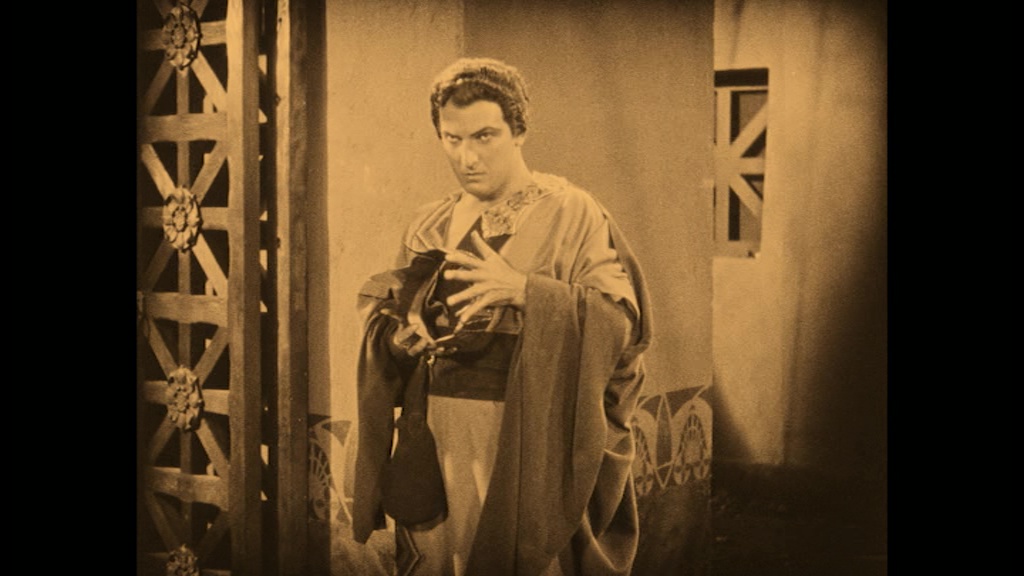
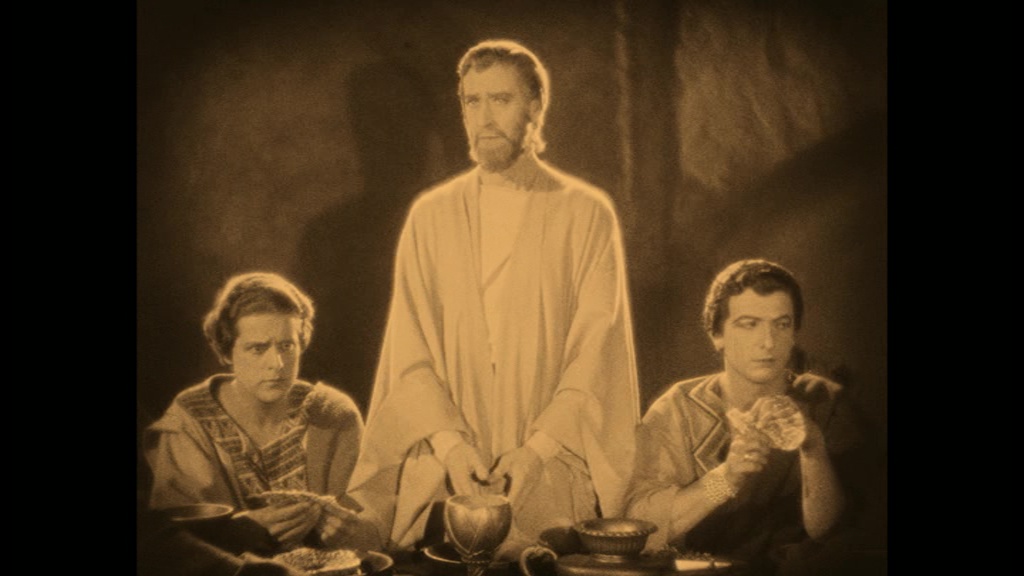


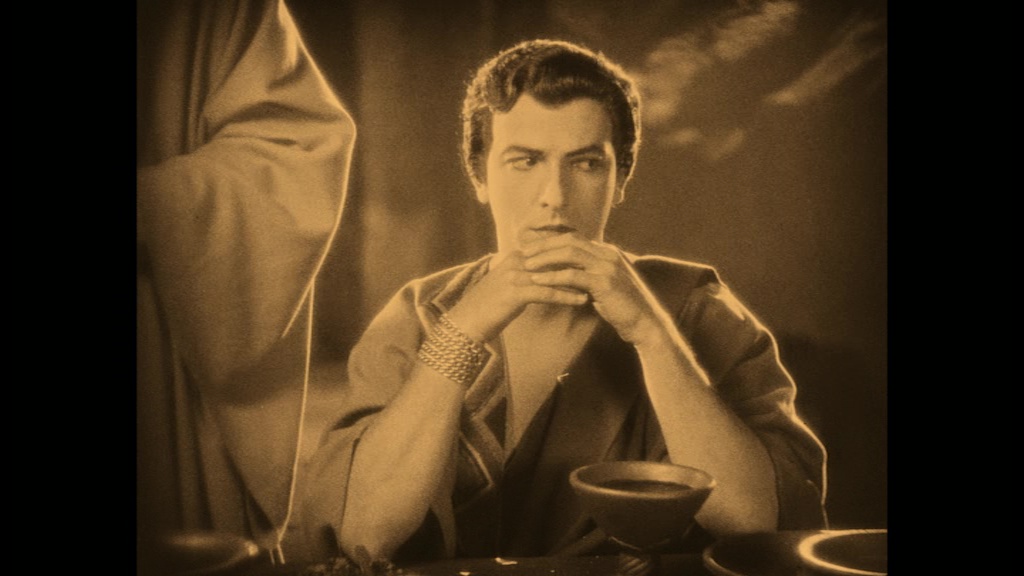
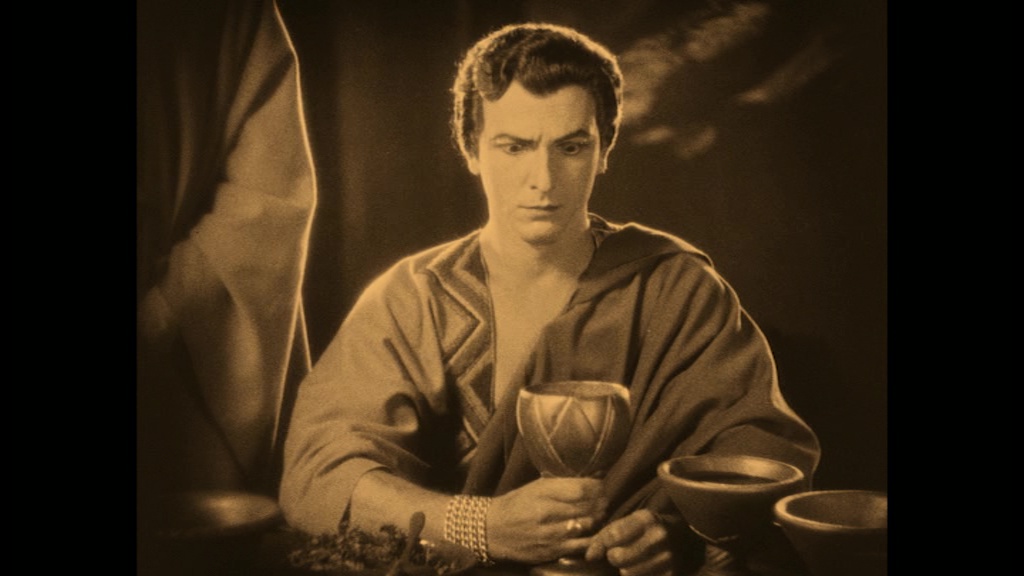
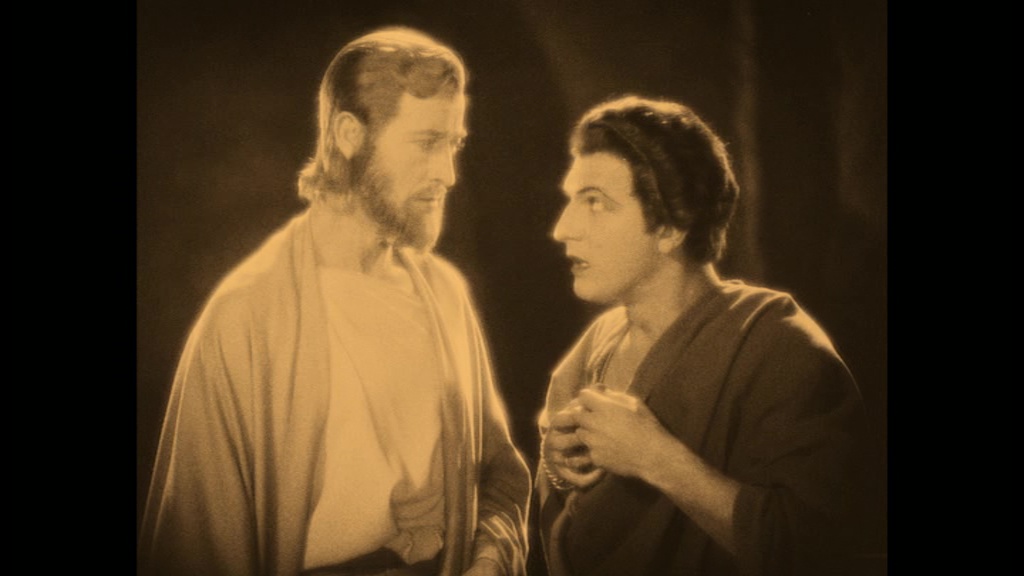


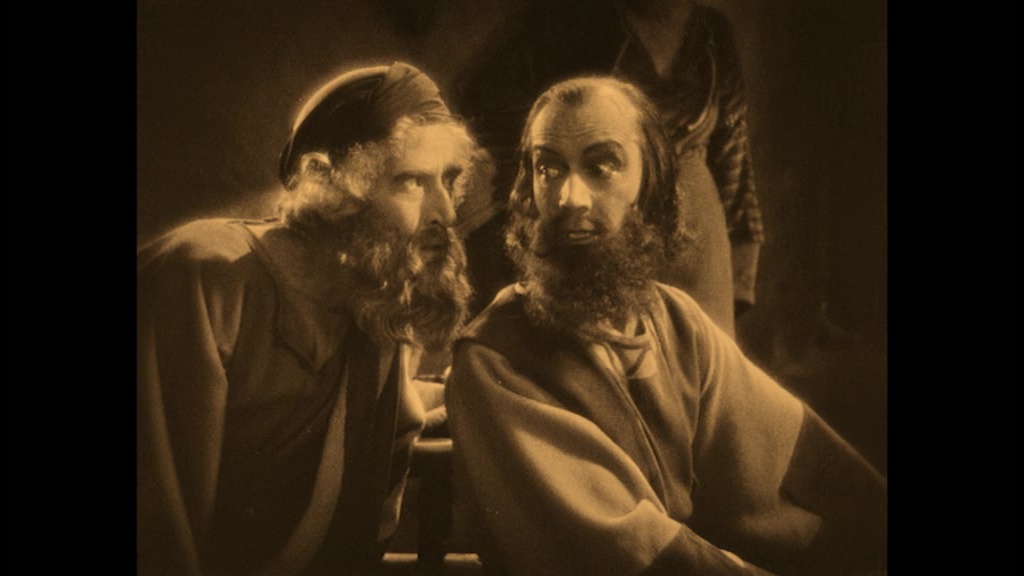















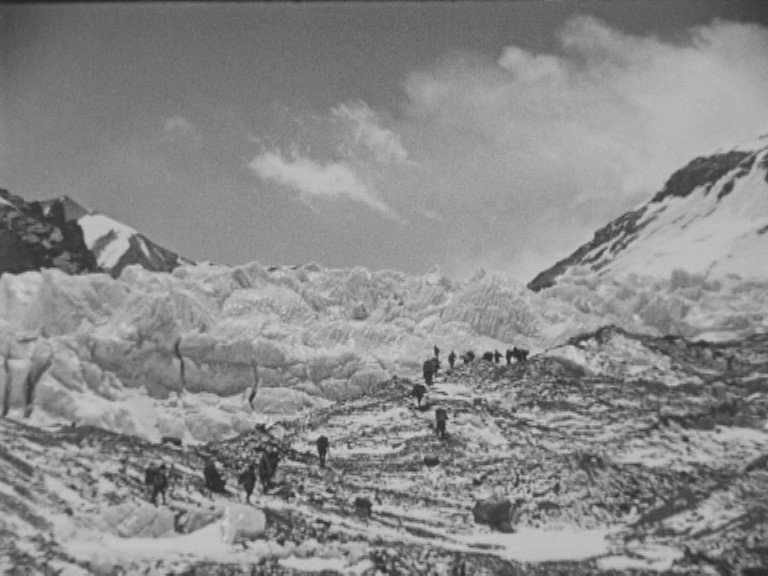

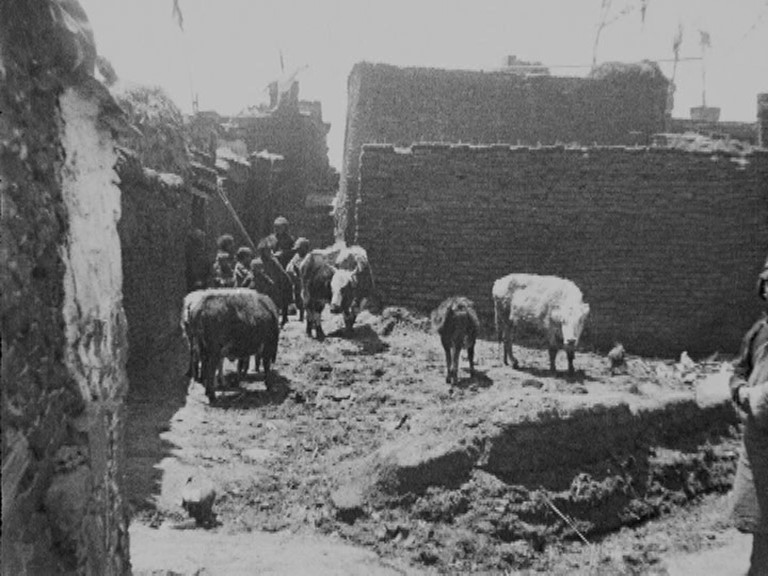


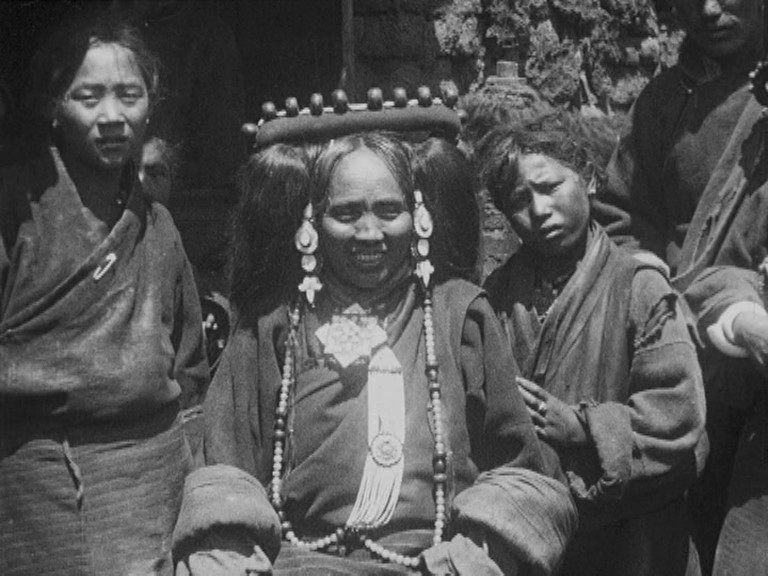


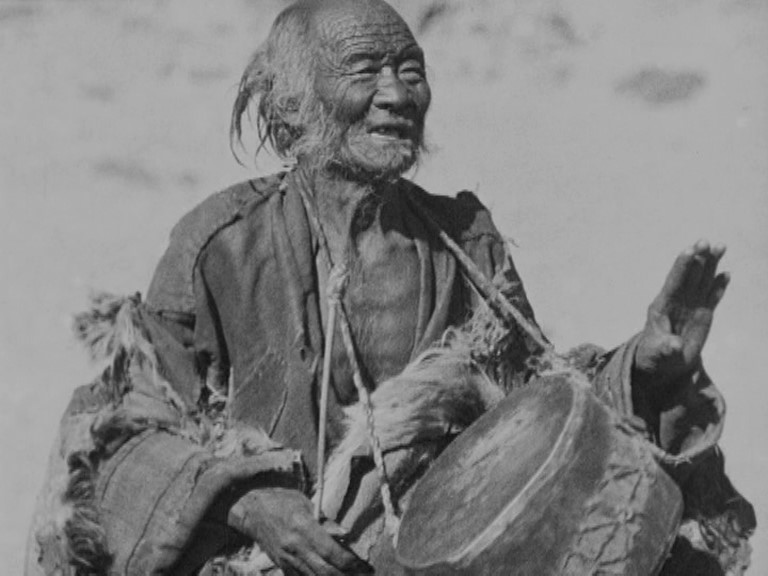
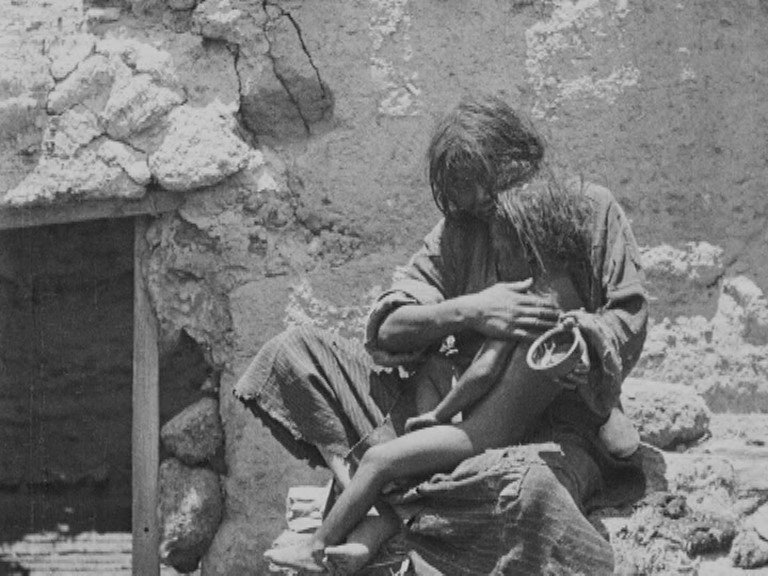

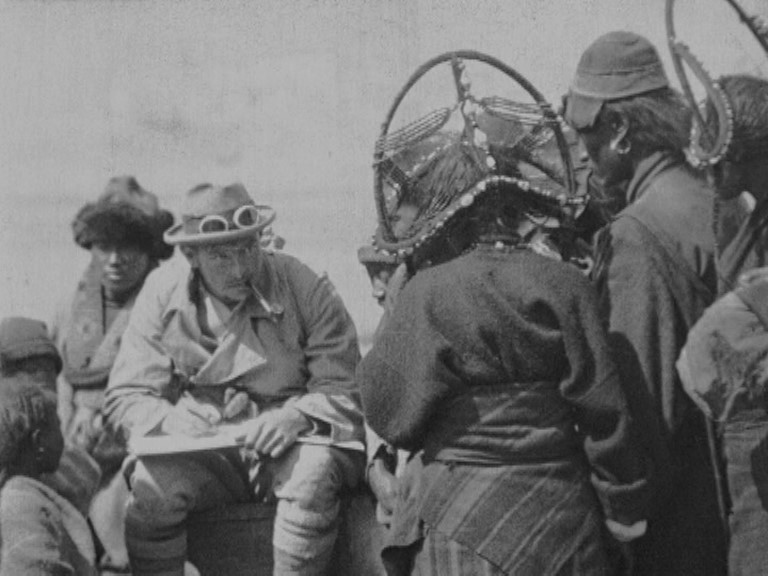






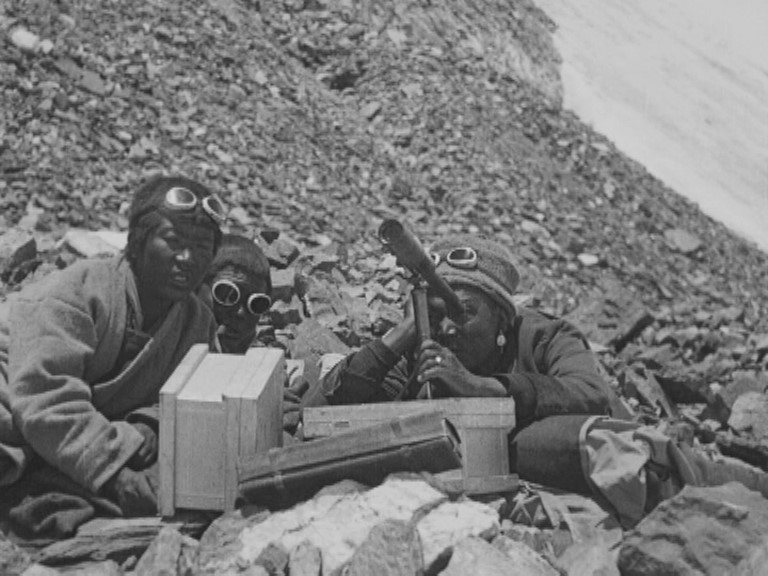



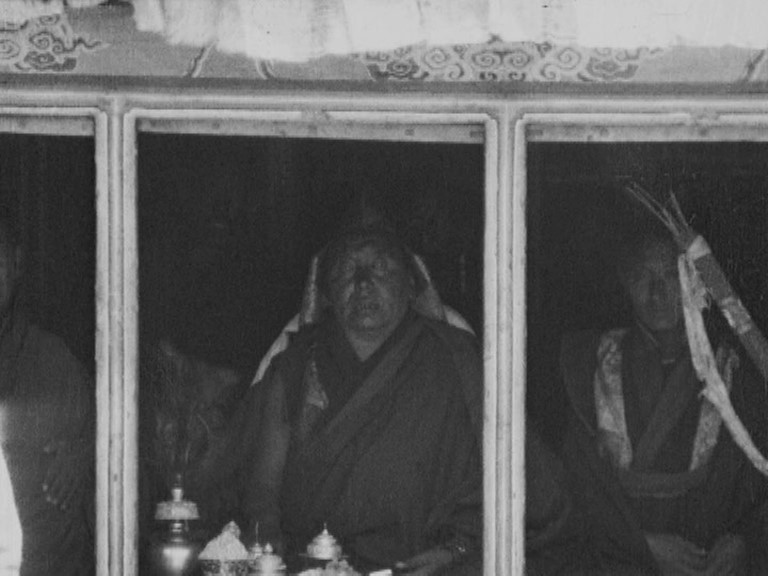


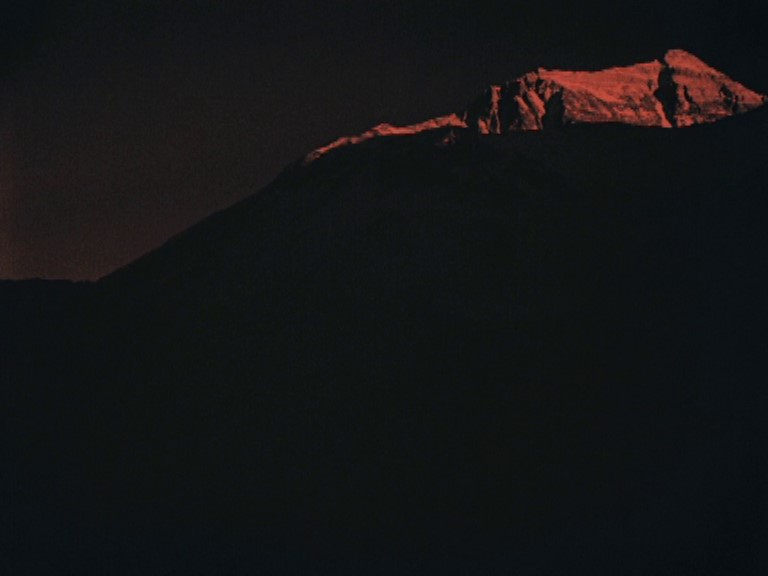


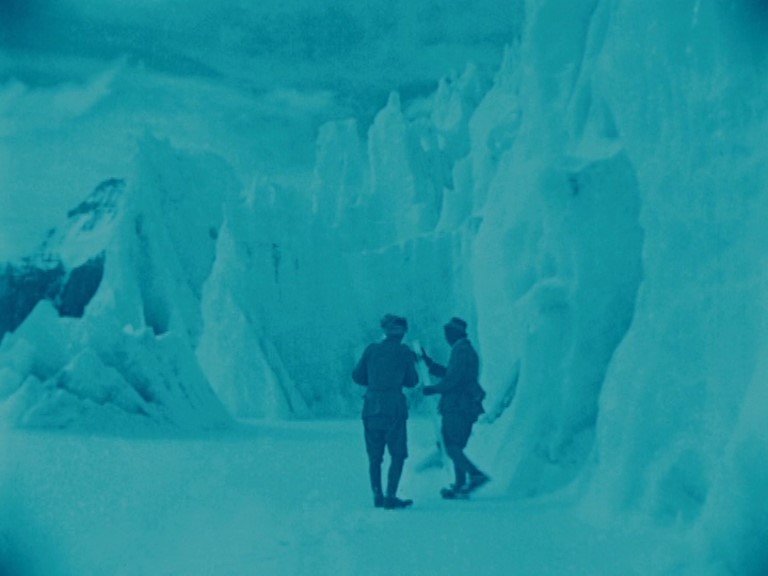
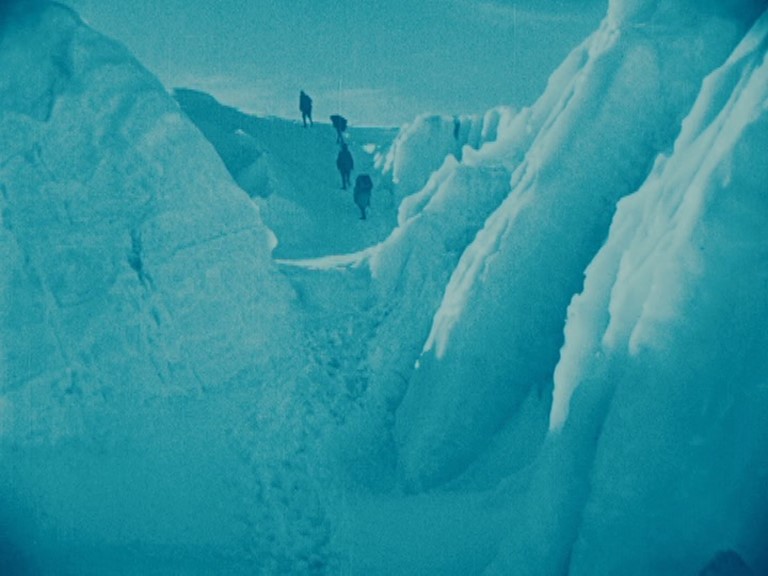

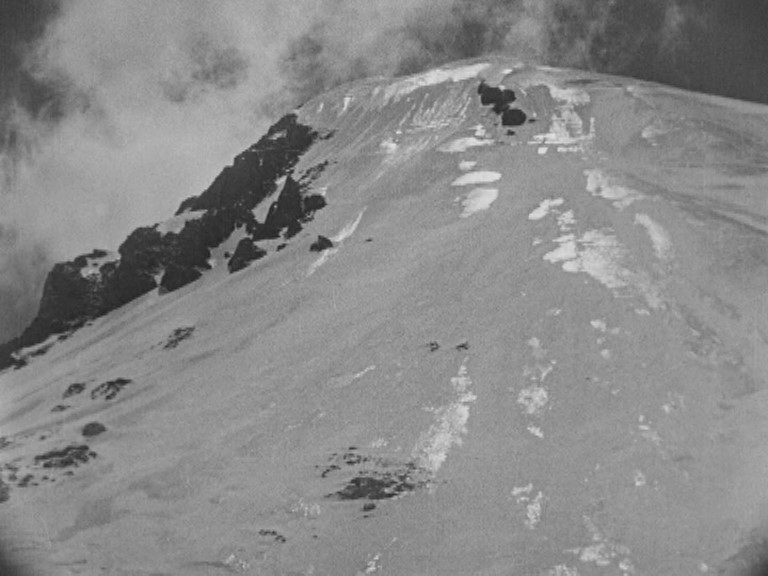


 The Realm of Silence