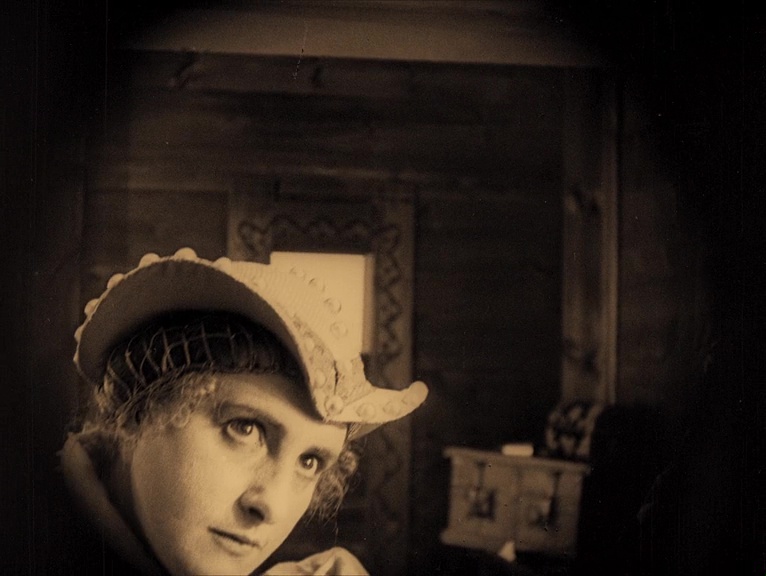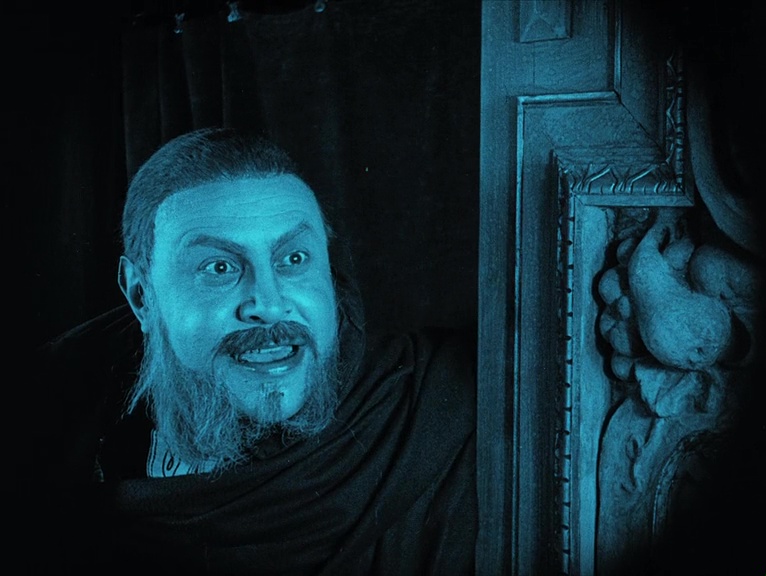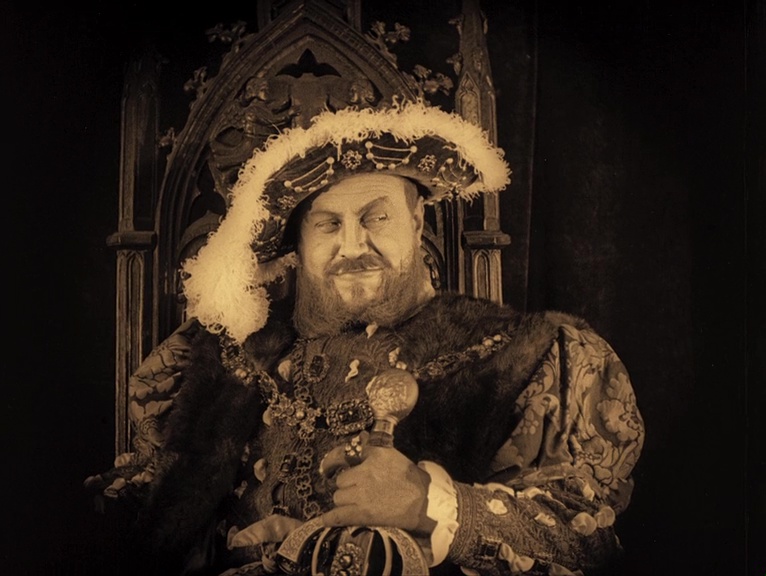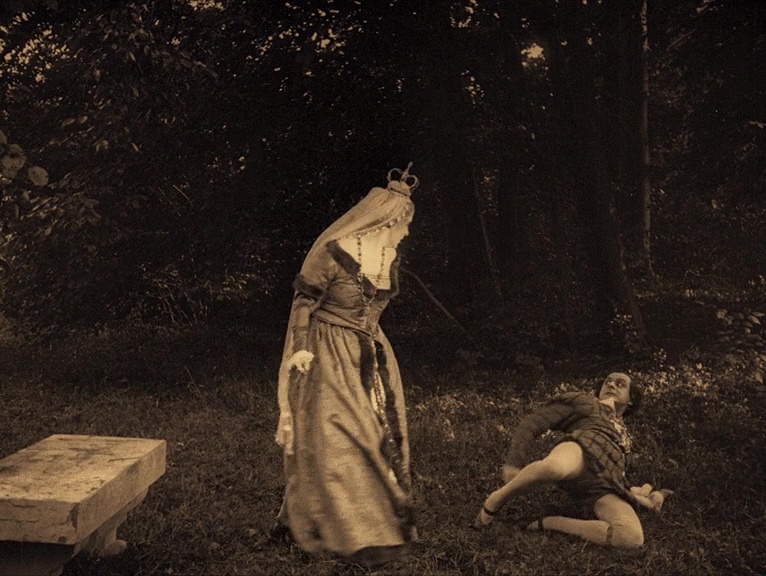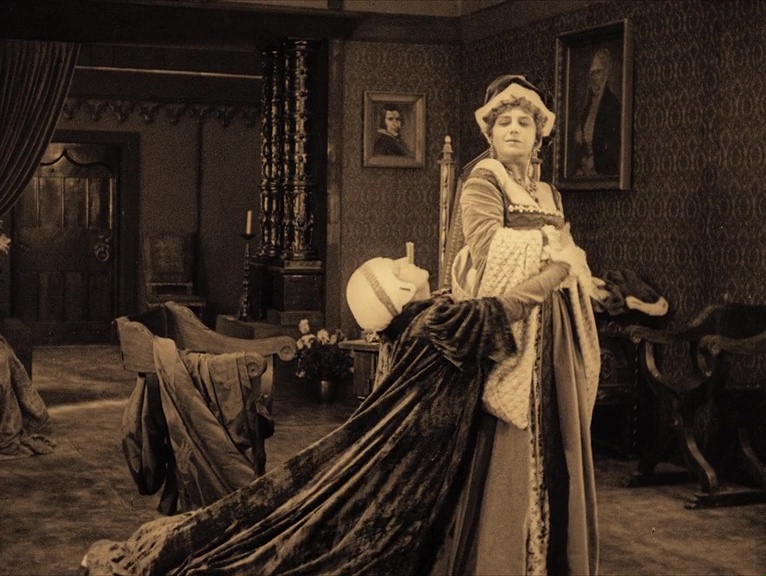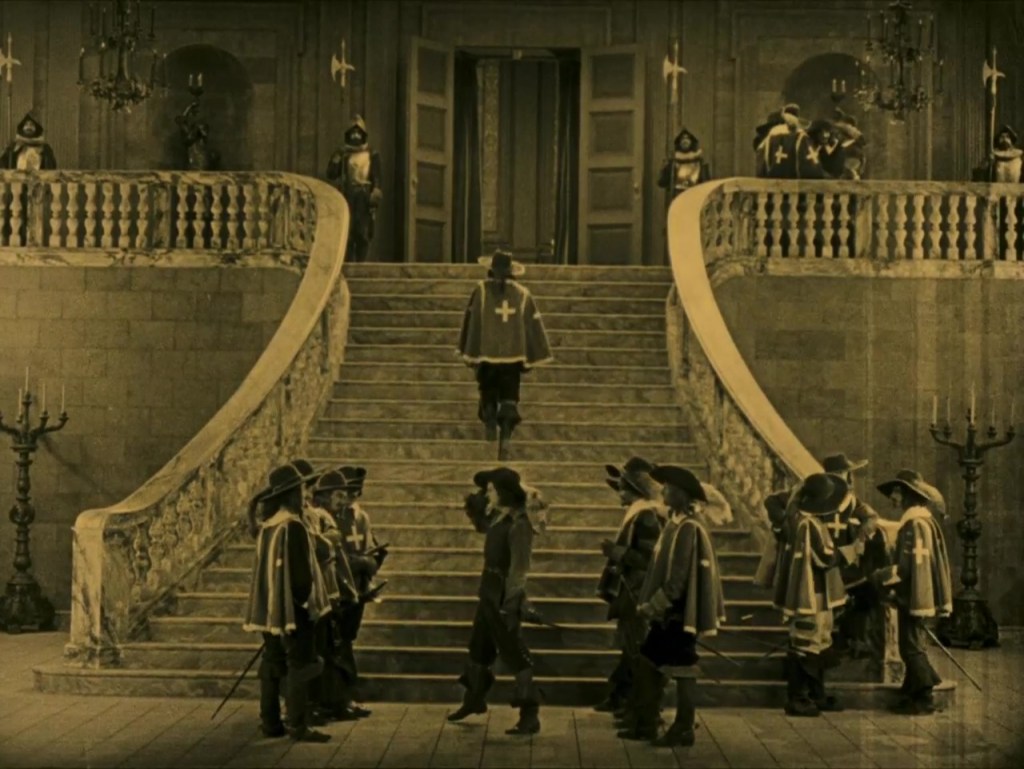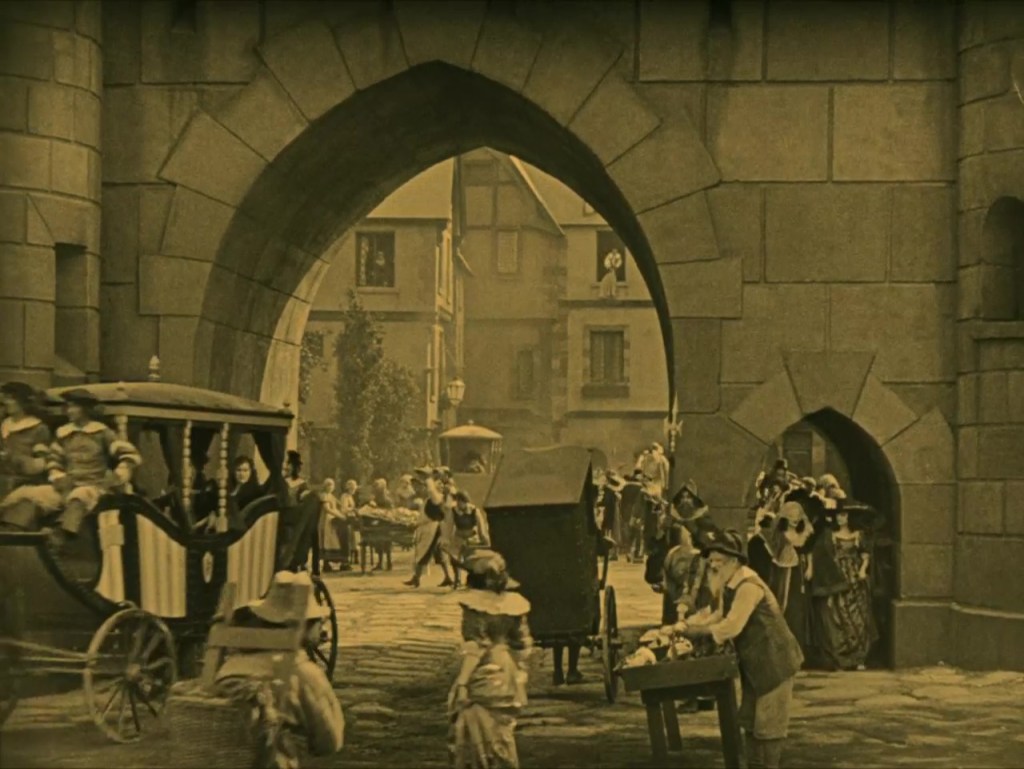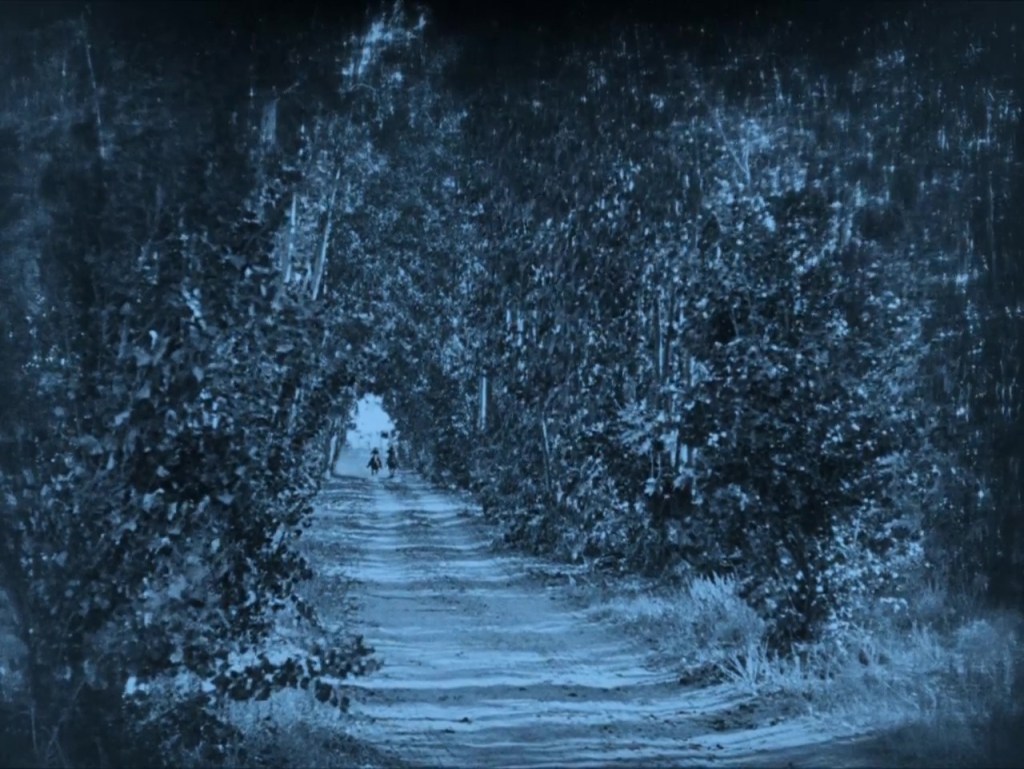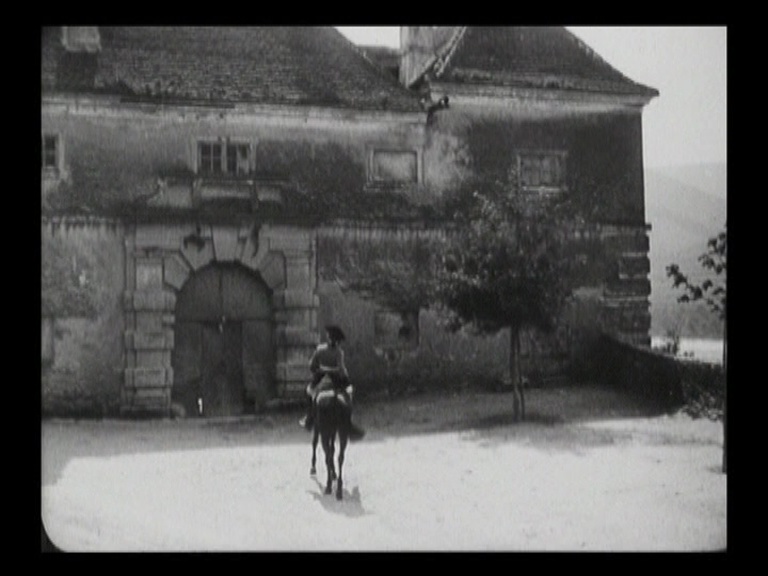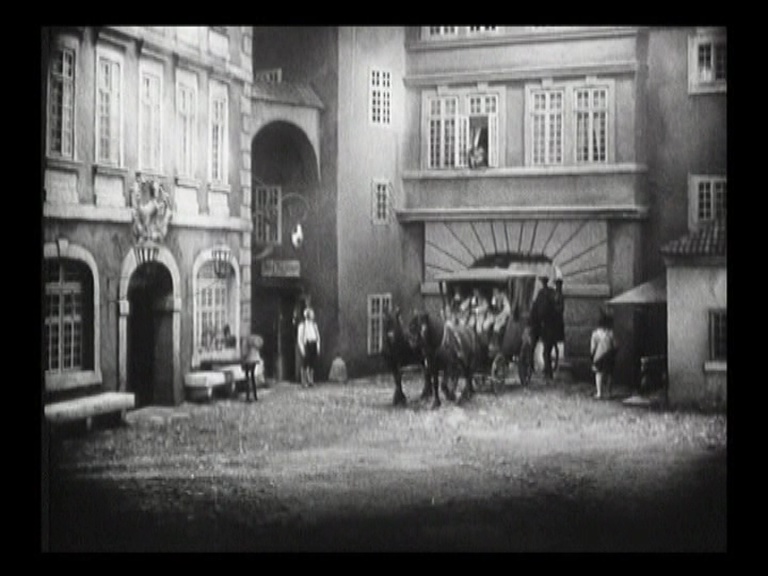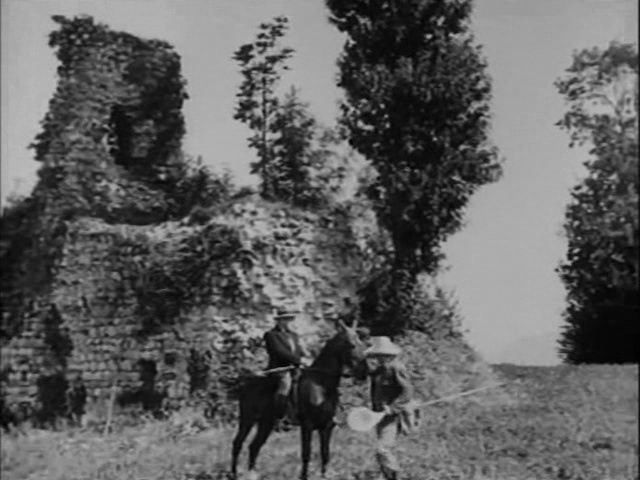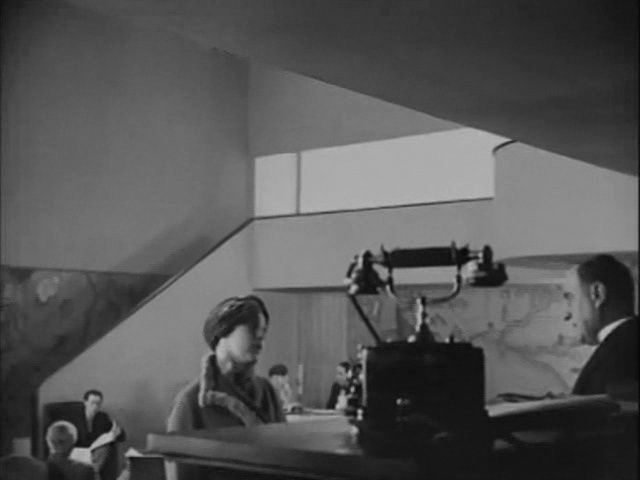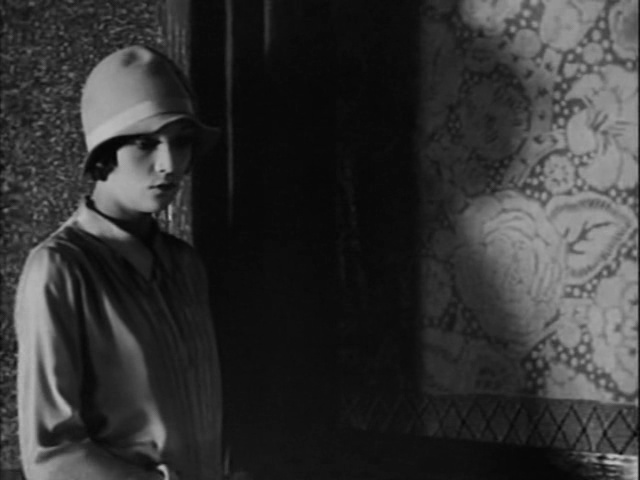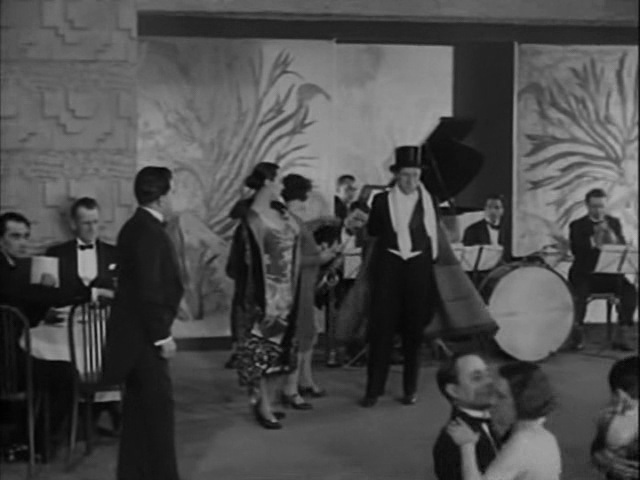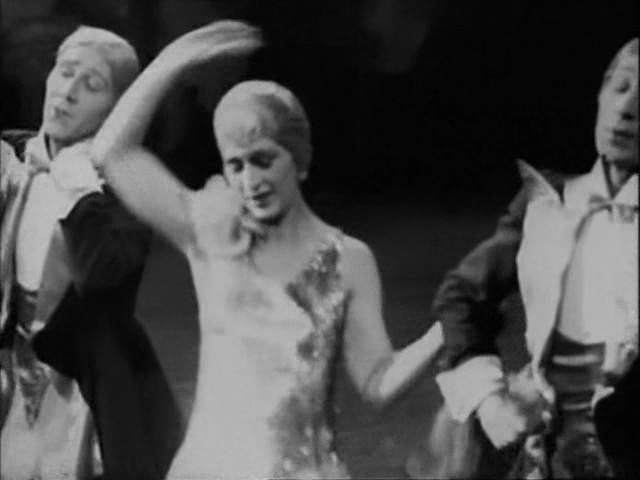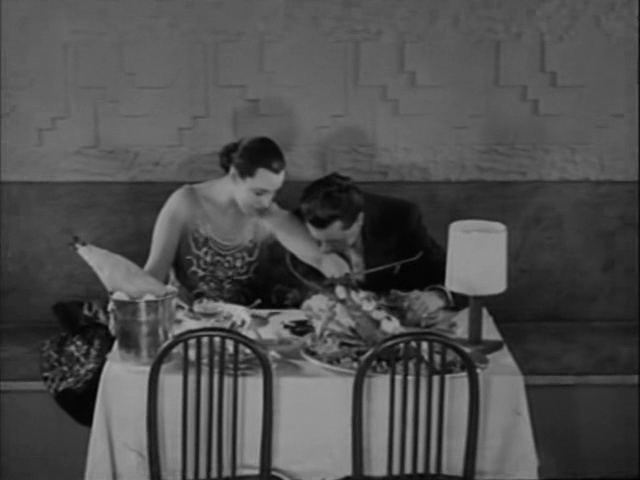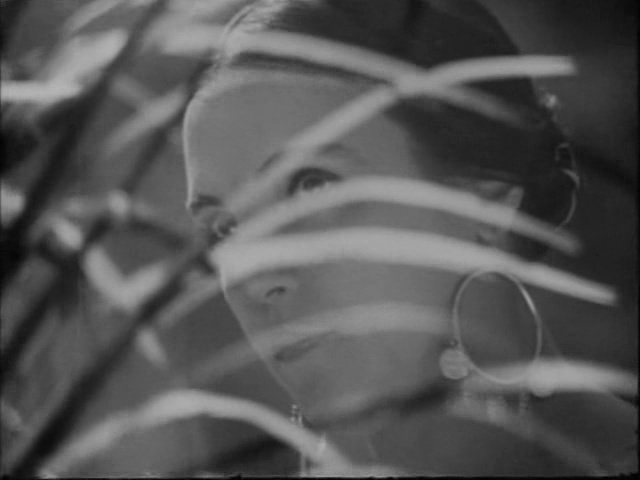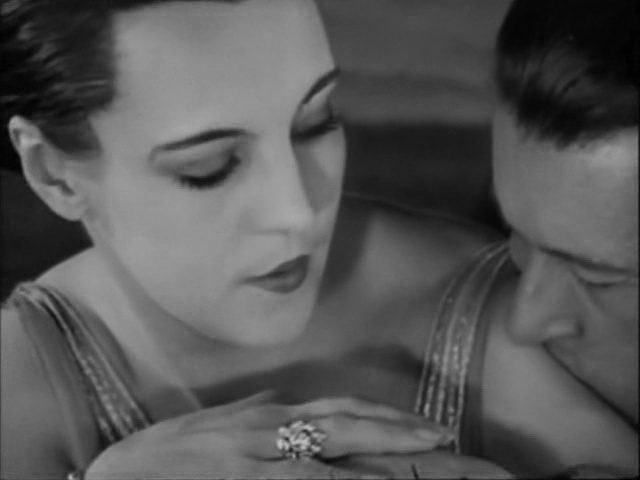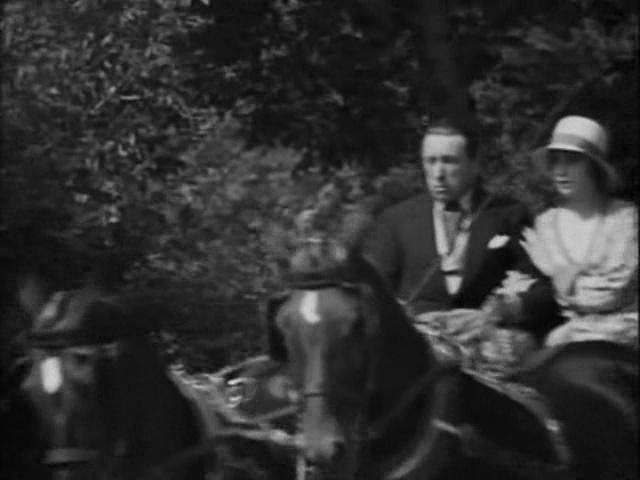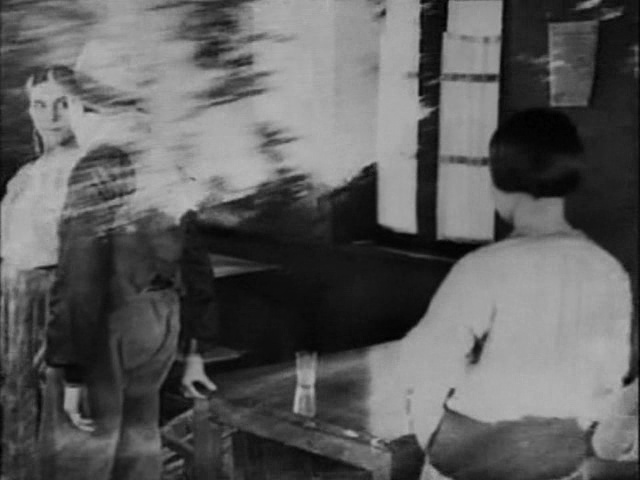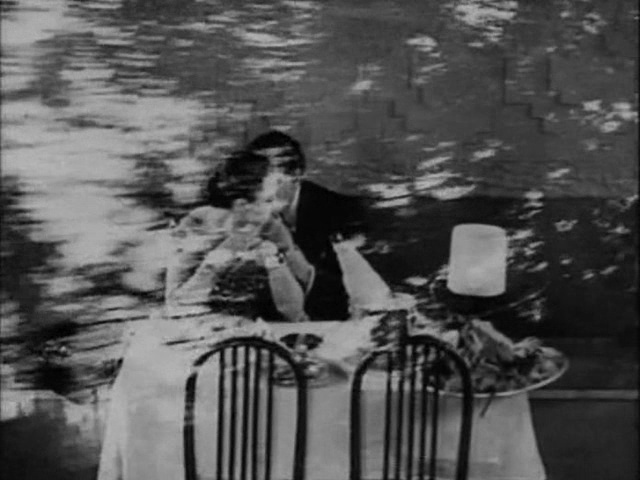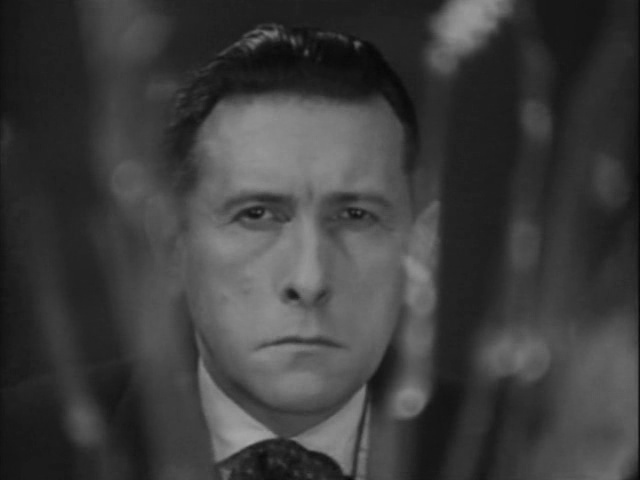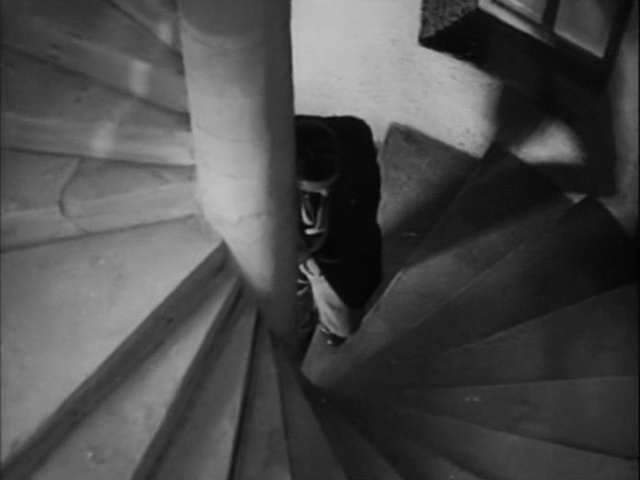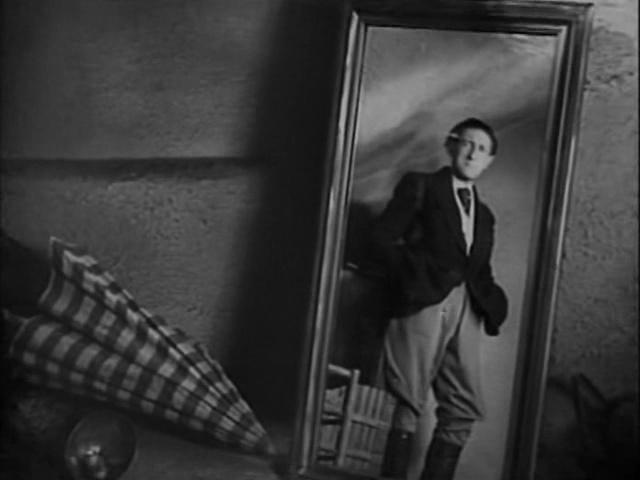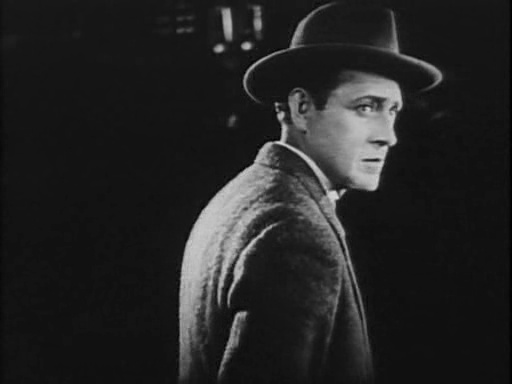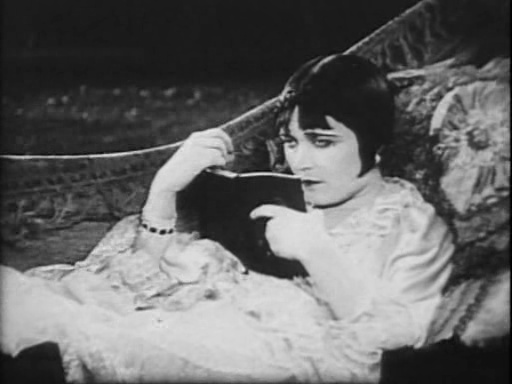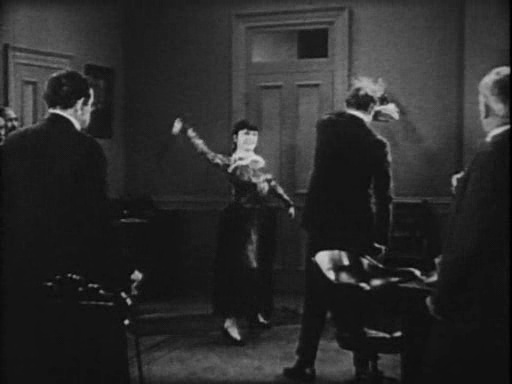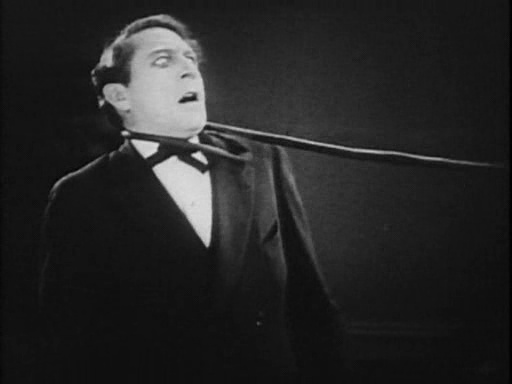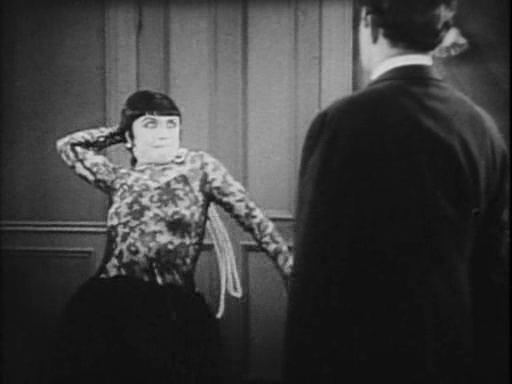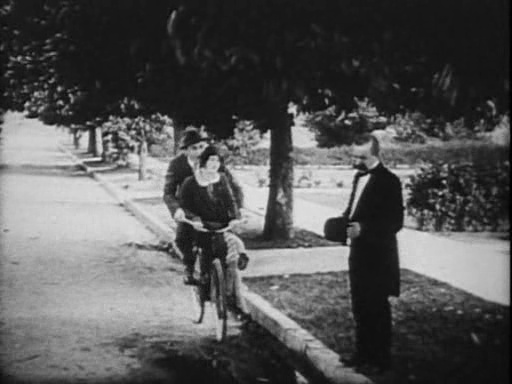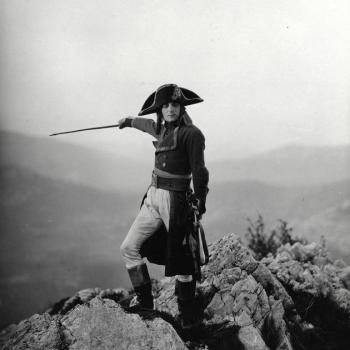
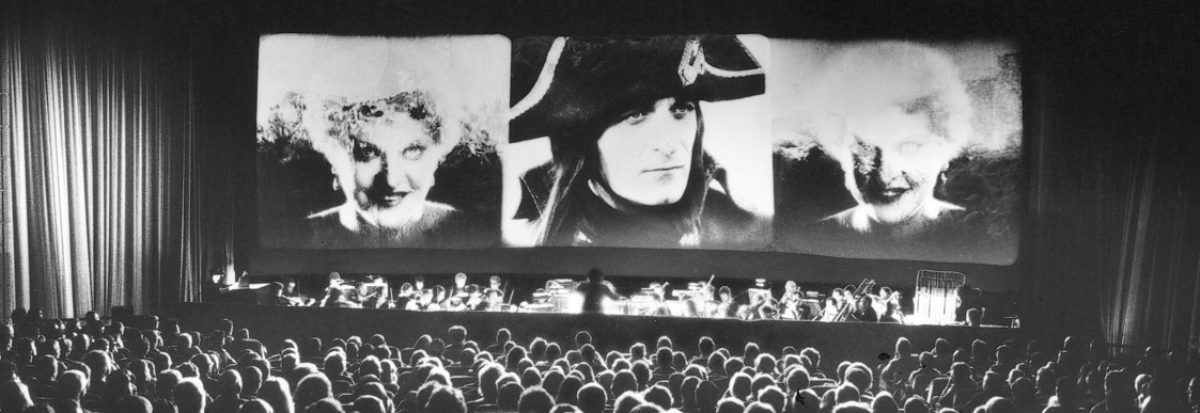
The Three Musketeers (1921; US; Fred Niblo)

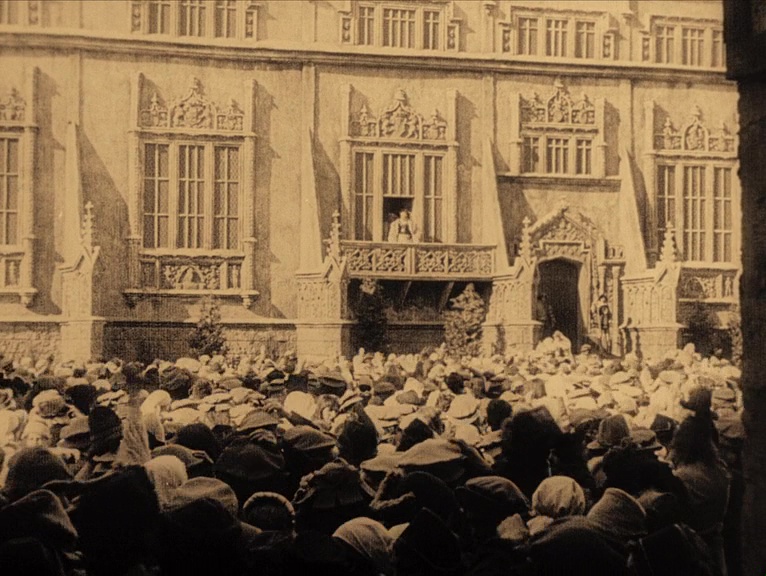
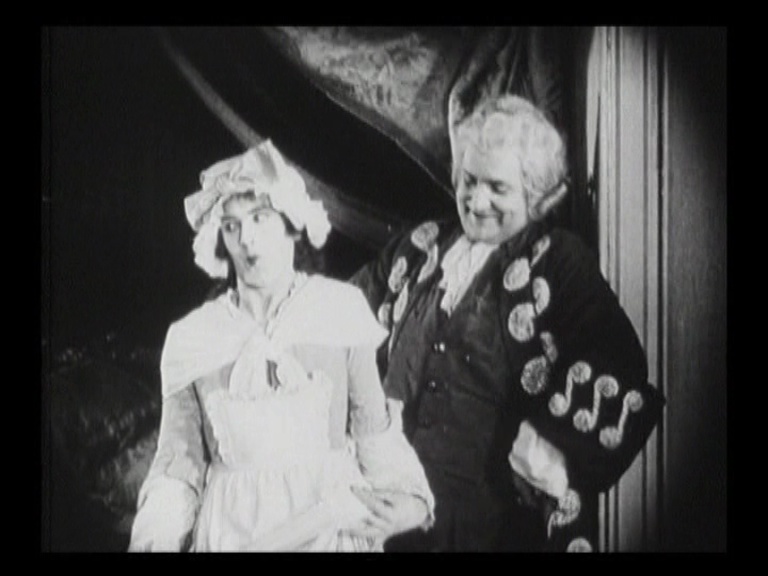
Don’t make this film! That was the advice of exhibitors, producers, and advertisers to Douglas Fairbanks when he mooted the idea of making a costume picture. He asked around his friends and peers, figures in the studios, and even commissioned a survey to get a wider sense of popular opinion. Everyone said no. “Having made sure I was wrong,” Fairbanks later wrote, “I went ahead” (qtd in Goessel, The First King of Hollywood, 257). The film was an adaptation of Alexandre Dumas’s Les Trois Mousquetaires (1844), and Fairbanks pulled out all the stops to ensure his production matched the scale and sweep of the original tale. Lavish sets, big crowds, gorgeous costumes, plentiful stunts… The total production costs were almost $750,000—a staggering sum for 1921. But the film was a huge success and reeled in $1,300,000 to Fairbanks’s company, as well as large profits to United Artists and any number of exhibitors who had booked the film. The success of the film encouraged Fairbanks to make even bigger costume films. The decade saw him embark on the huge productions like Robin Hood (1922) and The Thief of Bagdad (1924), films which dwarf even the scale of The Three Musketeers. So how does the latter rank alongside Fairbanks’s other swashbuckling films of these years?

Rather well, I think—but with some reservations. The film was directed by Fred Niblo, and in visual terms it feels rather safe and stolid. Fairbanks spends the film leaping, dancing, skipping, and hurling himself about the sets. But the camera barely moves, barely even dares offer anything in the way of dynamic editing. It’s as though Niblo is afraid of losing sight of the bigness of the sets, or of any kind of visual movement detracting from the movement of the performers.

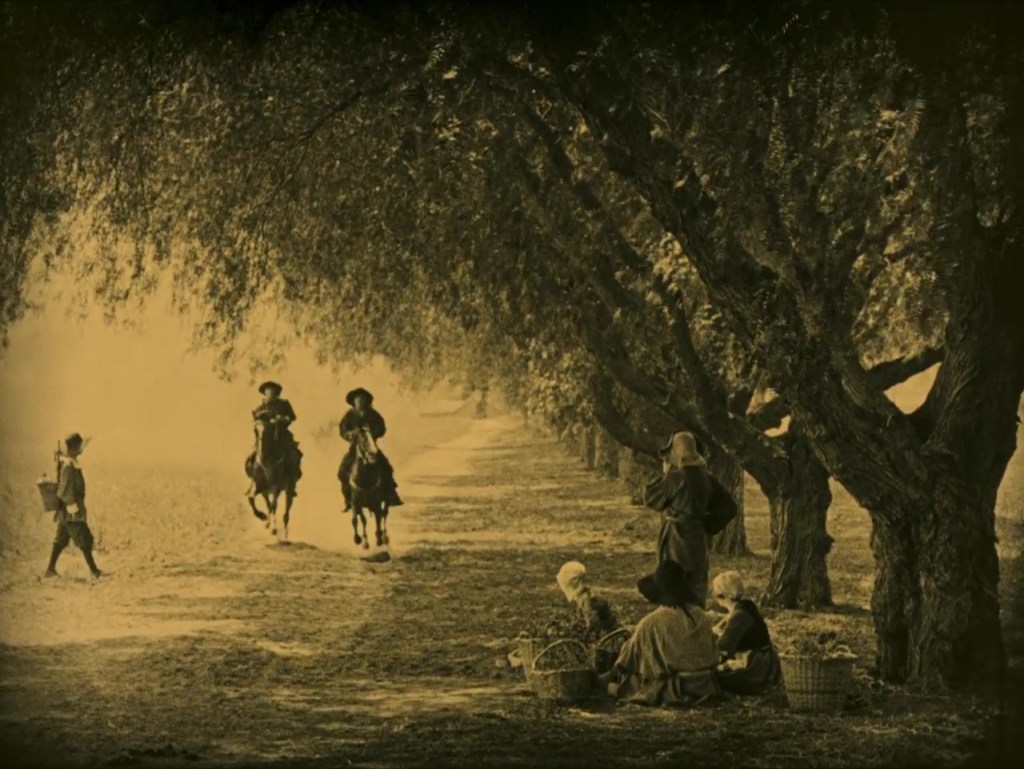
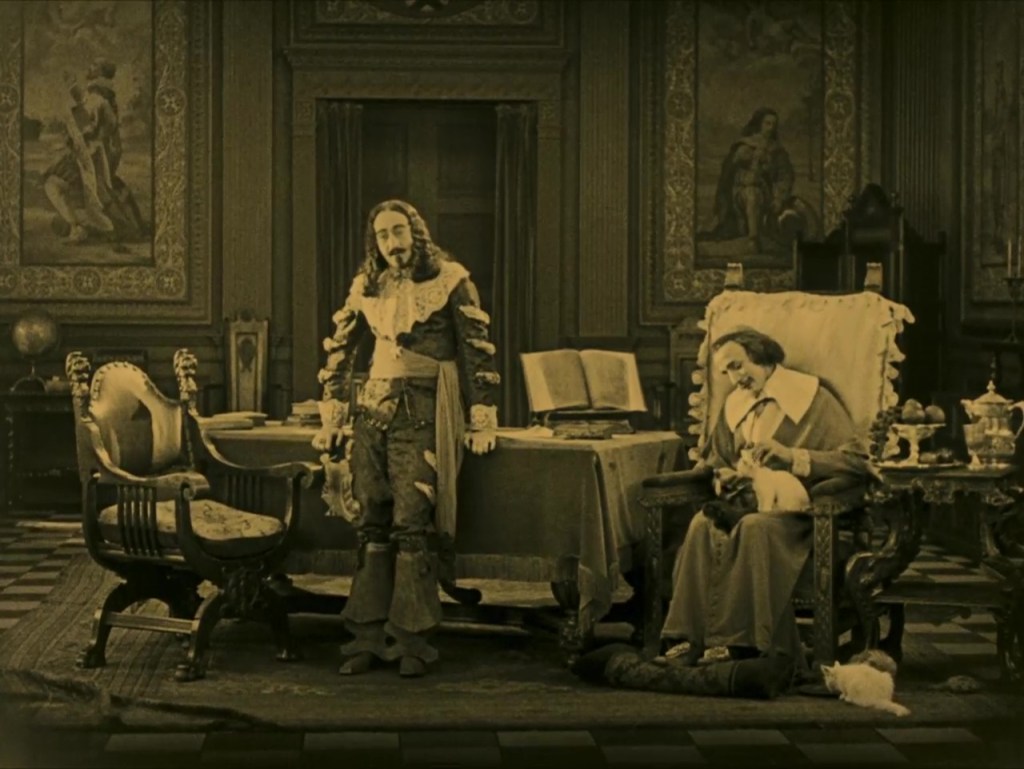
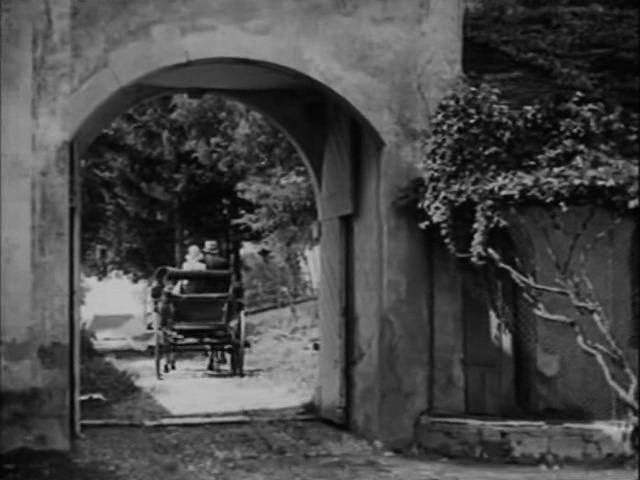
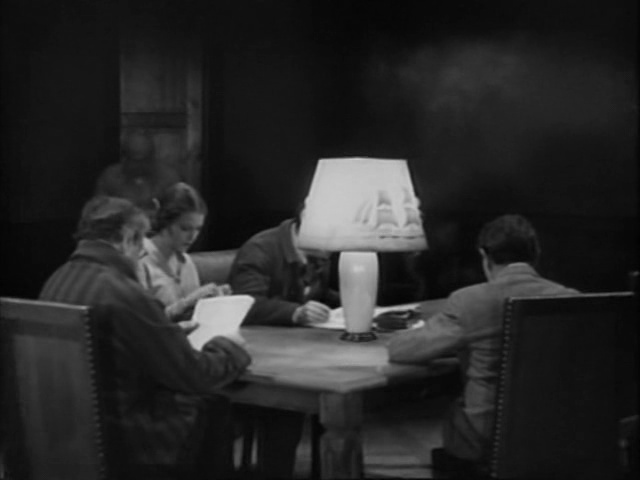
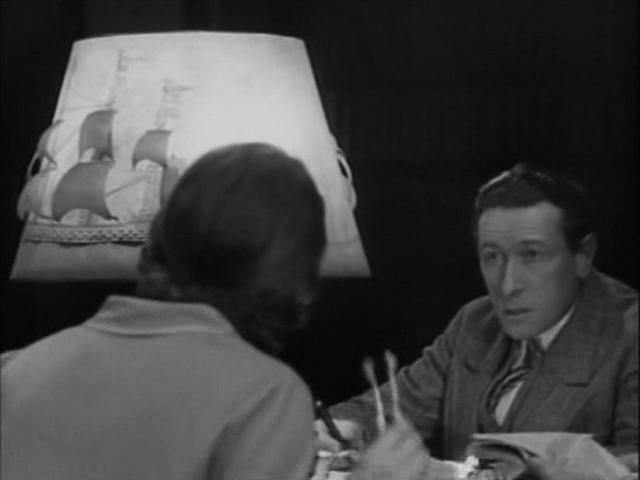
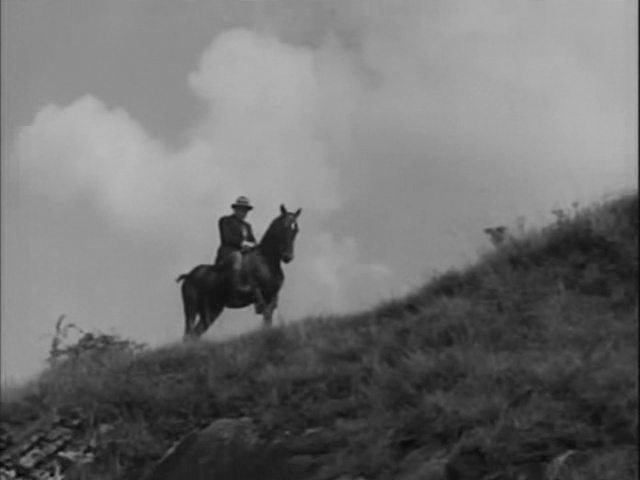
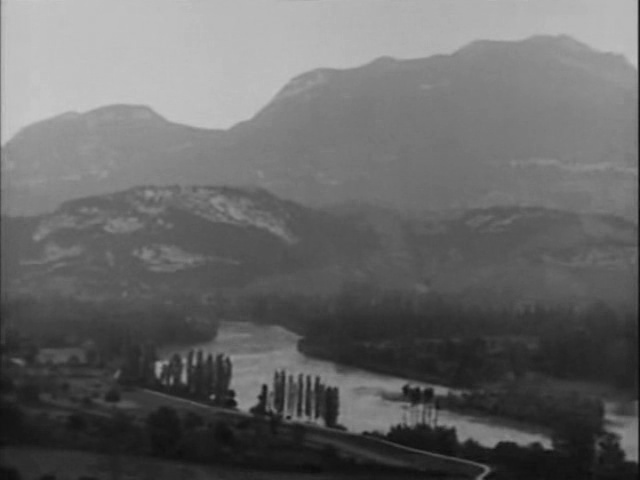
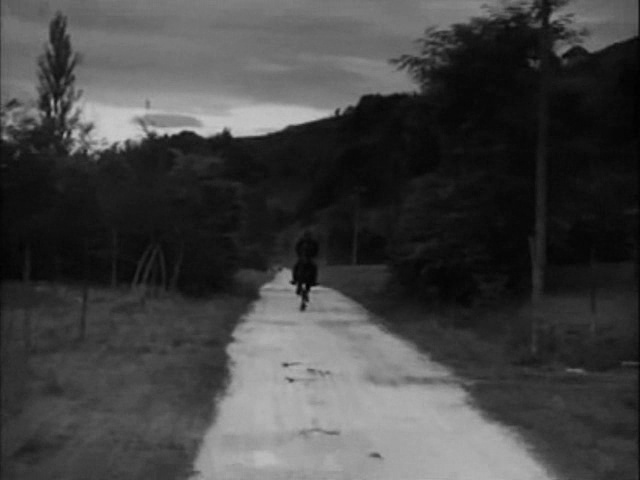
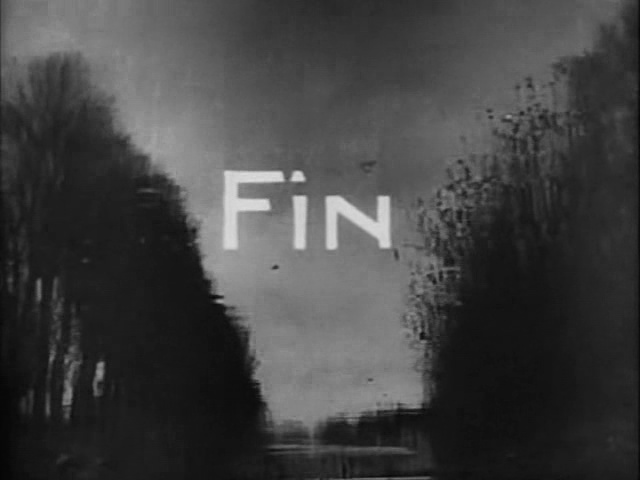
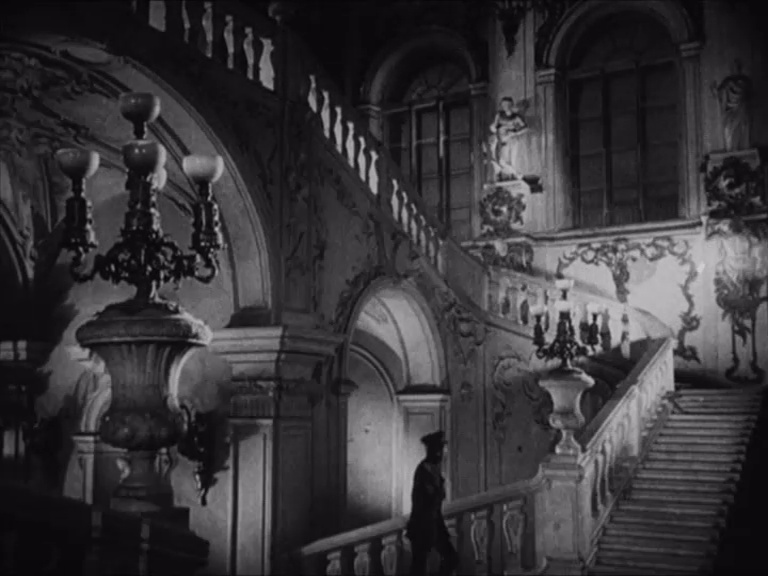
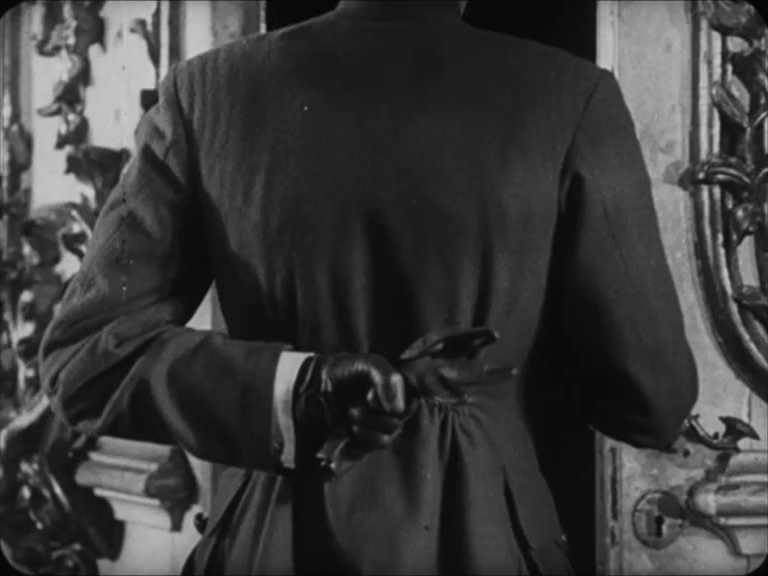
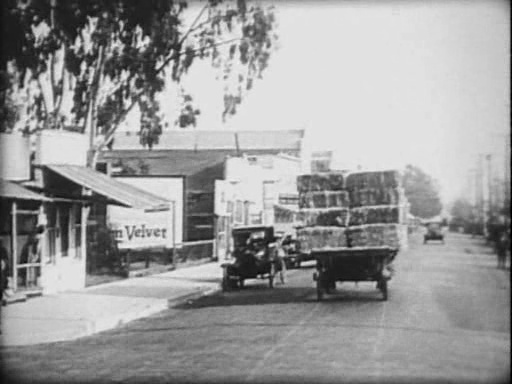
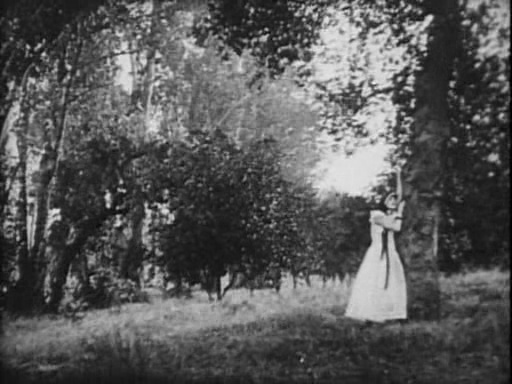
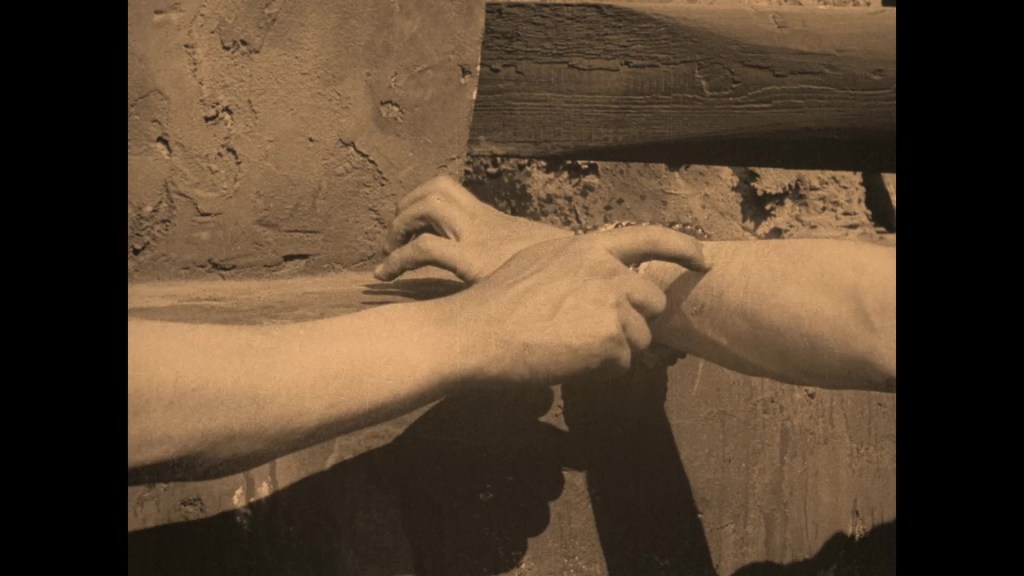
Niblo wasn’t known for his imagination, even in his earlier films. Kevin Brownlow writes that “Niblo’s style was usually lifeless”, producing “his usual series of cardboard pictures”—as evidenced in the Fairbanks vehicle The Mark of Zorro (1920) (The Parade’s Gone By…, 414). Only in the interior scenes with the various courtly intriguers—Richelieu, Queen Anne, King Louis—does Niblo offer closer shots, details that develop character or situation. (For example, Richelieu is seen petting cats, and we later get close-ups of his hand pawing/clawing at the arm of his chair, much like a cat plucks at a piece of carpet.) But the photography is strong, and there are some lovely exterior scenes in the countryside. Niblo gives us a good number of vistas down tree-lined roads, and you sense the scale of the journeys—the distances—between D’Artagnan’s home in Gascony, the city of Paris, and the remote ports of France and England.

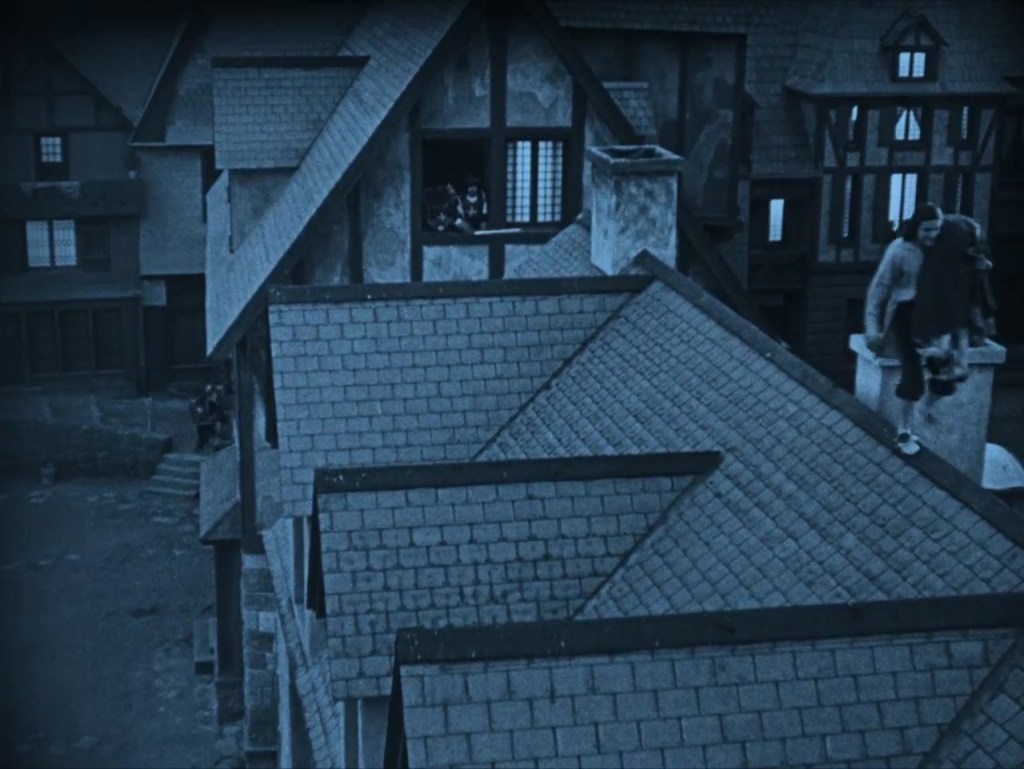
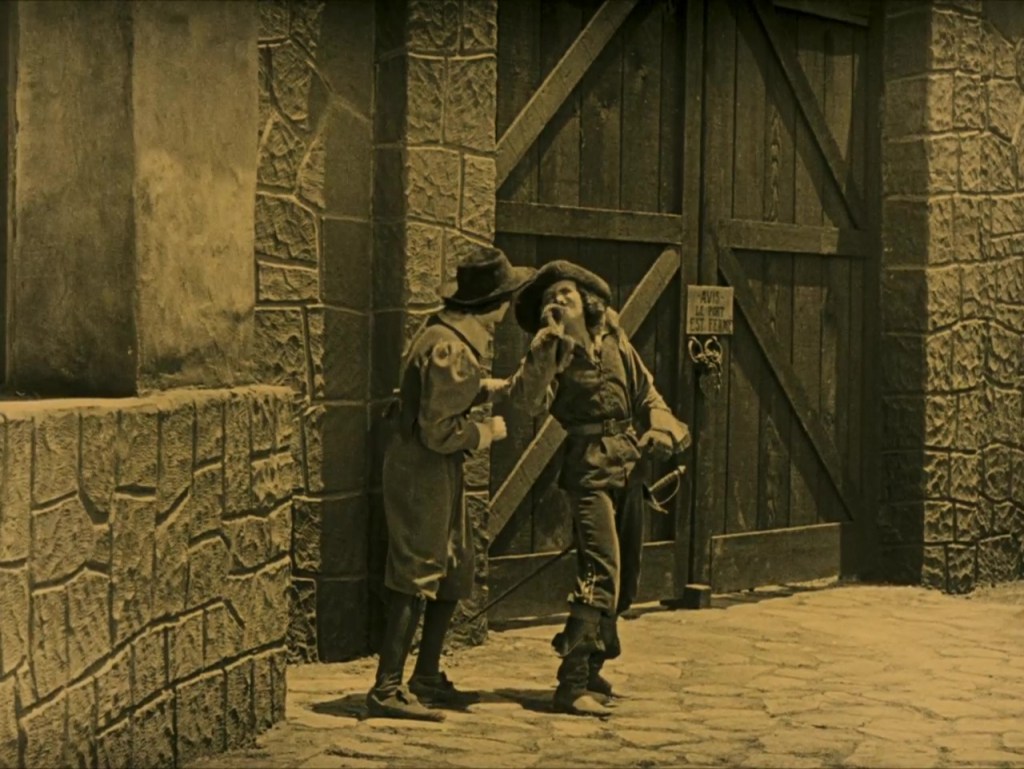
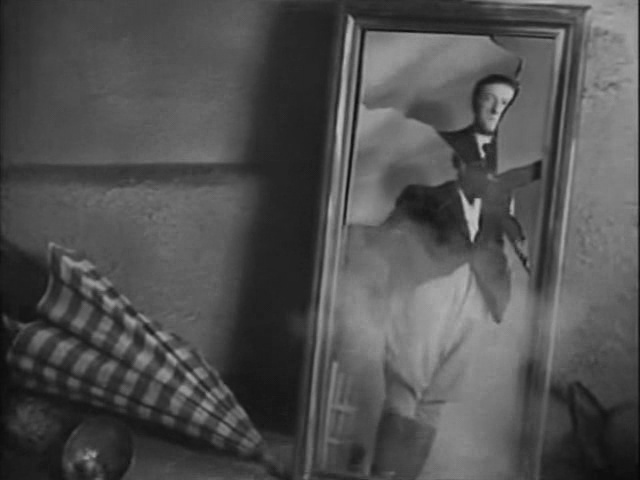
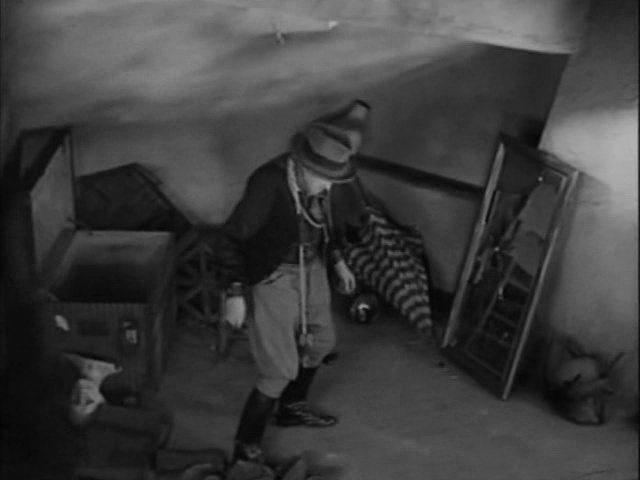
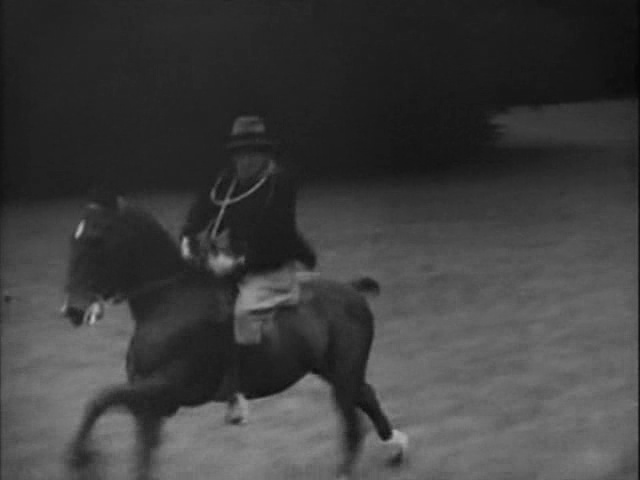
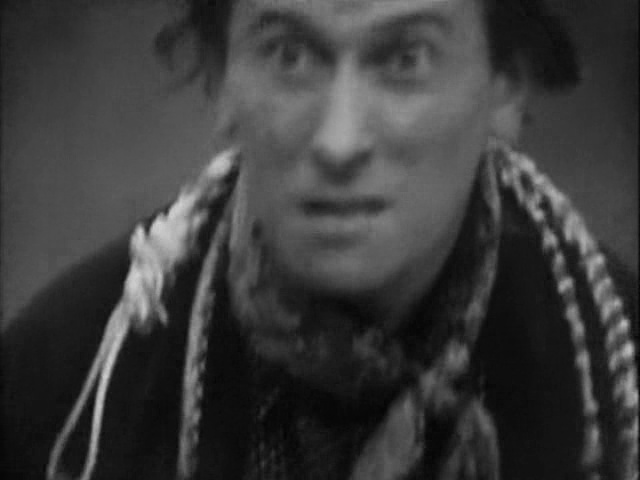
And even if I have reservations about the direction, that’s not why we’re watching The Three Musketeers. It’s Fairbanks who is the life and soul and purpose of this film. I couldn’t wait for him to appear (the opening scenes setting up the intrigue are very stilted and slow). And as soon as he does—sat legs akimbo on the floor, listening to his father’s tales of Paris—I’m grinning as he grins, and marvelling at everything he does. He makes even the simplest actions look balletic, and the most complex feats of strength look simple. He leaps onto and off horses, backwards and forwards; he jumps up walls, climbs over rooftops, jumps from battlements, swings from windows, slides down bannisters—and all with elegance, with style, with joy.

We are told early on that he’s been taught to do everything with pride, to accept no defeat, to fight back at every opportunity. And so he does, crossing swords first with the Cardinal’s guard Rochefort, then with the Musketeers, then (alongside the Musketeers) with the rest of the Cardinal’s men. Look at the way he evades the latter, first by hurling himself around with sword in hand, then by sheer pace. When he runs from a mob of them in once scene, he skips in glee when he knows they can’t catch him. It’s such a lovely detail, and makes us marvel not merely at his physical prowess but the lightness with which he uses it.

I must also mention Fairbanks’s moustache. This was the film that inspired him to grow it, and he kept it for the rest of his life. It gives him a more continental look, but it also makes his face more complex, more interesting. It’s like a punctuation mark or accent for his smile. The film doesn’t offer that many close-ups of him, but there is one gesture that he makes several times in the film. It’s when D’Artagnan senses something is awry, or that he’s scented a clue to the intrigue. He rubs his nose on one side, as if to suggest he’s got a sniff of something interesting. I don’t think it quite works, and it’s an awkward equivalent of something that could be done by or with a close-up. It’s not as subtle a trait as used in The Thief of Bagdad. There, Ahmed (Fairbanks’s character) makes a clasping gesture with his hand to signal desire. The gesture is used to signal his urge to steal purses etc, but then—in a brilliant touch—to signal his desire for the Princess. But Raoul Walsh frames the gesture much more convincingly than Niblo does its equivalent in The Three Musketeers. There’s also a striking visual equivalent for the olfactory sense suggested by the gesture in the earlier film. In The Thief of Bagdad, when Ahmed smells freshly-baked bread, Walsh cuts via a focus pull from Fairbanks to the loaf of bread. It’s like a different sense takes over from the visual until the visual can reassert the reality of the scene to reveal the source of the smell. It’s such a lovely moment, and there isn’t anything as sophisticated or visually inventive in The Three Musketeers.

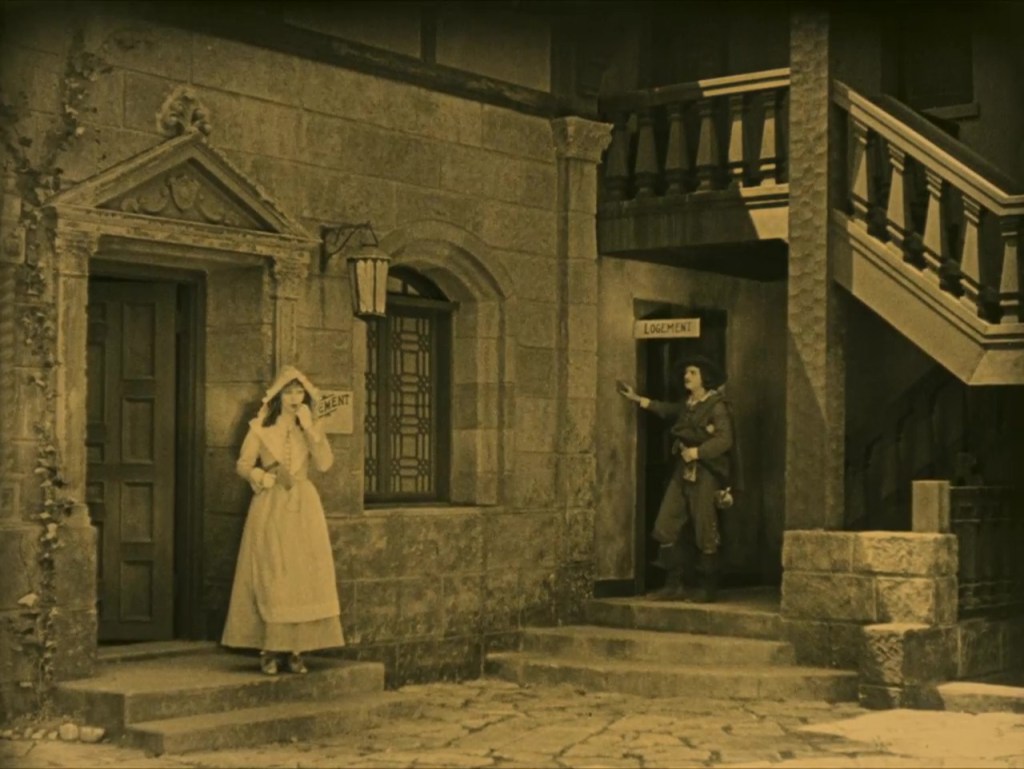
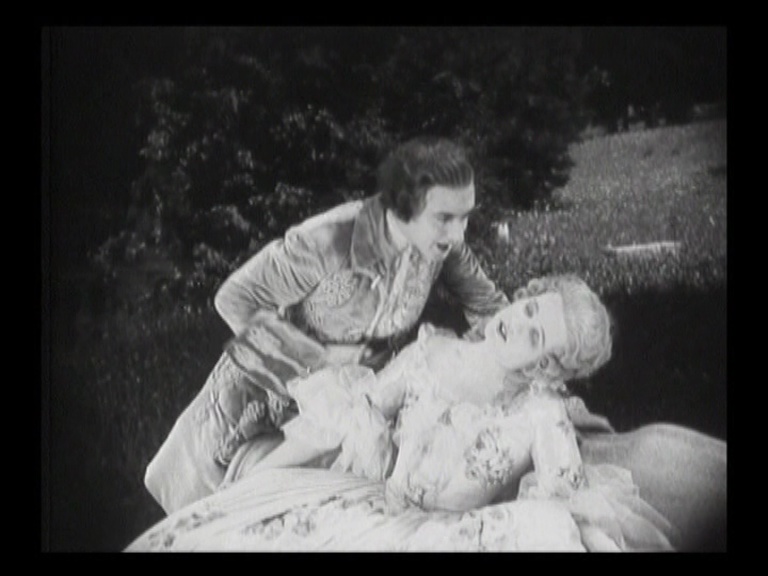
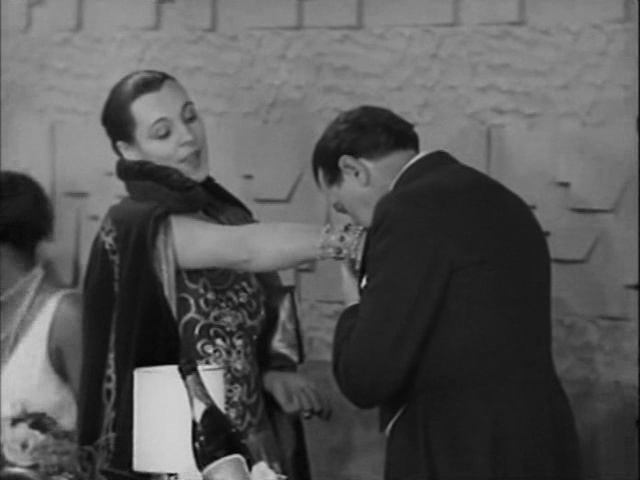
Beyond the more daring tone of The Gaucho (1927), Fairbanks’s on-screen involvement with women tends to be more comic, innocent, and flirtatious than sexual. His romantic gestures—kneeling, spreading wide his arms, pressing hands to heart—are earnest, old-fashioned; even a kiss is a rarity. In The Three Musketeers, D’Artagnan falls for Constance Bonacieux (Marguerite De La Motte). The way it’s done is charming: she drops her ball of thread, and he picks it up. From two different directions across town, they wend their way toward each other, following the thread. But she snips it off, and he loses track of her. Then, when he finds her again, he is looking for lodging. Two neighbouring houses have signs offering accommodation. Constance goes first in to one house, so D’Artagnan bounds up to the door; but then Constance goes into the next one, then back again. What to do? Bold and direct, D’Artagnan simply asks her which house she lives in—and goes in. It’s a lovely sequence, and its tone is comic, the romance having a rather childlike element. Later on, when D’Artagnan chases after Constance in the palace, Captain de Tréville leads him by the ear back to the King: Fairbanks is a naughty child, whose knees we then see tremble as he is presented to King Louis.

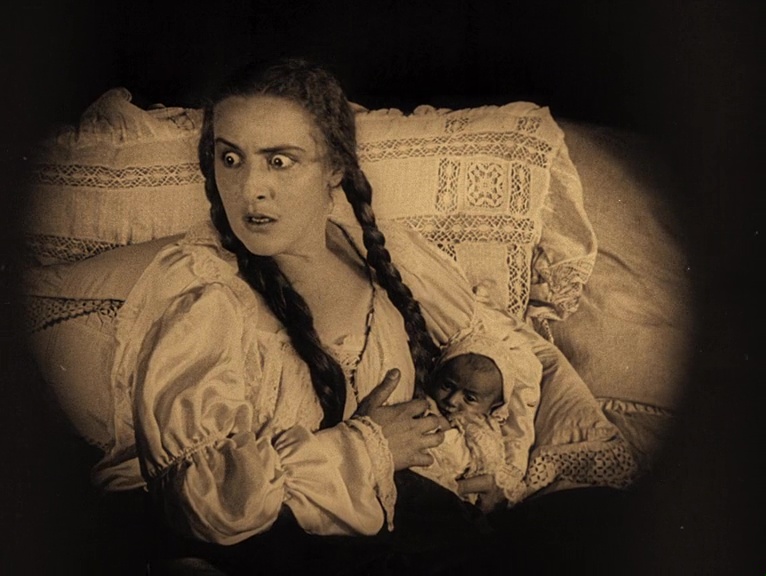
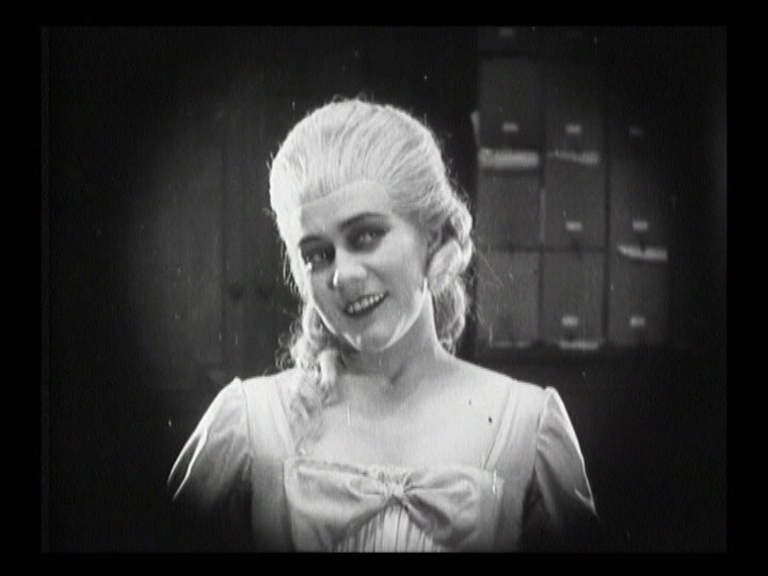
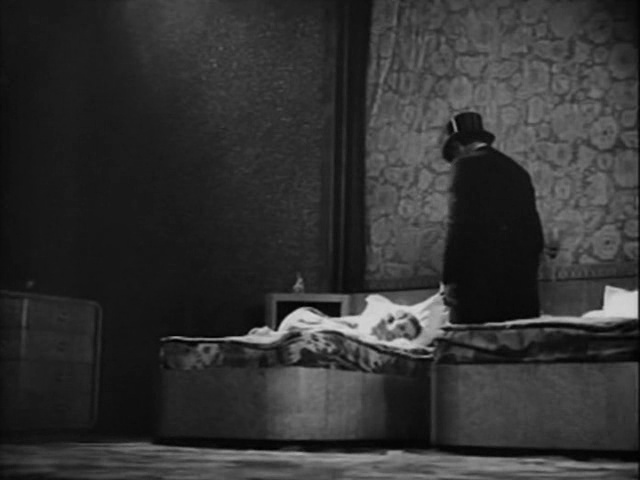
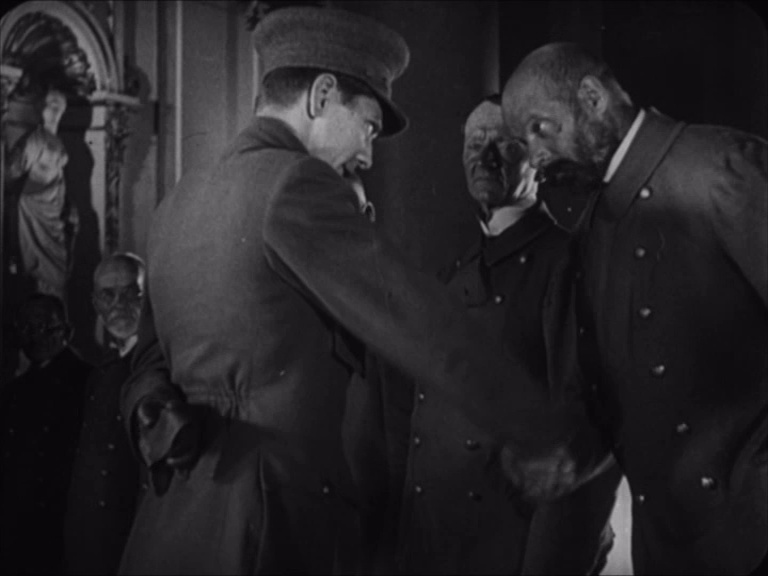
Elsewhere in the film, the sexual politics of the novel are elided or softened. (Care was certainly required to make the source material acceptable to the censors, but you sense that Fairbanks wasn’t interested in romantic melodrama so much as adventure.) Milady de Winter (Barbara La Marr) and D’Artagnan exchange flirtatious glances early in the film, and D’Artagnan will eventually surprise her in bed in order to retrieve the diamond broach she has stolen from the Queen—but (unlike in the novel) they never get involved. Even the affair between the Duke of Buckingham (Thomas Holding) and Queen Anne (Mary MacLaren) is remarkably chaste. King Louis himself (Adolphe Menjou) is jealous of the Queen’s private affair, but his jealousy is not emotionally complex (and hardly inflected with sexual interest).

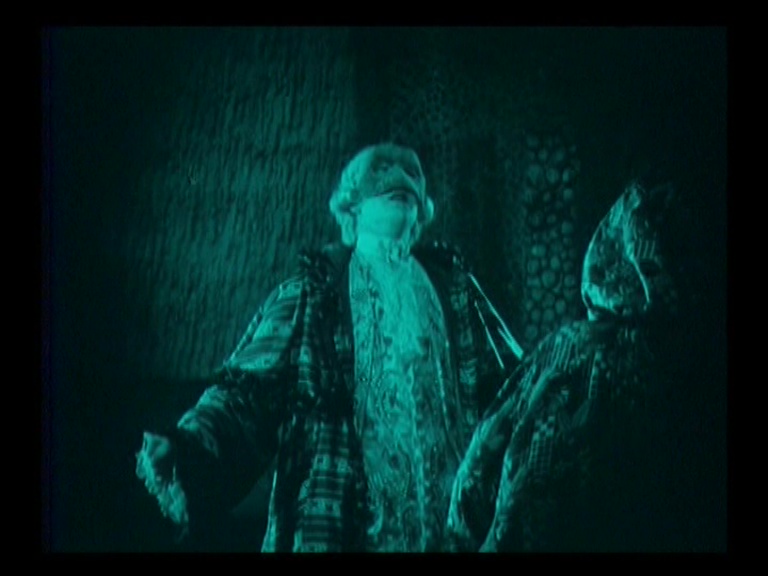
Indeed, the King’s emotional moods—his jealousy, anger, suspicion—are mainly focused on the figure of Cardinal Richelieu (Nigel De Brulier). De Brulier is the most perfect imaginable casting: his gaunt cheeks, long face, distinctive nose, and narrowed eyes. He would reprise this same role alongside Fairbanks’s older D’Artagnan in The Iron Mask (1929), as well as in two sound adaptations of Dumas’s novel. As mentioned before, he is a feline presence on screen. His thin profile, his shoulder-length hair, and his floor-length robes give him a feminine air. Indeed, he spends more time on screen with the King than the King spends with his wife—and he is surely a kind of devilish substitute. There is something almost flirtatious in the way Richelieu needles the King about his Queen. Later in the film, when D’Artagnan flatters Richelieu to delay his scheme to murder him, De Brulier’s performance grows subtly camp. Richelieu suddenly comes over all coy and flirtatious. The handkerchief he has been holding is a signal to his guard to shoot D’Artagnan; but once D’Artagnan begins flattering him, he swiftly withdraws it, and it becomes a kind of girlish accessory. Richelieu is always a magnetic presence on screen. And I can imagine a different director, in a different kind of adaptation, making more of De Brulier than in this film.

D’Artagnan himself enjoys the boys’ club atmosphere of the barracks and the all-male rooms of his friends. Much of the middle of the film is light on plot, instead setting up the relationship between the musketeers. We see how they get by with no money, gambling, borrowing, bluffing. (There’s a nice scene where they successively blag their way into the kitchen of two monks and cadge a free dinner.) It sets up a pattern that would be repeated in Robin Hood, Fairbanks’s next film, where Robin embraces the all-male company of his “merry men”. In that film, Sherwood Forest becomes a giant playground for the antics of Fairbanks and co., who leap gleefully around their idyllic world like ballet dancers. In The Three Musketeers, there isn’t quite the same sense of scale—but the central group of four male friends is the focus of much of the film’s jollity and camaraderie. It’s all very charming, but it lacks emotional depth. Only in The Iron Mask does the friendship of these characters come to mean and feel more: that whole film attains greater weight by being about ageing, and by the sense that there can be no sequel.

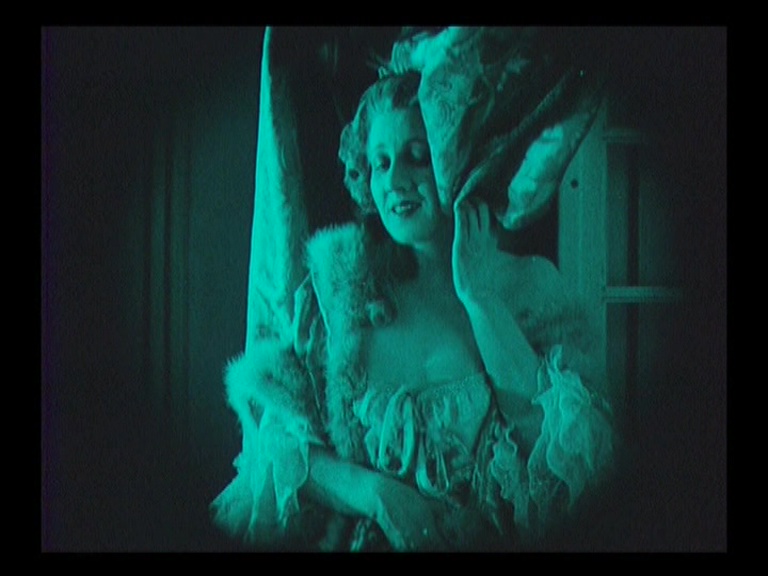
The new Blu-ray of The Three Musketeers is by the Film Preservation Society, who also produced the 2021 restoration of the film. Visually, it’s a great treat to look at. The lavishness of the costumes and scale of the sets really comes across. As well as looking sharp and rich and textured, the image benefits from the warm amber tints for the daytime scenes—and subtle blues for the nighttime scenes. Noteworthy in particular is the recreation of the original Handschiegl colour process. When D’Artagnan leaves Gascony, his horse is described as “buttercup yellow”. All the villagers en route and in Paris point and laugh at this extraordinary animal, so much so that when D’Artagnan arrives in Paris he immediately sells the animal to buy a hat. It’s a running gag for several scenes, and one which was visually inexplicable in monochrome restorations of the film. Thankfully, a fragment of a first-generation 35mm print was discovered in 2019 that revealed how the gag was supposed to work: via the Handschiegl process, the horse was quite literally coloured buttercup yellow. The 2021 restoration had digitally recreated the effect, based on the surviving 35mm fragment, and suddenly all these scenes make sense: the film was always designed to have this additional colour element, and all the on-set performances are geared towards this post-production effect.

Finally, I must mention the film’s musical score. It’s a habit among many labels—especially, it seems to me, North American ones like Image and Kino—to describe the soundtracks of their releases in unhelpful terms. As I have written elsewhere, reading in the DVD blurb that the release contains the “original orchestral score” is no guarantee that the soundtrack actually features an orchestra (Cuff, “Silent Cinema”, 287-93). Too often you have to read the small print to discover the truth, e.g. “original orchestral score, arranged for solo piano”. The back of the Blu-ray for The Three Musketeers states that the 2021 restoration is “graced by an orchestral score performed by the Mont Alto Orchestra”. Pause for a moment to consider the word “graced”. Yes, we are indeed more than fortunate to have the “orchestral score”, and it must be an orchestral score because it’s performed by an “orchestra”. Surely! Right? But the small print, in this case the liner notes by Tracey Goessel, make it clear what this actually means:

The Louis F. Gottschalk score, orchestrated for a large ensemble, would have been heard with the road show release, and is available on earlier DVD releases. Rodney Sauer of the Mont Alto Motion Picture Orchestra has created a score consistent with what would have been available to a smaller (in this instance, six-piece) group of musicians for the film’s general release.

Ah. Oh dear. So the “orchestral score” with which this restoration is “graced” is not actually written for or performed by an orchestra. It’s a score compiled from existing material, arranged for a six-piece ensemble. Fine. Disappointing, but fine. You clearly have a budget, and you have to stick to it. But what about the claim that the Louis F. Gottschalk score is available on earlier DVD releases? (I note that it doesn’t “grace” those earlier DVD releases.) Well, the back of the 2004 Kino DVD of The Three Musketeers states the following: “Original 1921 score by Louis F. Gottschalk, arranged and performed by Brian Benison and the ‘Elton Thomas Salon Orchestra’.” Don’t you just love the inverted commas around the name of the “Orchestra”? Because of course this “orchestra” is not an orchestra. The “Elton Thomas Salon Orchestra” is a euphemism for one man and his synthesized MIDI files. So, no, “the Louis F. Gottschalk score, orchestrated for a large ensemble”, is not available on earlier DVD releases. It’s never been available because no-one has ever used an orchestra to record it. I’ve listened to the synthetic version on the Kino DVD and I in no way consider myself to have heard “the Louis F. Gottschalk score, orchestrated for a large ensemble”. I wish I had heard it, but until I’ve heard it performed by “a large ensemble” (does this mean an orchestra, even a small one?) I reserve judgement.

Back to the 2021 restoration of The Three Musketeers, it doesn’t help clarify matters that the Mont Alto Orchestra calls itself an orchestra in the first place. The orchestra’s homepage—their equivalent, I suppose, of the DVD small print—describes them as “a small chamber group”; the roster of musicians’ biographies numbers just five. Even in the 1620s (the time Fairbanks’s film is set), a group of five or six people would blush at calling themselves an “orchestra”. The musicians we see on screen playing for the royal ball at the end of the film (there are about ten of them) form a larger group than we hear performing on the soundtrack. A century later, a small court orchestra might expect to field twenty players, while the larger ones double or treble that number. By the 1820s, a symphony orchestra was beginning to be standardized and you would hope to have forty or fifty players. By the 1920s, you might have a hundred or more players for larger orchestral or operatic works. Film orchestras of the era varied in size according to their venue, but the premieres of big films like the Fairbanks super-productions of the 1920s would have been big events with musical accompaniments to match.

As Jeffrey Vance documents, the premiere of The Three Musketeers was a lavish event, featuring a spoken prologue and “a full orchestra” performing the score (Douglas Fairbanks, 120). Though Vance judge’s Gottschalk’s score “particularly weak in the action sequences, and utterly unable to capture the comic aspects of the action”, he also reminds us that “Fairbanks’s increased involvement with the music and exhibition of his productions began with The Three Musketeers” (ibid.). For Robin Hood, Victor Schertzinger arranged a score “for eighteen players” (ibid., 145). The cover of the 1999 Kino DVD (the soundtrack of which was replicated for the 2004 reissue) says its restoration features “the Original 1922 Musical Score in Digital Stereo”. Of course, you must read the small print on the back to see that Schertzinger’s multi-part score is performed not by an orchestra but by Eric Beheim on “a MIDI-based synthesizer system”. Schertzinger’s score (as Vance says) certainly sounds repetitive, but how can I properly judge it as synthetic pulp rather than orchestral fibre? The way to make these scores more musically viable is not to reduce them, but to expand them—reorchestrate them to make the best use of the original material. Finding a compromise too often means doing something cheaper and less complex. (As a sidenote to this, the 2019 restoration of The Thief of Bagdad uses Mortimer Wilson’s original orchestral score. This version was broadcast on ARTE a couple of years ago but has not yet received any home media release. Wouldn’t it be nice to have all Fairbanks’s silent epics restored complete with the music that their creators intended to hear?)

The Sauer score for The Three Musketeers is perfectly good, although it often lags behind the pace of the action and can never capture the scale of the film. Six musicians can’t conjure a sound world as rich and detailed as the visual sets and crowds of extras. You need an orchestra. You need something that will sweep you up in the adventure of the film. This six-piece band can only gently suggest that you might like to come along. And although the more intimate scenes in the film don’t obviously cry out for a full orchestra, I do confess that my heart sank to hear Sibelius’s heartrending Valse triste (op. 44: no. 1, 1903-04) in the reduced circumstances of a six-piece band. Only a small portion is used in the scene where Buckingham and the Queen meet for the first time, but I wasn’t moved by the scene or even by the music—I was moved by the plight of what should be a full string section of forty or more players reduced to a single violin and cello.

But much of this is, I’m sure, down to my individual taste/snobbery. I know orchestras are expensive beasts, and that hiring them and recording them is beyond the budget of most labels. I don’t mind a score for a small chamber group, but please call it a score for a small chamber group. If it isn’t being performed by an orchestra, you’re not offering us an orchestral score.

I’m sorry to have gone on so much about the score, but I do get fed up with labels overpromising and underdelivering. The Three Musketeers is still a lot of fun, and looks as good as we can hope on this new release. Here’s hoping a new restoration of Robin Hood will follow…

Paul Cuff

References

Kevin Brownlow, The Parade’s Gone By… (New York: Alfred A. Knopf, 1968).

Paul Cuff, “Silent cinema: Material histories and the digital present”, Screen 57.3 (2016): 277-301.

Tracey Goessel, The First King of Hollywood: The Life of Douglas Fairbanks (Chicago: Chicago Review Press, 2015).

Jeffrey Vance, Douglas Fairbanks (Berkeley: California UP, 2008).

Das Blumenwunder (1926; Ger.; Max Reichmann)

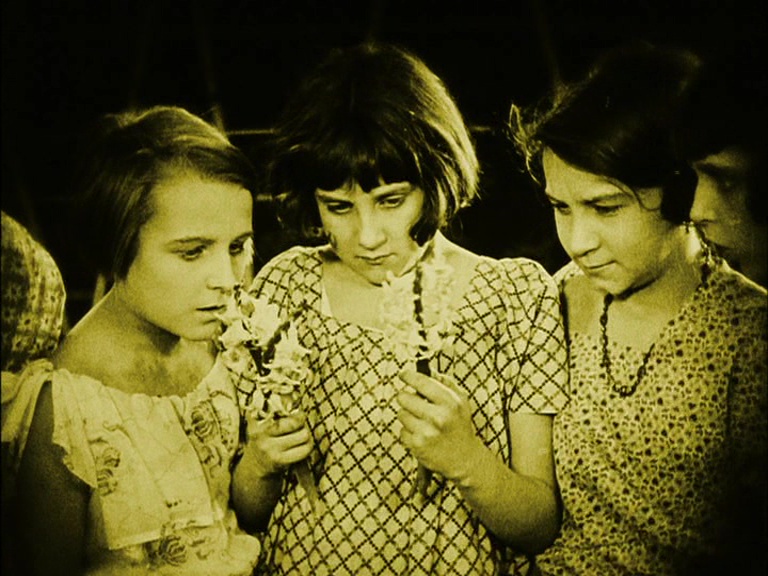
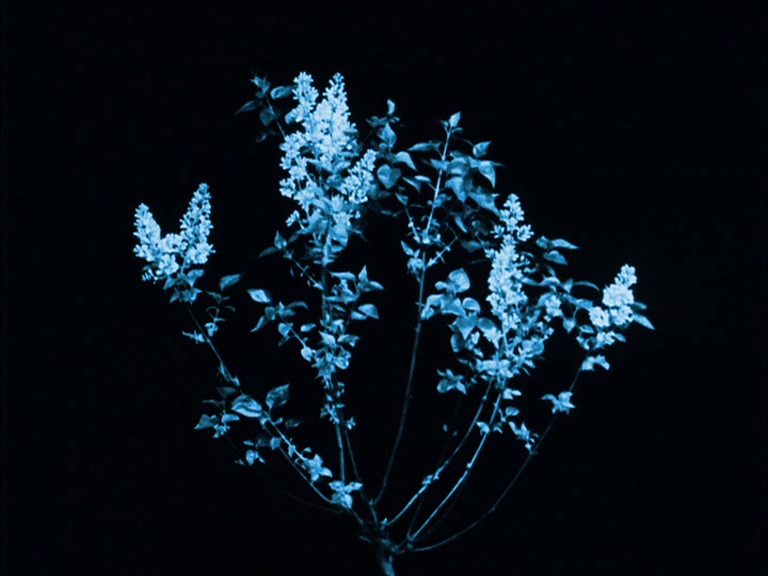
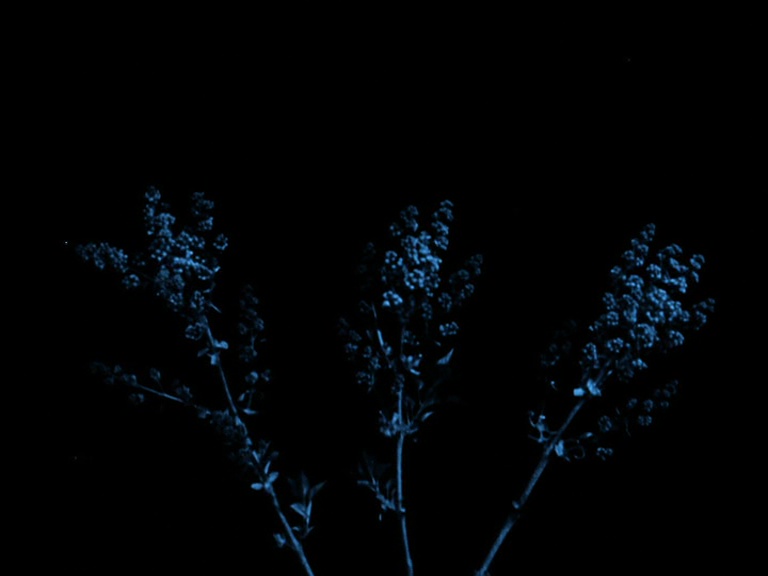
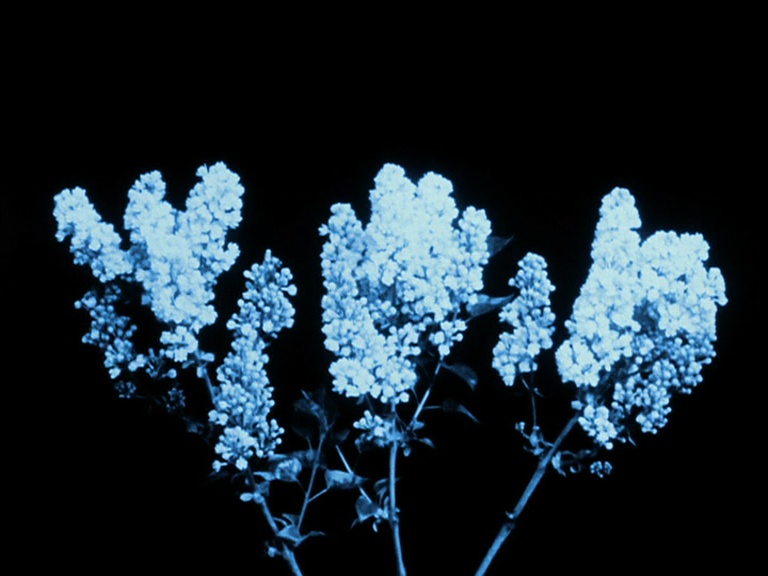
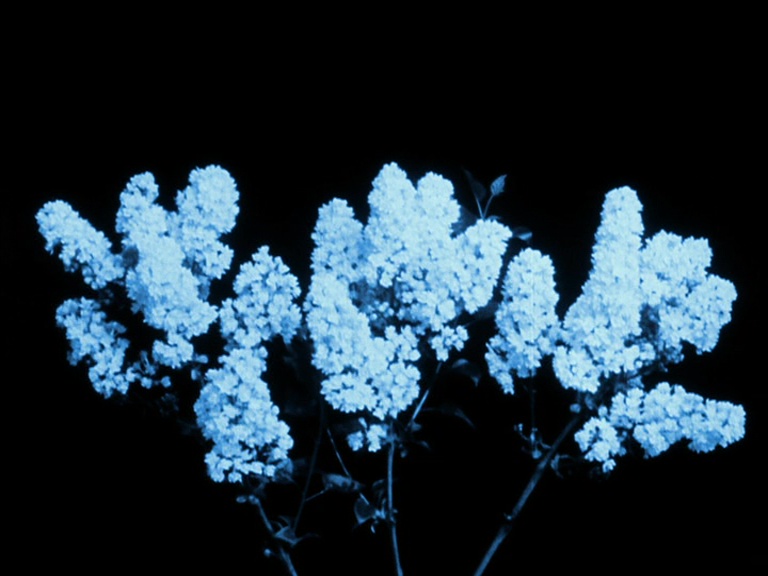
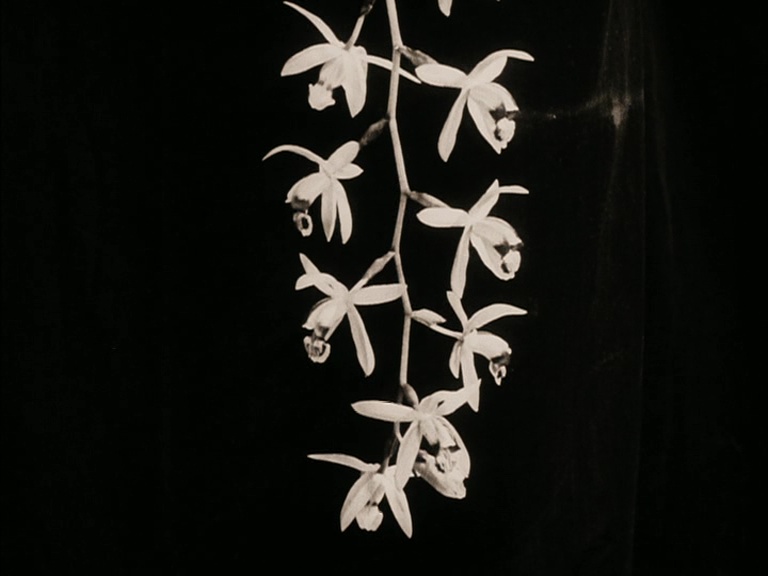
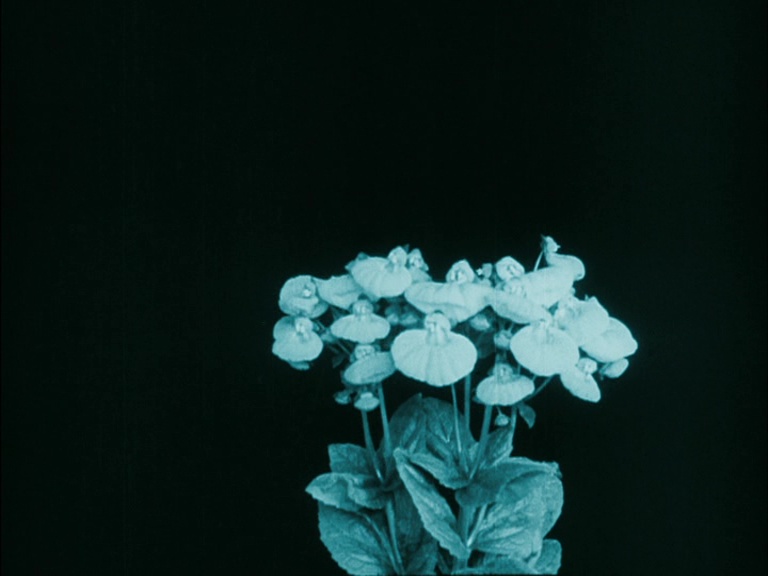
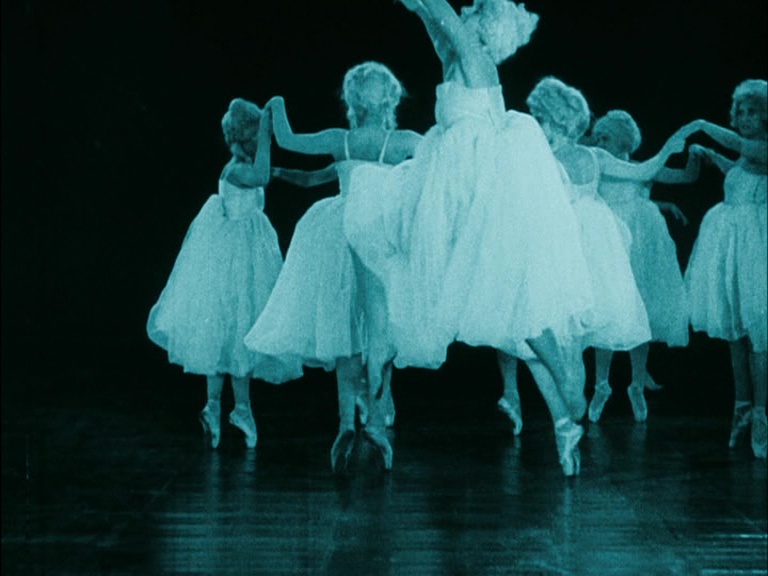
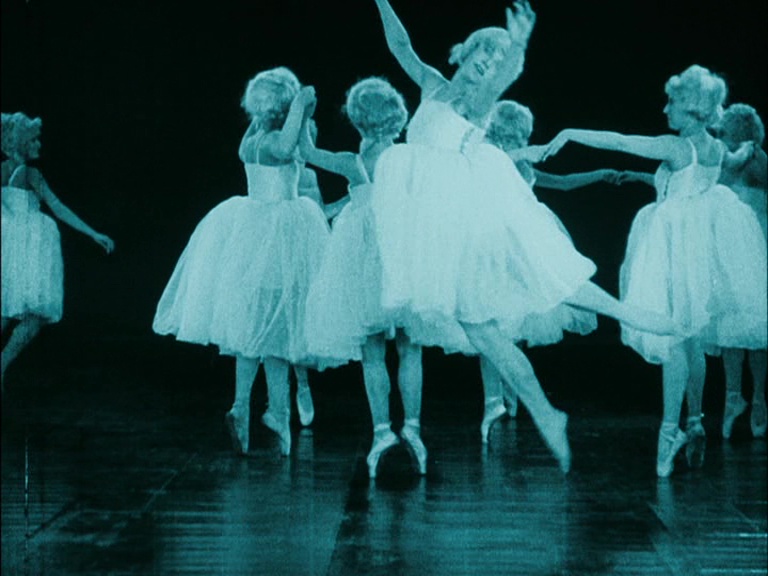
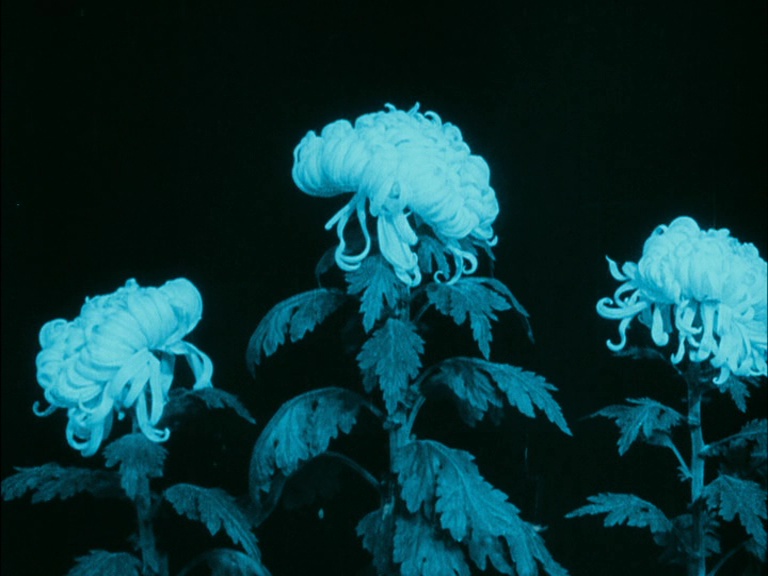
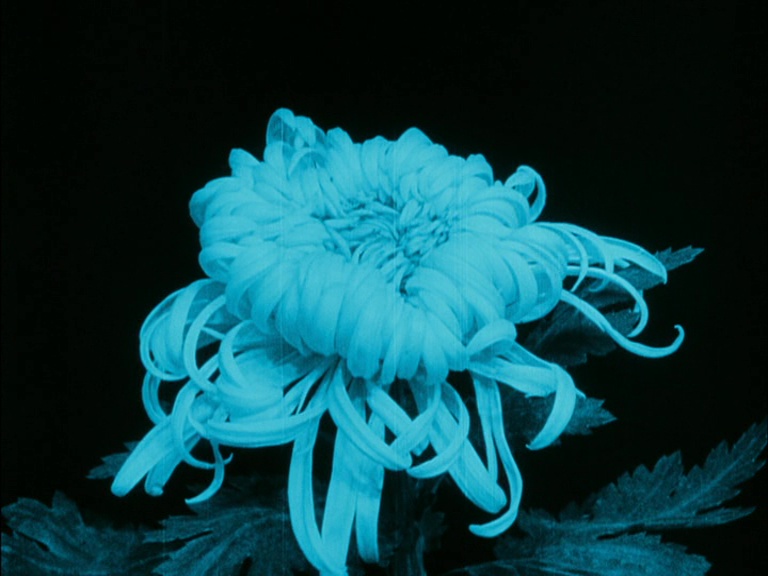
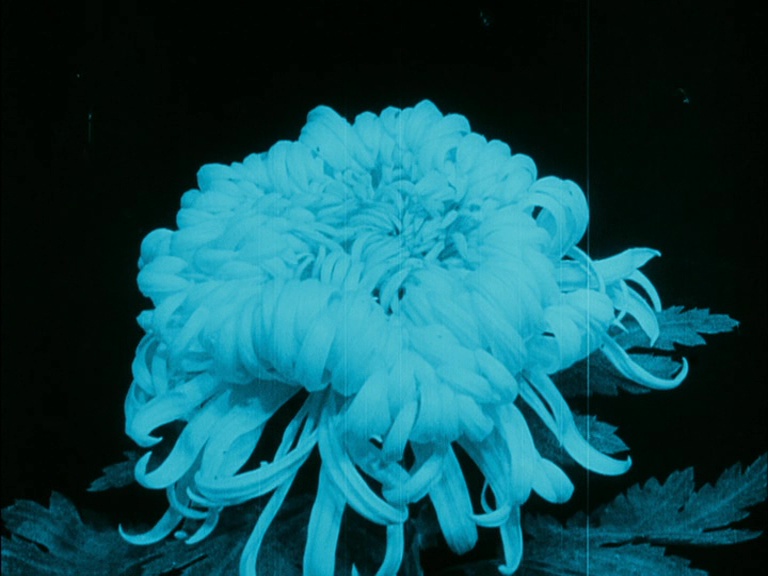
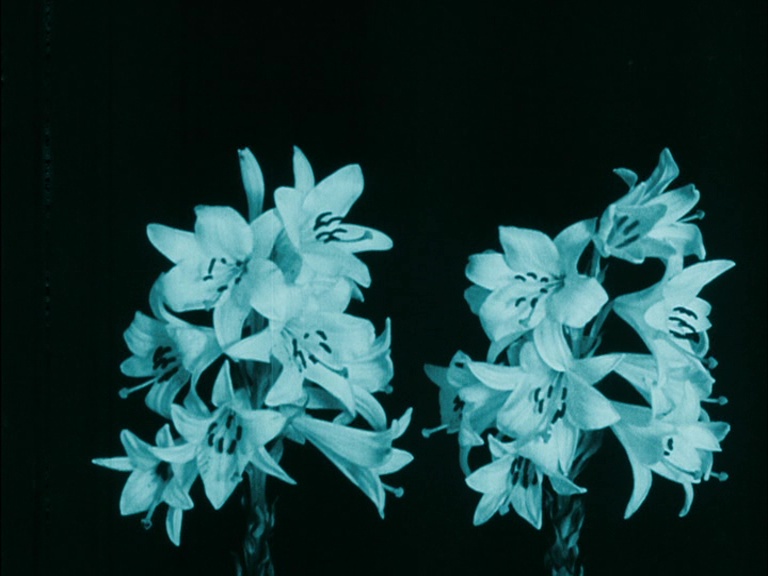
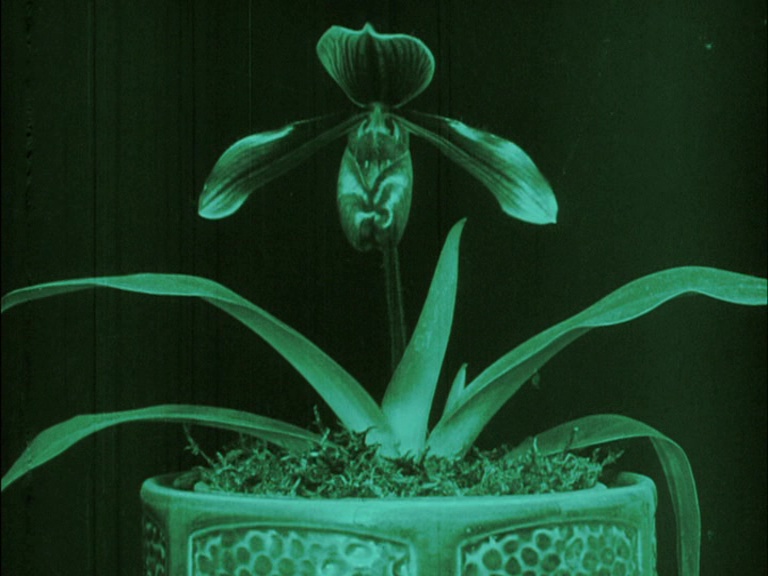
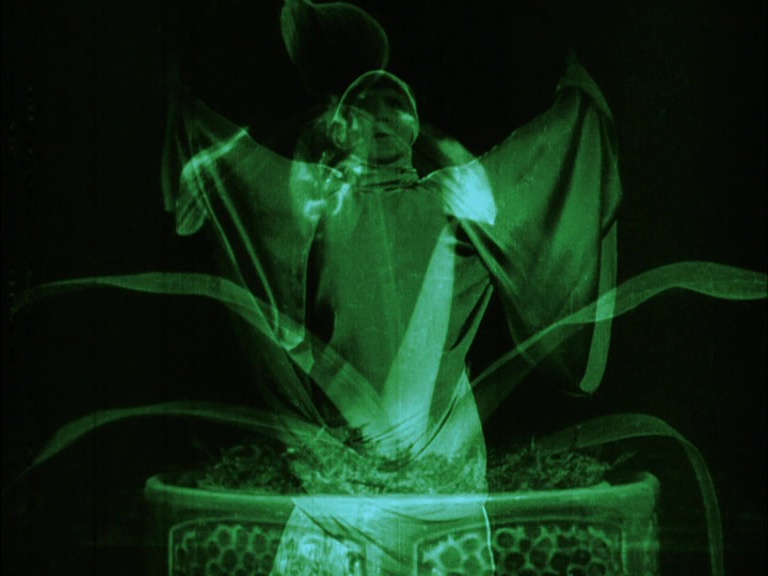
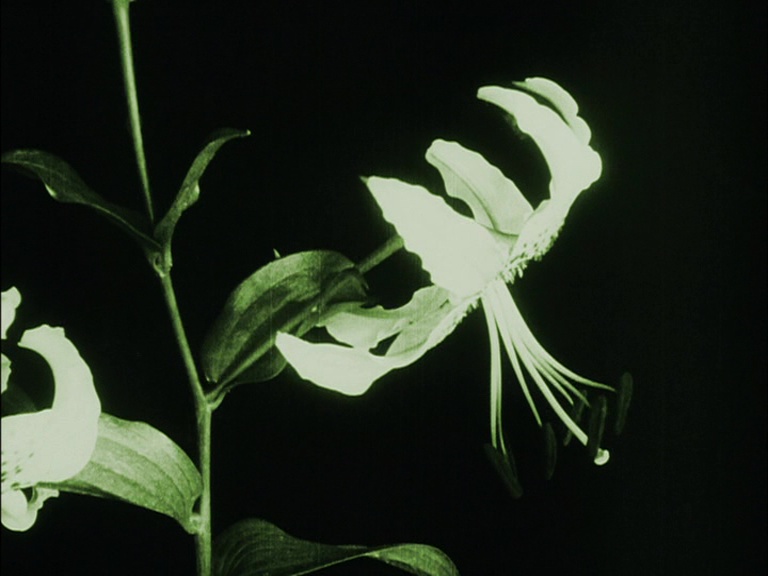
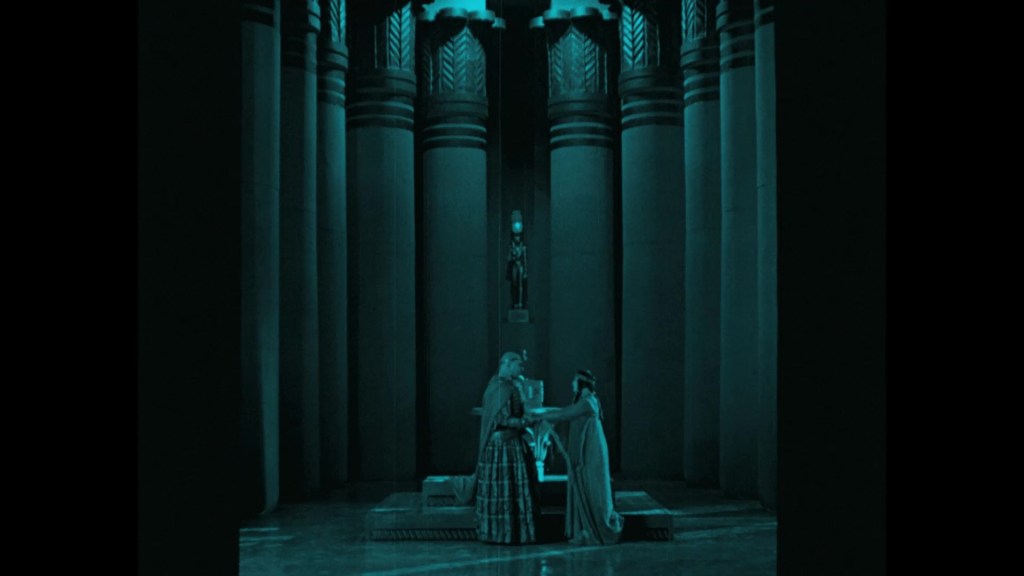
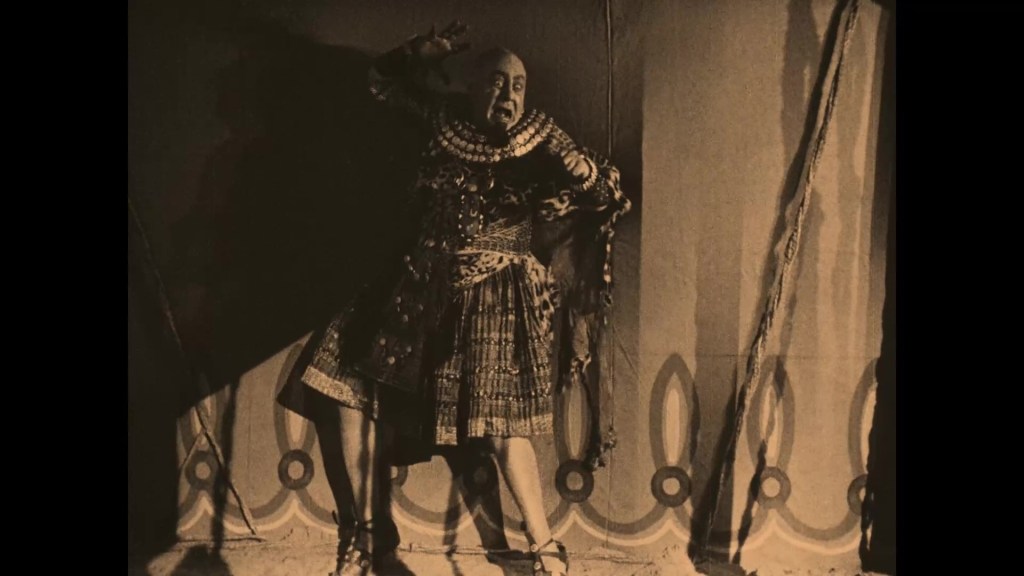
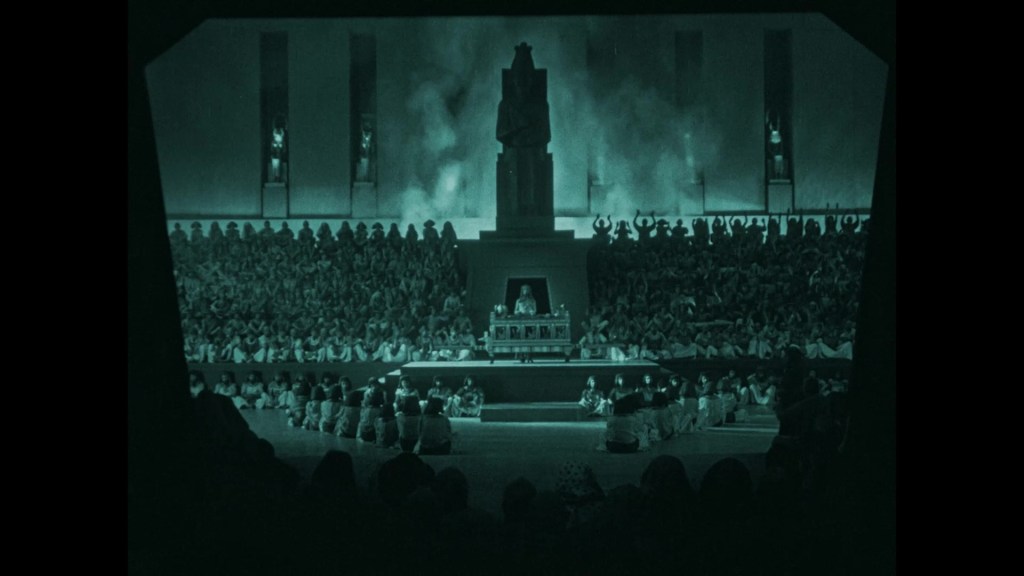
In 1921, the chemical corporation Badische Anilin und Sodafabrik (BASF) sponsored the production of a new film. BASF had bankrolled several short films with heart-poundingly exciting titles like Die Anwendung und Wirkung neuzeitlicher Luftstickstoffdüngemittel (“The application and effect of modern atmospheric nitrogen fertilizers”, 1921) and Mais-Düngungsversuch mit und ohne Stickstoff (“Maize fertilization trial with and without nitrogen”, 1923). But the film they undertook in 1921 was of a more elaborate scale and length than these earlier experimental/documentary works. At BASF’s studio-cum-laboratory in Ludwigshafen (south-west Germany), various varieties of seed were planted and painstakingly photographed, exposing one frame of celluloid at a time over a series of days, weeks, and months. It would take five years to complete this process. BASF joined forces with the Unterrichts-Film-Gesellschaft (“Film Teaching Society”) and hired an up-and-coming director to shoot additional footage and assemble the resulting material. (BASF were clearly the lead partner in all this: the chemical corporation had produced more films than the film company they engaged.) The director was Max Reichmann, who had worked as a production assistant on four of E.A. Dupont’s films: Der Mann aus Neapel (1921), Kämpfende Welten (1922), Sie und die Drei (1922), and Varieté (1925). At this end of this apprentice period, he directed two feature films—Verkettungen (1924) and Der Kampf gegen Berlin (1925)—before finishing BASF’s plant film. To BASF’s laboratory footage was added a framing narrative and ballet sequences, including some complex dissolves from plant to human movement. More than a film made for publicity or instruction (hardly counting as “cinematic” at all), this creation would be a feature-length spectacle. The stop-motion photography was the main attraction, but the film could now boast the dancers of the Berlin Staatsoper and a specially-composed score by the successful operetta composer Eduard Künneke. The film was premiered at the Piccadilly theatre in February 1926 and created quite a sensation. And what’s more, it still does…

Das Blumenwunder (1926; Ger.; Max Reichmann)

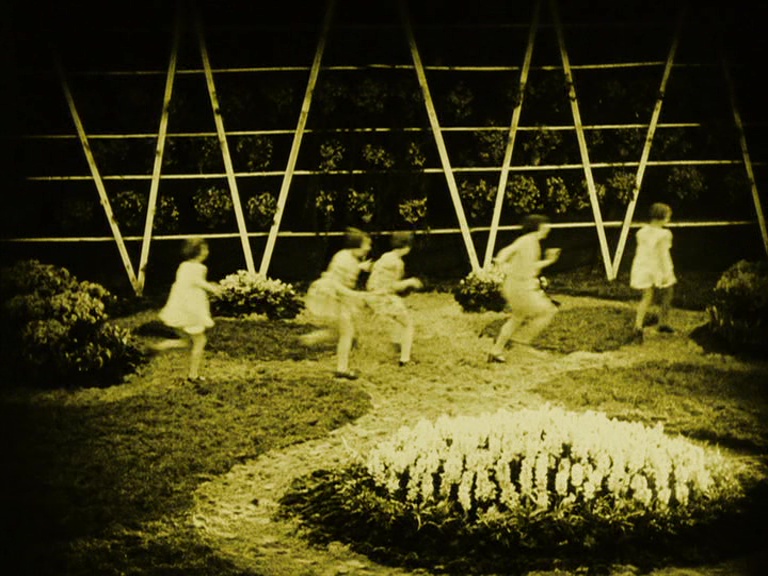
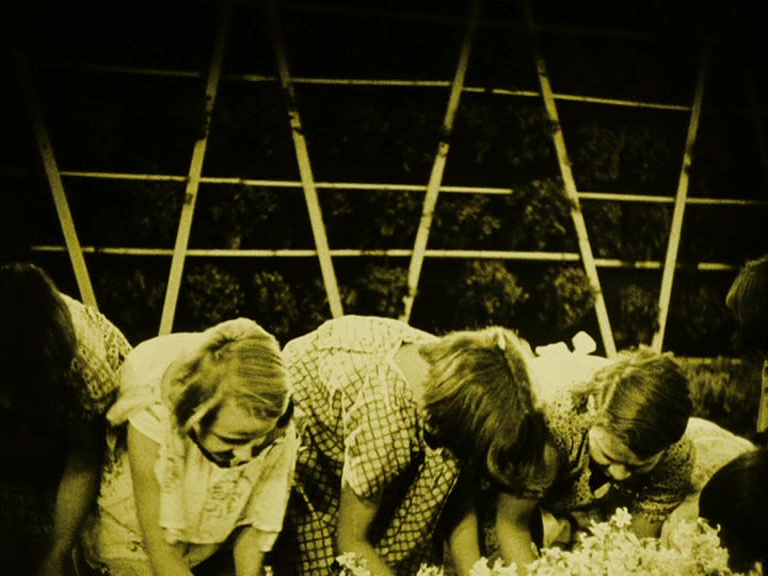
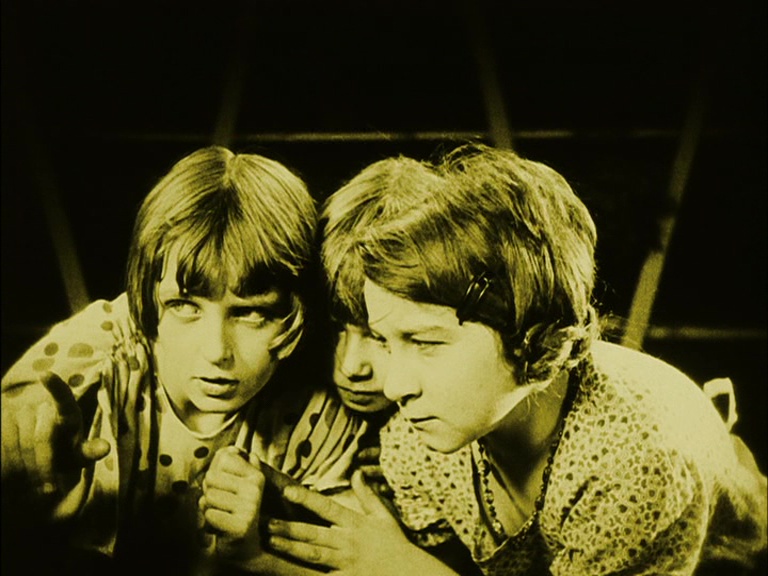
Part One. The orchestra puts its best foot forward, and we leap into the spectacle. A garden, young girls running. They dance, then pick and fight over blossom. The music is rhythmic, boisterous, stylish, skittish, jazzy. But the severing of the flowers marks a chance in tempo, mood.

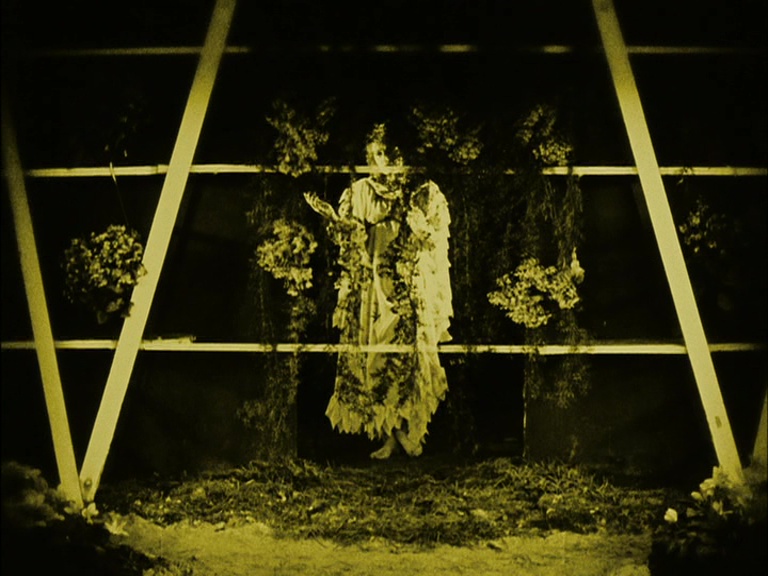
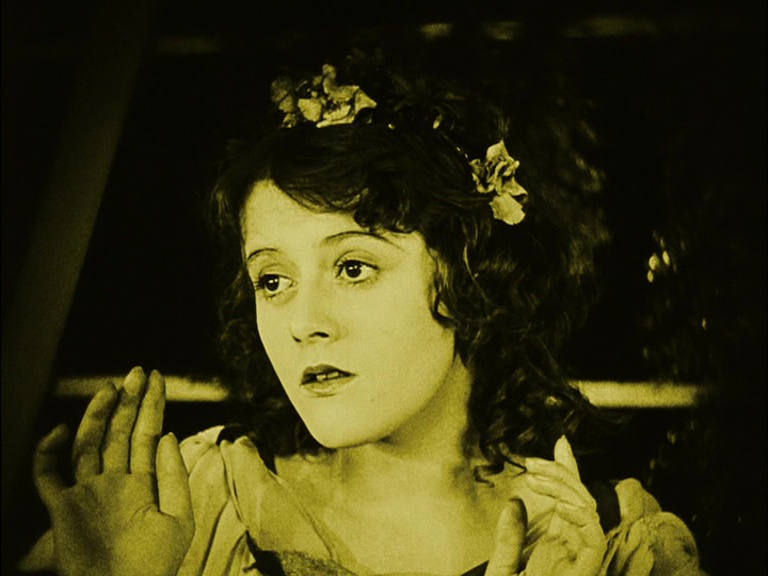
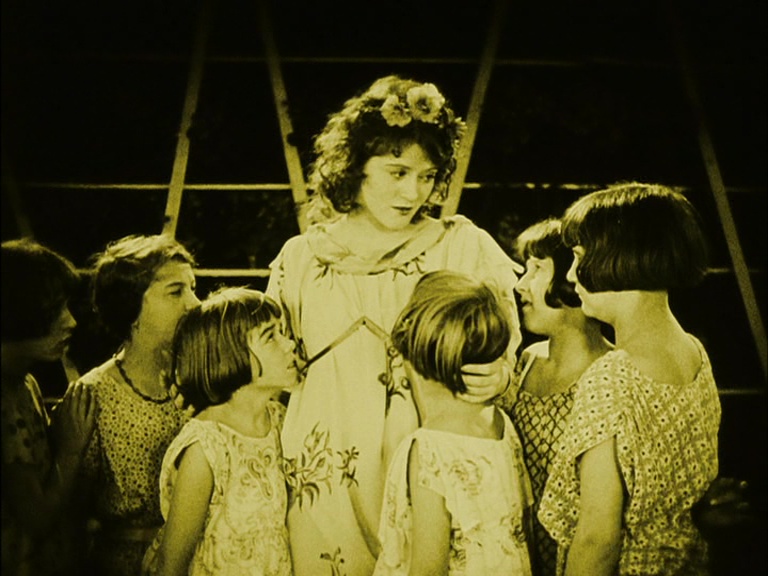
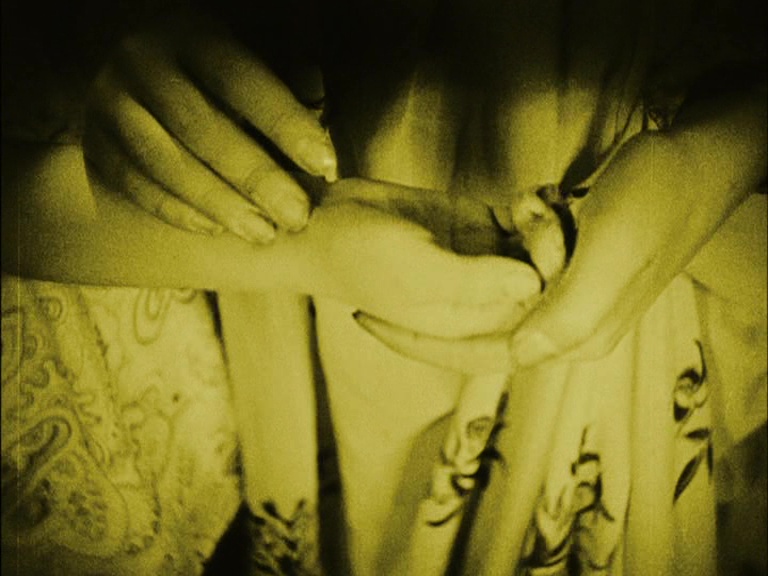
A ghostly figure appears, dissolving through the wall of foliage at the rear of the scene. She is Flora “protector of the flowers” (Maria Solveg). She explains that the flowers have life, just like the girls: “in blooming and withering they have the same feelings as you”. “Man’s rhythm of life is the pulse, the chasing of blood cells.” Flora takes the arm of a child and places her fingers on the wrist. The orchestra slows, and a trumpet gently marks out the pulse of blood. Then the timpani take over: the pulse moves deeper into the body of the orchestra. The child’s wrist moves slowly towards the camera, until the flesh begins to blur.

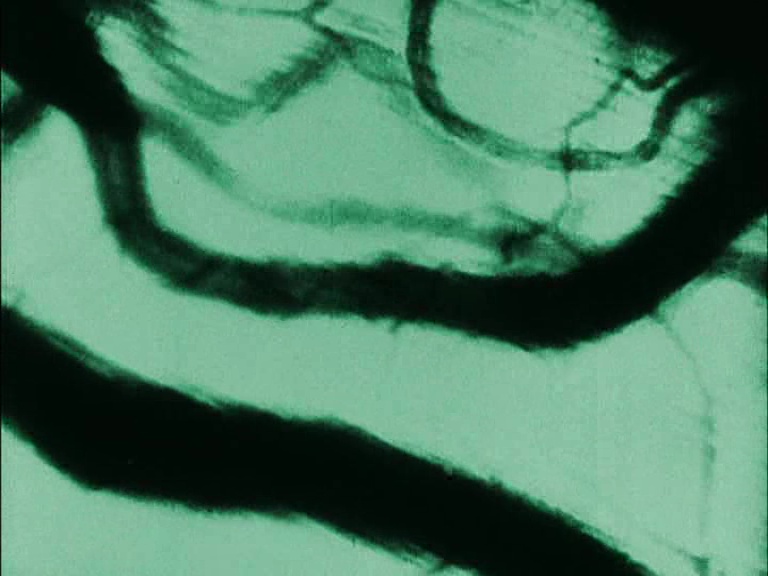
The film cuts to a microscopic view of veins, then—as the strings in the orchestra slide and glisten—a shot of blood plasma slipping through tissue. It’s an extraordinary interruption of the infinitesimal, the scientific, the biological, into the wider world of the film. It’s at once disturbing, extraordinary, and magical. The whole screen is filled with the intimate pulsing of life, the cinema with the warm pulse of the orchestra.

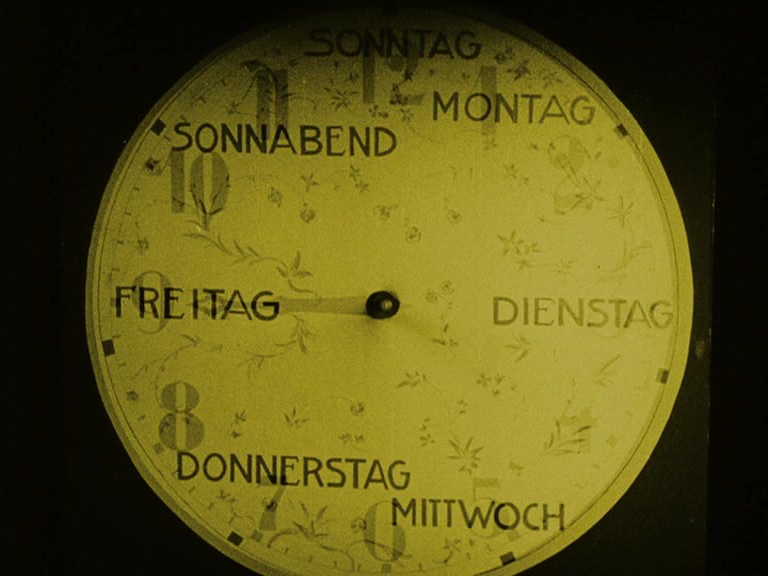
We draw back into the human scene. Flora looks up, bids the children watch the clock. We see the hands speed up, race around the dial: hours, then days glide past. “One day in the life of man is a second in the life of a flower”, she says. “The miracle of flowers will bloom before you.” And so they do. As the orchestra swells, flowers grow from the base of the screen to its summit. The buds dip and rise, like fanfaring trumpets. And just as the spectacle seems set to take off, it’s the End of Part One.

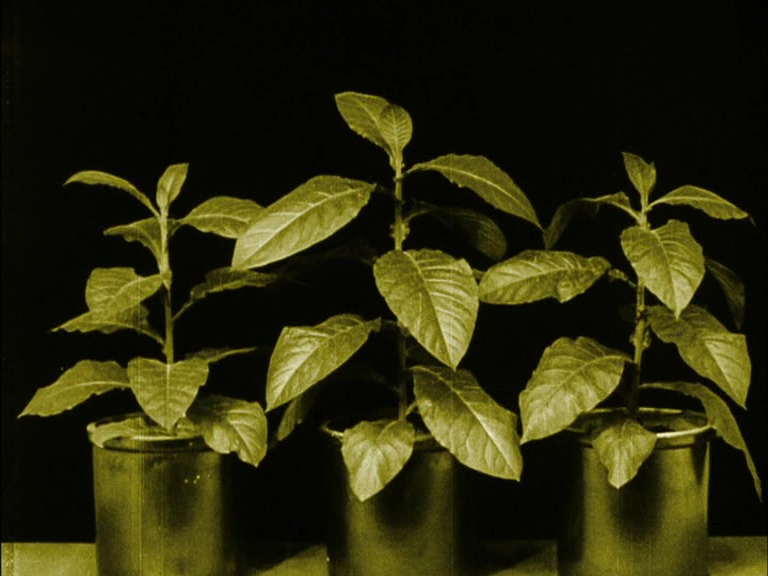
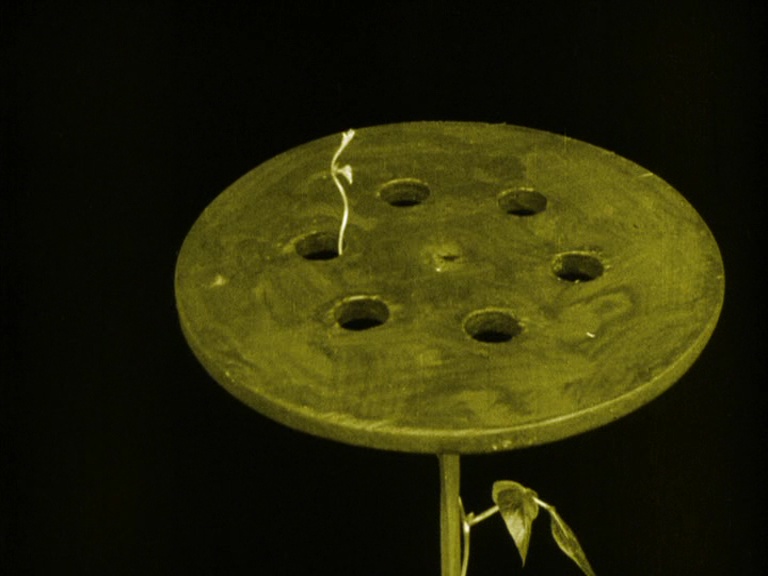
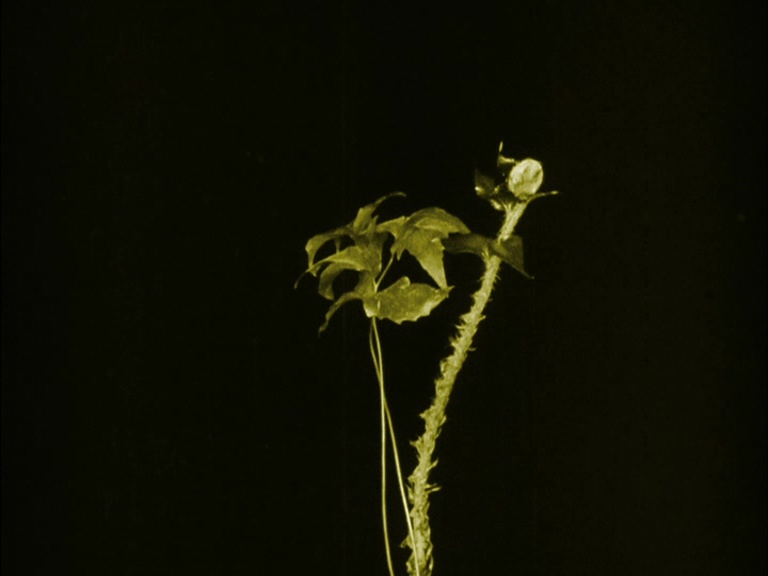
Part Two. Tobacco plants lower and raise their leaves, each lowering and raising (we are told) taking place over a 24-hour period. But each 24 hours are seconds on screen. The three plants lift, strain, grow, burgeon before our eyes. It’s a gorgeously surreal chorus line, the orchestra rising in crescendo, pulsing and growing in time to the plants.

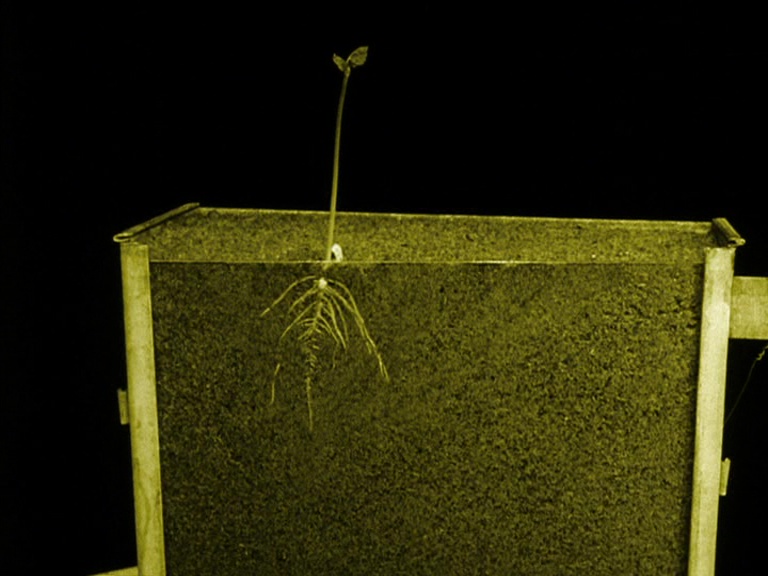
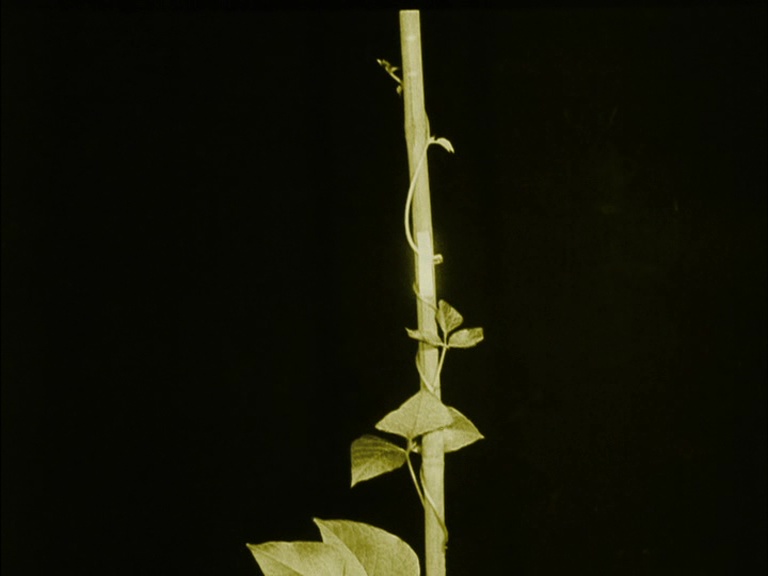
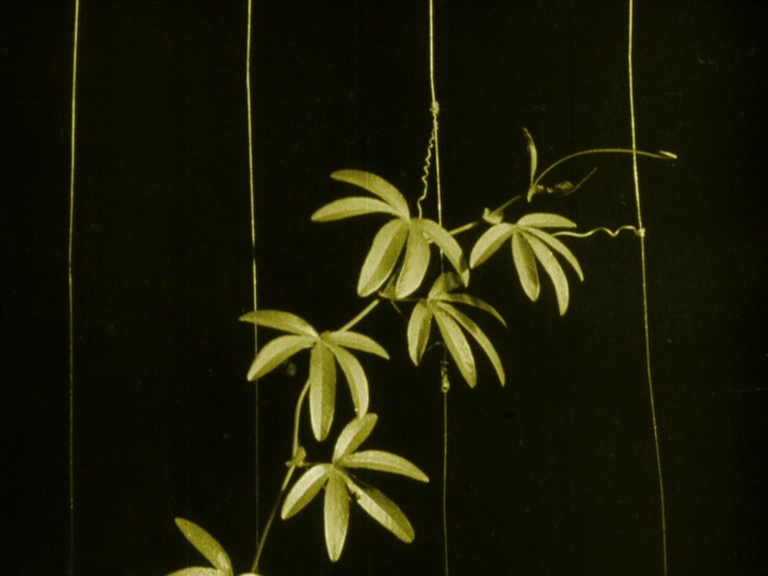
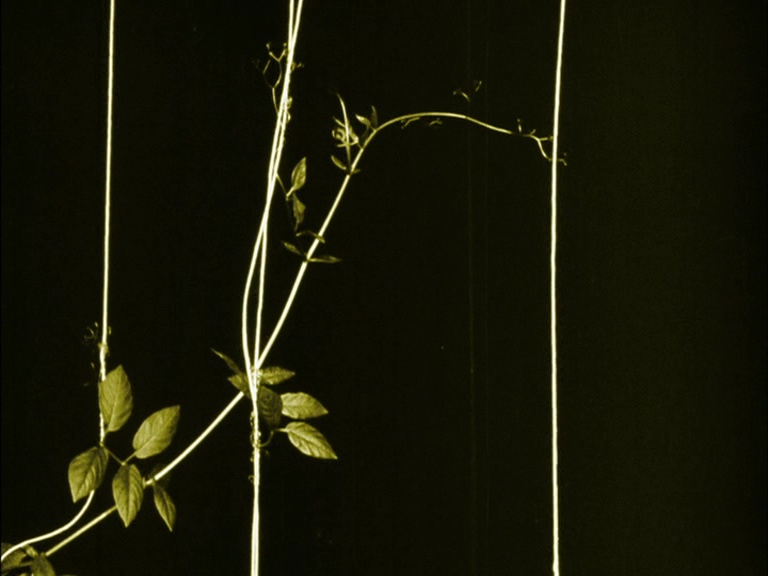
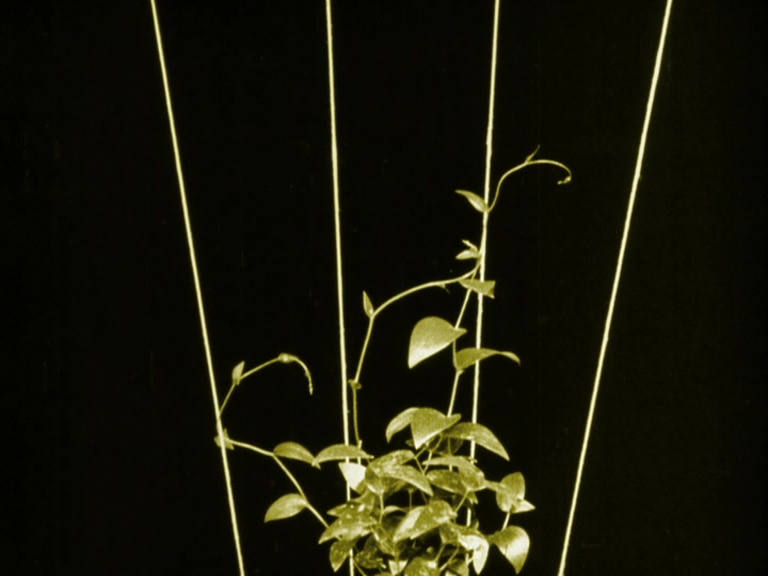
Then we see bean sprouts, the downward progress of their roots as the stem wriggles aboveground, turning 90 degrees when the box is turned. Künneke’s music shifts gear, becomes a kind of slow dance. The bean’s shoot coils around a pole, crawling its way clockwise, up and up. Even when a pair of hands tries to rewind it in the other direction, it breaks free of this imposed rhythm and winds clockwise once more. It reaches the top. The orchestra rings out. The beanstalk wiggles. It’s like the plant is taking a bow.

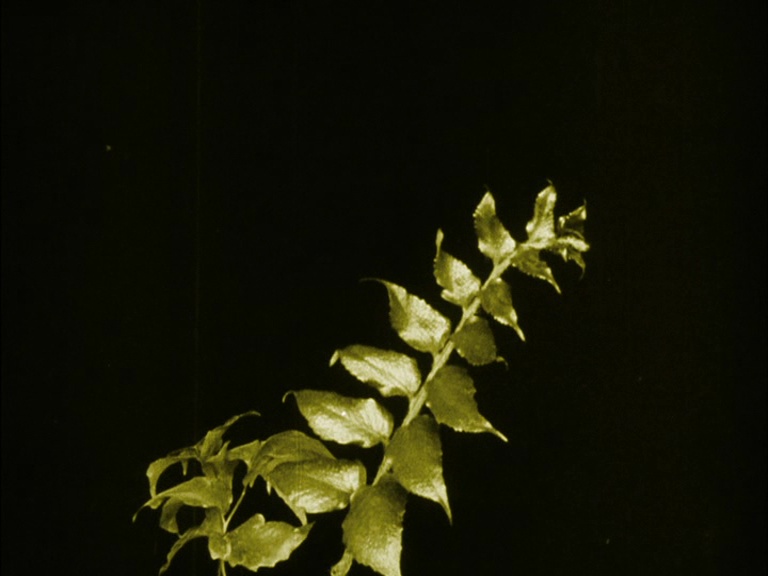
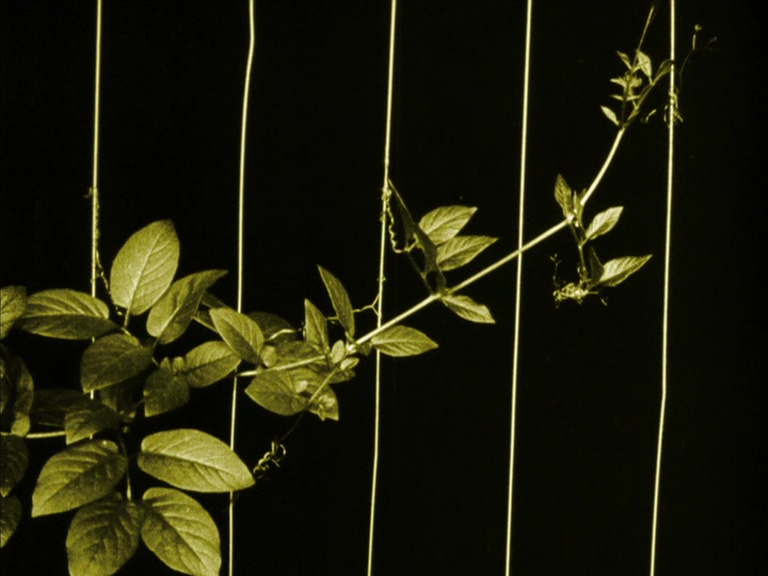
The banana leaf; ferns. The orchestra is also in a kind of slow-motion, reaching for a rhythm as the plants unfurl. But the vine grows quickly, reaching out to each new support: so the strings skittishly feel out a new rhythm. Another shift. The vine starts growing, lifting its heavy burden of spreading leaves. The orchestra slows, introduces a wrenching little melody for the lead violin. Suddenly the plant seems anthropomorphic: look at it stretching out, clasping at the new support, straining its sinews to reach a higher position. “It grows beyond the last support, with nothing more to cling to.” So tells us an intertitle, as if introducing us to its death. And so the next title finishes the thought: “The vines desperately circle alone, vainly seeking support, they languish and die.” But then we realize that the plant is cleverer than that, for it starts to curl and reach back to an earlier support, “where life is still possible”. We’ve seen a kind of thought process, a vegetal exercise in logic and self-preservation. So too in the next shot, where we see a vine drawing the lengths of string supports closer together to make its journey easier. Now vines clasp one another, dancing around the rival spaces: the camera cuts back to a wider shot so we can follow the upward battle for each vine. End of Part Two.

“Musical Interlude”. The music repeats that wrenching little melody, led by the solo violin. It’s slow, sweet, sad. The score is creating a mood, a feeling. With only the dark screen to see, we are now simply listening to the secret life of plants; is the film asking us to imagine our own images with the music, to reflect on what we’ve seen so far? The slow, sad dance winds to a halt.

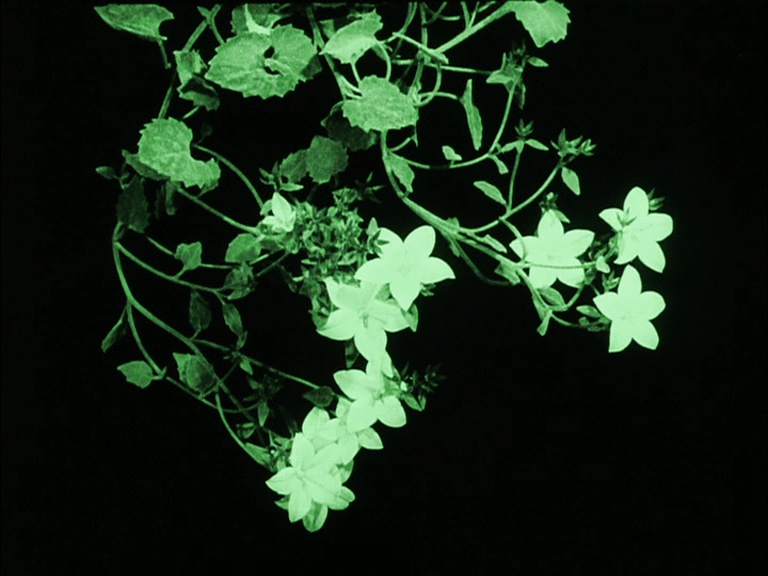
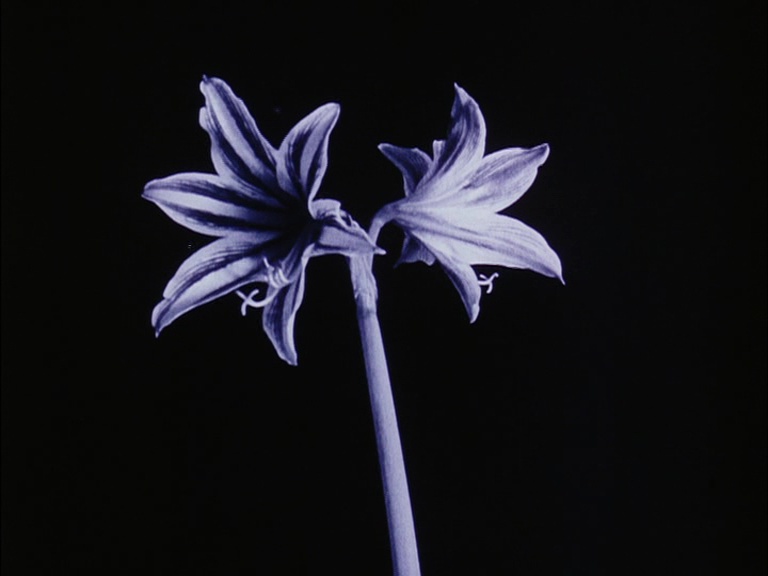
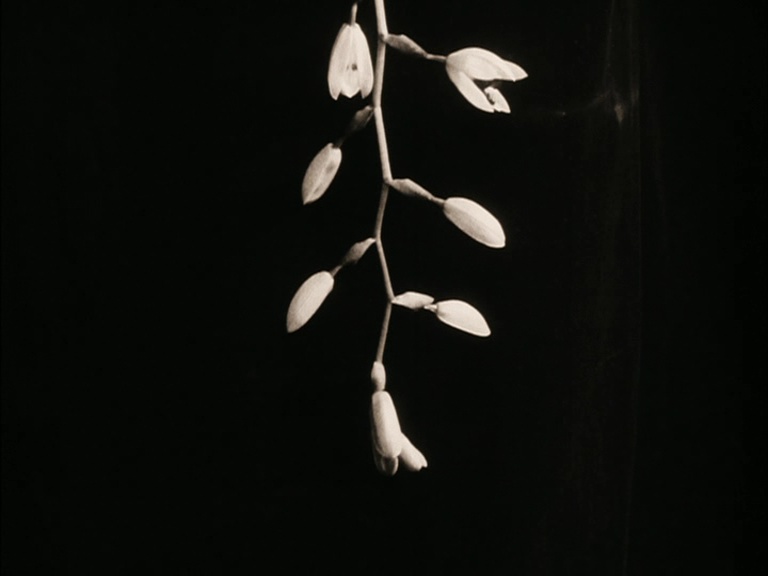
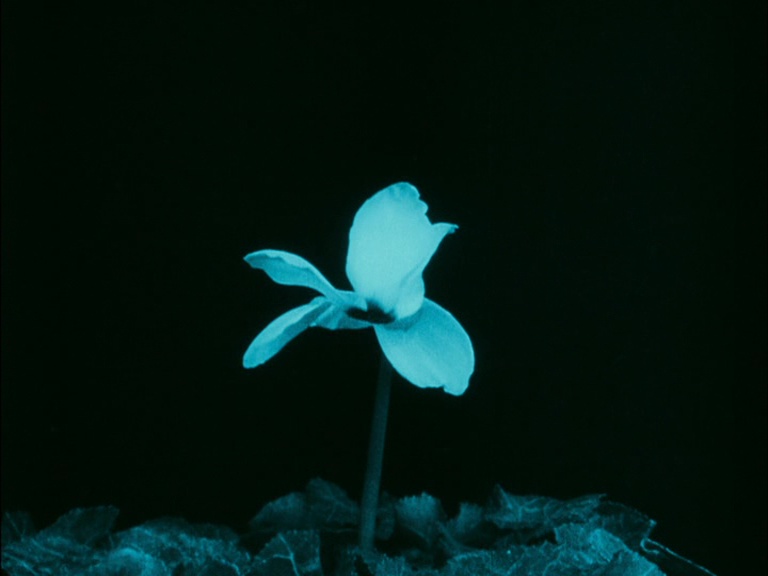
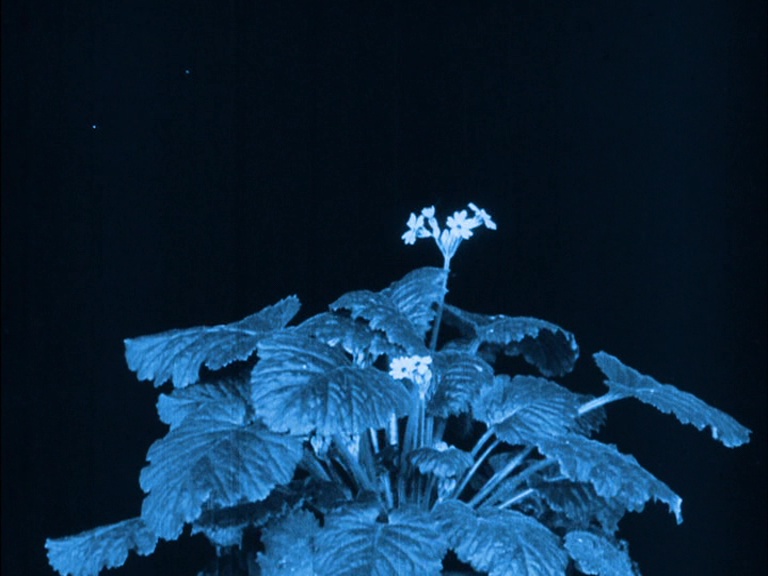
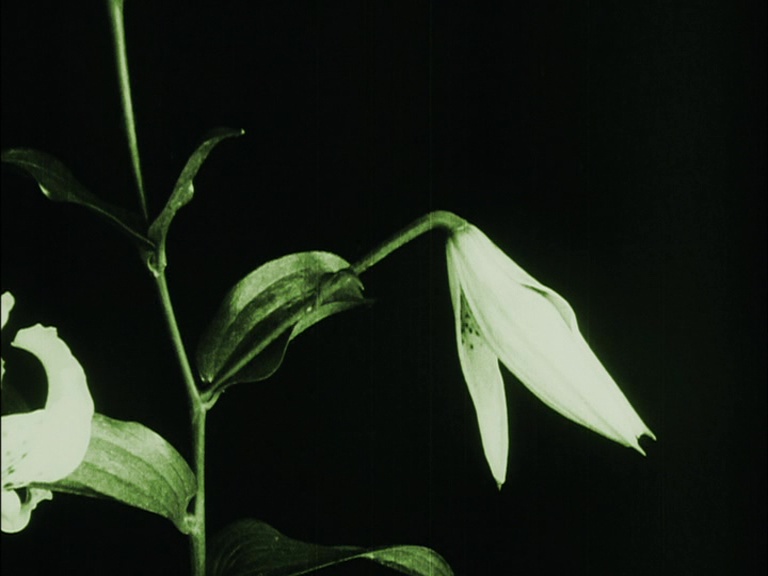
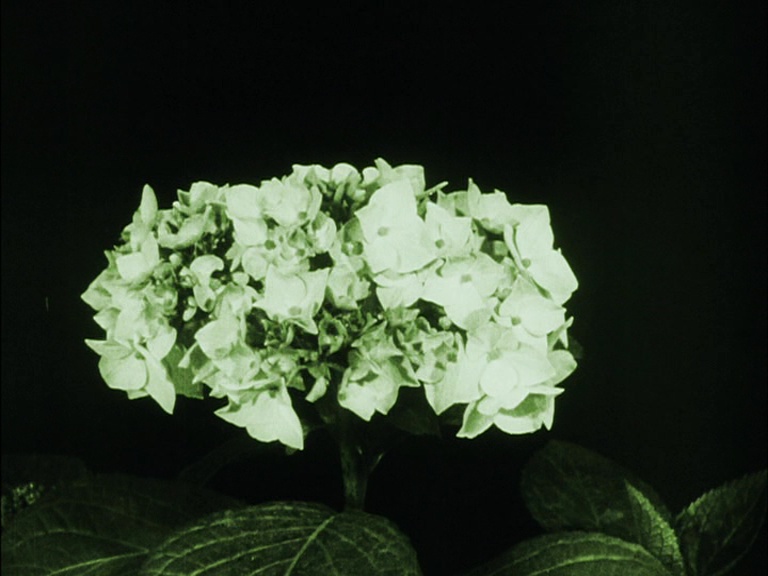
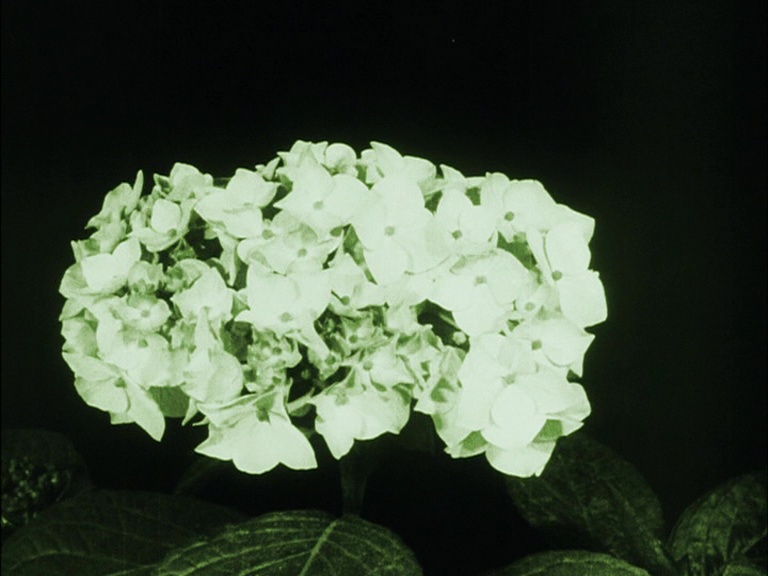
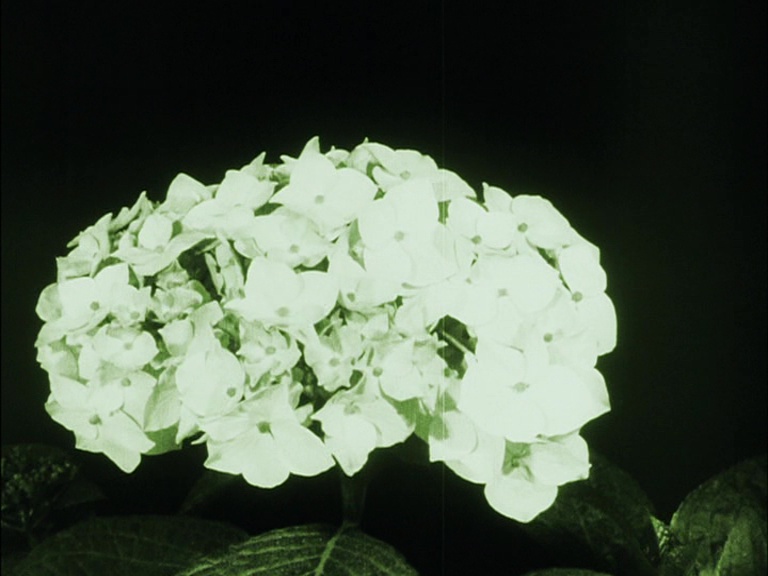
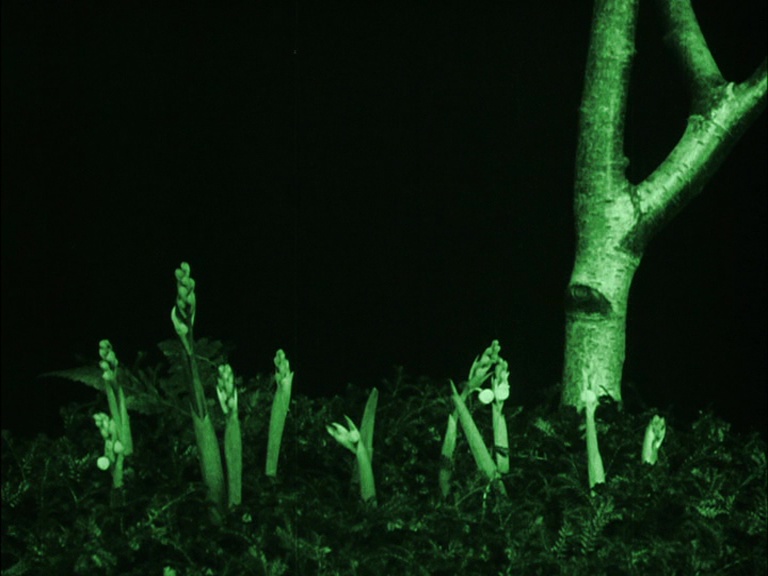
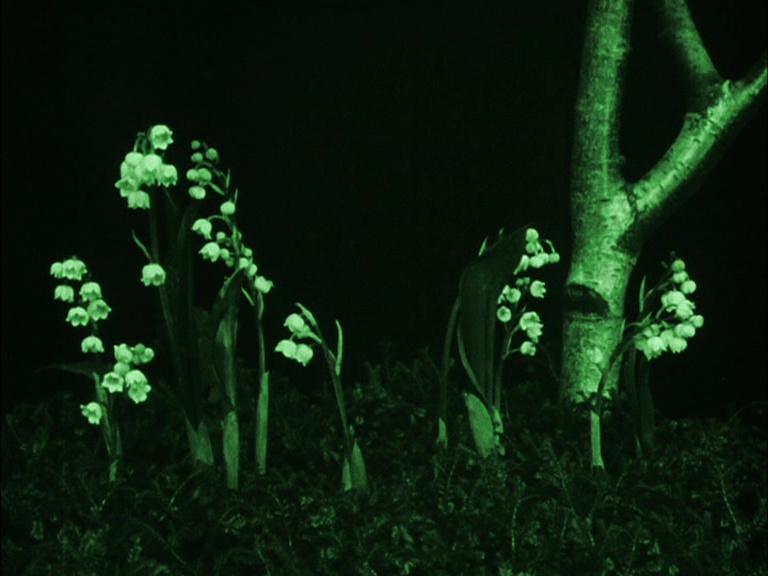
Part Three. No titles, just the glittering sound of music—glissando strings, harp, gentle woodwind—to set up the next scenes. Flowers unfold, bloom white and green against the black background. Purplish stems sprout tiny blossoms. The music reaches for high, unsettling extremes; now the leaves are dancing, and the music turns rustic, a countrified dance. Here are bluish buds, curtseying, doffing their leaves. New growths wiggle, circle, shimmer, tremble. They seem to grow faster. Fade to black. The music dies.

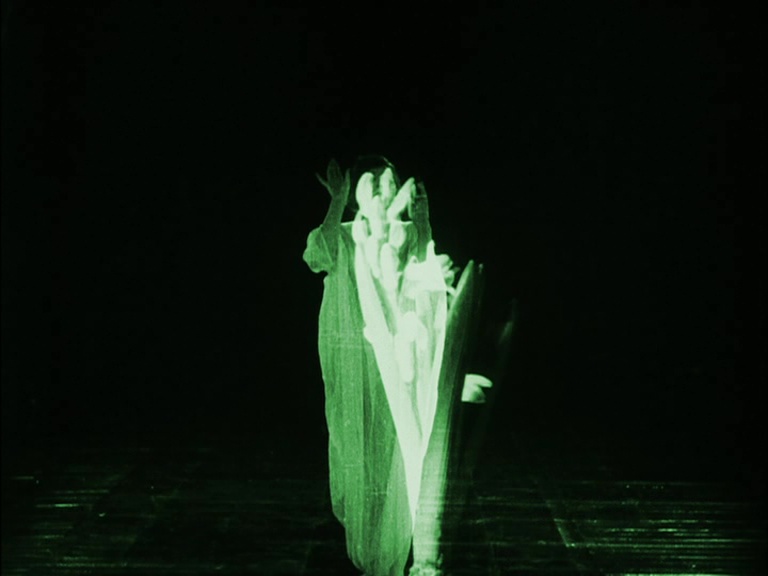
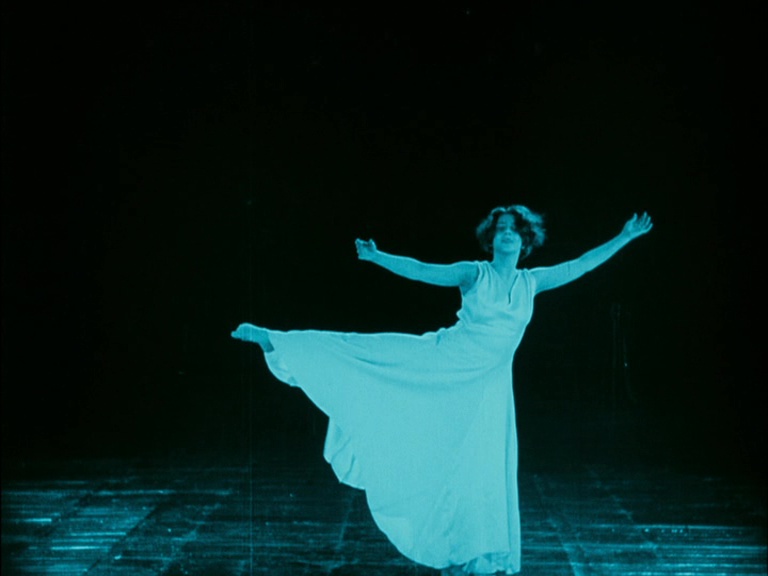
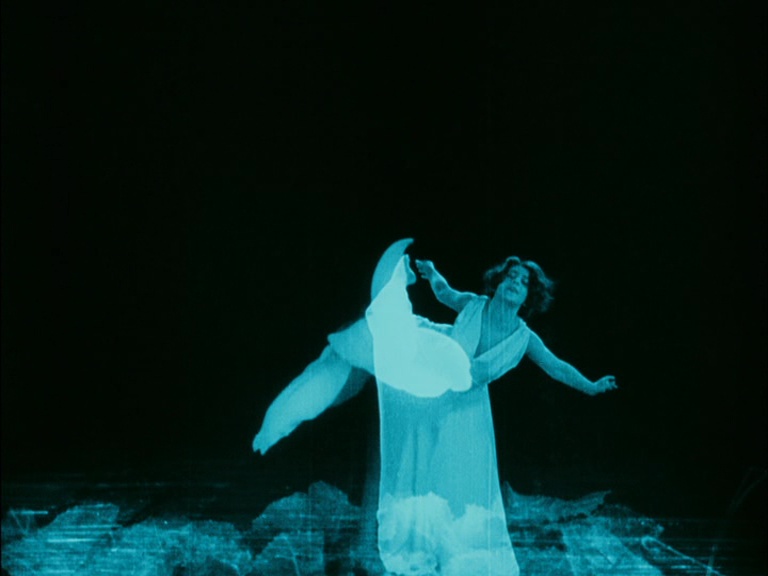
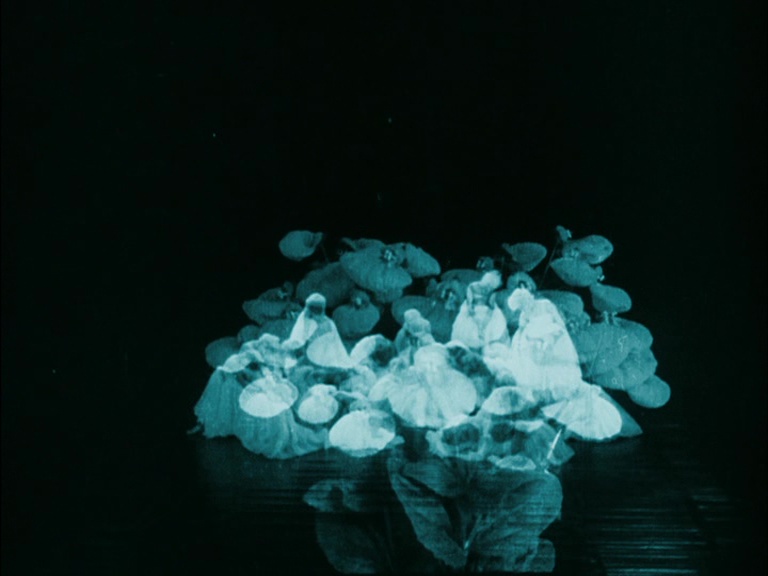
Greenish shoots from the soil. The pulse of low strings. Solo woodwinds seek out a melody, test out a rhythm. The flowers look sleepy, dopey. It takes them an age to raise their buds. Fade to black, before they quite bloom in full. A strange, solo shoot—and a dissolve to a dancer, flowing white dress, mimicking the growth of the flower. A succession of close-ups, flowers trumpeting toward the lens.

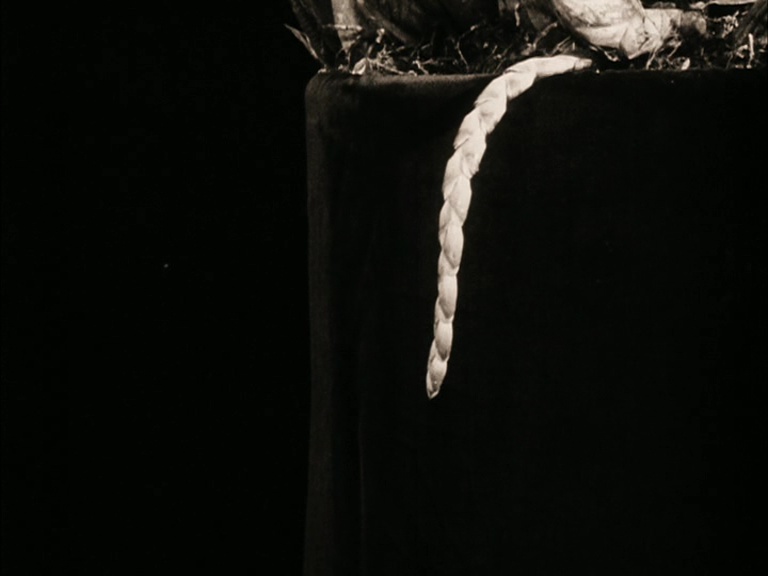
Shoots fall over the side, bud slowly, change shape a dozen times. Flowers nod together, perform collective awakenings. Another solo dance, flower dissolving to dancer, dancer to flower. It’s hypnotically beautiful. A mass of buds, flowers that slowly fill the screen, that grow stranger and more extraordinary as the shot continues. End of Part Three.

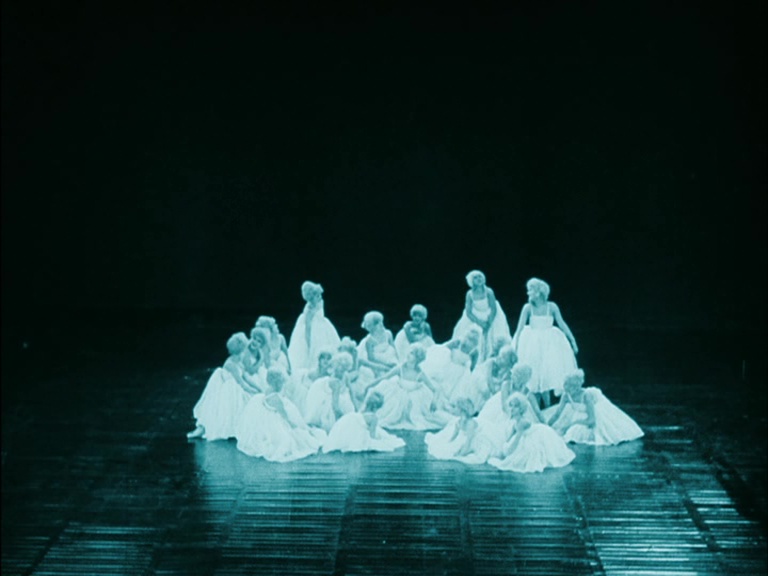
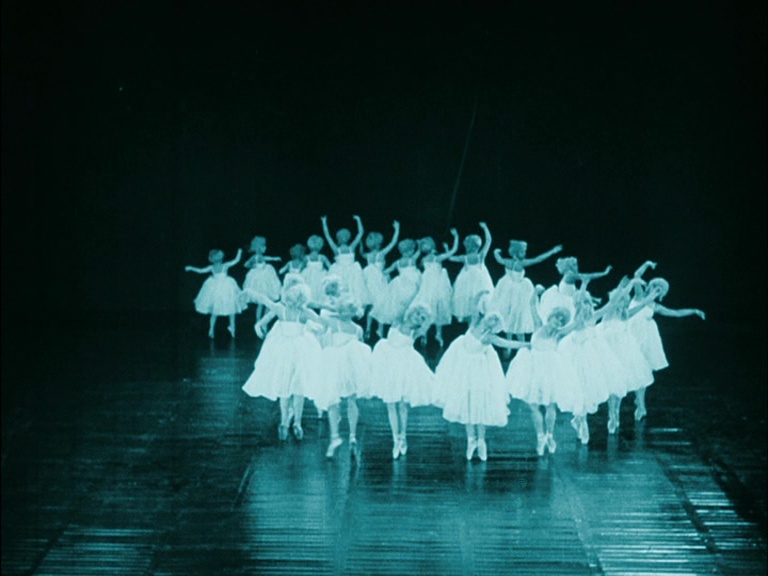
Part Four. Flowers that open and shut, that wither, that die. The life of plants, their struggle, their disintegration. Flowers with skirts, which become a troupe of dancers. The dancers are now in slow-motion, performing impossible manoeuvres on their toes, leaping as if weightless. So entranced am I that I don’t question the continuity between flowers and dancers, between stop-motion and slow-motion, between days-between-frames and microseconds-between-frames.

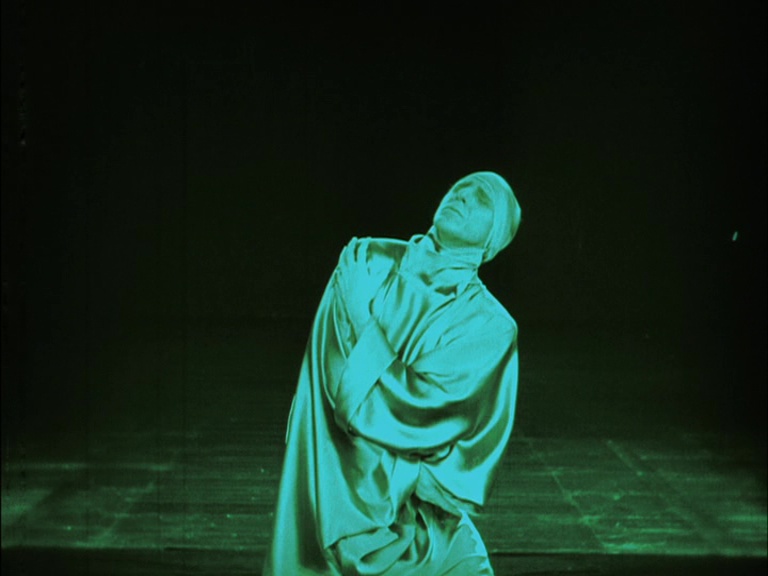
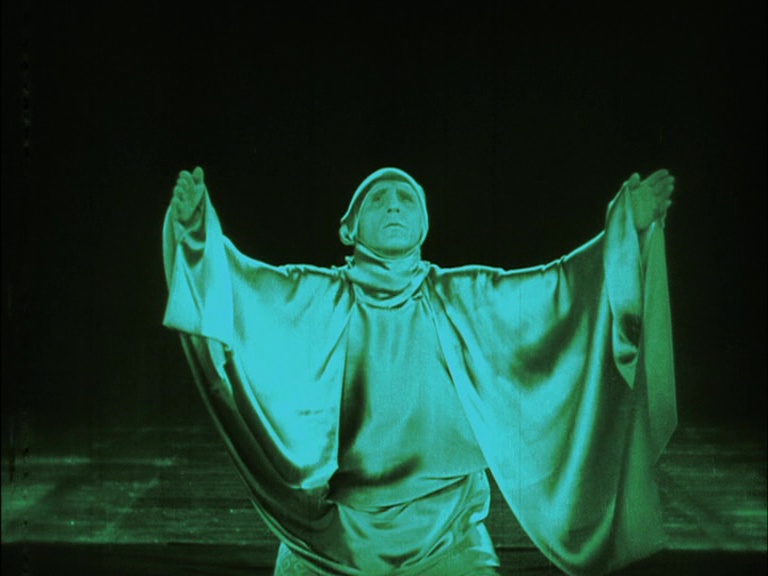
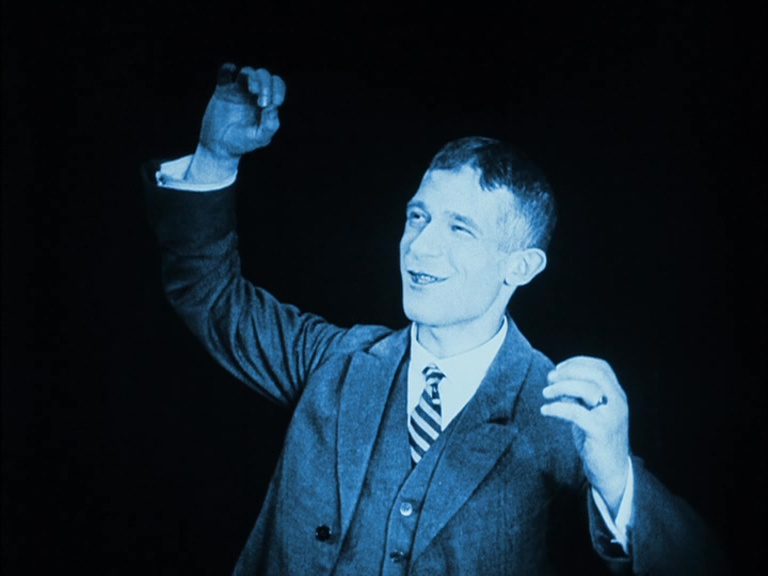
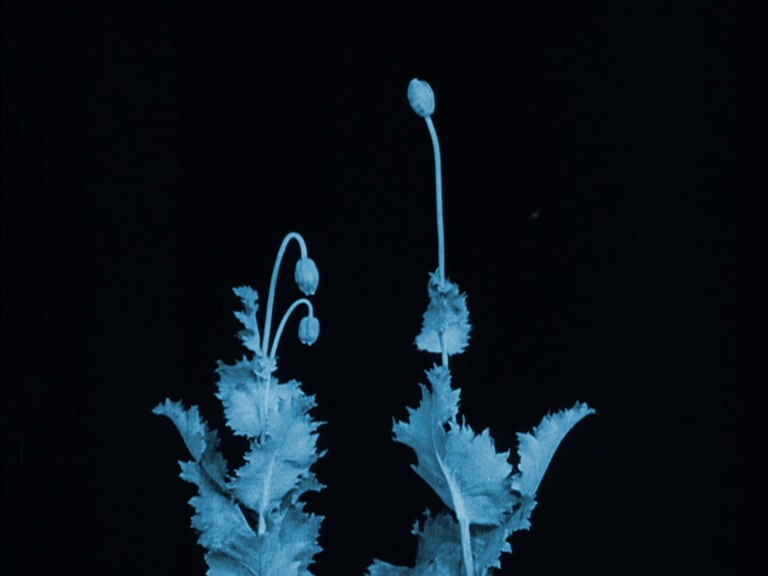
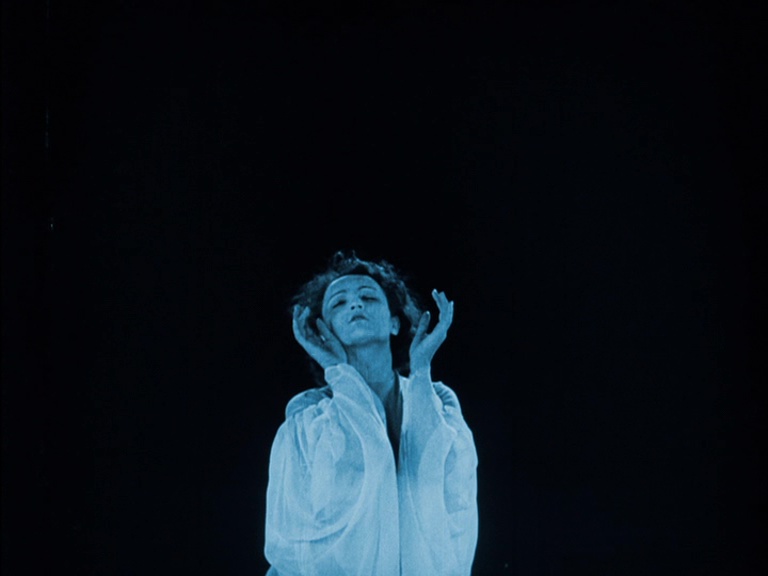
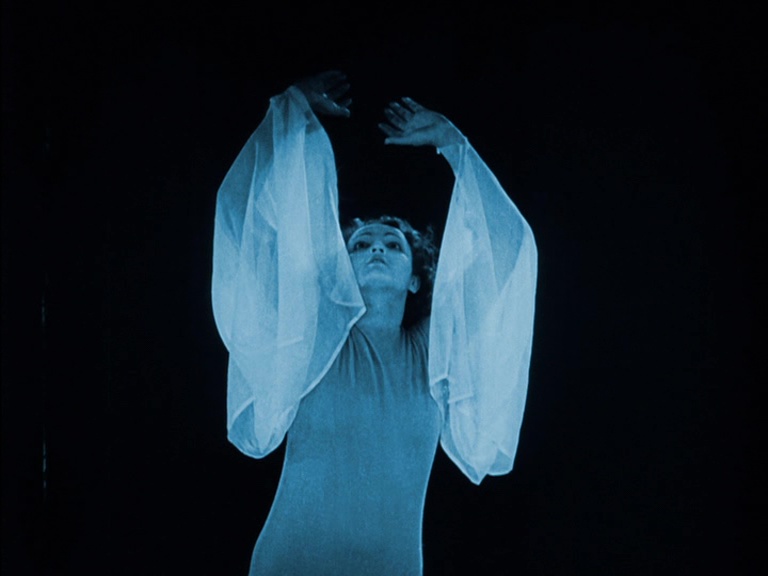
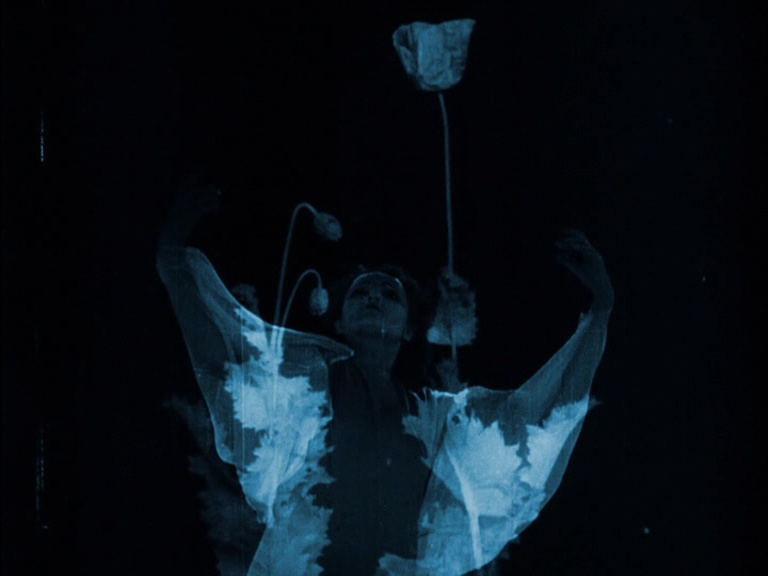
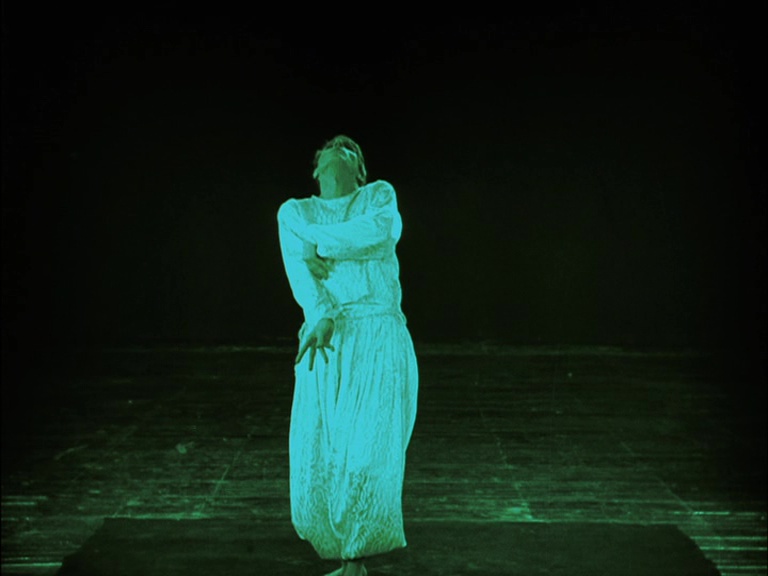
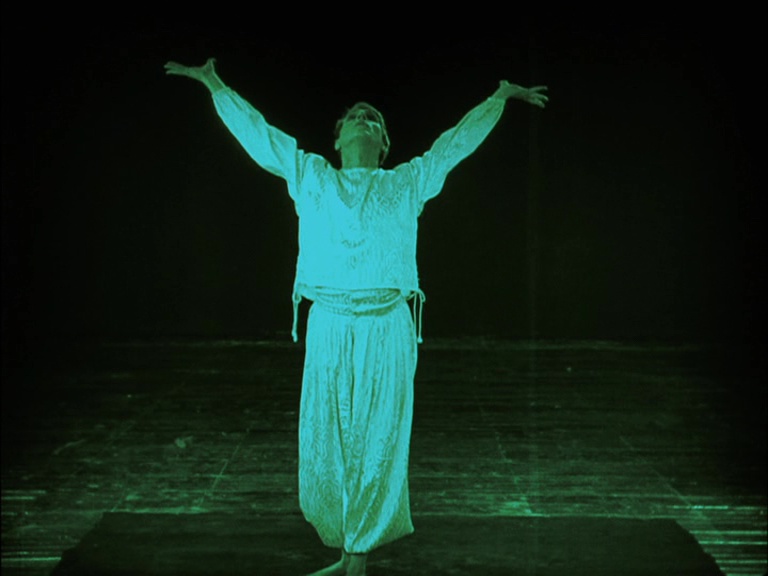
The music slows. There’s that pulse in the timpani. It’s almost funereal, that beat below the strings. The progress of leaves, of petals, of stamen. It’s agonizingly slow, this sped-up motion of the flowers. It’s a ballet created by removing days, weeks, years’ worth of time—and yet time seems to be suspended. The camera manages to track around some flowers, to capture their slowness with an even slower repositioning. Another dancer; combined with the tinting and toning (dark brown tone, turquoise tint), the sheen of his robes becomes surreally bright, surreally three-dimensional. Flowers seem to gesture, and the film cuts to a man gesturing—his movements as rapid as those of the flowers. A sunflower grows, lifts its shoulders, reveals its mane of petals. The orchestra responds. We watch the tiny ripples of its seeds. Poppies grow; a dancer wakes from sleep, reaches out her arms, shows off the veils of her sleeves; so too do the poppies, before their petals unfurl, fall, disappear. End of Part Four.

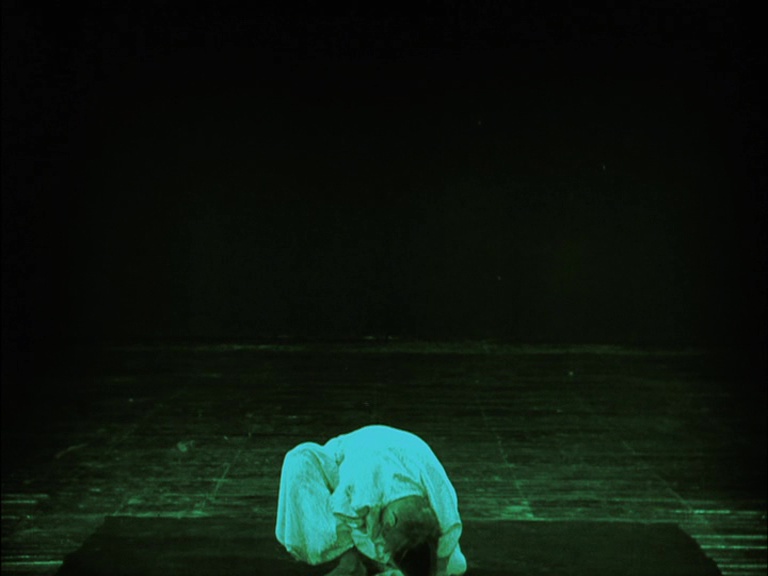
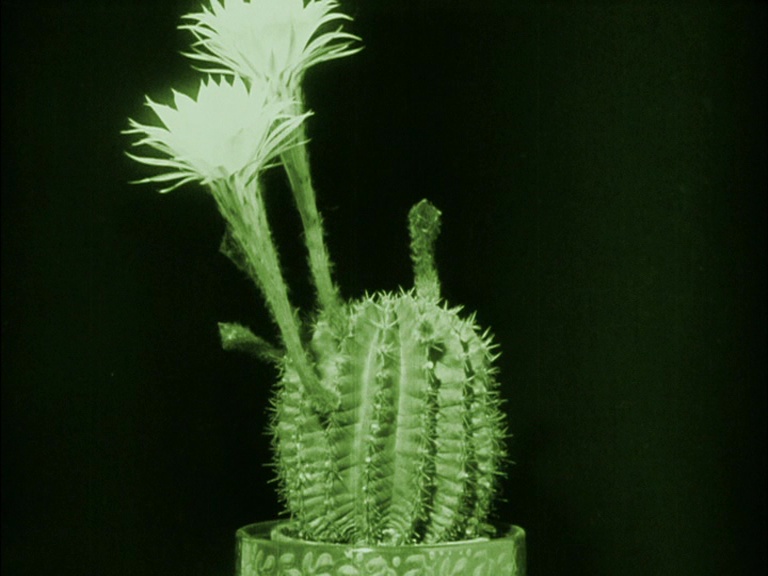
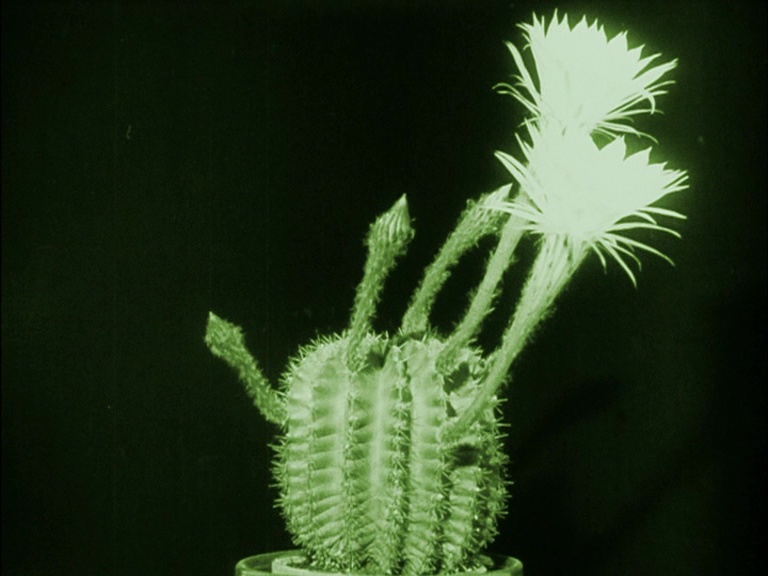
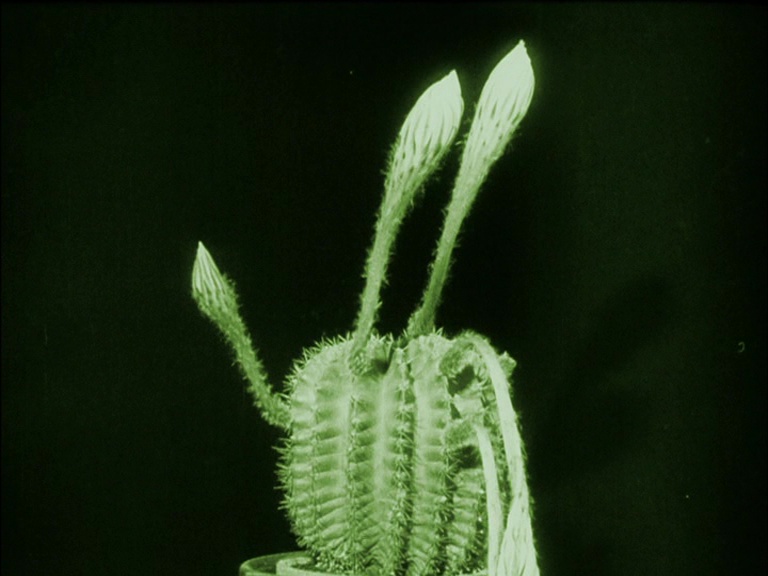
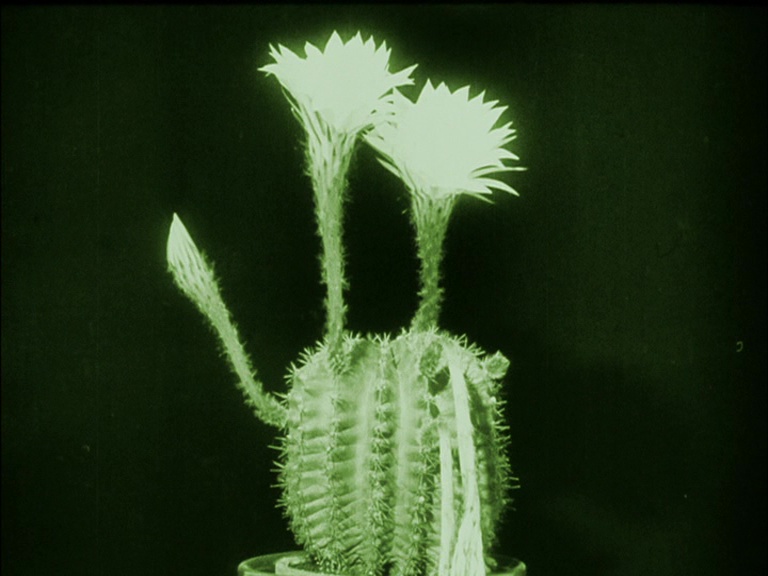
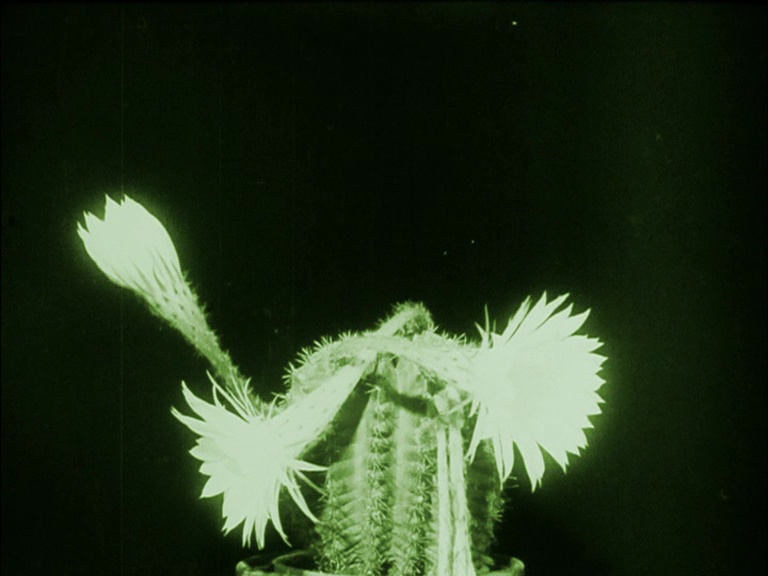
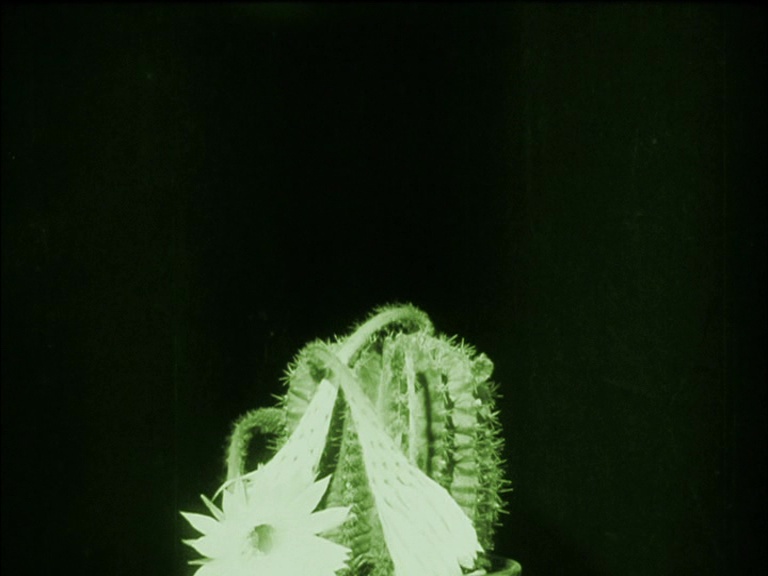
Prelude to Act Five. The music is more forceful, louder, the beat of timpani and brass spelling out some impending drama. “The song of coming-to-be and passing away.” A dancer appears, that same sheen of turquoise over the rich black-brown of the space behind them. The coming drama is spelt out in his mime: he rises, struggles, dies. The plants’ lives are spelt out in a few seconds each: they wrench themselves up from parental branches, expand to their fullest; they flinch, tremble, curl up, diminish, die. The music offers a fanfare, then a melancholy waltz, then a tender farewell. Each new plant comes before the lens, lives and fades. A multi-headed cactus performs life and death five times, each stem collapsing one after the other, each flower dying one after the other. ENDE

What a treat to discover a film by chance, and to discover it’s a little gem. I first saw mention of this film thanks to the German Wikipedia page on Eduard Künneke, which listed among his film scores Das Blumenwunder (the music for which was later rearranged into orchestral suites). I was delighted to find that a DVD was available, issued by ARTE in the wake of their restoration and broadcast of the film in the 2010s. The music was originally arranged for a smaller ensemble, but the restoration uses Künneke’s later, expanded, version for larger orchestra as its basis. It sounds lovely, full of energy, melody, and deft orchestral touches. It’s light music, but in its best sense: its transparent, generous, captivating. It works wonderfully well with the images, and by the last sections of the film—which function mostly without intertitles—the music takes up all the sense of narrative and emotive expression. As I wrote on my earlier piece on Das Weib des Pharao (1922), the music of Künneke is well worth investigating: he offers a glimpse into the soundworld of the 1920s: light, popular music, infused with elements of jazz and dance. It’s remarkable in itself that two of his scores should have survived and been recorded for issue on home media. Confusingly, both filmportal.de and the German Wikipedia page also list among Künneke’s work a film score for the German-British co-production A Knight in London / Eine Nacht in London (1928), directed by Lupu Pick. However, the two sites differ on their info for the latter film: filmportal.de claims the music was by Künneke, Wikipedia claims the composer was Giuseppe Becce. In either case, the film is unavailable to view and the score—whoever wrote it—is among the many that of the silent era that languishes in obscurity.

Das Blumenwunder was released as a kind of “culture film”, designed to attract critical attention. It certainly did, and not just from film critics. The many reviews (cited in Blankenship, 2010) focused on the revelatory way the film showed the (normally unnoticed or invisible) movement of plants. If some claimed the film belonged in the classroom and not the cinema, others were more generous. Rudolf Arnheim called the film “an uncanny discovery of a new living world in a sphere in which one had of course always admitted life existed but had never been able to see it in action.” The plants, he said, “were suddenly and visibly enrolled in the ranks of living beings. One saw that the same principles applied to everything, the same code of behaviour, the same difficulties, the same desires” (Film as Art, 136). The expressionist writer Oskar Loerke noted in his diary:

Das Blumenwunder […] was a first-class experience. Unbelievable. The film nearly proves the existence of everything supernatural. When one sees the growth and life of plants that have another tempo from that of people, every order becomes imaginable—even slower tempos or faster ones, which are not perceptible to us because of this difference. (qtd in Blankenship)

As Janelle Blankenship explains, the film did well enough to be shown on numerous other occasions by various interested organizations:

[Das] Blumenwunder was promoted by the League of Nations, screened in England at a social meeting of the Anglo-German Academic Bureau at the University of London, University College, and praised by Welsh writer and novelist Berta Ruck, among others. The film was also a ‘special sightseeing attraction’ at an ‘expo-cinema’ during the 1927 horticulture congress in Leipzig, and was screened as a horticultural film at a monthly meeting of the garden club ‘Verein zur Beförderung des Gartenbaues in den königlich preussischen Staaten, Deutsche Gartenbau-Gesellschaft’ in 1926.

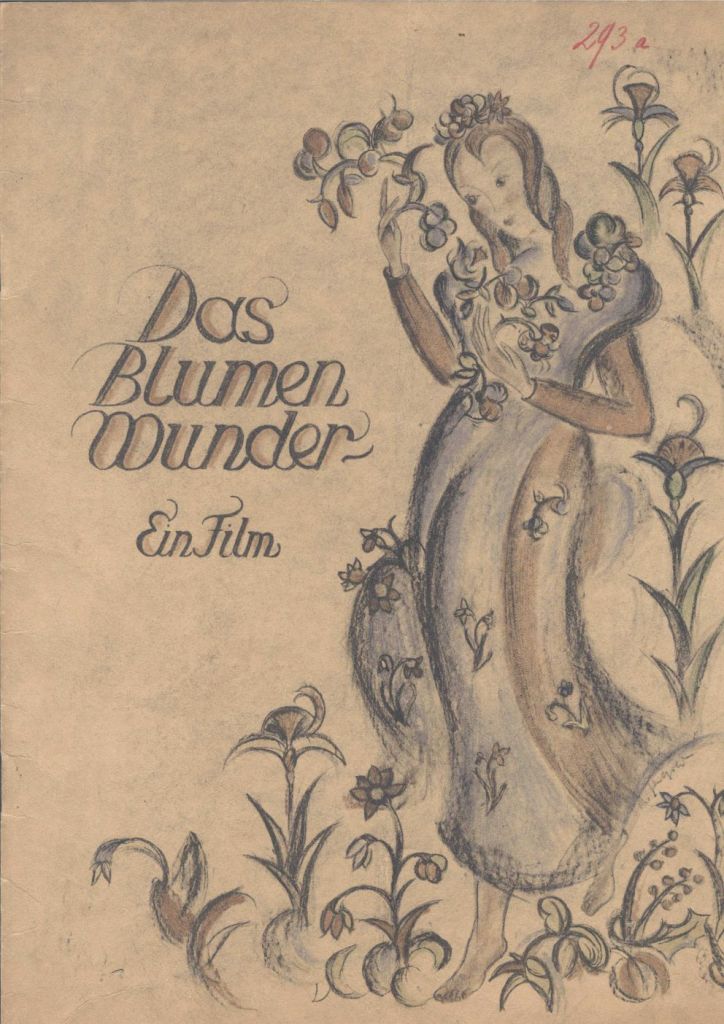
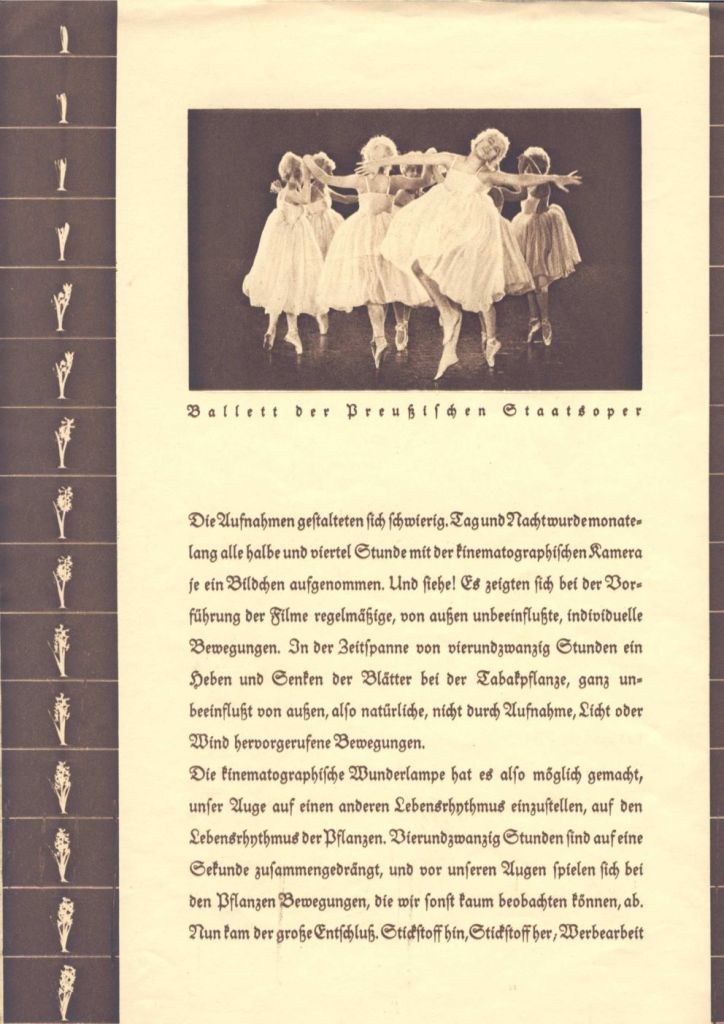
Thankfully, the film was also preserved in the archives and the DVD edition presents it in excellent visual and audio quality. (Though I should add that—at least on my machine—a few of the intertitles lack the English subtitles otherwise presented throughout.) The DVD also prefaces the film with some explanatory text: we learn that Das Blumenwunder was originally 1755m (c.65 minutes) but the only copy that was preserved runs to 1664m (60 minutes). What is missing is unclear, but given it’s only a small percentage of the overall runtime we must be grateful that more wasn’t lost. The DVD includes a pdf of the original booklet issued at the premiere. Rather delightfully, the edge of each page is formed of individual frames from the film, showing you a frame-by-frame account of the growth of the flowers.

Das Blumenwunder is a visual delight, as well as a musical delight—and I’ve found myself relistening to the score three times already since watching the film for the first time at the weekend. For me, Das Blumenwunder was a real treat to discover.

Paul Cuff

References

Rudolf Arnheim, Film as Art (Berkeley: California UP, 2006).

Janelle Blankenship, “Film-Symphonie vom Leben und Sterben der Blumen”: Plant Rhythm and Time-Lapse Vision in Das Blumenwunder”, Intermédialités 16 (2010): 83–103. Available at: https://doi.org/10.7202/1001957ar

Der Rosenkavalier (1926; Aut.; Robert Wiene)

In 1924, the German director Robert Wiene was lured to Vienna by the Austrian company Pan-Film. This was one of the country’s leading production companies, with a distribution network that covered a large portion of central and eastern Europe. But the Austrian industry was struggling (especially in comparison with its mighty neighbour Germany), so the recruitment of Wiene—one of Germany’s most successful directors—was designed to bolster their status and generate a number of quality commercial productions. Accordingly, Wiene was appointed “Oberregisseur” and given a large degree of freedom. He stayed for three years and directed five films. Only three of these survive, Orlacs Hände (1924) being the most well-known. But the film with the most cultural clout was undoubtedly Der Rosenkavalier, made in 1925 and premiered in January 1926.
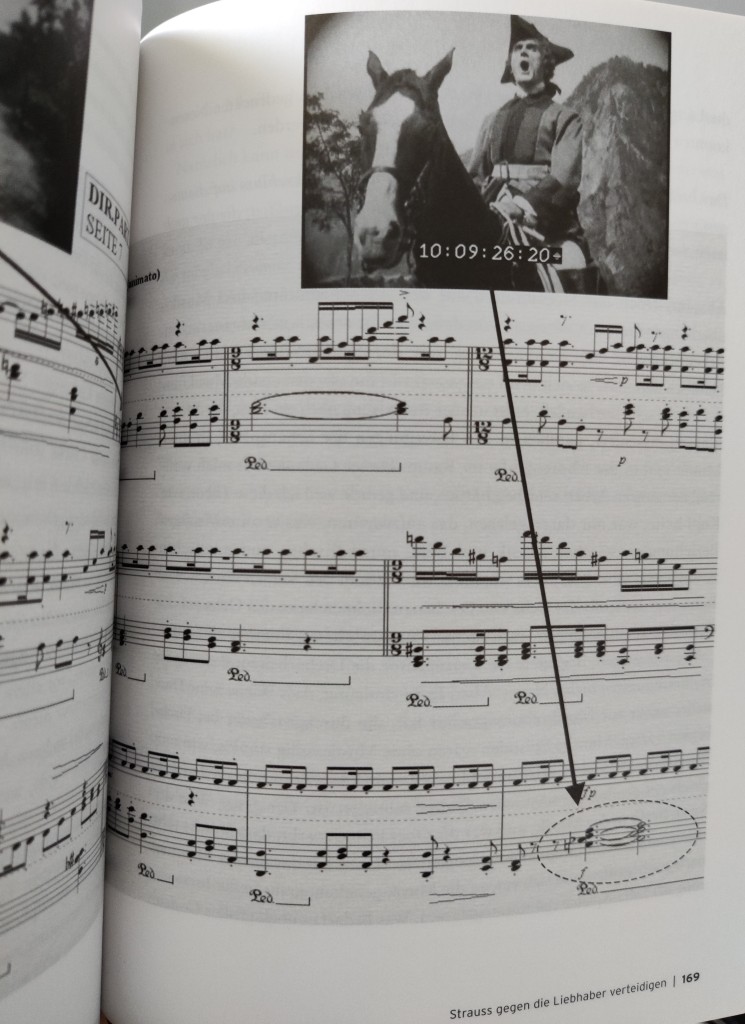
This was an adaptation of Richard Strauss’s opera of the same name, first staged in 1911. Strauss’s original librettist Hugo von Hofmannsthal was hired to write a screenplay as early as 1923, and Strauss to adapt his score to the film. Although Hofmannsthal remained the accredited scenarist, his screenplay was in fact almost wholly rejected by Wiene, who wrote his own treatment with the Austrian scenarist Ludwig Nerz. Hofmannsthal’s treatment had significantly reworked the plot of the opera, whereas Wiene and Nerz actually stayed reasonably close to it (albeit with some significant changes). But Pan-Film were keen to emphasize the proximity of film and opera. After all, it was a considerable coup to have one of the world’s most renowned composers create a film score. So the names of Strauss and Hofmannsthal were mobilized prominently in Pan-Film’s publicity, as was Alfred Roller, the set designer—who was also the original set designer for the opera in 1911. What’s more, the film premiered on 10 January 1926 in the Semperoper, Dresden’s prestigious opera house—the very venue where the opera Der Rosenkavalier had premiered on 26 January 1911—with Strauss himself conducting the hundred-strong orchestra. Released across Europe later in 1926 (with Strauss reprising his role as conductor for the London premiere in April), the film was a critical success—but subsequently disappeared from public view. Various, incomplete, versions were revived from the 1960s onwards, but it wasn’t until Film Archiv Austria undertook a major restoration in the early 2000s that the film could be seen in anything like its original form—complete with a reconstructed version of Strauss’s score. The restoration was premiered in 2006—once again in the Dresden Semperoper—and released on DVD in 2007.
All that said, is the film any good? Well, not particularly. Which is to say, the music is superb, but the film itself has some significant drawbacks. My usual habit is to go through a film chronologically, but I don’t think that would reap a great deal of reward with Der Rosenkavalier. Instead, I’d rather concentrate on its personnel and weave my thoughts around how the film deals with character and tone. So:

Princess Werdenberg, known as the Marschallin (Huguette Duflos). The central character of opera and film, the Marschallin, is a married woman whose husband—the Marschall—is permanently away from home in the army. Her lover is a younger man, Octavian, who brings her happiness but whose youth she knows will one day lead him away from her. The film provides us with more backstory to the Marschallin, offering in the opening scenes a flashback to her youth in a convent. We see her forced to accept an arranged marriage to Prince Werdenberg. Her wedding day is also the day on which her husband leaves to take command of the army. The Marschallin looks like a Velasquez, wearing a gorgeous white dress with rather fin-de-siècle curled motifs running down its flanks. She looks beautiful, but also awkward, stiff, uncertain. The camera keeps its distance, as though proximity—sheer physical closeness—is alien to the mood of the scene. The flashback gives us a glimpse of the pressures on her to look and act a certain part, whilst simultaneously being denied the warmth of human connection from her husband.

But though this flashback signals the Marschallin’s melancholy in the present, the effect is not fully felt on screen. It is certainly indicated in titles and telegraphed with gesture. But Duflos offers no depth or complexity of feeling, nor does the camera offer any close-ups to seek out more. The Marschallin is the heart of the opera and should be the heart of the film. But Duflos and Wiene offer only surfaces, flat pictorial representations of melancholy, not melancholy itself. Strauss’s music is fully alert to what should be being conveyed on screen: all the feeling is in the music, not in the images. The film cries out for some close-ups, for some expressive way of externalizing the Marschallin’s complex emotions. But Wiene’s scenario even cuts the most intimate scenes from the opera, where the character’s subjective thoughts are explored.

In the opera, at the end of Act 1, the Marschallin is once more alone with Octavian. The morning routine has wearied her, and she begins to reflect on the passage of time. Her aria-cum-monologue, “Die Zeit, die ist ein sonderbar Ding”, has the following text:

Time is a strange thing. / When one lives heedlessly, time means nothing. / But then suddenly, one is aware of nothing else. / It is all around us, it is also inside us. / It trickles in our faces, / it trickles in the looking glass, / it flows through my temples. / And between me and you / it flows again, silently, like an hourglass. / Oh, Quinquin! Sometimes I hear it flowing— / ceaselessly. / Sometimes I rise in the middle of the night / and stop all the clocks, all of them.

Under these last lines, Strauss uses harp and celesta to mimic the sounds of a clock. Their high, metallic notes strike thirteen times. It’s a chilly pulse, chiming through the orchestra. It’s a premonition of death, of stillness—and the music comes to a halt at the thirteenth stroke. It’s a beautiful, heart-breaking moment. The Marschallin voices her thoughts (and fears), but the real poignancy is in the way the orchestra articulates her subjective mood. It’s not just those thirteen chimes—that seem to come from within the Marschallin’s imagination, not from any real clock within the external scene—but the melancholic tone and texture of the orchestra. Strauss’s sound world is suspended in a kind of autumnal half-light, so that even when it dances to the rhythm of a waltz its tone is gently nostalgic—as though it knows that the dance must come to an end, or has already come to an end. Even when the Marschallin tries to convince herself (in subsequent lines) that the passage of time is all part of God’s plan, the orchestra is not convinced. The orchestra is all-knowing, and its early twentieth-century mindset is subtly at odds with the eighteenth-century mindset of its character. The passage of time is already apparent to us, as the world on stage is a rococo past at odds with our present—be it 1911 or 2023. Indeed, the waltz themes of the opera are deliberately at odds with its historical setting: the waltz was a nineteenth-century mode, and (while still being in use in new compositions in the 1910s) already a kind of old-fashioned musical idiom by the time Strauss wrote Der Rosenkavalier in 1909-10. Act 1 of the opera ends with Octavian leaving the Marschallin’s room, and the Marschallin realizes that she forgot to kiss him goodbye. The curtain falls as she looks at herself in the mirror. For all the apparent lightness of the opera’s treatment of love and sex, there are much deeper strata of meaning and feeling at work throughout.

Where, where in Wiene’s film is there anything like this? Yes, there are moments where we see the Marschallin look pained or sad, but they are so fleeting, so superficial. When she sees Octavian kissing a young woman (Sophie) at the tavern, she looks hurt—but no more. It’s not just that the performance is awkward (it is), it’s that Wiene’s camera doesn’t react. There is no movement, no proximity, no expression. For a director best-known for the most famous expressionist film ever made—Das Cabinet der Doctor Caligari (1920)—Der Rosenkavalier film lacks any sustained externalization of feeling in sets, in lighting, in performance, in camerawork. One of the only times in the entire film we see the Marschallin alone is after her husband has (unbeknownst to her) triumphed on the battlefield. In her room, she remembers the kiss Octavian bestowed on Sophie in the garden. She says she knew this time would come, that she had tried to hide it from herself… Strauss’s music makes magic of this scene, but the visual equivalent is bereft of magic. The Marschallin clutches her dog and swoons a little on her chaise longue. There is no sustained close-up, the camera (as throughout the film) hardly wishing to move beyond a medium close shot of the performers. And Duflos herself is hardly the most subtle performer here, looking pained but never convincingly sorrowful. We should be more moved, infinitely more moved, here. The music is crying out for a more convincing, a more filmic, moment of expression. Oh, for a different director, or for a script that allotted more room and more power to the close-up.

Count Octavian (Jaque Catelain). It doesn’t help that the Marschallin’s young lover is played by Jaque Catelain. In real life, Catelain was the lover of Marcel L’Herbier, who gave him leading roles in many of his silent features during the 1920s. Catelain is an acknowledged “weak point” in L’Herbier’s filmography. As Noël Burch puts it: “Boasting an unsettling androgynous beaty but lacking ability as a mime or comedian, this star resembles a kind of wooden Harry Langdon, charmless and humorous, as stiff as a shopfront mannequin.” (“Ambivalences d’un réalisateur ‘bisexuel’”, 204.) Catelain’s androgyny is at least a potential advantage for his role as Octavian: a lover younger than the Marschallin who can convincingly disguise himself as a maid for the plot’s various subterfuges. In the opera, all three members of the central love triangle are played/sung by women: the Marschallin is a dramatic soprano, Octavian a mezzo-soprano, and Sophie (Octavian’s subsequent lover) a lyric soprano.

But even if the sexual ambiguities of the original opera suit Catelain superficially, he still needs to convince us through performance in the film. The opening scenes immediately present us with the problems that continue throughout the film. Octavian’s arrival, through the Marschallin’s window, and meeting with her in the early hours are awkward, stiff, contrived. Duflos and Catelain move round each other, pulling poses, throwing back their heads, clasping their hands. Nothing about them suggests the physical, let alone emotional, attraction for the lovers. Nor does the camera. It remains motionless, just keeping its distance and watching the performers go through the motions. “There are no words in the world to tell you how much I love you…” Octavian says to the Marschallin. Fine, but how about a performance to tell her—to tell us—that you love her? Clasping and twitching and grinning and moving awkwardly doesn’t do it.

Even less convincing is Octavian’s subsequent flirtation with Sophie: there is nothing in his body or face that suggests genuine desire or feeling, let alone the complexities of being torn between his old and new love interests. I’d say that the music saves both these scenes—and my god, the music is beautiful—but it doesn’t. The music in fact underlines how compromised are the performances, and how inadequate is the direction in lifting the film above a series of gestures without deeper meaning.

Baron Ochs auf Lerchenau (Michael Bohnen). The best performance in the film is in the part of the impoverished Baron Ochs, the Marschallin’s cousin who wants to marry Sophie and thus inherit her dowry. In this role, Michael Bohnen is far more engaging a presence than Duflos or Catelain. He had every reason to be, for he was a professional baritone and had played the role of Ochs on stage: this was his part, and you can tell. We first see him in bed, buried under a mountain of blankets. When he gets up, his character is fully formed, convincing, human. Bohnen knows how to put on a pair of round spectacles and make it funny. And Ochs’s servants—impoverished like their master—are likewise more human and interesting than the powdered servants who staff the Marschallin’s apartments. Ochs’s chief servant is hairy, gruff, always chewing, stifling his giggles; and the stableboy looks pleasingly gormless, countrified, confused.

See how these scenes have a kind of life and vitality not seen in many other places in the film. And listen how—at last—music, image, and performance work in accord. Strauss’s elegant waltz theme as Ochs has his servants dress him underlines the contrast between the Baron’s aristocratic pretensions and his impoverished state. Just as Ochs reads the letter, a delightful waltz—orchestrated to resemble a hurdy-gurdy—strikes up. It is the stableboy, playing a hurdy-gurdy in the yard, a group of cats feeding near his feet. Once more, the waltz is suggestive of Vienna—Ochs’s destination—but performed on a peasant’s instrument, a rural counterpart to the orchestral strains of the melody heard in the Marschallin’s aristocratic world. It is Ochs’s exuberant presence and performance that makes his appearance in the Maschallin’s world such a relief: here at last is someone who conveys emotions, even if they are comic rather than tragic. Bohnen makes his eyebrows twitch, he wriggles with delight, dances with glee, puffs himself up with pride and arrogance. He enlivens every scene he’s in. It’s as though he’s being directed not by Wiene but by Lubitsch. He also gets the only proper close-up in the film: when he roars with pain, having been wounded in a brief swordfight with Octavian. It’s a marker of the film’s emotional range that the only time it deigns to provide a real close-up is for a crude expression of pain, and never for the subtle pangs of melancholy, sadness, or love.

Sophie von Faninal (Felicie Berger). Sophie is the daughter of a parvenu bourgeois, whose fortune as the army’s provisioner has made her desirable to the impoverished blueblood Ochs. Octavian encounters her at an open-air dance, where he takes pity on her because she is being shunned as a newcomer. Berger is very pretty, and appropriately youthful (given the need to contrast her with the older Marschallin). And I think her performance—girlish, slightly gauche—looks all the better for being opposite the utterly unconvincing Catelain. Catelain’s facial expressions in his first scene with Sophie make him look like a chipmunk: he’s all goggling eyes, silly smile, bared teeth, trembly little gestures and ticks.

The centrepiece of the film has the same issue. Here, Octavian has been nominated by the Marschallin to act as “Rosenkavalier”, giving a silver rose to Sophie as a promise of Ochs’s betrothal. The scene is as musically beautiful as any in the film. The descending motif of the rose—spelled out by harp, celesta, triangle, and glockenspiel—has an unearthly, otherworldly texture. In the opera, the rose theme is a counterpoint to the similarly high notes of the chiming clock in the Marschallin’s monologue in Act 1. The lovers have their own kind of time signature in their theme, floating high above the rest of the orchestra. Their music is piercingly lovely. But the film cannot match it. Catelain’s performance in the rose-giving scene is unmoving in every sense: stiff, awkward. Berger’s performance is as natural as the circumstance allows: she is meant to be awkward, shy, smitten. But surely there are subtler, more emotionally revealing, ways of rendering this encounter: to reveal the love beneath the formality. The contrast between music and image is again evident in Octavian and Sophie’s final meeting in the extended ball sequence at the end of the film. They meet, knowing that they can surely be together at last. And the music is as meltingly tender, as gentle, and rapt as the scene demands. But the scene doesn’t work on screen. Berger is perfectly good here: her hesitancy, her disbelief, her restrained joy. But Catelain is dreadful: he can’t hold his body naturally, can’t suggest any kind of emotion with his arms, his posture, his face. Thus, the climactic emotional scene between the lovers is a dud.

Annina and Valzacchi (Carmen Cartellieri and Friedrich Féher). These two minor characters appear only in a few scenes in the film. Either their roles are somewhat underwritten or there may be some missing fragments of the film that would give greater prominence to them. Early in the film, hoping to reveal the Marschallin’s affair, Annina engages with “Her High Apostolic Majesty’s Commission” for morality, a group of bewigged old men. (In the opera, there is none of this: Annina and Valzacchi are employed by Ochs to find “Mariandl”, the name given by Octavian when he is disguised as a maid.) The “Commission” likewise isn’t developed much in the film, but they get a lovely, slightly cumbersome waltz in the score: the tempo relents, as though the fuddy-duddies of the Commission are circling in slow-motion. In the opera, Annina and Valzacchi are niece and uncle; in the film, they are unrelated and form the third romantic couple to find happiness in the final scenes. Do they have inner lives? The film doesn’t, can’t, will not, show us.

The Marschall (Paul Hartmann). We never see or hear this character in the opera. The Marschallin’s husband is permanently absent from her life, hence her lover and her sense of loneliness. For the film version, we see the Marschall in a flashback of his wedding to the Marschallin. Strauss accompanies the scene with martial music: trumpets and timpani thump out a repetitive melody; it’s a march rather than a dance, a fanfare for a different kind of ceremony—not a wedding. It’s a simple and effective means of underlining the total absence of sentiment in this marriage. The Marschall’s music dominates the scene, obliterating any joy his bride might have felt.

But the film complicates our impression of the Marschall, for we subsequently see his military campaign, together with his frustration at not hearing from his wife. Strauss’s martial music gives the character a sense of pomp, but also of activity and passion. (The way he bosses the army is also played for laughs: he gets them all up early and on parade because he’s jealous of the letters they get from their loved ones.) The film wants us to feel sympathy for him, but Wiene’s direction is not sympathetic enough. The camera never bothers to find filmic ways of emphasizing the Marschall’s mood. We just watch him wander around looking stiff and uncomfortable. That said, perhaps the only time Wiene uses effectively dramatic lighting in the film is when we see the Marschall alone in his billet, the firelight casting shadows around him. It makes him look all the more lonely, angry, isolated. But (as ever) Wiene never makes much or more of this. No close-up, no development of character. Yet again, I can only find fault with the direction: why doesn’t it do something with its material?

The film brings back this character in the climactic sequence, a masked ball set in and around the Marschallin’s estate. Everyone is in disguise, trying and succeeding to lure Ochs into a compromising situation in order to break his engagement with Sophie. The final scenes unite three couples: Octavian and Sophie, Annina and Valzacchi, the Marshall and Maschallin. Ochs, meanwhile, slinks away in shame… Thus, the film offers a neat tying-up of ends that the opera eschews. (In the latter, the Marschallin relinquishes Octavian to Sophie, but she is left alone at the end. The Marschall never appears.)

Hofmannstahl, Strauss, Wiene. The tensions between the film’s three major “authors” are evident in its original release. The Dresden premiere was conducted by Strauss on 11 January 1926. Despite his decades of experience at the podium, Strauss has never accompanied a film projection: the film had to be stopped twenty times during the performance because Strauss was concentrating on his musicians and not the screen (Jung & Schatzberg, 126). A critic said that Strauss had “torn the film to shreds” to preserve the continuity of his musical performance. By the time of the Berlin premiere, just five days later, the experienced cinema musician Willy Schmidt-Gentner had taken over the duties at the podium and rearranged the music to better its synchronization with the film. (Strauss merely sat in the audience.) The film was a great success, much bolstered by the score and the fame of its author—as well as the supposed involvement of Hofmannsthal as scenarist.

Hofmannsthal himself was initially full of praise for Wiene, persuading Strauss to approve the project on the basis of the director’s success. But when he saw Der Rosenkavalier on the screen, Hofmannsthal described it as “the most dilettante and clumsy film imaginable” (qtd in Jung & Schatzberg, 123). This was partly sour grapes at having his scenario rejected, but I cannot but agree that the film is less than the sum of its parts. The direction of performers is one thing (if you can’t make Catelain a better actor, you can surely film him differently), but the direction of action is another. The music is a supple, shifting tapestry of themes. It’s charming, wistful, melancholic, joyful, exciting. But Wiene’s direction is flat, static, unimaginative. The camera never once moves, hardly ever cuts close to the performers. (I could understand if they were actually singing: close-ups in broadcasts of live opera are often quite awkward. But this is an opera which suffers none of the inconvenience of operatic performance.)

More recently, it has been argued that Wiene “tried to replace what is essential for an opera—namely, the arias—with what is outstanding in a silent film—namely, the opulence of the images” (Jung & Schatzberg, 129). But “opulence” is not enough. You can have “opulence” on stage. Alfred Roller’s sets for the film are “opulent”. (It was Roller—ever the perfectionist—who picked the exterior locations for Ochs’s estate (Hartmann, 78-79).) Sets and costumes were modelled on eighteenth-century patterns, and Wiene clearly sought to replicate some of these directly in his compositions (see Krenn, 31, 223-41).

But none of this is a substitute for the voice, or the function of the voice in opera: i.e. a carrier of emotion, a means of emotive expressive. Arranging “opulence” before a camera isn’t the same as filming something in a way that conveys meaning or emotion. Why can’t Wiene match the sensuous dimension of the music in the way the scene is shot? It’s not as if silence cannot be expressive, as though images cannot conjure subjective moods, feelings. Wiene’s direction is—at best—old fashioned, shunning the innovations evident in any number of other German productions of the time. I can imagine an infinitely more interesting film being made in 1925 by Murnau or Lubitsch. In 1928-29, Hofmannsthal himself hoped to remake Der Rosenkavalier in Hollywood with the backing of Lillian Gish (Krenn, 90-95). In the 1930s, Lubitsch wanted do adapt the opera, hoping to cast Emil Jannings as Ochs—he was still planning an adaptation shortly before he died in 1947 (Eyman, 243, 357). There was and is a great film to be made out of Der Rosenkavalier, but Wiene’s is not it.

Finally, a few words about the restoration of Der Rosenkavalier. Material for this 2006 restoration came from the Bundesarchiv Filmarchiv (Berlin), the Narodni Filmovy Archiv (Prague), National Film and Television Archive (London), and the Österreichisches Theatermuseum (Vienna). In the gorgeous book that comes with the DVD, there are images from these prints to show the qualities and limitations of each (Krenn, 139-63), and there are several obvious moments when the print source switches mid-scene. (I also note that the English-language print clearly had more elaborate title designs than the others; rather than subtitles, the DVD uses digital replicas of the text for each language option. It’s a shame that the nice painted title designs couldn’t be reused.) And though the reconstruction of the film from these various sources is clearly a labour of love, visually it leaves a lot to be desired. Many of the scenes are scratched, flickery, and soft. The film once looked a lot better than it does now. There was also more of it. Der Rosenkavalier was originally 2996m long, equating to 115 minutes at 22fps. The 2006 restoration is only slightly shorter, running to 109 minutes (at the same speed), but the final scenes are missing and must be replaced with stills and fragments from the film’s original trailer (clearly in worse condition than the rest of the footage).

But the music is superb, and again we hear the superb work of Bernd Thewes in the reconstruction of the score. As ever, various sources had to be used to rebuild the score—and lots of creative decisions had to be made to achieve synchronization. The music was recorded at a live performance of Der Rosenkavalier in September 2006 at the Semperoper, Dresden—the very location of the film’s premiere in January 1926. The DVD presentation starts and finishes with footage of the musicians—Frank Strobel conducting the Staatskapelle Dresden—taking the applause of this live audience. It’s a great way to feel involved in the occasion, and sense something of the original excitement in the collaboration of Strauss with cinema. It’s also appropriate to close with an image of the orchestra, for Strauss’s music is certainly greater than Wiene’s film.

Paul Cuff

References

Noël Burch, “Ambivalences d’un réalisateur ‘bisexuel’. Quatre films de Marcel L’Herbier”, in Laurent Véray (ed.), Marcel L’Herbier. L’art du cinema (Paris: AFRHC, 2007), 201-16.

Scott Eyman, Ernst Lubitsch: Laughter in Paradise (New York: Simon & Schuster, 1993).

Rudolf Hartmann, Richard Strauss: The Staging of his Operas and Ballets (New York: Oxford UP, 1982).

Uli Jung and Walter Schatzberg, Beyond Caligari: The Films of Robert Wiene (New York: Berghahn Books, 1999).

Günter Krenn (ed.), “Ein sonderbar Ding”, Essays und Materialien zum Stummfilm “Der Rosenkavalier” (Vienna: Filmarchiv Austria, 2007).

Maldone (1928; Fr.; Jean Grémillon)

Last week, courtesy of the association Kinétraces, I had the great privilege of introducing Jean Grémillon’s first feature film at the Fondation Jérôme Seydoux-Pathé in Paris. The French text of my introduction will, hopefully, find its way into publication at some point. What follows here is different, as I want to focus on my reactions to the film itself—and on the difficulties of using digital copies to summon the fleeting memory of films seen projected on 35mm.

Maldone (1928; Fr.; Jean Grémillon)

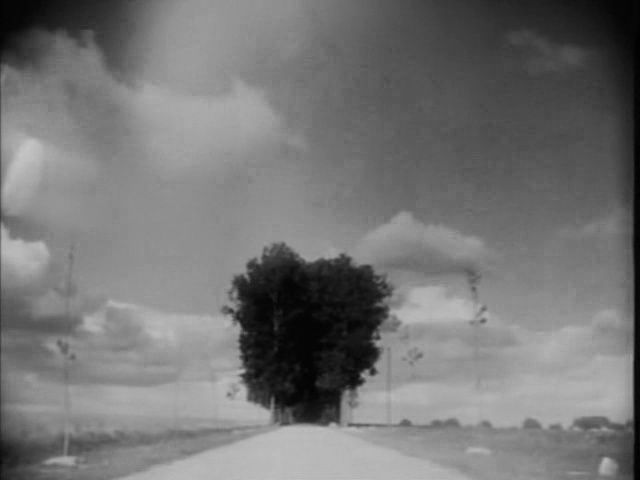
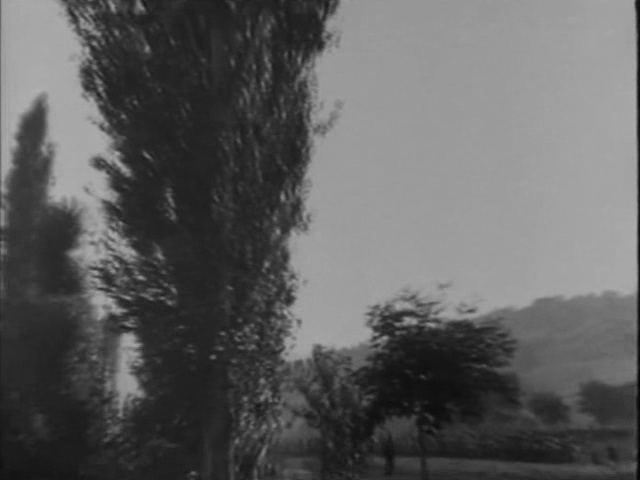
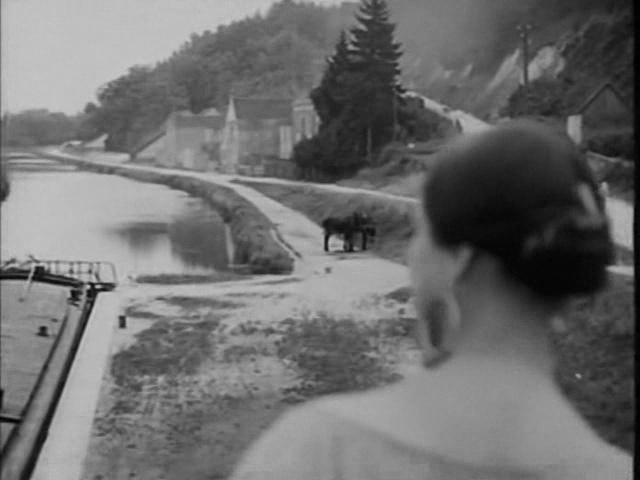
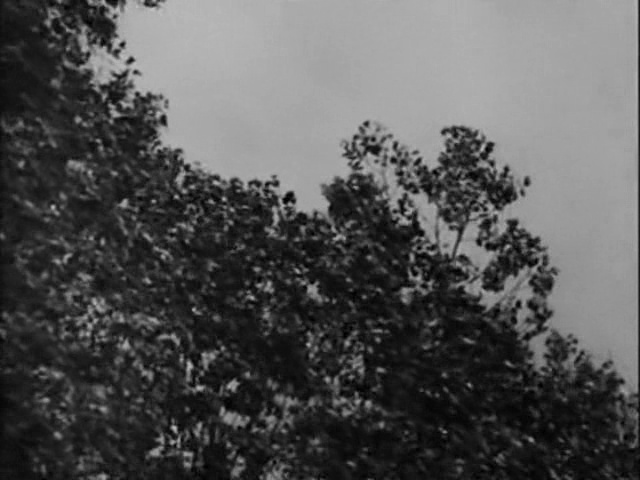
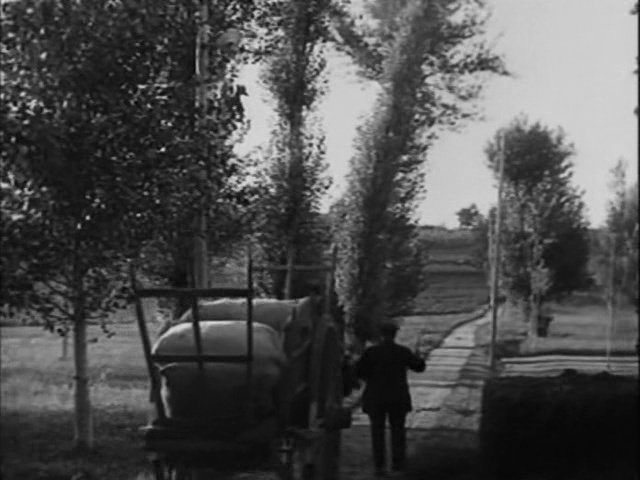
It’s the opening shot of the film, and already a kind of revelation. On the left of frame, the line of poplars recedes into the distance. On the right, the canal curving away. In the foreground, between water and trees, the long grass, the weeds. And everywhere, the motion of the wind. It’s one of the founding stories of cinema, the way that the first audiences to see the Lumière brothers’ Le repas de bébé (1895) were more fascinated by the motion of the trees in the background of this “view” than the supposed subject of baby and parents in the foreground. And you can see why: there is something uncontrolled, something unexpected, that forces its way into our perception, that makes itself the star. The wind takes on agency, makes the trees announce its presence. It’s as though a different drama might be taking place at the back of the scene, a more expressive one; we want to crane our necks to see around the corner, to know what’s happened, what’s about to happen.

In the opening shot of Maldone, this half-hidden natural drama is allowed to occupy the whole frame. It’s just the wind in the trees, in the grass, but it’s also a rhythm of life, a sense of place and time that made my skin prickle. This was a 35mm copy, projected on a large screen. I was sat close to the screen, in the centre, and for the duration of this first shot it was my whole world. You could see every leaf, every blade of grass. The wind moved through the scene, making everything shift, turning trees and verge into a kind of kaleidoscope.

Now, a week later, I must overlay my memory of that projected image onto the equivalent image of this off-air copy—the only available copy of Maldone available to study. Even with this first shot, the paucity of the digital image—its obfuscating murk, its blocky banks of pixels—almost makes me want to stop watching the film, to fall back purely on the memory of what Maldone looked like last week. But this is a problem all film scholars (especially of silent cinema) must confront. There’s no way to study everything first-hand, in 35mm copies, projected on large screens as originally intended. And even in these conditions, we are still at a distance from the original experience of these films. Consider that the 35mm copy of Maldone we watched in Paris was itself a ghost of its former self. Maldone was one of the first French features to be shot entirely on panchromatic filmstock. All the contemporary reviews mention how stunning it looked, these opening scenes in particular. (Here is Edmond Epardaud, writing on the same date that I write this—15 March—ninety-five years ago: “The whole beginning of Maldone […] is like a visual hymn to nature. In a complete and harmonized fabric of elemental images, Grémillon notes the slow life of French canals, the flat horizons where poplars dream, the white roads whose sinuous line follows the soft undulations of the ground.” Cinéa-Ciné pour tous, 15 March 1928.) But the first nitrate positives struck from these panchromatic negatives are long gone. What we watched in March 2023 was a copy of a copy of a copy of a copy… Every time 35mm is copied it loses a fraction of its image quality. The dazzling nitrate images of 1928 are impossible to see. And as beautiful and rich and detailed as the 35mm print of Maldone was and is in 2023, I cannot but want to see beyond it, to imagine its beauty and richness and detail sharpened and intensified as it once was.

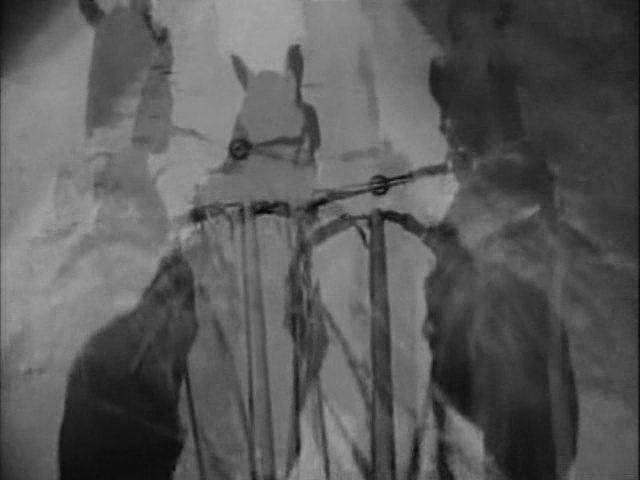
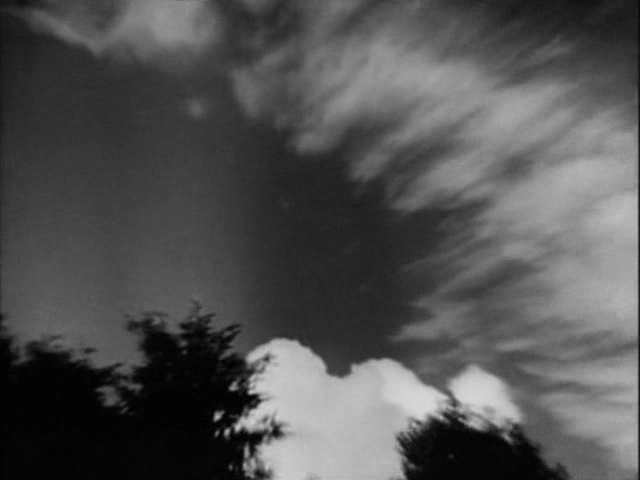
The landscapes of Maldone dominate the life of its titular character. Olivier Maldone (Charles Dullin) is a wagoner, who walks at the pace of his horses along the towpath of the canal. The 2001 restoration that is the basis of my broadcast copy has reconstructed some of the original music used at the film’s premiere. For this opening sequence, the music is by Debussy, “Nuages” from his Nocturnes suite (1892-99), and its slow, haunting, meandering mood fits the scenes well. But the film also seems to emphasize the sultriness of the score: it’s a hot day, and if we see the “clouds” of the music on screen, they are high and bright, and serve to punctuate the huge expanses of sky Grémillon shows us above the chalky roads that gleam white.

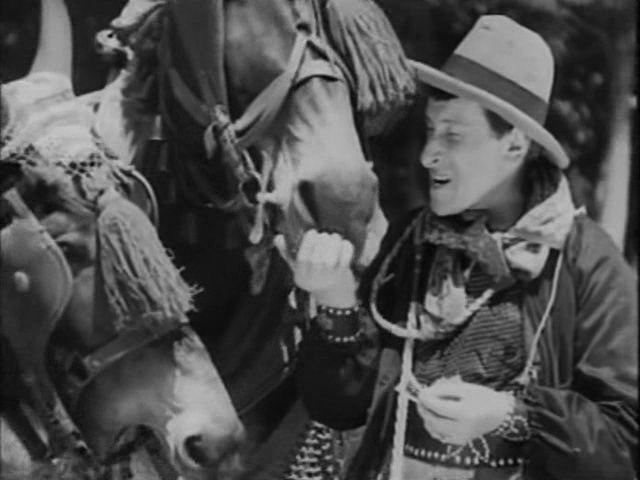
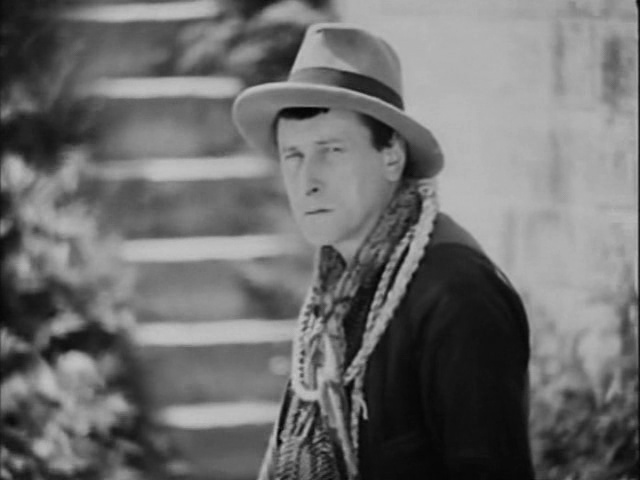
Before now, I was never wild about Charles Dullin. I had seen him in the two big productions of Raymond Bernard that sparked his own interest in producing: Le Miracle des loups (1924) and Le joueur d’échecs (1927). I’d seen both films projected on large screens (albeit via DVD), but his performances hadn’t quite stuck with me. His long face and nose, his narrow eyes, his faintly sinister gait—these did not seem to invite me into this man’s inner life on screen. But here in Maldone, on the big screen, I change my mind. He has a kind of intensity, a privacy of feeling, that makes itself felt in the way he moves, the way he glances. We first see him from behind, walking away along the path. When we are introduced to him via a title, we then see him in a close shot he shares with his horses. The way he feeds them, strokes them, smiles with them—it’s as if nothing beyond them quite matter. And his smile as they take the treat from his hand is almost a snarl. His long face and nose suddenly made a kind of sense in the scene, as if he were meant to spend his life in their company here.

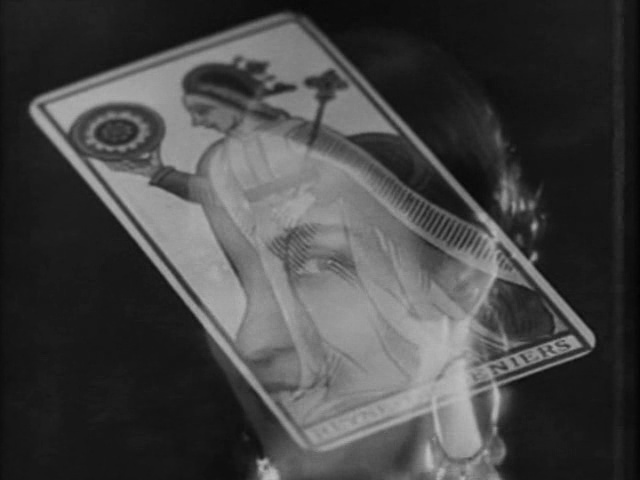
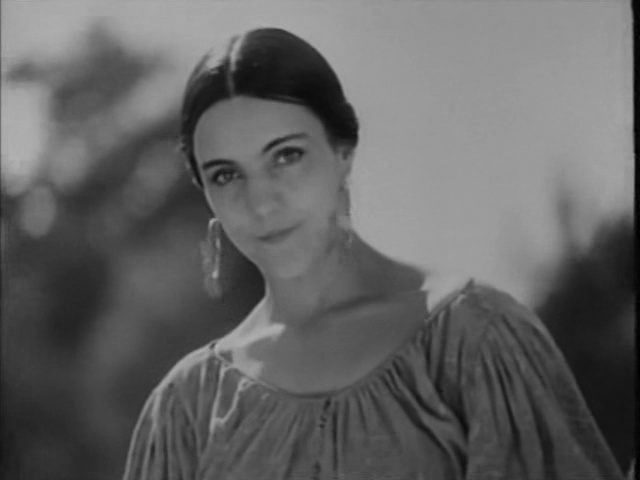
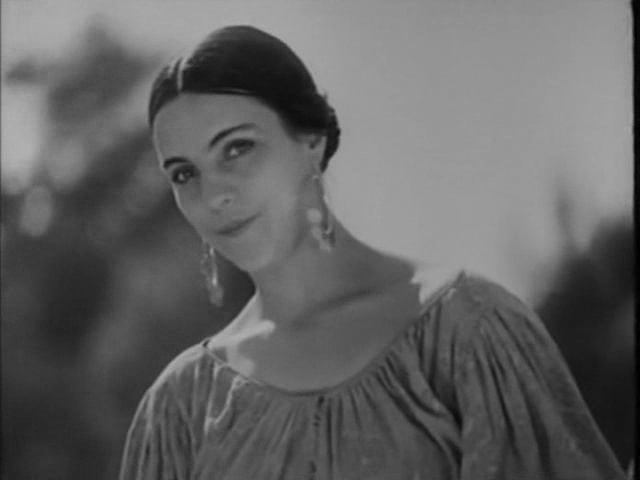
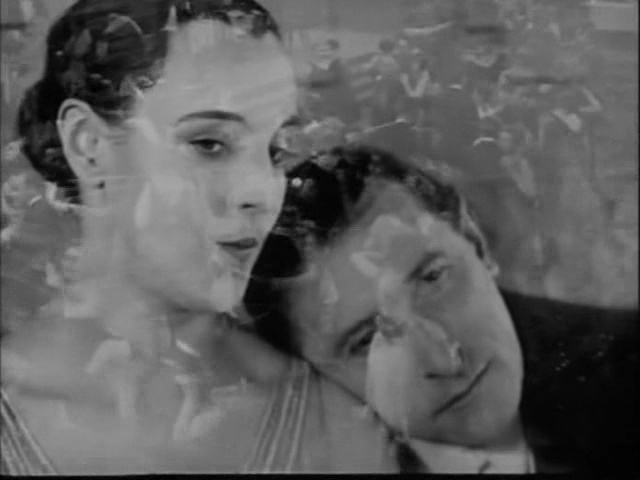
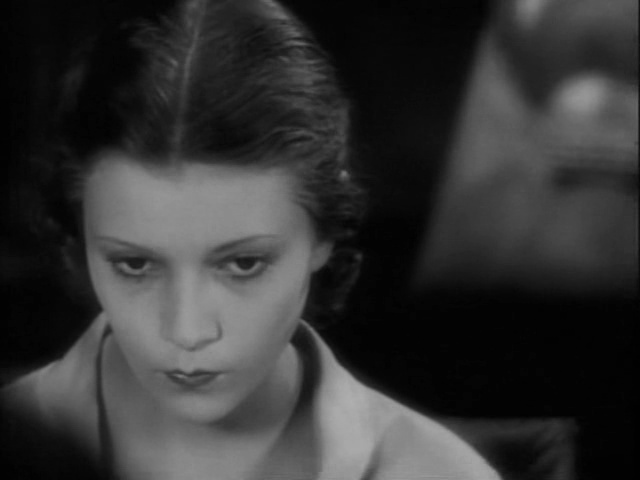
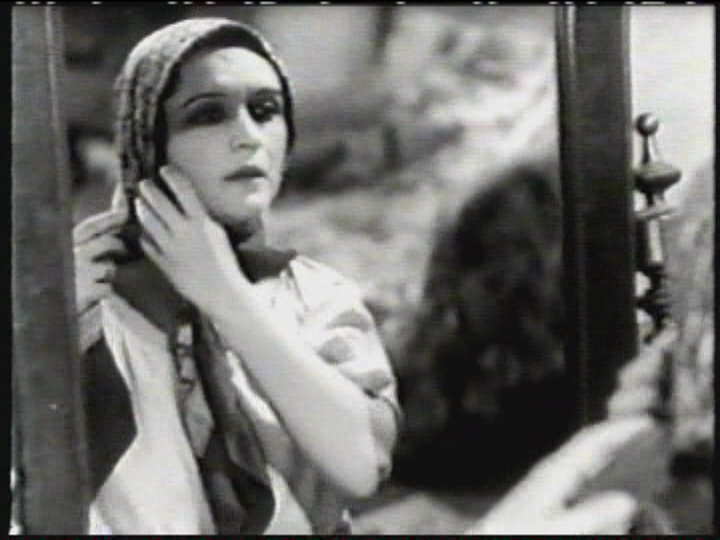
But then comes the gypsy girl, Zita (Génica Athanasiou). We first see her face in close-up, over which we see superimposed two fortune-teller’s cards: La Reyne de Deniers (the Queen of Coins) and La Maison de Dieu (The Tower). It’s a slightly arcane deck being drawn, here—a mix of the Latin variety of cards (in which Coins are one suit among Swords, Cups and Batons) and a more familiar image from Tarot cards. But even in this slightly obscure imagery, Grémillon—with the slowness of the superimposed dissolves, the matching of face and pictures—makes clear their fatalistic significance. Even if we don’t know quite what they signify, we know that a kind of destiny is being invoked.

This was Athanasiou’s first film. She was a member of Dullin’s regular troupe of actors from the Théâtre de l’Atelier, which Dullin ran in Paris. But Athanasiou takes to the screen so naturally. From a dark, indefinable space, her dark eyes look straight out at us. Never mind “diegetic space”: Grémillon wants us to know her gaze directly, to feel her eyes upon us. That is what counts here. So when Maldone encounters her in the next scene, we know in advance the kind of spell that she might cast upon him.

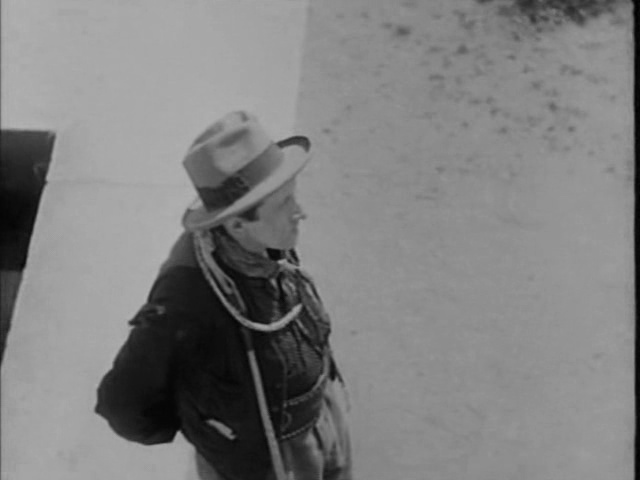
Grémillon films this encounter at a kind of crossroads: the sluice gate, where Zita’s troupe of gypsies crosses the path of Maldone’s horses. The camera looks down on Maldone, his back turned to us. Then we see Zita, so close to the camera that her face is out of focus. We see the space before her, the canal stretching into the distance. Where is Maldone? Zita picks up a handful of dust from the ground—again, we see her from behind—and throws it out of the frame. It’s such a strange, unsettling way of filming their encounter. The spaces are clear enough, but the way Grémillon shows us the back of both characters gives a weird sense of foreboding. We can’t read their faces before what happens happens: motivation is obscured, hidden. Cut to Maldone, far below us; he turns, looks up.

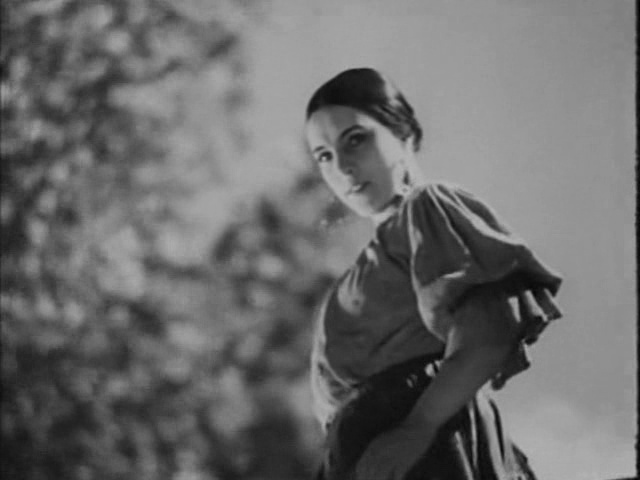
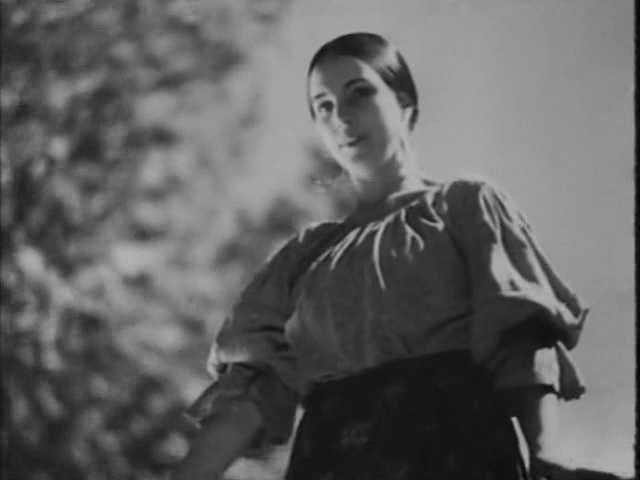
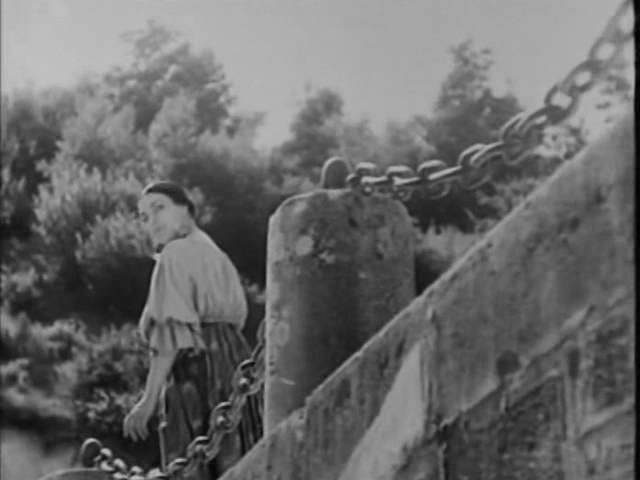
Then comes a shot to make you gasp: Zita, seen from a low angle, the trees moving in the wind behind her. The trees are a blur, their solidity transformed by the lens into a kind of softened wave that looks as though it’s about to break beyond the frame. Zita is looking at us—through us, past us. She’s drawn herself up, her sleeves catching the wind. She turns to face us, places her arm seemingly to lean on the bottom of the frame (the fence below her hands is out of sight: the framing of her gesture is so perfect, it really does look like she’s about to lean out of the screen). She looks fearsome, extraordinary. It’s a shot that has stayed with me since I first saw the film, many years ago, and to see it projected from a 35mm print was another kind of revelation. It’s a fabulous image, designed to impress, to transfix.

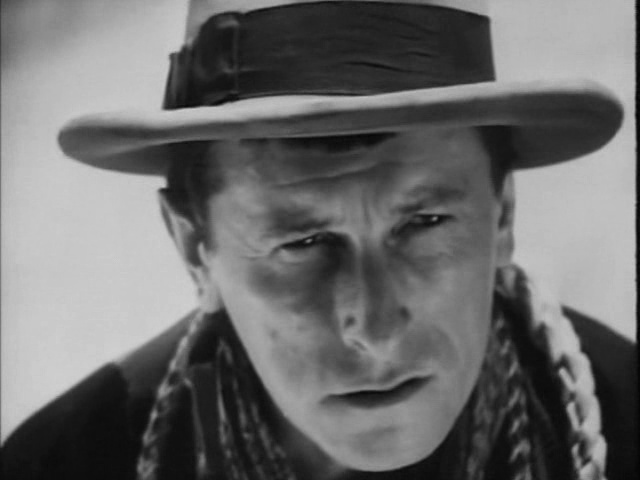
For when we cut back to Maldone, in close-up, the smallest of twitches passes over his face. There are glints of light in his dark eyes. But he’s so still: everything that’s happening is happening inside his head. We cut back to Zita, now in a different composition, the camera more on a level with her body. She’s less unreachable. There is some secret, untranslatable communication here. She changes her posture once, twice, three, four times—shifting her back, shoulders, head, eyes. Maldone is surely lost. We are surely lost. Look at how Grémillon then frames our last glimpse of Zita, which is also her last glance at us in this scene. The way Grémillon highlights the perspective, the receding hillside, trees, road; the huge slab of sky; and Zita, smiling, glowing against the dark expanse of trees and hill. Who can resist such a film?

“You’re not twenty anymore”, says the bargeman to Maldone, as Maldone watches Zita walk away from this first encounter. It’s a neat line, and got a laugh in the screening I attended in Paris. But look at the way Grémillon follows his joke: a medium close-up of Maldone, looking slightly sullen, slightly sad. Look at how the rope he carries for his horses is wound around his neck. It’s like a noose, in place but as yet untightened. Maldone walks away. And it’s surely not the walk of a young man. There are innumerable films of this period (and beyond) where Dullin—forty-two at the time of filming in 1927—would be pretending to be twenty. It’s a mark of the film’s maturity that part of Maldone’s tragedy is to be already past his youth when the opportunity arrives to start a new life (with money and marriage), or even two new lives (with a lover and a life on the road). Maldone’s ensuing entrapment and attempts at flight are set within this acknowledgement of age and ageing.

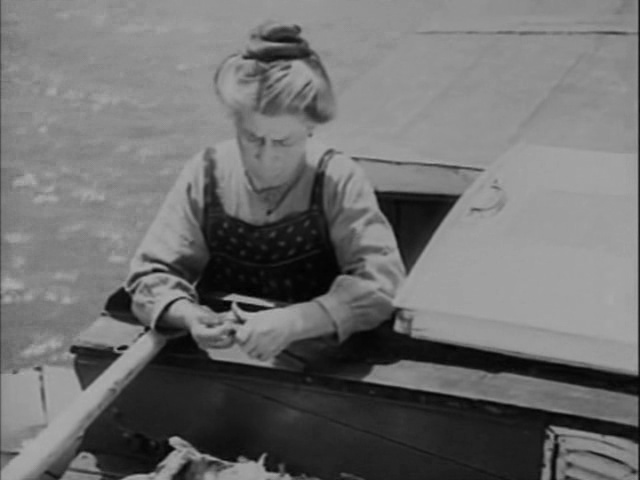
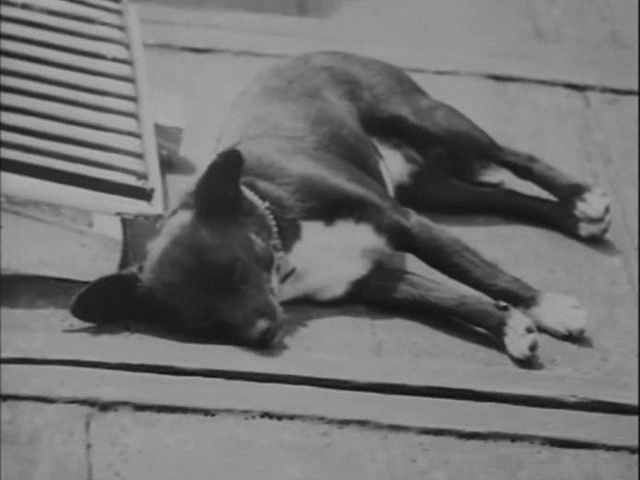
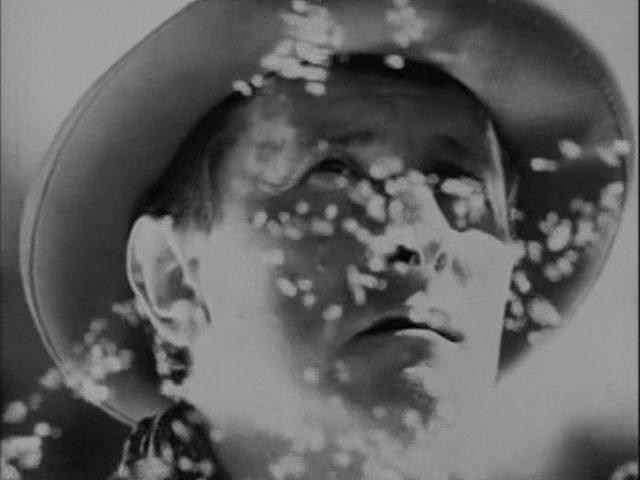
And throughout the film, other characters are always looking on from the margins. Look at the shot that follows Maldone walking away. It’s a middle-aged woman, leaning on a wall, watching the slow, slow, passage of the barge. Grémillon fills the film with glimpses of these real people—never characters, always people. And real animals—Maldone’s horses, the dog sleeping on the barge, the chickens in the coop—that likewise take their place in this world. The pace of working life is also real. After his encounter with Zita, the film gives us a section presaged by the title “Days are all alike”. So we see the drowsy barge, the trees passing slowly overheard, and the dreamy smile of Maldone as he takes it all in. Grémillon shows us the light reflected on the water (and it truly dazzles on 35mm), then superimposed over Maldone’s face. Time is measured by these flicks of light, by the waving of the trees.

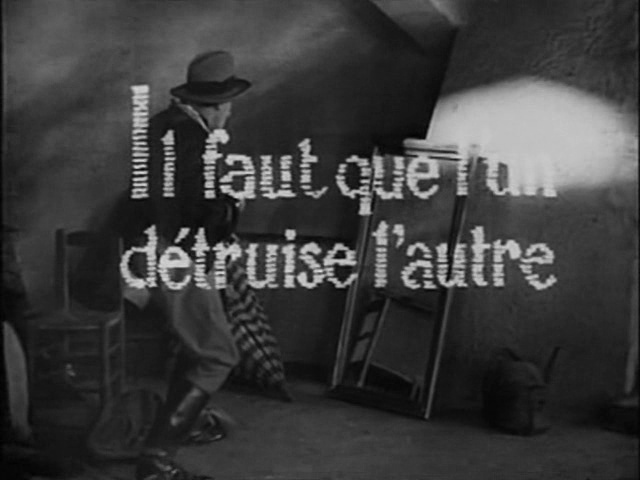
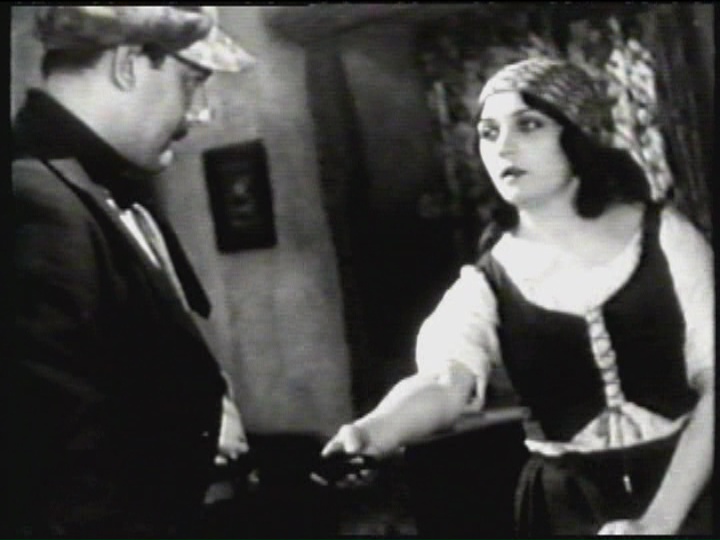
Zita and her family get by through reading fortunes and a little light theft. Maldone works by guiding his horses, who pull the barges. The drama of the film shifts in this section, as we see for the first time Maldone’s family estate, which he has long ago abandoned, together with his brother, Marcellin, and uncle, Juste. The world of this estate is a world apart. The brother and uncle are seen enjoying the space around them through leisure: Marcellin rides horses for pleasure, but Olivier Maldone walks alongside them for work. These two separate realms are intercut in through a kind of fatalistic editing. First, Zita’s mother reads Maldone’s palm. “Your enemy is inside you”, she says. “I see a man and his enemy in the same man… A vagabond, a rich man… One of them must destroy the other.” And when, in the tavern, Maldone reads Zita’s palm, Grémillon intercuts between their exchange of glances and the fate of Marcellin, who is killed while out riding.

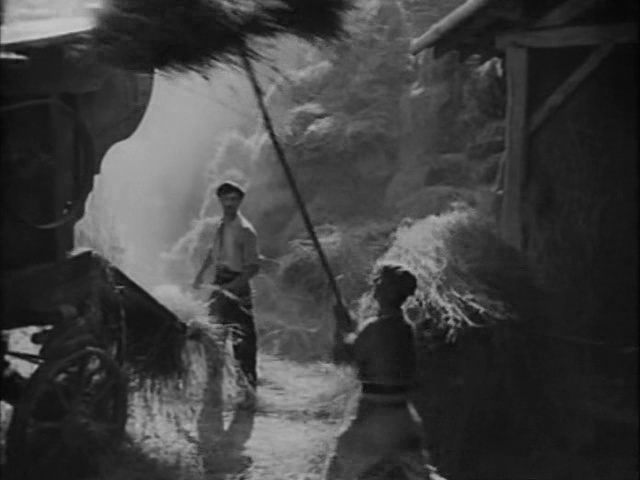
Again, Grémillon grounds this kind of fatalism with the world around his characters. This scene takes place in a working-class tavern. We see old men and women, going about their lives. At the Maldone estate, the stable hands and the workers on the grounds are likewise non-professional actors. They people this world, make it real, whole. Later in the film, when Maldone returns to his family estate and marries Flora (Annabella) he escapes to the surrounding villages whenever he can. The pull of the open landscapes draws him away from home, but so too do the people. Maldone stands and admires the sight of a traction engine being used to help sift the grain. Grémillon shows us the workers, real workers, lifting and threshing the hay. The camerawork feels so natural it looks up at their work, peers into the barn, nestles among the grass, observes the machine, catches the faces of the men and women as they work.

This is also one of the reasons that the performance of Georges Séroff as Léonard, the old family servant, slightly grates with me. For after Marcellin dies, he is sent out to find Olivier Maldone. Léonard’s huge white whiskers, his bald head, his mouth perennially hanging open, make him a comic character whose slightly exaggerated performance is at odds with those around him. When he takes the train, he is surrounded by palpably real people, non-professional performers, the everyday users of the local train service. It’s worth remembering that Grémillon made his name in the film industry between 1923 and 1926 through the making of documentaries. Many of them focused on the ordinary lives of workers—men and women who made small livings as laborers, fishermen, seamstresses, roadbuilders, brewers, tram conductors.

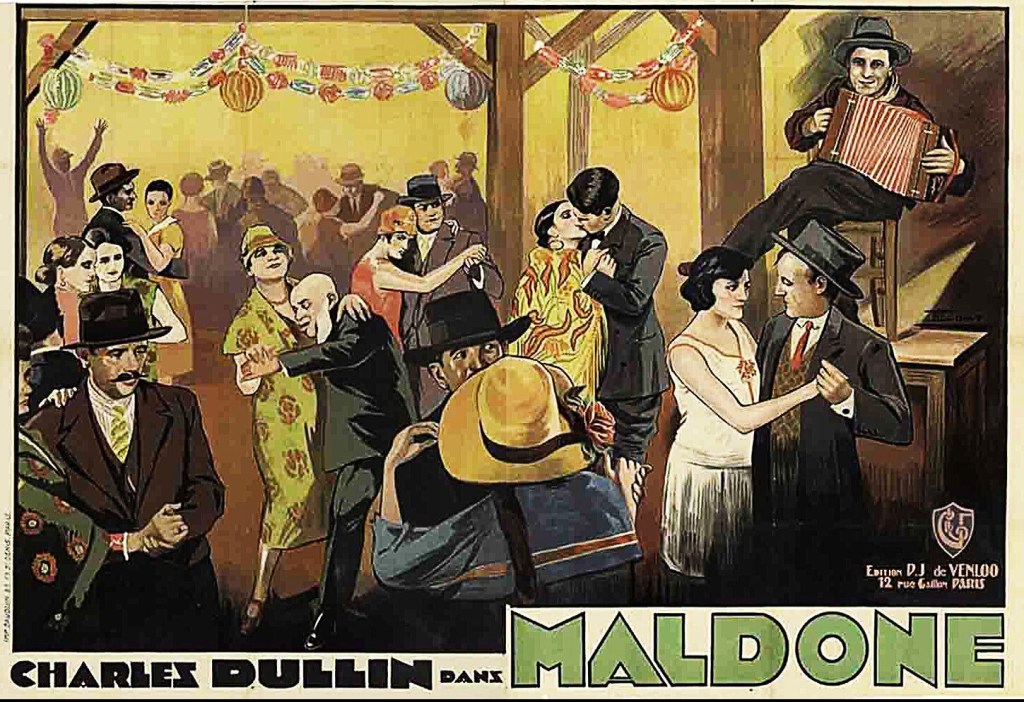
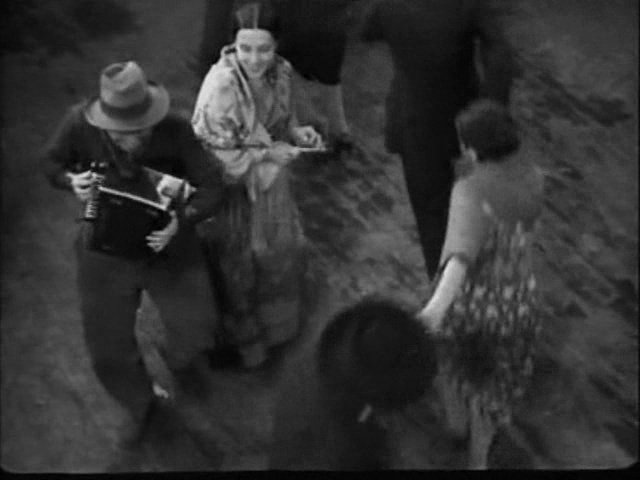
So to the dance at Saint-Jean, where Maldone takes over the accordion to play for the dancers, and Grémillon gives us one of the most extraordinary dance sequences of the silent era. The sets here (by André Barsacq, Dullin’s regular theatre designer) were constructed with four walls, and with ceiling. Every conceivable angle is exploited: shots from outside, inside, high angles, low angles; the camera is among the dancers, above the dancers; it looks down from the ceiling, up from the floor. But it all builds slowly, so that you hardly realize just how far Grémillon is about to push his expressive means. There is one dance, relatively gentle, in which the main event is Zita’s arrival, then another—in which Maldone leads the dancers in a line that leads around the entire space of the hall, upstairs, downstairs, and back again. Then Maldone flirts and half dances with Zita, before a final dance increases the tempo even further.

The melody is given us in a title: “La Belle Marinière” (valse), and then (per the instructions of the original score) by the accordion itself. A stranger dances with Zita. Maldone sees her. The cutting accelerates. Close-ups of hands, feet, of the accordion being squeezed, of the dancers swirling, of drinks, or skirts, of faces. Then Zita and her partner, seen from above, clinging together, her skirts spinning below then.

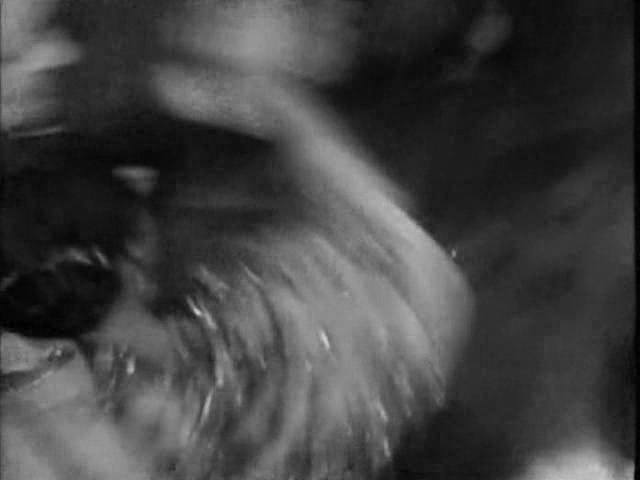
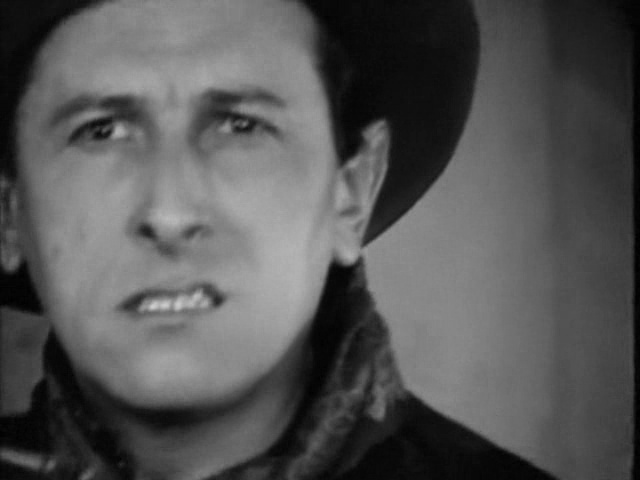
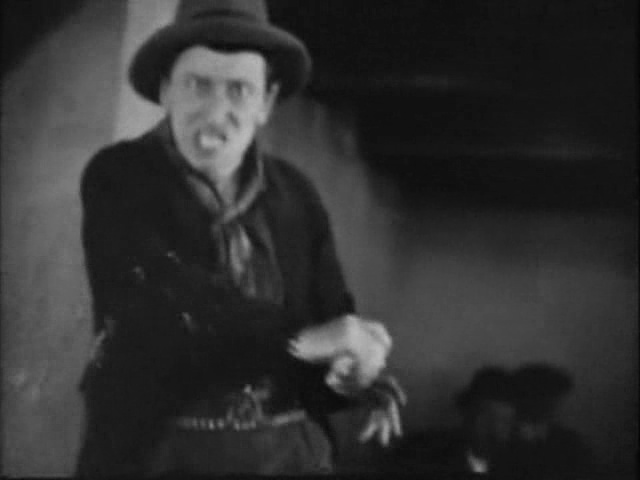
Grémillon holds this shot, and holds it, and holds it. We watch them spin, held together by a kind of gravitational force, a centripetal energy—it’s desire, it’s heat, it’s two bodies pressed against each other. It’s a shot that could go on forever, a whirlpool that spins and spins. And I could watch it forever, hypnotized. It’s a shot of extraordinary power. The lovers are giddy. Zita blinks, looks up. They kiss, and the music stops. The accordion falls from Maldone’s hands, just as (in the theatre) the musician in the orchestra must drop his instrument. Maldone chucks a drink into his rival’s face, and Grémillon captures this in handheld shots that quiver with fury, just as the fight is a dazzling eruption of quick-cutting and frenzied whips and pans of the camera. The screen pulses with anger, the camera lurching back and forth along the axes of the fight; it’s in the belligerents’ faces, feeling their anger, reeling with their punches; it’s in the eager crowd, jostling, dodging, pressing close. The stranger is ejected. The crowd hails Maldone.

In the early hours, Maldone and Zita are alone in the deserted tavern. But Léonard stumbles in and recognizes Olivier Maldone as the man he seeks. He shows him a photo of the young Olivier Maldone. Maldone gazes at Maldone. It’s the first time we see a kind of double for this man, this man whose fate we know is to have his enemy within him. Zita edges away. A close-up of her hand in Maldone’s, slipping slowly from his grasp. The men get closer. Léonard weeps. Maldone weeps with him.

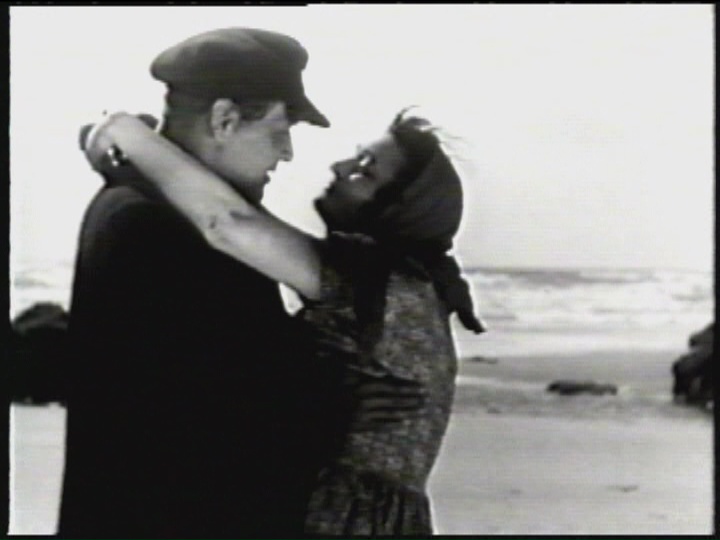
Three years pass (and the suddenness of the transition, the knowledge of time passed, is a kind of shock). Maldone has married Flora (Annabella). This was Annabella’s second film, having been launched into a kind of stardom by her role as Violine in Gance’s Napoléon the year before (1927). She spends much of that film being sad and wistful, and in Maldone she spends all her time looking sad and wistful. (If you want to see her being given the chance for a wider, even wilder, range of emotions, you should seek out Pál Fejös’ Tavaszi Zápor (1932), a film of surpassing strangeness where she gets to live an entire life of hope, misery, squalor, prostitution, holy fury—before dying and ascending to heaven, only to find a way of saving her illegitimate daughter back on earth. It’s really quite something, and shows what Annabella could do when given a film centred entirely on her emotional life.) For her ability to be beautiful and neglected and sad, Annabella is well cast in Maldone, I suppose—but I do pity her for being so pitiable, and wonder what more she might have done.

In these scenes on the estate, Grémillon lets the film grow sluggish. Married life is monotonous for Maldone. He looks awkward in his expensive suit. He moves stiffly. He has his hands behind his back. Flora’s father, M. Lévigné (Roger Karl), reads the paper. Maldone stares idly at his family. His uncle Juste (André Bacqué) is a lepidopterist. He examines butterflies under with a lens, and Grémillon’s camera looks down on him from behind, another lens superimposed in close-up: Juste becomes a specimen for our attention. But all Maldone’s “family” are seen in close-ups in the same way, from behind, the camera looking over their shoulder. They are made into strangers by the way Grémillon frames them, denies us their faces.

It’s a relief to get outside, to see Maldone on horseback. But he’s took well dressed, still suited, gloved, cravated. His uncle is catching butterflies. Juste shows Maldone his latest catch in a jar. While Juste looks away, Maldone removes the lid, taps the glass, watches the butterfly escape, reseals the jar, and hands it back to Juste. It’s a lovely scene and got another good laugh in the screening I attended. And when Maldone laughs in the next shot, it’s a roar—his body rocking against an open sky. Juste asks him why he must make Flora so unhappy. Why not travel, soothe his restlessness?

Maldone is in a hotel lobby. Zita walks by. Maldone follows. Flora is upstairs, alone. Grémillon distils all her loneliness into two shots. We see Flora on the threshold of the room. The threshold is light, the room is dark. Flora stands silhouetted on the left of the frame, staring into the dark. A close-up of the floor: dim swathes of light, refracted through patterned lace curtains, move across the carpet. Vehicles must be passing outside. It’s a simple shot, but everything about it carries emotional and expressive weight. Each beam of light that crosses the floor marks the passing of time, as well as giving a sense of other lives being lived—outside the room. Even the luxury of the room makes it sadder: for the ornate curtains make the light entering the room drearier and the outside world more obscure. The mere act of isolating this detail—of taking the trouble to look at it at all—is a kind of sadness, of desperation. For surely it’s Flora who looks, who sees the light passing over the floor of her room, whose subjectivity we are invited to share with this shot. You stare at the floor when you’ve nothing better to do, when you’ve no-one to share your unfilled hours. It’s an image of transience, but an image of boredom. It’s a hotel room in a nameless town. Flora goes over and stands next to the curtains. She doesn’t open them or look beyond them. She just stands there.

Maldone and Zita enter a dancehall. A jazz band plays. A trio dance. Flora sits in her empty room, as the orchestra belts out the jazzy, fortissimo polytonalism of Millhaud’s La création du monde (1922-23). But for the next scene, the lyrical section of this same piece gives the old lovers’ time together a dreamy, sensuous dimension. Watch how Maldone presses his face against Zita’s arm. On a large screen, you can really see how he’s inhaling the scent from the pit of her arm—he drags his nose across her skin. He takes her hand. Grémillon cuts to a strange vision of Zita, superimposed over the fronds of a plant. She’s as out of reach here as she was in the first close-ups given her in the film. Maldone senses this too, and presses her close. He sees another image from his past: the slowness of the barge moving along the canal. (Time passes before him: between each flashback a waiter has come and brought the next course. A huge lobster is replaced with a great platter of fruit.) But a man is eyeing Zita from across the room, and there is another flashback to the dance and the fight in the tavern. Maldone’s two lives are meeting, colliding. Zita leaves. It was nice revisiting her past, she tells him, but she has another life now. The dancers fill the space. The screen overlays them, multiplies their presence, showers them with streamers. Five in the morning: Maldone is alone on the dancefloor. The floor is covered in piles of streamers. They resemble the piles of cut hay we saw being threshed earlier in the film: the urban dancefloor parodies the rural farm. Maldone returns to Flora. They weep together.

On their return trip in the carriage, visions assail Maldone. Past and present are quite literally combined: over images of Maldone and Zita earlier in the film, Grémillon superimposes the flashing light and shade of the roadside trees. The cutting accelerates. We see the old Maldone, whipping his horses into a fury. The horses appear to double, split. As foretold, there are two Maldones, two lives in one man. But just as the rhythm of cutting grows frenzied—shots of the road, of trees, of the horses’ legs, of the spinning wheels, of Flora’s nervous face—Maldone comes to his senses.

But back on the estate, he cannot escape “his obsession”. Everything reminds him of the past: the labourers, the fields, the wind in the trees. “Each night, the prison of contentment closes in on him…” Look at Maldone, hunched at the family dining table. Flora is knitting a baby’s tunic. Look at the way Grémillon makes everything awkward: the massive lamp placed between the married couple, the way all gestures are made over people’s shoulders, the way the only light and warmth in the scene is at the table, the last place Maldone wants to be. Flora puts her arms over his shoulders. He throws them off, marches out.

He rides up the hillside. We see the valley, far below, and the mountains beyond. Seen on 35mm, this is truly a vision to inspire travel. (God, how disappointing to be watching this broadcast copy again, and not to be able to relive that desire to run down that hillside on screen.) This is where he should be, surely. So he ignores Flora, argues with her father, and plans to leave.

He writes his letter—almost a suicide note, a suicide of one half of himself—on a desk strewn with his uncle’s butterfly cases. He himself has become a kind of well-dressed creature, pinned to the estate. He runs upstairs to a loft. In the mirror is his new life, well dressed. In the mirror is his old life, the scruffy wagoner. Grémillon’s camera finds interesting ways of viewing Maldone in these scenes: again, the uncomfortable looks over the shoulder, or the camera perched above him, looking down from the very roof of the loft as he changes into his old clothes. Thus we observe Maldone splitting, transforming, regressing. The text of his fate is superimposed over the image: “one must kill the other”. This text—the only text to appear outside the confines of an intertitle, within the world of the film—is a kind of indelible stamp, as fatalistic a visual signature as any in the film. As if obeying its command, Maldone gets out a gun and shoots the mirror. The glass shatters, but the broken image is of his old self: continuity has been abandoned, for Maldone is already in the clothes of his former life. It’s a weird, unsettling scene. I think back to Der Student von Prag (1913), and the price the student must pay for killing his double. What is Maldone’s price for this act of symbolic murder?

Maldone is riding so fast the camera can barely keep up with him, as it tracks at breakneck speed through the meadows, the dark wall of trees looming behind the rider. An image of a whirlpool, upside-down, spills onto the screen. The camera flees before Maldone. He rides on, and on. The camera tracks, then pans, uncertainly, seeking a new direction, as if it might fall, or the world fall before it. Maldone’s face, not triumphant, but astonished, almost fearful. The image of his horse’s pounding legs and flanks, superimposed over the tree-lined canal. But it’s not the canal, it’s a reflection of the canal, upside-down and inverted by the camera; it’s the water of the canal. It’s another mirror, another doubling. And it’s an image of stillness beneath the image of the galloping horse. The image of the horse fades away, leaving nothing but the reflection of the canal. FIN.

Watching this film on 35mm was a treat, even if (as we were warned by an introductory title) the print contains elements that are beyond restoration. There were some interesting curiosities about “end of part two” etc. midway through several intertitles, suggesting a rather complex history of structure and reel-based changes. Maldone, after all, has a complex textual history…

At its premiere in February 1928, the length of Maldone was 3800m: about 165 minutes long, when projected at 20fps. It was then reduced by its distributor—supposedly with the guidance of the film’s producer (Dullin himself), screenwriter (Alexandre Arnoux), and Grémillon—before receiving a general release in France in October 1928. But what survives now is a version of 1857m, a little over 80 minutes of screen time—i.e. less than half the film Grémillon originally assembled. The film was very well received in 1928, but the premiere version was criticized for its excessive length. According to one reviewer, it was “a pure masterpiece compromised by clumsy editing and insufferable longueurs”(Cinéa-Ciné pour tous, 1 June 1928). It’s impossible to know, now, how much of significance was cut in the summer of 1928 and how much more has been lost since then.

I can understand why the film was cut, as even some of the surviving scenes on the estate feel (deliberately and purposefully) slow. And the number of flashbacks that occur in the surviving film feels too much: they clearly belong to a longer version of the film, where the flashbacks are as much for the audience’s benefit as for the characters. (Across 165 minutes, flashbacks are a useful way of singling out certain scenes from the wealth of narrative. Across 80 minutes, they feel like we have a short attention span.) Likewise, the reconstructed music for the 2001 restoration often works well but feels a bit uneven. Grémillon and his musical collaborators (Marcel Delannoy and Jacques Bridouin) surely planned the choice of compositions carefully and arranged them according to the montage of the film in February 1928. How well can you hope to synchronize music with a film missing over half its visual material? At the Paris screening last week, Maldone was accompanied by an excellent improvised piano score by Satsuki Hoshino. There is some benefit in an improvised score for such a fragmented print: the music can react to what is there, rather than struggle to adapt to what is not there.

But the amount of missing material surely highlights just how much feeling, how much meaning, Grémillon packs into every shot—and on watching it again, I could easily imagine cutting what remains even further, to make something slightly tighter and more coherent. You could see the whole dramatic interchange of Maldone, Zita, and Flora, in a handful of scenes, gestures, glances. There are shots in this film—the landscapes, the close-ups of Zita, the spinning dancers, the parting of hands, the galloping horse—that encapsulate the whole film, that stay with you long after it has ended.

What else can I say? The gulf between the broadcast version I knew and the 35mm copy from the CNC we saw at the Fondation Jérôme Seydoux-Pathé was vast. I loved the film more, was more moved, more transfixed, more impressed by everything in it. It’s a strange, uneven, bewitching film. Even as a fragment of its original self, Maldone is beautiful enough.

Paul Cuff

Music for October (1928; USSR; Sergei Eisenstein/Grigori Aleksandrov)

Until recently, it was most common to see silent Soviet films via the versions circulated by Mosfilm or Gosfilmofond that originated in the late 1960s-70s. There is a familiar kind of soundtrack: a giant orchestra, crammed into a thin mono recording. In these confines, the music seems to warp and wobble rather than reverberate. The scores tend to be aggressive, brooding, threatening—with the noise of real gunfire thrown in for good measure. They often sound like cobbled-together Shostakovich (and sometimes are) but more often feature music by a composer you’ve never heard of whose name is uncertainly transliterated from Cyrillic into the Latin alphabet in the “restoration” credits. (Did the composer of the 1969 score for Vsevolod Pudovkin’s The End of St Petersburg (1927) wish to be called “Yurovsky” or “Lurovski”? I still don’t know. Confusingly, his son—the conductor Michail Jurowski—went by a different spelling, as do the conductor’s own sons, also both conductors.) Some of these Soviet recordings have very effective, and affecting, passages. The opening few minutes of Alexander Dovzhenko’s Zvenigora (1927)—in a restoration from 1973(?)—is among my favourite in all Soviet cinema: super slow-motion riders pass before a screen of trees, as a hushed, yearning pulse of music flows beneath. Image and sound grip you instantly. It’s a hauntingly beautiful opening shot. (The rest of the film rather loses me.)

But the film historian is on dodgy ground with these 60s-70s versions. The way these copies are curated for our use severely interferes with their historical status. Where are the original credits? Are these the original titles? Is there any missing footage? And what of the music? Were scores assembled especially for the films? Was the music original or arranged? Was it any good?

These questions are commonly asked about many works of musical theatrical history. Take opera, for instance. I was recently relistening to Halévy’s La reine de Chypre (1841). No single edition of this grand opera is “definitive”, in the sense that it underwent continual editing throughout its time on stage. Even during rehearsals, music would be cut or added or rewritten. Sometimes, this complex, often last-minute work was too much for Halévy himself, so he outsourced parts of the orchestration (or even the composition itself) to an assistant. New arias were inserted at the behest of singers, new passages of intermediary music at the behest of stage managers. And all this was without any of the score being printed in full. The “performing edition” of the work would exist across a wide range of documents: parts for the orchestra, the conductor, the composer. Many of these would be notated only in shorthand, overlaid with numerous manuscript corrections or instructions from conductor or composer as they worked on the production. Once the run of performances had ended, this array of paperwork would end up in various collections, often being scattered in the process. If the opera was produced elsewhere, it would undergo further changes and produce further paper trails. Even if all of this paperwork survived, the result is a kind of collective palimpsest with competing and conflicting evidence for what the score should be. Thus, there are always editorial choices to be made with historical material. The musical content of La reine de Chypre shifted across time, never being the same from one season to the next. So when the opera was “restored” in the 2010s, there was a huge range of choice regarding what music to include or exclude from the recording. (There would also, inevitably, be budgetary considerations: recording all the various possible numbers, even for an appendix on a bonus CD, would dramatically increase the cost of the project.) So when a new “performing edition” was created and then the recorded in 2017, a lot of music that survived in various sources was excluded (the overture, the ballet, the gondoliers’ chorus…).

This complex textual history is paralleled in the world of silent film music. Even if an original score existed, its survival is subject to all the same processes as might affect an opera score: different editions of the film for different markets, or for subsequent revivals; paperwork for different scores produced by different musicians for different cinemas etc. It follows that the question of a silent film’s musical restoration is as complex as that for its visual restoration. But how often does the same level of attention get paid to the music as to the image? And how often is this issue of musical reconstruction even acknowledged or addressed by the studios who own the films or the companies that release them on DVD? Whereas the Palazetto Bru Zane release of La reine de Chypre on CD in 2018 is accompanied by a fabulous book, including essays on the work’s genesis, reception, and textual history, most silent films do not get anything like this kind of documentation. Instead, there is the familiar blurb boasting “original versions” of this, and “complete restorations” of that. The word “original” and “complete” are rarely qualified, and even in cases where they are most appropriate, they never tell the whole story.

In relation to October (1928), the work of Edmund Meisel (1894-1930) and Bernd Thewes (b.1957) is an interesting case in point. Thankfully, the Edition filmmuseum DVD (2014) is as good as it gets when it comes to documentation. All the issues mentioned thus far are addressed, qualifying the selling point of this edition as featuring “the original orchestral score by Edmund Meisel”. As Richard Siedhoff writes in the liner notes:

[O]nly the torso of Edmund Meisel’s body of film music survives. Not only was the archiving of films and music not common practice at the time, but with the ascendancy of sound films, interested in the music of silent film composers waned precipitously. In the few cases where the ‘original music’ for silent films has survived at all, it is only as piano sheet music or as incomplete, handwritten orchestra parts. Musical directors in cinemas used the piano music as ersatz scores, since they were easier to work with than full scores. So full scores were almost never printed and when a film was no longer in distribution, the orchestra parts were stored somewhere or sometimes simply destroyed. […] [W]hat we have of [Meisel’s] film music comes from piano sheets, for which new instrumental arrangements have been written, and which have been adapted, re-arranged, lengthened and re-defined for longer versions of a film.

This is an orchestral score for October, but one whose orchestration has had to be rearranged by a different composer. It is both a score by Edmund Meisel and a score by Bernd Thewes. Not having a complete picture of how Meisel arranged his music, we must give credit to Thewes for filling out the sound world that survives on Meisel’s extant staves. What we have now likely offers a much better listening experience than for audiences in 1928. As Siedhoff writes of Meisel’s scores: “Prepared in a great hurry at the time, they are riddled with mistakes. Working from them in live performance must have ranged from torture to total chaos.” And while Meisel worked with Eisenstein’s approval on both Battleship Potemkin (1925) and October, Eisenstein would ultimately break off contact with the composer over the presentation of October (claiming Meisel had it projected deliberately slowly to aid his music).

So, talking about the way this music sounds when performed is a complex issue. I do no propose to write a piece on the whole film and score: it would exhaust me to write it as much as it would you to read it. Besides, while the film is a baroquely dazzling exercise in filmmaking, it wears me out after about 45 minutes. The images are always superb, but the drama loses me. This is where music can make such a difference. The Meisel/Thewes score for October kept me engaged musically even when my interest in the drama dwindled.

I want to write about the sequence which seemed to me the best combined use of image and music in the film—or rather, the scene where this combination gave me the greatest pleasure. It begins about 25 minutes into the film and shows Kerensky, the head of the provisional government, heading into the Winter Palace to assume his office.

We see three men, their backs to us, advance down the hall. The shot is slightly undercranked, so that they seem to waddle at speed rather than walk or march. The first shot doesn’t show their faces, and in the second shot they are so small as to lack features. Eisenstein makes them tiny in the palatial spaces, miniscule dictators. Meisel knows the scene for what it is: it’s comic, absurd, playful. It’s also repetitive and surreal. We see the endless columns, the endless arches, the endless steps, and the figures’ endless movement along and up, and up—and up. So Meisel spells out a musical beat that is both steady, banal, but almost too fast: it’s as though we can hear the men waddling at speed through the score. And Meisel/Thewes knows exactly how to get the best out of the rhythm. Below pizzicato strings, the main two-note figure of this section is played on the trombone, an instrument whose low, slightly bluff sonic roundness gets a lot of use in comedic film scores. The performance (I cannot speak of the score as written or notated) plays this up: there is a certain sliding in the transition between notes, giving this simple beat a sense of being out of breath, ever so slightly out of balance. The shape of the beat (descending phrases: one-two, one-two, one-two-three-four) suggests a kind of effortful trudge as much as a triumphant march.

Then, as we cut from a title (“The dictator”) to a closer view—but again from the rear—the strings take up the two-note step of the beat and the trombone and brass start to warm up into a kind of fanfare, supported now by the martial crash of drums. The trio of generals ascend the stairs.

Another title: “Commanders-in-chief…”. So now the strings develop the beat into a melody, albeit equally simple and just as repetitive. They are supported by the snare drums and, deep below them, the great blast of the tuba. It’s a pleasingly bombastic development of the initial musical idea, but it’s still deliberately simple—you can spell out the one-two-three-four of the beat, the tuba joining in for the first and third note. The tuba has the same role as the trombone in the first few bars of the scene, only it now amplifies the pompous oom-pah, oom-pah rhythm of the generals’ footsteps.

For the generals are now ascending a giant marble staircase, and Eisenstein distends the time it takes them to climb. First we have a long shot from the right side, looking left; then a title completes the information begun in the previous text: “…of the army and navy”, before a view from the left of the staircase repeats the same pattern of movement. Up the stairs they go, as the music builds in volume. (Another title: “Prime Minister”). Eisenstein cuts closer, but again so that we see only the backs of the commanders. At this point, the snare drums double their speed below the rhythm of the brass, as if to say: keep going! keep going! The trombones are now given a delicious upward swing to keep step with the drums’ quickened pulse.

Having cut closer, Eisenstein then cuts further away: the officers are still ascending, and it becomes clear that he’s making them repeat the same steps as at the end of the previous shot. As he does so often in October, Eisenstein uses montage to make successive shots overlap in time: space is made subservient to time. Just as we start to appreciate how elaborately the upward march of the generals is developing, an intertitle cuts in: “And so on, and so on, and so on.” But the text, too, becomes a visual joke: you read it from top to bottom, each line successively indented so that the phrases take the form of steps. Disconcertingly, you are reading the text from left to right, top to bottom, while each line moves further to the left as you go down: the way we read the text is moving in the opposite direction to the way the figures are moving on screen. It’s an extraordinarily complex visual/textual joke, and a brilliant way to make the intertitles graphic in a meaningful way.

Cut back to the stairs, now viewed from another angle, and this time we see the generals from the front for the first time. We cut from the stairs to the statues that overlook the figures. Stone hands hold out crowns of laurel, and the cutting seems both to join in with the march but also break it, or even to anticipate its culmination at the top. “The hope of the Fatherland and the revolution—” a title announces, and the statues are seen from below, from disconcerting angles, mirroring one another, as if they might topple over us. After the next title: “A.F. Kerensky”, we finally get a close-up of a human face. But this too is disconcerting, threatening, surreal. For it breaks the rhythm of ascent, the continuity being built up (however playfully) in the previous shots: here is Kerensky glowering down into the camera, leaning brow-first into the lens, the angle of his head and the side lighting transforming his face into a kind of arrow pointing at us. Eisenstein cuts to the statues bearing laurels, and a train of thought seems to dance across the screen—for Kerensky breaks into a smile, but a smile made sinister by the deep shadow in which it is formed.

And now—well over a minute into the sequence—we finally see the top of the stairs! A line of lackies looms from the shadows in this cavernous space, a space which—though we have seen so many shots of its details—surreally escapes our full comprehension. How exactly is the staircase arranged? Is there one set of steps, or are two sets of steps facing each other? And where are the steps leading? How high have we climbed, how many flights of steps?

“The Tsar’s lackeys”, a title announces. (And the film’s titles are always faintly sarcastic, mocking, whenever they aren’t slogans or exclamations or punctuation points.) A large man, whose uniform bulges with his bulk, steps forward—and the statues seem to look down on him, the statuary of the imperial past, the dark columns made defy gravity by the camera’s tilted angle. There are salutes seen from close, from afar, from close; time overlaps, gestures overlap, formalities pile into one another, pile onto one another. Their handshake takes an age, it’s captured in one, two, three, four, five different shots—emphasizing the lacky’s subservience, Kerensky’s effort to look imposing, and (cumulatively) the sheer awkwardness of a handshake that lasts this long.

Kerensky moves on, and the musical rhythm shifts once again. It grows in subdivision, the same foursquare beat now marked with the tuba spelling out all four notes in the bar. And listen to the strings in conjunction with the added brass: there’s such a glorious swing to the way the music is played, sounded out. The bright notes of a glockenspiel punctuate the rhythm; the notes are like shining medals, buttons or baubles catching the light. And it’s a marker of how beautifully orchestrated the sequence has become: listen to the sense of acoustic depth here, from the dark blasts of the tuba, through the swell of strings, the rasp of snare drums, up to the gleam of the glockenspiel. It’s such an intelligent piece of musical texture. You sense both the cavernous space of the hall, the near-dark extremities of the palace—and also the sheen of manservants’ buttons, the jingle of medals on the lackey’s chest.

“What a democrat!” the title says, as more handshaking takes place. Every servant is greeted, every servant nods happily to the next. The shaking is seen in close-up, from a distance, from close-up, from a distance… It’s an endless sequence made even more endless the way time and space overlap, the way the editing repeats and moves restlessly back and forth. And all the while, the orchestra is growing in volume, warming to its swing. It’s still the same, simple idea: four ascending notes that are repeated (one-two-three-four, one-two-three-four), followed by a three-note phrase that rounds off the tune. Thus, even the music (like that earlier intertitle) spells out the steps and (in its last three-note phrase) a kind of subservient bow, a satisfied execution of an about-turn before the four notes of the march climb once again. Both the visual and the musical halves of this scene could be extended forever, ad infinitum. Only the little variations keep it all building: visually, there are the various stages of the staircase, the titles, the lackeys that give the repetition a kind of crescendo; and musically, the tempo shifts and orchestration build the simple motif into a great movement of sound.

Finally, Kerensky has shaken hands with everyone, and the two commanders take the final steps behind him. Listen how that last three-note phrase of the melody now becomes a five-note phrase in the brass: one-two-three, four-five—and then a six-note phrase: one-two, three-four-five, six. It’s a simply delicious little development; the steady step of the music is becoming a skittish skip, as though the march is about to break into a dance. It’s ludicrously infectious.

“The democrat at the Tsar’s gate.” Kerensky approaches the doors to the inner palace. The anticipation is both built and suspended through editing: Kerensky’s hands clasped behind his back; shots of coats of arms on the door; shots of lackeys nodding, winking to each other; shots of Kerensky’s boots; shots of the generals; and then—in a dazzlingly strange cutaway—we see a spectacular mechanical peacock unfurl its wings, then spin around to show us its backside. Even the bird’s movement is split, repeated, made gloriously weird—close-ups of wings, feathers, feet, face—and rhymes with the turning heads of the servants, the spinning salute of the lackey, the upturned faces of the commanders. The gates open across one, two, three, four shots (wide shot, closer shot, close-up, tighter closer-up; in each shot the movement of the door is pushed back a few frames to be seen again), and the music now slows—the beat is the same, but the tempo slows by at least half. The musical march sinks back into the tonic with an ecstatic sigh—of relief as much as anything. You realize how tense this sequence—visually and musically—had become. How much longer can out satisfaction be denied? Just as the generals are climbing the steps, the music has been chromatically climbing its way through the march, creating a tonal tension that needs resolving—and is only resolved in these final bars, when we see the gates open and then shut behind Kerensky. The last bass note is allowed to extend out over the final images of the scene: the massive locks of the gates, the image of the sealed doors. In one sense, it’s like the echo of the shutting doors reverberating through the palace. But because this is a purely musical resonance, it attains a heightened sense of strangeness. It’s a kind of afterglow, a dark, ominous extension in sound. This kind of moment doesn’t exist in a paper score; it exists only when music is performed. It’s emotive, intelligent, brilliant musicmaking.

The whole thing reminds me of another joke built on similar musical-dramatic ideas in Offenbach’s La Grande-Duchesse de Gérolstein (1867). At the end of Act 1, the little state is preparing for a pointless war with its neighbour. The sword belonging to the Duchess’s late father is ceremoniously carried before the assembled forces. She sings an area, “Voici le sabre de mon père”, accompanied by the chorus. Offenbach repeats the individual blocks of the line: “Voici le sabre, le sabre, le sabre, le sabre de mon père!” The Duchess points to the sword, sings several lines to the same melody, before the chorus likewise repeats the main refrain several times to the same text (the libretto merely describes their line as: “Voici le sabre etc.”). Then the Duchess picks up the sword and repeats the exact same musical passage she’s just sung, with only moderately different words, before handing the sword to her favourite soldier. The voices of the chorus don’t even get this much variety, now repeating their first chorus wholesale. The joke is in the repetition, and in the banality of the tune extended ad infinitum in ludicrous martial pomp. But the best bit is at the very end of the act, when the soldiers are marching off to battle. “You forgot my blessed father’s sword!” the Duchess cries, whereupon the poor chorus must strike up the same melody again. Offenbach and his librettists (Henri Meilhac and Ludovic Halévy) are making the same joke, to much the same end, as Eisenstein and Meisel. Film and operetta give us martial music and pompous scenery, continually inflated and endlessly repeated, to highlight the paucity of the ideology that underpins them. Puffed up with its own vacuity, it becomes bathetic.

Having now watched this sequence about forty times, and listened to it about a hundred times as I write, I grow more and more impressed by how well it’s put together. The Meisel/Thewes score makes a tremendous impact, and is by far the best way to experience this film. The soundtrack for the DVD for October was recorded at a live screening of October in Berlin in 2012. There is often something disconcerting in live recordings of music for silent films (I’ve written about this issue elsewhere). But this recording is excellent. You get the sense of excitement in the orchestra at the climaxes—the great benefit of live performances—with minimal acoustic interference from the performance space. Indeed, the only such instance is at the final’s final chord when there is a great burst of cheering and applause—which is a lovely way to end the experience at home, and links your own enjoyment of the film with that of the audience in 2012. It reminds us that what we’re watching was and is meant to be experienced as a live event, performed by musicians and theatre staff, in front of a large audience. It’s why I love silent cinema.

Paul Cuff

A Woman of the World (1925; US; Malcolm St Clair)

My exploration of more Pola Negri films continues with an adaptation of Carl van Vechten’s novel The Tattooed Countess (1924). This Paramount production was directed by Malcolm St Clair, a veteran comedy actor and director, but someone still relatively new to feature films. But as its star, Negri was a growing box office attraction—and the film plays up her status as an exotic outsider in America…

A Woman of the World (1925; US; Malcolm St Clair)

The opening title: “The Riviera—Where one may start a love affair—or end one—in surroundings beautiful enough for either occasion.” Closeup: drinks are poured, raised, returned to the table. One hand takes another. Finally, a man’s face lowers itself into the frame to kiss the woman’s hand. The framing makes his appearance faintly comic, faintly sinister. His smile is lugubrious. The couple step over to the veranda edge, overlooking the sea. But already the woman is unconvinced. He’s whispered this line to other women, she says. She leaves and we stay with the man: we see his self-satisfied grin, his finishing off the glassful of liqueur. Inside, he returns to the woman and takes her in a kiss. And as he does, we cut to a door opening: it is Countess Elnora (Pola Negri). Her face moves through a series of thoughts, emotions. She already wore a smile when first we glimpsed the face, but as the door swings open the smile fades, then some other notion flickers at its edge. It is a different kind of smile: a knowing, resigned, tired flicker of a thing. Like an acknowledgement of what she already knew, or expected. The couple, in each other’s arms, look up. Now it’s their turn for smiles to change, fade. Elnora moves to a photo given “to my beloved—for eternity”, removes it from its frame, and tears it up.

“Dearest, I was merely playing—a moment’s diversion—a woman of the world should understand.” I like it when a film’s title appears in the film, especially when it’s italicized like this. The phrase disguises its misogyny and cruelty with an apparent compliment. But it’s a compliment that serves to categorize and thus control its subject.

And we do not yet know Elnora. Indeed, we know her only by her image, and by the image of Negri we bring to the film. There is something as yet unmasked, unrevealed about her in this first scene. Negri’s hair is like a kind of black helmet, a sheening, almost threatening bob-cut. It’s like a kind of defence, imprisoning as it is protective. And look how she pours herself a drink in her room, and takes her time to elongate the studied sorrow of her mouth before taking a sip. And now she laughs, tipsily, as the man comes in and takes her in his arms. “I knew you’d understand. You’re mine for eternity”, he says, smarmily. She lets him closer to her face, then belts him across the cheek. “Eternity! A week ago I tattooed my arm as proof of my love for you—branded myself with your crest—and today…” She speaks through her teeth, white against lips that are almost black. “—woman of the world, yes; but not the world’s woman!” She ejects him from her room, as her servants are busy packing her things. She’s going to the far side of the world, “to forget”.

Cut to the far side of the world, somewhere in the American mid-west, “Maple Valley”, where everyone knows each other’s business. Two women sit knitting on their porches and gossiping, gossiping in a needling kind of way, each showing off that they know the truth behind each other’s small talk.

The Countess is in the paper, due to visit her cousin (by marriage, the paper adds in an aside), Samuel Poore (Chester Conklin). It’s a different world, a different genre, here in Maple Valley. Sam Poore is a figure out of Keystone: balding pate, a huge black moustache, thick round spectacles, braces getting snagged in a fence, struggling with an absurdly large garden tool. [After viewing the film, I was gratified to find my instincts correct when looking up the cast: Conklin was one of Mack Sennett’s original Keystone troupe.]

The gossips provide us with more background info: Attorney Granger is “hot after vice”, has “lovely morals”, and spends time “snoopin’ around the dance halls”. Here is his assistant, Gareth Johns (Charles Emmett Mack), with his belle, Lennie Porter (Blanche Mehaffey). They want to go dancing, but Granger wouldn’t like it.

The Countess arrives. It’s late, dark. Her nervous smile fades away. Her cab gets stuck in traffic outside the dance hall in town. There, Granger (Holmes Herbert) is frostily observing the crowd. Now he sees a cigarette being held out of the cab window by an elegant, gloved hand. He immediately goes up to her, shouts, and informs her: “We don’t want loose women from other towns here.” Elnora smiles. Or rather, Negri smiles—for it’s as if the challenge from this man has awoken her persona, which now creeps into her face and smiles a familiar smile. Free of the forgettable man in the opening scene, she now looks in control of herself. Look at her poise, her slightly lowered lids, her stillness set against the trail of smoke from her cigarette. Already she has the upper hand: she informs Granger that she’s come from Italy and asks him to direct her to her cousin’s “chateau”. Granger looks embarrassed, incredulous. From his stern, powerful disposition he’s now an awkward, fidgety figure. We glimpse Elnora’s face as the cab drives off: watch that smile, those cat-like eyes, shadowed, narrowed. Granger’s body turns away, but his eyes follow the cab.

Next morning, the gossips are keen to pry into the new arrival chez Poore. With bumbling, shuffling, and slang, Sam tells the Countess that breakfast’s ready. Elnora now her arm around Sam, promises him that they’ll be “what you say—great pals”, and enters the breakfast parlour.

She’s wearing an amazing black dress, with huge sleeves covered in a bright flower pattern. Sam’s wife (Lucille Ward), plainly dressed, sees how eager he is to please the countess. Comic flirtation on his part, frowning disapproval on hers. And then Mrs Poore sees the tattoo on Elnora’s arm. “I did it for a man I loved”, she explains, and at once a dreamy sadness permeates her face. It’s a face we’ve not seen since the first scenes. Suddenly she shakes it off into a polite smile. But Mrs Poore is concerned about what the neighbours will think. “That’s nothin’”—says Sam, “I knew a lady that had the names of the whole Seventh Infantry tattooed on her!” It’s a great line, but immediately segues into talk of the moral puritanism of Granger (of which Mrs Poore approves). The newspaper says Granger is busy “snatching cigarettes from the lips of women and threatening jail for their escorts”. Elnora smiles. “He has lovely eyes”, she says, to Mrs Poole’s surprise (and now it’s her turn to flash a knowing look at Sam, to raise her eyebrow; it’s a lovely bit of performance, saying to us as much as to Sam, “she moves quick”).

The “wit, beauty, and talent” of Maple Valley assemble to meet and greet the countess. Elnora hides her tattoo in layers of jewellery. She descends the staircase, enters on Sam’s arms. She looks like a million dollars. But talk is all of the local water works, built by Granger and as mighty as “Niagry Falls” for the townsfolk. Now Granger is here, and Elnora’s eyes are on him, then flash to one side. She pauses to think a moment, and her face tells us it’s a happy scheme. Then just as swiftly her face transforms. She puts down her glass and begins her performance. Her first prop: a cigarette, which she puts seductively in her mouth and asks Granger to light—which he does, to the consternation of the locals. They have something more to talk about when Sam whispers that Elnora has a tattoo. In a panning shot, we see the rumour spread around the room. Elnora is flirting with Granger, cracking jokes, but then suddenly serious when she fears she’s insulted him. But Sam interrupts, saying that Elnora has been nominated “Queen of the Bazaar” for the opening of the Water Works.

Next day, as the neighbours gossip, Granger asks Gareth to help him interpret Elnora’s comments. “Gee, Mr Granger, I hear she fell for you!” Granger’s face softens. He blinks rapidly. He looks suddenly coy, almost feminine. He’s persuaded to send flowers.

Meanwhile, Elnora is dreamily reading in a hammock. She’s wearing (and here my couturial illiteracy tells) a kind of lacy, frilly summer dress. Her body has become a kind of soft, fluffy expanse. Gareth brings her flowers from Granger, but is so smitten by the barefooted Elnora that he ends up sat on the ground, helplessly entertaining Elnora, who idly brings her lips to the flowers and grins flirtatiously.

So Granger looks uncomfortable when Gareth dreamily recalls his time Elnora. And he’s right to be suspicious, for the next scene shows the pair walking in the parkland of Maple Valley arm in arm. But Gareth is so awed by her that he finally admits it was Granger who sent the flowers, not he. Close-up of Elnora, and Negri packs as much delighted (and delightful) cunning into a few seconds of celluloid as seems possible. Ah yes, we read her lips, and she bits a fingertip for a moment, before another flick of the head brings in another nuance to the scene; it’s almost as though these little switches in expression keep us from her, making sure she’s always one step ahead of us, one idea further on. She does it again, in turning back toward Gareth. Then she throws her whole body into her next gesture, turning away and rushing over to a tree. “But poor Mr Granger”, she says—as though the man won’t stand a chance against her. (And surely he won’t.) She throws her head back against the tree, and looks so desirable that Gareth himself hurls himself into her arms. But she’s still in control, almost smiling in pity at the young man—until she sees Granger driving past, and sees that he has spotted the couple in their embrace. She runs after the car, but it’s too late.

The Bazaar. Elnora sees the prize event: “meet a real countess, price 25¢”. Dressed in her finest, most alluring outfit, her face suddenly drains of pleasure. She looks around her. The gossips are gathering. St Clair puts in some good gags. The first is via titles: an old man with a hearing trumpet asks if people are saying she’s a “prude”; Gareth explains they said “tattooed”—“but she’s a wonderful woman!” The second is visual: the two neighbours are nodding with pursued lips and judgmental expressions; St Clair dissolves to an empty rocking chair on their porch, then back to the women: the nodding of the chair becomes a kind of emblem for the unchanging attitude of the gossips.

Enter Granger. The crowd is too busy meeting Elnora, who is being pressed by an old man to show him her tattoo (he offers to slip her another two cents for the privilege). Angry, Granger shouts: “HEAR ME! We are gathered to honor a decent enterprise—not to exploit a tattooed Countess!” Elnora’s eyes flash with anger. And when we cut back to her, she has tears in her eyes. She leaves, as Granger rebukes the townsfolk for letting “a woman like that into your Christian homes”. Gareth leaps to his feet: “I’ll make you apologize to her—you muck-raking, psalm-singing hypocrite—”. They trade insults, threats, and Gareth storms out. The local gossips confront Granger: “With seven decent spinster ladies of the Civic Club right here in town, you fall in love with a foreigner and get jealous of a—boy!”

Elnora tells the Poores she’s leaving town. Sam comforts her, saying the tattoo is nothing to be ashamed of—“it’s artistic”. He then pulls up his sleeve to reveal a long tattoo of a train and carriages all the way along his arm. Elnora laughs, and it dissolves the tension marvellously—especially the way Negri laughs, which always seems so winningly, so honestly, without any pretence. Sam shows her more: the train continues all the way across one arm and along down the other. Elnora is in stiches when Mrs Poole walks in. But her reaction is not like that of the gossips, and Lucille Ward’s performance is not only naturalistic but sympathetic. It’s a sign of how well managed these performances are—and how well St Clair manages the film’s tone—that these potentially one-dimensional characters now feel like actual human beings.

A moral council is held. The elders—all old men—demand Granger face the countess before them.

Gareth comes to the Poore house and finds Elnora packing. Once more she’s having to run away. But Gareth begs her to take him with her, saying she’s his only friend—and that he loves her. He rests his head on her shoulder. Suddenly Elnora looks older, wiser. And (snatching the very thought from my head as I began to write this down) she says: “You must stay—remember me—remember me as half lover—half mother—”. It’s an extraordinary title, and one that complicates both characters. Much like the fleshing out of the Poores, so now we suddenly have the possibility of Gareth having an inner life. Where is his mother? Does he have a family? The film can’t quite build on this, but just the ideas it raises are intriguing. (One can imagine a different scriptwriter or filmmaker making all these supporting characters even more interesting.) At the very least, Elnora’s line brings a strange kind of moral weight to what follows.

Elnora (and a gossip from across the way) watch Granger approach the house. Gareth—afraid that Granger will run him out of town—is made to hide behind a curtain. Elnora prepares herself by lighting a cigarette, only to pointedly put it out when Granger starts talking. He has come to warn her of the elders wanting to force her out of town. “—and you have thrown no stones?” she asks. They reach a kind of understanding—but there are other issues at play. For a start, Elnora must quickly hide Gareth’s hat under a cushion as they talk. And despite the danger of discovery, just as Granger is about to leave, Elnora offers him her hand and he stays longer. Suddenly, he’s on his knees. “—don’t crucify me with ridicule—I have no excuse—only when a man suppresses love it turns to hate, fanatic reform, hypocrisy.” Again, this title carries an unexpected weight for this apparently “light” film. And the film, I feel, hasn’t quite earned the right to mobilize all these terms. Or at least it hasn’t quite built enough before it to bring their full force to bear on the end. “Heaven help me—I love you!” he says, pleads almost. And Elnora weakens. Her face is disarmed with emotion. They fall into each other’s arms. (The curtains are tensed with Gareth’s gesture of agony.) “Promise that whatever happens you will—believe in me.” (The curtains go limp.)

Elnora goes and opens the curtains to reveal Gareth. Somehow the dynamics make a weird sense. Here is the younger man, caught in his infatuation with an older woman. “I tried to trick you”, she explains, “—to save the boy—but I couldn’t—because—” (we cut back to see her face before the final words) “—I love you”. The older man (whose look of confusion, anger, somehow emphasizes his age) gets up and goes to the door. Gareth leaves, forlorn, but Granger too wants to leave. Without histrionics—with small gestures, like the pulling of his sleeve, the clutching at his hand—Elnora begs him to stay. Now it’s necessary to lip-read. “You…” he seems to say, before we cut—this next shot a close-up of Elnora, with his face in the top-left of the frame. Though this shot provides only a side-on view of his face, the word I think he says is “harpy”.  That the film refuses to dignify the word with a title makes its use more powerful. The silence of the image means that only Elnora can hear it, be affected by it, feel its weight, its misogynist nastiness. The look on her face as the word is spoken conveys all of this. It’s like she been physically wounded. Granger leaves. We see the last moments they are together in close-up: it’s a close-up of their hands, his on the handle, hers grabbing at his.

But go he does. “That woman is shameless”, he tells Sam, and threatens them if they try to protect her. And Sam again appears more human, more sympathetic as the film goes on—for he appears confused, reluctant here. His performance in the first half of the film was broad, comic. Now it’s detailed, naturalistic. There’s a close-up of his reaction, and he just looks sad. So too with his wife, who appears at the top of the stairs. They talk to each other but instead of superfluous titles we just watch their faces and eyes to know what’s being said, and the tone of it. For Mrs Poole is almost in tears as she tells Elnora that she can stay. “This is our home—and all the Grangers in the world can’t budge us.” She goes and retrieves a whip, threatening to go and thrash Granger—but Elnora takes it from her. “Leave him to me—I am the cause—and I will be the cure!” (As if the melodrama of this final exchange is too much, St Clair diffuses it with a gag in the last interior scene: Mrs Poole goes downstairs to find Sam with a shotgun, likewise in a rage against Granger. But as they talk, he accidentally fires the gun, and they end up leaping into each other’s arms in alarm.)

Back to the moral council, and Granger resigns his position. “Until an hour ago I was one of you—parading my virtue—crying for victims—yipping for blood—”, he says, let someone else drive her out of town.

Elnora enters and immediately commands the room. She lets rip with a speech, only the last part of which is titled: “—but do no fear that I will take away your only text—my mark of shame—I’ll leave another to remember me by—” And then, in a quite breath-taking extended take, she proceeds to whip Granger in front of the moral council. We see the impact of the lashes on his body and face, even though he remains still. Then there are close-ups up Elnora as she wields the whip, and of Granger as the whip lashes his face—leaving a diagonal mark of blood across his forehead and cheek. This last blow makes Elnora stop in horror. She drops the whip. Granger picks it up and offers it back to her. But she has her hand over her face and walks away. Then—and I really didn’t know what might happen at this point—Granger marches up to her, grabs her, and kisses her passionately. Amazing! Exit the moral council, leaving the couple in each other’s arms. At last, we cut closer, and see their desperate embrace—and I found myself suddenly, quite by surprise, very moved by the sight of them locked together like this, Elnora’s face overcome with emotion.

Dissolve to the back of a cab with “Just Married” on the back. Again, St Clair produces a fine gag at this point that is also a lovely commentary: we see empty rocking chairs on the neighbours’ porches, each seemingly rocking of their own accord. It’s as if the gossips can’t bear to look, but their spirits—and their judgmentalism—go on animating the space around them, go on taking their familiar place in the world. Is it reassuring that the gossips have gone, or do we understand from this that their gestures somehow outlast them?

In the cab, we see the happy couple. And Granger looks less stiff, less formal. Holmes Herbert’s performance can at last—and only in this last scene—relax and relent. He’s got a sense of humour, too, for he smilingly reaches into his pocket to withdraw a cigarette case. He offers a cigarette to Elnora, whose eyes turn to him in delight—and love. And it isn’t even that the cigarette is so important (she ignores it anyway), but the gesture itself. They embrace, and Eleanor lifts a bouquet of flowers to cover their kiss. It’s a neat act of modesty, privacy—for this final moment when the couple can be together, and start a new life together. But the film’s last word goes to Sam, who watches the cab drive out of Maple Valley, and is splashed with mud as Gareth and Lennie ride by on their bike. It’s a disarming way to end the film, as if it daren’t quite take itself too seriously. You sense that life will go on in Maple Valley, much as it did before: Sam is once more a Keystone figure of fun, almost looking to camera after the mud splatters his shirtfront. And what of the moral council, the gossips? They too, I suppose, will go on. THE END.

This film took a while to win me over. What unsettled me a little was the tone: is this a romantic comedy or a romantic drama? But gradually the film managed to convince me that its competing aspects—a romance, a moral story, a comedy of manners—could work together. The comic characters attained greater heft: the gossips became emblems of small-town small-mindedness, the Poore couple became sympathetically generous. What begins as a comic set-up of a glamorous foreigner in Midwest America gradually and effectively escalates into a wider conflict of cultural values: between religious puritanism and social liberalism, between patriarchal power and female independence. The film builds up the weight of the drama so effectively that I was both surprised at its climax and also (ultimately) convinced it worked. What starts out as comic gossip at the Poores’ welcoming party gradually becomes genuinely threatening xenophobia and misogyny. It actually reminded me of Sjöström’s The Scarlet Letter (1926). A Woman of the World certainly might have less emotional impact (not to say cultural clout), but the two films each tackle a small town judging and condemning a woman for what they see as moral crimes, i.e. her independent sexuality.

Pola Negri embodies the film’s handling of tone. The whole drama condenses in the way her smile can turn into sorrow, in how she can be both seductive and vulnerable. The opening scenes give context to the Countess’s otherwise privileged position: she is treated badly by a man interested only in her as an object. And when she arrives as the glamorous foreigner in Maple Valley, she soon becomes the victim of wider social prejudice. When the council talk of “running her out of town”, the threat is physical—I wondered if we’d actually see a mob wielding pitchforks and flaming torches at the end.

There’s also a parallel with Negri’s career. Indeed, press coverage for A Woman of the World focused more on Negri herself than the content of the film. Ivan St Johns wrote an article titled “How Pola was Tamed”, claiming: “For three years they tried every means to tame that fascinating tiger-cat—Pola Negri. And now the funniest thing in the world has happened. Pola has licked herself—with her own sense of humor” (Photoplay (January 1926): 53). Seemingly, Negri had frustrated many directors and crews by her timekeeping. But for this production, she was convinced that self-deprecation and humour were the way to win over her colleagues. So she began cracking more jokes, being more familiar, and arriving early. The story even got visualized in some drawings that Malcolm St Clair did on set, published under the title “The Transformation of Pola” (Photoplay (April 1926): 76).

(By the way, this image took me a bloody age to find. The reference to it in a piece by Diane Negra gives the incorrect date for the source [January 1926 rather than April 1926]. Then it turned out that the colour scanned collection of Photoplay from January-June 1926 on archive.org was missing the pages on which this piece was published! However, I found an alternate version of the issue in monochrome elsewhere on archve.org. You’re welcome.)

The position of foreign stars in Hollywood was often fraught with difficulties, exacerbated by their treatment in the press. Many European actors who came to Hollywood ended up being typecast as exotic foreigners on screen, just as many directors found themselves recreating European settings in Hollywood backlots. The attitude to their screen selves impacted the way they were seen in the press. Negri was not alone in attracting attention for being not just “different” but “difficult” compared to her American peers.

The occasional hostility towards foreign stars (and directors) gets sublimated into the drama of A Woman of the World. Negri represents an alien lifestyle to the world of smalltown America. She looks different, behaves differently. Her persona really is a world apart from anyone else on screen in this film. It’s much to Malcolm St Clair’s credit that he makes a subtler, more surprising drama out of what could be a rather crude conflict between character “types”. Negri, of course, provides the countess with a real sense of inner life (more than just a sense of her having desires). But by the end of the film, I believed that Gareth, the Poores, and Granger also had inner lives—when all these characters (the younger lover, the comic smalltown relative, the bigoted attorney) could so easily have been one-dimensional. And, of course, Negri whips her way through to Granger’s heart—taking a savage kind of revenge on her fiercest critic.

Whatever the attitudes to Negri, contemporary reviews of A Woman of the World were positive. Photoplay describes her as “[t]he fascinating, continental Pola”, playing a “dangerous, cynical, tempestuous Italian countess”. St Clair is credited “for the restraint shown in the small-town scenes and types that must have tempted exaggeration.” More revealing is the brief review’s last line: “Not for the children” (February 1926: 50). Another contemporary reviewer, Epes W. Sargent (how does one end up going by the name “Epes”?), said that St Clair painted the film with “broad comedy strokes” because the theme of moral hypocrisy “is too mentally subtle for pantomimic expression”. The result is “a vivid story with a wealth of comedy relief most of which is genuinely amusing.” He particularly credits Chester Conlkin, sporting “an almost impossible moustache”, for providing the laughs (Moving Picture World (26 December 1925): 303).

Though it’s mentioned in various accounts of Negri, early stardom, and European émigré films, A Woman of the World doesn’t seem to have received a great deal of attention since 1925. Nor, one might say, have many of Negri’s Paramount films. She made 22 films for the studio, of which only six survive. Of these six, few have been restored and none have been properly released on DVD/Blu-ray. The copy I saw of A Woman of the World came from a grey-market DVD derived from a grotty nth-generation print. I’d love to see it restored, and a good score might also give it more emotional weight. But even in its reduced visual circumstances, this film still won me over. Negri’s performance can pierce even the murkiest of copies, her eyes are still flashing and alive nearly a hundred years beyond the film.

Paul Cuff

The Woman He Scorned (1929; UK; Paul Czinner)

I’ve been revisiting lots of early Lubitsch films recently, and it occurred to me that my knowledge of Pola Negri is confined almost exclusively to these German productions of the late 1910s-early 1920s. Negri’s silent filmography features a huge number of missing films, and many of the surviving pictures from her career in the 1920s are available only in copies so grim to watch that I have stayed clear. But one title intrigued me enough to take the plunge. In 1929, Negri was at a strange, transitional stage of her career. Having been in Hollywood since 1922, by the end of the decade Negri had married the Georgian “Prince” Serge Mdivani, broken with Paramount, and retired to France. However, the retirement was short-lived. She suffered a miscarriage, while her husband gambled away his money. So, she returned to work, and made her last silent film in the UK. This would be one of the many British-German co-productions produced in the late 20s. Alongside Negri, it starred the Swiss actor Hans Rehmann and the British Warwick Ward—both of whom appeared in a number of German films of the period. Its director, Paul Czinner, was Austrian—though it’s difficult to know what to call the many artists who were born anywhere across the expanse of the former Austro-Hungarian territories, and who went on to work across Europe. Czinner was born in Budapest, educated in Vienna, spent most of the silent era working in Germany—and (since he was also Jewish) would emigrate to the UK in 1933 to escape the Nazis. His first “British” film was also Negri’s last silent. Much of the production was filmed in Cornwall, on what must have been a very small budget—but it still packs a punch…

The Woman He Scorned (1929; UK; Paul Czinner)

The sea. Waves breaking. In the distance, a lighthouse. Closer and closer, until we’re right up next to the lamp. The younger of the two lighthouse keepers, John (Hans Rehmann), goes to the harbour to get his telescope fixed. Views of the harbour, murky against the bright expanse of sea. The camera pans, and pans again. The filmmaking is economic, the spaces quickly introduced. We are inside the opticians. The keeper tries the lens, approves, steps outside. The focus shifts: we see through the window to the street, where he turns his lens across the town. And now the camera pans per the view of the telescope. Czinner plays with a subjective glance of the town, but soon the camera is panning and cutting quickly. Where are we? There are no explanatory titles, just images. We see café signs in French, but this is the only hint of location. The quick cutting makes this town almost alien. We cannot settle our eyes, take it in. We’re in the midst of the streets, an impressionistic account of space. Czinner shows off the wider seascape with stylish movements, but the mood is bleak: the sky is overcast, the sea churning, the rocks dark, the town overlooked by factory chimneys, the streets full of shadow.

Now we’re with Louise: Pola Negri. She’s pinning pictures up on the wall (a modernist collage above, a classical nude below). She’s smoking. Her dark hair is dishevelled. Her eyes dark. A black neckband highlights how pale and slender her arm and shoulders seem. The camera is tilted. It’s intimate, off-kilter. She winds a gramophone and sits at a mirror. She applies mascara. A man appears in the mirror. The camera flexes, half looks up. It’s Max (Warwick Ward). The dingy bar. Tilted angles. Max with cigarette, with a flash of cash. He looks greasy, hard-up. He drinks, smokes, gambles.

John enters the “Bleue Paradis”. Around him, it’s a den of vice. Female shapes are scrawled on the wall. He sits, drinks. Titled angles, mirrors, smoke. Women approach, kick out their legs. The walls loom down. Enter Louise, the camera slanted as she comes down in feather boa and hat, smoking, drinking. Close-ups of dancers, attitudes. She goes up to the lighthouse keeper. She raises her eyebrow, gives him the eye, turns, turns again, looks at him through his telescope, drinks his drink, shows off her cleavage, waves her boa at him. She sits on his table, forces him to look at her. The camera pans 360 degrees as she does a turn round the room. She’s the life of the place, turning the room into her own parlour. The cutting becomes quicker, the camera moving from faces and gestures around the room. There are no intertitles. We’ve had no intertitles since the first scene of the film. It’s pure visual filmmaking, and it’s superb.

Louise sees John get out a banknote. She snatches it, twirls it round it, makes him grab for it, then pushes it down her cleavage. She puffs out a great bloom of smoke toward his face. She moves closer. So does the camera. The camera is high, now low, now peering over shoulders, now switching focus. Max is half directing her from the next table. He loses patience.

Now Max and Louise are dancing. He is aggressive, she dives away, returns. Their dance shows their power relations: he grabs her, she swirls away, he grabs her again. They fight. He hurls her across the room. John stands, moves to threaten Max. Close-ups of faces, closer and closer, all from tilted angles. Louise looks on, her face drained, surprised—and taken, taken with the stranger. John leaves and Louise follows, a silhouette down the street.

Max is slapped gently awake from his stupor, exits, enters the same street. The pair are ahead of him and hide in the shadows. Louise is following the keeper, desperate. “Take me! Take me!” She’s saved $100 and will give him everything. The camera tracks in front of them, capturing his flight and her determination. She stumbles, falls. She’s pleading. “Max will kill me!” she says, and it’s the first time we’ve seen a character’s name spelled out on screen. The keeper strokes her hair, calms her. Overcome, she sinks back against the steps. He folds her boa into a makeshift pillow, slips some money into her purse, and takes to his boat to leave.

The sea is swooshing past. The wind rises. Birds flock around the mast. The camera bobs, is assaulted by waves. The sea hurls itself against the dock. The camera grows seasick: shots of sea, sky, boat, hands, waves, foam. Rapid cutting. John is overboard. He prays to God: he will save the unfortunate if only his life is spared. The skies calm. Czinner dissolves from the roughing waves to the static image of the married couple—and the two images overlap, the mobile waves and the immobile couple. It’s a moment before you realize it isn’t a photograph but a moving image, so still do John and Louise look. The camera pans to the others at the table, first left, then right, then tracking back: a bizarre, entirely frozen crowd. As the camera tracks back and back, a dark figure crouches in the foreground: it’s a photographer, who snaps his shutter, and suddenly the scene comes alive. It’s an extraordinary little scene, so strange and sinister. What is the future of this frozen marriage?

They come home. Louise wanders around, at a loose end. She sits on the bed, huffs and puffs in—what? Boredom? Frustration? The husband walks up and down. Louise wipes her nose on her wedding dress. “Anything to drink?” she asks. She lights a cigarette, as her man paces up and down. He goes to the window, looks out. Louise throws off her veil and gown, shouts at him. John doesn’t hate her, he says, but worries he’ll do her no good. But suddenly she is tender, and he too. She wants him to forget her past.

The waves break upon the shore. The camera pans around the bedroom. Louise is in bed, cosy. She reaches in her half-sleep to the pillow next to her. Where is he? She gets up, sets kettle on stove, lights a fire. The camera pans around the room, watching her busy herself with wifely duties: but she’s in a flap, dropping things, in too much of a hurry. A cat is eating an egg she’s dropped. The fire is too strong. The kettle is too hot. She’s spilled the milk. She’s cut her finger on the breadknife.

She goes out, to the shore. She wanders over the rocks, out towards the lighthouse. People stare. She makes the same visual and spatial journey as made by the camera in the opening of the film: the same shots, now occupied by her. She shouts up to her man: why didn’t he eat before leaving? His life is tied to “the blue paradise”. (This is the name of her former brothel, and John’s phrase seems to make her look down in fear, or regret, or shame.) But he’s smiling at her care for him, and she busies herself making her man and the older keeper some tea. The older man looks at Louise’s legs—or is it the high heels she’s worn to climb over the rocks to reach them? He’s laughing at this strangely allied couple: the gruff sailor with lipstick on his cheek, and the housewife in heels and makeup who’s climbed out to the lighthouse. John wipes away the trace of the kiss, just as Louise hides her hurt as she turns and puts on her shawl, offering a smile as she leaves. He runs after her, gives her money to buy new shoes and a scarf. She goes away, over the barren rocky landscape inland.

Back home, she sits and takes off her stockings and shoes. In the mirror, she looks at herself. The camera cuts closer, and closer still. She wipes away a beauty spot, her lipstick, a smear of mascara. She ties her head in a scarf, hides her hair away. She is transformed. She smiles at herself, and it’s a warm, surprised, happy smile. It’s a beautiful scene, and touching.

So Louise is at home, with flowers, with kittens. The camera once more pans around to follow her domesticity. It’s better done this time, and her husband arrives to embrace her—and it’s a warm embrace. They’re both smiling for the first time. She cuts his butter, hands him the bread. She’s gazing at him, lovingly. “It’s been three months”, she says, and finally she feels he had confidence in her. They go together through the village, and rather than stare at her the locals smile and doff their hats to the couple. They embrace on the beach, and she nestles her head against his neck.

But who is this following her on her return to the village? It’s Max. He noses around town, sees the photo of the wedding on the noticeboard.

Cue a scene of Louise singing, wordlessly. She’s interrupted by the cat, then by Max. He appears first as a silhouette on the wall. He’s threatening. The camera is tilted again, as it was at the brothel. “What do you want?” “You!” But the neighbour is at the door. Louise ushers her out. Max has hidden on her bed, and makes himself comfortable to sleep. Louise implores him to leave. He gets up, his huge shadow trailing him around the room. The police are after him. Louise is on the floor, the tilted camera looming over her—she’s desperate, oppressed within the frame. She will find John (the first time he’s named) and tell him everything. But Max wants money, time to rest, and doesn’t trust John to be told. He tells her to turn off the light. So the only light in the room is the intermittent flash of the lighthouse: it’s a beautiful moment.

Next morning, the neighbour sees Max leave the couple’s house—and sees the wanted poster of Max, freshly plastered to the wall. The village is in uproar. The policeman comes to Louise to ask about Max. She’s wrapped in her black shawl. She looks so vulnerable, so cold.

Back at the lighthouse, John sees Louise arrive by boat. She breaks down in tears, throws herself into his arms—tells him about Max. It’s all done in a single take, without titles—her face says everything. She lied to the policeman not to save Max “but to save my happiness”. John demands she denounce Max if he turns up again, and she swears—her hand raised in tentative agreement. She’s afraid to go back to the village (and the villagers), so stays with John at the lighthouse.

But here’s Max, whistling from the gate of the lighthouse. Louise creeps out, to make Max go away. She gives him money, demands he go away on her boat. As the wind whips her hair, she looks on at the men fight. John tells her to go away forever, calls her a whore—and the word hurts her. She drags herself away, away to the water’s edge. She gets into the boat. The villagers and police arrive, and as Max flees, he falls to his death. And Louise? The waters are raging, a storm building. She rows. The skies darken. She hears his words again. She is alone with the camera, her face in the leigh of the light. She flings aside the oars. She stares at us. What do we think of her? Cut back to land, where John is on the shore, his back to us, staring out to sea. We see an upturned boat on the shore, amid the foaming waves. The sea and sky are dark, but a patch of sunlight catches the white hull of the boat. Waves break over its back. The camera holds upon the image—holds, and holds… FIN.

An excellent film. Czinner makes the most of his small cast, low budget, and coastal locations. The deserted Cornish (or should that be “French”?) streets are turned alternately into idyllic retreats or threatening, noir-ish mazes. The locals are friendly but can turn into a mob. From the dark world centred on the brothel, we go to the windswept expanses of sea and sky around the village and lighthouse. This society may be remote from the lower depths of the brothel, but it can still judge and condemn individuals. Louise is dominated by Max in the brothel, but married life with John carries its own burdens. And the elements are there all around, threatening and buffeting Louise in her new life.

At the heart of the film is Pola Negri, who is always compelling. To see her smoking, dancing, flirting, and fighting in the brothel scenes is a thrill. And to see her find something that might be love, and to make somewhere that might be called home, is moving. Though I can imagine other stars of this period in similar roles, I cannot imagine them doing quite what Negri does here. Gloria Swanson, in her more daring outings, such as Sadie Thompson (1928), might have pulled it off—but her glamour is of a different order to that of Negri. Glamour is a kind of presence, but I don’t know if it’s the word I’d use to describe Negri’s presence. Thinking of slightly later films, you might imagine Marlene Dietrich taking on this role of prostitute-turned-housewife. But Dietrich (at least for Sternberg) likewise has a kind of glamour that doesn’t thrive in the climate of a film like The Woman He Scorned. She’s impeccable, even in poverty, even in exotic locations. I could imagine Dietrich in the brothel of Czinner’s film, but not on the streets even immediately outside it. Perhaps my imagination here is too limited to the impeccably arranged mise-en-scène of Sternberg films, and I do Dietrich a disservice, but somehow I can’t see her being so open to the elements as Negri. And I couldn’t imagine Dietrich convincingly becoming a housewife for a lighthouse keeper, which Negri does—or at least conveys her own belief in being that role. Negri is a messier screen presence, more able both to be convincingly violent and convincingly tender. Dietrich never moves me; impresses, yes, but never moves. (But I suppose, her films with Sternberg are not meant to move you in such a manner. Doubtless Sternberg might scoff at my talking about his films in such a way.) Negri has a bodily presence; she’s more than an image, more than a luxurious piece of the mise-en-scène; she’s able to be raw. Though I love her presence on screen, I can far more easily imagine her walking off screen, off set, and onto the real streets than many of her contemporaries.

Not that The Woman He Scorned is just Negri. The world around her is atmospheric, and the performances around Negri set the limits of her world, the horizons of her expectations. Warwick Ward is pleasingly greasy, selfish, and violent—while still looking like he might, once, have been charming. As John, Hans Rehmann is solid if not remarkable. Frankly, I’d need to see a better-quality print to better follow his facial and bodily performance. For much of the film, he is the cool, collected presence against which Negri’s more expressive performance contrasts. It’s the point of his character to be emotionally reserved, almost stolid. John understands the duty of marriage, but not the reality of love. Rehmann certainly has the physical build to convince as a sailor, and he conveys the conflict between his good intentions and social prejudices well. He has the bulk to protect Negri from the outside world, but also the bulk to exclude her from his inner world.

All of which brings me back to the production itself. Czinner’s camerawork is fluid, expressive, articulate. There are only a handful of intertitles in the whole film, and you’d virtually be able to cut them all and still have a coherent narrative. So articulate was the film that (even watching it in appalling quality), I didn’t feel the need to ask questions about the names of the characters or the location of the film. However, trying to do the most basic research on background to the film has proved illuminating—and confusing. I’ve titled this entry The Woman He Scorned, but is this even the correct title for the film? The BFI lists no less than seven alternatives: “Hunted”, “Traquée”, “The Street of Lost Souls”, “Rue des Âmes Perdues”, “Son dernier Tango”, “The Way of Lost Souls”, “Seat of the Fallen”. In her memoirs (Memoirs of a Star, 1970), Pola Negri calls the film “Street of Abandoned Children” (334) and claims the film was retitled “Seat of the Fallen” “in England and America” (338). It’s a marker of the film’s status on the borders of silence and sound, as well as between UK, European, and US markets, that it should bear so many aliases. Released in 1929 as a silent film, then swiftly reissued with a soundtrack of music and effects, it is currently available to watch only in a murky print with French titles. (These titles have themselves been digitally replaced with English for the sake of the shitty DVD I watched.) And who wrote the script? The BFI page says Czinner wrote the scenario, but other sources credit Charles E. Whittaker—an Irish writer and producer, whose company was the British element of this British-German coproduction.

So, if I refer to this film as The Woman He Scorned, I do so because it seems the most succinct summary of its story—and because all these talk of “streets” and “ways” raises the question of the film’s setting. Where, exactly, is the film meant to be set? The street signs in town are in French, but the wider view across the harbour looks more like south-west England—and the village around the lighthouse is clearly Cornish. In his biography of the actress (Pola Negri: Hollywood’s First Femme Fatale, 2014), Mariusz Kotowski describes Pola’s character as “a Marseille prostitute” and John as “a law-abiding sailor with strong convictions” (163). Fine, but are we meant to be in Marseille in the opening scenes? And how far away is the lighthouse from the town? If this man is John and not (for example) Jean, what nationality is he? The synopsis provided on the BFI database describes John as “a French lighthouse keeper”. The more clarity you seek, the more confusing things get.

Negri’s memoirs offer some nice details around the production (though no clarification about some of the above ambiguities of setting). She recalls the Cornish location shooting thus:

We were quartered in a quaint little old village inn and naturally the natives were enormously curious about us. Many of them had never seen a motion picture and were not quite certain what was happening in their midst, except that it must be something of satanic design and could well bring bad luck to all who came in contact with it. Even without being accompanied by all of our strange equipment, actors would have been rumored to hold black masses and be practitioners of witchcraft. Add the cameras and lights and make-up and we must certainly be doing the devil’s own handiwork. As a result, it was initially very difficult for our production manager to persuade the locals to appear as extras, but raising the fees performed the miracle of lifting the curse of working with us. (339)

Negri even records the camera crew being assailed by “local men bearing down upon us armed primitively with pitchforks, rakes, spades, rocks, clubs”, their women and children marching behind them, “babbling in that almost unintelligible Cornish accent” (341). (Their crime was filming on the sabbath day!) What Negri does confirm is that Czinner did film some material in France, around Marseille:

The difference between the tiny immaculate Cornish fishing village and the teeming French port was a study in opposites. We were shooting in the actual Rue des Infants Abandonées in the heart of the red-light district. It was a narrow street in which prostitutes openly promenaded or else sat in windows lustily hawking their wares to lonely sailors off ships from every country in the world. (342)

But how much of this footage is in the film? And is the film—as I watched it—complete? Clearly, The Woman He Scorned needs restoring. Are there missing intertitles that would help explain the setting and character names? Are here any differences between the UK and international versions of the film? Is there any alternative footage or variation in editing? Is the ending the same in the other versions? But if I want answers to these questions, it’s because the film intrigues me. Lean, low-budget, and narratively simple, it’s nevertheless a stylish and emotionally engaging film with a great central performance.

Paul Cuff

South: Sir Ernest Shackleton’s Glorious Epic of the Antarctic (1919; UK; Frank Hurley)

The Imperial Trans-Antarctic Expedition left Plymouth on 8 August 1914, a few days before Great Britain declared war on Germany. Leading the expedition was Sir Ernest Shackleton, whose goal was to make the first land crossing of the Antarctic continent. His ship, the Endurance, held 28 men, 69 dogs, and a cat. One of those men was the Australian photographer, Frank Hurley. As the ship sailed south, first to Buenos Aires, then to South Georgia, and finally into the Weddell Sea, Hurley filmed a record of the voyage. By the end of 1914, the Endurance was in the midst of thickening fields of ice and a long way short of its destination. Soon the ship was imprisoned and adrift in the frozen water—and Frank Hurley clung on to his film even as the expedition looked as though it might be doomed…

South: Sir Ernest Shackleton’s Glorious Epic of the Antarctic (1919; UK; Frank Hurley)

The opening title is a painted design, complete with portrait of Shackleton, the Endurance, and a small group of penguins. It thus unites the film’s subjects: a record of one man’s most famous exploit, the record of a ship’s fate, and a glimpse of Antarctic nature. The opening text says the film presents “a wonderful and true story of British pluck, self-sacrifice and indomitable courage”. (The text made somehow safer, softer, by the painted icicles, by the painted penguins standing like a kind of audience at the bottom of the frame.)

Portraits of the leaders: Shackleton, Captain F. Worsley, Lieutenant J. Stenhouse, Captain L. Hussey. The men are smiling, laughing; Hussey his playing his banjo. It’s informal, matey, but the men are in military uniform, linking their bravery with the wider bravery of the war. Now the men are shown in Antarctic dress, against the painted snows of a studio; they smile, aware of the comic falseness of this show they’re putting on for the camera.

But here is reality: the Endurance setting off from Buenos Aires. (See that stern? You can recognize it from the photographs taken in 2022, 3,000m below the surface—where now resides the bodily ghost of this living image.) The world as it was, in late 1914.

On board, the camera captures the awkward limits of the deck and the dozens of dogs whose kennels line the sides. The watery horizon bobs in the background. The dogs are being fed. The dogs are being groomed. Puppies born are sea are introduced to the pack. The dogs are seasick. (Suddenly, that madly bobbing horizon attains more significance.) A dog called “Smiler”. The title asks us to “watch carefully” to see him smile. (It’s a mad grimace, not a smile.) But I like being addressed in this way, enjoined to notice something that the crew noticed 112 years ago—and being able to see it on screen, and to be curious and amused as the crew were curious and amused 112 years ago.

Here is Hercules, “the strongest dog in the pack”. We are asked to watch his condensed breath to see how cold it was: to get a sense of the feel of the air, the density of the cold. And here is that breath, longed since exhaled, still blooming white on film. Odd, and oddly moving, to watch the rate of a dog’s breath, the motion of his living body—all this time later.

Shackleton takes a reading from the sun, his eyes almost glancing into camera as he looks up from the binnacle. The film has many of these curious awkwardnesses: of the crew members going about their business, but suddenly becoming aware that they are now performers, performing for the camera, for audiences, for the future, for all eternity.

Icebergs glow green. The sea is pale grass. But just as the landscape feels distant, apart, somehow lacking or ungraspable in its paleness—the ice often a kind of visual absence on screen—Hurley captures the most extraordinary series of shots in the film. He must have climbed the mast, have clung on with his legs as he held and cranked the camera with his hands. Thus, he looked down to the foremost part of the Endurance. We see another man, a blue silhouette, legs akimbo, straddling a tiny platform suspended from the bowsprit. And below him, the ice-covered sea. Hurley knows he’s got the perfect shot: look at the way the shadow of the bowsprit is at the bottom left of frame. The shadow serves to show the nature of the ice below it, to emphasize the hoped-for momentum of the ship. It’s also a kind of image being produced by the ship: the ship and its shadow is a neat metaphor for the very film we are watching. Look how the top corners of the frame are rounded by the aperture: the close border intensifies our concentration on the front of the ship. What follows is a sequence of spliced-together shots wherein the whole drama of the voyage is contained in a single image. Can the ship keep going? How long will the ice break and make way for the vessel? The man on the bowsprit looks over his shoulder. You realize he’s sat facing the ship, to observe the hull’s stability in breaking the ice. Under him, the blank ice splits to reveal the deep blue of the sea. The marvels of toning, here: the colour dye clings to the black tones of the image, leaving the highlights untouched. So the sea is deepest blue, and the gradations of the ice—from bright white to tainted blue—are shown in the range of tone. It renders the drama of ice tangible in colour: you can feel how thin is the ice, but also get a sense of how cold is the sea.

This short sequence—occupying barely a minute on screen—is doubly arresting for the sense of time it captures. Hurley splices four shots together, letting each run directly into the next. As the breaks in the ice draw attention to the space being traversed, so these filmic cuts are fissures in time. Slabs of history appear in each shot or are erased in the gaps between.

Next, we see the bow ramming its way through the ice. It’s not as dramatic as the previous shots, but then you realize that Hurley must have suspended himself from the same place on the bowsprit we have just seen filmed from the mast—and suddenly the very act of filming provides the drama. There are eleven shots in this sequence: it must have proved a more illustrative set-up for Hurley to demonstrate the mechanics of the ships progress.

When Hurley cuts back to the view from the mast, the sequence as a whole attains even greater weight: for now when the ice splits before the bowsprit, the film carries with it the impetus from the last shots. The audience is given more of a sense of the stubbornness of the Endurance, the way it bludgeons its way forward. There follow more shots from the mast, each following directly from the last. At one point, you see the shadow of the mast from which the scene is filmed swing across the bottom of the frame: the ship is changing direction, the sun passing over its shoulder. And as it does so, a split in the ice flashes darkly through the ice. (I think I could watch these miraculous shots forever, they’re so hypnotic.)

Hurley casts his eye over the side: a view of seals mobbing their way through the water. And now huge icebergs; they are as wide as whole regions, as high as mountains; the water on the sea, combined with the orange tinting, gives them real mass on screen. Now the image is blue-tone-pink, a combination I always love to see—though here the effect is lessened by the fact that Hurley uses it to colour a still, rather than moving images. Already the film is running out of film to record its adventures. It’s a kind of visual arrestment that augers the spatial arrest of the Endurance. The film continues until it becomes stuck fast.

Indeed, the very next shot is of the icebound ship, borne aloft on frozen waves. Closer views show the crew at work, pickaxing the ice in a vain attempt to make a channel for the Endurance to escape. Huge saws appear, each pulled and pushed by half a dozen men. Then the ship pulls back, gaining space to charge. We see Shackleton on the bow, looking anxiously down into the waters. The ship’s “charge” looks pitifully slow: we’ve seen the men at work, and know what effort it has taken to break up even this much ice. The Endurance swings toward the camera, whose presence suggests a kind of full stop, a point where the ship surely can’t pass. And it doesn’t. Instead of filming the inevitable halt, Hurley cuts to a title: “All progress at an end”. In the next image, the stillness is captured by a still: the expedition really has come to a halt.

We see the ship in stasis, the crew too—lined up for a photo. (Hurley is the only absentee, the title tells us: again, a reminder of the somehow independent, detached existence of the camera.)

A new life, of obdurate isolation. Water must be taken from the frozen snows and brought on board. We see the endless manual labour of keeping life going. Life keeps going onboard, too: here are a new batch of puppies, which will spend their whole lives in and around this same space.

Animals also come in the form of our first glimpse of live penguins: a surreal group of onlookers to the marooned crew. But it is to the dogs that Hurley keeps on returning: we see them being taken to work on the sleds, and it is the dogs who enable the film’s only land-based tracking shots. The camera is perched on a sled, watching the teams race along the ice. Now the dogs are playing with the crew, being manhandled for the camera to show off their size and thickness of hair.

What kind of film is Hurley now making? The expedition has come to a halt. We see the ship stuck by day, and by night we see a still (taken “with eighteen flash lights”) of the ship’s ghostly form in the blue-black intensity of permanent night. What else can Hurley film? We see a primitive tractor at work, but it looks more like play: the vehicle is puny beside the Endurance, punier still in midst of the frozen wasteland. So Hurley shows us dredging for underwater life (which a title reassures us is of great scientific importance), and a man sifting the catch. Creatures too small to show on film are imprisoned in jars that will never reach a laboratory.

The ship is being lifted out of the sea by the mounting ice. The process is too slow to film, so Hurley shows us the aftereffects: the ship being tilted, twisted, jostled. All hope is lost, a title relates (how much time passes between shots, here?) and the dogs are among the contents of the ship being slid via canvas sheets onto the ice for safety. More shots, the time between which marks the slow death of the Endurance: we see successive views of the ship, lower and lower in the frozen water, her masts snapping and tumbling, then sawn for wood by the crew.

The film, too, breaks down. Not only are we given still photographs instead of moving images, but we are given paintings instead of stills. The most miraculous part of the expedition goes entirely unfilmed: the crews’ slog across the ice, the setting sail on small boats, the landing on Elephant Island, the parting of the crew into two groups, Shackleton’s journey over 1,300 kilometres to South Georgia to get help, and the return to Elephant Island to rescue the last group of the crew.

We are also denied the story of how Hurley’s film came to survive at all: how Hurley himself broke Shackleton’s orders; how he stripped off and dived into the icy waters swamping the Endurance to rescue sealed containers of filmstock and glass slides. He risked his life to get the film off the sinking ship, and again by jettisoning food to make way for his negatives on the sleds and boats in which they made their perilous journey to safety.

Instead of all this, the film offers a retrospective return to the locations of the unfilmed drama: to the starkly beautiful parts of South Georgia where Shackleton and his five companions came and crossed to reach help. And we see Stromness Whaling Station, as bleak a place as you can imagine: dark wooden huts, trails of smoke, and the steaming carcasses of whales lying in the harbour. We see the stripping of blubber, which is as gruesome as it sounds. It was here that Shackleton first made contact with the outside word. What a strange paradise this dreadful place must have seemed to those men.

As if in answer to the grim sight of hacked-up whales, Hurley returns to living nature: to frolicking seals, to birds of all kinds. Despite the film’s narrative having diverged entirely, Hurley clearly enjoyed some of the shots he took. He finishes one sequence on seals with a long close-up of one scratching its chin and belly, to which Hurley appends the title “End of a perfect day.” There follow many views of penguins: penguins running, penguins staring at the camera, penguins mothering, penguins swimming.

It’s a shock when the film returns to its narrative of Shackleton: for we suddenly get views of the triumphant entry of the crew of the Endurance into Valparaiso aboard a Chilean tug, in May 1916. So much time has passed since we last saw contemporary footage of the crew that it’s hard to reconcile ourselves to the tone of the ending: “Thus ends the story of the Shackleton Expedition to the Antarctic—a story of British heroism, valour and self-sacrifice in the name and cause of a country’s honour. The doings of these men will be written in history as a glorious epic of the great ice-fields of the South, and will be remembered as long as our Empire exists.” So say the last titles, followed by a view of a sunset at sea. THE END.

South is a flawed film, narratively speaking, since it cannot represent the most famous part of the expedition’s story in any but the most inadequate terms: paintings, stills, and summary titles. Of course, the footage was exhibited in a variety of ways in the silent era—including illustrated lectures, complete with narration. We’re also left with more questions that the film (as it stands) cannot, or dare not, answer. What happened to all the dogs once the crews decided to sail for land? (They were all shot, of course.) What happened to the crew when they returned to war-torn Europe in 1916-17? (Hurley himself became a war photographer of great renown; but the others?) What was the effect of the years-long isolation on the crew of the Endurance? (The film cannot scratch the surface of these men’s inner lives.) Later, fictional, films would try to investigate these ideas. But the mere existence of South is a kind of triumph, given that Hurley had been ordered to abandon all his images with the wreck of the Endurance. It is also a triumph of images: the views of the outward voyage and entrapment are spellbinding, and offer an amazing glimpse of what many of the men on screen might have believed was a doomed expedition.

It’s worth noting that among the many extras on the BFI release of the film are nineteen minutes of “unused” footage taken by Hurley. But clearly the footage was used, as it comes complete with the same painted title designs seen in the film itself. (Though the booklet notes say the footage is “tinted and toned”, in fact it is monochrome.) In her liner notes, Bryony Dixon says that “the negatives [of South] were reused multiple times to tell the story in different ways”, including a 1933 sound film, Endurance. So which version does the additional footage come from? The booklet tells us not. It’s a shame the footage was excluded from the 1919 version of the film, as there are some curious scenes. We see more studio footage of Shackleton and co., acting awkwardly for the camera against painted icebergs. Then there is a game of football held on the ice, haunted by the imprisoned silhouette of Endurance in the background. There is closer footage of the crowds in Valparaiso (was it deemed less heroic to see the curious faces in the crowd, staring at the camera?). Then there is a more extended final scene of the sunset at sea. I wondered if the idea of a sunset was Hurley’s dig at the idea of “as long as our Empire exists”. In the alternate version, the sense of humour is underlined: for the sunset is seen through a porthole, the glass of which is then shut, followed by the shutter itself. It’s a kind of double eclipse, and a wittier way—visually, if not thematically—to end the film than is apparent in the 1919 version.

But I mustn’t complain, for the BFI’s presentation of the film is superb: the footage looks beautiful, and Neil Brand’s score (for chamber orchestra) is excellent. Such documentary films can be a very difficult project to score, but Brand keeps up with the images, and makes a coherent whole of the film’s disparate material. My final word must go to Frank Hurley, whose strange, beautiful images still captivate. They, at least, have outlived the Empire.

Paul Cuff

Das Weib des Pharao (1922; Ger.; Ernst Lubitsch)

In 1921, Paramount set up what they called the European Film Alliance (EFA). It was staffed mainly by ex-UFA employees and designed to be a US foothold in the German film industry. It would guarantee US rights for German exports, as well as produce and distribute films. Thanks to the exchange rate at the time, they were 300% cheaper to make in Germany than in the US. The system was designed to bypass import restrictions: even if they were financed with US money, the films they produced were made in Germany and thus didn’t count as imports. All of which brings us to one of the major films made by EFA…

Das Weib des Pharao (1922; Ger.; Ernst Lubitsch)

The orchestral prelude sets the scene. The music is the original score, by Eduard Künneke: it’s music that is big, lush, flavoured with orientalist harmonies. The film’s main theme, first spelt out quietly in the strings, then loudly in the brass as the main titles appear. We are promised a drama in six acts. Everything suggests scale, length, expense…

The darkness splits open: a huge set of curtains part to reveal grovelling subjects. It’s a great effect, teasing us with the outside world, with the promise of mighty sets yet to be fully revealed. Cut to the Pharoah, Amenes: it’s Emil Jannings, looking meaty, immense, shaven. Here’s his chief advisor, Menon, played by Paul Biensfeldt—and played in a slightly arch, slightly camp, slightly comic fashion. He hands a scroll to Amenes. There follows the rather silly business of the intertitle showing us the hieroglyphic document, before a dissolve reveals the translated text. (Here’s the plot, folks…) King Samlak of Ethiopia wishes an alliance, and offers his daughter Makeda to Amenes for his wife—to seal the deal. Amenes chuckles. Menon joins in, but a little too much—a swift look from the Pharoah makes him cut his joy short.

Meanwhile, the construction of the treasury has gone awry. The chief architect, Sotis, enters to tell the bad news, begging for mercy (and time) for his workers to complete the job. But Jannings raises a threatening eyebrow, and the architect exits.

Outside: the conditions of the workers are causing unrest. Look at the way the womenfolk spill down the steps, beneath the huge walls of the city. Here’s the film’s budget on show: bricks, mortar, and extras. Hundreds of women crash like a wave at the bottom of the palace steps, then ascend; then stop; then recoil at the presence of the Pharoah. As the orchestra rumbles to silence for a moment, the crowd falls to its knees. A woman ascends the steps: “Think of the children!” she begs. The Pharoah, magnificently isolated in an iris-framed close-up, looks imperiously indifferent.

A priest advises him to make a sacrifice to the gods. Cut to a simply gorgeous interior, tinted red. Smoke trails drift up through the massive space, swathed in shadows. It’s a fabulous image, beautifully lit—an orientalist painting come to life. But when it comes to the business of what goes on inside such a space, the scene immediately loses some of its impact: for Lubitsch must cut closer to the fawning of Jannings & co. on the floor, holding silly poses. The sets are more impressive, more affecting, than the action here.

So, to the king of Ethiopia: Paul Wegener in (yes, it was inevitable) blackface. Wegener is a large man, and this is a large performance: the king is made comic, almost grotesque. His huge wig makes him a kind of dark lion, and with the huge feathers in his mane, and his body swathed in beads and patterns, he is eye-catching in every sense. His daughter Makeda is surrounded by maids. It’s a deliberately comic scene, and it is as though Lubitsch is trying his best to enliven these otherwise cardboard characters.

Cut to the river, where one of Makeda’s servants, Theonis (Dagny Servaes), is gathering water. On the river comes Ramphis and his crew. The music makes this more beguiling than the image suggests: for Künneke’s orchestra glitters and shimmers, suggesting both the rhythm of the oars and the light on the water (neither of which Lubitsch makes much of).

Ramphis (Harry Liedtke), a worker on the treasury, swims ashore—so taken is he with the beauty of Theonis. And the music swells and gives this faintly silly scene some heft. For it’s difficult to take Liedtke’s haircut and the slightly stilted performance of Servaes quite seriously. Theonis is like a walking sculpture: beautiful but awkward, moving to hold a pose. Ramphis is big, bold, recognizably human—but too showy, with no finesse. These two contrasting performances stand awkwardly next to one another on screen. It’s flirtation of a kind, but brief and unconvincing. Much of the ensuing material is missing, so we get stills and superb music: Ramphis and Theonis escape together and it’s the end of Act 1.

Ramphis’ father Sotis reluctantly brings accepts the Greek girl, and here—in this miniature sitcom of father, son, and new girlfriend—is the first glimmering of Lubitsch’s “touch” in this film. “Do you not even want to look at her?”, asks Ramphis, tickling his father’s arm. It’s a silly, sweet little gesture in the midst of all the massive sets, massive crowds, massive orchestral exoticism.

Speaking of which, here they are again: the exterior of the palace in all its massive glory, the crowds watching King Samlak’s arrival. Are we in a Fritz Lang film? Touches of DeMille, of Griffith—but perhaps the touches of campness in Biensfeldt and Wegener help to undermine the pomp of it all. For Wegener is very funny (if only he weren’t in blackface), his exuberance itself the point of this sequence: the two kings don’t quite get on. Jannings is reserved, gloomy, sinister. Wegener is all grand gestures, huge steps, swishing cloak (and what a fabulous piece of costume is the cloak). Cue massive crowds, huge throne rooms; living tableaux; piles of gifts. (Look at our budget! Look at our designs! Look at our extras!)

Thank goodness for the next scene. It’s all rather more Lubitsch, in the way we might come to understand him: two lovers under the eyes of a stern parent, flirtation over a boardgame. The music is also more relaxed, swinging into a lilting, almost music-hall style beat (Künneke’s strength was comic musical theatre, after all). But it’s also over all too swiftly, and feels underdeveloped. (Lubitsch would fashion a whole scene and several jokes out of this kind of set-up in later films.) Sotis is falling asleep, so the lovers wander off into the streets.

Meanwhile, the Ethiopian royals are interested in the treasury looming out of the gloom—a huge Sphynx head, that also overlooks the next scene of Ramphis and Theonis. Again, Künneke’s music makes the scene more than it is: the “love” scene simply isn’t intimate or moving. More successful is the approach of the lovers to the treasury, which (we have already been told) is a capital offence. They are caught and brought before the Pharoah, who immediately falls for Theonis.

I say “falls for”, for that is a literal description of the plot turn: but it’s a look of almost comic lust that overcomes Jannings as he gazes at the girl. It’s one of many instances where the performers (and, as ever, the music) are working hard to tell you what’s happening when there is so little emotional nuance to make you feel what’s going on. End of Act 2.

The musical introduction is simply gorgeous, more moving and enthralling than what’s on screen. What’s on screen is the Pharaoh’s attempted seduction of Theonis. He offers to spare Ramphis’ life if she will submit to the Pharoah. The girl throws herself against the wall. The Pharoah falls back, looks sad (well, frankly, he looks constipated). It’s like watching an opera, only the characters aren’t singing. That’s the issue: the emotion isn’t coming from the performers. They are gesturing correctly, moving correctly, doing everything that you should expect: but it all seems like they’re going through the motions. They’re not transmitting anything. There is no depth. It’s all surface. The wonderful music makes this all the more apparent: the score is doing all the real work, fashioning all the real emotion. Which is fine, but shouldn’t we be getting something from the screen? More than just the great lighting, the great sets, the great show of composition and shadow? You can’t just blame Jannings for what’s happening: it’s Lubitsch’s fault too. Can he help it? Surely he can, for both the historical setting and the performance of Jannings works much better in Lubitsch’s earlier Anna Boleyn (1920). In that film, the king’s smile means so much more: the fear that his smile instils. To be a woman and smiled at by Henry VIII is a kind of death sentence. It’s a fantastic way of uniting a kind of Lubitsch “touch” (the suggestive smile) with the historical drama (the lethal consequences of the smile). In Das Weib des Pharao, there is no complexity or nuance. I believe in Henry VIII as a character, but I do not in the Pharoah Amenes.

Here is Jannings, moping in the gloom, then moping in the dawn. The sun rises. We see the real sun, then the effect of the light entering the Pharoah’s chamber. It’s beautiful, but it’s—what? It’s superficial. What is the effect for? It makes me think of a scene change in act one of Verdi’s opera Jérusalem (1847), which consists of two minutes of music, a musical depiction of sunrise (in the score, the number is simply called “Le lever du soileil”). The scene is not in the original, Italian, version of the opera (I Lombardi¸ 1843). The French version of the opera was refitted for the sake of the bigger budget, bigger stage, bigger effects at the Paris Opera. Verdi wrote the sunrise scene in Jérusalem purely for the sake of the set designers showing off how they could produce a lighting effect on stage. As it happens, Verdi also takes spectacular advantage of the expanded orchestra he could use at the Paris opera: wonderful, deep blasts of sound from the trombones (not in the orchestra for the Italian version of the score) underpin the sunrise sequence, allowing it to both blaze and boom at the same time. But despite how great the music is, it’s there purely to show off what’s on stage: nothing happens in the scene other than the visual effect. So too in this scene in Lubitsch’s film. There’s no point to this other than to show time has passed: it’s there really to show off a lighting effect. And the lighting effect is great, don’t get me wrong. But what’s it doing? What’s it bringing? It’s cool to look at, and Künneke does something similar to Verdi in his orchestration of this sunrise, but it doesn’t make me feel anything. It’s just stuff happening.

The execution is about to take place, a huge edifice to lower a giant slab onto poor Ramphis. Again, it’s great to look at but not dramatic enough. There’s no real tension (unlike, for example, Griffith’s famous execution sequence in Intolerance, made several years earlier), and the plot swiftly moves on: Theonis accepts the Pharoah’s deal. So the Pharoah half-mopes, half stumbles to his new bride and mutters “I love you!” in one of the least convincing “I love you”s I’ve seen in a while. Again, it’s not Jannings’ fault: what can he do with this script? It’s all gesture, as cardboard as the characters. It moves correctly, is constructed correctly, but has no nuance, no depth, no feeling.

So too with the next scenes, of Ramphis being taken away, of the Ethiopians’ anger, of the marriage itself: beautiful lighting, great music, but… To paraphrase Wagner (writing on grand opera, the genre of Verdi’s Jérusalem), it’s all “effects without cause”. So too with Ramphis at the quarry, where he’s sent in punishment. Nothing here convinces, despite the scale: the fighting is perfunctory, the weapons too well designed for their silhouette (nice crescent!) and not for their usage (crap swing!). Weirdly, the sight of half-naked workers with silly haircuts wielding clubs reminded me of nothing more than the early scenes of Carry On Cleo (1964). Lubitsch finds some great angles to show off the scenery, but the film has already lost me emotionally—I simply don’t care that Ramphis escapes.

The new queen goes down well with the populace: she eases tensions by embracing the worker’s child earlier shunned by the Pharoah. But now the Ethiopians are invading, and the treasury workers are rebelling. Time for Jannings to start ramping up his performance. He’s obsessed but weakening, powerful yet grovelling before his desires. (Künneke’s music belongs to a far better film in these scenes, or at least to an opera where the Pharoah might sing convincingly—even if the words are tripe. Here, it is only Jannings falling about on set. It’s not the film’s silence that’s the problem, but the fact that it doesn’t utilize it fully.) So jealous is he that when Theonis refuses to swear loyalty even unto Amenes’ death, he entombs her in the treasury. The Pharoah then forces Sotis to show him the secret entrance, then blinds this poor architect so no-one else will ever be shown how to find it. It’s all pretty gruesome, but even that fails to entice. The stakes get higher, and so do the number of extras: every spare hand is crowding the screen as the Egyptian army is led out.

Ramphis finds his blinded father, but I am not moved. The armies fight, but I am not moved. Amenes is defeated, but I am not moved. Ramphis finds his way into the Treasury, but I am not moved. But yes, I am obliged to say how well-lit it is here—this chiaroscuro tomb, this incredible set, those steps cut out of the night, that glowing bier laid out at the base of the image. But what’s the point when the drama is now so unenthralling? Ramphis lifts a knife to kill his former lover, still believing her to have betrayed him. What can Harry Liedtke do to make this scene work? Not this, not those bulging eyes, not that moribund gesture. No, no, no. The story seems to want to become a kind of savage epic, but it has nothing of the sustained, brutal horror of Lang’s final scenes of Die Nibelungen: Kriemhilds Rache (1924)—though Kriemhild herself looks rather like Theonis does at times in Lubitsch’s film, with those long plaits and cool demeanour. So we watch Ramphis turn into a leader, hide the population from the Ethiopians, then launch a winning attack—and we feel very little. End of Act 5—and I’ve already lost track of where the other acts went.

The “judgement of the dead” on Amenes. It’s another fabulous image: the stillness, the smoke, the silhouettes, all back-lit perfectly. So the old pharaoh is obliterated from public memory and Ramphis is proclaimed the new king. But Amenes is back! He’s not dead, and now Jannings stumbles back in a new guise: the dishevelled, comic, grotesque remnant of nobility. (He’ll play this kind of part infinitely better, in an infinitely better film, Murnau’s Der letzte Mann, in 1924. That’s the kind of film that makes best use of Jannings. See also Sternberg’s The Last Command (1928).)

Amenes shows up in time for the giant celebrations, made spectacular in the scale of sets lit by torchlight and tinted pink and green. But who believes him? Machinations take place, gestures are made. Ramphis responds with even broader gestures, broader eye-bulges. He must make way for Theonis’ true husband. She acquiesces. The crowd reacts. They don’t like it one bit!

The denouement wants to be Shakespearean—the usurped king returned, the queen defiled and stoned to death with her lover, the restored king dying and falling from the throne as the crown is placed on his head—but it’s a strangely underwhelming ending. Everyone dies, but I’m not moved. I’m not even shocked, as in Kriemhilds Rache, which is similarly brutal to its main cast but with far more bite, more purpose, more panache. So Jannings lies dead at the base of the dais, and the orchestra thunders out its main theme. ENDE.

Das Weib des Pharao is an interesting film, historically. A flagship production for EFA, it remains a startling instance of Germany making a Hollywood-style ancient spectacle along the lines of DeMille. Indeed, this German film received its world premiere in New York in February 1922—it’s Berlin premiere was in March. But despite its scale and the effort put into its exhibition, Das Weib des Pharao was only moderately successful in America.

I looked to see what coverage the film got in Variety, which does indeed relay the release of “Loves of the Pharoah”(as Das Weib des Pharao was renamed for the US market). Lubitsch made his first trip to America for the film’s premiere, but it didn’t go well. In an article titled “German director, Lubitsch, regarded unkindly, he says” (I love that “he says” in the title!), we read: “Following a long conference among Famous Players officials and his friends, Ernest Lubitsch, the German director of ‘Passion’, ‘Deception’ and other foreign film spectacles, sailed for home, giving as his reason he was regarded as an unfriendly person and an enemy of the American actor” (Variety, 3 February 1922, p. 45). The article cites “unpleasant, if not threatening” letters and phone calls lodged against Lubitsch, so it’s no wonder he didn’t bother to attend the premiere. Interesting to note that at this time Lubitsch is known as a director of “foreign film spectacles”, the article citing Madame DuBarry (1919; released in the US as ‘Passion’) and Anna Boleyn (1920; aka ‘Deception’) as his most noteworthy films. The piece continues: “His decision again brought to light the situation as to German films here and the very slight effect they have had on American conditions. Bookings of ‘The Cabinet of Dr. Caligari’ have been only $78,000 up to last week, and the comparative flop of ‘Passion’, ‘Deception’, ‘The Golem’ and others has been commented on” (ibid.).

Clearly, Das Weib des Pharao was up against some stiff competition. It was also being reshaped for the US market. Variety reveals that “Loves of the Pharoah” has “been given a happy ending by the simple expedient of leaving off the epilog” (ibid.). In March, Variety reports that the film was “running continuously noon till midnight, played to almost $8,500 in five days, at 50 cents top matinees and $1 nights” (3 March 1922, p. 46). But it was also up against Rex Ingram’s The Four Horseman of the Apocalypse (1921), which was still raking in nearly $40,000 per week—a whole year after its premiere. Stroheim’s Foolish Wives (1922) was also in cinemas, making steady (if not spectacular) money.

Das Weib des Pharao stands as a testament to the ambition of Paramount’s European enterprise, and to its failure. EFA only lasted one year, going bankrupt (amid much scandal) in 1922 after producing just five films, none of which had the hoped-for success. The failure of EFA to establish a US base in Germany led to a different strategy, one that would reshape the industry landscape by the end of the 1920s. Rather than take Hollywood to Europe, Europeans would be lured to Hollywood: cue the great wave of European talent arriving in Hollywood from the mid-1920s onwards. Including, of course, Ernst Lubitsch.

By the time he arrived, the kind of cultural feedback loop (Hollywood influencing Germany influencing Hollywood) exemplified by Das Weib des Pharao was already bearing fruits. DeMille’s The Ten Commandments (1923) was surely influenced by the set design and scale of Lubitsch’s film. Having just now refreshed my memory of DeMille’s film (see below three images from the film), it makes a curious companion piece to Das Weib des Pharao. The Ten Commandments is (spoilers alert) sanctimonious guff of the highest order. It’s worth stating that Lubitsch’s film is free of the nasty, preachy ideology of The Ten Commandments. You might want to read the violence and mob mentality of portions of Das Weib des Pharao in terms of contemporary politics in Germany or elsewhere, but the film surely has no real interest in complex analogies or political subtlety. If it does, it’s so superficial as to be without impact. If this is me finding another “lack” in the film, I much prefer its lack of politics to the puritanical, vengeful grudges that DeMille’s film nurses against its characters. The Ten Commandments certainly has a message, but it’s one of the crudest imaginable.

The score for The Ten Commandments was written by Hugo Riesenfeld (1879-1939), who had also compiled the music for “Loves of the Pharoah” in 1922. Riesenfeld was an Austrian composer who had emigrated to America in 1907, becoming a prolific composer and arranger of silent music scores. Among many others, he wrote music for films by DeMille, Raoul Walsh, James Cruze, Frank Borzage—but his most famous (which is to say, most heard) score was for Murnau’s Sunrise (1927). I presume that Riesenfeld may well have compiled his score for “Loves of the Pharoah” without Lubitsch’s supervision. (Though he would have the chance to consult the director when he arranged the music for Lubitsch’s last silent film, Eternal Love (1929).) Riesenfeld’s score for “Loves of the Pharoah”, like that version of the film itself, is not available for study—and I can find no information whether the music survives or not.

However, what does survive is the score Lubitsch himself commissioned from Eduard Künneke (1885-1953) for the film’s German release. Like his contemporaries Franz Lehár (1870-1948), Oscar Straus (1870-1954), and Emmerich Kálmán (1882-1953), Künneke was famous as a composer of operettas. And though these composers’ chosen genre remains classed as “light music”, each of these figures were superb craftsmen. (For me, Lehár is one of the supreme musical talents of the early twentieth century.) By 1920, the symphony orchestra was the most amazingly diverse instrument, and just because a composer specialized in “light music” didn’t mean they handled the orchestra any less well than a composer of symphonic or operatic works. Künneke achieved his greatest hit with Der Vetter aus Dingsda (“The Cousin from Nowhere”) in April 1921, so his engagement on Das Weib des Pharao later that same year was when he was at the height of his popularity. His score for Das Weib des Pharao shows his talent not merely for sumptuous orchestration and “big” sound, but also for lighter, more lyrical sections—even a moment or two of comedy. Though Künneke would write music for German sound films (including adaptations of his operettas), Das Weib des Pharao would be his most substantial film score—and, indeed, his longest purely orchestral work. (Anyone seeking to hear more Künneke could do no better than find his few other orchestral works: a charming piano concerto and his orchestral Tänzerische Suite from 1929—the latter a purely delightful example of Weimar-era popular dance music.)

A final word on the 2008-11 restoration of Das Weib des Pharao. The German Blu-ray is a superb presentation of the film, coming with a huge range of language options for its titles (all of which are coded as subtitles, but designed to appear as full titles on the screen—all rendered in the appropriate style and colour). The image and sound quality are excellent, and this is an exemplary version of a silent film on home media. And one of the most interesting extras on the disc is a filmed concert of the main feature, allowing you to experience Das Weib des Pharao as a primarily musical event. You can see how complex is the interaction of conductor, players, and image—and how the notations of the score are modified to align sound with image. I wish all major releases of silents had this option: it reminds us that this isn’t a soundtrack but a performance, that the context for the music was in its live presentation before audiences. This version of Das Weib des Pharao is (excluding the Vitaphone soundtrack for Eternal Love) the only release of a Lubitsch silent with its original musical score. How many others survive, and how many other companies will take the trouble to record the music with such care and attention?

I’ve made my views clear already, but just to reaffirm: Das Weib des Pharao isn’t a great film. It’s great to look at, but not to sit through. I’m very happy for others to write about the sophistication of its design, its use of crowds, the influence of (for example) DeMille and (more generally) Hollywood staging and lighting on this German film made with American money—all this is true and interesting, but what counts ultimately (at least, for me) is that the film isn’t affecting, moving, enthralling. Without a genuinely emotive human drama at its centre, all the many fine qualities of this production are for nought.

Paul Cuff

Sherlock Holmes (1916; US; Arthur Berthelet)

Conan Doyle killed off Sherlock Holmes in 1893. But although he professed no interest in writing more stories about his famous character, he didn’t mind making more money from him. A play based on Holmes was mooted, planned, then put off. It was then taken up by the American actor and dramatist William Gillette. Seeking to make the stories more appealing to audiences, Gillette took plenty of liberties with the source material. Concerned over the denouement he was planning, he cabled Conan Doyle and asked: “May I marry Holmes?” Conan Doyle replied: “You may marry him, murder him, or do anything you like to him.” So Gillette did. His play Sherlock Holmes (1899) was ludicrously successful, and Gillette had played Holmes over 1,300 times by the time a film version of the play was produced by Essanay Studios in 1916. Long considered lost, the film was rediscovered nearly a hundred years after it was made. It offers the unique opportunity to see the early twentieth century’s most successful Holmes…

Sherlock Holmes (1916; US; Arthur Berthelet)

“This film is an exact reproduction of the play that has been performed to great acclaim for the past five years throughout America and England. The actors in the film are the same ones from the play.” So says the opening title. For whatever reason (did they count only the most recent run of performances?), the play in its various guises had been running for 17 years by 1916. Perhaps saying “This play has been running for 17 years” would make it sound rather passé?

Here is William Gillette as Holmes. He’s given his own introduction on screen. Holmes is in his den, surrounded by scientific equipment. He’s even wearing a full lab coat. A phrenological skull sits on a ledge. It’s a great image, and Gillette looks every inch the character: the face, the posture, the build.

And now for the plot. Oh dear. Well, it’s a chunk of “A Scandal in Bohemia”, rendered more respectable. Instead of Irene Adler bearing the letters written to her personally by a prince, the equivalent character is killed off before we even start the film. Her innocent sister Alice Faulkner possesses them, but is pursued by the prince’s agents (again, the writer of anything “indiscreet” is pushed out of sight). But it’s the Larrabees and their compatriot Sid who muscle in on the act to capture Alice and her letters first. Cue endless opening and shutting of doors, listening through keyholes, standing up and professing innocence, opening and shutting more doors, clasping hands, putting on and taking off coats.

But here’s Holmes again, in Baker Street. We aren’t shown the outside of his quarters, yet; indeed, this film tries not to show us too much of the world outside at all: for Chicago is clearly not London. The apartment is small, simple; there’s a small table, a comfy chair, a fireplace. But who else is around? Mrs Hudson? No. Watson? No. But Billy’s here! Yup, Billy. You remember Billy, right? (Uh, no.) Well, here he seems to be a servant. He ushers in… Watson! Finally, here’s Watson. In the role, Edward Fielding looks as Watsony as one might wish: good-natured, smart, moustached. He goes upstairs. Holmes welcomes him, shows him the plan of the Larrabee house he’s about to enter. They talk. Holmes dresses. Watson stays behind. “Let me recommend these books while you wait for me”, says Holmes. And in one of the most dramatically pointless scenes in the film, he looks for a book, finds one, lights a cigarette, and sits to read.

Cut to the Larrabees, trying to find the letters. Sid turns up. More walking into rooms, looking through secret windows. While they scheme, their servant Forman watches. Forman is an agent of Holmes. More intrigue. Upstairs, Alice is locked in her room. Another ancillary character, the French maid Thérèse (why French?) “feels sympathetic toward unfortunate Alice”. So she lets Alice out of her room. Alice comes down. More professions of innocent outrage.

But here’s Holmes! Look at the way he holds himself as he comes to inspect the exterior of the house. Gillette is tall, upright, domineering. Look at the way he holds his cane. The character has a past in this body, in these gestures. It’s a pleasure to see him just stand there, making himself prominent. He also spends most of this film in impeccable clothes. Almost too impeccable. No wonder he needs a servant in Baker Street to help dress him.

When Holmes appears at the door, one of the gang describes him as “A tall, thin man… about forty, with a smooth face… wearing a long coat and carrying an ebony cane.” The description is almost accurate (Gillette was already in his sixties by this time); but why are we bothering to read it? We’ve just seen what she sees, after all. This first part of the film wastes a lot of time. The gang now spend forever working out what to do. People open and shut doors, whisper, wring hands.

Forman lets Holmes in (a full two minutes after he has rung the doorbell). Holmes comes in. When the others are out, he examines the room. The camera tracks from right to left to follow him, then dissolves to a medium shot as he examines door, piano, safe. It’s about the only scene in the film where the camera moves: it’s quite a nice move, allowing Gillette’s performance the space to unfold, to (quite literally) track his movements across the scene. But the film has scant close-ups, either of faces or (more significant in a detective drama) of details (clues!). Holmes confers with Forman, while upstairs one of the Larrabbees dresses as Alice to try and fob him off. The scene drags on so long there’s a reel-change halfway through, as Holmes waits for something to happen. Holmes gets Forman to start a fire and thus reveal where Alice has hidden the letters. But he is so moved by her tearful reaction that he lets her keep the letters. (Gillette plays this emotion very subtly, with a simple downward dip of the head.) Holmes leaves, having neither rescued the girl nor the letters. There’s yet another pointless scene of Sid being caught trying to nab the letters as Holmes leaves. We’re 38 minutes into the film, and essentially nothing has happened. All the characters are where they started, with little having been achieved.

Pity poor Watson, who’s still reading a book. He leaves, as he “really can’t wait any longer”. (I know the feeling, doctor.) The Larrabees say they will contact Moriarty, “the Emperor of crime”, to help them.

Holmes returns to Baker Street. Billy helps him disrobe and put on a spectacular smoking jacket. He lights a pipe and reflects. Alice, meanwhile, is reflecting too. A superimposed vision of Holmes appears. She goes goofy, dreamy. He, too, “starts to dream” back in Baker Street: “Through the blue haze, he sees the sweet figure of Alice Faulkner.” Oh dear, oh dear.

Now to Moriarty (Ernest Maupain), in his underground lair. It’s a chiaroscuro scene, dark apart from a few patches of light, the faces of Moriarty and his henchman. Moriarty keeps “a small burner” built into his desk, “to keep his papers safe from prying eyes”. It’s an absurd device, which characters have to make great effort to lean into to pretend it’s effective. Its real function is an excuse for Moriarty to be lit from below and appear more sinister. Moriarty tells them to get rid of Forman and that he will deal with Holmes.

So Forman is set upon, but the French maid sees this and rushes to tell Holmes. But here is Forman, who is still not dead. But he’s immediately set upon—again!—when he goes outside, as Moriarty makes his way over. This encounter (much revisited in later adaptations) eventually turns into a crude, tedious melodrama as a fight between Billy and Moriarty’s sidekick goes on downstairs, and the professor quizzes Holmes upstairs—then tries and fails to wield a gun. Even the slow dissolves to details—Moriarty pausing to take off his scarf, Billy later confiscating his gun—are weirdly portentous without real purpose. Moriarty tries to shoot Holmes yet again, but Holmes has arranged for the bullets to be removed. Yet again a great deal of coming and going has happened for little purpose.

Next comes a famous sequence from the stage play: the escape from the Stepney Gas Chamber. All the criminals show up, shadowed by Alice (wasn’t she supposed to be imprisoned in the Larrabees’ house?). Yet another unnecessarily longwinded series of people coming and going. A whole gang, including Moriarty are crammed into the scene. Everything is gone over time and again, which makes their plan’s failure when Holmes turns up all the more absurd. It all takes so long: Holmes wanders around; Larrabee smokes; Holmes wanders around; then they don’t speak. Larrabee is literally tapping his fingers with boredom on his leg. Holmes finds Alice tied up (but apparently unguarded) and is then ineffectually set upon by some roughs: rather, just one rough, as the others prefer to stand back and gurn sinisterly rather than help. Next comes something that I imagine worked very well in the theatre: the lights go out, leaving only Holmes’ glowing cigar end to guide the thugs. But the cigar is perched on a ledge, and Holmes is already outside. Holmes sends Alice off in a cab, then gets the police to arrest the gang. (He himself stays outside to look smug—but Moriarty has escaped.)

Now for a scene with Watson in his office. “221B Baker Street had been set on fire, so Holmes has been seeing his clients in Dr Watson’s office.” That the film makes no effort to explain this event, let alone show it, is baffling. Baffling too is when Sid turns up to make a signal at the window. Why? All that happens (eventually) is that one of the Larrabees turns up. Did that really need all Sid’s antics to set up? But here is Holmes in disguise (the camera dissolves to a closer view to admire his ridiculous false nose). More coming and going. The Larrabee again signals at the window, but why is still not clear. Moriarty is disguising himself as a cab driver (with a ridiculous moustache and eye patch), but Billy has spied this and lets Holmes know. With the aid of Forman (who is apparently still not dead), Moriarty is caught and led away.

Watson and Holmes talk. Holmes sets up yet another elaborate scheme for being overheard, this time by Alice. Watson smiles. “You’re in love!” he says. Gillette makes this utterly un-Holmesian scene touching: he reaches out and clasps Watson’s pocket, nodding. He plays it so subtly—his eyebrows tensing, his mouth pursing a little—that you almost forget what a garble is the surrounding drama. So there’s more coming and going with the prince’s agents, and Alice eventually enters and gives Holmes the letters—which he then gives back to her, and she gives them back to the agents. Holmes reveals that it’s all been a trick to get her to do this. He says he will “say goodbye and leave forever”. But she asks him to stay, for “we still have many things to say to each other”. They go to the fireplace. “And Holmes stayed”, states an intertitle. THE END.

Lord, what a mess of a drama. It’s what Watson (if he’d been given a proper scene) would have called “ineffable twaddle”. Endlessly elaborate set-ups, endless minor characters, endless comings and goings—all for the inanest of results. I still can’t believe Watson spends the first TWO REELS of this film sat in a chair, reading, waiting for Holmes to speak to him. It’s symptomatic of how many early Holmes adaptations side-line Watson’s character. The Anglo-French series made by the Éclair Company (eight films, 1912-13), for example, or the German series Der Hund von Baskerville (six films, 1914-20), each do without Watson altogether. Gillette’s 1916 film at least includes Watson, but he serves no dramatic purpose whatsoever. The tiny moment when Holmes reaches out to Watson near the end of the film: that’s the only moment of genuine friendship, of believable feeling, in the entire film. I know I’m writing from a point of view in time when the Holmes-Watson relationship has been the mainstay of most adaptations from the Basil Rathbone/Nigel Bruce films onwards, but even so—this 1916 version is so contrived, so filled with uninteresting minor characters, that it misses the chance to develop the one genuine relationship it has on screen.

But for all its ludicrous clunkiness as drama, this film does have one great facet: William Gillette really is a superb Holmes. His cool, reserved performance is marvellously subtle and understated. It’s a reminder that such performers and performances could and did exist at the dawn of the twentieth century. When the word “theatrical” is used to describe early film performances, it’s usually a criticism. Here is a performance honed 1,300 times on stage since 1899, and it’s the most naturalistic, convincing thing in the film. It’s fantastic to see all the trademarks of later Holmeses here: the smoking jacket, the pipe, the deerstalker, the magnifying glass. Even if they serve a stupid plot (or have nothing to do with it), the scenes where he’s mucking about with test tubes or stalking about a room are superbly played. Clearly, Gillette’s understanding of Holmes—his imagining and/or adapting of Holmes—chimes with that of our own era over a century later. Not only this, it’s almost certainly helped define the look and mood of many subsequent Holmeses. Gillette’s play would be readapted for John Barrymore as Sherlock Holmes (1922) and influence countless other versions later. (Other writers have surely asked even bolder questions than Gillette’s: “May I marry Holmes?”—and had no need to wait for Conan Doyle’s reply.) It’s strange that Gillette’s dramatic construction—the excess of characters, of melodramatic bustle—is so at odds with his performance. On screen, he’s so calm, cool, collected. He can command a scene even by doing nothing. Which is not to say he’s without humour or wit. There’s a very pleasing smirk (nothing more than a turn of the lips) that we see whenever he has outwitted one of the villains. (Strangely, these moments reminded me of Rupert Everett as Holmes in the one-off BBC drama Sherlock Holmes and the Case of the Silk Stocking (2004). Something about the height, presence, and control of Gillette—coupled with the hint of cool smugness—brought Everett to mind.) So, here’s to William Gillette the actor—but not the dramatist.

The version released by Flicker Alley is the restoration from 2015. This was based on the only surviving version of the film, a print found in Paris of the French serialized version from 1920. Strange that this should be the only copy that survives. For as a serial, the film surely doesn’t work: it’s so meandering, it lacks the structure or cliff-hanger endings of a true multi-part drama. Next to the contemporary serials of Feuillade, Sherlock Holmes is a pale crime thriller indeed. By 1920, the time of its release in France, it must have seemed rather old fashioned. But in its favour is that the print is gorgeous to look at. The film is richly photographed: the textures are thick, deep, and enhanced by the tinting. The images have real presence. But the drama does not.

Paul Cuff