Another day (not) at the Bonn festival and another country to visit. Today we journey to India for the recreation of ancient religious drama. I outlined the context for Franz Osten’s German-Indian co-productions in my piece on Shiraz (1928). To recap briefly, these films were the brainchild of Himanshu Rai, who was instrumental in partnering Indian writers and performers with European filmmakers. Their first collaboration was Prem Sanyas, originally released as Die Leuchte Asiens in Germany in 1925 and The Light of Asia in the UK in 1926. Made with the support of the Maharajah of Jaipur (now in Pakistan), the film was shot entirely on location in India with (as the film’s opening titles remind us) no “studio sets, artificial lights, faked-up properties or make-ups”.
Prem Sanyas (1925; Ger./In./UK; Franz Osten/Himansu Rai)
The plot? Well, the film begins with a lengthy section of quasi-documentary footage around contemporary India. Some western tourists visit the Buddhist temple complex at Gaya. There, they encounter an old man who relates the tale of how Buddha achieved enlightenment below the Bodhi tree… The film then follows the story of Prince Gautama (Himanshu Rai), who is adopted by the heirless King Suddodhana (Sarada Ukil) and Queen Maya (Rani Bala). As the boy grows, he becomes increasingly conscious of the suffering of animals and the world around him. His father is warned by a sage that it is the boy’s destiny to renounce the throne, leaving him heirless. The king therefore tries to shelter the boy from all sight of suffering. When this doesn’t work, he finds him a consort. The prince falls for Gopa (Seeta Devi), who likewise is smitten with him. However, the prince is overwhelmed by the knowledge of suffering outside his pampered life and perfect marriage. Hearing the voice of God, he abandons his wife, his palace, and his family to live as an impoverished teacher. He converts crowds to his new conception of the world, and when Gopa encounters him again, she becomes his disciple. The flashback ends with the old man concluding this tale, then (very suddenly) the film ends.
Such is the narrative. And as a drama, it is a failure. The story is very thin, with characters barely sketched and with neither the interest nor the ability to suggest real, human psychology. (Hey, it’s a religious story, so I suppose expecting a real drama is a bit wishful.) As the story of one of humanity’s great teachers/enlighteners, it’s surprisingly inert. But because the characters are picture-book cut-outs, there is barely any ordinary human emotion to engage with either. It’s a very simply parable told very simply.
I say simply told, for there is no showiness to the film’s direction. This is a polite way of saying that the film isn’t very dynamic, let alone dramatic. There are few really telling close-ups (as if the film is afraid of exploring the reality of its human characters), and the editing between wider and closer shots is often rather clumsy. Few scenes use montage to create a sense of rhythm, and there is a kind of roughness to the way the film’s narrative is shaped. In part, of course, this is the fault of the original story: it’s a very simplistic tale and doesn’t offer a real “drama” as such. But I do wonder about the intentions of the filmmakers. Is the simplicity of the style – I am tempted to say the lack of style – a deliberate choice, or simply a limitation of means?
All this said, I didn’t care that the film wasn’t awash with stylistic flourishes or deft pieces of editing or camerawork. I didn’t care because this was one of the most beautiful films I’ve seen in a long time. Restored from a contemporary print released in the UK in 1926, Prem Sanyas is exquisitely tinted and toned and simply glows. For all that I have criticized (or at least, damned with faint praise) the lack of “style”, this film has no need to be showy when it uses real locations so well. So many views make you want to gasp, to spend time gazing at the frame. From ornate temples and elaborate palaces to dusty streets and overgrown gardens, this film is as astonishing document of time and place. I could rave for hours over the photography, the way the tinting seems to make you feel the heat and the haze and the dust and scent of the locations. I’ve taken a large number of image captures, but I could have taken any number more. The drama might have been inert, even inept, but I was captivated by the film itself – by the sheer aesthetic gorgeousness of the image.
To return to something of the dramatic substance of the film, I must discuss the performers. I must begin by repeating what I said in my piece on Shiraz: I simply don’t think Himanshu Rai is an engaging screen presence. I found him stiff and awkward in Shiraz and I find him stiff and awkward in The Light of Asia. Given that he’s meant to be playing a religious prophet and visionary, I find him utterly unconvincing. He is both oddly stylized (holding poses, holding glances) and oddly restrained (not doing anything!). I would welcome a down-to-earth prophet, a recognizably human figure who connects to the sufferings of man. But Rai is neither a magnetic divinity nor a vulnerable human. He’s an oddly inert prophet and an oddly inarticulate teacher.
Rai’s limitations are shown up by the fact that everyone around him – and I mean everyone – has such great presence on screen: from the non-professional actors who play the minor characters to the real beggars and street performers who populate the world at large. Their faces and bodies are immensely interesting to behold. Here are real faces, real lives, real sufferings embodied for us to see. If I can’t see what the fuss is over the Buddha himself (or at least, Rai’s Buddha), I can absolutely see the fuss over the suffering of the world. The real locations and real extras are remarkably tangible, remarkably vivid.
As the king and queen, Sarada Ukil and Rani Bala are pleasingly unpretentious. Free from any posturing, gesturing, or theatrics, they are as real as figures from a mystery play – ordinary and extraordinary at the same time. Then there’s Seeta Devi, who was by far the most striking presence in Shiraz. Here, she looks scarcely more than a child – indeed, she was thirteen at the time of filming. A real child to play the prince’s child bride. In my piece on Shiraz, I remarked that she was the only performer to offer a really defined performance, i.e. someone who was palpably playing for the camera, for us. Her role, as a manipulative figure wishing to shape the drama, perfectly suited her performance style. In Prem Sanyas, she is free of mannerisms, of technique. True, she is not given much of a character to embody, but nevertheless there is a naturalness to her embodiment of Gopa that is moving in itself. And though she has yet to grow into her adult body, or adult confidence as a performer, she is still radiant on screen.
The soundtrack for this performance was compiled by Willy Schwarz and Riccardo Castagnola. It consists of (what I take to be) prerecorded sections of music, historical recordings, and ambient acoustic sound. Most of these sample the sounds of India, through instrumental choices or the sound of crowds/prayers/chanting etc. I found it a little distracting to hear recorded effects during silent scores, even in the vaguest form like the sounds of praying and general bustle offered here. While it certainly fits the setting of the film, it doesn’t suit the period of the film’s making – i.e. its silent aesthetic. The film is so overwhelmingly visual, I didn’t want a composer trying to “complete” the pictures with real sounds. I much preferred the sections of instrumental music, which felt much more in keeping with the period and setting – and the film’s historical and aesthetic origins. That said, I’ve heard infinitely worse “acoustic” soundtracks, so I’m not complaining too much.
Overall, Prem Sanyas was an excellent experience. I wrote recently about another religious parable, The King of Kings, and when watching Prem Sanyas I was reminded of the many reasons I disliked DeMille’s epic. Despite all the awkwardness of Prem Sanyas, the absolute reality of its mise-en-scène, of the places and the people who inhabit it, make it a far more rewarding viewing experience than time spent in DeMille’s artificial holy land.
This is my third piece devoted to Die Wunderbare Lüge der Nina Petrowna (1929). Having previously talked about the beauties of this production and about its contemporary novelization, this week I discuss the scores created for the film’s exhibition in Berlin, Paris, and London in 1929-30.
The film premiered at the Ufa-Palast am Zoo in Berlin, in April 1929. The music for this event was arranged by Willy Schmidt-Gentner, a prolific composer of scores during the silent era – and beyond. He entered the industry after the Great War, initially working as a kind of tax inspector for cinemas. But he was also a trained musician, having studied with Max Reger in his youth, and eventually switched from film admin to film accompaniment. He gained experience acting as a conductor for cinema orchestras, as well as accompanying films at the piano. In 1922, he was commissioned to write his first film score – for Manfred Noa’s Nathan der Weise. He had clearly found his métier. Across the rest of the decade, Schmidt-Gentner created, adapted, compiled, and conducted nearly a hundred scores for silent films released in Germany. He was clearly both very versatile and very efficient at what he did: working fast was a key attribute to any composer in his position. The majority of his scores would doubtless have been compilations, drawing on various libraries of repertory music, as well as the latest popular melodies. By 1929 Schmidt-Gentner was Ufa’s chief arranger and his work accompanied many of their most prestigious productions – which included Nina Petrowna. Sadly, his score for this film has either been lost or else lingers in limbo somewhere in the archives. I say “archives”, but I have no idea what archives might be responsible. Of all Schmidt-Gentner’s scores, I am not sure any have been fully restored for modern performance. I am unsure, in the most literal sense, where his music has gone!
Thankfully, there are many detailed press reports of the premiere of Nina Petrowna, so we can glean some sense of what it was like. Before the film began, the first movement of Tchaikovsky’s Violin Concerto (1878) was played as an overture. (We even know the soloist who performed this piece at the film’s premiere: Andreas Weißgerber. Weißgerber was a popular concert violinist, so a notable a guest performer for Ufa’s concert.) Presumably much of the score itself was likewise music compiled from existing sources, though the reviews do not make this clear. For the opening cavalry parade, we are told that the orchestral march involved the use of a small group of musicians hidden behind the screen/in the wings. When the cavalry marched past, the music was initially performed by these hidden players; then, as the film showed the cavalry more closely, the main orchestra took up the music. For the scenes around the barracks and military club, various quick “Russian” marches were used, while elegant waltzes characterized the scenes at the “Aquarium” club. Though some reviewers accused Schmidt-Gentner of being heavy-handed (and sometimes simply too loud!), his score for Nina Petrowna used chamber sonorities for the lovers’ scenes: a string quartet with celesta accompanied their meeting in the club, for example. The one piece of original music we know to have been used in the film was for Nina’s favourite waltz, which is described as a melancholy “valse Boston” – the melody of which recurred throughout the film as a kind of leitmotif.
This waltz is the one part of the score does survive – thanks, in part, to Ufa’s own marketing campaign. Schmidt-Gentner’s melody was initially referred to as “Die Stunden, die nicht weiderkehren”, but for commercial purposes it was given words by Fritz Rotter and became the song “Einmal sagt man sich ‘Adieu’”. The main lyrics are:
Einmal sagt man sich ‘adieu’, / Wenn man sich auch noch so liebt. / Einmal sagt man sich ‘adieu’, / weil es keine Treue giebt. / Schwör mir nicht: du bist auf ewig mein. / Keine Liebe kann für immer sein. / Einmal sagt man sich ‘adieu’, / Wenn man sich auch noch so liebt.
A crude translation of this might be:
One day we’ll say goodbye to each other, / No matter how much we love each other. / At some point we’ll say goodbye to each other, / Because there’s no such thing as fidelity. / Don’t swear that you are mine forever. / No love can last forever. / One day we’ll say goodbye to each other, / No matter how much we love each other.
Note the German use of “man”, i.e. the third person singular, which might refer to oneself or to a slightly more abstract/general “we”. The song might therefore be a personal narrative or else a more general one. Its address sits interestingly between the personal and impersonal, as well as between tenses. It uses the present tense, but the “Einmal” (literally, “one time” – or even “at some point”/“eventually”) also suggests that it might refer to future events. (In German, the present tense can also express the future when combined with a time element.) All of which is to say that it has a tone that might apply to any listener, anywhere – that, and the gorgeous melancholy of the melody, ensured that the song was a hit success. Even if Schmidt-Gentner’s score was not performed widely outside Berlin cinemas (and it is unclear to what extent the score was distributed with the film for its silent release), the song ensured that its main original theme could circulate widely.
Another reason for the survival of this part of Schmidt-Gentner’s silent score is, ironically, the coming of sound. Ufa was already in the process of converting its major productions to sound, and Nina Petrowna was subsequently reissued with a recorded music-and-effects track in 1930. (I am unsure whether any copies of this version survive. Certainly, I can find no archival holdings on publicly accessible databases.) But even for its initial release in silent format, Ufa’s publicity marketed the film in relation to its theme song. In 1929-30, several recordings were made to capitalize on the popular success of the film – and presumably to help sell its initial release in cinemas. These vinyl releases featured contemporary bands like Dajos Béla’s Tanz-Orchester or popular singers like Wagnerian tenor Franz Völker and the ubiquitous Richard Tauber (famous for his roles in Lehár operettas). The speed at which such recordings could be licensed and made is impressive. The Derby company, for example, got the “Karkoff-Orchester” (their own scratch band) to record an orchestral arrangement of the waltz, which was released in May 1929, when the film was in the first month of its general release. More broadly, these discs point to the changing context for the marketing and consumption of film music. Before Ufa had even released its first talkie, the company’s silent pictures were already being sold in relation to recorded sound. On one level, the strategy clearly worked: the sheer number of recordings spawned by “Einmal sagt man sich ‘Adieu’” (always credited on discs to Ufa’s film) indicates a popular hit. Indeed, the song continued to generate recordings throughout the twentieth century and even into the twenty-first. (For example, Aglaja Camphausen’s recent rendition is particularly lovely.)
Nina Petrowna was one of Germany’s biggest commercial hits of the 1928-29 season, and Schmidt-Gentner’s score received very good reviews at the time of the premiere. Given this success, it is ironic that the music now most associated with Nina Petrowna was written by the French composer Maurice Jaubert. This orchestral score accompanied the film’s “exclusive” run at the Salle Marivaux in Paris, from 25 August 1929. Jaubert had already worked as an arranger, compiling selections from the works of Offenbach to accompany Jean Renoir’s Nana (1926) at the Moulin Rouge theatre in Paris. Jaubert subsequently prepared the perforated music rolls of Jean Grémillon’s mechanical piano score for his documentary Tour au large (1927, lost). His music for Nina Petrowna thus represents his first original film score, though it should be noted that it is not entirely his own work. Jaubert also relied on musical collaboration: some scenes were scored by Jacques Brillouin and Marcel Delannoy, while another recurring theme is taken from Erik Satie’s “De l’enfance de Pantagruel” (the first number of Trois petites pièces montées (1920)). Brillouin and Delannoy had compiled the orchestral score that accompanied Grémillon’s Maldone (1928), which included music written by Jaubert.
As I wrote in my earlier piece on the film, Jaubert’s music is superb. Though Schmidt-Gentner’s score was written for a large symphony orchestra, and Jaubert’s for a chamber orchestra, they share several qualities: both make use of lighter sonorities and a central waltz motif that recurs throughout the film. Schmidt-Gentner’s music seemed to have relied on a more “Russian” milieu, though his waltz was a “Boston” – and thus another kind of popular cultural import. (The contemporary recordings make the waltz sound very much part of the soundworld of the 1920s dancehall rather than pre-war Russian.) Jaubert’s music, however, is superbly attuned to the mood and rhythm of the film. The flowing camerawork and long takes aid the ease with which the music seems to glide along with the film. But even though Jaubert uses slower tempi and extended passages (complete with repeats), he knows when to match key moments. Important sounds on screen, for example, are matched in the orchestra. Listen to the exquisite way Jaubert turns the chiming clock into music—high strings, piano, percussion—in a way that interrupts the waltz theme, but also sends us (tonally) somewhere oddly private and dreamy. (This melody has to be both memorable and moving, since it recurs in the film in vital scenes of union and separation for the central couple.) Or the lovely scene when the pianist in the orchestra must synchronize to the incompetent Michael’s efforts at the piano on screen. But the most dramatic is when the orchestra suddenly falls silent at the dramatic revelation in the final scene.
Given its importance in the history of Jaubert’s career, it is surprising that I haven’t been able to find any contemporary French reviews of Nina Petrowna that mention his name. I have found an advertisement for the film in the French press of the time, which marketed its exhibition with explicit reference to live music: “You will hear the best orchestra and you will see Brigitte Helm in…” (see image below). The same page is littered with adverts for sound films and synchronized scores, suggesting something of the climate in which Nina Petrowna was released. (Three months after the live exhibition of Nina Petrowna with “the best orchestra”, the Salle Marivaux premiered André Hugon’s Les Trois masques (1929) – the first all-talking production made in France. No longer was a live orchestra required.)
This same context highlights the release of Nina Petrowna in the UK. The film was distributed under the title The Wonderful Lie, premiering in London in June 1929. This presentation opened a special run of silent films accompanied by a full orchestra at the London Hippodrome. The Wonderful Lie, and its specially arranged score by Louis Levy, got rave reviews. It was championed especially by critics who hated the influx of talkies, which was also how the film was advertised – as the swansong of silent cinema.
Like Schmidt-Gentner, Levy had been working as an arranger of cinema music since the 1910s and would have a prosperous career in later decades as the supervisor of numerous sound film scores. I can find very little information on the contents of Levy’s score for The Wonderful Lie. It was doubtless a work of compilation, likely drawing on a familiar repertoire of music. But there was also at least one piece of original music that was used, which has survived. This was the song “Nina”, with music by Cecil Rayners and words by Herbert James. I can find no evidence that Rayners’ “Nina” was performed with a vocal soloist during exhibition. As with Schmidt-Gentner’s “Einmal sagt man sich ‘adieu’”, the song more likely functioned as a way of promoting the film. An advertisement in The Era (10 July 1929), for example, offers “The Beautiful Theme Number in the New Film Production of ‘THE WONDERFUL LIE’ now showing at the London Hippodrome Song”. Interested parties could buy the theme as arranged for full orchestra, small orchestra, or piano. Was the song performed at screenings outside the London Hippodrome? And what other kinds of music were heard with the film around the UK? These questions could just as readily be asked of the film’s distribution in Germany and France – and the answers would be as numerous and varied as the landscape of exhibition practice at the time.
In summary, the scores of Schmidt-Gentner, Jaubert, and James offer an interesting case study of how music might differentiate the experience of a film across national contexts – as well as extend the life of a film beyond its cinematic exhibition. Though Schmidt-Gentner and Jaubert are important figures in film music of this period, their reputations are widely divergent. Jaubert is celebrated for his music for sound films of the 1930s, not to mention his early death on active service in 1940. His music has been recorded many times and his work is known outside France – and, I suspect, beyond specialist circles. Schmidt-Gentner may be a familiar name in Germany, and his melodies may still occasionally be heard, but his scores from the silent era have not received the same level of treatment; his musical legacy is thus highly restricted. This is perhaps one reason why it was Jaubert’s score for Nina Petrowna that was restored and recorded in the 1980s, not that of Schmidt-Gentner. That said, Jaubert’s score has not been heard since it was broadcast with the film on the Franco-German channel ARTE and on Swiss television in 2000. The same restored print that was broadcast that year was digitized by the Friedrich-Wilhelm-Murnau-Stiftung in 2014 and shown in various venues, but never with Jaubert’s music. I can only hope that this beautiful film and score are one day reunited and released on Blu-ray. (If so, I bagsy doing the audio commentary!) Likewise, I hope that the score by Schmidt-Gentner one day resurfaces – together with more of the dozens and dozens of others he created in the silent era. Fingers crossed…
This week, we return to Hanns Schwarz’s Die wunderbare Lüge der Nina Petrowna (1929). As indicated in an earlier post, this film has become something of an obsession. (For interested parties, I have since published a rather more sober analysis of the film elsewhere.) Having spent much time digging around in contemporary press reviews and publicity material, I thought I might write a couple of follow-up pieces on the film’s release and cultural impact within and beyond Germany. A future instalment will discuss the various scores written for performances of the film in Germany, France, and the UK in 1929-30. But this week, my first instalment is devoted to Raoul Ploquin’s novelization of the film: Le Mensonge de Nina Pétrowna (Paris: Tallendier, 1930).
Ploquin’s adaptation was part of a long-running series of ciné-romans published by Tallendier from the late 1920s into the 1930s. I own several volumes in this series, as they are an interesting record of how writers (re)imagined recent films for a popular market. They are also important as records of films that might be partially or entirely lost. Illustrated with stills from the productions they “translate” into text, the books served as promotional material for the films – but also as a way of giving them some kind of cultural afterlife. Once films had left the theatre, the only way audiences might keep a part of their cinematic experience was through such mementos.
In the case of Le Mensonge de Nina Pétrowna, there was a close relationship between the author of the text and the film itself. Raoul Ploquin was the man in charge of adapting Die wunderbare Lüge der Nina Petrowna for its French release. In other words, he was the person who translated/adapted the film’s intertitles into French. Such prints were often subtly (or not to subtly) changed to suit the requirements of national taste or censors. If contemporary synopses and reviews don’t suggest any significant alterations to the film in France, they do prove that Ploquin made changes to the names of the characters. Colonel Beranoff became Colonel Teroff; Michael Andrejewitsch became Michel Silieff. Nina herself remains the same, though her surname is spelled variously as Pétrowna, Petrovna, Pétrovna, or Petrowna.
Ploquin’s novelization is intriguing for how it stays loyal to the plot of the film, yet constantly alters details – cutting, adding, and refitting the original to shape the narrative for its new format. For a start, the novel sets the opening scenes at “the start of April” (rather than the late autumn/early winter of the film). It also offers a more specific temporal setting than the film. Ploquin tells us that Nina is interested in all the latest news and culture from Europe, especially Paris. We are told that the Ballet Russes have created a sensation and that the Chinese Revolution is in full swing. Still more precisely, Nina wonders who will succeed Armand Fallières as President of France. Since Fallières retired in February 1913, this gives the novel a start-point of April that year.
Whereas the film presents the opening scene as their first encounter, the novel begins with Nina recalling a previous sighting of Michel from her balcony. (She remembers him “blushing like a schoolboy” at her gaze (8).) Rather than a chance encounter, Ploquin makes Nina’s presence on the balcony a deliberate attempt to catch Michel’s eye. Indeed, while Nina’s past might be implied in the film it is more detailed in the novel. She considers her own reputation as “the proud Nina Petrovna, the famous Nina Petrovna, the disdainful Nina Petrovna”. (More akin to how Ploquin may have seen Helm’s screen persona.) Nina also ponders why Michel has yet to write to her or make any other kind of move to make contact.
Ploquin’s text also gives us more backstory to Nina’s relations with Teroff. She has been his mistress for five years (44) and living in his villa for three years (5). Ploquin describes Teroff thus:
regular sports had preserved a youthful silhouette; his face was hairless, apart from his upper lip, which was decorated with a small moustache, neatly dyed black. […] His face, with its fine and regular features, had earned him so many successes with women that he still retained, at the corners of his lips, a certain conceited smile that enabled the most innocuous remark to become impertinent. (9)
Nina herself is given a background: she is “an orphaned dancer” who has become “the most seen woman in the Russian capital” (9). Ploquin states that Nina is more intelligent than Teroff, and then segues to a chapter that gives us the backstory to Michel – demonstrating his intelligence.
Michel, we are told, wanted to train for the Russian general staff and become “a brilliant tactician” (13). But he also wants to study psychology at university, and is busy learning German and French (he reads Schopenhauer and Napoleon’s memoirs in his spare time). Ploquin then gives a lengthy section to Michel’s inner thoughts. He recalls seeing the “pale shadow” of Nina on her balcony, but he had not learnt her name. He thinks of her simply as “Madame l’Amour”(!). His thoughts recall the imagery from the film: Nina appearing between “the two symbolic cupids” of the building’s masonry. Was she “a sort of sylphid enigma, perhaps a creates purely of his imagination”? (16) But when (in the equivalent of the film’s first scene) Nina throws him a “blood-red rose”, he realizes her true interest in him (17-18).
The scene at the “Aquarium Club” is fairly close to the equivalent sequence in the film, though throughout the novel there is much more dialogue between Michel and his fellow young officers. He feels a “magnetic” gaze upon him from the loggia in the club. Seeing Nina, his friends warn him that she is “none other than the beautiful Nina Petrovna, whom everyone in St Petersburg knows is the mistress of Colonel Alexandre Teroff” (22). Meanwhile, Nina lies to Teroff about how she knows Michel. While the film merely shows us Nina’s pantomime storytelling, the novel spells it all out: she claims that Michel was a childhood friend “who always had flowers” for her, and who once rescued her from drowning when she fell from a pony into a stream (24).
When Michel is brought up to Nina, we learn that Nina paints and plays the piano, and is friends with a famous Russian dancer, Zenaïda Fedorovna (29). (Having tried to find out whether Fedorovna was a real person, I have discovered that this is the name of a character – a mistreated lover – in Chekhov’s The Story of an Unknown Man (1893). A deliberate choice by Ploquin?) Nina and Michel dance not, as in the film, in front of Teroff and his friends, but only once they have left the room. (There is still a moment when the light is turned back on, but in the novel it is simply when Teroff et al. re-enter the room – not a deliberate ploy to end their dance.)
When Nina slips Michel the key to her door, he almost laughs: “He stifled a burst of joyful laughter, a burst of laughter from a child whose maddest desires have just been unexpectedly fulfilled. In a second, life appeared to him as a long series of victories, of which he had just won the most decisive” (31). (At this point, the novel cuts out the delightful little moment in the film when Michael leaves the Club without his coat, which is being held out to him by a teenage servant. The boy is so short that he disappears behind the coat that he holds out – only to poke his head out when nothing happens. It’s a lovely comic touch that eases the portentousness of Michael’s reaction. The novel has no such comic moments.)
When Michel arrives chez Nina, Ploquin adapts some of the text of intertitles into his dialogue – but, crucially, elaborates them with his own interpolations. Thus, after Nina says: “You must think me very audacious”, Michel replies: “Audacious! No, I assure you… I just think you’re good and clever” (33). Ploquin also makes more of Michael’s intimidation by the luxury of his surroundings. It’s there in the film, but the novel lays it on thick: Michel immediately sees it as a barrier to his chances with Nina (and thinks that she would never want to give it up). It presages the eventual rupture between Nina and Michel, giving an (I think, unnecessary) extra motivation for Michel to accept Nina’s lie. During their (platonic) night together, Michel tells Nina about his childhood. As with Nina, Ploquin gives Michel a tough upbringing: Michel’s mother was a widow of a minor functionary and his homelife was deprived (34).
Unlike the film, where it is Nina who (after reacting to Michel’s assumptions about the kind of woman she is) says that Michel should leave, in the novel it is Michel who says that he should leave (35). There is no dance to the chiming of the clock, per the film, and instead of that perfect blend of gaucheness and childishness, the novel provides Michel with some rather silly inner monologue about realizing that Schopenhauer was right regarding the folly of romantic dalliances! (37) Once it is agreed that he will stay, it is his thoughts of Schopenhauer that stop Michel opening the door to Nina’s room that night.
In the morning, Nina is compared to “a playful cat” in her swift movements (a comparison made endlessly by French critics of Helm herself) (38). Their breakfast – which is itemized to emphasize its luxury (caviar, sandwiches, eggs and bacon with Worcestershire sauce!) (39) – is then interrupted, per the film, by Teroff. After Michel leaves, Nina taunts Teroff – slandering herself as “a whore! a bitch in heat!” (42). He retorts that he has “risked his career for her” (not something that is said in the film, where the power relations between Nina/Teroff are much clearer: she risks everything by leaving him, he risks nothing). Indeed, Teroff is much angrier and less coldly detached in this scene in the novel than the film. (Some of its prose captures Warwick Ward’s performance well, other aspects seem very different.) Meanwhile, Michel is once again left to his own thoughts. “Oh Nina! – instrument of the devil!… Perverted woman! I curse you… You’ve trapped me in this evil mire!” (46) This is part of a disturbed, often violent, inner monologue. Michel is much more troubled, and prone to outbursts (even if only in his own mind), than in the film.
In the film, Nina reappears the next morning. But in the novel, a fortnight passes until Michel hears from Nina again (52). First, she phones him, then (per the film) arrives at his barracks. I can only suppose that the novel drags out the time between their nighttime meeting and their encounter at the barracks solely to make the narrative occupy more time. (As we shall see, whole months pass over its course.) When Michel gets into her carriage, Nina tells him her life story, how she hates the “odious objects” with which she was surrounded in Teroff’s villa (57-8). When they arrive at Nina’s apartment, she introduces Michel to her neighbour as “my husband” (59) – rather giving away what will happen next! The novel then proceeds to gives us a (rather too detailed) description of how she lives on her own. She puts on a kimono(!) and guides Michel round her small rooms, filled with (bad) paintings. She shows him the piano, which she promises she will teach him how to play – beginning with the “Hungarian waltz” to which they danced in the Aquarium Club (62). Nina plays the waltz, and Ploquin provides us with the (unsung) words: “The hours that never return, / Those we guard secretly in our hearts, / It is these that I would rekindle / In the calm of a summer night.” (62) Ploquin’s text here (at least the first line) is taken from the theme song produced to accompany the film for its German release. (I promise to return to this aspect of the film in a future post!) It is now that they dance (in silence, one presumes), whereupon “they spend their first night of love together” (63). Delicate though the line might sound in French, it’s still a rather blunt summary of the equivalent scene in the film – or rather, it describes the ellipsis after the film fades to black following the lovers’ embrace. The text quite literally spells out what’s going on, which is a shame.
Nina and Michel then spend several months together. Only now does the book catch up with the seasonal milieu of the film, which is set entirely during the winter. The fact that the novel begins in April 1913 now allows its last chapters to be set in the winter of 1913-14, hence on the verge of the Great War. (Schwarz’s film gives no exact year, but the imperial Russian setting is very clearly c.1900.) Ploquin exploits the approach of war through Nina’s fear of Michel’s career in the army. “What if there is a war?”, she asks him. “What if you were killed?” (64) While the film implicitly carries the knowledge that the entire world of its characters will be destroyed by the forthcoming war and revolution, the novel is thus more explicit. Ploquin also makes more of Nina’s worry in respect of the two lovers’ relative mindset. Michel’s inexperience is emphasized by the fact that Nina calls him “enfant”, putting “all her pity, all her love” into her utterance of this word (71).
Ploquin’s treatment of Michel renders the character less coherent, I think, than in the film. Franz Lederer’s performance on screen is so finely gauged that it’s much easier to believe in his childishness and his gaucheness. As I wrote in the piece(s) cited in my preamble, Michael in the film may be inexperienced but he is also too quick to leap to conclusions. Articulated through the combination of performance and mise-en-scène, I am far more willing to accept the film’s characterization of Michael than I am the novel’s. Ploquin’s provision of inner monologues seeks to contextualize his final outburst toward Nina, but the quality and quantity of these sections (to my mind) render the character less coherent. If anything, this is worsened by the fact that the novel also emphasizes how much pity everyone else feels towards him. (As if Nina were not really the central protagonist of the story.) Even when Teroff threatens him over his cheating at cards, the colonel mutters “poor kid” when he sends him off to Nina and certain heartbreak (89).
These tonal issues aside, the novel sticks much more closely to the film for its last chapters. And though I have complained about its rendering of character, there are also some pleasing moments when it tries to capture specific moments from the film. One of these is that astonishing, sustained close-up of Nina before she lies to Michael and breaks his heart. Of this, Ploquin writes: “A long moment passed, during which the young woman’s face expressed only a dreadful, enduring agony” (92). It is indeed “a long moment” on screen (some 45 seconds), though Ploquin cannot do justice in his prose to the cadence of emotion we see in Helm’s performance. Ploquin also knows when not to change the text of the original titles: Nina’s words to Michel are essentially the same as rendered in the film’s German titles. (Ploquin’s text is presumably a close match to his translated titles for French prints of the film.) Likewise, the final scene plays the same. The text does not attempt to echo the film’s complex editing and camera movement here. The film’s last image – of Nina’s shoes – is not that of the novel. Rather, it closes on a last vision of Nina: “She sleeps, Nina Pétrovna, motionless and proud, serene and mysterious. / A sleep so calm! A faithful sleep!…” (96) I don’t suppose there would be a way to adequately render in prose the sadness of the film’s ending (and the skill of its visual language). Ploquin’s attempt is a little too fond of its own idea of Nina, and the idea of her suicide as an expression of her “faithfulness” simplifies a much more complex emotional tone.
In sum, Ploquin’s text is a curious blend of adaptation and invention. It says as much about the (imagined) tastes of French cinemagoers as it does about the film itself. Nina is much more of a celebrity in the novel, drawing on contemporary fascination with Brigitte Helm. By 1930, Helm was established as a star across Europe (and beyond). She had already starred in one major French production – L’Argent (1929) – and the coming of sound would lead to many more French-language productions. (Several of which also spawned ciné-romans.) But the very fascination with Helm’s presence on screen results in some rather awkward transliteration in Ploquin’s text. His emphasis on the inner life of characters renders the text far more novelistic than cinematic. The beauty of Nina Petrowna, it seems to me, is how much meaning is shaped through the combination of performance and the impeccably crafted mise-en-scène. Still, I’m very glad to have found this book and to have gone through it, I hope, with curious interest. I remain curious about how the witnesses of silent cinema sought to capture their experiences in prose. (See also my earlier posts on musical imaginings of silent stars, here and here.) I also feel some sort of kinship with writers like Ploquin. After all, I spend much of my time trying to capture in writing my impressions of what I have seen and felt on the screen. With this in mind, at some point I will get around to writing about other ciné-romans published by Tallendier. There’s something charming about their rough, age-tanned paper and low-quality photographic reproductions – and about their enthusiastic reimagining of cinematic images and the experiences they engendered. Reading them is to take a little leap into the past, and to partake in a little of their faded cinephilia.
Der Geiger von Florenz was the sixth film directed by Paul Czinner and the third to star Elisabeth Bergner, whom he later married. It’s also the first of Czinner’s silent films to be released on Blu-ray. Given that my last experience of Czinner’s silent work was the shoddy copy of The Woman He Scorned (1929), I was keen to see his work in high definition. I was also intrigued to see Elisabeth Bergner as the lead, a very different star to Pola Negri.
First, the plot—and yes, as ever, I spoil everything. The young Renée (Elisabeth Bergner) is deeply attached to her father (Conrad Veidt) and deeply jealous of her stepmother (Nora Gregor). After numerous petty squabbles, Renée is sent away to a ladies’ finishing school in Switzerland. There, she rebels against her teachers and runs away, disguising herself as a boy in order to cross the border into Italy. While roaming the streets, she encounters an old violinist and asks to play his violin. As she does so, a car pulls up and the artist (Walter Rilla) and his sister (Grete Mosheim) are entranced by the image of this beautiful young player. Renée goes with the siblings to Florence, where she becomes the subject of the artist’s paintings. The painting of the anonymous “Fiddler of Florence” is published and seen in a newspaper by Renée’s father, who seeks out his missing daughter. Renée’s identity as a woman is revealed, as is the mutual attraction between her and the artist. Renée’s father arrives in time to bless the couple.
At a little over eighty minutes, the film is a seemingly simple drama: light, charming, faintly silly. But it has plenty of telling details that cumulatively make for a surprisingly complex engagement with the complexities of desire and gender.
The daughter/stepmother jealousy plays out in the very first scene: at her father’s desk, Renée substitutes a photo of her stepmother for her own—and destroys the image of her rival. At the dinner table, she replaces her stepmother’s choice of flowers with her own enormous bouquet, which she then moves to try and block the conversation between father and stepmother. The rivalry is then played out through two rival dogs: Renée feeding her own dog, which then ends up attacking the stepmother’s dog under the table. The whole trio tries to placate the dogs, one of which bites Renée’s father—the two women gather round with medical boxes, bandages etc. It’s a comic sequence, a snowballing farce than ends up with everyone chasing around the house.
All this is told through images. But when Renée sees her father alone outside, clearly depressed, she commits her thoughts to her notebook. The film then offers us a lot of contextual information through this written text, then through two flashbacks. We see Renée on holiday with her father in Italy, where she embraces him and says that “If you weren’t my father, I’d marry you”. Then, when her father spots the woman who will become his second wife at the next table, Renée keeps moving her parasol to block their eye contact. It’s the same trick she pulled with the flowers earlier in the film, and the history of their fraught daughter-father-stepmother relationship confirms the impression that it’s effectively a love triangle. Outside, the stepmother joins the father. She issues him an ultimatum: either Renée goes, or she does.
Renée’s desire for her father is epitomized in the next scene, when her father comes to say goodnight. Renée eagerly pats the bed, but her father pulls up a chair. Renée is visibly crestfallen, and the sustained close-ups of her face in the ensuing conversation show the waves of emotion passing over her. Bergner’s face is wonderfully expressive, her eyes beautifully lit: they seem huge, and you seem to fall into them in these close-ups. Indeed, much of the film is spent watching Bergner’s expressivity. Her performance is incredibly animated. She’s scheming, or emoting, or running away, or hurling herself away in shock or fear or despair or delight. The framerate of the film is faster-than-life throughout, apart from one section of slow-motion. Thus, Bergner’s movements are all exaggerated. It’s as though the film itself shares the energy and ferocity of her teenage emotional life. Even in these close-ups in her bedroom, her face becomes the sight of tremendous emotional activity—condensed in her luminous eyes.
Promised another Italian holiday if she behaves, Renée tries to make things up with her stepmother. We see her in the next scene approaching her rival as if attempting to seduce her: she creeps along the wall, nervously—or is it flirtatiously? Then she helps make a punch, urging her stepmother to make it stronger and stronger. So they get very rapidly tipsy and start to dance with each other. Enter Renée’s father, who is offered cups of punch by both women. He pushes away Renée’s hand and drinks from his wife’s cup. Renée hurls her glass of punch at her stepmother. There’s a kind of savagery in this action: the violence of the gesture contrasting with the primness of the weapon.
So Renée is sent to Switzerland, where we see her writing of her sadness at her confinement. The film has skipped forward here, for Renée has already made an enemy of her tutor. We see her wipe away a chalkboard announcement of her punishment and draw instead a caricature of the tutor. In another riff on the dog theme seen in the opening scenes, Renée has better command over the tutor’s dog (called Fellow) than the tutor herself. Renée waits for a letter from her father to rescue her, but instead a letter arrives that says she must stay put. Perhaps Czinner was conscious of how much letter-writing (and thus letter-reading) there has been in the film in this section, for he provides a gorgeous visualization of Renée’s emotions as she reads here. She is on a bench in parkland and the wind whips the trees all around her as she wanders forlornly back and forth across the grass. It’s a lovely scene, and a relief that Czinner finds a way of visualizing feeling again, not having to rely on more text.
At night, Renée escapes—wearing an extraordinarily eye-catching plaid outfit and hat. Thankfully, after failed attempts to cross the border to Italy via train and road, she is able to swap clothes with a young peasant. In male clothing, she crosses into Italy and roams freely along the beautiful mountainside roads. For such a short film, Czinner gives plenty of time to Renée’s wandering here: we see the landscapes around lake Lugano in dazzling sunlight. The haze of the vistas interacts beautifully with the grain of the filmstock. You can understand why Czinner lets the film’s plot meander here, it’s lovely to look at—with Bergner’s tiny figure, dressed almost as if from a previous century, providing scale and narrative punctuation to the landscapes.
She eventually encounters a beggar playing a violin by the roadside. Convincing him to lend her his instrument, she begins to play—just as a motorcar draws up alongside. The driver and his companion seem to take a fancy to this strange figure, dressed in peasant clothes, striking a pose from another age. The man is an artist and wishes to paint the “boy” violinist. Renée readily agrees. There follows a lovely (and again, surprisingly lengthy, given the film’s short length) segment where the camera sits behind Renée and follows her journey to Florence. It becomes a travelogue documentary, the film simply cutting as it wishes to segue from one view to the next. It’s always fascinating to glimpse the real streets of the 1920s, with ordinary people moving aside for the car and glancing at the camera as it passes.
But the levels of artifice are foregrounded in what follows. At his glamorous estate in Florence, the artist is transformed from an apparently old, grey-haired man into a youth. For the grey of his hair, and that of his female companion, is merely the dust of the roads. Renée is startled by their transformation, just as she is frightened when the artist demands that “he” too must be scrubbed clean. Renée’s own transformation into the suited “boy” is greeted with curiosity by both her hosts. She is an object of fascination and flirtation by both the man and woman. They are siblings, but Renée doesn’t discover this until she has already fallen for him. She poses as the “fiddler”, and Czinner turns the posing into a lengthy sequence for Bergner to express her fidgety, restless character. She cannot stand still, and the artist grows irritated. So Czinner makes this frustration into a little marvel of cinematic magic: the camera is over-cranked, thus slowing the film for us in projection. Renée’s restless movements become a strange dance, the film finally finding a way of slowing her down, of capturing her for our gaze.
The peculiarities pile on, however, as the artist’s sister grows jealous of his new muse. It’s the artist’s turn to be offered two cups of punch, and when he chooses Renée’s, his sister throws her drink at Renée. This reverse of the scene with Renée and her stepmother reminds us of the weirdness of the film’s emotional path. Renée seems keen to be adopted by what she takes as an older man, only to find him a young man. The artist thus attracts her as an image of her father, then wins her over as a different kind of male figure: Renée transfers (at least some of) her affections from a familial to a romantic object.
But the film isn’t as neat as that sounds. For the brother-sister relationship of the artist and his sister is also weirdly intense. Renée sees them embracing in the garden and it’s not just her who wonders just how close this couple might be. And the sister not only flirts with Renée when she is disguised as a young man, but also reveals Renée’s femininity by placing her hand on Renée’s breast and embracing her. Thus, wherever you look, the film offers unusual and interesting couplings, or the potential of unusual and interesting couplings. Besides, what kind of disguise is Renée’s outfit? And for what do we or the characters take her? She is androgynous by virtue of her clothing but also by her age: she is not quite a woman, not quite a man, not quite a girl, not quite a boy.
The word to describe all this is doubtless “queer”. It’s a queer film whose brevity and lightness allows it to get away with a complex play on the ambiguities of gender and familial/romantic feeling. A contemporary reviewer in the UK said that Der Geiger von Florenz possessed a “somewhat unusual theme” (Kinematograph Weekly, 7 October 1926), which is a very British way of saying “queer”.
The impression of queerness, however lightly worn or exercised, made me curious about both its director and star. The English-language Wikipedia page suggests that Czinner was gay, but that “despite” this factor his marriage “proved a happy and personally and professionally enriching one for both partners.” Well, that’s very interesting—although the “citation needed” at the end of the paragraph casts its contents into uncertainty. (His sexuality is not mentioned in other available sources.)
So, is there anything autobiographical hidden in Der Geiger von Florenz? It’s worth observing that Czinner himself was a child prodigy on the violin. Can we read the “boy” Renée, attracting the attention of an elder male lover, as a version of Czinner’s early life? One can only conjecture. What is curious is that the film itself offers no more convincing context to Renée’s musical talents and thus narrative journey. At no point in Der Geiger von Florenz are we told that Renée is musical or can even play an instrument. Her ability to play is a seemingly spur-of-the-moment decision, one which immediately propels the plot into a new direction.
Looking for some kind of context for Der Geiger von Florenz, we might turn to Czinner’s other silent work with Bergner. As in Der Geiger von Florenz, the Bergner characters in Nju (1924), Doña Juana (1927), and Fräulein Else (1929) are all dominated by complex relationships with older men—husbands, fathers, or lovers.
Of particular note is Doña Juana, a film which I’m now dying to see. The latter also stars the legendary Max Schreck as Bergner’s father, who sends her out into the world dressed as a boy. From what I can tell, the film reworks many of the themes of Der Geiger von Florenz, providing a happy ending—unlike the suicides that the Bergner character commits at the end of Nju, Liebe (1926), and Fräulein Else. These stills from the German magazine UHU (December 1927) certainly whet the appetite for Der Geiger von Florenz—not just for Bergner in the role, but for more location shooting, this time in Spain:
All of which brings us to Elisabeth Bergner. A lot has been written about her in German and almost nothing about her in English. This is surprising, given her career path: from acclaim as a young stage star in Germany, a flourishing film career followed by exile to the UK, a move to the US in WWII, then a return to various projects on stage and screen across the world until her death in 1986. She led a fascinating life about which I want to know more. (And, to be honest, in the time it has taken me to finish this piece I’ve embarked on a project about Bergner so have developed a little obsession. This will be the subject of another piece, another time…) She was certainly bisexual, perhaps more interested in women in men, and one cannot help but wonder how her marriage with Czinner worked. They were both Jewish and fled from mainland Europe, marrying to cement their relationship—and presumably their careers. But as to one might call the practicalities of their marriage, much remains unknown. In many studies on Czinner-Bergner, we’re in a world of unspoken truths, of sly hints, of euphemisms and ambiguities. It’s a world of mysterious “travelling companions” and of “intimate friendships”. It makes everything tantalizing and nothing certain. But it should certainly inform our viewing of their films, and Der Geiger von Florenz in particular.
I should also make clear that the Blu-ray of this film was released in Germany in 2019, without English subtitles. As explained in the opening credits, the original negative for Der Geiger von Florenz no longer exists. The 2018 restoration used a (shorter) negative of the film, which had been prepared for the film’s export to the UK, supplemented by extracts from exports prints from Russia and the US. Thanks to a little more digging on the ever-useful filmportal.de database, I learned that Der Geiger von Florenz was originally 2260m, divided into “Five Acts”. The 2018 restoration runs to 81 minutes at 24fps, giving it an approximate length of 2243m, so very close to the original length. This slightly surprised me, as the film seemed to have some very sudden transitions between scenes, as well as some odd glitches in continuity. (The reviewer of the Kinematograph Weekly noted this when the film was released in the UK: “Continuity is jerky, probably due to cutting” (7 October 1926).) I’m thinking especially of the scene when Renée decides to run away from her school in Switzerland: the dog flashes past in one shot but doesn’t reappear until later in the scene. Perhaps the restoration was forced to cut between two different continuities across prints; or perhaps the error was always in the film. Ditto my sense of the sudden transition between scenes, especially in the first part of the film. At the end of one scene, Renée is in bed, then she is suddenly outside sipping punch with her stepmother. Is this the same night, or the next? Soon after, when she is given the letter notifying her of her forced emplacement in Switzerland, we cut straight from her holding the letter to her in Switzerland, weeks later, writing in her notebook in a field. At the very least, I would expect a title to prepare us for this transition. The film was originally in five “acts”, so surely this transition would have had a new “act” title card here? As it stands, the continuity is so swift it’s startling. The 2018 restoration has recreated all the original intertitles in the original font—but it has no division into “acts”. I’m guessing the lack of domestic print material leaves no indication of where the acts may have started/ended, so they have not tried to recreate this element. It’s not a substantial loss, I suppose, but it does make a difference to the rhythm of the film.
I wonder also if having a clearer structure might have encouraged the score to behave differently, to shape its overall structure a little more clearly. For this 2018 restoration, a new score for quartet (violin/mandolin, cello, piano/organ, trombone) was written by Uwe Dierksen. It’s perfectly fine, but far too busy for most of the film. It is chromatically restless, occasionally spiky, sometimes outright sinister—not exactly descriptors of the film itself. More surprisingly, the score makes no effort to match the music being performed on screen. Neither the scene where Renée plays her violin, nor the scene when her stepmother plays the piano, is matched in the new score. Would it really be too much to ask that a film called “The Fiddler of Florence” should feature the odd section for solo violin? The original music for Der Geiger von Florenz was by Giuseppe Becce, one of the most prominent film composers working in Germany in the silent era. Alas, this score is one of many that do not appear to have been preserved or survive. A shame, as I would love to see the film with a more sympathetic, a more charming and romantic, score.
In January 1927, the director Karl Grune began a major new production for Ufa. He had co-written the screenplay with Hans Brennert, and he as deeply passionate about his project. Am Rande der Welt (“On the Edge of the World”) was to be a pacifist film, set in an unnamed borderland on the frontline of an unnamed war. The cast boasted veteran actors Albert Steinrück and Max Schreck (Nosferatu himself) alongside younger stars Wilhelm Dieterle and Brigitte Helm (fresh from shooting Metropolis). Filming took place entirely in the studio spaces of Ufa during January-March 1927. Grune completed editing Am Rande der Welt and presented it to the German censors in April 1927. It was passed and the film readied for release. At this point, the management of Ufa stepped in. In March that year, Ufa had been bought by the press baron Alfred Hugenberg, who demanded that his management team take greater control over the films they produced. This was not only for the same of economics (Metropolis had nearly bankrupted the company), but for the sake of ideology. Hugenberg was ultra-conservative, ultra-nationalist—he would later abet the rise of Adolf Hitler to power. It was the ideology of Grune’s film that was the problem: it was too pacifist, perhaps even anti-patriotic. Am Rande der Welt did not meet their moral standards. The result? The film was cut, not by the censor, but by Ufa itself. Grune’s original version measured 2635 metres (approximately 114 minutes at 20fps), whereas the version resubmitted to the censor in August 1927 was 2429m. Grune complained in private and then in public. The film had not just been reduced, but re-edited and re-titled. He felt that these changes were so severe, so damaging to the film’s pacifist message, that he asked for his name to be taken off the film. Am Rande der Welt premiered on 19 September 1927 at the Gloria-Palast in Berlin, shown with an orchestral score by Giuseppe Becce. So, what remains—and how does it stand up?
Act 1. From the mists of space, a spinning globe bowls forward. Jazz bands, dancers, superimposed—naked bodies writhing, parting. Fireworks, grotesque dancers. A Catherine wheel spins, overhead visions of dancers, dissolves away over the image of a spinning windmill. The camera tracks back, and back. Surely we at the edge of the world. A title, a motto etched on the wood. The mill is ancient, and it’s as though we’ve travelled back in time since the opening montage. What century are we in now? The only technology here is pre-modern. Labour is manual, the only mechanism the ancient technology of the sail and grindstone. The mill stands at the edge of the world: a studio painted horizon marks the limits of reality as the film knows it.
The old miller (Albert Steinrück) is sieving flour, his oldest son Johannes (Wilhelm Dieterle) emptying a bag, his youngest son Michael (Imre Ráday) cleaning the giant stone grinding wheel. This huge space is the interior of the mill, and it feels cavernous: the exterior is a model, yet the interior is an expansive reality. And here’s Magda (Brigitte Helm), feeding chickens, her hair blowing in the wind.
But already an outsider (Erwin Faber), silhouetted against the pond in the foreground, the mill turning behind him. His letter brings him to work at the mill, but it also promises further “instructions”. He reads the letter one last time, then burns it. Something sinister is afoot. A real sky glowers gloomily above the model and studio set. Just as the man meets Brigitte, the wind picks up; he is heralded by a great gust of dust. Portentous signs…
Inside, the millers gather round the dining table. The newcomer is all helpfulness and smiles, helping pick up the fragments of a dropped plate (but is he the cause of this first mishap?). “I come from the other side of the border”, he explains. The miller (Albert Steinrück) doesn’t mind, just so long as he works well. He is given a room somewhere in the mill, a gloomy cell.
Outside another figure stands before the mill. As the newcomer unpacks, the other man stalks the corridor outside. His knock portends doom. The camera pans rapidly to the door, then shakily follows the man to the door.
It’s Max Schreck, tall, sinister, a devil’s pointed beard and hat. “Are you afraid?” he asks. He’s a pedlar of sorts, but surely far more portentous. But to Brigitte he’s more flirtatious, more camp. He applies lipstick, powder to his own face to tempt her, but she laughs him off. The pedlar leaves, his appearance leaving some strange atmosphere behind him.
Another gloomy interior, the end of the working day. “Next week we’ll celebrate”, the mill will be three hundred years old. An assistant miller plays the accordion, the millers comically cavort. The miller’s son, Johannes (Wilhelm Dieterle), runs after his wife (Camilla von Hollay), who leads him outside, only to show him a baby’s clothes, newly made.
Outside, the pedlar observes the newcomer flirting with Brigitte. Scared by him, they run inside and dance… only to find his eye at a keyhole—the camera tracks rapidly into its sinister ken.
But the baby clothes attract the millers, while the newcomer seeks the owner of the eye at the whole—of course it is the pedlar. “I’ve been overserving you these last days. No love affairs”, he warns. Who is this man, and what is his power? Another shadow falls across the ground. But the truth begins to emerge: the pedlar instructs the newcomer, and threatens him destruction if he betrays his mission. He is a spy!
The old miller reads the paper, which denies the threat of war. That night, a silhouetted figure wanders the plains outside the mill. Vertical wipe-dissolves take us from room to room, then a horizontal wipe from Brigitte’s bed to the newcomer, his shadow moving over the walls, spade in hand. Now he is a prick of light in the dark, inching forward. He digs. But the miller wakens, lights a candle, creeps to the window. The newcomer dashes madly back to bed to avoid detection. (His bed is a sinister war chest, bulging with giant protruding nail heads.) The pedlar stalks the land. End of act 1.
Act 2. The mill’s anniversary. Food and drink are being prepared. A montage of delicious produce, and the labour taken to prepare it: hands stirring, washing, striking, mashing, straining, plucking. Outside, a band of musicians, villagers in their Sunday best, marching to the mill.
Brigitte is making herself look pretty (in the homeliest way—a far cry from her later films). The old miller wears his best suit, his top hat, which he raises to the millers and to the outside world. Johannes is busy building a crib for his future child. After showing off his construction, he rushes into his festive clothes and joins the others. He and his wife march proudly with the rest out to greet the crowd. They parade with the band to the green, where the whole village has become a funfair.
Circus folk—midgets and the “woman without a head”, strapped into a chair. (It’s a grotesque image; the people laugh, but it portends something untoward.) The camera tracks overhead, looking down at the happy dancers, the clowns, the merry-go-rounds—but the camera dissolves into another tracking shot, falling back before a squadron of riders in black masks and hoods. Disaster is surely coming.
The newcomer and Brigitte are flirting. He gives her a love token. She refuses it and runs away, all fidgety nerves, all innocence and fear. She rejoins her family, as does the newcomer—disappointed but tagging along.
The pedlar meets the riders. Spies! “Order to alarm the border villages”.
The dance continues, swirling around the millers. The dance is intercut with the riders. The wind picks up. A rider appears with the news: war has been declared. The dancers are become statues, heads bowed. “Long live the fatherland!” someone cries, and the band strikes up an anthem. (But what anthem to they sing for this prolonged shot of communal musicmaking?) Close-ups of the crowd, of medals on a man’s chest, and the artificial leg he bears. Old heads shake, young faces beam.
The abandoned fete. The camera rises. There is only the sense of the wind travelling through the empty stands, billowing the streamers. But here is death, astride the horizon, ushering animated lines of bayonets through the horizon. The leaming weaponry becomes a real phalanx of infantry, rising over the folds of the landscape toward the camera.
Act 3. Suddenly it is winter, there are gas-masked troops, warning of attacks, flooded positions. The Great War is upon us, without being heralded by its name.
The pedlar is instructing the newcomer about the arrival of their troops. The latter wants nothing to do with the pedlar, but the pedlar says “there is no way back for you”—he is being watched. The troops wearily arrive at the mill, thronging about its flanks. The millers give them water. Clouds gather on the horizon: horsemen appear. It’s a fabulously sinister image, these real clouds glowering over the studio landscape and stilted trees. Five eyes watch the mill from five angles gathered in a single shot.
The millers wait nervously inside. “The world will perish in poison and gas!” says Johannes, as the newcomer tries to talk to Brigitte. Infantry roll over the folds in the land. It’s another brilliant shot, sinister, rapid. The cutting grows quicker: the single shot becomes a half dozen of the raiding tide, sweeping towards the mill.
“The enemy!” cries Michael. The newcomer looks guilty, scared. He wanders off as the knocking grows more aggressive, as the door is forced open. The enemy burst in, their faces hidden—they are just a flood of silhouettes, backs to the camera.
“Stand up!” the officer (Victor Janson) roars. It’s all stillness now. We can take in the strangeness of the infantry: their metallic helmets (half jäger’s shako, half “coal scuttle” Stahlhelm), the odd cages around their rifles that makes them half resemble automatic weapons. The officer has his rank on his chest, an oversized treble chevron. Touches of expressionism that creep into this half-real world. The mill is commandeered for supplies. The younger men react violently. Brigitte is restrained. Her young brother is taken outside. Brigitte’s glowing face makes the officer halt is roughness a moment. The man is clearly smitten. (It’s like the moment when the villain in Die Liebe der Jeanne Ney is overcome by the extreme close-up of Brigitte’s face.)
Another face at a loophole window: this time it is Brigitte’s anxiously looking out as her brother is led away. “Why so sad miss?” the captain asks, and Brigitte’s huge eyes almost make contact with the camera as she turns to the man. Her brother will be court martialled, says the officer, his hands seeking hers. Grune cuts away to the old mother in a chair, sneezing. (The camera whips round handheld, as it often does—destabilizing the world, here for comic rather than dramatic effect.)
The newcomer sets the wheels of the mill going, then arrests their motion. It’s a signal. The pedlar, now revealed in his officer’s uniform, issues instruction. Great guns open fire, huge plumes of black smoke and debris slow-motion their way into the sky.
Act 4. The young son paces his cell. The father visits. “They don’t understand out language”, he cries to his son. But the brute sign language of the solders is made to feel: he is ushered away. Artillery fire draws closer to the mill. The hillsides are torn up, buried under smoking clods of earth. Brigitte is cowering in feat somewhere inside. The father’s face is etched deep with age and angst. Michael is to be judged today. Brigitte leaves, determined to act.
In the cell, the captain orders that Michael be shot. Brigitte flirts her way inside, but is separated from her brother’s embrace. Her drooping head, in profile—a glorious glimpses of her poise, her grace as a performer, amid this rather ordinary scene. The captain says she can save her brother the solution of which is implied simply by his smirk, his leather-gloved hand over her neck, down towards her chest. She has 24 hours to decide. The officer who first raided the mill asks if he can help her. But “war turns people into wild beasts”, she says, and flees inside.
The corridor of the mill’s interior looks narrower, more confining. Here is the newcomer. He says: “Magda, I love you”, but almost in the same breath he confesses he guilt as an agent. Magda—her face in the first big closeups of the film, and they’re beautiful. He says he will turn against his kin to save her brother.
The junior officer tells the senior that he thinks they treated the boy to harsh, but the elder says they need to be strict—to show the locals they mean business. The junior officer finds Magda at home. Her bed is a picture book wooden frame, picture book carvings at its foot. The officer says he will save her brother, but he is seen by her father stroking her hair. So he lumbers in, lumbers between them. She cosies up to him, but he shrugs her off—the only man to resists her great big eyes in the film. Snow is falling. It coats the artificial plains before the mill.
Akt 5. The boy is to be shot. The captain looks at the hour, pours himself a drink, is served his meal, hacks at a great chunk of meat. (His black shirt, his white marks of rank make him look like a fascist: so too his slicked-back hair, cut short.) The lieutenant has aided the escape of Michael. The captain knows it.
The newcomer stops the mill again. The enemy gunners call the captain. The mill must come down, as it is being used as a point of observation by their enemy. (The newcomer is in communication with the pedlar’s men, directing fire.)
Michael returns to his father, in disguise—he wears the uniform given him by the lieutenant, who now arrives—and says they must hide the bother’s clothes or they will be lost. so they go into the basement, where the newcomer is going about his secret task. The lieutenant and Magda flirt, end up in each other’s arms, kiss. She does not quite flee him, succumbs willingly enough to his kiss.
Michael aims to flee in his disguise to their own troops. Johannes’s wife is in bed, presumably nearing the birth. Michael crosses no man’s land, handing a document to an enemy guard. A delightful scene: Magda uses flower to transform the man’s chevron into a stick figure, the head a heart. But the guns are firing outside. “Why are you our enemy?” asks the man, bewildered. “When the war is over, I won’t be an enemy anymore”. He imagines the future…
Akt 6. Soldiers enter the mill. The captain announces the building will be burnt down. A close-up of the father’s face, creased with repressed emotion. But first the captain wants the mill searched for Michael—only to find his lieutenant lurking in the basement. The telephone line has been found. It is cut, but the lieutenant is interpreted as the spy. He ranks is removed and the officer demands the man shoot himself. Magda and her father and Johannes battle the soldiers, who are about to burn the mill. Even the old mother throws water in the face of the guard by Johannes’s wife’s bed. Johannes himself calls the soldiers beasts, says that people need the bread they make. But in come the torches, the flames rise, the smoke thickens. The lieutenant questions Magda about the telephone and she points him to the newcomer. But they, and the family upstairs, are trapped in the burning building. Suddenly the newcomer emerges from his hiding place underground. “It is all my fault!” The lieutenant fights him before Magda, as the building starts to fall around them. It is prolonged, brutal, captured in a long handheld takes—the solider all in black, the assistant in his white shirt. Soon they are bleeding, half naked, sweating. The newcomer says he will die with Magda, but soldiers are breaking through the window to help her out. The assistant says he has betrayed his own fatherland and demands the soldiers shoot him. They oblige, and Magda is set free.
The mill burns, its wings spinning madly, then slowing… as Johannes, his wife, and the father struggle to a nearby farm building and fashion the wife a bed from hay. On the horizon, Magda and the lieutenant embrace. Magda is a silhouette on the horizon.
The baby is born. “He too will go to war—he too will kill people”, the mother mourns. “No, he will build new mills”, says the father, as superimposed artillery fire dissolves over the image of the family in the farm—like a Biblical scene—and the world is a vision of nighttime split open with fire. “Lord forgive them, for they know not what they do”, says the father, as the ghostly mill becomes a cross looming over the smoking battlefield. Ende.
I enjoyed this film a lot. The limited setting and studio aesthetic convey a peculiar atmosphere that is both sinister and otherworldly. It helps make the familiar seem unfamiliar: it’s like a slightly distorted dream of 1914. The uniforms are almost familiar, the setting almost realistic. Everything is subtly exaggerated, subtly off-kilter. Sets, costumes, performances—all are heightened, but only to better convey the atmosphere of the setting and story.
As for the film’s political message, the version that survives still carries a strong pacifist note. There is nothing remotely glamorous about the war or its protagonists. The soldiers are genuinely frightening. Their combination of archaic helmets and modern gasmasks and guns makes them even more sinister, just as their black uniforms give them a distinct flavour of fascism. The religious tone of the final scenes (supposedly highly censored by Ufa’s recutting) still comes across, and I wonder how much more obvious Grune had wanted to make the “message” at the end. As the film stands, the religious imagery creeps up on the viewer rather unexpectedly—and quite effectively. The transformation of the windmill into a cross needs no further visualization than as given in the film. The expressivity of “mute” objects is powerful enough. That said, I do love the fully-realized vision of Death when war is declared. There is something very pleasing about seeing an early twentieth-century version of medieval iconography. (Just as I love these elements in Murnau’s Faust (1926).) Perhaps there was more of this material in Grune’s original cut?
In one aspect, I was a little disappointed by Am Rande der Welt. I confess I wanted to watch the film primarily to see Brigitte’s Helm’s second cinematic appearance, but she’s very much limited by her character here. Her screen persona is very much along the lines of the “good” Maria in Metropolis, but without the exuberance offered to her by her other performance as the robot Maria. In Rande der Welt, she is wholly good and admirable—her character has little in the way of depth or complexity. One might say that about all the figures in the film. Since Grune sets out to make them emblematic of an older, less modern way of life they are all limited in their psychological depth.
My only other reservations about Am Rande der Welt are due to my own moderate confusion when watching the film. I was a little unclear of the nature of the spying, and where/how the artillery was using the newcomer’s telephone to direct fire. There is a lot of cutting to spaces beyond the mill, but we never see the context of these spaces. Thus, where Max Schreck has his observation post is a mystery—as is where any of the other sites of guns, trenches etc.
But the question of how we read the film’s continuity, or its politics, also depends on what version we’re watching. Here, the information is unclear. Having been digitized from a Bundesarchiv print by the Friedrich-Wilhelm-Muranu-Stiftung, the film is freely available online via filmportal.de. But there is no clarification on the physical length of the print used, or whether the intertitles are recreated—and from what sources. The digital version is a few seconds shy of 104 minutes. The database gives the framerate of other archival copies as 22fps, but the Bundesarchiv copy appears to run at 20fps. (Though the video itself translates the original frames into 23.97fps for digital playback, which makes identifying and counting the original celluloid frames difficult.) This would equate to approximately 2400m, so presumably accords with Ufa’s cut of August 1927. (If I’m wrong and it is at 22fps, 104 minutes would equate to Grune’s original version of April 1927. See why it’s important to provide this kind of information with a digital release?)
But regardless of how closely it resembles Grune’s original vision, it’s still a fascinating film. I’m very grateful the film is freely available, but I’d love to see it in better quality. Who knows what a proper restoration and a good score might not do for it.
It’s the final day of the online festival—or at least it was, since I write this four days after it actually ended. But a bout of Covid has sent me to bed for the last three, so I’ve fallen behind my writing schedule. Now I have the strength to stand up and type, I can return to finish off my report of the final two films: first, a defining work of the German “street film” genre; second, a sensitive drama from William C. DeMille about the lure of the past…
Die Straße (1923; Ger.; Karl Grune)
“The film of one night”. The characters have no names. They are simply: the Husband (Eugen Klöpfer), the Wife (Lucie Höflich), the Provincial Gentleman (Leonhard Haskel), the Girl (Aud Egede Nissen), the Fellow (Hans Traunter), the Blind Man (Max Schreck), the Blind Man’s Son (Anton Edthofer), the Child (Sascha).
The story is very simple: the Husband is bored at home and goes out to explore the oponymous “street”. He ends up being lured into a nightclub by a woman, who—with her pimp/partners—lures him into gambling with an out-of-towner. The latter is then killed and the Husband falsely accused, only to be released just before he hangs himself from shame. He returns home to the embrace of his wife.
The story is a familiar one of (male) temptation, guilt, and return. But it’s the atmosphere of the film that takes hold of you. At the start, we see the Husband lying snoozing on the sofa. The Wife cooks, clears the table. Lights and shadows play upon the ceiling. The Husband gazes up, half asleep. An astonishing vision projected above him: a man and woman walk, stop, interact. The Husband goes over to the window to stare at the world outside. A flowing montage of sights, multiple superimpositions of life on the streets. He sees fireworks and clowns and parties teeming and swarming. Then the Wife goes to the window. Another close-up, followed by her view: a single, unmanipulated view of the street—ordinary life, going about its business. She puts the humble dinner upon the table. The man, repulsed by the interior, rushes outside.
Everything is set up here: the subjectivity of the nightlife, the explicitness of male fantasy and female subjugation. In the first scene in the street, the Husband encounters a streetwalker. She pauses. He stares. Her face becomes a skull. (Shades of ancient imagery, of ancient associations: strange women, prostitutes, disease, death.)
This vision warns us that the world on screen will be dreamlike rather than realistic. Everything is subtly heightened, warped. When the Blind Man and the Child (his granddaughter) leave their tiny apartment, we see the interiors’ subtle disfiguration by design and by shadow. Expressionism leans on the uprights, exaggerates the hallways, the corridors. Outside, the streets are swathed in rich shadows and patches of light. There are also surreal interventions of the modern world: the Husband is entranced by an illuminated sign in the pavement, and later an opticians’ advert illuminates a pair of giant eyes in glasses that makes him flinch with guilt. When he follows the Girl to a park bench, we are given a view overlooking the city. But “the city” is a remarkable combination of models and paintings that has a dreamlike sensibility.
The camerawork heightens this atmosphere. When the Blind Man is separated from the Child, Grune places the camera at ground-level to capture the rhythm of the traffic pulsing dangerously around the child. And in the nightclub, the Husband becomes hallucinates the room spinning—and we then seen him, a dark silhouette, against the spinning vision we have just seen. And when he later bets his wedding ting, we see a vision of his wife (quite literally) slipping out of his life in a superimposed vignette framed by the ring in extreme close-up.
The heightened performance style—the slowness of gestures, the elaborateness of movement—are also all part of the dreamlike quality. We see the Husband’s journey from respectability to crime in the way he moves: his face slowly contorts with desire, with fear, with lust, with guilt, with triumph. Other figures are also more evidently characterized through costume and make-up. The Provincial Gentleman has his slightly shiny suit, his elaborate combover, his permanently shadowed cheeks—lined with age and/or flushed with colour.
But what all of this does is make you feel like you’re trapped inside a bad dream. For a start, the film eschews any geographical particularity. This “street” could be any street in any city. The signs we see (a distant street sign, the police station sign) are abstract symbols in no recognizable language. The use of models and false perspectives is subtle but all-prevalent. Reality is as absent as daylight. It’s a twilight world of neon night or pale dawn. In this world, the plot of the Husband’s downward descent feels as inevitable as it does nightmarish: things just keep getting worse and worse. Following his desire into the nightclub, he soon gets into a scuffle with the grotesque Provincial Gentleman over the Girl. Even when this is resolved, he’s drawn back into the Provincial’s company through the gambling table, where he bets, loses, bets again… bets a last cheque, and loses—only to reveal that that cheque was not his. Klöpfer’s performance makes you feel the gathering sense of doom like an oncoming panic attack. It’s a nightmare of repeated failure, of repeated mistakes, of satisfaction endlessly delayed.
Success in this world is also guilty. The Husband eventually bets his wedding ring… and wins… and wins again… and again… until he retrieves his money, his cheque, and leaves. Flush and giddy with success, he leaves—but is tailed by the Blind Man’s Son and the Fellow. (Another trip through snister streets, pools of light, deep shadow.) Even when he is about to “get” the Girl, he is being used by the gang to cover their crime. The Blind Man’s Son and the Fellow attack and kill the rich Provincial Gentleman while the Husband is next door with the Girl. The police end up intervening, arresting the only stranger now left on the premises: the Husband. At the station the Girl accuses him of the murder, her outstretched arm of accusation some kind of archetypal gesture, which can condemn even the innocent. (And, as in a bad dream, the innocent Husband is indeed condemned.)
Does the ending offer us comfort? The Child eventually correctly identifies her own father as the murderer. The Husband is about to kill himself in his cell when the police arrive to release him. The image of his belt tied to the window grate, flapping in the wind, is extraordinarily chilling. It’s another image struck from nightmares. There follows a vision of the street by early morning: deserted but for sheets of newspaper blowing in the wind. The Husband comes home. His Wife is asleep at the table. Shamefaced, head bowed, he stands at the threshold. She takes the remainder of the dinner and places it upon the table. He goes to her, places his head on her shoulder. She strokes his head. They look at one another eye to eye. Ende. It’s an ending of ambiguity, of unanswered questions. What happens next? What does the husband say? Has his nightmare even ended?
Conrad in Quest of His Youth (1920; US; William C. DeMille)
“The most terrible thing about the past is that there is so much of it…” Have we not all wanted to “travel back though time”? Here is Conrad Warrener, back from India, back from the Great War. The only one at home is Dobson, his servant. The simple delights of being home: a bath, fresh soap. Conrad mourns the loss of his fallen friends and wonders why he feels “like a stranger in his old haunts”. He goes through some old photographs. A picture of childish happiness: “Sweetbay”, and three other childhood friends. Ted, Nina, Gina.
They arrive. A mechanical music box is played. Old pictures on the wall, needlework. It’s all conspicuously a world from another century. Ted finds his old catapult, but it snaps as soon as he tries it. Dinner time, and the friends stare at the tiny table and chairs where they used to eat together. (Neil Brand’s piano accompaniment brilliantly brings back the theme used for the mechanical music.) Only Conrad likes the childhood fare of milk and porridge, but the women look disconsolate—and Ted slips some spirit into his mug to get through the meal. And instead of a game of bridge, Conrad insists on a boardgame. But the foul weather soon intervenes, blowing smoke back down the chimney.
That night, the comforts are hardly any better: water leaks though the ceiling onto the bed the women must share, while Ted’s bed is cracked and uncomfortable. While Conrad and Dobson play a boardgame, the three other guests huddle together and make plans to head back onto town the next day. All three have colds, and announce (with delightfully cold-inflected text) that they’re off.
But Conrad picks up a book, dedicated: “To Conrad, from Mary Page, 1898”—and he seeks out his first love. She is now “Mrs Barchester-Bailey”, a conspicuously middle-aged woman with four boisterous children and a jealous husband, and ghastly soft furnishings.
So Conrad returns to London, seeking pleasure in the high life. At a table, he sniffs a bouquet: “And in the scent of the little white flower, Conrad is wept breathless across the years to a garden in Italy, when he was seventeen and madly in love with ‘the most beautiful woman in the world’. Mrs Adaile…”. (Dissolves, for once, make the transition between past and present, titles and action. It’s a kind of softening of the film’s thus-far conventional language.) He recalls his last night there, and the flowers she gave him—and the solitary kiss of her feeling. The last transition, the slow dissolve between the lonely youth and the present-day adult, is gorgeous.
Conrad returns to Italy, to the same location, and sees Mrs Adaile—now say knitting in the sun. But she cannot remember him. So he offers her the same flowers, pressed carefully into his wallet, and finally she recalls. “Conrad, my friend, you’re in love with a memory and not with me.” But both are invested in the fantasy, both trying to be young through one another. Their last night in Italy. A kiss given, an appointment made for that night for a final farewell. Dobson is ushered out, Adaile is busy powdering her face. Conrad reads a book to pass the time, and this is how Adaile finds him: asleep in a chair, book on his lap. She immediately has second thoughts, so writes him a note and pins it to his chair. Half-crying, half-laughing, she leaves. The next morning, he finds the note: “Farewell! There is no road back to seventeen.” Conrad heads home.
Enter Rosalind Heath, the widowed Countess of Darlington (and former dancer), who is likewise listless with her life. She too now goes through old photos, finds old letters from friends. But a bad train connection intervenes. Rosalind is visiting Tattie and her tiny theatre troupe. Rosalind and Conrad meet outside the theatre, where news has come that the manage has absconded with their money. Conrad offers to help, by now feeling he’s older than he actually is—and highly protective of Tattie and (in particular) Rosalind. He falls for her and she for him. After refusing his money, Rosalind accepts his proposal—but insists he ask “Lady Darlington” first. Of course, she is Lady Darlington. He proposes a second time, and the pair find happiness. The End.
A subtle, sensitive film. I liked it without loving it. The first thing that comes to mind after seeing it is that I can think of few other silent films in which scent is so thematically important. Conrad sniffs the soap at home, sniffs the flowers that send him back to Italy; Rosalind too, sniffs the objects of her youth: the cards, the grease paint. Food and drink, too, are used to try and summon or recreate the past. It’s a film very sensitive to all these sensory aspects. Yet the language of the film is never quite as lyrical or inventive as the extrasensory elements might suggest. The camera scarcely moves—most of the travelling between places or times is done through cutting. But the few instances when dissolves are used make them all the more potent, and I would love to have seen more use of these devices.
And if the film isn’t in any sense “showy”, it is still lovely to look at: the print is (aside from a few momentary sections of decay) in very good condition and tinted to fine effect. The photography is clear, sharp, and William DeMille shows us everything we need to know in order to grasp what’s going on. Besides, the drama is character-driven and therefore performance-driven. The camera doesn’t need to spell out emotions when the performers do so much. (Though the intertitles also do quite a lot of work.) And the cast is uniformly excellent. The film isn’t afraid to show us or talk to us about age and ageing, about regret and loss, and the performers all have moments of vulnerability shared with the camera. There is real emotion at the edge of every scene, and if there is no great melodramatic outpouring then that is because the film isn’t interested in wallowing in sentiment. It’s about ordinary characters experiencing feelings everyone knows and shares.
Day 8: Summary
A curious pairing of films in which (to find a common theme) men go out in search of something they don’t feel they have at home. Grune’s film is a far richer cinematic world, and a far more potent one. It makes you feel uncomfortable from beginning to end. It’s a fantastic piece of expressionism, where everything is heightened and meaningful. If anything, I was glad to emerge into the daylight world of Conrad in Quest of His Youth. DeMille’s film is less stylistically rich, but offers a wholly different range of emotions. It’s a real world, populated by real people. (Albeit the lead pair are ultimately cocooned from too much trouble by their wealth.) It’s subtle, tender, gentle. But I kept waiting to be really moved, and never was. And isn’t it a problem that the relationship presented in the past (with Adaile) moved me more than the relationship pursued in the present (with Rosalind)?
Tomorrow, I will try and gather my thoughts on the online festival as a whole and post a round-up of Pordenone 2023. Right now, I must go and lie down again—and hope my dreams are not unduly infected by the nightmarish atmosphere of Die Straße…
Day 6 takes us to Germany, or rather to a Ruritanian kingdom. Ruritania has been a theme at Pordenone both this year and last year. In 2022, I wrote about Anthony Asquith’s The Runaway Princess (1929), starring Mady Christians. This year, we get another film starring Mady Christians, directed by Fritz Wendhausen—the man credited as “co-director” of The Runaway Princess. (Since The Runaway Princess was an Anglo-German co-production, this credit is perhaps a case of the German version of the film being handled by Wendhausen.) We also get a bonus “actuality” of Balkan dignitaries from 1914 (very much along the lines of a 1912 film shown last year). So—off we go…
[Ankuft des Fürstin Wilhelm I. zu Wied in Durazza (Albanien) März 1914] (1914; Fr.; Anon.). The delegation from Iran. Crowds of children. Fezzes. Dignitaries in warm coats. Soldiers march, a little out of step. Troops of children in uniform. Fezzes in different tones. The flag of Albania raised for the first time. Smoky seas, naval ships, dignitaries in big hats. Medals. Sashes. A plumed hat rubs against the underside of the deck’s awning, so the prince must stoop. Awkward salutes, handshakes. Tiny little steamboats gleaming white next to enormous cruisers. Parades of flag-bearers. An old man sweeps muck from the red carpet. The film ends. (There’s a small theme in early cinema actualities that should be written about: the people seen on screen who clean up after the people we’re supposed to be concentrating on. They’re always at the edge of the frame, or enter after the main event has passed. The film catches them from the side, or turns away just as they enter the frame. Here, the film ends just as they are beginning their work. But there they are, or were, toiling away in the margins of history.)
Eine Frau von Format (1928; Ger.; Fritz Wendhausen).
A German film with French titles. “Somewhere in Europe”, we find the realm of Sillistria. A charming way to illustrate the film’s fictional location: a hand draws a map with a brush. We see Sillistria, sandwiched between two other fictional kingdoms, Thuringia and Illyria.
A gorgeous shot of an obscure city on the coast. (The real city of Dubrovnik must remain nameless.) Sillistria’s “fleet” consists of three small boats, the “army” of a handful of men and a cannon. The residence is a lovely villa. The Chancellor (Emil Heyse) arrives in splendid uniform. The local women in “traditional” costume, a kind of blend of east and south European, vaguely Balkan, vaguely Slavic, vaguely Turkish.
Princess Petra (Diana Karenne): a lovely close-up revealed when she lowers her fan. She is cool, languid. Eyes that move expressively, assuredly. She smokes. A modern Princess for an ancient kingdom. We are told about Thuringia and Illyria, to which the Princess is determined to sell an island, Petrasia. The Chancellor threatens to resign. “You want me to have to walk around naked?” she asks, a twinkle in her eye. She shows him her bills. The Chancellor kisses her hand, shrugs, laughs.
Count Geza (Peter Leska) from the kingdom of Illyria. The attendant (Hans Thimig) is full of sly winks.
Now we are introduced to Dschilly Zileh Bey, special envoy of Turkisia (Mady Christians), broken down on the road into the city. Gorgeous scenery, a map (this time professionally printed) of the fake kingdoms. How to find her way around here? She offers money to a local, who tows her car with his bull.
In the court of Sillistria, Count Geza flirts with the Princess. The arrival of Dschilly causes chuckles and consternation. Elegant tracking and lift shots of her entry into the hotel. And a panning shot of her disappointed glance round the paltry room. The “bathroom” is simply a portable metal tub. Dschilly looks the most modern of all the characters: her smoking, her fashionable beret, her elegant yet simple dresses and shawl. And the modernity of her knowingness, her visible intelligence. Here’s a woman who knows what she wants and will find a way to get it. Charming, yes, but direct too.
Her arrival at the court. She and the Chancellor exchange mutually curious looks. (Then again, Christians always has a half-suppressed smile.) Smiles and great curtesy to her “rival”, Count Geza.
That night a soiree (tinted a lovely rose). The comic adjutant is here again, grinning and flirting and taking a sneaky drink as he serves the ambassadors. Geza and Dschilly are dancing, the camera following their movements on the dancefloor. Thence to the gardens, a quick kiss on the hand. But Dschilly wants the island. Geza wants to advance his career. The stakes are set out. (On his way out, Geza plays a sly trick: he tells the concierge that Dschilly does not wish to be woken.)
So the Princess is left waiting, and all doubt Dschilly’s qualities as an ambassador. Only Geza turns up, and begins smarming with the Princess. Attended by female servants in page attire (very charming, very ’20s), they prepare to set off together. Dschilly wakes and is angry at the trick, but soon that familiar smile breaks out: she has a plan. She demands to speak to Her Highness.
After a trip on the little yacht, Geza gets the Princess alone on the island of Petrosia. But the giggling adjutant is in the background, so too the Chancellor. Dschilly waits at the little quay, but she makes friends with the gossipy attendant and he spills information on the Count’s planned assignation that night. She and the Chancellor then row around the island, Dschilly doing the rowing. She assures him that tonight Count Geza has his reception. The conversation brings them around the island within sight of the Princess and Count. Dschilly leaps into the water to feign drowning. The Count rescues her and gets her ashore. He insists on rowing her back to the mainland. Dschilly sits up, soaking wet and ever so charming. She flirtatiously says that this is her response to his own scam that morning.
That night, the Count prepares for his lady. The door rings. The attendant answers, only for a huge supply of food and drink from the court to arrive for the count’s official reception. The attendant keeps having to answer the door as more and more people arrive, guests for the full-blown diplomatic reception that Dschilly has mischievously pulled forward by a day. Soon, dozens of high-ranking guests are swarming into the Count’s residence. The next moment, the crowd is upon him—and he had dismissed all his servants for the night. So Dschilly organizes a team of officers to serve the drinks. Meanwhile, the Count orders his attendant to remove all the candles. But he is spotted by Dschilly, who suspects another scheme. The Count is wrestling with a fuse box. The lights go out and, after a meaningful exchange between Geza and Dschilly, the guests are forced to leave.
At last, the Count’s guest approaches: it is the Princess. But the attendant who serves them is… Dschilly, delightfully made up and dressed as the real thing. She can barely contain her smirk as she serves, “accidentally” catches his hand with a match, and frustrates his flirtatious dinner. The Princess leaves and the two rivals are left together. Outside, a group of officers with music and gypsy dancers arrive. One of them soon finds the Princess’s shawl, but it is Dschilly who takes it away with her. Before she leaves, Geza confesses that he loves her. Dschilly smiles in rapture but then accuses him of saying the same thing to the Princess. She says she will be his wife—if he gets her the sale of the island.
But rumours are flying—via superimposed text and split-screen—about the Princess and the Count. The Princess demands the truth from the attendant, who admits that Dschilly was also at the Count’s residence. Angry, the Princess decades to withdraw the sale of the island.
The official hearing of the ambassadors’ withdrawal. The Princess enters in her regal finery. But as she prepares to strip them of their positions, Dschilly unravels the Princess’s shawl from her sleeve. Consternation… until Dschilly says she gladly accepts the gift that had already been given to her by the Princess. It’s her trump card: the Princess sells the island to Turkisia, “so ably represented” by Dschilly. But in private Dschilly gives the contract to Geza, announcing to the Princess that they are soon to be married—and that she will be giving up her career as ambassador. We see the happy couple, with the grinning attendant in the back seat, driving away. Naturally, it is Dschilly who sits at the wheel. Fin.
Day 6: Summary
I wrote last year that The Runaway Princess was meagre fare. Eine Frau von Format is hardly more substantial in terms of plot, characterization, or emotional depth. In all these respects it is simple and superficial. But it has the advantage of both budget and location over Asquith’s film. It looks prettier, has more to display and displays it more lavishly. Costumes, sets, and glimpses of the real Balkan exteriors are a tremendous advantage. So too the fact that the expanded cast gives more of a chance for more performances to bounce off each other. Mady Christians is always watchable, always charming, always doing something: a sly smile, a flash of the eyes, a sudden movement that implies thought and cunning—even emotion. She gets to play alongside Emil Heyse and Peter Laska and Diana Karenne—and clearly has a fine time doing so. The cast is uniformly excellent, full of precise and meaningful characterization. (Even a minor figure like the hotel manager, played by Robert Garrison, gets several little comic turns.) The direction is clear, the photography is lovely, and the tinted print looks gorgeous. (The piano accompaniment by Elaine Loebenstein is also very good.)
But the film is all surface. Eine Frau von Format is charming but not moving. And it’s funny but not biting or satirical or meaningful. Wendhausen’s direction is skilled without enhancing or adding to the story. There are a few nice tracking shots, but they are more used to reframe the action or move from long- to medium-shots. Little meaning is added by any of them. Wendhausen tells the story with perfect skill, but nothing more. He was no Lubitsch, nor was he a Stroheim. This Ruritania has none of the sheer fun or sophistication of Lubitsch’s fantasy kingdoms, nor any of the emotional depth or satirical bite of Stroheim’s.
But is it fair compare such a film to the greatest examples of the genre? Am I undervaluing the film? I should say that Eine Frau von Format is certainly about female agency, about how a woman can use intelligence and wit to negotiate power structures and achieve her goals. Mady Christians is superbly clever, and managing her performance to be so charming and sophisticated while also showing such cunning is wonderful. But there are no great depths to her character. She softens just once, reveals some sense of her inner life just once: when Geza confesses his love for her. Her charm melts away and she looks vulnerable for an instant, then smiles in a way that reveals inner joy. It’s a great moment, but fleeting. Soon the charm resumes, and the film has no means to explore—no interest in revealing—the inner depths that might lurk inside its characters. So, yes, I did enjoy Eine Frau von Format—up to a point. It’s a first-rate second-rate film.
Day 4 takes us back to Germany and the company of Harry Piel. This time, we’re following the adventures of the director-as-star himself on screen. He starred as “Harry Peel” in several films, the first of which was Der große Unbekannte (1919). He returned to the character in Das schwarze Kuvert (1922), the first of a trilogy of films with recurring characters and overlapping narrative. As Hemma Marlene Prainsack and Andreas Thein explain in the festival catalogue:
In the 1922-23 season, Piel reappeared as Peel in […] Rivalen (working title Der gläserne Käfig) and Der letzte Kampf (also known as Der Elektromensch), all based on scripts by Alfred Zeisler and Victor Abel. Here’s where things get complicated. While making Das schwarze Kuvert, his company declared bankruptcy, and no ads, articles, or documents position the film as the initial offering in a series. We know from the German programme booklet that the character names in Das schwarze Kuvert differ from those in Rivalen, but in the sole surviving print of Rivalen, from its Russian release, not only are the character names identical, including for minor roles, but there are two direct references to Das schwarze Kuvert: the dogs Greif and Caesar reappear in Harry’s boudoir, and when his beloved gazes into her mirror, she sees Harry exactly as he appears in the earlier film. In addition, the Russian version of Das schwarze Kuvert starts with a title card clearly stating it’s ‘Part 1’, and ends with ‘to be continued’. (116-18)
In Das schwarze Kuvert, “Peel loses his money in a London banking crisis and moves to the Alps; there he falls for a rich industrialist’s daughter who’s subsequently kidnapped by order of a nefarious physicist” (ibid.). Though he rescues her before the end of the film, at the start of the second film—today’s feature—we find our character with plenty of unresolved crises. I provide all the above info because the oddness of the film that follows can only by explained by some reference to what came before (and what was meant to follow). The London setting of the first film also helps explain the anglophone names of all the characters—though doesn’t clarify exactly where the sequel is set…
Rivalen (1923; Ger.; Harry Piel).
The film credits itself being presented into “seven adventurous acts”. I’m sold. Bring them on… But before they even begin, we are given a star portrait of the director Harry Piel as his screen avatar “Harry Peel”. Piel looks languidly toward the camera, though his pose suggests he is halfway between actions. It’s a pose that will soon end. This man will soon get to business…
Act 1. The Evans electrical plant. Evans’s rivalry with the evil Ravello, both over their electrical inventions and over Evans’ daughter Evelyn, whom Ravello wishes to marry. Here is Ravello, in a sinister cap, smoking moodily. And here is Julietta, a former dancer and Ravello’s agent/companion. Contrast Julietta’s swarthy good looks with Evelyn’s fluffy, curly blondeness. She looks absurdly pampered. (And already, you have the sense that the film is here to have fun and entertain rather than create real characterization or suspense.) A fancy-dress party at Evans’s. Evans doesn’t want Harry Peel at the ball. Evelyn does. She writes his name on the guest list. He crosses it out. Meet Chilton, one of Ravello’s stooges. And in Ravello’s lair, a posse of uniformed footmen. Chilton’s lab, like a mainstream version of Jaque-Catelain’s lab in L’Inhumaine (1924). Only here the centrepiece is a delightfully silly robot with cute, illuminated eyes and a kind of metallic skirt. “He walks!” they cry, as the seven-foot robot lurches slowly forward. Chilton spots an ad for the masked ball, it’s theme: “A Party in Hell”.
Act 2. The party. Elsewhere in town, at the Trocadero, Julietta awaits Ravello—but he has spurned her for a “conference”. In fact, his masked gang are on the move to the Evans’s ball. They rob guests Hoppel and Poppel (both suitors of Evelyn) of their invitations, so Ravello gain access. (And as Ravello arrives, Julietta is spying on him.) The ball. A marvellous set. A kind of comic version of the sacrificial temple scene in Cabiria (1914), complete with guests in masks and horns. Cue comic japes with Hoppel and Poppel, dashings back and forth—into the “blue room” (tinted thus), where Ravello threatens Evelyn, only for Harry to rescue her via a series of hazardous leaps and bounds, followed by a lasso. Ravello foiled and ejected, Julietta once more observes the goings on…
Act 3. While the party carries on with devilish dancing, Julietta appears and demands an audience with Evelyn. (But she demands this from Hoppel and Poppel, who by now are delightfully drunk.) Chez Ravello, Chilton is scheming. And soon the party is surrounded by sinister goings-on: Ravello’s gang are dragging something, sawing something, loading something. The silhouette precedes the surprise delivery: it’s the robot! The guests flee, but then Evans steps forward. He clutches at the robot’s arms—and is electrocuted! Harry steps forward, only to see Evelyn being approached by Ravello’s agents. (Should this all sound delightful, it is—but a part of me is already longing for the danger to be less silly, the villains more villainous, the hero less one-dimensional…)
Act 4. Julietta wishes to aid Evelyn. But meanwhile, the robot grows supercharged, and the entire dancehall is a nest of lightning bolts as the robot wanders free. Partygoers flee, as a fire begins to burn. Harry sets off in pursuit of Evelyn in the car. Cue high-speed car chase, Hoppel and Poppel bungling alongside. A retractable bridge—and Harry’s car plunges into a lake! But he escapes and makes his way to Ravello’s house. Here, he sees Ravello takes charge of the wrapped-up body of… Julietta! Ravello says she will never again leave the house without his permission. Harry is captured changing into some dry clothes. He escapes and finds Julietta, with whom he makes a break for it. Cue: secret doors, amazing leaps, fistfights, chair fights, trapdoors… (Yes, all easily executed; no, the danger is swiftly thwarted.)
Act 5. Juletta is captured and Harry is taken aboard Ravello’s secret weapon: a submarine! Eveyln, meanwhile, is safe at home. But Harry awakes to find himself in the submarine. “You weren’t expecting this surprise, were you?” says Ravello. No, and nor was I. (Lovely shots of the moonlit lake make me long for a world where any of the action really mattered, or one where the outside world was allowed a greater role on screen.) Julietta is guarded by Artos, but Artos is in league with Julietta—and as soon as Ravello leaves, takes her outside (apparently for a romantic supper). Now Harry plots his escape—glimpsing occasionally into the camera as he cuts the ropes around his wrists and ankles. He smashes a window, and the water starts to pour in. He fights and bests a dozen submariners (of couse), then runs to freedom. Meanwhile Hoppel (or is it Poppel?) takes Evelyn for a drive. Mid-escape, Harry is surprised by a group of boulders that come alive and capture him again! (This is the apex of the film’s silliness, the gang of boulders looking like Monty Python’s vicious hang of Keep Left signs.) Harry is lowered in a glass cage into the lake (and below the surface, we get a cute—but unconvincing—glimpse of a studio seabed with glass tank placed before the camera to provide live fish and bubbles). Julietta and Artos observe the strange goings on…
Act 6. Hoppel (or is it Poppel?) and Evelyn arrive at the lakeside and see Harry’s smashed car in the water. They encounter Artos and Julietta, but are observed by Ravello, who takes Julietta into the submarine. From the porthole she sees Harry in his submerged cage. “As soon as you agree to marry me, Harry Peel will be set free.” Dastardly! The comic sailors guarding the breathing apparatus of Harry’s cage go off to meet some other comic sailors, leaving Harry to suffocate. They arrive back just in time to dredge him up.
Act 7. Retrieved from the lake, Harry dunks his erstwhile captures and swiftly scales a cliff. He steals a horse from the bad guy’s hideout and sets off. He vaults through Evans’s window and finds Evans and an explanatory note from Evelyn about the forced marriage to Evans. Another high-speed car ride—but is it too late? (Hoppel and Poppel, meanwhile, wander about with bouquets, each hoping to find and marry Evelyn. Their plotline grows evermore irrelevant.) Harry rescues Evelyn, but Ravello escapes. The bribed priest tells them that the marriage is legally binding. How to get Ravello to give up his bride? Evans wants to find a way, Eveyln wants to find a way, Harry wants to find a way. But… “Ende”! Noooo!! “The story continues in the next Harry Peel film: Der letzte Kampf”. Damnation! An end that isn’t an end…
Day 4: Summary
Well, what can I say? Rivalen was a colossally silly film. A kind of supercharged serial, only with far more jokes and much less real suspense. I did enjoy it, but on an entirely superficial level. Gabriel Thibaudeau provided enthused accompaniment on the piano, but what kind of tone does the film expect from its score? It is adventure, it is comedy, it is episodic… it is oddly meandering. The problem I had is that I simply lost any sense of dramatic tension, no matter how far the film ramped-up the thrills. It all felt a bit… safe. I love a good serial, but I’d prefer one in which the villains were more threatening (more capable of real and actual damage to life and limb)—and the heroes had more of a personality, even if this were mere obsessiveness. Harry Piel is certainly a committed screen presence, but I’d be hard pressed to say anything about his character. He runs about, he leaps, he dives, he can fight. But there’s nothing more to him than the dash needed to overcome various obstacles. Even his supposed love interest in Evelyn is unconvincing on both sides. The film isn’t quite funny enough to be a comedy with action, nor is the action sophisticated or threatening enough to be an action with comedy.
Audiences at the live Pordenone will get much more Piel than us online folk: live, there are multiple Piel films from across his career. Online, there are the three I’ve covered so far. Rivalen is closer to Das Abenteuer eines Journalisten than to Das Rollende Hotel, but I still much preferred the 1914 film to either of the later ones. It had more of a sense of the real world, and more of a sense of danger and threat. But wouldn’t I want to see the sequel to Rivalen? Well… I suppose so. But only if Der letzte Kampf developed the characters or strengthened the drama presented in Rivalen.
All that said, I repeat what I said yesterday: that seeing a film like Rivalen is one of the great strengths of a festival. Piel shows us a different side to popular German cinema, a more boisterous, outdoorsy, silly, playful cinema than perhaps we are used to. In this sense, I am indeed very glad to have seen Rivalen and the earlier Piel films. I have a sense of him both as star and director, and I would genuinely be curious to see what else he did. If nothing else, Piel proves what novelties lie outside our experience of film history. We should hope to find more like him.
Day 2 sees us in Germany. In the 1910s, we’re adventuring via every possible means of transport with daredevil director Harry Piel. And in the 1920s, we’re climbing mountains to meet our destiny with Dr Arnold Fanck…
Das Abenteuer eines Journalisten (1914; Ger.; Harry Piel). Professor Cleavaers has invented a wireless detonation process for the navy. But he is more concerned about his daughter Evelyn’s romance with the journalist Harrison. Only when Harrison has a more important position in life will the scientist give him his daughter’s hand in marriage. But what Cleavaers should be more worried about is the “Medusa Society”, one of whom—Baxter—is disguised as a gardener in his employ. Baxter tries to glean his master’s secret, reporting back to the “Medusa Society” in an insalubrious tavern. They wish to win a contract from the Ministry of the Navy, so plan to steal Cleavaers’ work. The gang are all wide-brimmed hats, long coats, long dark beards. The gang kidnap the professor and steal the prototype for the detonator, as well as setting an accidental fire in his laboratory. While the professor stumbles about in the gang’s underground lair, Harrison promises Evelyn he will investigate her father’s disappearance. He finds him pretty quicky, dodging mantraps and trapdoors, pistols, bombs etc. (At one point, he foils the gang with a small bottle of petrol that he happens to carry with him. Very convenient!)
Then the film really hits its stride: a protracted chase sequence on a suspended railway that allows us fabulous tracking shots through town and along a river. (And yes, it’s the incidental details that attract the eye, which Piel surely included as part of the spectacle. His camera floats over the pre-war world of 1914. We take in the Metropolis-like suspended railway and its huge metallic supports astride the water, but we also see the horse and carts on the dirt road, and an old man—just a dark silhouette at the edge of the frame—scrapping debris from the roadside. It’s a world of mighty industry and primitive labour, of modern speed and ancient slowness. It’s absolutely beautiful to look at.) Abandoning high tech for low, Harrison comes across a group of what appear to be cowboys standing with their horses in a paddock. This raises the question of where the film is meant to be set. The English names suggest an Anglophone setting. Are we really to believe we are in America? It would at least explain the cowboys, incongruous in their damp field, breath clouding from their mouths. They are now embroiled in the chase, which proceeds (in ascending order of tech) via horse, then motorboat (the river scenes coloured a beautiful blue-tone-yellow), then car, then aeroplane. Shots are exchanged, tyres punctured, bombs dropped. Men in outlandish naval uniforms arrive, and Harrison parachutes out of the sky down (via a treetop) just in time to sabotage Baxter’s demonstration. Baxter then accidentally blows himself up on the lake, while Harrison and the police descend on the remaining members of the gang. The professor is liberated and successfully demonstrates his detonation. Father, daughter, and husband-to-be are united in happiness beneath the boughs of a blossoming tree. Marvellous stuff.
Das Rollende Hotel (1918; Ger.; Harry Piel). Meet Joe Deebs, the well-known private detective. (Have we met him before? Did other films exist? Do they still?) And meet Herr Parker, the fruit and veg wholesaler. (Fruit and veg wholesaler? Apparently so, and it’s the first sign that we’re not to treat what follows as seriously as anything in Das Abenteuer eines Journalisten.) Deebs is a debonair detective, with bowtie, boater, and cane. He has a half-smarmy, half-aloof air. Parker is a goatee-sporting pipe-smoker who wants his ward Abby to marry Johnson. But Deebs assures him that Addy will marry his friend Tom. Now meet Johnson: a short, bushy-browed, self-assured type: fingers covered in vulgar rings, showy belt, pale suit, cigar in mouth, and boater pushed languidly to the back of his head. Chez Tom, Deebs sips the tiniest possible glass of liqueur and sends another note of defiance back to Parker. And here is Addy, lounging on pillows, cradling a cat. In a rather confusing plot development, Parker tries to frame Tom in the vegetable stock market via his position as editor on “The Cauliflower”. Things are simplified when Deebs, disguised as a belligerent beggar, distracts Johnson and Parker so Abby can make a break for it. Deebs further arranges for two cars to distract the bicycle-riding Parker and Johnson to go around in circles, while Deebs boards the “rolling hotel” (the latest in caravan design) with Abby. They will stay there until Abby comes of age and can legally marry Tom. Parker and Johnson engage detective Scharf, who promises police support. Scharf traces them to Marienberg. To escape, Deeb sets the caravan rolling—only to end up plummeting off a high bridge into a river. Somehow they both survive and have supper in an inn, then set off up into the mountains. At a refuge on the Zugspitze, Deebs and Abby look down across the snowy Alps. But Scharf is still on their trail, so they take the “unfinished” cable line: Deebs carries Abby on his back as he walks across a tightrope from one side of an abyss to the other. (Some genuine stunts, but also sleight-of-hand camerawork.) Next, to Seefeld. Deebs and Abby enjoy some fine dining, while Scharf huffs and puffs and sits in a train station waiting-room moodily sipping beer. When he arrives at the hotel, he finds another mocking note from Deebs. So while Parker and Johnson take the train, Scharf takes a racing car to try and catch up with the other. (Cue real trains and cars, together with an aerial model shot to set the scene.) Scharf catches up, but only after time enough has passed to allow Abby and Tom to marry on the train.
An odd film, and not what I was expecting after the first by Harry Piel. Rather than a crime caper, it’s more of a comic travelogue. The film came out in September 1918, so it’s perhaps not surprising that Piel wanted to give his audience a world free of serious crime and death. The comic tone of the film and easy way of life in the rolling hotel must have been a great contrast to the economic collapse, political turmoil, and food scarcity afflicting Germany at the end of the war. I’ll happily take the nice location shooting, but it’s a tame, meandering film compared to the propulsive adventure of the first.
Der Berg des Schicksals (1924; Ger.; Arnold Fanck)
The Mountaineer (Olympic skiing champion Hannes Schneider) is obsessed with conquering the “Guglia del Diavolo” peak in the Dolomites. Though his Mother (Frieda Richard) is supportive, his Wife (Erna Morena) worries for his safety and the future of their young son. During one final attempt, the Mountaineer falls to his death. Many years later, his adult Son (Luis Trenker) has himself grown to be an expert climber. But in deference to his father’s fate, he refuses to climb the Guglia, even though two rivals are setting out to be the first to reach the peak—and even though his love interest Hella (Hertha von Walther) calls him a coward. But he has promised his mother he will never climb the Guglia, so he goes back home—and Hella determines to conquer it herself, beating the two rivals to the top. But a storm strikes the mountain: the rivals reach the summit, but are killed in the descent, while Hella is trapped on a ledge. The Son hears her distress signal and (with Mother’s permission) sets out to fulfil his destiny…
First thing’s first: Der Berg des Schicksals is a masterpiece. The location shooting in, around, and atop the Dolomites is some of the most beautiful I’ve ever seen. I wrote some months ago about Fanck’s Im Kampf mit dem Berge (1921), which is an astonishing work: but I think Der Berg des Schicksals betters it. The film’s credits name Fanck himself as the chief cameraman for the exteriors, with special credit for photography taken on the mountainside itself by the climbers [Hans] Schneeberger and [Herbert] Oettel. The sheer physical effort of making this film is extraordinary. You know that everything done on screen was done by the filmmakers themselves to take the shots we watch. You see men and women clinging on to sheer cliff faces hundreds of metres above the valley, with absolutely no safety net—and you know that the cameraman has done the same, lugging cumbersome equipment with him.
The results of this effort are magnificent. I could take literally hundreds of image captures from this film and it wouldn’t be enough. Peaks and snows and clouds and skies are almost overwhelmingly beautiful to look at. The vistas awake in me a desperate longing for travel, while the glimpses into deep abysses below the climbers make you dizzy—with exhilaration, with fear, with envy. Compositions heighten the suspense, bring out the savage and surreal qualities of the landscape. Teeth-like promontories. Fist-like boulders. Axe-like lumps of rock. Mountains looming menacingly behind dark pools. Mountains like curtains of mist floating in the distance. Hazy valleys crisscrossed with white tracks, without humans or even trees for scale. The spaces here are extraordinary, but so too is the sense of time. Progress can be fingertip by fingertip up a limitless cliff, or giant strides silhouetted above tiny mountains. Seasons move strangely. From the pinks and golds of blazing daylight to the blues of storm-induced winter. And with time-lapse photography, you can watch weather fronts brood and bloom over the black mountaintops, or see the night’s snow melt at dawn into sheets of gleaming water. I could spend hours dreaming amongst these images.
My favourite moment is when the Son finally reaches Hella on her remote ledge. He has achieved the summit, where his father never trod. But the Son was not the first to get there: the unknown climbers (now dead) reached it before him. Though the mountain is prominently phallic (Fanck even masks the edges of the frame to emphasize its verticality), the film isn’t as obvious as about its masculinity as you might think. The Son reaches the summit and pauses, almost sadly, to reflect on his father’s death. He doesn’t conquer the mountain, there is no sense of triumph, for it has already been conquered by strangers. And his real mission is to find the woman he loves, who has also ascended the mountain before he has. When they meet, Fanck cuts away from their embrace to a series of shots of the moving clouds around the peaks. The film refuses a kind of resolution (or consummation) of the central relationship on screen: instead, all our emotions are transposed to the landscape and skies. It is an ecstatic sequence, and I found it incredibly moving—though I’d be hard pressed to explain quite why. Just the sense of longing and space and grandness of the landscapes was suddenly the whole focus of the film. As Werner Herzog would say, this is a landscape of the soul on screen.
The film’s tinting heightens all this atmosphere. It transforms the exterior spaces into supranatural vistas, gleaming and glowing with colour. Though you long to visit the places you see, they could never look quite like this: they are at once natural and supernatural. Most impressive of all is the use of rapid cutting between blue (for night) and overexposed monochrome (for lightning) in the climactic scenes. These effects are all done mid-shot, so as the Son climbs the mountain he traverses bursts of colour and blinding light. It’s the single most effective rendering of lighting that I can recall in any silent film, and frankly in any sound film that I can recall. There are individual frames that are simply astonishing. When there is a close-up of Trenker, “On the summit that was his father’s longing”, lightning flashes and Trenker’s face becomes (in a single frame of celluloid) a charcoal sketch on bleached parchment. It’s breathtaking imagery.
The interior spaces are nicely designed and lit, too, but the division between interior and exterior spaces grows more absolute as the film continues. This serves to further separate the world of the older women—the Mother and Grandmother—and to make the finale all the more strange and compelling. For the film cuts between the Mother looking up expectantly and the progress of the Son and Hella making their way down the mountain. The close-ups of the Mother’s face are clearly a kind of reaction shot—but a reaction to what? Since the film doesn’t show her near a window, there is no evidence that she can the mountainside. (Even if she could, she could not have the proximity to the events the camera has. Earlier scenes have shown that you need binoculars to get even a glimpse of any figures on the mountain there.) And when she assures her stepmother that the Son is safe, her phrasing—“I know it, he is down”—confirms that she has had no direct sight of them. (She doesn’t say “I can see him, he is down”.) It turns the triumphal descent into a kind of vision, making the final image of the lovers seem further beyond the bounds of realism. And what a final image this is: the circular masking makes the lover an entire world, a world filled with light and cloud and possibility. It is another ecstatic image. Ende.
Day 2: Summary
A supremely entertaining and beautiful day of films, with a generous combined runtime of well over three hours. It was my first time seeing the work of Harry Piel, and I’d be very curious to see more—especially any films in which he appears as actor. The introductory titles for the films say that both are incomplete, a result of most of Piel’s work being partially or totally destroyed during the bombing raids of WWII. If there are more along the lines of Das Abenteuer eines Journalisten, then I’d take even a series of fragments. Give me more suspended railways and crazy chases via plane, train, and automobile through Wilhelmine and Weimar Germany!
This was my second time seeing Der Berg des Schicksals. The first was last summer, when the film was shown (and streamed) as part of “Ufa Film Night” with an orchestral score by Florian C. Reithner performed by the Metropolis Orchestra Berlin. After getting over the initial shock of a yodel-esque vocal line (which seldom recurs), I found that score wonderful. Der Berg des Schicksals is a film that absolutely requires an orchestral score. The piano accompaniment by Mauro Colombis was very good for this presentation from Pordenone, but I longed for the richer, wider, grand soundscape of an orchestra—something that could truly match the scale of the images. Just see the recent restoration of Fanck’s Im Kampf mit dem Berge with Paul Hindemith’s original score from 1921 to know what great music can do to such a film. And I long to hear the original Edmund Meisel score reunited with Der Heilige Berg (1926) (for some strange, possibly legal, reason, Meisel’s score—which is extant and has been recorded separately—has never been shown with the film in the modern era). And for the rerelease of Fanck’s Die weiße Hölle vom Piz Palü (1929) with the excellent orchestral score by Ashley Irwin (or Schmidt-Gentner’s 1929 score, should it be rediscovered). I would easily put Der Berg des Schicksals in this company—if not ahead of it. (The film is less pretentious than Der Heilige Berg and far more concise than Piz Palü—and no Leni Riefenstahl either!) I do hope that Fanck’s film is released on Blu-ray, and that a full orchestral score accompanies it. The film is superb and deserves the best possible treatment for audiences everywhere.
First, a warning: this post contains no image captures. I watched the film courtesy of the Friedrich-Wilhelm-Murnau-Stiftung, whose staff kindly allowed me access to a copy of an as-yet-unreleased restoration from their collection. As I obtained my viewing copy via these means, I will refrain from posting images—so you must rely on my description to whet your appetites. With that said, we can proceed…
Brigitte Helm starred in three films made during 1928. First was the remarkable L’Argent (1928), followed swiftly by the unremarkable Die Yacht der sieben Sünden (1928). Her final film shot that year was Der Skandal in Baden-Baden. This film had neither the prestigious cast and director of L’Argent, nor the pulpy glamour of Die Yacht der sieben Sünden. It premiered in January 1929, the first of her last three final silent films released that year. I’ve written about her last two: Die wunderbare Lüge der Nina Petrownaand Manolescu elsewhere on this blog. The director of Der Skandal in Baden-Baden, Erich Waschneck, began his career as a cameraman in 1920-21. By the middle of the decade, he was directing a number of minor Ufa productions. Indeed, if it weren’t for the presence of Helm, Der Skandal in Baden-Baden would also be deemed a minor film. (It’s fair to say it is a minor film even with her in it.) The story is based on Georg Fröschel’s novel Die Geliebte Roswolskys (1921). This had already been adapted for cinema in Felix Basch’s eponymous film of 1921, starring Asta Nielsen and Paul Wegener. I have not seen that version, but descriptions of it suggest a rather more complex plot and characters than the simplified storyline of Der Skandal in Baden-Baden.
The plot of the 1929 version is straightforward: Vera Kersten (Brigitte Helm) is an out-of-work dancer who chances to meet the British millionaire John Leeds (Ernst Stahl-Nachbaur). He pulls some strings and she ends up with a manager, Edgar Merck (Leo Peukert), and a gig at the festival in Baden-Baden. But Merck exploits Vera’s passing acquaintance with Leeds for his own financial gain, hoping to frame her in a fraud scheme. This also has the effect of sabotaging Vera’s romance with Baron Egon von Halden (Henry Stuart), who believes she is having an affair with Leeds. At Baden-Baden, Vera achieves a small triumph in her dance performance, but Merck’s machinations cause the high society crowd to believe she is a gold-digger, exploiting first Leeds and now Egon von Halden. However, Leeds himself turns up at the end of the film and clears everything up: Merck is arrested for fraud, the gossiping crowd learn the truth, and Vera and Egon walk away to rekindle their romance.
Der Skandal in Baden-Baden is barely 75 minutes long and there is no dawdling. It is concise, compact, neat. It’s a minor film, but well-made and well-performed. The real interest (for me, at least) lies in the role Helm gets to play. After being cast as varying kinds of vamp in Metropolis (1927), Alraune (1928), Die Yacht der sieben Sünden, and L’Argent; or as rather angelic innocents in Metropolis (her dual role as the “good” Maria), Am Rande der Welt (1927), and Die Liebe der Jeanne Ney (1927), her role in Der Skandal in Baden-Baden is notably every-day. She is working class, poor, jobless. Indeed, Vera in this film is something of a Cinderella role: the poor aspiring dancer being transformed into a society belle, only for the threat of her new life to disintegrate overnight.
In the opening scene, Vera is gazing over the dull rooftops from her garret in a cheap rented apartment. She is framed within the frame of the window. We’re invited to look at her and contemplate her own contemplation. Helm brings with her a certain star quality: not just her good looks, but a way of holding herself, and of holding our attention. When we cut back inside to see her small room, she turns away from the window. When she comes into view properly, we see she is holding a cat in her arms. Here is one solitary creature showing sympathy for another. There is something a little feline about Vera, too. (Reviewers were often comparing Helm with cats in her other roles.)
When she walks the streets in search of work, the way she is framed by the camera that tracks alongside her shows off her profile. Vera might walk quickly, but she is downcast. Helm’s famous profile is not thrust forward to meet the world, but reacts to it timidly. Her failure in several job agencies sends her out onto the streets again. It is by chance, on a road, that Vera enters the life of the millionaire John Leeds. Ostensibly, he runs her down in his car. The device for getting the pair to meet would be more complex if Leeds was actually the driver of the car, but he isn’t—it’s being driven by a chauffeur. What is interesting is the ambiguity of how Vera ends up walking across the road. Head downcoast again, she is wandering more slowly this time, without direction or destination. She walks across the road without looking up. It isn’t a busy street, but a sideroad somewhere on the edge of town. Is she (as it seems) purely distracted or is she (consciously or not) suicidal? I’m not sure the film knows, or lets us know. So much of the film is concerned with showing how events are always out of Vera’s control. A suicidal mentality would be definite, an act of someone finally wanting to take a decisive step. But Vera seems to wander haphazardly into her fate. The choreography of the scene makes little of the near-fatal accident: the editing is economic, not feeling the need to portray the accident as a dramatic set-piece. It just happens.
Vera’s lack of agency continues in the next scenes. For Leeds now makes decisions for Vera, who is at first nervous—clearly, she is wary of his intentions. (And, clearly, she knows what men usually want in return from women for whom they do favours.) She is given new clothes, and the presence of John Leeds gains her immediate work, and the attention of an agent. But this lucky chance is never without strings: her association with Leeds (made public by a press photographer who follows them) immediately results in gossip, and Merck, the agent she gains, wishes to exploit her for fraudulent ends. Her agency is curtailed throughout the film, always by men.
Vera’s romance with Egon, which also triggers a minor subplot involving the jealousy of Egon’s current female companion Fernande (Lilly Alexandra), begins when the two meet by chance on the train to Baden-Baden. They encounter one another again at the local golf club. Vera is dressed sportily, but unshowily: beret, jacket, and a skirt that might pass for “practical”. (That she isn’t decked out in finery doesn’t stop all the local gossips from referring to her as Leeds’s “protégée”.) Egon asks to give her her first golf lesson. We watch her being shown how to tee off. It’s pretty perfunctory stuff, but I think that’s the point. Helm is no longer swathed in luxurious fabric, seducing men to their doom in raucous surroundings. She’s an ordinary woman, undertaking ordinary actions. It’s not a great meeting of souls on screen, but a tentative encounter that the couple slowly nurture. Their hands meet when they both reach for a golf ball. They have a private moment of conversation. Fernande and her friends glimpse this and take it for more than it is. And this is rather the point: everyone in the film seems to think Vera is a vamp, when in fact she is an honest, working-class woman. Brigitte Helm’s role and performance goes against the grain of her star image. Indeed, the film is about the price paid by people who assume that a woman’s “star” status implies a kind of prostitution. Der Skandal in Baden-Baden is about the injustice of being confused for one’s (manufactured) reputation, and the way a woman’s identity is shaped (and judged) by others.
The one sequence where Vera performs a form of glamorous seduction is when she dances at the festival venue in Baden-Baden. The dance itself is a little underwhelming, and it hardly makes the most either of Helm herself or the possibilities of the performance as a set-piece. In 1929, at least one critic compared her unfavourably to Leni Riefenstahl, whose own dancing pedigree (and all-round athleticism) was much stronger than Helm’s. In Der heilige Berg (1926), Riefenstahl’s character is introduced through an astonishing dance shot in silhouette against the crashing waves and rocks of the coast. It’s a much longer sequence, a full set-piece in itself, and makes her character a kind of mythical archetype. There is nothing like that in Der Skandal in Baden-Baden. Helm’s solo number occupies only a little over a minute of screen time and the dancing is banal. It’s a kind of freestyle prancing, much of its impact being through the diaphanous skirt and wrist puffs Vera wears. The latter floats and exaggerates the movement, making more of the dance than the dancer’s body itself.
(A sidenote here: I’d be very curious to know what kind of music accompanied this sequence in 1929. The film was first presented in Berlin with a score by Artur Guttmann. Guttmann had worked as composer, arranger, and conductor for many Ufa films by this point. He had conducted the premier performances of Murnau’s Faust (1926) and Lang’s Spione (1928) (both with scores by Werner Richard Heymann). He had also produced scores for Hanns Schwarz’s Die Csardasfürstin (1927, based on Emmerich Kálmán’s operetta of the same name), Gerhard Lamprecht’s two-part Der alte Fritz (1927-28), and Artur Robison’s Looping the Loop (1928). I have no idea how much, if any, of his music from the silent era survives. What kind of music did his score for Der Skandal in Baden-Baden contain? In particular, for the dance scene, did Guttmann use anything from the familiar ballet repertoire, or something more exotic or abstract? Or was the music his own composition—and in what style?)
But the point of the dance sequence is that Egon is looking on, enraptured. Waschneck cuts between Vera, Egon, and the pianist—excluding the rest of the audience. One shot of Vera begins in close-up before she pulls away across the stage. It’s not a subjective shot (Egon is the other side of the stage pit, in a private box—there’s no way Vera could be as close to him as she is to the camera). But it is a kind of imagined, willed subjectivity: it’s the view that Egon would surely like to have. And it also gives the impression that Vera herself wants to get close to Egon. So yes, an effective moment of framing and staging—but on a modest scale. I suppose “unpretentious” is the word I’m looking for to describe it. This sequence is also one of the few where Vera has a kind of agency: she has centre stage, she performs the number that proves her artistic worth. But of course it’s also for an audience that judges her, and an audience that will soon turn against her.
If Der Skandal in Baden-Baden isn’t glamorous or glamorizing, this does not mean that it isn’t a good-looking film. It is. The cameraman was Friedl Behn-Grund, who (despite having shot several films by 1928) was still very young: he was only 22 when he shot Der Skandal in Baden-Baden. There are lots of interesting shots on location around Baden-Baden, with some nice summery exteriors. (Part of the film’s charm is not being set in Berlin. It’s curious to see a kind of provincial German clubland in the late 20s.) There is also some nice low-key lighting in the nighttime exterior scenes when Vera and Egon kiss. But there are almost no tricks pulled with lenses, focus, or elaborate movement. I’d hesitate to call so light a film “realist”, but the glamour we glimpse in the festival setting does not extend to the way it is filmed. It’s a temperate film as well as an unpretentious one.
But Der Skandal in Baden-Baden does have occasional scenes where the presence and role of the camera becomes more complex. There is a clever moment when we see a letter being written. It is addressed to Vera and its contents imply that the writer is romantically involved with her. We watch a hand sign the letter: the name is signed “John”. But then the camera tilts back and tracks away from the letter. We see the writer: it is Merck. It’s a nice way of making the writing of text more visually interesting, more significant.
Merck fakes this letter from Leeds to Vera to imply that she is his mistress. He shows it to Fernande, who shows it to Egon. Merck even vouches for its truth. The consequences are again related through a letter and another interesting visual treatment of text. Egon writes to Vera to tell her that they shouldn’t see each other her again. When Vera reads the letter, we see her shock and sadness in a close-up. She reads the letter again, and now there is an extreme close-up of the text: the lens scans the first lines almost word-by-word: “Merck has confirmed to me that you are, after all, in a relationship with John Leeds.” It’s the only extreme close-up in the film and the effect is startling: by reserving this level of proximity to this one shot, it has maximum impact.
I should also mention other members of the cast. Henry Stuart is charming, if a little bland, as Egon. He has little psychological depth, but he’s convincing enough. As Merck, Leo Peukert is smarmy and creepy without exaggeration. As Leeds, Ernst Stahl-Nachbaur is rather anonymous. In fact, the most memorable member of the cast beyond Helm herself is Adolf Edgar Licho. He plays one of the agents at the start of the film. Licho played Jeanne Ney’s uncle in Die Liebe der Jeanne Ney, where Pabst provides him with a role of utmost sliminess and greed. His appearance in Der Skandal in Baden-Baden is not quite on the same level, but it’s a clear echo of it. His agent is a cigar-chewing creep, who eyes Vera up and down. He gets her to raise her skirt to show him her knees, her thighs… It would help her get along if she were a little “nicer” to him, he says. Licho’s bald pate, stubbly round face, and bulgy little eyes make him a superbly unpleasant presence on screen. When Vera tries to smile, we see a whole history of the exploitation of aspiring female performers under creepy male managers. That Vera seems to know what’s expected of her makes the scene more unsettling, more upsetting, than it might otherwise be. Helm gives us a history of Vera, but also a history of women, that goes beyond this scene to countless other moments prior to this. When the scene fades to black, we wonder if Vera is forced to perform any other kind of favour for the agent. It’s one of the few moments of real depth or bite. It presages the way Vera will be judged as the kind of woman who performs exactly this kind of favour to get her new dresses and position in society.
So, despite its lightness, Der Skandal in Baden-Baden is an interesting film. Helm’s character is noteworthy for being a more down-to-earth character, one who feels the pressures of the patriarchal world: the male agents who judge her, and the male patron who “rescues” her but whose intervention opens her up to accusations of selling her body, and the society gossips who stand ready to judge and condemn her for her relations with men. Though we can (simply because she is Brigitte Helm) imagine she is a star being waiting to be found, the film never lets her character have control over her life. Her position as a woman at the mercy of male judgement (for good or ill) is a common theme in many of Helm’s films. Der Skandal in Baden-Baden provides Helm an unpretentious modern setting to show a more restrained performance. Of course, the film does get to clothe her in more expensive attire once Leeds has paid for it. But she doesn’t use her costumes for writhing seductively (cf. Alraune) or mooching in glamorous boredom (cf. L’Argent). Indeed, her showiest costume is used for her stage performance and never worn again; you might even see it as a practical outfit in the sense of it being (technically) workwear. She’s never less than interesting to watch, and I did so gladly.
In sum, I cannot say I was greatly moved by Der Skandal in Baden-Baden, but it was charming and engaging and I’m very happy to have seen it. It is striking that this film has been the most difficult (not to say utterly impossible) to see among all of Helm’s silent work. As far as I can tell, it has never been reissued in any format since its first run in 1929. It made only slight impact at the time, and since then it’s been something of a footnote in the few accounts of Helm’s work. As I’ve argued here, Der Skandal in Baden-Baden is an interesting film and deserves some attention. The FWMS restoration is due for completion in spring 2024, so I hope it gets a proper release for live and/or home audiences after that.
Paul Cuff
Acknowledgements: I would like to thank Luciano Palumbo, Carmen Prokopiak, and Marcel Steinlein of the Friedrich-Wilhelm-Murnau-Stiftung for their help in answering my questions and providing me access to the film.
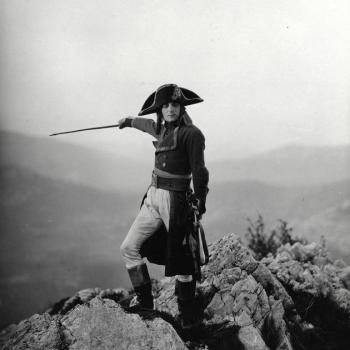
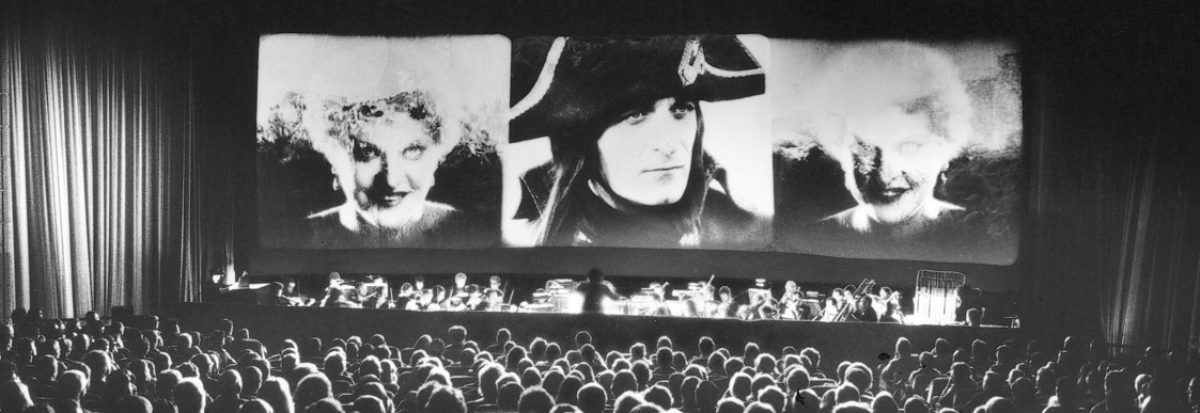
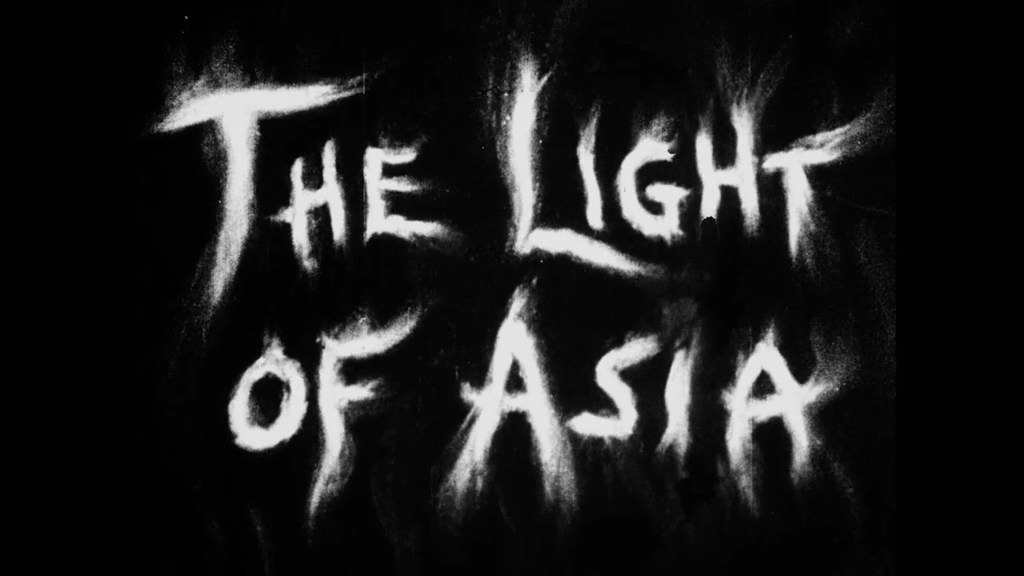


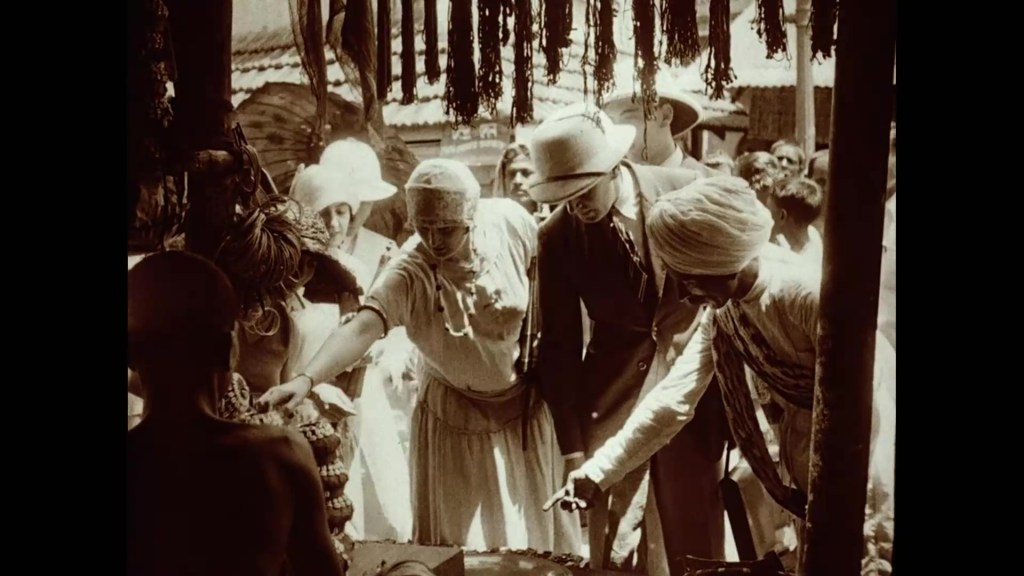

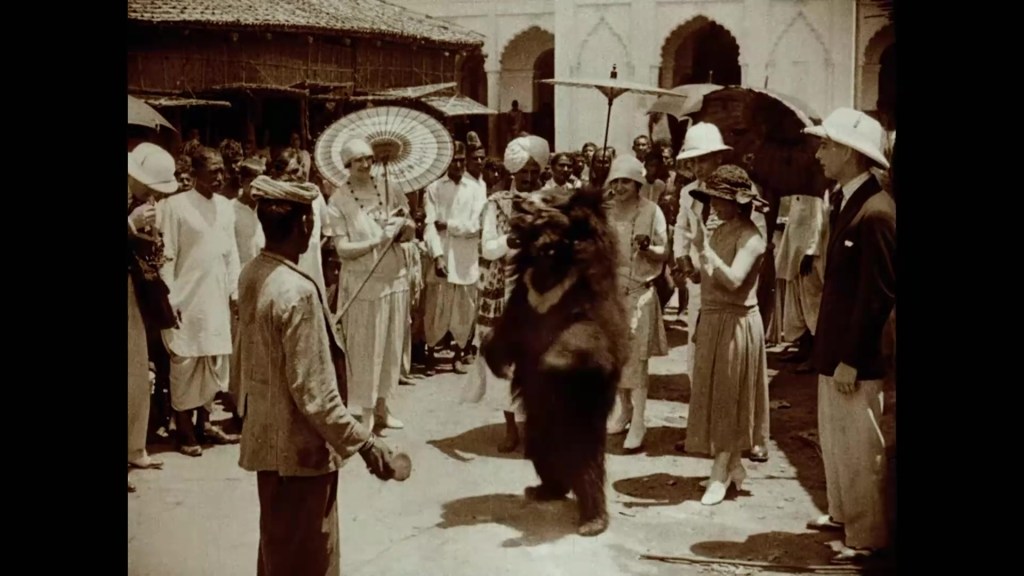
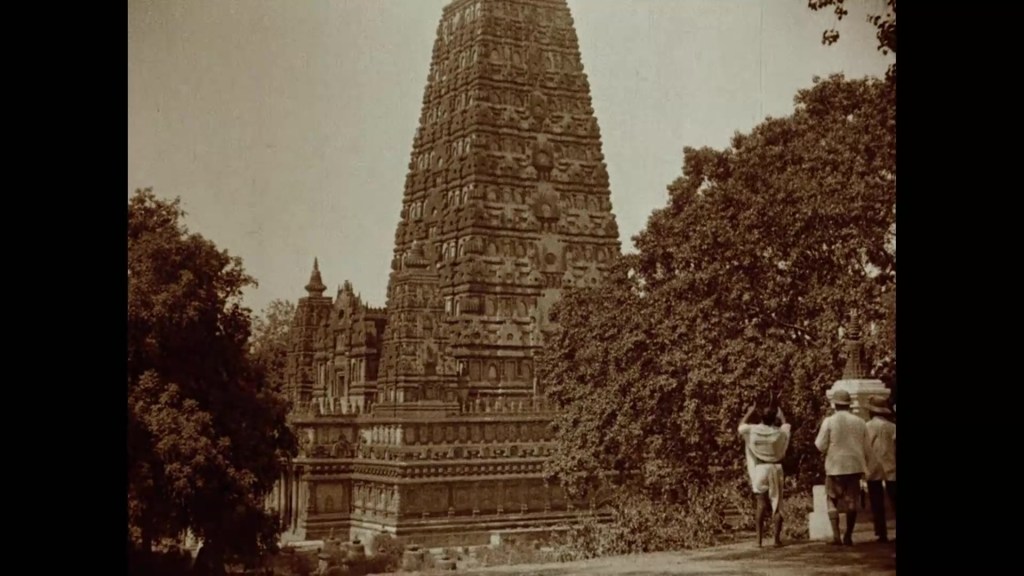
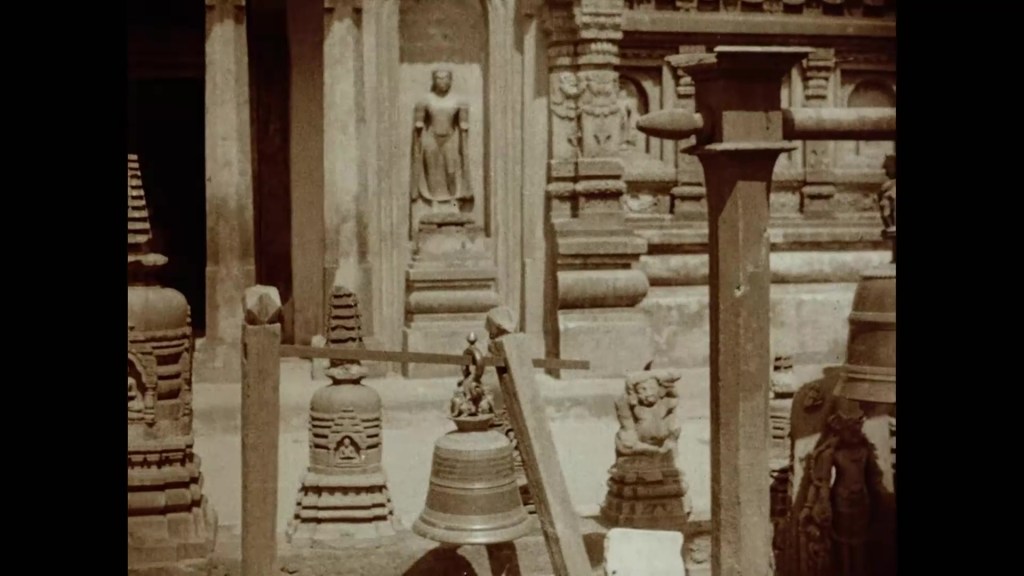

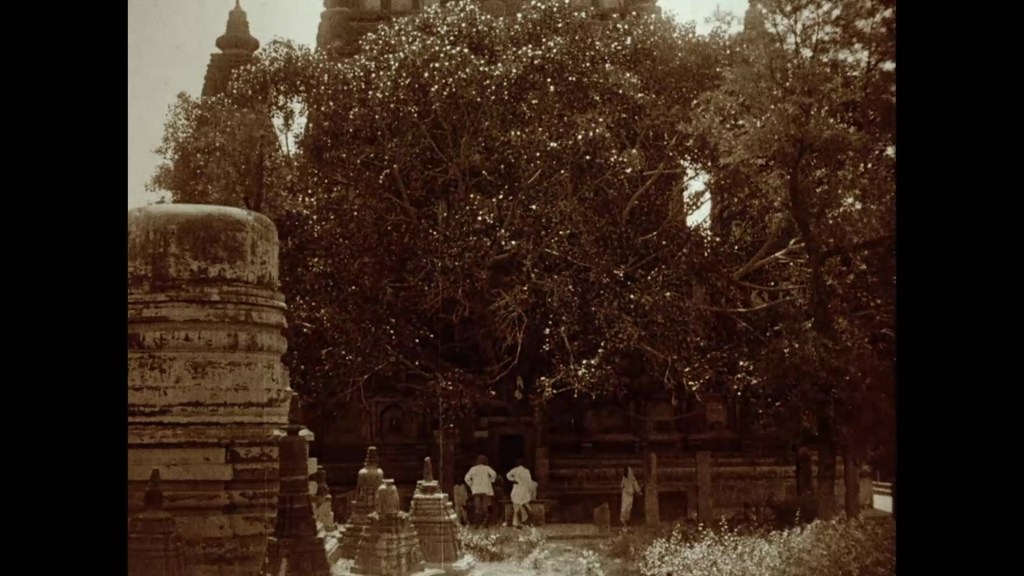

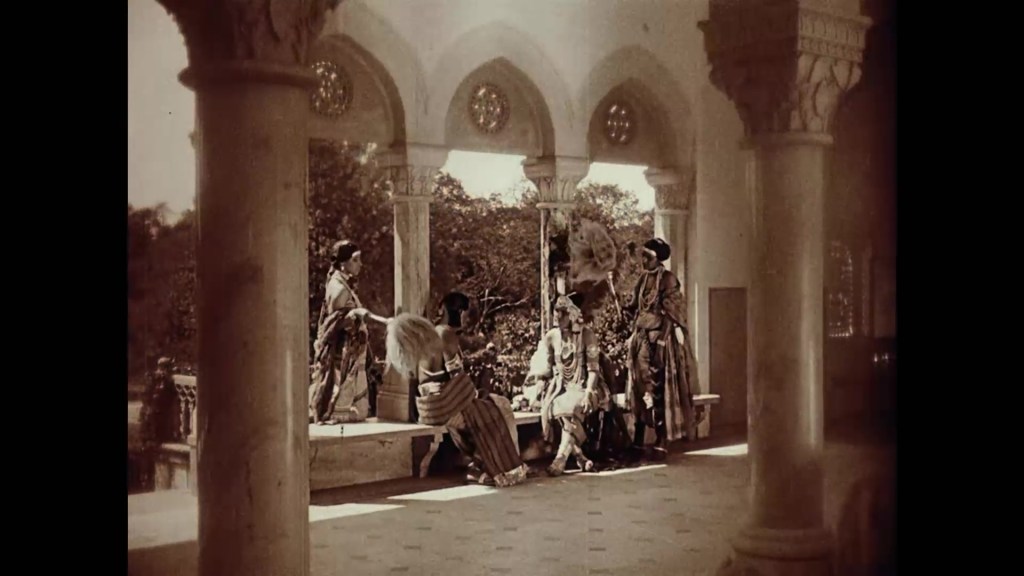

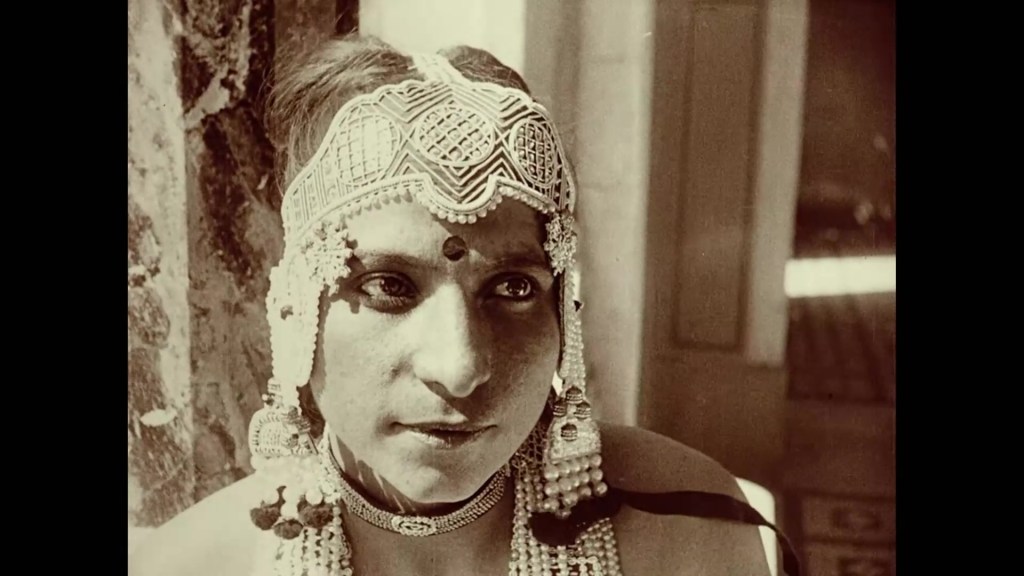
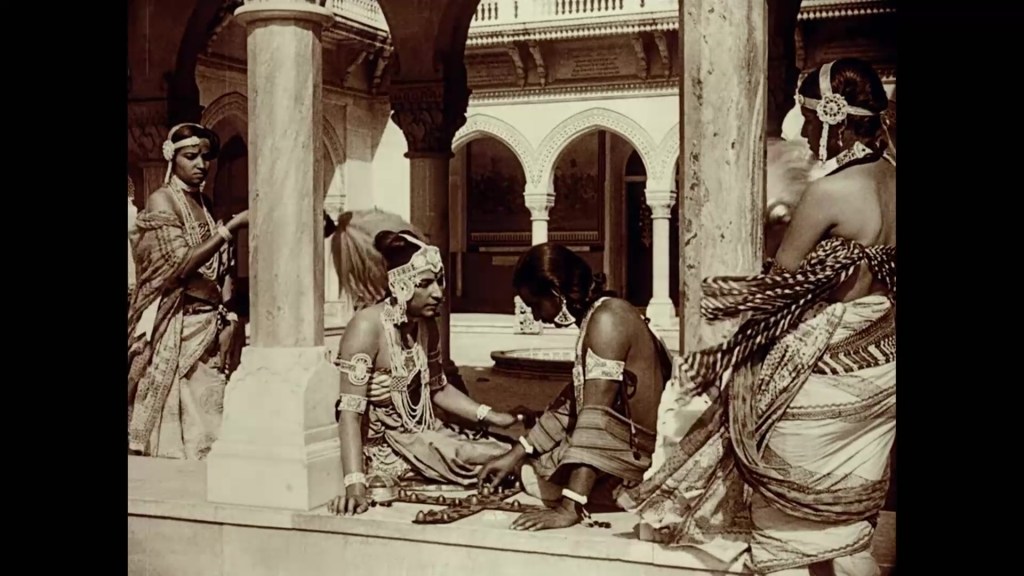
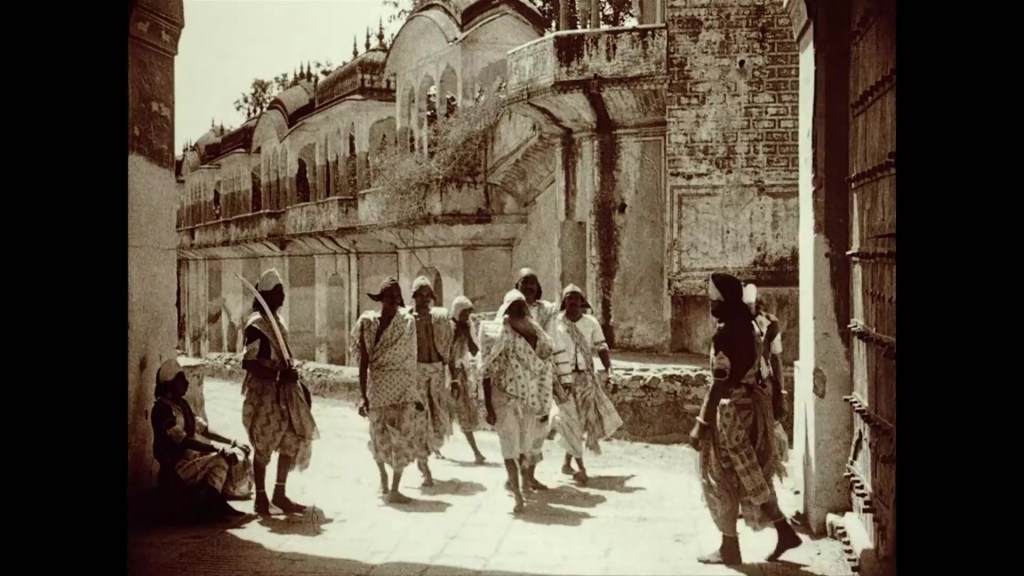
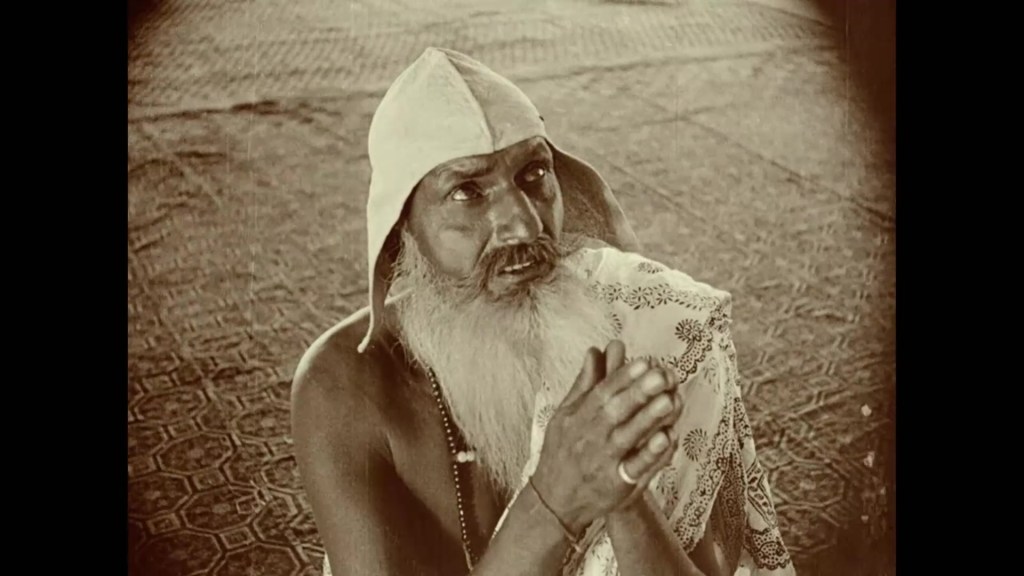

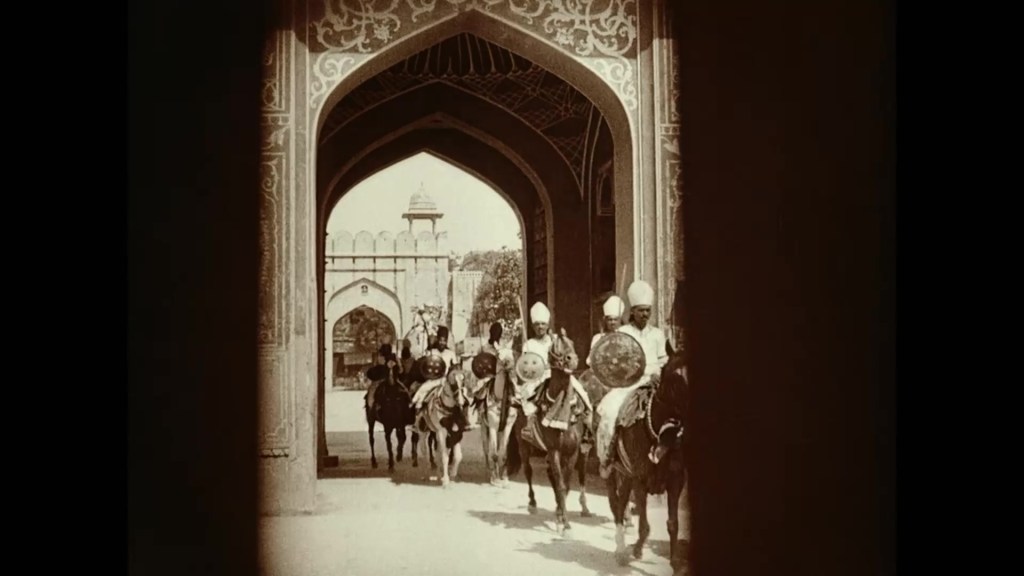
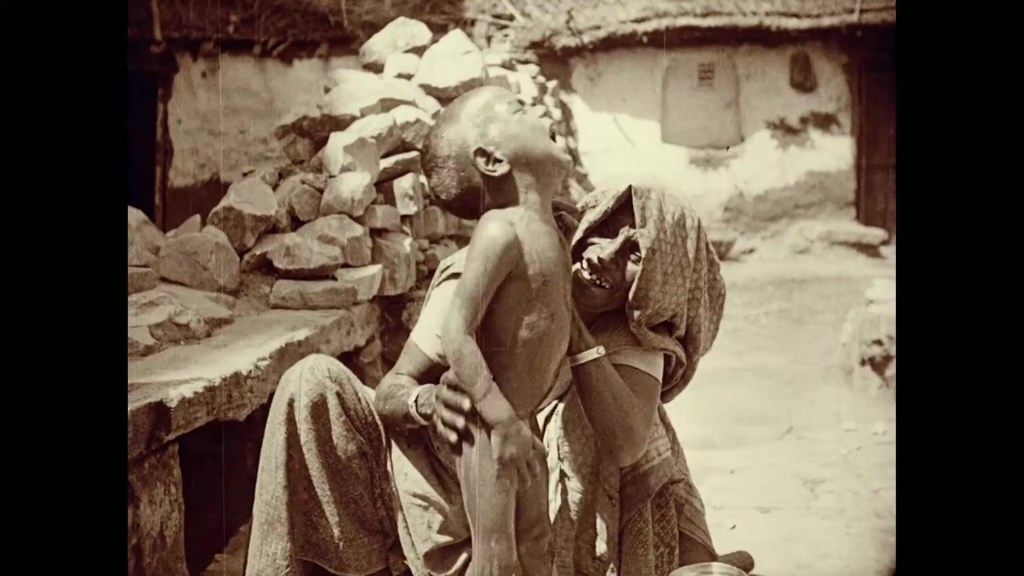
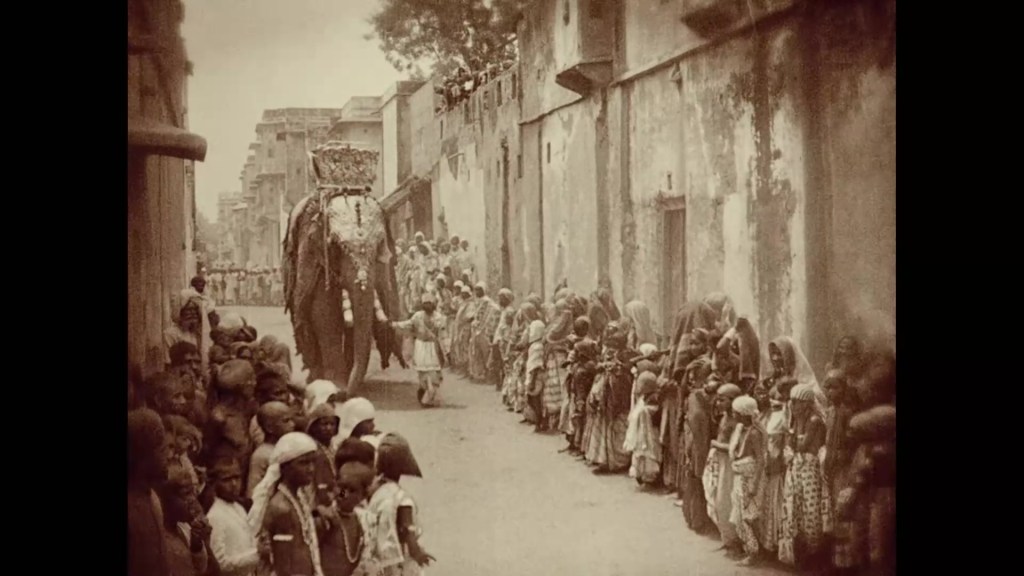


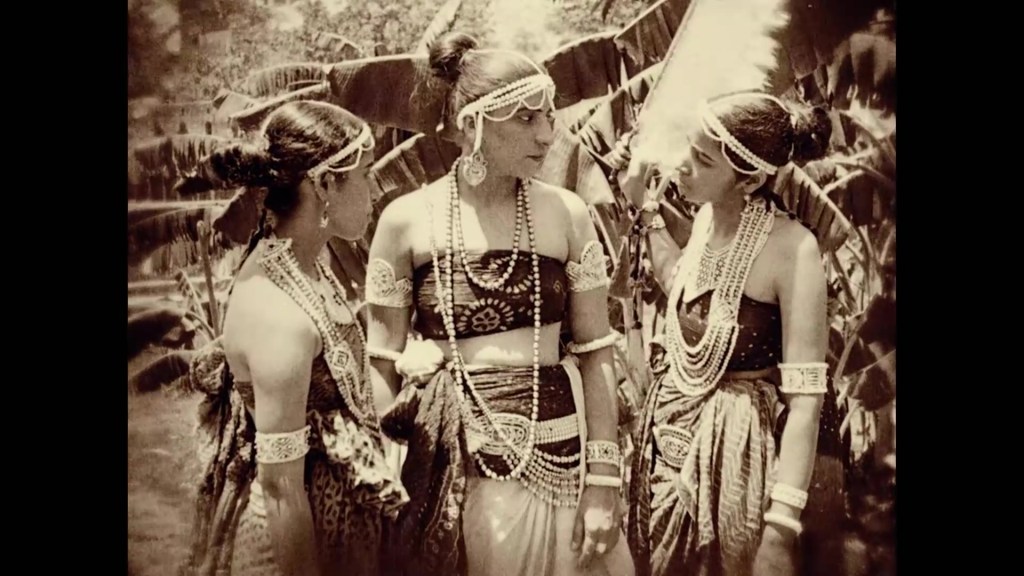


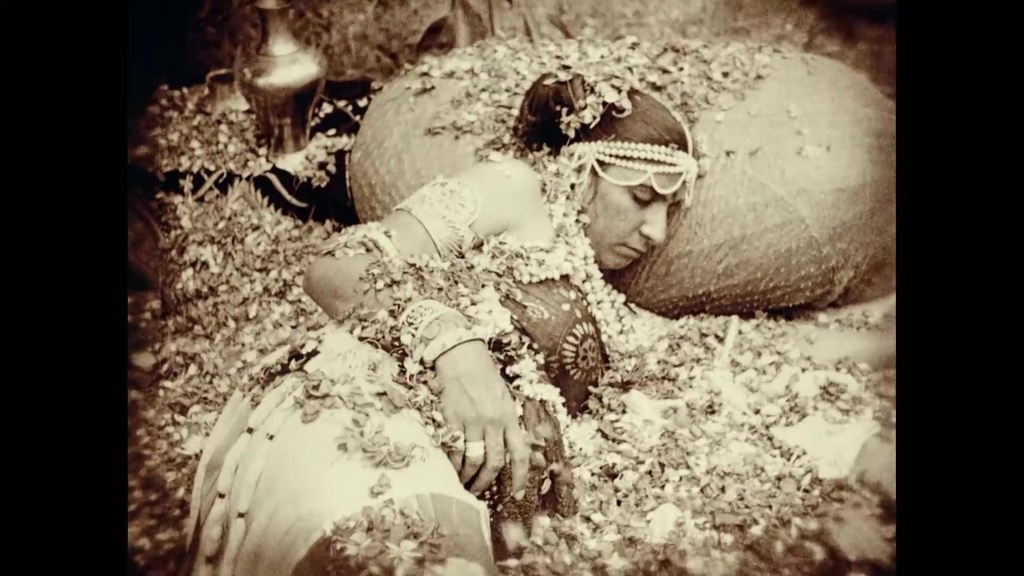
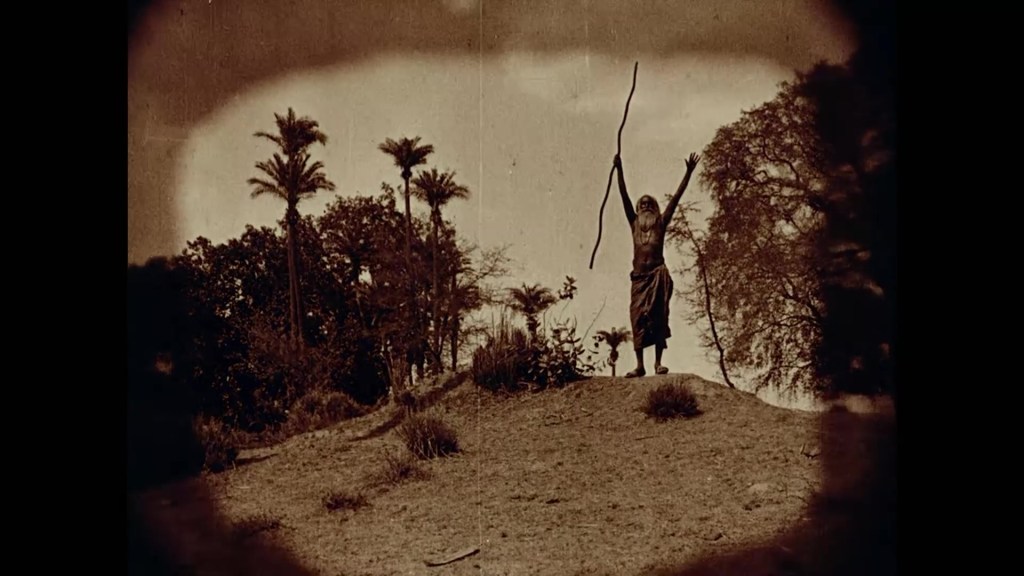
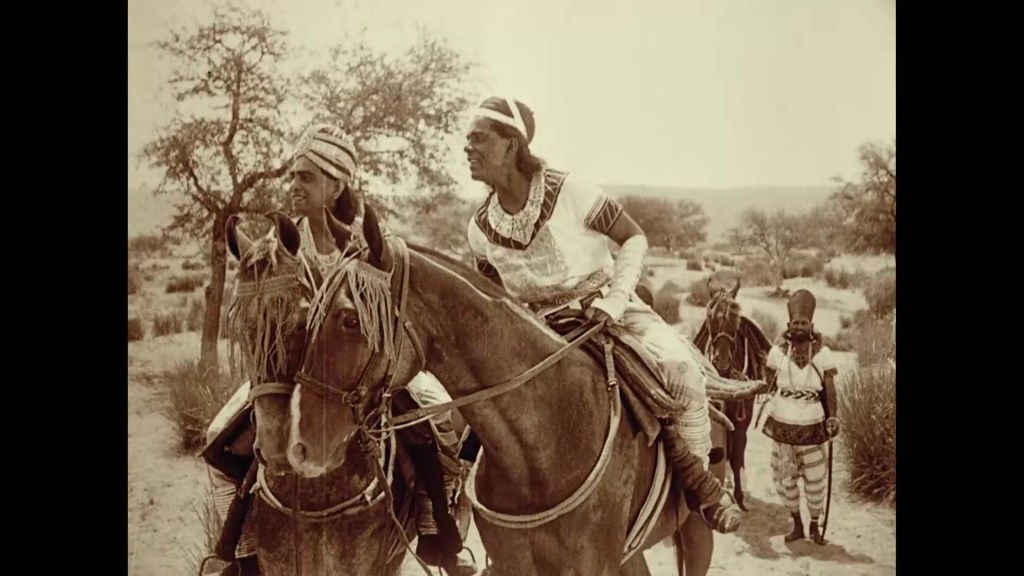
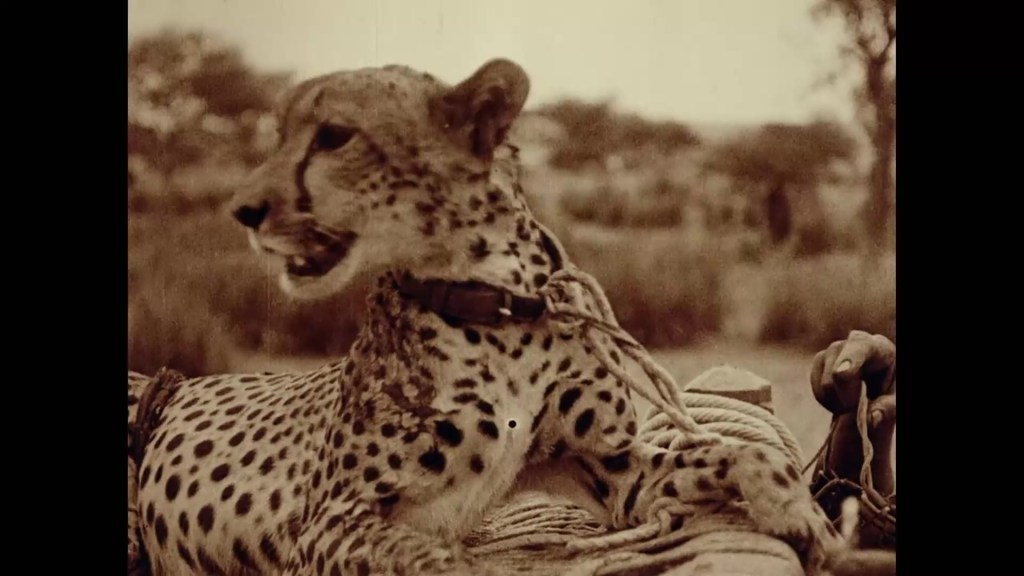
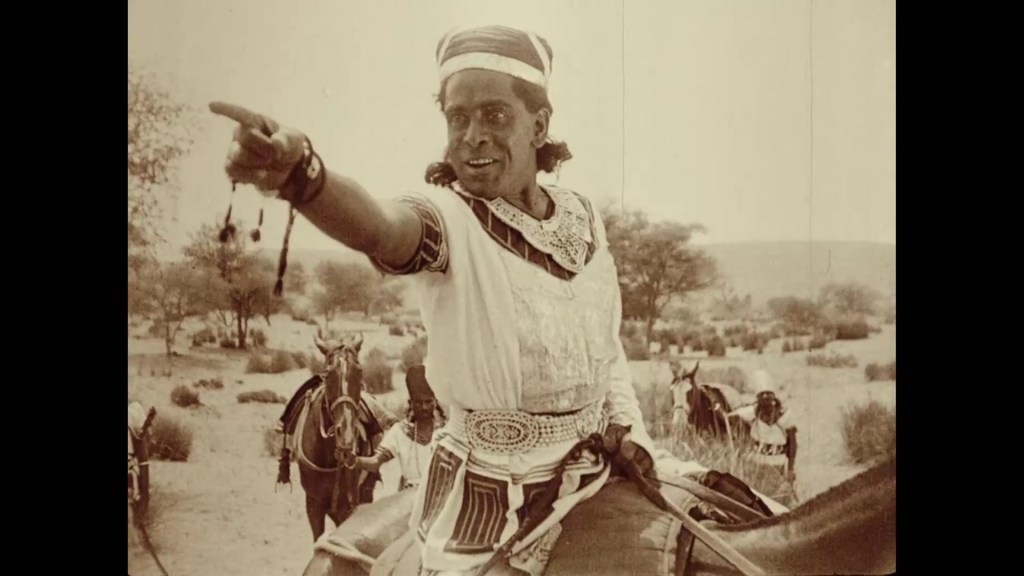


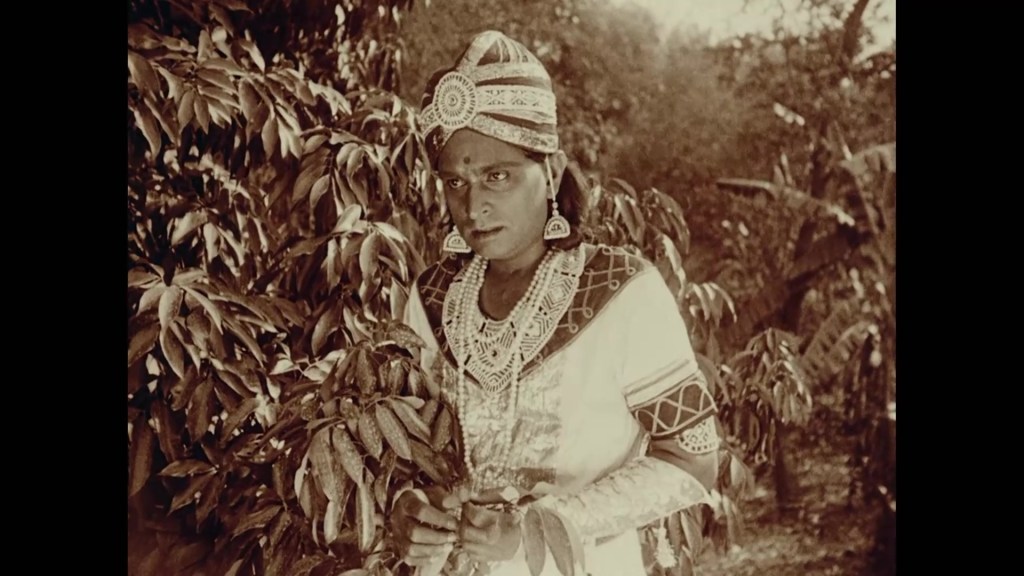
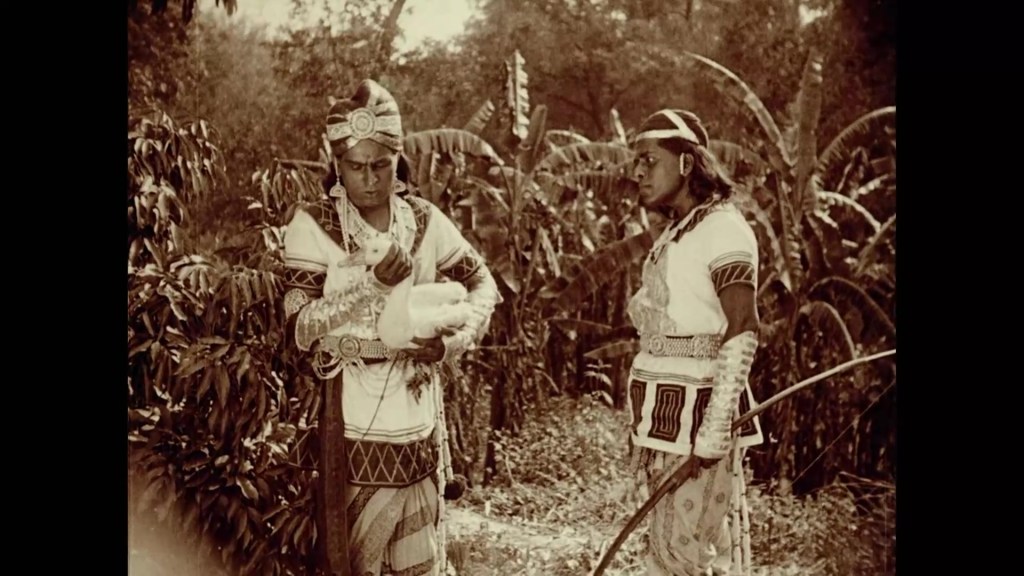
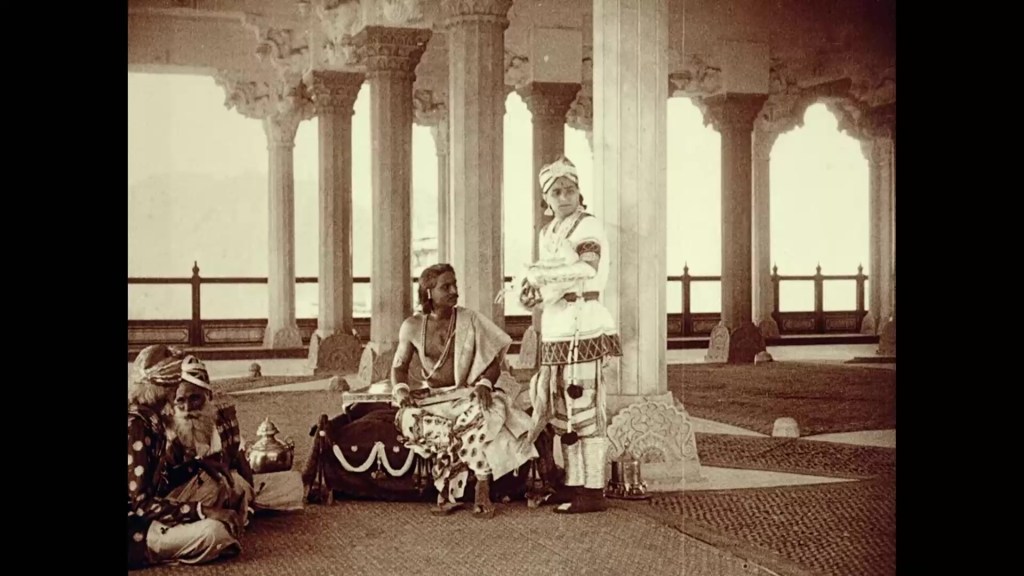
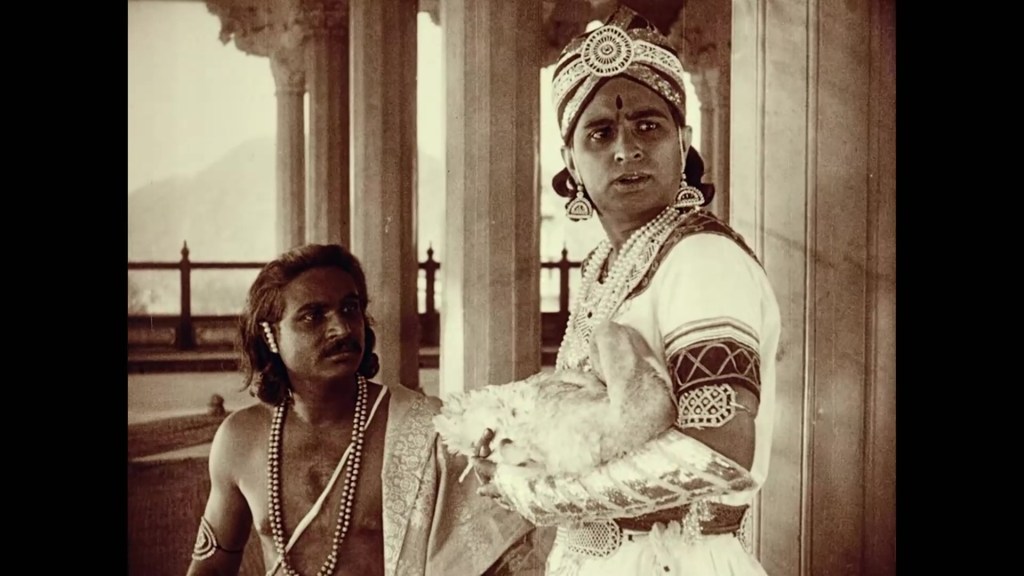


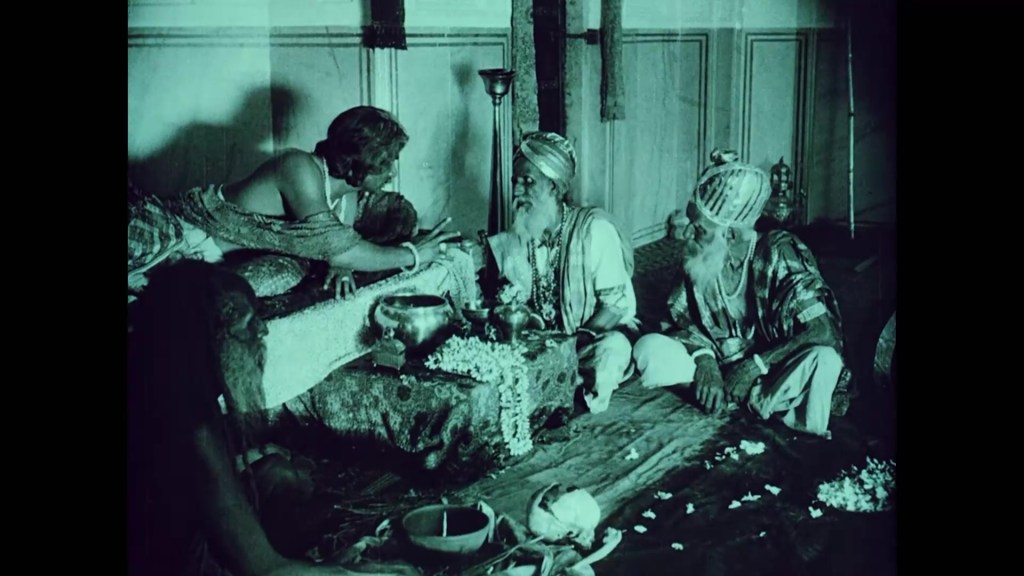
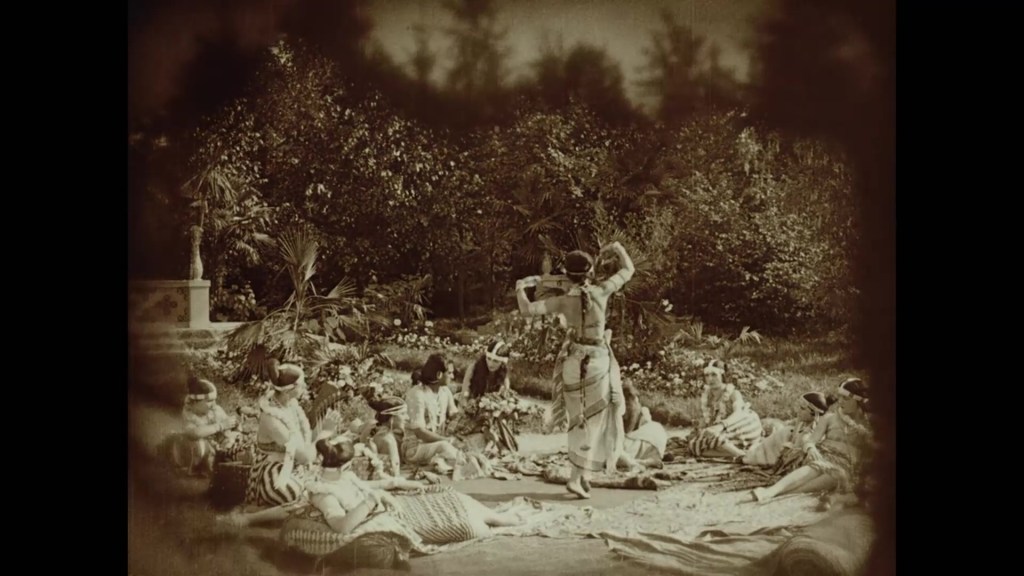
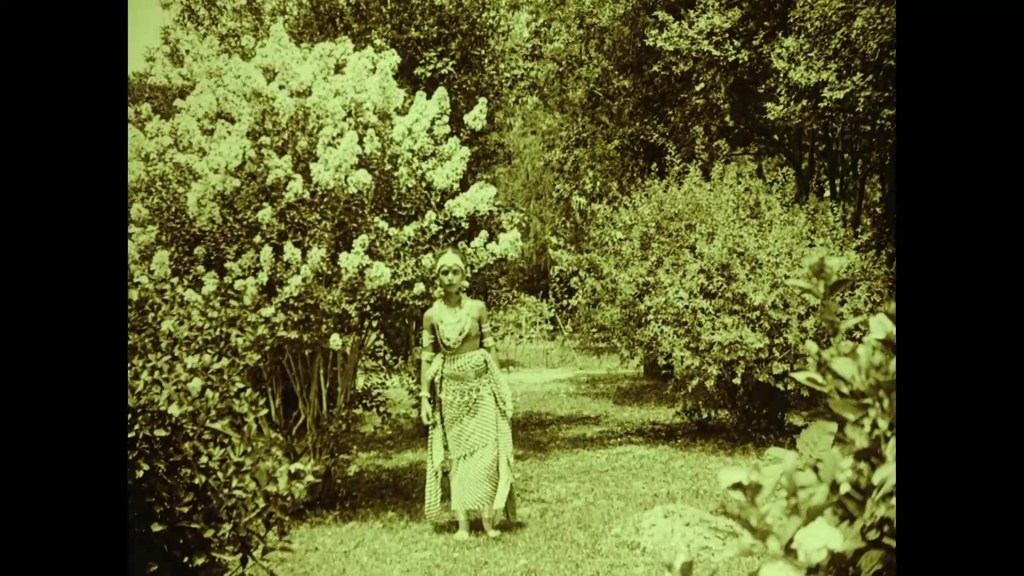
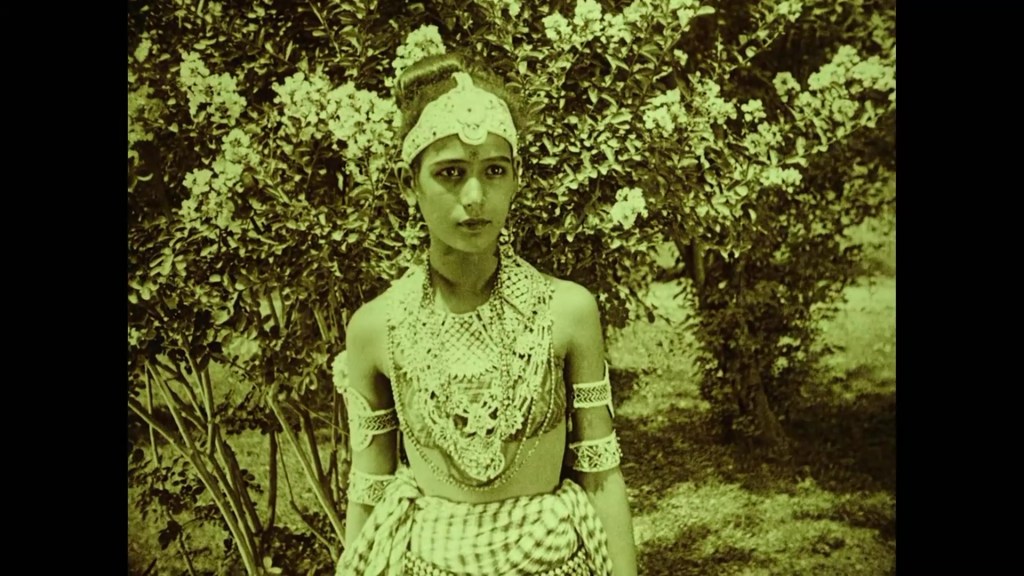
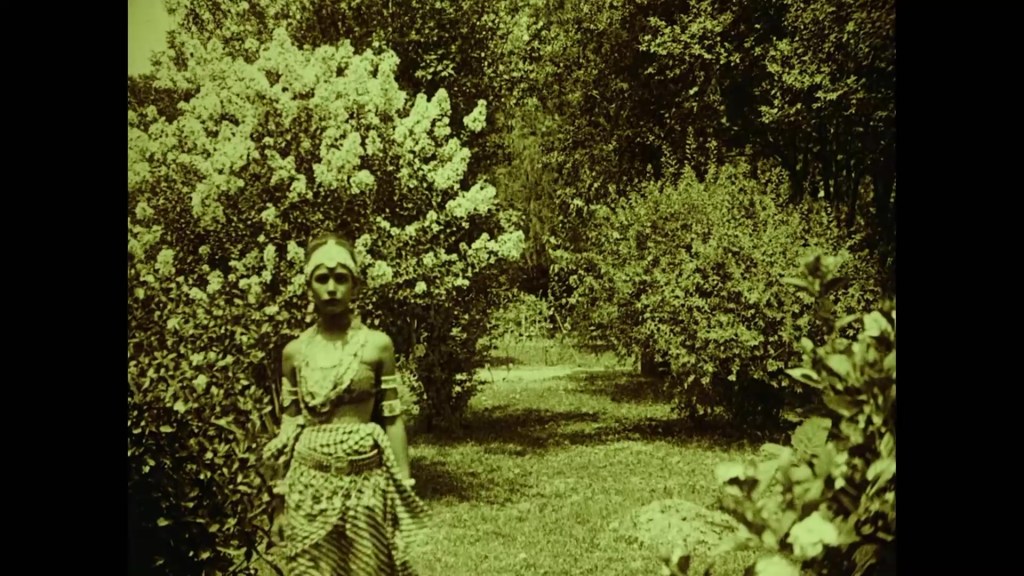
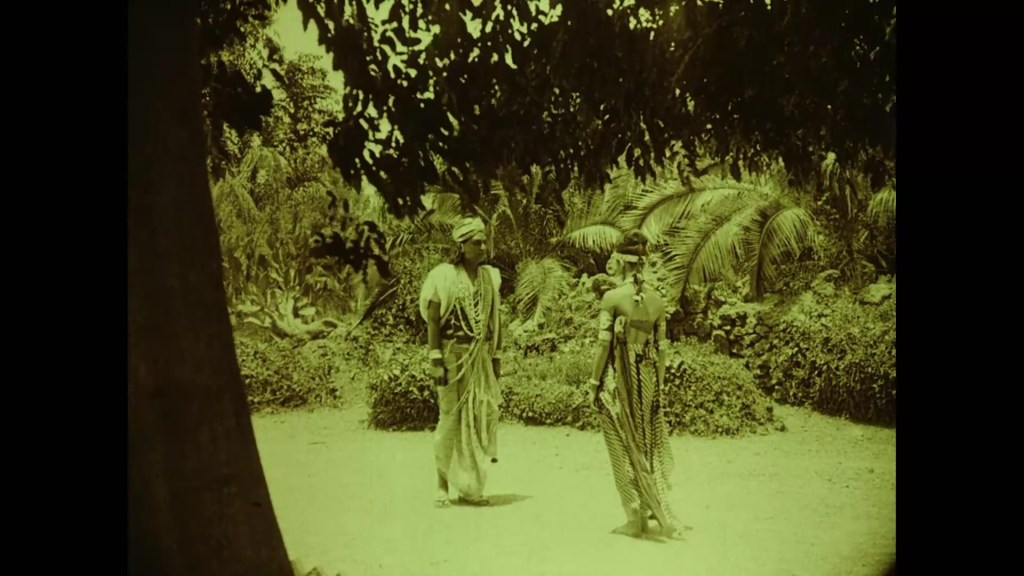


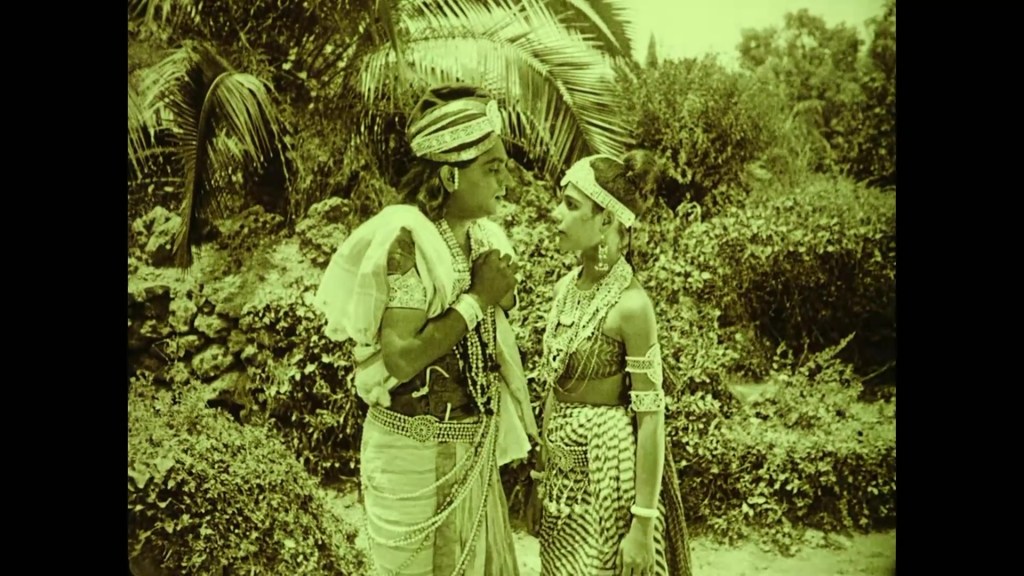
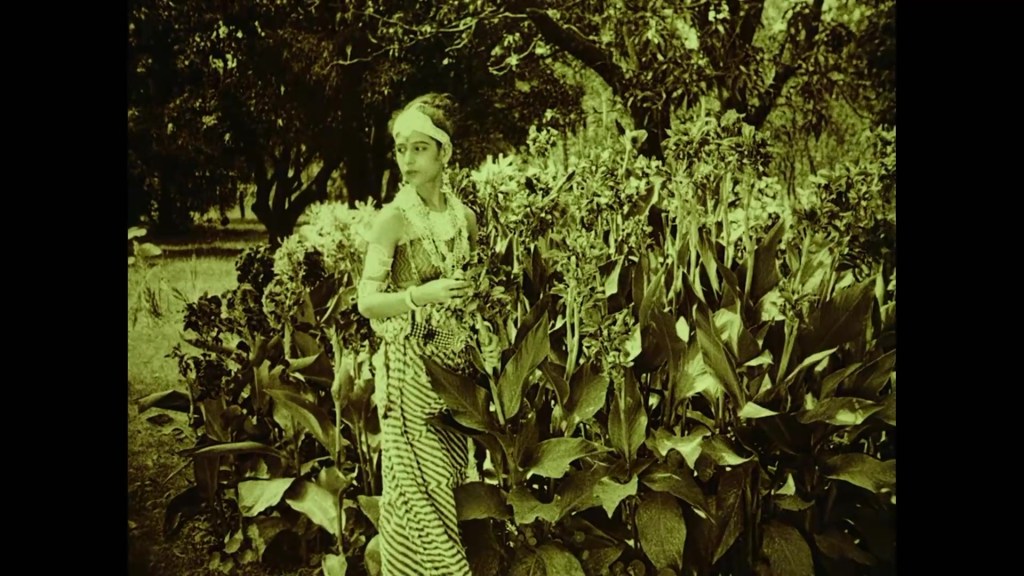
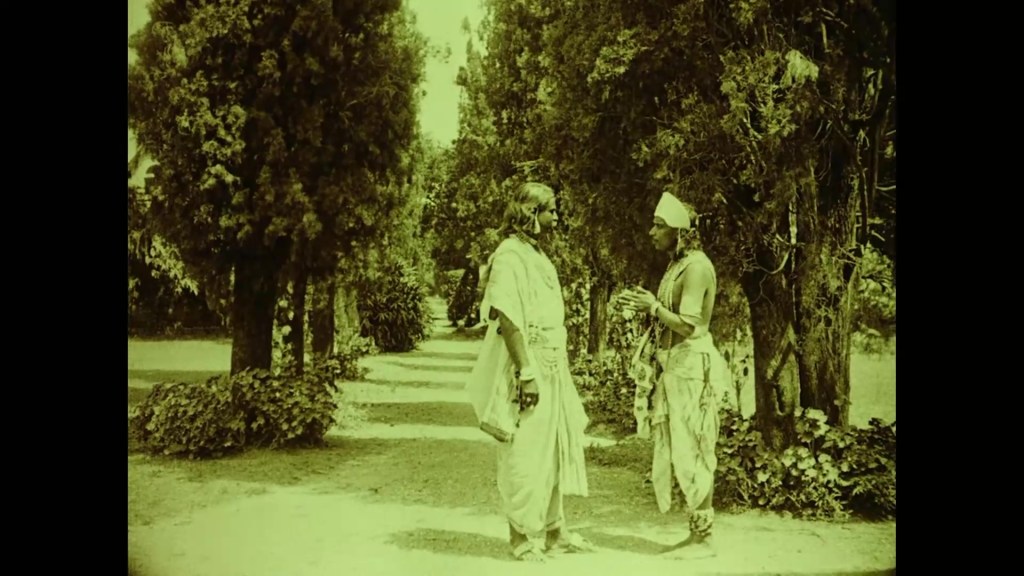


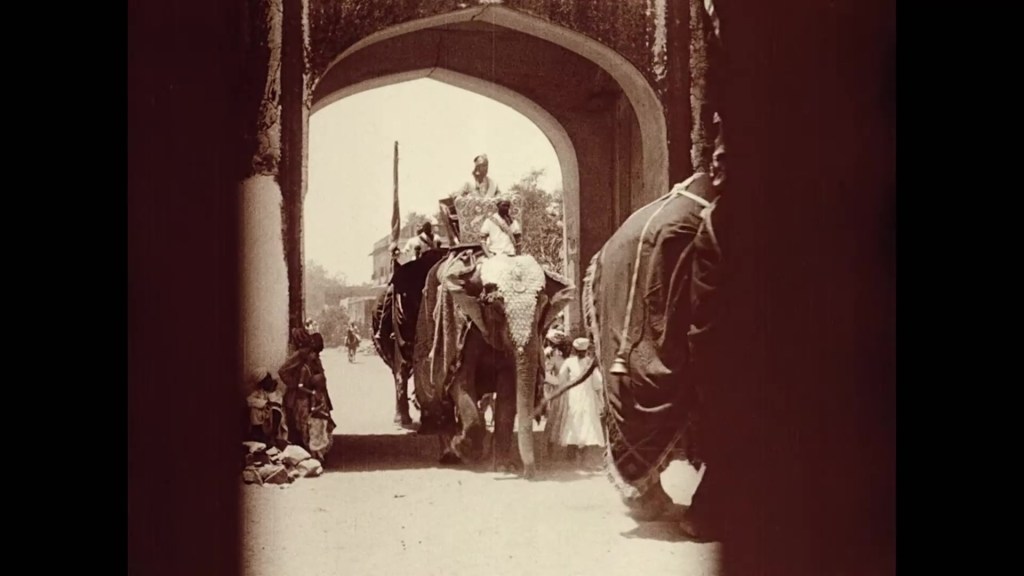
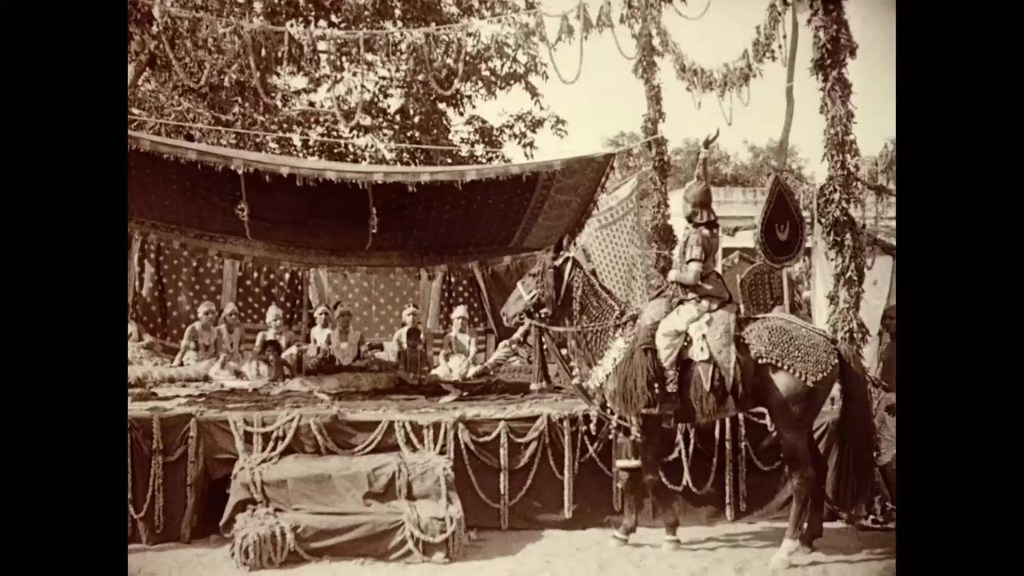

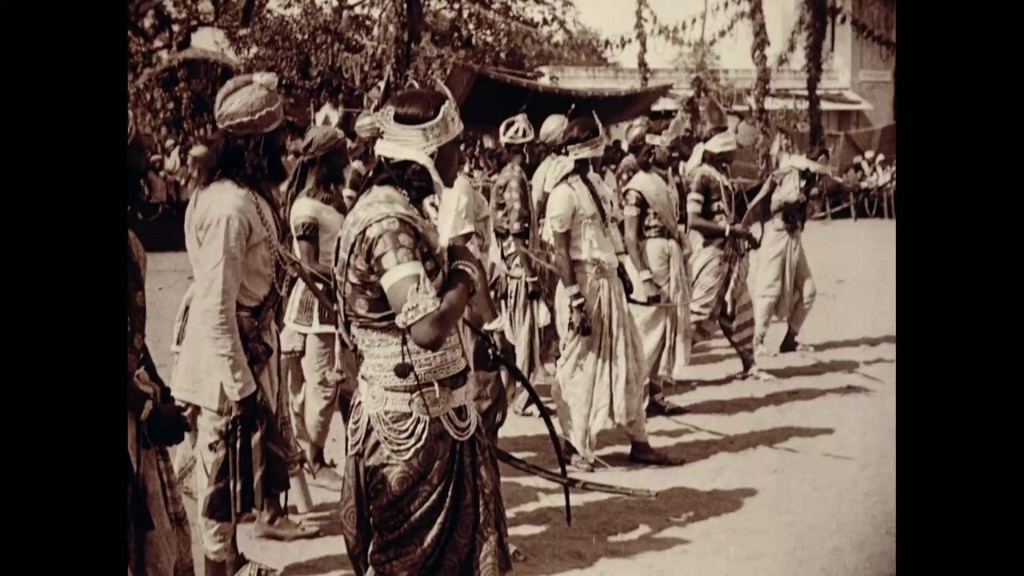
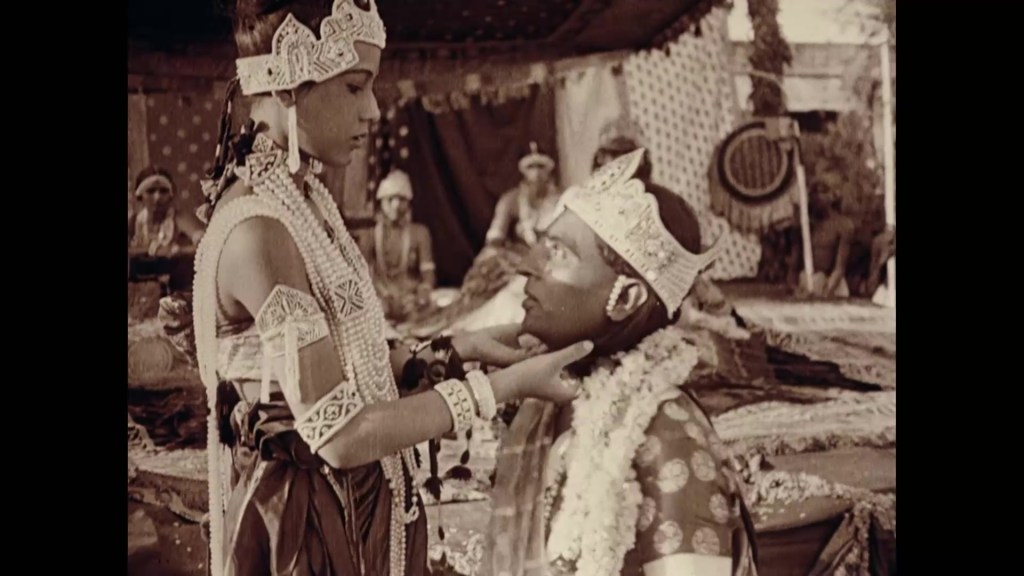


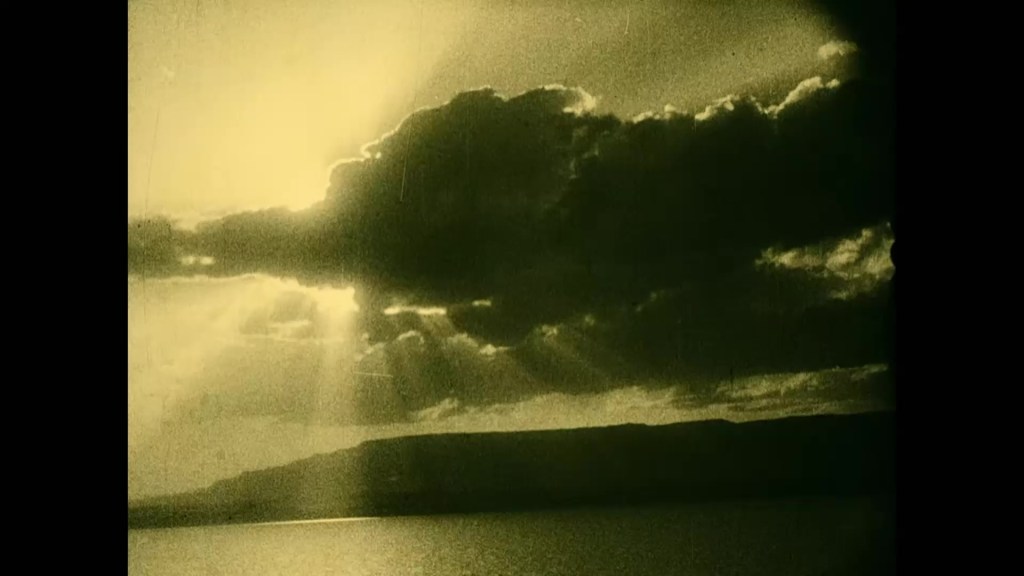


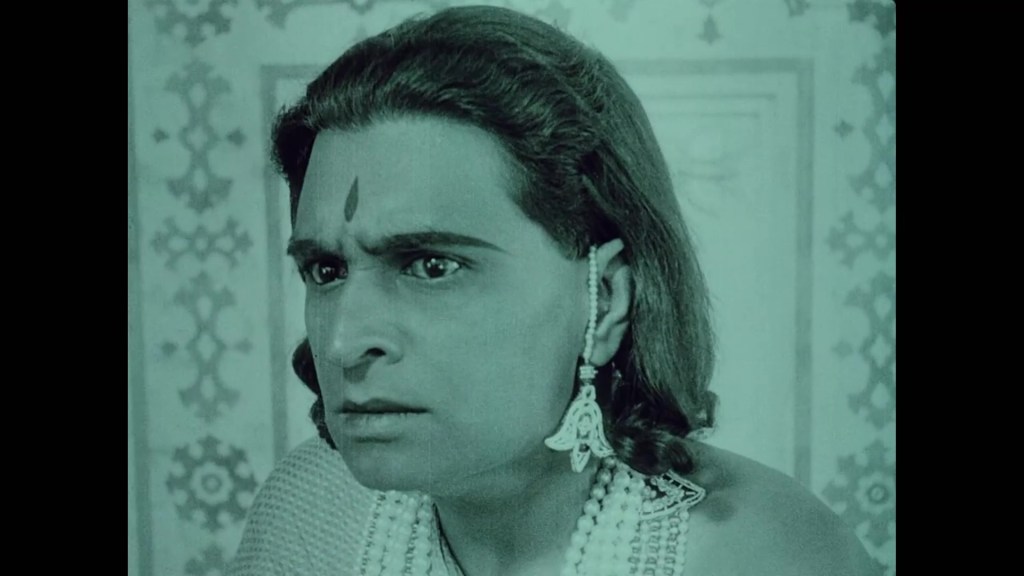
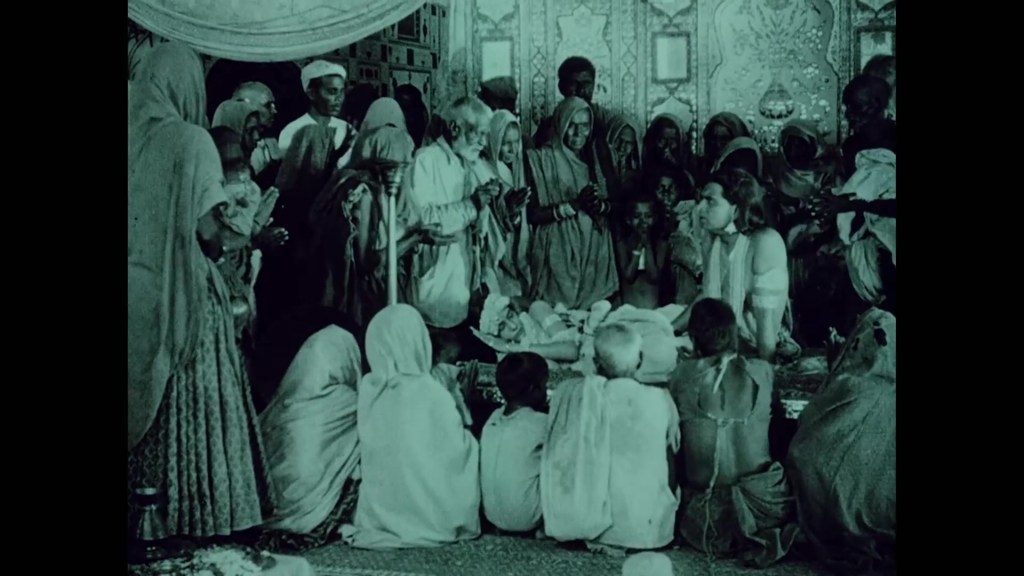
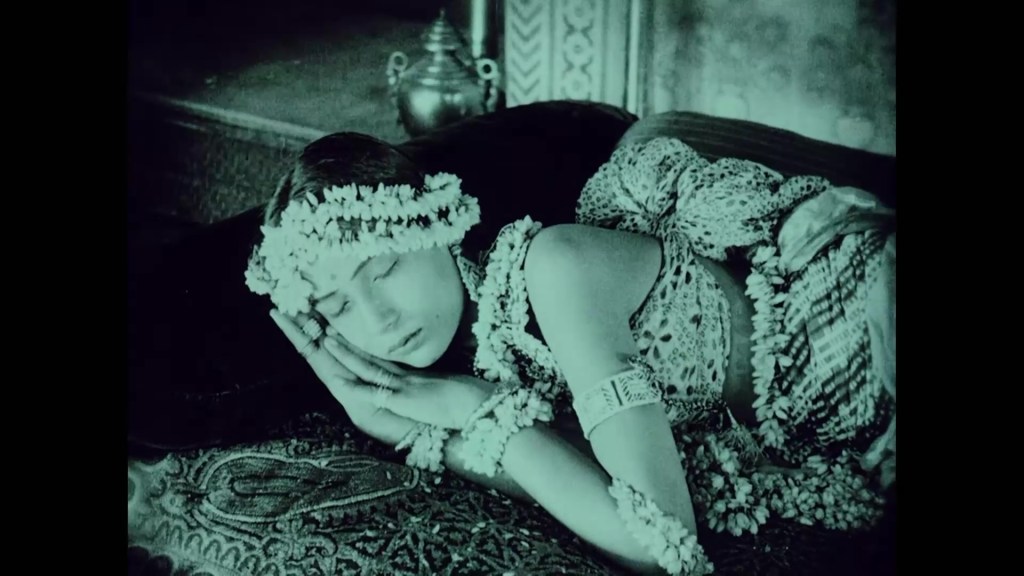

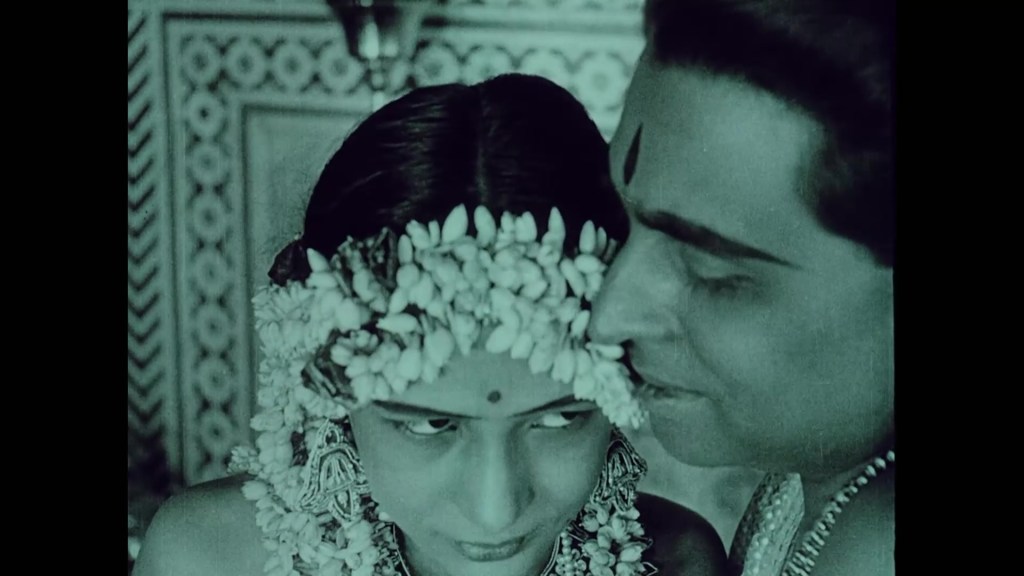
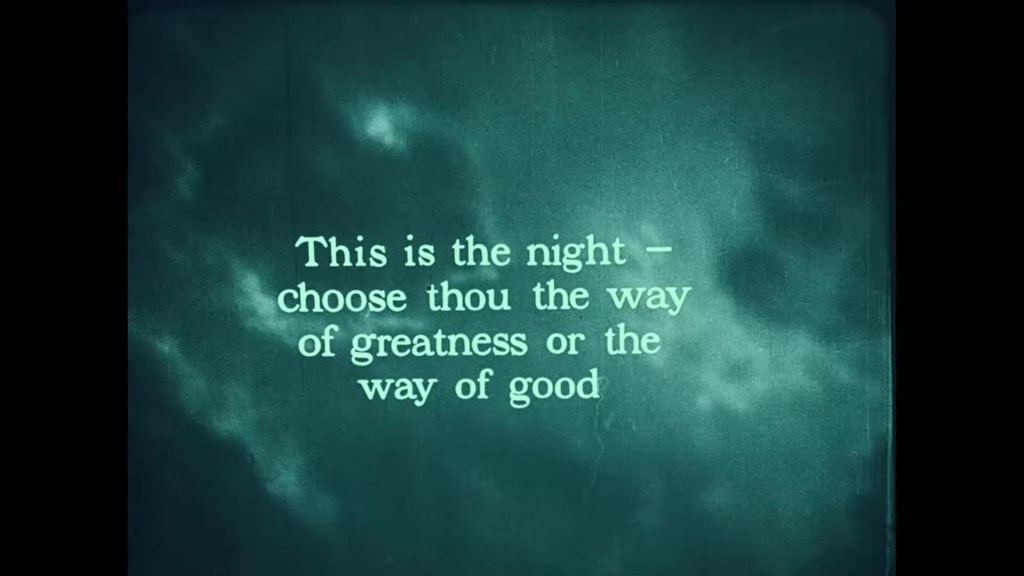
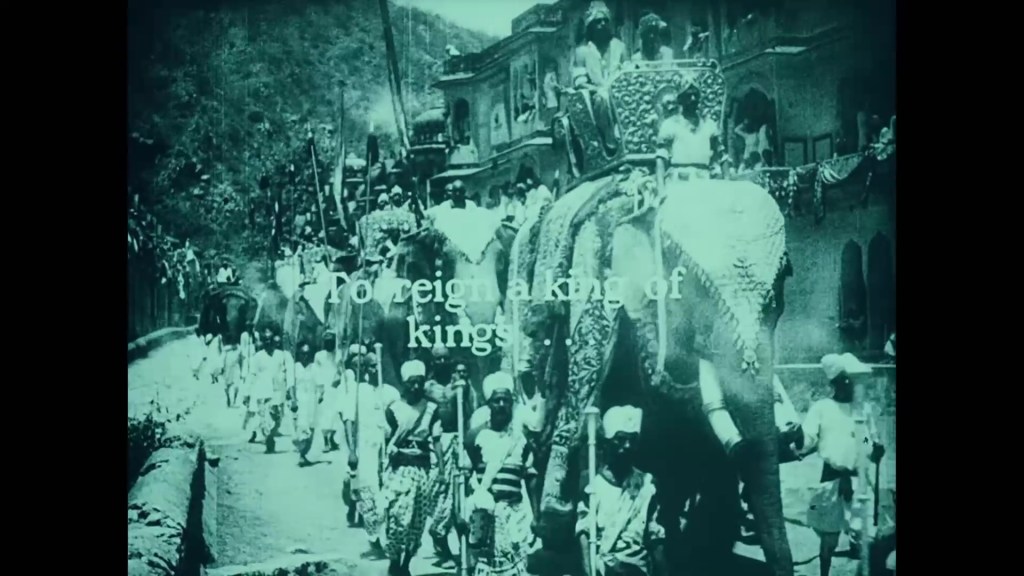

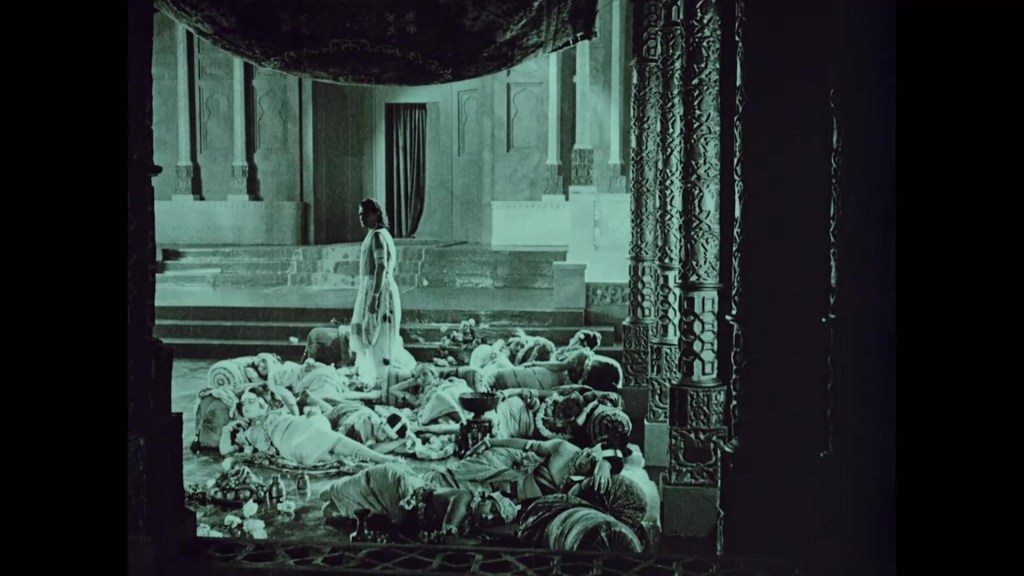

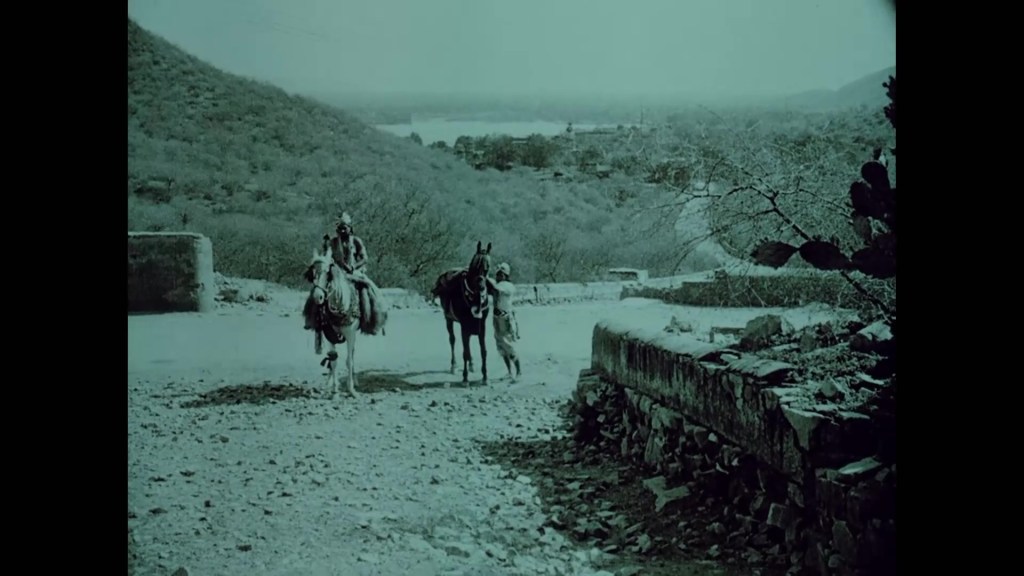
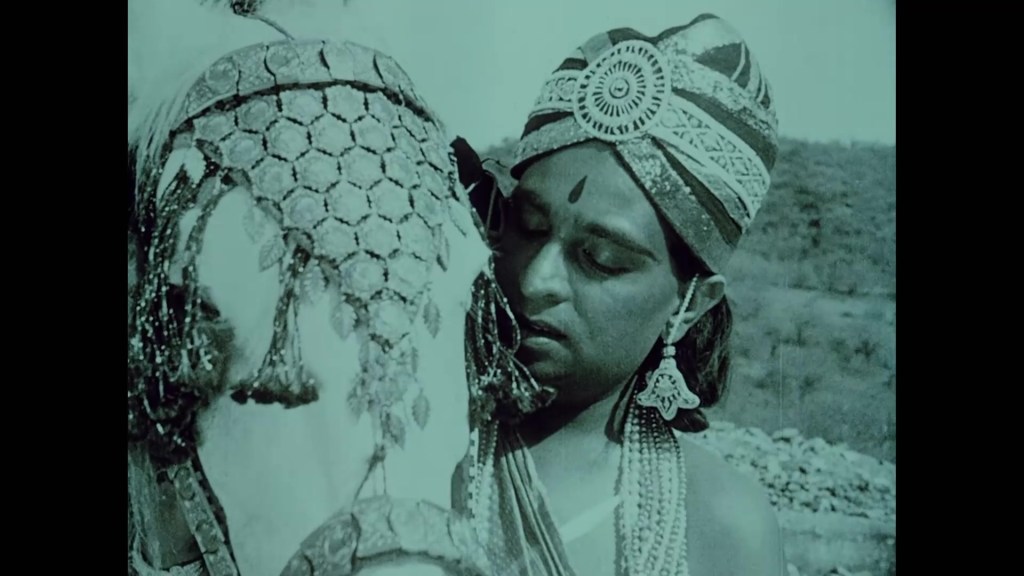

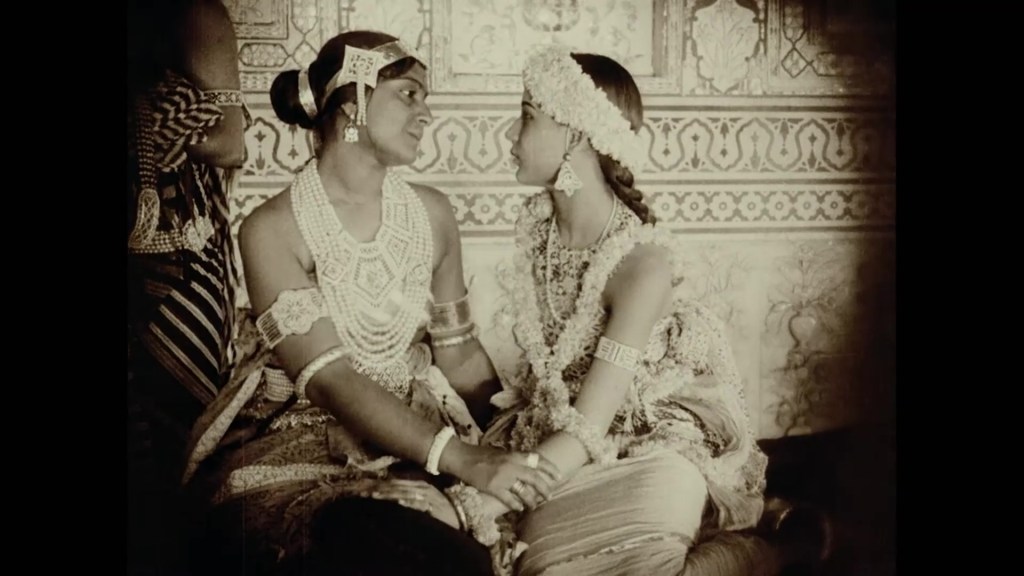
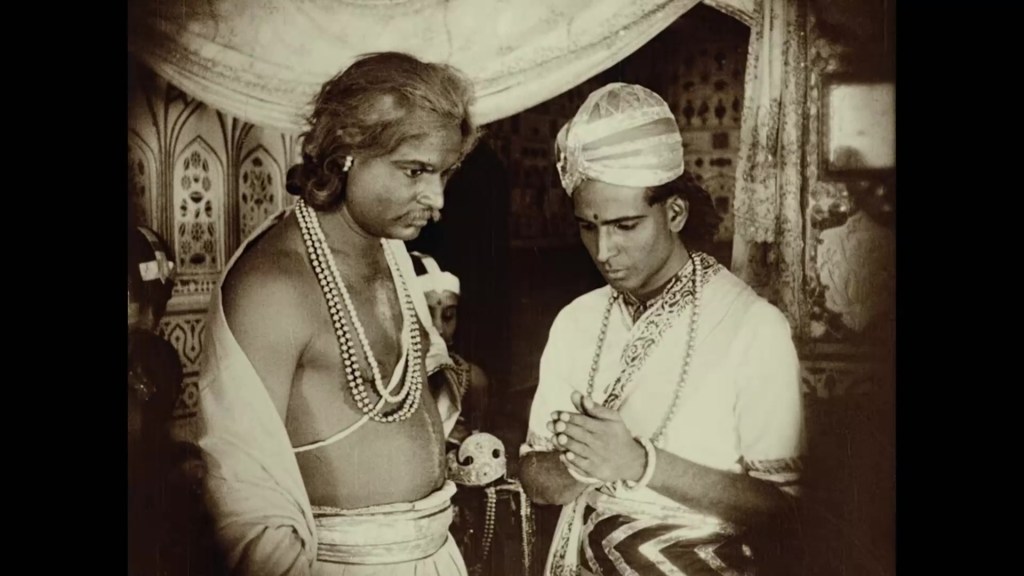


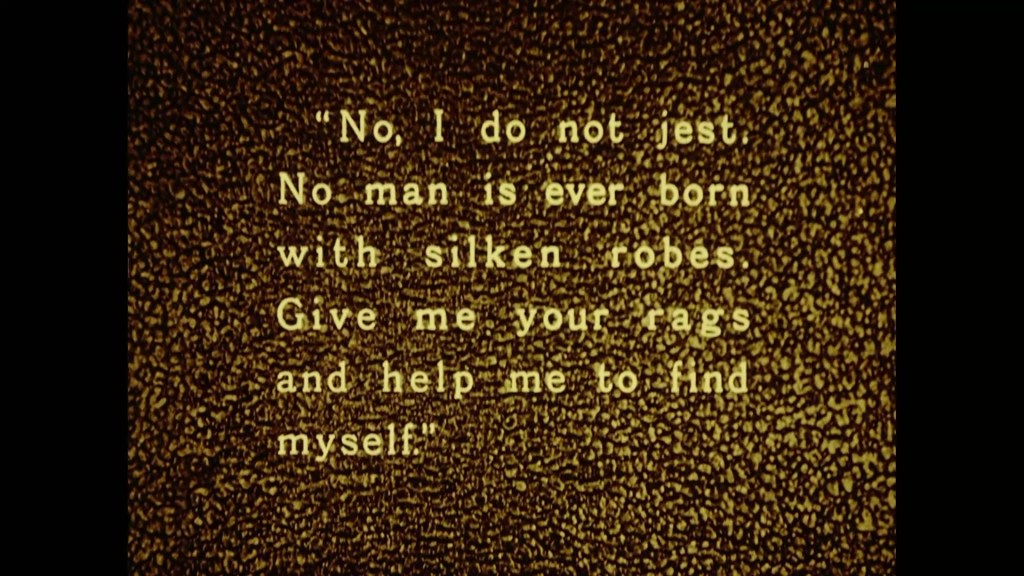
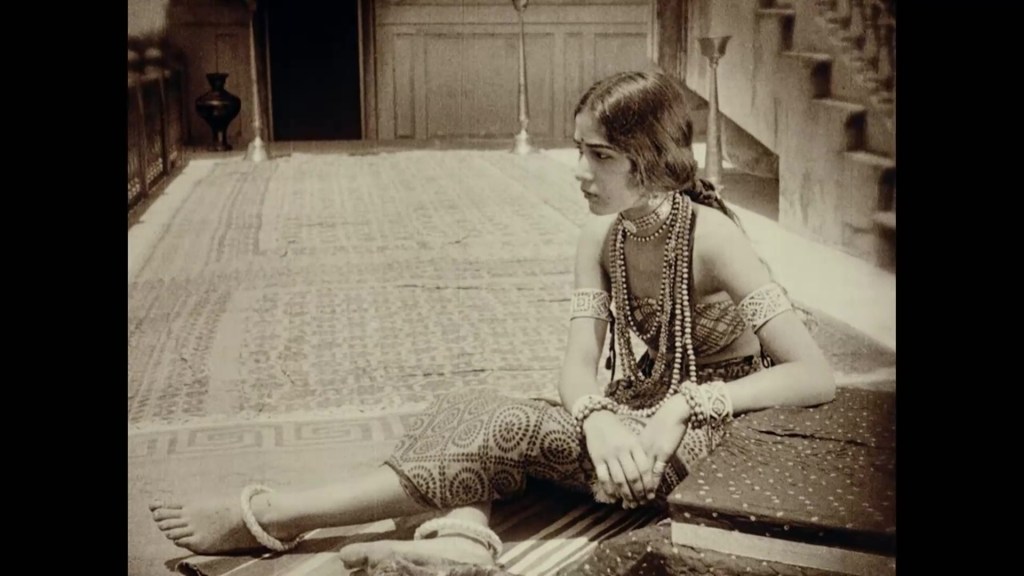
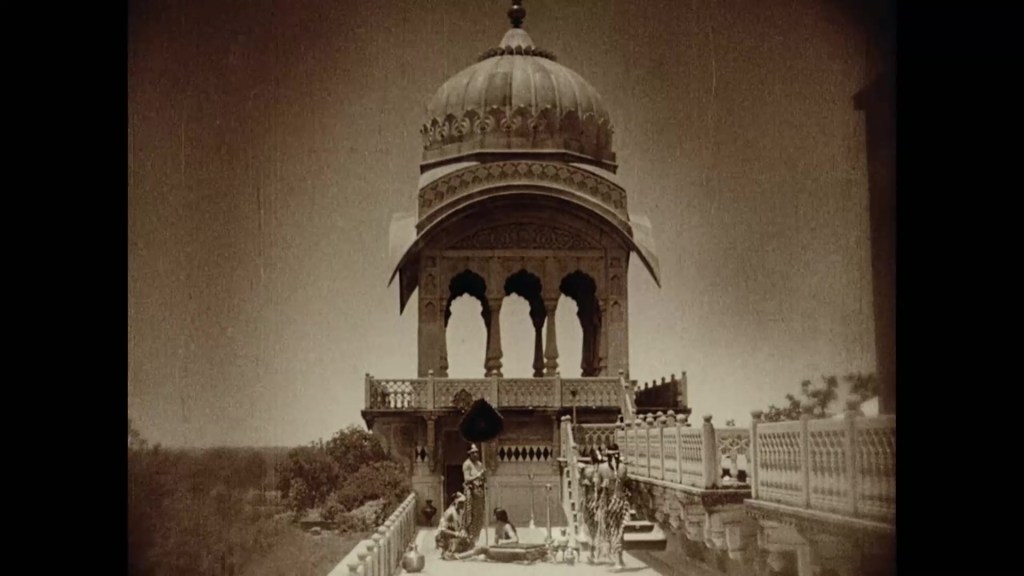
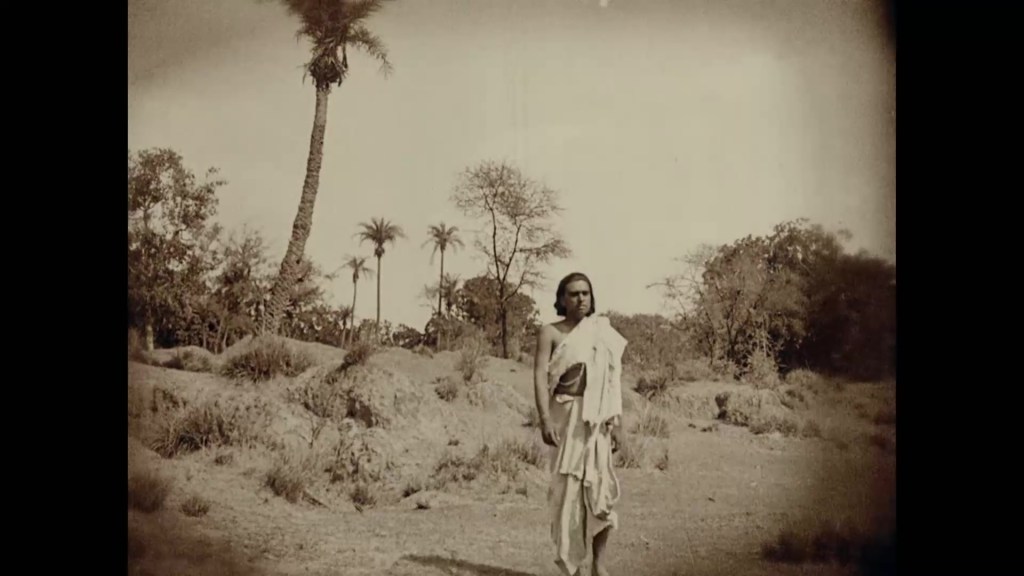

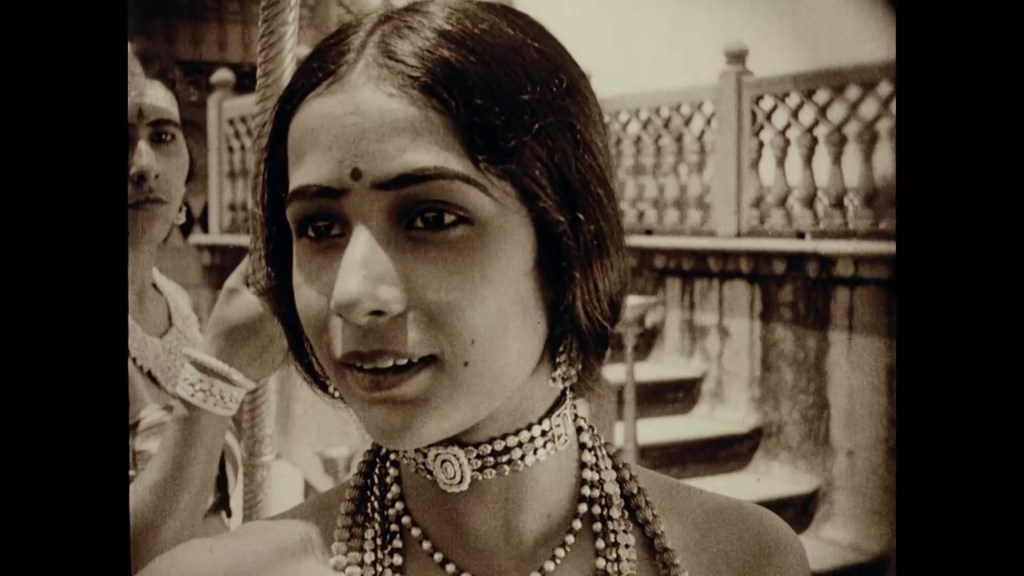
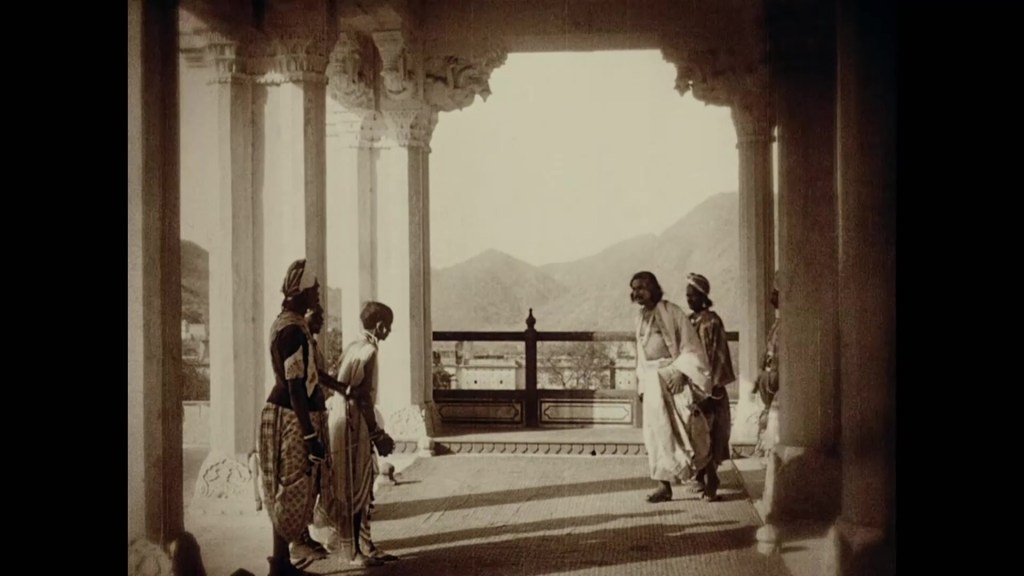


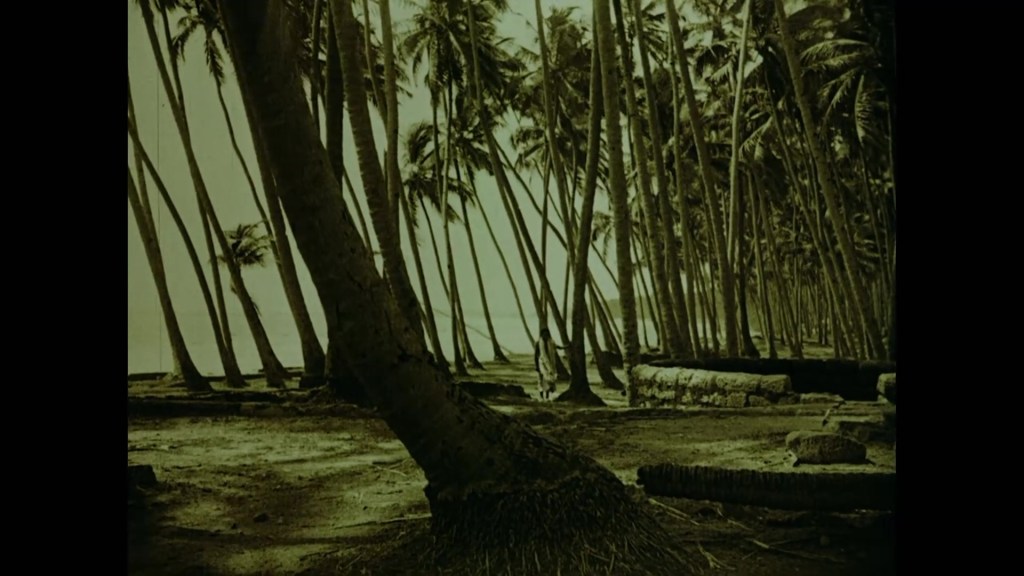
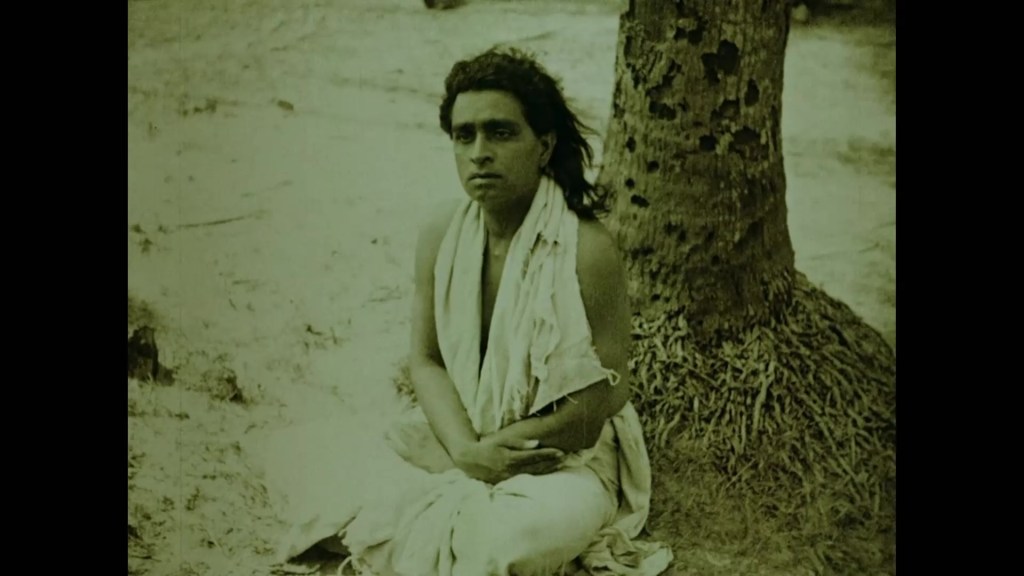
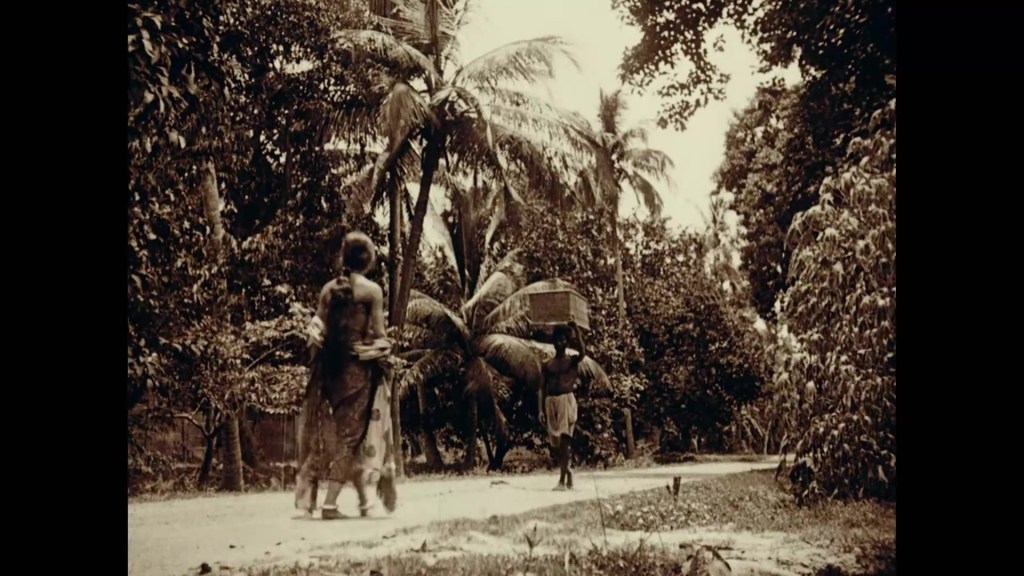

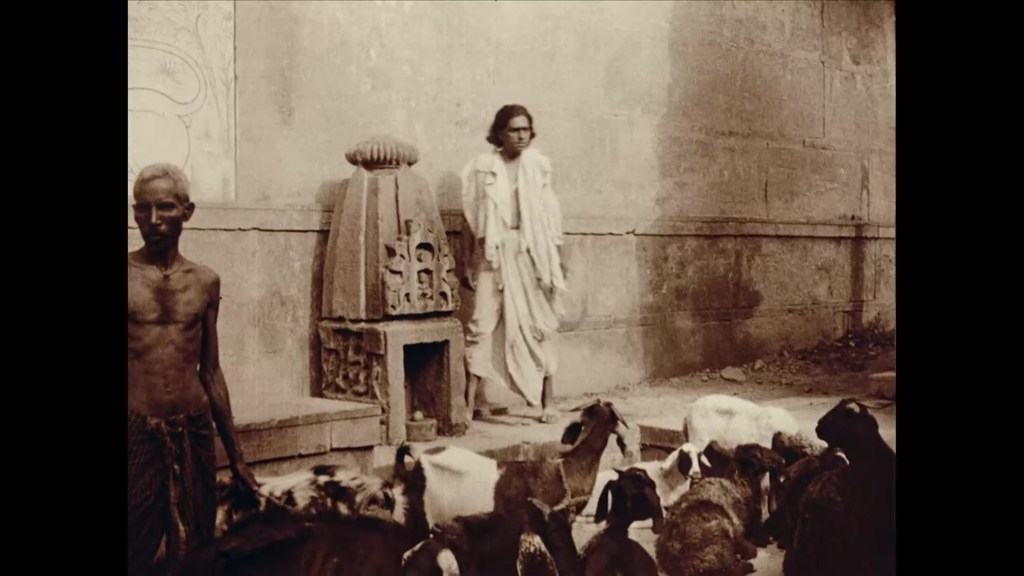
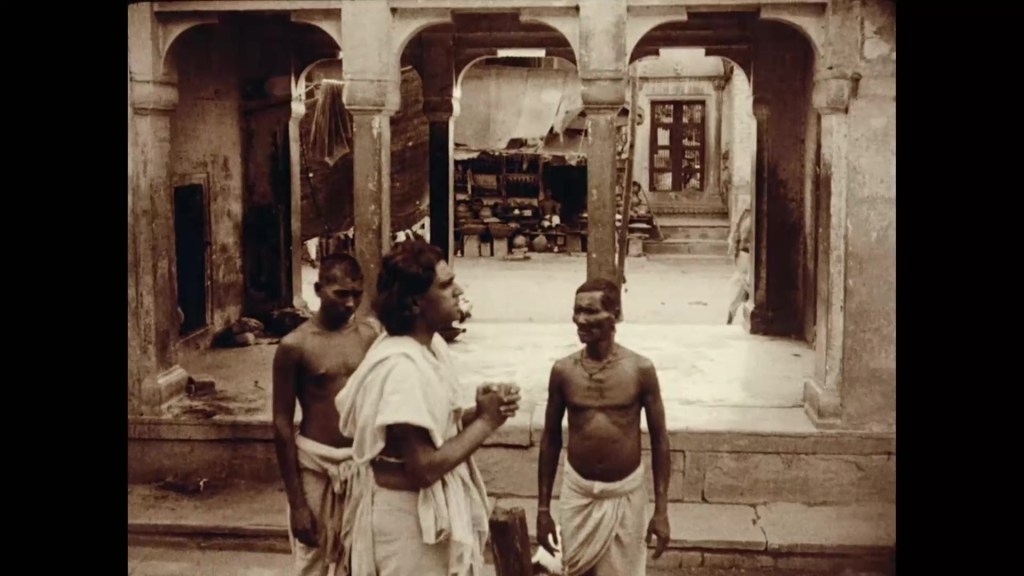
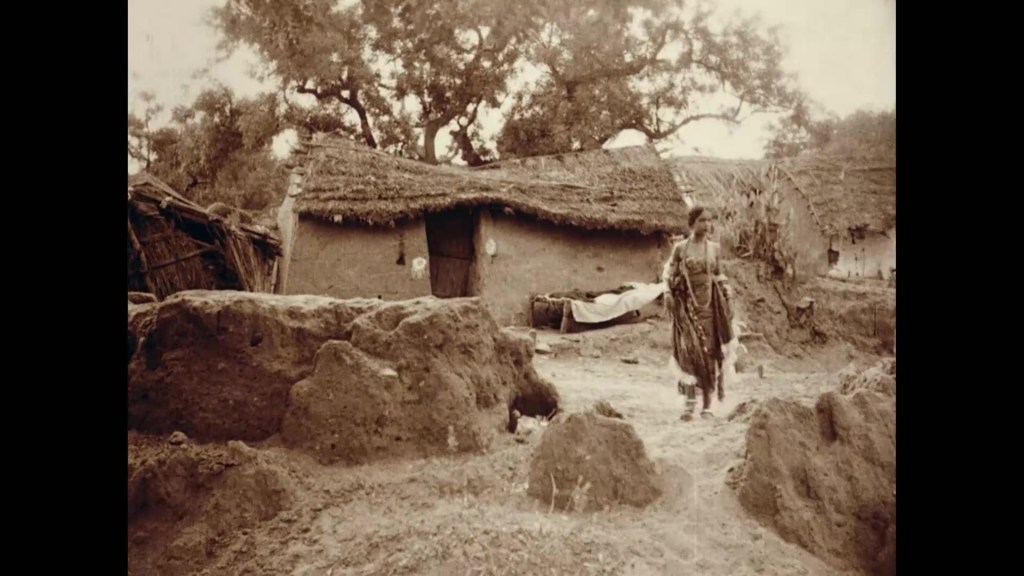
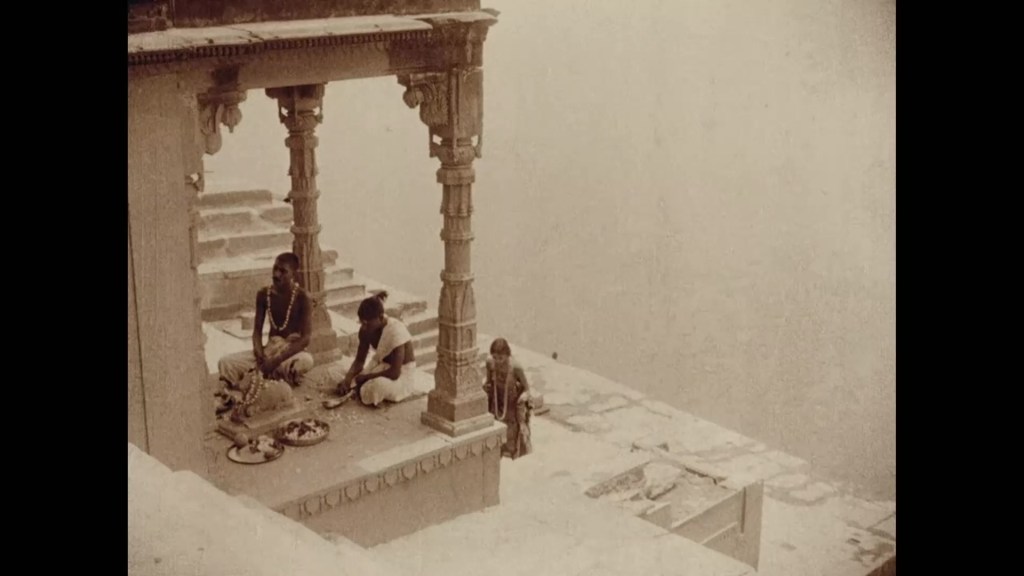
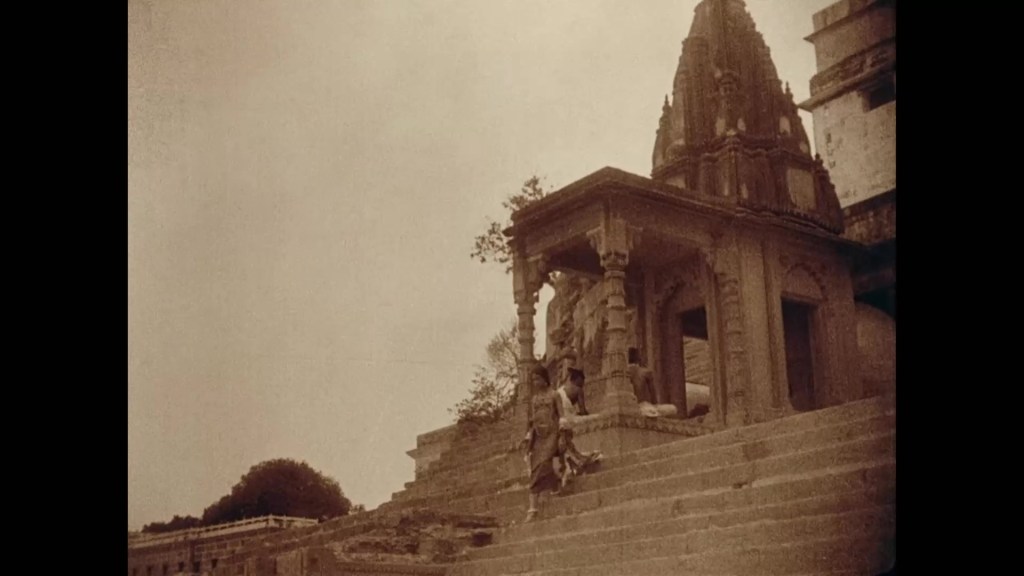
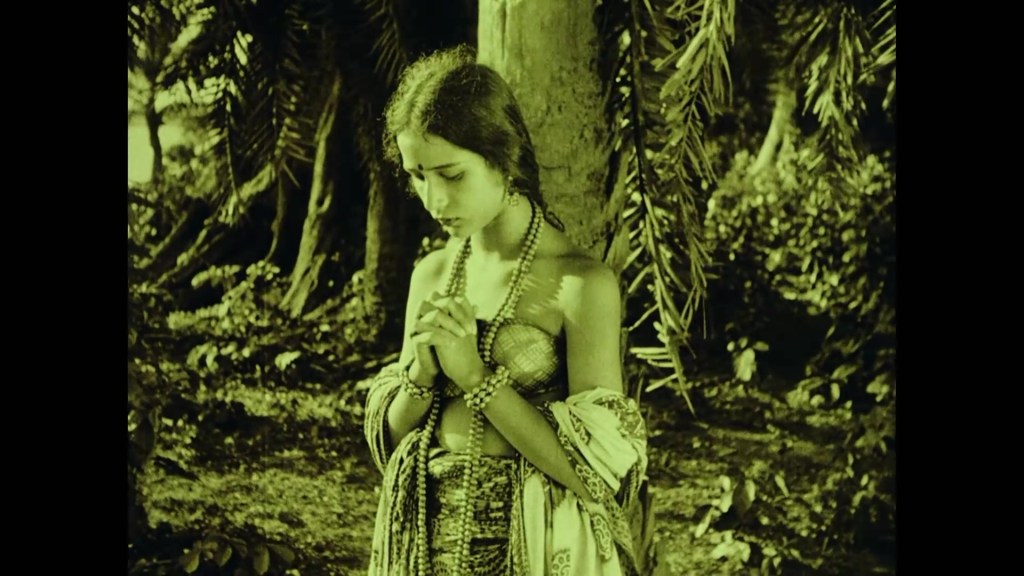
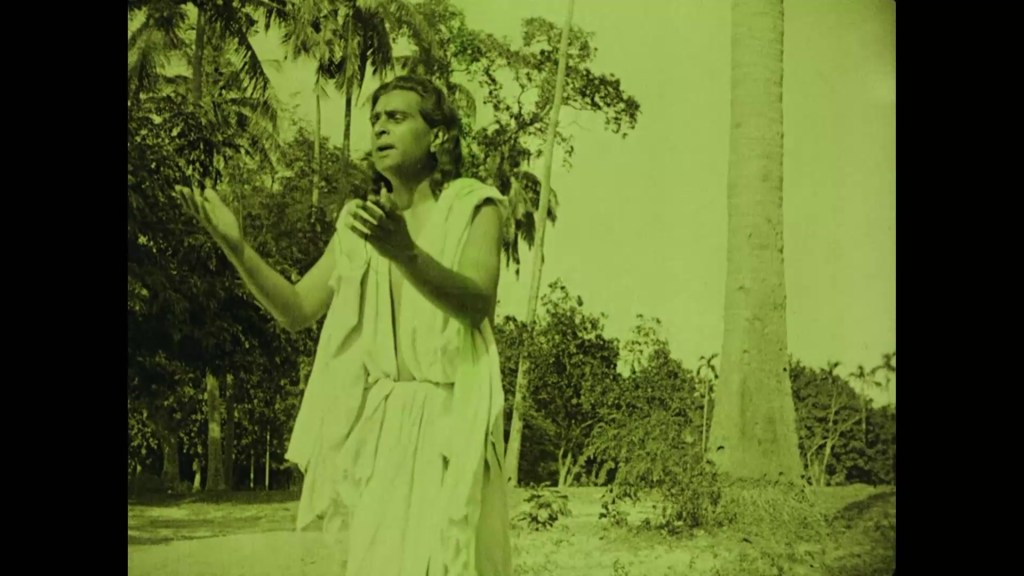
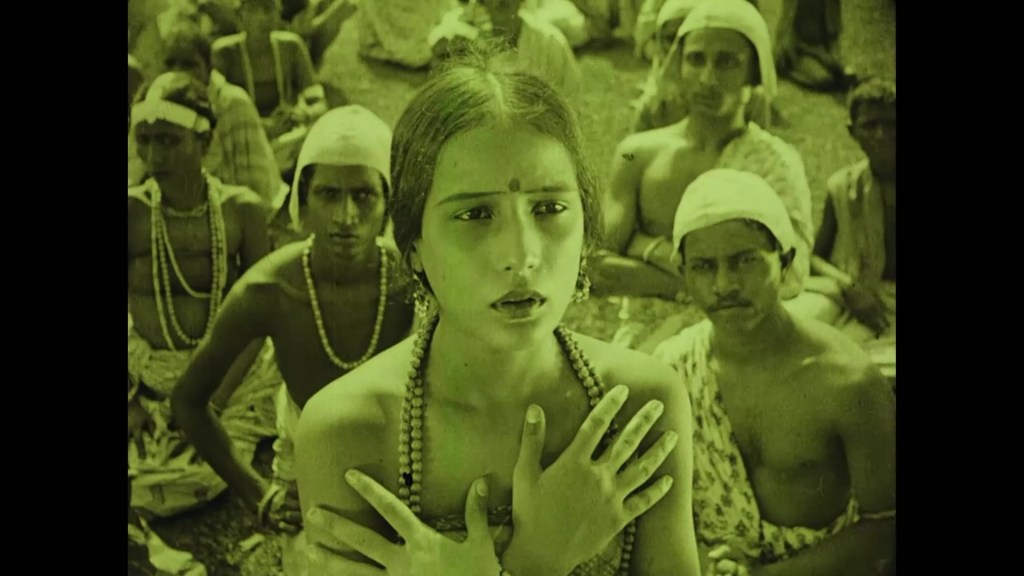
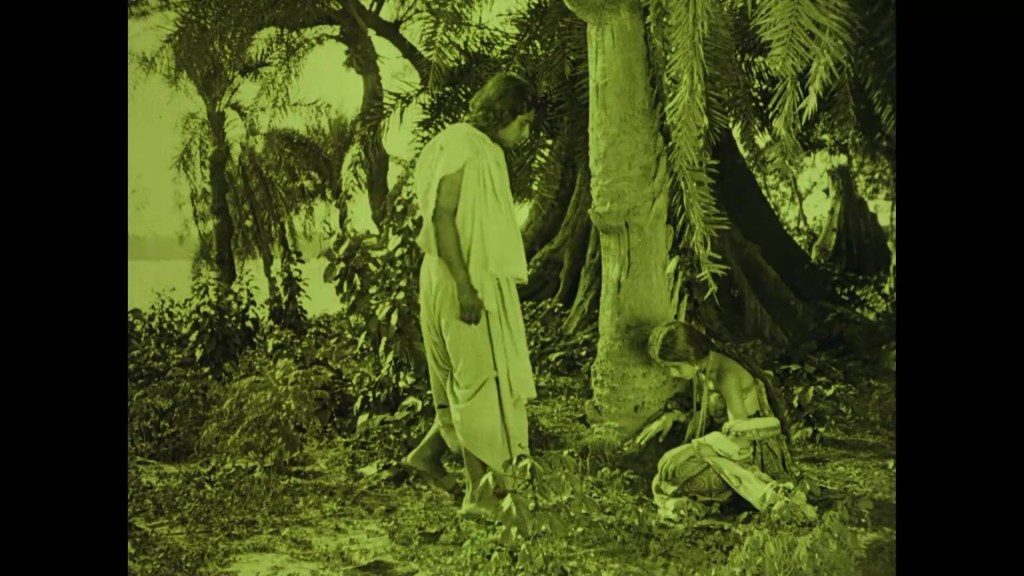


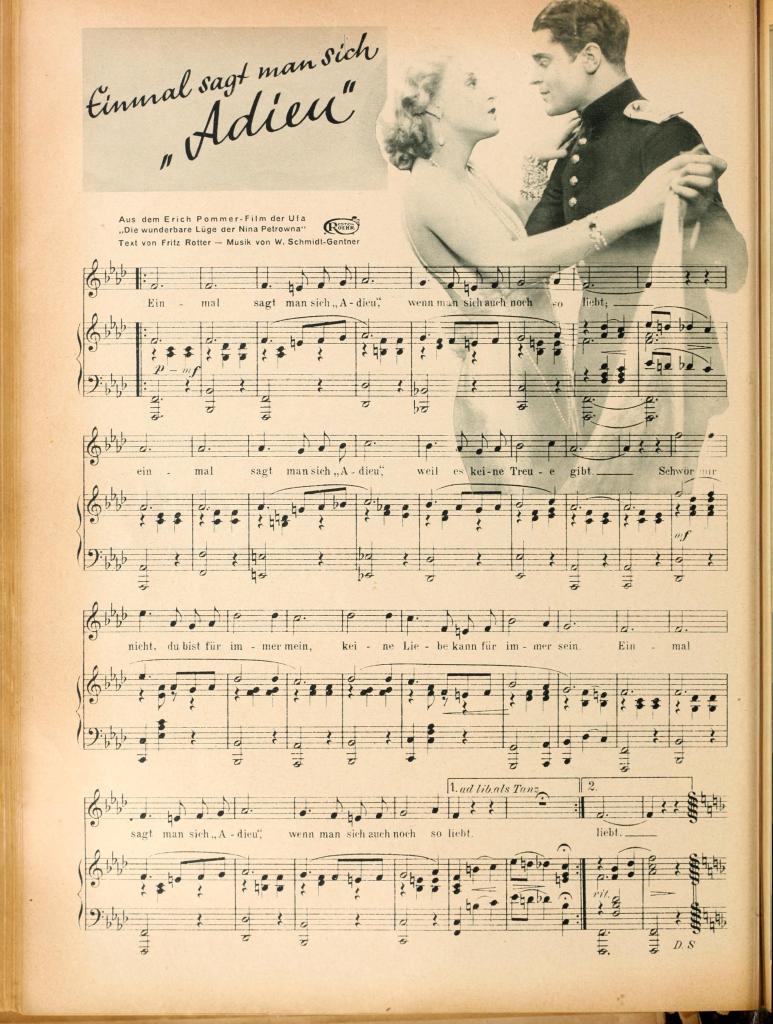
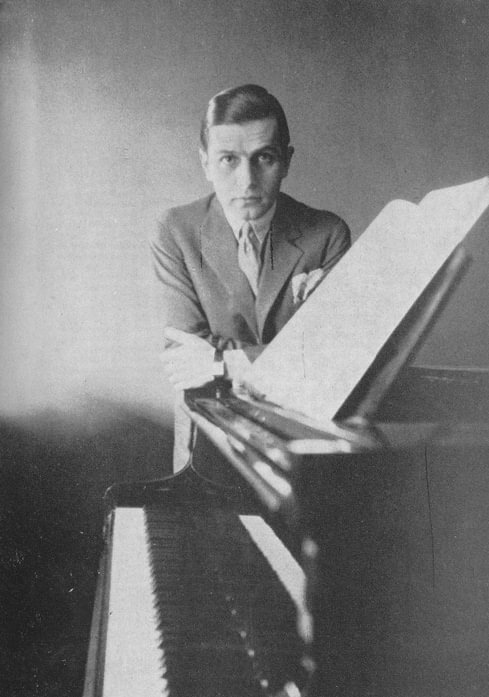
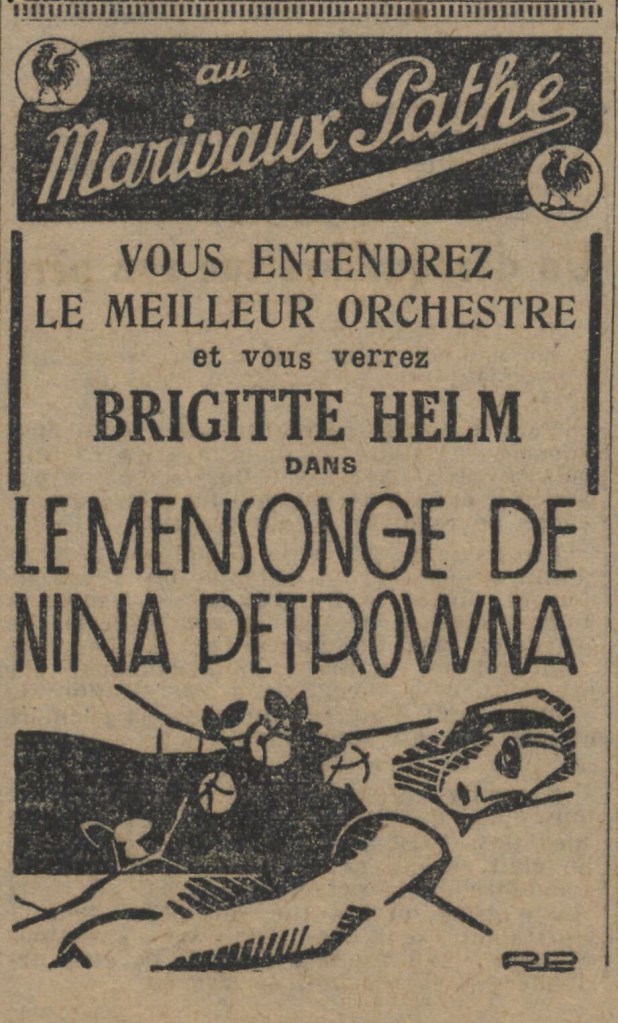


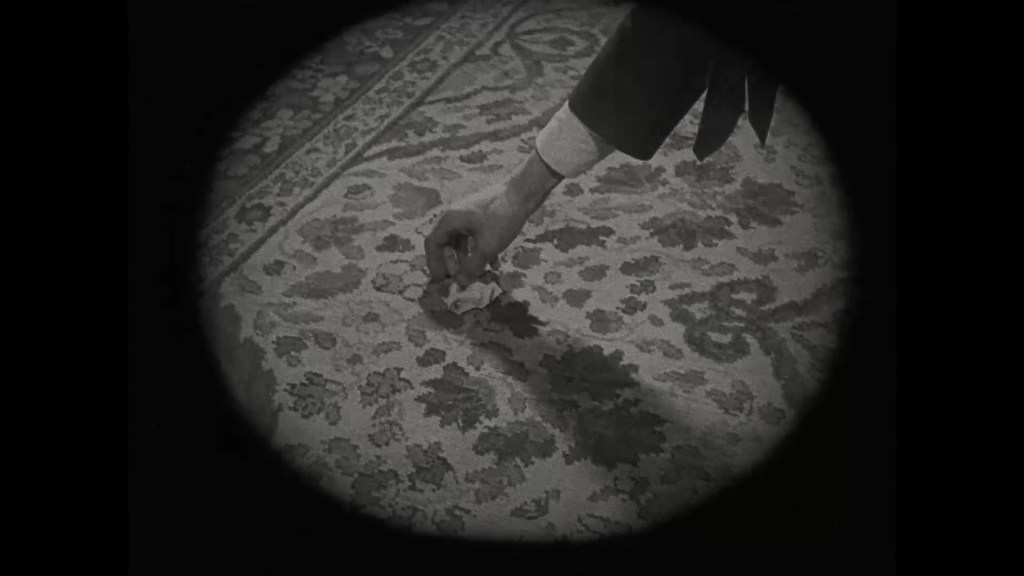


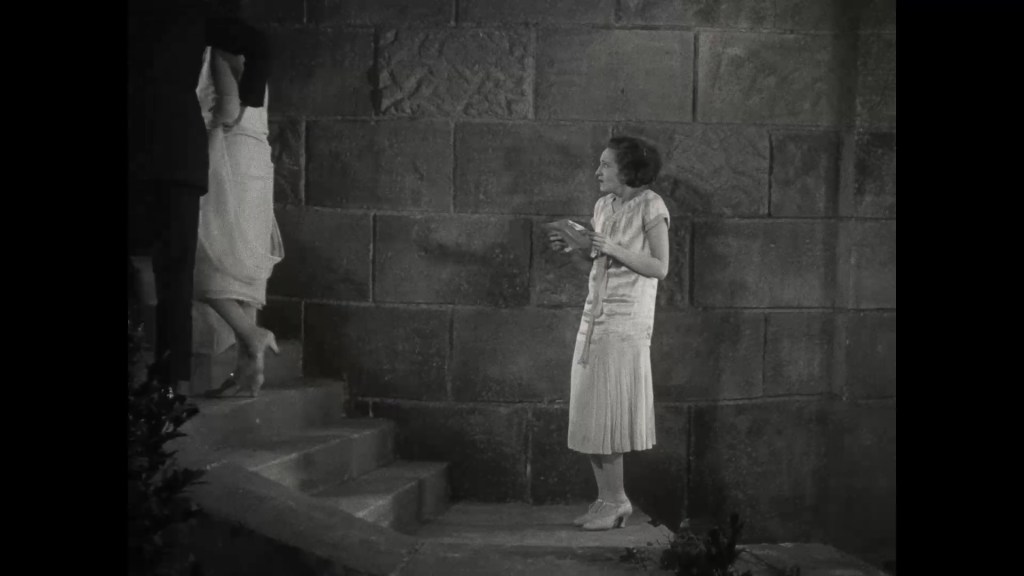


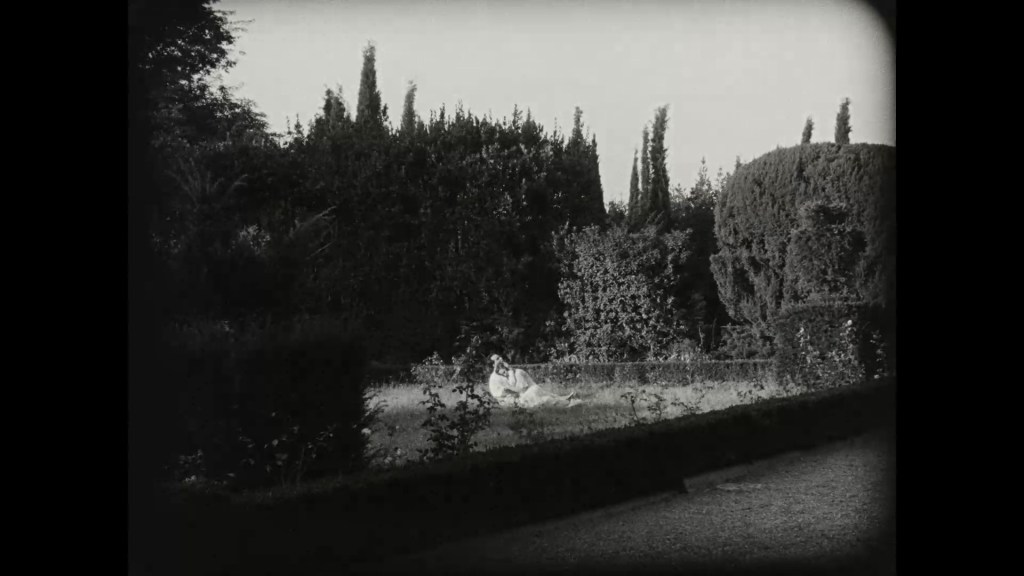


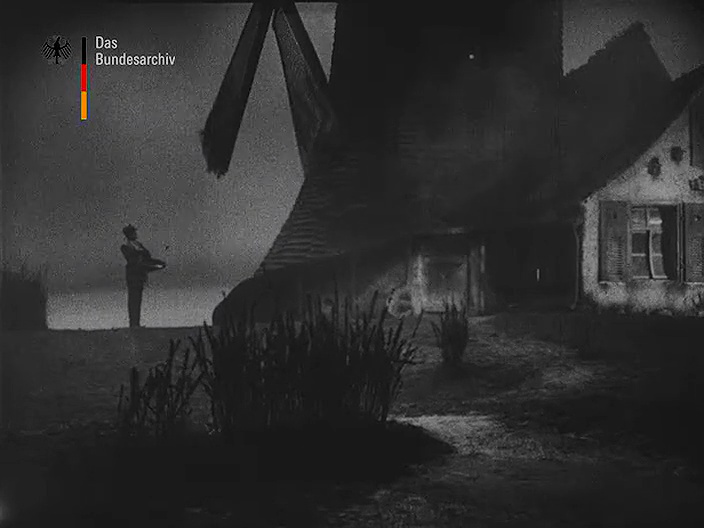


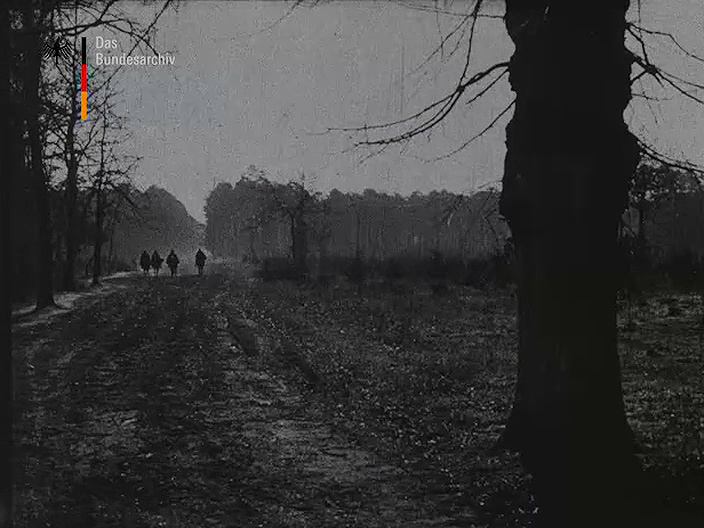


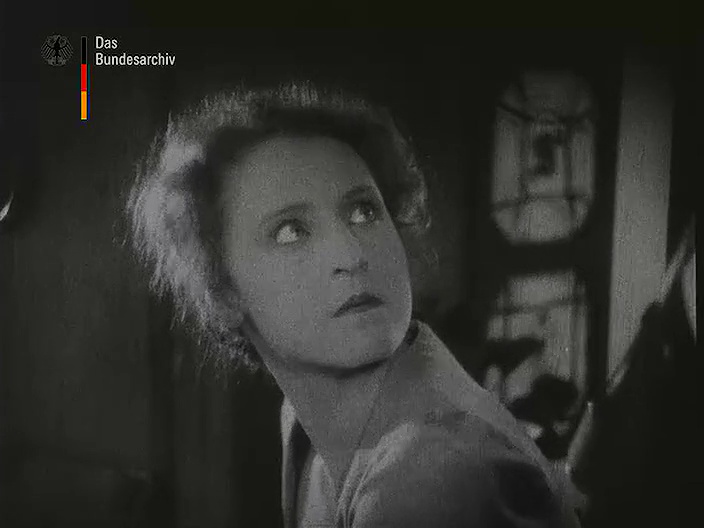


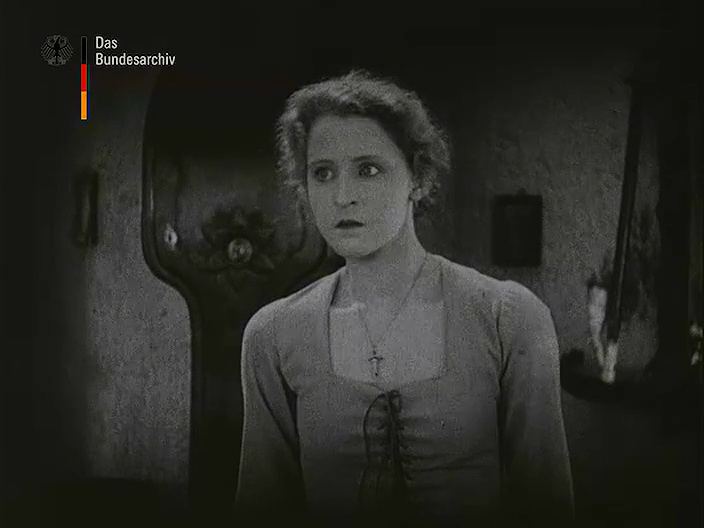
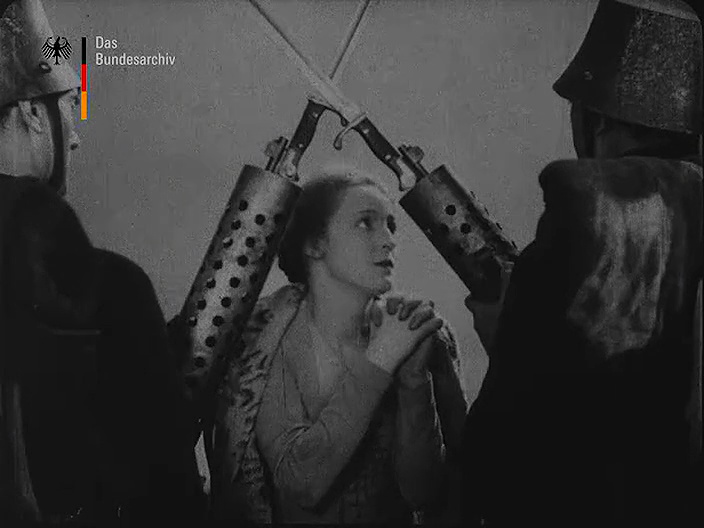


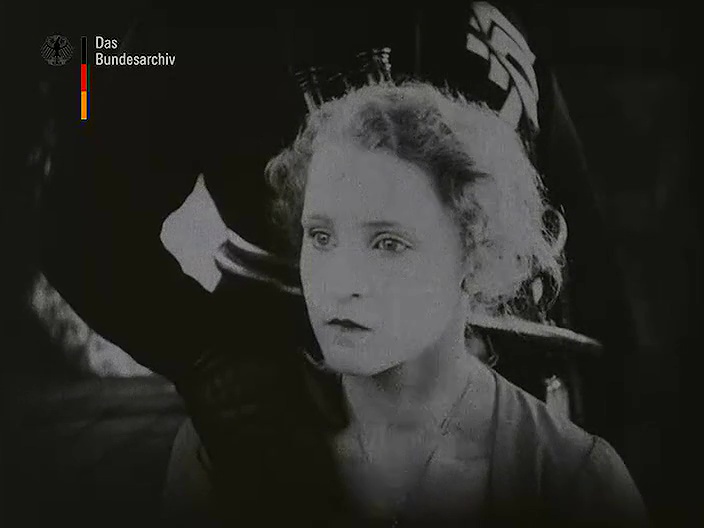


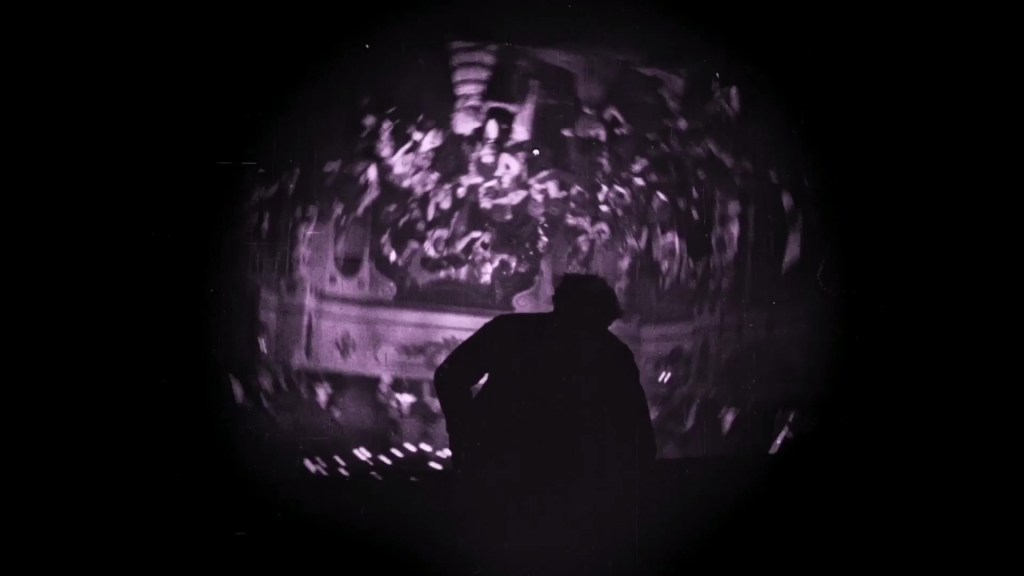


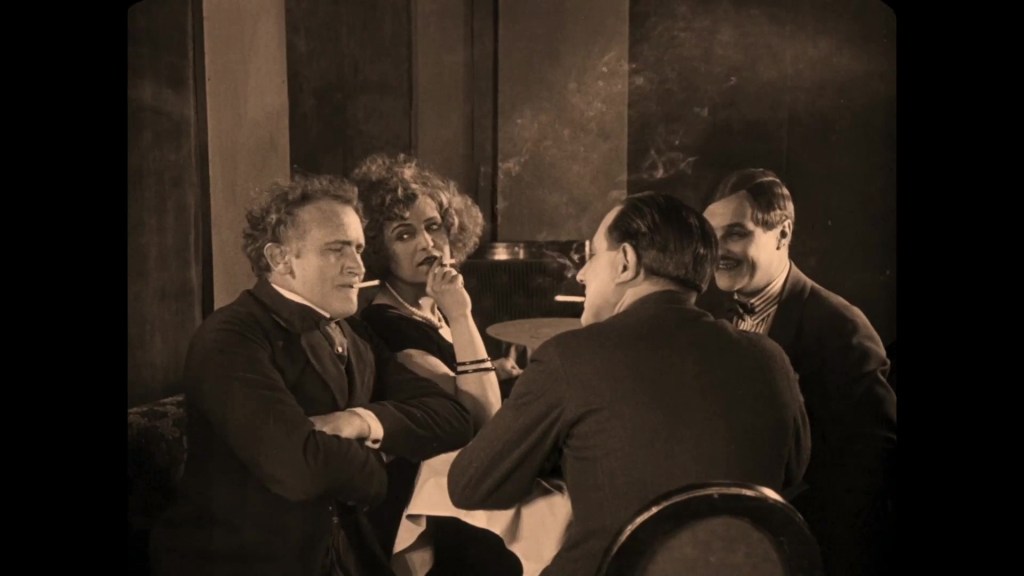


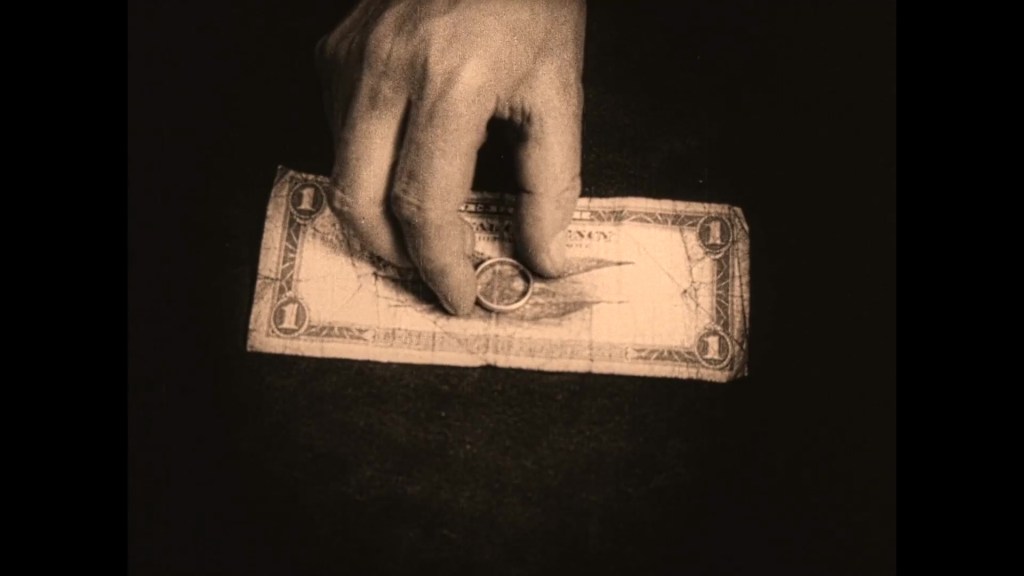


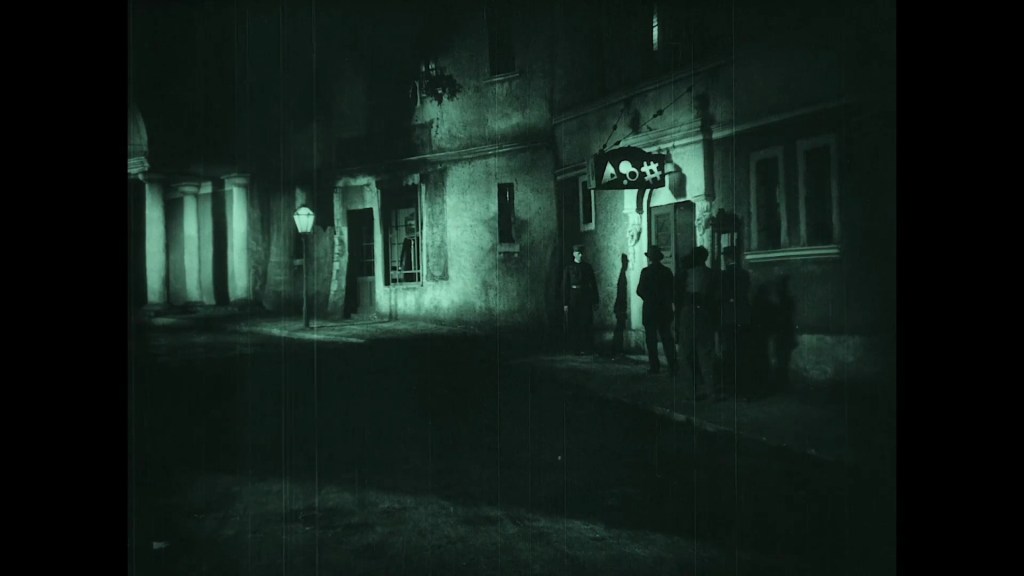


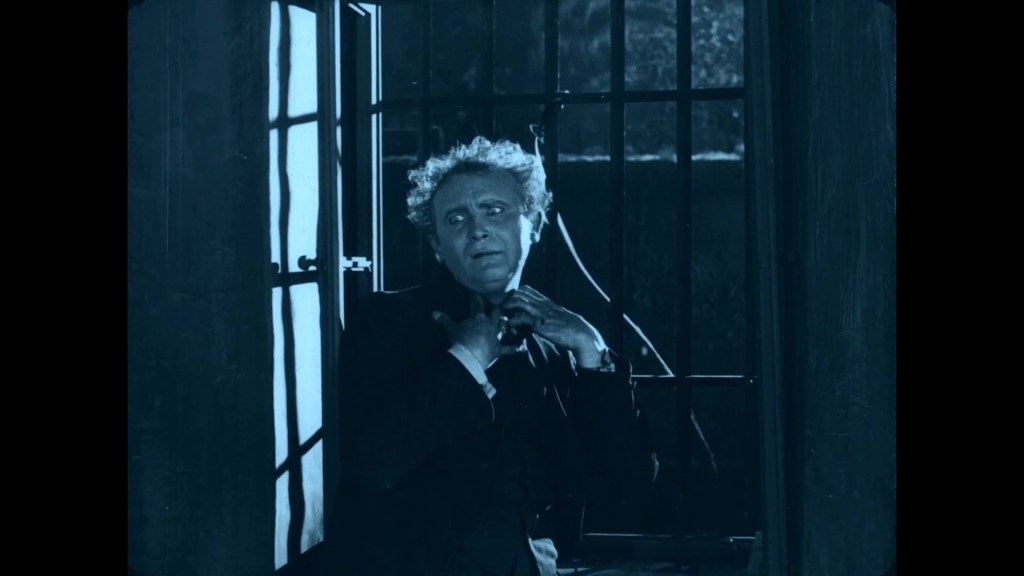


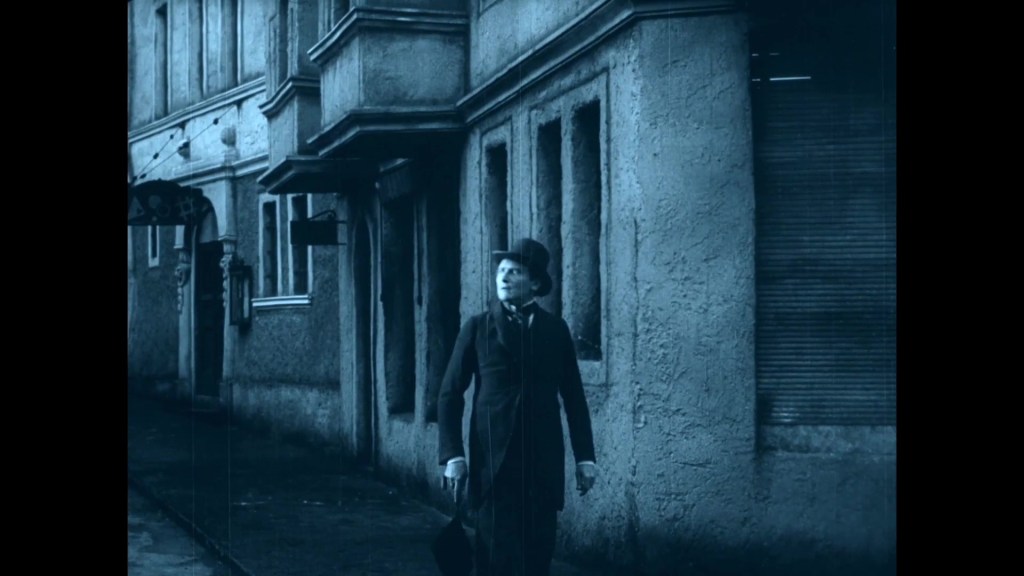


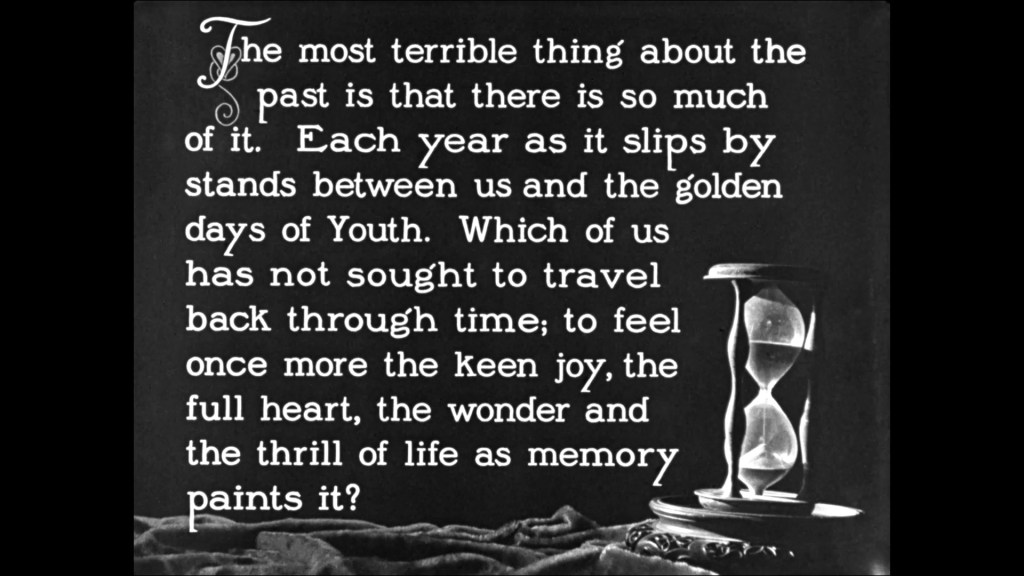


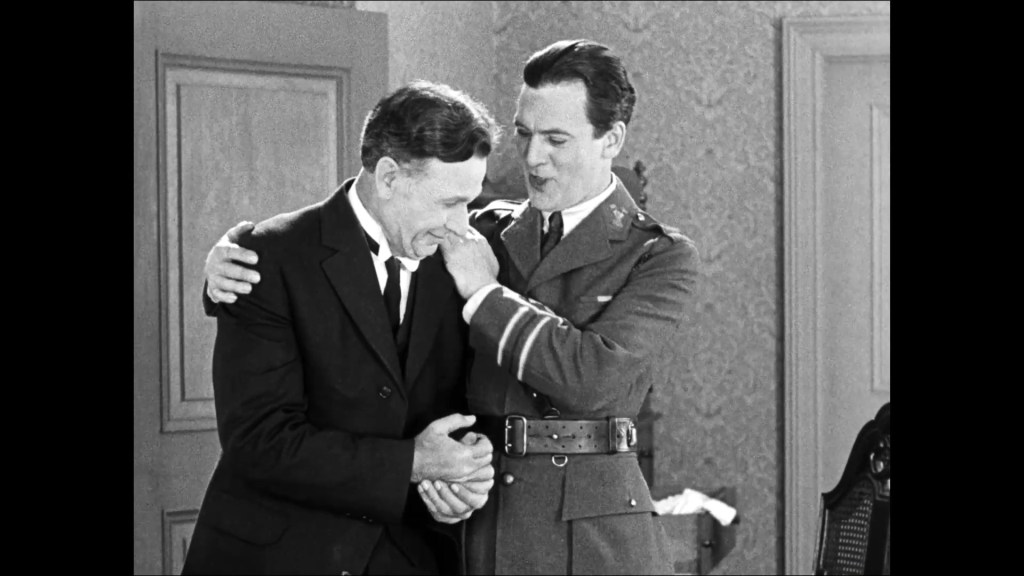


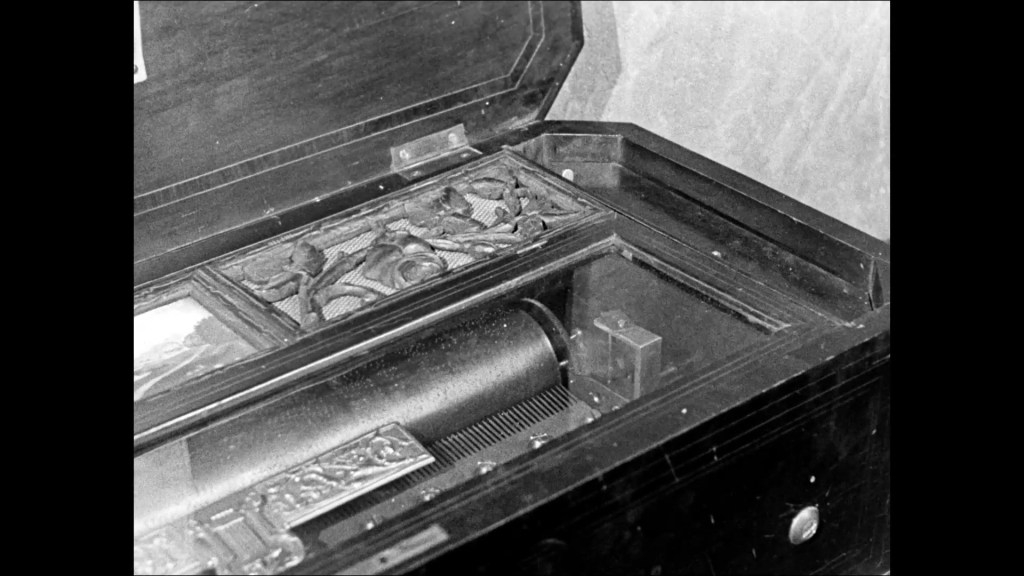

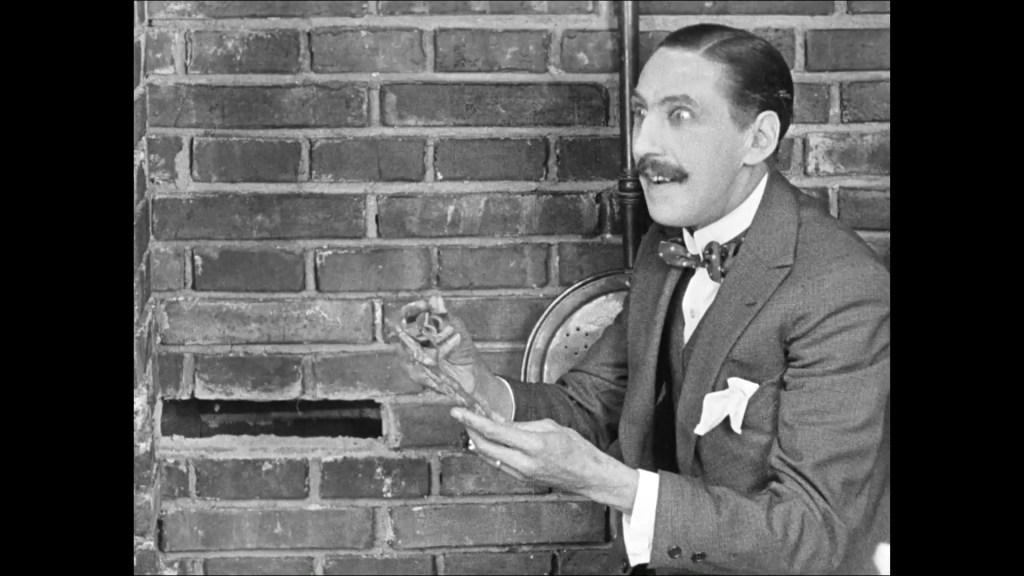


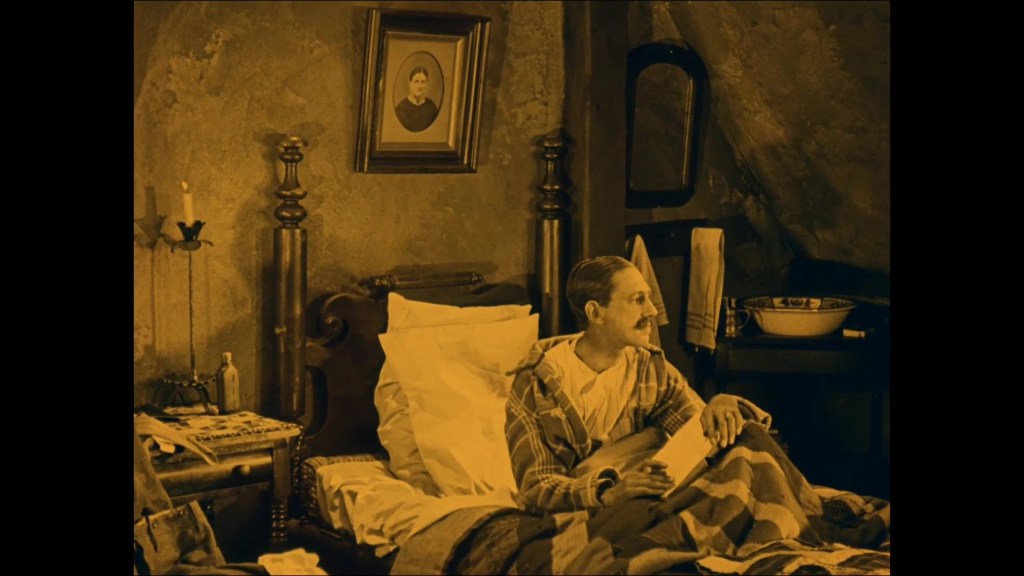


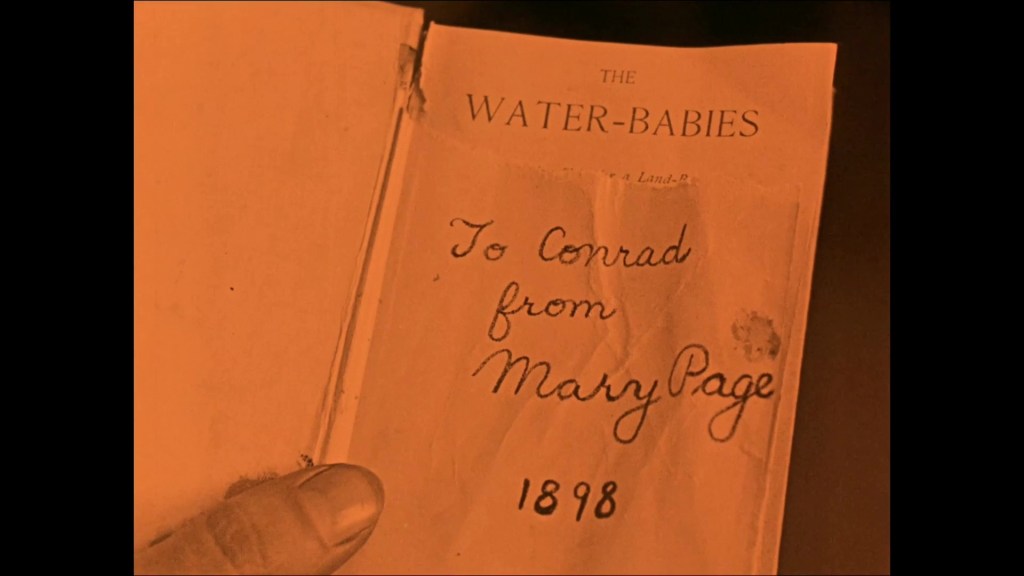
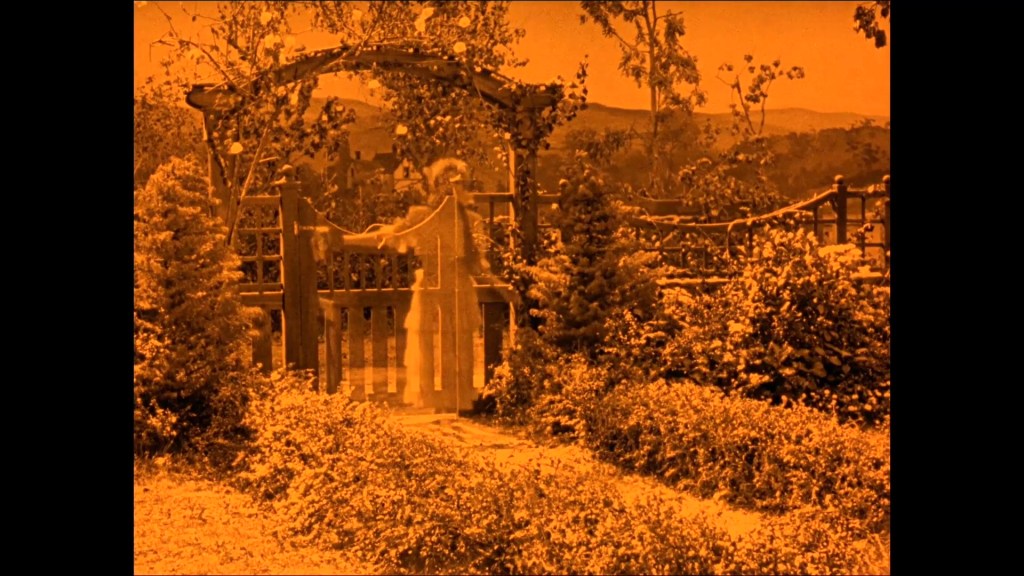
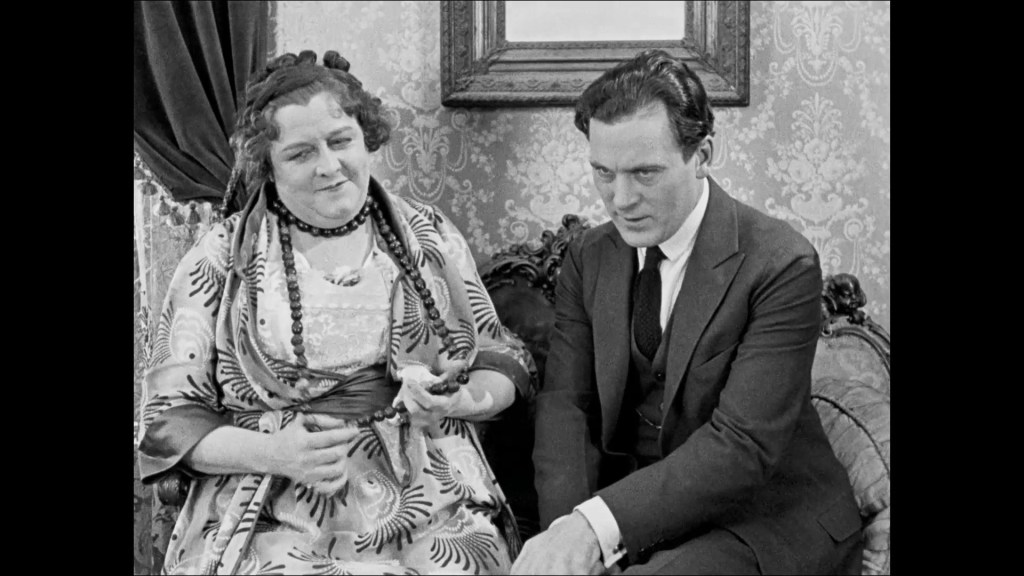


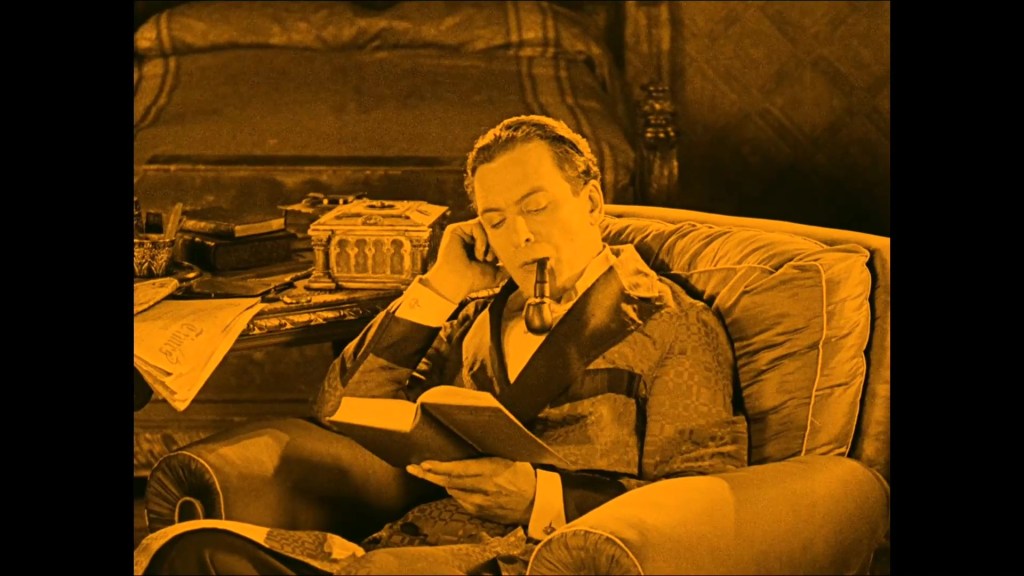


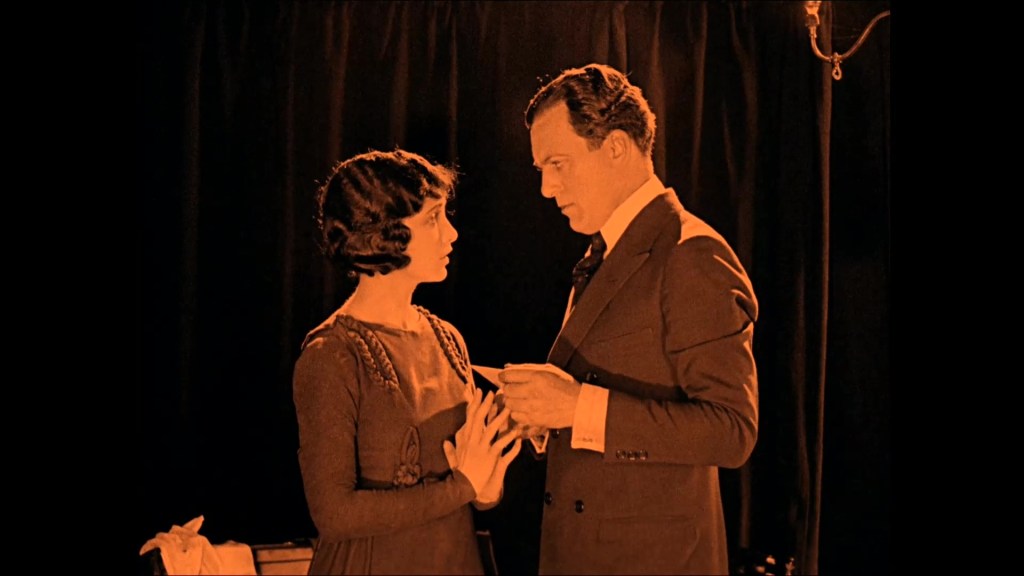


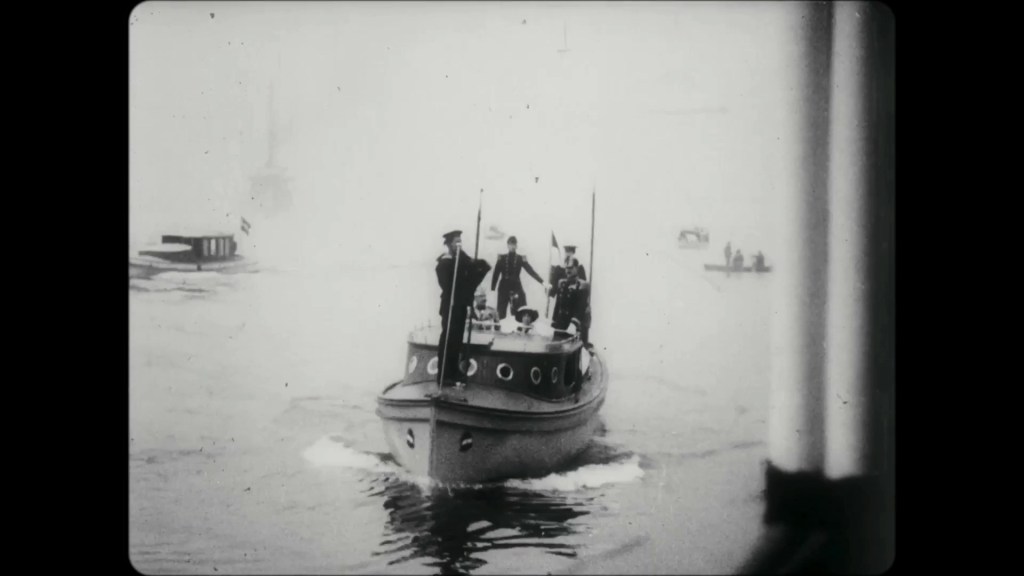
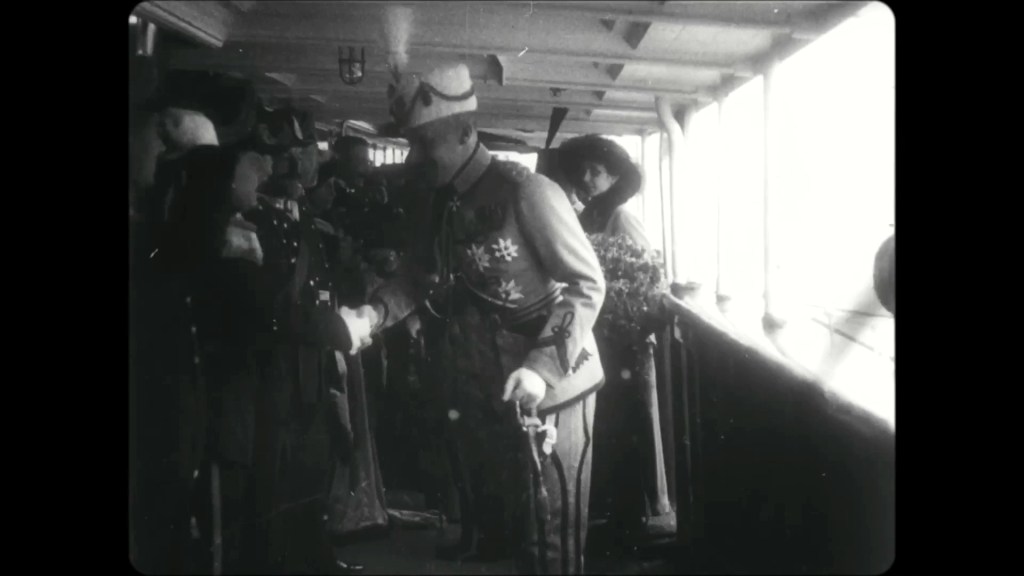

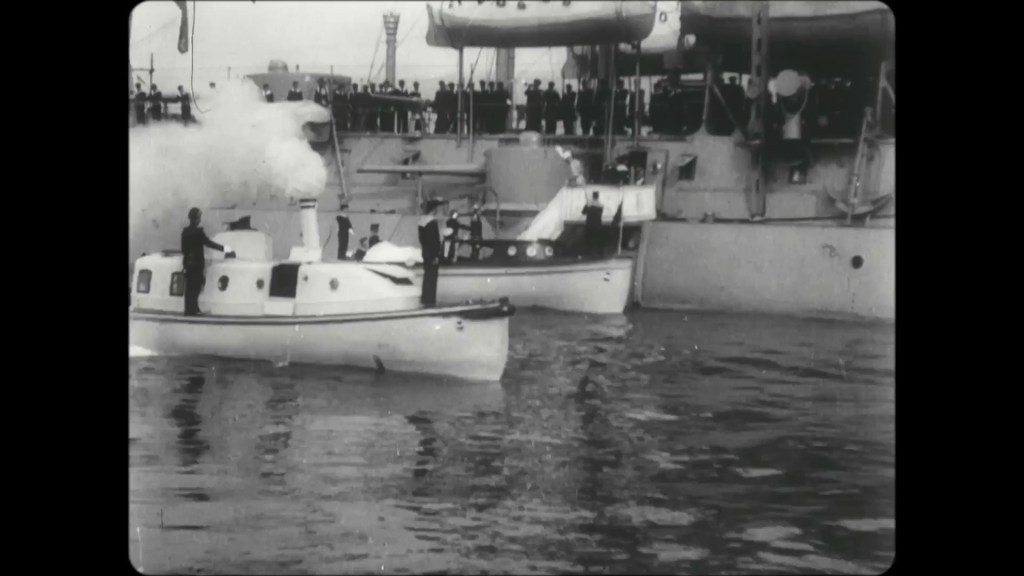

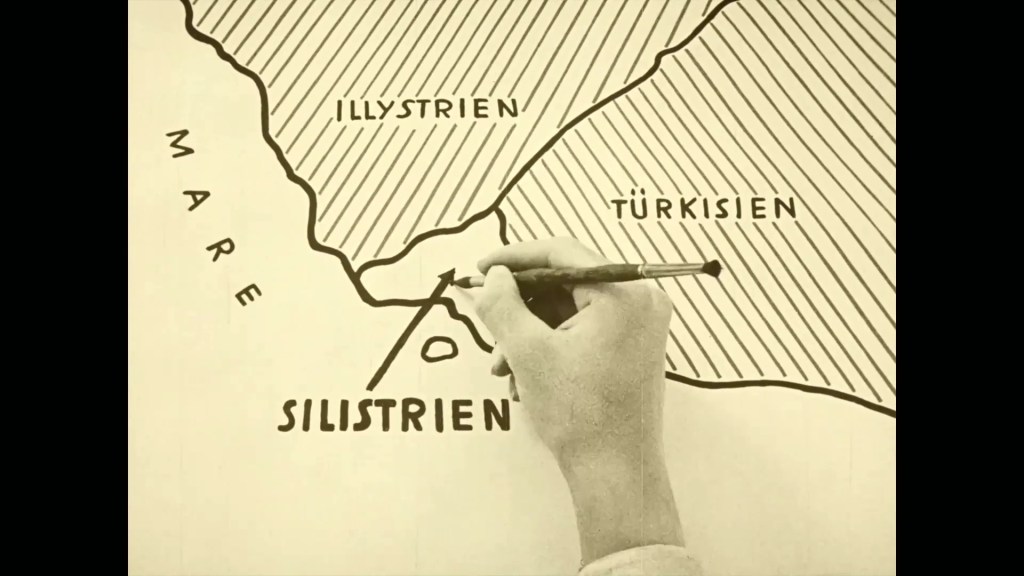
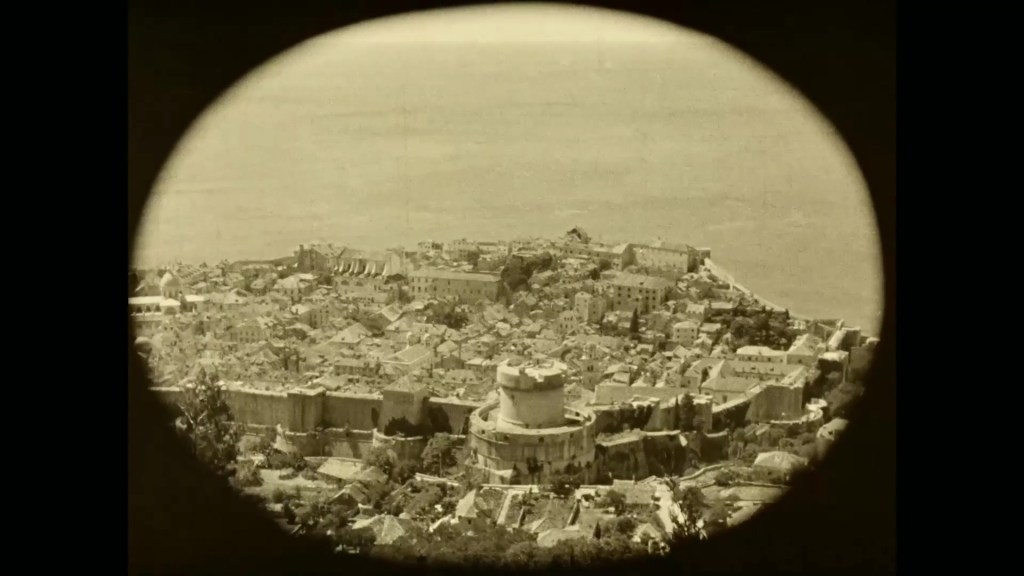
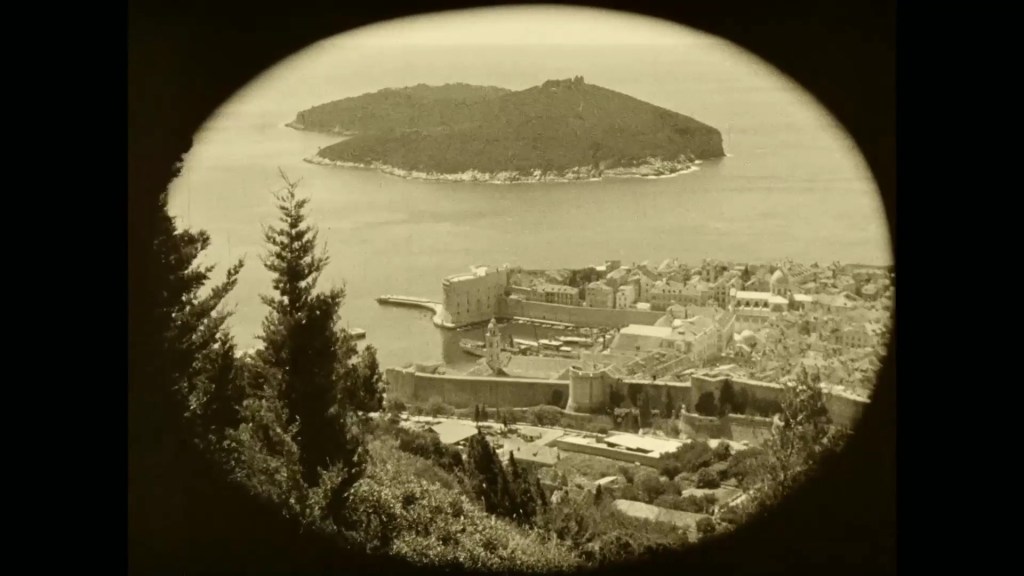
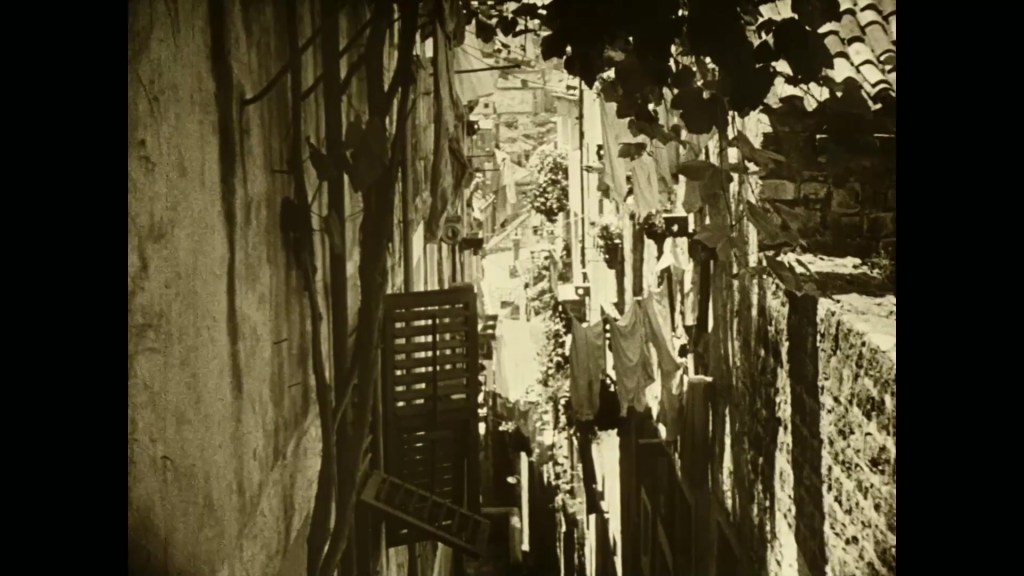
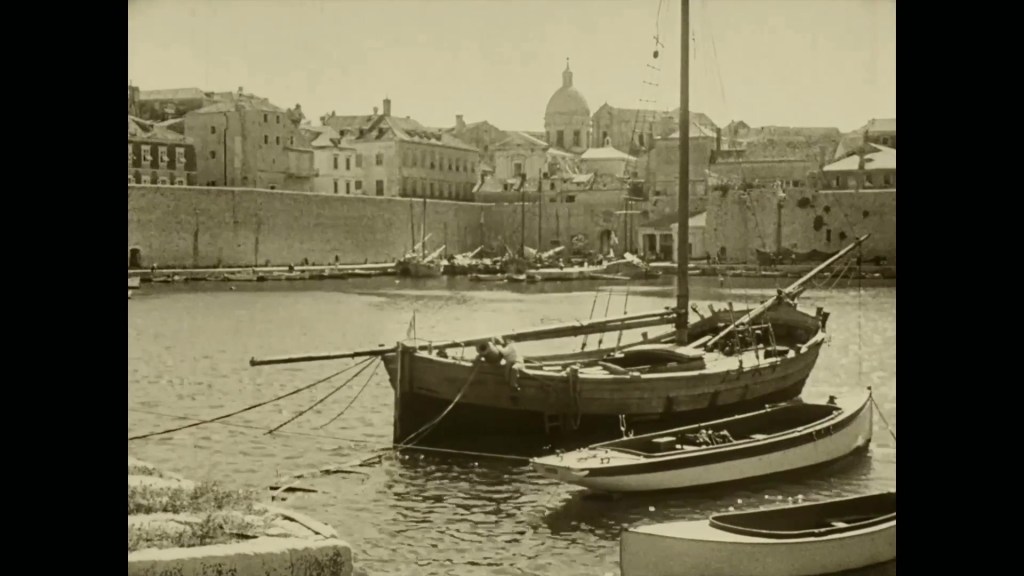

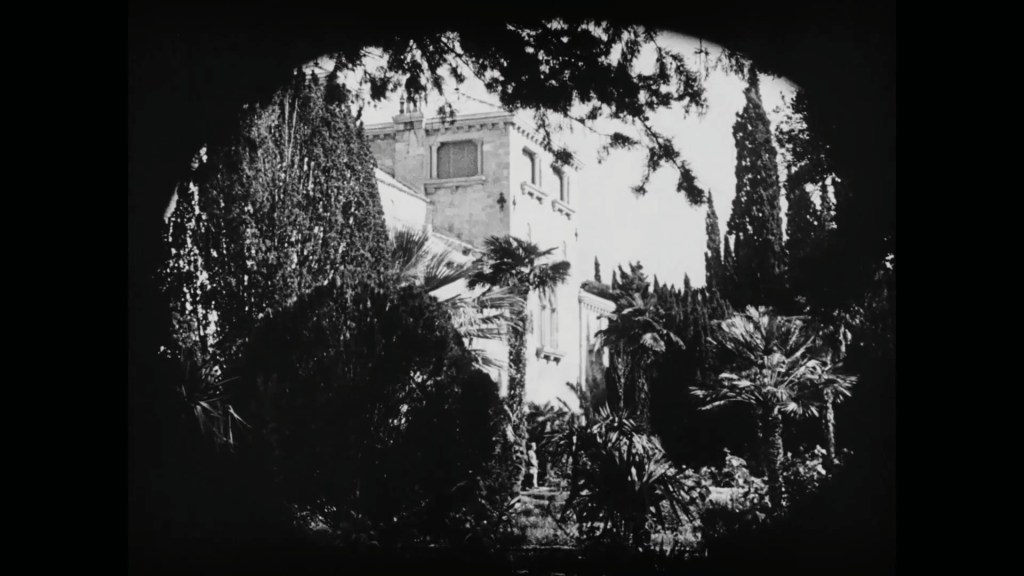
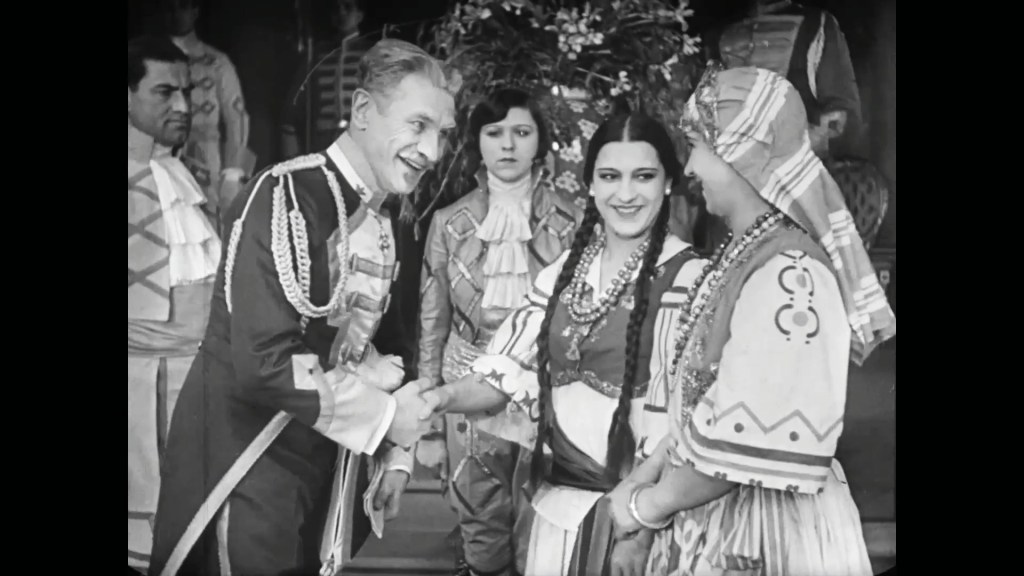
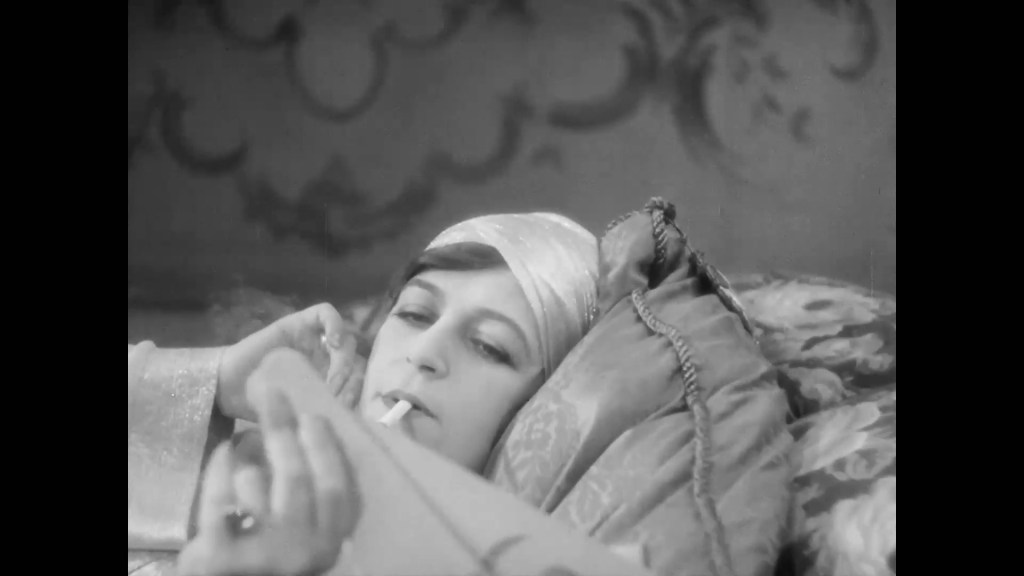
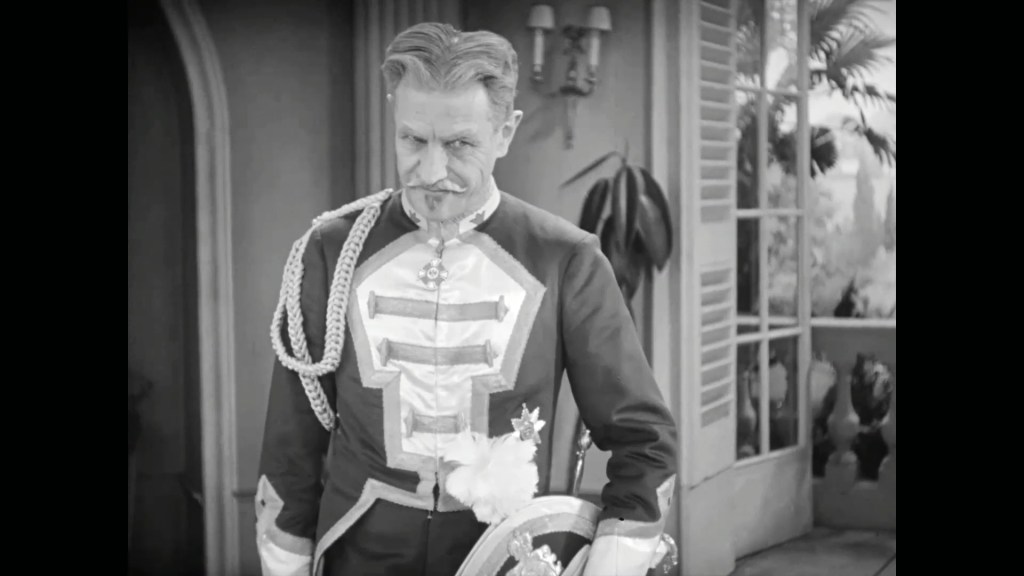
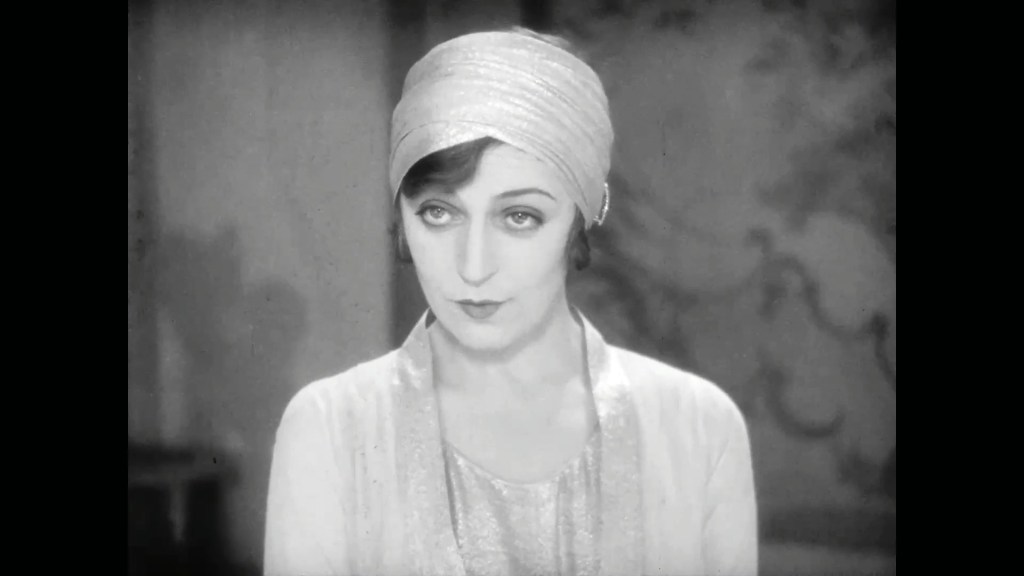
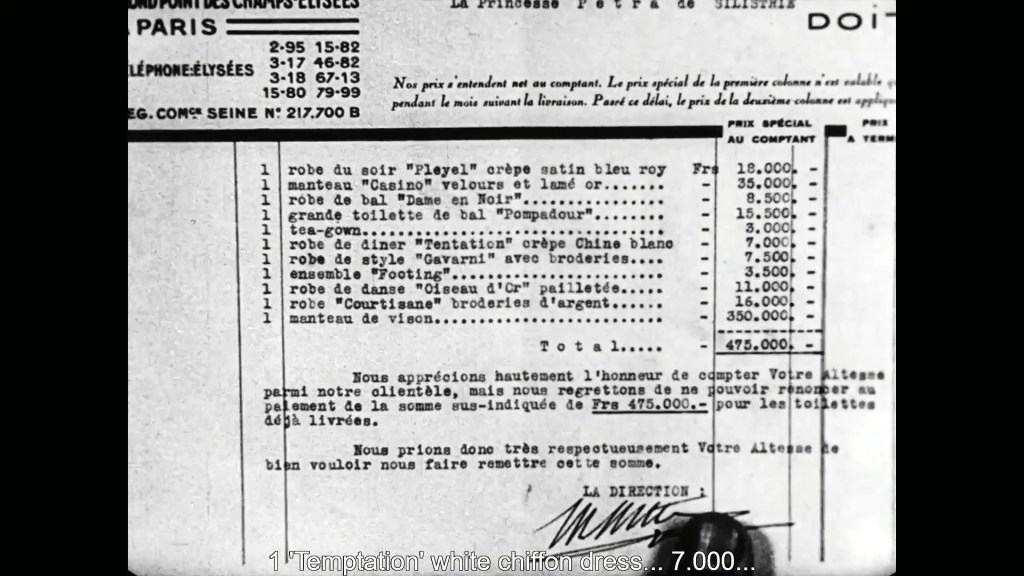


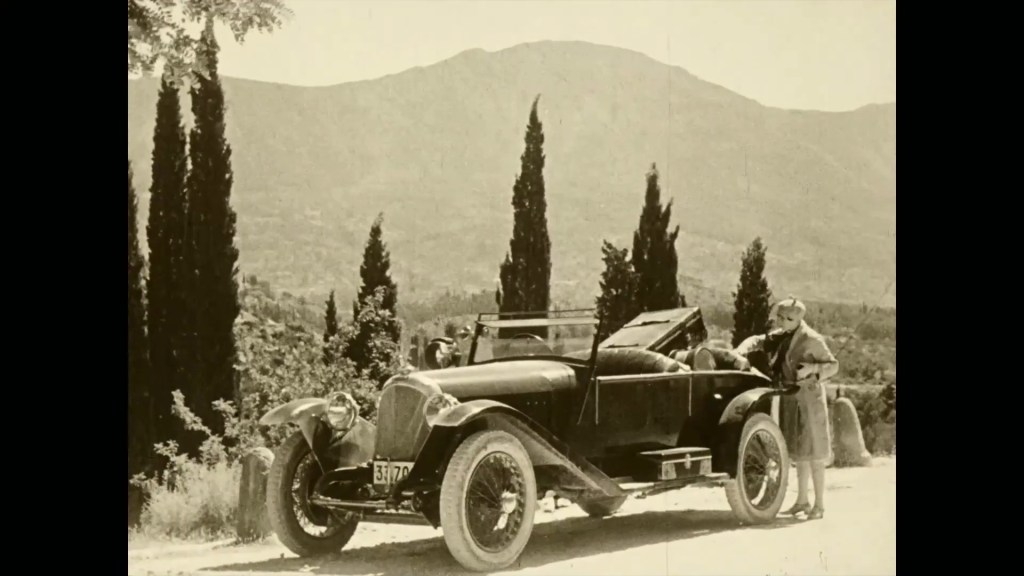


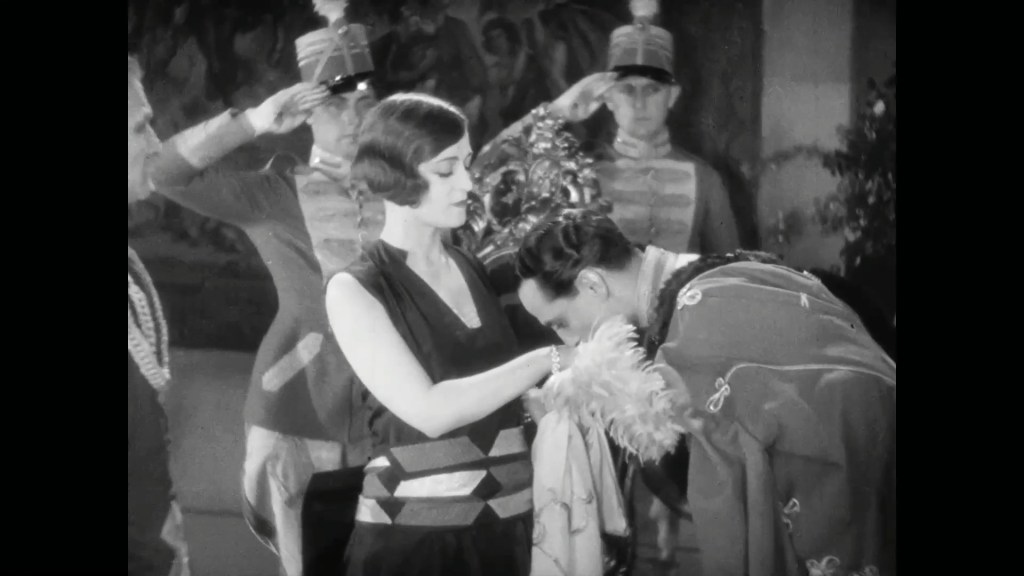
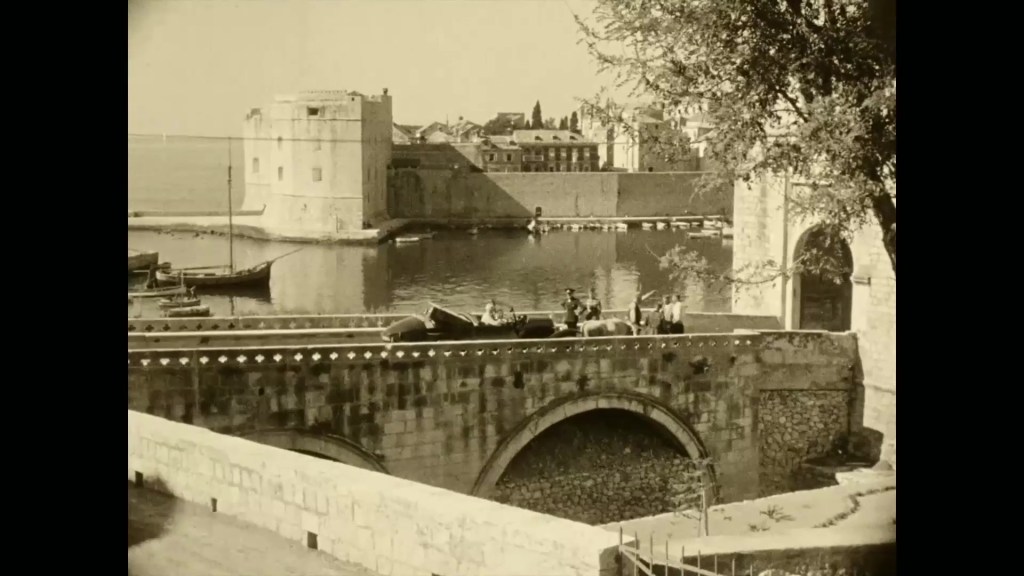
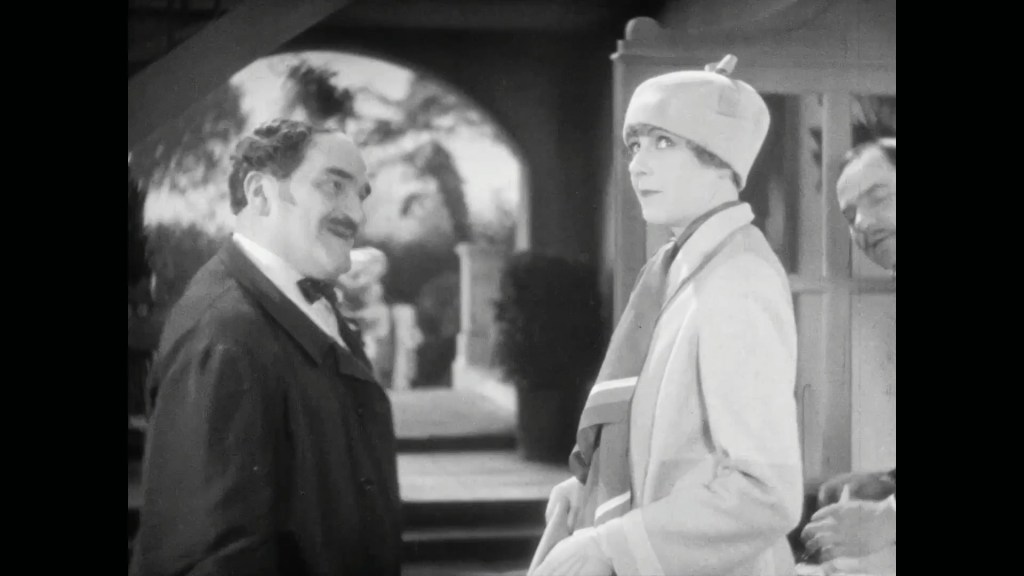

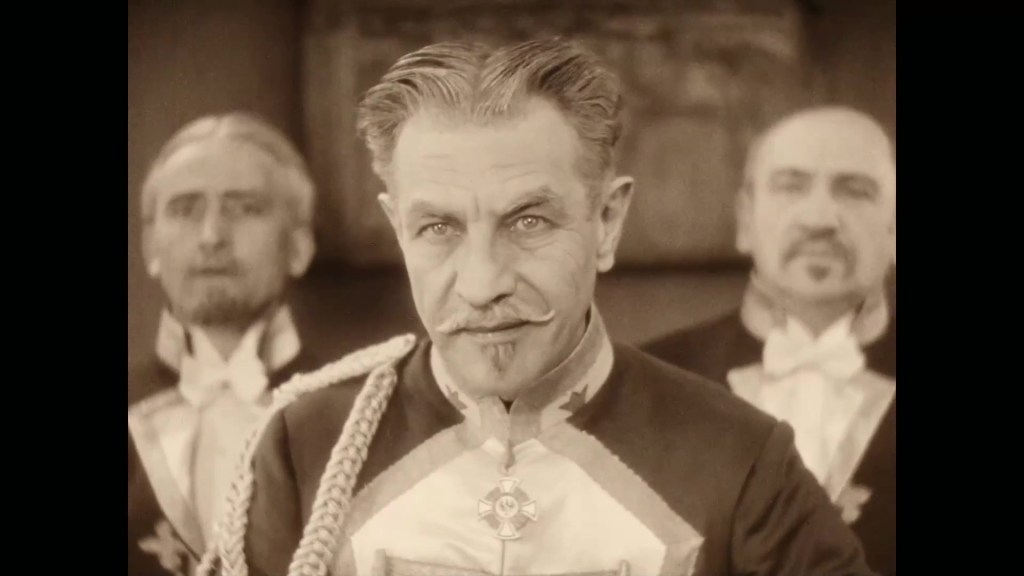
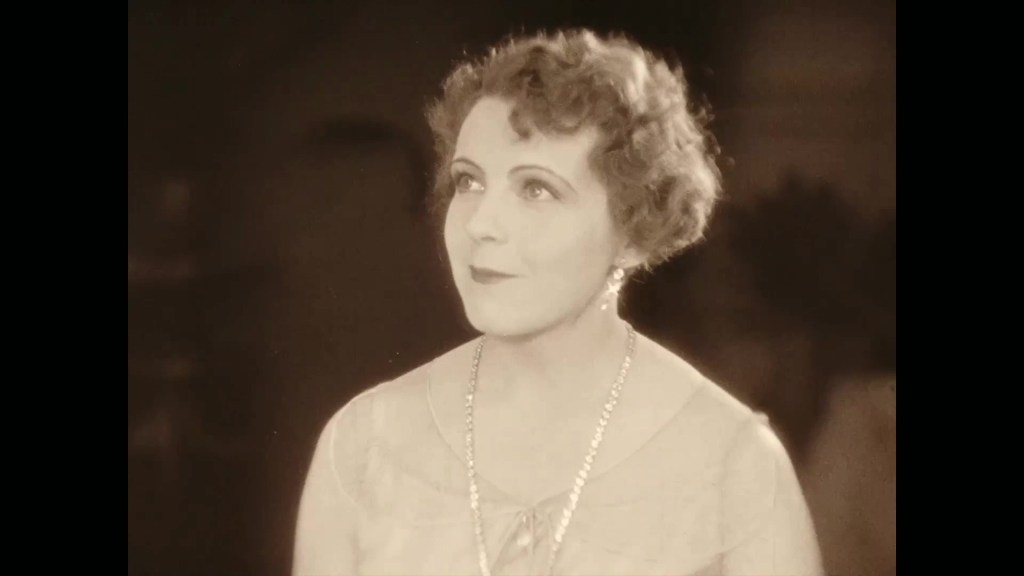

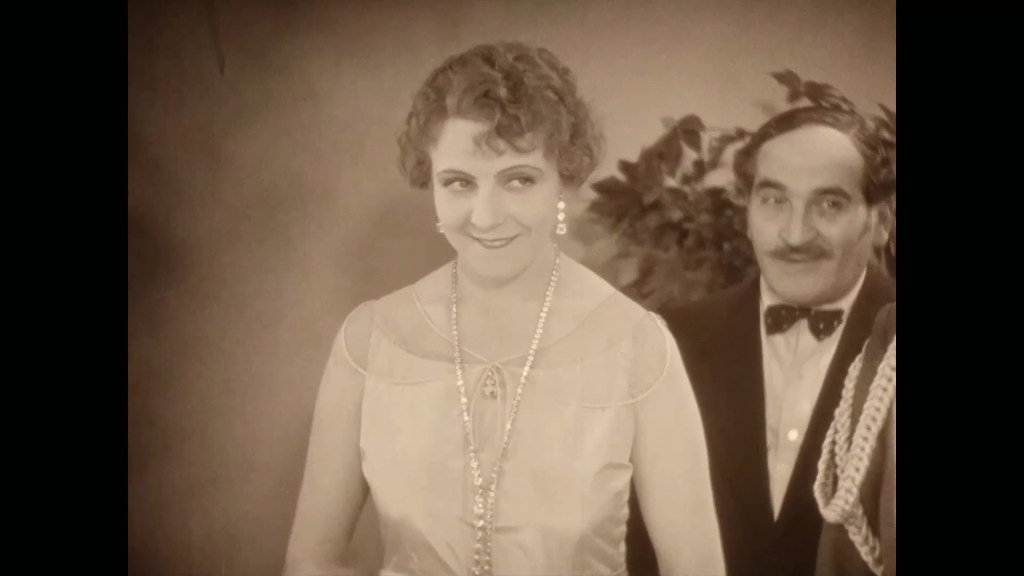


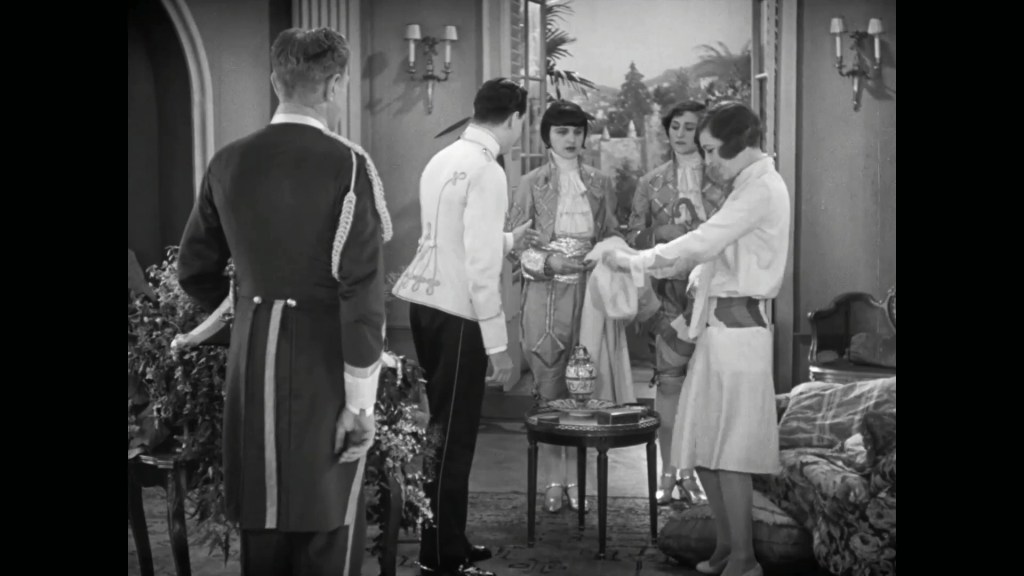


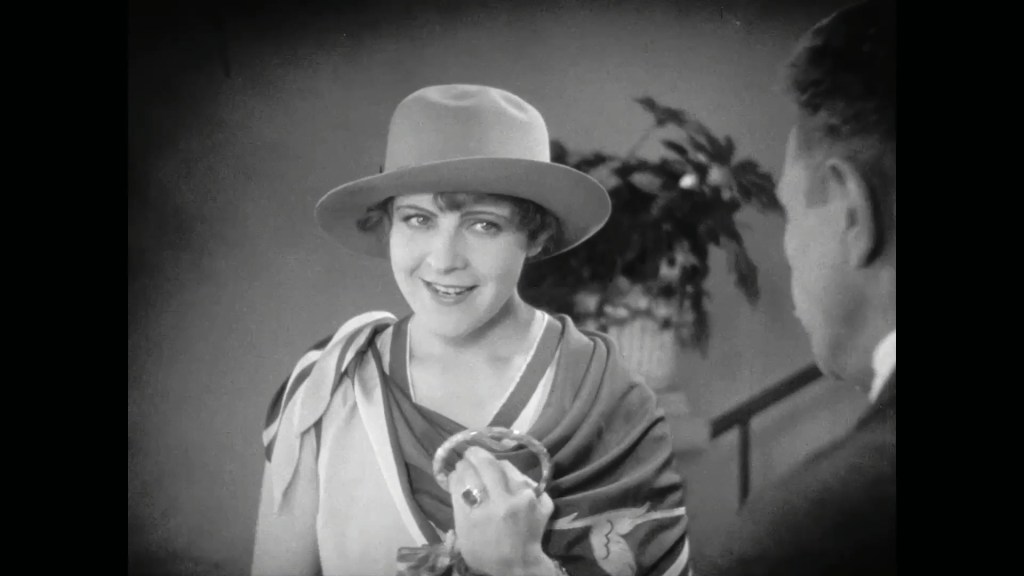
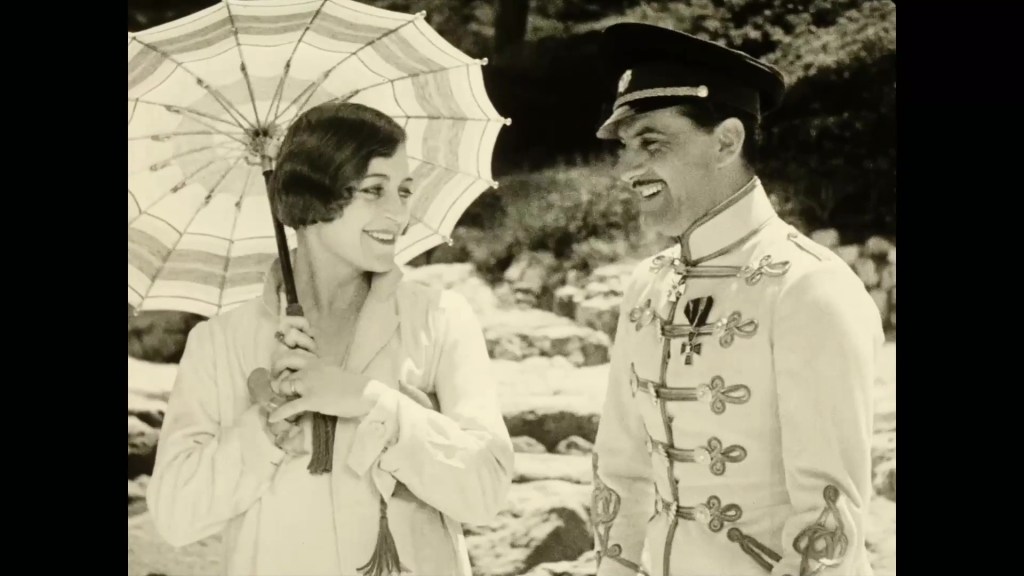
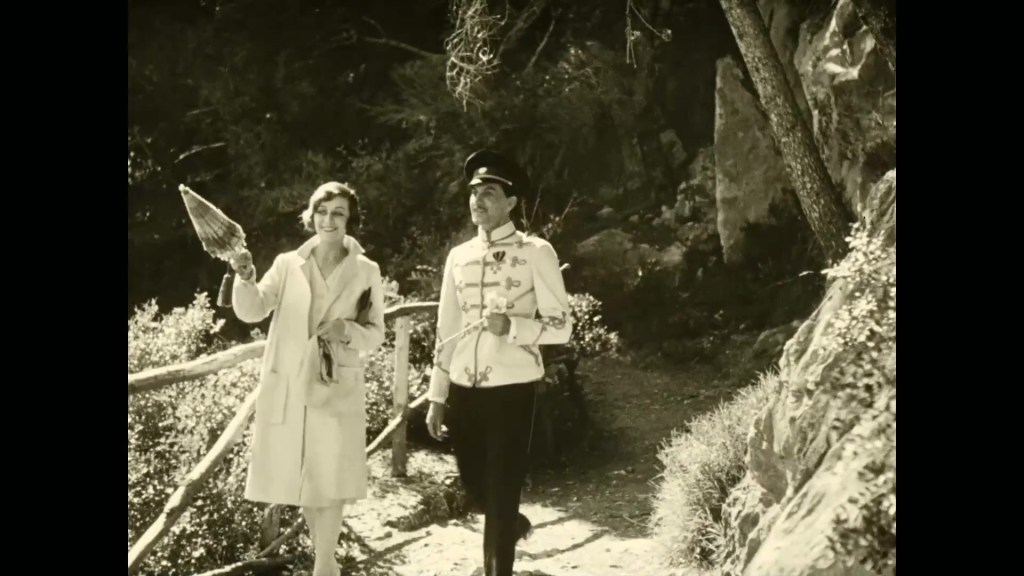


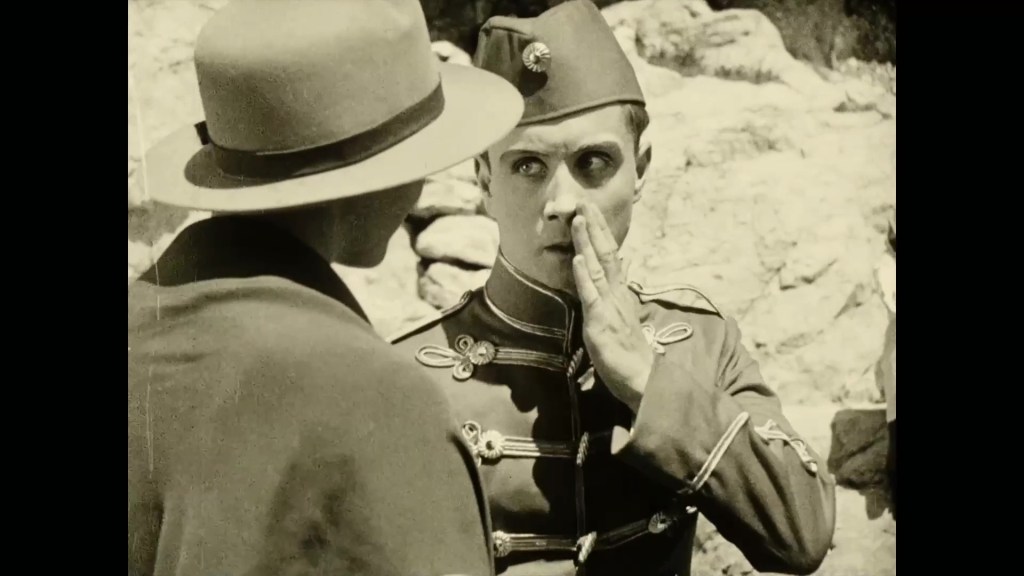
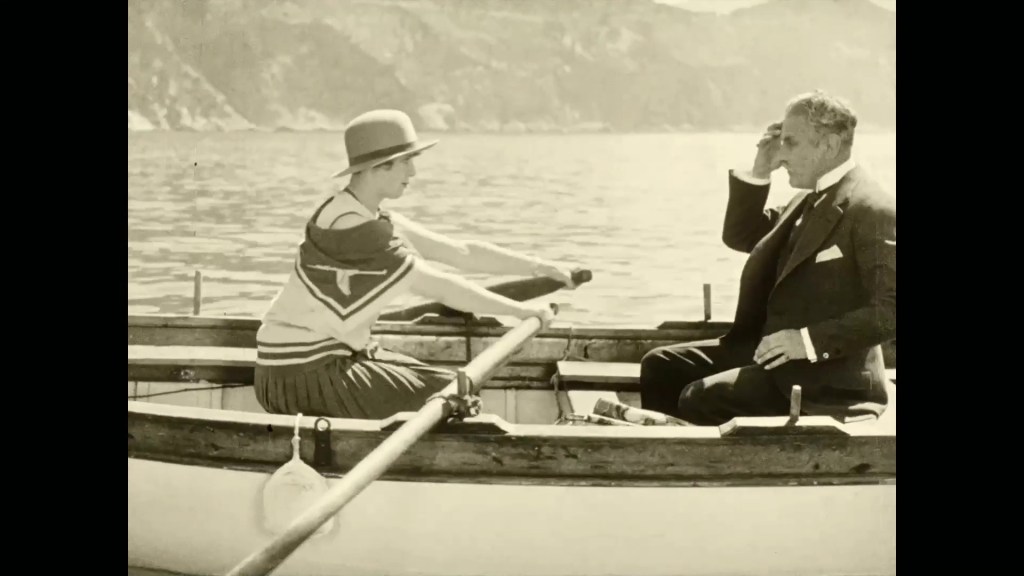




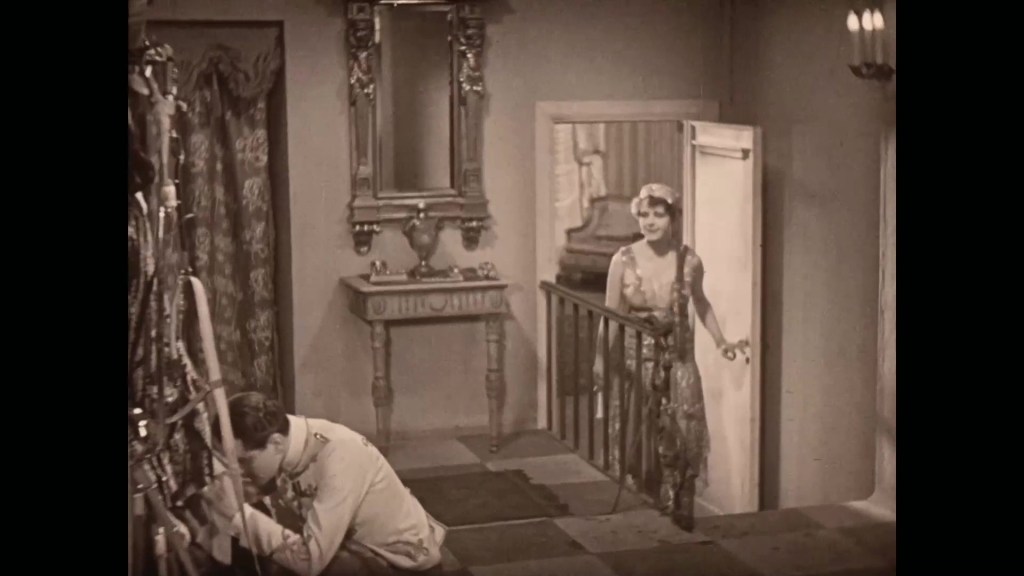
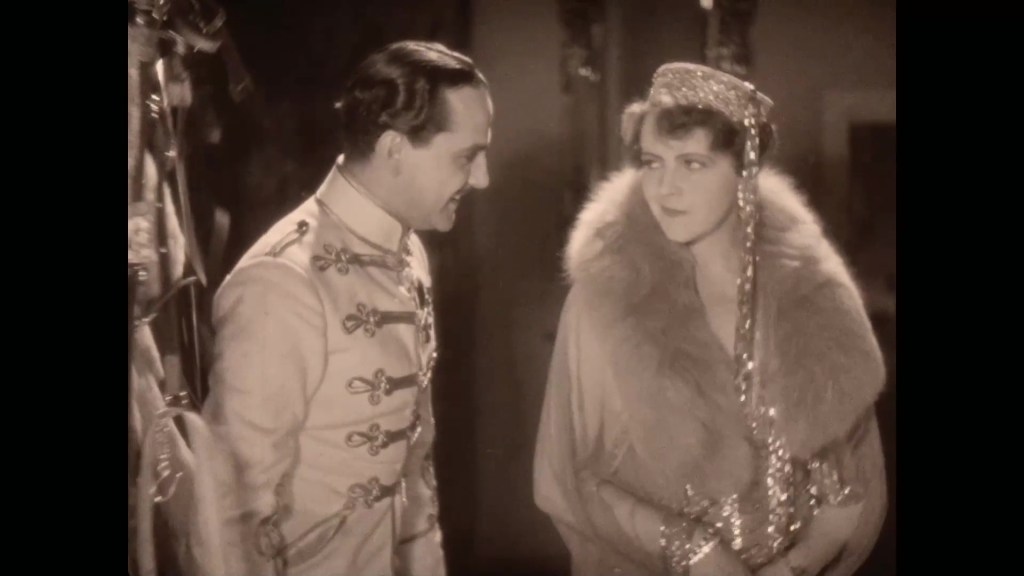


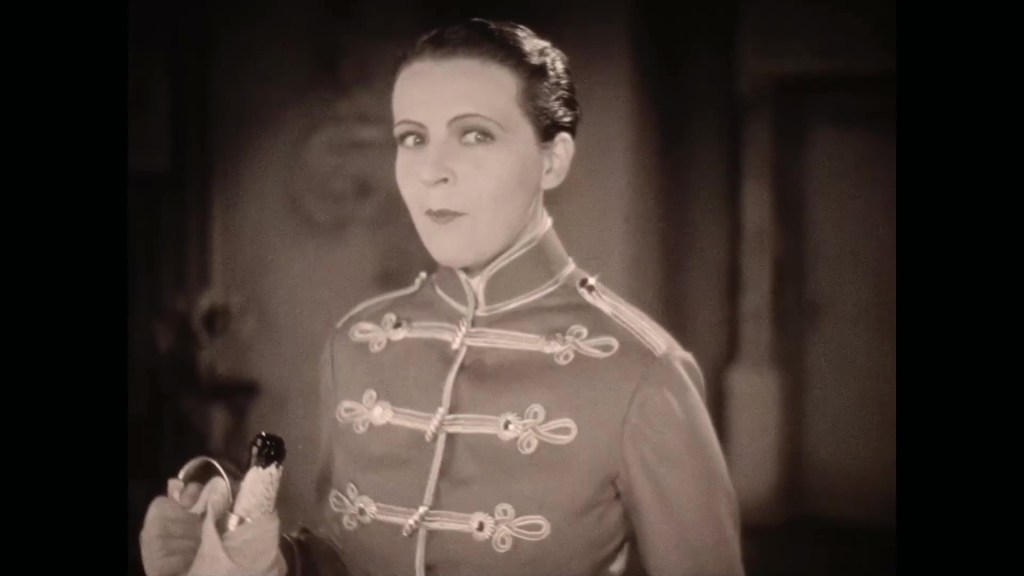

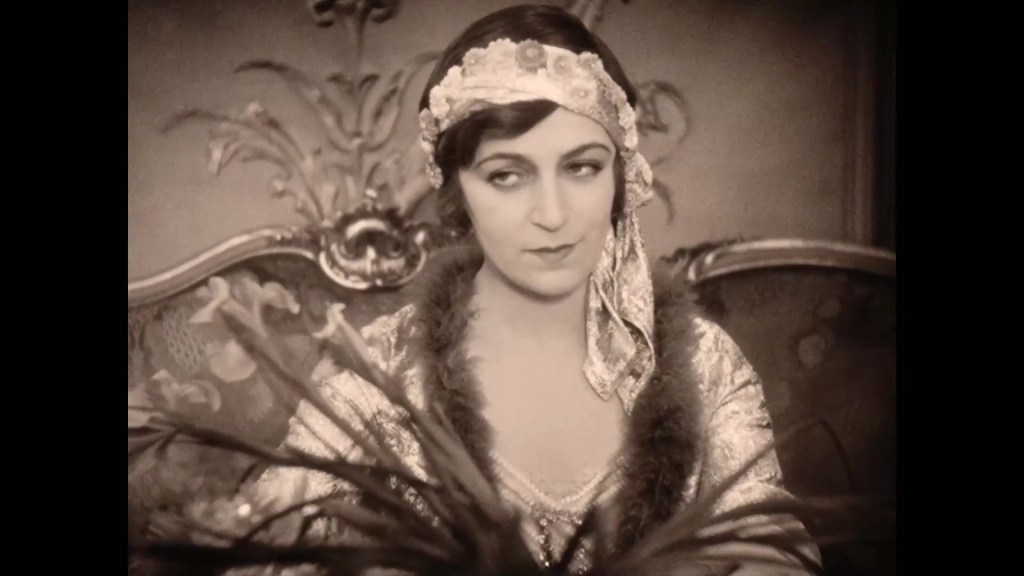


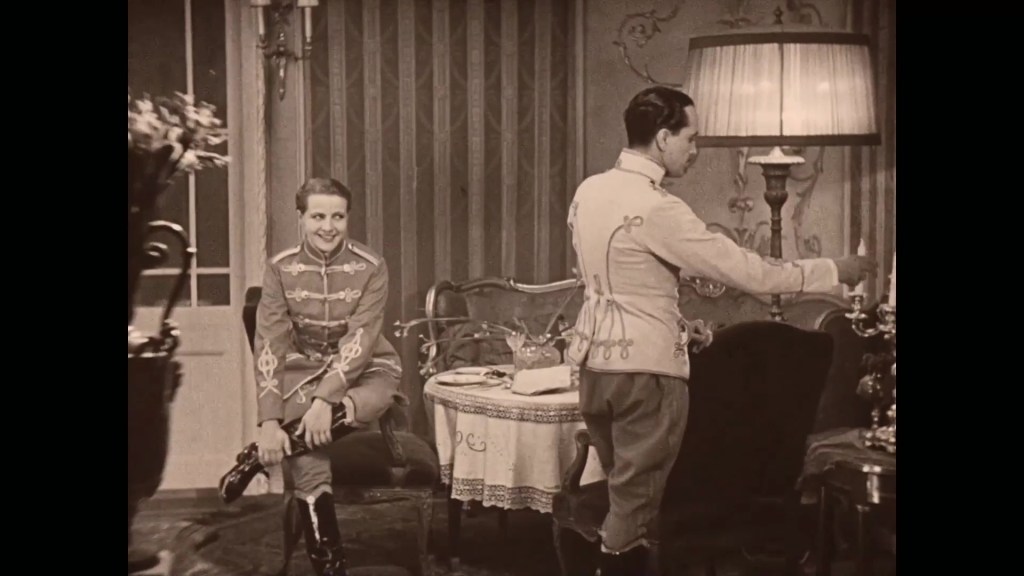
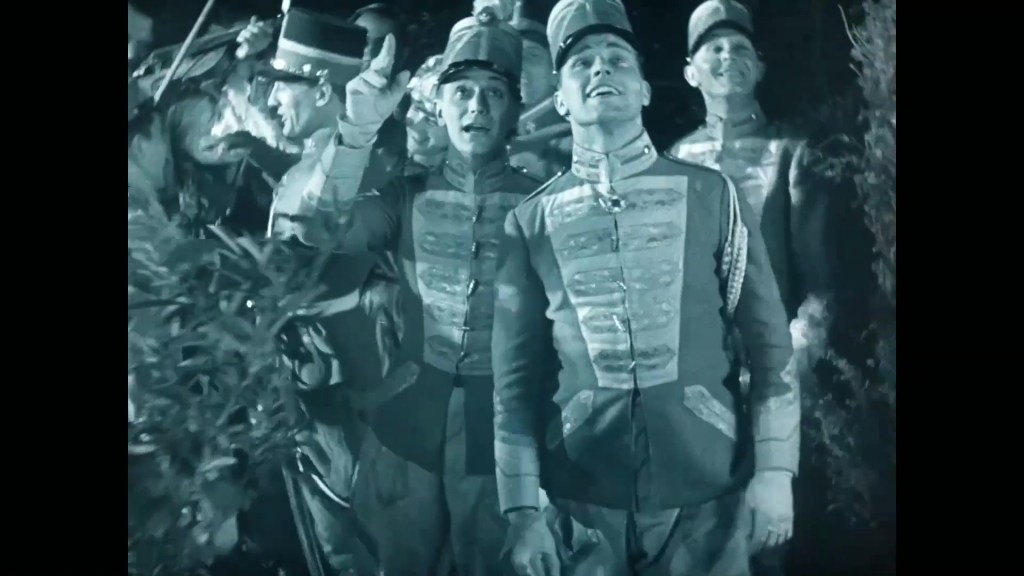

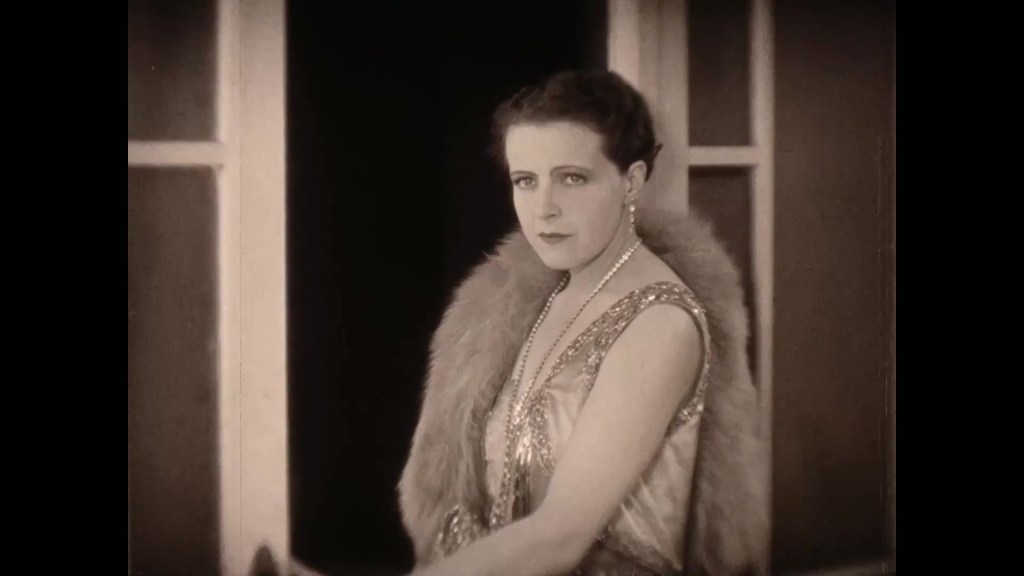

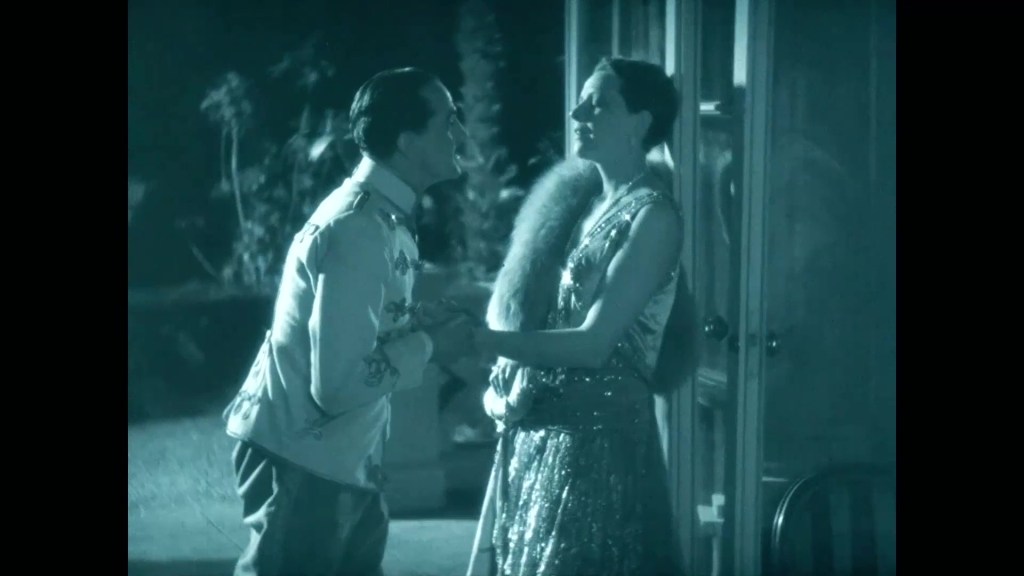
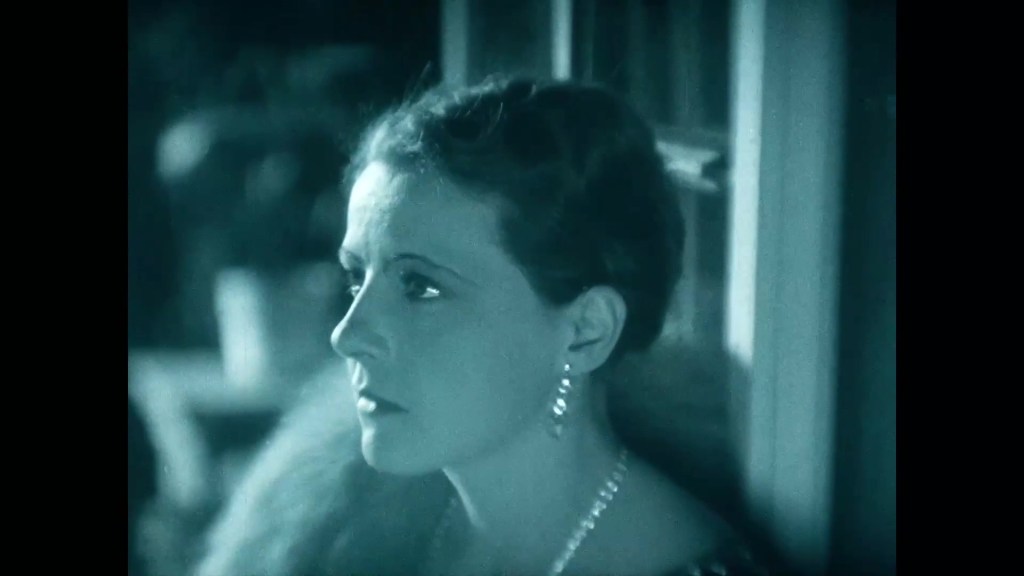
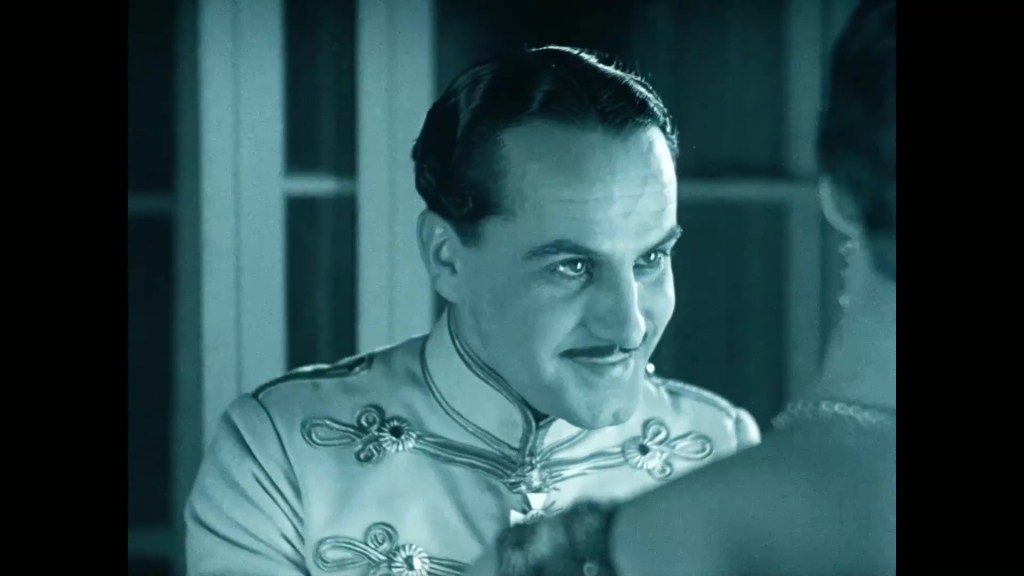
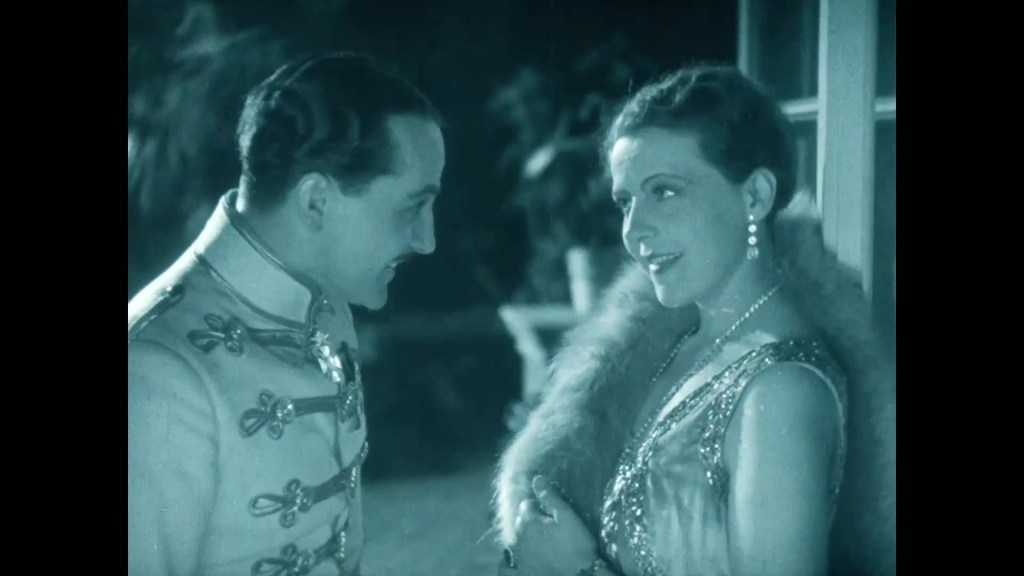

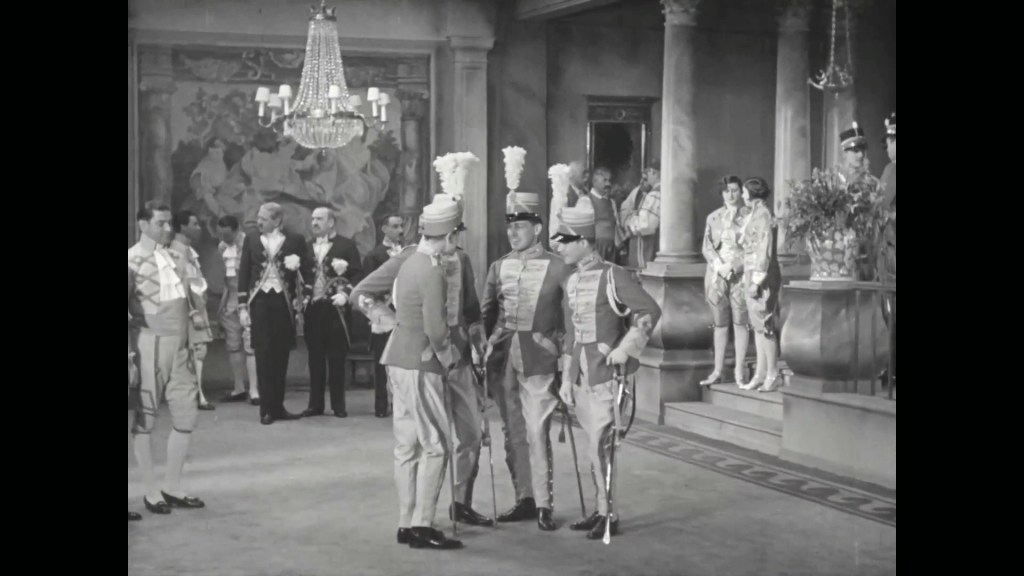
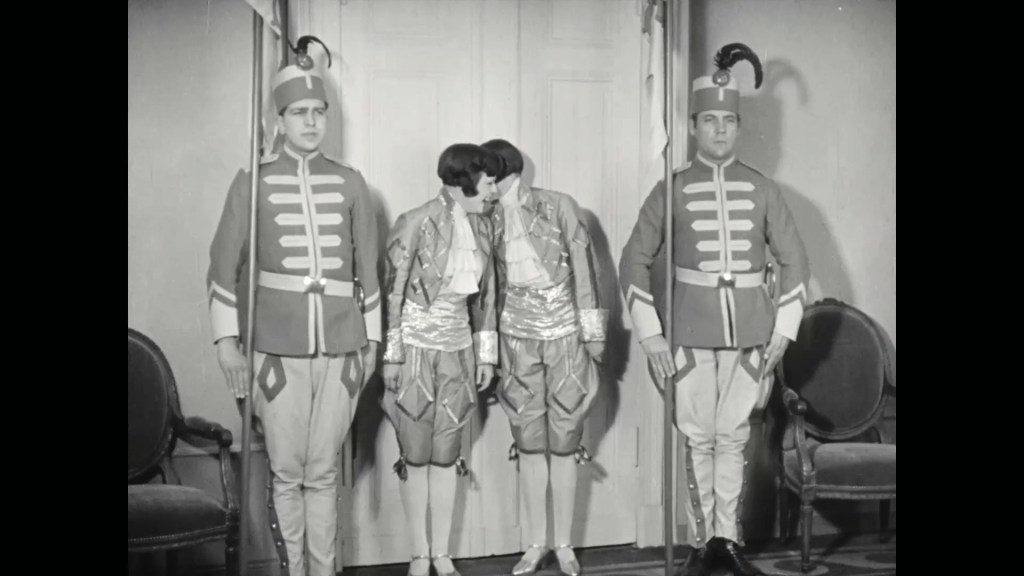

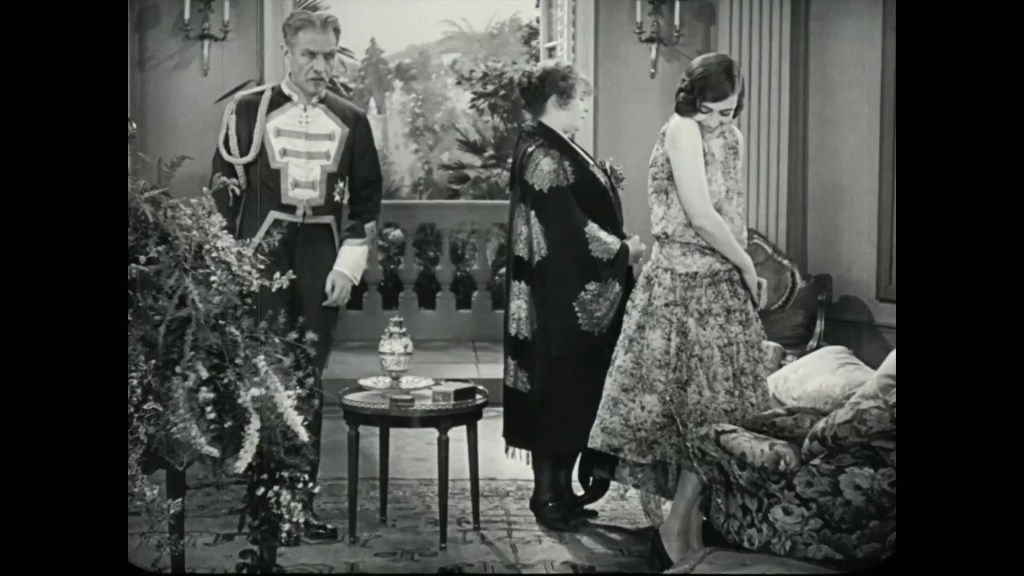
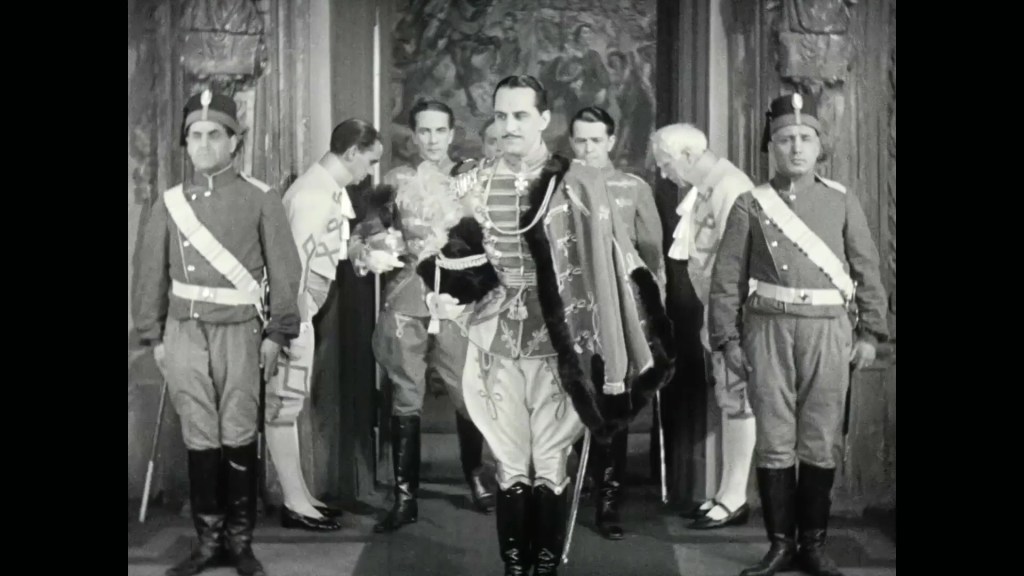
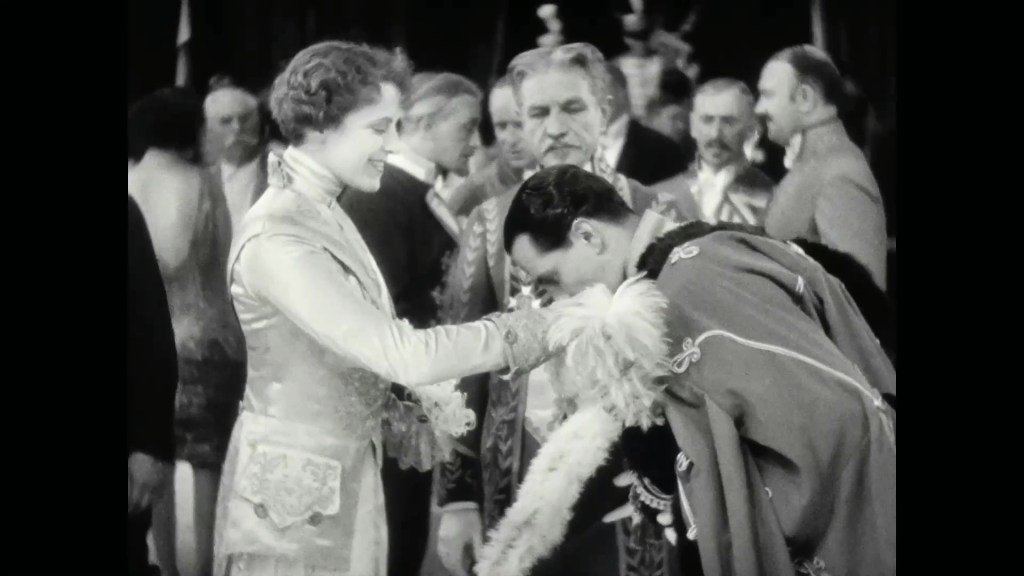


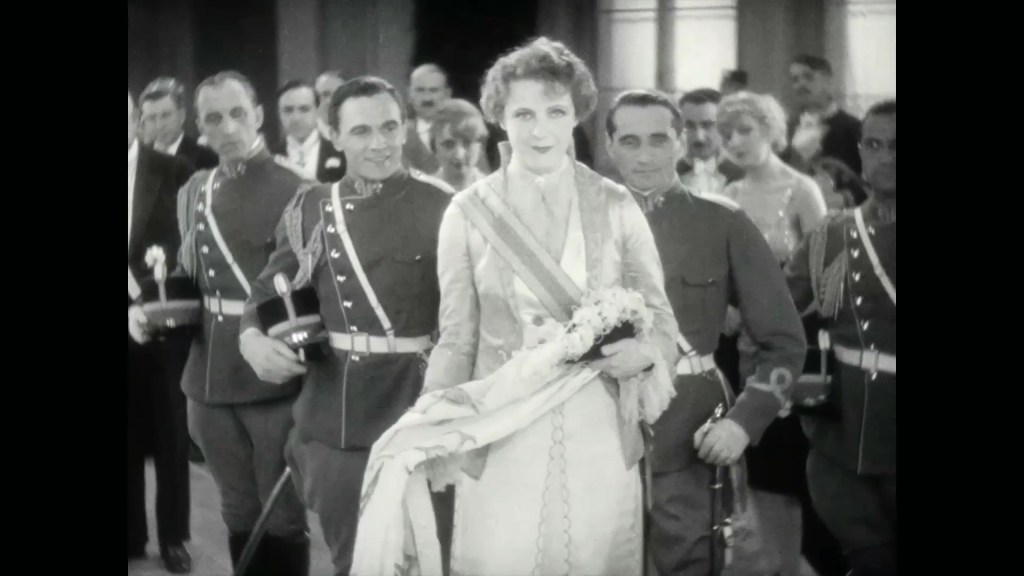
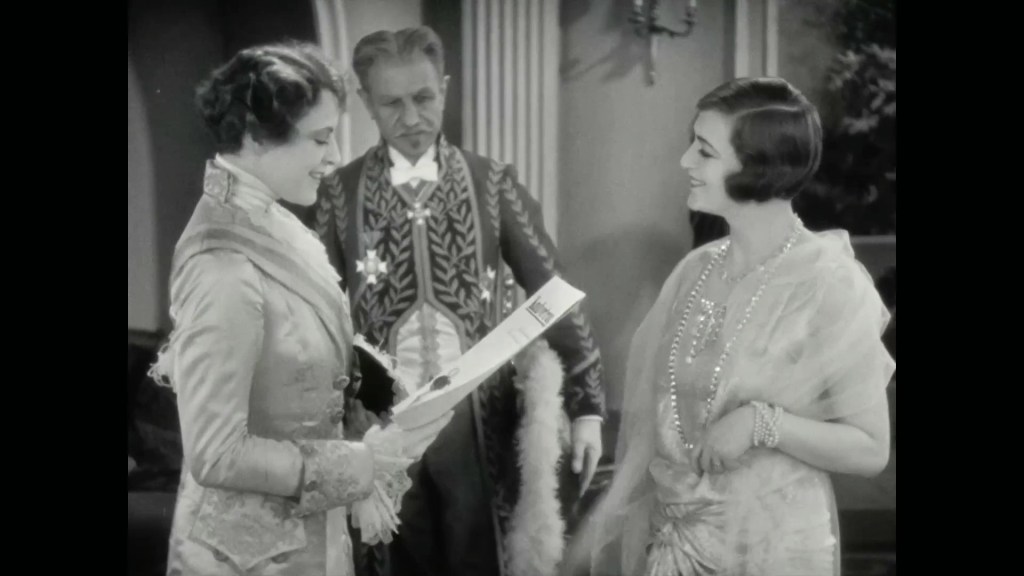
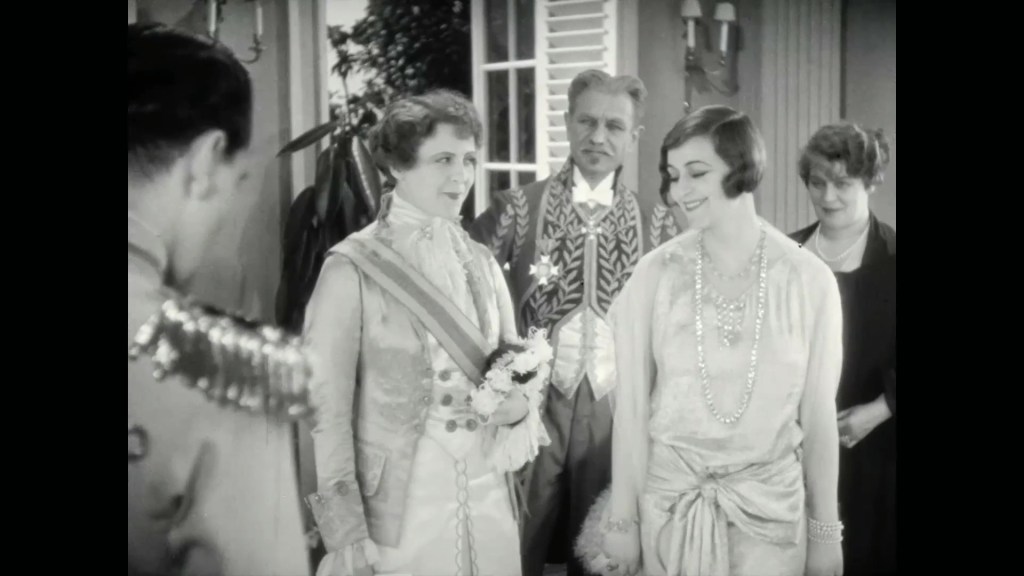
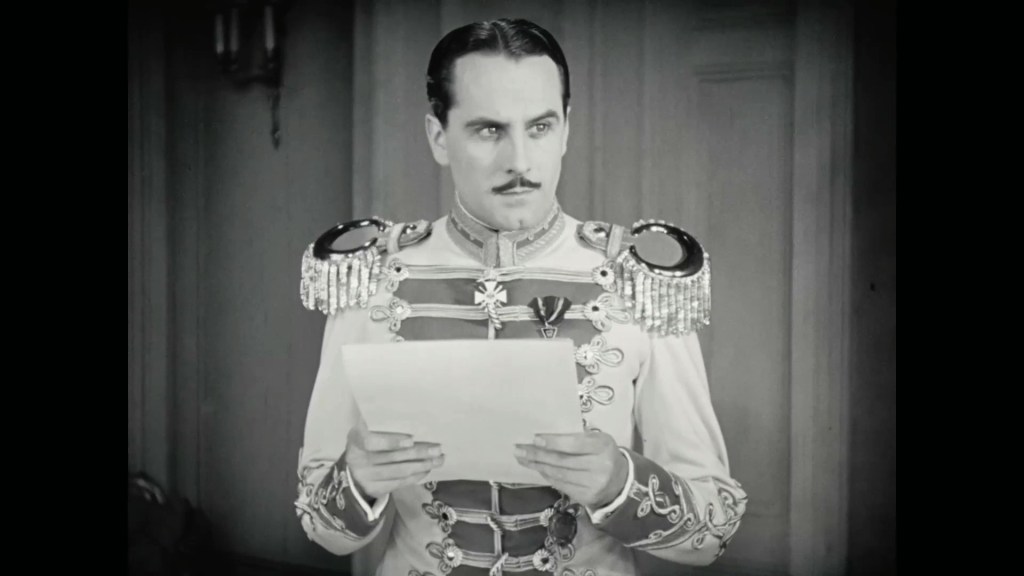
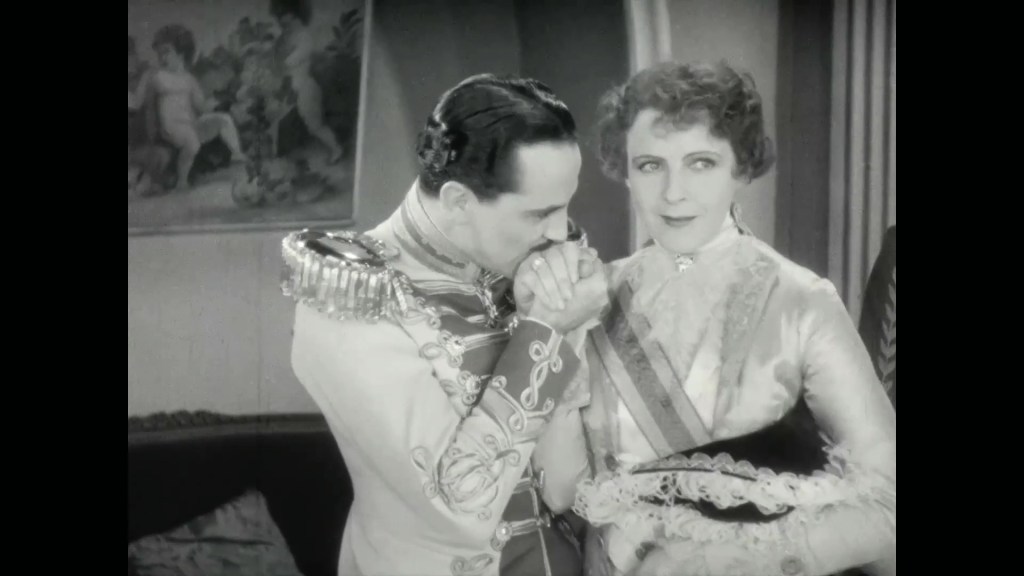


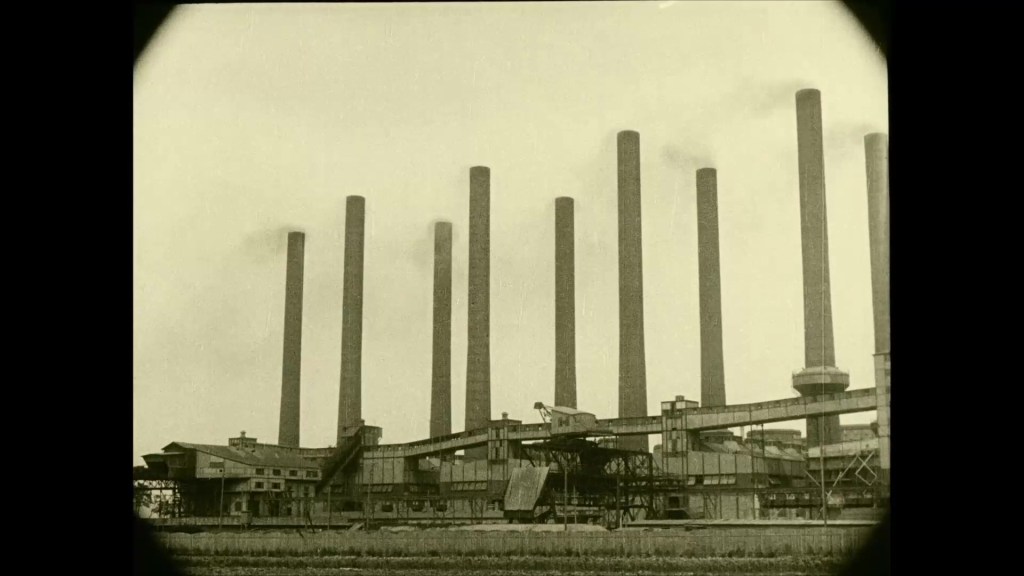


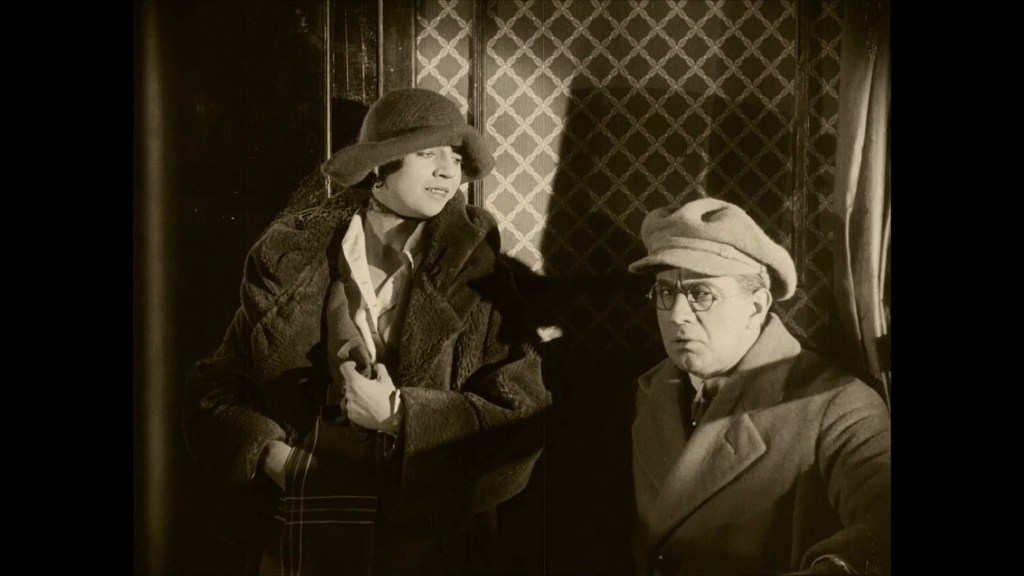





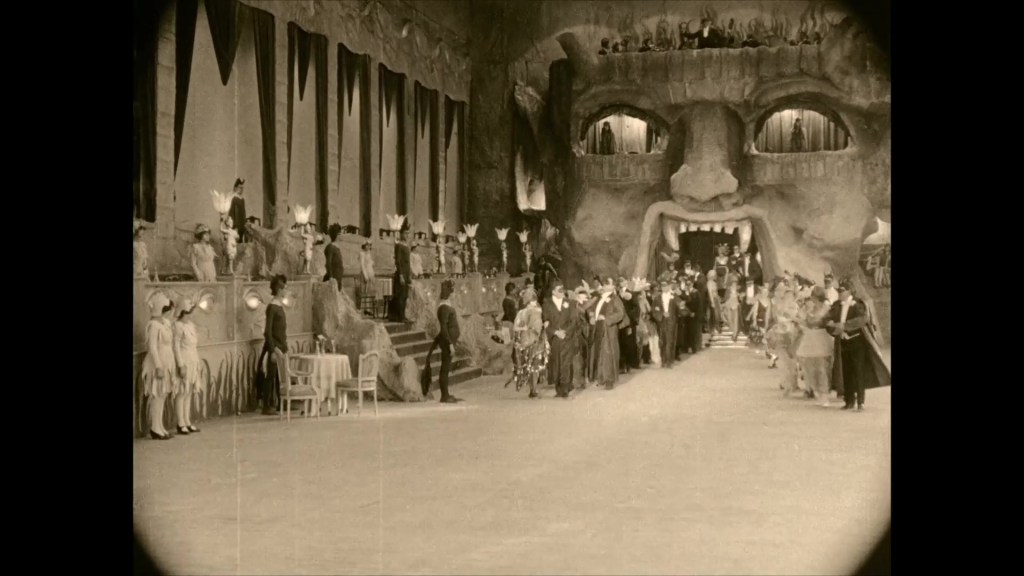
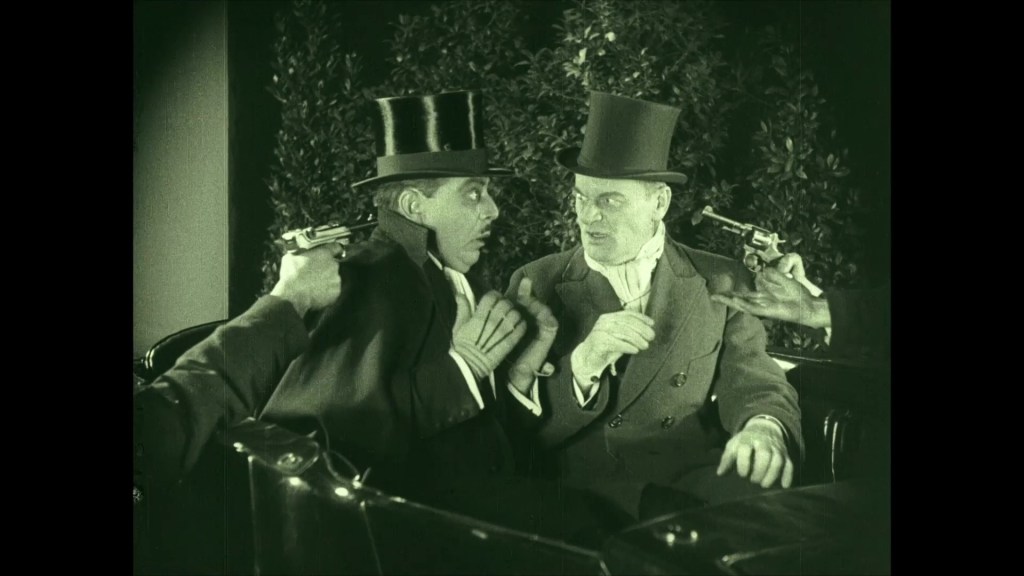


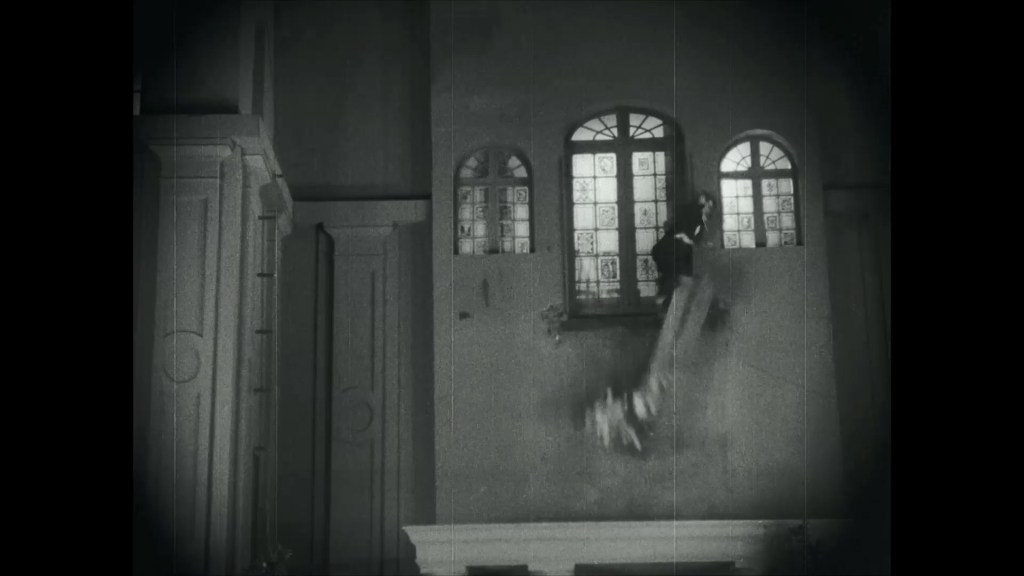


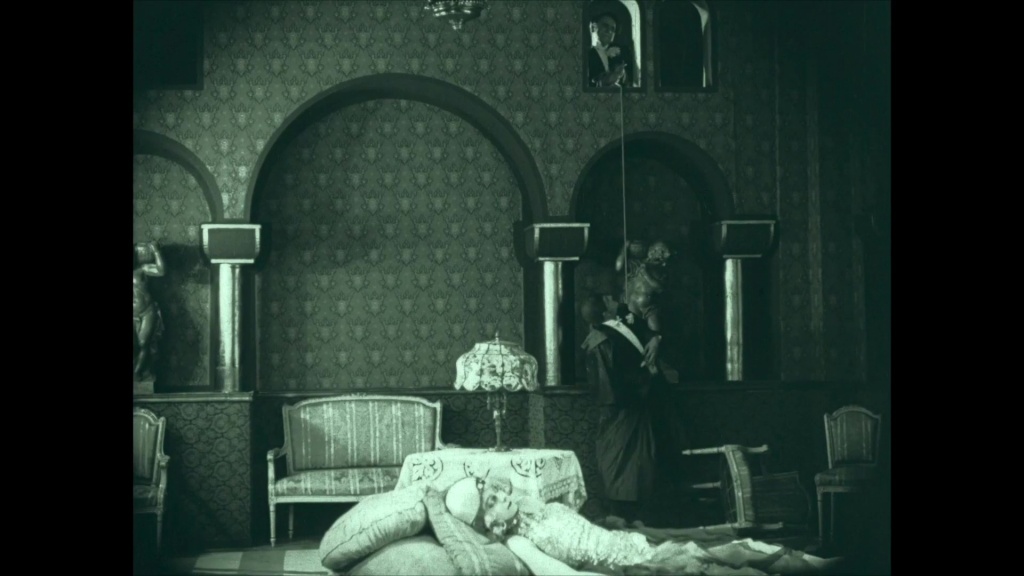


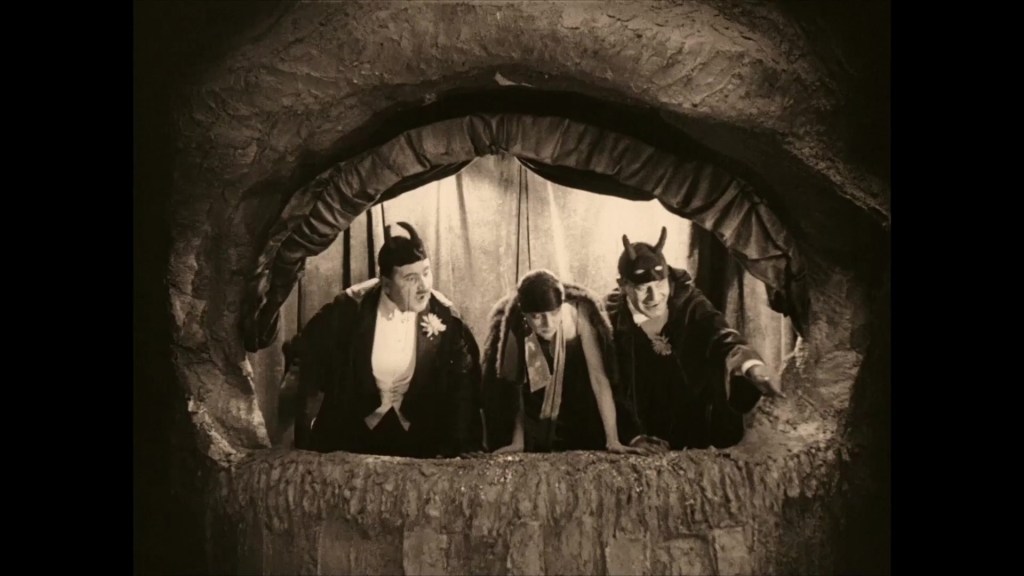


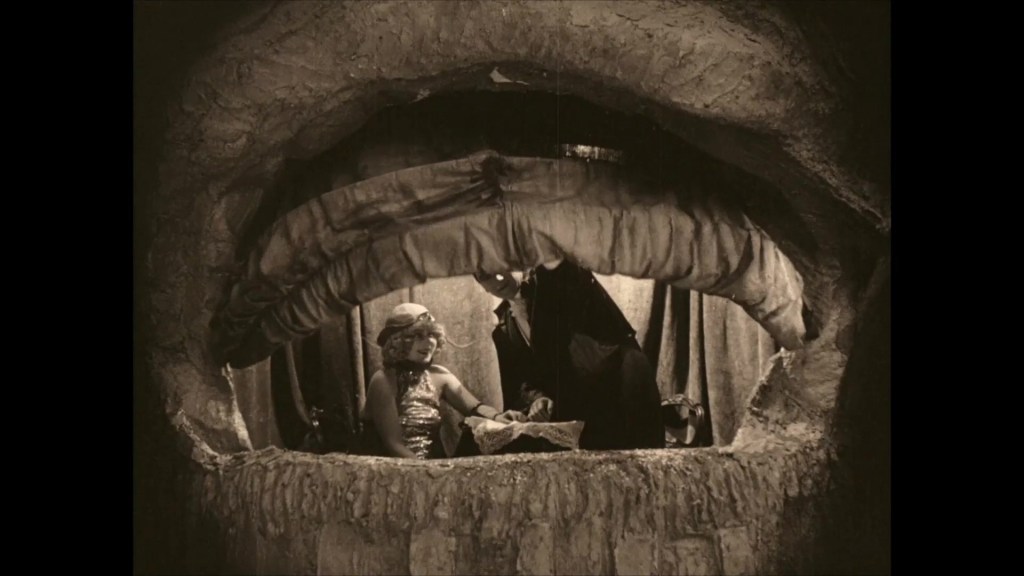
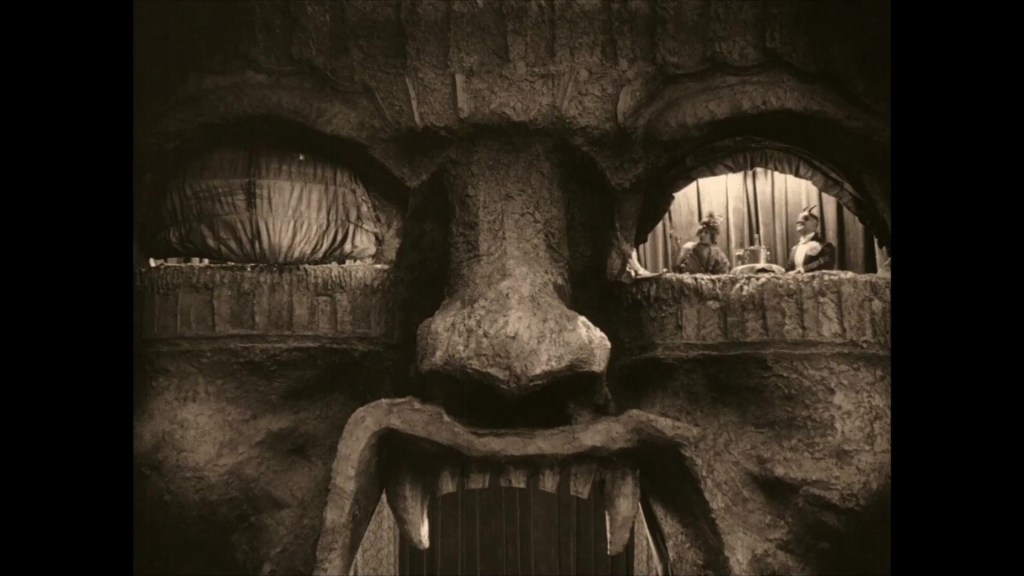


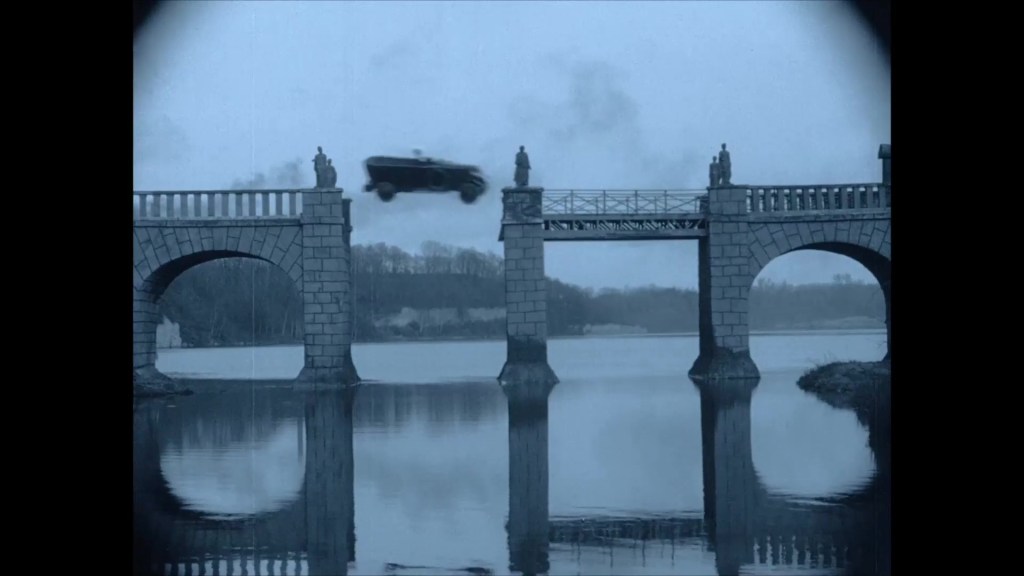
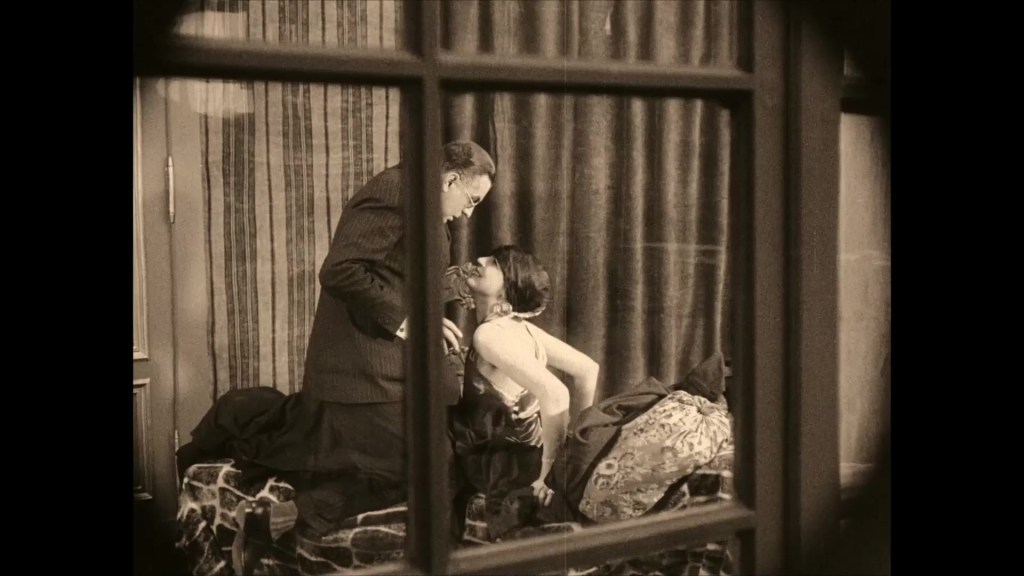
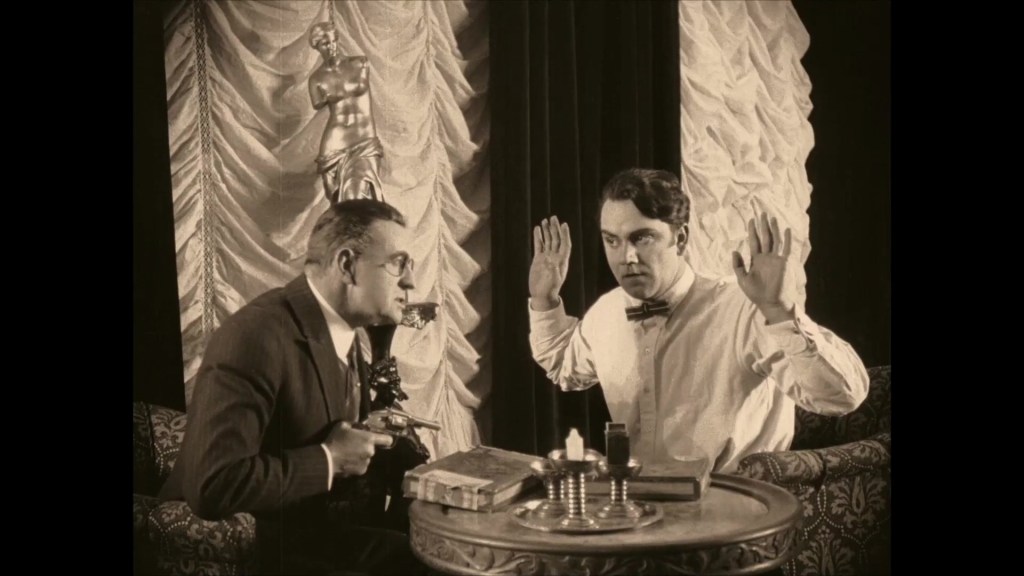
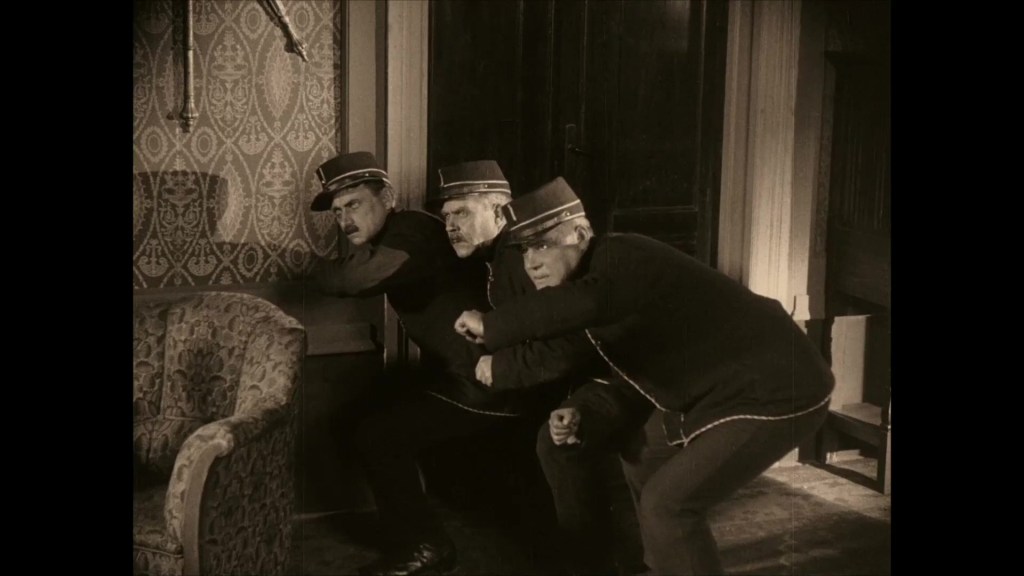


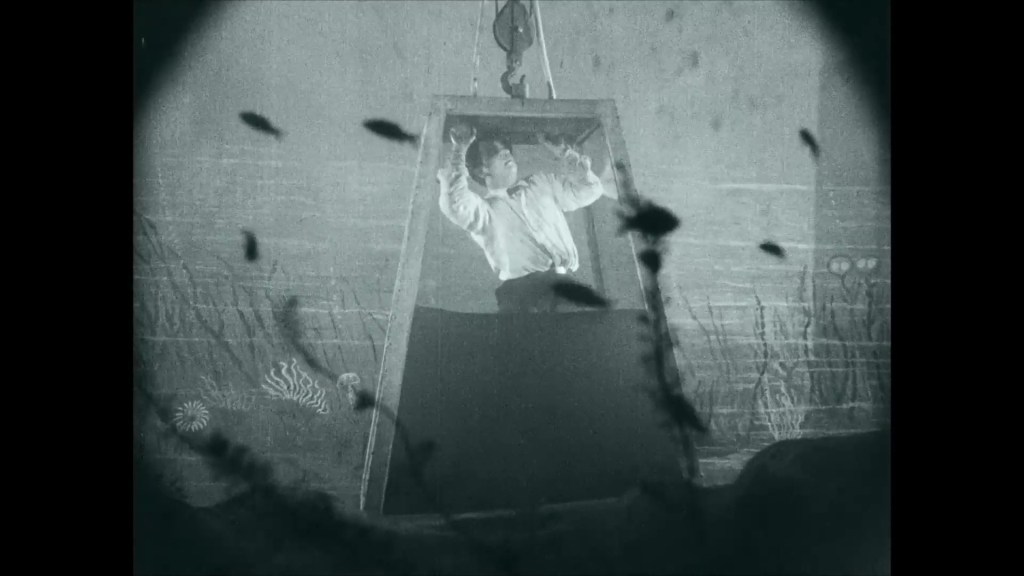
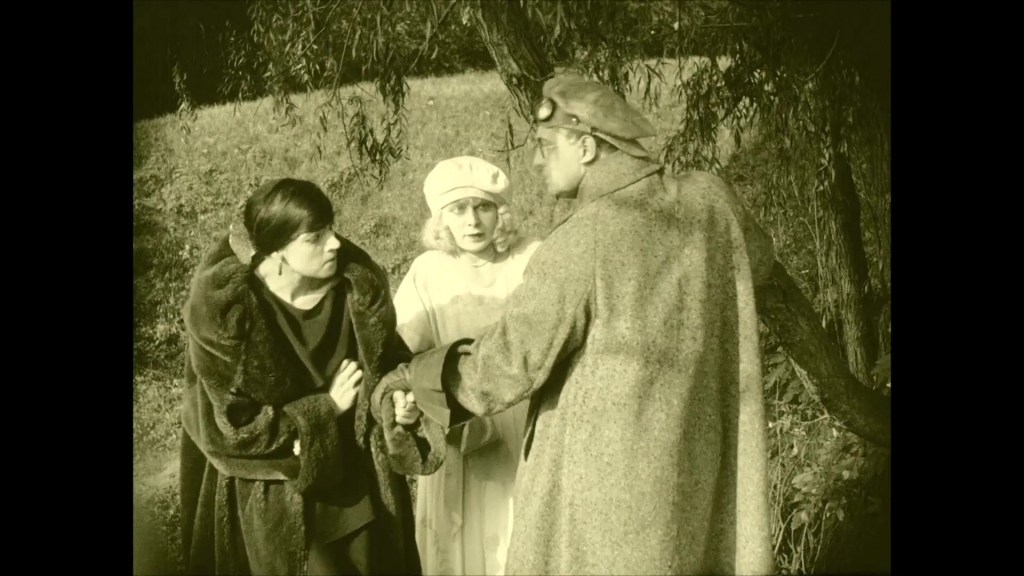
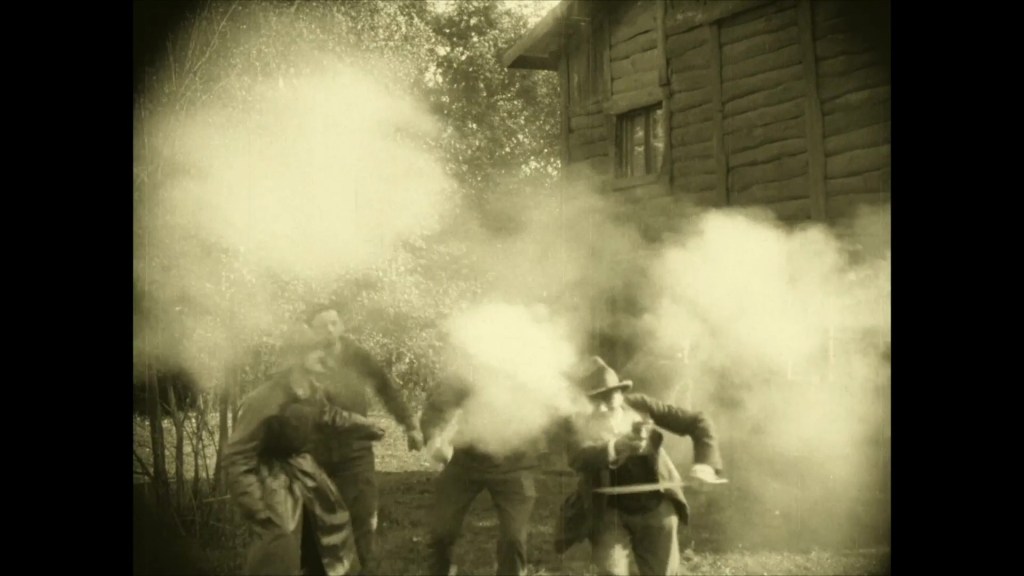
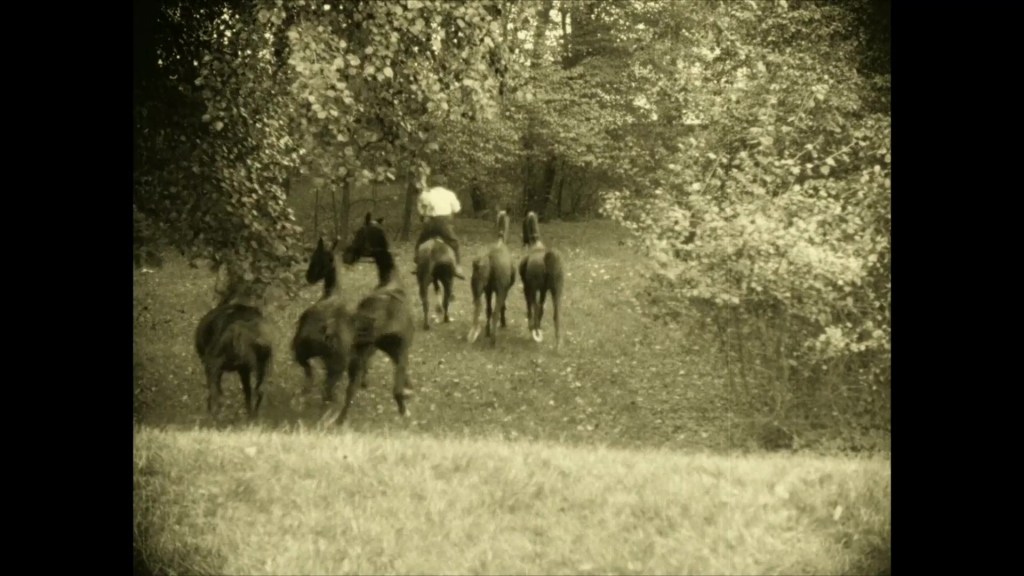

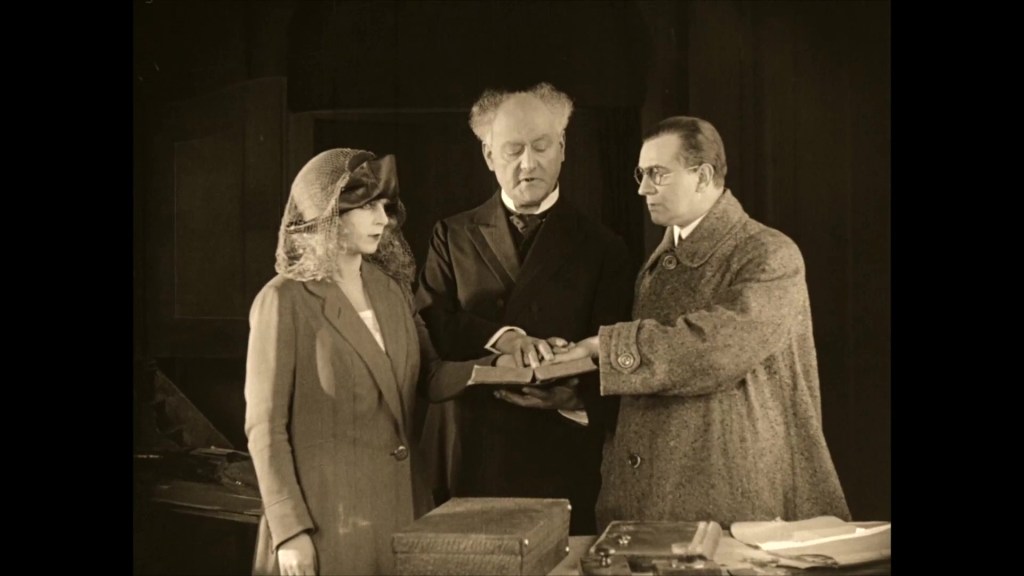

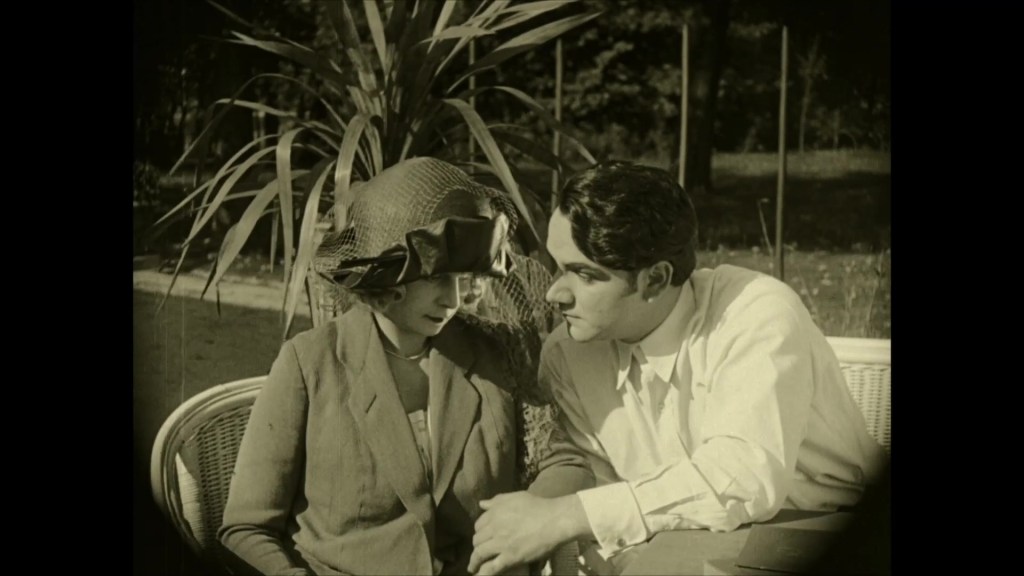


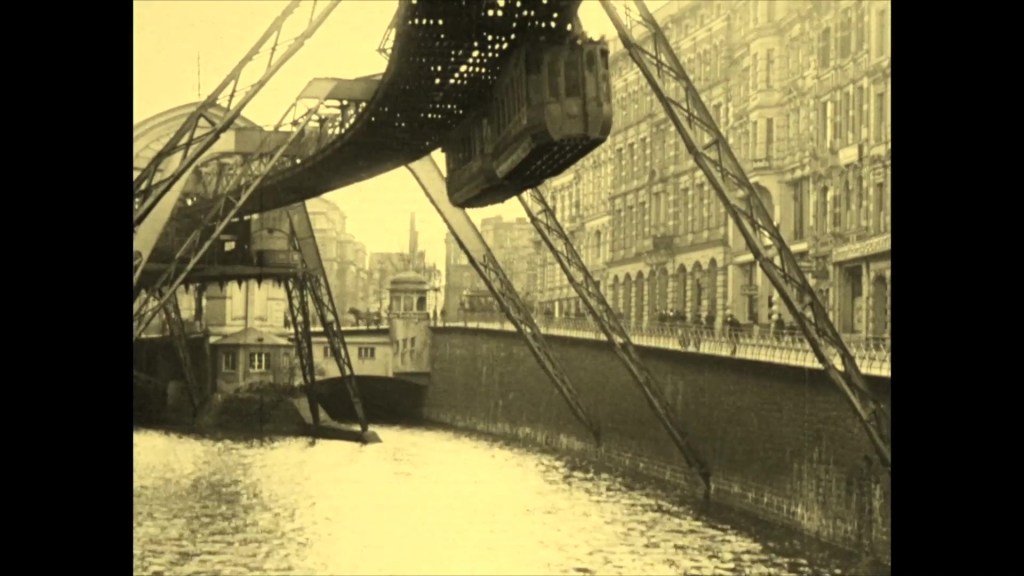


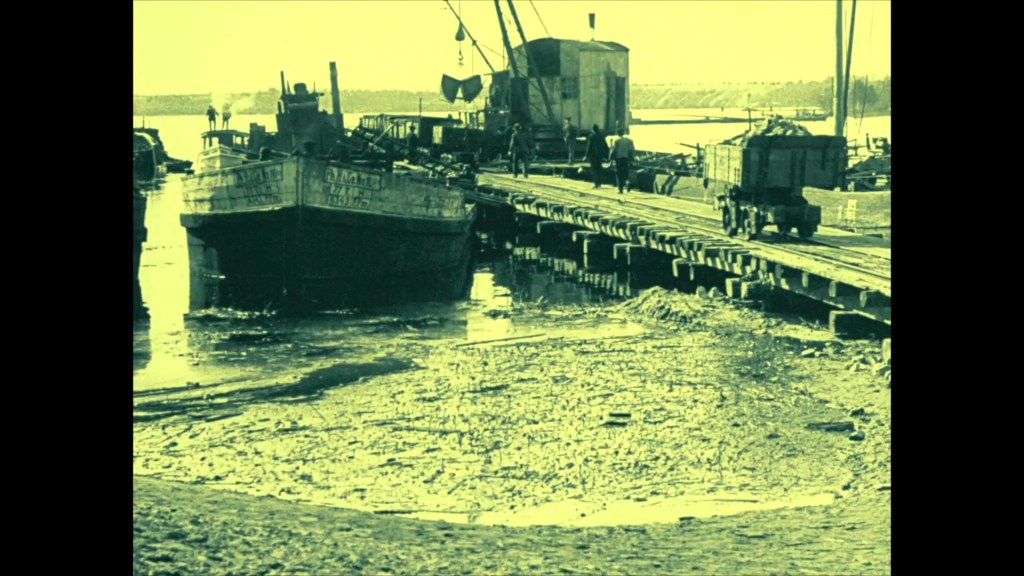


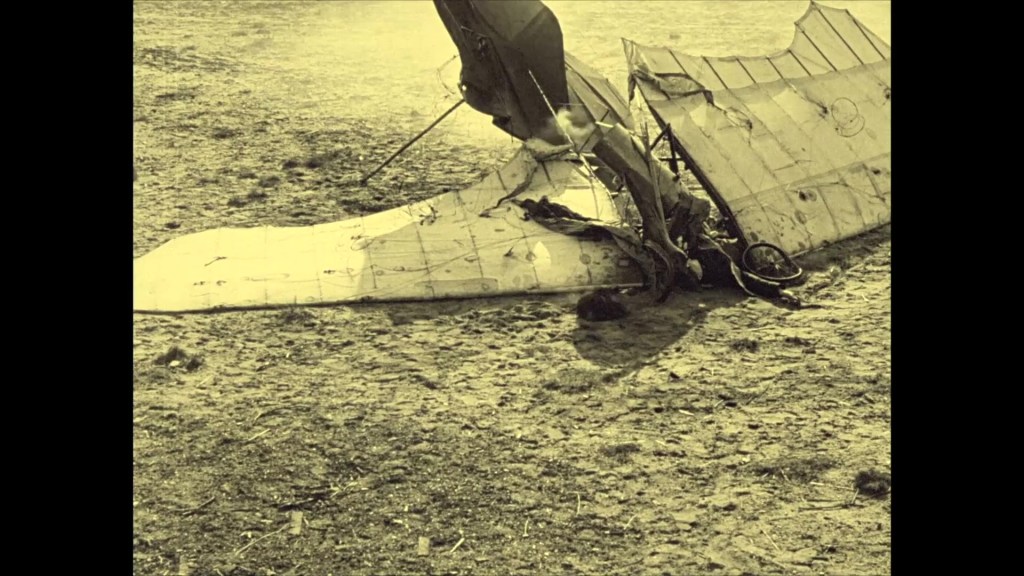


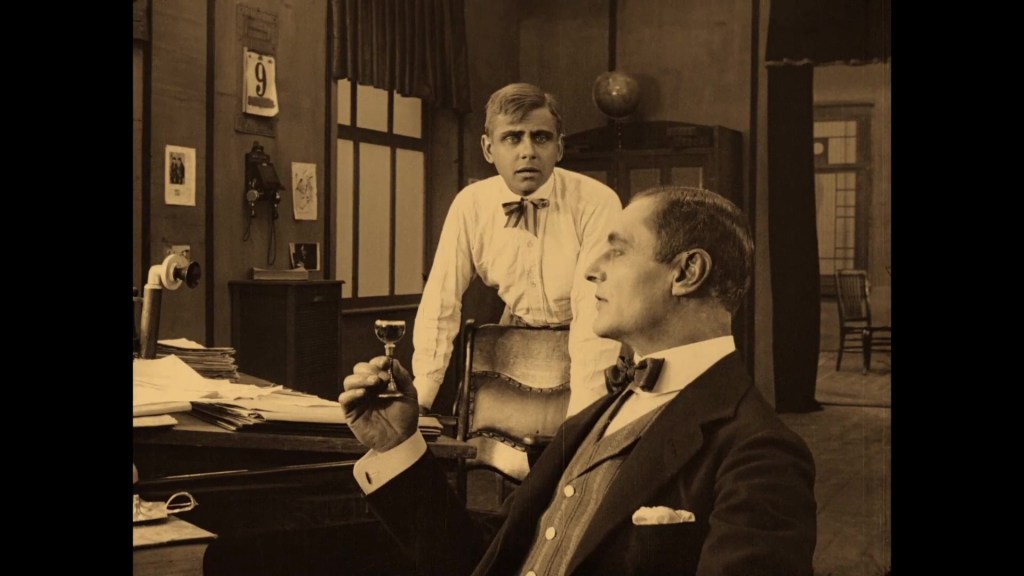


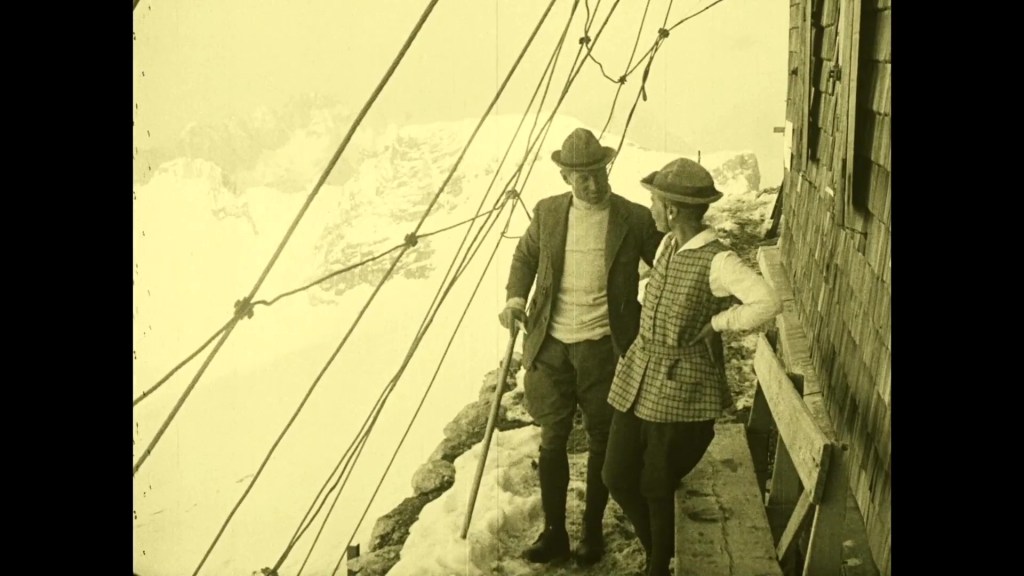


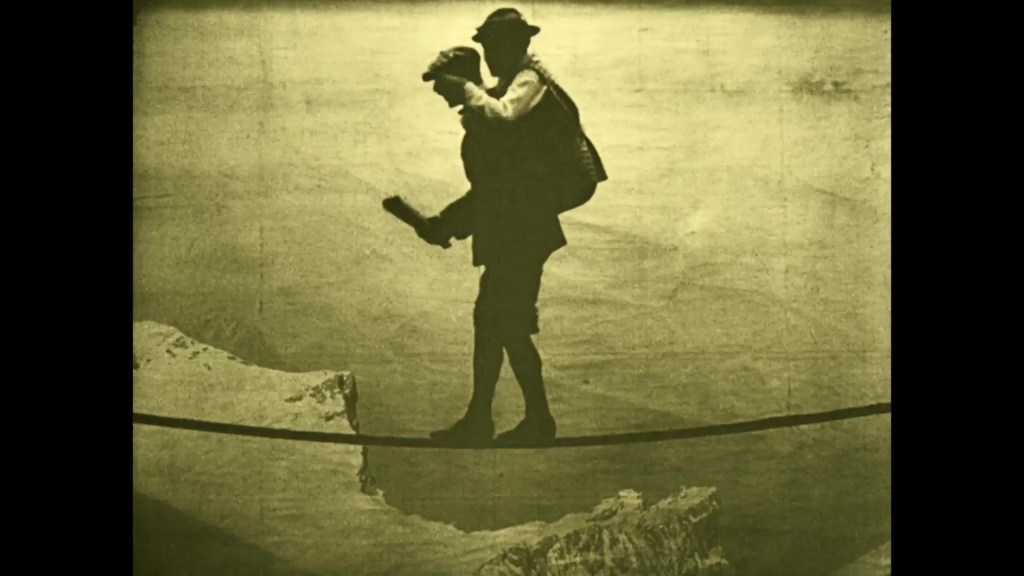


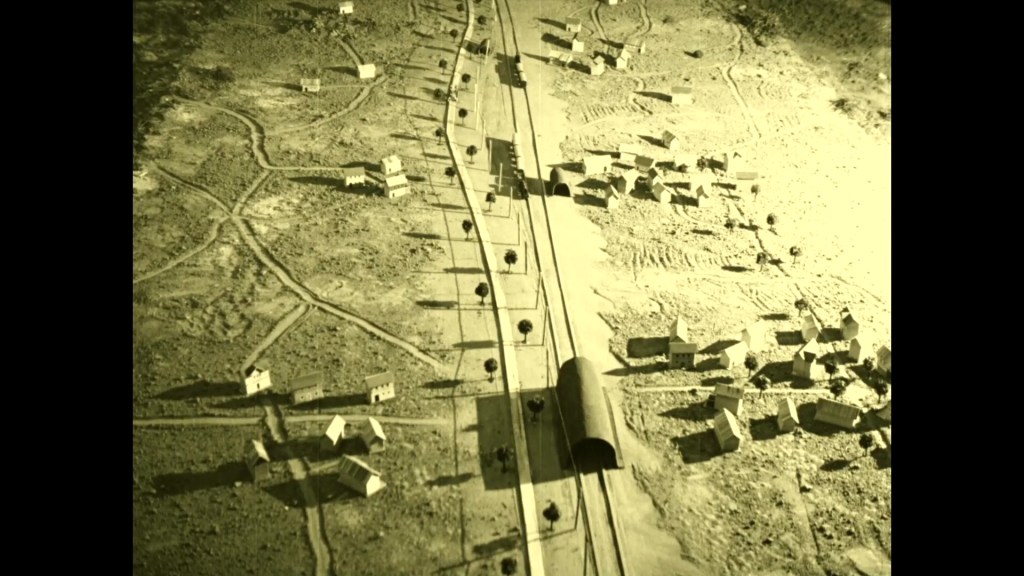


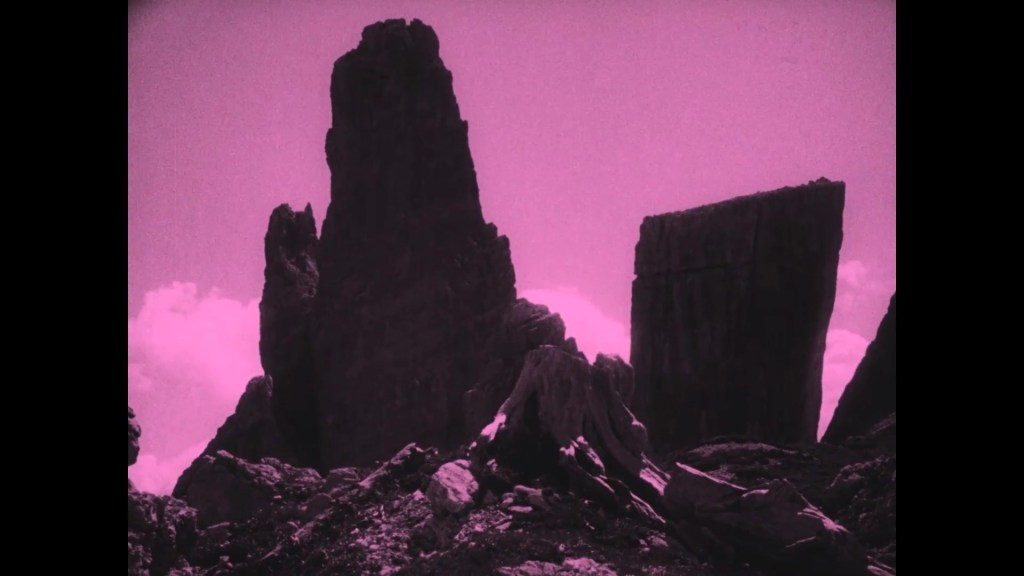


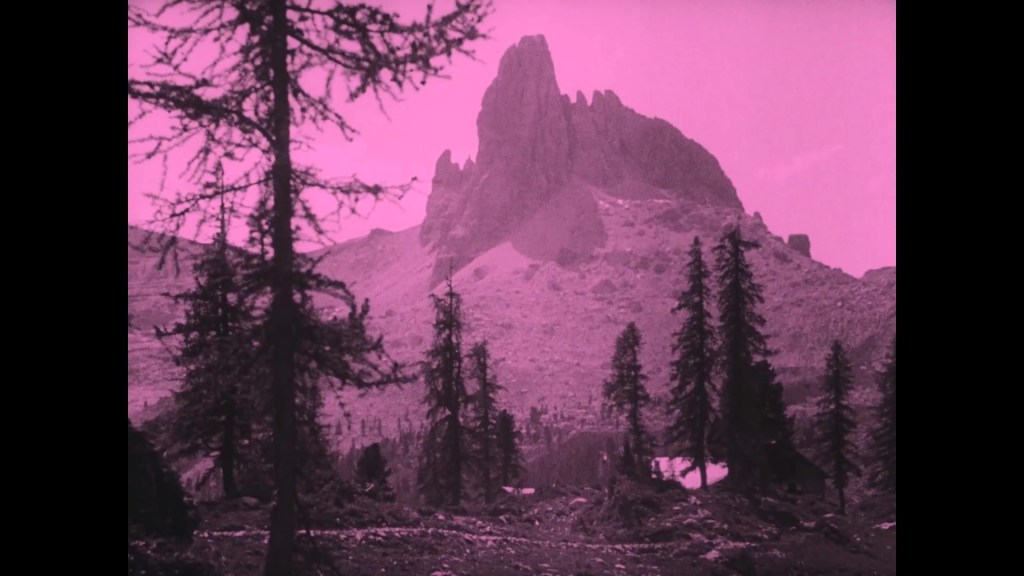


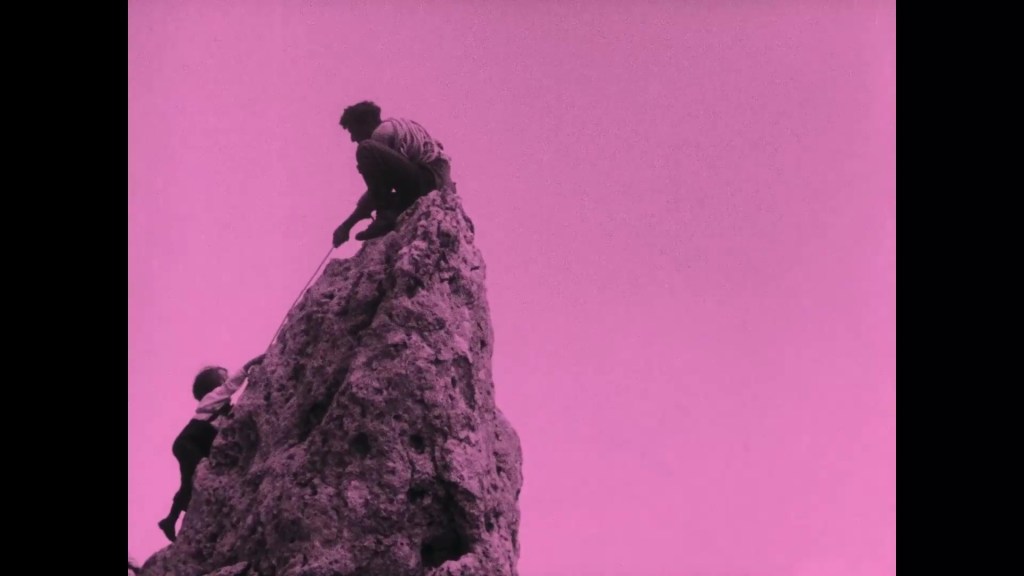


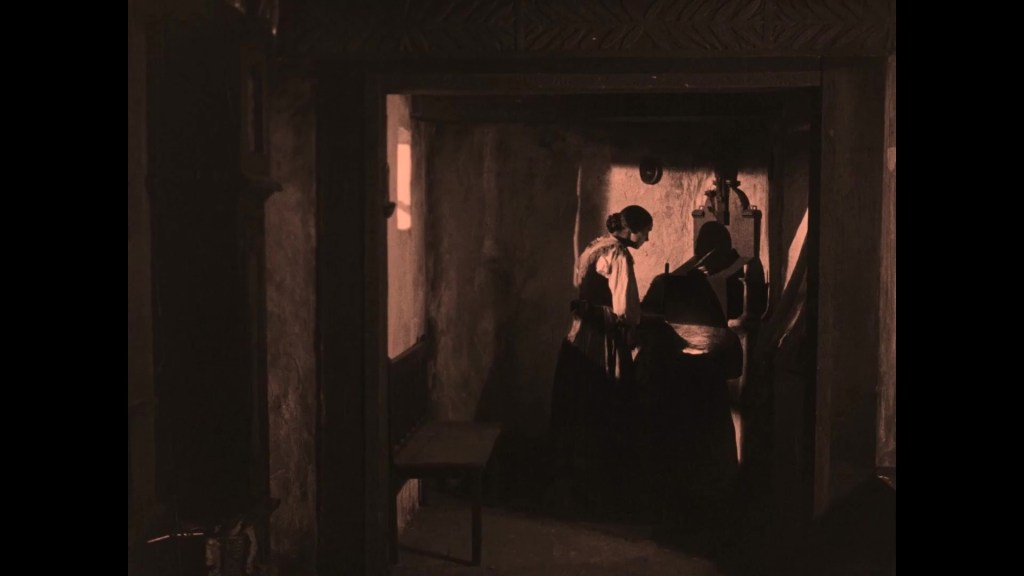


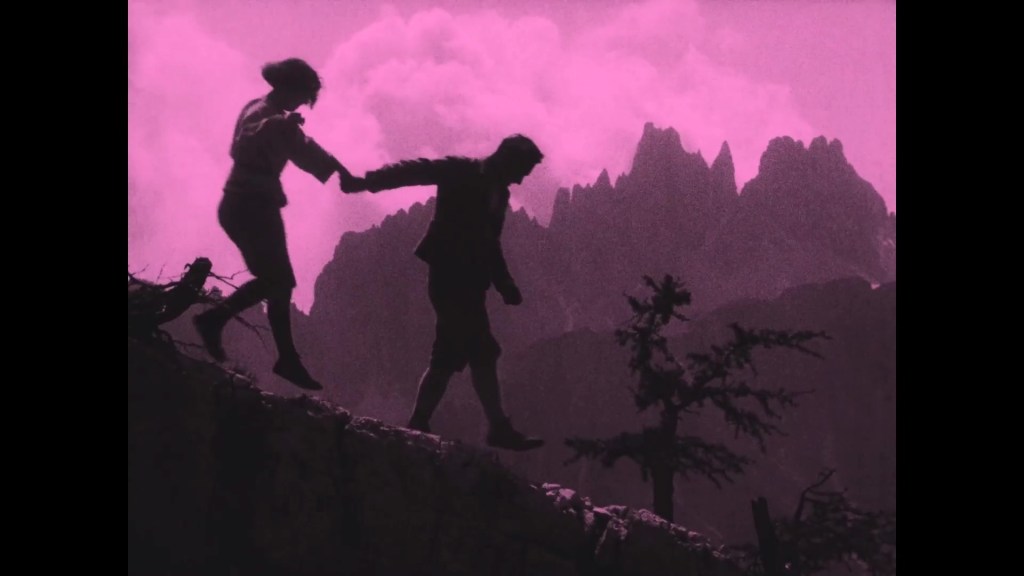


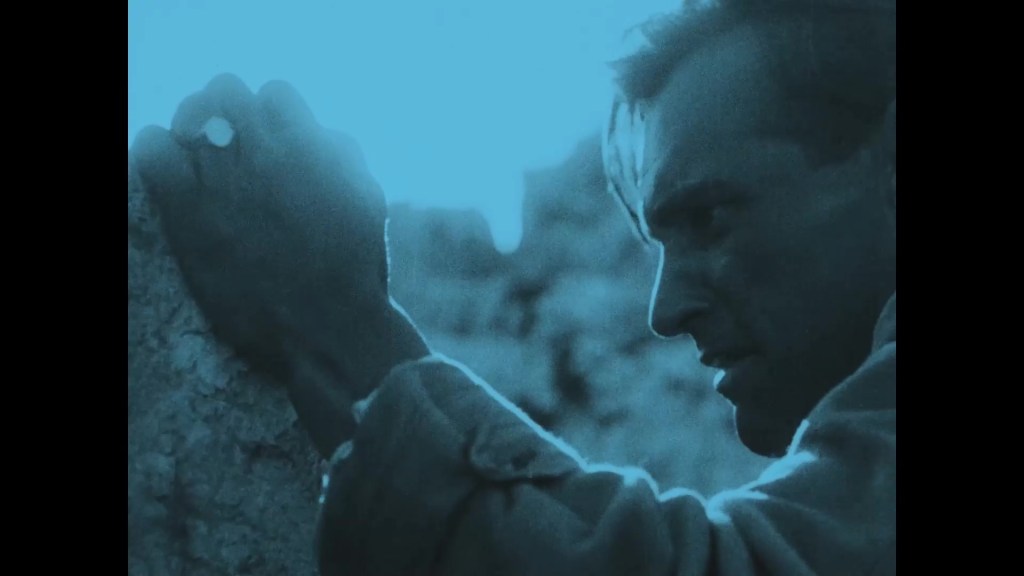


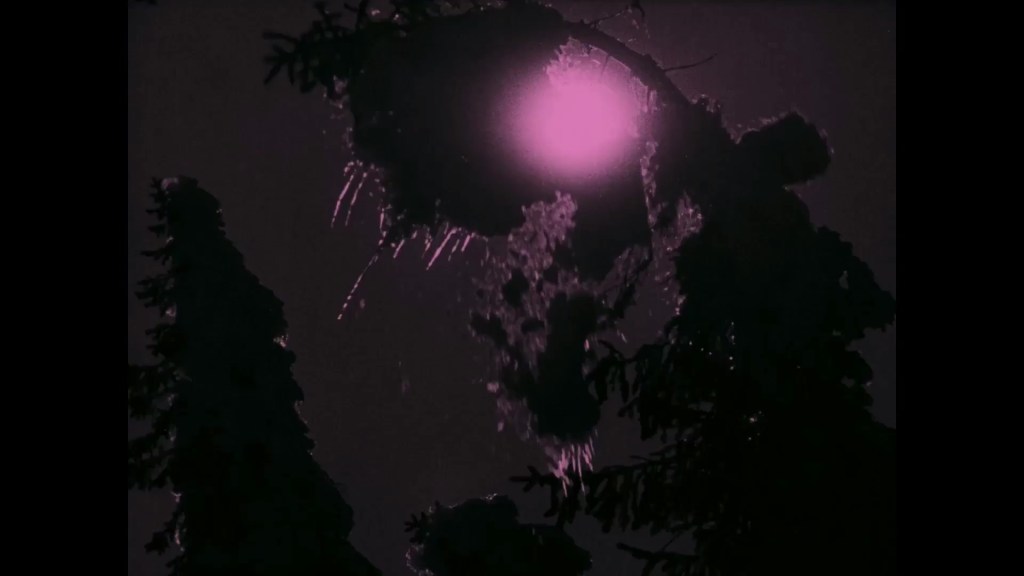


 The Realm of Silence