Where next on our Pordenone journey? Day 5 begins on the streets of Paris, before segueing to eighteenth-century Vienna, and finally to Spanish California. We get helter-skelter comedy, brooding artistry, and romantic intrigue. It’s certainly a varied programme…
The first short was La Course aux potirons (1908; Fr.; Romeo Bosetti/Louis Feuillade). This kind of “chase” film was a popular format in the first decade of the twentieth century, and many directors of later prominence will have cut their teeth developing multi-shot narrative form through something similar. La Course aux potirons is a delightful example, with runaway pumpkins being pursued through the streets of Paris. But it steadily becomes more anarchic, more surreal: the pumpkins leap over fences, hurl themselves uphill, leap through buildings, up stairs, up chimneys, plunge into sewers. They are pursued – over every bit of terrain – by an accumulating cast of comic bunglers, as well as the donkey that was pulling the initial pumpkin cart. (The animal is even, marvellously, fed up through the chimney at one point.) Via reverse motion, the pumpkins eventually find their way back to their cart and leap into its back. A real charmer of a film.
Next up is La Mort de Mozart (1909; Fr.; Étienne Arnaud), another Gaumont production – this time deadly serious. We see Mozart at work, the arrival of the “mysterious messenger” (not disguised). It all plays out in a single shot, which suddenly splits in two for an inserted vision Mozart has of his own funeral. Now he collapses and is barred from composing. But his friend plays music from his operas to sooth him, and Mozart sees more visions of scenes from his operas. Finally, Mozart asks for quill and paper to compose the requiem. Musicians enter to help him compose, and continue to sing as Mozart enters his death throes and dies. FIN.
Thus we come to our main feature: For the Soul of Rafael (1920; US; Harry Garson). A tale of Spanish California, of adventure, of “romance whispered through convent windows”, and “a daughter of Spanish dons” who follows the -metaphor-, ahem, the whisper “until it led her over shadowed trails where Tragedy spread a net for her feet.” Marta Raquel Estevan (Clara Kimball Young) has grown up in a nunnery, guarded by Dona Luisa Arteaga (Eugenie Besserer), who wishes her to marry her son Don Rafael (Bertram Grassby). Marta is served “with grim devotion” by Polonia (Paula Merritt), who considers that Marta is adopted by the hill Tribe to which she belongs. They go to the New Year fire ceremony, where they encounter the American adventurer Keith Bryton (J. Frank Glendon) who has been wounded and captured by the tribe. Marta saves Keith’s life by giving him her ring, and he is brought to Polonia’s hut to recover. Marta and Keith fall for each other, the news of which infuriates Dona Luisa. Dona Luisa forces Polonia to effectuate the Americans’ sudden departure – and lie to Marta that he died. Later, Don Rafael – a louche reprobate – is partying with the locals (including Keith) to celebrate the last of his bachelor days. El Capitan (Juan de la Cruz), “the black sheep of the Arteagas”, suddenly arrives, disguised as a padre. Then Dona Luisa arrives with Marta and greets Rafael’s cousin Ana Mendez (Ruth King). Dona Luisa invokes an oath to sweat “by the Holy Cross” to “stand guard over the soul of Rafael”, which Marta joins in – “so long as they both shall live.” (Hmm…) Keith sees Marta making the oath and leaves distraught, just as Dona Luisa dies. Later, at the wedding the “Padre” rescues Teresa and her infant, abandoned by… Rafael! Marta demands Rafael take responsibility for the woman and child, telling Rafael that Teresa is his real wife. Later, Keith arrives with his brother’s widow, Angela Bryton (Helene Sullivan), “an Englishwoman whose ambition has been aroused by the wealth and extravagance about her”. Marta, as a lengthy title explains in pompous prose, is unhappy. She has seen Keith, realized he’s not dead, and knows that Polonia lied to her. Rafael tries it on with Marta, who draws a knife and swears to strike him dead if he does so again. She seeks “refuge from the bestial soul of Rafael” in the home of Ana Mendez. The “padre” turns up with Keith, as does Rafael – on the trail of El Capitan. Keith and Marta are briefly reunited, confess their mutual love, but “for the soul of Rafael”, she must… (etc etc etc). Meanwhile, Rafael pursues Helene, who seethes with jealousy against Marta. At the nighttime fiesta, “fate” intervenes. Keith kisses Marta in the chapel (that’s not a euphemism), just as Helena is stealing Marta’s family jewels (nor is that). Rafael arrives, but so does the “padre”, who finally reveals himself as El Capitan and kills Rafael. Marta and Keith are free to marry and step “at last into the sunlight of perfect joy.” THE END.
Well, it’s about time I watched a dud, and this is it. I didn’t enjoy much about For the Soul of Rafael at all. The silliness of its titles and po-faced tone were never quite silly or po-faced enough to make me laugh at the film, but the banality of its narrative and the stiltedness of its performers never enabled me to get along with the film. It was not especially interesting to look at, with only fleeting glimpses of the much-vaunted (by the titles) beauty and summery fragrance of old California, nor anything beyond some faintly expressionist touches to the convent (with its weirdly warped convent bars) to make the interiors stand out. Just as the titles promised high-flown themes that the film could hardly convey, so the performers struggled to give any depth to the emotions their character supposedly felt. They could offer only generic gesturing and expressions, all perfectly adequate but nothing more – just as the film’s visual language articulated nothing of any depth or complexity.
In terms of its setting, especially its use of Native American characters, I think back to the adaptations of Ramona that I wrote about last year. Like the 1928 Ramona, For the Soul of Rafael casts real Native Americans as extras and a white actress with darkened skin in the main cast. But it also doesn’t have much interest in the idea of Marta as an “adopted” member of a tribe, nor does it use the tribe members outside the initial sequence of their attack on Keith. Indeed, their only function is to act violently in order for the white characters to intervene. Racial issues aside, the film does itself no dramatic credit by turning down opportunities to create a more complex social world on screen. (It doesn’t make much use of Teresa and Rafael’s bastard child, either – nor does El Capitan have any function beyond turning up to move the plot along.) This would be less important, and less frustrating, if For the Soul of Rafael did not make so much of the historical California it claims to show us. The titles’ emphasis on the beauties of California are almost invisible on screen, just as the aura of fate and religious intensity they invoke are entirely absent from the dramatic reality. I’m fine with stock characters if they move and breathe and live intensely on screen, just as I’m happy with cliched plots if they are executed with panache. For the Soul of Rafael had neither dramatic life nor directorial imagination.
That was Day 5, that was. The most entertaining film of the day was the first. I very much enjoyed La Course aux potirons: it had more life, invention, humour, wit, and filmmaking panache than either of the other two offerings. I’m intrigued by the programming of these three films together. The pace and energy of the programme decreased at the same that its earnestness increased. La Mort de Mozart was a kind of transition from the excitement of early narrative filmmaking to a more concentrated drama of character and moral seriousness. I enjoyed seeing this early drama of musical biography, and of musical composition, though its ambitions – to express interiority, creativity, memory, and history – outstrip its abilities. I was not moved by the film, despite the clear entreaties of its performers to produce serious emotion. Yet at only twelve minutes, it is far more compact than For the Soul of Rafael – and, in its own way, less pretentious. For the Soul of Rafael endlessly incites oaths to God, undying bonds of love, and depths of passion and betrayal, without ever convincing me that these notions are real, lived realities for its characters – or that the characters are themselves real people that I might or could or should care about. They all feel like stock characters, moving around in a characterless environment.
But already I feel I have spent too much time talking about this film. Let’s move on.
Day 4 and we return to Uzbekistan for “The Leper”. Knowing only the title of this film, I didn’t quite know what to expect. I was prepared from something troubling, and boy did this film deliver…
Moxov Qiz (1928; USSR/Uzbek SSR; Oleg Frelikh). In an old quiet town in Uzbekistan, Colonel Karonin helps oversee the locals with the aid of Ahmed-Bai, his translator. Ahmed-Bai’s only daughter is Tyllia-Oi, who one night dances to entertain Karonin’s guests. She catches the eye of Igor Karonin (the colonel’s son) and of Said-Vali, the son of Said-Murad, the richest trader in town. Said-Vali tells his father that he wants to marry Tyllia-Oi but is told that she is only “copper” compared to the gold and silver of other women. Nevertheless, Said-Vali can buy his way through the problem and the marriage takes place. Tyllia-Oi tries to impress her husband by wearing Russian-style clothing (like him), but he angrily demands if she is a whore or a Muslim – then attacks and (we presume, via an ellipsis) rapes her. Meanwhile, Ahmed-Bai takes a second wife into his home to help manage in his daughter’s absence. His older wife, sad and dejected by her husband’s new bride, visits Tyllia-Oi. Seeing the bruises on her daughter’s arms, she realizes that Tyllia-Oi is being beaten by her husband. In desperation Tyllia-Oi sends a note to the colonel’s wife, but it is intercepted by Igor, who is gleefully delighted by the prospect of her vulnerability to his advances. Igor sneaks into Tylllia-Oi’s room and (again, via an ellipsis) rapes her. Months pass, and Igor must leave for Moscow for a new posting. When Said-Vali tells this news to his wife, he sees her troubled reaction and – accusing her of infidelity – attacks her with flaming brands. The marriage ends up in a religious court, and Tyllia-Oi is forced to leave her husband and return to her father’s home. Ahmed-Bai calls his daughter a slut and blames her for the social shame that ends his job and forces them to move. In their new home, Tyllia-Oi’s mother dies. Ahmed-Bai is now an estate manager, but his authority is mocked by the workers. Tyllai-Oi’s stepmother encourages her husband to beat Tyllia-Oi, but she flees home in search of Igor – whom she finds (eventually) with another woman. Homeless, Tyllai-Oi is pursued by other men and finds herself wandering alone. She eventually reaches an isolated lepers’ “village”: a series of tiny caves in the desert. The lepers surround her, and she flees in terror, only to encounter a party of men who – thinking she is a leper – beat her to death and leave her body in the road. END.
An amazing film. Both brutal and compassionate, it is everything that Santa (Day 2) was not. Having now read the brief essay by Nigora Karimova, I find that Moxov Qiz is based on a Frech novel by Ferdinand Duchêne, set in Algeria. It was adapted by Lolakhan Saifullina, and her screenplay transposes events to the Uzbekistan of pre-Revolution Russia. The wider context certainly shapes the political drama. This is a small town, with its petty affairs and small briberies, its minor officials who are little kings of their realm. The tension between local (religious) power and central (national) power is everywhere in the film, with Tyllai-Oi at the centre. I wonder how the rivalry between Russian (i.e. outsider) power and the local leaders played to contemporary (especially Uzbek) audiences in 1928? I can easily imagine many of these tensions remaining in place in the Soviet era. Even if the broader political scene was different, people would surely have maintained some of the personal beliefs and behaviours evident here. When Igor asks Said-Vali about his relations with his wife, for example, he replies that their “custom” does not allow any such questions to be asked. How many husbands might say the same in 1928? (Or in 2024…) I admire the film’s willingness, keenness even, to show the male control at every level of society, from the political (the Colonel, the mullahs) to the personal (the father, the husband). The women bear the brunt of much of the manual labour, and we often see Tyllai-Oi’s father lounging around waiting for service from his wife (or wives) or daughter. The political and the personal meet in the Sharia court, where the wider expectations of religious law determine Tyllai-Oi’s fate. The court (rightfully, it must surely seem) grants a divorce to the couple, but in forcing her back to her father this decision ultimately causes even greater harm. (The judgement also gives her condemnation as a woman and a wife the full force of religious taboo.) And beyond the courts, in the wider social landscape, men are only too eager to judge and prey upon Tyllai-Oi once she has left the confines of marriage or family. It’s a grim picture of social stricture.
At the heart of the film is Rachel Messerer as Tyllai-Oi. This is, as far as I am aware, the first time I have seen this actress and she’s superb. She is incredibly striking on screen, and the film knows just how to frame her to make the most of her eyes, her glances over the shoulder, her looking and being looked at. Obviously, the film is silent – but there is hardly any dialogue (i.e. speech-based intertitles) to convey Tyllai-Oi’s thoughts or feelings. Everything therefore relies on her face, her gestures, the rhythm of her body on screen. Her one notable line of speech is that desperate note for help, written on a piece of material. It’s like a title in itself and, ironically enough, it is a message that never reaches its intended destination. She herself becomes a kind of readable text when her mother sees the bruises on her arm. In a film scripted by a woman, it’s interesting that the only people who seem to read each other sympathetically are a mother and her daughter. The men are not willing or able or interested enough to want to understand the women. Superficially, Said-Vali interprets his wife’s troubled look about Igor’s departure correctly: she does have a relationship with Igor. But this “relationship” is itself based on exploitation and abuse. Tyllai-Oi is a victim, not a perpetrator, of a betrayal of trust.
This is all the more moving for the few moments when Tyllai-Oi has a sense of privacy, or solidarity with another. We first see Tyllai-Oi upside-down, laughing, descending a tree, and this rare – even unique – scene of her joy is one shared with her mother, away from Ahmed-Bai. Later, she briefly enjoys the company of children and animals – but it is a fleeting moment of private pleasure, set in the midst of evens that will expel her from family, home, and society. She has no other form of personal expression in the film. Her dance, near the beginning, may make her smile – but it is an activity that is demanded of her by her parents, and it attracts the lusty attention of men, two of whom (Igor and Said-Vali) will exploit and abuse her. The camera seems to shake a little in time with the movements of her dance, as though we are sharing her bodily rhythm – but this, too, is contained within the montage by wider shots of Tyllai-Oi surrounded by the male audience. Later in the film, all her actions are commanded by or interpreted negatively by men. When she tries to dress to please her husband, he beats (and possibly rapes) her. When she is on her hands and knees, dusting his boots before he leaves the house, he doesn’t even look at her. When she writes a letter, Igor uses it to exploit her situation and rape her. All this places our sympathies firmly with Tyllai-Oi, with her mother perhaps being a secondary point of compassion. Everything in the film is geared to expressing the restrictions and limitations being placed on women in general, and Tyllai-Oi in particular.
More broadly, it must be said how good the film looks. Compared to the other Uzbek film this week, Ajal Minorasi (Day 2), Moxov Qiz is much more visually sophisticated and articulate. It also has more to say, and more depth to give to its main female character. Shot on location, it makes brilliant use of the town and the landscape around it. It also makes these spaces mean something. The film opens with a lovely montage of flowers, marshes, trees, streets, sunlight, musicians, people basking in the sun – but this idyll is short-lived, a moment of peace before the intrigues and tensions are laid out. The shady streets become threatening when Tyllai-Oi is fleeing her husband or her family, just as the open spaces of the landscape we see during the falcon hunt become a forbidding wilderness by the film’s end. The last sequence, in the rocky desert far beyond town, is a bleak and forbidding landscape. There is nothing for Tyllai-Oi here, and nowhere else for the drama to go. A sparse, brutal end to this brilliant, disturbing film. A real discovery for me.
Day 3 of Pordenone takes us to Italy, then to Germany (via Vienna and London) for a programme of immense delight. Cue laughs, pratfalls, wild dancing, and a great deal of delight…
To begin, we have the short film Per la morale (1911; It.; unknown). A moral crusade against illicit images and writing is announced in the papers, and a wealthy man seeks to join the “fight”. At another person’s home, he starts daubing black paint over the exposed flesh on paintings; in the park, he tries to cover a woman who is breastfeeding her infant, then puts his coat over a naked statue. When he tries lowering a skirt over a woman’s ankles, he is confronted, taken to court, and sent to prison for offending public morals. In a delightful coda, the Roman-style film company logo – an image of Romulus and Remus being breastfed by a wolf – is itself subject to his censorship. END.
So to our main feature: Saxophon-Susi (1928; Ger.; Karel Lamač). In Vienna, Anni von Aspen (Anny Ondra) is captivated by the career of her best friend, the aspiring dancer Susi Hiller (Mary Parker). However, her father the Baron von Aspen (Gaston Jacquet) and mother (Olga Limburg) do not approve, despite the Baron’s secret interest in chorus girls. After Anni is caught at the theatre by the Baron, she is sent away to a strict boarding school in England. At the same time, the Baron is gently blackmailed into financing Susi to go to the Tiller dance school in London. On board the ship to England, Susi and Anni encounter three rich Englishmen: Lord Herbert Southcliffe (Malcolm Tod), Harry Holt (Hans Albers), and Houston Black (Carl Walther Meyer). After discovering that one of the girls is a dancer, they place a bet on which girl it is. To impress the lord, Anni lies and says she is Susi. When the ship reaches England, Anni convinces Susi to continue their identity swap. So Susi (as Anni) goes to boarding school, while Anni (as Susi) goes to dance school. The Tiller dance school is run by Mrs Strong (Mira Doré), who asks to see how “Susi” dances in Vienna. Seeing the comically bizarre improvisation that Anni concocts, Mrs Strong sends her back to the remedial class. Meanwhile, the three men place another bet that Lord Herbert cannot sneak into the dance school to see “Susi” and then bring her to their Eccentrics Club. He does, but after “Susi” impresses with her jazzy dance routine, she overhears the men discussing the bet. Assuming Lord Herbert is interested only in showing her off to win money, she leaves him. Back at the dance school, her involvement with Lord Herbert has breached the rules and she is expelled. Just as she is saying goodbye, however, she is spotted by a producer-musician (Oreste Bilancia) who wants her to lead his review in Vienna. Back in Vienna, Lord Herbert decides to ask Susi’s parents for their daughter’s hand in marriage. Ignorant of the fact that the woman Lord Herbert has fallen for is in fact Anni, Susi’s poor mother (Margarete Kupfer) is overjoyed to accept. When “Saxophone Susi” arrives in Vienna, Frau Hiller and Lord Herbert go to see the show – where Frau Hiller does not recognize her daughter on stage. After the show, the Baron von Aspen is shocked to encounter his daughter Anni back in Vienna with a troupe of other girls. Anni lies and says that the dancers are her schoolfriends on an educational trip abroad. They all go back to the von Aspen home, where Lord Herbert also finally tracks down the real “Susi”. When “Saxophone Susi” is played on the gramophone, the girls cannot disguise their dance training and burst into a spontaneous performance. Anni’s deception is revealed, but Lord Herbert’s proposal is finally accepted, and the von Aspens are all in accord. The lovers marry, much to the confusion and consternation of Harry and Houston, who are left arguing over who has won the bet. ENDE.
What a delightful film! First and foremost, Anny Ondra is superb. She is beautiful to look at, and the camera gives her some incredibly striking close-ups. But what entirely wins you over is just how funny she is as a performer. After showing her skills at the farcical hide-and-seek from her father on stage in the opening act, we are given two standout dance sequences later in the film. The first is when she arrives at the Tiller school and must improvise an entire routine from the Viennese stage. We see her concoct a fabulously bizarre range of moves: wobbling like a ragdoll, leaping backwards and forwards, scuttling sideways like a crab, stalking like a hieroglyph, flailing madly, performing gymnastic star jumps, jiving like crazy, falling over backwards, then scuffing along the ground on her backside, before dizzily stumbling to a halt. Her dancing costume (baggy shorts and short-sleeved top with a little bow), combined with her messy hair, makes her look oddly childlike. (So too the bare dance hall, with nothing to measure her scale in the room.) But there is also something cheekily adult about her gestures and posing: she’s showing off her legs, her body, her backside. Then in the dance at the Eccentrics Club, Ondry gets to show us something no less charming or silly but far more impressive as a dance. When the club dance expert starts pulling sensationally complex and graceful moves, Ondry starts to copy him. She fails at first, but soon they fall into rhythm together: she the mirror of him. She’s never quite as skilful, but the sequence is such a delight it doesn’t matter. Her timing is brilliant, even if it’s the timing of a comic more than that of a dancers. She makes the whole thing look so fun, it’s just a pleasure to watch. When she follows the dancer up the stairs, doing a kind of stop-motion walk-cum-dance, it’s both ludicrous and brilliant. The sequence then develops into a communal dance number, with the jazz band and crowd of club members (all impeccably suited anyway) becoming an impromptu troupe: Ondry is held aloft, then walks over everyone’s heads on seat covers held up for her triumphant march and descent back to earth. Ondry is clearly having great fun on set, and it’s great fun to watch. These scenes had me grinning from ear to ear. Great stuff!
The rest of the cast is never less than good, though Malcolm Tod is a bid of a nonentity. His role is entirely superficial anyway, but for this reason it would have benefitted from someone with a bit more personality, more presence, on screen. Hans Albers, in 1928 not yet a major star, is wasted as one of the other rich Englishmen. Perhaps it’s because his face is so well known to me, but I felt much more drawn to him than to Tod. Albers is more than merely handsome: he has a kind of physical presence that Tod palpably lacks. Among the rest, Gaston Jacquet stood out as the most communicative: his twinkly sophistication is straight out of a Lubitsch film. (Though Lubitsch might have cast Adolphe Menjou for this role.) As the two girls’ mothers, Olga Limburg and Margarete Kupfer make the most out of their minor roles – they are, in their own way, even in their few minutes on screen, perfectly formed characters. Lord Herbert’s comic servant-cum-go-between (Theodor Pistek) also has some nice moments, as does the wary porter at the dance school (Julius von Szöreghy) – their best scene being their first together, as the servant pretends to be a hairdresser to gain entrance to the school. Finally, as Mrs Strong, Mira Doré gives a faintly sinister, faintly predatory performance as the dance teacher. At least one scene with “Susi” suggests that her interest in her charges is not without a sense of eroticism. (After all, her first scene in the film relays her ceaseless efforts to keep men away from her girls.) I suspect this character, as with many others in the film, might have been made more of by another director, or else via a different kind of script.
Having said that, the tone of the film is nevertheless gleefully irreverent. Nothing and no-one are taken too seriously, the film never tries to condemn anyone for their actions, and it is more than willing to show a little flesh, have a laugh, and raise a glass or two of champagne. Bodies are things of pleasure, to move and dance, to flirt and display, just as expectations are there to upturn for the sake of pleasure and for the pursuit happiness. Moral outrage is only ever comic and only ever lasts a moment, before common sense and acceptance win the day. There is also something pleasingly cosmopolitan about it all. The cast and crew are a mixture of nationalities: Czech, German, French, British, Austrian, Italian, Hungarian. I could lipread some of the cast speaking English, though I dare say a whole host of tongues was used across the production. The dual-language intertitles (French and German) enhanced this sensibility, and it was also interesting to compare the phrasing across these languages, as well as with the English subtitles. Having three languages on the screen made me feel like I was in some way joining in with the continental sophistication of it all. And though the film begins and ends in Vienna, it also shows off the streets of 1920s London in some fabulous exteriors – especially at night, with the streets lit up by illuminated billboards.
(As a side note, I should also point out that Saxophon-Susi survives only through various exports prints, from which this 2023 restoration was reconstructed. About 700m of the film’s original 2746m survive. Many of the characters’ names are different from the listings of the original German version.)
I must also mention the piano score by Donald Sosin, which was delightful: catchy, rhythmic, playful, and fun. Though Sosin’s music was a perfect accompaniment, I must confess that I regretted not having some more instruments – especially for the titular saxophone-playing sequences in the club and on stage. On this note, this restoration of Saxophon-Susi was shown in August this year at the “Ufa filmnächte” festival in Berlin, where it was accompanied by Frido ter Beek and The Sprockets film orchestra. I confess that I was all set to watch this screening via its free streaming service, only to discover that the festival no longer had a free streaming service! The “Ufa filmnächte” is one of the festivals that offered this service during and after the pandemic, but that has since withdrawn it. A shame, as I would love to have heard Saxophon-Susi with some actual saxophones. (At the premiere in 1928, it was accompanied by a jazz orchestra.)
So that was Day 3. I commend the programmers for pairing Per la morale with Saxophon-Susi. Both films are uninterested in moral proscriptions or resolutions, and are pleased to acknowledge but not to condemn a little human appetite. (In contrast, I’m thinking back to the censorious Santa of Day 2.) If neither film has any great depth, they have plenty of charm and wit. Saxophon-Susi was an absolute delight to watch, and – having missed the Berlin screening – I’m particularly glad that Pordenone screened (i.e. streamed) it. A joyful little film with a joyful performance by Anna Ondry. A real treat.
Day 2 of Pordenone takes us to Uzbekistan for serial-style adventure, then to Mexico for bursting-at-the-seams melodrama. These films were totally unknown to me, and exactly the type of thing you would hope to encounter at a festival…
So, Ajal Minorasi/Minaret Smerty (1925; USSR/Uzbek SSR; Viacheslav Viskovskii). “The Minaret of Death” is a great title. Based, the credits promise me, on an ancient legend of Bukhara from the sixteenth century. Jemal (Nadia Vendelin) from the Khanate of Khiva and her Arab sister Selekha (Valentina Baranova) are travelling from Bukhara to Khiva, sent by Jemal’s uncle Khalmurad. En route, the caravan is attacked by Kur-Bashi, “Ataman of the thieves” (H. Abduzhalilov). The two women are captured, where they encounter Gyul-Sariq (Olga Spirova), who is herself in love with Kur-Bashi – and jealous of his attempts to woo the women. Gyul-Sariq offers to help the women escape, which they do – swapping their horses for camels to cross the desert. Meanwhile, Kur-Bashi is warned against Gyul-Sariq’s involvement in the escape and orders her death. In the desert, the knight Sadiq (Oleg Frelikh) is watching the road to Khiva, where he encounters the exhausted Jamal and Selekha. In Khiva, Jamal gives Sadiq her necklace as a token of thanks. Months later, the Emir of Bukhara (A. Bogdanovsky) arrives with his son Shahrukh-bek (Iona Talanov) to celebrate a raid against Khiva. Among his captured prisoners are Jamal and Selekha. A contest is held to determine the winner of the prisoners. Sadiq is among the horsemen who compete, and he wins Jamal. But Shahrukh-bek fights Sadiq and recaptures Jamal to be “the queen of my harem”. Selekha manages to get hold of a knife and tries to enlist the help of Sadiq. A Persian love potion is prepared to make Jamal submit, but Selekha goes to the Emir and tells him that Sadiq’s prize woman has been stolen by his son. Shahrukh-bek kills his father and blames Jamal. But the reign of the new emir is unpopular, and Sadiq rallies the local men to rally against Shahrukh-bek. His army attacks Shahrukh-bek’s fort, but it is too strong. Sadiq tries to negotiate, demanding all the prisoners be let free. But Shahrukh-bek sends his enemies to be hurled off a minaret. Happily, the women save the day, rebelling against Shahrukh-bek’s guards – and Sadiq is able to rescue Jamal on the precipice, from which Shahrukh-bek is hurled. END.
What a delightful oddity this film is. It feels like a multi-hour serial condensed into the space of a single episode. Months suddenly disappear in-between scenes. Characters are kidnapped, rescued, kidnapped, rescued, and imprisoned once more. Emirs come and go, armies assemble then vanish. There are traditional dances, harems, sudden accumulations of crowds, glimpses of deserts giving way to rivers and fields, strange buildings, swords brandished, cavalry charges. In the way of many serials, the whole thing veers from stodgy inertia to breathless action. Schemes are enacted before they’ve been properly elaborated, while deaths and betrayal suddenly switch the narrative to new directions.
Redolent of numerous (western-produced) serials set in the east, Ajal Minorasi has the great benefit of being shot on location in Uzbekistan. The towns, landscapes, and people look pleasingly unpolished. Everything has a dusty, sun-bleached reality that contrasts with the highly contrived drama playing out on screen. The film has a charming feeling of being scripted on the hoof and shot on the fly. There are marvellous glimpses of real faces and lives amid the hoopla of villainy and heroism, and though none of the lead performers have characters with any depth the two female leads have real presence on screen. The experience of watching this film was at once exciting, confusing, and confounding. I’m not sure when I would want to sit through it again, but I’m glad that I have.
The second part of Day 2’s programme beings with Abismos (1931; Mx.; Salvador Pruneda), one of Mexico’s first films with synchronized soundtrack – but the latter appears not to survive. The fragment presented here has a piano accompaniment by José María Serralde Ruiz. As such, it is a curiosity: a sound film rendered silent by the exigencies of time, transformed into a new viewing experience in a silent festival. A woman approaches a prostrate figure on a bed. We see a bottle in his pocket. He is drunk. She tries to raise him. Another scene, at breakfast. (Already, we take it that the woman is the mother, the inert boy her son, and here at table an older daughter and the father.) A conversation unfolds, in silence, an awkward confrontation with the son. Another scene, an interior confrontation with a lawyer(?), then a cutaway to paperboys on the street. Something has happened, and the police come to confront the drunken youth. Now the son is behind bars. Flashbacks, fire, drink, guilt – and more conversations unheard. It ends.
Next, a fragmentary short: Como por un tubo o el boleto de lotería (1919; Cl.; unknown). A charmingly ramshackle, mischievous title sequence. The stars awkwardly superimposed behind a production logo, and another man – half-buried in straw – holds up a cardboard sign to credit the production company. On the streets, our main character is knocked out by a villain, who steals a baby and substitutes the unconscious man in its place. There are little groups of onlookers: are they extras or just curious bystanders? Glimpses of the sea, of streets, of the past. A series of peculiar incidents: a political speech, delivered for real then mocked by the comic; a brawl, a blackeye, a bit with a dog. The end.
Finally, our last feature of the day: Santa (1918; Mx.; Luis G. Peredo). The opening title announces the “first part of the triptych: PURITY” with “symbolic installations by Norka Rouskaya”. Wow. Symbolic installations? (“Actitudes simbólicas”) Yes please. Hit me! The film begins, seemingly in medias res. Marcelino, a soldier, mounted, on his way to Mexico City. (The screen warps and wanders in the frame. It’s like we’re viewing the film reflected in the depths of a well.) The girl waits, gestures. The men ride past. “Abandoned!” Four months later, “her sin revealed”, the girl – Santa – is ejected from her home. Her mother lectures her at great length (over the course of two titles) about Santa’s wickedness. Her mother says she is “smeared” with her daughter’s foulness.
Part Two of the triptych: Vice. And here are our first symbolic installations. The dancer, writhing with flowers in a park. It’s a very brief installation, for here we are in the metropolis: Mexico City. And here is Chapultepec. (Touristic views of the park, the streets.) Santa heads to Elvira (whole areas of backstory skipped, missing). Santa behind bars, praying for a return to her home and family. Hipólito the blind man (Alfonso Busson). Months pass. Santa gets close to Hipólito, who tells her his life story. (A single shot of an impoverished home.) Santa and “El Jarameño”, the matador, “make their lives exult”. Plenty of bizarre titles about female inconstancy, and Santa betrays El Jarameño while he is busy mauling cattle. He returns, finds Santa together with a lover, but his knife gets stuck and a painting of the Virgin Mary tumbles into view – triggering “his religious fanaticism”. Oh dear, now Santa is back to her “ways of vice”. Hipólito loves her. He pours out his heart in endless intertitles, says he is a monster to look at. Seconds later, Santa has gone through another lover – Rubio – and “under the attack of an insidious evil, [she] has become an alcoholic”. (We see her sipping wine with a reprobate.) Santa is rotted by sin, by crime, by the kitchen sink, and so the third part of the triptych, “Martyrdom”, begins.
Abandoned by all, sick, miserable, “useless”, Santa turns to Hipólito to help recover “the holy deposit”. (I think the film means her soul, but it sounds rather less sanitary.) He takes her to share his simple home (and boy servant). “We are all your slaves!” he says, to do as she wishes. She has an attack of piety, clutches his knees, has a brief repast, glugs back wine. A doctor calls. Santa has an incurable disease that needs an expensive operation. Oh dear, oh dear. Now she’s in bed, writhing, feeling that someone’s removing her bones, wanting to be buried by her mother in her home in Chimalistac. The operation. Lengthy procedural wrappings. Time passes. Hipólito waits. A crisis, just as she’s being stitched up. Bloody bandages. Oh dear, oh dear, she’s dead. Hipólito collapses over her body. She’s buried in her village. Hipólito tends her grave. The sun sets. Hipólito runs his fingers over the inscription on the tombstone and prays for her soul. END.
Well, what can I say to all that? The film is so rife with melodrama it appears to be coming apart at the seams. The image itself buckles and warps, the frame shifts awkwardly. The copy is fragmentary and hurtles forward at an even greater rate of dramatic velocity than Ajal Minorasi. The intensity of the drama is exacerbated by the state of the print: it’s like the film is fast-forwarding through Santa’s life, racing towards its inevitable conclusion. In this sense, I found it a far more gripping film than Ajal Minorasi, which seems almost stilted by comparison.
Yet I can’t deny that Santa is in many ways a cruder film. The way it’s staged and edited feels utilitarian, awkward, heavy-handed. There are far too many titles, which (when they are not explaining what we have just seen) are overloaded with information that the surrounding scenes do not – or cannot – register. It’s like paragraphs from a pulpy novel have been pasted onto the screen, regardless of the film’s visual world. The tone of these titles, too, veers madly between stilted exposition, religiose moralism, and pretentious verbiage. The “symbolic installations” (or what survives of them) are weird interruptions, failed attempts to elevate or exteriorize feelings that the film simply cannot express.
Elena Sánchez Valenzuela is a beautiful Santa and has a world of emotion in her eyes – but the film has no way of allowing us access to those depths, to the reality of her experience. Indeed, the film goes out of its way to suppress any alternative interpretation to the narrative other than that expressed by the titles. In this way, the whole film feels like some dreadful piece of Catholic propaganda made flesh. The woman is blamed at every stage of the way, condemned by her unalterable nature, an original sinner who must live out the awful consequences of her actions. Santa has a dreadful life, then dies a dreadful death. The film is based on Federico Gamboa’s eponymous novel of 1903. Gamboa is described as a “naturalist”, but I wonder how the tone of the novel compares with the film. Is it as moralistic? Does it judge and condemn Santa in the same way? Where are its sympathies, and what is its diagnosis?
If Santa is a crude film in all these senses, it is – perhaps because of its crudity – absolutely compelling. I was gripped by the mad pace of it, by the intoxicating brutality of its drama, by the ludicrous exegeses of its titles, by the peculiarity of its “symbolic” pretensions, by the textual (and textural) instability of its images and sudden ellipses of the fragmented print. Part of its success for me was the piano accompaniment by José María Serralde Ruiz: full-hearted, sincere, dramatic. Bravo.
So that was Day 2. A well-travelled day. I’m not sure how many silent films shot on location in Uzbekistan or Chile I have ever seen, and I’m very happy to have glimpsed these worlds on screen. Santa, too, offers some amazing views of Mexico City (even though they are entirely unintegrated into the narrative). In all these films, the sense of time and place vividly creeps over the images. It’s there in the faces, in the texture of the locations, in the light and dust of the streets and fields. Even at their crudest, they were interesting to watch. The only film that I didn’t get much from was Abismos, perhaps because of its peculiar status as a sound film without soundtrack. I can see (or assume) its historical value, but next to even the most fragmented of the other films it was oddly lifeless. But it was only a few minutes long, and it fitted with the rest of the programme, so I mustn’t complain. Day 2 took me to places I’d never been, and I’m grateful for the experience.
Yes, it’s that time of year again! Pordenone is once more underway, and I am not on the way to it. The furthest I’m travelling is to my study, or possibly to the living room for better Wi-Fi signal. This is because I have happily handed over my thirty euros and have my pass for the streamed content of this year’s festival. For the next ten days, I shall be posting my reviews of the digital fare on offer from Pordenone (or at least, its associated servers). Appropriately enough, Day 1 takes us to Italy for a feast of marvellous landscapes and seascapes…
We begin with Attraverso la Sicilia (c.1920; It.; unknown), one of the innumerable travelogue films produced in Italy in the first decades of the twentieth century. (This film, along with sixty others, can be found on the beautiful 2xDVD set Grand Tour Italiano, releasedby the Cineteca Bologna in 2016.) I love how even this simple film – depicting the ferry boat arriving, depositing its train, followed by a series of views of the harbour and its human and animal inhabitants – is so visually elaborate. Apart from a few shots, it is all tinted. The opening is yellow, but the first view of the little train on the ferry is orange, as though its furnace is glowing with anticipation somewhere inside it. But when it sets off it reverts to monochrome, before traversing the landscape of Sicily: the blue harbour, the orange ruins, the pink ruins, the yellow hillside. People are going about their business, a hundred years ago – and here I am, sipping my Italian coffee, a century later.
The next short, Nella conca d’oro (c.1920; It.; unknown), gives us Palermo. Palermo in blue, Palermo in pink, Palermo in gold, Palermo in split screen (postcard images, shaking in the frame), Palermo in orange, Palermo in a wash of sepia, the colour of old magazine pages. Here are centuries-old buildings, seen a century ago. Shaded colonnades from the Middle Ages, Byzantine twirls and patterns, and the people of the early twentieth century, sweeping the streets, gutting fish, building model horse and carts, wandering aimlessly. And the sea, calm, bedecked with working boats. The yellow tint a kind of oily haze upon the water, a weary warmth to the overcast sky. Flashes of leader, wobbled instructions for the printer, long dead. (It didn’t matter then, and it doesn’t matter now.) Men playing cards, not bothered by our presence. The past, cut off from its moorings a century ago and deposited on my screen. FINE.
And now, to our main feature: L’Appel du sang (1919; Fr.; Louis Mercanton). The story is based on Robert Hichens’ novel The Call of the Blood (1906), and its melodramatic plot is signalled by the title…
Emile Artois (Charles le Bargy) is a veteran writer, who has earned the enmity of his peers for his unflinching attacks on “life’s artificiality”. His friend and disciple Hermione Lester (Phyllis Neilson-Terry) lives in her villa in Rome. She confesses to him that she loves Maurice Delarey (Ivor Novello) an Englishman who had a Sicilian grandmother. Artois is jealous and comes to Rome. Seeing the lovers together and obviously happy, Artois announces that he’s going to Africa. In Sicily, the lovers – now married – spend their honeymoon at Hermione’s house on the Casa del Prete on Mount Amato, with their devoted servant Gaspare (Gabriel de Gravone). In the “garden of Paradise”, the lovers are happy – but abroad, Artois is dying of fever. Maurice and Gaspare visit the “Sirens Island”, where the fisherman Salvatore (Fortunio Lo Turco) lives with his daughter Maddalena (Desdemona Mazza). On the rocks, asleep with the fisherman, Maurice dreams of sirens – and, waking early, encounters Maddalena, half-naked in the water. Meanwhile, the dying Artois sends Hermione a letter confessing his love – and insisting that she loves him. But the doctor knows that Hermione is married, so does not send her Artois’ letter – just a telegram alerting her to his illness. Once Hermione leaves for Kairouan, Maurice grows increasingly close to Maddalena. Their romance observed by her angry father, who is content only so long as the tourists keep spending money on them. Hermione aids Artois’ recovery and they journey back to Sicily, triggering Maurice’s guilt – and desire to spend his last free moments with Maddalena at the local fair. The lovers spend the night in a hotel, while Hermione anxiously awaits Maurice at her villa. In the morning, Maurice arrives, guilty and remorseful. But he cannot bring himself to tell her the truth. Salvatore hears about his daughter’s night with Maurice and locks her in her room. Maurice writes Hermione a letter confessing the truth and saying that he knows he must leave her. Salvatore wants to meet Maurice on his island, and Gaspare plays the awkward go-between. Maurice makes Artois promise to look after Hermione if anything should happen to him. Artois intercepts a letter from Maddalena, warning Maurice – and suspects the truth. Salvatore attacks Maurice and throws him from a cliff into the sea. While Gaspare rescues the body, Artois finds Maurice’s confession – and gets the full truth from Gaspare. Artois decides to burn the letter to spare Hermione’s feelings, then goes with Gaspare to confront Salvatore and Maddalena. Artois convinces father and daughter to go to America, but Maddalena visits Maurice’s grave and is discovered there by Hermione and Gaspare. Hermione realizes the truth and goes to Artois for comfort, while Gaspare seeks revenge on Salvatore. The two men fight, but it is Maddalena who is killed by her father’s gunshot. The graves of Maddalena and Maurice lie next to one another, and Hermione leaves flowers before departing. In Rome, Hermione finds Artois’ confession, passed on from the (now deceased) doctor’s possessions, and the two are finally united. FIN.
Well, well, well. First thing’s first: this is a stunning film to look at. Shot on location in Italy, the film is dominated by shot after shot of extraordinarily beautiful landscapes. The entire drama plays out against superb vistas, from views over the Colosseum in Rome to the Sicilian coastline. The whole film is also beautifully tinted and toned, from the warm gold of exterior daylight to the lustrous blue-tone-pink of evenings and the blues of nighttime exteriors. Great use is made of placing characters against these backdrops, from the terraces overlooking the landscapes to more intimate scenes along the paths and coves of the coast. The southern light is simply gorgeous, and every exterior shot of the film is a pleasure to contemplate. What an absolutely beautiful film this is.
The cast also boasts some beautiful faces. This was Ivor Novello’s first starring role, and he is strikingly beautiful in many shots – just see how the camera shows off his profile as he sits at the piano and sings, or drapes himself with open shirt across the rocks. His performance is good, but I don’t know if it’s the fault of the director or the performer that I never got a sense of depth to his character or emotions. Novello always feels slightly out of place, which suits the character – at home in Sicily without quite being Sicilian. He comes across as cutely gauche, and rather English, as he half tries to find the rhythm of the Tarantello when he first arrives on the island. In fact, he’s noticeably more convincing in his relationship with Gaspare than with either Hermione or Maddalena. The note of homoeroticism is hard to escape since the two men spend more time with each other than the married couple. Maurice goes swimming with Gaspare and his sexualized dream of sirens takes place when he is asleep with Gaspare on the rocks by the sea. Maddalena is a rival not just to Hermione, but to Gaspare: and it is the latter who tries to take revenge on Salvatore for killing his friend.
Indeed, Gabriel de Gravone was my favourite performer in the film. (Due to my decades-long obsession with Gance’s La Roue (1923), I have spent many hours watching Gravone on screen in a particular role – so I am certainly familiar with his face!) Like Novello, he is strikingly handsome – but he has an air of assurance, of physical presence, on screen that Novello never quite has for me in this film.
The rest of the cast is good, if not especially memorable. Phyllis Neilson-Terry (one of the Terry dynasty of British actors) is a strong, naturalistic lead – but her character is never given depth. I don’t think this is her fault, nor is the dullness of Charle le Bargy’s Artois; the film simply isn’t able to shape their performances or deepen their characters. Maddalena’s death, for example, is shocking – but as an act, as an event, not because I cared for (or even particularly knew or understood) her character or relationship with Maurice.
My reservations about character and performance stems, I think, from the fact that the film lacks dramatic depth. For a melodrama, even if my brain isn’t overly engaged, my heart needs to get involved: I wanted and needed to feel more from this film. It’s very, very good looking, but that’s not enough. I was purring over the landscapes, but never about the characters. Louis Mercanton is good at framing the drama against the landscapes, but his camera never gets too close to his characters. Perhaps overly conscious of showing the backdrop, there are virtually no close-ups – we are quite literally kept at a certain distance from the characters. Even so, there are other ways to create depth and complexity. Mercanton can compose a shot, and organize a sequence, but nothing ever quite builds to a single image or shot that grabs the heart or contains any kind of emotional or psychological revelation. There were no scenes where the staging struck me as being especially imaginative or striking. The fair, during which Maurice and Maddalena spend the night together, is perhaps the most dramatic of the film, with its red tinting and the lovers in silhouette at the balcony window. But this, too, is a series of pretty images rather than a fully integrated dramatic montage. (I think, inevitably, of a similar sequence in Gance’s contemporary J’accuse!, in which illicit lovers encounter one another at night during a firelit farandole – a sequence that is filled with (more) striking images and a rhythmic crescendo.) Ultimately, I was more impressed by Emile Pierre’s photography than Mercanton’s direction.
So that was Day One. Whatever my reservations, I’m very glad to have seen L’Appel du sang. It’s one of the best-looking films (I was about to say “prints”, but I suppose that’s not quite true) I’ve seen in a while, and the tinting and toning of the landscapes was a particular pleasure. But I also particularly appreciated the Italian shorts that preceded the feature. They introduced us to the period and place in which L’Appel du sang is set. Aside from compilation DVDs, such short films can be difficult to present convincingly – so slipping them into a programme in such a pertinent way is a nice touch. Seeing these three films together was a delight. A very nice way to start the festival.
In 1926, Marcel L’Herbier’s production company Cinégraphic was in dire financial straits. It had financed several films that made no money and consumed progressively larger budgets: Autant-Lara’s avant-garde short Fait Divers (1923), Louis Delluc’s feature L’Inondation (1924), Jaque-Catelain’s two directorial efforts Le Marchand de plaisirs (1923) and Le Galerie des monstres (1924), and finally L’Herbier’s own studio spectacular L’Inhumaine (1924) and Pirandello adaptation Feu Mathias Pascal (1926). L’Herbier needed his next film to be easier to make, cheaper to produce, and more commercially appealing. This was to be Le Vertige, an adaptation of a play by Charles Méré (1922)—a work that foreshadows the same themes of obsession with a “double” in Hitchcock’s Vertigo (1958). L’Herbier’s regular collaborator (and lover) Jaque-Catelain was to play the lead, alongside Emmy Lynn and Roger Karl (both of whom he had also worked with before). He enlisted another regular collaborator, the architect Robert Mallet-Stevens, to design the sets. Exteriors were shot rapidly around Eden-Roc and Eze on the Côte d’Azur, then the production returned to Paris for a lengthier period shooting interiors in the elaborate sets. The film was indeed a commercial hit, something of a surprise for L’Herbier. But despite (or perhaps because of) this, Le Vertige is a rather overlooked film in the director’s work. Is this deserved?
The “vertigo” of the opening title is induced by delicious lines that form a false perspective, funnelling down into the L and V of the film’s title. It is 1917, Petrograd. A snowy square. Events overseen from the windows of a house. Count Mikailov (Roger Karl) and his young wife Natacha (Emmy Lynn). But whose return does she anxiously await, a title asks us? It isn’t her husband, given a foreboding entrance—composition in depth, doors opening, guards on hand. Roger Karl is, as ever, a stern elder figure—made sterner, but also more comic, by a huge moustache and picture-book epaulettes.
A commotion outside. Shots fired, crowds running. Shadows on projected on glass. A boy runs in to warn of the dangers. The women, dressed for the summer-conditions of the palace interior, run behind the huge columns of the hall. Fur coats are donned, they scamper out. (The window recesses narrow at the top, like the shape of a coffin.)
Dimitriev is on a dangerous mission. He is played by Jaque-Catelain, and he makes quite the entrance: in silhouette, horse hurtling and rearing into the camera. Dimitriev causes a stir in a local hovel, filled with roughs. (Meanwhile, Natacha is on her knees praying—and looking ever so elegant as she does so, her drooping black sleeves embellishing her form as she holds out her arms.)
The General finds a photo of Natacha and Dimitriev together (no, not like that—staged, but intimate). And Dimitriev arrives, beckoned in eagerly by Natacha. They run at each other, and L’Herbier’s camera twists to catch Natacha’s last leap into his arms. The couple escape their present danger by remembering the past… A flashback to the scene captured in the photo, here spelt out in a single tableau of dancers, of shadows, of an embrace. (But I’m not moved, nor is Petrov, the guard, who spies on the lovers in the present—he almost looks to camera, as if to say, “What nonsense”.)
Past and present are intercut. A ring is given (then) and contemplated (now). The palace doors open. It is the wind, or is it? The sinister Petrov waits for Dimitriev, ushers him out—and into the presence of the General. He takes the young man to task for disobeying his orders, for deserting his mission on the revolt’s frontline. (Catelain looks like a schoolboy in a play, caught out for forgetting his lines.) He is threatened with martial law. The General shoots him. He clutches his face, which is apparently unharmed, then lurches to a window—L’Herbier cuts to soldiers scurrying past (perhaps remembering Gance doing the same, to much better effect, in J’accuse in 1919). Natacha sees his last moments, and faints. They both lie in pools of light. She is revived by the General, just as his palace is being stormed by the mob. Husband and wife flee, and the soldiers plunge their bayonets into the corpse of Dimitriev (though L’Herbier cuts just before the final thrust).
It’s a half-hour prologue to the main timeline of the film. On the Côte d’Azur, the General (now in evening wear) and Natacha (diaphanous swirls wreathed about her shoulders) recover from their ordeal. Outside, a motorboat plunges through sparkling waters. Crowds of pleasure-seekers observe the boat race. Natacha still has her “obsession”, and a title warns us that none of the gaiety around her dispels her focus on the past—on her lost lover.
Here is Jaques Catelain, again—now in the guise of a boatrace winner, of a youth clad in black mackintosh and driver’s cap and goggles. Natacha, too, sees him. And he sees her—magnificently framed within the window frame, dark clouds seemingly looming all around her. (It’s an extraordinary image, the best shot in the film.) Now the race winner bustles in with a crowd of admirers, round and round through the revolving door of the hotel entrance. Meanwhile, they gaze at each other, these two strangers who seem to share something in this gazing.
Natacha flees this “dream”, but the camera follows her (and so too does Jaques Catelain), speeding along in her car, along the coast, to an Orthodox church, a kind of miniature of something from St Petersburg. Inside, she prays, and the dark face of the icon becomes the superimposed face of Dimitriev—or that of the stranger. And the stranger is here. (Emmy Lynn does wonders with her fur collar, clutching it, covering and uncovering her face.) He picks up her fallen glove, returns it to her, catches her as she swoons.
At home, with Natacha asleep, Catelain becomes a lounge lizard—“It’s a stratagem: bring the cocktails!” he whispers to his servant. In a delightfully appalling interior (fake brick patterns on the walls, on the columns; drapes that obscure the rest of the set; absurd exotic plants) he makes his move. But she goes outside, flees him, perhaps having entranced him a little.
Now she learns his name: Henri de Cassel, engraved on a brass plate at the entrance to the mansion. At home, she looks up his phone number, gazes at Dimitriev’s pocket portrait. Meanwhile, Henri—wearing a staggeringly garish smoking jacket—does the crossword with his mother. He is bored, restless, until Natacha calls and makes a rendezvous with him—or rather, with the man she wants him to be, with Dimitriev.
Spied on by Petrov, she leaves the house. Chez Henri, the master of the house is playing an exceedingly elaborate game of patience—or is it fortune telling? He prances around the circle he has made upon the floor, sits, mourns, leaps, runs everywhere when he hears the doorbell. Master and servant, in on the game, rush around—it’s wonderfully silly, and a little sinister, too. Music by Borodin and Balakirev are swiftly put on the piano. A score is opened with a “nuptial march” on display. Automatic doors are opened. Catelain makes a marvellous cad. (He’s more attractive, less artificial, on the wall, in a painting.) For him, Natacha is “ma belle Inconnue”. She responds with a traditional Russian saying, that to attempt to seize love is to see it fly away.
The scene proceeds. He seizes a chance to kiss her hand. She recalls the real past, a real kiss from Dimitriev. He looks sheepish, guilty, confused by her sultry glamour. (The dark dress, the dark hat, the dark veil—and dark eyes, and dark lips.) She sees a photo of him in uniform and it makes him giggle, giggle until she moves in for a kiss—but the telephone rings. She goes to the piano, plays the wedding march. He approaches. L’Herbier gives him a close-up that is threatening, sinister—the bars of a backlit screen behind him, then his face blurring, her face blurring. The past bleeds (dissolves) into the present. Her memories take over. A distant kiss replaces the real scene, the real Henri moving closer. His arms are around her, he grapples with her. Their kiss—is it willing?—shown reflected on the black sheen of the piano lid. It’s marvellously sinister, as is the dissolve to—later. She is leaning back. Again, how willingly has she submitted? He demands to know more about her, grabs her again as she goes to leave. “Try to tread the truth in my eyes. And if you see it, stay silent.” With this, she leaves.
A titled angle. The footsteps of—who? The camera tracking to a door. Natacha followed, found—by her husband. Lynn looks at her fingernails, looks at her watch—it would be comic (it is, a little), if it weren’t for the seriousness of her husband’s questions. “I’m seeking someone that I’ve lost, and wish to find again…” In response, her husband pulls out a gun. He turns it on her, points it in her face. Who has she been seeing? No answer. Natacha laughs, leaves, and her laugh fades. (If she reminds me so much of Marthe in Gance’s Mater Dolorosa [1917], it’s because her fashion—feathers, fur collars, veils, broad-brimmed hats—and acting style—the occasional bulge of the eye, the way she turns, flattens herself against the wall, pauses at doorways—seem hardly to have changed since 1917.)
Chez Henri, a friend, Charançon (Gaston Jacquet), teases him about his disappearing from the social scene. A woman no doubt, but who? The friend conjures exotic possibilities, only for the woman herself to turn up. More comic running about by Catelain, this time with his friend. And when Natacha arrives, they both see Petrov on the street outside, following her.
Henri confronts her. The Shot-reverse-shots, close-ups as each looks into—through—the camera at each other. “You are always obliged to leave, to go SOMEWHERE where SOMEONE awaits you… WHERE?… WHO?…” It’s not clear who says this line: the title has inverted commas, denoting speech, but neither of the close-ups show the protagonists talking. Natacha looks afraid, resigned, shakes her head. He looks angry, then weak, then submits to her touch, like a child seeking his mother. (Emmy Lynn is eight years older than Catelain, but her old-fashioned clothes makes her seem older than she is—just as his babyish face makes him seem younger.) She leaves the room, and Henri seizes the chance to go through her bag. Henri finds a card with her name, her address, and a photograph of Dimitriev. She leaves, but he confronts her: “It’s not me you love. It’s another, ANOTHER whom you love through me.” She says he’s now made it impossible for her to see him again. Clutching the image of his doppelganger, Henri broods.
Now he goes to find his friend, whom he surprises in bed. It’s an extraordinary bed, the friend lying under a furry, feminine expanse of duvet. After being goaded into action, Charançon phones a contact and gets Henri invited to a reception at which the General and Natacha will appear.
It’s another expansive Mallet-Stevens creation: a geometric layout, a jazz band on a stage, cubist sliding doors, cubist signage, angular, deeply uncomfortable-looking furniture. Henri finds Natacha, who wields a giant feather fan in defence. (See too her Russian-dome shaped headpiece, glittering with jewels. She looks extraordinary, remote, glamorous, from another age.) Henri speaks, and L’Herbier intercuts their exchange with the violin solo of the band—it’s as if emotion is being played at, manufactured, summoned as a means to an end.
The lover and husband see one another. The General is shocked. (An exchange of close-ups, of reactions—it’s the closest the camera has been to them yet.) The General questions Charançon about Henri. Again, the glances are intercut with music—and just as a confrontation seems to brew, there is a drumroll. Now a contortionist swings from a trapeze rope in the centre of the space. It’s a bizarre interruption (like a reserve act from the central sets of L’Inhumaine or L’Argent).
But now Petrov sees Henri and also calls our Dimitriev’s name. The machinations swirl around, as more drink is poured. A younger, lither woman than Natacha is flirting with Henri, and the cutting between glances grows more complex. But the brutish nature of the husband becomes simpler, clearer: he downs yet more vodka cocktails, makes his wife dance with Henri. Quick cutting between the dancers, the band, and the couple—whom the General now threatens with a large knife. But it’s swiftly quelled, laughed off. Henri questions Natacha, discovers that the husband killed Dimitriev, but demands her love for him and not “the other”.
Natacha, soon to be forced away from Paris by her husband, goes to see Henri’s mother, to warn her of the General’s threats. Henri eavesdrops, wearing yet another eye-popping piece of home wear, a sort of cubist bath robe. (How strange he dresses like this only around his mother.)
The couple go to Provence (a brief, glorious glimpse of the outside world—exterior shots of silhouetted hilltop towns). The General is visibly ageing. He waves a gun around, half inviting Death to confront him. (She wears another long-sleeved dress: she looks like a glamorous medieval princess.) The wind rises. Dogs bark. Petrov is ordered to release them. He goes through the cavernous villa, sets them loose. Henri is outside. The wind blows through the doors. The General shoots into the heaving wilderness outside. L’Herbier cuts back and forth between exteriors, interiors, faces, places. A shot is fired. A dog falls dead. Henri’s journey to the interior seems to last forever. Long enough for the General to try and force himself on his wife. He’s just revealing her flesh when Henri appears at the threshold. He pulls a gun. For once, he looks serious—convincing. He’s come for Natacha (who is busy emptying the General’s revolver). The General wants to duel, and the men pace out the distance inside. The General looks apoplectic, so much so that he drops dead of rage and age before he can fire a shot in anger. Natacha has been clutching desperately at Henri, the cutting dragging out his bizarre self-induced death. Now the lovers are together, but what is their future? Henri puts on his coat, holds out a hand. She puts out hers, and again the past dissolves over the present—as Dimitriev’s hand also reaches out to her. FIN.
I was urged to rewatch Le Vertige by David Melville Wingrove, for whom it is one of L’Herbier’s outright masterpieces. I see plenty to admire in the film, but I’m afraid it just didn’t do it for me as a whole. The film is nearly two-and-a-quarter hours long, and I wanted it to be condensed into ninety minutes. Both the opening half hour and the closing half hour feel overextended. Neither the melodrama of the Revolution nor of the violent denouement engaged me. But the middle section did have plenty of interest, both visual and thematic. There are lots of interest ideas bubbling away. Natacha’s obsession blinds her to the (initially, at least) selfish motives of Henri in seducing her, and L’Herbier delights in making Henri at first appear both smarmy and faintly ludicrous—anything but the hero that Dimitriev was. (Henri even shows Natacha a photo of him in military uniform, seeming to chuckle afterwards—as though he couldn’t take this part of his life seriously.) And Henri has a strange relationship with the two women in his life: his mother and Natacha. When Natacha first sees him from the hotel, immediately outside is his mother. And later in the film, she goes to Henri’s mother to warn her about the danger to her son—while Henri himself runs away from the two women. I’m not altogether clear of the implications of Henri’s relationship with his mother, or even where his mother is supposed to be living. (A title says they return to Paris together, but that’s all the information we’re given.) What could have been developed into another layer of emotional complication ends up being sidelined. The theme is better developed in L’Inhumaine, where Catelain again plays the boyish figure loved by an older woman. (Emmy Lynn was eight years older than Catelain, and in L’Inhumaine Georgette Leblanc is nearly thirty years older—ten years older than Claire Prélia, who plays Catelain’s mother in Le Vertige.)
This brings me to the two leads in Le Vertige. Jacque Catelain himself often underwhelms me. He can be as good as the film he’s in, but never more so—for me, he’s not a real star and I remain baffled by his appeal. He looks good as a still image, as a poster, even as a painting—but set him to move on camera, ask him to emote, demand he convince us of a life with depth and feeling and truth, and too often he looks totally inadequate. That said, he’s more suited to his character in Le Vertige: a superficial playboy, without great depth. He also gets to do some comic scenes (being bored by his mother, scurrying about with his servant or friend) and plenty of sinister ones. He’s rather good at being a kind of modernist lounge lizard, pouncing on an older, vulnerable woman. The prolonged scene of him and Natacha in his apartment is perhaps the strongest and most interesting in the film. But the trouble is his character is supposed to develop actual feelings for Natacha, and I’m never quite convinced of this on screen. (But again, perhaps this plays into the film’s own ambiguity about the character: at what point are we meant to genuinely trust Henri, believe him?)
Emmy Lynn is altogether more engaging. I’d only seen her in two earlier films, both directed by Gance: Mater Dolorosa (1917) and La Dixième symphonie (1918). In both cases, she plays similar roles of women suffering with private torments. Her performances in all three films are remarkably similar (so too is her wardrobe, though L’Herbier gives her more hats to play with). She does a lot of business with her fur collars, with her fans; she finds doorways and walls to lean against in anguish; she turns her head and closes her eyes, in grief, in suppressed desire. She’s very pleasing to watch and even if she is, in her own way, as mannered a performer as Catelain, hers are much more convincing manners.
Elsewhere, the character of Petrov (Andrews Engelmann, a German actor actually raised in Russia) offers nothing much in the way of subtlety. And as the General, this is one of Roger Karl’s least impressive performances. I’m used to him being stern, reserved, brooding, threatening (in La Femme de nulle part [1921], L’Homme du large, or Maldone [1928]). Here he’s given a slightly silly moustache and he gradually retreats into a hammy form of villainy. Had he been more subtle, I would have felt more for Natacha.
So where does this leave me? I wrote last time that L’Argent is both magnificent and heavy going, but it offers rather more for me than Le Vertige. I respect and admire L’Herbier a great deal, but I’m still left a little cool by his films. As much as I like and enjoy L’Homme du large (1920), El Dorado (1921), my appreciation of his subsequent, longer silent features—Feu Matthias Pascal, L’Inhumaine, L’Argent—tends to flirt with boredom. Though often visually spectacular, none of these films has ever truly moved me. But nevertheless, I persevere, partly out of the hope that one day I will be surprised and genuinely overcome with emotion at something he made. It’s why I have spent so much time picking my way through the film, in the hope that longer reflection might encourage greater appreciation.
Has it? In all honesty, one image in Le Vertige did grab me, emotionally. For me, the best shot in the film is the image of Natacha looking through the huge window to see Henri for the first time. Showing her entrapped, with the dark clouds naturally superimposed by the glass, the shot is so beautifully potent, so full of feeling and meaning. The trouble is, nowhere else in the film did I feel this same sensation. I saw evidence that I was being cued to feel something, but the feeling never came. The image of Natacha behind glass reminds me that I tend to prefer films with a little more fresh air blowing through them. Perhaps it’s because I’m from the countryside that I long to see a director use real locations and exteriors to good effect, and in Le Vertige we get only superficial glances out the window, a handful of establishing shots before L’Herbier swiftly moves inside to show us his interiors. Sadly, fussy modernist design—something in which L’Herbier specializes—holds my interest for only so long.
But it’s this modernist milieu that, understandably, keeps many of his films in the canon. Le Vertige was shown at Pordenone this year as part of a theme devoted to designer Sonia Delaunay. Her work on Le Vertige involved designing the costumes and soft furnishing (seat covers, curtains etc), while Pierre Chareau contributed the furniture, Jean Lurçat the paintings and carpets, Robert Delaunay a painting of the Eiffel Tower (in Henri’s apartment). Contemporary reviewers praised L’Herbier for filling his commercial film with such modernist décor. I concur that it looks great, but it still leaves me cold. It’s impeccable design, but it all feels like an advert for another project—as though the characters live inside sterile modernist showrooms. For much the same reason, I become weary every time I sit through L’Inhumaine, and parts of Le Vertige feels like cast-off scenes from L’Inhumaine. (More generally, films about people feeling alienated in well-appointed rooms have little interest for me. This rules out great swathes of European art cinema of the late 1950s and 1960s.) Again, it comes down to feeling. As much as I loved certain scenes, the film just doesn’t make me feel for its characters. Nevertheless, Le Vertige was a worthwhile watch, and I’d be curious to see what a full restoration with a good score would do for it—and for me.
A final post on this year’s online festival from Pordenone. How did I find the selection of films this year? And was my experience of the festival any different from last year?
Films & themes. As was the case last year, I thought the range of online material was pleasingly diverse. Geographically, we went around a good number of locations across Europe and America—with occasional forays into Asia and the Far East. The short films were the most varied and contained any number of extraordinary delights, from slapstick oddities to travelogue beauties. Their selection was wonderful and represent an endless source of fascination to me. But I feel there were less feature films produced outside the central protagonists of Germany and the US than last year. (Even Italy counted only one online film in 2023.) Not that this is a bad thing, and this concentration is probably inevitable given that it reflected the major theme devoted to Harry Piel. Besides, my favourite film this year was German: Der Berg des Schicksals. (And it was a shame that I’d seen this same restoration before.) Of course, there is no solution to the problem of condensing a hugely complex, jampacked eight-day live festival into an online festival of eight evenings. The Ruritanian theme was a theme in name only: we got just the one feature (Eine Frau von Format). It was a nice follow-up to last year’s more developed theme, but only to those of us who were familiar with it from then. Conversely, I felt that there was both too much Harry Piel and not enough. Too much because I didn’t enjoy enough of the Piel films shown; too little because I was intrigued enough to see more. The wider variety of Piel films shown at the live festival would surely answer my curiosity either way. But seeing any of them is a novelty, so however representative I’m ultimately glad they were included. The only film I could actively have done without from the online material was 9½, which was not a silent film at all—and the subject matter of which was overwhelmingly devoted to the decades postdating the coming of sound.
Presentation, access, availability. I was again blessed with a smooth technical experience: I had no issues playing the films or using subtitles (which were less changeable, but less problematic by default, this year). This year, the films were available for 48 rather than 24 hours after coming online. This was a great decision, as even a 24-hour period can be tight as far as viewing goes. (As before, I was “attending” this festival around my normal working hours.) Still, I didn’t feel I had the time to watch more than one or two of the video introductions offered as preludes to the films. I do regret this, but as ever I really did need to press ahead with my viewing schedule to get through everything on time. In terms of musical presentation, there was the usual high-quality piano accompaniment. The only thing lacking was an orchestral score among the streamed soundtracks this year. I do not count the music for 9½, which was ostensibly by the Ensemble Conservatorio G.B. Martini Bologna—but in reality was as much a soundscape of electronic effects as that of an ensemble of instruments. Nor do I count Donald Sosin’s piano score with occasional jazz band interpolations for Circe the Enchantress. As with Daan Van Der Hurk’s score for The Lady last year, the occasional presence of orchestral sounds on a score otherwise composed for piano is not enough to qualify it as “orchestral”. (Just imagine a piano concerto which featured a piano for barely five minutes of its thirty-minute runtime.) One of the great pleasures of last year was that the final film—Up In Mabel’s Room (1926)—was accompanied by an orchestral score. This gave the sense that the film was more of an “event”, a kind of musical treat to work up to and savour; through the extra dimension of the score, the presentation became a kind of climax to the online festival. How I wish that Der Berg des Schicksals had been given with a full orchestral score as an equivalent summit (in every sense) for 2023.
Participation & experience. I can only repeat what I said last year: for all the commitment of time across a dedicated period, I do not feel that I have “attended” a festival. That said, I did at least dip into some of the “film fair” book presentations/Q&As made available online as part of the streamed content. (And yes, I’ve been trying to avoid the phrase “streamed content”, but there’s only so often I can write “online festival” without it sounding hollow. Videos. Videos on the internet. That’s what it all boils down to.) I didn’t feel the urge to write about them because this meant more work, and I can easily find, read, and review here my thoughts on any of the books covered at the fairs. But is this “participation”? No. Put bluntly, I have not had a single conversation with any other viewer about my experiences of Pordenone during the festival. Writing these pieces has been my only outlet, and this has of course been a solitary activity. Even this took a hit when, as I mentioned yesterday, I succumbed to the world’s most popular virus and ended up in bed for three days. (Who says you need to travel to get sick?) A sense of continuity is just about the only thing that gave me a sense of genuine participation in the festival as an event, and this was easily disrupted. Rather, the illusion of participation was easily disrupted: it was all too easy to fall away from my schedule and pick it up again afterwards. There was no-one to notice but me. Knowing people who were there made the remoteness of my online “attendance” all the more pointed. It’s pointless to feel jealous, but how can one not envy them their participation? At least the online festival allows one to cling on to the coattails of the real thing.
On writing this blog. Finally, I must observe that it’s now been a little over a year since I began writing this blog. It was the online experience of Pordenone in 2022 that gave me the impetus to start it, and a year later I feel I should reflect a little on the experience. Well, to state the obvious: it’s been a lot of work. My ambition to write something each week proved almost immediately impractical. I have vaguely settled on my fortnightly piece, though even this can take more time than I wish. It’s no-one’s fault by my own, of course. I enjoy getting to grips with a film, and the greater the film the greater the desire to wrestle with it in prose. The result of this strange urge across the past year has resulted in my writing nearly 180,000 words for this blog, of which almost 20,000 have been devoted to Pordenone 2023. As I said last year, I can’t imagine writing anything like this amount of material if I were actually there in Pordenone. Image captures are also a luxury of remote viewing and the ability to go back through a film and pause. So, there must be some slight advantage—as far as writing goes—in not going. But for whom am I writing? For myself, I suppose, in the first instance. And beyond that, in the hope that something of what I write will be useful or engaging or diverting for unknown readers. Alan Bennett once observed that writing is “in many ways a substitute for doing”, and I’m sure that’s true in my case. I no longer have an academic career (if I ever quite had one), so with no courses to teach and no students to tend, writing is my one way of still being involved with silent film. If my doing days are done, my writing days are not.
It’s the final day of the online festival—or at least it was, since I write this four days after it actually ended. But a bout of Covid has sent me to bed for the last three, so I’ve fallen behind my writing schedule. Now I have the strength to stand up and type, I can return to finish off my report of the final two films: first, a defining work of the German “street film” genre; second, a sensitive drama from William C. DeMille about the lure of the past…
Die Straße (1923; Ger.; Karl Grune)
“The film of one night”. The characters have no names. They are simply: the Husband (Eugen Klöpfer), the Wife (Lucie Höflich), the Provincial Gentleman (Leonhard Haskel), the Girl (Aud Egede Nissen), the Fellow (Hans Traunter), the Blind Man (Max Schreck), the Blind Man’s Son (Anton Edthofer), the Child (Sascha).
The story is very simple: the Husband is bored at home and goes out to explore the oponymous “street”. He ends up being lured into a nightclub by a woman, who—with her pimp/partners—lures him into gambling with an out-of-towner. The latter is then killed and the Husband falsely accused, only to be released just before he hangs himself from shame. He returns home to the embrace of his wife.
The story is a familiar one of (male) temptation, guilt, and return. But it’s the atmosphere of the film that takes hold of you. At the start, we see the Husband lying snoozing on the sofa. The Wife cooks, clears the table. Lights and shadows play upon the ceiling. The Husband gazes up, half asleep. An astonishing vision projected above him: a man and woman walk, stop, interact. The Husband goes over to the window to stare at the world outside. A flowing montage of sights, multiple superimpositions of life on the streets. He sees fireworks and clowns and parties teeming and swarming. Then the Wife goes to the window. Another close-up, followed by her view: a single, unmanipulated view of the street—ordinary life, going about its business. She puts the humble dinner upon the table. The man, repulsed by the interior, rushes outside.
Everything is set up here: the subjectivity of the nightlife, the explicitness of male fantasy and female subjugation. In the first scene in the street, the Husband encounters a streetwalker. She pauses. He stares. Her face becomes a skull. (Shades of ancient imagery, of ancient associations: strange women, prostitutes, disease, death.)
This vision warns us that the world on screen will be dreamlike rather than realistic. Everything is subtly heightened, warped. When the Blind Man and the Child (his granddaughter) leave their tiny apartment, we see the interiors’ subtle disfiguration by design and by shadow. Expressionism leans on the uprights, exaggerates the hallways, the corridors. Outside, the streets are swathed in rich shadows and patches of light. There are also surreal interventions of the modern world: the Husband is entranced by an illuminated sign in the pavement, and later an opticians’ advert illuminates a pair of giant eyes in glasses that makes him flinch with guilt. When he follows the Girl to a park bench, we are given a view overlooking the city. But “the city” is a remarkable combination of models and paintings that has a dreamlike sensibility.
The camerawork heightens this atmosphere. When the Blind Man is separated from the Child, Grune places the camera at ground-level to capture the rhythm of the traffic pulsing dangerously around the child. And in the nightclub, the Husband becomes hallucinates the room spinning—and we then seen him, a dark silhouette, against the spinning vision we have just seen. And when he later bets his wedding ting, we see a vision of his wife (quite literally) slipping out of his life in a superimposed vignette framed by the ring in extreme close-up.
The heightened performance style—the slowness of gestures, the elaborateness of movement—are also all part of the dreamlike quality. We see the Husband’s journey from respectability to crime in the way he moves: his face slowly contorts with desire, with fear, with lust, with guilt, with triumph. Other figures are also more evidently characterized through costume and make-up. The Provincial Gentleman has his slightly shiny suit, his elaborate combover, his permanently shadowed cheeks—lined with age and/or flushed with colour.
But what all of this does is make you feel like you’re trapped inside a bad dream. For a start, the film eschews any geographical particularity. This “street” could be any street in any city. The signs we see (a distant street sign, the police station sign) are abstract symbols in no recognizable language. The use of models and false perspectives is subtle but all-prevalent. Reality is as absent as daylight. It’s a twilight world of neon night or pale dawn. In this world, the plot of the Husband’s downward descent feels as inevitable as it does nightmarish: things just keep getting worse and worse. Following his desire into the nightclub, he soon gets into a scuffle with the grotesque Provincial Gentleman over the Girl. Even when this is resolved, he’s drawn back into the Provincial’s company through the gambling table, where he bets, loses, bets again… bets a last cheque, and loses—only to reveal that that cheque was not his. Klöpfer’s performance makes you feel the gathering sense of doom like an oncoming panic attack. It’s a nightmare of repeated failure, of repeated mistakes, of satisfaction endlessly delayed.
Success in this world is also guilty. The Husband eventually bets his wedding ring… and wins… and wins again… and again… until he retrieves his money, his cheque, and leaves. Flush and giddy with success, he leaves—but is tailed by the Blind Man’s Son and the Fellow. (Another trip through snister streets, pools of light, deep shadow.) Even when he is about to “get” the Girl, he is being used by the gang to cover their crime. The Blind Man’s Son and the Fellow attack and kill the rich Provincial Gentleman while the Husband is next door with the Girl. The police end up intervening, arresting the only stranger now left on the premises: the Husband. At the station the Girl accuses him of the murder, her outstretched arm of accusation some kind of archetypal gesture, which can condemn even the innocent. (And, as in a bad dream, the innocent Husband is indeed condemned.)
Does the ending offer us comfort? The Child eventually correctly identifies her own father as the murderer. The Husband is about to kill himself in his cell when the police arrive to release him. The image of his belt tied to the window grate, flapping in the wind, is extraordinarily chilling. It’s another image struck from nightmares. There follows a vision of the street by early morning: deserted but for sheets of newspaper blowing in the wind. The Husband comes home. His Wife is asleep at the table. Shamefaced, head bowed, he stands at the threshold. She takes the remainder of the dinner and places it upon the table. He goes to her, places his head on her shoulder. She strokes his head. They look at one another eye to eye. Ende. It’s an ending of ambiguity, of unanswered questions. What happens next? What does the husband say? Has his nightmare even ended?
Conrad in Quest of His Youth (1920; US; William C. DeMille)
“The most terrible thing about the past is that there is so much of it…” Have we not all wanted to “travel back though time”? Here is Conrad Warrener, back from India, back from the Great War. The only one at home is Dobson, his servant. The simple delights of being home: a bath, fresh soap. Conrad mourns the loss of his fallen friends and wonders why he feels “like a stranger in his old haunts”. He goes through some old photographs. A picture of childish happiness: “Sweetbay”, and three other childhood friends. Ted, Nina, Gina.
They arrive. A mechanical music box is played. Old pictures on the wall, needlework. It’s all conspicuously a world from another century. Ted finds his old catapult, but it snaps as soon as he tries it. Dinner time, and the friends stare at the tiny table and chairs where they used to eat together. (Neil Brand’s piano accompaniment brilliantly brings back the theme used for the mechanical music.) Only Conrad likes the childhood fare of milk and porridge, but the women look disconsolate—and Ted slips some spirit into his mug to get through the meal. And instead of a game of bridge, Conrad insists on a boardgame. But the foul weather soon intervenes, blowing smoke back down the chimney.
That night, the comforts are hardly any better: water leaks though the ceiling onto the bed the women must share, while Ted’s bed is cracked and uncomfortable. While Conrad and Dobson play a boardgame, the three other guests huddle together and make plans to head back onto town the next day. All three have colds, and announce (with delightfully cold-inflected text) that they’re off.
But Conrad picks up a book, dedicated: “To Conrad, from Mary Page, 1898”—and he seeks out his first love. She is now “Mrs Barchester-Bailey”, a conspicuously middle-aged woman with four boisterous children and a jealous husband, and ghastly soft furnishings.
So Conrad returns to London, seeking pleasure in the high life. At a table, he sniffs a bouquet: “And in the scent of the little white flower, Conrad is wept breathless across the years to a garden in Italy, when he was seventeen and madly in love with ‘the most beautiful woman in the world’. Mrs Adaile…”. (Dissolves, for once, make the transition between past and present, titles and action. It’s a kind of softening of the film’s thus-far conventional language.) He recalls his last night there, and the flowers she gave him—and the solitary kiss of her feeling. The last transition, the slow dissolve between the lonely youth and the present-day adult, is gorgeous.
Conrad returns to Italy, to the same location, and sees Mrs Adaile—now say knitting in the sun. But she cannot remember him. So he offers her the same flowers, pressed carefully into his wallet, and finally she recalls. “Conrad, my friend, you’re in love with a memory and not with me.” But both are invested in the fantasy, both trying to be young through one another. Their last night in Italy. A kiss given, an appointment made for that night for a final farewell. Dobson is ushered out, Adaile is busy powdering her face. Conrad reads a book to pass the time, and this is how Adaile finds him: asleep in a chair, book on his lap. She immediately has second thoughts, so writes him a note and pins it to his chair. Half-crying, half-laughing, she leaves. The next morning, he finds the note: “Farewell! There is no road back to seventeen.” Conrad heads home.
Enter Rosalind Heath, the widowed Countess of Darlington (and former dancer), who is likewise listless with her life. She too now goes through old photos, finds old letters from friends. But a bad train connection intervenes. Rosalind is visiting Tattie and her tiny theatre troupe. Rosalind and Conrad meet outside the theatre, where news has come that the manage has absconded with their money. Conrad offers to help, by now feeling he’s older than he actually is—and highly protective of Tattie and (in particular) Rosalind. He falls for her and she for him. After refusing his money, Rosalind accepts his proposal—but insists he ask “Lady Darlington” first. Of course, she is Lady Darlington. He proposes a second time, and the pair find happiness. The End.
A subtle, sensitive film. I liked it without loving it. The first thing that comes to mind after seeing it is that I can think of few other silent films in which scent is so thematically important. Conrad sniffs the soap at home, sniffs the flowers that send him back to Italy; Rosalind too, sniffs the objects of her youth: the cards, the grease paint. Food and drink, too, are used to try and summon or recreate the past. It’s a film very sensitive to all these sensory aspects. Yet the language of the film is never quite as lyrical or inventive as the extrasensory elements might suggest. The camera scarcely moves—most of the travelling between places or times is done through cutting. But the few instances when dissolves are used make them all the more potent, and I would love to have seen more use of these devices.
And if the film isn’t in any sense “showy”, it is still lovely to look at: the print is (aside from a few momentary sections of decay) in very good condition and tinted to fine effect. The photography is clear, sharp, and William DeMille shows us everything we need to know in order to grasp what’s going on. Besides, the drama is character-driven and therefore performance-driven. The camera doesn’t need to spell out emotions when the performers do so much. (Though the intertitles also do quite a lot of work.) And the cast is uniformly excellent. The film isn’t afraid to show us or talk to us about age and ageing, about regret and loss, and the performers all have moments of vulnerability shared with the camera. There is real emotion at the edge of every scene, and if there is no great melodramatic outpouring then that is because the film isn’t interested in wallowing in sentiment. It’s about ordinary characters experiencing feelings everyone knows and shares.
Day 8: Summary
A curious pairing of films in which (to find a common theme) men go out in search of something they don’t feel they have at home. Grune’s film is a far richer cinematic world, and a far more potent one. It makes you feel uncomfortable from beginning to end. It’s a fantastic piece of expressionism, where everything is heightened and meaningful. If anything, I was glad to emerge into the daylight world of Conrad in Quest of His Youth. DeMille’s film is less stylistically rich, but offers a wholly different range of emotions. It’s a real world, populated by real people. (Albeit the lead pair are ultimately cocooned from too much trouble by their wealth.) It’s subtle, tender, gentle. But I kept waiting to be really moved, and never was. And isn’t it a problem that the relationship presented in the past (with Adaile) moved me more than the relationship pursued in the present (with Rosalind)?
Tomorrow, I will try and gather my thoughts on the online festival as a whole and post a round-up of Pordenone 2023. Right now, I must go and lie down again—and hope my dreams are not unduly infected by the nightmarish atmosphere of Die Straße…
Day 7 begins in 9.5mm and ends in 35mm. First a curated look at silent footage shot by members of the public up to the 1960s. Then to a truncated Czech print of a Mae Murray feature from the heart of the jazz age…
9½: Film in 9.5mm, 1923-1960s (Curated by Anna Briggs, Michele Manzolini, Mirco Santi)
The first film: an invitation to buy and use Pathé-Baby, to “immortalize our memories.” So here are other people’s memories. In living rooms. Smiling families film their own filmgoing experience at home. (Cigarettes are offered, films gathered. One wonders at the fire hazards of private use. The family munches chocolates. The light goes off.
The flicker of sprocket holes in the centre of the frame. A child hands from a beam. A balloon ascends from an amphitheatre, dropping pamphlets to the mostly empty stadium. Italian flags borne aloft. Red and yellow and blue and green balloons in colour. A man, in red, shoots a gun. He is suspended in the air, seen against a rocky cliff. A crowd watches. He crawls across the image. The camera ascends via a lift, through metal supports, into the sky above a city. We are on an aeroplane. We come to land (the image goes blank). Two children play with a model aeroplane. They climb a slope, send the plane soaring away—into a treetop. At home, a man plays with filmstock. A woman in a hat poses outside, looking steadfastly away from the camera. We have jumped continents. East Asia. Where next? A door is locked. A car drives away. We drive. Into the mountains. Dirt roads. A tractor. A hiker. Signposts flash past. We aboard a train, climbing. Heads poke out of the window. The view. a bridge. Below, huts. Where are we? In a cat again. Along treelined roads. We spy other cars. People. A fire. Cooking. A picnic in the hills. A repair on the road. Women stare at us. (Why aren’t we helping.) Winter is upon us. children. An ice palace. Icy skating, in weak colours, on slate-blue ice. Gently tinted images from home. Close-ups of long-lost relatives. Margaret and Vera, signposted. Mother and father, grandparents, aunts. A meal together, in—where? France? Close0ups inside. Close-ups outside. Skipping from country to country. Where are we? Other languages come and go. Children embrace. Parents show their children off to the camera. A woman paints a child. Another child, performing for the camera—an elaborate mime, gestures. Are we in Japan? The sea. A horizon. Waves. Cars aboard a ferry. Canoes. Rivers, boats, rivers along different continents, in different tints—rose, amber, turquoise. The seafront. Light. Days out. Beaches. A huge crowd beside the pool. A brass band. A jazz band. Couples in swimwear dance. A man films (he too is filmed). A woman dances on a doorstep. A street party. People in costume. Communities in the street. V.E. Day? A wedding in the 1920s. men swimming and rolling down a sandy bank. Glasses. Pathé’s logo silhouetted through the glass. Abstract visions. Cooking, heating, washing. Dumpling fry. Food is served. A clock. Time is passing. Tinned cherries. Stop-motion tins, toys. A gramophone turns. A fire is lit. fireworks. Faces at night. Blu yellow red green, the colours morph one into the next. The fire burns pink. The film ends. (Or does not end: we get a montage of all the films with full credits, dates, locations.)
Circe the Enchantress (1924; US; Robert Z. Leonard)
A vision of the ancient past (with Czech titles, to further mystify and enchant): here is Circe “the siren daughter of the sun”, the seducer and destroyer of men, who transformed them into pigs. Mae Murray, vamping delightfully amid a crowd of ancient men, then a crowd of jostling pigs.
Here she is in the modern world, Cecilie Brunner, who “takes as much as possible and gives as little as possible”. Around her, scoundrels, frauds, poseurs. Close-ups of the guests. Her two suitors: Bal Ballard, a stockbroker by day and lothario by night. Jeff Craig, a younger man who is madly in love with Cecilie. (Cecilie blows smoke into his face.) Madame du Selle quizzically looks at an empty space: Dr Van Martyn, a renowned surgeon and neighbour. Who is he? Cecilie laughs, dips a cherry in some champagne, and bites. Someone bets he won’t even show (Cecilie stops chewing on the cherry).
Dr Van Martyn (James Kirkwood) turns up. An older, vaguely fatherly type. Very different from the crowd within. One of Cecilie’s camp male friends stands gives the doctor a provocative wave. (The doctor gives him a stern, suspicious eye.) Indeed, he gives all the guests a faintly disgusted eye. Cecile breaks bread with the doctor. When she says that his ending up with the bigger half means she will bring bad luck into his life, he merely says that he isn’t superstitious.
“St Nicholas” arrives: a man laden with jewels, one of which he helps put on Cecilie’s ankle. Jealous rivals start a fight, so Cecilie leads them into the fountain to cool off. Cecilie wiggles her way provocative from the pool towards the disgusted doctor. Is there game too rough for him? “I know better than playing with Circe”, he says. But the one man she couldn’t seduce was Odysseus—isn’t that right? “A wise man”, the doctor replies.
Cecilie in her room, preparing to make men “dance to her music”. She prepares to dress up in her most provocative clothes, but the doctor has gone home (to pet his dog sadly before a photo of an unknown woman). She phones him anyway, to gently reprimand him for not saying goodnight. Is he afraid? “I don’t know about women like you”, he says. She is upset. She sits for a moment, looking vulnerable. She draws her legs up to her chest. She looks for a moment like a girl, afraid and alone. She goes to a draw. “Memories surface”. There is a hidden story here, a reason why she became the woman she was. We see into her diary. She once wanted to be a nun.
A flashback to the nunnery. Mae Murray with a pigtail, looking remarkably convincing as her younger self. But she is on the outside of the gates. A baker passes, sees her legs, pulses visibly with desire. He grabs her, she runs, he chases, forces her to kiss him. It’s a scene of primal assault. (One imagines that in the original, US, version of the film, this flashback led to more scenes of this nature: Cecilie’s history of exploitation and abuse at the hands of men.)
But “Circe drinks from the cup of oblivion”. Dissolve to the present: Cecilie dancing, drinking, smoking, as a black jazz band play madly rhythmic music. (“But Cecilie cannot forget.”) The camp friend—now half in drag, calling himself “the queen of the fairies”—starts the party dancing. They enact a parody of the film’s opening scene of ancient sailors and pigs. Cecilie dances, shimmies, struts, poses. (Cut to the doctor, reading a book before the fireside.) It’s an absurdly delightful sequence. (And Donald Sosin’s music is a scream.) But the memory of that last scene—the memory of a kind of violation of innocence—hands over it, over her, over us. The doctor steps outside to cast his eye over the noisy neighbours. A brief exchange of looks, but the party goes on.
Jeff forces Cecilie into another embrace. (And after the flashback, we cannot but see history wish to repeat itself.) She laughs off his demand for a kiss, for love, his threat of suicide. “Don’t be so melodramatic”, she says. She wishes life—the film itself—to remain a comedy, not a drama.
On the floor, men sit and shoot dice. The band stop playing to peer at the heap of money. “Bal” deliberately shows up the band by betting a thousand dollars—and winning. (The sax player, looking down at the paltry coins in his hand, goes away comically disgusted—but disgusted is how we begin to feel by the crowd of rich white men flaunting their money in the foreground. Cecilie joins the betting, wings a thousand, them loses two thousand to Ballard. She bets him ten thousand, rolls—loses, bets forty thousand. She drinks. (And Jeff takes out a gun, head pressed to the wall.) Cecilie strips off her jewellery. She looks utterly lost. She bets her house—and loses.
Ballard seizes his slimy chance: “You could have it all back—if you wanted to…” The unspoken words are horrible. The look on Cecilie’s face says it all. She drinks, then crushes the glass in her hand. It’s an astonishing moment. Blood falls down her hand, wrist, arm. The imagery returns us to a kind of primal violation, relived before the man who would violate her again. The doctor is called for.
Van Martyn attends. Cecilie tries not to cry as he examines and treats her hand. He bathes it, examines it. “Is there a woman in the house?” “Only Circe’s beasts.” “I only ask you because I’m afraid I’m going to hurt you.” “I’m used to it, you don’t have to worry at all.” (The close-ups of Murray are remarkable, for she is remarkable here. A kind of complexity, strength, and vulnerability all in one.) Jeff looks on jealously from across the room, but the editing gives Cecilie and the doctor their own space.
Cecilie smokes her way calmly through the surgery. But she is shaking by the time it’s over, and vulnerable again when the doctor places her arm in a sling. To spite his advice for rest, she drains a cocktail glass and launches herself into a dance with a young man. Jeff is furious and grabs her. Ballard reminds him that everything here now belongs to him. Including Cecilie, he implies. Jeff calls him depraved, Ballard punches him, Jeff shoots—and misses. The doctor disarms him, but the party ends in a fight and Cecilie flees into the garden. “If that man had been killed, you would have been morally responsible”, the doctor tells her in passing.
Chez Van Martyn, he looks at the photo of the woman on his desk. But Cecilie follows. “How is it my fault if people behave like that?” He claims she appeals to their basest instincts. “Women like you ruin everything they touch”, he says. It’s a cruel, nasty thing to say. And we see how cruel and how nasty it is on Cecilie’s face, how unjust and uncaring. “What do you and women like you know about love?” he asks. She glances up and away, as if to an unseen audience. She is about to reply, but there is clearly too much to say—and rushes away. “The word love on your lips profanes what is most sacred”, the doctor goes on, piling cruel words on top of cruel words. She runs back, desperate, and falls to her knees to kiss his hand. The doctor turns, and its his turn to look vulnerable. He takes a step towards her, and in so doing crushes the picture of the woman underfoot. He stops. Cecilie goes back inside. Ballard grabs her, accuses her of being in love with the doctor. She calls them all animals and rushes away.
The doctor cannot sleep. He trues “to chase away the image of the woman who has revealed her soul to him”. A vision of Cecilie in a garden, an absurd child panpiper in the background. Cecilie in slow-motion, draped in diaphanous gown, dancing below willow branches. (Can I forgive the film this scene? Perhaps.)
The next morning and Cecilie has left, asking for all her possessions to be sold. The doctor arrives to find that no-one knows where she has gone. Meanwhile, Cecilie “instinctively returns to the locations of her childhood”. We see her enter the convent, go to church, and try to pray away her love. Later, we see her surrounded by the faces of young girls. She is teaching them, and trying not to cry. When one of the girls runs away through the gate, Cecilie chases after her—and is hit by a car.
Paralysed, she awaits surgery. While the doctor plays fetch with his dog, the dog ends up finding Cecilie’s diary in his former neighbour’s garden. He reads of her former life with the nuns in New Orleans. There, the surgeon feels they must try to make her walk. They get her to her feet, but she falls. Van Martyn arrives. She sees him. “Come to me, my beloved”, he says—and she stumbles her way across the room into his arms. (I wanted the camera to track in towards them, but the shot is held in dreadful suspense.) Her footsteps here are a kind of inversion of her dancing earlier in the film, a solo number more akin to ballet. It’s a gentler, more vulnerable kind of dance that brings her into her lover’s embrace. “Am I dreaming—or am I really in your arms?” The End.
Day 7: Summary
A curious programme today. I enjoyed the first film, but so little of the 9.5mm footage came from the silent era that I felt a little short-changed. As much as I love and am fascinated by obscure silent footage, it’s the era itself that fascinates in conjunction with the fact of its silence. Couldn’t we have had a film either entirely devoted to the earliest 9.5mm footage, or else skipped 9½ entirely for a different silent feature? I can appreciate that at the live Pordenone, this little film might have made a nice shift in emphasis. But online, with a much more limited programme and schedule, I feel I would rather have substituted it for something else. But still, an interesting watch.
As for Circe the Enchantress, it’s beautifully photographed, wonderfully performed, and surprisingly moving. Yes, the last scenes teeter on the edge of absurdity. It needed a director like Borzage to make this “miracle” truly miraculous. (See my piece last year on The Lady(1925) for another “wronged woman” narrative that ends with a kind of leap of faith.) But even if Circe the Enchantress is no masterpiece, I was invested enough to be moved, and found myself swept up in it. Much of this is due to Mae Murray, who exudes emotion—and when her eyes catch the camera, just for an instant, we see her at her most vulnerable, her most intense, her most revelatory. It’s a performance to challenge anyone’s view that the “woman with the bee-stung lips” didn’t have great talent. And I must also praise Donald Sosin’s excellent piano score (with occasional jazz band additions), which likewise played a large part in grabbing me by the heart: the music was sympathetic, tuneful, playful, and romantic in all the right ways at all the right moments. A hugely enjoyable film.
Day 6 takes us to Germany, or rather to a Ruritanian kingdom. Ruritania has been a theme at Pordenone both this year and last year. In 2022, I wrote about Anthony Asquith’s The Runaway Princess (1929), starring Mady Christians. This year, we get another film starring Mady Christians, directed by Fritz Wendhausen—the man credited as “co-director” of The Runaway Princess. (Since The Runaway Princess was an Anglo-German co-production, this credit is perhaps a case of the German version of the film being handled by Wendhausen.) We also get a bonus “actuality” of Balkan dignitaries from 1914 (very much along the lines of a 1912 film shown last year). So—off we go…
[Ankuft des Fürstin Wilhelm I. zu Wied in Durazza (Albanien) März 1914] (1914; Fr.; Anon.). The delegation from Iran. Crowds of children. Fezzes. Dignitaries in warm coats. Soldiers march, a little out of step. Troops of children in uniform. Fezzes in different tones. The flag of Albania raised for the first time. Smoky seas, naval ships, dignitaries in big hats. Medals. Sashes. A plumed hat rubs against the underside of the deck’s awning, so the prince must stoop. Awkward salutes, handshakes. Tiny little steamboats gleaming white next to enormous cruisers. Parades of flag-bearers. An old man sweeps muck from the red carpet. The film ends. (There’s a small theme in early cinema actualities that should be written about: the people seen on screen who clean up after the people we’re supposed to be concentrating on. They’re always at the edge of the frame, or enter after the main event has passed. The film catches them from the side, or turns away just as they enter the frame. Here, the film ends just as they are beginning their work. But there they are, or were, toiling away in the margins of history.)
Eine Frau von Format (1928; Ger.; Fritz Wendhausen).
A German film with French titles. “Somewhere in Europe”, we find the realm of Sillistria. A charming way to illustrate the film’s fictional location: a hand draws a map with a brush. We see Sillistria, sandwiched between two other fictional kingdoms, Thuringia and Illyria.
A gorgeous shot of an obscure city on the coast. (The real city of Dubrovnik must remain nameless.) Sillistria’s “fleet” consists of three small boats, the “army” of a handful of men and a cannon. The residence is a lovely villa. The Chancellor (Emil Heyse) arrives in splendid uniform. The local women in “traditional” costume, a kind of blend of east and south European, vaguely Balkan, vaguely Slavic, vaguely Turkish.
Princess Petra (Diana Karenne): a lovely close-up revealed when she lowers her fan. She is cool, languid. Eyes that move expressively, assuredly. She smokes. A modern Princess for an ancient kingdom. We are told about Thuringia and Illyria, to which the Princess is determined to sell an island, Petrasia. The Chancellor threatens to resign. “You want me to have to walk around naked?” she asks, a twinkle in her eye. She shows him her bills. The Chancellor kisses her hand, shrugs, laughs.
Count Geza (Peter Leska) from the kingdom of Illyria. The attendant (Hans Thimig) is full of sly winks.
Now we are introduced to Dschilly Zileh Bey, special envoy of Turkisia (Mady Christians), broken down on the road into the city. Gorgeous scenery, a map (this time professionally printed) of the fake kingdoms. How to find her way around here? She offers money to a local, who tows her car with his bull.
In the court of Sillistria, Count Geza flirts with the Princess. The arrival of Dschilly causes chuckles and consternation. Elegant tracking and lift shots of her entry into the hotel. And a panning shot of her disappointed glance round the paltry room. The “bathroom” is simply a portable metal tub. Dschilly looks the most modern of all the characters: her smoking, her fashionable beret, her elegant yet simple dresses and shawl. And the modernity of her knowingness, her visible intelligence. Here’s a woman who knows what she wants and will find a way to get it. Charming, yes, but direct too.
Her arrival at the court. She and the Chancellor exchange mutually curious looks. (Then again, Christians always has a half-suppressed smile.) Smiles and great curtesy to her “rival”, Count Geza.
That night a soiree (tinted a lovely rose). The comic adjutant is here again, grinning and flirting and taking a sneaky drink as he serves the ambassadors. Geza and Dschilly are dancing, the camera following their movements on the dancefloor. Thence to the gardens, a quick kiss on the hand. But Dschilly wants the island. Geza wants to advance his career. The stakes are set out. (On his way out, Geza plays a sly trick: he tells the concierge that Dschilly does not wish to be woken.)
So the Princess is left waiting, and all doubt Dschilly’s qualities as an ambassador. Only Geza turns up, and begins smarming with the Princess. Attended by female servants in page attire (very charming, very ’20s), they prepare to set off together. Dschilly wakes and is angry at the trick, but soon that familiar smile breaks out: she has a plan. She demands to speak to Her Highness.
After a trip on the little yacht, Geza gets the Princess alone on the island of Petrosia. But the giggling adjutant is in the background, so too the Chancellor. Dschilly waits at the little quay, but she makes friends with the gossipy attendant and he spills information on the Count’s planned assignation that night. She and the Chancellor then row around the island, Dschilly doing the rowing. She assures him that tonight Count Geza has his reception. The conversation brings them around the island within sight of the Princess and Count. Dschilly leaps into the water to feign drowning. The Count rescues her and gets her ashore. He insists on rowing her back to the mainland. Dschilly sits up, soaking wet and ever so charming. She flirtatiously says that this is her response to his own scam that morning.
That night, the Count prepares for his lady. The door rings. The attendant answers, only for a huge supply of food and drink from the court to arrive for the count’s official reception. The attendant keeps having to answer the door as more and more people arrive, guests for the full-blown diplomatic reception that Dschilly has mischievously pulled forward by a day. Soon, dozens of high-ranking guests are swarming into the Count’s residence. The next moment, the crowd is upon him—and he had dismissed all his servants for the night. So Dschilly organizes a team of officers to serve the drinks. Meanwhile, the Count orders his attendant to remove all the candles. But he is spotted by Dschilly, who suspects another scheme. The Count is wrestling with a fuse box. The lights go out and, after a meaningful exchange between Geza and Dschilly, the guests are forced to leave.
At last, the Count’s guest approaches: it is the Princess. But the attendant who serves them is… Dschilly, delightfully made up and dressed as the real thing. She can barely contain her smirk as she serves, “accidentally” catches his hand with a match, and frustrates his flirtatious dinner. The Princess leaves and the two rivals are left together. Outside, a group of officers with music and gypsy dancers arrive. One of them soon finds the Princess’s shawl, but it is Dschilly who takes it away with her. Before she leaves, Geza confesses that he loves her. Dschilly smiles in rapture but then accuses him of saying the same thing to the Princess. She says she will be his wife—if he gets her the sale of the island.
But rumours are flying—via superimposed text and split-screen—about the Princess and the Count. The Princess demands the truth from the attendant, who admits that Dschilly was also at the Count’s residence. Angry, the Princess decades to withdraw the sale of the island.
The official hearing of the ambassadors’ withdrawal. The Princess enters in her regal finery. But as she prepares to strip them of their positions, Dschilly unravels the Princess’s shawl from her sleeve. Consternation… until Dschilly says she gladly accepts the gift that had already been given to her by the Princess. It’s her trump card: the Princess sells the island to Turkisia, “so ably represented” by Dschilly. But in private Dschilly gives the contract to Geza, announcing to the Princess that they are soon to be married—and that she will be giving up her career as ambassador. We see the happy couple, with the grinning attendant in the back seat, driving away. Naturally, it is Dschilly who sits at the wheel. Fin.
Day 6: Summary
I wrote last year that The Runaway Princess was meagre fare. Eine Frau von Format is hardly more substantial in terms of plot, characterization, or emotional depth. In all these respects it is simple and superficial. But it has the advantage of both budget and location over Asquith’s film. It looks prettier, has more to display and displays it more lavishly. Costumes, sets, and glimpses of the real Balkan exteriors are a tremendous advantage. So too the fact that the expanded cast gives more of a chance for more performances to bounce off each other. Mady Christians is always watchable, always charming, always doing something: a sly smile, a flash of the eyes, a sudden movement that implies thought and cunning—even emotion. She gets to play alongside Emil Heyse and Peter Laska and Diana Karenne—and clearly has a fine time doing so. The cast is uniformly excellent, full of precise and meaningful characterization. (Even a minor figure like the hotel manager, played by Robert Garrison, gets several little comic turns.) The direction is clear, the photography is lovely, and the tinted print looks gorgeous. (The piano accompaniment by Elaine Loebenstein is also very good.)
But the film is all surface. Eine Frau von Format is charming but not moving. And it’s funny but not biting or satirical or meaningful. Wendhausen’s direction is skilled without enhancing or adding to the story. There are a few nice tracking shots, but they are more used to reframe the action or move from long- to medium-shots. Little meaning is added by any of them. Wendhausen tells the story with perfect skill, but nothing more. He was no Lubitsch, nor was he a Stroheim. This Ruritania has none of the sheer fun or sophistication of Lubitsch’s fantasy kingdoms, nor any of the emotional depth or satirical bite of Stroheim’s.
But is it fair compare such a film to the greatest examples of the genre? Am I undervaluing the film? I should say that Eine Frau von Format is certainly about female agency, about how a woman can use intelligence and wit to negotiate power structures and achieve her goals. Mady Christians is superbly clever, and managing her performance to be so charming and sophisticated while also showing such cunning is wonderful. But there are no great depths to her character. She softens just once, reveals some sense of her inner life just once: when Geza confesses his love for her. Her charm melts away and she looks vulnerable for an instant, then smiles in a way that reveals inner joy. It’s a great moment, but fleeting. Soon the charm resumes, and the film has no means to explore—no interest in revealing—the inner depths that might lurk inside its characters. So, yes, I did enjoy Eine Frau von Format—up to a point. It’s a first-rate second-rate film.
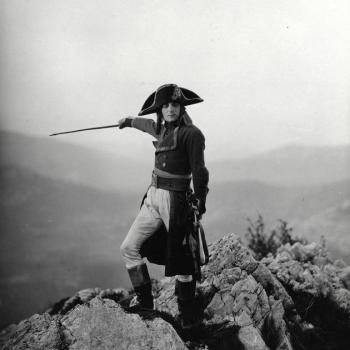
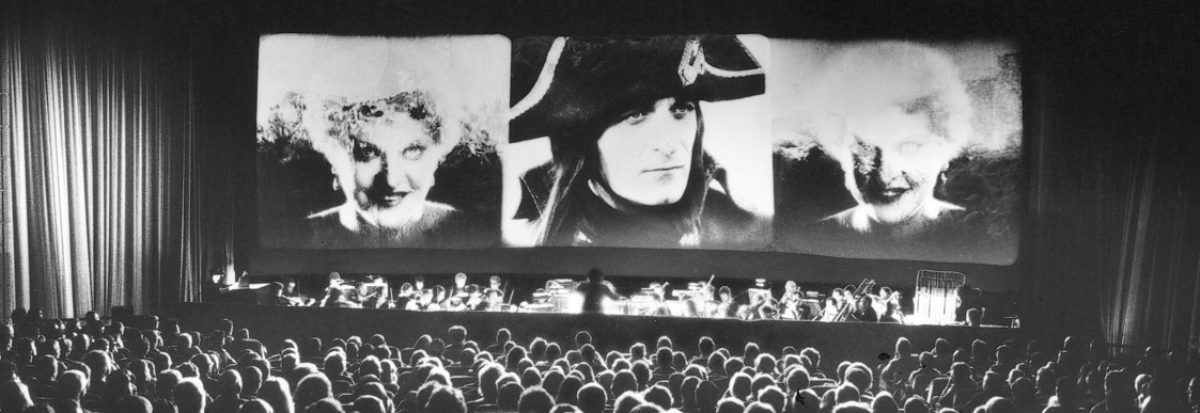


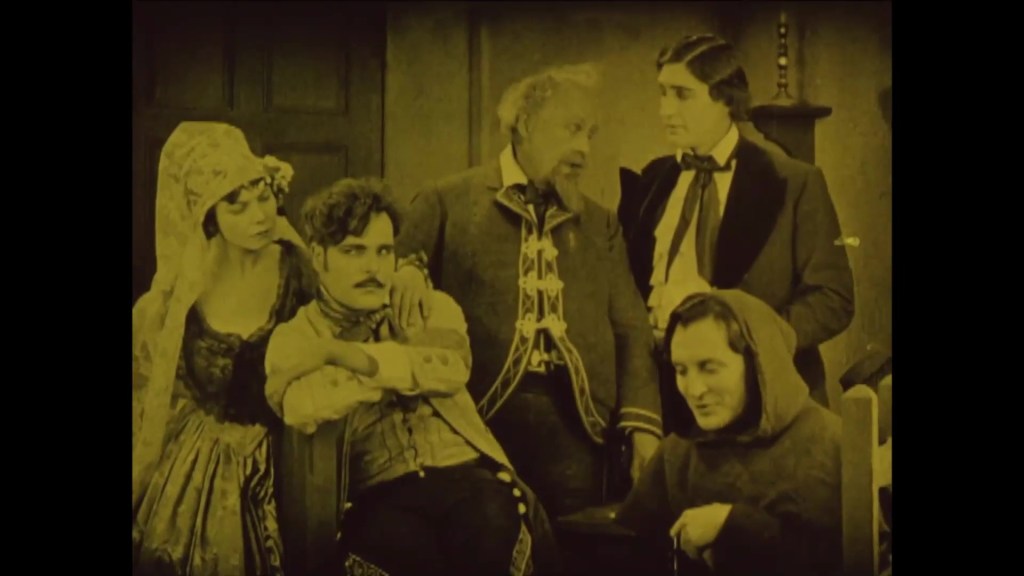


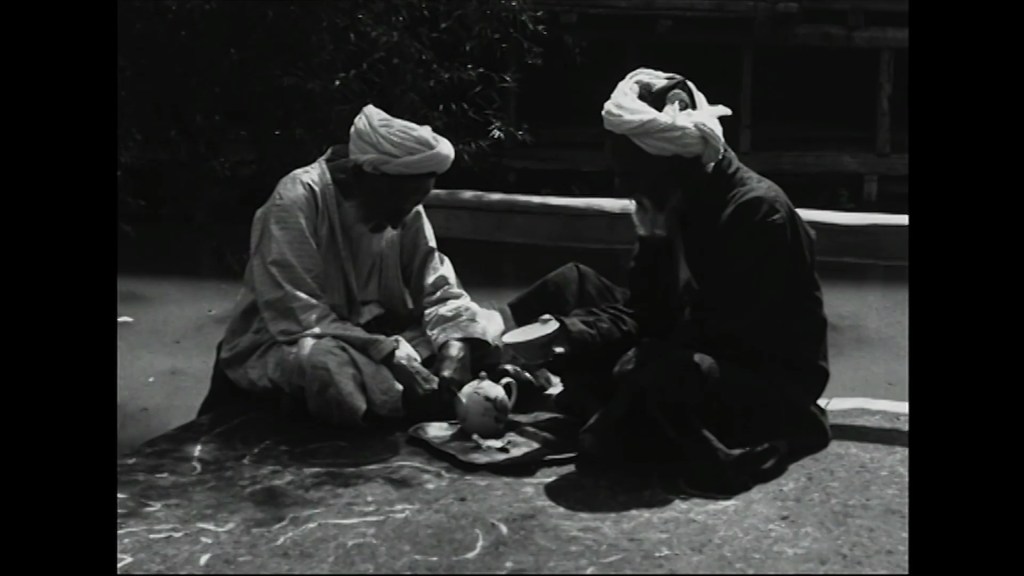




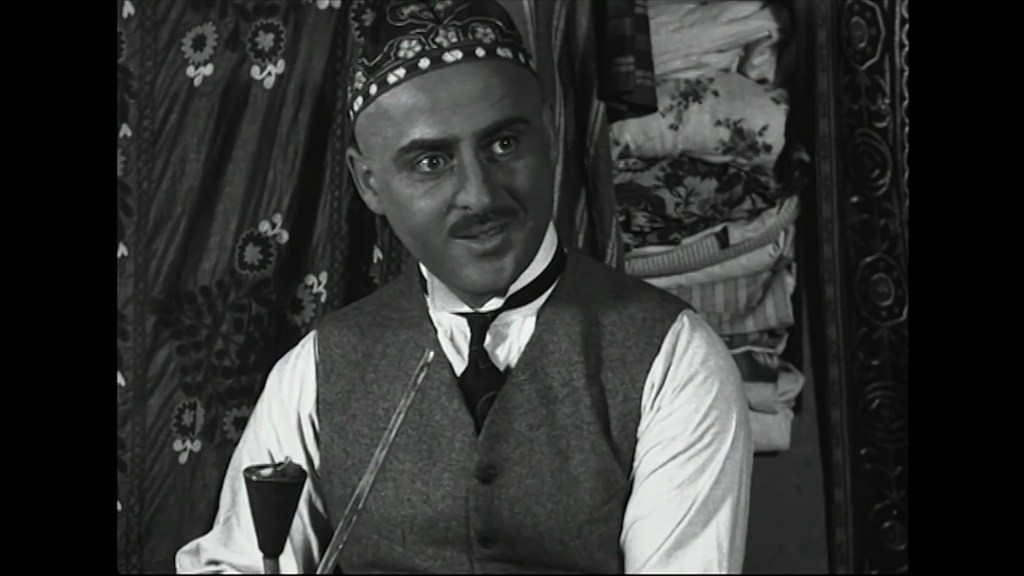




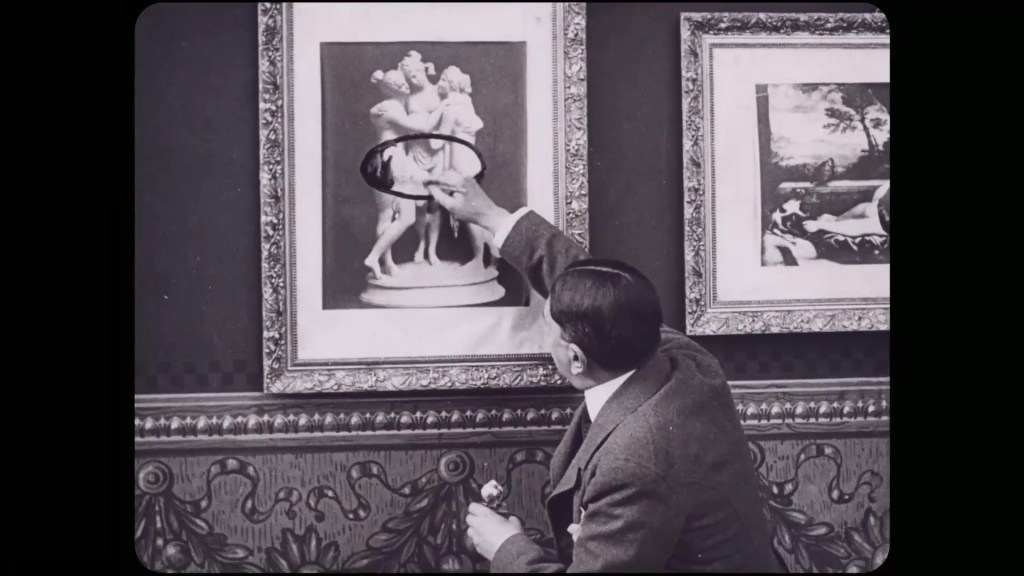


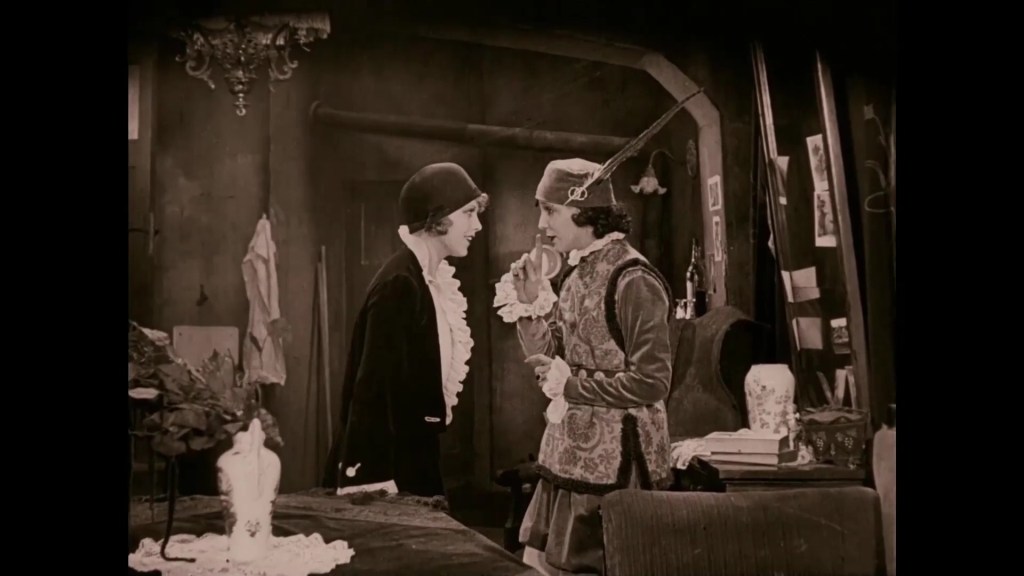


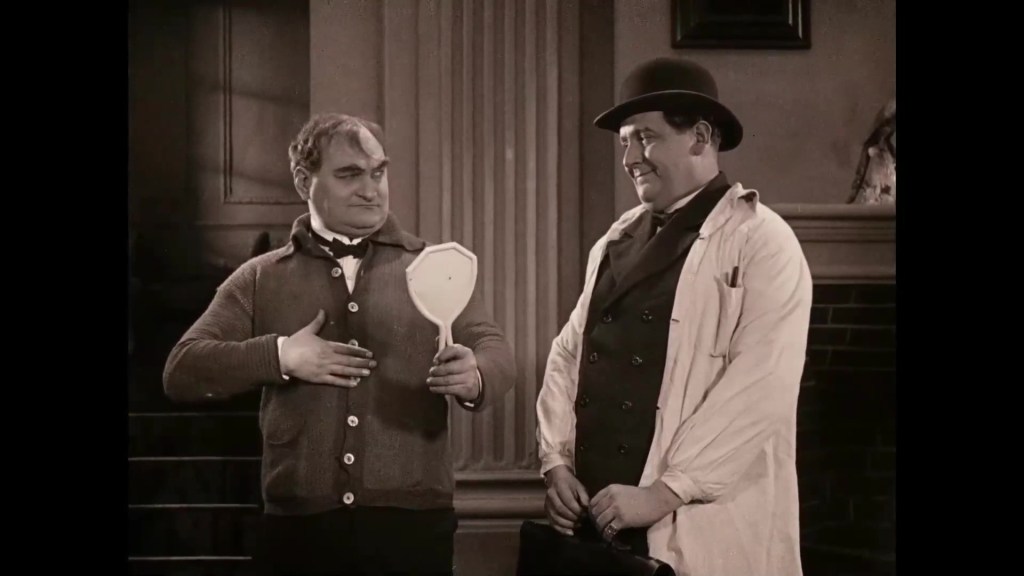


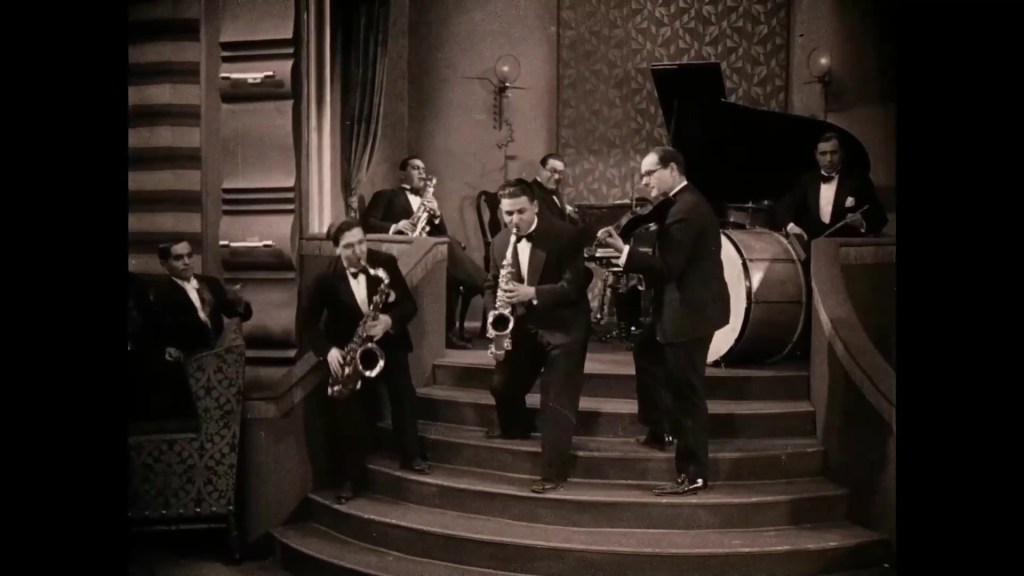


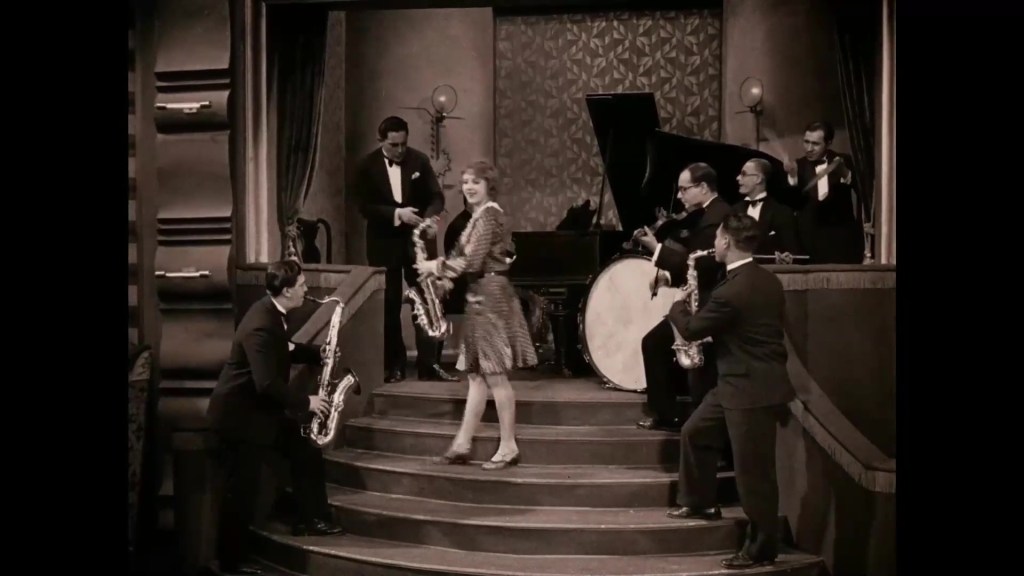
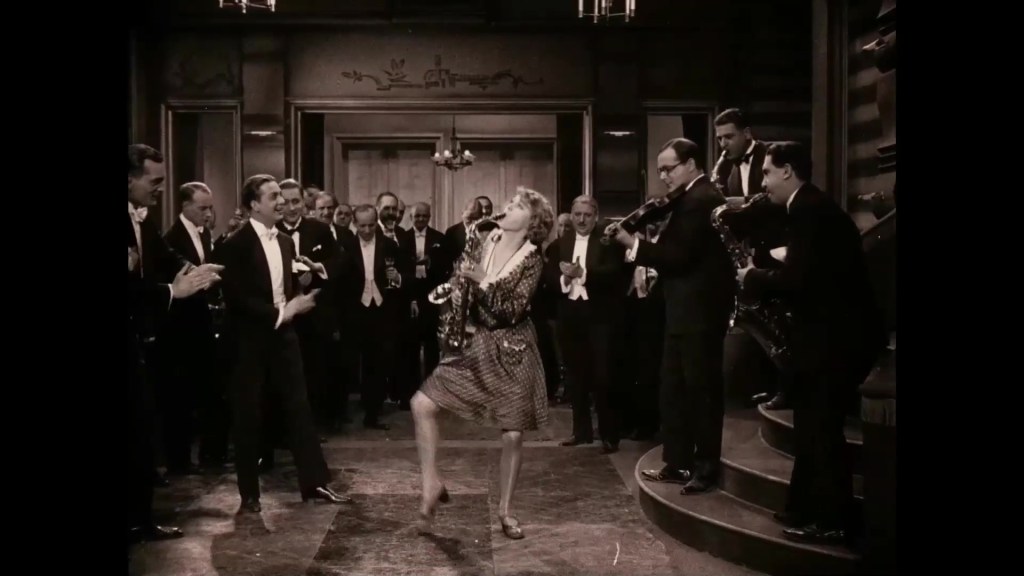

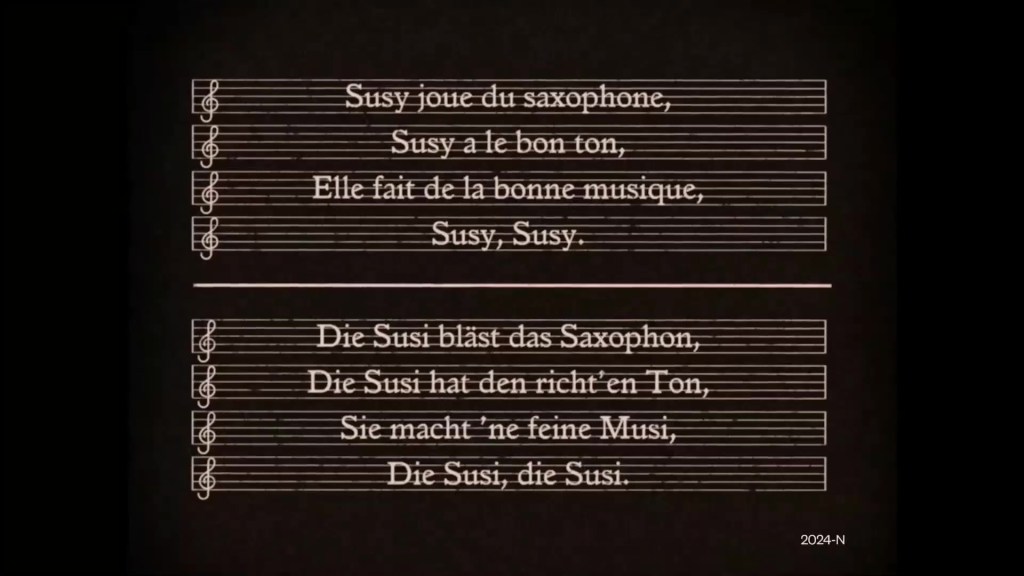

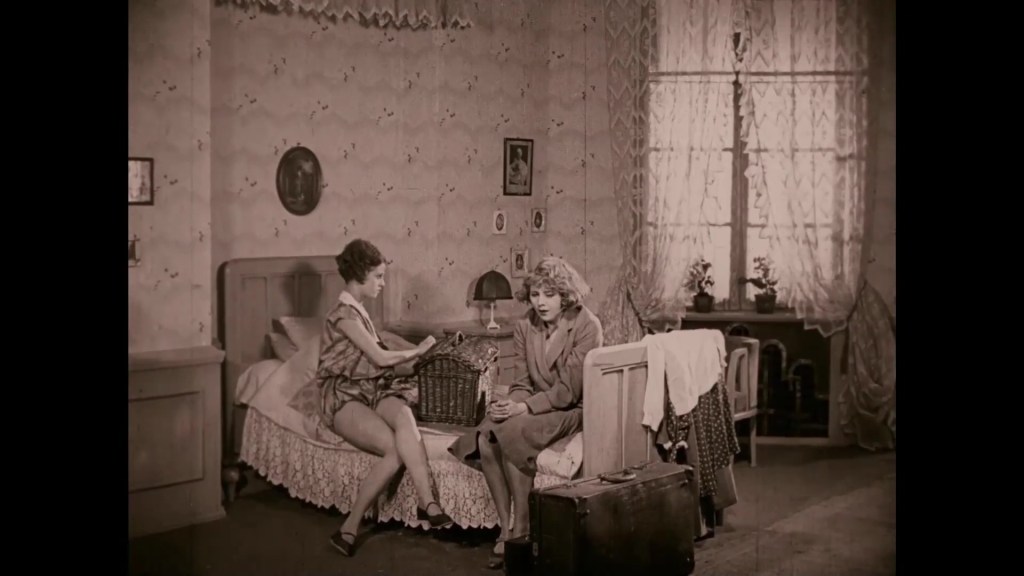


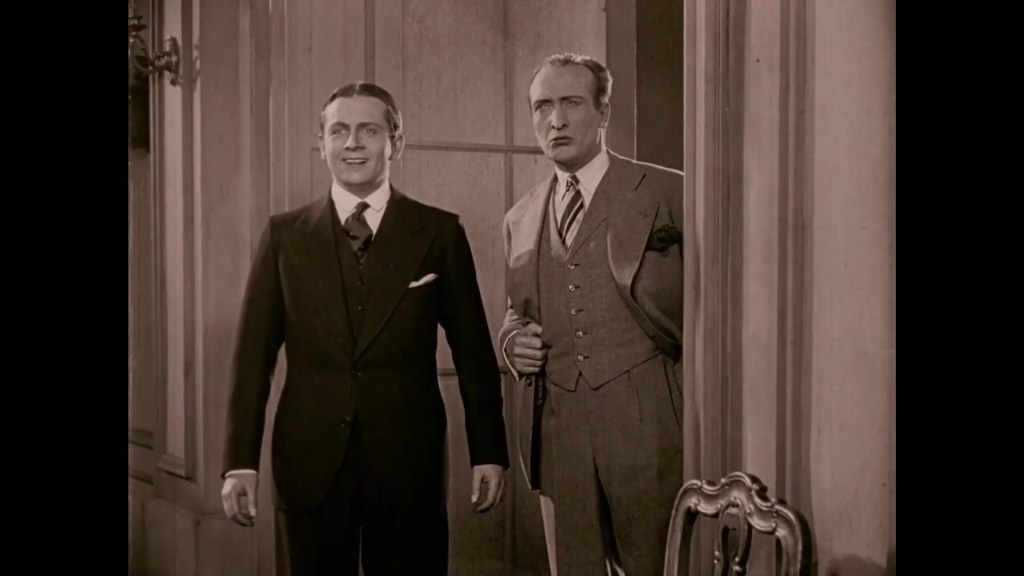

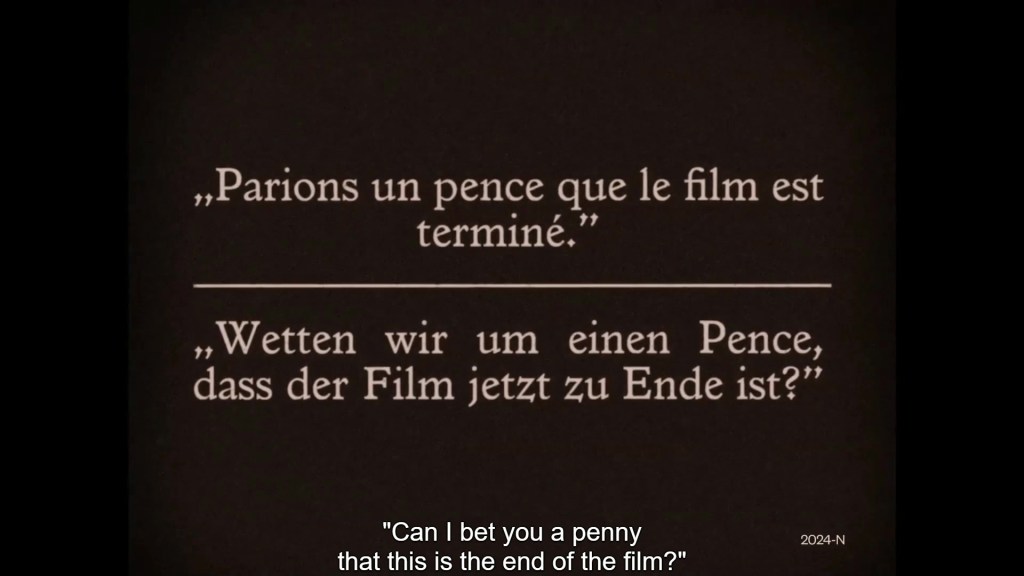


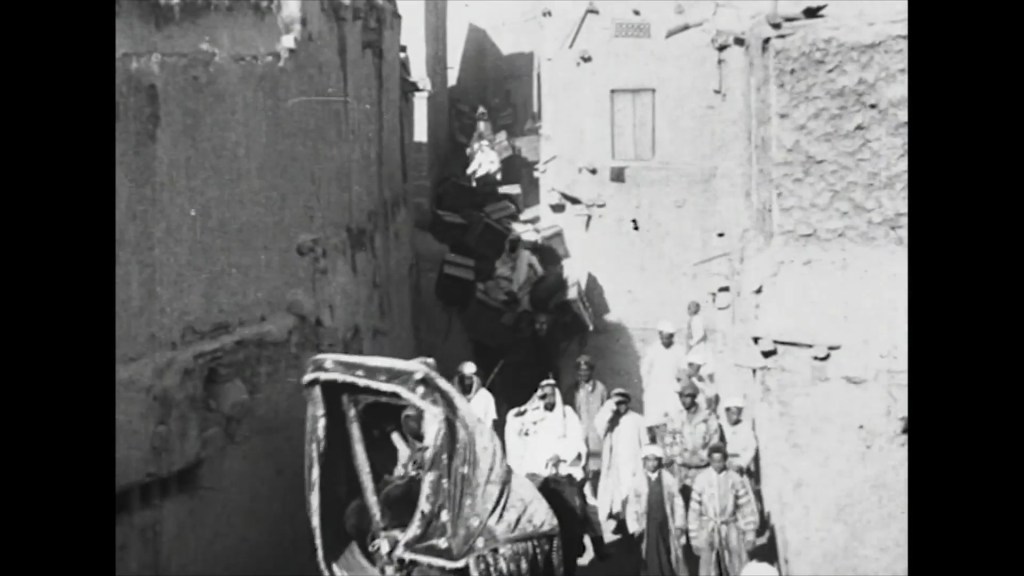


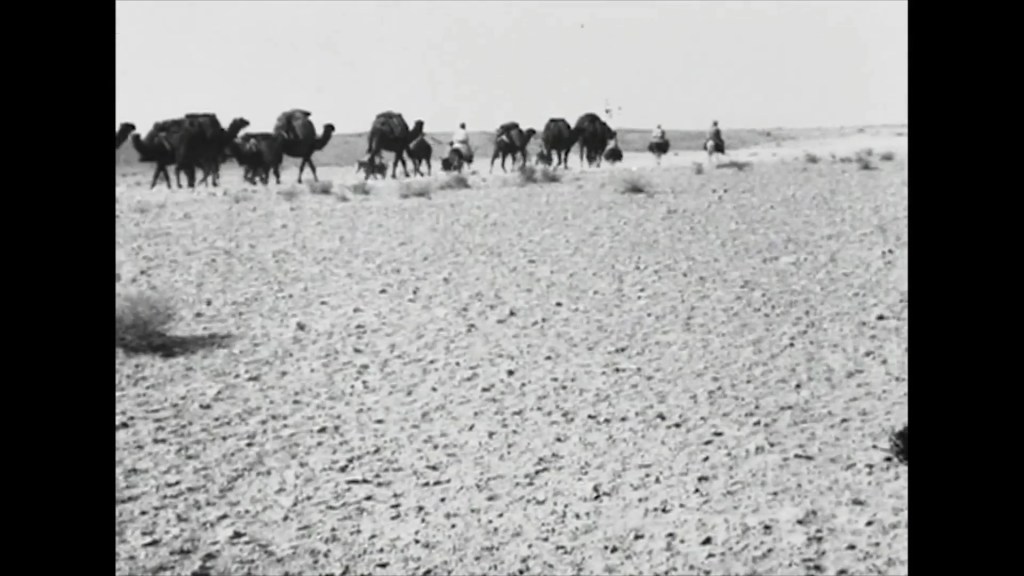


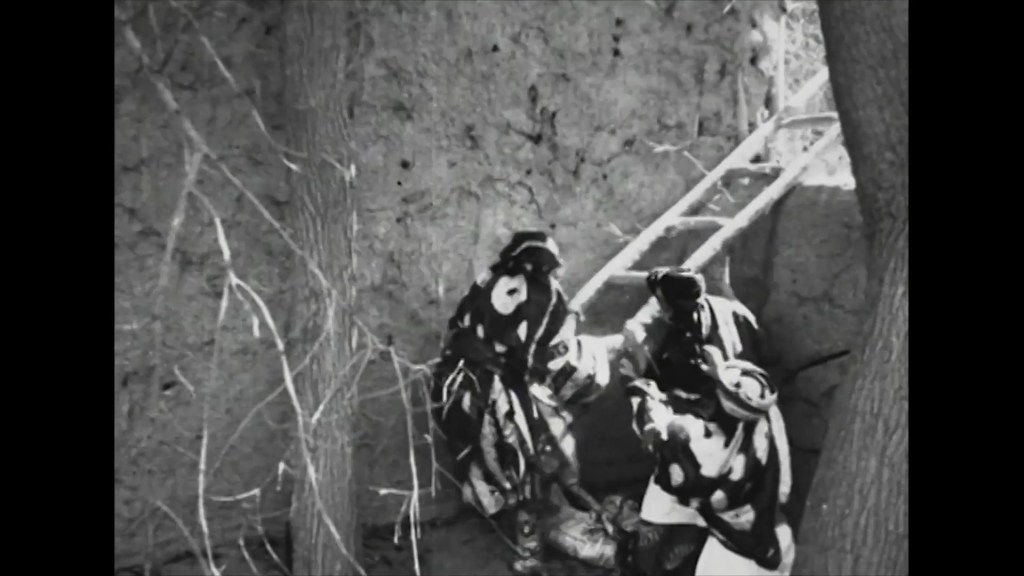


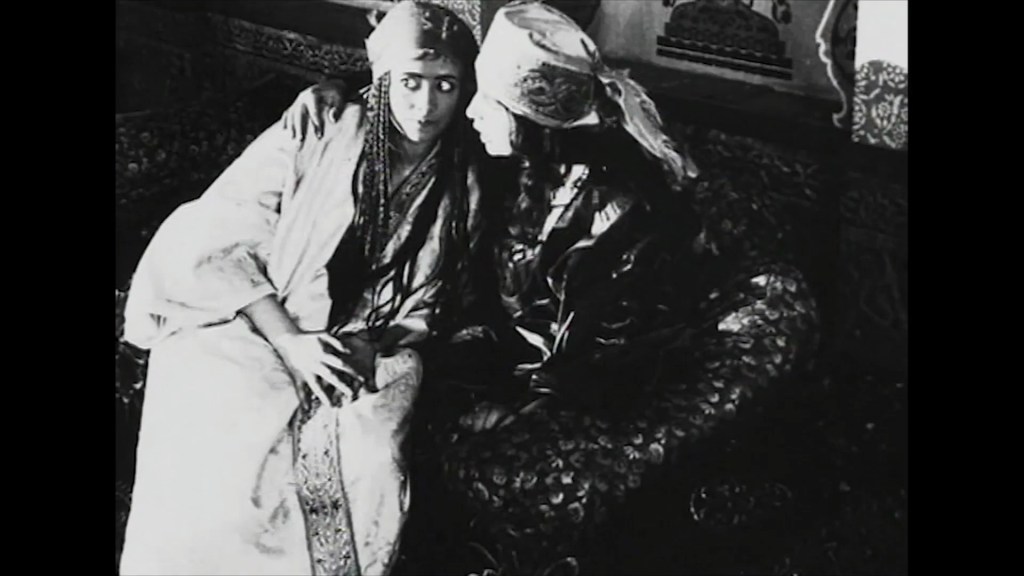


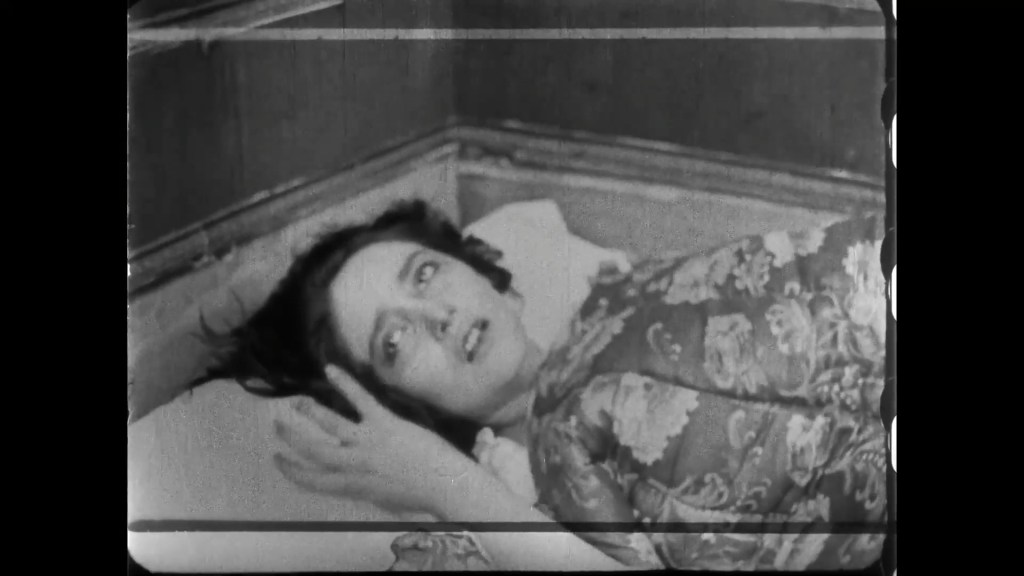


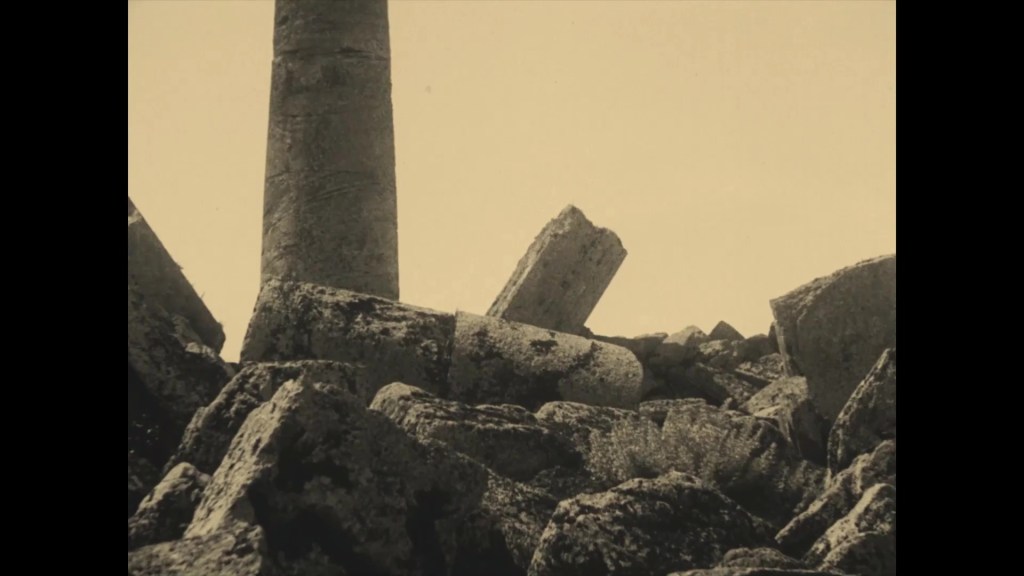


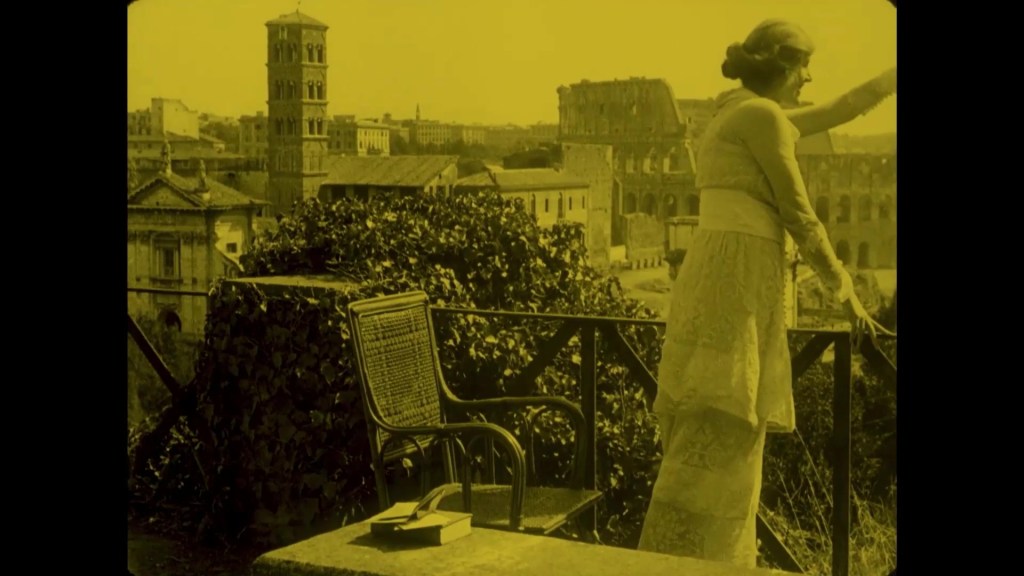


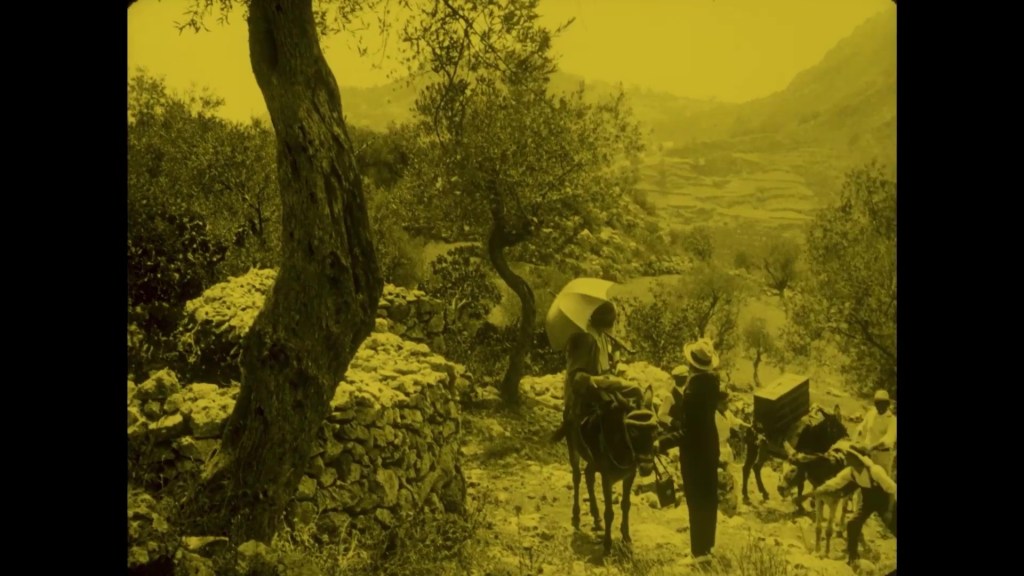


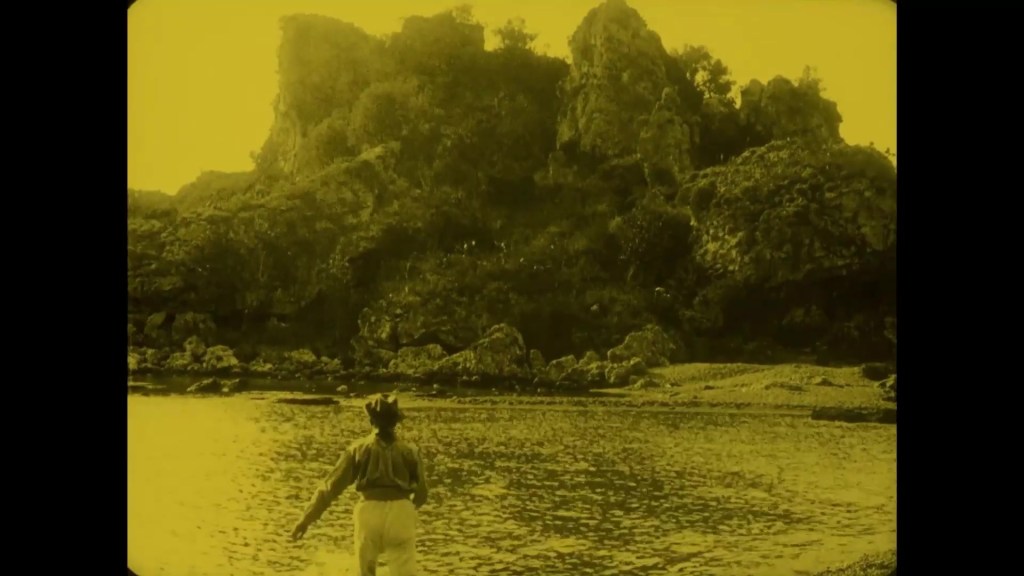
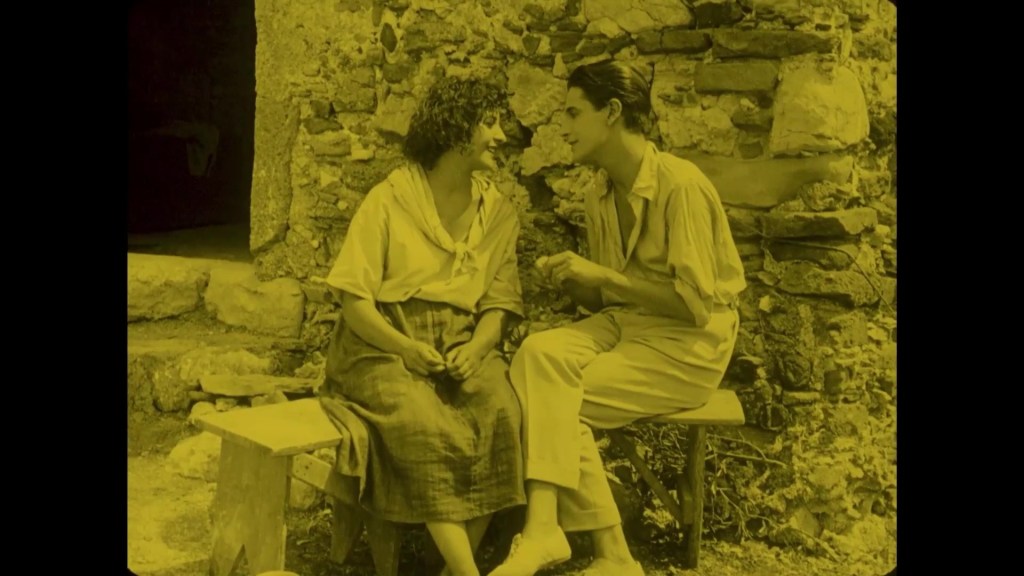

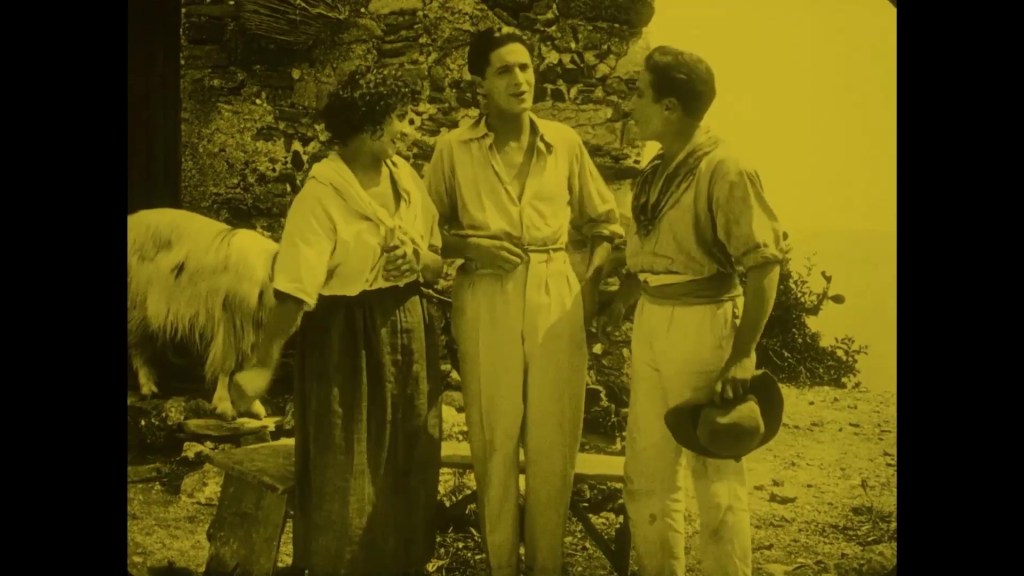


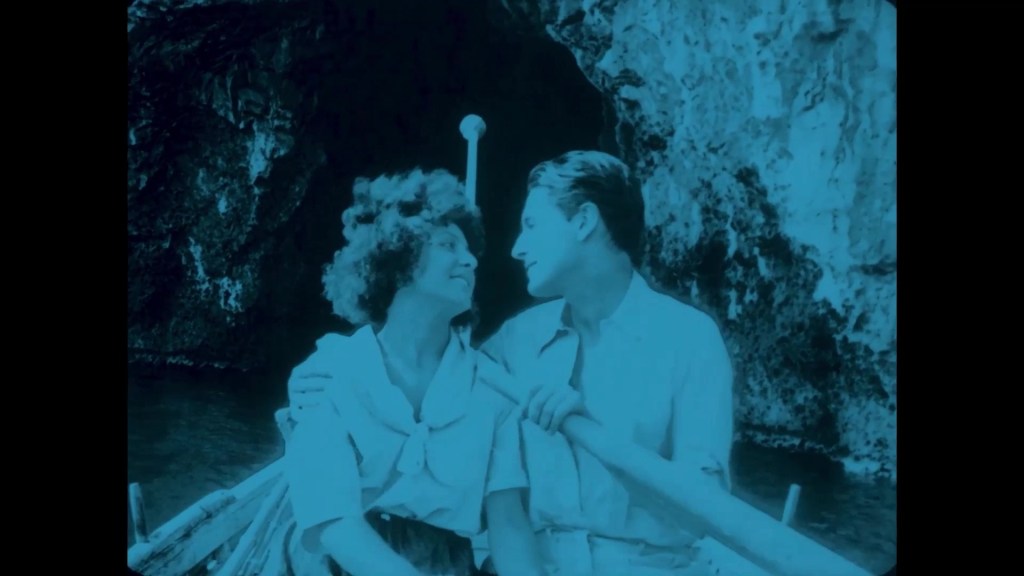


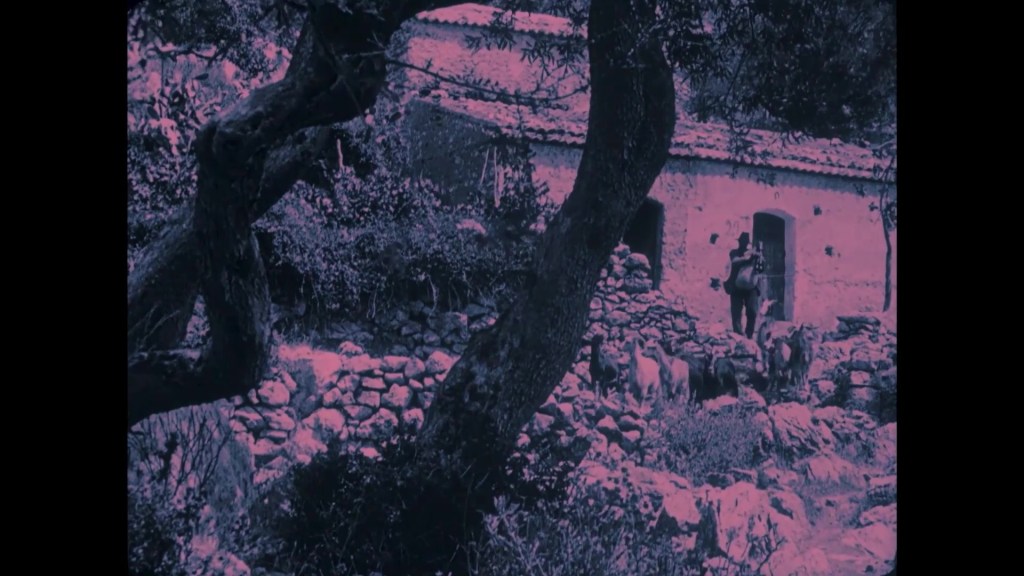

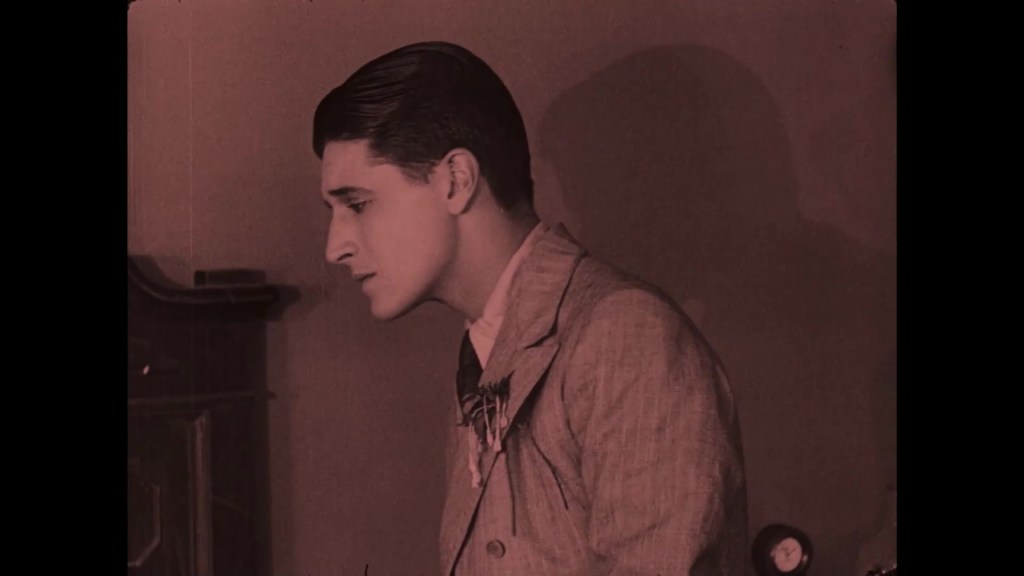


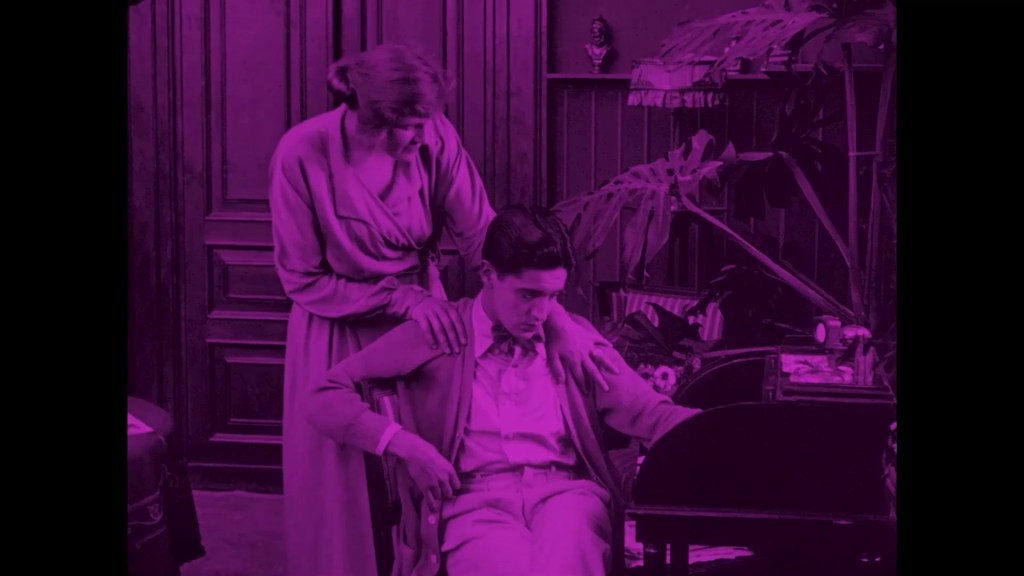


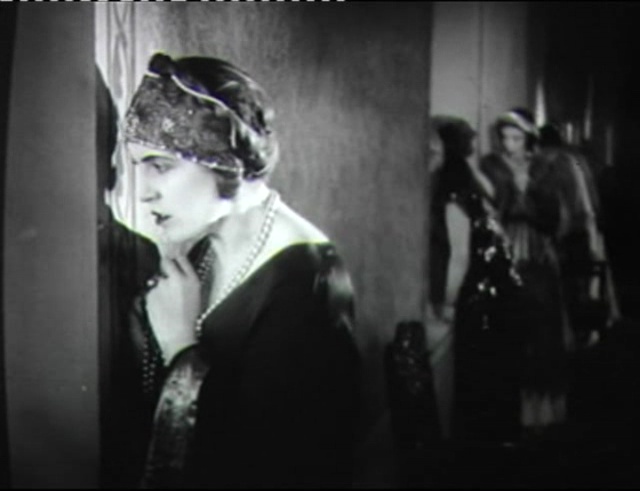

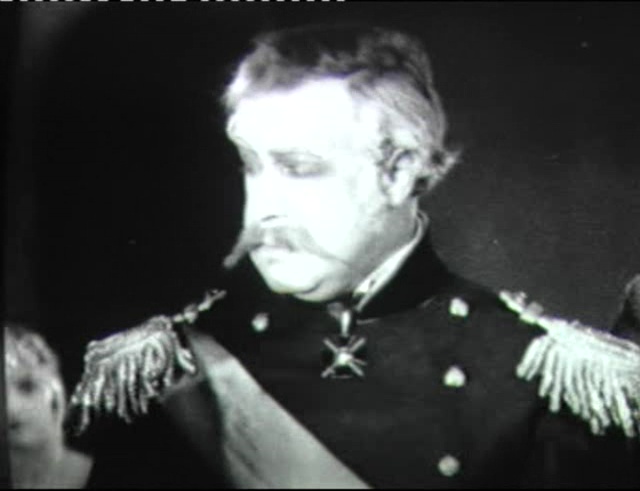
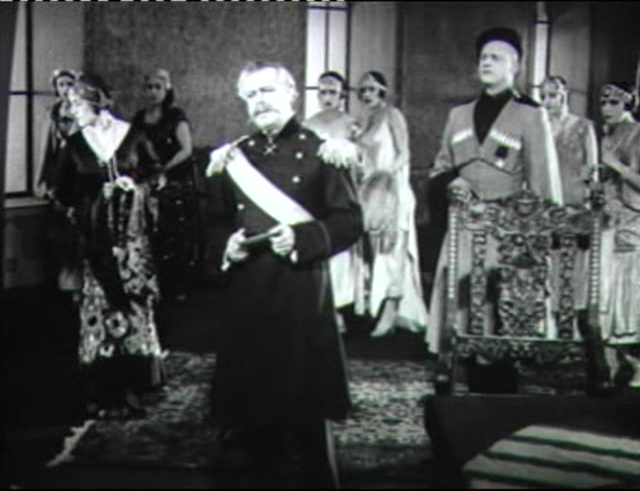

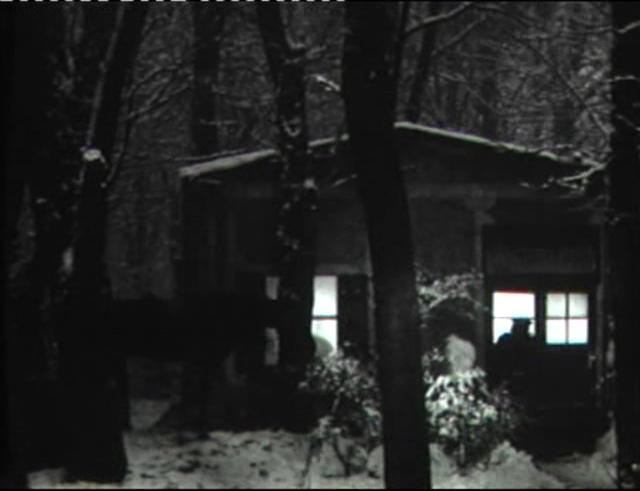
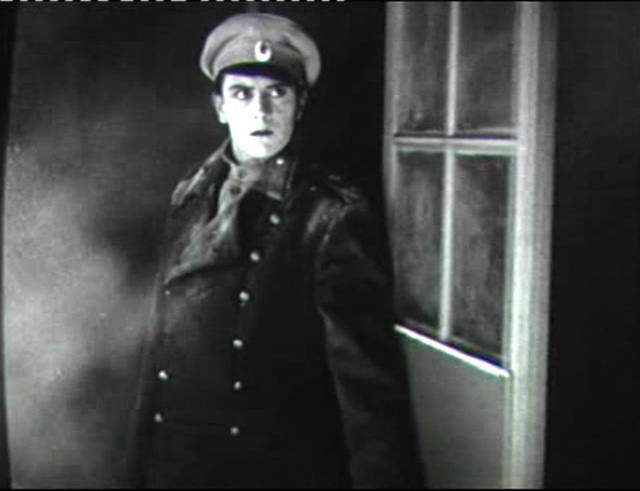


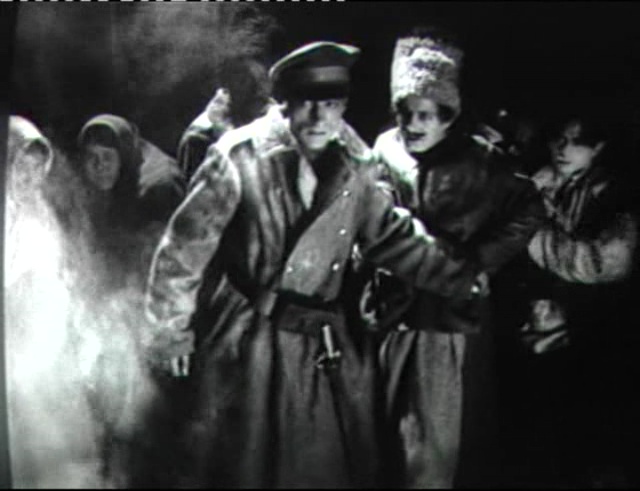

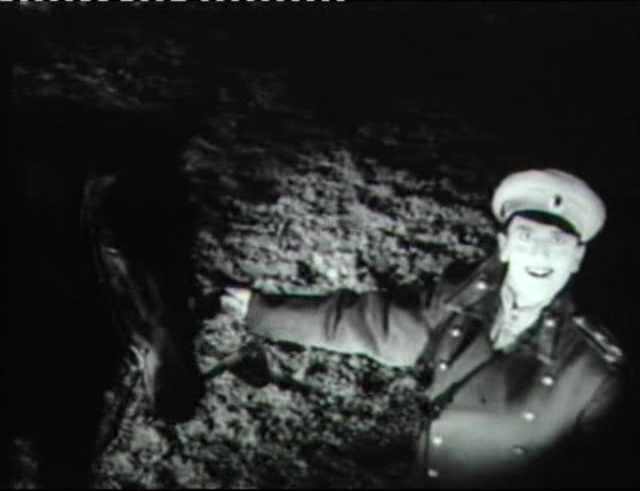
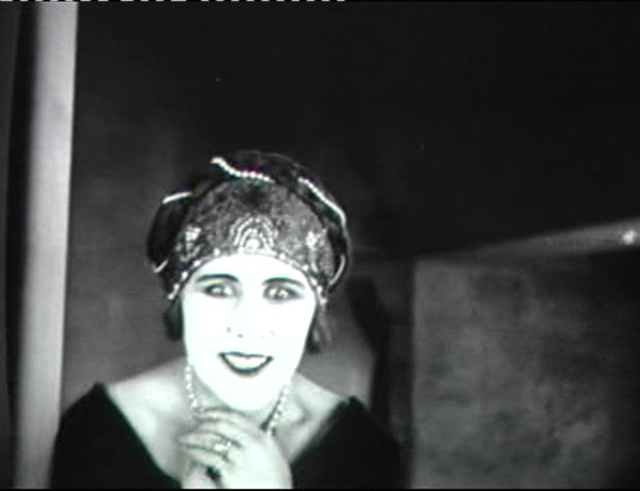
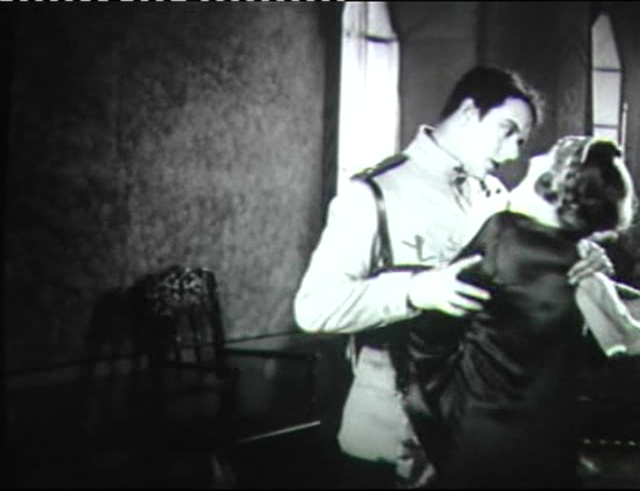
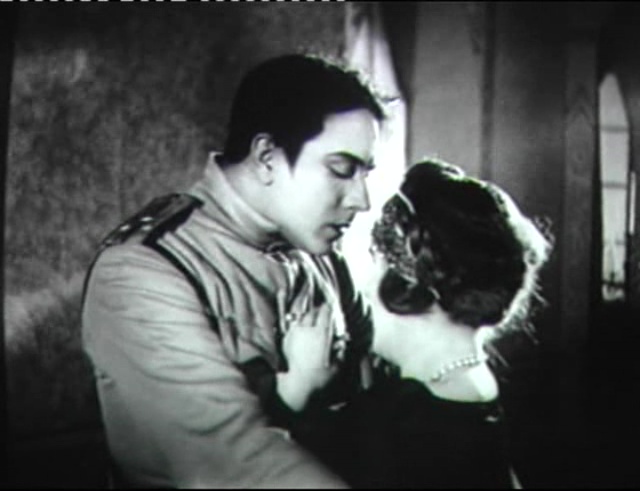
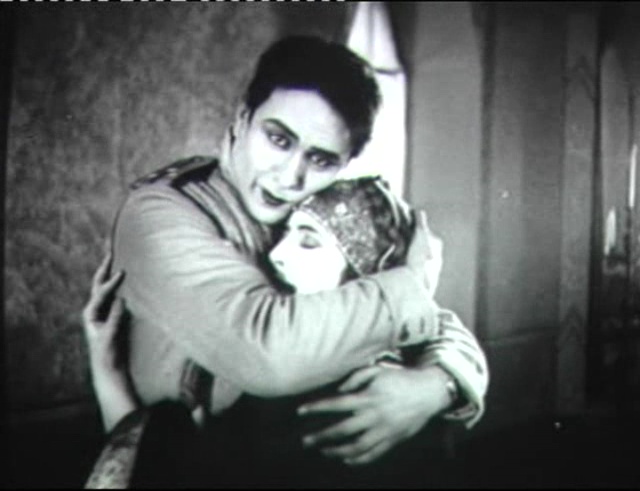


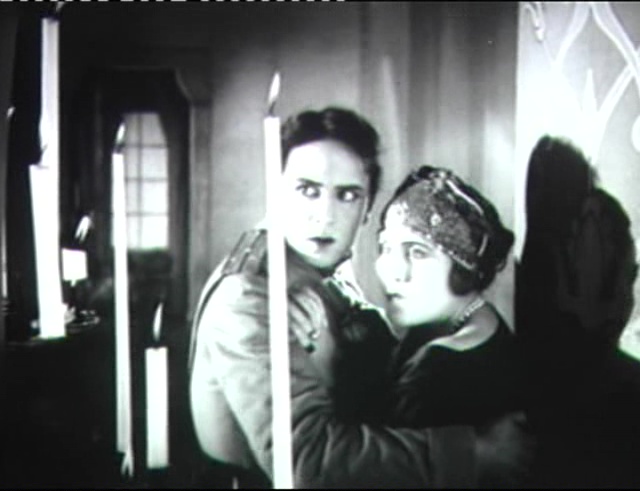

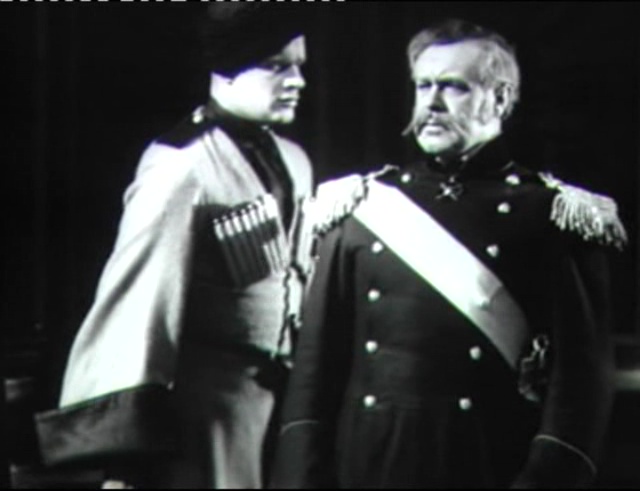
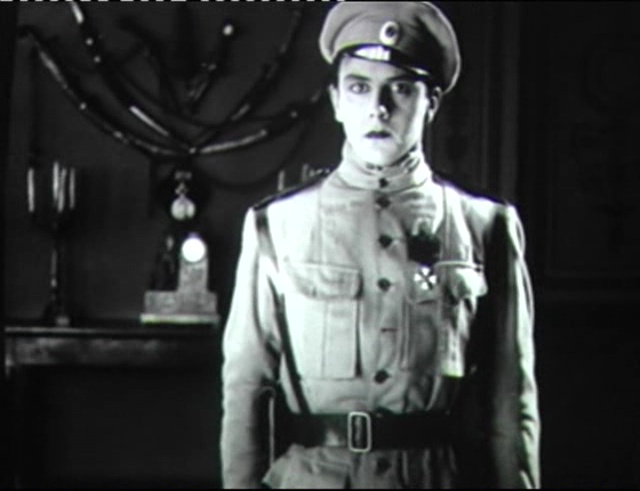

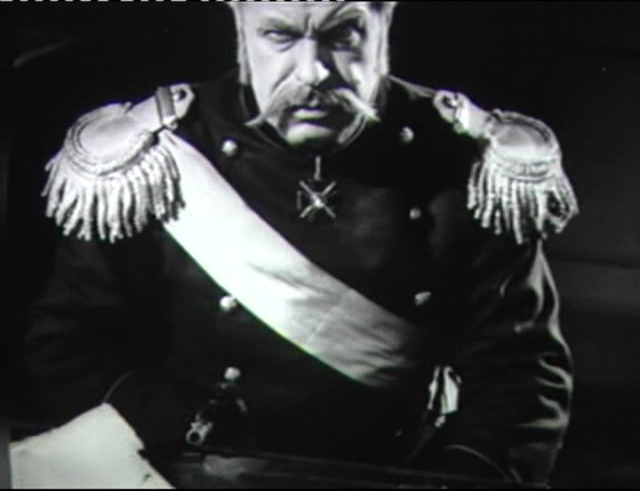
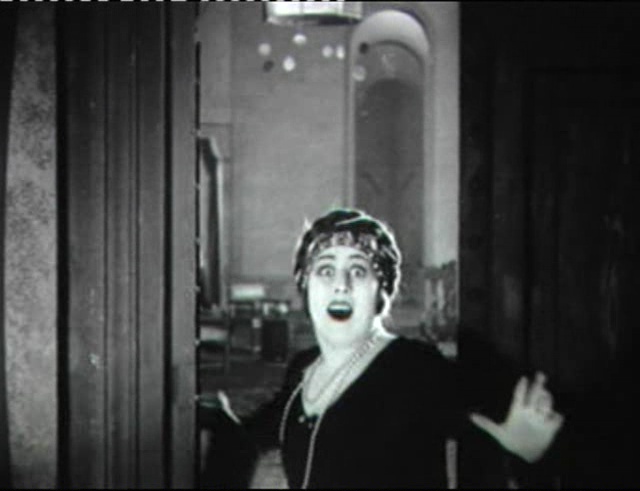
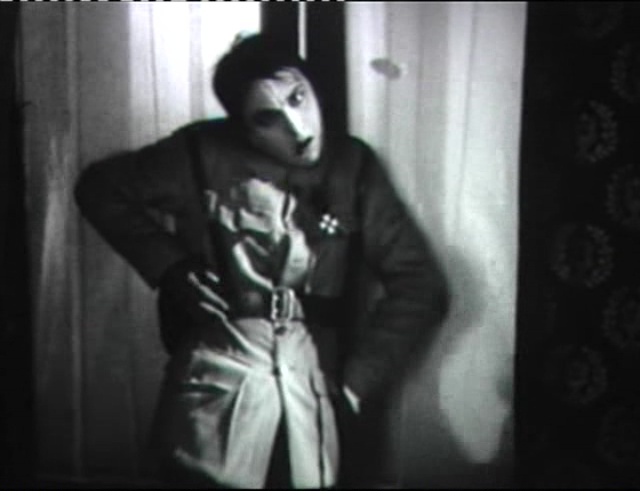


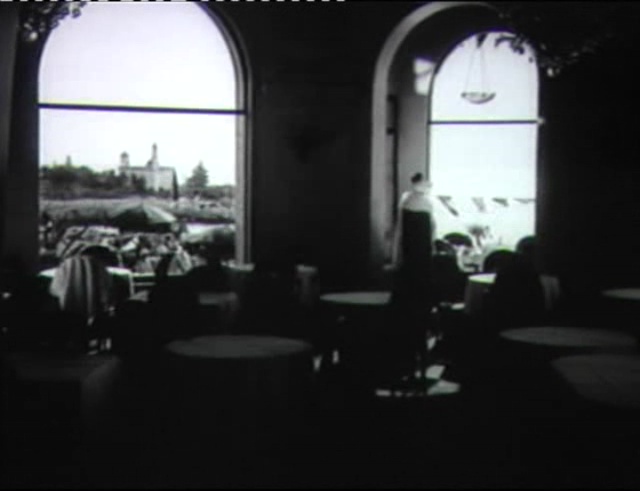


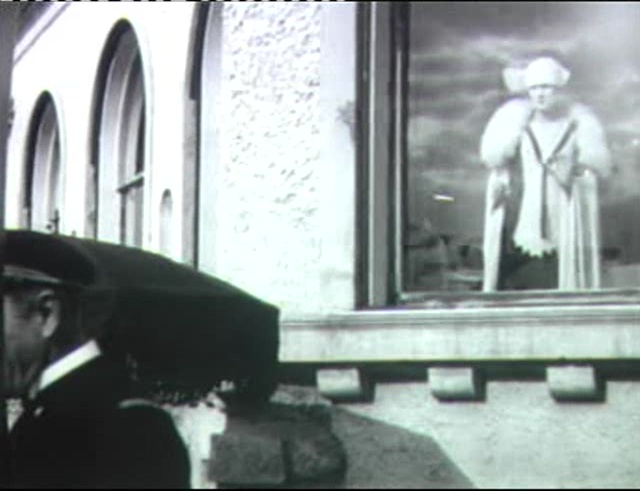
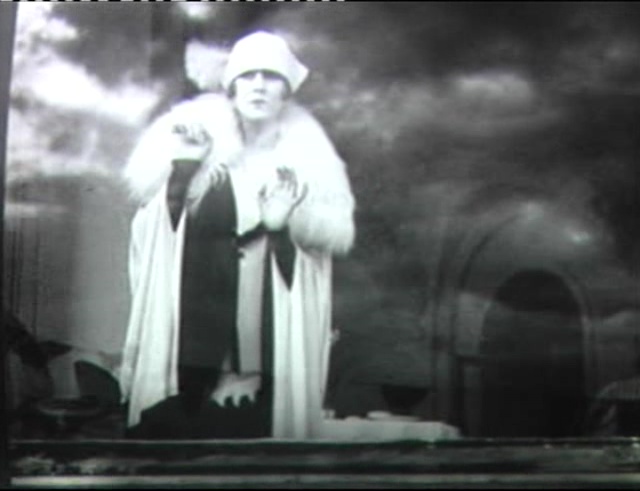
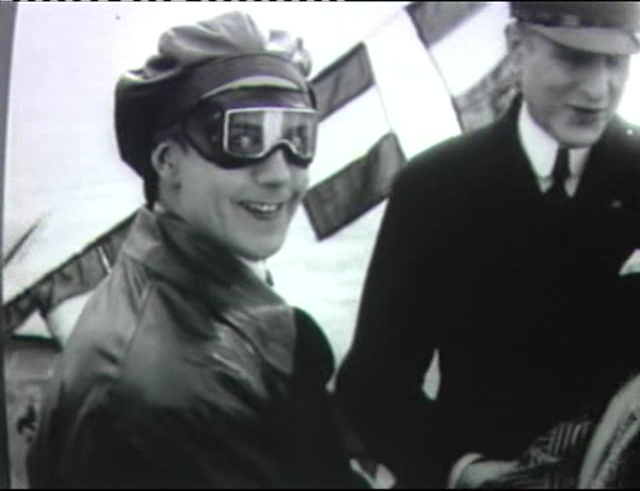
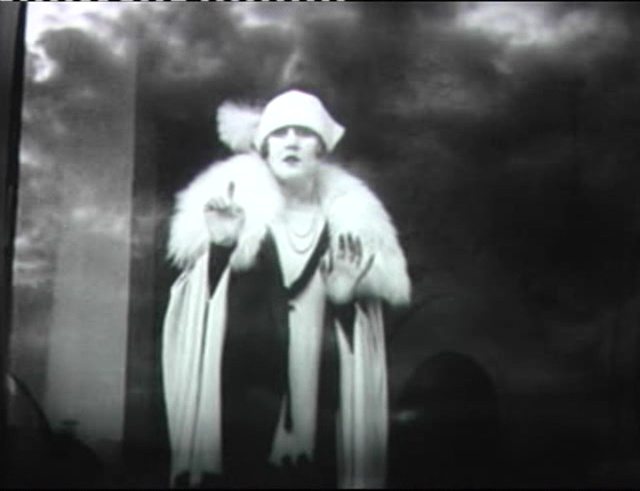

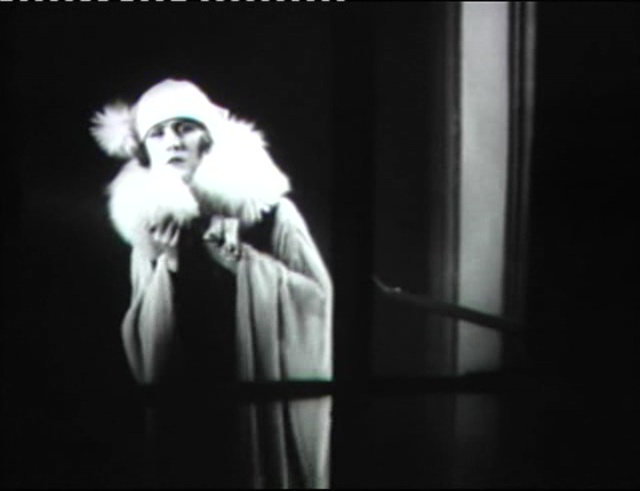

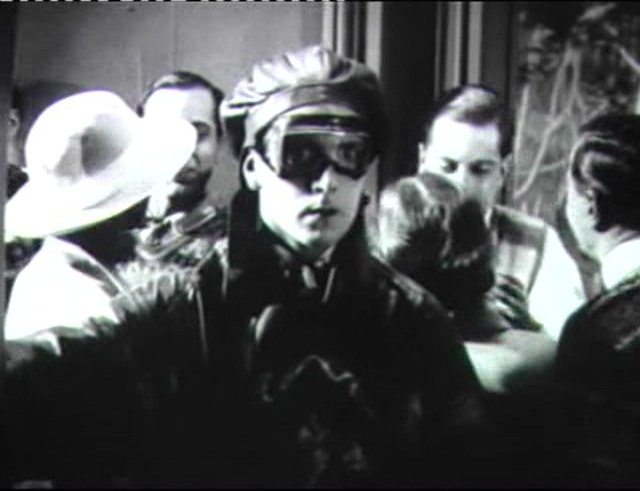

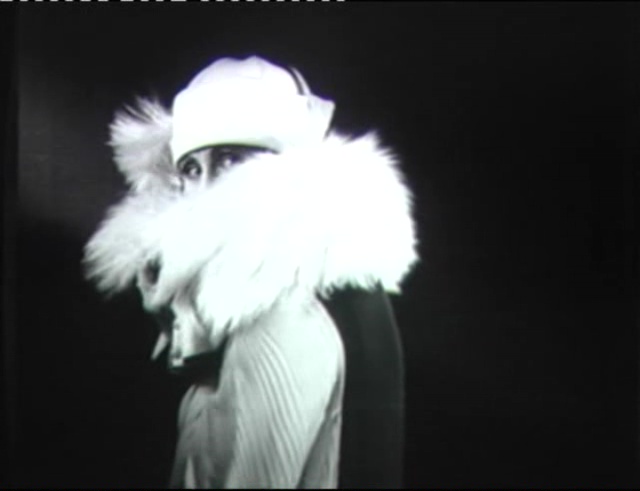


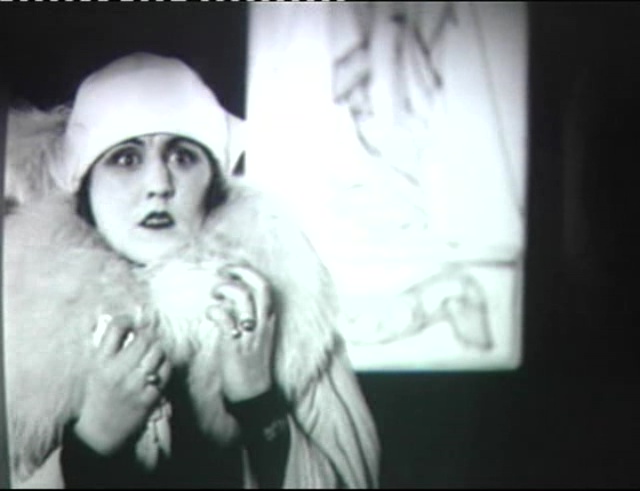

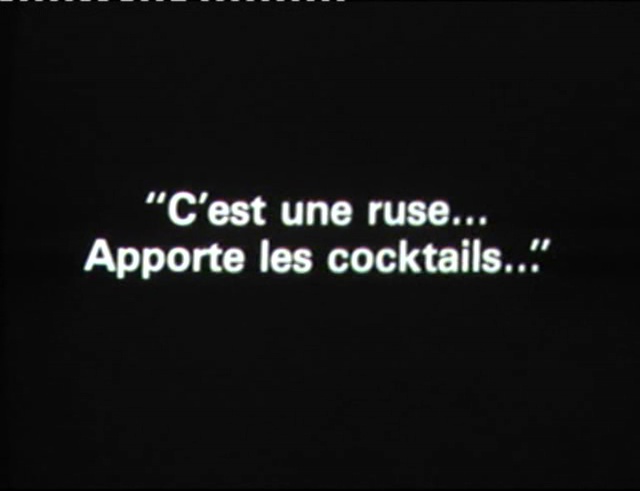
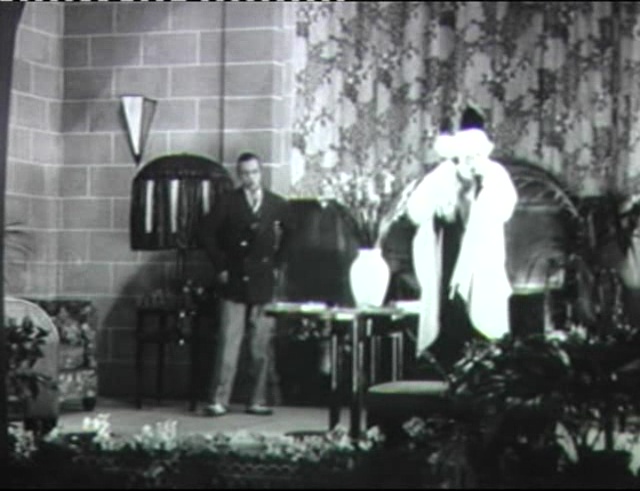

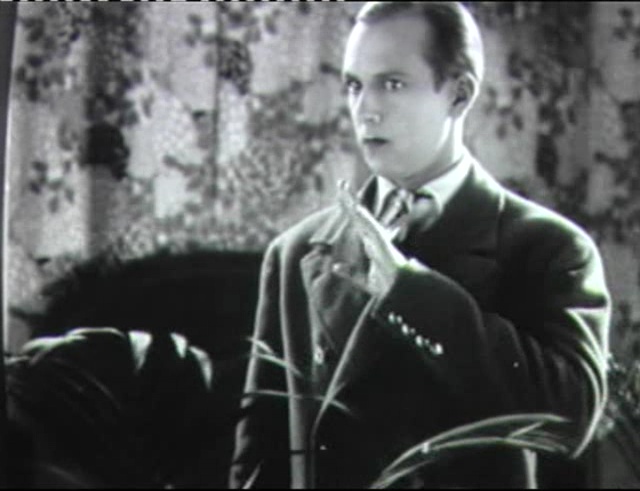


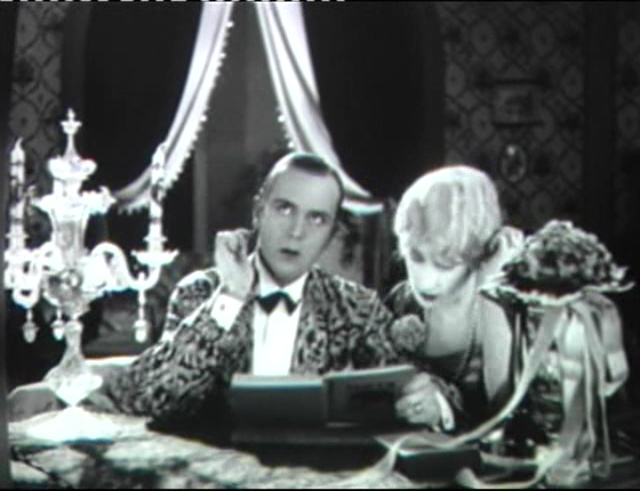

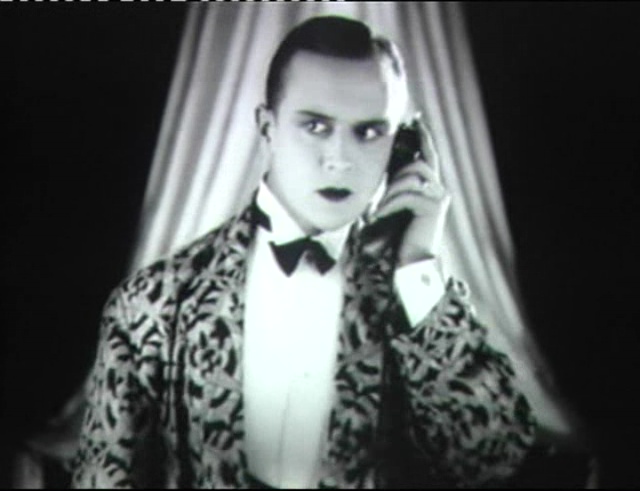

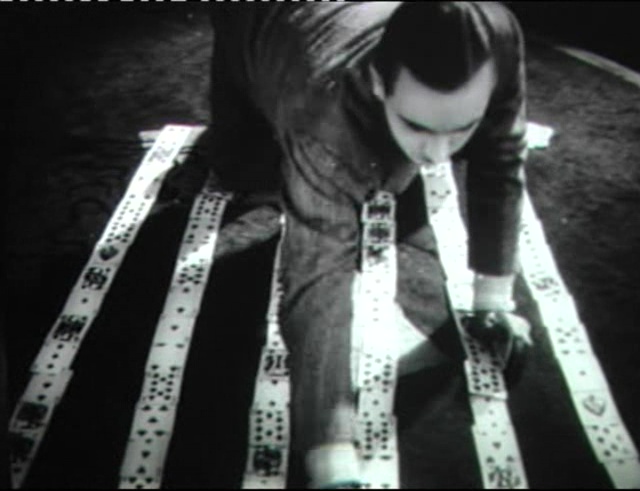


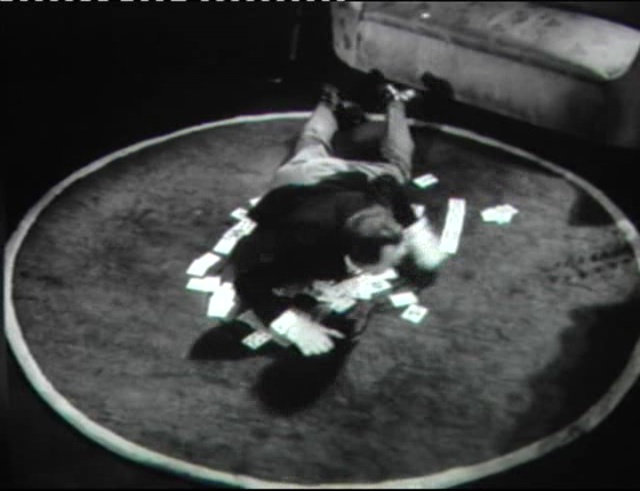


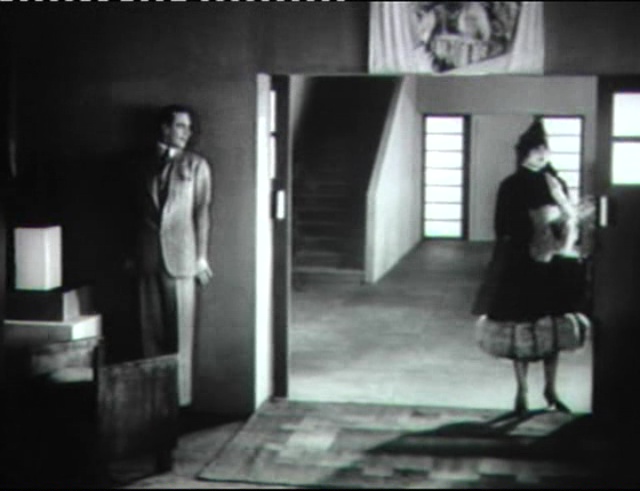
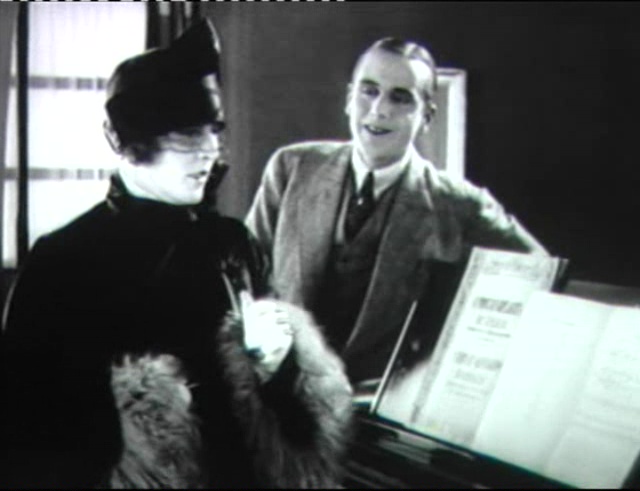
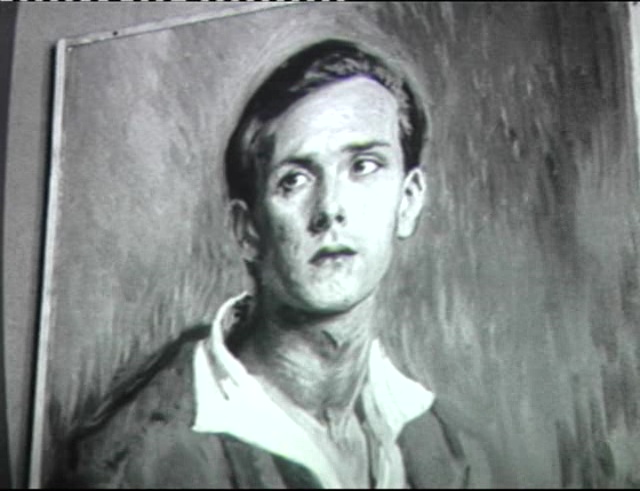




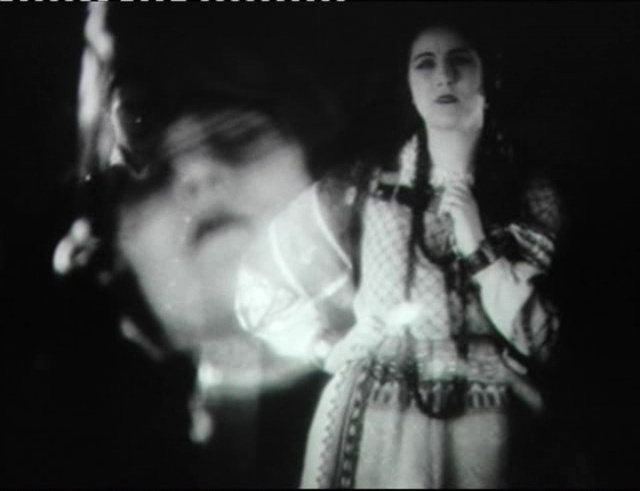


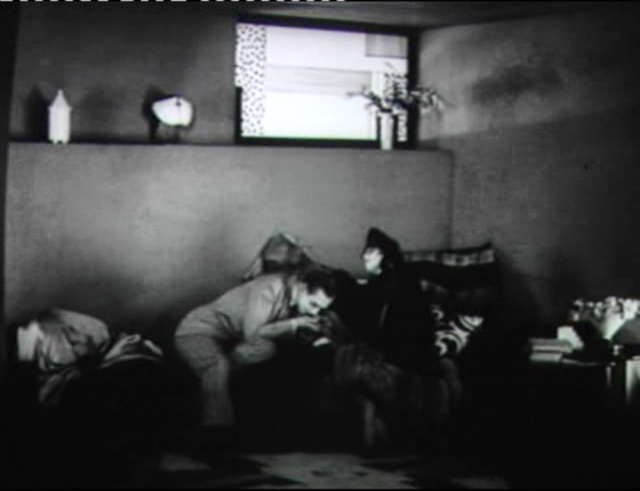
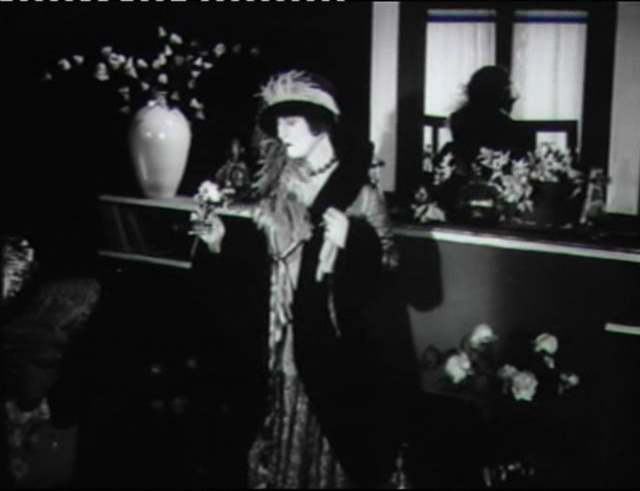



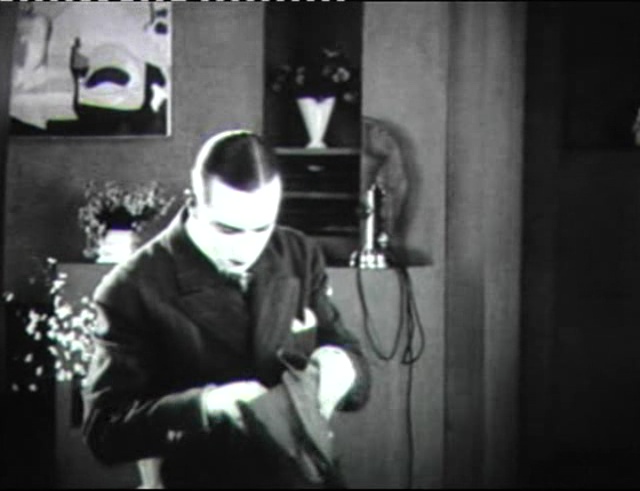


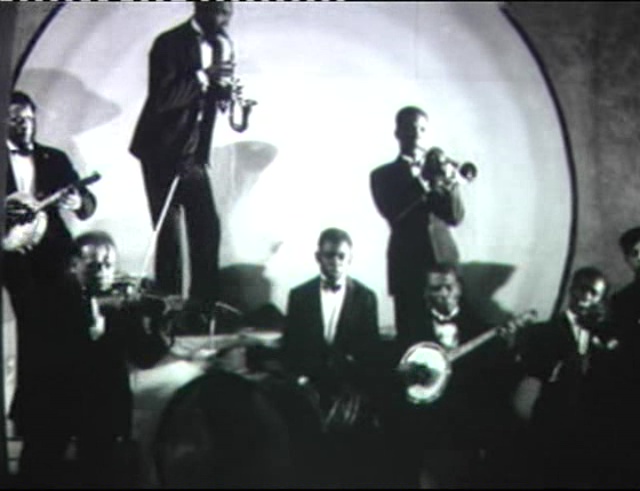


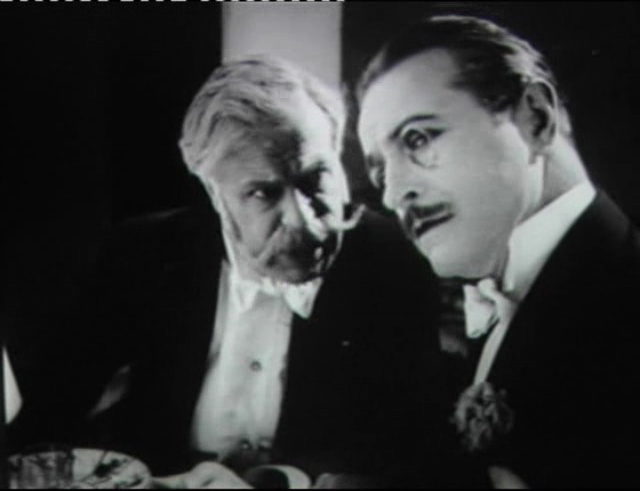

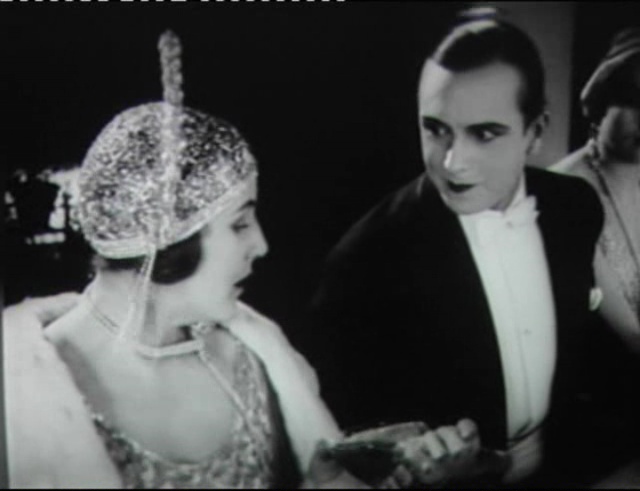


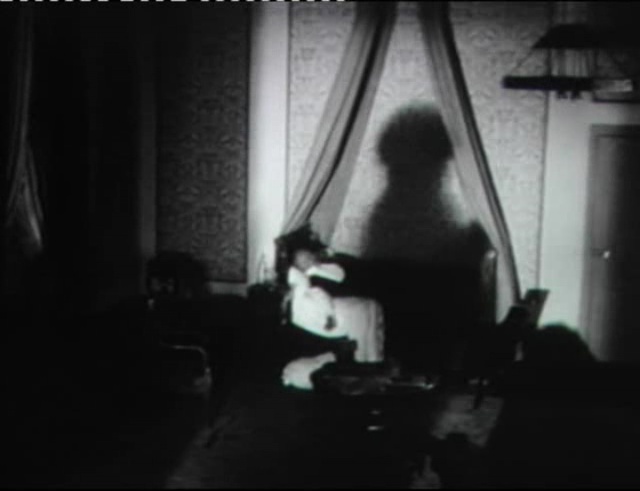

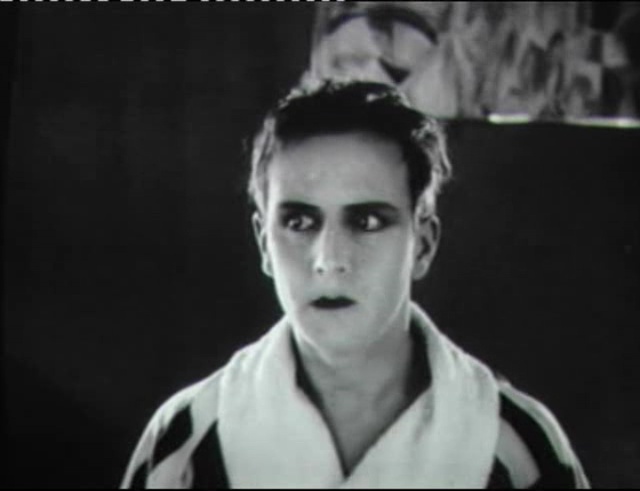
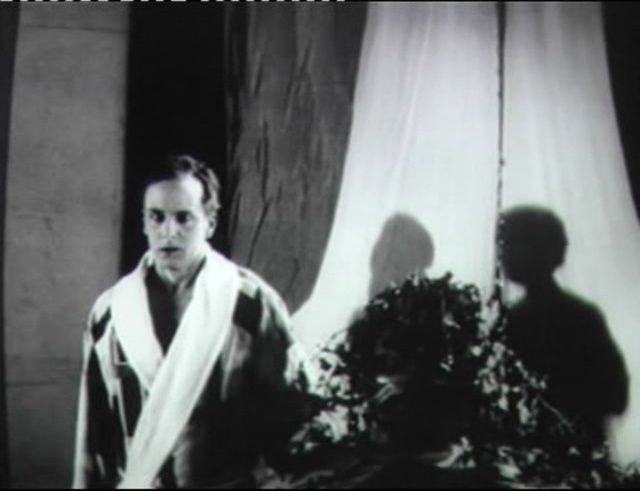

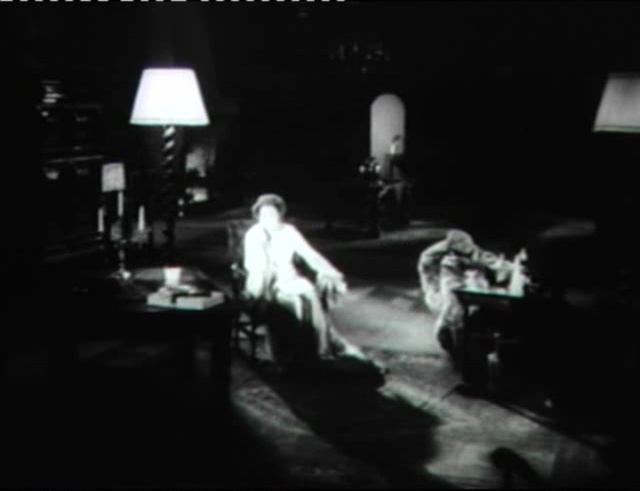


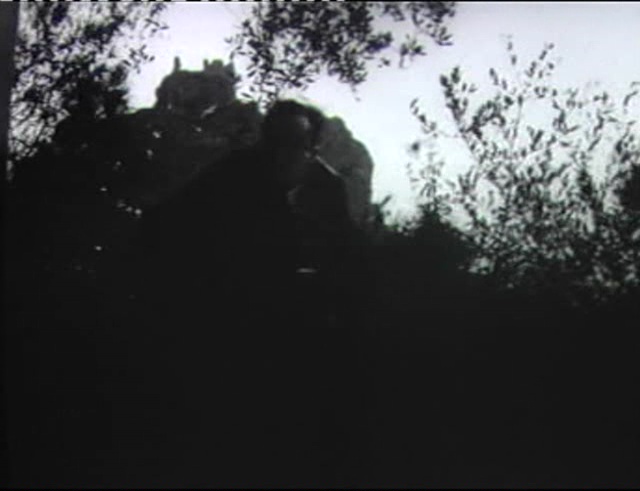
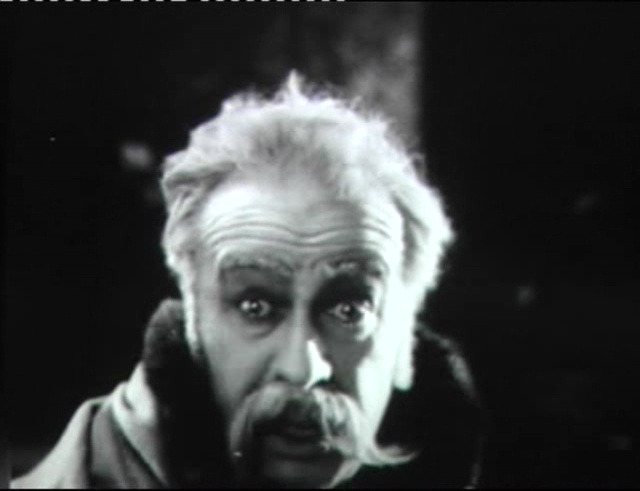


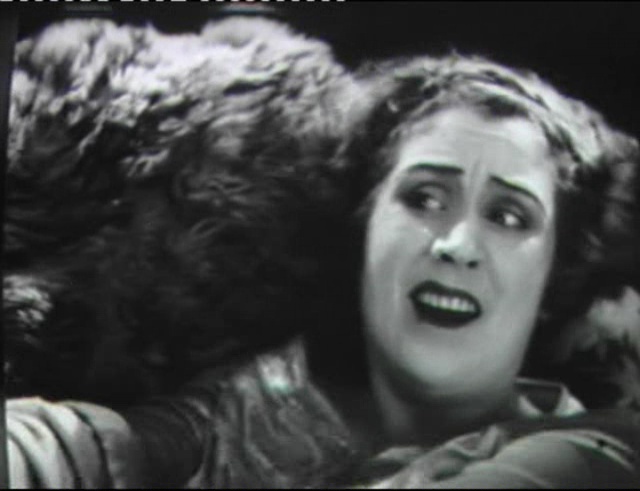


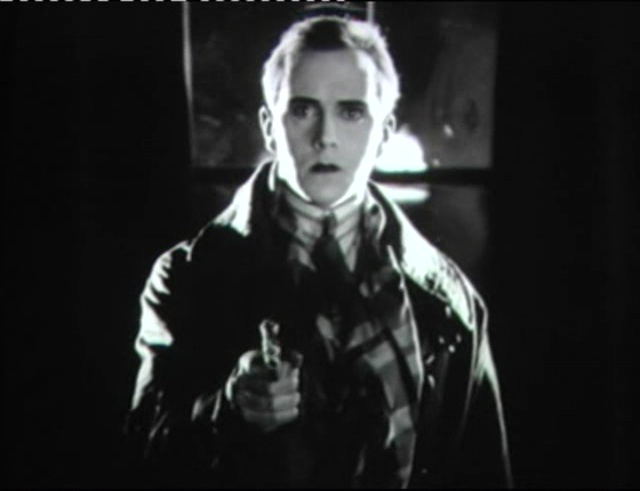

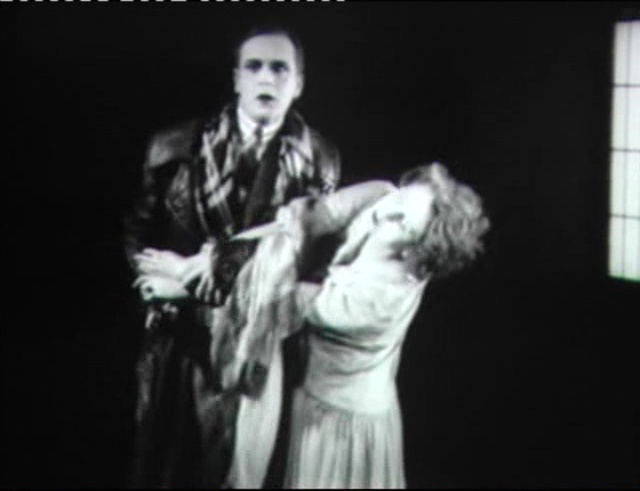


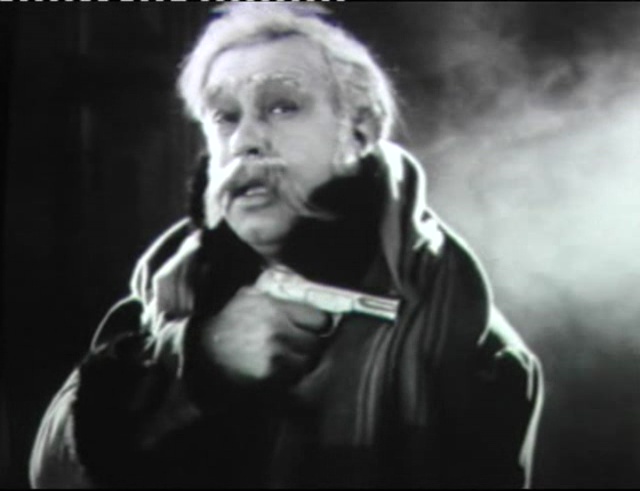


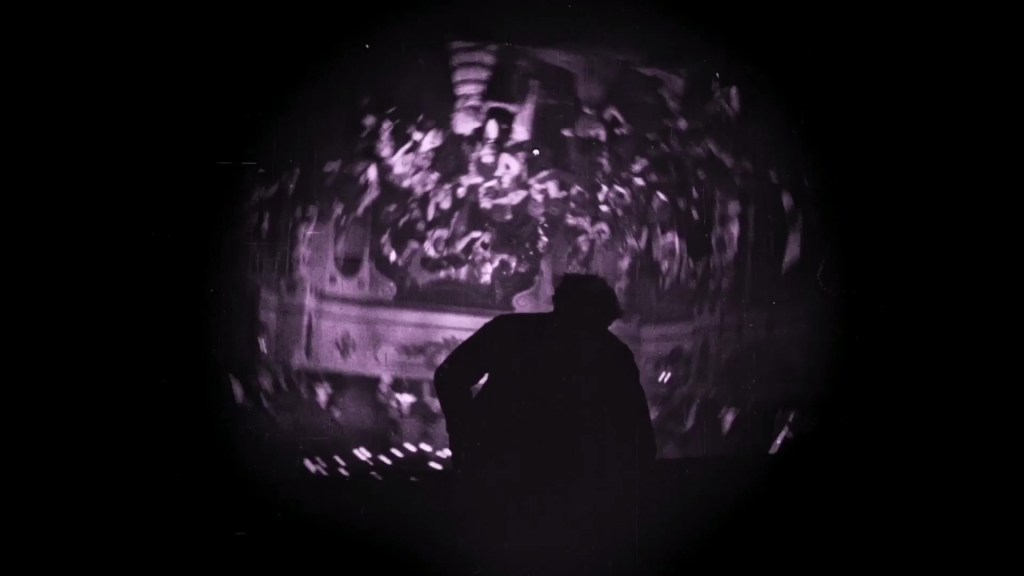


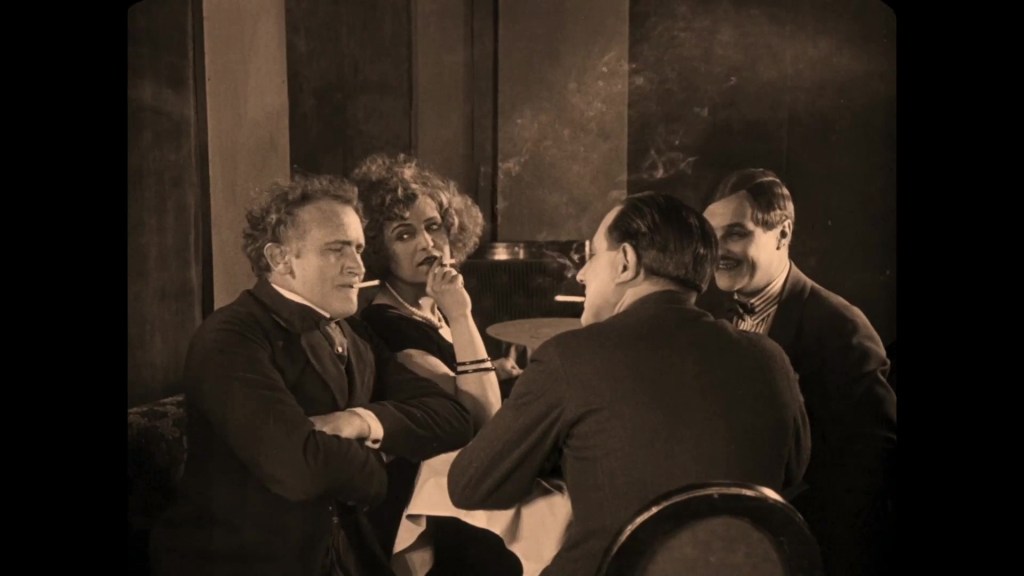


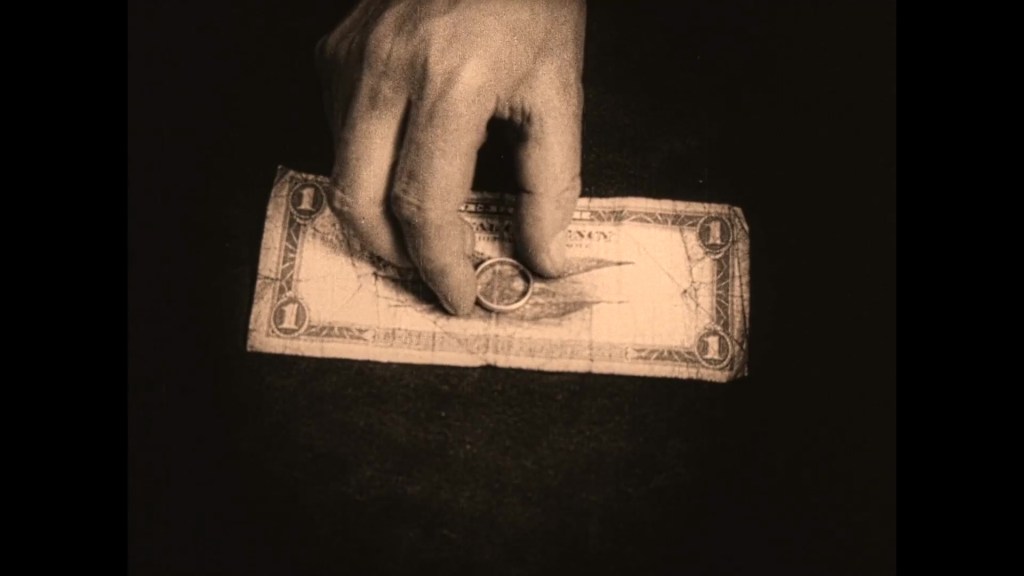


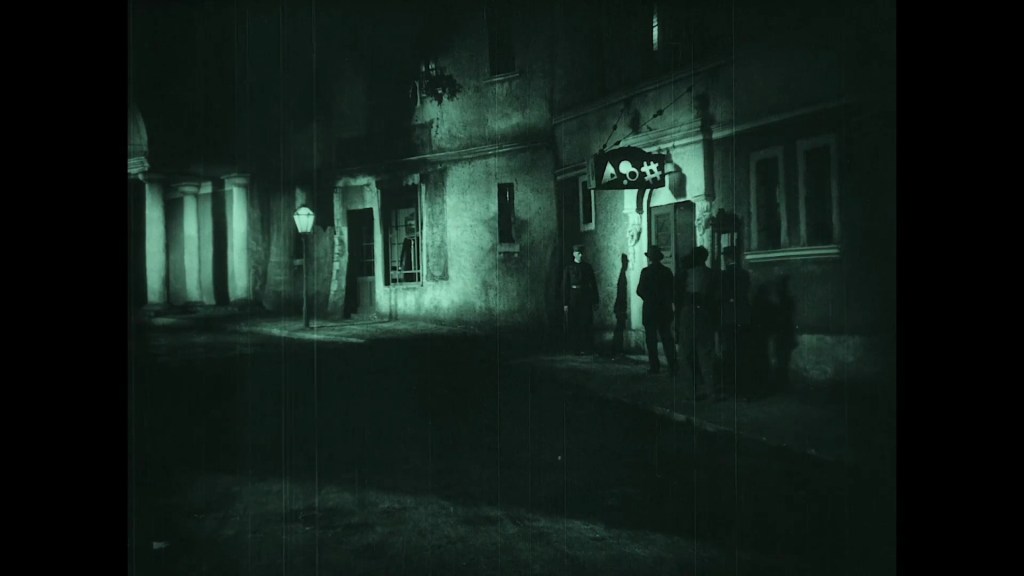


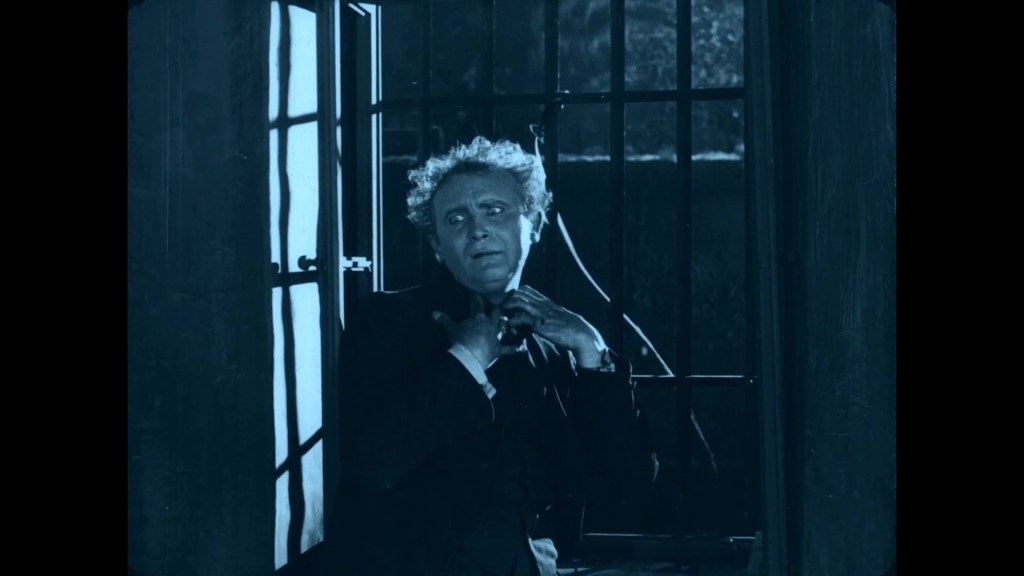


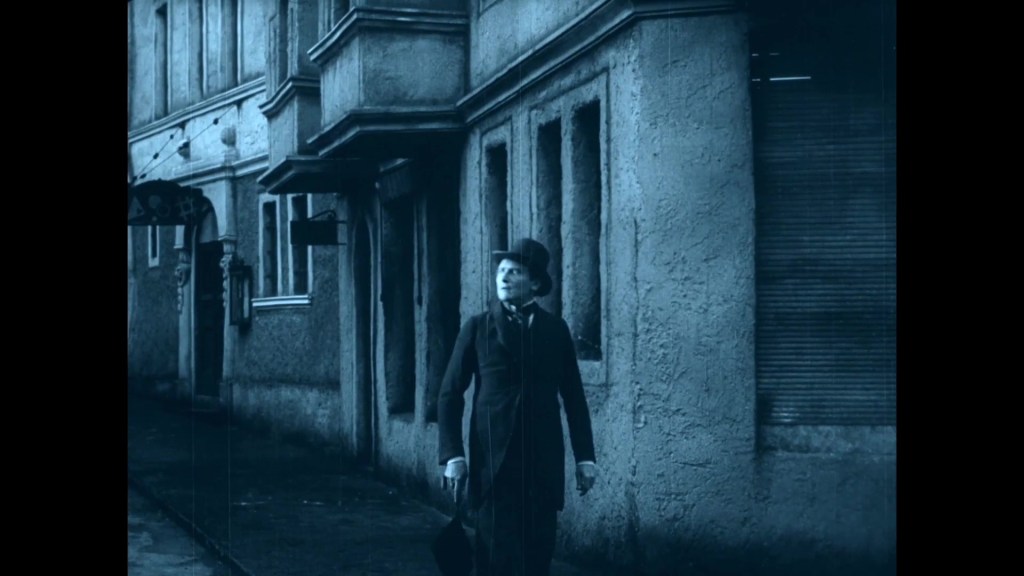




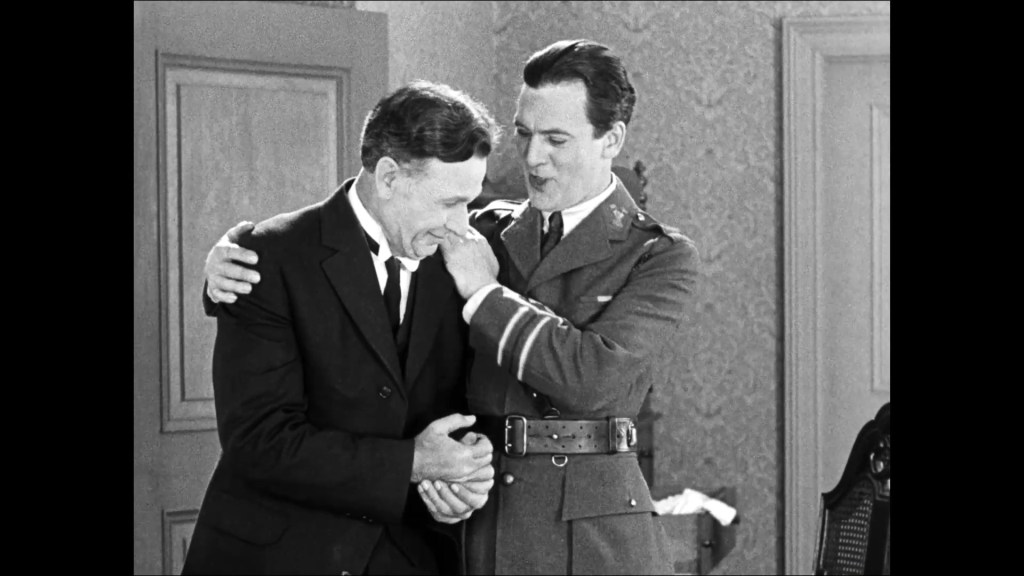



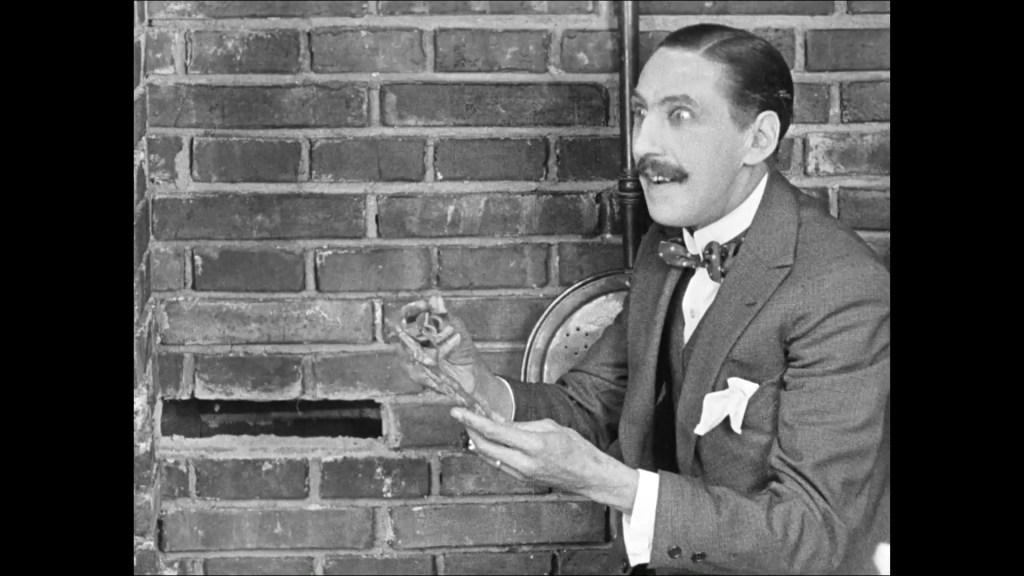


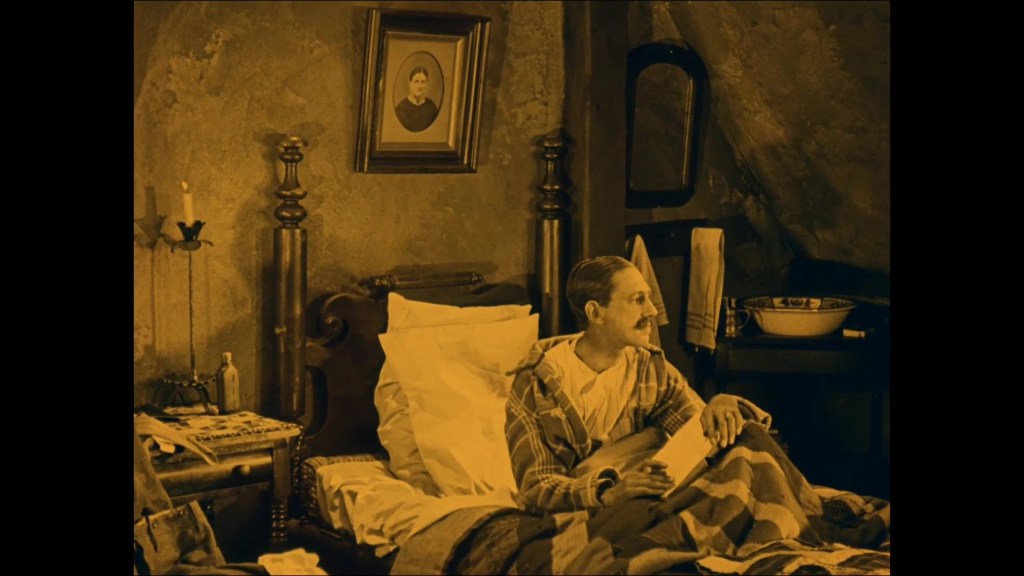


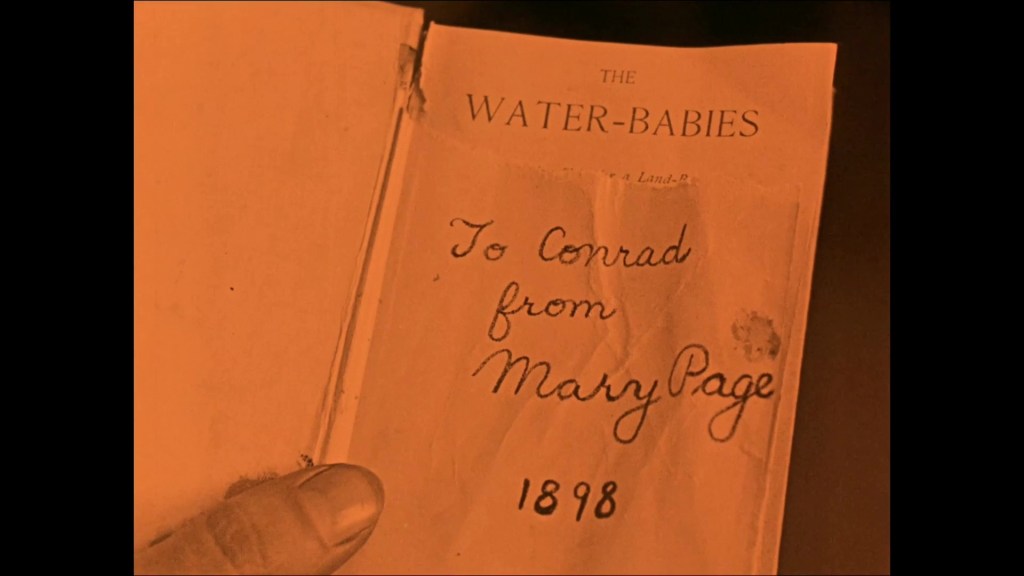
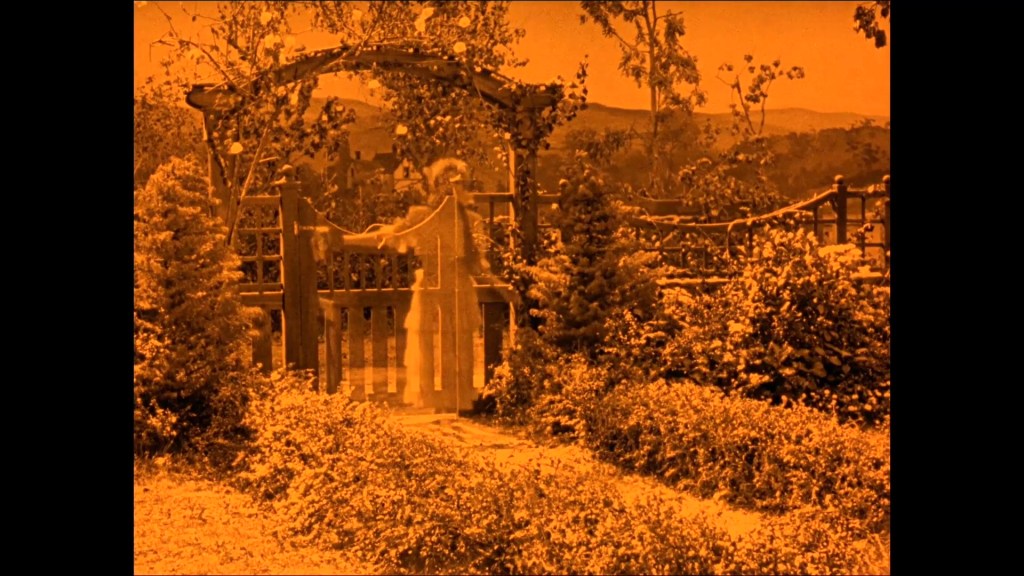
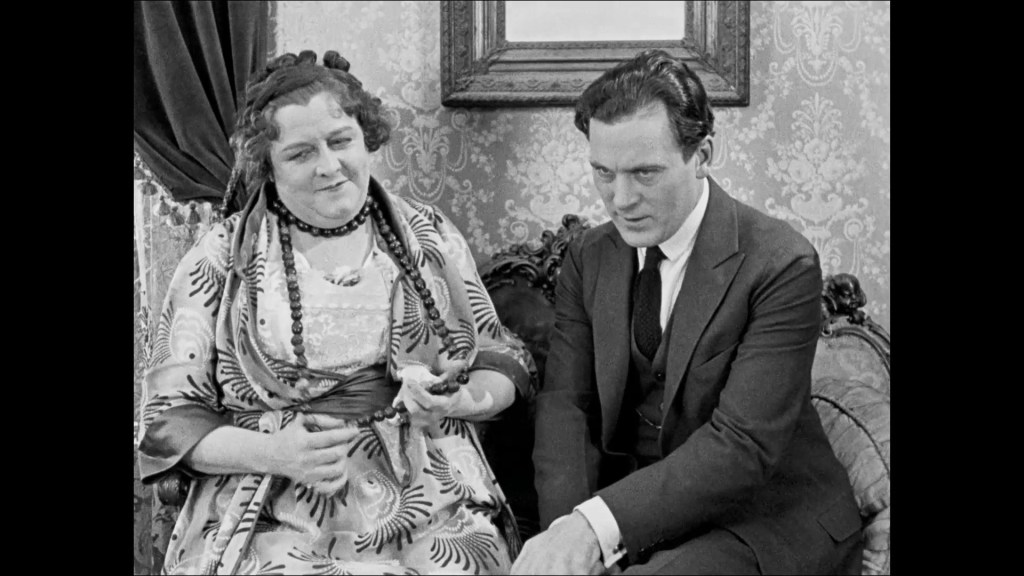


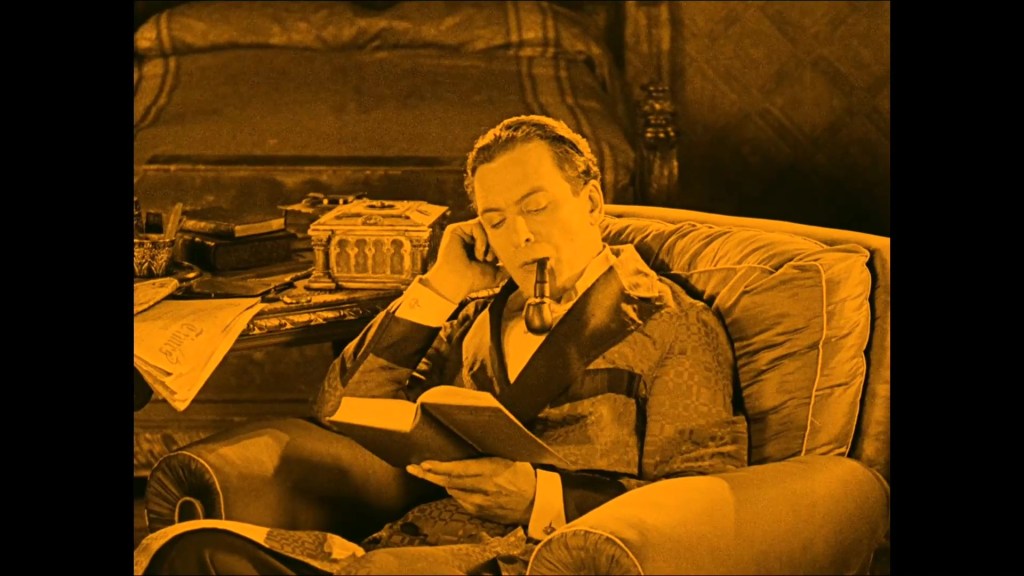


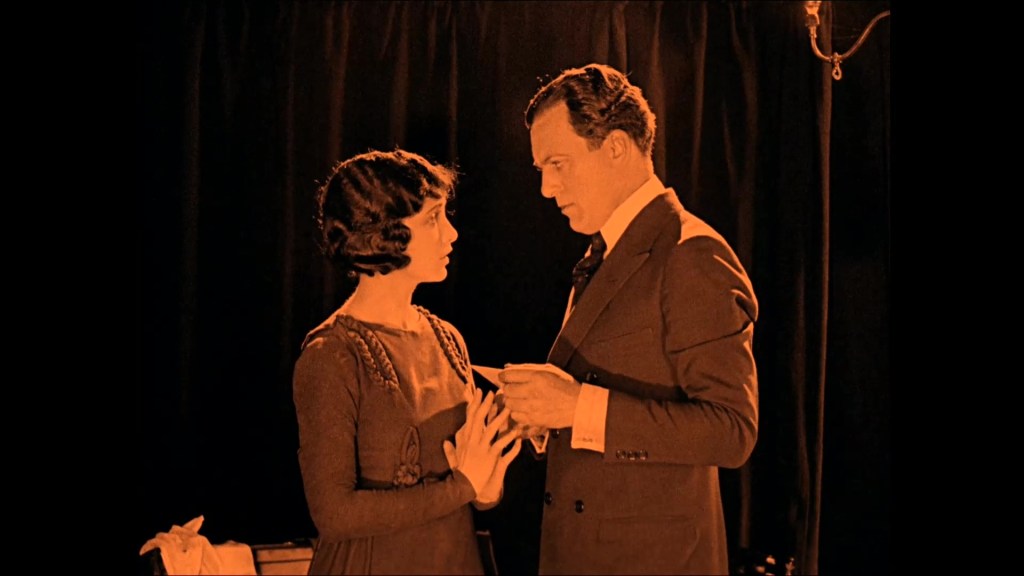


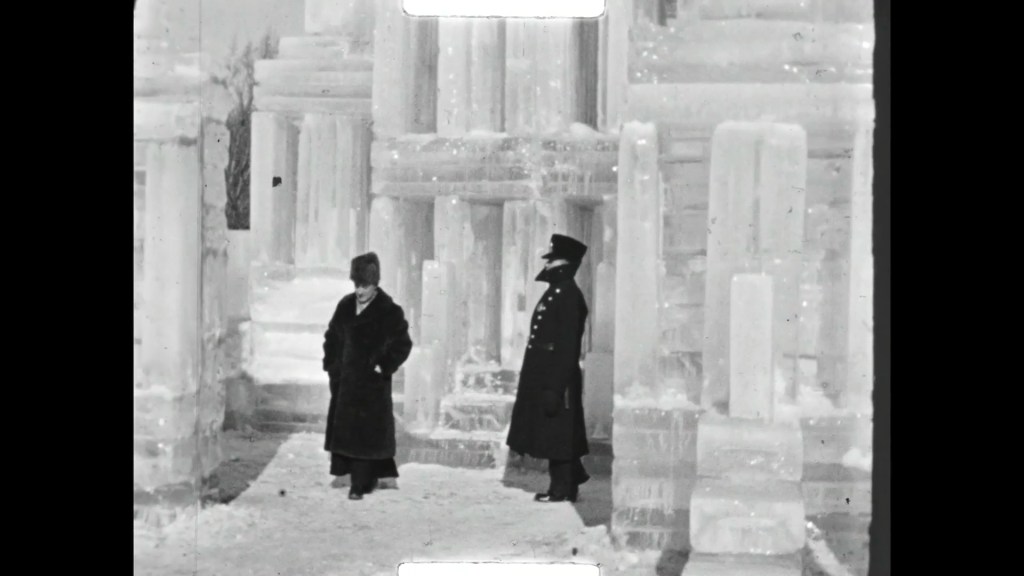










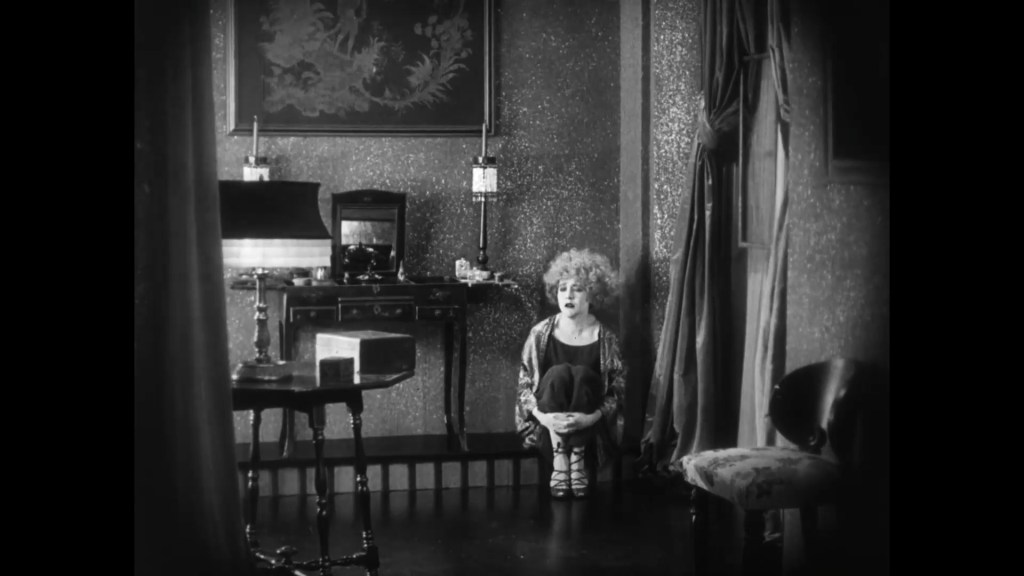


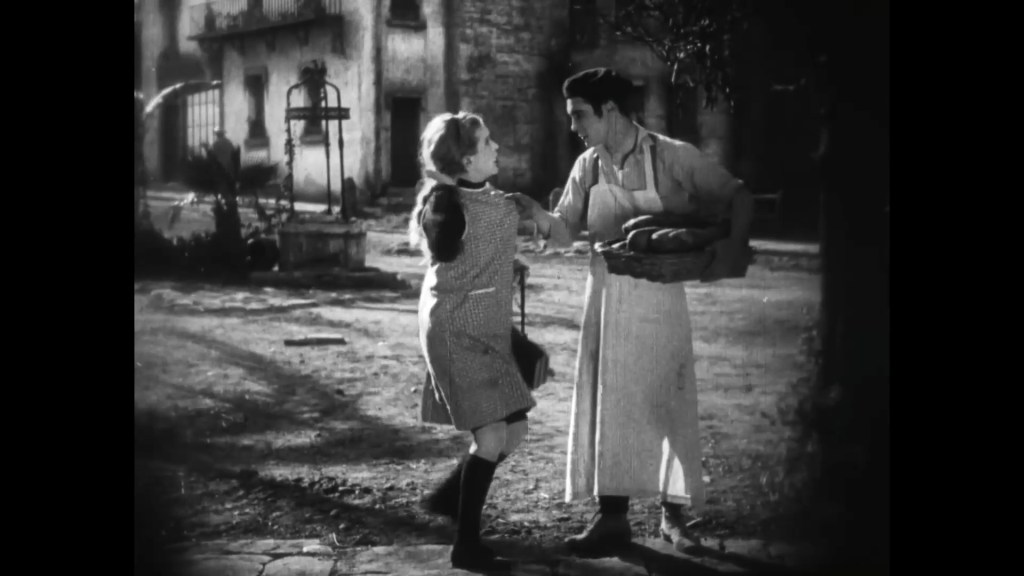


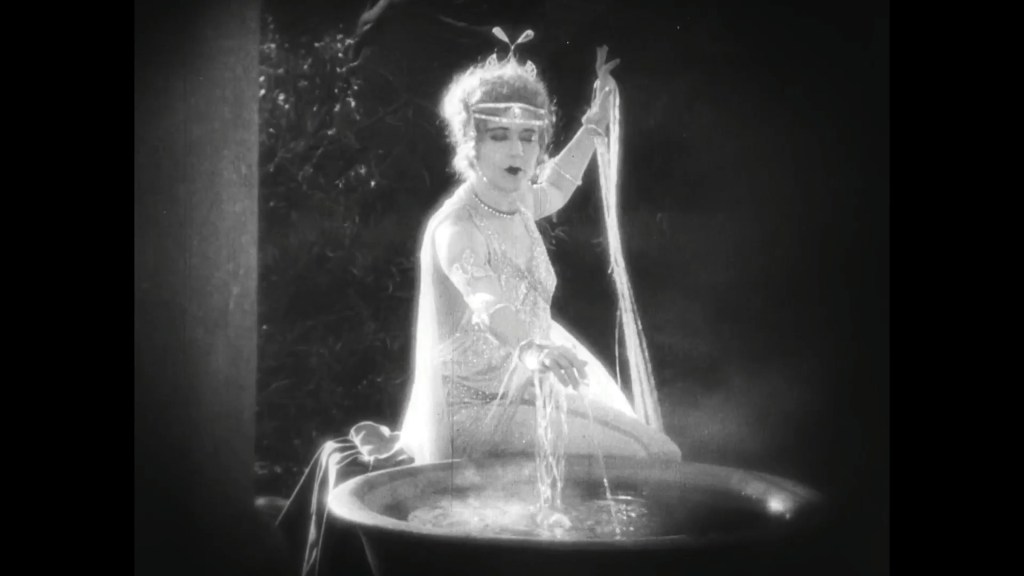


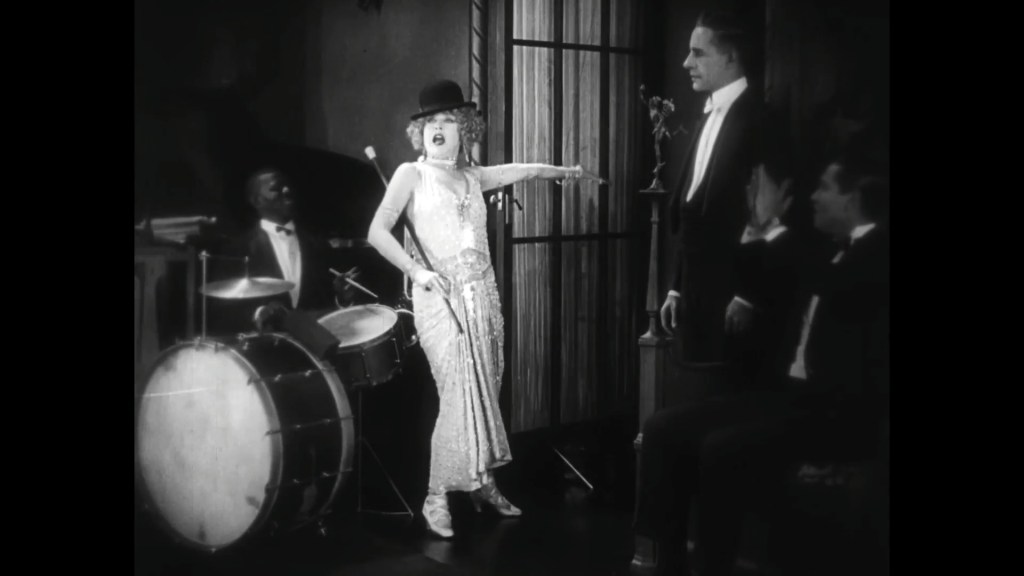


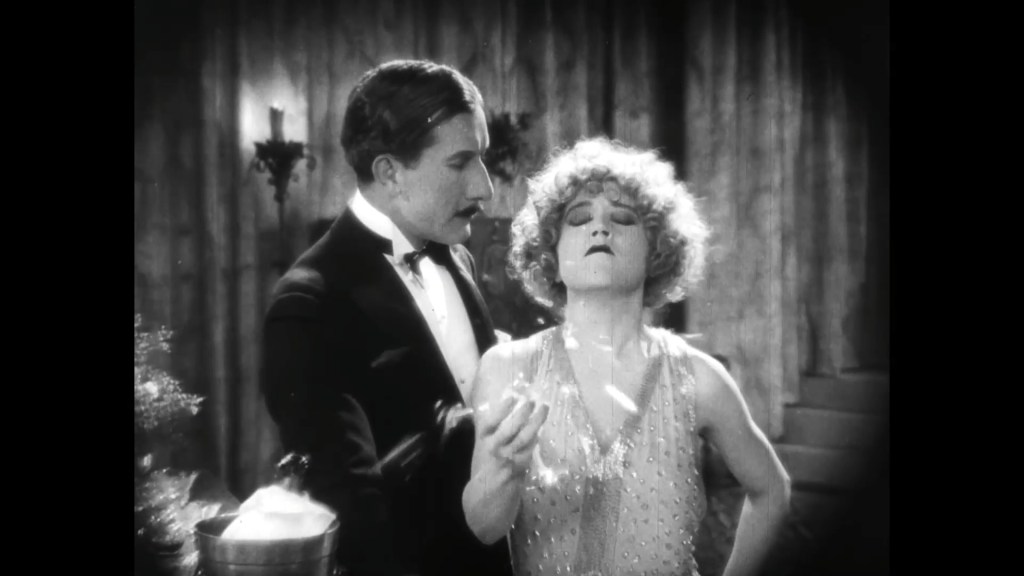


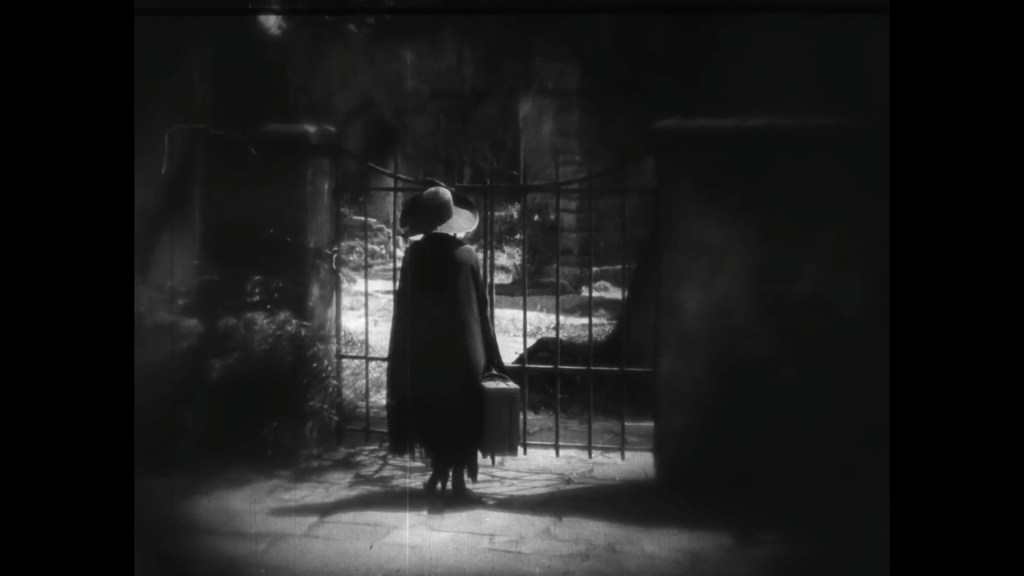


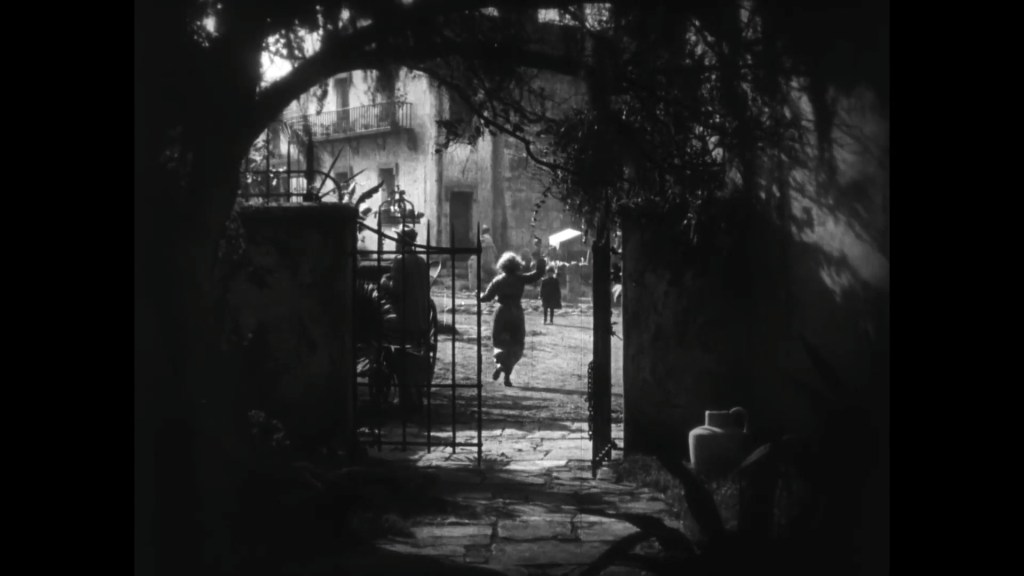


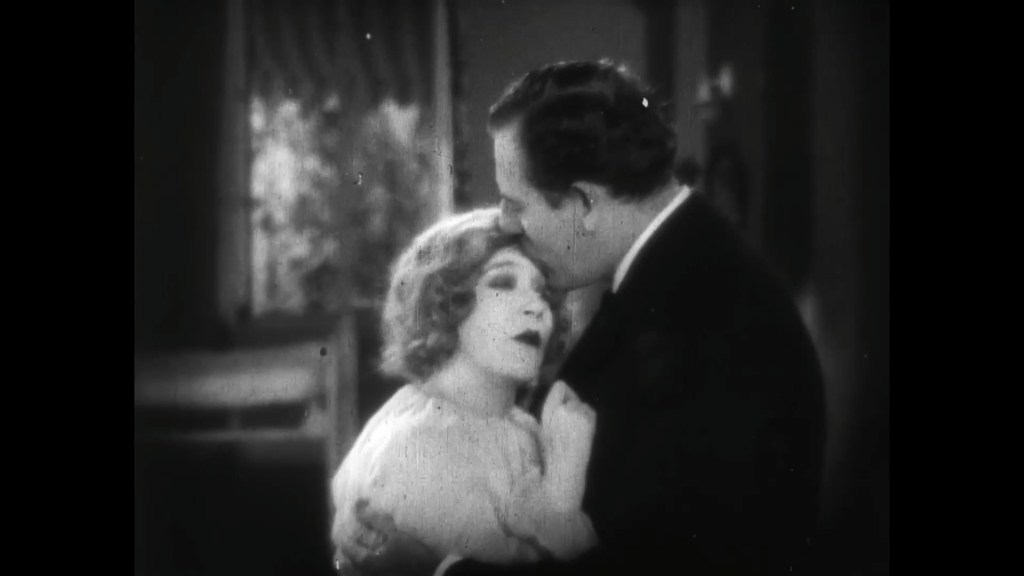


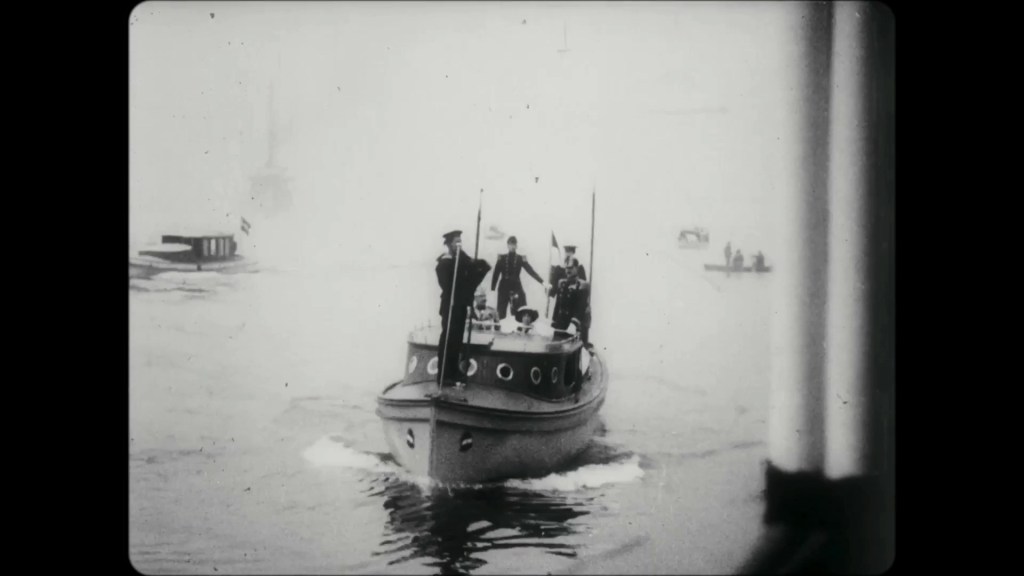


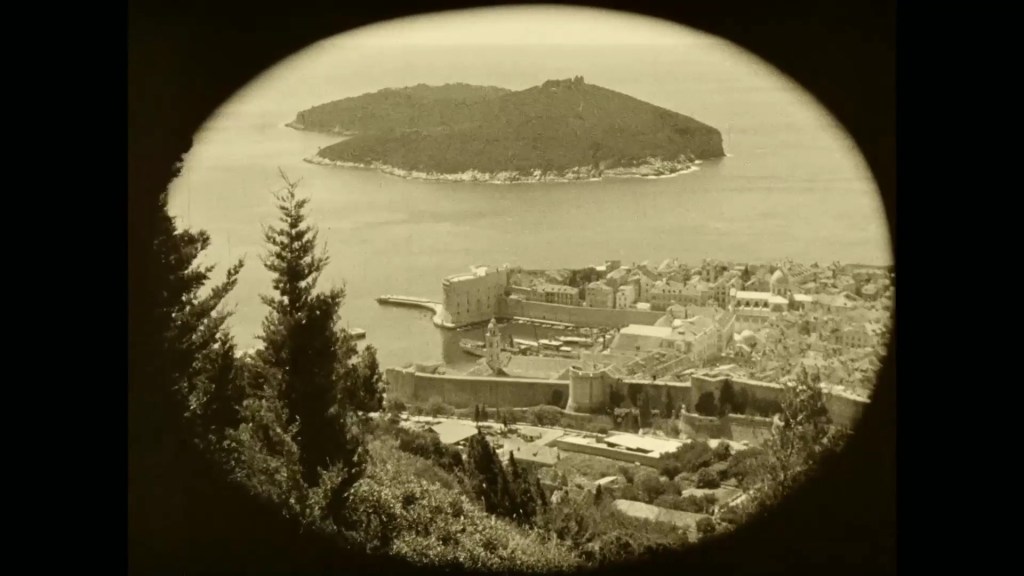

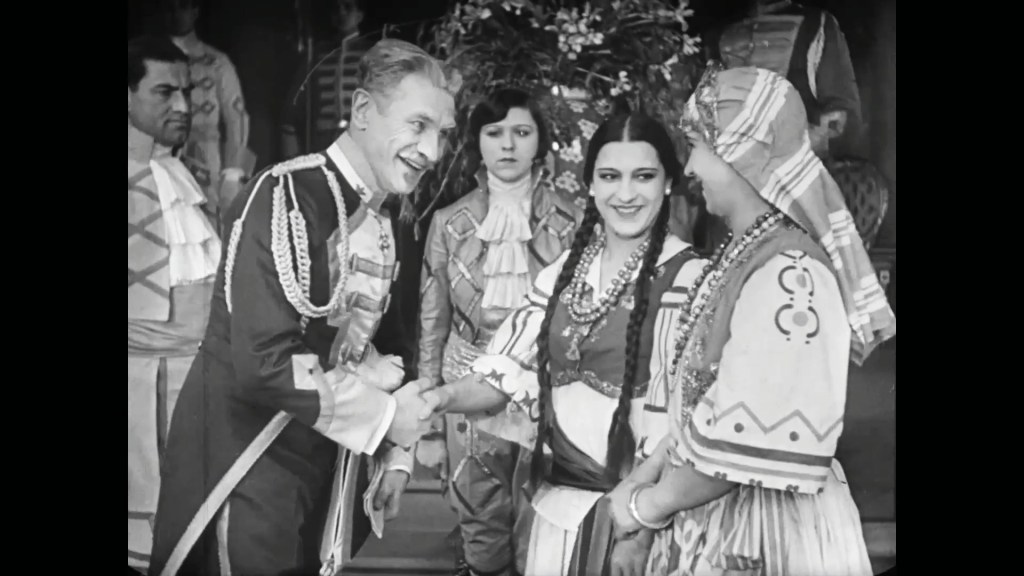
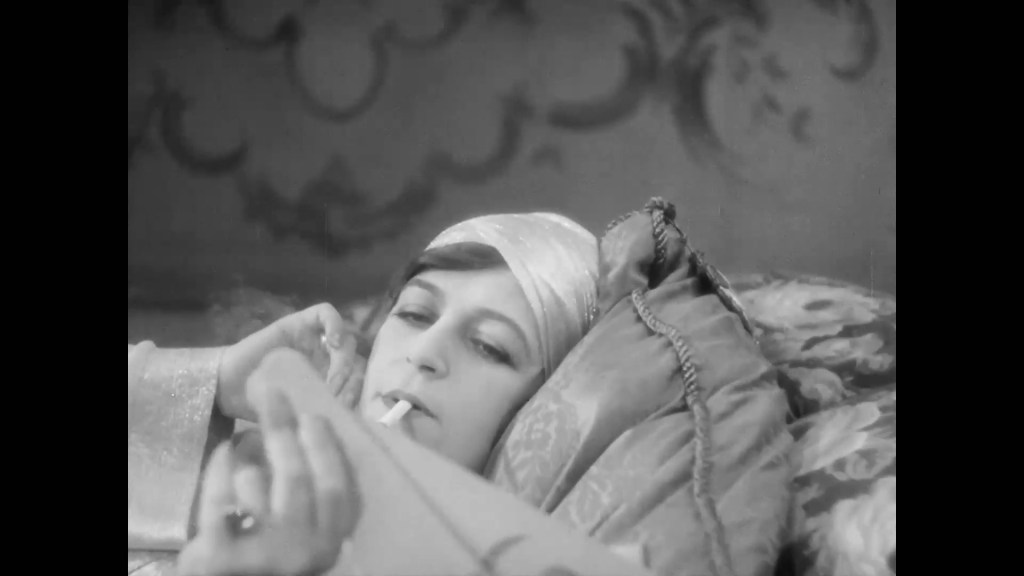
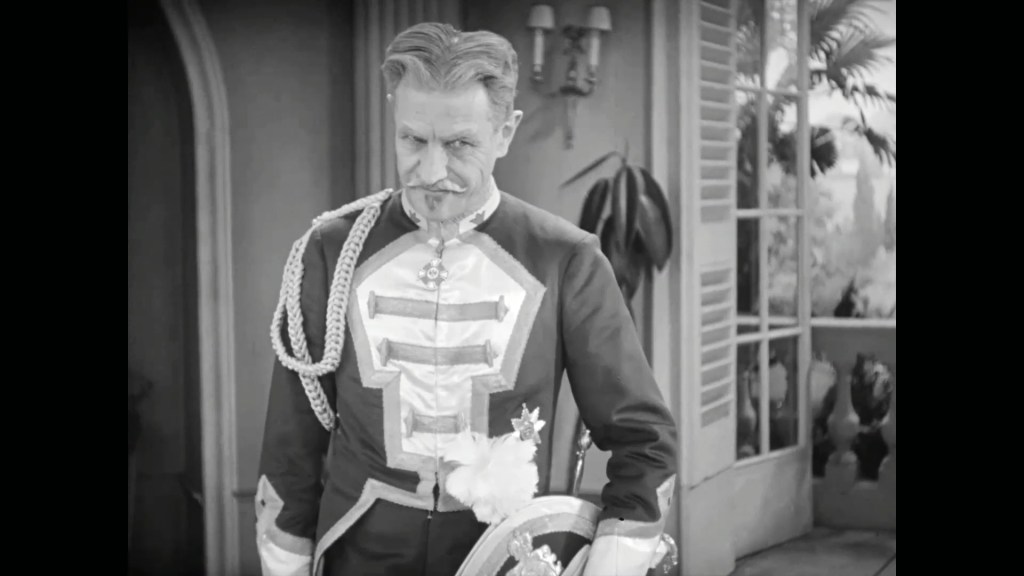
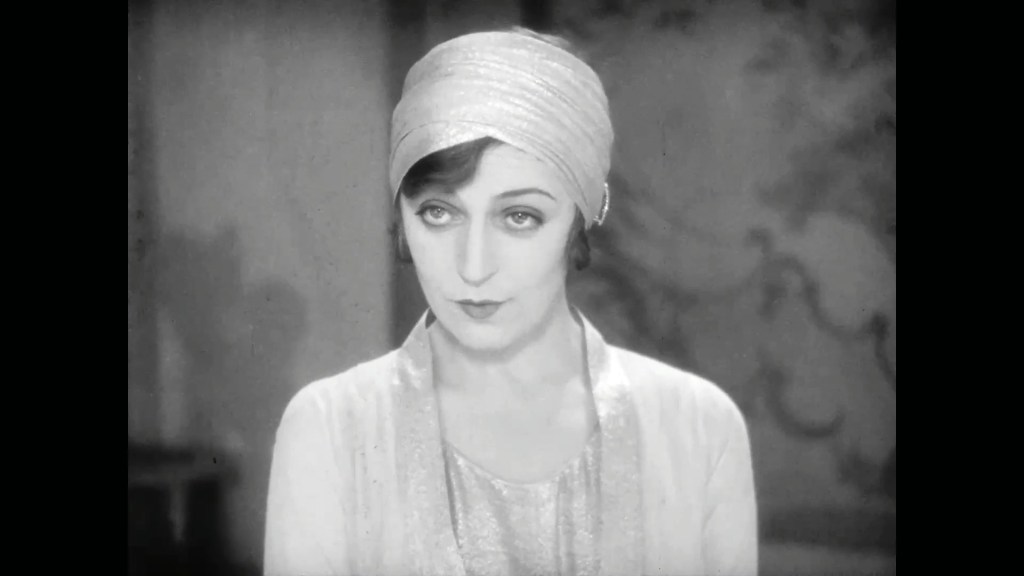
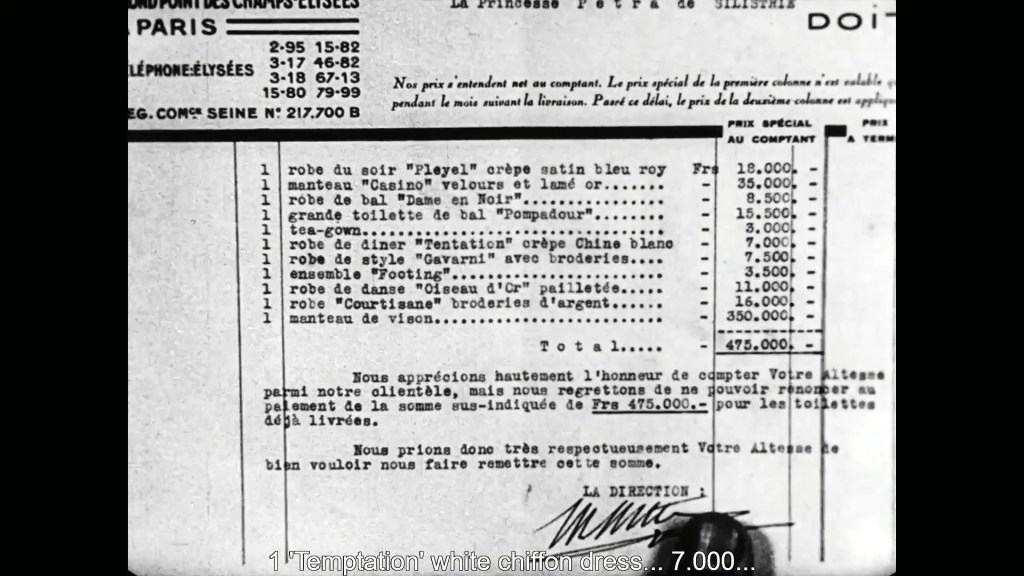


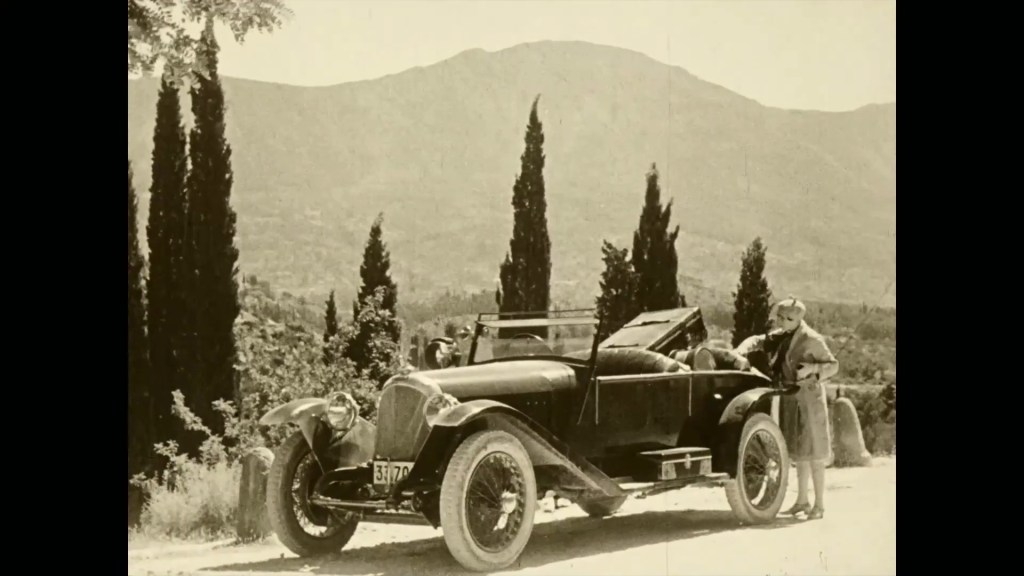


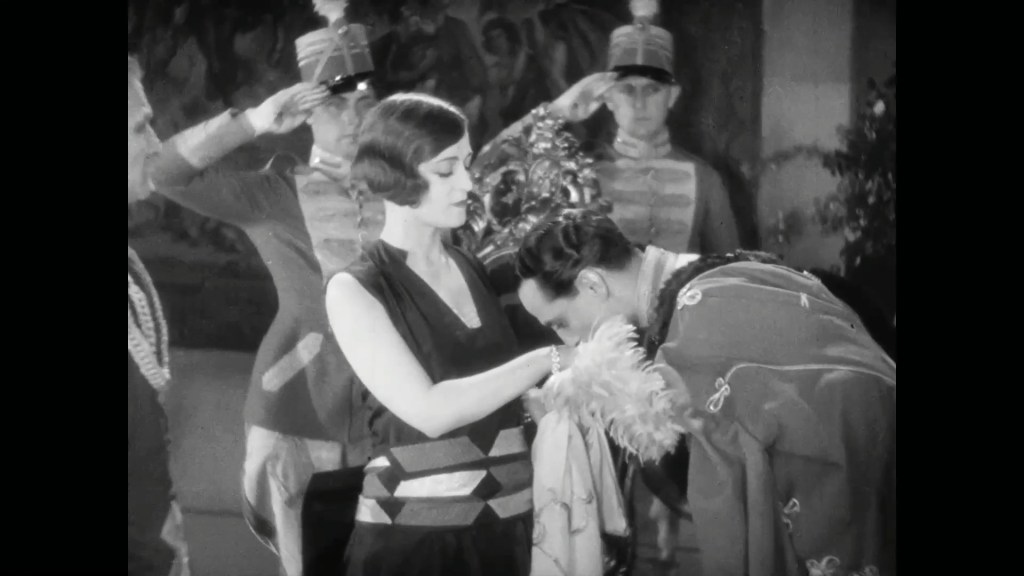
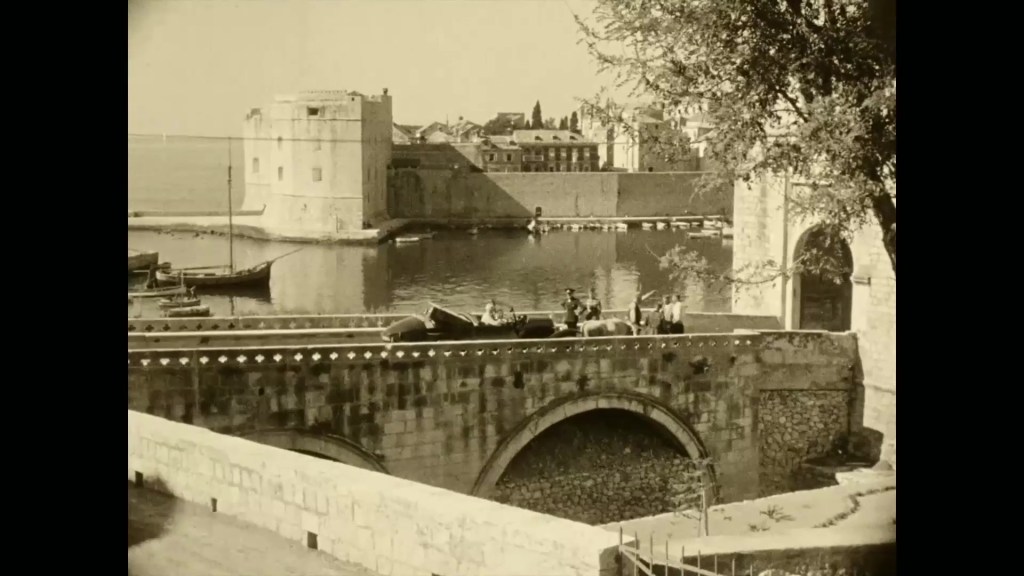
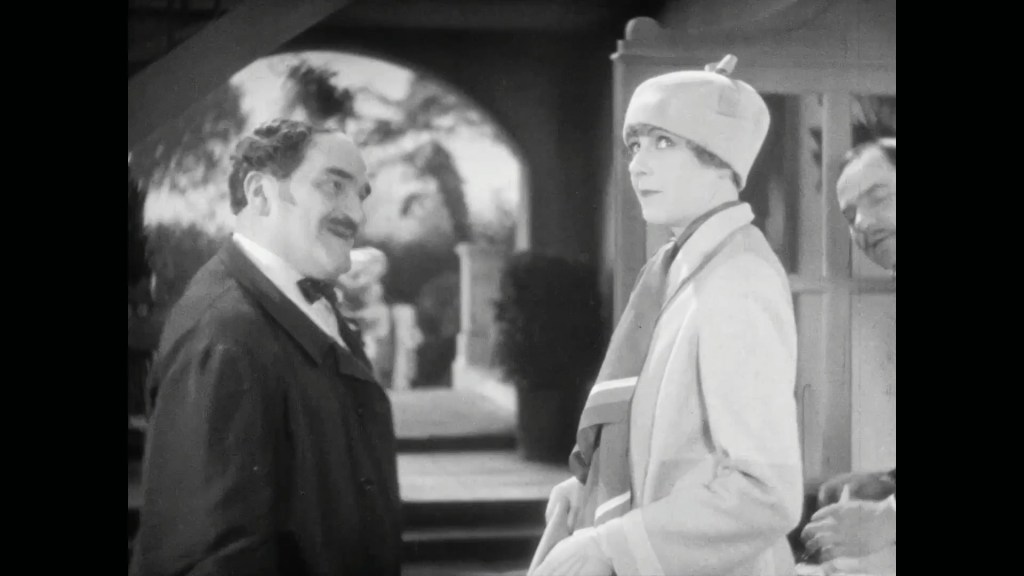

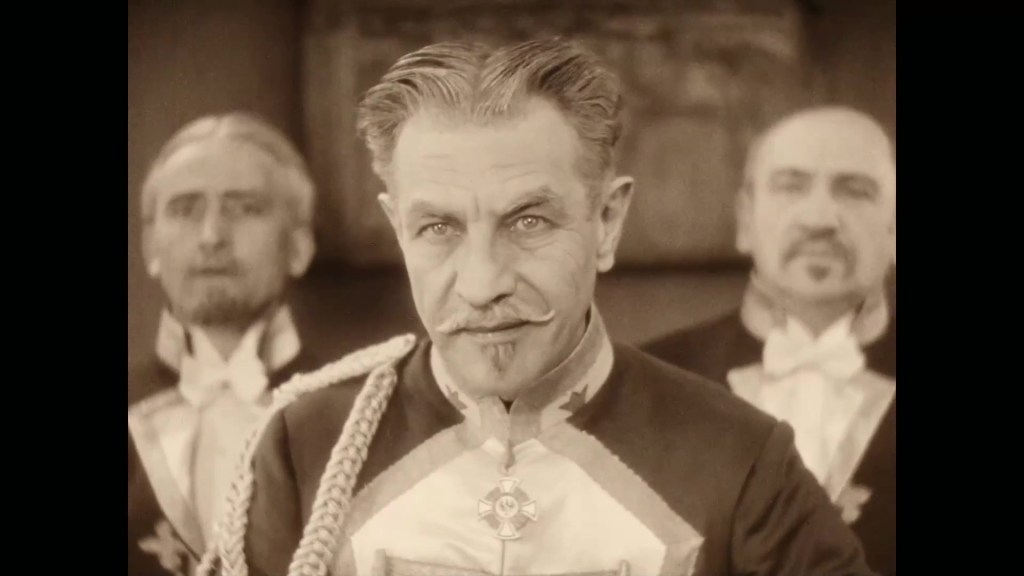
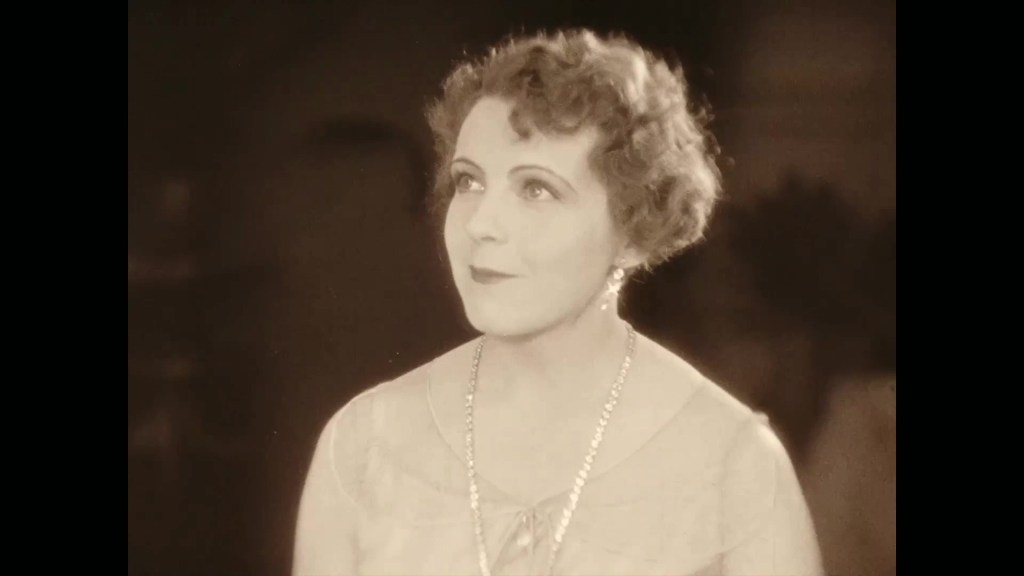

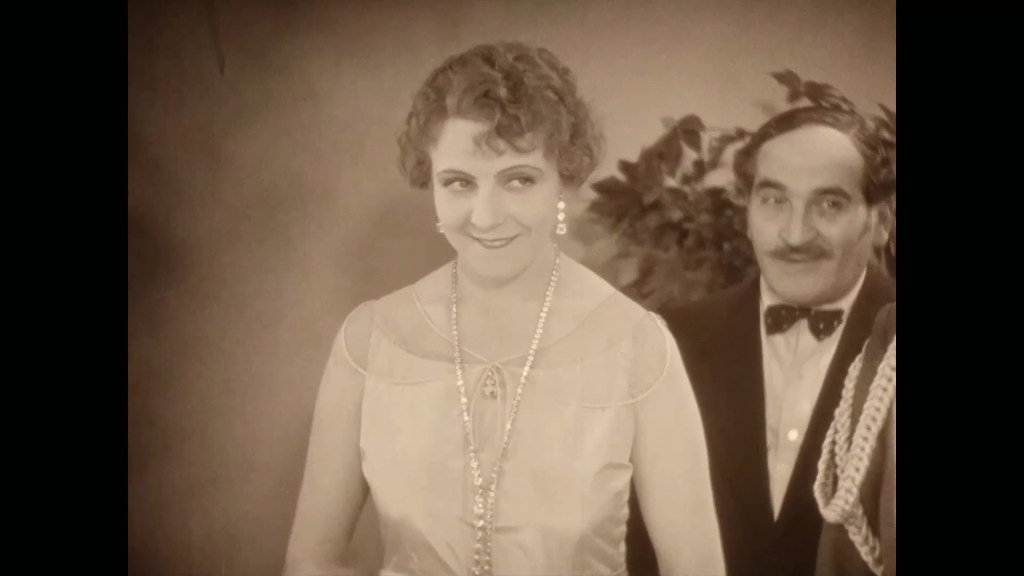


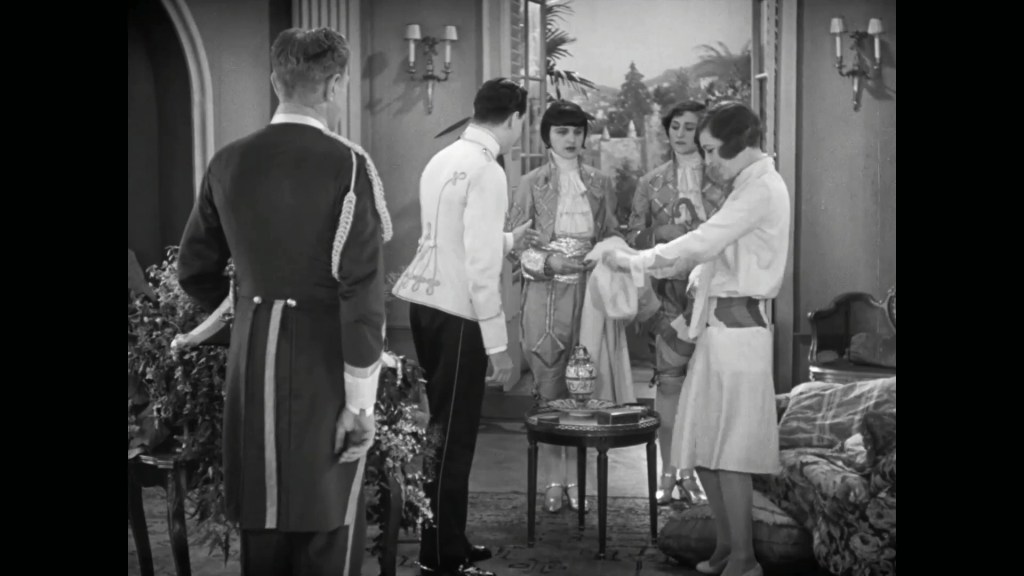


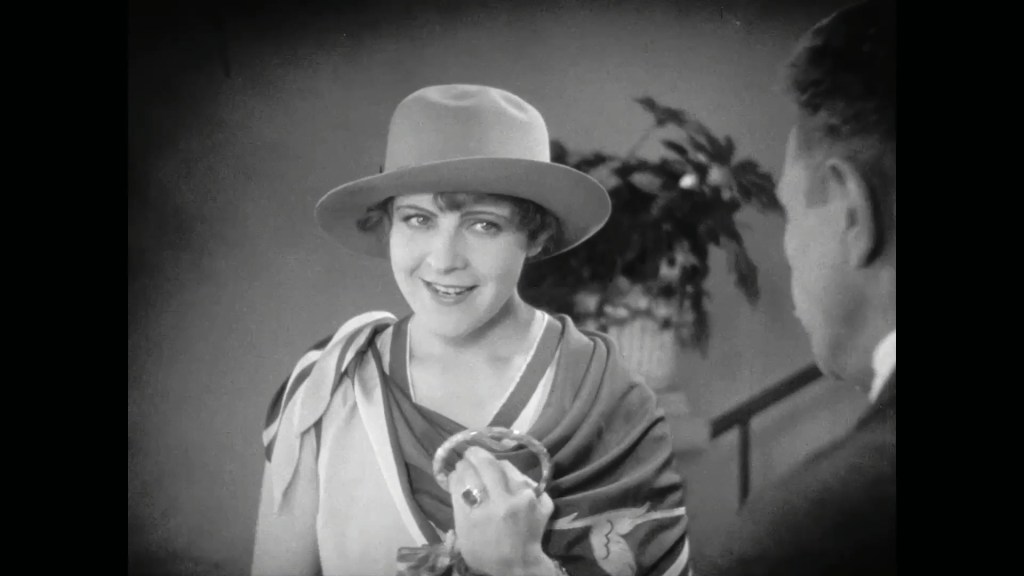
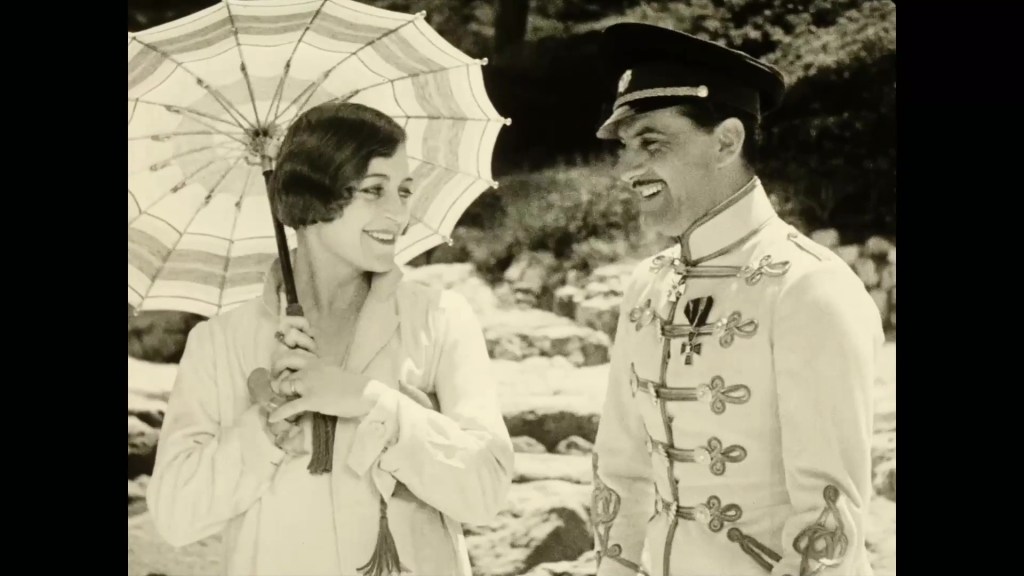
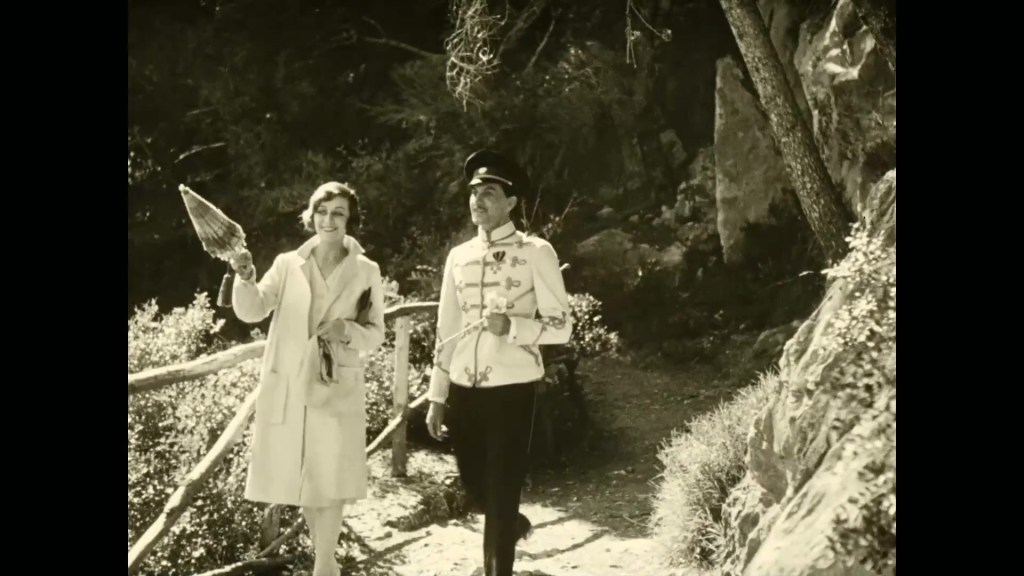


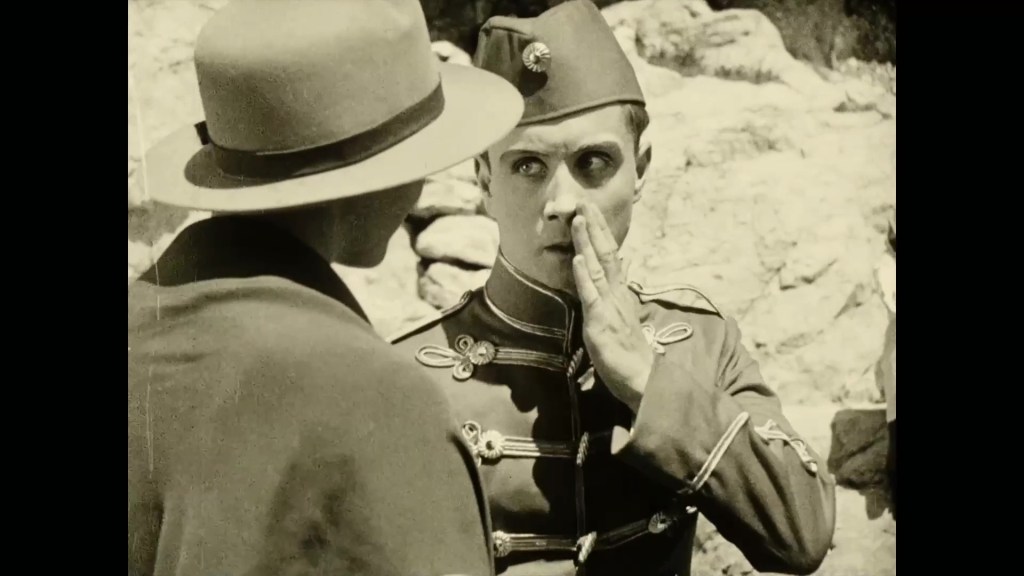
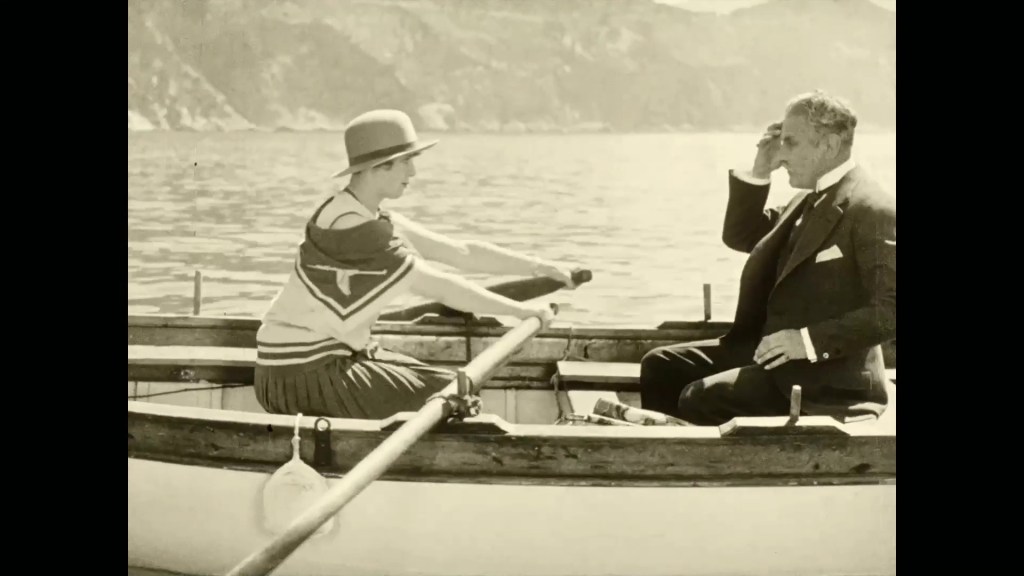
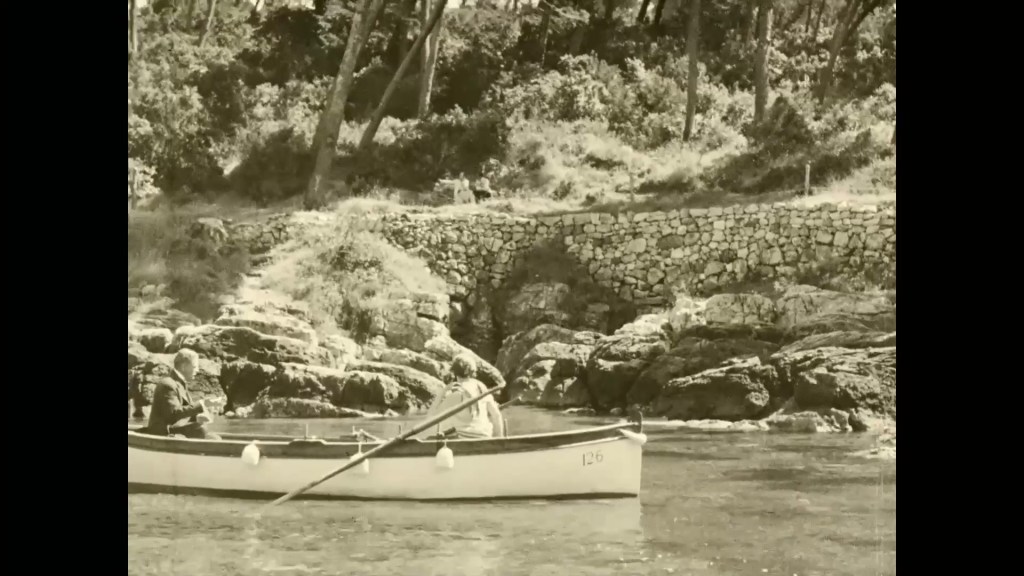
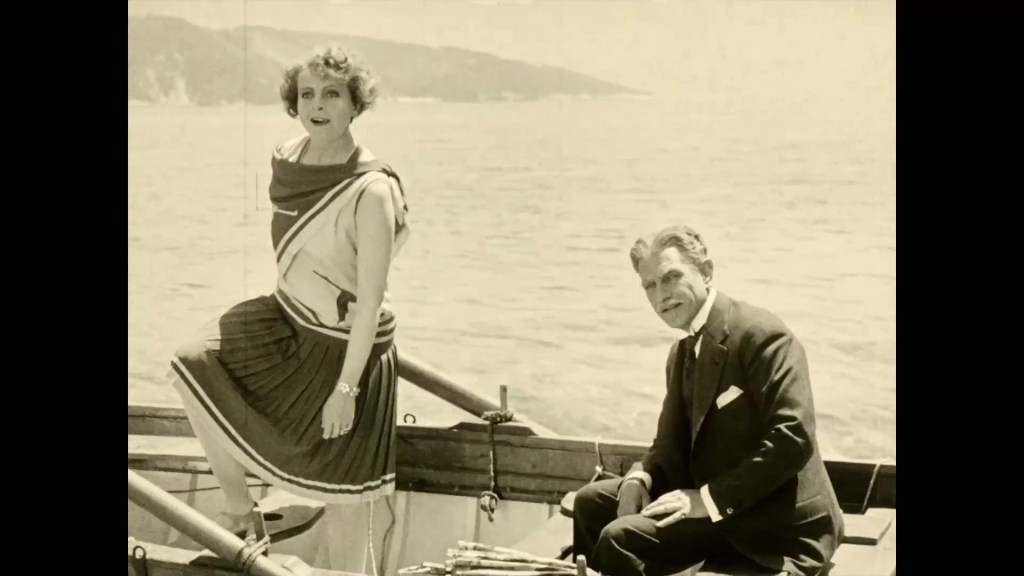






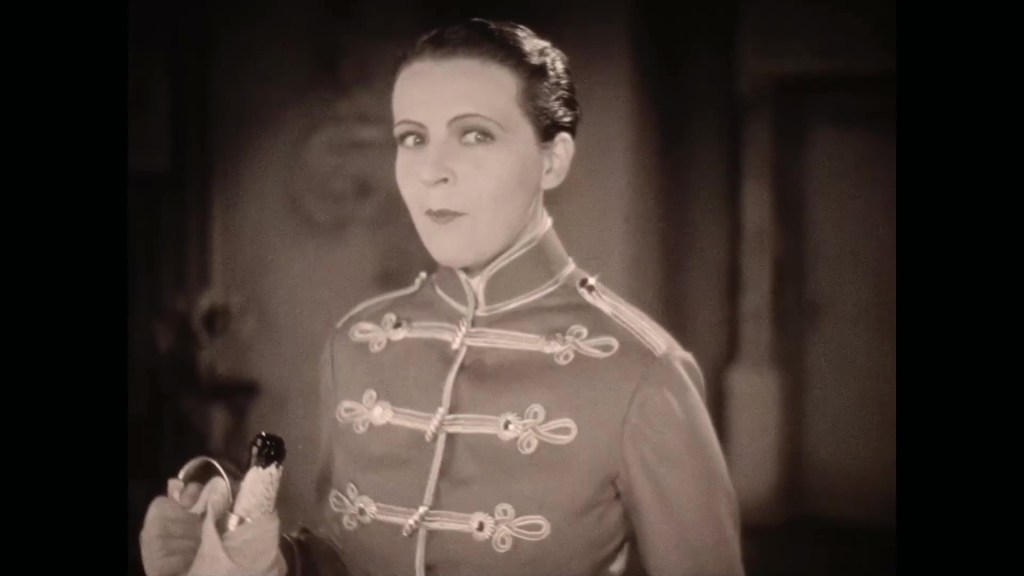

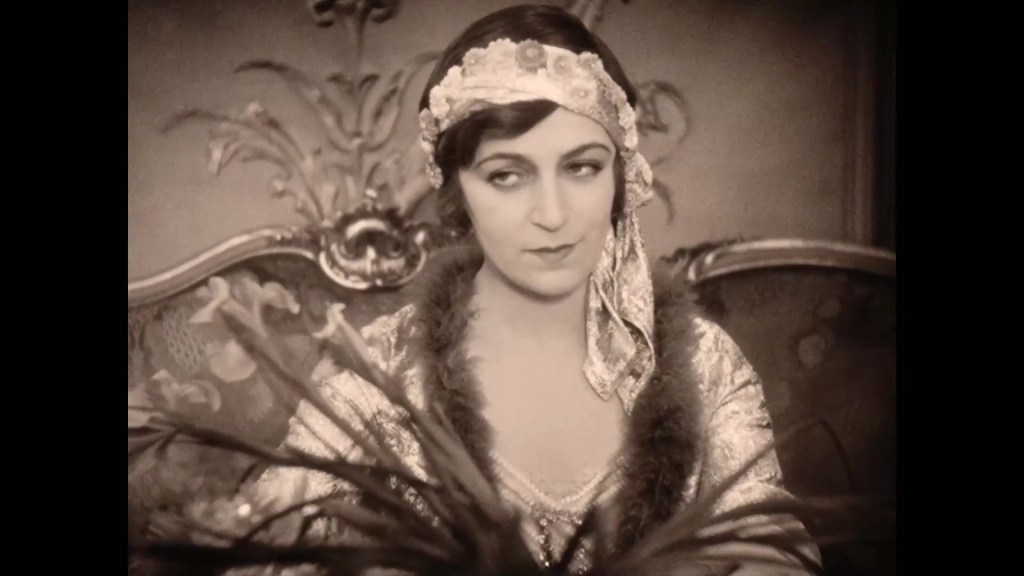


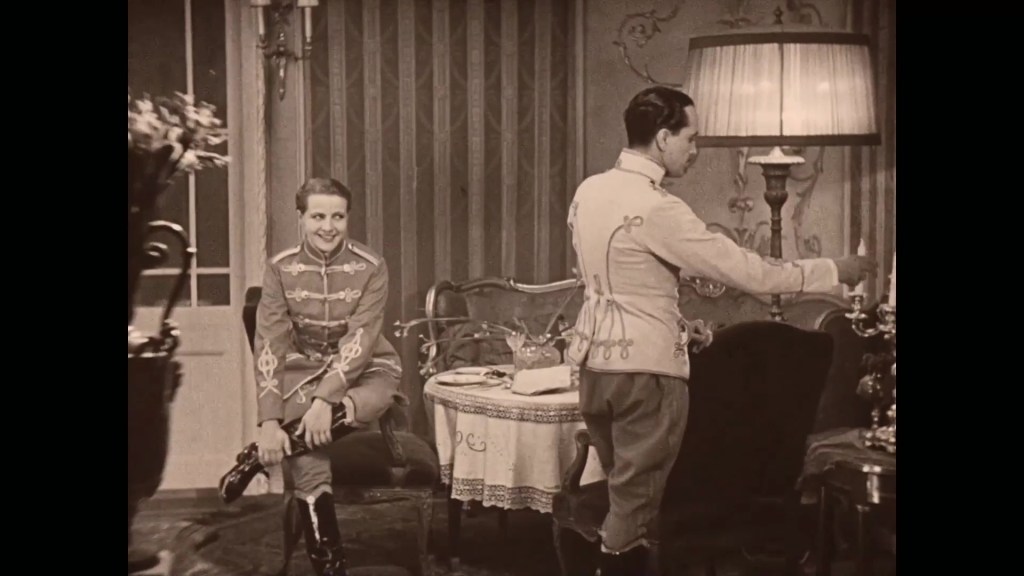
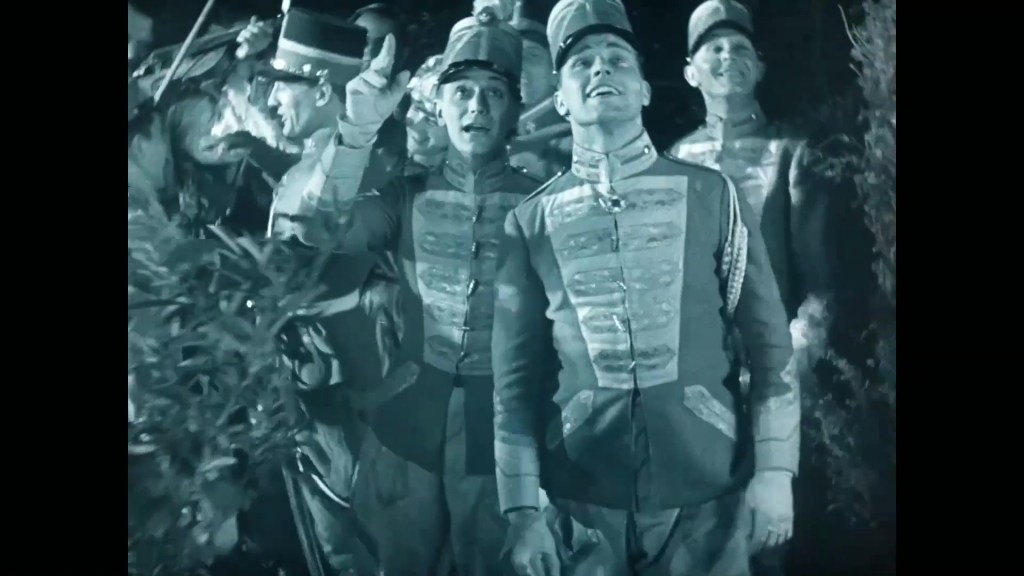

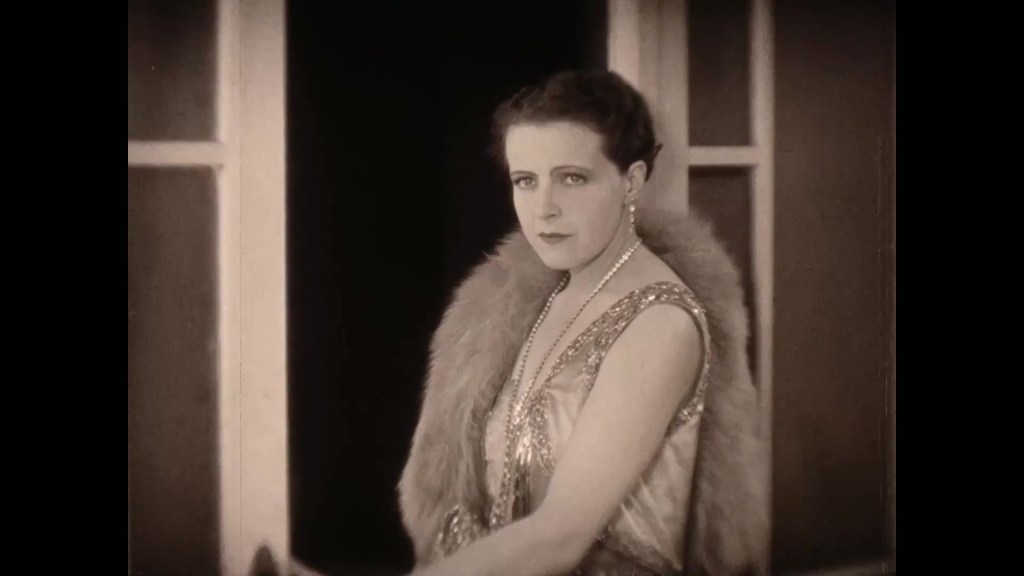

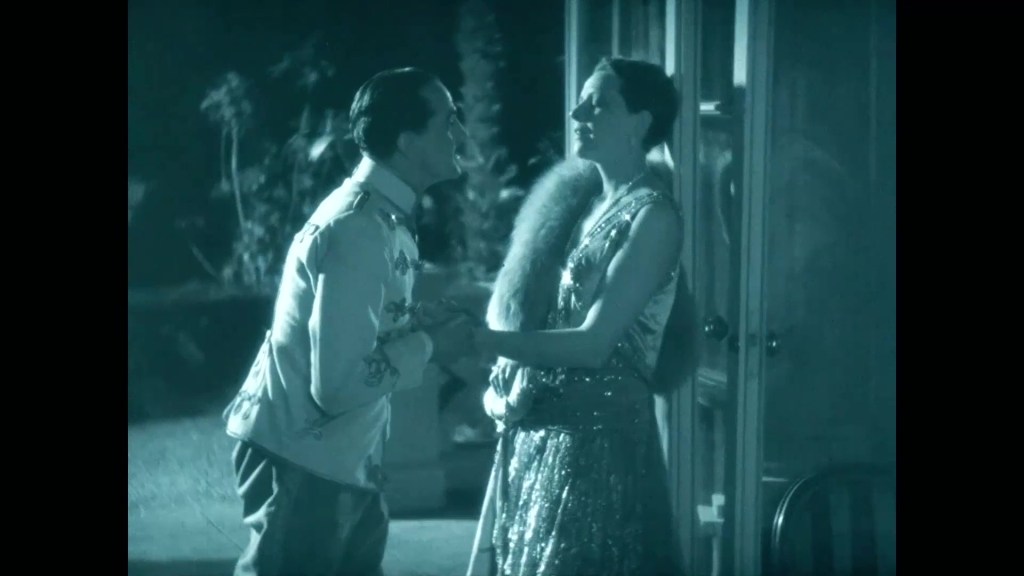
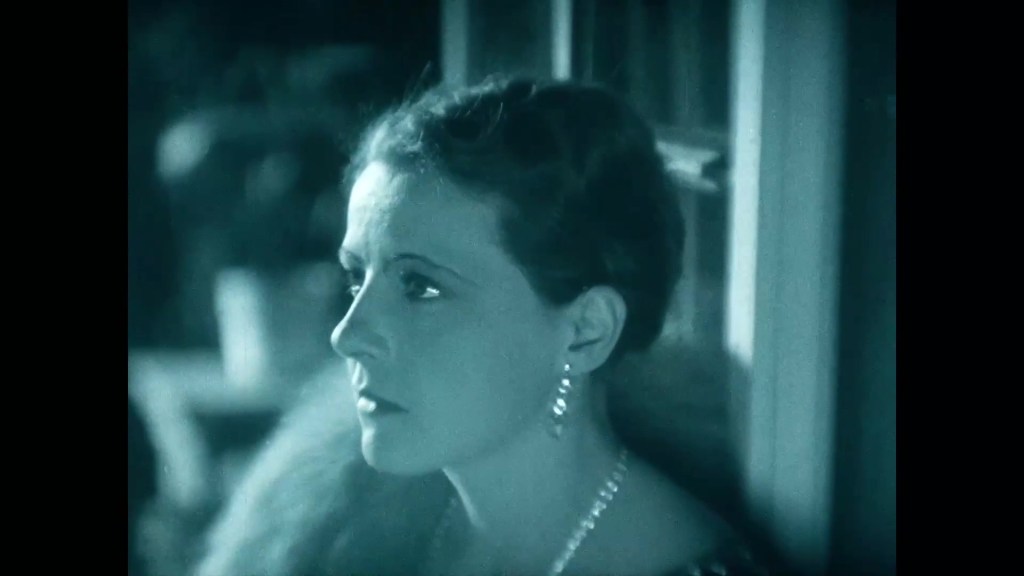
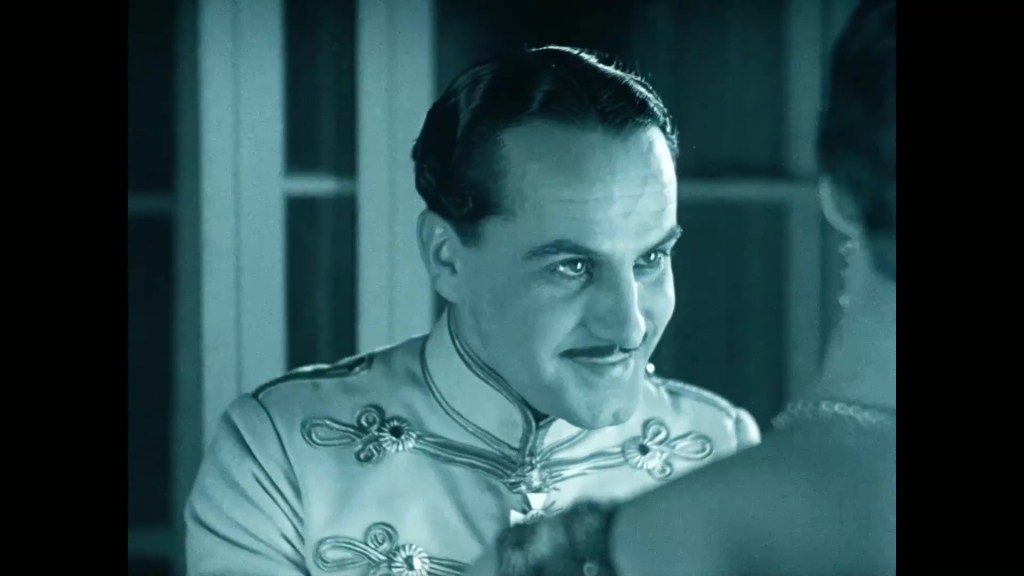
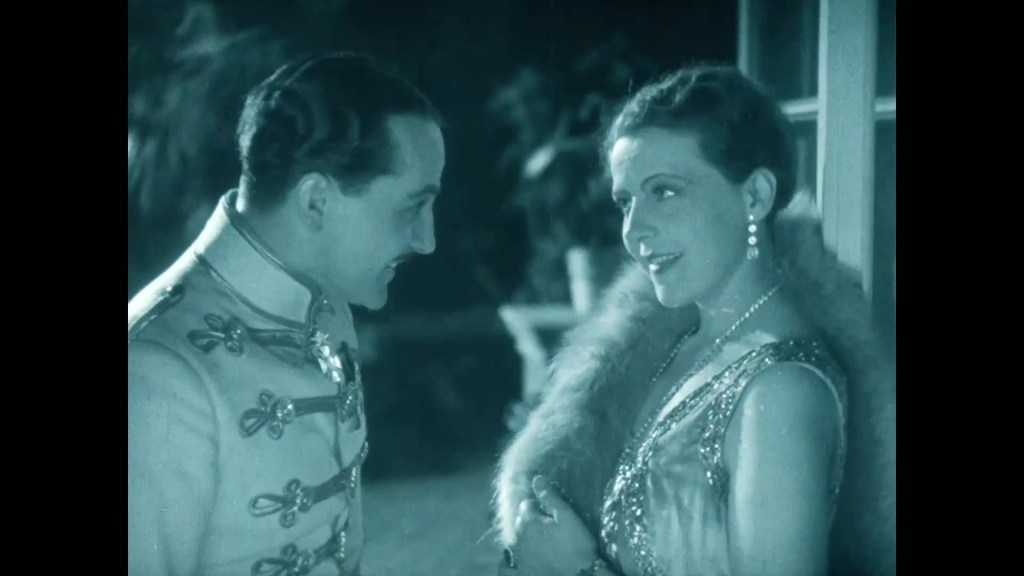


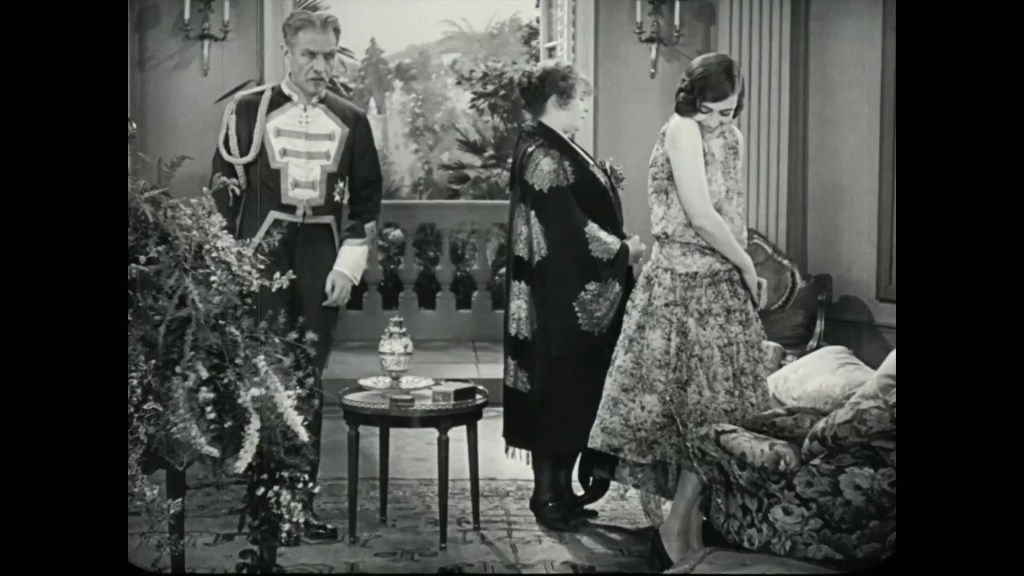
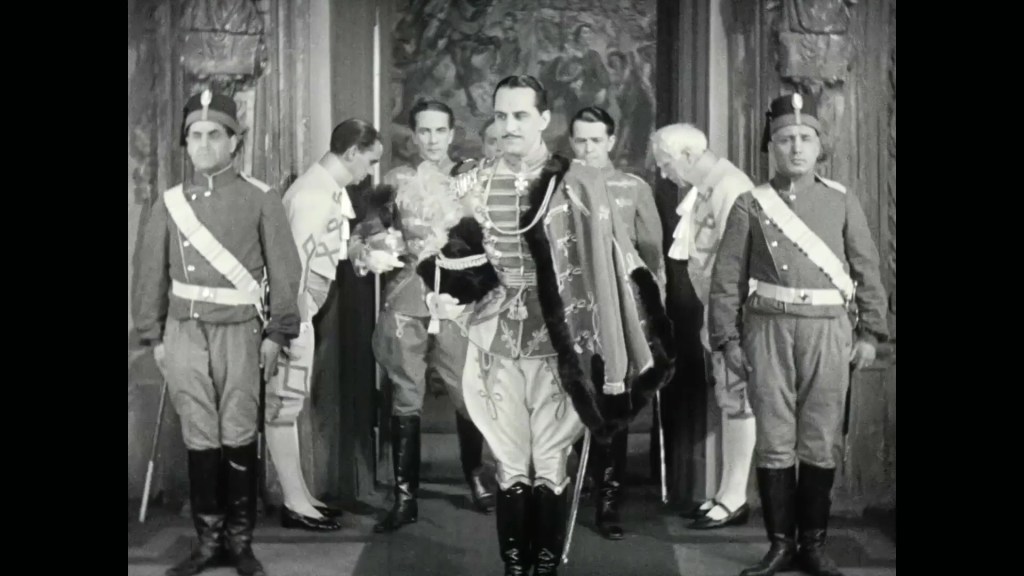
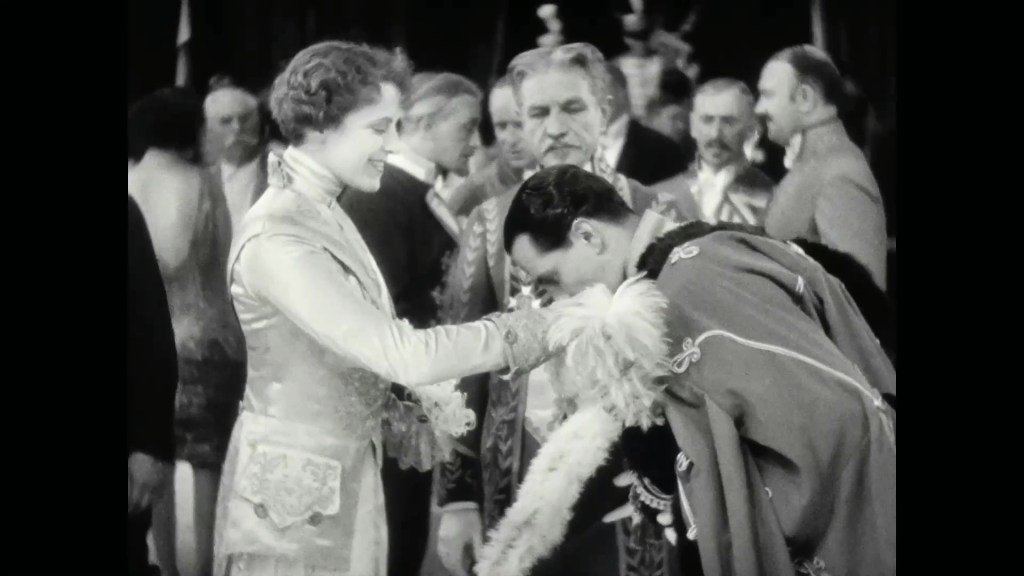


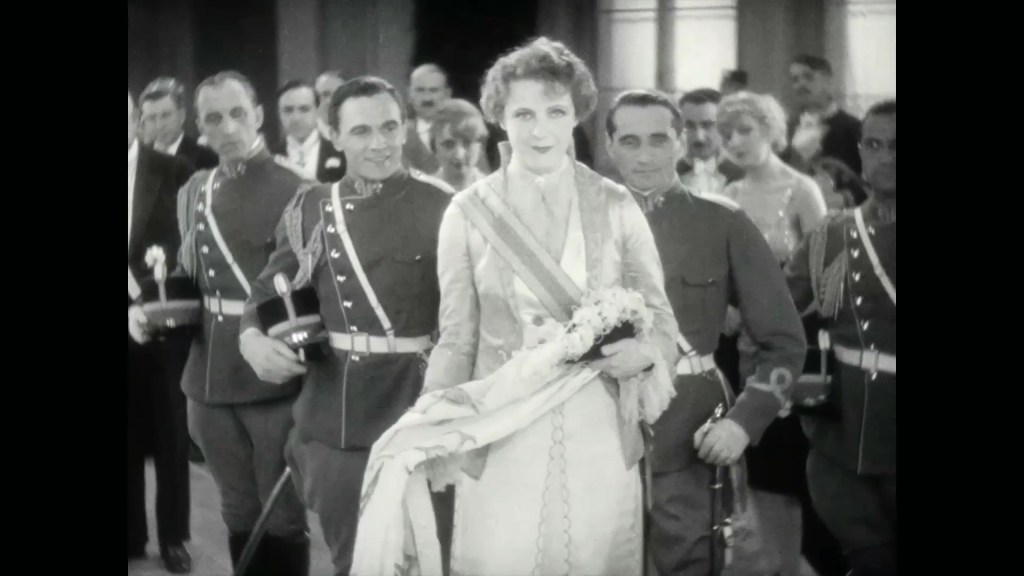
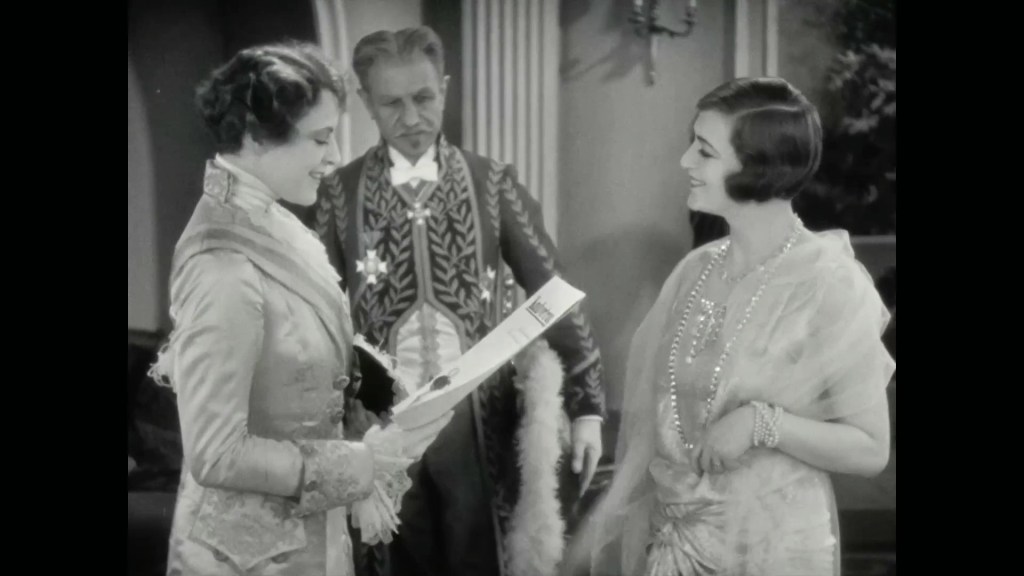
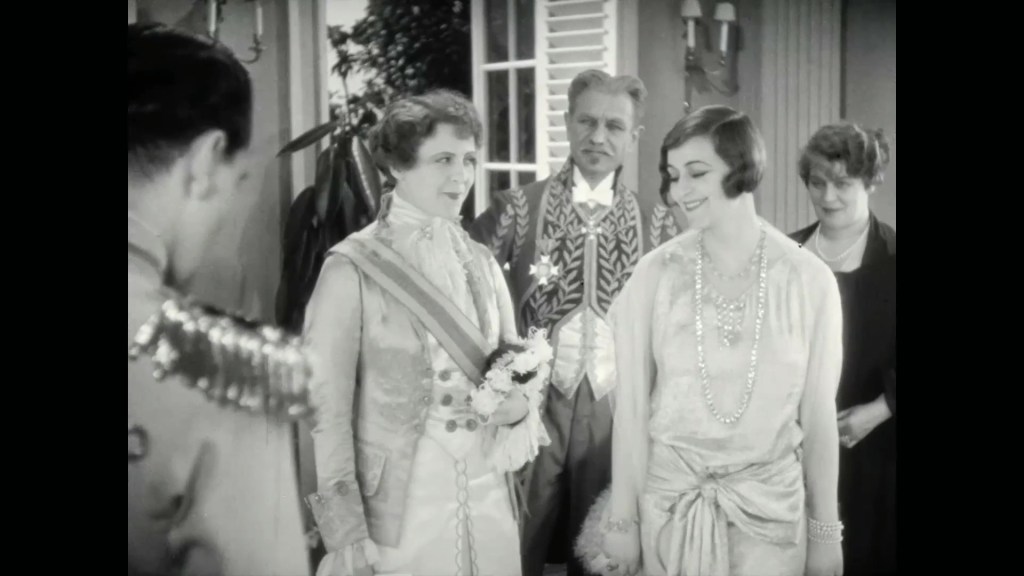
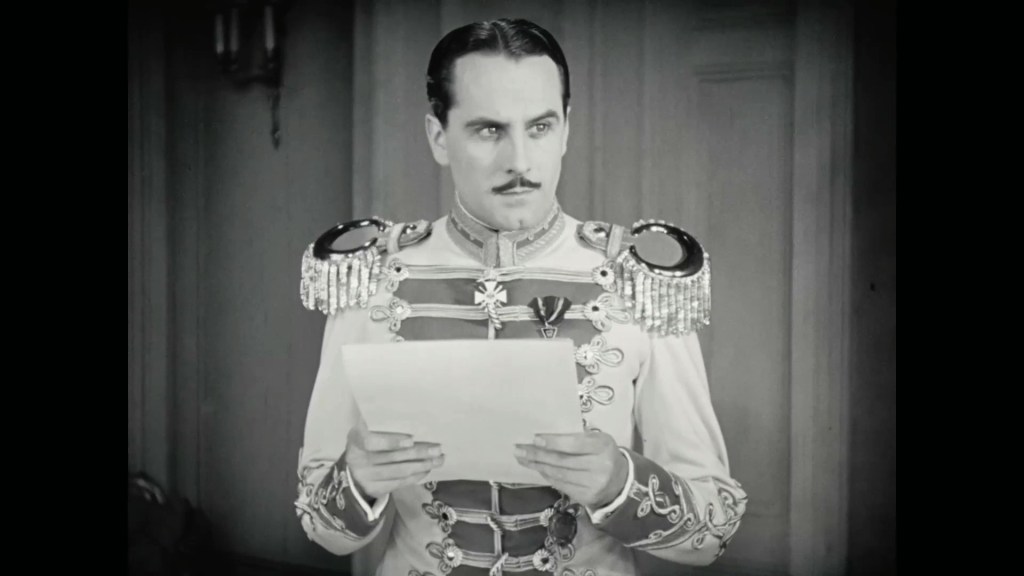
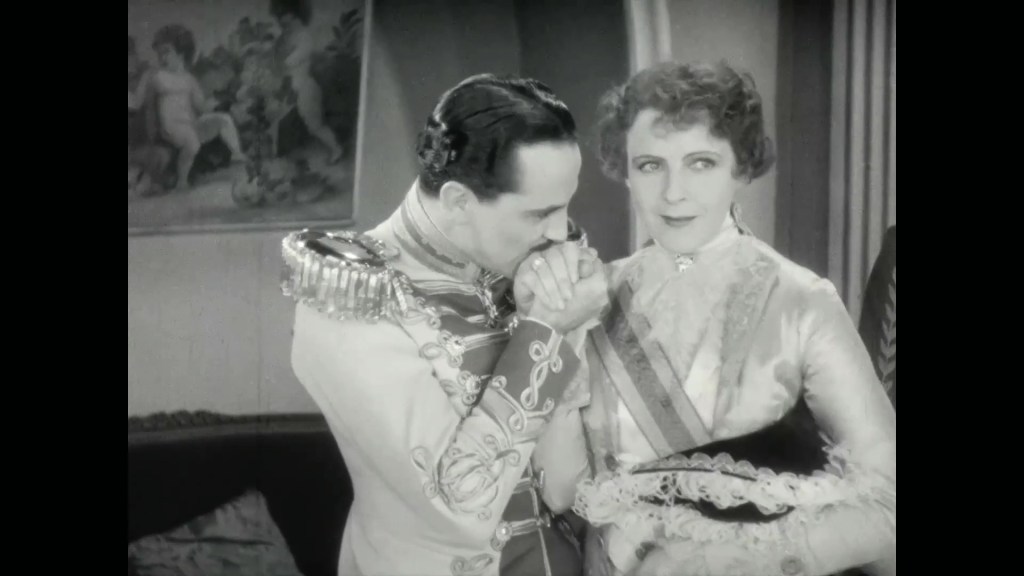


 The Realm of Silence