Not going to silent film festivals is becoming something of a habit, if not a hobby. In October I don’t go to Pordenone, and now in August I’ve begun not going to Bonn. As with Pordenone, the Stummfilmtage Bonn (aka the Bonn International Silent Film Festival) offers a “streamed” festival for viewers like me who, for various reasons, cannot attend in person. (I consider not going to Bonn a kind of pre-season training for not going to Pordenone.) Unlike Pordenone, however, the online content of the Bonn festival is free. Each film is available for 48 hours after each screening. No fees, no obligations – just a (quite generous) time limit. I aspire to one day having the kind of lifestyle that enables me to go to some, any, or all, of the wonderful festivals partially or wholly dedicated to silent film across the summer months – Bristol, Bologna, Bonn, Berlin (the “Ufa filmnächte”), Pordenone. But until this magical surfeit of time and budget is forthcoming, I shall remain at home, eagerly scrambling to fit in at least a couple of weeks’ worth of cinema into my free time. So, this week (or rather, last week) I’m not going to Bonn, and can share my experience of staying at home. First up, days one and two (and spoilers galore)…
Day 1: Du skal ære din hustru (1925; Den.; Carl Th. Dreyer)
I must admit that I considered not watching this film simply because I knew it well from previous viewings. (And have its BFI release on my shelf.) I further admit that if this film had been part of the streamed content of Pordenone (i.e. if I had to pay for it), I would have been annoyed that something so readily available should be chosen over something not otherwise accessible. It’s a film that I have seen before, but never on a big screen and never with live music. If I was actually at Bonn, I would be delighted to see it again – and to see it for the first time in such circumstances. I can understand why festivals put on films that are well-known or made by well-known filmmakers. But the appeal is much less for a viewer who is streaming the film remotely and not gaining anything new from the process.
That said, I still watched Du skal ære din hustru. I’d not seen it in years, possibly not even on Blu-ray. (The copy on my shelf is, now that I think about it, unwrapped.) So why not join in, however tepidly?
Do we all know the plot? Well, just to remind you: Viktor and Ida have been married for years, but Viktor is a domestic tyrant – ungrateful, unthinking, inconsiderate, rude, and subtly cruel. Despite their three children and former happy times, Ida is convinced by her mother and by the family’s old maid, Mads, to leave home. Mads plans to turn the tables on Viktor and make him realize how lucky he is, and how unjust he has been. Seeing the hardship of housekeeping firsthand, Viktor begins to realize his guilt – and eventually the couple are reunited on a firmer basis.
Of course, I was a fool to have thought of skipping this film: it’s a masterpiece. I’d forgotten how perfect it was. I fell all over again for the exquisite photography, those soft yet dark irises – like curtains around the frame, that distance the mid-shots of husband and wife. And I’d forgotten the first real close-up of Viktor, and the extraordinary depth of his eyes – and the way the light catches them and seems to magnify their life and feeling. This shot comes almost exactly halfway through the film, and I was unprepared for its power. So too, I was struck by the minimal number of moments when characters touch each other gently, with kindness. That close-up of the fingers of Viktor’s oldest daughter shyly reaching over to his, the way his respond – and you realize that he has a heart, and a past that was loving, and a future that might rekindle that love. An exquisite moment. So too the skill of rendering Mads teaching Viktor a “lesson” both funny and touching: the reversal of his cruelties, but also the desire to find his goodness. I’d forgotten, too, the embrace of Viktor and Ida: the way it’s a private moment, with Viktor’s back to us, and we see Ida’s hands move over his shoulders. Perfect.
By the end, I felt like Viktor: I had taken something for granted and was glad to be taught a lesson. You can and should always rewatch a great film. It has plenty still to teach you.
Day 2: Jûjiro (1928; Jap.; Teinosuke Kinugasa)
Right, now we’re back on track. A real rarity! Unavailable in any other format! Kinugasa’s film seems to have been released under multiple English-language titles. It’s listed variously as “Crossways”, “Crossroads”, and “Slums of Tokyo”. The dual German-English intertitles of this print gave the title as “In the Shadow of Yoshiwara”. There were no restoration credits to clarify the source of this print, which made me wonder about its provenance. There are evidently some missing titles, if not other material. (For example, one title announces “end of fourth act” despite no other “act” titles appearing in the print.) Furthermore, the English text is often awkward and rife with spelling errors. (The wording offers some very literal translations of the German text.) When and where was this print made?
This reservation aside, the film was excellent. The plot is simple, the drama concentrated – claustrophobic. In c.1850 Tokyo, a brother and sister live in a poor flat near Yoshiwara, the red-light district. The brother hangs out amid the frenzied atmosphere of gambling, stealing, and whoring. He is obsessed with O-Ume, who works in a brothel. He fights a rival for her affections, but the rival blinds him with ash. Believing he has killed his opponent, the blinded brother finds his way home. But the sister needs money to help him, so she is faced with selling herself either to her creepy neighbour or to the procuress of the brothel. The brother’s blindness is lifted in time to witness his sister stabbing the neighbour in self-defence. The pair flee to the city’s outskirts, but the brother is drawn back to O-Ume. He sees her with the rival he believed he had killed. His blindness returns; he collapses and dies in a fit of madness. END.
If the plot is mundane, the realization is superb. There are multiple flashbacks, which makes the narrative more complex – more subjective, more strange – than the above synopsis suggests. But it’s the world of the film that is so compelling. The whole story seems to take place at night, or else within a kind of contained nightmare. That might be a starless sky overhead, but it might as well be the void of any reality beyond the comfortless tenements and cacophony of the gambling dens and brothel. It is a forbidding, studio-bound world. It rains (and often you can see the characters’ breath) but there is no sense of the natural world beyond the dark streets, the grimy interiors. The characters who inhabit this place are, apart from the sister, forbidding and grotesque. From the frenzied brother, forever clutching his face, his throat, his blinded eyes, to the creepy, toothless neighbour, the sinister procuress, the bandaged rival and the cackling O-Ume – everyone is unwelcoming, exploitative, angry. The sets in which these characters live, or struggle to live, are marvellous. There are realistically threadbare walls, tattered paper doors, broken windows, forbidding staircases. The world of Yoshiwara is more complex, with multiple interior spaces joined by ornate panels, blinds, windows within windows. Kinugasa turns this space into a bewildering, overwhelming maze: swinging lanterns, spinning umbrellas, tumbling betting balls. And all filled with the mad bustle of drinking, gambling, laughing crowds. The combination of studio-bound sets, dim spaces, and claustrophobia feels very expressionist. (The theme of a wayward man abandoning a homebound woman – not to mention its moody rendering – made me think of Die Straße (1923), shown at Pordenone last year.)
This transformation of physical space into psychological space is heightened by Kinugasa’s superb camerawork. There is a wonderful array of dramatic lighting, sudden close-ups, creeping tracking shots, sinister high-angle viewpoints. Just see how the first montage of the Yoshiwara gambling dens is rendered more effective by the prowling camera, the hallucinatory superimpositions, the leering close-ups. There is a fascinating balance between subjectivity and objectivity in the way the camera shares and/or observes the way characters experience the world. When the brother is blinded, for example, there is a dazzling flurry of pockmarks and lightning bolts that bubbles over the screen: we share the brother’s onrush of terror and bewilderment. But immediately afterwards, as the brother stumbles back and forth through the cackling crowd of gamblers, the camera pitilessly tracks back and forth, keeping its distance, watching him fall apart. The shock of subjectivity is followed by the chill of detachment.
The film’s blend of melodrama and expressionism comes to its climax in the final scenes. The brother recovers from his blindness, and we see the world as he sees it: darkness distorting, weird patches of light, solid objects rippling. But the reality he wakes to is like a living nightmare: the toothless, dishevelled neighbour assaulting his sister, the body falling before him. A series of dissolves transform the scene into a kind of vision, as though these images were also emerging from the brother’s former blindness. The siblings’ rush through the dark and rain is equally nightmarish, and the hut in which they shelter hardly comforting. Their bodies are soaked, and the marvellous detail of steam rising from their shoulders is both realistic and expressive. The titular crossroads of the film appears at the end like a slice of another nightmare. It’s two pale streaks of pathway, crisscrossing a despairingly black landscape. Dim, bare trees in the foreground, dim, distant houses in the distance. The brother crosses this otherworldly space to reach Yoshiwara, where he sees O-Ume and the rival he imagined he has killed. With a rapid montage of hallucinatory images, superimpositions, and distortions, he clutches his eyes and collapses – “This is the end!” he screams. And it is. There’s just one last scene: here is the sister, alone at the crossroads, hesitant, afraid. It’s a superbly disquieting ending to this bleak and gripping film. With touches of German expressionism ala Fritz Lang and French impressionism ala Abel Gance, Kinugasa’s Jûjiro still holds its own – it’s a concentrated, nightmarish, unsettling film.
I must finish by praising the musical accompaniment, which performed on piano and violin by Sabrina Zimmermann and Mark Pogolski. Their score was atmospheric, dramatic, and perfectly in keeping with the mood and tempo of the film. Bravo.
La Seine Musicale stands on the Île Seguin, some few minutes’ walk from the last stop on line 14 of the Paris metro. On a warm Thursday afternoon, I find myself among a band of spectators trooping across the bridge towards the concert hall. The hot sun makes us sweat convincingly for the first security check. Tickets scanned, we file through. It is half past five. Several lines lead towards covered checkpoints. Bags are inspected, bodies are searched. We proceed to the doors, where our tickets are scanned once more. Inside, there is a buzz of expectation. I overhear conversations in French, English, German. Further down the lobby, I see a giant projection of the trailer for tonight’s premiere. I catch the words “definitive”, “monumental”, “historic”, “complete”. Above the doors to the auditorium, the same video loops on LCD screens.
The screening is supposed to start at six o’clock, but five minutes beforehand queues still struggle through the three tiers of security outside. Inside, I take a programme booklet and search for my seat. Buying tickets online was not easy. The seating plan was like a nightmarish game of Tetris. With no sense of where each block lay in relation to the screen, in desperation I opted for “gold” tickets. Inside the concert hall, I find with immense relief that my view is superb. Dead centre, two ranks below the projection booth, three ranks above the sound mixing station. (Seemingly, the orchestra is being augmented through speakers to ensure level volume throughout the auditorium.)
I sit and read the programme. It promises me a kind of accumulative bliss. Sixteen years of work. 1000 boxes of material examined. 300 kilometres of celluloid sorted. A score of 148 cues from 104 works by 48 composers, spanning 200 years of music. (It is as if the sheer number of pieces cited, and the breadth of periods plundered, were proof of artistic worth.) Even the performance space is advertised in terms of gigantism. This is to be a ciné-concert “on a giant screen”. Giant? I look up. The screen is big, but it’s the wrong format. It is 16:9, like a giant television. The sides are not curtained or masked. How will they produce the triptych? The hall fills up. Last-minute arrivals scurry in. I catch a glimpse of Georges Mourier. He has chosen to sit very close to the screen. (Does he know something?) I switch my phone to flight mode and put it away. By the time the lights go down, it must be at least a quarter past six. But what matter a few minutes’ delay compared to sixteen years of preparation? This is Napoléon.
I have indulged in the above preamble because I had been anticipating this premiere for several years. With its much-delayed completion date, the Cinémathèque française restoration of Napoléon seemed always to be on the horizon. Now that it has at last arrived, the marketing generated by its release has swamped the film in superlatives. I have seen Napoléon projected with live orchestra four times before, in London (2004, 2013, 2016) and in Amsterdam (2014), but this Paris premiere outstripped them all in terms of sheer ballyhoo.
So, what does the new restoration offer? For a start, it looks stunning. The “giant screen” promised me did indeed present the single-screen material in superb quality. Though there was far too much light spill from the orchestra on stage, and no mask/curtains to define the edges of the frame, the image still revealed great depth and detail. Throughout, the photography is captivatingly beautiful. I was struck anew by the sharpness of Gance’s compositions in depth, by the landscapes across winter, spring, and summer, by the brilliance of the close-ups. I fell in love all over again with those numerous shots in which characters stare directly into the camera, making eye contact with us nearly a century later. The young Napoleon’s tears; the smallpox scars on Robespierre’s face; the adult Napoleon’s flashing eyes amid the gleaming slashes of rain in Toulon; the sultry soft-focus of Josephine at the Victims’ Ball. The tinting looked quite strong, but the visual quality was such that – for the most part – the images could take it. (I reserve judgement until I’ve seen the film without such persistent light spill on the screen.) In terms of speed, I was rarely disturbed by the framerate of 18fps throughout the entire film. (As I noted in my earlier post, the 2016 edition released by the BFI uses 18fps for the prologue but 20fps for the rest of the film.) Aside from a few shots that looked palpably too slow (for example, Salicetti and Pozzo di Borgo in their Paris garret), the film looked very fluid and natural in motion. Though some sequences did seem to drag a little for me, this was entirely due to the choice of music (more on this later).
The Cinémathèque française restoration is notable for containing about an hour of material not found in the BFI edition. The longest single section of new material comes at the start of the Toulon sequence, with Violine and Tristan witnessing civil unrest. It provides a welcome fleshing-out of their characters, which were much more present in the longer versions of the film in 1927. (Indeed, in the 1923 scenario that covered all six of Gance’s planned cycle, they were the main characters alongside Napoleon.) Not only are the scenes important for the sake of character, but they also have some superb camerawork: multiple superimpositions of Violine observing the horror, plus handheld (i.e. cuirass-mounted) shots of the scenes in the streets. Elsewhere, there were many new scenes of brief duration – together with numerous small changes across the entire film: new shots, different shots, titles in different places, new titles, cut titles. I welcome it all and greedily ate up every addition. Though most of the contents of this new restoration will be familiar to anyone who has seen the BFI edition, I was continually struck by the fluidity of the montage.
Do these changes fundamentally change or transform our understanding of Napoléon? Not as such. The alterations tend to reinforce, rather than reorient, the material evident in previous restorations. And if the montage is clarified or intensified in many places, there are others when it still feels oddly incomplete. When Napoleon sees Josephine at the Victims’ Ball, for example, the rapid montage of his previous encounters with her includes shots from several scenes that are no longer in the film. Is this a case of Gance not wishing to lose the cadence of his montage, or are there still missing scenes from the new restoration? (There is a similar instance in La Roue, when Sisif’s confession begins with a rapid montage that includes snippets of scenes cut from the 1923 version of the film.)
In another instance, I remain unsure if the additional material in the new restoration helps or hinders the sequence in question. I’m thinking of the end of the Double Tempest, where a new section – almost a kind of epilogue – appears after the concluding titles about Napoleon being “carried to the heights of history”. The additional shots are dominated by Napoleon in close-up, looking around him, a shot that Mourier himself explained (in a 2012 article) originally belonged in the central screen of the triptych version of the sequence. In that version, Gance’s triptych montage used the close-up of Napoleon looking around him to make it seem like he was observing the action on the two side screens. In that context, it made perfect sense. But now, in the latest restoration (which, for unstated reasons, did not attempt to reconstruct the Double Tempest triptych), the shot appears in isolation and looks a little odd. It’s still a compelling image, but it has nothing to interact with on either side, as originally intended. What exacerbates this disconnection between the old and new material is the music that accompanies it. The sequence reaches its climax – in terms of sheer volume, if nothing else – with the slow, loud, dense, chromatic roar of music from Sibelius’s Stormen (1926). (From my seat, I could see the decibel counter reach 89db, the loudest passage of the score thus far.) This cue – an almost unvarying succession of waves and troughs – ends at the point the sequence stops in previous restorations. This is then followed by Mozart’s Maurerische Trauermusik (1785): swift, lucid, succinct, melodic. There was no obvious link between the two musical pieces, which made the new material seem divorced from the rest of the sequence. Even if the film knew what it was doing (and I can find no information to say if this sequence is truly “complete”), the score didn’t.
The music. The role of Simon Cloquet-Lafollye’s score is central to this issue of aesthetic coherence. His musical adaptation is the major difference between the new restoration and previous ones, which featured scores by Carl Davis (1980/2016), Carmine Coppola (1981), and Marius Constant (1992). I will doubtless find myself writing more about this in the future, when I’ve been able to view the new version on DVD/Blu-ray. But based on the live screening, several features strike me as significant.
As (re)stated in the concert programme, Cloquet-Lafollye’s aim was to produce “a homogenous, coherent piece, in perfect harmonic synchronization with the rhythm imposed by the images”, a “score totally new and hitherto unheard that takes its meaning solely from the integrity of the images” (28-29). But these ambitions were only intermittently realized, and sometimes entirely abandoned. Rhythmically, aesthetically, and even culturally, the music was frequently divorced from what was happening on screen. My impression was of blocks of sound floating over the images, occasionally synchronizing, then drifting away – like weather systems interacting with the world beneath it. To me, this seemed symptomatic of the way Cloquet-Lafollye tended to use whole movements of repertory works rather than a more elaborate montage of shorter segments. Using blocks of music in this way also made the transition from one work to the other more obvious, and sometimes clunky. This is most obvious when, for the same sequence, Cloquet-Lafollye follows a piece from the late nineteenth/early twentieth century with something from the late eighteenth/early nineteenth century. It’s not just a question of shifting from more adventurous (even dissonant) tonality to classical textures, but often a difference in density and volume. In part one, Gaubert (the “Vif et léger” from his Concert en fa majeur, 1934) is followed by Mendelssohn (Symphony No. 3, 1842), Sibelius is followed by Mozart (per above); in part two, Mahler (Symphony No. 6, 1906) is followed by Mozart (Ave Verum Corpus, 1791). The music itself was all good, sometimes even great, but in many sections sound and image remained only passingly acquainted. (This is sometimes heightened by the fact that, by my count, thirteen of the 104 works used in Cloquet-Lafollye’s compilation postdate 1927.)
In the film’s prologue, for example, the snowball fight was often well synchronized – though its climax was mistimed (at least in the live performance). But the geography lesson, the scene with the eagle, the start of the pillow fight, and the return of the eagle in the final scene, all failed to find a match in the music. The score reflected neither the precise rhythm of scenes, nor the broader dramatic shape of the prologue. Cloquet-Lafollye ends the prologue with music from Benjamin Godard’s Symphonie gothique (1874). This slow, resigned piece of music accompanies one of the great emotional highpoints of the film: the return of Napoleon’s eagle. In the concert hall, I was astonished that this glorious moment was not treated with any special attention by the score. Why this piece for that scene? Of course, these reservations are no doubt informed by personal taste – and my familiarity with Davis’s score for Napoléon. But there are many examples of significant dramatic moments on screen that cry out for musical acknowledgement, and which Cloquet-Lafollye’s choices ignore. Too often, the score is working in a different register and/or at a different tempo to the film.
All this said, there were sequences where the choices did, ultimately, gel with the image. In the final section of part one, the Battle of Toulon can sometimes drag – and I was wondering if the slower framerate (and extra footage) of the new restoration would exacerbate this. (Certainly, some friends at the screening thought it did.) But here, Cloquet-Lafollye’s movement-based structure did, for me, help structure the often-confusing events of this long section into an effective whole.
In particular, one passage worked both theatrically and cinematically. As the storm and battle reaches a climax on screen, on stage extra brass players began trooping from the wings to join the orchestra. It was a premonition of musical might, realized a few moments later in the form of “Siegfrieds Trauermusik” from Wagner’s Götterdämmerung (1874). I confess I was initially deeply unsure of this choice. (It is, after all, very famous and has its own specific operatic/dramatic context.) As often with Cloquet-Lafollye’s selections, this piece was initially too slow for the images on screen and the vision of hailstones on drums (a clear invitation for a musical response) went without musical comment. Only gradually did the music coalesce with images: the immense crescendo, the switch from minor to major key, and climactic thundering of orchestral timbre, snare drums included, was irresistible. I’d never heard this piece performed live, and it was simply thrilling. (On the decibel reader, Wagner hit 91db – the loudest piece in the entire score. Perhaps the programme notes could have included this in its list of numerical achievements? “More decibels than any previous restoration!”)
But, as elsewhere, Cloquet-Lafollye followed this immensely dense, loud, surging late romantic music with a piece from an earlier era: the “Marcia funebre” from Beethoven’s Symphony No. 3 (1804). As well as not fitting the rhythm of the scenes, this music undercut the gradual shift from mourning to the vision of Napoleon asleep but triumphant. In these final shots, Gance mobilizes several recurrent visual leitmotifs to reaffirm the place of Toulon in the course of Bonaparte’s destiny: the eagle lands on a tree branch nearby, echoing its earlier appearance on the mast of the ship that rescues Bonaparte after the Double Tempest; the morning sun rises above the sleeping general, blazing ever brighter at the top of the frame’s circular masking; the gathered flags are caught in a sudden gust of wind and flutter as brilliantly as Liberty’s superimposed pennants in the Cordeliers sequence or the wind-lashed waves of the Double Tempest; and, in the lower left of the frame, a gun-carriage wheel replicates the last image of the young Bonaparte at Brienne. These images cry out for a musical statement to acknowledge Napoleon’s destiny, but Cloquet-Lafollye just lets the funeral march play out in full – a slow, quiet, trudge to mark the end of the film’s first part. As much as I enjoyed the movement-based structure of the score for Toulon, this didn’t feel the right finale.
These issues of tone and tempo effect comedic scenes as well as dramatic ones. In part two, the Victims’ Ball begins with a title announcing: “The Reaction”. The opening shots – gruff guards, prison bars, bloody handprints – are designed to echo the earlier scenes in the Terror. Convinced of the gravitas of the scene, the audience is unprepared for what happens next: after returning to the establishing shot, the camera slowly pulls backwards to reveal that the “victims” in the foreground are in fact dancing. This carefully prepared joke is lost in Cloquet-Lafollye’s score, which begins the sequence with light, graceful dance music (from the ballet of Mozart’s Idomeneo (1780)). The music gives away the punchline while the film is still establishing the set-up.
Part of me wondered if these elements of disconnection stem from Cloquet-Lafollye’s working method. Per their programme notes, Frédéric Bonnaud and Michel Orier confirm that the score was constructed from tracks taken from existing recordings. Cloquet-Lafollye initially submitted “a montage of recorded music” (17) to the musical team, which suggests he did not begin his work from paper scores or working through passages on the piano. Might this process discourage a more hands-on, score-based construction?
One other point about the score is the inclusion of a single piece from Arthur Honegger’s original music for the film, created for Paris Opéra premiere in April 1927. His name was absent from the musical table of contents issued in the recent Table Ronde publication on Napoléon, so it was a pleasant surprise to see his name in the concert programme. This sole piece, “Les Ombres” for the ghosts of the Convention sequence in part two, was eerie and effective – and distinctive. It is a nice, if brief, acknowledgement of Honegger’s work – though I am puzzled as to why its inclusion was not mentioned until the programmes were issued on the day of the concert. (Cloquet-Lafollye’s essay mentions Honegger only to reiterate that both he and Gance were dissatisfied with the music at the premiere.)
On a similar note, I wonder if Cloquet-Lafollye was familiar with Carl Davis’s score. There are two scenes where the former seems to echo the latter. The first is in Toulon, where Cloquet-Lafollye uses the same traditional melody – “The British Grenadiers” – to contrast with “Malbrough s’en va-t-en guerre” during the build-up to the battle. (In the programme notes, “Malbrough s’en va-t-en guerre” is not credited as “traditional”, but to Beethoven’s Wellingtons Sieg (1813) – though I would need to relisten to the score to discern how closely it follows Beethoven’s version.) The second similarity occurs in one of the few scenes credited as an original piece by Cloquet-Lafollye: “Bureau de Robespierre”. Here, he cites the same popular melodies for the hurdy-gurdy as Davis, and even orchestrates the scene where Robespierre signs death warrants the same way as his predecessor: the hurdy-gurdy accompanied by a low drone-like chord in the orchestra, with strokes of the bell as each warrant is signed. A curious coincidence. (I look forward to being able to listen to these scenes again to compare the scores.)
By far the best section of the music (and the film performance as a whole) was the performance of “La Marseillaise” in part one. I think this was precisely because the sequence forced Cloquet-Lafollye to stick to the rhythm of events on screen, moment by moment, beat by beat. There was also the tremendous theatricality of seeing the choir silently troop onto stage in the concert hall, switch on small lamps above their sheet music, and wait for their cue. The tenor Julien Dran launched into the opening lines, synchronizing his performance with that of Roget de Lisle (Harry Krimer) on screen. When the choir joins in, their first attempt is delightfully disjointed and out of tune. This makes their final, united rendition all the more satisfying and moving. Here, too, the montage of the new restoration evidences the stunning precision with which Gance visualizes “La Marseillaise” on screen: each line and word of the anthem is carried across multiple close-ups of different faces in a tour-de-force of rapid editing. The long-dead faces on screen were suddenly alive – the emotion on their faces and the song on their lips revivified in the theatre. I had never heard “La Marseillaise” performed live, and in the concert hall I wept throughout this rendition. (Even recalling it – writing about it – is oddly powerful.) It was one of the most moving experiences I have had in the cinema. But seeing how well this sequence worked – images and music in perfect harmony – makes me regret even more the way other sections were managed. Considering that Cloquet-Lafollye’s score draws on 200 years of western classical music for its material, and that it has had several years to be assembled, I was disheartened to find so many scenes which lacked a sustained rhythmic, tonal, and cultural synchronicity with the film.
Polyvision. All of which brings me to the film’s finale. I wrote earlier that the screen size (and lack of masking) made me wonder how the triptych would be handled in the Paris concert hall. Since there was no rearrangement of the screen or space for the second evening’s projection, I was even more puzzled. How would they fit the three images on screen?
Eventually, I got my answer. When Napoleon reaches the Army of Italy and confronts his generals, something peculiar started happening to the image: it started shrinking. This was not a sudden change of size. Rather, like a form of water torture, the image slowly, slowly, got smaller and smaller on the screen. To those who had never seen Napoléon before, I cannot image what they thought was happening; did they belief that this gradual diminishment was Gance’s intention? As the image continued to shrink, someone in the audience started shouting. I couldn’t make out what he said, but something along the lines of “Projectionist!” Was he shouting because he didn’t know what was happening, or because he knew what should be happening? I would have started shouting myself, but I was struck dumb with disappointment. More than anything, it was the agonizing slowness of the image wasting away that made me want to sink into the ground rather than face what I realized was coming.
When the image had shrunk enough (making me feel like I was fifty rows further back in the auditorium), the two additional images of Gance’s triptych joined the first. This was the first time I’ve seen Napoléon projected live when the audience didn’t spontaneously applaud this moment. Why would they applaud here, when the revelation was rendered so anticlimactic? Those who hadn’t seen the film before must have been baffled; those who had seen the film before were seething. If the organizers had announced in advance that this was going to happen, it would still have been bad but at least those who had never seen the film would know it wasn’t the way Gance wanted it to be seen. As it was, nothing was said – and the consequences of this decision unfolded like a slow-motion disaster. I’m not sure I’ve ever been so disappointed in my life. Every time I’ve seen the triptych projected as intended, I’ve been almost physically overwhelmed by the power of it. (In Amsterdam in 2014, before a triptych forty metres wide and ten metres high, I thought my heart was about to burst, so violently was it beating.) This time, I was taken utterly out of the film. I could hardly bear being in the concert hall.
All this was exacerbated by the choice of music. Gance’s vision of the assembly of Napoleon’s army, the beating of drums, the shouts of command, the immense gathering of military and moral force, and the revelation of the triptych, is one of the great crescendos in cinema – and the transition from single to triple screen is a sudden and sensational revelation. But Cloquet-Lafollye accompanies these scenes with “Nimrod” from Elgar’s Enigma Variations (1899): slow, restrained, stately music that takes several minutes to swell to its climax. Rhythmically, it is virtually the antithesis of the action on screen. Culturally, too, I thought it was utterly absurd to see Napoleon reviewing the French army to the music of his enemies – the very enemies we saw him fighting in part one. Furthermore, “Nimrod” isn’t just any piece of British orchestral music, but almost a cliché of Englishness – and of a certain period of Englishness, a century away from the scenes on screen. This was followed by the opening of Mahler’s Symphony No. 6, which was at least swifter – but only rarely synchronized in any meaningful or effective way with the images of Napoleon’s invasion of Italy. (Chorus and hurdy-gurdy aside, Cloquet-Lafollye’s score does not respond to musicmaking – bells, drums, bugles – within the film; in the finale, the drumroll of the morning reveille on screen goes unechoed in his orchestra on stage.)
In the final few minutes, Napoleon’s “destruction and creation of worlds” bursts across three simultaneous screens: lateral and consecutive montage combine; shot scales collide; spatial and temporal context are intermingled. Finally, the screens are tinted blue, white, and red – just as Gance simultaneously rewinds, fast-forwards, and suspends time. After this incalculable horde of images flies across their breadth, each of the three screens bears an identical close-up of rushing water. This is an image we first saw during the Double Tempest when Bonaparte sets out to confront his destiny – there, the water churns in the path of his vessel, borne by a sail fashioned from a huge tricolour; now, the screen itself has become a flag: the fluttering surge of the ocean is the spirit of the Revolution and of the cinema. The triptych holds this form just long enough for the spectator to lose any sense of the world beyond it, then vanishes with heart-wrenching suddenness. The elation of flight is followed by the sensation of falling to earth.
But what music does Cloquet-Lafollye chose for this visual apocalypse, this lightning-fast surge of images? During the last passage of the Mahler, I saw the choir troop back onto the stage to join the orchestra. Was this to be another performance of “La Marseillaise”? No. As the Army of Italy marches into history, the choir and orchestra on stage began their rendition of Mozart’s Ave Verum Corpus – music of the utmost slowness and serenity, of absolute calm and peace. It is perhaps the most ill-conceived choice of music I have ever seen in a silent film score. I’ve sat through far, far worse scores, but none has ever disappointed me as much as this single choice of music. When the choir started singing, I honestly thought it must be a mistake, a joke – even that I was dreaming, the kind of absurd anxiety dream where something impossibly awful is happening and there is nothing you can do to stop it. While Gance was busy reinventing time and space, hurling cinema into the future, my ears were being bathed in shapeless placidity. Instead of being bound up in the rush of images, I was sat in my seat as my heart sank through the floor.
How was I meant to feel? What intention lay behind this choice of music? Why this sea of calm tranquillity, this gentle hymn to God, this sense of exquisite grace and harmony? On screen, Gance explicitly compares Napoleon to Satan in the film’s final minutes – the “tempter” who offers the “promised land” to his followers; and our knowledge that this hero is already doomed to corruption and to failure is suspended in the rush of promise that history might, could, should have been different, that the fire of the Revolution might yet inspire other, better goals. Yet from the Paris stage on Friday night, Mozart’s hymn to God carried serenely, blissfully, indifferently over the fissuring, rupturing, exploding imagery on screen – beyond the last plunge into darkness, beyond Gance’s signature on screen, until – having reached the end of its own, utterly independent itinerary – it faded gently into silence. I did not understand. I still do not understand. I sat in bewilderment then as I write in bewilderment now. In combination with the shrunken triptych, this musical finale seemed like the ineptest imaginable rendering of Gance’s aesthetic intentions. (In the lobby afterwards, an acquaintance who was very familiar with the film put it more bluntly: “What a fucking disgrace.”) Roll credits.
Summary. But how to summarize this Parisian ciné-concert of Napoléon? I am still digesting the experience. I wouldn’t have missed this premiere for the world, but aspects of the presentation deeply upset me. Part of my disappointment is doubtless due to the intensity of the marketing around the release of the Cinémathèque française restoration. In my review of the Table Ronde publication that coincides with this release, I expressed reservations about the language with which the restoration has been described, as well as the misleading equivalencies made with previous versions of the film. The same aspects are repeated in the programme notes for the screening, which reproduces the essays by Costa Gavras, Georges Mourier, and Simon Cloquet-Lafollye. The new pieces by Frédéric Bonnaud and Michel Orier (“Comme une symphonie de lumières”) and Thierry Jousse (“Abel Gance et la musique”) are in much the same vein.
In the programme, only the last line of credits cites a precise length for the version we are supposedly watching: “Grande Version (négatif Apollo) / 11,582m”. This length is a metric equivalent of the 38,000ft positive print that Kevin Brownlow (in 1983) records Gance sent to MGM in late 1927. (As opposed to the 9600m negative print that Mourier, in 2012, cites as being assembled for international export at the same time in 1927.) The total amount of footage in the MGM positive included the material used for all three screens of both the Double Tempest and Entry into Italy triptychs, plus (Brownlow assumes) alterative single screen material for these same sequences. The total projected length of the print is given as 29,000ft (a length of such neatness that it suggests approximation). At 18fps, this 29,000ft (8839m) would indeed equate to the 425 minutes of the Cinémathèque française restoration. But are its contents (or two-part structure) the same? There is still no information on how Mourier et al. distinguished the contents of the “Grande Version” from that of the (longer) Apollo version. (Or, indeed, how to distinguish the contents of the “Grande Version” from the contemporaneous 9600m version.) Without more clarification, I’m unsure if the figure of 11,582m in the programme notes truly represents what we are watching. Any differences between the 1927 and 2024 iterations of the “Grande Version” would not matter were it not for the fact that every single press piece and publication relating to the film insists that the two are one and the same thing. Finding even the most basic information about runtimes and framerates is hard enough amid the perorations of marketing.
None of this should obscure the fact that this restoration really does look very good indeed – absolutely beautiful, in fact. And I must reaffirm that Cloquet-Lafollye’s score is not all bad, and sometimes effective – but I simply cannot understand the finale. Even if the image hadn’t shrunk in size in the concert hall, the music would have baffled me. In combination with the botched triptych, it was simply crushing. I still struggle to comprehend how it can have been allowed to take place at the premiere of such a major (not to mention expensive) restoration. Some of the friends with me in Paris had at least seen Napoléon in London or Amsterdam, so knew what it should look (and, ideally, sound) like. But I felt devastated for those experiencing the film for the first time. Only a proper projection of the triptych, as Gance intended, on three screens, will do. I can scarcely believe that the organizers booked a venue in which the outstanding feature of their new restoration could not be adequately presented. I am sure that arranging the forces involved in this concert was both hideously expensive and exhaustingly complex. But why would you go to all that trouble when the film can’t be shown properly? I remain dumbfounded.
One aspect of the Paris concert that I cannot criticize is the musical performance. Throughout both nights, the musicians on stage provided a remarkably sustained, even heroic accompaniment. Frank Strobel conducted the Orchestre Philharmonique de Radio France for part one (Thursday) and the Orchestre National de France for part two (Friday), together with the Chœur de Radio France (both nights), with immense skill. I have admired his work for silent films over many years, including the premiere of La Roue in Berlin in 2019, and I can hardly imagine a better live performance being given of this score. The audience offered regular applause throughout the film, which was richly deserved. Indeed, there was a great deal of communal enjoyment throughout the concert that I found infectious. (This was evident even beyond the musical performance. There is no music during any of the opening credits, so the Paris audience amused itself by applauding each successive screen of text. This got increasingly ironic, and there were even some laughs when the “special thanks to Netflix” credit appeared.)
If I left the concert hall on Friday night with a heavy heart, it was because of an overwhelming sense of a missed opportunity. This was a long-awaited and much-heralded premiere, and I had so wanted it to be perfect. The restoration is a ravishing visual achievement, offering (thus far) the most convincing montage of this monstrously complex film. But I remain unconvinced by the new score. Given its stated remit of precise synchronization, too much of it washes over the images – and sometimes directly contradicts the film’s tone and tempo. Its soundworld is neither that of the film’s period setting, nor that of the film’s production. In either direction, something more appropriate could surely have been achieved. Bernd Thewes’s rendition of the Paul Fosse/Arthur Honegger score for La Roueis a wonderful model of musical reconstruction, offering a soundworld that is both historically informed, aesthetically coherent, and emotionally engaging. Alternatively, Carl Davis’s score for Napoléon is a model of musical imagination: respecting both historical and cinematic dimensions, it is sensitive, intelligent, witty, and in perfect synch with the film’s every mood and move. I cannot say the same of Cloquet-Lafollye’s work. So while I offer my utmost and enthusiastic praise for the work that went into the Cinémathèque française restoration, I resist the idea that this presentation of Napoléon is “definitive”.
A final post on this year’s online festival from Pordenone. How did I find the selection of films this year? And was my experience of the festival any different from last year?
Films & themes. As was the case last year, I thought the range of online material was pleasingly diverse. Geographically, we went around a good number of locations across Europe and America—with occasional forays into Asia and the Far East. The short films were the most varied and contained any number of extraordinary delights, from slapstick oddities to travelogue beauties. Their selection was wonderful and represent an endless source of fascination to me. But I feel there were less feature films produced outside the central protagonists of Germany and the US than last year. (Even Italy counted only one online film in 2023.) Not that this is a bad thing, and this concentration is probably inevitable given that it reflected the major theme devoted to Harry Piel. Besides, my favourite film this year was German: Der Berg des Schicksals. (And it was a shame that I’d seen this same restoration before.) Of course, there is no solution to the problem of condensing a hugely complex, jampacked eight-day live festival into an online festival of eight evenings. The Ruritanian theme was a theme in name only: we got just the one feature (Eine Frau von Format). It was a nice follow-up to last year’s more developed theme, but only to those of us who were familiar with it from then. Conversely, I felt that there was both too much Harry Piel and not enough. Too much because I didn’t enjoy enough of the Piel films shown; too little because I was intrigued enough to see more. The wider variety of Piel films shown at the live festival would surely answer my curiosity either way. But seeing any of them is a novelty, so however representative I’m ultimately glad they were included. The only film I could actively have done without from the online material was 9½, which was not a silent film at all—and the subject matter of which was overwhelmingly devoted to the decades postdating the coming of sound.
Presentation, access, availability. I was again blessed with a smooth technical experience: I had no issues playing the films or using subtitles (which were less changeable, but less problematic by default, this year). This year, the films were available for 48 rather than 24 hours after coming online. This was a great decision, as even a 24-hour period can be tight as far as viewing goes. (As before, I was “attending” this festival around my normal working hours.) Still, I didn’t feel I had the time to watch more than one or two of the video introductions offered as preludes to the films. I do regret this, but as ever I really did need to press ahead with my viewing schedule to get through everything on time. In terms of musical presentation, there was the usual high-quality piano accompaniment. The only thing lacking was an orchestral score among the streamed soundtracks this year. I do not count the music for 9½, which was ostensibly by the Ensemble Conservatorio G.B. Martini Bologna—but in reality was as much a soundscape of electronic effects as that of an ensemble of instruments. Nor do I count Donald Sosin’s piano score with occasional jazz band interpolations for Circe the Enchantress. As with Daan Van Der Hurk’s score for The Lady last year, the occasional presence of orchestral sounds on a score otherwise composed for piano is not enough to qualify it as “orchestral”. (Just imagine a piano concerto which featured a piano for barely five minutes of its thirty-minute runtime.) One of the great pleasures of last year was that the final film—Up In Mabel’s Room (1926)—was accompanied by an orchestral score. This gave the sense that the film was more of an “event”, a kind of musical treat to work up to and savour; through the extra dimension of the score, the presentation became a kind of climax to the online festival. How I wish that Der Berg des Schicksals had been given with a full orchestral score as an equivalent summit (in every sense) for 2023.
Participation & experience. I can only repeat what I said last year: for all the commitment of time across a dedicated period, I do not feel that I have “attended” a festival. That said, I did at least dip into some of the “film fair” book presentations/Q&As made available online as part of the streamed content. (And yes, I’ve been trying to avoid the phrase “streamed content”, but there’s only so often I can write “online festival” without it sounding hollow. Videos. Videos on the internet. That’s what it all boils down to.) I didn’t feel the urge to write about them because this meant more work, and I can easily find, read, and review here my thoughts on any of the books covered at the fairs. But is this “participation”? No. Put bluntly, I have not had a single conversation with any other viewer about my experiences of Pordenone during the festival. Writing these pieces has been my only outlet, and this has of course been a solitary activity. Even this took a hit when, as I mentioned yesterday, I succumbed to the world’s most popular virus and ended up in bed for three days. (Who says you need to travel to get sick?) A sense of continuity is just about the only thing that gave me a sense of genuine participation in the festival as an event, and this was easily disrupted. Rather, the illusion of participation was easily disrupted: it was all too easy to fall away from my schedule and pick it up again afterwards. There was no-one to notice but me. Knowing people who were there made the remoteness of my online “attendance” all the more pointed. It’s pointless to feel jealous, but how can one not envy them their participation? At least the online festival allows one to cling on to the coattails of the real thing.
On writing this blog. Finally, I must observe that it’s now been a little over a year since I began writing this blog. It was the online experience of Pordenone in 2022 that gave me the impetus to start it, and a year later I feel I should reflect a little on the experience. Well, to state the obvious: it’s been a lot of work. My ambition to write something each week proved almost immediately impractical. I have vaguely settled on my fortnightly piece, though even this can take more time than I wish. It’s no-one’s fault by my own, of course. I enjoy getting to grips with a film, and the greater the film the greater the desire to wrestle with it in prose. The result of this strange urge across the past year has resulted in my writing nearly 180,000 words for this blog, of which almost 20,000 have been devoted to Pordenone 2023. As I said last year, I can’t imagine writing anything like this amount of material if I were actually there in Pordenone. Image captures are also a luxury of remote viewing and the ability to go back through a film and pause. So, there must be some slight advantage—as far as writing goes—in not going. But for whom am I writing? For myself, I suppose, in the first instance. And beyond that, in the hope that something of what I write will be useful or engaging or diverting for unknown readers. Alan Bennett once observed that writing is “in many ways a substitute for doing”, and I’m sure that’s true in my case. I no longer have an academic career (if I ever quite had one), so with no courses to teach and no students to tend, writing is my one way of still being involved with silent film. If my doing days are done, my writing days are not.
It’s the final day of the online festival—or at least it was, since I write this four days after it actually ended. But a bout of Covid has sent me to bed for the last three, so I’ve fallen behind my writing schedule. Now I have the strength to stand up and type, I can return to finish off my report of the final two films: first, a defining work of the German “street film” genre; second, a sensitive drama from William C. DeMille about the lure of the past…
Die Straße (1923; Ger.; Karl Grune)
“The film of one night”. The characters have no names. They are simply: the Husband (Eugen Klöpfer), the Wife (Lucie Höflich), the Provincial Gentleman (Leonhard Haskel), the Girl (Aud Egede Nissen), the Fellow (Hans Traunter), the Blind Man (Max Schreck), the Blind Man’s Son (Anton Edthofer), the Child (Sascha).
The story is very simple: the Husband is bored at home and goes out to explore the oponymous “street”. He ends up being lured into a nightclub by a woman, who—with her pimp/partners—lures him into gambling with an out-of-towner. The latter is then killed and the Husband falsely accused, only to be released just before he hangs himself from shame. He returns home to the embrace of his wife.
The story is a familiar one of (male) temptation, guilt, and return. But it’s the atmosphere of the film that takes hold of you. At the start, we see the Husband lying snoozing on the sofa. The Wife cooks, clears the table. Lights and shadows play upon the ceiling. The Husband gazes up, half asleep. An astonishing vision projected above him: a man and woman walk, stop, interact. The Husband goes over to the window to stare at the world outside. A flowing montage of sights, multiple superimpositions of life on the streets. He sees fireworks and clowns and parties teeming and swarming. Then the Wife goes to the window. Another close-up, followed by her view: a single, unmanipulated view of the street—ordinary life, going about its business. She puts the humble dinner upon the table. The man, repulsed by the interior, rushes outside.
Everything is set up here: the subjectivity of the nightlife, the explicitness of male fantasy and female subjugation. In the first scene in the street, the Husband encounters a streetwalker. She pauses. He stares. Her face becomes a skull. (Shades of ancient imagery, of ancient associations: strange women, prostitutes, disease, death.)
This vision warns us that the world on screen will be dreamlike rather than realistic. Everything is subtly heightened, warped. When the Blind Man and the Child (his granddaughter) leave their tiny apartment, we see the interiors’ subtle disfiguration by design and by shadow. Expressionism leans on the uprights, exaggerates the hallways, the corridors. Outside, the streets are swathed in rich shadows and patches of light. There are also surreal interventions of the modern world: the Husband is entranced by an illuminated sign in the pavement, and later an opticians’ advert illuminates a pair of giant eyes in glasses that makes him flinch with guilt. When he follows the Girl to a park bench, we are given a view overlooking the city. But “the city” is a remarkable combination of models and paintings that has a dreamlike sensibility.
The camerawork heightens this atmosphere. When the Blind Man is separated from the Child, Grune places the camera at ground-level to capture the rhythm of the traffic pulsing dangerously around the child. And in the nightclub, the Husband becomes hallucinates the room spinning—and we then seen him, a dark silhouette, against the spinning vision we have just seen. And when he later bets his wedding ting, we see a vision of his wife (quite literally) slipping out of his life in a superimposed vignette framed by the ring in extreme close-up.
The heightened performance style—the slowness of gestures, the elaborateness of movement—are also all part of the dreamlike quality. We see the Husband’s journey from respectability to crime in the way he moves: his face slowly contorts with desire, with fear, with lust, with guilt, with triumph. Other figures are also more evidently characterized through costume and make-up. The Provincial Gentleman has his slightly shiny suit, his elaborate combover, his permanently shadowed cheeks—lined with age and/or flushed with colour.
But what all of this does is make you feel like you’re trapped inside a bad dream. For a start, the film eschews any geographical particularity. This “street” could be any street in any city. The signs we see (a distant street sign, the police station sign) are abstract symbols in no recognizable language. The use of models and false perspectives is subtle but all-prevalent. Reality is as absent as daylight. It’s a twilight world of neon night or pale dawn. In this world, the plot of the Husband’s downward descent feels as inevitable as it does nightmarish: things just keep getting worse and worse. Following his desire into the nightclub, he soon gets into a scuffle with the grotesque Provincial Gentleman over the Girl. Even when this is resolved, he’s drawn back into the Provincial’s company through the gambling table, where he bets, loses, bets again… bets a last cheque, and loses—only to reveal that that cheque was not his. Klöpfer’s performance makes you feel the gathering sense of doom like an oncoming panic attack. It’s a nightmare of repeated failure, of repeated mistakes, of satisfaction endlessly delayed.
Success in this world is also guilty. The Husband eventually bets his wedding ring… and wins… and wins again… and again… until he retrieves his money, his cheque, and leaves. Flush and giddy with success, he leaves—but is tailed by the Blind Man’s Son and the Fellow. (Another trip through snister streets, pools of light, deep shadow.) Even when he is about to “get” the Girl, he is being used by the gang to cover their crime. The Blind Man’s Son and the Fellow attack and kill the rich Provincial Gentleman while the Husband is next door with the Girl. The police end up intervening, arresting the only stranger now left on the premises: the Husband. At the station the Girl accuses him of the murder, her outstretched arm of accusation some kind of archetypal gesture, which can condemn even the innocent. (And, as in a bad dream, the innocent Husband is indeed condemned.)
Does the ending offer us comfort? The Child eventually correctly identifies her own father as the murderer. The Husband is about to kill himself in his cell when the police arrive to release him. The image of his belt tied to the window grate, flapping in the wind, is extraordinarily chilling. It’s another image struck from nightmares. There follows a vision of the street by early morning: deserted but for sheets of newspaper blowing in the wind. The Husband comes home. His Wife is asleep at the table. Shamefaced, head bowed, he stands at the threshold. She takes the remainder of the dinner and places it upon the table. He goes to her, places his head on her shoulder. She strokes his head. They look at one another eye to eye. Ende. It’s an ending of ambiguity, of unanswered questions. What happens next? What does the husband say? Has his nightmare even ended?
Conrad in Quest of His Youth (1920; US; William C. DeMille)
“The most terrible thing about the past is that there is so much of it…” Have we not all wanted to “travel back though time”? Here is Conrad Warrener, back from India, back from the Great War. The only one at home is Dobson, his servant. The simple delights of being home: a bath, fresh soap. Conrad mourns the loss of his fallen friends and wonders why he feels “like a stranger in his old haunts”. He goes through some old photographs. A picture of childish happiness: “Sweetbay”, and three other childhood friends. Ted, Nina, Gina.
They arrive. A mechanical music box is played. Old pictures on the wall, needlework. It’s all conspicuously a world from another century. Ted finds his old catapult, but it snaps as soon as he tries it. Dinner time, and the friends stare at the tiny table and chairs where they used to eat together. (Neil Brand’s piano accompaniment brilliantly brings back the theme used for the mechanical music.) Only Conrad likes the childhood fare of milk and porridge, but the women look disconsolate—and Ted slips some spirit into his mug to get through the meal. And instead of a game of bridge, Conrad insists on a boardgame. But the foul weather soon intervenes, blowing smoke back down the chimney.
That night, the comforts are hardly any better: water leaks though the ceiling onto the bed the women must share, while Ted’s bed is cracked and uncomfortable. While Conrad and Dobson play a boardgame, the three other guests huddle together and make plans to head back onto town the next day. All three have colds, and announce (with delightfully cold-inflected text) that they’re off.
But Conrad picks up a book, dedicated: “To Conrad, from Mary Page, 1898”—and he seeks out his first love. She is now “Mrs Barchester-Bailey”, a conspicuously middle-aged woman with four boisterous children and a jealous husband, and ghastly soft furnishings.
So Conrad returns to London, seeking pleasure in the high life. At a table, he sniffs a bouquet: “And in the scent of the little white flower, Conrad is wept breathless across the years to a garden in Italy, when he was seventeen and madly in love with ‘the most beautiful woman in the world’. Mrs Adaile…”. (Dissolves, for once, make the transition between past and present, titles and action. It’s a kind of softening of the film’s thus-far conventional language.) He recalls his last night there, and the flowers she gave him—and the solitary kiss of her feeling. The last transition, the slow dissolve between the lonely youth and the present-day adult, is gorgeous.
Conrad returns to Italy, to the same location, and sees Mrs Adaile—now say knitting in the sun. But she cannot remember him. So he offers her the same flowers, pressed carefully into his wallet, and finally she recalls. “Conrad, my friend, you’re in love with a memory and not with me.” But both are invested in the fantasy, both trying to be young through one another. Their last night in Italy. A kiss given, an appointment made for that night for a final farewell. Dobson is ushered out, Adaile is busy powdering her face. Conrad reads a book to pass the time, and this is how Adaile finds him: asleep in a chair, book on his lap. She immediately has second thoughts, so writes him a note and pins it to his chair. Half-crying, half-laughing, she leaves. The next morning, he finds the note: “Farewell! There is no road back to seventeen.” Conrad heads home.
Enter Rosalind Heath, the widowed Countess of Darlington (and former dancer), who is likewise listless with her life. She too now goes through old photos, finds old letters from friends. But a bad train connection intervenes. Rosalind is visiting Tattie and her tiny theatre troupe. Rosalind and Conrad meet outside the theatre, where news has come that the manage has absconded with their money. Conrad offers to help, by now feeling he’s older than he actually is—and highly protective of Tattie and (in particular) Rosalind. He falls for her and she for him. After refusing his money, Rosalind accepts his proposal—but insists he ask “Lady Darlington” first. Of course, she is Lady Darlington. He proposes a second time, and the pair find happiness. The End.
A subtle, sensitive film. I liked it without loving it. The first thing that comes to mind after seeing it is that I can think of few other silent films in which scent is so thematically important. Conrad sniffs the soap at home, sniffs the flowers that send him back to Italy; Rosalind too, sniffs the objects of her youth: the cards, the grease paint. Food and drink, too, are used to try and summon or recreate the past. It’s a film very sensitive to all these sensory aspects. Yet the language of the film is never quite as lyrical or inventive as the extrasensory elements might suggest. The camera scarcely moves—most of the travelling between places or times is done through cutting. But the few instances when dissolves are used make them all the more potent, and I would love to have seen more use of these devices.
And if the film isn’t in any sense “showy”, it is still lovely to look at: the print is (aside from a few momentary sections of decay) in very good condition and tinted to fine effect. The photography is clear, sharp, and William DeMille shows us everything we need to know in order to grasp what’s going on. Besides, the drama is character-driven and therefore performance-driven. The camera doesn’t need to spell out emotions when the performers do so much. (Though the intertitles also do quite a lot of work.) And the cast is uniformly excellent. The film isn’t afraid to show us or talk to us about age and ageing, about regret and loss, and the performers all have moments of vulnerability shared with the camera. There is real emotion at the edge of every scene, and if there is no great melodramatic outpouring then that is because the film isn’t interested in wallowing in sentiment. It’s about ordinary characters experiencing feelings everyone knows and shares.
Day 8: Summary
A curious pairing of films in which (to find a common theme) men go out in search of something they don’t feel they have at home. Grune’s film is a far richer cinematic world, and a far more potent one. It makes you feel uncomfortable from beginning to end. It’s a fantastic piece of expressionism, where everything is heightened and meaningful. If anything, I was glad to emerge into the daylight world of Conrad in Quest of His Youth. DeMille’s film is less stylistically rich, but offers a wholly different range of emotions. It’s a real world, populated by real people. (Albeit the lead pair are ultimately cocooned from too much trouble by their wealth.) It’s subtle, tender, gentle. But I kept waiting to be really moved, and never was. And isn’t it a problem that the relationship presented in the past (with Adaile) moved me more than the relationship pursued in the present (with Rosalind)?
Tomorrow, I will try and gather my thoughts on the online festival as a whole and post a round-up of Pordenone 2023. Right now, I must go and lie down again—and hope my dreams are not unduly infected by the nightmarish atmosphere of Die Straße…
Day 7 begins in 9.5mm and ends in 35mm. First a curated look at silent footage shot by members of the public up to the 1960s. Then to a truncated Czech print of a Mae Murray feature from the heart of the jazz age…
9½: Film in 9.5mm, 1923-1960s (Curated by Anna Briggs, Michele Manzolini, Mirco Santi)
The first film: an invitation to buy and use Pathé-Baby, to “immortalize our memories.” So here are other people’s memories. In living rooms. Smiling families film their own filmgoing experience at home. (Cigarettes are offered, films gathered. One wonders at the fire hazards of private use. The family munches chocolates. The light goes off.
The flicker of sprocket holes in the centre of the frame. A child hands from a beam. A balloon ascends from an amphitheatre, dropping pamphlets to the mostly empty stadium. Italian flags borne aloft. Red and yellow and blue and green balloons in colour. A man, in red, shoots a gun. He is suspended in the air, seen against a rocky cliff. A crowd watches. He crawls across the image. The camera ascends via a lift, through metal supports, into the sky above a city. We are on an aeroplane. We come to land (the image goes blank). Two children play with a model aeroplane. They climb a slope, send the plane soaring away—into a treetop. At home, a man plays with filmstock. A woman in a hat poses outside, looking steadfastly away from the camera. We have jumped continents. East Asia. Where next? A door is locked. A car drives away. We drive. Into the mountains. Dirt roads. A tractor. A hiker. Signposts flash past. We aboard a train, climbing. Heads poke out of the window. The view. a bridge. Below, huts. Where are we? In a cat again. Along treelined roads. We spy other cars. People. A fire. Cooking. A picnic in the hills. A repair on the road. Women stare at us. (Why aren’t we helping.) Winter is upon us. children. An ice palace. Icy skating, in weak colours, on slate-blue ice. Gently tinted images from home. Close-ups of long-lost relatives. Margaret and Vera, signposted. Mother and father, grandparents, aunts. A meal together, in—where? France? Close0ups inside. Close-ups outside. Skipping from country to country. Where are we? Other languages come and go. Children embrace. Parents show their children off to the camera. A woman paints a child. Another child, performing for the camera—an elaborate mime, gestures. Are we in Japan? The sea. A horizon. Waves. Cars aboard a ferry. Canoes. Rivers, boats, rivers along different continents, in different tints—rose, amber, turquoise. The seafront. Light. Days out. Beaches. A huge crowd beside the pool. A brass band. A jazz band. Couples in swimwear dance. A man films (he too is filmed). A woman dances on a doorstep. A street party. People in costume. Communities in the street. V.E. Day? A wedding in the 1920s. men swimming and rolling down a sandy bank. Glasses. Pathé’s logo silhouetted through the glass. Abstract visions. Cooking, heating, washing. Dumpling fry. Food is served. A clock. Time is passing. Tinned cherries. Stop-motion tins, toys. A gramophone turns. A fire is lit. fireworks. Faces at night. Blu yellow red green, the colours morph one into the next. The fire burns pink. The film ends. (Or does not end: we get a montage of all the films with full credits, dates, locations.)
Circe the Enchantress (1924; US; Robert Z. Leonard)
A vision of the ancient past (with Czech titles, to further mystify and enchant): here is Circe “the siren daughter of the sun”, the seducer and destroyer of men, who transformed them into pigs. Mae Murray, vamping delightfully amid a crowd of ancient men, then a crowd of jostling pigs.
Here she is in the modern world, Cecilie Brunner, who “takes as much as possible and gives as little as possible”. Around her, scoundrels, frauds, poseurs. Close-ups of the guests. Her two suitors: Bal Ballard, a stockbroker by day and lothario by night. Jeff Craig, a younger man who is madly in love with Cecilie. (Cecilie blows smoke into his face.) Madame du Selle quizzically looks at an empty space: Dr Van Martyn, a renowned surgeon and neighbour. Who is he? Cecilie laughs, dips a cherry in some champagne, and bites. Someone bets he won’t even show (Cecilie stops chewing on the cherry).
Dr Van Martyn (James Kirkwood) turns up. An older, vaguely fatherly type. Very different from the crowd within. One of Cecilie’s camp male friends stands gives the doctor a provocative wave. (The doctor gives him a stern, suspicious eye.) Indeed, he gives all the guests a faintly disgusted eye. Cecile breaks bread with the doctor. When she says that his ending up with the bigger half means she will bring bad luck into his life, he merely says that he isn’t superstitious.
“St Nicholas” arrives: a man laden with jewels, one of which he helps put on Cecilie’s ankle. Jealous rivals start a fight, so Cecilie leads them into the fountain to cool off. Cecilie wiggles her way provocative from the pool towards the disgusted doctor. Is there game too rough for him? “I know better than playing with Circe”, he says. But the one man she couldn’t seduce was Odysseus—isn’t that right? “A wise man”, the doctor replies.
Cecilie in her room, preparing to make men “dance to her music”. She prepares to dress up in her most provocative clothes, but the doctor has gone home (to pet his dog sadly before a photo of an unknown woman). She phones him anyway, to gently reprimand him for not saying goodnight. Is he afraid? “I don’t know about women like you”, he says. She is upset. She sits for a moment, looking vulnerable. She draws her legs up to her chest. She looks for a moment like a girl, afraid and alone. She goes to a draw. “Memories surface”. There is a hidden story here, a reason why she became the woman she was. We see into her diary. She once wanted to be a nun.
A flashback to the nunnery. Mae Murray with a pigtail, looking remarkably convincing as her younger self. But she is on the outside of the gates. A baker passes, sees her legs, pulses visibly with desire. He grabs her, she runs, he chases, forces her to kiss him. It’s a scene of primal assault. (One imagines that in the original, US, version of the film, this flashback led to more scenes of this nature: Cecilie’s history of exploitation and abuse at the hands of men.)
But “Circe drinks from the cup of oblivion”. Dissolve to the present: Cecilie dancing, drinking, smoking, as a black jazz band play madly rhythmic music. (“But Cecilie cannot forget.”) The camp friend—now half in drag, calling himself “the queen of the fairies”—starts the party dancing. They enact a parody of the film’s opening scene of ancient sailors and pigs. Cecilie dances, shimmies, struts, poses. (Cut to the doctor, reading a book before the fireside.) It’s an absurdly delightful sequence. (And Donald Sosin’s music is a scream.) But the memory of that last scene—the memory of a kind of violation of innocence—hands over it, over her, over us. The doctor steps outside to cast his eye over the noisy neighbours. A brief exchange of looks, but the party goes on.
Jeff forces Cecilie into another embrace. (And after the flashback, we cannot but see history wish to repeat itself.) She laughs off his demand for a kiss, for love, his threat of suicide. “Don’t be so melodramatic”, she says. She wishes life—the film itself—to remain a comedy, not a drama.
On the floor, men sit and shoot dice. The band stop playing to peer at the heap of money. “Bal” deliberately shows up the band by betting a thousand dollars—and winning. (The sax player, looking down at the paltry coins in his hand, goes away comically disgusted—but disgusted is how we begin to feel by the crowd of rich white men flaunting their money in the foreground. Cecilie joins the betting, wings a thousand, them loses two thousand to Ballard. She bets him ten thousand, rolls—loses, bets forty thousand. She drinks. (And Jeff takes out a gun, head pressed to the wall.) Cecilie strips off her jewellery. She looks utterly lost. She bets her house—and loses.
Ballard seizes his slimy chance: “You could have it all back—if you wanted to…” The unspoken words are horrible. The look on Cecilie’s face says it all. She drinks, then crushes the glass in her hand. It’s an astonishing moment. Blood falls down her hand, wrist, arm. The imagery returns us to a kind of primal violation, relived before the man who would violate her again. The doctor is called for.
Van Martyn attends. Cecilie tries not to cry as he examines and treats her hand. He bathes it, examines it. “Is there a woman in the house?” “Only Circe’s beasts.” “I only ask you because I’m afraid I’m going to hurt you.” “I’m used to it, you don’t have to worry at all.” (The close-ups of Murray are remarkable, for she is remarkable here. A kind of complexity, strength, and vulnerability all in one.) Jeff looks on jealously from across the room, but the editing gives Cecilie and the doctor their own space.
Cecilie smokes her way calmly through the surgery. But she is shaking by the time it’s over, and vulnerable again when the doctor places her arm in a sling. To spite his advice for rest, she drains a cocktail glass and launches herself into a dance with a young man. Jeff is furious and grabs her. Ballard reminds him that everything here now belongs to him. Including Cecilie, he implies. Jeff calls him depraved, Ballard punches him, Jeff shoots—and misses. The doctor disarms him, but the party ends in a fight and Cecilie flees into the garden. “If that man had been killed, you would have been morally responsible”, the doctor tells her in passing.
Chez Van Martyn, he looks at the photo of the woman on his desk. But Cecilie follows. “How is it my fault if people behave like that?” He claims she appeals to their basest instincts. “Women like you ruin everything they touch”, he says. It’s a cruel, nasty thing to say. And we see how cruel and how nasty it is on Cecilie’s face, how unjust and uncaring. “What do you and women like you know about love?” he asks. She glances up and away, as if to an unseen audience. She is about to reply, but there is clearly too much to say—and rushes away. “The word love on your lips profanes what is most sacred”, the doctor goes on, piling cruel words on top of cruel words. She runs back, desperate, and falls to her knees to kiss his hand. The doctor turns, and its his turn to look vulnerable. He takes a step towards her, and in so doing crushes the picture of the woman underfoot. He stops. Cecilie goes back inside. Ballard grabs her, accuses her of being in love with the doctor. She calls them all animals and rushes away.
The doctor cannot sleep. He trues “to chase away the image of the woman who has revealed her soul to him”. A vision of Cecilie in a garden, an absurd child panpiper in the background. Cecilie in slow-motion, draped in diaphanous gown, dancing below willow branches. (Can I forgive the film this scene? Perhaps.)
The next morning and Cecilie has left, asking for all her possessions to be sold. The doctor arrives to find that no-one knows where she has gone. Meanwhile, Cecilie “instinctively returns to the locations of her childhood”. We see her enter the convent, go to church, and try to pray away her love. Later, we see her surrounded by the faces of young girls. She is teaching them, and trying not to cry. When one of the girls runs away through the gate, Cecilie chases after her—and is hit by a car.
Paralysed, she awaits surgery. While the doctor plays fetch with his dog, the dog ends up finding Cecilie’s diary in his former neighbour’s garden. He reads of her former life with the nuns in New Orleans. There, the surgeon feels they must try to make her walk. They get her to her feet, but she falls. Van Martyn arrives. She sees him. “Come to me, my beloved”, he says—and she stumbles her way across the room into his arms. (I wanted the camera to track in towards them, but the shot is held in dreadful suspense.) Her footsteps here are a kind of inversion of her dancing earlier in the film, a solo number more akin to ballet. It’s a gentler, more vulnerable kind of dance that brings her into her lover’s embrace. “Am I dreaming—or am I really in your arms?” The End.
Day 7: Summary
A curious programme today. I enjoyed the first film, but so little of the 9.5mm footage came from the silent era that I felt a little short-changed. As much as I love and am fascinated by obscure silent footage, it’s the era itself that fascinates in conjunction with the fact of its silence. Couldn’t we have had a film either entirely devoted to the earliest 9.5mm footage, or else skipped 9½ entirely for a different silent feature? I can appreciate that at the live Pordenone, this little film might have made a nice shift in emphasis. But online, with a much more limited programme and schedule, I feel I would rather have substituted it for something else. But still, an interesting watch.
As for Circe the Enchantress, it’s beautifully photographed, wonderfully performed, and surprisingly moving. Yes, the last scenes teeter on the edge of absurdity. It needed a director like Borzage to make this “miracle” truly miraculous. (See my piece last year on The Lady(1925) for another “wronged woman” narrative that ends with a kind of leap of faith.) But even if Circe the Enchantress is no masterpiece, I was invested enough to be moved, and found myself swept up in it. Much of this is due to Mae Murray, who exudes emotion—and when her eyes catch the camera, just for an instant, we see her at her most vulnerable, her most intense, her most revelatory. It’s a performance to challenge anyone’s view that the “woman with the bee-stung lips” didn’t have great talent. And I must also praise Donald Sosin’s excellent piano score (with occasional jazz band additions), which likewise played a large part in grabbing me by the heart: the music was sympathetic, tuneful, playful, and romantic in all the right ways at all the right moments. A hugely enjoyable film.
Day 6 takes us to Germany, or rather to a Ruritanian kingdom. Ruritania has been a theme at Pordenone both this year and last year. In 2022, I wrote about Anthony Asquith’s The Runaway Princess (1929), starring Mady Christians. This year, we get another film starring Mady Christians, directed by Fritz Wendhausen—the man credited as “co-director” of The Runaway Princess. (Since The Runaway Princess was an Anglo-German co-production, this credit is perhaps a case of the German version of the film being handled by Wendhausen.) We also get a bonus “actuality” of Balkan dignitaries from 1914 (very much along the lines of a 1912 film shown last year). So—off we go…
[Ankuft des Fürstin Wilhelm I. zu Wied in Durazza (Albanien) März 1914] (1914; Fr.; Anon.). The delegation from Iran. Crowds of children. Fezzes. Dignitaries in warm coats. Soldiers march, a little out of step. Troops of children in uniform. Fezzes in different tones. The flag of Albania raised for the first time. Smoky seas, naval ships, dignitaries in big hats. Medals. Sashes. A plumed hat rubs against the underside of the deck’s awning, so the prince must stoop. Awkward salutes, handshakes. Tiny little steamboats gleaming white next to enormous cruisers. Parades of flag-bearers. An old man sweeps muck from the red carpet. The film ends. (There’s a small theme in early cinema actualities that should be written about: the people seen on screen who clean up after the people we’re supposed to be concentrating on. They’re always at the edge of the frame, or enter after the main event has passed. The film catches them from the side, or turns away just as they enter the frame. Here, the film ends just as they are beginning their work. But there they are, or were, toiling away in the margins of history.)
Eine Frau von Format (1928; Ger.; Fritz Wendhausen).
A German film with French titles. “Somewhere in Europe”, we find the realm of Sillistria. A charming way to illustrate the film’s fictional location: a hand draws a map with a brush. We see Sillistria, sandwiched between two other fictional kingdoms, Thuringia and Illyria.
A gorgeous shot of an obscure city on the coast. (The real city of Dubrovnik must remain nameless.) Sillistria’s “fleet” consists of three small boats, the “army” of a handful of men and a cannon. The residence is a lovely villa. The Chancellor (Emil Heyse) arrives in splendid uniform. The local women in “traditional” costume, a kind of blend of east and south European, vaguely Balkan, vaguely Slavic, vaguely Turkish.
Princess Petra (Diana Karenne): a lovely close-up revealed when she lowers her fan. She is cool, languid. Eyes that move expressively, assuredly. She smokes. A modern Princess for an ancient kingdom. We are told about Thuringia and Illyria, to which the Princess is determined to sell an island, Petrasia. The Chancellor threatens to resign. “You want me to have to walk around naked?” she asks, a twinkle in her eye. She shows him her bills. The Chancellor kisses her hand, shrugs, laughs.
Count Geza (Peter Leska) from the kingdom of Illyria. The attendant (Hans Thimig) is full of sly winks.
Now we are introduced to Dschilly Zileh Bey, special envoy of Turkisia (Mady Christians), broken down on the road into the city. Gorgeous scenery, a map (this time professionally printed) of the fake kingdoms. How to find her way around here? She offers money to a local, who tows her car with his bull.
In the court of Sillistria, Count Geza flirts with the Princess. The arrival of Dschilly causes chuckles and consternation. Elegant tracking and lift shots of her entry into the hotel. And a panning shot of her disappointed glance round the paltry room. The “bathroom” is simply a portable metal tub. Dschilly looks the most modern of all the characters: her smoking, her fashionable beret, her elegant yet simple dresses and shawl. And the modernity of her knowingness, her visible intelligence. Here’s a woman who knows what she wants and will find a way to get it. Charming, yes, but direct too.
Her arrival at the court. She and the Chancellor exchange mutually curious looks. (Then again, Christians always has a half-suppressed smile.) Smiles and great curtesy to her “rival”, Count Geza.
That night a soiree (tinted a lovely rose). The comic adjutant is here again, grinning and flirting and taking a sneaky drink as he serves the ambassadors. Geza and Dschilly are dancing, the camera following their movements on the dancefloor. Thence to the gardens, a quick kiss on the hand. But Dschilly wants the island. Geza wants to advance his career. The stakes are set out. (On his way out, Geza plays a sly trick: he tells the concierge that Dschilly does not wish to be woken.)
So the Princess is left waiting, and all doubt Dschilly’s qualities as an ambassador. Only Geza turns up, and begins smarming with the Princess. Attended by female servants in page attire (very charming, very ’20s), they prepare to set off together. Dschilly wakes and is angry at the trick, but soon that familiar smile breaks out: she has a plan. She demands to speak to Her Highness.
After a trip on the little yacht, Geza gets the Princess alone on the island of Petrosia. But the giggling adjutant is in the background, so too the Chancellor. Dschilly waits at the little quay, but she makes friends with the gossipy attendant and he spills information on the Count’s planned assignation that night. She and the Chancellor then row around the island, Dschilly doing the rowing. She assures him that tonight Count Geza has his reception. The conversation brings them around the island within sight of the Princess and Count. Dschilly leaps into the water to feign drowning. The Count rescues her and gets her ashore. He insists on rowing her back to the mainland. Dschilly sits up, soaking wet and ever so charming. She flirtatiously says that this is her response to his own scam that morning.
That night, the Count prepares for his lady. The door rings. The attendant answers, only for a huge supply of food and drink from the court to arrive for the count’s official reception. The attendant keeps having to answer the door as more and more people arrive, guests for the full-blown diplomatic reception that Dschilly has mischievously pulled forward by a day. Soon, dozens of high-ranking guests are swarming into the Count’s residence. The next moment, the crowd is upon him—and he had dismissed all his servants for the night. So Dschilly organizes a team of officers to serve the drinks. Meanwhile, the Count orders his attendant to remove all the candles. But he is spotted by Dschilly, who suspects another scheme. The Count is wrestling with a fuse box. The lights go out and, after a meaningful exchange between Geza and Dschilly, the guests are forced to leave.
At last, the Count’s guest approaches: it is the Princess. But the attendant who serves them is… Dschilly, delightfully made up and dressed as the real thing. She can barely contain her smirk as she serves, “accidentally” catches his hand with a match, and frustrates his flirtatious dinner. The Princess leaves and the two rivals are left together. Outside, a group of officers with music and gypsy dancers arrive. One of them soon finds the Princess’s shawl, but it is Dschilly who takes it away with her. Before she leaves, Geza confesses that he loves her. Dschilly smiles in rapture but then accuses him of saying the same thing to the Princess. She says she will be his wife—if he gets her the sale of the island.
But rumours are flying—via superimposed text and split-screen—about the Princess and the Count. The Princess demands the truth from the attendant, who admits that Dschilly was also at the Count’s residence. Angry, the Princess decades to withdraw the sale of the island.
The official hearing of the ambassadors’ withdrawal. The Princess enters in her regal finery. But as she prepares to strip them of their positions, Dschilly unravels the Princess’s shawl from her sleeve. Consternation… until Dschilly says she gladly accepts the gift that had already been given to her by the Princess. It’s her trump card: the Princess sells the island to Turkisia, “so ably represented” by Dschilly. But in private Dschilly gives the contract to Geza, announcing to the Princess that they are soon to be married—and that she will be giving up her career as ambassador. We see the happy couple, with the grinning attendant in the back seat, driving away. Naturally, it is Dschilly who sits at the wheel. Fin.
Day 6: Summary
I wrote last year that The Runaway Princess was meagre fare. Eine Frau von Format is hardly more substantial in terms of plot, characterization, or emotional depth. In all these respects it is simple and superficial. But it has the advantage of both budget and location over Asquith’s film. It looks prettier, has more to display and displays it more lavishly. Costumes, sets, and glimpses of the real Balkan exteriors are a tremendous advantage. So too the fact that the expanded cast gives more of a chance for more performances to bounce off each other. Mady Christians is always watchable, always charming, always doing something: a sly smile, a flash of the eyes, a sudden movement that implies thought and cunning—even emotion. She gets to play alongside Emil Heyse and Peter Laska and Diana Karenne—and clearly has a fine time doing so. The cast is uniformly excellent, full of precise and meaningful characterization. (Even a minor figure like the hotel manager, played by Robert Garrison, gets several little comic turns.) The direction is clear, the photography is lovely, and the tinted print looks gorgeous. (The piano accompaniment by Elaine Loebenstein is also very good.)
But the film is all surface. Eine Frau von Format is charming but not moving. And it’s funny but not biting or satirical or meaningful. Wendhausen’s direction is skilled without enhancing or adding to the story. There are a few nice tracking shots, but they are more used to reframe the action or move from long- to medium-shots. Little meaning is added by any of them. Wendhausen tells the story with perfect skill, but nothing more. He was no Lubitsch, nor was he a Stroheim. This Ruritania has none of the sheer fun or sophistication of Lubitsch’s fantasy kingdoms, nor any of the emotional depth or satirical bite of Stroheim’s.
But is it fair compare such a film to the greatest examples of the genre? Am I undervaluing the film? I should say that Eine Frau von Format is certainly about female agency, about how a woman can use intelligence and wit to negotiate power structures and achieve her goals. Mady Christians is superbly clever, and managing her performance to be so charming and sophisticated while also showing such cunning is wonderful. But there are no great depths to her character. She softens just once, reveals some sense of her inner life just once: when Geza confesses his love for her. Her charm melts away and she looks vulnerable for an instant, then smiles in a way that reveals inner joy. It’s a great moment, but fleeting. Soon the charm resumes, and the film has no means to explore—no interest in revealing—the inner depths that might lurk inside its characters. So, yes, I did enjoy Eine Frau von Format—up to a point. It’s a first-rate second-rate film.
Day 5 brings us both closer to home (well, my home) and further afield than we’ve been so far. Closer to home because today’s programme consists of nineteen British films preserved in the collection of the Filmoteca di Catalunya. Further afield, because these are the oldest films being streamed from Pordenone this year: we begin in 1897 and go so far as 1909. And further afield in another sense, since many of the films recorded events happening far beyond British shores. So, as well as visiting the south coast and Surrey, we go to the north of England and Scotland, but also to Spain and Sri Lanka…
Brighton Seagoing Electric Car (1897; UK; George Albert Smith). Waves breaks amid a downpour of cellulose scratches. Our eyes adjust to the past. Foaming surf, grey seas. The blank sky of a century-and-a-quarter ago. And we behold the strange, dark form of the “electric car”: an open bus of sightseers, moving slowly above the water. The population of the past, specks of faces, waving arms. The past looks back at us, beyond us, to the land behind the camera.
The Inexhaustible Cab (1899; UK; George Albert Smith). A capering clown, a carriage, a canvas street front. The clown ushers his passengers—Victorians all—into the cab. More and more step in. Men, women, boys, girls. The clown joshes with a woman, shoves her in, chucks a child on the roof. The carriage disappears. The occupants are left in a pile. The old woman beats the clown with her umbrella.
Dalmeny to Dunfermline, Scotland via the Firth of Forth Bridge (1899; UK; Warwick Trading Co.). The past is slow. The frames crackle with debris. Frames disappear (we plunge into the dark). People stand by, watching us. The camera is mounted at the front, we see the tracks move under us. We pause to let a train pass in the other direction. (Who is behind those windows? The glass is dark, the interior invisible. The past keeps its secrets.) The Firth of Forth Bridge, long, long ago. The beams and girders close in on us. Time skips. We move through a small, uninhabited station, into a cloud of steam and smoke. (It’s a beautiful moment, a haunting transition—for we never know with such a film when it might end, where we might emerge.) Into a tunnel, through it. Gleaming coast. A bleached sky. (The tinting clings to the trees, the shadows of the rails, the side of the walls.) Fields and trees. The silhouette of a town suddenly appears. (And I do mean suddenly: it’s like the exposure suddenly recovers, as when your eyes adjust after walking from bright sunlight into a dark room.) Where are the people here? Here are two: two workmen on the track in the tunnel. They are just silhouettes, shadows. We cannot see their faces. Do they see us? They move aside and let us pass. We approach the station. Two figures await us in the light. But the light eats them up. The film dissolves their faces in the glare of ancient sunlight. The lens is about to bring them into focus when the film stops.
Review of Lord George Sanger’s Circus by the Queen (1899; UK; Warwick Trading Co.). Twenty horses pull a carriage loaded with performers. Another dozen horses draw the next, surmounted by a band. Huge flags. Camels. Two horses pull an even larger brass band. (The horses struggle under the sheer weight, slipping on the muddy road, their awful effort captured forever.) Ever larger carriages, more absurdly decorated. A black man stands atop a horse. A flotilla of boats (their carriage wheels and horse legs peeping from below their painted skirts). Fake beards. A moving forest of trees. “Lord George Sanger” (the biggest flag yet). Elephants, ridden by non-white performers. No-one is watching them but us. The dark, distant trees stand still.
Sanger Circus Passing though Inverness (1899; UK; John McKenzie[?]). The circus again, now riding past spectators. Unattended elephants scamper along the cobblestones. Unattended camels hurry past a gaggle of unattended children. Flat caps. Umbrellas. The cobbles gleam with rain.
The “Poly” Paper Chase (1900; UK; Warwick Trading Co.). A man trailing shredded paper hurtles past. Through a muddy field, more runners pass, slipping and sliding. Long shorts, long sleeves. Edwardian sportsmen. Moustaches. Determination. A series of streams, muddy expanses. The men leap into water made to feel all the colder by the overexposed celluloid. The trees are bare. The film frame itself seems to shiver.
The Wintry Alps (1903; UK; Frank Ormiston-Smith). So, to winter. A snow fight. A fort made of snow. The camera is impassive. We see sled tracks in the distance, across the slope. The fort is attacked with poles. The crowd in the foreground consists mostly of girls and women, but the sticks and poles are wielded by boys and men. The film cuts closer. A chaos of snowballs. A girl glances behind her, towards us. The scene ends. A children’s ski race. Young faces tense with concentration, or with breathless smiles. The troupe move past us. We see them again, then lose them forever. A slope. Adult skiers. Someone falls. A new view: a ski ramp. Skiers jump. We see them take off here, and land in another shot taken further down the slope. A crowd looks on. Another slope. Skiers sliding and falling. It is pleasingly amateur, imperfect, eager. Very few keep upright down the steep gradient. A final figure lies in the snow. Just before he stands, the film ends.
An Affair of Honour (1904; UK; James Williamson.). Two men overlook a windswept patch of sea. Top hats, moustaches, goatees. A fight, a thrown drink. An exchange of cards. A change of scene: now, distant chalky hills. A treeless valley. The two men, the two seconds. Clumsy disrobing, clumsy practising. How will this end? Shots fired. The second shot in the foot. Another round. A witness is gunned down. Another round. The doctor is killed. Another round. The other second is killed. The only other witness runs away. The two duellers observe the field strewn with dead. They shake hands. (The film presages a marvellous film by Max Linder from 1912: Entente Cordiale, in which two nervous duellists fire multiple shots and kill all the witnesses, as well as birds in the sky and trees. They are so overjoyed to be alive that they run off ecstatically together.)
Perzina’s Troupe of Educated Monkeys (1904; UK; Charles Urban Trading Co.). A table filled with monkeys in clothes. A man in a Panama hat and linen suit oversees them. He sports a sinister moustache and pince-nez glasses. The camera pans up and down the hairy ranks. We see a monkey made to do a solo. It looks anxiously over its shoulder. The film ends.
Elephants Bathing in Ceylon River (1904; UK; Harold Mease). Elephants and locals in the river. The locals sit atop the elephants. One of them is rubbing down an elephant’s brow, scratching behind its ear. The elephant lies on its side in the water. The Sri Lankan waters gleam with a warm yellowish tint.
[Drill of the Reedham Orphans] (c.1904-1912; UK; Urban Trading Co.). A square. An audience. Women with floor-length skirts. Big hats. The children perform gymnastic routines in dark trousers and white shirts. An adult in uniform looks on from close by. He stands at the centre of their manoeuvres. They form a cross, a star, stand on one another’s shoulders, file past, form a moving circle and counter-spinning spokes.
Venice and the Grand Canal (1901?/1904?; UK; Urban Trading Co.). The camera floats towards the Rialto bridge. In front of us, a boat loaded with barrels. A few passersby stop look down at us. A boat passes in the other direction. Gondoliers silhouetted against the bright waters, the overexposed sky. The camera draws close to another boat. A man is sitting, looking at us. Just as we are about to glimpse his face, he gets up. The film ends.
Edge’s Motor Boat. The Napier Minor (1904; UK; Urban Trading Co.). Monochrome waters. A sleek white boat, bearing the number 19 and the British flag. Another boat cuts through the waves. The edges of the frame ripple with wear-and-tear, like a watermark of time.
Fixing the Swing (1904; UK; Alf Collins). A family: the woman washing, the man snoozing with his face under a handkerchief. The girls wake him. He shouts angrily. They want him to make them a swing. They pass him rope and seat. He starts hammering moodily into a wooden overhang. (Just on the edge of the frame, in the background, a man watches the scene unfold.) The woman makes encouraging faces. The children dance in anticipation. The swing is made. The father shows its strength by sitting on it. It collapses, wrenching off the wooden beam above: water cascade over the family.
Eccentric Burglary (1905; UK; Frank Mottershow). The title bodes well. Two burglars, tumbling over a wall. They try the shutters of the house. They try clambering on each other’s back. Then the film helps them: the footage is reversed, and we see the burglars miraculously leap up to the first storey window and enter. Two policemen approach. The film aids them also and they slide up the ladder. A chase ensues over the rooftop. The camera miraculously looks down at the wall (or its recreation). Men climb up towards us. Locals stop in the background to watch the action unfold, smiling, as the performers now miraculously ride in reverse backwards up a hill with horse and cart. The horse vanishes between frames. The burglars flee, now tumbling backwards up a hill. The police slide up a banister, leap backwards over a gate, over a tree. But nothing can beat a good old-fashioned truncheon. A quick knock on the head and the film ends.
Her Morning Dip (1906; UK; Alf Collins). A well-dressed woman, white dress, hat, and veil, attracts two eager men. (A crowd gathers in the background to watch the film being made. They do not interfere with the action, even as it turns into a car chase.) We end up on the coast, at the seafront. Real life goes on all around us, and our eyes are drawn at least as much to the surroundings as to the two cars that now pull up in the foreground. (Coachloads of day-trippers. A girl and boy walking together, the boy eagerly pointing ahead.) Several more men are now following the woman, a comically leering mob desperate to catch a glimpse of her ankles. She goes into a bathing tent and the mob clamber all over it. The tent flaps eventually part, and from it walks an old bald man in bathing costume. Followed now by a huge crowd of smiling onlookers, he camply tests the waters and hops like a kangaroo into the waves, pursued by laughing children.
The Royal Spanish Wedding (series): Automobile Fête before King Alfonso and Princess Ena (1906; UK; Félix Mesguich). A southern sun. A motorcade of people in hats, the vehicles decked out in flags and umbrellas. The other vehicles covered in flowers. One car is halted and reprimanded. Another breaks down. Men and women stand to gesture—to us? to an unseen crowd? Great clouds of exhaust fumes rise into the hot sky. A brass band plays as the fleet of cars stands and watches others pass by. Women in huge hats and veils hold umbrellas up to offset the heat. A driver is handed a glass of water. From a balcony, the royal couple stand and watch.
Lace Making (1908; UK; Cecil Hepworth). Outside a small house, women are at work. Their hands move with impossible speed over the lace. (A cat walks up to a woman, its tale raised in greeting, and rubs by a skirt.) The oldest woman makes uncertain eye contact with the camera, then immediately looks down. We see other women’s faces. A woman with lopsided glasses holds our attention. She’s talking to us, smiling and jokes. The camera holds on her for a long time. It’s immensely moving, this immediacy of the past, and these lips speaking to us in silence. It is the suspended life of the past. Another shot of the leather ball over which the lace is made. In this close-up, the cameraman’s shadow falls into frame. Just as we watch the woman’s hand make the lace, we see the cameraman’s hand crank the camera. It’s a spellbinding detail. Just as we admire the amazing lacework in close-up at the end, so we admire the work of the camera. In a final shot, the group of older women walk towards us. Just as the woman with glasses is about to reach us, the film ends.
The Robber’s Ruse, or Foiled by Fido (1909; UK; A.E. Coleby). Mother and daughter, a well-appointed room. The mother leaves, under the eyes of a suspicious older woman outside. (At one side of the frame, a dog observes the scene.) The child, home alone, answers the door to the apparently fainting old woman. She helpfully offers her a glass of spirits, but then the intruder disrobes to reveal himself as a man. Through a keyhole, the child observes him begin his nefarious work. The child escapes into the garden but is caught and brought back and tied up. The dog barks, breaks free, runs—summons a policeman. (Front the little gardens of the terraced houses, women stand by and watch the filming take place.) The burglar is foiled, the dog joining in with the policemen in wrestling the man to the ground. Mother, daughter, and dog are eventually reunited before the camera. The child grins delightfully right at us, as happy to have her mother and doll and dog today as she was in 1909.
Day 5: Summary
What an absolutely delightful programme. I wrote on Day 2 of the delight in seeing the background world of Wilhelmine Germany in Harry Piel’s films, and here we have a much wider and more deliberate looks into the world as it was at the dawn of the twentieth century. The “actualities” are especially wonderful. Dalmeny to Dunfermline is an utterly captivating film. I love early cinematic documents like this, where the camera glides through the past. (And yes, it helps that I love travelling on public transport and sitting gazing out of the window. It’s an exquisite pleasure over any distance of travel.) The deserted streets are haunting and beautiful, the glimpses of faces who look in surprise or suspicion at us, the sense of never quite knowing what’s coming next. Even the glitches in continuity, the nibbling of decay at the frame—all these things convey the past and the passage of time, and our place in history too. Then there are the utterly unexpected moments of surprise for us. In Sanger Circus Passing though Inverness, there is a moment when one of the elephants trotting unattended along the street turns to its left toward the little crowd watching it go by. The animal reaches out with its trunk towards one of the children. I found this little gesture, lost long ago and recaptured here, absolutely heartbreaking. It’s a gesture of curiosity, of fellow feeling, of one creature reaching out to another. It’s beautiful and sad, and it invites other questions from our own vantage point in time. What was the fate of the elephant? Where was it born? Where did it die? Were elephants buried? And what became of the child? He must have come of age during the Great War—did he survive? Did he remember the elephant that reached out to him that day in 1899?
The “fiction” films are just as capable of delight, but a kind of delight rooted in the haphazard, on-the-fly method of filming. In all the films—fiction or not—there are bystanders who look with bemused curiosity at the actors performing or the film crew filming. Real life c.1900 is everywhere in a way that intrudes delightfully on any pretence of fiction. The performers themselves are part of the life and time we see on screen; it’s just that they’ve stepped out of the crowd for a moment to do a turn. Then the cameras will stop, and they’ll step back into the crowd, into the life that the bystanders are living, into the time and culture that they share with everyone on screen. I’m sure I could go on about these films—and many other such early productions—forever, for they captivate and intrigue in a way that many later fiction films cannot. So, what a privilege to watch them, with a lovely and sensitive piano accompaniment by John Sweeney. Another great day at Pordenone—from afar.
Day 4 takes us back to Germany and the company of Harry Piel. This time, we’re following the adventures of the director-as-star himself on screen. He starred as “Harry Peel” in several films, the first of which was Der große Unbekannte (1919). He returned to the character in Das schwarze Kuvert (1922), the first of a trilogy of films with recurring characters and overlapping narrative. As Hemma Marlene Prainsack and Andreas Thein explain in the festival catalogue:
In the 1922-23 season, Piel reappeared as Peel in […] Rivalen (working title Der gläserne Käfig) and Der letzte Kampf (also known as Der Elektromensch), all based on scripts by Alfred Zeisler and Victor Abel. Here’s where things get complicated. While making Das schwarze Kuvert, his company declared bankruptcy, and no ads, articles, or documents position the film as the initial offering in a series. We know from the German programme booklet that the character names in Das schwarze Kuvert differ from those in Rivalen, but in the sole surviving print of Rivalen, from its Russian release, not only are the character names identical, including for minor roles, but there are two direct references to Das schwarze Kuvert: the dogs Greif and Caesar reappear in Harry’s boudoir, and when his beloved gazes into her mirror, she sees Harry exactly as he appears in the earlier film. In addition, the Russian version of Das schwarze Kuvert starts with a title card clearly stating it’s ‘Part 1’, and ends with ‘to be continued’. (116-18)
In Das schwarze Kuvert, “Peel loses his money in a London banking crisis and moves to the Alps; there he falls for a rich industrialist’s daughter who’s subsequently kidnapped by order of a nefarious physicist” (ibid.). Though he rescues her before the end of the film, at the start of the second film—today’s feature—we find our character with plenty of unresolved crises. I provide all the above info because the oddness of the film that follows can only by explained by some reference to what came before (and what was meant to follow). The London setting of the first film also helps explain the anglophone names of all the characters—though doesn’t clarify exactly where the sequel is set…
Rivalen (1923; Ger.; Harry Piel).
The film credits itself being presented into “seven adventurous acts”. I’m sold. Bring them on… But before they even begin, we are given a star portrait of the director Harry Piel as his screen avatar “Harry Peel”. Piel looks languidly toward the camera, though his pose suggests he is halfway between actions. It’s a pose that will soon end. This man will soon get to business…
Act 1. The Evans electrical plant. Evans’s rivalry with the evil Ravello, both over their electrical inventions and over Evans’ daughter Evelyn, whom Ravello wishes to marry. Here is Ravello, in a sinister cap, smoking moodily. And here is Julietta, a former dancer and Ravello’s agent/companion. Contrast Julietta’s swarthy good looks with Evelyn’s fluffy, curly blondeness. She looks absurdly pampered. (And already, you have the sense that the film is here to have fun and entertain rather than create real characterization or suspense.) A fancy-dress party at Evans’s. Evans doesn’t want Harry Peel at the ball. Evelyn does. She writes his name on the guest list. He crosses it out. Meet Chilton, one of Ravello’s stooges. And in Ravello’s lair, a posse of uniformed footmen. Chilton’s lab, like a mainstream version of Jaque-Catelain’s lab in L’Inhumaine (1924). Only here the centrepiece is a delightfully silly robot with cute, illuminated eyes and a kind of metallic skirt. “He walks!” they cry, as the seven-foot robot lurches slowly forward. Chilton spots an ad for the masked ball, it’s theme: “A Party in Hell”.
Act 2. The party. Elsewhere in town, at the Trocadero, Julietta awaits Ravello—but he has spurned her for a “conference”. In fact, his masked gang are on the move to the Evans’s ball. They rob guests Hoppel and Poppel (both suitors of Evelyn) of their invitations, so Ravello gain access. (And as Ravello arrives, Julietta is spying on him.) The ball. A marvellous set. A kind of comic version of the sacrificial temple scene in Cabiria (1914), complete with guests in masks and horns. Cue comic japes with Hoppel and Poppel, dashings back and forth—into the “blue room” (tinted thus), where Ravello threatens Evelyn, only for Harry to rescue her via a series of hazardous leaps and bounds, followed by a lasso. Ravello foiled and ejected, Julietta once more observes the goings on…
Act 3. While the party carries on with devilish dancing, Julietta appears and demands an audience with Evelyn. (But she demands this from Hoppel and Poppel, who by now are delightfully drunk.) Chez Ravello, Chilton is scheming. And soon the party is surrounded by sinister goings-on: Ravello’s gang are dragging something, sawing something, loading something. The silhouette precedes the surprise delivery: it’s the robot! The guests flee, but then Evans steps forward. He clutches at the robot’s arms—and is electrocuted! Harry steps forward, only to see Evelyn being approached by Ravello’s agents. (Should this all sound delightful, it is—but a part of me is already longing for the danger to be less silly, the villains more villainous, the hero less one-dimensional…)
Act 4. Julietta wishes to aid Evelyn. But meanwhile, the robot grows supercharged, and the entire dancehall is a nest of lightning bolts as the robot wanders free. Partygoers flee, as a fire begins to burn. Harry sets off in pursuit of Evelyn in the car. Cue high-speed car chase, Hoppel and Poppel bungling alongside. A retractable bridge—and Harry’s car plunges into a lake! But he escapes and makes his way to Ravello’s house. Here, he sees Ravello takes charge of the wrapped-up body of… Julietta! Ravello says she will never again leave the house without his permission. Harry is captured changing into some dry clothes. He escapes and finds Julietta, with whom he makes a break for it. Cue: secret doors, amazing leaps, fistfights, chair fights, trapdoors… (Yes, all easily executed; no, the danger is swiftly thwarted.)
Act 5. Juletta is captured and Harry is taken aboard Ravello’s secret weapon: a submarine! Eveyln, meanwhile, is safe at home. But Harry awakes to find himself in the submarine. “You weren’t expecting this surprise, were you?” says Ravello. No, and nor was I. (Lovely shots of the moonlit lake make me long for a world where any of the action really mattered, or one where the outside world was allowed a greater role on screen.) Julietta is guarded by Artos, but Artos is in league with Julietta—and as soon as Ravello leaves, takes her outside (apparently for a romantic supper). Now Harry plots his escape—glimpsing occasionally into the camera as he cuts the ropes around his wrists and ankles. He smashes a window, and the water starts to pour in. He fights and bests a dozen submariners (of couse), then runs to freedom. Meanwhile Hoppel (or is it Poppel?) takes Evelyn for a drive. Mid-escape, Harry is surprised by a group of boulders that come alive and capture him again! (This is the apex of the film’s silliness, the gang of boulders looking like Monty Python’s vicious hang of Keep Left signs.) Harry is lowered in a glass cage into the lake (and below the surface, we get a cute—but unconvincing—glimpse of a studio seabed with glass tank placed before the camera to provide live fish and bubbles). Julietta and Artos observe the strange goings on…
Act 6. Hoppel (or is it Poppel?) and Evelyn arrive at the lakeside and see Harry’s smashed car in the water. They encounter Artos and Julietta, but are observed by Ravello, who takes Julietta into the submarine. From the porthole she sees Harry in his submerged cage. “As soon as you agree to marry me, Harry Peel will be set free.” Dastardly! The comic sailors guarding the breathing apparatus of Harry’s cage go off to meet some other comic sailors, leaving Harry to suffocate. They arrive back just in time to dredge him up.
Act 7. Retrieved from the lake, Harry dunks his erstwhile captures and swiftly scales a cliff. He steals a horse from the bad guy’s hideout and sets off. He vaults through Evans’s window and finds Evans and an explanatory note from Evelyn about the forced marriage to Evans. Another high-speed car ride—but is it too late? (Hoppel and Poppel, meanwhile, wander about with bouquets, each hoping to find and marry Evelyn. Their plotline grows evermore irrelevant.) Harry rescues Evelyn, but Ravello escapes. The bribed priest tells them that the marriage is legally binding. How to get Ravello to give up his bride? Evans wants to find a way, Eveyln wants to find a way, Harry wants to find a way. But… “Ende”! Noooo!! “The story continues in the next Harry Peel film: Der letzte Kampf”. Damnation! An end that isn’t an end…
Day 4: Summary
Well, what can I say? Rivalen was a colossally silly film. A kind of supercharged serial, only with far more jokes and much less real suspense. I did enjoy it, but on an entirely superficial level. Gabriel Thibaudeau provided enthused accompaniment on the piano, but what kind of tone does the film expect from its score? It is adventure, it is comedy, it is episodic… it is oddly meandering. The problem I had is that I simply lost any sense of dramatic tension, no matter how far the film ramped-up the thrills. It all felt a bit… safe. I love a good serial, but I’d prefer one in which the villains were more threatening (more capable of real and actual damage to life and limb)—and the heroes had more of a personality, even if this were mere obsessiveness. Harry Piel is certainly a committed screen presence, but I’d be hard pressed to say anything about his character. He runs about, he leaps, he dives, he can fight. But there’s nothing more to him than the dash needed to overcome various obstacles. Even his supposed love interest in Evelyn is unconvincing on both sides. The film isn’t quite funny enough to be a comedy with action, nor is the action sophisticated or threatening enough to be an action with comedy.
Audiences at the live Pordenone will get much more Piel than us online folk: live, there are multiple Piel films from across his career. Online, there are the three I’ve covered so far. Rivalen is closer to Das Abenteuer eines Journalisten than to Das Rollende Hotel, but I still much preferred the 1914 film to either of the later ones. It had more of a sense of the real world, and more of a sense of danger and threat. But wouldn’t I want to see the sequel to Rivalen? Well… I suppose so. But only if Der letzte Kampf developed the characters or strengthened the drama presented in Rivalen.
All that said, I repeat what I said yesterday: that seeing a film like Rivalen is one of the great strengths of a festival. Piel shows us a different side to popular German cinema, a more boisterous, outdoorsy, silly, playful cinema than perhaps we are used to. In this sense, I am indeed very glad to have seen Rivalen and the earlier Piel films. I have a sense of him both as star and director, and I would genuinely be curious to see what else he did. If nothing else, Piel proves what novelties lie outside our experience of film history. We should hope to find more like him.
Day 3 takes us to Italy in 1917, from whence come two fragments and a feature film—all preserved in unique prints from the Eye Filmmuseum, Amsterdam…
La Vita e la Morte (1917; It.; Mario Caserini). It is life and death, or the first act of it. We begin with the drama underway. Choices have already been made, fates motivated. An untrustworthy figure bends beside an inert woman. There are references to Gautier’s letters, which Leda carried with her. Here are a mourning husband and child, mourning prematurely. The screen’s bluish wash is a kind of mourning, so too the faded richness of the blacks. The screen has been washed with passing time. Paul lifts Leda’s inert body. Fragments of Leda’s boat, washed ashore. A gleaming coastline, dipped in pale blue. “Poor Leda.” But at the house in Lausanne, Leda pants in bed. (Her eyes roll towards the camera. We see you, Leda.) Paul stands sinisterly over her, warning a servant not to let Leda escape. (The framerate is palpably slower-than-life, as though the fragment were dragging its feet, anxious to extend what remains of its runtime.) Paul is pleased to overhear sailors saying that Leda is dead. The gates are toned green, washed ochre. A glimpse of park or gardens behind bars. Paul’s servant is drunk, sitting guard over a disconsolate Leda. The husband reads a letter fragment from Gautier to Leda. Perhaps her death was best for them all? The child delivers flowers to mama’s grave: the water’s edge. Child and nurse turn to walk away. The film ends. An intriguing, evocative fragment—preserved in this Dutch print and nowhere else. You can find the whole plot on Pordenone’s online catalogue, but the magic is here: the fragment invites us to imagine the lost parts of the film, or simply to contemplate its loss, and ours.
[Italia Vitaliani visita il regista Giuseppe Sterni per discutere del suo ruolo in “la Madre”] (1917; It.; Giuseppe Sterni?). A studio. The director, lost in concentration. Curtains are opened. Nitrate decomposition enters, followed by Italia Vitaliani. She takes off her coat. The director brings her over towards the camera, shows her the screenplay. (A close-up of the title page.) He opens the script, begins to read. Vitaliani settles to listen. The film ends. It’s a truncated trailer for the feature we are about to watch, a glimpse behind the scenes. Yet it is also a staged performance, an invitation to see the relationship between author and actor—and the chance for the author to be an actor.
La Madre (1917; It.; Giuseppe Sterni). The two lead characters, in their own tableau: a young painter, Emanuel, and his mother. (And we recognize them both from the previous film: Emanuel is played by the director himself, while the mother is Italia Vitaliani—made to look older with her greyed hair.)
Part One. The dark interior of the Roan’s village bakery. But Mrs Roan’s son prefers painting to baking. Outside, glimpses of a sun-filled street. The dark shadows of an awning. The texture of an old wall, fragments of ancient posters. The sunlight is harsh, the shade thick: it is all palpably real, palpably parched.
A visit from an artist and connoisseur, to appraise a painting found behind the wall of the local church. The group are invited to Emanuel’s studio. The men’s faces are ambivalent. They say Emanuel lacks the resources to be a painter. But there is an offer to share the artist’s studio. Emanuel’s mother says he should go, that she will stay and earn money. Two days later, he leaves.
The mother, alone. Her room. Dark walls, small patches of light. She kneels to pray at her bedside. A quiet tableau of devotion, of moderate means, of private emotion. (Shared, of course, with us.)
A few weeks later, she makes the journey to town to see him. The world of rural transport, c.1917: a donkey and cart, a wait at a train station.
Emanuel’s work has been rejected for not sticking to known rules. He cannot pay his model.
Mother arrives. On the steps, a small black dog drowsily raises its head. Mother shuffles upstairs. She enters the studio, presents the two artists with some carefully wrapped bread—and some coins for Emanuel. (Now a letter from Isabella, his model, who returns a ring and says she cannot visit him again on instruction of her mother.) The artist explains that Emanuel is ruining himself over Isabella. Emanuel goes to see Isabella, but his conscience gets the better of him and he cannot offer the money given him by his mother to keep in Isabella’s good books (or the good books of Isabella’s mother). Mother stays with Emanuel, to “protect him” amid the temptations of the town. (Unspoken thoughts, unvoiced rivalries, unmentionable acts.)
Part Two. Emanuel is a success, but Isabella has “stolen” his heart from his mother. She arrives, the mother shuffles away to wipe away a tear in private. It’s another little tableau, this image of the heartbroken mother. But Vitaliani doesn’t overmilk our sympathies: hers is not an outlandish performance, but a disarmingly simple one. And her moments of solitude are just that: moments only.
Emanuel returns after a night out. He is well dressed these days, but he can hardly walk this night. His mother appears. He laughs off her concern. She warns him off Isabella, saying that she will ruin him. Emanuel grows cross. His face looks down in a scowl. Hers—in a patch of light, made gold via the tinting—looks up, and the camera sees her grief, invites us to empathize. Later, Emanuel is asleep in bed. His mother tiptoes in to tuck him in and kiss his brow.
“Make him listen to the advice of his sad and grey little mother!” she begs of Isabella and her mother the next day. Isabella laughs her off, says she’ll go but that Emanuel will beg her to return.
The son, before a mirror. He barely looks at himself: it is for us to see the two of him, his two roles, his two choices. His mother awaits, expecting him to reject her in favour of Isabella. “Do you really love her?” she asks. “Do you love her more than your unhappy mother?” She is his inspiration, he replies, the only one capable of sustaining his success.
That afternoon, as Emanuel contemplates his latest portrait, news comes from Isabella that she and her mother will never see him again until his mother apologizes. Mother tells him Isabella will ruin him. She struggles with her son, even grapples with him physically. The elder artist enters. “You need inspiration? She’s right in front of you!” Yes! He will paint his mother! He blacks out the painting of Isabella and begins feverish work on capturing his mother’s praying form.
Six months later. Back in the village, Mother Roan is beneath a large portrait of her son. She goes through his childhood clothing, an old photo, a shoe… A pain in her belly. She stumbles against the dresser.
Meanwhile, Emanuel’s portrait of her is nearly complete. He sends her a letter: the painting will be his greatest success. She is overjoyed but clutches her chest.
The exhibition: Emanuel’s maternal portrait wins the prize. The camera pans from the portrait through the empty gallery, pans right to left until it meets the incoming crowd; then pans left to right back toward the painting. The film cuts from a close-up of the image to the real sight of the mother prostrate in bed.
That night, he sends her word that he will be with her the next day. But no sooner does she read his words than she collapses. The next day, she is helped up and into a chair to receive first a doctor then her son. She wants everyone to hide her “grave news” from Emanuel. Emmanuel walks through crowds of locals who greet him like a returning hero. He is feted all the way home, where his mother is helped to her feet to see the crowds outside rejoicing for her son. No sooner than they embrace does she sink into a chair. “Now I can die happy.” The crowds cheer for Emanuel outside. He goes to the window to greet them. While he is at the balcony, his mother stands—then falls slowly back into her chair. From the green tinting of the outside view, the son returns to the burnished gold of the interior light and falls weeping at his mother’s side. (Her features are almost lost in the patch of light that illuminates her head: it’s as if she were already somewhere else, already effaced.) Two girls enter with a crown of laurels for the artist. He takes it and lays it at his mother’s feet. “Rest in peace”, he says—and we cut to an image of him before her angelic tomb. The End.
Day 3: Summary
A curious trio of films. The fragment of La Vita e la Morte certainly intrigued me and made me want to see more. Leda is played by Leda Gys (clearly, she stuck close to her on-screen persona, or at least her screen name). We saw Gys at last year’s Pordenone in Profanazione(1924). I thought the later was perhaps the weakest film of the 2022 streamed films. I was more intrigued by La Vita e la Morte, though I recognized Gys’s big, rolling eyes at once—her performance style didn’t seem to change much in the seven years between these films. It’s always fascinating and moving to watch a film in a state of ruin. And with such lucid filmmaking—each shot a tableau with its significance carefully laid out in deep composition—it is easy to be drawn into the glimpse into this lost on-screen world. But I wonder if the whole would live up to the promise of the fragment?
The staged prelude to La Madre was a lovely way to segue to the main feature. Even the existence of the former is historically interesting. I have a fondness for these promotional scenes of filmmakers that presage their own work. Someday I will write a piece on such appearances in the silent era—it’s a curious little theme in the 1910s, when directors became more prominent in the marketing of their productions.
As for La Madre itself, it’s a well-made film. And it’s a well-performed film. But I can’t say I wholly enjoyed it. The sympathetic piano accompaniment by Stephen Horne was a strong compliment, but I was never quite moved. Vitaliani’s performance is subtle, realist even, but the plot is so obvious that it’s difficult to be drawn entirely to her. It reminded me of Henri Pouctal’s Alsace(1916), in that another major theatre actress (in the French film, Gabrielle Réjane; here, Italia Vitaliani—a relative of Eleonora Duse) plays a dominating mother who forces her son to break off a romantic relationship with the “wrong” woman. But whereas Pouctal’s film pushes that plotline to the extreme of the mother essentially getting her son killed, in La Madre it is the mother who dies to prove her point.
Besides, La Madre takes too long to give any firm indication that the mother is right about Isabella. The first scenes with Isabella suggest noting more than young love being thwarted by interfering parents. Only when she laughs at the mother’s pleas does Isabella reveal herself to be less than a victim. But even then, Emanuel’s partygoing is never clearly linked with Isabella: only Mother insinuates that the one is the cause of the other. Unlike Alsace, where the mother’s rivalry with the daughter-in-law is pushed to insane, murderous extremes, in La Madre the rivalry is all rather tame. The mother is too self-pitying for us to feel so much pity for her.
So, in viewing La Madre, I fell back on the other pleasures of the film: the realistic settings and real streets, the rich textures of costumes and environments, the warm tinting and toning. It’s a simple, effective rendering of the story it wishes to tell. Is La Madre a great film? No. But the point of festivals like Pordenone is to show us things we would never otherwise see, and to enrich our understanding of the silent era as a whole. I have seen, I have learned; I am content.
Day 2 sees us in Germany. In the 1910s, we’re adventuring via every possible means of transport with daredevil director Harry Piel. And in the 1920s, we’re climbing mountains to meet our destiny with Dr Arnold Fanck…
Das Abenteuer eines Journalisten (1914; Ger.; Harry Piel). Professor Cleavaers has invented a wireless detonation process for the navy. But he is more concerned about his daughter Evelyn’s romance with the journalist Harrison. Only when Harrison has a more important position in life will the scientist give him his daughter’s hand in marriage. But what Cleavaers should be more worried about is the “Medusa Society”, one of whom—Baxter—is disguised as a gardener in his employ. Baxter tries to glean his master’s secret, reporting back to the “Medusa Society” in an insalubrious tavern. They wish to win a contract from the Ministry of the Navy, so plan to steal Cleavaers’ work. The gang are all wide-brimmed hats, long coats, long dark beards. The gang kidnap the professor and steal the prototype for the detonator, as well as setting an accidental fire in his laboratory. While the professor stumbles about in the gang’s underground lair, Harrison promises Evelyn he will investigate her father’s disappearance. He finds him pretty quicky, dodging mantraps and trapdoors, pistols, bombs etc. (At one point, he foils the gang with a small bottle of petrol that he happens to carry with him. Very convenient!)
Then the film really hits its stride: a protracted chase sequence on a suspended railway that allows us fabulous tracking shots through town and along a river. (And yes, it’s the incidental details that attract the eye, which Piel surely included as part of the spectacle. His camera floats over the pre-war world of 1914. We take in the Metropolis-like suspended railway and its huge metallic supports astride the water, but we also see the horse and carts on the dirt road, and an old man—just a dark silhouette at the edge of the frame—scrapping debris from the roadside. It’s a world of mighty industry and primitive labour, of modern speed and ancient slowness. It’s absolutely beautiful to look at.) Abandoning high tech for low, Harrison comes across a group of what appear to be cowboys standing with their horses in a paddock. This raises the question of where the film is meant to be set. The English names suggest an Anglophone setting. Are we really to believe we are in America? It would at least explain the cowboys, incongruous in their damp field, breath clouding from their mouths. They are now embroiled in the chase, which proceeds (in ascending order of tech) via horse, then motorboat (the river scenes coloured a beautiful blue-tone-yellow), then car, then aeroplane. Shots are exchanged, tyres punctured, bombs dropped. Men in outlandish naval uniforms arrive, and Harrison parachutes out of the sky down (via a treetop) just in time to sabotage Baxter’s demonstration. Baxter then accidentally blows himself up on the lake, while Harrison and the police descend on the remaining members of the gang. The professor is liberated and successfully demonstrates his detonation. Father, daughter, and husband-to-be are united in happiness beneath the boughs of a blossoming tree. Marvellous stuff.
Das Rollende Hotel (1918; Ger.; Harry Piel). Meet Joe Deebs, the well-known private detective. (Have we met him before? Did other films exist? Do they still?) And meet Herr Parker, the fruit and veg wholesaler. (Fruit and veg wholesaler? Apparently so, and it’s the first sign that we’re not to treat what follows as seriously as anything in Das Abenteuer eines Journalisten.) Deebs is a debonair detective, with bowtie, boater, and cane. He has a half-smarmy, half-aloof air. Parker is a goatee-sporting pipe-smoker who wants his ward Abby to marry Johnson. But Deebs assures him that Addy will marry his friend Tom. Now meet Johnson: a short, bushy-browed, self-assured type: fingers covered in vulgar rings, showy belt, pale suit, cigar in mouth, and boater pushed languidly to the back of his head. Chez Tom, Deebs sips the tiniest possible glass of liqueur and sends another note of defiance back to Parker. And here is Addy, lounging on pillows, cradling a cat. In a rather confusing plot development, Parker tries to frame Tom in the vegetable stock market via his position as editor on “The Cauliflower”. Things are simplified when Deebs, disguised as a belligerent beggar, distracts Johnson and Parker so Abby can make a break for it. Deebs further arranges for two cars to distract the bicycle-riding Parker and Johnson to go around in circles, while Deebs boards the “rolling hotel” (the latest in caravan design) with Abby. They will stay there until Abby comes of age and can legally marry Tom. Parker and Johnson engage detective Scharf, who promises police support. Scharf traces them to Marienberg. To escape, Deeb sets the caravan rolling—only to end up plummeting off a high bridge into a river. Somehow they both survive and have supper in an inn, then set off up into the mountains. At a refuge on the Zugspitze, Deebs and Abby look down across the snowy Alps. But Scharf is still on their trail, so they take the “unfinished” cable line: Deebs carries Abby on his back as he walks across a tightrope from one side of an abyss to the other. (Some genuine stunts, but also sleight-of-hand camerawork.) Next, to Seefeld. Deebs and Abby enjoy some fine dining, while Scharf huffs and puffs and sits in a train station waiting-room moodily sipping beer. When he arrives at the hotel, he finds another mocking note from Deebs. So while Parker and Johnson take the train, Scharf takes a racing car to try and catch up with the other. (Cue real trains and cars, together with an aerial model shot to set the scene.) Scharf catches up, but only after time enough has passed to allow Abby and Tom to marry on the train.
An odd film, and not what I was expecting after the first by Harry Piel. Rather than a crime caper, it’s more of a comic travelogue. The film came out in September 1918, so it’s perhaps not surprising that Piel wanted to give his audience a world free of serious crime and death. The comic tone of the film and easy way of life in the rolling hotel must have been a great contrast to the economic collapse, political turmoil, and food scarcity afflicting Germany at the end of the war. I’ll happily take the nice location shooting, but it’s a tame, meandering film compared to the propulsive adventure of the first.
Der Berg des Schicksals (1924; Ger.; Arnold Fanck)
The Mountaineer (Olympic skiing champion Hannes Schneider) is obsessed with conquering the “Guglia del Diavolo” peak in the Dolomites. Though his Mother (Frieda Richard) is supportive, his Wife (Erna Morena) worries for his safety and the future of their young son. During one final attempt, the Mountaineer falls to his death. Many years later, his adult Son (Luis Trenker) has himself grown to be an expert climber. But in deference to his father’s fate, he refuses to climb the Guglia, even though two rivals are setting out to be the first to reach the peak—and even though his love interest Hella (Hertha von Walther) calls him a coward. But he has promised his mother he will never climb the Guglia, so he goes back home—and Hella determines to conquer it herself, beating the two rivals to the top. But a storm strikes the mountain: the rivals reach the summit, but are killed in the descent, while Hella is trapped on a ledge. The Son hears her distress signal and (with Mother’s permission) sets out to fulfil his destiny…
First thing’s first: Der Berg des Schicksals is a masterpiece. The location shooting in, around, and atop the Dolomites is some of the most beautiful I’ve ever seen. I wrote some months ago about Fanck’s Im Kampf mit dem Berge (1921), which is an astonishing work: but I think Der Berg des Schicksals betters it. The film’s credits name Fanck himself as the chief cameraman for the exteriors, with special credit for photography taken on the mountainside itself by the climbers [Hans] Schneeberger and [Herbert] Oettel. The sheer physical effort of making this film is extraordinary. You know that everything done on screen was done by the filmmakers themselves to take the shots we watch. You see men and women clinging on to sheer cliff faces hundreds of metres above the valley, with absolutely no safety net—and you know that the cameraman has done the same, lugging cumbersome equipment with him.
The results of this effort are magnificent. I could take literally hundreds of image captures from this film and it wouldn’t be enough. Peaks and snows and clouds and skies are almost overwhelmingly beautiful to look at. The vistas awake in me a desperate longing for travel, while the glimpses into deep abysses below the climbers make you dizzy—with exhilaration, with fear, with envy. Compositions heighten the suspense, bring out the savage and surreal qualities of the landscape. Teeth-like promontories. Fist-like boulders. Axe-like lumps of rock. Mountains looming menacingly behind dark pools. Mountains like curtains of mist floating in the distance. Hazy valleys crisscrossed with white tracks, without humans or even trees for scale. The spaces here are extraordinary, but so too is the sense of time. Progress can be fingertip by fingertip up a limitless cliff, or giant strides silhouetted above tiny mountains. Seasons move strangely. From the pinks and golds of blazing daylight to the blues of storm-induced winter. And with time-lapse photography, you can watch weather fronts brood and bloom over the black mountaintops, or see the night’s snow melt at dawn into sheets of gleaming water. I could spend hours dreaming amongst these images.
My favourite moment is when the Son finally reaches Hella on her remote ledge. He has achieved the summit, where his father never trod. But the Son was not the first to get there: the unknown climbers (now dead) reached it before him. Though the mountain is prominently phallic (Fanck even masks the edges of the frame to emphasize its verticality), the film isn’t as obvious as about its masculinity as you might think. The Son reaches the summit and pauses, almost sadly, to reflect on his father’s death. He doesn’t conquer the mountain, there is no sense of triumph, for it has already been conquered by strangers. And his real mission is to find the woman he loves, who has also ascended the mountain before he has. When they meet, Fanck cuts away from their embrace to a series of shots of the moving clouds around the peaks. The film refuses a kind of resolution (or consummation) of the central relationship on screen: instead, all our emotions are transposed to the landscape and skies. It is an ecstatic sequence, and I found it incredibly moving—though I’d be hard pressed to explain quite why. Just the sense of longing and space and grandness of the landscapes was suddenly the whole focus of the film. As Werner Herzog would say, this is a landscape of the soul on screen.
The film’s tinting heightens all this atmosphere. It transforms the exterior spaces into supranatural vistas, gleaming and glowing with colour. Though you long to visit the places you see, they could never look quite like this: they are at once natural and supernatural. Most impressive of all is the use of rapid cutting between blue (for night) and overexposed monochrome (for lightning) in the climactic scenes. These effects are all done mid-shot, so as the Son climbs the mountain he traverses bursts of colour and blinding light. It’s the single most effective rendering of lighting that I can recall in any silent film, and frankly in any sound film that I can recall. There are individual frames that are simply astonishing. When there is a close-up of Trenker, “On the summit that was his father’s longing”, lightning flashes and Trenker’s face becomes (in a single frame of celluloid) a charcoal sketch on bleached parchment. It’s breathtaking imagery.
The interior spaces are nicely designed and lit, too, but the division between interior and exterior spaces grows more absolute as the film continues. This serves to further separate the world of the older women—the Mother and Grandmother—and to make the finale all the more strange and compelling. For the film cuts between the Mother looking up expectantly and the progress of the Son and Hella making their way down the mountain. The close-ups of the Mother’s face are clearly a kind of reaction shot—but a reaction to what? Since the film doesn’t show her near a window, there is no evidence that she can the mountainside. (Even if she could, she could not have the proximity to the events the camera has. Earlier scenes have shown that you need binoculars to get even a glimpse of any figures on the mountain there.) And when she assures her stepmother that the Son is safe, her phrasing—“I know it, he is down”—confirms that she has had no direct sight of them. (She doesn’t say “I can see him, he is down”.) It turns the triumphal descent into a kind of vision, making the final image of the lovers seem further beyond the bounds of realism. And what a final image this is: the circular masking makes the lover an entire world, a world filled with light and cloud and possibility. It is another ecstatic image. Ende.
Day 2: Summary
A supremely entertaining and beautiful day of films, with a generous combined runtime of well over three hours. It was my first time seeing the work of Harry Piel, and I’d be very curious to see more—especially any films in which he appears as actor. The introductory titles for the films say that both are incomplete, a result of most of Piel’s work being partially or totally destroyed during the bombing raids of WWII. If there are more along the lines of Das Abenteuer eines Journalisten, then I’d take even a series of fragments. Give me more suspended railways and crazy chases via plane, train, and automobile through Wilhelmine and Weimar Germany!
This was my second time seeing Der Berg des Schicksals. The first was last summer, when the film was shown (and streamed) as part of “Ufa Film Night” with an orchestral score by Florian C. Reithner performed by the Metropolis Orchestra Berlin. After getting over the initial shock of a yodel-esque vocal line (which seldom recurs), I found that score wonderful. Der Berg des Schicksals is a film that absolutely requires an orchestral score. The piano accompaniment by Mauro Colombis was very good for this presentation from Pordenone, but I longed for the richer, wider, grand soundscape of an orchestra—something that could truly match the scale of the images. Just see the recent restoration of Fanck’s Im Kampf mit dem Berge with Paul Hindemith’s original score from 1921 to know what great music can do to such a film. And I long to hear the original Edmund Meisel score reunited with Der Heilige Berg (1926) (for some strange, possibly legal, reason, Meisel’s score—which is extant and has been recorded separately—has never been shown with the film in the modern era). And for the rerelease of Fanck’s Die weiße Hölle vom Piz Palü (1929) with the excellent orchestral score by Ashley Irwin (or Schmidt-Gentner’s 1929 score, should it be rediscovered). I would easily put Der Berg des Schicksals in this company—if not ahead of it. (The film is less pretentious than Der Heilige Berg and far more concise than Piz Palü—and no Leni Riefenstahl either!) I do hope that Fanck’s film is released on Blu-ray, and that a full orchestral score accompanies it. The film is superb and deserves the best possible treatment for audiences everywhere.
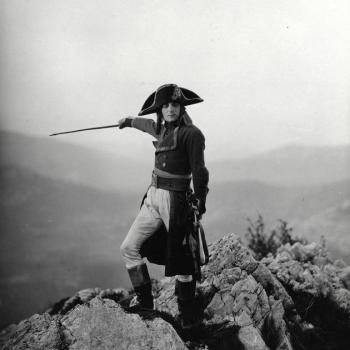
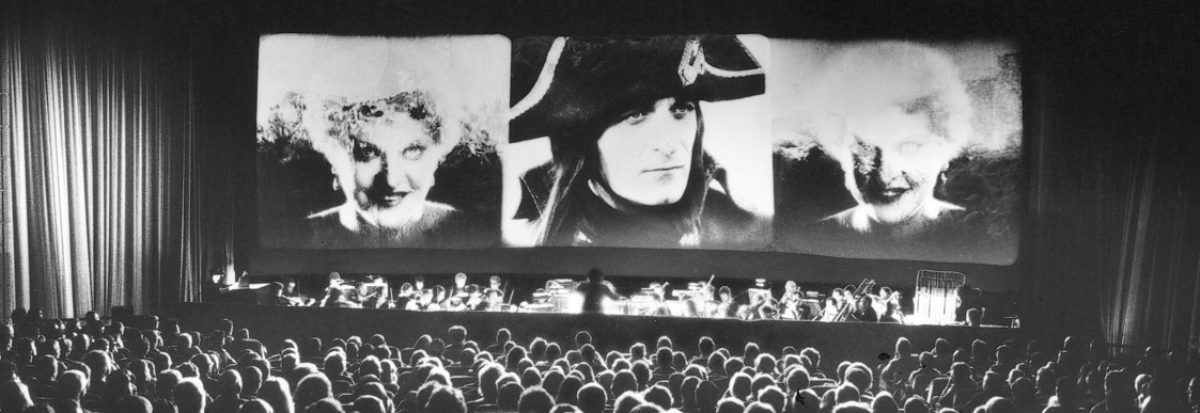
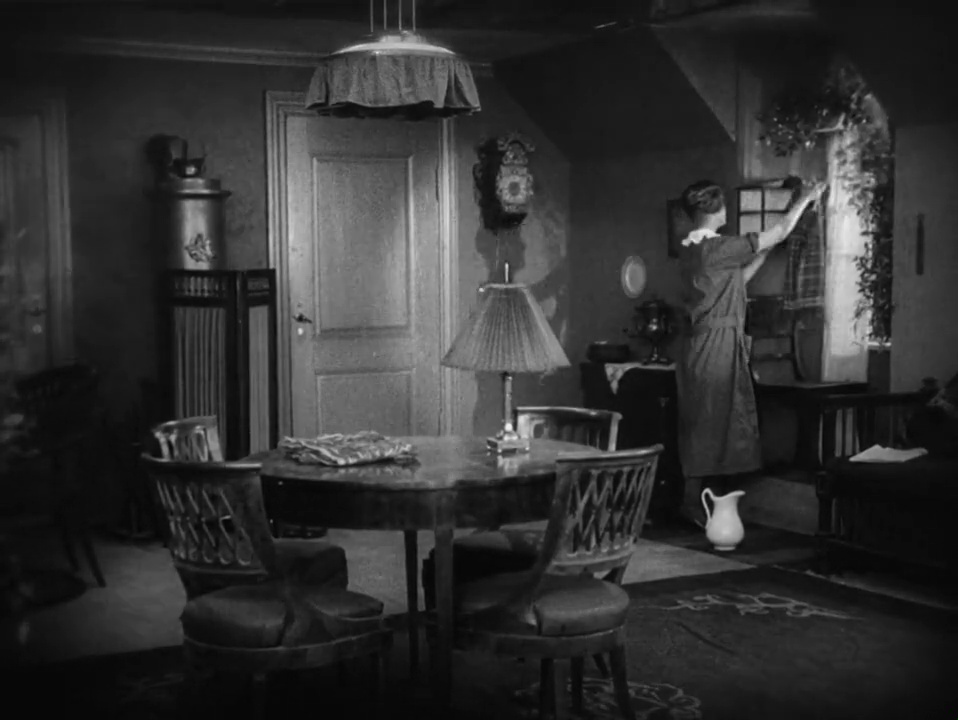
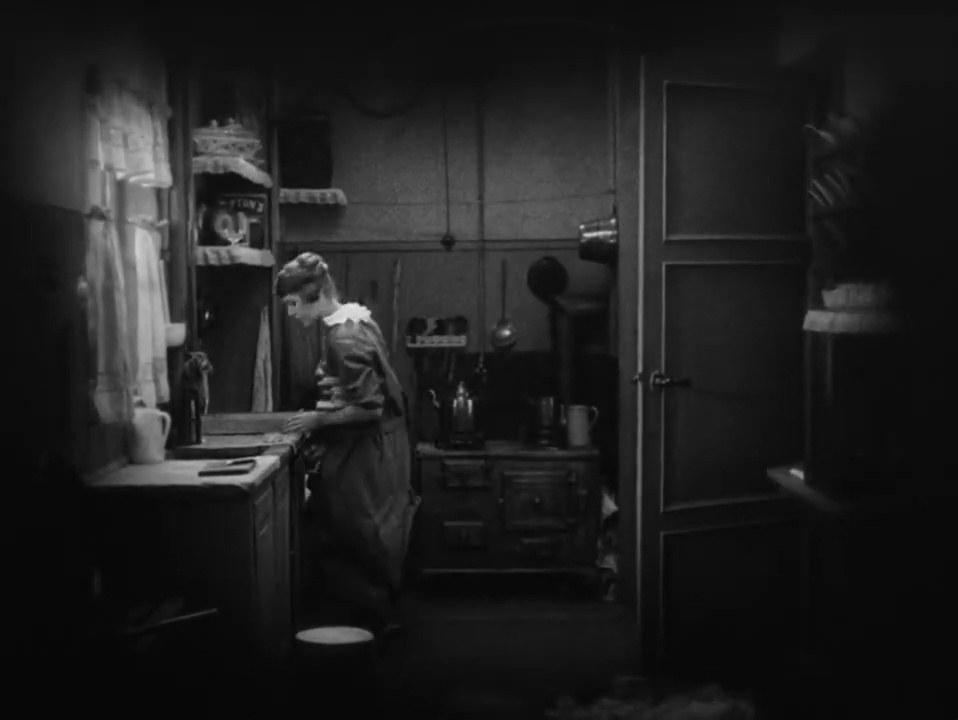
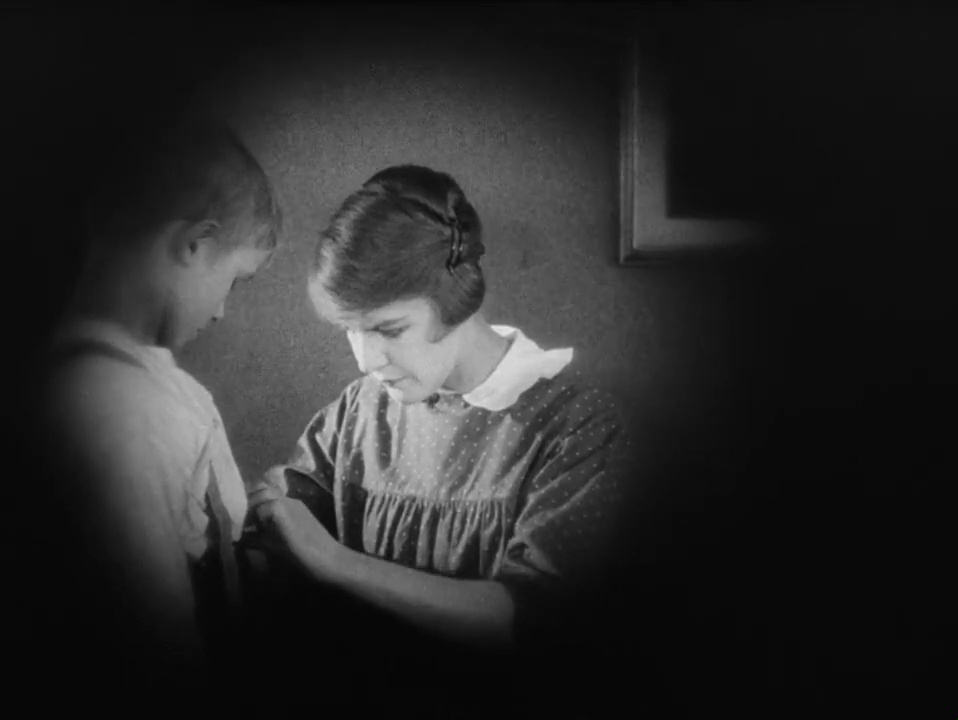
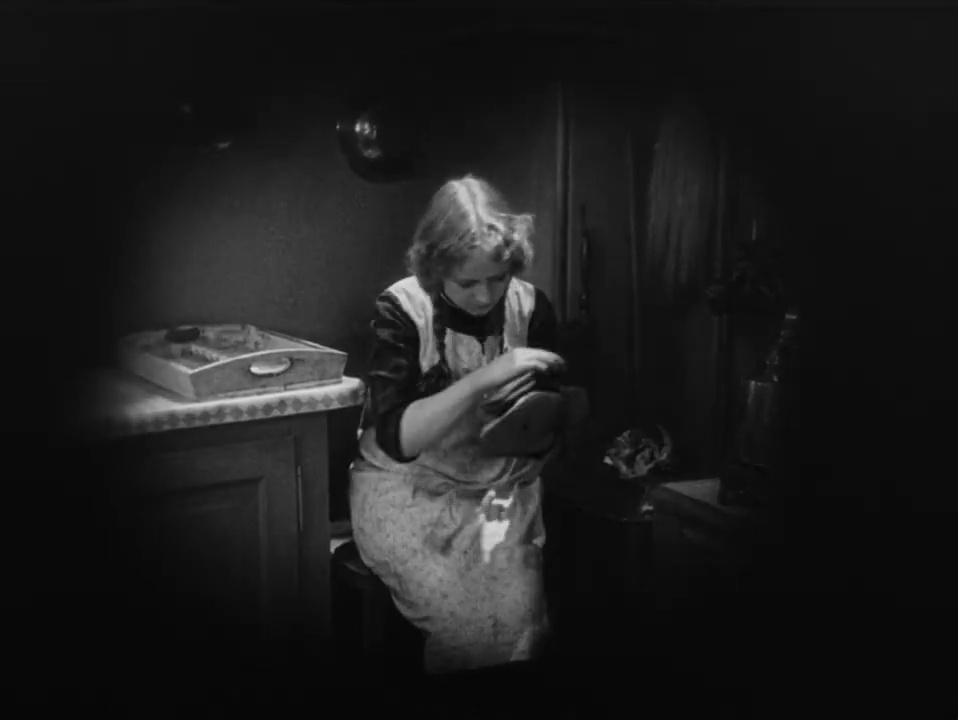
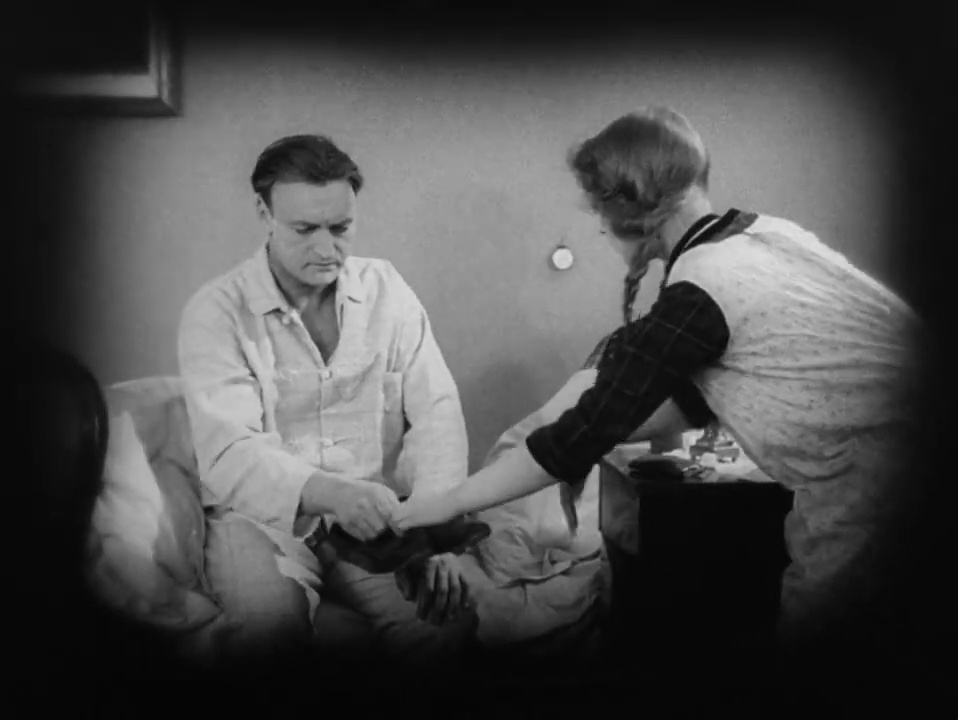
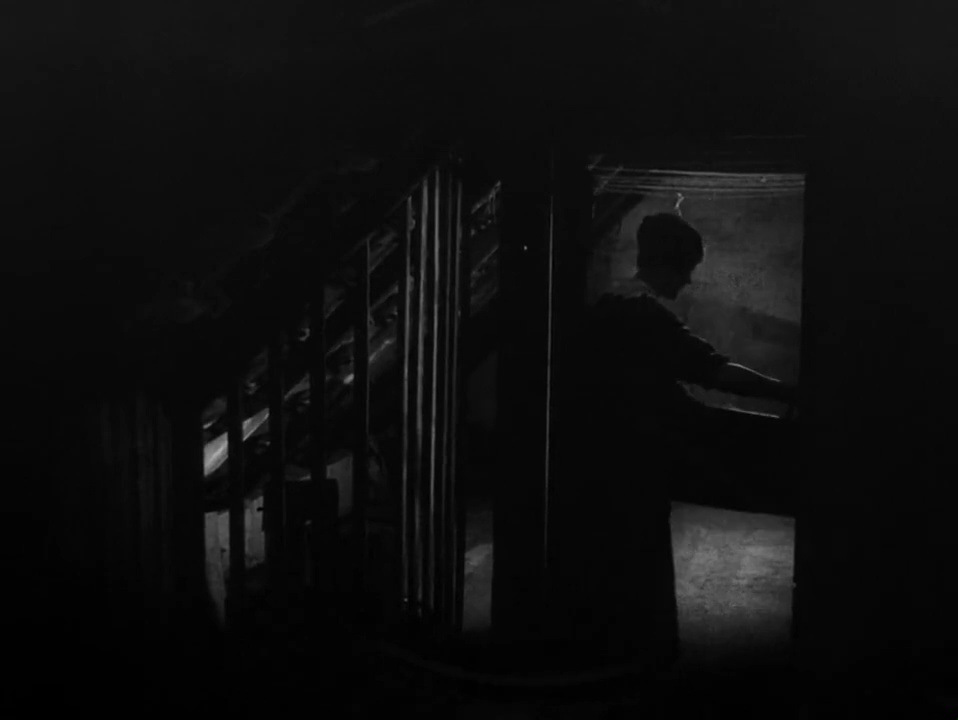
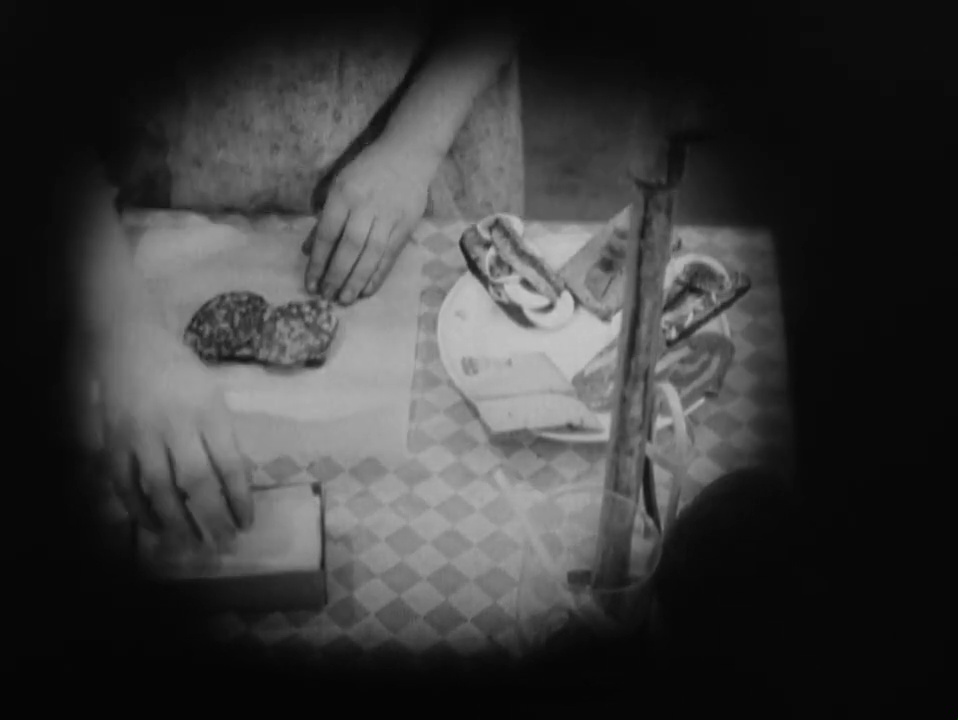
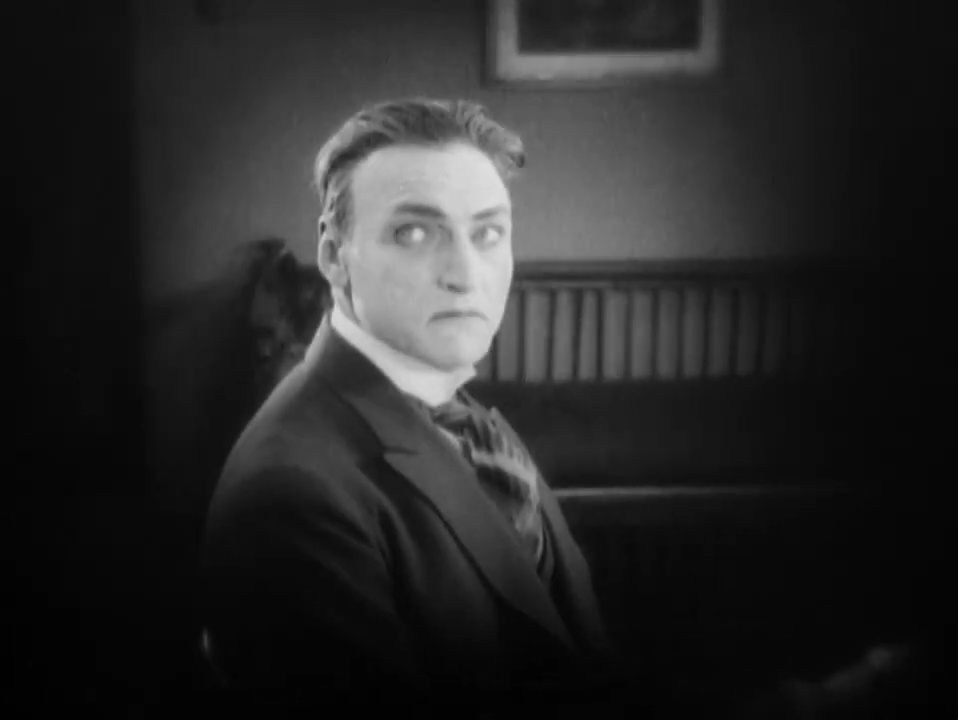
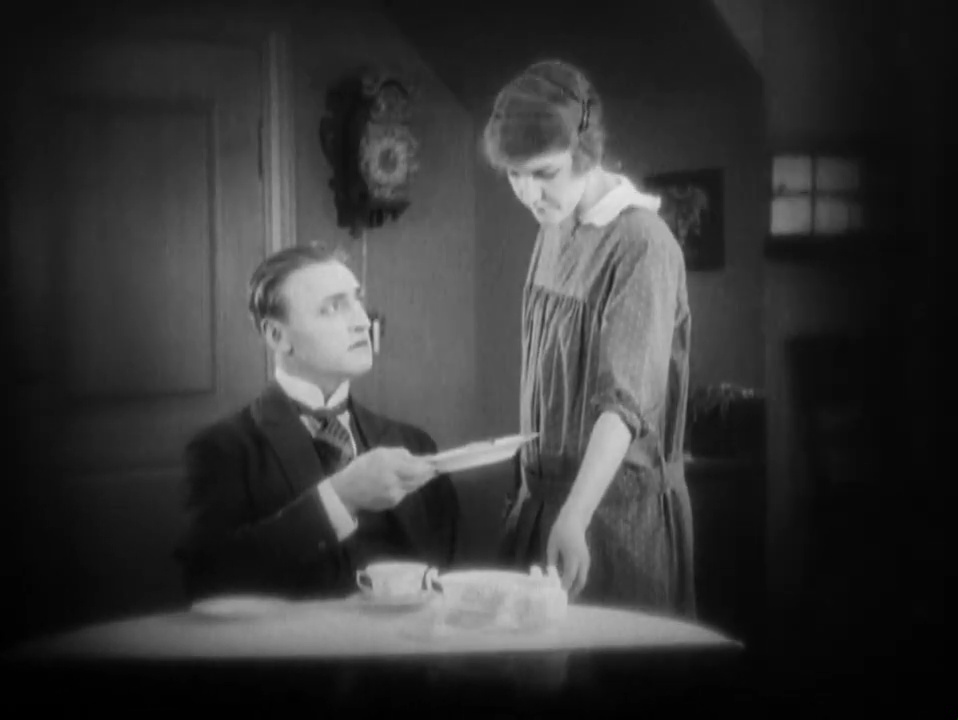
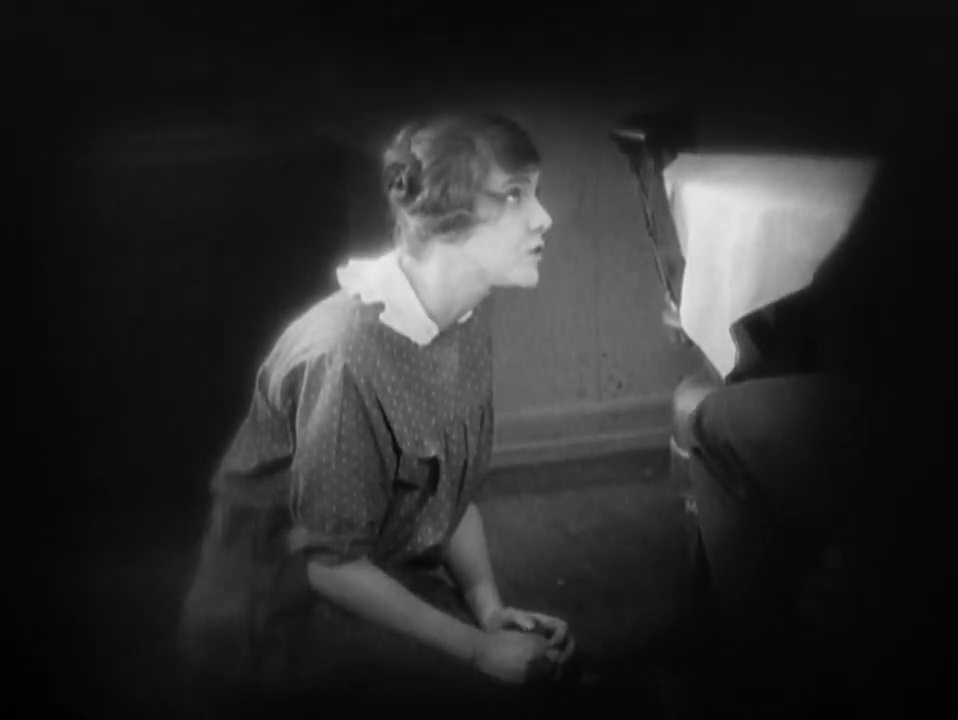
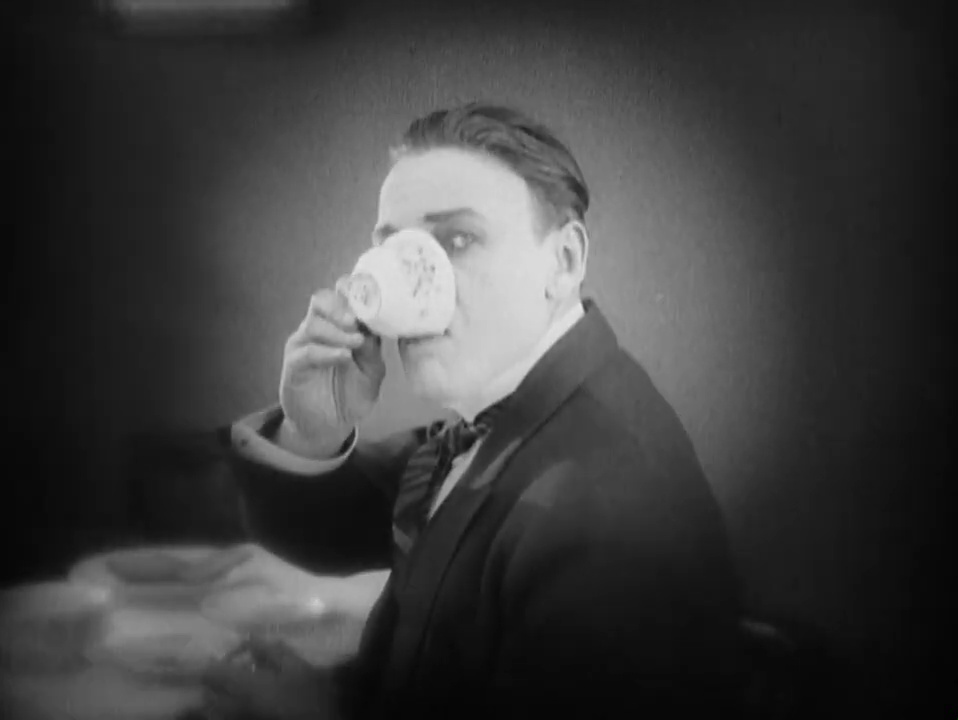
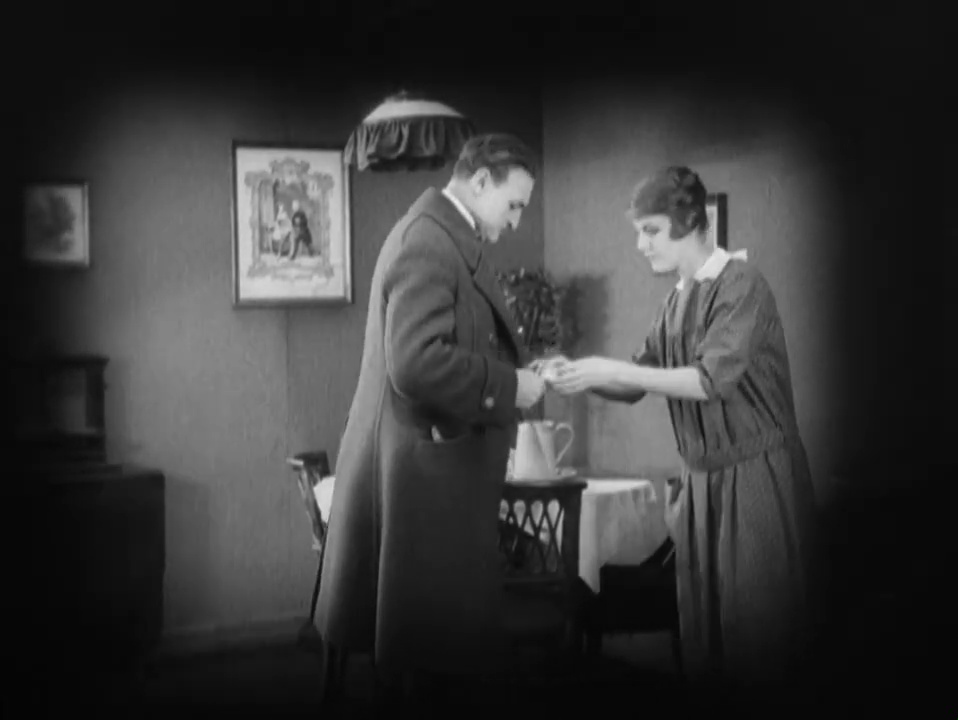
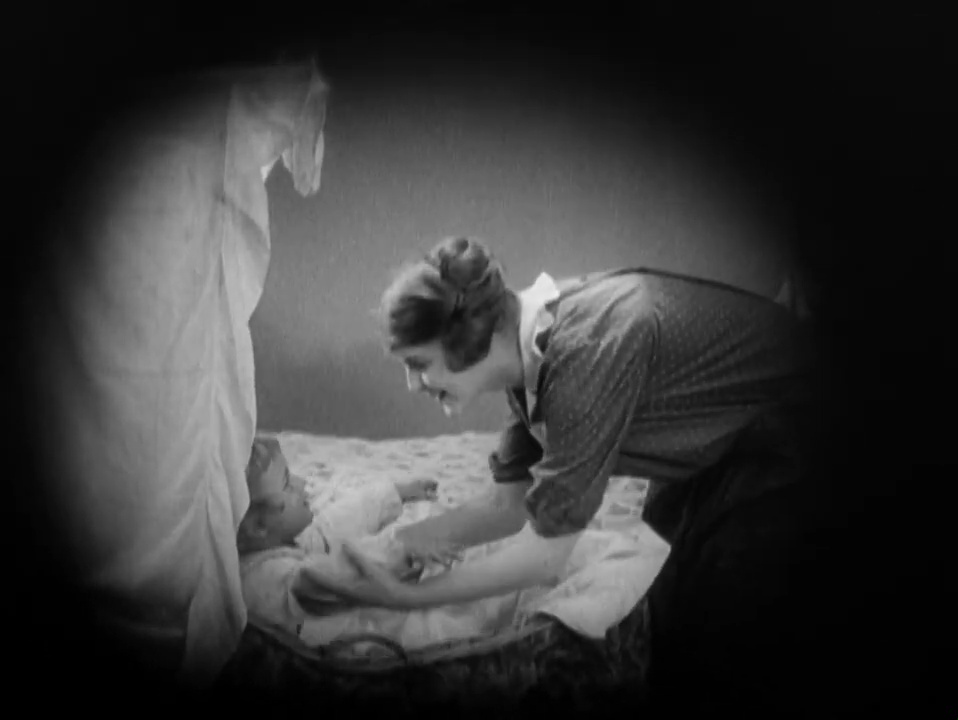

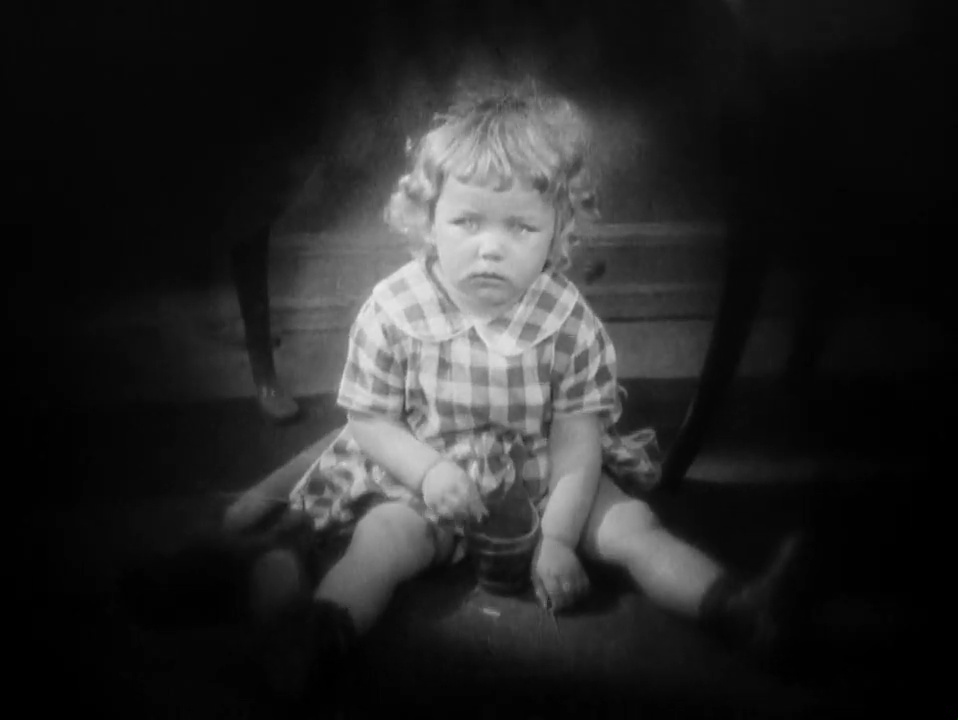
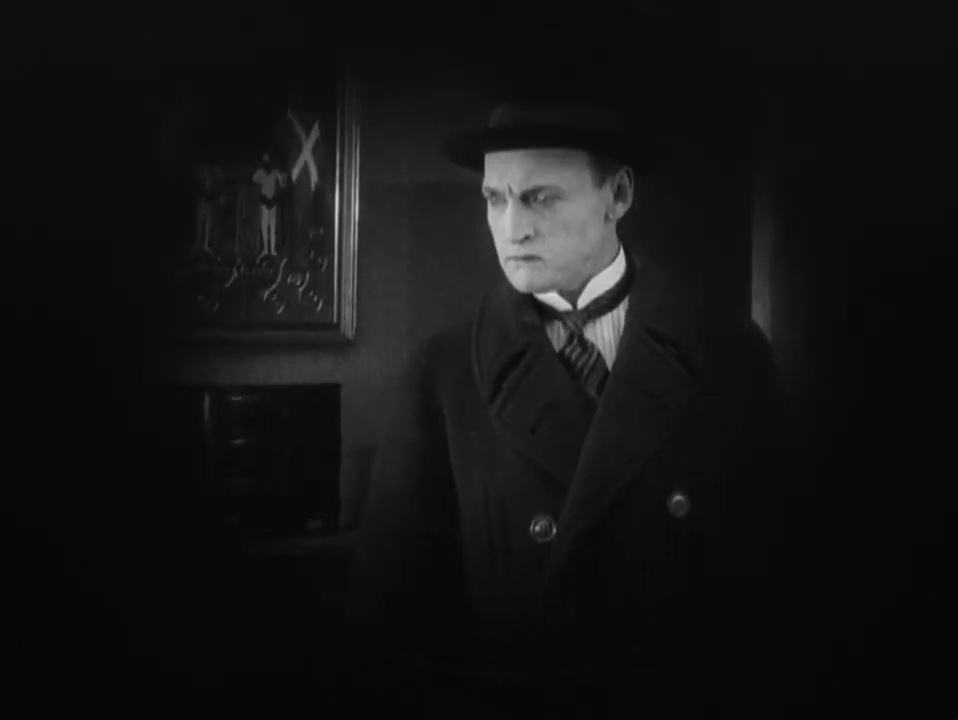
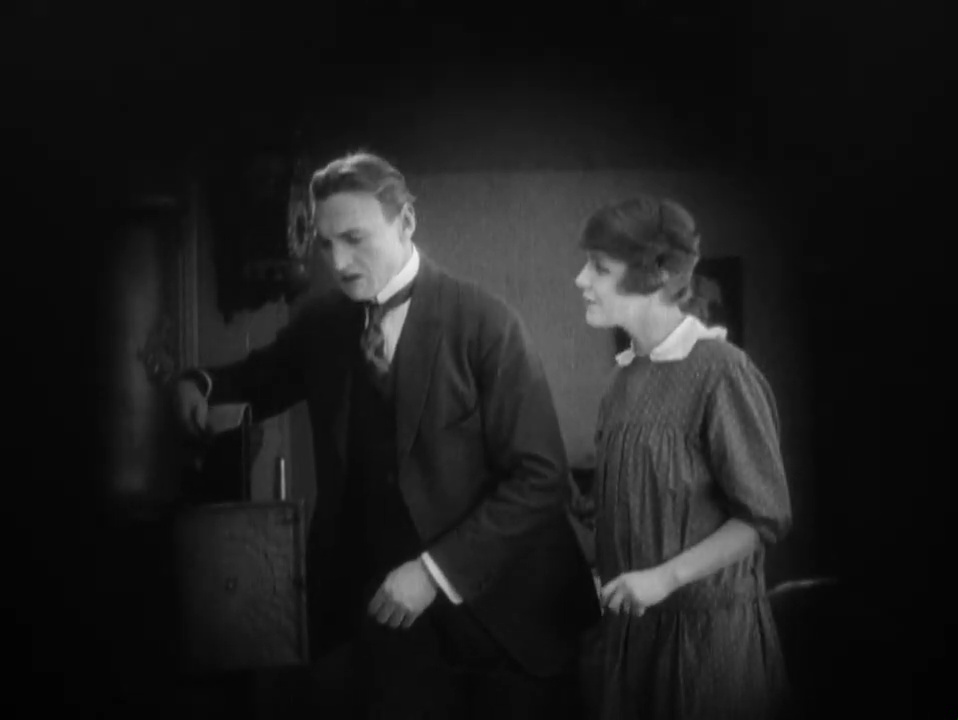
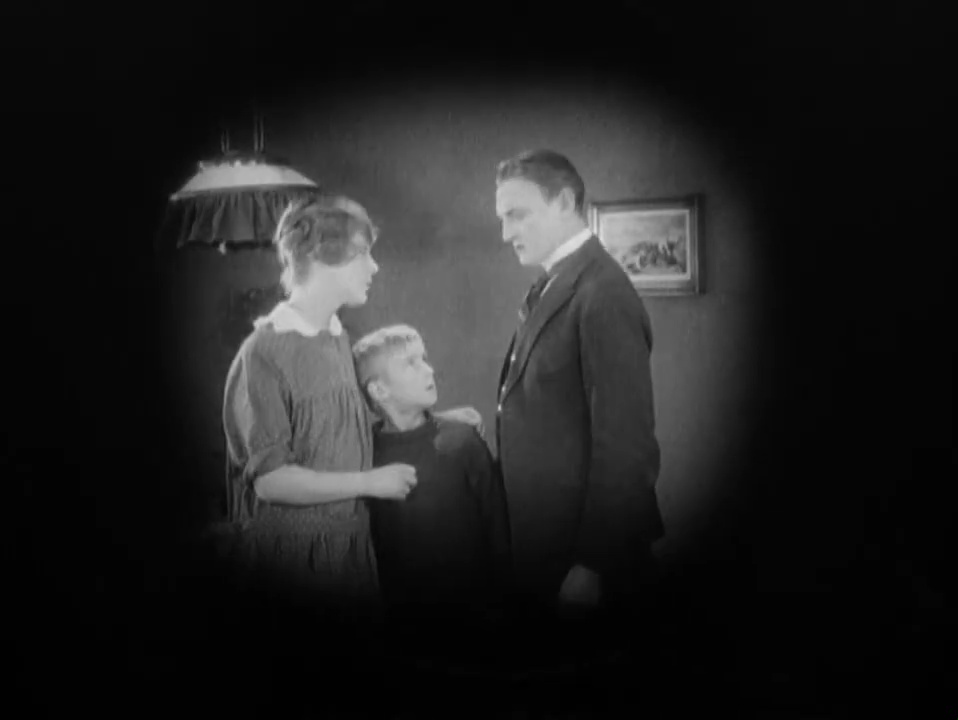
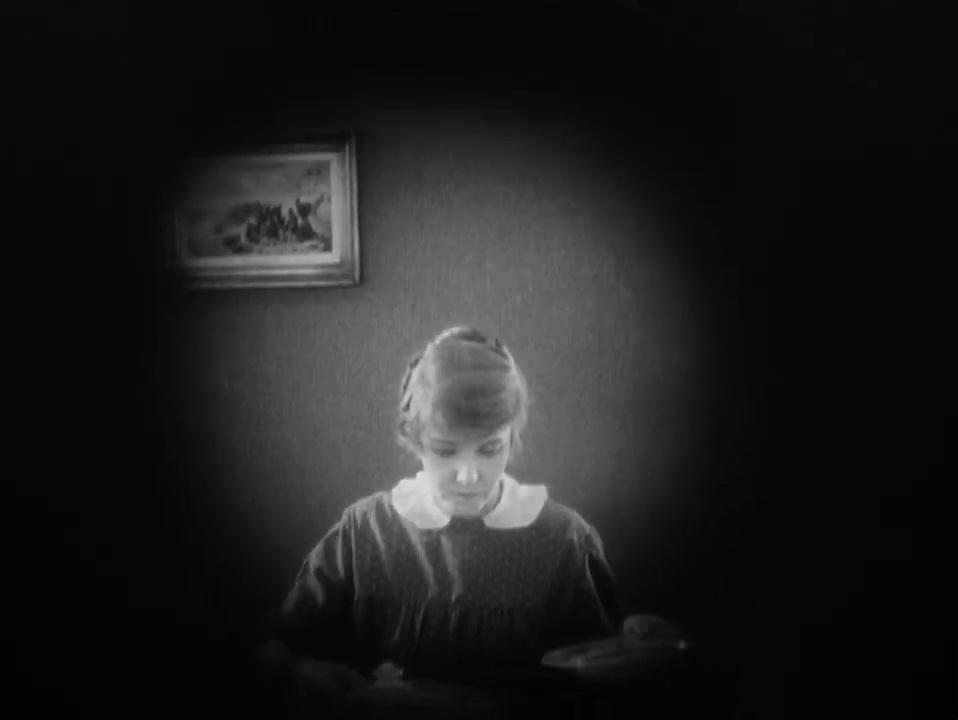
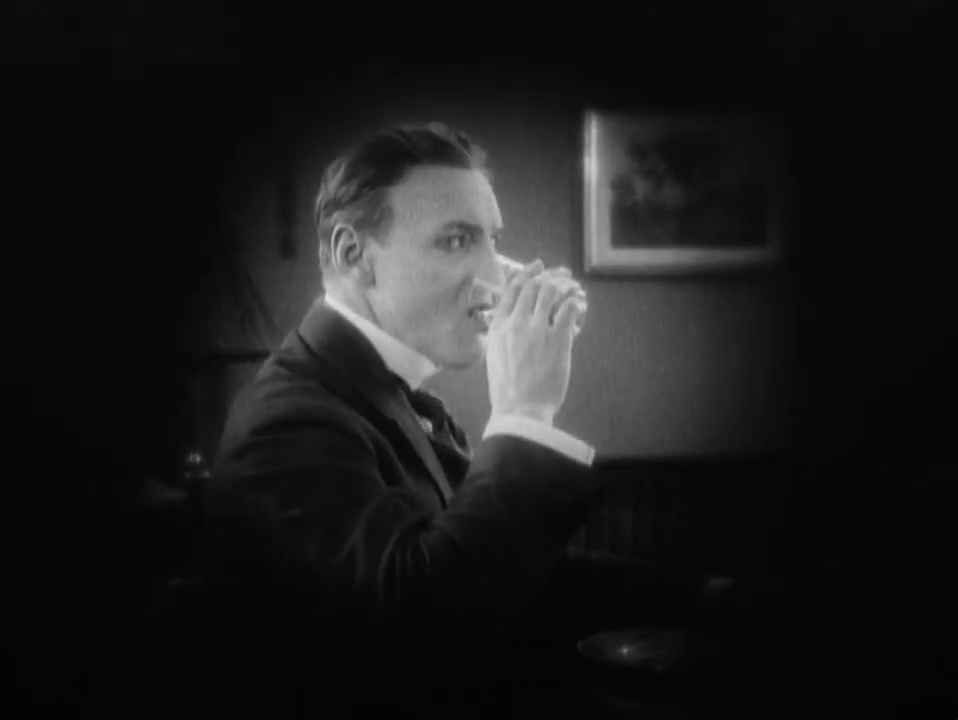
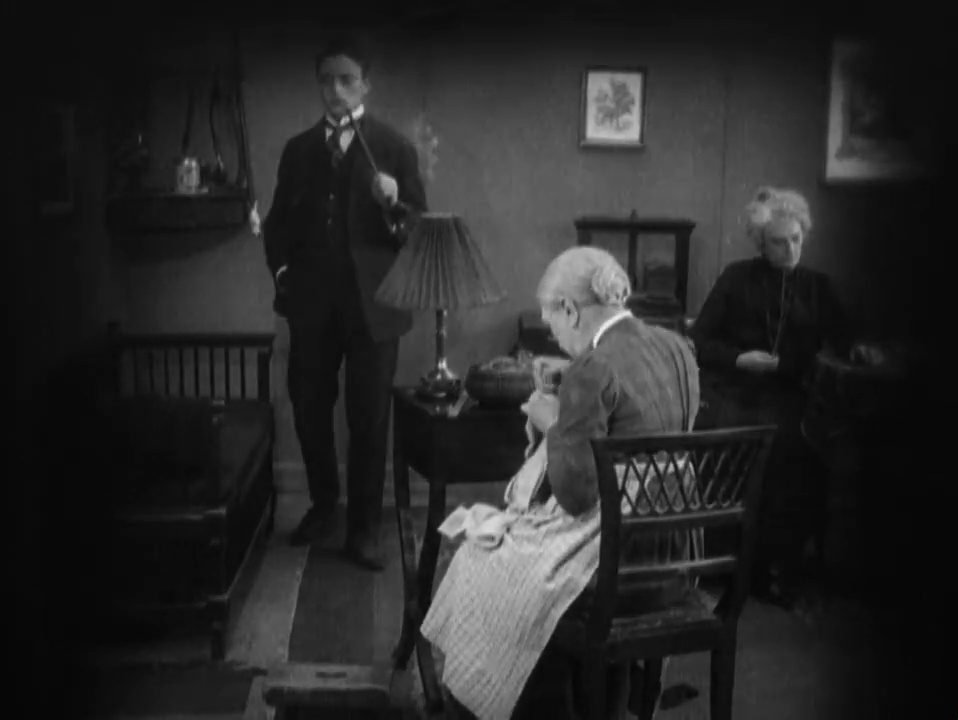
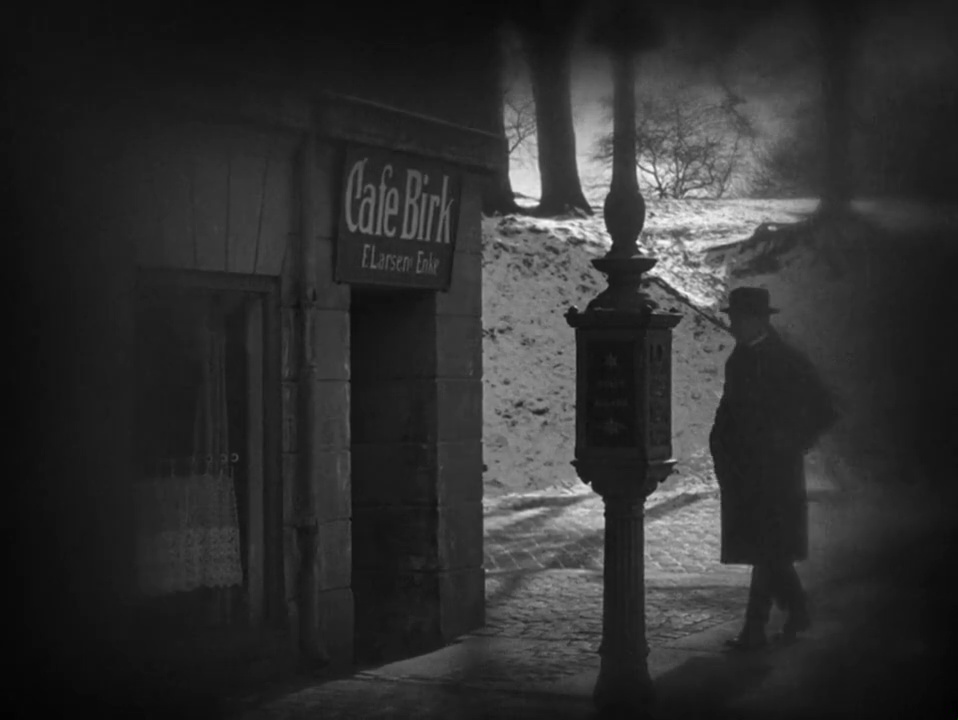
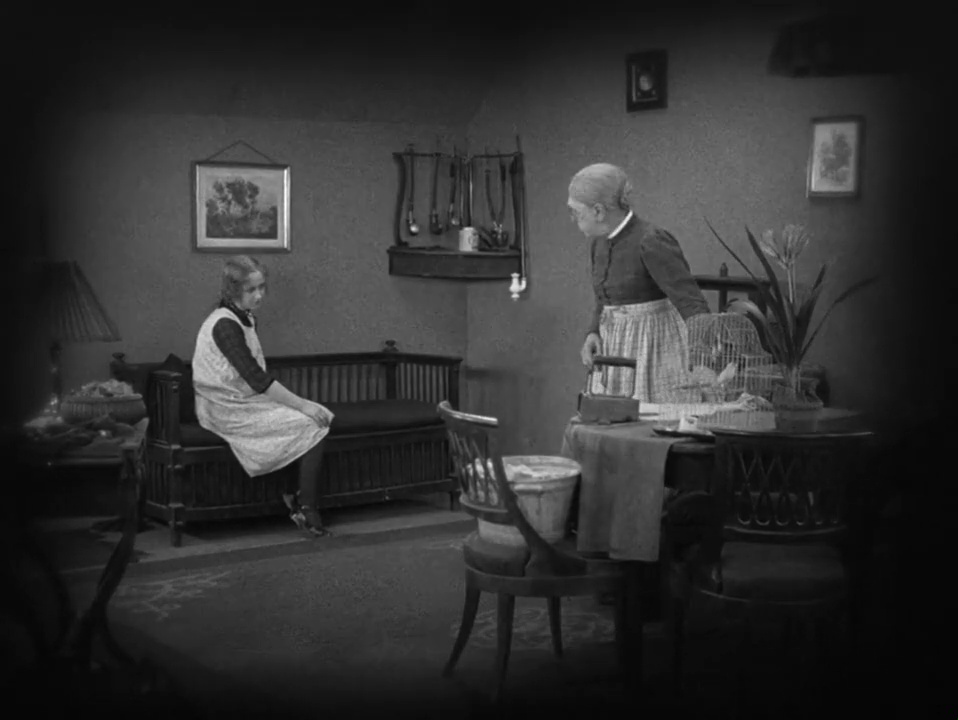
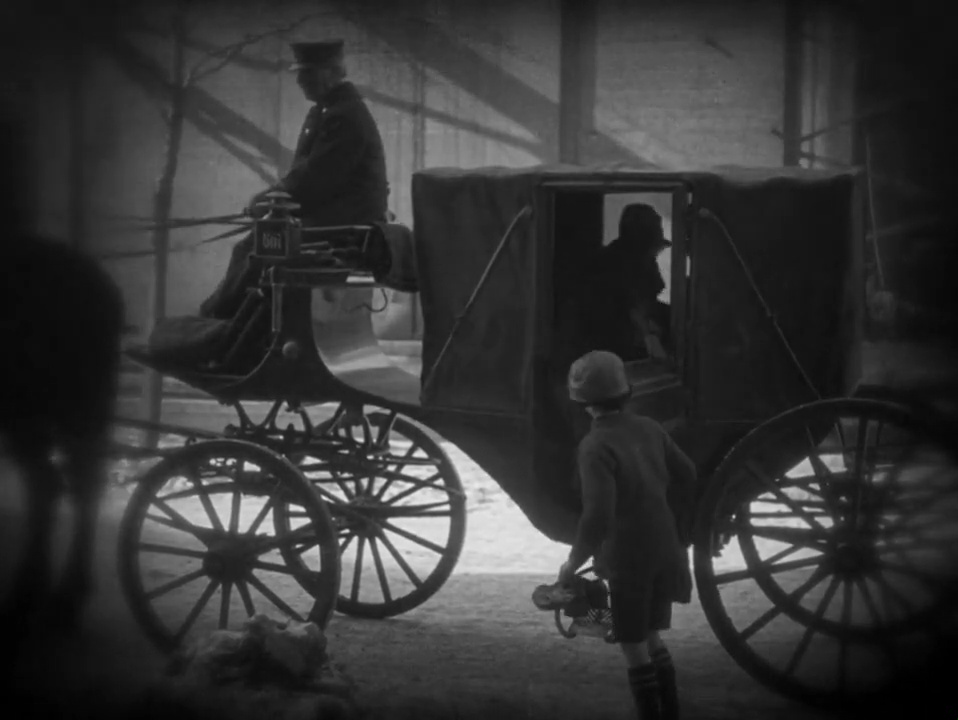

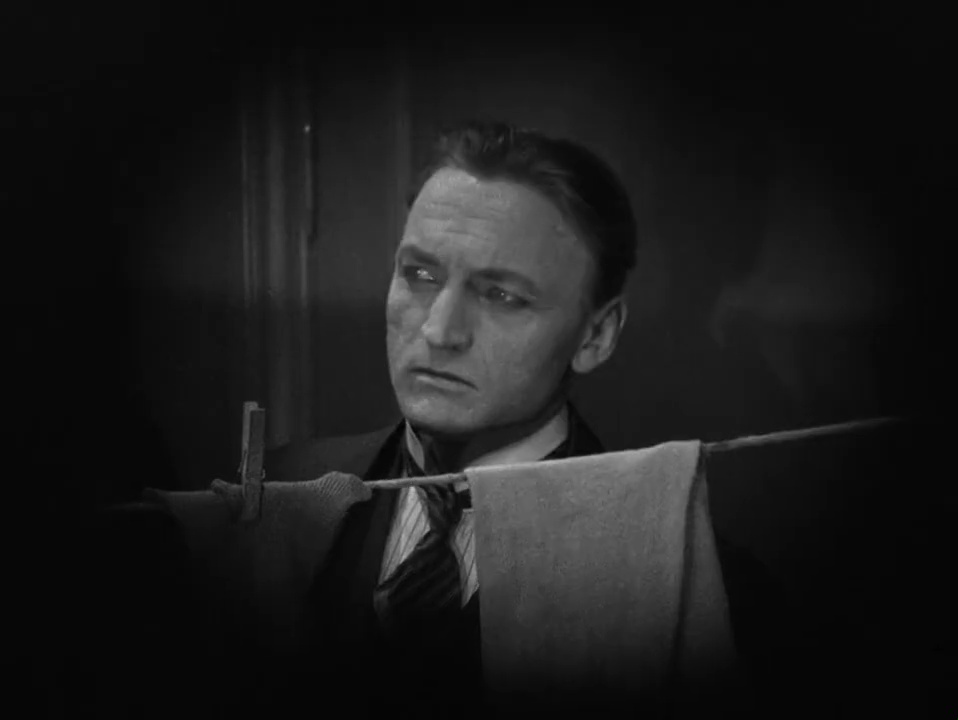
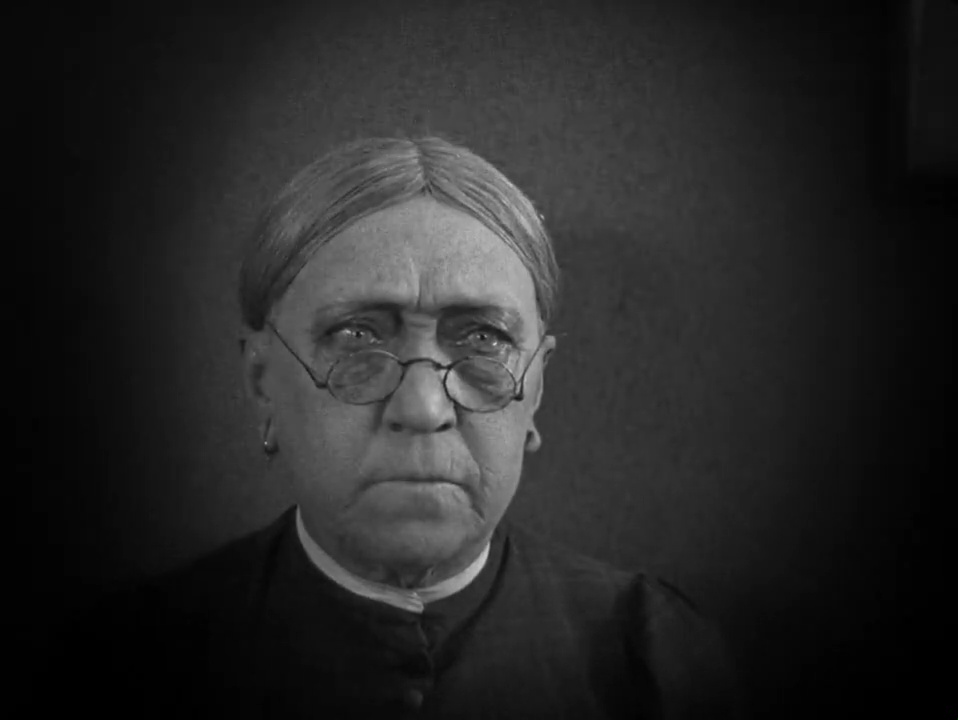
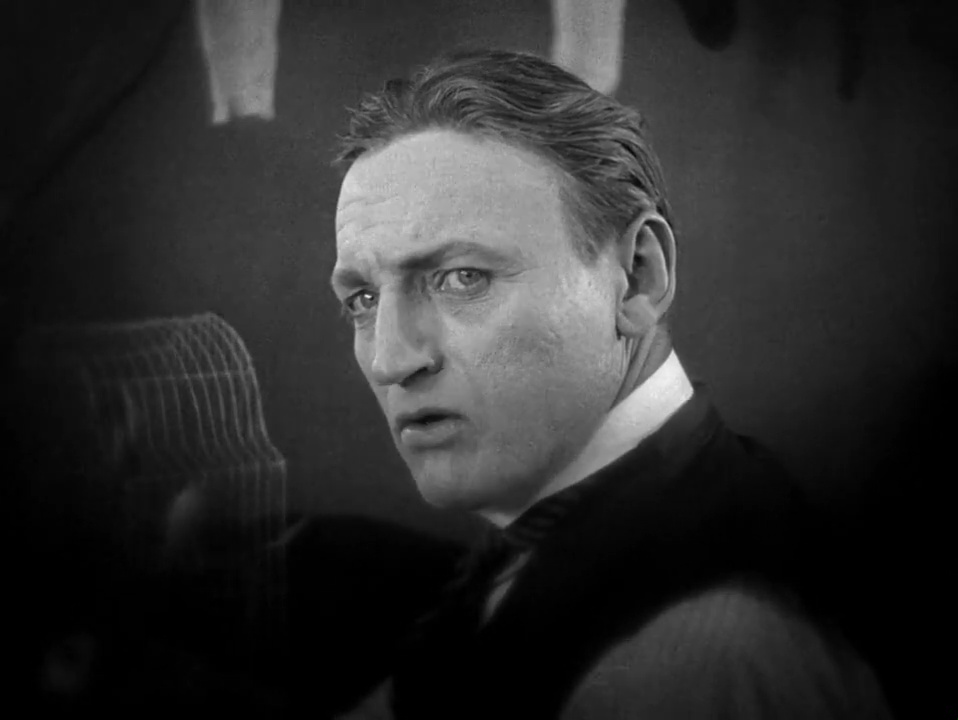

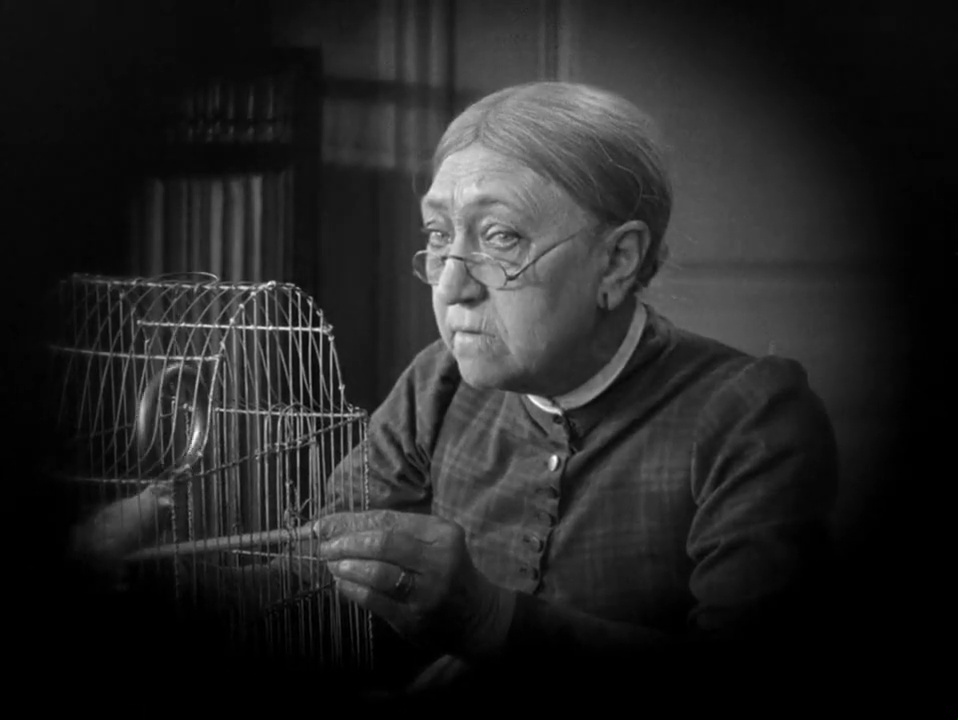

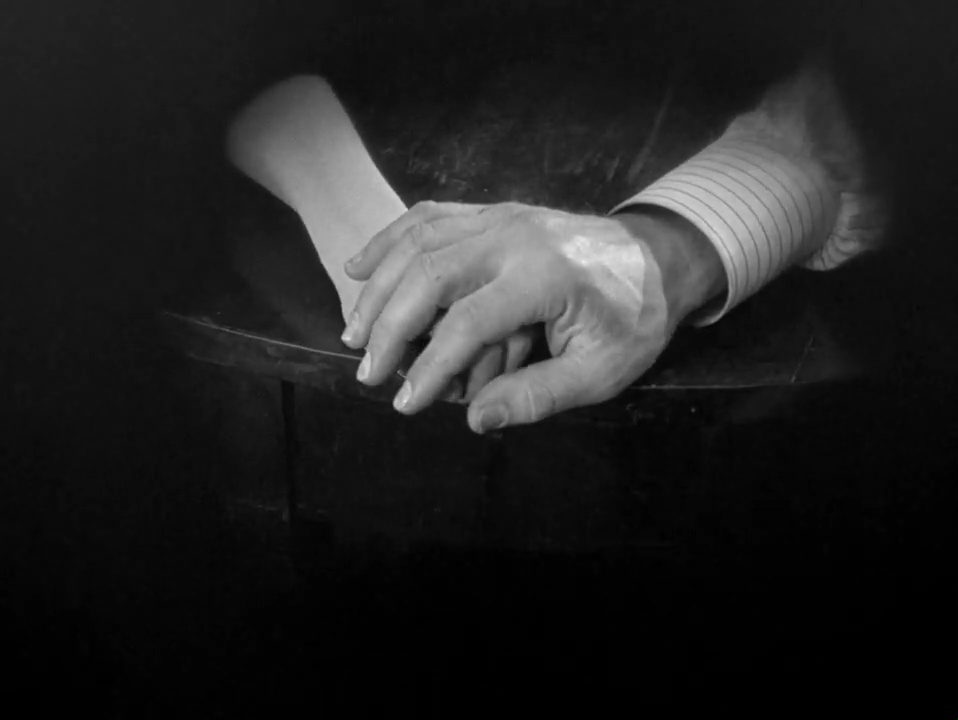
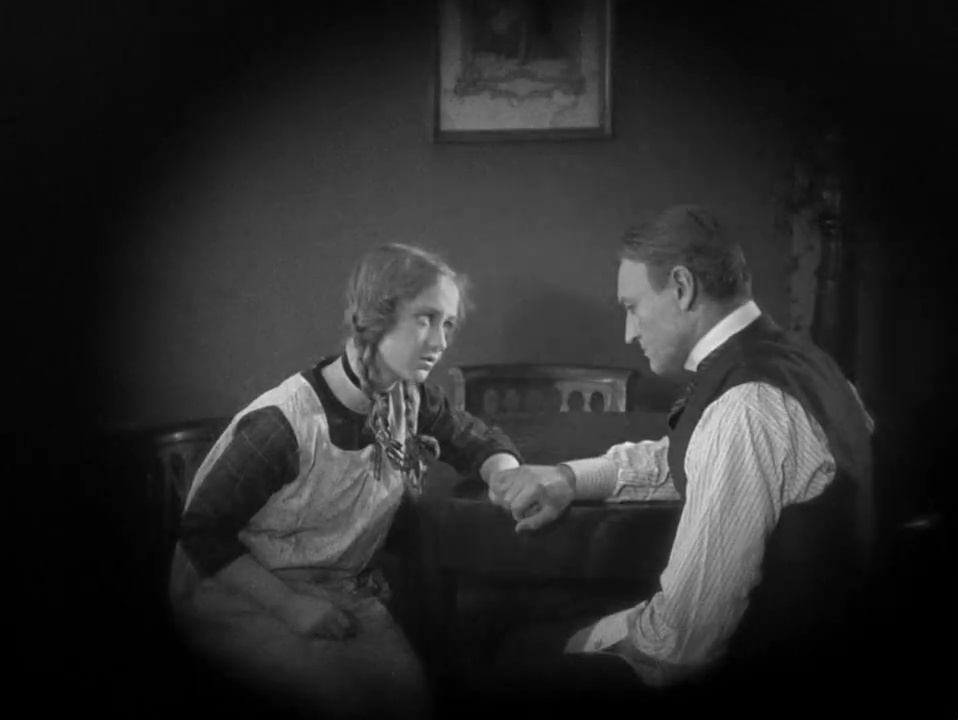
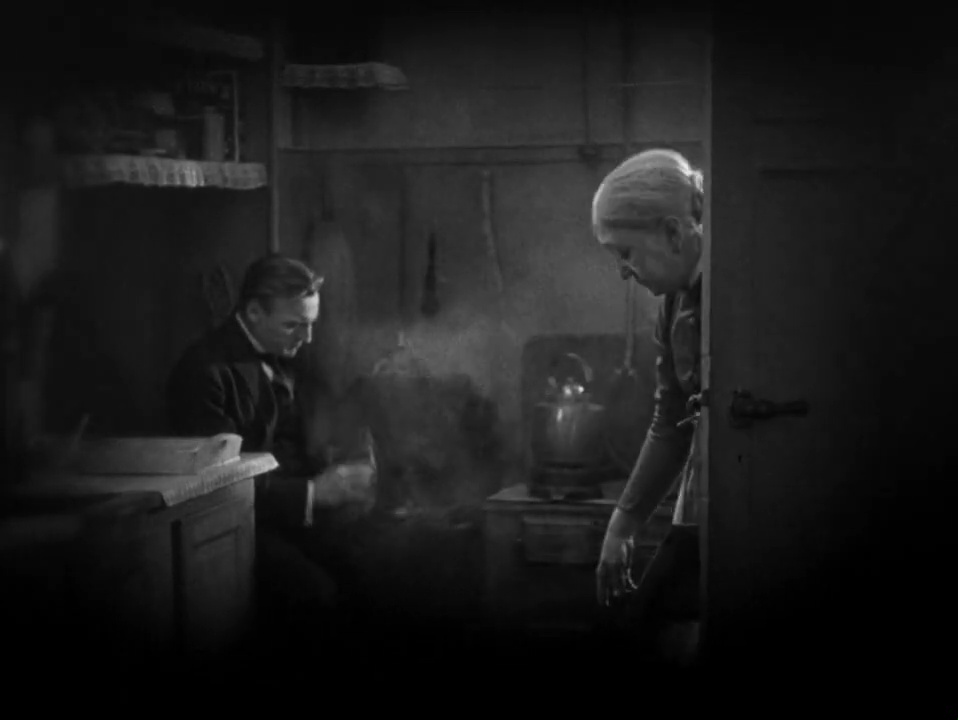
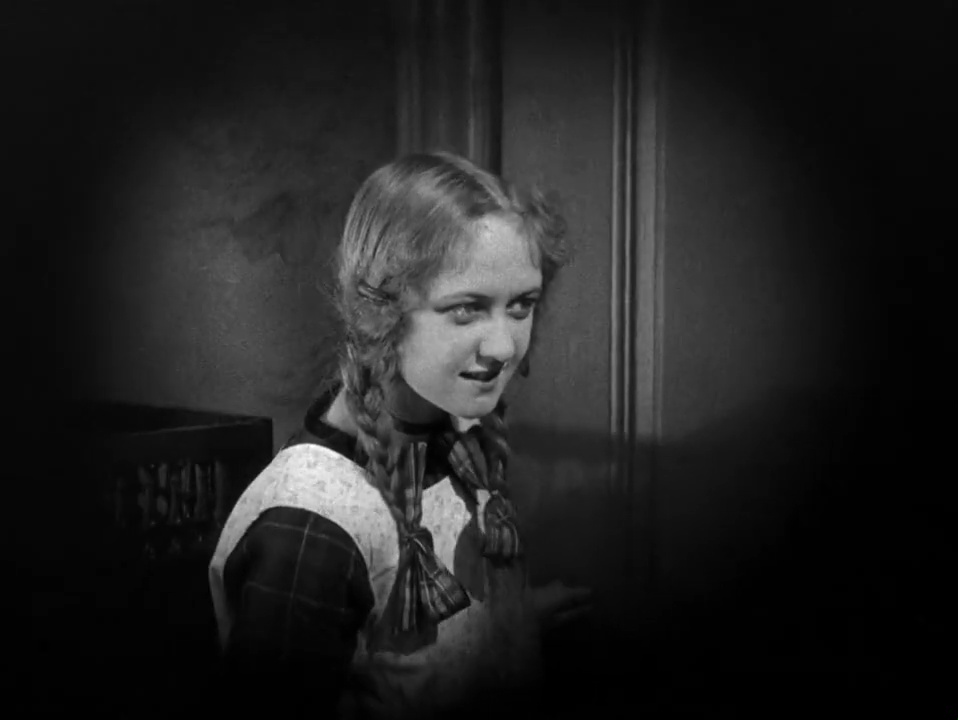
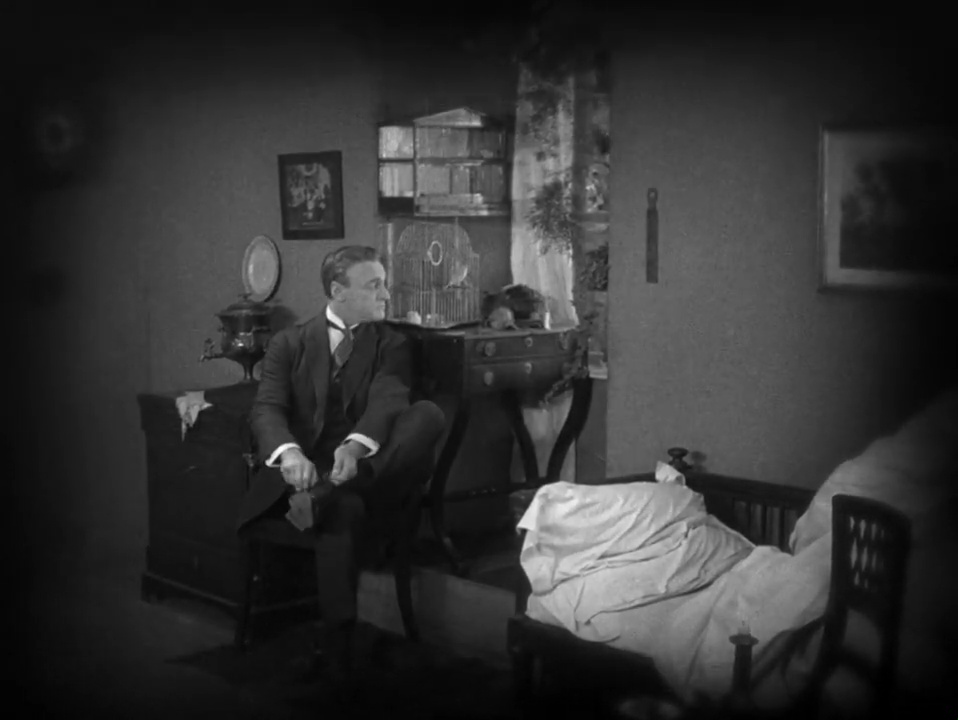
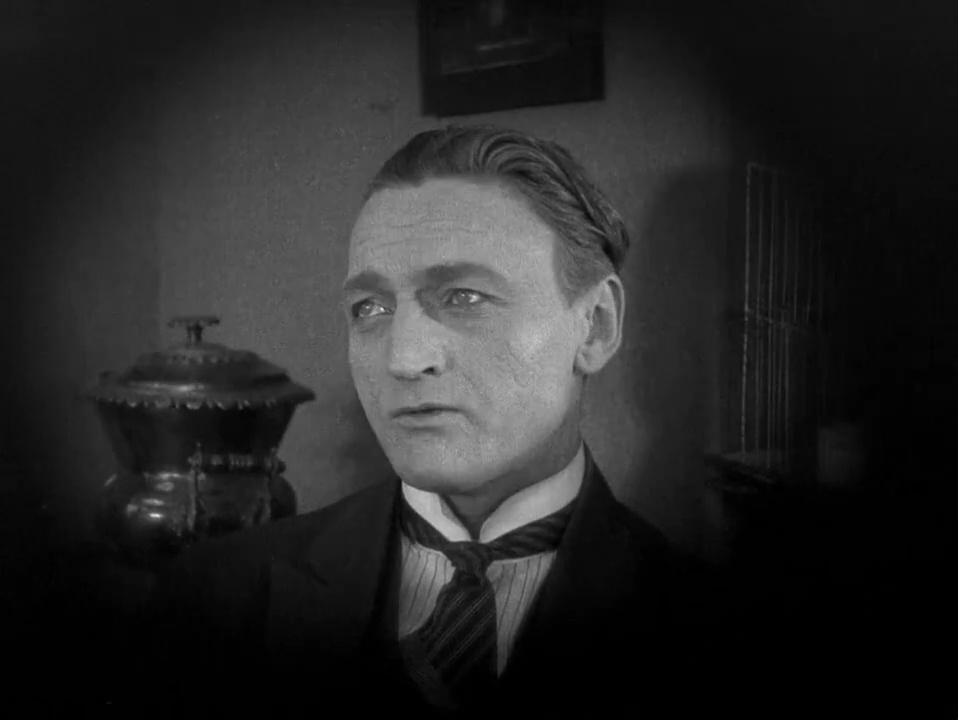
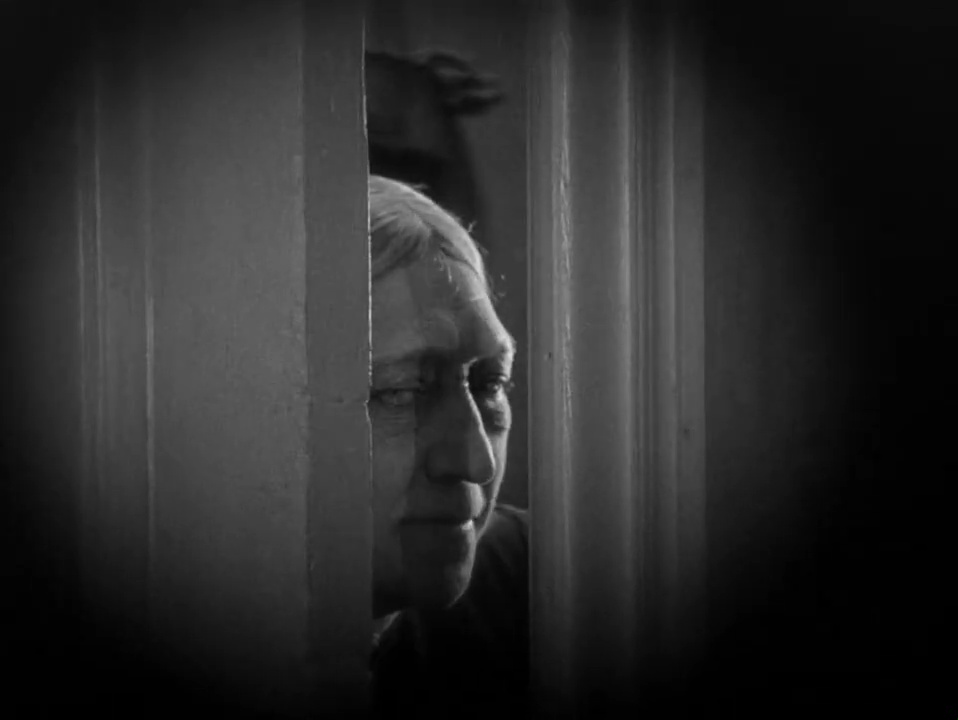
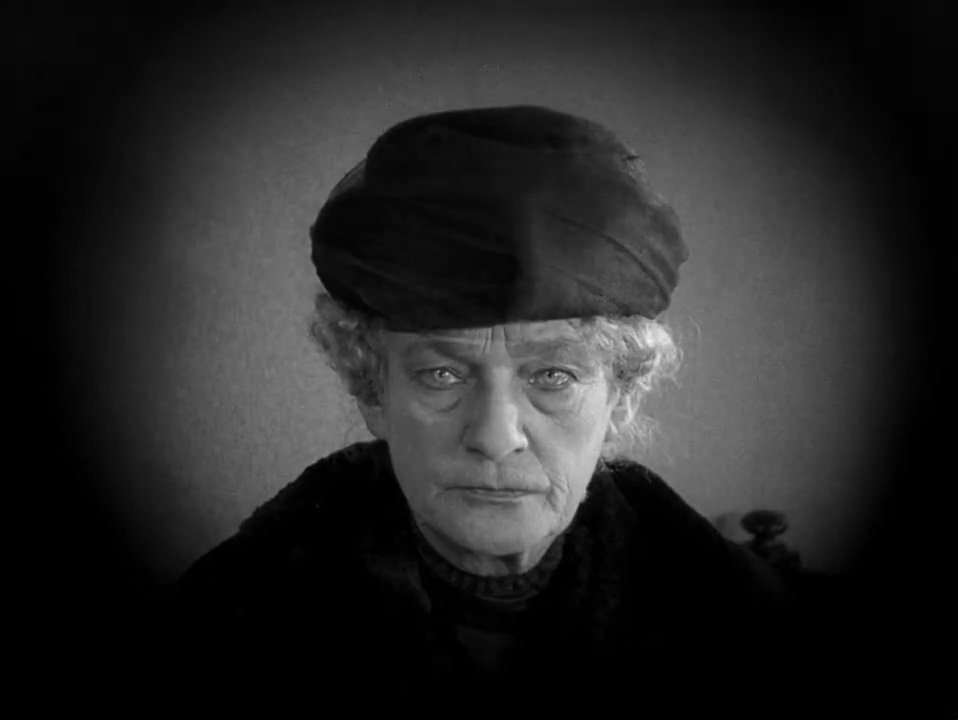
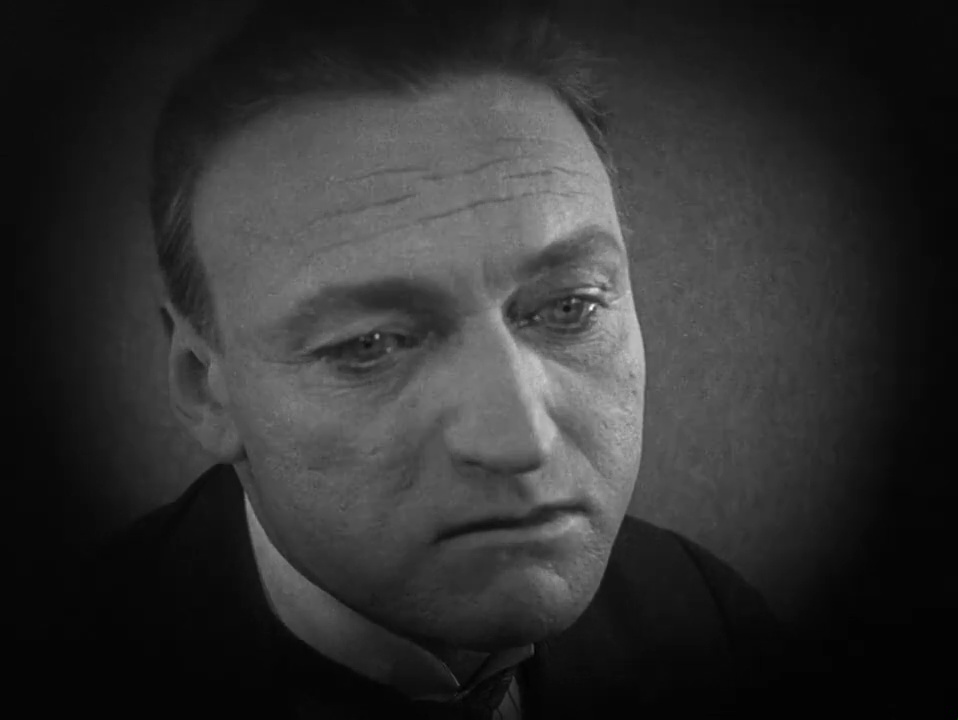
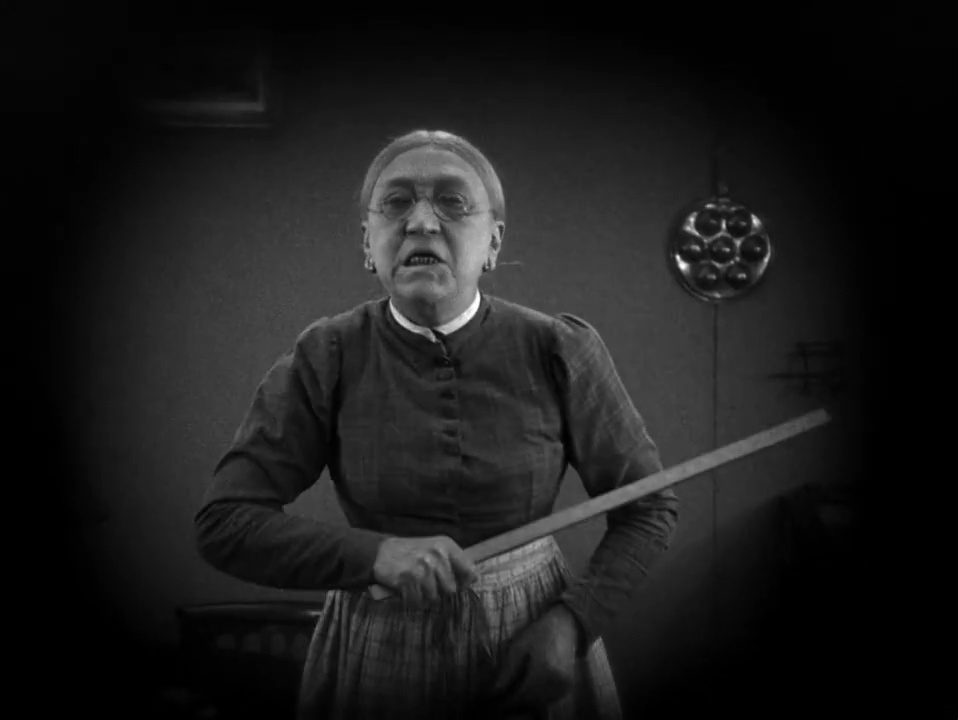

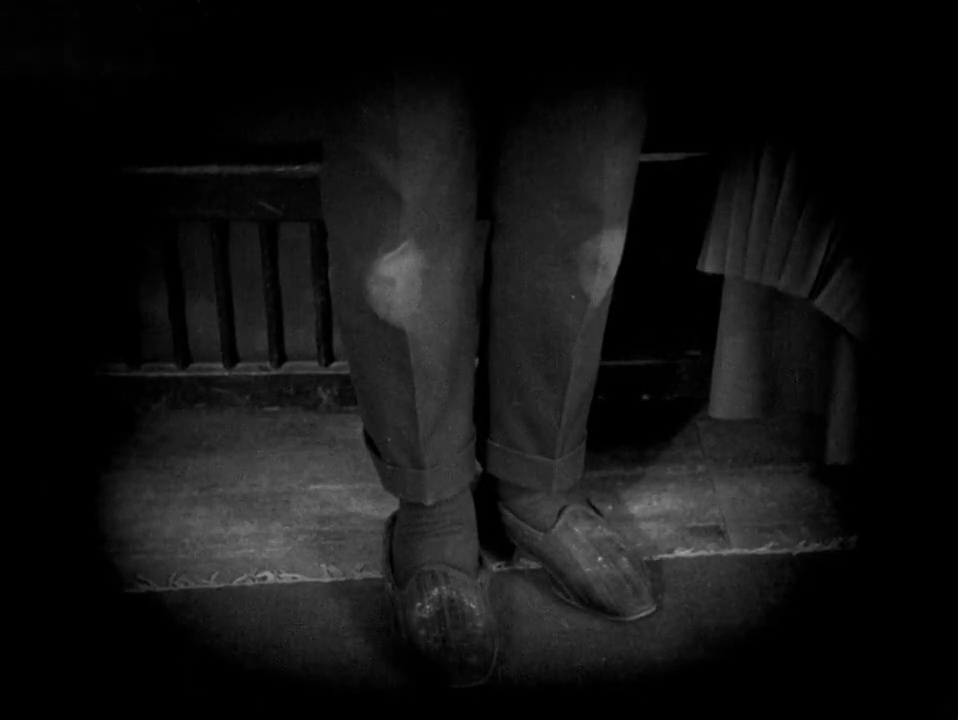
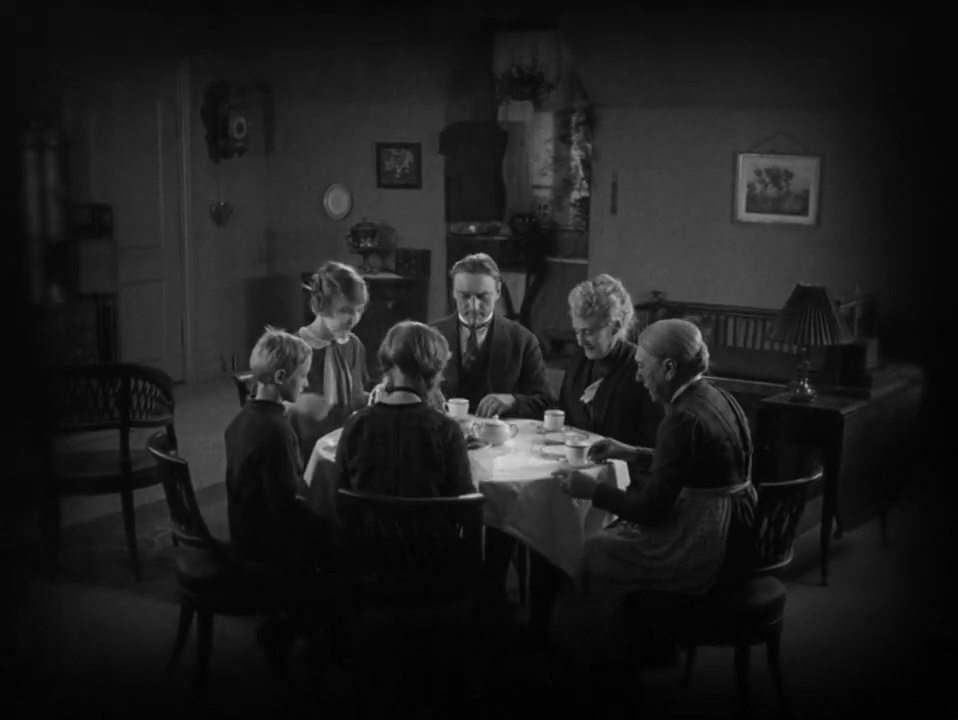
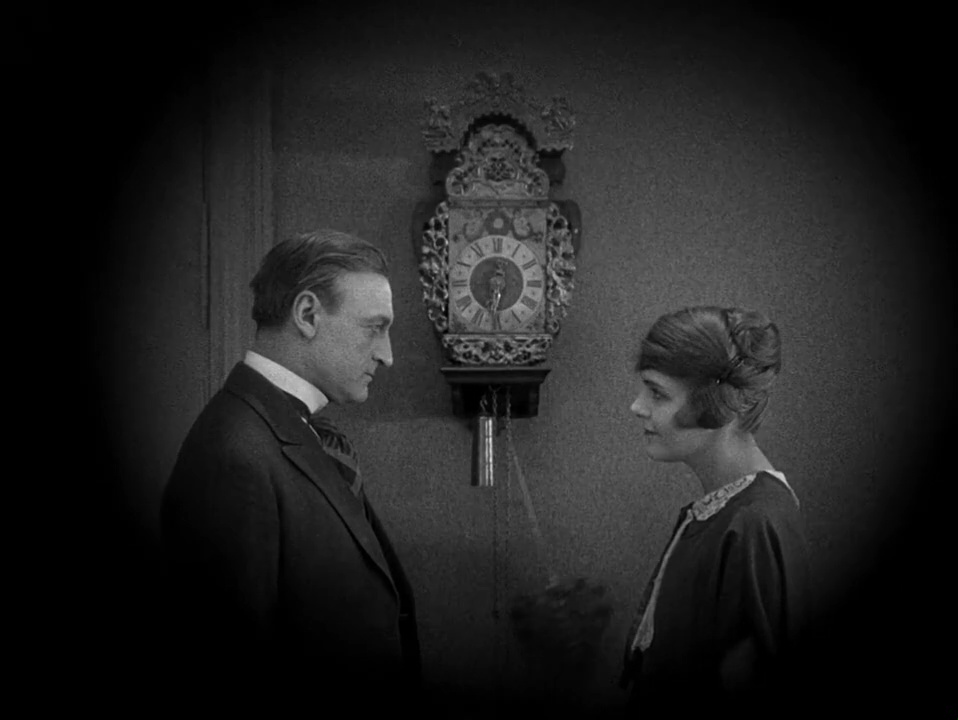
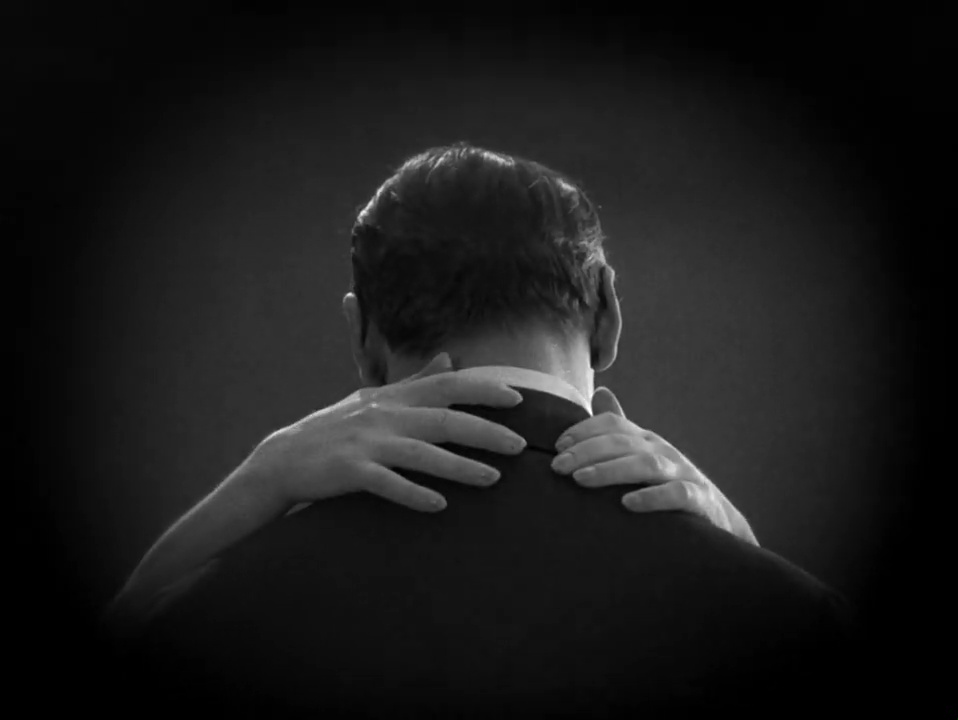
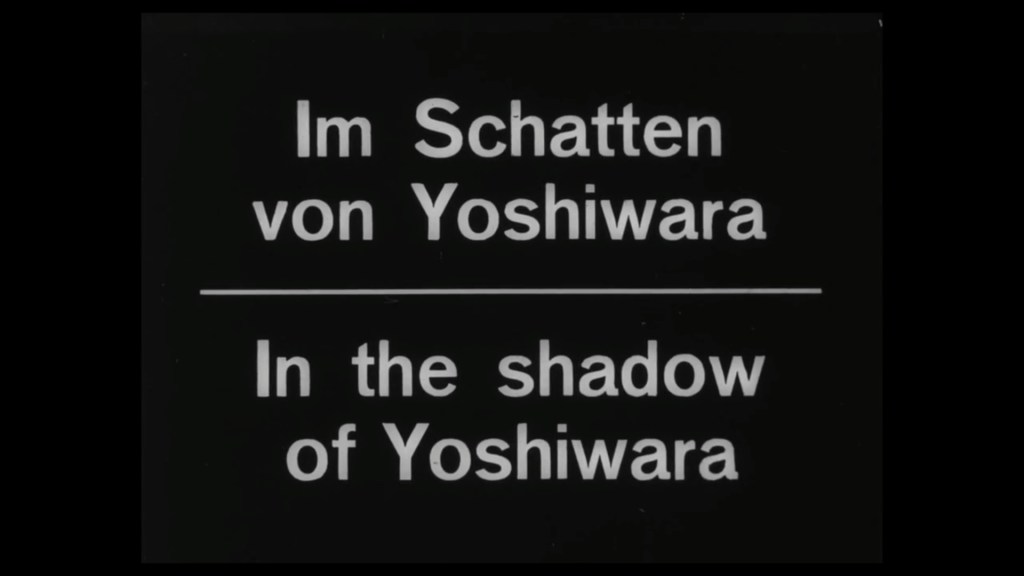
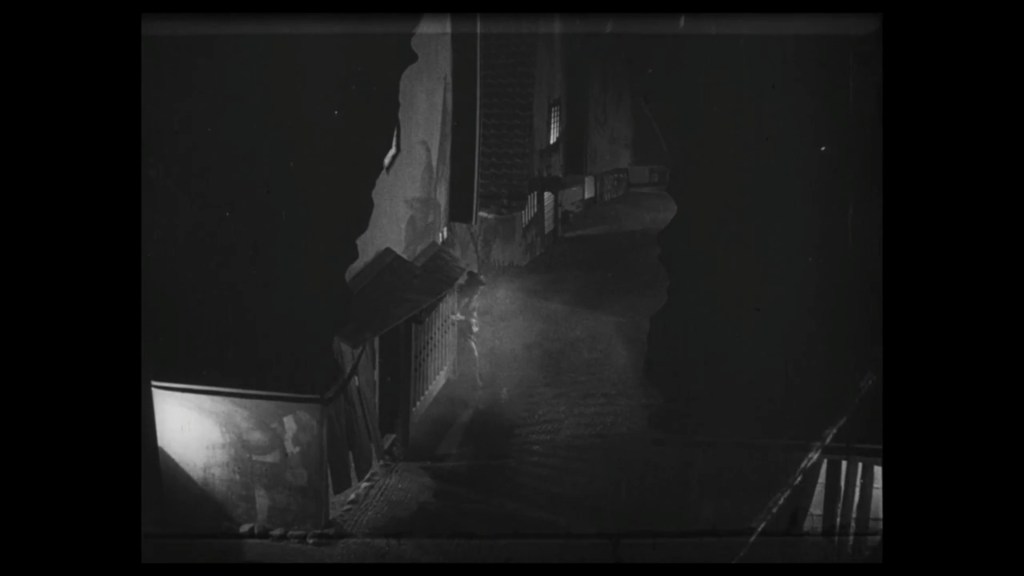
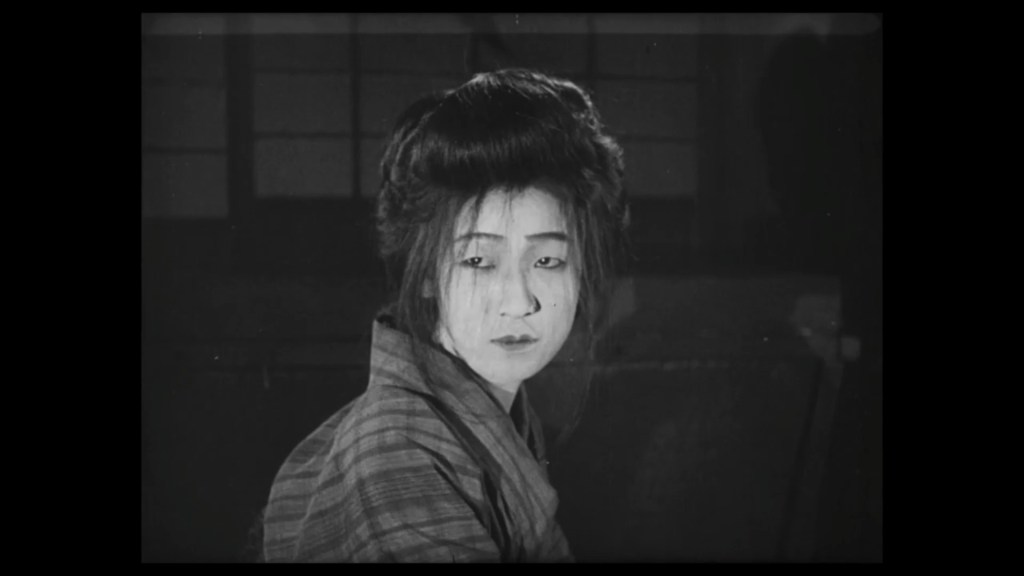
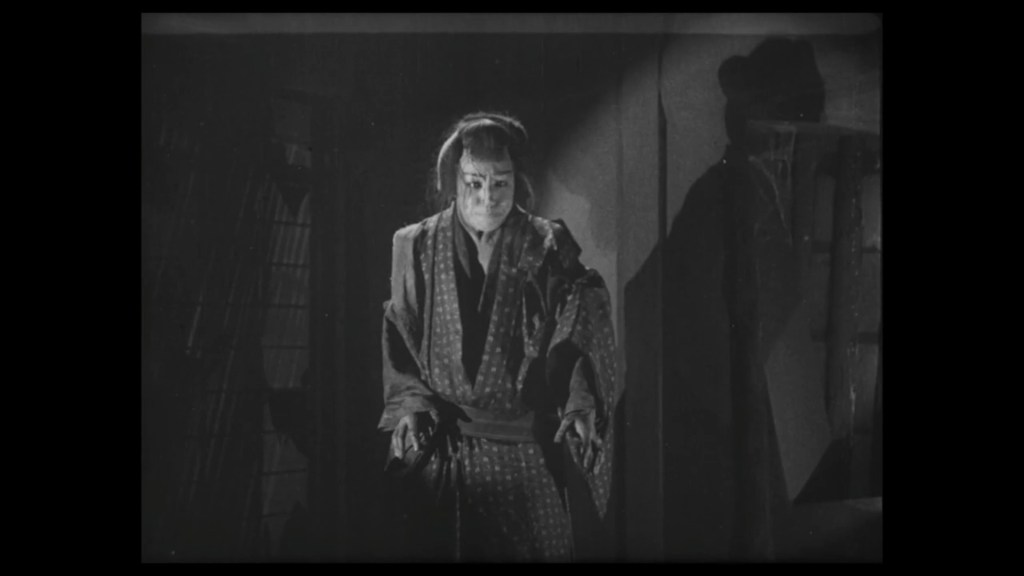
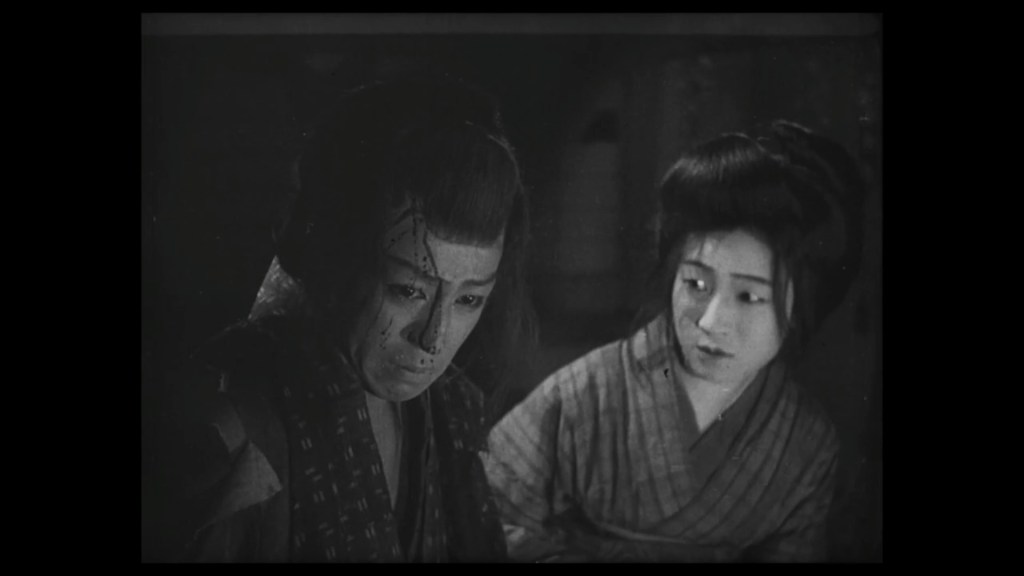


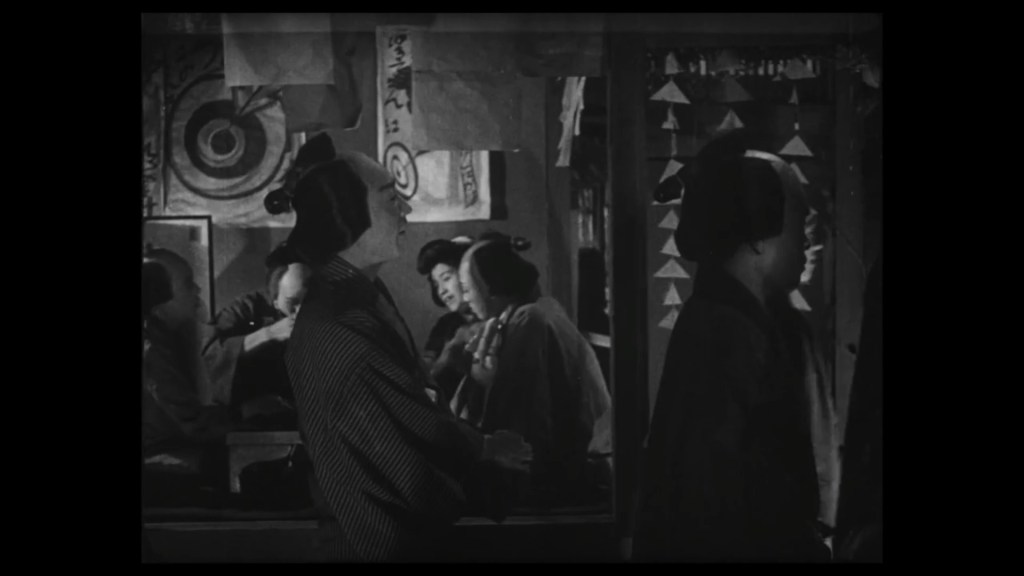
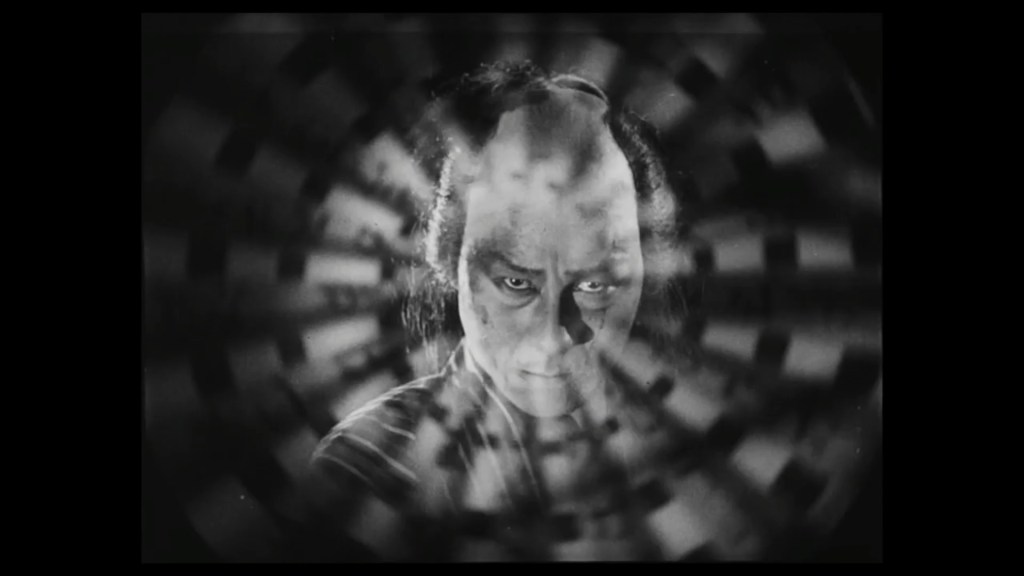
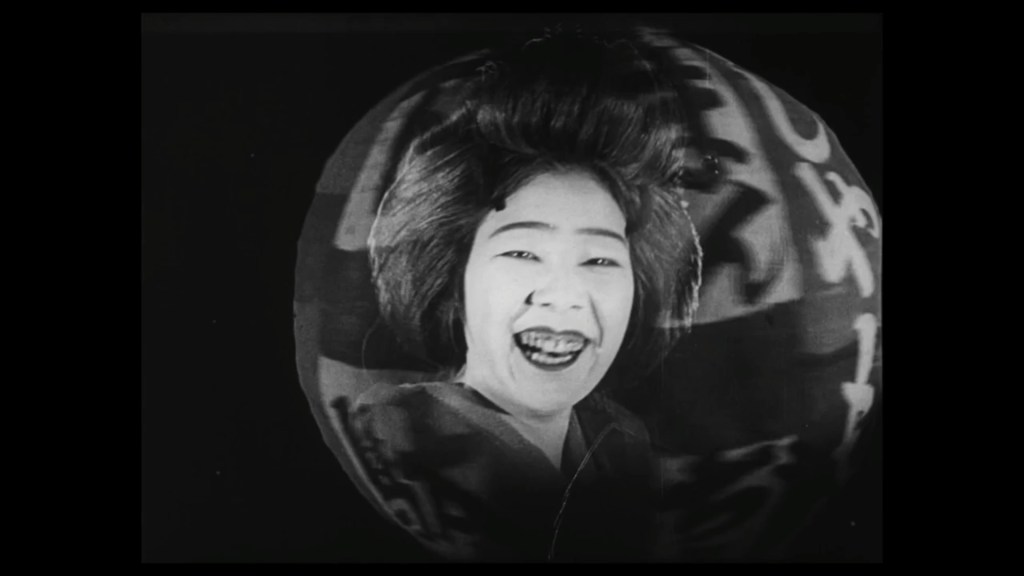
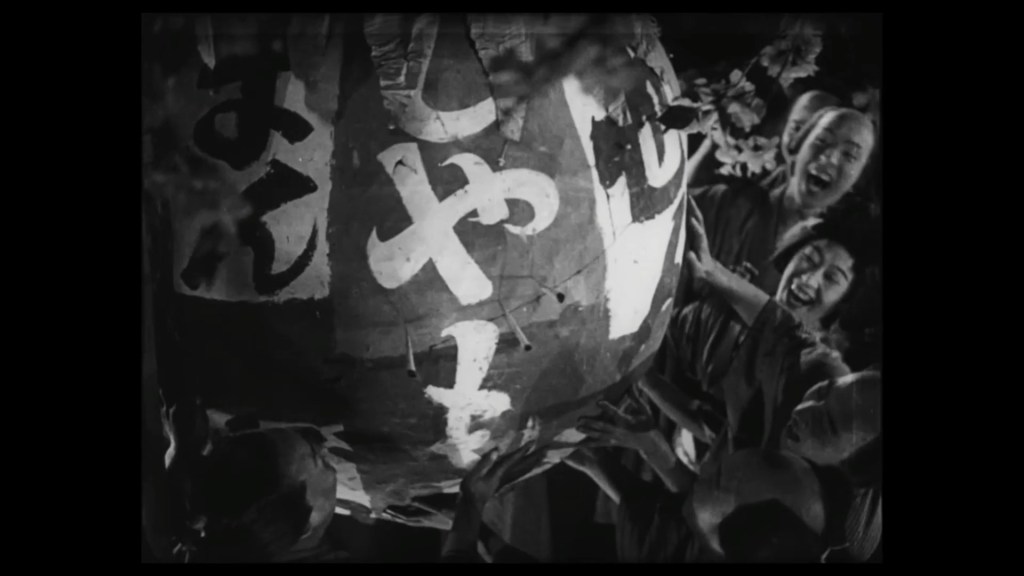
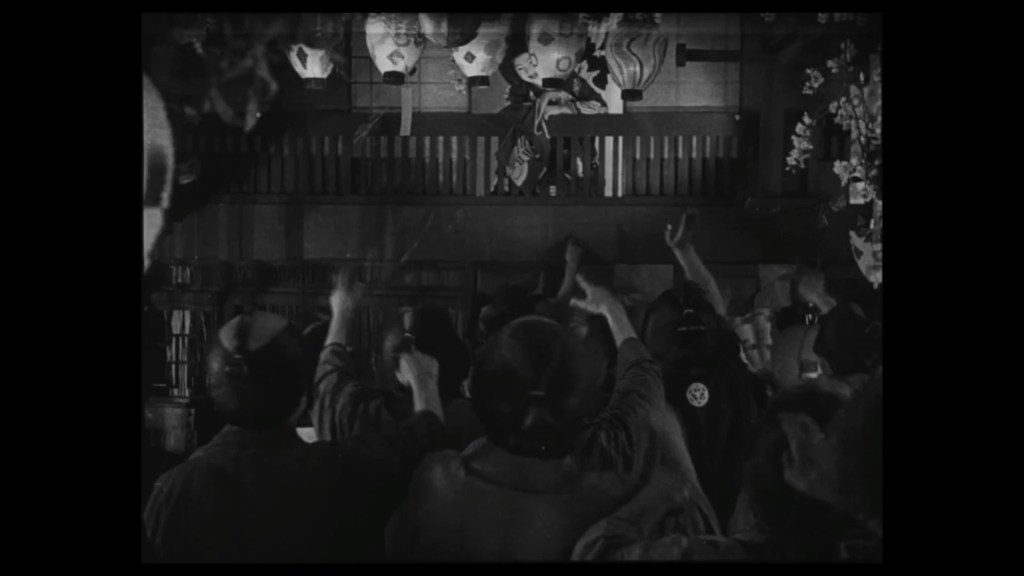
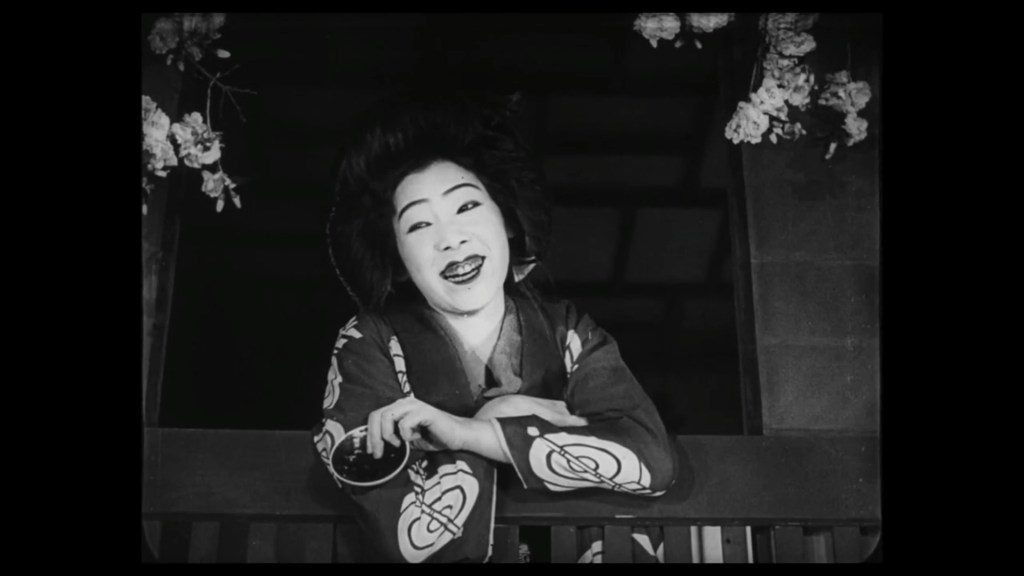

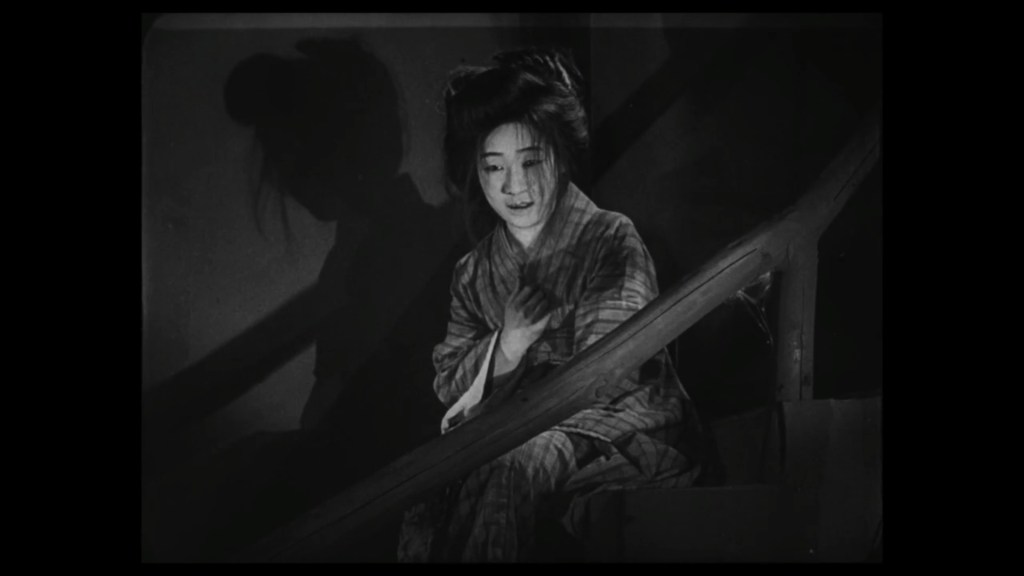
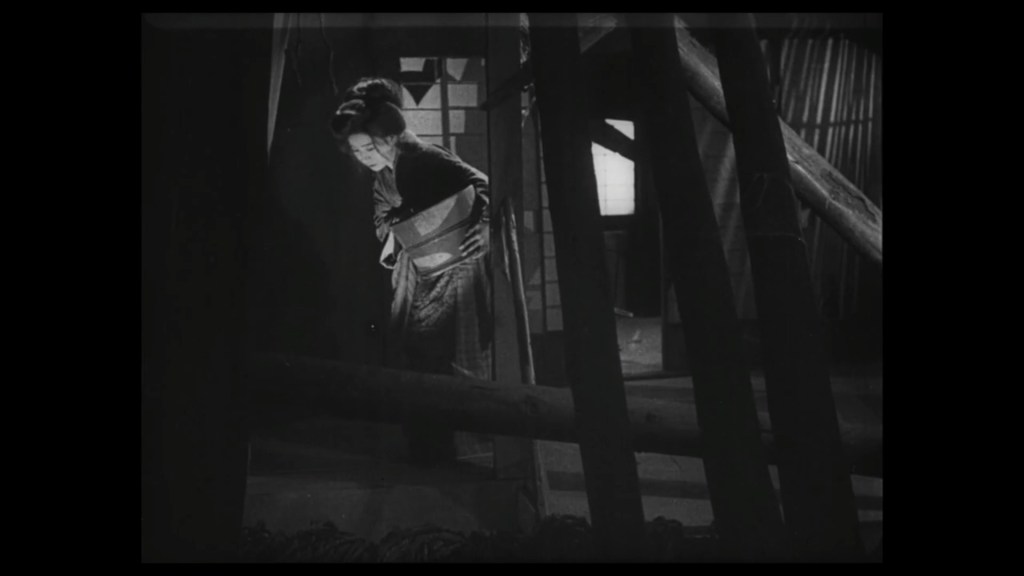
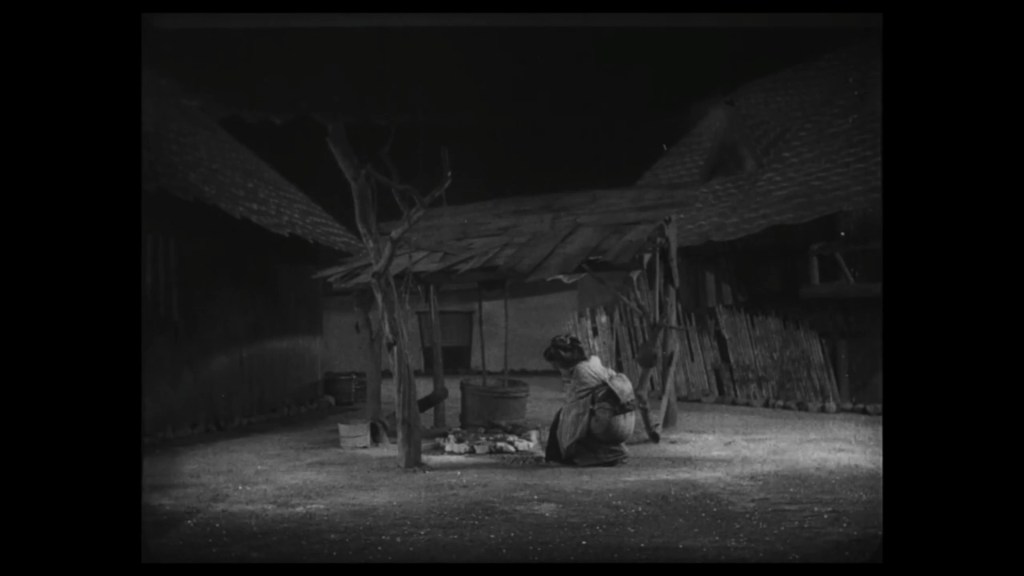

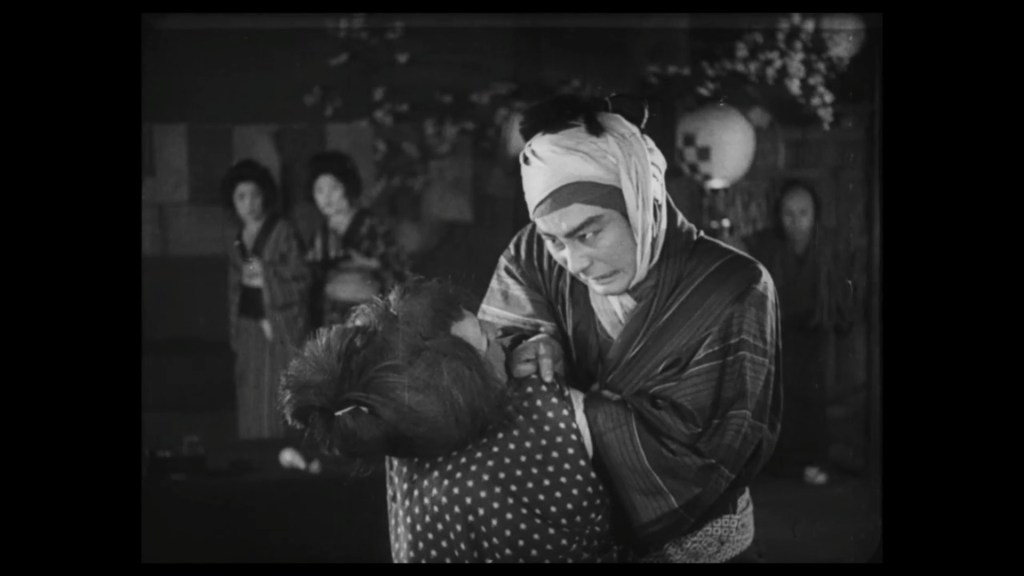
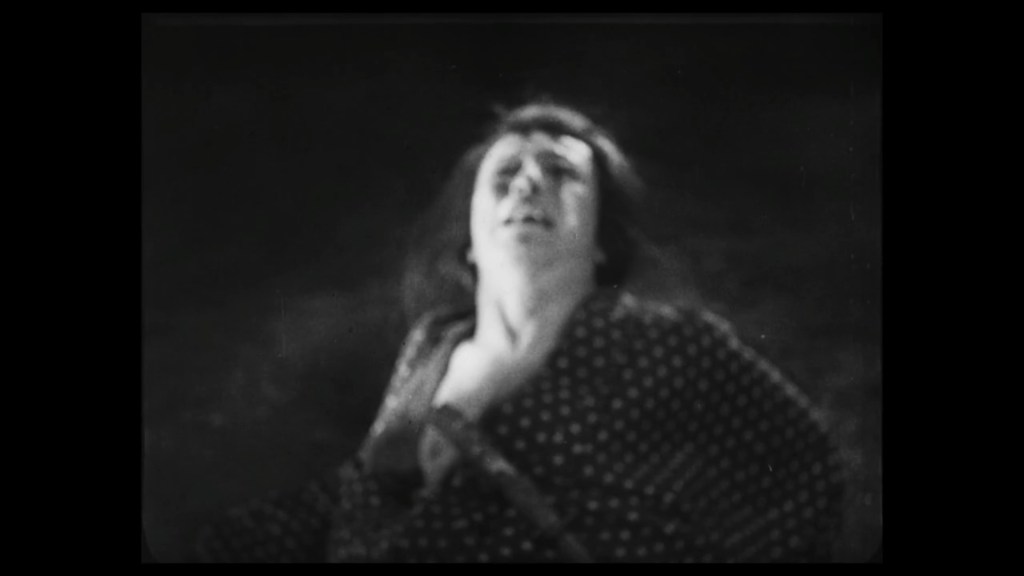
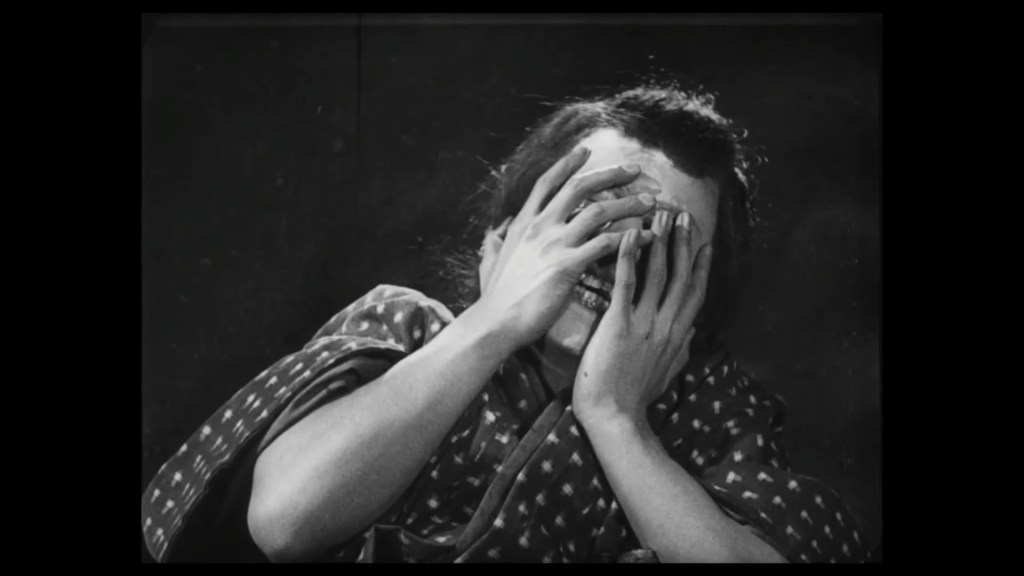
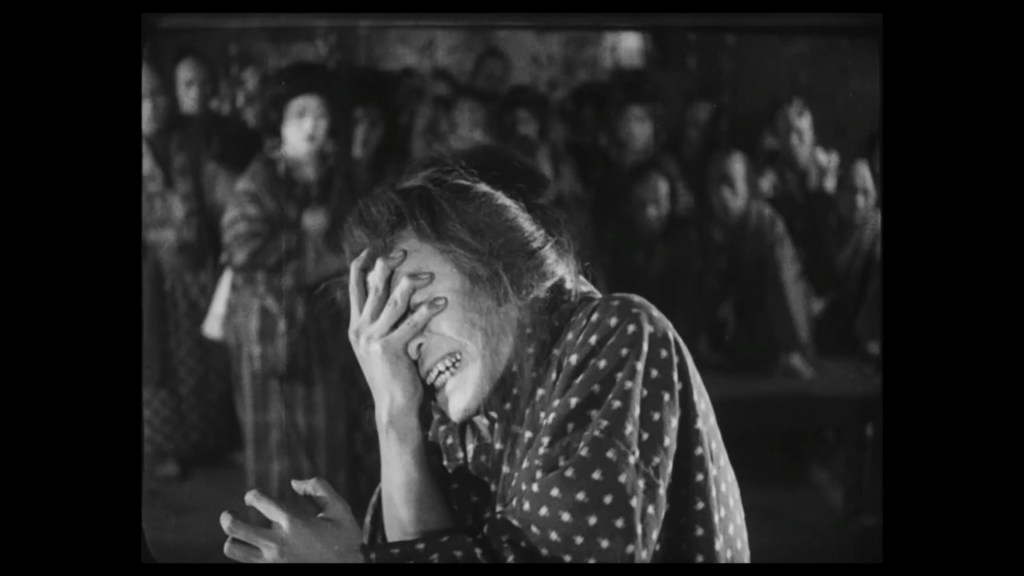
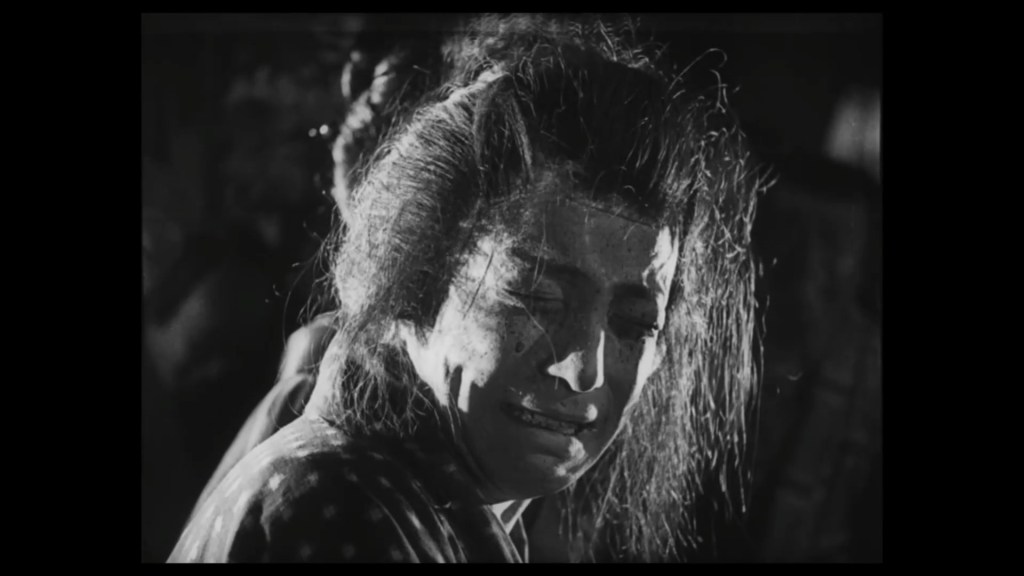
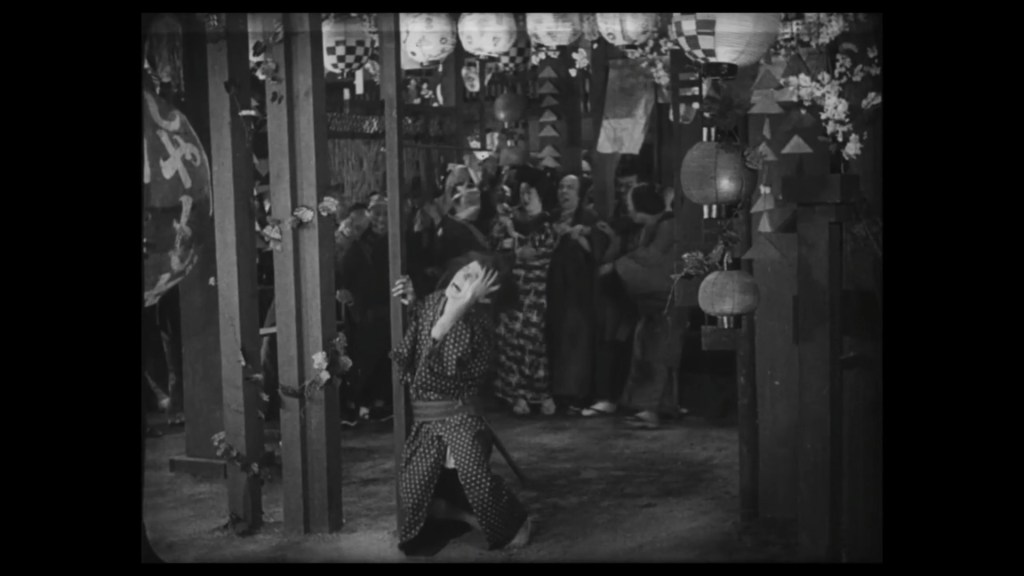
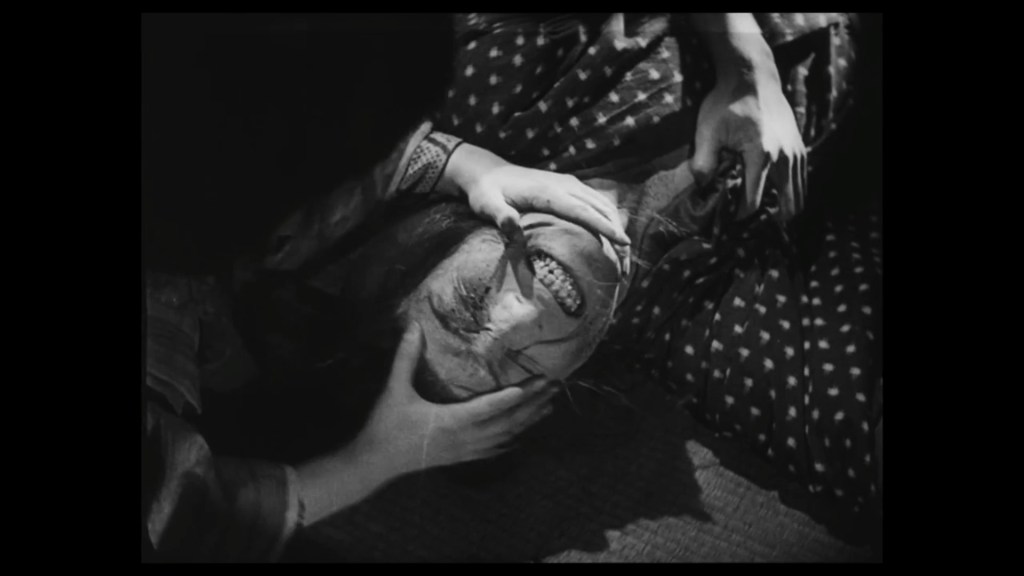
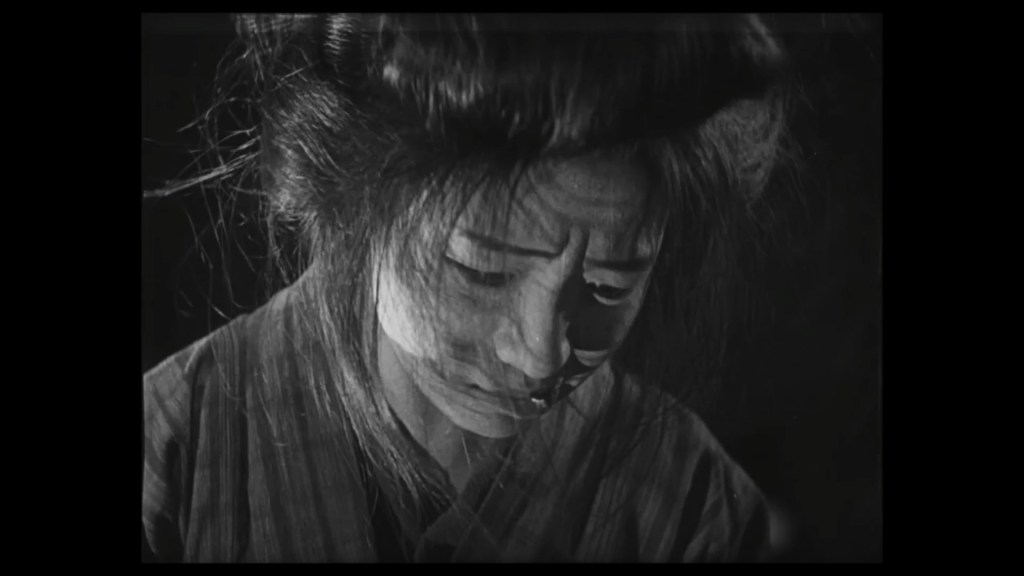
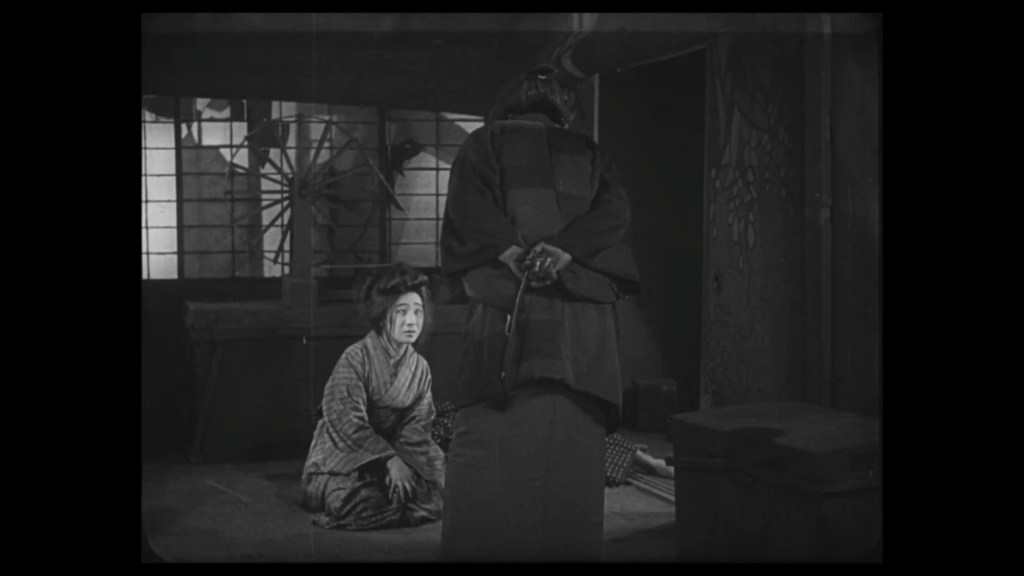
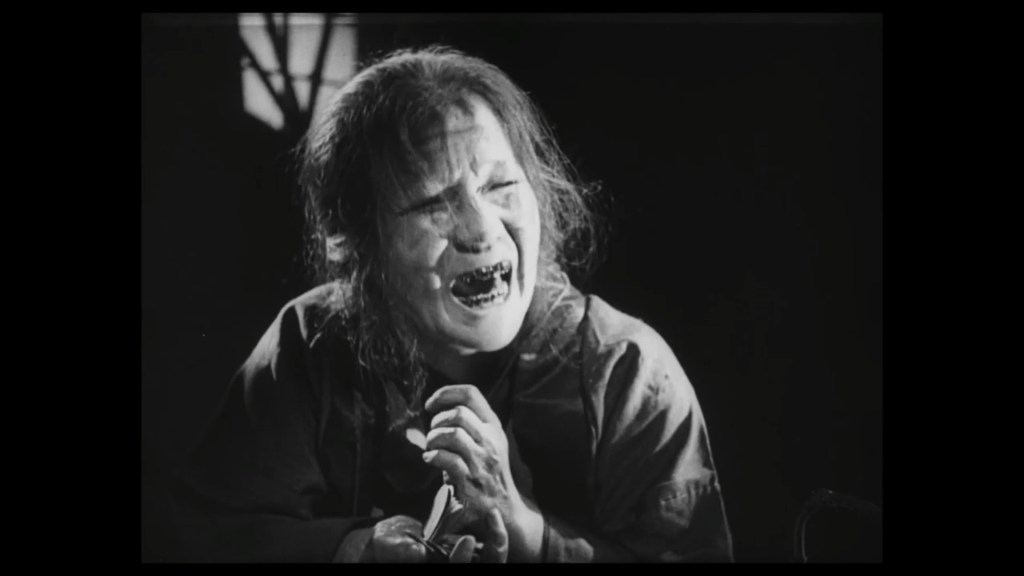
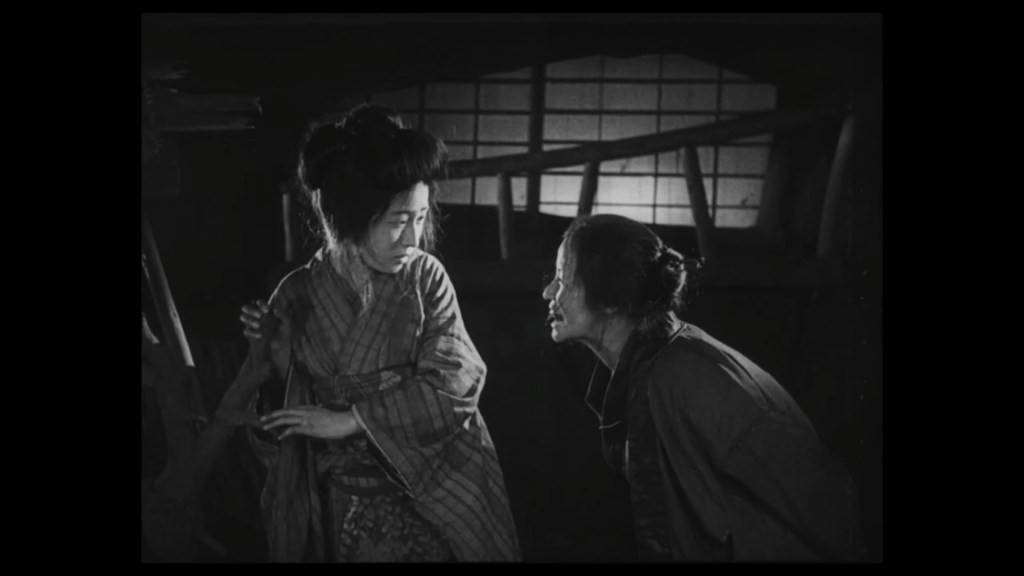
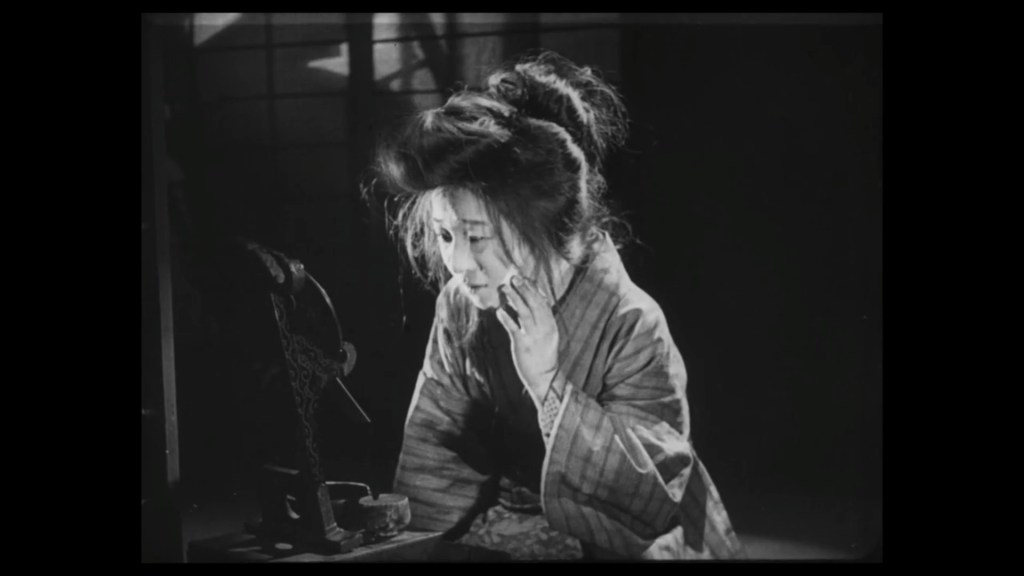
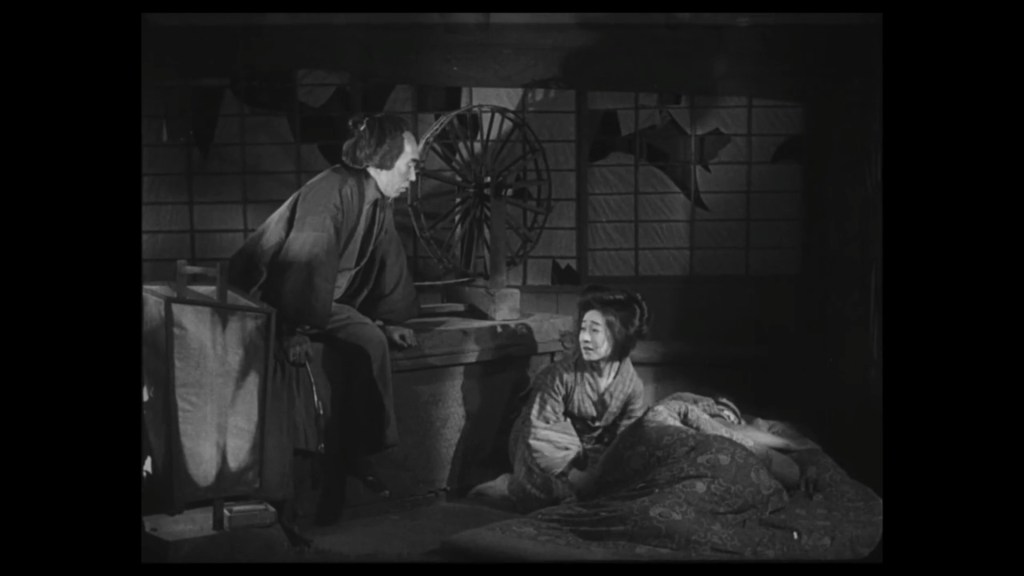
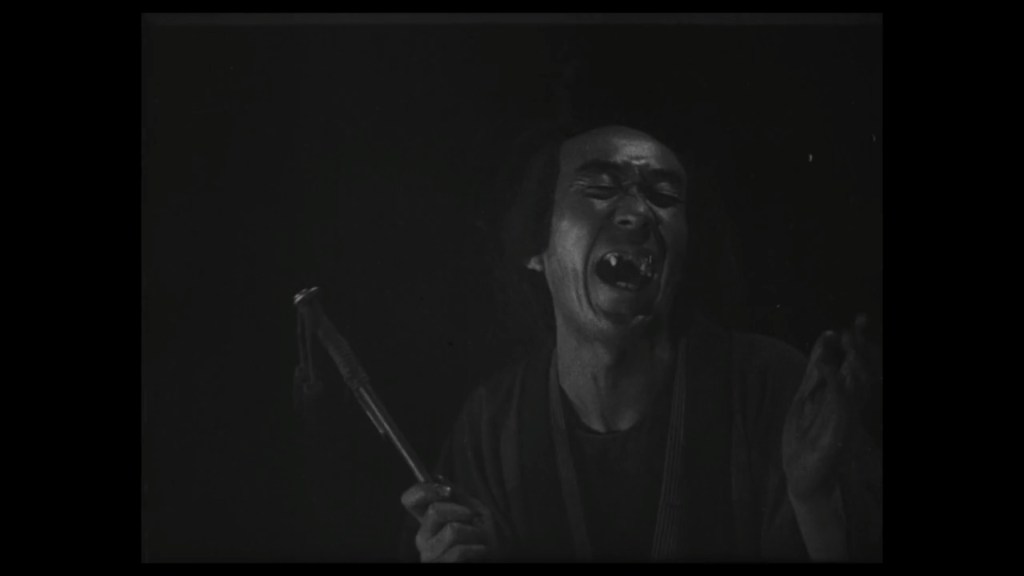
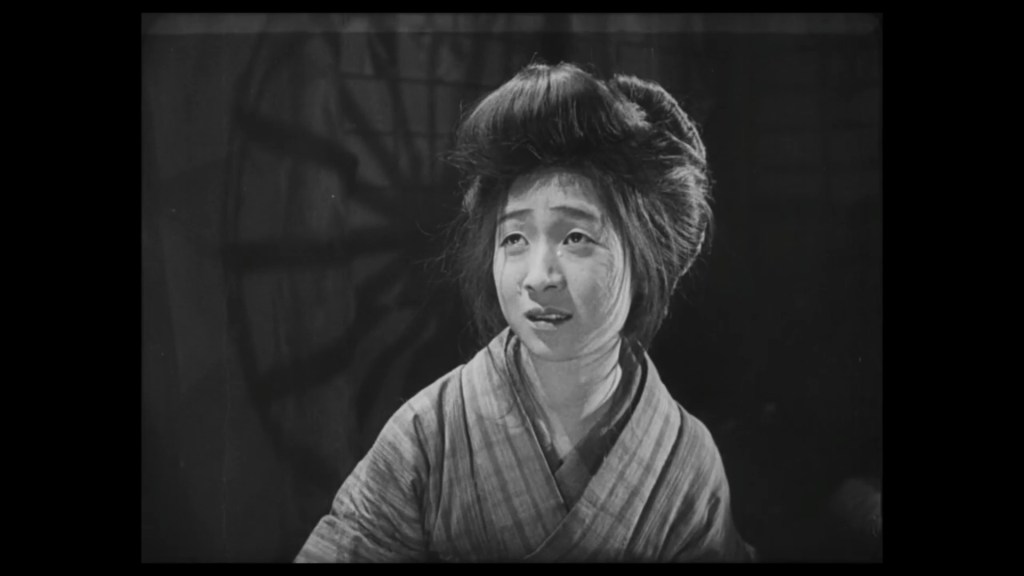
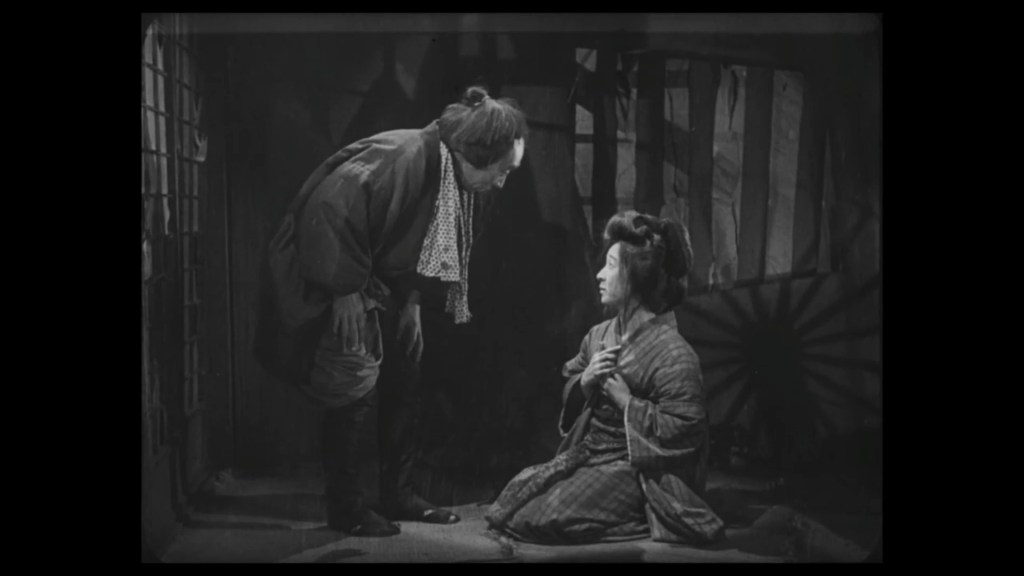
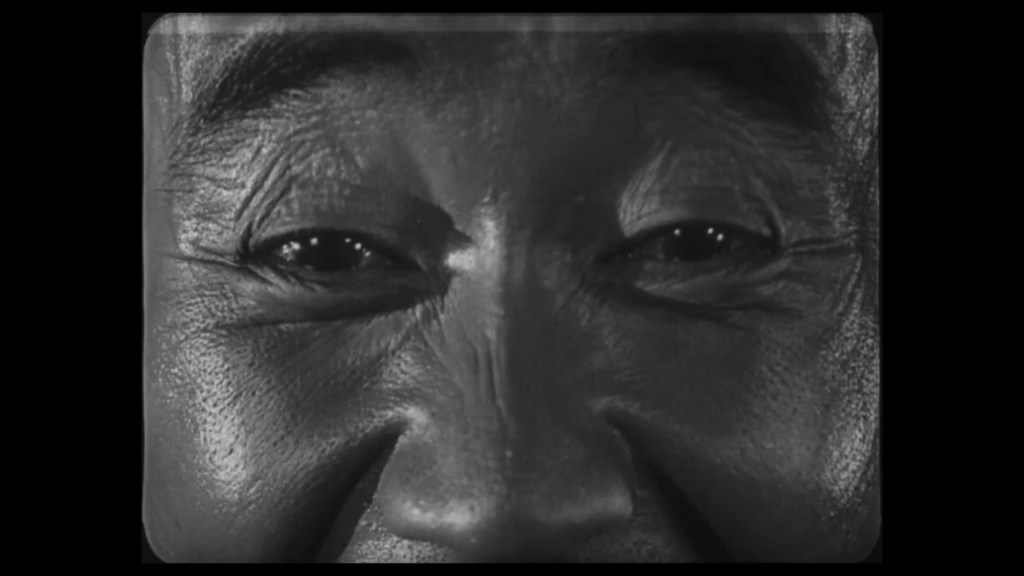
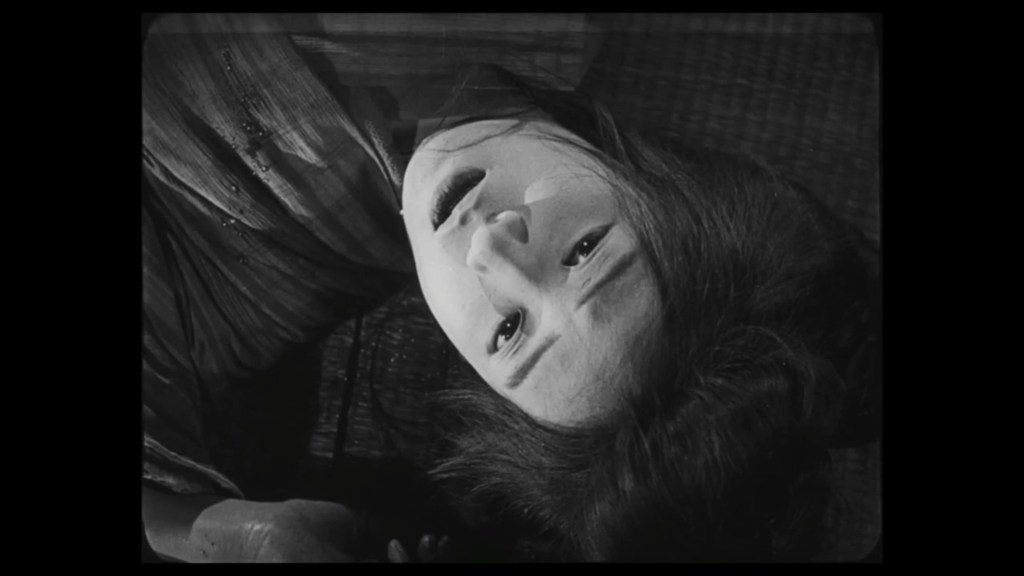
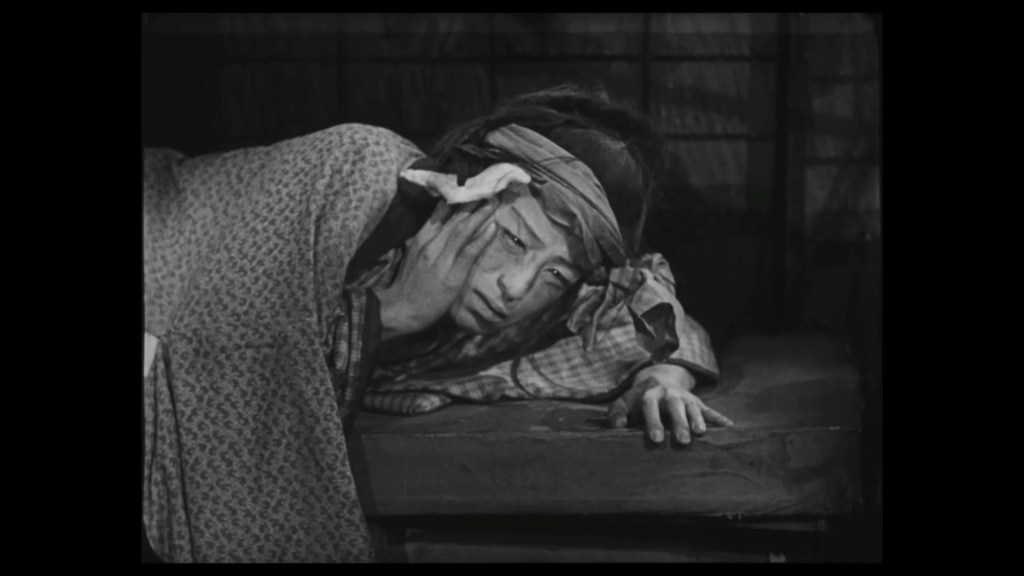
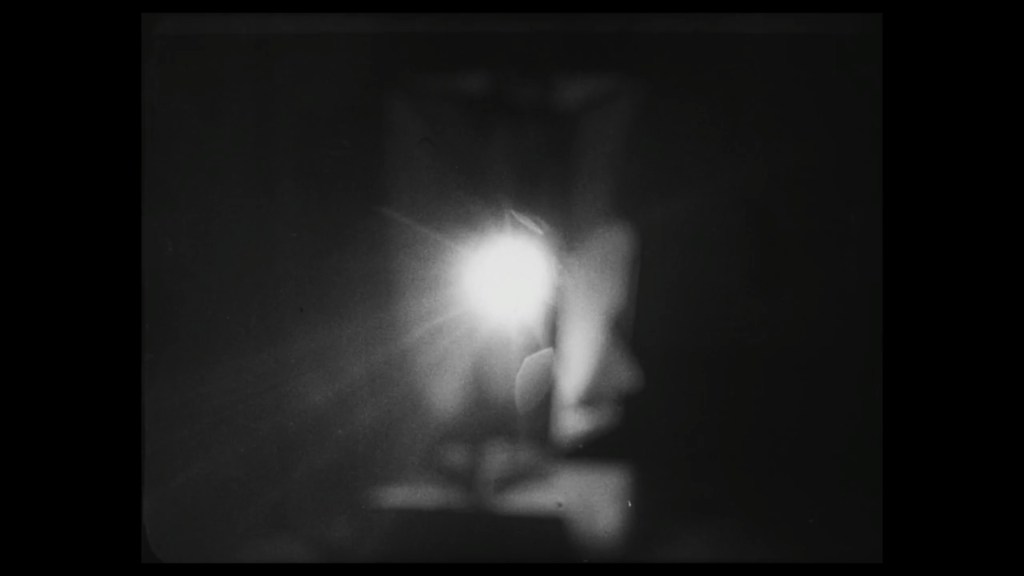
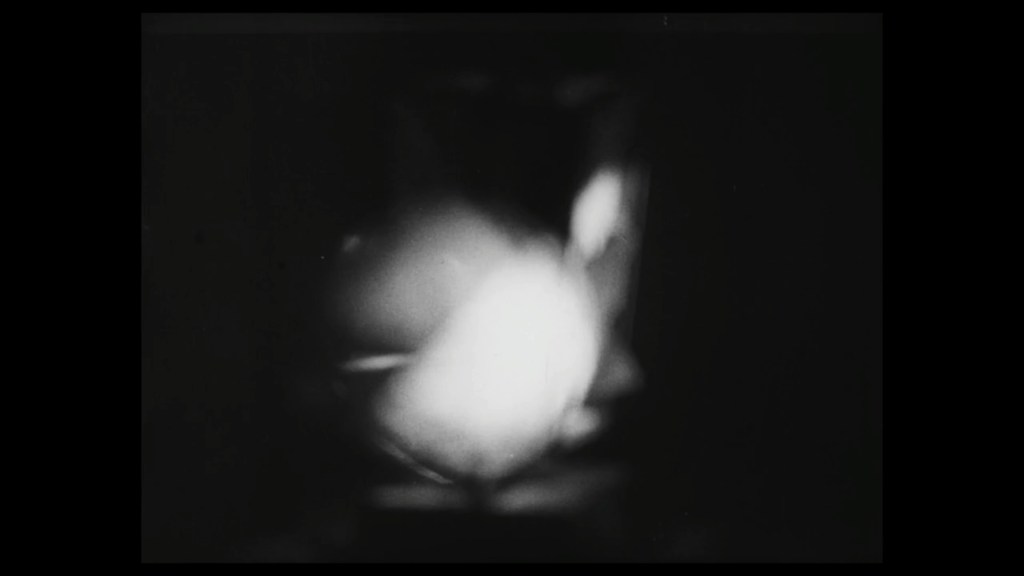
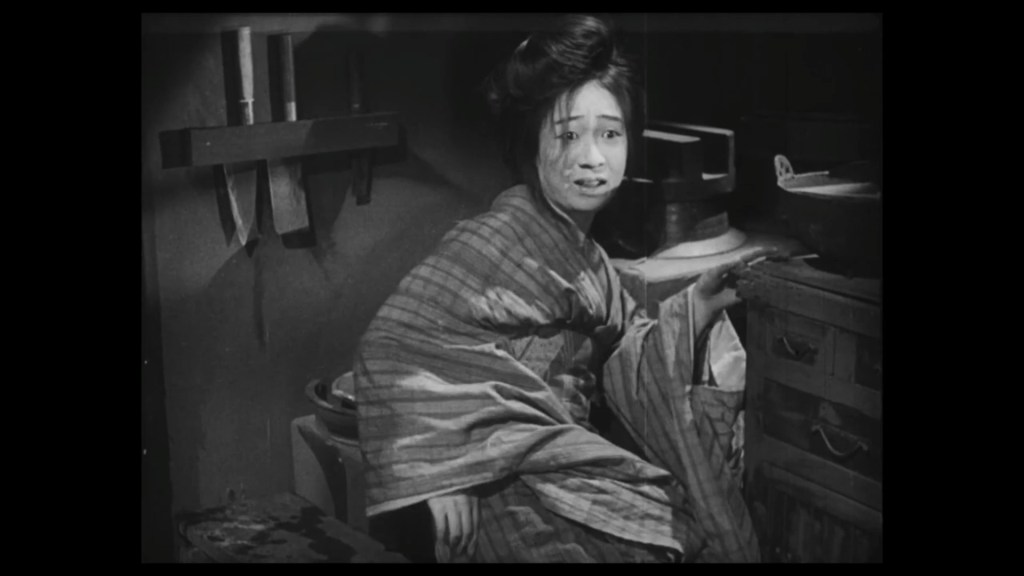
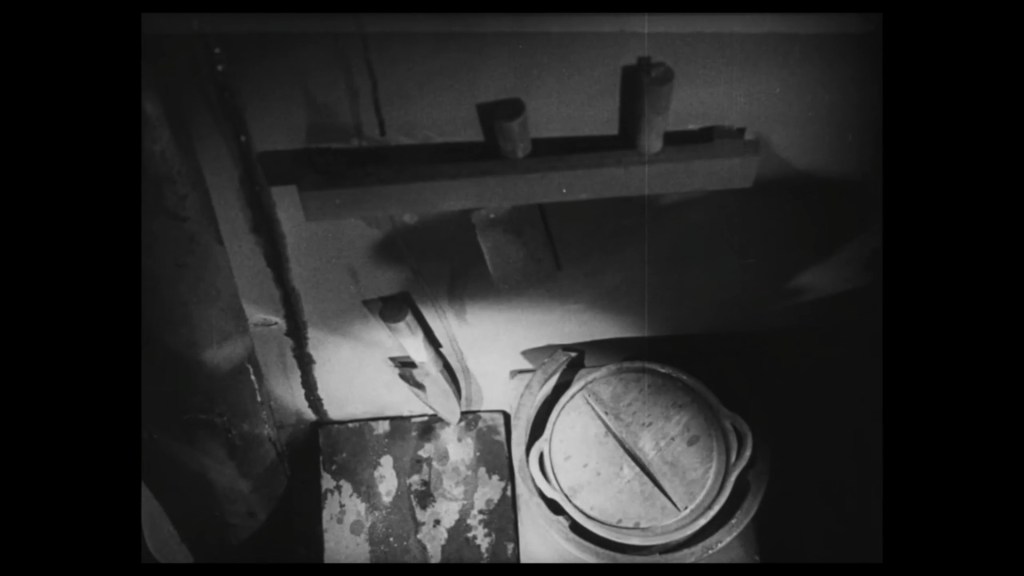
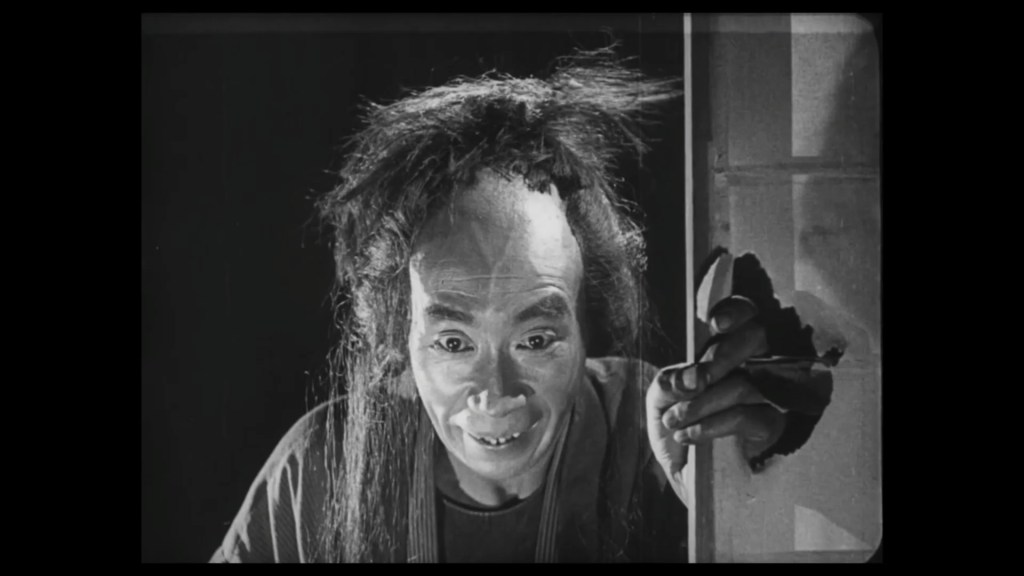
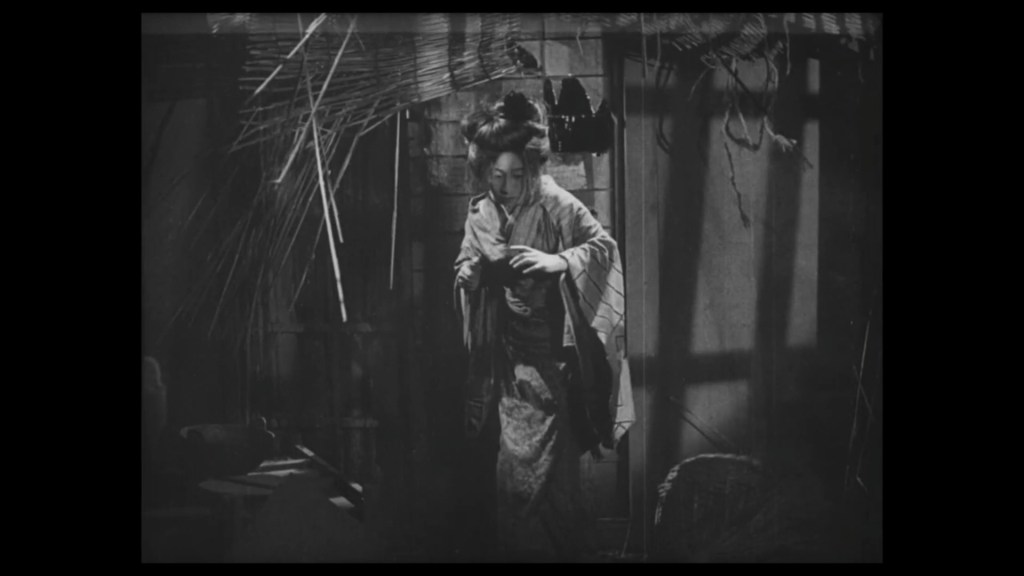
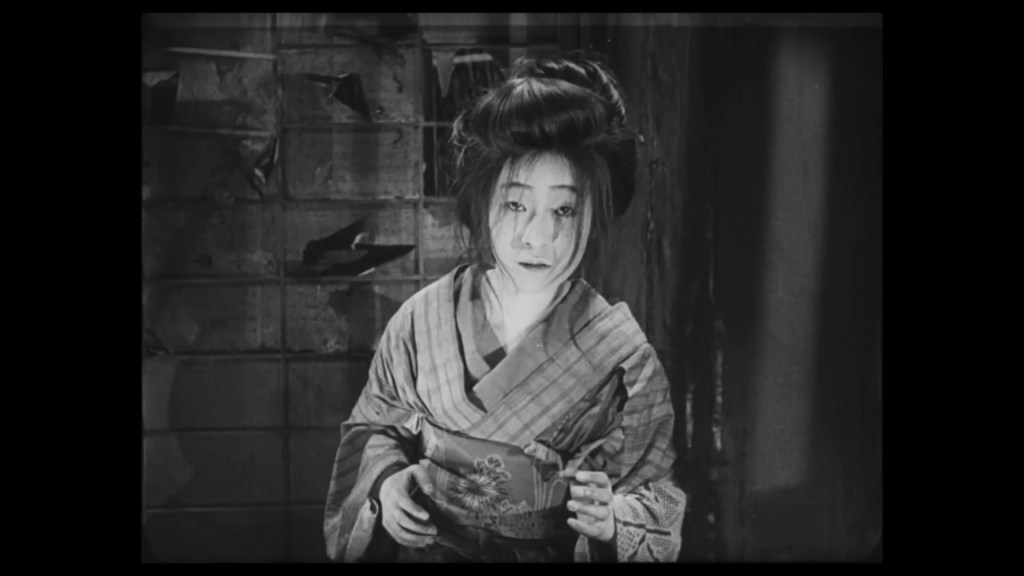
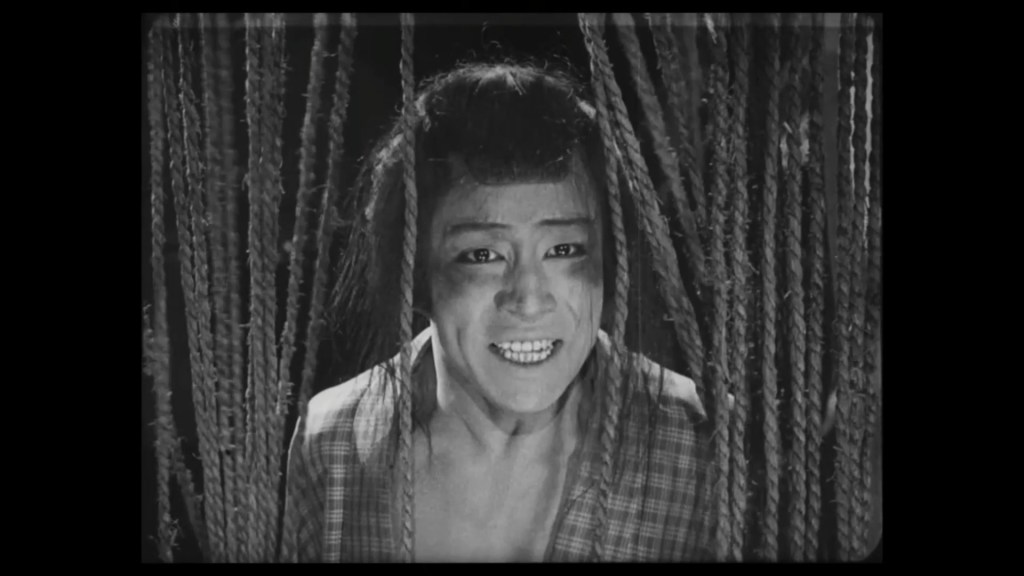
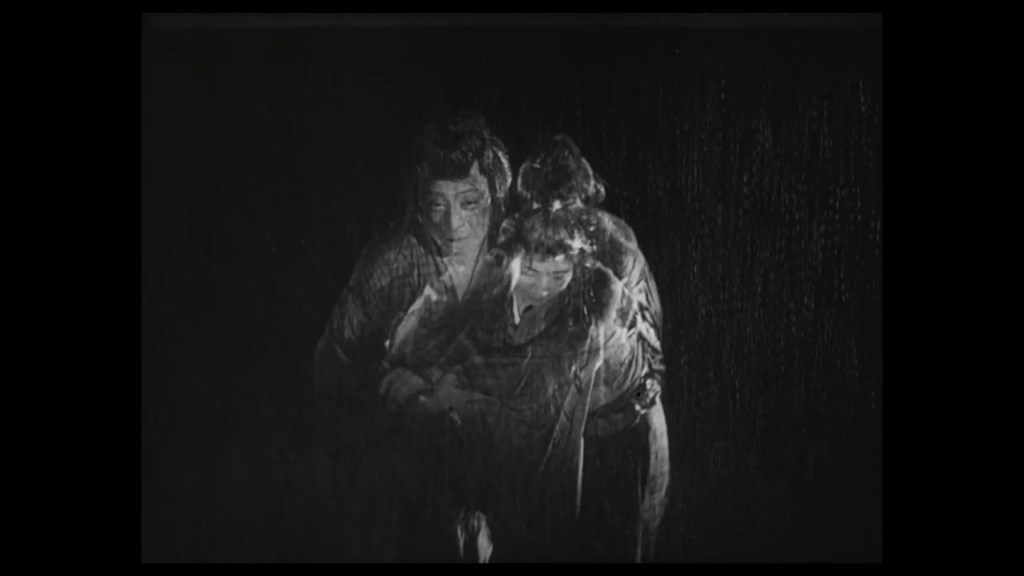
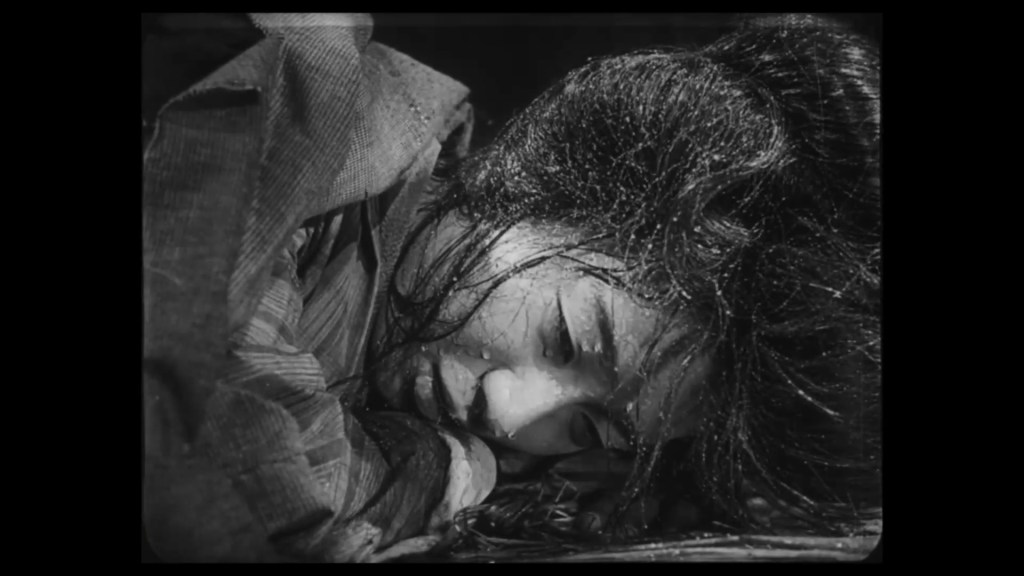
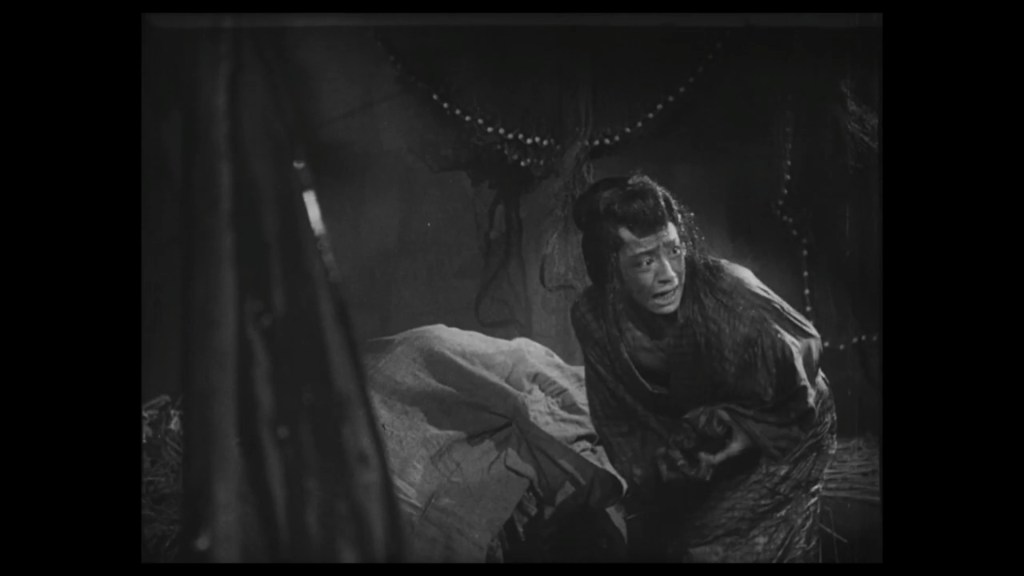
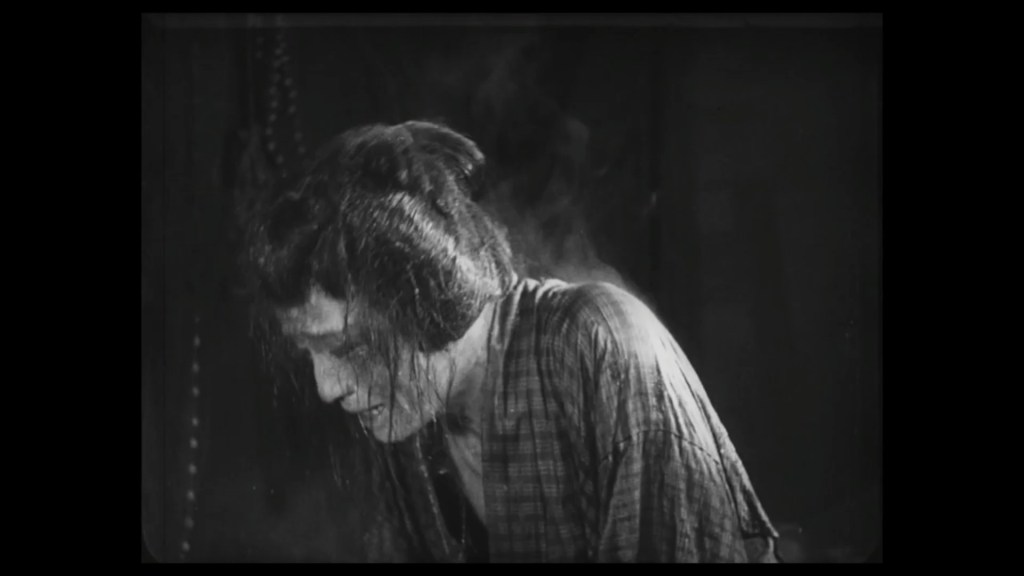
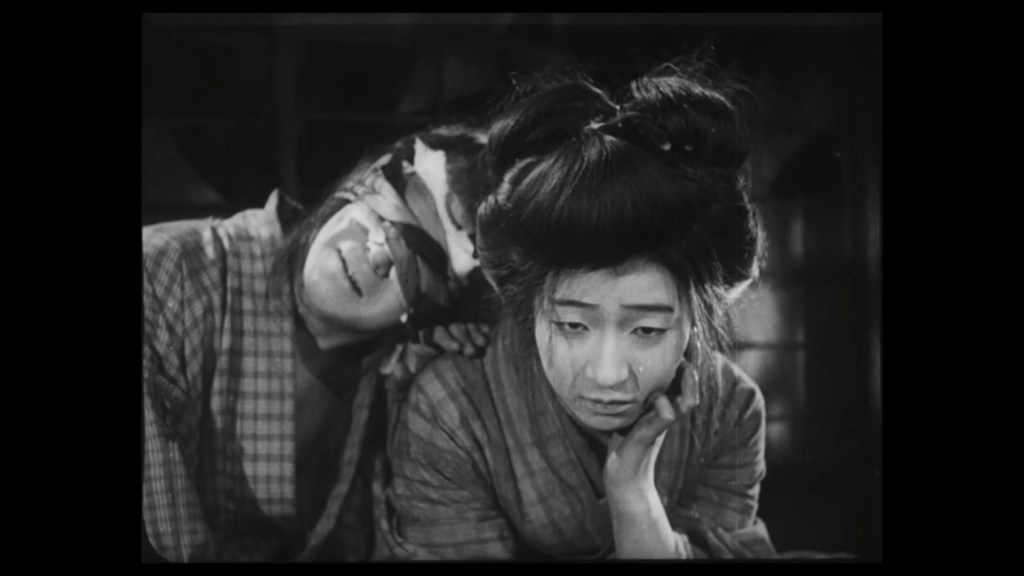
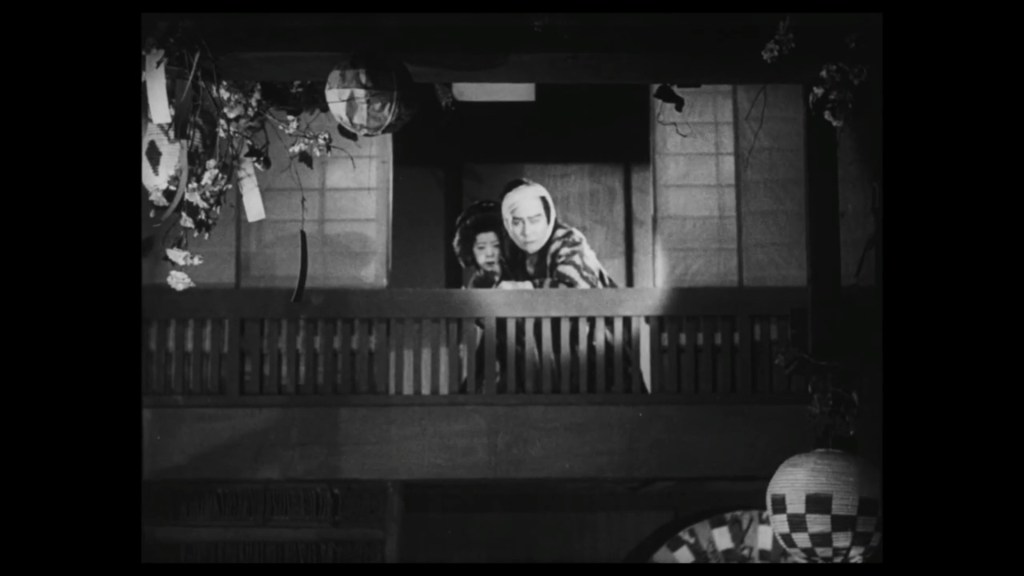
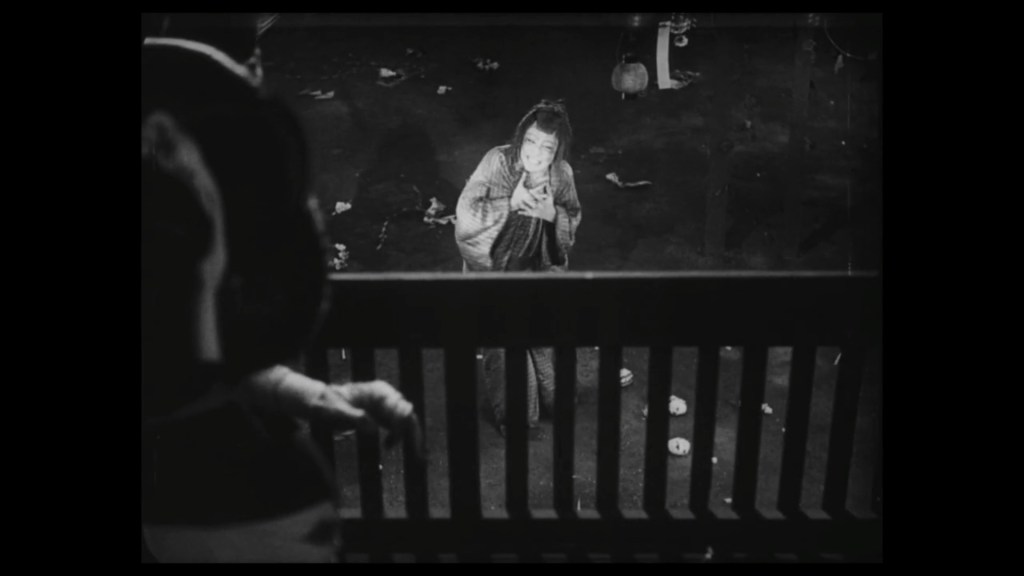
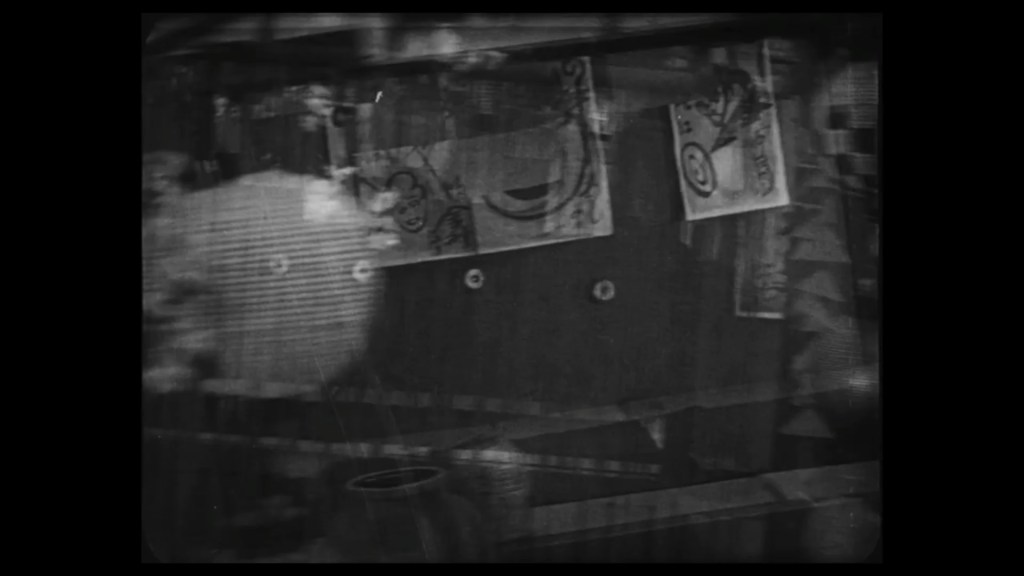
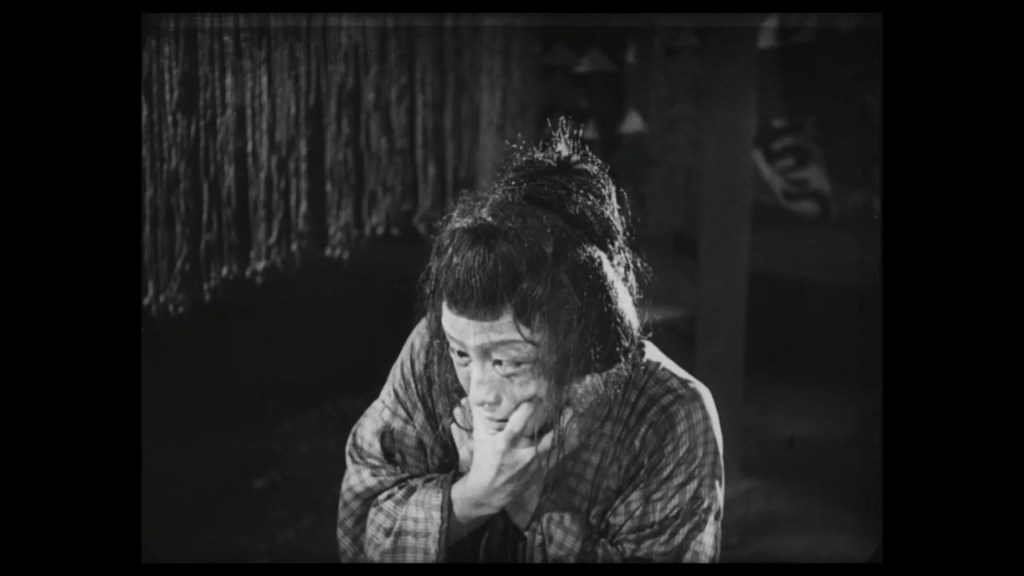
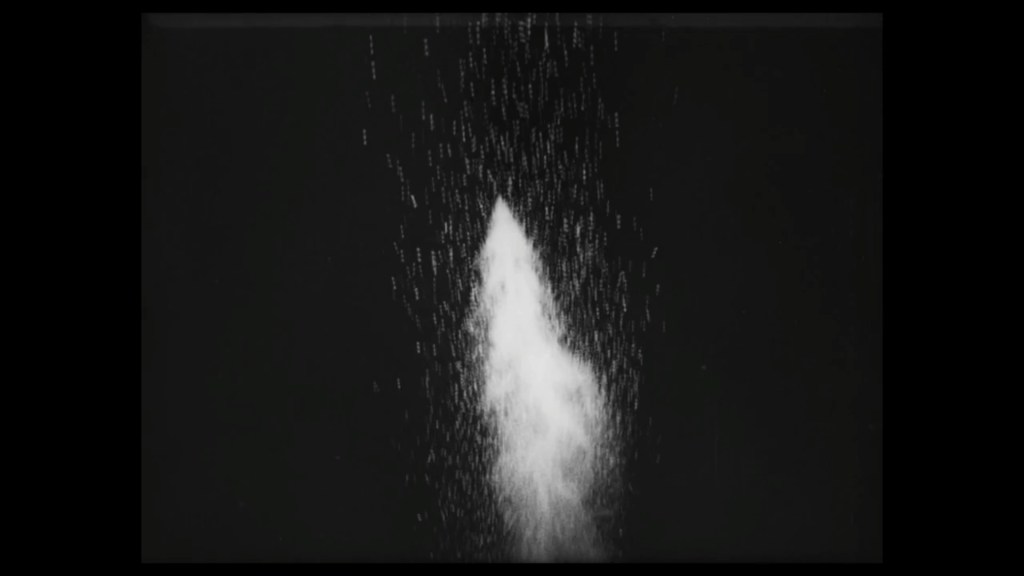
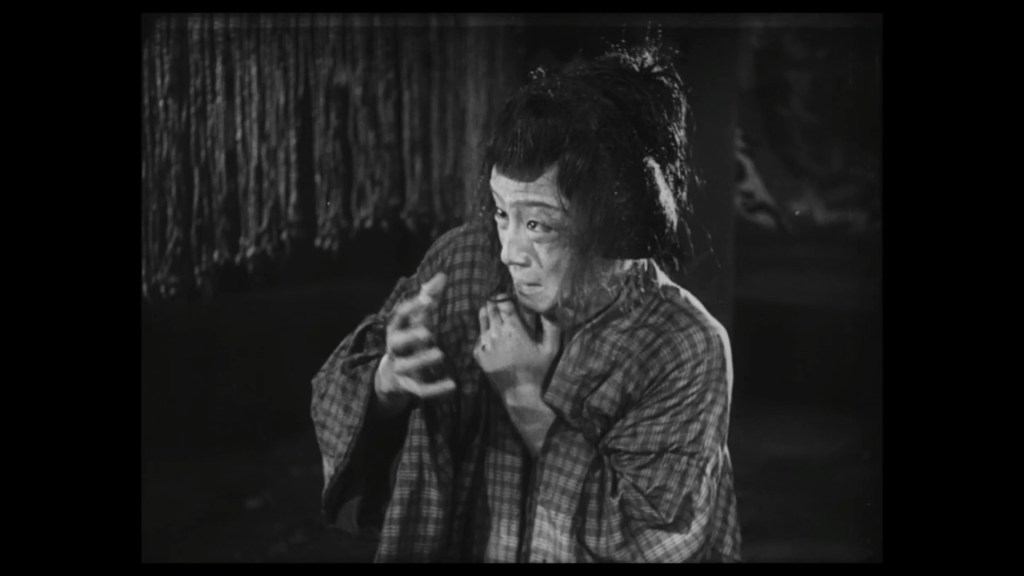
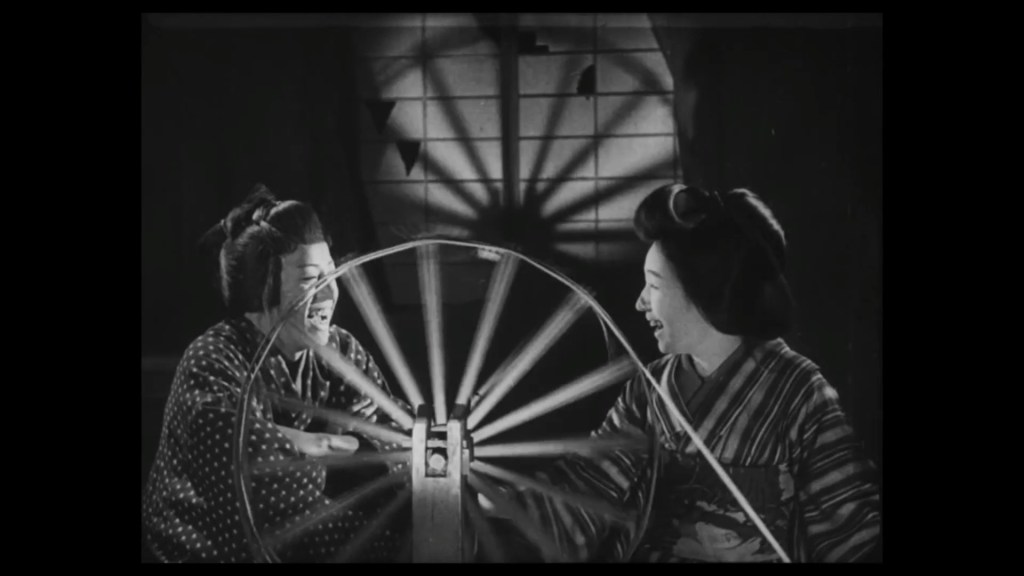
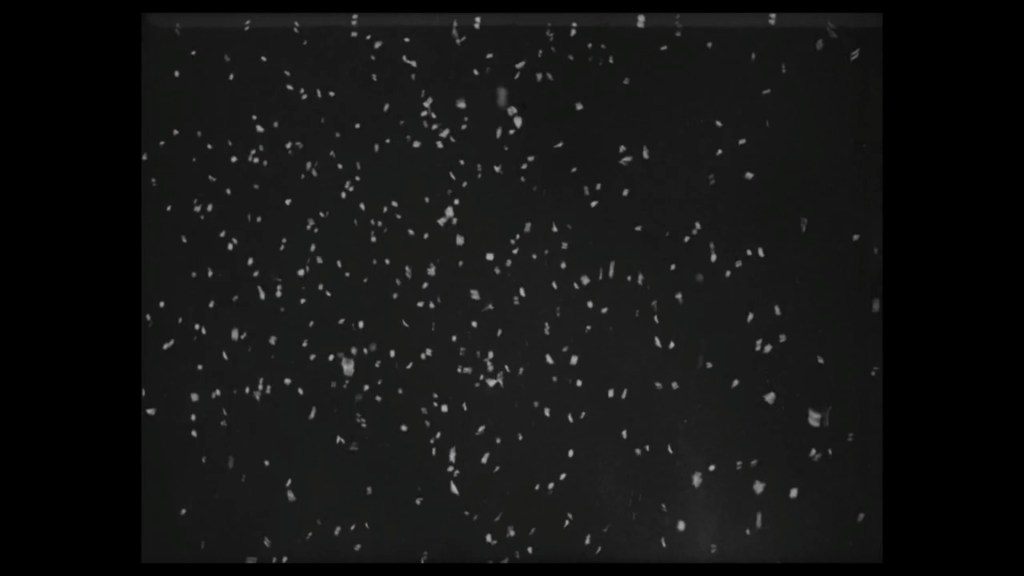
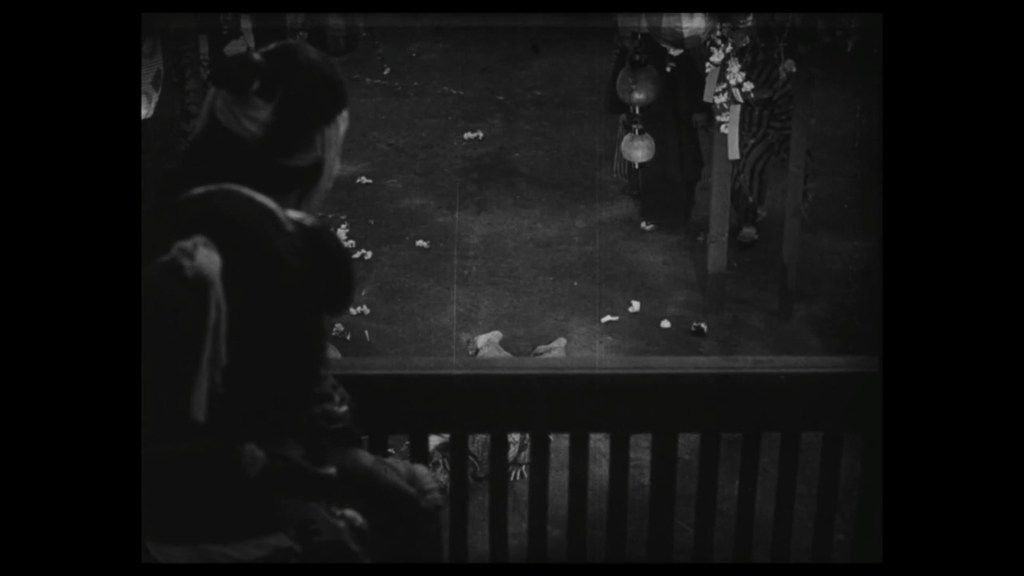
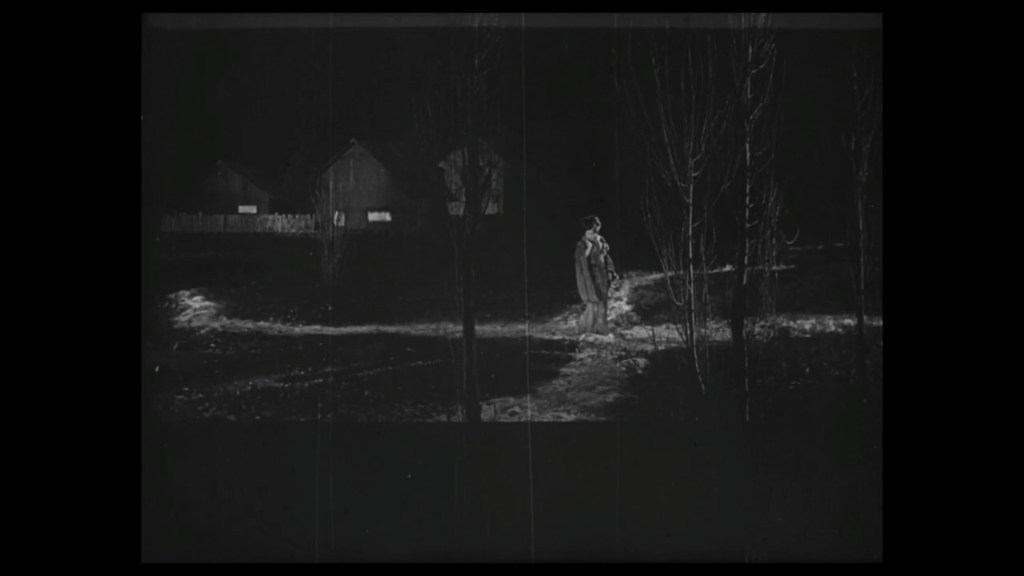

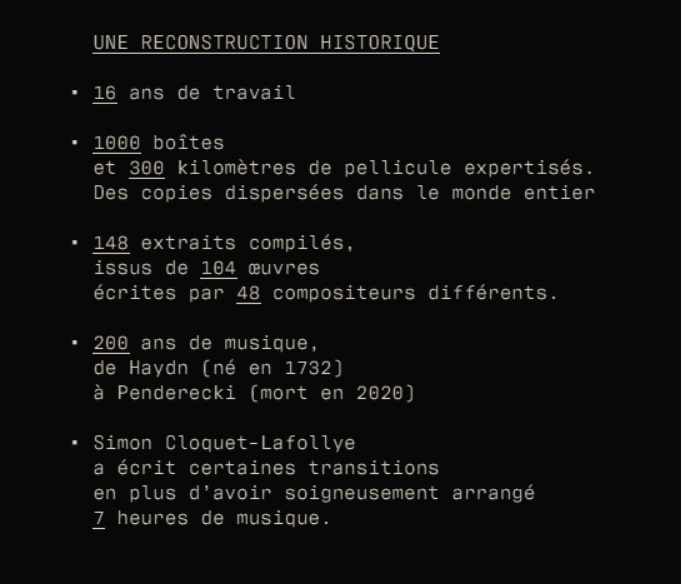


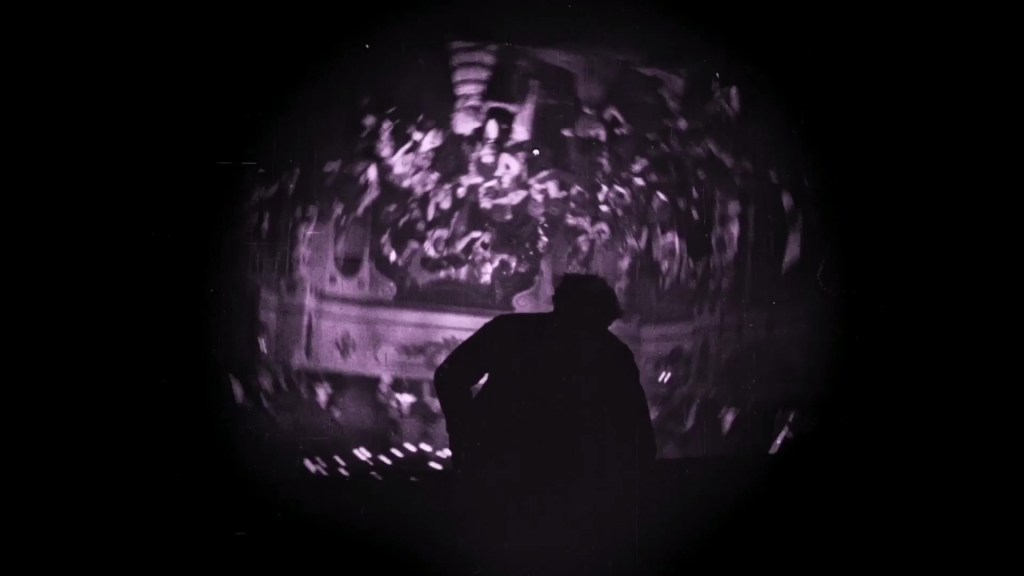


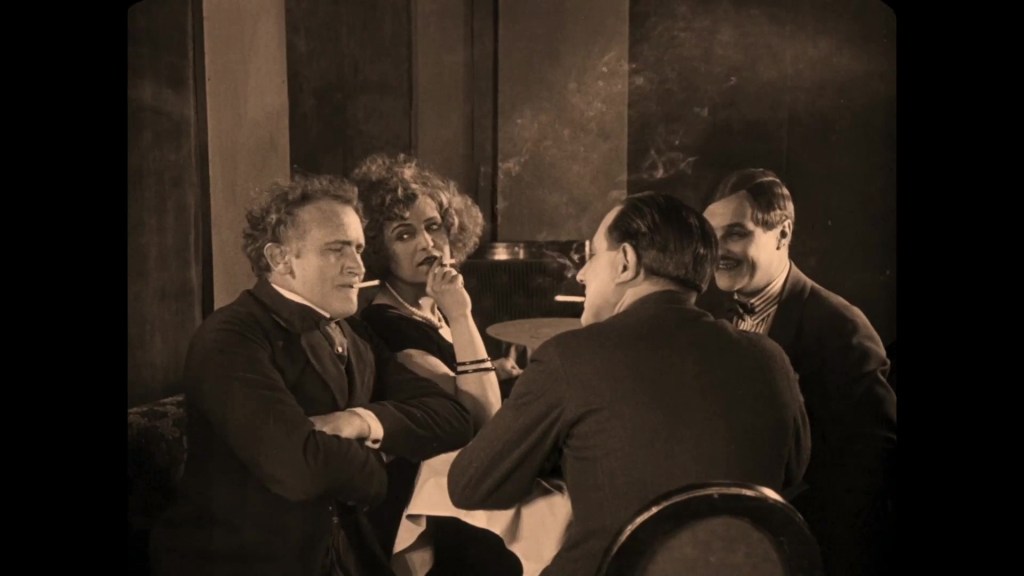


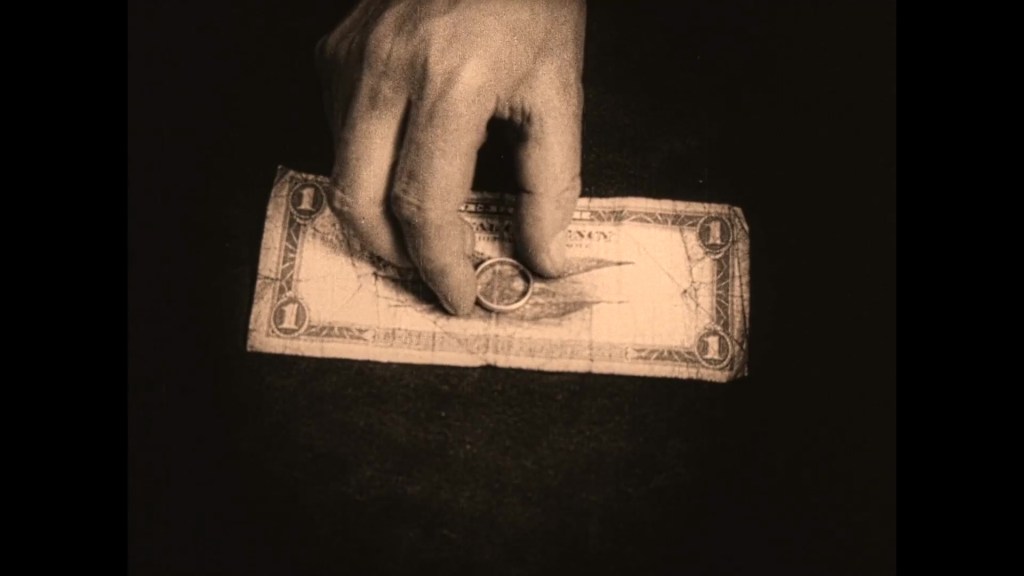


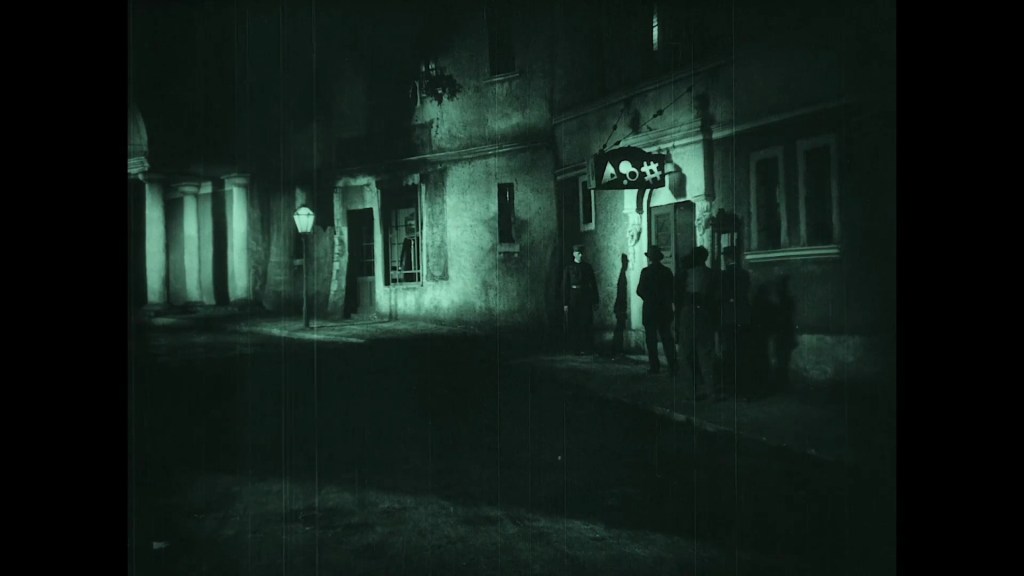


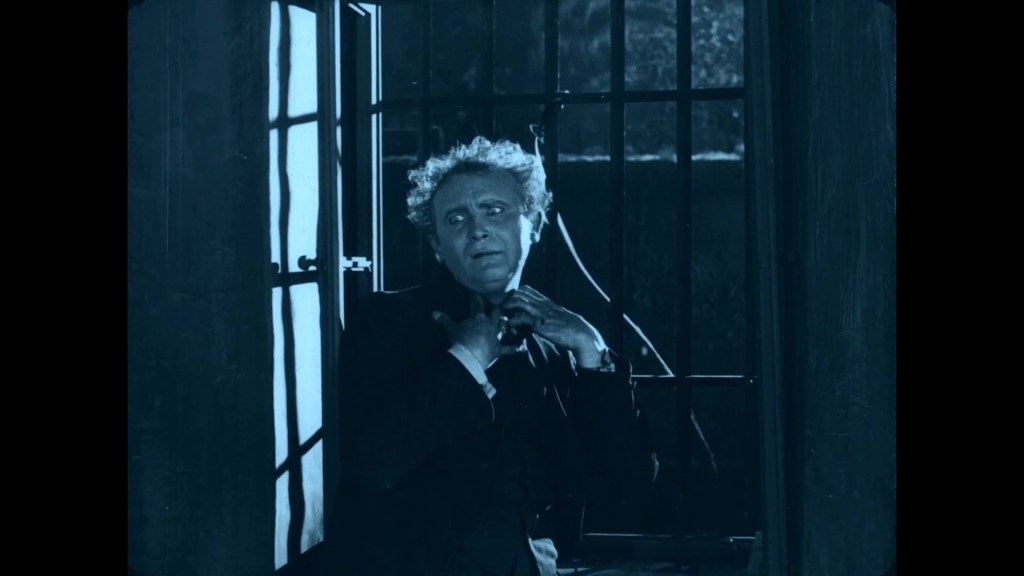


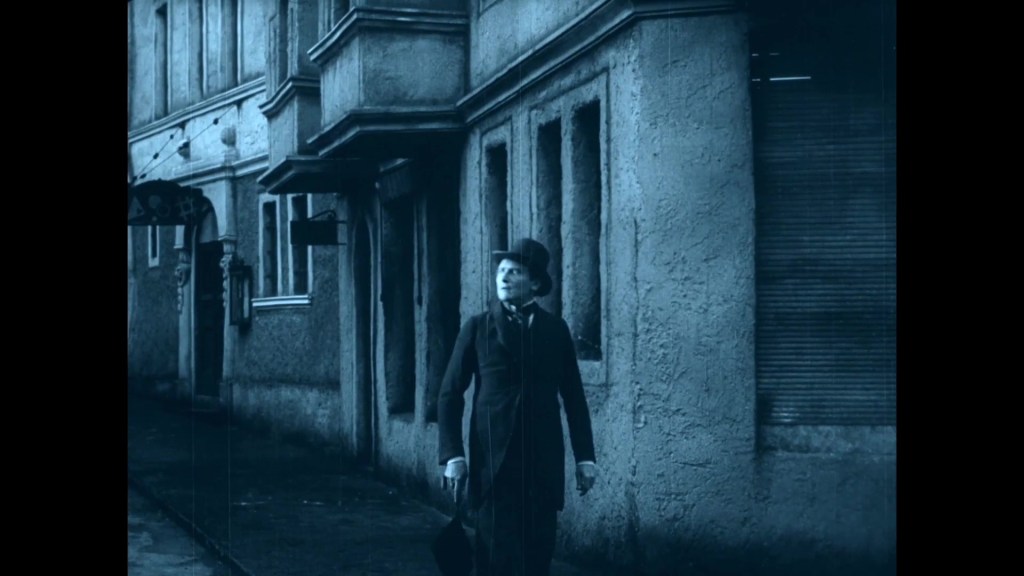


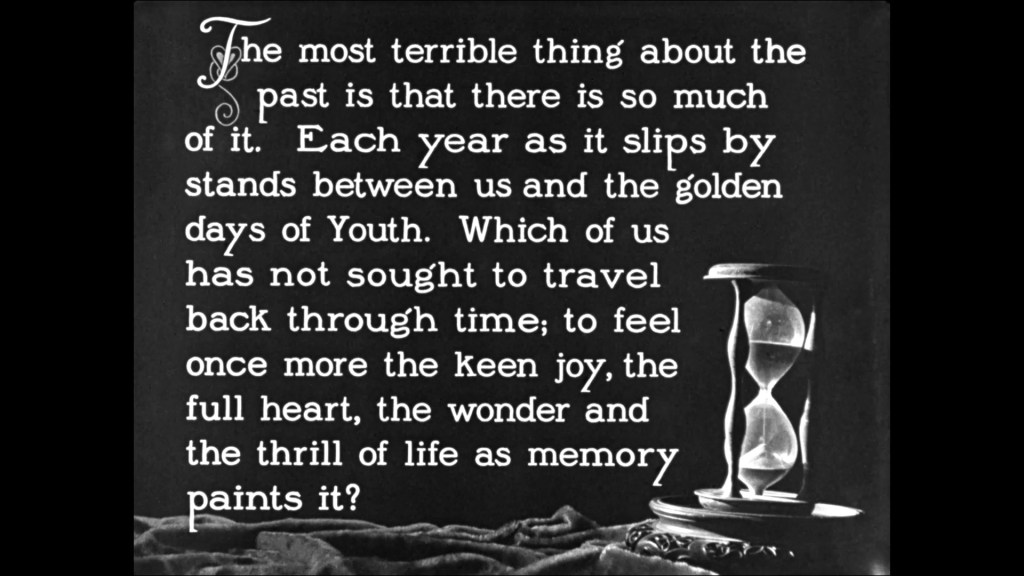


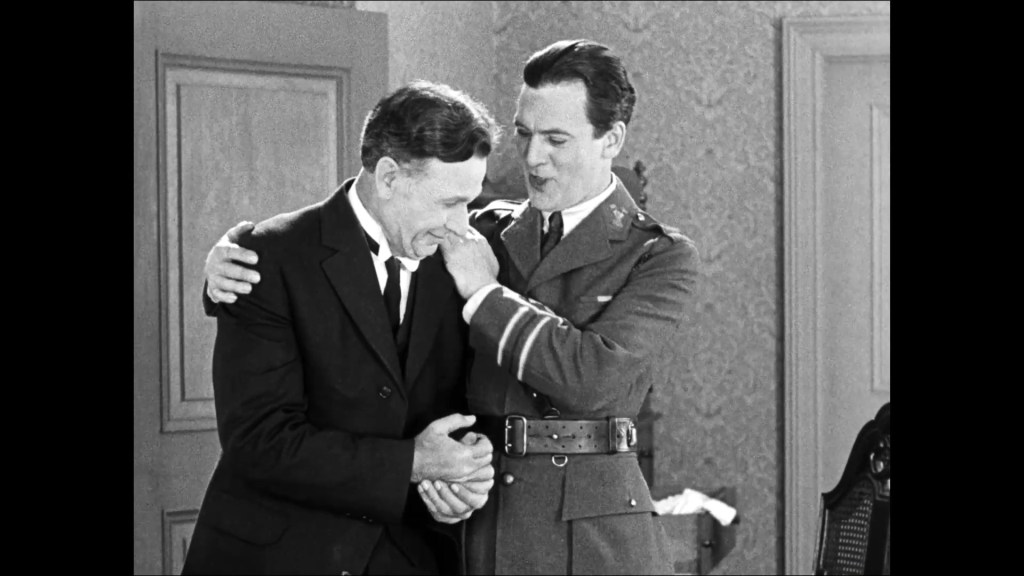


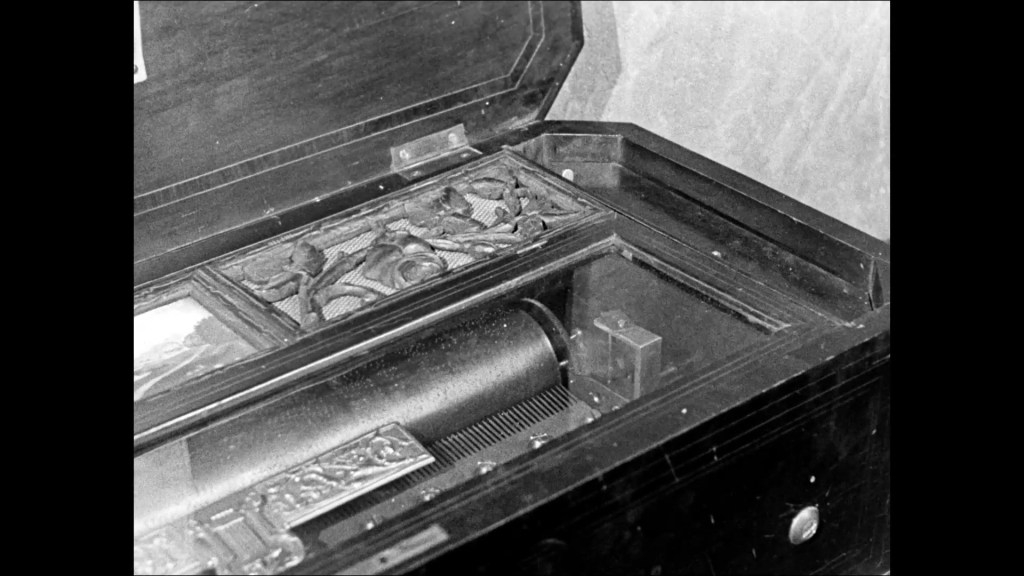

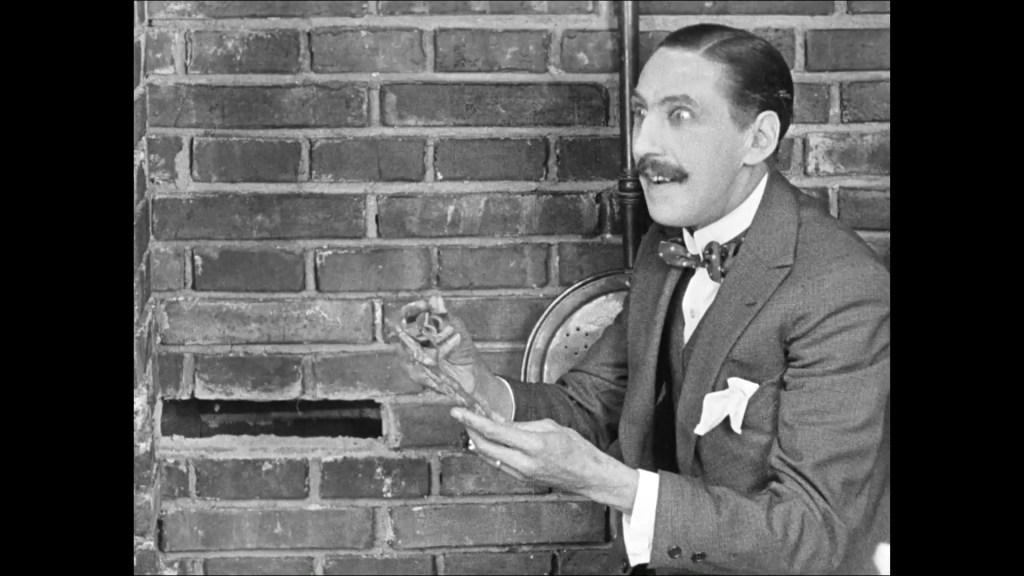


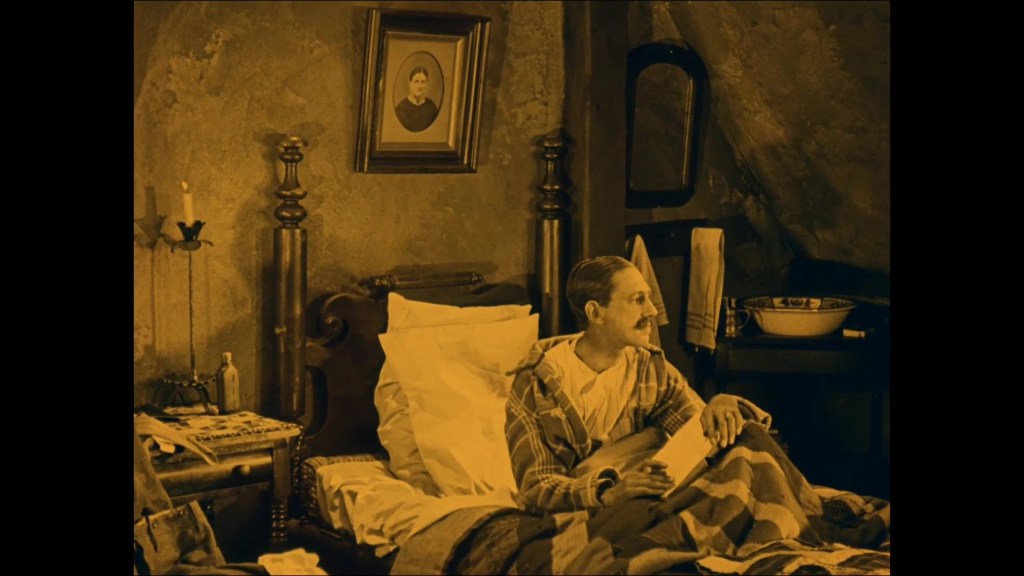


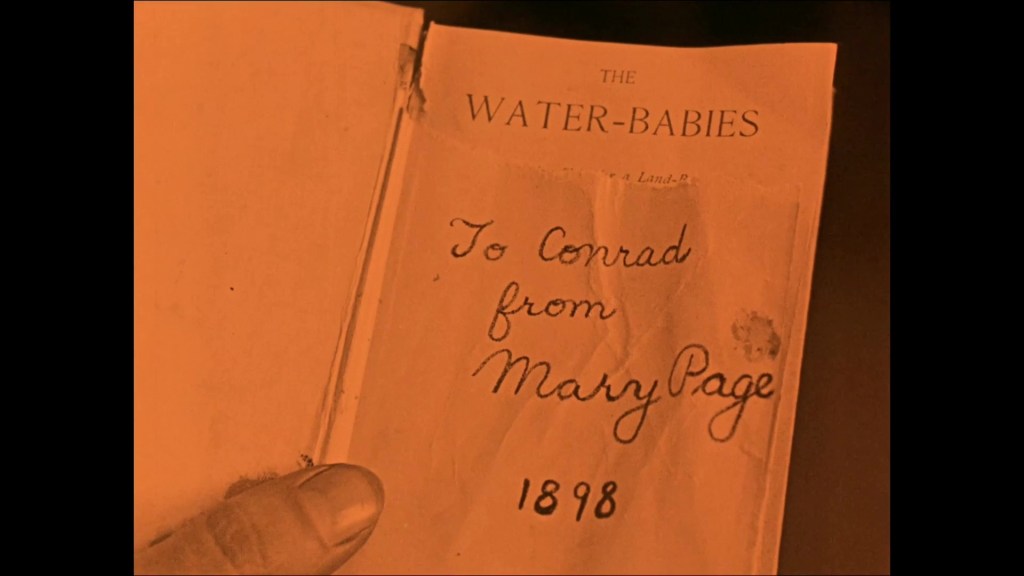
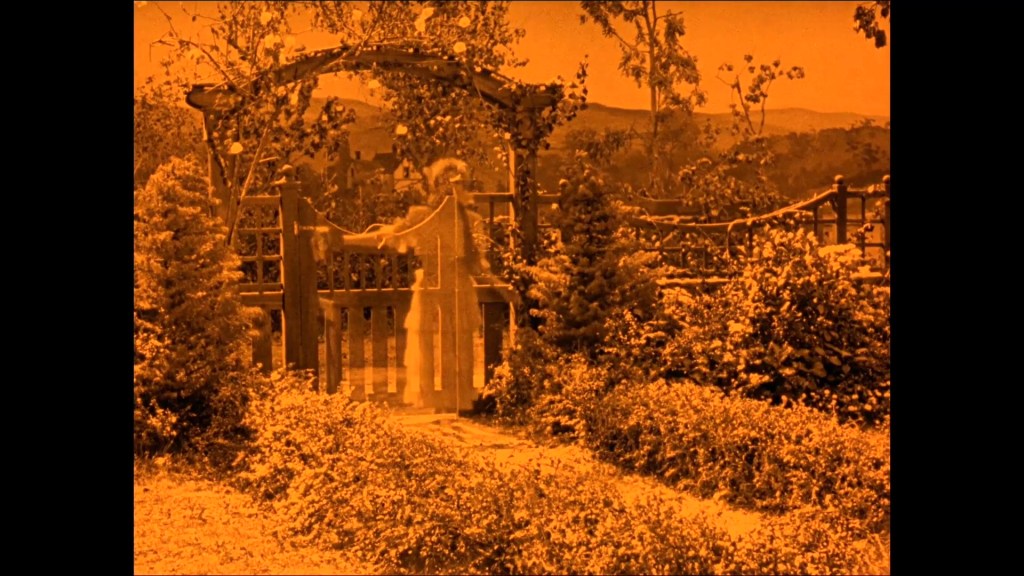
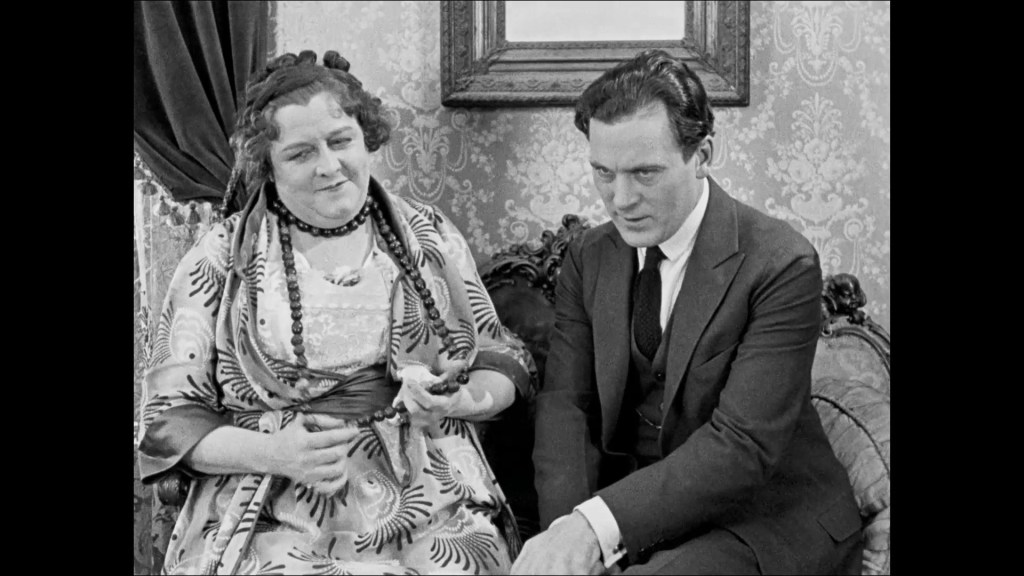


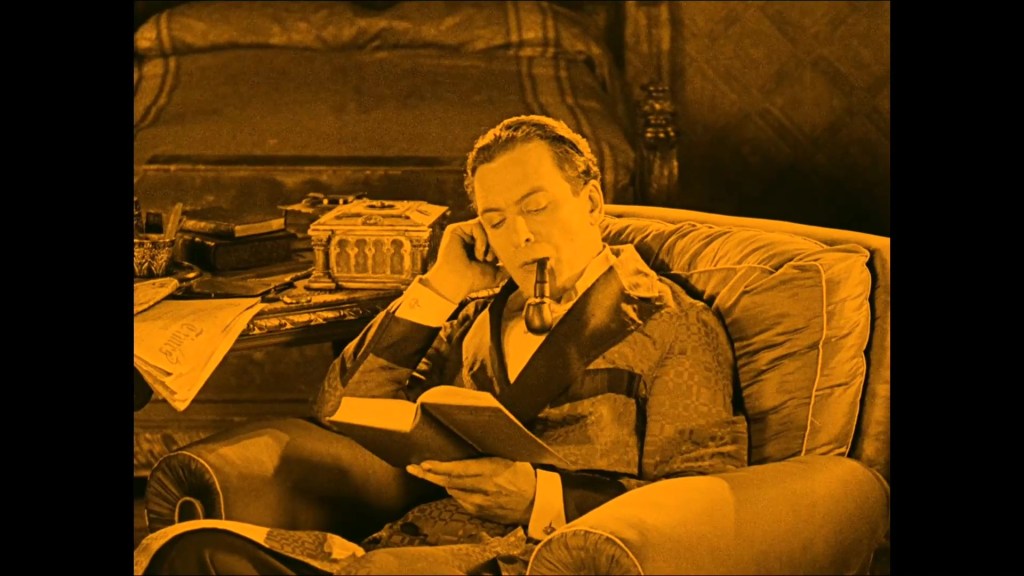


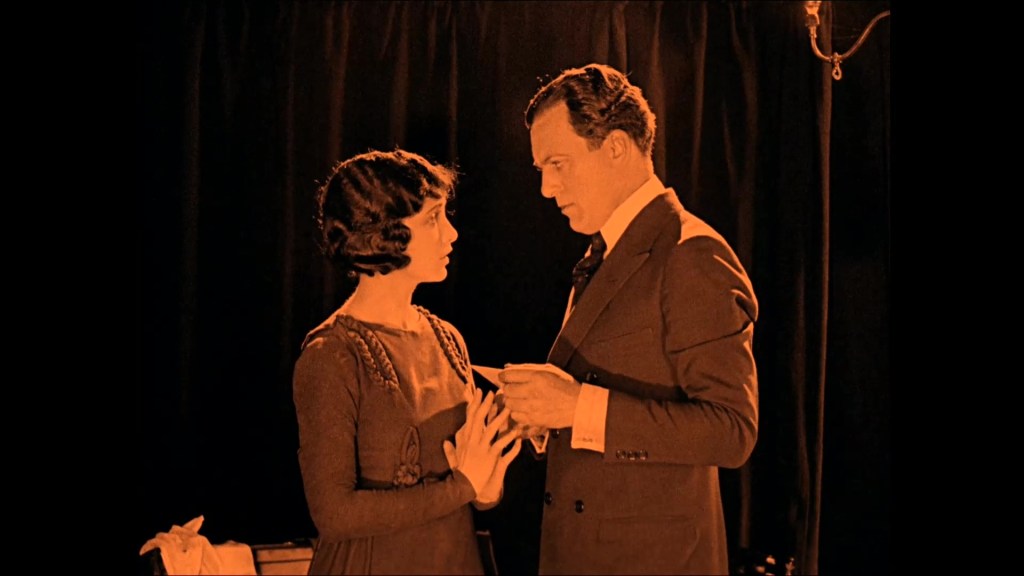


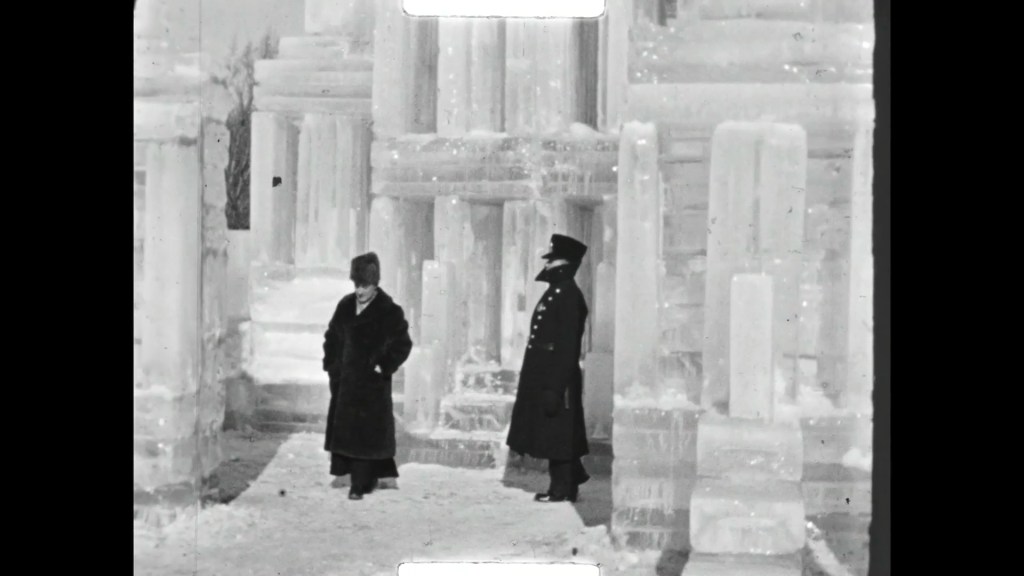


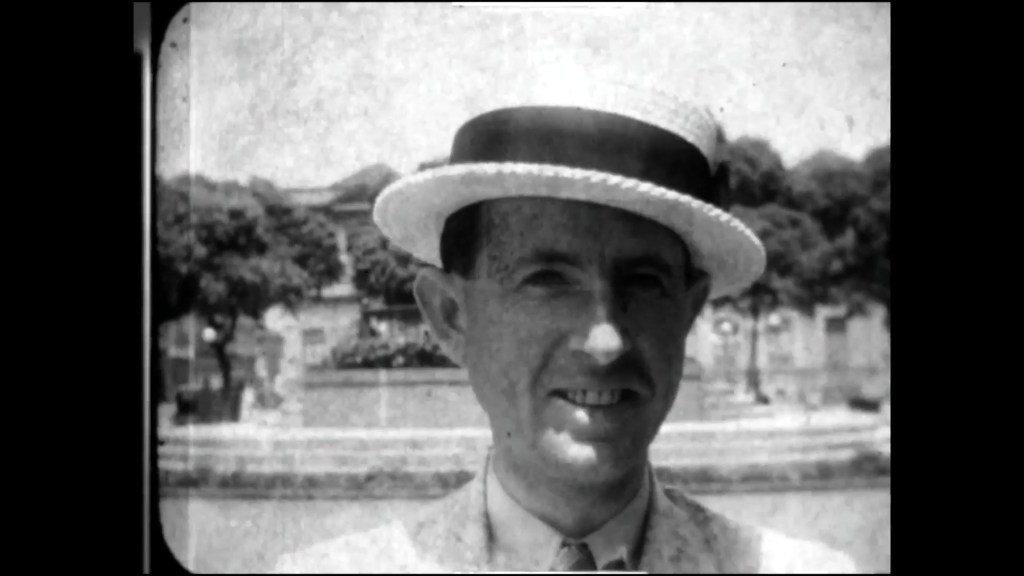




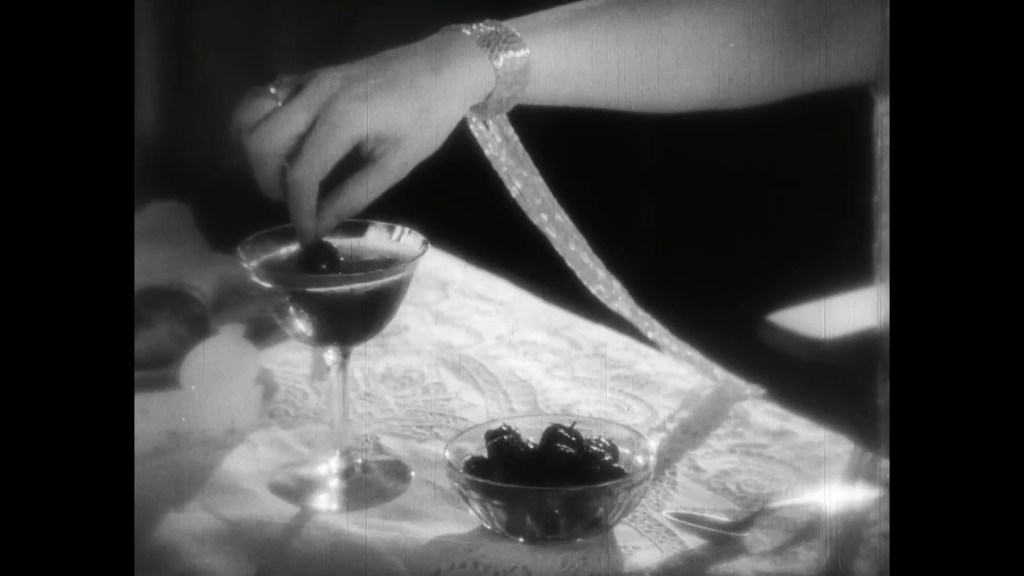


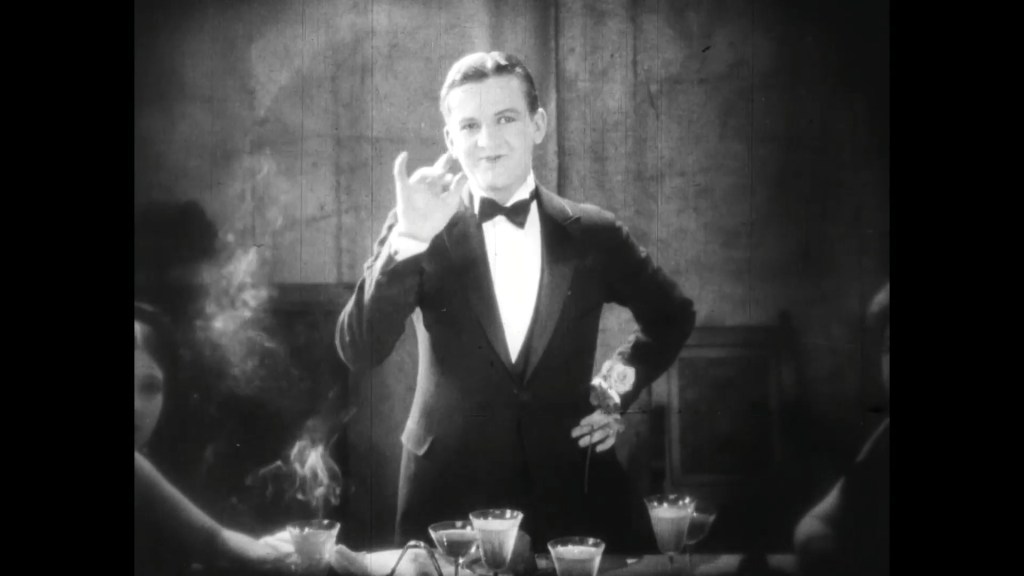


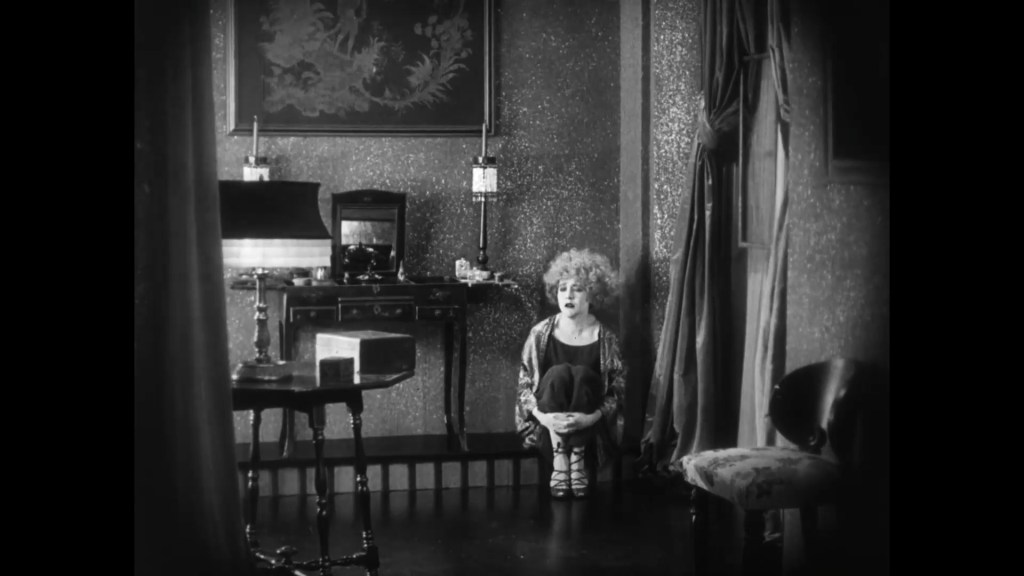


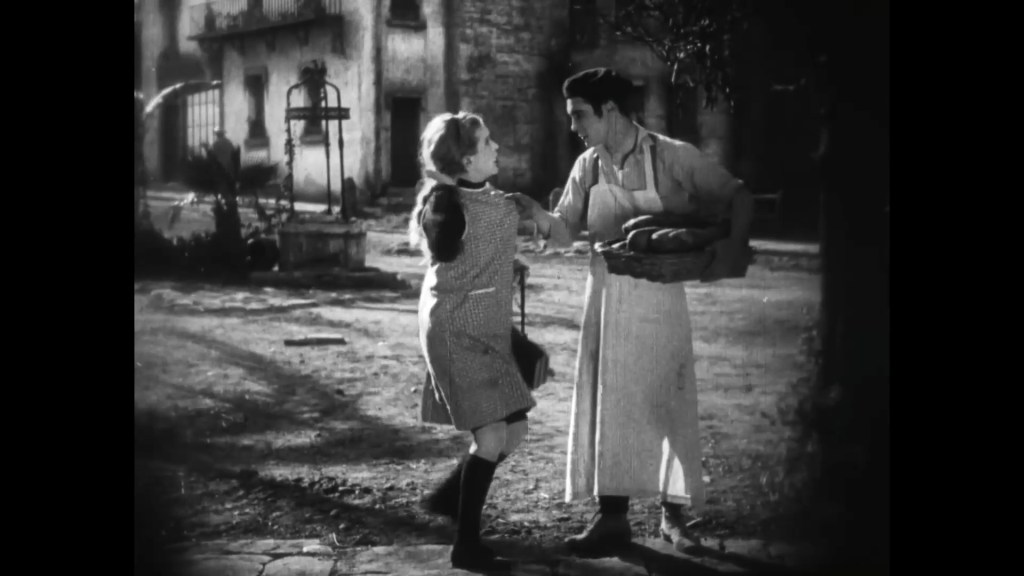


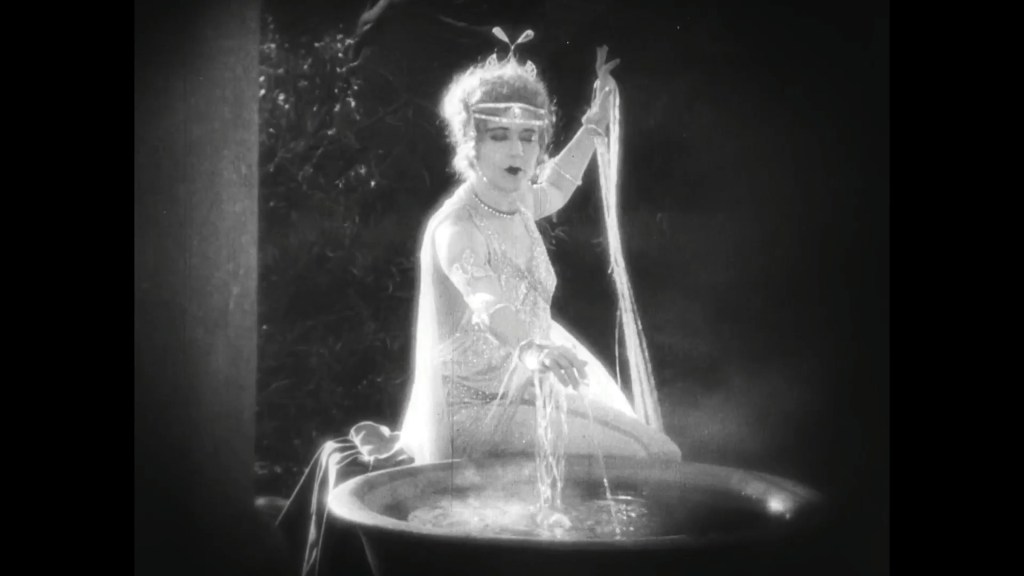


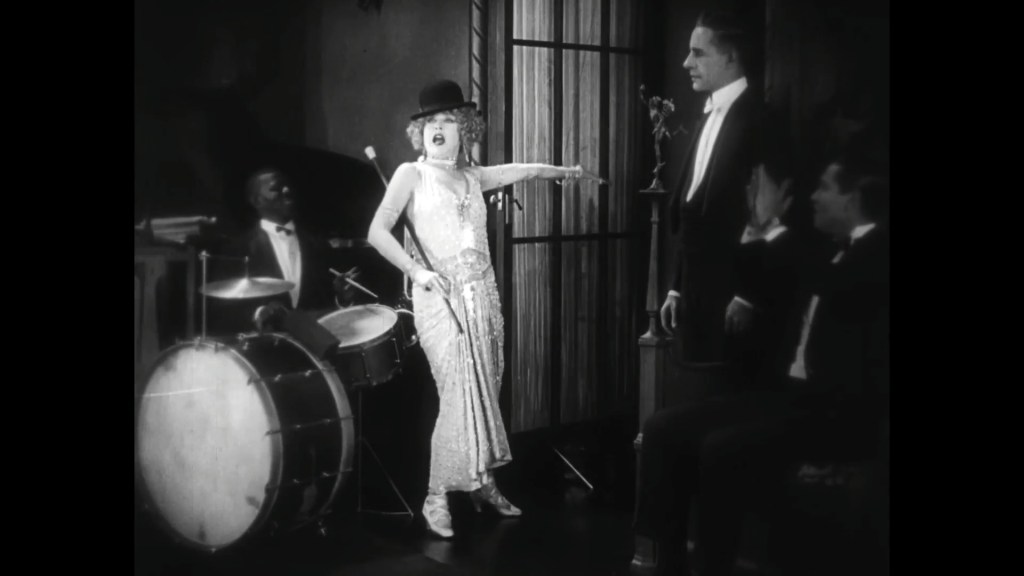


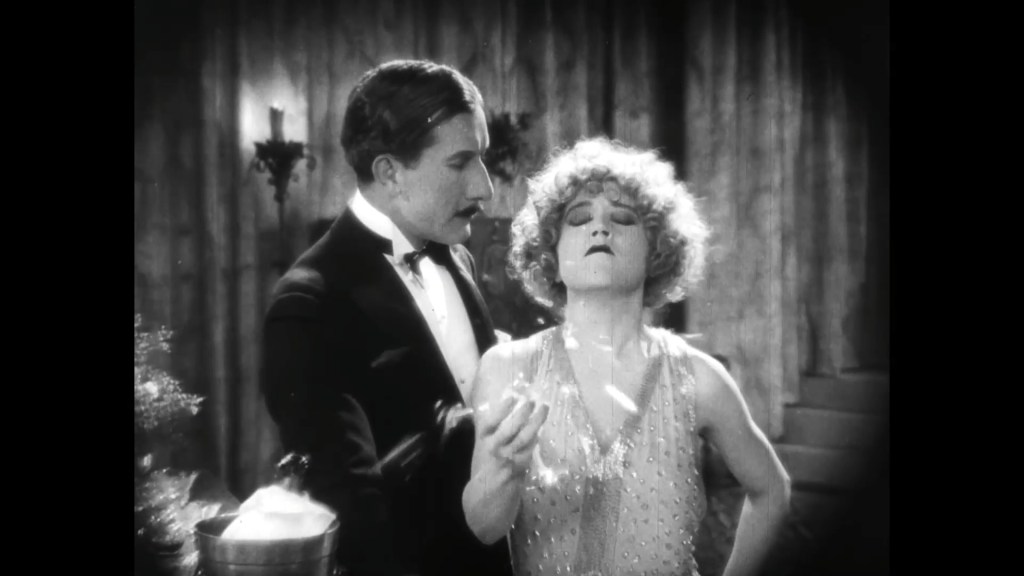


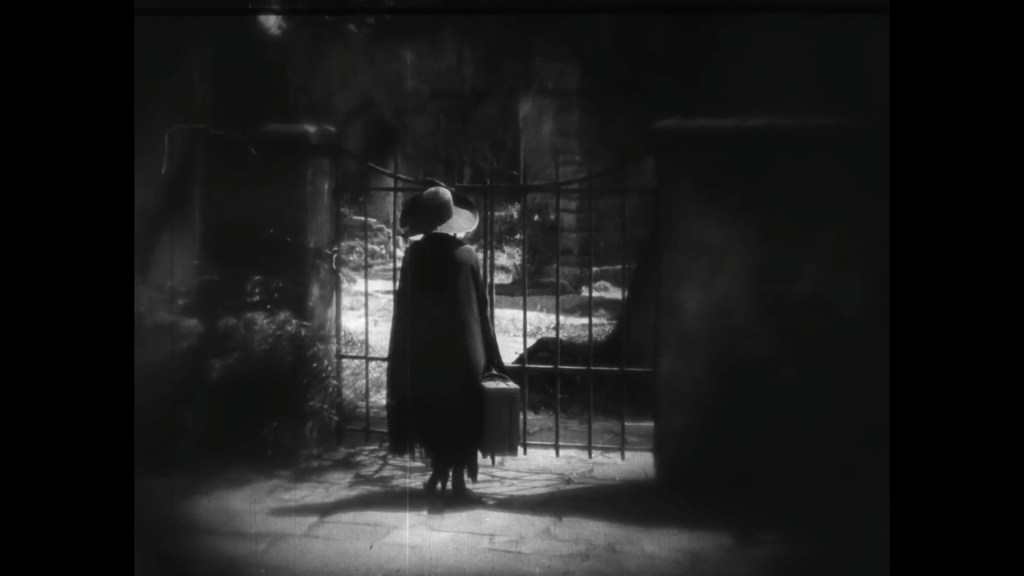


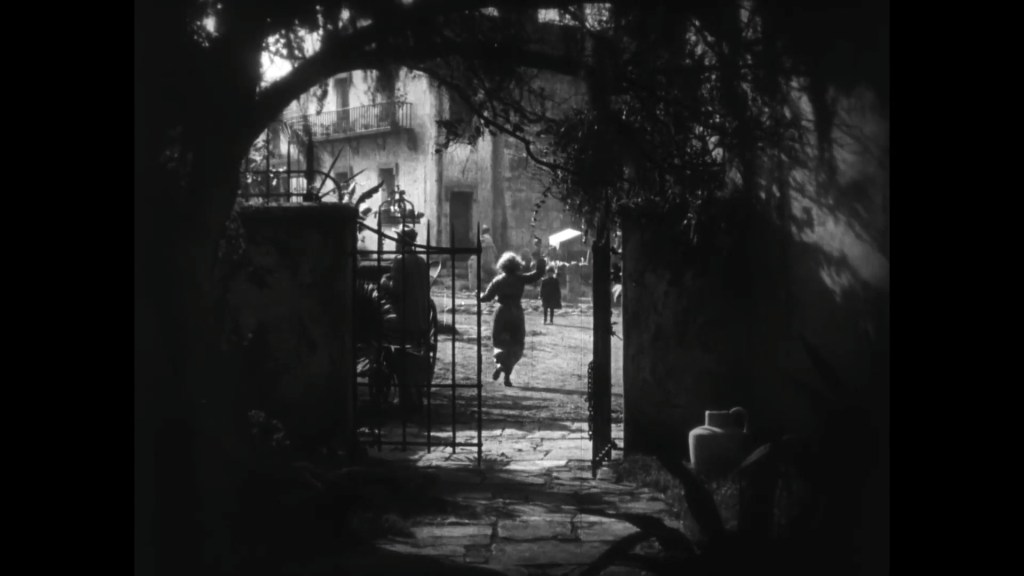


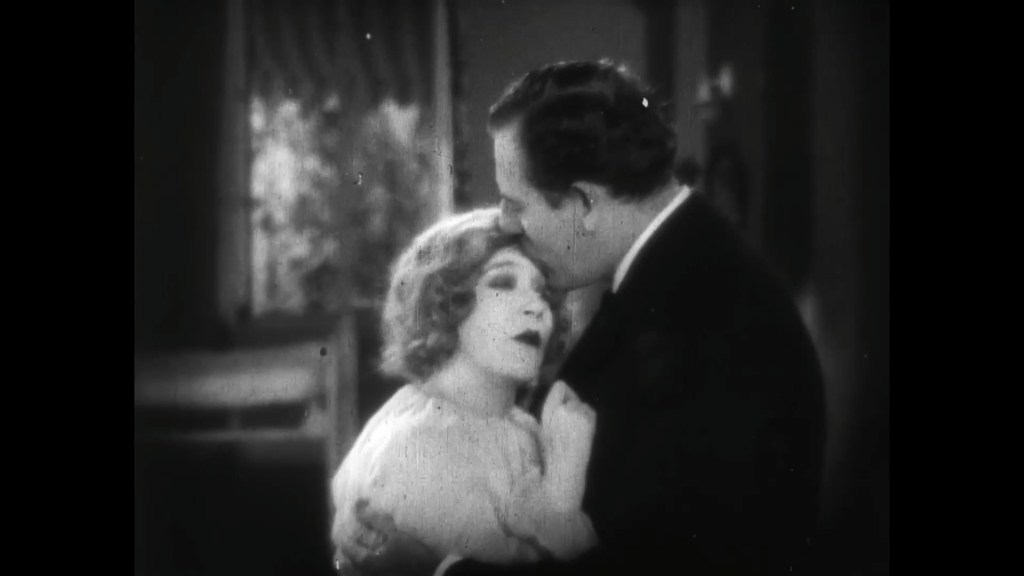




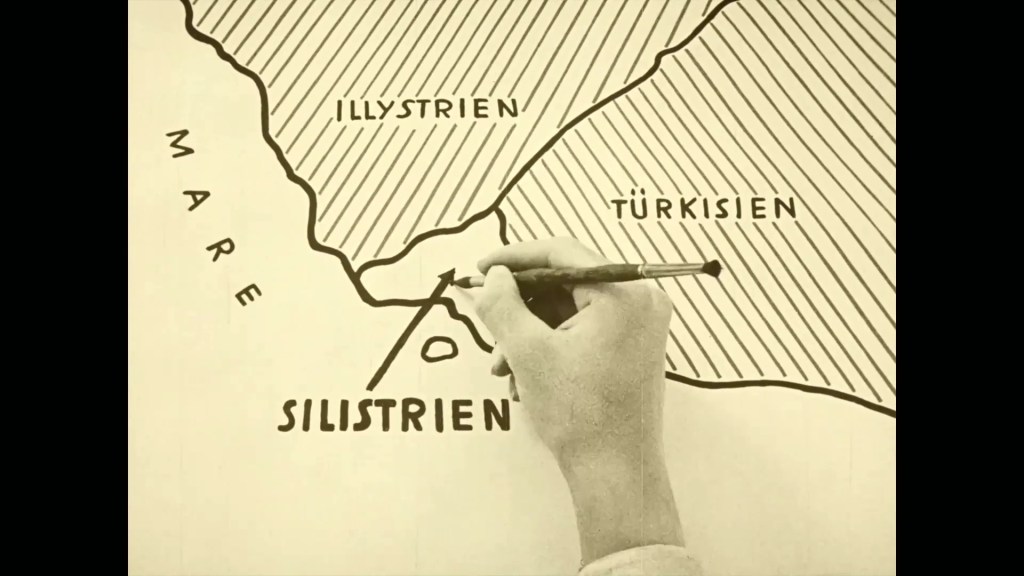

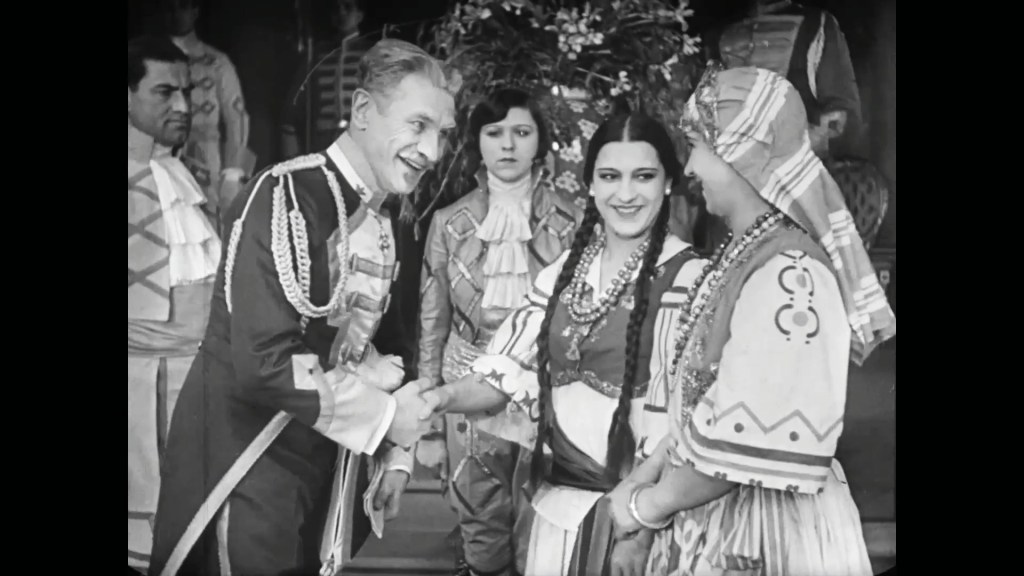
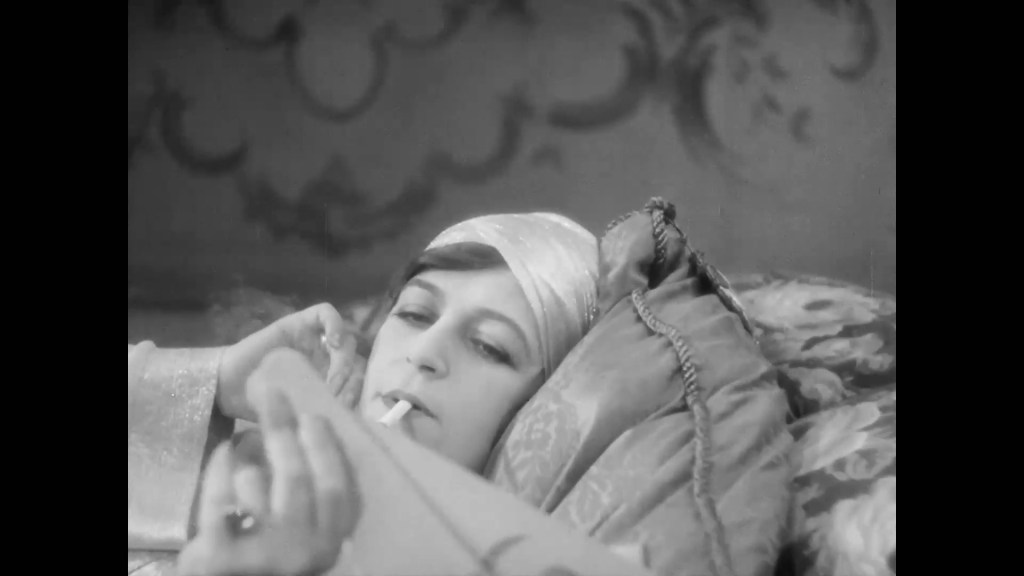
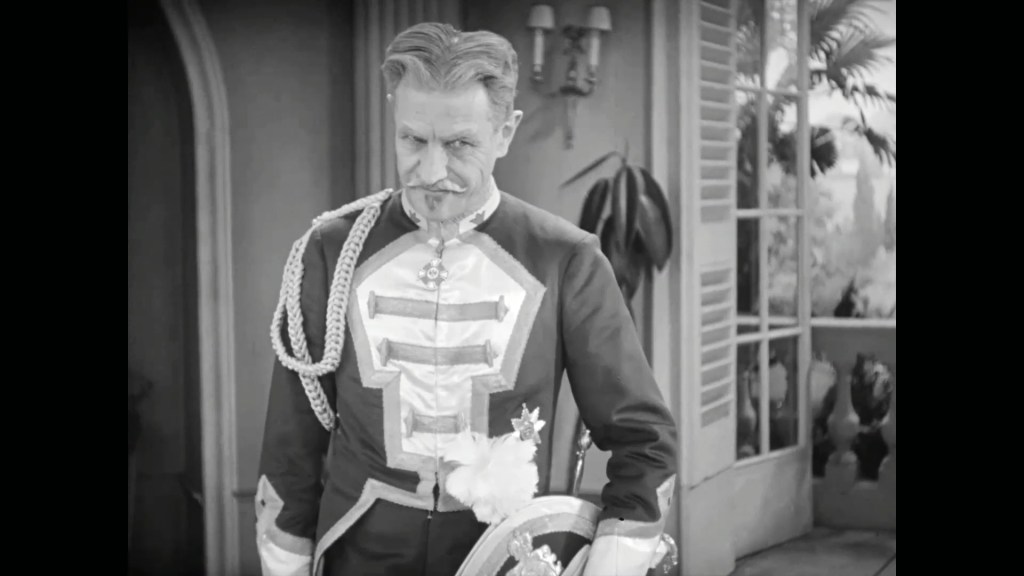
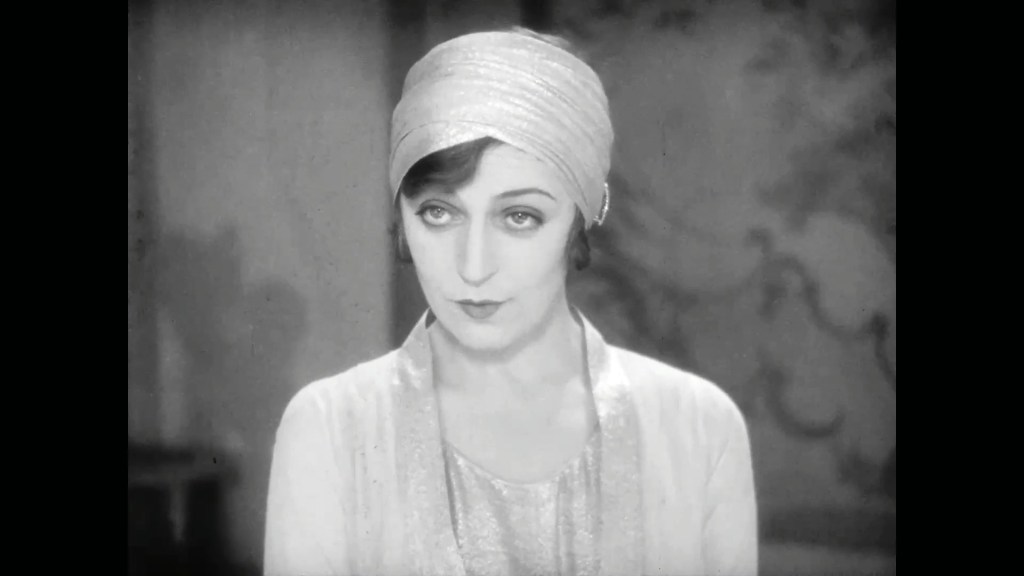
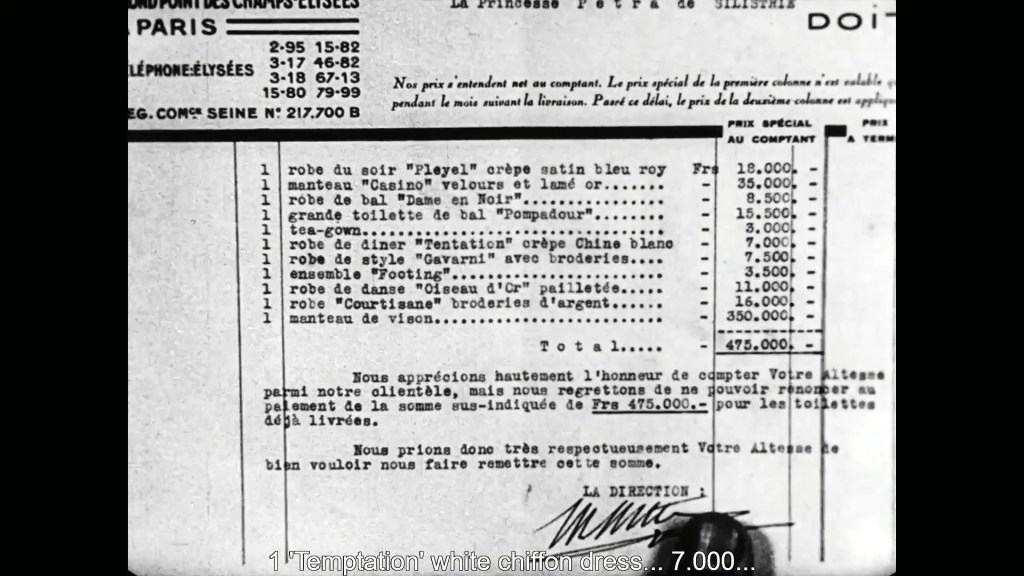


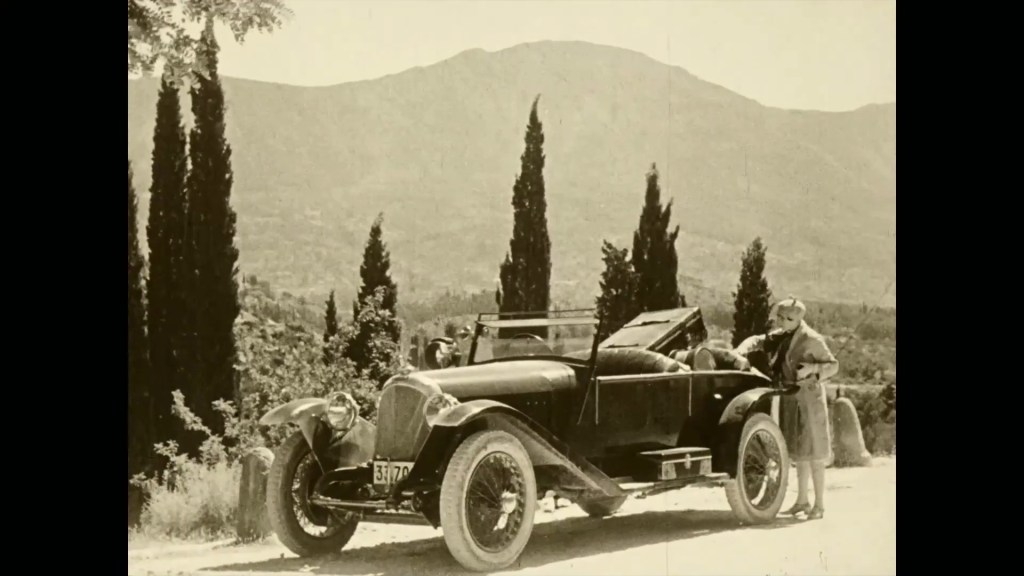


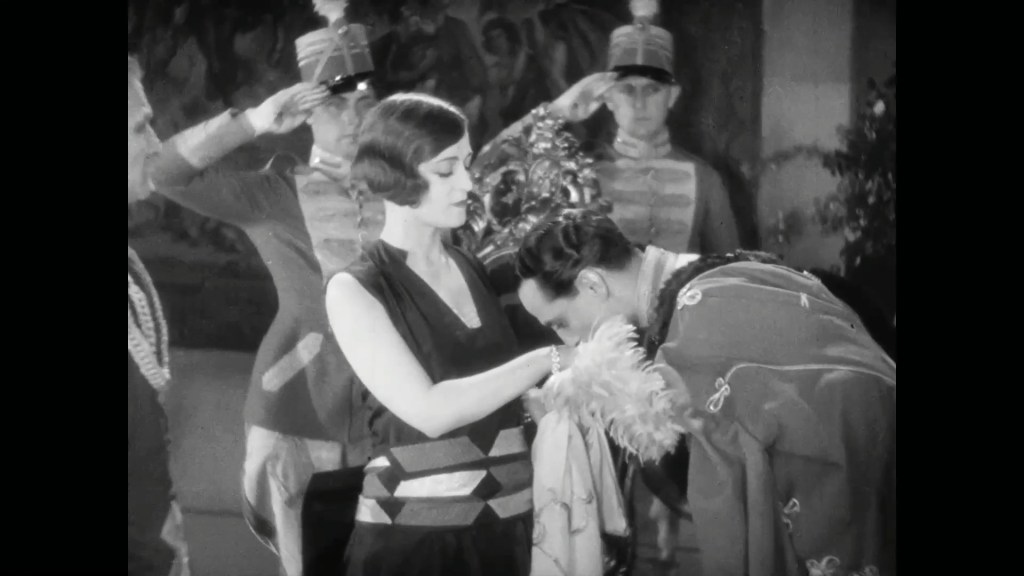
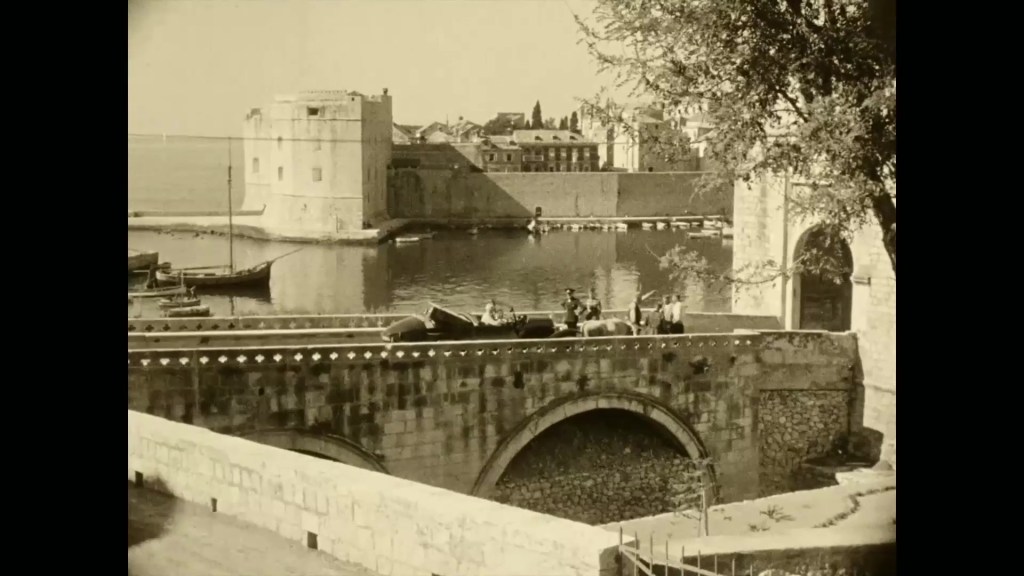
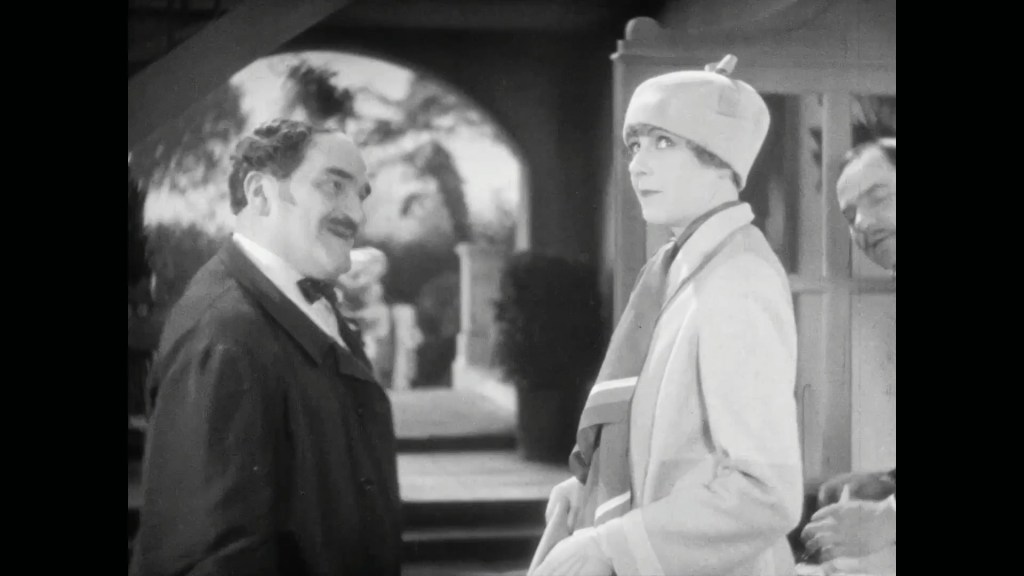

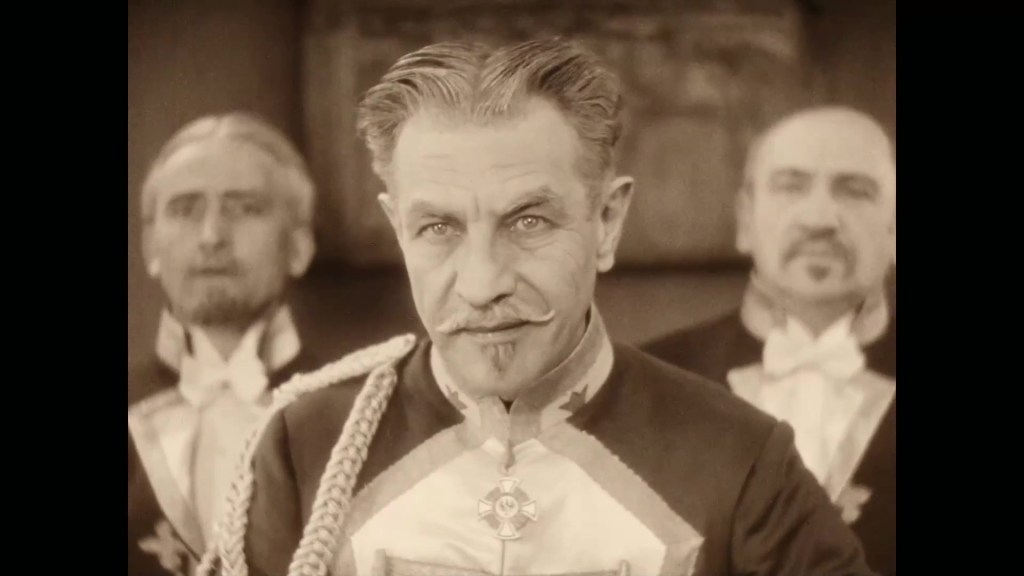
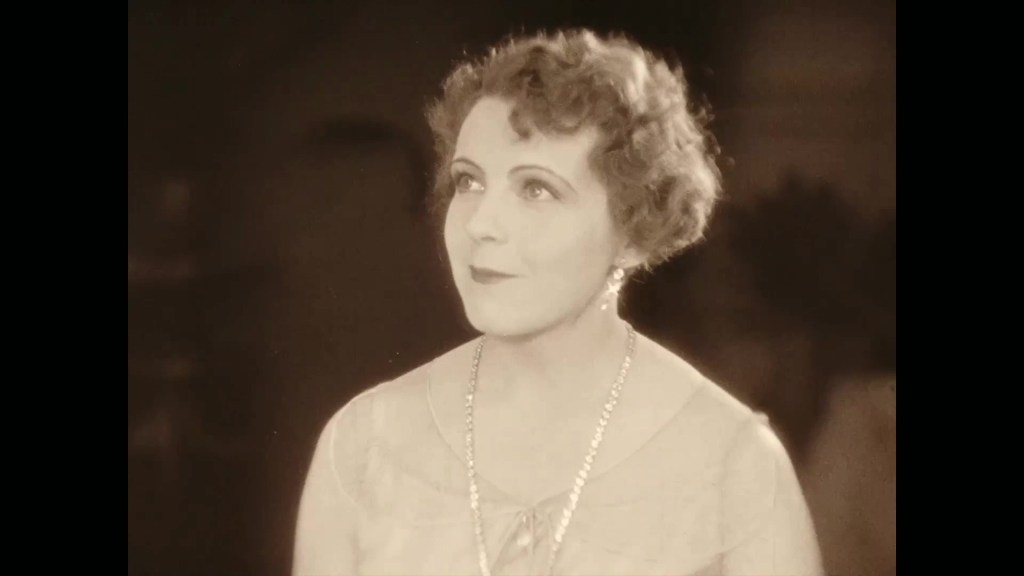

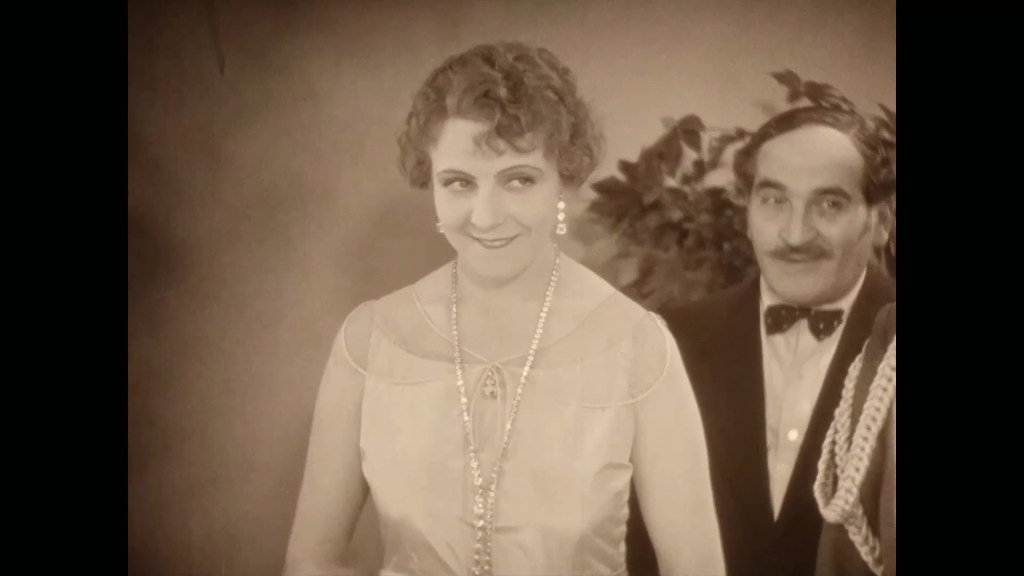


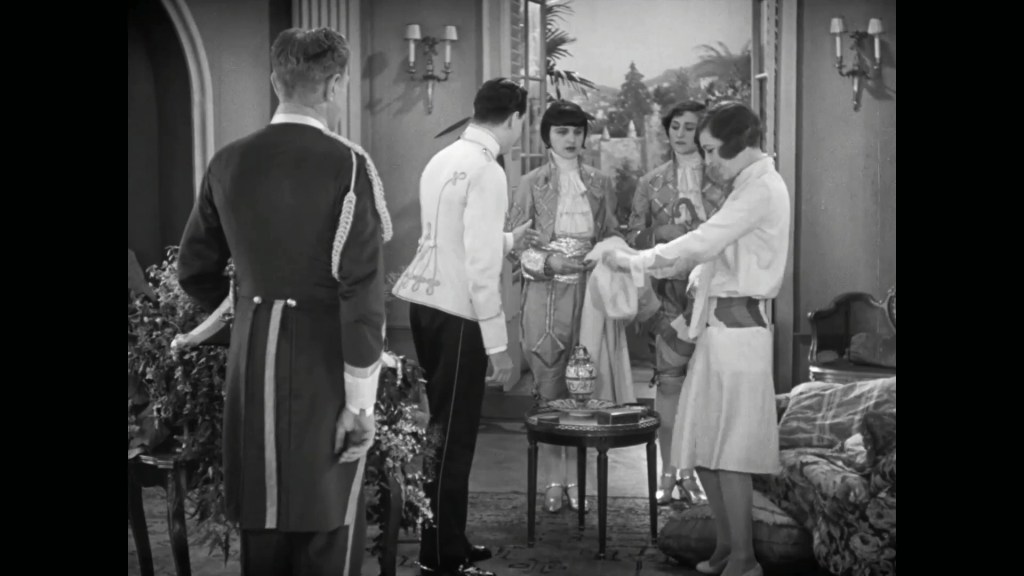


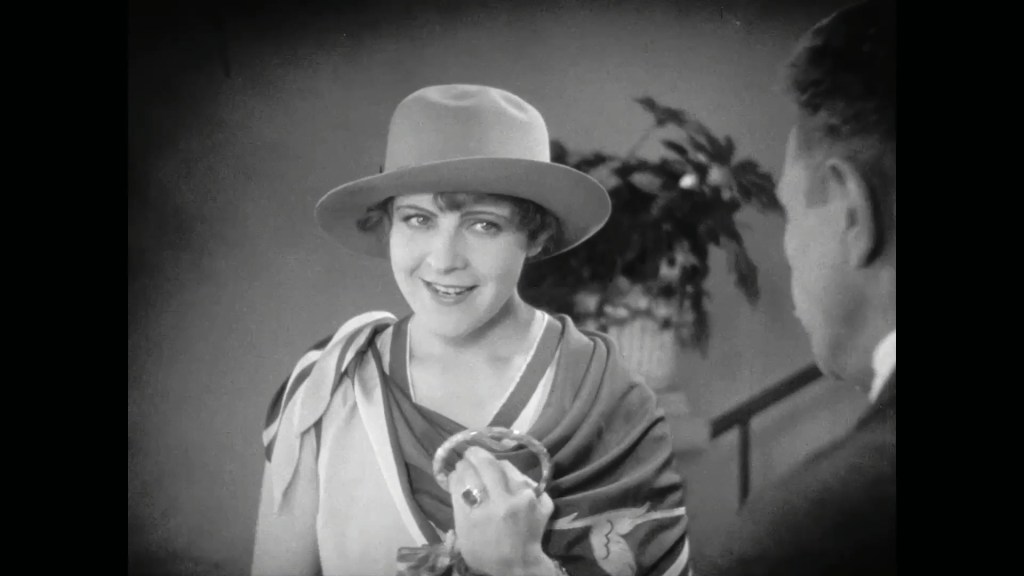
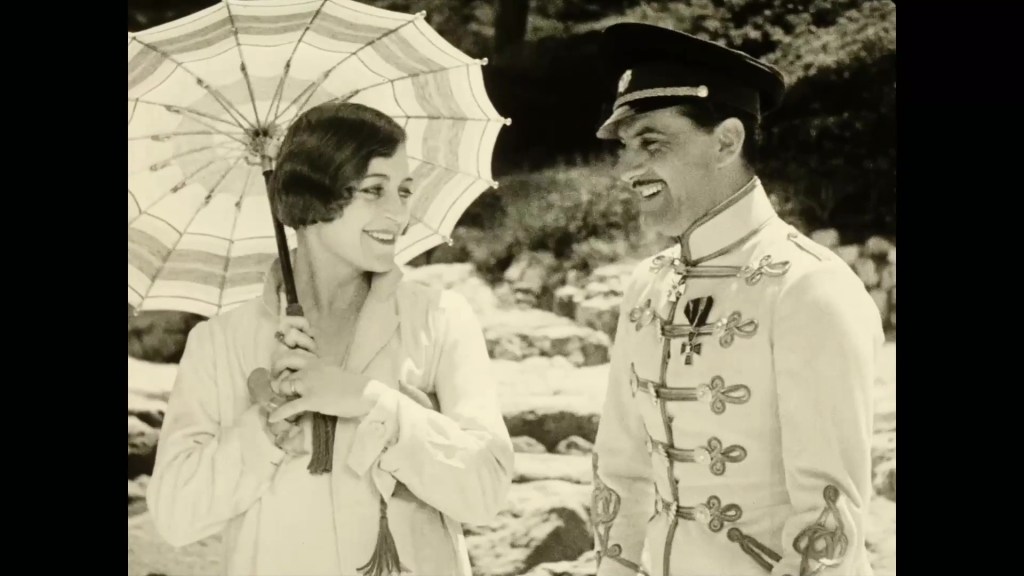
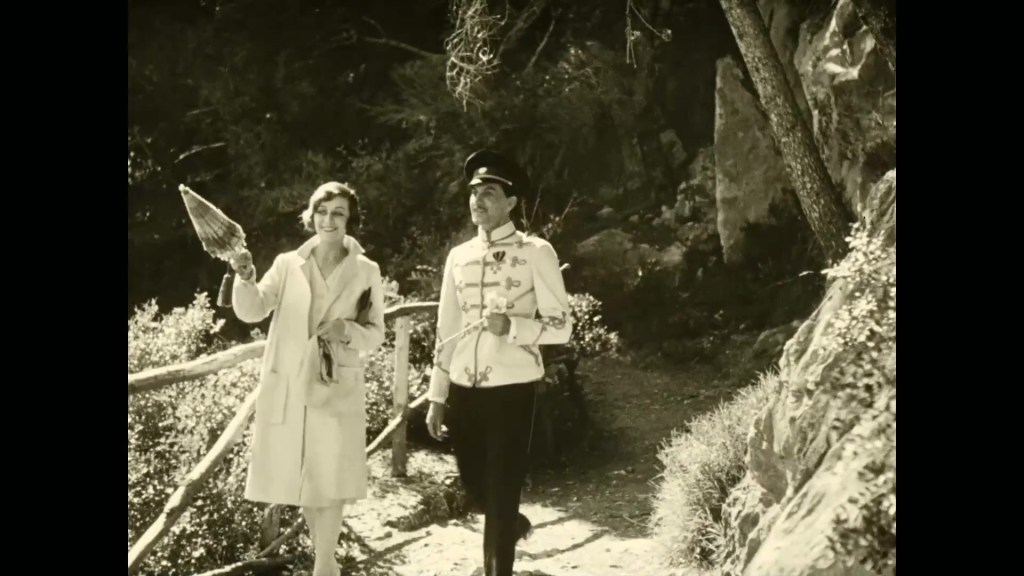








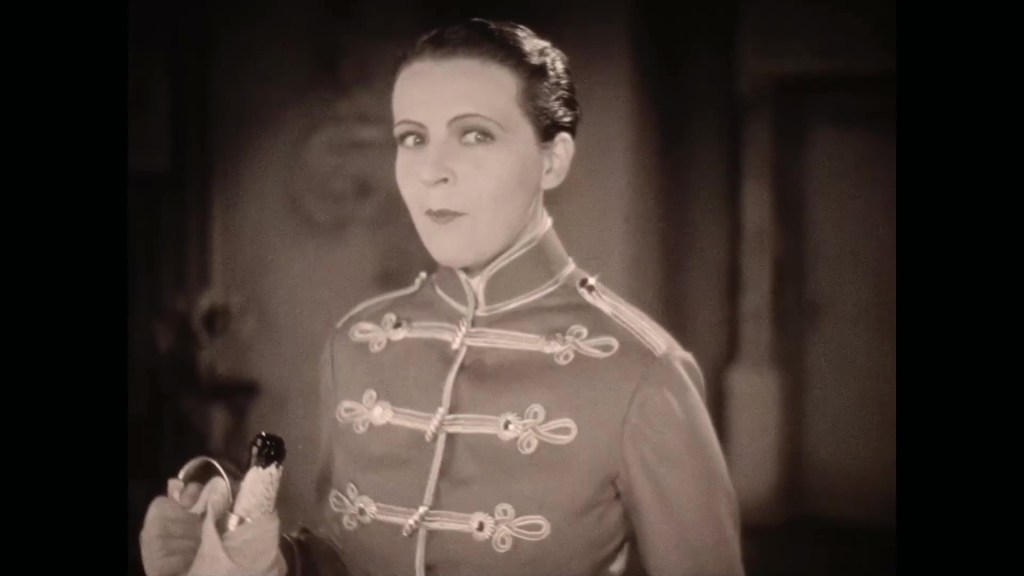

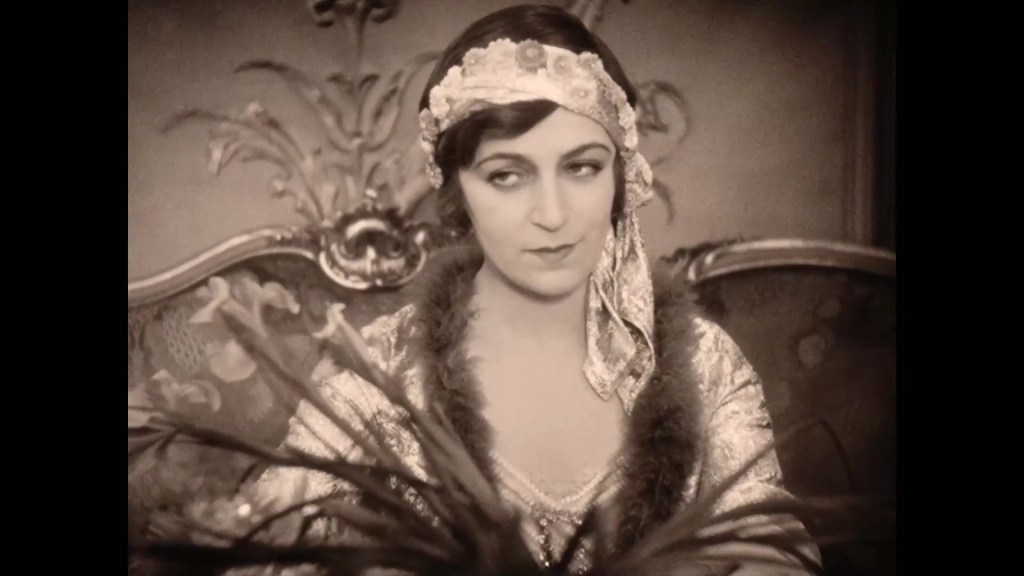


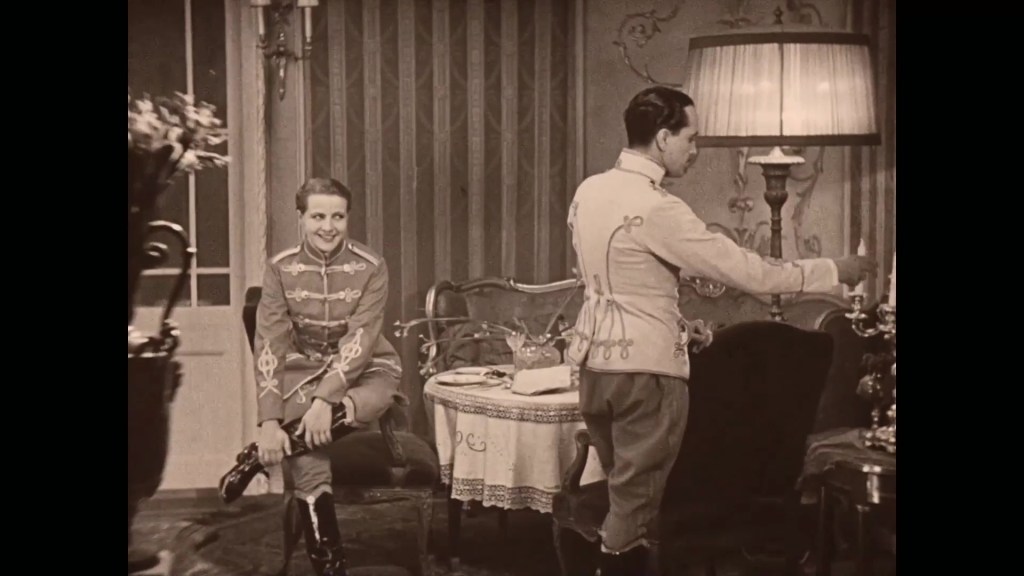
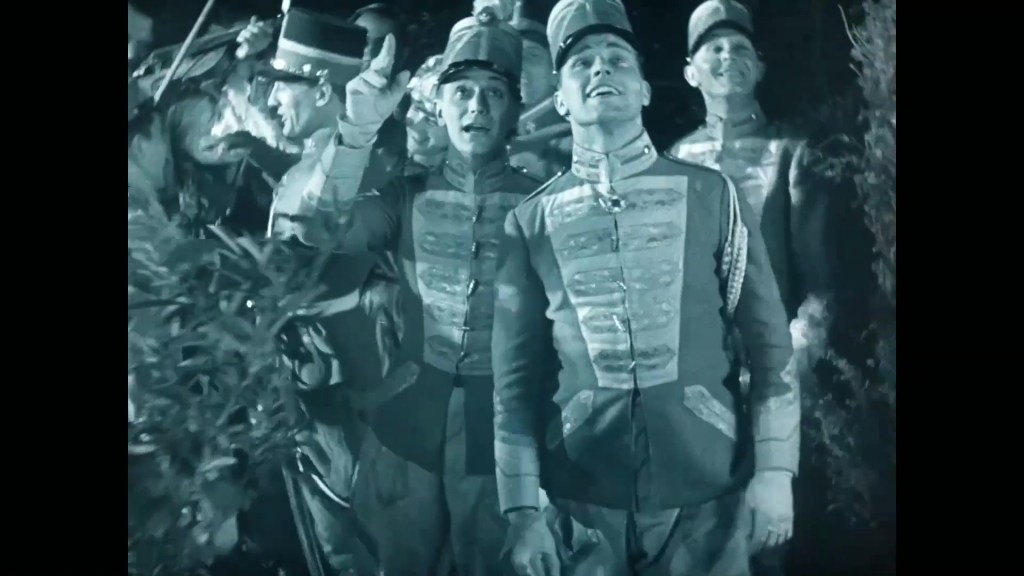

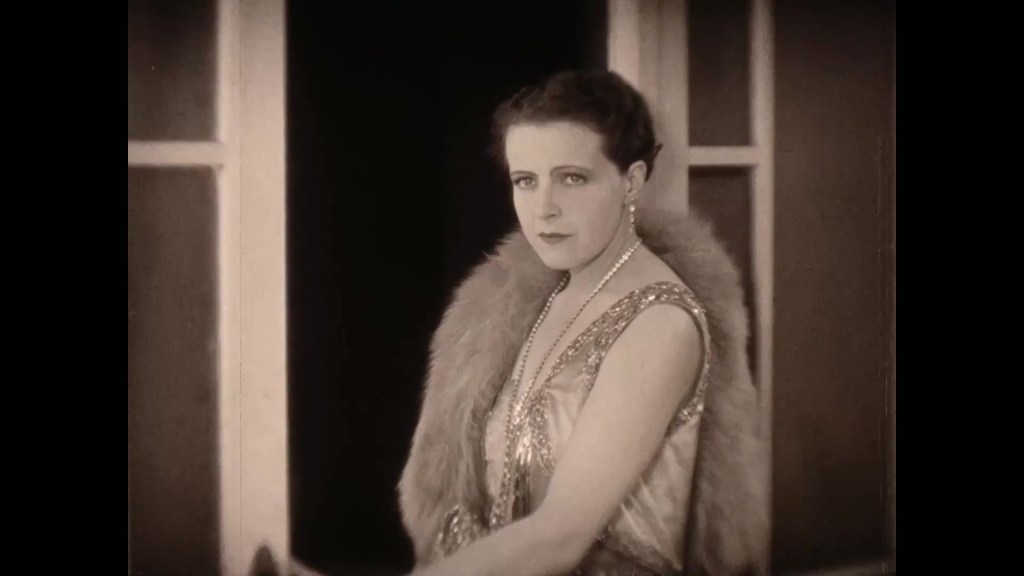

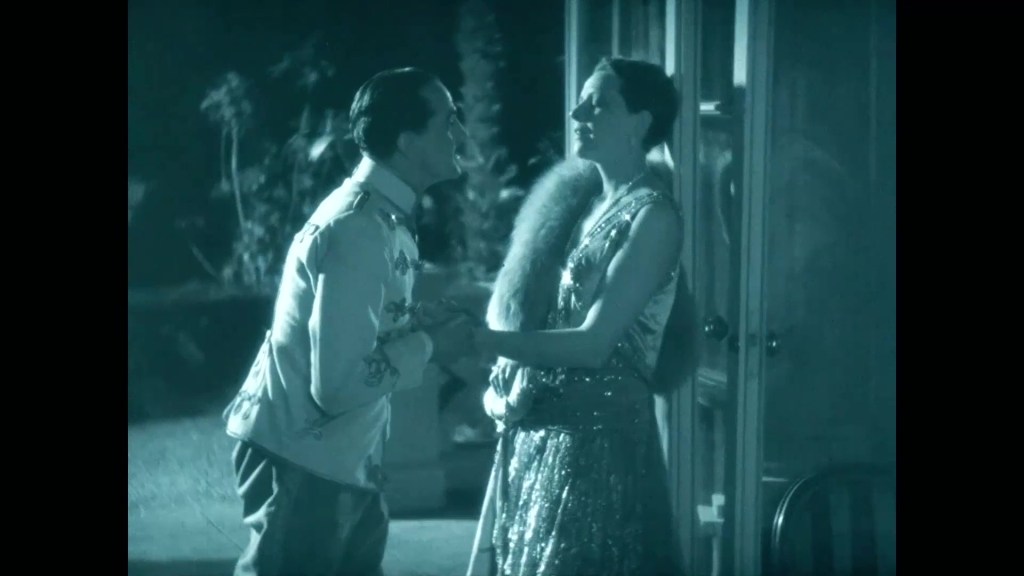
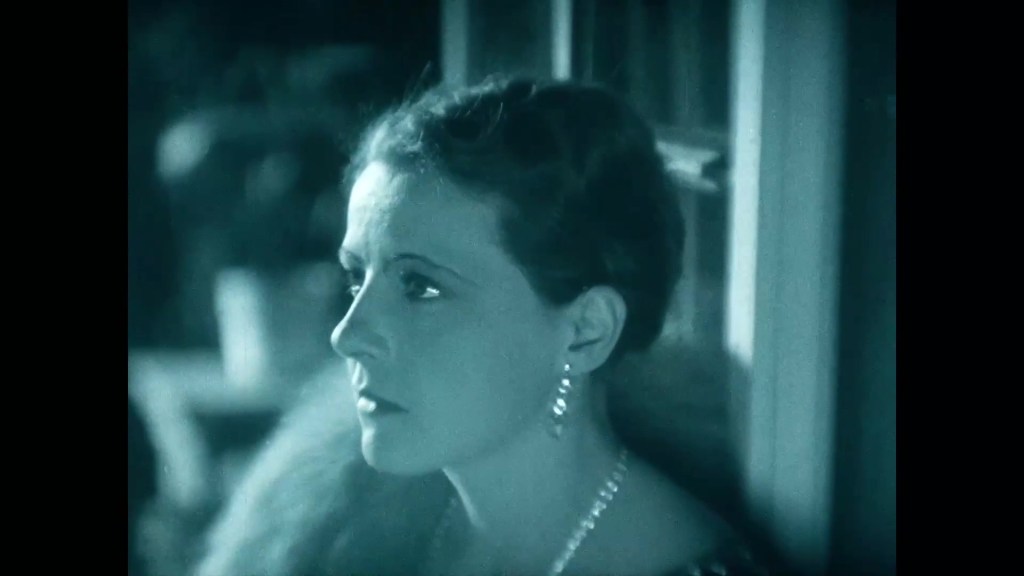
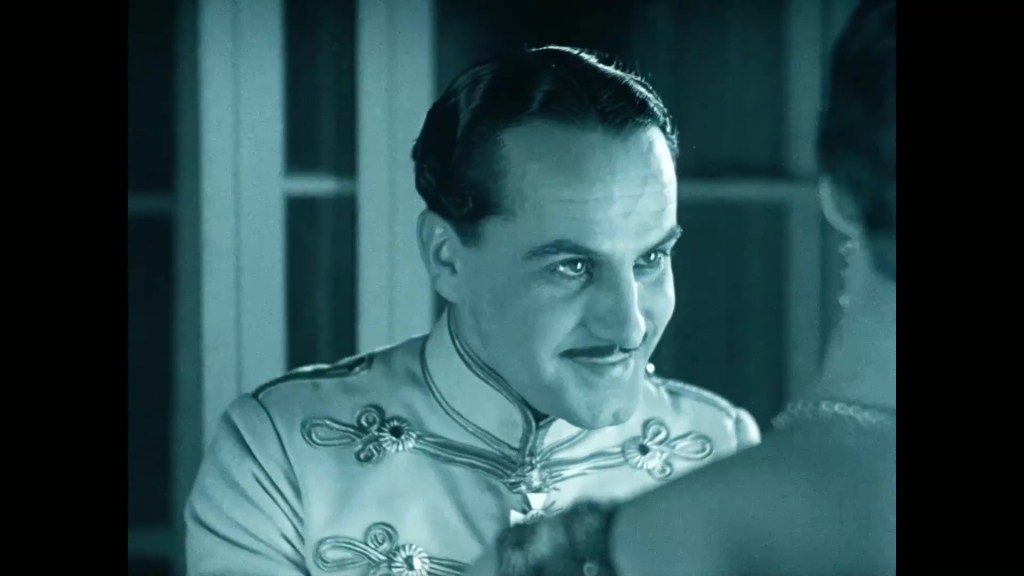
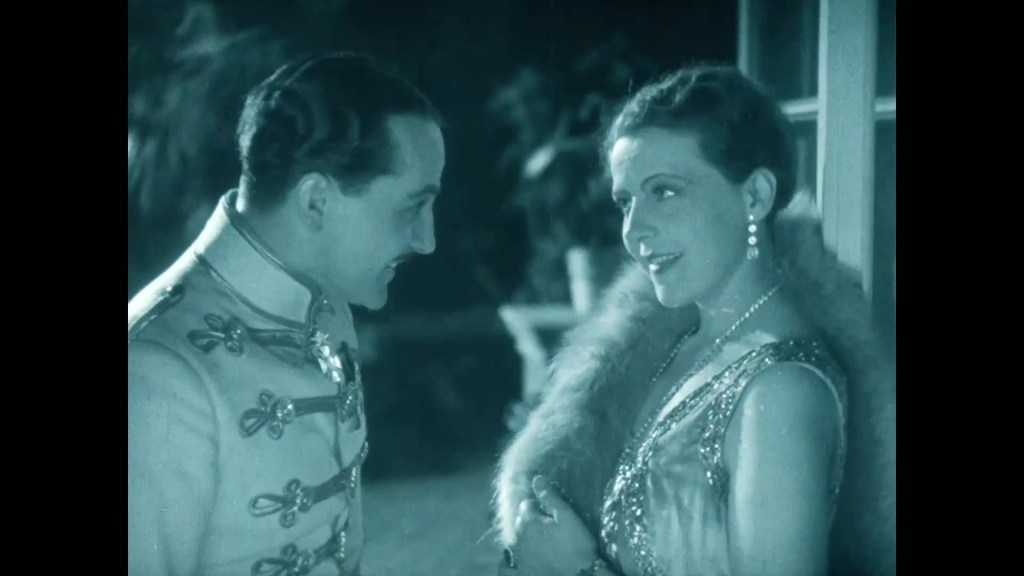


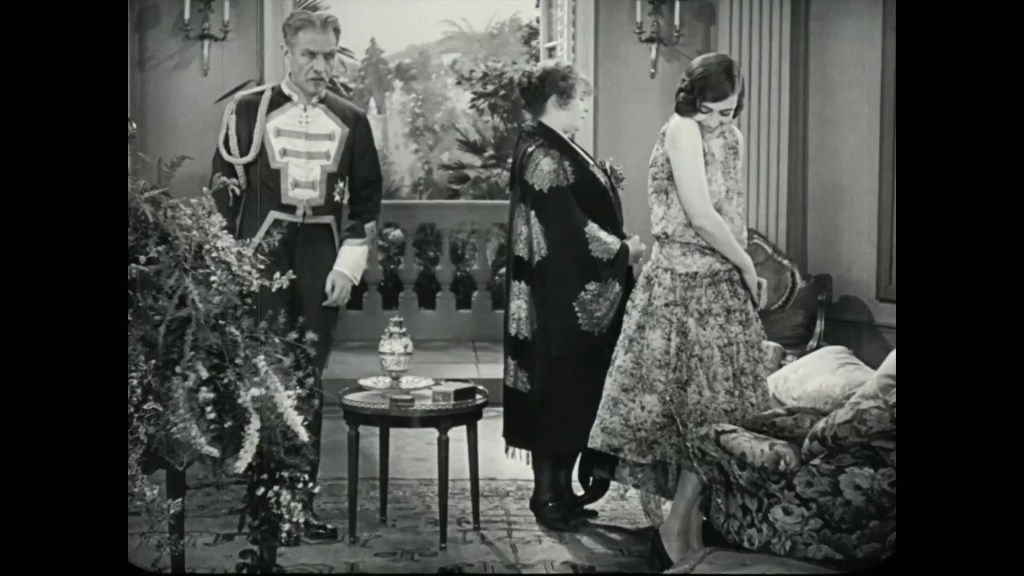
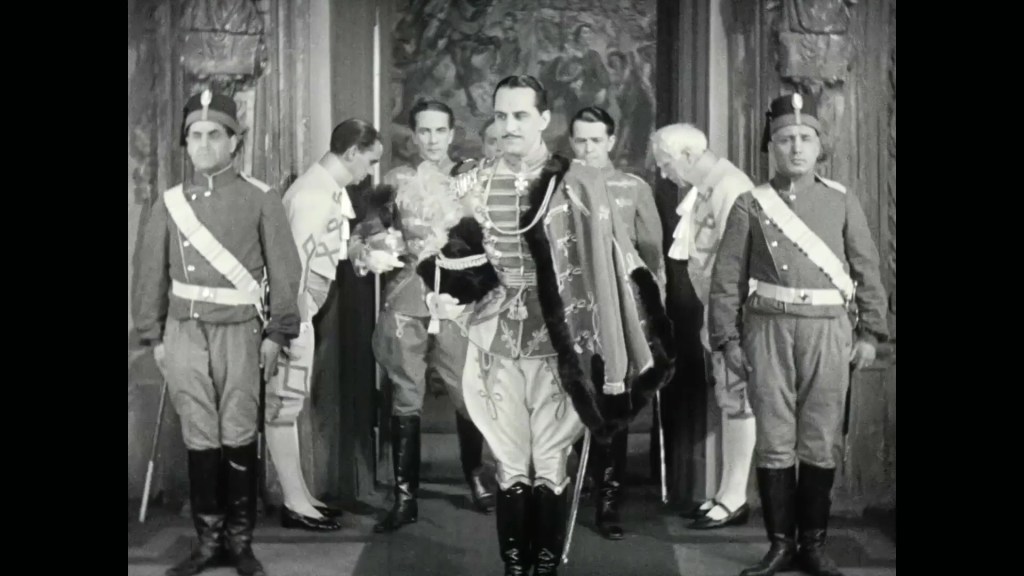
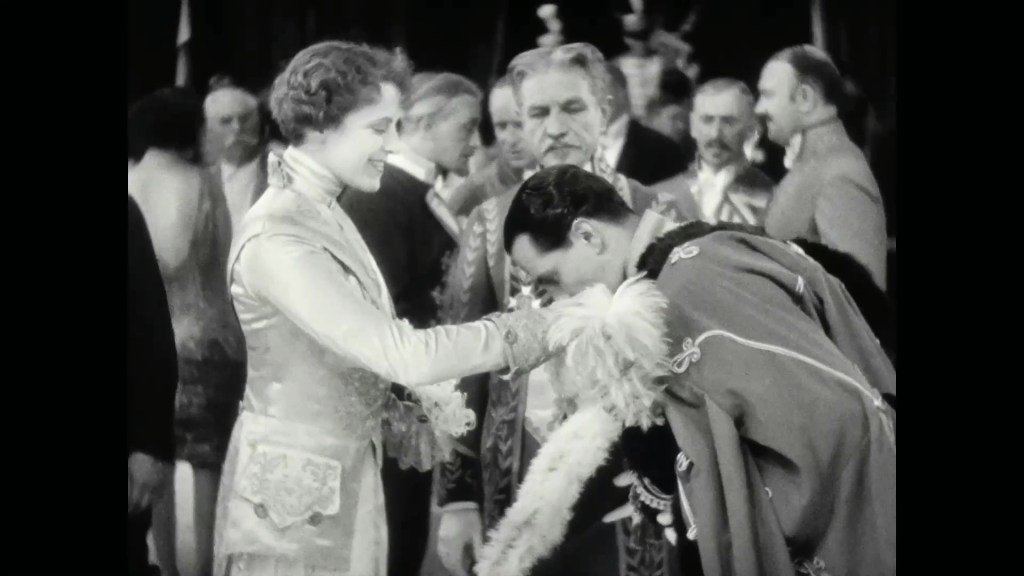


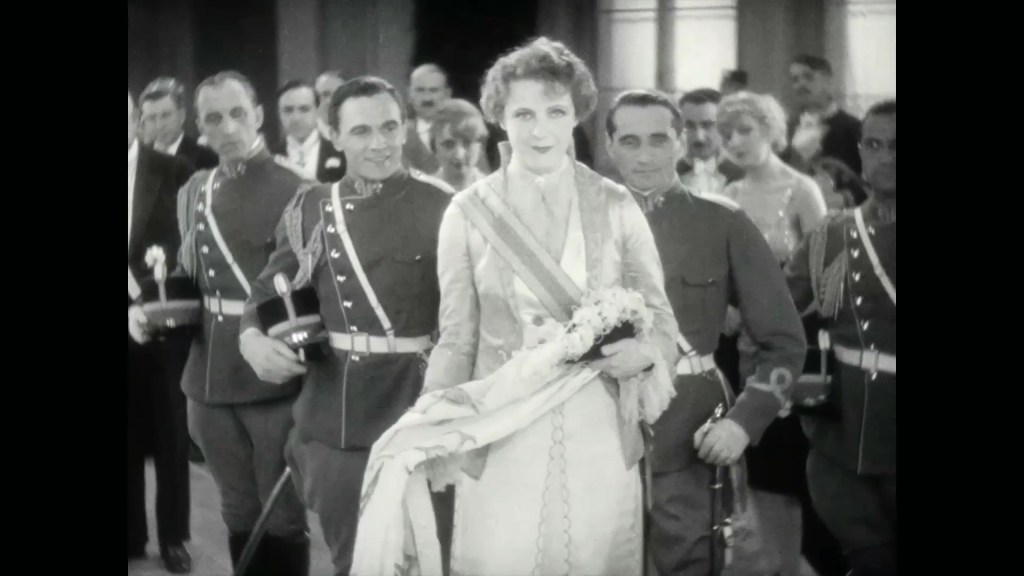





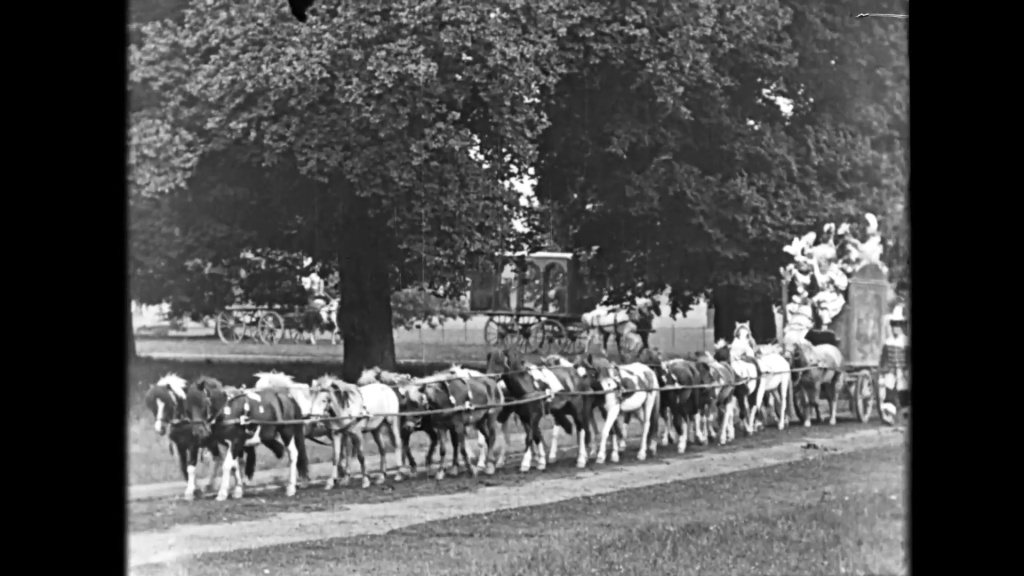


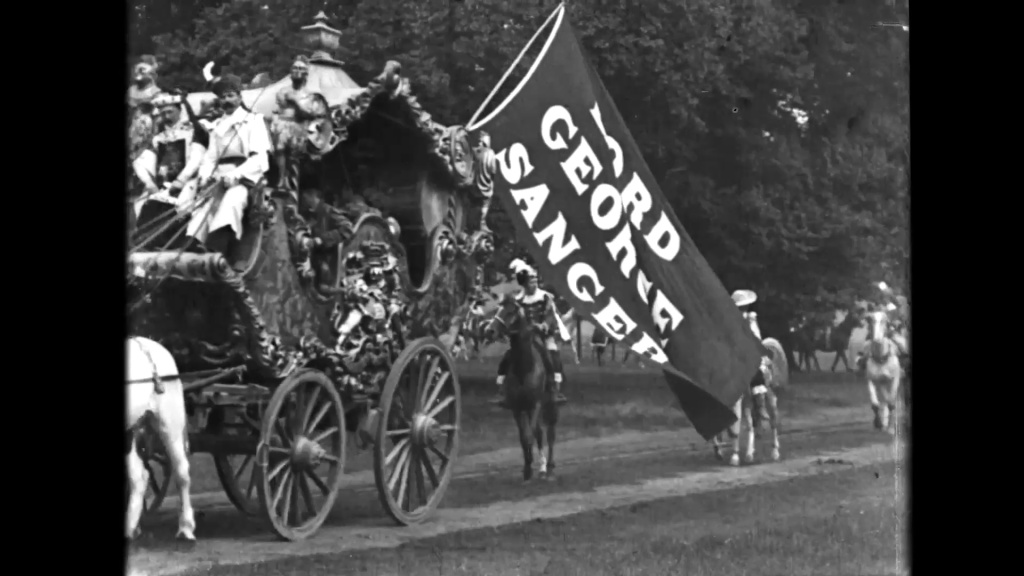
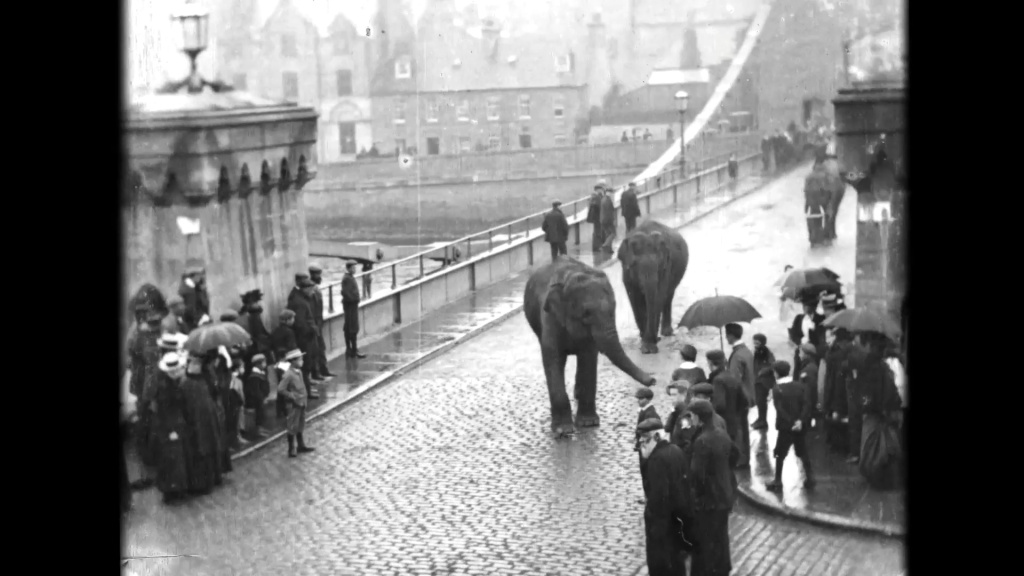


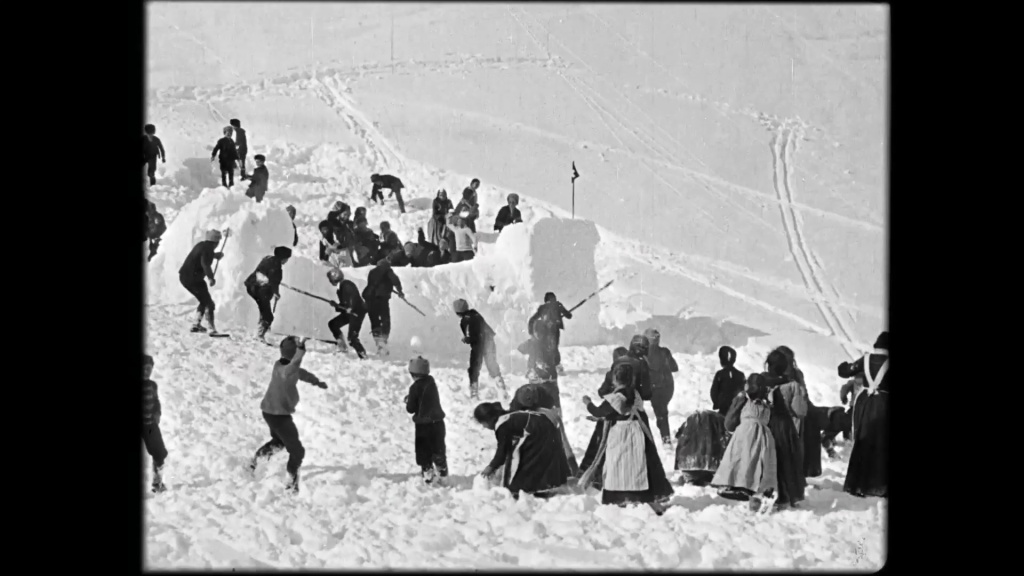


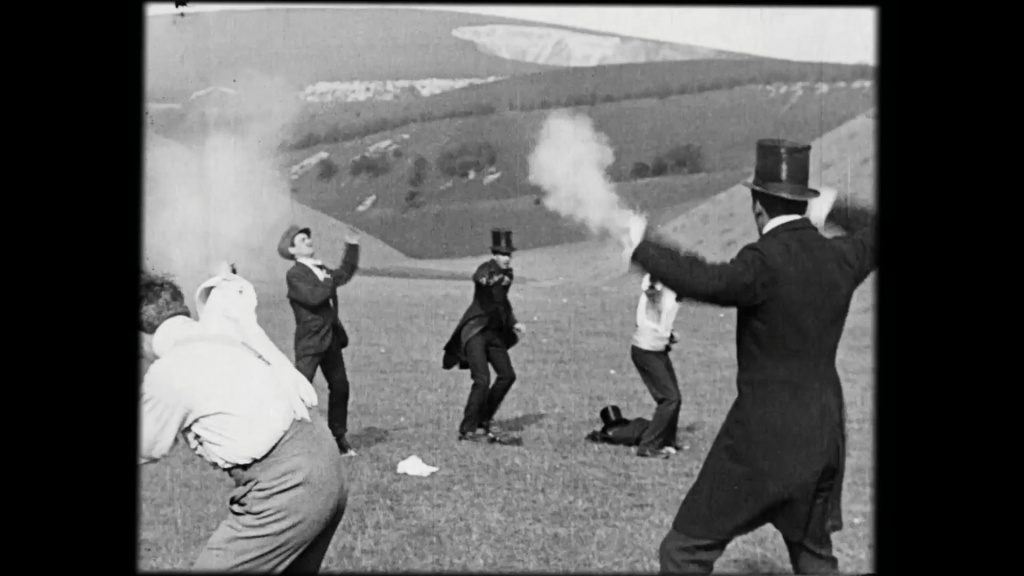

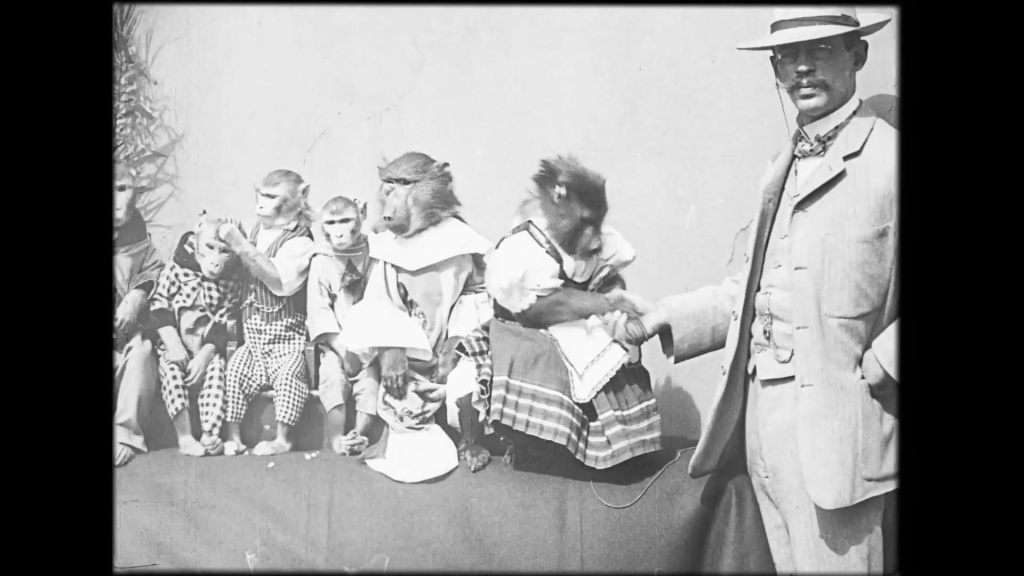

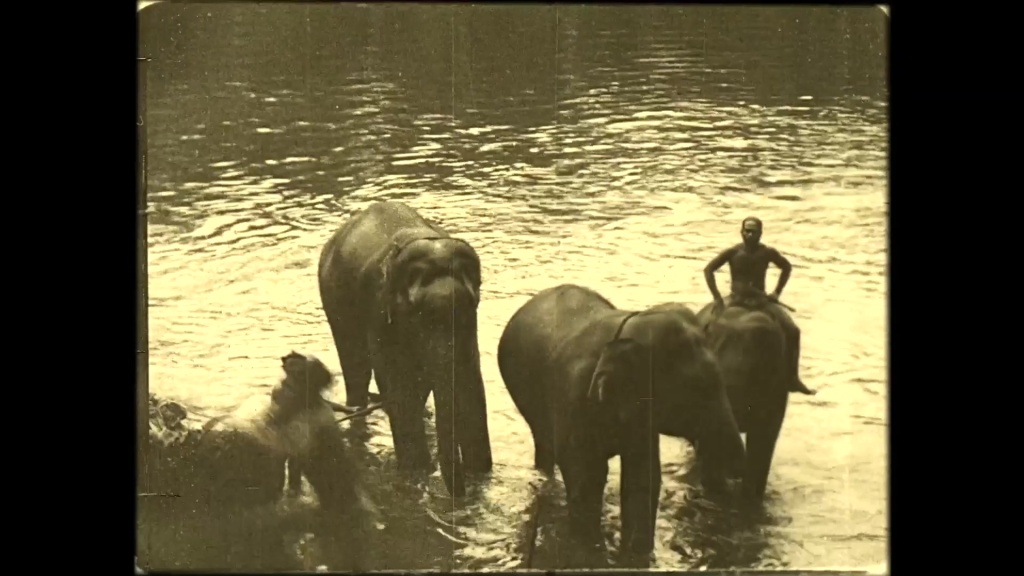
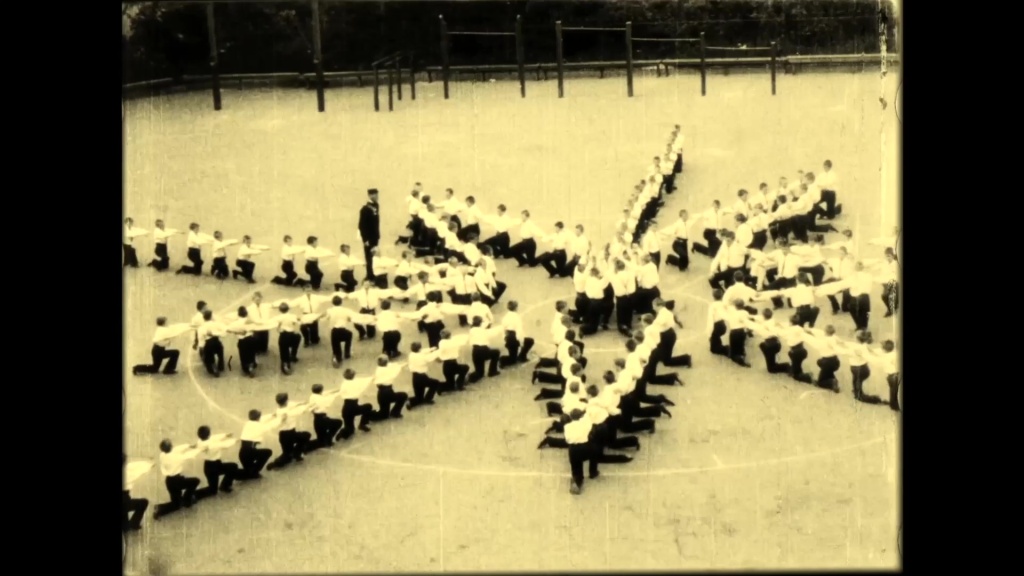




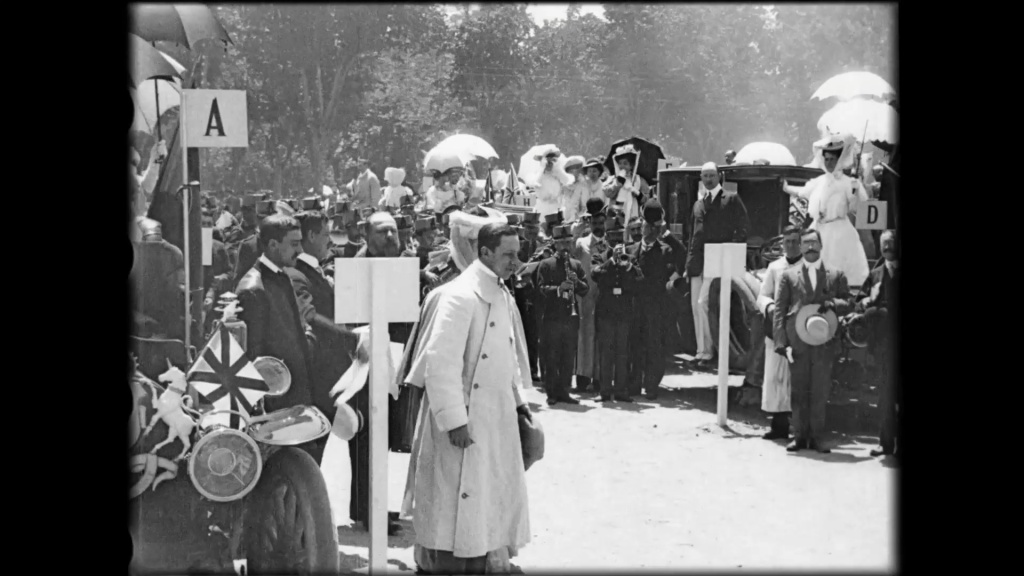


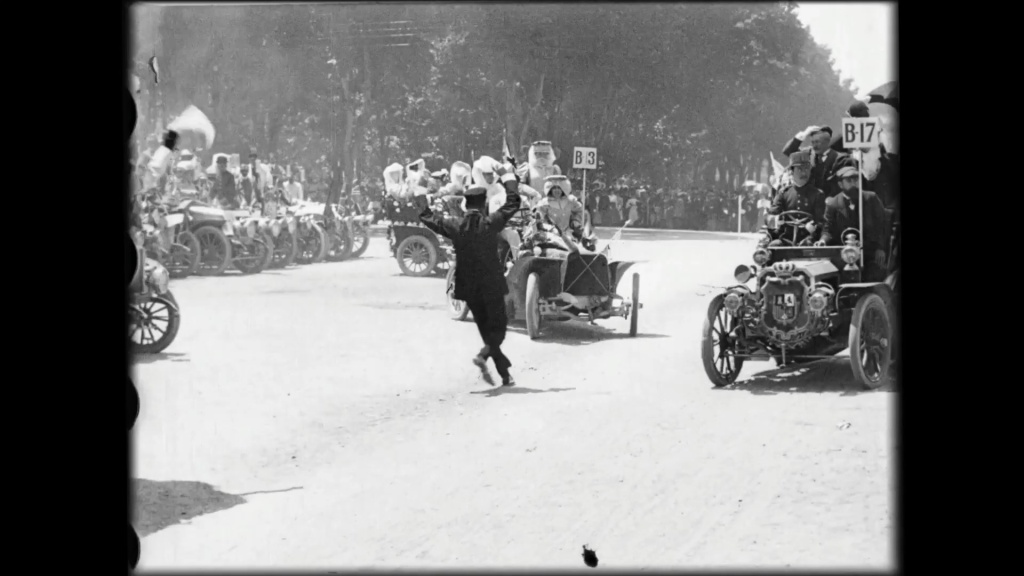


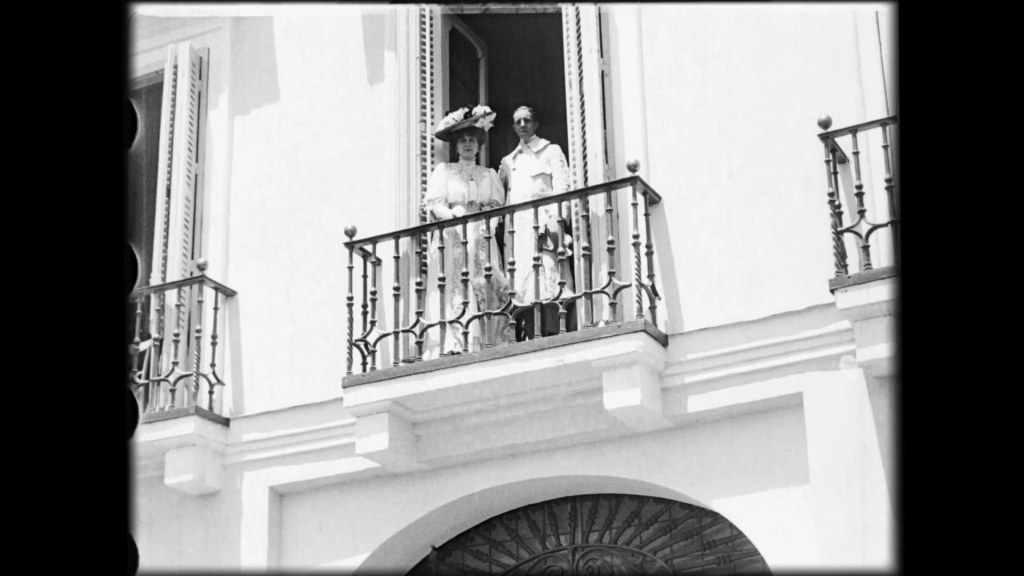
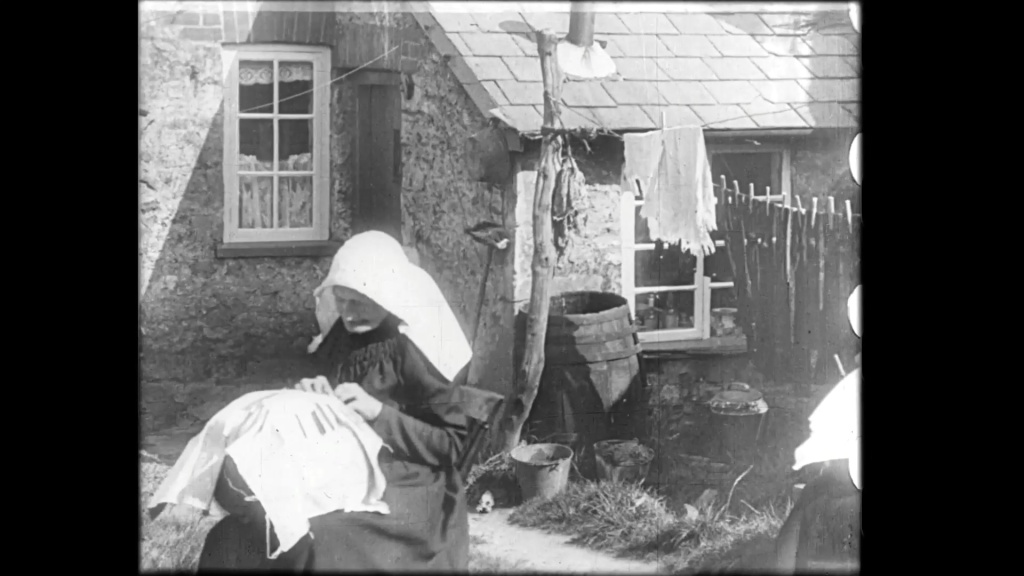






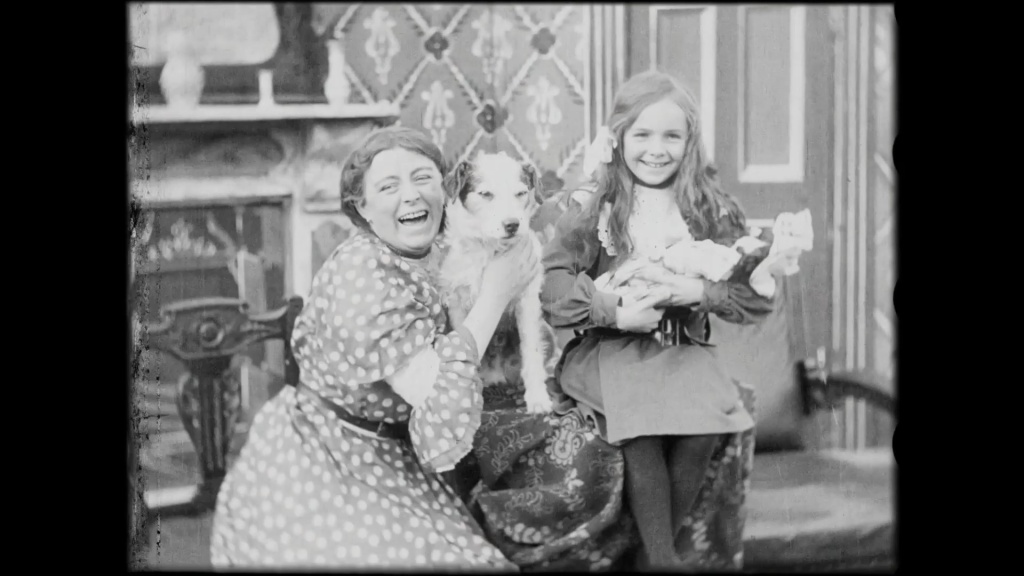

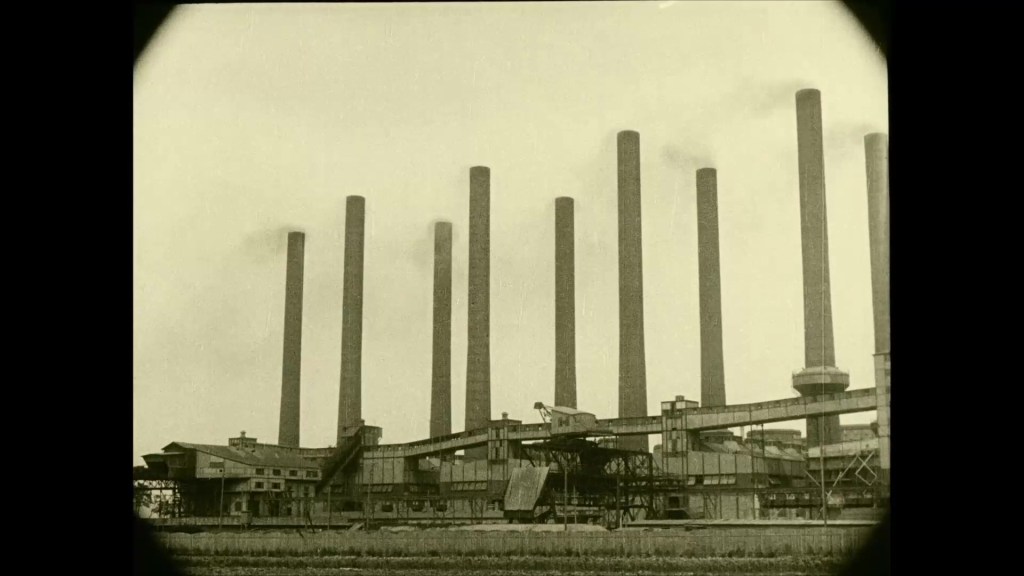


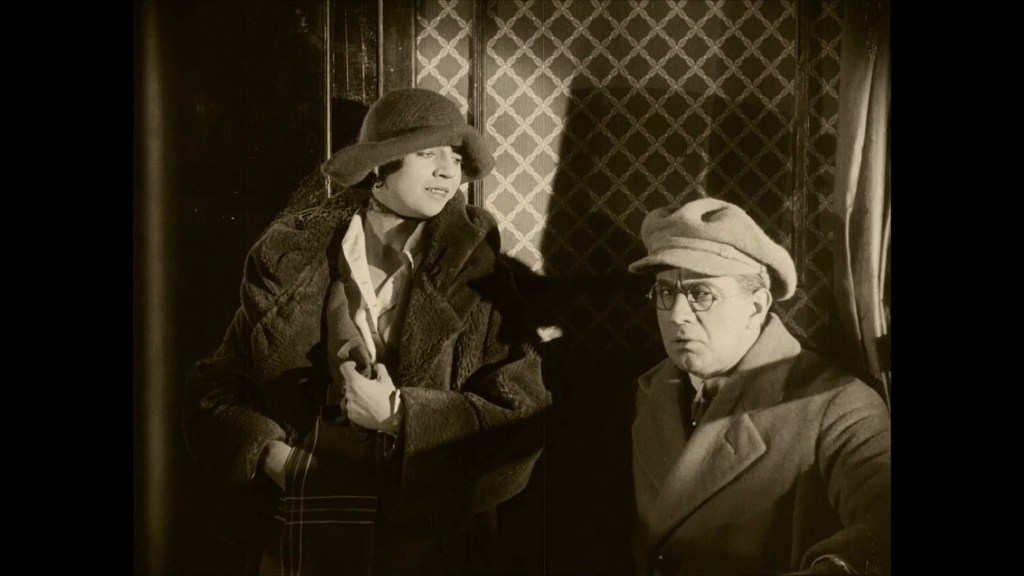

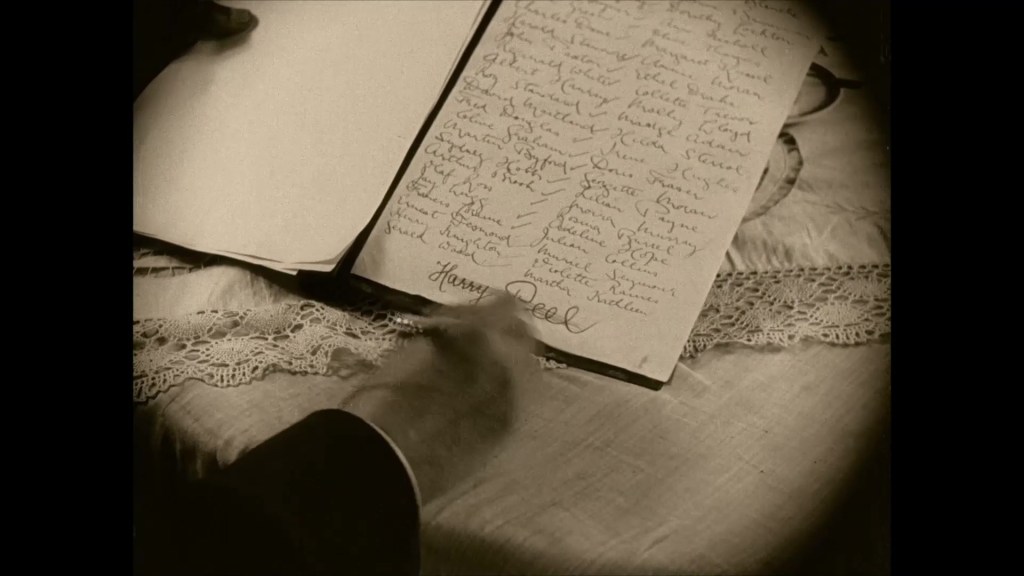


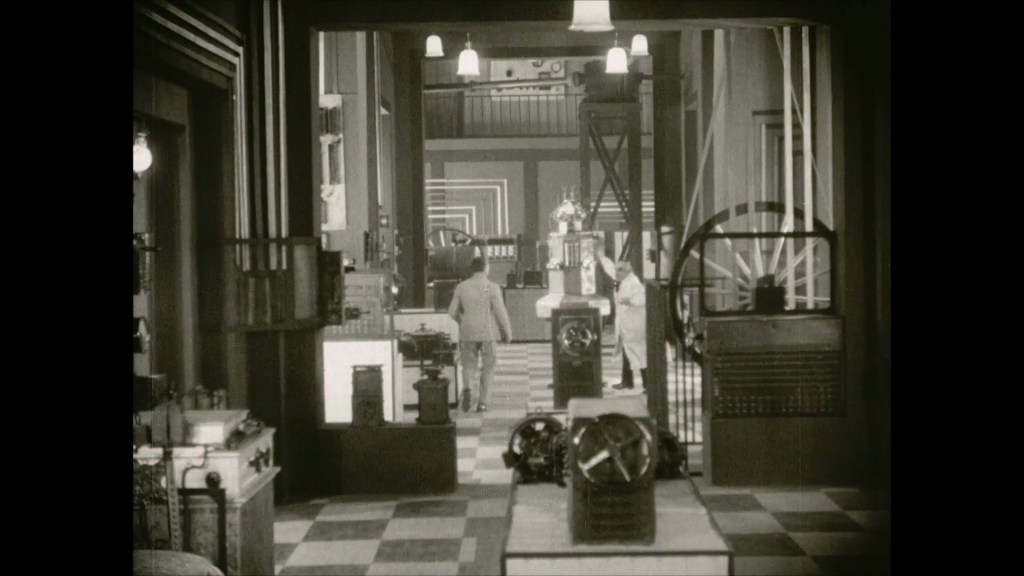


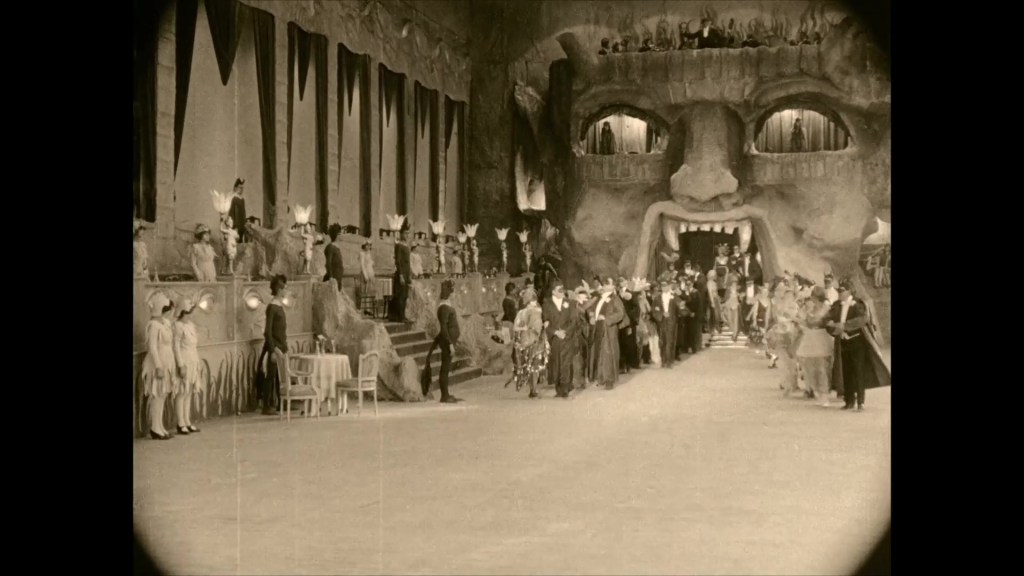
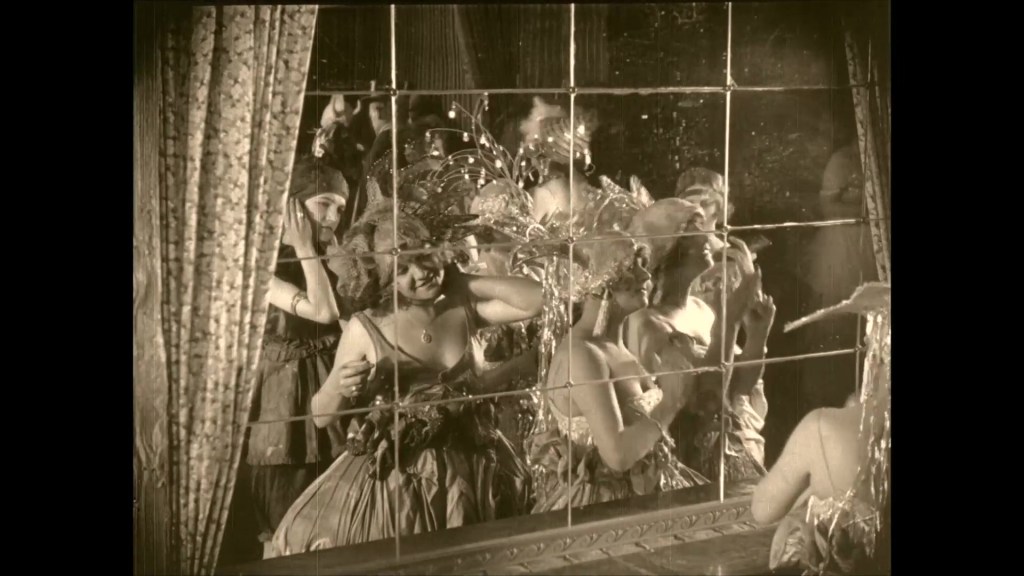
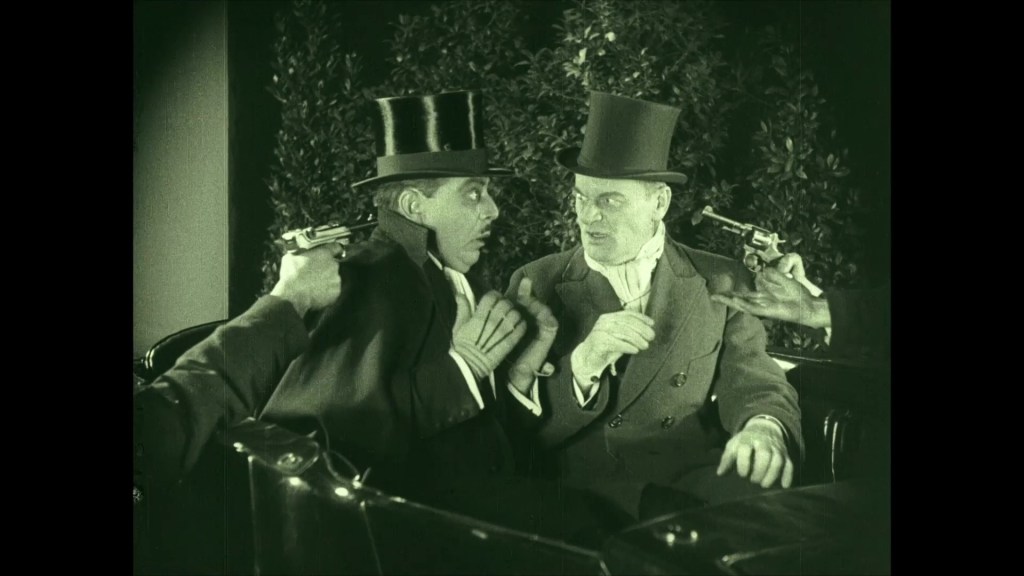


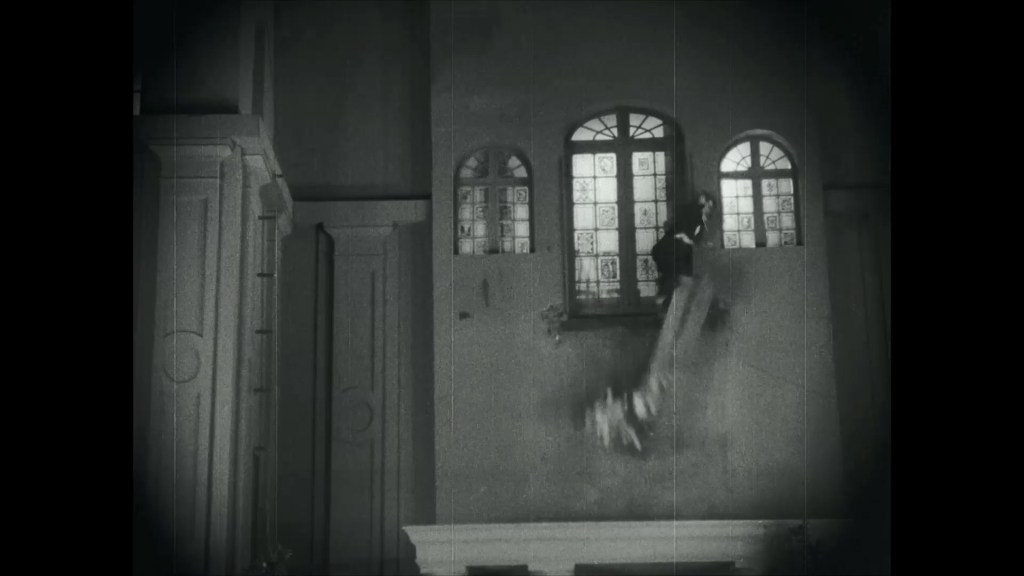


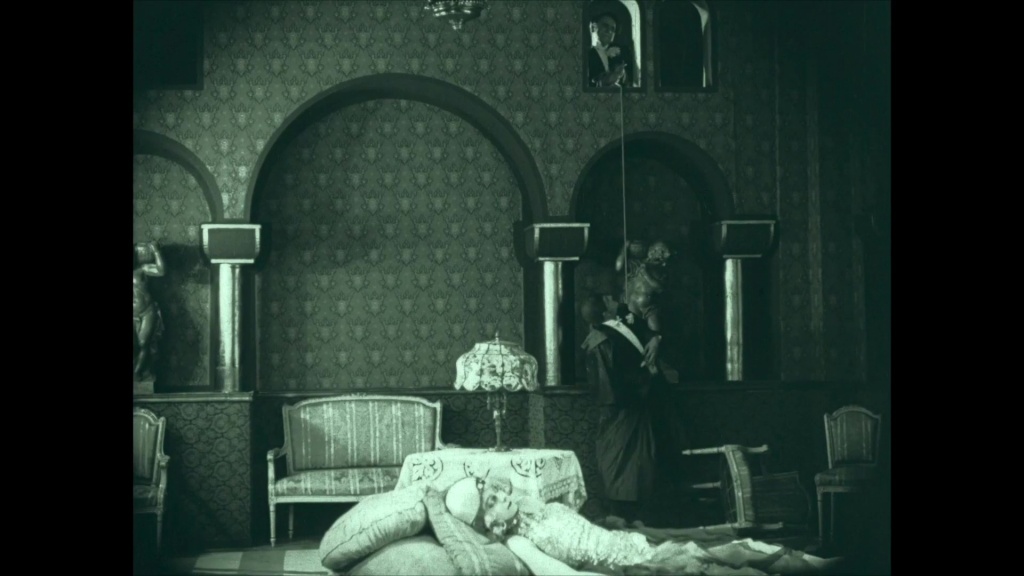


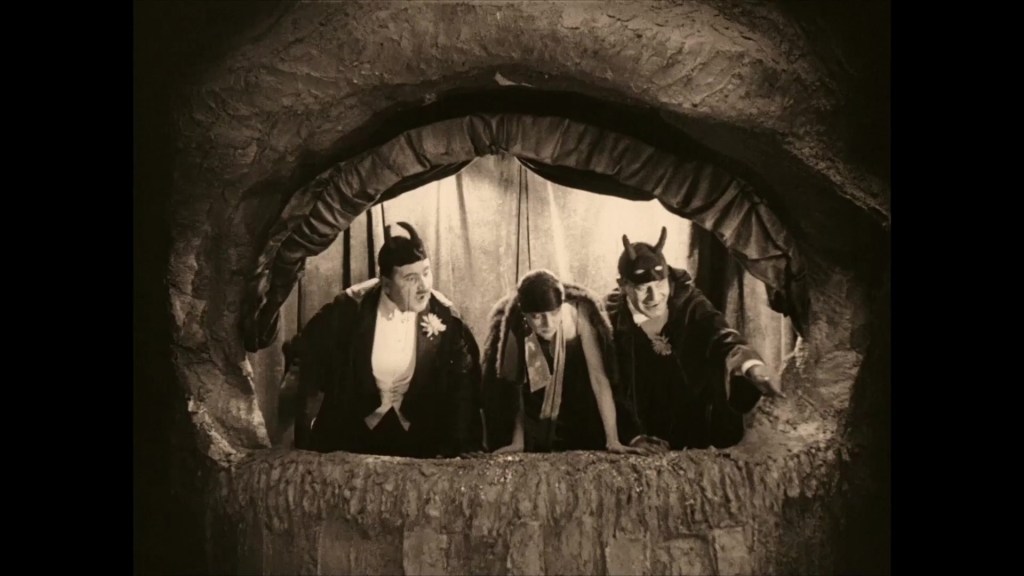


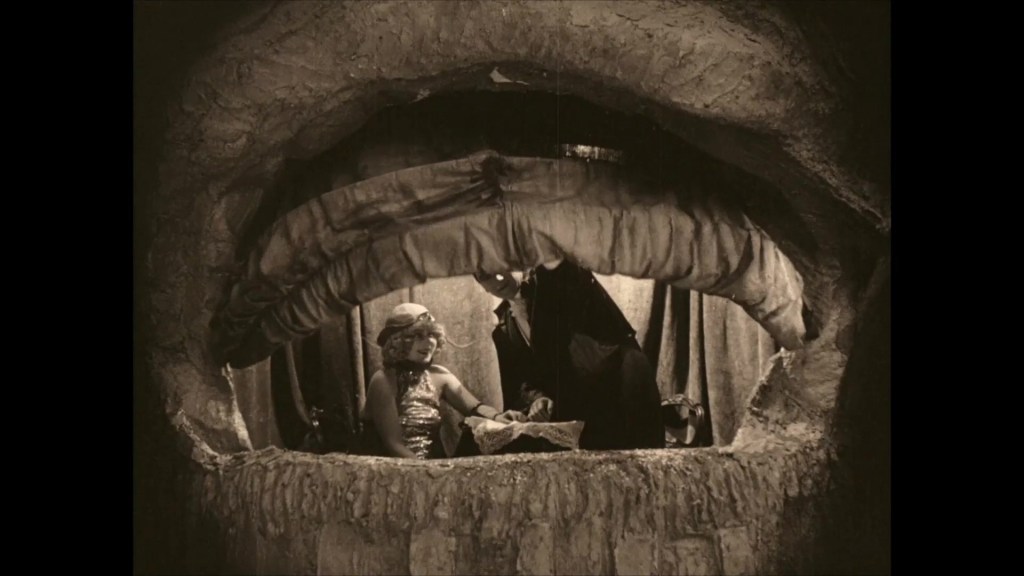
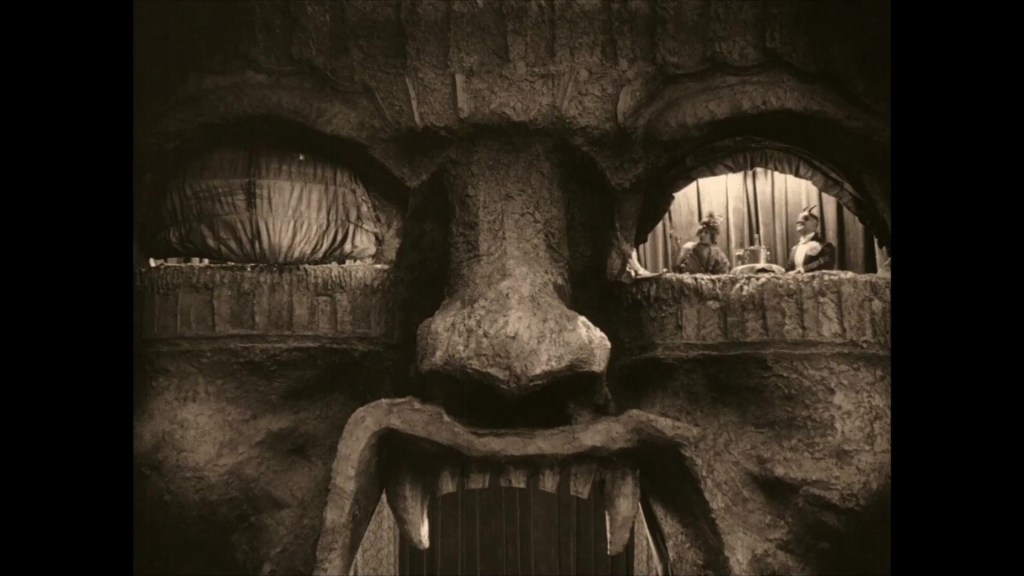


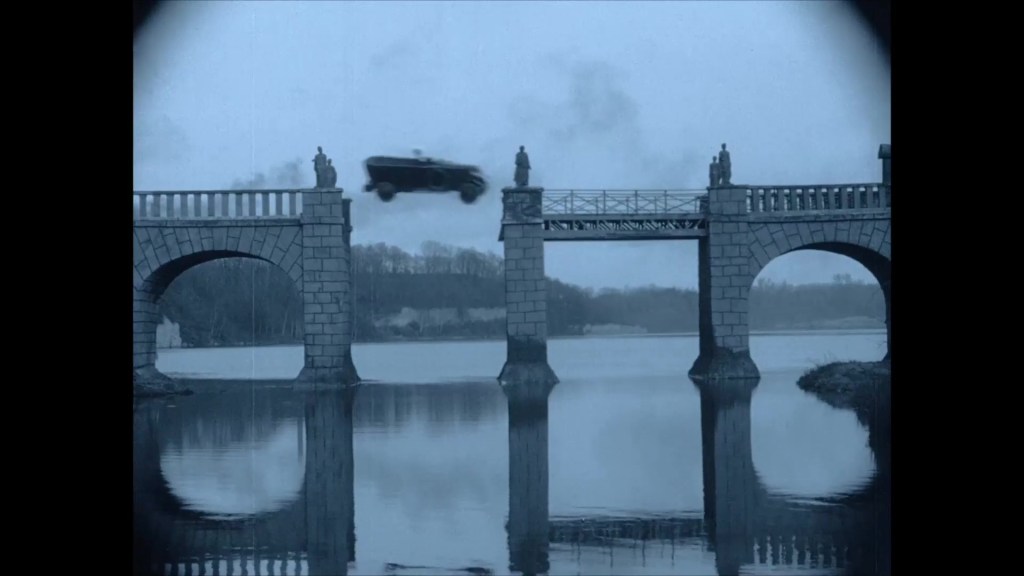
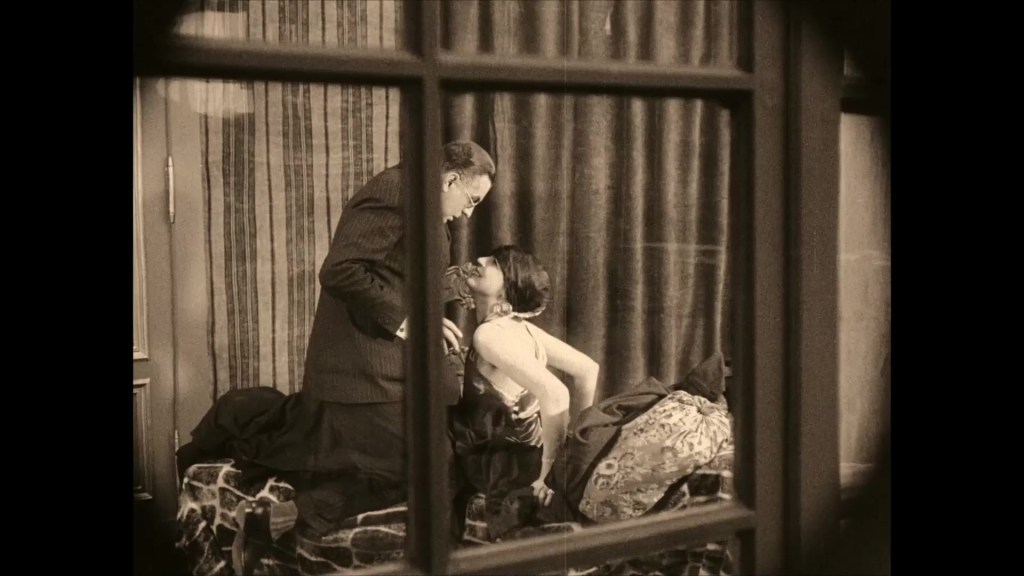
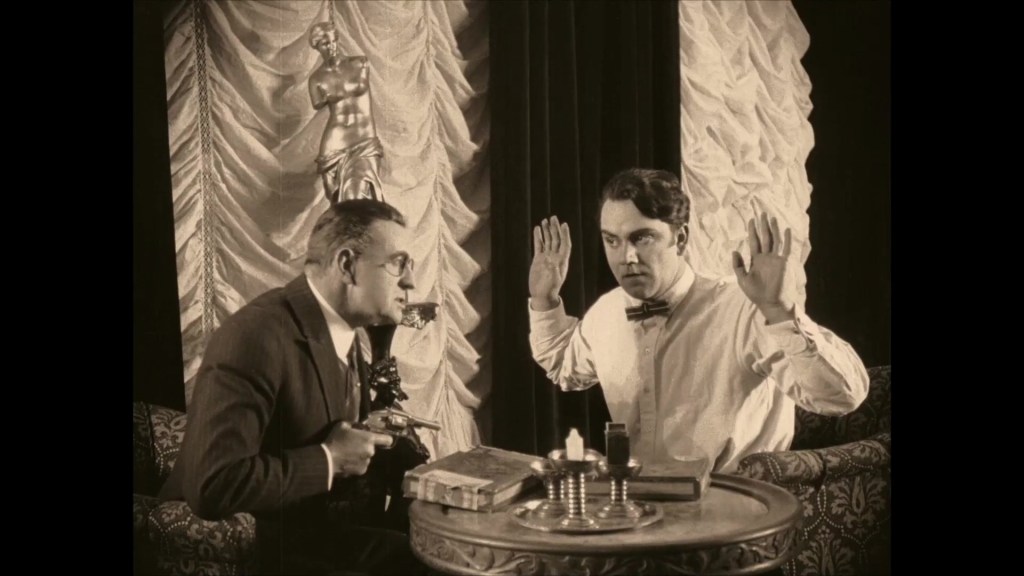
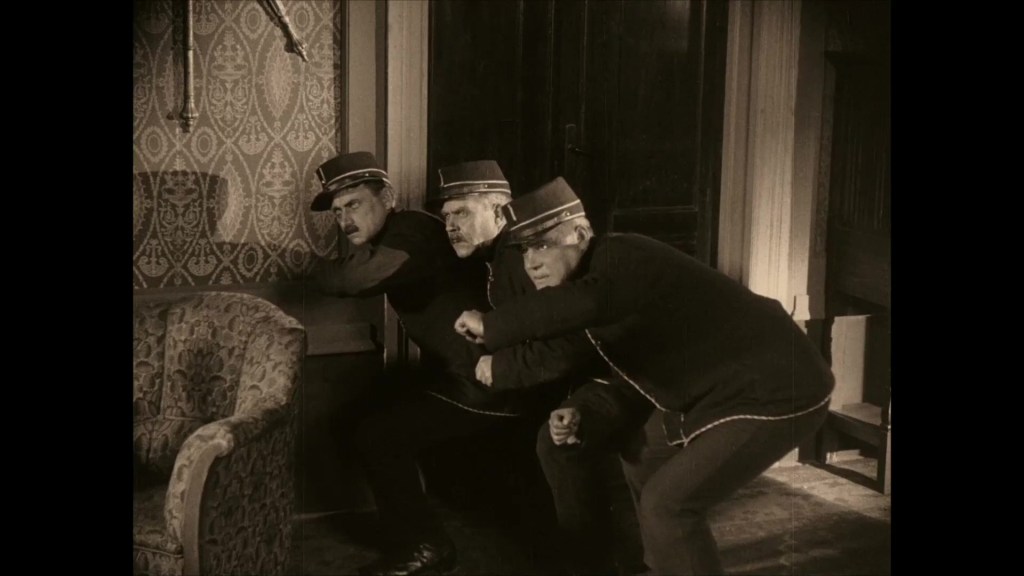


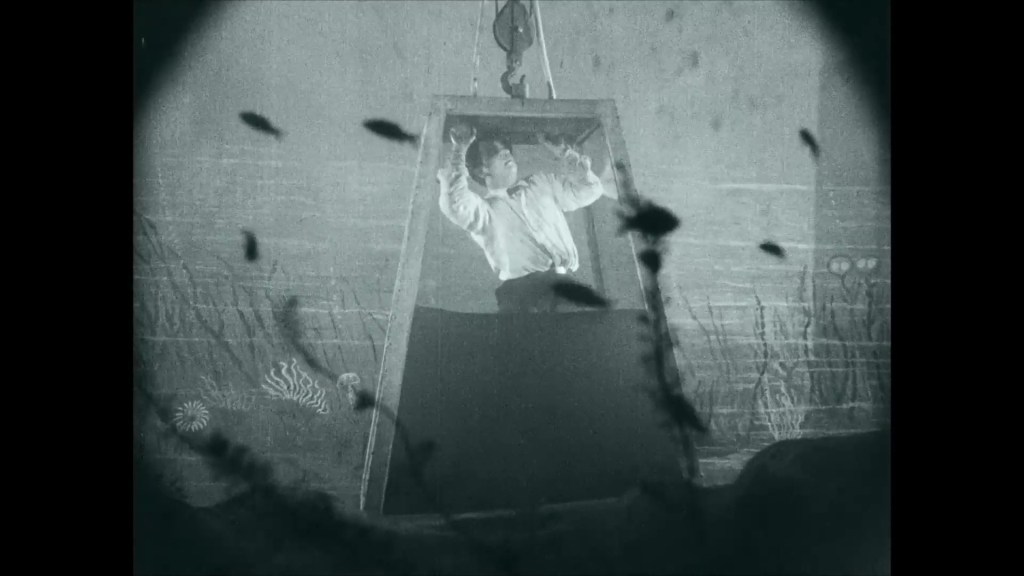
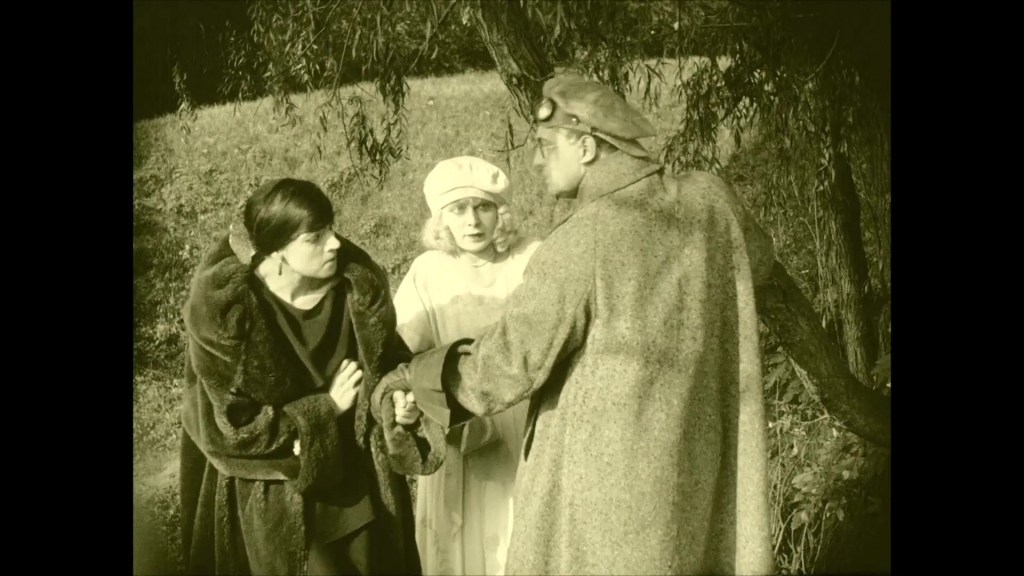
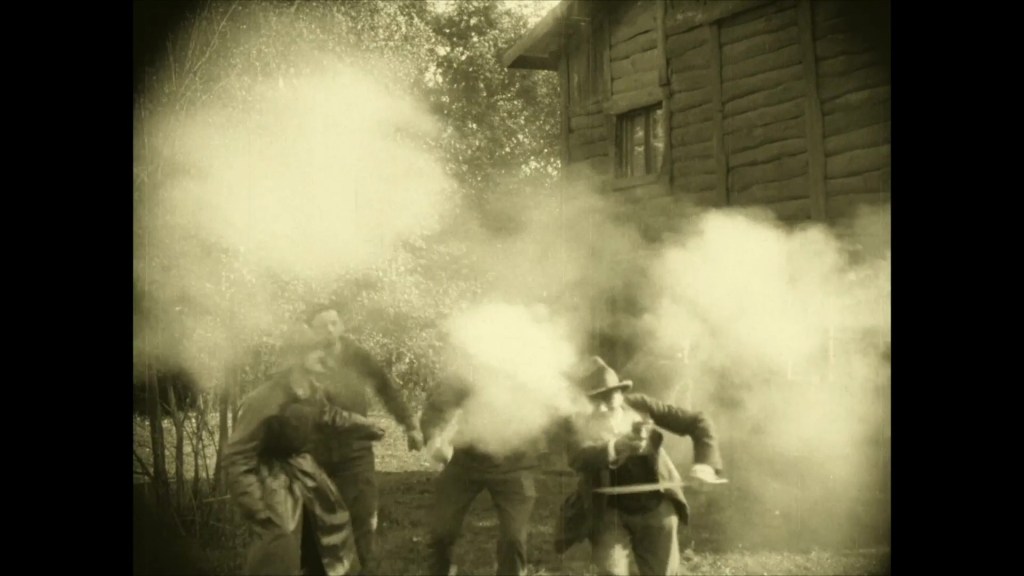




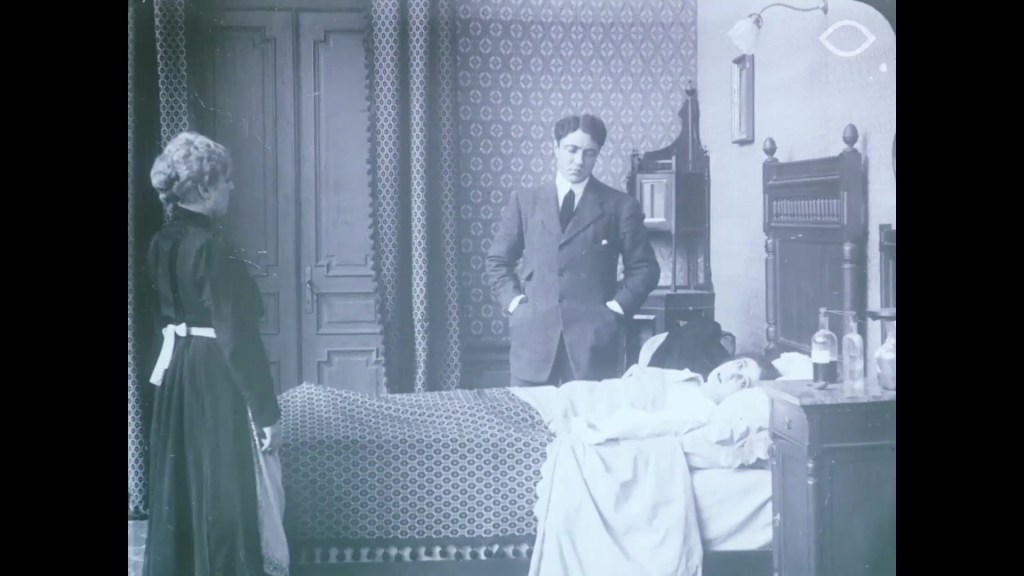


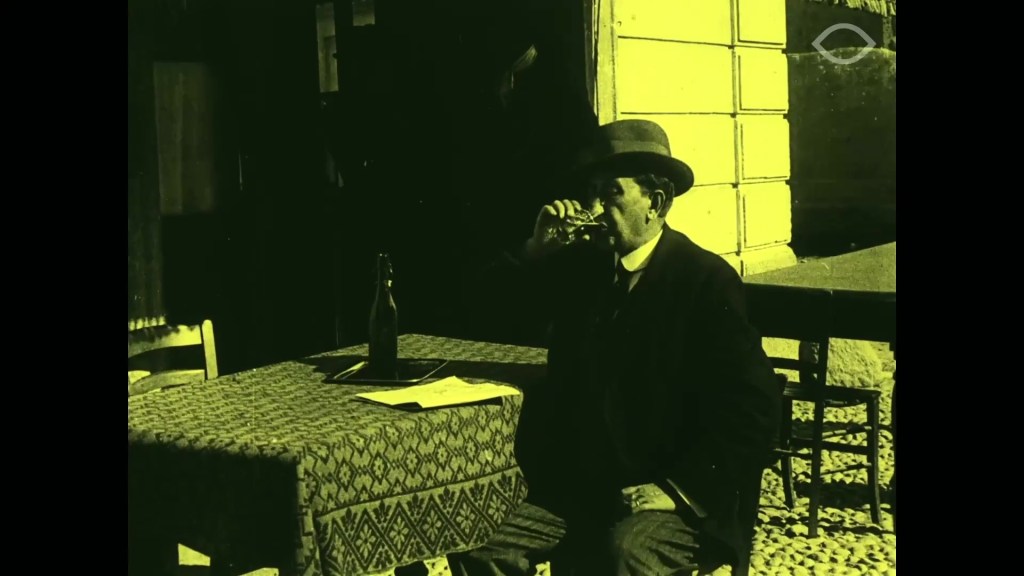


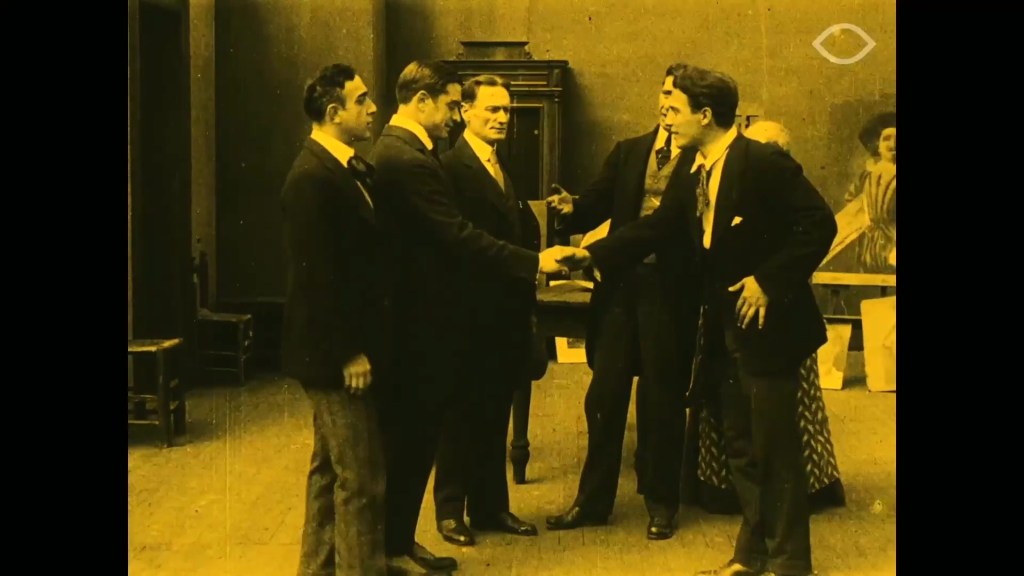


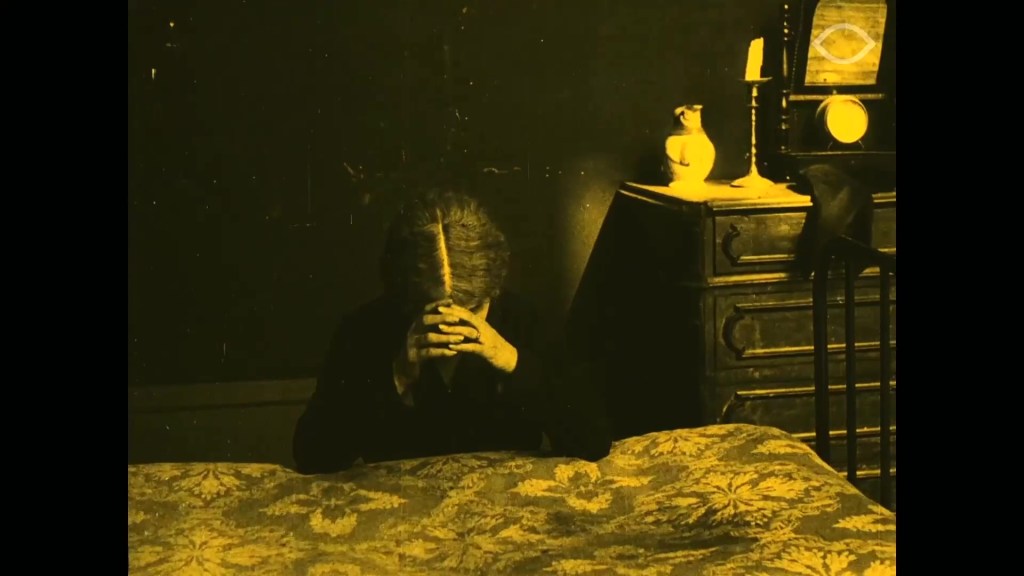


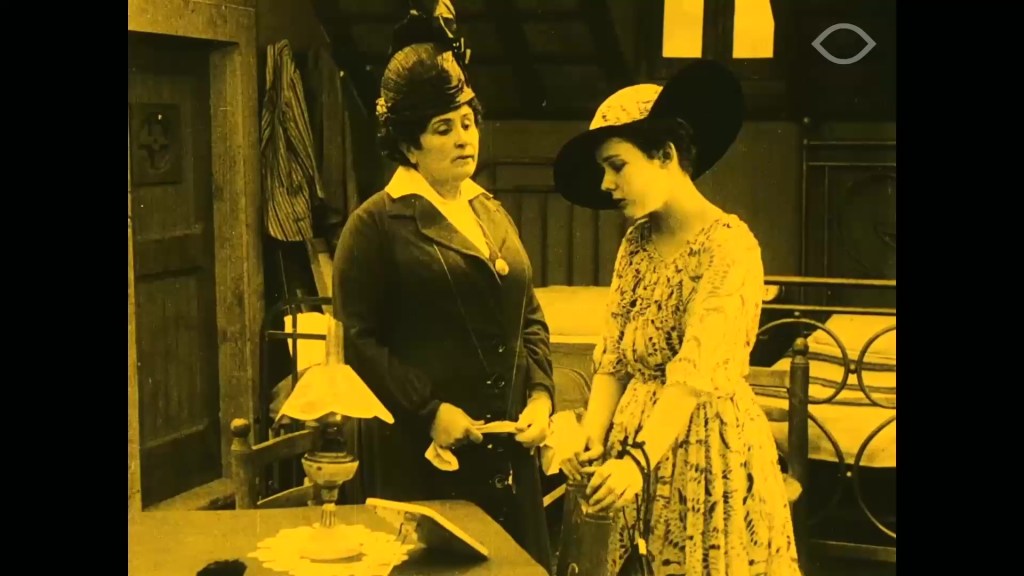


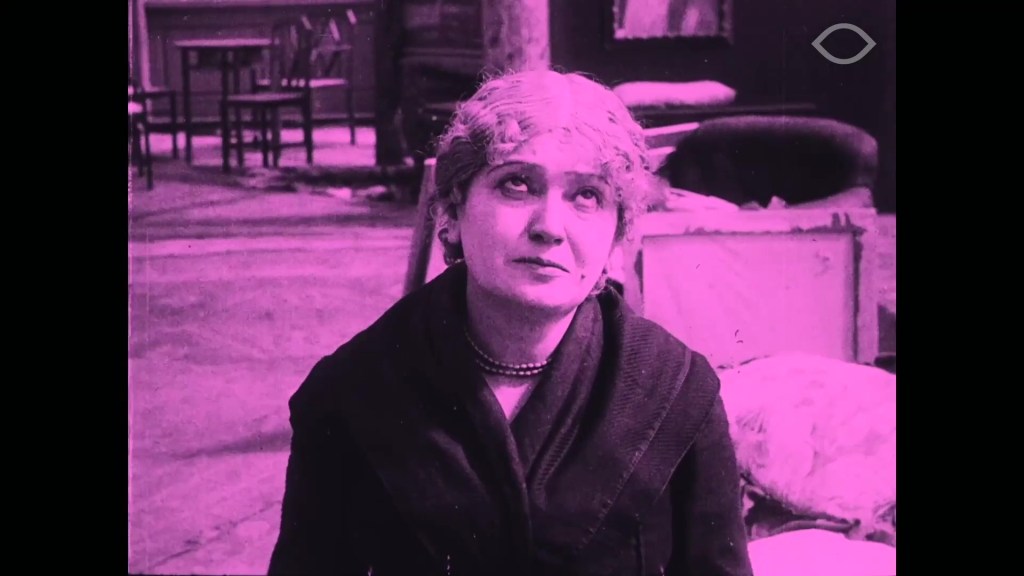


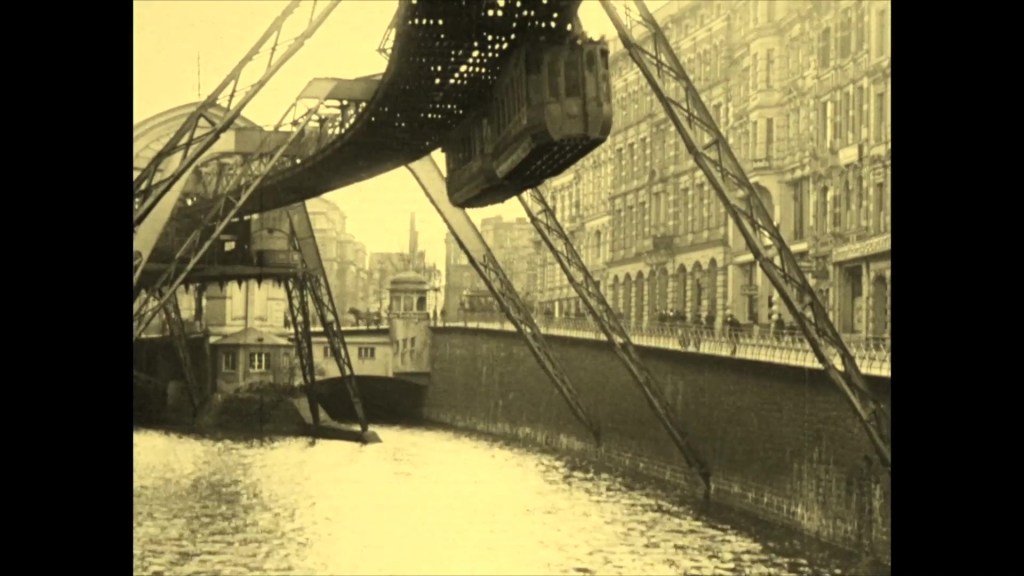














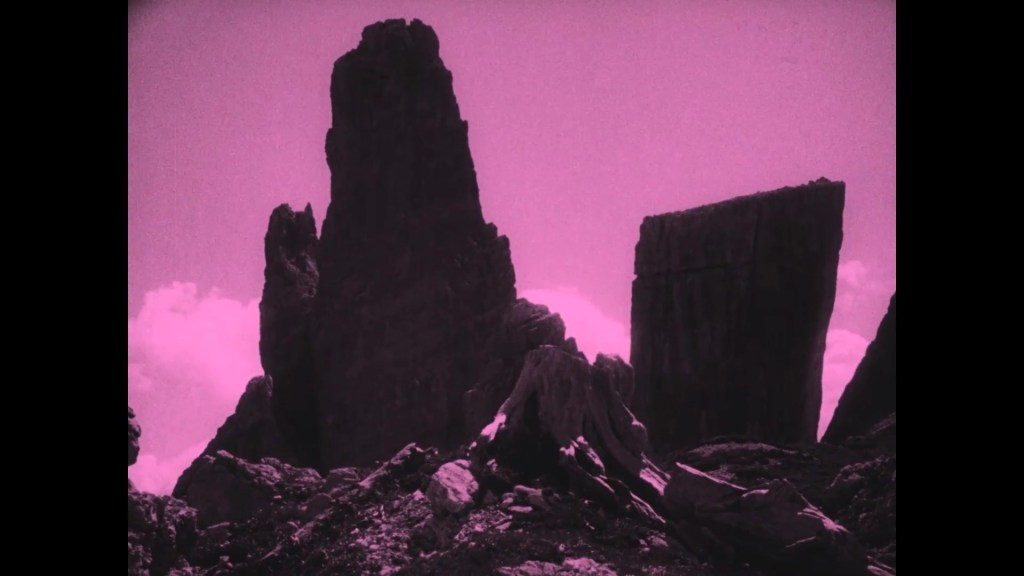


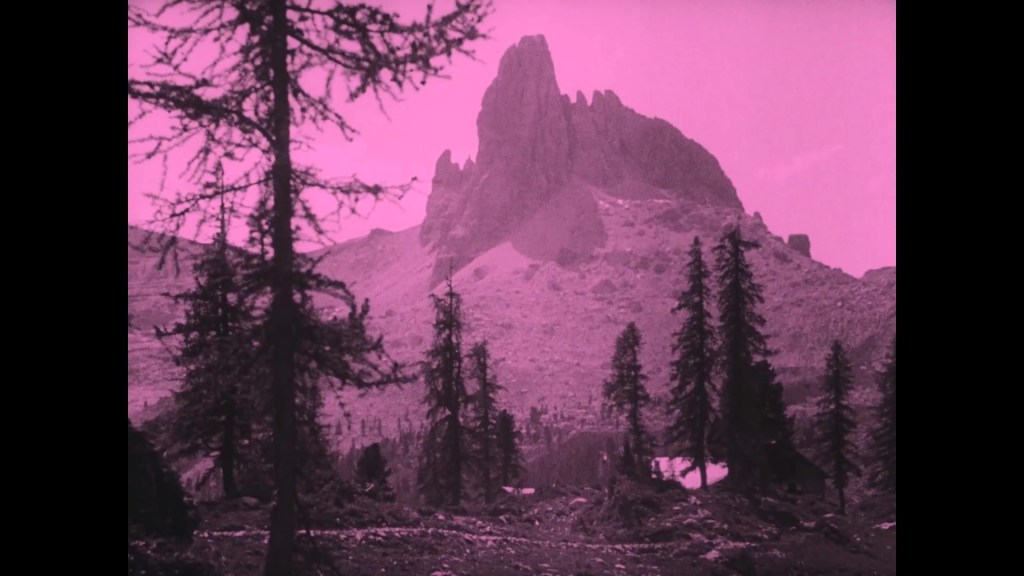


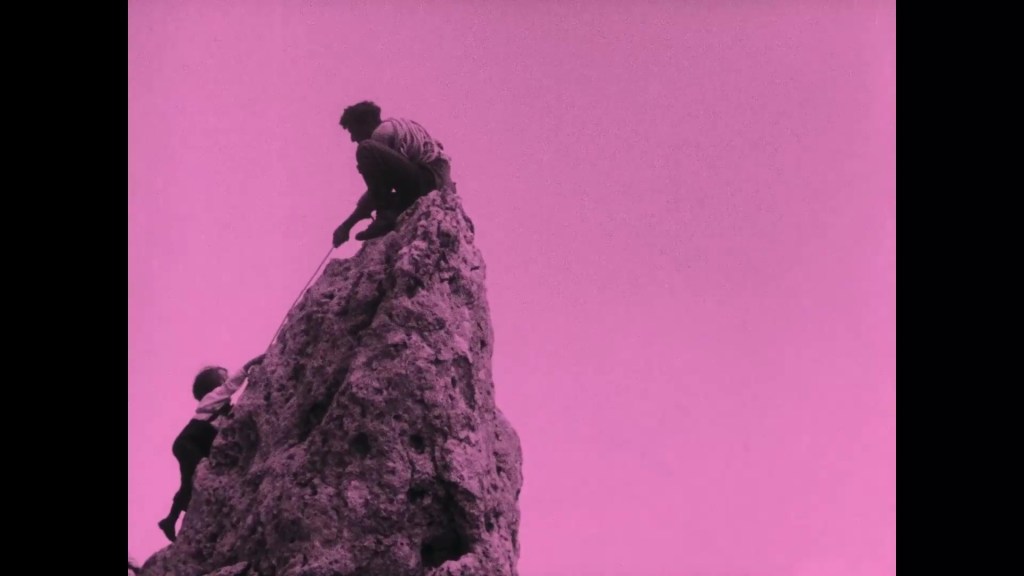


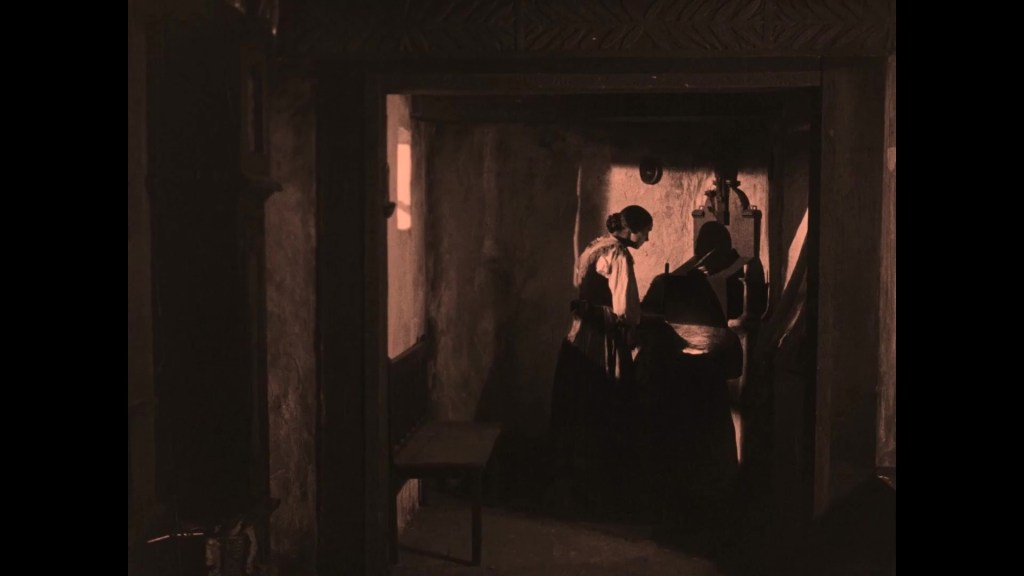


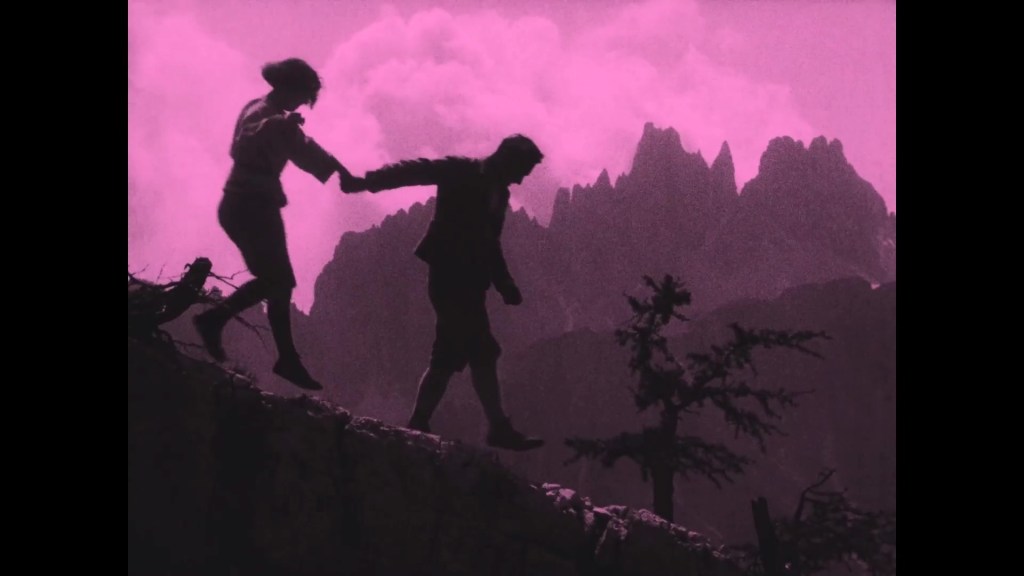


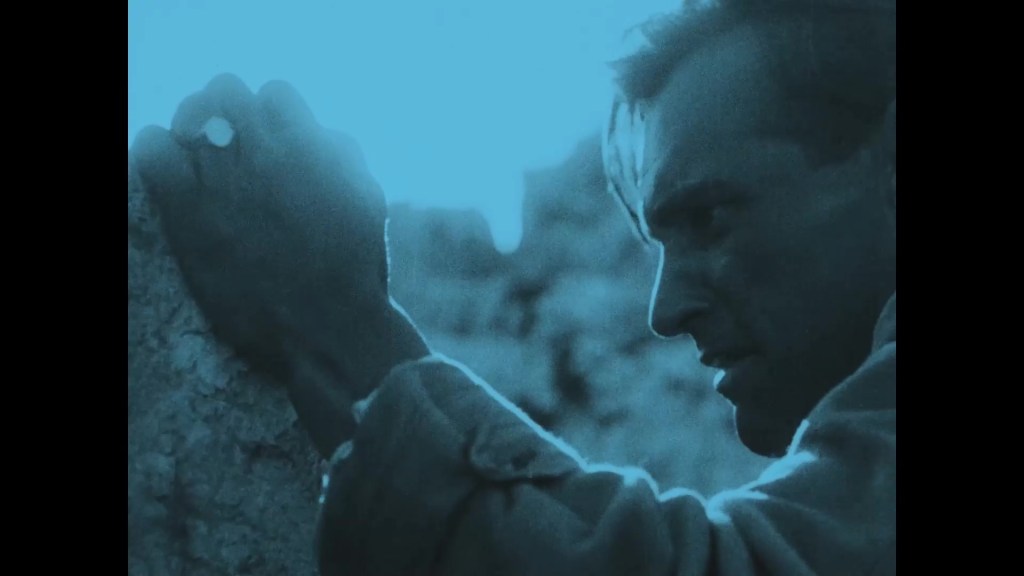


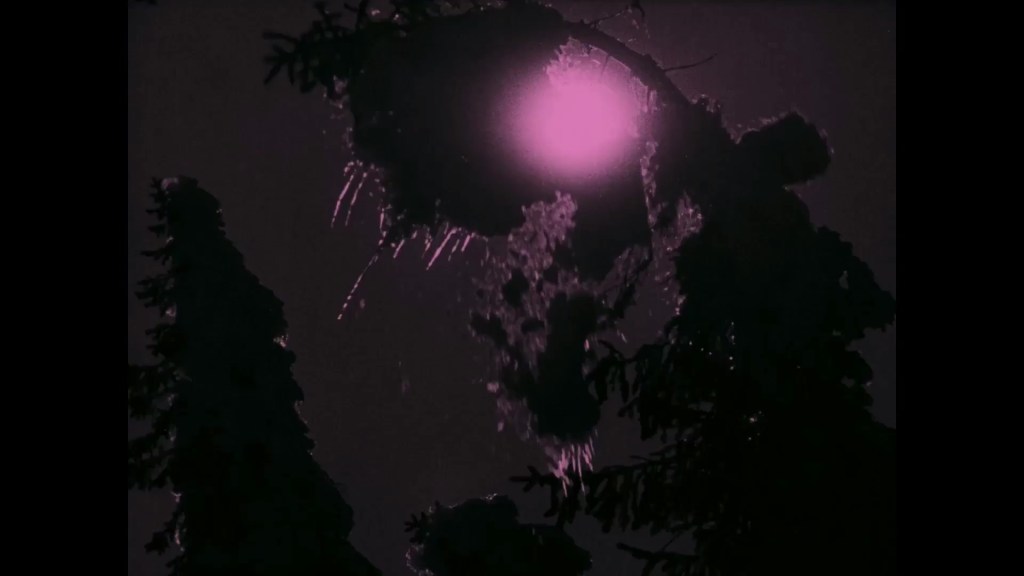


 The Realm of Silence