Day 4 takes us back to Germany and the company of Harry Piel. This time, we’re following the adventures of the director-as-star himself on screen. He starred as “Harry Peel” in several films, the first of which was Der große Unbekannte (1919). He returned to the character in Das schwarze Kuvert (1922), the first of a trilogy of films with recurring characters and overlapping narrative. As Hemma Marlene Prainsack and Andreas Thein explain in the festival catalogue:
In the 1922-23 season, Piel reappeared as Peel in […] Rivalen (working title Der gläserne Käfig) and Der letzte Kampf (also known as Der Elektromensch), all based on scripts by Alfred Zeisler and Victor Abel. Here’s where things get complicated. While making Das schwarze Kuvert, his company declared bankruptcy, and no ads, articles, or documents position the film as the initial offering in a series. We know from the German programme booklet that the character names in Das schwarze Kuvert differ from those in Rivalen, but in the sole surviving print of Rivalen, from its Russian release, not only are the character names identical, including for minor roles, but there are two direct references to Das schwarze Kuvert: the dogs Greif and Caesar reappear in Harry’s boudoir, and when his beloved gazes into her mirror, she sees Harry exactly as he appears in the earlier film. In addition, the Russian version of Das schwarze Kuvert starts with a title card clearly stating it’s ‘Part 1’, and ends with ‘to be continued’. (116-18)
In Das schwarze Kuvert, “Peel loses his money in a London banking crisis and moves to the Alps; there he falls for a rich industrialist’s daughter who’s subsequently kidnapped by order of a nefarious physicist” (ibid.). Though he rescues her before the end of the film, at the start of the second film—today’s feature—we find our character with plenty of unresolved crises. I provide all the above info because the oddness of the film that follows can only by explained by some reference to what came before (and what was meant to follow). The London setting of the first film also helps explain the anglophone names of all the characters—though doesn’t clarify exactly where the sequel is set…
Rivalen (1923; Ger.; Harry Piel).
The film credits itself being presented into “seven adventurous acts”. I’m sold. Bring them on… But before they even begin, we are given a star portrait of the director Harry Piel as his screen avatar “Harry Peel”. Piel looks languidly toward the camera, though his pose suggests he is halfway between actions. It’s a pose that will soon end. This man will soon get to business…
Act 1. The Evans electrical plant. Evans’s rivalry with the evil Ravello, both over their electrical inventions and over Evans’ daughter Evelyn, whom Ravello wishes to marry. Here is Ravello, in a sinister cap, smoking moodily. And here is Julietta, a former dancer and Ravello’s agent/companion. Contrast Julietta’s swarthy good looks with Evelyn’s fluffy, curly blondeness. She looks absurdly pampered. (And already, you have the sense that the film is here to have fun and entertain rather than create real characterization or suspense.) A fancy-dress party at Evans’s. Evans doesn’t want Harry Peel at the ball. Evelyn does. She writes his name on the guest list. He crosses it out. Meet Chilton, one of Ravello’s stooges. And in Ravello’s lair, a posse of uniformed footmen. Chilton’s lab, like a mainstream version of Jaque-Catelain’s lab in L’Inhumaine (1924). Only here the centrepiece is a delightfully silly robot with cute, illuminated eyes and a kind of metallic skirt. “He walks!” they cry, as the seven-foot robot lurches slowly forward. Chilton spots an ad for the masked ball, it’s theme: “A Party in Hell”.
Act 2. The party. Elsewhere in town, at the Trocadero, Julietta awaits Ravello—but he has spurned her for a “conference”. In fact, his masked gang are on the move to the Evans’s ball. They rob guests Hoppel and Poppel (both suitors of Evelyn) of their invitations, so Ravello gain access. (And as Ravello arrives, Julietta is spying on him.) The ball. A marvellous set. A kind of comic version of the sacrificial temple scene in Cabiria (1914), complete with guests in masks and horns. Cue comic japes with Hoppel and Poppel, dashings back and forth—into the “blue room” (tinted thus), where Ravello threatens Evelyn, only for Harry to rescue her via a series of hazardous leaps and bounds, followed by a lasso. Ravello foiled and ejected, Julietta once more observes the goings on…
Act 3. While the party carries on with devilish dancing, Julietta appears and demands an audience with Evelyn. (But she demands this from Hoppel and Poppel, who by now are delightfully drunk.) Chez Ravello, Chilton is scheming. And soon the party is surrounded by sinister goings-on: Ravello’s gang are dragging something, sawing something, loading something. The silhouette precedes the surprise delivery: it’s the robot! The guests flee, but then Evans steps forward. He clutches at the robot’s arms—and is electrocuted! Harry steps forward, only to see Evelyn being approached by Ravello’s agents. (Should this all sound delightful, it is—but a part of me is already longing for the danger to be less silly, the villains more villainous, the hero less one-dimensional…)
Act 4. Julietta wishes to aid Evelyn. But meanwhile, the robot grows supercharged, and the entire dancehall is a nest of lightning bolts as the robot wanders free. Partygoers flee, as a fire begins to burn. Harry sets off in pursuit of Evelyn in the car. Cue high-speed car chase, Hoppel and Poppel bungling alongside. A retractable bridge—and Harry’s car plunges into a lake! But he escapes and makes his way to Ravello’s house. Here, he sees Ravello takes charge of the wrapped-up body of… Julietta! Ravello says she will never again leave the house without his permission. Harry is captured changing into some dry clothes. He escapes and finds Julietta, with whom he makes a break for it. Cue: secret doors, amazing leaps, fistfights, chair fights, trapdoors… (Yes, all easily executed; no, the danger is swiftly thwarted.)
Act 5. Juletta is captured and Harry is taken aboard Ravello’s secret weapon: a submarine! Eveyln, meanwhile, is safe at home. But Harry awakes to find himself in the submarine. “You weren’t expecting this surprise, were you?” says Ravello. No, and nor was I. (Lovely shots of the moonlit lake make me long for a world where any of the action really mattered, or one where the outside world was allowed a greater role on screen.) Julietta is guarded by Artos, but Artos is in league with Julietta—and as soon as Ravello leaves, takes her outside (apparently for a romantic supper). Now Harry plots his escape—glimpsing occasionally into the camera as he cuts the ropes around his wrists and ankles. He smashes a window, and the water starts to pour in. He fights and bests a dozen submariners (of couse), then runs to freedom. Meanwhile Hoppel (or is it Poppel?) takes Evelyn for a drive. Mid-escape, Harry is surprised by a group of boulders that come alive and capture him again! (This is the apex of the film’s silliness, the gang of boulders looking like Monty Python’s vicious hang of Keep Left signs.) Harry is lowered in a glass cage into the lake (and below the surface, we get a cute—but unconvincing—glimpse of a studio seabed with glass tank placed before the camera to provide live fish and bubbles). Julietta and Artos observe the strange goings on…
Act 6. Hoppel (or is it Poppel?) and Evelyn arrive at the lakeside and see Harry’s smashed car in the water. They encounter Artos and Julietta, but are observed by Ravello, who takes Julietta into the submarine. From the porthole she sees Harry in his submerged cage. “As soon as you agree to marry me, Harry Peel will be set free.” Dastardly! The comic sailors guarding the breathing apparatus of Harry’s cage go off to meet some other comic sailors, leaving Harry to suffocate. They arrive back just in time to dredge him up.
Act 7. Retrieved from the lake, Harry dunks his erstwhile captures and swiftly scales a cliff. He steals a horse from the bad guy’s hideout and sets off. He vaults through Evans’s window and finds Evans and an explanatory note from Evelyn about the forced marriage to Evans. Another high-speed car ride—but is it too late? (Hoppel and Poppel, meanwhile, wander about with bouquets, each hoping to find and marry Evelyn. Their plotline grows evermore irrelevant.) Harry rescues Evelyn, but Ravello escapes. The bribed priest tells them that the marriage is legally binding. How to get Ravello to give up his bride? Evans wants to find a way, Eveyln wants to find a way, Harry wants to find a way. But… “Ende”! Noooo!! “The story continues in the next Harry Peel film: Der letzte Kampf”. Damnation! An end that isn’t an end…
Day 4: Summary
Well, what can I say? Rivalen was a colossally silly film. A kind of supercharged serial, only with far more jokes and much less real suspense. I did enjoy it, but on an entirely superficial level. Gabriel Thibaudeau provided enthused accompaniment on the piano, but what kind of tone does the film expect from its score? It is adventure, it is comedy, it is episodic… it is oddly meandering. The problem I had is that I simply lost any sense of dramatic tension, no matter how far the film ramped-up the thrills. It all felt a bit… safe. I love a good serial, but I’d prefer one in which the villains were more threatening (more capable of real and actual damage to life and limb)—and the heroes had more of a personality, even if this were mere obsessiveness. Harry Piel is certainly a committed screen presence, but I’d be hard pressed to say anything about his character. He runs about, he leaps, he dives, he can fight. But there’s nothing more to him than the dash needed to overcome various obstacles. Even his supposed love interest in Evelyn is unconvincing on both sides. The film isn’t quite funny enough to be a comedy with action, nor is the action sophisticated or threatening enough to be an action with comedy.
Audiences at the live Pordenone will get much more Piel than us online folk: live, there are multiple Piel films from across his career. Online, there are the three I’ve covered so far. Rivalen is closer to Das Abenteuer eines Journalisten than to Das Rollende Hotel, but I still much preferred the 1914 film to either of the later ones. It had more of a sense of the real world, and more of a sense of danger and threat. But wouldn’t I want to see the sequel to Rivalen? Well… I suppose so. But only if Der letzte Kampf developed the characters or strengthened the drama presented in Rivalen.
All that said, I repeat what I said yesterday: that seeing a film like Rivalen is one of the great strengths of a festival. Piel shows us a different side to popular German cinema, a more boisterous, outdoorsy, silly, playful cinema than perhaps we are used to. In this sense, I am indeed very glad to have seen Rivalen and the earlier Piel films. I have a sense of him both as star and director, and I would genuinely be curious to see what else he did. If nothing else, Piel proves what novelties lie outside our experience of film history. We should hope to find more like him.
Day 3 takes us to Italy in 1917, from whence come two fragments and a feature film—all preserved in unique prints from the Eye Filmmuseum, Amsterdam…
La Vita e la Morte (1917; It.; Mario Caserini). It is life and death, or the first act of it. We begin with the drama underway. Choices have already been made, fates motivated. An untrustworthy figure bends beside an inert woman. There are references to Gautier’s letters, which Leda carried with her. Here are a mourning husband and child, mourning prematurely. The screen’s bluish wash is a kind of mourning, so too the faded richness of the blacks. The screen has been washed with passing time. Paul lifts Leda’s inert body. Fragments of Leda’s boat, washed ashore. A gleaming coastline, dipped in pale blue. “Poor Leda.” But at the house in Lausanne, Leda pants in bed. (Her eyes roll towards the camera. We see you, Leda.) Paul stands sinisterly over her, warning a servant not to let Leda escape. (The framerate is palpably slower-than-life, as though the fragment were dragging its feet, anxious to extend what remains of its runtime.) Paul is pleased to overhear sailors saying that Leda is dead. The gates are toned green, washed ochre. A glimpse of park or gardens behind bars. Paul’s servant is drunk, sitting guard over a disconsolate Leda. The husband reads a letter fragment from Gautier to Leda. Perhaps her death was best for them all? The child delivers flowers to mama’s grave: the water’s edge. Child and nurse turn to walk away. The film ends. An intriguing, evocative fragment—preserved in this Dutch print and nowhere else. You can find the whole plot on Pordenone’s online catalogue, but the magic is here: the fragment invites us to imagine the lost parts of the film, or simply to contemplate its loss, and ours.
[Italia Vitaliani visita il regista Giuseppe Sterni per discutere del suo ruolo in “la Madre”] (1917; It.; Giuseppe Sterni?). A studio. The director, lost in concentration. Curtains are opened. Nitrate decomposition enters, followed by Italia Vitaliani. She takes off her coat. The director brings her over towards the camera, shows her the screenplay. (A close-up of the title page.) He opens the script, begins to read. Vitaliani settles to listen. The film ends. It’s a truncated trailer for the feature we are about to watch, a glimpse behind the scenes. Yet it is also a staged performance, an invitation to see the relationship between author and actor—and the chance for the author to be an actor.
La Madre (1917; It.; Giuseppe Sterni). The two lead characters, in their own tableau: a young painter, Emanuel, and his mother. (And we recognize them both from the previous film: Emanuel is played by the director himself, while the mother is Italia Vitaliani—made to look older with her greyed hair.)
Part One. The dark interior of the Roan’s village bakery. But Mrs Roan’s son prefers painting to baking. Outside, glimpses of a sun-filled street. The dark shadows of an awning. The texture of an old wall, fragments of ancient posters. The sunlight is harsh, the shade thick: it is all palpably real, palpably parched.
A visit from an artist and connoisseur, to appraise a painting found behind the wall of the local church. The group are invited to Emanuel’s studio. The men’s faces are ambivalent. They say Emanuel lacks the resources to be a painter. But there is an offer to share the artist’s studio. Emanuel’s mother says he should go, that she will stay and earn money. Two days later, he leaves.
The mother, alone. Her room. Dark walls, small patches of light. She kneels to pray at her bedside. A quiet tableau of devotion, of moderate means, of private emotion. (Shared, of course, with us.)
A few weeks later, she makes the journey to town to see him. The world of rural transport, c.1917: a donkey and cart, a wait at a train station.
Emanuel’s work has been rejected for not sticking to known rules. He cannot pay his model.
Mother arrives. On the steps, a small black dog drowsily raises its head. Mother shuffles upstairs. She enters the studio, presents the two artists with some carefully wrapped bread—and some coins for Emanuel. (Now a letter from Isabella, his model, who returns a ring and says she cannot visit him again on instruction of her mother.) The artist explains that Emanuel is ruining himself over Isabella. Emanuel goes to see Isabella, but his conscience gets the better of him and he cannot offer the money given him by his mother to keep in Isabella’s good books (or the good books of Isabella’s mother). Mother stays with Emanuel, to “protect him” amid the temptations of the town. (Unspoken thoughts, unvoiced rivalries, unmentionable acts.)
Part Two. Emanuel is a success, but Isabella has “stolen” his heart from his mother. She arrives, the mother shuffles away to wipe away a tear in private. It’s another little tableau, this image of the heartbroken mother. But Vitaliani doesn’t overmilk our sympathies: hers is not an outlandish performance, but a disarmingly simple one. And her moments of solitude are just that: moments only.
Emanuel returns after a night out. He is well dressed these days, but he can hardly walk this night. His mother appears. He laughs off her concern. She warns him off Isabella, saying that she will ruin him. Emanuel grows cross. His face looks down in a scowl. Hers—in a patch of light, made gold via the tinting—looks up, and the camera sees her grief, invites us to empathize. Later, Emanuel is asleep in bed. His mother tiptoes in to tuck him in and kiss his brow.
“Make him listen to the advice of his sad and grey little mother!” she begs of Isabella and her mother the next day. Isabella laughs her off, says she’ll go but that Emanuel will beg her to return.
The son, before a mirror. He barely looks at himself: it is for us to see the two of him, his two roles, his two choices. His mother awaits, expecting him to reject her in favour of Isabella. “Do you really love her?” she asks. “Do you love her more than your unhappy mother?” She is his inspiration, he replies, the only one capable of sustaining his success.
That afternoon, as Emanuel contemplates his latest portrait, news comes from Isabella that she and her mother will never see him again until his mother apologizes. Mother tells him Isabella will ruin him. She struggles with her son, even grapples with him physically. The elder artist enters. “You need inspiration? She’s right in front of you!” Yes! He will paint his mother! He blacks out the painting of Isabella and begins feverish work on capturing his mother’s praying form.
Six months later. Back in the village, Mother Roan is beneath a large portrait of her son. She goes through his childhood clothing, an old photo, a shoe… A pain in her belly. She stumbles against the dresser.
Meanwhile, Emanuel’s portrait of her is nearly complete. He sends her a letter: the painting will be his greatest success. She is overjoyed but clutches her chest.
The exhibition: Emanuel’s maternal portrait wins the prize. The camera pans from the portrait through the empty gallery, pans right to left until it meets the incoming crowd; then pans left to right back toward the painting. The film cuts from a close-up of the image to the real sight of the mother prostrate in bed.
That night, he sends her word that he will be with her the next day. But no sooner does she read his words than she collapses. The next day, she is helped up and into a chair to receive first a doctor then her son. She wants everyone to hide her “grave news” from Emanuel. Emmanuel walks through crowds of locals who greet him like a returning hero. He is feted all the way home, where his mother is helped to her feet to see the crowds outside rejoicing for her son. No sooner than they embrace does she sink into a chair. “Now I can die happy.” The crowds cheer for Emanuel outside. He goes to the window to greet them. While he is at the balcony, his mother stands—then falls slowly back into her chair. From the green tinting of the outside view, the son returns to the burnished gold of the interior light and falls weeping at his mother’s side. (Her features are almost lost in the patch of light that illuminates her head: it’s as if she were already somewhere else, already effaced.) Two girls enter with a crown of laurels for the artist. He takes it and lays it at his mother’s feet. “Rest in peace”, he says—and we cut to an image of him before her angelic tomb. The End.
Day 3: Summary
A curious trio of films. The fragment of La Vita e la Morte certainly intrigued me and made me want to see more. Leda is played by Leda Gys (clearly, she stuck close to her on-screen persona, or at least her screen name). We saw Gys at last year’s Pordenone in Profanazione(1924). I thought the later was perhaps the weakest film of the 2022 streamed films. I was more intrigued by La Vita e la Morte, though I recognized Gys’s big, rolling eyes at once—her performance style didn’t seem to change much in the seven years between these films. It’s always fascinating and moving to watch a film in a state of ruin. And with such lucid filmmaking—each shot a tableau with its significance carefully laid out in deep composition—it is easy to be drawn into the glimpse into this lost on-screen world. But I wonder if the whole would live up to the promise of the fragment?
The staged prelude to La Madre was a lovely way to segue to the main feature. Even the existence of the former is historically interesting. I have a fondness for these promotional scenes of filmmakers that presage their own work. Someday I will write a piece on such appearances in the silent era—it’s a curious little theme in the 1910s, when directors became more prominent in the marketing of their productions.
As for La Madre itself, it’s a well-made film. And it’s a well-performed film. But I can’t say I wholly enjoyed it. The sympathetic piano accompaniment by Stephen Horne was a strong compliment, but I was never quite moved. Vitaliani’s performance is subtle, realist even, but the plot is so obvious that it’s difficult to be drawn entirely to her. It reminded me of Henri Pouctal’s Alsace(1916), in that another major theatre actress (in the French film, Gabrielle Réjane; here, Italia Vitaliani—a relative of Eleonora Duse) plays a dominating mother who forces her son to break off a romantic relationship with the “wrong” woman. But whereas Pouctal’s film pushes that plotline to the extreme of the mother essentially getting her son killed, in La Madre it is the mother who dies to prove her point.
Besides, La Madre takes too long to give any firm indication that the mother is right about Isabella. The first scenes with Isabella suggest noting more than young love being thwarted by interfering parents. Only when she laughs at the mother’s pleas does Isabella reveal herself to be less than a victim. But even then, Emanuel’s partygoing is never clearly linked with Isabella: only Mother insinuates that the one is the cause of the other. Unlike Alsace, where the mother’s rivalry with the daughter-in-law is pushed to insane, murderous extremes, in La Madre the rivalry is all rather tame. The mother is too self-pitying for us to feel so much pity for her.
So, in viewing La Madre, I fell back on the other pleasures of the film: the realistic settings and real streets, the rich textures of costumes and environments, the warm tinting and toning. It’s a simple, effective rendering of the story it wishes to tell. Is La Madre a great film? No. But the point of festivals like Pordenone is to show us things we would never otherwise see, and to enrich our understanding of the silent era as a whole. I have seen, I have learned; I am content.
Day 2 sees us in Germany. In the 1910s, we’re adventuring via every possible means of transport with daredevil director Harry Piel. And in the 1920s, we’re climbing mountains to meet our destiny with Dr Arnold Fanck…
Das Abenteuer eines Journalisten (1914; Ger.; Harry Piel). Professor Cleavaers has invented a wireless detonation process for the navy. But he is more concerned about his daughter Evelyn’s romance with the journalist Harrison. Only when Harrison has a more important position in life will the scientist give him his daughter’s hand in marriage. But what Cleavaers should be more worried about is the “Medusa Society”, one of whom—Baxter—is disguised as a gardener in his employ. Baxter tries to glean his master’s secret, reporting back to the “Medusa Society” in an insalubrious tavern. They wish to win a contract from the Ministry of the Navy, so plan to steal Cleavaers’ work. The gang are all wide-brimmed hats, long coats, long dark beards. The gang kidnap the professor and steal the prototype for the detonator, as well as setting an accidental fire in his laboratory. While the professor stumbles about in the gang’s underground lair, Harrison promises Evelyn he will investigate her father’s disappearance. He finds him pretty quicky, dodging mantraps and trapdoors, pistols, bombs etc. (At one point, he foils the gang with a small bottle of petrol that he happens to carry with him. Very convenient!)
Then the film really hits its stride: a protracted chase sequence on a suspended railway that allows us fabulous tracking shots through town and along a river. (And yes, it’s the incidental details that attract the eye, which Piel surely included as part of the spectacle. His camera floats over the pre-war world of 1914. We take in the Metropolis-like suspended railway and its huge metallic supports astride the water, but we also see the horse and carts on the dirt road, and an old man—just a dark silhouette at the edge of the frame—scrapping debris from the roadside. It’s a world of mighty industry and primitive labour, of modern speed and ancient slowness. It’s absolutely beautiful to look at.) Abandoning high tech for low, Harrison comes across a group of what appear to be cowboys standing with their horses in a paddock. This raises the question of where the film is meant to be set. The English names suggest an Anglophone setting. Are we really to believe we are in America? It would at least explain the cowboys, incongruous in their damp field, breath clouding from their mouths. They are now embroiled in the chase, which proceeds (in ascending order of tech) via horse, then motorboat (the river scenes coloured a beautiful blue-tone-yellow), then car, then aeroplane. Shots are exchanged, tyres punctured, bombs dropped. Men in outlandish naval uniforms arrive, and Harrison parachutes out of the sky down (via a treetop) just in time to sabotage Baxter’s demonstration. Baxter then accidentally blows himself up on the lake, while Harrison and the police descend on the remaining members of the gang. The professor is liberated and successfully demonstrates his detonation. Father, daughter, and husband-to-be are united in happiness beneath the boughs of a blossoming tree. Marvellous stuff.
Das Rollende Hotel (1918; Ger.; Harry Piel). Meet Joe Deebs, the well-known private detective. (Have we met him before? Did other films exist? Do they still?) And meet Herr Parker, the fruit and veg wholesaler. (Fruit and veg wholesaler? Apparently so, and it’s the first sign that we’re not to treat what follows as seriously as anything in Das Abenteuer eines Journalisten.) Deebs is a debonair detective, with bowtie, boater, and cane. He has a half-smarmy, half-aloof air. Parker is a goatee-sporting pipe-smoker who wants his ward Abby to marry Johnson. But Deebs assures him that Addy will marry his friend Tom. Now meet Johnson: a short, bushy-browed, self-assured type: fingers covered in vulgar rings, showy belt, pale suit, cigar in mouth, and boater pushed languidly to the back of his head. Chez Tom, Deebs sips the tiniest possible glass of liqueur and sends another note of defiance back to Parker. And here is Addy, lounging on pillows, cradling a cat. In a rather confusing plot development, Parker tries to frame Tom in the vegetable stock market via his position as editor on “The Cauliflower”. Things are simplified when Deebs, disguised as a belligerent beggar, distracts Johnson and Parker so Abby can make a break for it. Deebs further arranges for two cars to distract the bicycle-riding Parker and Johnson to go around in circles, while Deebs boards the “rolling hotel” (the latest in caravan design) with Abby. They will stay there until Abby comes of age and can legally marry Tom. Parker and Johnson engage detective Scharf, who promises police support. Scharf traces them to Marienberg. To escape, Deeb sets the caravan rolling—only to end up plummeting off a high bridge into a river. Somehow they both survive and have supper in an inn, then set off up into the mountains. At a refuge on the Zugspitze, Deebs and Abby look down across the snowy Alps. But Scharf is still on their trail, so they take the “unfinished” cable line: Deebs carries Abby on his back as he walks across a tightrope from one side of an abyss to the other. (Some genuine stunts, but also sleight-of-hand camerawork.) Next, to Seefeld. Deebs and Abby enjoy some fine dining, while Scharf huffs and puffs and sits in a train station waiting-room moodily sipping beer. When he arrives at the hotel, he finds another mocking note from Deebs. So while Parker and Johnson take the train, Scharf takes a racing car to try and catch up with the other. (Cue real trains and cars, together with an aerial model shot to set the scene.) Scharf catches up, but only after time enough has passed to allow Abby and Tom to marry on the train.
An odd film, and not what I was expecting after the first by Harry Piel. Rather than a crime caper, it’s more of a comic travelogue. The film came out in September 1918, so it’s perhaps not surprising that Piel wanted to give his audience a world free of serious crime and death. The comic tone of the film and easy way of life in the rolling hotel must have been a great contrast to the economic collapse, political turmoil, and food scarcity afflicting Germany at the end of the war. I’ll happily take the nice location shooting, but it’s a tame, meandering film compared to the propulsive adventure of the first.
Der Berg des Schicksals (1924; Ger.; Arnold Fanck)
The Mountaineer (Olympic skiing champion Hannes Schneider) is obsessed with conquering the “Guglia del Diavolo” peak in the Dolomites. Though his Mother (Frieda Richard) is supportive, his Wife (Erna Morena) worries for his safety and the future of their young son. During one final attempt, the Mountaineer falls to his death. Many years later, his adult Son (Luis Trenker) has himself grown to be an expert climber. But in deference to his father’s fate, he refuses to climb the Guglia, even though two rivals are setting out to be the first to reach the peak—and even though his love interest Hella (Hertha von Walther) calls him a coward. But he has promised his mother he will never climb the Guglia, so he goes back home—and Hella determines to conquer it herself, beating the two rivals to the top. But a storm strikes the mountain: the rivals reach the summit, but are killed in the descent, while Hella is trapped on a ledge. The Son hears her distress signal and (with Mother’s permission) sets out to fulfil his destiny…
First thing’s first: Der Berg des Schicksals is a masterpiece. The location shooting in, around, and atop the Dolomites is some of the most beautiful I’ve ever seen. I wrote some months ago about Fanck’s Im Kampf mit dem Berge (1921), which is an astonishing work: but I think Der Berg des Schicksals betters it. The film’s credits name Fanck himself as the chief cameraman for the exteriors, with special credit for photography taken on the mountainside itself by the climbers [Hans] Schneeberger and [Herbert] Oettel. The sheer physical effort of making this film is extraordinary. You know that everything done on screen was done by the filmmakers themselves to take the shots we watch. You see men and women clinging on to sheer cliff faces hundreds of metres above the valley, with absolutely no safety net—and you know that the cameraman has done the same, lugging cumbersome equipment with him.
The results of this effort are magnificent. I could take literally hundreds of image captures from this film and it wouldn’t be enough. Peaks and snows and clouds and skies are almost overwhelmingly beautiful to look at. The vistas awake in me a desperate longing for travel, while the glimpses into deep abysses below the climbers make you dizzy—with exhilaration, with fear, with envy. Compositions heighten the suspense, bring out the savage and surreal qualities of the landscape. Teeth-like promontories. Fist-like boulders. Axe-like lumps of rock. Mountains looming menacingly behind dark pools. Mountains like curtains of mist floating in the distance. Hazy valleys crisscrossed with white tracks, without humans or even trees for scale. The spaces here are extraordinary, but so too is the sense of time. Progress can be fingertip by fingertip up a limitless cliff, or giant strides silhouetted above tiny mountains. Seasons move strangely. From the pinks and golds of blazing daylight to the blues of storm-induced winter. And with time-lapse photography, you can watch weather fronts brood and bloom over the black mountaintops, or see the night’s snow melt at dawn into sheets of gleaming water. I could spend hours dreaming amongst these images.
My favourite moment is when the Son finally reaches Hella on her remote ledge. He has achieved the summit, where his father never trod. But the Son was not the first to get there: the unknown climbers (now dead) reached it before him. Though the mountain is prominently phallic (Fanck even masks the edges of the frame to emphasize its verticality), the film isn’t as obvious as about its masculinity as you might think. The Son reaches the summit and pauses, almost sadly, to reflect on his father’s death. He doesn’t conquer the mountain, there is no sense of triumph, for it has already been conquered by strangers. And his real mission is to find the woman he loves, who has also ascended the mountain before he has. When they meet, Fanck cuts away from their embrace to a series of shots of the moving clouds around the peaks. The film refuses a kind of resolution (or consummation) of the central relationship on screen: instead, all our emotions are transposed to the landscape and skies. It is an ecstatic sequence, and I found it incredibly moving—though I’d be hard pressed to explain quite why. Just the sense of longing and space and grandness of the landscapes was suddenly the whole focus of the film. As Werner Herzog would say, this is a landscape of the soul on screen.
The film’s tinting heightens all this atmosphere. It transforms the exterior spaces into supranatural vistas, gleaming and glowing with colour. Though you long to visit the places you see, they could never look quite like this: they are at once natural and supernatural. Most impressive of all is the use of rapid cutting between blue (for night) and overexposed monochrome (for lightning) in the climactic scenes. These effects are all done mid-shot, so as the Son climbs the mountain he traverses bursts of colour and blinding light. It’s the single most effective rendering of lighting that I can recall in any silent film, and frankly in any sound film that I can recall. There are individual frames that are simply astonishing. When there is a close-up of Trenker, “On the summit that was his father’s longing”, lightning flashes and Trenker’s face becomes (in a single frame of celluloid) a charcoal sketch on bleached parchment. It’s breathtaking imagery.
The interior spaces are nicely designed and lit, too, but the division between interior and exterior spaces grows more absolute as the film continues. This serves to further separate the world of the older women—the Mother and Grandmother—and to make the finale all the more strange and compelling. For the film cuts between the Mother looking up expectantly and the progress of the Son and Hella making their way down the mountain. The close-ups of the Mother’s face are clearly a kind of reaction shot—but a reaction to what? Since the film doesn’t show her near a window, there is no evidence that she can the mountainside. (Even if she could, she could not have the proximity to the events the camera has. Earlier scenes have shown that you need binoculars to get even a glimpse of any figures on the mountain there.) And when she assures her stepmother that the Son is safe, her phrasing—“I know it, he is down”—confirms that she has had no direct sight of them. (She doesn’t say “I can see him, he is down”.) It turns the triumphal descent into a kind of vision, making the final image of the lovers seem further beyond the bounds of realism. And what a final image this is: the circular masking makes the lover an entire world, a world filled with light and cloud and possibility. It is another ecstatic image. Ende.
Day 2: Summary
A supremely entertaining and beautiful day of films, with a generous combined runtime of well over three hours. It was my first time seeing the work of Harry Piel, and I’d be very curious to see more—especially any films in which he appears as actor. The introductory titles for the films say that both are incomplete, a result of most of Piel’s work being partially or totally destroyed during the bombing raids of WWII. If there are more along the lines of Das Abenteuer eines Journalisten, then I’d take even a series of fragments. Give me more suspended railways and crazy chases via plane, train, and automobile through Wilhelmine and Weimar Germany!
This was my second time seeing Der Berg des Schicksals. The first was last summer, when the film was shown (and streamed) as part of “Ufa Film Night” with an orchestral score by Florian C. Reithner performed by the Metropolis Orchestra Berlin. After getting over the initial shock of a yodel-esque vocal line (which seldom recurs), I found that score wonderful. Der Berg des Schicksals is a film that absolutely requires an orchestral score. The piano accompaniment by Mauro Colombis was very good for this presentation from Pordenone, but I longed for the richer, wider, grand soundscape of an orchestra—something that could truly match the scale of the images. Just see the recent restoration of Fanck’s Im Kampf mit dem Berge with Paul Hindemith’s original score from 1921 to know what great music can do to such a film. And I long to hear the original Edmund Meisel score reunited with Der Heilige Berg (1926) (for some strange, possibly legal, reason, Meisel’s score—which is extant and has been recorded separately—has never been shown with the film in the modern era). And for the rerelease of Fanck’s Die weiße Hölle vom Piz Palü (1929) with the excellent orchestral score by Ashley Irwin (or Schmidt-Gentner’s 1929 score, should it be rediscovered). I would easily put Der Berg des Schicksals in this company—if not ahead of it. (The film is less pretentious than Der Heilige Berg and far more concise than Piz Palü—and no Leni Riefenstahl either!) I do hope that Fanck’s film is released on Blu-ray, and that a full orchestral score accompanies it. The film is superb and deserves the best possible treatment for audiences everywhere.
This time last year saw me start this blog with ten days of posts attending the Pordenone silent film festival from afar. This year, I’m once more not making the trip to Pordenone. It’s the same reasons: time, money, and the budgeting of annual leave across the year. But yet again I am inexorably drawn to the idea of Pordenone, and what follows is the first of another ten daily posts about the online version of the festival. Day 1 sees a two-part screening. First, an hour-long programme of slapstick shorts (with music by Daan Van den Hurk). Second, a feature film western (with music by Philip Carli). We’ve barely a moment to lose before the next films are upon us, so for goodness’ sake keep reading…
Le Torchon brûle, ou une querelle de ménage (1911; Fr.; Roméo Bosetti). The wife serves the husband a meal. The husband objects to the meal. The situation snowballs. Crockery is thrown. Then furniture. Soon the husband is ripping cupboards off the wall and hurling them out of the window in fury. (Down below, outside, two policemen are slowly but inevitably buried in the defenestrated wreckage of the home.) When the entire room is broken in pieces or hurled out the window, the couple turn on each other with bare hands. They role around on the floor, down the hall, down the stairs, into another room, out the window—where they land on top of the policemen. They keep on rolling: across the street, under a car (still fighting), under a horse and cart (still fighting), through a mob of merchants and shoppers (trashing a stall en route), down the street, down a manhole, into the sewer. Then a wonderfully bizarre twist: the film is reversed and the couple whizz back up the manhole and out into the street, up a set of stairs, up the road, over the broken pile of furniture (before the eyes of the disbelieving policemen), then hurl themselves through the air back into their apartment. The end. A charming, silly, anarchic, violent piece of slapstick. And a neat comment on the escalation of an argument that can quite literally go nowhere but return to its source—presumably to begin again the next day.
Rudi Sportman (1911; Aut.-Hu.; Emil Artur Longen). A man and woman sit outside a tennis court. The man irritates the woman, the woman irritates the man. Presumably frustrated by his inability to smoke and read the paper in peace, the man begins the next scene trying to get on a horse. He does so backwards, forwards, falls off, remounts, then is jettisoned by the horse. Frustrated again, the next scene shows him trying and failing to ride a bicycle. The woman from the first scene ends up being run down and chasing the man away with a stick. The man (still dressed in frock coat, shirt, and tie) now bunders onto a football pitch, where his attempts to enter the game end in him being chivvied and kicked and beaten by the players. Enthused (and presumably suffering from the debilitating effects of his various falls and beatings), he next tries hurdles, then tennis. (All the while, there are glimpses of a lost European world in the background: the buildings, the officials, the way of life… What happened to those young men playing football in 1914? What became of the lads diving into the pool to save the hapless rower? Did the boat attendant become a military attendant?) The man’s enthusiasm sends him stumbling, falling, summersaulting—and leaving. Next to the rowing pool, where he swiftly ends up in the water. Reprimanded by the attendant, he finds solace in the final scene with the woman—a man in drag, who might or might not be his other half, who now seems both pleased that the man has been severely injured and pleased that he has returned to her. She gives him a kiss, licks her lips, and the film ends.
At Coney Island (1912; US; Mack Sennett). It’s familiar Mack Sennett fare: two alternately grinning and gurning men fight over a woman. Around them, the swarm of life: real life in 1912 Coney Island, with groups of Keystone players dotted around, embodying grotesque families, arrogant fathers, scurrying girls, violent adulterers, and a midget policeman. A chaotic mess of desire sends men and women scuttling into fairground rides, and (just as quickly) out again. Wives chase after husbands, children scream. Couples illicit and singles jealous hurl after one another down terrifyingly unsafe rides, stopping only to shake their fists at each other, gurn, jump up and down in fury. Soon a kind of turquoise dusk descends. But why should continuity concern anyone in this madcap world? The dancehall is a light rose, the tent a bright orange. Time passes, but the men keep chasing their desire—and I’ve hardly had time to unpick who is being chased by whom, or whether the policeman is after the father or the lover or the child, when the film ends.
En Sølvbryllupsdag (1920; Den.; Lau Lauritzen Sr.). “Their Silver Wedding Anniversary”. Already the title bodes ill. The wife wakes Mr Taxman with the news of their anniversary. In his separate bed a little way from the wife, the Taxman—a walrusy sort of fellow—yawns, turns from gurn to grin, kisses his wife, and mourns their lack of money. Talk is of money, but it soon escalates: “You’re a lazy, fat, spoiled bastard—so the woman from the culture centre says”, his wife informs him. “And you are an old, mean, sleazy sea-goose. That what I say!” Soon these two heavy-set middle-aged people are out of bed and shouting at each other. In tears, the wife leaves home. Chuntering, the Taxman goes back to bed. Cue a passing brass quartet. They troop up to the Taxman’s house and start blasting him a serenade. Whereupon… he weeps! It’s weirdly touching, this comic scene: a reminder of time past and passing, of regret and age and loss. But it’s also funny, for soon the emotion shifts gear: the Taxman throws a jug of water out the window to chase away the band. A visitor to the taxman (now deemed a lawyer in the title). He relays an offer of 25,000Kr from an uncle, but only on the condition that the agent reports that the couple lead a harmonious life together. The husband leaves the agent with a large case of cigars, a glass, a soda siphon, and a whole bottle of spirits. He goes on “The Wild Hunt for the Silver Bride!” (Meanwhile—and this is a lovely touch—we see the agent contemplate the bottle, turn it away from him, then give up and slowly fill his glass to the brim. A tiny dash of soda later, he settles down to his drink.) Where is Ludovica? She’s gone on a trip. We follow the jacketless husband through the streets of Copenhagen—these glimpses of a century-old world are always so beautiful—and into a women’s meeting, where he tries to silence the speakers at the podium so he can yell for Ludovica, only for the entire hall of women to run him out. (Meanwhile, the agent pours a second and third glass—and by the third he misses the glass with the soda altogether.) The man meanwhile charges into a women’s bathing area and peers into each and every booth, only to be chased and ejected yet again by a crowd of women. (A fourth glass goes down the agent’s throat.) The man returns home, finds his wife in tears on the stairs, and hurries her in. The agent, now drunk out of his head, sits giggling in the chair where we left him. But he can hand over the cheque, amid blasts of cigar smoke, to the old couple. “Remember: you can’t buy silver for gold!” a final title reminds us. (And a final treat in the last title: an animated logo for Nordisk Films, complete with real bear atop a globe.)
From Hand to Mouth (1919; US; Alfred Goulding). Harold Lloyd is The Boy, “hungry enough to eat a turnip and call it a turkey”. We are introduced to various kinds of will (people and objects). Will Snobbe gets my favourite intro: “His head would make a fine hat rack”. Meanwhile, outside, the Boy, amid scenes of poverty. (How long since scenes of outright poverty and hardship were the mainstay of American comedy?) He gazes longingly at a cheap restaurant. He puts on a napkin, takes a think bone out of his pocket, and chews on it. The Boy steals a biscuit, which is then stolen by a child. He chases the child, retrieves the biscuit, but the child is so cute he gives it back to her. Meanwhile in the lawyer’s office (the lawyer being called Leech, of course), the will is being fought over. Snobbe and Leech are in cahoots. The plot proceeds. Child and Boy (now friends) find cash, buy food—only to find the money is counterfeit. (They have also befriended a dog with a broken paw, who—just as they drop their unpaid-for food—drops his unpaid-for food.) Boy meets Girl, who rescues him from arrest. Cue various lost wallets, found wallets, biffed policemen, angry policemen, a kind of whack-a-mole sequence with the Boy popping up between two manholes, and a high-speed chase that mashes the Boy’s chase into the plot handed down from Snobbe to his ruffian underlings. At night, the Boy accompanies them on their robbery. A delightful gag about opening a window (assuring the band he knows how to jimmy open the window, the Boy systematically smashes it with a crowbar) is accompanied by a little gag in the titles: an anthropomorphic moon looks at the dialogue on each card, then appears to laugh at the payoff. Of course, the house being robbed is the Girl’s, and the Boy (after trying to eat the entire larder) soon takes her side in the robbery. Via a dazzling chase (Boy lassoing a car from a bicycle, which he then rides without steering), the Boy tries to summon the police to help him. None are interested, so he summons them via a series of vengeful acts: he hits them, insults them, hoses them down, vandalizes a police station (then reaches through the smashed glass to pull a cop’s nose)—until dozens of officers are pursuing him to the villains’ lair, where they treat the baddies to some good ol’ fashioned police brutality. Boy and Girl arrive just in time to scoop up the inheritance from the lawyer and chase out Snobbe. A lovely final scene shows Boy and Girl, with street child and dog-with-broken-paw, eating a hearty supper. A final longing look of love, as the Boy sneaks a spoonful of her pudding. An absolute delight of a film.
Cretinetti che bello! (1909; It.; André Deed). “Too beautiful!” a title announces, and it needs to do so to clarify the almost inexplicable events that follow… A man in an absurd wig and jazzy waistcoat is invited to a wedding, so he dons an enormous top hat, clown shoes, and powders his face with an inch of powder. Now with monocle and cigar, he marches along, looking so beautiful he attracts women (all men in drag) from his house, a gelato stall, and a park bench. At the wedding, more women (most of whom are again men in drag) fall for him, including the bride and the women of both families—who chase him outside, through a park, and tear him—quite literally—to pieces. Horrified and disappointed, they run off. But the pieces start moving around and eventually reanimate themselves, so that Segnor Cretinetti delightfully comes back to life and jigs with glee. A joyfully silly film, and a nice way to round off the programme of shorts.
Next, our main feature presentation…
The Fox (1920; US; Robert Thornby).
A sleepy town on the edge of the desert. Suddenly, an eruption of violence, horses and cars and lassoes careering through the streets. The Sheriff is called for, violent gangmen are everywhere. Enter Harry Carey as Santa Fe. (“They didn’t know where he came from, and they didn’t care.”) He sees a bear tamer threaten a child. Cue fistfight, the tamer using the bear for self-defence(!). Santa Fe chases off the father, only for the child to chase him. The child admits the man wasn’t his father. “He found me, just like you”. The two outsiders make friends. One mishap with the law later, and the child is effectively adopted—they are put in the same cell together. But the Sheriff’s daughter Annette pleads for Santa Fe’s good nature. The old sheriff offers Santa Fe a job. But the child remains in jail as a “hostage”, to make Harry more liable to do the Sheriff a favour. First, Santa Fe takes a job as a porter in the local bank. (Carey is very funny here, and throughout: the way he playfights, the way he tries to kill a fly, the way he holds a duster.) But Santa Fe’s here to spy on the goings on behind-the-scenes at the bank. Coulter, the dodgy president, enlists the help of his clerk Farwell to take the fall for his own emptying of the bank’s funds.
Meanwhile, Santa Fe is at a restaurant—carrying stacks dishes, rushing with the precarious skill of a comedian. In the desert, Farwell is captured under false pretences (all according to Coulter’s plan). In the restaurant, Santa Fe prepares a surprise for some gang members: mustard in their coffee. But to his surprise, they love it: “Now that’s good coffee!” But a fight nevertheless ensues, with hurled furniture and crockery. “Can you only fight?” the Sheriff asks, bringing him back to the jail. Now the gang, drunk, barge in and start a fight in a store. But the Sheriff arrives, only to be bested by the gang. (In this section of the film, there are some very nice low-key lighting for the night scenes. And a nice shot of Santa Fe in jail, beautifully lit, highlights on the bars and his shoulders—the same light that catches the flies buzzing in the foreground.) Santa Fe comes to save the day, gun in hand, and earns the respect of the Sheriff and Annette. His esteem warrants him a better hat and a sturdier pair of trousers: he slowly starts to look the part of the cowboy rather than the hobo. He heads into the desert to chase the gang and the missing clerk. He finds the “Painted Cliff Gang” hideout in the desert cliffs: a kind of “city”, hidden from the outside world. He finds and rescues Farwell, then returns to the town. Santa Fe reveals that he is a government agent and offers his full support.
So, to the desert, where the gang—armed with Lewis machine-guns—fight the forces of town and law. They are waiting for the cavalry. And they arrive in style, these “Veterans of the Argonne”. Hails of bullets, falling bodies from cliffs, sticks of dynamite, Santa Fe climbing cliff walls, a huge explosion, the charge of the army, machine-gun fire sawing through a bridge support, “waves of lead and cold steel”. The bad guys are marched off and the cavalry chase after Coulter. But it’s Santa Fe who finds him, and the missing funds. Various happy endings ensure: Farwell marries the sheriff’s younger daughter, while Santa Fe goes off with Annette and the child—who Santa Fe hopes to enlist in the army. The makeshift family ride off into the desert. The End.
Day 1: Summary
A breathless start to the online festival. I found the hour of slapstick from across the globe an absolute delight. Even the least cinematically interesting (Rudi Sportman) had the delight of its real locations in a lost world, a lost time. Pratfalls in the foreground, history in the background. And talking of comedy, I was surprised by how many comic touches there were in The Fox. It was the first complete Harry Carey film I’ve ever seen, so a real treat. And a surprise, too. For I could imagine Buster Keaton or Harold Lloyd playing a similar role to Carey’s “Santa Fe” (the outsider hiding his physical abilities while timidly wooing the girl of a patrician figure), and the stray child could be a companion for Chaplin. Even the way Carey flirts, or looks longingly, is a little comic—comic in the way he’s so shy, and turns away when the girl catches him lingering. I like the way he slowly accrues the imagery of the cowboy: first the gun, then the hat, the jeans, and finally the all-action heroics of the finale. He moves from smart outsider, impressing with his deft touches and wit, to become the lawman and gunfighter of physical action. A solid, compact, oddly light film. (I admit, I’m not much for westerns—and I did prefer the slapstick to The Fox today.) A lot to see, but all new to me. And no time to dawdle! It’s only day one and already I feel the schedule nipping at my heels…
First, a warning: this post contains no image captures. I watched the film courtesy of the Friedrich-Wilhelm-Murnau-Stiftung, whose staff kindly allowed me access to a copy of an as-yet-unreleased restoration from their collection. As I obtained my viewing copy via these means, I will refrain from posting images—so you must rely on my description to whet your appetites. With that said, we can proceed…
Brigitte Helm starred in three films made during 1928. First was the remarkable L’Argent (1928), followed swiftly by the unremarkable Die Yacht der sieben Sünden (1928). Her final film shot that year was Der Skandal in Baden-Baden. This film had neither the prestigious cast and director of L’Argent, nor the pulpy glamour of Die Yacht der sieben Sünden. It premiered in January 1929, the first of her last three final silent films released that year. I’ve written about her last two: Die wunderbare Lüge der Nina Petrownaand Manolescu elsewhere on this blog. The director of Der Skandal in Baden-Baden, Erich Waschneck, began his career as a cameraman in 1920-21. By the middle of the decade, he was directing a number of minor Ufa productions. Indeed, if it weren’t for the presence of Helm, Der Skandal in Baden-Baden would also be deemed a minor film. (It’s fair to say it is a minor film even with her in it.) The story is based on Georg Fröschel’s novel Die Geliebte Roswolskys (1921). This had already been adapted for cinema in Felix Basch’s eponymous film of 1921, starring Asta Nielsen and Paul Wegener. I have not seen that version, but descriptions of it suggest a rather more complex plot and characters than the simplified storyline of Der Skandal in Baden-Baden.
The plot of the 1929 version is straightforward: Vera Kersten (Brigitte Helm) is an out-of-work dancer who chances to meet the British millionaire John Leeds (Ernst Stahl-Nachbaur). He pulls some strings and she ends up with a manager, Edgar Merck (Leo Peukert), and a gig at the festival in Baden-Baden. But Merck exploits Vera’s passing acquaintance with Leeds for his own financial gain, hoping to frame her in a fraud scheme. This also has the effect of sabotaging Vera’s romance with Baron Egon von Halden (Henry Stuart), who believes she is having an affair with Leeds. At Baden-Baden, Vera achieves a small triumph in her dance performance, but Merck’s machinations cause the high society crowd to believe she is a gold-digger, exploiting first Leeds and now Egon von Halden. However, Leeds himself turns up at the end of the film and clears everything up: Merck is arrested for fraud, the gossiping crowd learn the truth, and Vera and Egon walk away to rekindle their romance.
Der Skandal in Baden-Baden is barely 75 minutes long and there is no dawdling. It is concise, compact, neat. It’s a minor film, but well-made and well-performed. The real interest (for me, at least) lies in the role Helm gets to play. After being cast as varying kinds of vamp in Metropolis (1927), Alraune (1928), Die Yacht der sieben Sünden, and L’Argent; or as rather angelic innocents in Metropolis (her dual role as the “good” Maria), Am Rande der Welt (1927), and Die Liebe der Jeanne Ney (1927), her role in Der Skandal in Baden-Baden is notably every-day. She is working class, poor, jobless. Indeed, Vera in this film is something of a Cinderella role: the poor aspiring dancer being transformed into a society belle, only for the threat of her new life to disintegrate overnight.
In the opening scene, Vera is gazing over the dull rooftops from her garret in a cheap rented apartment. She is framed within the frame of the window. We’re invited to look at her and contemplate her own contemplation. Helm brings with her a certain star quality: not just her good looks, but a way of holding herself, and of holding our attention. When we cut back inside to see her small room, she turns away from the window. When she comes into view properly, we see she is holding a cat in her arms. Here is one solitary creature showing sympathy for another. There is something a little feline about Vera, too. (Reviewers were often comparing Helm with cats in her other roles.)
When she walks the streets in search of work, the way she is framed by the camera that tracks alongside her shows off her profile. Vera might walk quickly, but she is downcast. Helm’s famous profile is not thrust forward to meet the world, but reacts to it timidly. Her failure in several job agencies sends her out onto the streets again. It is by chance, on a road, that Vera enters the life of the millionaire John Leeds. Ostensibly, he runs her down in his car. The device for getting the pair to meet would be more complex if Leeds was actually the driver of the car, but he isn’t—it’s being driven by a chauffeur. What is interesting is the ambiguity of how Vera ends up walking across the road. Head downcoast again, she is wandering more slowly this time, without direction or destination. She walks across the road without looking up. It isn’t a busy street, but a sideroad somewhere on the edge of town. Is she (as it seems) purely distracted or is she (consciously or not) suicidal? I’m not sure the film knows, or lets us know. So much of the film is concerned with showing how events are always out of Vera’s control. A suicidal mentality would be definite, an act of someone finally wanting to take a decisive step. But Vera seems to wander haphazardly into her fate. The choreography of the scene makes little of the near-fatal accident: the editing is economic, not feeling the need to portray the accident as a dramatic set-piece. It just happens.
Vera’s lack of agency continues in the next scenes. For Leeds now makes decisions for Vera, who is at first nervous—clearly, she is wary of his intentions. (And, clearly, she knows what men usually want in return from women for whom they do favours.) She is given new clothes, and the presence of John Leeds gains her immediate work, and the attention of an agent. But this lucky chance is never without strings: her association with Leeds (made public by a press photographer who follows them) immediately results in gossip, and Merck, the agent she gains, wishes to exploit her for fraudulent ends. Her agency is curtailed throughout the film, always by men.
Vera’s romance with Egon, which also triggers a minor subplot involving the jealousy of Egon’s current female companion Fernande (Lilly Alexandra), begins when the two meet by chance on the train to Baden-Baden. They encounter one another again at the local golf club. Vera is dressed sportily, but unshowily: beret, jacket, and a skirt that might pass for “practical”. (That she isn’t decked out in finery doesn’t stop all the local gossips from referring to her as Leeds’s “protégée”.) Egon asks to give her her first golf lesson. We watch her being shown how to tee off. It’s pretty perfunctory stuff, but I think that’s the point. Helm is no longer swathed in luxurious fabric, seducing men to their doom in raucous surroundings. She’s an ordinary woman, undertaking ordinary actions. It’s not a great meeting of souls on screen, but a tentative encounter that the couple slowly nurture. Their hands meet when they both reach for a golf ball. They have a private moment of conversation. Fernande and her friends glimpse this and take it for more than it is. And this is rather the point: everyone in the film seems to think Vera is a vamp, when in fact she is an honest, working-class woman. Brigitte Helm’s role and performance goes against the grain of her star image. Indeed, the film is about the price paid by people who assume that a woman’s “star” status implies a kind of prostitution. Der Skandal in Baden-Baden is about the injustice of being confused for one’s (manufactured) reputation, and the way a woman’s identity is shaped (and judged) by others.
The one sequence where Vera performs a form of glamorous seduction is when she dances at the festival venue in Baden-Baden. The dance itself is a little underwhelming, and it hardly makes the most either of Helm herself or the possibilities of the performance as a set-piece. In 1929, at least one critic compared her unfavourably to Leni Riefenstahl, whose own dancing pedigree (and all-round athleticism) was much stronger than Helm’s. In Der heilige Berg (1926), Riefenstahl’s character is introduced through an astonishing dance shot in silhouette against the crashing waves and rocks of the coast. It’s a much longer sequence, a full set-piece in itself, and makes her character a kind of mythical archetype. There is nothing like that in Der Skandal in Baden-Baden. Helm’s solo number occupies only a little over a minute of screen time and the dancing is banal. It’s a kind of freestyle prancing, much of its impact being through the diaphanous skirt and wrist puffs Vera wears. The latter floats and exaggerates the movement, making more of the dance than the dancer’s body itself.
(A sidenote here: I’d be very curious to know what kind of music accompanied this sequence in 1929. The film was first presented in Berlin with a score by Artur Guttmann. Guttmann had worked as composer, arranger, and conductor for many Ufa films by this point. He had conducted the premier performances of Murnau’s Faust (1926) and Lang’s Spione (1928) (both with scores by Werner Richard Heymann). He had also produced scores for Hanns Schwarz’s Die Csardasfürstin (1927, based on Emmerich Kálmán’s operetta of the same name), Gerhard Lamprecht’s two-part Der alte Fritz (1927-28), and Artur Robison’s Looping the Loop (1928). I have no idea how much, if any, of his music from the silent era survives. What kind of music did his score for Der Skandal in Baden-Baden contain? In particular, for the dance scene, did Guttmann use anything from the familiar ballet repertoire, or something more exotic or abstract? Or was the music his own composition—and in what style?)
But the point of the dance sequence is that Egon is looking on, enraptured. Waschneck cuts between Vera, Egon, and the pianist—excluding the rest of the audience. One shot of Vera begins in close-up before she pulls away across the stage. It’s not a subjective shot (Egon is the other side of the stage pit, in a private box—there’s no way Vera could be as close to him as she is to the camera). But it is a kind of imagined, willed subjectivity: it’s the view that Egon would surely like to have. And it also gives the impression that Vera herself wants to get close to Egon. So yes, an effective moment of framing and staging—but on a modest scale. I suppose “unpretentious” is the word I’m looking for to describe it. This sequence is also one of the few where Vera has a kind of agency: she has centre stage, she performs the number that proves her artistic worth. But of course it’s also for an audience that judges her, and an audience that will soon turn against her.
If Der Skandal in Baden-Baden isn’t glamorous or glamorizing, this does not mean that it isn’t a good-looking film. It is. The cameraman was Friedl Behn-Grund, who (despite having shot several films by 1928) was still very young: he was only 22 when he shot Der Skandal in Baden-Baden. There are lots of interesting shots on location around Baden-Baden, with some nice summery exteriors. (Part of the film’s charm is not being set in Berlin. It’s curious to see a kind of provincial German clubland in the late 20s.) There is also some nice low-key lighting in the nighttime exterior scenes when Vera and Egon kiss. But there are almost no tricks pulled with lenses, focus, or elaborate movement. I’d hesitate to call so light a film “realist”, but the glamour we glimpse in the festival setting does not extend to the way it is filmed. It’s a temperate film as well as an unpretentious one.
But Der Skandal in Baden-Baden does have occasional scenes where the presence and role of the camera becomes more complex. There is a clever moment when we see a letter being written. It is addressed to Vera and its contents imply that the writer is romantically involved with her. We watch a hand sign the letter: the name is signed “John”. But then the camera tilts back and tracks away from the letter. We see the writer: it is Merck. It’s a nice way of making the writing of text more visually interesting, more significant.
Merck fakes this letter from Leeds to Vera to imply that she is his mistress. He shows it to Fernande, who shows it to Egon. Merck even vouches for its truth. The consequences are again related through a letter and another interesting visual treatment of text. Egon writes to Vera to tell her that they shouldn’t see each other her again. When Vera reads the letter, we see her shock and sadness in a close-up. She reads the letter again, and now there is an extreme close-up of the text: the lens scans the first lines almost word-by-word: “Merck has confirmed to me that you are, after all, in a relationship with John Leeds.” It’s the only extreme close-up in the film and the effect is startling: by reserving this level of proximity to this one shot, it has maximum impact.
I should also mention other members of the cast. Henry Stuart is charming, if a little bland, as Egon. He has little psychological depth, but he’s convincing enough. As Merck, Leo Peukert is smarmy and creepy without exaggeration. As Leeds, Ernst Stahl-Nachbaur is rather anonymous. In fact, the most memorable member of the cast beyond Helm herself is Adolf Edgar Licho. He plays one of the agents at the start of the film. Licho played Jeanne Ney’s uncle in Die Liebe der Jeanne Ney, where Pabst provides him with a role of utmost sliminess and greed. His appearance in Der Skandal in Baden-Baden is not quite on the same level, but it’s a clear echo of it. His agent is a cigar-chewing creep, who eyes Vera up and down. He gets her to raise her skirt to show him her knees, her thighs… It would help her get along if she were a little “nicer” to him, he says. Licho’s bald pate, stubbly round face, and bulgy little eyes make him a superbly unpleasant presence on screen. When Vera tries to smile, we see a whole history of the exploitation of aspiring female performers under creepy male managers. That Vera seems to know what’s expected of her makes the scene more unsettling, more upsetting, than it might otherwise be. Helm gives us a history of Vera, but also a history of women, that goes beyond this scene to countless other moments prior to this. When the scene fades to black, we wonder if Vera is forced to perform any other kind of favour for the agent. It’s one of the few moments of real depth or bite. It presages the way Vera will be judged as the kind of woman who performs exactly this kind of favour to get her new dresses and position in society.
So, despite its lightness, Der Skandal in Baden-Baden is an interesting film. Helm’s character is noteworthy for being a more down-to-earth character, one who feels the pressures of the patriarchal world: the male agents who judge her, and the male patron who “rescues” her but whose intervention opens her up to accusations of selling her body, and the society gossips who stand ready to judge and condemn her for her relations with men. Though we can (simply because she is Brigitte Helm) imagine she is a star being waiting to be found, the film never lets her character have control over her life. Her position as a woman at the mercy of male judgement (for good or ill) is a common theme in many of Helm’s films. Der Skandal in Baden-Baden provides Helm an unpretentious modern setting to show a more restrained performance. Of course, the film does get to clothe her in more expensive attire once Leeds has paid for it. But she doesn’t use her costumes for writhing seductively (cf. Alraune) or mooching in glamorous boredom (cf. L’Argent). Indeed, her showiest costume is used for her stage performance and never worn again; you might even see it as a practical outfit in the sense of it being (technically) workwear. She’s never less than interesting to watch, and I did so gladly.
In sum, I cannot say I was greatly moved by Der Skandal in Baden-Baden, but it was charming and engaging and I’m very happy to have seen it. It is striking that this film has been the most difficult (not to say utterly impossible) to see among all of Helm’s silent work. As far as I can tell, it has never been reissued in any format since its first run in 1929. It made only slight impact at the time, and since then it’s been something of a footnote in the few accounts of Helm’s work. As I’ve argued here, Der Skandal in Baden-Baden is an interesting film and deserves some attention. The FWMS restoration is due for completion in spring 2024, so I hope it gets a proper release for live and/or home audiences after that.
Paul Cuff
Acknowledgements: I would like to thank Luciano Palumbo, Carmen Prokopiak, and Marcel Steinlein of the Friedrich-Wilhelm-Murnau-Stiftung for their help in answering my questions and providing me access to the film.
In 1928, Marcel L’Herbier undertook the most expensive film of his career. His adaptation of Zola’s novel L’Argent (1891) transposed the action to contemporary Paris. As well as shooting in the real stock exchange of the Paris Bourse and on the streets of Paris, L’Herbier had a series of fabulously large and expensive studio sets designed by André Barsacq and Lazare Meerson, constructed at Joinville studios. His chief cameraman was Jules Kruger, who had recently led the shooting of Abel Gance’s Napoléon (1927). Seeing the astonishing range of mobile camerawork in the latter, L’Herbier wanted to take advantage of every possible visual means of capturing the febrile atmosphere of the financial market and the machinations of his fictional protagonists. All this came at a huge financial cost to the production. L’Herbier allied his company with Jean Sapène’s Société des Cinéromans and the German company Ufa in order to guarantee his costs, cast foreign stars, and achieve European distribution. He spent the huge sum of 5,000,000F, much more than intended. (Though, for context, Gance spent 12,000,000F on Napoléon.) When the film premiered, it was around 200 minutes long. It was cut for general release to less than 170, and what survives in the current restoration is a little less than 150 minutes. Thankfully, what does survive is in superb quality—and the Lobster Blu-ray released in 2019 presents the film in an excellent edition…
The title of my piece this week is “rewatching L’Argent” because I do not intend a detailed review of the film. For a start, it’s too long—too complex, too interesting for me to do real justice to. (I know that if I tried, I’d end up writing more than anyone would want to read.) Instead, my reflections are inspired by being able to watch this film in a different context to that in which I first saw it. That was at least fifteen years ago, at the NFT in London. I saw the film projected from a superb 35mm print. The music was a live piano accompaniment. There were no subtitles, so instead someone in the projection booth read translations over the intercom. I won’t deny that this was a hard task to do convincingly, and that the person doing it failed utterly in this endeavour. It sounded like a playschool performance, only executed by an adult. If you’re going to present a film this way, either read the lines utterly without emotion or emphasis, or get someone who can actually emote. (I long to have experienced a live performance of L’Herbier’s L’Homme du large (1920) that took place at the HippFest festival in 2022, for which Paul McGann read live narration. The titles for that film are long and visually elaborate. You need to see them in the original French designs, so having an acoustic layer to the experience—one performed by a professional actor—must have been wonderful.) The screening at the NFT was someone trying to read the lines with emotion and emphasis but who had no experience as a voice performer. It was terrible. It lasted for two-and-a-half-hours.
The music
So where better to start with my experience in 2023 than with the music? As I said at the outset, my memory of this film is with a piano accompaniment at the NFT. Inevitably, I remember nothing of the musical accompaniment. (And frankly I wish I remember less about the awful translation accompaniment.) The music for the new restoration is by Olivier Massot, recorded live at a screening of the film in Lyon in 2019.
The score is for a symphony orchestra, including a prominent part for piano and various kinds of percussion. The orchestration is deliciously lithe and alert. The orchestra shimmers, shifts, glistens, growls, thunders. The writing is more chromatic than melodic: there are very few recognizable themes, as such, but the textures of the orchestra—particular instruments (harp, bassoon, tubular bells), particular combinations (high tremolo strings, descending piano scales)—recur through the film. Large church-like bells sound out at climactic moments, while the reverberative tubular bells give a cool, intimate sheen to smaller scenes. Indeed, the percussive element create some fabulous effects through the film. I particularly love the combination of piano and percussion to evoke the tolling of a clock near the start of the film, when Saccard faces ruin. Massot has bells in his orchestra, but here he chooses to mimic their sound indirectly. It’s a wonderfully sinister, almost hallucinatory acoustic: it sounds like bells tolling, but it’s something more than that—the grim dies irae melody is a kind of inner soundscape. I also love how the music is often brought to an abrupt halt for the ringing of a smaller (real) bell: at the first meeting of the bank’s council, and later with the ringing of various telephones. It really makes film and score interact in direct instances, as well as the constant ebb and flow of music and image. Then there are occasional lines for a muted trumpet that hint at the popular soundworld of the 1920s, while there is a jazz-like pulse to the grand soiree scenes near the end of the film, and woodblock percussion that characterizes the scenes set in Guiana. Throughout, the piano provides a kind of textural through-line: it dances and reacts to the film, and also to the orchestra. It’s never quite a solo part with accompaniment, but forms a part of the complex tapestry of sound that the orchestra produces. I do love hearing a piano used this way, and Massot has a fine ear for balance.
In this recorded performance, the Orchestre National de Lyon is conducted by the highly experienced Timothy Brock, and it’s a committed performance, very well synchronized. (One wonders how much, if any, work was needed to rejig the soundtrack for the subsequent home media format.) But like all silent film scores recorded live, it suffers from the weird acoustical effects of coughing, murmuring, and various other extraneous sounds of shuffling, shifting, dropping etc. As I have written before, this remains a very strange way of watching a film at home. The noises are familiar from a live screening, but on Blu-ray it’s a little surreal: you can hear an audience that you cannot see. And while I’m sure the film performance in 2019 ended with rousing applause, the soundtrack on the Blu-ray fades swiftly to complete silence. That said, you do get used to the extraneous sounds as the soundtrack goes on—but it’s an oddity nevertheless.
The Blu-ray edition also includes an alternate score compiled by Rodney Sauer and performed by the Mont Alto Orchestra. Per my usually comments (and with all due awareness of my innate musical snobbery), this “orchestral” score is banal and entirely inadequate for the intensity, scale, rhythm, and energy of L’Argent. Switch between audio tracks at any point in the film and listen to the difference in tone, depth and complexity of sound, and musical imagination. The Massot score has the benefit of a full orchestra performing a score that is alive to nuance, that is constantly evolving, shifting, changing gear; the Sauer score is pedestrian, humdrum, lagging infinitely behind the images.
The camerawork
And what images they are! I’d forgotten just how extraordinarily restive the camerawork is in this film. You’re constantly surprised by the way the perspective shifts, leaps, realigns. There is a constant sense of movement in the camera and the cutting. Sometimes there are rapid tracking sots, vertiginous shifts up or down through crowded spaces; at other times there are sudden, short moves: intimate scenes are suddenly recomposed, reframed, redrawn. Kruger’s camera is often on the prowl, waiting to pounce on characters. Suddenly it was spring to life and track forward from a long- to a medium-shot. The focus warps and shifts from scene to scene. One minute the lens is squishing the extremities into blurry outlines, the next everything is crystal clear. The camera is mechanically smooth, then handheld. The lines are straight, then deformed by a close-up lens. It’s wonderfully difficult to unpick the variety of devices used across just one sequence, let alone the film.
In the Bourse itself, the scale of the film—the crowds, the energy, the technological trappings—are at their most impressive. This is a real space made surreal by the way it’s shot. The camera spins upwards to the apex of the ceiling, then looks down from on high, making the crowd of financiers look like microbes swirling in a petri dish. Elsewhere, the camera is suddenly looking down from high angles, or else craning upwards from floor level. It’s an omnipresent viewpoint, operating from anywhere and everywhere.
I was also particularly truck by the nighttime scenes staged in the Place de l’Opéra. The fact that these scenes were shot at night is extraordinary, and that they look so dynamic and alive with energy is dazzling. (There is one rapid tracking shot through the crowd, lights gleaming in the far distance, that looks like it’s from a film made thirty years later.)
Throughout, L’Herbier’s cutting is dynamic to the point of being confusing. He almost has too many angles, too many perspectives, to juggle. He not only cuts from multiple angles within the same scene but intercuts entirely separate spaces. The dynamics between the various financial parties and their dealings are illustrated by cutting between these spaces. It saves on unnecessary intertitles, though at the risk of confusing the spectator. (I must say that I understand almost nothing about the financial aspect of the plot. At a certain point, references to bonds, shares, stocks, markets, exchanges, currencies etc just washes over my head. I’d be curious to know from someone who understood such things how coherent the film is in terms of its economic plotting.) There are even sporadic moments of rapid montage (per Gance) but this is never developed or made into an end in itself. Undoubtedly influenced by Napoléon, I think L’Herbier was right not to go “full Gance” and pointlessly mimic the montage of that film, which is used to very different effect (and in very different context) than this drama. L’Argent has a strange, compelling energy all of its own.
The sets
The design of this film is always eye-catching. From the massive scale of the party scene near the end (huge dance floor, cubist ponds, a wall entirely occupied by organ pipes) to the offices of Saccard that are sometimes cavernous and other times crowded. There are billowing curtains, diaphanous curtains, glimmering curtains. Light plays about shining surfaces or creates swirling shadows. Whole walls are maps of the world, doors opening and closing inside hallucinatory cells. The sets and lighting combine to make every space strange, arresting, interesting.
I’d also single out Baroness Sandorf’s lair, which is like something out of a Bond film. A card table is lit from within so that the shadows of hands cand cards are projected on the ceiling. The walls of one part of the room contain the backlit silhouettes of fish swimming in a aquarium. My word, the set designers had fun here. It’s just the kind of space you’d want to find Brigitte Helm in, holding court. It’s chic, cold, absurd, captivating.
The cast
The film wouldn’t work at all if it weren’t for Pierre Alcover’s performance as Saccard. His is a superb, domineering presence on screen. His physical bulk gives him real heft, but it’s the way he holds himself and moves that makes him imposing: he can dominate a room, a scene, a shot. He’s smarmy when he needs to be, but can just as easily become threatening, scheming, brooding, energetic, resigned. He can bustle and rush just as well as he can mooch and shuffle and slouch. Strange to say, I don’t think I’ve seen him in another film. (The only other silent I have with him in is André Antoine’s L’Hirondelle et la Mésange (1920), which I have yet to sit down and actually watch.)
As the effete, elder banker Gunderman, the German actor Alfred Abel is suave and sinister. It’s a quiet, controlled performance. His character is so calm and collected, and Abel always keeps his gestures to a minimum. The occasional flash of an eye, the hint of a smile, the slight nod of the head, is enough to spell out everything we need to know. He’s not quite a Bond villain, but he nevertheless has a fluffy pet, a dog, that we see him fondling at various points in the film.
I turn next to Brigitte Helm because she is, alongside Alcover, by far the most exciting performance in the film. As Baroness Sandorf, she is draped in expensive furs or sheathed in shimmering silks. Her eyes out-pierce anyone else’s stare and her smile is a double-edged weapon. The way she walks or sits or stands or lies or lounges is so purposeful, so designed, so compelling. Even sat at a table across the room in the back of the restaurant scene, she’s somehow magnetic. She really was a star, in the way that I take star to mean—someone whose presence instantly changes the dynamic of a scene or shot, whose life seems to emanate beyond the film. But despite being the face of the new Blu-ray cover for L’Argent, and leading the (new, digital) credit list at the end of the restoration, she has surprisingly few scenes—and not all that much significance in the plot. Perhaps more of her scenes were in L’Herbier’s original cut of the film. Either way, I spent much of the film longing to see more of her.
Conversely, as the “good” husband and wife ensnared by Saccard, I find Henry Victor (as the aviator Jacques Hamelin) and Marie Glory (as Line, Jacques’ wife) much less interesting. Their love never quite convinces or moves. I also found an uncanny resemblance between Marie Glory and L’Herbier’s regular star (and lover) Jaques Catelain. (And once observed, I couldn’t un-observe it.) I requote Noël Burch’s comment here on Catelain resembling “a wooden Harry Langdon”, and for the first half of the film I find Glory no less unconvincing. But as the film continues, and she becomes a more active agent—or at east, an agent conscious of her manipulation by Saccard—her performance finds its range and becomes more dynamic and engaging. But I still never buy into her marriage, which I suppose is an advantage to the extent it makes her appear more vulnerable once her husband is away—but undermines the fact that she is so steadfastly loyal to him. I know for a fact that I’ve seen Marie Glory in other silents, but I simply cannot bring her performances to mind. The lack of warmth or genuine feeling in this central couple if a problem for me. I find many of L’Herbier’s films emotionally constipated, and L’Argent is no exception.
One other cast member to mention is Antonin Artaud as Mazaud, Saccard’s secretary. I find it very strange to watch Artaud in such an ordinary, unengaging role. Strange, even, to see him walking around in a perfectly ordinary suit. His presence—his familiar, compelling face—is welcome, but I’m not sure I can appreciate why he was cast. (His performance as Marat in Napoléon, the year before L’Argent, and as Massieu in Dreyer’s La Passion de Jeanne d’Arc, the same year as L’Argent, really overshadow this almost anonymous part of a bank assistant.)
Summary
Yes, I enjoyed rewatching this film. But I won’t deny that it has a certain coolness that stops me from truly loving it. I feel that way with much of L’Herbier’s work. To utilize what the translator D.J. Enright once said about fin-de-siècle literature, the films of L’Herbier tend to combine the frigid with the overheated. There is a surfeit of design, of aesthetic fussiness, but a dearth of humour, of human warmth. L’Argent is his broadest canvas, and it contains the most energetic, diverse, dynamic filmmaking of his career. It needs this formal invention to keep the story alive, for a film that revolves around financial transactions is at constant risk of becoming dull or incomprehensible. It’s like watching a three-hour long game of poker without knowing the rules. My attention never drifted, but I was close to being bored—despite the many wonderful things to look at, and the wonderful ways the film invents of looking. The film’s romantic storyline of the pilot and his wife is lacklustre, especially next to the sizzling chemistry between Alcover and Helm. Their scenes crackle and I wish there had been more of them. Would the 200-minute version of the film offer a more balanced drama, or would it exacerbate the distance between me and it? For all my reservations, it’s still a magnificent work of cinema.
In 1881, writer and activist Helen Hunt Jackson published A Century of Dishonor, an account of the racial and cultural persecution of Native Americans by the US government. She sent a copy to every member of Congress in the hope of influencing government policy. Her work received much attention in the public press, but Jackson wanted to do more. Moving to California, she embarked on a study of the way Native Americans were forced off lands that had formerly been guaranteed to them by the Mexican government prior to the US takeover of 1848. In 1883, she submitted a report recommending more land and support be given to the Native Americans of California. When a bill based on her recommendations was blocked by the House of Representatives, Jackson decided to make her case more public. Her novel Ramona (1884) is set in the aftermath of the Mexican-American War of 1846-48, and depicts the persecution of Native Americans by the US government. But its political message was less appealing to readers than its romantic treatment of love-against-the-odds and its depiction of Catholic missions in the former Spanish-speaking lands of California. Over 15,000 copies of the novel were sold by the time Jackson died in August 1885, ten months after the publication of Ramona.
In subsequent years, Ramona was reprinted hundreds of times and helped kickstart the tourism industry in California. It was turned into a play shortly after Jackson’s death, and in the twentieth century the book attracted the interest of filmmakers. It was an obvious target for cinematic adaptation. The story already had a place in the public imagination, and the real landscapes of Ramona were on Hollywood’s doorstep in southern California. The book was adapted for the screen three times during the silent era. The first film was directed by D.W. Griffith for American Biograph and released in May 1910. At a single reel, it lasts barely seventeen minutes. The second was a feature film of substantial length (the AFI database lists it as “10 to 14 reels”), directed by Donald Crisp and released in April 1916; this version has been lost, save for a single reel. A second feature adaptation (of eight reels) was directed by Edwin Carewe and released through United Artists in April 1928. The films of Griffith and Carewe belong to very different industrial contexts, but their shared material makes for a fascinating comparison…
The story. Though each film emphasizes different aspects, they share the same basic narrative found in the novel. Ramona is the adopted daughter of the old Spanish household of Moreno. Señora Moreno is strict and forbidding, but her brother Felipe loves her dearly—and his love becomes romantic as they grow up. Alessandro is the leader of a team of Native Americans who are hired to do the sheep-shearing on the Moreno estate. He and Ramona fall for each other, but Señora Moreno forbids any involvement between them. She reveals that Ramona is herself the daughter of a Native American, a fact which makes her all the more determined to run away. Felipe is in love with Ramona but sacrifices his own happiness to help Ramona escape to be with Alessandro. The pair run away, marry, have a child, and settle—only for their settlement to be destroyed by whites. Their child dies after being refused treatment by a white doctor, and Alessandro starts to lose his reason in despair. Having moved to the remote mountains to escape persecution, Alessandro is killed after an argument with a white settler—and Ramona eventually returns to the Moreno estate, where Felipe lovingly awaits her.
Ramona. In 1910, Ramona was played by Mary Pickford. Though a regular member of Griffith’s Biograph casts, Pickford had yet to develop her own reputation as an actress. Within a few years, she would become one of America’s most loved film stars, but here in 1910 she is an anonymous lead performer. (We don’t even get to see her famed blonde curls, for she wears a long black wig.) There are no close-ups, but Pickford communicates everything we need to know with her face and body. We recognize Ramona’s emotions through her hands clenching, her arms raising, her eyes widening, her energy or her stillness. If it’s a film of clear performative telegraphing, there are also moments of incredible delicacy. In the scene titled “Homeless”, after the couple have been evicted from their first home together, we see Alessandro and Ramona standing side by side. In Ramona’s arms is their tiny child. The two adults are hunched, the weight of unjust eviction on their shoulders. It’s an image of stillness, a tableau of defeat and resignation. But look at the tiny gesture Pickford makes with her fingers, stroking the underside of Alessandro’s arm. It’s a heartbreaking little gesture. It’s so gentle, so intimate. Ramona seems to know that there are no words they can meaningfully exchange, that saying or doing anything would only upset her husband further. So she just strokes his arm to let him know that she’s there.
The Ramona of 1928 is the same character but a very different kind of screen presence. It’s not merely that Dolores Del Rio is Mexican and thus looks more “authentic” than Pickford and her dark wig. It’s that the 1928 film is built around its cast in an entirely different way. This later Ramona is a vehicle for the rising star of Del Rio. As the opening title states, this is “Dolores Del Rio in…”. After moving to America in 1925, Del Rio was contracted by Edwin Carewe—a man determined to make her a star, specifically a star of his films.
Del Rio totally dominates the Ramona of 1928. From the opening scenes, set a few years before the main story begins, we see her frolicking with Felipe around the landscapes of the estate. She runs, rides, jumps, falls, laughs, cries. Even in the later scenes, she is incredibly emotive. More attention is paid, of course, to her face by the editing, but it’s a bodily performance. This is most evident in emotional climaxes of the film. I’ve written elsewhere about Andrew Britton’s idea of female performers having the cinematic equivalent of operatic “mad scenes”: moments when the whole drama is focused on female performance and extreme emotions are expressed through her body. In the 1910 film, it’s Alessandro who gets a mad scene—per the novel, he loses his mind with grief after the death of their child. But in 1928, it’s Ramona who gets not just one but three “mad scenes”. In the equivalent narrative moment when their child has died, Ramona is praying inside the house while outside Alessandro builds a coffin for the child. The sound of his sawing timber is rendered visually: the saw is superimposition over Ramona kneeling in prayer. She covers her ears, weeps, breaks down. It’s all done in close-up, allowing Del Rio to embody the sense of grief and outrage the film has been fostering. A second scene occurs when Alessandro dies. After the sustained close-ups of Ramona grieving over the body, we see her race for help through the landscape (just as Alessandro does in 1910). Struggling through thick vegetation, her face and arms bloodied and glistening, Ramona ends up performing her mad grief in another sustained close-up. Carewe makes Del Rio go through every permutation of anger and fear and grief. But for me, the reality of the grief gets a little lost in the glamour of showing it off this way—certainly compared to the restraint of the 1910 film. Del Rio’s glistening body is as much the subject of our attention as the emotion she’s trying to convey. In Griffith’s film, the grief is purer, more raw. In 1928, Del Rio gets her last “mad scene” at the film’s finale of the film. Here, she is brought back to life by Felipe’s music. From a kind of stupor, she slowly rises, raises her hands, stands, then slowly breaks into a kind of confused dance—twirling her way back to full sanity and the recovery of her memory. It’s very stylized, slightly awkward, and not wholly convincing. Not that it’s Del Rio’s fault: Carewe has clearly arranged everything just as he wants, in this highly contrived fashion.
Both 1910 and 1928 films share one particularly evocative image of Ramona imprisoned at the Moreno estate. In the scene titled “the intuition”, we see Ramona behind the bars of her room—looking out, to try and see Alessandro. In the 1928 film, this same setting is developed into a site for the flirtation between the lovers, with Alessandro bringing Ramona flowers each day. I can’t find this image of Ramona behind the window bars in the novel, so Carewe may well have taken it from Griffith’s film—or from the 1916 film, the illustrated programme of which contains this same image.
Alessandro. The Alessandro of 1910 (Henry B. Walthall) offers fewer moments of subtle performance than that of Pickford’s Ramona. His emotions are clear to read, and (as noted above) he also gets a “mad scene” after the death of his child. Just as the Ramona of 1928, he runs with arms raised over his head across the landscape. The use of his cloak makes his gesture all the more grand, as though he were trying—quite literally—to fly from the scene of horror.
The Alessandro of 1928 (Warner Baxter) may be denied his “mad scene” but gets a lot more scenes of his own, apart from Ramona. We’re first introduced to him via the extraordinary image of him riding, half-naked into the Moreno estate. He dismounts and we see his whole upper body gleaming with sweat. It’s an amazing introduction, far more sexualized and showy than anything in Griffith’s film. Baxter’s Alessandro inevitably has more range than Walthall’s. Over the course of the film, we see him smiling, singing, laughing, making jokes—as well as crying, raging, despairing. There may not be quite as many lingering close-ups of Baxter as there are of Del Rio, but he is clearly a source of direct and sustained emotional engagement throughout the film.
Not that the 1910 film doesn’t offer us a sense of romantic feeling: it’s just that Griffith shows it differently. Alessandro first sees Ramona outside, on the edge of the forest. She walks off to the left of frame, without seeing him. But we see him alone, his gaze following her off screen. In the next scene, inside the chapel, Ramona is introduced to Alessandro, who then exits to the right of frame. Ramona is left alone, her gazing following him off screen. The mirrored framing of these two scenes, these two gestures, two looks, one after the other, is such a simple but such an effective way of rendering the impression of feeling. It’s economic filmmaking, and it makes us pay attention to every movement and every pause in the performances.
Of course, there is one obvious aspect of casting in these two films: both Walthall and Baxter are white actors playing Native Americans. (In passing, it’s worth noting that Griffith himself played Alessandro in a stage version of the novel, produced in 1905. Some details about his “authentic” costume are known, but not whether Griffith wore any kind of skin tone.) At least we are spared any effort to darken Walthall’s skin in 1910. Though the casting of white actors will understandably spoil the 1910 film for many modern viewers, it does have the consequence of eliminating any distinction between whites and “Indians” within the world of the film. The whites’ persecution of Native Americans is, in this sense, inexplicable: there is literally no difference in “race” between the people on screen. The idea of “race” and thus superiority/inferiority exists purely inside the heads of the characters.
In 1928, however, Baxter is given a subtle (but all too obvious, from our point of view) darkening of his skin tone. He also reveals his whole upper body, something Alessandro never does in 1910. Though Griffith doesn’t show us Alessandro’s bare-chested physicality, he does show the toil and sweat of his life. Alessandro is always burdened with heavy sacks when he passes Ramona outside her home. And when he pauses to try and steal a glance at her, we can see the dark sweat stain in his armpit as he struggles beneath the weight of his load. (I wonder also if his remaining fully clothed throughout is also a way of masking his all-too-obvious whiteness.)
Felipe. Ramona’s adoptive brother in 1910 is played by Francis J. Grandon, who has only a handful of moments in the film. The titles do not make it clear his relationship with Ramona or with his mother. But the simplicity of his gestures (the way he doffs his hat, gestures to others) and the modesty of his posture (the slowness of his movements, his bowed head in the final scene) makes it clear that he is a gentler character than some of the farmhands who obey his mother’s instructions. When Ramona rejects him, he simply bows and walks away—but the dignified sadness of his every gesture (first loving, then anxious, then accepting) make an impression. And after the lovers run away, Felipe sends back the riders sent by his mother to chase Alessandro and Ramona. The film offers no explanation as to why he does this, but (given the earlier scene of rejection) we sense a moral decision here: it’s one of the very few good deeds we see in the film. Felipe’s presence in the final scene, gently holding Ramona against his body, doesn’t have the emotional complexity the equivalent scenes have in 1928, but it’s moving nonetheless: it’s a man paying his respects, offering a gesture of sympathy that no-one else has.
The Felipe of 1928 (Roland Drew) is a much more significant character. Drew gives his character’s forlorn love for Ramona a lovely sense of pathos, without overplaying it. His acts of kindness are more evident in the film, and thus more emotionally ambiguous given his awkward status as sibling/potential lover. He has more of a role to play in 1928: it’s he who engineers Ramona’s escape by unlocking her room and distracting his mother. He also tracks down Ramona after Alessandro’s death and helps her recover her memory. But I do find the simplicity of Griffith’s ending more emotionally compelling. Because Felipe is only an occasional presence in 1910, it concentrates our sympathy more firmly on Ramona at the end. Nothing implies that Felipe will marry Ramona (per the novel and, by implication, in 1928), which makes the last scene of 1910 more tragic.
Señora Moreno. In 1910, this character—never named in the titles—is played by Kate Bruce. It’s a memorable performance. She visibly shakes with fury at being disobeyed, and her imperious gestures give you an immediate sense of character. In 1928, the character (this time properly credited as Señora Moreno) is played by Vera Lewis, who is a perfect match for Kate Bruce’s performance—just as threatening, just as imposing. But Lewis also gets to add a touch of humour to her performance. The slightly protruding teeth, the slightly bulging eyes when she sees Ramona disobeying her—they make the character more three-dimensional. The machinations of the plot, whereby Señora Moreno reveals Ramona’s Native American heritage, is accordingly more complex in the 1928 film.
Race. All of which brings us back to race. To state the obvious, these are both films that present a history of racial injustice while simultaneously perpetuating forms of racial injustice through their modes of representation. Of course, the 1928 film features a Mexican as Ramona and casts a number of Native American and Mexican extras—most evident in the staff of the Moreno household. But these non-white actors stand side-by-side with white actors in grease paint, most obviously the comic maid character played by Mathilde Comont. It’s great to see some genuine non-white performers on screen in 1928, but their presence also makes the wider casting of white actors seem even more glaring. (One also wonders how much these respective performers were paid.) The 1910 film scores less on this front, having an all-white cast—but (as I discussed above) this also raises an interesting question about how “race” functions within the world of the film.
To return to the issue I raised at the start of this piece: to what extent are these films interested it the political message of Jackson’s novel? It seems to me that the 1910 film is more overt about its theme of racial persecution. In the opening title of the credits, Griffith spells out the theme in the film’s subtitle: “A Story of the White Man’s Injustice to the Indian”. After crediting the novel, the next title states: “This production was taken at Camulos, Ventura County, California, the actual scenes where Mrs Jackson placed her characters in the story.” This not only ties the film to the book, but to a sense of verisimilitude: here is history being recreated in the very site it happened.
The equivalent subtitle in the opening credit of the 1928 film presents Ramona as “Helen Hunt Jackson’s Love Classic”. This is much more in line with how the novel was popularly received, and not how the author herself would have seen the story. Also worth noting is that the 1928 film was not shot in Southern California, but in Zion National Park, Springdale, and Cedar Breaks National Monument—both in Utah. The photography (by Robert Kurrle) is very nice to look at, but the landscapes are never used in the same dominating, powerful way as Griffith uses them in 1910.
To illustrate their respective interest in ideas of race and land, just look at how these films deal with the raid on Alessandro’s village. In 1910, the scene immediately prior to the raid is the scene where Señora Moreno furiously expels Alessandro from her estate. The image of her outstretched arm and angry face is the last we see prior to the raid. Is there an implication here that Señora Moreno is responsible for the raid? Griffith leaves it unclear, and in doing so makes the sense of injustice feel more pervasive. The fury of one white settler is immediately followed by the devastation wrought by others. Whether the latter are motivated by Señora Moreno, the two acts of expulsion are linked by the film’s editing. Griffith also places the raid after Señora Moreno finds out about Ramona’s romance but before she runs away. In 1928, the raid comes only after they have run away and settled down to married life. Griffith thus makes Alessandro homeless twice in the film: once before Alessandro has settled with Ramona, then again after they have their child together. In this, it is closer to the novel: in Jackson’s original narrative, the couple are forced to move several times before they settle in the mountains.
The two depictions of the raid itself are very different. In 1910, we see the raid in an extraordinary composition in depth. In the background, at the bottom of the valley, is the smoking village and tiny specks of raiders flitting from the buildings. In the foreground, looking down into the valley from the mountainside, is Alessandro—gesturing in fury at the horror he witnesses. The photographic quality of the scene, encompassing both extreme depth and proximity, is a miracle for 1910 and a credit to the talents of Griffith and his cameraman Billy Bitzer. Framed with the events visible behind him, Alessandro’s raised arms and visible despair attain a tremendous sense of tragedy and impotence. It also marks the first visual connection between the Native American character and the land around him: these giant landscapes will come to define the film’s final scenes.
In the 1928 film, the raid is played out at much greater length and in grisly detail. With the camera cutting and tracking through multiple locations around the settlements, we see dozens of men, women, and children (many of them non-white performers) gunned down. We see plenty of blood and plenty of deaths in close-up. But the film also fudges the who and why of what’s being done. The massacre is perpetrated (we are told in a title) by “marauders, motived by hatred and greed”. Griffith’s title is more blunt: “The whites devastate Alessandro’s village”. We’re in no doubt who does the massacring. What’s more, by specifying the broadest category of perpetrator (simply “whites”), Griffith directly links this event with a broad cultural effort of persecution, dislocation, and genocide.
When it comes to the death of Alessandro, the novel and the 1928 film both give the white shooter a clear motive for the killing: Alessandro has stolen (and admits stealing) the white man’s horse. But in 1910, Griffith eliminates this motive entirely. The scene’s preceding title is simply: “This land belongs to us”. In a film of so few titles, using one of these to repeat a phrase already given in an earlier title is significant: it draws the death of Alessandro back to the same theme of persecution that has dogged him throughout the film. As with the raid scene, Griffith frames this second act of violence against the background of the mountains. From the right of frame, a white settler steps forward. His arm describes a wide arc before pointing to himself. This gesture is as crude as what it signifies: all this is mine. Alessandro calls out and is shot down. There is no backstory to the shooter, no possible motive given or implied other than greed and contempt. This is the only on-screen death in Griffith’s film, which makes it all the more brutal. Unlike the massacre of the 1928 film, Griffith doesn’t sensationalize what we see. The shooting is almost casual, certainly callous—done without thought, or need to rationalize. The white simply shoots down Alessandro, then shoots him again once he falls. (This detail is in the novel: “standing over Alessandro’s body”, the white farmer “fired his pistol again, once, twice, into the forehead, cheek” (427).) In 1928, there is shot-reverse-shot cutting between Alessandro and the shooter, and we see Alessandro clutching his chest before falling. There is a second shot fired, but the way the camera has shown us the details of the shooting makes it (to my eyes, anyway) less brutal than in the 1910 scene.
Culture. These different strategies of representation are also evident in the way the films deal with the wider culture of 1840s California. The novel was inspired by, and makes a great deal of, the Christian missions and their relationship with the Native American population. The 1928 film makes much more of this religious aspect, packing very many scenes with crucifixes, statues, icons etc. While Señora Mareno is first seen clutching her rosaries and crossing herself, the idea of religion is not part of the systems of cultural oppression evident in the film. In fact, the Christianity of both Ramona and Alessandro are foregrounded in a way that the 1910 film only hints at or implies. Thus, in 1928 Alessandro is blessed by Father Salvierderra as soon as he arrives at the hacienda and then joins in the hymn of praise before working (it is his voice that first catches Ramona’s interest). Though the marriage scene is brief (scarcely longer than in 1910), it has a more elaborate altar and places the priest more prominently in the centre of the image than in 1910—where the scene is defined by its sheer sparseness. But it’s Ramona who gets to interact most with statues of the Virgin Mary and the infant Christ, both at the Moreno ranch and in her home with Alessandro. There is even a kind of pieta when her child dies: we see the infant laid over her lap per the classic Christian imagery.
In Griffith, everything is much more low key—less glamorous and less glamourized. Like the sparse church where the couple are married (which lacks even a cross or altar), the symbols of Christianity are minimal and humble. The only cross we see outside the confines of the Moreno home is the meagre cross, formed from two tied sticks, above the unseen grave of the infant. The sight of this cross is moving because it speaks of their poverty: it’s a mark on the landscape that carries great weight of feeling and meaning for the parents, but which looks utterly vulnerable. That thin, imperfect cross looks as though it will blow over or fall down as soon as the parents have left the scene. As the framing implies—with the grave and body itself buried, visually speaking, below the bottom of the screen—these human lives are part of the landscape, inevitably to return to the land. The cross is fragile, ephemeral—and so too are the lives of those who raised it.
Time. The synopsis I offered at the start of this piece was a simplified version of the story as given in both films. But the novel offers a much untidier story than in either film. Firstly, the lovers’ life together is interrupted several times by the actions of white settlers, not simply once (in the 1928 film) or twice (in 1910), before Alessandro is killed. Another important difference in the novel is that the couple have a second child after the first one dies. This second child survives and accompanies Ramona back to the Moreno estate. Felipe marries Ramona and thus adopts her daughter. The novel also reveals that Ramona and Felipe have more children of their own, but that her daughter from Alessandro (also called Ramona) is their favourite.
The length and complexity of events in the novel makes the 1910 film all the more astonishing for its simultaneous scope and brevity. There are just seventeen intertitles and thirty-six shots in the entire film. The titles are mostly straightforward descriptions (“The meeting in the chapel”), but others are more evocative (“The intuition”). Condensing a 300-page novel into seventeen sentences (one of which is a phrase repeated from an earlier title) is quite a feat. It also propels the story forward with a momentum that I find incredibly moving. Every scene, every shot, plays out slowly, yet whole years pass between scenes. It’s as if an entire life, lived out in real time, has survived only in these brief fragments. The film’s rhythm makes the narrative feel more inevitable, more tragic. We process remorselessly towards the end, the narrative compelling the action forward in leaps and bounds. The film—for me—has a kind of magical mode of storytelling that moves me every time I see it.
The 1928 film has a very different rhythm. There are temporal ellipses, but they produce nothing like the same effect. The first scenes of the film are a kind of prologue, for there is a (rather surprising) title announcing: “After three years at the Los Angeles Convent, Ramona came back to the old hacienda…” It’s worth remembering that the lost film of Ramona from 1916 was significantly longer than the 1928 version, and its cast features three different actresses as the child, young adult, and older Ramonas. The progress through time is sudden in Griffith’s film, but the brevity of the film produces its own logic. Carewe’s film awkwardly tries to cover a lot of ground but without exceeding the bounds of a standard feature length film (80ish minutes). Thus, although the film elaborates each episode at great length, we still end up skipping chunks of time: three years at the beginning, then—after the lovers elope and marry—we read that “Several years have passed”. The passage of time doesn’t move me as it does in Griffith’s film. (I still haven’t quite worked through this impression, and I will doubtless have to return to it in another piece.)
Endings. Time also functions differently in the way these films end: each has its own way of imagining what happens after the last scene. Indeed, Griffith ends his film with no sense of an “afterwards”. There is no suggestion of a life with Felipe, no time on screen for Ramona to grieve and mend. Alessandro’s body is on screen, Ramona’s grief is all too apparent. The film sends us away with an extraordinary final image of defeat and desolation.
In 1928, we have a very different ending. As described above, Ramona dances her way to sanity and is cheered by the whole household of the Moreno estate. “Why, it’s just as though I’d never been away” she says, coming to at the end. Troublingly, this leaves the idea that one can erase the memory of her marriage and her alignment with the Native Americans of the settlement. She has now rejoined the white family, with no baggage from her former life. In the novel, of course, she has a daughter from Alessandro—a permanent reminder of her first marriage. In 1928, nothing remains—but Ramona happily resumes her former life.
Restoration. On the topic of ellipses, I must add that there is also a strange ellipsis later in the 1928 film, when the child falls ill and dies while Alessandro is out trying to find a doctor. The film offers no sense of continuity here: how much time has passed? How long has Alessandro been gone? We aren’t told (in titles) and don’t see (in images) quite what’s happened to properly set up this scene. Are these odd continuities the result of missing footage? As so often, the restoration credits at the end of this version of Ramona do not state the length of the film, either in 1928 or in 2018. According to the AFI, the original length was 7650 feet (2330m), which at 24fps would be approximately 84 minutes of screen time. But the AFI catalogue gives the length as 78 minutes, and the 2018 restoration (excluding modern credits) runs to 82 minutes. The 2018 restoration is based on a German print held by Gosfilmofond in Moscow, but it’s unclear what—if any—textual differences there might be between this and the version shown in the US in 1928. What is clear is that the intertitles are digital replacements to the lost English originals. They stand out as very obviously digital and don’t have anything like the same texture as the film images around them. I also have a very particular bugbear with many digitized North American intertitles, which is that they often don’t change neutral inverted commas into typographic ones (i.e. they have “text” rather than “text”, “text’s” rather than “text’s”). Some of the old David Shepard restorations released on Image DVDs (and, latterly, on Flicker Alley) often had the most appallingly formatted replacement titles: they were aesthetically alien to the work around them and frankly ugly. No variety in fonts, no effort to match the original designs. They all looked like they’d been copied and pasted from a notepad.txt document without any formatting (or, sometimes, spellchecking). The formatting of this restoration of Ramona has a strange mix: the double inverted commas are typographic, the single inverted commas neutral. Why? Do these match anything in the original titles, or any titles in other films produced by this studio?
The 1928 film also originally had a synchronized music soundtrack, complete with the original song “Ramona”. Though the melody is used in the new score accompanying the 2018 restoration, the original recorded music track is not used. (I, for one, am grateful that the soundtrack is not extant: I do hate the grotty acoustic quality of soundtracks affixed to silent films at the end of the 1920s—especially when they have a tie-in song to sell, which are inevitably ghastly.) Instead, we have a score performed by the Mont Alto Motion Picture Orchestra (i.e. a small ensemble). The music is well-chosen and provides a solid, melodies accompaniment to the film. The score respects both the mood of the film and the on-screen references to music etc.
The 1910 film (per its release on Blu-ray as part of a now OOP Mary Pickford set) has a mildly irritating score—something of a specialty with Mary Pickford Foundation restorations. It’s fine, but I could do without the intermittent drums. The restoration offers good quality video but lacks any tinted elements, which you suspect would have been present on prints circulating in 1910. The lovers’ escape seems to occur in the evening or night and should have some colour change to make this clearer. Many of the recent (and ongoing) of restorations of these Biograph films have been tinted and I’d love to see a new restoration of Ramona this way.
Summary. As is probably clear by now, for all its faults, I prefer the 1910 version of Ramona to the version of 1928. Del Rio and Baxter give their best, but the film never moved me. What’s more, I’m sure I will remember the images of Griffith’s film for far longer than those of Carewe. The 1928 film is pretty but the 1910 film is beautiful. I’m also drawn to the latter for the fascinating way it upends our expectations of Griffith. Here is the maker of The Birth of a Nation (1915), standing up for indigenous peoples and showing the violence of white settlers. His adaptation of Ramona is a little gem among his vast output for Biograph, and we can surely admire it without forgetting what came afterwards. The film’s brevity, restraint, subtlety, and sense of political outrage still make an impact, whatever issues we may (and should) have with its casting or its maker.
Filmarchiv Austria produces a number of DVDs (and, latterly, Blu-rays), and one series of releases goes under the name of “CinemaSessions”. These editions combine rare archival prints with new soundtracks, usually experimental/electronic. In the third release of this series, we are given a 40-minute programme of short films and fragments that share the themes of fire and colour; the soundtrack was performed/recorded live in 2011 by Peter Rehberg.
Un Drame dans les aires (1904; Fr.; Gaston Velle)
The film starts with footage of an actual balloon gently rising from the ground. But instantly we cut to a studio backdrop of stationary clouds, before which two bright officers in too bright costumes scan with their telescope the non-existent world below. Cutaways to irised views of the sea, to an anonymous cityscape. But lightning flashes across the sky (or at least, a scratched bolt across the celluloid) and rain pours down. Reality changes. Gone are the human crew. Now a model floats up, moving wildly, is cut in half by a bolt. The screen erupts with fuscia-red blooms. (How quickly things escalate and fall!) The balloon tumbles into the sea, which becomes real—or real water, at least, in a real tank, against a makeshift backdrop. And the film goes to the trouble of washing itself with a blue tint, so we feel a little of the cold and the shock and the aura of this unlocatable sea. A rower desperately pulls the two survivors from the water. The film is very short, and disaster occurs very suddenly. Such are the bizarre shifts in tone and form between shots that anything at all might happen next. The film could be of any length, could open and follow any narrative possibility.
The world is a fug of noxious red. When it’s dark it’s a bloody coagulate. When the sky registers enough light, it’s a violent magenta. Colour soaks into the rocks, into the soil. Little dashes and specks of people provide scale, a sense of time. Titles assure us the local populace are “terrified”, but we see them going calmly about their business: cutting and moving trees, or just standing and watching the smouldering spectacle. The 35mm has temporal footprints upon its surface: a run of horizontal lines, white cuts that scurry up the frame. And at the edge, the border of the image looks more like lava, looks more threatening, than anything we see on screen.
L’Âme des moulins (1912; Nld./Fr.; Alfred Machin)
This film has the intense clarity of a nightmare. The exteriors are crisp. The northern light is cold, acute. It cuts sharp contours of the windmill. The stencilled colours are gentle. They sometimes kid you that reality has been captured honestly, not mimicked in retrospect. Such is the way a nightmare tricks you, by casting a spell in which you might just believe. The story is simple and brutal. A boy builds a model windmill. It’s his joy. In the background is the real windmill where he and his parents live. A beggar approaches. A crutch helps bear his weight. His limp is aggressive, assertive. Unlike the boy and his parents (who wear clogs), the beggar has a peasant’s leggings. He’s a figure not out of a postcard, but out of reality—somewhere beyond the cosy little world of the family. Father and mother turn him away. He tries again. The father knocks him down. The beggar shakes his fist at the windmill, then batters the boy’s windmill—mercilessly upending it, beating it to splinters. The father strikes him again, and once more the beggar raises his fist in threat. It’s an image of unrepentable fury. The film is mute, this world is mute, but that gesture—the arm extended, the fist clenched—is as articulate an expression of rage as we need. Beware this man. In silhouette, in the cold northern light, the beggar sits at a distance. Again, the raising of the arm, the clenching of the fist. Each time, the threat assumes more menace. The boy dreams of his toy windmill, his arms reaching out to the split-screen vision. A sinister visual rhyme with the beggar’s outstretched arm. And a presage of the finale. For the beggar is on his way, a creeping shadow against a supernal sky. The composition here is a touch of genius: both beggar and windmill are part of the same silhouetted plane. It gives the impression of the beggar being larger than the mill itself. The real-size windmill looks as vulnerable as the child’s toy mill. This is a fabulously nightmarish image, with its blue-tone-pink colour pattern. Where toning and tinting overlap, they turn the silhouetted plane deepest purple. The clouds are a glowering violet. And what kind of moon sets this sinister pink? This is a time for nightmares. The beggar is crouching at the base of the windmill. The fire he starts glows the same pink as a distant patch in the sky. No fire is this colour—yet here it is. The interior fills with smoke. The family flees. But the camera watches, and watches, as the windmill is consumed by fire. Now the frame is washed rose-red. Sky and reflected sky are a blank wash of colour. Flames and smoke are reflected in the still canal. The family hold each other, weeping. The composition mirrors that of the beggar, contemplating the mill. That image was blue, this image is red.
Le Chaudron infernal (1903; Fr.; Georges Méliès)
Two turquoise devils are torturing women. One is bundled into a sheet and tossed into a cauldron. An eruption of red flame. Others are led in, then fed into the vat. The lead devil (Méliès himself, one presumes) capers and cavorts. Is he quite in control of his experiment? In the air above him emerge three pale shapes. These apparitions are impossible to capture with frame-grabs: they are as soft as will-o’-the-wisps, morphing and moving with each frame. The impression they make is only evident when you watch the film itself. The rest of the image is clear, crisp, filled with stage-set lines. But these forms are ethereal, like rags floating in water. They are floating, waving. Do they have wings? Are they souls? wraiths? The devil cowers, scurries back and forth. The angelic forms burst into flame. The devil hurls himself into the cauldron and the film explodes.
La Légende du fantôme (1908; Fr.; Segundo de Chomón)
From its very first image, there is something extraordinary about this film. It is in a semi-stable state of decomposition. It is an arrested death, a suspended transformation. Elaborately stencil- and hand-coloured throughout, the different layers of chemical treatment each have deteriorated at different rates, in different ways. Comprehensible figures appear in landscapes of marbled, mottled uncertainty. Parts of the image are positive, others negative. It is uncannily beautiful.
The first shot tests our comprehension. A woman stands at a window. Outside, gothic ruins—and a pale shape fluttering in a halo of darkness. The film skips, leaps. One cannot trust the continuity of such a world. Who is “Zoraida the witch”? Their motto appears: “A thousand years you shall err and be jinxed, you who despised me.” The words are as cryptic and mysterious as the images. In the gothic graveyard, the woman investigates an open tomb. Figures emerge from the background: a dozen grim reapers, the colour of glowing parchment. Dark haloes flutter about their bodies. On stage, such grand guignol ghouls might look ludicrous. But here, in this film, they are majestically creepy. Then a figure of stupendous horror rises from the open tomb. See how the folds of its winding sheets glow sickly gold. And look how it seems to emerge from a different plane of reality. Its tomb is a dim, faded photograph—a photocopy of a photocopy. But the phantom is a burnished, three-dimensional force rising from the centre of the image. (I’m already running out of ways to describe how extraordinary this looks.) The skull-faced phantom—the witch? Zoraida?—issues instructions: “You shall find the devil, challenge and defeat him. He then will hand you the light that cannot be extinguished. Use it to reach the bottom of the sea. Look for the black pearl and return it.” These are lines one might remember from a dream, or a nightmare, words that make no sense outside of the dream itself. The wraiths are transformed into female warriors with winged helmets, glowing gold. The woman herself assumes the mantle of a warrior. In this astonishing film, I now expect nothing less than inexplicable transformations.
“Satan gathers his forces”. We are in hell. Fire, skulls, pitchforks. A mass of devils, of women with flowing hair. (Hell is both a second-rate Parisian theatre and a first-rate Renaissance painting.) Satan embarks, followed by devils, followed by a train of rather bored-looking women. Inside a waterlogged cave, a moving cavalcade, a carnival of flaming torches. Satan and his posse of women ride a stupendously entertaining vehicle: a Model-T Ford truck transformed into a Louis XIV bedspread. The face of a moustached devil on the front, a sinister rising run at the back, it rumbles forward—surrounded by flare-wielding devils and pretty dancers. Satan lives in a tunnel and emerges in a morphing ball of marmalade-coloured fire. The outside world is a clotting brown, a warped memory of rocks and greenery.
Somehow—and the film has either lost interest in narrative sense, or else there are missing scenes—the woman from the opening scene wins the favours of Satan. She carries in her hands “the light that cannot be extinguished”. At the entrance to another cave. From a smoky maw, a frog leaps forward. He too wears a dark halo that havers about his body. He motions for the warriors to follow him. We are under the sea, surrounded by elaborate cut-out jellyfish, cut-out pearls, cardboard shells. The frog hops in the background. A queen and her female retinue greet the woman. The queen gives the woman the black pearl. The woman flirtatiously thanks her. They embrace, there is a kiss of the hands. It’s disconcertingly flirtatious. Are we to assume the woman has been transformed into a male warrior? There are no answers, for the film becomes a stage-show underwater world: screens rise, part, rise again. Backdrops change and there is a huge parade of creatures, crawling and marching and swimming from either side of the set—and the inevitable line of flowery maidens.
We return to the overworld. Here the film loses a little of its magic, but none of its charm. For the satanic vehicle has lost its majesty: it’s now all too obviously a truck with a bedsheet flung over its carapace. The sheets don’t even cover the front wheels. Perhaps it’s deliberate. Perhaps it was a mistake. (If it was a mistake, imagine how awful for the makers to see it when going through this scene frame-by-frame to colour it!) But now we return to the gothic graveyard. The woman lies before the tomb of the phantom, who emerges in a terrifying bloom of winding sheets. But when the phantom drinks from the black pearl, it is transformed into a man. The transformation is rendered sublime by the decomposition of the colour on the 35mm copy. Here the body of the man is as delicate as tracing paper. His hair and clothes are dreamily soft, but the feather on his hat is strangely sharp. He is a ghost in the effort of attaining solidity. The gothic arches behind him are legible, but he is oddly amorphous. He turns to the camera. What kind of expression is this? No doubt it’s meant to be one of delight, but how can we not be frightened? What kind of power has he harnessed? Was he not a witch just now, a dreadful phantom? Why has the woman given him body? And what of the woman? She lies now beside the open tomb, as the army of grim reapers gathers with flaming torches in the background. What has happened? What happens next? What forces have been unleashed? Is this the triumph of Zoraida? And shouldn’t we be afraid? The film ends.
Namenlose Helden (1924; Aut.; Kurt Bernhardt).
This was once a feature film and is now a peculiar montage of truncated scenes. We see preparations for “the storm”. The footage is taken from newsreels of the Great War. We see planes, airships, enormous guns. A woman stands guard at a barrier, then collapses. Onlookers push past. We see the woman in an unconvincing apartment, badly lit. A doctor stands by, shaking his head. A child stands awkwardly at the edge of frame. The battlefield, another world. A soldier at the frontline. Pink sears the screen. Clouds of gas drift across wasted landscapes. Flamethrowers streak the rubble. Figures from the real world ignore the camera, while the soldier from the fictional film is given extended close-ups. He receives a letter: “Hansel is doing better again, but our dear little Fritz has died of his burns. I am very sick and…” He takes an age to screw up the paper, to scream. The performance is committed, embarrassingly raw. He sees a vision of his son(?), first smiling, then his face covered in burns. The screen shares the searing pink of the battlefield. The man’s tears shine. He is in the battle. The soldiers from the newsreel past advance towards their unseen enemy, long since triumphant. The man is in a shell hole. There is an explosion. Hands grasp at the soil. The next day, the man is the lone survivor: his face covered in streaks of blood, he shouts then collapses. Elsewhere, a writer records the great victory of the battle. Contentedly, he blows a smoke ring. We see the dead of the battlefield. The film ends.
Well, this is a strange and fascinating programme. The first two films are not especially interesting (L’eruzione dell’Etna is less compelling than its title suggests), and the fragments of Namenlose Helden do not suggest a particularly good film. But Le Chaudron infernal has some great effects, and L’Âme des moulins and La Légende du fantôme made a very strong impression on me. Segundo de Chomón does demonic trick-films like no other (not even Méliès), and I found La Légende du fantôme as grippingly strange and compelling as anything I’ve seen from the second decade of cinema. The chemical instability of the images creates an uncanny magic that adds to the film’s appeal. This film was the heart of the programme, and the one film which really justified releasing the compilation on DVD.
In terms of image quality, these films looked good when I saw them on my television screen—but now that I come to go through them on my laptop to get some image captures, they look less so. Many of the films do not survive in the best quality, and the video transfer does them no favours. What’s more, it’s a shame that there is a copyright logo in the top-right of the screen throughout. It spoils the extraordinary visuals of these films, the colour and texture of which are meant to be the main feature of this programme. Is this watermark really necessary? Other films in the series, and titles produced by Filmarchiv Austria more generally, do not have the logo. Why must it appear on this release? It’s something I’d expect to find on videos on the archive’s website, but not on films presented on a commercial DVD. In terms of sound, Peter Rehberg’s electronic music didn’t leave much of an impression on me. It’s not quite sinister enough for some of the films, not light enough for others—and never captures the rhythm of the visuals. But as a wash of electronic sound it’s hardly the worst accompaniment I’ve heard for silent films.
These reservations aside, I did get a lot of pleasure seeing these films. This DVD contains some fabulous curiosities, the images of which will linger in my memory.
This week’s piece is in tribute to the composer and conductor Carl Davis (1936-2023), who passed away last week at the age of eighty-six. Like so many, it was through Davis’s music that I fell in love with silent cinema. I first saw Napoléon (1927) in a live performance with his score in December 2004. It was an experience that changed the course of my life. Seeking out other silent films meant encountering more of his music, especially the Thames Silents series, for which he composed many extraordinary orchestral scores. In all, he wrote music for nearly sixty silent films—from the shorts of Chaplin and Keaton to the epic features of D.W. Griffith and Abel Gance. This body of work is of inestimable importance in the revival of silent film and live cinema.
These last few days, I have been wondering how best to pay tribute to Davis and his music. But where do I even begin? Faced with such a challenge, my solution is to focus on one experience of one work. Thanks to Carl and his daughter Jessie, I was able to attend some of the recording sessions for Napoléon in September-October 2015 at Angel Studios, London. What follows is a transcription of notes I took during these sessions. Some of these notes informed an article I wrote on the relationship between live performance and recorded soundtracks. But anyone who has written a piece for academic (indeed, any kind of) publication knows that translating an aesthetic experience into prose inevitably sacrifices much of what was essential to that experience. Just as I have never—despite trying on innumerable occasions, out loud and in print—adequately described the impact of seeing Napoléon, so I feel I have never done justice to how thrilling and moving is Davis’s score for the film. His music understands Gance’s film, grasps and articulates the essence of it, in a way that no other has ever done. It follows that the vast majority of what I wrote during the recording sessions in 2015 has never found the chance to be “translated” for publication. I reproduce them here in their original form because I cannot conceive of where else they might find a reader other than myself. If nothing else, they summon the spirit of the recording sessions.
You will see that I have not tried to attach names to all the snippets of conversations and instructions going on in the booth. This is partly because I couldn’t always identify where the words came from, partly because I didn’t know the names of everyone in the studio, and partly because I like to keep fidelity to my original style. Thus, you will see that I keep referring to the recording producer as “the captain”, since the booth looked like the helm of a ship. (In fact, his name is Chris Egan.) In terms of form, my original transcription kept the line breaks of the manuscript, but for the sake of space here I have indicated line breaks with “/”. I regret this a little, as the line breaks at least gave an impression of the continual shift of sounds and images that I was trying to capture on the fly. Limitations of form aside, I hope this piece gives you a sense of the recording sessions—of the communal effort, the humour and generosity of Davis and the Philharmonia musicians, the skill and perfectionism of Chris Egan and his production team. It was a tremendous privilege to sit, watch, and listen to this wonderful group of people make music. Reading my notes again after several years, I am reminded of all the hours I have spent under the spell of Davis’s scores—and that these hours have been some of the happiest of my life.
Friday, 25 September 2015
A small, narrow passage; below, a pit that has been extracted from somewhere familiar. / A forest of leafless music stands, petrified. / A flautist is playing “Ça ira”—badly (I’m sure they will improve). / Double-bass sarcophagi, garish and plastered with the remnants of official approval. / The control room has a triptych of glass: Polyvision for the captain at this land-bound helm. / The way out (for relief of at least three kinds) is through a warren of panelled attic doors, over duct-taped zigzags like sloughed snakeskin… We go up, along, left, up, left, down, around, through, up, along, and across (we come back a different way). / An intertitle awaits us in the booth: “In this feverish reaction of life against death, a thirst for joy had seized the whole of France. In the space of a few days, 644 balls took place over the tombs of the victims of the Terror. (Hist.)”
The forest is drawing a population, perhaps curious by this new landmass lifted from an extinct theatre. Warblings, farpings, shrill snatches of melody—broken, repetitive, working towards fluency. The musicians settle. / A titled mirror on the far right; behind, two fragments of wall and window snapped from the upper deck of this ship. / The title is replaced by a murky image, a square of potential floating within the dark grey frame of the monitor. (A gown is waiting to flutter, flickering faintly with the quiver of an electric pulse.) / The clamour of sound grows. / Latecomers, carrying instrumental coffins. (The inhabitants are beautifully preserved.) / The atonal buzz aids my prose—this is an attempt to reacquaint myself with pen and paper.
The players cannot see the film; only the captain and the conductor. / Davis is at the mirrored helm opposite our enclosed triptych cabin. / The forest is filled with music—overlaid, overlaid, overlaid, overlaid. / Superimposition of sound is joined by strange, deep exhalations, breaths short and rasping, the scatter of conversation.
The timbre of Davis’s voice cuts through a multiplicity of clarinets: “This is a transcription of a Beethoven piano sonata, hence all the fiddly bits.” / The sonata is now sonorous. / The captain wanders the helm. / Sound explodes against the triptych glass and breaks into the booth through multiple speakers, bouncing around—wind hitting receptive sails. / A conversation between helm and pit. / Strings only: the balance shifts, hisses, stops. / The speakers on the left and right are shrouded in a black veil, as if in mourning. / In the helm, the music has passed into sound—made indirect. / The woodwind are in the central window of the triptych through which I gaze, yet their music emerges from a speaker on my left. / The timpanist is lost in the funeral roll and misses the calls to stop. He looks over his shoulder at us, nervously.
Though the man stands straight before me, Davis’s voice comes from my left and hovers above a hum of voices behind the black shroud. / Davis’s arms are the only mobile branches.
“Short! Short! Apart from that last note…” / The woodwind give the strings an appreciative noise after their run-through. / Davis amends the balance between bassoons, clarinets, and oboes.
Describing the prison scene the players cannot see, Davis explains: “This is all tragedy and despair and fainting and… so on! It’s meant to be heartrending!” He laughs. / The helm sends instructions: “Six quaver clicks to bar one…” and Josephine enters her cell. / A vertical blue stripe gleaming like cobalt glides across an intertitle and a large white circle leaps into the centre of the frame. Napoléon has been bombed by Ballet Mécanique.
Salicetti enters the room, but the music stops—he carries on into Bonaparte’s cell in awkward silence before someone orders him to freeze; he stays wrapped in his cloak, glaring at the man he has yet to reach.
Clarinet One speaks: “I need some more click.” / A voice from behind me in the booth: “In other words, what you’re saying is ‘Carl, conduct in time’!” / “Yeah, something like that.” / Before each take the musicians put on headphones in ritualistic accord. / Josephine looks out of her cell window outside; Davis wipes away an invisible shot; Gance cuts to the exterior; Davis wipes away another image; Gance cuts back to Josephine.
Salicetti steps into the room once more; he makes it two steps further before being ordered to freeze; he looks even crosser, hands on hips, his glare wider under the foaming plumage of his hat. / “Sorry to stop you. The room was a little bit noisy. Please be careful of noise in the room”, the captain stresses with polite firmness. / “The trombones are moving…” The culprits of the noise? Eyes peer suspiciously round the corner. / Two monitors (one above, centre; one below, right) display the interrupted scene. We are waiting in 2015 and they are waiting in 1927.
The orchestra has lost its click track. / “You may have lost the clicks, but we’ve still got them.” / “I doubt it, on the basis that our computer froze entirely.” / “OK. It’s just my delusional state.”
[Later]
“Folks, just to let you know that I need you to be careful of noise in the quiet moments in this passage, particularly bars 8-11 and 17-20. I’m getting a lot of noise in the room.” / Another take. / “I’m going to need you to go again with that section straight away.” / “9 and 10 are still vulnerable. Strings, if I could suggest that you keep your instruments up when you’re not playing—that would really help us.” / “6 clicks into bar 51…” / Salicetti tries again—and fails.
“Have I got a wipe at this point?” / “Yeah, and I’ll give you a streaker.” / Davis: “OK, this should be ferocious.” / Salicetti enters the room: the orchestra roars in unison before giving Salicetti’s steps the fierce momentum of his mood. / Salicetti enters again, even more ferocious (he’s been frustrated before). / Captain: “Coming from where we’ve been, we really need to make a statement of intent. If we can have a strong accent on that first note, that would help us out of the last cue.” / “Yup”, agrees Davis, “Drama.” / The orchestra hits the silence with even greater force.
Davis: “It’s very serious, I’d say. Dark. A very sonorous sound. And the trudge, trudge, trudge of the bassoons.” / Salicetti confronts Bonaparte. After all this time (so many times, in fact), Bonaparte ignores him—“I’m working out a route to the east, by way of a canal at Suez”—and Salicetti slopes out.
The players are requested to check their mobile phones. There is a rustle of amused outrage. Davis extracts his phone. It was the maestro! / Captain: “OK, I’ll gloss over that.” / Davis: “Napoleon was very modern!”
Basses and cellos are intense, wringing darks strains of melody—opposite, a first violin. / “Some people are landing late on 45. One more time please folks, and please be careful of noise.” / Another take. / “Fabulous. Just a small repair. I’ll give you 4 clicks on 45. Just a little intonation thing, I’m sure we can fix it.” / The third monitor (above, right) mutely tracks the number of takes, moving from “Next” (green) to “Current” (red).
Absolute silence: the helm has muted the orchestra, even their conversation. / “OK, I’ll have the room back on please.” / “We’ll give you a red streamer at the cut-off.” / A whole scene is played through. Davis’s gestures strike the invisible cuts that have changes in emphasis. / Afterwards, the captain double-checks the list of errors with his assistant. A series of repairs are needed, named as timecodes and bars. / “I’m just not covered with a few little noise things for 16-17.” / A series of instructions are relayed from helm to pit, channelled into every player’s ears. Bar-by-bar orders. / “Still think we can do 33-36 better.” / “Anything else, Chris?” / “Yeah, just 57 to the end—general untidiness.” / They go again. / “A little more from the bass drum, please. Carl, if you could pre-empt the streamer.” / It goes wrong. / “Actually, if we could do from 55 through to the end, that would make our join much easier.” / The strings leave.
Bach’s Passacaglia in C minor. / Davis tells the woodwinds to be sinister. / Abel Gance enters the room. He is oblivious to the dots and streamers that flick and slide across the digital image. He observes the form of the guillotine in the paperwork. The contrabassoon is guttural. A look of lugubrious pleasure glows in Saint-Just’s expression. The winds growl, the double-bass is scraping the pit of a cavern, and the gothic arch above Saint-Just vibrates with shadow.
“The ending was fabulous.” / “The end was fabulous? Uh-oh!” / “No, no! I just meant the last phrase was perfect.” / They begin. They stop. / “Sorry folks. A little noise in the room.” / Davis: “Yeah, a little distracted. OK, now a minute-and-a-half of glory.” / The bridge of the double-basses resembles the gothic arch of the scene. / Time for coffee.
[Later]
A new session, post caffeine. / The audience awaits—on the screen, and the second screen—a thousand faces face the camera. / Minor wrath at those in the orchestra who have not yet put on their headphones. / Minor panic that a flautist is sitting in the cor anglais’ seat.
Four minutes through which Bach is unwound and ravelled anew—a fearsome logic works itself into a crescendo of volume. The floor trembles, the seats tremble. I feel the music crawling through my flesh, sounding out my bones, testing my tendons.
It is evident that someone has ignored instructions. The booth comments: “That’s how we know who was wearing headphones.” / “Do you want us to land more heavily on that second note?” / “Yup. It’s like—urgh!” (Davis mimes being strangled to clarify his answer for the player.) “OK, so this is nasty, I would say. This pizzicato…” He describes his intentions to the strings, then turns to the whole ensemble. “OK everybody: implacable. We are implacable.” / Amused accusations and counter-accusations when orders for a silent downbeat are missed by one player. / “One of the horns?” Davis inquires. Laughter. “What do I know! I’ve got headphones on.”
Again. / “Can we stop there please, Carl. Sorry folks. It took a few bars to settle. I think we can do it better than that.” / Again. / Deep breaths. / “Bravo, brass.” / Bar-by-bar analysis from the helm. / “Good. Well… not good!” / “No, but will be.” / “It will be!” / Davis delights over some phrases: “The arrangers have drawn out this lovely detail—I think we can really make something of it.” / “One more time folks, thank you. I’m not fully covered yet. It’s sounding fabulous—but we need to make sure it’s absolutely right.” / A repeat. A break.
“Carl?” A voice from the orchestra. Davis looks around. “Over here—the horns, Carl.” / The horns want to have another go. / The captain enters the conversation, addressing horn player Nigel by name. / Another run. Saint-Just despises his body once more, his final speech is about to go again. / “I almost have it. I think we just need to really attack it, picture-wise. If we really attack it hard, we can do it just once.” / Again the floor shakes, the wall shakes. / It works. / “What now?” / “I’d say a 30-second break.”
“I’m thinking something strenuous.” / “Exactly. We’ll have a look and see.” / Discussion. “It’s the Coriolan Overture. The real fun with this is that I had to remove the big major chords in here. It’s a clumsy cut, but necessary: the good news hasn’t come yet! You’ll see when they come.” / A pause. We go back in time before Saint-Just begins his speech. / “The Philharmonia playing Coriolan. How marvellous”, Davis enthuses. He marshals the players.
Robespierre now takes the stand. He is drowned out in the orchestra of voices on screen and by the voices of the orchestra in the pit. / A complete run-through. / Davis discusses the accent of the two-note phrase with the lead violin. / More stitches, revisions. / More, more, more.
A break for several sections. They gratefully remove their headphones and scratch their heads. / Cellos, double-basses, and bass-drum execute a run of tuttis in pizzicato. Their notes walk across the room in single-file, surrounded by stillness and silence.
[Later]
The afternoon session. / Violin is being prepped for recording. Her scenes are timecoded, broken down, divided-up. The beats will fall in the right places—and the orchestra will fall into step. / Davis explains his choice of quotation. As the orchestra can’t see the film, he also describes the action.
The beat precedes the players. They land in its midst and fall into step. / Run-through whole cue. / Changing trills from A-flat to A. “It’s nastier”, Davis concludes. / Another take. / Discussion of dynamics for strings. The helm believes all “to go up one… Everything needs to be a bit healthier.” / Davis compliments his players: “I love the crescendo-diminuendo. It was a real treat.”
Click track adjustment. / Timecodes changed to give an extra second before a key change. / Complex instrument-swapping. / The tambour militaire is changed.
“Follow the click.” / One of the woodwinds went too early and points it out: “I came too early.” / “Yes, you did. I was a bit bewildered”, responds Davis. “I thought, ‘Did I write that?’” Laughter. / More discussion. / “Beethoven’s a terrific film composer”, comments Davis.
There are more small screens in the pit: mobile phones with metronome apps, ticking in silence but synchronizing with the headphone click-track. / Noise of instruments being picked up. / Many takes of Bonaparte entering the Convention: the horns must redo one section; the strings are getting tired; the fifth retake produces laughter… / “Don’t worry”, the helm tells the players, “Whatever we do next will be easier. We’ll find something. There must be something easy in the remaining four-and-a-half hours of music.”
In the hiatus, the woodwind break into a rendition of “Ça ira”, as if threatening revolt against the helm. / Davis responds to the woodwind: “Play it as if it’s familiar to you.” The “Ça ira” becomes more fluent with repetition, as does the other traditional French song, the “Chant du départ”. “Play it knowing that everyone in France knows it”, Davis adds.
It’s the Bal des Victimes. / “Shall we follow you at the click?” / The click sustains the score when soloists are absent. Josephine plays the piano without a pianist. The rest of the orchestra plays around her in silence. / Solos. / “Carl, just don’t turn the page. There’s nothing more I can offer you to help.”
[Later]
The hurdy-gurdy player is alone with Davis in an empty pit. / Davis mimics Robespierre’s hand gestures on screen. / Many takes. Nervous atmosphere.
Monday, 29 September 2015
I have waited in the street outside. I walked past the studio boss on the way, grateful for my sunglasses. / The side road was populated by isolated groups of musicians, smoking or eating. / I am almost recognized. / I want a giant badge that says I belong here. The one face that I wear by default announces only uncertain hesitation. / There are new faces in the orchestra. Old comrades greet each other. The clarinettist from Friday is gone. The grumpy viola returns (only just in time). / The speakers in the helm isolate individual microphones. We hear the sound of drums, horns, strings, woodwind. Each springs into the aural spotlight, its comrades falling into artificial distance.
The Victims’ Ball again. First run-through (without click).
The film frame has slipped—it always will at this timecode. Its perfection is not needed here, not yet. / The snare drum needs a higher pitch. (“We’re being dragged down.”) / Davis instructs individual players on the purpose of phrases: “This is Napoleon spoiling the fun, the old party-pooper.” / The timing is perfect.
The film frame has slipped—it always will at this timecode. / The revellers enjoy another take, and spring once more into joyful dance. / Whilst the dancers step and swing in immaculate gaiety, the orchestra is still settling into cohesion.
The film frame has slipped – it always will at this timecode. / Snare or tambour militaire? “Let’s have both”, Davis says. “It is for Napoleon, after all.” / Rhythm is adjusted from 89 to 95. Figures are tapped into machines, electric notation reconfigures itself.
The film frame has slipped—it always will at this timecode. / Fourth take. An oboist makes a last joke with his colleague. She laughs quietly with only a click to go. The clarinettist scratches his ear as the other sections replay their parts.
New cue. / “It’s supposed to be light and frothy!” Davis explains. He breaks into giggles just as he counts the players in. / The clarinet fluffs his solo. General bemused consternation. / “That was frothy alright! It took us all by surprise. It was fun while it lasted.” / A long pause and discussion. Another take. The drummer is reading a novel. / “Strings, that last phrase…” Davis considers for a moment. “I know I said it should be like a recitative in a Mozart opera, but I don’t think there’s space. So ignore me! Follow the click.”
A new cue is announced: “111.” The drummer puts down his book and flips through the score, then puts on his headphones. / A long confusion with stops/opens for the horns. / “OK, there’s some romance in the air”, Davis announces. / A good take. / “Mm”, says the maestro, “Yummy.” / Discussion of dynamics. / “We’re making a narrative point”, Davis interjects. “An eyebrow is being raised. Ha!” / Long interruption as Davis rummages for his phone. / “He’s hopeless!” calls a voice from next to me in the booth. It’s his wife.
The drummer is free again and busy drumming his leg, just above the knee. / “113.” / The timpanist hesitantly picks up his sticks and headphones, all the while inspecting the score. He sees he isn’t needed and replaces them, refolding his arms. / A great take! Violine is poisoned by her own hand!
The lead violin asks if a stronger phrasing will help. / Davis swoons with pleasure at the result: “Oh yes! Argh! Stabbed!” / The drummer is back into the depths of his book. / The bass-clarinettist stops the next take: “I’m sorry, there was an accident.” / “What happened?” Davis asks, concerned. / “I played the wrong note.” / “Oh, that’s all. I thought it was something serious and dental.”
Violine empties her vial once more. / “Perfect. Great.” / Violine is carried inside. Davis explains the strings are panting, and he himself performs a series of strange gasping noises. There is a touch of embarrassment among the members of his family in the booth.
Davis takes the first run-through too fast. / “I’m sorry”, he says. “I need to calm myself.” / There is a coffee break.
[Later]
Napoleon’s exclamation: “At last!” The orchestra produces a great smack of sound. / A tempo change is needed for the sake of an added shot of Napoleon’s hat at the end of the scene. / “I just need to learn the tempo of this”, Davis mutters. “I don’t want to do any more composing. I’m not writing an anthem for a hat.”
“At last!” Mobile phone interference. Once more… / “At last!” That was great. Once more for safety. / “At last!” I preferred the last one.
The scene complete, the orchestra returns to a much earlier scene. They will now accompany the hurdy-gurdy, recorded last week. / “Good moment for Trombone Three to be sinister”, Davis says encouragingly. / Davis explains that the accent for the title announcing “The Terror” is “a guillotine chop”. The players change the notation to read ff in their scores. “That first note needs to be startling.” Negotiations with strings. The suggestion they alter to mezzo forte is received with audible relief.
Robespierre and Saint-Just stand by while Danton is executed. / The drums are political, not military, Davis adds. / The high strings have trouble. / “Yeah, this is piano music” explains the captain. / Davis gets cellos and violas to give more extreme accelerando/diminuendo—they do so, mimicking the oceanic sway of the Double Tempest.
The orchestra is about to be introduced to the hurdy-gurdy. They must now play around the instrument, the sound of which will reach them through their headphones from last Friday. / The booth flicks a switch and the wheezing whine of the ancient instrument comes through. There are expressions of wonderment, giggles, and orchestral surprise. One violinist nods his head in appreciative rhythm. The bass-clarinettist looks at his colleagues and mimics the hand-cranking gesture of the absent hurdy-gurdy player. / Davis instructs the high strings: “This should be cold—icy—implacably cold.” He is describing Saint-Just.
The next cue: “France, in agony, was starving…” / “The music should be an atmosphere that’s specific to the film”, Davis demands. He alters the dynamics for “the sake of recording. Live, it’s another matter.” / The Captain speaks of 12th Vendémiaire: “I’d just like it in one performance without my having to cut it together later”.
Next scene. Brass and woodwind growl. “Wow!” exclaims Davis. “Wotan’s come in!” / Another scene. Violine’s “marriage” to the shadow of Napoleon. Gorgeous oboe and viola solos. / All tempo changes are removed. / “That’s slower than I ever intended.” / “This way it hits every cut.” / “If it hits every cut, I’ll buy it.”
Another cue. / “Woah!” Davis cries. “Eroica again. We’ll need a cup of coffee for this one.” / “We’ve got two big ones to do”, warns the helm. / “Two big ones?” / “Yup, and only one cup of coffee.”
[Later]
Afternoon session. / There is a debate over temperature. The helm wants the orchestra to be a degree colder to prevent tiredness: “I’d rather they whinge. Whingeing will keep ’em awake.”
The opening of the Victims’ Ball. / The first take sounds Viennese. / “No slows, please”, Davis instructs. The lead demonstrates the ideal phrasing and accents. / Second take. More French. “But what century?” Davis wonders. / Josephine’s fan. / Josephine is seductive, but the helm thinks the orchestra could be more “playful”.
Cue 96. This has been saved for the new guests to the booth. They whisper in respect whilst the guests on the screen let loose. / Beethoven’s Seventh. Whooping horns, racing strings, an orchestra champing at the bit. / “OK, now you’re doomed”, Davis says. “’Bones, you’re the doom!” / “It was here that I was summoned to the guillotine”, Josephine explains. / “It’s meant to be spooky and strange”, Davis interprets. “Apart from a lovely viola solo!” he adds, looking at the viola. / A great take. The orchestra applaud the viola. / Muted trombones. The ghosts of the Terror are moving in their graves, underfoot, in quicklime not yet set.
[Later]
Evening. The orchestra has gone down to a quintet. / Hypnotic chamber sonorities. A silent room. Uneasy quiet. Sinister work. / Saint-Just enters and the quintet falls into uncertain silence. They don’t know how to break it off. / Davis: “Here’s where the most awful man in the world comes in. It’s like Stalin walking in.”
There is an intimacy in the studio, the players gathered around the podium. / The lead violin asks us to make a note that one section of the last take was the best. The captain says we loved the whole take, but thanks him anyway and makes the note. / An error in the printed copy is spotted. / Each player takes great pride in this section. Each one asks to go further than the required repairs, hoping to better their execution.
The quintet becomes a quartet for a new scene. / The players can take the dynamics up a level for the sake of the recording—sound can “get the most out of the instrument”. / Davis’s page-turning of the paper score is amplified into a marvellously sensual solo sound in the helm. He stands a few metres away, but his handiwork flutters like a flock of birds’ wings in our ears. / Davis is enjoying the sound of the quartet so much he has rescored other scenes with Josephine for this small ensemble.
Josephine’s affair with Barras is ending. Davis tells the group: “It’s a romantic scene. They’re both adults. It’s coming to an end. People move on. It’s just one of those things.” / “Is it, Carl?”, chuckles his wife—unheard—in the booth.
The bass player is brought back (the violinist sprints out to open the doors) and we are a quintet again. / “Now this is very slow, and slightly boring”, the composer explains, “but that’s the point. Everyone is waiting—snoring.” / Josephine is waiting for her fiancé to turn up to their wedding. / Take one. / The captain encourages the players: “Just believe in the boredom, believe in the mundane, the banality.”
Now we are down to a single player: the solo viola. / A dialogue in an empty room. Violine’s marriage to the shadow of her absent beloved. / She is on her own. / Davis does not conduct her, but sits in silent contentment. / “It’s gorgeous. Really. And getting lovelier and lovelier.” / The pair discusses a couple of the awkward moments in the score, and they work out between them what is preferable. / Double-stops are dropped in. / Another take, now without click—the viola’s voice superbly alone, a true performance, free to float and find its own rhythm. / “This is so much nicer without the click”—the verdict of us all.
Friday, 2 October 2015
Davis’s voice wanders through a sea of noise. Fragments of his score peel away in disorder from individual players. There is a background hubbub of conversation, a landscape beneath a landscape. / Gossip stands next to a microphone, then passes—“Wine… crazy…” / A violinist squeezes along the rear of the studio wall, climbing up over the podium as she does so. She pauses whilst others make room on the other side. The conductor’s mic has the chance to eavesdrop on someone else. A brief snippet of conversation—the only words caught in the mic from her last phrase: “I’d better get down from the podium or I’ll start shaking.” (She is used to being at the back, on the extremity of the strings.)
The studio falls silent. / “Too still, too still!” Davis cries. “Move around—make some noise!” / The orchestra responds and flutters its woodwind, preens its brass, strokes its strings. / A technician wends his way through the forest to straighten the microphones for the woodwind.
Tuning. Click. / “No click for the violas”, Davis relays to the booth. / “No click for anyone!” someone adds. / Matt, one of the technicians, speaks to all: “I only have one job.” Laughter. / “The person responsible has now been fired”, the captain says in deadpan tones. The clarinets turn around in their seats to look into the booth.
We start with the release from prison, a dance to Beethoven. The dance lasts a fraction of a second too long. Frames are recalculated. / Another take. / Strings only, for balance. A half-empty cue springs from mic to mic, speaker to speaker. / Trumpets only. They play six notes, then stop. Bemused, they break off. The orchestra laughs, shout “Bravo!”—the two trumpeters stand and bow. / More takes. The horns are too raucous.
Haydn. Bonaparte refuses his command. / A new violinist stands to ask Davis a question. Consternation in the helm: “Who’s that? He’s gone up to the podium. The violins are revolting!” / Meanwhile, one of the clarinets is showing the other videos on his phone. / Davis spots an error in second oboe: “In bar 88, you should have an E natural.” / “I thought there was something strange there.” / “It’s a mistake that’s lasted 35 years.” / Captain: “Better late than never, Carl.” / More errors in the oboe part.
“OK, Josephine”, Davis speaks to the figure on-screen that the orchestra cannot see. / After the start of a cue, Davis stops the players to comment: “Late-morning droop. Cellos, it’s A-flat—it’s gotta spell love, it’s an exotic key. It’s Josephine—she’s coming, you can smell her perfume.” / Davis goes through with the strings. He can tell that not all give a pure A natural at a crucial moment. / Overlap is arranged to avoid the noise of a page turn. / Noise is checked on the playback, bar-by-bar, combing through the balance, mic by mic, to isolate the sound of page turns, to hunt down anomalies.
The “Three Graces” at the Ball. / The double-basses ask if they should double the cellos for the last bars. / “A low G? There’s a wonderful name for that on your instrument, isn’t there?” Davis asks. / There is: “The fire escape.”
The orchestra polish themselves to match the soft-focus. Strings are made to soften their steps. / “It’s moving but it’s smooth”, Davis summarizes. / Josephine smiles in recognition but catches her expression in her fan and gathers to herself the secret of her pleasure. / Coffee break.
Cello solo during the game of “Blind Man’s Bluff”. The run-through earns applause. / “I can’t give you that much legato, for time”, comments Davis. “Live, I could, but not for the recording.” / The second flautist has a magazine on her stand, hidden (from Davis’s point of view) behind the score.
A big march for Vendémiaire. / The timpanist is having fun. The music thrashes behind the glass of its cage. Napoleon strides in moody concentration. / In all the commotion, an oboist turns his page and a gust of air blows into the microphone. / Davis comments: “18 minutes ’til lunch.” / The voice of the helm, to everyone: “20 minutes by our watch.” / General laughter.
The game of chess. / The lead asks about phrasing. Davis wants staccato—“a little flirting”.
[Later]
Afternoon session. / The start of the Victims’ Ball. No violas. Darkness is banished. The viola player plays Sudoku; bassoons sit idle: the older of the two reads a magazine, the younger—perhaps more earnest—follows proceedings holding his instrument by his side. / Nigel’s horn solo as Napoleon refuses his command. The helm agrees: “So much better without the click.”
Davis explains the next cue, that of Josephine’s approach to Napoleon: “Very solemn, but very giggly at the same time.” / A 30 second break. In the quiet, the microphone relays Davis’s under-the-breath humming of the forthcoming cue. / The film demands a re-interpretation of the music.
The trumpets leave. Every time they have done so, someone has to get up and shut the door after them. “They never shut that fucking door properly”, a voice comments from the helm. So many times has he been asked to do it that the lead double-bass now goes without instruction to shut the door—getting up before the trumpets are even out of the room.
Violine is at her altar to Napoleon. / Solo violin, oboes, and flutes sound gorgeous. / The solo violin is now allowed to leave the click—but pizzicato strings must “stick with click”. “Live, I would give you some room”, Davis reassures them. / Another take, as Josephine tries on a series of hats. / “Stunning”, Davis adds at the end. “Carry on like this and we’ll definitely be going home early”. The orchestra applauds.
The orchestra now sits in silence whilst their sound reverberates in our booth. Davis takes off his headphones. We hear the mechanical heartbeat of his click through his microphone. / “Does he always have it that loud?” the captain asks. / “He seems alright”, someone responds, a smile evident in their voice. / “Blood’s trickling from his eyes, but apart from that…” / The booth dissolves into giggles.
[Later]
After a break, Napoleon is eager to rush through the marriage ceremony. “Skip all that!” he cries. / The registrar fumbles ahead in the sheets of official procedure; Davis increases the tempo. / A quick break. / A string player manages to segue from Beethoven’s Creatures of Prometheus to a sea shanty.
The end of the day. The orchestra has left. A series of short, stocky men clear the floor and the piano is manoeuvred into the centre of the space. The shortest of the group sets about tuning the strings. Notes, then chords, emerge from the piano. Everyone looks on at the laborious work and checks their watches.
Davis is now at the piano, grinning. “This is the Hitchcock moment!” He is about to appear in his own score. / The first take. / He practices the cue while we listen to the last take being played back in the booth. Davis is unwittingly performing a duet with himself.
In 1923, budding director Clarence Brown signed a contract with Universal Pictures. After working on the courtroom drama The Acquittal (1923), he persuaded studio boss Cale Laemmle to fund a production set on a remote railway in the mountains. The film was to be an adaptation of a short story by Wadsworth Camp called “The Signal Tower”, published in the Metropolitan Magazine in 1920. Brown and his team headed to Mendocino County, California, where much of the film would be shot on location. The cameraman was Ben Reynolds, who had filmed all of Erich von Stroheim’s Universal films up to this point—and had recently finished shooting Greed (1924). Brown and Reynolds made the most of their setting, combining the mechanized world of the trains with the natural beauty of the mountain forests. Released in August 1924, The Signal Tower was acknowledged for its technical sophistication and boosted the profile of Brown—who would soon be called to work with bigger budgets and bigger stars.
The story is simple. David Taylor (Rockliffe Fellowes) lives in a remote house in the Mendocino Mountains with his wife Sally (Virginia Valli) and child Sonny (Frankie Darro). He works from midnight until noon in the railway signal tower at the base of the mountain, while his old coworker (and reliable lodger), “Uncle” Billy (James O. Barrows), operates the noon to midnight shift. When Billy is pensioned off to New York, his replacement is the caddish Joe Standish (Wallace Beery), who also becomes their new lodger. Cousin Gertie, who is staying with the Taylors, takes a shine to Joe—but Joe has eyes for Sally. At first David doesn’t believe that Joe has bad intentions, but when Joe makes a move on Sally he is ejected from the Taylor house. During a stormy night, Joe turns up drunk for his shift, so David must remain behind to try and derail the carriages before they smash into another train. Joe takes the opportunity to invade the Taylors’ home and try to assault Sally…
The Signal Tower may have a conventional narrative, but Brown gets the most he can out of the theme of a family under threat. What struck me throughout was the use made of location shooting. The first few minutes of the film consist of a lengthy series of shots showing the way the trains move through the mountainous, forested terrain. Regardless of one’s cultural interest in steam trains (Brown loved them, having an engineering background), the trains are nevertheless of dramatic importance in this sequence: they used to show the gradient of the land, the difficulty of passing from one section to the next, the nature of the track and how it is managed by the signal towers.
I have rhapsodized often enough about sunlight filtering through trees in silent films—but this is another beautiful example of how natural light, combined with deft composition and subtle tinting, produces a glorious vision of the remote forests. Brown related to Kevin Brownlow how he and Reynolds got up at 5 a.m. to photograph the first trains coming through the mountain forests with the sun rising behind them and filtering through the trees (The Parade’s Gone By…, 145). The effort was worth it.
See also how well the film integrates its titular setting into this landscape. After following the track and trains, we see the signal tower itself. We see outside it, inside it, through it. The glass windows surrounding the raised cabin offer a perfect integration of interior and exterior space. Brown took great lengths to get this set right, even fitting amber panes of glass to the tower when the exposure from natural sunlight was too much (ibid.).
The only other major interior setting in the film is the family home, just across from the signal tower. A title describes David’s home as the “terminal point” of his world. It’s a place of refuge. The interiors are a cosy den: the glowing hearth, the comfy chairs, the freshly-baked cakes.
But viewed from outside it feels very different. Brown shows us exteriors view of the house many times across the film. In some shots, the camera is closer to the bridge. We see David cross the stream at the end of his shift: it’s an image of comfort, of retreat. But look again: other shots are taken from further away. The camera lets the dark trees intrude on its view, emphasizing the isolated setting of this refuge, its vulnerability. And our perspective is influenced by the wording of the title that introduces us to David’s wife Sally. We read that she is “unconquered by the stagnant loneliness”. “Stagnant loneliness” is a fabulous phrase, one that hangs over what we see. It swiftly invites us to question David’s own mental image of home and work. Clearly, however well she copes, Sally is aware of the isolation of her home and the threat of external forces.
It is this tension between what characters see and what we see that characterizes much of the drama of The Signal Tower. The film is about a man whose duty it is to see danger, but who spends the first half of the film ignoring the warning signals from his own family. The film even makes David spell out the idea of duty taking precedence over everything else to his son. He tells Sonny that a signalman must know his line is clear before he can perform any other function. The seriousness of this idea is underlined by a flashback/fantasy sequence of a train crash (told with models); it’s quite a terrifying vision to impart to a child. But, of course, this warning David issues to his son about duty is the very conflict he himself faces at the end of the film. And though David is a reliable and dutiful man, he is also shown to be blind to other forms of danger. Immediately after the story of the signalman who forgot his orders, David once more goes to work. Look how Brown frames the family’s farewell: the group’s embrace is in the background, far enough away that it almost seems out of focus; while in the foreground, two dark branches threateningly cross the composition. It’s a curious, odd perspective—almost as though someone is watching them from the edge of the woods. There are threats lurking that David does not suspect.
If the rural isolation is sinister, the actual villain of the film turns out to be urbane. Wallace Beery’s Joe is an object of consternation for David when the former turns up for work in dapper suit, shoes, and hat. He looks totally alien to this environment.
His position within the family home, as the Taylors’ lodger, is likewise conspicuous—more so, since their last lodger was the elder Billy. Sally says Billy has “been like a father to us all”, and Billy himself has all the attributes of a loveable, rural oldster: the white hair, the little spectacles, the pipe, the stoop, the odd gait, the gentle smile. (He even gets the soft-focus treatment to make him look more huggable.) The film plays with how sinister Joe might be, since he is the subject of comic flirtation from Cousin Gertie when he first moves in. Joe’s magic tricks and fondness for Sonny offer a superficial air of innocence—but the way David keeps reassuring Sally that a man who likes children etc is “usually on the level” increases our suspicion (if not David’s).
The film offers us another external perspective when David and Sonny have a conversation with a passing engine driver, their friend Pete (J. Farrell MacDonald). Pete already knows Joe’s reputation and refers to him as “that railroad sheik”, the title italicizing the latter word for added emphasis. It’s another visual signal for us, the audience, to observe. We know by now that we shouldn’t trust Joe, but David seems oblivious to the warning signals. He blithely says that this “sheik” will be lonely now that Cousin Gertie is leaving. When Pete is about to ask David what this means for Sally, he is suddenly interrupted. A dribble of dark liquid falls over his forehead and face. It’s a strange, totally unexpected moment. Brown holds the close-up of Pete for several seconds and we’re left in the dark as to what’s going on. The sinister apparition of dark, sticky liquid could be a moment from a horror film—but what might be blood turns out to be engine oil, spilled by Sonny who’s playing in the engine. The shock becomes a moment of comedy, but it doesn’t quite diffuse sinister sense of threat that Brown creates with the image.
The scene is a kind of premonition, borne out by subsequent events. That very night, indeed, Joe makes his first move on Sally. And “move” is the right word, since Brown uses a tracking shot for the first time in any interior scene in the film. In a neat shot/reverse shot, the camera slowly recoils before Joe and creeps up upon Sally. It’s a threatening movement, and draws us uncomfortably closer—and closer—to Joe. His flirtations (especially with Gertie) have been mostly comic or ineffectual, but now the physical threat of his intentions is revealed. Beery can do bluff comedy, but the sheer bulk of the man makes him an imposing screen presence—especially when, as here, he fills the screen. His prim little moustache—like the stripes of his shirt or the gleam of his shoes—at first gave him an appearance of comic misplacement in this remote, rural environment. But now—as Joe looms in close-up—the moustache seems to emphasize his mouth, the curve of his lips, the broadness of his face as a whole.
These tracking shots presage the external danger of the last sequence. For this nighttime climax, Brown mounts the camera low down on the front of the engine: we hurtle though the dark landscape at breakneck speed. These tracking shots are exuberantly wild. We can hardly make out the terrain through which we plunge. Only the pale streaks of the tracks guide us through the gloom. It’s like all the menace of those slow tracks in the earlier scene with Sally/Joe are now fully unleashed. The external threat of the runaway train bearing down on David carries the horrible power that threatened—and, in the final scenes, threatens again—Sally and Sonny.
The intercutting of Joe’s attack on Sally and David’s desperate attempt to break the line and derail the runaway train is further complicated by the complex series of cutaway to different spaces. We see glimpses of telegrams from the various signallers, switchmen etc of the railway, together with the operatives themselves. You get some sense of the network of information going back and forth, as well the physical actions at ground level. Amid the skill of this sequence is a notable appearance on screen of Clarence Brown himself. We see him in the role of an anonymous signalman who tries (and fails) to stop the runaway train before it reaches David’s position. If there is irony in this first appearance (the film director as powerless agent), Brown’s second on-screen apparition is more subtle. For the author of one of the telegrams sent between the signallers at the end of the film is called “Conductor Brown”, a neat alternative name for director Brown. If David has been blind to the danger of Joe, here he takes care to receive instructions from the higher authority of conductor/director.
Indeed, it’s also noteworthy that David himself does not (cannot) come to the rescue of Sally herself. This is clearly the right moral decision (one life against the dozens or hundreds on the colliding trains) but presents the possibility of the price he must pay for duty. If “conductor Brown” appears in the telegram to issue clarification, the director Brown works to hide the climax of the struggle between Sally and Joe. This is revealed only later in flashback, so even when the runaway train is successfully derailed there is still tension hanging over David.
What saves Sally is actually the fact that Sonny ignored David’s instruction. David gave Sonny an unloaded gun to take back to the house, to make Sally feel reassured. But unbeknownst to him, Sonny also takes one bullet and loads the gun. What will save the day is also a foolhardy decision. There is a scene of comic tension when Sonny plays with the loaded gun, pointing it into his own face to look down the barrel. Thus, even the way the film finds to rescue Sally is through David’s blunder and Sonny’s near-disastrous recklessness.
When Sally arrives and relates how she shot Joe, the relief is subtly undermined in the way Brown frames the last shots of the family. Rather than the warm comfort of the home (which has itself been violated by Joe’s brutish assault through windows/doors), the family is reunited outside the signal tower, in the dark and the pouring rain. It’s a bracing kind of reunion, with father and mother and son being soaked in the cold. According to Gwenda Young, there was to have been another shot here:
Brown offers a final shot of the restorative embrace among husband, wife, and child, but he obscures our view by placing a hulking train in the foreground. It was a mark of Brown’s succinctness that he could encapsulate the film’s core theme of human (and familial) vulnerability in the face of the inescapable encroachment of modernity using just one shot. When Brown’s boss Carl Laemmle Sr. viewed the film, he was reportedly baffled by this scene, regarding it as a deliberate (and perverse) attempt to obscure, symbolically and visually, the ‘view’ of the restored family. Interestingly, his son Junior instantly understood what Brown was trying to achieve, and on his insistence, the shot was retained. (Clarence Brown, 44-45)
But I can’t see this shot in the 2019 restoration. Young derives her information from an interview Brown had with Brownlow in 1966, so perhaps this was a false memory—or this particular shot is missing from the current restoration.
What the surviving film does offer, however, is an even more threatening final image. Though we have seen the flashback to Sally shooting Joe, the film closes with an image of Joe escaping into the sodden forest. It’s a wonderfully expressive image, presenting a kind of vortex receding from foreground to background: the layers of tangled, sodden undergrowth and foliage lit by lightning or obscured in the dark. Successive layers of trees narrow our view: they form a kind of natural iris, leading the eye to the rear, where a circular gap in the leaves reveals Joe. The way he is framed here—his dark body against the dim blur of the clearing beyond—makes him the focus of the shot; but you realize that he’s looking at us, turning to give us a last glance. What really makes the shot is the way you can see Joe’s breath billowing out in the dark: it’s such a fantastic detail to include. It makes him a smouldering beast, retreating into the night. This final image is hardly comforting. The family is reunited, but the villain survives. Sally is saved from any guilt at having killed a man, but at the price of sending him out into the world once more. The family seem oblivious to Joe’s presence in the forest. Only we can see him, and he us. There’s an odd kind of complicity in this exchanged glance: we acknowledge Joe, just as Joe acknowledges us.
This 2019 restoration—from Photoplay Productions and the San Francisco Silent Film Festival—was based primarily on a 16mm print released in 1928 as part of Universal’s “Show-At-Home” series, with missing/damaged shots from another 16mm print of this same version. The restoration notes say that the film was originally 6207 feet, 6162 feet of which have been preserved in this version. The print looks very good, and I often forgot I was watching something from a 16mm source rather than 35mm. There are some scenes of inferior quality, but overall the texture of the image is very good, most especially for the exteriors.
The music for this restoration was written by Stephen Horne and performed by Horne and Martin Pyne. These two players swap between four instruments: the main part is for piano, with sections accompanied by drum kit, flute, or accordion. The main combination of instruments is piano and drum kit, which produces a marvellously evocative tone and timbre for the film. Listen to the opening sequence, the way the drums are about to evoke the texture and timbre of steam and mechanical movement, while the piano takes up the melodic line. The melodies are inflected with a slight ragtime lilt, which is a delight. Horne includes passages for flute (associated with Sally and the home), while Joe’s introduction gets accordion—a nice surprise, carrying a louche suggestiveness in its sliding wheeze. Altogether, a very effective accompaniment.
So there we are. The Signal Tower. A good film. And it’s certainly a more complex film than its story might suggest. Gwenda Young calls The Signal Tower “the first of Brown’s more personal films” (Clarence Brown, 45). Brown creates a rich sense of place, using and framing its locations in expressive ways. His careful compositions and camera movements make us question the assumptions of David. There are many deft touches that change our perspective on events and characters. But what it doesn’t offer is a wider perspective: there is little sense of the outside world this particular place. The Signal Tower uses its setting for drama, not social critique.
For example, David’s 12-hour shift sounds pretty brutal, but he never complains and seems to function perfectly well. Within the film, there is scant acknowledgement of how/when Dave or Sally (or Sonny) actually sleep. Sonny is put to bed once, and Sally spends one night(?) with him—but I was left curious as to how the 12-hour shift pattern works in a practical sense. The organizational hierarchy that demands its employees work like this is likewise never interrogated. Even when David’s long shift would potentially influence his behaviour/actions in the climactic scenes, the film doesn’t pick up on this. He is forced to work for more than twelve hours after Joe quits, but nothing is made of his (presumable) exhaustion as he battles the elements, the rails, and the spectre of Joe’s attack on Sally.
But if the film doesn’t offer a more complex social world, its concentration on the central drama makes it very effective.
Being familiar only with Brown’s later silent films (from The Eagle (1925) onwards), I am now very curious to see more of his work from this transitional period in the early/mid 1920s. In particular, I long to see a good quality version of Brown’s The Goose Woman (1925). I know that the film has been restored and shown in recent years, including with a piano score by Carl Davis. Here’s hoping that this and other neglected Clarence Brown films from the 1920s will get a proper release.
Paul Cuff
References
Kevin Brownlow, The Parade’s Gone By… (New York: Alfred A. Knopf, 1968).
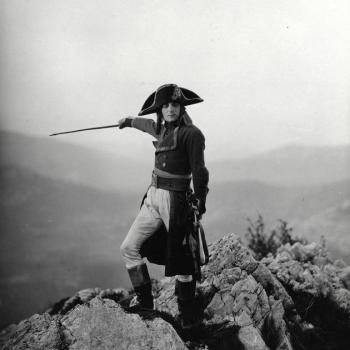
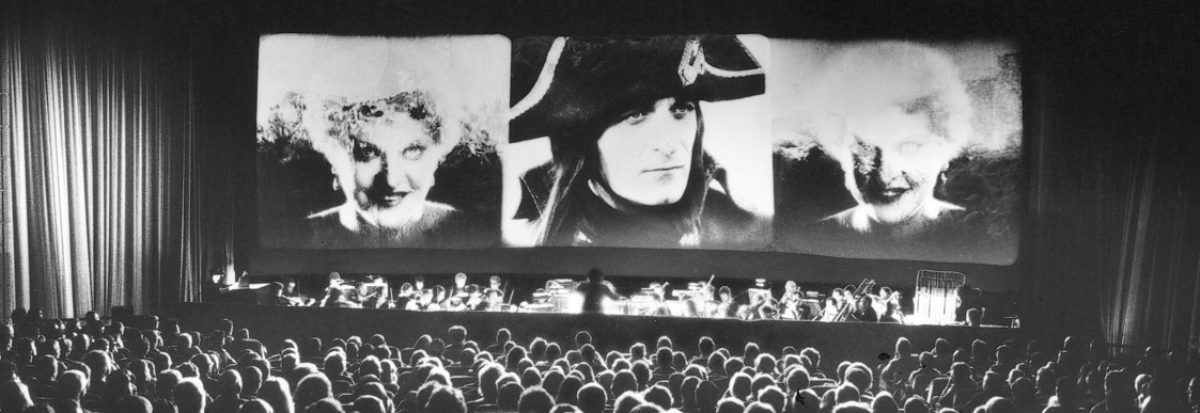

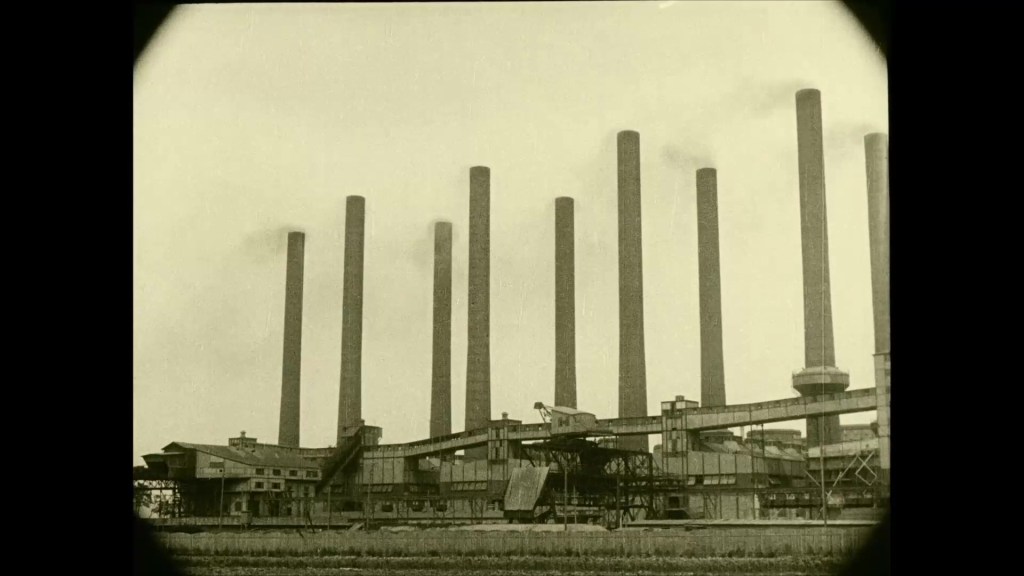


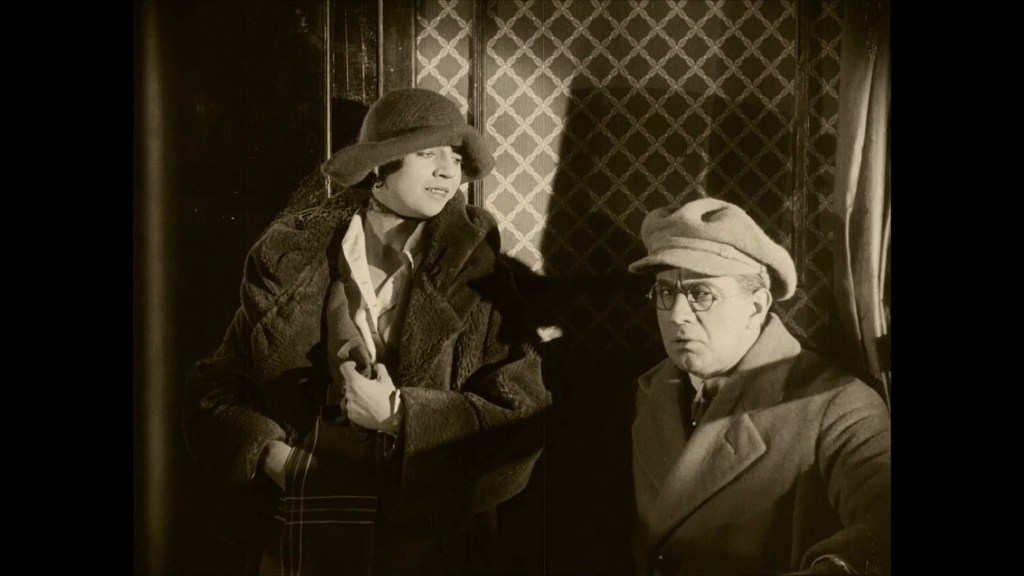

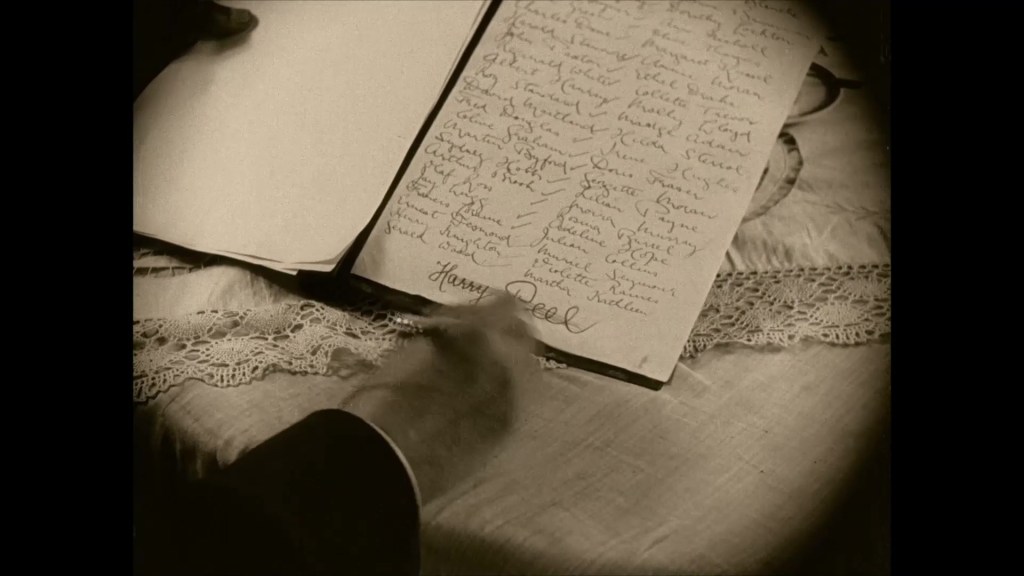


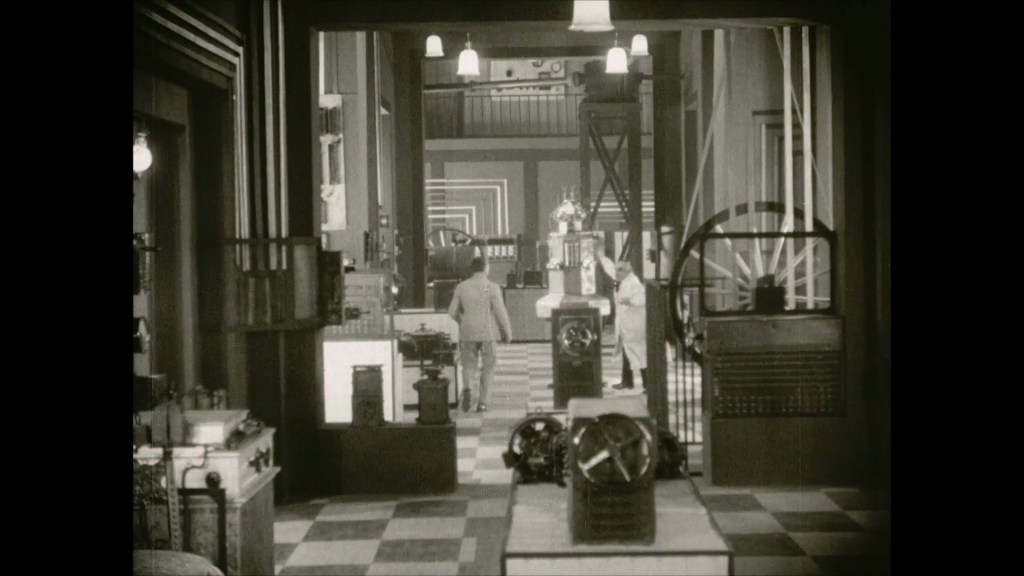


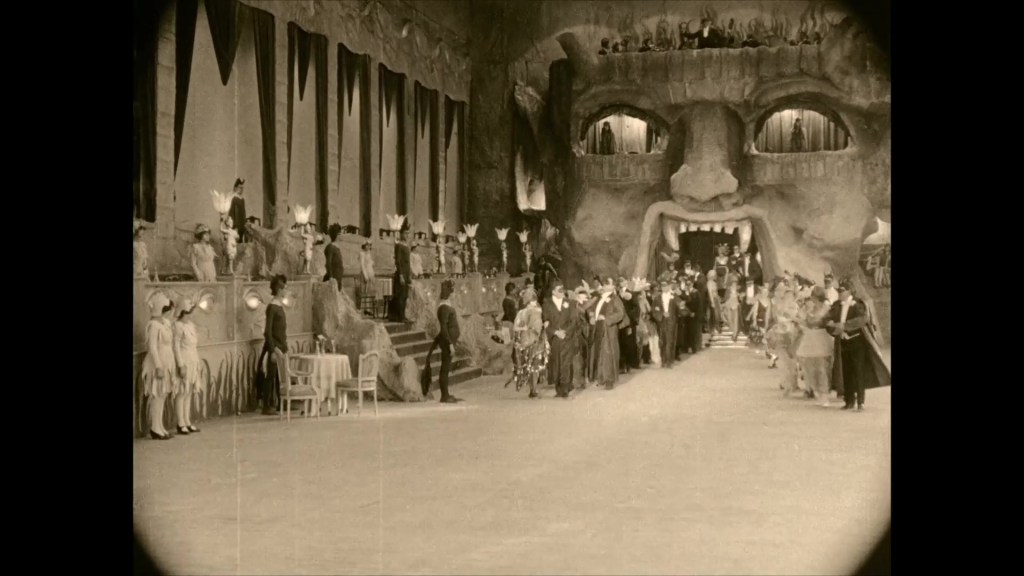
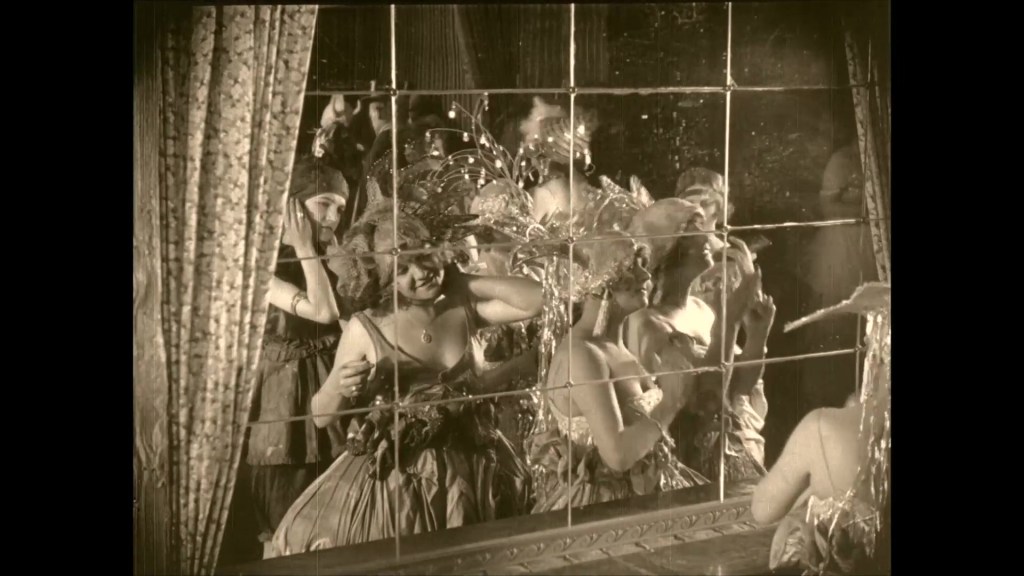
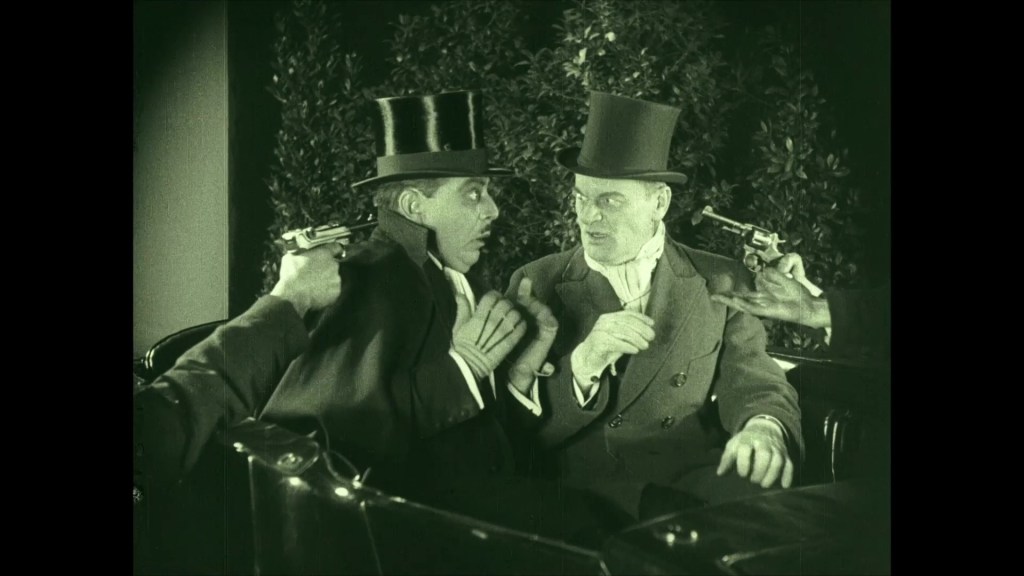


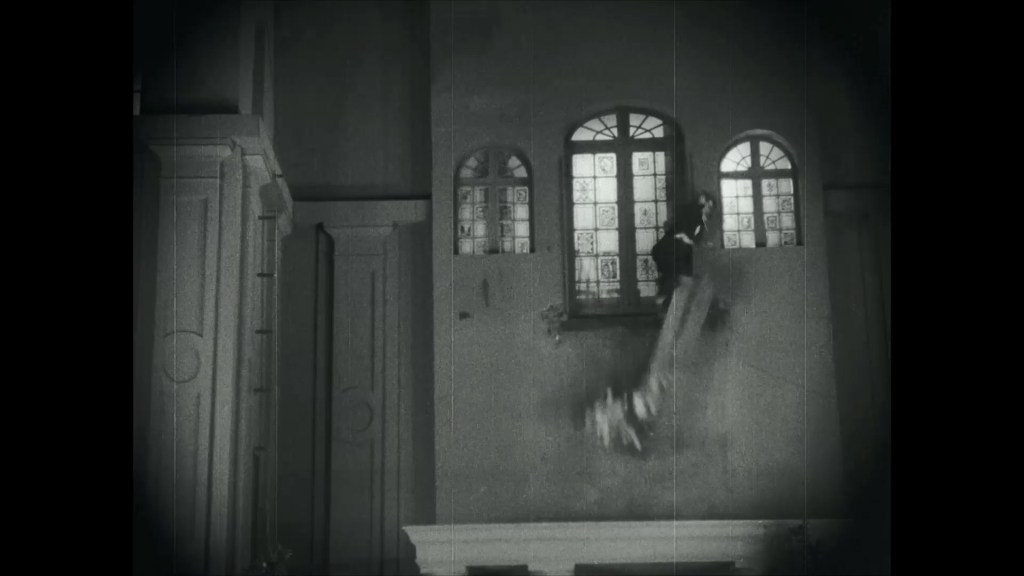


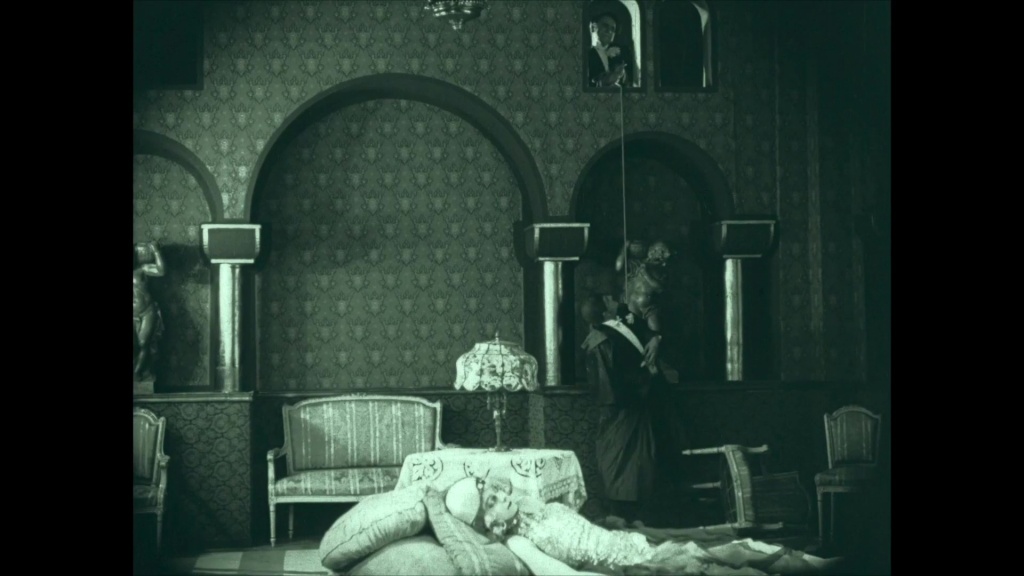


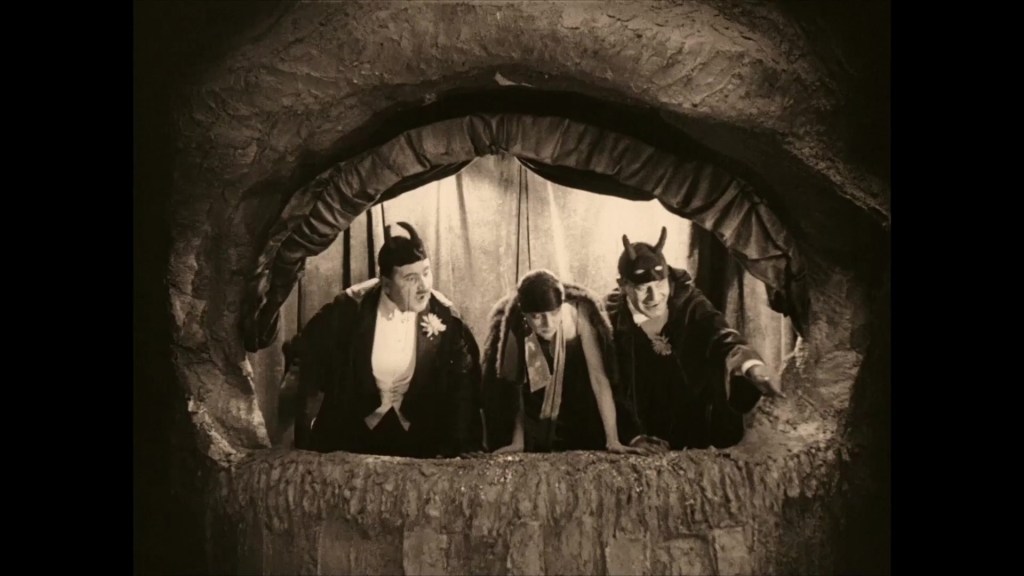


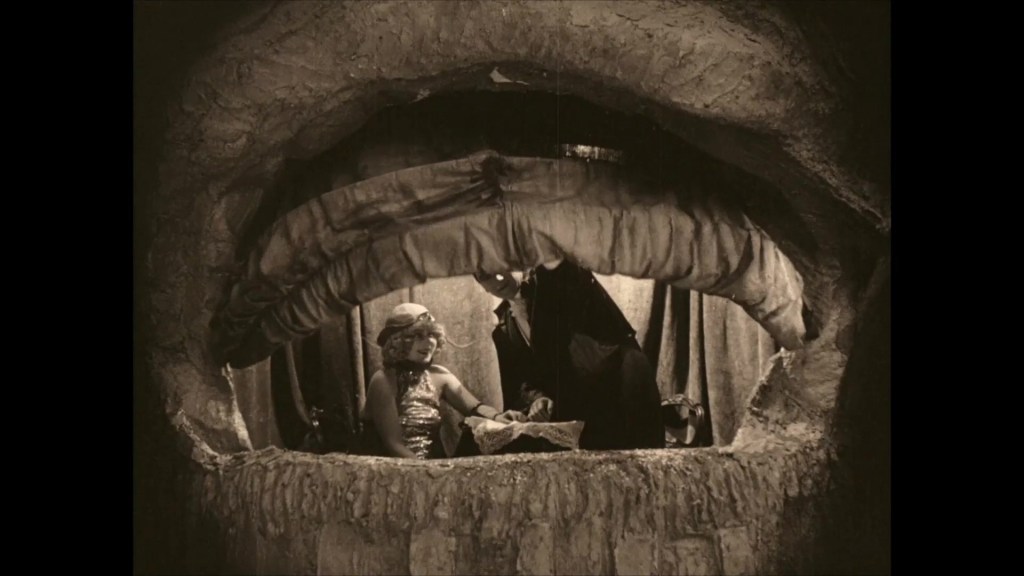
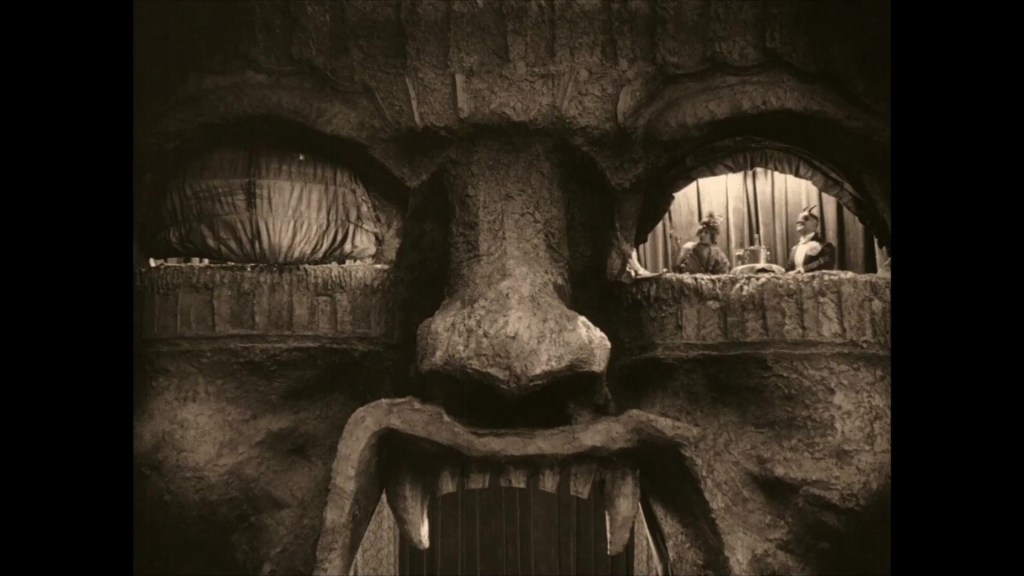


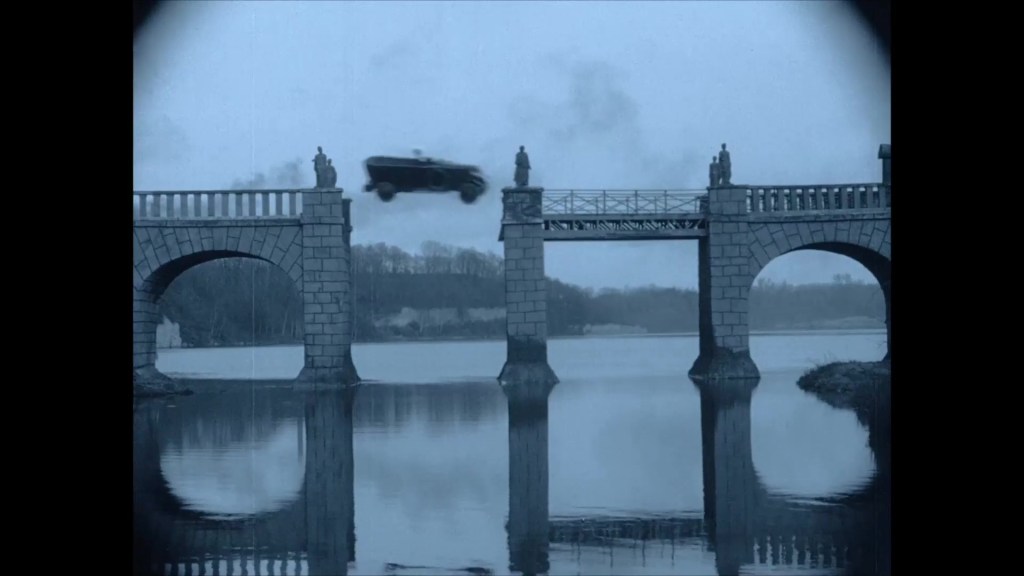
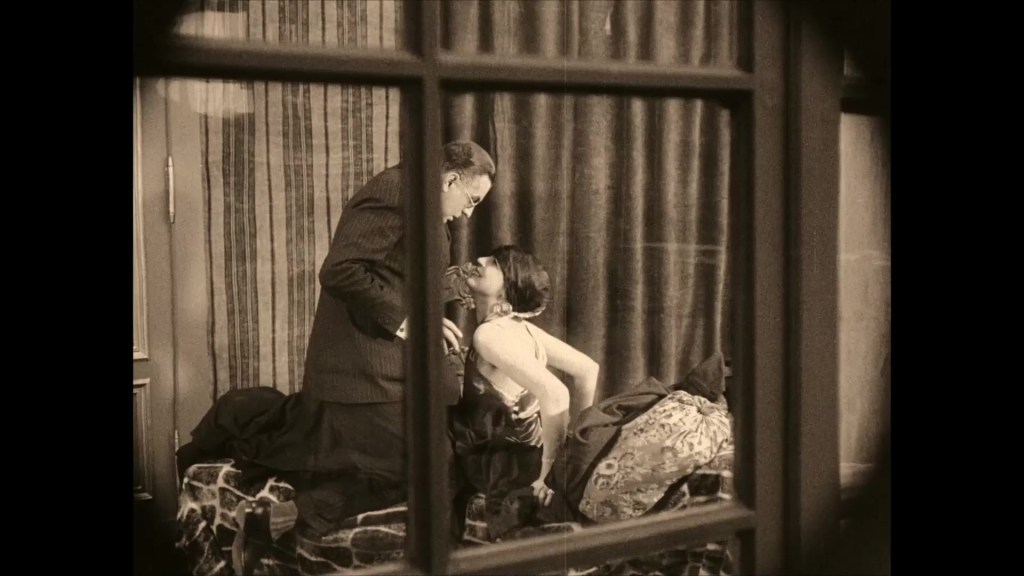
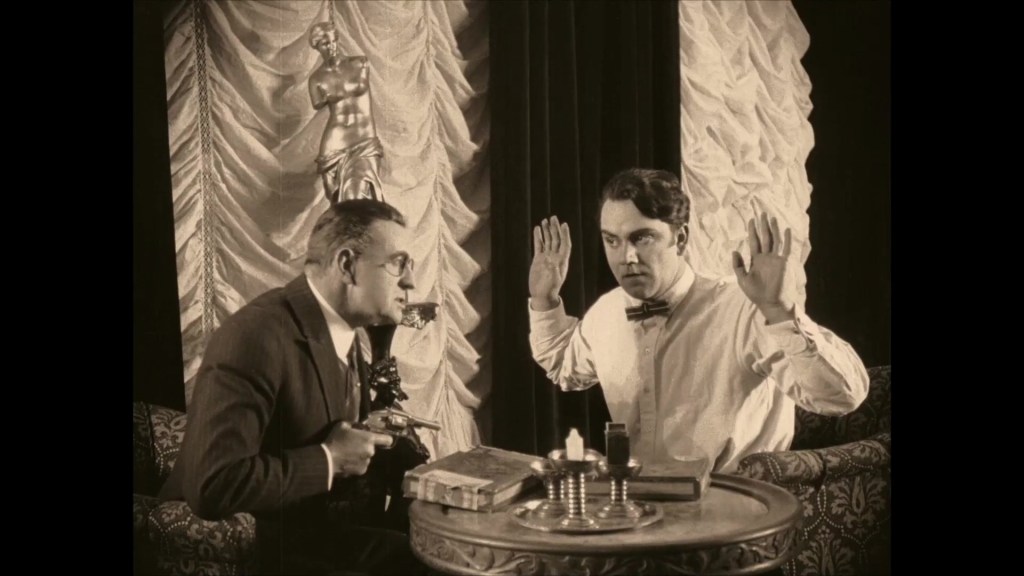
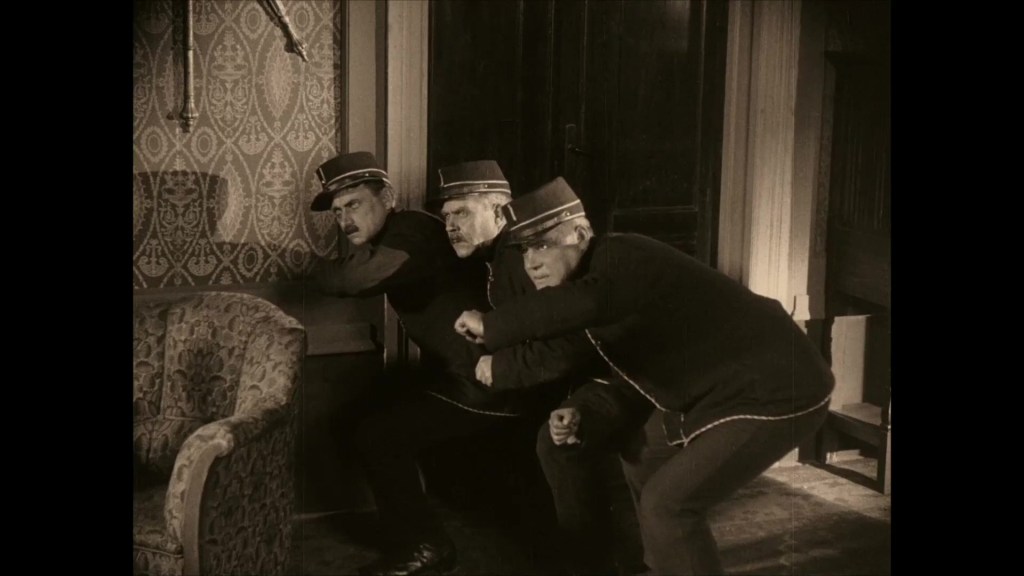


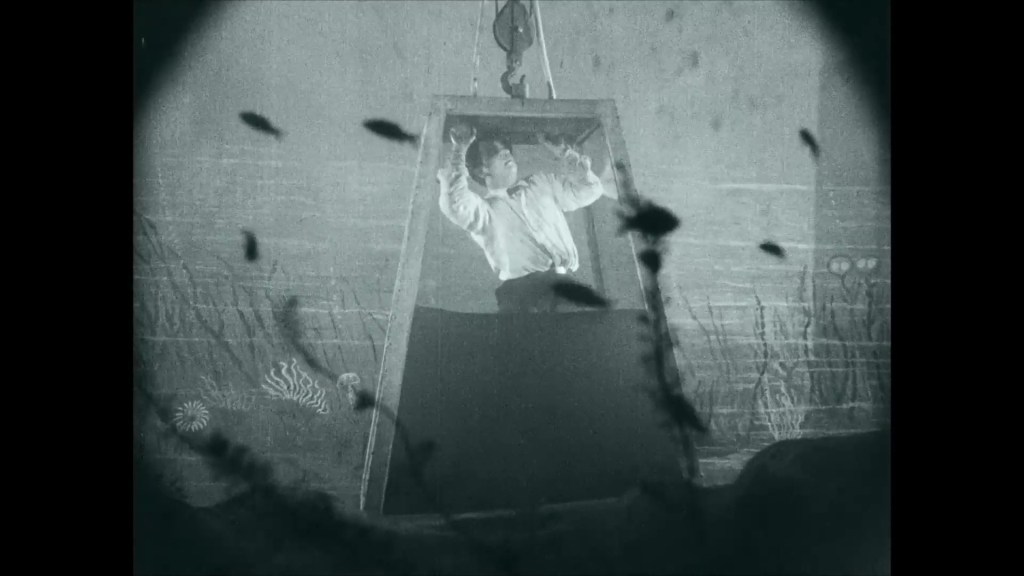
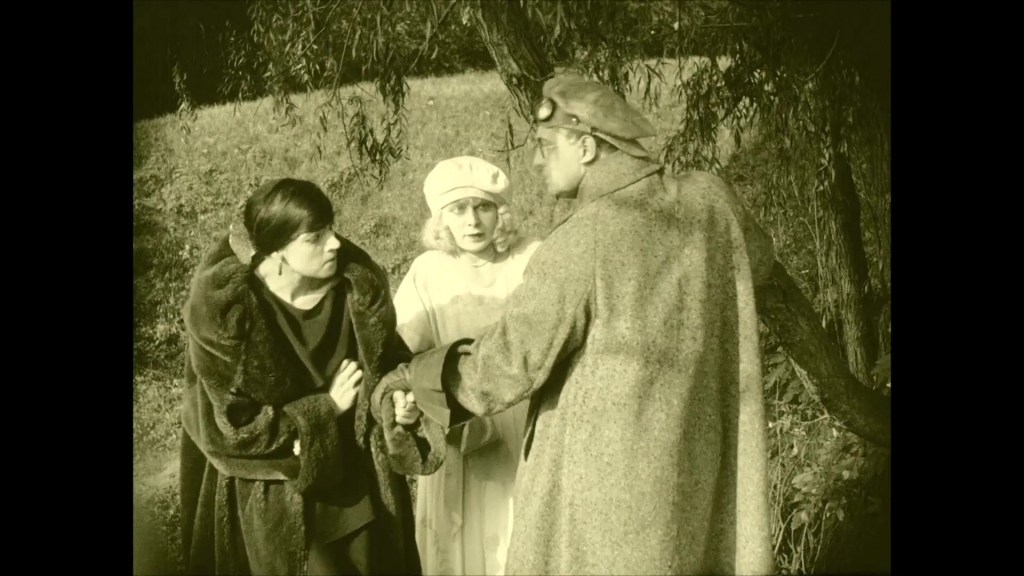
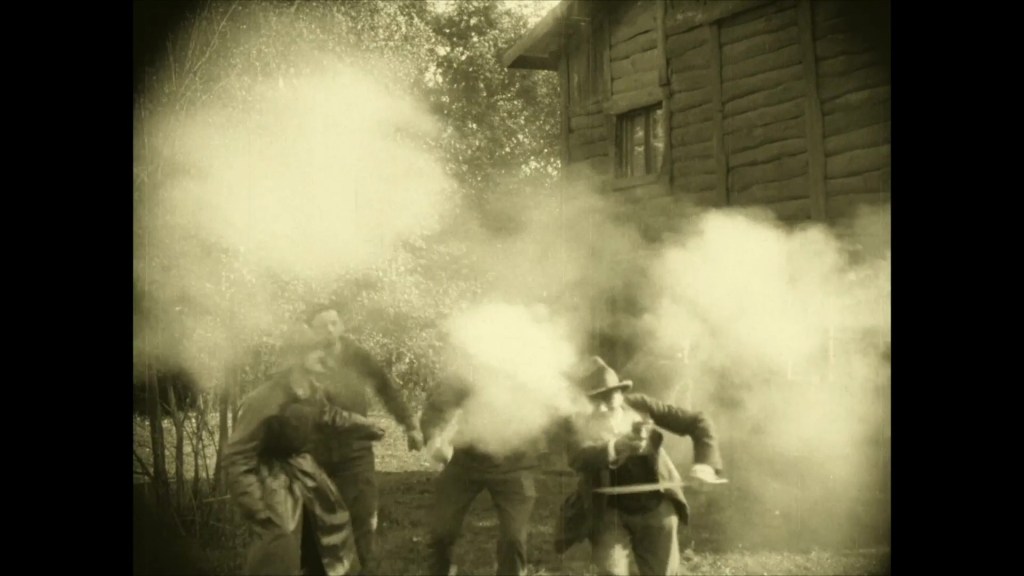

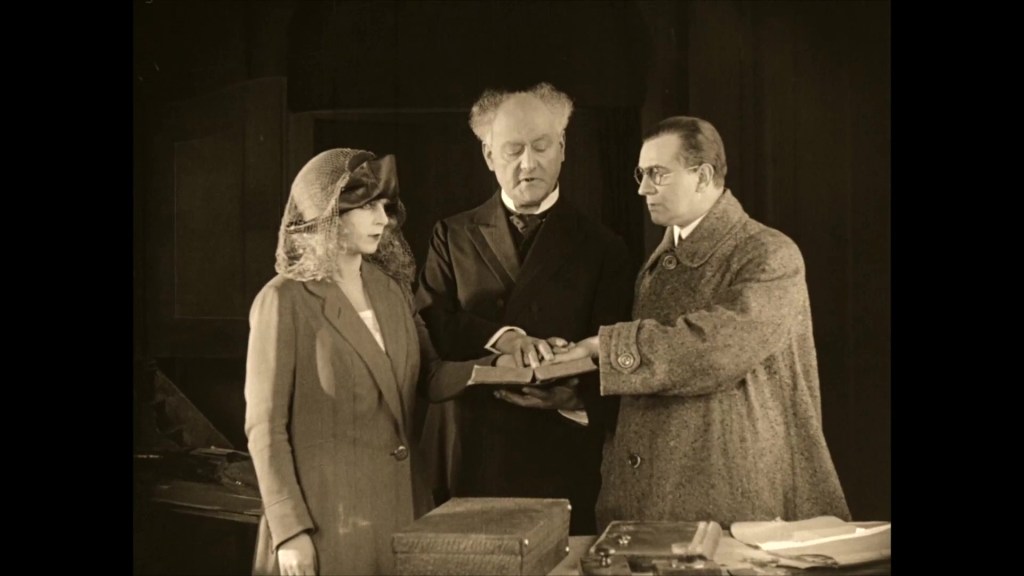

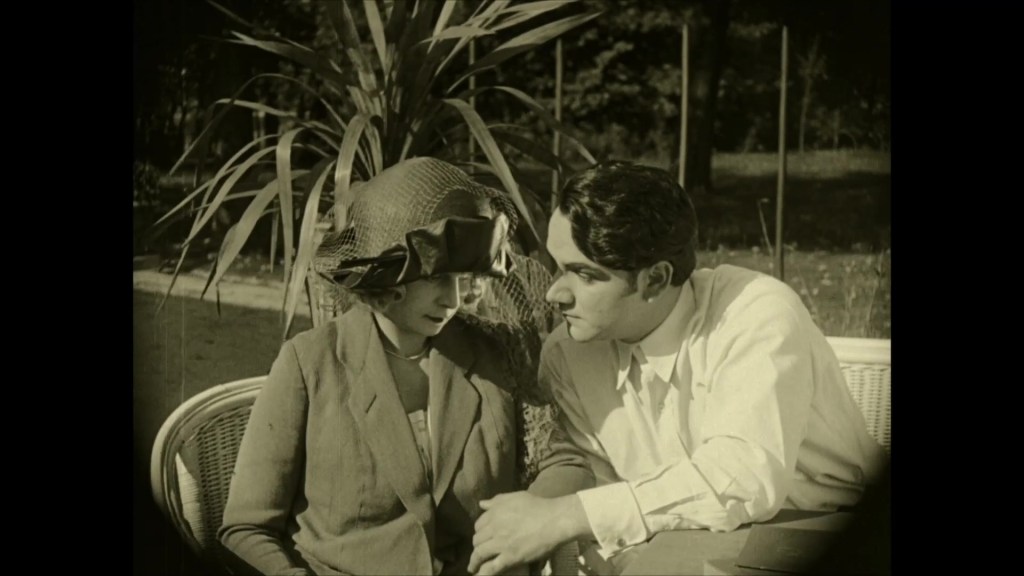


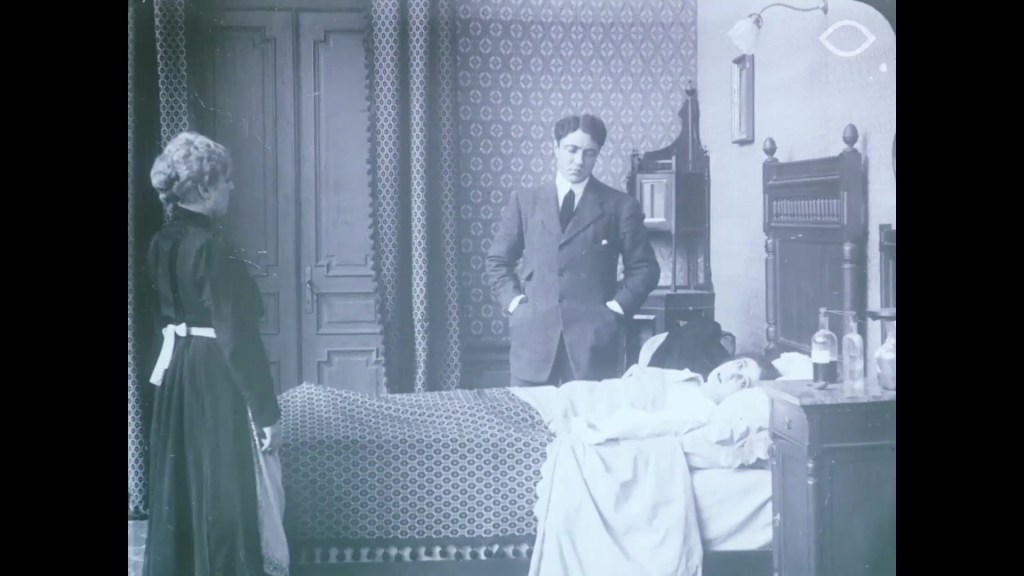


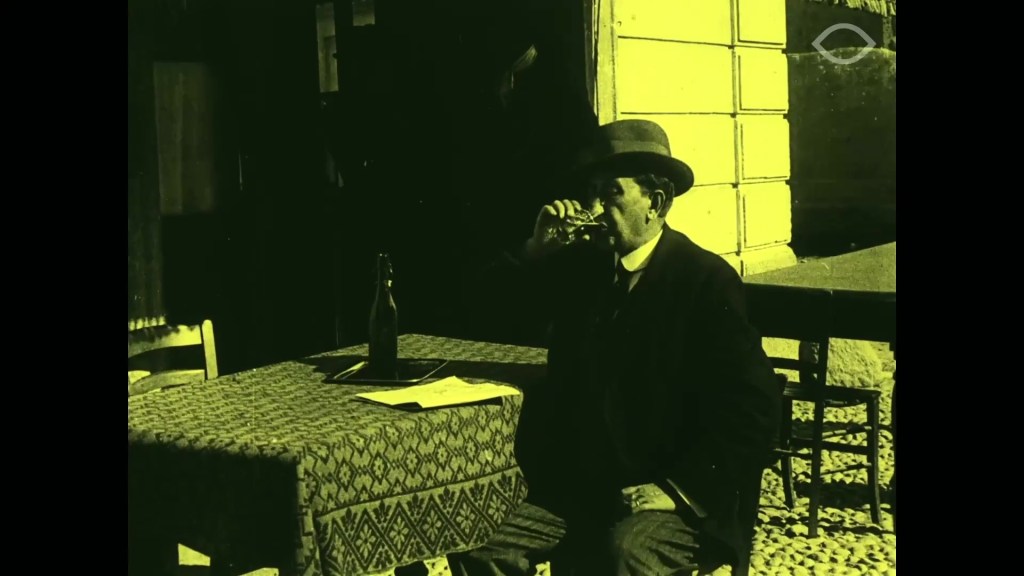


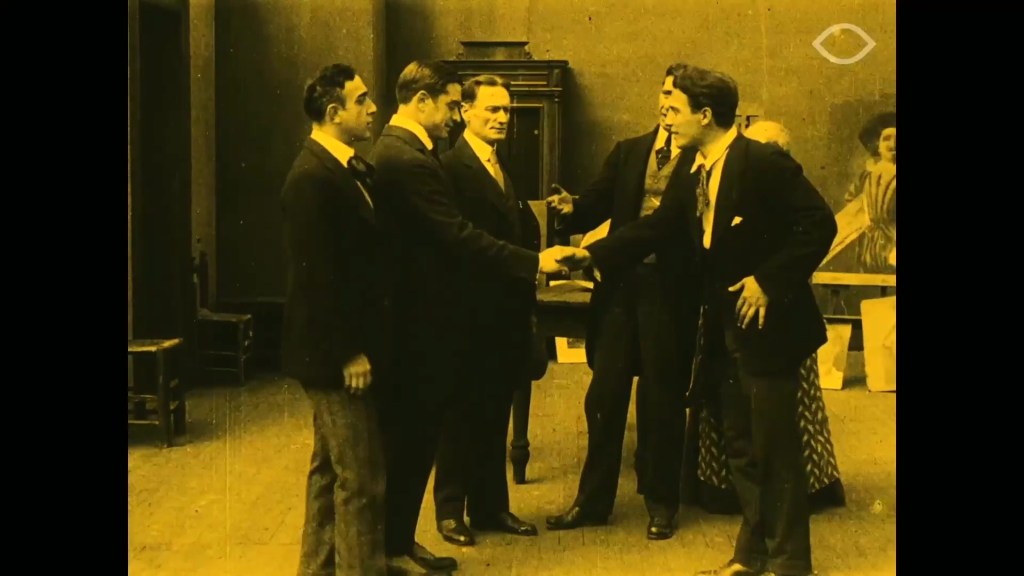


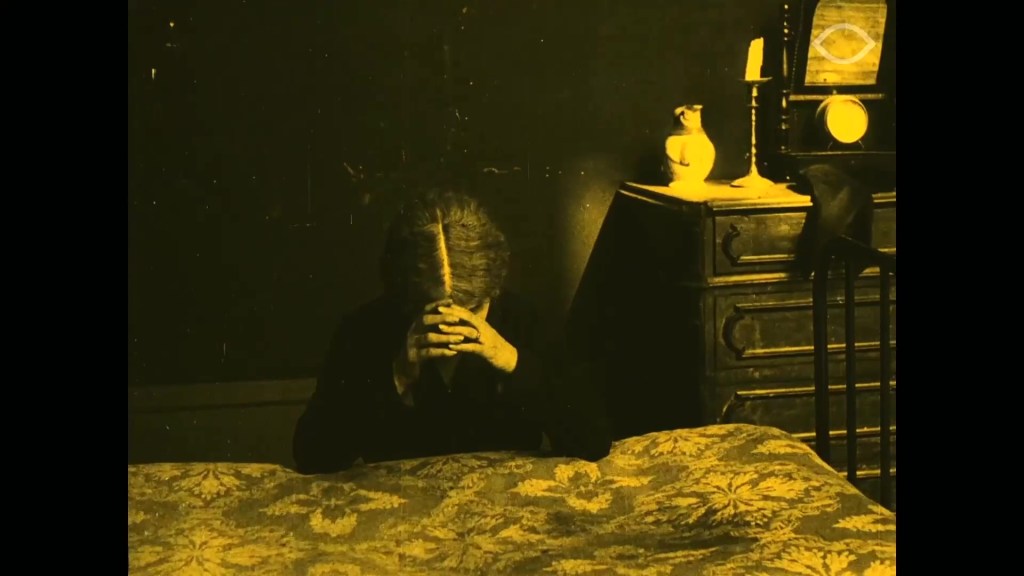


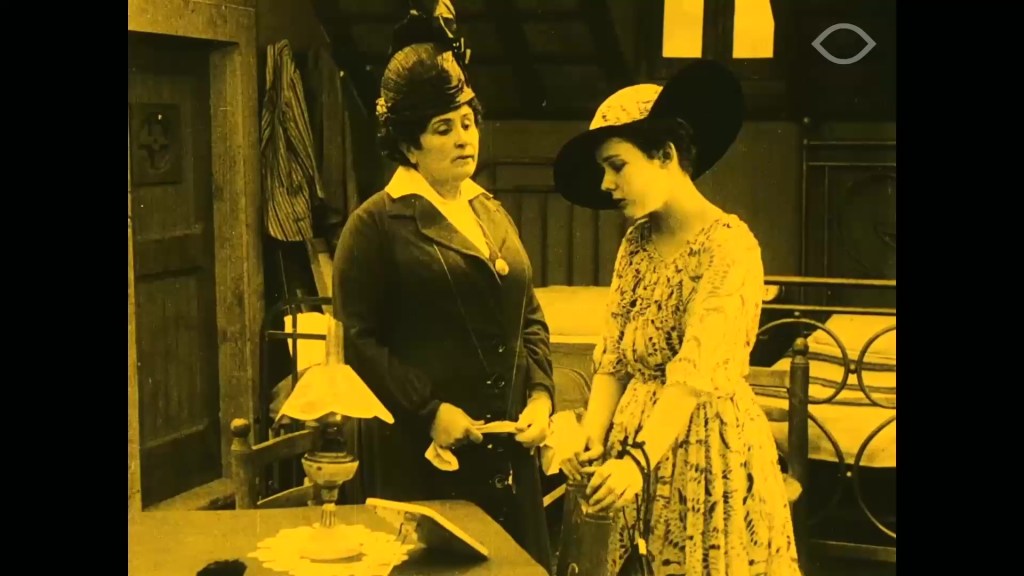


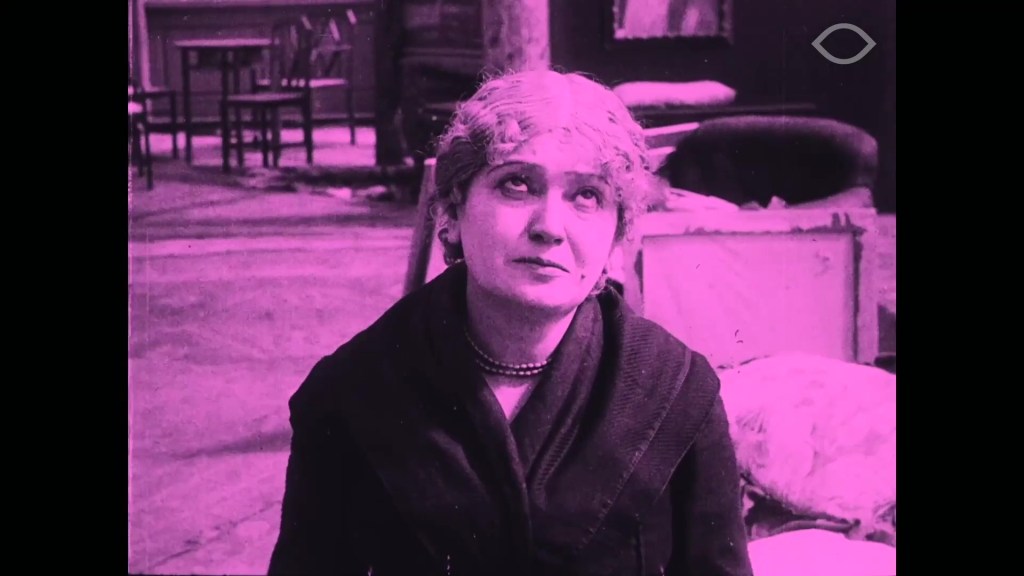


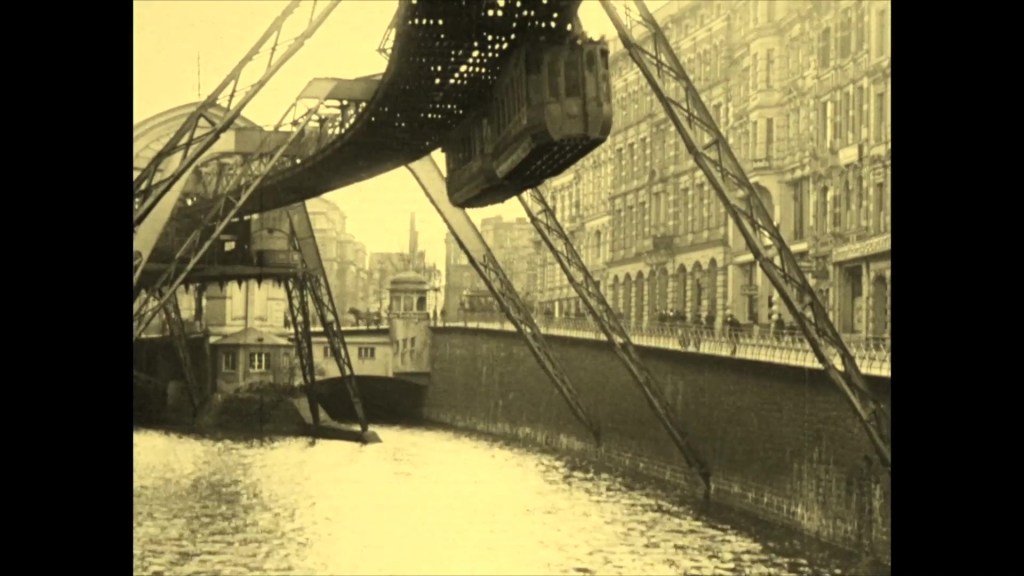


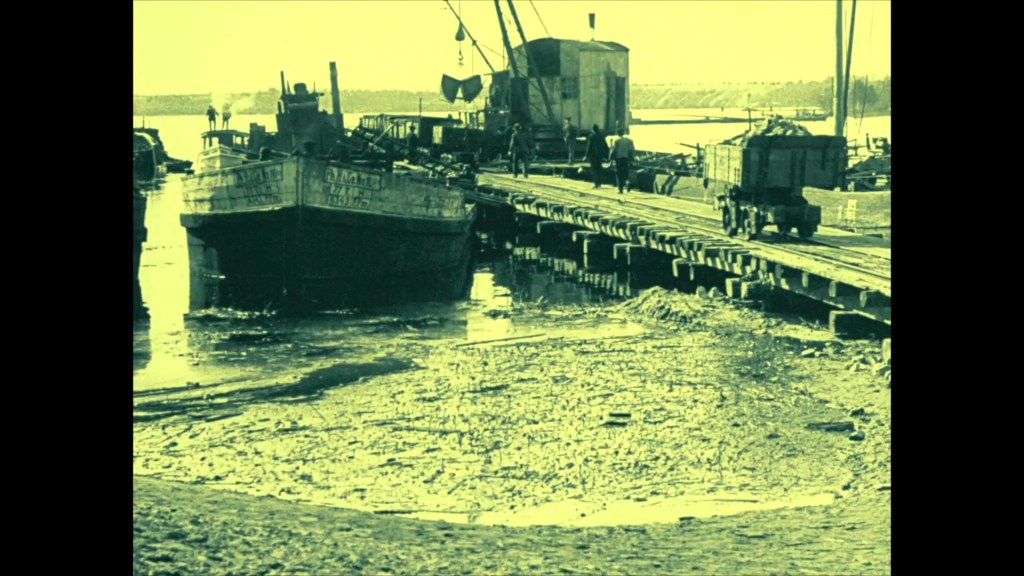




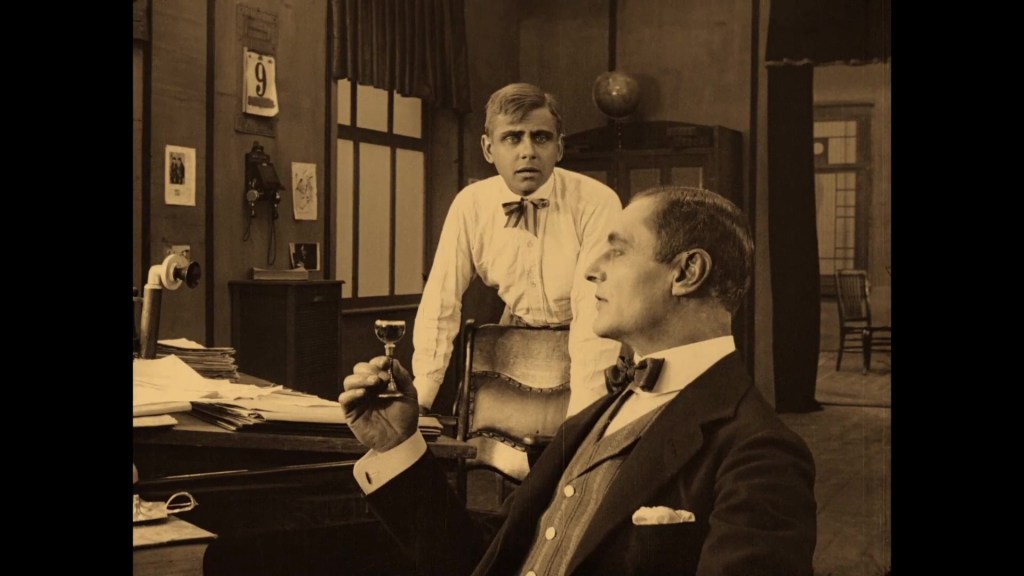


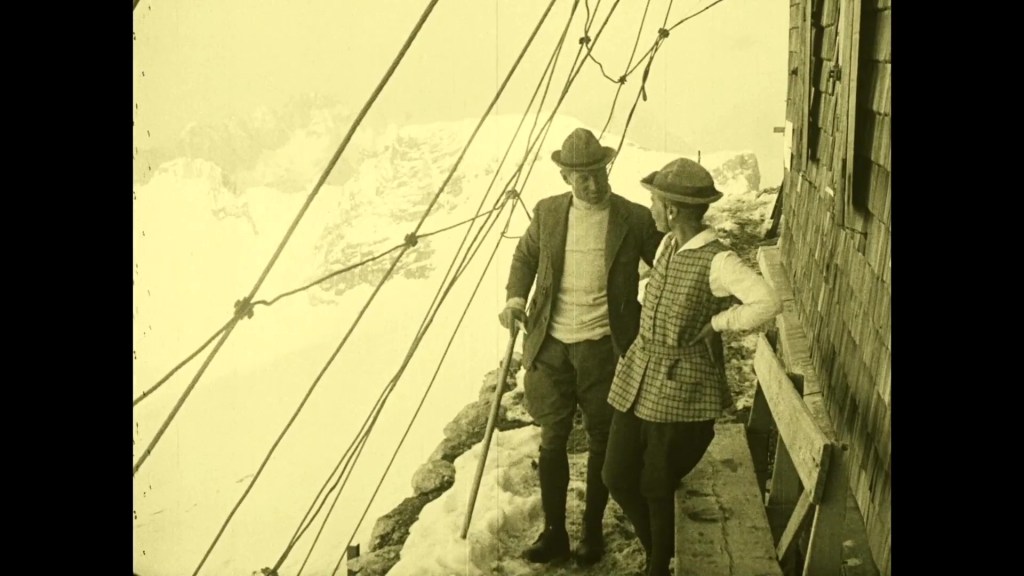


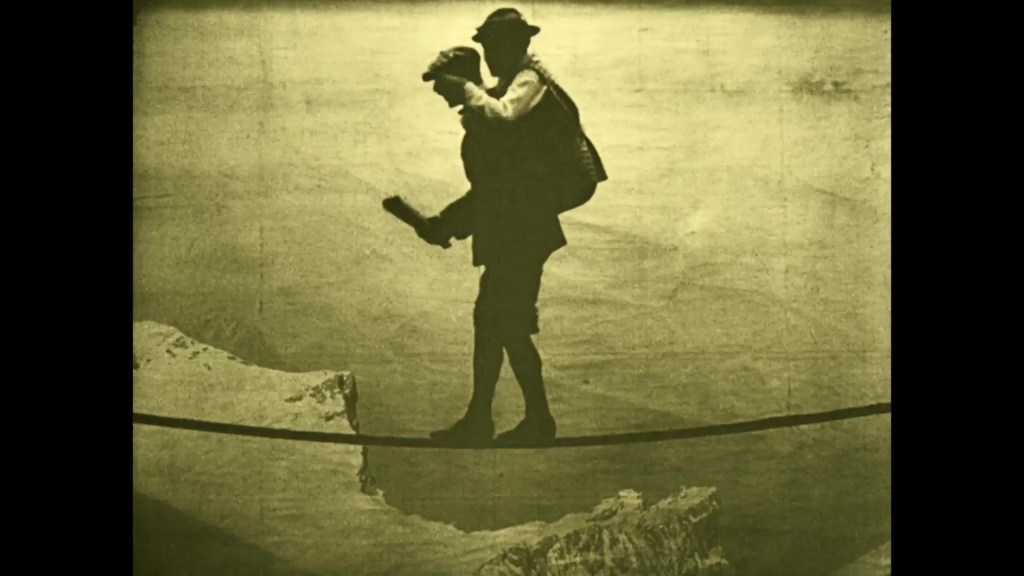


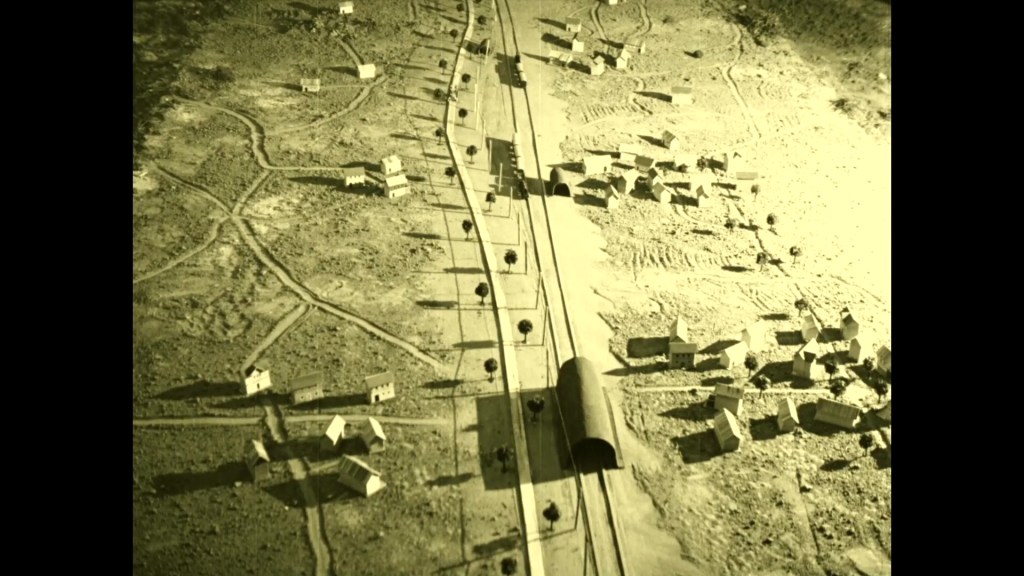


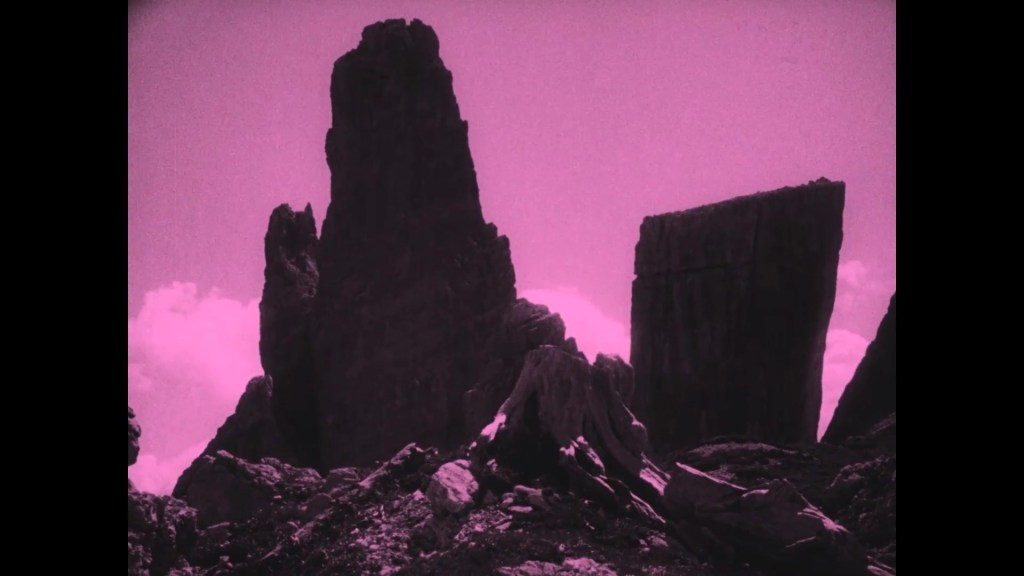


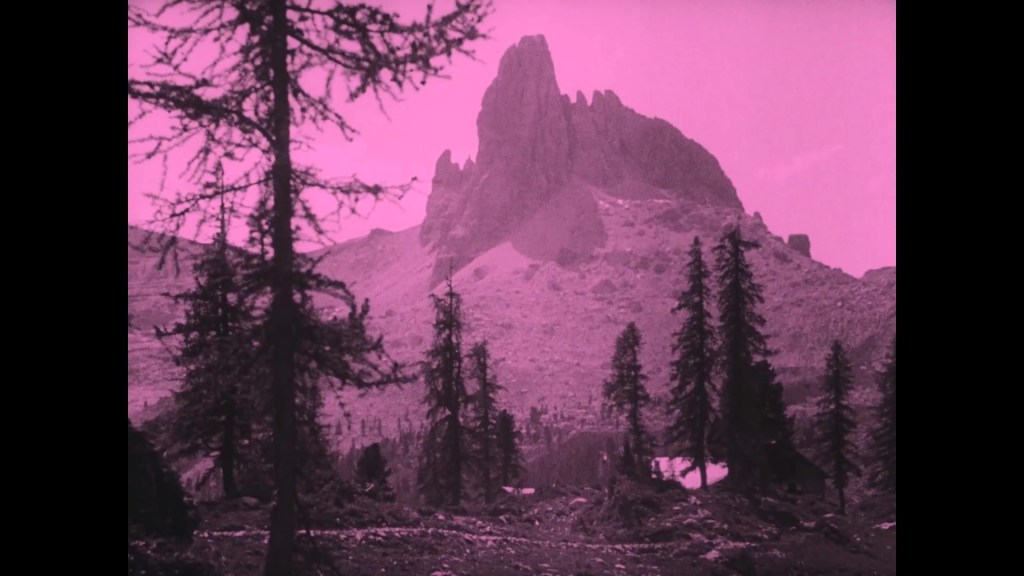


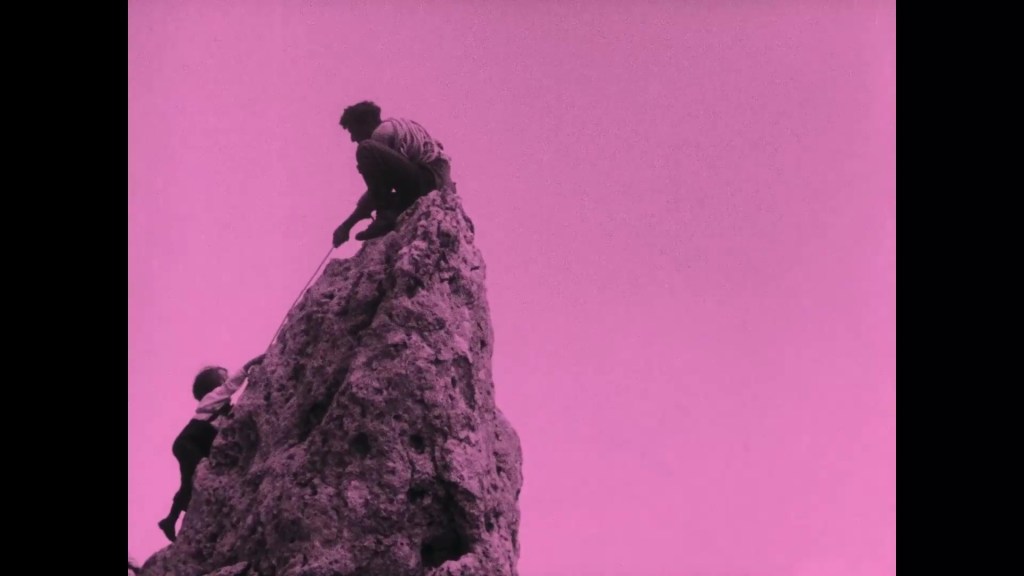


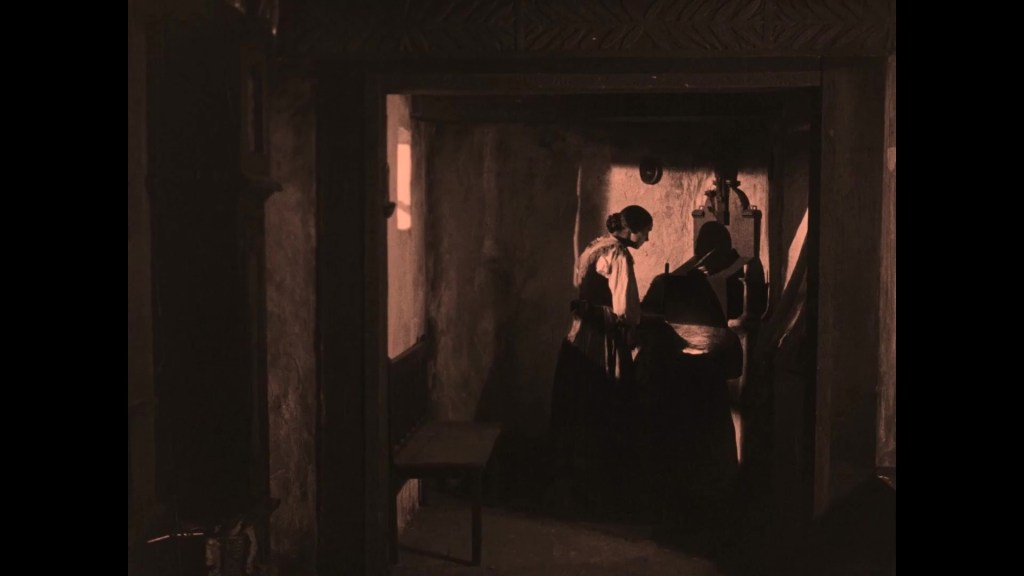


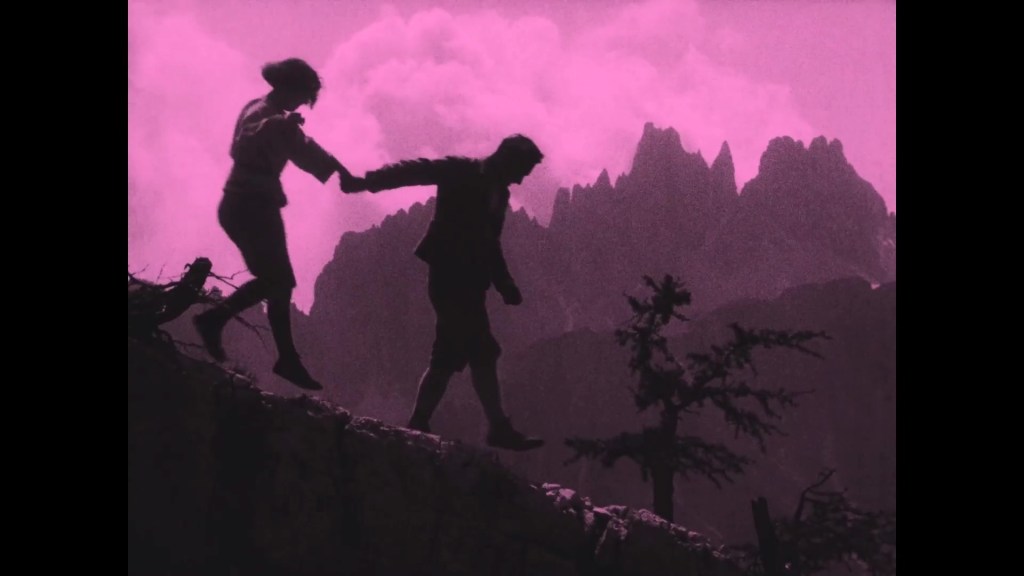


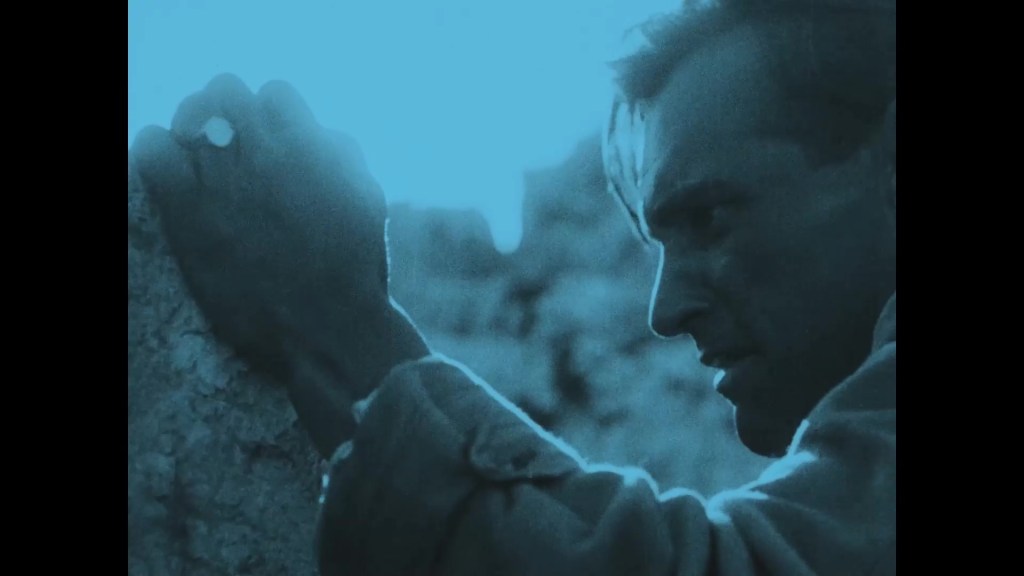


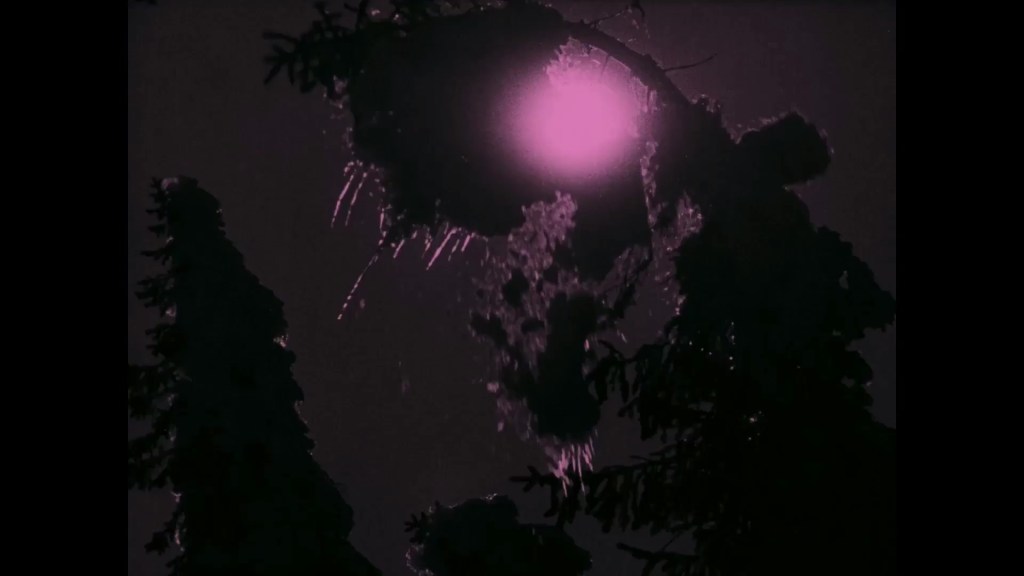


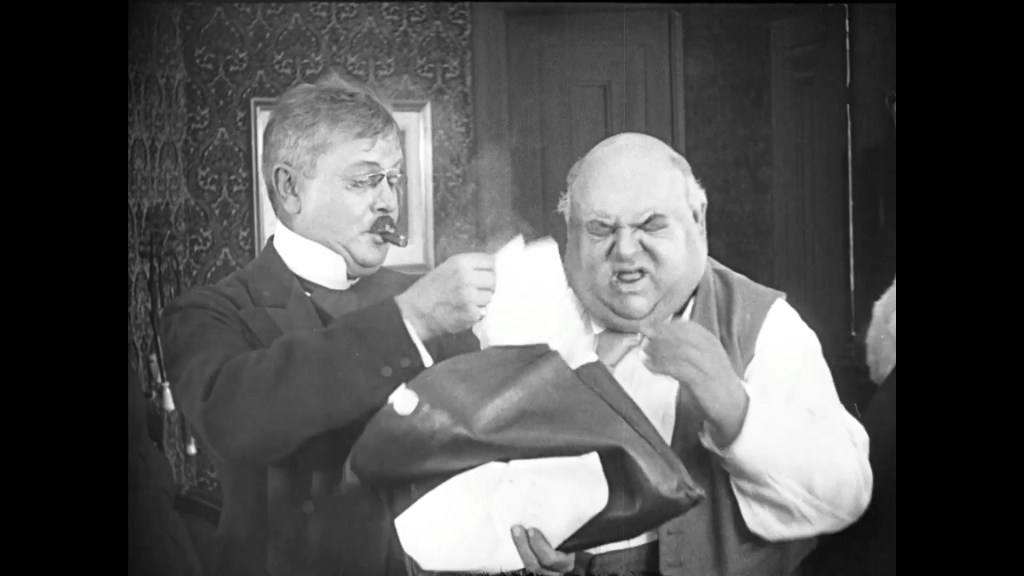


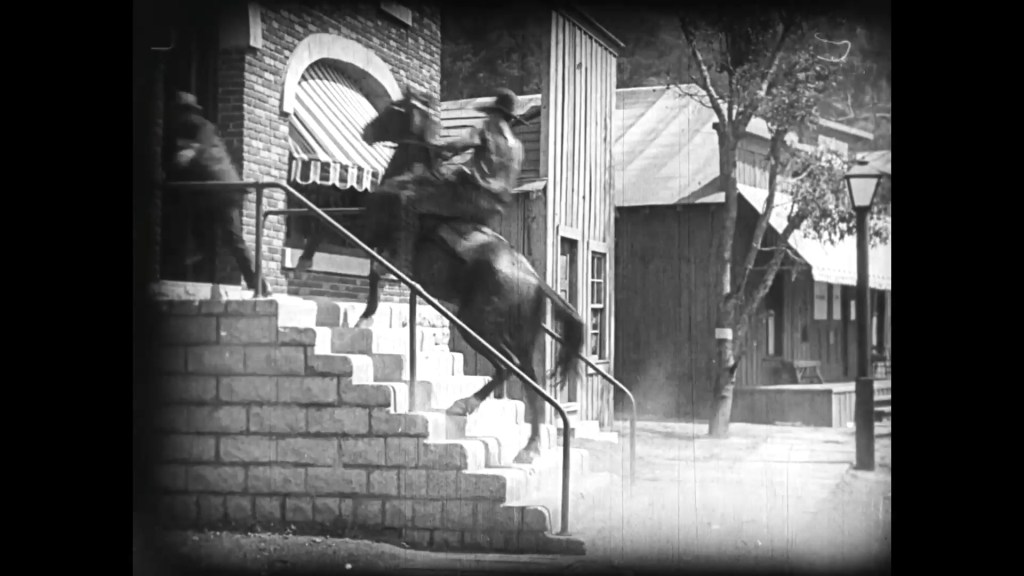


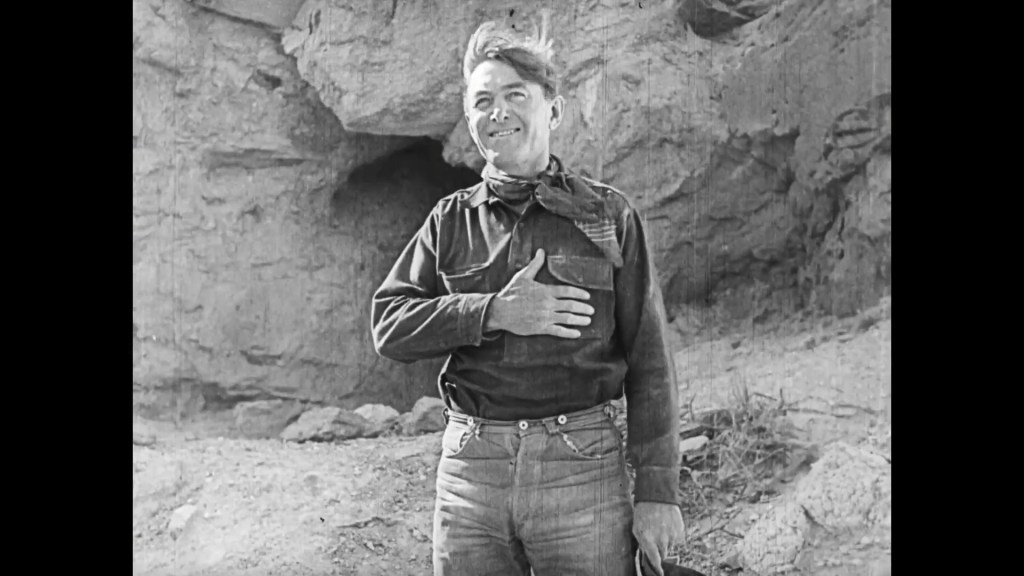


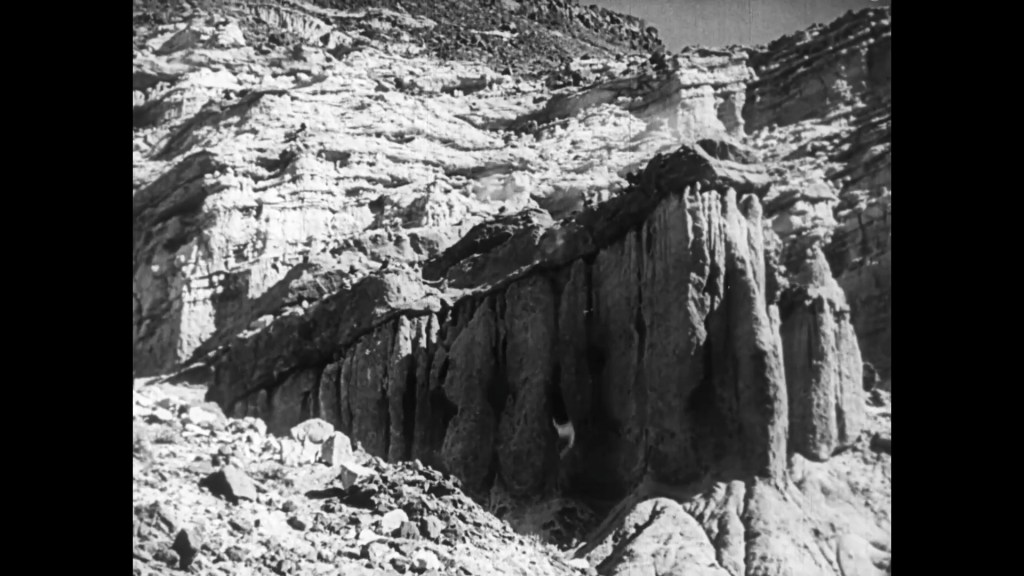
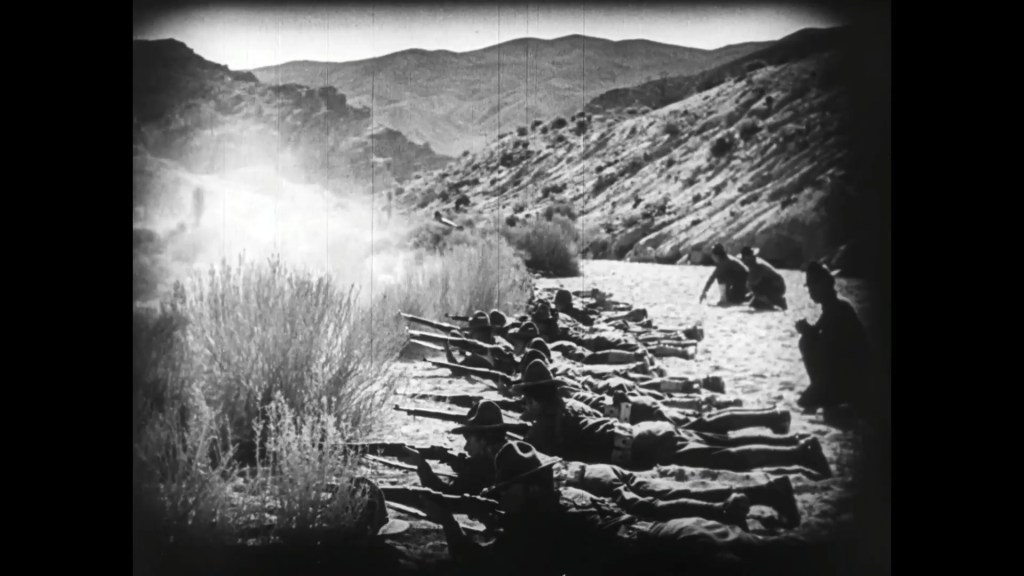


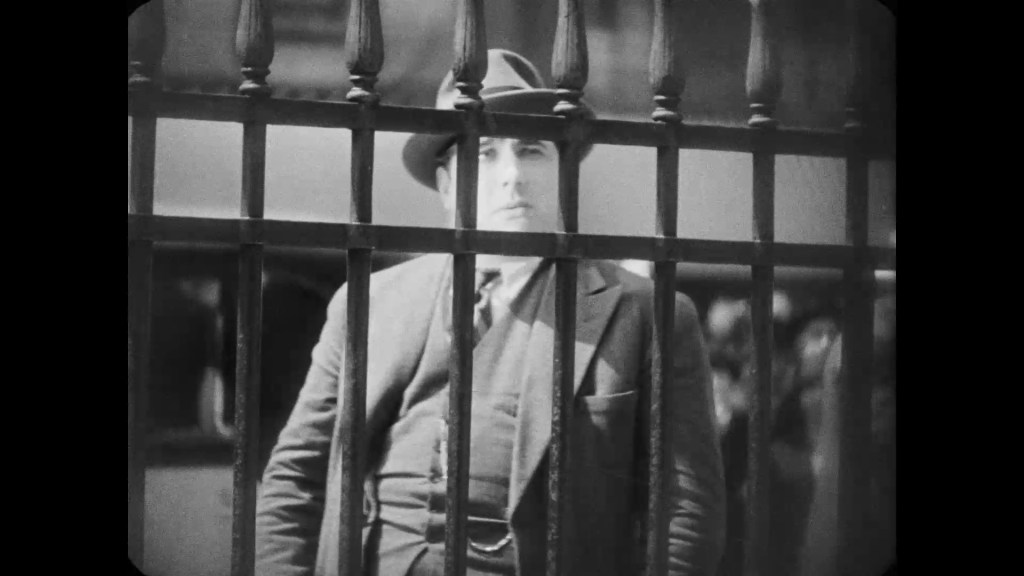



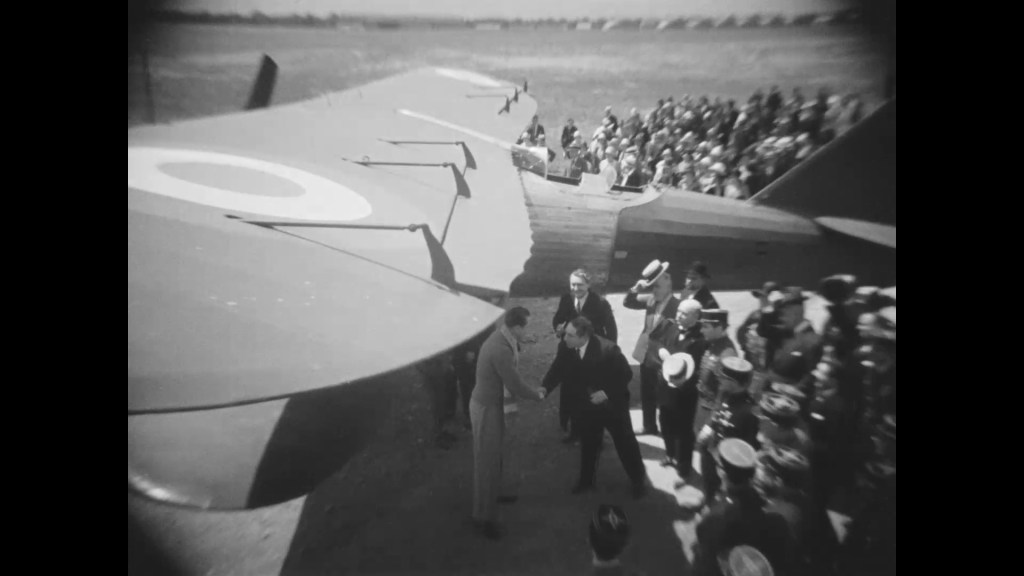
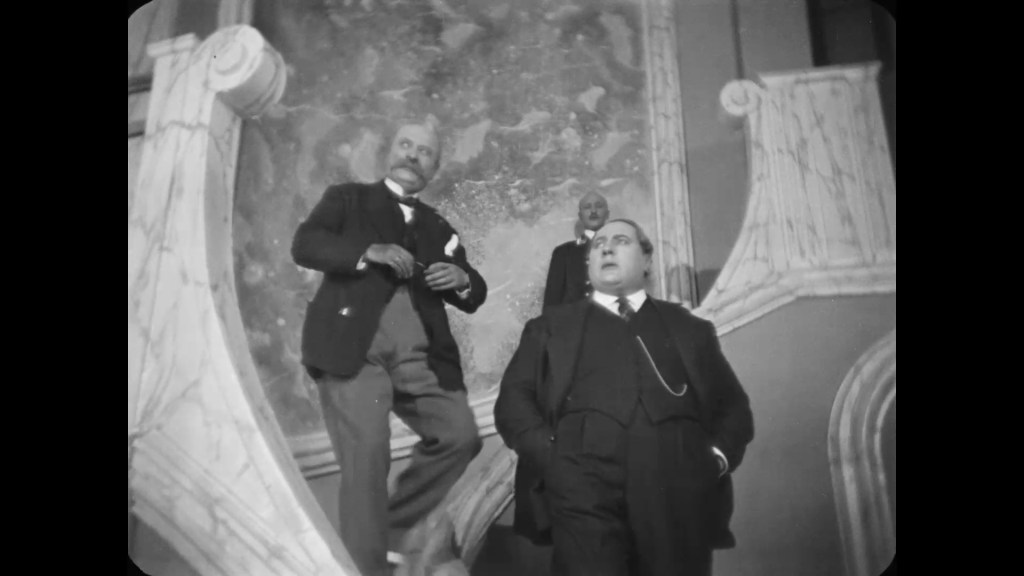

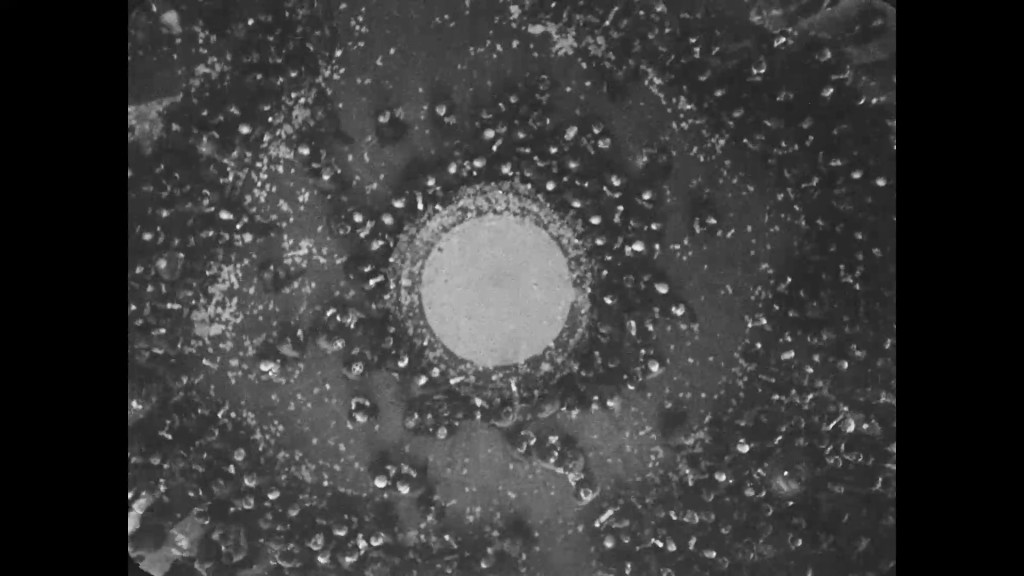

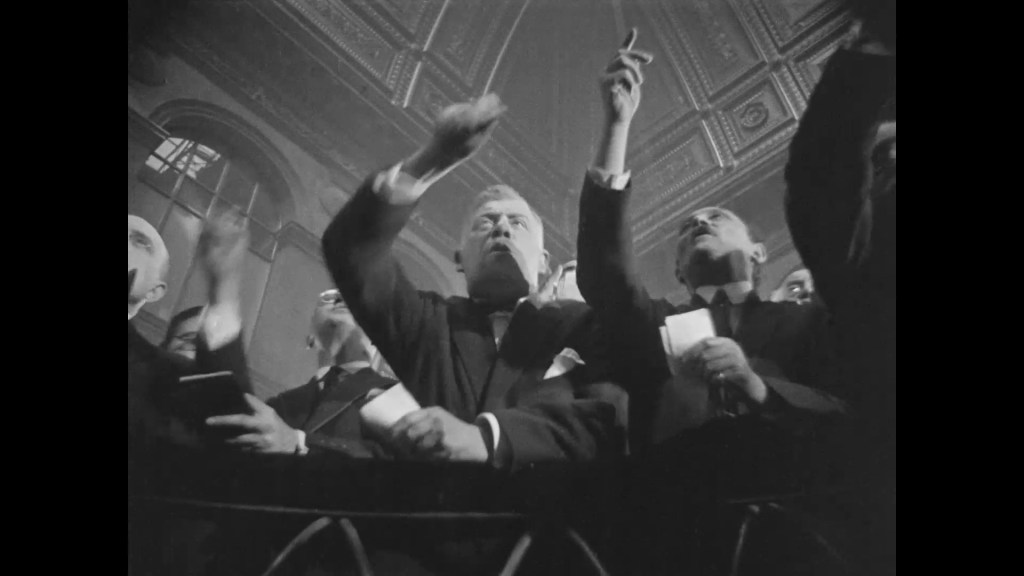

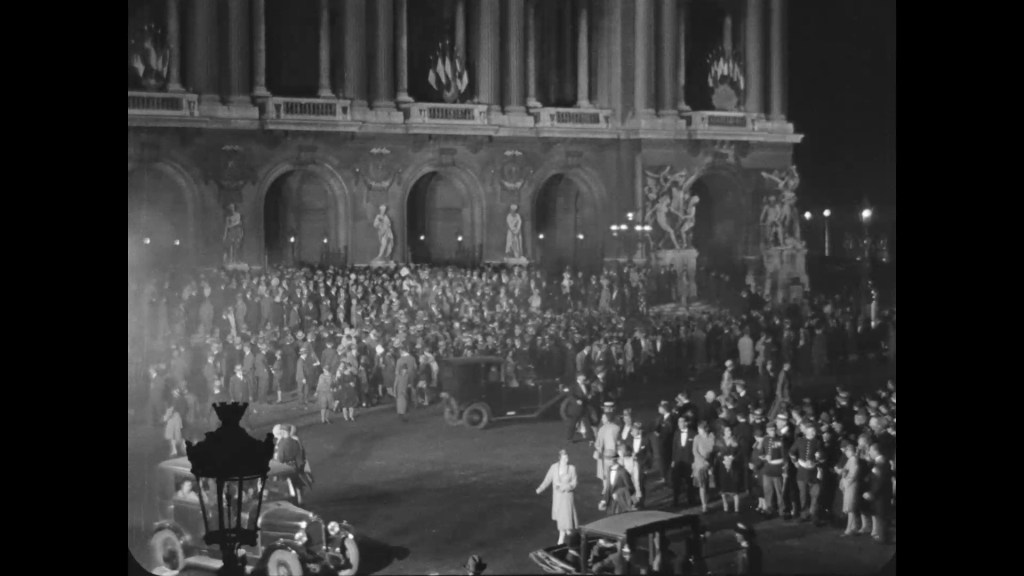


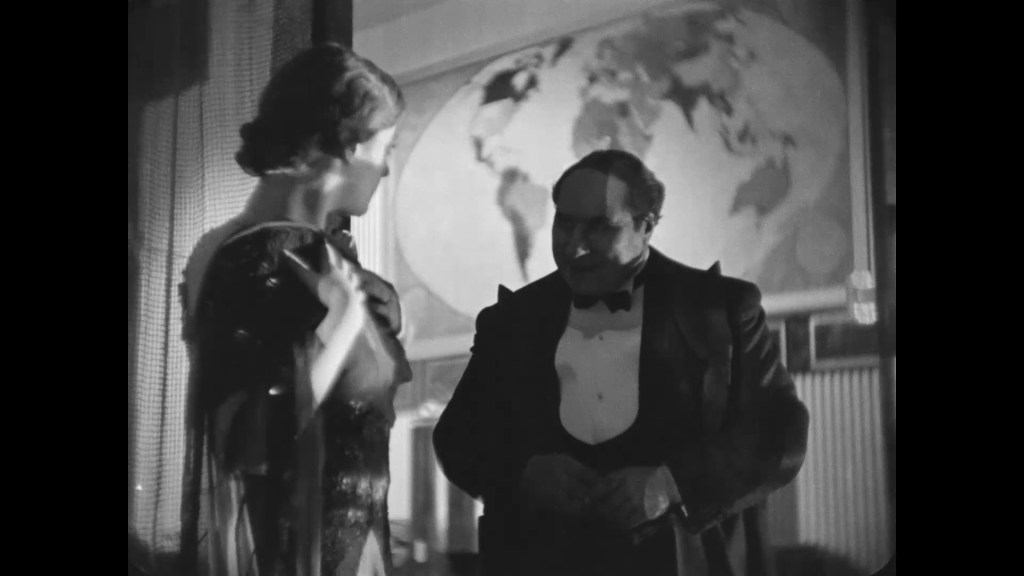


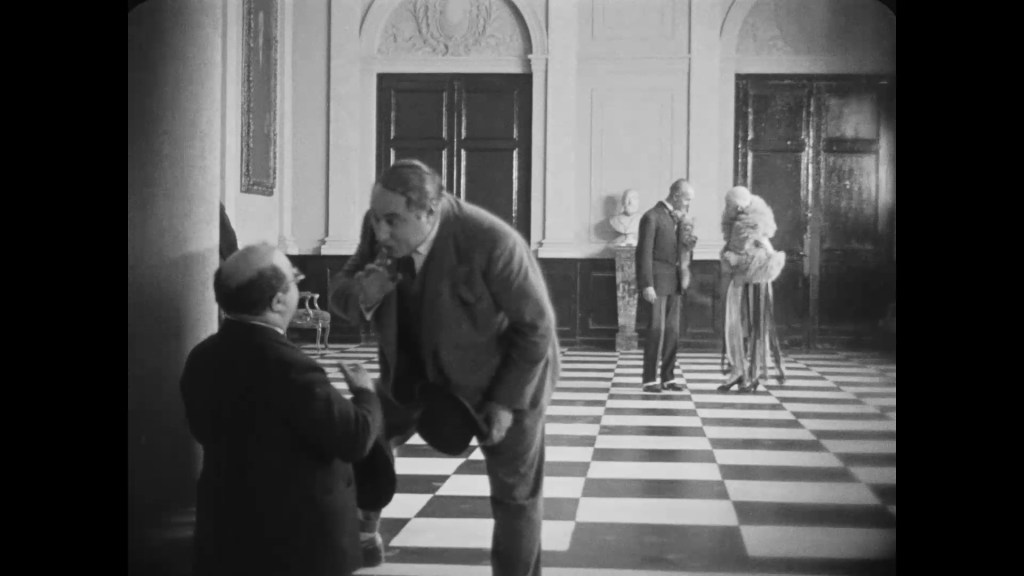


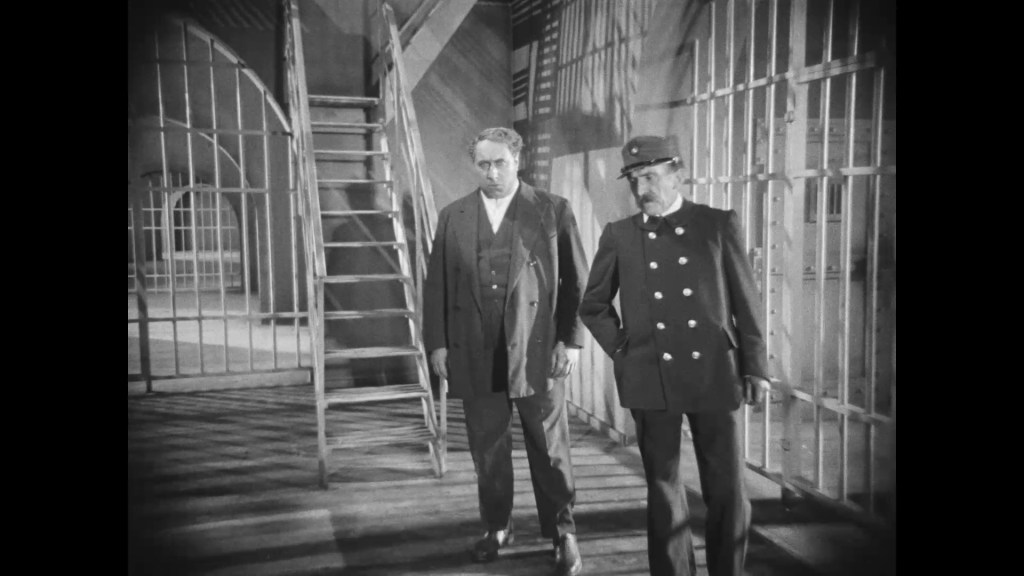

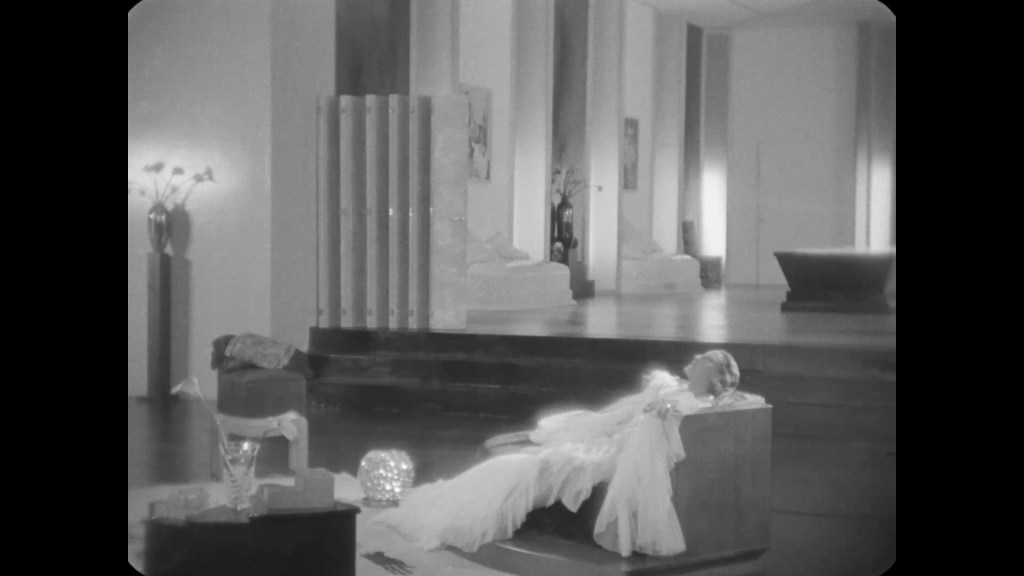

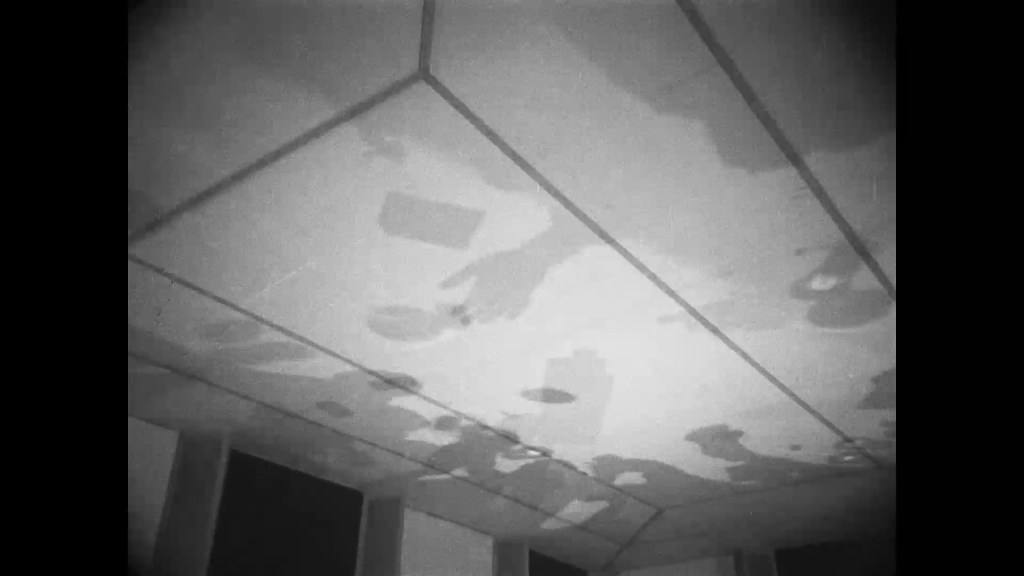
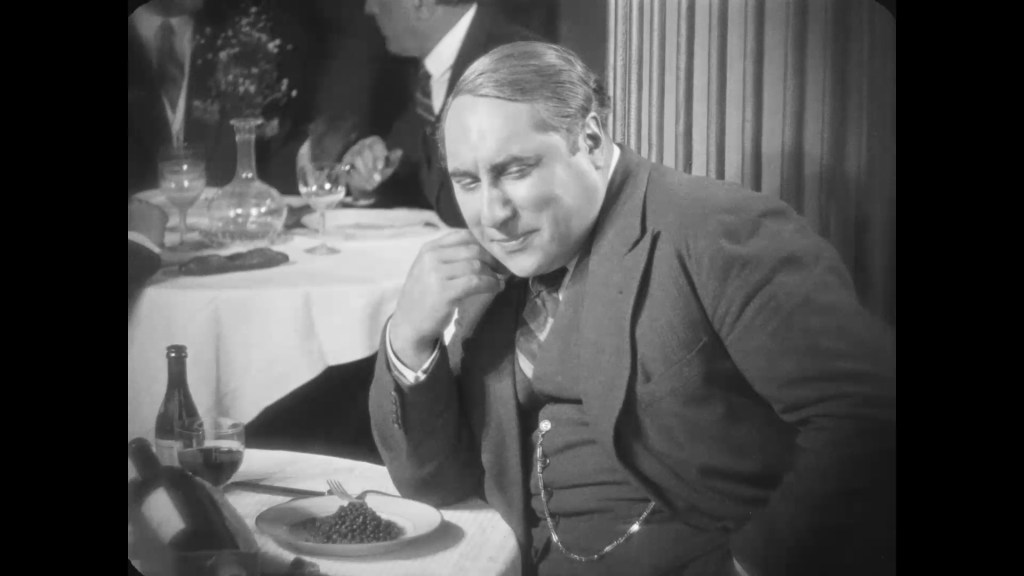

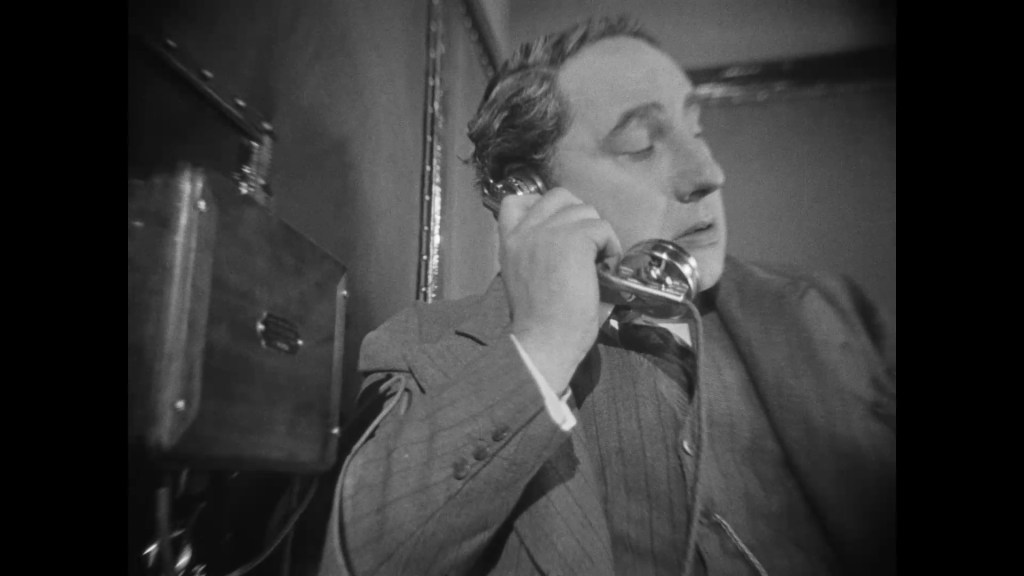


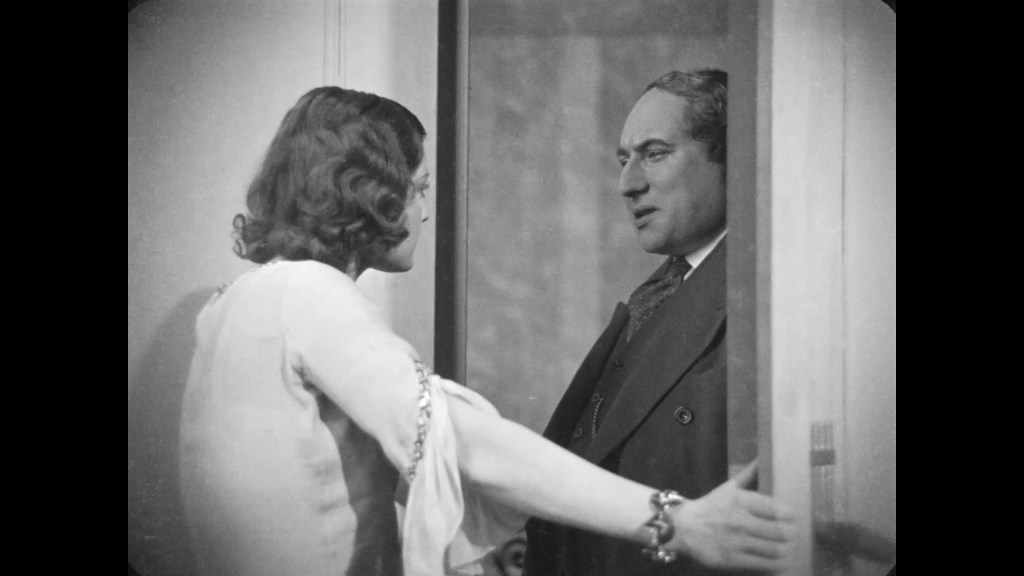


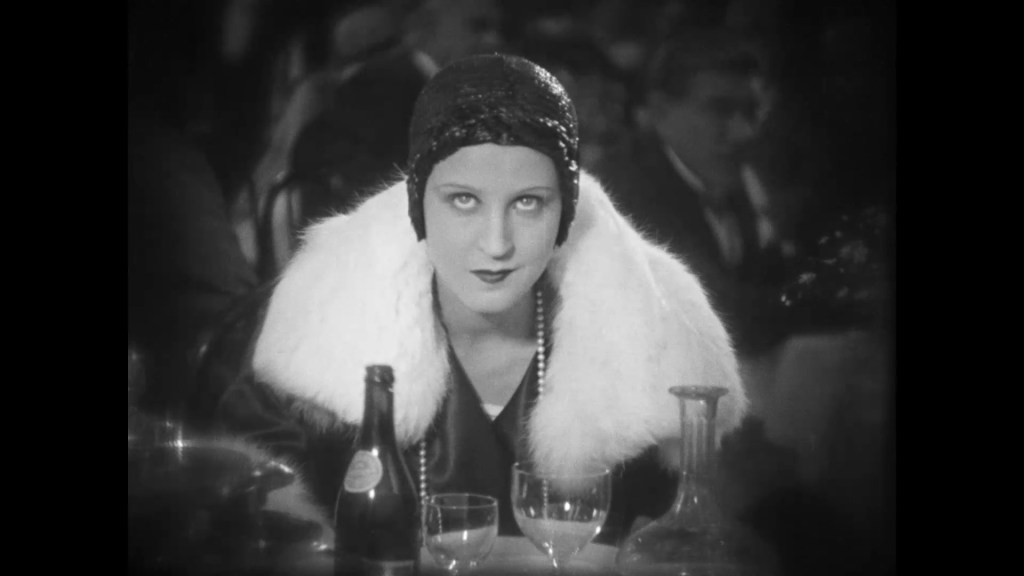
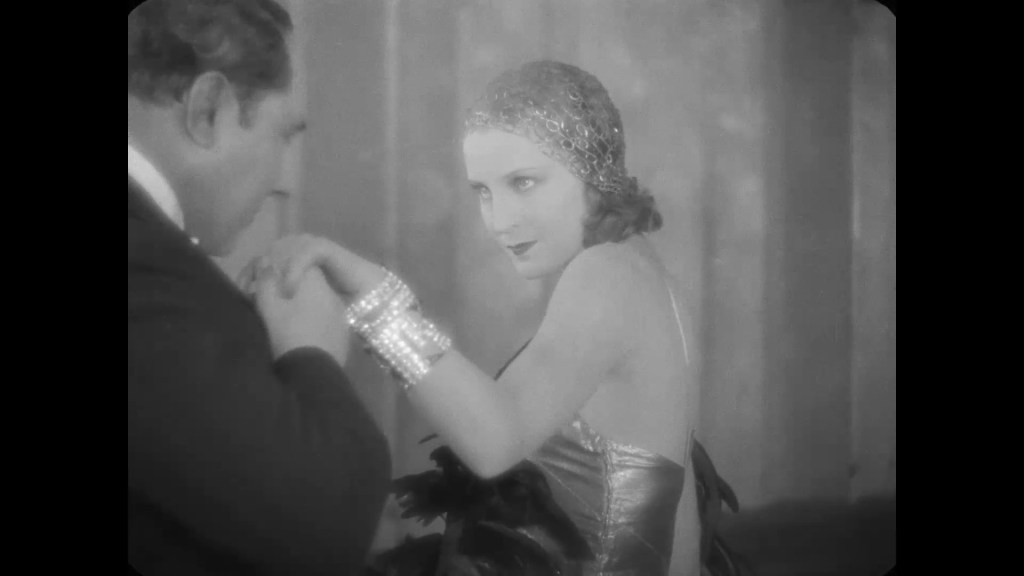

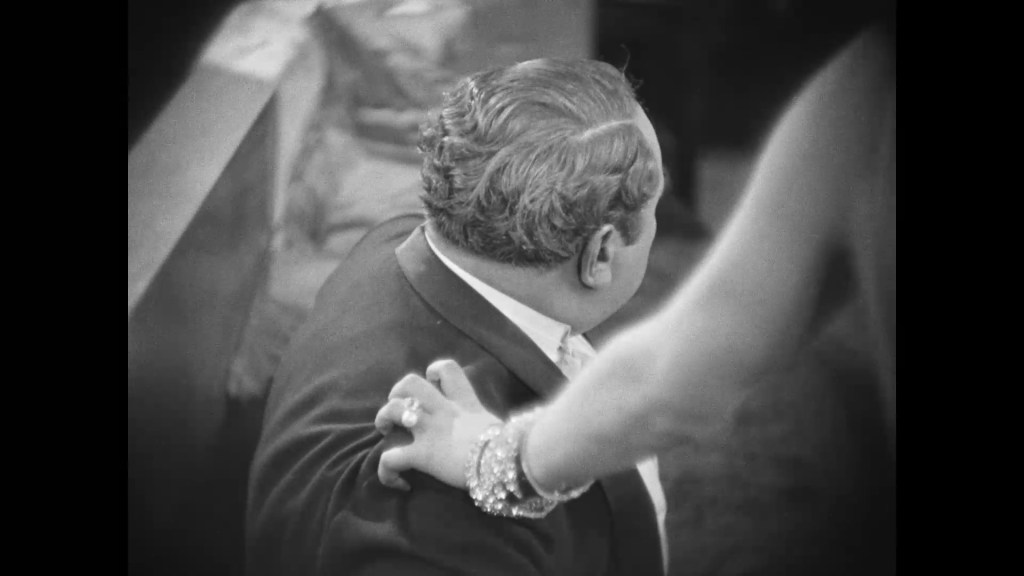
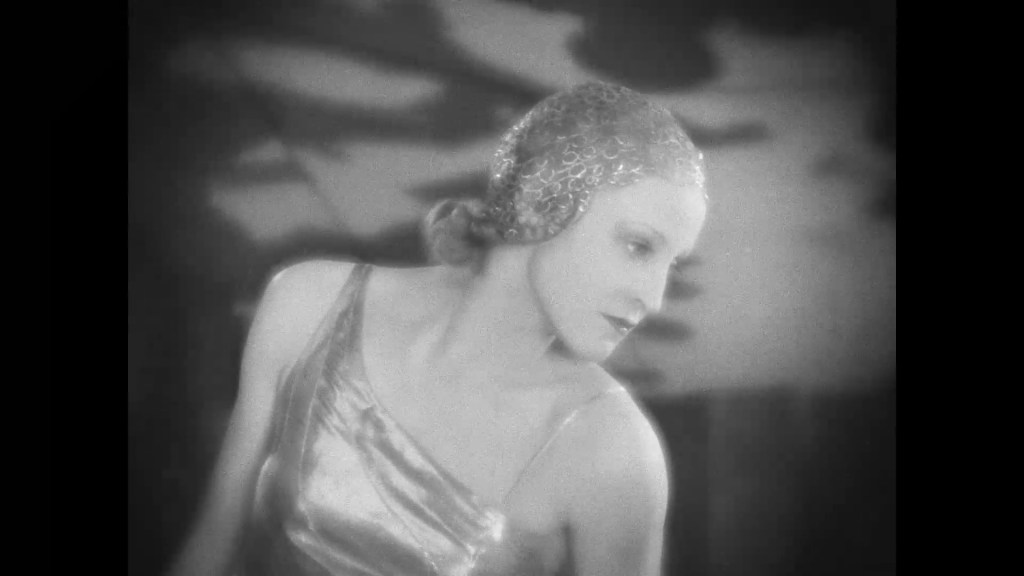


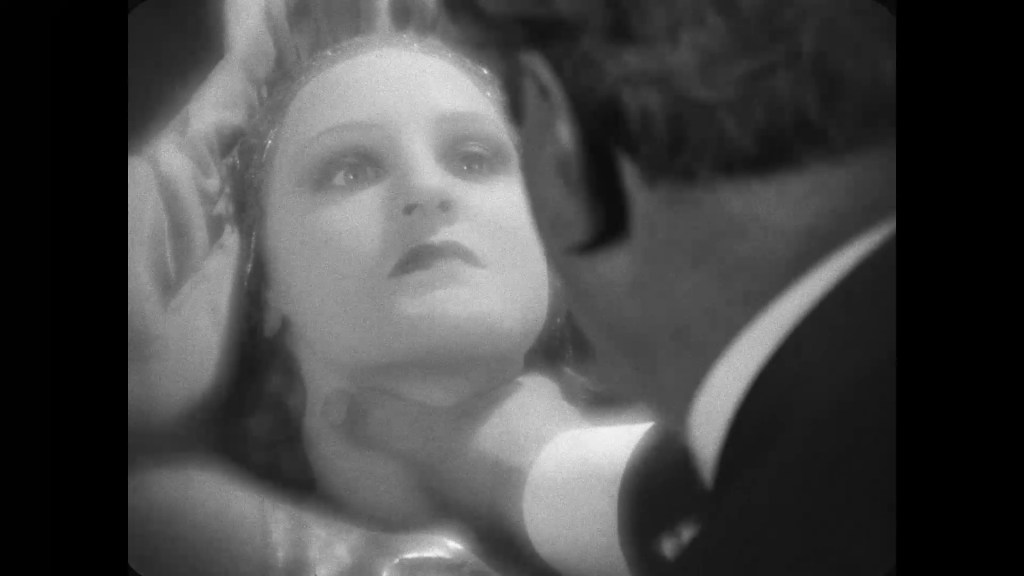


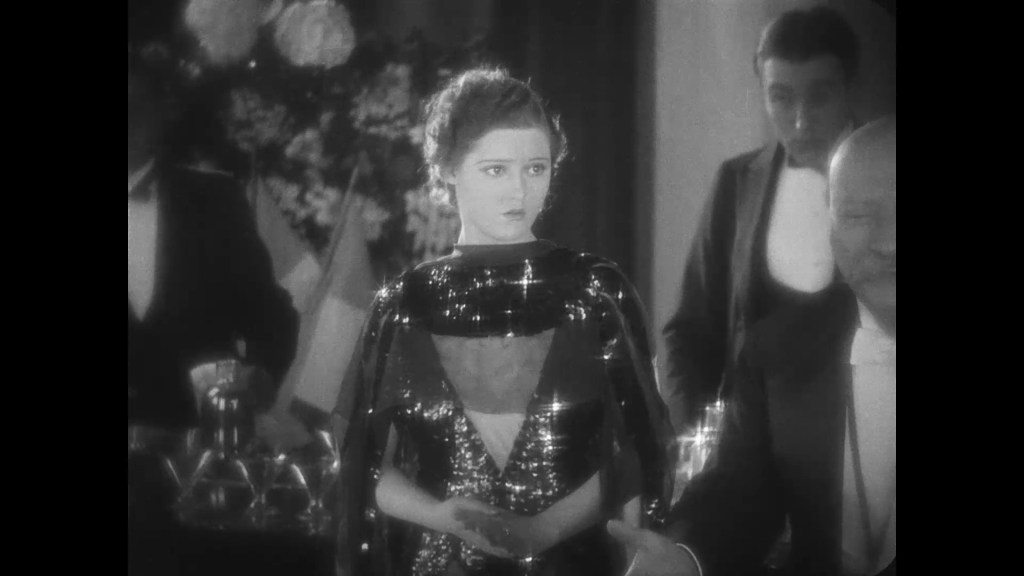


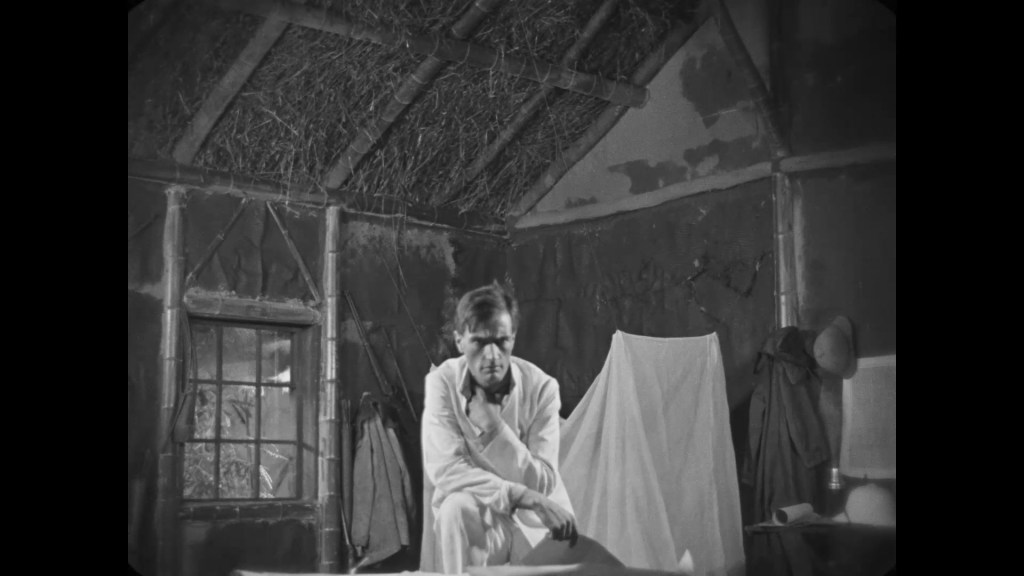
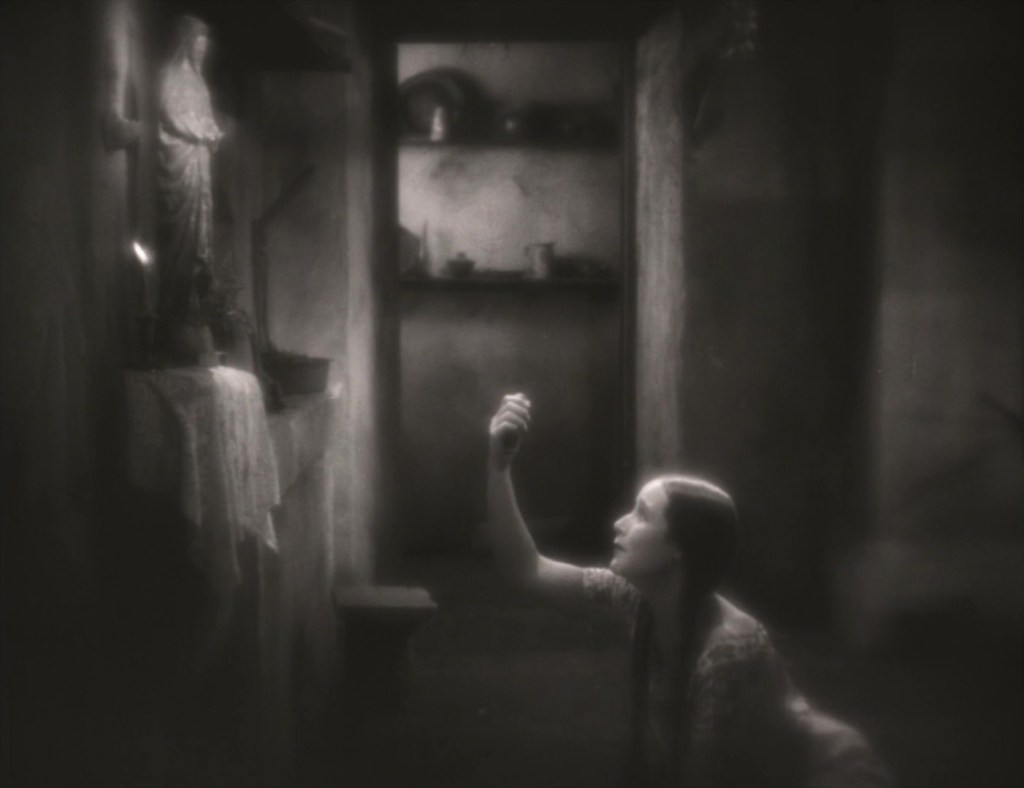
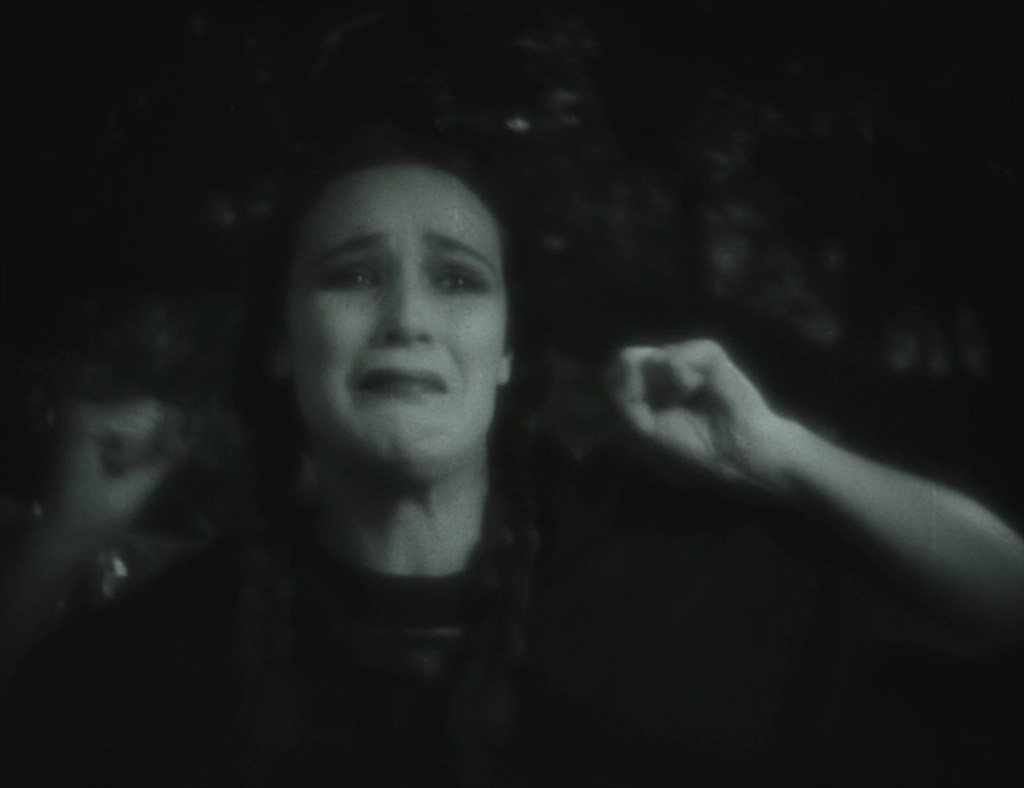
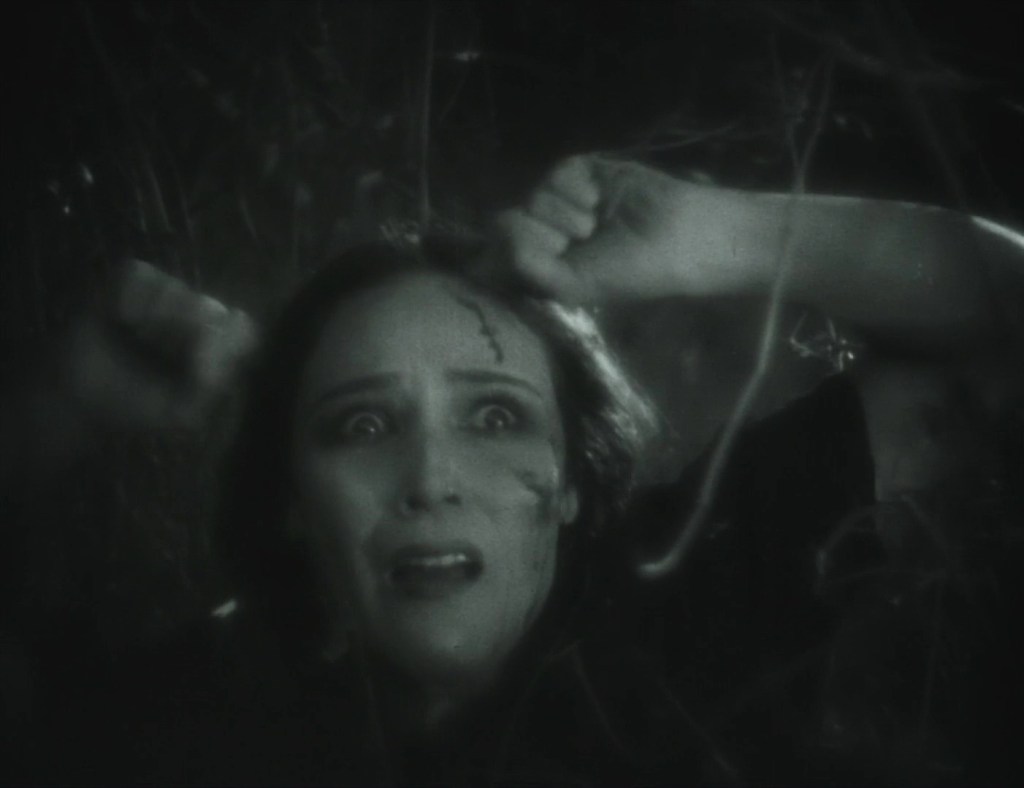
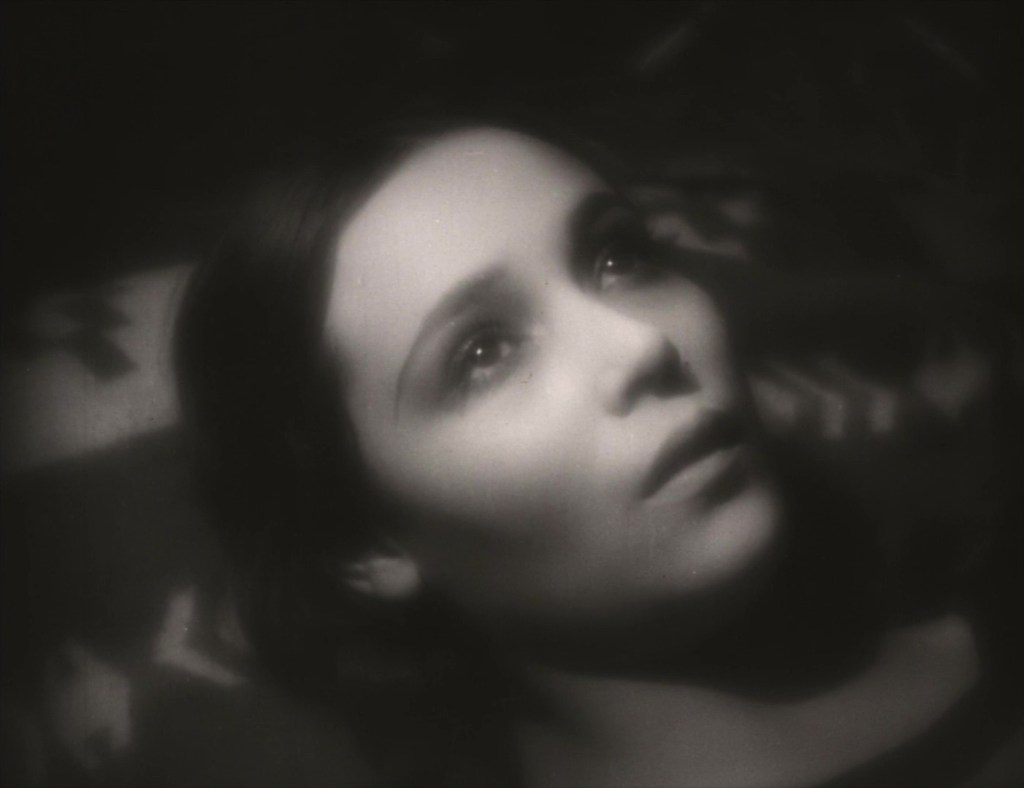
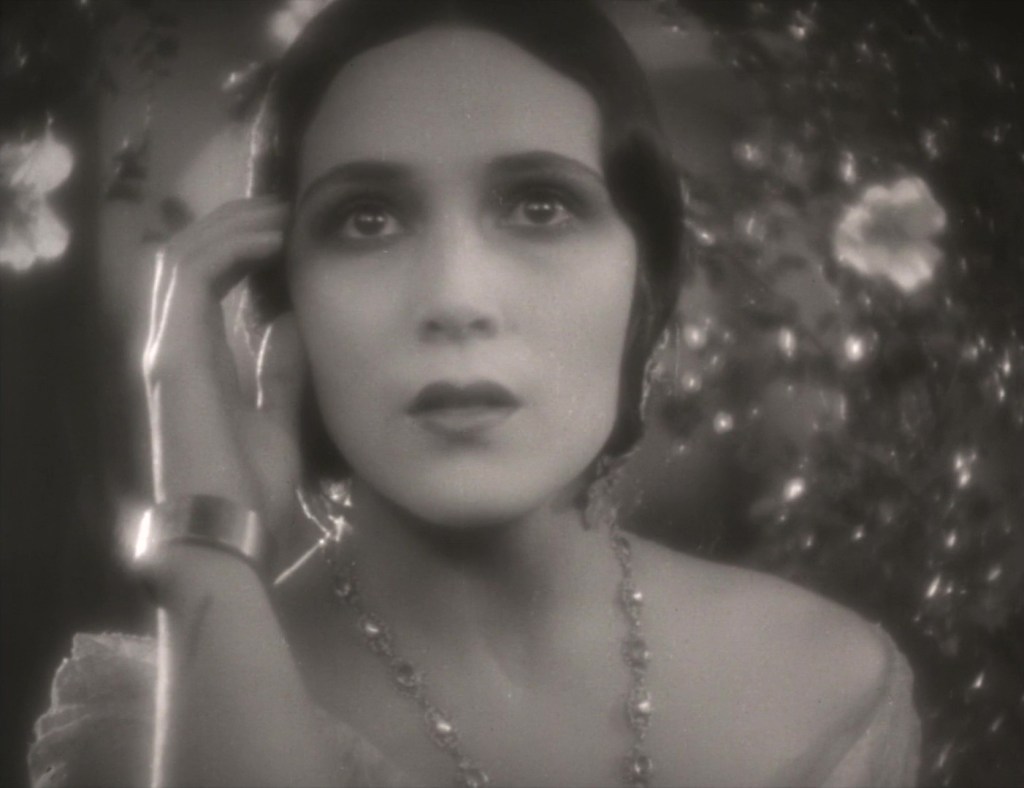
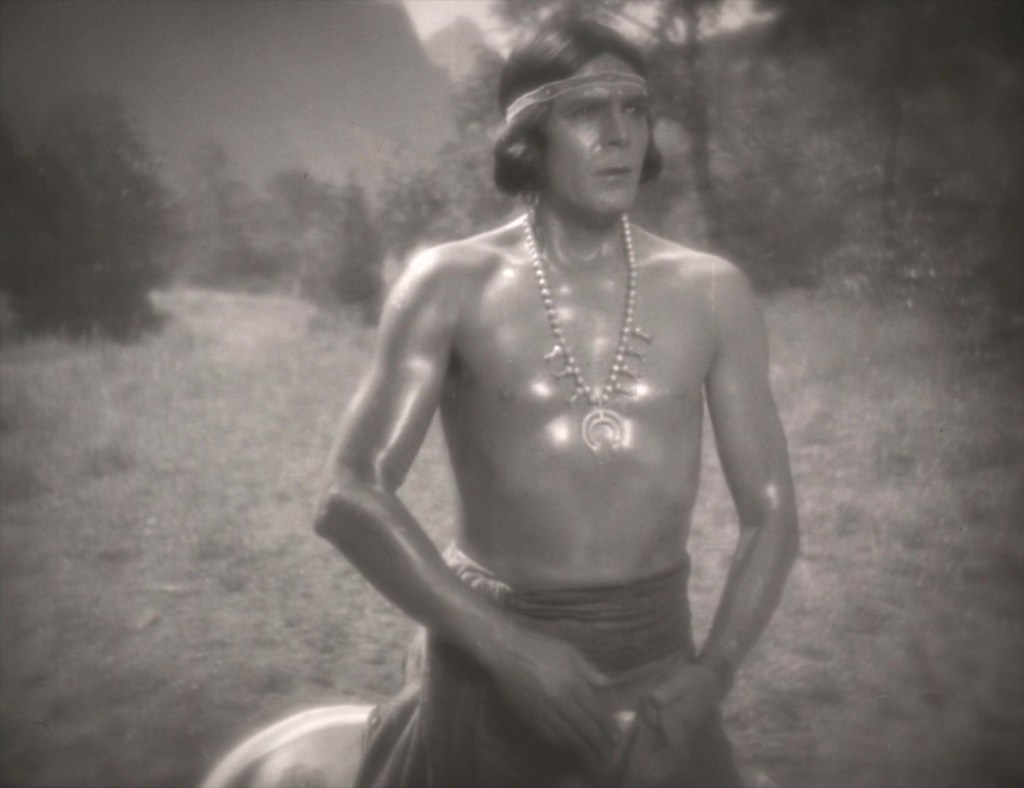
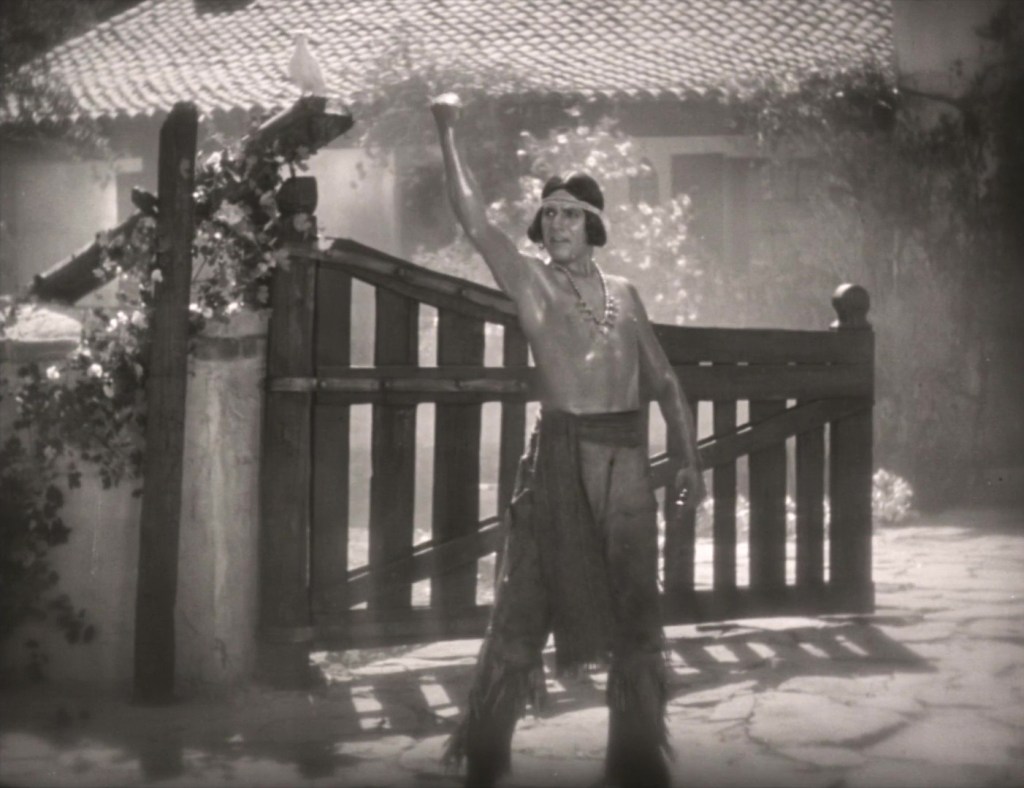
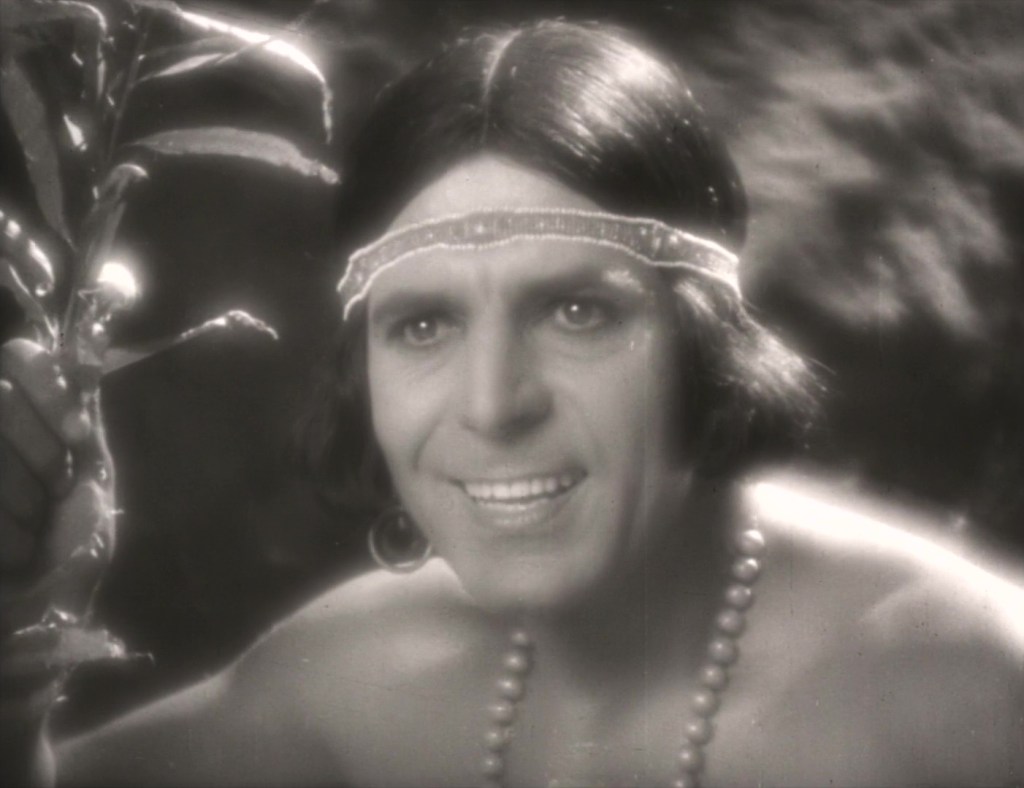
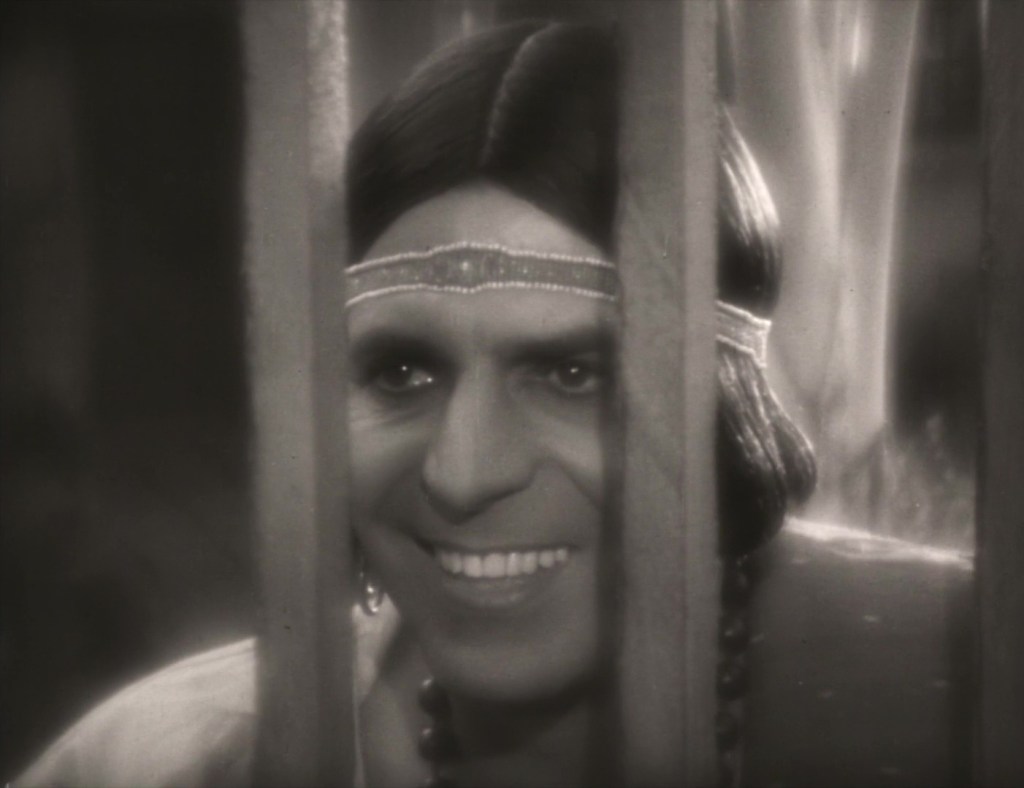
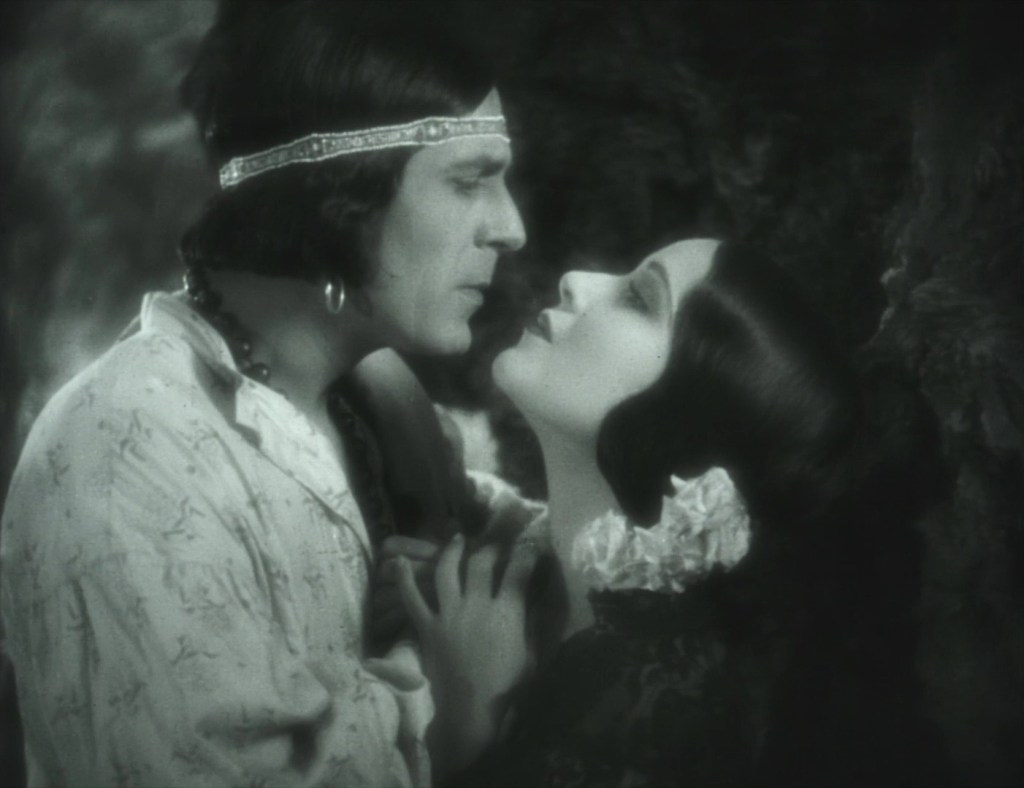
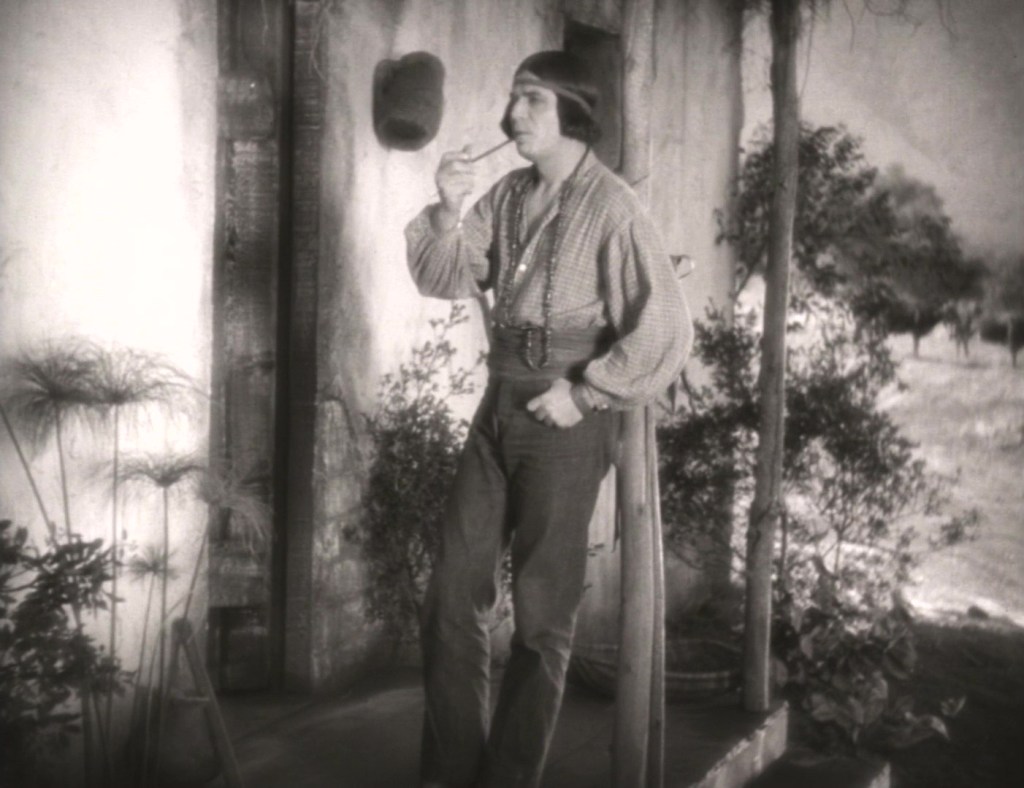




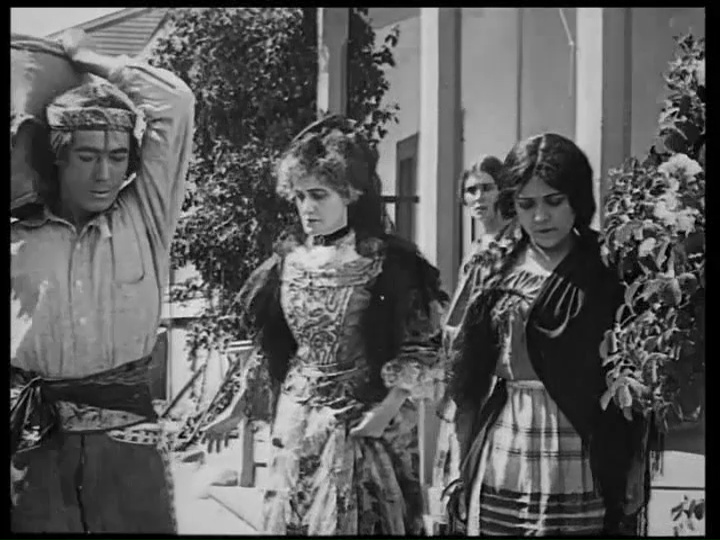

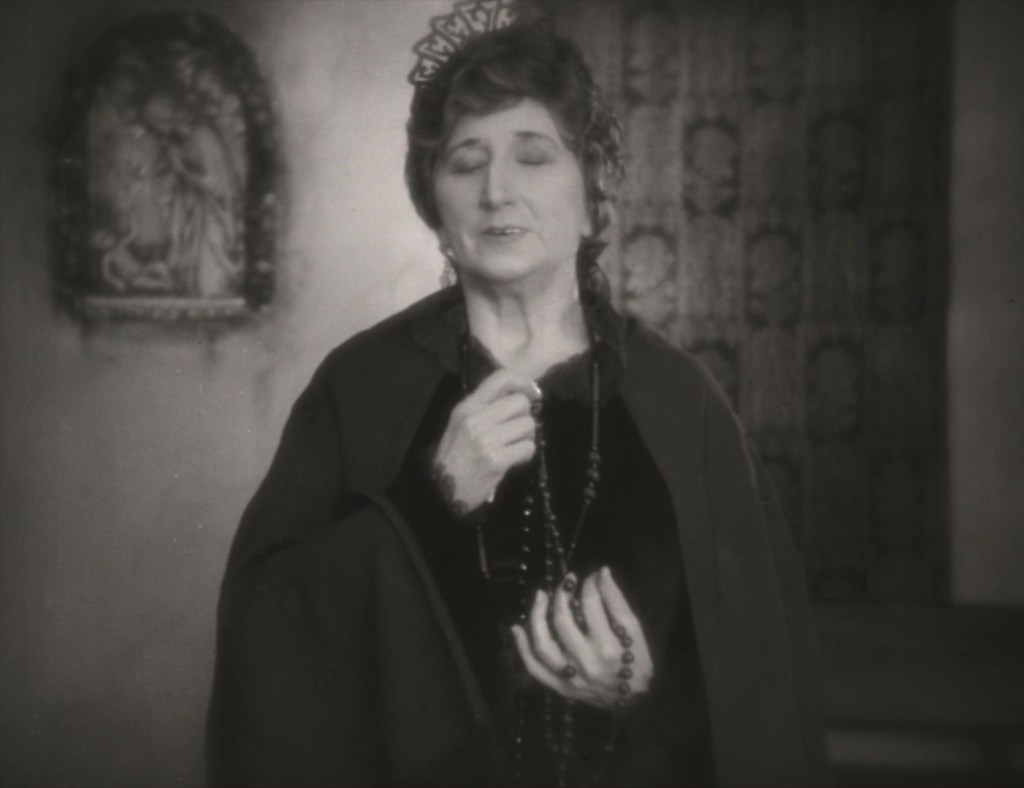
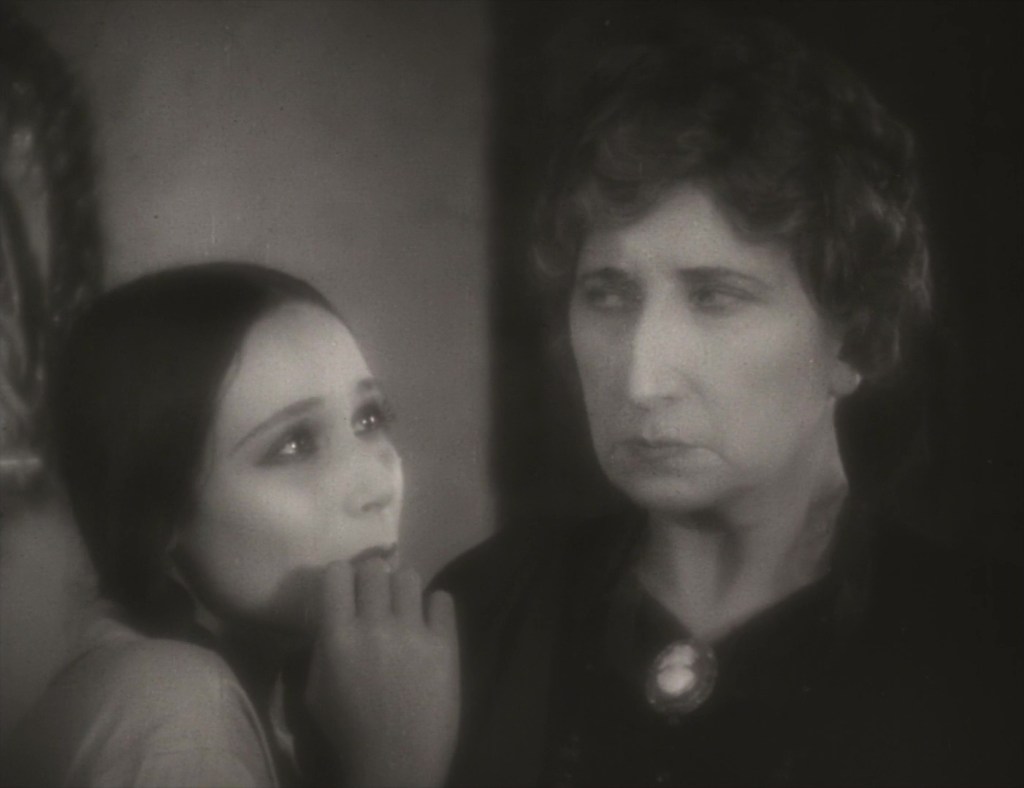
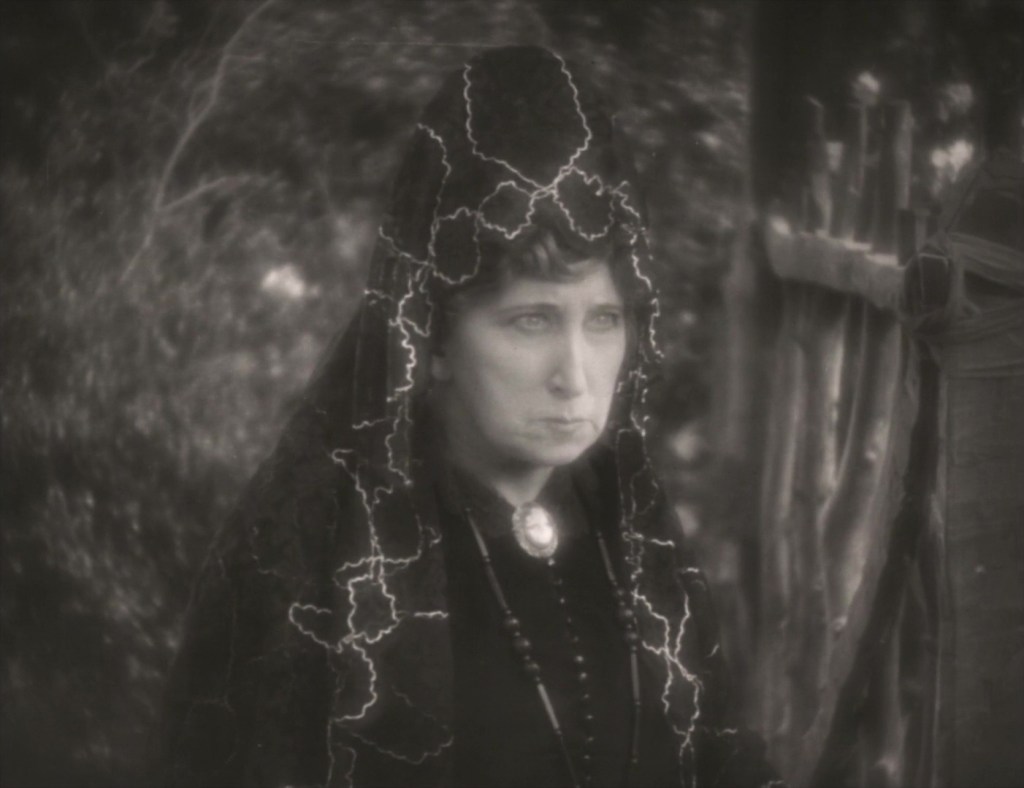
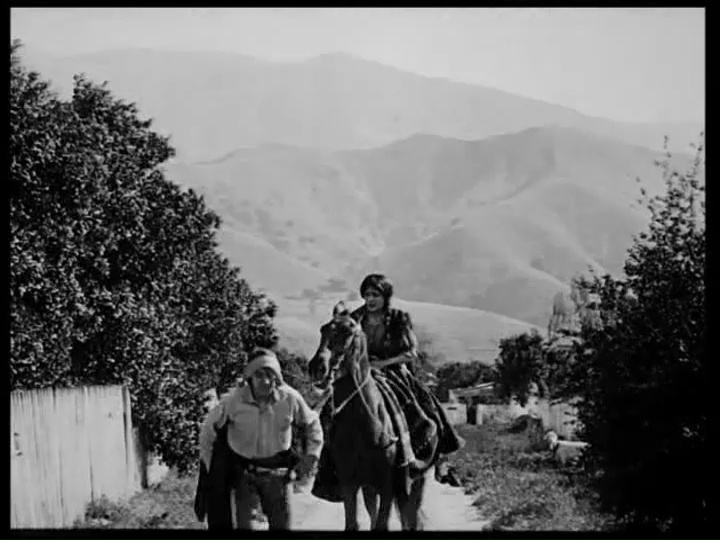
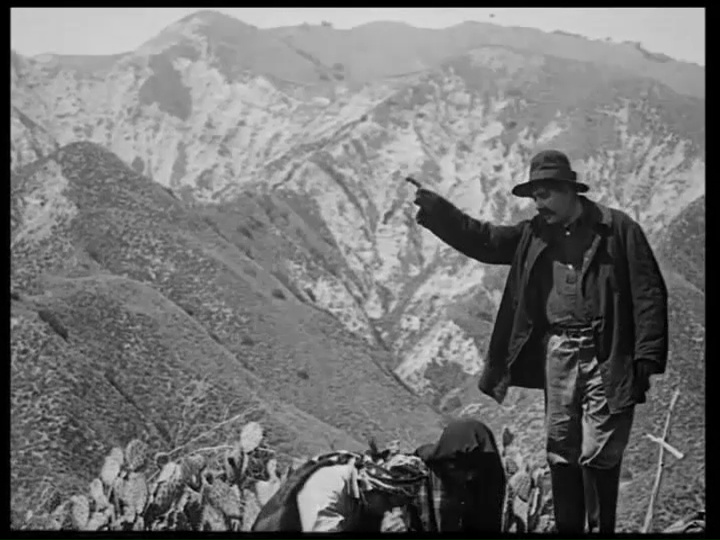
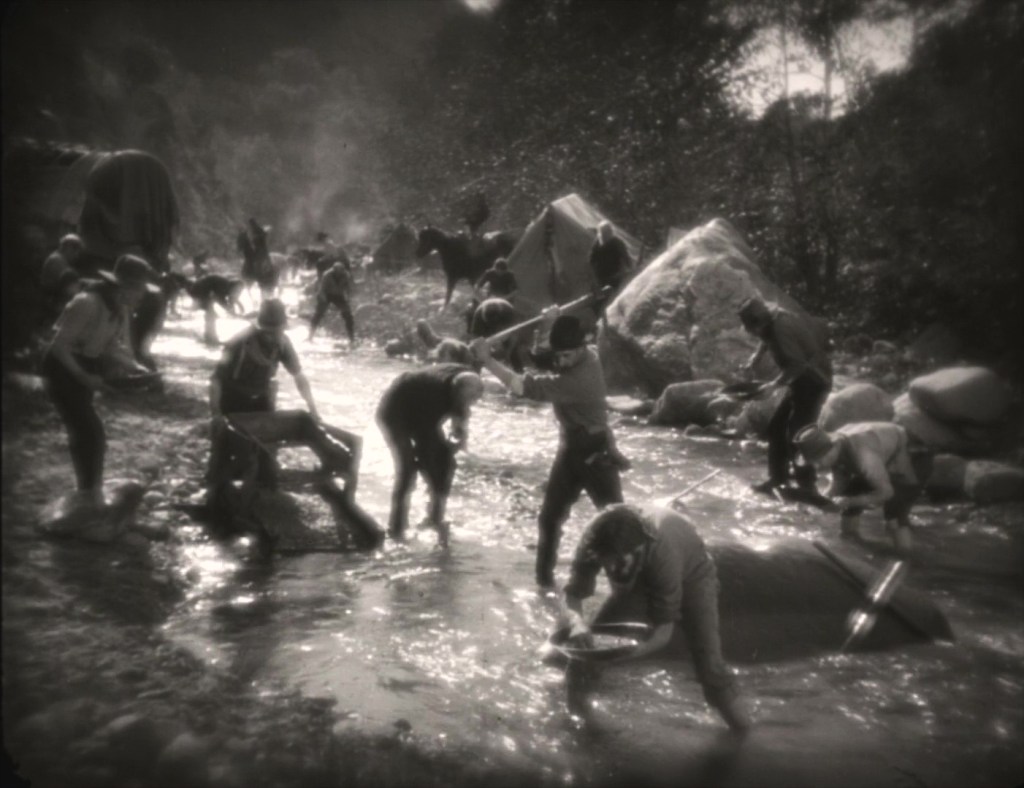
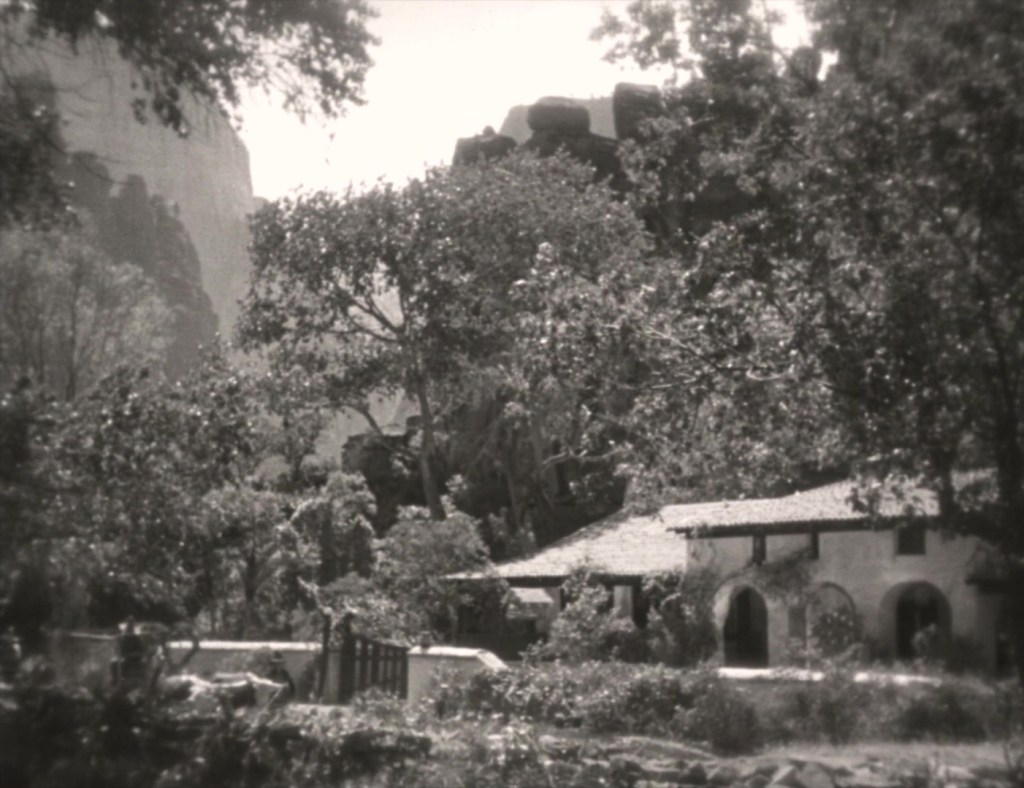
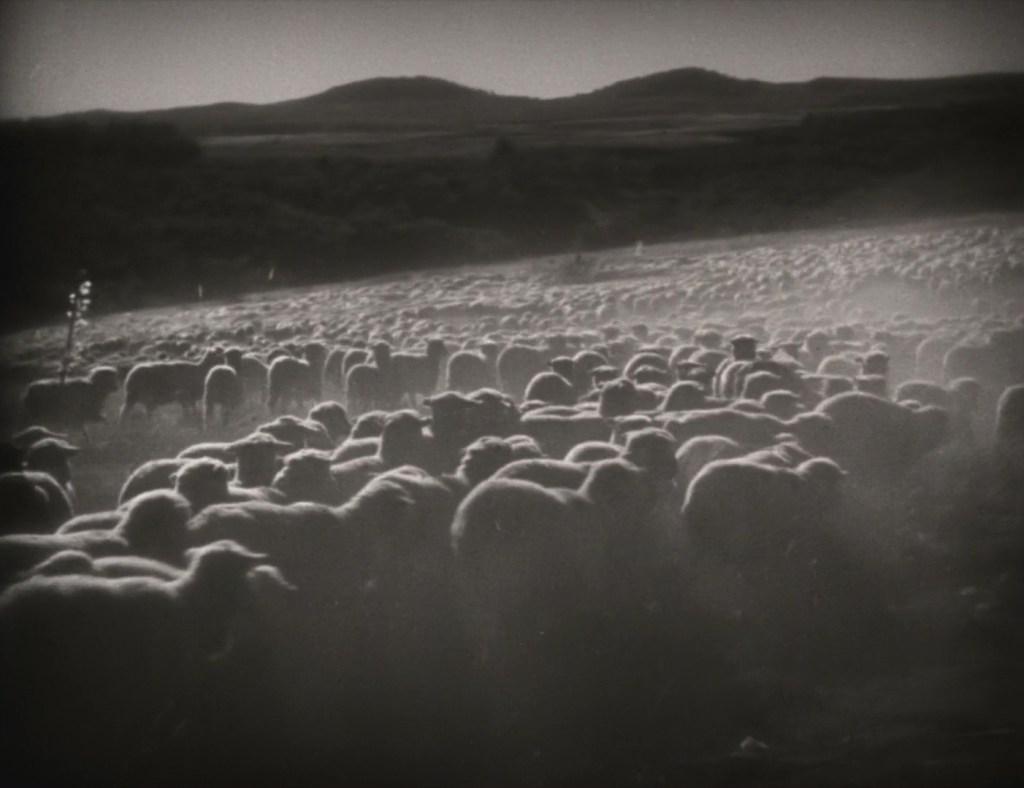
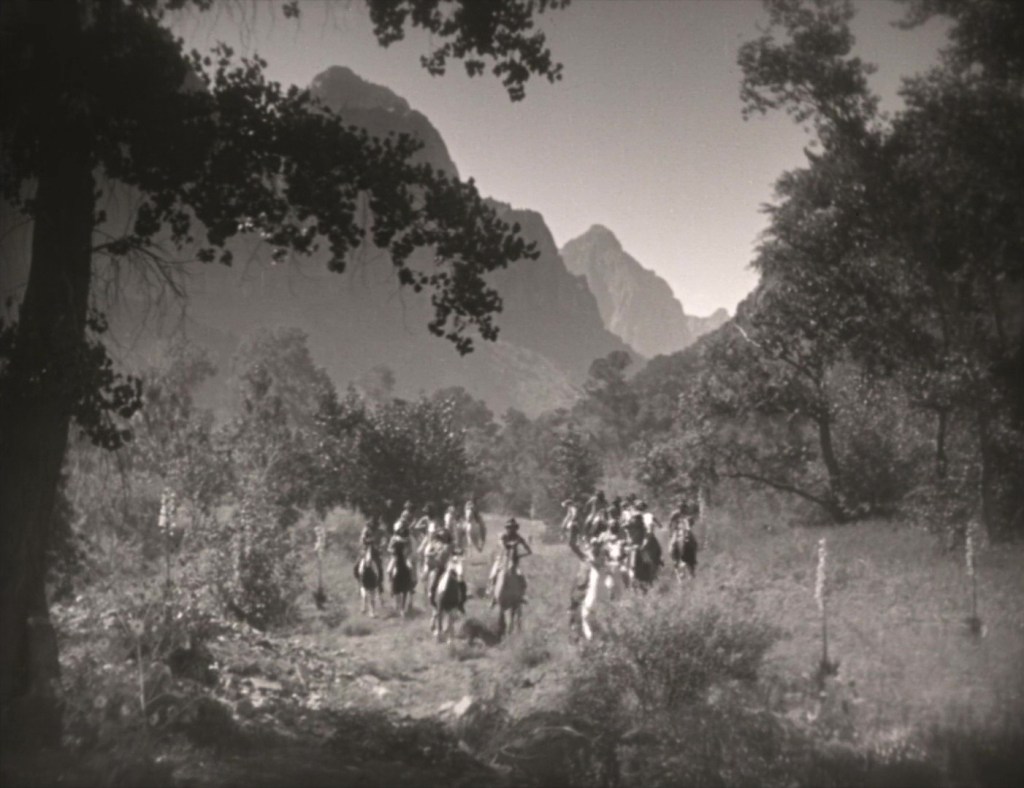
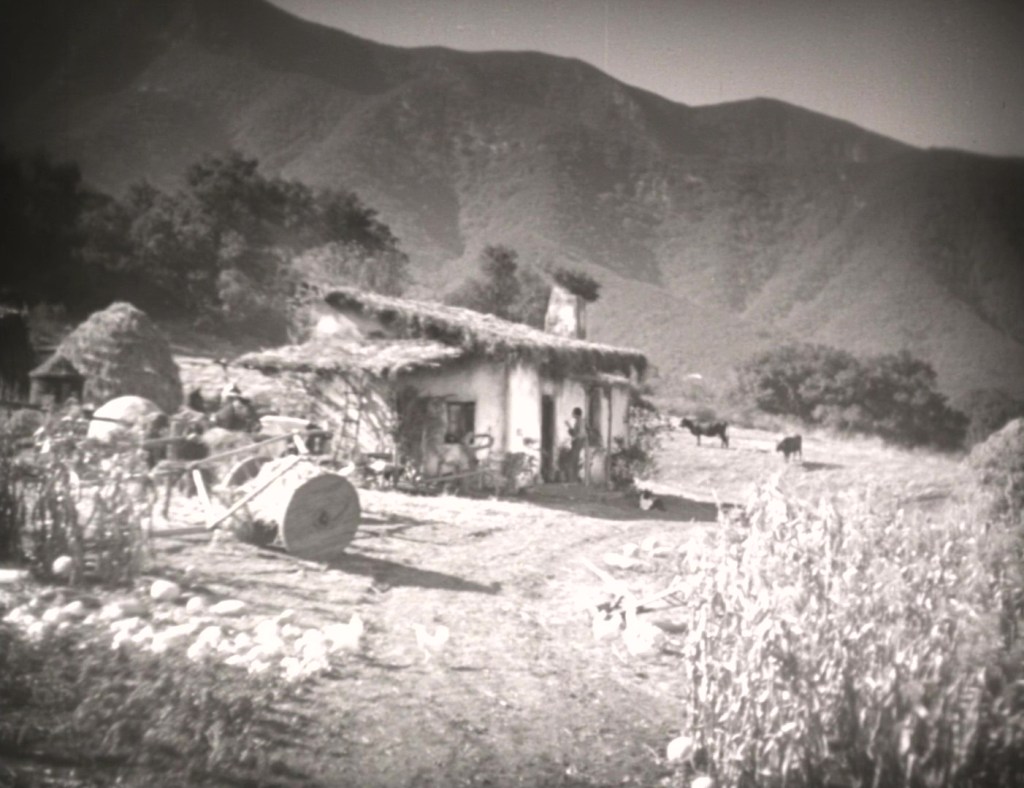
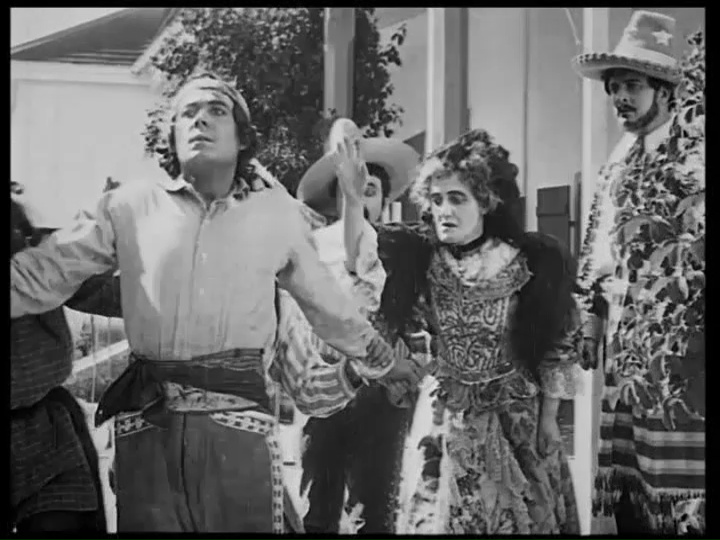
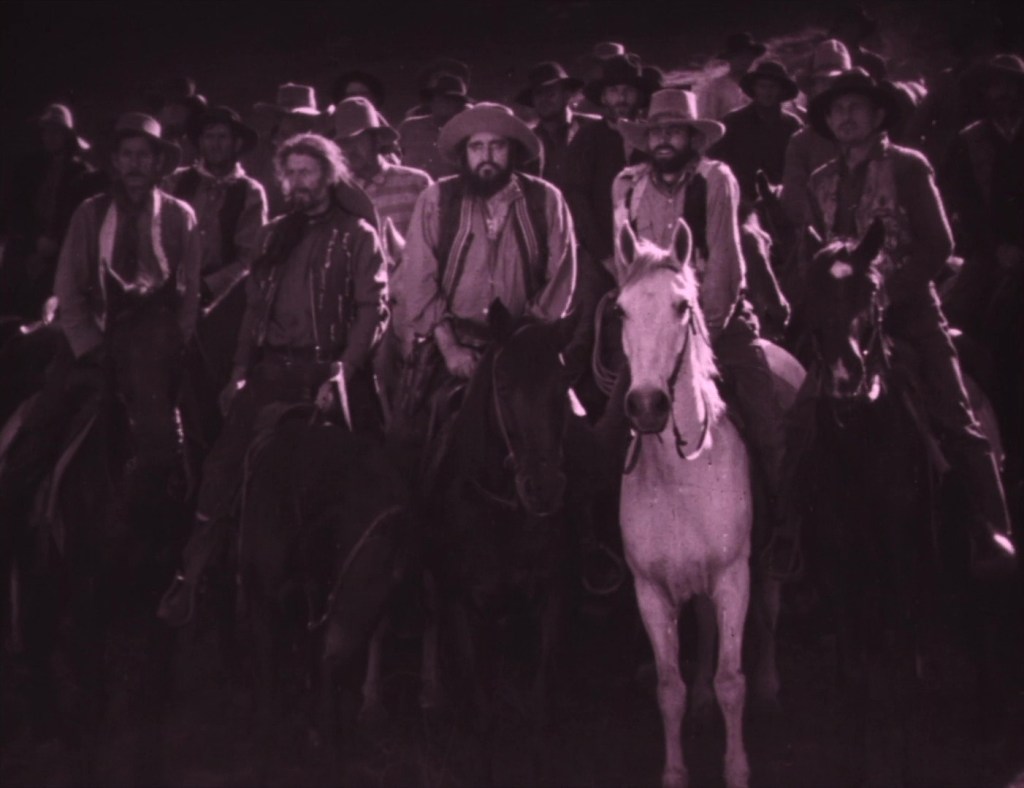


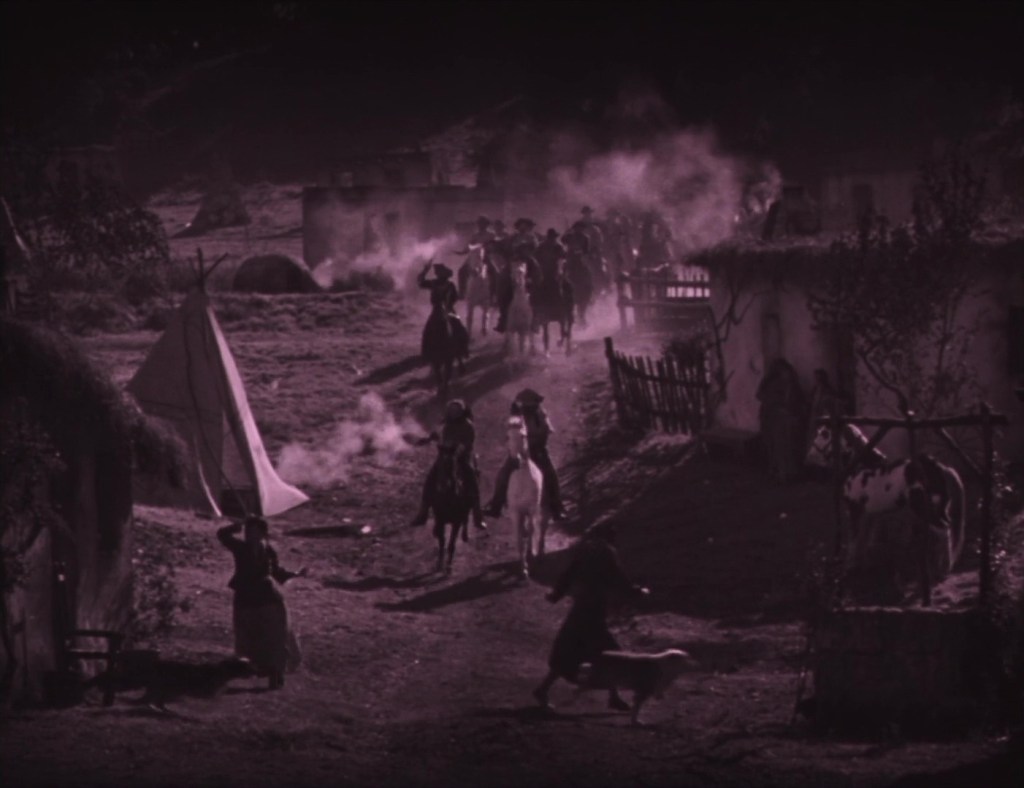
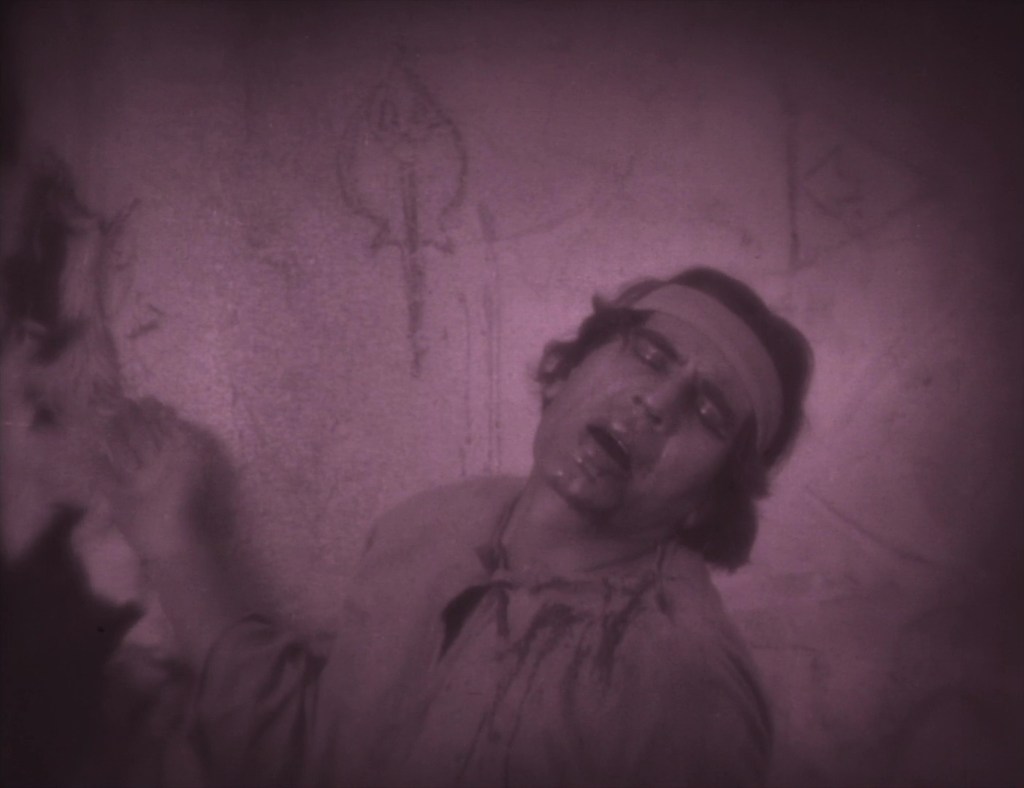
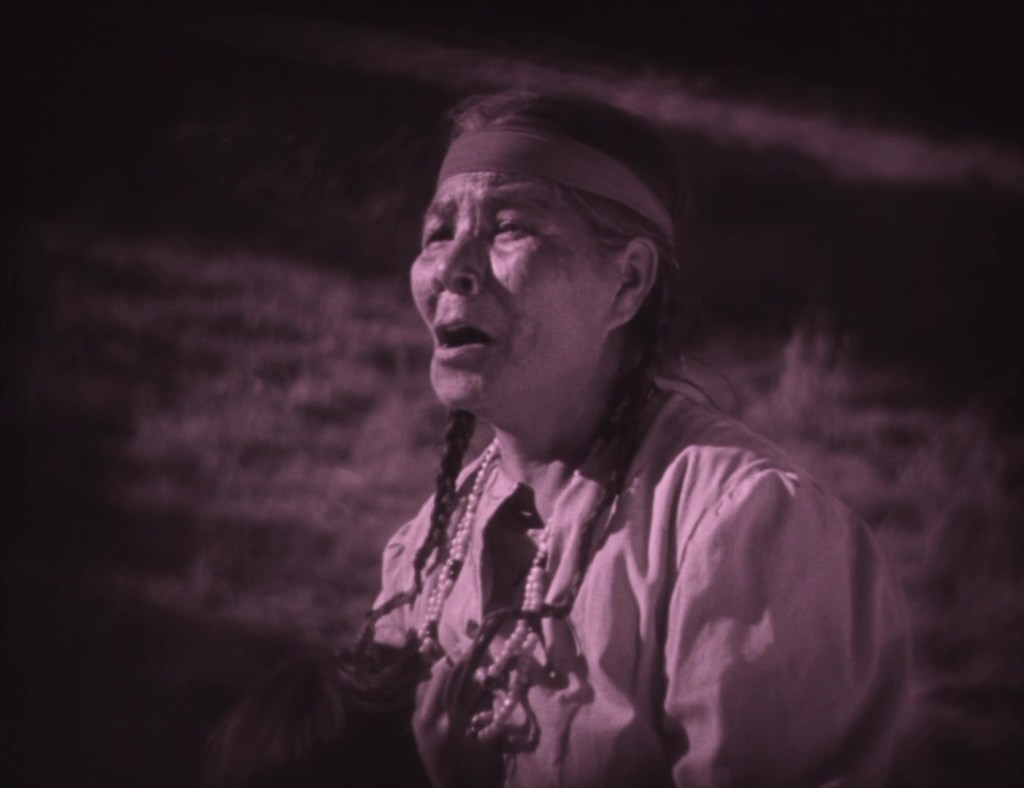



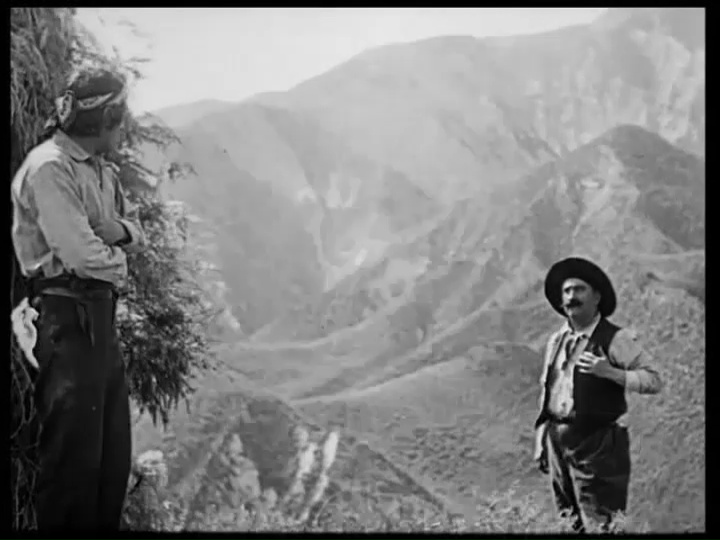
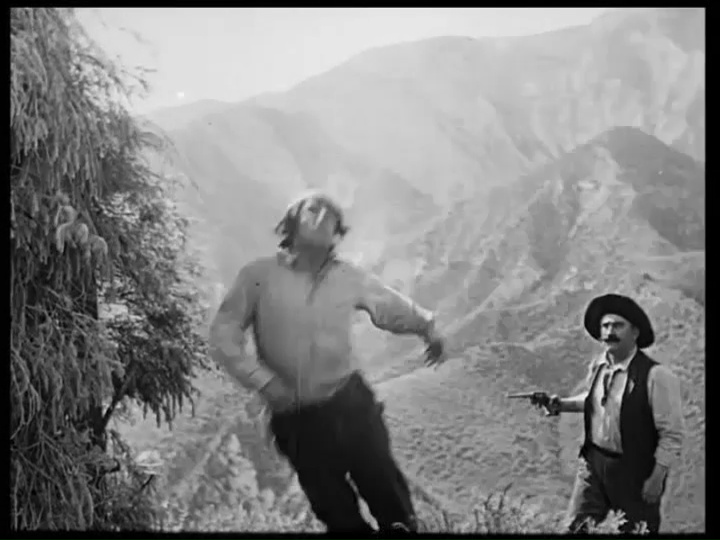
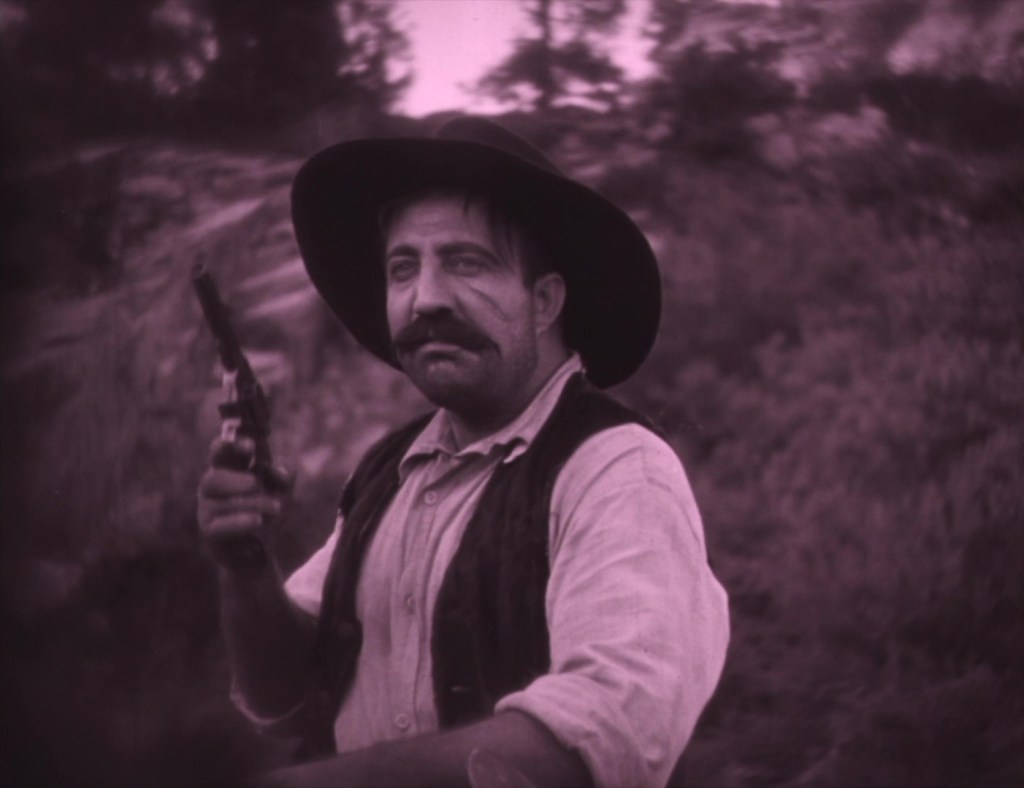
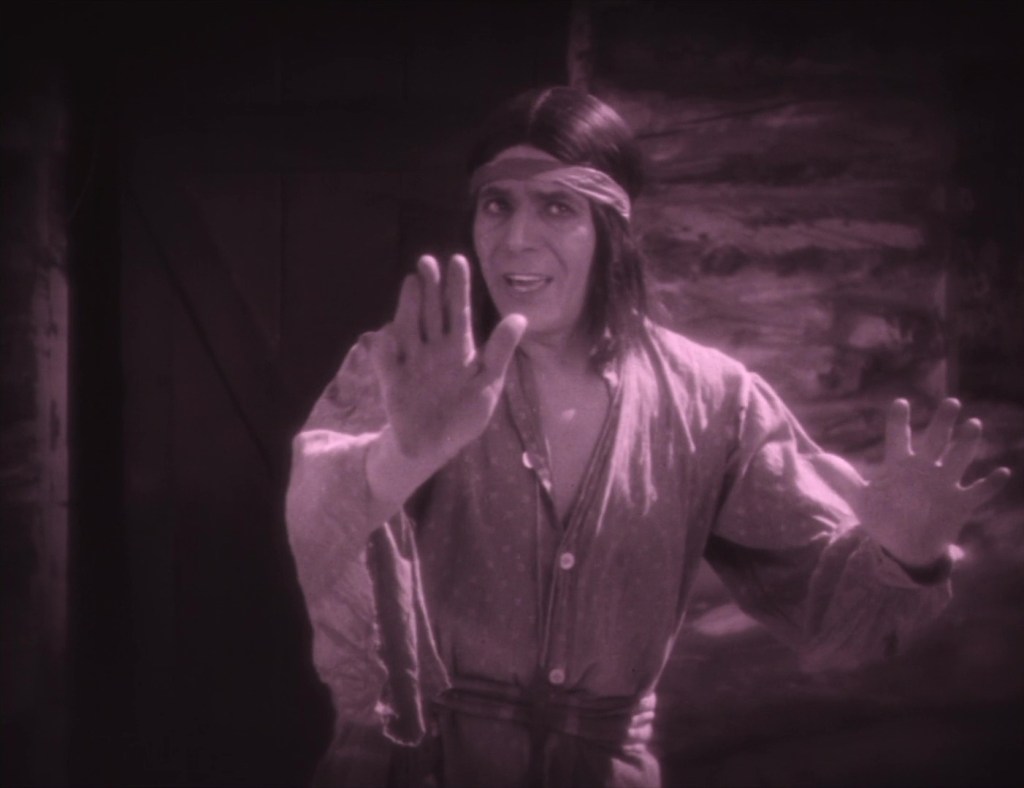
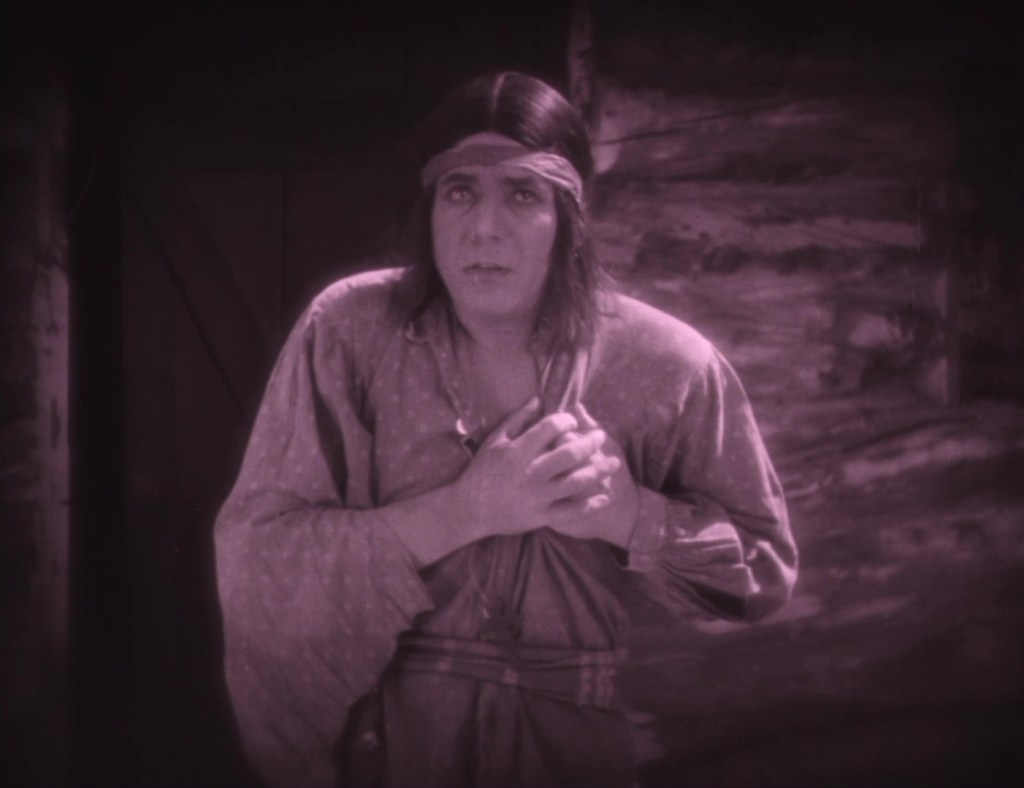
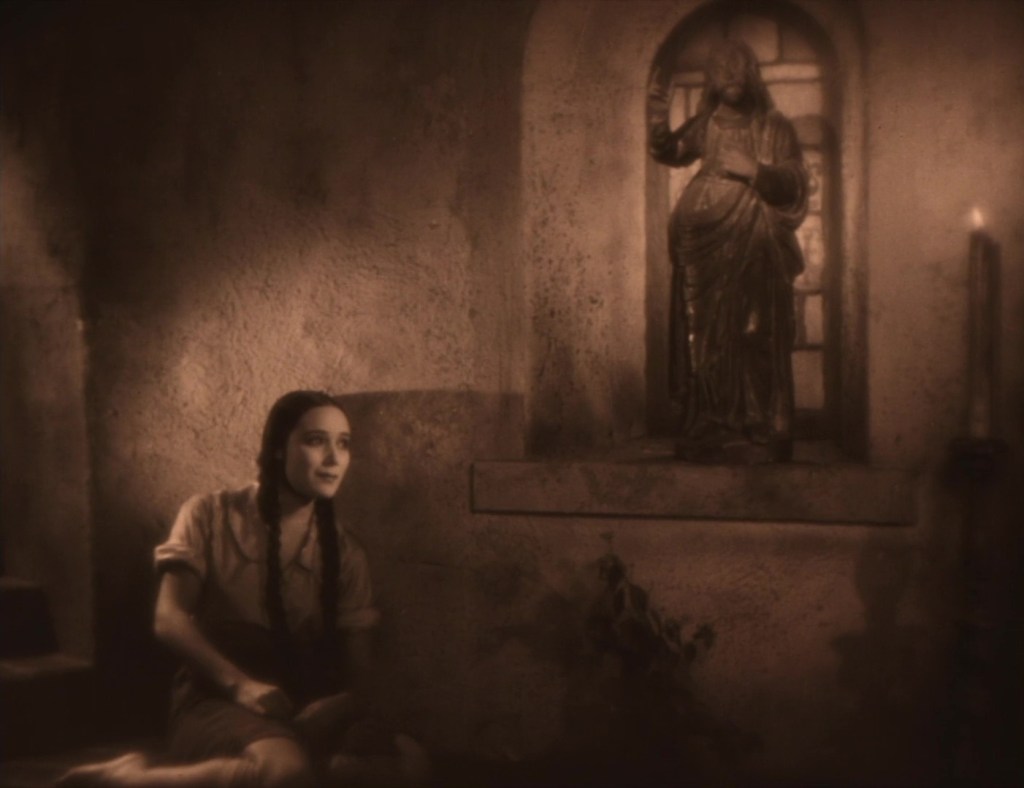
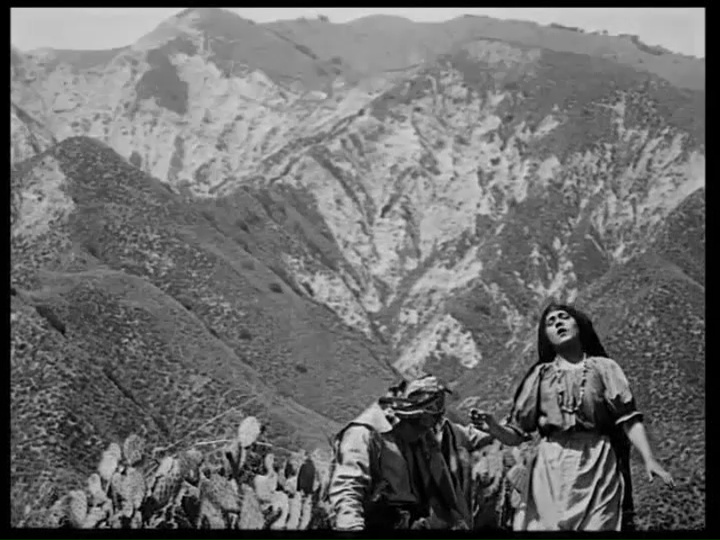
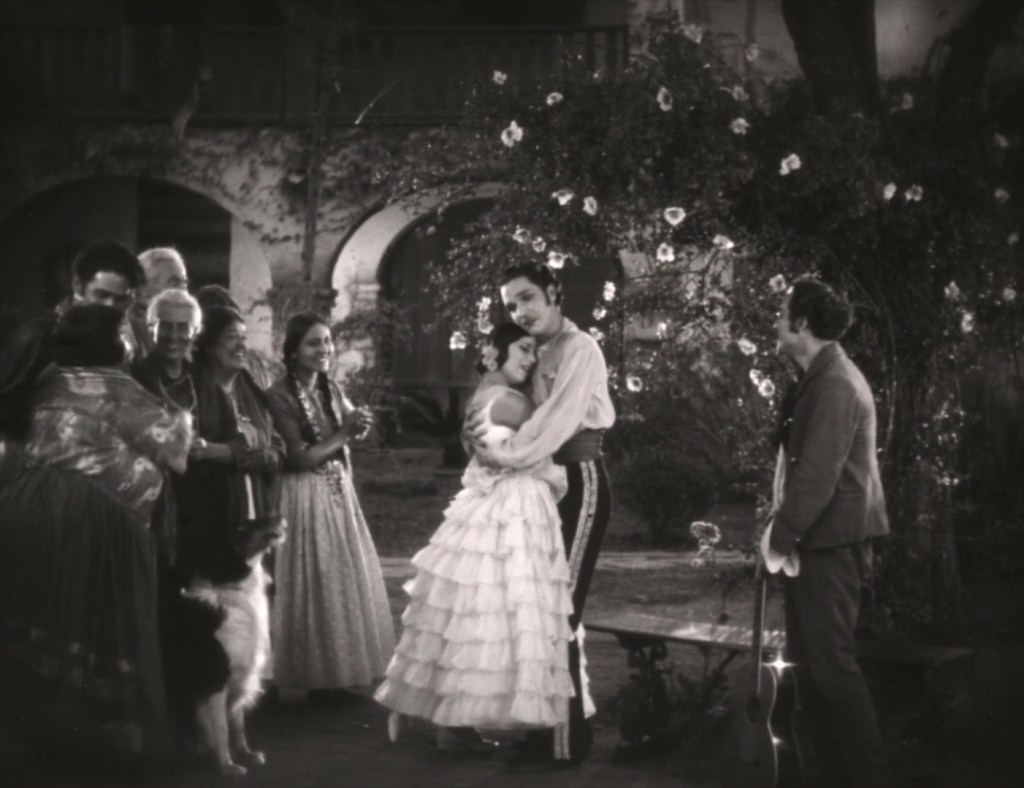








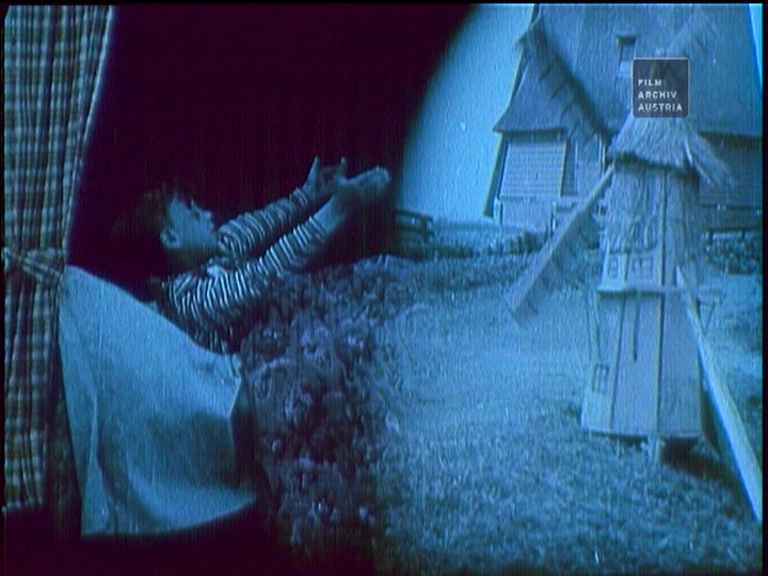


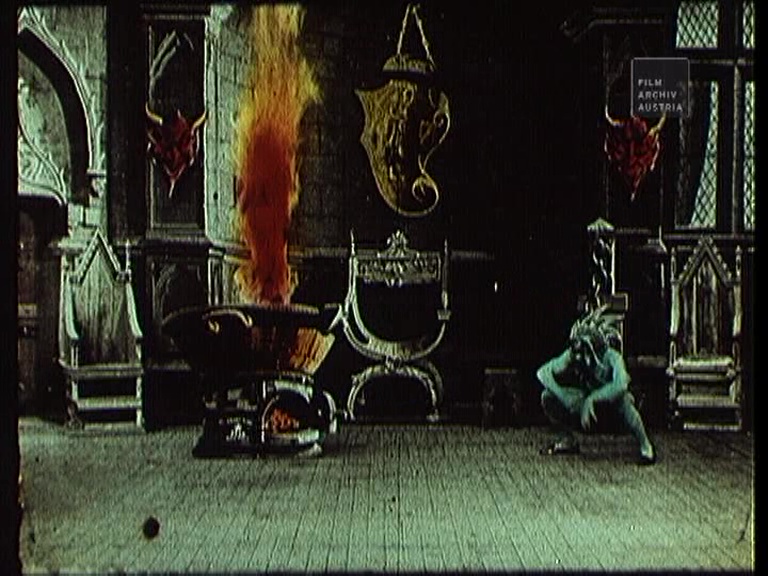


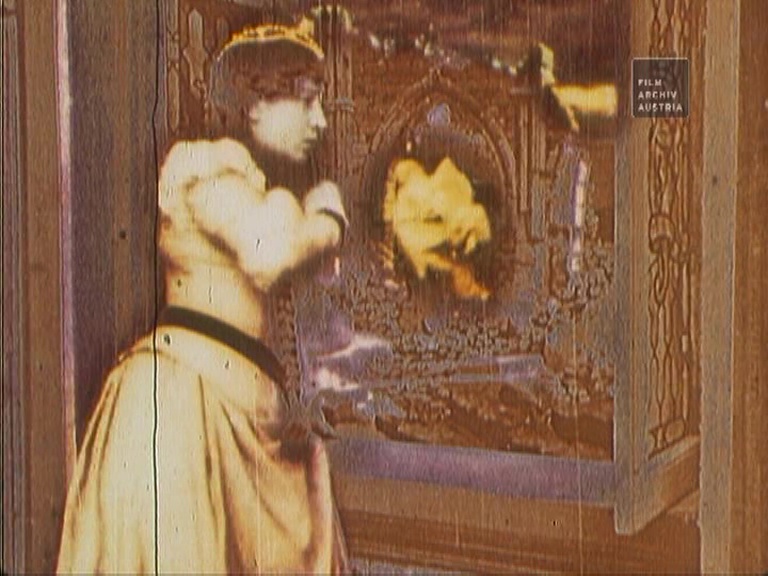




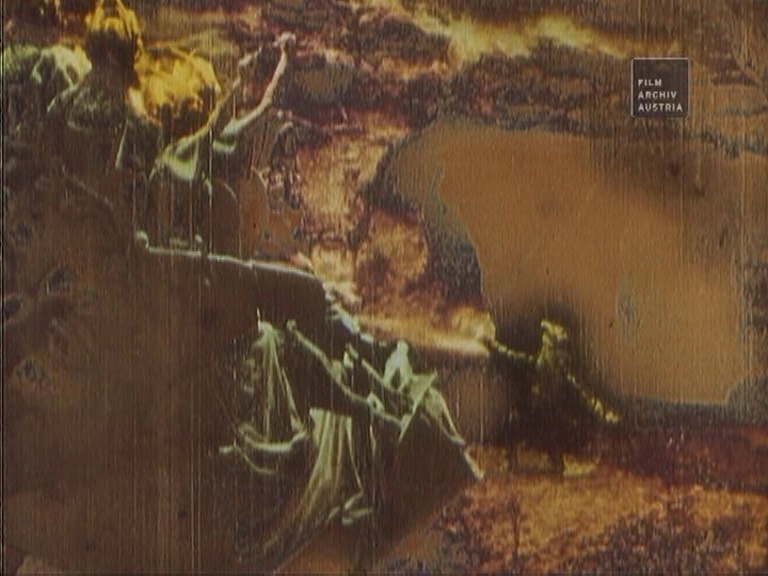
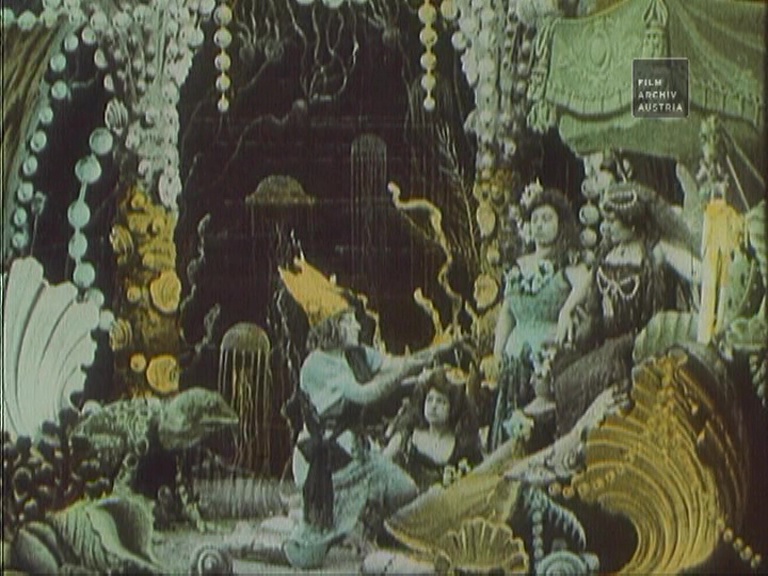
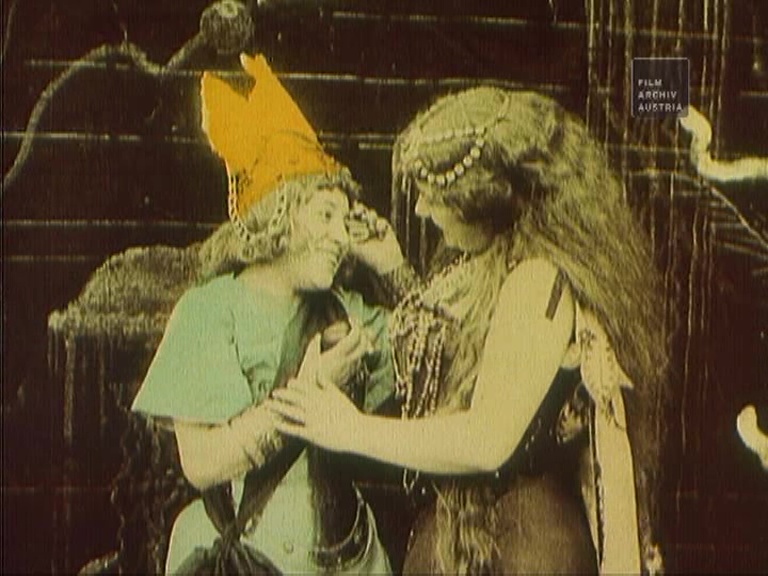


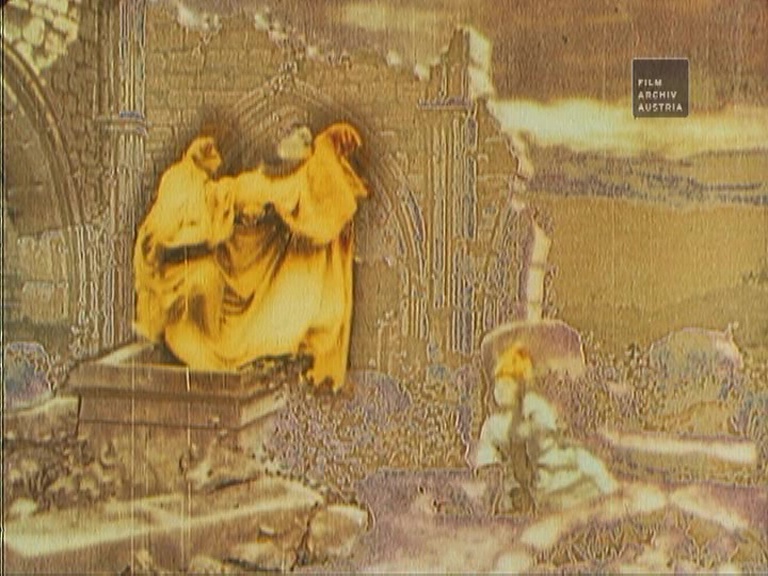


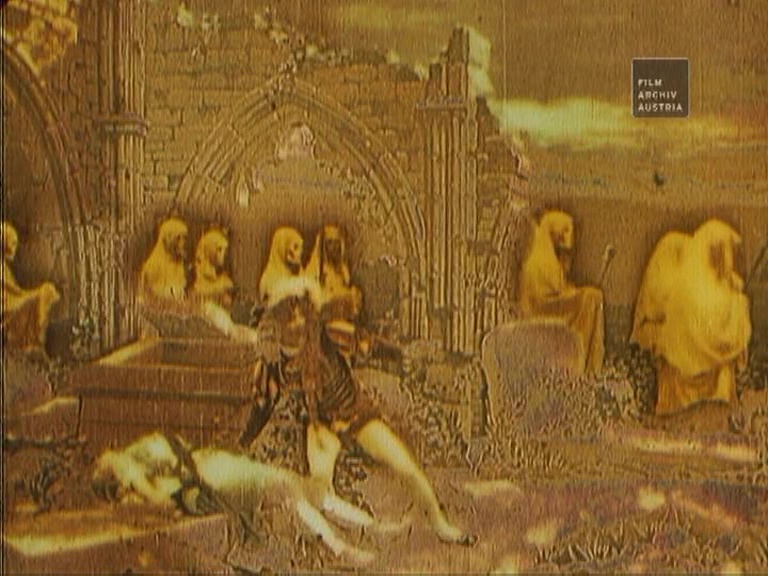


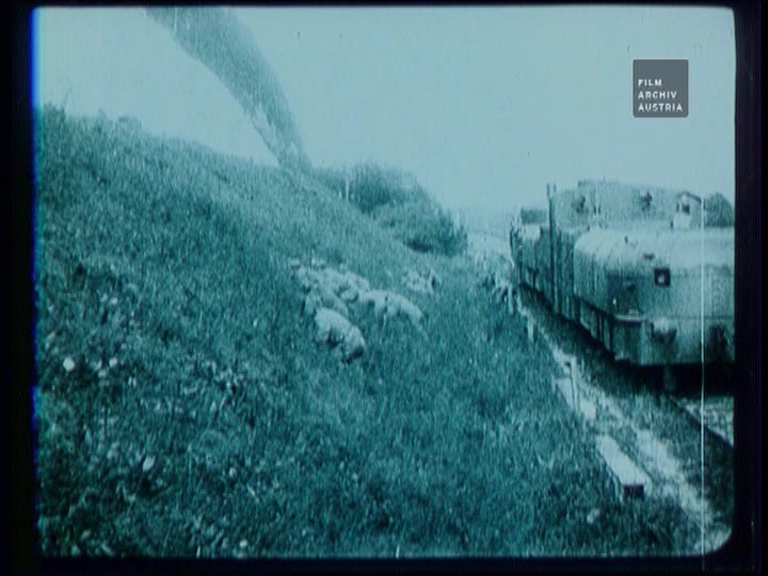


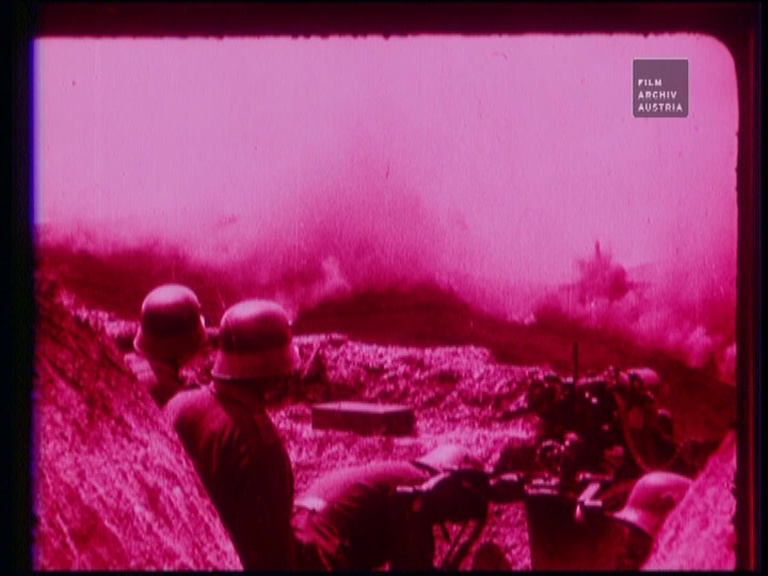

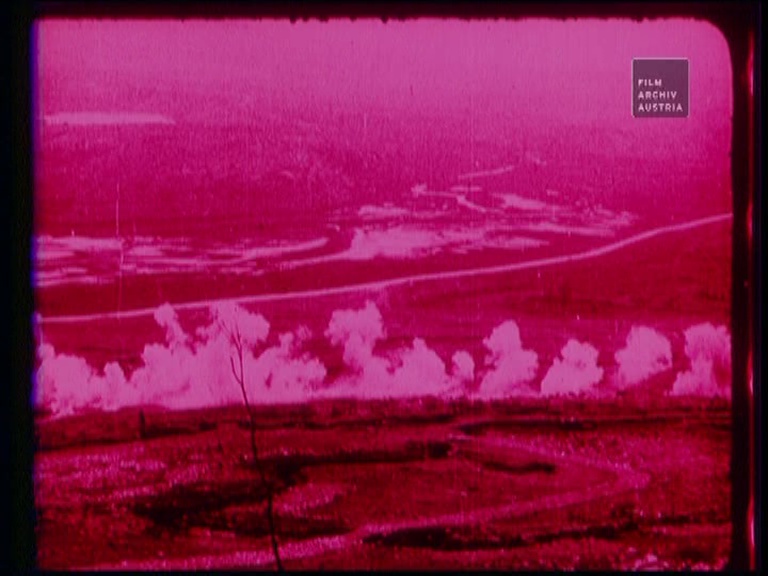








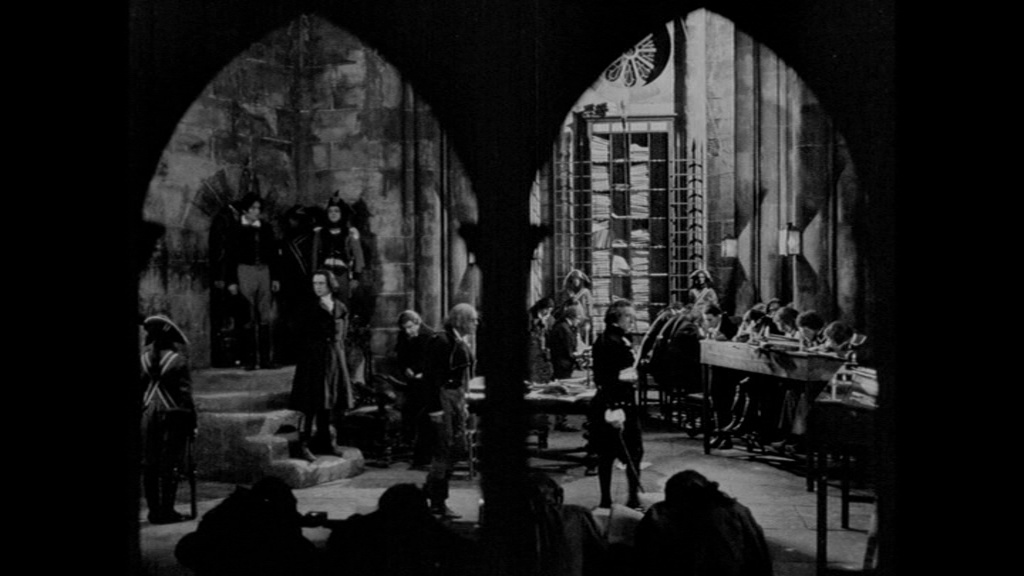





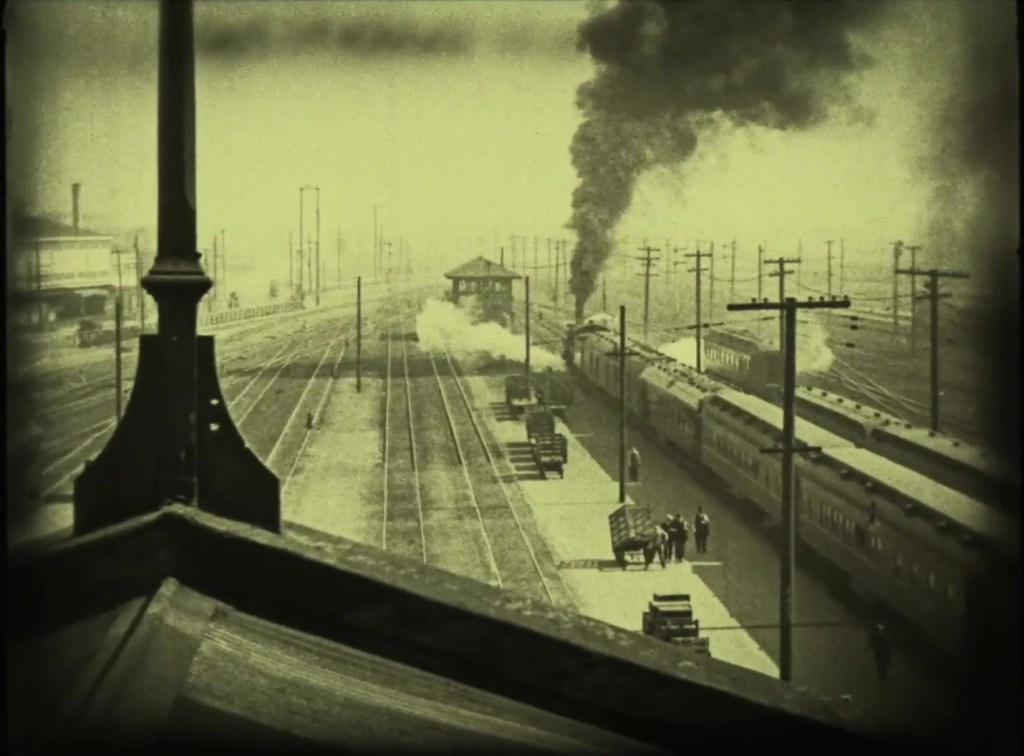
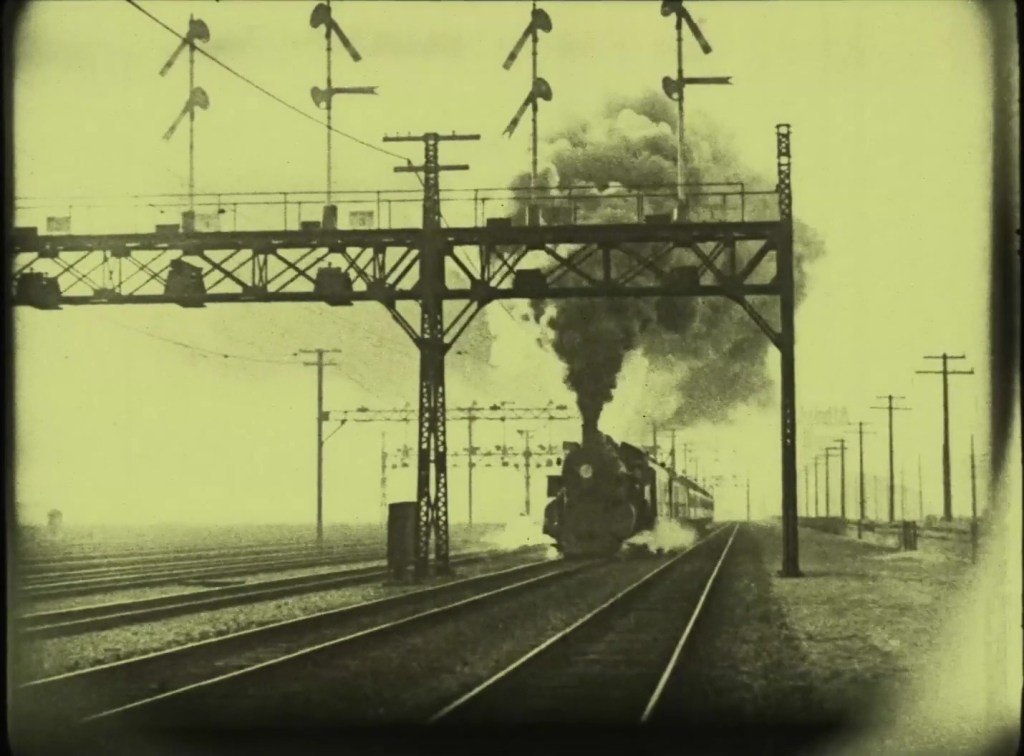
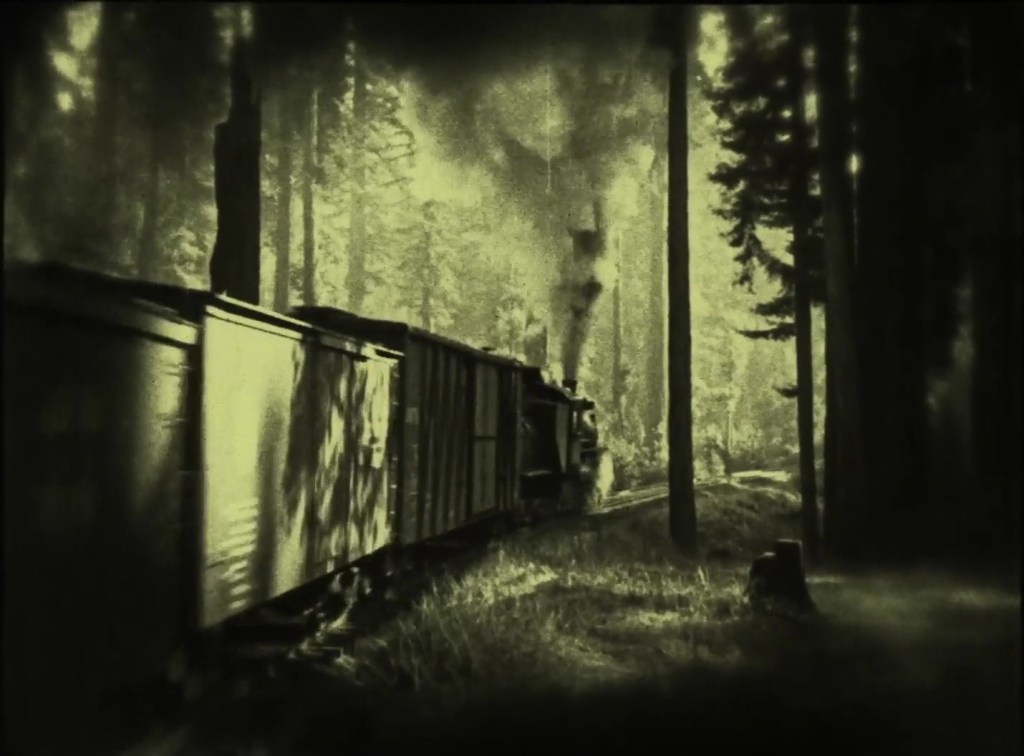
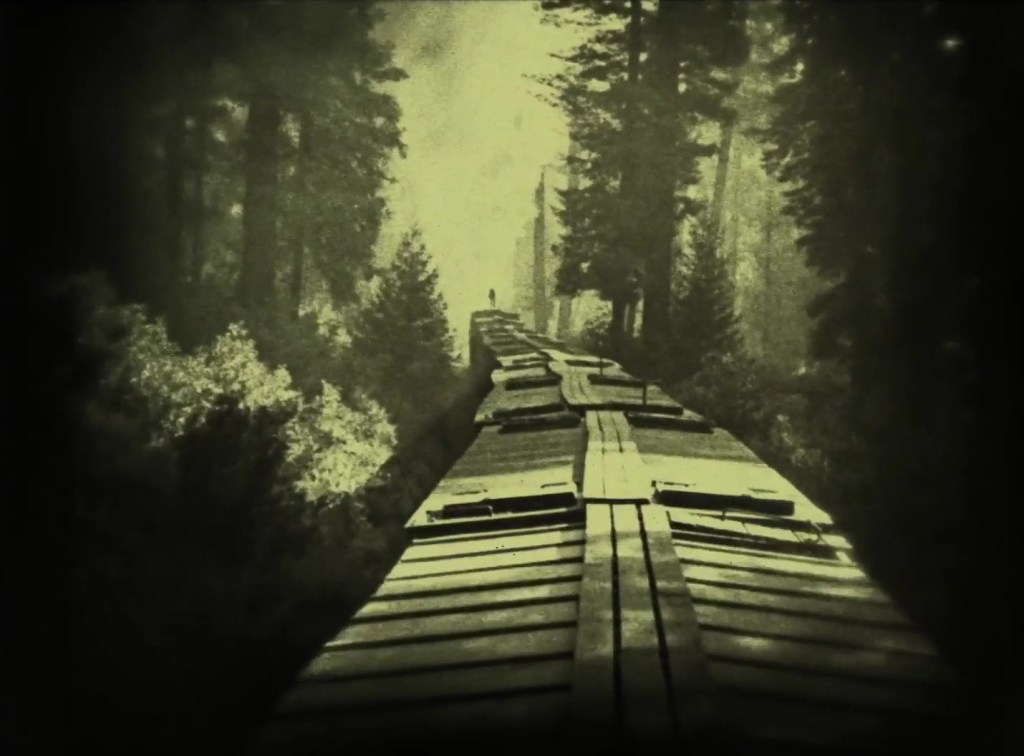
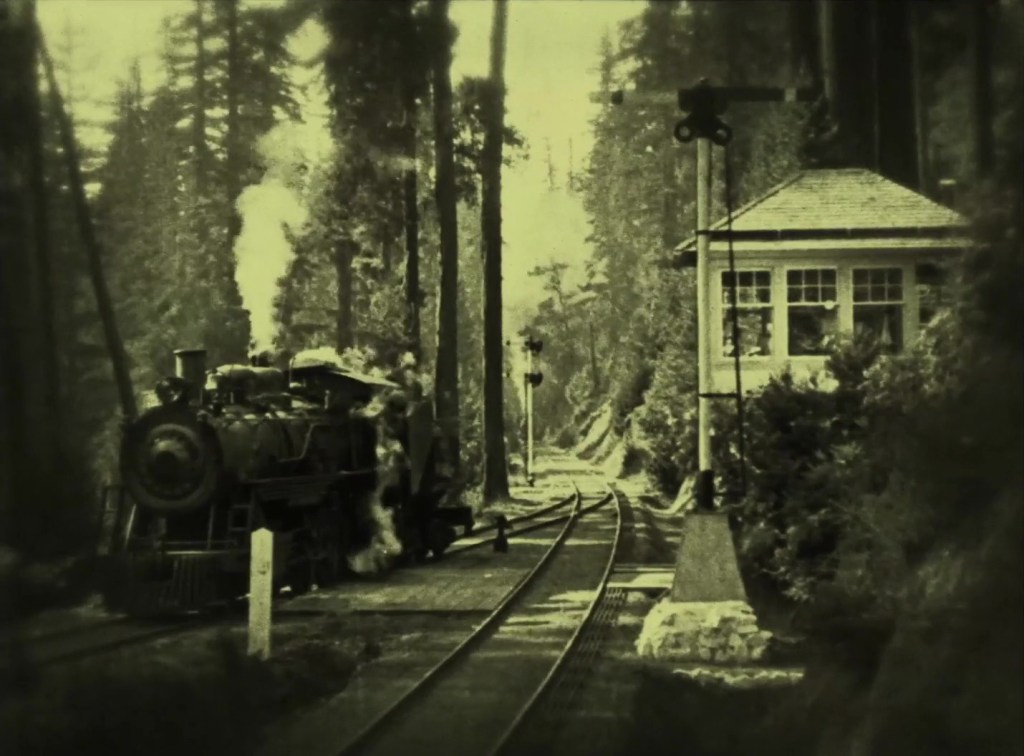
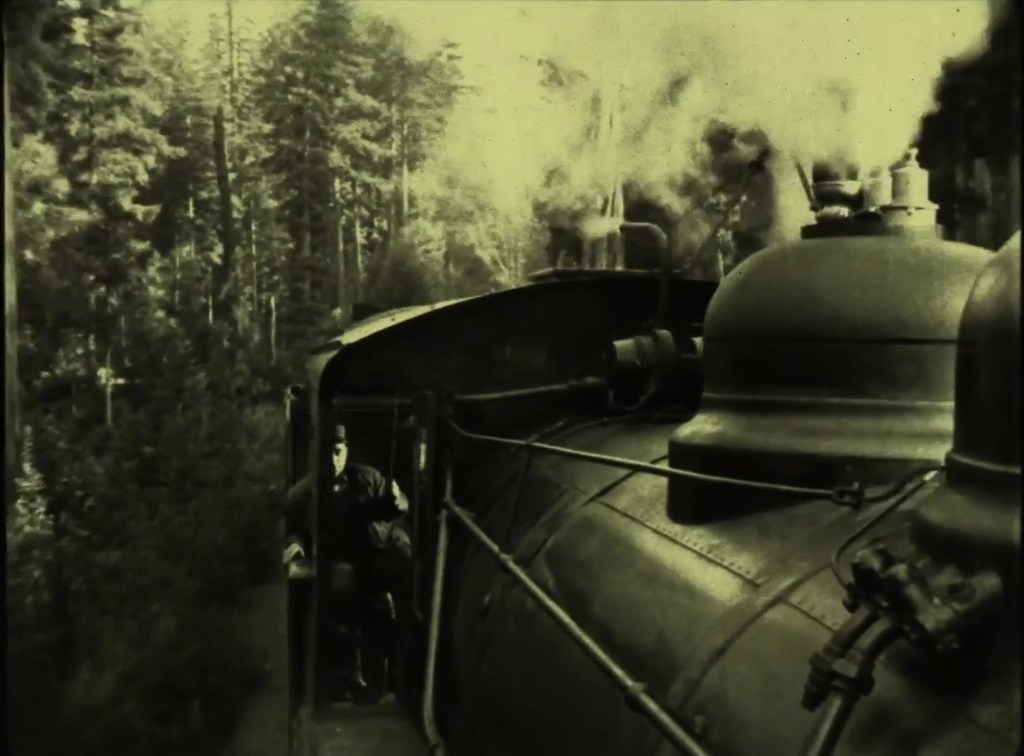


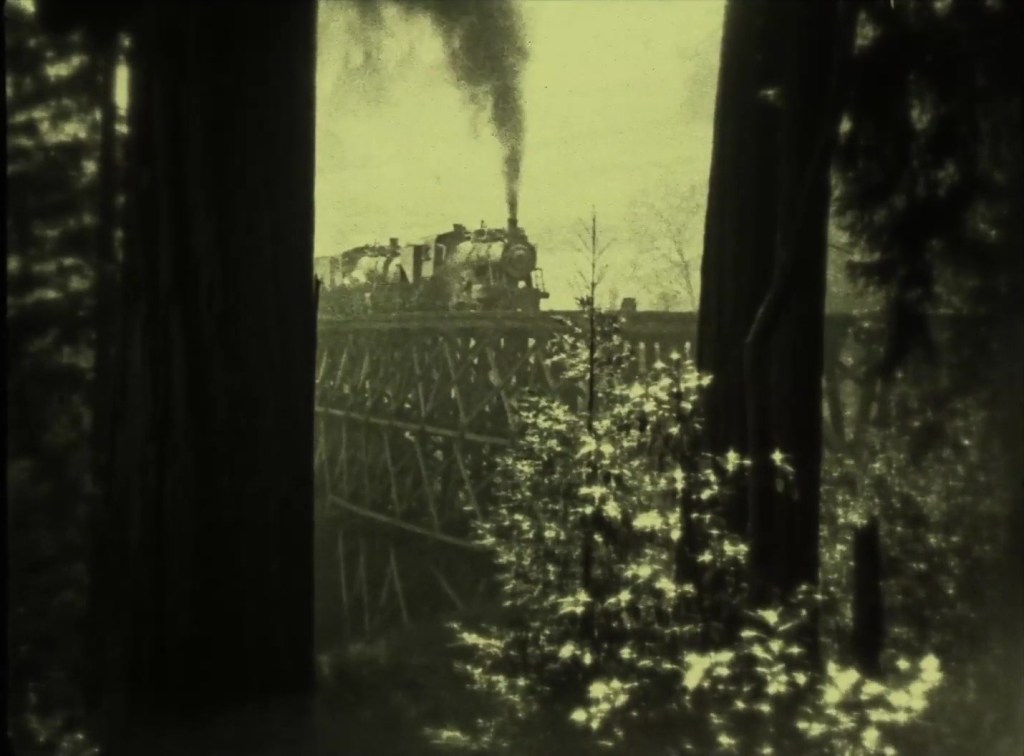
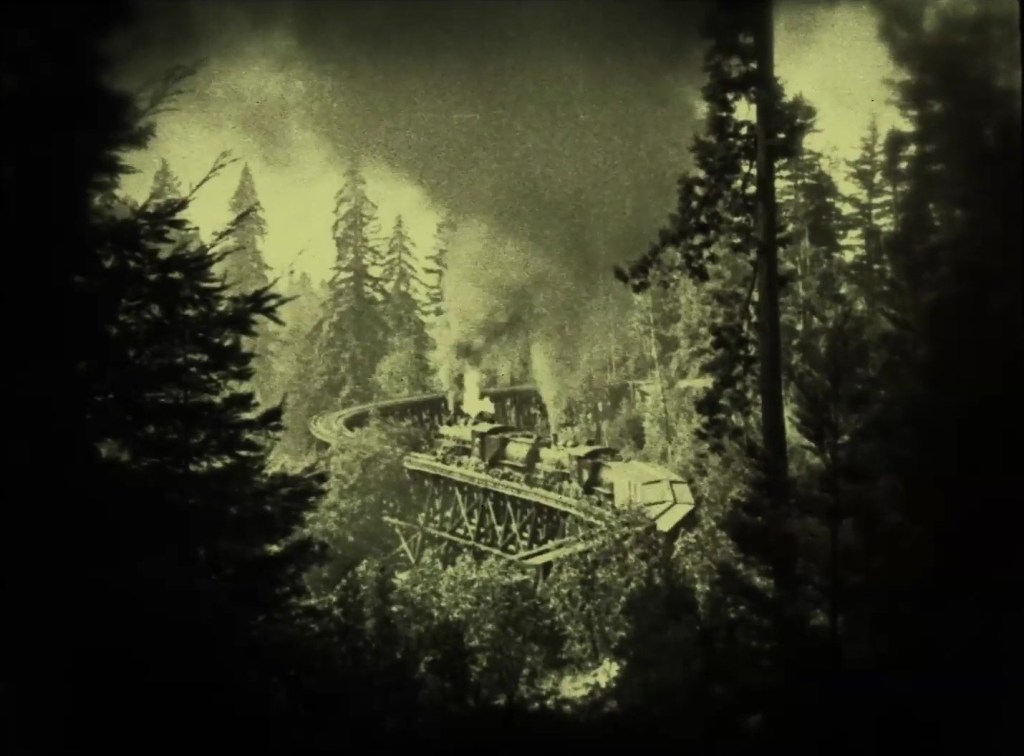



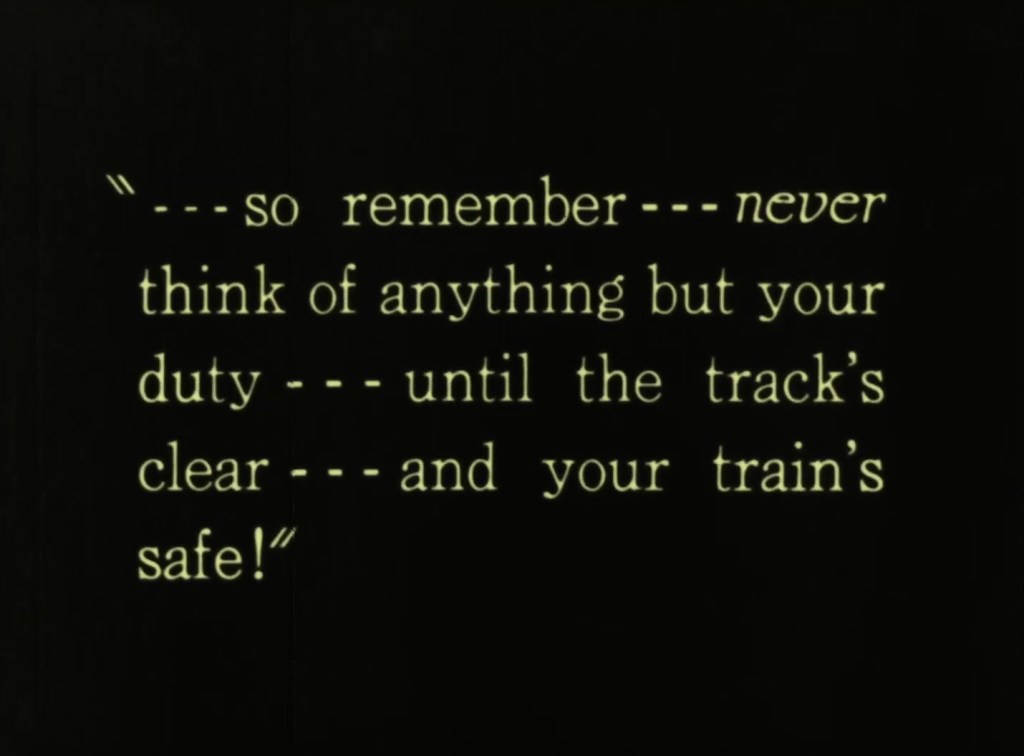
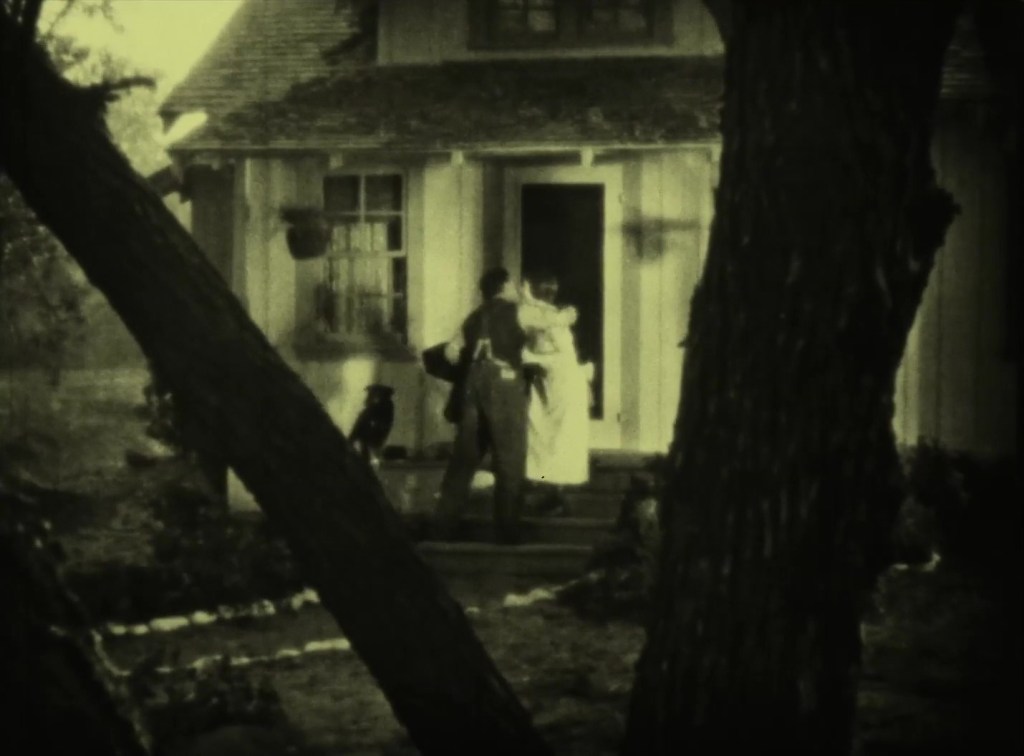
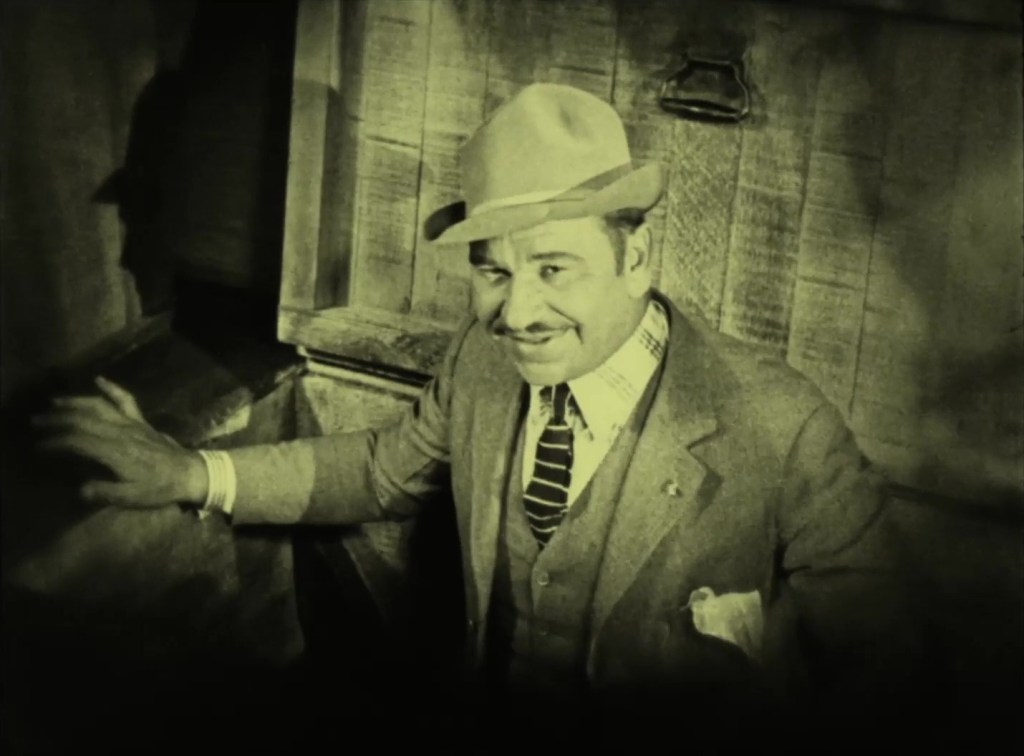

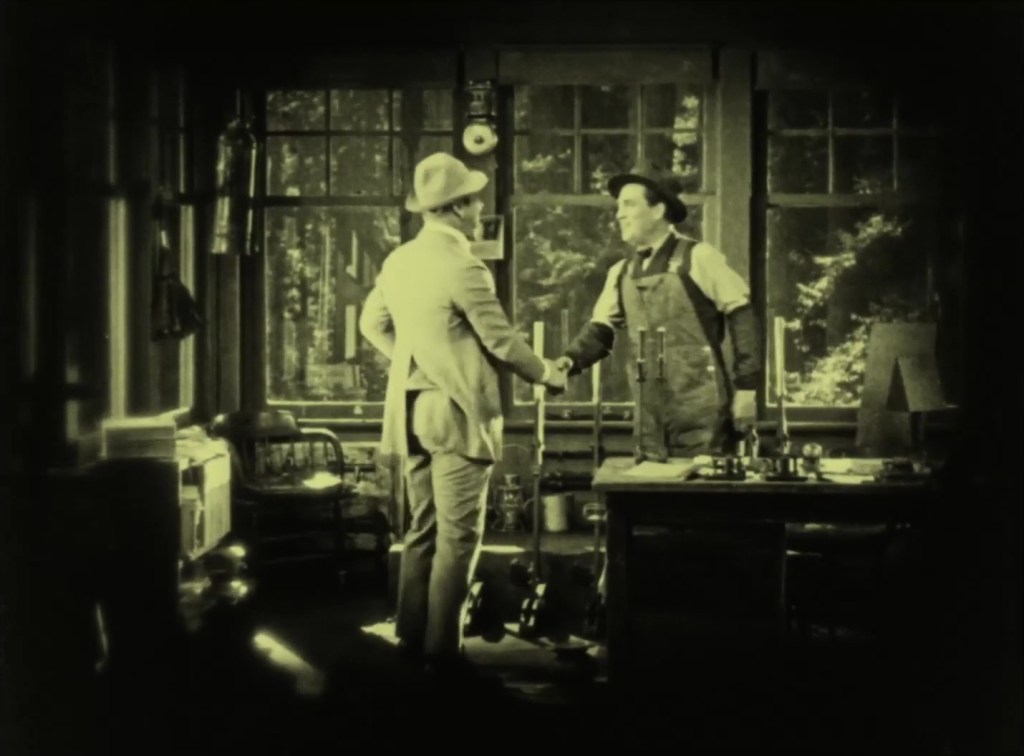


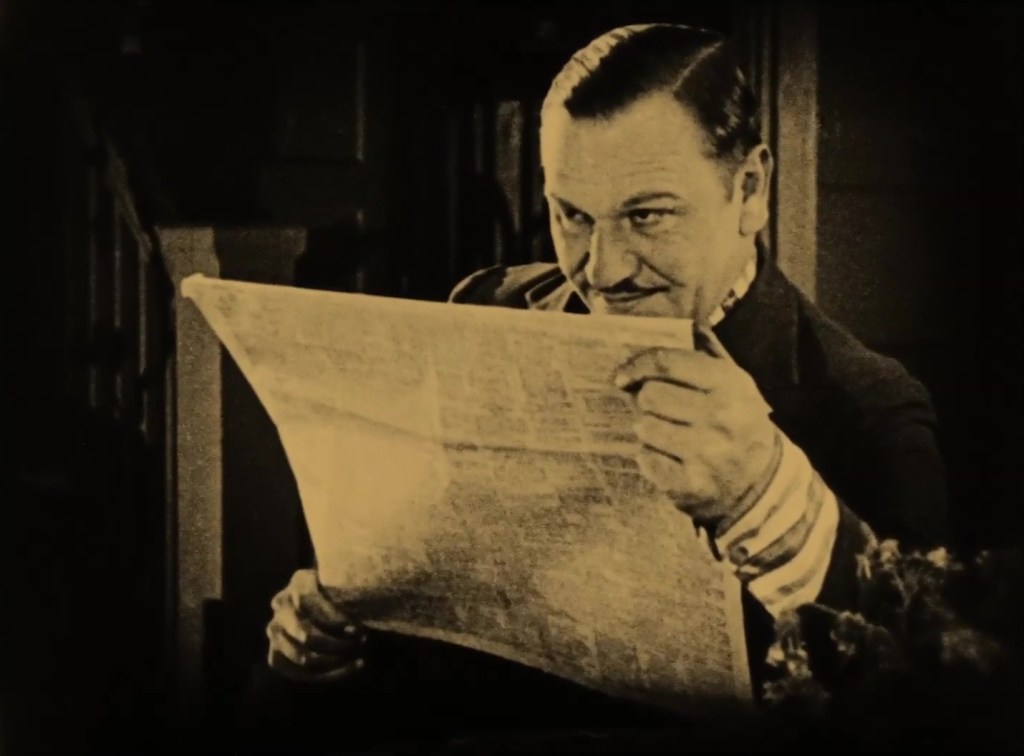
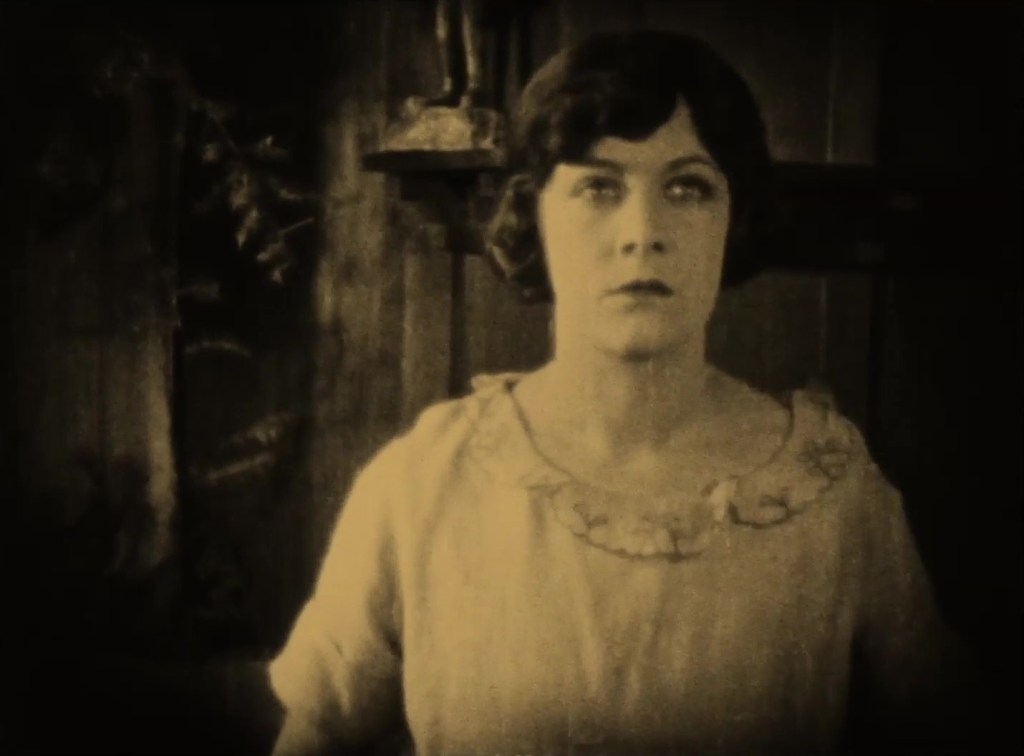


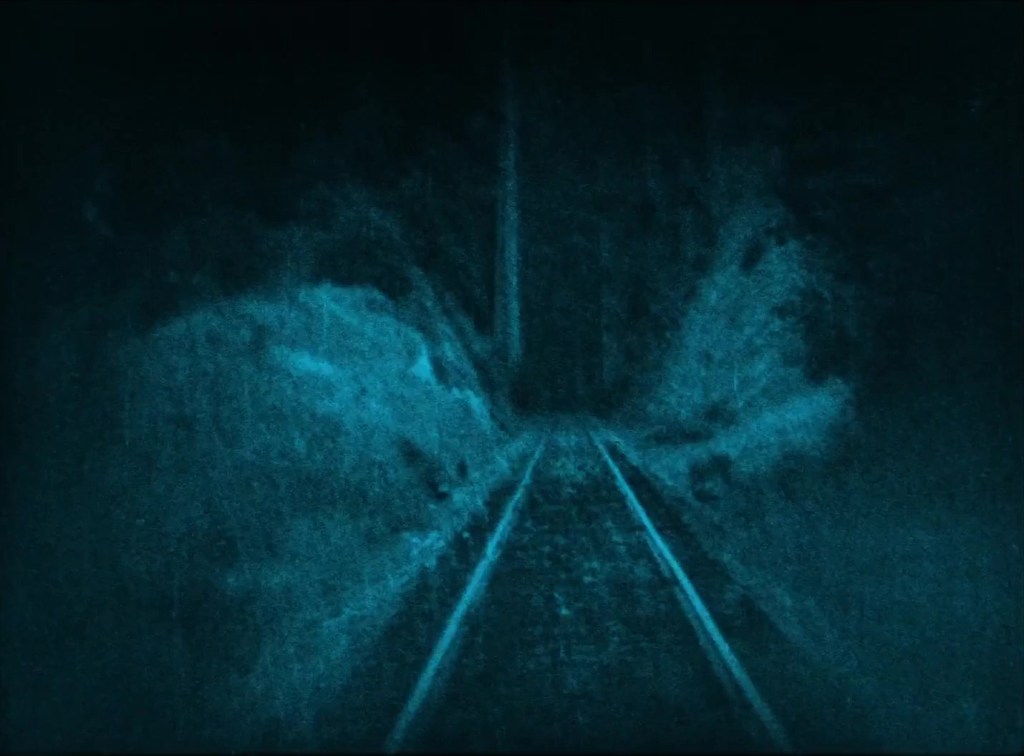
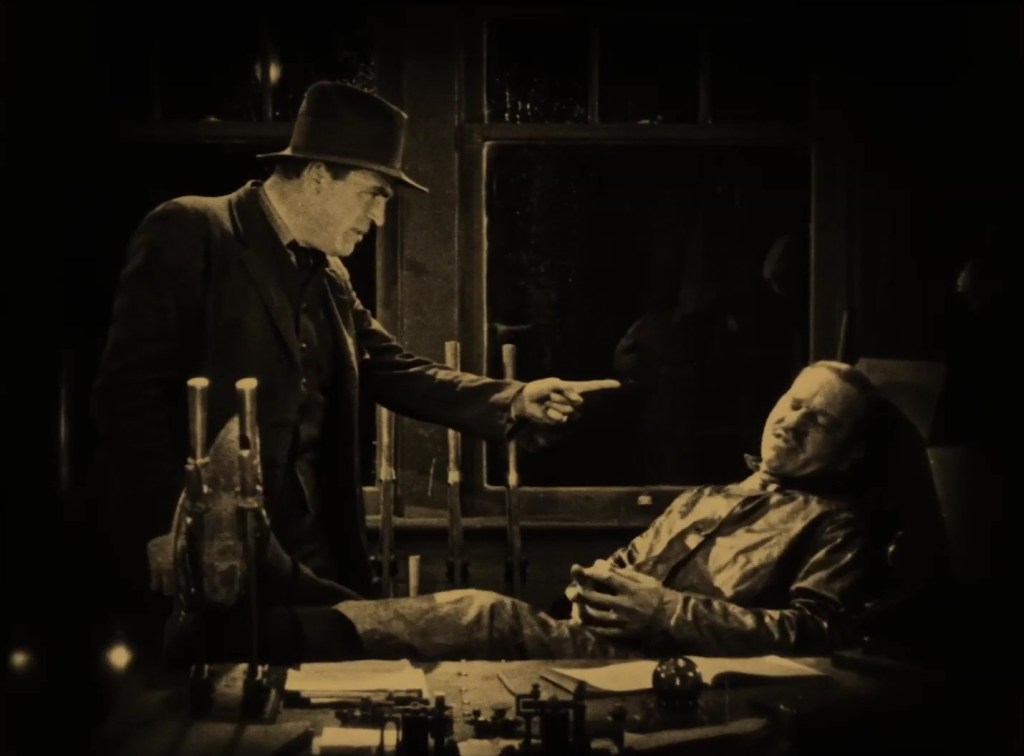
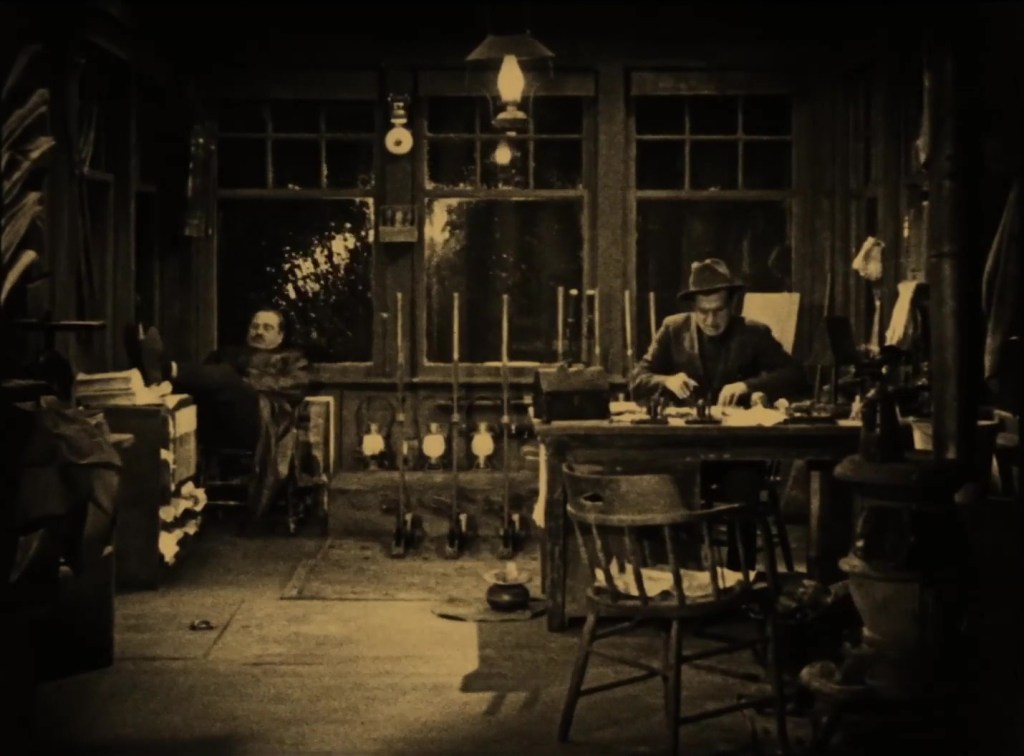
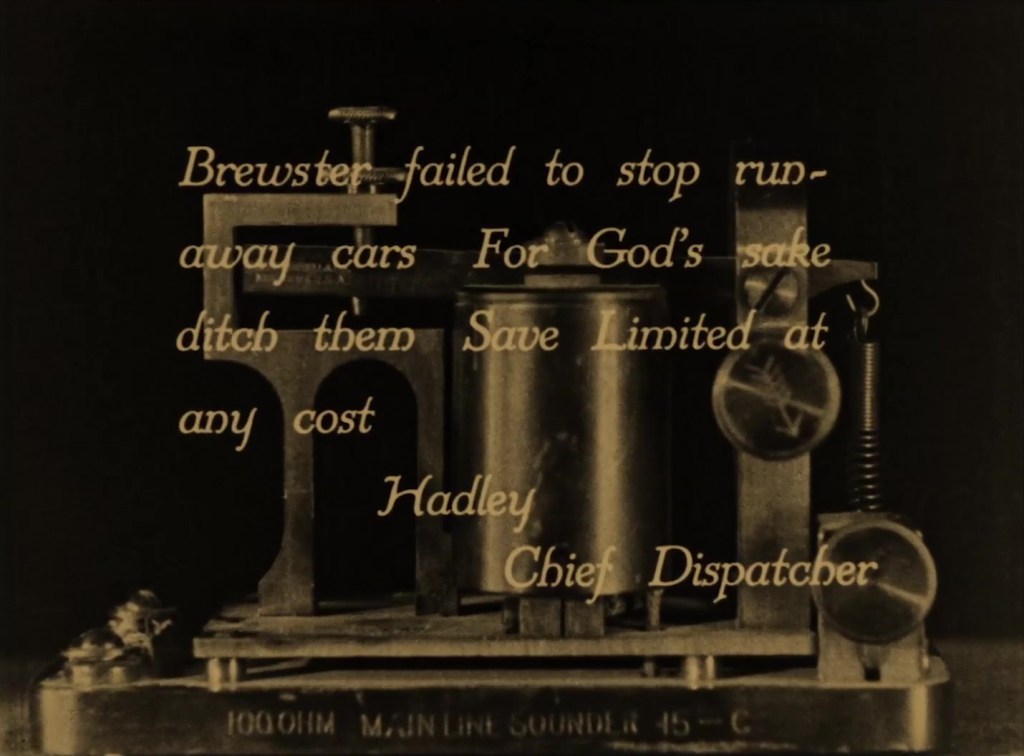
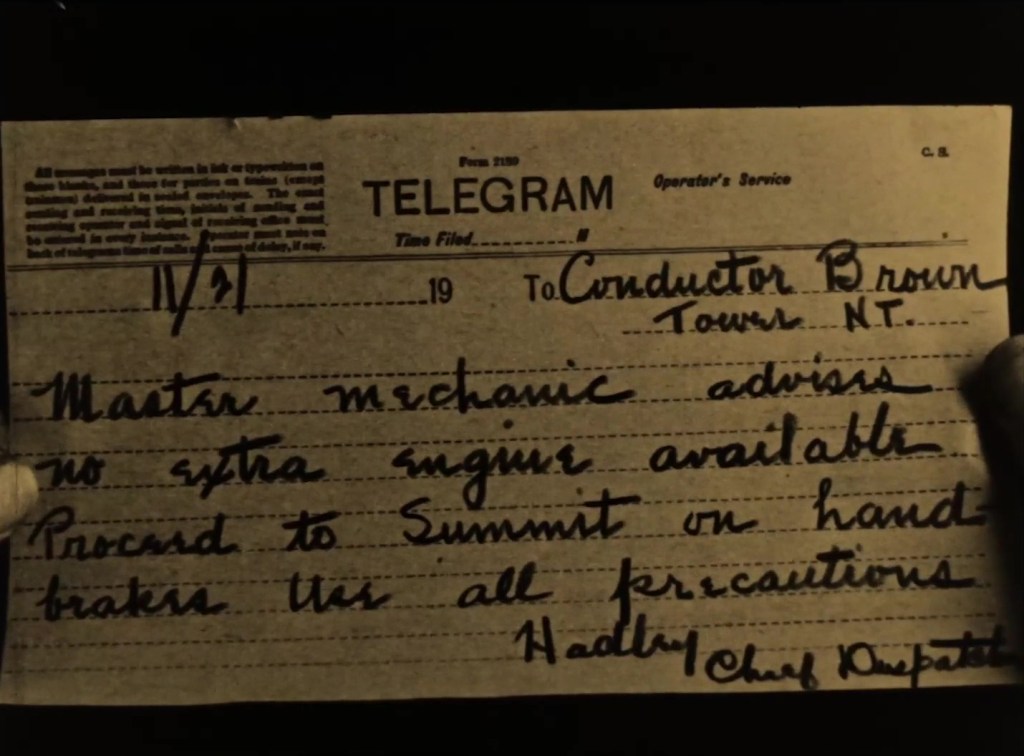

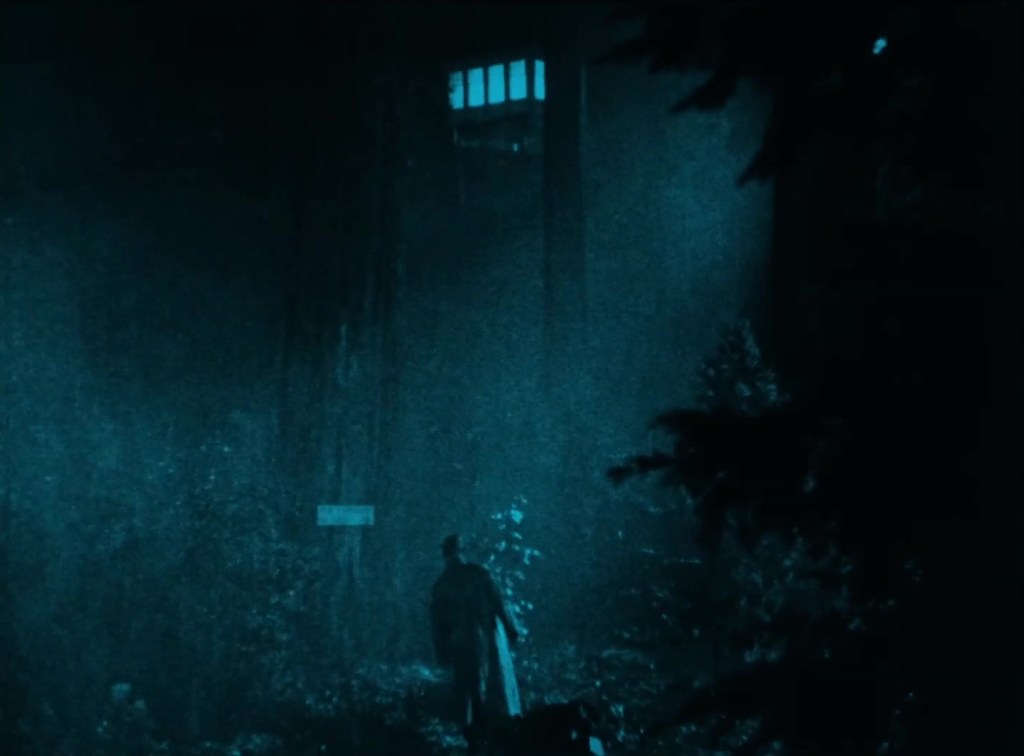

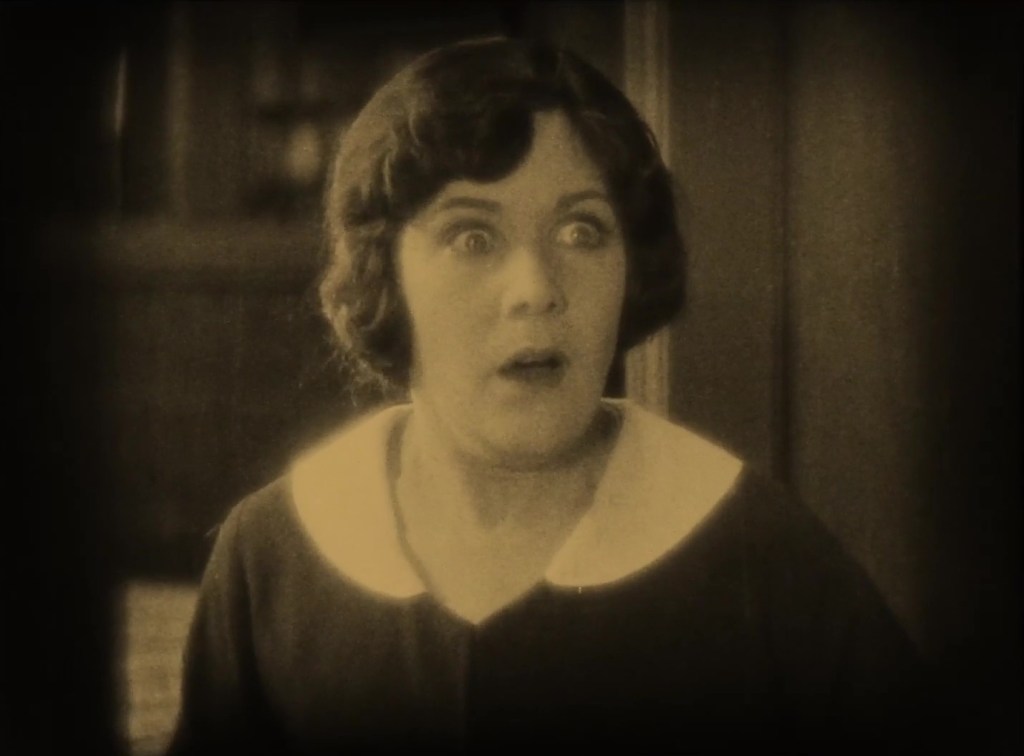
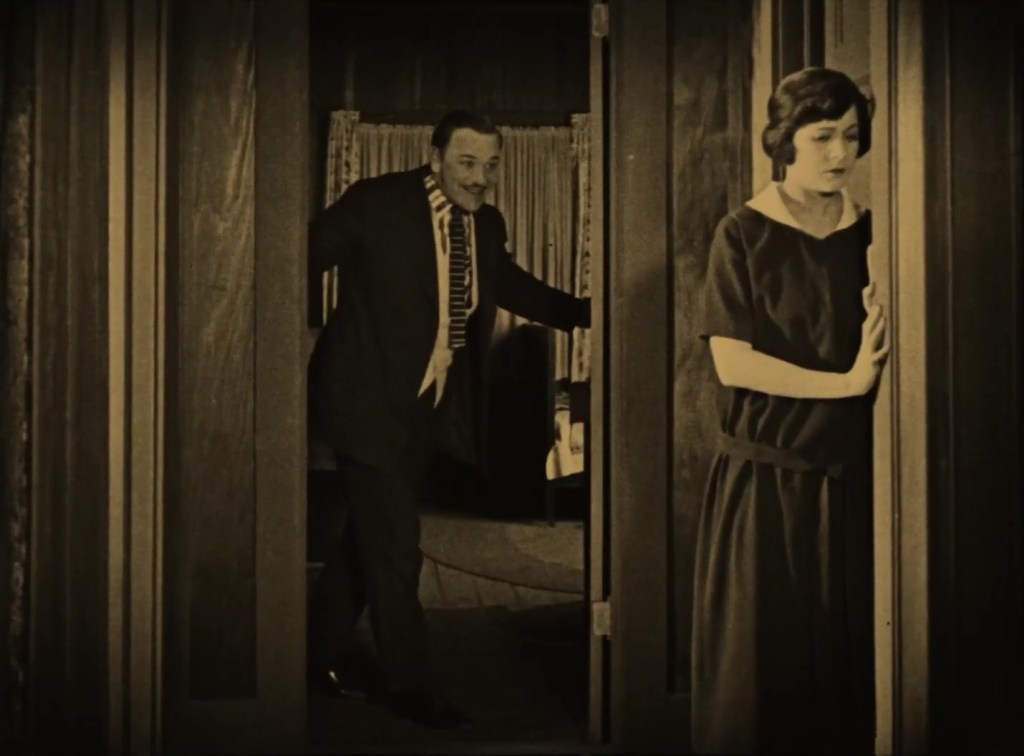


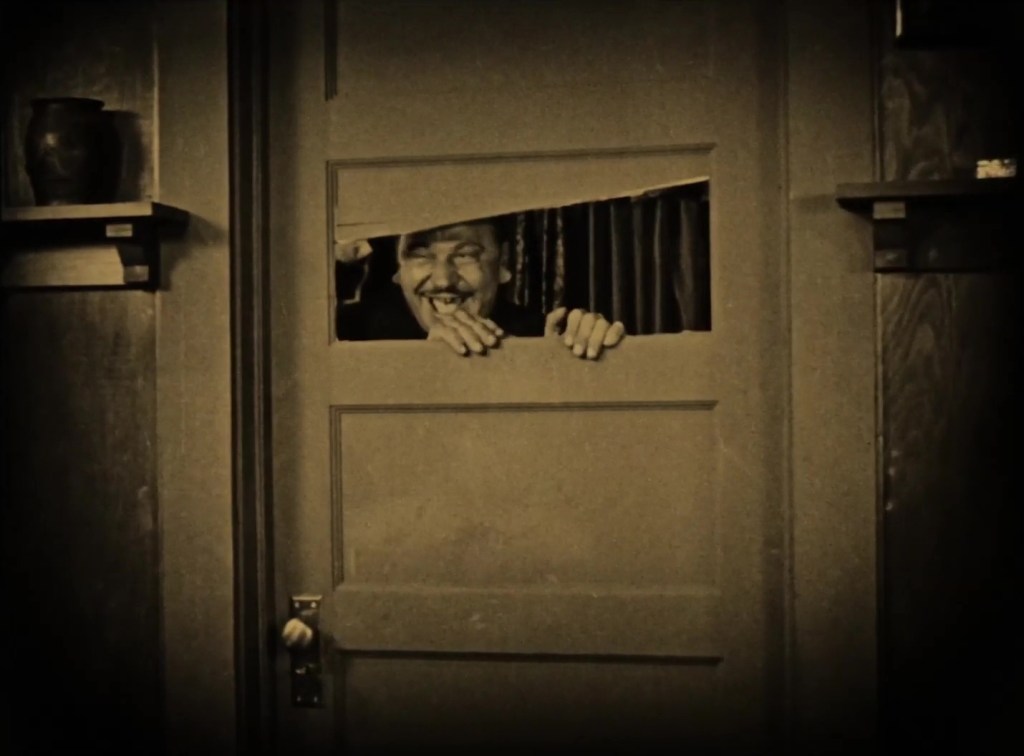
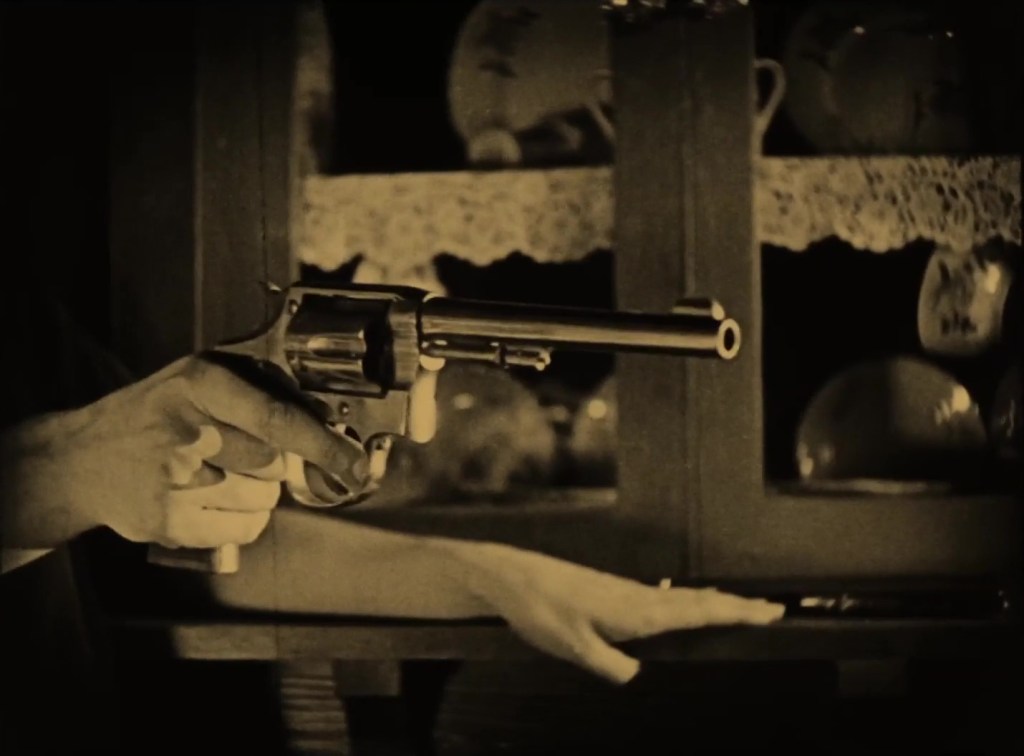


 The Realm of Silence