I’ve just returned from a rather intense and wonderful few days in Berlin, gorging on culture of all kinds. (And on some seasonal German dishes, too.) I would be settling down to write about the filmic aspects of this trip, were it not for the fact that by the time I landed the Pordenone festival had already begun. Pausing only to shower, receive a flu vaccination, make some rice, upload a thousand photographs, and take the car for its MOT, I logged in to my streaming account and fell headlong into Day 1…
The Bond (1918; US; Charlie Chaplin). Famous for its final scene of the Tramp biffing Kaiser Wilhelm over the head with a large mallet, this short film begins with a rather more subtle and sophisticated series of sketches exploring other “bonds”. “The bond of friendship”, “The bond of love”, and “The marriage bond” are delightful vignettes, set against beautifully simple, picture-book style backgrounds (entirely black, with two-dimensional details that sometimes take on unexpected depth). Chaplin undercuts the premise of the first (getting increasingly fed-up by his friend’s friendliness), makes the second surreally literal (he is shot by Cupid’s arrow, then gets tied up with the object of his love), and undercuts the third (he resents paying the priest and gets hit with the lucky shoe). The final sketch, “The liberty bond”, is a rather brilliant series of diagrammatic tableaux in which Chaplin illustrates the motive, method, and outcome of wartime liberty bonds. He manages to be both sincere, charming, and funny – a very difficult combination to bring off in what is essentially state propaganda (albeit for a good cause). Chaplin makes human what could easily be stilted or polemic.
His Day Out (1918; US; Arvid E. Gillstrom). Our second short from 1918, this time not with Chaplin but with Chaplin’s most persistent and successful impersonator: Billy West. The film is a rather disjointed series of skits, the best of which is the prolonged scene in the barbershop in which Chaplin West variously shaves/assaults/preens/insults/scams his customers – including Oliver Hardy. (Inevitably, they all reappear in the slapstick finale.) It’s all very silly, but there is something inherently strange about watching this uncanny Chaplin. And as funny as some moments are, the film inevitably suffers from evidently not being by Chaplin. West is less sharp in every facet: less elegant, less quick, less touching than Chaplin. The very fact of his trying to be someone else (and not even this: he is being someone else’s persona, performing someone else’s performance) robs something of the pleasure in watching the film. Nevertheless, an interesting curiosity.
A Little Bit of Fluff (1928; UK; Jess Robbins/Wheeler Dryden). Our main feature presentation follows newlyweds Bertram Tully (Syd Chaplin) and Violet (Nancy Rigg), who live under the thumb of Violet’s imposing mother. While she and Violet are away visiting an aunt, Betram encounters the woman next door: the dancer Mamie Scott (Betty Balfour). Mamie and mutual friend John invite Bertram to the Five Hundred Club, where Betram accidentally gets hold of Mamie’s valuable necklace. There ensues a series of farcical encounters, mistaken identities, and run-ins with jealous boyfriends, the police, and criminals in disguise…
This film was an absolute unknown for me, so I was very pleased at how charming and funny it was. Sydney Chaplin is known to me (as I imagine to most) for his later role as his half-brother Charlie’s off-screen assistant, so seeing him take centre stage was fascinating to watch. He is delightful as the fey, trod-upon, Betram – a character whose name evokes Bertie Wooster, just as his actions undergo a very Woodhousian series of mistakes and minor disasters. (Troublesome matriarchs, nightclub misdemeanours, adventurous dancers, valuable necklaces, fake burglaries, and jealous boyfriends are all Woodhouse tropes, as they must have been for any number of stage comedies of the 1920s.) Syd Chaplin makes the most of his character’s small world and narrowed expectations. I love that his only visible pleasure is to play the flute, and even this is somehow a struggle and an imposition. (When he plays, he keeps blowing out his candle.)
Indeed, everything Bertram does goes wrong. The meekness of his character means that the increasing difficulty of his situation brings out wonderful and unexpected bursts of face-saving improvisation and expressive energy. I found myself laughing a great deal when Betram is cornered and has to find a desperate way out. The scene in which he his trapped between police, Mamie’s thuggish ex, and the police outside, is a delight. Ultimately forced into Mamie’s bathroom while she is bathing, and having first to impersonate her maid and then to impersonate Mamie herself, Bertram finds – just – a way out of his predicament, while also finding delight in his own ingenuity. The way he dons Mamie’s gown and bonnet, then sets out polishing his nails and smothering himself in powder, he seems to get lost in the pleasure of being someone else: having so often fallen short in fulfilling his masculine role, here is finds refuge in an exaggerated femininity.
I also loved the scene in which, trying to get his friend to back-up his alibi, he desperately mimes the title of the play and author they have supposedly seen. His mime, first “Love’s Labour Lost”, then of “Shakespeare”, is brilliant: it’s funny because it’s both an accurate mime, inaccurately identified (John announces that they saw “Gold Diggers” by Bernard Shaw), but because it once again gets this meek character to perform outlandish gestures. Having been discovered in women’s clothing by his mother-in-law, he is now discovered waving a speer by his wife. The shock of these disruptions to his usual character, and his own evident delight at his ability to perform as (respectively) highly feminine and masculine personae, make for wonderful sequences. They are also a marker of Chaplin’s ability to win us over to his character, making us believe both his meekness and his untapped performance abilities. The way each scene seems to snowball through a series of small incidents into absurd situations is both a dramatic success, but also a way for Chaplin to demonstrate a range of performance style – from small details to broad slapstick. But the film doesn’t offer any great transformation of Bertram’s character, and I rather liked how there is no effort to make us believe he has quite learned anything about himself, or that he has – ultimately – improved his lot. Early in the film, he sees the newspaper headline: “Man chokes mother-in-law”, and it’s clearly an unconscious fantasy. Even if the film has shown that he has untapped energies, he never (in the manner of a Keaton or Lloyd feature film) proves himself. There is no defeat or exile of the mother-in-law, just as Bertram himself never foils the real burglar to save the day. His successes are accidents, and at the end of the film he sinks into unconsciousness, oblivious as to what he may – or may not – have done.
I must also mention Betty Balfour. Balfour was a major star of British cinema, maintaining her popularity with audiences throughout the 1920s. She starred in a number of foreign films as well, but I’m not sure her fame ever really had much impact beyond the UK. Even if her eponymous character is as superficial as the titular A Bit of Fluff suggests, Balfour holds her own on screen here: she’s happy to sing and dance and get involved in slapstick and farce. Balfour’s character is introduced as “celebrating the tenth anniversary of her 25th birthday”, but the film never makes her a villainous figure. (It’s worth noting that Balfour was only just older than 25 when she made this film.) She’s strong-willed and independent, traits which are never condemned. She also gets some nice lines of dialogue, as when Henry asks to borrow her necklace, to which she replies: “You showed my ring to a friend and she’s still looking at it.” Here, as often in the film, a single line of dialogue tells you much about the character and her relationship and past with others.
So that was Day 1 of Pordenone from afar. Having barely had a chance to stand still for a few minutes since I returned to the UK, I ignored all context for this Day 1 programme and ploughed straight through the content. Emerging from this rather mad dash and finding time to pause of think, I realize what a delightful programme this was, themed around various Chaplins: Charlie Chaplin, fake Charlie Chaplin, and Sydney Chaplin. It makes for a wonderful journey through the silent era, from the short slapstick of the late 1910s to the more elaborate narrative feature comedy of the late 1920s, from the most famous Chaplin who ever lived to the Chaplin who is more famous as an off-screen assistant than an on-screen lead. Starting with the familiar, moving to the familiar-yet-unfamiliar, and concluding with the hardly known is a superb way of guiding us through these three films and their stars. I hadn’t seen The Bond for many years, and it was a huge pleasure to be reminded of the context for that famous image of Chaplin with his foot on the vanquished Kaiser. (Having just returned from Berlin, I have been seeing much imagery from Wilhelmine Germany.) I had never seen either of the other films, and these are just the kind of thing I hope to encounter at a festival. If Billy West offered a rather uncanny experience, profoundly overshadowed by the real Charlie Chaplin, then Syd Chaplin was absolutely his own man. I had a great time watching A Little Bit of Fluff and was charmed by Syd’s genteelly hapless character. It was also a pleasure to see Betty Balfour, a star whose historical popularity stands in marked contrast to the difficulty of seeing her films nowadays. There are also nice echoes to Charlie Chaplin’s work in the other films: from the extendable barber chair in His Day Out (reminiscent of The Great Dictator (1940)) to the gag when Bertram uses his hands to make some dolls dance (reminiscent of the famous dance of the rolls/forks gag in The Gold Rush (1925)). It really is a superb trio of films that rhyme and contrast in pleasing ways. All in all, a highly engaging evening at the pictures. (Well… a highly engaging couple of hours in front of my television screen, anyway.) The piano music for the comic shorts (by Meg Morley) and for the main feature (by Donald Sosin) was, of course, exemplary. A marvellous start to this year’s festival.
As promised last time, I have been watching more recreations of Great War battles produced by British Instructional Films. Unlike The Battles of Coronel and Falkland Islands, these films focus on the land battles of the Western Front. Like Walter Summers’s naval production of 1927, they offer “reconstructions” of real events using as much military personnel and equipment as possible. The exact genre of the productions is difficult to state. The BFI liner notes for their DVD/Blu-ray edition of The Battles of Coronel and Falkland Islands calls them “docudramas”, while the DVD edition of Ypres (discussed below) refers to them as “documentaries”. I’m sure a worthwhile but ultimately tedious (or tedious but ultimately worthwhile) debate exists in critical literature about what exact term refers to what exact kind of film. Shall I employ “docudrama” here? I’m not sure. I think simply “film” is best, since they appeared in cinemas per any other form of feature-length presentation, and I’m interested primarily in what kind of experience they offer rather than what label to pin to them.
Two of these films I have watched via the BFI Player. The third, Ypres, I watched via a DVD edition released by Strike Force Entertainment (now there’s a name). This is the only film that has received a physical media release. Since I’m a sucker for physical media, and did not wish to pay the BFI £3.50 to “rent” a video file, I cheerfully spent £3.48 for the DVD on eBay. As much as I wish to support the BFI, I’m also an immensely stubborn and immensely cheap human being. Thus, I price-watched the DVD for nearly a month until it fell below the BFI rental price. All to save two pence, and to make sure I had a copy of the film to keep for as long as I wish. That said, I am still relying on the few sentences of the video description available (without paying £3.50) via the BFI Player to contextualize the films. Thus, I learn that the BIF films of the 1920s were “released annually around Remembrance Day” (11 November) and were hugely popular records of wartime events. So, what kind of films are they? And how comparable are they to the one BIF film that the BFI has given a physical media release?
Ypres (1925; UK; Walter Summers). I suppose I must begin with a few facts, for anyone not familiar with this particularly resonant piece of British history. Ypres is a town in Belgium that the British army and its allies defended for almost the entirety of the war. There were three major battles (in 1914, 1915, and 1917), the first being a German effort to capture Ypres and the second and third being Allied attempts to throw the Germans back. The Allied frontline bulged around the town in what became known as the “Ypres salient”, and the Germans occupied the scant higher ground to the east, from which they could observe and bombard the British lines and the town itself. Ypres was reduced to rubble, and the salient around it to a nightmarish wasteland of rotting flesh and filth. The first battle cost around 220,000 casualties, the second 100,000, the third somewhere over 500,000. Between late 1914 and late 1917 the frontline, it need hardly be added, moved barely more than four miles. Since the British and Commonwealth armies spent most of the war occupying and fighting for the salient, the name “Ypres” has a particular resonance in their collective culture. This is also my culture. Certainly, I have been fascinated by the war and by the horrors of this place in particular since I was a child.
The figures I have cited above are not mentioned in Summers’s film of 1925. Made to commemorate the tenth anniversary of (at least) the first two battles, it announces its emotional (and cultural/political) tone in the opening credits: “Dedicated to all those who fought and suffered in the Salient and to the memory of our comrades who sleep beneath that ‘foreign field that is for ever England.’” The citation of Rupert Brooke, famous both for his enthusiasm for the war and for his early death (en route for Gallipoli) in 1915, indicates the tenor of what follows. How immortal is this film’s story? Well, very immortal, according to the first narrational title: “The immortal story of the Ypres Salient begins in October 1914. Indomitable Belgium, wrested of all save her immortal soul, resounds to the heavy tread of the invader’s heel.” Yes, we’ve got a double helping of immortality, plus a side portion of indomitability. Let’s just hope the invader’s heel doesn’t step on our metaphor! Come on, chums, let’s up and at ’em!
The tone of intertitles suggests how the film seeks to humanize the Allied soldiers (and nurses) and demonize the Germans. The Germans are “field-grey hordes” while the Belgian civilians are “the innocent and helpless victims of War’s ruthlessness” (see also “Sister Marguerite and her band of heroic nuns”). The British Expeditionary Force (BEF) arrives “laughing and singing” in Ypres, while the Germans are reduced to often distant ranks of fodder for their guns and cold steel. The first time we see much of the Germans at close quarters, they are in their dugout boozing and raucously playing the accordion – while outside brave Tommies with blackened faces launch a deadly raid on their position. “Is anybody in there?” a British soldier yells down the staircase to the dugout. “Nein – nein!” the accordionist shouts back. “NINE did yer say, well share this amongst yer!” Tommy throws a grenade into the dugout. It explodes inches from the group of Germans. It neither kills nor wounds any of them, but up they come to the trench, trembling like lambs.
The film is bloodthirsty while being curiously reticent to show us any actual blood. In this way, the film recreates many heroic deeds, often those that earned the Victoria Cross (the highest military award) for bravery. For example, we see a Canadian officer lead his men forward with sword in hand. He is shot down (without spilling a drop of blood), whereupon a title announces: “His is no wasted death. Spurred to vengeance by their leader’s fall, the Canadians surge forward in one headlong rush, capturing their objective and bayoneting every defender.” Lovely, though we don’t see the orgy of bayoneting the title promises. Likewise, we see heroically outnumbered British machine-guns blaze away at point blank range but nobody German falls down dead in front of it. (Later, another heroic machine-gunner’s frightful toll is unseen apart from three or four hapless Huns.)
The film also has a curious interest in immortalizing “unknown” deeds. Thus we see a chaplain making a brave crossing of a shelled road, after which a title says: “The Padre received no reward for his action, but like countless others he had the satisfaction of knowing that he had done his duty.” Elsewhere, there is a similar incident of a cook bringing rations to a company through shot and hell: “You won’t read of their deeds in the History books, / But they’re deuced fine chaps are the Company cooks.” Of course, we are privileged to see these unseen events. The film is allowing us both a public history (of celebrated heroes) and an obscure one (of uncelebrated heroes).
Other methods to humanize the nameless Tommies come in the form of comic scenes. There is a bustling bathing scene, complete with comic asides from plucky lads keeping their spirits up in hard times, as well as scenes of behind-the-lines entertainments. There is also one scene of a soldier going home to his little house, his little wife, and his little blonde child. It’s all weirdly uninvolving. That is, except for the lovely image of the soldier’s house: here are the flowers and trees of a century ago, blowing in the wind. It’s beautiful, captivating – and the film takes no time to emphasize it.
The third battle of Ypres was (in)famously fought over waterlogged terrain in which men frequently drowned. How does the film handle this most famous of features? “With the night the weather changes and the fighting is continued in heavy rain”, we are warned. But there is no rain on screen. The opening phase of the battle skips over such details thus: “In spite of all handicaps, a considerable advance is made, and over 6000 prisoners taken.” No maps show us just how “considerable” this advance was, nor are the “handicaps” shown. Immediately, though “the weather grows steadily worse, and despite superhuman efforts the advance is laboriously slow.” What do we see of this? Well, there is some inane and unconvincing hand-to-hand combat by a small stream. (A self-contained stream that has not burst its banks.) We see tanks easily crossing the battlefield, the only water a couple of puddles. To skip to the end, the last title sums it all up thus: “In a war of heroic deeds, Passchendaele will rank among the most heroic struggles. On 7th December, after five months of gruelling fighting, the crest of that tragically famous ridge is gained.” (The film does not over the fighting of 1918, in which the right was lost again – then rewon, all at the price of many tens of thousands more casualties.)
If all I’ve done is point out the crudeness of the film’s tone and dramatic method, I must conclude by saying that cinematically it is well put together. The photography is strong with frequent and effective use of soldiers silhouetted against large northern skies. There are few close-ups, which makes the use of anything closer than medium or long shots striking. More often than not this is used for the comic scenes, which are less interesting. But there are some effective uses of single soldiers positioned away from the massed ranks/groups that work well. (The image of an exhausted soldier with cigarette in mouth, standing in the foreground while ranks march past behind him, is very striking – it’s not surprisingly that the image is used by the BFI to advertise the streamed version of the film.)
There are also various models and matte painting used to good effect, though nothing very complex. The first glimpse of Ypres is a matte painting, nicely framed, while there are some models to use for the destruction of a zeppelin. For the latter, Summers wisely chooses to stage his aerial fight at night, the dark lending a hand to make the lack of real footage or locations less obvious. Summers also uses plenty of men and materiel to good effect, always filling his frame with people – or else masking portions off with the scenery or smoke and explosions. He also uses some limited amount of newsreel footage shot during the war. But he’s also canny enough not to use any of the real battlefield: it would entirely upstage and undermine the simple heroics of his own “docudrama”. You can’t show the horrors and destruction of the real battlefield if what you’re selling your audience is a boy’s own adventure version of history – albeit a well-equipped one. It’s a very clear and logical film, well put together. But it isn’t reality.
Finally, a note on the DVD edition by Strike Force Entertainment. Unlike the version on BFI Player, this presentation has a soundtrack. The back of the box announces: “The original silent documentary has had an all new soundtrack created from digitally enhanced recordings of the period as well as the addition of evocative sound effects.” Without digital enhancement, anyone nearby would have been able to hear my heart sinking as I read these words. However, the end result is not so bad. It’s a mishmash of musical fragments, united only (I assume) by the fact that they are free of copyright and can thus be chopped and changed per the arranger’s wish. There are also plenty of sound effects, which are far too “new” to my ear, so they stand out a mile from the aesthetic (and historicity) of the film and the acoustics of the musical samples. But I can’t deny that it’s better than I feared. It’s serviceable.
Mons (1926; UK; Walter Summers). On to Mons, which was one of the pivotal early battles of 1914. The BEF was retreating across Belgium, pursued by the much larger German forces. Mons was a “fighting retreat” in the last glimmers of “open warfare” that would soon be replaced by the static trench warfare. It was seen as a test of the strengths of Britain old, professional army – the army that was soon to be worn out and replaced by the waves of volunteers and conscriptions. The original BEF became known as the “Old Contemptibles”.
“Dedicated to the memory of the Old Army which came triumphant through a great ordeal and gave a new and noble meaning to the word ‘Contemptible’.” Thus the opening title. There follows a confusing and ill-explained (actually, entirely unexplained) scene between (unnamed) old politicians arguing about the validity of war. Cut to a mix of newsreel and fictional footage of British troops embarking for the continent. From this point, the action is better narrated. The progress of the armies is described in enough detail to follow, though (unlike Ypres) there are no detailed maps to put everything in place. In a way, it suits the hectic nature of the mobile front to be unbalanced in this way.
And the representation of the fighting? Well, there are cavalry charges and unconvincing firefights and scores of German prisoners, helpless at the sight of cold steel. There are heroic deeds and selfless sacrifices. There are cutaways to Germans admitting how they’ve underestimated their enemy. (“Why not admit it? Our first battle is a heavy – a very heavy – defeat. And that defeat inflicted by the English, the English whom we laughed at.”) There are endless contrasts between the smallness of the British and the masses of the Germans. (“Shatter their ranks, they are filled again. Mow them down in thousands, from the dragon’s teeth spring more.”) There are fewer overtly “comic” scenes than in Ypres, but there are several vignettes to concentrate on individuals. There is “the straggler” who gets marooned with a wounded comrade in a windmill and fights of German uhlans. There is an officer who buys a child’s drum and fife from a local shop in order to rouse his men with any kind of martial music. (The scene ends with a vision of a Victorian band in full regalia playing them on.) Then there’s the scene where a lone British soldier encounters a lone uhlan at rest. The soldier is armed but is too chivalrous to take the German’s possessions without a fight. So they take off their tunics and box, until the German is (of course) knocked out cold.
By dint of its setting in open warfare, and in summer, Mons has more chance for wide, expansive images of the landscape than in Ypres. Summers again makes great use of horizons and silhouettes, of great masses of troops, of racing horses, of mobile batteries, of bridges and brooks, of explosions filling the screen. There are one or two tracking shots, and even a rapid panning shot, which help variate the rhythm of the scenes (many of which are much of a muchness).
And the meaning of it all? According to the last title: “The Great Retreat is ended – the Great Advance, which is to end in ultimate victory, begins.” Describing the onset of static warfare and years of unimaginable suffering and appalling losses as “the Great Advance” is… well, what is it? I genuinely can’t think to express my feelings at this point. They grow more complex, and I will reserve judgement until after the next film…
The Somme (1927; UK; M.A. Wetherall). Right, the final film, and the one that covers one of the bloodiest battles in human history. Between July and November 1916, the British & Commonwealth and French armies launched an offensive on either side of the river Somme. In five months of attritional fighting, the Allies advanced barely six miles and lost over 600,000 casualties. The Germans lost somewhere over 500,000 casualties. The BFI Player notes for this film begin: “This sophisticated retelling of the Battle of the Somme includes an outstanding montage ‘over the top’ sequence.” Fine. What else? This production was “principally the brainchild of Geoffrey Barkas and writer Boyd Cable (Ernest Ewart), both of whom were at the Somme”. Barkas was the original director, but he fell ill and was replaced by M.A. Wetherall. So then, a film produced by veterans with an outstanding over the top sequence. Bring it on…
Hmm. Well, the quality of this print is by far the worst of the BIF films that are offered by the BFI. (The clips from The Somme included in Brownlow’s documentary series Cinema Europe are clearly from a better source print (and tinted, too), and the episode that covers the film also include an interview with one of its cameramen, Freddie Young.)
What enthusiasm I can still muster for such a grotty copy of the film is steadily quashed by its treatment of war. Here are the Germans in their dugouts, laughing at the image of the Britishers. Here are comic asides by the British tunnellers, planting tons of explosives beneath the laughing Huns (“He’ll want an aeroplane for a hearse when this lot goes up!”) The Somme is filled with deeds without drama, with soldiers without subjectivity, with action without aftermath. This is not to downplay the film’s technical sophistication. Some striking images are achieved through double-exposure/matte painting combinations that mimic the explosions on the horizon as troops march towards the front. (Tinted, the effect would be much better.) But my interest in all this bustle on screen is without heart.
The “over the top” sequence is perhaps the only real effort to create dramatic tension through a complex use of imagery. We see the final minute of time before the whistle blow unfold in real time. Superimposed over the image of a clockface, we see images of the waiting men: biting nails, tapping feet, poised at the ready. It’s an oddly protracted scene of tension. What it undoubtedly possesses in cinematic flair it lacks in dramatic design. This period of waiting is not associated with any particular character or characters. We do not know any of the people we see waiting: they are unnamed figures that we have not met before don’t meet again. We can’t feel anything more than a rather abstract or generalized feeling of tension. Despite the realities the film attempts to show, and despite the reality of the seconds ticking by to Zero-hour, these aren’t real human beings on screen – and I simply didn’t feel properly involved.
Finally, the text “ZERO” grows in size to occupy the screen. Over the top! But what happens next is a quite shamelessly whitewashed depiction of the first day of the battle. To remind you all, the British & Commonwealth forces lost nearly 60,000 men for almost no ground gained. Instead, The Somme provides us with reassuring text about territorial gains and advancing guns – and no mention of objectives, casualties, expectations, consequences. The battle goes on. There are scenes of senior officers discussing plans, scenes that are stiff and awkward in the extreme. They are there for illustrative purposes, but what – really – are they illustrating? The figures aren’t named, they don’t have identities, motives; they have no function other than to gesture towards a chain of command and a strategic process that the film has no ability or interest to explore.
The film is more interested in the lower ranks, but what kind of justice does it do to their struggles? We see heroic deeds, lone pipers playing under gunfire, the wounded being rescued. But where are the bodies? We’re told in one title that two waves of an attack were mown down by machine gun and rifle fire. Instead of showing us this, the title immediately dissolves onto a second title, reassuring us that the third wave – inspired by an officer’s hunting horn – went over the top and succeeded.
The film knows it cannot deny the sacrifices made, but it also cannot bear to show them or name them. We are shown maps of the battle, but they do not show the objectives in relation to the initial timetable (positions that were meant to be taken on day one were still out of reach months into the battle). A later title implies the difficulties the Allies faced without making them explicit. Here, the text mentions Beaumont Hamel, “where our attacks had broken down with such appalling losses on 1st July” but where “the enemy still remained secure”. Where were these “appalling losses” in the relevant part of the film? Where even was anything shown to “break down”?
The film then blames the weather for stalling an inevitable victory. Here, we see some of the few instances of the troops occupied not with heroic deeds or plucky comedy but with forbearance – and even, in one scene, expressing something like fury. This comes in the form of a remarkable shot of a soldier lying in mud, delivering an untitled monologue; but anyone who can lipread even slightly will pick up phrase like “fucking war” and “fucking mud”. What to make of this? It is the only voice (but “voice” is somehow an inappropriate term in this silent scene) in the entire film raised against the tone of patriotic success. But the film cannot, dare not, follow it up or elaborate on it. Another soldier witnesses this outburst, but he carries on without comment. So does the film. A title later states: “the weather closed down like a curtain upon a glorious tragedy”. Glorious tragedy is it, now? Well, the film manages to win a victory nevertheless by skipping forward to the German tactical retreat to the Hindenburg Line in early 1917. “The sacrifice had not been in vain.” These words are spelled out over a vision of a scarred swathe of land, the remains of an advance scattered over the torn ground. But there are no bodies, no victims, in the frame. It is as if the “sacrifice” is too great to show and has already been tidied away.
I suppose by this point I had grown weary of these BIF films. But there was something in the evasiveness and hypocrisy of The Somme that especially irritated and upset me. The film retrospectively mentions horrific casualties and abject failures yet never once depicts them. It depicts heroism without placing it in the context that makes it heroic. We see just one blinded soldier, fumbling in a crater. We see just one voice raised against the appalling conditions, but his voice is un-transliterated. Nothing is questioned; everything is justified. The Somme is a film that has neither the interest nor capacity to think about what it shows us, let alone to feel something. It is a spiritual and moral vacuum.
To conclude this overlong piece, I do not regret going through these BIF films. They form an important genre of popular commercial filmmaking in the UK in the 1920s. But in all honesty, I cannot wait to watch something else, something more honest – in whatever genre. To repeat what I said in my earlier piece, these BIF films offer exciting visions of the Great War that may impress by their scale and vigour but frustrate by their utter disinterest in real human beings or real human emotions. For films dealing with industrialized slaughter, it is quite staggering how little there is on screen of genuine consequence. It is also worth repeating the citation I offered last time from Bryher, writing in in Close Up in October 1927. Illustrating that even people at the time might feel queasy watching these films, Bryher attacked these BIF productions for their dishonest treatment of war:
There are plenty of guns and even corpses in the British pictures but the psychological effect of warfare is blotted away; men shoot and walk and make jokes in the best boy’s annual tradition and that some drop in a heap doesn’t seem to matter because one feels that in a moment the whistle will sound and they will all jump up again…
I am likewise left deeply uneasy about these films. Indeed, I also take it that the way the BIF productions have been treated by the BFI suggests some similar qualms about the rationale for their restoration and exhibition. Of course, The Battle of the Somme (1916) – made while the battle was still raging in the summer of 1916 – is a famous example of wartime reporting that has been restored more than once and has long been available. It may not show the full horrors of the battle, but it has enough glimpses of real injury and real death to make it shocking – then and now. The Battle of the Somme is an extraordinary document of its time, but the reality of those faces still reaches out to us in the present; the film is naturally much seen and studied. Conversely, the BIF films – despite being more numerous and just as popular – are relatively obscure. Asthe only such production to have been fully restored and released in the modern era by the BFI, I wonder how many university courses include The Battles of Coronel and Falkland Islands? Of all the BIF films, it strikes me it is the one most palatable to modern audiences. In treating a sea battle in which the total losses were less than 4000 lives, it is less likely to seem an inappropriate mode of representation. With Mons, there is an appealing vigour in its treatment of a series of dramatic encounters in the open warfare of 1914. But with Ypres and The Somme, I cannot imagine the propagandist treatment of the bloodiest battles in British & Commonwealth history going down so well.
Of course these films are “of their time”. But is that also an excuse to avoid looking at what they represent, or at what uncomfortable resonances they might still have? As Bryher’s review makes clear, some critics could and did feel differently even in the 1920s. She herself made the link to the rise of nationalism and fascism across Europe, forces that relied on images of a glorious military past and of war as a heroic pursuit. One might also look to France and to Léon Poirier’s Verdun, visions d’histoire (1928), which is a far more melancholy look at another critical battle of the Great War. As it happens, for all its cast and resources, Verdun is an absolute bore of a film – like an illustrated lecture, only weirdly portentous. Yet it still transcends the jingoist tone of the contemporary BIF productions. Poirier’s film even tries to address the spiritual aftereffects of war, to acknowledge that the millions of men who fought and died had value beyond their actions on the battlefield – that they were all, equally, human beings. There is more to be said about films like the BIF production in comparison to Soviet “history” films of the 1920s, as well as with more straightlaced films like Verdun, but frankly I’ve had enough of this genre for a while.
To begin, a confession: the Blu-ray of The Battles of Coronel and Falkland Islands has been sat on my shelf for ten years. Yes, ten years of being shuffled from house to house, from shelving unit to shelving unit. Ten years of being saved for tomorrow. Well, tomorrow has arrived – today! I’m not sure why the existence of the film and its convenient BFI home media edition slipped my mind for so long, nor why the notion of watching it suddenly popped back into my brain. But regardless of why, I have now watched it.
The Battles of Coronel and Falkland Islands was directed by Walter Summers for British Instructional Films (BIF), a company that made documentaries and features through the 1920s. Among their larger productions were a series of historical recreations of battles from the Great War. Alongside naval dramas like Zeebrugge (1924) and The Battles of Coronel and Falkland Islands were others about the western front like Ypres (1925), Mons (1926), and The Somme (1927). The Battles of Coronel and Falkland Islands is the only one of these films to be fully restored, though others are available via the BFI streaming service. Summers’s film is the flagship production (forgive the pun) among this series because of the scale of its recreation and because it has been seen as a companion piece to Sergei Eisenstein’s Battleship Potemkin (1925). I will discuss this more later, as the discourse around this comparison is almost more interesting than the act of comparing the films itself.
The Battles of Coronel and Falkland Islands is set in 1914 and recreates two successive battles in the Pacific and Atlantic, fought by British forces against the German fleet under Admiral Graf Maximilian von Spee. The Battle of Coronel, in November 1914, was a defeat for the outclassed British ships, during which the Germans lost three wounded against British losses of 1600 killed (and two ships sunk). The Battle of the Falklands, in December 1914, was a total reverse of fortunes: for only a handful of casualties, the British sunk four German ships – killing over 1800 men and capturing another 200. The opening narrational title of Summers’s film puts it this way: “This is the story of the Sea fights of Coronel and the Falkland Islands – of a victory, and a defeat as glorious as victory – a story of our Royal navy, which through storm and calm maintained for us the Freedom of the Seas.”
The tone of this summary is revealing. Yes, the credits thank the Royal Navy for their cooperation, and boast of the many resources put at the production’s disposal; but it is not just historical recreation, it is a depiction of “glory” and empire. Rather sweetly, the credits list which (historical) ships are played by which (real) ships of the Royal Navy. None of the human cast get mentioned, which epitomizes the balance between the recreational/historic aspects of the film and its dramatic/human aspect. For while Summers takes care to humanize the leading protagonists, especially the various commanders, it is in the naval operations themselves that the film is principally concerned – and best at handling.
Here, he has an impressive array of ships and materiel to play with. Most obviously, he has several Royal Navy ships to film – from sea, from land, from high on deck, from the depths of the hold. He finds lots of interesting angles, though the commanders at their respective helms are always framed in the same way. In part this helps anchor the spaces, as well as draw parallels between the opposing commanders – all of whom are treated sympathetically.
Most impressive, however, is the sequence (called “The Effort”) in which the British prepare their ships to sail out to the Falklands to intercept the German fleet. There is a long montage (about seven minutes) of preparations. We see a dock’s worth of activity: moving equipment, welding iron, stockpiling ammunition, loading supplies. Since the crew is working day and night, there are some striking scenes in the dark of the activity illuminated by flashes of light. There is also a marvellous tracking crane shot, filmed (I presume) from one of the dock’s mobile platforms suspended over the loading bay. It’s a great shot and I wish there had been more moments of such camera movement. But Summers reserves one of his very few other mobile shots for a similar tracking shot that moves up the food-loaded expanse of von Spee’s victory banquet table in Valparaiso. This is one of the only moments in the entire film that struck me as a truly incisive, analytical use of camerawork, for it is not used simply to show-off space but to comment on the action. A contrast is being drawn between the parallel preparation of both sides: while the British are working night and day to rebuild their fleet, the Germans are feasting and drinking. It’s a nice touch, but noteworthy for the rarity of its… well, stylishness. It’s the move of a dramatic director rather than a documentary reconstructionist.
Indeed, I am tempted to say that Summers is better at directing objects, and cutting between spaces, than he is at directing people. His choreography of the various crowd scenes is quite repetitive: too often, everyone on screen is doing exactly the same thing. Thus when the militia at Port Stanley spot the German navy approaching, they all go to the cliff edge and they all point at it. When the Royal Navy closes in on the disabled German vessels at the end of the film, the curious crew all go to the railing, and they all point at the vessels. Summers is a bit better in the action scenes, with crews rushing around or dying. But even here, at the end of the battle, when the Gneisenau is scuttled, there is a shot of the German crew all gathered in various degrees of stiff, unnatural poses. (Really, what are those gestures supposed to be? Are they mimicking Mr Muscle?)
Beyond the crowds of sailors, Summers also tries to humanize his set pieces by having little vignettes of individuals or pairs among the crew. Thus, we see HMS Canopus being painted by a comic sailor who gets paint on his comrade; or we overhear conversations of sailors in-between or just after bits of action, making comic asides. I say, “comic”, but what I really mean is “tedious”. The performances are stiff, the rhythm is slow, the supposedly colloquial dialogue clunky and contrived. I suspect the humour may have gone down better in Britain in 1927 but suffice it to say that a century later these scenes do not work. (Thinking back, I recall similar scenes in Powell and Pressburger’s naval war drama The Battle of the River Plate (1956), which are likewise cringeworthy efforts to show jolly working-class sailor folk maintaining their plucky British spirits.)
All of which brings me back to the comparison with Battleship Potemkin. There are striking parallels and striking contrasts. Both films alternate between drama on land and sea, depicting history as a kind of spectacle. But while both films don’t have characters so much as collective groups, there is a vast difference in its attitude toward hierarchy. Summers has a great respect for officers of both sides – they are all represented in strikingly similar ways, with an emphasis on calmness, stoicism, and honour. This is a striking contrast to the sadistic, violent officers and priests of Battleship Potemkin. Summers is very much invested in the class system as embodied in military ranks. Eisenstein is interested in revolution, Summers in the maintenance of class and Empire.
In this sense, Summers’s film is as implicitly propagandistic as Eisenstein’s is explicitly so. The Battles of Coronel and Falkland Islands is a defence of British imperialism: the film begins and ends with references to the defence and glory of Empire, with Britain as the guardian (if not the owner) of the “seven seas”. But Summers is also careful not to dehumanize, let alone demonize, his enemy. Though there are plenty of sneering, triumphalist looks among the German officers, Spee himself is a very sympathetic (one might also say tragic) figure. He refuses to gloat or condemn the British at the victory feast, and his acceptance of the bouquet is tinged with a self-conscious defeatism: Spee says the flowers must be kept in case they should prove useful at his own funeral. (Summers makes sure to show Spee brooding on them later in the film, as defeat looms.) The film clearly admires stoicism and bravery on both sides: the suicidal courage and flag-waving defiance of the British ships in the opening battle are echoed in the actions of the doomed German crews in the second battle. There is nothing like this in Eisenstein’s depiction of the tsarist military of any rank in Battleship Potemkin.
In terms of naval spectacle, Summers’s film boasts greater resources. While Eisenstein makes do with what is clearly a single docked ship, Summers has a small fleet that is clearly filmed at sea. The scenes in which the refitted ships set sail to the Falklands are excellent and I wish there had been more scenes like this. Summers seems very concise, which is to say limited, in his use of this footage. He does not explore the interior of the ships in much detail (a cabin, a canteen, a galley), and the upper deck is likewise limited to a small number of set-ups (a couple of gun positions, the bridge). What is missing is the sense of a ship as a lived-in space, occupied by a real crew. I wonder if it was either difficult or even prohibited to show too much detail onboard the Royal Navy vessels. (I wish he had used more mobile camerawork to explore these spaces. Apart from one very brief tracking shot in the canteen when action stations are called, the camera remains static.) Nor does his montage, or his image-making, ever quite produce a true sense of drama. (The best sequence is one of preparation, not of action.) Not only does Summers explain what’s about to happen in his narrational titles, but I always feel that he is at one remove from the reality being depicted. For all its recreational efforts, you feel that The Battles of Coronel and Falkland Islands is ultimately history in the past tense. Battleship Potemkin has a far greater sense of events happening before your eyes, disorienting you, sometimes terrifying you. And, it should go without saying, Summers does not have Eisenstein’s extraordinary eye for composition, for sudden bursts of impactful imagery – nor for his playful subversiveness. The Battles of Coronel and Falkland Islands is very effectively composed and edited, but I suspect that I will struggle to remember its imagery. But with each shot of Battleship Potemkin, Eisenstein seems to smack you round the head – every image is gripping, dramatic, dynamic. (Even the slogan-like text of the titles is punchily effective.) For all Summers’s resources and skill, and for all the similarities between these films, Battleship Potemkin is in a different league than The Battles of Coronel and Falkland Islands.
On this theme, I find myself thinking about the first time I heard of The Battles of Coronel and Falkland Islands. This was a reference and clip in Mathew Sweet’s feature documentary Silent Britain (BBC Four, 2007). I have very mixed feelings about this documentary. On the plus side, it offers a valuable trove of clips from a host of interesting films, many of which are still not publicly available. On the downside, the tone of Sweet’s narration is sneeringly dismissive of anyone who has ever dared to doubt the glory of British cinema in this period.
When I first saw Silent Britain in 2007, I felt that the countless digs at “some historians” was aimed (at least in part) at Kevin Brownlow, whose episode on British cinema in Cinema Europe (1995) (“Lost Opportunity”) offered a very sober account of this same period and subject. Comparing the two documentaries, it’s striking how many of the films and historic interviews used by Brownlow are also used by Sweeney. But Sweeney doesn’t discuss the struggles of the British film industry, nor reflect on the fact that many of the films he cites from the late 1920s were not only influenced by continental filmmakers but directed by them. Brownlow’s focus, as the title of Cinema Europe indicates, is to offer a wider perspective on the relationship between national cinemas across Europe – and to highlight their successes and struggles to compete with Hollywood. As such, Brownlow’s is a more complex project than simply rediscovery – although it is also one of the great documentaries on (re)discovering silent cinema. This is not to say that Sweet is wrong to champion the films he chooses (they are too little seen), but that he offers an incredibly one-sided interpretation of the period. Watching it again, nearly twenty years later, I find Sweet’s endless sniping about critics and historians incredibly irritating. (I sincerely hope that I never strike my readers this way.) The content of the documentary is superb, but the tone of the narration is too much like tabloid journalism.
In addressing (and criticizing) the Film Society (1925-39), where otherwise rare or censored films were shown to paid subscribers, Sweet mentions Battleship Potemkin and The Battles of Coronel and Falkland Islands together:
Everyone at the Film Society was astounded by the technique of Eisenstein’s film, but it wasn’t really so far removed from what a director called Walter Summers was doing closer to home. […] For all Summers’s ambition in a field we would now call “drama documentary”, this film would have been passed over by the Film Society. It was certainly given a rough ride by the cinema intellectuals writing in the influential magazine Close Up. Close Up’s critics wrote gushy fan letters to foreign directors while dismissing the work of British filmmakers as third-rate and uninspired.
Well, excuse me! I’d forgotten how snide Sweet was in addressing one of the most important English-language film publications of the period, and their wide-ranging efforts to engage with and analyse foreign cinema. I’m well aware of the reputation of Close Up as a hotbed of snobbishness, not to mention sexual experimentation, and I know some people who have little time for their writers and editors as a whole. But I can only roll my eyes at Sweet’s setting up of these straw figures to knock down with such contemptuous ease. The point of the Film Society was not to show big commercial hits like The Battles of Coronel and Falkland Islands, a film that was readily accessible in cinemas across the land, but films that were otherwise censored, cut, or prohibited. This inevitably meant an emphasis on foreign films and those of the avant-garde. And as for the way Sweet sneers at the notion of “cinema intellectuals” and their continental tastes…
Anyway, noting that Sweet didn’t bother quoting what Close Up actually wrote about Summers’s film, I bothered to look it up. The review (“The War from more angles”, from October 1927) is written by Bryher, one of the most interesting figures in British modernism of the interwar years. (I could write much on Bryher, but this is not the space…) Bryher states at the outset that she doesn’t think The Battles of Coronel and Falkland Islands is a bad film, but she does take issue with its tone – and that of similar recreations of the Great War. “The trouble is not so much what they represent as the way they represent it”, she says. “What I and many others (according to reviews) object to in the Somme [the BIF film of 1927] and the Battle of The Falklands is that war is presented entirely from a romantic boy-adventure book angle, divorced from everyday emotions”. Sensitive to the growth of fascism across Europe in the late 1920s, Bryher worries that “the ‘We Want War’ crowd psychology may destroy a nation” – and that films ought not to encourage it:
By all means let us have war films. Only let us have war straight and as it is; mainly disease and discomfort, almost always destructive […] in its effects. Let us get away from this nursery formula that to be in uniform is to be a hero; that brutality and waste are not to be condemned, provided they are disguised in flags, medals and cheering.
For Bryher, The Battles of Coronel and Falkland Islands repeated a trend common to other BIF films: “there was not a single suggestion that war was anything other than an elaborate and permissible adventure; or that there were thousands of men and women whose lives were broken and whose homes were destroyed.” She then offers her own vision of what a more sensitive film might convey, conjuring a kind of impressionistic montage in prose. In Summers’s film, the Scilly Isles stand in for the Falklands, and Bryher uses this as a springboard for her own memories of the war there:
[N]o gigantic spectacle is needed but a central theme worked out perhaps in a little outpost and related to the actual experience of people during those awful, hungry years. Scilly for instance (as I saw it in 1917) with the long black lines of the food convoy in the distance. A liner beached in the Sound with a hole as large as a room where a torpedo had hit it; the gun on its deck trained seawards in case a submarine dodged the patrol. Old men watching on the cliffs. An old fisherman rowing in slowly with a cask of brandy—wreckage—towing behind his boat and a smuggler’s smile on his lips. (How he must have enjoyed bringing it in legitimately in broad daylight.) Shipwrecked sailors from a torpedoed boat stumbling up the beach. Letters: —“If the petrol shortage continues it is doubtful how long the country can hold out” and down at the wharf the motor launches letting the petrol hose drip into the water because, between filling tanks, they were too bored to turn it off. The war as it affected just one family. Rations, rumours, remoteness. A film could be made of trifling impressions seen through the eyes of any average person. It would be valuable alike as picture and as document. But this glorification of terrible disaster is frankly a retrogression into the infantile idea of warfare, as a kind of sand castle on a beach where toy soldiers are set up, knocked down, and packed up in a pail in readiness for the next morning.
Bryher also contrasts BIF productions with The Big Parade (1925), which she sees as a far more honest depiction of war – and the dangerous lure of false notions of what war is. In the BIF films, war is “[h]eroic and nicely tidied up”, “[p]leasant to watch but completely unreal”:
There are plenty of guns and even corpses in the British pictures but the psychological effect of warfare is blotted away; men shoot and walk and make jokes in the best boy’s annual tradition and that some drop in a heap doesn’t seem to matter because one feels that in a moment the whistle will sound and they will all jump up again; a sensation one never had for a minute in The Big Parade.
Bryher praises the extensive dock montage sequence in The Battles of Coronel and Falkland Islands precisely because it was more honest:
Here the director touched reality, and the different machines, the darkness, the hurrying feet, and the long yard gave a feeling of preparation and activity that marked a great advance on anything previously seen in an English film. That was authentic England. Dirty and full of noise and right. The men were working the right way. Directly the atmosphere of the picture changed and the attention held.
To return to the comparison with Battleship Potemkin, it’s worth noting that Bryher never mentions Eisenstein in her review of Summers’s film: the British censors had banned it from being exhibited in the UK and it was only shown by the Film Society in November 1929. She places The Battles of Coronel and Falkland Islands in the context of other contemporary war films, especially those by BIF. Bryher sees it as part of a genre, and criticizes it as such. For all Sweet’s outlandishness, I can’t help but take his comment (I can’t call it an argument) that Battleship Potemkin “wasn’t really so far removed” from The Battles of Coronel and Falkland Islands as quite a cautious statement. Even he knows it’s absurd to claim it as a work equal cinematic, let alone cultural or historic, significance. Claiming it as “not really so far removed” is about as far as one might reasonably push it, though even here I would say that this is a gross simplification. As Bryher suggests, it’s not a matter of setting but of tone and style that distinguishes the BIF films from films like The Big Parade or Battleship Potemkin. The essays in the BFI booklet that accompanies the Blu-ray of The Battles of Coronel and Falkland Islands are rather more balanced than Sweet, arguing that it is a great film within its particular context. Bryony Dixon says that the dockyard montage is surely “one of the best pieces of filmmaking in British cinema” (Bryher says something similar), though she is also careful to shield the film from the kind of outlandish comparison that Sweet is keen to make.
Finally, a word on the score for the 2014 restoration of The Battles of Coronel and Falkland Islands. This was written by Simon Dobson and performed by the Band of the Royal Marines, together with the strings of the Elysian Quartet. Dobson uses the brass, winds, and percussion of the Band to create a marvellous sonic world – it has a great variety of rhythm, texture, and tone. I was curious to hear the way the strings are used to underscore certain parts of the film. They sounded to my ears more like the way a synthesizer is sometimes used to create a kind of acoustic wash beneath a dominant rhythm. The liner notes to the Blu-ray reveal that these strings were recorded separately from the Band and later mixed in to the soundtrack. This perhaps helps explain my sense of their slightly artificial placement. This is not a complaint, however, as the effect is certainly novel on my ear – and the whole score must rank as one of the more interesting and imaginative uses of orchestration that I’ve heard for a silent film. It sounds both akin to its period and genre, as well as sounding original. A perfect balance, and an enjoyable soundscape.
After going through the above, I feel some nagging sense of guilt that I should do more homework. Sweet’s complaint about most historians not being as familiar with British silent cinema as with foreign productions is surely true of me, if not others. In terms of availability, the situation Sweet observed in 2007 is rather better in 2025, but many important British silents are still maddeningly difficult to see. Half of the BFI’s “10 Great British Silent Films” (compiled in 2021) are not available either on DVD/Blu-ray or on the institute’s streaming service (and the DVD for Hindle Wakes (1927) is long out of print). And this list, of course, is but a tiny selection. Nevertheless, can we start by getting releases of The Lure of Crooning Water (1920) and The First Born (1928)? In the meantime, I promise to do my patriotic duty and watch not one, not two, but all three available British Instructional Films on the BFI Player service. None of this continental muck for me, just good ol’ British fare. (But after that, can I please resume writing “gushy fan letters to foreign directors”?)
Having written last time about films featuring the Emperor Franz Joseph I of Austria-Hungary, this week we turn to a rival power in the Balkans: Serbia. In 1904, Peter Karađorđević was crowned as King Peter I of Serbia. His reign is seen as a kind of golden age of Serbian development in the region, as well as the locus of tragedy and triumph in the Great War. I had seen plenty of images from Serbia in the war, but the existence of footage taken at the time of Peter’s coronation was new to me. Thanks to a DVD from the Yugoslav film archive, we can see the surviving material filmed by Frank S. Mottershaw in 1904. Mottershaw’s father, confusing also named Frank Mottershaw, had founded his Sheffield Photo Company in 1900 and the spent the next decade making a number of inventive short films that experimented with new forms of editing, especially the “chase” format – as exemplified by the marvellous A Daring Daylight Burglary (1903). In 1904, Frank’s son journeyed to Serbia in the company of Arnold Muir Wilson, a lawyer and journalist – and honorary Consul of the Kingdom of Serbia. They went to film events around the coronation of Peter I. Though the film’s title implies a record of the actual coronation, Mottershaw and Wilson did something rather more interesting. The film’s subtitle in more accurate, and more revealing: “a Ride through Serbia, Novi-Bazaar, Montenegro, and Dalmatia”. This, then, is what we get…
Street views of Belgrade, April 1904. The past walks past us, gazes back at us. Children, as they do everywhere in the past, stop and stare, grinning, waving, poking their noses into the frame. Here is the world as it was before the Great War, populated by the faces of those who would live through it. There are soldiers and officers and priests and march pasts. But there are also ordinary people, civilians going about their business, or waiting, or mooching aimlessly.
The royal procession, captured at an arrestingly odd angle: the camera is tilted, as though craning its neck to see the dignitaries. There they go, in splendid full-dress uniforms: caped, and plumed, and epauletted. There are carriages of women in big hats. Men raise their own hats in salute. Dignitaries in top hats, in bicornes. There is no view of the coronation, not even a glimpse of the cathedral. We wait outside, in the streets, with the crowd. We see the parade returning from the cathedral. It is less grand, and curious dogs, oblivious to the progress of state history, dart out amid the lines of slow-marching men and horses. There are long shadows and pennants and musicians (and lumps of horseshit on the cobbled street). A man who may be the king rides past. Others are more arresting, since they pass close by to the camera, momentarily filling the frame with their presence. Who are they? What became of them? More carriages roll past. The crowd mills about. The pleasures are slow. No-one is in a hurry. It’s a free show. Just stop and stare at it all. The cavalry glance guardedly to their right. The musicians are no longer playing, they examine their instruments as they pass. Now the crowd breaks up and the street fills with the bustle of everyday life.
Another parade, this time celebrating the “development of the Serbian army” across history. So a historical parade about the history of historical parades. The camera watches as it passes. Rank after rank, often just gaggle after gaggle, of soldiers in historical dress, growing more modern. Here comes the first artillery, then marching bands, then modern guns, smarter ranks, better-drilled ranks.
Views of Belgrade port and fortress. The past seeped in a golden haze, the haze of a distant spring, a spring of empty expanses, cold light. Now views of the Serbian army on parade. The army has room to stretch its formations, out across the muddy plains. The camera watches. There they go, the men, the horses – and the little dogs who once more run after the moving ranks. Odd figures wander in front of the camera then vanish. The past stops and restarts and vanishes. The guns roll along, but there is no chronology here, just a series of unending and thens… And then the officers dismount. And then the carriages appear. And then the priests scratch their beards. And then…
And then, Žiča monastery. A beautiful snapshot of an eastern Europe I know from innumerable books and photographs of the war-torn century. Here are the whitewashed walls (a little greyed), the Romanesque arches, the rounded cupolas topped with Orthodox crosses, the priests in their long dark robes and tall hats. (And the curious youths.)
Studenica monastery. The camera turns its head to follow the progress of a carriage. A stunning valley stretches out toward the hazy horizon. The walls, the doors, the shadows. I can see spring warming up. The sun is brighter, casting darker shadows across the forested valley and steep slopes. Horses stand around. The world is sometimes stunningly empty, sometimes observed only by us.
Kraljevo market. Pigs and sheep, an array of carts. The camera pans nearly 360-degrees, and everywhere it turns are people who stop and stare. Is this the first moving picture camera they have seen? Novi-Bazaar, and everyone stares again. The camera turns on its axis, and every frame is filled with curious life, streets I want to walk down, houses where the past resides. The people on the streets here are more casual, just as curious, more liable to smile, to mill around, to ask questions – finally, to bring their wives and children and approach. (The children are smoking.)
The Montenegrin army. I recognize their uniforms from the endless books about the Great War that I collected as a child. (Yes, this corner of the world is somehow more familiar to me in its past form, more known to me in its old clothes, as this generation and the next.)
Views of Šibenik. A large ship, the dock, and smaller sailboats. Women carry huge barrels on their heads. The water glimmers in the sun. the camera turns to marvel at the houses, shoulder-to-shoulder, then suddenly floats aboard a ship. We go to Zadar, we float past ancient walls, we drift… THE END.
This film is on DVD via the Yugoslav film archive, and its material history – passing from the UK to Serbia in 1937, being shown sporadically until its restoration in 1995 – is summarized in the opening titles. The main intertitles were based on Wilson’s notes, so are a modern interpolation into the film. It has no soundtrack, but the images speak for themselves – or rather, they remain stubbornly, eternally silent. As such, they are all the more evocative. I’d love to know more about how and when it was shown in Serbia, and what kind of audiences saw it. The opening credits inform us that the film was exhibited in the UK as part of Wilson’s lecture series on Serbia, then in April 1905 shown at the National Theatre in Belgrade in the presence of King Peter, royal family, and other dignitaries. How was it presented there? With music? With narration? And was it shown outside of this one projection? Where? And when? Did the people on screen, the men and women and children who gaze back at us, ever get to gaze back at themselves?
The Coronation of King Peter the First is a great curiosity. It’s not in great shape, it shows its age, it bears the marks of its material history. It’s awkward and faintly shabby. But it’s also very beautiful and very suggestive. It has a tremendous aura of its past, of Serbia’s past, of Europe’s past.
Our last day of streaming from Pordenone. We begin in Germany (or possibly Istanbul) for an Anna May Wong vehicle, then make our way to America for some Harold Lloyd. Two chunky features to digest, so here goes…
Song. Die Liebe eines armen Menschenkindes (1928; Ger./UK; Richard Eichberg). On the outskirts of an “eastern” town. John Houben (Heinrich George) encounters Song (Anna May Wong), one of “Fate’s castaways”, and rescues her from a gang of roughs. He leaves, but she follows him back to his poor home in town. He is a knife-thrower and, after some initial hesitation, she moves in with him and joins his variety troupe. Posters advertise the arrival of Gloria Lee (Mary Kid) to the city. We see her with James Prager (Hans Adalbert Schlettow), a rich patron. Meanwhile, we see in flashback that John once fought and killed a man over Gloria – and John was presumed lost overboard, but survived when washed up on the beach where he met Song. At the Blue Moon café, Gloria sees Song dance and John throw knives. Gloria offers John money, while Prager flirts with Song. The next night, John goes to see Gloria at the ballet and visits her backstage – and confesses his love. Prager arrives and the two men exchange violent looks. John wants more money to impress Gloria so joins a gang of train robbers. The plan goes awry and Song rescues John from the rail tracks. But his sight has been damaged by the accident and during his knife-throwing act he wounds Song. John suspects Song of having betrayed the gang to the police. He attacks her and falls in a stupor: he is now blind. Song goes to Gloria to ask for help. Only Doctor Balji can help, but this will be expensive. Song comes again to beg for money but is offered only Gloria’s old clothes. Song sees money in her dressing room, so steals a couple of notes and leaves. Song returns to John in Gloria’s clothes. Blind, he mistakes her for Gloria, which devastates the lovelorn Song. She lies and says the money was from Gloria, so they go to the doctor. Gloria leaves the city, but Prager stays. He once more crosses paths with Song and says he knows she stole the money. He promises her a big engagement in one of his shows. She accepts and some time later she is star performer at more upmarket venues. Meanwhile, John is cured but must not remove his bandages for three days. He asks after Gloria, so Song says she will go to fetch her. She re-enters dressed in Gloria’s clothes. He rips off his bandages, sees Song, and furiously hurls her from the house. She mournfully heads off, while John discovers that Gloria long ago left the city. Song returns to Prager, who is angry she has been with John. He tries to force himself upon her and says she must decide between John and him. Song performs a sword dance, just as John enters. Started, she falls onto a blade. He takes her home. She opens her eyes in time to see that he is recovered and has brought her back – then dies. THE END.
An odd film. Made in Germany with a mostly German cast, Song was released as “Show Life” in the UK, and this English-language print is the one that survives. The restoration, by the Filmmuseum Düsseldorf, relied on what the credits tells us was a very limited amount of original 35mm material. But the result, while missing a small amount of material, is gorgeous to look at. The photography is superb, the tinting adding a lovey atmosphere to the exteriors of Istanbul, the cramped sets of John’s house, and the elaborate stage sets for the café, ballet, and salon. In particular, the opening shots of the coast around Istanbul (or wherever, doubtless, substituted for it) are gorgeous.
George and Wong are also captivating presences on screen. This was one of Anna May Wong’s most successful silents, and the film lavishes lots of close-ups on her. She is clearly a star, magnetic and fascinating, and even if the psychology of her character in this film is very sketchy, she gives a committed performance. But I was equally taken with Heinrich George, who made such an impression in Manolescu (shown at Pordenone in 2022). The man is a hulking physical presence – always gruff, always strong, always dangerous. When his character tries to be charming, he exudes a kind of over-keenness that threatens to become violence. He’s a fierce, brooding, never-quite-pitiable figure.
All that said, I don’t think this is a great film. As much as I like all the above aspects, the film as a drama is less than the sum of its parts. I simply didn’t care enough about the characters, or believe in the depth of the feelings they supposedly had for each other. Everyone feels rather like a stock character, which the performers all do their best with – but there’s only so far you can go with such a thin story. There are plenty of intensely concentrated shots (especially some close-ups of George and Wong), but these images don’t add up to anything of psychological depth or dramatic conviction. It’s lovely to look at, but I was underwhelmed with the drama. And although I like Wong and George, I never bought her love for him. (I think back to Manolescu, where George’s love-hate relationship with Helm was visceral on screen.) I can imagine that, looking just at the image captures here, Song may well look like a better film than in fact it is. It really does look good, but it needs more than that.
And so, to our final film: Girl Shy (1924; US; Fred Newmeyer/Sam Taylor). What can I say? This is a masterpiece. I’ve not been so moved and so delighted by a comedy feature in years. My god, where has this film been all my life?!
In the obscure small town of Little Bend, trainee tailor Harold Meadows (Harold Lloyd) lives with his uncle, Jerry Meadows (Richard Daniels). Harold is “girl shy”, helplessly stammering whenever he talks to a woman and recoiling at any intimacy. But he is also fascinated by women and has written a novel – “The Secret of Making Love” – in which (as we see via fantasy scenes) he imagines himself dominating them and winning their devoted admiration. On his way to the publisher with his manuscript, he encounters the heiress of the Buckingham Estate, Mary (Jobyna Ralston), and rescues (and then hides) her dog on the train. He describes the novel, and she is fascinated by it and by him. In Los Angeles, they must part – but Mary soon keeps driving through Little Bend in the hope of encountering Harold. However, she is being pursued by the louche Ronald DeVore (Carlton Griffin), a womanizer with a cynical eye for money. When Mary and Harold meet on the river in Little Bend, their romance is interrupted by Ronald, who also clashes with Jerry. The young couple are parted once more but agree to meet in town when Harold goes back to the publisher. In town, Harold is laughed at by the publisher and the entire publishing staff. He leaves, utterly crestfallen, convinced he is unworthy of Mary. When he meets her, he pretends that their romance was all an act for the sake of his new chapter. They part, and soon Mary reluctantly accepts Ronald’s proposal. But the publisher realizes that he can sell Harold book not as a drama but as a comedy: he sends a $3000 cheque. Harold, believing this to be the rejection note promised by the publisher, tears it up without looking – only for Jerry to spot the error. Realizing he is now able to marry Mary, and being told that Ronald is already married to another woman, he hurries to break up the marriage ceremony in town. After a madcap chase from Little Bend to Los Angeles, he arrives in time to rescue Mary and propose. THE END.
I’ll say it again: this film is a masterpiece. For a start, it looks beautiful. The photography is superb, the lighting excellent. The scene by the river, where Mary re-encounters Harold, is absolutely perfect: the evening light, the gentle softening of the background, the framing and composition of the bridge and reflections… oh my word, what a beautiful scene. It’s charming and funny and deeply touching. It’s rare in a comedy feature to be quite this moved, and not to feel grossly manipulated, but Lloyd somehow keeps the emotional tone perfectly balanced. His character is a foolish fantasist, but he is also capable of real kindness. When the publisher tells him to his fact that he’s a complete failure, I confess that my heart broke a little. The extended close-up of Lloyd offers enough time to let the impact of the words sink in for the viewer while we watch it sink in for Harold. His performance isn’t sentimental, it’s realistic – and that’s why its so effective. It lets you believe in him as a real person, and the memory of his fantasies of domination are left far behind. I cared for him here, just as I cared for Mary in the scene where Harold lies to her and breaks her heart. Again, the moment is so well pitched, so restrained, it’s simply heartbreaking.
It’s also a film of incredibly subtle visual rhymes and gestures. See how the uncle has on his knees a child whose trouser rear he’s mending; then how Harold is introduced likewise (rear first) through being bent over backwards; then how the gesture of sewing/intimacy is carried into Harold’s first encounter with the girl with the split tights. In these moments, the easy intimacy of the uncle for the child is awkwardly mirrored in the hoped-for-but-rebuffed intimacy of the girl and Harold. Harold is figuratively childlike but – unlike the actual child – cannot cope with the adult implications of intimacy. His introduction, bent over backwards, is a kind literal rendering of how he’s got things all backwards. (More crudely, you might say he’s introduced as an arse.) Then see how, in the novelistic fantasy, Harold spanks the flapper in the same posture that the uncle repairs the trousers. Here, Harold enacts a comically violent revenge on his inability to feel easy around women and their bodies: far beyond his real self’s shunning of all contact, this is not the consensual middle ground of intimacy but the extreme of physical possession. It’s funny, certainly, but a little unsettling. Here is the loner fantasizing about smacking a woman for pleasure.
But the film’s visual rhymes also signal that Harold knows in principle, and will learn in practice, how not to treat women. In the first novelistic fantasy, we see Harold put his hat and cane over the outstretched arm of the vamp; in the real world, we see Ronald put his hat and cane over the arm of the Buckingham’s maid. The latter situation reminds us of the callowness of Harold’s alter ego, but in reality, the situation is more sinister. For Ronald’s gesture with the hat conceals (to the lady of the house) the fact that he’s groping the maid’s hand. So too, the placement of the cane over her arm makes it an extension of his own touch. The maid clearly feels uncomfortable and so, surely, do we. It’s a marvellous indication of how the fantastical scenario of Harold and the vamp becomes troubling when we see it enacted in real life. The maid, unlike the vamp, is a woman without power or recourse to self-defence. Then see how the gesture with the cane appears again as Harold, seeing Mary’s beloved dog left behind off the train, uses his cane to hook the animal from the ground onto the moving train. Here the cane is used for comic effect, but it’s also a gesture of sympathy, of kindness: he’s performing a good deed, a selfless one. (Perhaps there is an unconscious desire to use this act to make contact with the girl – but Harold is too shy to follow through, and spends the next scene desperately trying to avoid Mary.)
The rhymes are also there with Mary and Harold. They are forced to sit next together when the train takes a bend and Harold falls into place next to her, just as (later) on the river Mary falls into Harold’s boat. Their two treasured mementos of the train journey, the box of biscuits (hers) and the box of dog biscuits (his) are objects of veneration, things to hold in the absence of the real person. On the river, seeing the other person with their token of love indicates to the pair that their feelings are reciprocated, just as – in the first variation on this rhyme – the devaluation of the token is a rupture of their relationship. This occurs when Harold, having been rejected by the publisher, decides it’s best that someone destined to be a failure should not disappoint Mary. He breaks up with her and claims that all his words were a mere scenario for his book. He immediately hooks up with a passing girl, who had shown interest in him a few minutes earlier. They link arms and he then buys her a box of biscuits – the same brand as he had given to Mary on the train. The replication of this gesture is deliberately hurtful, a kind of parodic rhyme that devalues (while also re-emphasizing) the initial parallel of the lovers’ tokens. Later, when Harold receives the publisher’s cheque but (believing it to be the promised rejection note) tears it up unopened, the very next scene creates a poignant rhyme. Here, Mary contemplates the cover of the biscuit box that she has torn up and now reassembles. The rhyme between torn cheque and torn box suggests the inopportune rupture of something that would bring success and happiness – and (in Mary’s scene) the desire to repair the damage. Harold will soon piece together the cheque, matching the image of Mary’s reassembled package. With both halves of this parallel repairing achieved, Harold sets off on his race to the rescue. It’s such a brilliantly organized, beautifully staged use of props and gestures. God, what a good film this is.
Of course, I’ve hardly said just how funny a film this is. The long sequence on the train, when Harold first avoids Mary then has to sit next to her, is exquisite. I particularly loved the series of gags involving his (real) stammer and (feigned) cough. Lloyd manages to make these essentially acoustic jokes work perfectly for the silent screen. His stammer involved him contorting his mouth: first his mouth hardly opens, he purses his lips, the breath fills his cheeks; then his mouth his fully open, stuck in a different register, and still no sound emerges. It’s the physical movement of speech, its physical articulation, that works so well: here is speech visually arrested in its various stages. The coughing gag – where Harold has to mask the sound of the dog’s barking – works so well because Lloyd must express the cough purely visually: he has to attract the guard’s visual attention, not just aural attention, so his whole body performs the cough. The sheer extension of this sequence is part of the delight: it runs and runs, forcing Harold to keep finding new ways of doing the same thing. (In this, it foreshadows the far greater physical effort of his race to the rescue, where he must once again keep finding new ways to overcome essentially the same problem.)
The final sequence – all thirty minutes of – is astonishing. I can’t possibly go through all the gags, but the one that made me laugh the most was the “Road closed: diversion” gag. Lloyd’s car goes over a bumpy road that makes the vehicle buck and bounce. The particular framing of the medium-close shot of Harold at the wheel, bouncing helplessly along, is wonderful – but it’s the moment when the car finally regains the main road that rendered me helpless with delight. Here, the car has been shaken so badly that the entire vehicle is now a shaking wreck. Like the sensation of seasickness after returning to dry land, it’s like the car and its driver are now unable to cope with the smooth tarmac. Within the wider context of the chase – in simple terms, one damn thing after another – it’s such a bizarre image, and such an unexpected twist, that I was rendered almost insensible with laughter.
The major stunts – Harold unwinding the fire hose, hanging off the cable car cable, the near-crash of the horses – are superb. The moment when one of the horses slips and slides along the road is genuinely breathtaking, and the tracking shot of Harold riding hell-for-leather are as remarkable in their own way as some of the chariot race footage from Ben-Hur (1925) – Lloyd’s film even foreshadows many of the same dazzling camera positions. And to conclude this finale with Harold’s inability to actually say why the marriage is invalid is such a brilliant pay-off to the preceding derring-do, I was won over again by his character, and by the film’s sense of comic timing. What an astonishing sequence, and what a brilliant film.
The music for the film was the first and only orchestral soundtrack offered for the streamed Pordenone programmes. The Zerorchestra provides a jazzy beat throughout. It keeps things moving along, although its default mode of extreme busyness sometimes lost interest in the very precise, varied rhythms of the scenes. What I admired most was the way the score knew when to keep quiet and reduce its forces for the piano alone, or even silence. The moment when Harold is rejected by the publisher was rendered all the more moving by the pause in the music. The feeling of dejection sinks in so perfectly here, the choice to pare the music back to virtually nothing works so well. The (I think , entirely necessary) use of sound effects – for the whistle, the typewriter, the dog – are subtly done, becoming a part of the music rather than intrusions into the silent world. A strong score, well executed. (Since seeing the film yesterday [actually, by the time you read this, the day before yesterday], I have dug out the version released on DVD some twenty years ago, which features an orchestral score by Robert Israel. This is a more traditional score than the Zerorchestra’s, as the latter mode of jazz certainly postdates the era of the film. I also confess that my own taste leans more toward the kind of orchestral tone painting that Israel compiles. He also has the benefit of a full symphony orchestra, so the sound is lovely and rich. I hope the film gets a Blu-ray release, perhaps with both scores as optional soundtracks. This is a film I want to watch again and again.
So that was Pordenone, as streamed in 2024. As ever, I emerge from this week-and-a-bit exhausted, without even having left my house. (Having in fact been practically housebound because of fitting in a festival around work.) Having followed a little of the writing and photographic record of the on-site festival, I am also very much aware that those who went to Pordenone saw an entirely different festival. It’s quite possible that someone there could have missed many, most, or all of the films that I saw streamed. My memory of the content of Pordenone 2024 (streamed) will be entirely distinct to the memory of Pordenone 2024 (live) for those who attended in person. I have quite literally experienced a different festival to those at Pordenone. I also regret that I have not had time (or have not made time) to watch Jay Weissberg’s video introductions, or the book launch discussions, all of which are a significant chunk of the material made available online. I suppose these, in particular, offer a more tangible sense of the festival on location. My relationship with streamed content remains very much limited by time. I fix onto the films and abandon the rest, “the rest” being precisely that content which offers contact with the people and places of Pordenone in situ. But without taking the time off to entirely devote myself to the festival, I cannot see this changing. And why take a week off when all I’m doing is standing before a screen? Oh, the ironies…
Nevertheless, I remain exceedingly glad to have seen what I have seen. Thirty euros for ten generous programmes, shorts and features, is good value, especially given the rarity of most of the material. It’s a further irony that my favourite film of the whole festival – Girl Shy – was the most readily available of all of the ones I saw. But I welcome the chance to see anything and everything, even the passing curiosities and stolid duds, simply because it’s good to explore any culture with which you are not familiar. One day I will go to Pordenone in person, whereupon I’ll probably regret not being able to take image captures and have the time to write. The irony abounds.
Days 8 and 9 and… oh, well we have a problem. Two problems, actually. One is the fault of my past, the other the fault of my present. By way of explanation, let me detail what films were seen by the good folk in Bonn – but not by me…
Day 8: Der Berg des Schicksals (1924; Ger.; Arnold Fanck)
Anyone who does the festival circuit each year must end up encountering the same new restorations in multiple line-ups. Even if you are, like me, limited to online festivals, this can still happen. A case in point is Der Berg des Schicksals. I first saw this film in August 2022 via the (streamed) Ufa Filmnächte that year, complete with orchestral score by Florian C. Reithner, performed by the Metropolis Orchestra Berlin. It was a superb presentation with music that fitted the scale, ambition, and scope of Fanck’s film. Lo and behold, I saw it again in October 2023 as part of the (online) Pordenone festival. On that occasion, the film was shown (both in live and streamed formats) with a solo piano accompaniment. I was glad to see the film in better quality than in the version streamed in 2022, but sad that the marvellous orchestral score was not part of the presentation. Come the Stummfilmtage Bonn in 2024, here once more is Der Berg des Schicksals. As at Pordenone, this live/online presentation is not performed with the orchestral score but with piano accompaniment – this time via Neil Brand. Having seen the restoration in both good visual and audio quality (sadly not on the same occasion), I decided I would save my time and skip this film. I know, I know – my first post for the festival even said you (that is, I) must always rewatch a masterpiece when possible. But I miss the orchestral score, and I was already behind schedule. If I was attending in person, this is a film that I would gladly encounter again and again: I would love to see it on the big screen, regardless of accompaniment. But at home, I’m just not interested enough to watch this epic film on a small screen without orchestra. I can only apologize for the snobbery and lack of dedication this attitude represents.
Day 9: Shooting Stars (1928; UK; Anthony Asquith/A.V. Bramble)
Missing Day 8’s film was the fault of past choices, but missing Day 9’s film was the fault of present circumstances. In all honesty, I would possibly have skipped watching Shooting Stars as well. Not that I don’t like the film, but I had seen the film before and my schedule was already overloaded by the time I got to Day 9. However, the choice was taken out of my hands when I read the notice on the Stummfilmtage Bonn streaming page. For legal reasons, this film would be available only to audiences watching (and, I presume, streaming) in Germany. How peculiar. There was no stated reason for this legal restriction, so I’m left to wonder if it was to do with the music or the film itself. (If anyone reading this happens to know the answer, do comment and let me know.) The music that accompanied the BFI DVD/Blu-ray edition of 2016 was by John Altman and I recall it being excellent. But I would have been curious to hear the music performed for the Bonn screening by Meg Morley and Frank Bokius. As it stands, I have neither seen the film nor heard the music. Oh well.
I can promise you that I have indeed seen the content of Day 10 – and I will post my piece about it tomorrow…
John Noel had an extraordinary early life. Born in southwest England, educated in Switzerland, and posted with the British army to India, he fell in love with mountains at an early age. When his unit was stationed near the Himalayas in 1913, he travelled in disguise into Tibet to get a glimpse of Mount Everest. He served with the BEF in 1914, being taken prisoner at the battle of Le Cateau before escaping his captors and returning to active service. After the war, he became involved with the Royal Geographical Society and Alpine Club, joining the 1922 expedition to Everest as official photographer. He experimented with new kinds of telescopic lens to photograph and film at long distance in the mountains. The result was the short film Climbing Mount Everest (1922), as well as a desire to do better next time. In 1924, he helped fund the next expedition to Everest, led by General Charles G. Bruce. This time, Noel would record enough footage for a feature film. If the expedition was a success, he hoped to film the team’s actual ascent to the summit. And if the expedition failed…?
This film has been sat on my shelf for a long time. Having written about South: Sir Ernest Shackleton’s Glorious Epic of the Antarctic (1919), and having seen The Great White Silence (1924), I knew I would get to it eventually. Thanks to the very cold weather we had in January, I was finally inspired to watch it. The first thing to say about The Epic of Everest is that it is astonishingly beautiful to look at. The 2013 restoration by the BFI presents the remarkable footage in as good a quality as could be hoped.
The grain of the image lets you feels the rocks and ice and clouds, as well as the texture of the clothing and animal hides. The scenes tinted blue, pink, or give a dramatic, otherworldly quality to the film—but the landscapes are otherworldly enough in monochrome. Indeed, the whites and blacks seem almost destined to be used for such mountainous terrain. Noel plays with space and time, so that the mountains attain a magical sense of life: we see light and shade rushing across gleaming slopes, or darkness creeping up sheer cliffs of ice. Clouds pass at preternatural speed over the ridges and summits, or obscure whole swathes of the world. The silhouette of Everest itself becomes a constant visual anchor: it’s as though it is the one constant presence in a landscape at the mercy of elements. And it’s a kind of visual motif that embodies the obsession of the expedition that wishes to climb it. That we see the summit so often, without ever being about to reach it, is emblematic of the entire narrative.
These remarks aside, I was a little worried by the opening section of the film. There are a lot of titles, interspersed with one or two shots of landscapes. The landscapes looked beautiful, but I was concerned how much work the titles would have to do to shape the footage into a narrative. Happily, the film settles down after a few minutes and the footage dominates the text. The progress of the expedition is visually clear, helped by some marvellous compositions. The landscapes are also so vast that the literal progress of the lines of men, women, and animals is naturally choreographed. From the large crowds of porters and animals, we then see smaller teams of men and animals, and finally just men. And all the while, the terrain becomes steeper, whiter, harsher.
Indeed, it is the sense of scale that The Epic of Everest most brilliantly conveys. Noel composes the figures in this landscape carefully, so that we always get a sense of how small they are compared to the slopes. What’s more, the extraordinary telescopic lens he uses enable us to see across huge swathes of land to pick out the tiny dots of figures on distant slopes. You really do get the sense of the vastness of this terrain, and the vulnerability of the climbers. If Noel offers us a few glimpses of the faces of the main team and of the local porters, we never linger on any of them for that long. In fact, the only sustained close-ups we get of anyone in the expedition are the two still images of Mallory and Irvine near the end of the film. If this denies us a direct emotional involvement with the figures, it also concentrates all our attention on the reality of the world they inhabit. The drama is often played out at great distance, so the titles must do a lot of narrating for us (together with lots of undercranking to speed up the slowness of their traversal of the snow).
The film’s attitude to the nature and purpose of the expedition is also interesting. As far as the presence and culture of the local Tibetans is concerned, the perspective of The Epic of Everest is a little mixed. We are introduced to one village by being told how filthy and smelly it is, and the tone of other titles is rather patronising. (It is unclear if the film expects or encourages its contemporary Western audiences to laugh.) But I was surprised by how much respect the Tibetans are given: they are thanked for their welcome, company, and help; their temples and religious customs are given nodding respect—to the extent of being given some credence. For we are told that the Lama visited by the climbers told them that their expedition would fail, and the film acknowledges that he was right—even that it was a kind of destiny foreknown.
Which brings us to the ending. Narratively, the film is far stronger than Herbert Ponting’s The Great White Silence. Since the filmmakers could not accompany Scott and his team to the South Pole in 1912, the story of their fate is told via substitute footage and an animated map. Conversely, though filmmaker Franky Hurley was present throughout the gruelling events depicted in South in 1914-16, he was unable to film any of the climactic journey and rescue. That film ends with footage of the location recorded long after, with a lot of wildlife thrown in for good measure. Both are unsatisfactory ways to conclude fascinating narratives. But for The Epic of Everest, Noel was present and filming throughout the climactic events. And there is a powerful irony in the fact that the film’s boasts of telescopic lenses proved powerless against the weather to record the final stretch of Mallory and Irvine’s attempt to reach the summit. Like Noel, we can only sit at a great distance and observe the slow and often obscure events unfold. One moment, the climbers are tiny dots, the next they are lost in cloud. We wait. Hours pass. Other figures appear, messages are relayed with painful slowness. Mallory and Irvine have disappeared, and the film cannot solve the mystery or offer us any alternate means of representing what happened.
In dealing with the failure of the expedition, and the death of two of its members, the film becomes surprisingly reflective. If Mallory and Irvine died, we are asked, isn’t resting forever in this astonishing landscape an idyllic kind of afterlife? Further, the text of the titles wonders if the expedition was fated to fail, and whether some spiritual aspect of the mountain—and, implicitly, of Tibetan culture—prevented them from reaching their goal. It returns to the native idea of the mountain as a goddess that protects herself from intruders—especially (I think it is implied) from those outside of Tibetan culture. Whether the filmmaker is being sincere, or is just finding a convenient way of ending the film on a dramatically satisfying fashion, is up for debate. But I think the ending does succeed narratively and emotionally: the last images, tinted a burnished red, of the mountain drawing the darkness up over its flanks and summit is an exceptionally beautiful way of making a sense of irresolution a fitting conclusion.
The BFI restoration comes with a choice of two scores. The first is by Simon Fisher Turner. I say “first” because the cover of the Blu-ray credits this as “a film by Captain John Noel with music by Simon Fisher Turner”. (Not quite in the same league as the BFI release which Amazon sells under the title “Michael Nyman’s Man With A Movie Camera”, which really takes the biscuit.) Described in the liner notes of this edition as “an epic of contemporary music-making”, it boasts an array of sampled sounds—from the original 1924 recordings of Tibetan vocalists recorded by the expedition to various kinds of “silence”, yak bells etc. The music that is not sampled or recorded on location is rather more generic. Washes and warblings of sound, dashes of synthesized brass, tinklings and scratchings, breathy acoustic sighs… This mood music engages only in the very broadest way with the rhythm of the film, or the rhythm of watching it.
The liner notes contain a very brief essay by Fisher Turner. “Where do I begin?” he asks. “On the internet.” He freely acknowledges his role as acoustic “thief”, while also emphasizing the improvisatory way he compiles pre-existing and original sections of the soundtrack. It’s difficult to reconcile the claim of this being an “epic of contemporary music-making” with Fisher Turner’s own account of downloading apps and stealing audio from online videos. Bits of his essay read like parody: “Ideas come and go. Puzzle making. Noise collecting. Soft electricity. Sound climbing. Notimemusic. Snowblind snarls. I meet Ruby and Madan, and play music on the sofa, and eat Nepalese lunch with blue skies and new friends.” Epic indeed. At least Fisher Turner’s soundtrack for The Epic of Everest is preferable to his score for The Great White Silence, which I found entirely unenjoyable—and sometimes downright stupid. (At one point, the soundscape lapses into silence. Fisher Turner himself then appears in audio form, telling us that the silence we are listening to was recorded at Scott’s cabin in Antarctica. Having to appear on your soundtrack to explain the soundtrack is absurd enough, but Fisher Turner chooses to speak at the very moment when there is a lengthy intertitle on screen. Trying to read one voice and listen to another is difficult, and it struck me as the very acme of aesthetic imposition to literally talk over the film while the film itself was “talking”.)
I wonder how much money was spent commissioning and recording the Fisher Turner soundtrack, and how much was spent on its alternative: the reconstruction of the 1924 orchestral score? The relative market standing of the two soundtracks is clear enough from the way the modern one is prioritized in publicity and on packaging. The liner notes also promise that Fisher Turner’s score is available on “deluxe limited-edition vinyl” and CD. But not, of course, the 1924 score. And you must go past two essays on the modern soundtrack before you reach Julie Brown’s excellent essay on the 1924 score, which is the last one included in the booklet.
So, what of the 1924 score? It was compiled for the film’s screening at the New Scala Theatre in London by the renowned conductor Eugene Goossens (Senior) and composer Frederick Laurence. It consists mainly of music from the existing repertory, together with some specially composed pieces for a few sequences. Much of the music is familiar: there is a lot of Borodin, some Mussorgsky, Korngold, Lalo, Prokofiev, and Smetana. Then there are the more obscure pieces by lesser-known composers: Joachim Raff, Félix Fourdrain, Hermann Goetz, Henri Rabaud. Of the latter, I knew the music of Fourdrain and Rabaud only through other silent film scores. Some of Fourdrain’s music was used in the score compiled by Paul Fosse and Arthur Honegger for Abel Gance’s La Roue (1922), while Rabaud composed the scores for Raymond Bernard’s historical epics La Miracle des loups (1924) and Le Joueur d’échecs (1927).
The music has much to do in keeping a sense of pace and involvement with The Epic of Everest, as the succession of landscapes and titles can sometimes become monotonous—or at least mono-rhythmic. Having solid symphonic works, neatly arranged, provides another temporal dimension to our viewing experience.
There are also some oddities. One sequence is introduced with the title: “Into the heart of the pure blue ice, rare, cold, beautiful, lonely—Into a Fairyland of Ice.” The music cued at this point is the Moldau movement from Smetana’s Má vlast (1872-79). But while Smetana’s music famously captures water in motion, the images on screen are of water arrested: a sonic depiction of racing rivers accompanies the sight of frozen drifts. Elsewhere, there are slightly awkward accompaniments around scenes of Tibetan life. Thus, when a mother is scene happily giving her child a “butter bath”, the music is oddly dramatic. But it is hardly more at odds with the scene than Fisher Turner’s mood-music synth wash with odd clicks and scratches.
Besides, there are far more scenes where the 1924 choices work wonderfully—even with music that is familiar from other contexts. Thus, we get Mussorgsky’s “St. John’s Eve on Bald Mountain” (1867) accompanying a sequence of images of wind and snow blasting across Everest and its approaches. (“Should you not mind wind or frost of fifty degrees, you may stand out on the glacier and watch the evening light beams play over the ice world around.”) It’s fabulously evocative, sinister, thrilling music—every bit the equal of Noel’s images. The original music by Frederick Laurence that introduces the Kampa-Dzong temple (“Tibetan chant”) is also marvellously simple and evocative (harp chords and, I think, bass notes on the piano). And for the last scenes of the film, where the mood changes to one of brooding reflection and resignation, we get another excellent arrangement. Rabaud’s “Procession nocturne” (1899) soars slowly, ecstatically over the images—before the score switches to the sinister fugue from Foudrain’s prelude to Madame Roland (1913) as darkness encroaches over the mountain.
For the BFI restoration, the music is performed by the Cambridge University Chamber Orchestra, conducted by Andrew Gourlay. I’d not encountered this group before and had an initial concern that budget might restrict either the size of the orchestra or the quality of the performance. I was happily surprised by both aspects: the sound is full and rich, the music well played and decently recorded. The sonic depth and complexity of a symphony orchestra is immeasurably preferable to the kinds of four- or five-person ensembles advertised as “orchestras” on some silent film releases. The Epic of Everest benefits enormously from its original score, and I wish more releases would take the trouble (or be given the budget) to provide music of this scale and quality.
This week, I’m writing about a British literary family history and its connection with music for silent cinema. One of my favourite living writers is Alan Bennett (1934-), and among all his work it is his memoirs and personal essays that I revisit again and again. This is, in part, because many of them are available as audiobooks read by the author himself. I have read his memoirs more than once but listened to the (abridged) audio versions many times over. Of particular interest are two volumes: Telling Tales (2001) and Untold Stories (2005). The former is a series of reflections on Bennett’s childhood and the people and places he knew as a boy growing up in Leeds in the 1940s. Telling Tales is a kind of sketch for Untold Stories, but the latter goes into more detail about Bennett’s parents and their history, tracing the mental illness on his mother’s side of the family through two generations. Both accounts contain details that are of interest for this blog, for Bennett writes about his early cinemagoing experiences—and the earlier experiences of his parents’ generation.
In Telling Tales, Bennett’s piece “Aunt Eveline” relates memories of Eveline Peel, his grandmother’s sister-in-law. At the end of the silent era, she had been a pianist for a cinema in a local cinema (in, I presume, Halifax, where she lived). After the arrival of sound in the 1930s, she became a “corsetière”, then in the 1940s she turned to housekeeping. But she never stopped playing the piano at home, and her music collection was founded on the repertoire she built for silent film accompaniment. Bennett records that he still has Eveline’s sheet music. Much of it is covered in brown paper, not uncommon to preserve well-thumbed scores. More interestingly, the edges of the pages are likewise bound in brown paper, “for easier turning over when, in the darkened pit of the Electric, she gazes up at the silent screen while thumping out ‘Any Time’s Kissing Time’, ‘Mahbubah’, or ‘The Careless Cuckoo Cakewalk’ by Ernest Bucalossi, in brackets ‘very animated’.” Bennett likewise records finding “The Mosquito’s Parade” by Howard Whitney, “At the Temple Gates” by Gatty Sellars, and “sheets and sheets of Ivor Novello” (Telling Tales, 119), together with works by Vivian Ellis, Gilbert & Sullivan, and copious “Edwardian favourites” like Albert Ketèlbey (“Untold Stories”, 52-55).
I was curious about these titles and decided to look them up. Some were easier to find than others. Both “Mahbubah” and “Any Time’s Kissing Time” are numbers from Chu Chin Chow (1916), a musical comedy by Oscar Asche with music by Frederic Norton (1869-1946). This was loosely based on “Ali Baba and the 40 Thieves”, and proved an immensely popular hit—running for over five years and two thousand performance. It’s no wonder the music migrated to the popular music press, to recorded media, and thence to the repertory of cinemas. Much the same can be said of the work of Vivian Ellis (1903-1996), a prolific composer for musicals in London’s West End in the 1920s and 30s. Numbers like Ellis’s “Spread a Little Happiness”, from Mister Cinders (1928) could achieve success on stage, then success on record, then success as sheet music for pianists at home or at the cinema.
As for Ernest Bucalossi (1863-1933), he was the son of Procida Bucalossi (1832-1918). Both men were British-Italian composers of light music, as well as arrangers and orchestrators of the music of others. Their work is now obscure, doubly so since they often signed their scores “Bucalossi” without distinguishing father from son. Lists of their hits include numerous dances, arrangements of Gilbert & Sullivan, the occasional operetta or musical, and countless “descriptive” pieces. The latter no doubt appealed to theatre and cinema orchestras to fit new arrangements for stage and screen. Works for ensemble and small orchestra were endlessly used and reused, and who knows how often films were shown with Eveline Peel’s favourite choices at the piano or organ. (I can find no recording of the “Careless Cuckoo Cakewalk”, but there are plenty of short pieces by Bucalossi that survive in various renditions. His delightful “Grasshopper’s Dance” seems to have been a much-favoured ditty since its publication in 1905.)
The other pieces Bennett cites are more obscure. Gatty Sellars (1875-1947) was a popular recital organist in the 1920s-30s, and all I can find out about his piece “At the Temple Gates” is the year it was published: 1930. An exquisitely clunky film by British Pathé shows Sellars performing this piece in 1931. Sellars himself peers awkwardly over his shoulder at the camera, a glimpse of one of innumerable popular entertainers from the interwar years who have disappeared into the shadows. Likewise, I’ve been able to find out very little about Howard Whitney (1869-1924), composer of “The Mosquito’s Parade” (c.1899). He seems to have been American, and several of his short pieces were recorded in the early 1900s. The earliest of these is listed as “Mosquito Parade”, recorded by Arthur Pryor’s Orchestra in 1899. Numerous other short pieces (as with Bucalossi, often given descriptive titles) received renditions for small orchestra, piano, organ, banjo etc. in the earliest years of the gramophone. He was clearly popular enough in the 1900s for his music to have made it into the British repertoire in subsequent decades.
But the most prominent name among Eveline Peel’s collection is that of Albert Ketèlbey (1875-1959), whose acute accent appears as a delightfully distinctive affectation. Ketèlbey was an extraordinarily successful composer of “light music” from the 1910s until the 1940s. He was the master of the “descriptive” piece, short (around five minutes) musical numbers that could fill out a concert programme or be used as scene-setting for a silent film score. Simple, succinct, and suggestive, Ketèlbey’s music was easy to perform and easy to arrange and rearrange for performance in theatres, cinemas, and at home. His career traversed the lucrative worlds of late Victorian and Edwardian musical theatre, silent cinema, and the coming of sound. His music was copiously published for public consumption, as well as being recorded and distributed on various formats. Either as a full score (for orchestra and chorus), or as arranged for smaller forces or soloists, his short piece “In a Persian Market” (1920) was “probably more frequently played, at home and abroad, than any other work in the history of English music, with the possible exception of the national anthem” (Ehrlich, Harmonious Alliance, 37).
Having spent much of the morning listening to Ketèlbey’s tunes on youtube, I can vouch that he represents the very definition of “light music”. He is tuneful, elegant, and very easy on the ear. Indeed, the easiness of the music—to perform and to receive—is doubtless the reason for its extraordinary success. Such pieces of light music are the distant relatives of the kinds of “programme music” or “tone poems” produced by many major composers of the nineteenth and early twentieth centuries. Though they share the same method of evocative titles and descriptive music, their depth and complexity is… well, far less deep and complex than their “serious” forebears. As I write, I’m currently listening to “In a Fairy Realm” (1927), the first movement of which is like something from Parsifal watered-down to a kind of sugary vagueness. It’s mood music for audiences that could never go to the opera, or who might not have the interest in going. Instead of four-and-a-half hours of Wagner, you can have four-and-a-half minutes of Ketèlbey. If this is not music of lasting depth (either aesthetic or emotional), it is certainly music of great utility. I’m not sure I’d sit and listen to a concert of pure Ketèlbey, but I can absolutely imagine his music working perfectly with silent films. Its lightness might easily be deepened and enhanced by cinematic images, just as the music would enhance the images.
To return to Bennett’s memoirs of his parents and aunt, it’s worth reflecting on the incredible impact of cinema on the business of light music. There was a reciprocal relationship between film and music, as well as between music publishers and cinemas. There was a huge demand for light music to perform during screenings, so music (and the rights to it) had to be made available for this purpose. Composers like Ketèlbey benefitted enormously from the growth of film with live musical performance in the 1910s and 20s. As audiences boomed, so did the quality and quantity of music. Larger audiences meant larger cinemas, larger cinemas meant larger musical forces. And more and longer films required more and longer musical accompaniments. Once embedded in a cinema orchestra’s repertoire, who knows how many times the same pieces would be rearranged and replayed for new films? (For a history of the legal situation of music publication and performance in Britain in this period, see Davison, “Workers’ Rights and Performing Rights”.)
The boom in music was also, of course, a boon for musicians. As Geoffrey Self relates, three-quarters of British instrumental musicians were employed (partially or wholly) in cinemas by the end of the 1920s (Light Music, 125). Cinema can be credited for the fact that, in that decade, “more live music was being performed by professional musicians than at any other time in the country’s history” (Ehrlich, Harmonious Alliance, 35). Eveline Peel was thus among the tens of thousands of musicians who benefitted from regular employment by cinemas, not to mention those like Walter Bennett who performed as occasional performers when the need arose. In this context, the coming of sound was an unimaginable crisis. A census in 1931 suggests that about one third of all musicians in the UK were unemployed: up to 15,000 musicians had lost their jobs as a direct result of synchronized sound films (Ehrlich, The Music Profession in Britain, 210). Eveline Peel’s move from musician to “corsetiere”, and from corsetiere to housekeeper, was just one of thousands of transitions enforced by the shift in film technology.
Bennett’s account of his aunt reopens a whole little world of film history. I wonder what other pieces, by what other composers, survives in her sheet music collection? And how often were they performed, and accompanying what films? Answering such questions would certainly make a good research project: a small window into musical performance in northern England at the end of the 1920s. But Bennett’s own account also illustrates the wider significance of Eveline and her music.
After the arrival of sound, Eveline Peel made music only within the home, with close family and friends. Bennett records that throughout his childhood in the 1940s, there were regular musical gatherings at his grandmother’s home. Eveline would play the piano, Walter would accompany her on the violin, and various others would sing. His description of this kind of communal musicmaking is another window into home entertainment in the war and post-war years. The conclusion to Bennett’s account of his aunt is likewise instructive:
[I]t isn’t death that puts paid to these musical evenings, though when Aunt Eveline dies we inherit her piano and take it home. What takes its place in the smoky sitting room is a second-hand television set and it’s this which, within a year or so, makes such musical evenings inconceivable. My other aunties don’t mind, as talking as always had to be suspended while Aunt Eveline presides at the piano, whereas with the TV no one minds if you talk. And until they get a proper table for it, the TV even squats for a while in triumph on the piano stool that Aunt Eveline has occupied for so long. (“Aunt Eveline”, 119)
I say “instructive”, and of course it is: it touches on the way home entertainment changed from music-making to music listening, from active participation to passive reception; it suggests how the fate of the music and musicians of the silent era gradually sank away into obscurity and obsolescence. But more than this, Bennett’s memoirs are an immensely engaging and moving account of family history. I recommend both Telling Tales and Untold Stories unreservedly.
Paul Cuff
References
Alan Bennett, “Auntie Eveline”, in Telling Tales (London: BBC, 2001).
Alan Bennett, “Untold Stories” and “The Ginnel”, in Untold Stories (London: Faber & Faber, 2005).
Annette Davison, “Workers’ Rights and Performing Rights: Cinema Music and Musicians Prior to Synchronized Sound”, in Julie Brown and Annette Davison (eds), The Sounds of the Silents in Britain (Oxford UP, 2013), 243-62.
Cyril Ehrlich, The Music Profession in Britain Since the Eighteenth Century: A Social History (Oxford: Clarendon Press, 1985).
Cyril Ehrlich, Harmonious Alliance: A History of the Performing Right Society (Oxford UP, 1989).
Geoffrey Self, Light Music in Britain since 1870: A Survey (London: Routledge, 2016).
Day 5 brings us both closer to home (well, my home) and further afield than we’ve been so far. Closer to home because today’s programme consists of nineteen British films preserved in the collection of the Filmoteca di Catalunya. Further afield, because these are the oldest films being streamed from Pordenone this year: we begin in 1897 and go so far as 1909. And further afield in another sense, since many of the films recorded events happening far beyond British shores. So, as well as visiting the south coast and Surrey, we go to the north of England and Scotland, but also to Spain and Sri Lanka…
Brighton Seagoing Electric Car (1897; UK; George Albert Smith). Waves breaks amid a downpour of cellulose scratches. Our eyes adjust to the past. Foaming surf, grey seas. The blank sky of a century-and-a-quarter ago. And we behold the strange, dark form of the “electric car”: an open bus of sightseers, moving slowly above the water. The population of the past, specks of faces, waving arms. The past looks back at us, beyond us, to the land behind the camera.
The Inexhaustible Cab (1899; UK; George Albert Smith). A capering clown, a carriage, a canvas street front. The clown ushers his passengers—Victorians all—into the cab. More and more step in. Men, women, boys, girls. The clown joshes with a woman, shoves her in, chucks a child on the roof. The carriage disappears. The occupants are left in a pile. The old woman beats the clown with her umbrella.
Dalmeny to Dunfermline, Scotland via the Firth of Forth Bridge (1899; UK; Warwick Trading Co.). The past is slow. The frames crackle with debris. Frames disappear (we plunge into the dark). People stand by, watching us. The camera is mounted at the front, we see the tracks move under us. We pause to let a train pass in the other direction. (Who is behind those windows? The glass is dark, the interior invisible. The past keeps its secrets.) The Firth of Forth Bridge, long, long ago. The beams and girders close in on us. Time skips. We move through a small, uninhabited station, into a cloud of steam and smoke. (It’s a beautiful moment, a haunting transition—for we never know with such a film when it might end, where we might emerge.) Into a tunnel, through it. Gleaming coast. A bleached sky. (The tinting clings to the trees, the shadows of the rails, the side of the walls.) Fields and trees. The silhouette of a town suddenly appears. (And I do mean suddenly: it’s like the exposure suddenly recovers, as when your eyes adjust after walking from bright sunlight into a dark room.) Where are the people here? Here are two: two workmen on the track in the tunnel. They are just silhouettes, shadows. We cannot see their faces. Do they see us? They move aside and let us pass. We approach the station. Two figures await us in the light. But the light eats them up. The film dissolves their faces in the glare of ancient sunlight. The lens is about to bring them into focus when the film stops.
Review of Lord George Sanger’s Circus by the Queen (1899; UK; Warwick Trading Co.). Twenty horses pull a carriage loaded with performers. Another dozen horses draw the next, surmounted by a band. Huge flags. Camels. Two horses pull an even larger brass band. (The horses struggle under the sheer weight, slipping on the muddy road, their awful effort captured forever.) Ever larger carriages, more absurdly decorated. A black man stands atop a horse. A flotilla of boats (their carriage wheels and horse legs peeping from below their painted skirts). Fake beards. A moving forest of trees. “Lord George Sanger” (the biggest flag yet). Elephants, ridden by non-white performers. No-one is watching them but us. The dark, distant trees stand still.
Sanger Circus Passing though Inverness (1899; UK; John McKenzie[?]). The circus again, now riding past spectators. Unattended elephants scamper along the cobblestones. Unattended camels hurry past a gaggle of unattended children. Flat caps. Umbrellas. The cobbles gleam with rain.
The “Poly” Paper Chase (1900; UK; Warwick Trading Co.). A man trailing shredded paper hurtles past. Through a muddy field, more runners pass, slipping and sliding. Long shorts, long sleeves. Edwardian sportsmen. Moustaches. Determination. A series of streams, muddy expanses. The men leap into water made to feel all the colder by the overexposed celluloid. The trees are bare. The film frame itself seems to shiver.
The Wintry Alps (1903; UK; Frank Ormiston-Smith). So, to winter. A snow fight. A fort made of snow. The camera is impassive. We see sled tracks in the distance, across the slope. The fort is attacked with poles. The crowd in the foreground consists mostly of girls and women, but the sticks and poles are wielded by boys and men. The film cuts closer. A chaos of snowballs. A girl glances behind her, towards us. The scene ends. A children’s ski race. Young faces tense with concentration, or with breathless smiles. The troupe move past us. We see them again, then lose them forever. A slope. Adult skiers. Someone falls. A new view: a ski ramp. Skiers jump. We see them take off here, and land in another shot taken further down the slope. A crowd looks on. Another slope. Skiers sliding and falling. It is pleasingly amateur, imperfect, eager. Very few keep upright down the steep gradient. A final figure lies in the snow. Just before he stands, the film ends.
An Affair of Honour (1904; UK; James Williamson.). Two men overlook a windswept patch of sea. Top hats, moustaches, goatees. A fight, a thrown drink. An exchange of cards. A change of scene: now, distant chalky hills. A treeless valley. The two men, the two seconds. Clumsy disrobing, clumsy practising. How will this end? Shots fired. The second shot in the foot. Another round. A witness is gunned down. Another round. The doctor is killed. Another round. The other second is killed. The only other witness runs away. The two duellers observe the field strewn with dead. They shake hands. (The film presages a marvellous film by Max Linder from 1912: Entente Cordiale, in which two nervous duellists fire multiple shots and kill all the witnesses, as well as birds in the sky and trees. They are so overjoyed to be alive that they run off ecstatically together.)
Perzina’s Troupe of Educated Monkeys (1904; UK; Charles Urban Trading Co.). A table filled with monkeys in clothes. A man in a Panama hat and linen suit oversees them. He sports a sinister moustache and pince-nez glasses. The camera pans up and down the hairy ranks. We see a monkey made to do a solo. It looks anxiously over its shoulder. The film ends.
Elephants Bathing in Ceylon River (1904; UK; Harold Mease). Elephants and locals in the river. The locals sit atop the elephants. One of them is rubbing down an elephant’s brow, scratching behind its ear. The elephant lies on its side in the water. The Sri Lankan waters gleam with a warm yellowish tint.
[Drill of the Reedham Orphans] (c.1904-1912; UK; Urban Trading Co.). A square. An audience. Women with floor-length skirts. Big hats. The children perform gymnastic routines in dark trousers and white shirts. An adult in uniform looks on from close by. He stands at the centre of their manoeuvres. They form a cross, a star, stand on one another’s shoulders, file past, form a moving circle and counter-spinning spokes.
Venice and the Grand Canal (1901?/1904?; UK; Urban Trading Co.). The camera floats towards the Rialto bridge. In front of us, a boat loaded with barrels. A few passersby stop look down at us. A boat passes in the other direction. Gondoliers silhouetted against the bright waters, the overexposed sky. The camera draws close to another boat. A man is sitting, looking at us. Just as we are about to glimpse his face, he gets up. The film ends.
Edge’s Motor Boat. The Napier Minor (1904; UK; Urban Trading Co.). Monochrome waters. A sleek white boat, bearing the number 19 and the British flag. Another boat cuts through the waves. The edges of the frame ripple with wear-and-tear, like a watermark of time.
Fixing the Swing (1904; UK; Alf Collins). A family: the woman washing, the man snoozing with his face under a handkerchief. The girls wake him. He shouts angrily. They want him to make them a swing. They pass him rope and seat. He starts hammering moodily into a wooden overhang. (Just on the edge of the frame, in the background, a man watches the scene unfold.) The woman makes encouraging faces. The children dance in anticipation. The swing is made. The father shows its strength by sitting on it. It collapses, wrenching off the wooden beam above: water cascade over the family.
Eccentric Burglary (1905; UK; Frank Mottershow). The title bodes well. Two burglars, tumbling over a wall. They try the shutters of the house. They try clambering on each other’s back. Then the film helps them: the footage is reversed, and we see the burglars miraculously leap up to the first storey window and enter. Two policemen approach. The film aids them also and they slide up the ladder. A chase ensues over the rooftop. The camera miraculously looks down at the wall (or its recreation). Men climb up towards us. Locals stop in the background to watch the action unfold, smiling, as the performers now miraculously ride in reverse backwards up a hill with horse and cart. The horse vanishes between frames. The burglars flee, now tumbling backwards up a hill. The police slide up a banister, leap backwards over a gate, over a tree. But nothing can beat a good old-fashioned truncheon. A quick knock on the head and the film ends.
Her Morning Dip (1906; UK; Alf Collins). A well-dressed woman, white dress, hat, and veil, attracts two eager men. (A crowd gathers in the background to watch the film being made. They do not interfere with the action, even as it turns into a car chase.) We end up on the coast, at the seafront. Real life goes on all around us, and our eyes are drawn at least as much to the surroundings as to the two cars that now pull up in the foreground. (Coachloads of day-trippers. A girl and boy walking together, the boy eagerly pointing ahead.) Several more men are now following the woman, a comically leering mob desperate to catch a glimpse of her ankles. She goes into a bathing tent and the mob clamber all over it. The tent flaps eventually part, and from it walks an old bald man in bathing costume. Followed now by a huge crowd of smiling onlookers, he camply tests the waters and hops like a kangaroo into the waves, pursued by laughing children.
The Royal Spanish Wedding (series): Automobile Fête before King Alfonso and Princess Ena (1906; UK; Félix Mesguich). A southern sun. A motorcade of people in hats, the vehicles decked out in flags and umbrellas. The other vehicles covered in flowers. One car is halted and reprimanded. Another breaks down. Men and women stand to gesture—to us? to an unseen crowd? Great clouds of exhaust fumes rise into the hot sky. A brass band plays as the fleet of cars stands and watches others pass by. Women in huge hats and veils hold umbrellas up to offset the heat. A driver is handed a glass of water. From a balcony, the royal couple stand and watch.
Lace Making (1908; UK; Cecil Hepworth). Outside a small house, women are at work. Their hands move with impossible speed over the lace. (A cat walks up to a woman, its tale raised in greeting, and rubs by a skirt.) The oldest woman makes uncertain eye contact with the camera, then immediately looks down. We see other women’s faces. A woman with lopsided glasses holds our attention. She’s talking to us, smiling and jokes. The camera holds on her for a long time. It’s immensely moving, this immediacy of the past, and these lips speaking to us in silence. It is the suspended life of the past. Another shot of the leather ball over which the lace is made. In this close-up, the cameraman’s shadow falls into frame. Just as we watch the woman’s hand make the lace, we see the cameraman’s hand crank the camera. It’s a spellbinding detail. Just as we admire the amazing lacework in close-up at the end, so we admire the work of the camera. In a final shot, the group of older women walk towards us. Just as the woman with glasses is about to reach us, the film ends.
The Robber’s Ruse, or Foiled by Fido (1909; UK; A.E. Coleby). Mother and daughter, a well-appointed room. The mother leaves, under the eyes of a suspicious older woman outside. (At one side of the frame, a dog observes the scene.) The child, home alone, answers the door to the apparently fainting old woman. She helpfully offers her a glass of spirits, but then the intruder disrobes to reveal himself as a man. Through a keyhole, the child observes him begin his nefarious work. The child escapes into the garden but is caught and brought back and tied up. The dog barks, breaks free, runs—summons a policeman. (Front the little gardens of the terraced houses, women stand by and watch the filming take place.) The burglar is foiled, the dog joining in with the policemen in wrestling the man to the ground. Mother, daughter, and dog are eventually reunited before the camera. The child grins delightfully right at us, as happy to have her mother and doll and dog today as she was in 1909.
Day 5: Summary
What an absolutely delightful programme. I wrote on Day 2 of the delight in seeing the background world of Wilhelmine Germany in Harry Piel’s films, and here we have a much wider and more deliberate looks into the world as it was at the dawn of the twentieth century. The “actualities” are especially wonderful. Dalmeny to Dunfermline is an utterly captivating film. I love early cinematic documents like this, where the camera glides through the past. (And yes, it helps that I love travelling on public transport and sitting gazing out of the window. It’s an exquisite pleasure over any distance of travel.) The deserted streets are haunting and beautiful, the glimpses of faces who look in surprise or suspicion at us, the sense of never quite knowing what’s coming next. Even the glitches in continuity, the nibbling of decay at the frame—all these things convey the past and the passage of time, and our place in history too. Then there are the utterly unexpected moments of surprise for us. In Sanger Circus Passing though Inverness, there is a moment when one of the elephants trotting unattended along the street turns to its left toward the little crowd watching it go by. The animal reaches out with its trunk towards one of the children. I found this little gesture, lost long ago and recaptured here, absolutely heartbreaking. It’s a gesture of curiosity, of fellow feeling, of one creature reaching out to another. It’s beautiful and sad, and it invites other questions from our own vantage point in time. What was the fate of the elephant? Where was it born? Where did it die? Were elephants buried? And what became of the child? He must have come of age during the Great War—did he survive? Did he remember the elephant that reached out to him that day in 1899?
The “fiction” films are just as capable of delight, but a kind of delight rooted in the haphazard, on-the-fly method of filming. In all the films—fiction or not—there are bystanders who look with bemused curiosity at the actors performing or the film crew filming. Real life c.1900 is everywhere in a way that intrudes delightfully on any pretence of fiction. The performers themselves are part of the life and time we see on screen; it’s just that they’ve stepped out of the crowd for a moment to do a turn. Then the cameras will stop, and they’ll step back into the crowd, into the life that the bystanders are living, into the time and culture that they share with everyone on screen. I’m sure I could go on about these films—and many other such early productions—forever, for they captivate and intrigue in a way that many later fiction films cannot. So, what a privilege to watch them, with a lovely and sensitive piano accompaniment by John Sweeney. Another great day at Pordenone—from afar.
The Imperial Trans-Antarctic Expedition left Plymouth on 8 August 1914, a few days before Great Britain declared war on Germany. Leading the expedition was Sir Ernest Shackleton, whose goal was to make the first land crossing of the Antarctic continent. His ship, the Endurance, held 28 men, 69 dogs, and a cat. One of those men was the Australian photographer, Frank Hurley. As the ship sailed south, first to Buenos Aires, then to South Georgia, and finally into the Weddell Sea, Hurley filmed a record of the voyage. By the end of 1914, the Endurance was in the midst of thickening fields of ice and a long way short of its destination. Soon the ship was imprisoned and adrift in the frozen water—and Frank Hurley clung on to his film even as the expedition looked as though it might be doomed…
South: Sir Ernest Shackleton’s Glorious Epic of the Antarctic (1919; UK; Frank Hurley)
The opening title is a painted design, complete with portrait of Shackleton, the Endurance, and a small group of penguins. It thus unites the film’s subjects: a record of one man’s most famous exploit, the record of a ship’s fate, and a glimpse of Antarctic nature. The opening text says the film presents “a wonderful and true story of British pluck, self-sacrifice and indomitable courage”. (The text made somehow safer, softer, by the painted icicles, by the painted penguins standing like a kind of audience at the bottom of the frame.)
Portraits of the leaders: Shackleton, Captain F. Worsley, Lieutenant J. Stenhouse, Captain L. Hussey. The men are smiling, laughing; Hussey his playing his banjo. It’s informal, matey, but the men are in military uniform, linking their bravery with the wider bravery of the war. Now the men are shown in Antarctic dress, against the painted snows of a studio; they smile, aware of the comic falseness of this show they’re putting on for the camera.
But here is reality: the Endurance setting off from Buenos Aires. (See that stern? You can recognize it from the photographs taken in 2022, 3,000m below the surface—where now resides the bodily ghost of this living image.) The world as it was, in late 1914.
On board, the camera captures the awkward limits of the deck and the dozens of dogs whose kennels line the sides. The watery horizon bobs in the background. The dogs are being fed. The dogs are being groomed. Puppies born are sea are introduced to the pack. The dogs are seasick. (Suddenly, that madly bobbing horizon attains more significance.) A dog called “Smiler”. The title asks us to “watch carefully” to see him smile. (It’s a mad grimace, not a smile.) But I like being addressed in this way, enjoined to notice something that the crew noticed 112 years ago—and being able to see it on screen, and to be curious and amused as the crew were curious and amused 112 years ago.
Here is Hercules, “the strongest dog in the pack”. We are asked to watch his condensed breath to see how cold it was: to get a sense of the feel of the air, the density of the cold. And here is that breath, longed since exhaled, still blooming white on film. Odd, and oddly moving, to watch the rate of a dog’s breath, the motion of his living body—all this time later.
Shackleton takes a reading from the sun, his eyes almost glancing into camera as he looks up from the binnacle. The film has many of these curious awkwardnesses: of the crew members going about their business, but suddenly becoming aware that they are now performers, performing for the camera, for audiences, for the future, for all eternity.
Icebergs glow green. The sea is pale grass. But just as the landscape feels distant, apart, somehow lacking or ungraspable in its paleness—the ice often a kind of visual absence on screen—Hurley captures the most extraordinary series of shots in the film. He must have climbed the mast, have clung on with his legs as he held and cranked the camera with his hands. Thus, he looked down to the foremost part of the Endurance. We see another man, a blue silhouette, legs akimbo, straddling a tiny platform suspended from the bowsprit. And below him, the ice-covered sea. Hurley knows he’s got the perfect shot: look at the way the shadow of the bowsprit is at the bottom left of frame. The shadow serves to show the nature of the ice below it, to emphasize the hoped-for momentum of the ship. It’s also a kind of image being produced by the ship: the ship and its shadow is a neat metaphor for the very film we are watching. Look how the top corners of the frame are rounded by the aperture: the close border intensifies our concentration on the front of the ship. What follows is a sequence of spliced-together shots wherein the whole drama of the voyage is contained in a single image. Can the ship keep going? How long will the ice break and make way for the vessel? The man on the bowsprit looks over his shoulder. You realize he’s sat facing the ship, to observe the hull’s stability in breaking the ice. Under him, the blank ice splits to reveal the deep blue of the sea. The marvels of toning, here: the colour dye clings to the black tones of the image, leaving the highlights untouched. So the sea is deepest blue, and the gradations of the ice—from bright white to tainted blue—are shown in the range of tone. It renders the drama of ice tangible in colour: you can feel how thin is the ice, but also get a sense of how cold is the sea.
This short sequence—occupying barely a minute on screen—is doubly arresting for the sense of time it captures. Hurley splices four shots together, letting each run directly into the next. As the breaks in the ice draw attention to the space being traversed, so these filmic cuts are fissures in time. Slabs of history appear in each shot or are erased in the gaps between.
Next, we see the bow ramming its way through the ice. It’s not as dramatic as the previous shots, but then you realize that Hurley must have suspended himself from the same place on the bowsprit we have just seen filmed from the mast—and suddenly the very act of filming provides the drama. There are eleven shots in this sequence: it must have proved a more illustrative set-up for Hurley to demonstrate the mechanics of the ships progress.
When Hurley cuts back to the view from the mast, the sequence as a whole attains even greater weight: for now when the ice splits before the bowsprit, the film carries with it the impetus from the last shots. The audience is given more of a sense of the stubbornness of the Endurance, the way it bludgeons its way forward. There follow more shots from the mast, each following directly from the last. At one point, you see the shadow of the mast from which the scene is filmed swing across the bottom of the frame: the ship is changing direction, the sun passing over its shoulder. And as it does so, a split in the ice flashes darkly through the ice. (I think I could watch these miraculous shots forever, they’re so hypnotic.)
Hurley casts his eye over the side: a view of seals mobbing their way through the water. And now huge icebergs; they are as wide as whole regions, as high as mountains; the water on the sea, combined with the orange tinting, gives them real mass on screen. Now the image is blue-tone-pink, a combination I always love to see—though here the effect is lessened by the fact that Hurley uses it to colour a still, rather than moving images. Already the film is running out of film to record its adventures. It’s a kind of visual arrestment that augers the spatial arrest of the Endurance. The film continues until it becomes stuck fast.
Indeed, the very next shot is of the icebound ship, borne aloft on frozen waves. Closer views show the crew at work, pickaxing the ice in a vain attempt to make a channel for the Endurance to escape. Huge saws appear, each pulled and pushed by half a dozen men. Then the ship pulls back, gaining space to charge. We see Shackleton on the bow, looking anxiously down into the waters. The ship’s “charge” looks pitifully slow: we’ve seen the men at work, and know what effort it has taken to break up even this much ice. The Endurance swings toward the camera, whose presence suggests a kind of full stop, a point where the ship surely can’t pass. And it doesn’t. Instead of filming the inevitable halt, Hurley cuts to a title: “All progress at an end”. In the next image, the stillness is captured by a still: the expedition really has come to a halt.
We see the ship in stasis, the crew too—lined up for a photo. (Hurley is the only absentee, the title tells us: again, a reminder of the somehow independent, detached existence of the camera.)
A new life, of obdurate isolation. Water must be taken from the frozen snows and brought on board. We see the endless manual labour of keeping life going. Life keeps going onboard, too: here are a new batch of puppies, which will spend their whole lives in and around this same space.
Animals also come in the form of our first glimpse of live penguins: a surreal group of onlookers to the marooned crew. But it is to the dogs that Hurley keeps on returning: we see them being taken to work on the sleds, and it is the dogs who enable the film’s only land-based tracking shots. The camera is perched on a sled, watching the teams race along the ice. Now the dogs are playing with the crew, being manhandled for the camera to show off their size and thickness of hair.
What kind of film is Hurley now making? The expedition has come to a halt. We see the ship stuck by day, and by night we see a still (taken “with eighteen flash lights”) of the ship’s ghostly form in the blue-black intensity of permanent night. What else can Hurley film? We see a primitive tractor at work, but it looks more like play: the vehicle is puny beside the Endurance, punier still in midst of the frozen wasteland. So Hurley shows us dredging for underwater life (which a title reassures us is of great scientific importance), and a man sifting the catch. Creatures too small to show on film are imprisoned in jars that will never reach a laboratory.
The ship is being lifted out of the sea by the mounting ice. The process is too slow to film, so Hurley shows us the aftereffects: the ship being tilted, twisted, jostled. All hope is lost, a title relates (how much time passes between shots, here?) and the dogs are among the contents of the ship being slid via canvas sheets onto the ice for safety. More shots, the time between which marks the slow death of the Endurance: we see successive views of the ship, lower and lower in the frozen water, her masts snapping and tumbling, then sawn for wood by the crew.
The film, too, breaks down. Not only are we given still photographs instead of moving images, but we are given paintings instead of stills. The most miraculous part of the expedition goes entirely unfilmed: the crews’ slog across the ice, the setting sail on small boats, the landing on Elephant Island, the parting of the crew into two groups, Shackleton’s journey over 1,300 kilometres to South Georgia to get help, and the return to Elephant Island to rescue the last group of the crew.
We are also denied the story of how Hurley’s film came to survive at all: how Hurley himself broke Shackleton’s orders; how he stripped off and dived into the icy waters swamping the Endurance to rescue sealed containers of filmstock and glass slides. He risked his life to get the film off the sinking ship, and again by jettisoning food to make way for his negatives on the sleds and boats in which they made their perilous journey to safety.
Instead of all this, the film offers a retrospective return to the locations of the unfilmed drama: to the starkly beautiful parts of South Georgia where Shackleton and his five companions came and crossed to reach help. And we see Stromness Whaling Station, as bleak a place as you can imagine: dark wooden huts, trails of smoke, and the steaming carcasses of whales lying in the harbour. We see the stripping of blubber, which is as gruesome as it sounds. It was here that Shackleton first made contact with the outside word. What a strange paradise this dreadful place must have seemed to those men.
As if in answer to the grim sight of hacked-up whales, Hurley returns to living nature: to frolicking seals, to birds of all kinds. Despite the film’s narrative having diverged entirely, Hurley clearly enjoyed some of the shots he took. He finishes one sequence on seals with a long close-up of one scratching its chin and belly, to which Hurley appends the title “End of a perfect day.” There follow many views of penguins: penguins running, penguins staring at the camera, penguins mothering, penguins swimming.
It’s a shock when the film returns to its narrative of Shackleton: for we suddenly get views of the triumphant entry of the crew of the Endurance into Valparaiso aboard a Chilean tug, in May 1916. So much time has passed since we last saw contemporary footage of the crew that it’s hard to reconcile ourselves to the tone of the ending: “Thus ends the story of the Shackleton Expedition to the Antarctic—a story of British heroism, valour and self-sacrifice in the name and cause of a country’s honour. The doings of these men will be written in history as a glorious epic of the great ice-fields of the South, and will be remembered as long as our Empire exists.” So say the last titles, followed by a view of a sunset at sea. THE END.
South is a flawed film, narratively speaking, since it cannot represent the most famous part of the expedition’s story in any but the most inadequate terms: paintings, stills, and summary titles. Of course, the footage was exhibited in a variety of ways in the silent era—including illustrated lectures, complete with narration. We’re also left with more questions that the film (as it stands) cannot, or dare not, answer. What happened to all the dogs once the crews decided to sail for land? (They were all shot, of course.) What happened to the crew when they returned to war-torn Europe in 1916-17? (Hurley himself became a war photographer of great renown; but the others?) What was the effect of the years-long isolation on the crew of the Endurance? (The film cannot scratch the surface of these men’s inner lives.) Later, fictional, films would try to investigate these ideas. But the mere existence of South is a kind of triumph, given that Hurley had been ordered to abandon all his images with the wreck of the Endurance. It is also a triumph of images: the views of the outward voyage and entrapment are spellbinding, and offer an amazing glimpse of what many of the men on screen might have believed was a doomed expedition.
It’s worth noting that among the many extras on the BFI release of the film are nineteen minutes of “unused” footage taken by Hurley. But clearly the footage was used, as it comes complete with the same painted title designs seen in the film itself. (Though the booklet notes say the footage is “tinted and toned”, in fact it is monochrome.) In her liner notes, Bryony Dixon says that “the negatives [of South] were reused multiple times to tell the story in different ways”, including a 1933 sound film, Endurance. So which version does the additional footage come from? The booklet tells us not. It’s a shame the footage was excluded from the 1919 version of the film, as there are some curious scenes. We see more studio footage of Shackleton and co., acting awkwardly for the camera against painted icebergs. Then there is a game of football held on the ice, haunted by the imprisoned silhouette of Endurance in the background. There is closer footage of the crowds in Valparaiso (was it deemed less heroic to see the curious faces in the crowd, staring at the camera?). Then there is a more extended final scene of the sunset at sea. I wondered if the idea of a sunset was Hurley’s dig at the idea of “as long as our Empire exists”. In the alternate version, the sense of humour is underlined: for the sunset is seen through a porthole, the glass of which is then shut, followed by the shutter itself. It’s a kind of double eclipse, and a wittier way—visually, if not thematically—to end the film than is apparent in the 1919 version.
But I mustn’t complain, for the BFI’s presentation of the film is superb: the footage looks beautiful, and Neil Brand’s score (for chamber orchestra) is excellent. Such documentary films can be a very difficult project to score, but Brand keeps up with the images, and makes a coherent whole of the film’s disparate material. My final word must go to Frank Hurley, whose strange, beautiful images still captivate. They, at least, have outlived the Empire.
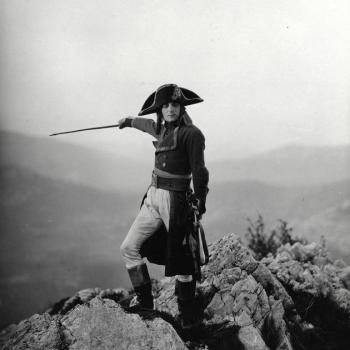
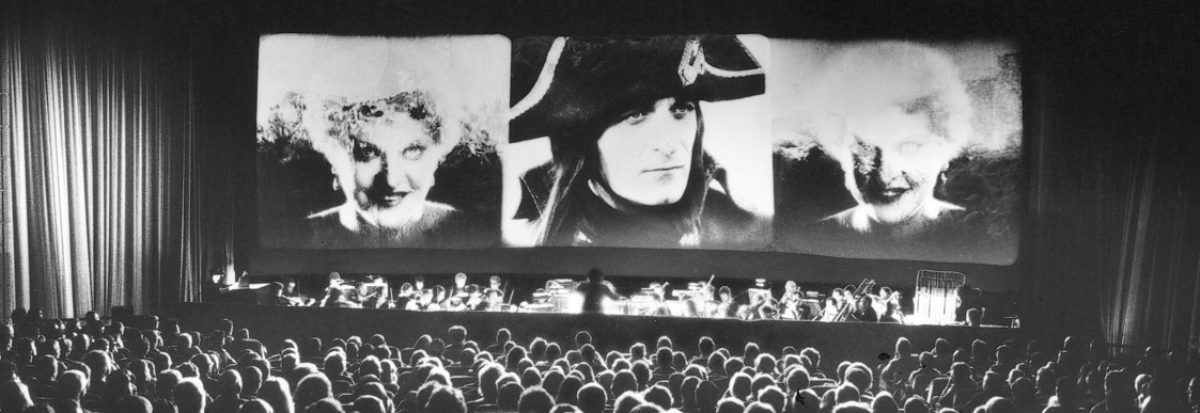


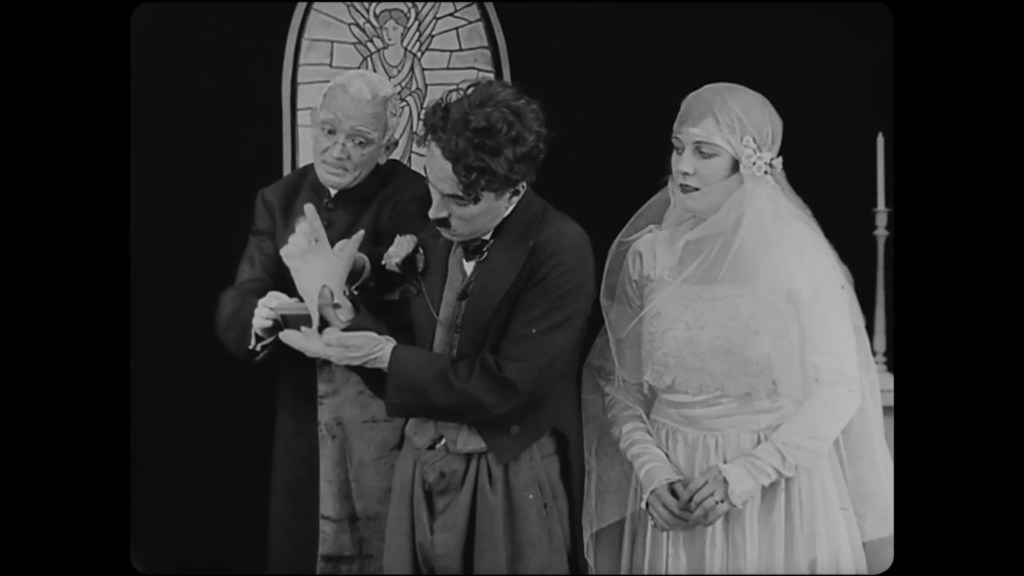


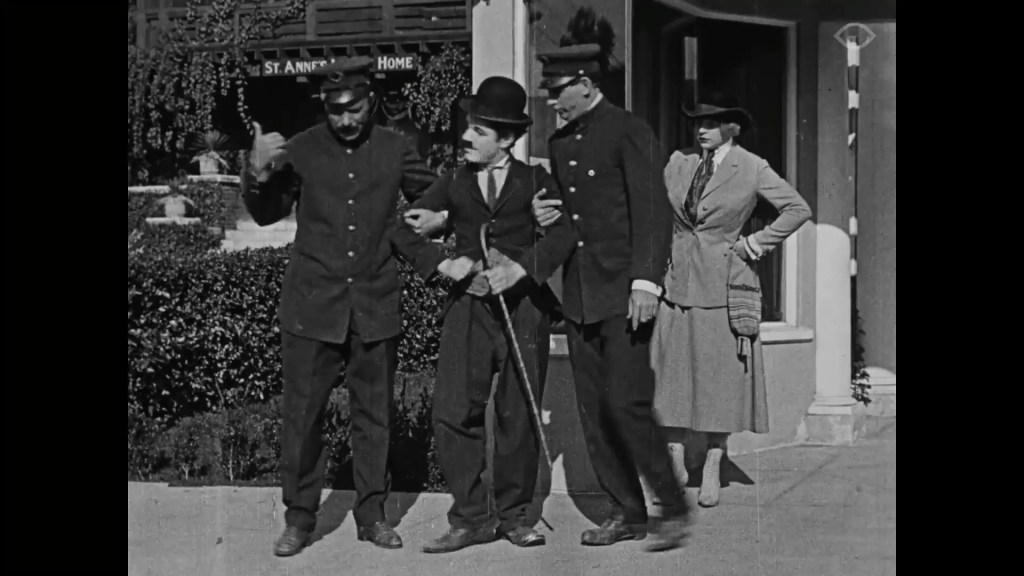


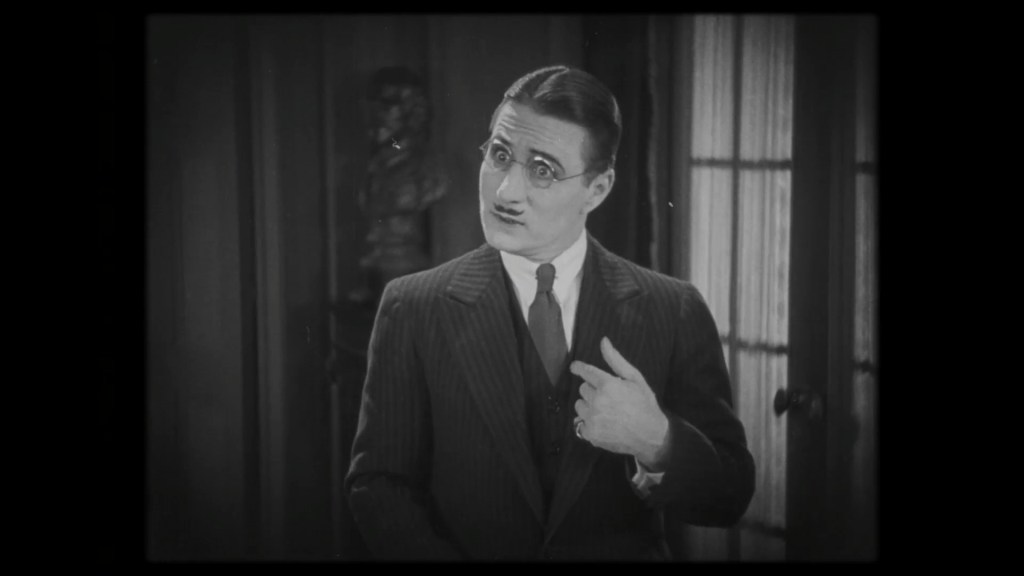


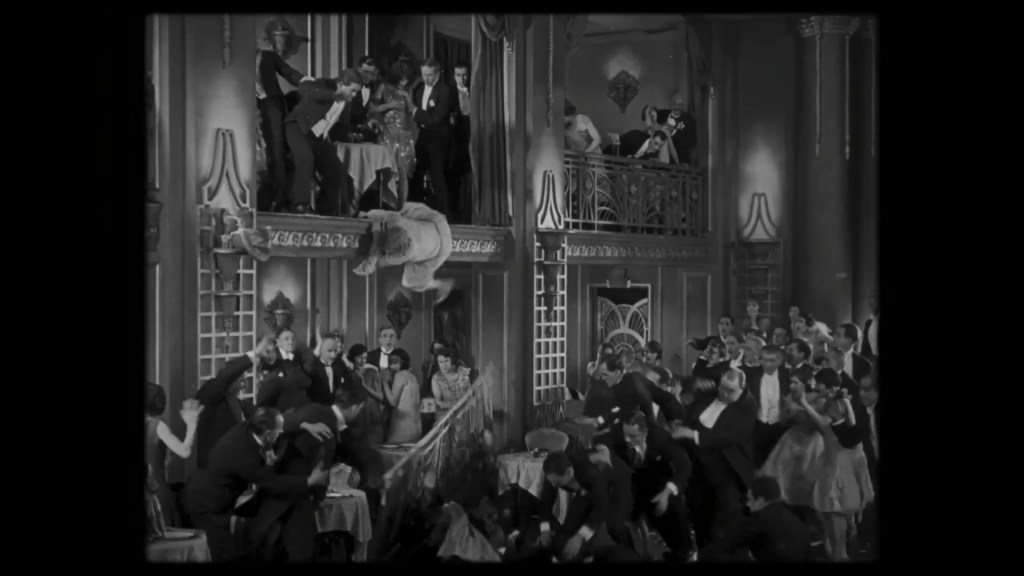


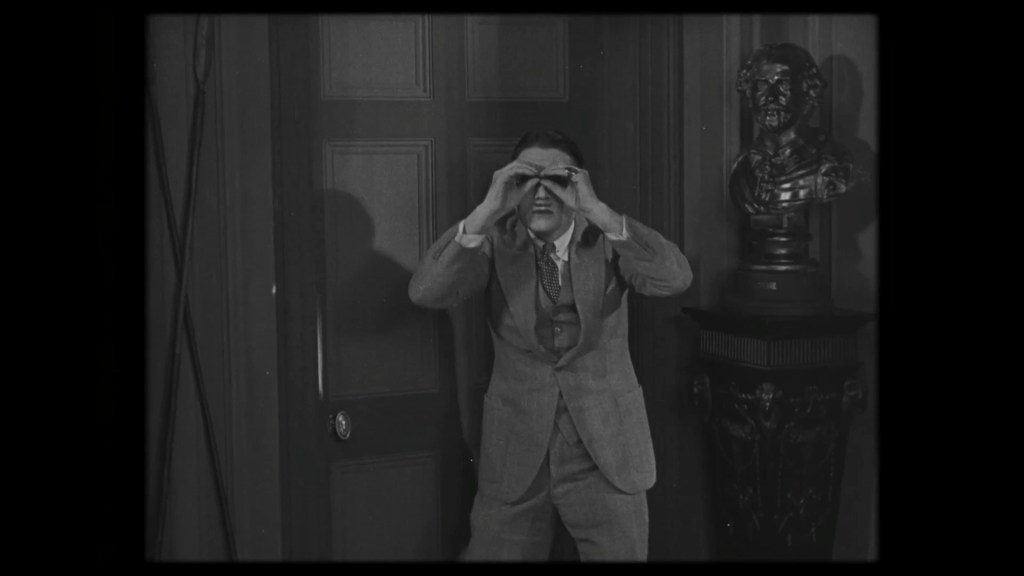

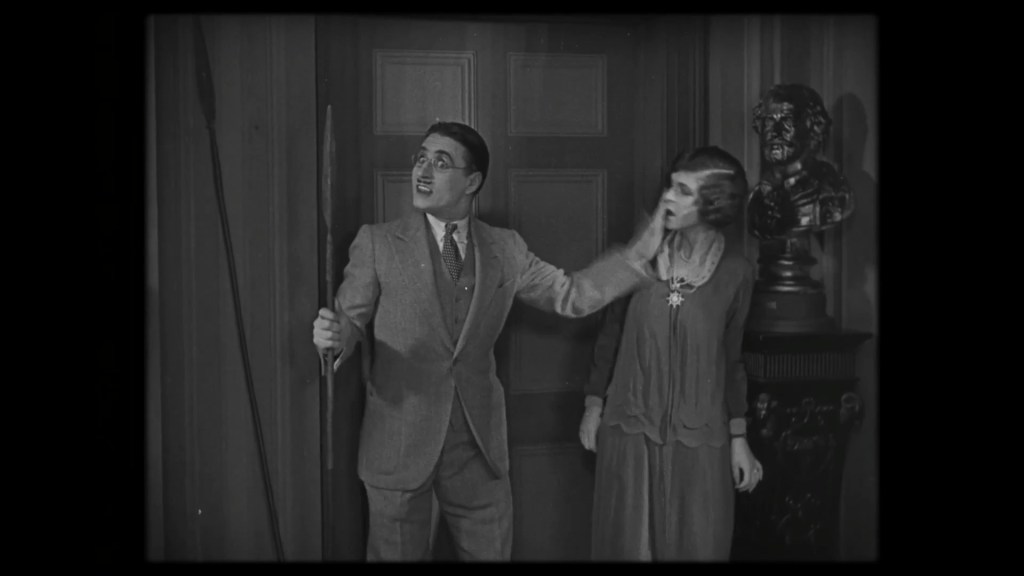

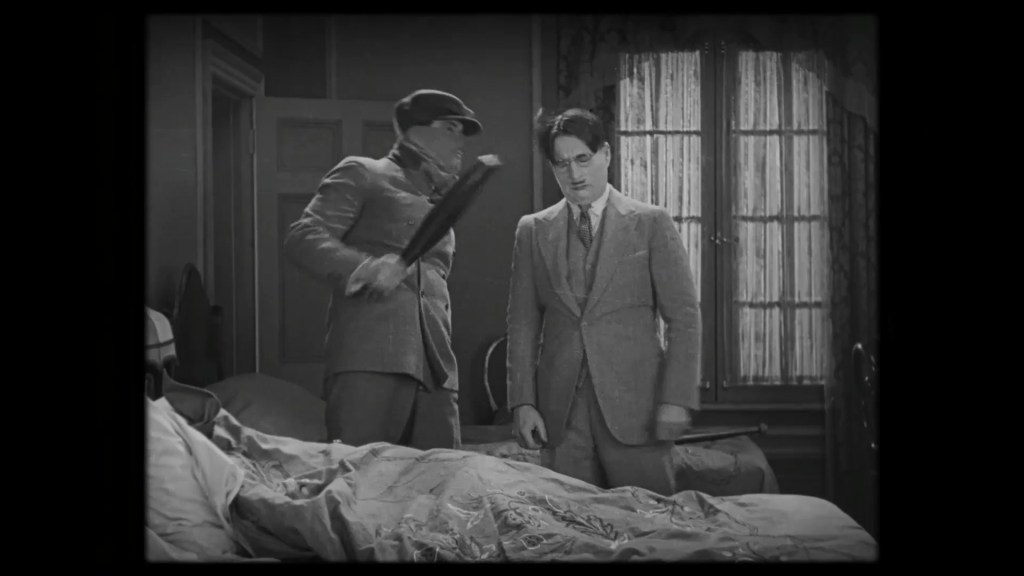
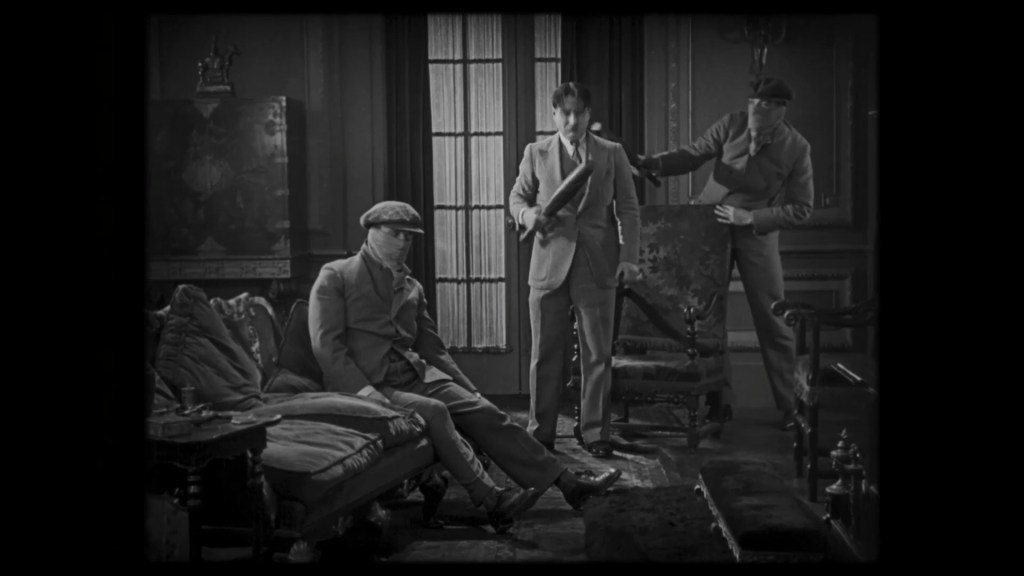

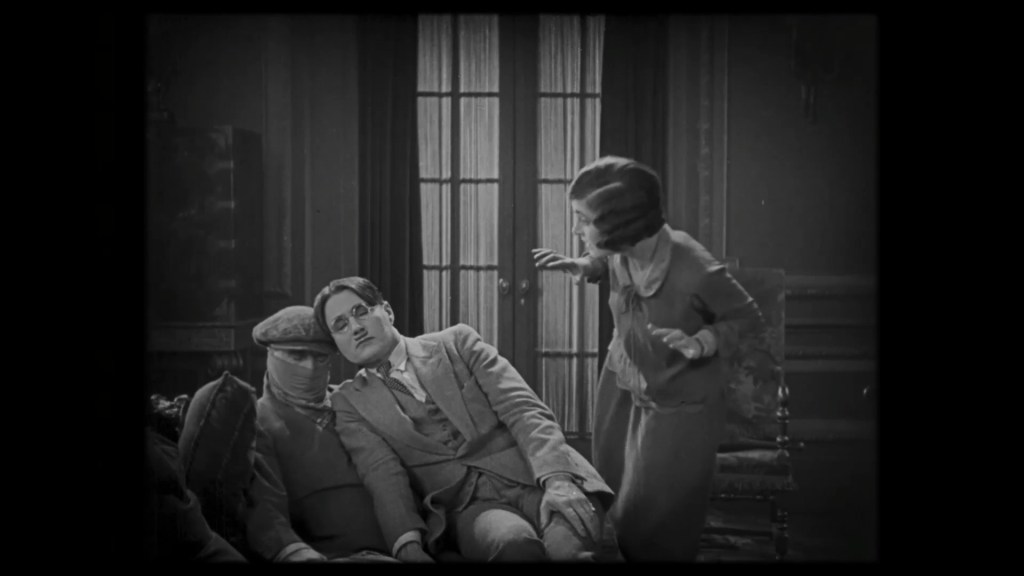


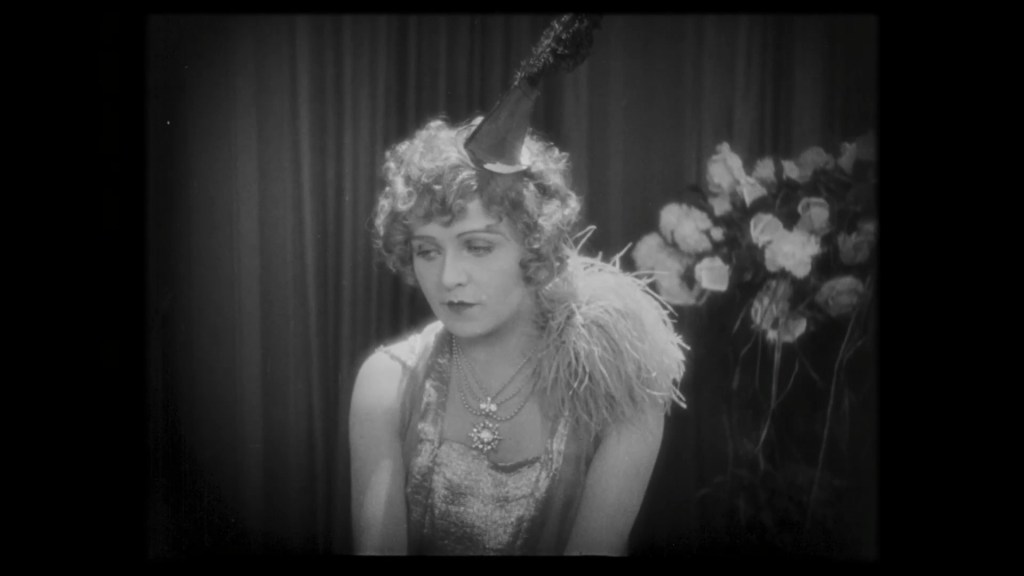

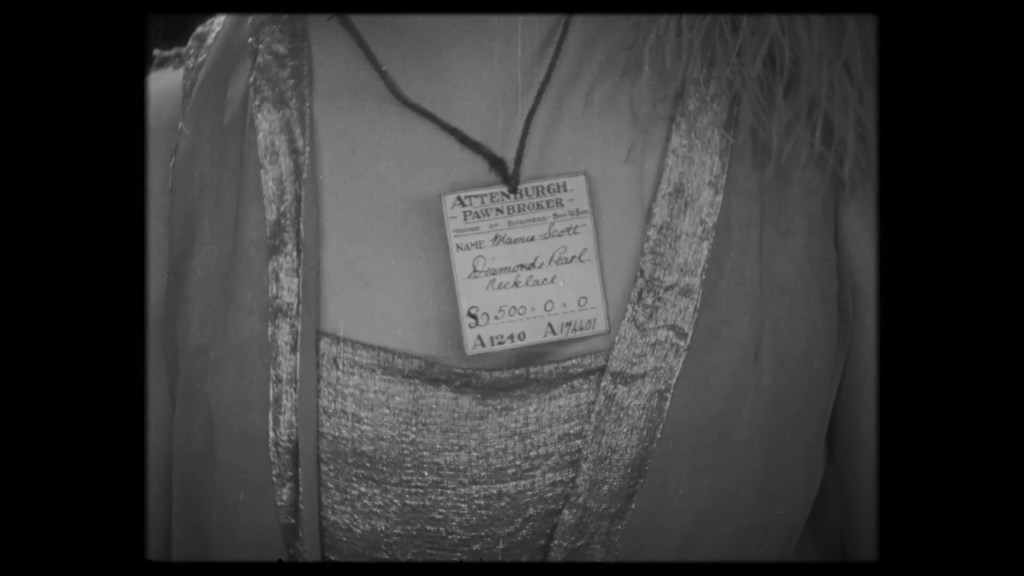


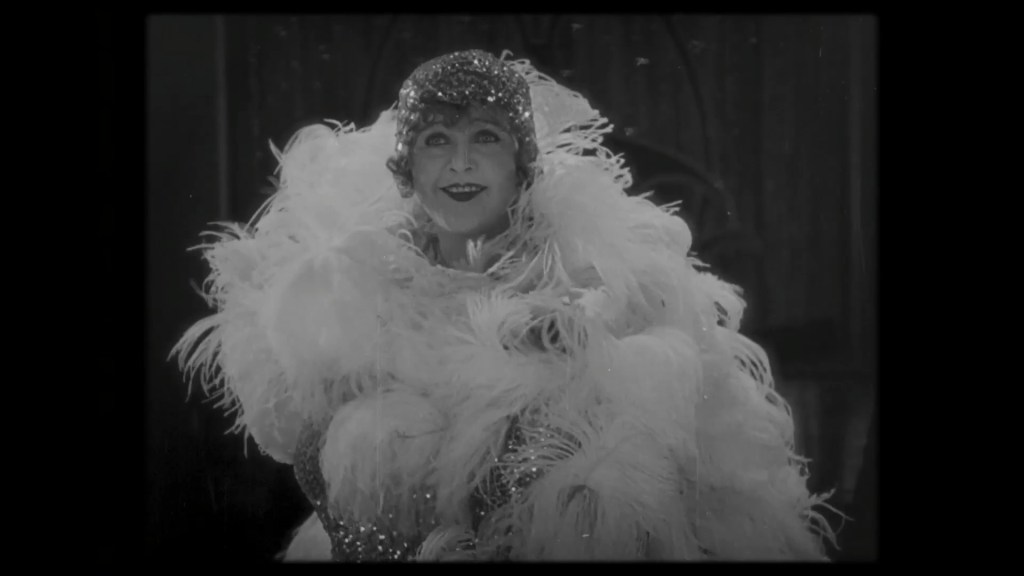


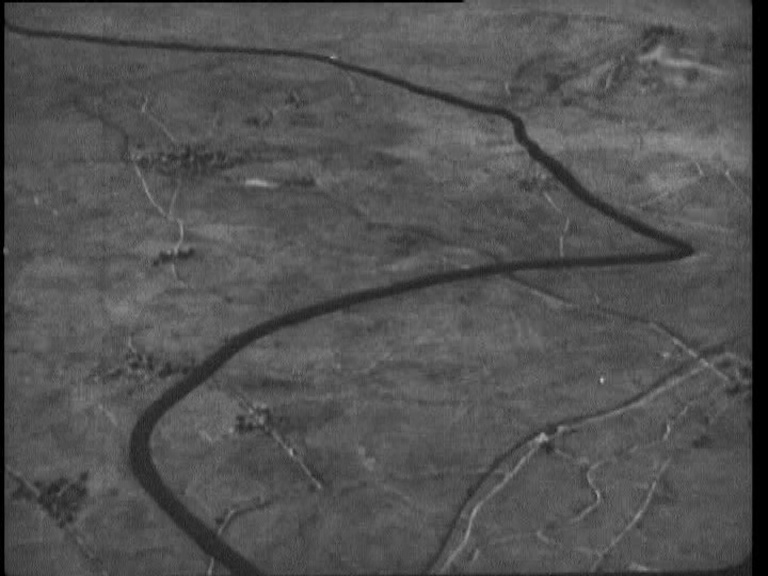
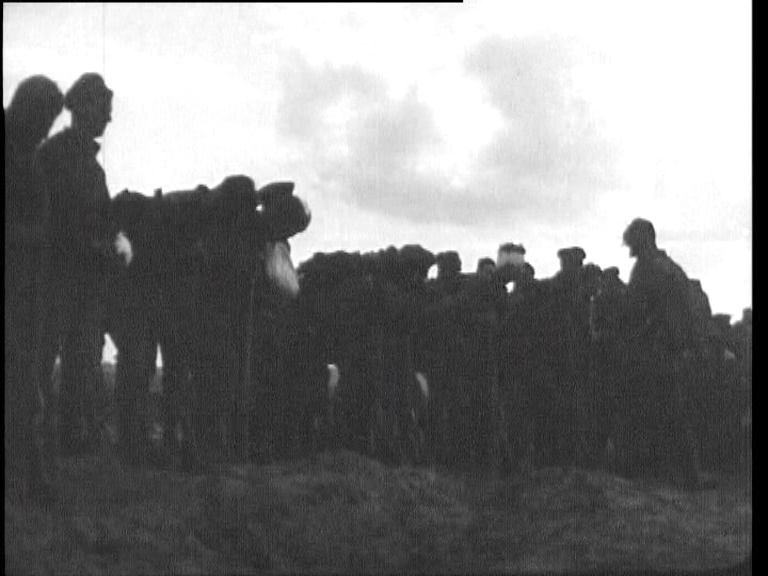
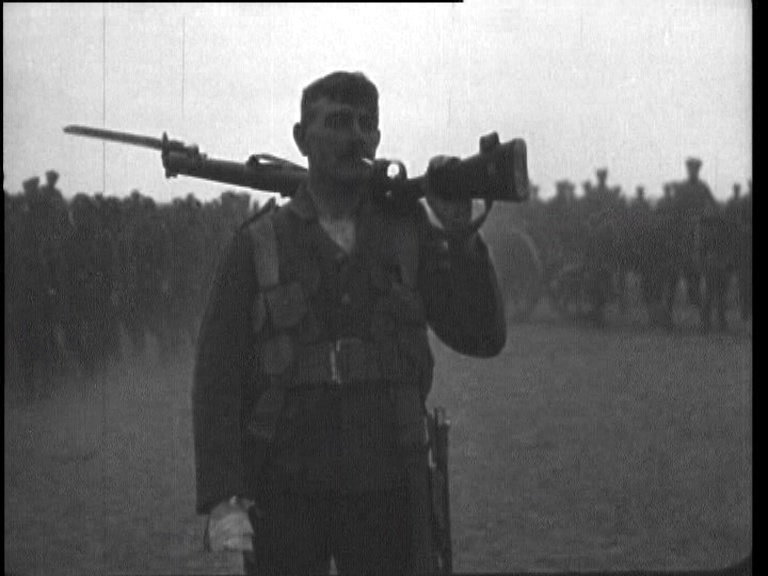

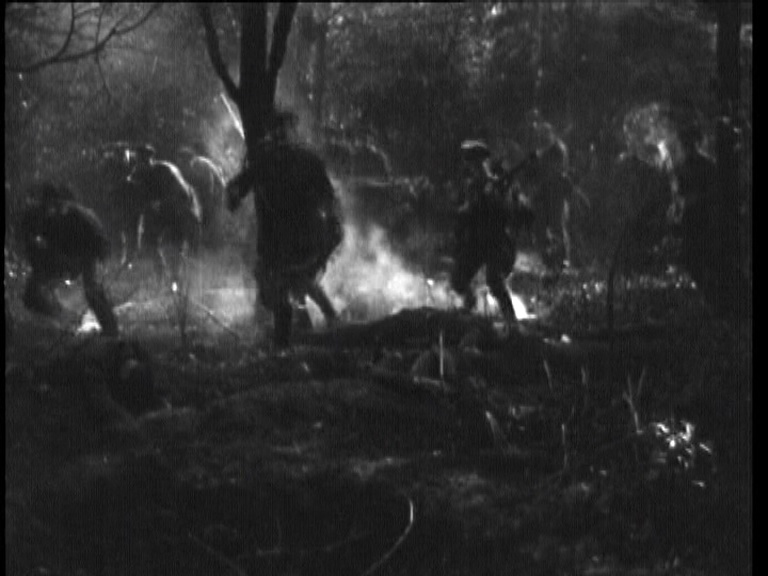

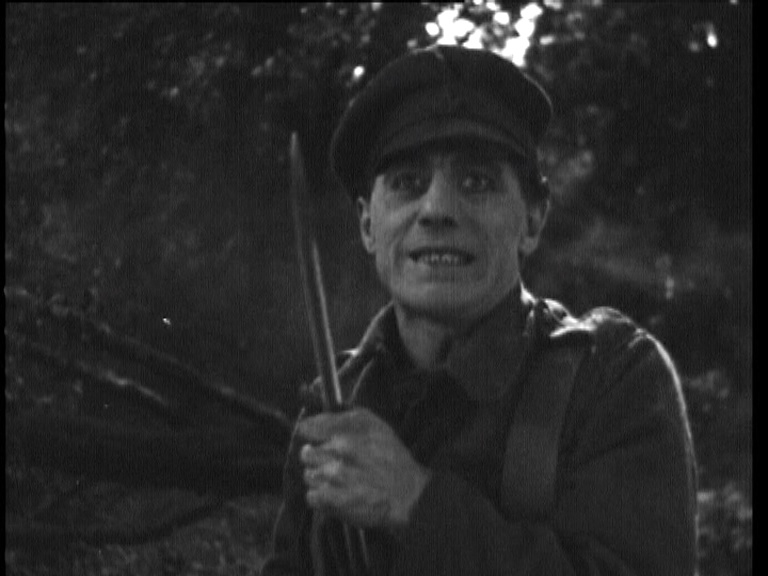


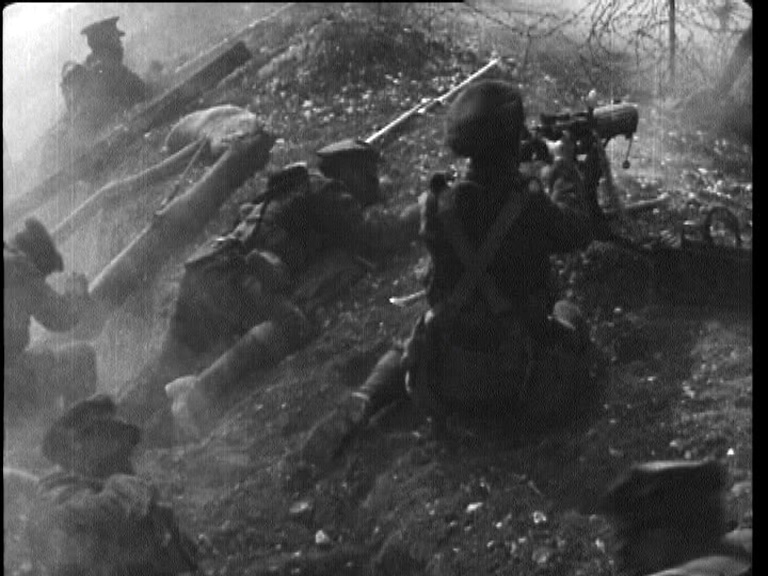


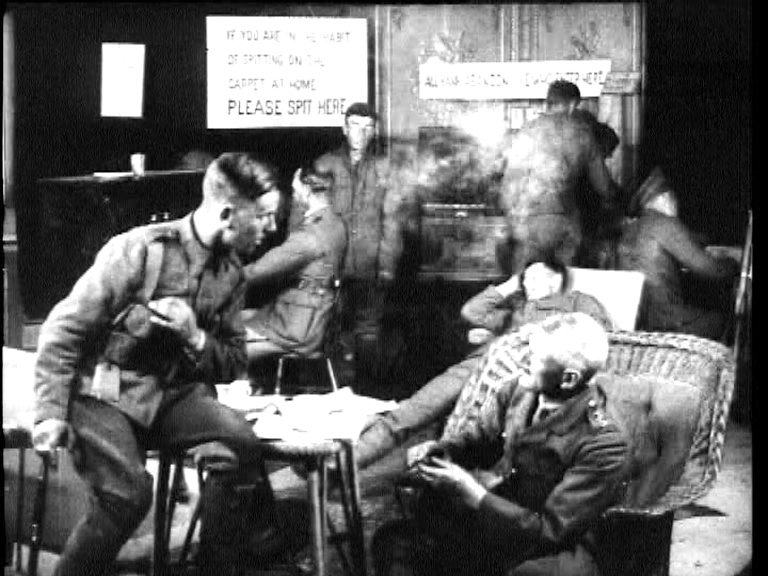


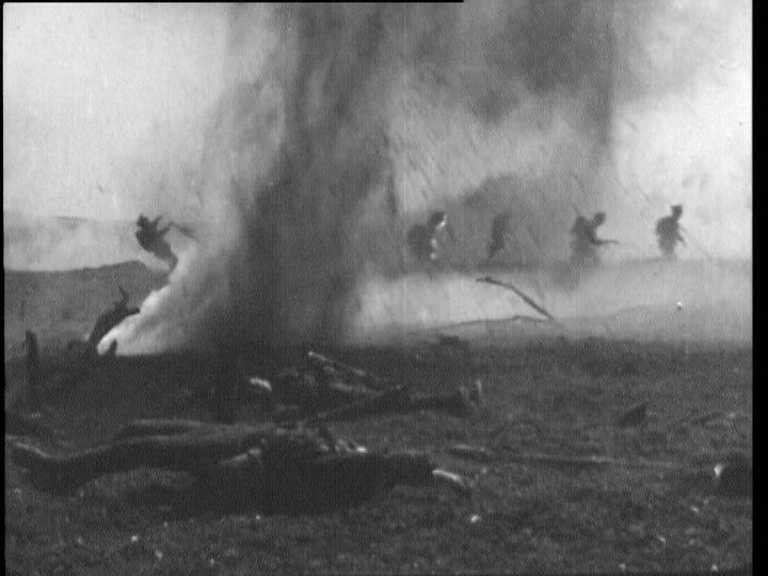


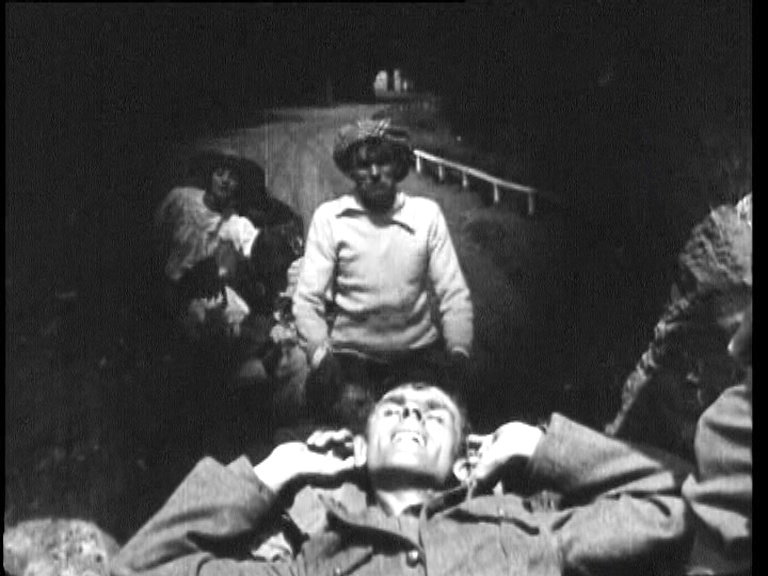


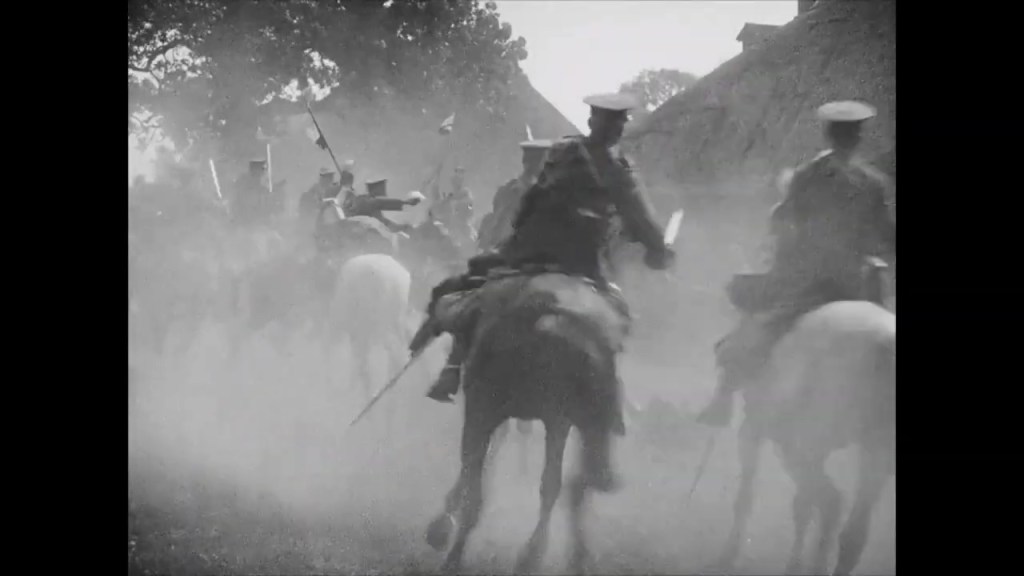


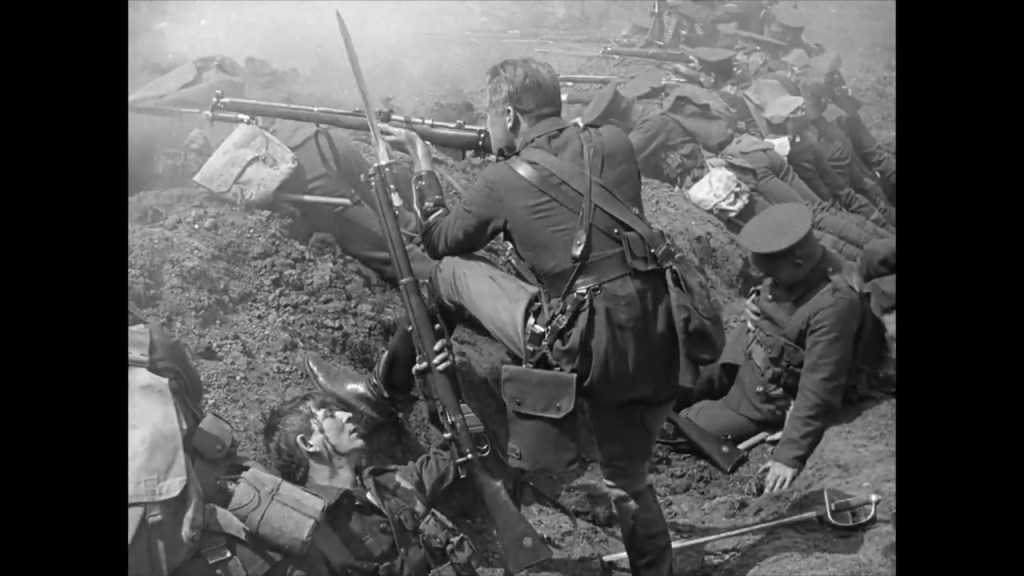

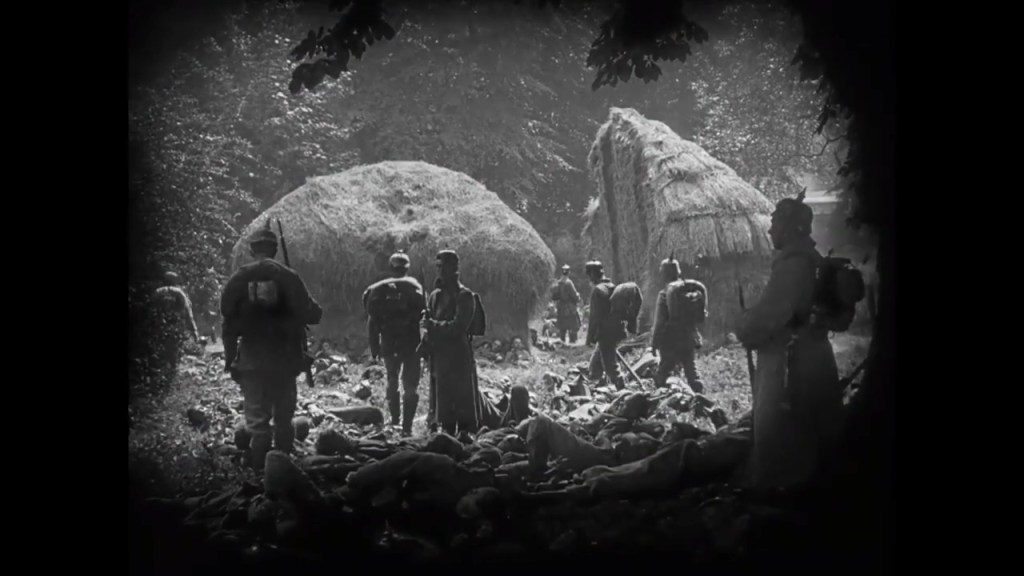
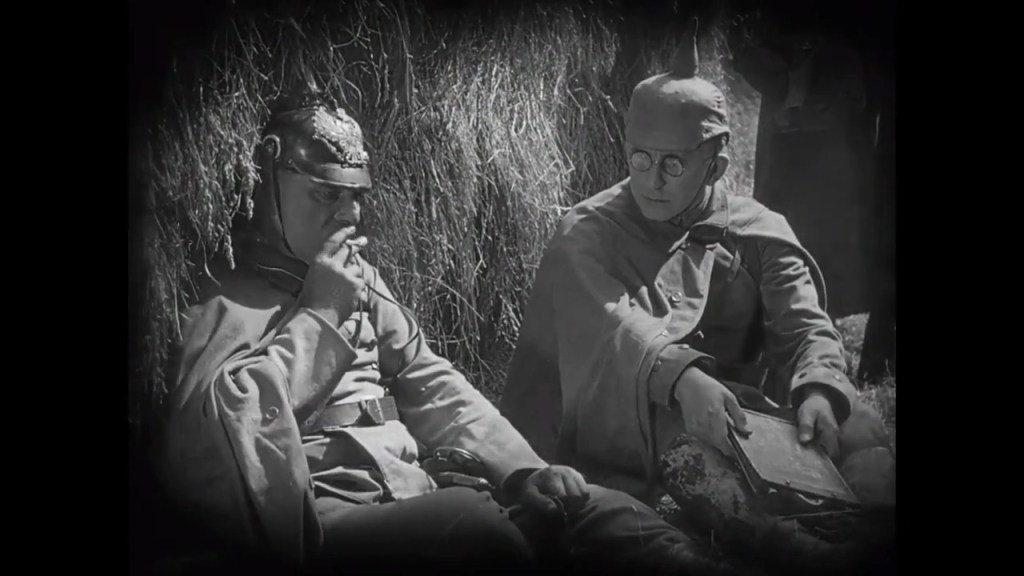
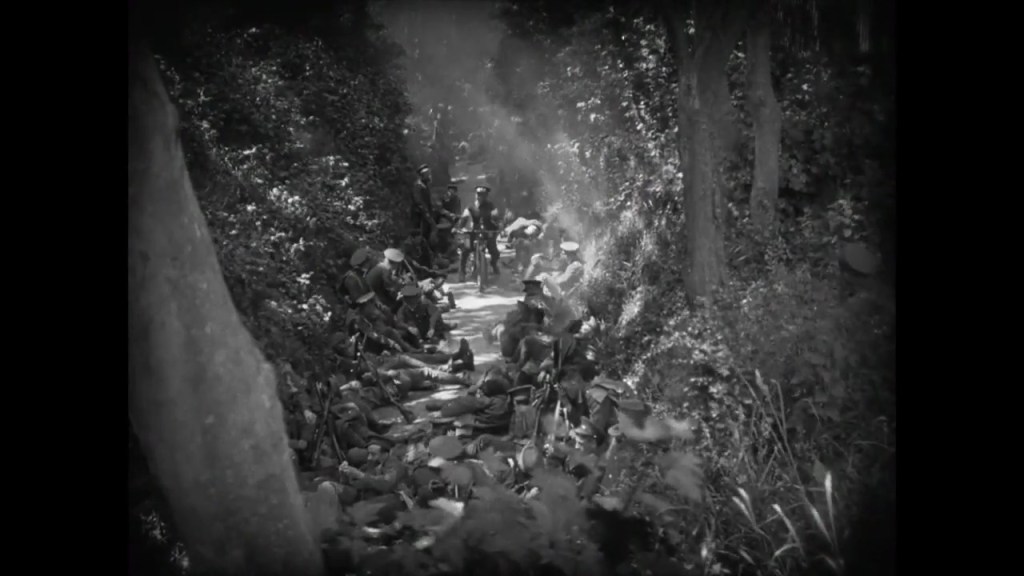


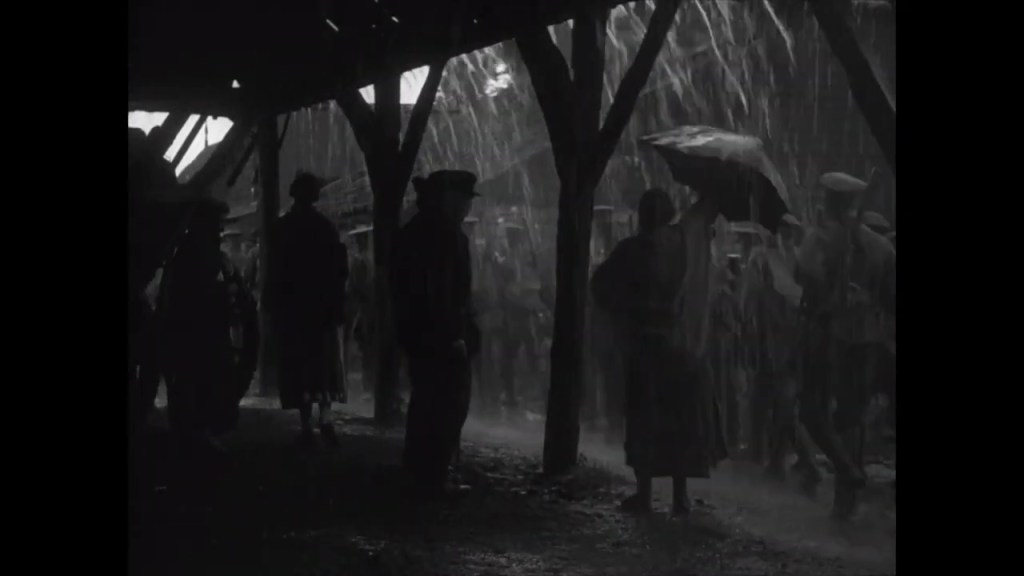


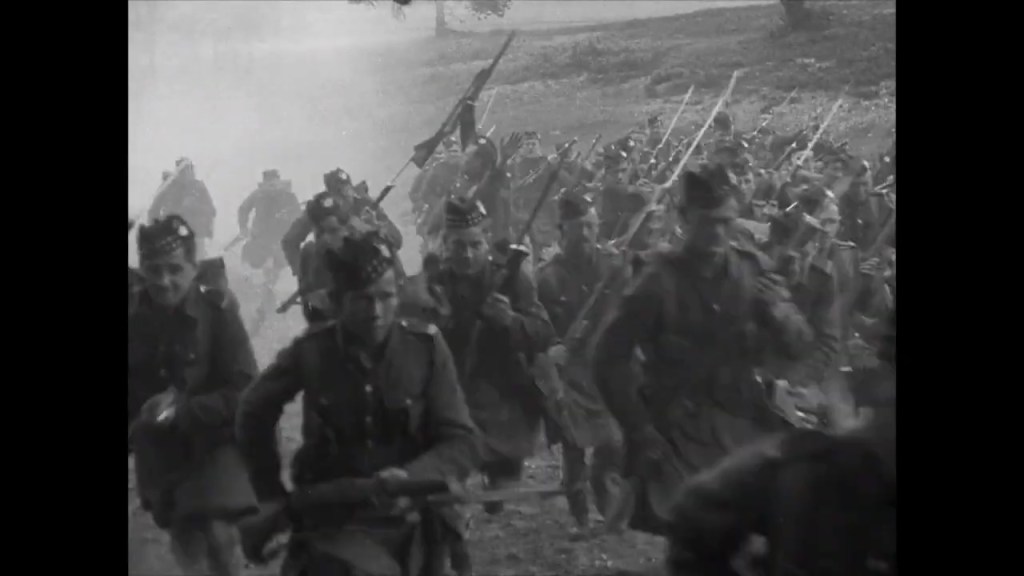


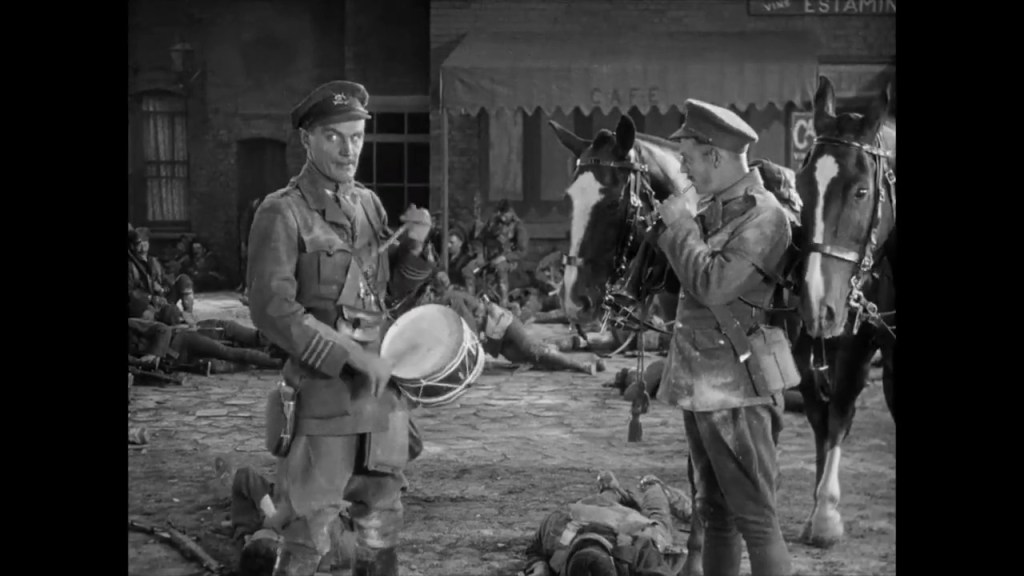
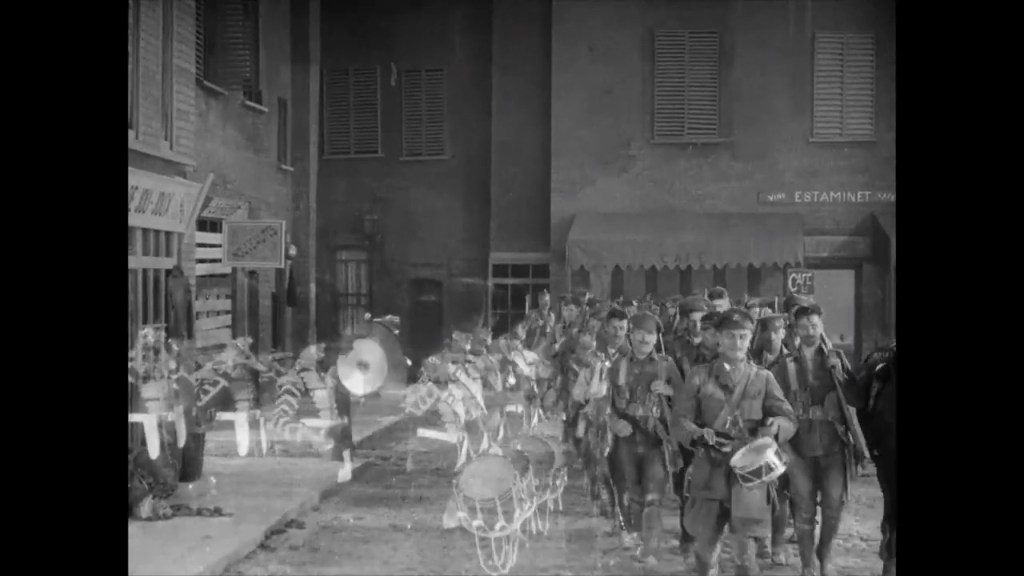


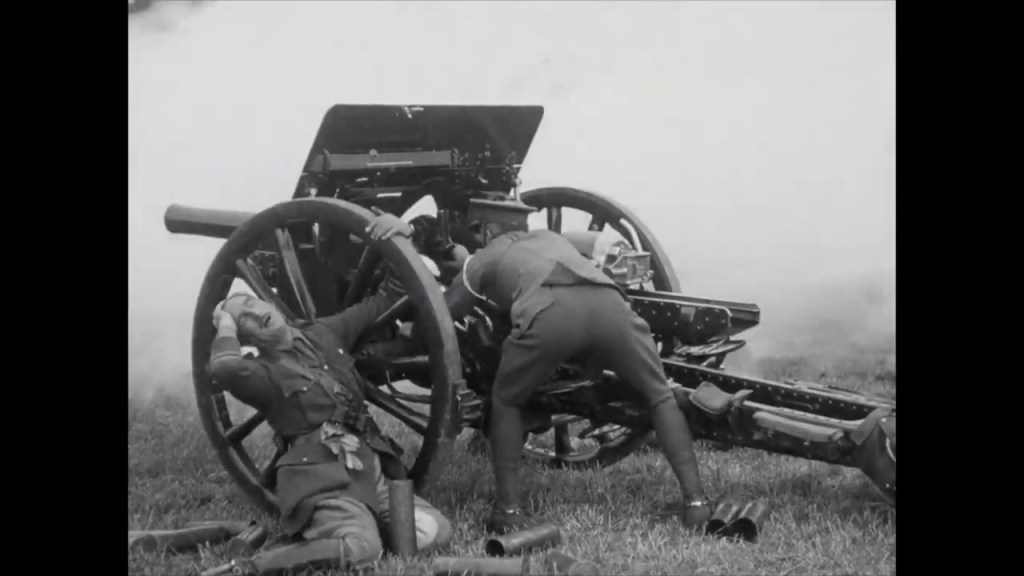


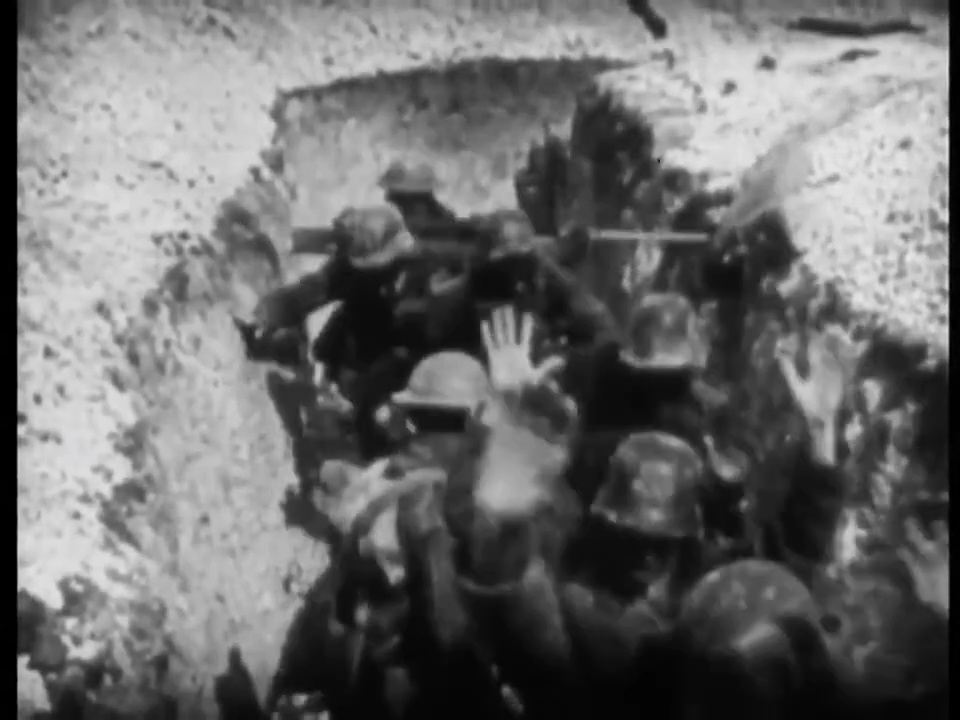


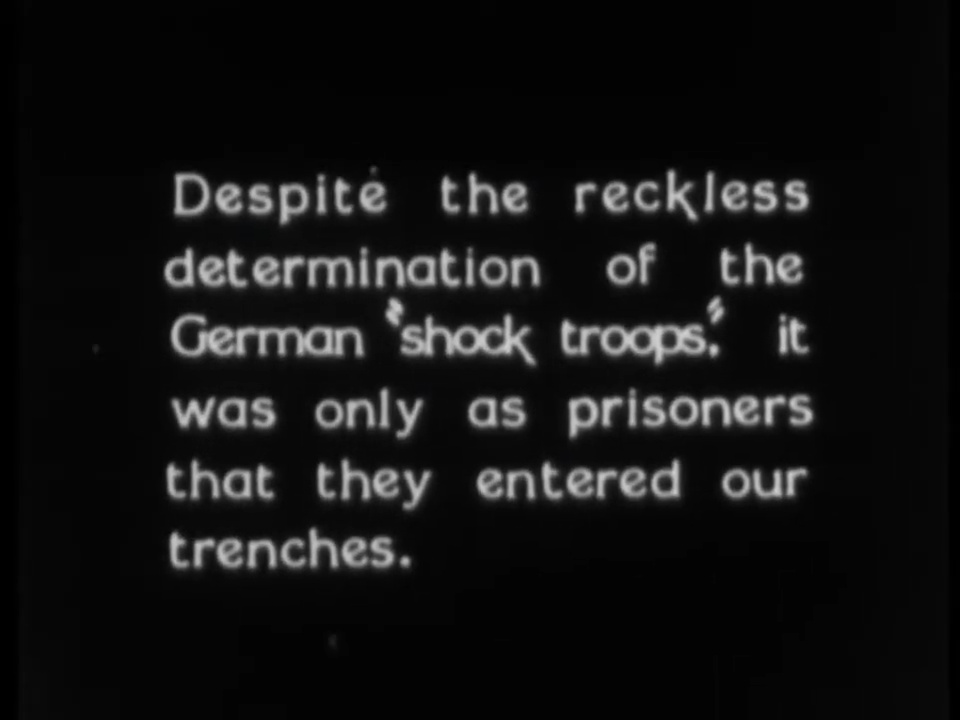


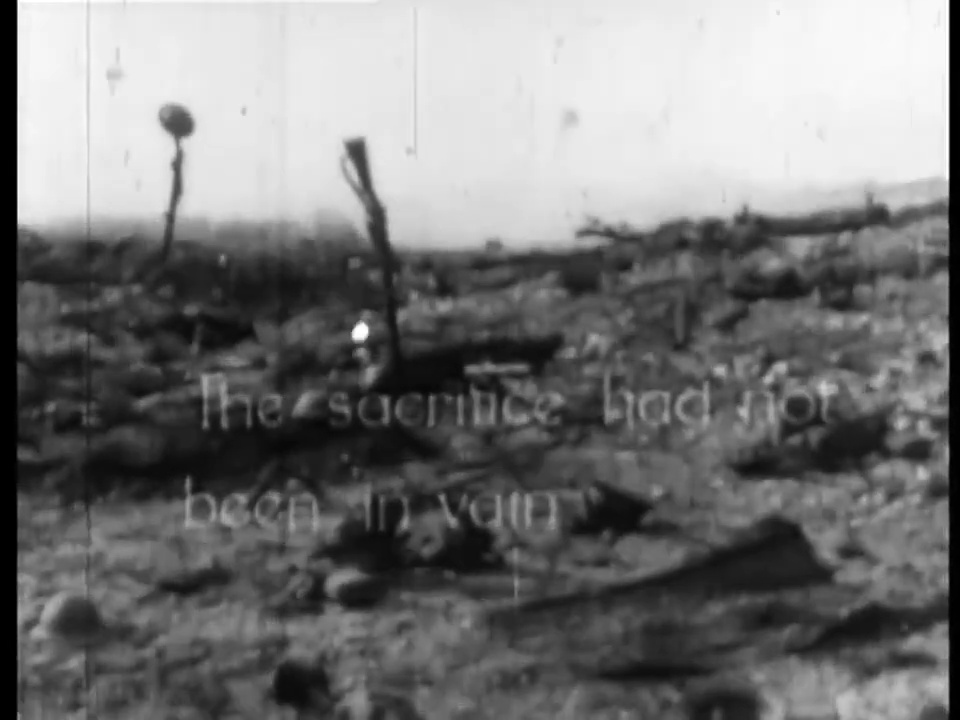


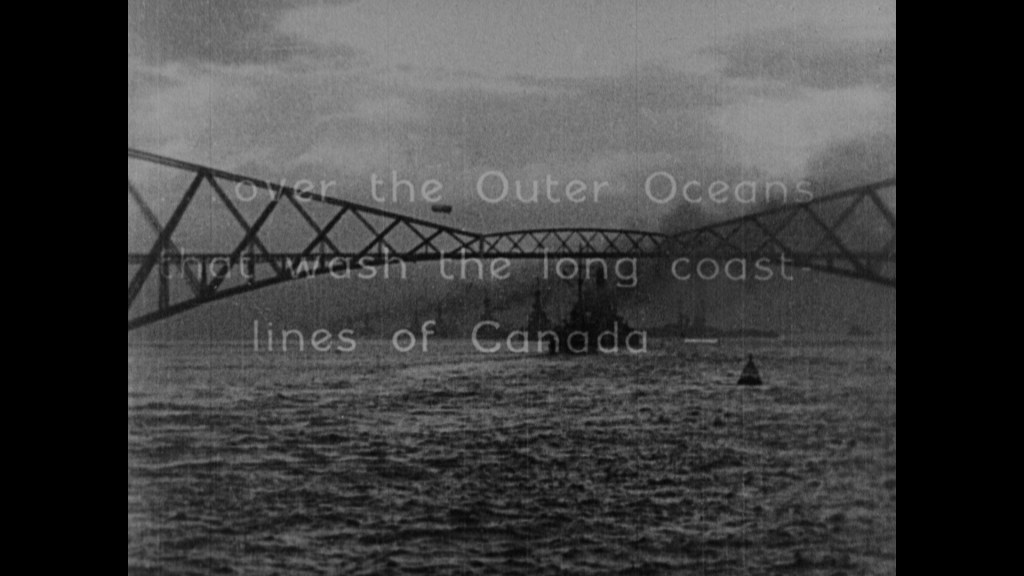
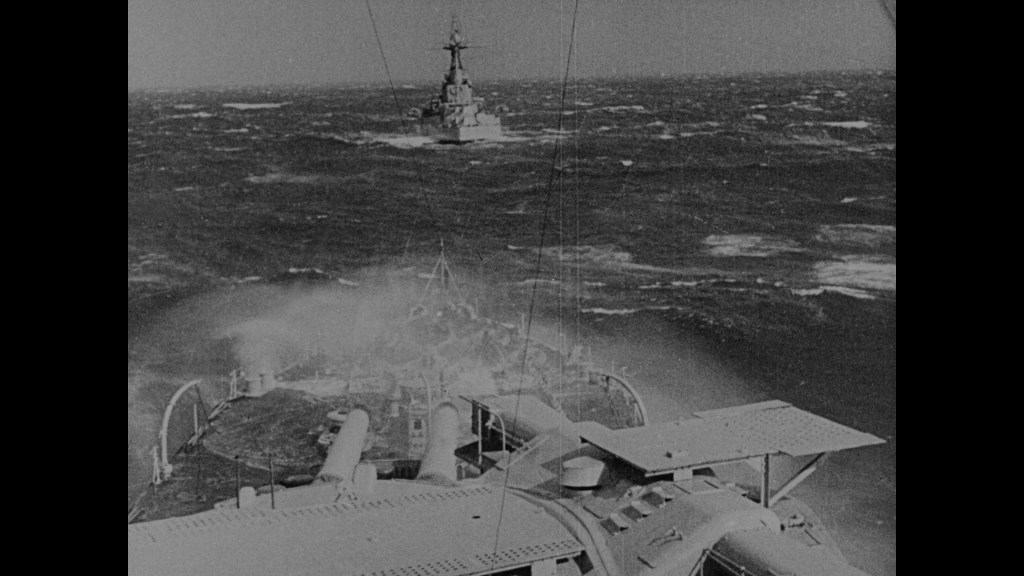


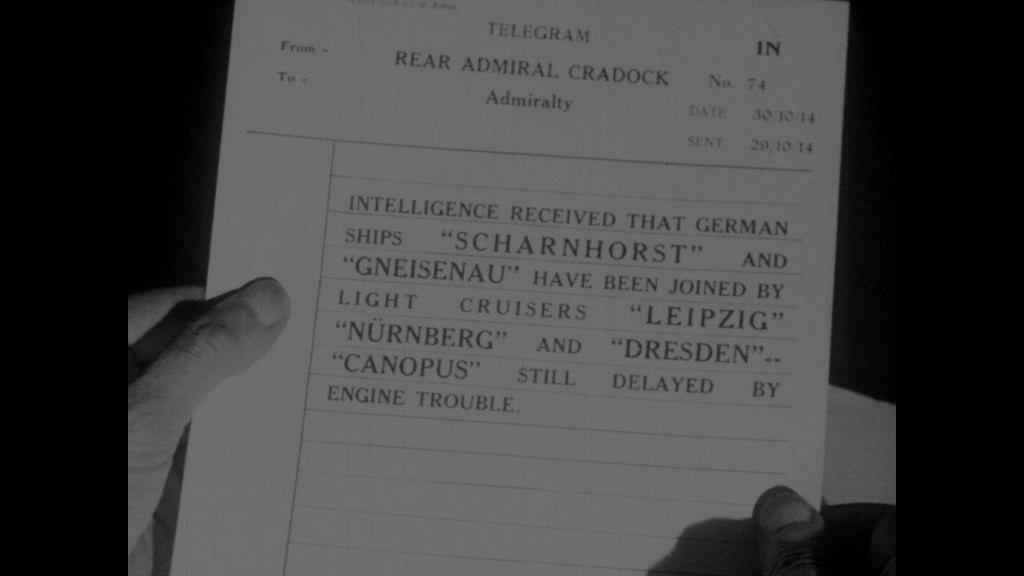
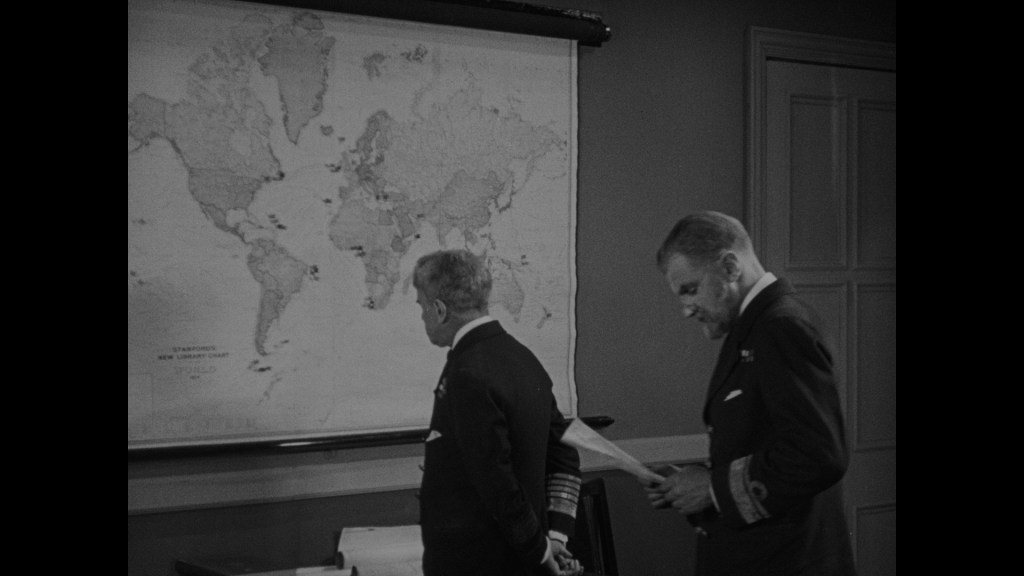




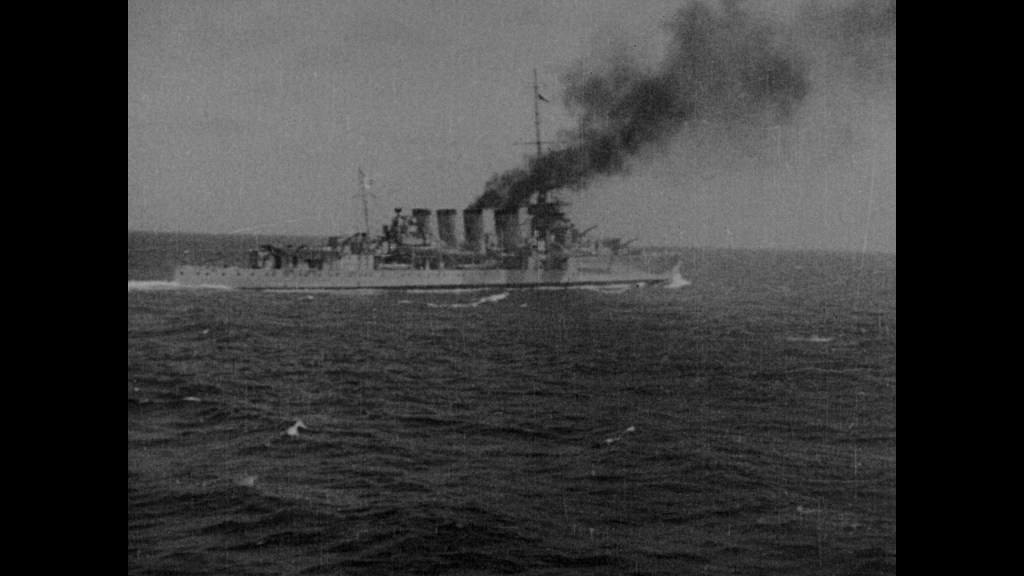




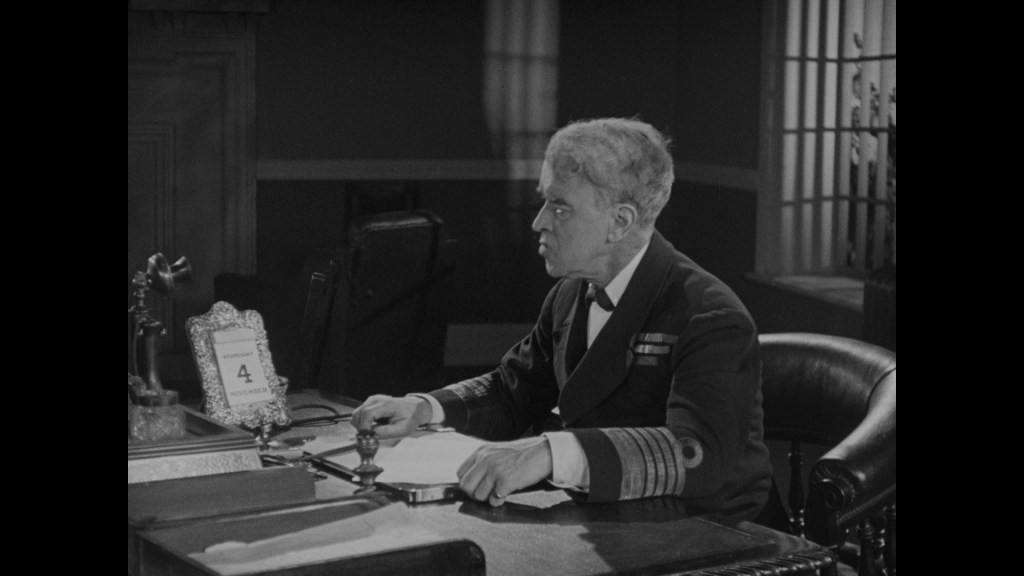
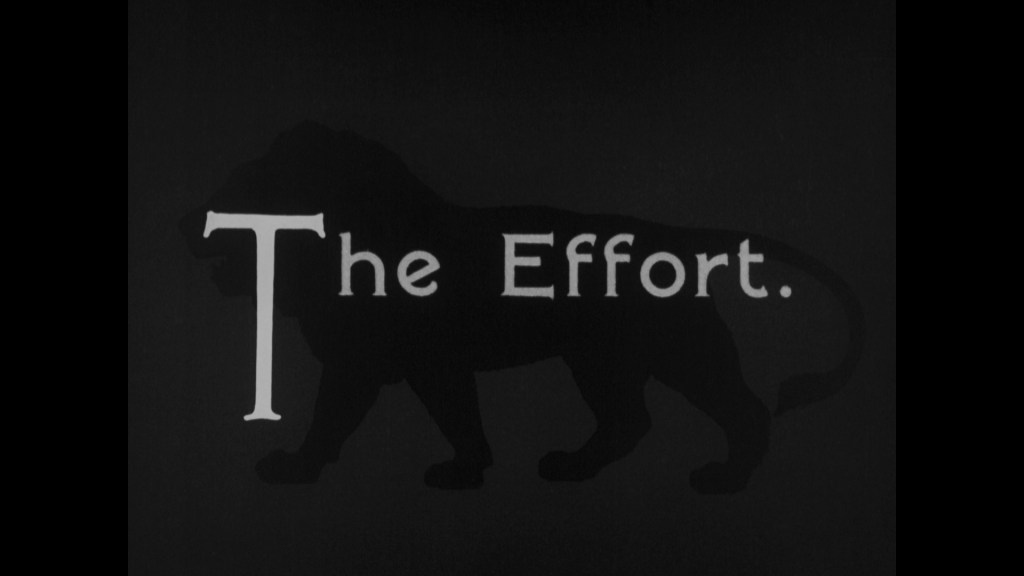


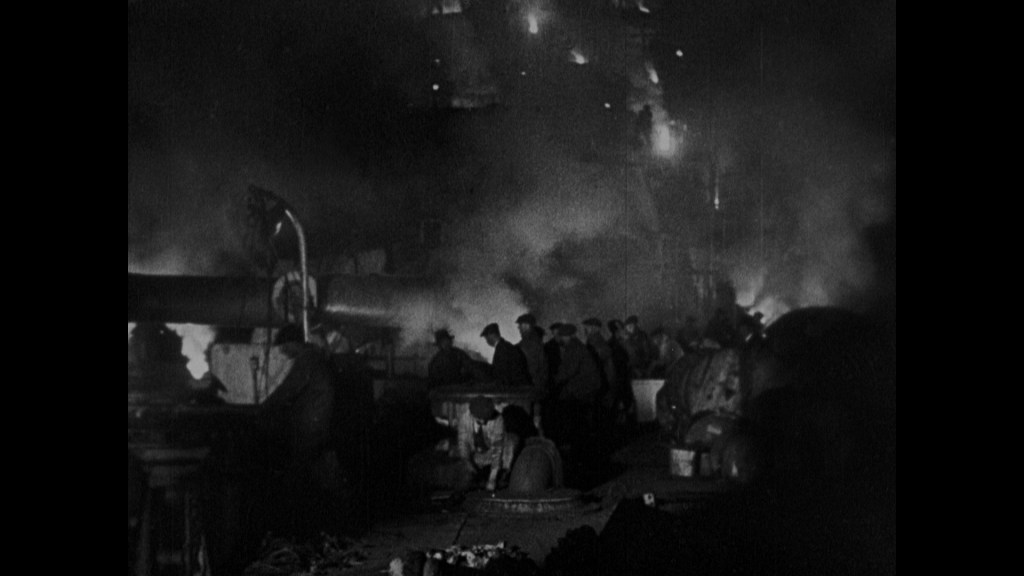
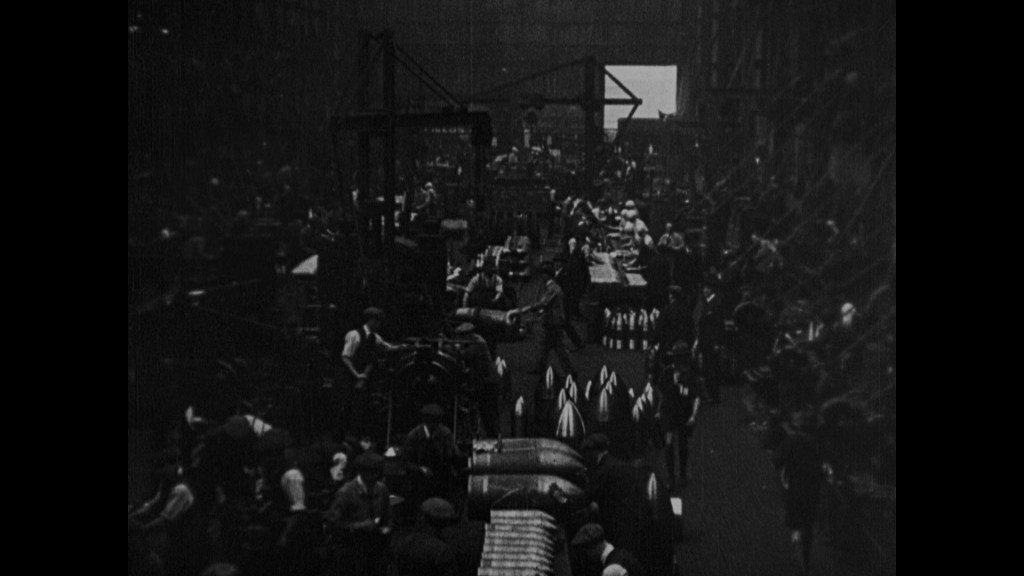


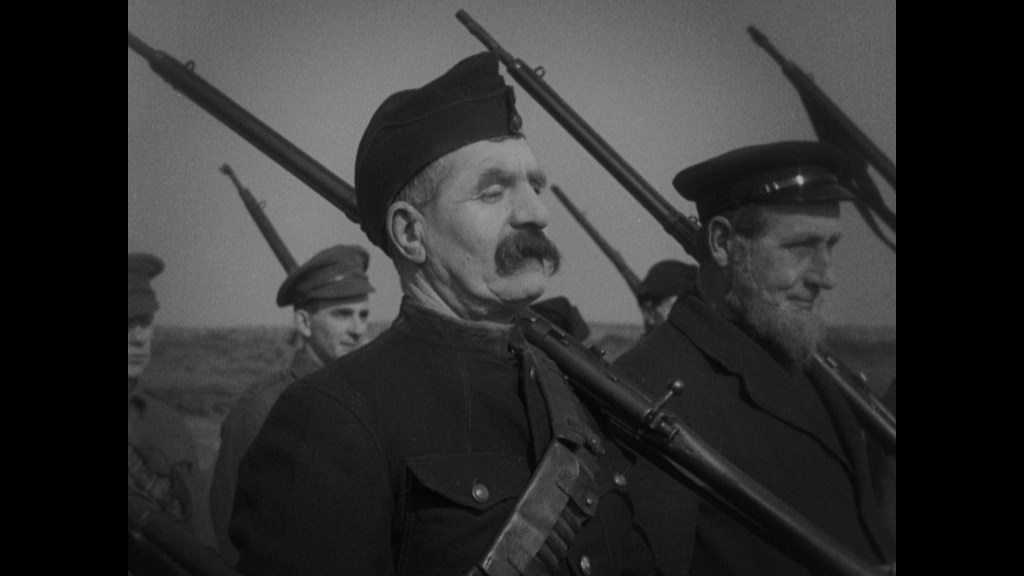


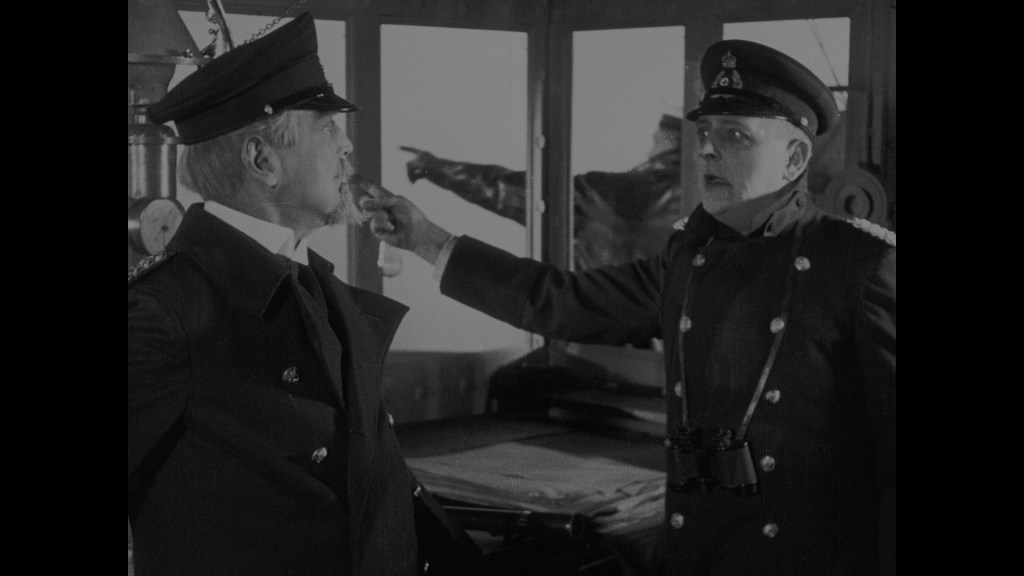




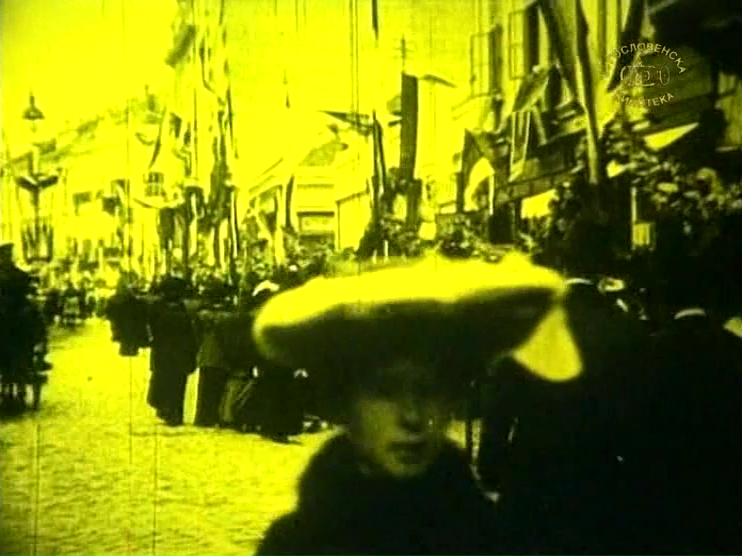

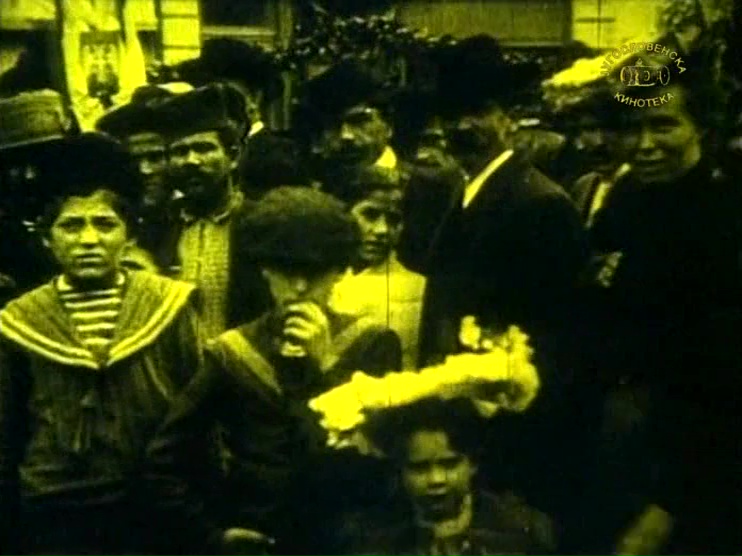


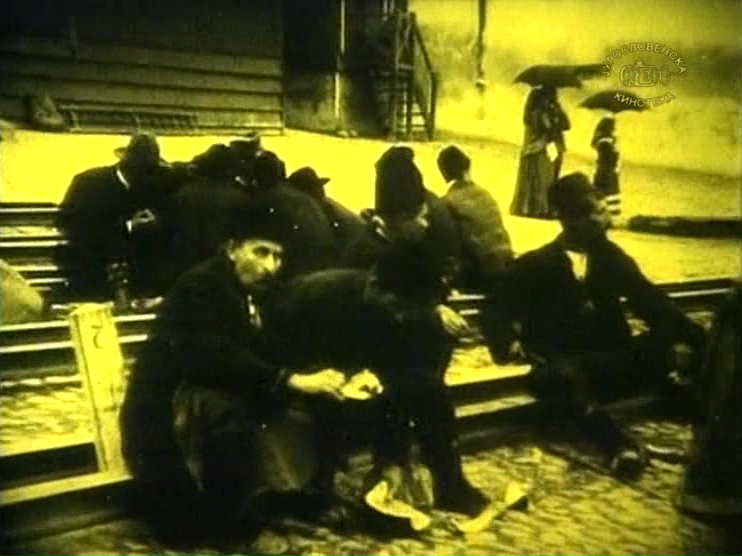


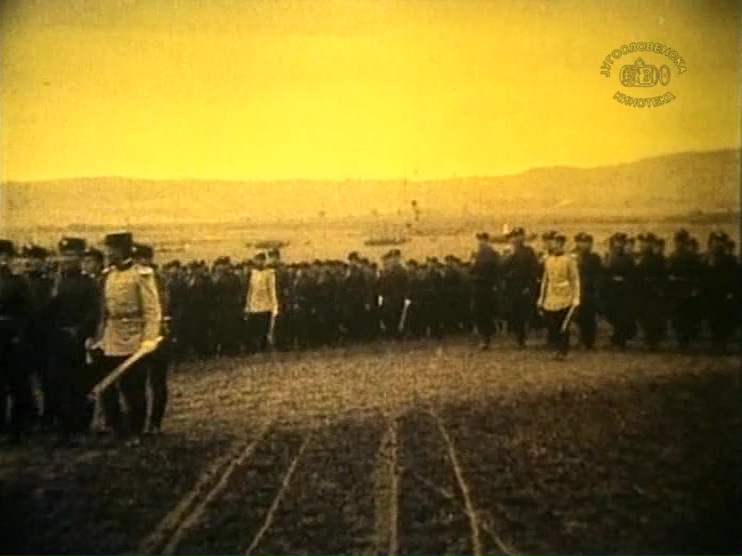
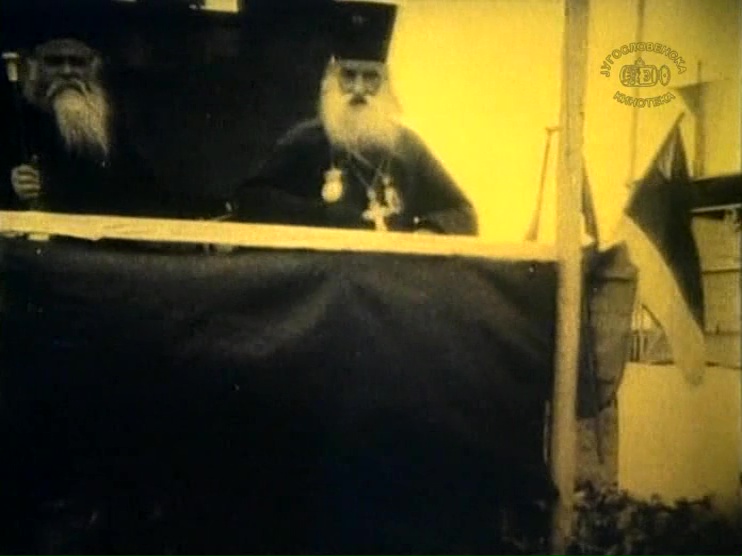


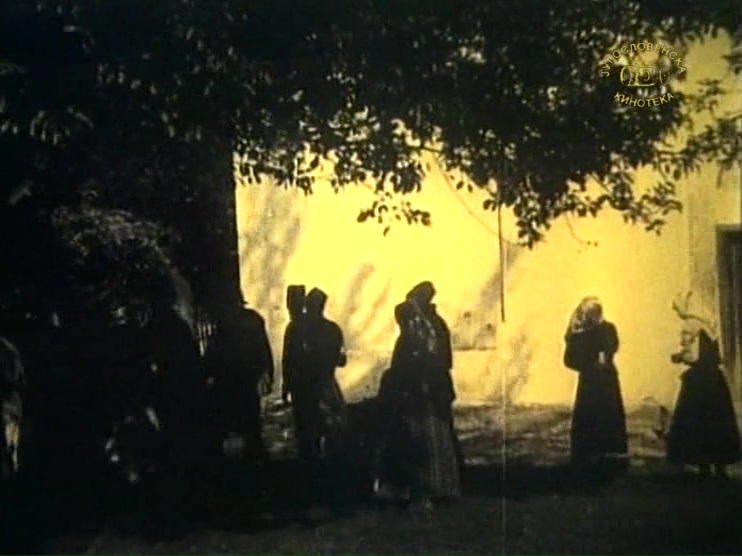


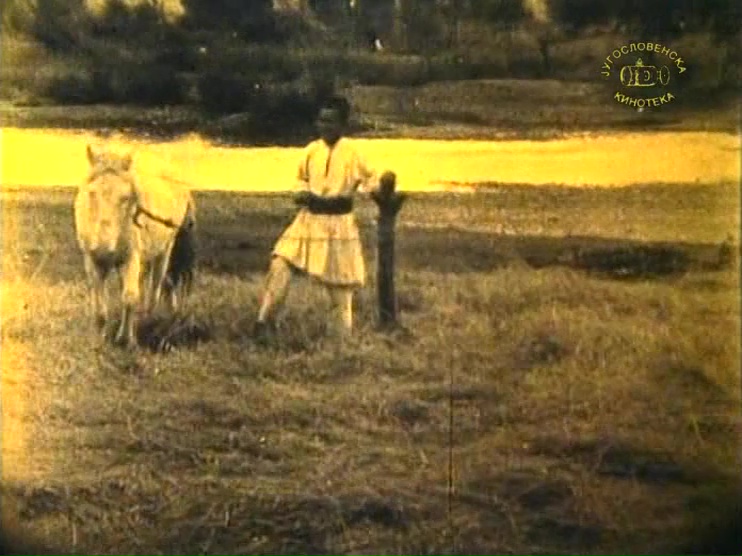


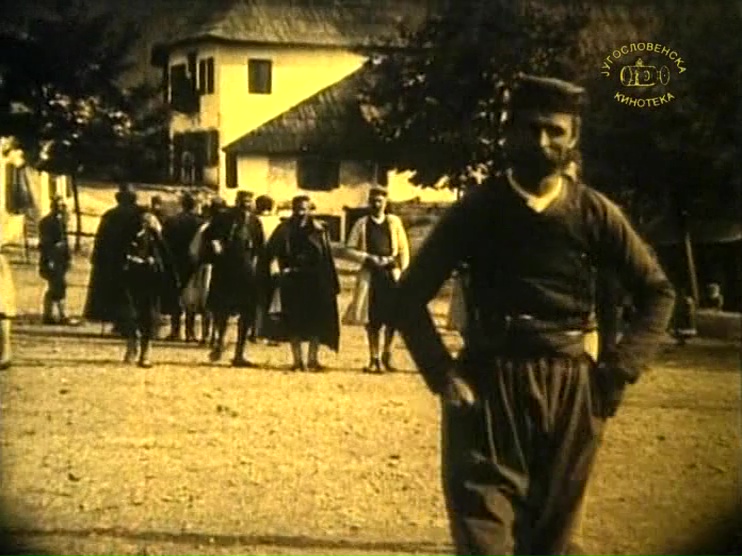


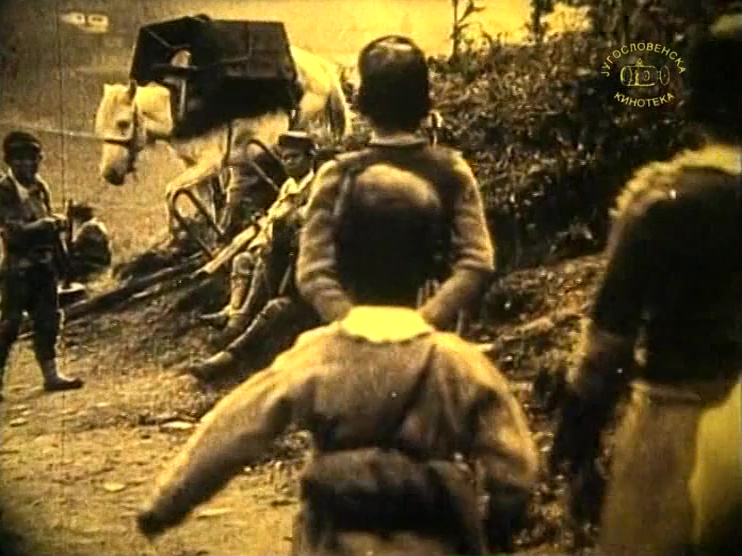

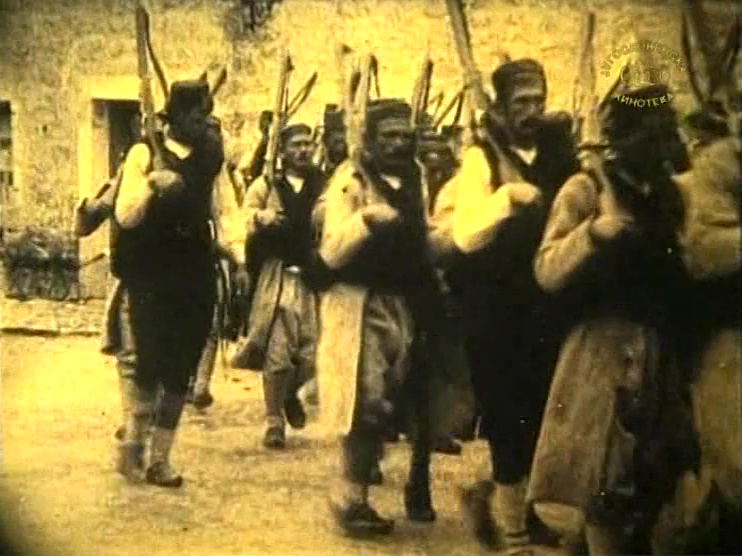


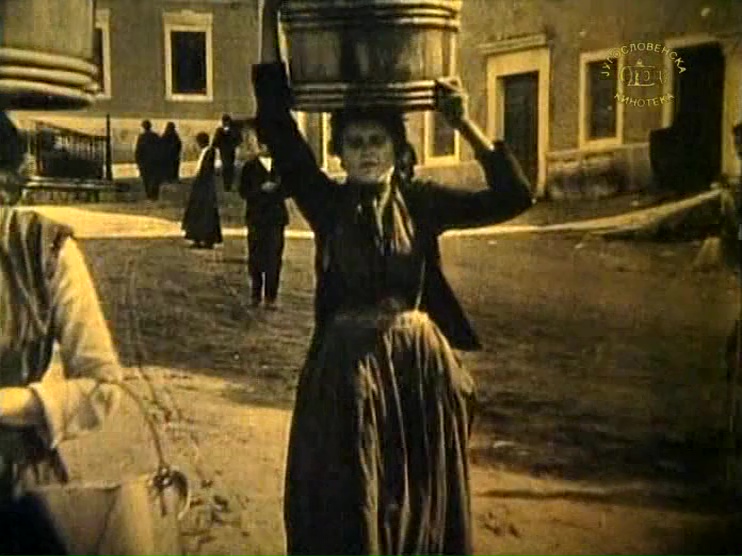


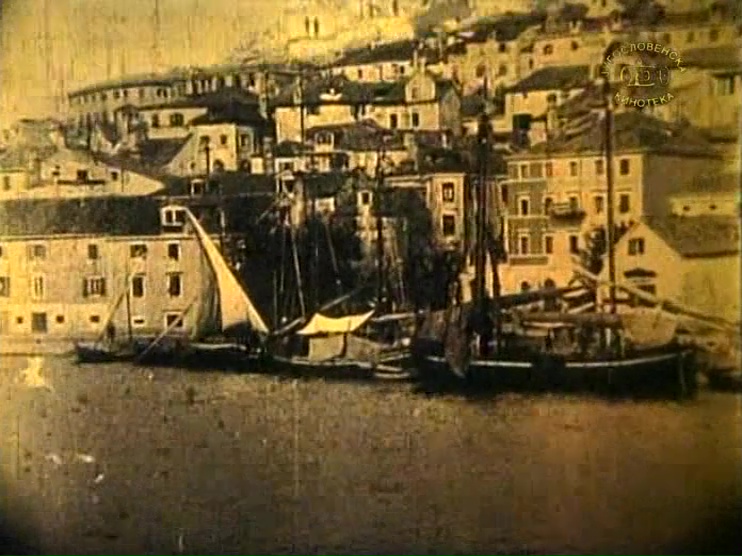
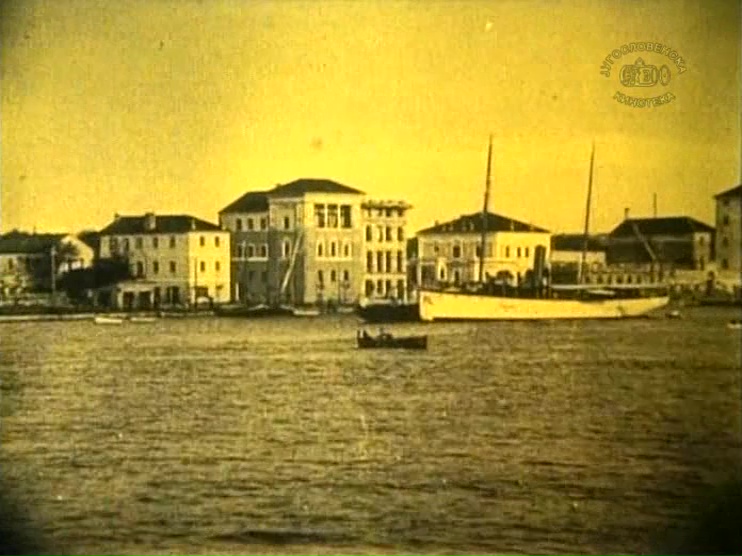

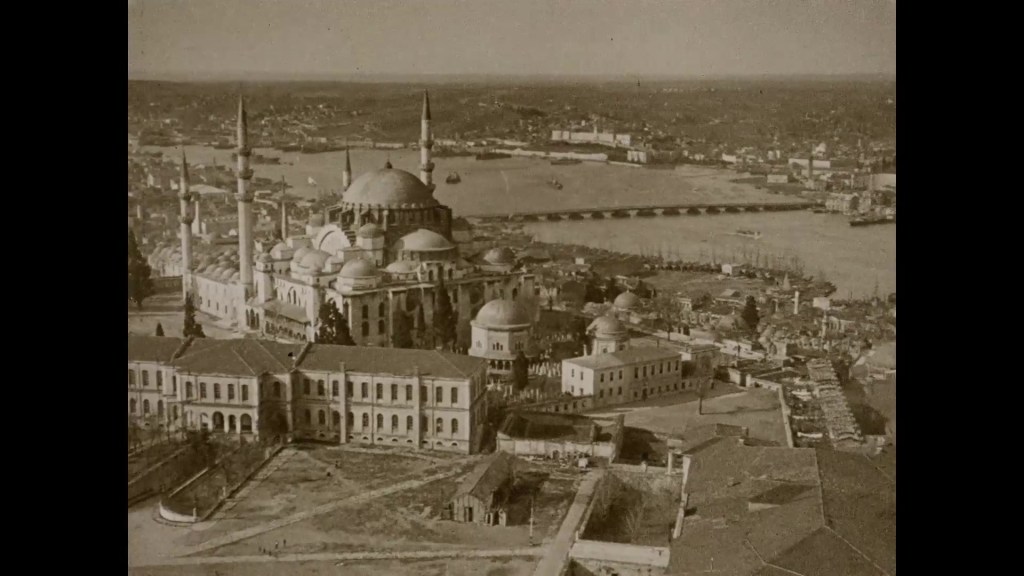


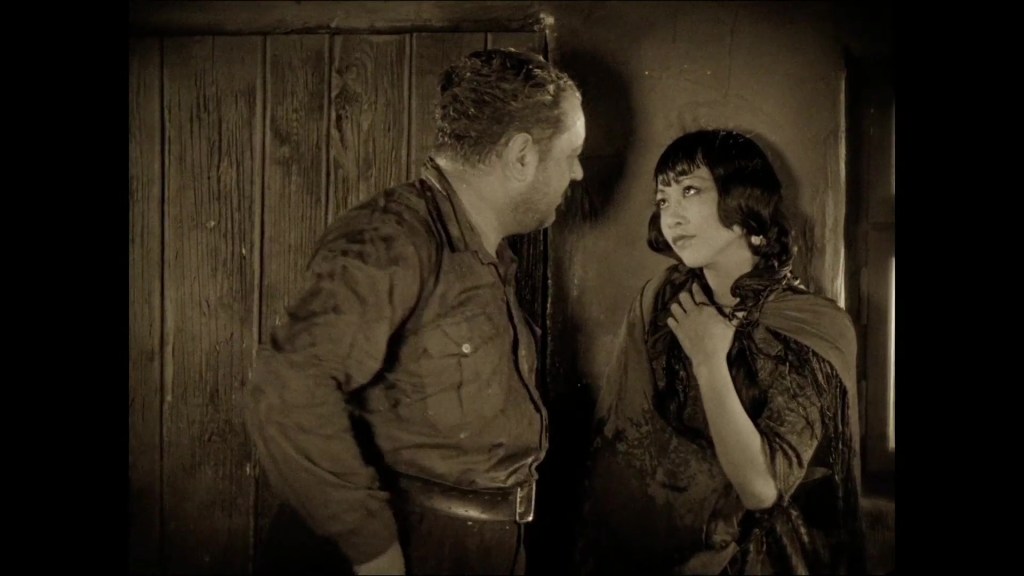
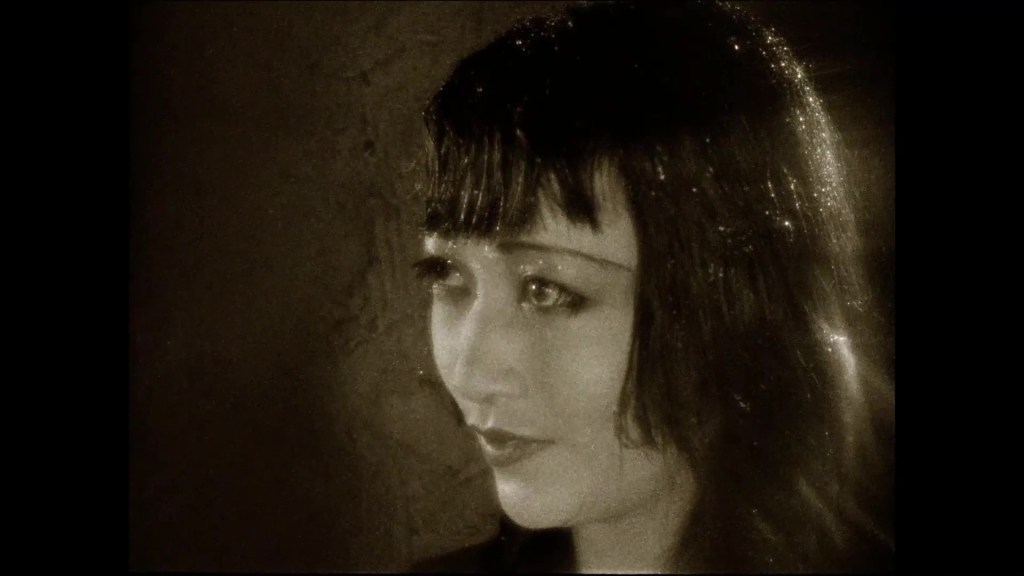
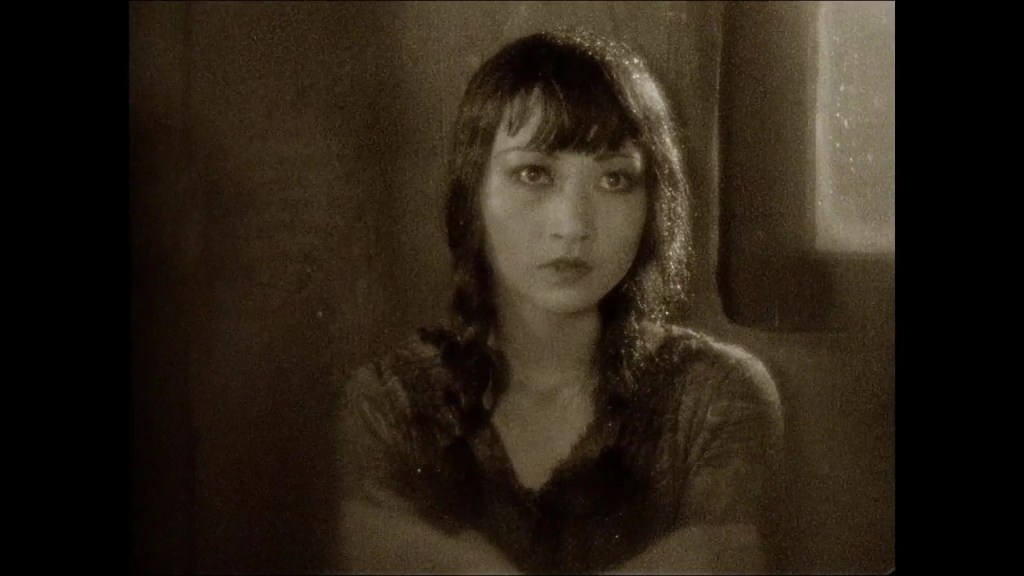


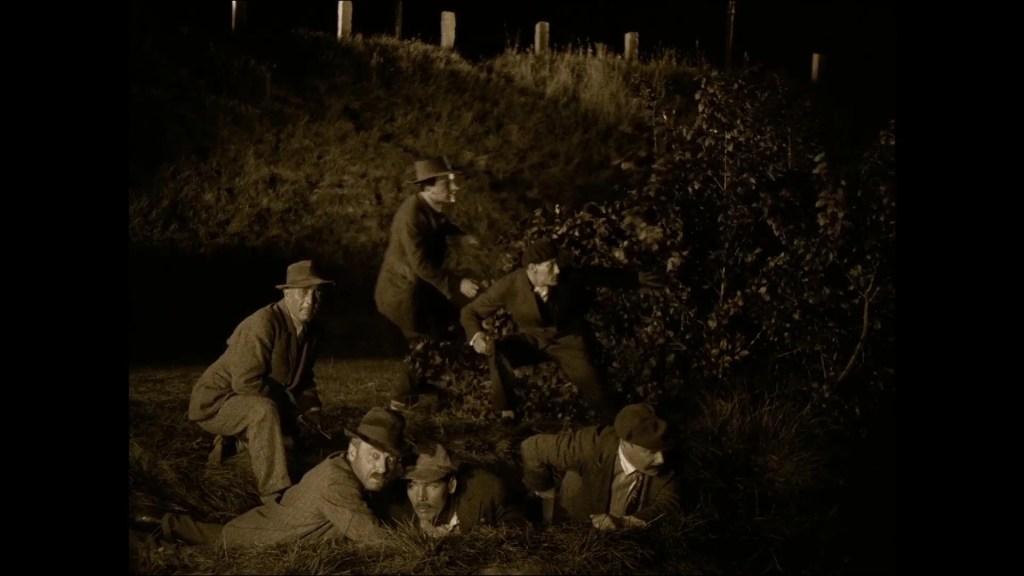


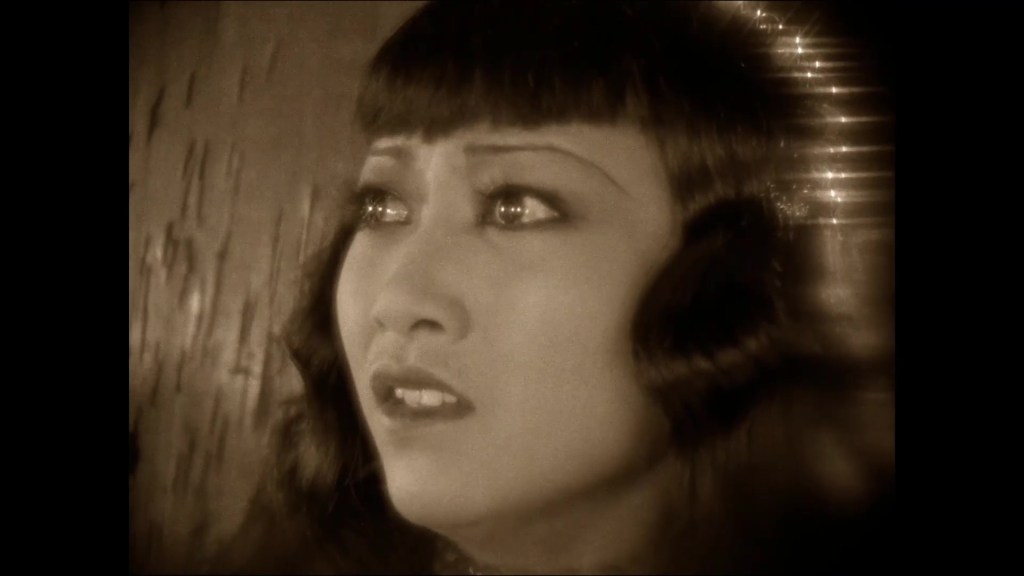


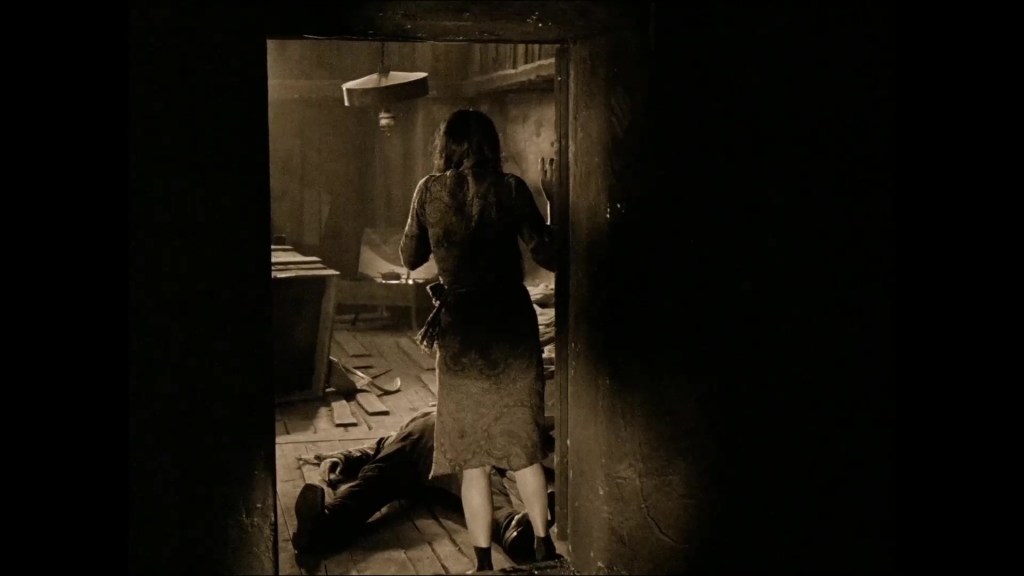


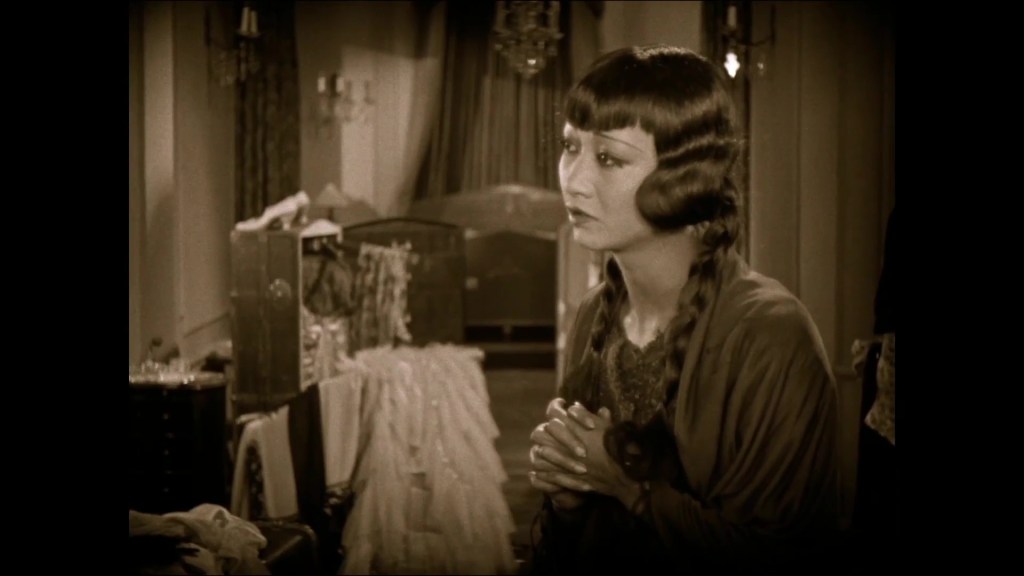


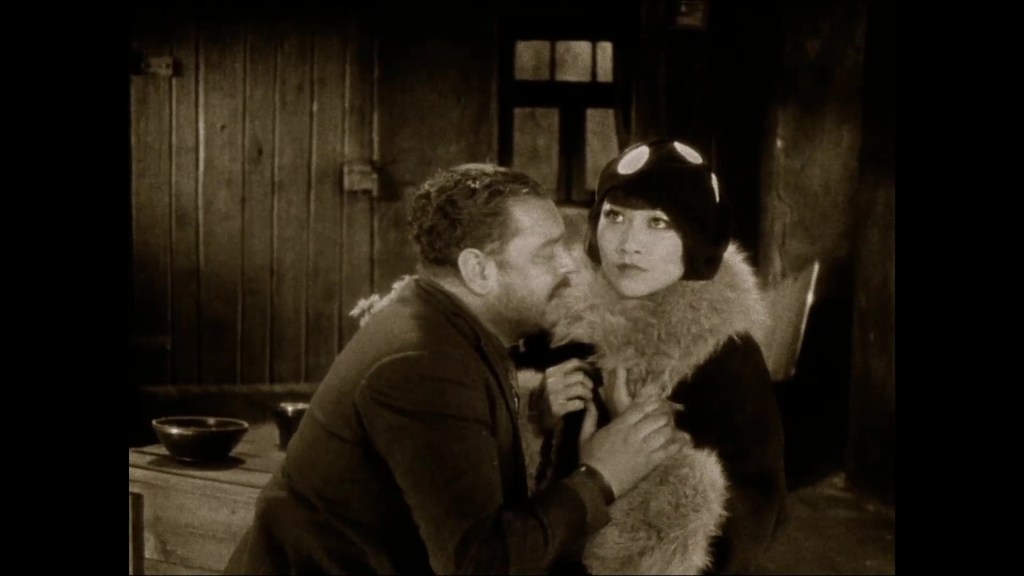


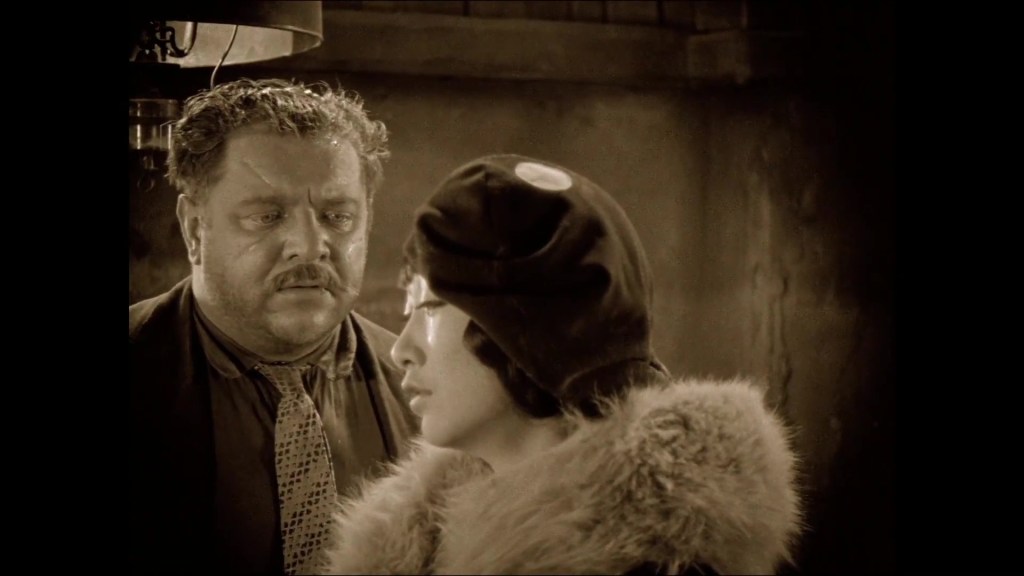


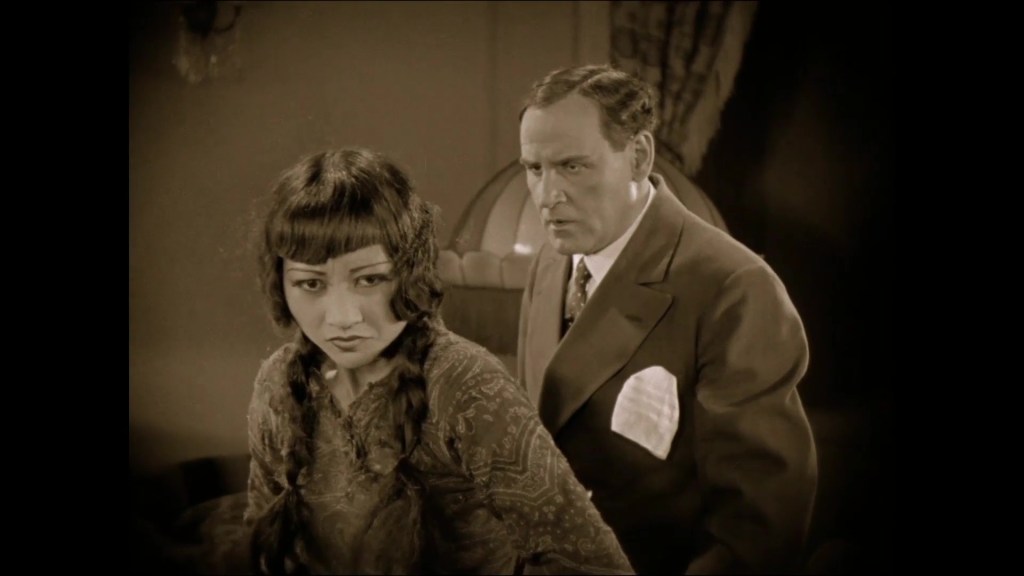


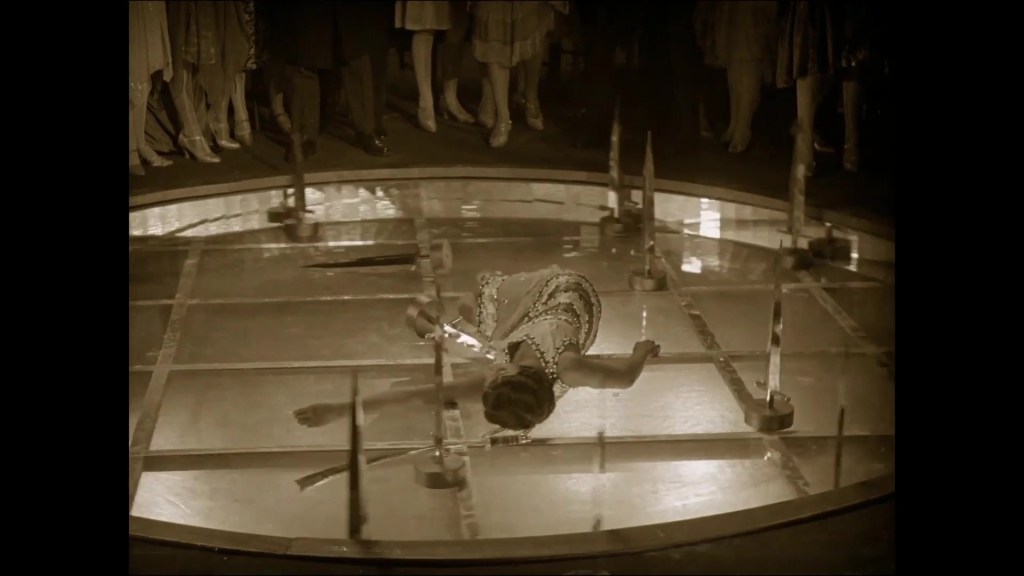
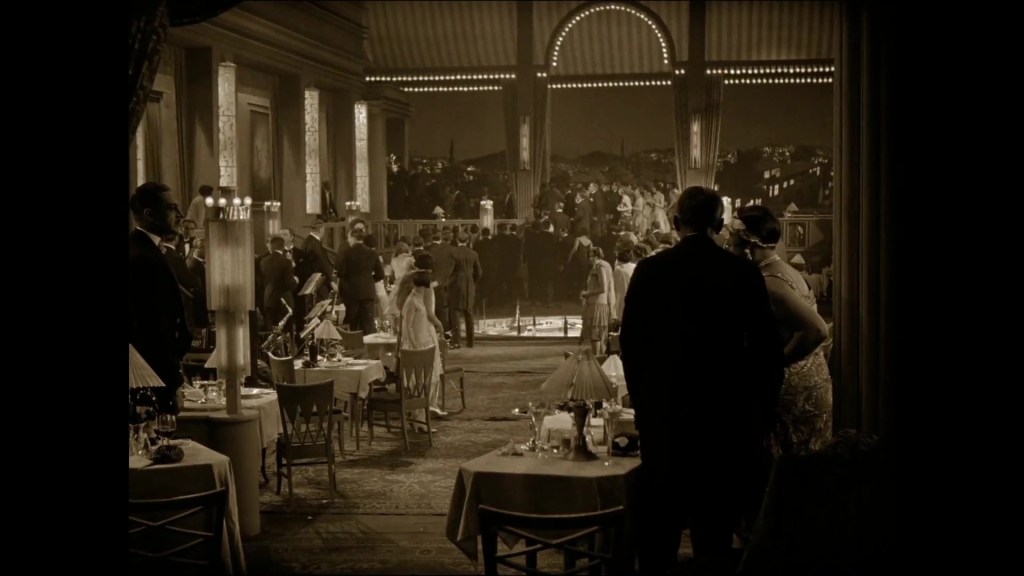


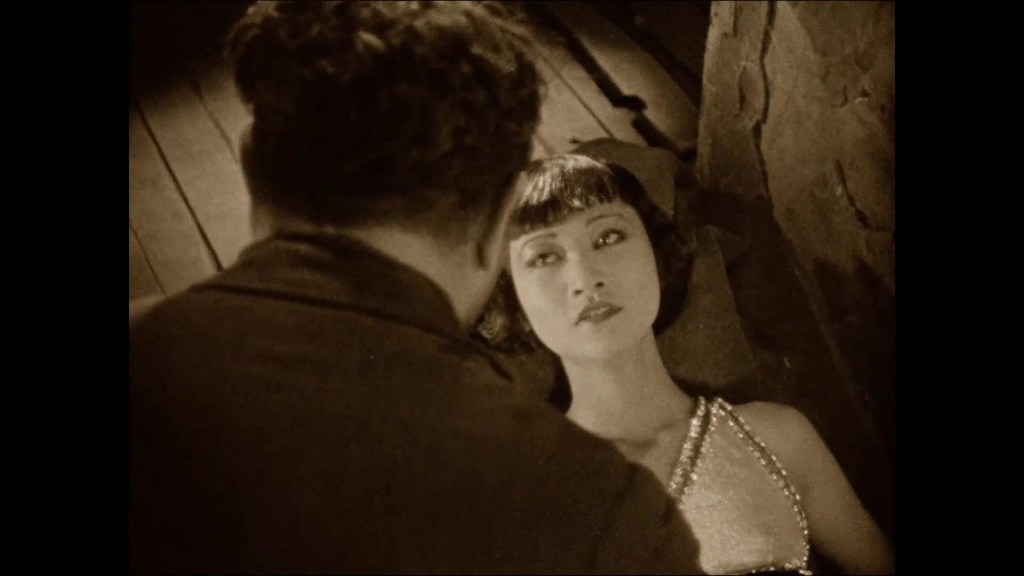
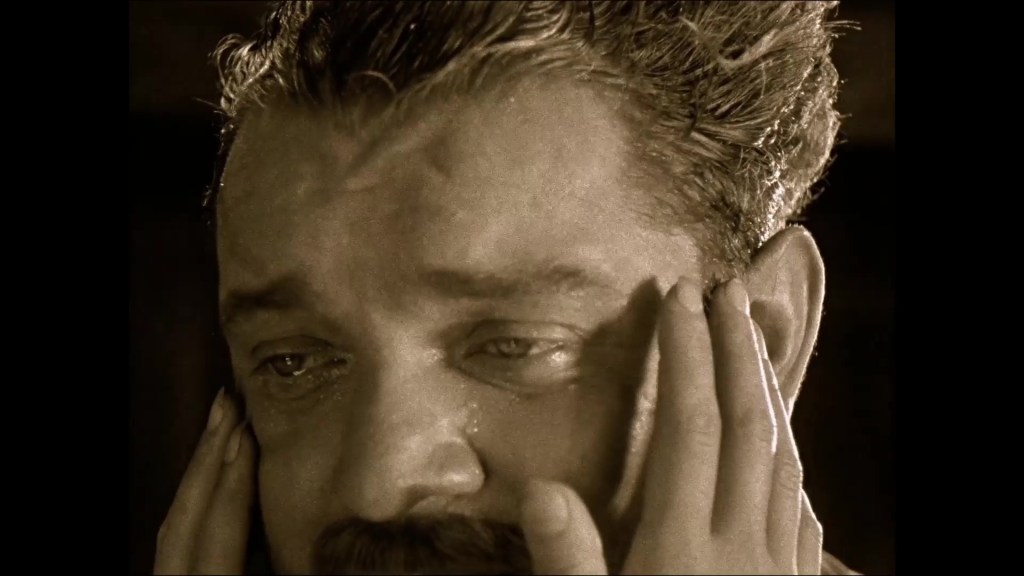




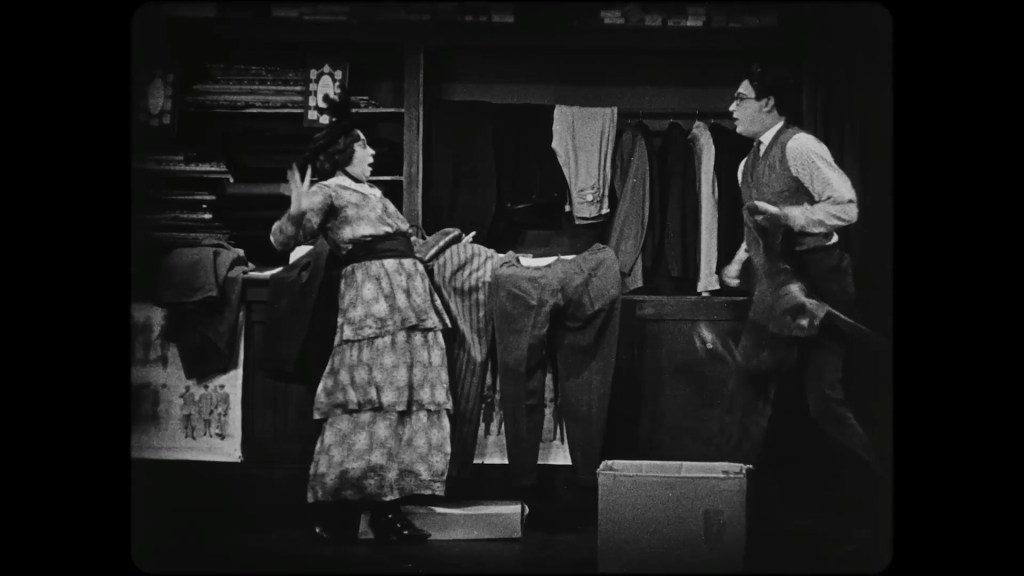


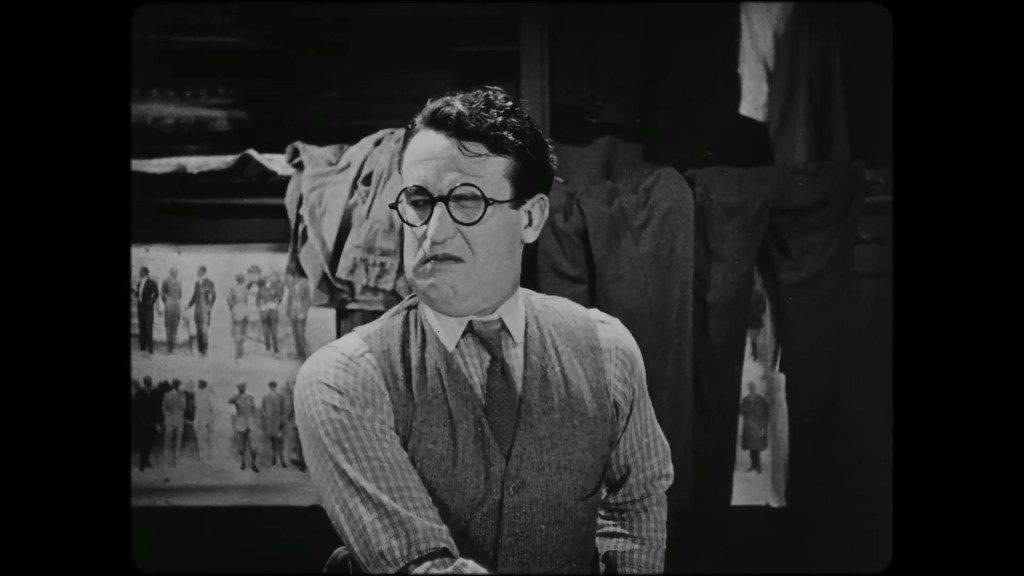


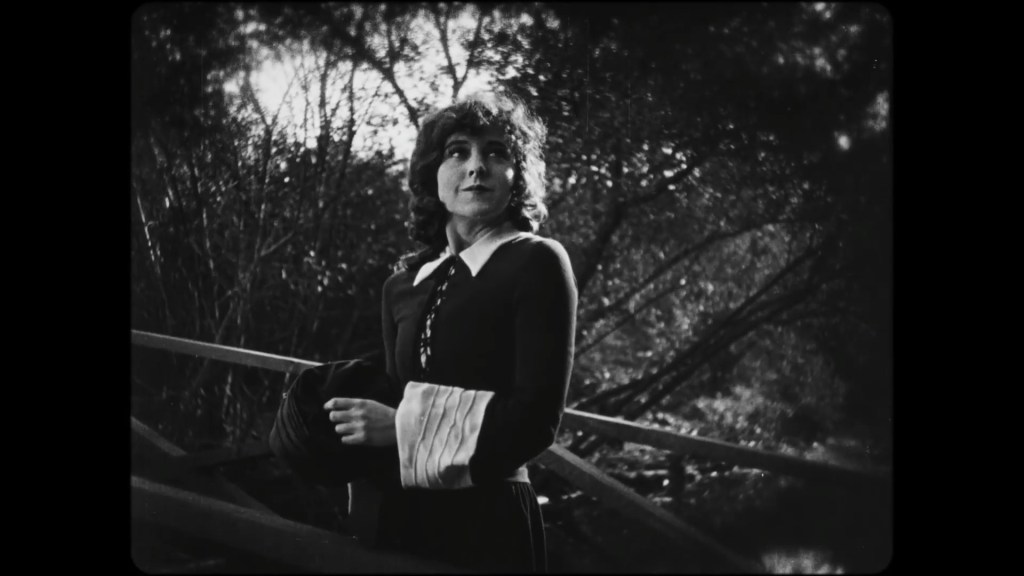


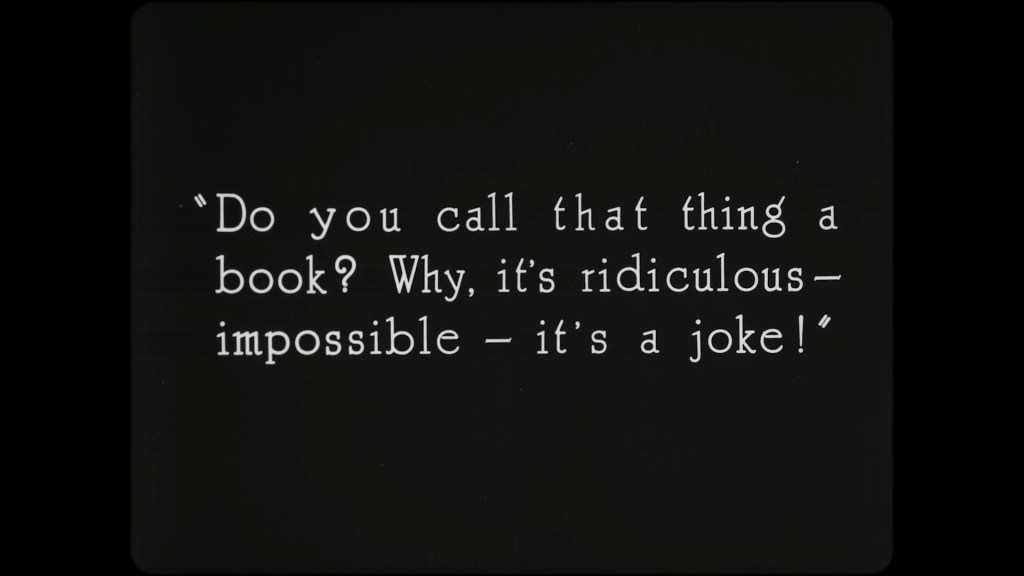


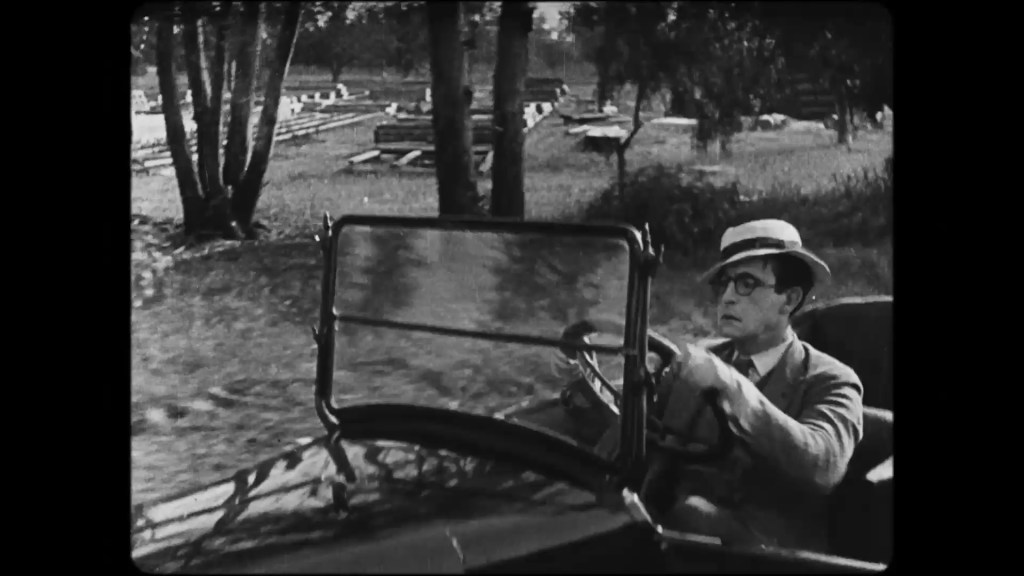


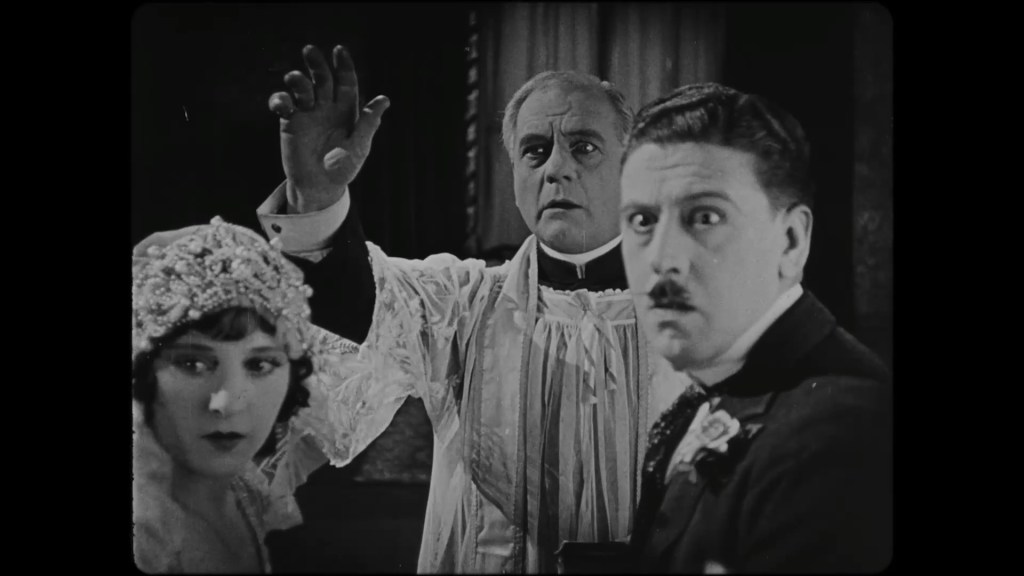


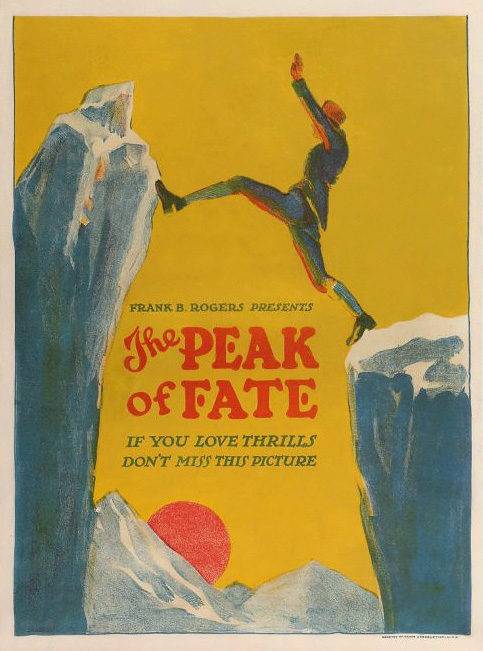







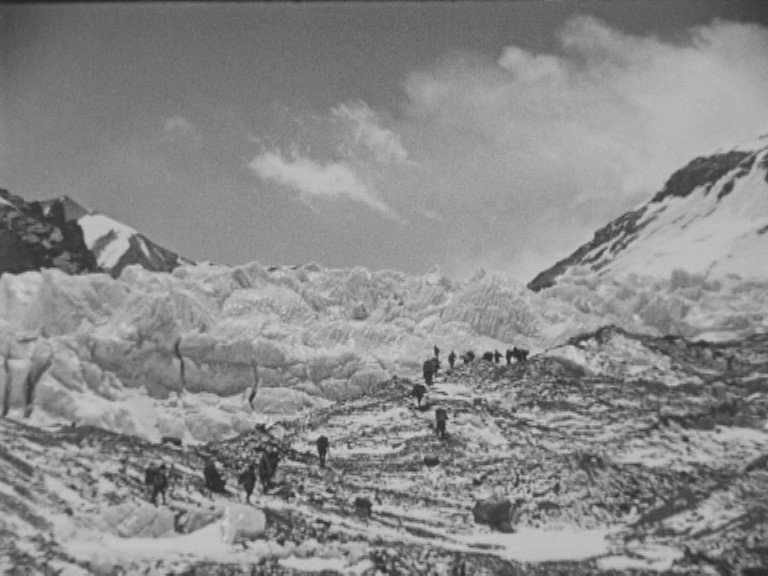

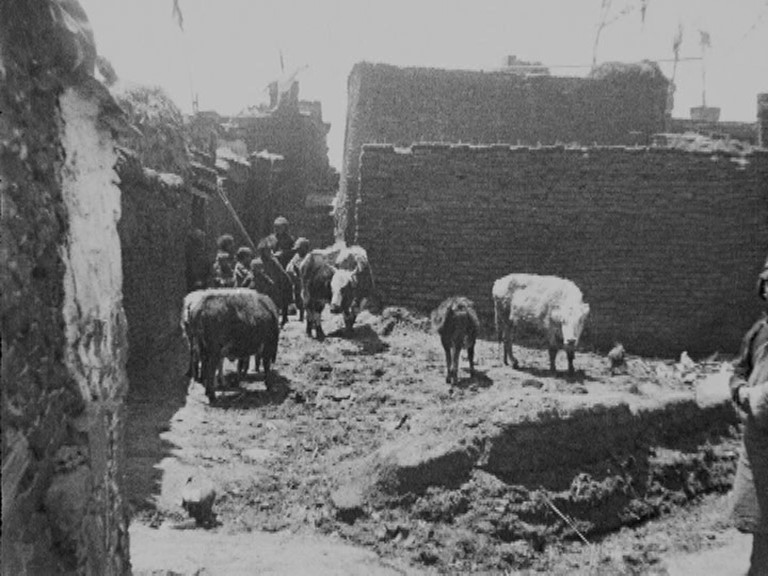


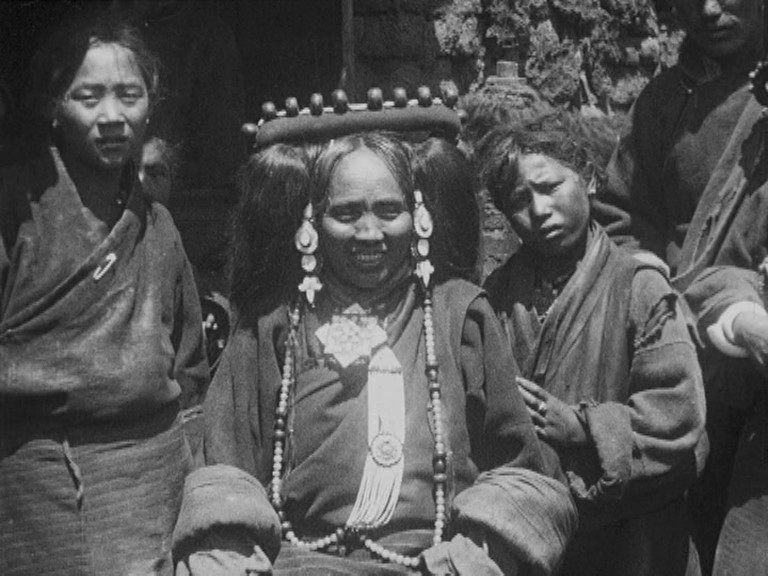


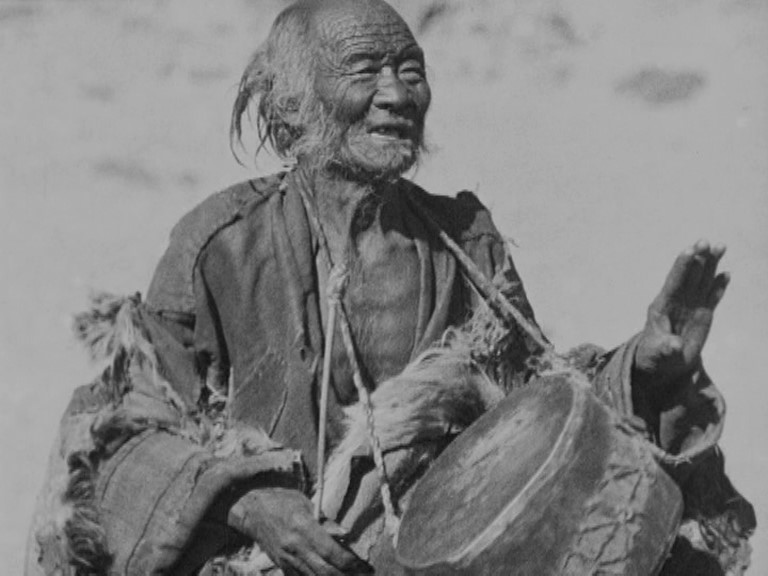
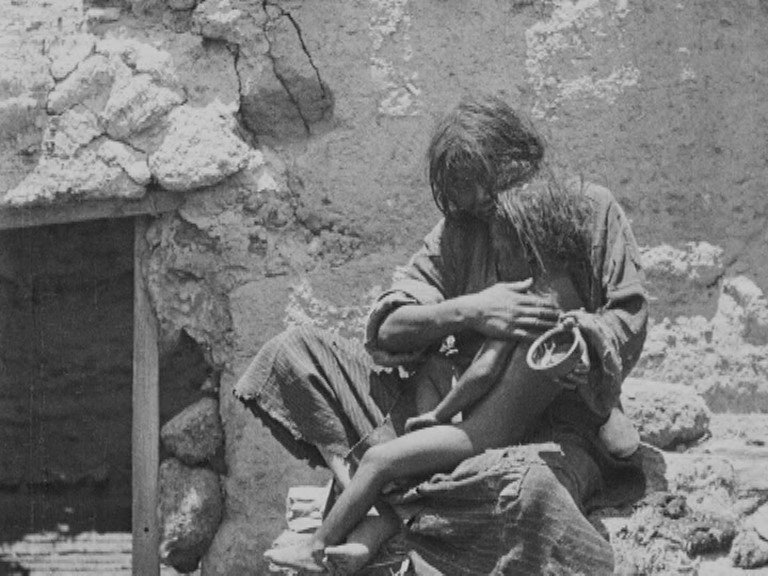

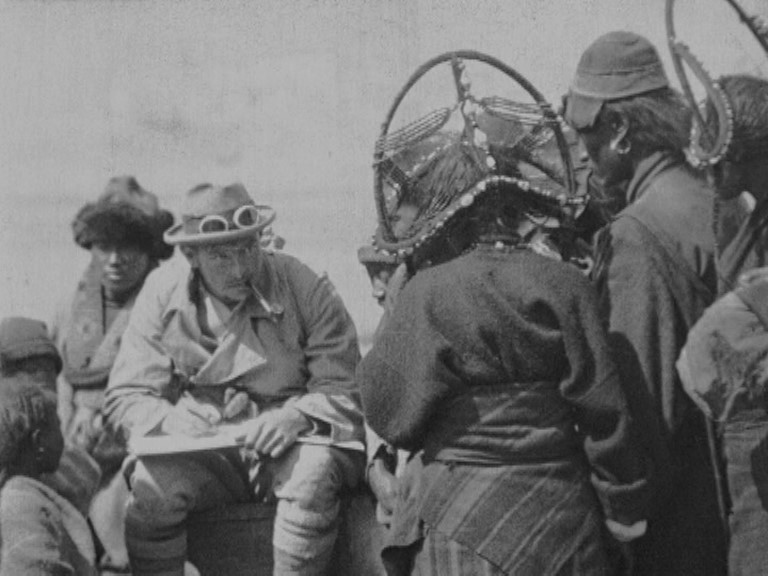


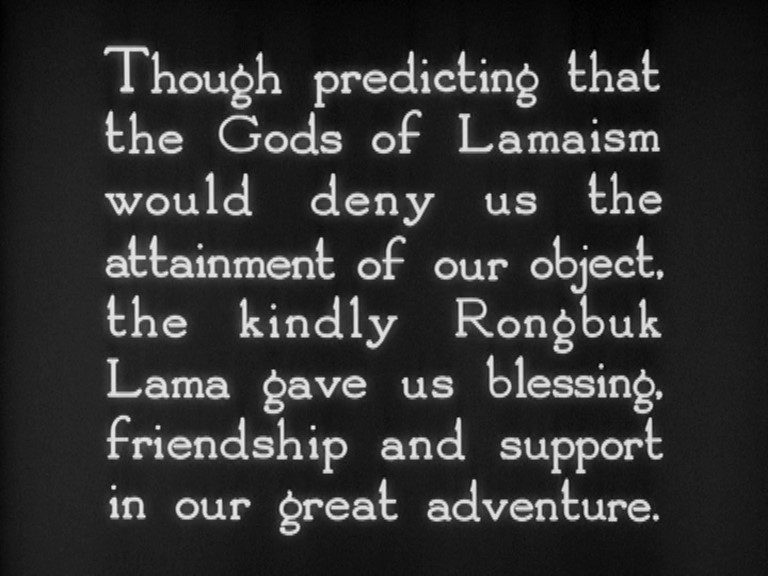




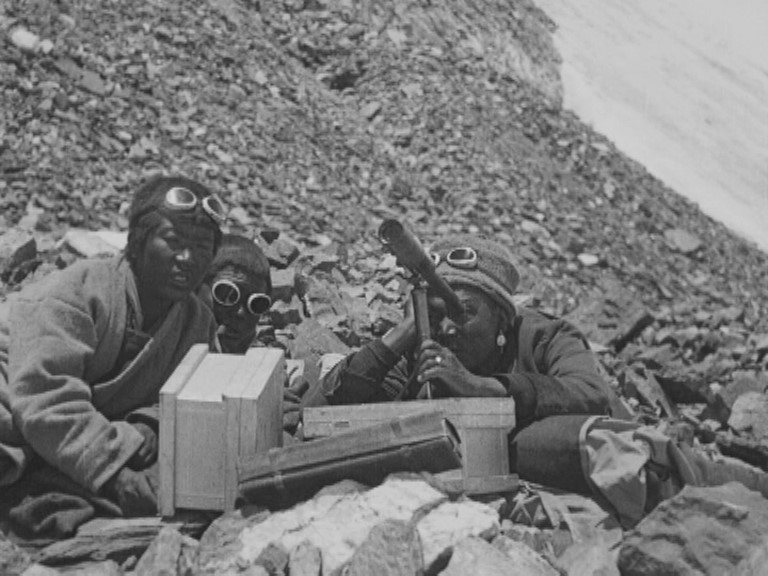


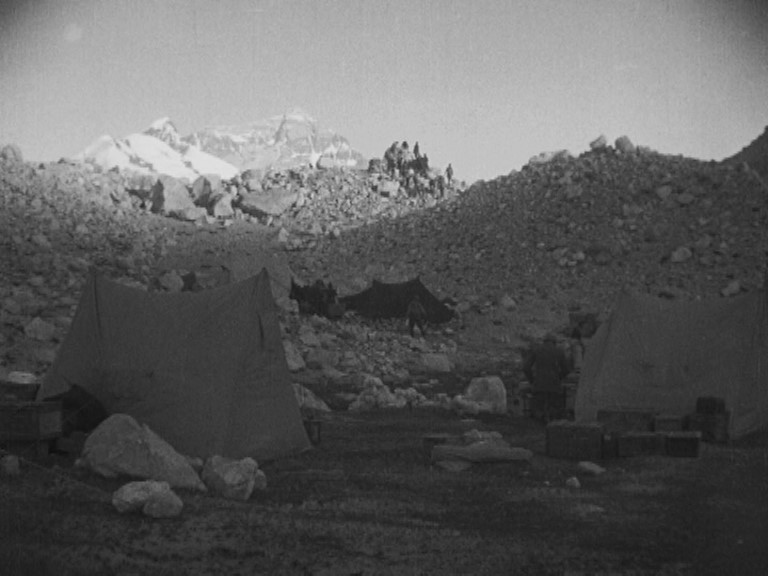

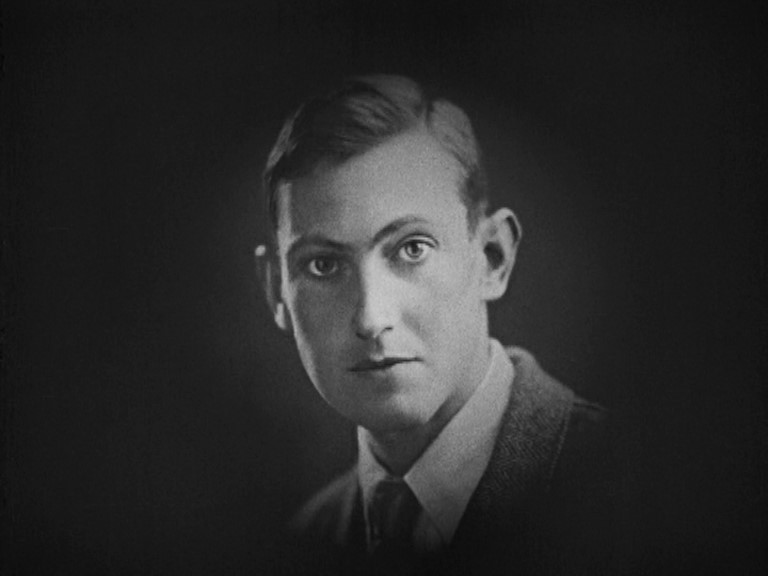
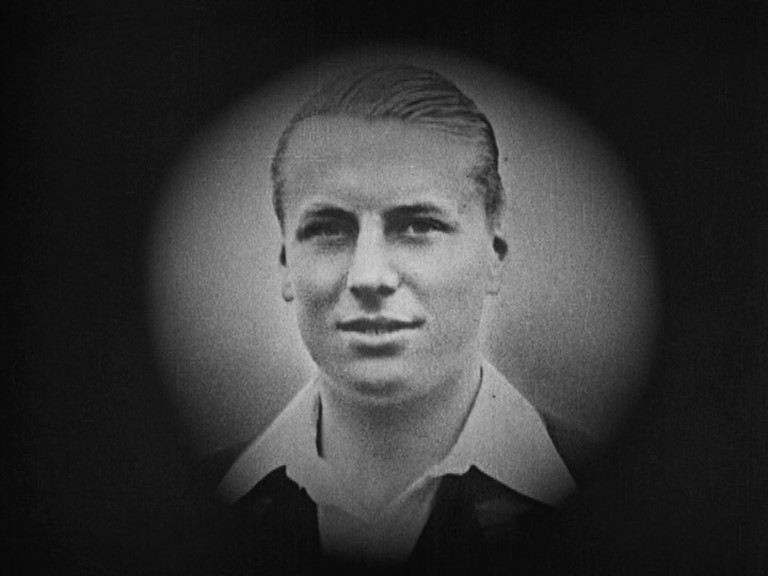
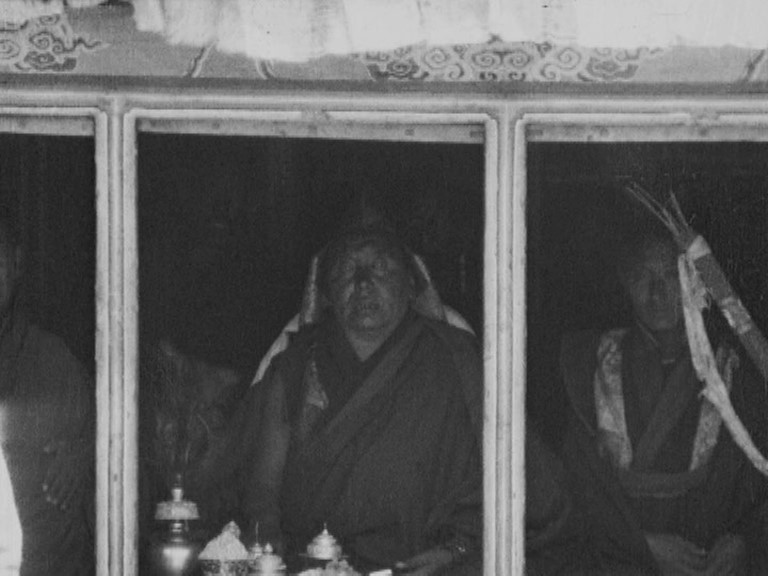


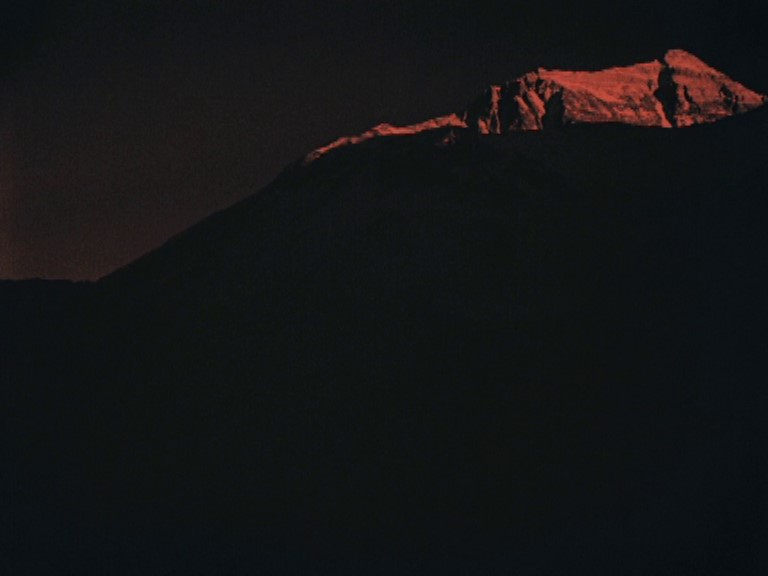
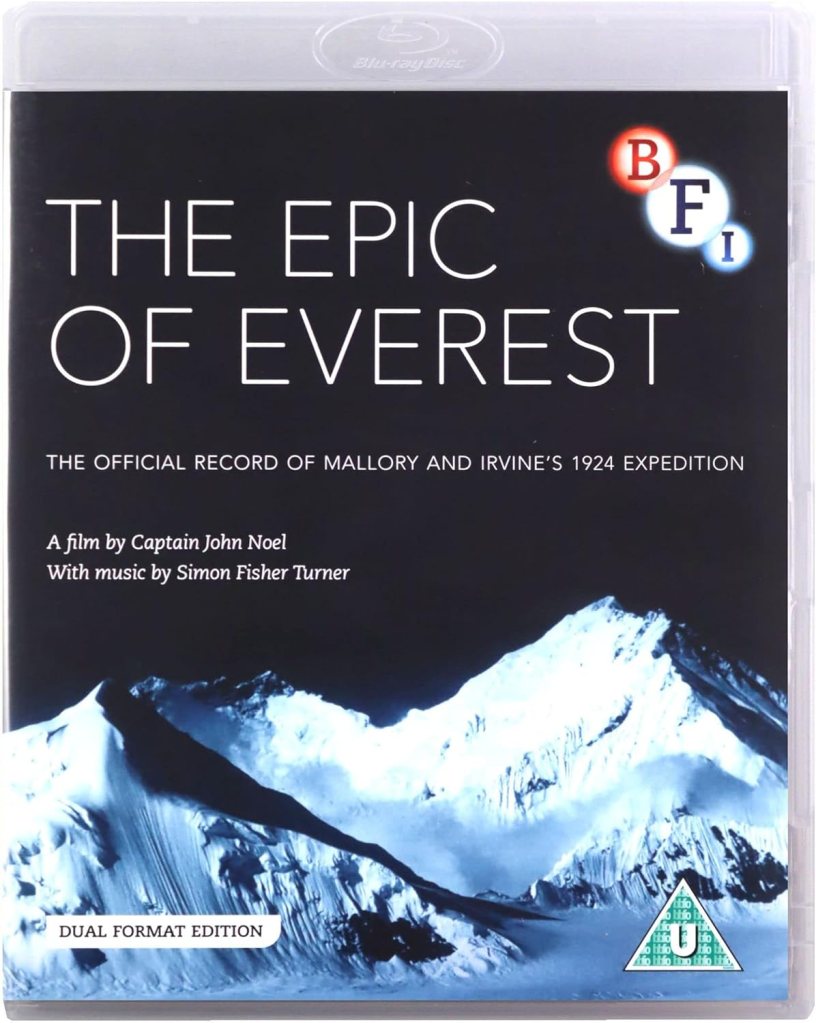


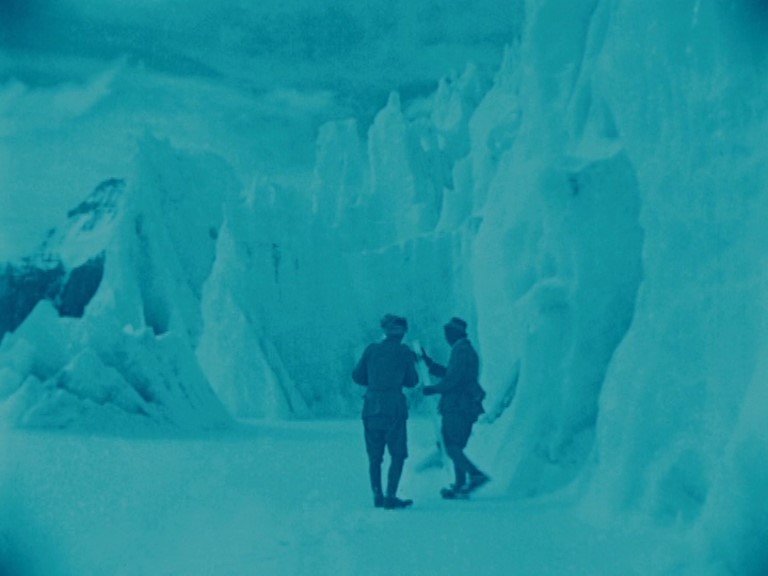
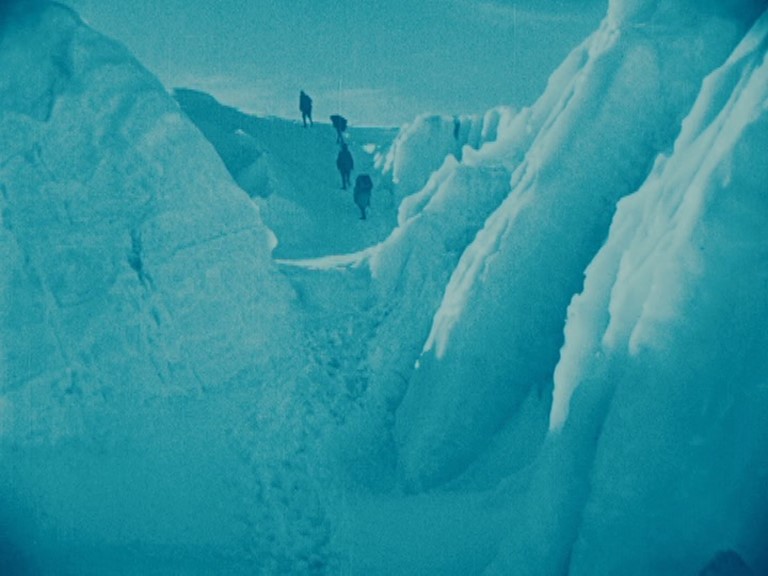

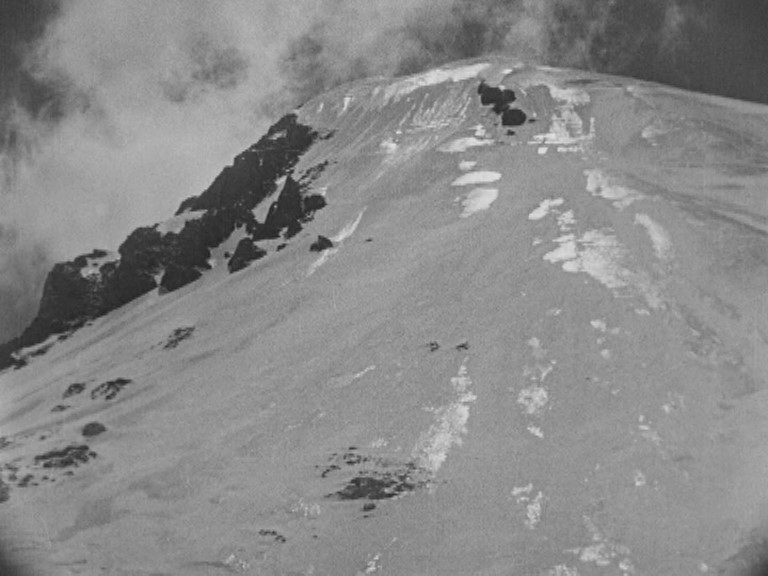

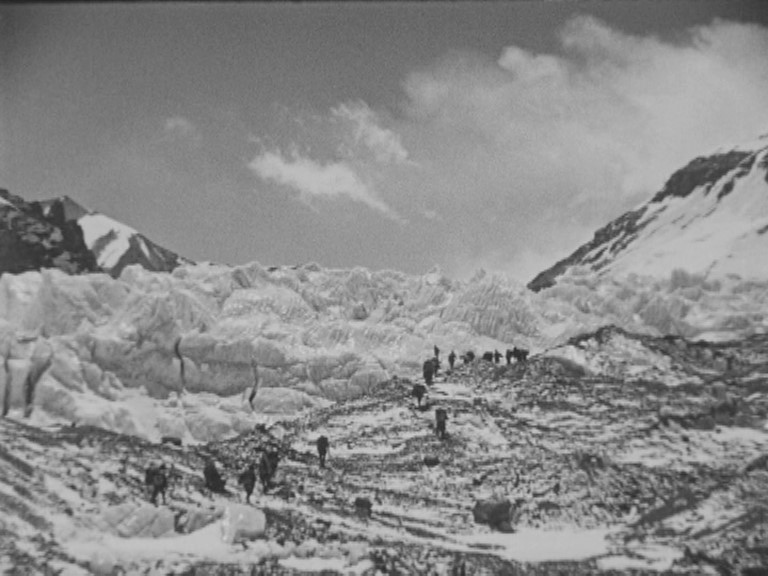
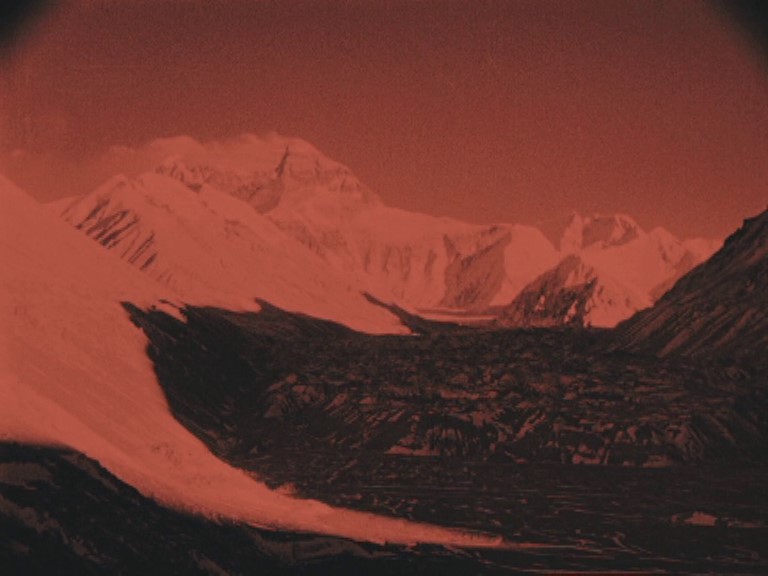
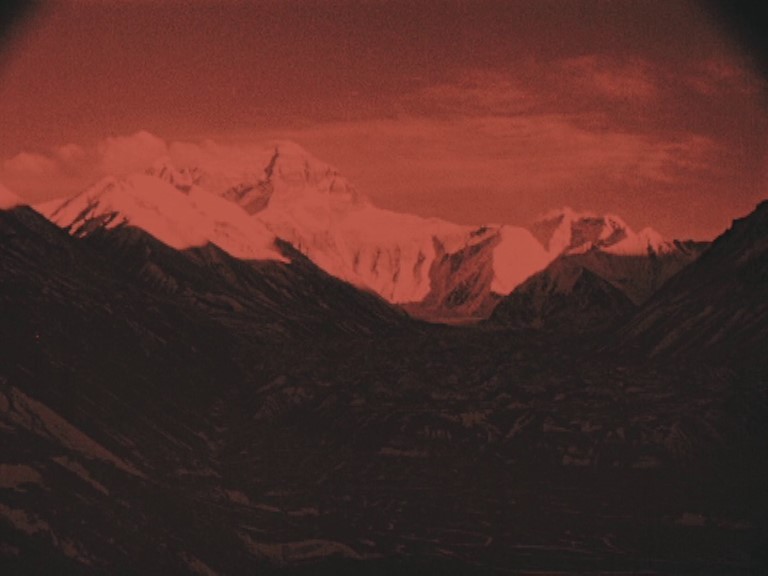


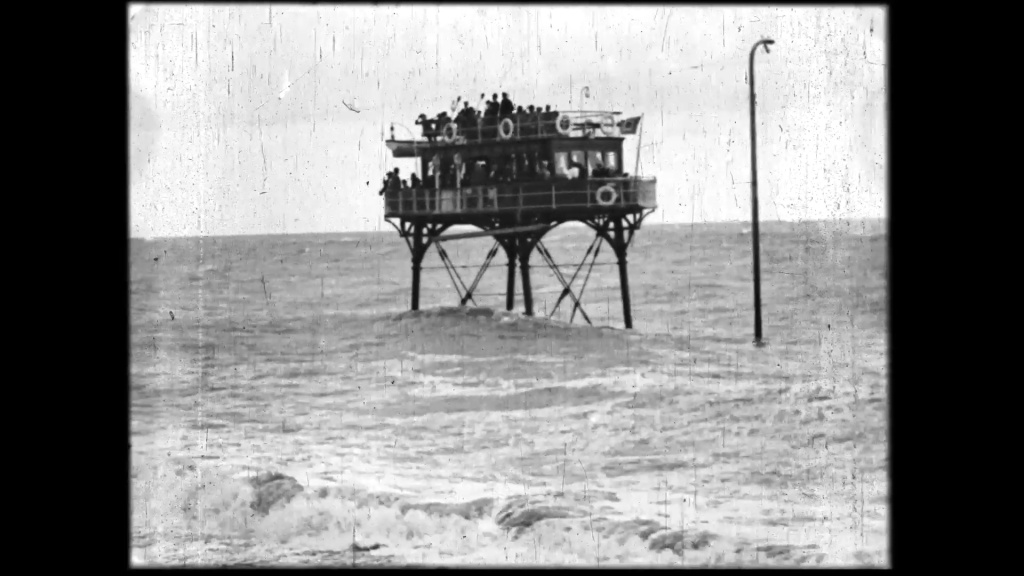
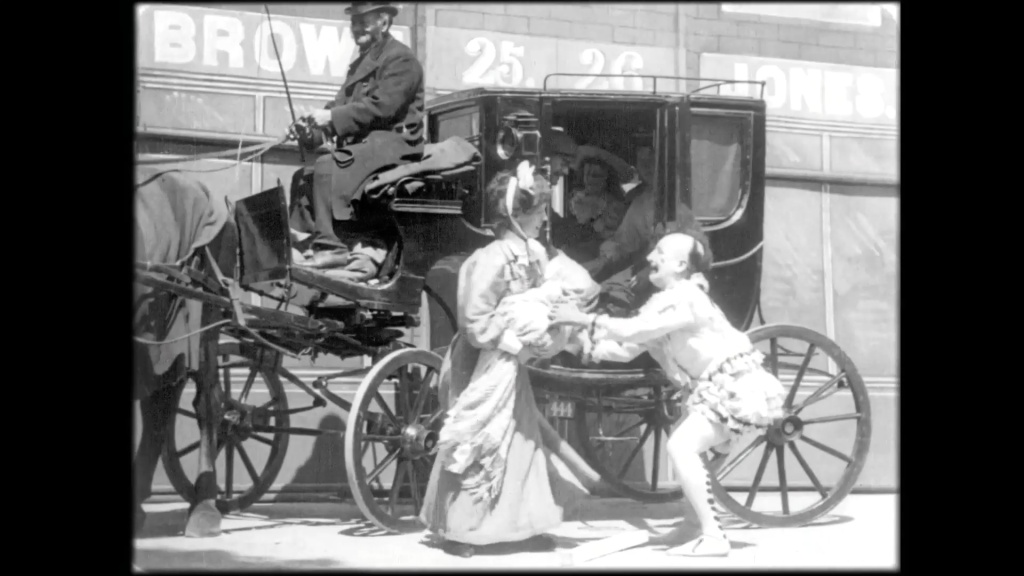
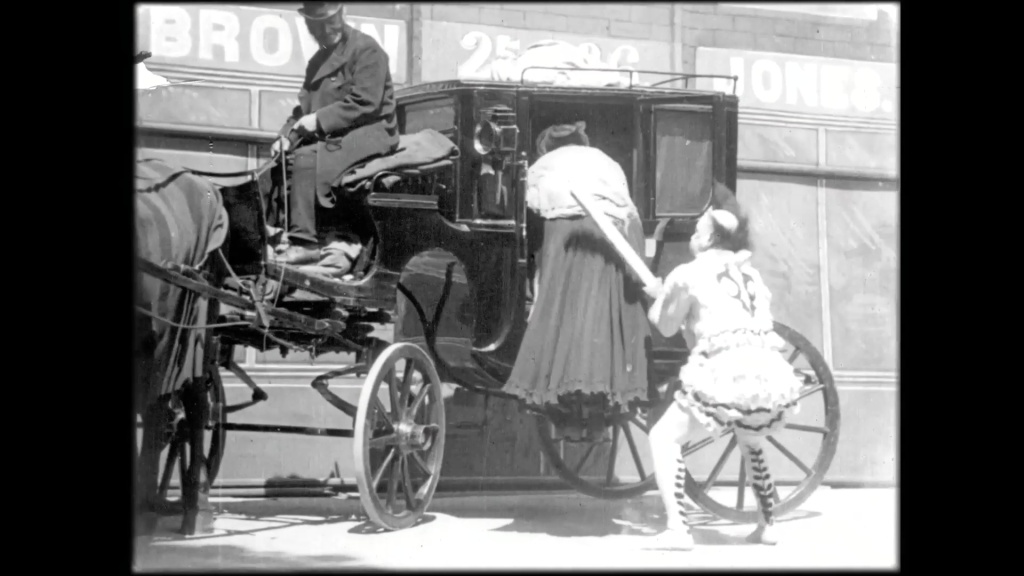
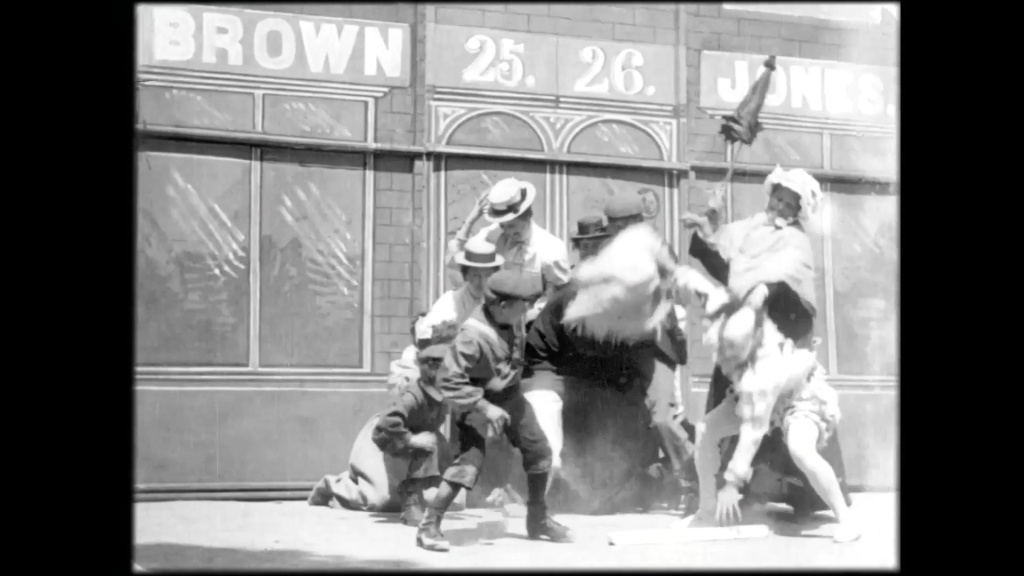


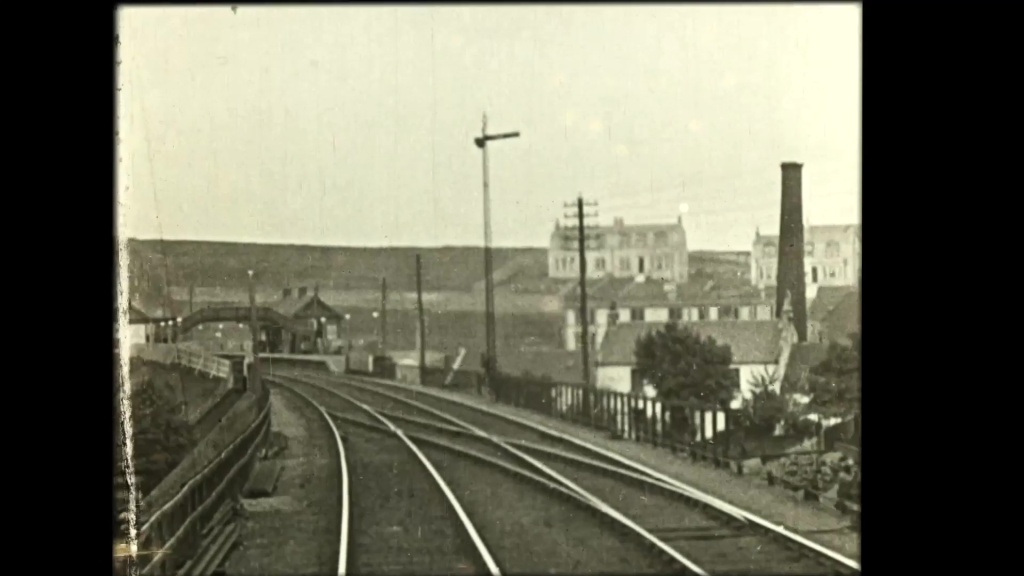








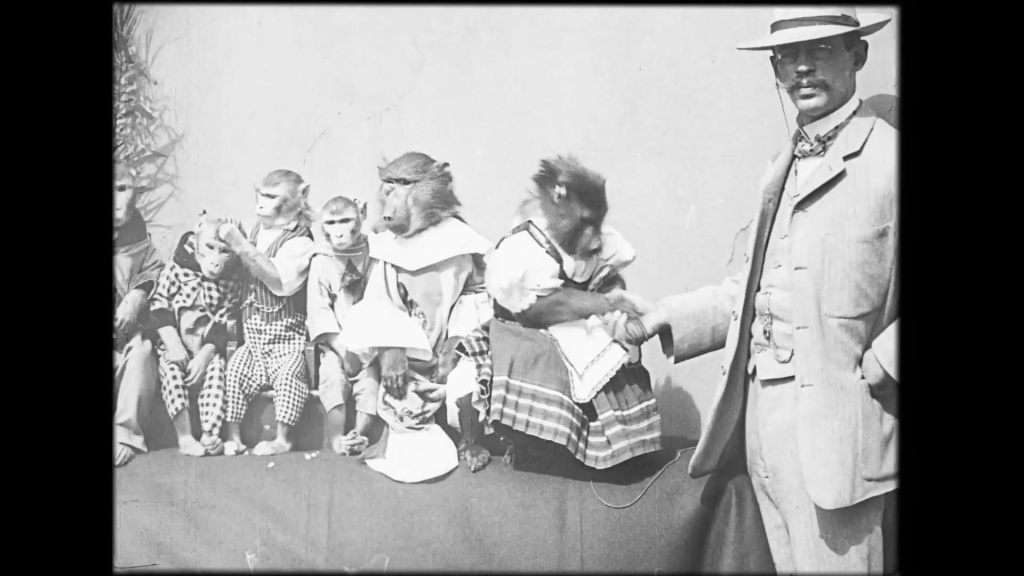

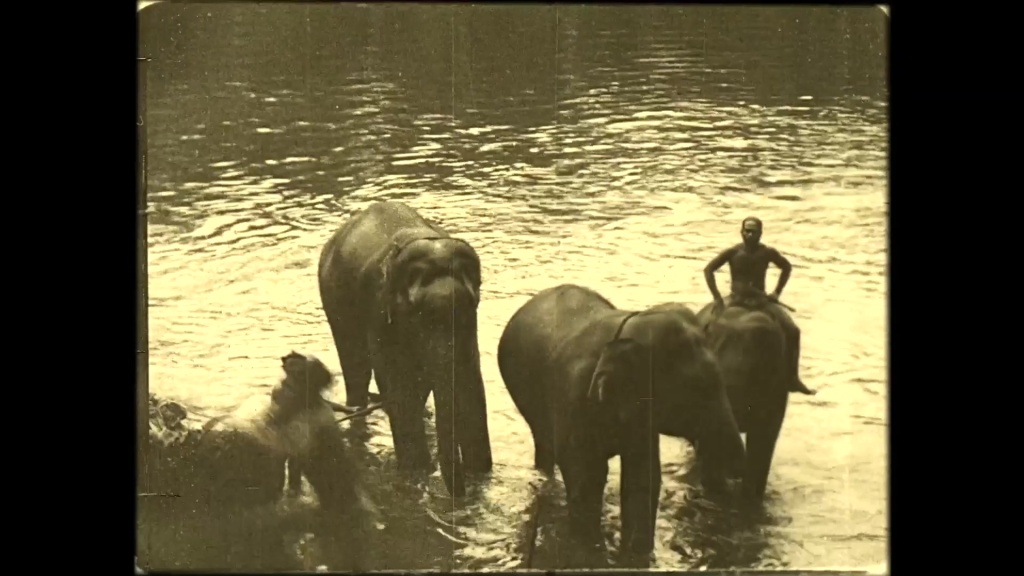
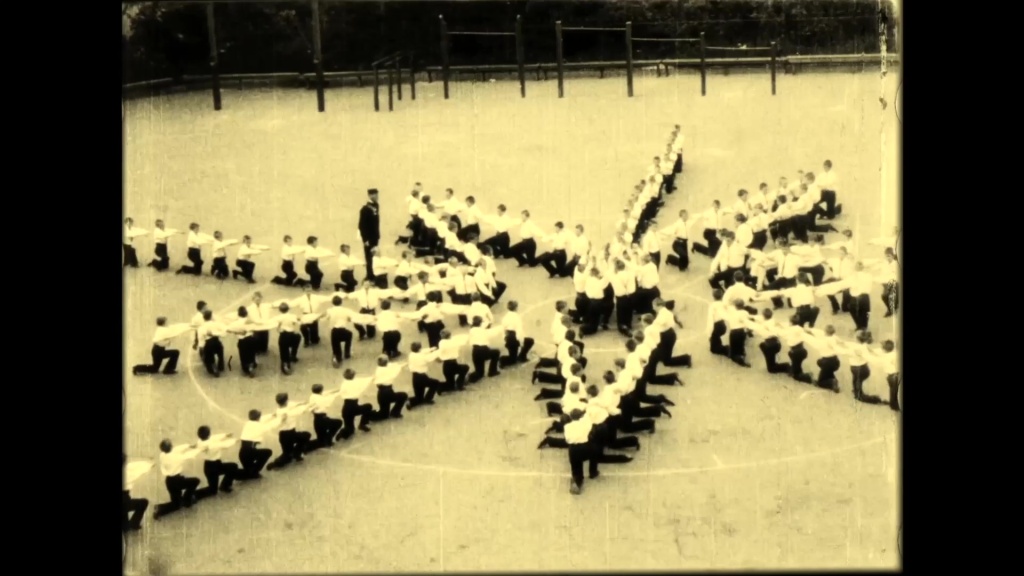
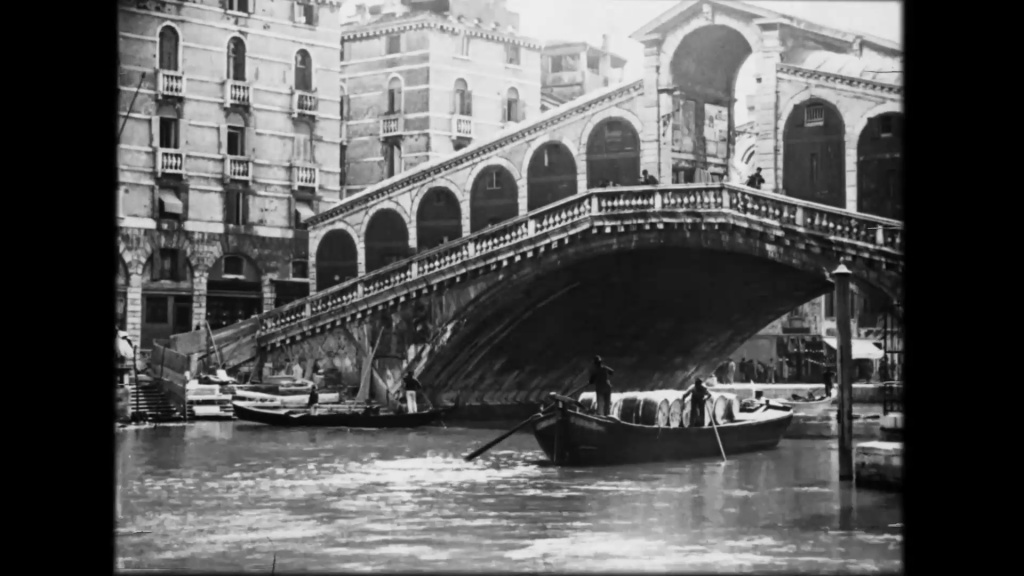
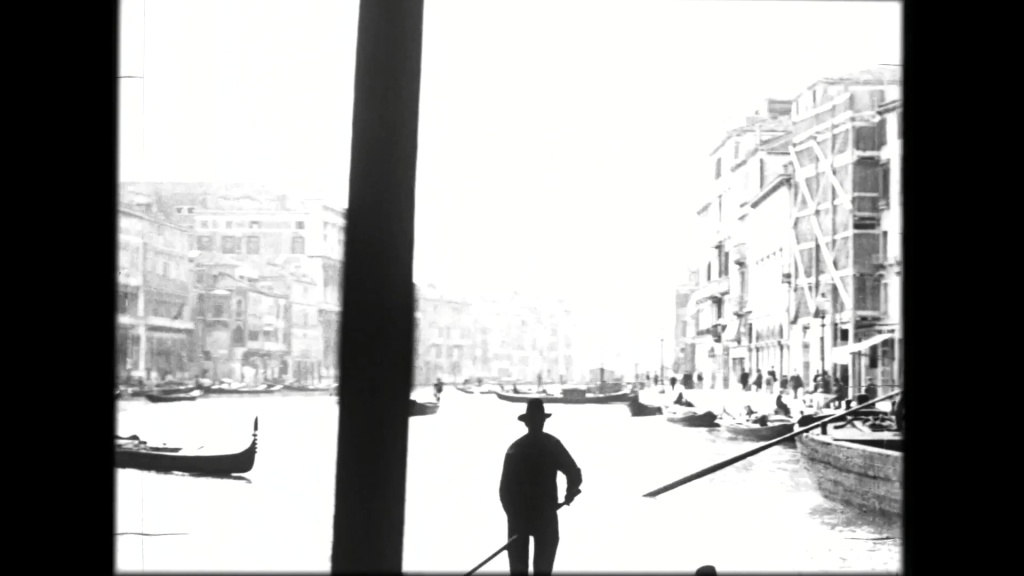
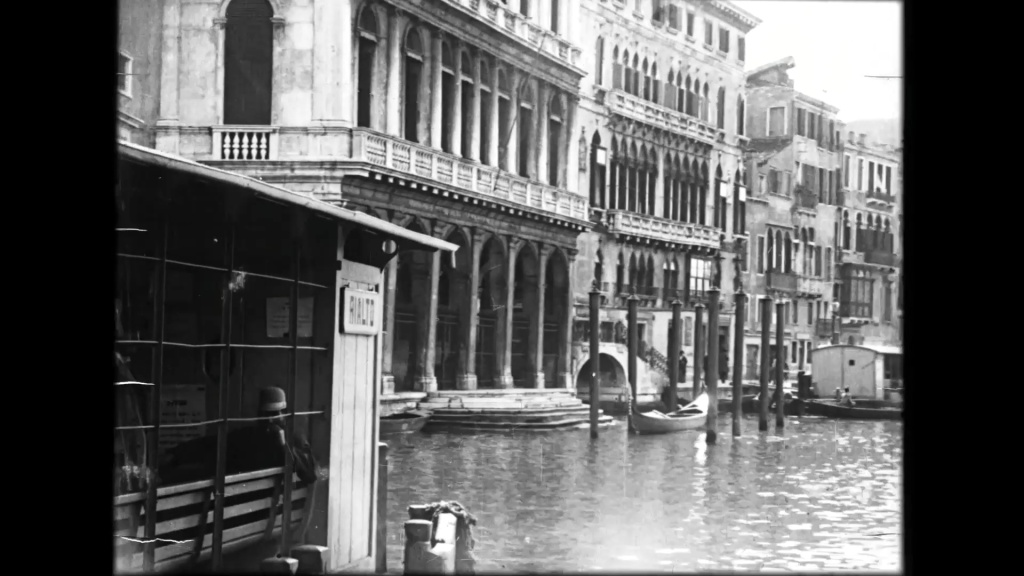
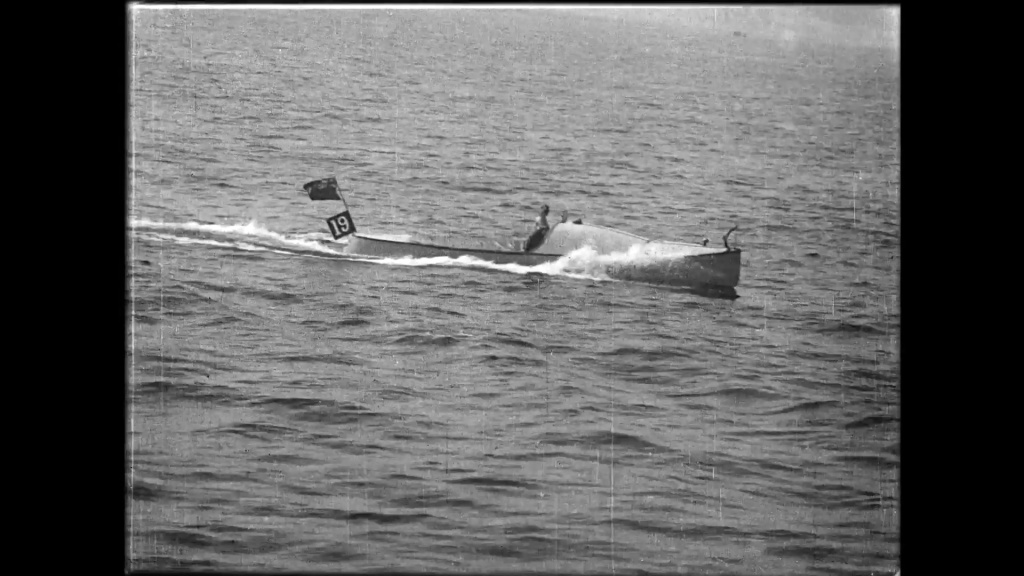
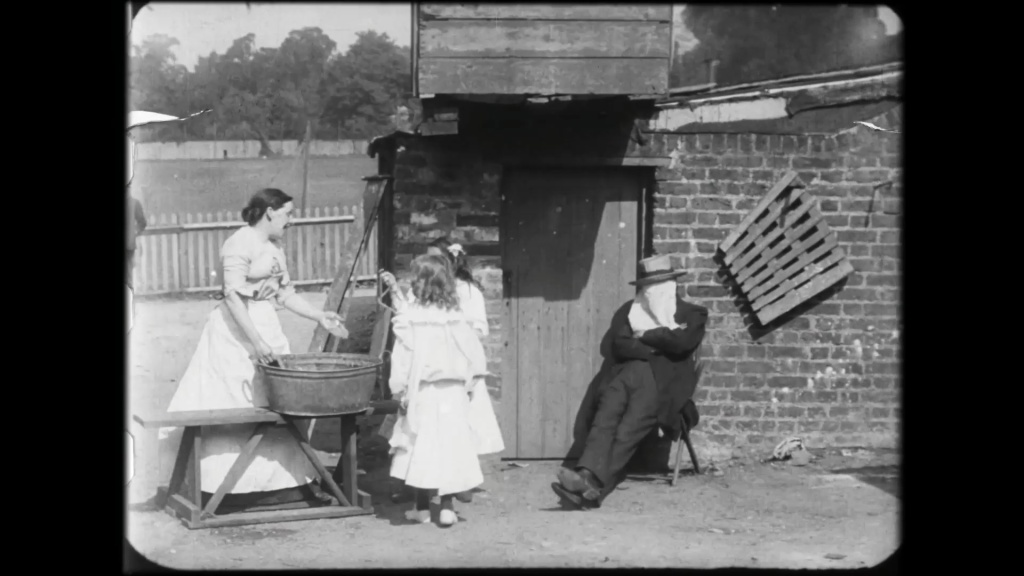
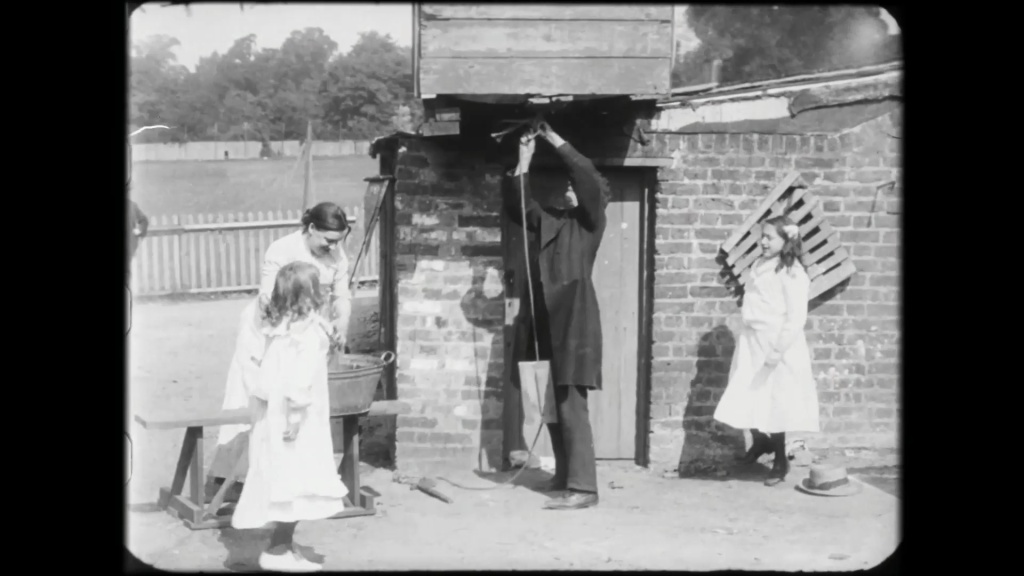
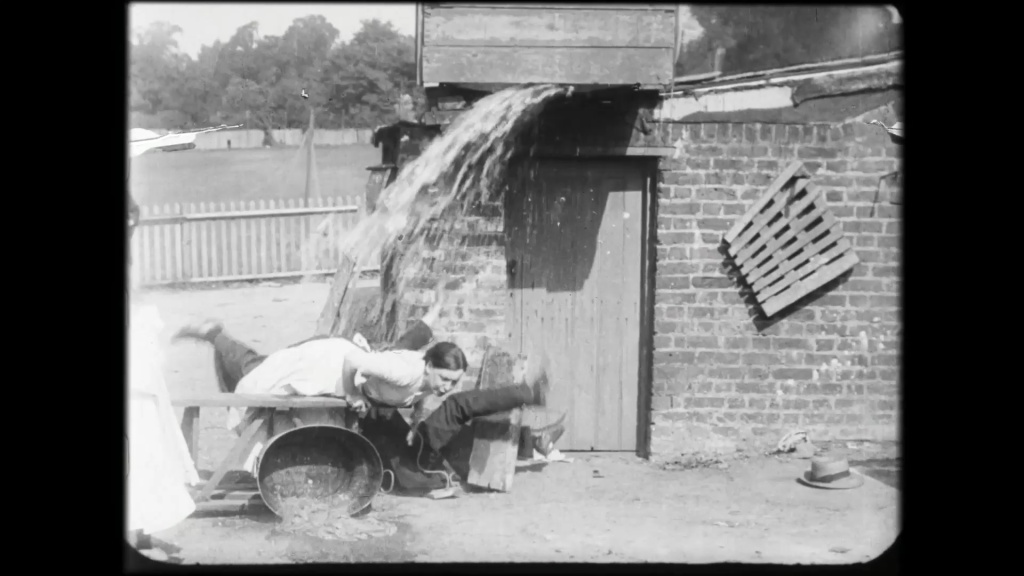

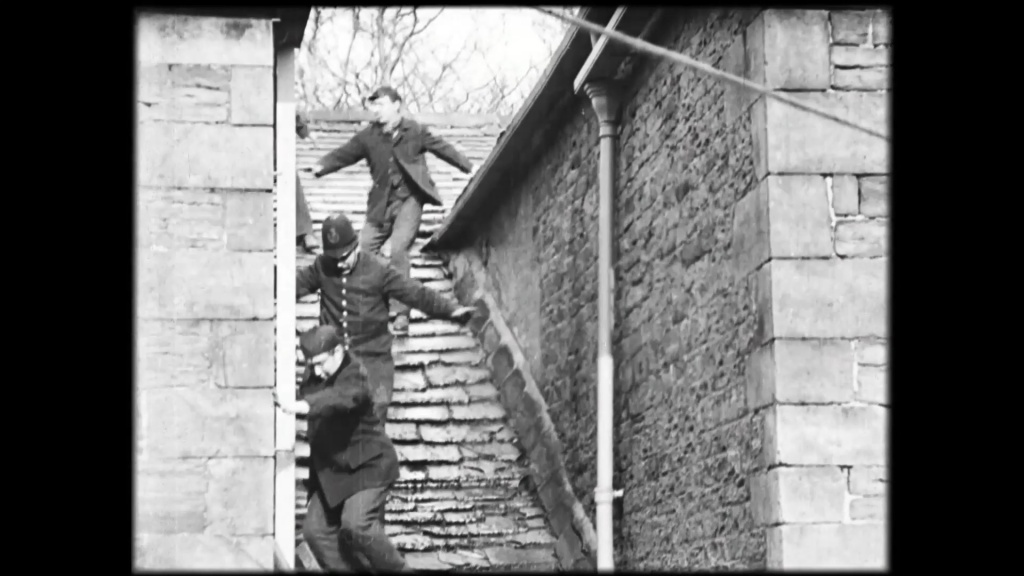
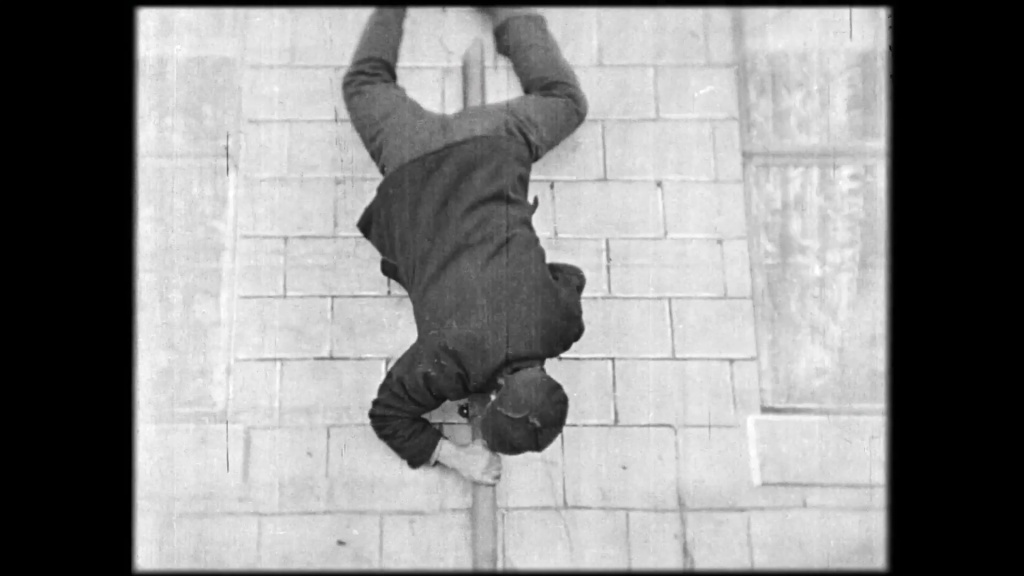
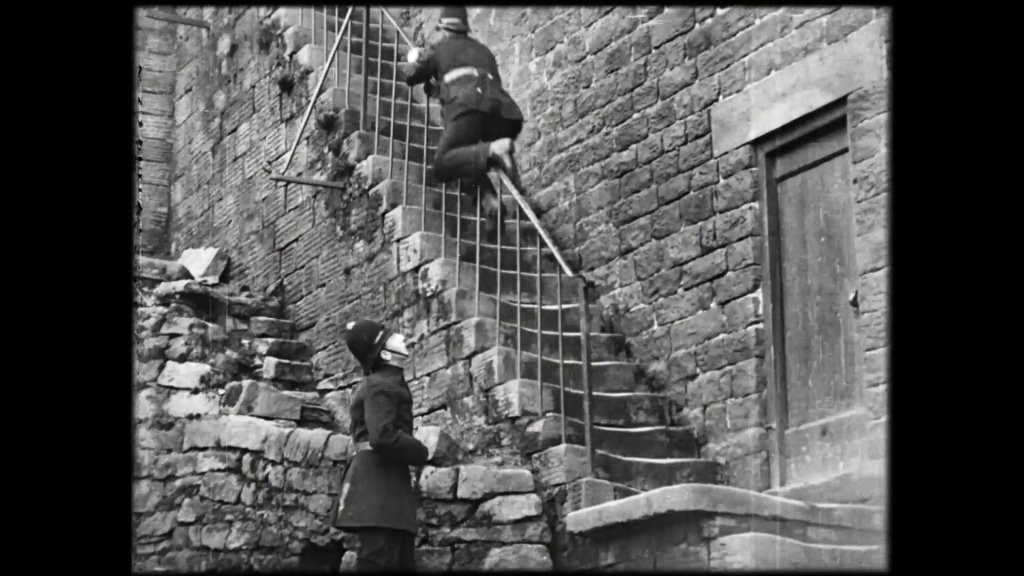
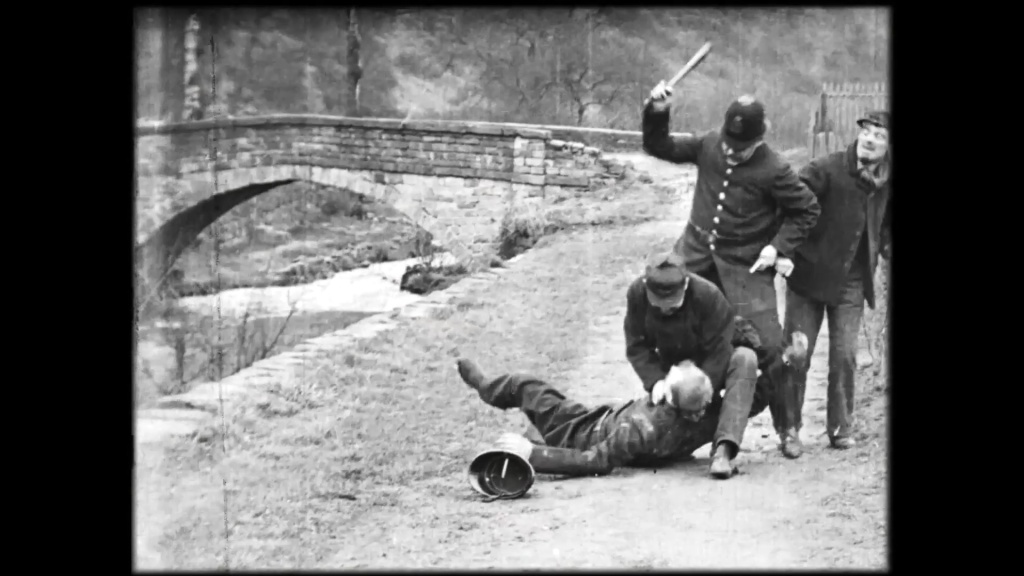

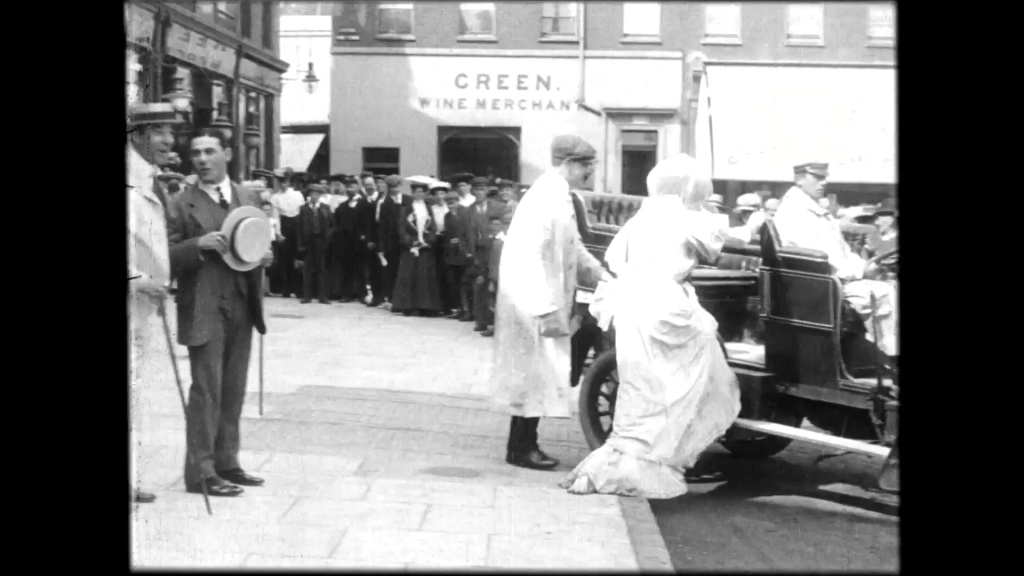
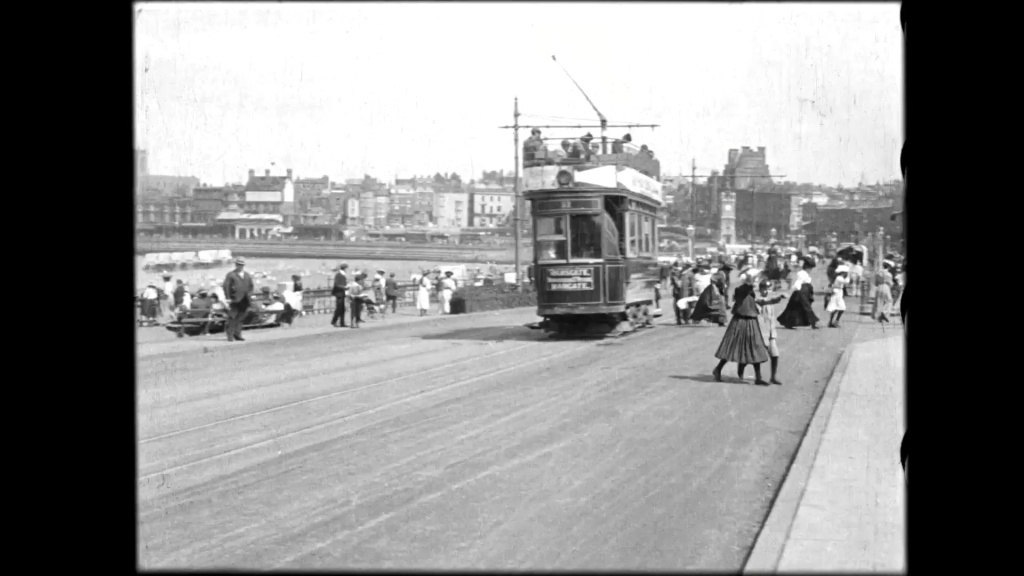
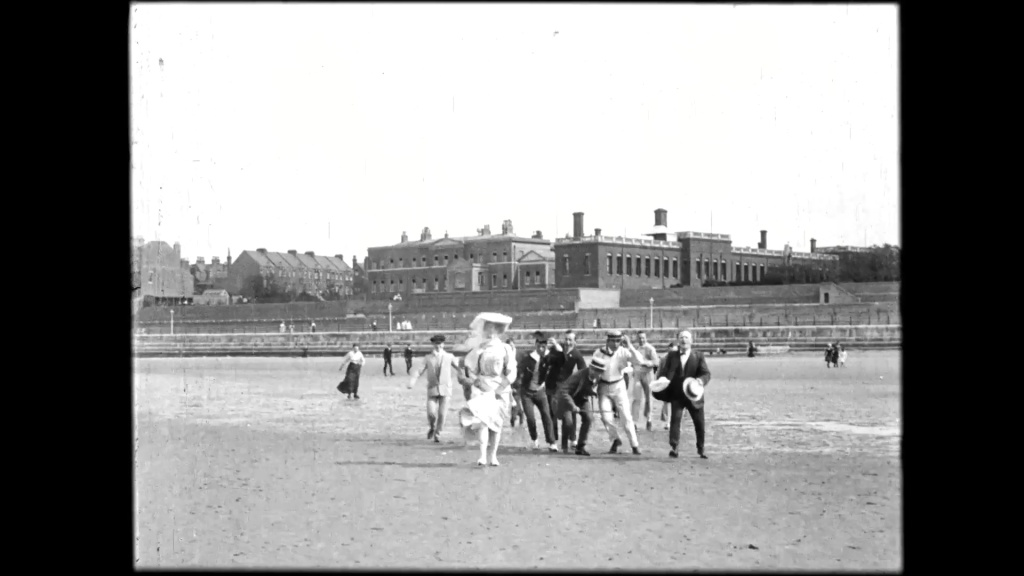
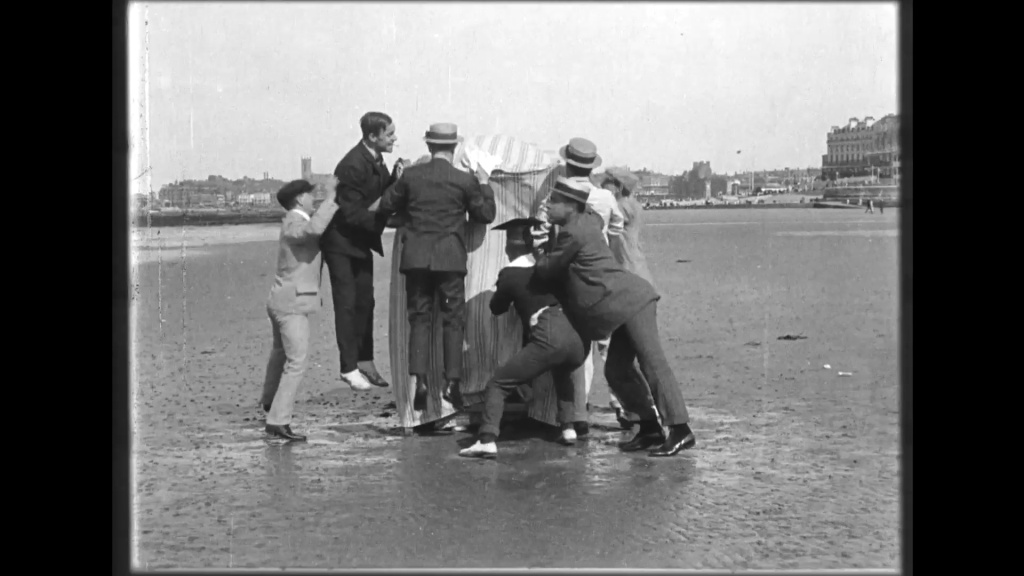


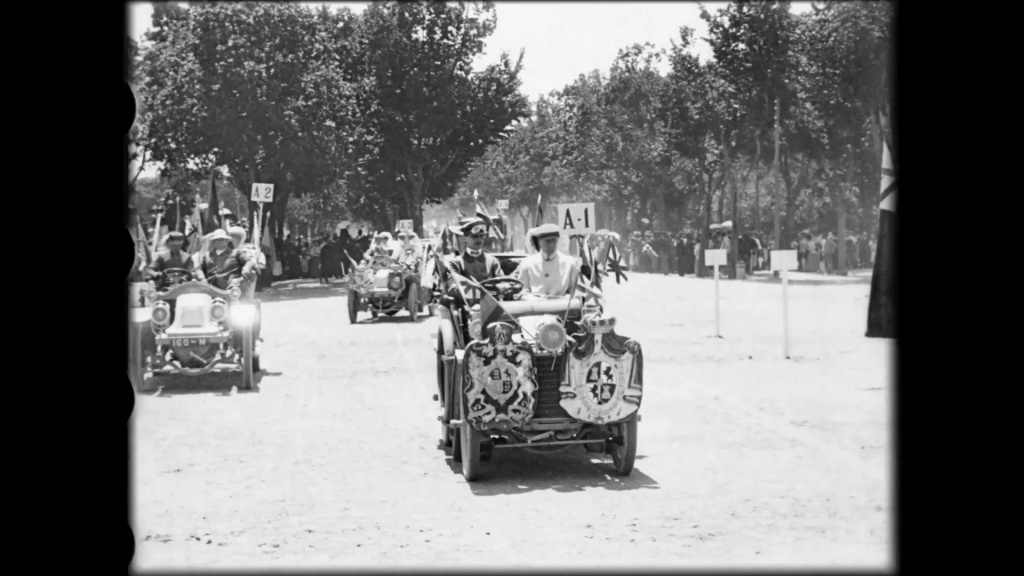
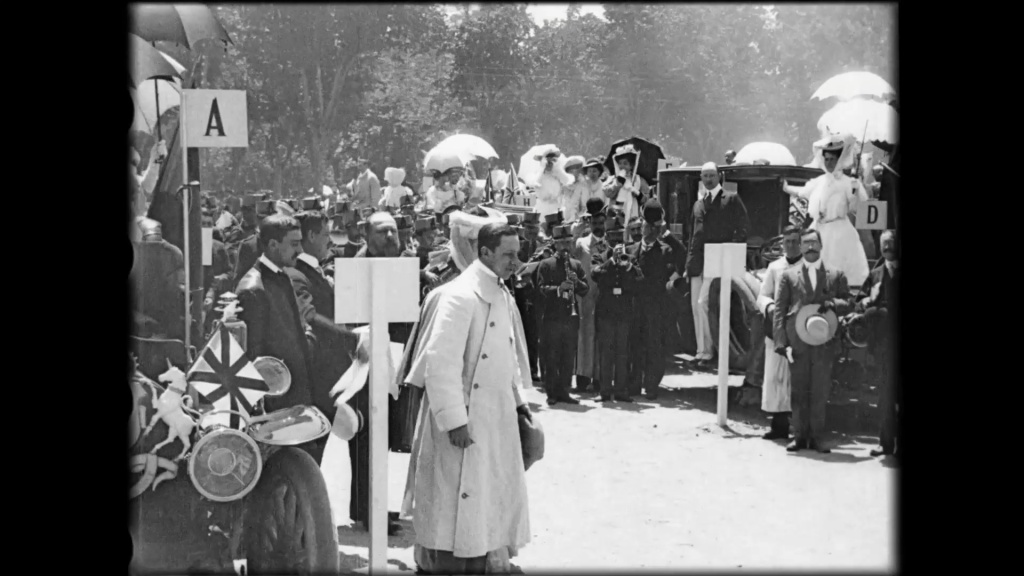


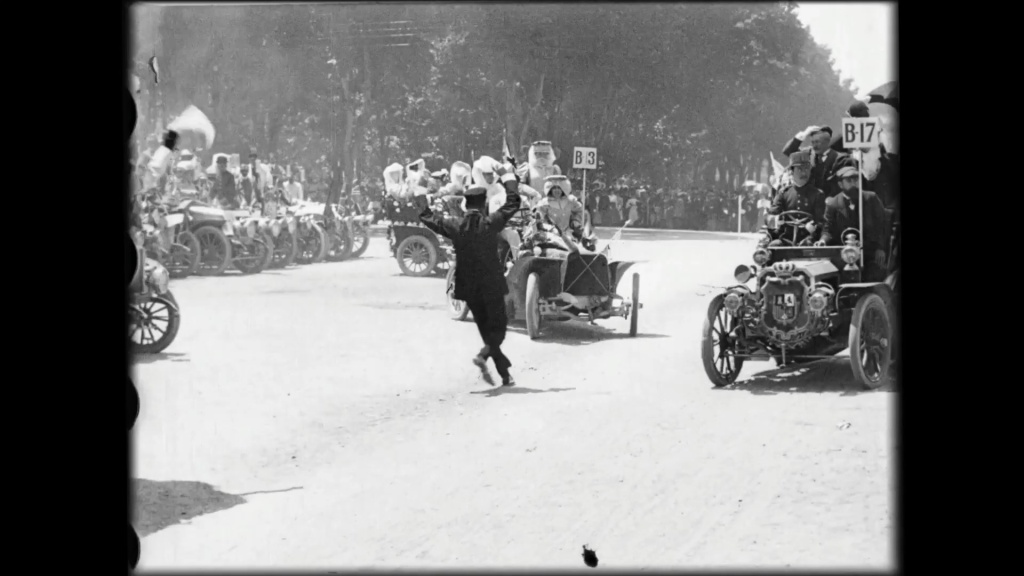


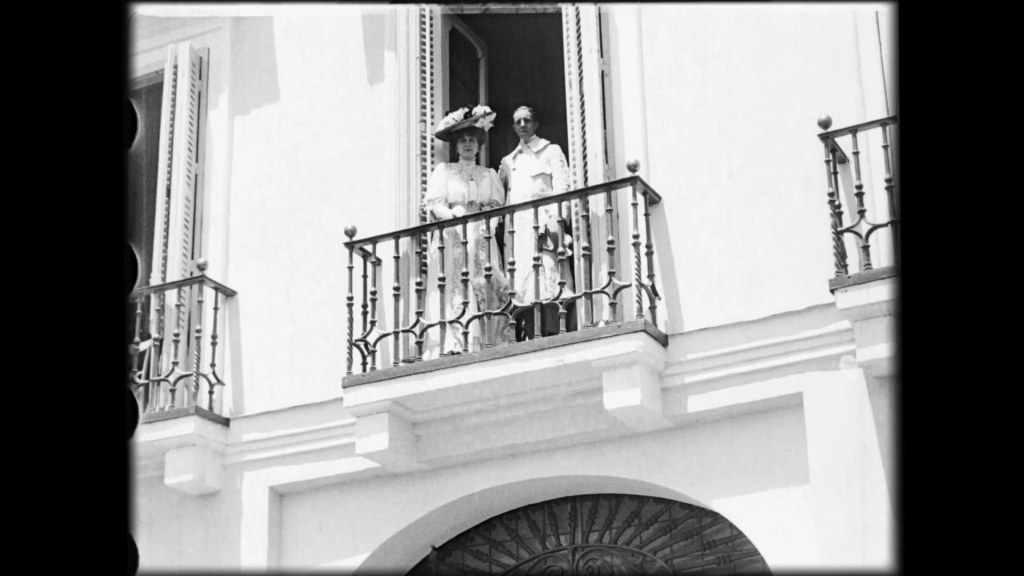
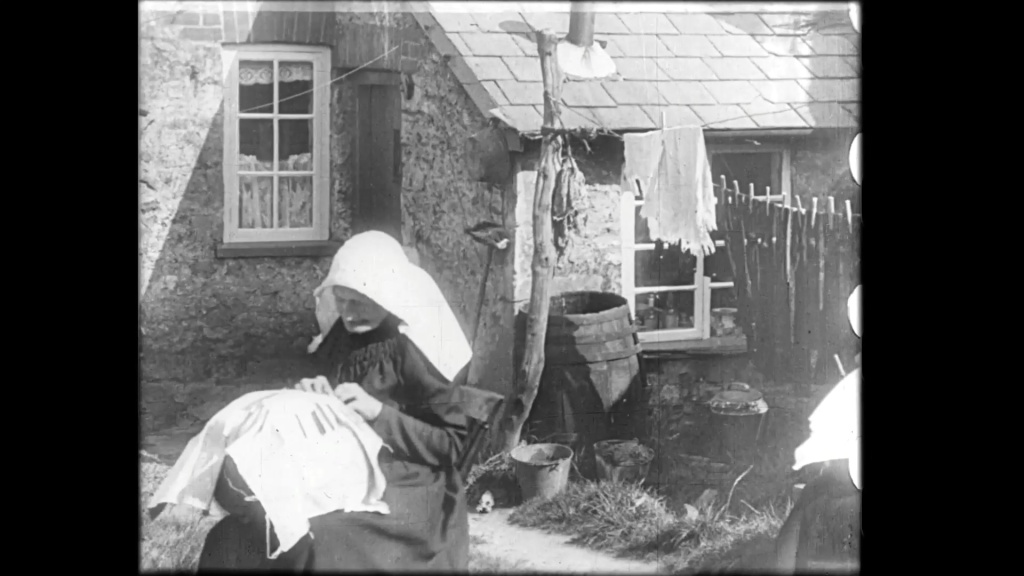
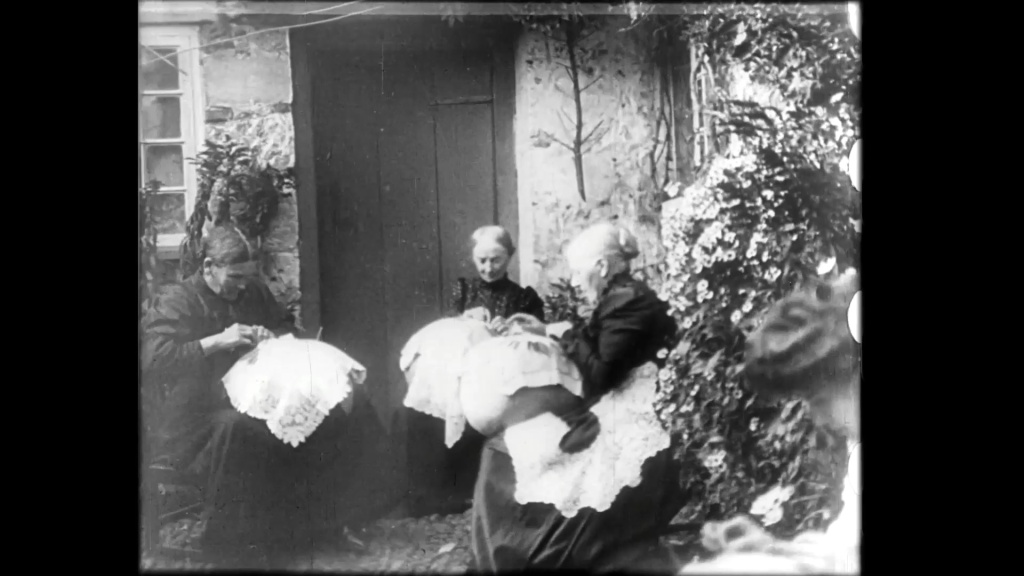



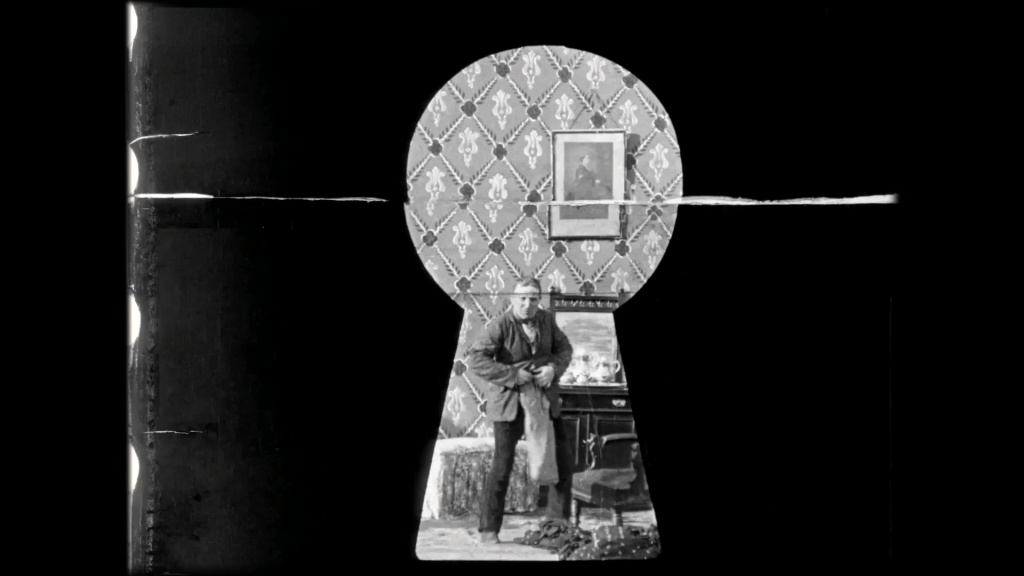
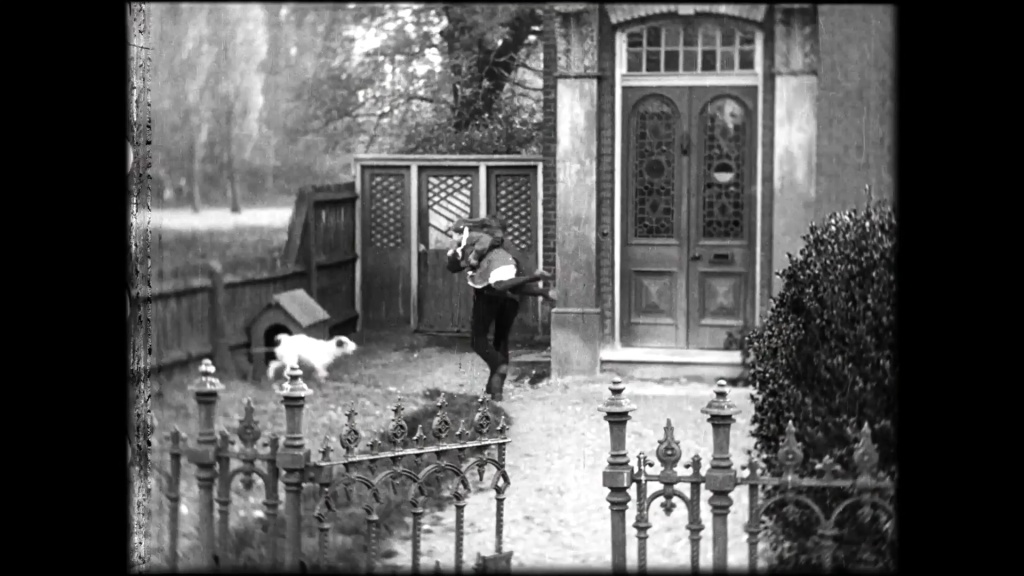

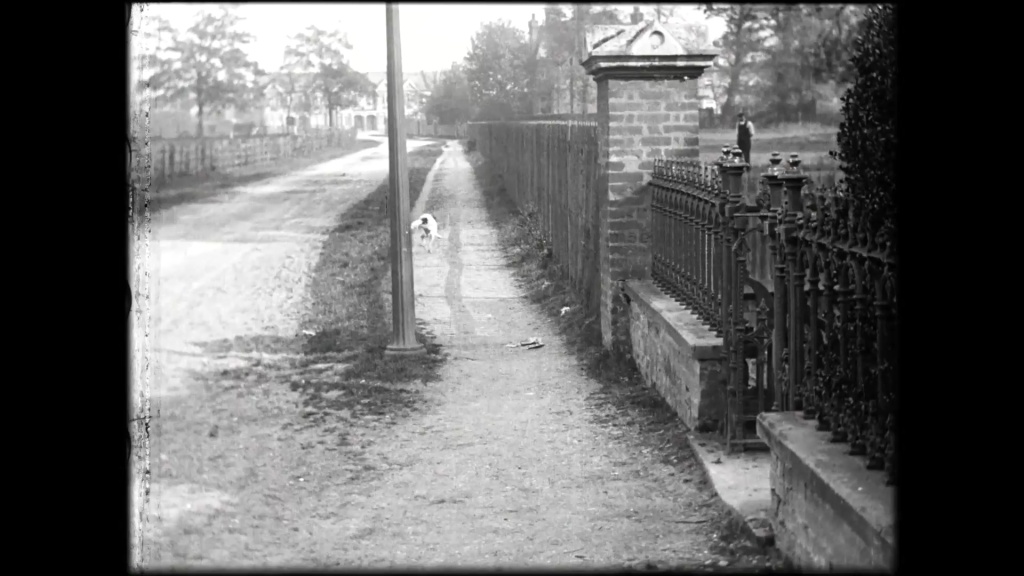


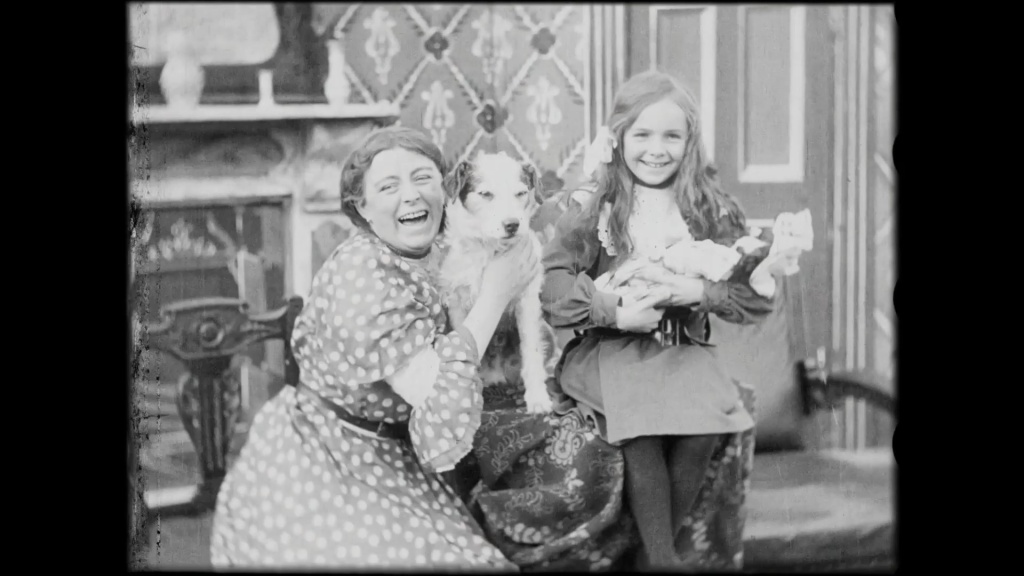
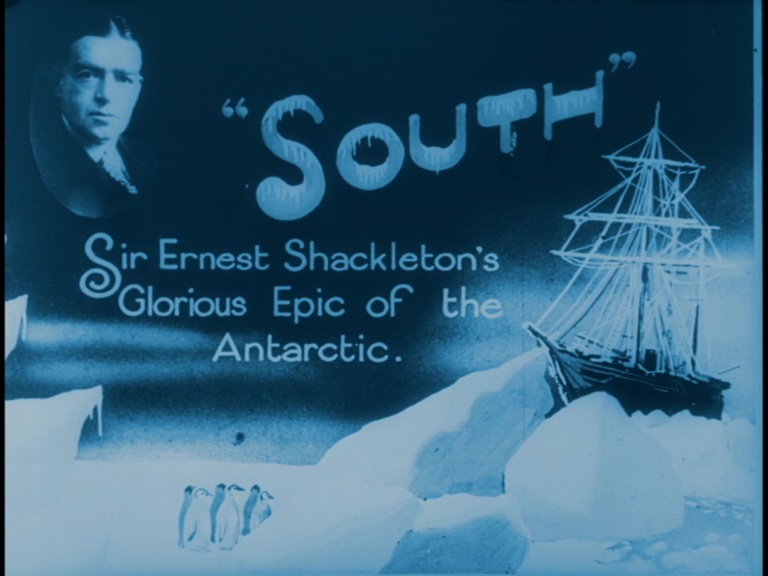
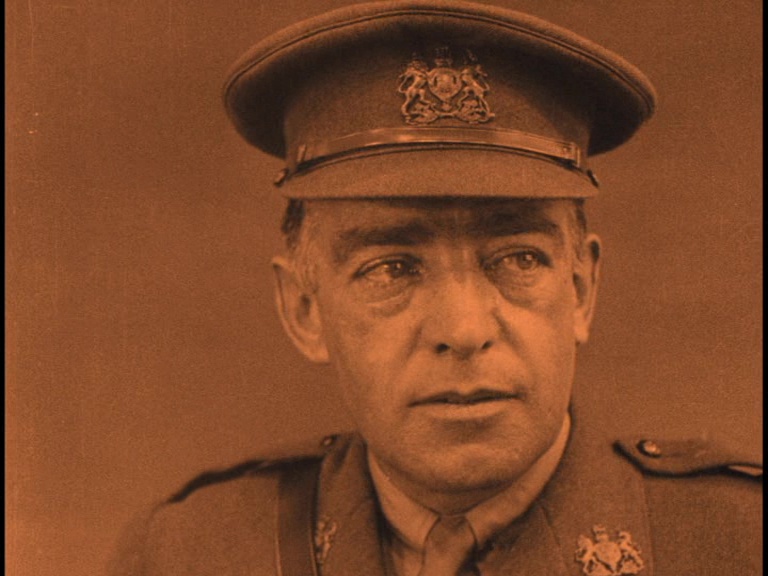
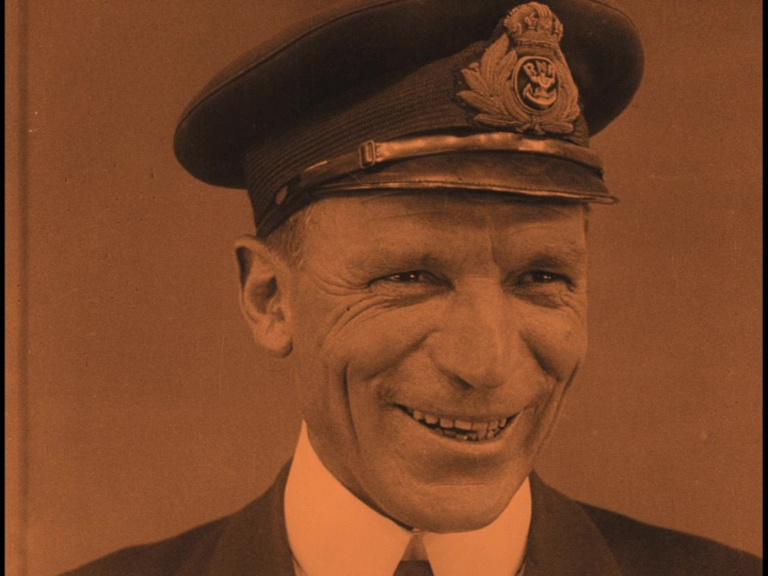
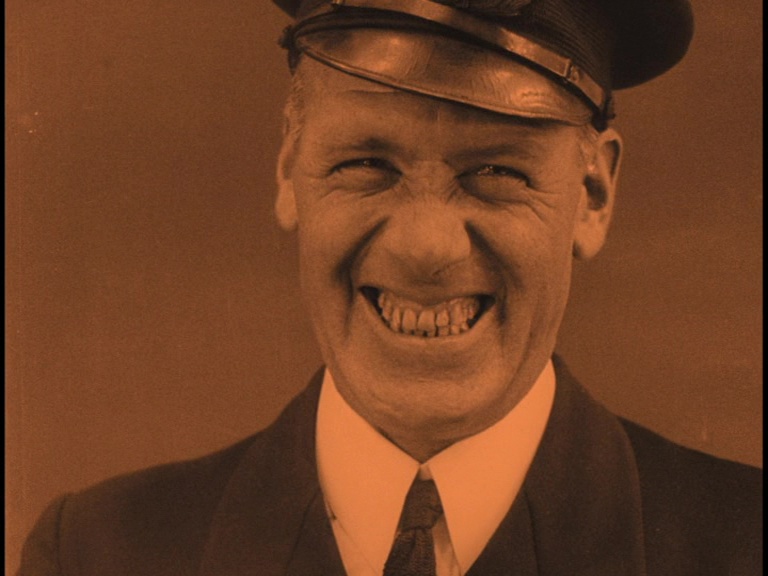
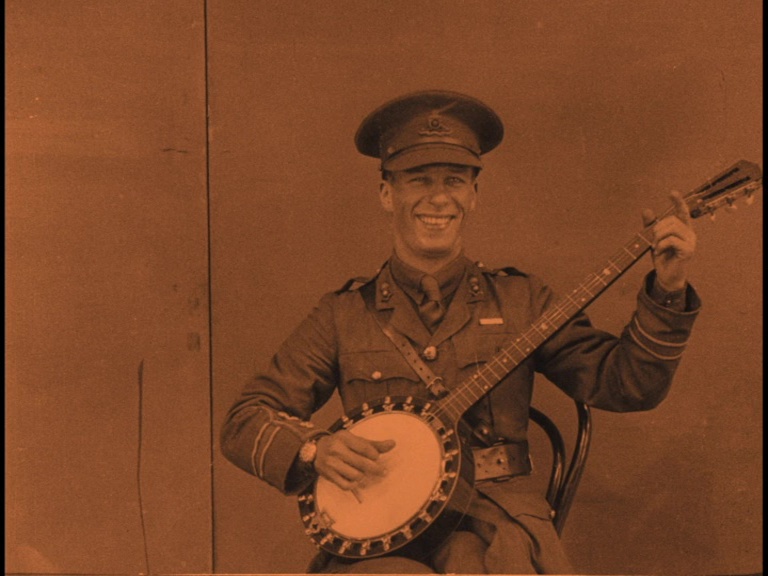
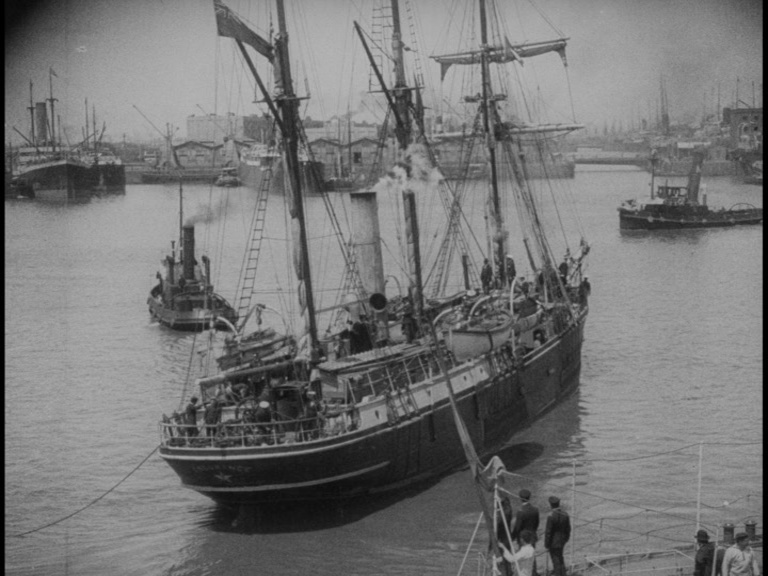
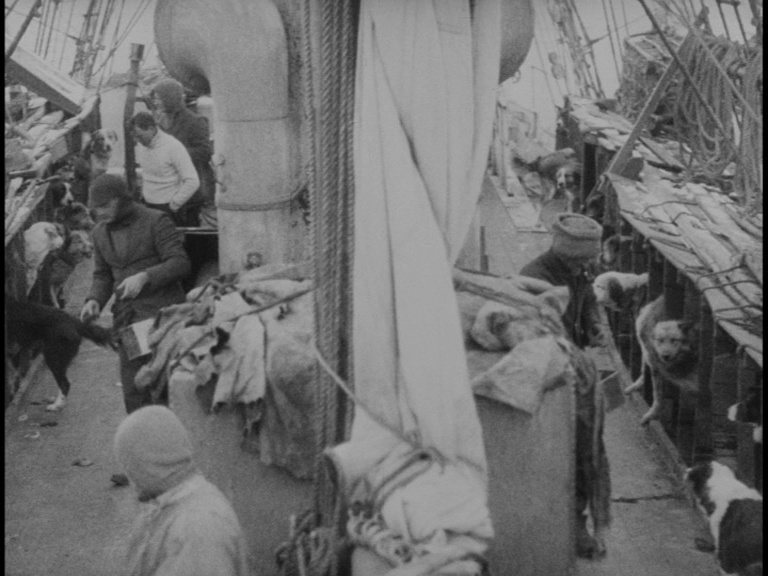

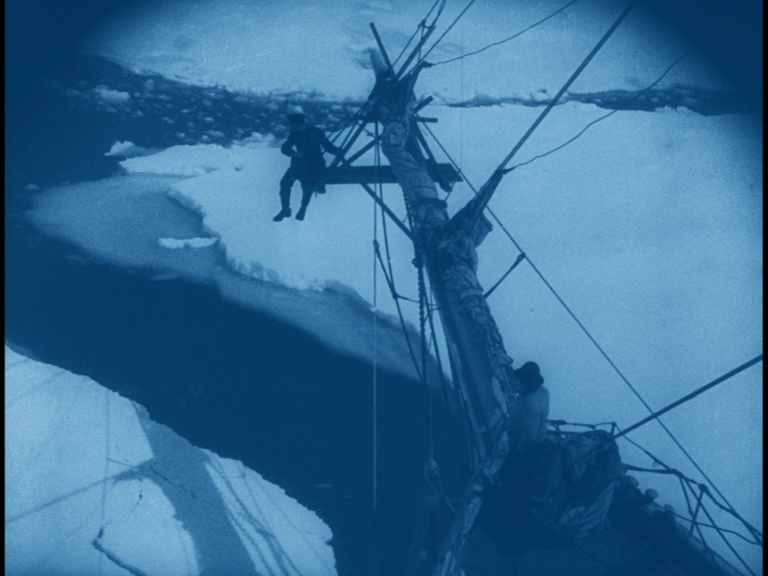
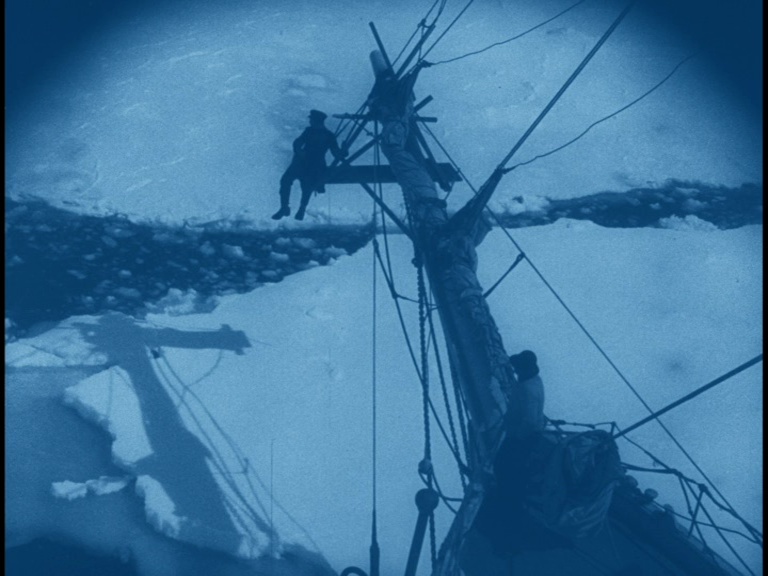
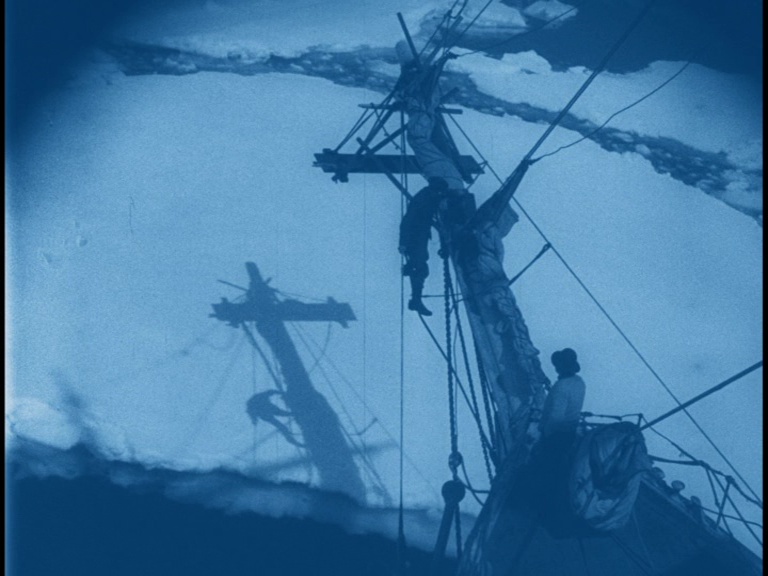
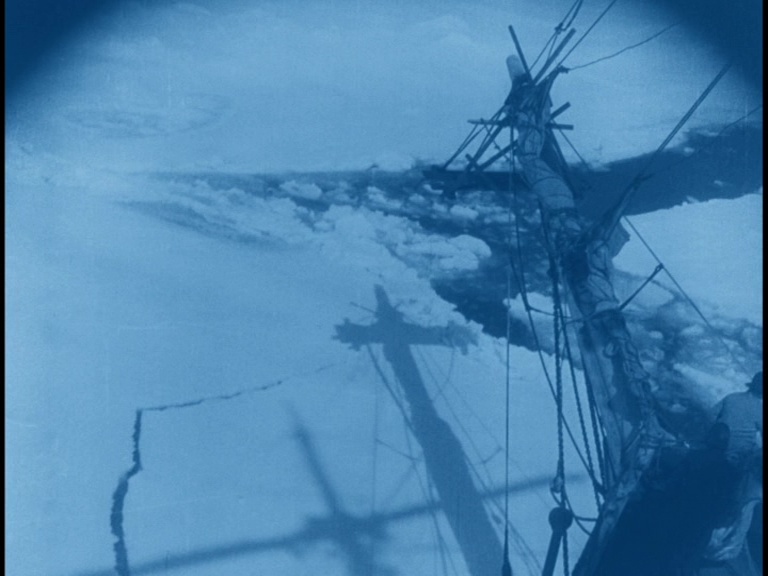
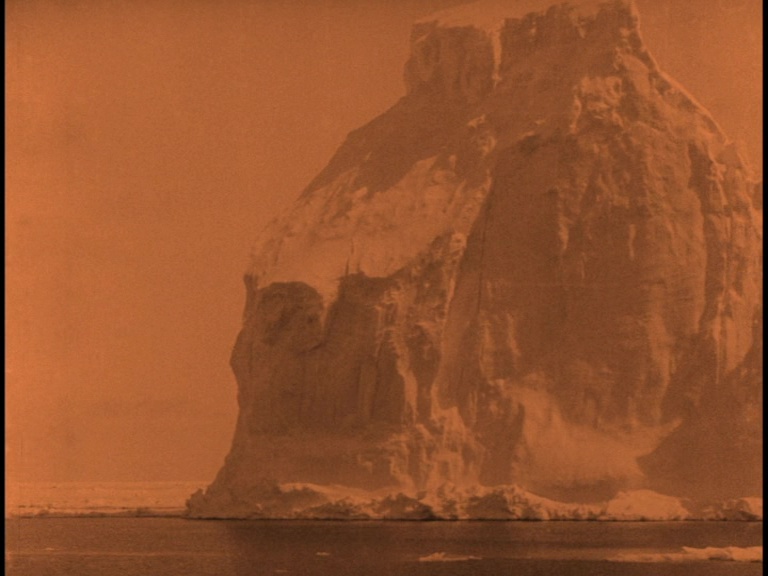
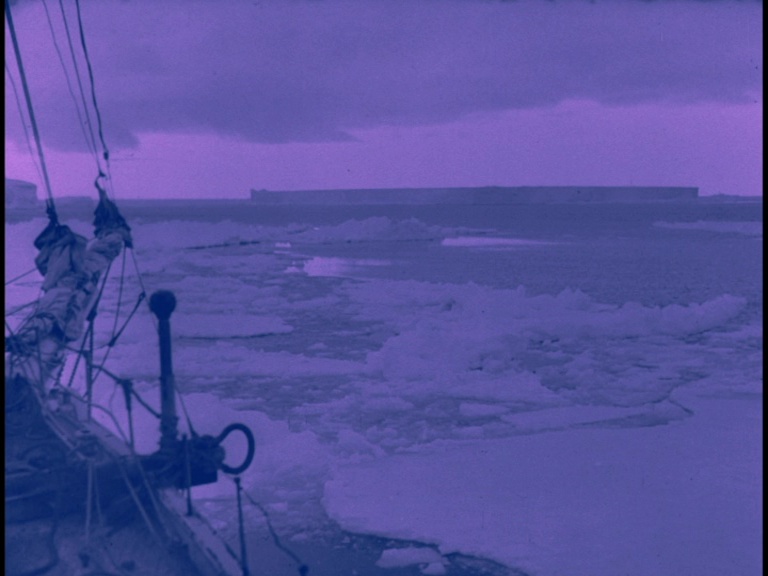
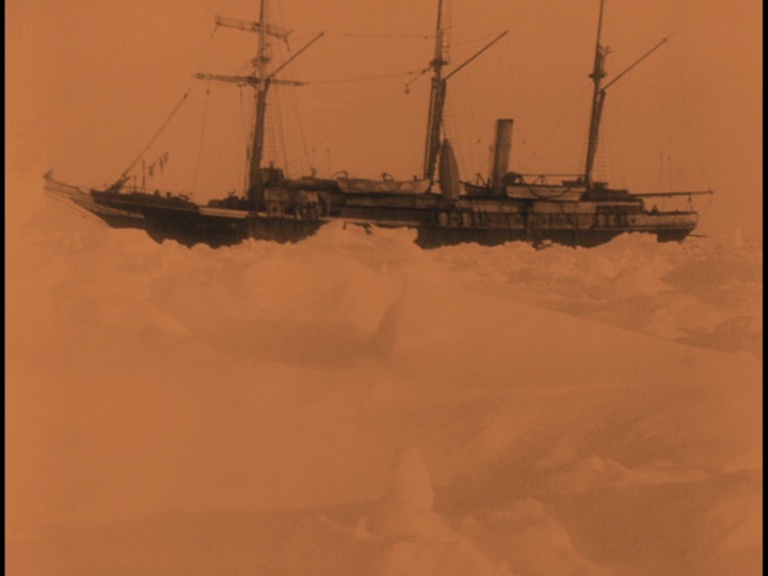
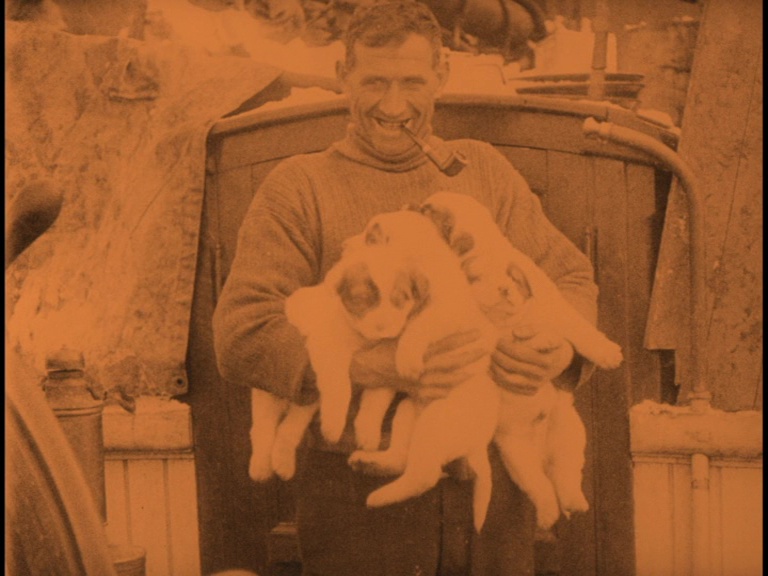
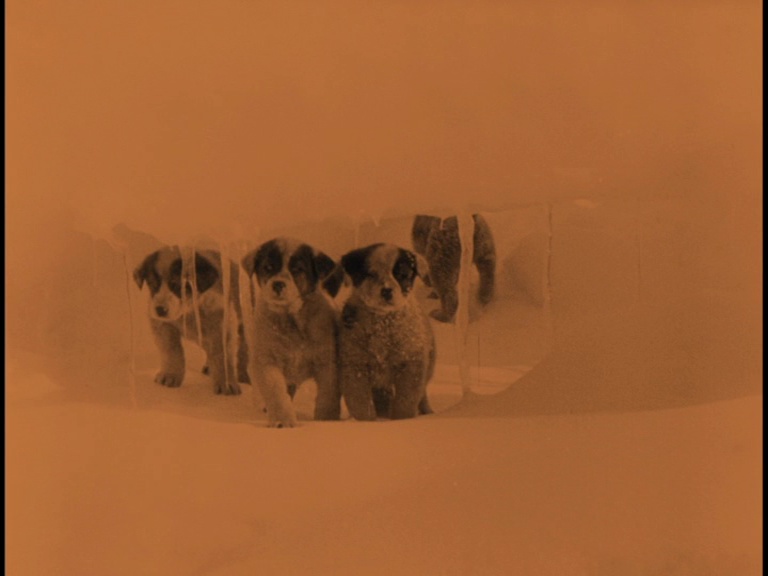
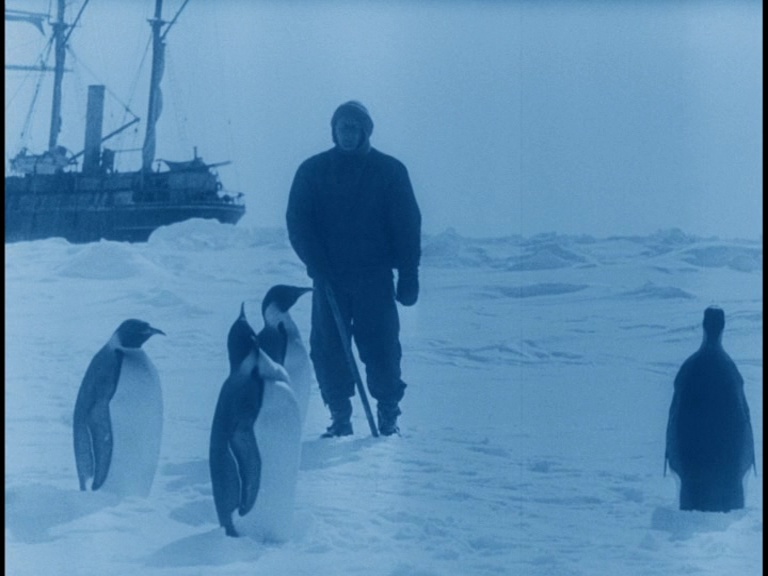
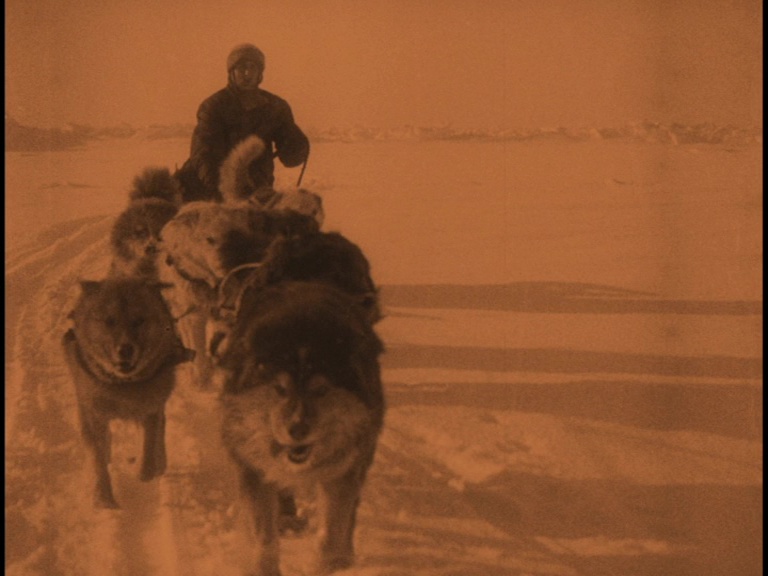
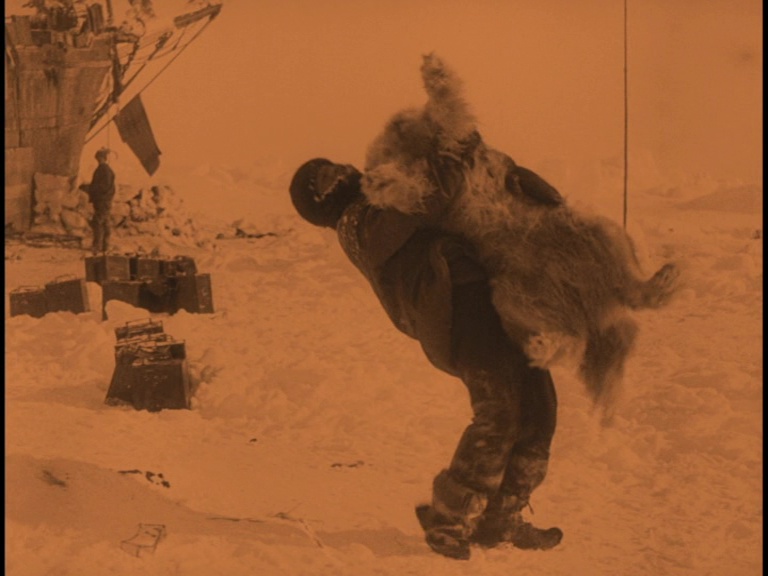
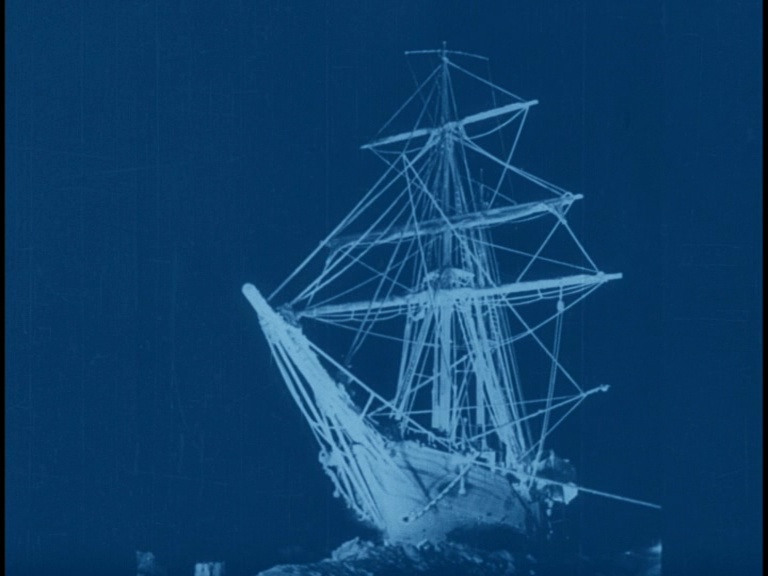
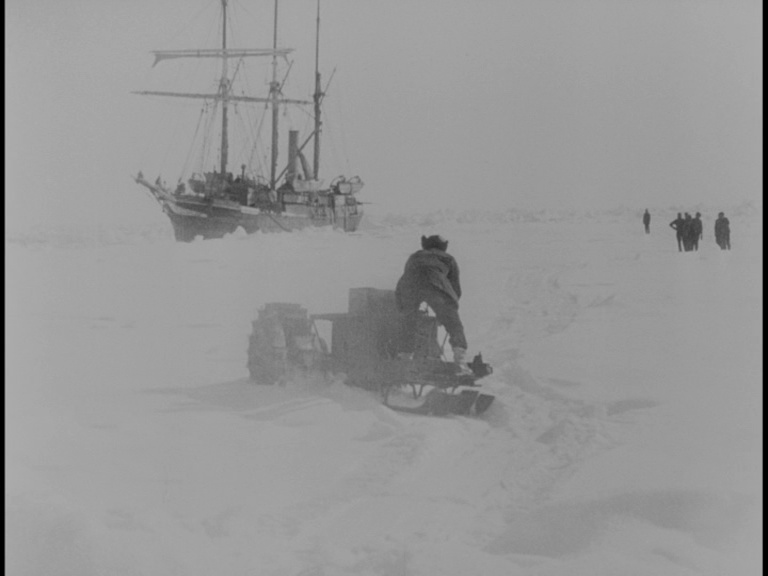
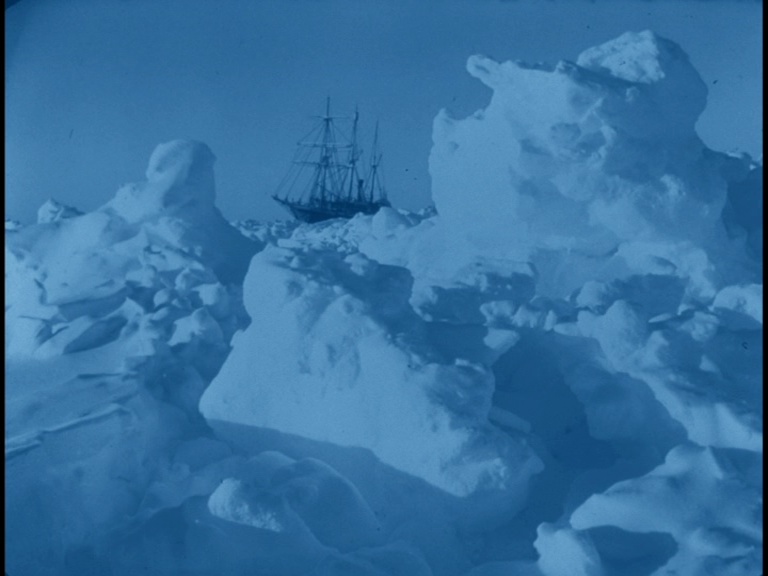
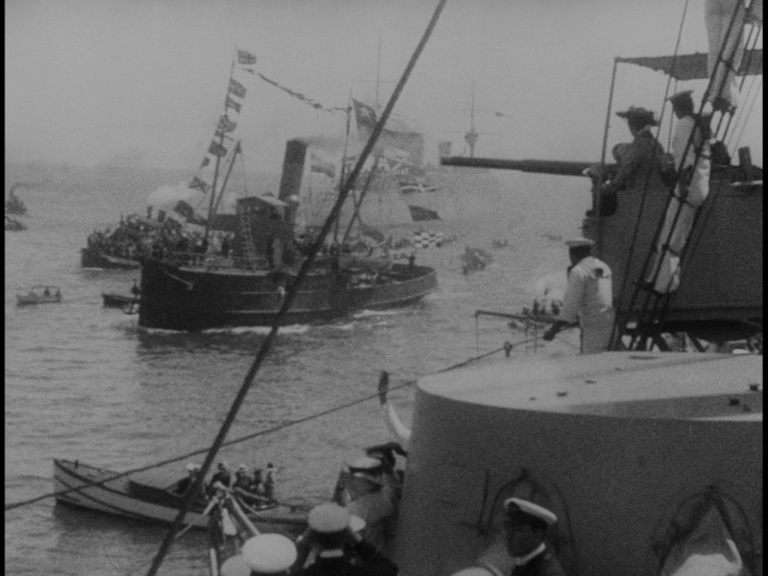
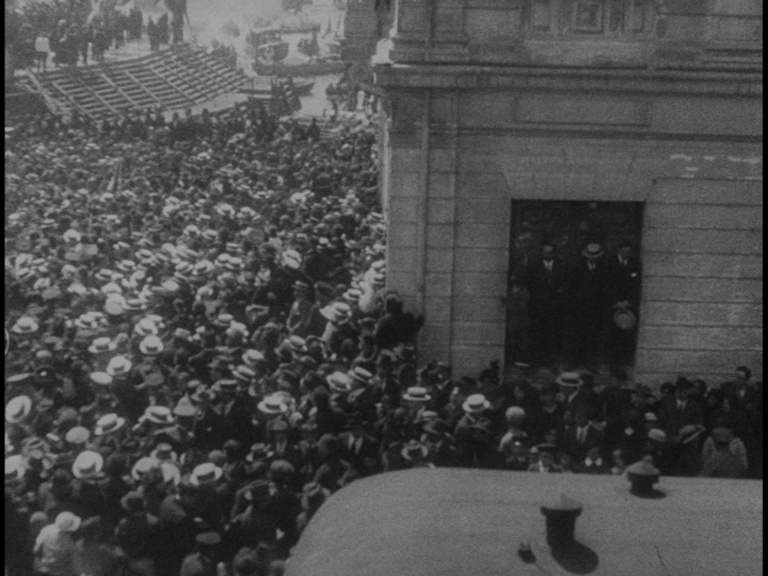
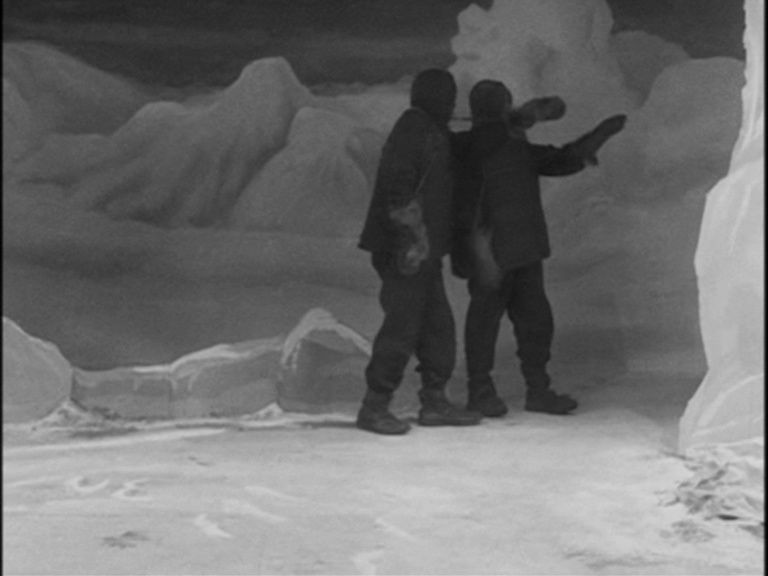
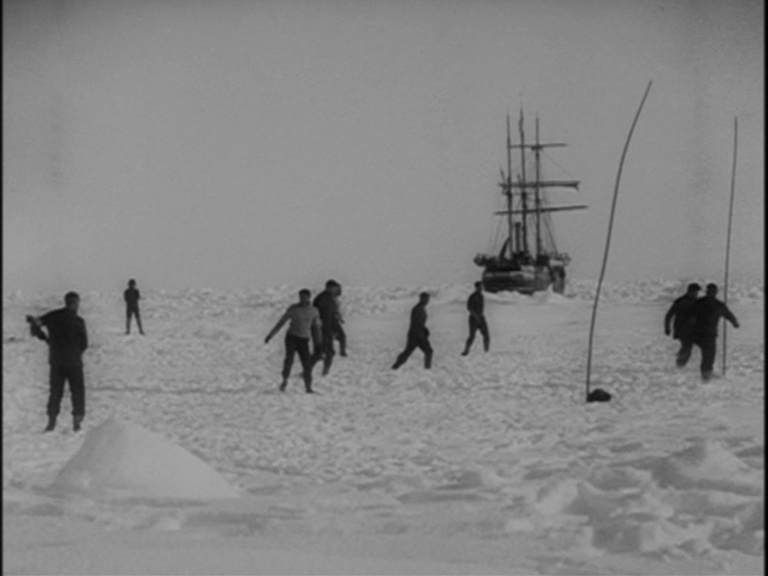
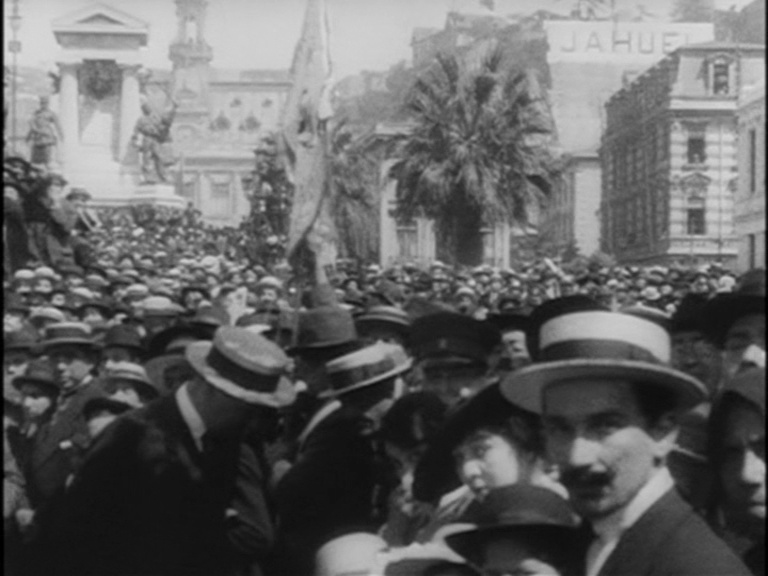
 The Realm of Silence