Recently, I wrote about Charles Koechlin’s The Seven Stars’ Symphony (1933), a remarkable musical evocation of stars from the silent and early sound era. This week is a kind of sequel, devoted to another obscure late nineteenth/early twentieth-century French composer. Louis Aubert (1887-1968) was (like Koechlin) a pupil of Fauré, was well respected by Ravel (whose Valses nobles et sentimentales he premiered as a performer), and made his name as a composer with the fairytale opera La forêt bleue (1911). Though he produced numerous works for piano and for orchestra, his work is rarely heard today. Indeed, there is only one modern recording of some of his orchestral works—and it was through this CD (released by Marco Polo in 1994) that I discovered Aubert in the first place. I found it at a local Oxfam for £2.99 and wasn’t going to turn down the chance to encounter another interesting obscurity.
What really sold me on it was the fact that one of the works on the CD was called “Cinéma”, six tableaux symphoniques. Very much like Koechlin’s symphony, this suite offers six portraits of various stars/aspects of cinema. (The recording with which I’m familiar is only available in six separate videos on youtube, so I have included links to each movement below.) Unlike Koechlin’s symphony, however, Aubert’s music was originally designed with a narrative purpose. In 1953, Aubert wrote a score to accompany a ballet called Cinéma, performed at the Paris Opéra in March 1953. This offered (according to the CD liner notes) a series of “episodes” from film history, from the Lumière brothers to the last Chaplin films “by way of Westerns and stories of vamps”. I’m intrigued by the sound of all this, though I can find only one image from the performance—depicting Disney characters (see below)—to suggest anything about what it was like on stage. I also presume that the ballet consisted of many more musical numbers than are selected for the “six tableaux symphoniques” that is the only version of the score that appears to have been published (and certainly the only portion to be recorded). Nevertheless, the music is a marvellous curiosity…
Douglas Fairbanks et Mary Pickford. Here is Fairbanks—listen to that fanfare! Drums and brass announce his name. The strings snap into a march rhythm (off we go: one-two! one-two! one-two!). but then the rhythm slows, fades. Harp and strings glide towards a sweeter, softer timbre. Mary Pickford swirls into view. But there is skittishness here as well as elegance. The music is lively as much as graceful. There is a kind of precision amid the haze of glamour, strong outlines amid the shimmer of sound. A drumbeat enters the fray, then cymbals and snare bustle in. Doug has bustled in, caught Mary unawares. His music sweeps hers away. He’s busy doing tricks, showing off. The music cuts and thrusts, leaps, jumps—and lands triumphantly on the downbeat.
Rudolf Valentino. After a boisterous introduction, a sinuous saxophone melody unwinds across a busy pizzicato rhythm in the strings. It’s a superb image the music conjures: a kind of rapidity amid a vast, unchanging landscape. Surely this is the image of a desert, of Valentino in The Sheik, riding across an immensity of sand. But it’s also nothing quite like the film itself. It’s a memory, a mistaken recollection. And the music develops this simple idea, building slowly in volume. (More like the famous first shot of Omar Sharif’s character in Lawrence of Arabia than a scene in The Sheik.) Then figure disappears, riding off into the distance. Fade to black.
Charlot et les Nymphes Hollywoodiennes. Here is Charlot! Bubbly, jaunty rhythms. There’s a jazzy swagger, rich twists of sound. A violin solo breezily dances over the brassy orchestra. The drums are played with brushes: a pleasing, rustling soundscape. Then all is wistful, dreamy. A solo violin dreams over gentle strings, over warm breaths of woodwind, over a muted trumpet call.
Walt Disney. Almost at once, the music is mickey-mousing across the soundscape. But the orchestration is also weirdly threatening. It’s as if Aubert is recalling the sorcerer’s apprentice section of Fantasia, threatening to take Mickey on a perilous journey. And there he goes, marching off—the percussion jangling, as though with keys in hand, walking edgily towards a great door that he must open, behind which is the unknown…
Charlot amoureux. Another facet of Charlot. Wistful, dreaming, languorous. A private world, an inner world. (One can imagine the Tramp falling in love, comically, tragically, delightfully.) But reality intervenes. A blast of sound, then an awkward silence. Quietened, tremolo strings swirl under an ominous brass refrain. It is love lost, abandoned, proved false, proved insubstantial, unobtainable, unrequited.
Valse finale. Hollywood bustles in. The orchestra sweeps itself into a waltz. It’s grand, if a little undefined. Here is glamour in sound, showing itself off for our appreciation. It makes me think of Carl Davis’s glorious theme for the television series Hollywood: A Celebration of the American Silent Film (1980). But, as so often, Davis has the genius to make his melody instantly memorable—conjuring in the space of two bars an entire world, mood, and feeling. Aubert’s waltz is both less memorable but more orchestrally substantial (it is, crudely, louder, written for larger forces). So it’s at once dreamy and unwieldy, a kind of too-crowded dancefloor. You can’t see the stars for the wealth of movement, of swishing figure, of gleaming jewels. (Glockenspiel and triangle chime and jingle.) The music swirls and swaggers to its inevitable conclusion: THE END.
Aubert’s score is (I think) less musically inventive—less outlandishly exotic in tone and texture—than Koechlin’s Seven Stars’ Symphony. The CD linter notes (by Michel Fleury) argue that Aubert’s music is (like Koechlin’s) more interested in creating mood pieces than in recreating specific scenes from films. But I wonder how true this is. After all, the music accompanied specific dramatic action on the stage. Listening to it, I can more readily imagine it accompanying images/action than I can the majority of Koechlin’s score. I could even see the music working well as silent film accompaniment, and I wonder if the original ballet mimicked this very strategy in the theatre. As with Koechlin, I want to know what kind of experiences Aubert had with the cinematic subjects he depicts in music. Did he go to the cinema in the silent era? If so, what kind of music did he hear there? I’d also ask similar questions about the ballet of 1953: what kind of a history of film did this present, and what inspired it? (And what did the spectators think of it, especially those who knew the silent era firsthand?) Many questions, to which I currently have no answers. But I’d be intrigued to find out more, and may (in time) do a little more digging to find out. In the meantime, we have Aubert’s music, which is well worth your time. Once again, go listen!
I adore the soundworld of late romantic music. I have lived and continue to live in this lush, exotic, expressive, excessive, experimental realm—I spend hours every week immersed in music well-known and music forgotten. I love the great composers, but I also love the lesser-knowns. The latter appeal to my obsessive side: they are people I can hunt down through footnotes, through asides, through the marketplace outlets and only-available-as-offair-broadcast-mp3 sharers of the world. Give me your Austro-German oddities, your Scandinavian obscurities. Give me your tone poems on bizarre themes, your operas about abstract ideas, your itinerant harmonies and luxuriously strange orchestration, your dozens of weird symphonies, your books of diverse chamber works. Give me your Schrekers, your Braunfels, your Schulhoffs and Schmidts (and Schmitts!), your Atterbergs and your Langgaards. Francophone? No problem! Give me an obscure French composer of orchestral music who was born (approximately) in the latter half of the nineteenth century and died (sometime) in the interwar years and I’ll be a happy man. D’Indy? It’s a done deal! Magnard? Yes please! Rabaud? You bet! Pierné? Seconds please! I love the music of all these composers (and many more besides). What I love especially is when this music overlaps with the world of silent cinema, either in my imagination or in that of the original composer’s intentions. The instruments and rhythms of popular music of the 1910s, 20s, and 30s bleeds into the legacy of orchestral music from the nineteenth century—and the fusion produces fantastic things. And of course I delight in original silent music scores written in the era, since it introduces me to any number of more obscure composers. So you can imagine my joy when I came across the music of Charles Koechlin (1867-1950) and, in particular, a symphony he wrote that was inspired by silent cinema…
The Seven Stars’ Symphony, op. 132 (1933)
Koechlin wrote this “symphony” in 1933, when sound had conquered cinema. The stars he recalls in music thus straddle the divide between these two eras. He’s recalling the silent screen as well as acknowledging the coming of sound. Across seven movements, we get sonic pictures—or recollections—or seven stars of the screen. This is not a symphony in the classical sense, since there is no overarching unity of form or design to the work. Rather, it is a series of tone poems that conjure a musical-cinematic universe. Just as Koechlin uses one medium to evoke another, so must I use prose to try and capture his music. (Of course, you can listen to the symphony here.) I make no pretence at real analysis, offering only an impression of Koechlin’s impressions:
I. Douglas Fairbanks (en souvenir du voleur de Bagdad). We step into a harmonic world of the orient. The movement instructs us to recall The Thief of Bagdad. But as soon as we begin, we’re lost. This is not the film of 1924: it’s a dream of the film. Woodwind tiptoes up weird scales. Slow-motion strings unwind in the stratosphere. Weird curlicues perform oriental turns. Melodies bubble up and die away. There is no drama, only glittering stepping stones towards sonic dissolution. It’s six minutes of spellbinding strangeness. Nine years had passed between the film’s premiere in Hollywood and Koechlin’s score being written. A distant memory revived in sound.
II. Lilian Harvey (menuet fugue). A graceful dance, strings shining over warm woodwind. Is Harvey performing a turn on screen? What does Koechlin remember of her? A saxophone line blooms in the orchestra. The music turns chromatically sour for an instant, threatens to unwind the texture. Then this moment of drama dissipates. All ends with a dreamy slide up into silvery nothingness.
III. Greta Garbo (choral Païen). The ondes Martenot spells out something that may or may not be a melody. It’s an unstable base on which to build a movement. Woodwind tread in its path. Strings uncommittedly slide underfoot. If Garbo is here, she is as insubstantial as quicksilver. Here is her unknowability, her ungraspable form on the screen. The image does not flicker. The music is a portrait of the surface of the screen: it’s all sonic sheen, all gleaming illusion. There is no scene, hardly any form—just something slipping away, beyond one’s grasp.
IV. Clara Bow et la joyouse Californie. Bustle! Brass! Light, skipping percussive steps. Here is Clara Bow, or the sonic imprint of her liveliness, her spirit. This is the first time Koechlin’s orchestra has shown real body, something approaching a full, round, sweep of sound. It’s more harmonically traditional. That is, until the whole soundscape dies away. Suddenly there is a skittish rhythm and a reduced texture, a kind of circus-like dance in the distance. (In the background, a glockenspiel adds texture to the downward line of melody, then an upward leap.) Is this California? Are we on the street, a studio lot, or in a fictional world? Of course, this is all a fictional world, at one, two, three, or four removes from reality. The harmonies thin again. It’s like a pair of curtains part, revealing another vista—some way off. A saxophone ripens the melody. Then the melody unpeels into weird, restless harmonies. The whole world threatens to collapse, until the brass and strings gather together and bulldoze forward. The movement ends in a massive affirmation.
V. Merlène Dietrich (variations sur le thème par les letters de son nom). Oh my word, this is gorgeous orchestration. Dietrich in sound is more worldly than Garbo in sound. The melody unfolds on the woodwind. A repeated refrain moves slowly, turning back on itself, comes on again. If this is Dietrich, she is alone. It’s a kind of hum. (Somewhere deep in the orchestra, pizzicato double basses pick out a regular beat.) The music turns from us, departs, trailing melancholic satisfaction. (Note Koechlin’s misspelling of Dietrich’s name: “Merlène Dietrich” is surely a deliberate marker of the composer. Here is his star, his memory of her.)
VI. Emil Jannings (en souvenir de l’Ange bleu). Growling, brooding brass. A kind of slow stomp in sound. Bitterness, darkness. Depths and weights and plugs of music. Then the strings recall some distant melody, some dim memory of pleasure, of longing that may be satisfied. The movement refers to Der blaue Engel, but not to a scene so much as a mood—a portrait of Jannings’ character as the character might himself feel before he falls asleep. Anger, resignation, memory—fading away.
VII. Charlie Chaplin (variations sur le thème par les letters de son nom). What begins melodically soon turns chaotic. Entropy enters the rhythms, the harmonies. This is Chaplin in the form of his movement, his sudden bursts of speed, of wit, of evasion. Charlie is skipping, Charlie is running, Charlie is fighting. There are bursts of exquisitely controlled fury, such that threaten to turn atonal—to wrench us into another genre. Then all is sinisterly quiet. Bubbles of noise rise to the surface, burst, and vanish. Where are we? What’s happening on screen, or in our souls? Woodwind try to rescue the mood from eerie, high-stringed harmonies. Where is Charlie? A solo violin rises from the chromatic unease, but only for a bar. Soon the unrest resumes. It’s a kind of sonic starvation, minimalism on the lookout for sustenance. Where are we? Is this winter? Is this the dawning of madness in The Gold Rush? Poverty pulls at the edges of the score, threatening to impinge on this portrait of a comic icon. Eventually, after meandering through various scrapes and scraps of scenes, the solo violin leaps up against outbursts of brass, clattering glockenspiel, sinister fanfares. Some kind of resolution is reached, and it’s hardly a happy one. Has the Tramp died? Is he on his way to heaven? High woodwind detaches itself from the ground. The saxophone freewheels in the mid distance. Odd percussive clashes are far below us. Is this the dream of heaven in The Kid? If so, Koechlin treats it as a slow, surreal scene. The orchestra appears to waken. All is bleary, unsure of itself. The solo violin recalls something, leaves behind the other strings. Finally, a determined little march: woodwind steps, one-two, one-two, one-two; pizzicato strings, one-two, one-two, one-two… To where are we heading? Toward silence. The little march fades into the distance. Is this the end? Just as it seems as though silence is the answer, the whole orchestra rises into an enormous crescendo of sound: an apotheosis that towers over the preceding caesura, as if spelling out an enormous intertitle on screen—“THE END”!
What an absolute delight this music is. The orchestration is as lucid and precise as that of Debussy but anticipates later work by Messiaen. It’s lush and rich yet teeters on the brink of atonality. By turns gossamer light and terrifying dense, soothing and scarifying, evocative and vague, particular and meandering, this score is everything I love about late romantic music.
But how might we understand the relationship between The Seven Stars’ Symphony and the cinema that inspired it? Koechlin is surely more interested in these stars as starting points for music, as representatives of cultural moods and manners. In conception, the symphony reminded me of Roland Barthes’s famous essay “The Face of Garbo” (in Mythologies, 1957). I don’t just mean in the sense that, in Barthes’s words, “The face of Garbo is an Idea”; but in the way both treat Garbo as an excuse to produce delightfully vague and suggestive evocations using the actress (or rather, the image of the actress) as their starting point. Though Barthes had recently re-encountered Garbo in a revival of Queen Christina (1933) in Paris, he too was surely relying on memories—not just of films, but of images and associations. The distance between star and spectator itself becomes the subject of interrogation. Barthes is not interested in the history or life of the star so much as her symbolic function in (an exceedingly ill-defined conception of) cinematic history:
Garbo still belongs to that moment in cinema when capturing the human face still plunged audiences into the deepest ecstasy, when one literally lost oneself in a human image as one would in a philtre, when the face represented a kind of absolute state of the flesh, which could be neither reached nor renounced. A few years earlier the face of Valentino was causing suicides; that of Garbo still partakes of the same rule of Courtly Love, where the flesh gives rise to mystical feelings of perdition.
Koechlin’s music allows the listener to become as “lost” in Garbo-as-sound as one might be “lost” in the image of Garbo-on-screen. Koechlin’s symphony is the product of a kind of fandom: an expression of his encounters with Garbo in film. But it’s also an analysis of that experience: a musical exploration of the idea of cinema. The Seven Stars’ Symphony offers a glimpse of the afterlife of stars within the imagination of contemporary viewers. Images become sounds, cinema becomes music.
As well as these more abstract thoughts, the symphony also makes me want to ask more practical questions. How often did Koechlin visit the cinema, and where did he go? What films did he see in the silent era, and in what circumstances? (I would buy the one and only book on the man to find out more, but it’s been out of print for decades and will currently set you back the best part of £200 to get it. My curiosity can wait.) As so often, the cinematic life of artists who lived through the silent era is frustratingly obscure. How often have I wanted contemporary writers and painters and composers to have left accounts of everything they saw and heard… Of course, Koechlin’s symphony is itself an account of his experiences, even if only the abstract impressions left on him by the cinema. His seven studies are mood pieces, fleeting glimpses of life and stillness and movement on screen, of rhythms that might have been seen or heard or felt at the cinema. Koechlin’s extraordinary orchestration offers us a way to explore cinematic impressions through sound, to let the transmuted forms of one medium live again in another. By any measure, with or without a filmic context, The Seven Stars’ Symphony is a glorious sonic experience. Go listen to it.
This post is inspired by the release of Ridley Scott’s Napoleon (2023), which I discussed with Jose Arroyo and Michael Glass on their wonderful podcast series Eavesdropping at the Movies. (The episode is available for free via the podcast website here.) Having talked about various screen Napoleons on the podcast, I thought I might revisit the various versions that Gance planned and made across his career. (I was planning on writing about Sergei Bondarchuk and other more modern versions, but Gance at least has more basis in the silent era and thus would be more relevant to this blog. I must obey my own remit…) For a full history of allthe manifold variants of this project, I refer interested readers to Kevin Brownlow’s book “Napoleon”, Abel Gance’s Classic Film (2004), and to Georges Mourier’s article “La Comète Napoléon”, Journal of Film Preservation, no. 86 (2012): 35-52. But for the sake of something approaching brevity, here are the major projects across his career—with some flavour of their content:
Napoléon, vu par Abel Gance (1927; Fr.; Abel Gance)
In 1923, Gance began work on a film series that he believed would stand as a monument to the creative power of European cinema. Financed by a society of backers across the continent, its size and commercial appeal should rival even the most spectacular of Hollywood’s “super” productions. Gance’s project was a biopic of Napoleon Bonaparte that would consist of six films. “Arcole”would cover the years of Bonaparte’s youth and early military career (1782-98); “18 Brumaire”, his campaign in Egypt and seizure of power in France (1798-1800); “Austerlitz”, from his coronation as Emperor to dazzling military victories across Europe (1804-08); “The Retreat from Russia”, the route from peaceable treaties to disastrous campaigns in eastern and central Europe (1809-13); “Waterloo”, his abdication, then his escape from Elba to France and final defeat (1814-15); “St Helena”, his last years and death in exile (1815-21). An epilogue would show the return of his earthly remains from St Helena to France in 1840.
During his research, Gance went through a small mountain of literature on Napoleon and the French Revolution. His purpose was not merely to reassemble the detail of an era, but to locate and reanimate its spirit. Gance contacted Napoleon’s descendants, hoping to gain an endorsement (or even money). He told Princess Clémentine of Belgium (the wife of Napoleon’s great-nephew Prince Victor Napoleon) that the “elevation” of his “sublime” mission would be supported by “a moral religion”. This “religion” was cinema. Napoléonwould be a “miracle” possessed of “radiant permanence”, a work of revelation more than mere education or entertainment. All the screens of the world “anxiously await the living history of the Emperor”, and Gance deemed himself “the architect of this Resurrection”:
Intuitively, I feel the stirring of the Emperor’s Shadow in response to my effort. If he was alive, he would deploy this wonderful intellectual dynamite of the cinema to be loved wherever he was absent, to be everywhere at once in people’s eyes and in their hearts. Dead, he cannot object to our modern alchemy transmuting his memory into a virtual presence to better enhance his Imperial Radiation.
The curator of Fontainebleau palace, Georges d’Esparbès, allowed Gance to write his first screenplay in the Emperor’s former rooms there. Immersed in the Napoleonic past, visitors to Gance’s candlelit workstation in 1924 described the atmosphere as one of a “spiritualist séance”. Turning up in costume to clinch the lead role, Albert Dieudonné convinced an elderly museum attendant that he was the ghost of Napoleon—and would do the same to some inhabitants of Corsica when filming there the next year. Gance demanded that his whole cast faithfully inhabit their roles, desiring them to “become” their ancestors. Thanks to his inspired direction, actors threw themselves into their roles with an enthusiasm that Emile Vuillermoz anxiously described as a kind of “possession”. Witnesses like Carl Dreyer were taken aback by the zeal with which the conflicts of the 1790s was being re-enacted in the 1920s. As far as Gance was concerned, he was channelling the past. Looking back on his work in 1963, he called Napoleon “the world’s greatest director” and in 1979 he suggested that his silent film was a documentary record of historical events reliving themselves before his cameras.
When he embarked on this enterprise in 1925, Gance wrote that the spectator too must become an actor and “participate” in the drama on screen. For Napoléon, he liberated the camera further than any previous filmmaker: mounting devices on the chests of cameramen, on the backs of horses, on rotating platforms, swinging pendulums, cars, sledges, horseback, and even guillotines. This is a panoptic view of history. Gance gives us access to the viewpoints of characters and of the spaces they inhabit: we are thrown into the snow at Brienne; we nervously scan a sea of faces at the Cordeliers club; we chase Bonaparte across Corsica; we swoop over Paris crowds; we dive into the Mediterranean. By overlaying multiple images within a single frame, Gance combines diverse perspectives; by cutting them together at frenetic speed, he wrenches the viewer from their fixed point of view and propels them into the tumultuous past. Nowhere is this sensation more evident than in the triptych of the film’s last sequences. The revelation of images across three parallel screens is one of the greatest moments in cinema. This expanded frame is exploited with masterful confidence: Gance’s widescreen offers panoramic shots of immense depth and breadth. Yet it is perhaps when he splits his composition into three separate planes that Gance achieves his most radical ambition. The final moments of Napoléon overlay time and space; mingle subjective and objective imagery; show simultaneously the past, present, and future.
The realization of this grandiose vision came at a cost. The production of Napoléon in 1925-26 exceeded all its assigned parameters of time and finance. Gance’s shooting script had grown to the size of a large novel, yet had chronologically reached only as far as April 1796. In shooting just two-thirds of what he had planned to cover in the first of six films, Gance had consumed 400,000 metres of celluloid and spent the budget for his entire series. After months of editing, the film premiered at the Paris Opéra in April 1927. This four-hour version (with two triptych sequences) was followed by a ten-hour “definitive edition” (without triptychs) at the Apollo theatre the next month. For numerous other special screenings, Gance and his distributors continually revised the film. This unsystematic process of exhibition blurred the distinctions between “Opéra” and “Apollo” prints, and much material was lost or excised without the film ever receiving a general release.
Not helped by the instability of its material body, contemporary critics were rather bewildered by Gance’s creation. Napoléon was praised as one of the boldest formal experiments in modern art, and recognized as being filled with extraordinary images. However, there were numerous objections to its melodrama, to its (mis)treatment of history, and to its romanticism. Léon Moussinac condemned the film’s hero as “a Bonaparte for nascent fascists”, and Vuillermoz said that Gance would be reviled by the mothers of children who would die fighting future wars.
Such suspicion does an injustice to the historical Napoleon and to the ambiguity of Gance’s film. His young Bonaparte is not yet the Emperor Napoleon, a figure who will be corrupted by loyalty to his family and his own hubris. Despite its vast length, Napoléon is only a fragment of the tragic cycle in which the hero becomes villain. Similarly, Gance’s melodramatic elements—particularly Josephine and the fictional Fleuri family—complicate our understanding of Bonaparte, rendering him a more ambivalent and flawed figure than many reviewers suggested. The film’s formal and narrational strategies are also exceedingly rich and subtle. For all the subjective involvement of its camerawork, Napoléon is equally adept at cautioning spectators that what we see has been lost to time—and that Bonaparte’s mission is doomed to fail. This tension between possibility and destiny is at the heart of the film. Gance enables us to relive the past in the present tense, as if its destination is undecided; yet he also reminds us of the distance between ourselves and the predetermined fate of those on screen.
In Napoléon, the conqueror’s stated project is a world without war: he proclaims it his intention to abolish borders and establish the “Universal Republic”. Gance transforms Bonaparte into what he described as a “radioactive” successor to the republican mission begun by Jesus Christ. On screen, Bonaparte is a luminous hero: he thinks in images and transmits light. Yet he also casts darkness: his shadow on the snow of Brienne or the wall of the Convention, his silhouette on the horizons of Corsica or Italy. This secular messiah lives in the shade of his future downfall. For Gance, Napoleon’s ultimate legacy was to inspire generations of artists and thinkers to challenge the status quo. His historical failure revealed new horizons that subsequent generations might pursue. In 1917 Gance imagined a “better future” being brought about by the Great War: a “European Republic”, the realization of which was inevitable. His own political plans in the 1920s sought to redraw the cultural map of Europe, uniting the film industry with the League of Nations and promoting pacifism across the globe. Napoléon was to have been a step on the path to utopia.
Sainte-Hélène (1927-28; unrealized project by Abel Gance)
Aided by his assistant writer Georges Buraud, Gance began drafting Sainte-Hélène in late 1927 and finished the screenplay in September 1928. (It was to have been published as a book in the 1940s, but this never happened. The screenplay remains in the archives.) Originally called “The Fallen Eagle”, this “Cinematic Tragedy in Three Parts” follows the Emperor’s career from the aftermath of his defeat at Waterloo in June 1815 to his death on St Helena in May 1821. This final film was to contrast the huge scale of Bonaparte’s life and ambition against the realities of confinement. In the prologue of Napoléon, we witness the child Bonaparte gaze fixedly at his destiny; in Sainte-Hélène, we were to see the adult perish on this “little island, lost in the ocean”.
Gance was keen to emphasize the historical accuracy of the scenario: “All titles, without exception, are authentic and cover various aspects of life on St Helena. The author insists on the importance of this authenticity, which confers a profound truth to the simplest details.” In his “directive” for the film, Gance explains that “Sainte-Hélène is conceived like a familiar, realist poem in a colossal style. It’s a kind of titanic bourgeois drama”:
The whole tragedy of St Helena resides not in dramatic entanglements, but within the quotidian details and their expressionthrough the figure of Napoleon—a man who is suddenly obliged to come to terms with a base, petty reality which persistently frustrates his genius. He is the open-winged Albatross in a tiny cage. / We wanted to follow the exact events; the rigorous documentation which was used to construct these pages of history will ensure that the spectators will see nothing which did not genuinely happen. Let us repeat: this requirement of respecting the absolute truth removes us from the dramatic intrigues of an ordinary film; through our approach, along the lines of Russian cinema, we have achieved an immense day-by-day reportage of this greatest of historical tragedies. / Our more sober and direct formula must yield much more powerful results than the artificial baggage of typical dramas. Here, the accumulation of real-life details gradually constructs a gigantic drama without the writer having to intervene to arrange them.
However, as with Napoléon, the screenplay of Sainte-Hélène frequently transcends the austerity of any historical remit. Having envisioned the film with a synchronized musical score and sound effects, Gance’s directions for audio-visual rhythm demonstrate the screenplay’s competing tendencies between realist detail and symbolic rhetoric: “The whole film will have to be orchestrated by the Ocean. I think that for the musical orchestration […] it will be necessary to use the noise of the sea as an essential, dynamic, and frightening component—with its lulls, its rages, and its sobs.”
This oceanic “orchestration” of the film is immediately apparent in Gance’s description of the opening sequence:
Open on the swelling high sea. The camera itself is being tossed by the waves. / Dissolve, holding the fluid waves over a map which seems to emerge from their centre: the map of Corsica, then the map of the Isle of Elba, then the map of St Helena. / Very slow dissolve on the head of Napoleon, filling the whole screen with fluids: the ocean and the three maps dissolve into one another. The legendary outline of the small hat; his impassive figure, like marble; a God staring into the beyond. All around, enormous waves seem to roll onto the spectators; the camera itself is always subject to the waves. / Dissolve onto the gigantic stern of the Northumberland, which splits the deep. One can read the name [of the ship]: ‘Northumberland’. Michaelangelo-esque movement of the waves. Across the black stern now appears Napoleon’s writing, which another dissolve makes readable: / ‘I hereby solemnly protest, in the face of heaven and man, against the violation of my most sacred rights, in forcibly disposing my person and my liberty.’ / Dissolve to the stern, and panorama of the top of the stern. / There, one sees only Napoleon—tiny, motionless, silhouetted in black against a stormy sky. / Slow fade.
Sainte-Hélène thus begins by setting the dark silhouette of Napoleon against the spectacle of nature: this vision of the defeated adult fulfils the premonition of the child’s shadow seen at Brienne. Gance contrasts Napoleon’s fall with the rise of the restored monarchy: whilst King Louis XVIII is mocked by his subjects, the former Emperor is surrounded by the ocean’s “titanic waves”. The fluid and uncertain temporal setting of the film’s opening is heightened by a series of flashbacks: the audience was to see visions of Waterloo; of Napoleon’s final abdication; of reprimands against those who had betrayed the royalist cause; of Napoleon’s absent mother, wife, and son. On board the Northumberland, Napoleon wakes up: just as the audience might doubt the reality of the preceding footage, so the character is momentarily unaware of his surroundings. He thinks he is at home in the Tuileries palace, but a series of “aural hallucinations” from beyond Napoleon’s cabin disrupts his illusion: the ship has docked at St Helena.
When Napoleon arrives in October 1815, he is forced to stay on the estate of the Balcombe family whilst his permanent residence, Longwood House, is being prepared. The surroundings were to be profoundly mournful, the Emperor’s solemn face superimposed over a sequence of desolate views. This was to recall the lyrical images of the young Bonaparte arriving home in Napoleon—a point Gance himself notes: “Make a parallel to what I did for Corsica in my first film”. A vital aspect of Sainte-Hélène was to be the use of landscape and location photography: the eerie setting of Napoleon’s last years transforms a naturalist mise-en-scène into a symbolic drama of emptiness and isolation. As with the final half of La Roue (1922), where lyrical location photography makes the clouds and mountainscapes the site of spiritual transcendence, Gance wanted to use the geography of St Helena to create a similarly elevated atmosphere for Napoleon’s Golgotha.
As with Napoléon, comedic episodes provide ironic counterpoint to the tragic course of Sainte-Hélène. Napoleon’s relationship with the Balcombes’ young daughter, Betsy, provides a touching mix of humour and pathos. In one scene, Napoleon plays the monster:
Betsy is in a tree, making fun of the monstrous ‘Boney’. Suddenly, she hears a branch break and a fearful voice issue from the unknown: / ‘What is the capital of France?’ / ‘Paris.’ / ‘What is the capital of Russia?’ / ‘St Petersburg now; it used to be Moscow.’ / ‘What happened to Moscow?’ / ‘It burned down.’ / ‘Who burned Moscow?’ / ‘Bo—…uh, maybe the Russians… I don’t know…’ / ‘I burned Moscow!’ bellows Napoleon, in a terrible voice.
Napoleon then leaps out and grabs Betsy by the hair, laughing as he chases her around. Gance notes to emphasize the “enormous buffoonery, the fundamental ingenuity” of Napoleon and the “sad irony of the scene”:
Here must appear one of the film’s essential themes: the imprisoned force within Napoléon which wants to break out, the playful demon, the diabolic mischievousness—the rustic Italian who conquered the world, who carries in his blood the ‘commedia del’arte’ and a love for marionette theatre. This will soon develop into the tragic.
(This scene is taken from Betsy Balcombes’ published memoirs. See how much more interesting, inventive, and significant Gance’s scene is here than the equivalent in Ridley Scott’s 2023 biopic. In the latter, the “sad irony” and disturbing playfulness at the heart of the scene is not emphasized at all.)
Napoleon and his remaining supporters—Generals Montholon and Bertrand, and their families—move into the damp, mouldy accommodation at Longwood. Upon his arrival, the Emperor is greeted by a large rat, with which he exchanges a lengthy stare. The next arrival is Hudson Lowe, the man in charge of the Emperor’s confinement. “General Buonaparte?” the Englishman asks, echoing the numerous references to Napoleon’s Italian name and accent in Gance’s first film. The small-minded Lowe was a famously poor choice for governor of Longwood, and much of Sainte-Hélène develops out of the friction between the two men—minor incidents take on huge significance in the petty struggles of everyday activity. Gance’s screenplay outlines the ensuing drama:
All the great evils, the vultures of exile, will swoop down on this rock and gnaw at the flank of Prometheus: poverty, dissension, loneliness, boredom, paternal suffering. Time after time, Napoleon’s soul will be visited by these tragic spectres; one day […] they will form a circle around it, like lemurs around Faust’s corpse, gathering together during the five years of terrible agony. However, the hero’s soul will surmount them; it will transcend suffering, transcend men; after fighting against them, it will cross Fire, Water, Air, and arrive at the supreme conquests of the spirit purified by death.
Sainte-Hélène was not only a drama about the isolated fate of its central protagonist but a reflection on wider historiographic narratives. Gance’s screenplay for this final episode consciously revisits and reworks ideas from his 1927 film—completing the cyclical structure of his biography. InNapoleon, the child must listen to the geography teacher insult his native Corsica; in Sainte-Hélène, the exiled adult is forced to take English lessons. Whilst conjugating simple phrases, the name of Napoleon’s jailer unconsciously enters his prose: “I lowe my country, you lowe your country, we lowe our country”. Just as at school, his writing is controlled by the cultural guardians of the old order: Longwood is another Brienne College. The fallen emperor decides to stage a marionette show for the local children, which gives him a chance to narrate his own life. Gance’s intriguing sequence was to be accompanied by the music of Charles Gounod’s comically macabre Marche funèbre d’une marionnette and would feature elaborate stencil tinting to evoke early nineteenth-century chromolithograph prints of Napoleonic battles. The show consists of Napoleon recreating his historical career in miniature but ends with an account of his own death—a disturbing self-acknowledgement of his fate.
In later scenes of Sainte-Hélène, Napoleon and his Polish aide, Pionkowski, plot their escape from the island to forge a new empire in Mexico or South America—fantasizing about the kind of future Louis Geoffroy’s apocryphal history would elaborate in the 1830s. Gance’s screenplay proceeds to emphasize the void between these dreams and Napoleon’s real position: bouts of illness make the exile increasingly immobile, whilst the physical environment of Longwood itself begins to disintegrate. Napoleon can only recall a lost past or envision impossible future realities—he is unaware that his real legacy is being shaped beyond St Helena. Gance lists a series of scenes in which we see statues of Napoleon selling in England, European authors taking inspiration in their work from the exile, and children tracing his name in the stars.
The final scenes of Sainte-Hélène are amongst the most extraordinary in Gance’s vast collection of unrealized projects, and offer the best evidence of his interpretation of the Napoleonic inheritance. Hudson Lowe systematically expels those closest to the exile—each departing friend “comes to hammer his nail into Napoleon’s crucified soul”. An English doctor arrives at Longwood and his prescription of purges and inactivity sees the health of Napoleon rapidly decline. Finally confined to his bed, Napoleon has a series of feverish visions that Gance planned to intercut with details of his surroundings:
Napoleon speaks to the shades of the Revolution around his bed. Cromwell, Washington, Danton, and Robespierre are present. Their unfathomable gaze reveals the heavens above him, filled with heroes and ideas. / Cromwell leans over and wipes the sweat from his brow […] / The rats now control Longwood. Fear reigns. No one tries to drive them out. They pullulate. They take joyous delight in gnawing away amid their filth. Save for the kitchens and the Emperor’s apartment, where the inhabitants now shelter, they have invaded everywhere. We can see them swarming even in the Emperor’s boots, where they have made a fortress. / In contrast: a view of the island of St Helena, like the altar of a dying God. Marvellous vision, as in [the paintings of Arnold] Böcklin. A basalt island of blackest marble like an Acropolis or a Calvary in the middle of a silvered, nocturnal sea […] ‘The waves illuminate the night by the so-called light-of-the-sea, a light produced by the myriads of mating insects, electrified by storms, lighting on the surface of the abyss the illuminations of a universal wedding. The shadow of the island, obscure and fixed, rests in the midst of a seething expanse of diamonds’ (Chateaubriand).
Napoleon cries out to his dead generals, deliriously dictating orders to phantom armies. As the storm wind blows open the window, we were to see a surreal “Tableau of Rats”—a “ferocious” rodent legion that “dances during [Napoleon’s] agony”. Amongst these groups, “a solitary rat performs a comic, macabre step”; in a series of close-ups, we see innumerable “gleaming little eyes and large whiskers”. Gance’s final direction for the scene is to show the “general Sabbath of the Rats”—an astonishing image that makes you wonder how it would be realized cinematically. Equally ambitious is his description of the Emperor’s delirium: “The clock beats. Time dances over Napoleon’s deathbed”; the dying man vomits and “an acrid, black fluid floods over his sheets”; in superimposition, “a Hindu god—Shiva the destroyer—in a hideous laughing mask, with multiple arms, dances”.
As these nightmarish interior scenes become increasingly fervid, the exteriors around St Helena grow more violent:
The sea mounts an assault on the isle; terrible waves seem to want to climb the granite cliffs; the whole ocean rises to see Prometheus die. Strange shadows brood over the plateau and on the mountainsides. Inland, the wind blows in scalding flurries. (Create the perfect synchronism of the wind and the sea in the orchestra with the crescendo of images.) / Title: ‘The End’. / Sky. Sea. Napoleon immobile. The grasping form of a black tree. Napoleon is on his back, as if looking at the horizon of the ocean. Absolute immobility: a tableau synthesizing the futility of all effort and human desolation.
The Emperor has visions of his son, of Joséphine, and of his mother. Finally, he says his last words: “Tête… d’armée…”
The vision materializes—seeming to leave his lips, the head of a giant column carrying tricolours and singing: the eternal Republic is leaving this soul to go and conquer the world until the end of time; and this sigh of divine breath brings forth the impression of a radiant fresco, of a free and colossal force singing a Beethovian march. We see the vaporous column of thousands of soldiers and their heroic laughter, erasing behind it the dying man’s fading lips. And now a kind of apotheosis, evoking the triumph of liberated humanity, a heroic march: that of Beethoven, Schiller, Schubert—and Napoleon. Over an immense frontage this radiant crowd spreads out and advances: men, youths, women, children—their eyes filled with light and courage, a march of power and joy, which sings. (Both images and orchestra must possess the rhythm and theme of Beethoven’s heroic march from the finale of the Ninth Symphony.) / Suddenly an absolute silence fills our ears and eyes—everything dies away. And slowly the image of the mask of Napoleon’s motionless profile is formed, the corner of his lips drawn tight. / He is no more. / (At the moment this image appears, a terrifying bolt of lightning shatters the silence.)
In Gance’s next sequence, the spirits of soldiers from the Empire march alongside Danton, Marat, and Robespierre. Amid “a symphony of flames”, this huge procession advances across the horizon towards Europe “to take possession of human imagination for all eternity”. There follows a “Vision of the Apocalypse” on the horizon of the ocean: the ghosts of kings rise up to bar Bonaparte’s army of the Revolution but are defeated and evaporate in the clouds. The sun rises over a calm ocean: “Smiling, Napoleon and the Revolution pass”. The Napoleonic legend is spread in France and “across the most remote regions of the world”. This “gracious and heroic flight of ideas” inspires “the opening of souls” around the earth:
The children of the Revolution, the sons of the Emperor, spread themselves throughout the universe and take root wherever they land. Entering each house and each heart, they overturn human consciences. Each home is inundated with light and happiness; each inhabitant becomes more courageous and prouder of being alive […] Thanks to this miraculous elixir, selfhood is supplanted by a united humanity. Each heart is made braver and more luminous; each conscience more liberal, more just, more fraternal. / Across the farthest reaches of the globe, they live and inspire Love; they have won over the Earth forever. From the oldest to the youngest, men, women, and children: the whole world sings. / The legend of Napoleon has begun in the imagination of mankind.
In Napoléon, Bonaparte promises that the “Universal Republic” will eventually be created “without cannon and without bayonet”; the final vision of Sainte-Hélène suggests that the spiritual revolution will realize what the material upheavals of the Napoleonic era failed to achieve. Many historians (especially in France) argue that Napoleon’s social legacy has proved to be as permanent as his military achievements were ephemeral. The legislative code formed during his reign was a model of tolerance and is still the basis of much European and international civil law. It’s a very rare example of a document that has genuinely influenced the whole world. (Napoleon himself observed that his civil code would have infinitely more impact than any of his battles.) Gance’s Sainte-Hélène emphasizes the fact that Napoleon possessed an international appeal in his fight against the oppressive hierarchy of monarchies and absolutism. He was seen as a catalyst of change by generations of aspiring reformists, and his legacy inspired innumerable liberal causes in the decades after his fall.
The ending of Sainte-Hélène allows Napoleonic enthusiasm to escape the confines of a historically determined narrative: the vision Gance offers is of a future whose outcome has yet to be decided. After his death, Napoleon is no longer a source of conflict and contradiction within the world—his achievements can now provide inspiration for a new century. These issues are foregrounded in the epilogue to Sainte-Hélène, which Gance sets at Les Invalides in the 1920s. In an eerily lit close-up, we see Napoleon’s final resting place. His spirit “leaves his tomb” and passes unnoticed through groups of tourists who are talking about him. Napoleon’s shade goes to the Arc de Triomphe and visits the tomb of the “Unknown Soldier”, where the remains of an unidentified Frenchman killed during the Great War were interred on Armistice Day, 1920. Afterwards, the Emperor’s spirit returns along the Champs Elysées and re-enters his sepulchre; the films ends as “the great Shadow fades away”.
Whether in the form of personal loyalty to lost lovers or national fealty to fallen comrades, the afterlife of the dead is a recurring feature in Gance’s films. Cinema becomes the ultimate site of reconciliation between the past and the present; in Sainte-Hélène, the ghost of Napoleon acknowledges the sacrifices of the twentieth century—just as, in life, he had promised the ghosts of the Convention that he would fulfil their mission. By resurrecting Napoleon after the Great War, Gance calls for a renewed spirit of internationalism through the legacy of the French Revolution.
(As a footnote to the above, Gance sold his screenplay to the director Lupu Pick, a man he had auditioned for the older Napoleon in 1924. In Germany, Pick and Willy Haas adapted Gance’s screenplay as Napoleon auf St. Helena, which was released in 1929, starring Werner Krauss as Napoleon. It’s a perfectly decent film, but one that limits its own horizons to that of a chamber piece without spiritual dimensions. Ultimately, Gance’s screenplay offers a more cinematic experience than Pick’s film—it’s a perfect example of an incomplete fragment evoking more than a realized whole. As Hans Sahl wrote in 1929: “if you were to choose between Abel Gance and Pick, between the film as costume theatre and the film as a spiritual experience, the decision is not difficult.”)
Napoléon Bonaparte (1935; Fr.; Abel Gance)
Gance returned to his Napoleonic project in 1934. The director added new sound sequences to the footage he had shot nine years earlier, and used many of the original cast to synchronize their voices with the pre-recorded performances. By relying primarily on existing material, Gance found a more economical way of producing a “new” film—and (through dubbing) simplified the task of “orchestrating” audio-visual layers.
Napoléon Bonaparte is set in March 1815, when a group of followers loyal to the exiled Emperor gather in a popular printing press. Surrounded by images of the lost Empire, they relive moments from Bonaparte’s rise to power with the aid of a magic lantern—and these flashbacks consist of scenes from Gance’s 1927 film. The contrast between old and new modes of audio-visual address is particularly evident in the Cordeliers sequence, in which the on-screen performance of “La Marseillaise” is synchronized with a sound recording of soloists and chorus. Though most of the 1935 montage is taken from the footage of 1927, Gance inserts one significant new scene. This consists of a single shot, mimicking the view from a balcony within the church. On the right of frame, we see a small group of sans-culottes; the background of the image is occupied by a back-projected long shot taken from the silent version. A man on the right of frame turns almost directly to the camera and cries out: “What about you? Are you deaf? You can’t sing with us? Well, come on! Sing!” It is a startling disruption of what is otherwise a continuous section of footage from 1927. Gance allows his characters to address the audience, encouraging their participation in the events on screen. (He had also wanted to show the film with “perspective sound”, where sound-effects emerged from different speakers placed around the cinema. It was a precursor to surround-sound decades later, but never made a commercial reality.)
Despite such moments of intensity, the aesthetics of Napoléon Bonaparte too often distract the viewer. The conflation of silent and sound material causes a continual disjunction of space and time. The silent Napoléon was filmed at a camera speed of between 18 and 20 frames-per-second, whilst material from 1935 was shot at 24 fps (the standardized rate for sound recording). This discrepancy causes fluctuating visual rhythmsin Napoléon Bonaparte, as well as actors having to synchronize different eras of performance by speeding-up their delivery. Direct-recorded voices from 1935 are slow, stately, and theatrical—but dubbed voices must gabble to keep up with the increased velocity of their incarnations from 1927. This rhythmic oddity is particularly acute when the same actor appears in footage from both periods: though all their scenes are set in the same time, Marat (Antonin Artaud), Robespierre (Edmond van Daële), and Masséna (Philippe Rolla) age ten years in-between shots. The visual condensation of these different layers never overcomes the fundamental problem of their aesthetic difference: the figures of 1935 struggle to involve themselves with the action of 1927. In a new scene near the end of the film, Masséna and Bonaparte perch awkwardly on the right of frame, peering at a back-projected image on the left that shows cavalry charging across the Italian landscape. Rather than encouraging the audience to thrill in the prospect of action, Gance (unintentionally) imbues the spectacle with pathos. These actors are looking back at their youthful comrades, failing to maintain the pretence of being in step with cinematic continuity. It is as if the characters were themselves viewing Gance’s silent work as the source of participatory action—and longing for its return.
Aesthetically and narratively, Napoléon Bonaparte is concerned with this distance between the creativity of the past and the reproduction of the present. The film’s setting within a print works is deeply significant. The characters are surrounded by huge two-dimensional illustrations of battles, and old veterans stand next to life-size reproductions of their young selves. Their situation mirrors that of the film: old and new footage is juxtaposed, past and present are made to interact. Similarly, Gance’s use of vertical wipes to transit between live-action and still images is reminiscent of how glass slides overlap during an illustrated lecture. It affirms the link between fictional and real spectators: for audiences of 1935, Napoléon Bonaparte has the same function as the magic lantern for the on-screen audience of 1815. This subtle means of connection is evocative, but the effect is very different to the kind of connection established in the silent Napoléon. The sound film’s characters are witnesses, not participants; they reflect on the lost ideal of a living past, consuming mass-produced images in the hope that their content will one day be reanimated. By so cleverly mirroring 1815 with 1935, Gance isolates the real audience as well as the fictional one.
Napoléon Bonaparte ends with the arrival of news that the Emperor has returned to France from the island of Elba. Bonaparte himself passes through the streets, but the old, scarred veterans are only able see his silhouette against the wall. They drag themselves in the wake of the general’s gathering army, hoping to rejoin their comrades—but their ancient bodies are unable to sustain them on the march. Years seem to pass and still, they whisper to the camera, Bonaparte is out of reach. In a series of close-ups, Gance shows the last strength drain from these living fossils of previous wars; they fall into silence and stop. A final, lingering close-up of one of their number dissolves into a still image of his face, freezing the man’s movement within the confines of the frame. A second dissolve transforms this still photograph into a charcoal etching of his features—and a third changes this illustration into a sculpture. The camera finally tracks backwards to reveal that the form of the soldier belongs to a relief carved into the side of the Arc de Triomphe. The Napoleonic spirit becomes petrified; we await some future resurrection to lift these bodies from the stone of the monument and allow them to reach their destination. By retrogressing from the moving images of cinema to the static images of plastic art, Gance’s haunting vision draws attention to the fossilization of creative energy. Regretfully, the use of sound throughout Napoléon Bonaparte perpetuates this same effect of disengagement: recording technology annuls the power of participatory action found in the silent Napoléon.
Austerlitz (1960; Fr./It/;Yu. Abel Gance).
In the 1950s, Gance wanted to produce another grand Napoleonic project: “D’Austerlitz à Sainte-Hélène”. This would be a counterpart to his 1927 project, an epic filmed with triptych Polyvision. By some miracle, he achieved financial backing through a French-Italian-Yugoslavian co-production and assembled an all-star cast (Pierre Mondy, Martine Carol, Jean Marais, Vittorio De Sica, Michel Simon, Claudia Cardinale, Jack Palance, Orson Welles). Though it did not resemble the scale of his initial conception (it was not shot in Polyvision, nor did the narrative stretch beyond 1805), it was at least released in a version that exceeded the usual temporal dimensions of a commercial film. Though Gance’s biographer Roger Icart suggests that the initial montage was 5500m (approximately 200 minutes), other sources state that the film was originally 4500m, reduced to approximately 4000m for exhibition. (In the UK the film was released in 1965 in a version of 123 minutes. For this, the soundtrack was dubbed into English—among the all-star cast, only Welles retains his own voice.) And unlike so many of Gance’s films, the longest commercial version of the film (4500m, c.170 minutes) survives and looks as good as it can.
The film itself if more interesting thematically than cinematically. By focusing events around Napoleon’s coronation and the battle of Austerlitz is to concentrate on Napoleon’s limitations as a politician and his brilliance as a general. Austerlitz shows us “Bonaparte” becoming “Napoleon”, the republican becoming an imperialist. But the film’s depiction of the coronation is very interesting. Without the budget to show the ceremony, Gance recreates it with puppets. (Cf. that projected scene in Gance’s Sainte-Hélène screenplay.) It’s a good way of showing both the love of the ordinary French people for Napoleon, but also the distance between them. As with the Fleuri family in Napoléon, the crowd becomes isolated from their hero: Bonaparte the man becomes Napoleon the legend. The same idea is in Napoléon Bonaparte, where we only see Napoleon as a shadow—or as a memory, embodied in the footage from the silent film. The crowd in Napoléon Bonaparte watch projected images, just as the people see the puppet coronation in Austerlitz. Napoleon is unreachable, detached from the real people. In Austerlitz, the battle also shows us the glory and the horror of Napoleon’s campaign. (It also offers a fitting climax to the film, a kind of reward for the audience after the first 90 minutes of dialogue!)
Though critics were generally unimpressed, Austerlitz was one of Gance’s biggest commercial success. (A source informs me that three million tickets were sold in French cinemas at the time.) The mere fact that it existed was a kind of victory. It enabled him to maintain a presence in French film and television culture into the 1960s. But as a work of art, I think Gance knew Austerlitz was not as he had envisioned it. The film was notably absent from a list of his most important projects, compiled in 1967 for Kevin Brownlow—implicit acknowledgement that it belonged to those works about which Gance said, “there is no point talking about them. They have no value.” Austerlitz remained only a shadow of what Gance had intended, either in the 1920s or the 1950s.
That said, Austerlitz certainly has more panache than contemporary Napoleonic films like Sacha Guitry’s Napoléon (1955) or King Vidor’s War and Peace (1956). In this context, it is a competent commercial film with much originality. And unlike either Gance’s Napoléon Bonaparte or Bonaparte et la Revolution, Austerlitz is aesthetically coherent. But both these other Gance films are far more interesting attempts to revive his Napoleonic project. Compared to them, Austerlitz is banal in the extreme. And none of these later films can compare to the 1927 Napoléon, or to the best of Gance’s silent work. Austerlitz is also much less interesting than Gance’s unrealized projects of the post-1945 period. Both La Divine tragédie (1947-52) and Le Royaume de la Terre (1955-58) are extraordinary conceptions, but they exist only on paper. On paper, Gance was always imagining grandiose projects. But only early in his career was he able to adequately realize them on screen. By the time of Austerlitz, Gance was thirty years past his prime as a filmmaker.
Bonaparte et la Révolution (1971; Fr.; Abel Gance)
This four-hour film was Gance’s final effort to rework his Napoleonic project for new audiences. As well as using footage from his Napoléon, Napoléon Bonaparte, and Austerlitz, Gance added new live-action material, still photographs, and voiceovers. It is perhaps more rewarding to consider the result of this assembly as a kind of historical documentary about its author’s earlier projects. Posters for his 1971 film announced that it had been “45 years in the making”, and its first sequence is a prologue in which Gance explains the history of his creation. In this monologue, the author directly addresses his film: “Rise up from your tomb—and speak!” This was as much an effort at self-regeneration as it was an attempt at film restoration. Gance was fighting critical oblivion. He told his first biographer, Sophie Daria, that he already believed himself a member of the “living-dead”. In an address at the memorial service for Jean Epstein at Cannes in 1953, he announced: “I too have a mouth filled with earth […] I too have been killed by French cinema; this is one dead man speaking to you about another!”
By 1971, Gance was 45 years older than he had been when he filmed the silent Napoléon—and 55 years older than the historical Saint-Just had been when he died in 1794. Despite this gap, the director insisted on reprising his role. Though the scenes of Thermidor are taken primarily from the 1927 film, new footage shows Saint-Just in silhouette at the end of a dark passageway, supposedly a gallery overlooking the Convention. The camera approaches no further than a mid-shot of the character, but even here the silhouette is clearly that of an elderly man and not a youth. Gance’s age is equally tangible in the timbre of his voice, in spite of the echo effect that is applied to his speech. Whilst the soundtrack seeks to hide the unflattering quality of this direct-recorded sound, the noise of the crowd to which Saint-Just responds is retrospectively dubbed. This sense of dislocation is enhanced when Gance cuts between Saint-Just and the hall: the members of the Convention have bodies from 1927 but voices from 1935 or 1971.
Obscured in shadow and separated from his audience, it is as though Saint-Just is speaking from beyond the grave and seeks to hide his ravaged body from the lens. There is a piquant contrast between Gance’s attempt to give the words of Saint-Just new life and the tentative exhibition of his own corporeal frailty. When his speech from the gallery is finished, Saint-Just turns slowly around and ascends the staircase towards the camera. His silhouette looms closer and closer to the lens, until it blocks our view entirely. Gance’s next cut takes us from 1971 to 1927, whilst the soundtrack takes us from 1971 to 1935. When we see Saint-Just enter the Convention, the painful slowness of his gait visible in the previous scene has gone—he now walks with faster-than-life agility. From his reticent position in the shadows of the gallery, Saint-Just’s youthful frame and bearing have been magically restored, his face is revealed in a fully-lit close-up, and his voice is piercingly alacritous. This extraordinarily bizarre sequence is potent evidence of Gance’s refusal to let the material constraints of reality interfere with his personal vision.
Throughout, Bonaparte et la Révolution attempts to defy the dispersive effects of time. By seeking to reconcile past and present, Gance’s 1971 film compounds all the manifold problems of asynchronism evident in Napoléon Bonaparte. Actors age several decades between shots, or else rediscover their youth in a fraction of a second. Every aspect of filmstock, photography, lighting, sound balance, and performance style is in riotous disagreement. Gance’s use of static illustrations and still photographs places further disjunctions within the visual rhythm—and makes the juxtaposition of different media even more disconcerting. Whilst live-action material dates from anywhere between 1927 and 1971, Gance’s illustrations and still photographs have a historical range between 1789 and 1971. Rather than being a coherent or self-sustained work, Bonaparte et la Révolution is a palimpsest that muddles together all of Gance’s earlier projects. In 1971, this once masterful editor was apparently impervious to the problems of textual compatibility: every seam and stitch is horribly visible.
Nearly half a century after the fact, it was a prodigious feat to find words for the mute lips of 1927. Yet the very efforts taken to reconcile material from contrasting eras only serve to accentuate their difference. Though the film makes every effort is deny it, the truth is that the author of Bonaparte et la Révolution is exiled from his text by dint of time. The aesthetics of 1971 cannot be reconciled with those of 1927 or 1935, just as the Abel Gance of 1971 cannot be the Abel Gance of 1927. The author’s first and last Napoleonic films are entirely different beasts: their conception and realization are separated by a whole lifetime. Bonaparte et la Révolution is a museum that preserves the remains of its previous incarnations—it is a work which can but speak of history and of itself in the past tense.
Paul Cuff
Some of the above contains material I first wrote in the following publications (see also the About Me page):
– A Revolution for the Screen: Abel Gance’s ‘Napoléon’ (Amsterdam: Amsterdam UP, 2015).
– ‘Living History’, Liner notes for Napoleon (1927) [DVD], UK: British Film Institute, 2016.
– ‘Presenting the past: Abel Gance’s Napoléon (1927), from live projection to digital reproduction’, Kinétraces Editions 2 (2017): 120-42. [Online version.]
In 1926, Marcel L’Herbier’s production company Cinégraphic was in dire financial straits. It had financed several films that made no money and consumed progressively larger budgets: Autant-Lara’s avant-garde short Fait Divers (1923), Louis Delluc’s feature L’Inondation (1924), Jaque-Catelain’s two directorial efforts Le Marchand de plaisirs (1923) and Le Galerie des monstres (1924), and finally L’Herbier’s own studio spectacular L’Inhumaine (1924) and Pirandello adaptation Feu Mathias Pascal (1926). L’Herbier needed his next film to be easier to make, cheaper to produce, and more commercially appealing. This was to be Le Vertige, an adaptation of a play by Charles Méré (1922)—a work that foreshadows the same themes of obsession with a “double” in Hitchcock’s Vertigo (1958). L’Herbier’s regular collaborator (and lover) Jaque-Catelain was to play the lead, alongside Emmy Lynn and Roger Karl (both of whom he had also worked with before). He enlisted another regular collaborator, the architect Robert Mallet-Stevens, to design the sets. Exteriors were shot rapidly around Eden-Roc and Eze on the Côte d’Azur, then the production returned to Paris for a lengthier period shooting interiors in the elaborate sets. The film was indeed a commercial hit, something of a surprise for L’Herbier. But despite (or perhaps because of) this, Le Vertige is a rather overlooked film in the director’s work. Is this deserved?
The “vertigo” of the opening title is induced by delicious lines that form a false perspective, funnelling down into the L and V of the film’s title. It is 1917, Petrograd. A snowy square. Events overseen from the windows of a house. Count Mikailov (Roger Karl) and his young wife Natacha (Emmy Lynn). But whose return does she anxiously await, a title asks us? It isn’t her husband, given a foreboding entrance—composition in depth, doors opening, guards on hand. Roger Karl is, as ever, a stern elder figure—made sterner, but also more comic, by a huge moustache and picture-book epaulettes.
A commotion outside. Shots fired, crowds running. Shadows on projected on glass. A boy runs in to warn of the dangers. The women, dressed for the summer-conditions of the palace interior, run behind the huge columns of the hall. Fur coats are donned, they scamper out. (The window recesses narrow at the top, like the shape of a coffin.)
Dimitriev is on a dangerous mission. He is played by Jaque-Catelain, and he makes quite the entrance: in silhouette, horse hurtling and rearing into the camera. Dimitriev causes a stir in a local hovel, filled with roughs. (Meanwhile, Natacha is on her knees praying—and looking ever so elegant as she does so, her drooping black sleeves embellishing her form as she holds out her arms.)
The General finds a photo of Natacha and Dimitriev together (no, not like that—staged, but intimate). And Dimitriev arrives, beckoned in eagerly by Natacha. They run at each other, and L’Herbier’s camera twists to catch Natacha’s last leap into his arms. The couple escape their present danger by remembering the past… A flashback to the scene captured in the photo, here spelt out in a single tableau of dancers, of shadows, of an embrace. (But I’m not moved, nor is Petrov, the guard, who spies on the lovers in the present—he almost looks to camera, as if to say, “What nonsense”.)
Past and present are intercut. A ring is given (then) and contemplated (now). The palace doors open. It is the wind, or is it? The sinister Petrov waits for Dimitriev, ushers him out—and into the presence of the General. He takes the young man to task for disobeying his orders, for deserting his mission on the revolt’s frontline. (Catelain looks like a schoolboy in a play, caught out for forgetting his lines.) He is threatened with martial law. The General shoots him. He clutches his face, which is apparently unharmed, then lurches to a window—L’Herbier cuts to soldiers scurrying past (perhaps remembering Gance doing the same, to much better effect, in J’accuse in 1919). Natacha sees his last moments, and faints. They both lie in pools of light. She is revived by the General, just as his palace is being stormed by the mob. Husband and wife flee, and the soldiers plunge their bayonets into the corpse of Dimitriev (though L’Herbier cuts just before the final thrust).
It’s a half-hour prologue to the main timeline of the film. On the Côte d’Azur, the General (now in evening wear) and Natacha (diaphanous swirls wreathed about her shoulders) recover from their ordeal. Outside, a motorboat plunges through sparkling waters. Crowds of pleasure-seekers observe the boat race. Natacha still has her “obsession”, and a title warns us that none of the gaiety around her dispels her focus on the past—on her lost lover.
Here is Jaques Catelain, again—now in the guise of a boatrace winner, of a youth clad in black mackintosh and driver’s cap and goggles. Natacha, too, sees him. And he sees her—magnificently framed within the window frame, dark clouds seemingly looming all around her. (It’s an extraordinary image, the best shot in the film.) Now the race winner bustles in with a crowd of admirers, round and round through the revolving door of the hotel entrance. Meanwhile, they gaze at each other, these two strangers who seem to share something in this gazing.
Natacha flees this “dream”, but the camera follows her (and so too does Jaques Catelain), speeding along in her car, along the coast, to an Orthodox church, a kind of miniature of something from St Petersburg. Inside, she prays, and the dark face of the icon becomes the superimposed face of Dimitriev—or that of the stranger. And the stranger is here. (Emmy Lynn does wonders with her fur collar, clutching it, covering and uncovering her face.) He picks up her fallen glove, returns it to her, catches her as she swoons.
At home, with Natacha asleep, Catelain becomes a lounge lizard—“It’s a stratagem: bring the cocktails!” he whispers to his servant. In a delightfully appalling interior (fake brick patterns on the walls, on the columns; drapes that obscure the rest of the set; absurd exotic plants) he makes his move. But she goes outside, flees him, perhaps having entranced him a little.
Now she learns his name: Henri de Cassel, engraved on a brass plate at the entrance to the mansion. At home, she looks up his phone number, gazes at Dimitriev’s pocket portrait. Meanwhile, Henri—wearing a staggeringly garish smoking jacket—does the crossword with his mother. He is bored, restless, until Natacha calls and makes a rendezvous with him—or rather, with the man she wants him to be, with Dimitriev.
Spied on by Petrov, she leaves the house. Chez Henri, the master of the house is playing an exceedingly elaborate game of patience—or is it fortune telling? He prances around the circle he has made upon the floor, sits, mourns, leaps, runs everywhere when he hears the doorbell. Master and servant, in on the game, rush around—it’s wonderfully silly, and a little sinister, too. Music by Borodin and Balakirev are swiftly put on the piano. A score is opened with a “nuptial march” on display. Automatic doors are opened. Catelain makes a marvellous cad. (He’s more attractive, less artificial, on the wall, in a painting.) For him, Natacha is “ma belle Inconnue”. She responds with a traditional Russian saying, that to attempt to seize love is to see it fly away.
The scene proceeds. He seizes a chance to kiss her hand. She recalls the real past, a real kiss from Dimitriev. He looks sheepish, guilty, confused by her sultry glamour. (The dark dress, the dark hat, the dark veil—and dark eyes, and dark lips.) She sees a photo of him in uniform and it makes him giggle, giggle until she moves in for a kiss—but the telephone rings. She goes to the piano, plays the wedding march. He approaches. L’Herbier gives him a close-up that is threatening, sinister—the bars of a backlit screen behind him, then his face blurring, her face blurring. The past bleeds (dissolves) into the present. Her memories take over. A distant kiss replaces the real scene, the real Henri moving closer. His arms are around her, he grapples with her. Their kiss—is it willing?—shown reflected on the black sheen of the piano lid. It’s marvellously sinister, as is the dissolve to—later. She is leaning back. Again, how willingly has she submitted? He demands to know more about her, grabs her again as she goes to leave. “Try to tread the truth in my eyes. And if you see it, stay silent.” With this, she leaves.
A titled angle. The footsteps of—who? The camera tracking to a door. Natacha followed, found—by her husband. Lynn looks at her fingernails, looks at her watch—it would be comic (it is, a little), if it weren’t for the seriousness of her husband’s questions. “I’m seeking someone that I’ve lost, and wish to find again…” In response, her husband pulls out a gun. He turns it on her, points it in her face. Who has she been seeing? No answer. Natacha laughs, leaves, and her laugh fades. (If she reminds me so much of Marthe in Gance’s Mater Dolorosa [1917], it’s because her fashion—feathers, fur collars, veils, broad-brimmed hats—and acting style—the occasional bulge of the eye, the way she turns, flattens herself against the wall, pauses at doorways—seem hardly to have changed since 1917.)
Chez Henri, a friend, Charançon (Gaston Jacquet), teases him about his disappearing from the social scene. A woman no doubt, but who? The friend conjures exotic possibilities, only for the woman herself to turn up. More comic running about by Catelain, this time with his friend. And when Natacha arrives, they both see Petrov on the street outside, following her.
Henri confronts her. The Shot-reverse-shots, close-ups as each looks into—through—the camera at each other. “You are always obliged to leave, to go SOMEWHERE where SOMEONE awaits you… WHERE?… WHO?…” It’s not clear who says this line: the title has inverted commas, denoting speech, but neither of the close-ups show the protagonists talking. Natacha looks afraid, resigned, shakes her head. He looks angry, then weak, then submits to her touch, like a child seeking his mother. (Emmy Lynn is eight years older than Catelain, but her old-fashioned clothes makes her seem older than she is—just as his babyish face makes him seem younger.) She leaves the room, and Henri seizes the chance to go through her bag. Henri finds a card with her name, her address, and a photograph of Dimitriev. She leaves, but he confronts her: “It’s not me you love. It’s another, ANOTHER whom you love through me.” She says he’s now made it impossible for her to see him again. Clutching the image of his doppelganger, Henri broods.
Now he goes to find his friend, whom he surprises in bed. It’s an extraordinary bed, the friend lying under a furry, feminine expanse of duvet. After being goaded into action, Charançon phones a contact and gets Henri invited to a reception at which the General and Natacha will appear.
It’s another expansive Mallet-Stevens creation: a geometric layout, a jazz band on a stage, cubist sliding doors, cubist signage, angular, deeply uncomfortable-looking furniture. Henri finds Natacha, who wields a giant feather fan in defence. (See too her Russian-dome shaped headpiece, glittering with jewels. She looks extraordinary, remote, glamorous, from another age.) Henri speaks, and L’Herbier intercuts their exchange with the violin solo of the band—it’s as if emotion is being played at, manufactured, summoned as a means to an end.
The lover and husband see one another. The General is shocked. (An exchange of close-ups, of reactions—it’s the closest the camera has been to them yet.) The General questions Charançon about Henri. Again, the glances are intercut with music—and just as a confrontation seems to brew, there is a drumroll. Now a contortionist swings from a trapeze rope in the centre of the space. It’s a bizarre interruption (like a reserve act from the central sets of L’Inhumaine or L’Argent).
But now Petrov sees Henri and also calls our Dimitriev’s name. The machinations swirl around, as more drink is poured. A younger, lither woman than Natacha is flirting with Henri, and the cutting between glances grows more complex. But the brutish nature of the husband becomes simpler, clearer: he downs yet more vodka cocktails, makes his wife dance with Henri. Quick cutting between the dancers, the band, and the couple—whom the General now threatens with a large knife. But it’s swiftly quelled, laughed off. Henri questions Natacha, discovers that the husband killed Dimitriev, but demands her love for him and not “the other”.
Natacha, soon to be forced away from Paris by her husband, goes to see Henri’s mother, to warn her of the General’s threats. Henri eavesdrops, wearing yet another eye-popping piece of home wear, a sort of cubist bath robe. (How strange he dresses like this only around his mother.)
The couple go to Provence (a brief, glorious glimpse of the outside world—exterior shots of silhouetted hilltop towns). The General is visibly ageing. He waves a gun around, half inviting Death to confront him. (She wears another long-sleeved dress: she looks like a glamorous medieval princess.) The wind rises. Dogs bark. Petrov is ordered to release them. He goes through the cavernous villa, sets them loose. Henri is outside. The wind blows through the doors. The General shoots into the heaving wilderness outside. L’Herbier cuts back and forth between exteriors, interiors, faces, places. A shot is fired. A dog falls dead. Henri’s journey to the interior seems to last forever. Long enough for the General to try and force himself on his wife. He’s just revealing her flesh when Henri appears at the threshold. He pulls a gun. For once, he looks serious—convincing. He’s come for Natacha (who is busy emptying the General’s revolver). The General wants to duel, and the men pace out the distance inside. The General looks apoplectic, so much so that he drops dead of rage and age before he can fire a shot in anger. Natacha has been clutching desperately at Henri, the cutting dragging out his bizarre self-induced death. Now the lovers are together, but what is their future? Henri puts on his coat, holds out a hand. She puts out hers, and again the past dissolves over the present—as Dimitriev’s hand also reaches out to her. FIN.
I was urged to rewatch Le Vertige by David Melville Wingrove, for whom it is one of L’Herbier’s outright masterpieces. I see plenty to admire in the film, but I’m afraid it just didn’t do it for me as a whole. The film is nearly two-and-a-quarter hours long, and I wanted it to be condensed into ninety minutes. Both the opening half hour and the closing half hour feel overextended. Neither the melodrama of the Revolution nor of the violent denouement engaged me. But the middle section did have plenty of interest, both visual and thematic. There are lots of interest ideas bubbling away. Natacha’s obsession blinds her to the (initially, at least) selfish motives of Henri in seducing her, and L’Herbier delights in making Henri at first appear both smarmy and faintly ludicrous—anything but the hero that Dimitriev was. (Henri even shows Natacha a photo of him in military uniform, seeming to chuckle afterwards—as though he couldn’t take this part of his life seriously.) And Henri has a strange relationship with the two women in his life: his mother and Natacha. When Natacha first sees him from the hotel, immediately outside is his mother. And later in the film, she goes to Henri’s mother to warn her about the danger to her son—while Henri himself runs away from the two women. I’m not altogether clear of the implications of Henri’s relationship with his mother, or even where his mother is supposed to be living. (A title says they return to Paris together, but that’s all the information we’re given.) What could have been developed into another layer of emotional complication ends up being sidelined. The theme is better developed in L’Inhumaine, where Catelain again plays the boyish figure loved by an older woman. (Emmy Lynn was eight years older than Catelain, and in L’Inhumaine Georgette Leblanc is nearly thirty years older—ten years older than Claire Prélia, who plays Catelain’s mother in Le Vertige.)
This brings me to the two leads in Le Vertige. Jacque Catelain himself often underwhelms me. He can be as good as the film he’s in, but never more so—for me, he’s not a real star and I remain baffled by his appeal. He looks good as a still image, as a poster, even as a painting—but set him to move on camera, ask him to emote, demand he convince us of a life with depth and feeling and truth, and too often he looks totally inadequate. That said, he’s more suited to his character in Le Vertige: a superficial playboy, without great depth. He also gets to do some comic scenes (being bored by his mother, scurrying about with his servant or friend) and plenty of sinister ones. He’s rather good at being a kind of modernist lounge lizard, pouncing on an older, vulnerable woman. The prolonged scene of him and Natacha in his apartment is perhaps the strongest and most interesting in the film. But the trouble is his character is supposed to develop actual feelings for Natacha, and I’m never quite convinced of this on screen. (But again, perhaps this plays into the film’s own ambiguity about the character: at what point are we meant to genuinely trust Henri, believe him?)
Emmy Lynn is altogether more engaging. I’d only seen her in two earlier films, both directed by Gance: Mater Dolorosa (1917) and La Dixième symphonie (1918). In both cases, she plays similar roles of women suffering with private torments. Her performances in all three films are remarkably similar (so too is her wardrobe, though L’Herbier gives her more hats to play with). She does a lot of business with her fur collars, with her fans; she finds doorways and walls to lean against in anguish; she turns her head and closes her eyes, in grief, in suppressed desire. She’s very pleasing to watch and even if she is, in her own way, as mannered a performer as Catelain, hers are much more convincing manners.
Elsewhere, the character of Petrov (Andrews Engelmann, a German actor actually raised in Russia) offers nothing much in the way of subtlety. And as the General, this is one of Roger Karl’s least impressive performances. I’m used to him being stern, reserved, brooding, threatening (in La Femme de nulle part [1921], L’Homme du large, or Maldone [1928]). Here he’s given a slightly silly moustache and he gradually retreats into a hammy form of villainy. Had he been more subtle, I would have felt more for Natacha.
So where does this leave me? I wrote last time that L’Argent is both magnificent and heavy going, but it offers rather more for me than Le Vertige. I respect and admire L’Herbier a great deal, but I’m still left a little cool by his films. As much as I like and enjoy L’Homme du large (1920), El Dorado (1921), my appreciation of his subsequent, longer silent features—Feu Matthias Pascal, L’Inhumaine, L’Argent—tends to flirt with boredom. Though often visually spectacular, none of these films has ever truly moved me. But nevertheless, I persevere, partly out of the hope that one day I will be surprised and genuinely overcome with emotion at something he made. It’s why I have spent so much time picking my way through the film, in the hope that longer reflection might encourage greater appreciation.
Has it? In all honesty, one image in Le Vertige did grab me, emotionally. For me, the best shot in the film is the image of Natacha looking through the huge window to see Henri for the first time. Showing her entrapped, with the dark clouds naturally superimposed by the glass, the shot is so beautifully potent, so full of feeling and meaning. The trouble is, nowhere else in the film did I feel this same sensation. I saw evidence that I was being cued to feel something, but the feeling never came. The image of Natacha behind glass reminds me that I tend to prefer films with a little more fresh air blowing through them. Perhaps it’s because I’m from the countryside that I long to see a director use real locations and exteriors to good effect, and in Le Vertige we get only superficial glances out the window, a handful of establishing shots before L’Herbier swiftly moves inside to show us his interiors. Sadly, fussy modernist design—something in which L’Herbier specializes—holds my interest for only so long.
But it’s this modernist milieu that, understandably, keeps many of his films in the canon. Le Vertige was shown at Pordenone this year as part of a theme devoted to designer Sonia Delaunay. Her work on Le Vertige involved designing the costumes and soft furnishing (seat covers, curtains etc), while Pierre Chareau contributed the furniture, Jean Lurçat the paintings and carpets, Robert Delaunay a painting of the Eiffel Tower (in Henri’s apartment). Contemporary reviewers praised L’Herbier for filling his commercial film with such modernist décor. I concur that it looks great, but it still leaves me cold. It’s impeccable design, but it all feels like an advert for another project—as though the characters live inside sterile modernist showrooms. For much the same reason, I become weary every time I sit through L’Inhumaine, and parts of Le Vertige feels like cast-off scenes from L’Inhumaine. (More generally, films about people feeling alienated in well-appointed rooms have little interest for me. This rules out great swathes of European art cinema of the late 1950s and 1960s.) Again, it comes down to feeling. As much as I loved certain scenes, the film just doesn’t make me feel for its characters. Nevertheless, Le Vertige was a worthwhile watch, and I’d be curious to see what a full restoration with a good score would do for it—and for me.
This time last year saw me start this blog with ten days of posts attending the Pordenone silent film festival from afar. This year, I’m once more not making the trip to Pordenone. It’s the same reasons: time, money, and the budgeting of annual leave across the year. But yet again I am inexorably drawn to the idea of Pordenone, and what follows is the first of another ten daily posts about the online version of the festival. Day 1 sees a two-part screening. First, an hour-long programme of slapstick shorts (with music by Daan Van den Hurk). Second, a feature film western (with music by Philip Carli). We’ve barely a moment to lose before the next films are upon us, so for goodness’ sake keep reading…
Le Torchon brûle, ou une querelle de ménage (1911; Fr.; Roméo Bosetti). The wife serves the husband a meal. The husband objects to the meal. The situation snowballs. Crockery is thrown. Then furniture. Soon the husband is ripping cupboards off the wall and hurling them out of the window in fury. (Down below, outside, two policemen are slowly but inevitably buried in the defenestrated wreckage of the home.) When the entire room is broken in pieces or hurled out the window, the couple turn on each other with bare hands. They role around on the floor, down the hall, down the stairs, into another room, out the window—where they land on top of the policemen. They keep on rolling: across the street, under a car (still fighting), under a horse and cart (still fighting), through a mob of merchants and shoppers (trashing a stall en route), down the street, down a manhole, into the sewer. Then a wonderfully bizarre twist: the film is reversed and the couple whizz back up the manhole and out into the street, up a set of stairs, up the road, over the broken pile of furniture (before the eyes of the disbelieving policemen), then hurl themselves through the air back into their apartment. The end. A charming, silly, anarchic, violent piece of slapstick. And a neat comment on the escalation of an argument that can quite literally go nowhere but return to its source—presumably to begin again the next day.
Rudi Sportman (1911; Aut.-Hu.; Emil Artur Longen). A man and woman sit outside a tennis court. The man irritates the woman, the woman irritates the man. Presumably frustrated by his inability to smoke and read the paper in peace, the man begins the next scene trying to get on a horse. He does so backwards, forwards, falls off, remounts, then is jettisoned by the horse. Frustrated again, the next scene shows him trying and failing to ride a bicycle. The woman from the first scene ends up being run down and chasing the man away with a stick. The man (still dressed in frock coat, shirt, and tie) now bunders onto a football pitch, where his attempts to enter the game end in him being chivvied and kicked and beaten by the players. Enthused (and presumably suffering from the debilitating effects of his various falls and beatings), he next tries hurdles, then tennis. (All the while, there are glimpses of a lost European world in the background: the buildings, the officials, the way of life… What happened to those young men playing football in 1914? What became of the lads diving into the pool to save the hapless rower? Did the boat attendant become a military attendant?) The man’s enthusiasm sends him stumbling, falling, summersaulting—and leaving. Next to the rowing pool, where he swiftly ends up in the water. Reprimanded by the attendant, he finds solace in the final scene with the woman—a man in drag, who might or might not be his other half, who now seems both pleased that the man has been severely injured and pleased that he has returned to her. She gives him a kiss, licks her lips, and the film ends.
At Coney Island (1912; US; Mack Sennett). It’s familiar Mack Sennett fare: two alternately grinning and gurning men fight over a woman. Around them, the swarm of life: real life in 1912 Coney Island, with groups of Keystone players dotted around, embodying grotesque families, arrogant fathers, scurrying girls, violent adulterers, and a midget policeman. A chaotic mess of desire sends men and women scuttling into fairground rides, and (just as quickly) out again. Wives chase after husbands, children scream. Couples illicit and singles jealous hurl after one another down terrifyingly unsafe rides, stopping only to shake their fists at each other, gurn, jump up and down in fury. Soon a kind of turquoise dusk descends. But why should continuity concern anyone in this madcap world? The dancehall is a light rose, the tent a bright orange. Time passes, but the men keep chasing their desire—and I’ve hardly had time to unpick who is being chased by whom, or whether the policeman is after the father or the lover or the child, when the film ends.
En Sølvbryllupsdag (1920; Den.; Lau Lauritzen Sr.). “Their Silver Wedding Anniversary”. Already the title bodes ill. The wife wakes Mr Taxman with the news of their anniversary. In his separate bed a little way from the wife, the Taxman—a walrusy sort of fellow—yawns, turns from gurn to grin, kisses his wife, and mourns their lack of money. Talk is of money, but it soon escalates: “You’re a lazy, fat, spoiled bastard—so the woman from the culture centre says”, his wife informs him. “And you are an old, mean, sleazy sea-goose. That what I say!” Soon these two heavy-set middle-aged people are out of bed and shouting at each other. In tears, the wife leaves home. Chuntering, the Taxman goes back to bed. Cue a passing brass quartet. They troop up to the Taxman’s house and start blasting him a serenade. Whereupon… he weeps! It’s weirdly touching, this comic scene: a reminder of time past and passing, of regret and age and loss. But it’s also funny, for soon the emotion shifts gear: the Taxman throws a jug of water out the window to chase away the band. A visitor to the taxman (now deemed a lawyer in the title). He relays an offer of 25,000Kr from an uncle, but only on the condition that the agent reports that the couple lead a harmonious life together. The husband leaves the agent with a large case of cigars, a glass, a soda siphon, and a whole bottle of spirits. He goes on “The Wild Hunt for the Silver Bride!” (Meanwhile—and this is a lovely touch—we see the agent contemplate the bottle, turn it away from him, then give up and slowly fill his glass to the brim. A tiny dash of soda later, he settles down to his drink.) Where is Ludovica? She’s gone on a trip. We follow the jacketless husband through the streets of Copenhagen—these glimpses of a century-old world are always so beautiful—and into a women’s meeting, where he tries to silence the speakers at the podium so he can yell for Ludovica, only for the entire hall of women to run him out. (Meanwhile, the agent pours a second and third glass—and by the third he misses the glass with the soda altogether.) The man meanwhile charges into a women’s bathing area and peers into each and every booth, only to be chased and ejected yet again by a crowd of women. (A fourth glass goes down the agent’s throat.) The man returns home, finds his wife in tears on the stairs, and hurries her in. The agent, now drunk out of his head, sits giggling in the chair where we left him. But he can hand over the cheque, amid blasts of cigar smoke, to the old couple. “Remember: you can’t buy silver for gold!” a final title reminds us. (And a final treat in the last title: an animated logo for Nordisk Films, complete with real bear atop a globe.)
From Hand to Mouth (1919; US; Alfred Goulding). Harold Lloyd is The Boy, “hungry enough to eat a turnip and call it a turkey”. We are introduced to various kinds of will (people and objects). Will Snobbe gets my favourite intro: “His head would make a fine hat rack”. Meanwhile, outside, the Boy, amid scenes of poverty. (How long since scenes of outright poverty and hardship were the mainstay of American comedy?) He gazes longingly at a cheap restaurant. He puts on a napkin, takes a think bone out of his pocket, and chews on it. The Boy steals a biscuit, which is then stolen by a child. He chases the child, retrieves the biscuit, but the child is so cute he gives it back to her. Meanwhile in the lawyer’s office (the lawyer being called Leech, of course), the will is being fought over. Snobbe and Leech are in cahoots. The plot proceeds. Child and Boy (now friends) find cash, buy food—only to find the money is counterfeit. (They have also befriended a dog with a broken paw, who—just as they drop their unpaid-for food—drops his unpaid-for food.) Boy meets Girl, who rescues him from arrest. Cue various lost wallets, found wallets, biffed policemen, angry policemen, a kind of whack-a-mole sequence with the Boy popping up between two manholes, and a high-speed chase that mashes the Boy’s chase into the plot handed down from Snobbe to his ruffian underlings. At night, the Boy accompanies them on their robbery. A delightful gag about opening a window (assuring the band he knows how to jimmy open the window, the Boy systematically smashes it with a crowbar) is accompanied by a little gag in the titles: an anthropomorphic moon looks at the dialogue on each card, then appears to laugh at the payoff. Of course, the house being robbed is the Girl’s, and the Boy (after trying to eat the entire larder) soon takes her side in the robbery. Via a dazzling chase (Boy lassoing a car from a bicycle, which he then rides without steering), the Boy tries to summon the police to help him. None are interested, so he summons them via a series of vengeful acts: he hits them, insults them, hoses them down, vandalizes a police station (then reaches through the smashed glass to pull a cop’s nose)—until dozens of officers are pursuing him to the villains’ lair, where they treat the baddies to some good ol’ fashioned police brutality. Boy and Girl arrive just in time to scoop up the inheritance from the lawyer and chase out Snobbe. A lovely final scene shows Boy and Girl, with street child and dog-with-broken-paw, eating a hearty supper. A final longing look of love, as the Boy sneaks a spoonful of her pudding. An absolute delight of a film.
Cretinetti che bello! (1909; It.; André Deed). “Too beautiful!” a title announces, and it needs to do so to clarify the almost inexplicable events that follow… A man in an absurd wig and jazzy waistcoat is invited to a wedding, so he dons an enormous top hat, clown shoes, and powders his face with an inch of powder. Now with monocle and cigar, he marches along, looking so beautiful he attracts women (all men in drag) from his house, a gelato stall, and a park bench. At the wedding, more women (most of whom are again men in drag) fall for him, including the bride and the women of both families—who chase him outside, through a park, and tear him—quite literally—to pieces. Horrified and disappointed, they run off. But the pieces start moving around and eventually reanimate themselves, so that Segnor Cretinetti delightfully comes back to life and jigs with glee. A joyfully silly film, and a nice way to round off the programme of shorts.
Next, our main feature presentation…
The Fox (1920; US; Robert Thornby).
A sleepy town on the edge of the desert. Suddenly, an eruption of violence, horses and cars and lassoes careering through the streets. The Sheriff is called for, violent gangmen are everywhere. Enter Harry Carey as Santa Fe. (“They didn’t know where he came from, and they didn’t care.”) He sees a bear tamer threaten a child. Cue fistfight, the tamer using the bear for self-defence(!). Santa Fe chases off the father, only for the child to chase him. The child admits the man wasn’t his father. “He found me, just like you”. The two outsiders make friends. One mishap with the law later, and the child is effectively adopted—they are put in the same cell together. But the Sheriff’s daughter Annette pleads for Santa Fe’s good nature. The old sheriff offers Santa Fe a job. But the child remains in jail as a “hostage”, to make Harry more liable to do the Sheriff a favour. First, Santa Fe takes a job as a porter in the local bank. (Carey is very funny here, and throughout: the way he playfights, the way he tries to kill a fly, the way he holds a duster.) But Santa Fe’s here to spy on the goings on behind-the-scenes at the bank. Coulter, the dodgy president, enlists the help of his clerk Farwell to take the fall for his own emptying of the bank’s funds.
Meanwhile, Santa Fe is at a restaurant—carrying stacks dishes, rushing with the precarious skill of a comedian. In the desert, Farwell is captured under false pretences (all according to Coulter’s plan). In the restaurant, Santa Fe prepares a surprise for some gang members: mustard in their coffee. But to his surprise, they love it: “Now that’s good coffee!” But a fight nevertheless ensues, with hurled furniture and crockery. “Can you only fight?” the Sheriff asks, bringing him back to the jail. Now the gang, drunk, barge in and start a fight in a store. But the Sheriff arrives, only to be bested by the gang. (In this section of the film, there are some very nice low-key lighting for the night scenes. And a nice shot of Santa Fe in jail, beautifully lit, highlights on the bars and his shoulders—the same light that catches the flies buzzing in the foreground.) Santa Fe comes to save the day, gun in hand, and earns the respect of the Sheriff and Annette. His esteem warrants him a better hat and a sturdier pair of trousers: he slowly starts to look the part of the cowboy rather than the hobo. He heads into the desert to chase the gang and the missing clerk. He finds the “Painted Cliff Gang” hideout in the desert cliffs: a kind of “city”, hidden from the outside world. He finds and rescues Farwell, then returns to the town. Santa Fe reveals that he is a government agent and offers his full support.
So, to the desert, where the gang—armed with Lewis machine-guns—fight the forces of town and law. They are waiting for the cavalry. And they arrive in style, these “Veterans of the Argonne”. Hails of bullets, falling bodies from cliffs, sticks of dynamite, Santa Fe climbing cliff walls, a huge explosion, the charge of the army, machine-gun fire sawing through a bridge support, “waves of lead and cold steel”. The bad guys are marched off and the cavalry chase after Coulter. But it’s Santa Fe who finds him, and the missing funds. Various happy endings ensure: Farwell marries the sheriff’s younger daughter, while Santa Fe goes off with Annette and the child—who Santa Fe hopes to enlist in the army. The makeshift family ride off into the desert. The End.
Day 1: Summary
A breathless start to the online festival. I found the hour of slapstick from across the globe an absolute delight. Even the least cinematically interesting (Rudi Sportman) had the delight of its real locations in a lost world, a lost time. Pratfalls in the foreground, history in the background. And talking of comedy, I was surprised by how many comic touches there were in The Fox. It was the first complete Harry Carey film I’ve ever seen, so a real treat. And a surprise, too. For I could imagine Buster Keaton or Harold Lloyd playing a similar role to Carey’s “Santa Fe” (the outsider hiding his physical abilities while timidly wooing the girl of a patrician figure), and the stray child could be a companion for Chaplin. Even the way Carey flirts, or looks longingly, is a little comic—comic in the way he’s so shy, and turns away when the girl catches him lingering. I like the way he slowly accrues the imagery of the cowboy: first the gun, then the hat, the jeans, and finally the all-action heroics of the finale. He moves from smart outsider, impressing with his deft touches and wit, to become the lawman and gunfighter of physical action. A solid, compact, oddly light film. (I admit, I’m not much for westerns—and I did prefer the slapstick to The Fox today.) A lot to see, but all new to me. And no time to dawdle! It’s only day one and already I feel the schedule nipping at my heels…
In 1928, Marcel L’Herbier undertook the most expensive film of his career. His adaptation of Zola’s novel L’Argent (1891) transposed the action to contemporary Paris. As well as shooting in the real stock exchange of the Paris Bourse and on the streets of Paris, L’Herbier had a series of fabulously large and expensive studio sets designed by André Barsacq and Lazare Meerson, constructed at Joinville studios. His chief cameraman was Jules Kruger, who had recently led the shooting of Abel Gance’s Napoléon (1927). Seeing the astonishing range of mobile camerawork in the latter, L’Herbier wanted to take advantage of every possible visual means of capturing the febrile atmosphere of the financial market and the machinations of his fictional protagonists. All this came at a huge financial cost to the production. L’Herbier allied his company with Jean Sapène’s Société des Cinéromans and the German company Ufa in order to guarantee his costs, cast foreign stars, and achieve European distribution. He spent the huge sum of 5,000,000F, much more than intended. (Though, for context, Gance spent 12,000,000F on Napoléon.) When the film premiered, it was around 200 minutes long. It was cut for general release to less than 170, and what survives in the current restoration is a little less than 150 minutes. Thankfully, what does survive is in superb quality—and the Lobster Blu-ray released in 2019 presents the film in an excellent edition…
The title of my piece this week is “rewatching L’Argent” because I do not intend a detailed review of the film. For a start, it’s too long—too complex, too interesting for me to do real justice to. (I know that if I tried, I’d end up writing more than anyone would want to read.) Instead, my reflections are inspired by being able to watch this film in a different context to that in which I first saw it. That was at least fifteen years ago, at the NFT in London. I saw the film projected from a superb 35mm print. The music was a live piano accompaniment. There were no subtitles, so instead someone in the projection booth read translations over the intercom. I won’t deny that this was a hard task to do convincingly, and that the person doing it failed utterly in this endeavour. It sounded like a playschool performance, only executed by an adult. If you’re going to present a film this way, either read the lines utterly without emotion or emphasis, or get someone who can actually emote. (I long to have experienced a live performance of L’Herbier’s L’Homme du large (1920) that took place at the HippFest festival in 2022, for which Paul McGann read live narration. The titles for that film are long and visually elaborate. You need to see them in the original French designs, so having an acoustic layer to the experience—one performed by a professional actor—must have been wonderful.) The screening at the NFT was someone trying to read the lines with emotion and emphasis but who had no experience as a voice performer. It was terrible. It lasted for two-and-a-half-hours.
The music
So where better to start with my experience in 2023 than with the music? As I said at the outset, my memory of this film is with a piano accompaniment at the NFT. Inevitably, I remember nothing of the musical accompaniment. (And frankly I wish I remember less about the awful translation accompaniment.) The music for the new restoration is by Olivier Massot, recorded live at a screening of the film in Lyon in 2019.
The score is for a symphony orchestra, including a prominent part for piano and various kinds of percussion. The orchestration is deliciously lithe and alert. The orchestra shimmers, shifts, glistens, growls, thunders. The writing is more chromatic than melodic: there are very few recognizable themes, as such, but the textures of the orchestra—particular instruments (harp, bassoon, tubular bells), particular combinations (high tremolo strings, descending piano scales)—recur through the film. Large church-like bells sound out at climactic moments, while the reverberative tubular bells give a cool, intimate sheen to smaller scenes. Indeed, the percussive element create some fabulous effects through the film. I particularly love the combination of piano and percussion to evoke the tolling of a clock near the start of the film, when Saccard faces ruin. Massot has bells in his orchestra, but here he chooses to mimic their sound indirectly. It’s a wonderfully sinister, almost hallucinatory acoustic: it sounds like bells tolling, but it’s something more than that—the grim dies irae melody is a kind of inner soundscape. I also love how the music is often brought to an abrupt halt for the ringing of a smaller (real) bell: at the first meeting of the bank’s council, and later with the ringing of various telephones. It really makes film and score interact in direct instances, as well as the constant ebb and flow of music and image. Then there are occasional lines for a muted trumpet that hint at the popular soundworld of the 1920s, while there is a jazz-like pulse to the grand soiree scenes near the end of the film, and woodblock percussion that characterizes the scenes set in Guiana. Throughout, the piano provides a kind of textural through-line: it dances and reacts to the film, and also to the orchestra. It’s never quite a solo part with accompaniment, but forms a part of the complex tapestry of sound that the orchestra produces. I do love hearing a piano used this way, and Massot has a fine ear for balance.
In this recorded performance, the Orchestre National de Lyon is conducted by the highly experienced Timothy Brock, and it’s a committed performance, very well synchronized. (One wonders how much, if any, work was needed to rejig the soundtrack for the subsequent home media format.) But like all silent film scores recorded live, it suffers from the weird acoustical effects of coughing, murmuring, and various other extraneous sounds of shuffling, shifting, dropping etc. As I have written before, this remains a very strange way of watching a film at home. The noises are familiar from a live screening, but on Blu-ray it’s a little surreal: you can hear an audience that you cannot see. And while I’m sure the film performance in 2019 ended with rousing applause, the soundtrack on the Blu-ray fades swiftly to complete silence. That said, you do get used to the extraneous sounds as the soundtrack goes on—but it’s an oddity nevertheless.
The Blu-ray edition also includes an alternate score compiled by Rodney Sauer and performed by the Mont Alto Orchestra. Per my usually comments (and with all due awareness of my innate musical snobbery), this “orchestral” score is banal and entirely inadequate for the intensity, scale, rhythm, and energy of L’Argent. Switch between audio tracks at any point in the film and listen to the difference in tone, depth and complexity of sound, and musical imagination. The Massot score has the benefit of a full orchestra performing a score that is alive to nuance, that is constantly evolving, shifting, changing gear; the Sauer score is pedestrian, humdrum, lagging infinitely behind the images.
The camerawork
And what images they are! I’d forgotten just how extraordinarily restive the camerawork is in this film. You’re constantly surprised by the way the perspective shifts, leaps, realigns. There is a constant sense of movement in the camera and the cutting. Sometimes there are rapid tracking sots, vertiginous shifts up or down through crowded spaces; at other times there are sudden, short moves: intimate scenes are suddenly recomposed, reframed, redrawn. Kruger’s camera is often on the prowl, waiting to pounce on characters. Suddenly it was spring to life and track forward from a long- to a medium-shot. The focus warps and shifts from scene to scene. One minute the lens is squishing the extremities into blurry outlines, the next everything is crystal clear. The camera is mechanically smooth, then handheld. The lines are straight, then deformed by a close-up lens. It’s wonderfully difficult to unpick the variety of devices used across just one sequence, let alone the film.
In the Bourse itself, the scale of the film—the crowds, the energy, the technological trappings—are at their most impressive. This is a real space made surreal by the way it’s shot. The camera spins upwards to the apex of the ceiling, then looks down from on high, making the crowd of financiers look like microbes swirling in a petri dish. Elsewhere, the camera is suddenly looking down from high angles, or else craning upwards from floor level. It’s an omnipresent viewpoint, operating from anywhere and everywhere.
I was also particularly truck by the nighttime scenes staged in the Place de l’Opéra. The fact that these scenes were shot at night is extraordinary, and that they look so dynamic and alive with energy is dazzling. (There is one rapid tracking shot through the crowd, lights gleaming in the far distance, that looks like it’s from a film made thirty years later.)
Throughout, L’Herbier’s cutting is dynamic to the point of being confusing. He almost has too many angles, too many perspectives, to juggle. He not only cuts from multiple angles within the same scene but intercuts entirely separate spaces. The dynamics between the various financial parties and their dealings are illustrated by cutting between these spaces. It saves on unnecessary intertitles, though at the risk of confusing the spectator. (I must say that I understand almost nothing about the financial aspect of the plot. At a certain point, references to bonds, shares, stocks, markets, exchanges, currencies etc just washes over my head. I’d be curious to know from someone who understood such things how coherent the film is in terms of its economic plotting.) There are even sporadic moments of rapid montage (per Gance) but this is never developed or made into an end in itself. Undoubtedly influenced by Napoléon, I think L’Herbier was right not to go “full Gance” and pointlessly mimic the montage of that film, which is used to very different effect (and in very different context) than this drama. L’Argent has a strange, compelling energy all of its own.
The sets
The design of this film is always eye-catching. From the massive scale of the party scene near the end (huge dance floor, cubist ponds, a wall entirely occupied by organ pipes) to the offices of Saccard that are sometimes cavernous and other times crowded. There are billowing curtains, diaphanous curtains, glimmering curtains. Light plays about shining surfaces or creates swirling shadows. Whole walls are maps of the world, doors opening and closing inside hallucinatory cells. The sets and lighting combine to make every space strange, arresting, interesting.
I’d also single out Baroness Sandorf’s lair, which is like something out of a Bond film. A card table is lit from within so that the shadows of hands cand cards are projected on the ceiling. The walls of one part of the room contain the backlit silhouettes of fish swimming in a aquarium. My word, the set designers had fun here. It’s just the kind of space you’d want to find Brigitte Helm in, holding court. It’s chic, cold, absurd, captivating.
The cast
The film wouldn’t work at all if it weren’t for Pierre Alcover’s performance as Saccard. His is a superb, domineering presence on screen. His physical bulk gives him real heft, but it’s the way he holds himself and moves that makes him imposing: he can dominate a room, a scene, a shot. He’s smarmy when he needs to be, but can just as easily become threatening, scheming, brooding, energetic, resigned. He can bustle and rush just as well as he can mooch and shuffle and slouch. Strange to say, I don’t think I’ve seen him in another film. (The only other silent I have with him in is André Antoine’s L’Hirondelle et la Mésange (1920), which I have yet to sit down and actually watch.)
As the effete, elder banker Gunderman, the German actor Alfred Abel is suave and sinister. It’s a quiet, controlled performance. His character is so calm and collected, and Abel always keeps his gestures to a minimum. The occasional flash of an eye, the hint of a smile, the slight nod of the head, is enough to spell out everything we need to know. He’s not quite a Bond villain, but he nevertheless has a fluffy pet, a dog, that we see him fondling at various points in the film.
I turn next to Brigitte Helm because she is, alongside Alcover, by far the most exciting performance in the film. As Baroness Sandorf, she is draped in expensive furs or sheathed in shimmering silks. Her eyes out-pierce anyone else’s stare and her smile is a double-edged weapon. The way she walks or sits or stands or lies or lounges is so purposeful, so designed, so compelling. Even sat at a table across the room in the back of the restaurant scene, she’s somehow magnetic. She really was a star, in the way that I take star to mean—someone whose presence instantly changes the dynamic of a scene or shot, whose life seems to emanate beyond the film. But despite being the face of the new Blu-ray cover for L’Argent, and leading the (new, digital) credit list at the end of the restoration, she has surprisingly few scenes—and not all that much significance in the plot. Perhaps more of her scenes were in L’Herbier’s original cut of the film. Either way, I spent much of the film longing to see more of her.
Conversely, as the “good” husband and wife ensnared by Saccard, I find Henry Victor (as the aviator Jacques Hamelin) and Marie Glory (as Line, Jacques’ wife) much less interesting. Their love never quite convinces or moves. I also found an uncanny resemblance between Marie Glory and L’Herbier’s regular star (and lover) Jaques Catelain. (And once observed, I couldn’t un-observe it.) I requote Noël Burch’s comment here on Catelain resembling “a wooden Harry Langdon”, and for the first half of the film I find Glory no less unconvincing. But as the film continues, and she becomes a more active agent—or at east, an agent conscious of her manipulation by Saccard—her performance finds its range and becomes more dynamic and engaging. But I still never buy into her marriage, which I suppose is an advantage to the extent it makes her appear more vulnerable once her husband is away—but undermines the fact that she is so steadfastly loyal to him. I know for a fact that I’ve seen Marie Glory in other silents, but I simply cannot bring her performances to mind. The lack of warmth or genuine feeling in this central couple if a problem for me. I find many of L’Herbier’s films emotionally constipated, and L’Argent is no exception.
One other cast member to mention is Antonin Artaud as Mazaud, Saccard’s secretary. I find it very strange to watch Artaud in such an ordinary, unengaging role. Strange, even, to see him walking around in a perfectly ordinary suit. His presence—his familiar, compelling face—is welcome, but I’m not sure I can appreciate why he was cast. (His performance as Marat in Napoléon, the year before L’Argent, and as Massieu in Dreyer’s La Passion de Jeanne d’Arc, the same year as L’Argent, really overshadow this almost anonymous part of a bank assistant.)
Summary
Yes, I enjoyed rewatching this film. But I won’t deny that it has a certain coolness that stops me from truly loving it. I feel that way with much of L’Herbier’s work. To utilize what the translator D.J. Enright once said about fin-de-siècle literature, the films of L’Herbier tend to combine the frigid with the overheated. There is a surfeit of design, of aesthetic fussiness, but a dearth of humour, of human warmth. L’Argent is his broadest canvas, and it contains the most energetic, diverse, dynamic filmmaking of his career. It needs this formal invention to keep the story alive, for a film that revolves around financial transactions is at constant risk of becoming dull or incomprehensible. It’s like watching a three-hour long game of poker without knowing the rules. My attention never drifted, but I was close to being bored—despite the many wonderful things to look at, and the wonderful ways the film invents of looking. The film’s romantic storyline of the pilot and his wife is lacklustre, especially next to the sizzling chemistry between Alcover and Helm. Their scenes crackle and I wish there had been more of them. Would the 200-minute version of the film offer a more balanced drama, or would it exacerbate the distance between me and it? For all my reservations, it’s still a magnificent work of cinema.
This week’s piece is in tribute to the composer and conductor Carl Davis (1936-2023), who passed away last week at the age of eighty-six. Like so many, it was through Davis’s music that I fell in love with silent cinema. I first saw Napoléon (1927) in a live performance with his score in December 2004. It was an experience that changed the course of my life. Seeking out other silent films meant encountering more of his music, especially the Thames Silents series, for which he composed many extraordinary orchestral scores. In all, he wrote music for nearly sixty silent films—from the shorts of Chaplin and Keaton to the epic features of D.W. Griffith and Abel Gance. This body of work is of inestimable importance in the revival of silent film and live cinema.
These last few days, I have been wondering how best to pay tribute to Davis and his music. But where do I even begin? Faced with such a challenge, my solution is to focus on one experience of one work. Thanks to Carl and his daughter Jessie, I was able to attend some of the recording sessions for Napoléon in September-October 2015 at Angel Studios, London. What follows is a transcription of notes I took during these sessions. Some of these notes informed an article I wrote on the relationship between live performance and recorded soundtracks. But anyone who has written a piece for academic (indeed, any kind of) publication knows that translating an aesthetic experience into prose inevitably sacrifices much of what was essential to that experience. Just as I have never—despite trying on innumerable occasions, out loud and in print—adequately described the impact of seeing Napoléon, so I feel I have never done justice to how thrilling and moving is Davis’s score for the film. His music understands Gance’s film, grasps and articulates the essence of it, in a way that no other has ever done. It follows that the vast majority of what I wrote during the recording sessions in 2015 has never found the chance to be “translated” for publication. I reproduce them here in their original form because I cannot conceive of where else they might find a reader other than myself. If nothing else, they summon the spirit of the recording sessions.
You will see that I have not tried to attach names to all the snippets of conversations and instructions going on in the booth. This is partly because I couldn’t always identify where the words came from, partly because I didn’t know the names of everyone in the studio, and partly because I like to keep fidelity to my original style. Thus, you will see that I keep referring to the recording producer as “the captain”, since the booth looked like the helm of a ship. (In fact, his name is Chris Egan.) In terms of form, my original transcription kept the line breaks of the manuscript, but for the sake of space here I have indicated line breaks with “/”. I regret this a little, as the line breaks at least gave an impression of the continual shift of sounds and images that I was trying to capture on the fly. Limitations of form aside, I hope this piece gives you a sense of the recording sessions—of the communal effort, the humour and generosity of Davis and the Philharmonia musicians, the skill and perfectionism of Chris Egan and his production team. It was a tremendous privilege to sit, watch, and listen to this wonderful group of people make music. Reading my notes again after several years, I am reminded of all the hours I have spent under the spell of Davis’s scores—and that these hours have been some of the happiest of my life.
Friday, 25 September 2015
A small, narrow passage; below, a pit that has been extracted from somewhere familiar. / A forest of leafless music stands, petrified. / A flautist is playing “Ça ira”—badly (I’m sure they will improve). / Double-bass sarcophagi, garish and plastered with the remnants of official approval. / The control room has a triptych of glass: Polyvision for the captain at this land-bound helm. / The way out (for relief of at least three kinds) is through a warren of panelled attic doors, over duct-taped zigzags like sloughed snakeskin… We go up, along, left, up, left, down, around, through, up, along, and across (we come back a different way). / An intertitle awaits us in the booth: “In this feverish reaction of life against death, a thirst for joy had seized the whole of France. In the space of a few days, 644 balls took place over the tombs of the victims of the Terror. (Hist.)”
The forest is drawing a population, perhaps curious by this new landmass lifted from an extinct theatre. Warblings, farpings, shrill snatches of melody—broken, repetitive, working towards fluency. The musicians settle. / A titled mirror on the far right; behind, two fragments of wall and window snapped from the upper deck of this ship. / The title is replaced by a murky image, a square of potential floating within the dark grey frame of the monitor. (A gown is waiting to flutter, flickering faintly with the quiver of an electric pulse.) / The clamour of sound grows. / Latecomers, carrying instrumental coffins. (The inhabitants are beautifully preserved.) / The atonal buzz aids my prose—this is an attempt to reacquaint myself with pen and paper.
The players cannot see the film; only the captain and the conductor. / Davis is at the mirrored helm opposite our enclosed triptych cabin. / The forest is filled with music—overlaid, overlaid, overlaid, overlaid. / Superimposition of sound is joined by strange, deep exhalations, breaths short and rasping, the scatter of conversation.
The timbre of Davis’s voice cuts through a multiplicity of clarinets: “This is a transcription of a Beethoven piano sonata, hence all the fiddly bits.” / The sonata is now sonorous. / The captain wanders the helm. / Sound explodes against the triptych glass and breaks into the booth through multiple speakers, bouncing around—wind hitting receptive sails. / A conversation between helm and pit. / Strings only: the balance shifts, hisses, stops. / The speakers on the left and right are shrouded in a black veil, as if in mourning. / In the helm, the music has passed into sound—made indirect. / The woodwind are in the central window of the triptych through which I gaze, yet their music emerges from a speaker on my left. / The timpanist is lost in the funeral roll and misses the calls to stop. He looks over his shoulder at us, nervously.
Though the man stands straight before me, Davis’s voice comes from my left and hovers above a hum of voices behind the black shroud. / Davis’s arms are the only mobile branches.
“Short! Short! Apart from that last note…” / The woodwind give the strings an appreciative noise after their run-through. / Davis amends the balance between bassoons, clarinets, and oboes.
Describing the prison scene the players cannot see, Davis explains: “This is all tragedy and despair and fainting and… so on! It’s meant to be heartrending!” He laughs. / The helm sends instructions: “Six quaver clicks to bar one…” and Josephine enters her cell. / A vertical blue stripe gleaming like cobalt glides across an intertitle and a large white circle leaps into the centre of the frame. Napoléon has been bombed by Ballet Mécanique.
Salicetti enters the room, but the music stops—he carries on into Bonaparte’s cell in awkward silence before someone orders him to freeze; he stays wrapped in his cloak, glaring at the man he has yet to reach.
Clarinet One speaks: “I need some more click.” / A voice from behind me in the booth: “In other words, what you’re saying is ‘Carl, conduct in time’!” / “Yeah, something like that.” / Before each take the musicians put on headphones in ritualistic accord. / Josephine looks out of her cell window outside; Davis wipes away an invisible shot; Gance cuts to the exterior; Davis wipes away another image; Gance cuts back to Josephine.
Salicetti steps into the room once more; he makes it two steps further before being ordered to freeze; he looks even crosser, hands on hips, his glare wider under the foaming plumage of his hat. / “Sorry to stop you. The room was a little bit noisy. Please be careful of noise in the room”, the captain stresses with polite firmness. / “The trombones are moving…” The culprits of the noise? Eyes peer suspiciously round the corner. / Two monitors (one above, centre; one below, right) display the interrupted scene. We are waiting in 2015 and they are waiting in 1927.
The orchestra has lost its click track. / “You may have lost the clicks, but we’ve still got them.” / “I doubt it, on the basis that our computer froze entirely.” / “OK. It’s just my delusional state.”
[Later]
“Folks, just to let you know that I need you to be careful of noise in the quiet moments in this passage, particularly bars 8-11 and 17-20. I’m getting a lot of noise in the room.” / Another take. / “I’m going to need you to go again with that section straight away.” / “9 and 10 are still vulnerable. Strings, if I could suggest that you keep your instruments up when you’re not playing—that would really help us.” / “6 clicks into bar 51…” / Salicetti tries again—and fails.
“Have I got a wipe at this point?” / “Yeah, and I’ll give you a streaker.” / Davis: “OK, this should be ferocious.” / Salicetti enters the room: the orchestra roars in unison before giving Salicetti’s steps the fierce momentum of his mood. / Salicetti enters again, even more ferocious (he’s been frustrated before). / Captain: “Coming from where we’ve been, we really need to make a statement of intent. If we can have a strong accent on that first note, that would help us out of the last cue.” / “Yup”, agrees Davis, “Drama.” / The orchestra hits the silence with even greater force.
Davis: “It’s very serious, I’d say. Dark. A very sonorous sound. And the trudge, trudge, trudge of the bassoons.” / Salicetti confronts Bonaparte. After all this time (so many times, in fact), Bonaparte ignores him—“I’m working out a route to the east, by way of a canal at Suez”—and Salicetti slopes out.
The players are requested to check their mobile phones. There is a rustle of amused outrage. Davis extracts his phone. It was the maestro! / Captain: “OK, I’ll gloss over that.” / Davis: “Napoleon was very modern!”
Basses and cellos are intense, wringing darks strains of melody—opposite, a first violin. / “Some people are landing late on 45. One more time please folks, and please be careful of noise.” / Another take. / “Fabulous. Just a small repair. I’ll give you 4 clicks on 45. Just a little intonation thing, I’m sure we can fix it.” / The third monitor (above, right) mutely tracks the number of takes, moving from “Next” (green) to “Current” (red).
Absolute silence: the helm has muted the orchestra, even their conversation. / “OK, I’ll have the room back on please.” / “We’ll give you a red streamer at the cut-off.” / A whole scene is played through. Davis’s gestures strike the invisible cuts that have changes in emphasis. / Afterwards, the captain double-checks the list of errors with his assistant. A series of repairs are needed, named as timecodes and bars. / “I’m just not covered with a few little noise things for 16-17.” / A series of instructions are relayed from helm to pit, channelled into every player’s ears. Bar-by-bar orders. / “Still think we can do 33-36 better.” / “Anything else, Chris?” / “Yeah, just 57 to the end—general untidiness.” / They go again. / “A little more from the bass drum, please. Carl, if you could pre-empt the streamer.” / It goes wrong. / “Actually, if we could do from 55 through to the end, that would make our join much easier.” / The strings leave.
Bach’s Passacaglia in C minor. / Davis tells the woodwinds to be sinister. / Abel Gance enters the room. He is oblivious to the dots and streamers that flick and slide across the digital image. He observes the form of the guillotine in the paperwork. The contrabassoon is guttural. A look of lugubrious pleasure glows in Saint-Just’s expression. The winds growl, the double-bass is scraping the pit of a cavern, and the gothic arch above Saint-Just vibrates with shadow.
“The ending was fabulous.” / “The end was fabulous? Uh-oh!” / “No, no! I just meant the last phrase was perfect.” / They begin. They stop. / “Sorry folks. A little noise in the room.” / Davis: “Yeah, a little distracted. OK, now a minute-and-a-half of glory.” / The bridge of the double-basses resembles the gothic arch of the scene. / Time for coffee.
[Later]
A new session, post caffeine. / The audience awaits—on the screen, and the second screen—a thousand faces face the camera. / Minor wrath at those in the orchestra who have not yet put on their headphones. / Minor panic that a flautist is sitting in the cor anglais’ seat.
Four minutes through which Bach is unwound and ravelled anew—a fearsome logic works itself into a crescendo of volume. The floor trembles, the seats tremble. I feel the music crawling through my flesh, sounding out my bones, testing my tendons.
It is evident that someone has ignored instructions. The booth comments: “That’s how we know who was wearing headphones.” / “Do you want us to land more heavily on that second note?” / “Yup. It’s like—urgh!” (Davis mimes being strangled to clarify his answer for the player.) “OK, so this is nasty, I would say. This pizzicato…” He describes his intentions to the strings, then turns to the whole ensemble. “OK everybody: implacable. We are implacable.” / Amused accusations and counter-accusations when orders for a silent downbeat are missed by one player. / “One of the horns?” Davis inquires. Laughter. “What do I know! I’ve got headphones on.”
Again. / “Can we stop there please, Carl. Sorry folks. It took a few bars to settle. I think we can do it better than that.” / Again. / Deep breaths. / “Bravo, brass.” / Bar-by-bar analysis from the helm. / “Good. Well… not good!” / “No, but will be.” / “It will be!” / Davis delights over some phrases: “The arrangers have drawn out this lovely detail—I think we can really make something of it.” / “One more time folks, thank you. I’m not fully covered yet. It’s sounding fabulous—but we need to make sure it’s absolutely right.” / A repeat. A break.
“Carl?” A voice from the orchestra. Davis looks around. “Over here—the horns, Carl.” / The horns want to have another go. / The captain enters the conversation, addressing horn player Nigel by name. / Another run. Saint-Just despises his body once more, his final speech is about to go again. / “I almost have it. I think we just need to really attack it, picture-wise. If we really attack it hard, we can do it just once.” / Again the floor shakes, the wall shakes. / It works. / “What now?” / “I’d say a 30-second break.”
“I’m thinking something strenuous.” / “Exactly. We’ll have a look and see.” / Discussion. “It’s the Coriolan Overture. The real fun with this is that I had to remove the big major chords in here. It’s a clumsy cut, but necessary: the good news hasn’t come yet! You’ll see when they come.” / A pause. We go back in time before Saint-Just begins his speech. / “The Philharmonia playing Coriolan. How marvellous”, Davis enthuses. He marshals the players.
Robespierre now takes the stand. He is drowned out in the orchestra of voices on screen and by the voices of the orchestra in the pit. / A complete run-through. / Davis discusses the accent of the two-note phrase with the lead violin. / More stitches, revisions. / More, more, more.
A break for several sections. They gratefully remove their headphones and scratch their heads. / Cellos, double-basses, and bass-drum execute a run of tuttis in pizzicato. Their notes walk across the room in single-file, surrounded by stillness and silence.
[Later]
The afternoon session. / Violin is being prepped for recording. Her scenes are timecoded, broken down, divided-up. The beats will fall in the right places—and the orchestra will fall into step. / Davis explains his choice of quotation. As the orchestra can’t see the film, he also describes the action.
The beat precedes the players. They land in its midst and fall into step. / Run-through whole cue. / Changing trills from A-flat to A. “It’s nastier”, Davis concludes. / Another take. / Discussion of dynamics for strings. The helm believes all “to go up one… Everything needs to be a bit healthier.” / Davis compliments his players: “I love the crescendo-diminuendo. It was a real treat.”
Click track adjustment. / Timecodes changed to give an extra second before a key change. / Complex instrument-swapping. / The tambour militaire is changed.
“Follow the click.” / One of the woodwinds went too early and points it out: “I came too early.” / “Yes, you did. I was a bit bewildered”, responds Davis. “I thought, ‘Did I write that?’” Laughter. / More discussion. / “Beethoven’s a terrific film composer”, comments Davis.
There are more small screens in the pit: mobile phones with metronome apps, ticking in silence but synchronizing with the headphone click-track. / Noise of instruments being picked up. / Many takes of Bonaparte entering the Convention: the horns must redo one section; the strings are getting tired; the fifth retake produces laughter… / “Don’t worry”, the helm tells the players, “Whatever we do next will be easier. We’ll find something. There must be something easy in the remaining four-and-a-half hours of music.”
In the hiatus, the woodwind break into a rendition of “Ça ira”, as if threatening revolt against the helm. / Davis responds to the woodwind: “Play it as if it’s familiar to you.” The “Ça ira” becomes more fluent with repetition, as does the other traditional French song, the “Chant du départ”. “Play it knowing that everyone in France knows it”, Davis adds.
It’s the Bal des Victimes. / “Shall we follow you at the click?” / The click sustains the score when soloists are absent. Josephine plays the piano without a pianist. The rest of the orchestra plays around her in silence. / Solos. / “Carl, just don’t turn the page. There’s nothing more I can offer you to help.”
[Later]
The hurdy-gurdy player is alone with Davis in an empty pit. / Davis mimics Robespierre’s hand gestures on screen. / Many takes. Nervous atmosphere.
Monday, 29 September 2015
I have waited in the street outside. I walked past the studio boss on the way, grateful for my sunglasses. / The side road was populated by isolated groups of musicians, smoking or eating. / I am almost recognized. / I want a giant badge that says I belong here. The one face that I wear by default announces only uncertain hesitation. / There are new faces in the orchestra. Old comrades greet each other. The clarinettist from Friday is gone. The grumpy viola returns (only just in time). / The speakers in the helm isolate individual microphones. We hear the sound of drums, horns, strings, woodwind. Each springs into the aural spotlight, its comrades falling into artificial distance.
The Victims’ Ball again. First run-through (without click).
The film frame has slipped—it always will at this timecode. Its perfection is not needed here, not yet. / The snare drum needs a higher pitch. (“We’re being dragged down.”) / Davis instructs individual players on the purpose of phrases: “This is Napoleon spoiling the fun, the old party-pooper.” / The timing is perfect.
The film frame has slipped—it always will at this timecode. / The revellers enjoy another take, and spring once more into joyful dance. / Whilst the dancers step and swing in immaculate gaiety, the orchestra is still settling into cohesion.
The film frame has slipped – it always will at this timecode. / Snare or tambour militaire? “Let’s have both”, Davis says. “It is for Napoleon, after all.” / Rhythm is adjusted from 89 to 95. Figures are tapped into machines, electric notation reconfigures itself.
The film frame has slipped—it always will at this timecode. / Fourth take. An oboist makes a last joke with his colleague. She laughs quietly with only a click to go. The clarinettist scratches his ear as the other sections replay their parts.
New cue. / “It’s supposed to be light and frothy!” Davis explains. He breaks into giggles just as he counts the players in. / The clarinet fluffs his solo. General bemused consternation. / “That was frothy alright! It took us all by surprise. It was fun while it lasted.” / A long pause and discussion. Another take. The drummer is reading a novel. / “Strings, that last phrase…” Davis considers for a moment. “I know I said it should be like a recitative in a Mozart opera, but I don’t think there’s space. So ignore me! Follow the click.”
A new cue is announced: “111.” The drummer puts down his book and flips through the score, then puts on his headphones. / A long confusion with stops/opens for the horns. / “OK, there’s some romance in the air”, Davis announces. / A good take. / “Mm”, says the maestro, “Yummy.” / Discussion of dynamics. / “We’re making a narrative point”, Davis interjects. “An eyebrow is being raised. Ha!” / Long interruption as Davis rummages for his phone. / “He’s hopeless!” calls a voice from next to me in the booth. It’s his wife.
The drummer is free again and busy drumming his leg, just above the knee. / “113.” / The timpanist hesitantly picks up his sticks and headphones, all the while inspecting the score. He sees he isn’t needed and replaces them, refolding his arms. / A great take! Violine is poisoned by her own hand!
The lead violin asks if a stronger phrasing will help. / Davis swoons with pleasure at the result: “Oh yes! Argh! Stabbed!” / The drummer is back into the depths of his book. / The bass-clarinettist stops the next take: “I’m sorry, there was an accident.” / “What happened?” Davis asks, concerned. / “I played the wrong note.” / “Oh, that’s all. I thought it was something serious and dental.”
Violine empties her vial once more. / “Perfect. Great.” / Violine is carried inside. Davis explains the strings are panting, and he himself performs a series of strange gasping noises. There is a touch of embarrassment among the members of his family in the booth.
Davis takes the first run-through too fast. / “I’m sorry”, he says. “I need to calm myself.” / There is a coffee break.
[Later]
Napoleon’s exclamation: “At last!” The orchestra produces a great smack of sound. / A tempo change is needed for the sake of an added shot of Napoleon’s hat at the end of the scene. / “I just need to learn the tempo of this”, Davis mutters. “I don’t want to do any more composing. I’m not writing an anthem for a hat.”
“At last!” Mobile phone interference. Once more… / “At last!” That was great. Once more for safety. / “At last!” I preferred the last one.
The scene complete, the orchestra returns to a much earlier scene. They will now accompany the hurdy-gurdy, recorded last week. / “Good moment for Trombone Three to be sinister”, Davis says encouragingly. / Davis explains that the accent for the title announcing “The Terror” is “a guillotine chop”. The players change the notation to read ff in their scores. “That first note needs to be startling.” Negotiations with strings. The suggestion they alter to mezzo forte is received with audible relief.
Robespierre and Saint-Just stand by while Danton is executed. / The drums are political, not military, Davis adds. / The high strings have trouble. / “Yeah, this is piano music” explains the captain. / Davis gets cellos and violas to give more extreme accelerando/diminuendo—they do so, mimicking the oceanic sway of the Double Tempest.
The orchestra is about to be introduced to the hurdy-gurdy. They must now play around the instrument, the sound of which will reach them through their headphones from last Friday. / The booth flicks a switch and the wheezing whine of the ancient instrument comes through. There are expressions of wonderment, giggles, and orchestral surprise. One violinist nods his head in appreciative rhythm. The bass-clarinettist looks at his colleagues and mimics the hand-cranking gesture of the absent hurdy-gurdy player. / Davis instructs the high strings: “This should be cold—icy—implacably cold.” He is describing Saint-Just.
The next cue: “France, in agony, was starving…” / “The music should be an atmosphere that’s specific to the film”, Davis demands. He alters the dynamics for “the sake of recording. Live, it’s another matter.” / The Captain speaks of 12th Vendémiaire: “I’d just like it in one performance without my having to cut it together later”.
Next scene. Brass and woodwind growl. “Wow!” exclaims Davis. “Wotan’s come in!” / Another scene. Violine’s “marriage” to the shadow of Napoleon. Gorgeous oboe and viola solos. / All tempo changes are removed. / “That’s slower than I ever intended.” / “This way it hits every cut.” / “If it hits every cut, I’ll buy it.”
Another cue. / “Woah!” Davis cries. “Eroica again. We’ll need a cup of coffee for this one.” / “We’ve got two big ones to do”, warns the helm. / “Two big ones?” / “Yup, and only one cup of coffee.”
[Later]
Afternoon session. / There is a debate over temperature. The helm wants the orchestra to be a degree colder to prevent tiredness: “I’d rather they whinge. Whingeing will keep ’em awake.”
The opening of the Victims’ Ball. / The first take sounds Viennese. / “No slows, please”, Davis instructs. The lead demonstrates the ideal phrasing and accents. / Second take. More French. “But what century?” Davis wonders. / Josephine’s fan. / Josephine is seductive, but the helm thinks the orchestra could be more “playful”.
Cue 96. This has been saved for the new guests to the booth. They whisper in respect whilst the guests on the screen let loose. / Beethoven’s Seventh. Whooping horns, racing strings, an orchestra champing at the bit. / “OK, now you’re doomed”, Davis says. “’Bones, you’re the doom!” / “It was here that I was summoned to the guillotine”, Josephine explains. / “It’s meant to be spooky and strange”, Davis interprets. “Apart from a lovely viola solo!” he adds, looking at the viola. / A great take. The orchestra applaud the viola. / Muted trombones. The ghosts of the Terror are moving in their graves, underfoot, in quicklime not yet set.
[Later]
Evening. The orchestra has gone down to a quintet. / Hypnotic chamber sonorities. A silent room. Uneasy quiet. Sinister work. / Saint-Just enters and the quintet falls into uncertain silence. They don’t know how to break it off. / Davis: “Here’s where the most awful man in the world comes in. It’s like Stalin walking in.”
There is an intimacy in the studio, the players gathered around the podium. / The lead violin asks us to make a note that one section of the last take was the best. The captain says we loved the whole take, but thanks him anyway and makes the note. / An error in the printed copy is spotted. / Each player takes great pride in this section. Each one asks to go further than the required repairs, hoping to better their execution.
The quintet becomes a quartet for a new scene. / The players can take the dynamics up a level for the sake of the recording—sound can “get the most out of the instrument”. / Davis’s page-turning of the paper score is amplified into a marvellously sensual solo sound in the helm. He stands a few metres away, but his handiwork flutters like a flock of birds’ wings in our ears. / Davis is enjoying the sound of the quartet so much he has rescored other scenes with Josephine for this small ensemble.
Josephine’s affair with Barras is ending. Davis tells the group: “It’s a romantic scene. They’re both adults. It’s coming to an end. People move on. It’s just one of those things.” / “Is it, Carl?”, chuckles his wife—unheard—in the booth.
The bass player is brought back (the violinist sprints out to open the doors) and we are a quintet again. / “Now this is very slow, and slightly boring”, the composer explains, “but that’s the point. Everyone is waiting—snoring.” / Josephine is waiting for her fiancé to turn up to their wedding. / Take one. / The captain encourages the players: “Just believe in the boredom, believe in the mundane, the banality.”
Now we are down to a single player: the solo viola. / A dialogue in an empty room. Violine’s marriage to the shadow of her absent beloved. / She is on her own. / Davis does not conduct her, but sits in silent contentment. / “It’s gorgeous. Really. And getting lovelier and lovelier.” / The pair discusses a couple of the awkward moments in the score, and they work out between them what is preferable. / Double-stops are dropped in. / Another take, now without click—the viola’s voice superbly alone, a true performance, free to float and find its own rhythm. / “This is so much nicer without the click”—the verdict of us all.
Friday, 2 October 2015
Davis’s voice wanders through a sea of noise. Fragments of his score peel away in disorder from individual players. There is a background hubbub of conversation, a landscape beneath a landscape. / Gossip stands next to a microphone, then passes—“Wine… crazy…” / A violinist squeezes along the rear of the studio wall, climbing up over the podium as she does so. She pauses whilst others make room on the other side. The conductor’s mic has the chance to eavesdrop on someone else. A brief snippet of conversation—the only words caught in the mic from her last phrase: “I’d better get down from the podium or I’ll start shaking.” (She is used to being at the back, on the extremity of the strings.)
The studio falls silent. / “Too still, too still!” Davis cries. “Move around—make some noise!” / The orchestra responds and flutters its woodwind, preens its brass, strokes its strings. / A technician wends his way through the forest to straighten the microphones for the woodwind.
Tuning. Click. / “No click for the violas”, Davis relays to the booth. / “No click for anyone!” someone adds. / Matt, one of the technicians, speaks to all: “I only have one job.” Laughter. / “The person responsible has now been fired”, the captain says in deadpan tones. The clarinets turn around in their seats to look into the booth.
We start with the release from prison, a dance to Beethoven. The dance lasts a fraction of a second too long. Frames are recalculated. / Another take. / Strings only, for balance. A half-empty cue springs from mic to mic, speaker to speaker. / Trumpets only. They play six notes, then stop. Bemused, they break off. The orchestra laughs, shout “Bravo!”—the two trumpeters stand and bow. / More takes. The horns are too raucous.
Haydn. Bonaparte refuses his command. / A new violinist stands to ask Davis a question. Consternation in the helm: “Who’s that? He’s gone up to the podium. The violins are revolting!” / Meanwhile, one of the clarinets is showing the other videos on his phone. / Davis spots an error in second oboe: “In bar 88, you should have an E natural.” / “I thought there was something strange there.” / “It’s a mistake that’s lasted 35 years.” / Captain: “Better late than never, Carl.” / More errors in the oboe part.
“OK, Josephine”, Davis speaks to the figure on-screen that the orchestra cannot see. / After the start of a cue, Davis stops the players to comment: “Late-morning droop. Cellos, it’s A-flat—it’s gotta spell love, it’s an exotic key. It’s Josephine—she’s coming, you can smell her perfume.” / Davis goes through with the strings. He can tell that not all give a pure A natural at a crucial moment. / Overlap is arranged to avoid the noise of a page turn. / Noise is checked on the playback, bar-by-bar, combing through the balance, mic by mic, to isolate the sound of page turns, to hunt down anomalies.
The “Three Graces” at the Ball. / The double-basses ask if they should double the cellos for the last bars. / “A low G? There’s a wonderful name for that on your instrument, isn’t there?” Davis asks. / There is: “The fire escape.”
The orchestra polish themselves to match the soft-focus. Strings are made to soften their steps. / “It’s moving but it’s smooth”, Davis summarizes. / Josephine smiles in recognition but catches her expression in her fan and gathers to herself the secret of her pleasure. / Coffee break.
Cello solo during the game of “Blind Man’s Bluff”. The run-through earns applause. / “I can’t give you that much legato, for time”, comments Davis. “Live, I could, but not for the recording.” / The second flautist has a magazine on her stand, hidden (from Davis’s point of view) behind the score.
A big march for Vendémiaire. / The timpanist is having fun. The music thrashes behind the glass of its cage. Napoleon strides in moody concentration. / In all the commotion, an oboist turns his page and a gust of air blows into the microphone. / Davis comments: “18 minutes ’til lunch.” / The voice of the helm, to everyone: “20 minutes by our watch.” / General laughter.
The game of chess. / The lead asks about phrasing. Davis wants staccato—“a little flirting”.
[Later]
Afternoon session. / The start of the Victims’ Ball. No violas. Darkness is banished. The viola player plays Sudoku; bassoons sit idle: the older of the two reads a magazine, the younger—perhaps more earnest—follows proceedings holding his instrument by his side. / Nigel’s horn solo as Napoleon refuses his command. The helm agrees: “So much better without the click.”
Davis explains the next cue, that of Josephine’s approach to Napoleon: “Very solemn, but very giggly at the same time.” / A 30 second break. In the quiet, the microphone relays Davis’s under-the-breath humming of the forthcoming cue. / The film demands a re-interpretation of the music.
The trumpets leave. Every time they have done so, someone has to get up and shut the door after them. “They never shut that fucking door properly”, a voice comments from the helm. So many times has he been asked to do it that the lead double-bass now goes without instruction to shut the door—getting up before the trumpets are even out of the room.
Violine is at her altar to Napoleon. / Solo violin, oboes, and flutes sound gorgeous. / The solo violin is now allowed to leave the click—but pizzicato strings must “stick with click”. “Live, I would give you some room”, Davis reassures them. / Another take, as Josephine tries on a series of hats. / “Stunning”, Davis adds at the end. “Carry on like this and we’ll definitely be going home early”. The orchestra applauds.
The orchestra now sits in silence whilst their sound reverberates in our booth. Davis takes off his headphones. We hear the mechanical heartbeat of his click through his microphone. / “Does he always have it that loud?” the captain asks. / “He seems alright”, someone responds, a smile evident in their voice. / “Blood’s trickling from his eyes, but apart from that…” / The booth dissolves into giggles.
[Later]
After a break, Napoleon is eager to rush through the marriage ceremony. “Skip all that!” he cries. / The registrar fumbles ahead in the sheets of official procedure; Davis increases the tempo. / A quick break. / A string player manages to segue from Beethoven’s Creatures of Prometheus to a sea shanty.
The end of the day. The orchestra has left. A series of short, stocky men clear the floor and the piano is manoeuvred into the centre of the space. The shortest of the group sets about tuning the strings. Notes, then chords, emerge from the piano. Everyone looks on at the laborious work and checks their watches.
Davis is now at the piano, grinning. “This is the Hitchcock moment!” He is about to appear in his own score. / The first take. / He practices the cue while we listen to the last take being played back in the booth. Davis is unwittingly performing a duet with himself.
This piece is inspired by a recent trip to Amsterdam to visit the archive of the Eye Filmmuseum. Here, their collection specialist Leenke Ripmeester was an exceedingly helpful host. She not only showed me a unique print of Gance’s first sound film but also introduced me to some fantastic online resources where I could research historical film distribution in the Netherlands. The most remarkable for me was “Cinema Context”, an amazing database containing information from the Dutch film censors and contemporary press reports. (Leenke told me that she herself, in her student days, was part of the team who collated the data from contemporary documents.) It strikes me as a fabulous project, one that I wish every country would pursue. This, together with the newspaper archive, proved tremendously useful in revealing how, when, and in what form Gance’s films were shown in the Netherlands during the 1920s-30s. What follows is a brief account of my visit to the archive that afternoon, and what I have discovered about Gance’s silent and early sound films in the meantime…
Films produced by Le Film d’art (1915-1917)
The earliest reference to Gance’s name in the Netherlands press is in 1915, when he had started working for Louis Nalpas’ production company Le Film d’art. His first assignment—as scenarist—was Henri Pouctal’s L’infirmière (1915). The film was released in the Netherlands and the adverts even featured Gance’s name alongside that of Pouctal (see below, from the Arnhemsche courant (17 June 1915)). Thereafter, Gance assumed the direction of his own scripts, and Le Film d’art productions seem to have been distributed in the Netherlands throughout the war years.
L’Énigme de dix heures (1915). First released in France in August 1915 in a version of 1200m. First shown in the Netherlands in December 1915 under the title “Het Raadsel van klokslag tien”.
La Fleur des ruines (1915). First released in France in late 1915 in a version of three parts (sometimes listed as four parts). First shown in the Netherlands in November 1915 under the title “De Lelie der puinen” or “Een lelie tusschen de puinhoopen”. There is no known length listed for the French version, but the Dutch censors record the length as 900m. (This is the first time Gance is mentioned by name in the reports.)
L’Héroïsme de Paddy (1915). First released in France in October 1915 in a version of three parts. First shown in the Netherlands in January 1916 under the title “Paddy’s heldenmoed”. There is no known length listed for the French version, but the Dutch censors record the length as 1200m. An advert in the Arnhemsche courant (26 January 1916) describes the film as being in “four acts”.
Le Fou de la Falaise (1916). First released in France in January 1916 in a version of 1180m in three parts. First shown in the Netherlands in May 1916 under the title “De Gek van de klippen” or “De Dwaas van de rotsen”. Dutch censor also gives length as 1180m.
La Droit à la vie (1917). First released in France in January 1917 in a version of 1355m (some filmographies say 1600m). First shown in the Netherlands in March 1917 under the title “Een Kind uit het volk” or “Het Recht om te leven”. Described by the censor as a “social drama in four acts” with the original act titles: “1. De brand, 2. Oproer, 3. Haar offer, 4. Uitgestoten”.
La Zone de la mort (1917). First released in France in October 1917 in a version of 1535m. First shown in the Netherlands in July-August 1918 under the title “Het Vuur” or “Het Gebied des doods”.
Barberousse (1917). First released in France in April 1917 in a version of 1600m. First shown in the Netherlands in December 1921 under the title “De Bende van Barbarossa”. Dutch censor gives length as 1700m (100m longer than Gance filmographies state). After a much-delayed release in Leiden in December 1921, the film was then rereleased in Rotterdam in April-May 1922.
Mater Dolorosa (1917). First released in France in March 1917 in a version of 1510m. First shown in the Netherlands in April 1917 under the titles “Vrouwennoodlot”, “Een Moederhart verloochent zich niet”, or “Moedersmart”. Dutch censor gives length of 1344m and an age certificate of 18+. (This is the first Gance film I have found in the Dutch records to be given an age rating.) The film was rereleased in the Netherlands in June 1920 and again in February 1924.
La Dixième symphonie (1918). First released in France in November 1918 in a version of 1510m. First shown in the Netherlands in October 1919 under the title “De Tiende symphonie”. The release date suggests the film was shown in the wake of J’accuse, presumably to capitalize on the latter’s commercial success (see below).
Films produced by Pathé (1919-23)
J’accuse! (1919). First shown in France in March-April 1919 in a four-part version of 5250m, released generally in a three-part version of 4350m, rereleased in a version of 3200m in 1922. First shown in the Netherlands in September 1919 under the title “Ik beschuldig”. Censorship records record the length as 4500m (150m longer than Gance filmographies state), divided into three parts. The film evidently had a wide release across the Netherlands, as there are records of screenings in various locations from late 1919 through to September 1920.
La Roue (1922). First shown in France in December 1922 in a six-part version of 11,000m, released generally in a four-part version of 10,495m, then rereleased in 1924 in a two-part version of 4500m. First shown in the Netherlands in a two-part version of 4632m in March 1924 (The Hague). Gance filmographies state the length of the two-part version (which Pathé intended to be the standard export version of La Roue) as 4200m or 4500m, but the Dutch records give a precise length. The records note the title of part two as “De Witte symphonie”, which matches the evidence that the 1924 version was divided into “La Symphonie noire” (part one) and “La Symphonie blanche” (part two). The Dutch censor gives an age certificate of 18+ for La Roue for “ongezonde, krankzinnige vertoning” (i.e. “unhealthy” displays of “mad” behaviour). The film was successful enough to be rereleased in the Netherlands in March 1925 (Amsterdam and Rotterdam) and again in February 1927 (Leiden).
Au secours! (1924). First released in France in October 1924 in a version of 900m. A 752m version of the film was passed for censorship in the Netherlands in October 1928 under the title “Max Linder en het spookslot” but there is no indication that the film was exhibited. The Dutch censor gives this film an age certificate of 18+ for “griezeligheden” (“creepiness”!).
Napoléon, vu par Abel Gance (1927)
Well, such are the complexities of this film that it needs its own section. Napoléon was first shown in France in April 1927 in a version of 5200m with triptych sequences (the “Opéra” version), then released in May 1927 in a version of 12,961m without triptychs (the “Apollo” version); subsequently prepared for international distribution in a version of 9600m with triptychs (the “definitive” version). First shown in the Netherlands in August 1927, then rereleased in March 1929 and September 1931.
Given the innumerable different versions of the film released in 1927-28, many without supervision by Gance, it is difficult to tell in what form Napoléon was exhibited in the Netherlands. It is possible that the version shown in August 1927 was the same version seen in Berlin in October 1927 and subsequently released in central Europe through UFA. This version was around three hours, which would accord with the Dutch records providing a length of 3946m (170 minutes at 20fps) for Napoléon. However, the film’s Dutch premiere in The Hague predates the first censorship records from March 1929. Though the length of the film is given as 3946m, there are also separate records for two “episodes” of this version: part one is 973m, part two is 1033m (i.e. a total length of only 2006m). The censor records six cuts were made to the version shown in 1929, due to “schijn van ongeklede dames” (i.e. scantily-clad women). The 1931 file states the film has two “episodes” that pass without cuts. For its screenings in 1929, the exhibition records reveal that Napoléon was shown in a programme that also included several films by Walter Ruttmann: the avant-garde shorts Opus II (1922), Opus III (1924), and Opus IV (1925), together with his feature documentary Berlin: die Sinfonie der Grossstadt (1927). Given the potential length of this programme, it would indicate that only a severely reduced version of Napoléon was shown in 1929—perhaps even a version amounting to extracts of the major sequences.
But it is the film’s first exhibition in the Netherlands that intrigues me most. Contemporary reviews indicate that the version of Napoléon shown there in 1927 measured 4000m (De locomotief, 1 October 1927; De Telegraf, 27 August 1927), which accords with the 3946m length given in the censorship records. This version had its gala premiere in the Kurhaus, The Hague, on 26 August 1927. It was clearly a major screening in a grand location (see an image of the venue below).
Musical accompaniment was provided by the 82-man resident orchestra and the 40-strong chorus of the Haagsche Toonkunst, together with the baritone Tilkin Servaes (Het Vaderkabd, 13 August 1927). The conductor was due to be Francis Betbèze, but he was ill the day of the premiere so was replaced by a Mr. Schuyer. The score itself was that written and arranged by Arthur Honegger for the film’s premiere at the Paris Opéra in April 1927. Before reading the Dutch press reports, I had no idea that Honegger’s score was ever performed outside of France in 1927. It must have been specially arranged by Betbèze or Schuyer, because Honegger’s score was designed to accompany a longer version of the film (the Opéra print ran to 5200m, 1200m longer than the Netherlands version). There was also the inherent issue of the score being a rushed and unsatisfactory project. Reviews of the premiere performance in Paris describe Honegger’s music as being badly performed (as well as poorly arranged) and often clashing with the film. This isn’t surprising, given that Honegger walked out on Gance before he had finished work on the score—there were doubtless last-minute changes in editing that meant the music had little chance of synchronizing throughout. So how did the music fare in The Hague performance?
The review of the premiere in De Telegraf (27 August 1927) indicates that the music was as much a failure here as it had been in Paris. Due to bad timing (whether due to projection speed or musical error), the solo baritone had to sing the Marseillaise “at a gallop”. The choir was likewise “forced to sing at a tempo apparently much faster than it had rehearsed”. But this was only one instance of a general problem:
Honegger’s accompanying music has not taken any further steps in solving the problem of film music. One does not get the impression that this music was composed especially for the film. On the contrary. Scenes in which the obsessive violence of revolution can be seen on screen are sometimes accompanied by an idyllic duet of two flutes. Modern and modernist sounds are unleashed on the film when a piano is seen on screen: the piano is represented by a celesta while the orchestra plays Mozart’s B-flat aria from The Marriage of Figaro. No trace of style. Indeed, in many places the music destroyed the mood evoked by the film images. The last act of the film is apparently not accompanied by Honegger’s arrangement. The potpourri then performed has a cheap allure. Thus, the performance ended in a vocal and instrumental debacle. Music synchronized with images: this ideal was a long way off from the premiere of Napoleon!
These are much the same issue cited in the performance of Honegger’s music in Paris. Doubtless, the textual changes to the 4000m version shown in The Hague exacerbated the existing issues with synchronization in the score. But the mere fact that Honegger’s original score accompanied the film is itself an indicator of the effort put into the exhibition of Napoléon in the Netherlands. The press reports feature photos of Gance, and the reviews repeatedly use the word “masterpiece” in their advertisements. However flawed its musical presentation, the film itself made a critical impact.
One last note to add to this section is the fact that Jean Arroy’s documentary Autour de Napoléon (1928) was also shown in the Netherlands. It was first released in France in February 1928 in a version of 1200m. It was released in the Netherlands in May 1928 (at the Centraal Theater, Amsterdam and the Corso cinema, Rotterdam). That it was exhibited at all in the Netherlands indicates that Napoléon generated public interest. After all, various versions of Napoléon continued to circulate there throughout 1927-31.
La Fin du Monde / Das Ende der Welt (1931)
The history of La Fin du monde is exceedingly complex. (For a full account of the production and its context, I refer readers to my book on the subject.) In brief, before surrendering control of the editing to his producer, Gance assembled a version of 5250m (over three hours). The version that was ultimately released was only 2800m (c.100 minutes). It was first shown in Brussels in December 1930, then began its general release in France in January 1931. The German-language version, Das Ende der Welt, was first shown in Zurich in January 1931, then began its general release in Germany in April.
When La Fin du monde is first discussed in the Dutch press, it is under the title “Het Einde der wereld”, the literal Dutch translation of “La Fin du monde”. The Paris correspondents of various Dutch newspapers reported on La Fin du monde and highlighted all the faults that other critics noted (exaggerated performances, poor sound, inept editing). Given that both the film’s production company (L’Écran d’art) and its main distributor (Les Établissements Jacques Haïk) went bankrupt by the end of 1931, it’s not surprising that La Fin du monde was not taken up by distributors in the Netherlands at this stage. A comment in Het Vaderland at the end of the year summed it up well: La Fin du monde “has not yet been shown in our country, but in Berlin it has already sunk like a brick” (19 September 1931).
Although the film was not yet released in the Netherlands, the French-language version had been submitted to the censor in March 1931. I was very intrigued to discover that these records give a precise length for La Fin du monde of 2906m, longer than the 2800m usually cited in filmographies. The files show that the film was given an 18+ rating, describing the film as “sensational, exciting, confused” and included a “banal image of suffering Christ”. Six cuts were made, all of them to the “orgy” sequence near the climax of the film. (One gets the impression of a protestant sensibility in the Dutch censors’ office.) But despite being passed for release, La Fin du monde was not shown in the Netherlands in 1931.
There is a second file from May 1935. The film is now referred to as “Het einde der wereld”, the literal Dutch translation of the French original. But the film is still not released. In December 1935, the film once again comes before the censor—this time under the new title “De Verwoesting van de wereld”, i.e. “The Destruction of the World”. However, the print being submitted is not the French-language version of the film, but the German-language version: Das Ende der Welt. The censor again gives the film an 18+ rating for the film’s “sensational tenor and frivolity”. Two cuts are recorded, totalling 76m of footage. (No content description is given, but one presumes it was the same orgy sequence that again brought out the scissors.)
In June 1936, over five years since it was first shown in Switzerland and Germany, Das Ende der Welt was finally released in the Netherlands under the title “De Verwoesting van de wereld”. It was shown at the Roxy cinema in Leiden, then in various other cities across 1936-37. Why did it take so long for the film to reach the Netherlands? One reason is that the film was such a flop in 1931 that it was perhaps wise to wait until the memory of its failure had faded. For by 1936-37, newspapers were announcing “De Verwoesting van de wereld” as if it were a new production. (Perhaps the title was changed precisely to dissociate the film with its original release.)
The Arnhemsche courant, for example, carried a hyperbolic advert announcing the “gigantic film masterpiece by the genius director Abel Gance” (26 August 1937). The tone of the Dutch press pieces strongly echoes the advertisements in the German press in 1930-31, which also emphasized the scale of the spectacle and the numbers of extras. It is worth noting that it was Viatcheslav Tourjansky who had supervised the editing of the German-language version of Gance’s film. Very little is known about how either the French or German prints were assembled for their release, so the existence of “De Verwoesting van de wereld” is a significant piece of evidence. The adverts for its release in 1936 say the film lasts two hours, though the censor record of 2906m suggests an actual time of 105 minutes. However, with a fifteen-minute interval, you can easily imagine the film becoming a two-hour showing.
There are surprisingly few reviews that I can find from 1936-37, and none of anything like the length of the reviews sent from Paris correspondents to the Dutch press in 1931. The Nieuw weekblad voor de cinematografie calls it an “exciting film” and reassures its readers that the epic story is in the “safe hands” of Abel Gance (17 April 1936). (I think this is the only time I’ve ever seen Gance referred to as a pair of safe hands!) The Dagblad van Noord-Brabant mentions the film’s scale and number of extras but offers scant comment on its quality (20 February 1937).
But thanks to the Eye Filmmuseum, I can at least offer some comment on “De Verwoesting van de wereld”: for a print of 830m (thirty minutes) is preserved in their collection in Amsterdam. I had long thought that no copy of the German version of Gance’s film survived. (I had even said so in print!) So I was incredibly excited to see even this fragment of Das Ende der Welt. The print had Dutch introductory credits and Dutch subtitles, but the soundtrack was most definitely in German. For this, I knew from my earlier research that the main performers (Abel Gance, Victor Francen, Samson Fainsilber etc) had been dubbed by German actors. Only one actor was recast for the German version: Wanda Gréville (credited as Vanda Vengen) replaced Colette Darfeuil from the French version. (Gréville was English but spoke German fluently. She was also intended to shoot scenes for an English-language version of the film, but this version was never assembled in 1931. The version of the film released in the US in 1934 was the French version with English title cards and subtitles.)
Sadly, the first third of the film is entirely missing from the Dutch copy, so there is no sight of Gance as Jean Novalic at all—I had so hoped to hear what he sounded like in the German dub. But Victor Francen as Martial Novalic is there, dubbed in authoritative German. I also spotted at least two scenes featuring German dialogue recorded live on set (i.e. not dubbed), but only with minor characters. Most of the Dutch print consists of the climactic scenes of the comet approaching: we see crowds fleeing in panic, nature running amok, extreme weather etc. Amongst this material are several shots that do not survive in the French version, but nothing significant. Sadly, there is no sign of Wanda Gréville. I had also wondered if there were any extra scenes missing from the surviving French-language copies of the film. The recent Gaumont restoration of La Fin du monde runs to 94 minutes, several minutes short of the prints shown in 1931. But aside from a few very brief shots, there are no major discoveries in the Dutch print. (The only shot that was suggestive of a missing sequence was one shot of Martial Novalic behind-the-scenes at the “Universal Convention” in the last minutes. Assuming this is him after he makes his grand speech, it would belong to the scenes in which he is—according to the script—finally reunited with Geneviève.)
Though it is only a fragment of “De Verwoesting van de wereld” as it was shown in 1936-37, the surviving Dutch print survives in very good visual quality. The viewing copy I saw was an acetate dupe of the 35mm nitrate print held in the archive, so the original should look even better. The 35mm print was part of a private collection of reels purchased by the Eye Filmmuseum in the 1960s. No further information is known about the history of this particular print, or how it ended up being reduced from c.105 minutes to just thirty.
Summary
This was only my second trip to Amsterdam. The first was in 2014 for a screening of Napoléon at the Ziggodome. Here, the film was projected on 35mm and accompanied by Carl Davis conducting the Het Gelders Orkest. This was the most extraordinary performance of the film I have ever seen. For the final triptych, the three screens measured a total of forty metres wide and ten metres tall.
My trip to the Eye Filmmuseum to see the fragment of Das Ende der Welt on a small screen was less spectacular, but nevertheless rewarding. I knew nothing about the print until revisiting the FIAF database in 2021. The mere existence of the print is a miracle, especially as it led me to explore the wonderful Dutch archive sites and discover all kinds of new information on the distribution of Gance’s films. It just proves to show how much more can be gleaned if only you know where to look. And I do hope more of any version of La Fin du monde turns up. (Of course, the mythical three hour cut that Gance assembled would be a dream, but the chances of it existing at all are infinitesimally small.) I have just seen that Kino is to release the recent Gaumont restoration of La Fin du Monde on Blu-ray in North America. Sadly, there are no new extras. Will someone be keen enough to offer a UK release? If so, I can certainly recommend at least one extra: the Dutch print of Das Ende der Welt. (And I know at least one person who’d be keen to do another commentary track. Ahem…)
My thanks once again to Leenke Ripmeester for her time and help within and beyond the archive.
In 1926, Ivan Mosjoukine was at the peak of his career. He had just starred as the titular lead in V. Tourjansky’s Michel Strogoff (1926), an epic adventure film that proved a success in both Europe and Hollywood. A contract with Universal was the result, but Mosjoukine would make one last film in France before he left for America. It was to be produced by Ciné-Alliance, a company founded by Noë Bloch and Gregor Rabinovitch, with financial support from the Société de Cinéromans and UFA. In all aspects this was to be a pan-European film, with cast and crew coming from France, Russia, Germany, Italy, Austria, and Poland. The director, Alexandre Volkoff, had come to France with Mosjoukine and a group of fellow Russian emigres at the start of the 1920s. Together, they had made the serial La Maison du mystère (1922) and the features Les Ombres qui passent (1924) and Kean (1924). Across five months of shooting in August-December 1926, Casanova was shot on location in Venice, Strasbourg, and Grenoble, and in studios at Billancourt, Epinay, and Boulogne. Six months of post-production followed, including the lengthy process of stencil-colouring several sequences, before the film’s premiere in June 1927—but it wasn’t until December 1927 (a full year after shooting ended) that it was released publicly in France. By this time, Mosjoukine had already gone to Hollywood—and come back. The one film he made there, Edward Sloman’s Surrender (1927), was hardly worth the trip. (“Catalog it as fair to middling”, wrote the terse reviewer in Variety (9 November 1927, p. 25).) So Casanova was both the last film Mosjoukine made before his Hollywood debacle, and the first film he released on his return to Europe.
The film follows Casanova’s succession of adventures across Europe. In Venice, we see his affair with the dancer Corticelli (Rina de Liguoro), his abortive duel with the Russian officer Orloff (Paul Guidé), and his assignation with Lady Stanhope (Olga Day). Harried by the gendarmes of Menucci (Carlo Tedeschi) for his debts and supposed involvement in the “black arts”, he travels to Austria. There he encounters Thérèse (Jenny Hugo), whom he tries to save from her brutish captor the Duc de Bayreuth (Albert Decœur). Thwarted in his attempt, he encounters Maria Mari (Diana Karenne) and, in disguise, follows her path into Russia. In Russia, he charms the Empress Catherine (Suzanne Bianchetti) and witnesses her overthrow of her mad husband, Tsar Peter III (Klein Rogge). Re-encountering both Orloff (Catherine’s lover) and Thérèse, Casanova finds himself on the run once more. So he returns to Venice, where it is carnival season. Here he finds both Thérèse and Maria, as well as the authorities and his old enemy Menucci. Maria, furious at Casanova’s interest in Thérèse, ends up helping the authorities capture Casanova. However, with the help of Thérèse, he escapes from prison and sets sail for adventure beyond Venice…
First thing’s first: Casanova looks beautiful. The Flicker Alley Blu-ray presents a new version of a restoration originally completed by Renée Lichtig in the 1980s. Lichtig herself spent years tracking down various prints of the film to reassemble, including one reel of remarkable colour-stencilled material. I had seen Lichtig’s reconstruction of Casanova on an old VHS and was tantalized by the glimpses of sets and locations on screen. But though I knew the story, I wasn’t prepared for just how good the film now looks in its latest digital transfer. The sets are sumptuous, as are the costumes. This is a world on screen that is simply and absolutely pleasurable to behold. The scenes shot in Venice are a joy just to look at: Volkoff composes his exteriors with great care and fills his scenes with life. His cameramen were the experienced Russians Fédote Bourgasoff and Nicolas Toporkoff, together with the Frenchman Léonce-Henri Burel—one of the greatest cinematographers of the age. Thanks to a production that stretched from summer to winter, the film also gives us all the seasons: from the sweltering city of stone in Venice to the hazy forests of Austria and the snows of Russia.
Among all these exteriors, the nighttime sequence at the carnival is the most captivatingly beautiful: here are lanterns blushing pink, fireworks bursting red and gold, costumes glowing in otherworldly yellow.
Sadly, the other colour sequences in the film remain missing. Extracts from one such sequence—the grand ball in Catherine’s court—appear in colour in Kevin Brownlow’s series Cinema Europe (1995). That material comes from a 16mm print in Brownlow’s own collection, which evidently wasn’t used for the new restoration of Casanova. Perhaps the restorers did not know of it, or else the 16mm print is too fragmentary (or not high enough quality) to incorporate into the 35mm material. (Actually, looking at the image captures side-by-side, I see that in fact the 16mm copy shows more information in the frame than the 35mm copy used for the Lichtig restoration. Was this taken from an earlier/better source than the 35mm?) Either way, it’s a shame that this—and any other colour-stencilled scenes that may have existed—do not now survive. (I’ve always thought that the opening credits—Casanova’s name lit-up like fireworks—would have at least been tinted, if not colour-stencilled. The scene uses footage from the nighttime firework display that, later in the film, is elaborately stencilled in colour. Wouldn’t this film show off how colourful it is from the very opening images?)
But is Casanova anything more than eye candy? What kind of film is it? Well, it isn’t quite a biopic, it isn’t quite a romantic melodrama, it isn’t quite a historical epic, it isn’t quite a comedy, it isn’t quite a fantasy. It’s a blend of all the above. It’s a picaresque, episodic adventure with various subplots tying together the lengthy (159 minutes) narrative. And despite being a “light” film, it isn’t without a kind of cumulative substance.
The heart of the film is Ivan Mosjoukine. He revels in his changes of costume, his multiple roles as lover, fighter, comedian, magician. And the film plays along, performing trickery of its own to help him make his escapes.
Early on, he frightens Menucci by performing a magic trick. Growing to enormous proportions, he puffs out into an absurd, leaping balloon in wizard’s costume—his face a bloated ball, tongue waggling from cavernous mouth. The film reveals the outlandish mechanics of the trick within the world on screen (his two female servants inflate him with hidden tubes), but also executes its own cinematic trick: for an in-camera dissolve hides how Casanova removes the skin-tight face mask that enables his wizardry. Mosjoukine even plays up this piece of subterfuge: at the end of the dissolve, he seems to shake off the effect of the transition. It’s as though he’s merged not just from a costume, but from the celluloid mechanics of the trick.
This scene is also emblematic of the number of jokes in the film. For despite the huge amount of money on show in its locations, sets, and costumes, the film doesn’t take itself too seriously. From farcical scenes of disguise, elements of slapstick, to delicate moments of performance, Casanova is full of humour. Most of it is good-natured, but one crude element is the way the film uses Casanova’s black servant Djimi (Bouamerane). Though Djimi gets some good laughs by his reactions to Casanova’s behaviour, he’s also subject to several jokes based on the colour of his skin. He’s often treated like an animal, at one point even being made to chew meat from a bone like a dog. That the child is in blackface hardly helps these jokes land.
But there is also plenty of visual sophistication. Volkoff also uses some inventive montage and photography for many sequences. There is extensive use of mattes, masking, superimpositions, soft focus—as well as tinting, toning, and colour—to manipulate the images, creating atmosphere and mood. The camera is mobile (with some subtle and some dynamic tracking shots), placed at interesting angles (e.g. dug into the ground to film the horses leaping overhead in the chase sequence), and even handheld (for the carnival dancers).
A notable sequence involving all these elements is in the Austrian section, where Casanova is in his room at night. He paces towards the camera, which keeps him in close-up by tracking backwards. Women fill his mind, and the screen: superimposed all around his head. (Again, think how difficult this is, technically: each image of each woman filmed separately, then the multiply-exposed celluloid re-exposed for the scene with Mosjoukine in the centre.) He bats them away, as though they were really there—and they are really there in the frame, after all. Then he approaches the crucifix on the wall, the camera tracking forwards to frame it in close-up. Is the rogue adventurer about to pray? Cut 180° to Casanova, who stands before us as if in confession. But instead of praying, his eyes immediately dart away from our gaze. He then nonchalantly flicks off two fake beauty spots from his cheeks. It’s a strange moment of reflection before the camera, which has taken the spatial place of the crucifix in front of him. Is he self-conscious before us? Before the cross? He clasps his fist and pounds his chest. But if this seems like the start of some kind of private emotional outpouring, it is swiftly allayed. For his eyes once more dart to one side and he cocks his head: he’s heard something. Intercut with Casanova in his room, Volkoff shows a series of brief glimpses into another space. Each of these images—bare feet running across a floor, a chair falling over, hands raised in fear, boots advancing, two figures wrestling—appears in soft focus, the diffuse lighting making each appear tangibly out of reach; these are visual equivalents of muffled sounds. Only the last image, of Thérèse’s mouth opening to scream as hands reach for her throat, is in strong contrast and clear focus. For this image is the visual cue for the piercing sound of her scream. Casanova rushes in to save Thérèse from the Duke of Bayreuth.
This sequence has captivating visual appeal, and it points to the greater emotional attachment Casanova has for Thérèse—as does the elaborate tracking shots of them racing through the woodland roads, her narration appearing in superimposed titles over the passing forest. Casanova may be a rogue, but he also performs good deeds and is susceptible to real feeling. Earlier he has defended a beggar violinist against some rich drunks, and later he risks his life—and abandons his lover—for the sake of Thérèse. Their last scene together intercuts extended close-ups of their faces, Casanova slowly growing more teary-eyed. Mosjoukine’s performance in this shot is strange and beguiling: his eyes narrow just as the tears seem about to fall; it’s as though he’s both willing and curtailing his tears at the same time. It’s the one moment in the film where we get a glimpse of something deeper in his character.
On the theme of emotional tone, I must also discuss the new score for the film by Günter A. Buchwald. I first saw Casanova with an orchestral score by Georges Delerue, dating from 1985. Delerue treated the film as nothing more than a confection of pretty pictures: his music is repetitive, twee, and entirely without substance or interest. The Buchwald score is much more varied, inventive, and tonally adventurous. But I still don’t quite like it.
Buchwald’s score is for small orchestra, but he reserves the sound of this ensemble for the scenes of great drama or the beginning/conclusion of important sections of the film (e.g. the opening, the arrival in Russia, the return to Venice). In-between, the music has a more chamber-like sonority, with much use of the harpsichord. It follows the film’s incidental scenes with incidental music: frequent changes of gear, of mood, of timbre. Though Buchwald quotes various classical pieces (by Vivaldi, Tchaikovsky, Monteverdi), it keeps a sense of ironic detachment from the period of the film: this is neither a recreation of the sound-world of 1760s Europe, nor a recreation of the sound-world of 1920s France. (The original score for the film in 1927 was arranged by Fernand Heurter, and I can find absolutely no information about it at all.)
The result is that the score often feels (to me) rather meandering. It doesn’t help that the orchestra—especially the string section—sometimes struggles to keep together. (I am assuming this is a performance issue and not a deliberate compositional choice.) The score frequently demands the highest register of the strings, which taxes the players’ cohesion. Certain passages (most noteworthy in the emotional climax of the film, when Casanova says farewell to Thérèse) sound scratchy and thin. Then again, in his liner notes to the Blu-ray, Buchwald points out that he sought an almost atonal aspect for some scenes, such as those in Russia with Peter III, so perhaps the astringency I noticed in many places was a deliberate choice. The score was recorded in January 2021, and Buchwald writes that the orchestra was playing for the first time in a year—and doing so with masks and social distancing. These are hardly ideal conditions for sightreading and performing a new score, so perhaps this is also evident in the recording.
What’s missing for me in the music is any kind of sincere emotional engagement. One might argue that this is the film’s problem: it doesn’t have great emotional depth or resonance, so why should the score? But the film is consistently beautiful and beguiling, qualities this score often lacks—indeed, qualities it seems to eschew. Rather than tie the film’s episodic narrative together, the music emphasizes its discord. The score spends much of its time ironically underlining the action. It’s often spiky, acerbic. When it assumes the musical style of formal elegance (the dance themes for scenes in Austria or Russia), it does so ironically: undercutting the rhythm with deliberate slurs or dissonant harmonies. In many ways, it’s the opposite of the Delerue score. The latter smoothed over any sense of drama or tension, whereas Buchwald emphasizes every possible discord.
Just listen to the way he orchestrates the escape of Casanova and Thérèse from the inn in Austria: continuous snare drum; high, angsty strings; Casanova’s main theme rendered dissonant; even the lovers’ kiss is accompanied by a solo clarinet melody that is hardly a melody at all. Everything is unsettled, anxious, chromatically restless. Or in the last part of the film, when Casanova sings to the crowd in the carnival: here Buchwald gives the trombone the part of the voice, but the trombone deliberately slurs and bawls, while a disinterested rhythm shivers through the strings. An intertitle tells us the crowd is spellbound by the singer, but the music sets out to undo any spell he might cast over us. This is a score working against the spirit of the film.
Though Buchwald’s orchestra includes both a mandolin and harpsichord, it avoids citing much music of the film’s period setting in the 1760s (i.e. the late baroque and early classical era). The only piece that is played in its entirety is the opening movement of Vivaldi’s Concerto alla Rustica (in G Major, RV151). This is used for the gorgeous “dance of the swords” sequence, where Volkoff combines elaborate lighting and composition to frame the dance in silhouette and shadow behind screens or cast upon walls. But the piece of Vivaldi used for this four-minute sequence is barely a minute long, so Buchwald not only has to repeat the entire movement but play this “Presto” at a pace so sluggish that it takes nearly twice as long as intended. Thus, the original impetus and shape of the music is changed in a way that makes it less effective for the sequence in the film. There is no climax, no sense of shape that matches Volkoff’s complex montage. The dance, after all, becomes more provocative and enticing—the reaction shots of the male spectators becoming more regular, more intense. (Lest it be thought that using such a well-known work is detrimental, for its inclusion in Cinema Europe in 1995 this same sequence was accompanied by Carl Davis’s arrangement of the third movement of “La primavera” from Vivaldi’s Le quattro stagioni. It works perfectly.)
This Vivaldi movement is the only lengthy musical citation in the film, and I’d be tempted to say the only sincere citation. Most examples are very brief, sometimes just a few bars in length, and serve as punctuation marks—often ironic. Thus, the opening theme of Tchaikovsky’s Symphony No. 4 (1878) appears in one of the climactic scenes in Russia, but no more of that piece is used again. It’s a kind of announcement of grandiloquent, romantic fate that the score has no interest in taking up and developing. Likewise, Buchwald quotes the Monty Norman/John Barry “James Bond theme” (1962-) for the moment when Casanova slides down a snowy slope to avoid his pursuers in Russia. I confess this moment made me writhe with displeasure. It struck me as emblematic of the way the score ironized the film more than it supported it. So too the way Buchwald uses Monteverdi’s opening toccata for L’Orfeo (1607) in the last section of the film. The delicious back-and-forth echo of sounds in this fanfare is transformed into the soundscape for a drunken tavern scene. Monteverdi’s rich major tones morph into the minor and slip out of rhythm; and the addition of a glockenspiel introduces a harsh, brittle sound that further destabilizes the music’s harmonic integrity.
I suppose what I’m trying to say is that this is a cold score for a warm film. Casanova is a fresco of fabulous settings, of rococo costumes, of comedy and romance. I’ve always imagined it being accompanied by something equally filled with warmth and colour. It occurs to me now that the film is a successful imagining of late eighteenth-century drama in a way that Robert Wiene’s Der Rosenkavalier (1926) is an unsuccessful imagining. I mentioned in my review that Richard Strauss’s score is in every way superior to Wiene’s filmmaking; the music for Der Rosenkavalier deserves to accompany something better. What it deserves to accompany, in fact, is Casanova! Strauss provides the kind of emotional richness (and sheer sonic beauty) that’s lacking in Buchwald’s score. But I do appreciate that responses to music are very personal, so it may be that others delight in and savour Buchwald’s score much more than I do. It’s just that I’ve been waiting to see Casanova in its best quality for much of my adult life, and I wish I’d been truly moved. And I feel I could have been moved with a different score.
Despite my musical reservations, I’m immensely pleased that Casanova has finally received a release on Blu-ray. I hope that the next Mosjoukine film to receive full restorative treatment will be Tourjansky’s Michel Strogoff, another work restored by Renée Lichtig in the 1980s. The copy I have (digitized in the mists of time from an archival VHS) features an orchestral score by Amaury du Closel, but I suspect that any future release will substitute it for something else. Closel’s music is strong, though it ignores many of the clear music cues on screen (bells, trumpets) in a way that irked me when first I saw it: Tourjansky’s montage deserves music that really engages with it. I’m curious if Michel Strogoff can offer a more substantial emotional world than Casanova. I’d love to see it in a version that does it full justice. If it looks anything as good as Casanova, it’ll be a real treat.
Last week, courtesy of the association Kinétraces, I had the great privilege of introducing Jean Grémillon’s first feature film at the Fondation Jérôme Seydoux-Pathé in Paris. The French text of my introduction will, hopefully, find its way into publication at some point. What follows here is different, as I want to focus on my reactions to the film itself—and on the difficulties of using digital copies to summon the fleeting memory of films seen projected on 35mm.
Maldone (1928; Fr.; Jean Grémillon)
It’s the opening shot of the film, and already a kind of revelation. On the left of frame, the line of poplars recedes into the distance. On the right, the canal curving away. In the foreground, between water and trees, the long grass, the weeds. And everywhere, the motion of the wind. It’s one of the founding stories of cinema, the way that the first audiences to see the Lumière brothers’ Le repas de bébé (1895) were more fascinated by the motion of the trees in the background of this “view” than the supposed subject of baby and parents in the foreground. And you can see why: there is something uncontrolled, something unexpected, that forces its way into our perception, that makes itself the star. The wind takes on agency, makes the trees announce its presence. It’s as though a different drama might be taking place at the back of the scene, a more expressive one; we want to crane our necks to see around the corner, to know what’s happened, what’s about to happen.
In the opening shot of Maldone, this half-hidden natural drama is allowed to occupy the whole frame. It’s just the wind in the trees, in the grass, but it’s also a rhythm of life, a sense of place and time that made my skin prickle. This was a 35mm copy, projected on a large screen. I was sat close to the screen, in the centre, and for the duration of this first shot it was my whole world. You could see every leaf, every blade of grass. The wind moved through the scene, making everything shift, turning trees and verge into a kind of kaleidoscope.
Now, a week later, I must overlay my memory of that projected image onto the equivalent image of this off-air copy—the only available copy of Maldone available to study. Even with this first shot, the paucity of the digital image—its obfuscating murk, its blocky banks of pixels—almost makes me want to stop watching the film, to fall back purely on the memory of what Maldone looked like last week. But this is a problem all film scholars (especially of silent cinema) must confront. There’s no way to study everything first-hand, in 35mm copies, projected on large screens as originally intended. And even in these conditions, we are still at a distance from the original experience of these films. Consider that the 35mm copy of Maldone we watched in Paris was itself a ghost of its former self. Maldone was one of the first French features to be shot entirely on panchromatic filmstock. All the contemporary reviews mention how stunning it looked, these opening scenes in particular. (Here is Edmond Epardaud, writing on the same date that I write this—15 March—ninety-five years ago: “The whole beginning of Maldone […] is like a visual hymn to nature. In a complete and harmonized fabric of elemental images, Grémillon notes the slow life of French canals, the flat horizons where poplars dream, the white roads whose sinuous line follows the soft undulations of the ground.” Cinéa-Ciné pour tous, 15 March 1928.) But the first nitrate positives struck from these panchromatic negatives are long gone. What we watched in March 2023 was a copy of a copy of a copy of a copy… Every time 35mm is copied it loses a fraction of its image quality. The dazzling nitrate images of 1928 are impossible to see. And as beautiful and rich and detailed as the 35mm print of Maldone was and is in 2023, I cannot but want to see beyond it, to imagine its beauty and richness and detail sharpened and intensified as it once was.
The landscapes of Maldone dominate the life of its titular character. Olivier Maldone (Charles Dullin) is a wagoner, who walks at the pace of his horses along the towpath of the canal. The 2001 restoration that is the basis of my broadcast copy has reconstructed some of the original music used at the film’s premiere. For this opening sequence, the music is by Debussy, “Nuages” from his Nocturnes suite (1892-99), and its slow, haunting, meandering mood fits the scenes well. But the film also seems to emphasize the sultriness of the score: it’s a hot day, and if we see the “clouds” of the music on screen, they are high and bright, and serve to punctuate the huge expanses of sky Grémillon shows us above the chalky roads that gleam white.
Before now, I was never wild about Charles Dullin. I had seen him in the two big productions of Raymond Bernard that sparked his own interest in producing: Le Miracle des loups (1924) and Le joueur d’échecs (1927). I’d seen both films projected on large screens (albeit via DVD), but his performances hadn’t quite stuck with me. His long face and nose, his narrow eyes, his faintly sinister gait—these did not seem to invite me into this man’s inner life on screen. But here in Maldone, on the big screen, I change my mind. He has a kind of intensity, a privacy of feeling, that makes itself felt in the way he moves, the way he glances. We first see him from behind, walking away along the path. When we are introduced to him via a title, we then see him in a close shot he shares with his horses. The way he feeds them, strokes them, smiles with them—it’s as if nothing beyond them quite matter. And his smile as they take the treat from his hand is almost a snarl. His long face and nose suddenly made a kind of sense in the scene, as if he were meant to spend his life in their company here.
But then comes the gypsy girl, Zita (Génica Athanasiou). We first see her face in close-up, over which we see superimposed two fortune-teller’s cards: La Reyne de Deniers (the Queen of Coins) and La Maison de Dieu (The Tower). It’s a slightly arcane deck being drawn, here—a mix of the Latin variety of cards (in which Coins are one suit among Swords, Cups and Batons) and a more familiar image from Tarot cards. But even in this slightly obscure imagery, Grémillon—with the slowness of the superimposed dissolves, the matching of face and pictures—makes clear their fatalistic significance. Even if we don’t know quite what they signify, we know that a kind of destiny is being invoked.
This was Athanasiou’s first film. She was a member of Dullin’s regular troupe of actors from the Théâtre de l’Atelier, which Dullin ran in Paris. But Athanasiou takes to the screen so naturally. From a dark, indefinable space, her dark eyes look straight out at us. Never mind “diegetic space”: Grémillon wants us to know her gaze directly, to feel her eyes upon us. That is what counts here. So when Maldone encounters her in the next scene, we know in advance the kind of spell that she might cast upon him.
Grémillon films this encounter at a kind of crossroads: the sluice gate, where Zita’s troupe of gypsies crosses the path of Maldone’s horses. The camera looks down on Maldone, his back turned to us. Then we see Zita, so close to the camera that her face is out of focus. We see the space before her, the canal stretching into the distance. Where is Maldone? Zita picks up a handful of dust from the ground—again, we see her from behind—and throws it out of the frame. It’s such a strange, unsettling way of filming their encounter. The spaces are clear enough, but the way Grémillon shows us the back of both characters gives a weird sense of foreboding. We can’t read their faces before what happens happens: motivation is obscured, hidden. Cut to Maldone, far below us; he turns, looks up.
Then comes a shot to make you gasp: Zita, seen from a low angle, the trees moving in the wind behind her. The trees are a blur, their solidity transformed by the lens into a kind of softened wave that looks as though it’s about to break beyond the frame. Zita is looking at us—through us, past us. She’s drawn herself up, her sleeves catching the wind. She turns to face us, places her arm seemingly to lean on the bottom of the frame (the fence below her hands is out of sight: the framing of her gesture is so perfect, it really does look like she’s about to lean out of the screen). She looks fearsome, extraordinary. It’s a shot that has stayed with me since I first saw the film, many years ago, and to see it projected from a 35mm print was another kind of revelation. It’s a fabulous image, designed to impress, to transfix.
For when we cut back to Maldone, in close-up, the smallest of twitches passes over his face. There are glints of light in his dark eyes. But he’s so still: everything that’s happening is happening inside his head. We cut back to Zita, now in a different composition, the camera more on a level with her body. She’s less unreachable. There is some secret, untranslatable communication here. She changes her posture once, twice, three, four times—shifting her back, shoulders, head, eyes. Maldone is surely lost. We are surely lost. Look at how Grémillon then frames our last glimpse of Zita, which is also her last glance at us in this scene. The way Grémillon highlights the perspective, the receding hillside, trees, road; the huge slab of sky; and Zita, smiling, glowing against the dark expanse of trees and hill. Who can resist such a film?
“You’re not twenty anymore”, says the bargeman to Maldone, as Maldone watches Zita walk away from this first encounter. It’s a neat line, and got a laugh in the screening I attended in Paris. But look at the way Grémillon follows his joke: a medium close-up of Maldone, looking slightly sullen, slightly sad. Look at how the rope he carries for his horses is wound around his neck. It’s like a noose, in place but as yet untightened. Maldone walks away. And it’s surely not the walk of a young man. There are innumerable films of this period (and beyond) where Dullin—forty-two at the time of filming in 1927—would be pretending to be twenty. It’s a mark of the film’s maturity that part of Maldone’s tragedy is to be already past his youth when the opportunity arrives to start a new life (with money and marriage), or even two new lives (with a lover and a life on the road). Maldone’s ensuing entrapment and attempts at flight are set within this acknowledgement of age and ageing.
And throughout the film, other characters are always looking on from the margins. Look at the shot that follows Maldone walking away. It’s a middle-aged woman, leaning on a wall, watching the slow, slow, passage of the barge. Grémillon fills the film with glimpses of these real people—never characters, always people. And real animals—Maldone’s horses, the dog sleeping on the barge, the chickens in the coop—that likewise take their place in this world. The pace of working life is also real. After his encounter with Zita, the film gives us a section presaged by the title “Days are all alike”. So we see the drowsy barge, the trees passing slowly overheard, and the dreamy smile of Maldone as he takes it all in. Grémillon shows us the light reflected on the water (and it truly dazzles on 35mm), then superimposed over Maldone’s face. Time is measured by these flicks of light, by the waving of the trees.
Zita and her family get by through reading fortunes and a little light theft. Maldone works by guiding his horses, who pull the barges. The drama of the film shifts in this section, as we see for the first time Maldone’s family estate, which he has long ago abandoned, together with his brother, Marcellin, and uncle, Juste. The world of this estate is a world apart. The brother and uncle are seen enjoying the space around them through leisure: Marcellin rides horses for pleasure, but Olivier Maldone walks alongside them for work. These two separate realms are intercut in through a kind of fatalistic editing. First, Zita’s mother reads Maldone’s palm. “Your enemy is inside you”, she says. “I see a man and his enemy in the same man… A vagabond, a rich man… One of them must destroy the other.” And when, in the tavern, Maldone reads Zita’s palm, Grémillon intercuts between their exchange of glances and the fate of Marcellin, who is killed while out riding.
Again, Grémillon grounds this kind of fatalism with the world around his characters. This scene takes place in a working-class tavern. We see old men and women, going about their lives. At the Maldone estate, the stable hands and the workers on the grounds are likewise non-professional actors. They people this world, make it real, whole. Later in the film, when Maldone returns to his family estate and marries Flora (Annabella) he escapes to the surrounding villages whenever he can. The pull of the open landscapes draws him away from home, but so too do the people. Maldone stands and admires the sight of a traction engine being used to help sift the grain. Grémillon shows us the workers, real workers, lifting and threshing the hay. The camerawork feels so natural it looks up at their work, peers into the barn, nestles among the grass, observes the machine, catches the faces of the men and women as they work.
This is also one of the reasons that the performance of Georges Séroff as Léonard, the old family servant, slightly grates with me. For after Marcellin dies, he is sent out to find Olivier Maldone. Léonard’s huge white whiskers, his bald head, his mouth perennially hanging open, make him a comic character whose slightly exaggerated performance is at odds with those around him. When he takes the train, he is surrounded by palpably real people, non-professional performers, the everyday users of the local train service. It’s worth remembering that Grémillon made his name in the film industry between 1923 and 1926 through the making of documentaries. Many of them focused on the ordinary lives of workers—men and women who made small livings as laborers, fishermen, seamstresses, roadbuilders, brewers, tram conductors.
So to the dance at Saint-Jean, where Maldone takes over the accordion to play for the dancers, and Grémillon gives us one of the most extraordinary dance sequences of the silent era. The sets here (by André Barsacq, Dullin’s regular theatre designer) were constructed with four walls, and with ceiling. Every conceivable angle is exploited: shots from outside, inside, high angles, low angles; the camera is among the dancers, above the dancers; it looks down from the ceiling, up from the floor. But it all builds slowly, so that you hardly realize just how far Grémillon is about to push his expressive means. There is one dance, relatively gentle, in which the main event is Zita’s arrival, then another—in which Maldone leads the dancers in a line that leads around the entire space of the hall, upstairs, downstairs, and back again. Then Maldone flirts and half dances with Zita, before a final dance increases the tempo even further.
The melody is given us in a title: “La Belle Marinière” (valse), and then (per the instructions of the original score) by the accordion itself. A stranger dances with Zita. Maldone sees her. The cutting accelerates. Close-ups of hands, feet, of the accordion being squeezed, of the dancers swirling, of drinks, or skirts, of faces. Then Zita and her partner, seen from above, clinging together, her skirts spinning below then.
Grémillon holds this shot, and holds it, and holds it. We watch them spin, held together by a kind of gravitational force, a centripetal energy—it’s desire, it’s heat, it’s two bodies pressed against each other. It’s a shot that could go on forever, a whirlpool that spins and spins. And I could watch it forever, hypnotized. It’s a shot of extraordinary power. The lovers are giddy. Zita blinks, looks up. They kiss, and the music stops. The accordion falls from Maldone’s hands, just as (in the theatre) the musician in the orchestra must drop his instrument. Maldone chucks a drink into his rival’s face, and Grémillon captures this in handheld shots that quiver with fury, just as the fight is a dazzling eruption of quick-cutting and frenzied whips and pans of the camera. The screen pulses with anger, the camera lurching back and forth along the axes of the fight; it’s in the belligerents’ faces, feeling their anger, reeling with their punches; it’s in the eager crowd, jostling, dodging, pressing close. The stranger is ejected. The crowd hails Maldone.
In the early hours, Maldone and Zita are alone in the deserted tavern. But Léonard stumbles in and recognizes Olivier Maldone as the man he seeks. He shows him a photo of the young Olivier Maldone. Maldone gazes at Maldone. It’s the first time we see a kind of double for this man, this man whose fate we know is to have his enemy within him. Zita edges away. A close-up of her hand in Maldone’s, slipping slowly from his grasp. The men get closer. Léonard weeps. Maldone weeps with him.
Three years pass (and the suddenness of the transition, the knowledge of time passed, is a kind of shock). Maldone has married Flora (Annabella). This was Annabella’s second film, having been launched into a kind of stardom by her role as Violine in Gance’s Napoléon the year before (1927). She spends much of that film being sad and wistful, and in Maldone she spends all her time looking sad and wistful. (If you want to see her being given the chance for a wider, even wilder, range of emotions, you should seek out Pál Fejös’ Tavaszi Zápor (1932), a film of surpassing strangeness where she gets to live an entire life of hope, misery, squalor, prostitution, holy fury—before dying and ascending to heaven, only to find a way of saving her illegitimate daughter back on earth. It’s really quite something, and shows what Annabella could do when given a film centred entirely on her emotional life.) For her ability to be beautiful and neglected and sad, Annabella is well cast in Maldone, I suppose—but I do pity her for being so pitiable, and wonder what more she might have done.
In these scenes on the estate, Grémillon lets the film grow sluggish. Married life is monotonous for Maldone. He looks awkward in his expensive suit. He moves stiffly. He has his hands behind his back. Flora’s father, M. Lévigné (Roger Karl), reads the paper. Maldone stares idly at his family. His uncle Juste (André Bacqué) is a lepidopterist. He examines butterflies under with a lens, and Grémillon’s camera looks down on him from behind, another lens superimposed in close-up: Juste becomes a specimen for our attention. But all Maldone’s “family” are seen in close-ups in the same way, from behind, the camera looking over their shoulder. They are made into strangers by the way Grémillon frames them, denies us their faces.
It’s a relief to get outside, to see Maldone on horseback. But he’s took well dressed, still suited, gloved, cravated. His uncle is catching butterflies. Juste shows Maldone his latest catch in a jar. While Juste looks away, Maldone removes the lid, taps the glass, watches the butterfly escape, reseals the jar, and hands it back to Juste. It’s a lovely scene and got another good laugh in the screening I attended. And when Maldone laughs in the next shot, it’s a roar—his body rocking against an open sky. Juste asks him why he must make Flora so unhappy. Why not travel, soothe his restlessness?
Maldone is in a hotel lobby. Zita walks by. Maldone follows. Flora is upstairs, alone. Grémillon distils all her loneliness into two shots. We see Flora on the threshold of the room. The threshold is light, the room is dark. Flora stands silhouetted on the left of the frame, staring into the dark. A close-up of the floor: dim swathes of light, refracted through patterned lace curtains, move across the carpet. Vehicles must be passing outside. It’s a simple shot, but everything about it carries emotional and expressive weight. Each beam of light that crosses the floor marks the passing of time, as well as giving a sense of other lives being lived—outside the room. Even the luxury of the room makes it sadder: for the ornate curtains make the light entering the room drearier and the outside world more obscure. The mere act of isolating this detail—of taking the trouble to look at it at all—is a kind of sadness, of desperation. For surely it’s Flora who looks, who sees the light passing over the floor of her room, whose subjectivity we are invited to share with this shot. You stare at the floor when you’ve nothing better to do, when you’ve no-one to share your unfilled hours. It’s an image of transience, but an image of boredom. It’s a hotel room in a nameless town. Flora goes over and stands next to the curtains. She doesn’t open them or look beyond them. She just stands there.
Maldone and Zita enter a dancehall. A jazz band plays. A trio dance. Flora sits in her empty room, as the orchestra belts out the jazzy, fortissimo polytonalism of Millhaud’s La création du monde (1922-23). But for the next scene, the lyrical section of this same piece gives the old lovers’ time together a dreamy, sensuous dimension. Watch how Maldone presses his face against Zita’s arm. On a large screen, you can really see how he’s inhaling the scent from the pit of her arm—he drags his nose across her skin. He takes her hand. Grémillon cuts to a strange vision of Zita, superimposed over the fronds of a plant. She’s as out of reach here as she was in the first close-ups given her in the film. Maldone senses this too, and presses her close. He sees another image from his past: the slowness of the barge moving along the canal. (Time passes before him: between each flashback a waiter has come and brought the next course. A huge lobster is replaced with a great platter of fruit.) But a man is eyeing Zita from across the room, and there is another flashback to the dance and the fight in the tavern. Maldone’s two lives are meeting, colliding. Zita leaves. It was nice revisiting her past, she tells him, but she has another life now. The dancers fill the space. The screen overlays them, multiplies their presence, showers them with streamers. Five in the morning: Maldone is alone on the dancefloor. The floor is covered in piles of streamers. They resemble the piles of cut hay we saw being threshed earlier in the film: the urban dancefloor parodies the rural farm. Maldone returns to Flora. They weep together.
On their return trip in the carriage, visions assail Maldone. Past and present are quite literally combined: over images of Maldone and Zita earlier in the film, Grémillon superimposes the flashing light and shade of the roadside trees. The cutting accelerates. We see the old Maldone, whipping his horses into a fury. The horses appear to double, split. As foretold, there are two Maldones, two lives in one man. But just as the rhythm of cutting grows frenzied—shots of the road, of trees, of the horses’ legs, of the spinning wheels, of Flora’s nervous face—Maldone comes to his senses.
But back on the estate, he cannot escape “his obsession”. Everything reminds him of the past: the labourers, the fields, the wind in the trees. “Each night, the prison of contentment closes in on him…” Look at Maldone, hunched at the family dining table. Flora is knitting a baby’s tunic. Look at the way Grémillon makes everything awkward: the massive lamp placed between the married couple, the way all gestures are made over people’s shoulders, the way the only light and warmth in the scene is at the table, the last place Maldone wants to be. Flora puts her arms over his shoulders. He throws them off, marches out.
He rides up the hillside. We see the valley, far below, and the mountains beyond. Seen on 35mm, this is truly a vision to inspire travel. (God, how disappointing to be watching this broadcast copy again, and not to be able to relive that desire to run down that hillside on screen.) This is where he should be, surely. So he ignores Flora, argues with her father, and plans to leave.
He writes his letter—almost a suicide note, a suicide of one half of himself—on a desk strewn with his uncle’s butterfly cases. He himself has become a kind of well-dressed creature, pinned to the estate. He runs upstairs to a loft. In the mirror is his new life, well dressed. In the mirror is his old life, the scruffy wagoner. Grémillon’s camera finds interesting ways of viewing Maldone in these scenes: again, the uncomfortable looks over the shoulder, or the camera perched above him, looking down from the very roof of the loft as he changes into his old clothes. Thus we observe Maldone splitting, transforming, regressing. The text of his fate is superimposed over the image: “one must kill the other”. This text—the only text to appear outside the confines of an intertitle, within the world of the film—is a kind of indelible stamp, as fatalistic a visual signature as any in the film. As if obeying its command, Maldone gets out a gun and shoots the mirror. The glass shatters, but the broken image is of his old self: continuity has been abandoned, for Maldone is already in the clothes of his former life. It’s a weird, unsettling scene. I think back to Der Student von Prag (1913), and the price the student must pay for killing his double. What is Maldone’s price for this act of symbolic murder?
Maldone is riding so fast the camera can barely keep up with him, as it tracks at breakneck speed through the meadows, the dark wall of trees looming behind the rider. An image of a whirlpool, upside-down, spills onto the screen. The camera flees before Maldone. He rides on, and on. The camera tracks, then pans, uncertainly, seeking a new direction, as if it might fall, or the world fall before it. Maldone’s face, not triumphant, but astonished, almost fearful. The image of his horse’s pounding legs and flanks, superimposed over the tree-lined canal. But it’s not the canal, it’s a reflection of the canal, upside-down and inverted by the camera; it’s the water of the canal. It’s another mirror, another doubling. And it’s an image of stillness beneath the image of the galloping horse. The image of the horse fades away, leaving nothing but the reflection of the canal. FIN.
Watching this film on 35mm was a treat, even if (as we were warned by an introductory title) the print contains elements that are beyond restoration. There were some interesting curiosities about “end of part two” etc. midway through several intertitles, suggesting a rather complex history of structure and reel-based changes. Maldone, after all, has a complex textual history…
At its premiere in February 1928, the length of Maldone was 3800m: about 165 minutes long, when projected at 20fps. It was then reduced by its distributor—supposedly with the guidance of the film’s producer (Dullin himself), screenwriter (Alexandre Arnoux), and Grémillon—before receiving a general release in France in October 1928. But what survives now is a version of 1857m, a little over 80 minutes of screen time—i.e. less than half the film Grémillon originally assembled. The film was very well received in 1928, but the premiere version was criticized for its excessive length. According to one reviewer, it was “a pure masterpiece compromised by clumsy editing and insufferable longueurs”(Cinéa-Ciné pour tous, 1 June 1928). It’s impossible to know, now, how much of significance was cut in the summer of 1928 and how much more has been lost since then.
I can understand why the film was cut, as even some of the surviving scenes on the estate feel (deliberately and purposefully) slow. And the number of flashbacks that occur in the surviving film feels too much: they clearly belong to a longer version of the film, where the flashbacks are as much for the audience’s benefit as for the characters. (Across 165 minutes, flashbacks are a useful way of singling out certain scenes from the wealth of narrative. Across 80 minutes, they feel like we have a short attention span.) Likewise, the reconstructed music for the 2001 restoration often works well but feels a bit uneven. Grémillon and his musical collaborators (Marcel Delannoy and Jacques Bridouin) surely planned the choice of compositions carefully and arranged them according to the montage of the film in February 1928. How well can you hope to synchronize music with a film missing over half its visual material? At the Paris screening last week, Maldone was accompanied by an excellent improvised piano score by Satsuki Hoshino. There is some benefit in an improvised score for such a fragmented print: the music can react to what is there, rather than struggle to adapt to what is not there.
But the amount of missing material surely highlights just how much feeling, how much meaning, Grémillon packs into every shot—and on watching it again, I could easily imagine cutting what remains even further, to make something slightly tighter and more coherent. You could see the whole dramatic interchange of Maldone, Zita, and Flora, in a handful of scenes, gestures, glances. There are shots in this film—the landscapes, the close-ups of Zita, the spinning dancers, the parting of hands, the galloping horse—that encapsulate the whole film, that stay with you long after it has ended.
What else can I say? The gulf between the broadcast version I knew and the 35mm copy from the CNC we saw at the Fondation Jérôme Seydoux-Pathé was vast. I loved the film more, was more moved, more transfixed, more impressed by everything in it. It’s a strange, uneven, bewitching film. Even as a fragment of its original self, Maldone is beautiful enough.
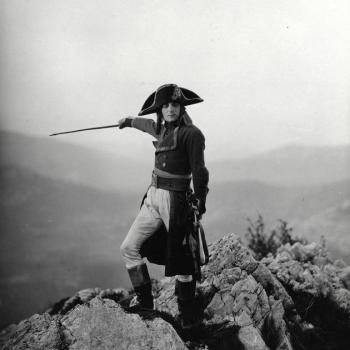
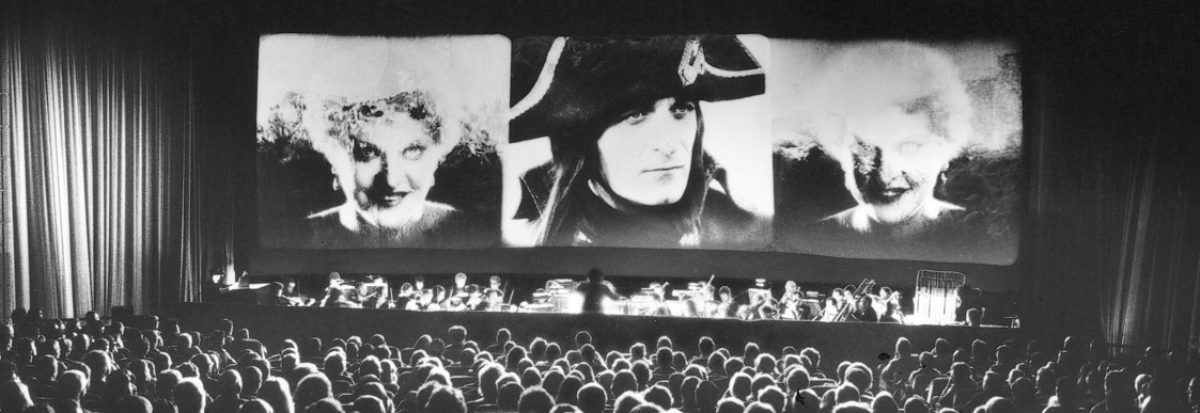
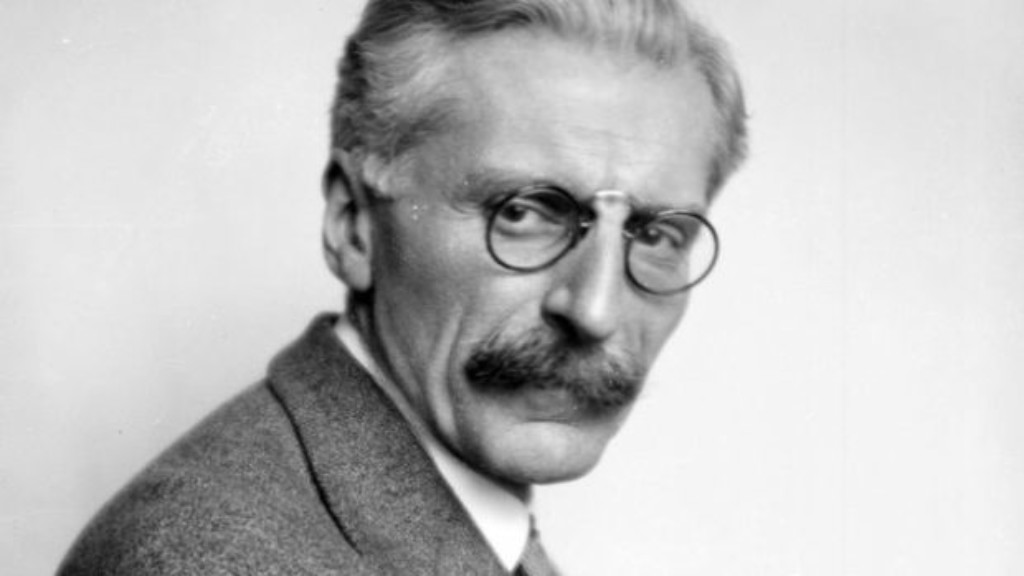

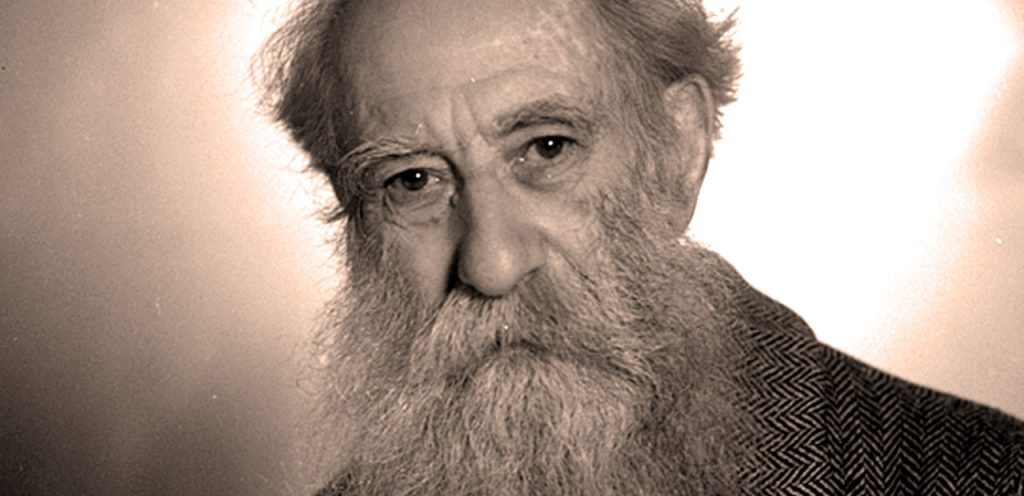


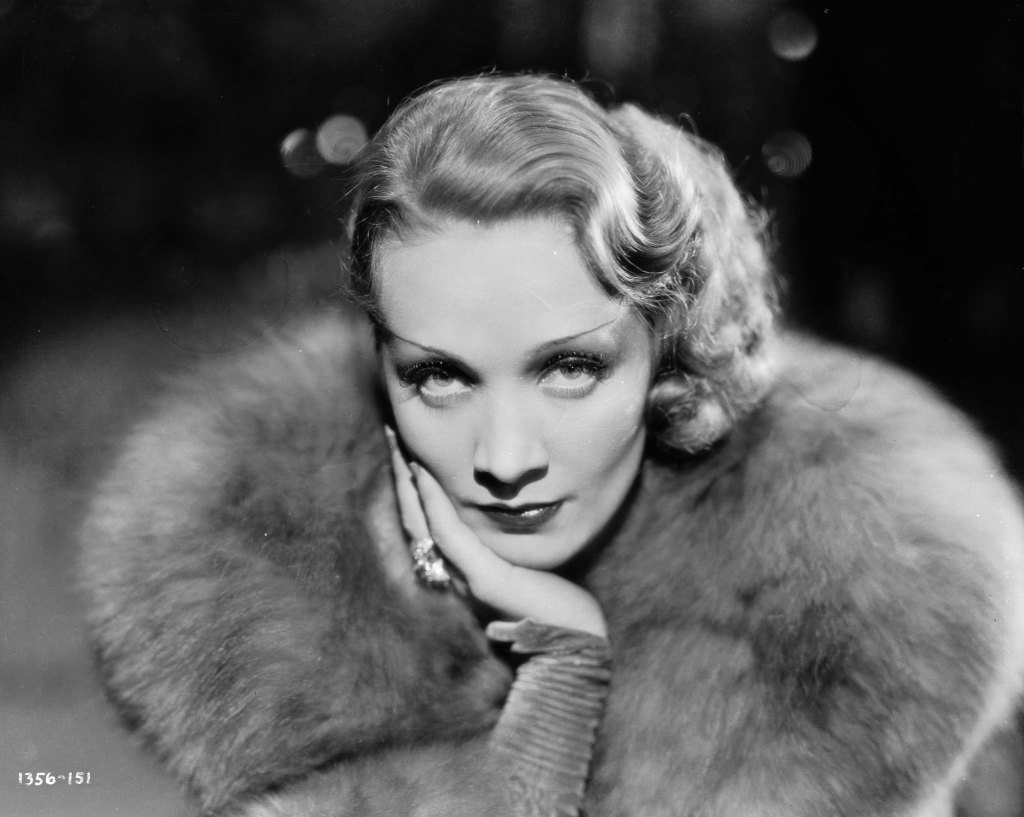


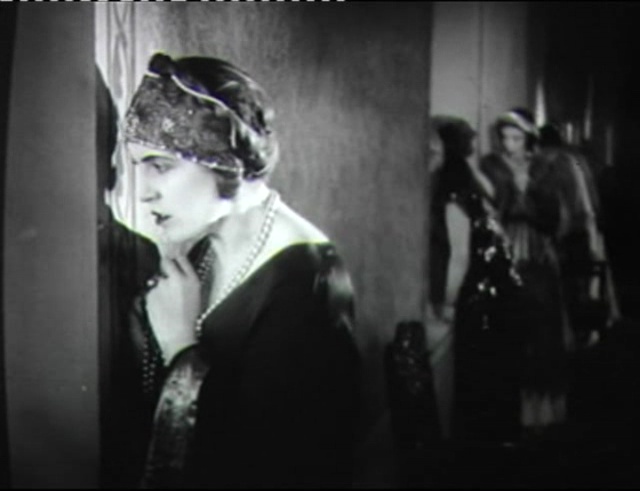

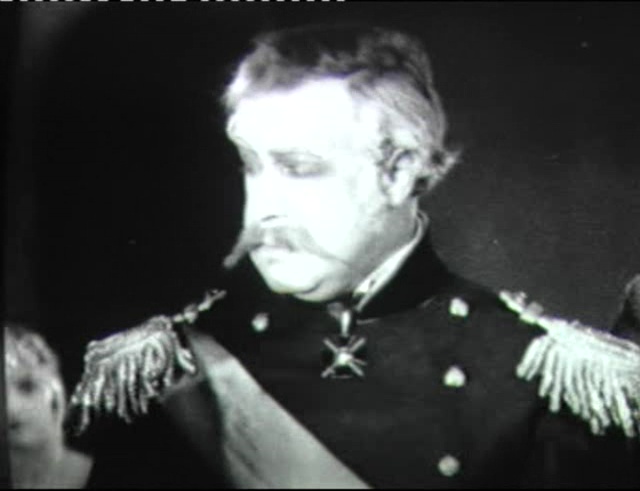
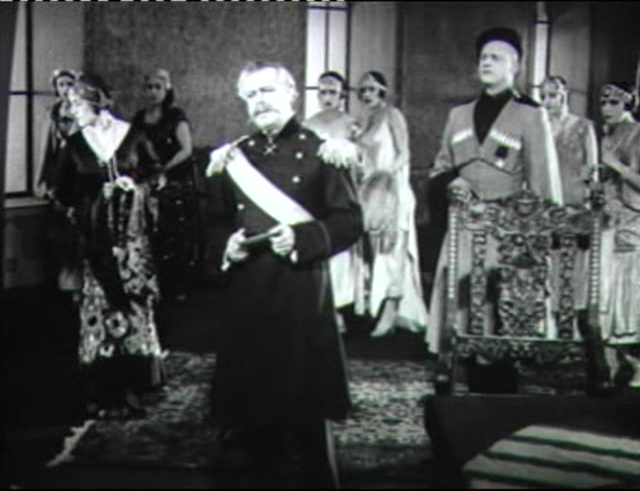

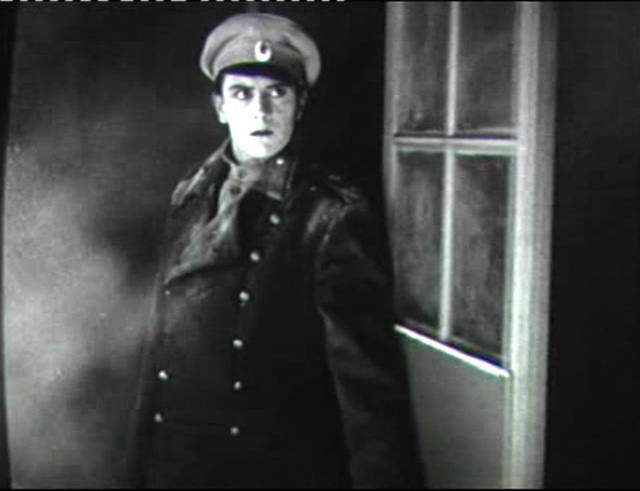


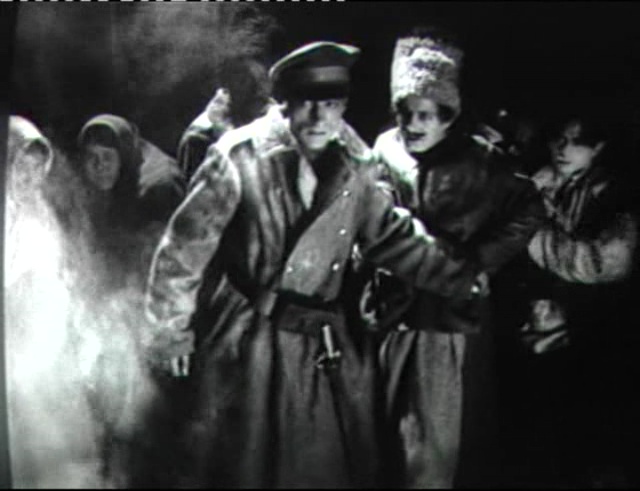

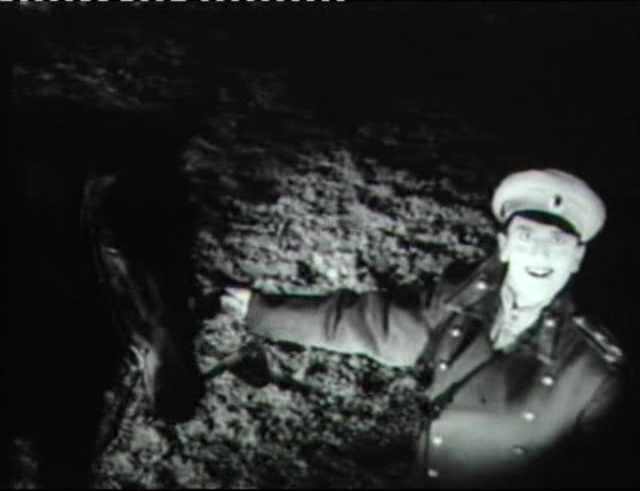
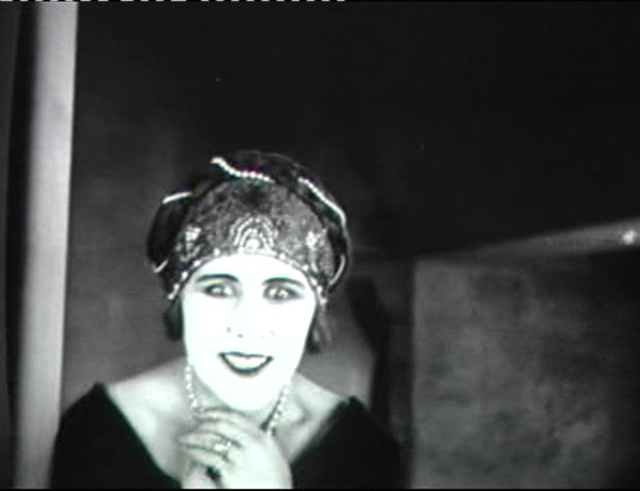
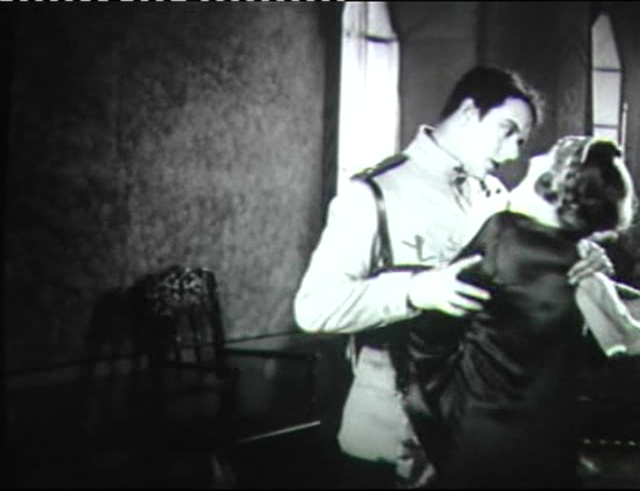
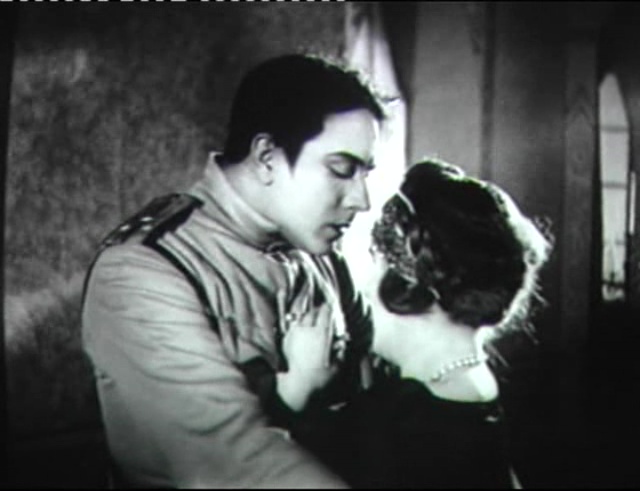
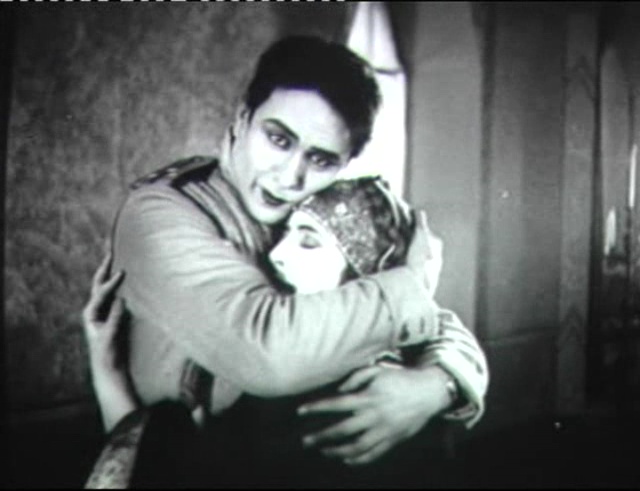


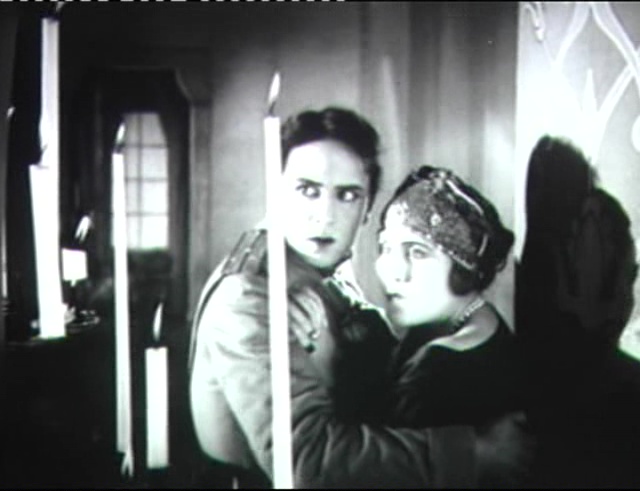

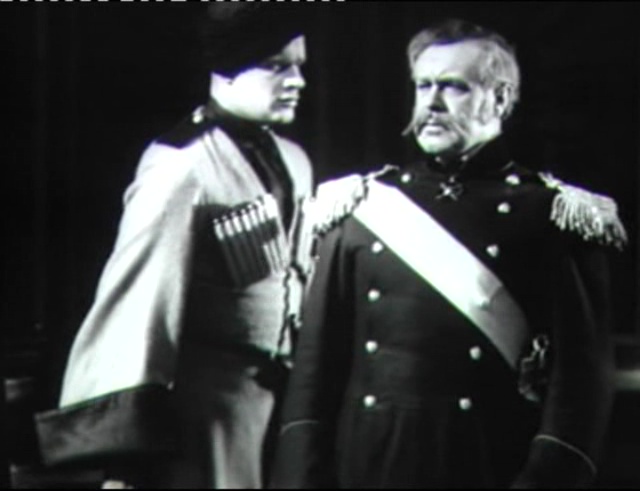
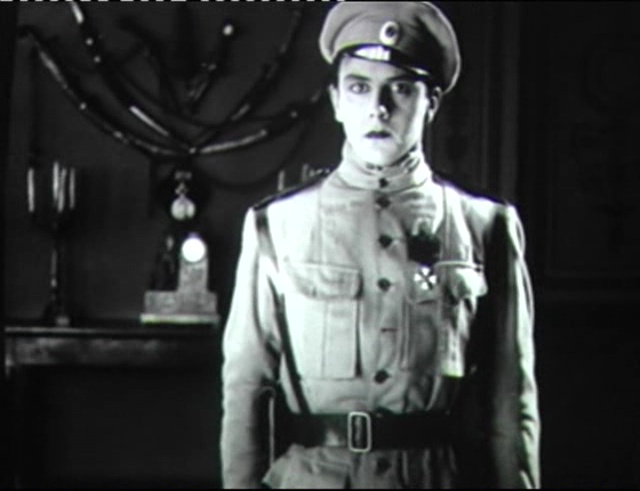

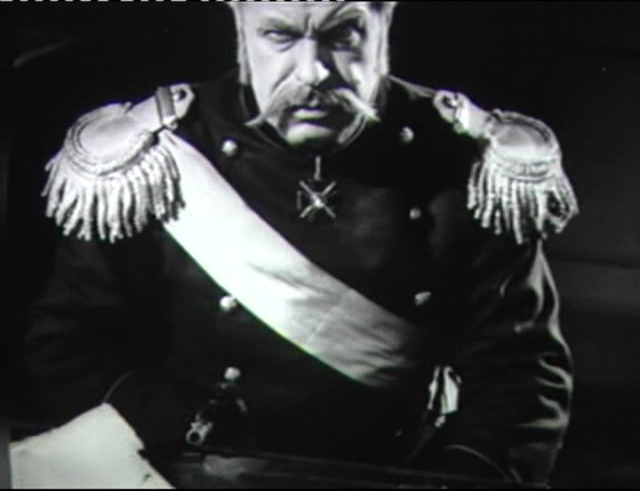
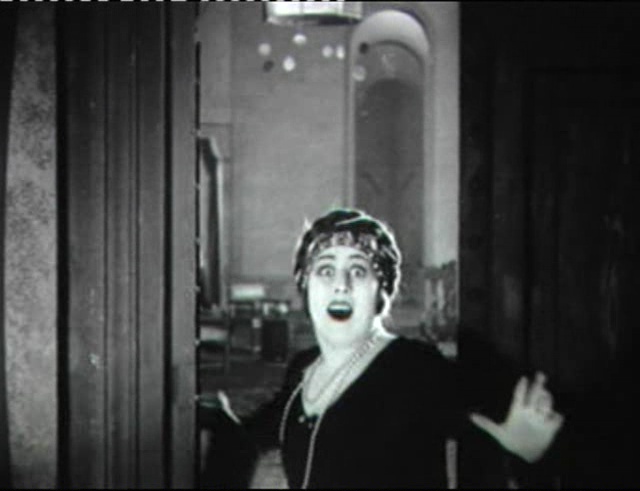
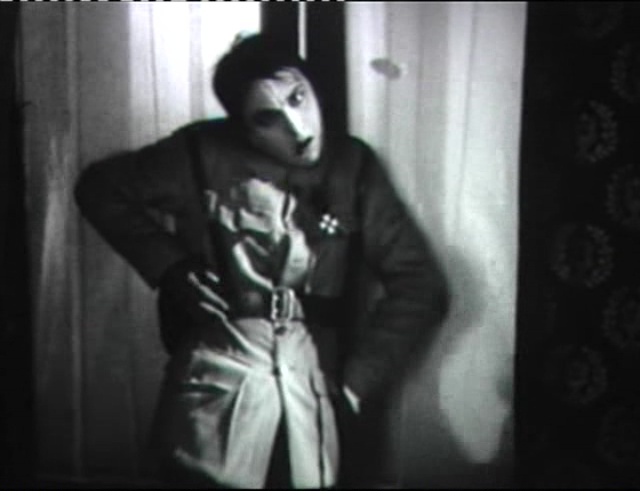


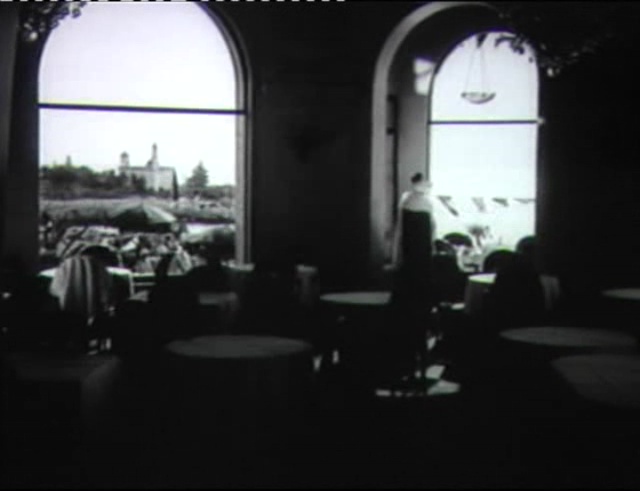


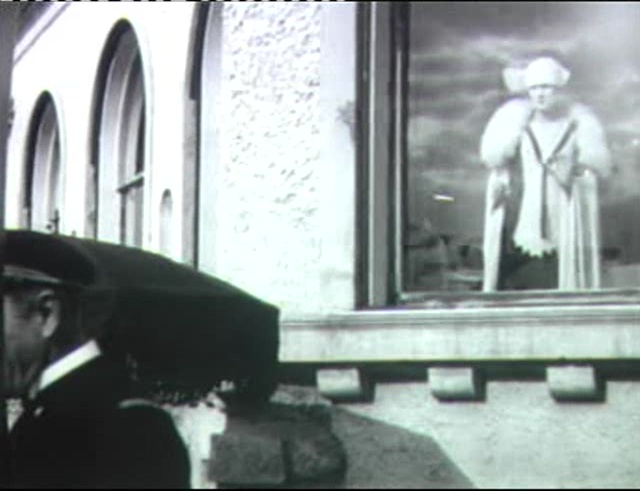
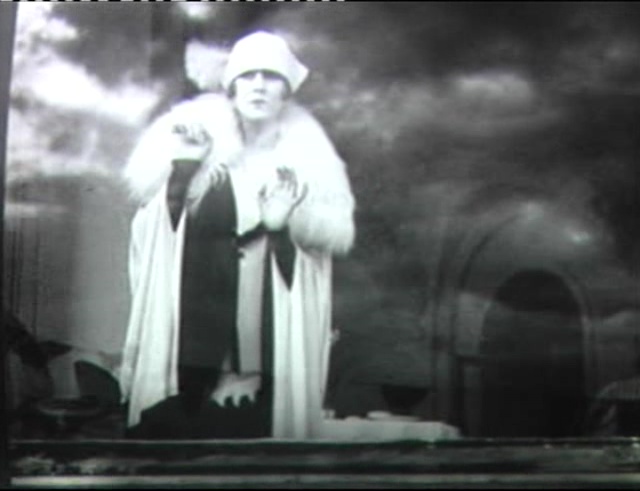
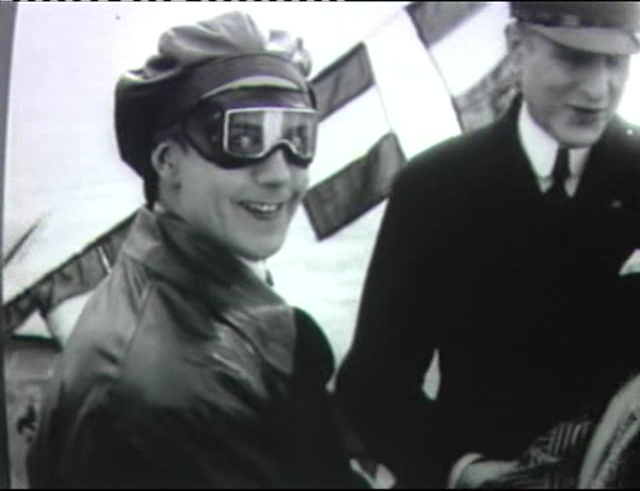
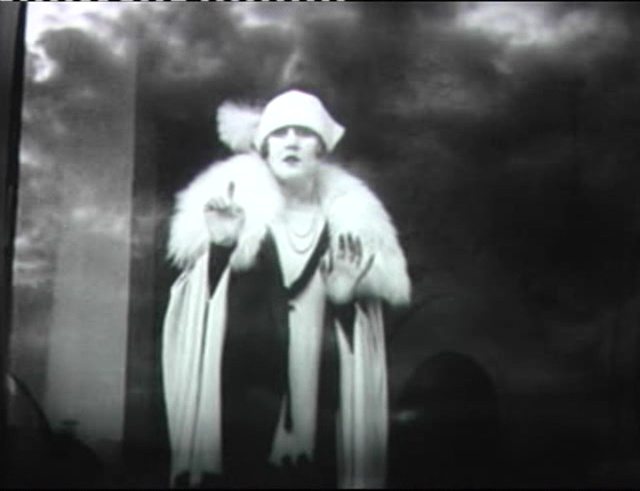

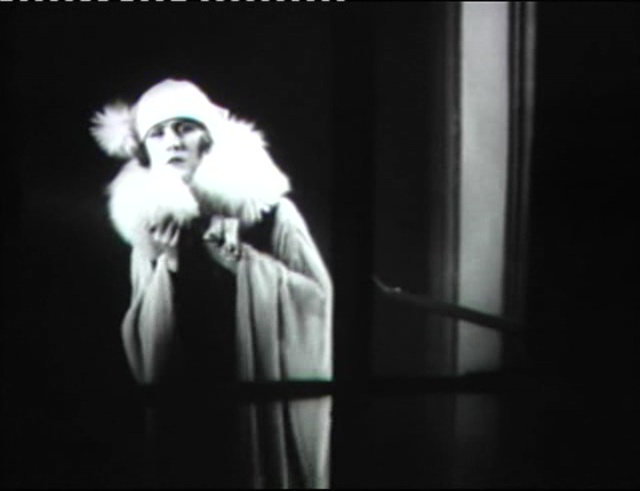

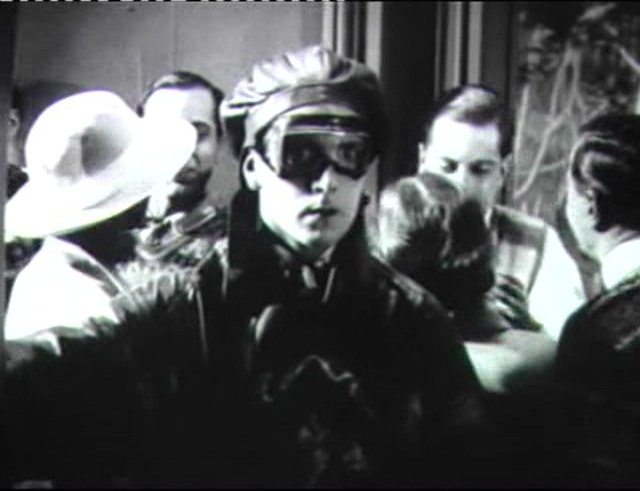

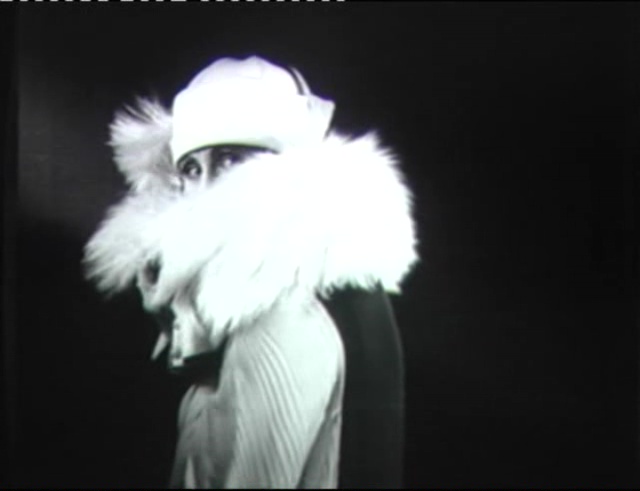


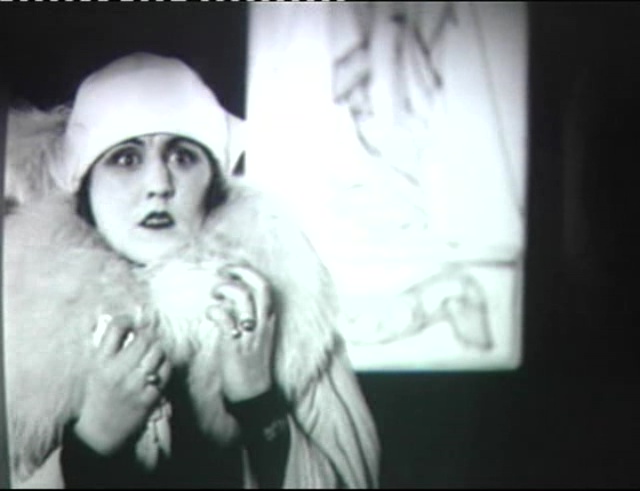

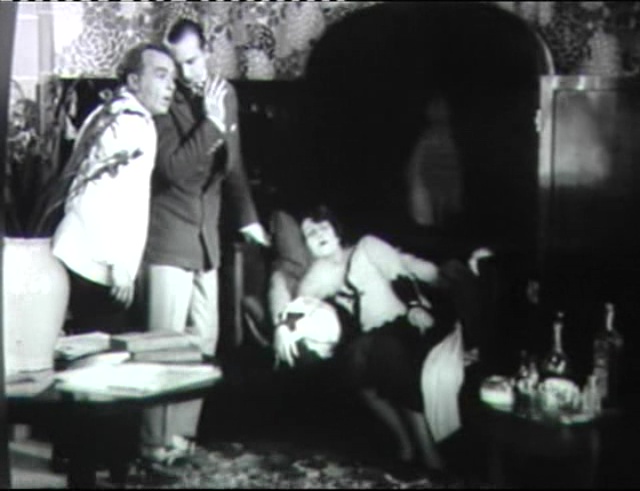
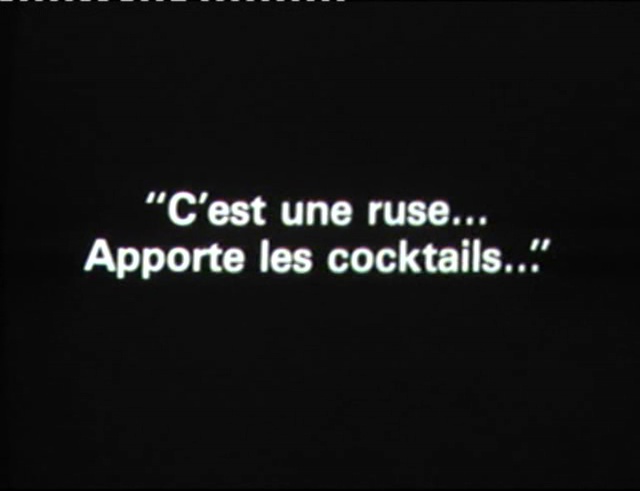
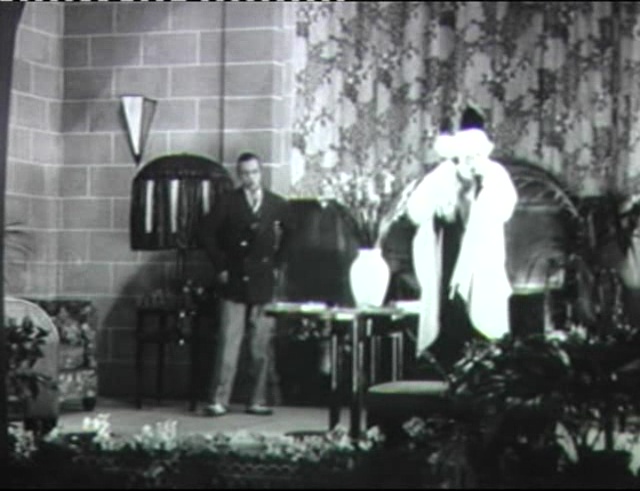

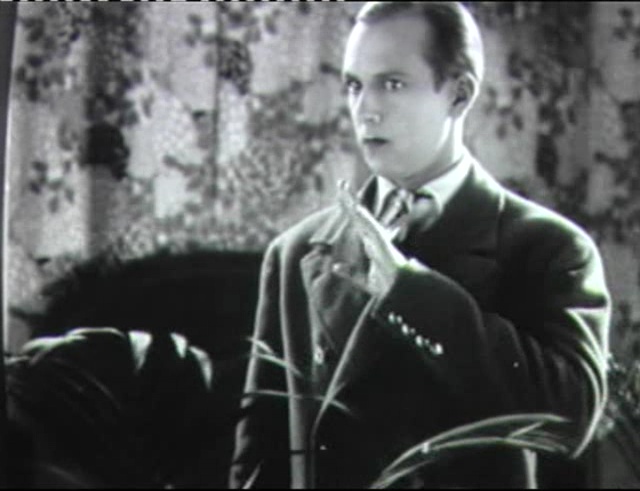


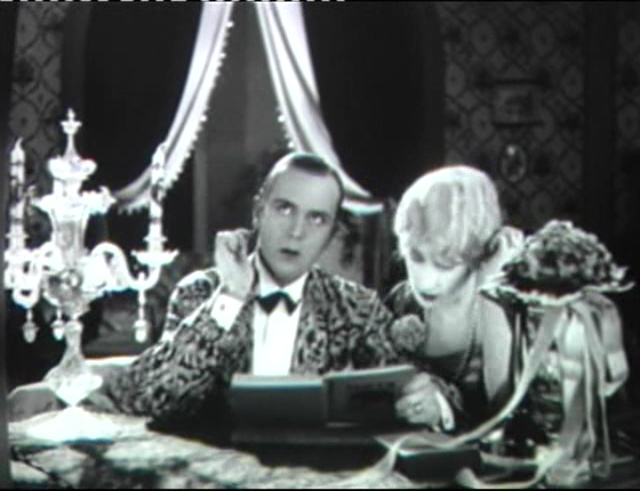

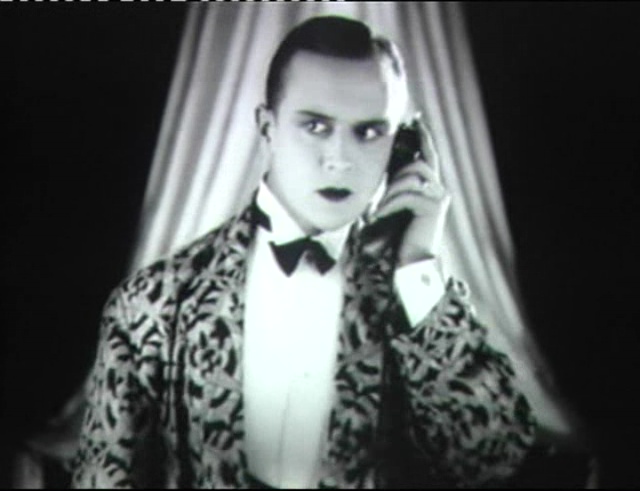

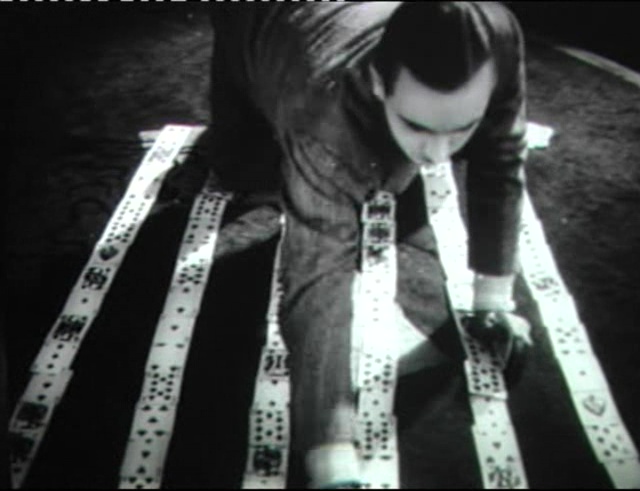


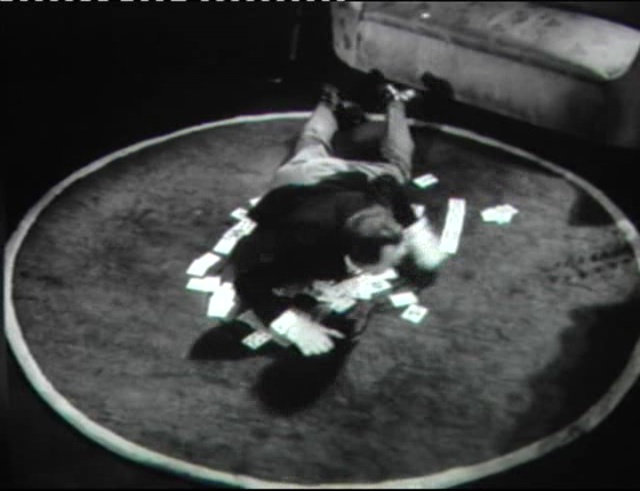


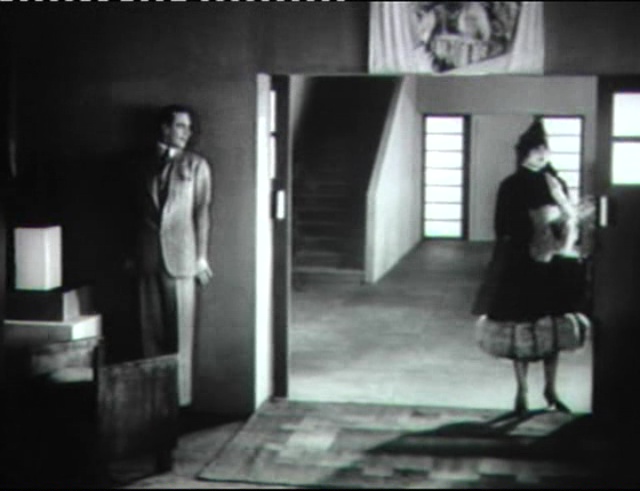
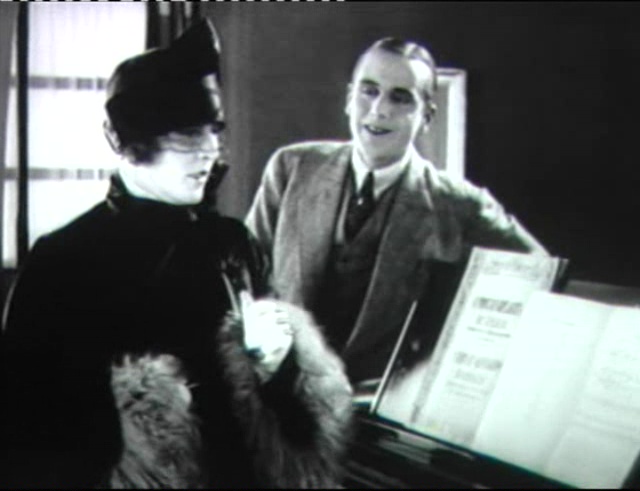
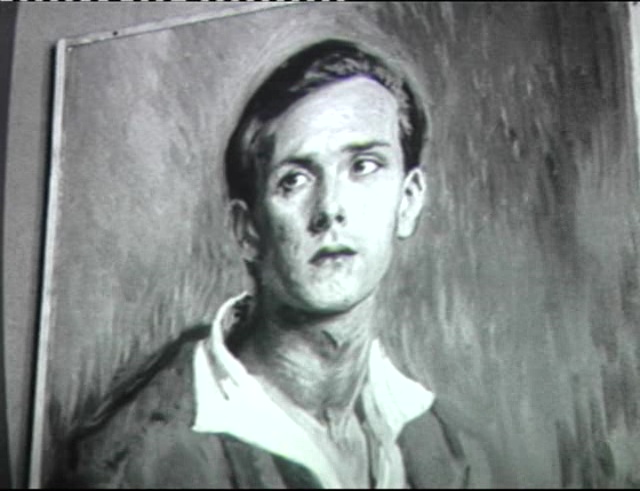


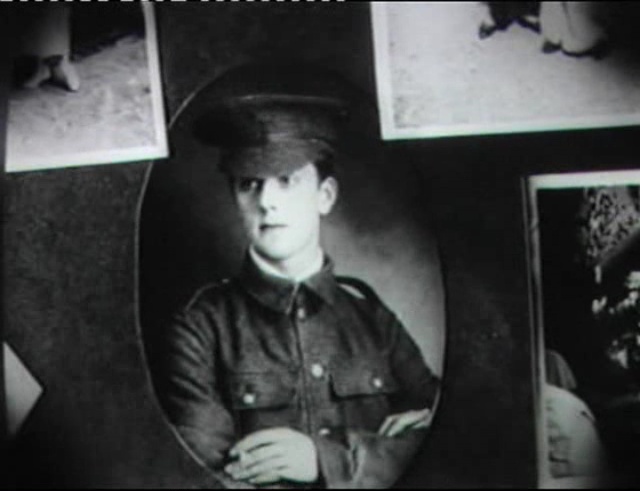


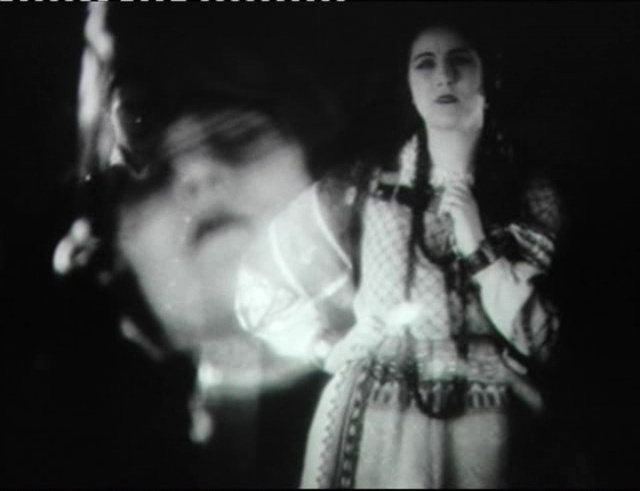


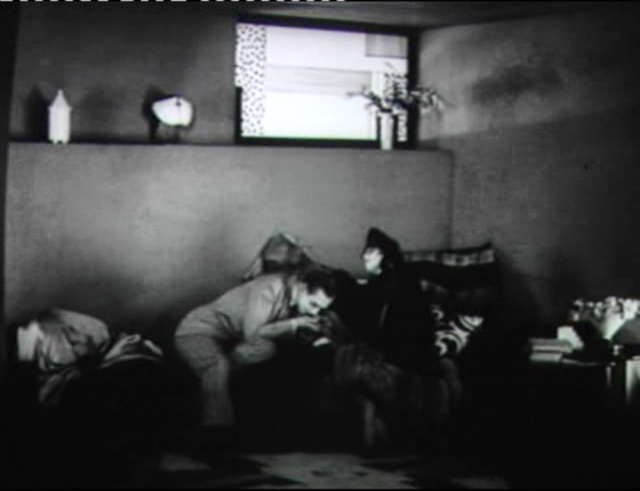
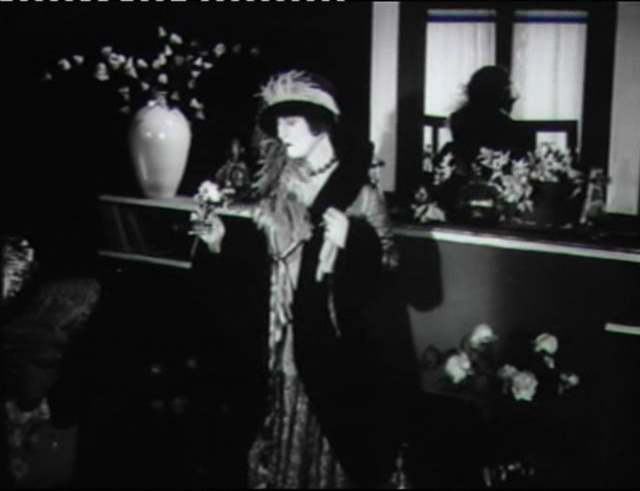


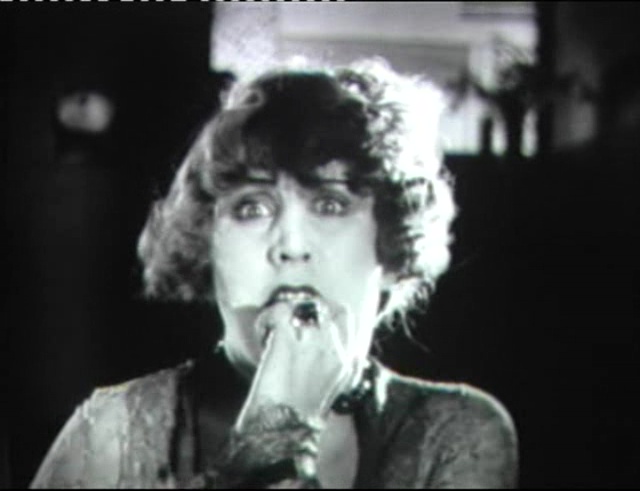

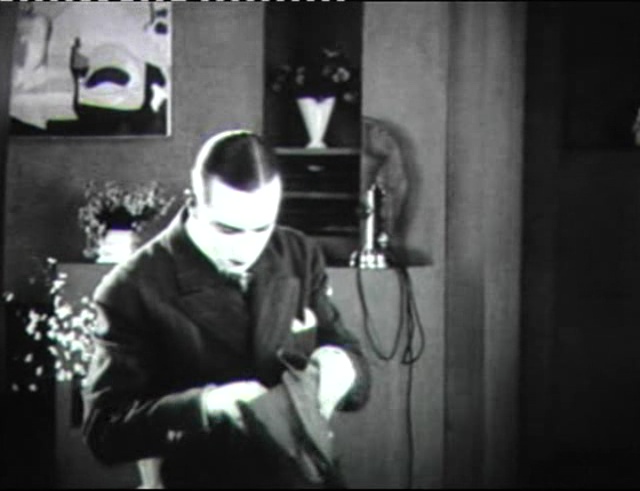


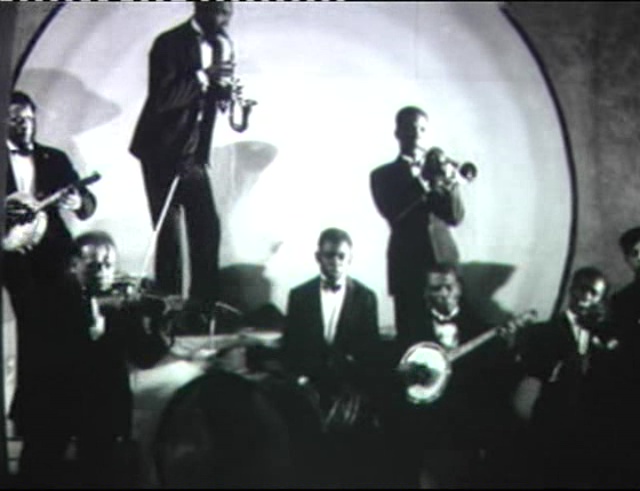


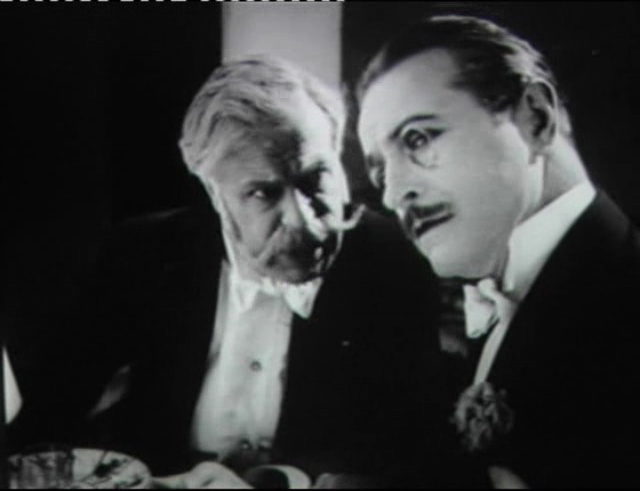

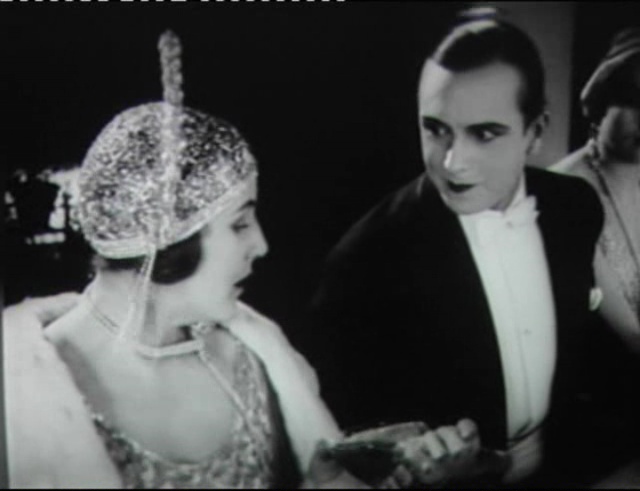


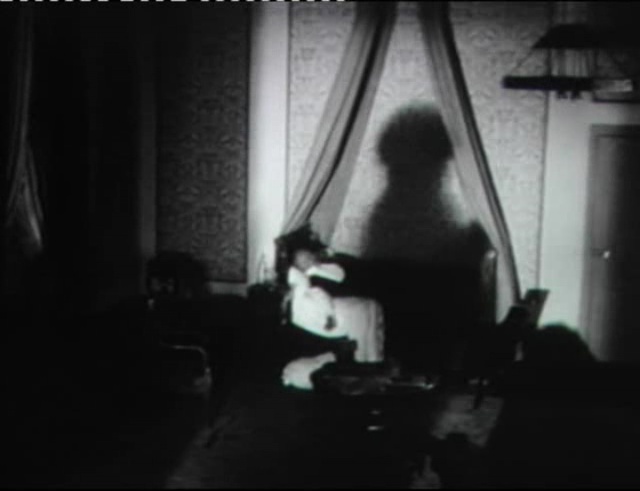

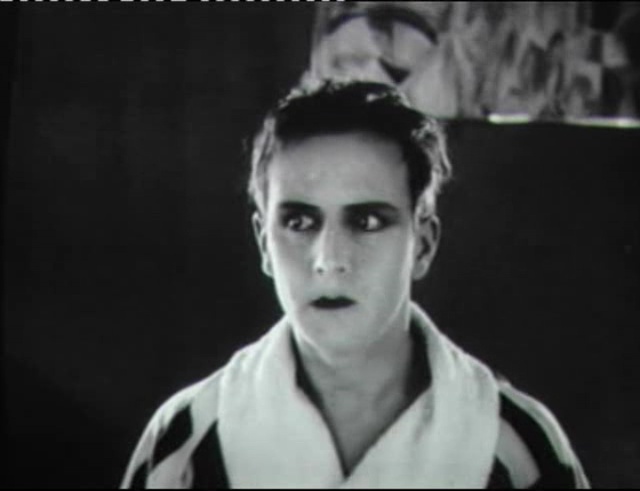
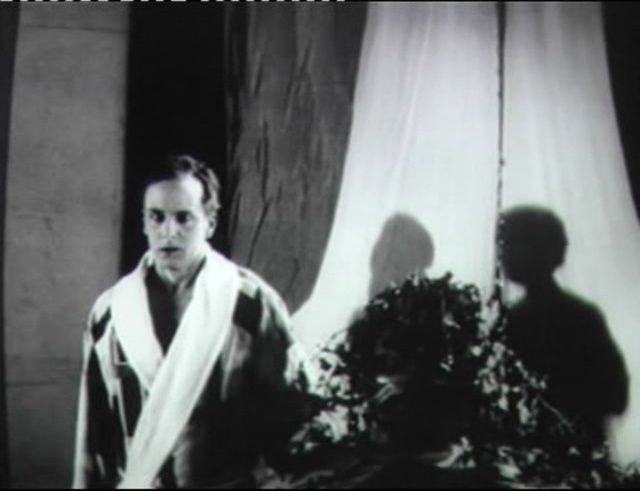

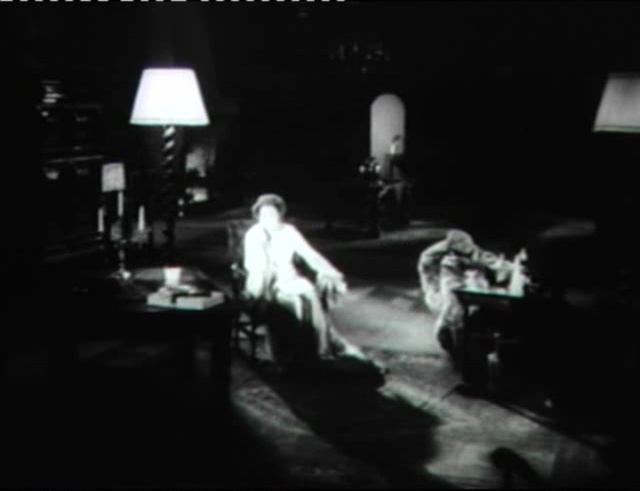


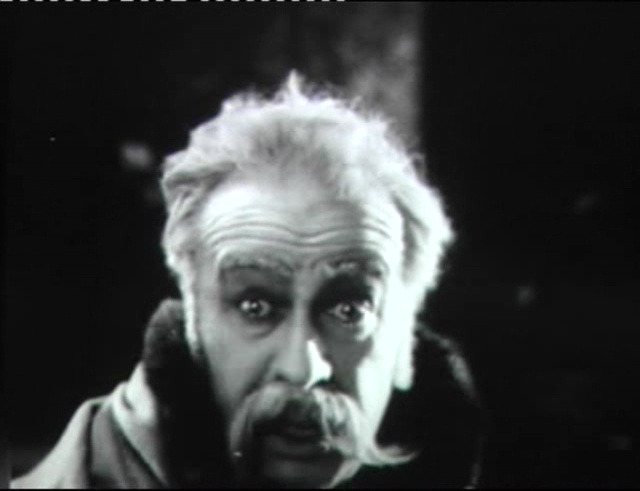


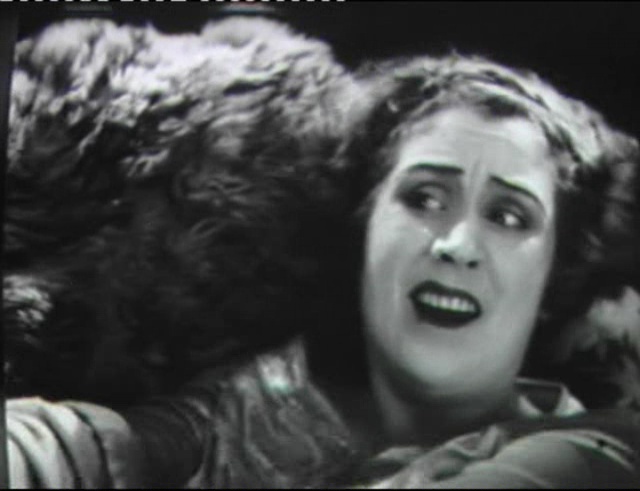


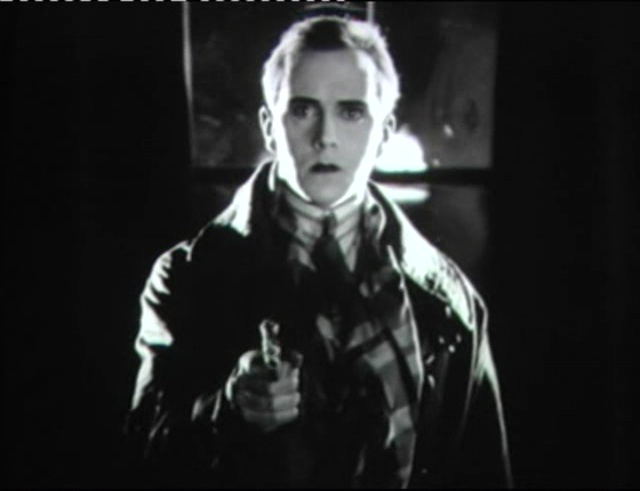

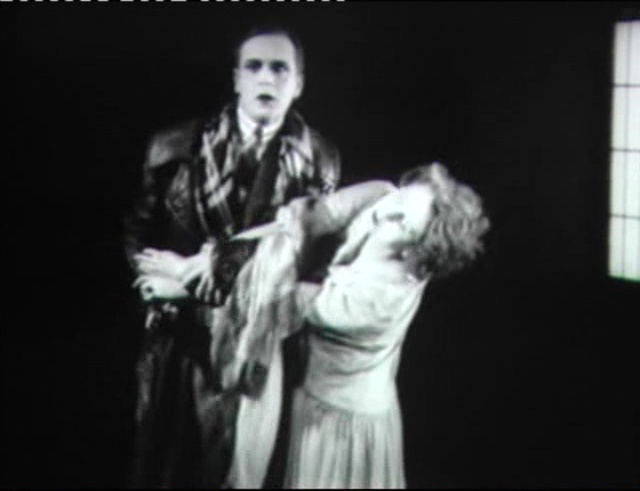


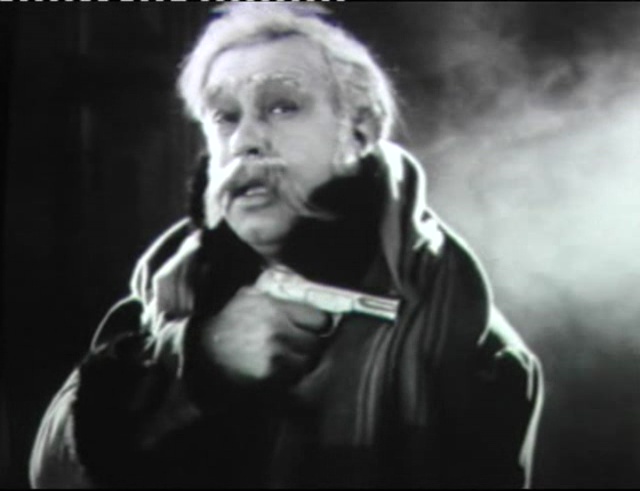




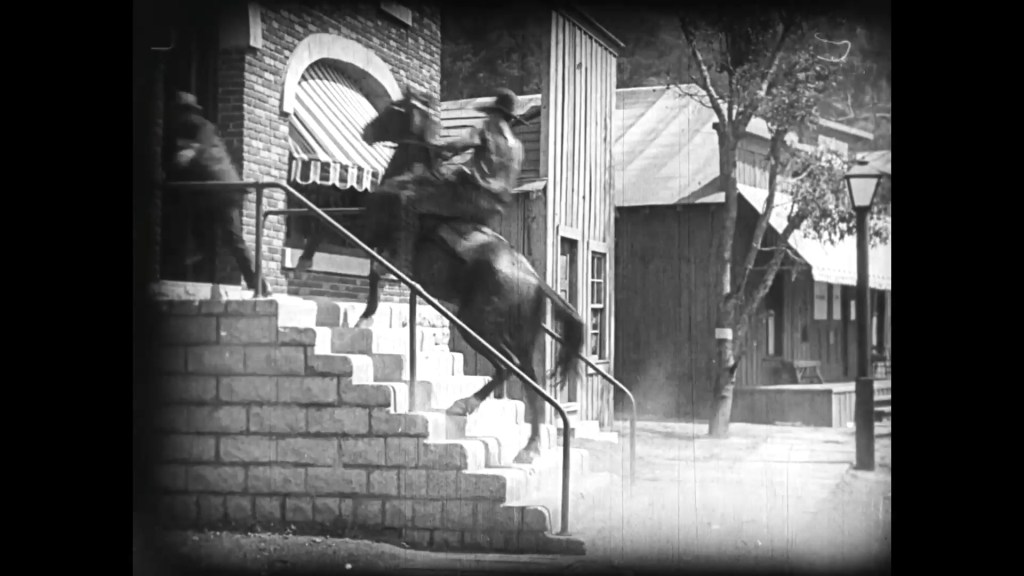


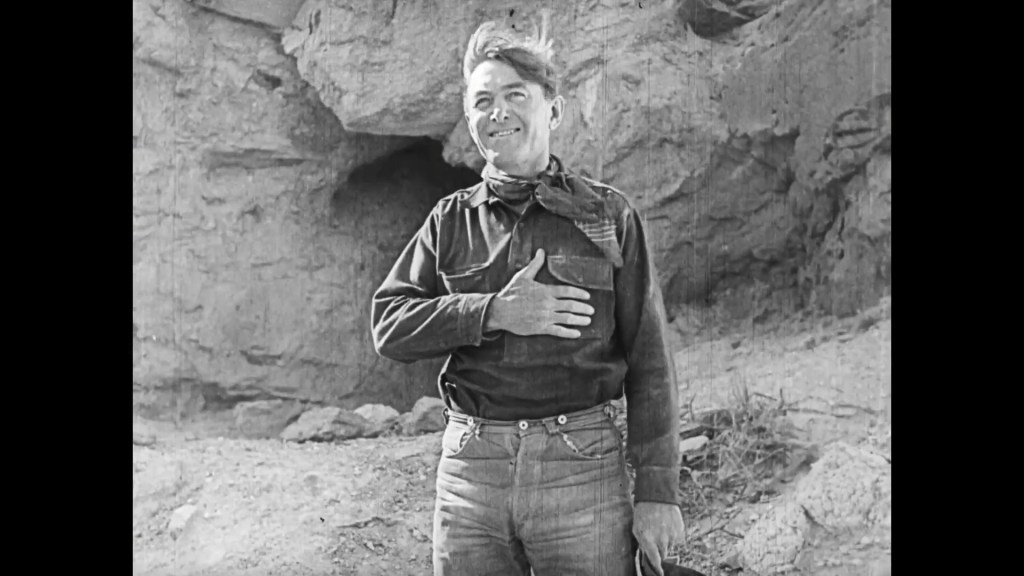


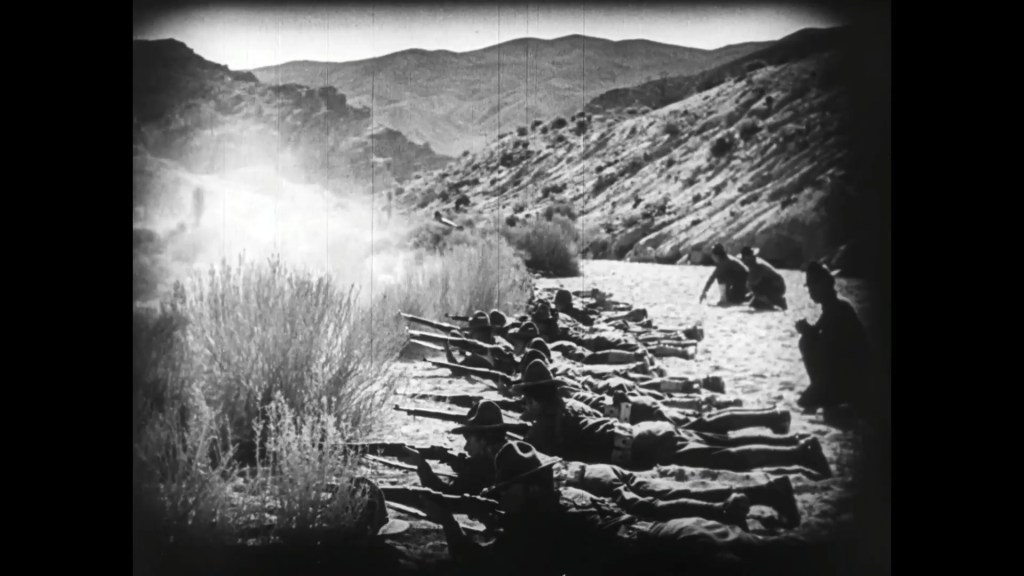


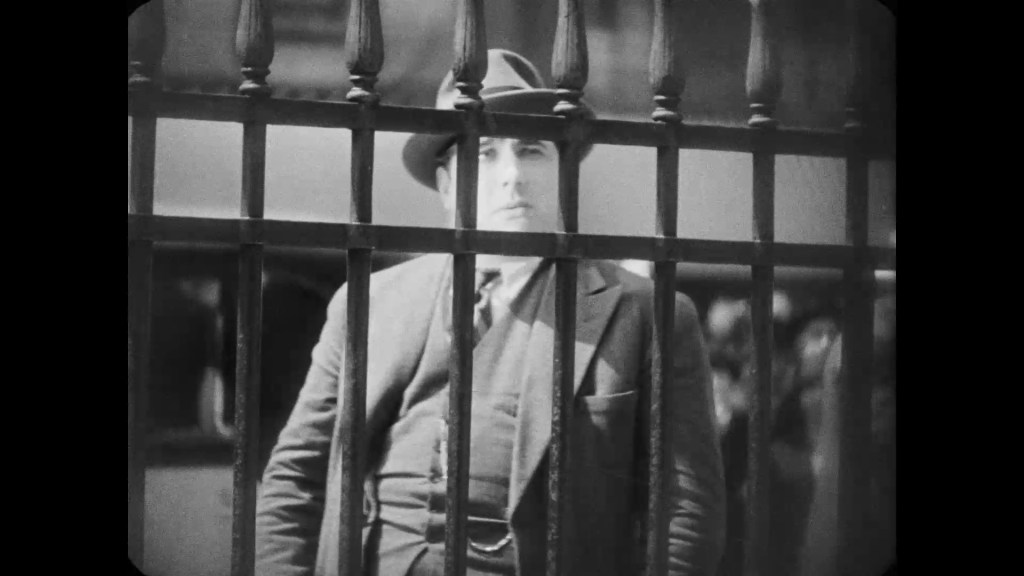

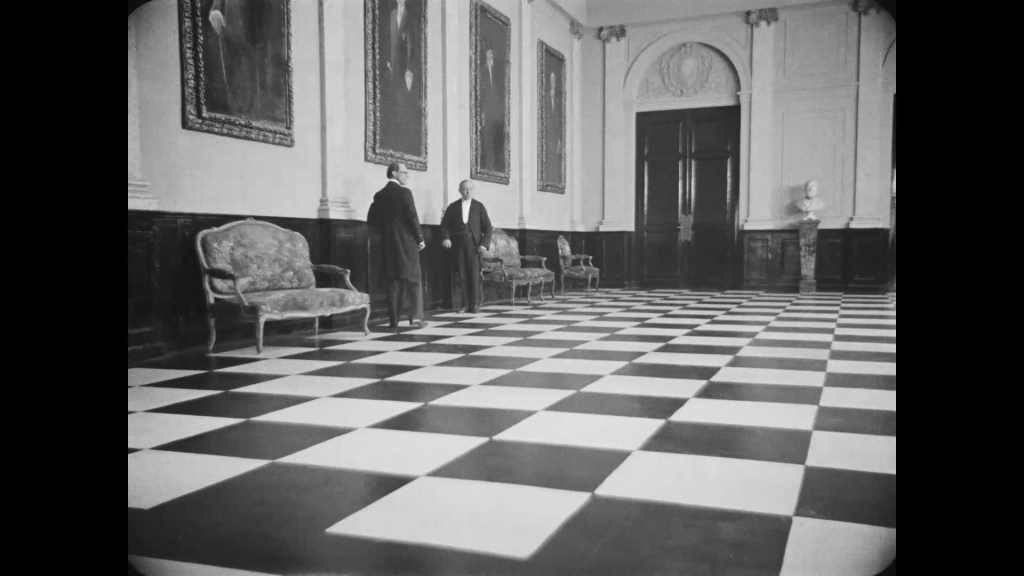


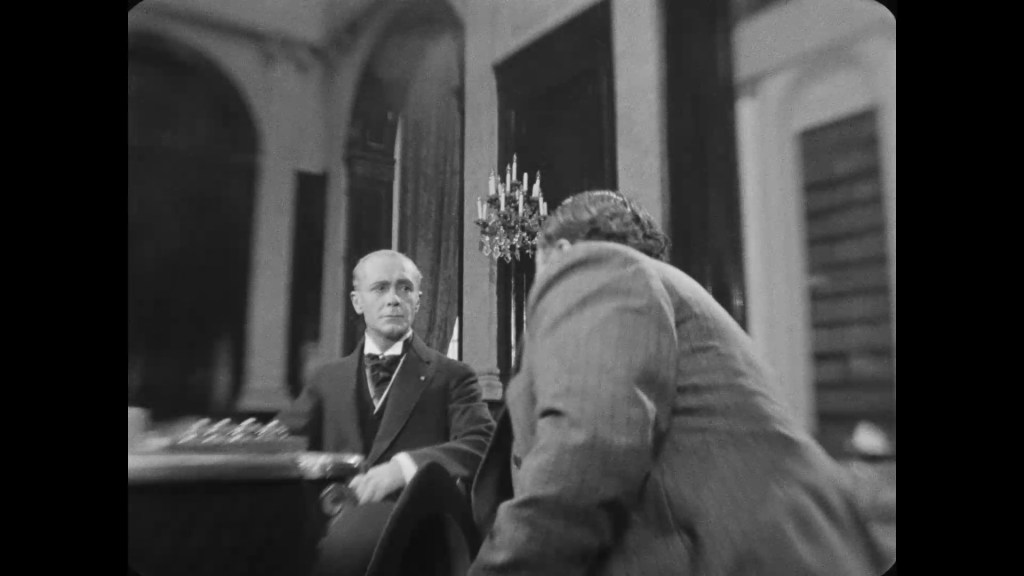
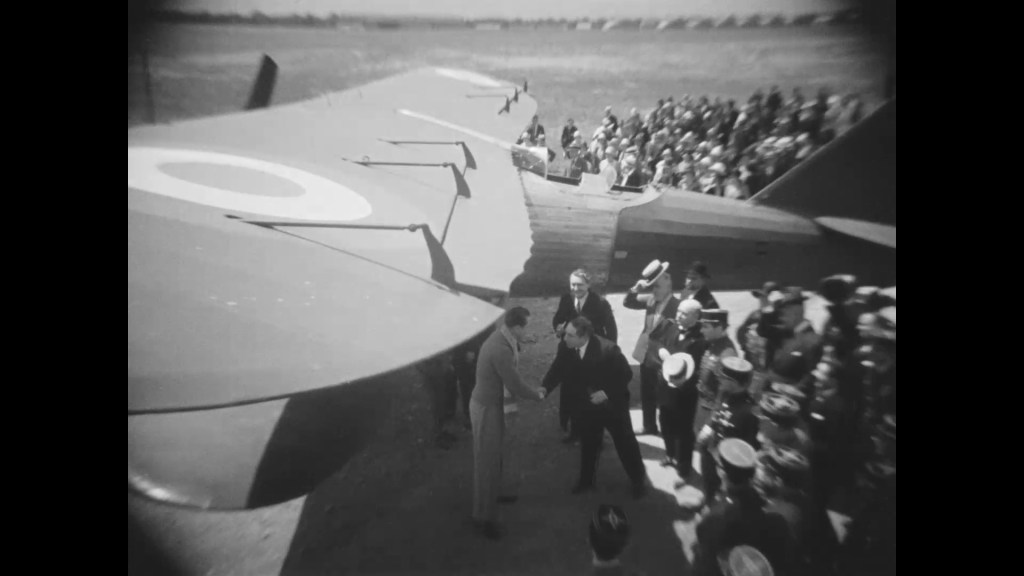
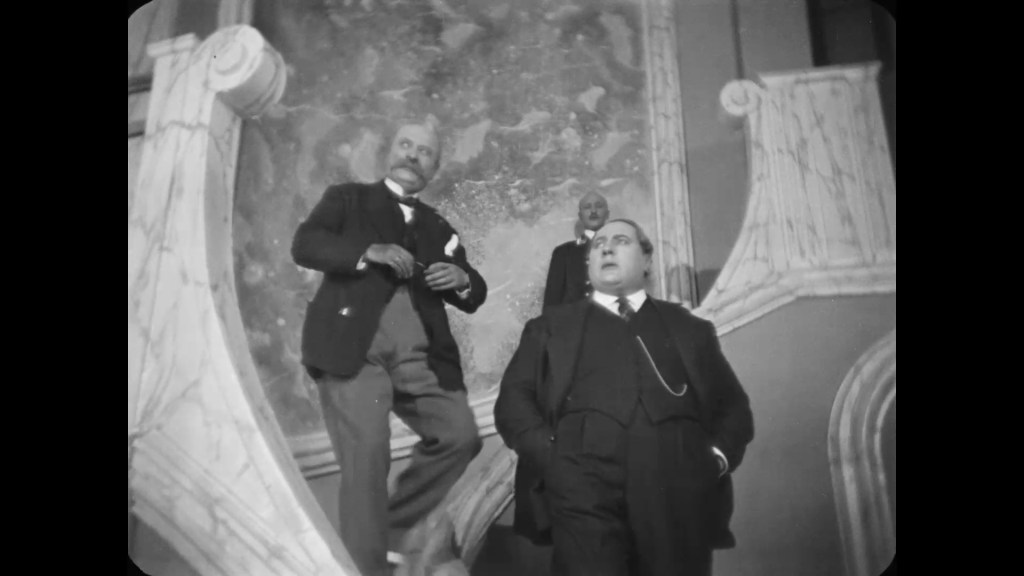


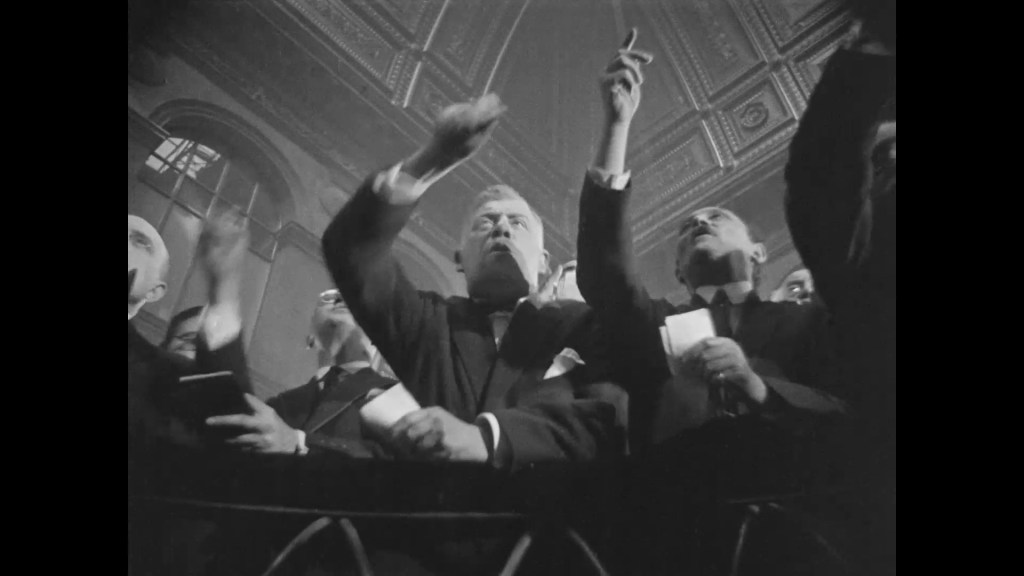

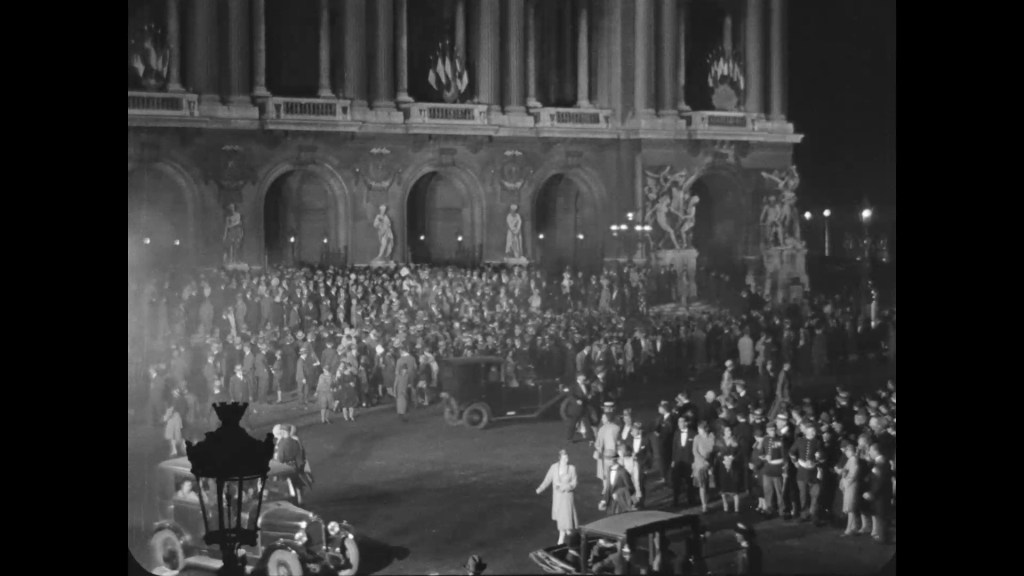


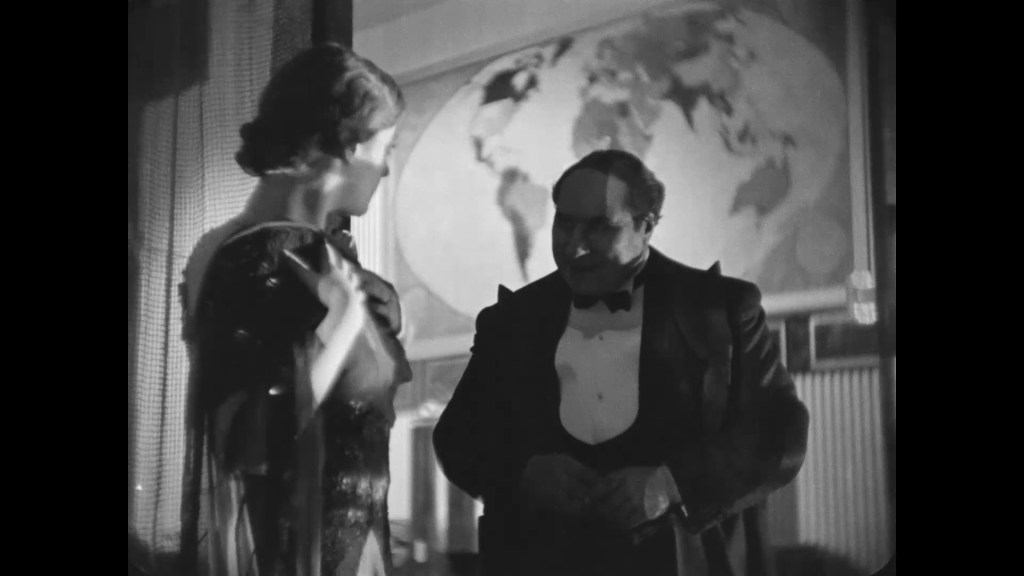


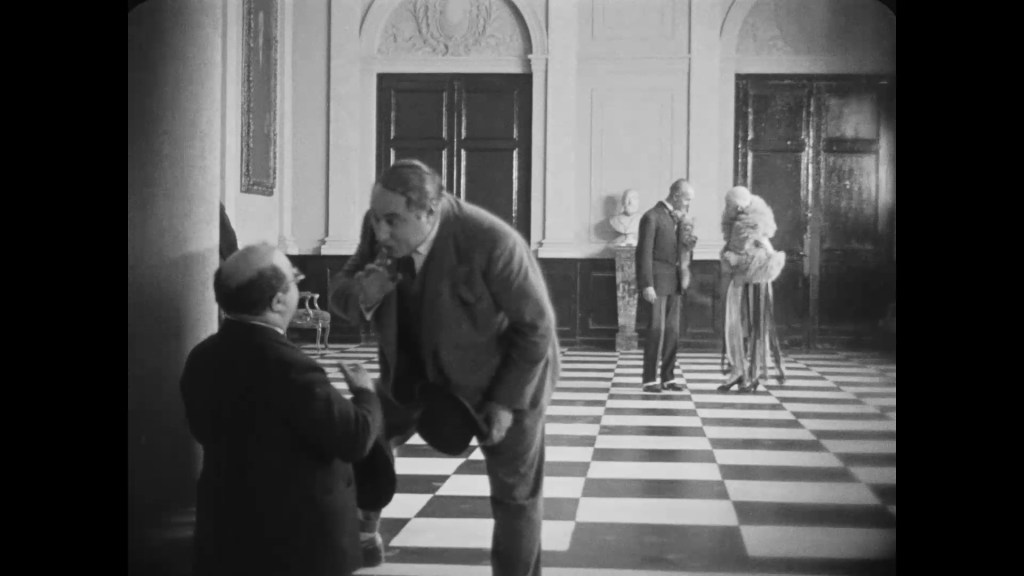


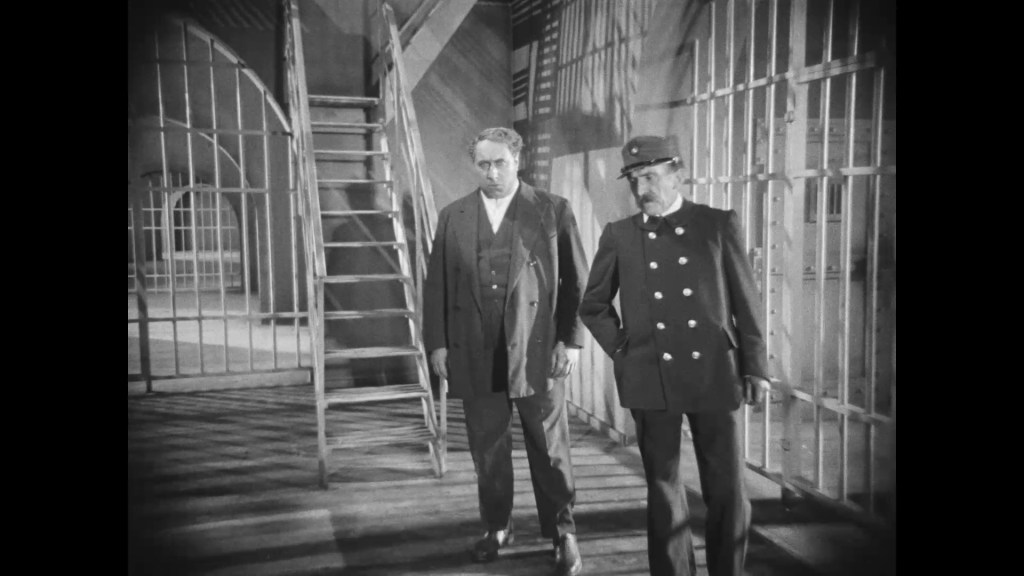

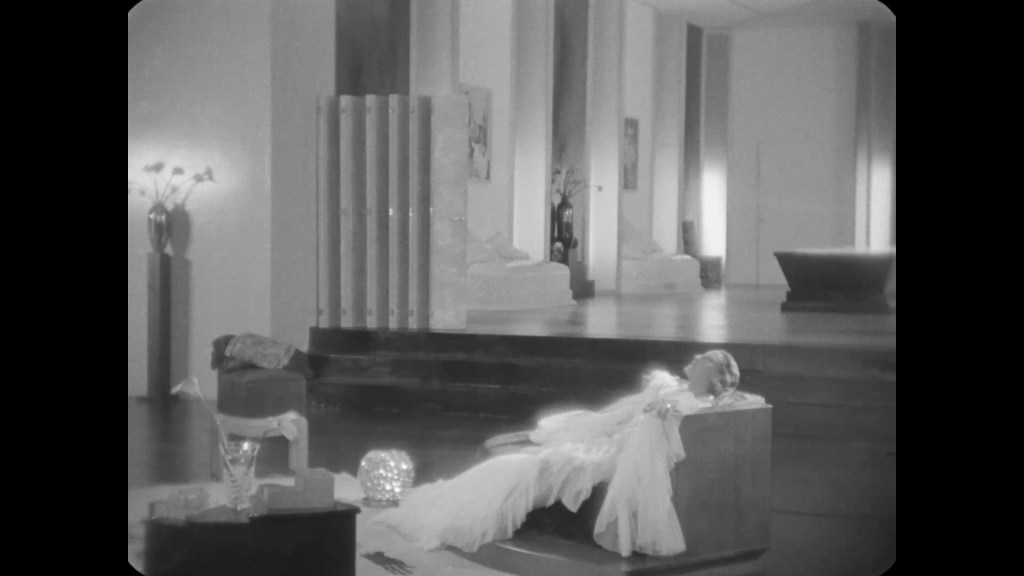

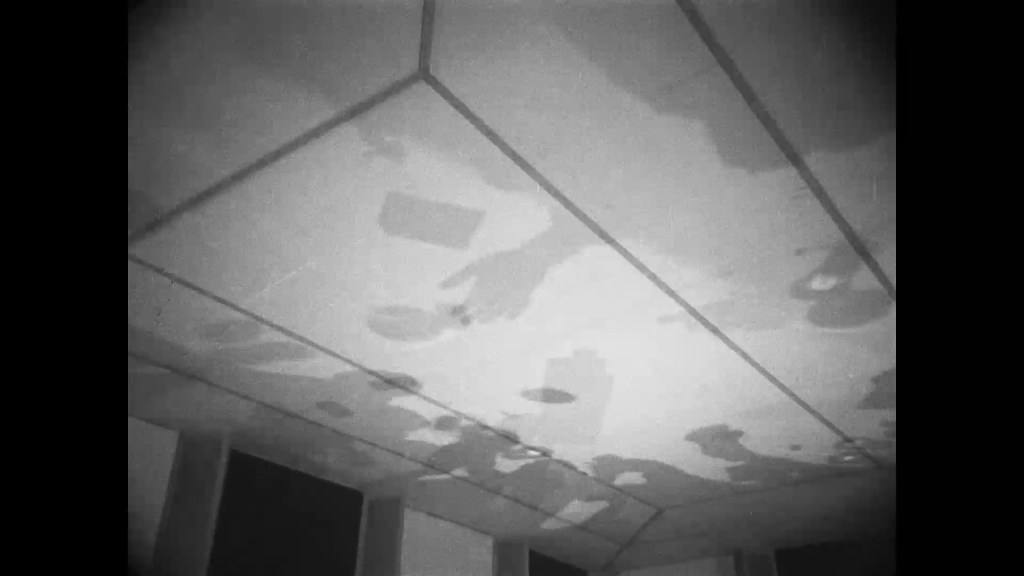
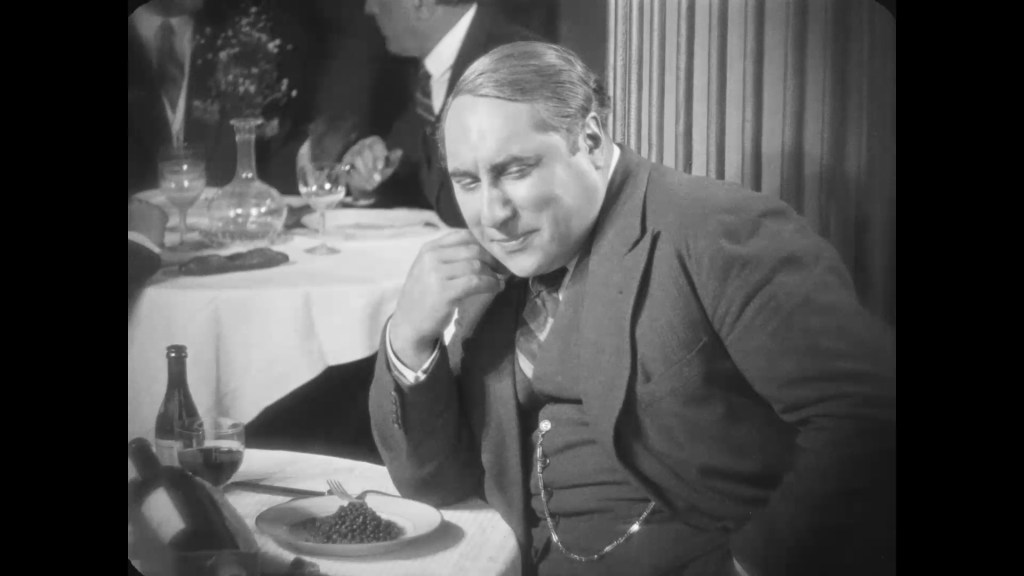

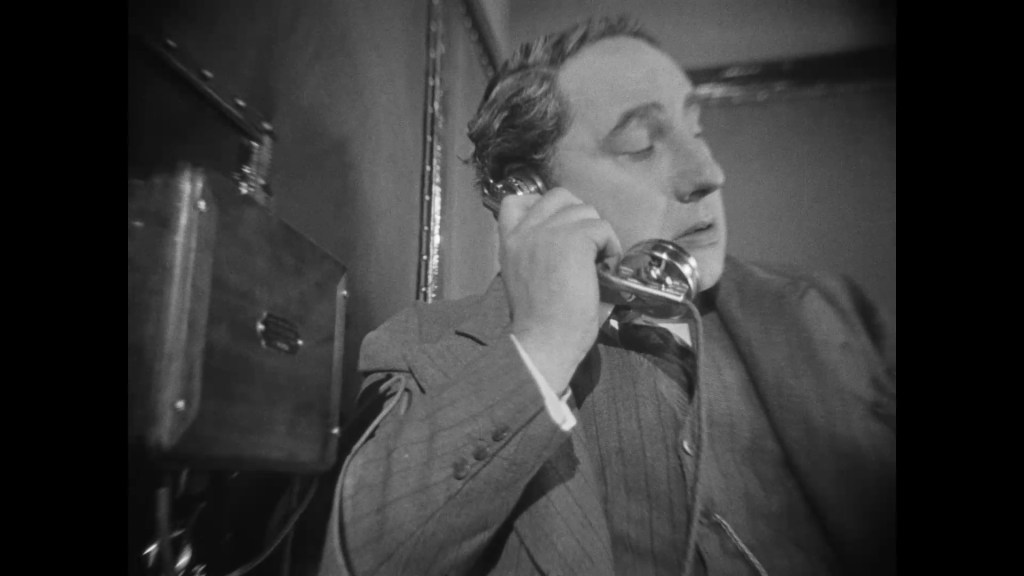


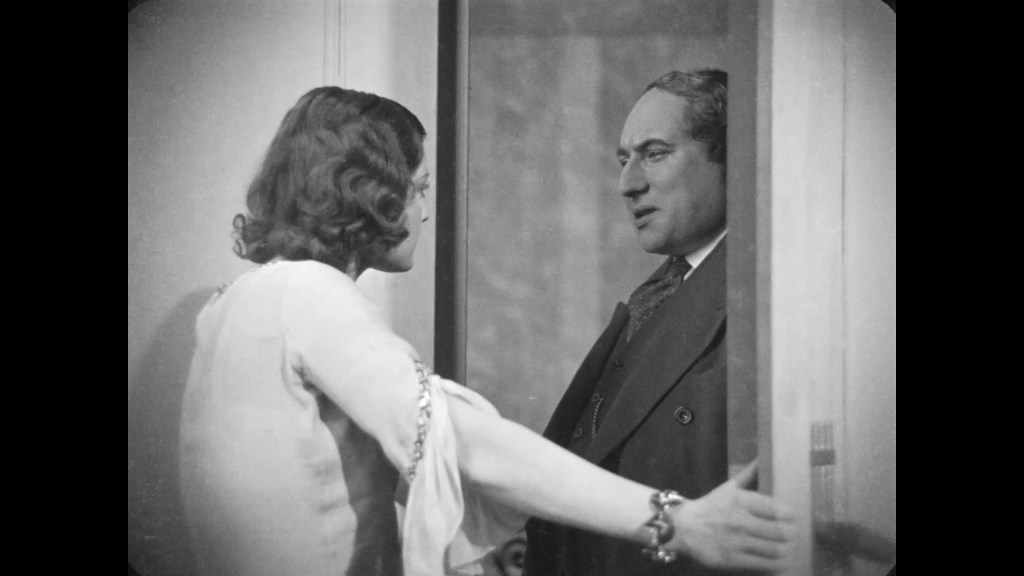


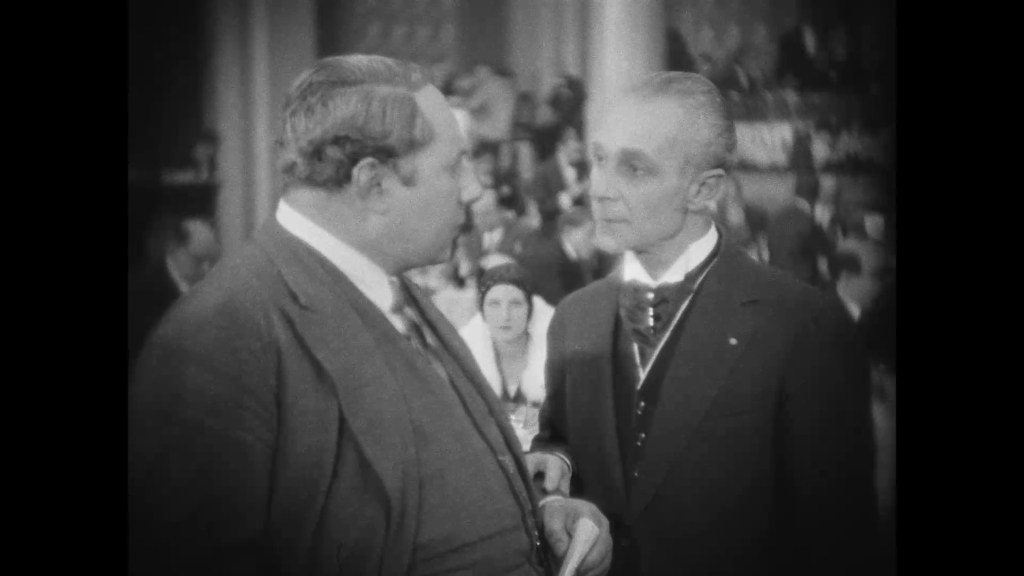
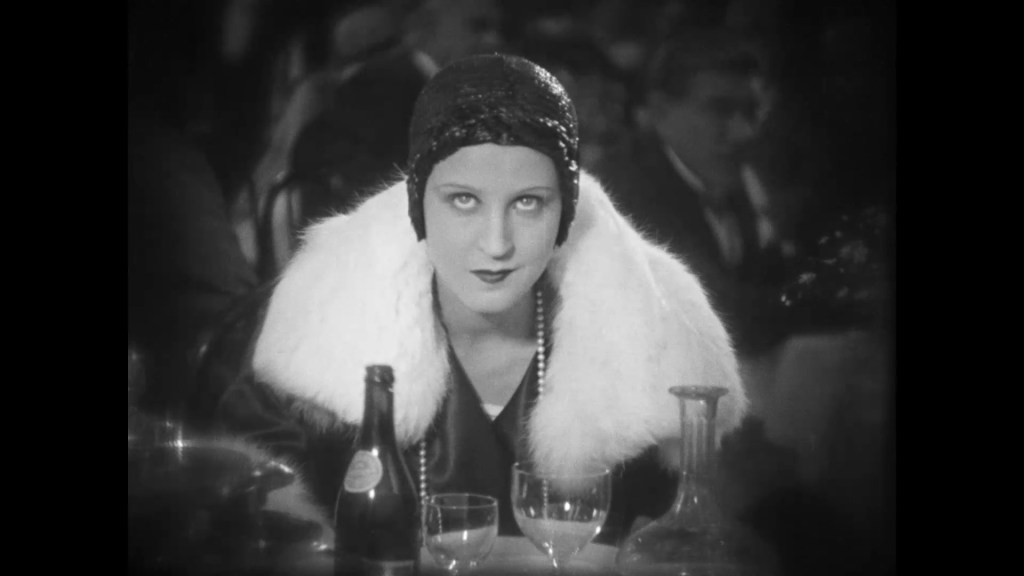
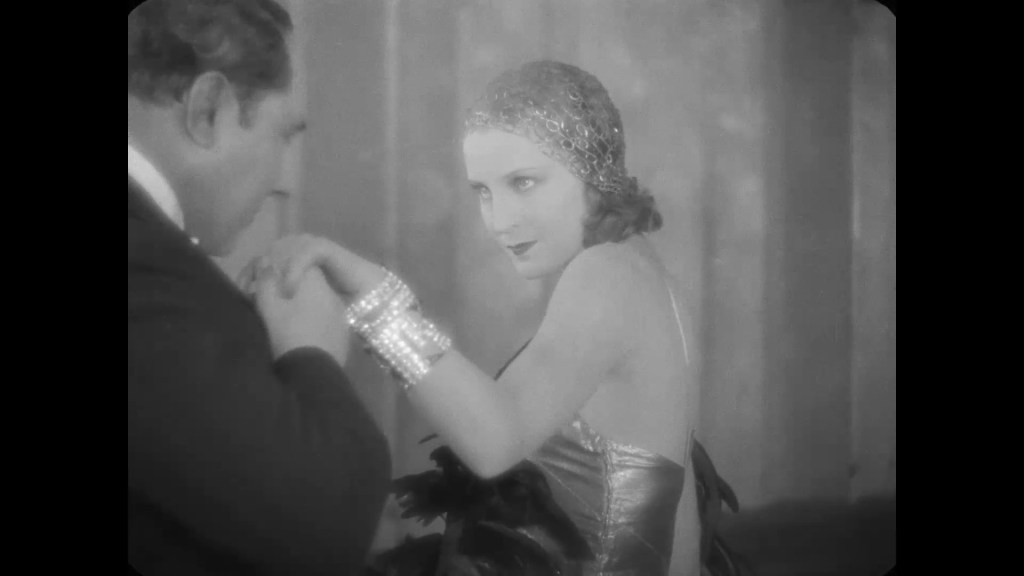

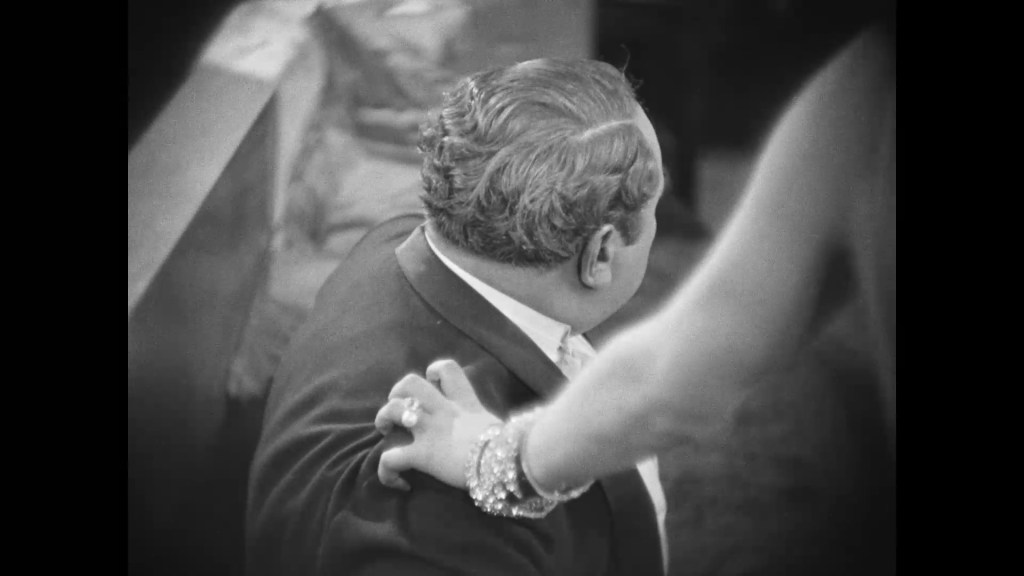
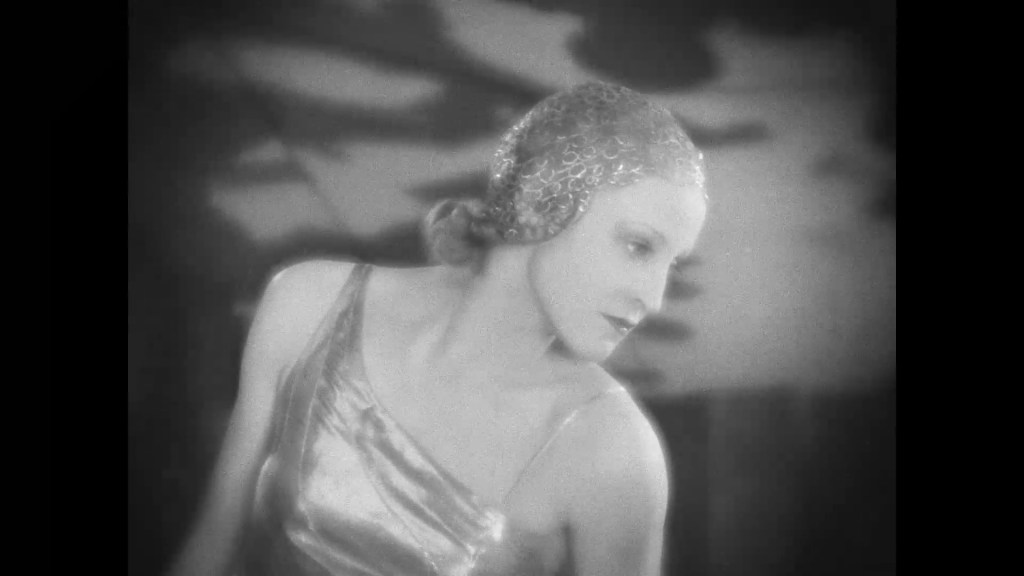


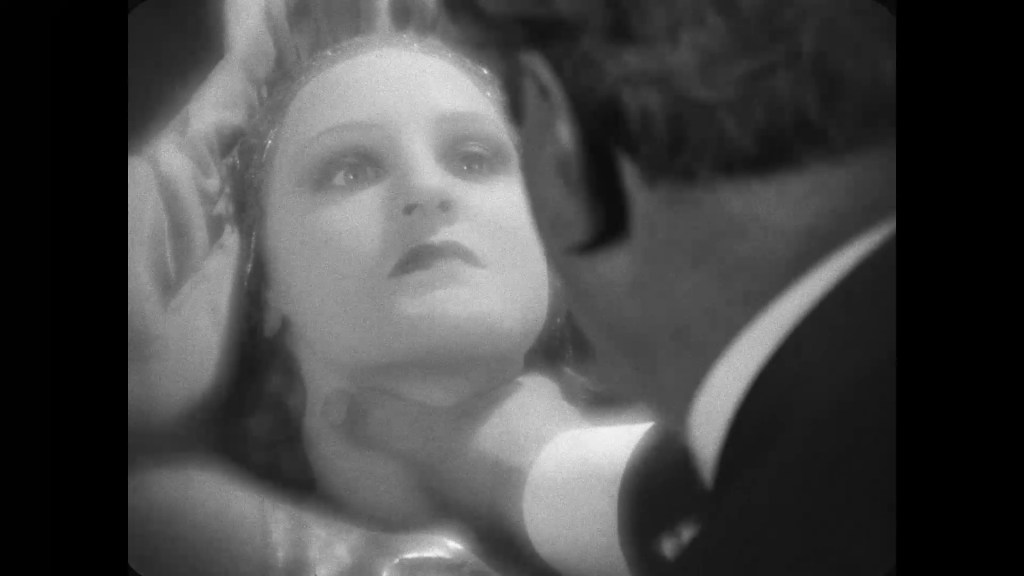


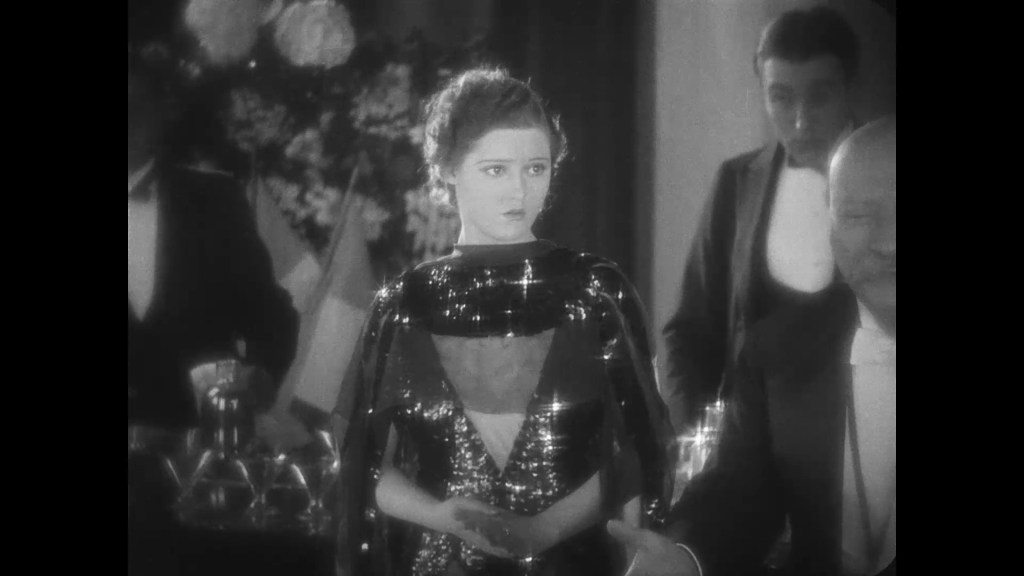


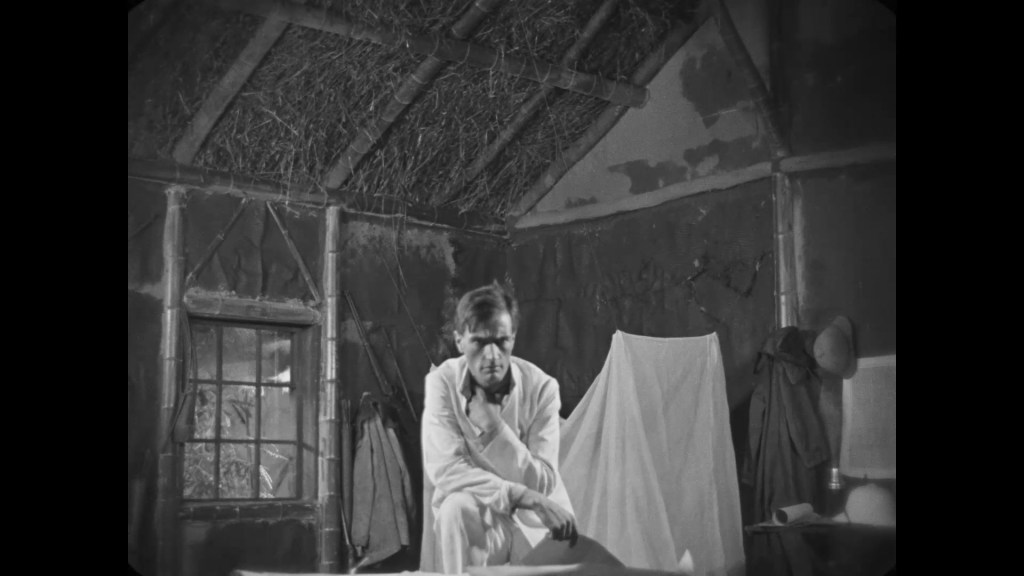

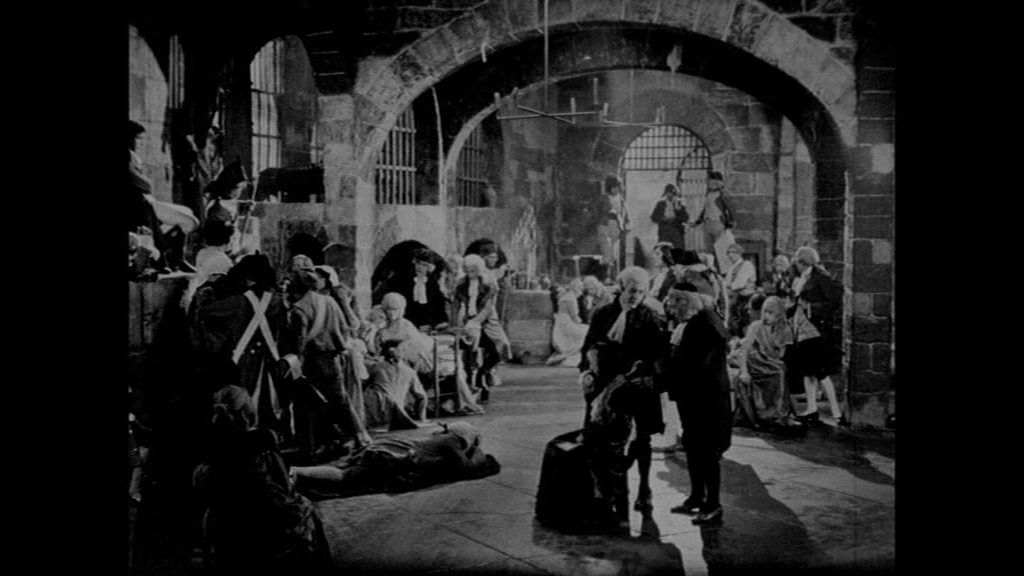


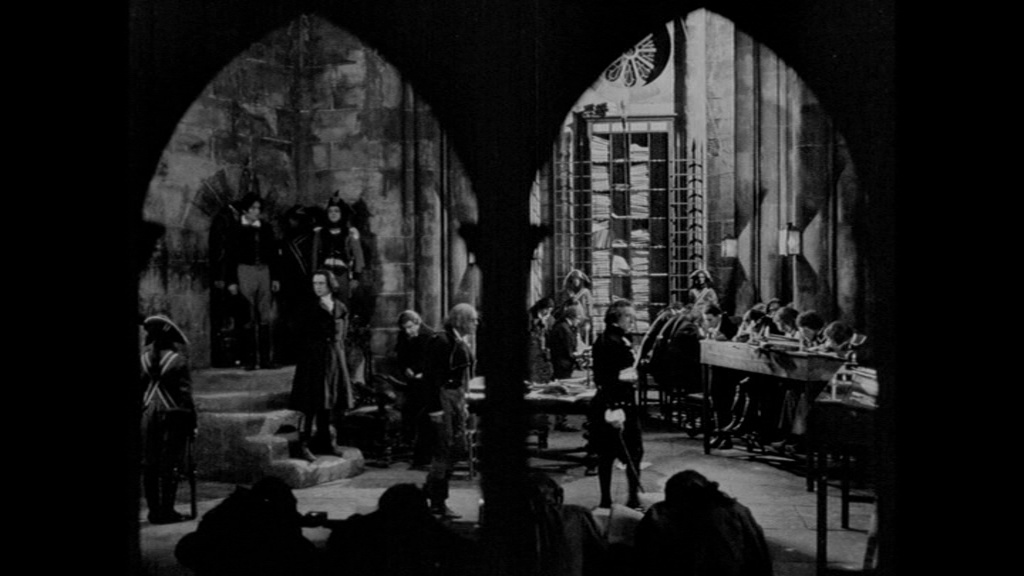




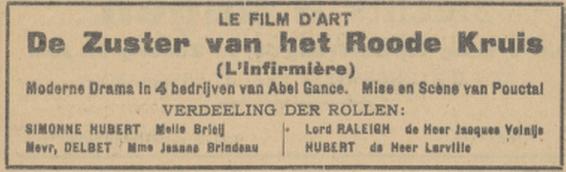
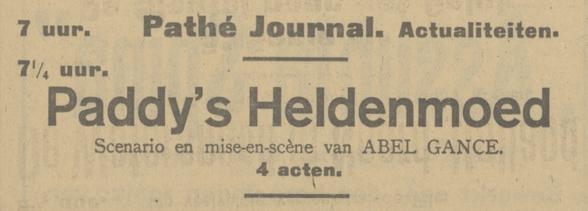
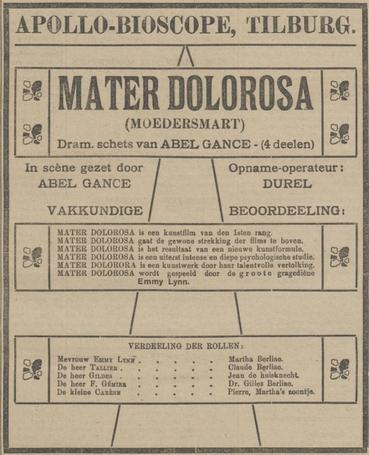
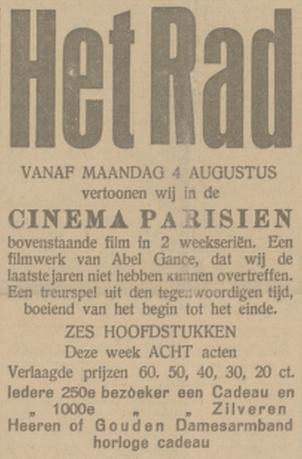
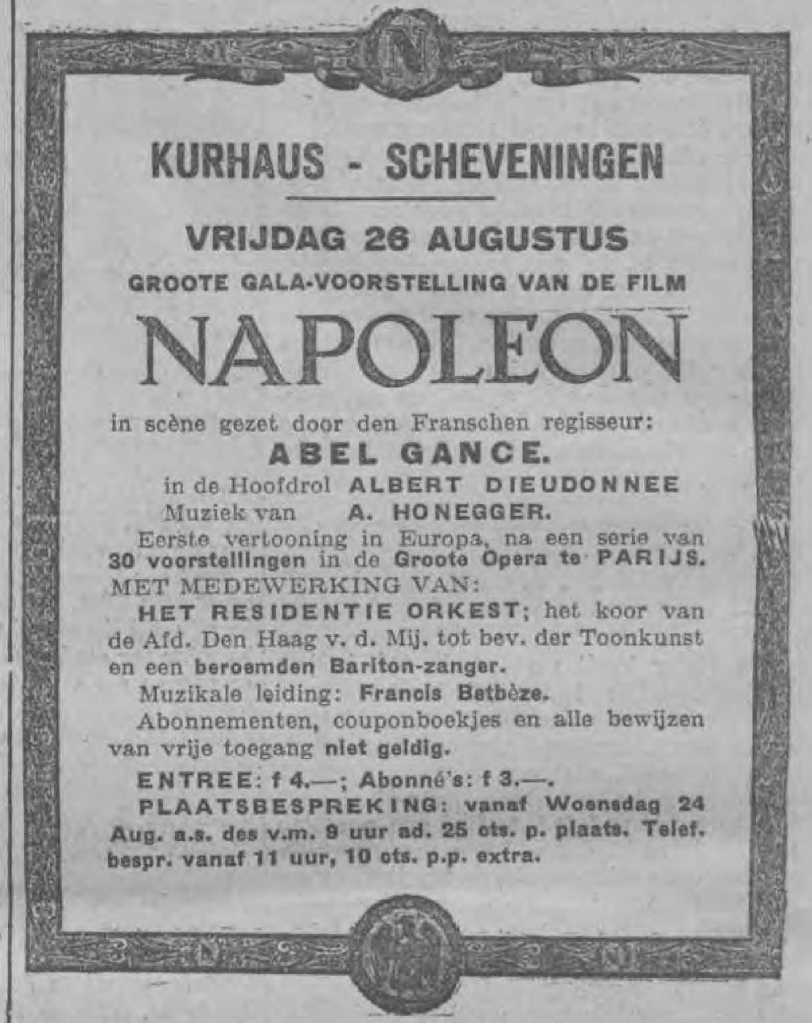
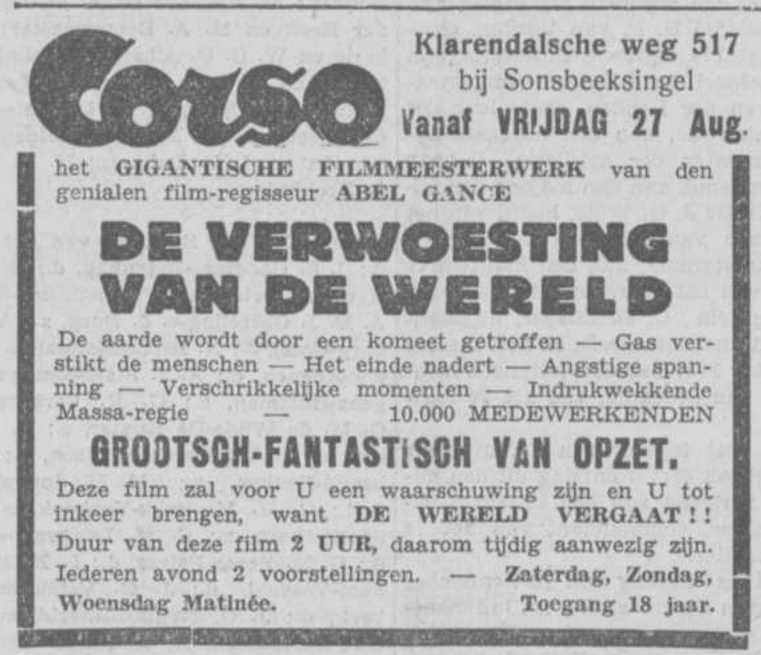



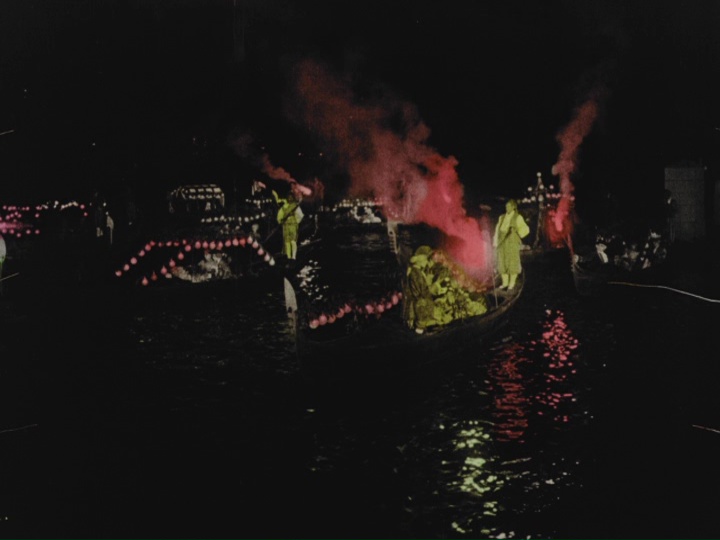
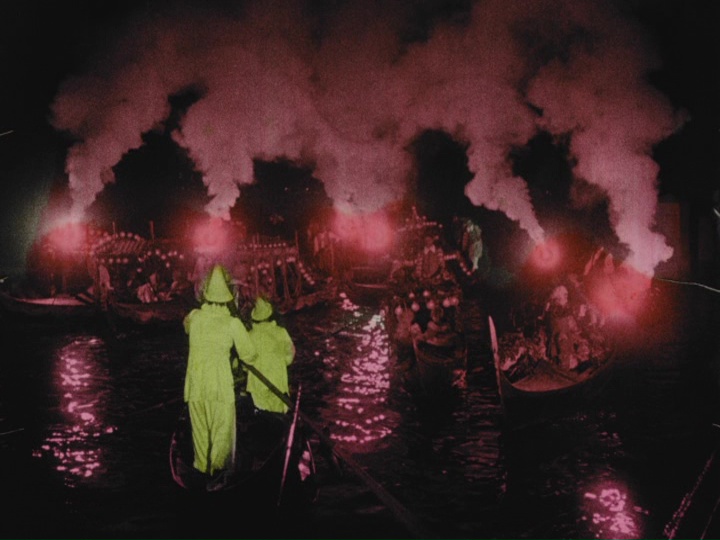
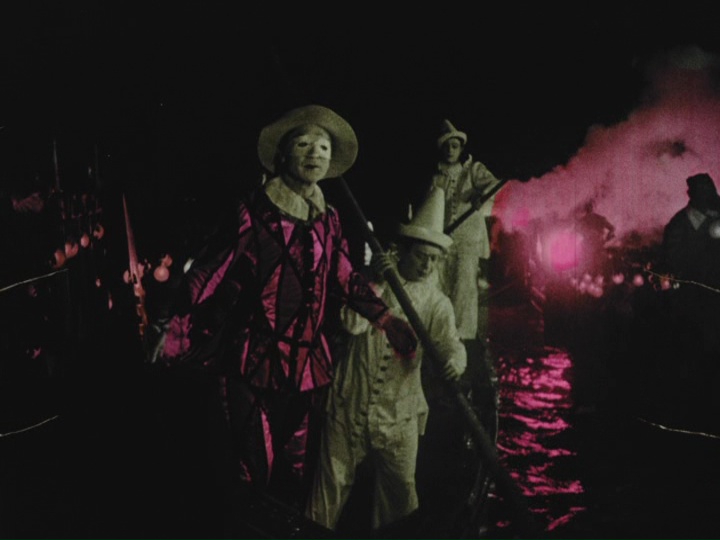
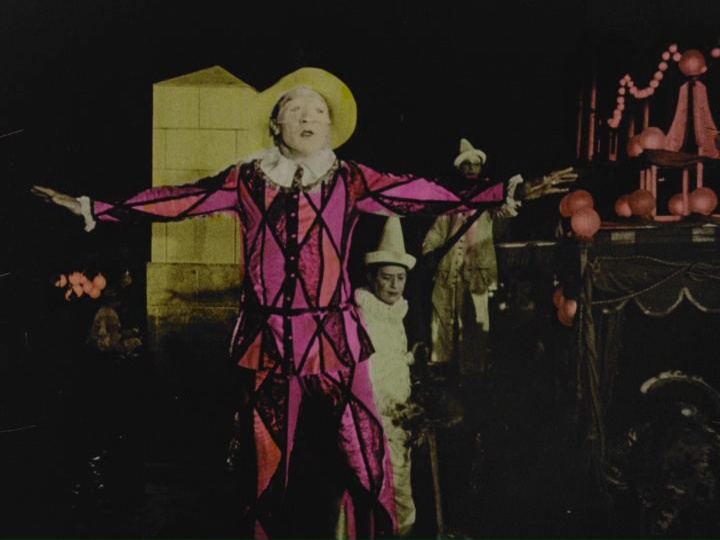
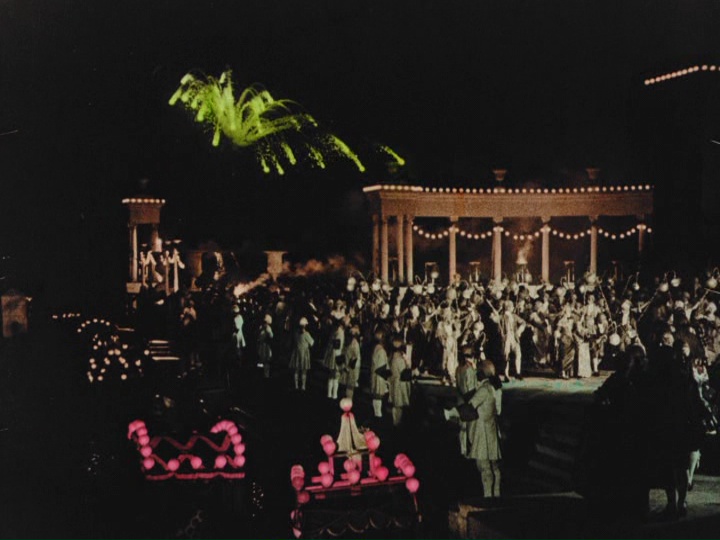
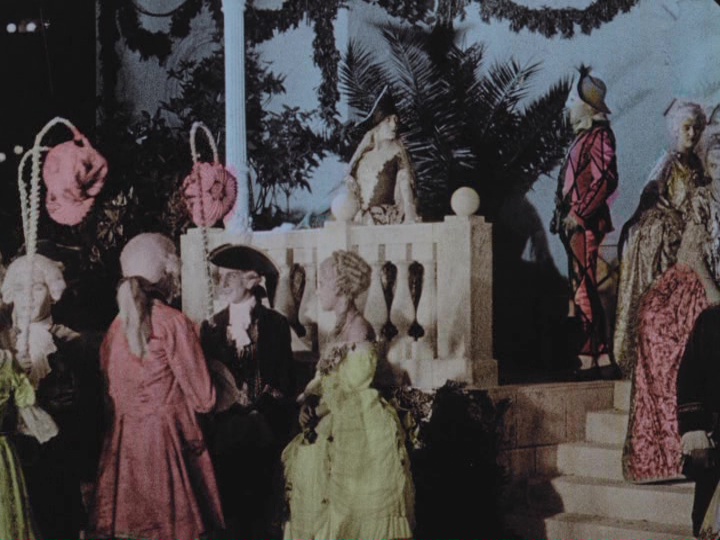
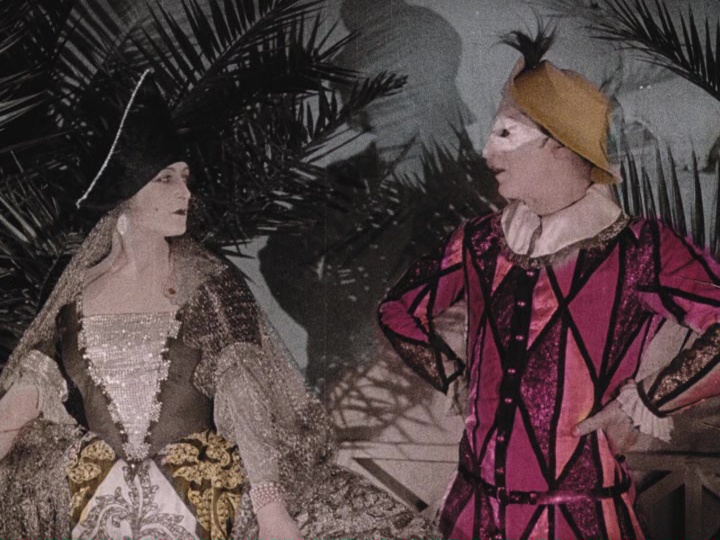
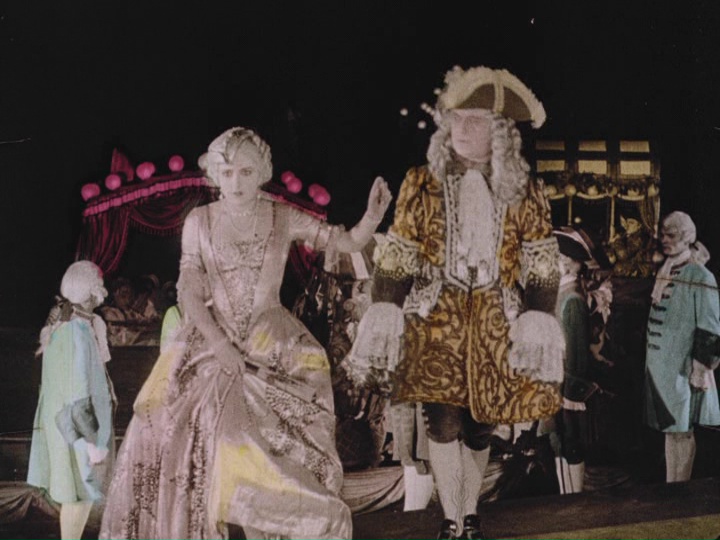
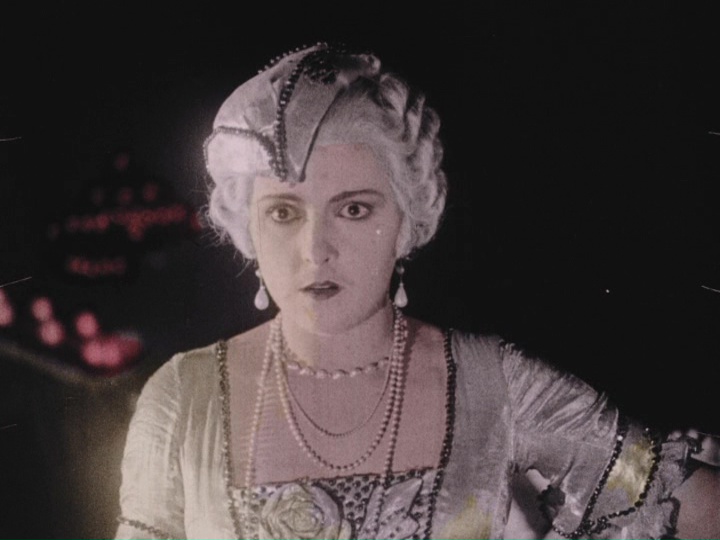
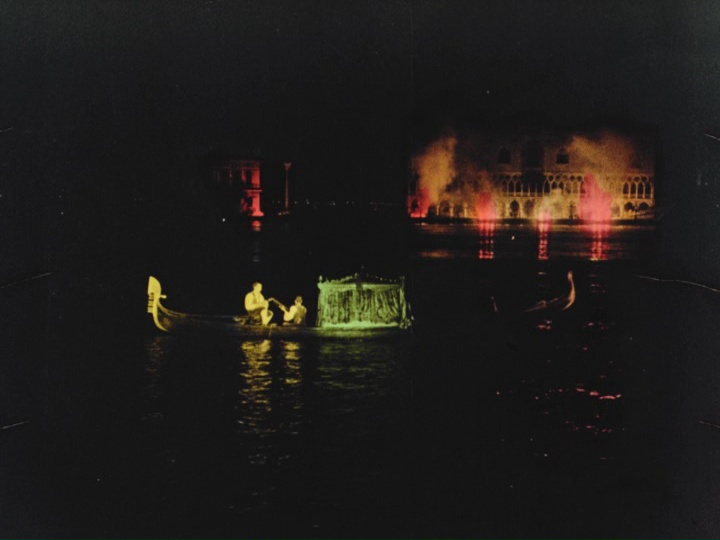
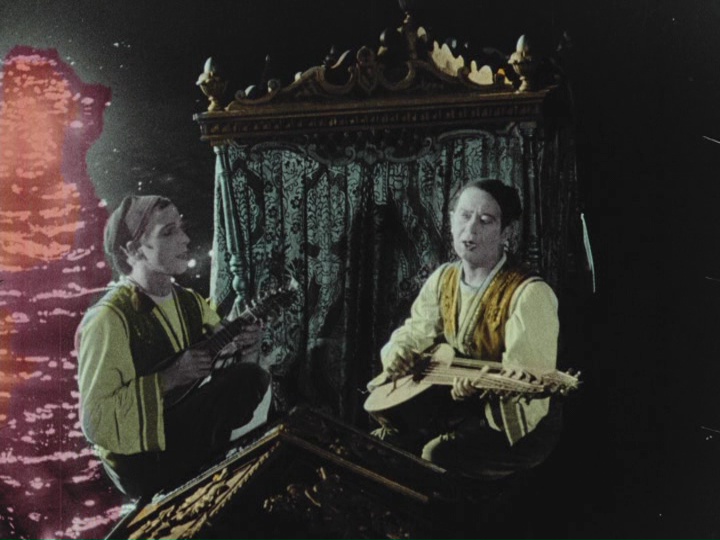
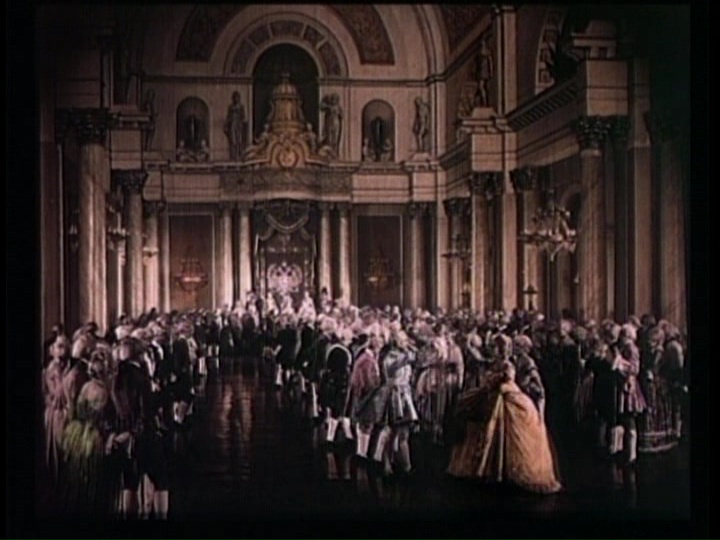
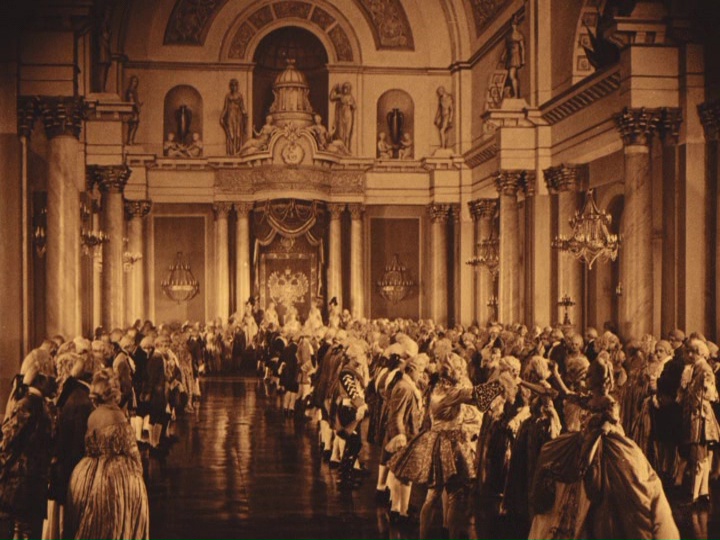

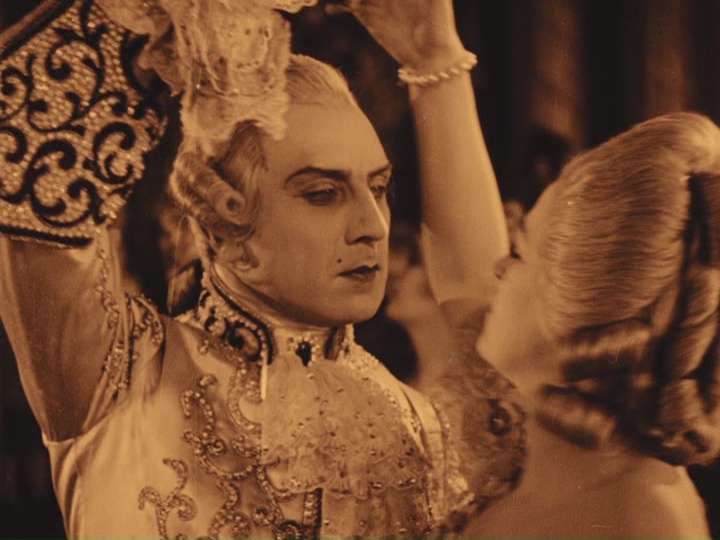
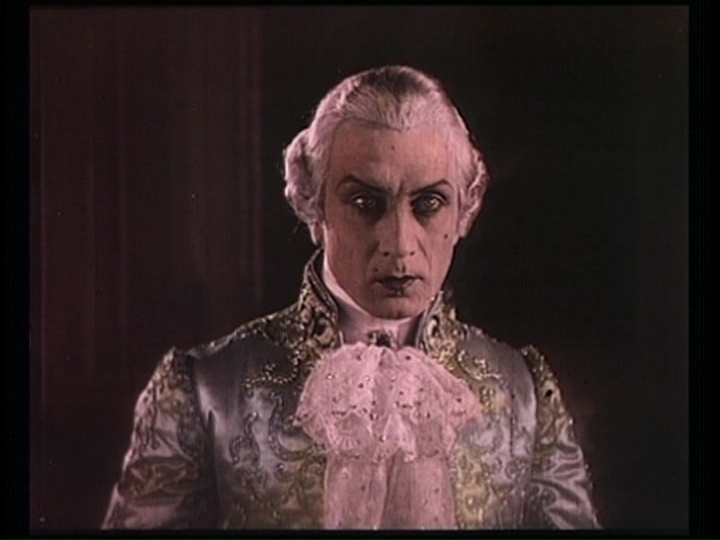
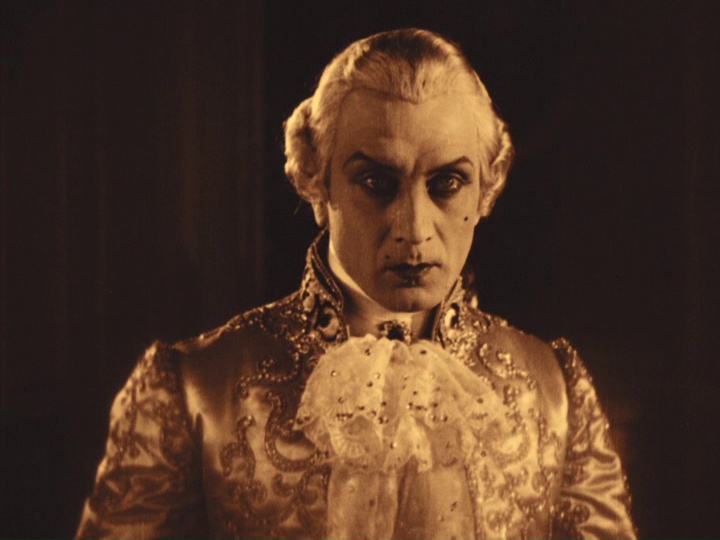
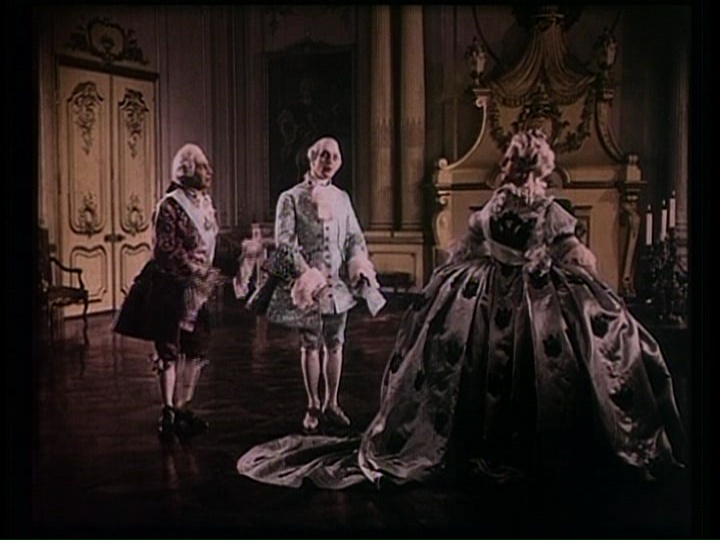
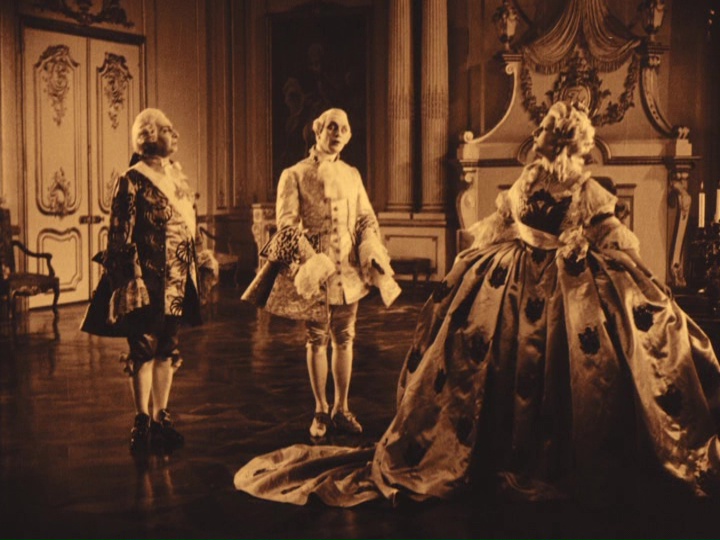
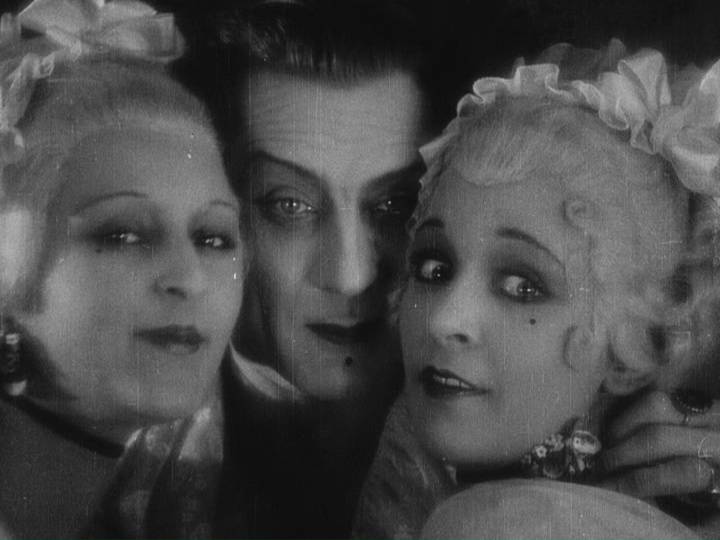
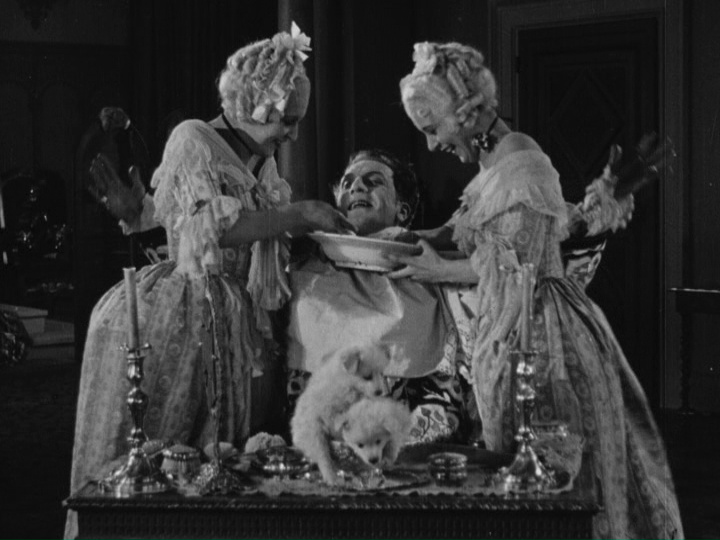
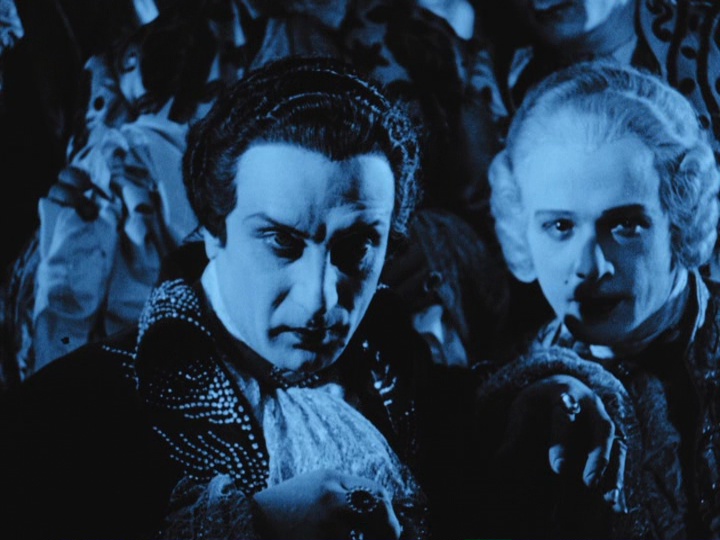
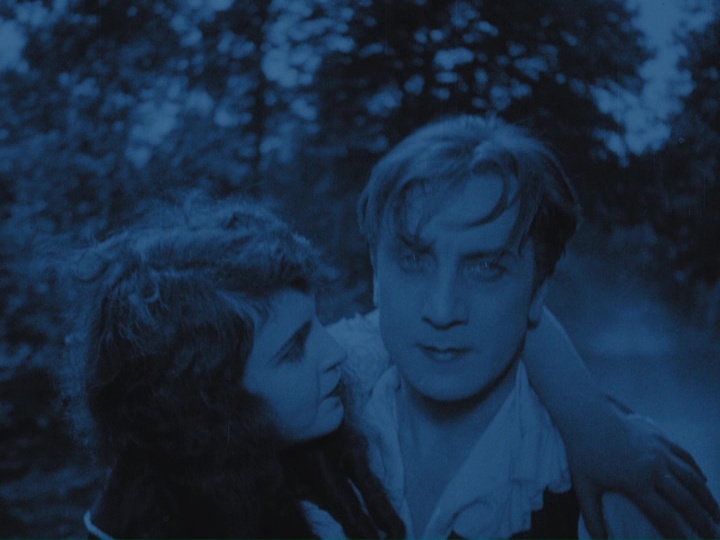
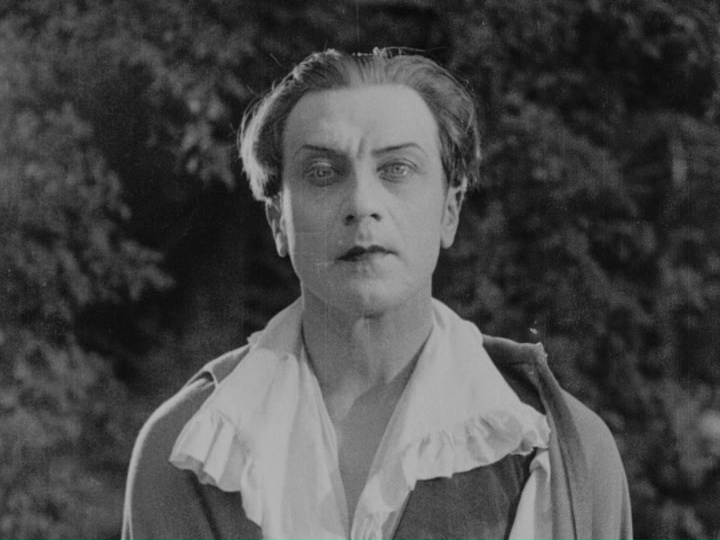
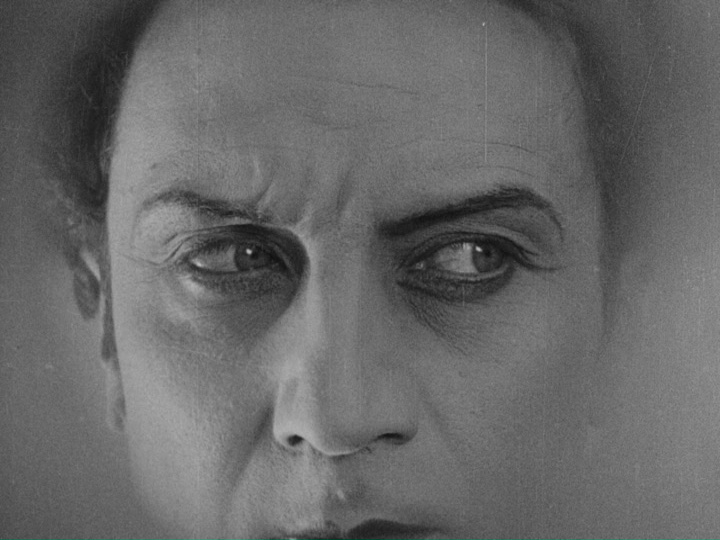
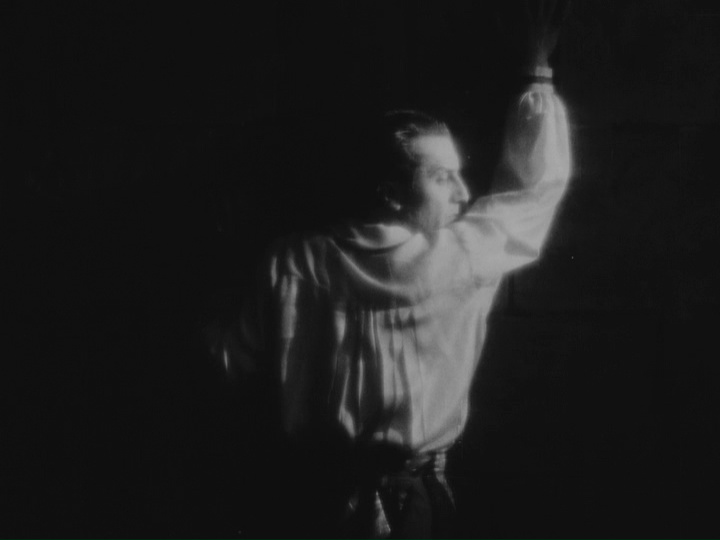
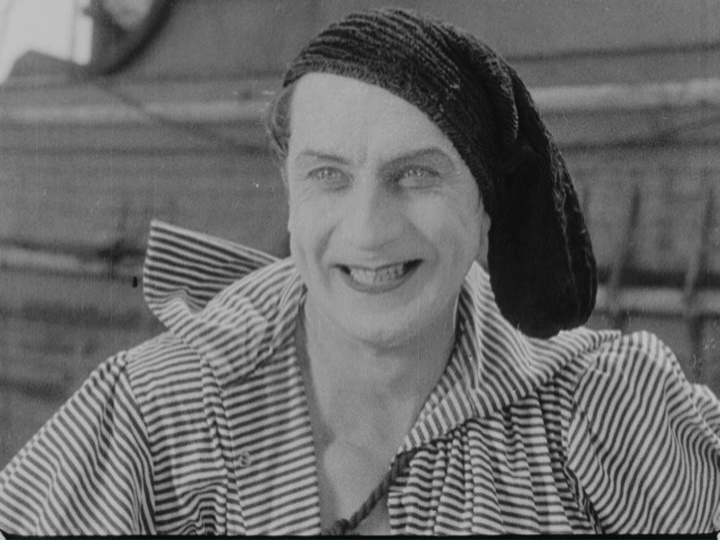
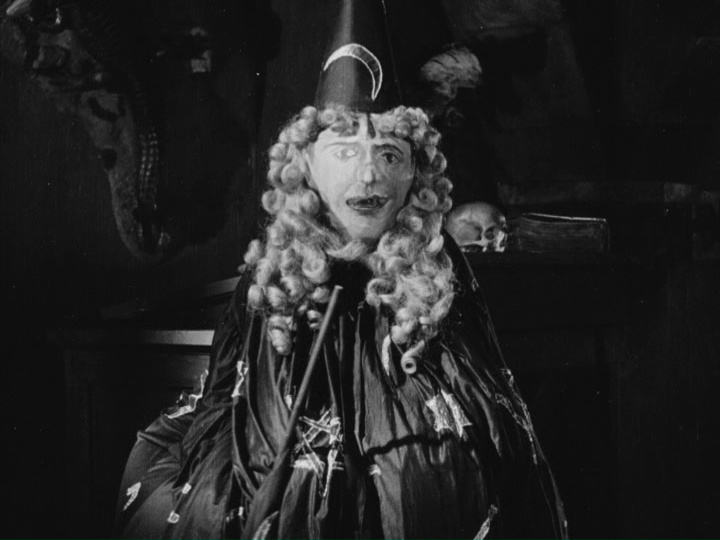
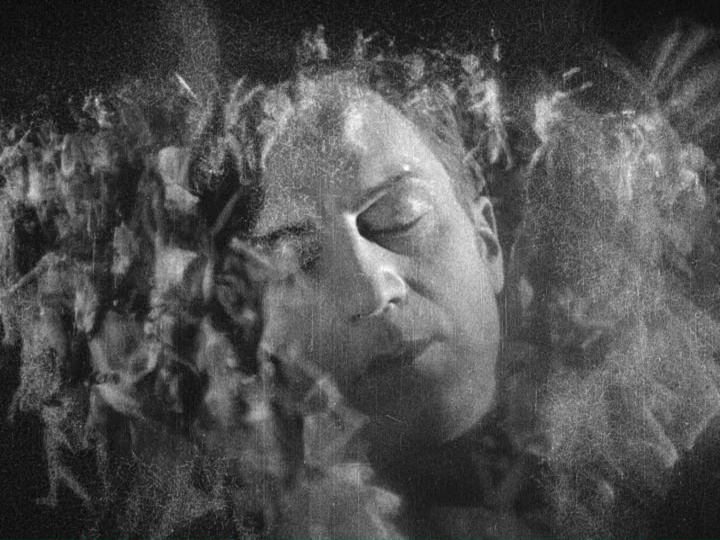
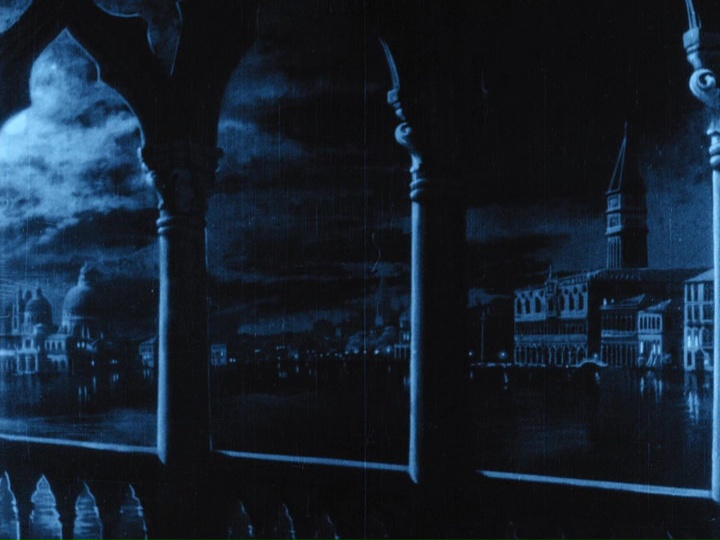
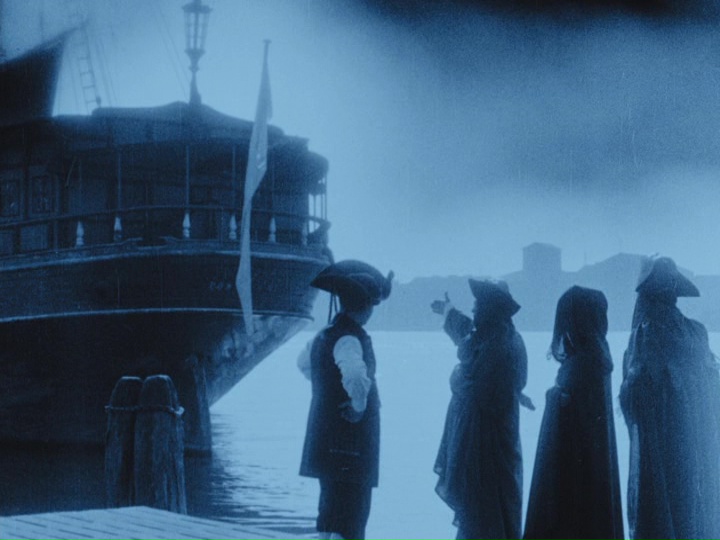
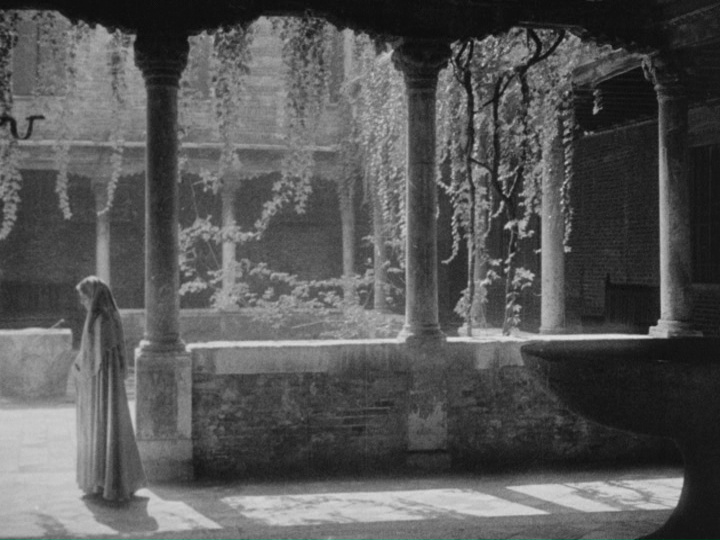
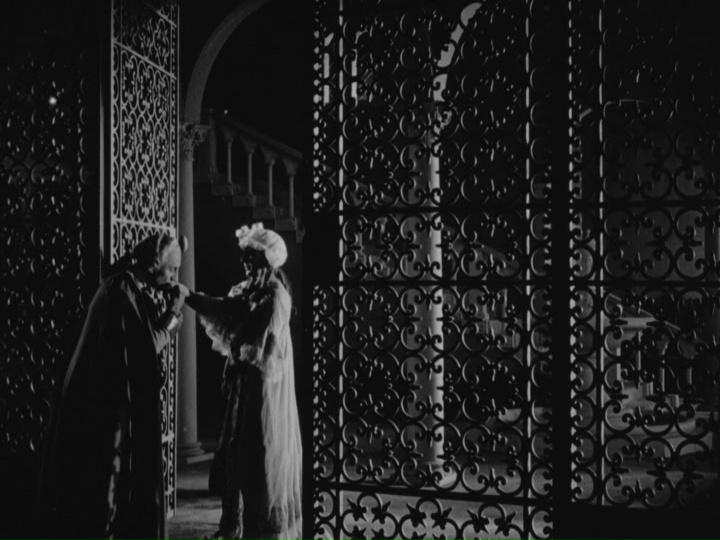
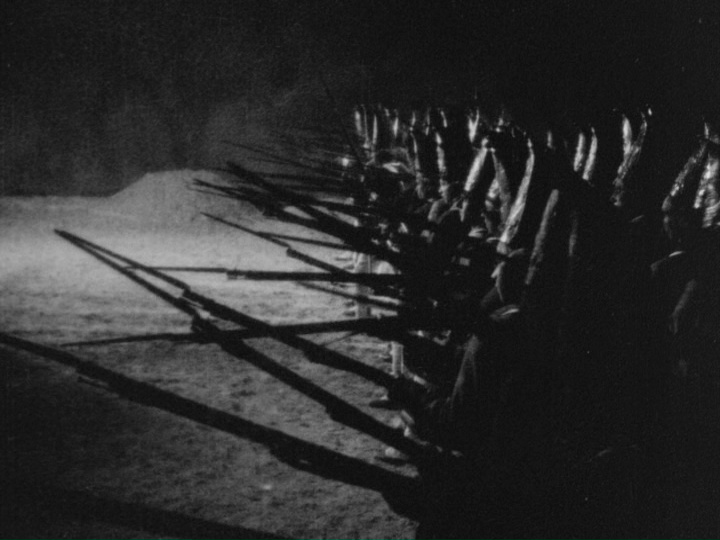

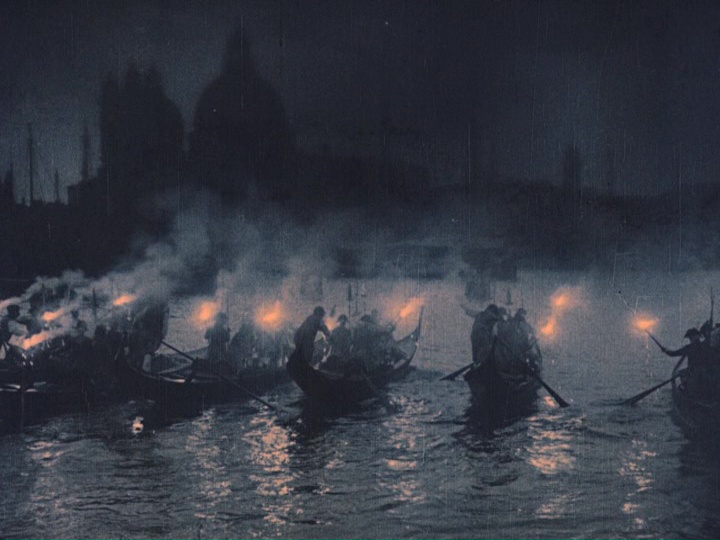

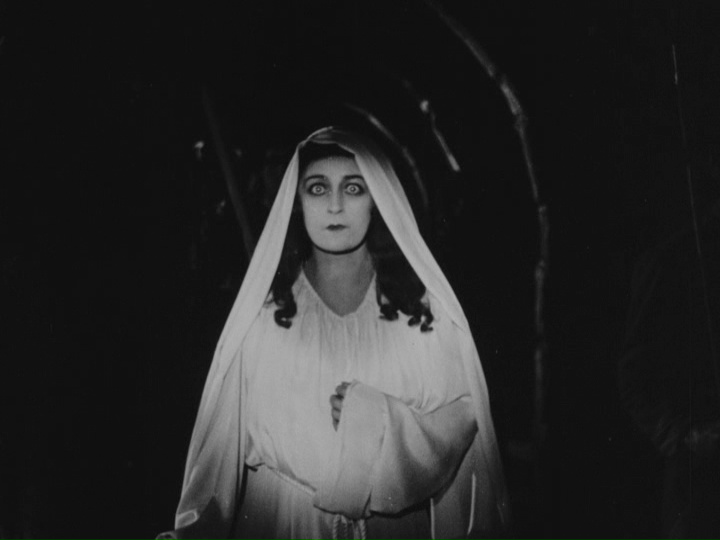
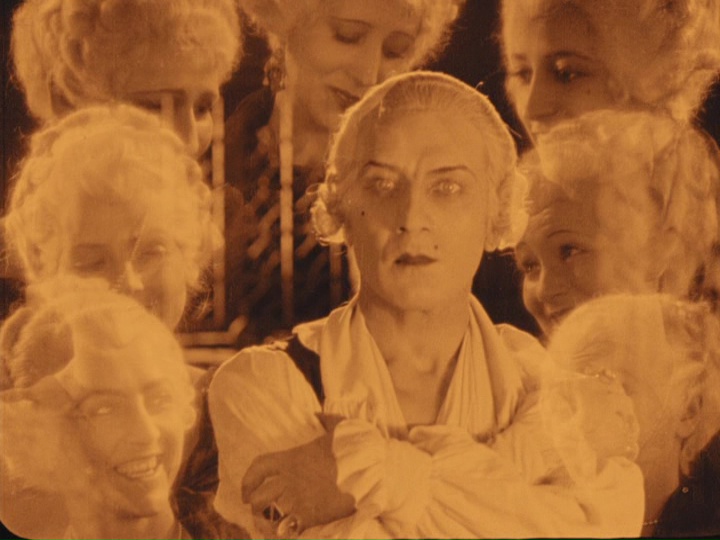
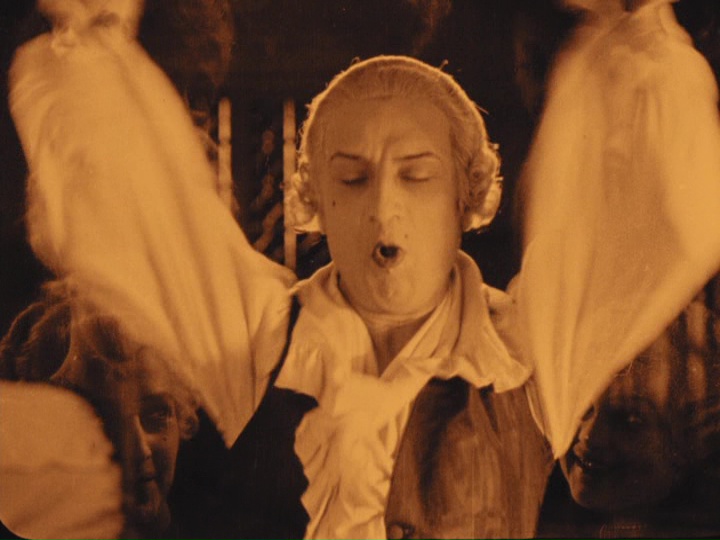
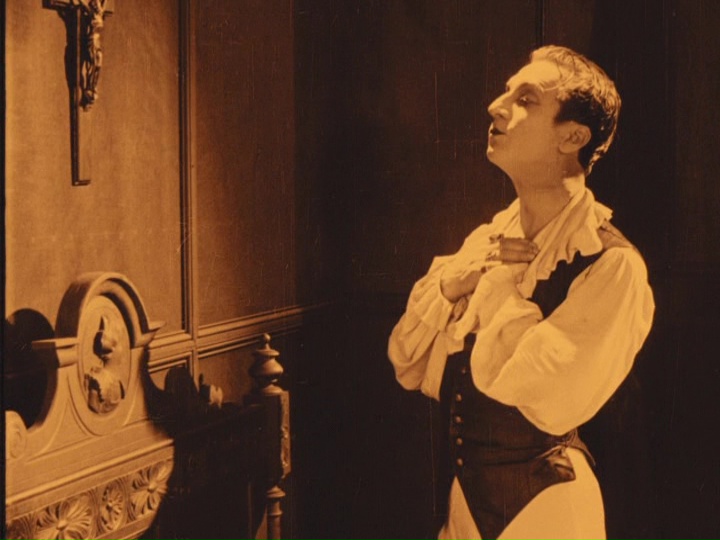
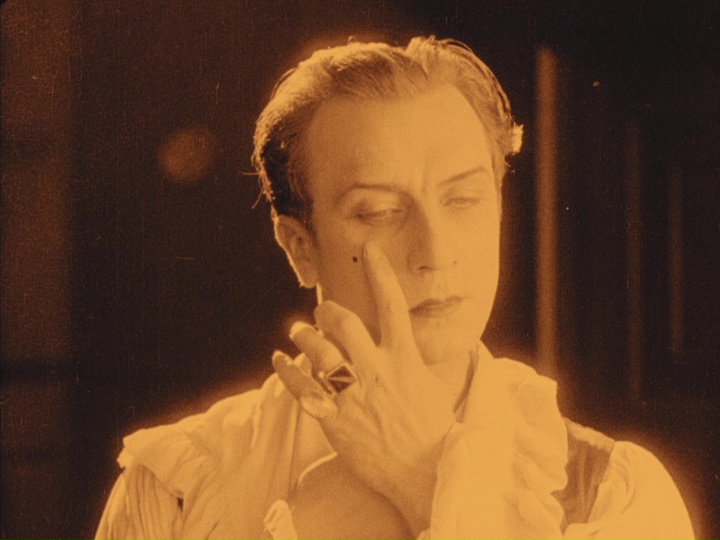
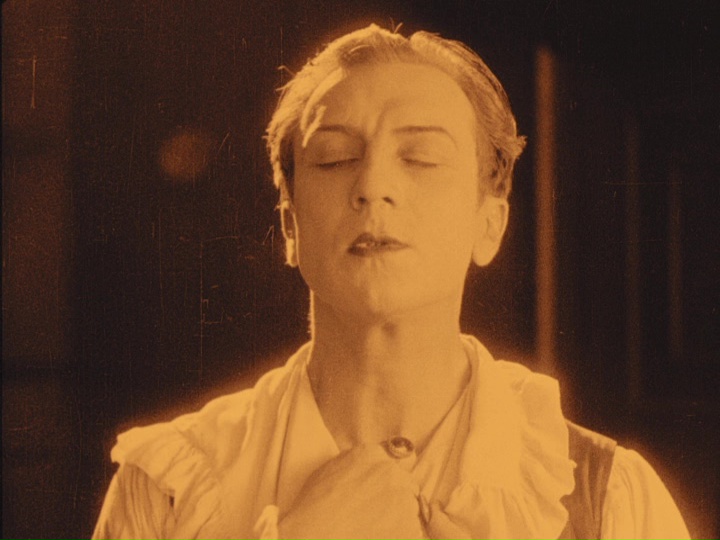
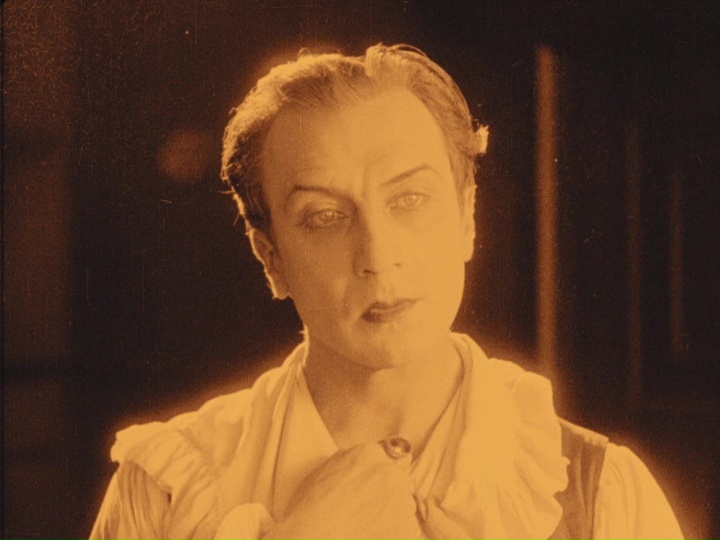
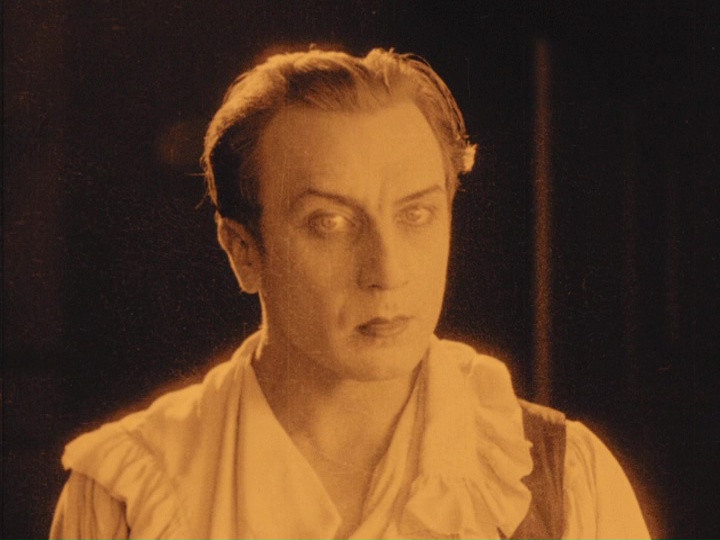
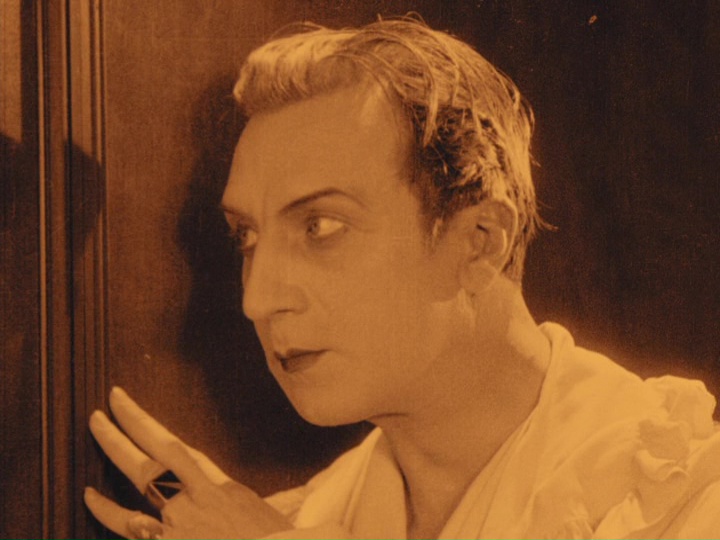
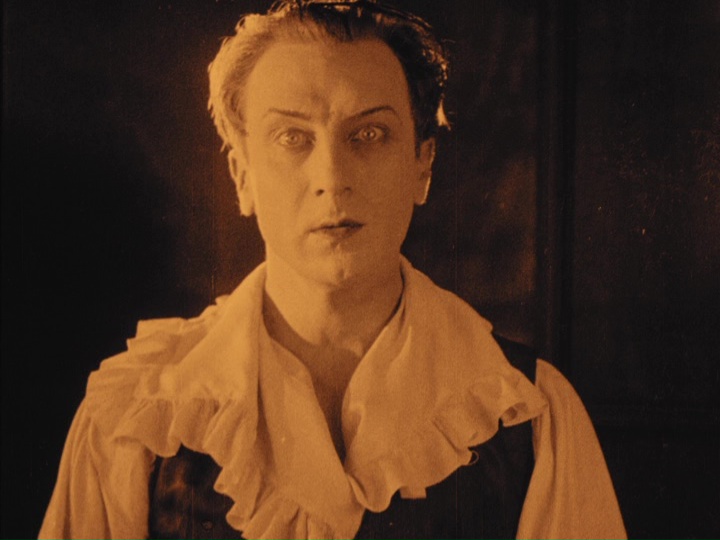
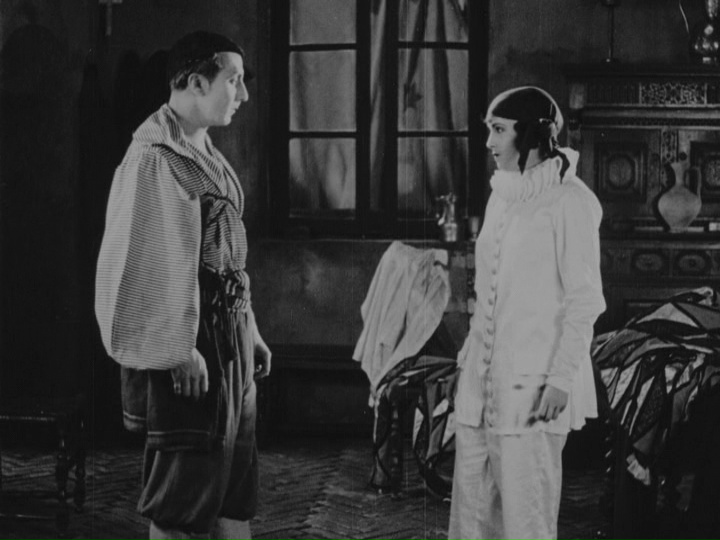

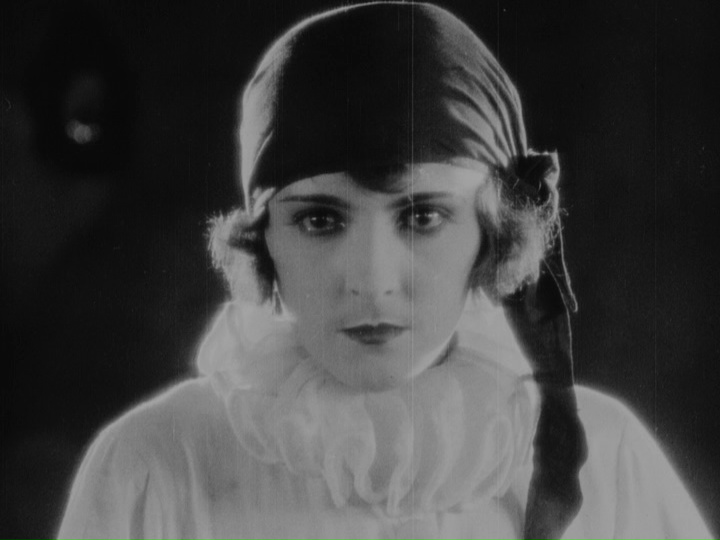

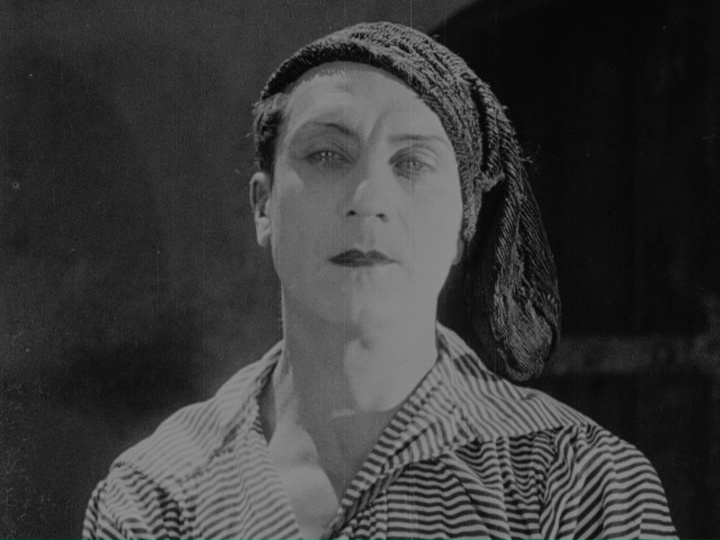
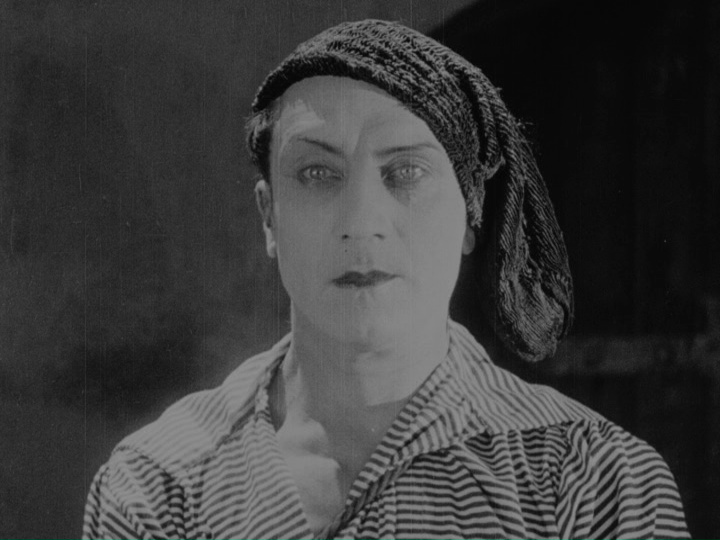
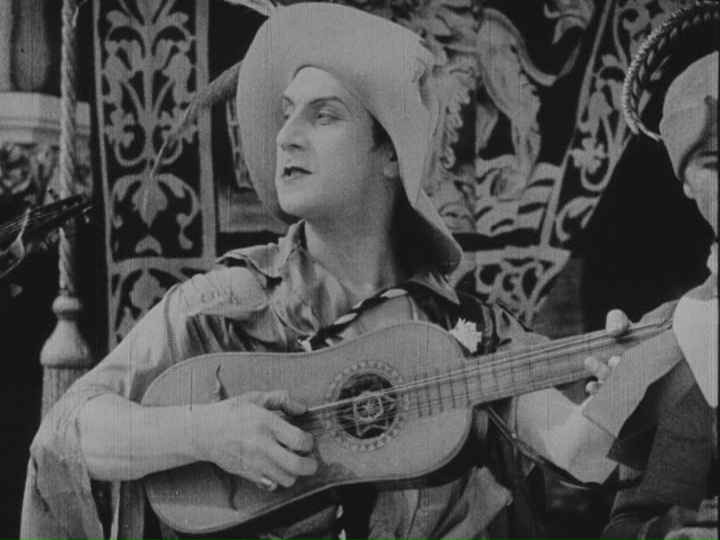
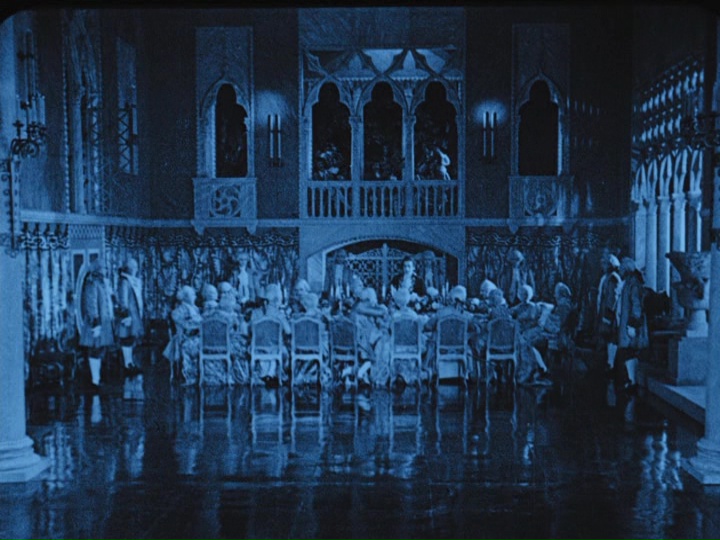
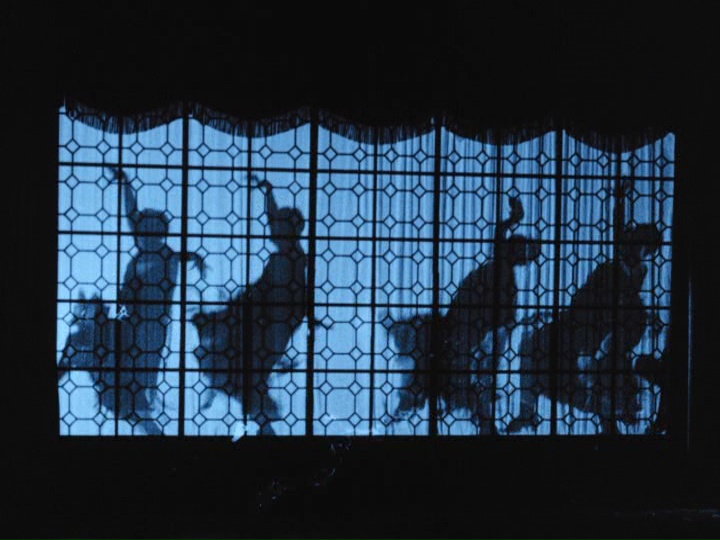
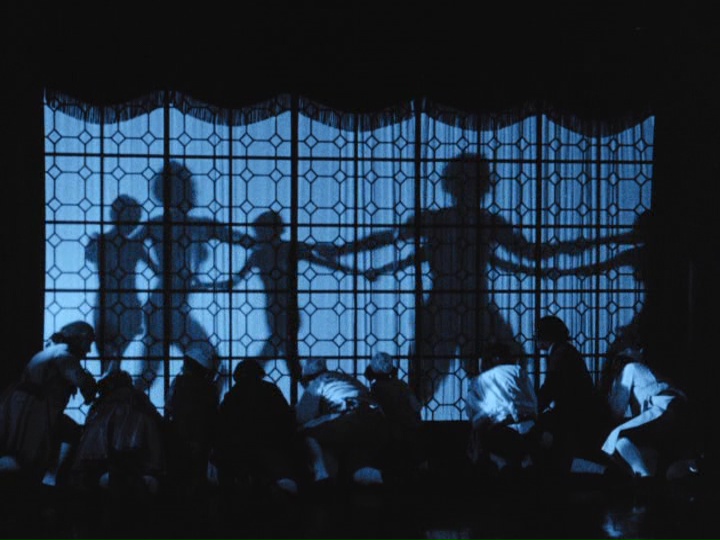
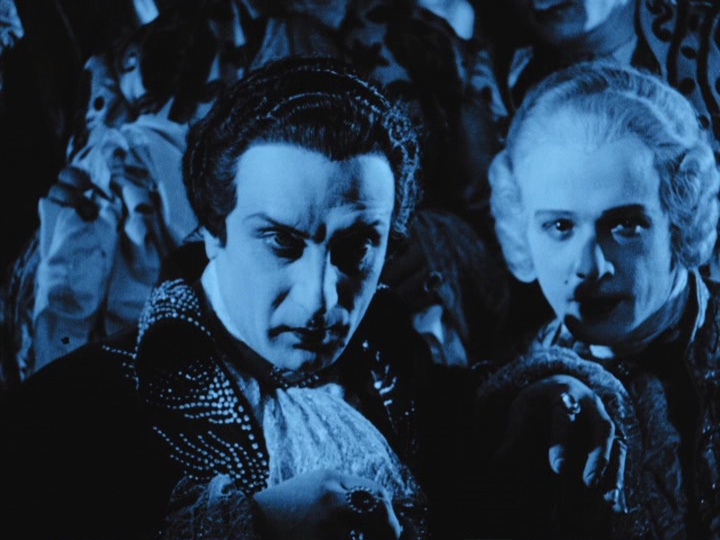
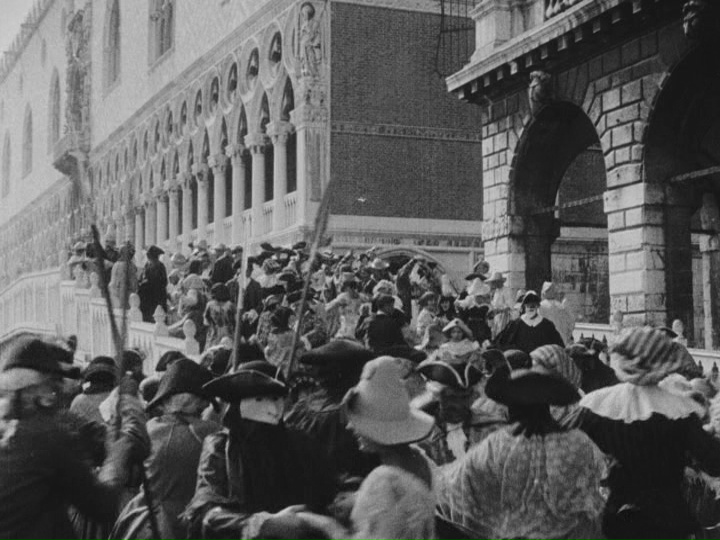
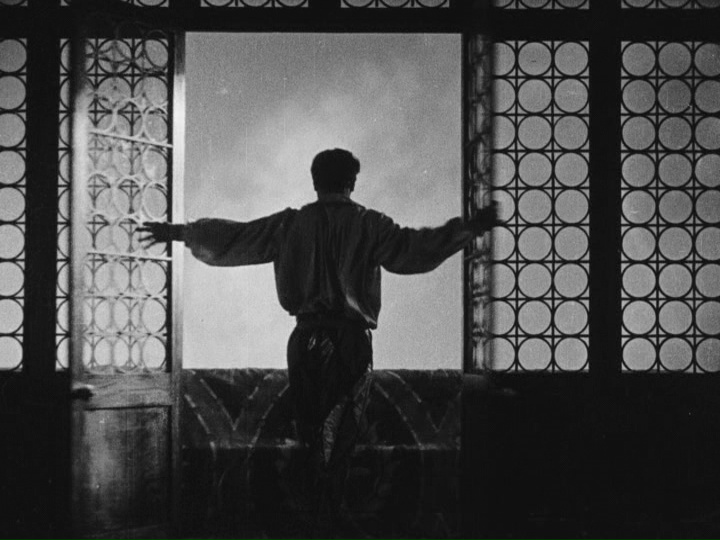
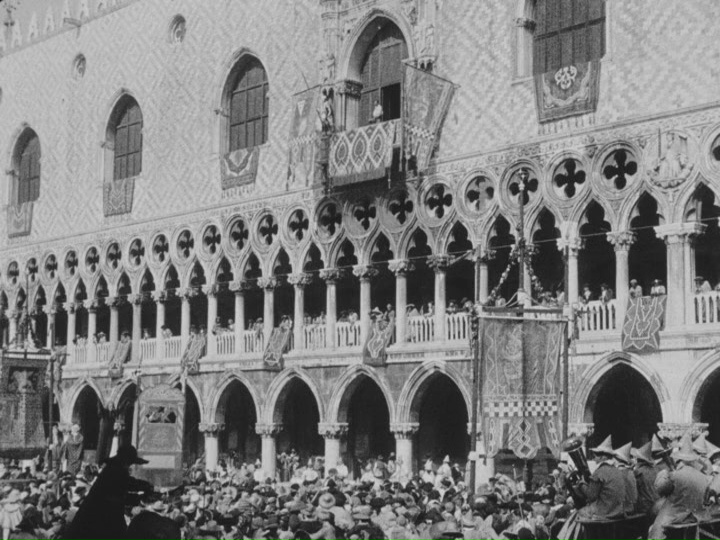
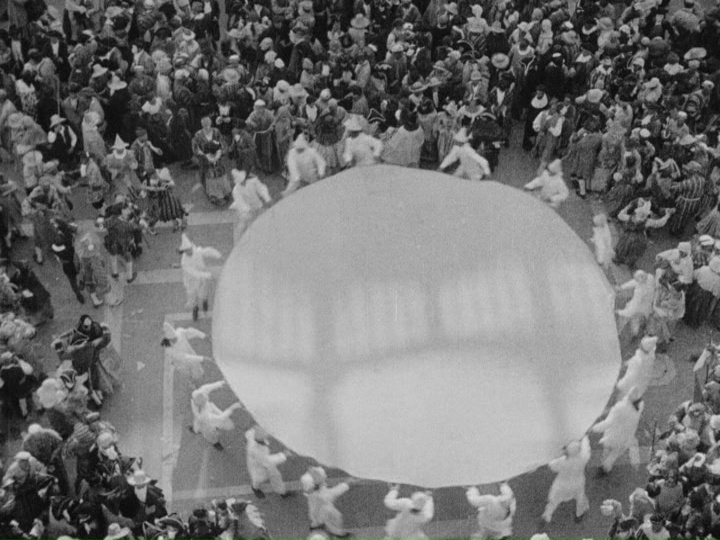
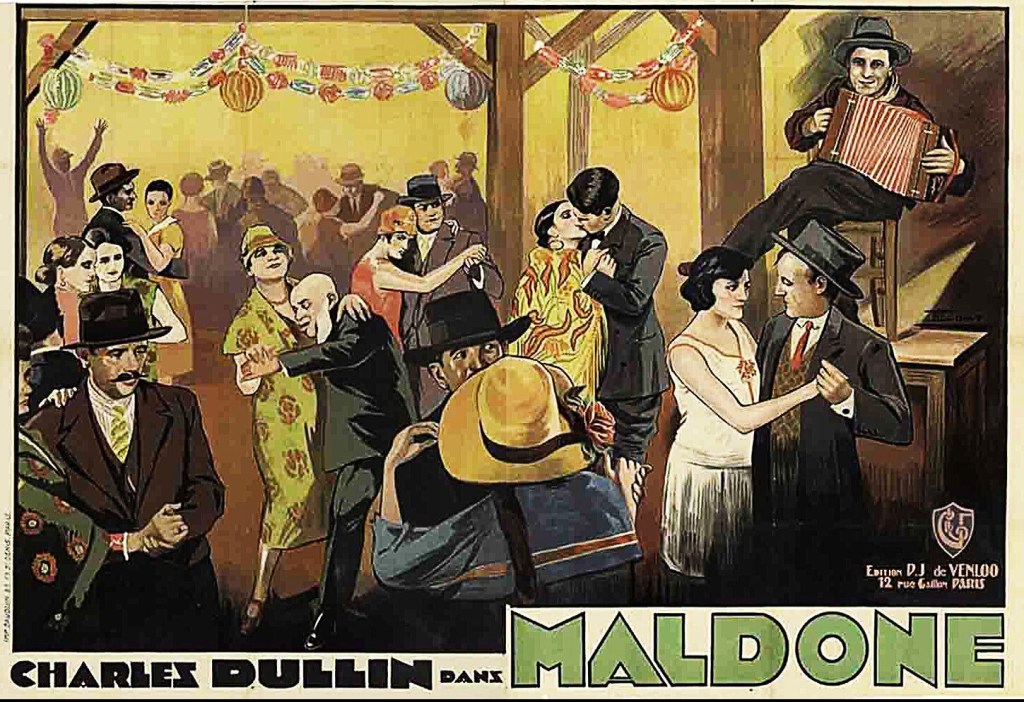



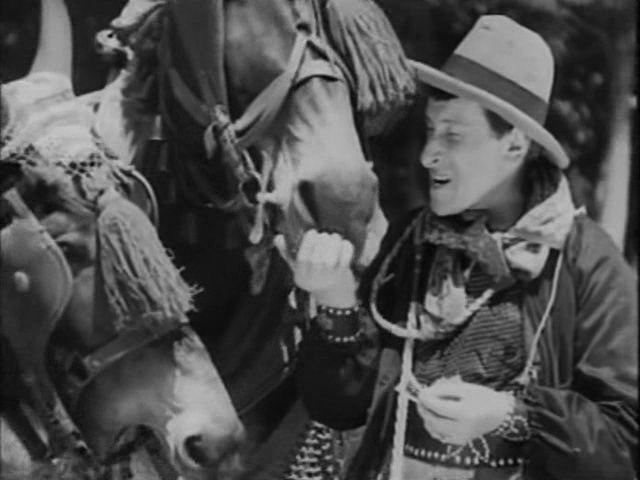
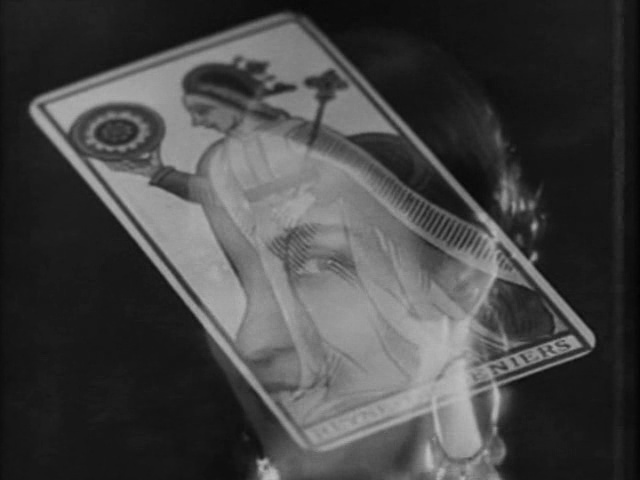


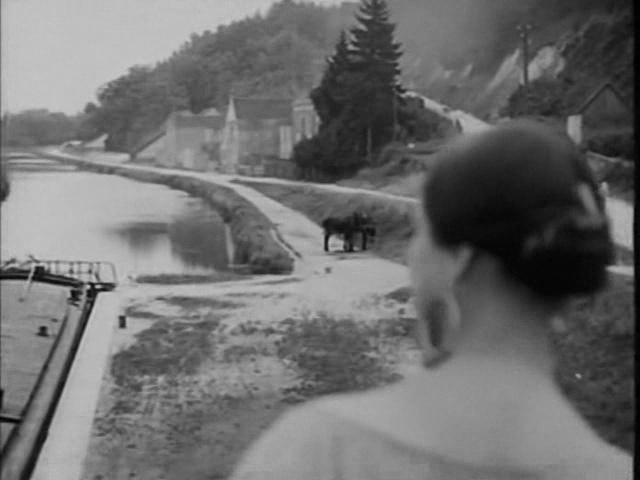


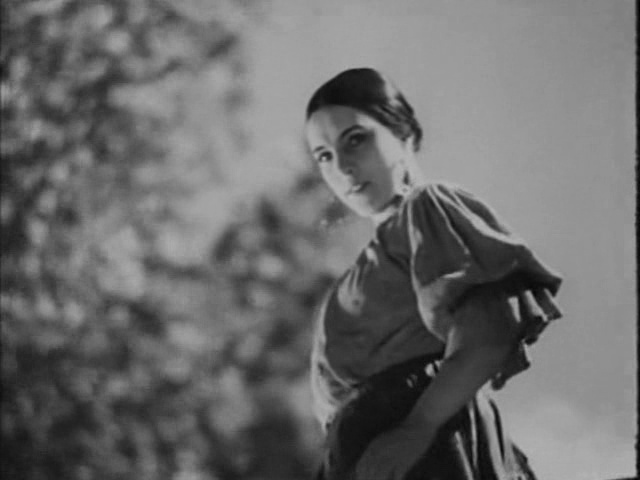
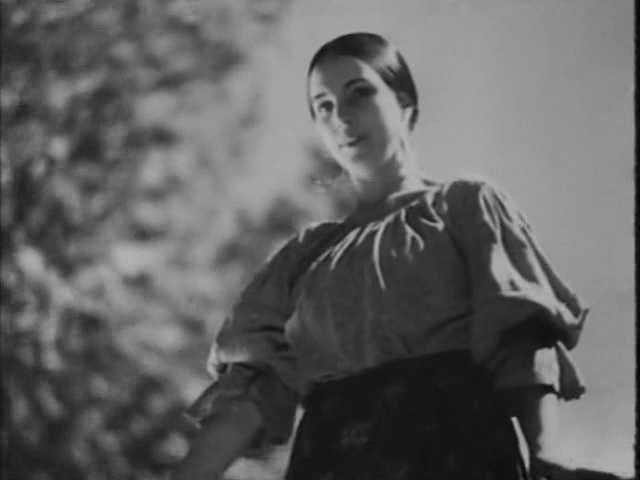
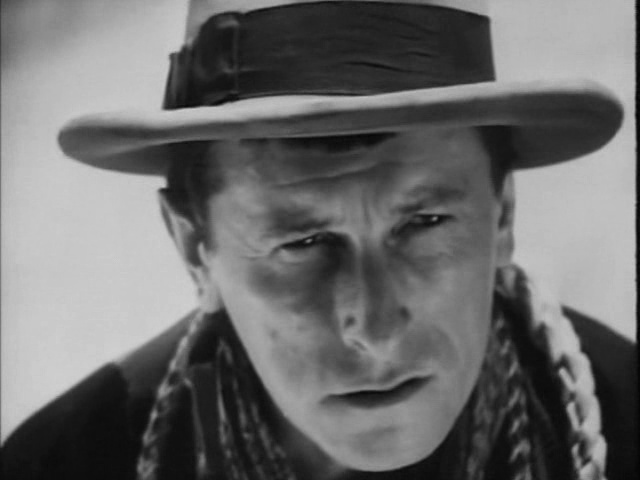
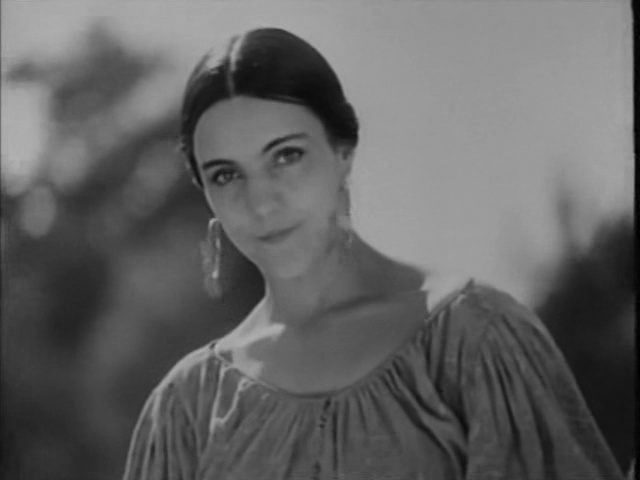
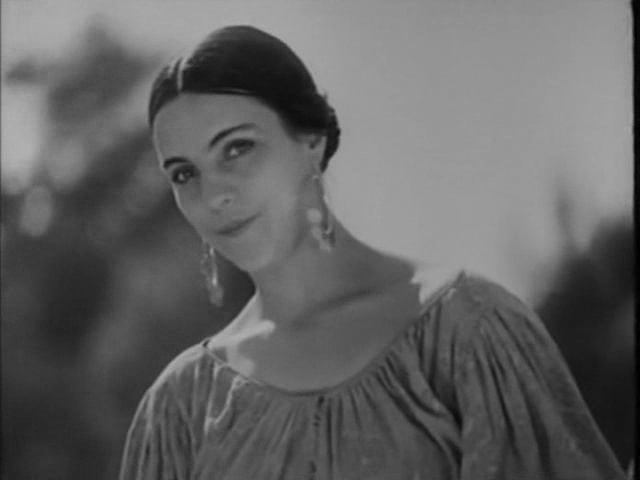








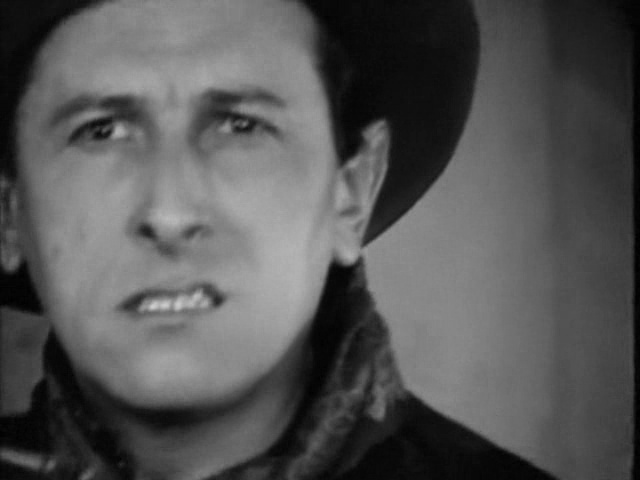


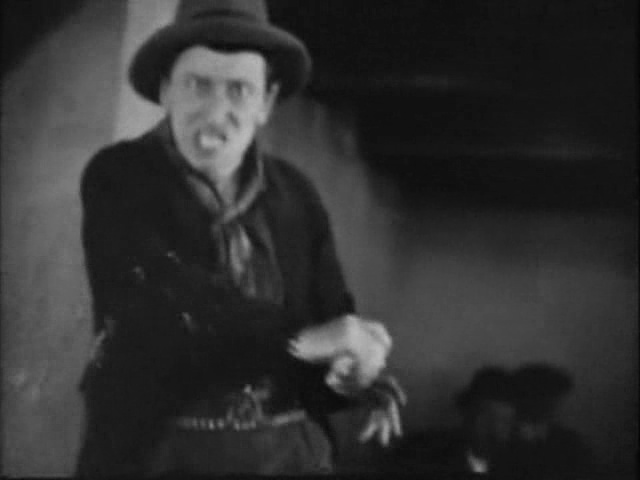

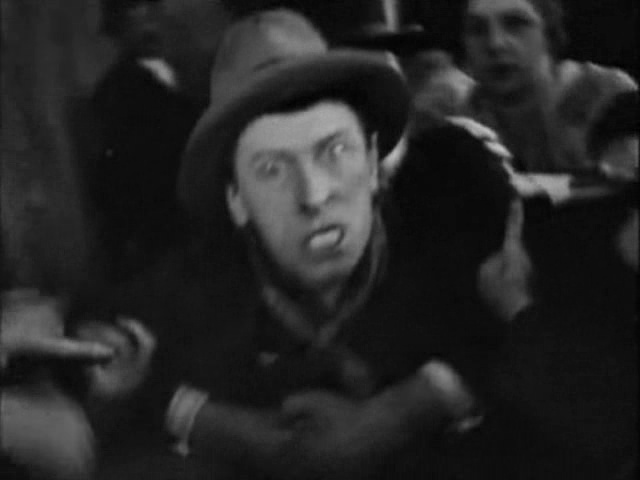

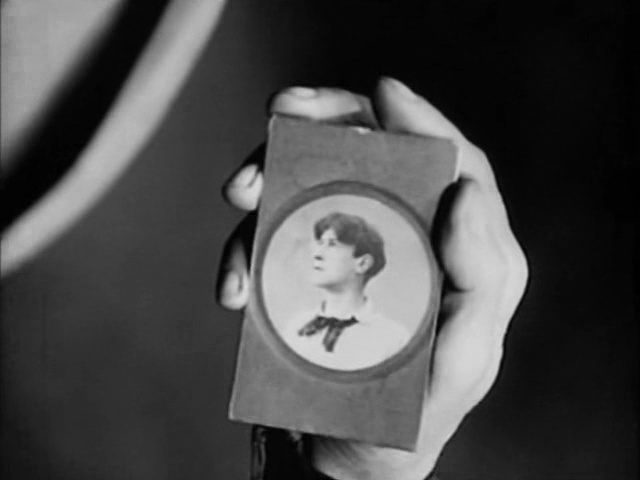


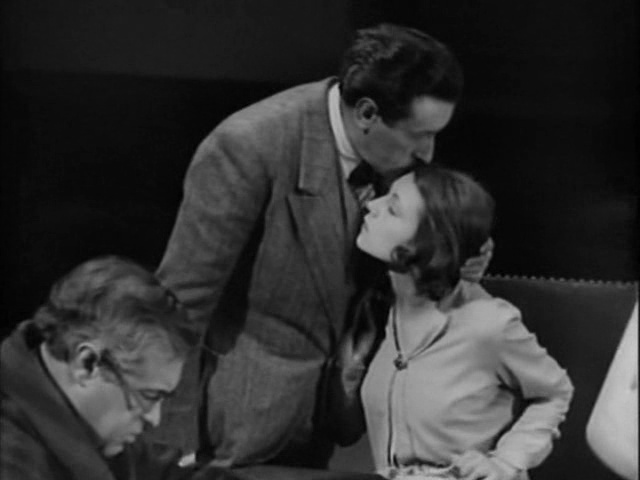

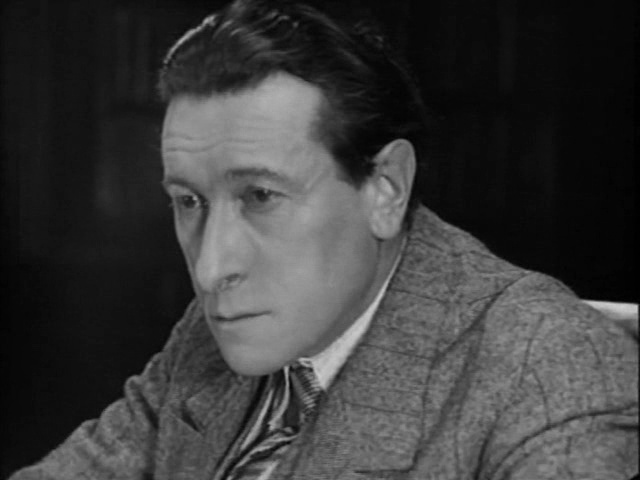



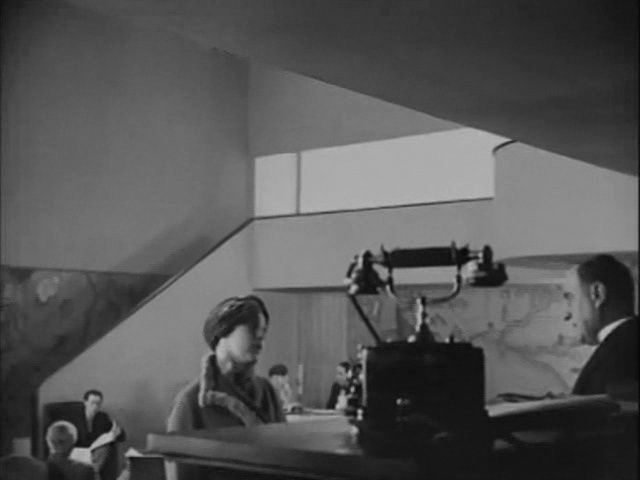


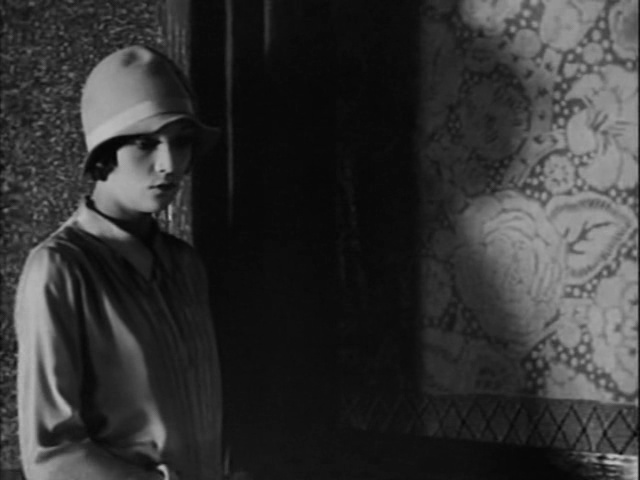

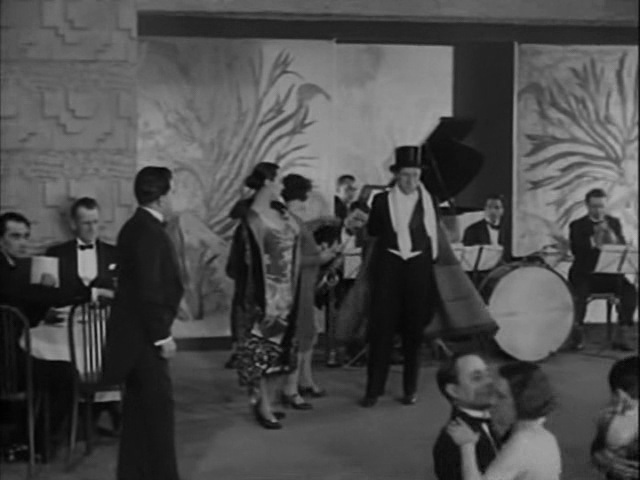
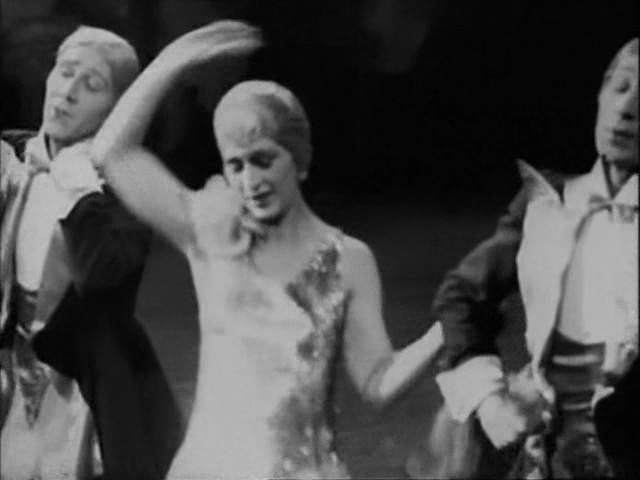
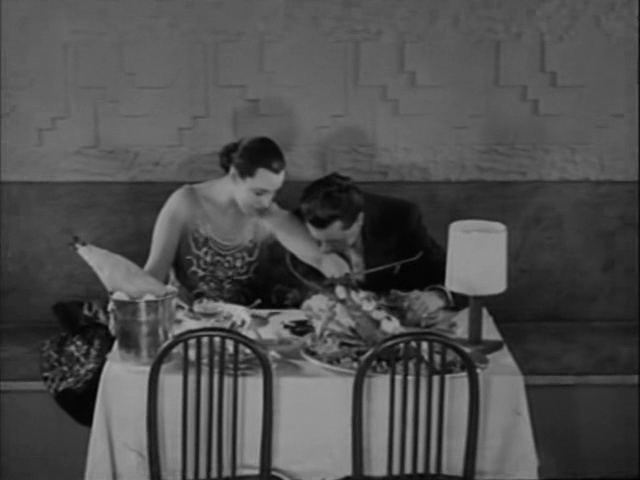
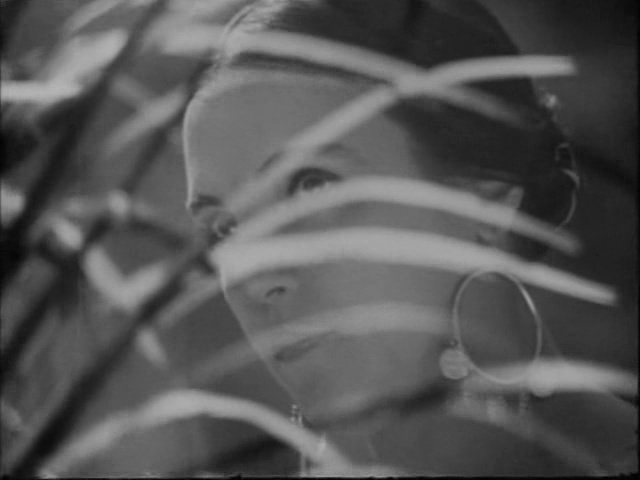
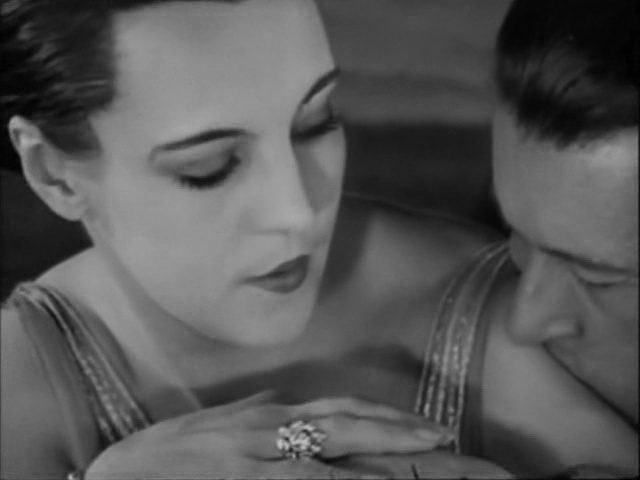
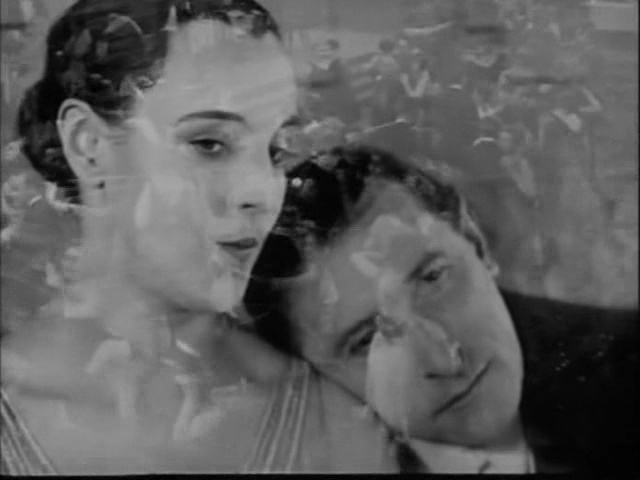
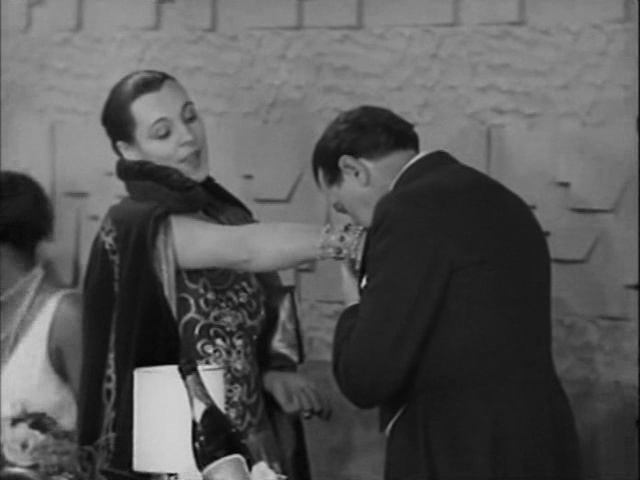


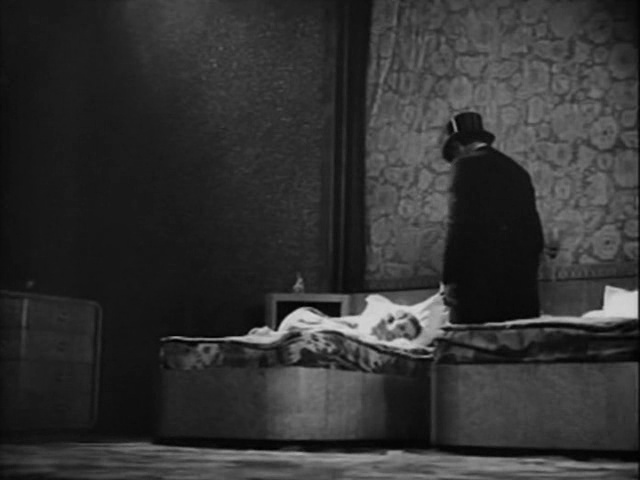

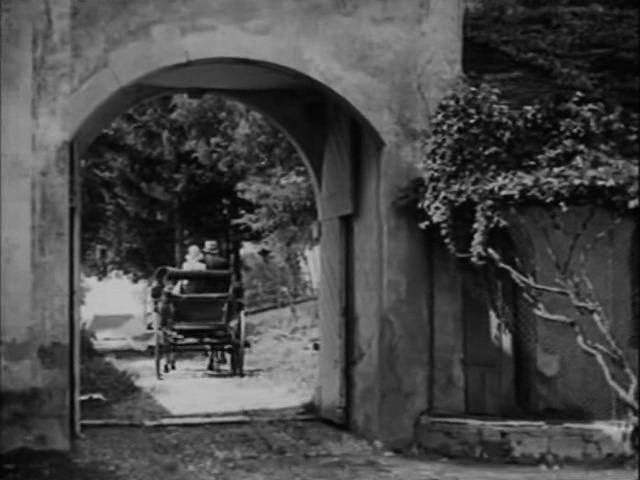
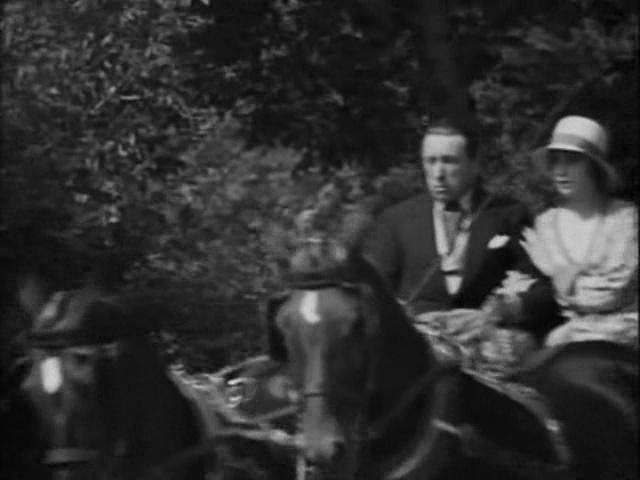

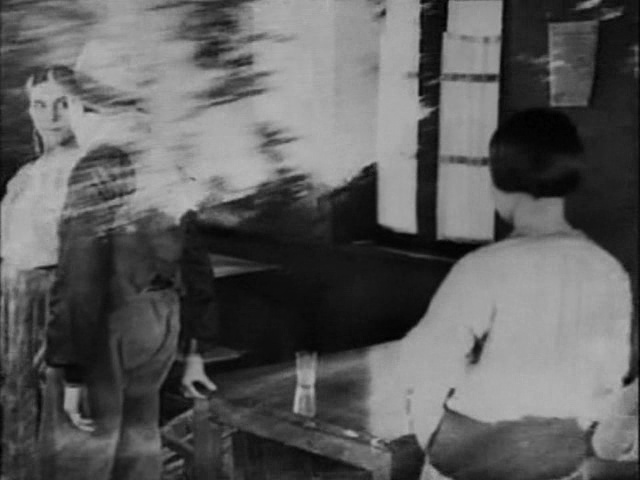
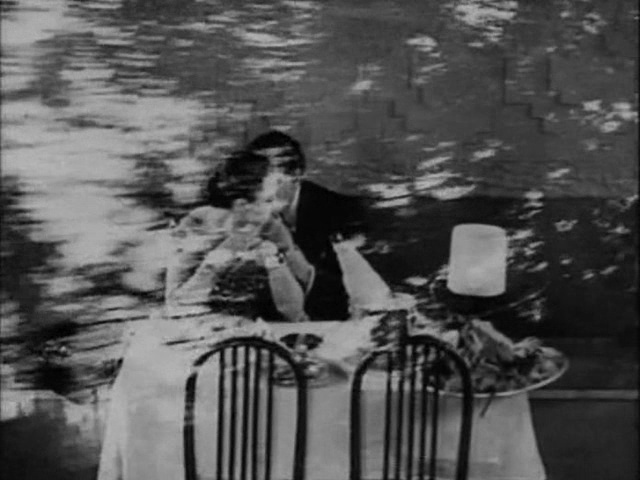
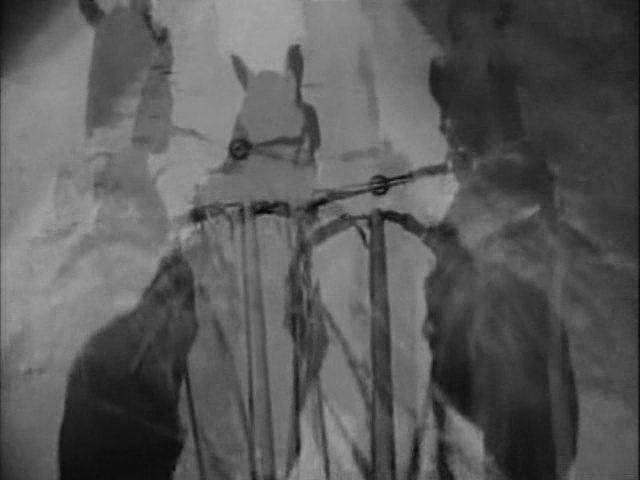


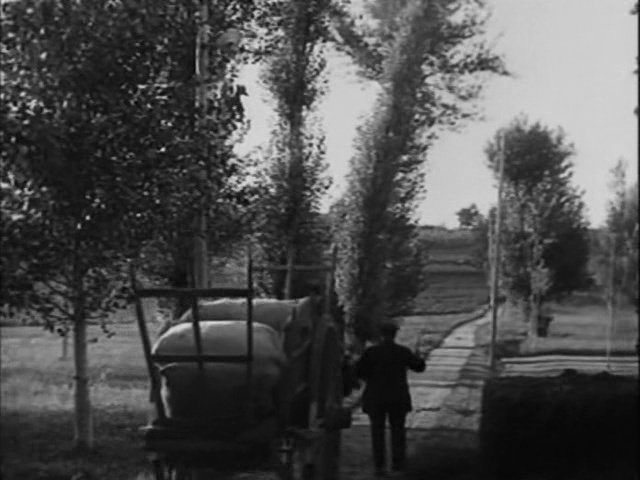
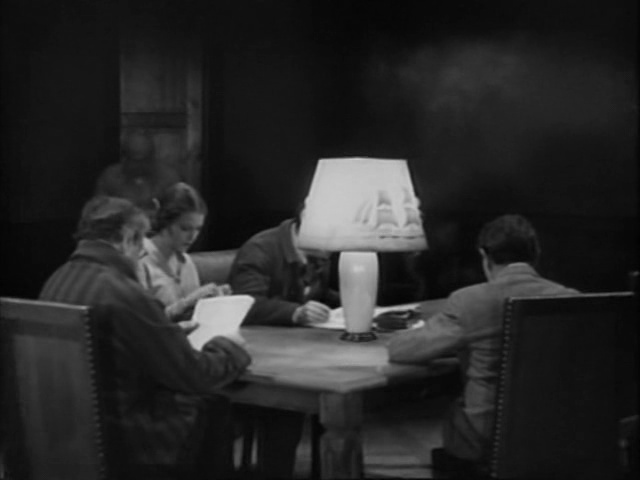
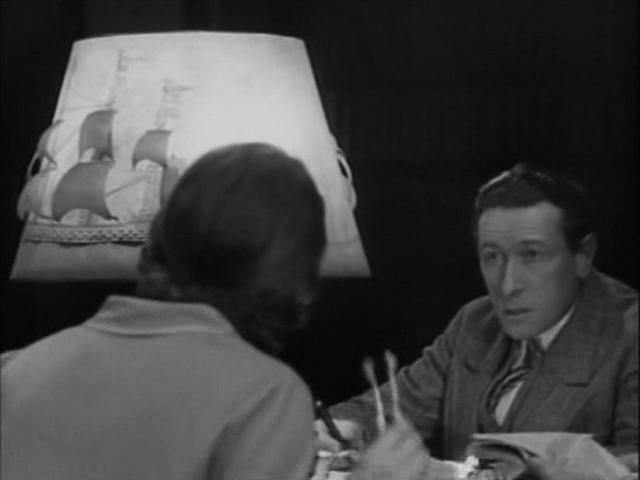

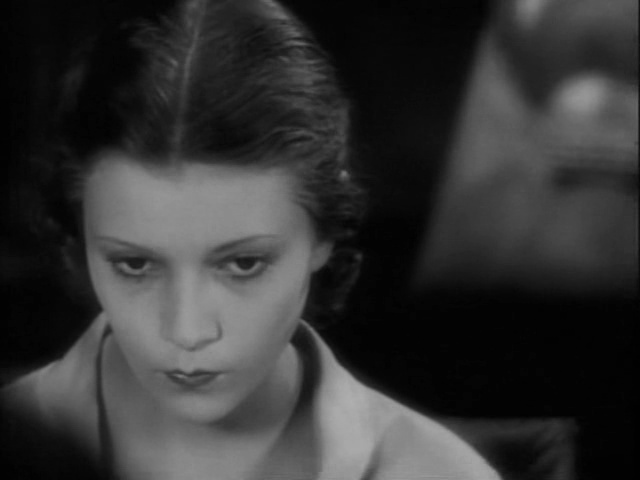
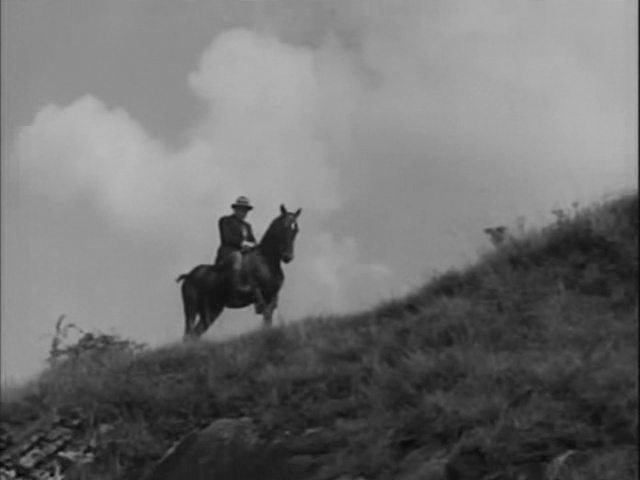

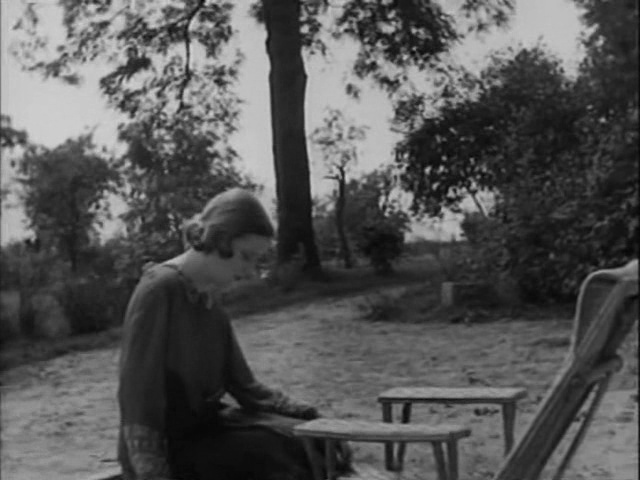
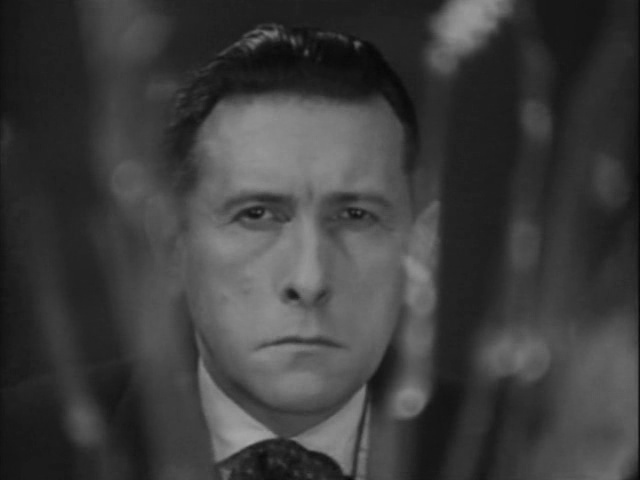


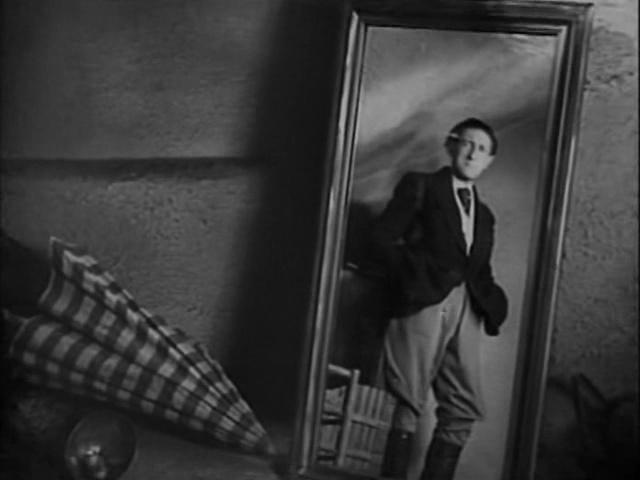

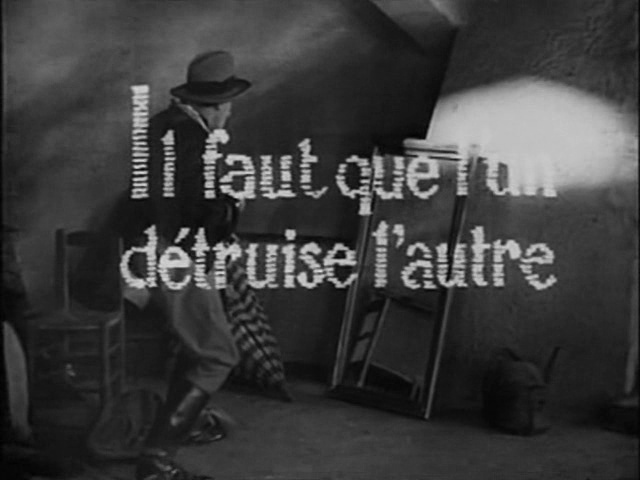
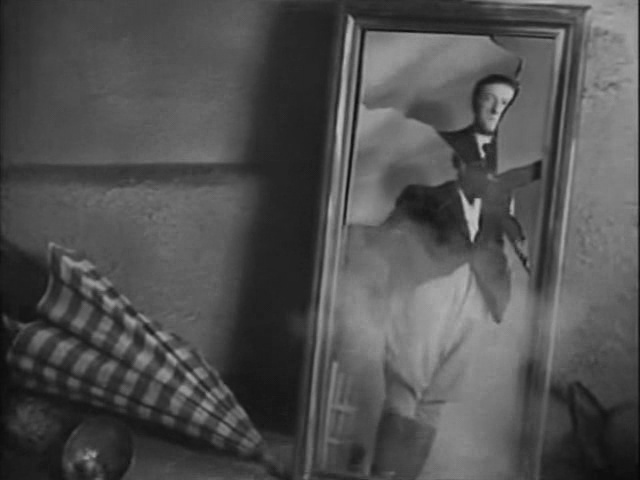
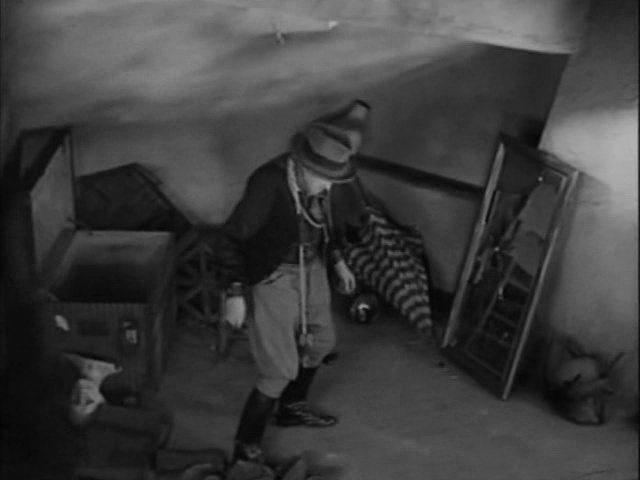
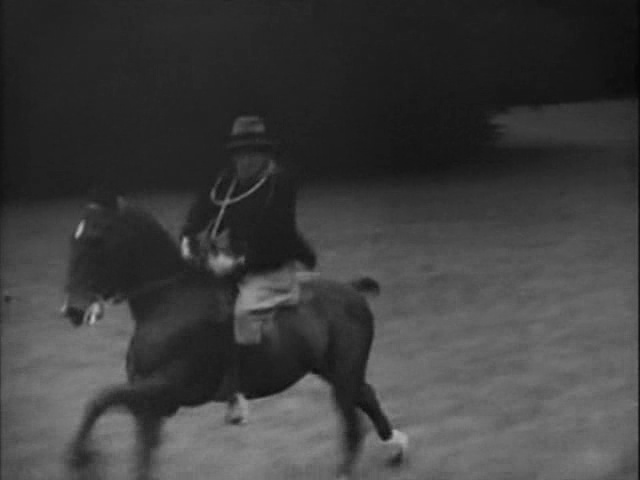

 The Realm of Silence